<?xml version="1.0" encoding="utf-8"?>
<feed xmlns="http://www.w3.org/2005/Atom" xmlns:media="http://search.yahoo.com/mrss/">
    <title>semishops.com</title>
    <link href="https://semishops.com/feed.xml" rel="self" />
    <link href="https://semishops.com" />
    <updated>2026-06-03T00:11:22+08:00</updated>
    <author>
        <name>JasonWong</name>
    </author>
    <id>https://semishops.com</id>

    <entry>
        <title>What factors should be considered when selecting electronic components?</title>
        <author>
            <name>JasonWong</name>
        </author>
        <link href="https://semishops.com/what-factors-should-be-considered-when-selecting-electronic-components.html"/>
        <id>https://semishops.com/what-factors-should-be-considered-when-selecting-electronic-components.html</id>
        <media:content url="https://semishops.com/media/posts/513/1.webp" medium="image" />
            <category term="Blogs"/>

        <updated>2026-06-02T23:32:33+08:00</updated>
            <summary type="html">
                <![CDATA[
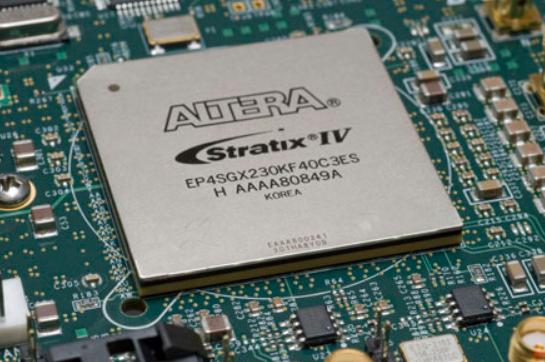
                        <img src="https://semishops.com/media/posts/513/1.webp" alt="" />
                    What Factors Should Be Considered When Selecting Electronic Components? Electronic products have become increasingly sophisticated, integrating advanced processing capabilities, high-speed communications, precision sensing technologies, and complex power architectures into compact designs. Whether developing an industrial controller, automotive subsystem, medical instrument, telecommunications platform, or consumer device,&hellip;
                ]]>
            </summary>
        <content type="html">
            <![CDATA[
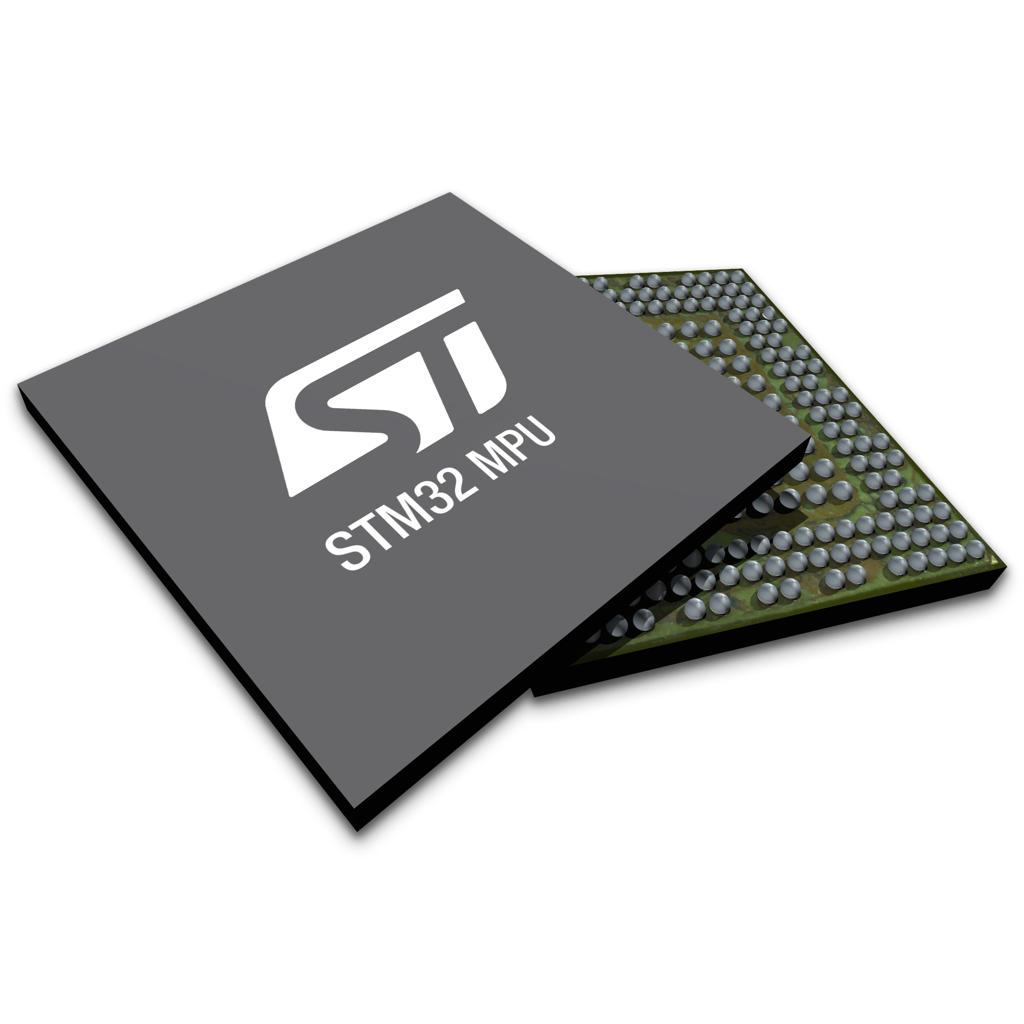
                    <p><img src="https://semishops.com/media/posts/513/1.webp" class="type:primaryImage" alt="" /></p>
                <h1>What Factors Should Be Considered When Selecting Electronic Components?</h1>
<p>Electronic products have become increasingly sophisticated, integrating advanced processing capabilities, high-speed communications, precision sensing technologies, and complex power architectures into compact designs. Whether developing an industrial controller, automotive subsystem, medical instrument, telecommunications platform, or consumer device, component selection remains one of the most influential engineering decisions throughout the product lifecycle.</p>
<p>A single inappropriate component can introduce reliability problems, manufacturing delays, thermal issues, regulatory compliance challenges, or long-term supply risks. Conversely, well-informed component selection contributes not only to technical performance but also to cost control, production stability, and lifecycle sustainability. Consequently, experienced design engineers evaluate electronic components through a multidimensional framework that extends far beyond datasheet specifications.</p>
<h2>Functional Requirements and System Objectives</h2>
<p>Every component selection process begins with a clear understanding of system requirements.</p>
<p>Components should support the intended functionality while maintaining sufficient design margins.</p>
<p>Typical considerations include:</p>
<ul>
<li>
<p>Operating voltage</p>
</li>
<li>
<p>Current requirements</p>
</li>
<li>
<p>Signal bandwidth</p>
</li>
<li>
<p>Processing performance</p>
</li>
<li>
<p>Accuracy targets</p>
</li>
<li>
<p>Environmental conditions</p>
</li>
</ul>
<p>A component that exceeds specifications unnecessarily may increase system cost, while an underspecified component can compromise reliability.</p>
<h3>Requirement Definition Example</h3>
<p>Consider an industrial sensor gateway.</p>
<p>Typical design targets may include:</p>
<table>
<thead>
<tr>
<th>Parameter</th>
<th>Requirement</th>
</tr>
</thead>
<tbody>
<tr>
<td>Supply Voltage</td>
<td>24V DC</td>
</tr>
<tr>
<td>Operating Temperature</td>
<td>-40°C to +85°C</td>
</tr>
<tr>
<td>Communication Interface</td>
<td>Ethernet</td>
</tr>
<tr>
<td>Data Processing</td>
<td>Real-Time</td>
</tr>
<tr>
<td>Product Lifecycle</td>
<td>10+ Years</td>
</tr>
</tbody>
</table>
<p>These requirements immediately influence MCU, memory, power management, and communication IC selection.</p>
<h2>Electrical Performance Parameters</h2>
<p>Electrical characteristics represent the most fundamental evaluation criteria.</p>
<h3>Voltage Ratings</h3>
<p>Design margins are essential.</p>
<p>A common engineering practice is to maintain voltage derating.</p>
<p>Example:</p>
<table>
<thead>
<tr>
<th>Operating Voltage</th>
<th>Recommended Component Rating</th>
</tr>
</thead>
<tbody>
<tr>
<td>5V</td>
<td>≥10V</td>
</tr>
<tr>
<td>12V</td>
<td>≥25V</td>
</tr>
<tr>
<td>48V</td>
<td>≥80V</td>
</tr>
</tbody>
</table>
<p>Adequate derating improves long-term reliability and tolerance to transient events.</p>
<h3>Current Handling Capability</h3>
<p>Current ratings should reflect actual operating conditions rather than nominal values.</p>
<p>For example:</p>
<p>A power rail requiring 5A continuous current should not utilize a regulator rated exactly at 5A.</p>
<p>Typical design margin:</p>
<p>20–50%</p>
<h3>Frequency and Bandwidth</h3>
<p>High-speed designs require careful analysis of:</p>
<ul>
<li>
<p>Rise times</p>
</li>
<li>
<p>Propagation delays</p>
</li>
<li>
<p>Switching frequencies</p>
</li>
<li>
<p>Signal integrity</p>
</li>
</ul>
<p>A communication interface operating at 10 Mbps imposes substantially different requirements than one operating at 10 Gbps.</p>
<h2>Environmental Conditions</h2>
<p>Electronic components rarely operate under ideal laboratory conditions.</p>
<p>Environmental factors often determine field reliability.</p>
<h3>Temperature Considerations</h3>
<p>Component performance changes significantly with temperature.</p>
<p>Typical classifications include:</p>
<table>
<thead>
<tr>
<th>Grade</th>
<th>Operating Range</th>
</tr>
</thead>
<tbody>
<tr>
<td>Commercial</td>
<td>0°C to +70°C</td>
</tr>
<tr>
<td>Industrial</td>
<td>-40°C to +85°C</td>
</tr>
<tr>
<td>Extended Industrial</td>
<td>-40°C to +105°C</td>
</tr>
<tr>
<td>Automotive</td>
<td>-40°C to +125°C</td>
</tr>
</tbody>
</table>
<p>Using commercial-grade components in industrial environments often leads to premature failures.</p>
<h3>Humidity and Corrosion</h3>
<p>Applications exposed to:</p>
<ul>
<li>
<p>Outdoor environments</p>
</li>
<li>
<p>Industrial facilities</p>
</li>
<li>
<p>Marine conditions</p>
</li>
</ul>
<p>require components with appropriate moisture resistance and packaging characteristics.</p>
<h3>Mechanical Stress</h3>
<p>Vibration and shock affect:</p>
<ul>
<li>
<p>Automotive systems</p>
</li>
<li>
<p>Aerospace electronics</p>
</li>
<li>
<p>Industrial machinery</p>
</li>
<li>
<p>Transportation equipment</p>
</li>
</ul>
<p>Mechanical robustness becomes a critical selection factor in these applications.</p>
<h2>Reliability and Lifetime Expectations</h2>
<p>A technically functional design is not necessarily a reliable design.</p>
<p>Reliability engineering focuses on long-term performance under real-world conditions.</p>
<h3>Mean Time Between Failures (MTBF)</h3>
<p>Higher MTBF values generally indicate greater reliability.</p>
<p>Industrial equipment often targets:</p>
<p>50,000–200,000 operational hours</p>
<h3>Failure Rate Analysis</h3>
<p>Reliability calculations frequently consider:</p>
<ul>
<li>
<p>Thermal stress</p>
</li>
<li>
<p>Voltage stress</p>
</li>
<li>
<p>Mechanical stress</p>
</li>
<li>
<p>Environmental exposure</p>
</li>
</ul>
<p>Component selection should align with system lifetime expectations.</p>
<h3>Example</h3>
<p>A consumer device expected to operate for three years may tolerate different component choices than an industrial controller intended to remain operational for fifteen years.</p>
<h2>Thermal Management Requirements</h2>
<p>Heat remains one of the most common causes of electronic failure.</p>
<p>Every component generates some amount of power dissipation.</p>
<h3>Power Dissipation Analysis</h3>
<p>For a MOSFET:</p>
<p>P=I^2R</p>
<p>Even small increases in resistance can substantially increase thermal stress at higher currents.</p>
<h3>Junction Temperature Limits</h3>
<p>Typical semiconductor limits:</p>
<table>
<thead>
<tr>
<th>Component Type</th>
<th>Maximum Junction Temperature</th>
</tr>
</thead>
<tbody>
<tr>
<td>Standard ICs</td>
<td>125°C</td>
</tr>
<tr>
<td>Industrial ICs</td>
<td>150°C</td>
</tr>
<tr>
<td>Automotive ICs</td>
<td>150°C–175°C</td>
</tr>
</tbody>
</table>
<p>Engineers generally target operating temperatures significantly below these limits to improve reliability.</p>
<h3>Package Selection</h3>
<p>Thermal performance depends heavily on package type.</p>
<p>Examples:</p>
<table>
<thead>
<tr>
<th>Package</th>
<th>Thermal Performance</th>
</tr>
</thead>
<tbody>
<tr>
<td>QFN</td>
<td>Excellent</td>
</tr>
<tr>
<td>BGA</td>
<td>Excellent</td>
</tr>
<tr>
<td>SOIC</td>
<td>Moderate</td>
</tr>
<tr>
<td>DIP</td>
<td>Limited</td>
</tr>
</tbody>
</table>
<p>Package selection often influences PCB design and cooling requirements.</p>
<h2>Availability and Supply Chain Stability</h2>
<p>Technical performance alone does not guarantee project success.</p>
<p>Supply-chain disruptions have demonstrated the importance of procurement considerations.</p>
<h3>Lead Time Evaluation</h3>
<p>Lead times may vary dramatically.</p>
<table>
<thead>
<tr>
<th>Component Type</th>
<th>Typical Lead Time</th>
</tr>
</thead>
<tbody>
<tr>
<td>Standard Passive</td>
<td>1–8 Weeks</td>
</tr>
<tr>
<td>Industrial MCU</td>
<td>8–52 Weeks</td>
</tr>
<tr>
<td>FPGA</td>
<td>12–60 Weeks</td>
</tr>
<tr>
<td>Automotive IC</td>
<td>12–70 Weeks</td>
</tr>
</tbody>
</table>
<p>Designs dependent on difficult-to-source components face increased production risks.</p>
<h3>Multi-Sourcing Strategies</h3>
<p>Engineers increasingly prioritize:</p>
<ul>
<li>
<p>Alternative suppliers</p>
</li>
<li>
<p>Pin-compatible options</p>
</li>
<li>
<p>Cross-reference availability</p>
</li>
</ul>
<p>This approach improves resilience during market fluctuations.</p>
<h2>Lifecycle and Obsolescence Risk</h2>
<p>Component obsolescence can create significant challenges.</p>
<h3>Product Lifecycle Categories</h3>
<table>
<thead>
<tr>
<th>Lifecycle Stage</th>
<th>Meaning</th>
</tr>
</thead>
<tbody>
<tr>
<td>Active</td>
<td>Fully Supported</td>
</tr>
<tr>
<td>NRND</td>
<td>Not Recommended for New Designs</td>
</tr>
<tr>
<td>EOL</td>
<td>End of Life</td>
</tr>
<tr>
<td>Obsolete</td>
<td>Production Discontinued</td>
</tr>
</tbody>
</table>
<p>Components approaching EOL status may increase long-term maintenance costs.</p>
<h3>Long-Term Availability</h3>
<p>Industries such as:</p>
<ul>
<li>
<p>Industrial automation</p>
</li>
<li>
<p>Medical equipment</p>
</li>
<li>
<p>Aerospace</p>
</li>
<li>
<p>Transportation</p>
</li>
</ul>
<p>often require product support exceeding ten years.</p>
<p>Lifecycle planning should therefore be integrated into component selection decisions.</p>
<h2>Quality Certifications and Compliance</h2>
<p>Regulatory requirements influence component eligibility.</p>
<h3>Common Certifications</h3>
<table>
<thead>
<tr>
<th>Standard</th>
<th>Application</th>
</tr>
</thead>
<tbody>
<tr>
<td>AEC-Q100</td>
<td>Automotive ICs</td>
</tr>
<tr>
<td>ISO 26262</td>
<td>Functional Safety</td>
</tr>
<tr>
<td>IEC 61508</td>
<td>Industrial Safety</td>
</tr>
<tr>
<td>RoHS</td>
<td>Environmental Compliance</td>
</tr>
<tr>
<td>REACH</td>
<td>Chemical Compliance</td>
</tr>
</tbody>
</table>
<p>Selecting certified components simplifies regulatory approval processes.</p>
<h2>Software Ecosystem and Development Support</h2>
<p>For programmable devices, ecosystem quality often rivals hardware specifications in importance.</p>
<h3>Evaluation Areas</h3>
<ul>
<li>
<p>Development tools</p>
</li>
<li>
<p>SDK availability</p>
</li>
<li>
<p>Reference designs</p>
</li>
<li>
<p>Technical documentation</p>
</li>
<li>
<p>Community support</p>
</li>
</ul>
<p>A component with extensive software resources can significantly reduce development time.</p>
<h3>Engineering Efficiency Example</h3>
<p>Two microcontrollers may offer similar performance.</p>
<p>However:</p>
<table>
<thead>
<tr>
<th>Factor</th>
<th>MCU A</th>
<th>MCU B</th>
</tr>
</thead>
<tbody>
<tr>
<td>Documentation</td>
<td>Extensive</td>
<td>Limited</td>
</tr>
<tr>
<td>SDK Support</td>
<td>Mature</td>
<td>Basic</td>
</tr>
<tr>
<td>Development Time</td>
<td>6 Months</td>
<td>9 Months</td>
</tr>
</tbody>
</table>
<p>The indirect cost difference can exceed any hardware savings.</p>
<h2>Cost Analysis Beyond Unit Price</h2>
<p>Unit cost represents only one element of total ownership cost.</p>
<h3>Hidden Cost Factors</h3>
<p>Engineers frequently evaluate:</p>
<ul>
<li>
<p>Qualification expenses</p>
</li>
<li>
<p>Inventory carrying costs</p>
</li>
<li>
<p>Failure-related service costs</p>
</li>
<li>
<p>PCB complexity</p>
</li>
<li>
<p>Manufacturing yield</p>
</li>
</ul>
<h3>Example</h3>
<p>A component costing $0.50 less per unit may require:</p>
<ul>
<li>
<p>Additional cooling</p>
</li>
<li>
<p>Larger PCB area</p>
</li>
<li>
<p>Longer development effort</p>
</li>
</ul>
<p>The total project cost may ultimately increase.</p>
<h2>Counterfeit Risk and Traceability</h2>
<p>As global electronics supply chains expand, counterfeit risk remains a significant concern.</p>
<p>Particularly vulnerable categories include:</p>
<ul>
<li>
<p>MCUs</p>
</li>
<li>
<p>FPGAs</p>
</li>
<li>
<p>Memory devices</p>
</li>
<li>
<p>Power semiconductors</p>
</li>
</ul>
<h3>Verification Measures</h3>
<p>Professional sourcing programs commonly implement:</p>
<ul>
<li>
<p>Manufacturer traceability verification</p>
</li>
<li>
<p>Date-code inspection</p>
</li>
<li>
<p>X-ray analysis</p>
</li>
<li>
<p>Electrical testing</p>
</li>
<li>
<p>Packaging authentication</p>
</li>
</ul>
<p>Traceability has become increasingly important in industrial, automotive, and medical applications.</p>
<h2>Case Study: Industrial Control System BOM Optimization</h2>
<p>An industrial automation manufacturer reviewed a controller BOM containing 230 components.</p>
<p>Original challenges:</p>
<ul>
<li>
<p>Three components approaching EOL</p>
</li>
<li>
<p>One communication IC with 52-week lead time</p>
</li>
<li>
<p>Excessive thermal margin issues</p>
</li>
</ul>
<p>Engineering review identified:</p>
<ul>
<li>
<p>Two alternative microcontrollers</p>
</li>
<li>
<p>One alternate Ethernet PHY</p>
</li>
<li>
<p>Improved power regulator selection</p>
</li>
</ul>
<p>Results:</p>
<table>
<thead>
<tr>
<th>Metric</th>
<th>Before Optimization</th>
<th>After Optimization</th>
</tr>
</thead>
<tbody>
<tr>
<td>Average Lead Time</td>
<td>38 Weeks</td>
<td>14 Weeks</td>
</tr>
<tr>
<td>BOM Cost</td>
<td>Baseline</td>
<td>-8%</td>
</tr>
<tr>
<td>Operating Temperature</td>
<td>96°C</td>
<td>82°C</td>
</tr>
<tr>
<td>Supply Risk</td>
<td>High</td>
<td>Moderate</td>
</tr>
</tbody>
</table>
<p>The redesign improved both procurement stability and product reliability.</p>
<h2>Manufacturing Support, Quality Assurance, and Supply Stability</h2>
<p>Selecting electronic components extends beyond engineering analysis. Long-term success depends on reliable sourcing, quality assurance, and effective supply-chain management throughout the product lifecycle.</p>
<p>Professional semiconductor and electronic component suppliers can provide:</p>
<ul>
<li>
<p>Original component sourcing</p>
</li>
<li>
<p>Alternative component recommendations</p>
</li>
<li>
<p>Cross-reference analysis</p>
</li>
<li>
<p>BOM optimization services</p>
</li>
<li>
<p>Lifecycle and EOL management</p>
</li>
<li>
<p>Prototype and mass-production support</p>
</li>
<li>
<p>Global logistics coordination</p>
</li>
</ul>
<p>Comprehensive quality-control systems typically include manufacturer traceability verification, date-code inspection, packaging integrity assessment, incoming quality inspection, electrical sampling, and counterfeit-risk screening. These procedures help ensure consistency from prototype development through full-scale production.</p>
<p>For manufacturers operating in industrial, automotive, medical, telecommunications, and energy sectors, experienced supply-chain partners such as semi can assist with component selection, sourcing strategy development, inventory planning, and procurement risk mitigation. Through strict supplier qualification standards and robust quality-management processes, customers can improve product reliability while maintaining stable production schedules and long-term supply continuity.</p>
<p><strong>#ElectronicComponents #ComponentSelection #BOMOptimization #SemiconductorSourcing #IndustrialElectronics #SupplyChainManagement #LifecycleManagement #ElectronicDesign #MCUSelection #PowerManagement #ThermalDesign #ReliabilityEngineering #ElectronicManufacturing #ComponentQualification #ObsolescenceManagement #EngineeringDesign #ProductDevelopment #SemiconductorDistribution #QualityControl #ElectronicSystems</strong></p>
            ]]>
        </content>
    </entry>
    <entry>
        <title>How to select automotive-grade semiconductors?</title>
        <author>
            <name>JasonWong</name>
        </author>
        <link href="https://semishops.com/how-to-select-automotive-grade-semiconductors.html"/>
        <id>https://semishops.com/how-to-select-automotive-grade-semiconductors.html</id>
        <media:content url="https://semishops.com/media/posts/512/2.webp" medium="image" />
            <category term="Blogs"/>

        <updated>2026-06-02T23:30:15+08:00</updated>
            <summary type="html">
                <![CDATA[
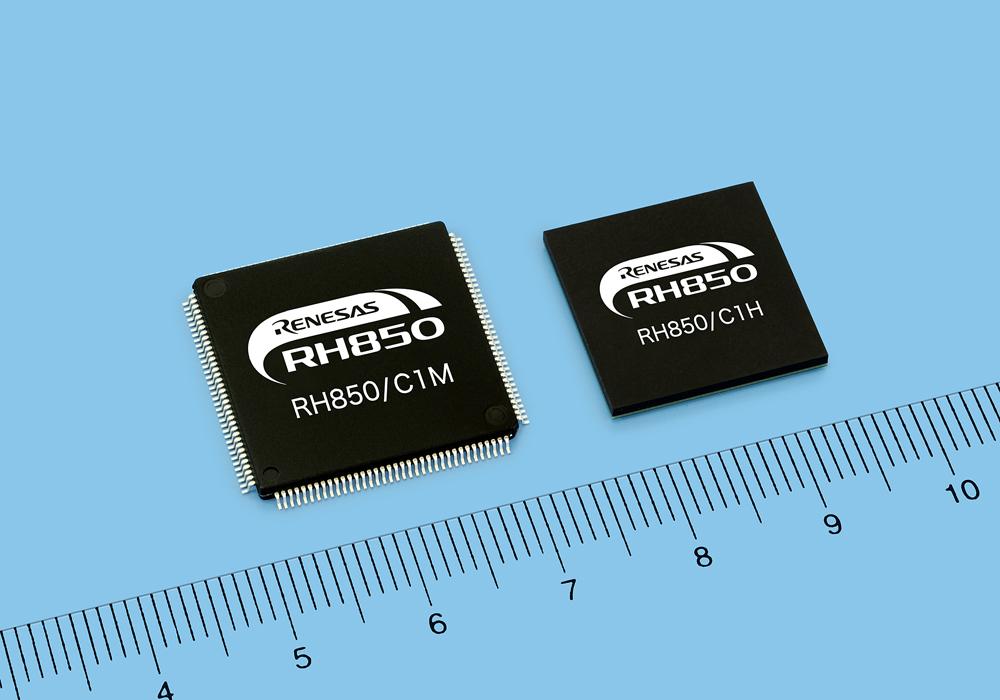
                        <img src="https://semishops.com/media/posts/512/2.webp" alt="" />
                    How to Select Automotive-Grade Semiconductors? Modern vehicles contain far more semiconductor content than automobiles produced just a decade ago. Advanced driver-assistance systems (ADAS), battery management systems, electric powertrains, digital cockpits, radar sensors, vehicle networking architectures, and intelligent body electronics have transformed the automobile into a&hellip;
                ]]>
            </summary>
        <content type="html">
            <![CDATA[
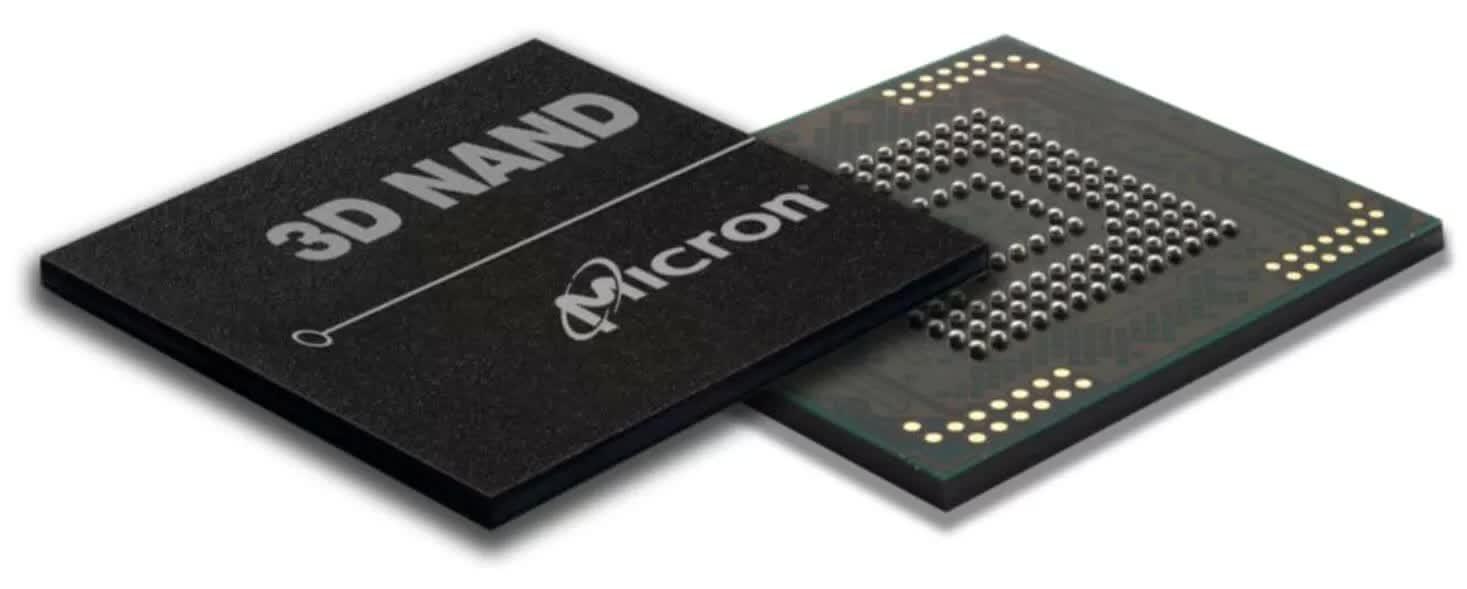
                    <p><img src="https://semishops.com/media/posts/512/2.webp" class="type:primaryImage" alt="" /></p>
                <h1>How to Select Automotive-Grade Semiconductors?</h1>
<p>Modern vehicles contain far more semiconductor content than automobiles produced just a decade ago. Advanced driver-assistance systems (ADAS), battery management systems, electric powertrains, digital cockpits, radar sensors, vehicle networking architectures, and intelligent body electronics have transformed the automobile into a highly distributed computing platform. As vehicle electronics become increasingly complex, semiconductor selection has evolved from a simple component sourcing activity into a critical engineering decision directly affecting safety, reliability, regulatory compliance, and long-term product viability.</p>
<p>Unlike consumer or industrial electronics, automotive systems operate in environments characterized by extreme temperatures, voltage transients, vibration, humidity, electromagnetic interference, and service lifetimes often exceeding fifteen years. Consequently, selecting automotive-grade semiconductors requires a rigorous assessment of qualification standards, functional safety requirements, lifecycle support, environmental robustness, and supply-chain stability.</p>
<h2>Understanding What Defines an Automotive-Grade Semiconductor</h2>
<p>Not every semiconductor used inside a vehicle qualifies as an automotive-grade component.</p>
<p>Automotive-grade devices are typically designed, tested, and manufactured according to automotive industry standards that ensure long-term reliability under demanding operating conditions.</p>
<p>The most widely recognized qualification standard is:</p>
<h3>AEC-Q Qualification</h3>
<p>The Automotive Electronics Council (AEC) established qualification standards covering various semiconductor categories.</p>
<p>Common standards include:</p>
<table>
<thead>
<tr>
<th>Standard</th>
<th>Device Category</th>
</tr>
</thead>
<tbody>
<tr>
<td>AEC-Q100</td>
<td>Integrated Circuits</td>
</tr>
<tr>
<td>AEC-Q101</td>
<td>Discrete Semiconductors</td>
</tr>
<tr>
<td>AEC-Q102</td>
<td>Optoelectronic Devices</td>
</tr>
<tr>
<td>AEC-Q104</td>
<td>Multi-Chip Modules</td>
</tr>
<tr>
<td>AEC-Q200</td>
<td>Passive Components</td>
</tr>
</tbody>
</table>
<p>AEC qualification involves extensive environmental and reliability testing before devices can be approved for automotive applications.</p>
<h3>Typical Qualification Tests</h3>
<p>Automotive semiconductors may undergo:</p>
<ul>
<li>
<p>High-temperature operating life testing</p>
</li>
<li>
<p>Temperature cycling</p>
</li>
<li>
<p>Power cycling</p>
</li>
<li>
<p>Moisture resistance testing</p>
</li>
<li>
<p>Electrostatic discharge validation</p>
</li>
<li>
<p>Mechanical stress evaluation</p>
</li>
</ul>
<p>Qualification testing frequently exceeds the requirements imposed on industrial-grade components.</p>
<h2>Temperature Requirements and Grade Classification</h2>
<p>Temperature performance represents one of the most important criteria when selecting automotive semiconductors.</p>
<p>Vehicle electronics can experience conditions ranging from sub-zero winter starts to engine-compartment temperatures exceeding 125°C.</p>
<h3>Automotive Temperature Grades</h3>
<table>
<thead>
<tr>
<th>Grade</th>
<th>Operating Temperature Range</th>
</tr>
</thead>
<tbody>
<tr>
<td>Grade 0</td>
<td>-40°C to +150°C</td>
</tr>
<tr>
<td>Grade 1</td>
<td>-40°C to +125°C</td>
</tr>
<tr>
<td>Grade 2</td>
<td>-40°C to +105°C</td>
</tr>
<tr>
<td>Grade 3</td>
<td>-40°C to +85°C</td>
</tr>
</tbody>
</table>
<h3>Application Examples</h3>
<table>
<thead>
<tr>
<th>Vehicle System</th>
<th>Typical Grade</th>
</tr>
</thead>
<tbody>
<tr>
<td>Engine Control Unit</td>
<td>Grade 0</td>
</tr>
<tr>
<td>Battery Management System</td>
<td>Grade 0</td>
</tr>
<tr>
<td>Transmission Control</td>
<td>Grade 0</td>
</tr>
<tr>
<td>ADAS Radar</td>
<td>Grade 1</td>
</tr>
<tr>
<td>Body Control Module</td>
<td>Grade 2</td>
</tr>
<tr>
<td>Infotainment System</td>
<td>Grade 3</td>
</tr>
</tbody>
</table>
<p>Selecting a lower-grade component for a high-temperature environment can significantly reduce operational reliability.</p>
<h2>Functional Safety Considerations</h2>
<p>Vehicle electronics increasingly perform safety-critical functions.</p>
<p>Examples include:</p>
<ul>
<li>
<p>Electronic braking systems</p>
</li>
<li>
<p>Steering control</p>
</li>
<li>
<p>Airbag deployment</p>
</li>
<li>
<p>Autonomous driving functions</p>
</li>
<li>
<p>Battery protection systems</p>
</li>
</ul>
<p>As a result, semiconductor selection frequently involves compliance with:</p>
<h3>ISO 26262</h3>
<p>ISO 26262 defines functional safety requirements for road vehicles.</p>
<p>Safety classifications are expressed through Automotive Safety Integrity Levels (ASIL).</p>
<table>
<thead>
<tr>
<th>ASIL Level</th>
<th>Risk Level</th>
</tr>
</thead>
<tbody>
<tr>
<td>ASIL A</td>
<td>Lowest</td>
</tr>
<tr>
<td>ASIL B</td>
<td>Moderate</td>
</tr>
<tr>
<td>ASIL C</td>
<td>High</td>
</tr>
<tr>
<td>ASIL D</td>
<td>Highest</td>
</tr>
</tbody>
</table>
<p>Semiconductors designed for ASIL applications often integrate:</p>
<ul>
<li>
<p>Built-in self-test mechanisms</p>
</li>
<li>
<p>Lockstep processing cores</p>
</li>
<li>
<p>ECC memory protection</p>
</li>
<li>
<p>Diagnostic monitoring circuits</p>
</li>
<li>
<p>Fault reporting functions</p>
</li>
</ul>
<p>These features help manufacturers meet system-level safety targets.</p>
<h2>Selecting Automotive Microcontrollers</h2>
<p>Microcontrollers remain the central processing element in many automotive systems.</p>
<p>Selection criteria typically include:</p>
<ul>
<li>
<p>Functional safety support</p>
</li>
<li>
<p>Processing performance</p>
</li>
<li>
<p>Security architecture</p>
</li>
<li>
<p>Communication interfaces</p>
</li>
<li>
<p>Long-term availability</p>
</li>
</ul>
<h3>Representative Automotive MCU Families</h3>
<table>
<thead>
<tr>
<th>Manufacturer</th>
<th>Automotive MCU Family</th>
</tr>
</thead>
<tbody>
<tr>
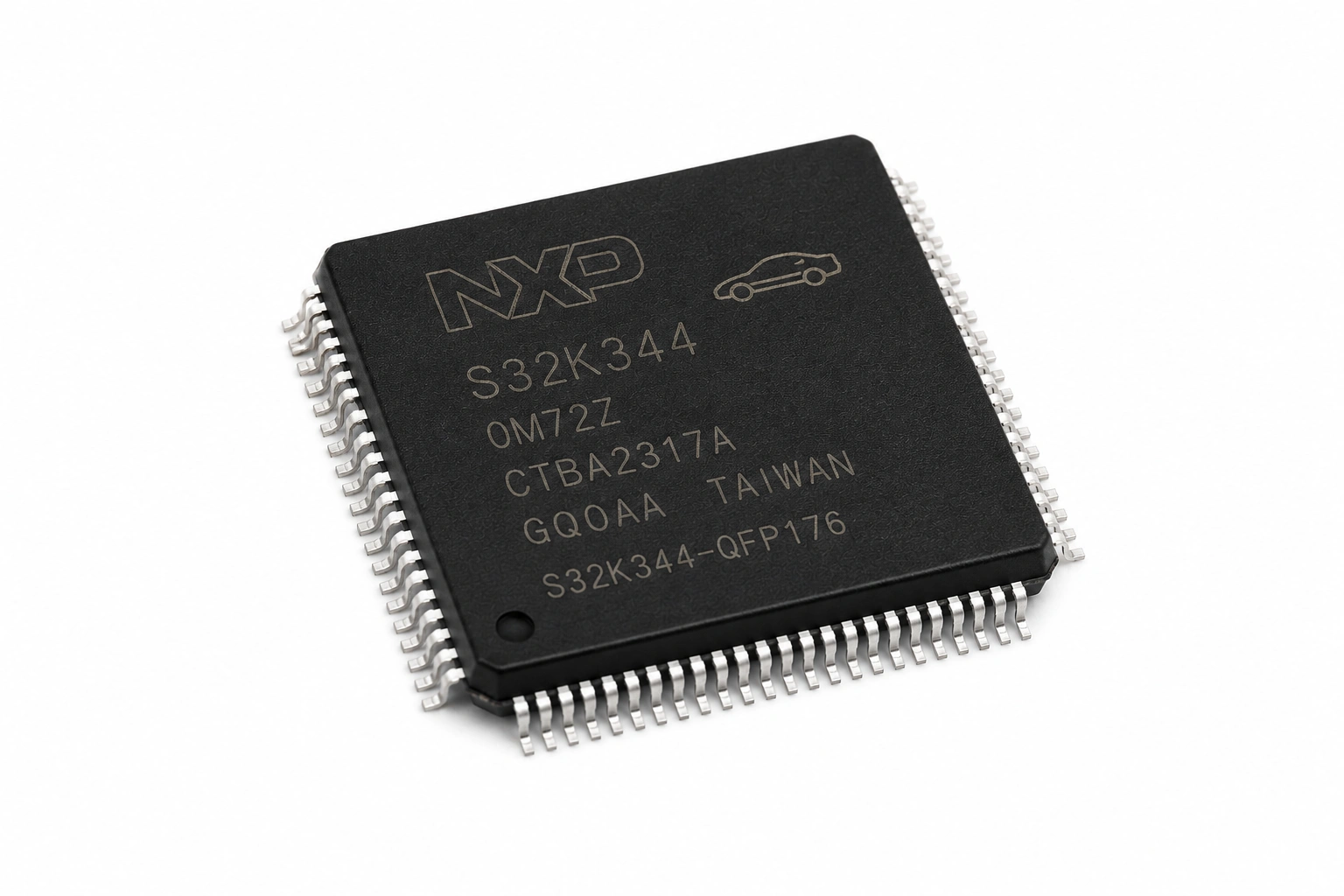
<td>NXP</td>
<td>S32K Series</td>
</tr>
<tr>
<td>Renesas</td>
<td>RH850 Series</td>
</tr>
<tr>
<td>Infineon</td>
<td>AURIX Series</td>
</tr>
<tr>
<td>Texas Instruments</td>
<td>Hercules Series</td>
</tr>
<tr>
<td>STMicroelectronics</td>
<td>SPC5 Series</td>
</tr>
</tbody>
</table>
<h3>Example: Battery Management System</h3>
<p>A modern electric vehicle battery pack may contain:</p>
<ul>
<li>
<p>Hundreds of battery cells</p>
</li>
<li>
<p>Multiple voltage monitoring channels</p>
</li>
<li>
<p>Current sensing circuits</p>
</li>
<li>
<p>Thermal management functions</p>
</li>
</ul>
<p>The MCU must process sensor data in real time while supporting safety mechanisms capable of detecting faults within milliseconds.</p>
<p>In such applications, ASIL-C or ASIL-D capable microcontrollers are commonly selected.</p>
<h2>Memory Devices for Automotive Systems</h2>
<p>Memory selection requires balancing performance, endurance, and reliability.</p>
<h3>Common Automotive Memory Types</h3>
<table>
<thead>
<tr>
<th>Memory Type</th>
<th>Typical Use</th>
</tr>
</thead>
<tbody>
<tr>
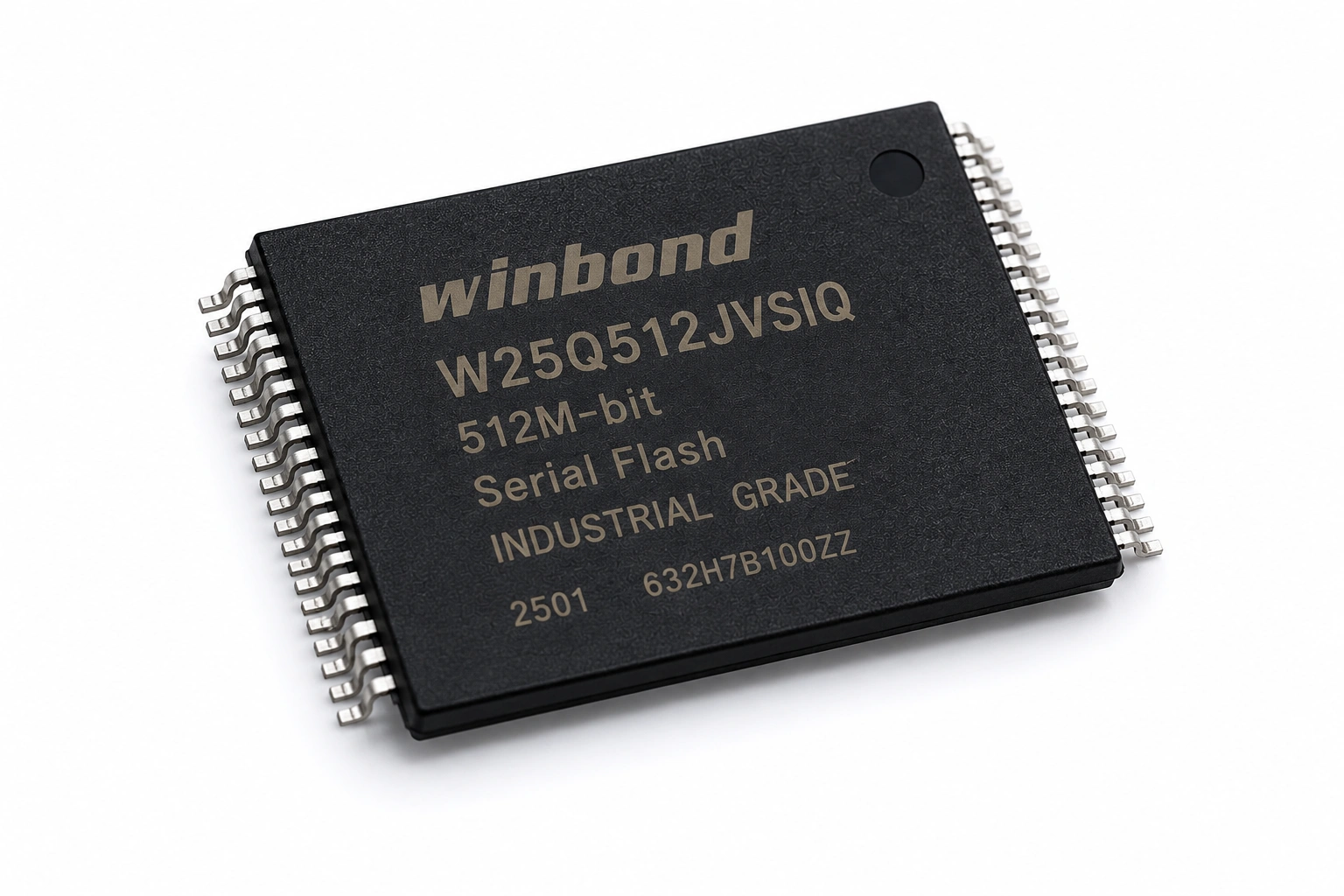
<td>NOR Flash</td>
<td>Firmware Storage</td>
</tr>
<tr>
<td>NAND Flash</td>
<td>High-Capacity Storage</td>
</tr>
<tr>
<td>EEPROM</td>
<td>Calibration Data</td>
</tr>
<tr>
<td>FRAM</td>
<td>Frequent Data Logging</td>
</tr>
<tr>
<td>DDR4/LPDDR4</td>
<td>High-Speed Processing</td>
</tr>
</tbody>
</table>
<h3>Data Retention Requirements</h3>
<p>Automotive systems often require:</p>
<ul>
<li>
<p>15–20 years retention</p>
</li>
<li>
<p>High endurance under temperature stress</p>
</li>
<li>
<p>Resistance to voltage fluctuations</p>
</li>
</ul>
<p>For example, calibration data stored within an engine control module must remain reliable throughout the vehicle's service life.</p>
<h2>Power Semiconductor Selection</h2>
<p>The transition toward electric vehicles has dramatically increased demand for advanced power semiconductors.</p>
<h3>Silicon MOSFETs</h3>
<p>Applications:</p>
<ul>
<li>
<p>Body electronics</p>
</li>
<li>
<p>DC-DC converters</p>
</li>
<li>
<p>Lighting systems</p>
</li>
</ul>
<p>Advantages:</p>
<ul>
<li>
<p>Cost efficiency</p>
</li>
<li>
<p>Mature manufacturing ecosystem</p>
</li>
</ul>
<h3>IGBTs</h3>
<p>Applications:</p>
<ul>
<li>
<p>Traction inverters</p>
</li>
<li>
<p>High-power motor drives</p>
</li>
</ul>
<p>Advantages:</p>
<ul>
<li>
<p>High current handling capability</p>
</li>
</ul>
<h3>Silicon Carbide (SiC) MOSFETs</h3>
<p>Applications:</p>
<ul>
<li>
<p>Electric vehicle powertrains</p>
</li>
<li>
<p>Fast charging systems</p>
</li>
</ul>
<p>Advantages:</p>
<ul>
<li>
<p>Lower switching losses</p>
</li>
<li>
<p>Higher efficiency</p>
</li>
<li>
<p>Improved thermal performance</p>
</li>
</ul>
<p>Comparison:</p>
<table>
<thead>
<tr>
<th>Parameter</th>
<th>Silicon MOSFET</th>
<th>SiC MOSFET</th>
</tr>
</thead>
<tbody>
<tr>
<td>Efficiency</td>
<td>Good</td>
<td>Excellent</td>
</tr>
<tr>
<td>Switching Speed</td>
<td>Moderate</td>
<td>High</td>
</tr>
<tr>
<td>High-Temperature Performance</td>
<td>Good</td>
<td>Superior</td>
</tr>
</tbody>
</table>
<p>Many modern EV platforms have adopted SiC devices to improve driving range and charging efficiency.</p>
<h2>Automotive Communication Interfaces</h2>
<p>Vehicles increasingly resemble distributed networks.</p>
<p>Important communication technologies include:</p>
<ul>
<li>
<p>CAN</p>
</li>
<li>
<p>CAN FD</p>
</li>
<li>
<p>LIN</p>
</li>
<li>
<p>FlexRay</p>
</li>
<li>
<p>Automotive Ethernet</p>
</li>
</ul>
<p>Semiconductor selection must ensure compatibility with required network architectures.</p>
<h3>Automotive Ethernet Growth</h3>
<p>Vehicle data requirements continue to increase.</p>
<table>
<thead>
<tr>
<th>Interface</th>
<th>Data Rate</th>
</tr>
</thead>
<tbody>
<tr>
<td>CAN</td>
<td>1 Mbps</td>
</tr>
<tr>
<td>CAN FD</td>
<td>8 Mbps</td>
</tr>
<tr>
<td>Automotive Ethernet</td>
<td>100 Mbps–10 Gbps</td>
</tr>
</tbody>
</table>
<p>ADAS and autonomous driving systems increasingly rely on Ethernet-based communication infrastructure.</p>
<h2>Reliability Metrics Beyond Datasheets</h2>
<p>Datasheet specifications represent only part of the selection process.</p>
<p>Automotive engineers often evaluate:</p>
<h3>FIT Rate</h3>
<p>Failures in Time (FIT) measures expected failures per billion operating hours.</p>
<p>Lower FIT values indicate higher reliability.</p>
<h3>Mean Time to Failure (MTTF)</h3>
<p>MTTF estimates expected operational lifespan.</p>
<p>Automotive platforms generally target extremely high reliability due to safety and warranty requirements.</p>
<h3>Mission Profile Analysis</h3>
<p>Mission profiles evaluate:</p>
<ul>
<li>
<p>Temperature exposure</p>
</li>
<li>
<p>Duty cycles</p>
</li>
<li>
<p>Mechanical stress</p>
</li>
<li>
<p>Electrical loading</p>
</li>
</ul>
<p>Semiconductors should be selected according to actual operating conditions rather than laboratory specifications alone.</p>
<h2>Lifecycle Support and Long-Term Availability</h2>
<p>Automotive platforms typically remain in production for many years.</p>
<p>A vehicle launched today may require replacement parts more than fifteen years from now.</p>
<p>Semiconductor suppliers therefore provide:</p>
<ul>
<li>
<p>Product longevity programs</p>
</li>
<li>
<p>Automotive roadmap commitments</p>
</li>
<li>
<p>Change-notification processes</p>
</li>
<li>
<p>Extended manufacturing support</p>
</li>
</ul>
<h3>Typical Lifecycle Comparison</h3>
<table>
<thead>
<tr>
<th>Market Segment</th>
<th>Typical Lifecycle</th>
</tr>
</thead>
<tbody>
<tr>
<td>Consumer Electronics</td>
<td>3–5 Years</td>
</tr>
<tr>
<td>Industrial Equipment</td>
<td>10–15 Years</td>
</tr>
<tr>
<td>Automotive Electronics</td>
<td>15–20 Years</td>
</tr>
</tbody>
</table>
<p>Lifecycle stability frequently becomes a decisive factor when comparing technically similar devices.</p>
<h2>Supply Chain Resilience in Automotive Programs</h2>
<p>The global semiconductor shortage highlighted the vulnerability of automotive supply chains.</p>
<p>Modern procurement strategies increasingly include:</p>
<ul>
<li>
<p>Dual-source qualification</p>
</li>
<li>
<p>Alternate device validation</p>
</li>
<li>
<p>Inventory forecasting</p>
</li>
<li>
<p>Lifecycle monitoring</p>
</li>
</ul>
<h3>Risk Mitigation Example</h3>
<p>An automotive Tier 1 supplier may qualify:</p>
<ul>
<li>
<p>Primary MCU supplier</p>
</li>
<li>
<p>Secondary MCU supplier</p>
</li>
<li>
<p>Multiple memory sources</p>
</li>
</ul>
<p>Although qualification costs increase, production continuity improves significantly.</p>
<h2>Case Study: Electric Vehicle Inverter Redesign</h2>
<p>An electric vehicle manufacturer sought to improve inverter efficiency in a 400V traction system.</p>
<p>Original design:</p>
<ul>
<li>
<p>Silicon IGBT platform</p>
</li>
<li>
<p>Peak efficiency: 95%</p>
</li>
</ul>
<p>Redesigned platform:</p>
<ul>
<li>
<p>Automotive-grade SiC MOSFETs</p>
</li>
</ul>
<p>Results:</p>
<table>
<thead>
<tr>
<th>Metric</th>
<th>Original System</th>
<th>Updated System</th>
</tr>
</thead>
<tbody>
<tr>
<td>Efficiency</td>
<td>95%</td>
<td>98%</td>
</tr>
<tr>
<td>Heat Generation</td>
<td>Baseline</td>
<td>Reduced by ~35%</td>
</tr>
<tr>
<td>Cooling Requirement</td>
<td>Higher</td>
<td>Lower</td>
</tr>
<tr>
<td>Driving Range</td>
<td>Baseline</td>
<td>Increased by ~4–6%</td>
</tr>
</tbody>
</table>
<p>The efficiency gains translated directly into improved vehicle performance and reduced thermal management requirements.</p>
<h2>Manufacturing Support, Quality Assurance, and Supply Stability</h2>
<p>Selecting automotive-grade semiconductors requires more than comparing technical specifications. Long-term reliability, traceability, quality control, and stable supply-chain management are equally important throughout the vehicle lifecycle.</p>
<p>Professional semiconductor supply partners can support customers with:</p>
<ul>
<li>
<p>Original automotive component sourcing</p>
</li>
<li>
<p>Cross-reference analysis</p>
</li>
<li>
<p>Alternative component recommendations</p>
</li>
<li>
<p>BOM optimization services</p>
</li>
<li>
<p>Lifecycle management planning</p>
</li>
<li>
<p>Prototype and mass-production support</p>
</li>
<li>
<p>Global logistics coordination</p>
</li>
</ul>
<p>Comprehensive quality-control systems typically include manufacturer traceability verification, date-code inspection, packaging integrity assessment, incoming quality inspection, electrical sampling tests, and counterfeit-risk screening. Automotive programs often require additional documentation and qualification records to support regulatory and customer requirements.</p>
<p>For automotive OEMs, Tier 1 suppliers, and electronic module manufacturers, experienced sourcing partners such as semi can help reduce procurement risks while supporting long-term production continuity. Through rigorous supplier qualification procedures, inventory management systems, and global sourcing resources, customers can maintain high standards of product quality, reliability, and delivery performance throughout the lifecycle of automotive platforms.</p>
<p><strong>#AutomotiveSemiconductors #AECQ100 #ISO26262 #ASIL #AutomotiveMCU #ElectricVehicleElectronics #ADAS #BatteryManagementSystem #AutomotiveEthernet #SiCMOSFET #AutomotiveMemory #VehicleElectronics #FunctionalSafety #AutomotivePowerSemiconductor #AutomotiveGradeIC #AutomotiveSupplyChain #ElectronicControlUnit #SemiconductorQualification #AutomotiveReliability #AutomotiveComponents</strong></p>
            ]]>
        </content>
    </entry>
    <entry>
        <title>Which memory chip is suitable for industrial applications?</title>
        <author>
            <name>JasonWong</name>
        </author>
        <link href="https://semishops.com/which-memory-chip-is-suitable-for-industrial-applications.html"/>
        <id>https://semishops.com/which-memory-chip-is-suitable-for-industrial-applications.html</id>
        <media:content url="https://semishops.com/media/posts/511/3.webp" medium="image" />
            <category term="Blogs"/>

        <updated>2026-06-02T23:27:54+08:00</updated>
            <summary type="html">
                <![CDATA[
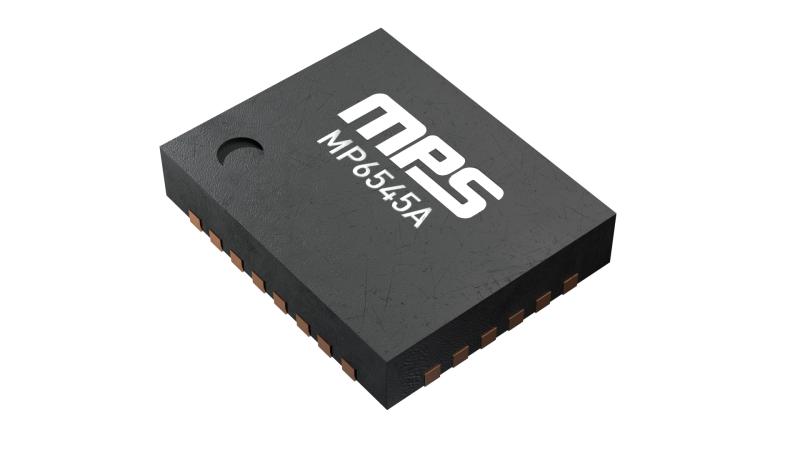
                        <img src="https://semishops.com/media/posts/511/3.webp" alt="" />
                    Which Memory Chip Is Suitable for Industrial Applications? Memory devices occupy a central position in modern industrial electronics. From programmable logic controllers (PLCs) and industrial gateways to machine vision systems, robotics, energy infrastructure, and transportation equipment, memory chips store firmware, operating systems, configuration parameters, sensor&hellip;
                ]]>
            </summary>
        <content type="html">
            <![CDATA[
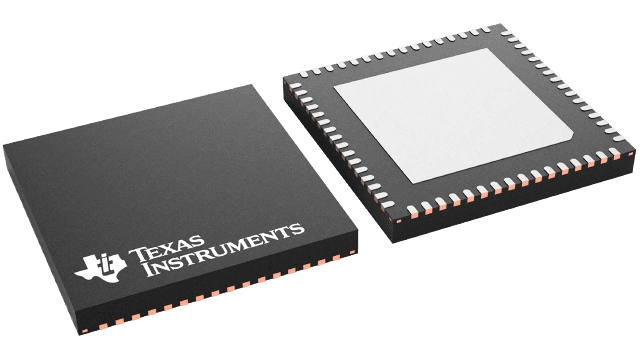
                    <p><img src="https://semishops.com/media/posts/511/3.webp" class="type:primaryImage" alt="" /></p>
                <h1>Which Memory Chip Is Suitable for Industrial Applications?</h1>
<p>Memory devices occupy a central position in modern industrial electronics. From programmable logic controllers (PLCs) and industrial gateways to machine vision systems, robotics, energy infrastructure, and transportation equipment, memory chips store firmware, operating systems, configuration parameters, sensor data, and real-time processing information. Yet unlike consumer electronics, industrial systems are expected to function reliably under harsh environmental conditions and often remain operational for more than a decade. As a result, memory selection in industrial applications extends far beyond capacity and speed.</p>
<p>A memory device that performs adequately in a commercial product may fail prematurely when exposed to temperature extremes, electrical noise, continuous write cycles, or long-term retention requirements. Engineers therefore evaluate memory technologies based on endurance, reliability, operating temperature range, lifecycle support, and application-specific performance characteristics rather than focusing solely on storage density.</p>
<h2>Why Industrial Memory Requirements Differ from Consumer Electronics</h2>
<p>Industrial equipment is frequently deployed in environments where reliability takes precedence over maximum performance.</p>
<p>Common operating conditions include:</p>
<ul>
<li>
<p>Continuous 24/7 operation</p>
</li>
<li>
<p>Wide temperature fluctuations</p>
</li>
<li>
<p>High humidity</p>
</li>
<li>
<p>Electromagnetic interference</p>
</li>
<li>
<p>Mechanical vibration</p>
</li>
<li>
<p>Long maintenance intervals</p>
</li>
</ul>
<p>A consumer-grade memory device designed for a three-to-five-year lifecycle may not satisfy the expectations of industrial users who anticipate operational lifetimes exceeding fifteen years.</p>
<h3>Typical Design Targets</h3>
<table>
<thead>
<tr>
<th>Parameter</th>
<th>Consumer Device</th>
<th>Industrial Equipment</th>
</tr>
</thead>
<tbody>
<tr>
<td>Product Lifetime</td>
<td>3–5 Years</td>
<td>10–20 Years</td>
</tr>
<tr>
<td>Operating Temperature</td>
<td>0°C to 70°C</td>
<td>-40°C to +85°C</td>
</tr>
<tr>
<td>Data Retention</td>
<td>5–10 Years</td>
<td>10–20 Years</td>
</tr>
<tr>
<td>Write Endurance</td>
<td>Moderate</td>
<td>High</td>
</tr>
<tr>
<td>Supply Continuity</td>
<td>Short-Term</td>
<td>Long-Term</td>
</tr>
</tbody>
</table>
<p>These requirements significantly influence memory technology selection.</p>
<h2>Understanding the Major Memory Categories</h2>
<p>Industrial systems typically utilize a combination of volatile and non-volatile memory technologies.</p>
<h3>Volatile Memory</h3>
<p>Volatile memory loses stored data when power is removed.</p>
<p>Examples include:</p>
<ul>
<li>
<p>SRAM</p>
</li>
<li>
<p>SDRAM</p>
</li>
<li>
<p>DDR3</p>
</li>
<li>
<p>DDR4</p>
</li>
<li>
<p>DDR5</p>
</li>
<li>
<p>LPDDR</p>
</li>
</ul>
<p>Primary applications:</p>
<ul>
<li>
<p>Runtime execution</p>
</li>
<li>
<p>Data buffering</p>
</li>
<li>
<p>Real-time processing</p>
</li>
</ul>
<h3>Non-Volatile Memory</h3>
<p>Non-volatile memory retains information without power.</p>
<p>Examples include:</p>
<ul>
<li>
<p>NOR Flash</p>
</li>
<li>
<p>NAND Flash</p>
</li>
<li>
<p>EEPROM</p>
</li>
<li>
<p>FRAM</p>
</li>
<li>
<p>MRAM</p>
</li>
</ul>
<p>Primary applications:</p>
<ul>
<li>
<p>Firmware storage</p>
</li>
<li>
<p>Configuration parameters</p>
</li>
<li>
<p>Data logging</p>
</li>
<li>
<p>Event recording</p>
</li>
</ul>
<p>Selecting the appropriate memory often involves balancing the strengths of multiple technologies.</p>
<h2>NOR Flash: The Preferred Choice for Firmware Storage</h2>
<p>NOR Flash remains one of the most widely deployed industrial memory technologies.</p>
<p>Its architecture supports direct code execution, making it ideal for embedded firmware applications.</p>
<h3>Key Characteristics</h3>
<table>
<thead>
<tr>
<th>Parameter</th>
<th>Typical Value</th>
</tr>
</thead>
<tbody>
<tr>
<td>Density</td>
<td>1 Mb–2 Gb</td>
</tr>
<tr>
<td>Read Speed</td>
<td>High</td>
</tr>
<tr>
<td>Random Access</td>
<td>Excellent</td>
</tr>
<tr>
<td>Endurance</td>
<td>100K–1M Cycles</td>
</tr>
<tr>
<td>Data Retention</td>
<td>20 Years</td>
</tr>
</tbody>
</table>
<p>Applications include:</p>
<ul>
<li>
<p>PLC firmware</p>
</li>
<li>
<p>Motor drives</p>
</li>
<li>
<p>Industrial controllers</p>
</li>
<li>
<p>Safety systems</p>
</li>
</ul>
<h3>Why NOR Flash Dominates Boot Applications</h3>
<p>Industrial systems often require deterministic startup behavior.</p>
<p>NOR Flash supports Execute-In-Place (XIP), allowing processors and MCUs to run code directly from memory without copying firmware into RAM.</p>
<p>Advantages:</p>
<ul>
<li>
<p>Faster boot times</p>
</li>
<li>
<p>Simplified software architecture</p>
</li>
<li>
<p>Improved reliability</p>
</li>
</ul>
<p>This capability remains one of NOR Flash's strongest advantages over NAND technologies.</p>
<h2>NAND Flash for Large Data Storage</h2>
<p>As industrial devices become increasingly connected, storage capacity requirements continue to grow.</p>
<p>Machine vision systems, edge AI platforms, and industrial gateways frequently generate substantial data volumes.</p>
<h3>NAND Flash Advantages</h3>
<table>
<thead>
<tr>
<th>Feature</th>
<th>Benefit</th>
</tr>
</thead>
<tbody>
<tr>
<td>High Density</td>
<td>Large Storage Capacity</td>
</tr>
<tr>
<td>Low Cost per Bit</td>
<td>Economical Scaling</td>
</tr>
<tr>
<td>Compact Packages</td>
<td>Reduced PCB Area</td>
</tr>
</tbody>
</table>
<p>Typical densities range from:</p>
<ul>
<li>
<p>1 Gb</p>
</li>
<li>
<p>4 Gb</p>
</li>
<li>
<p>8 Gb</p>
</li>
<li>
<p>64 Gb</p>
</li>
<li>
<p>256 Gb</p>
</li>
<li>
<p>1 Tb+</p>
</li>
</ul>
<p>Applications:</p>
<ul>
<li>
<p>Edge computing</p>
</li>
<li>
<p>Data logging</p>
</li>
<li>
<p>HMI systems</p>
</li>
<li>
<p>Industrial Linux platforms</p>
</li>
</ul>
<h3>Endurance Considerations</h3>
<p>NAND Flash endurance varies significantly.</p>
<table>
<thead>
<tr>
<th>NAND Type</th>
<th>Typical P/E Cycles</th>
</tr>
</thead>
<tbody>
<tr>
<td>SLC NAND</td>
<td>50K–100K</td>
</tr>
<tr>
<td>MLC NAND</td>
<td>3K–10K</td>
</tr>
<tr>
<td>TLC NAND</td>
<td>1K–3K</td>
</tr>
<tr>
<td>QLC NAND</td>
<td>500–1K</td>
</tr>
</tbody>
</table>
<p>Industrial systems frequently favor SLC NAND because of its superior endurance and reliability.</p>
<h2>EEPROM for Configuration Data</h2>
<p>Many industrial products require storage of small but critical datasets.</p>
<p>Examples include:</p>
<ul>
<li>
<p>Calibration values</p>
</li>
<li>
<p>Device identifiers</p>
</li>
<li>
<p>Configuration parameters</p>
</li>
<li>
<p>Event counters</p>
</li>
</ul>
<p>EEPROM remains highly effective in these scenarios.</p>
<h3>Typical Specifications</h3>
<table>
<thead>
<tr>
<th>Parameter</th>
<th>Value</th>
</tr>
</thead>
<tbody>
<tr>
<td>Capacity</td>
<td>1 Kb–4 Mb</td>
</tr>
<tr>
<td>Endurance</td>
<td>Up to 1M Cycles</td>
</tr>
<tr>
<td>Retention</td>
<td>20–100 Years</td>
</tr>
</tbody>
</table>
<p>Despite relatively low capacity, EEPROM continues to be widely used because of its exceptional reliability.</p>
<h2>FRAM: An Emerging Alternative</h2>
<p>Ferroelectric RAM (FRAM) combines several attractive characteristics.</p>
<p>Advantages include:</p>
<ul>
<li>
<p>Extremely high endurance</p>
</li>
<li>
<p>Fast write speed</p>
</li>
<li>
<p>Low power consumption</p>
</li>
<li>
<p>Non-volatility</p>
</li>
</ul>
<h3>Endurance Comparison</h3>
<table>
<thead>
<tr>
<th>Technology</th>
<th>Write Cycles</th>
</tr>
</thead>
<tbody>
<tr>
<td>EEPROM</td>
<td>1 Million</td>
</tr>
<tr>
<td>NOR Flash</td>
<td>100 Thousand</td>
</tr>
<tr>
<td>NAND Flash</td>
<td>100 Thousand</td>
</tr>
<tr>
<td>FRAM</td>
<td>10 Trillion+</td>
</tr>
</tbody>
</table>
<p>Applications:</p>
<ul>
<li>
<p>Smart meters</p>
</li>
<li>
<p>Industrial sensors</p>
</li>
<li>
<p>Energy monitoring systems</p>
</li>
<li>
<p>Event logging</p>
</li>
</ul>
<p>For systems performing frequent data updates, FRAM often provides significant advantages.</p>
<h2>MRAM and Next-Generation Industrial Memory</h2>
<p>Magnetoresistive RAM (MRAM) has gained increasing attention in industrial applications.</p>
<p>Key benefits include:</p>
<ul>
<li>
<p>Non-volatility</p>
</li>
<li>
<p>High speed</p>
</li>
<li>
<p>Exceptional endurance</p>
</li>
<li>
<p>Radiation tolerance</p>
</li>
</ul>
<p>Applications include:</p>
<ul>
<li>
<p>Aerospace systems</p>
</li>
<li>
<p>Industrial automation</p>
</li>
<li>
<p>Critical infrastructure</p>
</li>
</ul>
<p>Although currently more expensive than conventional memory technologies, MRAM adoption continues to grow as reliability requirements increase.</p>
<h2>DRAM Selection for Industrial Computing</h2>
<p>Industrial computing platforms frequently require substantial volatile memory capacity.</p>
<p>Common applications:</p>
<ul>
<li>
<p>Machine vision</p>
</li>
<li>
<p>Edge AI</p>
</li>
<li>
<p>Industrial PCs</p>
</li>
<li>
<p>HMI terminals</p>
</li>
</ul>
<h3>DDR3 Versus DDR4</h3>
<table>
<thead>
<tr>
<th>Parameter</th>
<th>DDR3</th>
<th>DDR4</th>
</tr>
</thead>
<tbody>
<tr>
<td>Speed</td>
<td>Up to 2133 MT/s</td>
<td>Up to 3200 MT/s</td>
</tr>
<tr>
<td>Voltage</td>
<td>1.5V</td>
<td>1.2V</td>
</tr>
<tr>
<td>Power Consumption</td>
<td>Higher</td>
<td>Lower</td>
</tr>
<tr>
<td>Capacity</td>
<td>Moderate</td>
<td>Higher</td>
</tr>
</tbody>
</table>
<p>Most new industrial designs have transitioned to DDR4, while legacy equipment may continue using DDR3 for lifecycle compatibility reasons.</p>
<h3>DDR5 Adoption</h3>
<p>DDR5 introduces:</p>
<ul>
<li>
<p>Increased bandwidth</p>
</li>
<li>
<p>Higher densities</p>
</li>
<li>
<p>Improved power management</p>
</li>
</ul>
<p>However, many industrial applications prioritize stability and lifecycle support over maximum bandwidth, resulting in continued demand for DDR4 platforms.</p>
<h2>Temperature Performance Requirements</h2>
<p>Industrial memory devices are commonly classified according to operating temperature range.</p>
<h3>Commercial Grade</h3>
<p>0°C to +70°C</p>
<h3>Industrial Grade</h3>
<p>-40°C to +85°C</p>
<h3>Extended Industrial Grade</h3>
<p>-40°C to +105°C</p>
<h3>Automotive Grade</h3>
<p>-40°C to +125°C</p>
<p>Memory reliability decreases significantly at elevated temperatures.</p>
<p>For example:</p>
<p>A memory device with ten-year retention at 55°C may provide substantially shorter retention at 105°C if not specifically designed for high-temperature operation.</p>
<h2>Error Correction and Data Integrity</h2>
<p>Industrial environments frequently expose electronics to electrical noise and unexpected disturbances.</p>
<p>Data integrity therefore becomes a critical concern.</p>
<h3>Error Correction Code (ECC)</h3>
<p>ECC mechanisms detect and correct memory errors automatically.</p>
<p>Benefits include:</p>
<ul>
<li>
<p>Improved reliability</p>
</li>
<li>
<p>Reduced system crashes</p>
</li>
<li>
<p>Enhanced long-term stability</p>
</li>
</ul>
<p>ECC is commonly implemented in:</p>
<ul>
<li>
<p>DDR memory</p>
</li>
<li>
<p>NAND Flash systems</p>
</li>
<li>
<p>Industrial storage modules</p>
</li>
</ul>
<h3>Bit Error Rate Considerations</h3>
<p>As memory densities increase, the probability of bit errors rises.</p>
<p>Consequently, modern industrial storage architectures increasingly incorporate:</p>
<ul>
<li>
<p>ECC engines</p>
</li>
<li>
<p>Wear leveling</p>
</li>
<li>
<p>Bad-block management</p>
</li>
<li>
<p>Data redundancy</p>
</li>
</ul>
<p>These techniques significantly improve operational reliability.</p>
<h2>Memory Selection by Industrial Application</h2>
<h3>PLC Systems</h3>
<p>Recommended memory:</p>
<ul>
<li>
<p>NOR Flash</p>
</li>
<li>
<p>EEPROM</p>
</li>
<li>
<p>DDR3/DDR4</p>
</li>
</ul>
<p>Priorities:</p>
<ul>
<li>
<p>Reliability</p>
</li>
<li>
<p>Long lifecycle</p>
</li>
<li>
<p>Fast startup</p>
</li>
</ul>
<h3>Industrial Gateways</h3>
<p>Recommended memory:</p>
<ul>
<li>
<p>NAND Flash</p>
</li>
<li>
<p>DDR4</p>
</li>
<li>
<p>EEPROM</p>
</li>
</ul>
<p>Priorities:</p>
<ul>
<li>
<p>Capacity</p>
</li>
<li>
<p>Connectivity support</p>
</li>
<li>
<p>Data logging</p>
</li>
</ul>
<h3>Machine Vision Systems</h3>
<p>Recommended memory:</p>
<ul>
<li>
<p>DDR4</p>
</li>
<li>
<p>DDR5</p>
</li>
<li>
<p>High-density NAND</p>
</li>
</ul>
<p>Priorities:</p>
<ul>
<li>
<p>Bandwidth</p>
</li>
<li>
<p>Storage capacity</p>
</li>
<li>
<p>Continuous operation</p>
</li>
</ul>
<h3>Smart Energy Meters</h3>
<p>Recommended memory:</p>
<ul>
<li>
<p>FRAM</p>
</li>
<li>
<p>EEPROM</p>
</li>
</ul>
<p>Priorities:</p>
<ul>
<li>
<p>High write endurance</p>
</li>
<li>
<p>Long data retention</p>
</li>
<li>
<p>Low power consumption</p>
</li>
</ul>
<h2>Real-World Case Study: Industrial Data Logger</h2>
<p>An energy-monitoring equipment manufacturer originally utilized EEPROM for continuous event recording.</p>
<p>System requirements:</p>
<ul>
<li>
<p>One write every second</p>
</li>
<li>
<p>24-hour operation</p>
</li>
<li>
<p>Ten-year service life</p>
</li>
</ul>
<p>Estimated writes:</p>
<p>More than 315 million cycles</p>
<p>Result:</p>
<p>EEPROM endurance limitations created reliability concerns.</p>
<p>Engineering Solution:</p>
<p>Migration to FRAM.</p>
<p>Performance improvements:</p>
<table>
<thead>
<tr>
<th>Metric</th>
<th>EEPROM</th>
<th>FRAM</th>
</tr>
</thead>
<tbody>
<tr>
<td>Endurance</td>
<td>1 Million Cycles</td>
<td>10 Trillion+ Cycles</td>
</tr>
<tr>
<td>Write Time</td>
<td>Milliseconds</td>
<td>Nanoseconds</td>
</tr>
<tr>
<td>Reliability Margin</td>
<td>Limited</td>
<td>Extensive</td>
</tr>
</tbody>
</table>
<p>The redesign eliminated wear-related failures and significantly improved long-term system reliability.</p>
<h2>Lifecycle Management and Supply Continuity</h2>
<p>Memory selection increasingly involves supply-chain considerations.</p>
<p>Industrial products often remain in production for many years.</p>
<p>Important factors include:</p>
<ul>
<li>
<p>Product longevity programs</p>
</li>
<li>
<p>Manufacturer roadmap stability</p>
</li>
<li>
<p>Package availability</p>
</li>
<li>
<p>Alternate sourcing options</p>
</li>
</ul>
<p>A technically capable memory device may become problematic if future availability cannot be guaranteed.</p>
<p>Many industrial OEMs therefore favor suppliers offering long-term lifecycle commitments and stable manufacturing support.</p>
<h2>Manufacturing Support, Quality Assurance, and Supply Stability</h2>
<p>Selecting the right memory technology represents only part of a successful industrial design strategy. Consistent sourcing, verified authenticity, and rigorous quality control are equally important, particularly for mission-critical systems that must operate continuously in demanding environments.</p>
<p>Professional semiconductor suppliers can provide:</p>
<ul>
<li>
<p>Original memory chip sourcing</p>
</li>
<li>
<p>Alternative component recommendations</p>
</li>
<li>
<p>EOL and lifecycle management support</p>
</li>
<li>
<p>BOM optimization services</p>
</li>
<li>
<p>Prototype and production fulfillment</p>
</li>
<li>
<p>Global logistics coordination</p>
</li>
<li>
<p>Inventory planning programs</p>
</li>
</ul>
<p>Comprehensive quality-control procedures typically include manufacturer traceability verification, date-code inspection, incoming quality assessment, packaging integrity validation, electrical sampling, and counterfeit-risk screening. For industrial memory devices, additional attention is often given to temperature ratings, endurance specifications, and long-term retention characteristics.</p>
<p>Through extensive sourcing networks and strict supplier qualification standards, experienced partners such as semi can assist customers in securing both mainstream and hard-to-find memory components while maintaining stable production schedules and product reliability. Robust inventory management systems and rigorous quality assurance processes help reduce procurement risks and support long-term industrial deployment requirements.</p>
<p><strong>#IndustrialMemory #NORFlash #NANDFlash #EEPROM #FRAM #MRAM #DDR4 #DDR5 #IndustrialAutomation #MemorySelection #EmbeddedMemory #DataLogging #IndustrialController #ECCMemory #MachineVision #EdgeComputing #SemiconductorMemory #LongTermSupply #ElectronicComponents #IndustrialElectronics</strong></p>
            ]]>
        </content>
    </entry>
    <entry>
        <title>What are the best alternatives to STM32?</title>
        <author>
            <name>JasonWong</name>
        </author>
        <link href="https://semishops.com/what-are-the-best-alternatives-to-stm32.html"/>
        <id>https://semishops.com/what-are-the-best-alternatives-to-stm32.html</id>
        <media:content url="https://semishops.com/media/posts/510/4.webp" medium="image" />
            <category term="Blogs"/>

        <updated>2026-06-02T23:26:04+08:00</updated>
            <summary type="html">
                <![CDATA[
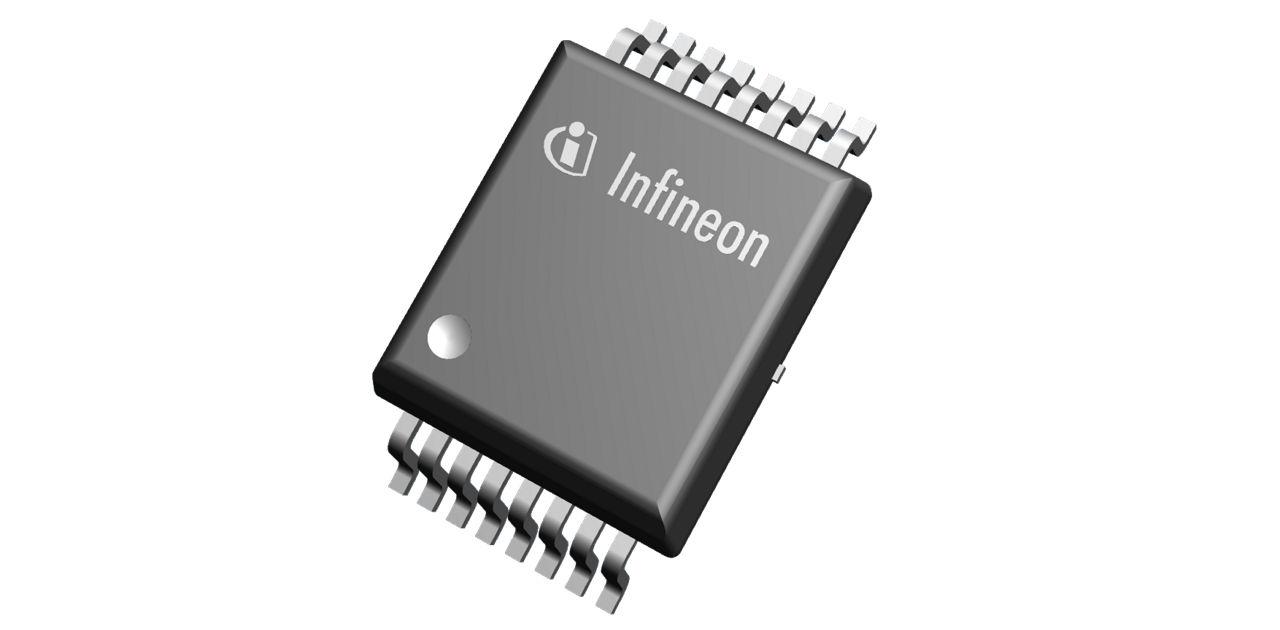
                        <img src="https://semishops.com/media/posts/510/4.webp" alt="" />
                    What Are the Best Alternatives to STM32? Microcontroller selection has become increasingly strategic as embedded systems evolve toward higher connectivity, greater computational density, and longer product lifecycles. For more than a decade, the STM32 family has maintained a dominant position across industrial automation, consumer electronics,&hellip;
                ]]>
            </summary>
        <content type="html">
            <![CDATA[
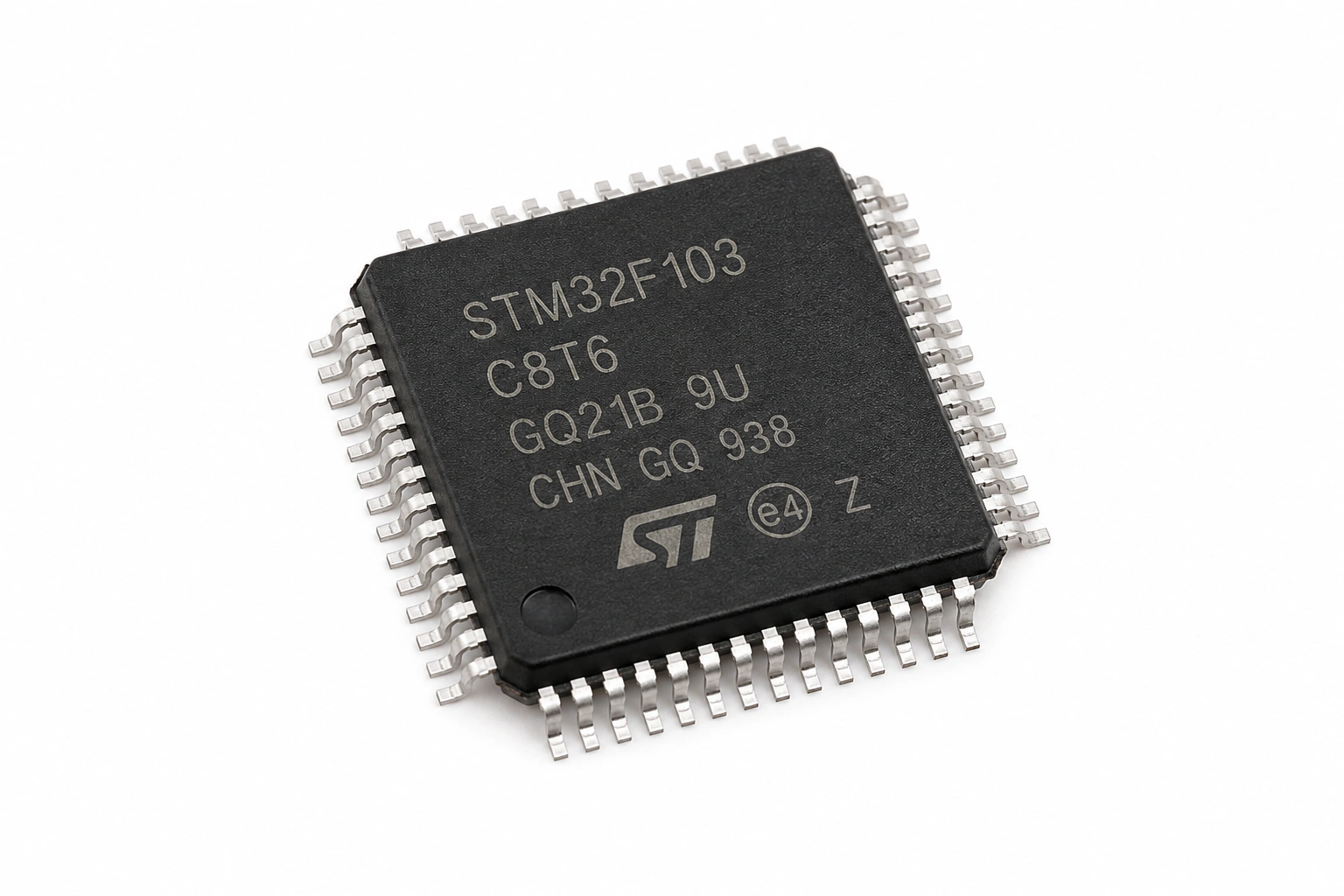
                    <p><img src="https://semishops.com/media/posts/510/4.webp" class="type:primaryImage" alt="" /></p>
                <h1>What Are the Best Alternatives to STM32?</h1>
<p>Microcontroller selection has become increasingly strategic as embedded systems evolve toward higher connectivity, greater computational density, and longer product lifecycles. For more than a decade, the STM32 family has maintained a dominant position across industrial automation, consumer electronics, medical devices, IoT equipment, and automotive subsystems. Its broad product portfolio, ARM Cortex architecture, extensive development ecosystem, and competitive pricing have made STM32 one of the most widely deployed MCU platforms in the world.</p>
<p>Yet engineers frequently seek alternatives. Supply-chain disruptions, lifecycle concerns, regional sourcing strategies, performance requirements, software migration plans, and cost optimization initiatives have all contributed to growing interest in non-STM32 solutions. The most suitable replacement depends not merely on processor frequency or memory size but on a broader analysis involving peripheral compatibility, development tools, ecosystem maturity, long-term availability, and total system cost.</p>
<h2>Why Engineers Search for STM32 Alternatives</h2>
<p>The demand for STM32 alternatives accelerated significantly following the global semiconductor shortage that emerged during the early 2020s.</p>
<p>Several factors continue to drive replacement projects:</p>
<ul>
<li>
<p>Supply-chain diversification</p>
</li>
<li>
<p>Lead-time reduction</p>
</li>
<li>
<p>Cost optimization</p>
</li>
<li>
<p>Enhanced performance requirements</p>
</li>
<li>
<p>Functional safety compliance</p>
</li>
<li>
<p>Vendor risk management</p>
</li>
<li>
<p>Product lifecycle planning</p>
</li>
</ul>
<p>Many industrial manufacturers now actively qualify multiple MCU platforms to reduce dependency on a single supplier.</p>
<h3>Typical Evaluation Criteria</h3>
<table>
<thead>
<tr>
<th>Parameter</th>
<th>Importance Level</th>
</tr>
</thead>
<tbody>
<tr>
<td>CPU Performance</td>
<td>High</td>
</tr>
<tr>
<td>Peripheral Compatibility</td>
<td>High</td>
</tr>
<tr>
<td>Software Migration Effort</td>
<td>High</td>
</tr>
<tr>
<td>Long-Term Availability</td>
<td>High</td>
</tr>
<tr>
<td>Development Ecosystem</td>
<td>Medium-High</td>
</tr>
<tr>
<td>Unit Cost</td>
<td>Medium</td>
</tr>
<tr>
<td>Power Consumption</td>
<td>Medium</td>
</tr>
<tr>
<td>Functional Safety Support</td>
<td>Application Dependent</td>
</tr>
</tbody>
</table>
<p>A technically superior MCU may not represent the best replacement if software migration costs become excessive.</p>
<h2>Understanding STM32's Competitive Position</h2>
<p>Before selecting an alternative, it is useful to understand why STM32 achieved widespread adoption.</p>
<p>Key strengths include:</p>
<ul>
<li>
<p>ARM Cortex-M architecture</p>
</li>
<li>
<p>Broad portfolio coverage</p>
</li>
<li>
<p>Integrated analog peripherals</p>
</li>
<li>
<p>Mature software ecosystem</p>
</li>
<li>
<p>Extensive documentation</p>
</li>
<li>
<p>Strong industrial adoption</p>
</li>
</ul>
<p>Representative product families include:</p>
<table>
<thead>
<tr>
<th>Family</th>
<th>Core</th>
</tr>
</thead>
<tbody>
<tr>
<td>STM32F0</td>
<td>Cortex-M0</td>
</tr>
<tr>
<td>STM32G0</td>
<td>Cortex-M0+</td>
</tr>
<tr>
<td>STM32F1</td>
<td>Cortex-M3</td>
</tr>
<tr>
<td>STM32F4</td>
<td>Cortex-M4</td>
</tr>
<tr>
<td>STM32G4</td>
<td>Cortex-M4</td>
</tr>
<tr>
<td>STM32H7</td>
<td>Cortex-M7</td>
</tr>
<tr>
<td>STM32U5</td>
<td>Cortex-M33</td>
</tr>
</tbody>
</table>
<p>Most alternatives attempt to compete within one or more of these segments.</p>
<h2>NXP LPC and MCX Series</h2>
<p>Among ARM-based alternatives, NXP remains one of the most frequently considered options.</p>
<h3>LPC Series</h3>
<p>The LPC family has long served industrial and embedded applications.</p>
<p>Advantages include:</p>
<ul>
<li>
<p>ARM Cortex compatibility</p>
</li>
<li>
<p>Strong communication peripherals</p>
</li>
<li>
<p>Industrial-grade reliability</p>
</li>
<li>
<p>Long product lifecycle</p>
</li>
</ul>
<p>Applications:</p>
<ul>
<li>
<p>PLCs</p>
</li>
<li>
<p>Building automation</p>
</li>
<li>
<p>Industrial networking</p>
</li>
</ul>
<p>Typical comparison:</p>
<table>
<thead>
<tr>
<th>Feature</th>
<th>STM32F4</th>
<th>LPC55 Series</th>
</tr>
</thead>
<tbody>
<tr>
<td>Core</td>
<td>Cortex-M4</td>
<td>Cortex-M33</td>
</tr>
<tr>
<td>Security</td>
<td>Moderate</td>
<td>Enhanced</td>
</tr>
<tr>
<td>Performance</td>
<td>Similar</td>
<td>Similar</td>
</tr>
<tr>
<td>Power Consumption</td>
<td>Competitive</td>
</tr>
</tbody>
</table>
<h3>MCX Series</h3>
<p>NXP's newer MCX portfolio targets next-generation embedded systems.</p>
<p>Benefits include:</p>
<ul>
<li>
<p>Enhanced security</p>
</li>
<li>
<p>Improved efficiency</p>
</li>
<li>
<p>Modern peripheral integration</p>
</li>
</ul>
<p>These devices are increasingly evaluated for IoT and industrial designs.</p>
<h2>Texas Instruments MSP432 and Tiva Families</h2>
<p>Texas Instruments has maintained a strong MCU presence across industrial and automotive sectors.</p>
<h3>MSP432</h3>
<p>Characteristics:</p>
<ul>
<li>
<p>Cortex-M4 architecture</p>
</li>
<li>
<p>Low-power operation</p>
</li>
<li>
<p>Precision analog integration</p>
</li>
</ul>
<p>Suitable applications:</p>
<ul>
<li>
<p>Sensor systems</p>
</li>
<li>
<p>Battery-powered devices</p>
</li>
<li>
<p>Portable instrumentation</p>
</li>
</ul>
<h3>Tiva C Series</h3>
<p>Designed for connected embedded systems.</p>
<p>Key strengths:</p>
<ul>
<li>
<p>Ethernet support</p>
</li>
<li>
<p>Industrial communication capabilities</p>
</li>
<li>
<p>Robust development tools</p>
</li>
</ul>
<p>Case Study:</p>
<p>An industrial monitoring equipment manufacturer migrated from STM32F407 to a Tiva TM4C129 platform to integrate native Ethernet functionality. Development time decreased by approximately 15% because external networking hardware was no longer required.</p>
<h2>Renesas RA and RX Families</h2>
<p>Renesas has become a preferred choice for many industrial and automotive applications.</p>
<h3>RA Family</h3>
<p>Built around ARM Cortex cores.</p>
<p>Advantages:</p>
<ul>
<li>
<p>Strong security features</p>
</li>
<li>
<p>Excellent low-power performance</p>
</li>
<li>
<p>Long-term supply support</p>
</li>
</ul>
<p>Applications:</p>
<ul>
<li>
<p>Industrial controllers</p>
</li>
<li>
<p>Smart metering</p>
</li>
<li>
<p>Medical devices</p>
</li>
</ul>
<h3>RX Family</h3>
<p>Uses Renesas proprietary architecture.</p>
<p>Benefits:</p>
<ul>
<li>
<p>High deterministic performance</p>
</li>
<li>
<p>Exceptional industrial reliability</p>
</li>
<li>
<p>Mature software ecosystem</p>
</li>
</ul>
<p>Many PLC manufacturers continue to deploy RX devices in products expected to remain in service for more than fifteen years.</p>
<h2>Microchip SAM and PIC32 Families</h2>
<p>Microchip offers several MCU families capable of replacing STM32 devices.</p>
<h3>SAM Series</h3>
<p>Based on ARM Cortex technology.</p>
<p>Common options:</p>
<ul>
<li>
<p>SAMD</p>
</li>
<li>
<p>SAME</p>
</li>
<li>
<p>SAMC</p>
</li>
<li>
<p>SAMV</p>
</li>
</ul>
<p>Applications:</p>
<ul>
<li>
<p>IoT devices</p>
</li>
<li>
<p>Industrial controls</p>
</li>
<li>
<p>Consumer electronics</p>
</li>
</ul>
<h3>PIC32 Series</h3>
<p>Built around MIPS architecture.</p>
<p>Strengths:</p>
<ul>
<li>
<p>Large memory capacity</p>
</li>
<li>
<p>Robust development tools</p>
</li>
<li>
<p>Strong legacy ecosystem</p>
</li>
</ul>
<p>Although migration requires additional software adaptation, PIC32 devices remain viable for many embedded applications.</p>
<h2>Silicon Labs EFM32 and Series 2 Devices</h2>
<p>Ultra-low-power applications often require different optimization priorities.</p>
<p>Silicon Labs devices focus heavily on:</p>
<ul>
<li>
<p>Energy efficiency</p>
</li>
<li>
<p>Wireless connectivity</p>
</li>
<li>
<p>Secure IoT architectures</p>
</li>
</ul>
<p>Typical performance metrics:</p>
<table>
<thead>
<tr>
<th>Parameter</th>
<th>EFM32</th>
</tr>
</thead>
<tbody>
<tr>
<td>Active Current</td>
<td>Extremely Low</td>
</tr>
<tr>
<td>Sleep Current</td>
<td>Ultra-Low</td>
</tr>
<tr>
<td>Wireless Integration</td>
<td>Strong</td>
</tr>
<tr>
<td>Security Features</td>
<td>Advanced</td>
</tr>
</tbody>
</table>
<p>Applications include:</p>
<ul>
<li>
<p>Smart sensors</p>
</li>
<li>
<p>Wearables</p>
</li>
<li>
<p>Building automation</p>
</li>
</ul>
<h2>Infineon XMC Family</h2>
<p>Industrial automation designers frequently consider Infineon's XMC series.</p>
<p>Key features:</p>
<ul>
<li>
<p>ARM Cortex-M architecture</p>
</li>
<li>
<p>Motor-control optimization</p>
</li>
<li>
<p>Industrial communication support</p>
</li>
<li>
<p>High EMC robustness</p>
</li>
</ul>
<h3>Motor Control Applications</h3>
<p>The XMC4000 family integrates:</p>
<ul>
<li>
<p>High-resolution PWM</p>
</li>
<li>
<p>Fast ADC modules</p>
</li>
<li>
<p>Dedicated control peripherals</p>
</li>
</ul>
<p>These capabilities make XMC devices particularly attractive for:</p>
<ul>
<li>
<p>Servo drives</p>
</li>
<li>
<p>Inverters</p>
</li>
<li>
<p>Industrial robotics</p>
</li>
</ul>
<p>In some motor-control applications, XMC devices may offer advantages over general-purpose STM32 platforms.</p>
<h2>Nordic Semiconductor nRF Series</h2>
<p>When wireless connectivity becomes the primary requirement, Nordic devices are often selected.</p>
<p>Advantages:</p>
<ul>
<li>
<p>Bluetooth Low Energy</p>
</li>
<li>
<p>Thread</p>
</li>
<li>
<p>Zigbee</p>
</li>
<li>
<p>Matter support</p>
</li>
</ul>
<p>Applications:</p>
<ul>
<li>
<p>Smart home products</p>
</li>
<li>
<p>Medical wearables</p>
</li>
<li>
<p>Asset tracking</p>
</li>
</ul>
<p>Although not direct replacements for all STM32 applications, they frequently serve as superior solutions for connected products.</p>
<h2>GD32: The Closest Functional Alternative</h2>
<p>One of the most discussed STM32 alternatives is the GD32 family.</p>
<p>Developed around ARM Cortex cores, many GD32 devices offer:</p>
<ul>
<li>
<p>Similar peripheral structures</p>
</li>
<li>
<p>Comparable pinouts</p>
</li>
<li>
<p>Familiar development workflows</p>
</li>
</ul>
<h3>Advantages</h3>
<ul>
<li>
<p>Competitive pricing</p>
</li>
<li>
<p>Broad product range</p>
</li>
<li>
<p>Relatively simple migration path</p>
</li>
</ul>
<h3>Challenges</h3>
<p>Engineers should carefully validate:</p>
<ul>
<li>
<p>Peripheral behavior</p>
</li>
<li>
<p>Timing performance</p>
</li>
<li>
<p>Software compatibility</p>
</li>
<li>
<p>Documentation completeness</p>
</li>
</ul>
<p>In many projects, GD32 devices reduce redesign effort significantly compared with migrating to entirely different architectures.</p>
<h2>Performance Comparison Across Popular Alternatives</h2>
<p>The following table summarizes several representative MCU families.</p>
<table>
<thead>
<tr>
<th>MCU Family</th>
<th>Core Architecture</th>
<th>Typical Max Frequency</th>
</tr>
</thead>
<tbody>
<tr>
<td>STM32H7</td>
<td>Cortex-M7</td>
<td>550 MHz</td>
</tr>
<tr>
<td>NXP MCX</td>
<td>Cortex-M33</td>
<td>150–300 MHz</td>
</tr>
<tr>
<td>Renesas RA</td>
<td>Cortex-M33</td>
<td>200 MHz</td>
</tr>
<tr>
<td>TI MSP432</td>
<td>Cortex-M4</td>
<td>48 MHz</td>
</tr>
<tr>
<td>Infineon XMC4700</td>
<td>Cortex-M4</td>
<td>144 MHz</td>
</tr>
<tr>
<td>GD32H7</td>
<td>Cortex-M7</td>
<td>600 MHz</td>
</tr>
<tr>
<td>Microchip SAME70</td>
<td>Cortex-M7</td>
<td>300 MHz</td>
</tr>
</tbody>
</table>
<p>Raw frequency alone does not determine system performance. Peripheral efficiency, memory architecture, cache design, and software optimization frequently have greater impact.</p>
<h2>Software Migration Considerations</h2>
<p>Hardware compatibility represents only part of the migration challenge.</p>
<h3>Driver Layer Migration</h3>
<p>Engineers typically evaluate:</p>
<ul>
<li>
<p>GPIO structures</p>
</li>
<li>
<p>Timer architectures</p>
</li>
<li>
<p>Interrupt controllers</p>
</li>
<li>
<p>DMA implementations</p>
</li>
<li>
<p>Communication peripherals</p>
</li>
</ul>
<h3>RTOS Compatibility</h3>
<p>Most STM32 alternatives support:</p>
<ul>
<li>
<p>FreeRTOS</p>
</li>
<li>
<p>Zephyr</p>
</li>
<li>
<p>Azure RTOS</p>
</li>
<li>
<p>Embedded Linux (higher-end platforms)</p>
</li>
</ul>
<p>Maintaining RTOS compatibility can significantly reduce redevelopment costs.</p>
<h3>Development Tool Support</h3>
<p>A mature toolchain often accelerates product development.</p>
<p>Key evaluation factors include:</p>
<ul>
<li>
<p>IDE quality</p>
</li>
<li>
<p>Debugging capabilities</p>
</li>
<li>
<p>Middleware availability</p>
</li>
<li>
<p>Community support</p>
</li>
</ul>
<p>These considerations frequently outweigh minor hardware differences.</p>
<h2>Selecting Alternatives by Application Type</h2>
<h3>Industrial Automation</h3>
<p>Recommended families:</p>
<ul>
<li>
<p>Renesas RA</p>
</li>
<li>
<p>Infineon XMC</p>
</li>
<li>
<p>NXP LPC</p>
</li>
</ul>
<p>Priority factors:</p>
<ul>
<li>
<p>Reliability</p>
</li>
<li>
<p>Long-term supply</p>
</li>
<li>
<p>Communication support</p>
</li>
</ul>
<h3>Motor Control</h3>
<p>Recommended families:</p>
<ul>
<li>
<p>Infineon XMC</p>
</li>
<li>
<p>TI C2000</p>
</li>
<li>
<p>STM32G4 alternatives</p>
</li>
</ul>
<p>Priority factors:</p>
<ul>
<li>
<p>PWM resolution</p>
</li>
<li>
<p>Fast ADC performance</p>
</li>
<li>
<p>Real-time control capability</p>
</li>
</ul>
<h3>IoT and Wireless Devices</h3>
<p>Recommended families:</p>
<ul>
<li>
<p>Nordic nRF</p>
</li>
<li>
<p>Silicon Labs Series 2</p>
</li>
<li>
<p>NXP MCX</p>
</li>
</ul>
<p>Priority factors:</p>
<ul>
<li>
<p>Power consumption</p>
</li>
<li>
<p>Security</p>
</li>
<li>
<p>Connectivity</p>
</li>
</ul>
<h3>High-Performance Embedded Systems</h3>
<p>Recommended families:</p>
<ul>
<li>
<p>GD32H7</p>
</li>
<li>
<p>SAME70</p>
</li>
<li>
<p>NXP RT Series</p>
</li>
</ul>
<p>Priority factors:</p>
<ul>
<li>
<p>Processing performance</p>
</li>
<li>
<p>Memory bandwidth</p>
</li>
<li>
<p>Advanced peripherals</p>
</li>
</ul>
<h2>Supply Chain Resilience and Lifecycle Planning</h2>
<p>Many organizations now evaluate MCU alternatives not because of technical limitations but because of supply-chain risk management.</p>
<p>A resilient sourcing strategy typically includes:</p>
<ul>
<li>
<p>Multi-vendor qualification</p>
</li>
<li>
<p>Cross-reference validation</p>
</li>
<li>
<p>Inventory forecasting</p>
</li>
<li>
<p>Lifecycle monitoring</p>
</li>
</ul>
<p>Example:</p>
<table>
<thead>
<tr>
<th>Strategy</th>
<th>Supply Risk</th>
</tr>
</thead>
<tbody>
<tr>
<td>Single MCU Vendor</td>
<td>High</td>
</tr>
<tr>
<td>Dual Qualified Platforms</td>
<td>Medium</td>
</tr>
<tr>
<td>Multi-Vendor Portfolio</td>
<td>Low</td>
</tr>
</tbody>
</table>
<p>The cost of qualifying alternative devices is often significantly lower than the cost of production interruptions caused by component shortages.</p>
<h2>Manufacturing Support, Quality Assurance, and Supply Stability</h2>
<p>Successful MCU migration projects require more than technical evaluation. Stable sourcing, authenticity verification, lifecycle management, and quality control all play critical roles in ensuring long-term production continuity.</p>
<p>Professional semiconductor supply partners can provide:</p>
<ul>
<li>
<p>Original MCU sourcing</p>
</li>
<li>
<p>Cross-reference analysis</p>
</li>
<li>
<p>Alternative device recommendations</p>
</li>
<li>
<p>BOM optimization support</p>
</li>
<li>
<p>EOL risk management</p>
</li>
<li>
<p>Prototype and volume-production services</p>
</li>
<li>
<p>Global logistics coordination</p>
</li>
</ul>
<p>Comprehensive quality-control procedures typically include manufacturer traceability verification, incoming inspection, date-code validation, packaging integrity assessment, electrical sampling, and counterfeit-risk screening. These measures help ensure consistency across both prototype and production phases.</p>
<p>For customers evaluating STM32 alternatives, experienced supply-chain partners such as semi can assist with technical comparison, sourcing strategy development, and long-term inventory planning. Through rigorous supplier qualification processes and global procurement resources, manufacturers can reduce supply-chain exposure while maintaining high standards of product quality and reliability.</p>
<p><strong>#STM32Alternative #MicrocontrollerSelection #ARMCortexM #NXPMCU #RenesasRA #InfineonXMC #TexasInstrumentsMCU #GD32 #PIC32 #EmbeddedSystems #IndustrialAutomation #MCUComparison #MicrocontrollerMigration #EmbeddedDevelopment #IoTMCU #MotorControlMCU #SemiconductorSourcing #BOMOptimization #LongTermSupply #ElectronicComponents</strong></p>
            ]]>
        </content>
    </entry>
    <entry>
        <title>How to replace obsolete semiconductor components?</title>
        <author>
            <name>JasonWong</name>
        </author>
        <link href="https://semishops.com/how-to-replace-obsolete-semiconductor-components.html"/>
        <id>https://semishops.com/how-to-replace-obsolete-semiconductor-components.html</id>
        <media:content url="https://semishops.com/media/posts/509/5.webp" medium="image" />
            <category term="Blogs"/>

        <updated>2026-06-02T23:23:43+08:00</updated>
            <summary type="html">
                <![CDATA[
                        <img src="https://semishops.com/media/posts/509/5.webp" alt="" />
                    How to Replace Obsolete Semiconductor Components? Component obsolescence has become an increasingly common challenge across industrial automation, telecommunications infrastructure, medical equipment, aerospace systems, automotive electronics, and long-lifecycle embedded products. While semiconductor innovation continues to accelerate, many electronic systems remain in service for ten, fifteen, or&hellip;
                ]]>
            </summary>
        <content type="html">
            <![CDATA[
                    <p><img src="https://semishops.com/media/posts/509/5.webp" class="type:primaryImage" alt="" /></p>
                <h1>How to Replace Obsolete Semiconductor Components?</h1>
<p>Component obsolescence has become an increasingly common challenge across industrial automation, telecommunications infrastructure, medical equipment, aerospace systems, automotive electronics, and long-lifecycle embedded products. While semiconductor innovation continues to accelerate, many electronic systems remain in service for ten, fifteen, or even twenty years. This mismatch between product lifespan and semiconductor lifecycle often leaves manufacturers facing a critical question: how can an obsolete component be replaced without compromising reliability, certification status, or production continuity?</p>
<p>The replacement of an obsolete semiconductor is rarely a simple one-to-one substitution. Differences in electrical characteristics, package dimensions, software compatibility, thermal behavior, and long-term availability can introduce significant engineering risks. A structured replacement strategy, therefore, becomes essential for minimizing redesign costs and maintaining product performance.</p>
<h2>Understanding Semiconductor Obsolescence</h2>
<p>Obsolescence occurs when a semiconductor manufacturer discontinues production of a component, typically after issuing a Product Change Notification (PCN) followed by an End-of-Life (EOL) notice.</p>
<h3>Common Reasons for Discontinuation</h3>
<p>Manufacturers typically retire products because of:</p>
<ul>
<li>
<p>Aging fabrication processes</p>
</li>
<li>
<p>Declining market demand</p>
</li>
<li>
<p>Migration to newer architectures</p>
</li>
<li>
<p>Wafer foundry shutdowns</p>
</li>
<li>
<p>Material supply constraints</p>
</li>
<li>
<p>Regulatory compliance changes</p>
</li>
</ul>
<p>The lifecycle of semiconductor products varies significantly.</p>
<table>
<thead>
<tr>
<th>Product Category</th>
<th>Typical Lifecycle</th>
</tr>
</thead>
<tbody>
<tr>
<td>Consumer ICs</td>
<td>3–7 Years</td>
</tr>
<tr>
<td>Communication ICs</td>
<td>5–10 Years</td>
</tr>
<tr>
<td>Industrial ICs</td>
<td>10–15 Years</td>
</tr>
<tr>
<td>Automotive ICs</td>
<td>10–20 Years</td>
</tr>
<tr>
<td>Aerospace Components</td>
<td>15–30 Years</td>
</tr>
</tbody>
</table>
<p>A networking ASIC introduced in 2010 may already be obsolete, whereas an industrial microcontroller released during the same period may still be available today.</p>
<h2>Identifying the True Replacement Challenge</h2>
<p>Not all obsolete components create the same level of risk.</p>
<h3>Passive Replacement Versus Active Replacement</h3>
<p>Replacing a resistor or capacitor is often straightforward.</p>
<p>Replacing a microcontroller, FPGA, processor, ADC, or power management IC can require extensive validation.</p>
<p>Engineers typically evaluate:</p>
<ul>
<li>
<p>Electrical compatibility</p>
</li>
<li>
<p>Functional compatibility</p>
</li>
<li>
<p>Software compatibility</p>
</li>
<li>
<p>Mechanical compatibility</p>
</li>
<li>
<p>Certification impact</p>
</li>
</ul>
<p>The replacement effort can range from a few hours to several months depending on component complexity.</p>
<h3>Component Risk Classification</h3>
<table>
<thead>
<tr>
<th>Component Type</th>
<th>Replacement Difficulty</th>
</tr>
</thead>
<tbody>
<tr>
<td>Resistor</td>
<td>Very Low</td>
</tr>
<tr>
<td>Capacitor</td>
<td>Very Low</td>
</tr>
<tr>
<td>MOSFET</td>
<td>Low</td>
</tr>
<tr>
<td>Operational Amplifier</td>
<td>Moderate</td>
</tr>
<tr>
<td>ADC/DAC</td>
<td>Moderate</td>
</tr>
<tr>
<td>Power Management IC</td>
<td>High</td>
</tr>
<tr>
<td>MCU</td>
<td>Very High</td>
</tr>
<tr>
<td>FPGA</td>
<td>Very High</td>
</tr>
<tr>
<td>ASIC</td>
<td>Extremely High</td>
</tr>
</tbody>
</table>
<p>This classification helps engineering teams prioritize mitigation strategies.</p>
<h2>Evaluating Form-Fit-Function Compatibility</h2>
<p>The most widely accepted framework for component replacement is Form-Fit-Function (FFF) analysis.</p>
<h3>Form Compatibility</h3>
<p>Form refers to physical characteristics:</p>
<ul>
<li>
<p>Package type</p>
</li>
<li>
<p>Pin count</p>
</li>
<li>
<p>Pin pitch</p>
</li>
<li>
<p>Dimensions</p>
</li>
<li>
<p>Thermal pad configuration</p>
</li>
</ul>
<p>For example:</p>
<table>
<thead>
<tr>
<th>Original Package</th>
<th>Replacement Candidate</th>
</tr>
</thead>
<tbody>
<tr>
<td>QFP-100</td>
<td>QFP-100</td>
</tr>
<tr>
<td>BGA-256</td>
<td>BGA-256</td>
</tr>
<tr>
<td>SOIC-8</td>
<td>SOIC-8</td>
</tr>
</tbody>
</table>
<p>A package mismatch may trigger PCB redesign requirements.</p>
<h3>Fit Compatibility</h3>
<p>Fit examines integration within the existing system.</p>
<p>Considerations include:</p>
<ul>
<li>
<p>PCB footprint</p>
</li>
<li>
<p>Mechanical clearance</p>
</li>
<li>
<p>Connector alignment</p>
</li>
<li>
<p>Heat sink compatibility</p>
</li>
</ul>
<h3>Function Compatibility</h3>
<p>Function determines whether the replacement performs the same operational role.</p>
<p>Important parameters include:</p>
<ul>
<li>
<p>Input voltage range</p>
</li>
<li>
<p>Output specifications</p>
</li>
<li>
<p>Communication protocols</p>
</li>
<li>
<p>Timing characteristics</p>
</li>
<li>
<p>Processing capability</p>
</li>
</ul>
<p>Functionality often represents the most difficult aspect of replacement validation.</p>
<h2>Electrical Parameter Matching</h2>
<p>Datasheets provide the foundation for replacement analysis.</p>
<h3>Voltage Margin Assessment</h3>
<p>Engineers typically compare:</p>
<table>
<thead>
<tr>
<th>Parameter</th>
<th>Original</th>
<th>Candidate</th>
</tr>
</thead>
<tbody>
<tr>
<td>Supply Voltage</td>
<td>3.3V</td>
<td>3.3V</td>
</tr>
<tr>
<td>Absolute Maximum</td>
<td>4.0V</td>
<td>4.5V</td>
</tr>
<tr>
<td>Operating Range</td>
<td>3.0–3.6V</td>
<td>2.7–3.6V</td>
</tr>
</tbody>
</table>
<p>The replacement should ideally equal or exceed the original specifications.</p>
<h3>Timing Analysis</h3>
<p>Timing mismatches frequently cause hidden failures.</p>
<p>Examples include:</p>
<ul>
<li>
<p>Setup time</p>
</li>
<li>
<p>Hold time</p>
</li>
<li>
<p>Propagation delay</p>
</li>
<li>
<p>Conversion latency</p>
</li>
<li>
<p>Interrupt response</p>
</li>
</ul>
<p>In high-speed communication systems, even a few nanoseconds may affect functionality.</p>
<h3>Thermal Performance</h3>
<p>Junction temperature analysis is often overlooked.</p>
<p>For example:</p>
<table>
<thead>
<tr>
<th>Parameter</th>
<th>Original</th>
<th>Replacement</th>
</tr>
</thead>
<tbody>
<tr>
<td>RθJA</td>
<td>25°C/W</td>
<td>40°C/W</td>
</tr>
<tr>
<td>Maximum Tj</td>
<td>150°C</td>
<td>125°C</td>
</tr>
</tbody>
</table>
<p>A replacement with inferior thermal characteristics may pass laboratory testing yet fail in field deployment.</p>
<h2>Cross-Reference Selection Strategies</h2>
<p>Many semiconductor manufacturers provide cross-reference databases.</p>
<p>However, cross-reference recommendations should be treated as starting points rather than final engineering decisions.</p>
<h3>Direct Replacement</h3>
<p>A direct replacement typically provides:</p>
<ul>
<li>
<p>Pin-to-pin compatibility</p>
</li>
<li>
<p>Equivalent functionality</p>
</li>
<li>
<p>Similar performance</p>
</li>
</ul>
<p>Design modifications are usually unnecessary.</p>
<h3>Functional Replacement</h3>
<p>A functional replacement performs the same task but may require:</p>
<ul>
<li>
<p>PCB modifications</p>
</li>
<li>
<p>Firmware updates</p>
</li>
<li>
<p>Driver changes</p>
</li>
</ul>
<p>This approach becomes common when direct replacements no longer exist.</p>
<h3>Upgrade Replacement</h3>
<p>In some cases, engineers intentionally migrate to a newer device generation.</p>
<p>Advantages may include:</p>
<ul>
<li>
<p>Improved performance</p>
</li>
<li>
<p>Lower power consumption</p>
</li>
<li>
<p>Better availability</p>
</li>
<li>
<p>Longer lifecycle support</p>
</li>
</ul>
<p>The trade-off is increased validation effort.</p>
<h2>Firmware and Software Migration Challenges</h2>
<p>Software compatibility often becomes the largest obstacle when replacing complex semiconductors.</p>
<h3>MCU Migration Example</h3>
<p>Suppose an industrial controller originally uses:</p>
<ul>
<li>
<p>MCU A</p>
</li>
<li>
<p>128 KB Flash</p>
</li>
<li>
<p>32 KB RAM</p>
</li>
</ul>
<p>Replacement candidate:</p>
<ul>
<li>
<p>MCU B</p>
</li>
<li>
<p>256 KB Flash</p>
</li>
<li>
<p>64 KB RAM</p>
</li>
</ul>
<p>Despite superior specifications, challenges may include:</p>
<ul>
<li>
<p>Different peripheral registers</p>
</li>
<li>
<p>Interrupt architecture differences</p>
</li>
<li>
<p>Clock tree modifications</p>
</li>
<li>
<p>Bootloader changes</p>
</li>
</ul>
<p>Engineering effort may exceed hardware redesign costs.</p>
<h3>FPGA Migration</h3>
<p>FPGA replacement frequently involves:</p>
<ul>
<li>
<p>Logic migration</p>
</li>
<li>
<p>Timing closure analysis</p>
</li>
<li>
<p>IP core replacement</p>
</li>
<li>
<p>Board-level signal integrity validation</p>
</li>
</ul>
<p>Migration projects can require hundreds of engineering hours depending on design complexity.</p>
<h2>Long-Term Supply Planning</h2>
<p>Replacement selection should focus not only on current availability but also on future supply stability.</p>
<h3>Lifecycle Evaluation Criteria</h3>
<p>Engineers typically examine:</p>
<ul>
<li>
<p>Product longevity programs</p>
</li>
<li>
<p>Wafer fabrication roadmap</p>
</li>
<li>
<p>Package roadmap</p>
</li>
<li>
<p>Manufacturer support commitments</p>
</li>
</ul>
<p>Example:</p>
<table>
<thead>
<tr>
<th>Candidate</th>
<th>Remaining Lifecycle</th>
</tr>
</thead>
<tbody>
<tr>
<td>Device A</td>
<td>2 Years</td>
</tr>
<tr>
<td>Device B</td>
<td>10 Years</td>
</tr>
<tr>
<td>Device C</td>
<td>15 Years</td>
</tr>
</tbody>
</table>
<p>A technically equivalent device with a longer lifecycle generally offers lower long-term risk.</p>
<h2>Last-Time Buy Versus Redesign</h2>
<p>When an EOL notice appears, companies often face two primary options.</p>
<h3>Last-Time Buy (LTB)</h3>
<p>Advantages:</p>
<ul>
<li>
<p>No redesign required</p>
</li>
<li>
<p>Fast implementation</p>
</li>
</ul>
<p>Disadvantages:</p>
<ul>
<li>
<p>Inventory carrying costs</p>
</li>
<li>
<p>Storage risks</p>
</li>
<li>
<p>Limited future flexibility</p>
</li>
</ul>
<h3>Engineering Redesign</h3>
<p>Advantages:</p>
<ul>
<li>
<p>Future-proof platform</p>
</li>
<li>
<p>Improved performance</p>
</li>
<li>
<p>Better availability</p>
</li>
</ul>
<p>Disadvantages:</p>
<ul>
<li>
<p>Engineering expense</p>
</li>
<li>
<p>Qualification effort</p>
</li>
<li>
<p>Schedule impact</p>
</li>
</ul>
<p>A cost-benefit analysis helps determine the optimal strategy.</p>
<h3>Example Cost Comparison</h3>
<table>
<thead>
<tr>
<th>Item</th>
<th>Last-Time Buy</th>
<th>Redesign</th>
</tr>
</thead>
<tbody>
<tr>
<td>Initial Cost</td>
<td>$100,000</td>
<td>$250,000</td>
</tr>
<tr>
<td>Five-Year Support</td>
<td>Limited</td>
<td>Excellent</td>
</tr>
<tr>
<td>Supply Risk</td>
<td>High</td>
<td>Low</td>
</tr>
<tr>
<td>Future Scalability</td>
<td>Poor</td>
<td>Strong</td>
</tr>
</tbody>
</table>
<p>For products with long production horizons, redesign frequently proves more economical.</p>
<h2>Qualification and Validation Procedures</h2>
<p>No replacement should enter production without proper validation.</p>
<h3>Electrical Testing</h3>
<p>Validation typically includes:</p>
<ul>
<li>
<p>Functional verification</p>
</li>
<li>
<p>Power consumption analysis</p>
</li>
<li>
<p>Timing measurements</p>
</li>
<li>
<p>Thermal testing</p>
</li>
</ul>
<h3>Environmental Testing</h3>
<p>Common qualification tests:</p>
<ul>
<li>
<p>Thermal cycling</p>
</li>
<li>
<p>Vibration testing</p>
</li>
<li>
<p>Humidity exposure</p>
</li>
<li>
<p>EMC validation</p>
</li>
</ul>
<h3>Production Pilot Runs</h3>
<p>Pilot production helps identify:</p>
<ul>
<li>
<p>Assembly issues</p>
</li>
<li>
<p>Yield variations</p>
</li>
<li>
<p>Reliability concerns</p>
</li>
</ul>
<p>Many replacement-related failures emerge during manufacturing rather than laboratory testing.</p>
<h2>Case Study: Industrial PLC Component Replacement</h2>
<p>A manufacturer of industrial PLC systems faced the discontinuation of a communication controller that had been used for nearly twelve years.</p>
<p>Original situation:</p>
<ul>
<li>
<p>Annual production: 20,000 units</p>
</li>
<li>
<p>Remaining inventory: 8 months</p>
</li>
<li>
<p>EOL notice received</p>
</li>
</ul>
<p>Engineering team evaluated three alternatives.</p>
<table>
<thead>
<tr>
<th>Option</th>
<th>Cost</th>
<th>Lead Time</th>
</tr>
</thead>
<tbody>
<tr>
<td>Last-Time Buy</td>
<td>$380,000</td>
<td>Immediate</td>
</tr>
<tr>
<td>Direct Replacement</td>
<td>Not Available</td>
<td>N/A</td>
</tr>
<tr>
<td>New Controller Migration</td>
<td>$145,000</td>
<td>6 Months</td>
</tr>
</tbody>
</table>
<p>After conducting firmware migration and validation testing, the company adopted a newer communication controller.</p>
<p>Results:</p>
<ul>
<li>
<p>18% lower power consumption</p>
</li>
<li>
<p>35% longer manufacturer support commitment</p>
</li>
<li>
<p>Improved network throughput</p>
</li>
<li>
<p>Reduced procurement risk</p>
</li>
</ul>
<p>Although the redesign required additional engineering resources, long-term supply stability improved significantly.</p>
<h2>Counterfeit Risks During Obsolescence</h2>
<p>Component obsolescence frequently attracts counterfeit activity.</p>
<p>When original supply channels disappear, unauthorized distributors may offer:</p>
<ul>
<li>
<p>Re-marked devices</p>
</li>
<li>
<p>Recycled components</p>
</li>
<li>
<p>Refurbished parts</p>
</li>
<li>
<p>Fake date codes</p>
</li>
</ul>
<p>Risk increases dramatically for:</p>
<ul>
<li>
<p>Legacy processors</p>
</li>
<li>
<p>Industrial MCUs</p>
</li>
<li>
<p>FPGAs</p>
</li>
<li>
<p>Communication ASICs</p>
</li>
</ul>
<p>Organizations sourcing obsolete components should implement:</p>
<ul>
<li>
<p>X-ray inspection</p>
</li>
<li>
<p>Decapsulation analysis</p>
</li>
<li>
<p>Electrical testing</p>
</li>
<li>
<p>Traceability verification</p>
</li>
</ul>
<p>These measures help prevent costly field failures.</p>
<h2>Manufacturing Support, Quality Assurance, and Supply Chain Management</h2>
<p>Successful component replacement requires more than technical analysis. Reliable sourcing, quality verification, lifecycle management, and procurement expertise are equally important when transitioning away from obsolete semiconductors.</p>
<p>Professional semiconductor supply partners can assist customers with:</p>
<ul>
<li>
<p>EOL component sourcing</p>
</li>
<li>
<p>Alternative component recommendations</p>
</li>
<li>
<p>Cross-reference analysis</p>
</li>
<li>
<p>BOM risk assessment</p>
</li>
<li>
<p>Long-term inventory planning</p>
</li>
<li>
<p>Prototype and production support</p>
</li>
<li>
<p>Global logistics coordination</p>
</li>
</ul>
<p>Comprehensive quality-control procedures typically include manufacturer traceability verification, date-code inspection, incoming quality control, packaging integrity assessment, electrical sampling, and counterfeit-risk screening. For obsolete and hard-to-find components, additional verification methods such as X-ray inspection and authenticity testing may be employed.</p>
<p>Through extensive global sourcing networks and rigorous supplier qualification processes, experienced partners such as semi can help manufacturers maintain production continuity while reducing risks associated with obsolete semiconductor replacement. Stable inventory management, verified component authenticity, and strong quality-control systems collectively contribute to higher supply-chain resilience and improved long-term product support.</p>
<p><strong>#ObsoleteComponents #EOLSemiconductors #ComponentReplacement #CrossReference #BOMManagement #LifecycleManagement #SemiconductorSourcing #LastTimeBuy #MCUMigration #FPGAMigration #IndustrialElectronics #SupplyChainRisk #ComponentQualification #CounterfeitDetection #ElectronicComponents #ProductLifecycle #EngineeringRedesign #SemiconductorDistribution #LongTermSupply #ComponentEngineering</strong></p>
            ]]>
        </content>
    </entry>
    <entry>
        <title>Which MOSFET should I use for motor control?</title>
        <author>
            <name>JasonWong</name>
        </author>
        <link href="https://semishops.com/which-mosfet-should-i-use-for-motor-control.html"/>
        <id>https://semishops.com/which-mosfet-should-i-use-for-motor-control.html</id>
        <media:content url="https://semishops.com/media/posts/508/6.webp" medium="image" />
            <category term="Blogs"/>

        <updated>2026-06-02T23:21:32+08:00</updated>
            <summary type="html">
                <![CDATA[
                        <img src="https://semishops.com/media/posts/508/6.webp" alt="" />
                    Which MOSFET Should I Use for Motor Control? Motor control systems form the backbone of modern industrial automation, electric vehicles, robotics, HVAC equipment, power tools, drones, and countless other electromechanical applications. While controllers, sensors, and software algorithms often attract considerable attention during system development, the&hellip;
                ]]>
            </summary>
        <content type="html">
            <![CDATA[
                    <p><img src="https://semishops.com/media/posts/508/6.webp" class="type:primaryImage" alt="" /></p>
                <h1>Which MOSFET Should I Use for Motor Control?</h1>
<p>Motor control systems form the backbone of modern industrial automation, electric vehicles, robotics, HVAC equipment, power tools, drones, and countless other electromechanical applications. While controllers, sensors, and software algorithms often attract considerable attention during system development, the MOSFET remains one of the most influential components in determining efficiency, thermal performance, reliability, and overall system cost.</p>
<p>Selecting the correct MOSFET for motor control is rarely a matter of choosing the device with the lowest on-resistance or highest current rating. Motor drives operate under dynamic conditions involving startup surges, PWM switching, regenerative currents, inductive transients, and varying thermal environments. Consequently, MOSFET selection requires a careful evaluation of voltage margins, switching characteristics, thermal behavior, gate-drive compatibility, and application-specific operating conditions.</p>
<h2>Why MOSFET Selection Directly Affects Motor Performance</h2>
<p>In most modern motor drives, MOSFETs operate as high-speed electronic switches.</p>
<p>Their primary functions include:</p>
<ul>
<li>
<p>Controlling motor current</p>
</li>
<li>
<p>Regulating motor speed</p>
</li>
<li>
<p>Managing torque output</p>
</li>
<li>
<p>Improving energy efficiency</p>
</li>
<li>
<p>Reducing heat generation</p>
</li>
</ul>
<p>Even small differences in MOSFET characteristics can significantly impact system performance.</p>
<p>Consider a 48V brushless DC motor drawing 20A continuously.</p>
<p>If two MOSFETs have the following RDS(on) values:</p>
<table>
<thead>
<tr>
<th>MOSFET</th>
<th>RDS(on)</th>
</tr>
</thead>
<tbody>
<tr>
<td>Device A</td>
<td>2 mΩ</td>
</tr>
<tr>
<td>Device B</td>
<td>8 mΩ</td>
</tr>
</tbody>
</table>
<p>The conduction loss is determined by:</p>
<p>P=I^2R</p>
<p>Results:</p>
<table>
<thead>
<tr>
<th>Device</th>
<th>Conduction Loss</th>
</tr>
</thead>
<tbody>
<tr>
<td>Device A</td>
<td>0.8 W</td>
</tr>
<tr>
<td>Device B</td>
<td>3.2 W</td>
</tr>
</tbody>
</table>
<p>The higher-loss device dissipates four times more heat under identical operating conditions.</p>
<p>Over thousands of operating hours, this difference substantially influences efficiency, reliability, and cooling requirements.</p>
<h2>Defining the Motor Type Before Selecting a MOSFET</h2>
<p>Motor-control requirements vary significantly depending on motor technology.</p>
<h3>Brushed DC Motors</h3>
<p>Characteristics:</p>
<ul>
<li>
<p>Simple control architecture</p>
</li>
<li>
<p>Moderate switching frequency</p>
</li>
<li>
<p>High startup current</p>
</li>
</ul>
<p>Typical MOSFET priorities:</p>
<ul>
<li>
<p>Low RDS(on)</p>
</li>
<li>
<p>Good avalanche capability</p>
</li>
<li>
<p>Cost efficiency</p>
</li>
</ul>
<h3>Brushless DC Motors (BLDC)</h3>
<p>Characteristics:</p>
<ul>
<li>
<p>Three-phase switching</p>
</li>
<li>
<p>PWM operation</p>
</li>
<li>
<p>High efficiency requirements</p>
</li>
</ul>
<p>Key MOSFET considerations:</p>
<ul>
<li>
<p>Fast switching speed</p>
</li>
<li>
<p>Low gate charge</p>
</li>
<li>
<p>Low switching losses</p>
</li>
</ul>
<h3>PMSM Servo Motors</h3>
<p>Permanent magnet synchronous motors often operate under field-oriented control (FOC).</p>
<p>Requirements:</p>
<ul>
<li>
<p>High switching frequency</p>
</li>
<li>
<p>Precise current regulation</p>
</li>
<li>
<p>Minimal dead-time distortion</p>
</li>
</ul>
<p>Preferred MOSFET characteristics:</p>
<ul>
<li>
<p>Extremely low Qg</p>
</li>
<li>
<p>Low reverse recovery charge</p>
</li>
<li>
<p>Excellent thermal stability</p>
</li>
</ul>
<h3>Industrial AC Drives</h3>
<p>Variable-frequency drives typically operate at:</p>
<ul>
<li>
<p>400VDC bus</p>
</li>
<li>
<p>600VDC bus</p>
</li>
<li>
<p>800VDC bus</p>
</li>
</ul>
<p>In these systems, MOSFET selection becomes heavily dependent on voltage rating and switching losses.</p>
<h2>Voltage Rating Selection</h2>
<p>The MOSFET drain-source voltage rating should always exceed the maximum operating voltage by an adequate safety margin.</p>
<h3>Recommended Voltage Margin</h3>
<table>
<thead>
<tr>
<th>System Voltage</th>
<th>Typical MOSFET Rating</th>
</tr>
</thead>
<tbody>
<tr>
<td>12V</td>
<td>30V–40V</td>
</tr>
<tr>
<td>24V</td>
<td>60V–80V</td>
</tr>
<tr>
<td>48V</td>
<td>80V–100V</td>
</tr>
<tr>
<td>72V</td>
<td>100V–150V</td>
</tr>
<tr>
<td>400V</td>
<td>600V–650V</td>
</tr>
<tr>
<td>800V</td>
<td>1200V</td>
</tr>
</tbody>
</table>
<p>This margin accommodates:</p>
<ul>
<li>
<p>Switching spikes</p>
</li>
<li>
<p>Regenerative braking events</p>
</li>
<li>
<p>Wiring inductance effects</p>
</li>
<li>
<p>Fault conditions</p>
</li>
</ul>
<p>Insufficient voltage headroom remains one of the most common causes of MOSFET failure in motor-drive systems.</p>
<h2>Understanding RDS(on) in Practical Designs</h2>
<p>Low RDS(on) is often treated as the primary selection criterion.</p>
<p>While important, it should not be evaluated in isolation.</p>
<h3>Temperature Dependence</h3>
<p>MOSFET resistance increases with temperature.</p>
<p>Example:</p>
<table>
<thead>
<tr>
<th>Temperature</th>
<th>RDS(on)</th>
</tr>
</thead>
<tbody>
<tr>
<td>25°C</td>
<td>2 mΩ</td>
</tr>
<tr>
<td>100°C</td>
<td>3.5 mΩ</td>
</tr>
<tr>
<td>150°C</td>
<td>4.8 mΩ</td>
</tr>
</tbody>
</table>
<p>Therefore, conduction loss calculations should always use hot-state values.</p>
<h3>Current Rating Considerations</h3>
<p>A MOSFET advertised as:</p>
<ul>
<li>
<p>150A continuous current</p>
</li>
</ul>
<p>may achieve that rating only under ideal thermal conditions.</p>
<p>Real-world PCB layouts frequently limit usable current to 30–60% of datasheet values.</p>
<h2>Gate Charge and Switching Performance</h2>
<p>Motor-control systems often employ PWM frequencies ranging from 10 kHz to 100 kHz.</p>
<p>At these frequencies, switching losses can become comparable to conduction losses.</p>
<h3>Gate Charge (Qg)</h3>
<p>Lower gate charge generally enables:</p>
<ul>
<li>
<p>Faster switching</p>
</li>
<li>
<p>Reduced driver losses</p>
</li>
<li>
<p>Higher efficiency</p>
</li>
</ul>
<p>Typical values:</p>
<table>
<thead>
<tr>
<th>MOSFET Class</th>
<th>Qg Range</th>
</tr>
</thead>
<tbody>
<tr>
<td>Low Voltage</td>
<td>10–80 nC</td>
</tr>
<tr>
<td>Medium Voltage</td>
<td>50–200 nC</td>
</tr>
<tr>
<td>High Voltage</td>
<td>100–500 nC</td>
</tr>
</tbody>
</table>
<p>For high-frequency servo applications, gate charge often becomes more important than achieving the absolute lowest RDS(on).</p>
<h2>Switching Loss Analysis</h2>
<p>Switching loss can be approximated by:</p>
<p>P_{SW}=\frac{1}{2}V_{DS}I_D(t_r+t_f)f_s</p>
<p>Where:</p>
<ul>
<li>
<p>VDS = Drain-source voltage</p>
</li>
<li>
<p>ID = Load current</p>
</li>
<li>
<p>tr = Rise time</p>
</li>
<li>
<p>tf = Fall time</p>
</li>
<li>
<p>fs = Switching frequency</p>
</li>
</ul>
<p>Example:</p>
<ul>
<li>
<p>48V system</p>
</li>
<li>
<p>20A load</p>
</li>
<li>
<p>40ns total transition time</p>
</li>
<li>
<p>50kHz PWM</p>
</li>
</ul>
<p>Switching loss approaches:</p>
<p>Approximately 1W per MOSFET</p>
<p>In multi-phase motor drives, cumulative switching losses can become substantial.</p>
<h2>Body Diode Performance in Motor Applications</h2>
<p>Every MOSFET contains an intrinsic body diode.</p>
<p>During commutation events, especially in BLDC and PMSM drives, body-diode behavior becomes important.</p>
<p>Critical parameters include:</p>
<h3>Reverse Recovery Charge (Qrr)</h3>
<p>Lower Qrr results in:</p>
<ul>
<li>
<p>Reduced switching loss</p>
</li>
<li>
<p>Lower EMI generation</p>
</li>
<li>
<p>Improved efficiency</p>
</li>
</ul>
<h3>Reverse Recovery Time (trr)</h3>
<p>Fast recovery minimizes shoot-through risk and switching stress.</p>
<p>Typical comparison:</p>
<table>
<thead>
<tr>
<th>Device Type</th>
<th>Qrr</th>
</tr>
</thead>
<tbody>
<tr>
<td>Standard MOSFET</td>
<td>100–300 nC</td>
</tr>
<tr>
<td>Advanced Trench MOSFET</td>
<td>20–80 nC</td>
</tr>
<tr>
<td>SiC MOSFET</td>
<td>Near Zero</td>
</tr>
</tbody>
</table>
<p>This explains why high-performance motor drives increasingly adopt advanced power technologies.</p>
<h2>Silicon MOSFET Versus SiC MOSFET</h2>
<h3>Traditional Silicon MOSFETs</h3>
<p>Advantages:</p>
<ul>
<li>
<p>Lower cost</p>
</li>
<li>
<p>Wide availability</p>
</li>
<li>
<p>Mature ecosystem</p>
</li>
</ul>
<p>Best suited for:</p>
<ul>
<li>
<p>12V–100V systems</p>
</li>
<li>
<p>Industrial automation</p>
</li>
<li>
<p>Robotics</p>
</li>
<li>
<p>Consumer motor control</p>
</li>
</ul>
<h3>Silicon Carbide (SiC) MOSFETs</h3>
<p>Advantages:</p>
<ul>
<li>
<p>Higher switching frequency</p>
</li>
<li>
<p>Lower switching loss</p>
</li>
<li>
<p>Superior thermal performance</p>
</li>
<li>
<p>Higher voltage capability</p>
</li>
</ul>
<p>Typical applications:</p>
<ul>
<li>
<p>EV traction inverters</p>
</li>
<li>
<p>Industrial drives</p>
</li>
<li>
<p>Renewable energy systems</p>
</li>
</ul>
<p>Comparison:</p>
<table>
<thead>
<tr>
<th>Parameter</th>
<th>Silicon MOSFET</th>
<th>SiC MOSFET</th>
</tr>
</thead>
<tbody>
<tr>
<td>Voltage Capability</td>
<td>Up to ~250V practical</td>
<td>650V–1700V</td>
</tr>
<tr>
<td>Switching Speed</td>
<td>Moderate</td>
<td>Very High</td>
</tr>
<tr>
<td>Efficiency</td>
<td>Good</td>
<td>Excellent</td>
</tr>
<tr>
<td>Cost</td>
<td>Lower</td>
<td>Higher</td>
</tr>
</tbody>
</table>
<h2>Package Selection and Thermal Management</h2>
<p>Package choice significantly influences real-world performance.</p>
<h3>Common Packages</h3>
<table>
<thead>
<tr>
<th>Package</th>
<th>Typical Current Capability</th>
</tr>
</thead>
<tbody>
<tr>
<td>SO-8</td>
<td>5–30A</td>
</tr>
<tr>
<td>PowerSO8</td>
<td>20–60A</td>
</tr>
<tr>
<td>DPAK</td>
<td>20–80A</td>
</tr>
<tr>
<td>TO-220</td>
<td>30–150A</td>
</tr>
<tr>
<td>TO-247</td>
<td>50–300A</td>
</tr>
</tbody>
</table>
<h3>Thermal Resistance</h3>
<p>Typical values:</p>
<table>
<thead>
<tr>
<th>Package</th>
<th>Junction-to-Case</th>
</tr>
</thead>
<tbody>
<tr>
<td>SO-8</td>
<td>20–40°C/W</td>
</tr>
<tr>
<td>DPAK</td>
<td>3–10°C/W</td>
</tr>
<tr>
<td>TO-247</td>
<td>&lt;1°C/W</td>
</tr>
</tbody>
</table>
<p>Lower thermal resistance improves reliability and allows higher continuous current operation.</p>
<h2>MOSFET Selection by Motor Voltage</h2>
<h3>12V Motors</h3>
<p>Recommended characteristics:</p>
<ul>
<li>
<p>30–40V rating</p>
</li>
<li>
<p>RDS(on) &lt; 5 mΩ</p>
</li>
<li>
<p>Logic-level gate drive</p>
</li>
</ul>
<p>Examples:</p>
<ul>
<li>
<p>Automotive actuators</p>
</li>
<li>
<p>Power tools</p>
</li>
<li>
<p>Pumps</p>
</li>
</ul>
<h3>24V Motors</h3>
<p>Recommended characteristics:</p>
<ul>
<li>
<p>60–80V rating</p>
</li>
<li>
<p>Fast switching</p>
</li>
<li>
<p>Low gate charge</p>
</li>
</ul>
<p>Applications:</p>
<ul>
<li>
<p>Industrial conveyors</p>
</li>
<li>
<p>AGVs</p>
</li>
<li>
<p>Robotics</p>
</li>
</ul>
<h3>48V Motors</h3>
<p>Recommended characteristics:</p>
<ul>
<li>
<p>80–100V rating</p>
</li>
<li>
<p>Low Qrr</p>
</li>
<li>
<p>Optimized thermal performance</p>
</li>
</ul>
<p>Applications:</p>
<ul>
<li>
<p>E-bikes</p>
</li>
<li>
<p>Servo drives</p>
</li>
<li>
<p>Collaborative robots</p>
</li>
</ul>
<h3>High-Voltage Drives</h3>
<p>Recommended characteristics:</p>
<ul>
<li>
<p>650V–1200V</p>
</li>
<li>
<p>SiC technology preferred</p>
</li>
<li>
<p>Strong avalanche robustness</p>
</li>
</ul>
<p>Applications:</p>
<ul>
<li>
<p>Industrial VFDs</p>
</li>
<li>
<p>EV powertrains</p>
</li>
<li>
<p>Renewable energy systems</p>
</li>
</ul>
<h2>Real-World Design Example</h2>
<p>An industrial robotics manufacturer upgraded a 48V servo drive platform.</p>
<p>Original MOSFET:</p>
<ul>
<li>
<p>RDS(on): 7.5 mΩ</p>
</li>
<li>
<p>Qg: 140 nC</p>
</li>
</ul>
<p>New MOSFET:</p>
<ul>
<li>
<p>RDS(on): 2.8 mΩ</p>
</li>
<li>
<p>Qg: 65 nC</p>
</li>
</ul>
<p>Results:</p>
<table>
<thead>
<tr>
<th>Metric</th>
<th>Original Design</th>
<th>Optimized Design</th>
</tr>
</thead>
<tbody>
<tr>
<td>Drive Efficiency</td>
<td>91%</td>
<td>96%</td>
</tr>
<tr>
<td>MOSFET Temperature</td>
<td>105°C</td>
<td>78°C</td>
</tr>
<tr>
<td>Continuous Torque</td>
<td>Baseline</td>
<td>+12%</td>
</tr>
<tr>
<td>Cooling Requirement</td>
<td>Large Heatsink</td>
<td>Reduced Size</td>
</tr>
</tbody>
</table>
<p>The redesign improved both thermal performance and motor efficiency without modifying the control algorithm.</p>
<h2>Reliability Factors Often Overlooked</h2>
<p>Motor drives frequently encounter:</p>
<ul>
<li>
<p>Overcurrent events</p>
</li>
<li>
<p>Locked rotor conditions</p>
</li>
<li>
<p>Regenerative spikes</p>
</li>
<li>
<p>Thermal cycling</p>
</li>
<li>
<p>Electrical noise</p>
</li>
</ul>
<p>Important specifications include:</p>
<h3>Avalanche Energy Rating</h3>
<p>Indicates survivability during inductive transients.</p>
<h3>Safe Operating Area (SOA)</h3>
<p>Defines permissible voltage-current combinations.</p>
<h3>Thermal Cycling Endurance</h3>
<p>Industrial systems often require:</p>
<ul>
<li>
<p>10–20 years service life</p>
</li>
<li>
<p>Millions of switching cycles</p>
</li>
</ul>
<p>These factors can be more important than achieving marginally lower resistance values.</p>
<h2>Supply Chain Stability and Component Lifecycle</h2>
<p>Motor-control products often remain in production for a decade or longer.</p>
<p>Engineers therefore evaluate:</p>
<ul>
<li>
<p>Long-term product availability</p>
</li>
<li>
<p>Lifecycle status</p>
</li>
<li>
<p>Alternate sources</p>
</li>
<li>
<p>Qualification data</p>
</li>
<li>
<p>Package continuity</p>
</li>
</ul>
<p>A MOSFET offering slightly better specifications may introduce significant risk if long-term availability is uncertain.</p>
<h2>Manufacturing Support, Quality Assurance, and Supply Reliability</h2>
<p>Selecting the correct MOSFET is only part of building a reliable motor-control system. Consistent sourcing, verified component authenticity, and strict quality-control procedures are equally important, particularly in industrial automation, robotics, automotive, and energy applications where downtime can be extremely costly.</p>
<p>Professional semiconductor suppliers can provide:</p>
<ul>
<li>
<p>Original MOSFET sourcing</p>
</li>
<li>
<p>Alternative device recommendations</p>
</li>
<li>
<p>End-of-life (EOL) management</p>
</li>
<li>
<p>BOM optimization support</p>
</li>
<li>
<p>Prototype and volume-production services</p>
</li>
<li>
<p>Global logistics coordination</p>
</li>
<li>
<p>Inventory planning programs</p>
</li>
</ul>
<p>Comprehensive quality-control systems typically include manufacturer traceability verification, date-code inspection, packaging integrity assessment, incoming quality testing, electrical sampling, and counterfeit-risk screening. These procedures help ensure long-term reliability and stable production continuity.</p>
<p>For customers developing motor-control equipment, experienced supply-chain partners such as semi can assist in securing both mainstream and hard-to-find power semiconductors while supporting lifecycle management and procurement risk reduction. Through strict supplier qualification and inventory management processes, manufacturers can maintain consistent product quality and dependable delivery performance.</p>
<p><strong>#MOSFET #MotorControl #BLDCMotor #ServoDrive #PowerMOSFET #RDSon #GateCharge #SwitchingLoss #IndustrialAutomation #MotorDriver #SiliconCarbideMOSFET #SiCMOSFET #PWMControl #PowerElectronics #ElectricMotor #VariableFrequencyDrive #RoboticsControl #PowerSemiconductor #ThermalManagement #ElectronicComponents</strong></p>
            ]]>
        </content>
    </entry>
    <entry>
        <title>What is the best ADC for precision measurement?</title>
        <author>
            <name>JasonWong</name>
        </author>
        <link href="https://semishops.com/what-is-the-best-adc-for-precision-measurement.html"/>
        <id>https://semishops.com/what-is-the-best-adc-for-precision-measurement.html</id>
            <category term="Blogs"/>

        <updated>2026-06-02T23:19:48+08:00</updated>
            <summary type="html">
                <![CDATA[
                    What Is the Best ADC for Precision Measurement? Accurate measurement has become a fundamental requirement across industrial automation, medical instrumentation, laboratory equipment, energy management systems, and scientific research platforms. While sensors often receive significant attention during system design, the analog-to-digital converter (ADC) frequently determines the&hellip;
                ]]>
            </summary>
        <content type="html">
            <![CDATA[
                <h1>What Is the Best ADC for Precision Measurement?</h1>
<p>Accurate measurement has become a fundamental requirement across industrial automation, medical instrumentation, laboratory equipment, energy management systems, and scientific research platforms. While sensors often receive significant attention during system design, the analog-to-digital converter (ADC) frequently determines the ultimate measurement accuracy achievable by the entire signal chain. Even the most stable sensor can produce unreliable data if the ADC introduces excessive noise, offset error, or nonlinear distortion.</p>
<p>The search for the "best" ADC for precision measurement therefore extends beyond resolution alone. Parameters such as effective number of bits (ENOB), integral nonlinearity (INL), noise-free counts, temperature drift, reference stability, sampling architecture, and long-term reliability collectively influence system performance. In practical engineering environments, selecting the optimal ADC requires balancing precision, speed, power consumption, and application-specific requirements.</p>
<h2>Understanding What Precision Actually Means</h2>
<p>Many engineers initially associate precision measurement with ADC resolution. While resolution is important, it represents only one aspect of measurement quality.</p>
<p>Consider two ADCs:</p>
<table>
<thead>
<tr>
<th>ADC Model</th>
<th>Resolution</th>
<th>Noise-Free Bits</th>
</tr>
</thead>
<tbody>
<tr>
<td>ADC A</td>
<td>24-bit</td>
<td>18-bit</td>
</tr>
<tr>
<td>ADC B</td>
<td>20-bit</td>
<td>19-bit</td>
</tr>
</tbody>
</table>
<p>Although ADC A offers higher nominal resolution, ADC B may produce more accurate real-world measurements because of lower noise.</p>
<h3>Resolution Versus Accuracy</h3>
<p>Resolution defines the smallest theoretical voltage increment that can be detected.</p>
<p>For an ADC with:</p>
<ul>
<li>
<p>24-bit resolution</p>
</li>
<li>
<p>5V reference voltage</p>
</li>
</ul>
<p>The least significant bit (LSB) equals:</p>
<p>LSB=\frac{V_{REF}}{2^{24}}</p>
<p>Result:</p>
<p>Approximately 0.298 μV</p>
<p>In practice, however, thermal noise, reference instability, and PCB layout limitations often prevent the system from achieving this theoretical performance.</p>
<h2>ADC Architectures Used in Precision Measurement</h2>
<p>Different ADC architectures excel in different measurement scenarios.</p>
<h3>Sigma-Delta ADCs</h3>
<p>Sigma-delta converters dominate precision measurement applications.</p>
<p>Advantages include:</p>
<ul>
<li>
<p>Extremely high resolution</p>
</li>
<li>
<p>Superior noise performance</p>
</li>
<li>
<p>Excellent linearity</p>
</li>
<li>
<p>Integrated digital filtering</p>
</li>
</ul>
<p>Typical specifications:</p>
<table>
<thead>
<tr>
<th>Parameter</th>
<th>Typical Value</th>
</tr>
</thead>
<tbody>
<tr>
<td>Resolution</td>
<td>16–32 bits</td>
</tr>
<tr>
<td>ENOB</td>
<td>18–24 bits</td>
</tr>
<tr>
<td>Sample Rate</td>
<td>5 SPS–1 MSPS</td>
</tr>
<tr>
<td>INL</td>
<td>±1 to ±10 ppm</td>
</tr>
</tbody>
</table>
<p>Applications:</p>
<ul>
<li>
<p>Electronic scales</p>
</li>
<li>
<p>Pressure transmitters</p>
</li>
<li>
<p>Laboratory instruments</p>
</li>
<li>
<p>Energy meters</p>
</li>
</ul>
<h3>Successive Approximation Register (SAR) ADCs</h3>
<p>SAR ADCs offer an attractive balance between precision and speed.</p>
<p>Characteristics:</p>
<table>
<thead>
<tr>
<th>Parameter</th>
<th>Typical Value</th>
</tr>
</thead>
<tbody>
<tr>
<td>Resolution</td>
<td>12–24 bits</td>
</tr>
<tr>
<td>Sample Rate</td>
<td>100 kSPS–15 MSPS</td>
</tr>
<tr>
<td>Latency</td>
<td>Very Low</td>
</tr>
<tr>
<td>Power Consumption</td>
<td>Moderate</td>
</tr>
</tbody>
</table>
<p>Applications:</p>
<ul>
<li>
<p>Industrial data acquisition</p>
</li>
<li>
<p>Medical imaging</p>
</li>
<li>
<p>Process control systems</p>
</li>
<li>
<p>Precision sensor interfaces</p>
</li>
</ul>
<h3>Pipeline ADCs</h3>
<p>Pipeline architectures emphasize speed rather than ultimate precision.</p>
<p>Typical usage:</p>
<ul>
<li>
<p>Oscilloscopes</p>
</li>
<li>
<p>Communication systems</p>
</li>
<li>
<p>Radar</p>
</li>
<li>
<p>Software-defined radio</p>
</li>
</ul>
<p>While important in many fields, they are rarely considered the primary choice for ultra-precision measurements.</p>
<h2>Key Performance Parameters That Matter</h2>
<h3>Effective Number of Bits (ENOB)</h3>
<p>ENOB provides a more realistic indication of measurement capability than advertised resolution.</p>
<p>Typical comparison:</p>
<table>
<thead>
<tr>
<th>ADC Resolution</th>
<th>Typical ENOB</th>
</tr>
</thead>
<tbody>
<tr>
<td>16-bit</td>
<td>13–15 bits</td>
</tr>
<tr>
<td>18-bit</td>
<td>15–17 bits</td>
</tr>
<tr>
<td>24-bit</td>
<td>18–22 bits</td>
</tr>
</tbody>
</table>
<p>A precision measurement system often prioritizes high ENOB over nominal bit count.</p>
<h3>Integral Nonlinearity (INL)</h3>
<p>INL quantifies deviation from an ideal transfer function.</p>
<p>Industrial measurement systems typically target:</p>
<table>
<thead>
<tr>
<th>Application</th>
<th>Typical INL</th>
</tr>
</thead>
<tbody>
<tr>
<td>General Instrumentation</td>
<td>±10 ppm</td>
</tr>
<tr>
<td>Precision DAQ</td>
<td>±5 ppm</td>
</tr>
<tr>
<td>Laboratory Equipment</td>
<td>±1 ppm</td>
</tr>
</tbody>
</table>
<p>Poor INL cannot be corrected simply through averaging.</p>
<h3>Offset Drift</h3>
<p>Temperature-induced offset changes significantly affect long-term stability.</p>
<p>For example:</p>
<table>
<thead>
<tr>
<th>Drift Specification</th>
<th>Offset Change Over 50°C</th>
</tr>
</thead>
<tbody>
<tr>
<td>1 μV/°C</td>
<td>50 μV</td>
</tr>
<tr>
<td>0.1 μV/°C</td>
<td>5 μV</td>
</tr>
</tbody>
</table>
<p>In low-level sensor applications, this difference can be substantial.</p>
<h2>Leading ADC Families for Precision Measurement</h2>
<h3>Texas Instruments ADS126x Series</h3>
<p>The ADS1262 and ADS1263 are widely recognized in precision instrumentation.</p>
<p>Key specifications:</p>
<ul>
<li>
<p>32-bit sigma-delta architecture</p>
</li>
<li>
<p>Up to 38 kSPS</p>
</li>
<li>
<p>Integrated programmable gain amplifier</p>
</li>
<li>
<p>Typical RMS noise below 10 nV</p>
</li>
</ul>
<p>Applications:</p>
<ul>
<li>
<p>Weighing systems</p>
</li>
<li>
<p>Pressure measurement</p>
</li>
<li>
<p>Industrial transmitters</p>
</li>
</ul>
<h3>Analog Devices AD7177-2</h3>
<p>The AD7177-2 remains a benchmark for high-end precision measurement.</p>
<p>Specifications:</p>
<table>
<thead>
<tr>
<th>Parameter</th>
<th>Value</th>
</tr>
</thead>
<tbody>
<tr>
<td>Resolution</td>
<td>32-bit</td>
</tr>
<tr>
<td>Throughput</td>
<td>10 kSPS</td>
</tr>
<tr>
<td>Noise</td>
<td>Extremely Low</td>
</tr>
<tr>
<td>INL</td>
<td>±2.5 ppm</td>
</tr>
</tbody>
</table>
<p>Used extensively in:</p>
<ul>
<li>
<p>Process automation</p>
</li>
<li>
<p>Analytical instrumentation</p>
</li>
<li>
<p>Scientific equipment</p>
</li>
</ul>
<h3>Analog Devices AD7124 Series</h3>
<p>Particularly suitable for sensor interfaces.</p>
<p>Integrated features:</p>
<ul>
<li>
<p>Multiple input channels</p>
</li>
<li>
<p>Excitation current sources</p>
</li>
<li>
<p>Diagnostic functions</p>
</li>
<li>
<p>Flexible filtering</p>
</li>
</ul>
<p>Applications:</p>
<ul>
<li>
<p>RTD temperature measurement</p>
</li>
<li>
<p>Bridge sensors</p>
</li>
<li>
<p>Data acquisition modules</p>
</li>
</ul>
<h3>TI ADS127L11</h3>
<p>A popular option where both precision and speed are required.</p>
<p>Features:</p>
<ul>
<li>
<p>24-bit resolution</p>
</li>
<li>
<p>400 kSPS throughput</p>
</li>
<li>
<p>Low latency</p>
</li>
</ul>
<p>Common applications:</p>
<ul>
<li>
<p>Vibration analysis</p>
</li>
<li>
<p>Condition monitoring</p>
</li>
<li>
<p>Industrial diagnostics</p>
</li>
</ul>
<h2>Why Reference Voltage Often Matters More Than ADC Selection</h2>
<p>An exceptional ADC paired with a poor voltage reference rarely delivers exceptional performance.</p>
<h3>Example</h3>
<p>Suppose:</p>
<p>ADC Resolution:</p>
<p>24-bit</p>
<p>Reference Voltage Drift:</p>
<p>20 ppm/°C</p>
<p>Temperature Change:</p>
<p>40°C</p>
<p>Total reference variation:</p>
<p>800 ppm</p>
<p>Equivalent error:</p>
<p>0.08%</p>
<p>In many industrial systems, such error exceeds the ADC's own linearity specification.</p>
<h3>Recommended Reference Characteristics</h3>
<table>
<thead>
<tr>
<th>Parameter</th>
<th>Recommended Value</th>
</tr>
</thead>
<tbody>
<tr>
<td>Initial Accuracy</td>
<td>&lt;0.05%</td>
</tr>
<tr>
<td>Temperature Drift</td>
<td>&lt;3 ppm/°C</td>
</tr>
<tr>
<td>Noise</td>
<td>&lt;2 ppm</td>
</tr>
<tr>
<td>Long-Term Stability</td>
<td>&lt;20 ppm/year</td>
</tr>
</tbody>
</table>
<p>Precision systems frequently use dedicated references rather than relying on integrated voltage sources.</p>
<h2>Noise Sources in Precision Measurement</h2>
<p>The ADC itself often contributes only a portion of overall system noise.</p>
<p>Major noise contributors include:</p>
<h3>Thermal Noise</h3>
<p>Generated by resistors and semiconductor junctions.</p>
<h3>Power Supply Noise</h3>
<p>Switching regulators may introduce ripple into sensitive analog circuits.</p>
<h3>Grounding Issues</h3>
<p>Improper grounding can create:</p>
<ul>
<li>
<p>Ground loops</p>
</li>
<li>
<p>Common-mode interference</p>
</li>
<li>
<p>Measurement instability</p>
</li>
</ul>
<h3>Electromagnetic Interference</h3>
<p>Industrial environments contain:</p>
<ul>
<li>
<p>Variable-frequency drives</p>
</li>
<li>
<p>Motors</p>
</li>
<li>
<p>Relays</p>
</li>
<li>
<p>Switching power supplies</p>
</li>
</ul>
<p>Proper PCB design remains essential regardless of ADC selection.</p>
<h2>ADC Selection for Different Sensor Types</h2>
<h3>Load Cells</h3>
<p>Requirements:</p>
<ul>
<li>
<p>High resolution</p>
</li>
<li>
<p>Low drift</p>
</li>
<li>
<p>Differential inputs</p>
</li>
</ul>
<p>Typical ADC choice:</p>
<ul>
<li>
<p>ADS1262</p>
</li>
<li>
<p>AD7124</p>
</li>
</ul>
<h3>RTD Temperature Sensors</h3>
<p>Requirements:</p>
<ul>
<li>
<p>Excellent low-frequency noise performance</p>
</li>
<li>
<p>Integrated excitation currents</p>
</li>
</ul>
<p>Preferred architecture:</p>
<ul>
<li>
<p>Sigma-delta</p>
</li>
</ul>
<h3>Pressure Sensors</h3>
<p>Requirements:</p>
<ul>
<li>
<p>High common-mode rejection</p>
</li>
<li>
<p>Stable gain</p>
</li>
</ul>
<p>Common choices:</p>
<ul>
<li>
<p>AD7177</p>
</li>
<li>
<p>ADS124S08</p>
</li>
</ul>
<h3>Precision Voltage Measurement</h3>
<p>Requirements:</p>
<ul>
<li>
<p>Low INL</p>
</li>
<li>
<p>High ENOB</p>
</li>
<li>
<p>Stable reference</p>
</li>
</ul>
<p>Preferred devices:</p>
<ul>
<li>
<p>AD7768</p>
</li>
<li>
<p>ADS127L11</p>
</li>
</ul>
<h2>Real-World Case Study: Industrial Weighing System</h2>
<p>A manufacturer developing a high-capacity industrial weighing platform evaluated two ADC solutions.</p>
<h3>Initial Design</h3>
<p>16-bit ADC</p>
<p>Results:</p>
<table>
<thead>
<tr>
<th>Parameter</th>
<th>Value</th>
</tr>
</thead>
<tbody>
<tr>
<td>Resolution</td>
<td>16-bit</td>
</tr>
<tr>
<td>Noise-Free Counts</td>
<td>14-bit</td>
</tr>
<tr>
<td>Weight Stability</td>
<td>±50 g</td>
</tr>
</tbody>
</table>
<h3>Optimized Design</h3>
<p>24-bit Sigma-Delta ADC</p>
<p>Results:</p>
<table>
<thead>
<tr>
<th>Parameter</th>
<th>Value</th>
</tr>
</thead>
<tbody>
<tr>
<td>Resolution</td>
<td>24-bit</td>
</tr>
<tr>
<td>Noise-Free Counts</td>
<td>20-bit</td>
</tr>
<tr>
<td>Weight Stability</td>
<td>±2 g</td>
</tr>
</tbody>
</table>
<p>The improved architecture reduced measurement error by approximately 96%.</p>
<p>Most of the improvement resulted not from higher nominal resolution but from superior noise performance and filtering.</p>
<h2>High-Speed Precision Measurement</h2>
<p>Certain applications require both precision and bandwidth.</p>
<p>Examples include:</p>
<ul>
<li>
<p>Battery testing systems</p>
</li>
<li>
<p>Power analyzers</p>
</li>
<li>
<p>Oscillography</p>
</li>
<li>
<p>Semiconductor test equipment</p>
</li>
</ul>
<p>Typical requirements:</p>
<table>
<thead>
<tr>
<th>Parameter</th>
<th>Value</th>
</tr>
</thead>
<tbody>
<tr>
<td>Resolution</td>
<td>18–24 bits</td>
</tr>
<tr>
<td>Sample Rate</td>
<td>&gt;100 kSPS</td>
</tr>
<tr>
<td>Latency</td>
<td>&lt;10 μs</td>
</tr>
</tbody>
</table>
<p>SAR ADCs frequently outperform sigma-delta converters in these scenarios.</p>
<h2>Industrial and Medical Reliability Considerations</h2>
<p>Measurement equipment often operates continuously for years.</p>
<p>Important considerations include:</p>
<ul>
<li>
<p>Operating temperature range</p>
</li>
<li>
<p>Long-term drift</p>
</li>
<li>
<p>ESD robustness</p>
</li>
<li>
<p>Package reliability</p>
</li>
<li>
<p>Regulatory compliance</p>
</li>
</ul>
<p>Typical industrial requirements:</p>
<p>-40°C to +85°C</p>
<p>Medical and laboratory equipment may demand even tighter calibration stability over multi-year operating periods.</p>
<h2>Lifecycle and Supply Chain Considerations</h2>
<p>Precision ADCs are commonly designed into products with service lives exceeding ten years.</p>
<p>Before finalizing a design, engineers typically evaluate:</p>
<ul>
<li>
<p>Product longevity programs</p>
</li>
<li>
<p>Package availability</p>
</li>
<li>
<p>Manufacturer support</p>
</li>
<li>
<p>Qualification data</p>
</li>
<li>
<p>Alternative sourcing options</p>
</li>
</ul>
<p>A technically excellent ADC may become problematic if lifecycle support is uncertain or lead times become unpredictable.</p>
<h2>Manufacturing Support, Supply Assurance, and Quality Control</h2>
<p>Selecting the appropriate ADC is only one element of a successful precision measurement system. Stable sourcing, verified authenticity, and consistent quality control are equally critical, particularly for industrial, medical, scientific, and instrumentation applications where measurement accuracy directly affects system performance.</p>
<p>Professional semiconductor supply partners can provide:</p>
<ul>
<li>
<p>Original ADC sourcing</p>
</li>
<li>
<p>Alternative component recommendations</p>
</li>
<li>
<p>End-of-life (EOL) management</p>
</li>
<li>
<p>BOM optimization services</p>
</li>
<li>
<p>Prototype and production support</p>
</li>
<li>
<p>Global procurement solutions</p>
</li>
<li>
<p>Long-term inventory planning</p>
</li>
</ul>
<p>Comprehensive quality-control procedures typically include manufacturer traceability verification, date-code inspection, packaging integrity assessment, incoming quality inspection, electrical sampling, and counterfeit-risk screening. These processes help ensure component consistency throughout the entire product lifecycle.</p>
<p>For customers operating in high-reliability sectors, experienced supply-chain partners such as semi can support both legacy precision measurement systems and next-generation instrumentation platforms. Through strict supplier qualification standards and robust inventory management systems, manufacturers can reduce procurement risks while maintaining stable production schedules and measurement performance consistency.</p>
<p><strong>#PrecisionADC #SigmaDeltaADC #SARADC #DataAcquisition #MeasurementSystem #HighResolutionADC #ENOB #IntegralNonlinearity #LowNoiseADC #IndustrialInstrumentation #LoadCellMeasurement #RTDSensor #PressureSensor #VoltageReference #AnalogFrontEnd #ProcessControl #ScientificInstrumentation #ElectronicMeasurement #ADCSelection #SemiconductorComponents</strong></p>
            ]]>
        </content>
    </entry>
    <entry>
        <title>How to choose a power management IC?</title>
        <author>
            <name>JasonWong</name>
        </author>
        <link href="https://semishops.com/how-to-choose-a-power-management-ic.html"/>
        <id>https://semishops.com/how-to-choose-a-power-management-ic.html</id>
            <category term="Blogs"/>

        <updated>2026-06-02T23:17:02+08:00</updated>
            <summary type="html">
                <![CDATA[
                    How to Choose a Power Management IC? Power management has become one of the most critical aspects of modern electronic system design. Whether the application involves industrial automation, automotive electronics, telecommunications infrastructure, medical equipment, consumer devices, or artificial intelligence hardware, system performance often depends as&hellip;
                ]]>
            </summary>
        <content type="html">
            <![CDATA[
                <h1>How to Choose a Power Management IC?</h1>
<p>Power management has become one of the most critical aspects of modern electronic system design. Whether the application involves industrial automation, automotive electronics, telecommunications infrastructure, medical equipment, consumer devices, or artificial intelligence hardware, system performance often depends as much on power architecture as on processing capability itself. A poorly selected power management integrated circuit (PMIC) can lead to excessive heat generation, reduced battery life, electromagnetic interference, startup instability, or even premature system failure.</p>
<p>The challenge is compounded by the increasing complexity of electronic products. A typical embedded platform may require multiple voltage rails, dynamic power sequencing, fault protection mechanisms, and energy-efficiency optimization. Consequently, selecting a PMIC is no longer a simple matter of matching input and output voltages; it requires a comprehensive evaluation of electrical, thermal, reliability, and lifecycle factors.</p>
<h2>Understanding the Role of a PMIC</h2>
<p>A Power Management IC serves as the central controller of power conversion and distribution within an electronic system.</p>
<p>Modern PMICs may integrate:</p>
<ul>
<li>
<p>DC-DC buck converters</p>
</li>
<li>
<p>Boost converters</p>
</li>
<li>
<p>Buck-boost regulators</p>
</li>
<li>
<p>Low-dropout regulators (LDOs)</p>
</li>
<li>
<p>Battery charging circuits</p>
</li>
<li>
<p>Voltage supervisors</p>
</li>
<li>
<p>Power sequencing controllers</p>
</li>
<li>
<p>Current monitoring functions</p>
</li>
<li>
<p>Thermal protection mechanisms</p>
</li>
</ul>
<p>In advanced applications such as industrial controllers or AI edge devices, a single PMIC can replace numerous discrete components, reducing board space and improving overall system reliability.</p>
<h3>Typical Power Architecture Example</h3>
<table>
<thead>
<tr>
<th>Voltage Rail</th>
<th>Typical Load</th>
</tr>
</thead>
<tbody>
<tr>
<td>12V</td>
<td>Motors, actuators</td>
</tr>
<tr>
<td>5V</td>
<td>Communication interfaces</td>
</tr>
<tr>
<td>3.3V</td>
<td>MCUs, sensors</td>
</tr>
<tr>
<td>1.8V</td>
<td>Memory devices</td>
</tr>
<tr>
<td>1.2V</td>
<td>FPGA core</td>
</tr>
<tr>
<td>0.8V</td>
<td>AI processor core</td>
</tr>
</tbody>
</table>
<p>The PMIC must manage these rails while maintaining tight voltage tolerances under varying load conditions.</p>
<h2>Defining System Power Requirements</h2>
<p>The first step in PMIC selection involves establishing a detailed power budget.</p>
<p>Engineers typically evaluate:</p>
<ul>
<li>
<p>Input voltage range</p>
</li>
<li>
<p>Output voltage requirements</p>
</li>
<li>
<p>Maximum load current</p>
</li>
<li>
<p>Peak transient current</p>
</li>
<li>
<p>Startup sequence</p>
</li>
<li>
<p>Operating temperature</p>
</li>
</ul>
<h3>Example Calculation</h3>
<p>Consider an industrial gateway:</p>
<table>
<thead>
<tr>
<th>Rail</th>
<th>Voltage</th>
<th>Current</th>
</tr>
</thead>
<tbody>
<tr>
<td>MCU</td>
<td>3.3V</td>
<td>500mA</td>
</tr>
<tr>
<td>Ethernet PHY</td>
<td>1.8V</td>
<td>300mA</td>
</tr>
<tr>
<td>DDR Memory</td>
<td>1.2V</td>
<td>1A</td>
</tr>
<tr>
<td>Sensors</td>
<td>5V</td>
<td>400mA</td>
</tr>
</tbody>
</table>
<p>Total power demand:</p>
<ul>
<li>
<p>MCU = 1.65W</p>
</li>
<li>
<p>PHY = 0.54W</p>
</li>
<li>
<p>DDR = 1.2W</p>
</li>
<li>
<p>Sensors = 2W</p>
</li>
</ul>
<p>System power requirement:</p>
<p>5.39W</p>
<p>A PMIC should always provide sufficient margin beyond nominal operating requirements. Industry practice commonly recommends 20–30% current headroom.</p>
<h2>Choosing the Appropriate Power Topology</h2>
<p>Not all power conversion methods offer the same efficiency or performance characteristics.</p>
<h3>Linear Regulators (LDOs)</h3>
<p>LDOs remain popular in noise-sensitive applications.</p>
<p>Advantages:</p>
<ul>
<li>
<p>Low output noise</p>
</li>
<li>
<p>Simple design</p>
</li>
<li>
<p>Minimal external components</p>
</li>
</ul>
<p>Limitations:</p>
<ul>
<li>
<p>Lower efficiency</p>
</li>
<li>
<p>Significant heat dissipation</p>
</li>
</ul>
<p>Efficiency can be estimated as:</p>
<p>\eta = \frac{V_{OUT}}{V_{IN}} \times 100%</p>
<p>For example:</p>
<ul>
<li>
<p>Input = 12V</p>
</li>
<li>
<p>Output = 3.3V</p>
</li>
</ul>
<p>Efficiency:</p>
<p>Approximately 27.5%</p>
<p>This means nearly 72% of input energy becomes heat.</p>
<p>Applications:</p>
<ul>
<li>
<p>Precision analog circuits</p>
</li>
<li>
<p>Medical instrumentation</p>
</li>
<li>
<p>Sensor front ends</p>
</li>
</ul>
<h3>Buck Converters</h3>
<p>Buck converters dominate modern embedded systems.</p>
<p>Typical characteristics:</p>
<table>
<thead>
<tr>
<th>Parameter</th>
<th>Typical Value</th>
</tr>
</thead>
<tbody>
<tr>
<td>Efficiency</td>
<td>85–97%</td>
</tr>
<tr>
<td>Output Current</td>
<td>0.5A–100A</td>
</tr>
<tr>
<td>Switching Frequency</td>
<td>300kHz–5MHz</td>
</tr>
</tbody>
</table>
<p>Applications:</p>
<ul>
<li>
<p>FPGA supplies</p>
</li>
<li>
<p>CPU power rails</p>
</li>
<li>
<p>Industrial controllers</p>
</li>
</ul>
<h3>Boost Converters</h3>
<p>Used when output voltage exceeds input voltage.</p>
<p>Common examples:</p>
<ul>
<li>
<p>Battery-powered devices</p>
</li>
<li>
<p>LED lighting</p>
</li>
<li>
<p>Portable medical equipment</p>
</li>
</ul>
<h3>Buck-Boost Regulators</h3>
<p>These devices handle both higher and lower output voltages relative to input.</p>
<p>Particularly useful in:</p>
<ul>
<li>
<p>Automotive systems</p>
</li>
<li>
<p>Lithium battery products</p>
</li>
<li>
<p>Wide-input industrial equipment</p>
</li>
</ul>
<h2>Efficiency Versus Thermal Performance</h2>
<p>Power efficiency directly affects thermal management.</p>
<p>Consider a 12V-to-3.3V conversion delivering 10W.</p>
<h3>Scenario A: 90% Efficiency</h3>
<p>Input power:</p>
<p>11.1W</p>
<p>Heat dissipation:</p>
<p>1.1W</p>
<h3>Scenario B: 80% Efficiency</h3>
<p>Input power:</p>
<p>12.5W</p>
<p>Heat dissipation:</p>
<p>2.5W</p>
<p>The additional 1.4W may appear insignificant but can raise junction temperature by 20–30°C depending on package and PCB layout.</p>
<h3>Thermal Design Guidelines</h3>
<p>Industrial applications commonly target:</p>
<table>
<thead>
<tr>
<th>Parameter</th>
<th>Recommended Value</th>
</tr>
</thead>
<tbody>
<tr>
<td>Junction Temperature</td>
<td>&lt;125°C</td>
</tr>
<tr>
<td>Ambient Temperature</td>
<td>Up to 85°C</td>
</tr>
<tr>
<td>Thermal Margin</td>
<td>&gt;20°C</td>
</tr>
</tbody>
</table>
<p>Failure to consider thermal behavior frequently results in field reliability issues.</p>
<h2>Load Transient Response</h2>
<p>Modern processors, FPGAs, and AI accelerators can change current consumption dramatically within microseconds.</p>
<p>For example:</p>
<ul>
<li>
<p>Idle current = 500mA</p>
</li>
<li>
<p>Peak current = 5A</p>
</li>
</ul>
<p>Transition time:</p>
<p>Less than 10 μs</p>
<p>A PMIC with poor transient response may produce:</p>
<ul>
<li>
<p>Voltage droop</p>
</li>
<li>
<p>System resets</p>
</li>
<li>
<p>Data corruption</p>
</li>
</ul>
<h3>Key Parameters</h3>
<p>Engineers should examine:</p>
<ul>
<li>
<p>Load regulation</p>
</li>
<li>
<p>Line regulation</p>
</li>
<li>
<p>Output capacitance requirements</p>
</li>
<li>
<p>Compensation architecture</p>
</li>
<li>
<p>Recovery time</p>
</li>
</ul>
<p>For FPGA and AI applications, voltage deviation often must remain within ±3%.</p>
<h2>Switching Frequency Considerations</h2>
<p>Higher switching frequencies reduce passive component size but introduce tradeoffs.</p>
<h3>Low Frequency (300–800 kHz)</h3>
<p>Advantages:</p>
<ul>
<li>
<p>Higher efficiency</p>
</li>
<li>
<p>Lower switching losses</p>
</li>
</ul>
<p>Disadvantages:</p>
<ul>
<li>
<p>Larger inductors</p>
</li>
<li>
<p>Larger PCB footprint</p>
</li>
</ul>
<h3>High Frequency (2–5 MHz)</h3>
<p>Advantages:</p>
<ul>
<li>
<p>Compact design</p>
</li>
<li>
<p>Faster transient response</p>
</li>
</ul>
<p>Disadvantages:</p>
<ul>
<li>
<p>Increased EMI</p>
</li>
<li>
<p>Higher heat generation</p>
</li>
</ul>
<p>Industrial automation equipment often employs frequencies between 500 kHz and 2 MHz to balance efficiency and electromagnetic compatibility.</p>
<h2>Power Sequencing Requirements</h2>
<p>Complex digital systems frequently require controlled startup sequencing.</p>
<p>Example:</p>
<table>
<thead>
<tr>
<th>Startup Order</th>
<th>Component</th>
</tr>
</thead>
<tbody>
<tr>
<td>1</td>
<td>Core Voltage</td>
</tr>
<tr>
<td>2</td>
<td>Memory Voltage</td>
</tr>
<tr>
<td>3</td>
<td>I/O Voltage</td>
</tr>
<tr>
<td>4</td>
<td>Peripheral Power</td>
</tr>
</tbody>
</table>
<p>Improper sequencing may cause:</p>
<ul>
<li>
<p>Latch-up conditions</p>
</li>
<li>
<p>Boot failures</p>
</li>
<li>
<p>Long-term reliability degradation</p>
</li>
</ul>
<p>Many modern PMICs integrate programmable sequencing logic to address this requirement.</p>
<h2>Protection Features That Matter</h2>
<p>Industrial and automotive environments expose electronics to numerous electrical hazards.</p>
<p>A suitable PMIC should provide:</p>
<h3>Overcurrent Protection (OCP)</h3>
<p>Prevents excessive load conditions.</p>
<h3>Overvoltage Protection (OVP)</h3>
<p>Protects sensitive downstream devices.</p>
<h3>Thermal Shutdown</h3>
<p>Typically activates between:</p>
<p>150°C–175°C</p>
<h3>Undervoltage Lockout (UVLO)</h3>
<p>Prevents unstable operation during power fluctuations.</p>
<h3>Short-Circuit Protection</h3>
<p>Essential for field reliability.</p>
<p>These functions significantly improve system robustness and reduce warranty costs.</p>
<h2>PMIC Selection by Application Category</h2>
<h3>Industrial Automation</h3>
<p>Recommended characteristics:</p>
<ul>
<li>
<p>Wide input range</p>
</li>
<li>
<p>Strong EMI performance</p>
</li>
<li>
<p>High reliability</p>
</li>
<li>
<p>Extended temperature support</p>
</li>
</ul>
<p>Typical range:</p>
<p>-40°C to +105°C</p>
<h3>Automotive Electronics</h3>
<p>Requirements:</p>
<ul>
<li>
<p>AEC-Q100 qualification</p>
</li>
<li>
<p>Functional safety support</p>
</li>
<li>
<p>Load-dump protection</p>
</li>
</ul>
<p>Input range:</p>
<p>4V–60V</p>
<h3>FPGA and SoC Platforms</h3>
<p>Requirements:</p>
<ul>
<li>
<p>Multi-rail sequencing</p>
</li>
<li>
<p>Fast transient response</p>
</li>
<li>
<p>High current capability</p>
</li>
</ul>
<p>Typical rails:</p>
<p>0.8V, 0.9V, 1.2V, 1.8V, 3.3V</p>
<h3>Portable Devices</h3>
<p>Requirements:</p>
<ul>
<li>
<p>Ultra-low quiescent current</p>
</li>
<li>
<p>Battery charging integration</p>
</li>
<li>
<p>High efficiency at light loads</p>
</li>
</ul>
<h2>Real-World Design Example</h2>
<p>A manufacturer developing an AI-powered industrial camera initially used multiple discrete regulators.</p>
<p>System specifications:</p>
<ul>
<li>
<p>FPGA core: 1.0V @ 8A</p>
</li>
<li>
<p>DDR memory: 1.2V @ 2A</p>
</li>
<li>
<p>Sensors: 3.3V @ 1A</p>
</li>
<li>
<p>Interfaces: 5V @ 2A</p>
</li>
</ul>
<p>Original design:</p>
<ul>
<li>
<p>6 separate regulators</p>
</li>
<li>
<p>Board area: 62 cm²</p>
</li>
<li>
<p>Efficiency: 84%</p>
</li>
</ul>
<p>After migrating to an integrated PMIC solution:</p>
<ul>
<li>
<p>Board area reduced by 28%</p>
</li>
<li>
<p>Efficiency improved to 92%</p>
</li>
<li>
<p>Component count reduced by 35%</p>
</li>
<li>
<p>Thermal hotspot temperature reduced by 18°C</p>
</li>
</ul>
<p>The design achieved improved reliability while lowering overall manufacturing cost.</p>
<h2>Long-Term Availability and Lifecycle Management</h2>
<p>Power management devices often remain in production longer than processors or memory devices.</p>
<p>Many industrial systems require:</p>
<ul>
<li>
<p>10–15 years production support</p>
</li>
<li>
<p>20 years service availability</p>
</li>
</ul>
<p>Therefore, PMIC selection should also consider:</p>
<ul>
<li>
<p>Vendor longevity programs</p>
</li>
<li>
<p>Lifecycle status</p>
</li>
<li>
<p>Alternative sourcing options</p>
</li>
<li>
<p>Package availability</p>
</li>
</ul>
<p>A technically superior PMIC with uncertain future availability may create significant procurement risks.</p>
<h2>Manufacturing Support, Supply Assurance, and Quality Control</h2>
<p>Selecting the right PMIC is only one part of building a reliable electronic product. Stable sourcing, quality assurance, and manufacturing consistency play equally important roles throughout the product lifecycle.</p>
<p>Professional semiconductor suppliers can support customers with:</p>
<ul>
<li>
<p>Original PMIC sourcing</p>
</li>
<li>
<p>Alternative component recommendations</p>
</li>
<li>
<p>End-of-life (EOL) replacement planning</p>
</li>
<li>
<p>BOM cost optimization</p>
</li>
<li>
<p>Prototype and mass-production support</p>
</li>
<li>
<p>Global logistics management</p>
</li>
<li>
<p>Inventory forecasting programs</p>
</li>
</ul>
<p>To ensure product authenticity and reliability, rigorous quality-control procedures should include manufacturer traceability verification, incoming inspection, packaging integrity assessment, date-code validation, electrical sampling tests, and counterfeit-risk screening. These measures help reduce field failures and maintain production continuity.</p>
<p>Companies operating in industrial, automotive, telecommunications, and medical sectors often work closely with experienced supply-chain partners such as semi to secure long-term component availability and reduce procurement risks. Through comprehensive supplier qualification systems and strict inventory management processes, customers can achieve greater confidence in both product quality and supply stability.</p>
<p><strong>#PowerManagementIC #PMIC #DCDCConverter #BuckConverter #BoostConverter #BuckBoostConverter #LDORegulator #PowerSupplyDesign #VoltageRegulator #PowerSequencing #ThermalManagement #LoadTransientResponse #IndustrialElectronics #AutomotivePower #FPGAPowerSupply #BatteryManagement #EmbeddedSystems #PowerEfficiency #ElectronicComponents #SemiconductorSupply</strong></p>
            ]]>
        </content>
    </entry>
    <entry>
        <title>Which FPGA is best for AI applications?</title>
        <author>
            <name>JasonWong</name>
        </author>
        <link href="https://semishops.com/which-fpga-is-best-for-ai-applications.html"/>
        <id>https://semishops.com/which-fpga-is-best-for-ai-applications.html</id>
            <category term="Blogs"/>

        <updated>2026-06-02T23:15:13+08:00</updated>
            <summary type="html">
                <![CDATA[
                    Which FPGA Is Best for AI Applications? Artificial intelligence workloads are no longer confined to hyperscale data centers. From autonomous machines and industrial vision systems to telecommunications infrastructure and edge computing devices, AI inference is increasingly being executed closer to the data source. In this&hellip;
                ]]>
            </summary>
        <content type="html">
            <![CDATA[
                <h1>Which FPGA Is Best for AI Applications?</h1>
<p>Artificial intelligence workloads are no longer confined to hyperscale data centers. From autonomous machines and industrial vision systems to telecommunications infrastructure and edge computing devices, AI inference is increasingly being executed closer to the data source. In this transition, field-programmable gate arrays (FPGAs) have emerged as a compelling alternative to CPUs and GPUs whenever deterministic latency, reconfigurability, and energy efficiency become primary design objectives.</p>
<p>Determining the best FPGA for AI applications requires far more than comparing logic density or clock frequency. Neural network architectures vary significantly in computational behavior, memory requirements, data precision, and communication patterns. Consequently, the ideal FPGA depends heavily on whether the target workload involves edge inference, real-time vision processing, industrial automation, network acceleration, or large-scale AI deployment.</p>
<h2>Why FPGAs Continue to Gain Ground in AI Computing</h2>
<p>Unlike CPUs, which execute instructions sequentially, or GPUs, which rely on massively parallel but fixed architectures, FPGAs allow engineers to build custom data paths optimized for specific AI models.</p>
<p>Several architectural characteristics explain their growing adoption.</p>
<h3>Fine-Grained Parallelism</h3>
<p>Neural networks consist primarily of matrix multiplications, convolutions, activation functions, and data movement operations.</p>
<p>In a GPU environment, thousands of cores execute generic instructions. In contrast, an FPGA can create dedicated hardware pipelines for individual operations.</p>
<p>Advantages include:</p>
<ul>
<li>
<p>Reduced instruction overhead</p>
</li>
<li>
<p>Lower memory access latency</p>
</li>
<li>
<p>Deterministic execution timing</p>
</li>
<li>
<p>Higher utilization efficiency</p>
</li>
</ul>
<p>For latency-sensitive inference systems, such as industrial machine vision, this architectural flexibility often becomes more valuable than raw floating-point throughput.</p>
<h3>Power Efficiency</h3>
<p>Power consumption remains one of the biggest challenges in AI deployment.</p>
<p>A typical AI accelerator comparison may resemble the following:</p>
<table>
<thead>
<tr>
<th>Platform</th>
<th>Typical AI Throughput</th>
<th>Power Consumption</th>
</tr>
</thead>
<tbody>
<tr>
<td>CPU</td>
<td>0.5–5 TOPS</td>
<td>15–95 W</td>
</tr>
<tr>
<td>Embedded GPU</td>
<td>5–100 TOPS</td>
<td>20–300 W</td>
</tr>
<tr>
<td>FPGA</td>
<td>5–200 TOPS</td>
<td>10–75 W</td>
</tr>
<tr>
<td>Data Center GPU</td>
<td>500–4000 TOPS</td>
<td>300–1200 W</td>
</tr>
</tbody>
</table>
<p>Although GPUs dominate absolute performance, FPGAs frequently achieve superior performance-per-watt ratios for fixed inference workloads.</p>
<p>This advantage becomes particularly important in:</p>
<ul>
<li>
<p>Edge AI devices</p>
</li>
<li>
<p>Industrial automation</p>
</li>
<li>
<p>Autonomous systems</p>
</li>
<li>
<p>Telecommunications equipment</p>
</li>
<li>
<p>Smart surveillance cameras</p>
</li>
</ul>
<h2>Key FPGA Characteristics for AI Acceleration</h2>
<p>Selecting an FPGA for AI workloads involves evaluating resources beyond simple logic-cell counts.</p>
<h3>DSP Resources</h3>
<p>Deep learning operations rely heavily on multiply-accumulate (MAC) calculations.</p>
<p>DSP blocks perform these operations efficiently.</p>
<p>Typical DSP requirements:</p>
<table>
<thead>
<tr>
<th>AI Model Size</th>
<th>DSP Requirement</th>
</tr>
</thead>
<tbody>
<tr>
<td>Small CNN</td>
<td>500–2,000</td>
</tr>
<tr>
<td>Medium CNN</td>
<td>2,000–5,000</td>
</tr>
<tr>
<td>Transformer Inference</td>
<td>5,000–15,000+</td>
</tr>
<tr>
<td>Large Language Models</td>
<td>15,000+</td>
</tr>
</tbody>
</table>
<p>The number and architecture of DSP slices directly influence achievable inference throughput.</p>
<h3>On-Chip Memory</h3>
<p>External memory bandwidth often becomes the bottleneck in AI accelerators.</p>
<p>Modern FPGAs integrate:</p>
<ul>
<li>
<p>Block RAM (BRAM)</p>
</li>
<li>
<p>UltraRAM</p>
</li>
<li>
<p>Embedded SRAM</p>
</li>
<li>
<p>High-bandwidth memory (HBM)</p>
</li>
</ul>
<p>Large on-chip memory reduces expensive external DRAM accesses and improves energy efficiency.</p>
<h3>High-Speed Interfaces</h3>
<p>AI systems increasingly depend on rapid data movement.</p>
<p>Important interfaces include:</p>
<ul>
<li>
<p>PCIe Gen4</p>
</li>
<li>
<p>PCIe Gen5</p>
</li>
<li>
<p>100G Ethernet</p>
</li>
<li>
<p>400G Ethernet</p>
</li>
<li>
<p>DDR4</p>
</li>
<li>
<p>DDR5</p>
</li>
<li>
<p>HBM2e</p>
</li>
</ul>
<p>Without sufficient I/O bandwidth, even the most capable FPGA fabric may remain underutilized.</p>
<h2>AMD Xilinx Versal AI Series</h2>
<p>Among contemporary AI-focused FPGA platforms, the AMD Versal family is frequently regarded as one of the most advanced.</p>
<p>The architecture combines:</p>
<ul>
<li>
<p>Programmable logic</p>
</li>
<li>
<p>Scalar processors</p>
</li>
<li>
<p>Vector processors</p>
</li>
<li>
<p>AI Engines</p>
</li>
<li>
<p>Network-on-Chip infrastructure</p>
</li>
</ul>
<h3>Versal AI Core</h3>
<p>Representative specifications:</p>
<table>
<thead>
<tr>
<th>Resource</th>
<th>Approximate Value</th>
</tr>
</thead>
<tbody>
<tr>
<td>AI Engines</td>
<td>Up to 400+</td>
</tr>
<tr>
<td>DSP Slices</td>
<td>Thousands</td>
</tr>
<tr>
<td>Memory Bandwidth</td>
<td>Hundreds of GB/s</td>
</tr>
<tr>
<td>PCIe Support</td>
<td>Gen5</td>
</tr>
</tbody>
</table>
<p>AI Engines represent a major departure from traditional FPGA architectures.</p>
<p>Instead of relying solely on DSP blocks, Versal integrates dedicated vector-processing units optimized for neural network workloads.</p>
<p>Applications include:</p>
<ul>
<li>
<p>Autonomous driving</p>
</li>
<li>
<p>Radar processing</p>
</li>
<li>
<p>Medical imaging</p>
</li>
<li>
<p>Telecom AI acceleration</p>
</li>
</ul>
<h3>Real-World Deployment Example</h3>
<p>A telecommunications equipment vendor deploying 5G beamforming algorithms reported latency reductions exceeding 40% compared with GPU-based inference solutions while maintaining substantially lower power consumption.</p>
<p>The ability to combine signal processing and AI inference within a single device simplified board design and reduced overall system cost.</p>
<h2>Intel Agilex Series</h2>
<p>The Agilex family represents Intel's flagship FPGA platform for AI and data-centric applications.</p>
<p>Key features include:</p>
<ul>
<li>
<p>HyperFlex architecture</p>
</li>
<li>
<p>Advanced DSP enhancements</p>
</li>
<li>
<p>High-speed transceivers</p>
</li>
<li>
<p>PCIe Gen5 support</p>
</li>
</ul>
<h3>AI-Oriented Advantages</h3>
<p>Agilex devices support:</p>
<ul>
<li>
<p>INT8 inference acceleration</p>
</li>
<li>
<p>BF16 processing</p>
</li>
<li>
<p>Mixed-precision arithmetic</p>
</li>
<li>
<p>Large external memory configurations</p>
</li>
</ul>
<p>In many cloud and network acceleration applications, Agilex competes directly with AMD Versal products.</p>
<p>Performance estimates for optimized CNN inference can exceed several hundred TOPS depending on configuration and precision.</p>
<h3>Data Center Acceleration</h3>
<p>Cloud providers increasingly deploy FPGA cards for:</p>
<ul>
<li>
<p>Recommendation engines</p>
</li>
<li>
<p>Search acceleration</p>
</li>
<li>
<p>Financial modeling</p>
</li>
<li>
<p>Video analytics</p>
</li>
</ul>
<p>Compared with CPUs, FPGA acceleration can reduce inference latency from milliseconds to microseconds in highly optimized environments.</p>
<h2>AMD Xilinx Alveo Accelerator Cards</h2>
<p>Not every AI developer wants to design FPGA hardware from scratch.</p>
<p>The Alveo platform addresses this challenge by providing ready-made accelerator cards.</p>
<p>Popular models include:</p>
<ul>
<li>
<p>Alveo U55C</p>
</li>
<li>
<p>Alveo U250</p>
</li>
<li>
<p>Alveo U280</p>
</li>
<li>
<p>Alveo V70</p>
</li>
</ul>
<p>These platforms support:</p>
<ul>
<li>
<p>TensorFlow</p>
</li>
<li>
<p>PyTorch</p>
</li>
<li>
<p>ONNX</p>
</li>
<li>
<p>Vitis AI</p>
</li>
</ul>
<p>For enterprises seeking FPGA-based acceleration without extensive hardware development expertise, Alveo often represents the fastest path to deployment.</p>
<h2>Intel Stratix 10 for AI Inference</h2>
<p>Although gradually being complemented by Agilex devices, Stratix 10 remains widely deployed.</p>
<p>Advantages include:</p>
<ul>
<li>
<p>Large FPGA fabric</p>
</li>
<li>
<p>High memory bandwidth</p>
</li>
<li>
<p>Mature development tools</p>
</li>
<li>
<p>Proven field deployment</p>
</li>
</ul>
<p>Case Study:</p>
<p>An industrial vision manufacturer implemented a convolutional neural network on Stratix 10 hardware for defect inspection.</p>
<p>Performance results included:</p>
<table>
<thead>
<tr>
<th>Metric</th>
<th>GPU Solution</th>
<th>Stratix 10</th>
</tr>
</thead>
<tbody>
<tr>
<td>Latency</td>
<td>15 ms</td>
<td>3.8 ms</td>
</tr>
<tr>
<td>Power</td>
<td>220 W</td>
<td>58 W</td>
</tr>
<tr>
<td>Inspection Speed</td>
<td>120 units/min</td>
<td>300 units/min</td>
</tr>
</tbody>
</table>
<p>Because manufacturing environments prioritize deterministic behavior, the FPGA solution delivered substantial operational advantages.</p>
<h2>Lattice FPGAs for Edge AI</h2>
<p>Not every AI workload requires massive computing resources.</p>
<p>Battery-powered devices often prioritize power efficiency above all else.</p>
<h3>Lattice Avant and Certus Families</h3>
<p>Typical characteristics:</p>
<ul>
<li>
<p>Power consumption below 2 W</p>
</li>
<li>
<p>Compact package sizes</p>
</li>
<li>
<p>Embedded AI acceleration</p>
</li>
<li>
<p>Low thermal requirements</p>
</li>
</ul>
<p>Applications include:</p>
<ul>
<li>
<p>Smart cameras</p>
</li>
<li>
<p>Wearable medical devices</p>
</li>
<li>
<p>Sensor fusion</p>
</li>
<li>
<p>Human presence detection</p>
</li>
</ul>
<p>Inference workloads typically involve:</p>
<ul>
<li>
<p>Object classification</p>
</li>
<li>
<p>Keyword spotting</p>
</li>
<li>
<p>Gesture recognition</p>
</li>
</ul>
<p>Rather than competing with high-end AI accelerators, these devices focus on ultra-low-power deployment scenarios.</p>
<h2>Memory Bandwidth: The Hidden AI Bottleneck</h2>
<p>Many FPGA selection decisions focus excessively on logic density.</p>
<p>In practice, memory architecture frequently determines actual AI performance.</p>
<p>Consider a transformer inference engine.</p>
<p>A simplified workload may require:</p>
<ul>
<li>
<p>Tens of billions of parameters</p>
</li>
<li>
<p>Hundreds of GB/s memory bandwidth</p>
</li>
<li>
<p>Continuous tensor movement</p>
</li>
</ul>
<p>The following comparison illustrates the challenge:</p>
<table>
<thead>
<tr>
<th>Memory Type</th>
<th>Typical Bandwidth</th>
</tr>
</thead>
<tbody>
<tr>
<td>DDR4</td>
<td>25–50 GB/s</td>
</tr>
<tr>
<td>DDR5</td>
<td>40–80 GB/s</td>
</tr>
<tr>
<td>HBM2e</td>
<td>400–900 GB/s</td>
</tr>
</tbody>
</table>
<p>This explains why AI-focused FPGA platforms increasingly integrate HBM technology.</p>
<p>Without adequate memory bandwidth, computational resources remain idle.</p>
<h2>FPGA Versus GPU in AI Workloads</h2>
<p>The FPGA-versus-GPU debate continues to shape accelerator selection strategies.</p>
<h3>When GPUs Excel</h3>
<p>GPUs remain advantageous for:</p>
<ul>
<li>
<p>Large-scale model training</p>
</li>
<li>
<p>Foundation models</p>
</li>
<li>
<p>Scientific computing</p>
</li>
<li>
<p>Dynamic workloads</p>
</li>
</ul>
<p>Reasons include:</p>
<ul>
<li>
<p>Massive parallel processing</p>
</li>
<li>
<p>Mature software ecosystems</p>
</li>
<li>
<p>Large developer communities</p>
</li>
</ul>
<h3>When FPGAs Excel</h3>
<p>FPGAs typically outperform GPUs when:</p>
<ul>
<li>
<p>Latency is critical</p>
</li>
<li>
<p>Workloads remain relatively fixed</p>
</li>
<li>
<p>Power budgets are limited</p>
</li>
<li>
<p>Deterministic timing is required</p>
</li>
</ul>
<p>Examples include:</p>
<ul>
<li>
<p>Factory automation</p>
</li>
<li>
<p>Aerospace systems</p>
</li>
<li>
<p>Medical devices</p>
</li>
<li>
<p>Network packet inspection</p>
</li>
<li>
<p>Financial trading systems</p>
</li>
</ul>
<p>In certain low-latency inference deployments, FPGA response times can reach single-digit microseconds, a range difficult for GPU architectures to achieve consistently.</p>
<h2>Development Ecosystems and Toolchains</h2>
<p>Hardware capability alone rarely determines project success.</p>
<p>Modern AI FPGA development increasingly depends on software ecosystems.</p>
<p>Major platforms include:</p>
<h3>AMD Vitis AI</h3>
<p>Supports:</p>
<ul>
<li>
<p>TensorFlow</p>
</li>
<li>
<p>PyTorch</p>
</li>
<li>
<p>ONNX</p>
</li>
</ul>
<p>Provides:</p>
<ul>
<li>
<p>Model quantization</p>
</li>
<li>
<p>Compilation tools</p>
</li>
<li>
<p>Runtime optimization</p>
</li>
</ul>
<h3>Intel OpenVINO</h3>
<p>Offers:</p>
<ul>
<li>
<p>AI model optimization</p>
</li>
<li>
<p>FPGA deployment pipelines</p>
</li>
<li>
<p>Hardware abstraction layers</p>
</li>
</ul>
<p>These frameworks significantly reduce development complexity compared with traditional HDL-only workflows.</p>
<h2>Selecting the Best FPGA by Application Category</h2>
<h3>Industrial Machine Vision</h3>
<p>Recommended devices:</p>
<ul>
<li>
<p>AMD Versal AI Core</p>
</li>
<li>
<p>Intel Agilex</p>
</li>
</ul>
<p>Key requirements:</p>
<ul>
<li>
<p>Low latency</p>
</li>
<li>
<p>High DSP density</p>
</li>
<li>
<p>Fast memory access</p>
</li>
</ul>
<h3>Autonomous Systems</h3>
<p>Recommended devices:</p>
<ul>
<li>
<p>Versal AI Edge</p>
</li>
<li>
<p>Agilex M-Series</p>
</li>
</ul>
<p>Key requirements:</p>
<ul>
<li>
<p>Sensor fusion</p>
</li>
<li>
<p>Real-time inference</p>
</li>
<li>
<p>Safety-critical operation</p>
</li>
</ul>
<h3>Data Center AI Inference</h3>
<p>Recommended devices:</p>
<ul>
<li>
<p>Alveo U280</p>
</li>
<li>
<p>Intel Agilex</p>
</li>
</ul>
<p>Key requirements:</p>
<ul>
<li>
<p>High bandwidth</p>
</li>
<li>
<p>PCIe Gen5</p>
</li>
<li>
<p>HBM integration</p>
</li>
</ul>
<h3>Edge AI Cameras</h3>
<p>Recommended devices:</p>
<ul>
<li>
<p>Lattice Avant</p>
</li>
<li>
<p>Lattice Certus</p>
</li>
</ul>
<p>Key requirements:</p>
<ul>
<li>
<p>Low power consumption</p>
</li>
<li>
<p>Small form factor</p>
</li>
<li>
<p>Embedded AI processing</p>
</li>
</ul>
<h2>Supply Assurance and Quality Considerations</h2>
<p>AI-focused FPGA devices frequently face long lead times due to advanced manufacturing processes and increasing demand from data center, automotive, aerospace, and telecommunications sectors. Consequently, procurement strategy often becomes as important as technical evaluation.</p>
<p>Reliable component suppliers can provide:</p>
<ul>
<li>
<p>Original FPGA sourcing</p>
</li>
<li>
<p>Lifecycle management support</p>
</li>
<li>
<p>Alternative device recommendations</p>
</li>
<li>
<p>BOM optimization services</p>
</li>
<li>
<p>Global logistics coordination</p>
</li>
<li>
<p>Shortage mitigation planning</p>
</li>
<li>
<p>Prototype-to-volume production support</p>
</li>
</ul>
<p>Comprehensive quality control procedures typically include manufacturer traceability verification, incoming inspection, date-code validation, packaging integrity assessment, and counterfeit-risk screening. For mission-critical AI systems, ensuring component authenticity and long-term availability can significantly reduce operational and development risks.</p>
<p>With extensive supply-chain resources and strict quality management processes, professional semiconductor distributors can help customers maintain stable production schedules while supporting both legacy FPGA platforms and next-generation AI accelerator deployments. In many projects, companies working closely with suppliers such as semi gain greater flexibility when navigating component shortages, product transitions, and long-term procurement planning.</p>
<p><strong>#FPGA #AIAccelerator #AMDVersal #IntelAgilex #XilinxAlveo #Stratix10 #EdgeAI #MachineVision #NeuralNetworkInference #HBM #PCIeGen5 #IndustrialAI #DeepLearningHardware #AIEngine #DSPSlices #EmbeddedAI #DataCenterAcceleration #LowLatencyComputing #FPGADevelopment #AIHardware</strong></p>
            ]]>
        </content>
    </entry>
    <entry>
        <title>What is the best MCU for industrial automation?</title>
        <author>
            <name>JasonWong</name>
        </author>
        <link href="https://semishops.com/what-is-the-best-mcu-for-industrial-automation.html"/>
        <id>https://semishops.com/what-is-the-best-mcu-for-industrial-automation.html</id>
            <category term="Blogs"/>

        <updated>2026-06-02T22:39:00+08:00</updated>
            <summary type="html">
                <![CDATA[
                    What Is the Best MCU for Industrial Automation? Industrial automation systems have evolved from simple relay-based control architectures into highly interconnected, real-time platforms capable of coordinating thousands of sensors, actuators, communication nodes, and safety functions. At the center of many of these systems lies the&hellip;
                ]]>
            </summary>
        <content type="html">
            <![CDATA[
                <h1>What Is the Best MCU for Industrial Automation?</h1>
<p>Industrial automation systems have evolved from simple relay-based control architectures into highly interconnected, real-time platforms capable of coordinating thousands of sensors, actuators, communication nodes, and safety functions. At the center of many of these systems lies the microcontroller unit (MCU), responsible for deterministic control, data acquisition, communication management, diagnostics, and increasingly, edge intelligence.</p>
<p>The question of which MCU is the “best” for industrial automation rarely has a universal answer. Different applications—including programmable logic controllers (PLCs), variable-frequency drives (VFDs), servo systems, industrial robots, human-machine interfaces (HMIs), and remote I/O modules—impose different performance, reliability, and communication requirements. Instead of focusing on a single device, engineers typically evaluate MCU platforms based on processing capability, industrial communication support, functional safety readiness, long-term availability, and ecosystem maturity.</p>
<h2>Performance Requirements in Modern Automation Systems</h2>
<p>Industrial control tasks are becoming increasingly computationally intensive. Traditional digital I/O processing may require only a few MIPS, whereas modern motion-control applications often demand hundreds of MIPS combined with floating-point operations.</p>
<h3>Typical MCU Performance Levels</h3>
<table>
<thead>
<tr>
<th>Application</th>
<th>CPU Frequency</th>
<th>Flash Memory</th>
<th>RAM</th>
<th>Typical Response Time</th>
</tr>
</thead>
<tbody>
<tr>
<td>Basic PLC I/O</td>
<td>48–100 MHz</td>
<td>256 KB–1 MB</td>
<td>64–256 KB</td>
<td>10–50 ms</td>
</tr>
<tr>
<td>Remote I/O Module</td>
<td>80–200 MHz</td>
<td>512 KB–2 MB</td>
<td>128–512 KB</td>
<td>1–10 ms</td>
</tr>
<tr>
<td>Servo Drive Control</td>
<td>200–400 MHz</td>
<td>1–4 MB</td>
<td>256 KB–1 MB</td>
<td>&lt;100 μs</td>
</tr>
<tr>
<td>Industrial Robot Joint Control</td>
<td>300–800 MHz</td>
<td>2–8 MB</td>
<td>512 KB–2 MB</td>
<td>&lt;50 μs</td>
</tr>
<tr>
<td>Predictive Maintenance Edge Node</td>
<td>400–1000 MHz</td>
<td>4–16 MB</td>
<td>1–8 MB</td>
<td>Real-time Analytics</td>
</tr>
</tbody>
</table>
<p>As industrial equipment moves toward Industry 4.0 architectures, MCU selection increasingly depends not only on control performance but also on communication bandwidth and edge processing capability.</p>
<h2>Why ARM Cortex-M Dominates Industrial Automation</h2>
<p>Over the last decade, ARM Cortex-M architectures have become the dominant MCU platform in industrial applications.</p>
<p>Several factors explain this trend:</p>
<ul>
<li>
<p>High performance-per-watt ratio</p>
</li>
<li>
<p>Extensive development ecosystem</p>
</li>
<li>
<p>Broad supplier availability</p>
</li>
<li>
<p>Integrated DSP and floating-point units</p>
</li>
<li>
<p>Long product life cycles</p>
</li>
</ul>
<h3>Cortex-M4</h3>
<p>The Cortex-M4 remains one of the most widely adopted industrial control cores.</p>
<p>Advantages include:</p>
<ul>
<li>
<p>DSP instructions</p>
</li>
<li>
<p>Single-precision FPU</p>
</li>
<li>
<p>Excellent balance of cost and performance</p>
</li>
<li>
<p>Mature software support</p>
</li>
</ul>
<p>Typical applications:</p>
<ul>
<li>
<p>PLC CPUs</p>
</li>
<li>
<p>Sensor gateways</p>
</li>
<li>
<p>Industrial communication modules</p>
</li>
<li>
<p>Motor control systems</p>
</li>
</ul>
<h3>Cortex-M7</h3>
<p>For more demanding applications, Cortex-M7 provides significantly higher throughput.</p>
<p>Typical specifications:</p>
<ul>
<li>
<p>Up to 600 MHz</p>
</li>
<li>
<p>Dual-issue pipeline</p>
</li>
<li>
<p>Large cache architecture</p>
</li>
<li>
<p>Enhanced DSP acceleration</p>
</li>
</ul>
<p>Common applications:</p>
<ul>
<li>
<p>High-end PLCs</p>
</li>
<li>
<p>Multi-axis servo systems</p>
</li>
<li>
<p>Machine vision preprocessing</p>
</li>
<li>
<p>Advanced HMI controllers</p>
</li>
</ul>
<h3>Cortex-M33</h3>
<p>Security requirements are becoming increasingly important in connected factories.</p>
<p>The Cortex-M33 introduces:</p>
<ul>
<li>
<p>ARM TrustZone security</p>
</li>
<li>
<p>Secure boot support</p>
</li>
<li>
<p>Cryptographic acceleration</p>
</li>
<li>
<p>Hardware isolation mechanisms</p>
</li>
</ul>
<p>These features are especially valuable in IIoT environments where devices connect directly to enterprise networks.</p>
<h2>Leading MCU Families Used in Industrial Automation</h2>
<h3>STM32 Series</h3>
<p>Produced by STMicroelectronics, STM32 devices represent one of the broadest MCU portfolios in the industry.</p>
<p>Key industrial families include:</p>
<h4>STM32F4</h4>
<ul>
<li>
<p>Up to 180 MHz</p>
</li>
<li>
<p>Cortex-M4 core</p>
</li>
<li>
<p>Extensive peripheral integration</p>
</li>
</ul>
<p>Common usage:</p>
<ul>
<li>
<p>Compact PLCs</p>
</li>
<li>
<p>Sensor controllers</p>
</li>
<li>
<p>Industrial gateways</p>
</li>
</ul>
<h4>STM32H7</h4>
<ul>
<li>
<p>Up to 550 MHz</p>
</li>
<li>
<p>Cortex-M7 core</p>
</li>
<li>
<p>Dual-core options available</p>
</li>
</ul>
<p>Suitable for:</p>
<ul>
<li>
<p>Advanced motion control</p>
</li>
<li>
<p>Industrial networking</p>
</li>
<li>
<p>Edge processing</p>
</li>
</ul>
<p>Case Study:</p>
<p>A packaging machine manufacturer replaced an older 120 MHz MCU platform with an STM32H7-based controller. Motion synchronization accuracy improved from ±120 μs to approximately ±20 μs, while machine throughput increased by nearly 15%.</p>
<h3>TI C2000 Series</h3>
<p>The Texas Instruments C2000 family is often considered the benchmark for industrial motor control.</p>
<p>Representative devices:</p>
<ul>
<li>
<p>TMS320F28004x</p>
</li>
<li>
<p>TMS320F28379D</p>
</li>
<li>
<p>TMS320F280039C</p>
</li>
</ul>
<p>Key strengths:</p>
<ul>
<li>
<p>High-resolution PWM</p>
</li>
<li>
<p>Fast ADC triggering</p>
</li>
<li>
<p>Control Law Accelerator (CLA)</p>
</li>
<li>
<p>Real-time DSP processing</p>
</li>
</ul>
<p>Performance metrics:</p>
<table>
<thead>
<tr>
<th>Parameter</th>
<th>Typical Value</th>
</tr>
</thead>
<tbody>
<tr>
<td>PWM Resolution</td>
<td>150 ps</td>
</tr>
<tr>
<td>ADC Sampling Rate</td>
<td>Up to 4 MSPS</td>
</tr>
<tr>
<td>Control Loop Frequency</td>
<td>50–100 kHz</td>
</tr>
<tr>
<td>Core Frequency</td>
<td>Up to 200 MHz</td>
</tr>
</tbody>
</table>
<p>Applications:</p>
<ul>
<li>
<p>Servo drives</p>
</li>
<li>
<p>Industrial inverters</p>
</li>
<li>
<p>Robotics</p>
</li>
<li>
<p>CNC machines</p>
</li>
</ul>
<h3>NXP i.MX RT Series</h3>
<p>Although technically crossover MCUs rather than traditional microcontrollers, the i.MX RT family has gained significant traction.</p>
<p>Advantages include:</p>
<ul>
<li>
<p>Up to 1 GHz operation</p>
</li>
<li>
<p>Large external memory support</p>
</li>
<li>
<p>Integrated graphics capabilities</p>
</li>
<li>
<p>High-speed Ethernet connectivity</p>
</li>
</ul>
<p>Suitable for:</p>
<ul>
<li>
<p>Industrial HMIs</p>
</li>
<li>
<p>Edge gateways</p>
</li>
<li>
<p>Smart manufacturing nodes</p>
</li>
</ul>
<h3>Renesas RA and RX Series</h3>
<p>Renesas Electronics has maintained a strong presence in factory automation for decades.</p>
<p>Notable strengths:</p>
<ul>
<li>
<p>Long-term product availability</p>
</li>
<li>
<p>Excellent EMC performance</p>
</li>
<li>
<p>Functional safety support</p>
</li>
<li>
<p>Industrial-grade reliability</p>
</li>
</ul>
<p>Many PLC manufacturers continue to deploy RX-based platforms due to proven field reliability exceeding 15 years in some installations.</p>
<h2>Industrial Communication Considerations</h2>
<p>Communication support often determines MCU suitability more than raw CPU performance.</p>
<h3>Ethernet-Based Industrial Networks</h3>
<p>Modern factories increasingly utilize:</p>
<ul>
<li>
<p>PROFINET</p>
</li>
<li>
<p>EtherCAT</p>
</li>
<li>
<p>EtherNet/IP</p>
</li>
<li>
<p>Modbus TCP</p>
</li>
</ul>
<p>A typical EtherCAT slave node may require:</p>
<ul>
<li>
<p>100 Mbps Ethernet</p>
</li>
<li>
<p>Sub-microsecond synchronization</p>
</li>
<li>
<p>Dedicated DMA channels</p>
</li>
<li>
<p>Real-time interrupt handling</p>
</li>
</ul>
<p>MCUs lacking deterministic Ethernet support often struggle in these environments.</p>
<h3>Fieldbus Protocols</h3>
<p>Legacy systems remain widespread.</p>
<p>Important protocols include:</p>
<ul>
<li>
<p>CANopen</p>
</li>
<li>
<p>DeviceNet</p>
</li>
<li>
<p>Modbus RTU</p>
</li>
<li>
<p>PROFIBUS</p>
</li>
</ul>
<p>Many industrial facilities continue operating equipment installed more than twenty years ago, making backward compatibility an important design consideration.</p>
<h2>Reliability Under Harsh Industrial Conditions</h2>
<p>Industrial environments present challenges rarely encountered in consumer electronics.</p>
<h3>Environmental Requirements</h3>
<p>Typical industrial specifications:</p>
<table>
<thead>
<tr>
<th>Parameter</th>
<th>Industrial Requirement</th>
</tr>
</thead>
<tbody>
<tr>
<td>Operating Temperature</td>
<td>-40°C to +85°C</td>
</tr>
<tr>
<td>Extended Industrial Grade</td>
<td>-40°C to +105°C</td>
</tr>
<tr>
<td>Humidity</td>
<td>Up to 95% RH</td>
</tr>
<tr>
<td>EMC Immunity</td>
<td>IEC 61000 Compliance</td>
</tr>
<tr>
<td>Operational Lifetime</td>
<td>10–20 Years</td>
</tr>
</tbody>
</table>
<p>An MCU suitable for industrial automation must maintain stable operation under electrical noise, vibration, temperature fluctuations, and long operating cycles.</p>
<h3>Error Detection and Recovery</h3>
<p>High-end industrial MCUs commonly include:</p>
<ul>
<li>
<p>ECC-protected Flash</p>
</li>
<li>
<p>ECC-protected RAM</p>
</li>
<li>
<p>CRC engines</p>
</li>
<li>
<p>Watchdog timers</p>
</li>
<li>
<p>Brown-out detection</p>
</li>
<li>
<p>Clock monitoring</p>
</li>
</ul>
<p>These features significantly reduce unexpected system failures.</p>
<h2>Functional Safety Requirements</h2>
<p>Safety standards increasingly influence MCU selection.</p>
<p>Relevant standards include:</p>
<ul>
<li>
<p>IEC 61508</p>
</li>
<li>
<p>IEC 62061</p>
</li>
<li>
<p>ISO 13849</p>
</li>
<li>
<p>IEC 61800-5-2</p>
</li>
</ul>
<p>Applications requiring safety certification often employ MCUs with:</p>
<ul>
<li>
<p>Lockstep CPU architectures</p>
</li>
<li>
<p>Safety diagnostics libraries</p>
</li>
<li>
<p>Self-test mechanisms</p>
</li>
<li>
<p>Certified software packages</p>
</li>
</ul>
<p>Examples include emergency stop systems, robotic safety controllers, and collaborative robot platforms.</p>
<h2>Edge Intelligence and AI Integration</h2>
<p>Industrial automation is beginning to incorporate machine-learning functionality directly at the equipment level.</p>
<p>Typical edge-AI applications include:</p>
<ul>
<li>
<p>Predictive maintenance</p>
</li>
<li>
<p>Vibration analysis</p>
</li>
<li>
<p>Acoustic anomaly detection</p>
</li>
<li>
<p>Energy optimization</p>
</li>
<li>
<p>Quality inspection</p>
</li>
</ul>
<p>For example, a predictive maintenance node monitoring bearing vibration may sample at 25 kHz and process FFT algorithms continuously.</p>
<p>Such workloads often require:</p>
<ul>
<li>
<p>DSP acceleration</p>
</li>
<li>
<p>Large SRAM</p>
</li>
<li>
<p>Floating-point processing</p>
</li>
<li>
<p>Neural-network inference libraries</p>
</li>
</ul>
<p>MCUs such as STM32H7, NXP i.MX RT, and selected industrial platforms from semi ecosystem suppliers are increasingly used for these applications.</p>
<h2>Selecting the Right MCU by Application Type</h2>
<h3>PLC Controllers</h3>
<p>Recommended features:</p>
<ul>
<li>
<p>Cortex-M4 or M7</p>
</li>
<li>
<p>Multiple communication interfaces</p>
</li>
<li>
<p>Large Flash memory</p>
</li>
<li>
<p>Robust EMC performance</p>
</li>
</ul>
<p>Preferred families:</p>
<ul>
<li>
<p>STM32F4</p>
</li>
<li>
<p>STM32H7</p>
</li>
<li>
<p>Renesas RX</p>
</li>
</ul>
<h3>Servo Drives</h3>
<p>Recommended features:</p>
<ul>
<li>
<p>Fast ADC</p>
</li>
<li>
<p>High-resolution PWM</p>
</li>
<li>
<p>DSP acceleration</p>
</li>
</ul>
<p>Preferred families:</p>
<ul>
<li>
<p>TI C2000</p>
</li>
<li>
<p>STM32G4</p>
</li>
<li>
<p>Renesas RX</p>
</li>
</ul>
<h3>Industrial Robots</h3>
<p>Recommended features:</p>
<ul>
<li>
<p>Multi-core architecture</p>
</li>
<li>
<p>EtherCAT support</p>
</li>
<li>
<p>Floating-point performance</p>
</li>
</ul>
<p>Preferred families:</p>
<ul>
<li>
<p>STM32H7</p>
</li>
<li>
<p>i.MX RT</p>
</li>
<li>
<p>High-performance Cortex-M7 platforms</p>
</li>
</ul>
<h3>IIoT Gateways</h3>
<p>Recommended features:</p>
<ul>
<li>
<p>Ethernet</p>
</li>
<li>
<p>Security acceleration</p>
</li>
<li>
<p>Large memory</p>
</li>
</ul>
<p>Preferred families:</p>
<ul>
<li>
<p>Cortex-M33</p>
</li>
<li>
<p>i.MX RT</p>
</li>
<li>
<p>Advanced STM32 devices</p>
</li>
</ul>
<h2>Supply Chain Stability and Product Longevity</h2>
<p>Technical specifications alone do not determine MCU suitability.</p>
<p>Industrial equipment often remains in production for 10–15 years and may require service support for another decade. Consequently, engineers evaluate:</p>
<ul>
<li>
<p>Product longevity programs</p>
</li>
<li>
<p>Vendor commitment</p>
</li>
<li>
<p>Multi-source availability</p>
</li>
<li>
<p>Documentation quality</p>
</li>
<li>
<p>Technical support infrastructure</p>
</li>
</ul>
<p>A slightly less powerful MCU with guaranteed long-term supply may represent a better engineering decision than a higher-performance device with uncertain lifecycle support.</p>
<h2>Manufacturing Support and Quality Assurance</h2>
<p>Successful industrial automation projects depend not only on selecting the correct MCU but also on securing reliable component sourcing and manufacturing support.</p>
<p>Professional electronic component suppliers can assist customers with:</p>
<ul>
<li>
<p>Original and traceable MCU sourcing</p>
</li>
<li>
<p>Alternative component recommendations</p>
</li>
<li>
<p>Long-term supply planning</p>
</li>
<li>
<p>End-of-life (EOL) risk management</p>
</li>
<li>
<p>BOM optimization</p>
</li>
<li>
<p>Global logistics coordination</p>
</li>
<li>
<p>Small-volume prototype support and mass-production fulfillment</p>
</li>
</ul>
<p>Quality-focused supply partners typically implement incoming inspection procedures, manufacturer traceability verification, packaging integrity checks, date-code validation, and counterfeit-risk screening before shipment. In addition, strict supplier qualification processes and inventory management systems help ensure component consistency throughout production cycles.</p>
<p>For industrial customers operating mission-critical equipment, stable supply chains and verified product authenticity are often as important as MCU performance itself, particularly when downtime costs can exceed thousands of dollars per hour in automated manufacturing environments.</p>
<p><strong>#IndustrialAutomationMCU #PLCController #STM32 #CortexM4 #CortexM7 #TIC2000 #MotorControlMCU #IndustrialEthernet #EtherCAT #PROFINET #ServoDriveController #IndustrialRobotControl #EmbeddedSystems #FunctionalSafety #IIoT #EdgeComputing #PredictiveMaintenance #FactoryAutomation #MCUSelection #IndustrialElectronics</strong></p>
            ]]>
        </content>
    </entry>
    <entry>
        <title>Alternative sourcing strategies</title>
        <author>
            <name>JasonWong</name>
        </author>
        <link href="https://semishops.com/alternative-sourcing-strategies.html"/>
        <id>https://semishops.com/alternative-sourcing-strategies.html</id>
            <category term="Blogs"/>

        <updated>2026-06-02T19:51:16+08:00</updated>
            <summary type="html">
                <![CDATA[
                    Alternative Sourcing Strategies Semiconductor supply chains have become increasingly complex as electronic products expand across industrial automation, automotive systems, telecommunications infrastructure, medical equipment, renewable energy, and advanced computing platforms. While global semiconductor production capacity has grown significantly, supply disruptions continue to occur due to capacity&hellip;
                ]]>
            </summary>
        <content type="html">
            <![CDATA[
                <h1>Alternative Sourcing Strategies</h1>
<p>Semiconductor supply chains have become increasingly complex as electronic products expand across industrial automation, automotive systems, telecommunications infrastructure, medical equipment, renewable energy, and advanced computing platforms. While global semiconductor production capacity has grown significantly, supply disruptions continue to occur due to capacity constraints, geopolitical developments, product obsolescence, logistics interruptions, and unexpected demand fluctuations. Under such conditions, organizations that rely exclusively on conventional procurement channels often encounter production delays, cost escalation, and inventory shortages.</p>
<p>Alternative sourcing strategies have therefore evolved from emergency measures into core supply-chain management practices. Rather than focusing solely on immediate inventory acquisition, modern sourcing strategies emphasize resilience, flexibility, risk diversification, and long-term supply continuity. For manufacturers operating in highly competitive markets, the ability to identify and qualify alternative sources often determines whether production schedules remain stable during periods of market uncertainty.</p>
<h2>The Role of Alternative Sourcing in Supply Chain Resilience</h2>
<p>Traditional procurement models typically prioritize authorized distribution networks and long-term supplier agreements. While these channels remain important, relying exclusively on a limited supplier ecosystem can expose organizations to significant risk.</p>
<h3>Supply Chain Vulnerabilities</h3>
<p>Several factors contribute to sourcing challenges:</p>
<table>
<thead>
<tr>
<th>Risk Factor</th>
<th>Potential Impact</th>
</tr>
</thead>
<tbody>
<tr>
<td>Single-Source Dependency</td>
<td>Supply Disruption</td>
</tr>
<tr>
<td>Long Lead Times</td>
<td>Production Delays</td>
</tr>
<tr>
<td>EOL Notifications</td>
<td>Redesign Requirements</td>
</tr>
<tr>
<td>Capacity Allocation</td>
<td>Inventory Shortages</td>
</tr>
<tr>
<td>Geopolitical Restrictions</td>
<td>Regional Supply Constraints</td>
</tr>
<tr>
<td>Logistics Interruptions</td>
<td>Delivery Delays</td>
</tr>
</tbody>
</table>
<p>Alternative sourcing strategies aim to reduce these vulnerabilities through diversification and proactive planning.</p>
<h3>Market Volatility and Demand Shifts</h3>
<p>Semiconductor demand can change rapidly.</p>
<p>For example, during periods of increased automotive electrification and AI infrastructure investment, demand for specific microcontrollers, power devices, and memory products may rise significantly. Components that previously maintained stable lead times can suddenly become difficult to obtain.</p>
<p>Organizations with diversified sourcing networks generally adapt more effectively to such market shifts.</p>
<hr>
<h2>Multi-Channel Procurement Models</h2>
<p>A comprehensive sourcing strategy rarely depends on a single procurement pathway.</p>
<h3>Authorized Distribution Networks</h3>
<p>Authorized channels provide:</p>
<ul>
<li>
<p>Manufacturer-backed traceability</p>
</li>
<li>
<p>Product authenticity assurance</p>
</li>
<li>
<p>Technical support</p>
</li>
<li>
<p>Warranty coverage</p>
</li>
</ul>
<p>Advantages include quality confidence and direct supplier relationships.</p>
<p>However, authorized distributors may experience allocation restrictions during supply shortages.</p>
<h3>Independent Distribution Sources</h3>
<p>Independent distributors often provide access to:</p>
<ul>
<li>
<p>Global inventory pools</p>
</li>
<li>
<p>Obsolete components</p>
</li>
<li>
<p>Excess inventory</p>
</li>
<li>
<p>Hard-to-find semiconductors</p>
</li>
</ul>
<p>Examples of components frequently sourced through independent channels include:</p>
<table>
<thead>
<tr>
<th>Component Category</th>
<th>Common Scenario</th>
</tr>
</thead>
<tbody>
<tr>
<td>Automotive MCUs</td>
<td>Allocation Conditions</td>
</tr>
<tr>
<td>FPGAs</td>
<td>Long Lead Times</td>
</tr>
<tr>
<td>Legacy DSPs</td>
<td>Obsolescence</td>
</tr>
<tr>
<td>Industrial Controllers</td>
<td>Low Production Volumes</td>
</tr>
</tbody>
</table>
<p>Independent sourcing requires enhanced verification procedures but significantly expands procurement flexibility.</p>
<h3>OEM Excess Inventory Markets</h3>
<p>Manufacturers occasionally hold surplus inventory resulting from:</p>
<ul>
<li>
<p>Product cancellations</p>
</li>
<li>
<p>Forecast adjustments</p>
</li>
<li>
<p>Design modifications</p>
</li>
</ul>
<p>These inventories can become valuable alternative sources for difficult-to-procure components.</p>
<hr>
<h2>Component Cross-Referencing and Alternative Qualification</h2>
<p>Alternative sourcing extends beyond supplier selection and often involves identifying technically equivalent components.</p>
<h3>Direct Replacement Analysis</h3>
<p>A direct replacement typically matches:</p>
<ul>
<li>
<p>Package dimensions</p>
</li>
<li>
<p>Pin assignments</p>
</li>
<li>
<p>Electrical characteristics</p>
</li>
<li>
<p>Functional behavior</p>
</li>
</ul>
<p>Example:</p>
<table>
<thead>
<tr>
<th>Parameter</th>
<th>Original Device</th>
<th>Alternative Device</th>
</tr>
</thead>
<tbody>
<tr>
<td>Supply Voltage</td>
<td>3.3 V</td>
<td>3.3 V</td>
</tr>
<tr>
<td>Operating Temperature</td>
<td>-40°C to +125°C</td>
</tr>
<tr>
<td>Package</td>
<td>QFP-64</td>
<td>QFP-64</td>
</tr>
<tr>
<td>Communication Interface</td>
<td>CAN FD</td>
<td>CAN FD</td>
</tr>
</tbody>
</table>
<p>Such alternatives may significantly reduce procurement risk without requiring hardware redesign.</p>
<h3>Functional Substitution Strategies</h3>
<p>When direct replacements are unavailable, functional alternatives may provide equivalent system performance through different architectures.</p>
<p>Common examples include:</p>
<ul>
<li>
<p>Upgraded microcontrollers</p>
</li>
<li>
<p>Alternative communication transceivers</p>
</li>
<li>
<p>Higher-capacity memory devices</p>
</li>
<li>
<p>Improved power-management ICs</p>
</li>
</ul>
<p>Engineering validation becomes increasingly important as substitution complexity increases.</p>
<hr>
<h2>Geographic Diversification Approaches</h2>
<p>One of the most effective risk mitigation techniques involves expanding sourcing activities across multiple regions.</p>
<h3>Regional Supply Characteristics</h3>
<table>
<thead>
<tr>
<th>Region</th>
<th>Typical Strengths</th>
</tr>
</thead>
<tbody>
<tr>
<td>North America</td>
<td>Industrial and Aerospace Components</td>
</tr>
<tr>
<td>Europe</td>
<td>Automotive Electronics</td>
</tr>
<tr>
<td>Japan</td>
<td>Precision Analog and Sensors</td>
</tr>
<tr>
<td>South Korea</td>
<td>Memory Devices</td>
</tr>
<tr>
<td>Taiwan</td>
<td>Logic Devices and Processors</td>
</tr>
<tr>
<td>Southeast Asia</td>
<td>Assembly and Distribution Resources</td>
</tr>
</tbody>
</table>
<p>Diversification reduces exposure to localized disruptions.</p>
<h3>Supply Continuity Benefits</h3>
<p>Geographically distributed sourcing networks provide:</p>
<ul>
<li>
<p>Greater inventory visibility</p>
</li>
<li>
<p>Improved lead-time flexibility</p>
</li>
<li>
<p>Reduced transportation risk</p>
</li>
<li>
<p>Enhanced business continuity</p>
</li>
</ul>
<p>Organizations increasingly view geographic diversification as a strategic requirement rather than a contingency measure.</p>
<hr>
<h2>Lifecycle-Based Sourcing Decisions</h2>
<p>Component lifecycle status strongly influences sourcing strategy.</p>
<h3>Lifecycle Risk Categories</h3>
<table>
<thead>
<tr>
<th>Lifecycle Stage</th>
<th>Sourcing Risk</th>
</tr>
</thead>
<tbody>
<tr>
<td>New Product Introduction</td>
<td>Moderate</td>
</tr>
<tr>
<td>Growth Phase</td>
<td>Low</td>
</tr>
<tr>
<td>Mature Production</td>
<td>Low</td>
</tr>
<tr>
<td>Declining Demand</td>
<td>Medium</td>
</tr>
<tr>
<td>End-of-Life</td>
<td>High</td>
</tr>
<tr>
<td>Obsolete</td>
<td>Critical</td>
</tr>
</tbody>
</table>
<p>Monitoring lifecycle status allows organizations to identify sourcing risks before shortages occur.</p>
<h3>Proactive Alternative Development</h3>
<p>Best practices include:</p>
<ul>
<li>
<p>Identifying secondary sources early</p>
</li>
<li>
<p>Qualifying alternatives before shortages emerge</p>
</li>
<li>
<p>Monitoring supplier roadmaps</p>
</li>
<li>
<p>Tracking Product Change Notifications (PCNs)</p>
</li>
</ul>
<p>Organizations that act proactively typically experience fewer supply disruptions.</p>
<hr>
<h2>Inventory-Based Alternative Sourcing</h2>
<p>Strategic inventory management remains an important component of alternative sourcing.</p>
<h3>Buffer Stock Programs</h3>
<p>Inventory buffers help absorb temporary supply disruptions.</p>
<p>Example calculation:</p>
<table>
<thead>
<tr>
<th>Parameter</th>
<th>Value</th>
</tr>
</thead>
<tbody>
<tr>
<td>Monthly Usage</td>
<td>10,000 Units</td>
</tr>
<tr>
<td>Lead Time</td>
<td>24 Weeks</td>
</tr>
<tr>
<td>Safety Factor</td>
<td>30%</td>
</tr>
<tr>
<td>Recommended Inventory</td>
<td>78,000 Units</td>
</tr>
</tbody>
</table>
<p>The optimal inventory level depends on demand variability and supply-chain risk.</p>
<h3>Lifetime Buy Programs</h3>
<p>For components approaching obsolescence, organizations may conduct lifetime purchases.</p>
<p>Advantages:</p>
<ul>
<li>
<p>Guaranteed future availability</p>
</li>
<li>
<p>Reduced redesign pressure</p>
</li>
</ul>
<p>Challenges:</p>
<ul>
<li>
<p>Capital commitment</p>
</li>
<li>
<p>Storage requirements</p>
</li>
<li>
<p>Forecast uncertainty</p>
</li>
</ul>
<p>Lifetime buy decisions require careful lifecycle analysis.</p>
<hr>
<h2>Counterfeit Risk Management in Alternative Sourcing</h2>
<p>As sourcing channels expand, counterfeit risk becomes increasingly important.</p>
<h3>High-Risk Component Categories</h3>
<p>Historically vulnerable components include:</p>
<ul>
<li>
<p>Automotive microcontrollers</p>
</li>
<li>
<p>FPGAs</p>
</li>
<li>
<p>DSP processors</p>
</li>
<li>
<p>Memory devices</p>
</li>
<li>
<p>Obsolete industrial ICs</p>
</li>
</ul>
<h3>Verification Methodologies</h3>
<p>Robust quality-control procedures may include:</p>
<table>
<thead>
<tr>
<th>Inspection Method</th>
<th>Objective</th>
</tr>
</thead>
<tbody>
<tr>
<td>Visual Inspection</td>
<td>Marking Verification</td>
</tr>
<tr>
<td>Microscopy</td>
<td>Surface Analysis</td>
</tr>
<tr>
<td>X-Ray Inspection</td>
<td>Internal Verification</td>
</tr>
<tr>
<td>Electrical Testing</td>
<td>Functional Confirmation</td>
</tr>
<tr>
<td>Decapsulation</td>
<td>Die Authentication</td>
</tr>
</tbody>
</table>
<p>No alternative sourcing strategy should compromise product authenticity.</p>
<h3>Traceability Requirements</h3>
<p>Preferred sourcing channels provide:</p>
<ul>
<li>
<p>Manufacturer traceability</p>
</li>
<li>
<p>Lot information</p>
</li>
<li>
<p>Date-code verification</p>
</li>
<li>
<p>Supply-chain documentation</p>
</li>
</ul>
<p>Traceability significantly reduces procurement risk.</p>
<hr>
<h2>Quantitative Supplier Evaluation Models</h2>
<p>Leading procurement organizations increasingly use structured scoring systems.</p>
<h3>Example Supplier Assessment Matrix</h3>
<table>
<thead>
<tr>
<th>Evaluation Factor</th>
<th>Weight</th>
</tr>
</thead>
<tbody>
<tr>
<td>Product Availability</td>
<td>25%</td>
</tr>
<tr>
<td>Quality Performance</td>
<td>25%</td>
</tr>
<tr>
<td>Traceability</td>
<td>20%</td>
</tr>
<tr>
<td>Lead Time</td>
<td>15%</td>
</tr>
<tr>
<td>Financial Stability</td>
<td>10%</td>
</tr>
<tr>
<td>Geographic Diversity</td>
<td>5%</td>
</tr>
</tbody>
</table>
<p>Such methodologies improve sourcing consistency and support objective decision-making.</p>
<h3>Risk Classification Example</h3>
<table>
<thead>
<tr>
<th>Score</th>
<th>Supplier Classification</th>
</tr>
</thead>
<tbody>
<tr>
<td>85–100</td>
<td>Preferred</td>
</tr>
<tr>
<td>70–84</td>
<td>Approved</td>
</tr>
<tr>
<td>50–69</td>
<td>Conditional</td>
</tr>
<tr>
<td>Below 50</td>
<td>High Risk</td>
</tr>
</tbody>
</table>
<p>Quantitative analysis provides greater visibility into supplier capabilities.</p>
<hr>
<h2>Case Study: Industrial Automation Component Allocation</h2>
<p>A manufacturer of industrial control systems encountered severe allocation conditions affecting a communication processor used across multiple product families.</p>
<h3>Initial Situation</h3>
<ul>
<li>
<p>Annual consumption: 50,000 units</p>
</li>
<li>
<p>Lead time increase: 16 weeks to 60 weeks</p>
</li>
<li>
<p>Remaining inventory coverage: 5 months</p>
</li>
</ul>
<p>Without intervention, production interruptions were expected within two quarters.</p>
<h3>Alternative Sourcing Strategy</h3>
<p>The organization implemented several measures:</p>
<ol>
<li>
<p>Global inventory search</p>
</li>
<li>
<p>Secondary supplier qualification</p>
</li>
<li>
<p>Component cross-reference evaluation</p>
</li>
<li>
<p>Strategic inventory expansion</p>
</li>
<li>
<p>Supplier diversification</p>
</li>
</ol>
<h3>Results</h3>
<table>
<thead>
<tr>
<th>Metric</th>
<th>Before Strategy</th>
<th>After Strategy</th>
</tr>
</thead>
<tbody>
<tr>
<td>Qualified Sources</td>
<td>1</td>
<td>5</td>
</tr>
<tr>
<td>Inventory Coverage</td>
<td>5 Months</td>
<td>16 Months</td>
</tr>
<tr>
<td>Average Lead Time Exposure</td>
<td>60 Weeks</td>
<td>18 Weeks</td>
</tr>
<tr>
<td>Alternative Components</td>
<td>None</td>
<td>Three Qualified Options</td>
</tr>
</tbody>
</table>
<p>The combined approach eliminated immediate production risks while strengthening long-term supply-chain resilience.</p>
<hr>
<h2>Integrating Alternative Sourcing Into Product Development</h2>
<p>Alternative sourcing is most effective when incorporated during the design phase.</p>
<h3>Engineering Best Practices</h3>
<p>Recommended approaches include:</p>
<ul>
<li>
<p>Selecting multi-source components</p>
</li>
<li>
<p>Maintaining approved alternative lists</p>
</li>
<li>
<p>Designing for component flexibility</p>
</li>
<li>
<p>Conducting regular BOM risk reviews</p>
</li>
</ul>
<p>These practices reduce future sourcing constraints.</p>
<h3>Collaboration Across Departments</h3>
<p>Effective sourcing strategies require coordination among:</p>
<ul>
<li>
<p>Engineering teams</p>
</li>
<li>
<p>Procurement organizations</p>
</li>
<li>
<p>Quality assurance groups</p>
</li>
<li>
<p>Manufacturing operations</p>
</li>
</ul>
<p>Cross-functional collaboration improves both technical performance and supply continuity.</p>
<h2>Semiconductor Sourcing Services and Quality Assurance Capabilities</h2>
<p>Successful alternative sourcing requires more than locating available inventory. Effective supply-chain resilience depends on engineering analysis, supplier qualification, lifecycle management, quality assurance, and global procurement expertise.</p>
<p>Our company provides comprehensive support including:</p>
<ul>
<li>
<p>Alternative sourcing strategy development</p>
</li>
<li>
<p>Semiconductor cross-reference analysis</p>
</li>
<li>
<p>Global inventory search services</p>
</li>
<li>
<p>BOM lifecycle risk assessment</p>
</li>
<li>
<p>EOL and obsolete component procurement</p>
</li>
<li>
<p>Long-term supply planning</p>
</li>
<li>
<p>Multi-source qualification support</p>
</li>
<li>
<p>Counterfeit prevention and authentication services</p>
</li>
</ul>
<p>Quality control procedures include supplier qualification audits, traceability verification, incoming inspection, X-ray analysis, electrical testing, package authentication, moisture sensitivity management, and documentation review. Every sourcing project follows rigorous verification protocols designed to ensure component authenticity, consistency, and reliability.</p>
<p>Through global sourcing resources, engineering expertise, and disciplined quality-management systems, semi helps customers improve supply-chain resilience, maintain production continuity, and secure reliable semiconductor availability across industrial, automotive, communications, medical, and embedded electronic applications.</p>
<p><strong>#AlternativeSourcing #SemiconductorSourcing #SupplyChainResilience #ComponentProcurement #AlternativeComponents #CrossReferenceIC #BOMRiskAnalysis #GlobalSourcing #ElectronicComponents #EOLComponents #InventoryManagement #SupplierQualification #CounterfeitDetection #IndustrialElectronics #LongTermSupply #SemiconductorLifecycle #ProcurementStrategy #SupplyChainManagement #ComponentAvailability #RiskMitigation</strong></p>
            ]]>
        </content>
    </entry>
    <entry>
        <title>Supply chain risk component guide</title>
        <author>
            <name>JasonWong</name>
        </author>
        <link href="https://semishops.com/supply-chain-risk-component-guide.html"/>
        <id>https://semishops.com/supply-chain-risk-component-guide.html</id>
            <category term="Blogs"/>

        <updated>2026-06-02T19:49:29+08:00</updated>
            <summary type="html">
                <![CDATA[
                    Supply Chain Risk Component Guide Semiconductor components have become the foundation of modern industrial systems, automotive platforms, communication infrastructure, medical equipment, and consumer electronics. As supply chains grow increasingly interconnected, the availability of a single integrated circuit can influence the production schedules of thousands of&hellip;
                ]]>
            </summary>
        <content type="html">
            <![CDATA[
                <h1>Supply Chain Risk Component Guide</h1>
<p>Semiconductor components have become the foundation of modern industrial systems, automotive platforms, communication infrastructure, medical equipment, and consumer electronics. As supply chains grow increasingly interconnected, the availability of a single integrated circuit can influence the production schedules of thousands of downstream products. Over the past decade, component shortages, geopolitical disruptions, manufacturing bottlenecks, logistics constraints, and product obsolescence events have highlighted the importance of supply chain risk management during component selection and procurement.</p>
<p>A component that satisfies electrical requirements but introduces long-term supply instability can become a significant liability. Consequently, modern engineering teams increasingly evaluate supply chain risk alongside performance, cost, and reliability when selecting semiconductors. Supply chain risk analysis is no longer solely a procurement function; it has become an integral part of product lifecycle management.</p>
<h2>Understanding Supply Chain Risk in Electronic Components</h2>
<p>Supply chain risk refers to the probability that a component will become difficult to obtain, excessively expensive, counterfeit-prone, or operationally disruptive during the lifecycle of a product.</p>
<h3>Major Risk Categories</h3>
<p>Component-related supply chain risks generally fall into several categories.</p>
<table>
<thead>
<tr>
<th>Risk Type</th>
<th>Typical Impact</th>
</tr>
</thead>
<tbody>
<tr>
<td>Single-Source Dependency</td>
<td>Supply Disruption</td>
</tr>
<tr>
<td>End-of-Life Exposure</td>
<td>Redesign Requirements</td>
</tr>
<tr>
<td>Long Lead Times</td>
<td>Production Delays</td>
</tr>
<tr>
<td>Geopolitical Restrictions</td>
<td>Regional Availability Issues</td>
</tr>
<tr>
<td>Counterfeit Activity</td>
<td>Quality Failures</td>
</tr>
<tr>
<td>Capacity Allocation</td>
<td>Inventory Shortages</td>
</tr>
</tbody>
</table>
<p>While each category presents unique challenges, their combined effects often create the greatest operational risk.</p>
<h3>Industry Impact Variations</h3>
<p>Different industries experience varying levels of exposure.</p>
<table>
<thead>
<tr>
<th>Industry Sector</th>
<th>Risk Sensitivity</th>
</tr>
</thead>
<tbody>
<tr>
<td>Consumer Electronics</td>
<td>Moderate</td>
</tr>
<tr>
<td>Industrial Automation</td>
<td>High</td>
</tr>
<tr>
<td>Automotive Electronics</td>
<td>Very High</td>
</tr>
<tr>
<td>Medical Equipment</td>
<td>Very High</td>
</tr>
<tr>
<td>Aerospace &amp; Defense</td>
<td>Critical</td>
</tr>
</tbody>
</table>
<p>A delayed component shipment may affect consumer product launches, whereas the same delay could halt production lines or compromise maintenance support in industrial environments.</p>
<hr>
<h2>Lifecycle Status as a Risk Indicator</h2>
<p>One of the strongest predictors of future supply disruption is component lifecycle status.</p>
<h3>Lifecycle Stages</h3>
<p>Semiconductors typically progress through the following stages:</p>
<table>
<thead>
<tr>
<th>Lifecycle Phase</th>
<th>Risk Level</th>
</tr>
</thead>
<tbody>
<tr>
<td>New Product Introduction</td>
<td>Moderate</td>
</tr>
<tr>
<td>Growth Phase</td>
<td>Low</td>
</tr>
<tr>
<td>Mature Production</td>
<td>Low</td>
</tr>
<tr>
<td>Declining Demand</td>
<td>Medium</td>
</tr>
<tr>
<td>End-of-Life Notification</td>
<td>High</td>
</tr>
<tr>
<td>Obsolete Status</td>
<td>Critical</td>
</tr>
</tbody>
</table>
<p>Components approaching maturity often exhibit early warning signals before formal EOL announcements occur.</p>
<h3>Common Warning Indicators</h3>
<p>Organizations should monitor:</p>
<ul>
<li>
<p>Increasing lead times</p>
</li>
<li>
<p>Reduced distributor inventory</p>
</li>
<li>
<p>Product Change Notifications (PCNs)</p>
</li>
<li>
<p>Wafer process migrations</p>
</li>
<li>
<p>Supplier portfolio consolidations</p>
</li>
</ul>
<p>Early identification provides valuable time for mitigation planning.</p>
<hr>
<h2>Single-Source Versus Multi-Source Components</h2>
<p>Component sourcing strategy significantly influences overall supply risk.</p>
<h3>Single-Source Dependencies</h3>
<p>Certain semiconductor categories remain dominated by proprietary solutions.</p>
<p>Examples include:</p>
<ul>
<li>
<p>Specialized automotive processors</p>
</li>
<li>
<p>Custom ASICs</p>
</li>
<li>
<p>Proprietary communication controllers</p>
</li>
<li>
<p>Certain FPGA families</p>
</li>
</ul>
<p>These devices often provide exceptional functionality but create elevated sourcing risk.</p>
<h3>Multi-Source Alternatives</h3>
<p>Standardized component categories typically offer broader sourcing options.</p>
<p>Examples include:</p>
<table>
<thead>
<tr>
<th>Component Category</th>
<th>Alternative Availability</th>
</tr>
</thead>
<tbody>
<tr>
<td>Operational Amplifiers</td>
<td>High</td>
</tr>
<tr>
<td>MOSFETs</td>
<td>High</td>
</tr>
<tr>
<td>Voltage Regulators</td>
<td>High</td>
</tr>
<tr>
<td>EEPROM Devices</td>
<td>Moderate</td>
</tr>
<tr>
<td>Standard Logic ICs</td>
<td>High</td>
</tr>
</tbody>
</table>
<p>Where feasible, selecting components with multiple qualified sources improves long-term resilience.</p>
<h3>Risk Comparison</h3>
<table>
<thead>
<tr>
<th>Sourcing Model</th>
<th>Relative Risk</th>
</tr>
</thead>
<tbody>
<tr>
<td>Single Supplier</td>
<td>High</td>
</tr>
<tr>
<td>Dual Qualified Suppliers</td>
<td>Medium</td>
</tr>
<tr>
<td>Multiple Qualified Suppliers</td>
<td>Low</td>
</tr>
</tbody>
</table>
<p>Supply diversification remains one of the most effective risk-reduction strategies available.</p>
<hr>
<h2>Lead Time Analysis and Forecasting</h2>
<p>Lead time represents a measurable indicator of market conditions.</p>
<h3>Lead Time Classification</h3>
<table>
<thead>
<tr>
<th>Lead Time</th>
<th>Risk Assessment</th>
</tr>
</thead>
<tbody>
<tr>
<td>&lt;12 Weeks</td>
<td>Low</td>
</tr>
<tr>
<td>12–26 Weeks</td>
<td>Moderate</td>
</tr>
<tr>
<td>26–52 Weeks</td>
<td>High</td>
</tr>
<tr>
<td>&gt;52 Weeks</td>
<td>Critical</td>
</tr>
</tbody>
</table>
<p>Extended lead times often signal underlying capacity constraints or growing market demand.</p>
<h3>Demand Amplification Effects</h3>
<p>Small fluctuations in end-market demand can create disproportionately large supply disruptions.</p>
<p>For example:</p>
<table>
<thead>
<tr>
<th>Demand Increase</th>
<th>Potential Lead Time Increase</th>
</tr>
</thead>
<tbody>
<tr>
<td>10%</td>
<td>15–20%</td>
</tr>
<tr>
<td>20%</td>
<td>30–50%</td>
</tr>
<tr>
<td>30%</td>
<td>50–100%</td>
</tr>
</tbody>
</table>
<p>Semiconductor manufacturing capacity cannot be expanded quickly, making proactive forecasting essential.</p>
<hr>
<h2>Geographic Supply Chain Exposure</h2>
<p>Global semiconductor production remains concentrated in specific regions.</p>
<h3>Manufacturing Concentration Risks</h3>
<p>Supply chain exposure may originate from:</p>
<ul>
<li>
<p>Wafer fabrication locations</p>
</li>
<li>
<p>Assembly facilities</p>
</li>
<li>
<p>Testing operations</p>
</li>
<li>
<p>Logistics networks</p>
</li>
</ul>
<p>A component manufactured entirely within a single geographic region inherently carries greater disruption risk.</p>
<h3>Regional Diversification Benefits</h3>
<p>Organizations increasingly favor suppliers with geographically distributed operations.</p>
<p>Advantages include:</p>
<ul>
<li>
<p>Improved continuity</p>
</li>
<li>
<p>Reduced transportation risk</p>
</li>
<li>
<p>Greater disaster resilience</p>
</li>
<li>
<p>Enhanced flexibility during geopolitical disruptions</p>
</li>
</ul>
<p>Supply chain resilience often correlates strongly with geographic diversity.</p>
<hr>
<h2>Technical Considerations in Risk Mitigation</h2>
<p>Supply risk should be addressed during product development rather than after shortages emerge.</p>
<h3>Selecting Flexible Architectures</h3>
<p>Engineers can reduce future vulnerability through:</p>
<ul>
<li>
<p>Standardized interfaces</p>
</li>
<li>
<p>Modular hardware design</p>
</li>
<li>
<p>Pin-compatible alternatives</p>
</li>
<li>
<p>Portable firmware structures</p>
</li>
</ul>
<p>A system designed with replacement flexibility can significantly reduce future redesign costs.</p>
<h3>Alternative Component Qualification</h3>
<p>Pre-qualified alternatives provide valuable protection.</p>
<p>Example:</p>
<table>
<thead>
<tr>
<th>Strategy</th>
<th>Response Time During Shortage</th>
</tr>
</thead>
<tbody>
<tr>
<td>No Alternative Qualified</td>
<td>6–12 Months</td>
</tr>
<tr>
<td>One Alternative Qualified</td>
<td>1–3 Months</td>
</tr>
<tr>
<td>Multiple Alternatives Qualified</td>
<td>Weeks</td>
</tr>
</tbody>
</table>
<p>Qualification activities completed before shortages occur often yield substantial operational advantages.</p>
<hr>
<h2>Inventory Strategies and Buffer Management</h2>
<p>Inventory remains an important mitigation tool when used strategically.</p>
<h3>Safety Stock Models</h3>
<p>Inventory requirements depend on:</p>
<ul>
<li>
<p>Lead times</p>
</li>
<li>
<p>Demand variability</p>
</li>
<li>
<p>Product criticality</p>
</li>
<li>
<p>Forecast accuracy</p>
</li>
</ul>
<p>Example calculation:</p>
<table>
<thead>
<tr>
<th>Parameter</th>
<th>Value</th>
</tr>
</thead>
<tbody>
<tr>
<td>Monthly Usage</td>
<td>8,000 Units</td>
</tr>
<tr>
<td>Lead Time</td>
<td>32 Weeks</td>
</tr>
<tr>
<td>Safety Factor</td>
<td>25%</td>
</tr>
<tr>
<td>Recommended Buffer</td>
<td>80,000 Units</td>
</tr>
</tbody>
</table>
<p>Organizations relying exclusively on just-in-time procurement frequently experience the greatest disruption during supply crises.</p>
<h3>Inventory Aging Considerations</h3>
<p>Excessive inventory introduces additional risks:</p>
<ul>
<li>
<p>Capital exposure</p>
</li>
<li>
<p>Storage costs</p>
</li>
<li>
<p>Moisture sensitivity issues</p>
</li>
<li>
<p>Package degradation</p>
</li>
</ul>
<p>Effective inventory planning balances availability against long-term holding costs.</p>
<hr>
<h2>Counterfeit Risk During Supply Constraints</h2>
<p>Counterfeit activity tends to increase as genuine inventory becomes scarce.</p>
<h3>High-Risk Component Categories</h3>
<p>Historically vulnerable categories include:</p>
<ul>
<li>
<p>Automotive MCUs</p>
</li>
<li>
<p>FPGAs</p>
</li>
<li>
<p>Legacy DSPs</p>
</li>
<li>
<p>Memory devices</p>
</li>
<li>
<p>Obsolete industrial ICs</p>
</li>
</ul>
<h3>Verification Techniques</h3>
<p>A comprehensive quality assurance process may include:</p>
<table>
<thead>
<tr>
<th>Inspection Method</th>
<th>Objective</th>
</tr>
</thead>
<tbody>
<tr>
<td>Visual Inspection</td>
<td>Marking Validation</td>
</tr>
<tr>
<td>Microscopy</td>
<td>Surface Analysis</td>
</tr>
<tr>
<td>X-Ray Inspection</td>
<td>Internal Structure Verification</td>
</tr>
<tr>
<td>Electrical Testing</td>
<td>Functional Confirmation</td>
</tr>
<tr>
<td>Decapsulation</td>
<td>Die Authentication</td>
</tr>
</tbody>
</table>
<p>Multiple verification layers are typically required for high-risk components.</p>
<hr>
<h2>Quantitative Supply Risk Scoring</h2>
<p>Leading manufacturers increasingly employ structured risk models.</p>
<h3>Example Risk Matrix</h3>
<table>
<thead>
<tr>
<th>Evaluation Factor</th>
<th>Weight</th>
</tr>
</thead>
<tbody>
<tr>
<td>Lifecycle Status</td>
<td>25%</td>
</tr>
<tr>
<td>Lead Time</td>
<td>20%</td>
</tr>
<tr>
<td>Alternative Availability</td>
<td>20%</td>
</tr>
<tr>
<td>Supplier Diversity</td>
<td>15%</td>
</tr>
<tr>
<td>Geographic Exposure</td>
<td>10%</td>
</tr>
<tr>
<td>Market Demand Volatility</td>
<td>10%</td>
</tr>
</tbody>
</table>
<p>Components can then be categorized:</p>
<table>
<thead>
<tr>
<th>Score</th>
<th>Classification</th>
</tr>
</thead>
<tbody>
<tr>
<td>80–100</td>
<td>Low Risk</td>
</tr>
<tr>
<td>60–79</td>
<td>Moderate Risk</td>
</tr>
<tr>
<td>40–59</td>
<td>High Risk</td>
</tr>
<tr>
<td>Below 40</td>
<td>Critical Risk</td>
</tr>
</tbody>
</table>
<p>This methodology enables organizations to prioritize mitigation resources effectively.</p>
<hr>
<h2>Case Study: Industrial Automation BOM Risk Reduction</h2>
<p>A manufacturer of industrial control systems conducted a comprehensive supply chain risk review covering more than 500 active BOM components.</p>
<h3>Initial Findings</h3>
<p>Risk distribution:</p>
<table>
<thead>
<tr>
<th>Risk Category</th>
<th>Component Count</th>
</tr>
</thead>
<tbody>
<tr>
<td>Low Risk</td>
<td>290</td>
</tr>
<tr>
<td>Moderate Risk</td>
<td>130</td>
</tr>
<tr>
<td>High Risk</td>
<td>60</td>
</tr>
<tr>
<td>Critical Risk</td>
<td>20</td>
</tr>
</tbody>
</table>
<p>The majority of critical-risk components were associated with:</p>
<ul>
<li>
<p>Single-source microcontrollers</p>
</li>
<li>
<p>Legacy communication controllers</p>
</li>
<li>
<p>EOL power-management devices</p>
</li>
</ul>
<h3>Mitigation Actions</h3>
<p>The organization implemented:</p>
<ol>
<li>
<p>Alternative component qualification</p>
</li>
<li>
<p>Supplier diversification</p>
</li>
<li>
<p>Safety stock optimization</p>
</li>
<li>
<p>Lifecycle monitoring</p>
</li>
<li>
<p>Quarterly risk reviews</p>
</li>
</ol>
<h3>Results</h3>
<p>Within twelve months:</p>
<table>
<thead>
<tr>
<th>Metric</th>
<th>Before Program</th>
<th>After Program</th>
</tr>
</thead>
<tbody>
<tr>
<td>Critical Risk Components</td>
<td>20</td>
<td>4</td>
</tr>
<tr>
<td>Average Lead Time Exposure</td>
<td>38 Weeks</td>
<td>18 Weeks</td>
</tr>
<tr>
<td>Qualified Alternatives</td>
<td>12</td>
<td>67</td>
</tr>
</tbody>
</table>
<p>The program substantially improved supply continuity while reducing long-term sourcing costs.</p>
<hr>
<h2>Integrating Supply Chain Risk Into Product Development</h2>
<p>Supply chain resilience is most effective when incorporated during the design phase.</p>
<p>Key practices include:</p>
<ul>
<li>
<p>Lifecycle screening before component approval</p>
</li>
<li>
<p>Multi-source qualification policies</p>
</li>
<li>
<p>Alternative component databases</p>
</li>
<li>
<p>Regular BOM risk reviews</p>
</li>
<li>
<p>Supplier performance monitoring</p>
</li>
</ul>
<p>Organizations that evaluate supply risk during design typically experience fewer disruptions than those addressing shortages reactively.</p>
<h3>Engineering and Procurement Alignment</h3>
<p>Successful risk management depends on collaboration between:</p>
<ul>
<li>
<p>Engineering teams</p>
</li>
<li>
<p>Procurement departments</p>
</li>
<li>
<p>Quality assurance personnel</p>
</li>
<li>
<p>Manufacturing operations</p>
</li>
</ul>
<p>Cross-functional decision-making improves both technical performance and supply continuity.</p>
<h2>Semiconductor Sourcing and Quality Assurance Services</h2>
<p>Managing component supply chain risk requires more than monitoring inventory availability. Effective risk mitigation combines engineering analysis, lifecycle planning, supplier qualification, quality assurance, and global sourcing capabilities.</p>
<p>Our company provides comprehensive services including:</p>
<ul>
<li>
<p>Supply chain risk assessment</p>
</li>
<li>
<p>BOM lifecycle analysis</p>
</li>
<li>
<p>Alternative component recommendations</p>
</li>
<li>
<p>Global semiconductor sourcing</p>
</li>
<li>
<p>EOL and obsolete component procurement</p>
</li>
<li>
<p>Long-term inventory planning</p>
</li>
<li>
<p>Counterfeit prevention support</p>
</li>
<li>
<p>Cross-reference engineering services</p>
</li>
</ul>
<p>Quality control procedures include supplier qualification audits, traceability verification, incoming inspection, X-ray analysis, electrical testing, package authentication, environmental storage management, and documentation review. Every procurement project follows strict verification standards designed to ensure component authenticity, consistency, and reliability.</p>
<p>Through global sourcing resources, engineering expertise, and disciplined quality-management systems, semi supports customers in reducing supply-chain exposure, maintaining production continuity, and securing stable semiconductor availability across industrial, automotive, communications, medical, and embedded electronic applications.</p>
<p><strong>#SupplyChainRisk #SemiconductorSourcing #BOMRiskAnalysis #ComponentSelection #LifecycleManagement #EOLComponents #ElectronicComponents #SupplyChainResilience #AlternativeComponents #LeadTimeManagement #CounterfeitDetection #IndustrialElectronics #SemiconductorLifecycle #InventoryPlanning #ComponentProcurement #GlobalSourcing #LongTermSupply #RiskMitigation #EngineeringSupport #SupplyChainManagement</strong></p>
            ]]>
        </content>
    </entry>
    <entry>
        <title>Legacy system component replacement</title>
        <author>
            <name>JasonWong</name>
        </author>
        <link href="https://semishops.com/legacy-system-component-replacement.html"/>
        <id>https://semishops.com/legacy-system-component-replacement.html</id>
            <category term="Blogs"/>

        <updated>2026-06-02T19:47:45+08:00</updated>
            <summary type="html">
                <![CDATA[
                    Legacy System Component Replacement Legacy electronic systems continue to play critical roles in industrial automation, transportation infrastructure, telecommunications networks, defense platforms, medical equipment, and energy management facilities. Although many of these systems were originally designed ten, twenty, or even thirty years ago, their operational value&hellip;
                ]]>
            </summary>
        <content type="html">
            <![CDATA[
                <h1>Legacy System Component Replacement</h1>
<p>Legacy electronic systems continue to play critical roles in industrial automation, transportation infrastructure, telecommunications networks, defense platforms, medical equipment, and energy management facilities. Although many of these systems were originally designed ten, twenty, or even thirty years ago, their operational value often remains substantial. The challenge arises when essential semiconductor components become obsolete, unavailable, or increasingly difficult to source. In such situations, component replacement evolves from a simple procurement task into a multidisciplinary engineering project involving hardware compatibility, software validation, reliability assessment, lifecycle planning, and supply-chain risk management.</p>
<p>Unlike modern consumer products, legacy systems cannot always be redesigned from the ground up. Replacement strategies must preserve existing functionality, maintain regulatory compliance, and minimize disruption to installed equipment. Consequently, successful legacy system component replacement requires a careful balance between technical feasibility, economic considerations, and long-term support objectives.</p>
<h2>Why Legacy Systems Remain in Service</h2>
<p>The continued operation of legacy equipment is often driven by economic and operational realities rather than technological limitations.</p>
<h3>High Replacement Costs</h3>
<p>Many industrial and infrastructure systems represent significant capital investments.</p>
<p>Examples include:</p>
<table>
<thead>
<tr>
<th>System Type</th>
<th>Typical Service Life</th>
</tr>
</thead>
<tbody>
<tr>
<td>Industrial PLC Systems</td>
<td>15–25 Years</td>
</tr>
<tr>
<td>Railway Signaling Equipment</td>
<td>20–30 Years</td>
</tr>
<tr>
<td>Medical Imaging Systems</td>
<td>10–20 Years</td>
</tr>
<tr>
<td>Telecommunications Infrastructure</td>
<td>10–15 Years</td>
</tr>
<tr>
<td>Military Electronics</td>
<td>20–40 Years</td>
</tr>
</tbody>
</table>
<p>Replacing an entire system may cost millions of dollars, making component-level maintenance a more practical solution.</p>
<h3>Certification and Validation Requirements</h3>
<p>Certain industries require extensive recertification whenever major system modifications occur.</p>
<p>Examples include:</p>
<ul>
<li>
<p>Medical devices</p>
</li>
<li>
<p>Railway control systems</p>
</li>
<li>
<p>Aerospace electronics</p>
</li>
<li>
<p>Industrial safety equipment</p>
</li>
</ul>
<p>A targeted component replacement often presents fewer regulatory challenges than a complete redesign.</p>
<hr>
<h2>Common Causes of Component Replacement Projects</h2>
<p>Replacement initiatives emerge from several recurring scenarios.</p>
<h3>End-of-Life Notifications</h3>
<p>Semiconductor manufacturers periodically discontinue products because of:</p>
<ul>
<li>
<p>Process technology migration</p>
</li>
<li>
<p>Portfolio optimization</p>
</li>
<li>
<p>Packaging changes</p>
</li>
<li>
<p>Reduced market demand</p>
</li>
</ul>
<p>Industry studies suggest that approximately 70% of legacy-system replacement projects begin following formal End-of-Life announcements.</p>
<h3>Supply Chain Constraints</h3>
<p>Even active products can become difficult to procure.</p>
<p>Examples include:</p>
<table>
<thead>
<tr>
<th>Supply Issue</th>
<th>Typical Effect</th>
</tr>
</thead>
<tbody>
<tr>
<td>Allocation Conditions</td>
<td>Long Lead Times</td>
</tr>
<tr>
<td>Limited Wafer Capacity</td>
<td>Reduced Availability</td>
</tr>
<tr>
<td>Geopolitical Restrictions</td>
<td>Regional Shortages</td>
</tr>
<tr>
<td>Packaging Constraints</td>
<td>Production Delays</td>
</tr>
</tbody>
</table>
<p>Organizations frequently initiate replacement programs before complete supply disruption occurs.</p>
<h3>Reliability Concerns</h3>
<p>Older components may exhibit increasing failure rates due to:</p>
<ul>
<li>
<p>Thermal stress</p>
</li>
<li>
<p>Aging mechanisms</p>
</li>
<li>
<p>Material degradation</p>
</li>
<li>
<p>Long-term operational exposure</p>
</li>
</ul>
<p>Preventive replacement strategies can reduce maintenance costs and improve system reliability.</p>
<hr>
<h2>Categorizing Replacement Approaches</h2>
<p>Not all legacy-system replacements require the same level of engineering effort.</p>
<h3>Direct Form-Fit-Function Substitution</h3>
<p>The least disruptive approach involves selecting a replacement with:</p>
<ul>
<li>
<p>Equivalent functionality</p>
</li>
<li>
<p>Compatible package dimensions</p>
</li>
<li>
<p>Similar electrical characteristics</p>
</li>
</ul>
<p>Advantages include:</p>
<ul>
<li>
<p>Minimal redesign</p>
</li>
<li>
<p>Reduced qualification effort</p>
</li>
<li>
<p>Faster implementation</p>
</li>
</ul>
<p>Typical examples include voltage regulators, interface transceivers, and standard logic devices.</p>
<h3>Functional Equivalence Replacement</h3>
<p>When direct substitutes are unavailable, engineers may select components providing equivalent functionality through different architectures.</p>
<p>Examples include:</p>
<ul>
<li>
<p>Upgraded microcontrollers</p>
</li>
<li>
<p>Modern communication transceivers</p>
</li>
<li>
<p>Higher-performance memory devices</p>
</li>
</ul>
<p>Such replacements often require firmware modifications and additional testing.</p>
<h3>Partial System Modernization</h3>
<p>In some situations, replacing multiple related components simultaneously provides a more sustainable solution.</p>
<p>Examples include:</p>
<ul>
<li>
<p>Processor and memory upgrades</p>
</li>
<li>
<p>Communication subsystem replacement</p>
</li>
<li>
<p>Power-management redesign</p>
</li>
</ul>
<p>This approach balances modernization with preservation of existing infrastructure.</p>
<hr>
<h2>Electrical Compatibility Analysis</h2>
<p>Electrical compatibility remains the foundation of successful replacement programs.</p>
<h3>Supply Voltage Assessment</h3>
<p>Nominal voltage matching alone is insufficient.</p>
<p>Engineers should evaluate:</p>
<ul>
<li>
<p>Operating voltage range</p>
</li>
<li>
<p>Startup behavior</p>
</li>
<li>
<p>Brownout thresholds</p>
</li>
<li>
<p>Transient tolerance</p>
</li>
</ul>
<p>Example:</p>
<table>
<thead>
<tr>
<th>Parameter</th>
<th>Original IC</th>
<th>Alternative IC</th>
</tr>
</thead>
<tbody>
<tr>
<td>Supply Voltage</td>
<td>5 V ±10%</td>
<td>5 V ±10%</td>
</tr>
<tr>
<td>UVLO Threshold</td>
<td>4.2 V</td>
<td>3.0 V</td>
</tr>
<tr>
<td>Maximum Current</td>
<td>200 mA</td>
<td>250 mA</td>
</tr>
</tbody>
</table>
<p>Although voltage specifications appear similar, differing undervoltage behavior may influence system stability.</p>
<h3>Timing Characteristics</h3>
<p>Legacy systems often rely on precise timing relationships.</p>
<p>Critical parameters include:</p>
<ul>
<li>
<p>Propagation delay</p>
</li>
<li>
<p>Setup time</p>
</li>
<li>
<p>Hold time</p>
</li>
<li>
<p>Clock accuracy</p>
</li>
</ul>
<p>Differences measured in nanoseconds can affect communication reliability and real-time control functions.</p>
<h3>Signal Integrity Considerations</h3>
<p>Replacement components may introduce:</p>
<ul>
<li>
<p>Faster edge rates</p>
</li>
<li>
<p>Different drive strengths</p>
</li>
<li>
<p>Modified impedance characteristics</p>
</li>
</ul>
<p>Such changes can affect older PCB designs that were not optimized for modern devices.</p>
<hr>
<h2>Thermal and Environmental Evaluation</h2>
<p>Thermal performance frequently determines long-term replacement success.</p>
<h3>Junction Temperature Comparison</h3>
<p>Consider the following example:</p>
<table>
<thead>
<tr>
<th>Parameter</th>
<th>Original Device</th>
<th>Candidate Device</th>
</tr>
</thead>
<tbody>
<tr>
<td>Power Dissipation</td>
<td>0.9 W</td>
<td>1.3 W</td>
</tr>
<tr>
<td>Thermal Resistance</td>
<td>35°C/W</td>
<td>50°C/W</td>
</tr>
<tr>
<td>Ambient Temperature</td>
<td>65°C</td>
<td>65°C</td>
</tr>
</tbody>
</table>
<p>Calculated junction temperatures:</p>
<table>
<thead>
<tr>
<th>Device</th>
<th>Junction Temperature</th>
</tr>
</thead>
<tbody>
<tr>
<td>Original</td>
<td>96.5°C</td>
</tr>
<tr>
<td>Alternative</td>
<td>130°C</td>
</tr>
</tbody>
</table>
<p>The alternative device operates significantly closer to its maximum rating, potentially reducing service life.</p>
<p>Reliability models commonly estimate that every 10°C increase in junction temperature can reduce semiconductor lifetime by approximately 50%.</p>
<h3>Environmental Qualification</h3>
<p>Legacy systems frequently operate under challenging conditions:</p>
<ul>
<li>
<p>High humidity</p>
</li>
<li>
<p>Vibration</p>
</li>
<li>
<p>Dust contamination</p>
</li>
<li>
<p>Temperature cycling</p>
</li>
</ul>
<p>Replacement devices must be validated within actual operating environments rather than laboratory-only conditions.</p>
<hr>
<h2>Firmware Migration Challenges</h2>
<p>Microcontrollers and programmable devices often represent the most complex replacement projects.</p>
<h3>Processor Architecture Differences</h3>
<p>Evaluation factors include:</p>
<ul>
<li>
<p>Instruction sets</p>
</li>
<li>
<p>Memory mapping</p>
</li>
<li>
<p>Peripheral behavior</p>
</li>
<li>
<p>Interrupt structures</p>
</li>
</ul>
<p>Migration complexity varies significantly.</p>
<table>
<thead>
<tr>
<th>Replacement Scenario</th>
<th>Engineering Effort</th>
</tr>
</thead>
<tbody>
<tr>
<td>Same Device Family</td>
<td>Low</td>
</tr>
<tr>
<td>New Generation Device</td>
<td>Moderate</td>
</tr>
<tr>
<td>Different Architecture</td>
<td>High</td>
</tr>
<tr>
<td>FPGA-Based Emulation</td>
<td>Very High</td>
</tr>
</tbody>
</table>
<p>Firmware validation frequently accounts for the majority of project costs.</p>
<h3>Legacy Software Dependencies</h3>
<p>Older systems may contain undocumented code or obsolete development environments.</p>
<p>Common challenges include:</p>
<ul>
<li>
<p>Unsupported compilers</p>
</li>
<li>
<p>Missing source code</p>
</li>
<li>
<p>Proprietary communication protocols</p>
</li>
<li>
<p>Limited documentation</p>
</li>
</ul>
<p>Such issues can significantly complicate replacement activities.</p>
<hr>
<h2>Communication Interface Replacement</h2>
<p>Many legacy systems rely on communication technologies that remain operational despite component obsolescence.</p>
<h3>Serial Interface Migration</h3>
<p>Common examples include:</p>
<ul>
<li>
<p>RS-232</p>
</li>
<li>
<p>RS-485</p>
</li>
<li>
<p>CAN</p>
</li>
<li>
<p>PROFIBUS</p>
</li>
</ul>
<p>Replacement devices must preserve:</p>
<ul>
<li>
<p>Protocol behavior</p>
</li>
<li>
<p>Fault handling</p>
</li>
<li>
<p>Timing performance</p>
</li>
<li>
<p>EMC characteristics</p>
</li>
</ul>
<h3>Ethernet Modernization</h3>
<p>Some organizations use component replacement projects as opportunities to introduce:</p>
<ul>
<li>
<p>Industrial Ethernet</p>
</li>
<li>
<p>Higher bandwidth interfaces</p>
</li>
<li>
<p>Improved diagnostics</p>
</li>
</ul>
<p>However, interoperability with existing installations must remain a primary consideration.</p>
<hr>
<h2>Supply Chain Risk Evaluation</h2>
<p>Long-term support remains critical for legacy-system maintenance.</p>
<h3>Lifecycle Assessment</h3>
<p>Replacement candidates should be evaluated according to:</p>
<table>
<thead>
<tr>
<th>Factor</th>
<th>Priority</th>
</tr>
</thead>
<tbody>
<tr>
<td>Lifecycle Commitment</td>
<td>High</td>
</tr>
<tr>
<td>Market Adoption</td>
<td>High</td>
</tr>
<tr>
<td>Supplier Stability</td>
<td>High</td>
</tr>
<tr>
<td>Alternative Availability</td>
<td>Medium</td>
</tr>
<tr>
<td>Unit Cost</td>
<td>Medium</td>
</tr>
</tbody>
</table>
<p>Components with formal longevity programs often provide superior long-term value.</p>
<h3>Multi-Source Availability</h3>
<p>Single-source dependencies increase future risk.</p>
<p>Comparison:</p>
<table>
<thead>
<tr>
<th>Source Model</th>
<th>Risk Level</th>
</tr>
</thead>
<tbody>
<tr>
<td>Single Supplier</td>
<td>High</td>
</tr>
<tr>
<td>Dual Qualified Suppliers</td>
<td>Moderate</td>
</tr>
<tr>
<td>Multiple Sources</td>
<td>Low</td>
</tr>
</tbody>
</table>
<p>Diversified sourcing strategies improve resilience against future disruptions.</p>
<hr>
<h2>Qualification Testing Framework</h2>
<p>Successful replacement projects require comprehensive validation.</p>
<h3>Functional Verification</h3>
<p>Testing should confirm:</p>
<ul>
<li>
<p>Startup performance</p>
</li>
<li>
<p>Operational behavior</p>
</li>
<li>
<p>Fault recovery</p>
</li>
<li>
<p>Communication reliability</p>
</li>
</ul>
<h3>Environmental Testing</h3>
<p>Typical qualification activities include:</p>
<table>
<thead>
<tr>
<th>Test Type</th>
<th>Typical Requirement</th>
</tr>
</thead>
<tbody>
<tr>
<td>Temperature Cycling</td>
<td>500–1000 Cycles</td>
</tr>
<tr>
<td>High Temperature Operating Life</td>
<td>1000 Hours</td>
</tr>
<tr>
<td>Humidity Testing</td>
<td>85°C / 85% RH</td>
</tr>
<tr>
<td>Vibration Testing</td>
<td>Application Specific</td>
</tr>
</tbody>
</table>
<p>Testing costs are generally far lower than the consequences of field failures.</p>
<h3>Electromagnetic Compatibility</h3>
<p>EMC verification remains essential.</p>
<p>Evaluations may include:</p>
<ul>
<li>
<p>Radiated emissions</p>
</li>
<li>
<p>Conducted emissions</p>
</li>
<li>
<p>Immunity testing</p>
</li>
<li>
<p>Surge protection verification</p>
</li>
</ul>
<p>Legacy equipment often operates in electrically noisy environments where EMC performance directly affects reliability.</p>
<hr>
<h2>Case Study: Industrial Communication Controller Replacement</h2>
<p>A manufacturer of process-control equipment relied on a communication controller introduced more than fifteen years earlier.</p>
<h3>Initial Situation</h3>
<ul>
<li>
<p>Annual production: 12,000 systems</p>
</li>
<li>
<p>Remaining inventory: 8 months</p>
</li>
<li>
<p>Lead time: Increased from 12 weeks to 52 weeks</p>
</li>
</ul>
<p>The original component was approaching discontinuation.</p>
<h3>Engineering Evaluation</h3>
<p>Four candidate replacements were assessed.</p>
<p>Criteria included:</p>
<ul>
<li>
<p>Communication compatibility</p>
</li>
<li>
<p>Firmware migration effort</p>
</li>
<li>
<p>Thermal behavior</p>
</li>
<li>
<p>Lifecycle support</p>
</li>
</ul>
<h3>Results</h3>
<table>
<thead>
<tr>
<th>Metric</th>
<th>Original Device</th>
<th>Selected Replacement</th>
</tr>
</thead>
<tbody>
<tr>
<td>Operating Temperature</td>
<td>85°C</td>
<td>105°C</td>
</tr>
<tr>
<td>Communication Speed</td>
<td>10 Mbps</td>
<td>100 Mbps</td>
</tr>
<tr>
<td>Lifecycle Commitment</td>
<td>Limited</td>
<td>15 Years</td>
</tr>
<tr>
<td>Lead Time</td>
<td>52 Weeks</td>
<td>14 Weeks</td>
</tr>
</tbody>
</table>
<p>The selected solution required moderate software updates but significantly improved future supportability.</p>
<p>The project reduced projected maintenance costs while extending expected platform viability by more than ten years.</p>
<hr>
<h2>Economic Analysis of Replacement Decisions</h2>
<p>Component replacement decisions should consider total ownership costs rather than acquisition costs alone.</p>
<h3>Example Comparison</h3>
<table>
<thead>
<tr>
<th>Cost Category</th>
<th>Continue Legacy Inventory</th>
<th>Replacement Program</th>
</tr>
</thead>
<tbody>
<tr>
<td>Inventory Cost</td>
<td>High</td>
<td>Moderate</td>
</tr>
<tr>
<td>Engineering Cost</td>
<td>Low</td>
<td>High</td>
</tr>
<tr>
<td>Future Risk</td>
<td>High</td>
<td>Low</td>
</tr>
<tr>
<td>Lifecycle Stability</td>
<td>Limited</td>
<td>Strong</td>
</tr>
</tbody>
</table>
<p>For systems expected to remain active beyond five years, replacement programs frequently offer lower overall lifecycle costs.</p>
<h3>Inventory Versus Modernization</h3>
<p>Organizations often face a choice between:</p>
<ul>
<li>
<p>Lifetime buys</p>
</li>
<li>
<p>Component replacement</p>
</li>
<li>
<p>Platform redesign</p>
</li>
</ul>
<p>The optimal strategy depends on projected service life, availability forecasts, and technical complexity.</p>
<h2>Legacy System Component Sourcing and Quality Assurance Services</h2>
<p>Successful legacy-system component replacement requires expertise in engineering analysis, lifecycle management, procurement, quality assurance, and supply-chain planning. Effective solutions must preserve system functionality while minimizing operational disruption and future obsolescence risks.</p>
<p>Our company provides comprehensive support including:</p>
<ul>
<li>
<p>Legacy component replacement analysis</p>
</li>
<li>
<p>Alternative semiconductor recommendations</p>
</li>
<li>
<p>Cross-reference engineering services</p>
</li>
<li>
<p>BOM lifecycle assessment</p>
</li>
<li>
<p>Obsolete and EOL component sourcing</p>
</li>
<li>
<p>Long-term supply planning</p>
</li>
<li>
<p>Inventory management support</p>
</li>
<li>
<p>Global semiconductor procurement</p>
</li>
</ul>
<p>Quality assurance procedures include supplier qualification audits, traceability verification, incoming inspection, X-ray analysis, electrical testing, package authentication, environmental storage management, and documentation review. Every sourcing project follows rigorous verification processes designed to ensure authenticity, consistency, and long-term reliability.</p>
<p>Leveraging global sourcing resources, engineering expertise, and disciplined quality-control systems, semi supports customers maintaining industrial, transportation, medical, telecommunications, and embedded-control systems while reducing lifecycle risk and ensuring stable long-term component availability.</p>
<p><strong>#LegacySystemReplacement #ObsoleteComponents #EOLSemiconductors #IndustrialElectronics #ComponentReplacement #CrossReferenceIC #BOMRiskManagement #LifecycleManagement #IndustrialAutomation #EmbeddedSystems #SemiconductorSourcing #LongTermSupply #MCUMigration #CommunicationControllers #ElectronicComponents #SupplyChainRisk #ReliabilityEngineering #ComponentQualification #LegacyHardware #EngineeringSupport</strong></p>
            ]]>
        </content>
    </entry>
    <entry>
        <title>Automotive EOL component alternatives</title>
        <author>
            <name>JasonWong</name>
        </author>
        <link href="https://semishops.com/automotive-eol-component-alternatives.html"/>
        <id>https://semishops.com/automotive-eol-component-alternatives.html</id>
            <category term="Blogs"/>

        <updated>2026-06-02T19:46:02+08:00</updated>
            <summary type="html">
                <![CDATA[
                    Automotive EOL Component Alternatives Vehicle electronics have evolved from relatively simple control systems into highly integrated computing platforms that manage propulsion, safety, connectivity, energy management, autonomous functions, and passenger comfort. While vehicle development cycles typically span five to seven years, automotive service requirements often extend&hellip;
                ]]>
            </summary>
        <content type="html">
            <![CDATA[
                <h1>Automotive EOL Component Alternatives</h1>
<p>Vehicle electronics have evolved from relatively simple control systems into highly integrated computing platforms that manage propulsion, safety, connectivity, energy management, autonomous functions, and passenger comfort. While vehicle development cycles typically span five to seven years, automotive service requirements often extend beyond fifteen years. This disparity creates a significant challenge when semiconductor manufacturers discontinue critical components. End-of-Life (EOL) notifications affecting automotive microcontrollers, power management ICs, communication transceivers, memory devices, and sensors can disrupt production, delay maintenance programs, and increase lifecycle costs.</p>
<p>Unlike consumer electronics, automotive systems cannot rely on rapid redesign cycles or short-term sourcing solutions. Component replacement decisions must satisfy strict technical, reliability, safety, and regulatory requirements. Consequently, identifying automotive EOL component alternatives requires a structured engineering approach that evaluates functional equivalence, qualification status, lifecycle support, and long-term supply continuity.</p>
<h2>Why Automotive Components Reach End-of-Life</h2>
<p>The discontinuation of automotive semiconductors is rarely caused by a single factor.</p>
<h3>Manufacturing Technology Migration</h3>
<p>Semiconductor manufacturers periodically transition production capacity toward newer process technologies.</p>
<p>Older fabrication nodes may become economically difficult to maintain, particularly when equipment vendors discontinue support for legacy manufacturing tools.</p>
<p>Common examples include:</p>
<table>
<thead>
<tr>
<th>Process Node</th>
<th>Typical Automotive Status</th>
</tr>
</thead>
<tbody>
<tr>
<td>500 nm</td>
<td>Mostly Legacy</td>
</tr>
<tr>
<td>350 nm</td>
<td>Mature</td>
</tr>
<tr>
<td>180 nm</td>
<td>Widely Used</td>
</tr>
<tr>
<td>90 nm</td>
<td>Common</td>
</tr>
<tr>
<td>40 nm and Below</td>
<td>Growing Adoption</td>
</tr>
</tbody>
</table>
<p>Although automotive electronics frequently utilize mature nodes due to proven reliability, manufacturing transitions eventually affect long-term availability.</p>
<h3>Portfolio Rationalization</h3>
<p>Automotive semiconductor vendors continuously review product profitability.</p>
<p>Products with declining demand may be removed even if they remain technically functional.</p>
<p>Examples include:</p>
<ul>
<li>
<p>Legacy body-control MCUs</p>
</li>
<li>
<p>Older LIN transceivers</p>
</li>
<li>
<p>First-generation CAN controllers</p>
</li>
<li>
<p>Obsolete EEPROM families</p>
</li>
</ul>
<h3>Packaging and Assembly Constraints</h3>
<p>In some situations, the silicon itself remains available while packaging materials or assembly processes become obsolete.</p>
<p>Affected products may receive EOL notifications despite continued market demand.</p>
<hr>
<h2>Automotive Replacement Requirements Beyond Functional Equivalence</h2>
<p>Automotive qualification standards significantly complicate component replacement efforts.</p>
<h3>AEC Qualification Compliance</h3>
<p>Replacement devices typically require compliance with relevant automotive standards.</p>
<p>Common qualifications include:</p>
<table>
<thead>
<tr>
<th>Standard</th>
<th>Purpose</th>
</tr>
</thead>
<tbody>
<tr>
<td>AEC-Q100</td>
<td>Integrated Circuits</td>
</tr>
<tr>
<td>AEC-Q101</td>
<td>Discrete Semiconductors</td>
</tr>
<tr>
<td>AEC-Q102</td>
<td>Optoelectronic Devices</td>
</tr>
<tr>
<td>AEC-Q104</td>
<td>Multi-Chip Modules</td>
</tr>
</tbody>
</table>
<p>Selecting a technically compatible component lacking automotive qualification may introduce certification and reliability risks.</p>
<h3>Temperature Performance Requirements</h3>
<p>Automotive electronics operate in extreme environments.</p>
<p>Typical requirements include:</p>
<table>
<thead>
<tr>
<th>Application Area</th>
<th>Temperature Range</th>
</tr>
</thead>
<tbody>
<tr>
<td>Cabin Electronics</td>
<td>-40°C to +85°C</td>
</tr>
<tr>
<td>Body Electronics</td>
<td>-40°C to +105°C</td>
</tr>
<tr>
<td>Powertrain Control</td>
<td>-40°C to +125°C</td>
</tr>
<tr>
<td>Under-Hood Systems</td>
<td>Up to +150°C</td>
</tr>
</tbody>
</table>
<p>Alternative components must maintain performance across the required temperature envelope.</p>
<h3>Functional Safety Considerations</h3>
<p>Modern vehicles increasingly depend on functional safety architectures.</p>
<p>Replacement analysis must consider:</p>
<ul>
<li>
<p>Diagnostic coverage</p>
</li>
<li>
<p>Failure mode behavior</p>
</li>
<li>
<p>Safety mechanisms</p>
</li>
<li>
<p>ISO 26262 requirements</p>
</li>
</ul>
<p>Even minor behavioral differences can impact system-level safety validation.</p>
<hr>
<h2>Evaluating Automotive EOL Alternatives</h2>
<p>Successful replacement projects require systematic comparison methodologies.</p>
<h3>Electrical Compatibility Assessment</h3>
<p>Critical parameters include:</p>
<ul>
<li>
<p>Supply voltage range</p>
</li>
<li>
<p>Input thresholds</p>
</li>
<li>
<p>Output drive capability</p>
</li>
<li>
<p>Current consumption</p>
</li>
<li>
<p>Timing characteristics</p>
</li>
<li>
<p>EMC behavior</p>
</li>
</ul>
<p>Example comparison:</p>
<table>
<thead>
<tr>
<th>Parameter</th>
<th>Original Device</th>
<th>Alternative</th>
</tr>
</thead>
<tbody>
<tr>
<td>Supply Voltage</td>
<td>5 V ±10%</td>
<td>5 V ±10%</td>
</tr>
<tr>
<td>Operating Temperature</td>
<td>125°C</td>
<td>125°C</td>
</tr>
<tr>
<td>CAN Speed</td>
<td>1 Mbps</td>
<td>1 Mbps</td>
</tr>
<tr>
<td>ESD Protection</td>
<td>±8 kV</td>
<td>±15 kV</td>
</tr>
</tbody>
</table>
<p>Although both devices satisfy functional requirements, enhanced ESD protection may improve system robustness.</p>
<h3>Package and PCB Compatibility</h3>
<p>Mechanical compatibility can dramatically reduce implementation costs.</p>
<p>Evaluation factors include:</p>
<ul>
<li>
<p>Pin assignment</p>
</li>
<li>
<p>Footprint compatibility</p>
</li>
<li>
<p>Thermal pad location</p>
</li>
<li>
<p>Package height</p>
</li>
<li>
<p>Solderability characteristics</p>
</li>
</ul>
<p>A pin-compatible replacement may eliminate expensive PCB redesign efforts.</p>
<hr>
<h2>Microcontroller Replacement Challenges</h2>
<p>Automotive microcontrollers represent some of the most difficult EOL replacement projects.</p>
<h3>Software Migration Complexity</h3>
<p>A replacement MCU may require evaluation of:</p>
<ul>
<li>
<p>CPU architecture</p>
</li>
<li>
<p>Flash organization</p>
</li>
<li>
<p>Peripheral behavior</p>
</li>
<li>
<p>Interrupt structures</p>
</li>
<li>
<p>Communication modules</p>
</li>
</ul>
<p>Migration effort can vary significantly.</p>
<table>
<thead>
<tr>
<th>Replacement Type</th>
<th>Typical Engineering Effort</th>
</tr>
</thead>
<tbody>
<tr>
<td>Pin-Compatible MCU</td>
<td>Low</td>
</tr>
<tr>
<td>Same Family Upgrade</td>
<td>Moderate</td>
</tr>
<tr>
<td>New MCU Platform</td>
<td>High</td>
</tr>
<tr>
<td>New Architecture</td>
<td>Very High</td>
</tr>
</tbody>
</table>
<p>Software validation often consumes more project resources than hardware modifications.</p>
<h3>Real-Time Performance Analysis</h3>
<p>Automotive applications frequently rely on deterministic timing.</p>
<p>Examples include:</p>
<ul>
<li>
<p>Engine management</p>
</li>
<li>
<p>Battery management systems</p>
</li>
<li>
<p>Electronic braking systems</p>
</li>
<li>
<p>Steering controllers</p>
</li>
</ul>
<p>Replacement devices must satisfy strict latency and response requirements under all operating conditions.</p>
<hr>
<h2>Automotive Communication Device Alternatives</h2>
<p>Vehicle architectures increasingly depend on robust communication networks.</p>
<h3>CAN and CAN FD Replacements</h3>
<p>Key evaluation criteria include:</p>
<ul>
<li>
<p>Data rate capability</p>
</li>
<li>
<p>EMC performance</p>
</li>
<li>
<p>Fault tolerance</p>
</li>
<li>
<p>Wake-up behavior</p>
</li>
<li>
<p>Diagnostic features</p>
</li>
</ul>
<p>Example:</p>
<table>
<thead>
<tr>
<th>Feature</th>
<th>Legacy CAN</th>
<th>CAN FD Alternative</th>
</tr>
</thead>
<tbody>
<tr>
<td>Data Rate</td>
<td>1 Mbps</td>
<td>5 Mbps</td>
</tr>
<tr>
<td>ESD Protection</td>
<td>±8 kV</td>
<td>±15 kV</td>
</tr>
<tr>
<td>Fault Handling</td>
<td>Standard</td>
<td>Enhanced</td>
</tr>
</tbody>
</table>
<p>In many cases, newer-generation transceivers provide both replacement functionality and performance improvements.</p>
<h3>LIN and Ethernet Components</h3>
<p>Migration toward Automotive Ethernet has created opportunities to replace aging communication devices with more scalable solutions.</p>
<p>However, protocol compatibility and network architecture must be carefully evaluated.</p>
<hr>
<h2>Power Management Component Alternatives</h2>
<p>Power management devices frequently encounter obsolescence due to rapid technology evolution.</p>
<h3>Voltage Regulators and PMICs</h3>
<p>Evaluation criteria include:</p>
<ul>
<li>
<p>Efficiency</p>
</li>
<li>
<p>Thermal performance</p>
</li>
<li>
<p>Transient response</p>
</li>
<li>
<p>Diagnostic functions</p>
</li>
<li>
<p>Protection mechanisms</p>
</li>
</ul>
<p>Consider the following example:</p>
<table>
<thead>
<tr>
<th>Parameter</th>
<th>Legacy PMIC</th>
<th>Alternative PMIC</th>
</tr>
</thead>
<tbody>
<tr>
<td>Efficiency</td>
<td>88%</td>
<td>94%</td>
</tr>
<tr>
<td>Operating Temperature</td>
<td>125°C</td>
<td>150°C</td>
</tr>
<tr>
<td>Quiescent Current</td>
<td>1.5 mA</td>
<td>0.8 mA</td>
</tr>
</tbody>
</table>
<p>The replacement not only restores availability but may improve energy efficiency and thermal margins.</p>
<h3>Power MOSFET Substitution</h3>
<p>Automotive power stages require careful analysis of:</p>
<ul>
<li>
<p>RDS(on)</p>
</li>
<li>
<p>Gate charge</p>
</li>
<li>
<p>Avalanche capability</p>
</li>
<li>
<p>Thermal resistance</p>
</li>
</ul>
<p>Small parameter variations can significantly affect overall system reliability.</p>
<hr>
<h2>Reliability Verification Procedures</h2>
<p>Automotive replacement programs require extensive validation.</p>
<h3>Environmental Qualification</h3>
<p>Common testing includes:</p>
<table>
<thead>
<tr>
<th>Test</th>
<th>Typical Requirement</th>
</tr>
</thead>
<tbody>
<tr>
<td>Temperature Cycling</td>
<td>1000 Cycles</td>
</tr>
<tr>
<td>High Temperature Operating Life</td>
<td>1000 Hours</td>
</tr>
<tr>
<td>Humidity Testing</td>
<td>85°C / 85% RH</td>
</tr>
<tr>
<td>Thermal Shock</td>
<td>Automotive Standard</td>
</tr>
<tr>
<td>Vibration Testing</td>
<td>Application Specific</td>
</tr>
</tbody>
</table>
<p>Qualification costs may appear substantial but remain insignificant compared with field recall expenses.</p>
<h3>Electromagnetic Compatibility</h3>
<p>EMC performance frequently determines replacement feasibility.</p>
<p>Evaluation includes:</p>
<ul>
<li>
<p>Radiated emissions</p>
</li>
<li>
<p>Conducted emissions</p>
</li>
<li>
<p>Immunity testing</p>
</li>
<li>
<p>Transient protection</p>
</li>
<li>
<p>Electrostatic discharge performance</p>
</li>
</ul>
<p>A component meeting datasheet specifications may nevertheless fail EMC validation under actual vehicle operating conditions.</p>
<hr>
<h2>Supply Chain Risk Assessment</h2>
<p>Long-term availability is a critical factor in automotive replacement selection.</p>
<h3>Lifecycle Stability</h3>
<p>Replacement candidates should be assessed according to:</p>
<table>
<thead>
<tr>
<th>Factor</th>
<th>Priority</th>
</tr>
</thead>
<tbody>
<tr>
<td>Product Lifecycle Status</td>
<td>High</td>
</tr>
<tr>
<td>Manufacturer Roadmap</td>
<td>High</td>
</tr>
<tr>
<td>Automotive Market Adoption</td>
<td>High</td>
</tr>
<tr>
<td>Multi-Source Availability</td>
<td>Medium</td>
</tr>
<tr>
<td>Geographic Diversification</td>
<td>Medium</td>
</tr>
</tbody>
</table>
<h3>Lead Time Evaluation</h3>
<p>Long lead times increase production risk.</p>
<p>Typical classification:</p>
<table>
<thead>
<tr>
<th>Lead Time</th>
<th>Risk Level</th>
</tr>
</thead>
<tbody>
<tr>
<td>&lt;16 Weeks</td>
<td>Low</td>
</tr>
<tr>
<td>16–26 Weeks</td>
<td>Moderate</td>
</tr>
<tr>
<td>26–52 Weeks</td>
<td>High</td>
</tr>
<tr>
<td>&gt;52 Weeks</td>
<td>Critical</td>
</tr>
</tbody>
</table>
<p>Lifecycle planning should prioritize devices with stable supply outlooks.</p>
<hr>
<h2>Case Study: Automotive Body Control Module Migration</h2>
<p>A Tier-1 automotive supplier received an EOL notification for a microcontroller used within a body control module platform.</p>
<h3>Project Conditions</h3>
<p>Annual production volume:</p>
<ul>
<li>
<p>250,000 units</p>
</li>
</ul>
<p>Remaining inventory coverage:</p>
<ul>
<li>
<p>9 months</p>
</li>
</ul>
<p>Vehicle service commitment:</p>
<ul>
<li>
<p>15 years</p>
</li>
</ul>
<h3>Alternative Evaluation</h3>
<p>Three automotive-qualified microcontrollers were analyzed.</p>
<p>Assessment criteria included:</p>
<ul>
<li>
<p>Functional compatibility</p>
</li>
<li>
<p>Software migration effort</p>
</li>
<li>
<p>Lifecycle support</p>
</li>
<li>
<p>Cost impact</p>
</li>
<li>
<p>Safety compliance</p>
</li>
</ul>
<h3>Results</h3>
<table>
<thead>
<tr>
<th>Metric</th>
<th>Original MCU</th>
<th>Selected Alternative</th>
</tr>
</thead>
<tbody>
<tr>
<td>Flash Memory</td>
<td>512 KB</td>
<td>1 MB</td>
</tr>
<tr>
<td>Temperature Rating</td>
<td>125°C</td>
<td>125°C</td>
</tr>
<tr>
<td>Lifecycle Commitment</td>
<td>5 Years</td>
<td>15 Years</td>
</tr>
<tr>
<td>Qualification Status</td>
<td>AEC-Q100</td>
<td>AEC-Q100</td>
</tr>
</tbody>
</table>
<p>The selected device required moderate firmware modifications but significantly improved future lifecycle stability.</p>
<p>Projected savings exceeded $1.2 million compared with maintaining a long-term inventory buffer of the discontinued component.</p>
<hr>
<h2>Counterfeit Risks in Automotive EOL Procurement</h2>
<p>EOL automotive devices frequently attract counterfeit activity due to persistent demand and limited supply.</p>
<h3>Verification Methods</h3>
<p>A comprehensive authentication process may include:</p>
<ul>
<li>
<p>Visual inspection</p>
</li>
<li>
<p>X-ray analysis</p>
</li>
<li>
<p>Decapsulation</p>
</li>
<li>
<p>Electrical testing</p>
</li>
<li>
<p>Material verification</p>
</li>
<li>
<p>Traceability audits</p>
</li>
</ul>
<p>Automotive applications demand higher verification standards than many other markets because component failures may directly affect vehicle safety.</p>
<h2>Automotive Semiconductor Sourcing and Quality Assurance Services</h2>
<p>Managing automotive EOL component replacement successfully requires expertise in engineering analysis, supply-chain management, lifecycle planning, and quality assurance. Effective replacement strategies must balance technical compatibility, safety requirements, qualification standards, and long-term availability.</p>
<p>Our company provides comprehensive support including:</p>
<ul>
<li>
<p>Automotive EOL component sourcing</p>
</li>
<li>
<p>Alternative semiconductor analysis</p>
</li>
<li>
<p>Cross-reference engineering services</p>
</li>
<li>
<p>BOM lifecycle risk assessment</p>
</li>
<li>
<p>Long-term supply planning</p>
</li>
<li>
<p>Automotive-qualified component procurement</p>
</li>
<li>
<p>Obsolete component management</p>
</li>
<li>
<p>Counterfeit prevention and authentication services</p>
</li>
</ul>
<p>Quality control procedures include supplier qualification audits, lot traceability verification, incoming inspection, X-ray analysis, electrical testing, package authentication, moisture sensitivity management, and documentation review. Every sourcing project follows strict quality standards designed to ensure authenticity, reliability, and consistency.</p>
<p>Through global sourcing resources, engineering expertise, and disciplined quality-management systems, semi supports automotive manufacturers, Tier-1 suppliers, and electronic design organizations in maintaining production continuity while minimizing lifecycle and supply-chain risks throughout vehicle development and service programs.</p>
<p><strong>#AutomotiveEOL #AutomotiveSemiconductors #AECQ100 #AutomotiveMCU #AutomotiveElectronics #ComponentReplacement #EOLComponents #AutomotiveSupplyChain #BOMRiskAnalysis #FunctionalSafety #ISO26262 #AutomotiveCAN #AutomotiveEthernet #PowerManagementIC #LongTermSupply #SemiconductorSourcing #CounterfeitDetection #AutomotiveQualification #VehicleElectronics #AutomotiveComponentAlternatives</strong></p>
            ]]>
        </content>
    </entry>
    <entry>
        <title>Industrial-grade replacement analysis</title>
        <author>
            <name>JasonWong</name>
        </author>
        <link href="https://semishops.com/industrial-grade-replacement-analysis.html"/>
        <id>https://semishops.com/industrial-grade-replacement-analysis.html</id>
            <category term="Blogs"/>

        <updated>2026-06-02T19:44:11+08:00</updated>
            <summary type="html">
                <![CDATA[
                    Industrial-Grade Replacement Analysis Industrial electronic systems are designed with operational lifetimes measured in decades rather than years. Programmable logic controllers, motor drives, factory automation equipment, process control systems, energy infrastructure, and transportation networks often remain active for fifteen to thirty years. During this extended service&hellip;
                ]]>
            </summary>
        <content type="html">
            <![CDATA[
                <h1>Industrial-Grade Replacement Analysis</h1>
<p>Industrial electronic systems are designed with operational lifetimes measured in decades rather than years. Programmable logic controllers, motor drives, factory automation equipment, process control systems, energy infrastructure, and transportation networks often remain active for fifteen to thirty years. During this extended service period, semiconductor components inevitably encounter lifecycle transitions, manufacturing changes, allocation events, and end-of-life announcements. As a result, industrial-grade replacement analysis has become an essential engineering discipline that extends beyond procurement and directly influences system reliability, maintenance costs, and long-term operational continuity.</p>
<p>Unlike consumer electronics, where redesign cycles are relatively short, industrial systems frequently require replacement solutions that preserve compatibility with existing hardware, firmware, certifications, and field installations. The selection of an alternative component therefore demands a comprehensive evaluation encompassing electrical performance, environmental robustness, lifecycle stability, and supply-chain resilience.</p>
<h2>Characteristics of Industrial-Grade Components</h2>
<p>Industrial-grade semiconductors differ significantly from devices intended primarily for consumer applications.</p>
<h3>Extended Operating Temperature Requirements</h3>
<p>Industrial environments expose electronics to conditions rarely encountered in consumer products.</p>
<p>Typical operating temperature ranges include:</p>
<table>
<thead>
<tr>
<th>Grade</th>
<th>Temperature Range</th>
</tr>
</thead>
<tbody>
<tr>
<td>Commercial</td>
<td>0°C to +70°C</td>
</tr>
<tr>
<td>Industrial</td>
<td>-40°C to +85°C</td>
</tr>
<tr>
<td>Extended Industrial</td>
<td>-40°C to +105°C</td>
</tr>
<tr>
<td>Automotive</td>
<td>-40°C to +125°C</td>
</tr>
</tbody>
</table>
<p>A replacement component must support the original operating envelope without introducing reliability concerns.</p>
<p>For example, a communication interface qualified only to +70°C may function adequately in laboratory conditions but experience timing degradation or premature failure within industrial control cabinets operating at elevated temperatures.</p>
<h3>Long-Term Availability Expectations</h3>
<p>Industrial equipment manufacturers often require component support periods exceeding ten years.</p>
<p>Product longevity considerations include:</p>
<ul>
<li>
<p>Lifecycle commitments</p>
</li>
<li>
<p>Manufacturer roadmaps</p>
</li>
<li>
<p>Historical support records</p>
</li>
<li>
<p>Alternative sourcing options</p>
</li>
</ul>
<p>A technically suitable device with uncertain future availability may create greater long-term risk than a slightly less optimized component supported by a mature industrial product family.</p>
<hr>
<h2>Common Drivers Behind Industrial Component Replacement</h2>
<p>Industrial replacement projects arise from multiple scenarios.</p>
<h3>End-of-Life Notifications</h3>
<p>Semiconductor manufacturers periodically discontinue products due to:</p>
<ul>
<li>
<p>Process node migration</p>
</li>
<li>
<p>Portfolio optimization</p>
</li>
<li>
<p>Packaging changes</p>
</li>
<li>
<p>Declining demand</p>
</li>
</ul>
<p>Industry data suggests that approximately 15–20% of industrial electronic designs encounter at least one major semiconductor obsolescence event during their commercial lifespan.</p>
<h3>Supply Constraints</h3>
<p>Even active components may become difficult to source.</p>
<p>Examples include:</p>
<table>
<thead>
<tr>
<th>Cause</th>
<th>Impact</th>
</tr>
</thead>
<tbody>
<tr>
<td>Wafer Capacity Limitations</td>
<td>Extended Lead Times</td>
</tr>
<tr>
<td>Geopolitical Restrictions</td>
<td>Regional Availability Issues</td>
</tr>
<tr>
<td>Raw Material Shortages</td>
<td>Production Delays</td>
</tr>
<tr>
<td>Demand Surges</td>
<td>Allocation Conditions</td>
</tr>
</tbody>
</table>
<p>Replacement analysis frequently begins before formal obsolescence occurs.</p>
<h3>Performance Improvement Initiatives</h3>
<p>Organizations occasionally replace components proactively to improve:</p>
<ul>
<li>
<p>Energy efficiency</p>
</li>
<li>
<p>Reliability</p>
</li>
<li>
<p>Processing capability</p>
</li>
<li>
<p>Supply-chain flexibility</p>
</li>
</ul>
<p>Such upgrades can extend system competitiveness without requiring complete platform redesigns.</p>
<hr>
<h2>Electrical Compatibility Evaluation</h2>
<p>Electrical equivalence forms the foundation of industrial-grade replacement analysis.</p>
<h3>Supply Voltage Assessment</h3>
<p>Voltage compatibility must be verified beyond nominal values.</p>
<p>Key considerations include:</p>
<ul>
<li>
<p>Operating range</p>
</li>
<li>
<p>Brownout behavior</p>
</li>
<li>
<p>Startup sequencing</p>
</li>
<li>
<p>Transient tolerance</p>
</li>
</ul>
<p>Example:</p>
<table>
<thead>
<tr>
<th>Parameter</th>
<th>Original Device</th>
<th>Candidate Device</th>
</tr>
</thead>
<tbody>
<tr>
<td>Operating Voltage</td>
<td>4.5–5.5 V</td>
<td>3.0–5.5 V</td>
</tr>
<tr>
<td>Undervoltage Lockout</td>
<td>4.2 V</td>
<td>2.9 V</td>
</tr>
</tbody>
</table>
<p>Although both devices appear compatible, differing undervoltage behavior may affect system startup reliability.</p>
<h3>Input and Output Characteristics</h3>
<p>Engineers should analyze:</p>
<ul>
<li>
<p>Logic thresholds</p>
</li>
<li>
<p>Drive strength</p>
</li>
<li>
<p>Leakage current</p>
</li>
<li>
<p>Signal timing</p>
</li>
</ul>
<p>Small deviations may create intermittent failures that only appear under specific operating conditions.</p>
<h3>Timing Analysis</h3>
<p>Industrial communication protocols often rely on precise timing relationships.</p>
<p>Parameters requiring validation include:</p>
<ul>
<li>
<p>Propagation delay</p>
</li>
<li>
<p>Setup time</p>
</li>
<li>
<p>Hold time</p>
</li>
<li>
<p>Clock jitter</p>
</li>
</ul>
<p>A timing mismatch measured in nanoseconds may disrupt deterministic communication networks such as industrial Ethernet systems.</p>
<hr>
<h2>Thermal Performance and Reliability</h2>
<p>Thermal behavior represents one of the most overlooked aspects of component replacement.</p>
<h3>Junction Temperature Analysis</h3>
<p>Consider the following comparison:</p>
<table>
<thead>
<tr>
<th>Parameter</th>
<th>Original IC</th>
<th>Alternative IC</th>
</tr>
</thead>
<tbody>
<tr>
<td>Power Dissipation</td>
<td>1.0 W</td>
<td>1.4 W</td>
</tr>
<tr>
<td>Thermal Resistance</td>
<td>30°C/W</td>
<td>45°C/W</td>
</tr>
<tr>
<td>Ambient Temperature</td>
<td>70°C</td>
<td>70°C</td>
</tr>
</tbody>
</table>
<p>Calculated junction temperatures:</p>
<table>
<thead>
<tr>
<th>Device</th>
<th>Junction Temperature</th>
</tr>
</thead>
<tbody>
<tr>
<td>Original</td>
<td>100°C</td>
</tr>
<tr>
<td>Alternative</td>
<td>133°C</td>
</tr>
</tbody>
</table>
<p>A 33°C increase in junction temperature may significantly reduce expected lifetime.</p>
<p>Reliability models based on Arrhenius acceleration factors commonly estimate that every 10°C increase in operating temperature can approximately halve semiconductor life expectancy.</p>
<h3>Environmental Stress Margins</h3>
<p>Industrial systems frequently experience:</p>
<ul>
<li>
<p>Vibration</p>
</li>
<li>
<p>Humidity</p>
</li>
<li>
<p>Dust exposure</p>
</li>
<li>
<p>Thermal cycling</p>
</li>
</ul>
<p>Replacement devices should be evaluated under realistic environmental conditions rather than ideal laboratory settings.</p>
<hr>
<h2>Firmware and Software Implications</h2>
<p>Component replacement frequently introduces software-related challenges.</p>
<h3>Microcontroller Migration</h3>
<p>Replacing industrial microcontrollers often requires evaluation of:</p>
<ul>
<li>
<p>Instruction sets</p>
</li>
<li>
<p>Memory architecture</p>
</li>
<li>
<p>Peripheral behavior</p>
</li>
<li>
<p>Interrupt handling</p>
</li>
<li>
<p>Development tools</p>
</li>
</ul>
<p>A transition from one processor family to another may necessitate extensive firmware modification despite hardware compatibility.</p>
<h3>Communication Protocol Consistency</h3>
<p>Industrial equipment often relies on:</p>
<ul>
<li>
<p>CAN</p>
</li>
<li>
<p>Modbus</p>
</li>
<li>
<p>PROFIBUS</p>
</li>
<li>
<p>EtherCAT</p>
</li>
<li>
<p>RS-485</p>
</li>
</ul>
<p>Protocol implementation differences can affect interoperability even when datasheet specifications appear equivalent.</p>
<p>Validation testing must therefore include real-world network environments.</p>
<hr>
<h2>Supply-Chain Stability Analysis</h2>
<p>A replacement component should improve, rather than merely restore, supply continuity.</p>
<h3>Lifecycle Risk Assessment</h3>
<p>Organizations increasingly employ quantitative evaluation methods.</p>
<p>Example:</p>
<table>
<thead>
<tr>
<th>Evaluation Factor</th>
<th>Weight</th>
</tr>
</thead>
<tbody>
<tr>
<td>Technical Compatibility</td>
<td>30%</td>
</tr>
<tr>
<td>Lifecycle Stability</td>
<td>25%</td>
</tr>
<tr>
<td>Supply Availability</td>
<td>20%</td>
</tr>
<tr>
<td>Qualification Cost</td>
<td>15%</td>
</tr>
<tr>
<td>Unit Cost</td>
<td>10%</td>
</tr>
</tbody>
</table>
<p>This methodology balances engineering considerations with commercial realities.</p>
<h3>Multi-Source Availability</h3>
<p>Single-source dependencies increase future risk.</p>
<p>Comparison:</p>
<table>
<thead>
<tr>
<th>Sourcing Model</th>
<th>Risk Level</th>
</tr>
</thead>
<tbody>
<tr>
<td>Single Supplier</td>
<td>High</td>
</tr>
<tr>
<td>Dual Source</td>
<td>Moderate</td>
</tr>
<tr>
<td>Multi-Source</td>
<td>Low</td>
</tr>
</tbody>
</table>
<p>Where possible, replacement candidates should support diversified procurement strategies.</p>
<hr>
<h2>Qualification and Validation Procedures</h2>
<p>Industrial replacement projects require structured validation.</p>
<h3>Functional Verification</h3>
<p>Testing should confirm:</p>
<ul>
<li>
<p>Electrical behavior</p>
</li>
<li>
<p>System functionality</p>
</li>
<li>
<p>Startup performance</p>
</li>
<li>
<p>Fault handling</p>
</li>
</ul>
<h3>Environmental Qualification</h3>
<p>Typical validation procedures include:</p>
<table>
<thead>
<tr>
<th>Test</th>
<th>Duration</th>
</tr>
</thead>
<tbody>
<tr>
<td>Temperature Cycling</td>
<td>500–1000 Cycles</td>
</tr>
<tr>
<td>High-Temperature Operating Life</td>
<td>1000 Hours</td>
</tr>
<tr>
<td>Humidity Testing</td>
<td>85°C/85% RH</td>
</tr>
<tr>
<td>Vibration Testing</td>
<td>Application Specific</td>
</tr>
</tbody>
</table>
<p>Qualification costs may appear substantial initially, but they remain significantly lower than field failures or production disruptions.</p>
<h3>Electromagnetic Compatibility</h3>
<p>Industrial environments contain substantial electrical noise.</p>
<p>Replacement components should undergo:</p>
<ul>
<li>
<p>Conducted emissions testing</p>
</li>
<li>
<p>Radiated emissions testing</p>
</li>
<li>
<p>Immunity verification</p>
</li>
<li>
<p>Surge testing</p>
</li>
</ul>
<p>EMC performance variations frequently emerge even among seemingly equivalent devices.</p>
<hr>
<h2>Case Study: Industrial Motor Drive Controller Replacement</h2>
<p>A manufacturer of variable frequency drives utilized a control processor introduced more than twelve years earlier.</p>
<h3>Project Conditions</h3>
<p>Annual production volume:</p>
<ul>
<li>
<p>40,000 units</p>
</li>
</ul>
<p>Lead time increase:</p>
<ul>
<li>
<p>18 weeks to 60 weeks</p>
</li>
</ul>
<p>Remaining inventory:</p>
<ul>
<li>
<p>Seven months</p>
</li>
</ul>
<h3>Evaluation Process</h3>
<p>The engineering team assessed five candidate replacements.</p>
<p>Criteria included:</p>
<ul>
<li>
<p>Processing capability</p>
</li>
<li>
<p>Thermal performance</p>
</li>
<li>
<p>Lifecycle commitment</p>
</li>
<li>
<p>Software migration effort</p>
</li>
<li>
<p>Supply stability</p>
</li>
</ul>
<h3>Comparison Results</h3>
<table>
<thead>
<tr>
<th>Parameter</th>
<th>Original MCU</th>
<th>Selected MCU</th>
</tr>
</thead>
<tbody>
<tr>
<td>Operating Temperature</td>
<td>105°C</td>
<td>125°C</td>
</tr>
<tr>
<td>Flash Memory</td>
<td>512 KB</td>
<td>1 MB</td>
</tr>
<tr>
<td>Lead Time</td>
<td>60 Weeks</td>
<td>12 Weeks</td>
</tr>
<tr>
<td>Lifecycle Program</td>
<td>Limited</td>
<td>15 Years</td>
</tr>
</tbody>
</table>
<h3>Project Outcome</h3>
<p>The selected device required moderate firmware modifications but provided:</p>
<ul>
<li>
<p>Improved thermal margins</p>
</li>
<li>
<p>Expanded processing resources</p>
</li>
<li>
<p>Lower supply risk</p>
</li>
<li>
<p>Extended lifecycle support</p>
</li>
</ul>
<p>The replacement strategy eliminated projected production interruptions while reducing future obsolescence exposure.</p>
<hr>
<h2>Lifecycle-Oriented Replacement Planning</h2>
<p>Industrial replacement projects should consider future risks as well as current requirements.</p>
<h3>Indicators of Future Vulnerability</h3>
<p>Key warning signs include:</p>
<ul>
<li>
<p>Reduced distributor inventory</p>
</li>
<li>
<p>Lead-time increases</p>
</li>
<li>
<p>Product family consolidation</p>
</li>
<li>
<p>Manufacturing transfers</p>
</li>
<li>
<p>PCN activity</p>
</li>
</ul>
<p>Monitoring these indicators allows organizations to act before shortages become critical.</p>
<h3>Designing for Future Flexibility</h3>
<p>Best practices include:</p>
<ul>
<li>
<p>Standardized interfaces</p>
</li>
<li>
<p>Modular firmware architecture</p>
</li>
<li>
<p>Alternative component qualification</p>
</li>
<li>
<p>Multi-source approval programs</p>
</li>
</ul>
<p>Design flexibility reduces the cost and complexity of future replacement initiatives.</p>
<hr>
<h2>Cost Analysis Beyond Unit Price</h2>
<p>Procurement decisions based solely on purchase price often generate hidden costs.</p>
<p>Example:</p>
<table>
<thead>
<tr>
<th>Cost Factor</th>
<th>Option A</th>
<th>Option B</th>
</tr>
</thead>
<tbody>
<tr>
<td>Unit Price</td>
<td>$12</td>
<td>$15</td>
</tr>
<tr>
<td>Qualification Cost</td>
<td>Low</td>
<td>Moderate</td>
</tr>
<tr>
<td>Lead Time</td>
<td>52 Weeks</td>
<td>12 Weeks</td>
</tr>
<tr>
<td>Lifecycle Support</td>
<td>Limited</td>
<td>Extended</td>
</tr>
<tr>
<td>Multi-Source Availability</td>
<td>No</td>
<td>Yes</td>
</tr>
</tbody>
</table>
<p>Although Option B costs 25% more per unit, its total lifecycle cost may be substantially lower due to improved availability and reduced redesign risk.</p>
<p>Industrial organizations increasingly evaluate Total Cost of Ownership (TCO) rather than focusing exclusively on acquisition costs.</p>
<h2>Industrial Semiconductor Sourcing and Quality Assurance Capabilities</h2>
<p>Successful industrial-grade replacement projects require a combination of engineering expertise, supply-chain intelligence, lifecycle management, and quality assurance. Component selection must consider not only immediate functionality but also long-term reliability, availability, and operational risk.</p>
<p>Our company provides comprehensive services including:</p>
<ul>
<li>
<p>Industrial-grade semiconductor replacement analysis</p>
</li>
<li>
<p>Alternative component recommendation</p>
</li>
<li>
<p>BOM lifecycle risk assessment</p>
</li>
<li>
<p>EOL mitigation planning</p>
</li>
<li>
<p>Global semiconductor sourcing</p>
</li>
<li>
<p>Long-term supply support</p>
</li>
<li>
<p>Obsolete component procurement</p>
</li>
<li>
<p>Cross-reference engineering assistance</p>
</li>
</ul>
<p>Quality control procedures include supplier qualification audits, lot traceability verification, incoming inspection, X-ray analysis, electrical testing, package authentication, environmental storage control, and documentation review. Every sourcing project follows strict verification protocols designed to ensure component authenticity and consistent quality.</p>
<p>Leveraging global sourcing networks, engineering resources, and disciplined quality-management systems, semi supports industrial customers in maintaining production continuity, reducing supply-chain risk, and securing reliable long-term semiconductor availability across automation, energy, transportation, communications, and embedded control applications.</p>
<p><strong>#IndustrialGradeComponents #SemiconductorReplacement #IndustrialElectronics #ComponentCrossReference #EOLMitigation #BOMRiskAnalysis #IndustrialMCU #SupplyChainManagement #LifecycleManagement #LongTermSupply #AutomationSystems #IndustrialControl #ElectronicComponents #SemiconductorSourcing #ReliabilityEngineering #ThermalAnalysis #ObsoleteComponents #EmbeddedSystems #ComponentQualification #IndustrialAutomation</strong></p>
            ]]>
        </content>
    </entry>
    <entry>
        <title>Long lifecycle semiconductor selection</title>
        <author>
            <name>JasonWong</name>
        </author>
        <link href="https://semishops.com/long-lifecycle-semiconductor-selection.html"/>
        <id>https://semishops.com/long-lifecycle-semiconductor-selection.html</id>
            <category term="Blogs"/>

        <updated>2026-06-02T19:34:36+08:00</updated>
            <summary type="html">
                <![CDATA[
                    Long Lifecycle Semiconductor Selection Electronic systems deployed in industrial facilities, transportation infrastructure, medical equipment, energy networks, and defense applications are often expected to operate reliably for ten to twenty years or more. Semiconductor technologies, however, evolve at a much faster pace. Product families may be&hellip;
                ]]>
            </summary>
        <content type="html">
            <![CDATA[
                <h1>Long Lifecycle Semiconductor Selection</h1>
<p>Electronic systems deployed in industrial facilities, transportation infrastructure, medical equipment, energy networks, and defense applications are often expected to operate reliably for ten to twenty years or more. Semiconductor technologies, however, evolve at a much faster pace. Product families may be updated, manufacturing processes migrated, and component portfolios rationalized within only a few years. This disparity between system lifespan and semiconductor lifecycle has made long lifecycle component selection a critical discipline in modern electronic design.</p>
<p>Selecting a semiconductor solely on performance or cost metrics can create significant supply-chain risks later in the product's life. A well-structured selection strategy must account not only for technical suitability but also for long-term availability, manufacturer commitment, supply-chain resilience, qualification requirements, and lifecycle sustainability.</p>
<h2>Lifecycle Considerations in Electronic System Design</h2>
<p>Product longevity requirements vary considerably across industries.</p>
<h3>Typical Product Lifespan Comparison</h3>
<table>
<thead>
<tr>
<th>Industry Sector</th>
<th>Expected System Life</th>
</tr>
</thead>
<tbody>
<tr>
<td>Consumer Electronics</td>
<td>2–5 Years</td>
</tr>
<tr>
<td>Telecommunications Infrastructure</td>
<td>7–15 Years</td>
</tr>
<tr>
<td>Industrial Automation</td>
<td>10–20 Years</td>
</tr>
<tr>
<td>Medical Equipment</td>
<td>10–20 Years</td>
</tr>
<tr>
<td>Railway Systems</td>
<td>20–30 Years</td>
</tr>
<tr>
<td>Aerospace &amp; Defense</td>
<td>20–40 Years</td>
</tr>
</tbody>
</table>
<p>A semiconductor selected for a railway control system may need to remain available long after multiple generations of consumer processors have disappeared from the market.</p>
<p>The challenge therefore extends beyond immediate functionality and enters the domain of lifecycle management.</p>
<h3>The Cost of Lifecycle Mismatch</h3>
<p>When a critical semiconductor reaches End-of-Life (EOL) status prematurely, organizations may encounter:</p>
<ul>
<li>
<p>Expensive redesign projects</p>
</li>
<li>
<p>Product recertification requirements</p>
</li>
<li>
<p>Production interruptions</p>
</li>
<li>
<p>Increased inventory costs</p>
</li>
<li>
<p>Field maintenance challenges</p>
</li>
</ul>
<p>For industrial systems, redesign costs frequently range from $50,000 to over $500,000 depending on system complexity and regulatory obligations.</p>
<hr>
<h2>Characteristics of Long Lifecycle Semiconductors</h2>
<p>Certain semiconductor categories consistently demonstrate stronger lifecycle stability than others.</p>
<h3>Mature Process Technologies</h3>
<p>Contrary to common assumptions, the newest manufacturing node is not always the best choice for long-term applications.</p>
<p>Many long-lifecycle devices continue to be manufactured using mature process technologies such as:</p>
<ul>
<li>
<p>180 nm</p>
</li>
<li>
<p>250 nm</p>
</li>
<li>
<p>350 nm</p>
</li>
<li>
<p>Specialized analog processes</p>
</li>
</ul>
<p>These nodes often remain in production for decades due to widespread industrial adoption and proven reliability.</p>
<h3>Industrial and Automotive Product Families</h3>
<p>Manufacturers typically offer extended support programs for industrial and automotive-grade devices.</p>
<p>Examples include:</p>
<table>
<thead>
<tr>
<th>Device Category</th>
<th>Typical Lifecycle</th>
</tr>
</thead>
<tbody>
<tr>
<td>Industrial MCU</td>
<td>10–20 Years</td>
</tr>
<tr>
<td>Automotive MCU</td>
<td>15 Years+</td>
</tr>
<tr>
<td>Power Management IC</td>
<td>10–15 Years</td>
</tr>
<tr>
<td>Industrial Analog IC</td>
<td>10–20 Years</td>
</tr>
<tr>
<td>Automotive Memory</td>
<td>10–15 Years</td>
</tr>
</tbody>
</table>
<p>Components specifically designed for automotive and industrial markets often provide better long-term availability than equivalent consumer-oriented devices.</p>
<h3>Multi-Market Adoption</h3>
<p>Semiconductors used across multiple industries generally exhibit greater lifecycle stability.</p>
<p>Examples include:</p>
<ul>
<li>
<p>Power MOSFETs</p>
</li>
<li>
<p>Operational amplifiers</p>
</li>
<li>
<p>RS-485 transceivers</p>
</li>
<li>
<p>CAN controllers</p>
</li>
<li>
<p>EEPROM devices</p>
</li>
</ul>
<p>High-volume adoption creates economic incentives for manufacturers to maintain production support.</p>
<hr>
<h2>Evaluating Manufacturer Lifecycle Commitment</h2>
<p>The semiconductor supplier itself often represents a greater lifecycle factor than the component specifications.</p>
<h3>Product Longevity Programs</h3>
<p>Many manufacturers publish longevity commitments for specific product families.</p>
<p>Evaluation criteria should include:</p>
<table>
<thead>
<tr>
<th>Factor</th>
<th>Importance</th>
</tr>
</thead>
<tbody>
<tr>
<td>Published Longevity Program</td>
<td>High</td>
</tr>
<tr>
<td>Historical Product Support</td>
<td>High</td>
</tr>
<tr>
<td>PCN Management Process</td>
<td>High</td>
</tr>
<tr>
<td>EOL Notification Policy</td>
<td>High</td>
</tr>
<tr>
<td>Manufacturing Ownership</td>
<td>Medium</td>
</tr>
</tbody>
</table>
<p>A supplier with a demonstrated history of supporting products for fifteen years may represent lower lifecycle risk than a competitor offering superior short-term pricing.</p>
<h3>Historical Lifecycle Performance</h3>
<p>Past behavior frequently predicts future behavior.</p>
<p>Questions worth examining include:</p>
<ul>
<li>
<p>How long were previous product generations supported?</p>
</li>
<li>
<p>Were customers provided adequate EOL notice?</p>
</li>
<li>
<p>How often were manufacturing sites relocated?</p>
</li>
<li>
<p>Has the supplier maintained stable product roadmaps?</p>
</li>
</ul>
<p>Lifecycle decisions should be data-driven rather than marketing-driven.</p>
<hr>
<h2>Supply Chain Stability Assessment</h2>
<p>Even technically suitable semiconductors may present supply risks if sourcing channels are fragile.</p>
<h3>Supplier Concentration Risks</h3>
<p>Dependence on a single supplier introduces long-term vulnerabilities.</p>
<p>Example:</p>
<table>
<thead>
<tr>
<th>Supply Scenario</th>
<th>Risk Level</th>
</tr>
</thead>
<tbody>
<tr>
<td>Single Manufacturer</td>
<td>High</td>
</tr>
<tr>
<td>Dual Qualified Sources</td>
<td>Medium</td>
</tr>
<tr>
<td>Multiple Qualified Sources</td>
<td>Low</td>
</tr>
</tbody>
</table>
<p>Whenever possible, engineering teams should prioritize devices with alternative sourcing options.</p>
<h3>Geographic Manufacturing Diversity</h3>
<p>Global events have demonstrated the importance of manufacturing diversification.</p>
<p>Assessment should include:</p>
<ul>
<li>
<p>Wafer fabrication location</p>
</li>
<li>
<p>Assembly location</p>
</li>
<li>
<p>Testing location</p>
</li>
<li>
<p>Logistics infrastructure</p>
</li>
</ul>
<p>A component produced entirely within one region may carry greater supply-chain risk than a device supported by geographically distributed operations.</p>
<hr>
<h2>Technical Parameters Affecting Long-Term Viability</h2>
<p>Long lifecycle selection involves more than availability.</p>
<p>Technical robustness contributes directly to lifecycle sustainability.</p>
<h3>Operating Temperature Margins</h3>
<p>Devices operating near maximum ratings experience accelerated aging.</p>
<p>Consider the following example:</p>
<table>
<thead>
<tr>
<th>Parameter</th>
<th>Design A</th>
<th>Design B</th>
</tr>
</thead>
<tbody>
<tr>
<td>Maximum Junction Rating</td>
<td>150°C</td>
<td>150°C</td>
</tr>
<tr>
<td>Typical Operating Temperature</td>
<td>135°C</td>
<td>105°C</td>
</tr>
<tr>
<td>Margin</td>
<td>15°C</td>
<td>45°C</td>
</tr>
</tbody>
</table>
<p>Reliability models suggest that reducing junction temperature by 10°C can approximately double semiconductor lifetime under certain operating conditions.</p>
<p>Consequently, thermal margin should be considered a lifecycle parameter rather than merely a performance parameter.</p>
<h3>Voltage Derating</h3>
<p>Voltage stress significantly affects long-term reliability.</p>
<p>Best practices often recommend operating critical devices below:</p>
<ul>
<li>
<p>80% of maximum voltage rating</p>
</li>
<li>
<p>70–80% of maximum current rating</p>
</li>
</ul>
<p>Such derating improves robustness while reducing long-term failure risk.</p>
<h3>Memory Endurance and Retention</h3>
<p>For memory devices, lifecycle planning must include endurance considerations.</p>
<table>
<thead>
<tr>
<th>Memory Type</th>
<th>Typical Endurance</th>
</tr>
</thead>
<tbody>
<tr>
<td>EEPROM</td>
<td>100K–1M Cycles</td>
</tr>
<tr>
<td>NOR Flash</td>
<td>10K–100K Cycles</td>
</tr>
<tr>
<td>NAND Flash</td>
<td>1K–100K Cycles</td>
</tr>
<tr>
<td>FRAM</td>
<td>10¹²+ Cycles</td>
</tr>
</tbody>
</table>
<p>Applications requiring decades of operation may benefit from memory technologies offering superior endurance and retention characteristics.</p>
<hr>
<h2>Designing for Future Component Replacement</h2>
<p>Even the most carefully selected semiconductor may eventually become obsolete.</p>
<p>Therefore, long lifecycle designs should anticipate future replacement requirements.</p>
<h3>Pin-Compatible Alternatives</h3>
<p>Where practical, selecting devices with:</p>
<ul>
<li>
<p>Standard footprints</p>
</li>
<li>
<p>Common package formats</p>
</li>
<li>
<p>Multiple suppliers</p>
</li>
</ul>
<p>can dramatically reduce future redesign costs.</p>
<h3>Software Portability</h3>
<p>Firmware architecture influences lifecycle flexibility.</p>
<p>Design practices that improve portability include:</p>
<ul>
<li>
<p>Hardware abstraction layers</p>
</li>
<li>
<p>Standardized communication interfaces</p>
</li>
<li>
<p>Modular software structures</p>
</li>
</ul>
<p>A portable software framework can reduce migration effort by more than 50% when replacing discontinued devices.</p>
<h3>Documentation Discipline</h3>
<p>Lifecycle resilience depends heavily on documentation quality.</p>
<p>Recommended records include:</p>
<ul>
<li>
<p>Component selection rationale</p>
</li>
<li>
<p>Alternative component analysis</p>
</li>
<li>
<p>Validation reports</p>
</li>
<li>
<p>Thermal calculations</p>
</li>
<li>
<p>Supply-chain risk assessments</p>
</li>
</ul>
<p>Comprehensive documentation simplifies future engineering transitions.</p>
<hr>
<h2>Lifecycle Risk Scoring Models</h2>
<p>Leading OEMs increasingly use formal risk models during component selection.</p>
<h3>Example Evaluation Matrix</h3>
<table>
<thead>
<tr>
<th>Factor</th>
<th>Weight</th>
</tr>
</thead>
<tbody>
<tr>
<td>Lifecycle Commitment</td>
<td>25%</td>
</tr>
<tr>
<td>Technical Suitability</td>
<td>20%</td>
</tr>
<tr>
<td>Supply Stability</td>
<td>20%</td>
</tr>
<tr>
<td>Alternative Availability</td>
<td>15%</td>
</tr>
<tr>
<td>Reliability History</td>
<td>10%</td>
</tr>
<tr>
<td>Cost</td>
<td>10%</td>
</tr>
</tbody>
</table>
<p>A structured scoring model prevents short-term cost pressures from overriding long-term sustainability requirements.</p>
<h3>Risk Classification Example</h3>
<table>
<thead>
<tr>
<th>Score</th>
<th>Classification</th>
</tr>
</thead>
<tbody>
<tr>
<td>85–100</td>
<td>Low Risk</td>
</tr>
<tr>
<td>70–84</td>
<td>Moderate Risk</td>
</tr>
<tr>
<td>50–69</td>
<td>Elevated Risk</td>
</tr>
<tr>
<td>Below 50</td>
<td>High Risk</td>
</tr>
</tbody>
</table>
<p>Such frameworks support consistent decision-making across engineering organizations.</p>
<hr>
<h2>Case Study: Industrial Motor Drive Controller Selection</h2>
<p>A manufacturer of industrial motor drives planned a new product family expected to remain in production for at least fifteen years.</p>
<h3>Initial Evaluation</h3>
<p>Three candidate microcontrollers were assessed.</p>
<table>
<thead>
<tr>
<th>Parameter</th>
<th>MCU A</th>
<th>MCU B</th>
<th>MCU C</th>
</tr>
</thead>
<tbody>
<tr>
<td>Lifecycle Program</td>
<td>No</td>
<td>Yes</td>
<td>Yes</td>
</tr>
<tr>
<td>Automotive Qualification</td>
<td>No</td>
<td>Yes</td>
<td>No</td>
</tr>
<tr>
<td>Multiple Sources</td>
<td>No</td>
<td>Limited</td>
<td>Yes</td>
</tr>
<tr>
<td>Historical Product Support</td>
<td>8 Years</td>
<td>15 Years</td>
<td>12 Years</td>
</tr>
</tbody>
</table>
<p>MCU A offered the lowest acquisition cost but lacked a formal longevity program.</p>
<h3>Decision Process</h3>
<p>The engineering team weighted:</p>
<ul>
<li>
<p>Lifecycle commitment</p>
</li>
<li>
<p>Thermal performance</p>
</li>
<li>
<p>Supply-chain resilience</p>
</li>
<li>
<p>Software support</p>
</li>
<li>
<p>Future migration flexibility</p>
</li>
</ul>
<h3>Outcome</h3>
<p>MCU B was selected despite a 12% higher unit price.</p>
<p>Projected benefits included:</p>
<ul>
<li>
<p>Reduced obsolescence risk</p>
</li>
<li>
<p>Extended manufacturer support</p>
</li>
<li>
<p>Lower redesign probability</p>
</li>
<li>
<p>Improved supply continuity</p>
</li>
</ul>
<p>Over a projected fifteen-year lifecycle, the increased component cost represented less than 1% of total ownership cost while significantly reducing long-term risk exposure.</p>
<hr>
<h2>Monitoring Lifecycle Health After Product Release</h2>
<p>Component selection does not end once production begins.</p>
<p>Ongoing monitoring remains essential.</p>
<h3>Key Lifecycle Indicators</h3>
<p>Organizations should monitor:</p>
<ul>
<li>
<p>Product Change Notifications (PCNs)</p>
</li>
<li>
<p>End-of-Life notices</p>
</li>
<li>
<p>Lead-time trends</p>
</li>
<li>
<p>Inventory availability</p>
</li>
<li>
<p>Supplier roadmap updates</p>
</li>
</ul>
<p>Many companies conduct quarterly lifecycle reviews for critical BOM components.</p>
<h3>Early Warning Signals</h3>
<p>Common warning indicators include:</p>
<table>
<thead>
<tr>
<th>Indicator</th>
<th>Potential Impact</th>
</tr>
</thead>
<tbody>
<tr>
<td>Lead Time Increase</td>
<td>Supply Constraints</td>
</tr>
<tr>
<td>Reduced Distributor Stock</td>
<td>Capacity Issues</td>
</tr>
<tr>
<td>Manufacturing Site Transfer</td>
<td>Qualification Review</td>
</tr>
<tr>
<td>Product Family Consolidation</td>
<td>EOL Risk</td>
</tr>
</tbody>
</table>
<p>Early detection often provides years of preparation time before serious disruptions occur.</p>
<hr>
<h2>Balancing Cost and Longevity</h2>
<p>The lowest-priced semiconductor rarely delivers the lowest lifecycle cost.</p>
<p>Factors contributing to total ownership cost include:</p>
<ul>
<li>
<p>Redesign expenses</p>
</li>
<li>
<p>Qualification costs</p>
</li>
<li>
<p>Inventory carrying costs</p>
</li>
<li>
<p>Downtime risks</p>
</li>
<li>
<p>Field support obligations</p>
</li>
</ul>
<p>A device that costs 10–20% more initially may generate substantial savings if it avoids redesign programs or production interruptions later.</p>
<p>Lifecycle-oriented procurement therefore emphasizes long-term value rather than short-term price optimization.</p>
<h2>Semiconductor Sourcing Services and Quality Assurance Capabilities</h2>
<p>Selecting long lifecycle semiconductors requires a combination of technical expertise, supply-chain analysis, lifecycle forecasting, and quality assurance. Effective component selection extends beyond datasheet specifications and demands a thorough understanding of long-term availability, reliability, and sourcing risks.</p>
<p>Our company provides comprehensive support including:</p>
<ul>
<li>
<p>Long lifecycle semiconductor selection assistance</p>
</li>
<li>
<p>BOM lifecycle risk analysis</p>
</li>
<li>
<p>Alternative component recommendations</p>
</li>
<li>
<p>EOL mitigation planning</p>
</li>
<li>
<p>Global semiconductor sourcing</p>
</li>
<li>
<p>Long-term supply agreements</p>
</li>
<li>
<p>Inventory management support</p>
</li>
<li>
<p>Cross-reference engineering services</p>
</li>
</ul>
<p>Quality assurance procedures include supplier qualification audits, traceability management, incoming inspection, X-ray analysis, electrical testing, package verification, environmental storage control, and documentation review. Every component sourcing project follows rigorous verification processes to ensure authenticity, consistency, and long-term reliability.</p>
<p>Through established global sourcing networks, engineering expertise, and disciplined quality-control systems, semi helps customers develop resilient electronic products capable of maintaining production continuity and supply stability throughout extended operational lifecycles across industrial, automotive, communications, medical, and embedded applications.</p>
<p><strong>#LongLifecycleSemiconductor #SemiconductorSelection #LifecycleManagement #BOMRiskAnalysis #EOLMitigation #IndustrialElectronics #AutomotiveElectronics #SemiconductorSourcing #ComponentSelection #SupplyChainStability #LongTermSupply #MCUSelection #PowerManagementIC #EmbeddedSystems #ElectronicComponents #ReliabilityEngineering #LifecycleForecasting #ComponentObsolescence #EngineeringDesign #SupplyChainRisk</strong></p>
            ]]>
        </content>
    </entry>
    <entry>
        <title>Component shortage mitigation guide</title>
        <author>
            <name>JasonWong</name>
        </author>
        <link href="https://semishops.com/component-shortage-mitigation-guide.html"/>
        <id>https://semishops.com/component-shortage-mitigation-guide.html</id>
            <category term="Blogs"/>

        <updated>2026-06-02T19:32:54+08:00</updated>
            <summary type="html">
                <![CDATA[
                    Component Shortage Mitigation Guide Electronic manufacturing has become increasingly dependent on a globally distributed supply chain in which a disruption at any stage—from wafer fabrication and packaging to logistics and distribution—can create widespread component shortages. While semiconductor supply constraints are often associated with extraordinary events&hellip;
                ]]>
            </summary>
        <content type="html">
            <![CDATA[
                <h1>Component Shortage Mitigation Guide</h1>
<p>Electronic manufacturing has become increasingly dependent on a globally distributed supply chain in which a disruption at any stage—from wafer fabrication and packaging to logistics and distribution—can create widespread component shortages. While semiconductor supply constraints are often associated with extraordinary events such as pandemics or geopolitical conflicts, shortages have become a recurring challenge even during relatively stable market conditions. Product allocation, unexpected demand spikes, manufacturing transitions, and raw material bottlenecks continue to expose vulnerabilities across industries including industrial automation, automotive electronics, telecommunications infrastructure, medical equipment, and consumer technology.</p>
<p>Mitigating component shortages requires a proactive combination of engineering flexibility, supply-chain visibility, procurement discipline, and lifecycle management. Organizations that treat shortages as isolated purchasing problems frequently encounter production interruptions, whereas companies that integrate mitigation strategies into product development and sourcing processes are better positioned to maintain operational continuity.</p>
<h2>Understanding the Origins of Component Shortages</h2>
<p>Before mitigation measures can be implemented effectively, organizations must understand the mechanisms that create shortages.</p>
<h3>Capacity Constraints Across the Supply Chain</h3>
<p>Semiconductor manufacturing capacity cannot be expanded rapidly.</p>
<p>Building a new wafer fabrication facility often requires investments exceeding several billion dollars and lead times measured in years rather than months.</p>
<p>When demand suddenly exceeds capacity, production allocations become unavoidable.</p>
<p>Examples include:</p>
<table>
<thead>
<tr>
<th>Supply Chain Segment</th>
<th>Typical Expansion Time</th>
</tr>
</thead>
<tbody>
<tr>
<td>Wafer Fabrication</td>
<td>24–48 Months</td>
</tr>
<tr>
<td>Assembly &amp; Packaging</td>
<td>6–18 Months</td>
</tr>
<tr>
<td>Testing Capacity</td>
<td>6–12 Months</td>
</tr>
<tr>
<td>Distribution Networks</td>
<td>3–6 Months</td>
</tr>
</tbody>
</table>
<p>As a result, short-term demand fluctuations can create long-lasting supply imbalances.</p>
<h3>Demand Volatility</h3>
<p>Component shortages frequently originate from inaccurate demand forecasting.</p>
<p>Industries such as automotive manufacturing and industrial automation often place conservative forecasts during economic uncertainty. When demand recovers unexpectedly, suppliers may already have committed capacity elsewhere.</p>
<p>The semiconductor shortage affecting the automotive sector demonstrated how rapidly inventory buffers can disappear when market demand rebounds.</p>
<h3>Product Lifecycle Transitions</h3>
<p>Older components often become difficult to source before official End-of-Life announcements.</p>
<p>Manufacturers gradually reduce production volumes for mature products, prioritizing resources toward newer technologies.</p>
<p>This transitional phase can create supply constraints even while products remain technically active.</p>
<hr>
<h2>Quantifying Shortage Exposure</h2>
<p>Not all components present equal supply-chain risk.</p>
<p>A structured risk assessment framework allows organizations to identify vulnerabilities before shortages impact production.</p>
<h3>Risk Classification Model</h3>
<table>
<thead>
<tr>
<th>Risk Factor</th>
<th>Weight</th>
</tr>
</thead>
<tbody>
<tr>
<td>Supplier Concentration</td>
<td>25%</td>
</tr>
<tr>
<td>Lead Time</td>
<td>20%</td>
</tr>
<tr>
<td>Lifecycle Status</td>
<td>20%</td>
</tr>
<tr>
<td>Inventory Availability</td>
<td>15%</td>
</tr>
<tr>
<td>Market Demand Volatility</td>
<td>10%</td>
</tr>
<tr>
<td>Alternative Availability</td>
<td>10%</td>
</tr>
</tbody>
</table>
<p>Components receiving higher composite scores should receive priority mitigation planning.</p>
<h3>Example Risk Categories</h3>
<table>
<thead>
<tr>
<th>Component Type</th>
<th>Risk Level</th>
</tr>
</thead>
<tbody>
<tr>
<td>Standard Logic ICs</td>
<td>Low</td>
</tr>
<tr>
<td>Industrial Power MOSFETs</td>
<td>Medium</td>
</tr>
<tr>
<td>Automotive MCUs</td>
<td>High</td>
</tr>
<tr>
<td>FPGAs</td>
<td>High</td>
</tr>
<tr>
<td>Custom ASICs</td>
<td>Very High</td>
</tr>
<tr>
<td>Legacy DSPs</td>
<td>Very High</td>
</tr>
</tbody>
</table>
<p>Such categorization helps procurement and engineering teams allocate resources more efficiently.</p>
<hr>
<h2>Designing for Supply Flexibility</h2>
<p>One of the most effective mitigation techniques begins during product development rather than procurement.</p>
<h3>Multi-Source Component Selection</h3>
<p>Selecting components available from multiple manufacturers significantly reduces future supply risks.</p>
<p>For example:</p>
<table>
<thead>
<tr>
<th>Device Category</th>
<th>Single Source Risk</th>
<th>Multi-Source Availability</th>
</tr>
</thead>
<tbody>
<tr>
<td>Voltage Regulators</td>
<td>Low</td>
<td>High</td>
</tr>
<tr>
<td>Operational Amplifiers</td>
<td>Low</td>
<td>High</td>
</tr>
<tr>
<td>Automotive Processors</td>
<td>High</td>
<td>Limited</td>
</tr>
<tr>
<td>Industrial Interfaces</td>
<td>Medium</td>
<td>Moderate</td>
</tr>
</tbody>
</table>
<p>Design engineers should evaluate alternate sources before finalizing product architectures.</p>
<h3>Pin-Compatible Alternatives</h3>
<p>Where feasible, selecting pin-compatible devices enables rapid substitution during supply disruptions.</p>
<p>Benefits include:</p>
<ul>
<li>
<p>Reduced redesign costs</p>
</li>
<li>
<p>Faster qualification</p>
</li>
<li>
<p>Lower production risk</p>
</li>
</ul>
<p>A minor increase in development effort often delivers substantial long-term supply-chain resilience.</p>
<h3>Avoiding Unnecessary Customization</h3>
<p>Highly specialized components may offer marginal performance advantages while significantly increasing sourcing risk.</p>
<p>In many applications, choosing widely adopted devices with larger production volumes provides superior lifecycle stability.</p>
<hr>
<h2>Building Strategic Inventory Policies</h2>
<p>Inventory remains one of the most powerful tools for mitigating component shortages when managed correctly.</p>
<h3>Safety Stock Calculation</h3>
<p>Inventory requirements should reflect:</p>
<ul>
<li>
<p>Historical demand</p>
</li>
<li>
<p>Forecast accuracy</p>
</li>
<li>
<p>Lead time variability</p>
</li>
<li>
<p>Market conditions</p>
</li>
</ul>
<p>Example:</p>
<table>
<thead>
<tr>
<th>Parameter</th>
<th>Value</th>
</tr>
</thead>
<tbody>
<tr>
<td>Monthly Usage</td>
<td>5,000 Units</td>
</tr>
<tr>
<td>Lead Time</td>
<td>24 Weeks</td>
</tr>
<tr>
<td>Safety Factor</td>
<td>30%</td>
</tr>
<tr>
<td>Recommended Buffer</td>
<td>39,000 Units</td>
</tr>
</tbody>
</table>
<p>Organizations relying solely on just-in-time inventory strategies often experience the greatest disruption during shortages.</p>
<h3>Dynamic Inventory Allocation</h3>
<p>Not all products contribute equally to revenue.</p>
<p>During supply constraints, inventory should be allocated according to:</p>
<ul>
<li>
<p>Customer priority</p>
</li>
<li>
<p>Product profitability</p>
</li>
<li>
<p>Strategic importance</p>
</li>
<li>
<p>Contractual obligations</p>
</li>
</ul>
<p>This approach minimizes business impact when supply remains limited.</p>
<hr>
<h2>Supplier Diversification Strategies</h2>
<p>Supplier concentration represents one of the most significant risk factors in semiconductor procurement.</p>
<h3>Geographic Diversification</h3>
<p>Organizations increasingly source components from multiple regions.</p>
<p>Examples include:</p>
<ul>
<li>
<p>North America</p>
</li>
<li>
<p>Europe</p>
</li>
<li>
<p>Taiwan</p>
</li>
<li>
<p>South Korea</p>
</li>
<li>
<p>Japan</p>
</li>
<li>
<p>Southeast Asia</p>
</li>
</ul>
<p>Regional diversification reduces exposure to localized disruptions.</p>
<h3>Approved Supplier Networks</h3>
<p>Maintaining a qualified supplier ecosystem provides flexibility when shortages occur.</p>
<p>An effective supplier portfolio typically includes:</p>
<table>
<thead>
<tr>
<th>Supplier Type</th>
<th>Role</th>
</tr>
</thead>
<tbody>
<tr>
<td>Authorized Distributor</td>
<td>Primary Supply</td>
</tr>
<tr>
<td>Franchise Distributor</td>
<td>Regional Support</td>
</tr>
<tr>
<td>Independent Distributor</td>
<td>Gap Coverage</td>
</tr>
<tr>
<td>OEM Excess Inventory Partner</td>
<td>Emergency Source</td>
</tr>
</tbody>
</table>
<p>Each supplier category contributes unique strengths within a shortage mitigation framework.</p>
<hr>
<h2>Alternative Component Qualification</h2>
<p>Engineering teams frequently underestimate the value of pre-qualified alternatives.</p>
<h3>Cross-Reference Programs</h3>
<p>A structured cross-reference program evaluates replacement candidates before shortages emerge.</p>
<p>Evaluation criteria include:</p>
<ul>
<li>
<p>Electrical compatibility</p>
</li>
<li>
<p>Functional equivalence</p>
</li>
<li>
<p>Thermal performance</p>
</li>
<li>
<p>Software impact</p>
</li>
<li>
<p>Regulatory compliance</p>
</li>
</ul>
<p>Pre-approved alternatives can reduce response times from months to weeks.</p>
<h3>Validation Requirements</h3>
<p>Replacement components should undergo:</p>
<table>
<thead>
<tr>
<th>Validation Activity</th>
<th>Purpose</th>
</tr>
</thead>
<tbody>
<tr>
<td>Electrical Testing</td>
<td>Compatibility Verification</td>
</tr>
<tr>
<td>Thermal Analysis</td>
<td>Reliability Assessment</td>
</tr>
<tr>
<td>Functional Testing</td>
<td>Performance Validation</td>
</tr>
<tr>
<td>EMC Evaluation</td>
<td>Regulatory Compliance</td>
</tr>
<tr>
<td>Environmental Stress Testing</td>
<td>Long-Term Reliability</td>
</tr>
</tbody>
</table>
<p>Comprehensive validation minimizes risk during emergency substitutions.</p>
<hr>
<h2>Forecasting Shortages Before They Occur</h2>
<p>Supply-chain visibility has become increasingly data-driven.</p>
<p>Organizations now monitor multiple indicators to identify emerging constraints.</p>
<h3>Early Warning Signals</h3>
<p>Common indicators include:</p>
<ul>
<li>
<p>Lead-time increases</p>
</li>
<li>
<p>Allocation notices</p>
</li>
<li>
<p>Product Change Notifications (PCNs)</p>
</li>
<li>
<p>Wafer capacity reports</p>
</li>
<li>
<p>Distributor inventory reductions</p>
</li>
</ul>
<p>For example, a lead-time increase from 16 weeks to 32 weeks may signal impending market-wide shortages.</p>
<h3>Lifecycle Monitoring</h3>
<p>Components approaching maturity frequently exhibit:</p>
<ul>
<li>
<p>Reduced manufacturing volumes</p>
</li>
<li>
<p>Longer lead times</p>
</li>
<li>
<p>Declining inventory availability</p>
</li>
</ul>
<p>Proactive lifecycle management enables earlier replacement planning and inventory acquisition.</p>
<hr>
<h2>Counterfeit Risk During Supply Shortages</h2>
<p>When legitimate inventory becomes scarce, counterfeit activity often increases.</p>
<h3>Risk Escalation Patterns</h3>
<p>Industry experience consistently shows elevated counterfeit risk in:</p>
<ul>
<li>
<p>EOL components</p>
</li>
<li>
<p>Automotive MCUs</p>
</li>
<li>
<p>High-performance processors</p>
</li>
<li>
<p>FPGAs</p>
</li>
<li>
<p>Memory devices</p>
</li>
</ul>
<h3>Inspection Methodology</h3>
<p>A robust quality assurance process may include:</p>
<table>
<thead>
<tr>
<th>Inspection Method</th>
<th>Objective</th>
</tr>
</thead>
<tbody>
<tr>
<td>Visual Examination</td>
<td>Marking Verification</td>
</tr>
<tr>
<td>Microscopy</td>
<td>Surface Analysis</td>
</tr>
<tr>
<td>X-Ray Inspection</td>
<td>Internal Structure Review</td>
</tr>
<tr>
<td>Electrical Testing</td>
<td>Functional Validation</td>
</tr>
<tr>
<td>Decapsulation</td>
<td>Die Authentication</td>
</tr>
</tbody>
</table>
<p>The cost of counterfeit-related failures frequently exceeds the cost of comprehensive inspection programs.</p>
<hr>
<h2>Case Study: Industrial Controller Supply Continuity Program</h2>
<p>An industrial automation manufacturer relied on a microcontroller family used across five product lines.</p>
<h3>Initial Conditions</h3>
<ul>
<li>
<p>Annual consumption: 80,000 units</p>
</li>
<li>
<p>Lead time increase: 18 weeks to 52 weeks</p>
</li>
<li>
<p>Forecasted shortage duration: 12 months</p>
</li>
</ul>
<p>Without intervention, production disruptions were expected within four months.</p>
<h3>Mitigation Actions</h3>
<p>The organization implemented several measures simultaneously:</p>
<ol>
<li>
<p>Secured additional inventory through global sourcing channels</p>
</li>
<li>
<p>Qualified two alternative microcontrollers</p>
</li>
<li>
<p>Increased safety stock by 40%</p>
</li>
<li>
<p>Diversified procurement across multiple suppliers</p>
</li>
<li>
<p>Established monthly lifecycle monitoring reviews</p>
</li>
</ol>
<h3>Results</h3>
<table>
<thead>
<tr>
<th>Metric</th>
<th>Before Program</th>
<th>After Program</th>
</tr>
</thead>
<tbody>
<tr>
<td>Production Coverage</td>
<td>4 Months</td>
<td>18 Months</td>
</tr>
<tr>
<td>Approved Alternatives</td>
<td>0</td>
<td>2</td>
</tr>
<tr>
<td>Supplier Sources</td>
<td>1</td>
<td>4</td>
</tr>
<tr>
<td>Downtime Risk</td>
<td>High</td>
<td>Low</td>
</tr>
</tbody>
</table>
<p>The combined strategy prevented production interruptions while reducing dependence on a single supplier ecosystem.</p>
<hr>
<h2>Digital Tools Supporting Shortage Mitigation</h2>
<p>Modern supply-chain management increasingly relies on analytical platforms.</p>
<h3>BOM Risk Analysis</h3>
<p>Advanced BOM management systems can identify:</p>
<ul>
<li>
<p>Single-source dependencies</p>
</li>
<li>
<p>EOL exposure</p>
</li>
<li>
<p>Lead-time trends</p>
</li>
<li>
<p>Alternative part opportunities</p>
</li>
</ul>
<p>Organizations using continuous BOM monitoring often identify potential issues several quarters before shortages become critical.</p>
<h3>Predictive Procurement Models</h3>
<p>Machine learning and demand forecasting tools now assist procurement teams by:</p>
<ul>
<li>
<p>Predicting inventory depletion</p>
</li>
<li>
<p>Identifying abnormal demand patterns</p>
</li>
<li>
<p>Recommending procurement timing</p>
</li>
</ul>
<p>Although predictive models cannot eliminate shortages, they significantly improve preparedness.</p>
<hr>
<h2>Organizational Alignment Between Engineering and Procurement</h2>
<p>Component shortage mitigation is most effective when engineering, sourcing, quality, and operations teams collaborate continuously.</p>
<p>Key practices include:</p>
<ul>
<li>
<p>Joint component approval processes</p>
</li>
<li>
<p>Shared lifecycle databases</p>
</li>
<li>
<p>Quarterly risk reviews</p>
</li>
<li>
<p>Alternative component libraries</p>
</li>
<li>
<p>Long-term supply planning</p>
</li>
</ul>
<p>Companies treating supply-chain resilience as a cross-functional responsibility typically outperform organizations that assign ownership solely to procurement departments.</p>
<h2>Semiconductor Sourcing Services and Quality Assurance Capabilities</h2>
<p>Managing component shortages successfully requires more than locating inventory. Sustainable supply continuity depends on technical expertise, lifecycle management, supplier qualification, quality assurance, and global sourcing capabilities.</p>
<p>Our company provides comprehensive support including:</p>
<ul>
<li>
<p>Component shortage mitigation consulting</p>
</li>
<li>
<p>Alternative semiconductor recommendations</p>
</li>
<li>
<p>BOM risk assessment and lifecycle analysis</p>
</li>
<li>
<p>Global inventory sourcing</p>
</li>
<li>
<p>EOL and obsolete component procurement</p>
</li>
<li>
<p>Long-term supply planning</p>
</li>
<li>
<p>Counterfeit prevention programs</p>
</li>
<li>
<p>Multi-source qualification support</p>
</li>
</ul>
<p>Quality control procedures include supplier audits, traceability verification, incoming inspection, X-ray analysis, electrical testing, package authentication, moisture sensitivity management, and documentation review. Every procurement project follows strict verification standards designed to ensure component authenticity and consistency.</p>
<p>Through global sourcing networks, experienced engineering resources, and disciplined quality-management systems, semi helps customers reduce supply-chain risk, maintain production continuity, and secure reliable semiconductor supply across industrial, automotive, communications, medical, and embedded electronics applications.</p>
<p><strong>#ComponentShortage #SemiconductorSupplyChain #BOMRiskManagement #AlternativeComponents #SupplyChainResilience #ElectronicComponents #SemiconductorSourcing #InventoryManagement #LeadTimeReduction #LifecycleManagement #EOLComponents #IndustrialElectronics #MCUSupply #FPGAProcurement #CounterfeitDetection #GlobalSourcing #ProcurementStrategy #SupplyRiskMitigation #ElectronicManufacturing #LongTermSupply</strong></p>
            ]]>
        </content>
    </entry>
    <entry>
        <title>Hard-to-find chip sourcing guide</title>
        <author>
            <name>JasonWong</name>
        </author>
        <link href="https://semishops.com/hard-to-find-chip-sourcing-guide.html"/>
        <id>https://semishops.com/hard-to-find-chip-sourcing-guide.html</id>
            <category term="Blogs"/>

        <updated>2026-06-02T19:19:10+08:00</updated>
            <summary type="html">
                <![CDATA[
                    Hard-to-Find Chip Sourcing Guide Global electronics manufacturing depends on a highly interconnected semiconductor supply chain in which a disruption affecting a single component can impact thousands of downstream products. Although semiconductor production capacity has expanded significantly over the past decade, shortages of specific integrated circuits&hellip;
                ]]>
            </summary>
        <content type="html">
            <![CDATA[
                <h1>Hard-to-Find Chip Sourcing Guide</h1>
<p>Global electronics manufacturing depends on a highly interconnected semiconductor supply chain in which a disruption affecting a single component can impact thousands of downstream products. Although semiconductor production capacity has expanded significantly over the past decade, shortages of specific integrated circuits continue to affect industries ranging from industrial automation and telecommunications to automotive electronics and medical equipment. In many cases, engineers and procurement professionals face the challenge of sourcing hard-to-find chips whose availability has become constrained by obsolescence, market demand fluctuations, geopolitical factors, or manufacturing bottlenecks.</p>
<p>Finding scarce semiconductor devices is not merely a purchasing exercise. It requires a combination of technical expertise, supply chain intelligence, quality control discipline, and risk management strategies capable of ensuring both component authenticity and long-term production continuity.</p>
<h2>Understanding Why Certain Chips Become Difficult to Source</h2>
<p>The causes of semiconductor scarcity vary considerably depending on product category, application market, and lifecycle stage.</p>
<h3>End-of-Life Product Status</h3>
<p>One of the most common causes of limited availability is product discontinuation.</p>
<p>When manufacturers issue End-of-Life (EOL) notifications, customers typically receive a Last-Time Buy opportunity before production ceases permanently. Once available inventory is exhausted, sourcing becomes increasingly difficult.</p>
<p>Common examples include:</p>
<table>
<thead>
<tr>
<th>Product Category</th>
<th>Typical Lifecycle</th>
</tr>
</thead>
<tbody>
<tr>
<td>Industrial MCUs</td>
<td>10–20 Years</td>
</tr>
<tr>
<td>Automotive ICs</td>
<td>10–15 Years</td>
</tr>
<tr>
<td>Consumer Processors</td>
<td>3–7 Years</td>
</tr>
<tr>
<td>Legacy DSPs</td>
<td>8–15 Years</td>
</tr>
<tr>
<td>Telecom ASICs</td>
<td>5–10 Years</td>
</tr>
</tbody>
</table>
<p>Older industrial and military systems frequently continue operating long after the semiconductor manufacturers have discontinued support.</p>
<h3>Capacity Allocation Constraints</h3>
<p>During periods of supply-demand imbalance, semiconductor manufacturers prioritize strategic customers and high-volume programs.</p>
<p>For example, during the global semiconductor shortage, lead times for certain microcontrollers exceeded 52 weeks, while automotive-grade power management devices surpassed 70 weeks in some cases.</p>
<h3>Specialized Manufacturing Processes</h3>
<p>Many hard-to-find components rely on mature process technologies rather than advanced nodes.</p>
<p>Examples include:</p>
<ul>
<li>
<p>High-voltage analog ICs</p>
</li>
<li>
<p>Industrial interface transceivers</p>
</li>
<li>
<p>Radiation-tolerant components</p>
</li>
<li>
<p>Precision data converters</p>
</li>
<li>
<p>Automotive sensor interfaces</p>
</li>
</ul>
<p>These devices are often manufactured on specialized production lines with limited capacity expansion potential.</p>
<h3>Geopolitical and Regulatory Influences</h3>
<p>Export restrictions, trade regulations, and regional supply chain disruptions can further constrain availability.</p>
<p>Components that remain technically active may nevertheless become difficult to procure in certain markets due to distribution limitations or compliance requirements.</p>
<hr>
<h2>Identifying Genuine Market Scarcity</h2>
<p>Not every unavailable component is truly scarce.</p>
<p>Experienced sourcing teams distinguish between temporary distribution shortages and actual market-wide supply constraints.</p>
<h3>Availability Assessment Matrix</h3>
<table>
<thead>
<tr>
<th>Condition</th>
<th>Typical Market Status</th>
</tr>
</thead>
<tbody>
<tr>
<td>Lead Time &lt;16 Weeks</td>
<td>Normal Supply</td>
</tr>
<tr>
<td>Lead Time 16–26 Weeks</td>
<td>Tight Supply</td>
</tr>
<tr>
<td>Lead Time 26–52 Weeks</td>
<td>Shortage Risk</td>
</tr>
<tr>
<td>Lead Time &gt;52 Weeks</td>
<td>Severe Constraint</td>
</tr>
<tr>
<td>EOL with No Inventory</td>
<td>Critical Shortage</td>
</tr>
</tbody>
</table>
<p>Analyzing lead-time trends provides more useful information than simply checking distributor stock levels.</p>
<h3>Cross-Channel Verification</h3>
<p>Reliable sourcing decisions require verification across multiple channels:</p>
<ul>
<li>
<p>Authorized distributors</p>
</li>
<li>
<p>Direct manufacturer contacts</p>
</li>
<li>
<p>Franchise distributors</p>
</li>
<li>
<p>Independent distributors</p>
</li>
<li>
<p>OEM excess inventory markets</p>
</li>
</ul>
<p>A single source rarely provides a complete picture of actual market availability.</p>
<hr>
<h2>Establishing Technical Requirements Before Procurement</h2>
<p>One of the most expensive sourcing mistakes involves purchasing scarce components before validating technical necessity.</p>
<h3>Determining Critical Parameters</h3>
<p>Engineers should classify requirements into three categories:</p>
<h4>Non-Negotiable Parameters</h4>
<ul>
<li>
<p>Supply voltage</p>
</li>
<li>
<p>Package type</p>
</li>
<li>
<p>Functional compatibility</p>
</li>
<li>
<p>Safety certifications</p>
</li>
</ul>
<h4>Performance Parameters</h4>
<ul>
<li>
<p>Speed</p>
</li>
<li>
<p>Accuracy</p>
</li>
<li>
<p>Power consumption</p>
</li>
<li>
<p>Temperature rating</p>
</li>
</ul>
<h4>Flexible Parameters</h4>
<ul>
<li>
<p>Manufacturer</p>
</li>
<li>
<p>Date code</p>
</li>
<li>
<p>Assembly location</p>
</li>
</ul>
<p>This approach frequently reveals alternative components that can eliminate sourcing challenges entirely.</p>
<h3>Evaluating Replacement Opportunities</h3>
<p>Industry experience suggests that approximately 60–70% of shortage situations can be resolved through technically validated alternative parts.</p>
<p>Examples include:</p>
<table>
<thead>
<tr>
<th>Device Type</th>
<th>Alternative Availability</th>
</tr>
</thead>
<tbody>
<tr>
<td>Operational Amplifiers</td>
<td>High</td>
</tr>
<tr>
<td>MOSFETs</td>
<td>High</td>
</tr>
<tr>
<td>RS-485 Transceivers</td>
<td>High</td>
</tr>
<tr>
<td>Precision ADCs</td>
<td>Medium</td>
</tr>
<tr>
<td>Automotive MCUs</td>
<td>Low</td>
</tr>
<tr>
<td>Custom ASICs</td>
<td>Very Low</td>
</tr>
</tbody>
</table>
<p>A structured engineering review often reduces procurement costs and lead times simultaneously.</p>
<hr>
<h2>Supplier Qualification and Risk Evaluation</h2>
<p>The scarcity of a component often creates opportunities for counterfeit products to enter the market.</p>
<p>Consequently, supplier qualification becomes as important as component identification.</p>
<h3>Supplier Categories</h3>
<h4>Authorized Sources</h4>
<p>Advantages:</p>
<ul>
<li>
<p>Guaranteed traceability</p>
</li>
<li>
<p>Manufacturer support</p>
</li>
<li>
<p>Quality assurance</p>
</li>
</ul>
<p>Disadvantages:</p>
<ul>
<li>
<p>Limited availability for obsolete products</p>
</li>
</ul>
<h4>Independent Distributors</h4>
<p>Advantages:</p>
<ul>
<li>
<p>Access to global inventory</p>
</li>
<li>
<p>Obsolete component sourcing capabilities</p>
</li>
</ul>
<p>Disadvantages:</p>
<ul>
<li>
<p>Greater quality verification requirements</p>
</li>
</ul>
<h3>Risk Scoring Example</h3>
<table>
<thead>
<tr>
<th>Evaluation Factor</th>
<th>Weight</th>
</tr>
</thead>
<tbody>
<tr>
<td>Traceability</td>
<td>30%</td>
</tr>
<tr>
<td>Supplier Reputation</td>
<td>20%</td>
</tr>
<tr>
<td>Inventory History</td>
<td>15%</td>
</tr>
<tr>
<td>Quality Certifications</td>
<td>15%</td>
</tr>
<tr>
<td>Financial Stability</td>
<td>10%</td>
</tr>
<tr>
<td>Geographic Risk</td>
<td>10%</td>
</tr>
</tbody>
</table>
<p>A quantitative assessment model improves sourcing consistency across procurement teams.</p>
<hr>
<h2>Counterfeit Detection Procedures</h2>
<p>Counterfeit risk increases significantly as availability decreases.</p>
<p>Industry studies consistently show that obsolete and allocation-controlled semiconductors represent a disproportionate share of counterfeit incidents.</p>
<h3>Incoming Inspection Protocol</h3>
<p>A comprehensive inspection process may include:</p>
<table>
<thead>
<tr>
<th>Inspection Method</th>
<th>Purpose</th>
</tr>
</thead>
<tbody>
<tr>
<td>Visual Inspection</td>
<td>Marking verification</td>
</tr>
<tr>
<td>Microscopy Analysis</td>
<td>Surface examination</td>
</tr>
<tr>
<td>X-Ray Inspection</td>
<td>Internal structure verification</td>
</tr>
<tr>
<td>Decapsulation</td>
<td>Die authentication</td>
</tr>
<tr>
<td>Electrical Testing</td>
<td>Functional validation</td>
</tr>
<tr>
<td>Material Analysis</td>
<td>Package verification</td>
</tr>
</tbody>
</table>
<p>No single inspection technique can guarantee authenticity. Multiple verification layers are typically required for high-value components.</p>
<h3>Date Code Analysis</h3>
<p>Date codes frequently reveal inconsistencies.</p>
<p>For example, a component discontinued in 2015 should not legitimately carry a 2022 manufacturing date unless supported by documented production history.</p>
<p>Such discrepancies often indicate remarking or counterfeit activity.</p>
<hr>
<h2>Inventory Strategies for Scarce Components</h2>
<p>When a component becomes difficult to source, inventory planning becomes a strategic decision.</p>
<h3>Last-Time Buy Programs</h3>
<p>Manufacturers generally provide six to twelve months of notice before discontinuation.</p>
<p>Organizations should calculate:</p>
<ul>
<li>
<p>Annual usage</p>
</li>
<li>
<p>Safety stock requirements</p>
</li>
<li>
<p>Product lifecycle projections</p>
</li>
<li>
<p>Forecast uncertainty</p>
</li>
</ul>
<h3>Lifetime Buy Calculation Example</h3>
<table>
<thead>
<tr>
<th>Variable</th>
<th>Value</th>
</tr>
</thead>
<tbody>
<tr>
<td>Annual Consumption</td>
<td>20,000 Units</td>
</tr>
<tr>
<td>Remaining Product Life</td>
<td>7 Years</td>
</tr>
<tr>
<td>Safety Margin</td>
<td>20%</td>
</tr>
<tr>
<td>Required Inventory</td>
<td>168,000 Units</td>
</tr>
</tbody>
</table>
<p>Although lifetime buys can provide continuity, excessive inventory creates storage and financial risks.</p>
<h3>Environmental Storage Requirements</h3>
<p>Long-term semiconductor storage typically requires:</p>
<ul>
<li>
<p>Temperature: 20–25°C</p>
</li>
<li>
<p>Relative Humidity: &lt;50%</p>
</li>
<li>
<p>Moisture Barrier Packaging</p>
</li>
<li>
<p>ESD Protection</p>
</li>
</ul>
<p>Improper storage may result in solderability degradation and package reliability concerns.</p>
<hr>
<h2>Leveraging Global Inventory Networks</h2>
<p>Successful sourcing organizations rarely rely on regional inventory alone.</p>
<h3>Multi-Region Procurement</h3>
<p>Strategic sourcing networks commonly include:</p>
<ul>
<li>
<p>North America</p>
</li>
<li>
<p>Europe</p>
</li>
<li>
<p>Japan</p>
</li>
<li>
<p>South Korea</p>
</li>
<li>
<p>Taiwan</p>
</li>
<li>
<p>Southeast Asia</p>
</li>
</ul>
<p>Each region offers unique inventory opportunities depending on industry demand patterns.</p>
<h3>OEM Excess Inventory</h3>
<p>Many manufacturers maintain surplus inventory resulting from:</p>
<ul>
<li>
<p>Program cancellations</p>
</li>
<li>
<p>Forecast revisions</p>
</li>
<li>
<p>Product redesigns</p>
</li>
</ul>
<p>These inventories often represent valuable sources of authentic hard-to-find semiconductors.</p>
<h3>Broker Network Utilization</h3>
<p>Independent broker networks can provide access to otherwise unavailable inventory.</p>
<p>However, rigorous supplier qualification and inspection procedures remain essential.</p>
<hr>
<h2>Cost Analysis Beyond Unit Price</h2>
<p>Scarce semiconductors frequently experience dramatic price increases.</p>
<p>Procurement decisions should consider total cost rather than unit cost alone.</p>
<h3>Example Comparison</h3>
<table>
<thead>
<tr>
<th>Factor</th>
<th>Option A</th>
<th>Option B</th>
</tr>
</thead>
<tbody>
<tr>
<td>Unit Cost</td>
<td>$15</td>
<td>$28</td>
</tr>
<tr>
<td>Lead Time</td>
<td>40 Weeks</td>
<td>2 Weeks</td>
</tr>
<tr>
<td>Traceability</td>
<td>Limited</td>
<td>Complete</td>
</tr>
<tr>
<td>Inspection Cost</td>
<td>High</td>
<td>Moderate</td>
</tr>
</tbody>
</table>
<p>While Option B appears more expensive initially, avoiding production downtime often generates significantly lower overall costs.</p>
<p>For industrial automation systems, a single day of production interruption can exceed the cost difference associated with an entire component procurement project.</p>
<hr>
<h2>Case Study: Sourcing an Obsolete Industrial MCU</h2>
<p>A manufacturer of factory automation equipment relied on a discontinued 16-bit microcontroller originally introduced more than fifteen years earlier.</p>
<h3>Supply Situation</h3>
<ul>
<li>
<p>Annual consumption: 12,000 units</p>
</li>
<li>
<p>Remaining distributor inventory: less than 3,000 units</p>
</li>
<li>
<p>OEM equipment still supported globally</p>
</li>
</ul>
<p>The manufacturer faced a decision between redesigning multiple product families or locating sufficient inventory to maintain production.</p>
<h3>Procurement Strategy</h3>
<p>The sourcing team implemented a multi-step process:</p>
<ol>
<li>
<p>Global inventory search</p>
</li>
<li>
<p>Supplier qualification</p>
</li>
<li>
<p>X-ray verification</p>
</li>
<li>
<p>Electrical testing</p>
</li>
<li>
<p>Sample validation</p>
</li>
</ol>
<h3>Results</h3>
<p>Inventory was secured from three independent sources located in different regions.</p>
<p>Verification testing eliminated one supplier due to package inconsistencies.</p>
<p>The remaining inventory provided more than four years of production coverage while engineering teams developed a next-generation platform.</p>
<p>Compared with an accelerated redesign program, the sourcing strategy reduced immediate expenditures by approximately $350,000.</p>
<hr>
<h2>Forecasting Future Scarcity Risks</h2>
<p>The most effective sourcing organizations monitor potential shortages before they occur.</p>
<p>Indicators include:</p>
<ul>
<li>
<p>Product Change Notifications (PCNs)</p>
</li>
<li>
<p>Allocation notices</p>
</li>
<li>
<p>Wafer capacity reports</p>
</li>
<li>
<p>End-of-Life announcements</p>
</li>
<li>
<p>Industry demand forecasts</p>
</li>
</ul>
<p>Many procurement teams now integrate lifecycle forecasting tools into BOM management systems, enabling proactive mitigation before shortages impact production.</p>
<h3>Components Commonly Associated with Scarcity</h3>
<p>The following categories frequently appear in shortage situations:</p>
<table>
<thead>
<tr>
<th>Category</th>
<th>Risk Level</th>
</tr>
</thead>
<tbody>
<tr>
<td>Automotive MCUs</td>
<td>Very High</td>
</tr>
<tr>
<td>FPGAs</td>
<td>High</td>
</tr>
<tr>
<td>DSP Processors</td>
<td>High</td>
</tr>
<tr>
<td>Legacy Memory ICs</td>
<td>High</td>
</tr>
<tr>
<td>Power Management ICs</td>
<td>Medium</td>
</tr>
<tr>
<td>Precision Analog Devices</td>
<td>Medium</td>
</tr>
<tr>
<td>Standard Logic ICs</td>
<td>Low</td>
</tr>
</tbody>
</table>
<p>Understanding these patterns allows procurement organizations to allocate resources more effectively.</p>
<h2>Semiconductor Sourcing Services and Quality Assurance Capabilities</h2>
<p>Sourcing hard-to-find semiconductors successfully requires more than locating inventory. Technical evaluation, supplier qualification, counterfeit prevention, logistics management, and lifecycle planning must work together to ensure production continuity.</p>
<p>Our company provides comprehensive support including:</p>
<ul>
<li>
<p>Hard-to-find semiconductor sourcing</p>
</li>
<li>
<p>Obsolete and EOL component procurement</p>
</li>
<li>
<p>Global inventory search services</p>
</li>
<li>
<p>Alternative component recommendations</p>
</li>
<li>
<p>BOM risk analysis</p>
</li>
<li>
<p>Lifetime buy planning</p>
</li>
<li>
<p>Counterfeit detection support</p>
</li>
<li>
<p>Long-term supply management programs</p>
</li>
</ul>
<p>Quality assurance procedures include supplier audits, traceability verification, incoming inspection, X-ray analysis, electrical testing, package authentication, moisture sensitivity control, and documentation review. Every procurement project follows strict verification protocols designed to minimize risk and maximize component reliability.</p>
<p>Through established global sourcing networks, experienced engineering support, and disciplined quality-control systems, semi helps customers secure difficult-to-find semiconductor devices while maintaining confidence in product authenticity, consistency, and long-term supply stability across industrial, automotive, communications, medical, and embedded electronics applications.</p>
<p><strong>#HardToFindChips #SemiconductorSourcing #ObsoleteComponents #EOLSemiconductors #ElectronicComponents #MCUSourcing #FPGAProcurement #ICShortage #ComponentProcurement #CounterfeitDetection #SupplyChainManagement #BOMRiskAnalysis #LifetimeBuy #SemiconductorInventory #IndustrialElectronics #GlobalSourcing #ElectronicManufacturing #ComponentAuthentication #LongTermSupply #ChipSupplyChain</strong></p>
            ]]>
        </content>
    </entry>
    <entry>
        <title>EOL semiconductor replacement strategies</title>
        <author>
            <name>JasonWong</name>
        </author>
        <link href="https://semishops.com/eol-semiconductor-replacement-strategies.html"/>
        <id>https://semishops.com/eol-semiconductor-replacement-strategies.html</id>
            <category term="Blogs"/>

        <updated>2026-06-02T19:16:27+08:00</updated>
            <summary type="html">
                <![CDATA[
                    EOL Semiconductor Replacement Strategies The operational lifespan of electronic systems often extends far beyond the commercial lifespan of the semiconductor components embedded within them. Industrial automation equipment may remain in service for twenty years, aerospace systems even longer, while the integrated circuits that power these&hellip;
                ]]>
            </summary>
        <content type="html">
            <![CDATA[
                <h1>EOL Semiconductor Replacement Strategies</h1>
<p>The operational lifespan of electronic systems often extends far beyond the commercial lifespan of the semiconductor components embedded within them. Industrial automation equipment may remain in service for twenty years, aerospace systems even longer, while the integrated circuits that power these platforms frequently reach End-of-Life (EOL) status within five to ten years. As semiconductor manufacturers continuously optimize product portfolios and migrate fabrication technologies, engineers and supply chain managers must develop effective replacement strategies to ensure uninterrupted production and long-term product support.</p>
<p>The challenge is rarely limited to locating a physically compatible component. An effective EOL replacement strategy requires balancing technical compatibility, lifecycle risk, reliability, regulatory compliance, qualification costs, and long-term supply assurance.</p>
<h2>Drivers Behind Semiconductor End-of-Life Decisions</h2>
<p>Understanding why a semiconductor reaches EOL status is essential before selecting a replacement path.</p>
<h3>Wafer Fab Consolidation</h3>
<p>Older process nodes become increasingly expensive to maintain as production volumes decline.</p>
<p>Many legacy analog, mixed-signal, and industrial ICs were originally manufactured using 350 nm, 500 nm, or even larger geometries. As semiconductor manufacturers transition toward more profitable production technologies, maintaining specialized fabrication equipment becomes economically unsustainable.</p>
<h3>Portfolio Rationalization</h3>
<p>Manufacturers regularly evaluate product profitability.</p>
<p>Devices generating limited revenue, despite remaining technically functional, are often discontinued in favor of higher-volume products. Following industry mergers and acquisitions, overlapping product families are frequently eliminated.</p>
<h3>Raw Material and Packaging Constraints</h3>
<p>In some cases, EOL announcements originate not from silicon limitations but from packaging and assembly challenges.</p>
<p>Examples include:</p>
<table>
<thead>
<tr>
<th>Obsolescence Cause</th>
<th>Typical Impact</th>
</tr>
</thead>
<tbody>
<tr>
<td>Leadframe shortages</td>
<td>Package discontinuation</td>
</tr>
<tr>
<td>Legacy mold compounds</td>
<td>Production restrictions</td>
</tr>
<tr>
<td>Specialized substrates</td>
<td>Higher manufacturing costs</td>
</tr>
<tr>
<td>Obsolete testing equipment</td>
<td>End of qualification support</td>
</tr>
</tbody>
</table>
<h3>Regulatory and Certification Changes</h3>
<p>Environmental regulations, automotive standards, and industry-specific compliance requirements may render certain devices commercially impractical.</p>
<hr>
<h2>Economic Consequences of Delayed Replacement Planning</h2>
<p>Organizations often underestimate the true cost associated with semiconductor obsolescence.</p>
<p>While component pricing usually attracts immediate attention, indirect costs frequently exceed direct procurement expenses.</p>
<h3>Comparative Cost Analysis</h3>
<table>
<thead>
<tr>
<th>Cost Element</th>
<th>Typical Range</th>
</tr>
</thead>
<tbody>
<tr>
<td>Last-Time Buy Inventory</td>
<td>$50,000 – $5M+</td>
</tr>
<tr>
<td>PCB Redesign</td>
<td>$10,000 – $250,000</td>
</tr>
<tr>
<td>Software Migration</td>
<td>$20,000 – $500,000</td>
</tr>
<tr>
<td>Product Requalification</td>
<td>$15,000 – $300,000</td>
</tr>
<tr>
<td>Production Downtime</td>
<td>$5,000–$100,000/hour</td>
</tr>
</tbody>
</table>
<p>For medical imaging systems, industrial automation equipment, and telecommunications infrastructure, downtime-related losses can rapidly surpass redesign expenses.</p>
<p>Consequently, replacement planning should begin long before inventory depletion becomes a critical concern.</p>
<hr>
<h2>Categorizing Replacement Approaches</h2>
<p>Not every EOL situation requires a complete redesign. Selecting the appropriate strategy depends on technical complexity, remaining product lifespan, and commercial objectives.</p>
<h3>Form-Fit-Function Replacement</h3>
<p>This represents the least disruptive option.</p>
<p>A Form-Fit-Function (FFF) replacement maintains:</p>
<ul>
<li>
<p>Identical functionality</p>
</li>
<li>
<p>Equivalent package dimensions</p>
</li>
<li>
<p>Comparable electrical characteristics</p>
</li>
</ul>
<p>Advantages include:</p>
<ul>
<li>
<p>Minimal engineering effort</p>
</li>
<li>
<p>Reduced qualification requirements</p>
</li>
<li>
<p>Faster implementation</p>
</li>
</ul>
<p>Typical examples include logic devices, voltage regulators, interface transceivers, and operational amplifiers.</p>
<h3>Cross-Manufacturer Equivalents</h3>
<p>Many mature semiconductor categories support multiple suppliers.</p>
<p>Examples include:</p>
<table>
<thead>
<tr>
<th>Component Type</th>
<th>Alternative Availability</th>
</tr>
</thead>
<tbody>
<tr>
<td>RS-485 Transceivers</td>
<td>High</td>
</tr>
<tr>
<td>Operational Amplifiers</td>
<td>High</td>
</tr>
<tr>
<td>EEPROM Devices</td>
<td>Moderate</td>
</tr>
<tr>
<td>Industrial Power MOSFETs</td>
<td>High</td>
</tr>
<tr>
<td>Specialized ASICs</td>
<td>Very Low</td>
</tr>
</tbody>
</table>
<p>Engineers should verify performance under actual operating conditions rather than relying solely on datasheet comparisons.</p>
<h3>Functional Substitution</h3>
<p>In situations where direct equivalents no longer exist, engineers may replace the original device with a newer-generation product offering similar functionality.</p>
<p>This approach often requires:</p>
<ul>
<li>
<p>Firmware modifications</p>
</li>
<li>
<p>PCB changes</p>
</li>
<li>
<p>Additional validation testing</p>
</li>
</ul>
<p>Although implementation costs increase, long-term supply security generally improves.</p>
<h3>Architectural Redesign</h3>
<p>Some EOL events expose broader product architecture limitations.</p>
<p>For highly integrated devices such as:</p>
<ul>
<li>
<p>DSPs</p>
</li>
<li>
<p>Legacy microcontrollers</p>
</li>
<li>
<p>Communication processors</p>
</li>
<li>
<p>Custom ASICs</p>
</li>
</ul>
<p>A platform redesign may offer superior lifecycle economics compared to repeated component substitutions.</p>
<hr>
<h2>Technical Evaluation Methodology</h2>
<p>Effective replacement decisions rely on structured engineering analysis rather than supplier recommendations alone.</p>
<h3>Electrical Compatibility Assessment</h3>
<p>The first stage involves establishing an electrical equivalence matrix.</p>
<p>Key parameters include:</p>
<table>
<thead>
<tr>
<th>Parameter</th>
<th>Evaluation Priority</th>
</tr>
</thead>
<tbody>
<tr>
<td>Supply Voltage</td>
<td>Critical</td>
</tr>
<tr>
<td>Input Threshold</td>
<td>Critical</td>
</tr>
<tr>
<td>Output Current</td>
<td>Critical</td>
</tr>
<tr>
<td>Propagation Delay</td>
<td>High</td>
</tr>
<tr>
<td>Power Consumption</td>
<td>High</td>
</tr>
<tr>
<td>ESD Protection</td>
<td>Medium</td>
</tr>
<tr>
<td>EMI Characteristics</td>
<td>Medium</td>
</tr>
</tbody>
</table>
<p>For instance, replacing a 5V industrial transceiver with a 3.3V device may introduce logic-level incompatibilities despite identical communication protocols.</p>
<h3>Timing Analysis</h3>
<p>Digital systems frequently depend on subtle timing relationships.</p>
<p>Parameters requiring verification include:</p>
<ul>
<li>
<p>Setup time</p>
</li>
<li>
<p>Hold time</p>
</li>
<li>
<p>Clock jitter</p>
</li>
<li>
<p>Propagation delay</p>
</li>
<li>
<p>Rise and fall times</p>
</li>
</ul>
<p>A timing deviation of only several nanoseconds may be sufficient to create intermittent failures in high-speed systems.</p>
<h3>Thermal Performance Validation</h3>
<p>Thermal analysis often reveals hidden risks.</p>
<p>Consider the following comparison:</p>
<table>
<thead>
<tr>
<th>Parameter</th>
<th>Original Device</th>
<th>Candidate Device</th>
</tr>
</thead>
<tbody>
<tr>
<td>Power Dissipation</td>
<td>1.1 W</td>
<td>1.6 W</td>
</tr>
<tr>
<td>Thermal Resistance</td>
<td>28°C/W</td>
<td>45°C/W</td>
</tr>
<tr>
<td>Ambient Temperature</td>
<td>70°C</td>
<td>70°C</td>
</tr>
</tbody>
</table>
<p>Under continuous operation, junction temperature may increase by over 25°C.</p>
<p>Industry reliability models suggest that every 10°C increase in junction temperature can reduce semiconductor lifetime by approximately 50%.</p>
<p>Such differences cannot be ignored during replacement evaluation.</p>
<hr>
<h2>Firmware and Software Migration Considerations</h2>
<p>Hardware compatibility does not guarantee software compatibility.</p>
<h3>Microcontroller Replacement Challenges</h3>
<p>Replacing a discontinued MCU often requires examination of:</p>
<ul>
<li>
<p>Instruction architecture</p>
</li>
<li>
<p>Memory mapping</p>
</li>
<li>
<p>Interrupt handling</p>
</li>
<li>
<p>Peripheral behavior</p>
</li>
<li>
<p>Development toolchains</p>
</li>
</ul>
<p>A migration from an 8-bit architecture to a 32-bit ARM Cortex-M platform may improve performance significantly, yet software validation efforts can exceed hardware qualification costs.</p>
<h3>FPGA Migration Risks</h3>
<p>FPGA replacement projects involve additional complexity.</p>
<p>Typical challenges include:</p>
<ul>
<li>
<p>Logic resource utilization</p>
</li>
<li>
<p>Timing closure</p>
</li>
<li>
<p>PLL configuration</p>
</li>
<li>
<p>Embedded memory structures</p>
</li>
<li>
<p>IP core licensing</p>
</li>
</ul>
<p>Projects involving safety-certified industrial systems frequently require complete requalification following FPGA migration.</p>
<hr>
<h2>Lifecycle Risk Scoring Models</h2>
<p>Leading OEMs increasingly employ quantitative risk assessment tools.</p>
<p>An example risk matrix may assign scores across multiple dimensions.</p>
<table>
<thead>
<tr>
<th>Factor</th>
<th>Weight</th>
</tr>
</thead>
<tbody>
<tr>
<td>Technical Compatibility</td>
<td>30%</td>
</tr>
<tr>
<td>Supply Stability</td>
<td>25%</td>
</tr>
<tr>
<td>Qualification Cost</td>
<td>15%</td>
</tr>
<tr>
<td>Product Longevity</td>
<td>15%</td>
</tr>
<tr>
<td>Pricing Risk</td>
<td>15%</td>
</tr>
</tbody>
</table>
<p>Components exceeding predetermined thresholds are prioritized for replacement planning.</p>
<p>This methodology transforms obsolescence management from a reactive procurement activity into a strategic engineering discipline.</p>
<hr>
<h2>Qualification Testing Requirements</h2>
<p>A replacement component cannot be considered approved until comprehensive validation has been completed.</p>
<h3>Environmental Qualification</h3>
<p>Common testing protocols include:</p>
<table>
<thead>
<tr>
<th>Test</th>
<th>Typical Duration</th>
</tr>
</thead>
<tbody>
<tr>
<td>Temperature Cycling</td>
<td>500–1000 Cycles</td>
</tr>
<tr>
<td>High-Temperature Operating Life</td>
<td>1000 Hours</td>
</tr>
<tr>
<td>Power Cycling</td>
<td>10,000+ Cycles</td>
</tr>
<tr>
<td>Humidity Testing</td>
<td>85°C / 85% RH</td>
</tr>
<tr>
<td>Vibration Testing</td>
<td>Application Specific</td>
</tr>
</tbody>
</table>
<h3>Functional Stress Validation</h3>
<p>Laboratory validation should replicate real-world conditions whenever possible.</p>
<p>Particular attention should be paid to:</p>
<ul>
<li>
<p>Startup behavior</p>
</li>
<li>
<p>Load transients</p>
</li>
<li>
<p>Communication reliability</p>
</li>
<li>
<p>Fault recovery mechanisms</p>
</li>
</ul>
<p>Many replacement failures emerge only after extended operational stress.</p>
<hr>
<h2>Managing Last-Time Buys Versus Replacement Programs</h2>
<p>A common dilemma arises when manufacturers issue Last-Time Buy (LTB) notifications.</p>
<p>Organizations typically face two choices:</p>
<h3>Inventory Buffer Strategy</h3>
<p>Advantages:</p>
<ul>
<li>
<p>No redesign effort</p>
</li>
<li>
<p>Immediate continuity</p>
</li>
</ul>
<p>Disadvantages:</p>
<ul>
<li>
<p>High inventory carrying costs</p>
</li>
<li>
<p>Potential storage degradation</p>
</li>
<li>
<p>Forecast uncertainty</p>
</li>
</ul>
<h3>Replacement Development Strategy</h3>
<p>Advantages:</p>
<ul>
<li>
<p>Long-term sustainability</p>
</li>
<li>
<p>Reduced dependence on legacy inventory</p>
</li>
</ul>
<p>Disadvantages:</p>
<ul>
<li>
<p>Engineering costs</p>
</li>
<li>
<p>Qualification expenses</p>
</li>
</ul>
<p>The optimal decision often depends on projected product demand.</p>
<p>For products expected to remain in production beyond five years, replacement development generally produces lower total ownership costs than large-scale inventory accumulation.</p>
<hr>
<h2>Case Study: Industrial Power Supply Controller Migration</h2>
<p>A manufacturer of industrial power conversion systems received an EOL notification for a PWM controller used across multiple product families.</p>
<h3>Initial Conditions</h3>
<p>Annual production volume:</p>
<ul>
<li>
<p>60,000 units</p>
</li>
</ul>
<p>Remaining inventory coverage:</p>
<ul>
<li>
<p>8 months</p>
</li>
</ul>
<p>Estimated redesign cost:</p>
<ul>
<li>
<p>$120,000</p>
</li>
</ul>
<h3>Evaluation Process</h3>
<p>Engineering teams evaluated seven candidate controllers.</p>
<p>Criteria included:</p>
<ul>
<li>
<p>Loop stability</p>
</li>
<li>
<p>Efficiency</p>
</li>
<li>
<p>Thermal behavior</p>
</li>
<li>
<p>EMC performance</p>
</li>
<li>
<p>Long-term availability</p>
</li>
</ul>
<h3>Comparative Results</h3>
<table>
<thead>
<tr>
<th>Metric</th>
<th>Original IC</th>
<th>Selected Replacement</th>
</tr>
</thead>
<tbody>
<tr>
<td>Efficiency</td>
<td>92.8%</td>
<td>94.1%</td>
</tr>
<tr>
<td>Operating Temperature</td>
<td>125°C</td>
<td>150°C</td>
</tr>
<tr>
<td>Lifecycle Status</td>
<td>EOL</td>
<td>Active</td>
</tr>
<tr>
<td>Lead Time</td>
<td>N/A</td>
<td>12 Weeks</td>
</tr>
</tbody>
</table>
<p>The selected device required minor PCB modifications but extended projected supply availability by more than ten years.</p>
<p>The project achieved payback within eighteen months through improved efficiency and reduced supply-chain risk.</p>
<hr>
<h2>Multi-Sourcing as an Obsolescence Mitigation Tool</h2>
<p>Organizations with mature supply-chain strategies rarely depend on single-source semiconductors.</p>
<p>Best practices include:</p>
<h3>Approved Vendor Lists</h3>
<p>Maintaining multiple qualified suppliers reduces exposure to future EOL events.</p>
<h3>Alternate BOM Structures</h3>
<p>Engineering teams can establish:</p>
<ul>
<li>
<p>Primary components</p>
</li>
<li>
<p>Secondary approved alternatives</p>
</li>
<li>
<p>Emergency substitutes</p>
</li>
</ul>
<p>This structure dramatically accelerates response times when supply disruptions occur.</p>
<h3>Continuous Market Monitoring</h3>
<p>Proactive monitoring includes:</p>
<ul>
<li>
<p>Product Change Notifications (PCNs)</p>
</li>
<li>
<p>End-of-Life notices</p>
</li>
<li>
<p>Supplier roadmaps</p>
</li>
<li>
<p>Industry capacity trends</p>
</li>
</ul>
<p>Organizations adopting continuous monitoring frequently identify obsolescence risks 12–24 months before official EOL announcements.</p>
<hr>
<h2>Documentation and Change Management</h2>
<p>A successful replacement program requires comprehensive documentation.</p>
<p>Recommended records include:</p>
<ul>
<li>
<p>Cross-reference analysis reports</p>
</li>
<li>
<p>Validation results</p>
</li>
<li>
<p>Thermal calculations</p>
</li>
<li>
<p>Risk assessments</p>
</li>
<li>
<p>Supplier qualification records</p>
</li>
<li>
<p>Updated BOM revisions</p>
</li>
</ul>
<p>Well-maintained documentation ensures future maintenance teams can trace technical decisions throughout the product lifecycle.</p>
<h2>Semiconductor Replacement Services and Quality Assurance Capabilities</h2>
<p>Successful EOL semiconductor management requires expertise extending beyond component sourcing. Engineering validation, lifecycle forecasting, quality assurance, and supply-chain continuity must operate together to minimize operational risk.</p>
<p>Our company provides:</p>
<ul>
<li>
<p>EOL and obsolete semiconductor sourcing</p>
</li>
<li>
<p>Alternative IC recommendation and cross-reference analysis</p>
</li>
<li>
<p>BOM lifecycle risk assessments</p>
</li>
<li>
<p>Last-Time Buy planning support</p>
</li>
<li>
<p>Industrial, automotive, communication, and medical-grade component procurement</p>
</li>
<li>
<p>Long-term inventory management programs</p>
</li>
<li>
<p>Hard-to-find semiconductor sourcing services</p>
</li>
<li>
<p>Counterfeit avoidance and authenticity verification</p>
</li>
</ul>
<p>Quality control processes include supplier qualification audits, lot traceability management, incoming inspection, X-ray analysis, electrical verification, package authentication, moisture sensitivity evaluation, and documentation review. Every shipment undergoes rigorous verification procedures designed to ensure consistency, authenticity, and reliability.</p>
<p>Leveraging global sourcing networks and strict quality-management systems, semi supports customers facing semiconductor obsolescence challenges while helping maintain stable production schedules, reduce qualification risks, and secure long-term component availability across critical applications.</p>
<p><strong>#EOLSemiconductor #ObsoleteComponents #SemiconductorReplacement #EOLManagement #ComponentLifecycle #LastTimeBuy #ICReplacement #CrossReferenceIC #BOMRiskAnalysis #SupplyChainManagement #IndustrialElectronics #MCUMigration #FPGAReplacement #PowerManagementIC #ElectronicComponents #LifecycleForecasting #CounterfeitPrevention #LongTermSupply #SemiconductorSourcing #ComponentEngineering</strong></p>
            ]]>
        </content>
    </entry>
    <entry>
        <title>How to find alternatives for obsolete ICs?</title>
        <author>
            <name>JasonWong</name>
        </author>
        <link href="https://semishops.com/how-to-find-alternatives-for-obsolete-ics.html"/>
        <id>https://semishops.com/how-to-find-alternatives-for-obsolete-ics.html</id>
            <category term="Blogs"/>

        <updated>2026-06-02T19:14:25+08:00</updated>
            <summary type="html">
                <![CDATA[
                    How to Find Alternatives for Obsolete ICs? Semiconductor product lifecycles rarely align with the operational lifespan of industrial equipment, medical systems, telecommunications infrastructure, or automotive platforms. While a consumer electronic product may remain in production for three to five years, industrial control systems often remain&hellip;
                ]]>
            </summary>
        <content type="html">
            <![CDATA[
                <h1>How to Find Alternatives for Obsolete ICs?</h1>
<p>Semiconductor product lifecycles rarely align with the operational lifespan of industrial equipment, medical systems, telecommunications infrastructure, or automotive platforms. While a consumer electronic product may remain in production for three to five years, industrial control systems often remain active for fifteen years or more. This mismatch inevitably leads engineers and procurement teams to confront a recurring challenge: finding reliable alternatives when an integrated circuit (IC) becomes obsolete.</p>
<p>The discontinuation of a single component can halt production, delay maintenance activities, increase inventory costs, and even force costly redesigns. Identifying a technically equivalent replacement is therefore not merely a sourcing task but a multidisciplinary engineering process involving electrical, thermal, software, reliability, and supply-chain considerations.</p>
<h2>Understanding Why ICs Become Obsolete</h2>
<p>Not all obsolete components disappear for the same reason. Understanding the underlying cause helps determine the most appropriate replacement strategy.</p>
<h3>Manufacturing Process Migration</h3>
<p>Semiconductor manufacturers frequently migrate products from older wafer processes to newer nodes. When production volumes decline, maintaining legacy fabrication lines becomes economically unjustifiable.</p>
<p>For example, many devices produced on 350 nm and 250 nm processes have been phased out over the past decade as manufacturers consolidated operations around more advanced nodes.</p>
<h3>Declining Market Demand</h3>
<p>A component designed for legacy communication standards, industrial buses, or discontinued consumer platforms may eventually lose commercial viability.</p>
<p>Examples include:</p>
<table>
<thead>
<tr>
<th>Product Type</th>
<th>Common Obsolescence Driver</th>
</tr>
</thead>
<tbody>
<tr>
<td>Parallel Flash Memory</td>
<td>Migration to Serial Flash</td>
</tr>
<tr>
<td>RS-232 Controllers</td>
<td>USB and Ethernet adoption</td>
</tr>
<tr>
<td>Legacy DSPs</td>
<td>ARM-based SoCs</td>
</tr>
<tr>
<td>Older FPGA Families</td>
<td>New FPGA architectures</td>
</tr>
</tbody>
</table>
<h3>Supplier Consolidation</h3>
<p>Industry mergers frequently lead to product rationalization.</p>
<p>When semiconductor vendors acquire competitors, overlapping product lines are often eliminated. The acquiring company typically retains the most profitable or technologically advanced devices while discontinuing redundant products.</p>
<h3>Regulatory Compliance Changes</h3>
<p>Environmental regulations such as RoHS, REACH, and various automotive standards can force manufacturers to discontinue non-compliant components.</p>
<hr>
<h2>Quantifying the Risk of Obsolete Components</h2>
<p>A common misconception is that obsolescence only affects procurement departments. In reality, its impact can be measured across multiple dimensions.</p>
<table>
<thead>
<tr>
<th>Risk Category</th>
<th>Typical Impact</th>
</tr>
</thead>
<tbody>
<tr>
<td>Production Delay</td>
<td>2–26 weeks</td>
</tr>
<tr>
<td>Emergency Procurement Cost</td>
<td>50–500% price increase</td>
</tr>
<tr>
<td>PCB Redesign Cost</td>
<td>$5,000–$100,000+</td>
</tr>
<tr>
<td>Regulatory Recertification</td>
<td>Several months</td>
</tr>
<tr>
<td>Customer Downtime</td>
<td>Thousands of dollars per hour</td>
</tr>
</tbody>
</table>
<p>In industrial automation systems, production downtime can exceed $10,000 per hour. In semiconductor manufacturing facilities, downtime costs may exceed $100,000 per hour depending on equipment utilization rates.</p>
<p>Consequently, selecting an alternative IC requires far greater scrutiny than ordinary component sourcing.</p>
<hr>
<h2>Building a Technical Equivalence Framework</h2>
<p>The most successful replacement projects begin with technical analysis rather than supplier availability.</p>
<h3>Electrical Characteristics</h3>
<p>The original device's operating conditions must be mapped precisely.</p>
<p>Key parameters include:</p>
<ul>
<li>
<p>Supply voltage range</p>
</li>
<li>
<p>Input threshold levels</p>
</li>
<li>
<p>Output drive capability</p>
</li>
<li>
<p>Current consumption</p>
</li>
<li>
<p>Switching speed</p>
</li>
<li>
<p>Timing characteristics</p>
</li>
<li>
<p>Signal integrity requirements</p>
</li>
</ul>
<p>For instance, replacing a 5 V logic device with a 3.3 V alternative may appear straightforward until input threshold incompatibilities create intermittent failures.</p>
<h3>Functional Compatibility</h3>
<p>Two ICs may share similar specifications while implementing entirely different internal architectures.</p>
<p>Engineers should verify:</p>
<ul>
<li>
<p>Register maps</p>
</li>
<li>
<p>Communication protocols</p>
</li>
<li>
<p>Initialization sequences</p>
</li>
<li>
<p>Interrupt behavior</p>
</li>
<li>
<p>Diagnostic functions</p>
</li>
<li>
<p>Fail-safe mechanisms</p>
</li>
</ul>
<p>A CAN transceiver replacement, for example, may support identical data rates yet exhibit different fault-tolerant behavior under bus contention conditions.</p>
<h3>Thermal Analysis</h3>
<p>Thermal performance is frequently overlooked during cross-referencing activities.</p>
<p>Consider the following example:</p>
<table>
<thead>
<tr>
<th>Parameter</th>
<th>Original IC</th>
<th>Candidate Alternative</th>
</tr>
</thead>
<tbody>
<tr>
<td>Power Dissipation</td>
<td>1.2 W</td>
<td>1.5 W</td>
</tr>
<tr>
<td>Junction-to-Ambient Resistance</td>
<td>32°C/W</td>
<td>48°C/W</td>
</tr>
<tr>
<td>Ambient Temperature</td>
<td>70°C</td>
<td>70°C</td>
</tr>
</tbody>
</table>
<p>Under these conditions, junction temperature can increase by more than 30°C, potentially reducing long-term reliability.</p>
<h3>Package Considerations</h3>
<p>Pin count alone is insufficient.</p>
<p>Engineers should examine:</p>
<ul>
<li>
<p>Pin assignment</p>
</li>
<li>
<p>Thermal pad location</p>
</li>
<li>
<p>Lead pitch</p>
</li>
<li>
<p>Package height</p>
</li>
<li>
<p>PCB footprint compatibility</p>
</li>
</ul>
<p>Even seemingly identical QFP packages may require PCB modifications.</p>
<hr>
<h2>Using Parametric Comparison Instead of Part Number Matching</h2>
<p>One of the most common sourcing mistakes involves searching for direct part-number replacements.</p>
<p>A more effective approach relies on parametric comparison.</p>
<h3>Step 1: Define Critical Parameters</h3>
<p>Separate specifications into three categories:</p>
<h4>Mandatory Parameters</h4>
<ul>
<li>
<p>Voltage range</p>
</li>
<li>
<p>Protocol compatibility</p>
</li>
<li>
<p>Safety certifications</p>
</li>
<li>
<p>Memory size</p>
</li>
</ul>
<h4>Preferred Parameters</h4>
<ul>
<li>
<p>Power consumption</p>
</li>
<li>
<p>Package style</p>
</li>
<li>
<p>Operating temperature</p>
</li>
</ul>
<h4>Flexible Parameters</h4>
<ul>
<li>
<p>Manufacturer</p>
</li>
<li>
<p>Package finish</p>
</li>
<li>
<p>Minor timing variations</p>
</li>
</ul>
<h3>Step 2: Create a Weighted Evaluation Matrix</h3>
<p>Example:</p>
<table>
<thead>
<tr>
<th>Parameter</th>
<th>Weight</th>
</tr>
</thead>
<tbody>
<tr>
<td>Functional Compatibility</td>
<td>35%</td>
</tr>
<tr>
<td>Electrical Compatibility</td>
<td>25%</td>
</tr>
<tr>
<td>Software Compatibility</td>
<td>20%</td>
</tr>
<tr>
<td>Supply Availability</td>
<td>10%</td>
</tr>
<tr>
<td>Cost</td>
<td>10%</td>
</tr>
</tbody>
</table>
<p>A weighted model prevents teams from selecting low-cost components that create engineering risks later.</p>
<hr>
<h2>Software Migration Challenges</h2>
<p>The complexity of replacing programmable devices is often underestimated.</p>
<h3>Microcontrollers</h3>
<p>When replacing an MCU, engineers should evaluate:</p>
<ul>
<li>
<p>Core architecture</p>
</li>
<li>
<p>Peripheral sets</p>
</li>
<li>
<p>Flash memory organization</p>
</li>
<li>
<p>Interrupt structures</p>
</li>
<li>
<p>Development toolchain support</p>
</li>
</ul>
<p>A migration from an 8-bit MCU to a 32-bit ARM device may improve performance but can require significant firmware redevelopment.</p>
<h3>FPGA Replacement</h3>
<p>FPGA obsolescence introduces additional challenges:</p>
<ul>
<li>
<p>Logic resource mapping</p>
</li>
<li>
<p>Timing closure</p>
</li>
<li>
<p>IP core compatibility</p>
</li>
<li>
<p>Configuration memory requirements</p>
</li>
</ul>
<p>In some cases, engineering validation efforts exceed the cost of the replacement hardware itself.</p>
<hr>
<h2>Reliability Validation Before Deployment</h2>
<p>Selecting a candidate replacement represents only the beginning of the process.</p>
<h3>Environmental Testing</h3>
<p>Typical validation includes:</p>
<table>
<thead>
<tr>
<th>Test Type</th>
<th>Duration</th>
</tr>
</thead>
<tbody>
<tr>
<td>Temperature Cycling</td>
<td>500–1000 cycles</td>
</tr>
<tr>
<td>High Temperature Operating Life</td>
<td>1000 hours</td>
</tr>
<tr>
<td>Humidity Testing</td>
<td>85°C / 85% RH</td>
</tr>
<tr>
<td>Power Cycling</td>
<td>Thousands of cycles</td>
</tr>
</tbody>
</table>
<h3>Functional Stress Testing</h3>
<p>Testing should replicate actual operating conditions rather than laboratory ideal conditions.</p>
<p>Many replacement failures occur only after prolonged exposure to real-world environments.</p>
<hr>
<h2>Supply Chain Evaluation Beyond Technical Specifications</h2>
<p>An IC that performs perfectly but cannot be sourced consistently remains a poor replacement choice.</p>
<h3>Supplier Stability</h3>
<p>Evaluation criteria include:</p>
<ul>
<li>
<p>Manufacturing capacity</p>
</li>
<li>
<p>Geographic diversification</p>
</li>
<li>
<p>Financial stability</p>
</li>
<li>
<p>Product lifecycle commitment</p>
</li>
</ul>
<h3>Inventory Availability</h3>
<p>Consider two replacement options:</p>
<table>
<thead>
<tr>
<th>Factor</th>
<th>Supplier A</th>
<th>Supplier B</th>
</tr>
</thead>
<tbody>
<tr>
<td>Unit Price</td>
<td>$3.50</td>
<td>$4.20</td>
</tr>
<tr>
<td>Lead Time</td>
<td>30 Weeks</td>
<td>8 Weeks</td>
</tr>
<tr>
<td>Inventory</td>
<td>Limited</td>
<td>Stable</td>
</tr>
<tr>
<td>Lifecycle Status</td>
<td>Mature</td>
<td>Active</td>
</tr>
</tbody>
</table>
<p>The second option often provides lower total ownership cost despite a higher purchase price.</p>
<h3>Counterfeit Exposure</h3>
<p>Obsolete components frequently attract counterfeit activity.</p>
<p>Industry studies have shown that electronic component counterfeiting disproportionately affects discontinued and high-demand devices.</p>
<p>Verification methods may include:</p>
<ul>
<li>
<p>X-ray inspection</p>
</li>
<li>
<p>Decapsulation analysis</p>
</li>
<li>
<p>Scanning Electron Microscopy (SEM)</p>
</li>
<li>
<p>Electrical characterization</p>
</li>
<li>
<p>Material composition analysis</p>
</li>
</ul>
<hr>
<h2>Case Study: Replacing an Obsolete Industrial RS-485 Transceiver</h2>
<p>A manufacturer of factory automation equipment encountered the discontinuation of a legacy RS-485 transceiver that had been used for over twelve years.</p>
<h3>Original Situation</h3>
<p>Specifications:</p>
<ul>
<li>
<p>5 V operation</p>
</li>
<li>
<p>±15 kV ESD protection</p>
</li>
<li>
<p>20 Mbps data rate</p>
</li>
<li>
<p>Industrial temperature range</p>
</li>
</ul>
<p>Remaining inventory covered only six months of production.</p>
<h3>Evaluation Process</h3>
<p>Engineers screened twelve candidate devices from five suppliers.</p>
<p>Assessment criteria included:</p>
<ul>
<li>
<p>Timing compatibility</p>
</li>
<li>
<p>Bus fault protection</p>
</li>
<li>
<p>Thermal behavior</p>
</li>
<li>
<p>EMC performance</p>
</li>
<li>
<p>Long-term availability</p>
</li>
</ul>
<h3>Results</h3>
<p>Three candidates passed laboratory testing.</p>
<p>Only one device demonstrated identical EMC performance during IEC 61000-4 testing.</p>
<p>Although its price was 18% higher than the original component, the selected replacement eliminated PCB redesign costs and secured a projected ten-year supply horizon.</p>
<p>The overall project saved approximately $85,000 compared with a complete redesign strategy.</p>
<hr>
<h2>Lifecycle Forecasting as a Preventive Strategy</h2>
<p>Finding alternatives after obsolescence announcements often limits available options.</p>
<p>Leading OEMs increasingly implement proactive lifecycle monitoring.</p>
<p>Key indicators include:</p>
<ul>
<li>
<p>Product Change Notifications (PCNs)</p>
</li>
<li>
<p>End-of-Life Notices (EOLs)</p>
</li>
<li>
<p>Last Time Buy announcements</p>
</li>
<li>
<p>Supplier roadmap updates</p>
</li>
</ul>
<p>Many organizations begin replacement analysis 12–24 months before projected discontinuation dates.</p>
<p>This approach significantly reduces engineering risk and procurement pressure.</p>
<h2>Multi-Source Qualification Strategies</h2>
<p>Organizations with mature supply-chain management rarely rely on single-source components.</p>
<p>Best practices include:</p>
<h3>Primary Source</h3>
<p>Current production component.</p>
<h3>Secondary Source</h3>
<p>Fully validated alternative component.</p>
<h3>Emergency Source</h3>
<p>Approved supplier capable of supporting short-term production continuity.</p>
<p>Such qualification programs can reduce supply disruption risks by more than 60% according to industry procurement benchmarks.</p>
<h2>Engineering Documentation Requirements</h2>
<p>Every approved replacement should be supported by documented evidence.</p>
<p>Recommended documentation includes:</p>
<ul>
<li>
<p>Cross-reference reports</p>
</li>
<li>
<p>Electrical comparison matrices</p>
</li>
<li>
<p>Validation test reports</p>
</li>
<li>
<p>Risk assessments</p>
</li>
<li>
<p>Supplier qualification records</p>
</li>
<li>
<p>Revision-controlled BOM updates</p>
</li>
</ul>
<p>Proper documentation ensures future maintenance teams understand why the replacement was approved and how compatibility was verified.</p>
<h2>Component Sourcing, Manufacturing Quality, and Supply Assurance</h2>
<p>Successful obsolete IC replacement requires more than identifying an equivalent part number. It demands a systematic combination of engineering validation, lifecycle analysis, supplier qualification, and quality assurance.</p>
<p>Our company supports global customers with:</p>
<ul>
<li>
<p>Obsolete and EOL component sourcing</p>
</li>
<li>
<p>Alternative IC recommendation services</p>
</li>
<li>
<p>BOM risk assessment and lifecycle analysis</p>
</li>
<li>
<p>Cross-reference engineering support</p>
</li>
<li>
<p>Long-term inventory planning</p>
</li>
<li>
<p>Industrial, automotive, communication, and medical-grade component procurement</p>
</li>
<li>
<p>Global sourcing for hard-to-find semiconductors</p>
</li>
<li>
<p>Counterfeit detection and authenticity verification</p>
</li>
</ul>
<p>Quality control procedures include supplier audits, traceability management, incoming inspection, X-ray analysis, electrical testing, packaging verification, and lot-level documentation review. Through established global sourcing channels and strict quality-management processes, we help customers reduce production risks while maintaining stable long-term component supply.</p>
<p>A professional sourcing partner does not simply deliver components; it delivers continuity, reliability, and confidence throughout the product lifecycle. For companies facing obsolete semiconductor challenges, comprehensive technical evaluation combined with disciplined supply-chain management remains the most effective path toward sustainable replacement solutions. A dedicated team such as semi can assist in accelerating qualification cycles while minimizing operational disruption.</p>
<p><strong>#ObsoleteIC #EOLComponents #ICReplacement #AlternativeIC #SemiconductorSourcing #ComponentCrossReference #BOMRiskManagement #LifecycleManagement #ElectronicComponents #IndustrialElectronics #MCUReplacement #FPGAReplacement #RS485Transceiver #SupplyChainRisk #CounterfeitDetection #LongTermSupply #ElectronicDesign #ComponentEngineering #SemiconductorLifecycle #HardToFindComponents</strong></p>
            ]]>
        </content>
    </entry>
    <entry>
        <title>Cross-reference semiconductor selection</title>
        <author>
            <name>JasonWong</name>
        </author>
        <link href="https://semishops.com/cross-reference-semiconductor-selection.html"/>
        <id>https://semishops.com/cross-reference-semiconductor-selection.html</id>
            <category term="Blogs"/>

        <updated>2026-06-02T18:01:38+08:00</updated>
            <summary type="html">
                <![CDATA[
                    Cross-Reference Semiconductor Selection Semiconductor cross-referencing has become a critical engineering and supply-chain discipline in an industry increasingly influenced by product lifecycle changes, geopolitical factors, lead-time fluctuations, and component shortages. While engineers traditionally selected components based on performance and cost, modern design strategies often require evaluating&hellip;
                ]]>
            </summary>
        <content type="html">
            <![CDATA[
                <h1>Cross-Reference Semiconductor Selection</h1>
<p>Semiconductor cross-referencing has become a critical engineering and supply-chain discipline in an industry increasingly influenced by product lifecycle changes, geopolitical factors, lead-time fluctuations, and component shortages. While engineers traditionally selected components based on performance and cost, modern design strategies often require evaluating multiple equivalent or near-equivalent devices long before production begins. As a result, cross-reference semiconductor selection is no longer merely a procurement exercise; it has evolved into a fundamental aspect of risk management, product continuity, and long-term manufacturing planning.</p>
<p>In industrial automation, automotive electronics, telecommunications infrastructure, medical equipment, and consumer electronics, the ability to identify qualified alternatives can significantly reduce sourcing risk while maintaining product performance and regulatory compliance. Effective cross-referencing requires a structured analysis of electrical characteristics, package compatibility, functional equivalence, software migration requirements, and lifecycle considerations.</p>
<h2>Why Cross-Referencing Matters in Modern Electronics</h2>
<p>Electronic product development increasingly operates within environments characterized by uncertainty.</p>
<p>Common challenges include:</p>
<ul>
<li>
<p>Long semiconductor lead times</p>
</li>
<li>
<p>Product discontinuation notices</p>
</li>
<li>
<p>Regional supply disruptions</p>
</li>
<li>
<p>Cost volatility</p>
</li>
<li>
<p>Manufacturing transitions</p>
</li>
</ul>
<p>A single unavailable component can delay the production of an entire system.</p>
<h3>Supply Chain Impact Example</h3>
<table>
<thead>
<tr>
<th>Scenario</th>
<th>Production Impact</th>
</tr>
</thead>
<tbody>
<tr>
<td>Missing MCU</td>
<td>Complete Production Stop</td>
</tr>
<tr>
<td>Missing FPGA</td>
<td>Complete Production Stop</td>
</tr>
<tr>
<td>Missing PMIC</td>
<td>Assembly Delay</td>
</tr>
<tr>
<td>Missing Sensor</td>
<td>Functional Failure</td>
</tr>
</tbody>
</table>
<p>For high-volume manufacturers, even a one-week interruption can result in substantial financial losses.</p>
<p>Consequently, many organizations now establish approved alternative components during the design phase rather than waiting for shortages to occur.</p>
<hr>
<h2>Categories of Cross-Reference Relationships</h2>
<p>Not all semiconductor substitutions are equivalent.</p>
<p>Cross-reference relationships generally fall into several categories.</p>
<h3>Direct Replacement</h3>
<p>Characteristics:</p>
<ul>
<li>
<p>Identical functionality</p>
</li>
<li>
<p>Compatible pinout</p>
</li>
<li>
<p>Similar electrical performance</p>
</li>
</ul>
<p>Example:</p>
<table>
<thead>
<tr>
<th>Original</th>
<th>Alternative</th>
</tr>
</thead>
<tbody>
<tr>
<td>TPS5430</td>
<td>TPS5450</td>
</tr>
</tbody>
</table>
<p>Minimal redesign effort is usually required.</p>
<h3>Functional Equivalent</h3>
<p>Characteristics:</p>
<ul>
<li>
<p>Similar functionality</p>
</li>
<li>
<p>Different package or pinout</p>
</li>
<li>
<p>Minor redesign required</p>
</li>
</ul>
<p>Example:</p>
<table>
<thead>
<tr>
<th>Original</th>
<th>Alternative</th>
</tr>
</thead>
<tbody>
<tr>
<td>AD620</td>
<td>INA128</td>
</tr>
</tbody>
</table>
<h3>Platform Migration</h3>
<p>Characteristics:</p>
<ul>
<li>
<p>Similar application role</p>
</li>
<li>
<p>Different architecture</p>
</li>
<li>
<p>Significant redesign effort</p>
</li>
</ul>
<p>Example:</p>
<table>
<thead>
<tr>
<th>Original</th>
<th>Alternative</th>
</tr>
</thead>
<tbody>
<tr>
<td>Spartan-6 FPGA</td>
<td>Artix-7 FPGA</td>
</tr>
</tbody>
</table>
<p>Understanding which category applies is essential before beginning a replacement project.</p>
<hr>
<h2>Electrical Parameter Evaluation</h2>
<p>Electrical equivalence remains the foundation of semiconductor cross-referencing.</p>
<h3>Critical Evaluation Factors</h3>
<table>
<thead>
<tr>
<th>Parameter</th>
<th>Importance</th>
</tr>
</thead>
<tbody>
<tr>
<td>Supply Voltage</td>
<td>Critical</td>
</tr>
<tr>
<td>Current Consumption</td>
<td>High</td>
</tr>
<tr>
<td>Operating Frequency</td>
<td>High</td>
</tr>
<tr>
<td>Thermal Characteristics</td>
<td>High</td>
</tr>
<tr>
<td>Input/Output Levels</td>
<td>Critical</td>
</tr>
<tr>
<td>Protection Features</td>
<td>High</td>
</tr>
</tbody>
</table>
<p>An alternative device may appear compatible at first glance yet exhibit subtle differences that affect long-term reliability.</p>
<h3>Voltage Regulator Example</h3>
<table>
<thead>
<tr>
<th>Parameter</th>
<th>Device A</th>
<th>Device B</th>
</tr>
</thead>
<tbody>
<tr>
<td>Input Voltage</td>
<td>5.5–36V</td>
<td>5.5–36V</td>
</tr>
<tr>
<td>Output Current</td>
<td>3A</td>
<td>3A</td>
</tr>
<tr>
<td>Switching Frequency</td>
<td>500kHz</td>
<td>1MHz</td>
</tr>
</tbody>
</table>
<p>Although both regulators satisfy voltage and current requirements, the higher switching frequency may affect:</p>
<ul>
<li>
<p>EMI behavior</p>
</li>
<li>
<p>Thermal performance</p>
</li>
<li>
<p>Component selection</p>
</li>
</ul>
<p>Cross-reference analysis therefore extends beyond headline specifications.</p>
<hr>
<h2>Package and Mechanical Compatibility</h2>
<p>Mechanical compatibility often determines whether a replacement can be implemented quickly.</p>
<h3>Package Assessment Criteria</h3>
<ul>
<li>
<p>Footprint compatibility</p>
</li>
<li>
<p>Pin assignment</p>
</li>
<li>
<p>Thermal pad layout</p>
</li>
<li>
<p>Height restrictions</p>
</li>
<li>
<p>Manufacturing process compatibility</p>
</li>
</ul>
<h3>Example</h3>
<table>
<thead>
<tr>
<th>Package</th>
<th>Compatibility</th>
</tr>
</thead>
<tbody>
<tr>
<td>SOIC-8 to SOIC-8</td>
<td>Excellent</td>
</tr>
<tr>
<td>QFN to QFN</td>
<td>Good</td>
</tr>
<tr>
<td>BGA to BGA</td>
<td>Moderate</td>
</tr>
<tr>
<td>DIP to QFN</td>
<td>Poor</td>
</tr>
</tbody>
</table>
<p>Even when electrical characteristics match perfectly, PCB redesign may be required.</p>
<hr>
<h2>Microcontroller Cross-Referencing</h2>
<p>Microcontrollers represent one of the most complex categories for substitution.</p>
<h3>Evaluation Factors</h3>
<ul>
<li>
<p>Core architecture</p>
</li>
<li>
<p>Peripheral compatibility</p>
</li>
<li>
<p>Flash memory</p>
</li>
<li>
<p>RAM capacity</p>
</li>
<li>
<p>Development tools</p>
</li>
<li>
<p>Software migration effort</p>
</li>
</ul>
<h3>Common Cross-Reference Examples</h3>
<table>
<thead>
<tr>
<th>Original MCU</th>
<th>Alternative</th>
</tr>
</thead>
<tbody>
<tr>
<td>STM32F103</td>
<td>GD32F103</td>
</tr>
<tr>
<td>LPC1768</td>
<td>STM32F407</td>
</tr>
<tr>
<td>PIC32MX</td>
<td>SAME70</td>
</tr>
<tr>
<td>RH850</td>
<td>AURIX</td>
</tr>
</tbody>
</table>
<h3>Firmware Impact</h3>
<p>A project containing:</p>
<ul>
<li>
<p>CAN communication</p>
</li>
<li>
<p>USB stack</p>
</li>
<li>
<p>RTOS kernel</p>
</li>
<li>
<p>Motor-control algorithms</p>
</li>
</ul>
<p>may require significant validation even when processor specifications appear similar.</p>
<p>Software migration frequently becomes the largest engineering expense.</p>
<hr>
<h2>FPGA Cross-Reference Considerations</h2>
<p>FPGA substitution differs substantially from MCU replacement.</p>
<h3>Important FPGA Metrics</h3>
<table>
<thead>
<tr>
<th>Parameter</th>
<th>Importance</th>
</tr>
</thead>
<tbody>
<tr>
<td>Logic Cells</td>
<td>Critical</td>
</tr>
<tr>
<td>DSP Blocks</td>
<td>Critical</td>
</tr>
<tr>
<td>RAM Resources</td>
<td>Critical</td>
</tr>
<tr>
<td>SERDES Support</td>
<td>High</td>
</tr>
<tr>
<td>Vendor IP Dependency</td>
<td>Critical</td>
</tr>
</tbody>
</table>
<h3>Example Migration</h3>
<table>
<thead>
<tr>
<th>Original FPGA</th>
<th>Alternative</th>
</tr>
</thead>
<tbody>
<tr>
<td>Spartan-6 LX45</td>
<td>ECP5-45</td>
</tr>
<tr>
<td>Cyclone IV</td>
<td>Cyclone 10</td>
</tr>
<tr>
<td>Kintex-7</td>
<td>UltraScale</td>
</tr>
</tbody>
</table>
<h3>Resource Utilization Example</h3>
<table>
<thead>
<tr>
<th>Resource</th>
<th>Existing Design Usage</th>
</tr>
</thead>
<tbody>
<tr>
<td>Logic Cells</td>
<td>70%</td>
</tr>
<tr>
<td>DSP Blocks</td>
<td>80%</td>
</tr>
<tr>
<td>RAM Blocks</td>
<td>65%</td>
</tr>
</tbody>
</table>
<p>A replacement must accommodate all resource requirements simultaneously.</p>
<hr>
<h2>Analog Semiconductor Substitution</h2>
<p>Precision analog devices often present unique challenges.</p>
<p>Small specification differences can significantly affect system accuracy.</p>
<h3>Key Parameters</h3>
<ul>
<li>
<p>Offset voltage</p>
</li>
<li>
<p>Noise density</p>
</li>
<li>
<p>Temperature drift</p>
</li>
<li>
<p>Common-mode rejection ratio</p>
</li>
<li>
<p>Gain accuracy</p>
</li>
</ul>
<h3>Instrumentation Amplifier Example</h3>
<table>
<thead>
<tr>
<th>Original Device</th>
<th>Alternative</th>
</tr>
</thead>
<tbody>
<tr>
<td>AD620</td>
<td>INA128</td>
</tr>
<tr>
<td>AD8221</td>
<td>LT1167</td>
</tr>
<tr>
<td>OPA277</td>
<td>AD8675</td>
</tr>
</tbody>
</table>
<h3>Measurement System Example</h3>
<p>A load-cell interface producing:</p>
<ul>
<li>
<p>10mV full-scale output</p>
</li>
</ul>
<p>may require amplification exceeding 100×.</p>
<p>Under such conditions, microvolt-level offset differences can become significant.</p>
<hr>
<h2>Memory Device Cross-Referencing</h2>
<p>Memory products frequently undergo supplier transitions.</p>
<h3>Common Memory Alternatives</h3>
<table>
<thead>
<tr>
<th>Original Supplier</th>
<th>Alternative</th>
</tr>
</thead>
<tbody>
<tr>
<td>Micron</td>
<td>Samsung</td>
</tr>
<tr>
<td>Samsung</td>
<td>Kioxia</td>
</tr>
<tr>
<td>Winbond</td>
<td>Macronix</td>
</tr>
<tr>
<td>Cypress</td>
<td>Micron</td>
</tr>
</tbody>
</table>
<h3>Evaluation Criteria</h3>
<ul>
<li>
<p>Timing parameters</p>
</li>
<li>
<p>Temperature range</p>
</li>
<li>
<p>Endurance cycles</p>
</li>
<li>
<p>Retention characteristics</p>
</li>
</ul>
<p>A memory device meeting identical capacity requirements may still require firmware modifications due to differences in initialization sequences.</p>
<hr>
<h2>Automotive Semiconductor Replacement</h2>
<p>Automotive electronics impose additional requirements beyond standard industrial systems.</p>
<h3>Qualification Requirements</h3>
<table>
<thead>
<tr>
<th>Requirement</th>
<th>Typical Standard</th>
</tr>
</thead>
<tbody>
<tr>
<td>Reliability</td>
<td>AEC-Q100</td>
</tr>
<tr>
<td>Documentation</td>
<td>PPAP</td>
</tr>
<tr>
<td>Functional Safety</td>
<td>ISO 26262</td>
</tr>
<tr>
<td>Traceability</td>
<td>Mandatory</td>
</tr>
</tbody>
</table>
<h3>Automotive Example</h3>
<p>Replacing an automotive MCU may require:</p>
<ul>
<li>
<p>Safety analysis updates</p>
</li>
<li>
<p>EMC validation</p>
</li>
<li>
<p>Vehicle-level testing</p>
</li>
<li>
<p>OEM approval</p>
</li>
</ul>
<p>Cross-reference activities within automotive programs therefore involve both engineering and compliance teams.</p>
<hr>
<h2>Lifecycle and Obsolescence Planning</h2>
<p>A technically perfect replacement may still present long-term risk.</p>
<h3>Lifecycle Evaluation Factors</h3>
<ul>
<li>
<p>Product longevity</p>
</li>
<li>
<p>NRND status</p>
</li>
<li>
<p>Last Time Buy notifications</p>
</li>
<li>
<p>Manufacturing process maturity</p>
</li>
</ul>
<h3>Lifecycle Comparison</h3>
<table>
<thead>
<tr>
<th>Status</th>
<th>Recommended Action</th>
</tr>
</thead>
<tbody>
<tr>
<td>Active</td>
<td>Preferred</td>
</tr>
<tr>
<td>Mature</td>
<td>Acceptable</td>
</tr>
<tr>
<td>NRND</td>
<td>Evaluate Alternatives</td>
</tr>
<tr>
<td>EOL</td>
<td>Replacement Required</td>
</tr>
</tbody>
</table>
<p>Organizations increasingly integrate lifecycle analysis into initial component selection decisions.</p>
<hr>
<h2>Qualification Methodology</h2>
<p>Cross-reference validation should follow a structured process.</p>
<h3>Recommended Evaluation Flow</h3>
<ol>
<li>
<p>Datasheet Analysis</p>
</li>
<li>
<p>Functional Comparison</p>
</li>
<li>
<p>PCB Compatibility Review</p>
</li>
<li>
<p>Prototype Testing</p>
</li>
<li>
<p>Environmental Validation</p>
</li>
<li>
<p>Production Qualification</p>
</li>
</ol>
<h3>Qualification Cost Example</h3>
<table>
<thead>
<tr>
<th>Activity</th>
<th>Typical Effort</th>
</tr>
</thead>
<tbody>
<tr>
<td>Electrical Verification</td>
<td>Low</td>
</tr>
<tr>
<td>EMC Testing</td>
<td>Moderate</td>
</tr>
<tr>
<td>Safety Validation</td>
<td>High</td>
</tr>
<tr>
<td>Production Approval</td>
<td>High</td>
</tr>
</tbody>
</table>
<p>Thorough validation reduces the risk of unexpected field failures.</p>
<hr>
<h2>Cost Optimization Through Cross-Referencing</h2>
<p>Cross-referencing is often associated with supply continuity, but cost optimization is another significant benefit.</p>
<h3>Example</h3>
<p>Original component:</p>
<ul>
<li>
<p>Unit Cost: $12</p>
</li>
</ul>
<p>Alternative component:</p>
<ul>
<li>
<p>Unit Cost: $9</p>
</li>
</ul>
<p>Annual production volume:</p>
<ul>
<li>
<p>100,000 units</p>
</li>
</ul>
<p>Potential annual savings:</p>
<p>$300,000</p>
<p>However, qualification costs must be considered when evaluating total economic impact.</p>
<hr>
<h2>Building a Multi-Source Component Strategy</h2>
<p>Many leading manufacturers now establish approved vendor lists containing multiple qualified alternatives.</p>
<h3>Benefits</h3>
<ul>
<li>
<p>Reduced supply risk</p>
</li>
<li>
<p>Improved purchasing flexibility</p>
</li>
<li>
<p>Enhanced pricing leverage</p>
</li>
<li>
<p>Faster response to shortages</p>
</li>
</ul>
<p>A growing number of OEMs require alternative component analysis during the initial design review process.</p>
<p>For procurement organizations and distributors such as semi, maintaining a continuously updated cross-reference database often becomes a strategic advantage.</p>
<hr>
<h2>Application-Oriented Cross-Reference Priorities</h2>
<h3>Industrial Automation</h3>
<p>Focus on:</p>
<ul>
<li>
<p>Long lifecycle support</p>
</li>
<li>
<p>Environmental robustness</p>
</li>
<li>
<p>Multi-source availability</p>
</li>
</ul>
<h3>Medical Electronics</h3>
<p>Focus on:</p>
<ul>
<li>
<p>Precision performance</p>
</li>
<li>
<p>Regulatory compliance</p>
</li>
<li>
<p>Traceability</p>
</li>
</ul>
<h3>Automotive Systems</h3>
<p>Focus on:</p>
<ul>
<li>
<p>Safety certification</p>
</li>
<li>
<p>Qualification requirements</p>
</li>
<li>
<p>Reliability validation</p>
</li>
</ul>
<h3>Communication Infrastructure</h3>
<p>Focus on:</p>
<ul>
<li>
<p>High-speed performance</p>
</li>
<li>
<p>Long-term availability</p>
</li>
<li>
<p>Network compatibility</p>
</li>
</ul>
<p>The most successful cross-reference strategies balance technical requirements, lifecycle objectives, supply-chain resilience, and total ownership costs.</p>
<hr>
<h2>Professional Supply and Quality Assurance Services</h2>
<p>Effective semiconductor cross-referencing requires more than comparing datasheets. Technical compatibility analysis, lifecycle planning, authenticity verification, traceability management, and supply-chain continuity are equally important for industrial automation, medical electronics, automotive systems, telecommunications infrastructure, and embedded computing platforms.</p>
<p>Our company provides professional sourcing solutions covering Texas Instruments, Analog Devices, NXP, Renesas, Infineon, Onsemi, Microchip, STMicroelectronics, Micron, Samsung, AMD, Intel, and other leading semiconductor manufacturers. Services include BOM analysis, cross-reference evaluation, alternative component recommendations, lifecycle planning, shortage mitigation, and sourcing support for obsolete or hard-to-find devices.</p>
<p>Strict quality-control procedures are implemented throughout the procurement process, including supplier qualification, date-code verification, packaging inspection, traceability validation, incoming quality inspection, documentation review, and counterfeit-risk assessment. Additional electrical testing, X-ray inspection, decapsulation analysis, and third-party laboratory verification services can be arranged according to customer requirements.</p>
<p>Supported product categories include microcontrollers, FPGAs, memory devices, analog ICs, power semiconductors, communication chips, networking devices, sensors, PMICs, and automotive-grade components. Through global sourcing channels and comprehensive quality-management systems, customers receive reliable component authenticity, competitive lead times, dependable lifecycle support, and stable supply solutions from prototype development through long-term production.</p>
<p><strong>#CrossReferenceSemiconductor #ComponentCrossReference #SemiconductorSelection #AlternativeComponents #BOMOptimization #MCUReplacement #FPGAReplacement #AnalogICReplacement #EOLManagement #LifecyclePlanning #SupplyChainRisk #ElectronicComponents #SemiconductorSourcing #ComponentSubstitution #IndustrialElectronics #AutomotiveSemiconductors #ProcurementStrategy #LongTermSupply #ObsoleteComponents #EngineeringValidation</strong></p>
            ]]>
        </content>
    </entry>
    <entry>
        <title>EOL component replacement guide</title>
        <author>
            <name>JasonWong</name>
        </author>
        <link href="https://semishops.com/eol-component-replacement-guide.html"/>
        <id>https://semishops.com/eol-component-replacement-guide.html</id>
            <category term="Blogs"/>

        <updated>2026-06-02T17:58:15+08:00</updated>
            <summary type="html">
                <![CDATA[
                    EOL Component Replacement Guide Electronic products are increasingly expected to remain in service for far longer than the commercial lifecycle of the semiconductor components they contain. Industrial controllers, medical instruments, transportation systems, communication infrastructure, military electronics, and energy management equipment often remain operational for ten&hellip;
                ]]>
            </summary>
        <content type="html">
            <![CDATA[
                <h1>EOL Component Replacement Guide</h1>
<p>Electronic products are increasingly expected to remain in service for far longer than the commercial lifecycle of the semiconductor components they contain. Industrial controllers, medical instruments, transportation systems, communication infrastructure, military electronics, and energy management equipment often remain operational for ten to twenty years, while many integrated circuits reach End-of-Life (EOL) status within a much shorter period. As a result, component obsolescence has become one of the most significant challenges facing design engineers, procurement teams, and lifecycle managers.</p>
<p>An effective EOL replacement strategy involves far more than locating a device with similar electrical characteristics. Technical compatibility, software migration effort, qualification requirements, supply-chain stability, and long-term lifecycle planning must all be considered simultaneously. Organizations that treat EOL management as a strategic engineering discipline typically experience fewer production interruptions, lower redesign costs, and greater operational resilience.</p>
<h2>Understanding the EOL Lifecycle Process</h2>
<p>Component obsolescence rarely occurs without warning.</p>
<p>Most semiconductor manufacturers follow a structured lifecycle process:</p>
<table>
<thead>
<tr>
<th>Lifecycle Stage</th>
<th>Description</th>
</tr>
</thead>
<tbody>
<tr>
<td>Active</td>
<td>Full production support</td>
</tr>
<tr>
<td>NRND</td>
<td>Not Recommended for New Designs</td>
</tr>
<tr>
<td>LTB</td>
<td>Last Time Buy</td>
</tr>
<tr>
<td>EOL</td>
<td>Production termination</td>
</tr>
<tr>
<td>Obsolete</td>
<td>No longer available from manufacturer</td>
</tr>
</tbody>
</table>
<p>A Last Time Buy notification often provides between 6 and 18 months of notice before production ceases.</p>
<p>For high-volume manufacturers, this window may appear adequate. For organizations operating long-lifecycle equipment, however, it often proves insufficient.</p>
<h3>Typical Lifecycle Timeline</h3>
<table>
<thead>
<tr>
<th>Phase</th>
<th>Duration</th>
</tr>
</thead>
<tbody>
<tr>
<td>Active Production</td>
<td>5–15 Years</td>
</tr>
<tr>
<td>NRND Period</td>
<td>6–24 Months</td>
</tr>
<tr>
<td>Last Time Buy Window</td>
<td>6–18 Months</td>
</tr>
<tr>
<td>Post-EOL Market Availability</td>
<td>Variable</td>
</tr>
</tbody>
</table>
<p>Understanding these timelines enables proactive planning rather than reactive sourcing.</p>
<hr>
<h2>Identifying Critical Components</h2>
<p>Not all EOL components present the same level of risk.</p>
<p>Some passive devices can be replaced easily, while others may require extensive redesign.</p>
<h3>Risk Classification Matrix</h3>
<table>
<thead>
<tr>
<th>Component Type</th>
<th>Replacement Complexity</th>
</tr>
</thead>
<tbody>
<tr>
<td>Resistors</td>
<td>Low</td>
</tr>
<tr>
<td>Capacitors</td>
<td>Low</td>
</tr>
<tr>
<td>Standard Logic ICs</td>
<td>Moderate</td>
</tr>
<tr>
<td>Power Regulators</td>
<td>Moderate</td>
</tr>
<tr>
<td>Analog Front Ends</td>
<td>High</td>
</tr>
<tr>
<td>Microcontrollers</td>
<td>High</td>
</tr>
<tr>
<td>FPGAs</td>
<td>Very High</td>
</tr>
<tr>
<td>ASICs</td>
<td>Extremely High</td>
</tr>
</tbody>
</table>
<p>A structured risk assessment helps prioritize engineering resources.</p>
<h3>Industrial Controller Example</h3>
<p>A PLC may contain:</p>
<ul>
<li>
<p>1 MCU</p>
</li>
<li>
<p>2 Power Management ICs</p>
</li>
<li>
<p>4 Communication Transceivers</p>
</li>
<li>
<p>30 Passive Components</p>
</li>
</ul>
<p>If the MCU reaches EOL status, replacing it may require firmware migration, EMC testing, and safety recertification. If a capacitor becomes obsolete, substitution may require only basic qualification.</p>
<hr>
<h2>Direct Replacement Strategies</h2>
<p>The most desirable scenario involves a direct replacement.</p>
<p>A direct replacement typically satisfies:</p>
<ul>
<li>
<p>Similar functionality</p>
</li>
<li>
<p>Equivalent electrical characteristics</p>
</li>
<li>
<p>Identical package</p>
</li>
<li>
<p>Compatible pinout</p>
</li>
</ul>
<h3>Example: Voltage Regulator Migration</h3>
<table>
<thead>
<tr>
<th>Original Device</th>
<th>Replacement</th>
</tr>
</thead>
<tbody>
<tr>
<td>TPS5430</td>
<td>TPS5450</td>
</tr>
<tr>
<td>LM2596</td>
<td>LMR51430</td>
</tr>
<tr>
<td>LT1763</td>
<td>LT1764A</td>
</tr>
</tbody>
</table>
<p>In many cases, PCB modifications are minimal.</p>
<p>This approach reduces:</p>
<ul>
<li>
<p>Qualification effort</p>
</li>
<li>
<p>Engineering costs</p>
</li>
<li>
<p>Production disruption</p>
</li>
</ul>
<hr>
<h2>Cross-Vendor Replacement Analysis</h2>
<p>Single-source dependency often creates long-term supply-chain risk.</p>
<p>Alternative suppliers frequently provide compatible devices.</p>
<h3>Common Examples</h3>
<table>
<thead>
<tr>
<th>Original Supplier</th>
<th>Alternative Supplier</th>
</tr>
</thead>
<tbody>
<tr>
<td>Texas Instruments</td>
<td>Analog Devices</td>
</tr>
<tr>
<td>NXP</td>
<td>Renesas</td>
</tr>
<tr>
<td>Infineon</td>
<td>Onsemi</td>
</tr>
<tr>
<td>Microchip</td>
<td>STMicroelectronics</td>
</tr>
<tr>
<td>Micron</td>
<td>Samsung</td>
</tr>
</tbody>
</table>
<p>Cross-vendor migration requires careful verification of:</p>
<ul>
<li>
<p>Timing specifications</p>
</li>
<li>
<p>Electrical tolerances</p>
</li>
<li>
<p>Environmental ratings</p>
</li>
<li>
<p>Functional behavior</p>
</li>
</ul>
<h3>CAN Transceiver Example</h3>
<table>
<thead>
<tr>
<th>Parameter</th>
<th>Device A</th>
<th>Device B</th>
</tr>
</thead>
<tbody>
<tr>
<td>Bus Speed</td>
<td>5 Mbps</td>
<td>5 Mbps</td>
</tr>
<tr>
<td>Supply Voltage</td>
<td>5V</td>
<td>5V</td>
</tr>
<tr>
<td>ESD Rating</td>
<td>±8kV</td>
<td>±8kV</td>
</tr>
</tbody>
</table>
<p>Although specifications appear identical, startup timing and fault handling behavior may differ significantly.</p>
<hr>
<h2>Microcontroller Replacement Challenges</h2>
<p>Microcontrollers represent one of the most complex EOL categories.</p>
<p>Replacement considerations include:</p>
<ul>
<li>
<p>CPU architecture</p>
</li>
<li>
<p>Peripheral compatibility</p>
</li>
<li>
<p>Memory mapping</p>
</li>
<li>
<p>Toolchain support</p>
</li>
<li>
<p>Software portability</p>
</li>
</ul>
<h3>Typical MCU Migration Example</h3>
<table>
<thead>
<tr>
<th>Original MCU</th>
<th>Alternative</th>
</tr>
</thead>
<tbody>
<tr>
<td>STM32F103</td>
<td>GD32F103</td>
</tr>
<tr>
<td>LPC1768</td>
<td>STM32F407</td>
</tr>
<tr>
<td>PIC32MX</td>
<td>SAME70</td>
</tr>
</tbody>
</table>
<h3>Software Impact</h3>
<p>A project containing:</p>
<ul>
<li>
<p>100,000 lines of code</p>
</li>
<li>
<p>Multiple communication stacks</p>
</li>
<li>
<p>Safety-certified firmware</p>
</li>
</ul>
<p>may require hundreds of engineering hours for migration and validation.</p>
<p>Hardware compatibility alone does not guarantee project success.</p>
<hr>
<h2>FPGA Obsolescence Management</h2>
<p>FPGA replacement often presents unique challenges.</p>
<p>Critical factors include:</p>
<ul>
<li>
<p>Logic utilization</p>
</li>
<li>
<p>DSP resources</p>
</li>
<li>
<p>Memory architecture</p>
</li>
<li>
<p>Vendor IP cores</p>
</li>
<li>
<p>Timing constraints</p>
</li>
</ul>
<h3>FPGA Migration Example</h3>
<table>
<thead>
<tr>
<th>Original FPGA</th>
<th>Alternative</th>
</tr>
</thead>
<tbody>
<tr>
<td>Spartan-6</td>
<td>Artix-7</td>
</tr>
<tr>
<td>Cyclone IV</td>
<td>Cyclone 10</td>
</tr>
<tr>
<td>Spartan-3</td>
<td>ECP5</td>
</tr>
</tbody>
</table>
<h3>Resource Comparison</h3>
<table>
<thead>
<tr>
<th>Resource</th>
<th>Original Design Usage</th>
</tr>
</thead>
<tbody>
<tr>
<td>Logic Cells</td>
<td>65%</td>
</tr>
<tr>
<td>DSP Blocks</td>
<td>72%</td>
</tr>
<tr>
<td>RAM Blocks</td>
<td>55%</td>
</tr>
</tbody>
</table>
<p>The replacement FPGA must satisfy all resource requirements simultaneously.</p>
<p>Even when logic density appears sufficient, DSP or RAM limitations may prevent successful migration.</p>
<hr>
<h2>Memory Device Replacement</h2>
<p>Memory products experience frequent lifecycle transitions.</p>
<p>Common examples include:</p>
<ul>
<li>
<p>NOR Flash</p>
</li>
<li>
<p>NAND Flash</p>
</li>
<li>
<p>DDR Memory</p>
</li>
<li>
<p>EEPROM</p>
</li>
</ul>
<h3>Flash Memory Alternatives</h3>
<table>
<thead>
<tr>
<th>Original Device</th>
<th>Replacement</th>
</tr>
</thead>
<tbody>
<tr>
<td>Micron NOR</td>
<td>Winbond NOR</td>
</tr>
<tr>
<td>Cypress NOR</td>
<td>Macronix NOR</td>
</tr>
<tr>
<td>Samsung DDR4</td>
<td>Micron DDR4</td>
</tr>
</tbody>
</table>
<h3>Industrial Gateway Example</h3>
<p>A communication gateway utilizing:</p>
<ul>
<li>
<p>512MB DDR3</p>
</li>
<li>
<p>128MB NAND Flash</p>
</li>
</ul>
<p>may require extensive firmware verification when migrating to an alternative memory supplier due to differences in initialization behavior and timing parameters.</p>
<hr>
<h2>Analog Component Substitution</h2>
<p>Precision analog devices frequently require more scrutiny than digital components.</p>
<p>Important considerations include:</p>
<ul>
<li>
<p>Offset voltage</p>
</li>
<li>
<p>Noise density</p>
</li>
<li>
<p>Gain accuracy</p>
</li>
<li>
<p>Temperature drift</p>
</li>
</ul>
<h3>Instrumentation Amplifier Example</h3>
<table>
<thead>
<tr>
<th>Original Device</th>
<th>Alternative</th>
</tr>
</thead>
<tbody>
<tr>
<td>AD620</td>
<td>INA128</td>
</tr>
<tr>
<td>AD8221</td>
<td>INA333</td>
</tr>
<tr>
<td>LT1167</td>
<td>AD8421</td>
</tr>
</tbody>
</table>
<p>Small specification differences can produce measurable performance changes in:</p>
<ul>
<li>
<p>Medical instruments</p>
</li>
<li>
<p>Weighing systems</p>
</li>
<li>
<p>Sensor interfaces</p>
</li>
</ul>
<hr>
<h2>Qualification and Validation Requirements</h2>
<p>Replacement projects should follow a structured validation process.</p>
<h3>Recommended Qualification Flow</h3>
<ol>
<li>
<p>Electrical Evaluation</p>
</li>
<li>
<p>Functional Verification</p>
</li>
<li>
<p>Environmental Testing</p>
</li>
<li>
<p>EMC Testing</p>
</li>
<li>
<p>Reliability Assessment</p>
</li>
<li>
<p>Production Validation</p>
</li>
</ol>
<h3>Validation Cost Example</h3>
<table>
<thead>
<tr>
<th>Activity</th>
<th>Typical Effort</th>
</tr>
</thead>
<tbody>
<tr>
<td>Electrical Testing</td>
<td>Low</td>
</tr>
<tr>
<td>EMC Testing</td>
<td>Moderate</td>
</tr>
<tr>
<td>Safety Certification</td>
<td>High</td>
</tr>
<tr>
<td>Regulatory Approval</td>
<td>High</td>
</tr>
</tbody>
</table>
<p>The qualification process frequently exceeds the cost of the replacement component itself.</p>
<hr>
<h2>Lifetime Buy vs. Redesign Decisions</h2>
<p>Organizations often face two primary choices when a component becomes obsolete.</p>
<h3>Option 1: Lifetime Buy</h3>
<p>Advantages:</p>
<ul>
<li>
<p>No redesign effort</p>
</li>
<li>
<p>Minimal qualification</p>
</li>
</ul>
<p>Disadvantages:</p>
<ul>
<li>
<p>Inventory costs</p>
</li>
<li>
<p>Storage risks</p>
</li>
<li>
<p>Forecast uncertainty</p>
</li>
</ul>
<h3>Option 2: Product Redesign</h3>
<p>Advantages:</p>
<ul>
<li>
<p>Updated technology</p>
</li>
<li>
<p>Improved performance</p>
</li>
<li>
<p>Reduced future risk</p>
</li>
</ul>
<p>Disadvantages:</p>
<ul>
<li>
<p>Engineering costs</p>
</li>
<li>
<p>Validation effort</p>
</li>
<li>
<p>Schedule impact</p>
</li>
</ul>
<h3>Comparative Analysis</h3>
<table>
<thead>
<tr>
<th>Factor</th>
<th>Lifetime Buy</th>
<th>Redesign</th>
</tr>
</thead>
<tbody>
<tr>
<td>Initial Cost</td>
<td>High</td>
<td>Moderate</td>
</tr>
<tr>
<td>Long-Term Risk</td>
<td>Moderate</td>
<td>Lower</td>
</tr>
<tr>
<td>Engineering Effort</td>
<td>Low</td>
<td>High</td>
</tr>
</tbody>
</table>
<p>The optimal choice depends on production volume, product lifespan, and business objectives.</p>
<hr>
<h2>Counterfeit Risk in Obsolete Components</h2>
<p>As availability declines, counterfeit risk increases substantially.</p>
<p>Industry studies consistently show elevated counterfeit activity among obsolete semiconductors.</p>
<h3>Common Counterfeit Indicators</h3>
<ul>
<li>
<p>Remarked date codes</p>
</li>
<li>
<p>Sanded package surfaces</p>
</li>
<li>
<p>Inconsistent marking fonts</p>
</li>
<li>
<p>Recycled components</p>
</li>
<li>
<p>Incorrect packaging</p>
</li>
</ul>
<h3>Recommended Verification Methods</h3>
<ul>
<li>
<p>Visual inspection</p>
</li>
<li>
<p>X-ray analysis</p>
</li>
<li>
<p>Decapsulation</p>
</li>
<li>
<p>Electrical testing</p>
</li>
<li>
<p>Third-party laboratory verification</p>
</li>
</ul>
<p>These procedures become increasingly important as components move deeper into the post-EOL market.</p>
<hr>
<h2>Supply Chain Resilience Through Multi-Sourcing</h2>
<p>Many organizations now evaluate alternative devices before EOL notifications occur.</p>
<h3>Proactive Obsolescence Management</h3>
<p>Benefits include:</p>
<ul>
<li>
<p>Reduced production interruptions</p>
</li>
<li>
<p>Better pricing leverage</p>
</li>
<li>
<p>Faster qualification cycles</p>
</li>
<li>
<p>Improved inventory planning</p>
</li>
</ul>
<p>Forward-looking procurement teams often maintain approved alternatives for critical components throughout the product lifecycle.</p>
<p>For distributors and sourcing specialists such as semi, proactive replacement planning frequently delivers greater value than emergency sourcing after obsolescence occurs.</p>
<hr>
<h2>Application-Specific Replacement Strategies</h2>
<h3>Industrial Automation</h3>
<p>Recommended focus:</p>
<ul>
<li>
<p>Long lifecycle support</p>
</li>
<li>
<p>Environmental qualification</p>
</li>
<li>
<p>Multi-source availability</p>
</li>
</ul>
<h3>Medical Electronics</h3>
<p>Recommended focus:</p>
<ul>
<li>
<p>Regulatory compliance</p>
</li>
<li>
<p>Precision performance</p>
</li>
<li>
<p>Documentation traceability</p>
</li>
</ul>
<h3>Automotive Systems</h3>
<p>Recommended focus:</p>
<ul>
<li>
<p>AEC-Q qualification</p>
</li>
<li>
<p>Functional safety</p>
</li>
<li>
<p>PPAP support</p>
</li>
</ul>
<h3>Communication Infrastructure</h3>
<p>Recommended focus:</p>
<ul>
<li>
<p>High reliability</p>
</li>
<li>
<p>Network compatibility</p>
</li>
<li>
<p>Long-term supply commitments</p>
</li>
</ul>
<p>The most successful replacement projects align technical decisions with both operational and commercial objectives.</p>
<hr>
<h2>Professional Supply and Quality Assurance Services</h2>
<p>Managing EOL component replacement requires more than locating available inventory. Technical compatibility analysis, lifecycle planning, traceability verification, authenticity validation, and supply-chain continuity are equally important for industrial automation, medical electronics, automotive systems, telecommunications infrastructure, and embedded computing platforms.</p>
<p>Our company provides professional sourcing solutions covering Texas Instruments, Analog Devices, NXP, Renesas, Infineon, Onsemi, Microchip, STMicroelectronics, Micron, Samsung, and other leading semiconductor manufacturers. Services include BOM analysis, EOL replacement evaluation, alternative component recommendations, lifecycle planning, shortage mitigation, and sourcing support for obsolete or hard-to-find devices.</p>
<p>Strict quality-control procedures are implemented throughout the procurement process, including supplier qualification, date-code verification, packaging inspection, traceability validation, incoming quality inspection, documentation review, and counterfeit-risk assessment. Additional electrical testing, X-ray inspection, decapsulation analysis, and third-party laboratory verification services can be arranged according to customer requirements.</p>
<p>Supported product categories include microcontrollers, FPGAs, memory devices, power management ICs, analog semiconductors, communication chips, sensors, networking devices, and automotive-grade components. Through global sourcing channels and comprehensive quality-management systems, customers receive reliable component authenticity, competitive lead times, dependable lifecycle support, and stable supply solutions from prototype development through long-term production programs.</p>
<p><strong>#EOLComponents #ObsoleteComponents #ComponentReplacement #LifecycleManagement #LastTimeBuy #NRND #SemiconductorSourcing #BOMOptimization #FPGAReplacement #MCUReplacement #AnalogICReplacement #PowerManagementIC #SupplyChainRisk #CounterfeitDetection #IndustrialElectronics #AutomotiveElectronics #LongTermSupply #ElectronicComponents #EndOfLifeComponents #LifecyclePlanning</strong></p>
            ]]>
        </content>
    </entry>
    <entry>
        <title>Automotive chip alternatives</title>
        <author>
            <name>JasonWong</name>
        </author>
        <link href="https://semishops.com/automotive-chip-alternatives.html"/>
        <id>https://semishops.com/automotive-chip-alternatives.html</id>
            <category term="Blogs"/>

        <updated>2026-06-02T17:55:07+08:00</updated>
            <summary type="html">
                <![CDATA[
                    Automotive Chip Alternatives Automotive electronics have evolved from relatively simple control modules into highly distributed computing platforms containing hundreds of semiconductor devices. A modern electric vehicle may incorporate more than 3,000 integrated circuits spanning powertrain control, battery management, advanced driver assistance systems (ADAS), infotainment, body&hellip;
                ]]>
            </summary>
        <content type="html">
            <![CDATA[
                <h1>Automotive Chip Alternatives</h1>
<p>Automotive electronics have evolved from relatively simple control modules into highly distributed computing platforms containing hundreds of semiconductor devices. A modern electric vehicle may incorporate more than 3,000 integrated circuits spanning powertrain control, battery management, advanced driver assistance systems (ADAS), infotainment, body electronics, networking, and safety functions. As semiconductor content continues to increase, component availability and lifecycle management have become critical considerations for automotive manufacturers and Tier-1 suppliers.</p>
<p>The automotive semiconductor shortages experienced in recent years highlighted the importance of alternative component strategies. Engineers can no longer assume that a single-source automotive device will remain continuously available throughout a vehicle program that may last ten to fifteen years. Consequently, automotive chip alternatives have become an essential part of design planning, qualification management, and supply-chain risk mitigation.</p>
<h2>Automotive Replacement Requirements Differ from Standard Electronics</h2>
<p>Replacing an automotive semiconductor is considerably more complex than replacing a consumer-grade component.</p>
<p>Automotive devices must satisfy:</p>
<ul>
<li>
<p>AEC-Q100 qualification</p>
</li>
<li>
<p>PPAP documentation requirements</p>
</li>
<li>
<p>Functional safety compliance</p>
</li>
<li>
<p>Extended temperature operation</p>
</li>
<li>
<p>Long-term lifecycle commitments</p>
</li>
<li>
<p>Vehicle manufacturer approval processes</p>
</li>
</ul>
<h3>Typical Automotive Qualification Standards</h3>
<table>
<thead>
<tr>
<th>Requirement</th>
<th>Typical Target</th>
</tr>
</thead>
<tbody>
<tr>
<td>Operating Temperature</td>
<td>-40°C to +125°C</td>
</tr>
<tr>
<td>Storage Temperature</td>
<td>-55°C to +150°C</td>
</tr>
<tr>
<td>Product Lifecycle</td>
<td>10–15 Years</td>
</tr>
<tr>
<td>Failure Rate</td>
<td>Extremely Low</td>
</tr>
<tr>
<td>Traceability</td>
<td>Mandatory</td>
</tr>
</tbody>
</table>
<p>Even when electrical parameters appear identical, qualification requirements may prevent direct substitution.</p>
<hr>
<h2>Automotive Microcontroller Alternatives</h2>
<p>Microcontrollers form the foundation of automotive electronic control units (ECUs).</p>
<p>Major suppliers include:</p>
<ul>
<li>
<p>NXP</p>
</li>
<li>
<p>Renesas</p>
</li>
<li>
<p>Infineon</p>
</li>
<li>
<p>STMicroelectronics</p>
</li>
<li>
<p>Texas Instruments</p>
</li>
<li>
<p>Microchip</p>
</li>
</ul>
<h3>Example MCU Replacement Analysis</h3>
<table>
<thead>
<tr>
<th>Original Device Family</th>
<th>Alternative Options</th>
</tr>
</thead>
<tbody>
<tr>
<td>NXP S32K</td>
<td>Renesas RH850, Infineon AURIX</td>
</tr>
<tr>
<td>STM32 Automotive</td>
<td>NXP S32K, RH850</td>
</tr>
<tr>
<td>RH850</td>
<td>AURIX, S32K</td>
</tr>
<tr>
<td>AURIX</td>
<td>RH850, S32K3</td>
</tr>
</tbody>
</table>
<h3>Electric Power Steering Example</h3>
<p>A steering control ECU may require:</p>
<ul>
<li>
<p>Dual-core architecture</p>
</li>
<li>
<p>ASIL-D compliance</p>
</li>
<li>
<p>CAN FD communication</p>
</li>
<li>
<p>Real-time motor control</p>
</li>
</ul>
<p>In this application, replacing a Renesas RH850 with an Infineon AURIX device involves not only hardware migration but also extensive software validation and safety recertification.</p>
<hr>
<h2>Automotive Power Management IC Alternatives</h2>
<p>Power management devices are present in virtually every vehicle subsystem.</p>
<p>Common categories include:</p>
<ul>
<li>
<p>Buck converters</p>
</li>
<li>
<p>PMICs</p>
</li>
<li>
<p>LDO regulators</p>
</li>
<li>
<p>Battery management ICs</p>
</li>
<li>
<p>Gate drivers</p>
</li>
</ul>
<h3>PMIC Comparison</h3>
<table>
<thead>
<tr>
<th>Original Supplier</th>
<th>Common Alternative</th>
</tr>
</thead>
<tbody>
<tr>
<td>TI TPS Series</td>
<td>Infineon OPTIREG</td>
</tr>
<tr>
<td>NXP FS Series</td>
<td>TI Automotive PMIC</td>
</tr>
<tr>
<td>Renesas PMIC</td>
<td>Infineon PMIC</td>
</tr>
</tbody>
</table>
<h3>Voltage Regulation Example</h3>
<p>A body control module operating from a 12V vehicle supply may require:</p>
<ul>
<li>
<p>5V logic rail</p>
</li>
<li>
<p>3.3V communication rail</p>
</li>
<li>
<p>Standby current below 100µA</p>
</li>
</ul>
<p>A replacement PMIC must maintain equivalent startup behavior, diagnostic capability, and transient immunity under load-dump conditions.</p>
<hr>
<h2>Automotive MOSFET and Power Device Alternatives</h2>
<p>Power semiconductors represent one of the fastest-growing segments of automotive electronics.</p>
<p>Applications include:</p>
<ul>
<li>
<p>Traction inverters</p>
</li>
<li>
<p>DC/DC converters</p>
</li>
<li>
<p>On-board chargers</p>
</li>
<li>
<p>Electric compressors</p>
</li>
<li>
<p>Battery disconnect systems</p>
</li>
</ul>
<h3>Power Device Suppliers</h3>
<table>
<thead>
<tr>
<th>Original Supplier</th>
<th>Alternative Supplier</th>
</tr>
</thead>
<tbody>
<tr>
<td>Infineon</td>
<td>Onsemi</td>
</tr>
<tr>
<td>Onsemi</td>
<td>Infineon</td>
</tr>
<tr>
<td>STMicroelectronics</td>
<td>Infineon</td>
</tr>
<tr>
<td>Rohm</td>
<td>Wolfspeed</td>
</tr>
</tbody>
</table>
<h3>SiC MOSFET Comparison</h3>
<table>
<thead>
<tr>
<th>Parameter</th>
<th>Infineon CoolSiC</th>
<th>Onsemi EliteSiC</th>
</tr>
</thead>
<tbody>
<tr>
<td>Voltage Rating</td>
<td>1200V</td>
<td>1200V</td>
</tr>
<tr>
<td>Junction Temperature</td>
<td>175°C</td>
<td>175°C</td>
</tr>
<tr>
<td>Automotive Grade</td>
<td>Yes</td>
<td>Yes</td>
</tr>
</tbody>
</table>
<h3>EV Inverter Example</h3>
<p>An 800V traction inverter delivering:</p>
<ul>
<li>
<p>Peak power: 250kW</p>
</li>
<li>
<p>Continuous power: 150kW</p>
</li>
</ul>
<p>requires highly efficient switching devices.</p>
<p>Even a 1% efficiency improvement can reduce thermal stress and improve driving range, making power-device replacement decisions strategically important.</p>
<hr>
<h2>Automotive Networking Chip Alternatives</h2>
<p>Vehicle networking has become increasingly sophisticated.</p>
<p>Modern vehicles commonly employ:</p>
<ul>
<li>
<p>CAN</p>
</li>
<li>
<p>CAN FD</p>
</li>
<li>
<p>LIN</p>
</li>
<li>
<p>FlexRay</p>
</li>
<li>
<p>Automotive Ethernet</p>
</li>
</ul>
<h3>Network Controller Alternatives</h3>
<table>
<thead>
<tr>
<th>Original Device</th>
<th>Alternative Device</th>
</tr>
</thead>
<tbody>
<tr>
<td>NXP TJA1044</td>
<td>TI TCAN1042</td>
</tr>
<tr>
<td>Infineon CAN</td>
<td>NXP CAN</td>
</tr>
<tr>
<td>Microchip CAN FD</td>
<td>TI CAN FD</td>
</tr>
</tbody>
</table>
<h3>Gateway Controller Example</h3>
<p>A central gateway ECU may process:</p>
<ul>
<li>
<p>Multiple CAN buses</p>
</li>
<li>
<p>Ethernet backbones</p>
</li>
<li>
<p>Diagnostic communications</p>
</li>
</ul>
<p>Replacing network transceivers requires careful evaluation of:</p>
<ul>
<li>
<p>EMC performance</p>
</li>
<li>
<p>Fault tolerance</p>
</li>
<li>
<p>Wake-up behavior</p>
</li>
<li>
<p>Bus timing characteristics</p>
</li>
</ul>
<hr>
<h2>Automotive Memory Alternatives</h2>
<p>Modern vehicles contain substantial amounts of memory.</p>
<p>Typical memory technologies include:</p>
<ul>
<li>
<p>NOR Flash</p>
</li>
<li>
<p>NAND Flash</p>
</li>
<li>
<p>EEPROM</p>
</li>
<li>
<p>LPDDR</p>
</li>
<li>
<p>eMMC</p>
</li>
<li>
<p>UFS</p>
</li>
</ul>
<h3>Memory Supplier Comparison</h3>
<table>
<thead>
<tr>
<th>Original Supplier</th>
<th>Alternative Supplier</th>
</tr>
</thead>
<tbody>
<tr>
<td>Micron</td>
<td>Samsung</td>
</tr>
<tr>
<td>Samsung</td>
<td>Kioxia</td>
</tr>
<tr>
<td>Winbond</td>
<td>Macronix</td>
</tr>
<tr>
<td>Cypress Flash</td>
<td>Micron NOR</td>
</tr>
</tbody>
</table>
<h3>ADAS Domain Controller Example</h3>
<p>A vision processing ECU may require:</p>
<ul>
<li>
<p>16GB LPDDR</p>
</li>
<li>
<p>High-bandwidth memory access</p>
</li>
<li>
<p>Extended temperature operation</p>
</li>
</ul>
<p>In these systems, memory qualification often involves extensive testing due to performance sensitivity.</p>
<hr>
<h2>Sensor Replacement Strategies</h2>
<p>Sensors account for a significant portion of automotive semiconductor content.</p>
<p>Categories include:</p>
<ul>
<li>
<p>Pressure sensors</p>
</li>
<li>
<p>IMUs</p>
</li>
<li>
<p>Hall sensors</p>
</li>
<li>
<p>Radar sensors</p>
</li>
<li>
<p>Temperature sensors</p>
</li>
</ul>
<h3>Sensor Supplier Alternatives</h3>
<table>
<thead>
<tr>
<th>Original Supplier</th>
<th>Alternative Supplier</th>
</tr>
</thead>
<tbody>
<tr>
<td>Bosch</td>
<td>TDK</td>
</tr>
<tr>
<td>TDK InvenSense</td>
<td>Bosch</td>
</tr>
<tr>
<td>Infineon Radar</td>
<td>NXP Radar</td>
</tr>
<tr>
<td>Melexis Hall Sensor</td>
<td>Allegro Hall Sensor</td>
</tr>
</tbody>
</table>
<h3>Battery Management Example</h3>
<p>An EV battery pack may contain:</p>
<ul>
<li>
<p>Multiple temperature sensors</p>
</li>
<li>
<p>Current monitoring circuits</p>
</li>
<li>
<p>Position sensors</p>
</li>
</ul>
<p>Any replacement must preserve calibration accuracy and long-term reliability.</p>
<hr>
<h2>Functional Safety Considerations</h2>
<p>Many automotive systems are governed by ISO 26262 requirements.</p>
<h3>Typical ASIL Levels</h3>
<table>
<thead>
<tr>
<th>Function</th>
<th>ASIL Level</th>
</tr>
</thead>
<tbody>
<tr>
<td>Window Control</td>
<td>QM</td>
</tr>
<tr>
<td>Lighting Control</td>
<td>ASIL-A</td>
</tr>
<tr>
<td>Brake Controller</td>
<td>ASIL-D</td>
</tr>
<tr>
<td>Steering ECU</td>
<td>ASIL-D</td>
</tr>
</tbody>
</table>
<p>When replacing components in safety-critical systems, engineers must evaluate:</p>
<ul>
<li>
<p>Diagnostic coverage</p>
</li>
<li>
<p>Failure mode behavior</p>
</li>
<li>
<p>Safety documentation</p>
</li>
<li>
<p>FMEDA compatibility</p>
</li>
</ul>
<p>Component substitution without safety analysis can invalidate certification efforts.</p>
<hr>
<h2>Thermal and Environmental Validation</h2>
<p>Automotive electronics operate under conditions rarely encountered in consumer systems.</p>
<p>Typical stress factors include:</p>
<ul>
<li>
<p>Engine compartment temperatures</p>
</li>
<li>
<p>Mechanical vibration</p>
</li>
<li>
<p>Humidity</p>
</li>
<li>
<p>Electrical transients</p>
</li>
</ul>
<h3>Environmental Test Conditions</h3>
<table>
<thead>
<tr>
<th>Test</th>
<th>Typical Range</th>
</tr>
</thead>
<tbody>
<tr>
<td>Thermal Cycling</td>
<td>-40°C to +125°C</td>
</tr>
<tr>
<td>Load Dump</td>
<td>Up to 40V+</td>
</tr>
<tr>
<td>Vibration</td>
<td>Continuous</td>
</tr>
<tr>
<td>Humidity</td>
<td>High</td>
</tr>
</tbody>
</table>
<p>Replacement devices must demonstrate equivalent reliability under these conditions.</p>
<hr>
<h2>Cost and Lifecycle Analysis</h2>
<p>Unit price alone rarely determines the value of an automotive alternative.</p>
<h3>Total Ownership Factors</h3>
<ul>
<li>
<p>Qualification effort</p>
</li>
<li>
<p>Software migration</p>
</li>
<li>
<p>Tooling changes</p>
</li>
<li>
<p>Validation costs</p>
</li>
<li>
<p>Production impact</p>
</li>
</ul>
<h3>Example Calculation</h3>
<p>A replacement MCU reducing component cost by $2 may appear attractive.</p>
<p>For 500,000 vehicles:</p>
<ul>
<li>
<p>Component savings = $1,000,000</p>
</li>
</ul>
<p>However, if qualification requires:</p>
<ul>
<li>
<p>Additional validation</p>
</li>
<li>
<p>Safety analysis</p>
</li>
<li>
<p>EMC testing</p>
</li>
<li>
<p>Software redevelopment</p>
</li>
</ul>
<p>overall project economics may change significantly.</p>
<hr>
<h2>Supply Chain Resilience Through Multi-Sourcing</h2>
<p>Many vehicle manufacturers now require second-source strategies during product development.</p>
<h3>Multi-Source Benefits</h3>
<ul>
<li>
<p>Reduced shortage risk</p>
</li>
<li>
<p>Improved pricing leverage</p>
</li>
<li>
<p>Enhanced lifecycle flexibility</p>
</li>
<li>
<p>Lower production interruption probability</p>
</li>
</ul>
<p>A growing number of OEMs evaluate alternative devices during the initial design phase rather than waiting for supply disruptions.</p>
<p>For procurement organizations and distributors such as semi, visibility into inventory, lifecycle commitments, and alternative qualification pathways has become increasingly valuable.</p>
<hr>
<h2>Application-Oriented Alternative Recommendations</h2>
<h3>Body Electronics</h3>
<p>Recommended alternatives:</p>
<ul>
<li>
<p>NXP S32K ↔ Renesas RH850</p>
</li>
<li>
<p>TI CAN ↔ NXP CAN</p>
</li>
</ul>
<h3>Powertrain Systems</h3>
<p>Recommended alternatives:</p>
<ul>
<li>
<p>Infineon AURIX ↔ RH850</p>
</li>
<li>
<p>Onsemi SiC ↔ Infineon CoolSiC</p>
</li>
</ul>
<h3>ADAS Platforms</h3>
<p>Recommended alternatives:</p>
<ul>
<li>
<p>Micron LPDDR ↔ Samsung LPDDR</p>
</li>
<li>
<p>Radar IC alternatives between NXP and Infineon</p>
</li>
</ul>
<h3>Battery Management Systems</h3>
<p>Recommended alternatives:</p>
<ul>
<li>
<p>TI BMS ↔ ADI BMS</p>
</li>
<li>
<p>Infineon MOSFET ↔ Onsemi MOSFET</p>
</li>
</ul>
<p>The optimal alternative depends not only on electrical compatibility but also on safety requirements, lifecycle objectives, validation effort, and long-term sourcing strategy.</p>
<hr>
<h2>Professional Supply and Quality Assurance Services</h2>
<p>Selecting automotive chip alternatives requires far more than comparing datasheet specifications. Long-term availability, traceability, authenticity verification, PPAP support, lifecycle planning, and supply-chain stability are equally important for automotive manufacturers, Tier-1 suppliers, industrial equipment vendors, and mobility technology companies.</p>
<p>Our company provides professional sourcing solutions covering NXP, Infineon, Renesas, Texas Instruments, STMicroelectronics, Onsemi, ADI, Micron, Samsung, and other leading automotive semiconductor manufacturers. Services include BOM matching, automotive replacement analysis, alternative component recommendations, shortage mitigation, lifecycle planning, and sourcing support for obsolete or hard-to-find automotive-grade devices.</p>
<p>Strict quality-control procedures are implemented throughout the procurement process, including supplier qualification, date-code verification, packaging inspection, traceability validation, incoming quality inspection, documentation review, and counterfeit-risk assessment. Additional electrical testing, third-party laboratory verification, and reliability screening services can be arranged according to customer requirements.</p>
<p>Supported product categories include automotive microcontrollers, PMICs, MOSFETs, SiC devices, memory products, networking ICs, sensors, analog semiconductors, communication chips, and power management solutions. Through global sourcing channels and comprehensive quality-management systems, customers receive reliable component authenticity, competitive lead times, and dependable supply support from prototype development through vehicle-scale production.</p>
<p><strong>#AutomotiveChips #AutomotiveSemiconductors #AutomotiveMCU #ChipReplacement #AECQ100 #ASILD #AutomotiveElectronics #InfineonAURIX #RenesasRH850 #NXPS32K #AutomotivePMIC #SiCMOSFET #AutomotiveEthernet #BatteryManagementSystem #ADASElectronics #AutomotiveMemory #AutomotiveSensors #ElectronicComponents #SemiconductorSourcing #AutomotiveSupplyChain</strong></p>
            ]]>
        </content>
    </entry>
    <entry>
        <title>FPGA replacement analysis</title>
        <author>
            <name>JasonWong</name>
        </author>
        <link href="https://semishops.com/fpga-replacement-analysis.html"/>
        <id>https://semishops.com/fpga-replacement-analysis.html</id>
            <category term="Blogs"/>

        <updated>2026-06-02T17:53:11+08:00</updated>
            <summary type="html">
                <![CDATA[
                    FPGA Replacement Analysis Field-Programmable Gate Arrays (FPGAs) occupy a unique position within modern electronic systems. Combining hardware-level parallel processing capability with post-manufacturing configurability, FPGAs have become essential components in industrial automation, telecommunications infrastructure, aerospace systems, medical imaging platforms, artificial intelligence acceleration, machine vision equipment, and&hellip;
                ]]>
            </summary>
        <content type="html">
            <![CDATA[
                <h1>FPGA Replacement Analysis</h1>
<p>Field-Programmable Gate Arrays (FPGAs) occupy a unique position within modern electronic systems. Combining hardware-level parallel processing capability with post-manufacturing configurability, FPGAs have become essential components in industrial automation, telecommunications infrastructure, aerospace systems, medical imaging platforms, artificial intelligence acceleration, machine vision equipment, and high-speed data acquisition systems. Unlike microcontrollers or processors, whose functionality is largely fixed by architecture, FPGA devices allow engineers to customize digital hardware itself, making device selection and replacement considerably more complex.</p>
<p>Recent supply-chain disruptions, evolving process technologies, rising integration requirements, and lifecycle management concerns have significantly increased demand for FPGA replacement analysis. Whether the objective is mitigating component shortages, reducing system cost, extending product lifecycle, or upgrading performance, successful FPGA migration requires a detailed examination of logic resources, transceiver capabilities, memory architecture, software ecosystems, and application-specific constraints.</p>
<h2>Why FPGA Replacement Has Become a Strategic Design Activity</h2>
<p>Unlike standard logic devices, FPGA replacement rarely involves a direct one-to-one substitution.</p>
<p>Several industry trends have accelerated FPGA migration projects:</p>
<ul>
<li>
<p>Product discontinuations</p>
</li>
<li>
<p>Long lead times</p>
</li>
<li>
<p>Cost optimization initiatives</p>
</li>
<li>
<p>Security requirements</p>
</li>
<li>
<p>Power consumption constraints</p>
</li>
<li>
<p>Technology platform upgrades</p>
</li>
</ul>
<p>A typical industrial controller designed ten years ago may still rely on a legacy FPGA that is fully functional but increasingly difficult to source.</p>
<p>In such situations, engineering teams must evaluate replacement candidates without compromising performance, reliability, or certification status.</p>
<hr>
<h2>Core Evaluation Parameters</h2>
<p>Logic density is often the first specification engineers examine, yet it represents only one aspect of FPGA suitability.</p>
<h3>Key Technical Factors</h3>
<table>
<thead>
<tr>
<th>Parameter</th>
<th>Importance</th>
</tr>
</thead>
<tbody>
<tr>
<td>Logic Resources</td>
<td>Critical</td>
</tr>
<tr>
<td>DSP Blocks</td>
<td>Critical</td>
</tr>
<tr>
<td>Embedded RAM</td>
<td>Critical</td>
</tr>
<tr>
<td>Transceivers</td>
<td>High</td>
</tr>
<tr>
<td>I/O Count</td>
<td>High</td>
</tr>
<tr>
<td>Power Consumption</td>
<td>High</td>
</tr>
<tr>
<td>Toolchain Support</td>
<td>Critical</td>
</tr>
<tr>
<td>Lifecycle Availability</td>
<td>Critical</td>
</tr>
</tbody>
</table>
<p>A replacement device must satisfy all major design requirements rather than merely matching logic-cell count.</p>
<h3>Example Resource Analysis</h3>
<p>A communication controller may utilize:</p>
<table>
<thead>
<tr>
<th>Resource</th>
<th>Utilization</th>
</tr>
</thead>
<tbody>
<tr>
<td>Logic Cells</td>
<td>65%</td>
</tr>
<tr>
<td>DSP Blocks</td>
<td>40%</td>
</tr>
<tr>
<td>RAM Blocks</td>
<td>75%</td>
</tr>
<tr>
<td>I/O Resources</td>
<td>55%</td>
</tr>
</tbody>
</table>
<p>Under these conditions, memory availability may become more important than logic density.</p>
<hr>
<h2>Replacing Legacy Xilinx Spartan Devices</h2>
<p>The Spartan family remains one of the most frequently replaced FPGA platforms.</p>
<h3>Typical Spartan-6 Characteristics</h3>
<table>
<thead>
<tr>
<th>Parameter</th>
<th>Spartan-6 LX45</th>
</tr>
</thead>
<tbody>
<tr>
<td>Logic Cells</td>
<td>~43K</td>
</tr>
<tr>
<td>DSP Slices</td>
<td>58</td>
</tr>
<tr>
<td>Block RAM</td>
<td>2088 Kb</td>
</tr>
<tr>
<td>Process Node</td>
<td>45nm</td>
</tr>
</tbody>
</table>
<p>Common replacement options include:</p>
<ul>
<li>
<p>AMD Artix-7</p>
</li>
<li>
<p>Intel Cyclone 10</p>
</li>
<li>
<p>Lattice ECP5</p>
</li>
<li>
<p>Gowin GW2A</p>
</li>
</ul>
<h3>Resource Comparison</h3>
<table>
<thead>
<tr>
<th>Device</th>
<th>Logic Resources</th>
</tr>
</thead>
<tbody>
<tr>
<td>Spartan-6 LX45</td>
<td>~43K</td>
</tr>
<tr>
<td>Artix-7 35T</td>
<td>~33K</td>
</tr>
<tr>
<td>ECP5-45</td>
<td>~45K</td>
</tr>
<tr>
<td>Cyclone 10 LP</td>
<td>~55K</td>
</tr>
</tbody>
</table>
<p>Although logic counts differ, architectural efficiency often compensates for resource variations.</p>
<hr>
<h2>Intel Cyclone as an Alternative Platform</h2>
<p>Intel's Cyclone family frequently appears in FPGA migration projects.</p>
<h3>Advantages</h3>
<ul>
<li>
<p>Mature Quartus ecosystem</p>
</li>
<li>
<p>Strong industrial support</p>
</li>
<li>
<p>Broad availability</p>
</li>
<li>
<p>Long product lifecycles</p>
</li>
</ul>
<p>Representative comparison:</p>
<table>
<thead>
<tr>
<th>Parameter</th>
<th>Spartan-6</th>
<th>Cyclone 10</th>
</tr>
</thead>
<tbody>
<tr>
<td>Process Technology</td>
<td>45nm</td>
<td>20nm–60nm</td>
</tr>
<tr>
<td>Power Efficiency</td>
<td>Good</td>
<td>Improved</td>
</tr>
<tr>
<td>Logic Density</td>
<td>Moderate</td>
<td>Higher</td>
</tr>
</tbody>
</table>
<h3>Industrial Automation Example</h3>
<p>A programmable logic controller handling:</p>
<ul>
<li>
<p>EtherCAT communication</p>
</li>
<li>
<p>Encoder interfaces</p>
</li>
<li>
<p>Real-time motion control</p>
</li>
</ul>
<p>can often migrate from Spartan devices to Cyclone platforms while achieving lower power consumption and improved timing performance.</p>
<hr>
<h2>Lattice ECP5 and Low-Power Alternatives</h2>
<p>Power consumption increasingly influences FPGA selection.</p>
<h3>ECP5 Characteristics</h3>
<table>
<thead>
<tr>
<th>Parameter</th>
<th>ECP5-45</th>
</tr>
</thead>
<tbody>
<tr>
<td>Logic Cells</td>
<td>45K</td>
</tr>
<tr>
<td>DSP Blocks</td>
<td>156</td>
</tr>
<tr>
<td>Embedded RAM</td>
<td>2088 Kb</td>
</tr>
<tr>
<td>SERDES</td>
<td>Available</td>
</tr>
</tbody>
</table>
<p>The ECP5 family offers an attractive balance between:</p>
<ul>
<li>
<p>Cost</p>
</li>
<li>
<p>Performance</p>
</li>
<li>
<p>Power efficiency</p>
</li>
</ul>
<h3>Power Comparison</h3>
<table>
<thead>
<tr>
<th>Device</th>
<th>Typical Core Power</th>
</tr>
</thead>
<tbody>
<tr>
<td>Legacy FPGA</td>
<td>1.5–2.0W</td>
</tr>
<tr>
<td>ECP5</td>
<td>0.8–1.2W</td>
</tr>
</tbody>
</table>
<p>For battery-powered equipment or thermally constrained industrial systems, this reduction can significantly simplify thermal management.</p>
<hr>
<h2>High-Performance FPGA Migration</h2>
<p>Data-intensive applications often require significantly more resources than legacy platforms.</p>
<h3>Typical Requirements</h3>
<p>Applications may require:</p>
<ul>
<li>
<p>PCIe Gen4</p>
</li>
<li>
<p>100G Ethernet</p>
</li>
<li>
<p>DDR4/DDR5 memory</p>
</li>
<li>
<p>AI acceleration</p>
</li>
</ul>
<p>Potential replacement families include:</p>
<ul>
<li>
<p>AMD Kintex UltraScale+</p>
</li>
<li>
<p>AMD Versal</p>
</li>
<li>
<p>Intel Agilex</p>
</li>
<li>
<p>Intel Stratix 10</p>
</li>
</ul>
<h3>Representative Comparison</h3>
<table>
<thead>
<tr>
<th>Family</th>
<th>Logic Resources</th>
</tr>
</thead>
<tbody>
<tr>
<td>Kintex UltraScale+</td>
<td>Up to 1.1M</td>
</tr>
<tr>
<td>Agilex</td>
<td>Up to 2M+</td>
</tr>
<tr>
<td>Stratix 10</td>
<td>Up to 2.8M</td>
</tr>
</tbody>
</table>
<p>Migration decisions at this level typically focus on system architecture rather than simple resource equivalence.</p>
<hr>
<h2>DSP-Centric FPGA Replacements</h2>
<p>Signal-processing applications place unique demands on programmable logic.</p>
<p>Typical workloads include:</p>
<ul>
<li>
<p>Digital filtering</p>
</li>
<li>
<p>FFT computation</p>
</li>
<li>
<p>Beamforming</p>
</li>
<li>
<p>Motor control</p>
</li>
<li>
<p>Radar processing</p>
</li>
</ul>
<h3>DSP Resource Comparison</h3>
<table>
<thead>
<tr>
<th>Device</th>
<th>DSP Resources</th>
</tr>
</thead>
<tbody>
<tr>
<td>Spartan-6 LX45</td>
<td>58</td>
</tr>
<tr>
<td>Artix-7 100T</td>
<td>240</td>
</tr>
<tr>
<td>ECP5-45</td>
<td>156</td>
</tr>
<tr>
<td>Agilex</td>
<td>Thousands</td>
</tr>
</tbody>
</table>
<h3>Radar Processing Example</h3>
<p>A radar platform implementing:</p>
<ul>
<li>
<p>Multiple FFT engines</p>
</li>
<li>
<p>Adaptive filtering</p>
</li>
<li>
<p>Real-time signal classification</p>
</li>
</ul>
<p>may be limited by DSP resources rather than logic utilization.</p>
<p>In such designs, a device with fewer logic cells but more DSP blocks can actually deliver superior performance.</p>
<hr>
<h2>Embedded FPGA Systems and SoC Migration</h2>
<p>Many modern FPGA applications integrate processors alongside programmable logic.</p>
<h3>Popular SoC FPGA Platforms</h3>
<table>
<thead>
<tr>
<th>Platform</th>
<th>Processor</th>
</tr>
</thead>
<tbody>
<tr>
<td>Zynq-7000</td>
<td>Cortex-A9</td>
</tr>
<tr>
<td>Zynq UltraScale+</td>
<td>Cortex-A53</td>
</tr>
<tr>
<td>Intel SoC FPGA</td>
<td>Cortex-A53</td>
</tr>
<tr>
<td>PolarFire SoC</td>
<td>RISC-V</td>
</tr>
</tbody>
</table>
<h3>Embedded Control Example</h3>
<p>A machine vision controller may require:</p>
<ul>
<li>
<p>Linux operation</p>
</li>
<li>
<p>Ethernet communication</p>
</li>
<li>
<p>FPGA acceleration</p>
</li>
<li>
<p>Real-time image processing</p>
</li>
</ul>
<p>Migration analysis must evaluate both software and hardware components simultaneously.</p>
<hr>
<h2>High-Speed Transceiver Considerations</h2>
<p>Communication infrastructure increasingly relies on serial interfaces.</p>
<h3>Common Standards</h3>
<ul>
<li>
<p>PCIe</p>
</li>
<li>
<p>Ethernet</p>
</li>
<li>
<p>JESD204B</p>
</li>
<li>
<p>CXL</p>
</li>
<li>
<p>Fibre Channel</p>
</li>
</ul>
<p>Representative comparison:</p>
<table>
<thead>
<tr>
<th>Device Family</th>
<th>Maximum Transceiver Speed</th>
</tr>
</thead>
<tbody>
<tr>
<td>Spartan-6</td>
<td>3.2 Gbps</td>
</tr>
<tr>
<td>Artix-7</td>
<td>6.6 Gbps</td>
</tr>
<tr>
<td>UltraScale+</td>
<td>32.75 Gbps</td>
</tr>
<tr>
<td>Agilex</td>
<td>116 Gbps PAM4</td>
</tr>
</tbody>
</table>
<p>A successful migration requires ensuring compatibility with both current and future interface requirements.</p>
<hr>
<h2>Software and Toolchain Impact</h2>
<p>Toolchain considerations frequently dominate FPGA replacement projects.</p>
<h3>Major Development Environments</h3>
<table>
<thead>
<tr>
<th>Vendor</th>
<th>Tool</th>
</tr>
</thead>
<tbody>
<tr>
<td>AMD</td>
<td>Vivado</td>
</tr>
<tr>
<td>Intel</td>
<td>Quartus Prime</td>
</tr>
<tr>
<td>Lattice</td>
<td>Radiant</td>
</tr>
<tr>
<td>Microchip</td>
<td>Libero SoC</td>
</tr>
</tbody>
</table>
<h3>Migration Effort</h3>
<table>
<thead>
<tr>
<th>Scenario</th>
<th>Complexity</th>
</tr>
</thead>
<tbody>
<tr>
<td>AMD-to-AMD</td>
<td>Low</td>
</tr>
<tr>
<td>Intel-to-Intel</td>
<td>Low</td>
</tr>
<tr>
<td>AMD-to-Intel</td>
<td>Medium</td>
</tr>
<tr>
<td>AMD-to-Lattice</td>
<td>Medium</td>
</tr>
<tr>
<td>Cross-Vendor with Proprietary IP</td>
<td>High</td>
</tr>
</tbody>
</table>
<p>Many FPGA designs rely on:</p>
<ul>
<li>
<p>Vendor IP cores</p>
</li>
<li>
<p>Timing constraints</p>
</li>
<li>
<p>Board support packages</p>
</li>
</ul>
<p>These dependencies often determine migration complexity more than hardware specifications.</p>
<hr>
<h2>Cost and Total Ownership Analysis</h2>
<p>Unit pricing rarely reflects actual project cost.</p>
<h3>Factors Affecting Ownership Cost</h3>
<ul>
<li>
<p>Engineering effort</p>
</li>
<li>
<p>PCB redesign</p>
</li>
<li>
<p>Software migration</p>
</li>
<li>
<p>Certification updates</p>
</li>
<li>
<p>Validation testing</p>
</li>
</ul>
<h3>Example Calculation</h3>
<p>A replacement device costing $8 less per unit may appear attractive.</p>
<p>For a production volume of 10,000 units:</p>
<ul>
<li>
<p>Hardware savings = $80,000</p>
</li>
</ul>
<p>However, if migration requires:</p>
<ul>
<li>
<p>400 engineering hours</p>
</li>
<li>
<p>Validation testing</p>
</li>
<li>
<p>Recertification</p>
</li>
</ul>
<p>the total project cost may exceed expected savings.</p>
<p>Comprehensive analysis therefore remains essential.</p>
<hr>
<h2>Supply Chain and Lifecycle Evaluation</h2>
<p>The FPGA market has experienced significant fluctuations in availability.</p>
<p>Important considerations include:</p>
<ul>
<li>
<p>Product longevity</p>
</li>
<li>
<p>Manufacturing process stability</p>
</li>
<li>
<p>Packaging continuity</p>
</li>
<li>
<p>Distribution network strength</p>
</li>
</ul>
<h3>Lifecycle Comparison</h3>
<table>
<thead>
<tr>
<th>Vendor</th>
<th>Industrial Lifecycle Strength</th>
</tr>
</thead>
<tbody>
<tr>
<td>AMD</td>
<td>Excellent</td>
</tr>
<tr>
<td>Intel</td>
<td>Excellent</td>
</tr>
<tr>
<td>Lattice</td>
<td>Strong</td>
</tr>
<tr>
<td>Microchip</td>
<td>Excellent</td>
</tr>
</tbody>
</table>
<p>For procurement organizations and distributors such as semi, visibility into lifecycle commitments often becomes just as important as logic resources and transceiver performance.</p>
<hr>
<h2>Application-Oriented Replacement Strategies</h2>
<h3>Industrial Automation</h3>
<p>Recommended alternatives:</p>
<ul>
<li>
<p>Intel Cyclone</p>
</li>
<li>
<p>AMD Artix-7</p>
</li>
<li>
<p>Lattice ECP5</p>
</li>
</ul>
<h3>Communication Infrastructure</h3>
<p>Recommended alternatives:</p>
<ul>
<li>
<p>Agilex</p>
</li>
<li>
<p>UltraScale+</p>
</li>
<li>
<p>Versal</p>
</li>
</ul>
<h3>Low-Power Embedded Systems</h3>
<p>Recommended alternatives:</p>
<ul>
<li>
<p>ECP5</p>
</li>
<li>
<p>CertusPro-NX</p>
</li>
<li>
<p>Gowin FPGA</p>
</li>
</ul>
<h3>Aerospace and Security Applications</h3>
<p>Recommended alternatives:</p>
<ul>
<li>
<p>PolarFire</p>
</li>
<li>
<p>PolarFire SoC</p>
</li>
</ul>
<h3>AI and Data Center Acceleration</h3>
<p>Recommended alternatives:</p>
<ul>
<li>
<p>AMD Versal</p>
</li>
<li>
<p>Intel Agilex</p>
</li>
</ul>
<p>The optimal replacement strategy depends on balancing technical requirements, lifecycle expectations, engineering resources, and long-term procurement objectives.</p>
<hr>
<h2>Professional Supply and Quality Assurance Services</h2>
<p>Successful FPGA replacement projects require more than matching logic resources and package dimensions. Long-term availability, traceability, authenticity verification, lifecycle planning, and supply-chain stability are equally important for industrial automation, telecommunications infrastructure, aerospace systems, medical equipment, and embedded computing platforms.</p>
<p>Our company provides professional sourcing solutions covering AMD Xilinx, Intel FPGA, Lattice Semiconductor, Microchip, Gowin, and other leading programmable logic manufacturers. Services include BOM matching, FPGA replacement analysis, alternative component recommendations, shortage mitigation, lifecycle planning, and sourcing support for obsolete or hard-to-find devices.</p>
<p>Strict quality-control procedures are implemented throughout the procurement process, including supplier qualification, date-code verification, packaging inspection, traceability validation, incoming quality inspection, and documentation review. Additional electrical testing and third-party verification services can be arranged according to customer requirements.</p>
<p>Supported product categories include FPGAs, SoCs, processors, memory devices, networking chips, analog ICs, power management products, communication semiconductors, and automotive electronics. Through global sourcing channels and comprehensive quality-management systems, customers receive reliable component authenticity, competitive lead times, and dependable supply support from prototype development through volume production.</p>
<p><strong>#FPGAReplacement #FPGAAnalysis #XilinxAlternative #IntelFPGA #CycloneFPGA #Artix7 #ECP5 #Agilex #Versal #PolarFire #ProgrammableLogic #EmbeddedSystems #IndustrialAutomation #CommunicationInfrastructure #HighSpeedTransceivers #DSPProcessing #MachineVisionFPGA #ElectronicComponents #SemiconductorSourcing #FPGADesign</strong></p>
            ]]>
        </content>
    </entry>
    <entry>
        <title>STM32 replacement guide</title>
        <author>
            <name>JasonWong</name>
        </author>
        <link href="https://semishops.com/stm32-replacement-guide.html"/>
        <id>https://semishops.com/stm32-replacement-guide.html</id>
            <category term="Blogs"/>

        <updated>2026-06-02T17:51:27+08:00</updated>
            <summary type="html">
                <![CDATA[
                    STM32 Replacement Guide Microcontrollers based on the STM32 platform have become deeply embedded across industrial automation, consumer electronics, smart metering, medical devices, communication equipment, and Internet of Things applications. Built around ARM Cortex-M architectures and supported by a mature software ecosystem, STM32 devices established themselves&hellip;
                ]]>
            </summary>
        <content type="html">
            <![CDATA[
                <h1>STM32 Replacement Guide</h1>
<p>Microcontrollers based on the STM32 platform have become deeply embedded across industrial automation, consumer electronics, smart metering, medical devices, communication equipment, and Internet of Things applications. Built around ARM Cortex-M architectures and supported by a mature software ecosystem, STM32 devices established themselves as one of the most influential MCU families in modern embedded development.</p>
<p>The increasing complexity of global semiconductor supply chains, combined with product lifecycle planning, cost optimization initiatives, and evolving performance requirements, has encouraged engineers to evaluate alternative microcontroller solutions. Replacing an STM32 device, however, involves more than selecting a processor with a similar clock frequency. Successful migration requires careful consideration of architecture compatibility, peripheral resources, software portability, power consumption, package options, and long-term availability.</p>
<h2>Why STM32 Became a Reference Platform</h2>
<p>The STM32 family covers a remarkably broad performance range.</p>
<p>Major product families include:</p>
<ul>
<li>
<p>STM32F0</p>
</li>
<li>
<p>STM32F1</p>
</li>
<li>
<p>STM32F3</p>
</li>
<li>
<p>STM32F4</p>
</li>
<li>
<p>STM32G0</p>
</li>
<li>
<p>STM32G4</p>
</li>
<li>
<p>STM32H7</p>
</li>
<li>
<p>STM32L Series</p>
</li>
<li>
<p>STM32U Series</p>
</li>
</ul>
<h3>Representative STM32F103 Specifications</h3>
<table>
<thead>
<tr>
<th>Parameter</th>
<th>STM32F103C8T6</th>
</tr>
</thead>
<tbody>
<tr>
<td>Core</td>
<td>Cortex-M3</td>
</tr>
<tr>
<td>Frequency</td>
<td>72 MHz</td>
</tr>
<tr>
<td>Flash</td>
<td>64 KB</td>
</tr>
<tr>
<td>SRAM</td>
<td>20 KB</td>
</tr>
<tr>
<td>ADC</td>
<td>12-bit</td>
</tr>
<tr>
<td>CAN</td>
<td>Yes</td>
</tr>
<tr>
<td>USB</td>
<td>Yes</td>
</tr>
</tbody>
</table>
<p>The popularity of STM32 can largely be attributed to:</p>
<ul>
<li>
<p>Broad peripheral integration</p>
</li>
<li>
<p>Competitive pricing</p>
</li>
<li>
<p>Extensive documentation</p>
</li>
<li>
<p>Large developer community</p>
</li>
<li>
<p>Mature software tools</p>
</li>
</ul>
<p>These advantages also define the criteria engineers use when evaluating replacement candidates.</p>
<hr>
<h2>Identifying the Replacement Strategy</h2>
<p>The best replacement depends on the project's priorities.</p>
<h3>Typical Migration Objectives</h3>
<table>
<thead>
<tr>
<th>Objective</th>
<th>Typical Priority</th>
</tr>
</thead>
<tbody>
<tr>
<td>Pin Compatibility</td>
<td>High</td>
</tr>
<tr>
<td>Firmware Reuse</td>
<td>High</td>
</tr>
<tr>
<td>Cost Reduction</td>
<td>Medium</td>
</tr>
<tr>
<td>Performance Upgrade</td>
<td>Medium</td>
</tr>
<tr>
<td>Supply Stability</td>
<td>High</td>
</tr>
<tr>
<td>Lifecycle Support</td>
<td>High</td>
</tr>
</tbody>
</table>
<p>In many industrial projects, maintaining software compatibility can reduce development costs far more effectively than minimizing component pricing.</p>
<hr>
<h2>GD32 Series: The Closest Functional Alternative</h2>
<p>Among all STM32 substitutes, GigaDevice's GD32 family is often considered the closest match.</p>
<h3>Representative Comparison</h3>
<table>
<thead>
<tr>
<th>Parameter</th>
<th>STM32F103</th>
<th>GD32F103</th>
</tr>
</thead>
<tbody>
<tr>
<td>Core</td>
<td>Cortex-M3</td>
<td>Cortex-M3</td>
</tr>
<tr>
<td>Frequency</td>
<td>72 MHz</td>
<td>108 MHz</td>
</tr>
<tr>
<td>Flash</td>
<td>Up to 1 MB</td>
<td>Up to 3 MB</td>
</tr>
<tr>
<td>SRAM</td>
<td>Up to 96 KB</td>
</tr>
</tbody>
</table>
<p>Advantages include:</p>
<ul>
<li>
<p>Similar architecture</p>
</li>
<li>
<p>Comparable peripheral structure</p>
</li>
<li>
<p>High pin compatibility</p>
</li>
<li>
<p>Familiar development methodology</p>
</li>
</ul>
<h3>Migration Effort</h3>
<table>
<thead>
<tr>
<th>Category</th>
<th>Difficulty</th>
</tr>
</thead>
<tbody>
<tr>
<td>PCB Modification</td>
<td>Very Low</td>
</tr>
<tr>
<td>Driver Migration</td>
<td>Low</td>
</tr>
<tr>
<td>RTOS Porting</td>
<td>Low</td>
</tr>
</tbody>
</table>
<p>For legacy STM32F1 projects, GD32 often represents the fastest migration path.</p>
<h3>Industrial Controller Example</h3>
<p>A PLC I/O module utilizing:</p>
<ul>
<li>
<p>CAN communication</p>
</li>
<li>
<p>Multiple timers</p>
</li>
<li>
<p>ADC acquisition</p>
</li>
</ul>
<p>can often migrate to GD32F103 with minimal firmware modification and no PCB redesign.</p>
<hr>
<h2>NXP LPC and MCX Series</h2>
<p>NXP offers several Cortex-M platforms suitable as STM32 alternatives.</p>
<h3>LPC55S69 Example</h3>
<table>
<thead>
<tr>
<th>Parameter</th>
<th>LPC55S69</th>
</tr>
</thead>
<tbody>
<tr>
<td>Core</td>
<td>Cortex-M33</td>
</tr>
<tr>
<td>Frequency</td>
<td>150 MHz</td>
</tr>
<tr>
<td>Flash</td>
<td>640 KB</td>
</tr>
<tr>
<td>SRAM</td>
<td>320 KB</td>
</tr>
</tbody>
</table>
<p>Advantages include:</p>
<ul>
<li>
<p>Enhanced security</p>
</li>
<li>
<p>Low-power operation</p>
</li>
<li>
<p>Modern peripheral architecture</p>
</li>
</ul>
<h3>Communication Gateway Example</h3>
<p>A gateway supporting:</p>
<ul>
<li>
<p>Ethernet</p>
</li>
<li>
<p>CAN-FD</p>
</li>
<li>
<p>USB</p>
</li>
<li>
<p>Secure firmware updates</p>
</li>
</ul>
<p>often benefits from LPC55 or MCX platforms because of their integrated security features.</p>
<hr>
<h2>Renesas RA Family</h2>
<p>Renesas has gained considerable attention in industrial and infrastructure markets.</p>
<h3>RA6M3 Specifications</h3>
<table>
<thead>
<tr>
<th>Parameter</th>
<th>RA6M3</th>
</tr>
</thead>
<tbody>
<tr>
<td>Core</td>
<td>Cortex-M4</td>
</tr>
<tr>
<td>Frequency</td>
<td>120 MHz</td>
</tr>
<tr>
<td>Flash</td>
<td>2 MB</td>
</tr>
<tr>
<td>SRAM</td>
<td>640 KB</td>
</tr>
</tbody>
</table>
<p>The RA family offers:</p>
<ul>
<li>
<p>Long industrial lifecycle support</p>
</li>
<li>
<p>Secure boot capability</p>
</li>
<li>
<p>Advanced cryptographic acceleration</p>
</li>
<li>
<p>Robust software ecosystem</p>
</li>
</ul>
<h3>Smart Energy Meter Example</h3>
<p>A utility metering system requiring:</p>
<ul>
<li>
<p>15-year service life</p>
</li>
<li>
<p>Secure communication</p>
</li>
<li>
<p>Low maintenance</p>
</li>
</ul>
<p>may benefit from Renesas' emphasis on industrial reliability and security.</p>
<hr>
<h2>Microchip SAM Series</h2>
<p>Microchip's SAM family serves applications requiring higher computational performance.</p>
<h3>SAME70 Overview</h3>
<table>
<thead>
<tr>
<th>Parameter</th>
<th>SAME70</th>
</tr>
</thead>
<tbody>
<tr>
<td>Core</td>
<td>Cortex-M7</td>
</tr>
<tr>
<td>Frequency</td>
<td>300 MHz</td>
</tr>
<tr>
<td>Flash</td>
<td>2 MB</td>
</tr>
<tr>
<td>SRAM</td>
<td>384 KB</td>
</tr>
</tbody>
</table>
<p>Compared with many STM32F4 devices:</p>
<ul>
<li>
<p>Higher clock frequency</p>
</li>
<li>
<p>Larger memory resources</p>
</li>
<li>
<p>Enhanced processing capability</p>
</li>
</ul>
<h3>Data Acquisition Example</h3>
<p>A multi-channel measurement platform processing:</p>
<ul>
<li>
<p>High-speed ADC data</p>
</li>
<li>
<p>Real-time filtering</p>
</li>
<li>
<p>Ethernet communication</p>
</li>
</ul>
<p>can benefit from the additional performance margin offered by Cortex-M7 architectures.</p>
<hr>
<h2>Infineon XMC Family</h2>
<p>Infineon's XMC devices target industrial control and motor-drive applications.</p>
<h3>XMC4800 Characteristics</h3>
<table>
<thead>
<tr>
<th>Parameter</th>
<th>XMC4800</th>
</tr>
</thead>
<tbody>
<tr>
<td>Core</td>
<td>Cortex-M4</td>
</tr>
<tr>
<td>Frequency</td>
<td>144 MHz</td>
</tr>
<tr>
<td>Ethernet</td>
<td>Integrated</td>
</tr>
<tr>
<td>Industrial Networking</td>
<td>Extensive</td>
</tr>
</tbody>
</table>
<p>Advantages include:</p>
<ul>
<li>
<p>Motor-control optimization</p>
</li>
<li>
<p>Industrial communication support</p>
</li>
<li>
<p>Long product availability</p>
</li>
</ul>
<h3>Servo Drive Example</h3>
<p>A motion-control platform requiring:</p>
<ul>
<li>
<p>High-resolution PWM</p>
</li>
<li>
<p>Fast ADC triggering</p>
</li>
<li>
<p>EtherCAT communication</p>
</li>
</ul>
<p>often finds XMC devices particularly attractive.</p>
<hr>
<h2>STM32-to-STM32 Migration Options</h2>
<p>In many cases, changing suppliers is unnecessary.</p>
<h3>Internal Upgrade Paths</h3>
<table>
<thead>
<tr>
<th>Original Family</th>
<th>Potential Upgrade</th>
</tr>
</thead>
<tbody>
<tr>
<td>STM32F103</td>
<td>STM32G0</td>
</tr>
<tr>
<td>STM32F303</td>
<td>STM32G4</td>
</tr>
<tr>
<td>STM32F407</td>
<td>STM32H7</td>
</tr>
<tr>
<td>STM32L4</td>
<td>STM32U5</td>
</tr>
</tbody>
</table>
<p>Advantages include:</p>
<ul>
<li>
<p>Minimal software changes</p>
</li>
<li>
<p>Familiar toolchains</p>
</li>
<li>
<p>Existing engineering expertise</p>
</li>
</ul>
<p>This strategy is particularly useful when improved performance or power efficiency is required without major redesign effort.</p>
<hr>
<h2>Low-Power MCU Alternatives</h2>
<p>Battery-powered applications require a different evaluation framework.</p>
<h3>Active Current Comparison</h3>
<table>
<thead>
<tr>
<th>MCU Family</th>
<th>Active Current</th>
</tr>
</thead>
<tbody>
<tr>
<td>STM32L4</td>
<td>Very Low</td>
</tr>
<tr>
<td>Renesas RA2L1</td>
<td>Very Low</td>
</tr>
<tr>
<td>SAM L21</td>
<td>Extremely Low</td>
</tr>
<tr>
<td>LPC55</td>
<td>Low</td>
</tr>
</tbody>
</table>
<h3>Wireless Sensor Example</h3>
<p>A battery-powered environmental monitoring node transmitting data every 15 minutes may require:</p>
<ul>
<li>
<p>Battery life exceeding 10 years</p>
</li>
<li>
<p>Fast wake-up times</p>
</li>
<li>
<p>Minimal standby current</p>
</li>
</ul>
<p>In such applications, low-power characteristics become more important than raw processing capability.</p>
<hr>
<h2>Performance Analysis Beyond Clock Speed</h2>
<p>Many engineers initially compare MCU frequency specifications.</p>
<p>However, actual performance depends on multiple factors.</p>
<h3>Representative Comparison</h3>
<table>
<thead>
<tr>
<th>MCU</th>
<th>Core</th>
<th>Frequency</th>
</tr>
</thead>
<tbody>
<tr>
<td>STM32F103</td>
<td>Cortex-M3</td>
<td>72 MHz</td>
</tr>
<tr>
<td>GD32F103</td>
<td>Cortex-M3</td>
<td>108 MHz</td>
</tr>
<tr>
<td>RA6M3</td>
<td>Cortex-M4</td>
<td>120 MHz</td>
</tr>
<tr>
<td>SAME70</td>
<td>Cortex-M7</td>
<td>300 MHz</td>
</tr>
</tbody>
</table>
<p>Modern Cortex-M4 and Cortex-M7 devices provide:</p>
<ul>
<li>
<p>DSP instructions</p>
</li>
<li>
<p>Floating-point units</p>
</li>
<li>
<p>Improved bus architectures</p>
</li>
<li>
<p>Enhanced memory systems</p>
</li>
</ul>
<p>These improvements frequently produce greater performance gains than frequency increases alone.</p>
<hr>
<h2>Peripheral Compatibility Considerations</h2>
<p>Many embedded systems are constrained by peripheral requirements rather than CPU performance.</p>
<h3>Common Interfaces</h3>
<table>
<thead>
<tr>
<th>Interface</th>
<th>Typical Requirement</th>
</tr>
</thead>
<tbody>
<tr>
<td>UART</td>
<td>Industrial Communication</td>
</tr>
<tr>
<td>SPI</td>
<td>Sensor Connectivity</td>
</tr>
<tr>
<td>CAN-FD</td>
<td>Automotive Networks</td>
</tr>
<tr>
<td>Ethernet</td>
<td>Industrial Networking</td>
</tr>
<tr>
<td>USB</td>
<td>Human Interface Systems</td>
</tr>
</tbody>
</table>
<p>A replacement MCU should provide:</p>
<ul>
<li>
<p>Equivalent interface support</p>
</li>
<li>
<p>Similar timing capabilities</p>
</li>
<li>
<p>Adequate DMA resources</p>
</li>
</ul>
<p>Failure to evaluate peripheral compatibility often creates more migration challenges than processor differences.</p>
<hr>
<h2>Security Requirements in Modern Designs</h2>
<p>Security has become increasingly important across industrial and connected systems.</p>
<h3>Security Feature Comparison</h3>
<table>
<thead>
<tr>
<th>Feature</th>
<th>STM32H5</th>
<th>LPC55</th>
<th>RA Series</th>
</tr>
</thead>
<tbody>
<tr>
<td>Secure Boot</td>
<td>Yes</td>
<td>Yes</td>
<td>Yes</td>
</tr>
<tr>
<td>Hardware Encryption</td>
<td>Yes</td>
<td>Yes</td>
<td>Yes</td>
</tr>
<tr>
<td>Secure Key Storage</td>
<td>Yes</td>
<td>Yes</td>
<td>Yes</td>
</tr>
</tbody>
</table>
<p>Applications such as:</p>
<ul>
<li>
<p>Smart energy systems</p>
</li>
<li>
<p>Industrial IoT</p>
</li>
<li>
<p>Medical devices</p>
</li>
<li>
<p>Remote monitoring platforms</p>
</li>
</ul>
<p>now frequently require hardware-level security support.</p>
<hr>
<h2>Lifecycle and Supply Stability</h2>
<p>The semiconductor shortages experienced during recent years highlighted the importance of supply-chain planning.</p>
<p>Key considerations include:</p>
<ul>
<li>
<p>Product longevity</p>
</li>
<li>
<p>Wafer manufacturing stability</p>
</li>
<li>
<p>Multiple sourcing options</p>
</li>
<li>
<p>Distributor inventory visibility</p>
</li>
</ul>
<h3>Lifecycle Strength</h3>
<table>
<thead>
<tr>
<th>Vendor</th>
<th>Lifecycle Support</th>
</tr>
</thead>
<tbody>
<tr>
<td>STMicroelectronics</td>
<td>Excellent</td>
</tr>
<tr>
<td>Renesas</td>
<td>Excellent</td>
</tr>
<tr>
<td>NXP</td>
<td>Excellent</td>
</tr>
<tr>
<td>Microchip</td>
<td>Excellent</td>
</tr>
<tr>
<td>Infineon</td>
<td>Excellent</td>
</tr>
</tbody>
</table>
<p>For procurement teams and distributors such as semi, lifecycle visibility and supply continuity often influence component selection as strongly as technical performance.</p>
<hr>
<h2>Application-Oriented Replacement Recommendations</h2>
<h3>Best Direct STM32 Alternative</h3>
<p><strong>GD32 Series</strong></p>
<p>Suitable for:</p>
<ul>
<li>
<p>Legacy STM32 projects</p>
</li>
<li>
<p>Fast migration requirements</p>
</li>
<li>
<p>Cost-sensitive industrial designs</p>
</li>
</ul>
<h3>Best Industrial Upgrade</h3>
<p><strong>Renesas RA Family</strong></p>
<p>Suitable for:</p>
<ul>
<li>
<p>Factory automation</p>
</li>
<li>
<p>Energy systems</p>
</li>
<li>
<p>Long-lifecycle equipment</p>
</li>
</ul>
<h3>Best High-Performance Option</h3>
<p><strong>Microchip SAME70</strong></p>
<p>Suitable for:</p>
<ul>
<li>
<p>Data acquisition</p>
</li>
<li>
<p>Communication gateways</p>
</li>
<li>
<p>Edge computing</p>
</li>
</ul>
<h3>Best Motor-Control Alternative</h3>
<p><strong>Infineon XMC</strong></p>
<p>Suitable for:</p>
<ul>
<li>
<p>Servo drives</p>
</li>
<li>
<p>Robotics</p>
</li>
<li>
<p>Industrial motion systems</p>
</li>
</ul>
<h3>Best Security-Focused Platform</h3>
<p><strong>NXP LPC55 / MCX</strong></p>
<p>Suitable for:</p>
<ul>
<li>
<p>Industrial IoT</p>
</li>
<li>
<p>Connected infrastructure</p>
</li>
<li>
<p>Secure embedded devices</p>
</li>
</ul>
<hr>
<h2>Professional Supply and Quality Assurance Services</h2>
<p>Selecting an STM32 replacement requires more than comparing processor specifications. Long-term availability, traceability, authenticity verification, lifecycle planning, and supply-chain stability are equally important for industrial automation, medical electronics, communication equipment, transportation systems, and embedded computing applications.</p>
<p>Our company provides professional sourcing solutions covering STMicroelectronics, GigaDevice, Renesas, NXP, Microchip, Infineon, and other leading semiconductor manufacturers. Services include BOM matching, replacement analysis, alternative component recommendations, shortage mitigation, lifecycle planning, and sourcing support for obsolete or hard-to-find microcontrollers.</p>
<p>Strict quality-control procedures are implemented throughout the procurement process, including supplier qualification, date-code verification, packaging inspection, traceability validation, incoming quality inspection, and documentation review. Additional electrical testing and third-party verification services can be arranged according to customer requirements.</p>
<p>Supported product categories include microcontrollers, processors, FPGAs, memory devices, analog ICs, power management products, communication chips, sensors, networking semiconductors, and automotive electronics. Through global sourcing channels and comprehensive quality-management systems, customers receive reliable component authenticity, competitive lead times, and dependable supply support from prototype development through mass production.</p>
<p><strong>#STM32Replacement #STM32Alternative #GD32MCU #RenesasRA #NXPLPC55 #MicrochipSAM #InfineonXMC #ARMCortexM #MicrocontrollerGuide #IndustrialAutomation #EmbeddedSystems #MCUMigration #CortexM4 #CortexM7 #SecureMCU #LowPowerMCU #IndustrialController #ElectronicComponents #SemiconductorSourcing #EmbeddedDesign</strong></p>
            ]]>
        </content>
    </entry>
    <entry>
        <title>Alternative to NXP LPC series</title>
        <author>
            <name>JasonWong</name>
        </author>
        <link href="https://semishops.com/alternative-to-nxp-lpc-series.html"/>
        <id>https://semishops.com/alternative-to-nxp-lpc-series.html</id>
            <category term="Blogs"/>

        <updated>2026-06-02T17:49:43+08:00</updated>
            <summary type="html">
                <![CDATA[
                    Alternative to NXP LPC Series For many years, the NXP LPC family has occupied an important position in the embedded microcontroller market. Built around ARM Cortex-M architectures and supported by a mature development ecosystem, LPC devices have been widely deployed in industrial automation, building control,&hellip;
                ]]>
            </summary>
        <content type="html">
            <![CDATA[
                <h1>Alternative to NXP LPC Series</h1>
<p>For many years, the NXP LPC family has occupied an important position in the embedded microcontroller market. Built around ARM Cortex-M architectures and supported by a mature development ecosystem, LPC devices have been widely deployed in industrial automation, building control, communication equipment, medical electronics, consumer devices, and Internet of Things platforms. Their combination of performance, peripheral integration, low-power operation, and long-term availability enabled numerous OEMs to standardize product development around LPC-based designs.</p>
<p>Recent supply-chain fluctuations, evolving application requirements, and the availability of increasingly competitive Cortex-M platforms have encouraged engineers to evaluate alternative solutions. Replacing an LPC microcontroller, however, involves much more than selecting a device with a similar clock frequency. Migration decisions often depend on software compatibility, peripheral architecture, security features, lifecycle support, development tools, and total system cost.</p>
<h2>Understanding the LPC Product Landscape</h2>
<p>The LPC family covers multiple performance levels and application domains.</p>
<p>Major LPC product categories include:</p>
<ul>
<li>
<p>LPC800 Series</p>
</li>
<li>
<p>LPC1100 Series</p>
</li>
<li>
<p>LPC1300 Series</p>
</li>
<li>
<p>LPC1700 Series</p>
</li>
<li>
<p>LPC4000 Series</p>
</li>
<li>
<p>LPC54000 Series</p>
</li>
<li>
<p>LPC5500 Series</p>
</li>
</ul>
<p>Representative device specifications are shown below.</p>
<h3>LPC1768 Reference Platform</h3>
<table>
<thead>
<tr>
<th>Parameter</th>
<th>LPC1768</th>
</tr>
</thead>
<tbody>
<tr>
<td>Core</td>
<td>Cortex-M3</td>
</tr>
<tr>
<td>Frequency</td>
<td>100 MHz</td>
</tr>
<tr>
<td>Flash</td>
<td>512 KB</td>
</tr>
<tr>
<td>SRAM</td>
<td>64 KB</td>
</tr>
<tr>
<td>Ethernet</td>
<td>Integrated</td>
</tr>
<tr>
<td>USB Host</td>
<td>Supported</td>
</tr>
<tr>
<td>CAN Interface</td>
<td>Supported</td>
</tr>
</tbody>
</table>
<p>Because LPC devices are used in a wide variety of applications, the most suitable replacement depends heavily on the original product family.</p>
<hr>
<h2>STM32 Series as the Most Common Alternative</h2>
<p>Among all Cortex-M families, STMicroelectronics' STM32 portfolio is often considered the primary alternative.</p>
<h3>Why STM32 Is Frequently Selected</h3>
<p>Advantages include:</p>
<ul>
<li>
<p>Broad product coverage</p>
</li>
<li>
<p>Extensive development resources</p>
</li>
<li>
<p>Strong industrial adoption</p>
</li>
<li>
<p>Long product lifecycles</p>
</li>
<li>
<p>Wide distributor availability</p>
</li>
</ul>
<h3>Representative Comparison</h3>
<table>
<thead>
<tr>
<th>Feature</th>
<th>LPC1768</th>
<th>STM32F407</th>
</tr>
</thead>
<tbody>
<tr>
<td>Core</td>
<td>Cortex-M3</td>
<td>Cortex-M4</td>
</tr>
<tr>
<td>Frequency</td>
<td>100 MHz</td>
<td>168 MHz</td>
</tr>
<tr>
<td>Flash</td>
<td>512 KB</td>
<td>1 MB</td>
</tr>
<tr>
<td>SRAM</td>
<td>64 KB</td>
<td>192 KB</td>
</tr>
</tbody>
</table>
<p>The STM32F4 family offers substantial performance improvements while maintaining a familiar ARM development environment.</p>
<h3>Industrial Gateway Example</h3>
<p>An industrial communication gateway supporting:</p>
<ul>
<li>
<p>Ethernet</p>
</li>
<li>
<p>CAN Bus</p>
</li>
<li>
<p>RS485</p>
</li>
<li>
<p>USB</p>
</li>
</ul>
<p>can often migrate from LPC1768 to STM32F407 while gaining additional processing headroom for protocol conversion and cybersecurity functions.</p>
<hr>
<h2>Renesas RA Family</h2>
<p>Renesas has become a significant competitor in industrial and infrastructure applications.</p>
<h3>RA Series Characteristics</h3>
<table>
<thead>
<tr>
<th>Parameter</th>
<th>RA6M3</th>
</tr>
</thead>
<tbody>
<tr>
<td>Core</td>
<td>Cortex-M4</td>
</tr>
<tr>
<td>Frequency</td>
<td>120 MHz</td>
</tr>
<tr>
<td>Flash</td>
<td>2 MB</td>
</tr>
<tr>
<td>SRAM</td>
<td>640 KB</td>
</tr>
</tbody>
</table>
<p>Advantages include:</p>
<ul>
<li>
<p>Strong security features</p>
</li>
<li>
<p>Industrial reliability</p>
</li>
<li>
<p>Long lifecycle support</p>
</li>
<li>
<p>Advanced low-power operation</p>
</li>
</ul>
<h3>Security-Oriented Applications</h3>
<p>Modern industrial controllers increasingly require:</p>
<ul>
<li>
<p>Secure boot</p>
</li>
<li>
<p>Hardware encryption</p>
</li>
<li>
<p>Trusted firmware updates</p>
</li>
</ul>
<p>The RA family provides integrated security mechanisms that exceed the capabilities of many older LPC devices.</p>
<hr>
<h2>Microchip SAM Series</h2>
<p>Microchip's SAM portfolio represents another strong LPC replacement option.</p>
<h3>Representative Device</h3>
<table>
<thead>
<tr>
<th>Parameter</th>
<th>SAME70</th>
</tr>
</thead>
<tbody>
<tr>
<td>Core</td>
<td>Cortex-M7</td>
</tr>
<tr>
<td>Frequency</td>
<td>300 MHz</td>
</tr>
<tr>
<td>Flash</td>
<td>2 MB</td>
</tr>
<tr>
<td>SRAM</td>
<td>384 KB</td>
</tr>
</tbody>
</table>
<p>Compared with traditional LPC devices, the SAME70 delivers significantly higher computational performance.</p>
<p>Applications include:</p>
<ul>
<li>
<p>Industrial HMI systems</p>
</li>
<li>
<p>Data acquisition equipment</p>
</li>
<li>
<p>Communication gateways</p>
</li>
<li>
<p>Edge computing platforms</p>
</li>
</ul>
<h3>Embedded Linux Gateway Example</h3>
<p>A smart factory gateway handling:</p>
<ul>
<li>
<p>Multiple industrial protocols</p>
</li>
<li>
<p>Edge analytics</p>
</li>
<li>
<p>Real-time diagnostics</p>
</li>
</ul>
<p>often benefits from the additional performance margin offered by Cortex-M7 architectures.</p>
<hr>
<h2>Infineon XMC Series</h2>
<p>The XMC family was developed with industrial automation as a primary target.</p>
<h3>XMC4800 Overview</h3>
<table>
<thead>
<tr>
<th>Parameter</th>
<th>XMC4800</th>
</tr>
</thead>
<tbody>
<tr>
<td>Core</td>
<td>Cortex-M4</td>
</tr>
<tr>
<td>Frequency</td>
<td>144 MHz</td>
</tr>
<tr>
<td>Ethernet</td>
<td>Integrated</td>
</tr>
<tr>
<td>USB</td>
<td>Supported</td>
</tr>
<tr>
<td>Industrial Networking</td>
<td>Extensive</td>
</tr>
</tbody>
</table>
<p>Advantages include:</p>
<ul>
<li>
<p>Motor-control optimization</p>
</li>
<li>
<p>Industrial communication support</p>
</li>
<li>
<p>Long-term availability</p>
</li>
</ul>
<h3>Motion Control Example</h3>
<p>A servo drive system may require:</p>
<ul>
<li>
<p>High-resolution PWM generation</p>
</li>
<li>
<p>Fast ADC triggering</p>
</li>
<li>
<p>EtherCAT communication</p>
</li>
</ul>
<p>The XMC architecture was specifically designed for such applications, making it an attractive alternative to LPC devices in industrial control systems.</p>
<hr>
<h2>GD32 Series for Cost-Sensitive Designs</h2>
<p>GigaDevice's GD32 family has gained substantial market share in recent years.</p>
<h3>Typical Specifications</h3>
<table>
<thead>
<tr>
<th>Parameter</th>
<th>GD32F407</th>
</tr>
</thead>
<tbody>
<tr>
<td>Core</td>
<td>Cortex-M4</td>
</tr>
<tr>
<td>Frequency</td>
<td>168 MHz</td>
</tr>
<tr>
<td>Flash</td>
<td>Up to 3 MB</td>
</tr>
<tr>
<td>SRAM</td>
<td>256 KB</td>
</tr>
</tbody>
</table>
<p>Advantages include:</p>
<ul>
<li>
<p>Competitive pricing</p>
</li>
<li>
<p>Strong peripheral compatibility</p>
</li>
<li>
<p>Broad market availability</p>
</li>
</ul>
<h3>Consumer Electronics Example</h3>
<p>Applications such as:</p>
<ul>
<li>
<p>Smart displays</p>
</li>
<li>
<p>Home automation devices</p>
</li>
<li>
<p>Consumer control panels</p>
</li>
</ul>
<p>often prioritize cost-performance balance over advanced security features.</p>
<p>In such cases, GD32 solutions can provide attractive value.</p>
<hr>
<h2>Low-Power Alternatives</h2>
<p>Battery-powered systems impose different requirements than industrial controllers.</p>
<h3>Current Consumption Comparison</h3>
<table>
<thead>
<tr>
<th>MCU Family</th>
<th>Active Current</th>
</tr>
</thead>
<tbody>
<tr>
<td>LPC55 Series</td>
<td>Low</td>
</tr>
<tr>
<td>STM32L4</td>
<td>Very Low</td>
</tr>
<tr>
<td>Renesas RA2L1</td>
<td>Very Low</td>
</tr>
<tr>
<td>SAM L21</td>
<td>Extremely Low</td>
</tr>
</tbody>
</table>
<h3>Wireless Sensor Example</h3>
<p>A battery-powered environmental sensor transmitting data every 10 minutes may require:</p>
<ul>
<li>
<p>Multi-year battery life</p>
</li>
<li>
<p>Low standby current</p>
</li>
<li>
<p>Fast wake-up times</p>
</li>
</ul>
<p>Under these conditions, low-power MCU families often provide a better replacement strategy than performance-oriented devices.</p>
<hr>
<h2>Communication Interface Considerations</h2>
<p>Many LPC devices gained popularity because of their rich communication peripherals.</p>
<p>Typical interfaces include:</p>
<ul>
<li>
<p>Ethernet</p>
</li>
<li>
<p>CAN</p>
</li>
<li>
<p>USB</p>
</li>
<li>
<p>SPI</p>
</li>
<li>
<p>UART</p>
</li>
<li>
<p>I²C</p>
</li>
</ul>
<h3>Interface Comparison</h3>
<table>
<thead>
<tr>
<th>MCU Family</th>
<th>Ethernet</th>
<th>CAN-FD</th>
<th>USB HS</th>
</tr>
</thead>
<tbody>
<tr>
<td>LPC55S69</td>
<td>Yes</td>
<td>Yes</td>
<td>Yes</td>
</tr>
<tr>
<td>STM32H7</td>
<td>Yes</td>
<td>Yes</td>
<td>Yes</td>
</tr>
<tr>
<td>SAME70</td>
<td>Yes</td>
<td>Yes</td>
<td>Yes</td>
</tr>
<tr>
<td>XMC4800</td>
<td>Yes</td>
<td>Yes</td>
<td>Yes</td>
</tr>
</tbody>
</table>
<p>For communication-intensive applications, peripheral compatibility frequently becomes more important than processor performance.</p>
<hr>
<h2>Performance Evaluation Beyond Clock Frequency</h2>
<p>Clock speed alone rarely reflects actual application performance.</p>
<p>Representative comparison:</p>
<table>
<thead>
<tr>
<th>MCU</th>
<th>Core</th>
<th>Frequency</th>
</tr>
</thead>
<tbody>
<tr>
<td>LPC1768</td>
<td>Cortex-M3</td>
<td>100 MHz</td>
</tr>
<tr>
<td>STM32F407</td>
<td>Cortex-M4</td>
<td>168 MHz</td>
</tr>
<tr>
<td>RA6M3</td>
<td>Cortex-M4</td>
<td>120 MHz</td>
</tr>
<tr>
<td>SAME70</td>
<td>Cortex-M7</td>
<td>300 MHz</td>
</tr>
</tbody>
</table>
<p>Modern Cortex-M4 and Cortex-M7 devices provide:</p>
<ul>
<li>
<p>DSP instructions</p>
</li>
<li>
<p>Floating-point units</p>
</li>
<li>
<p>Improved bus architectures</p>
</li>
<li>
<p>Enhanced memory systems</p>
</li>
</ul>
<p>These architectural improvements often deliver significantly higher real-world performance than frequency increases alone.</p>
<hr>
<h2>Migration Complexity Assessment</h2>
<p>Replacing an MCU requires careful evaluation of software impact.</p>
<h3>Typical Migration Difficulty</h3>
<table>
<thead>
<tr>
<th>Alternative</th>
<th>Migration Effort</th>
</tr>
</thead>
<tbody>
<tr>
<td>STM32 Series</td>
<td>Moderate</td>
</tr>
<tr>
<td>GD32 Series</td>
<td>Moderate</td>
</tr>
<tr>
<td>Renesas RA</td>
<td>Medium-High</td>
</tr>
<tr>
<td>SAM Series</td>
<td>Medium</td>
</tr>
<tr>
<td>Infineon XMC</td>
<td>Medium</td>
</tr>
</tbody>
</table>
<p>Factors affecting migration include:</p>
<ul>
<li>
<p>Peripheral register differences</p>
</li>
<li>
<p>Driver architecture</p>
</li>
<li>
<p>RTOS compatibility</p>
</li>
<li>
<p>Middleware portability</p>
</li>
</ul>
<p>For projects exceeding 100,000 lines of code, software migration effort can easily outweigh hardware cost savings.</p>
<hr>
<h2>Lifecycle and Long-Term Availability</h2>
<p>Industrial and infrastructure equipment often remains operational for more than a decade.</p>
<p>Selection criteria therefore extend beyond technical performance.</p>
<p>Important considerations include:</p>
<ul>
<li>
<p>Product longevity programs</p>
</li>
<li>
<p>Wafer manufacturing continuity</p>
</li>
<li>
<p>Package availability</p>
</li>
<li>
<p>Distributor support</p>
</li>
</ul>
<h3>Lifecycle Comparison</h3>
<table>
<thead>
<tr>
<th>Vendor</th>
<th>Industrial Lifecycle Strength</th>
</tr>
</thead>
<tbody>
<tr>
<td>NXP</td>
<td>Excellent</td>
</tr>
<tr>
<td>STMicroelectronics</td>
<td>Excellent</td>
</tr>
<tr>
<td>Renesas</td>
<td>Excellent</td>
</tr>
<tr>
<td>Microchip</td>
<td>Excellent</td>
</tr>
<tr>
<td>Infineon</td>
<td>Excellent</td>
</tr>
</tbody>
</table>
<p>For procurement organizations and distributors such as semi, visibility into lifecycle commitments frequently becomes a decisive factor during component qualification.</p>
<hr>
<h2>Application-Oriented Replacement Recommendations</h2>
<h3>Best General-Purpose Replacement</h3>
<p><strong>STM32 Series</strong></p>
<p>Suitable for:</p>
<ul>
<li>
<p>Industrial controllers</p>
</li>
<li>
<p>Communication systems</p>
</li>
<li>
<p>Embedded gateways</p>
</li>
<li>
<p>General-purpose applications</p>
</li>
</ul>
<h3>Best Security-Focused Alternative</h3>
<p><strong>Renesas RA Series</strong></p>
<p>Suitable for:</p>
<ul>
<li>
<p>Industrial IoT</p>
</li>
<li>
<p>Secure infrastructure</p>
</li>
<li>
<p>Smart energy systems</p>
</li>
</ul>
<h3>Best High-Performance Upgrade</h3>
<p><strong>Microchip SAME70</strong></p>
<p>Suitable for:</p>
<ul>
<li>
<p>Edge computing</p>
</li>
<li>
<p>Data acquisition</p>
</li>
<li>
<p>Industrial HMI platforms</p>
</li>
</ul>
<h3>Best Industrial Automation Choice</h3>
<p><strong>Infineon XMC Series</strong></p>
<p>Suitable for:</p>
<ul>
<li>
<p>Servo drives</p>
</li>
<li>
<p>Factory automation</p>
</li>
<li>
<p>Motor-control systems</p>
</li>
</ul>
<h3>Best Cost-Performance Solution</h3>
<p><strong>GD32 Series</strong></p>
<p>Suitable for:</p>
<ul>
<li>
<p>Consumer electronics</p>
</li>
<li>
<p>Embedded controllers</p>
</li>
<li>
<p>Cost-sensitive industrial products</p>
</li>
</ul>
<hr>
<h2>Professional Supply and Quality Assurance Services</h2>
<p>Selecting an alternative to the NXP LPC series requires more than matching processor specifications. Long-term availability, traceability, authenticity verification, lifecycle planning, and supply-chain stability are equally important for industrial automation, communication equipment, medical electronics, transportation systems, and embedded computing platforms.</p>
<p>Our company provides professional sourcing solutions covering NXP, STMicroelectronics, Renesas, Microchip, Infineon, GigaDevice, and other leading semiconductor manufacturers. Services include BOM matching, replacement analysis, alternative component recommendations, shortage mitigation, lifecycle planning, and sourcing support for obsolete or hard-to-find microcontrollers.</p>
<p>Strict quality-control procedures are implemented throughout the procurement process, including supplier qualification, date-code verification, packaging inspection, traceability validation, incoming quality inspection, and documentation review. Additional electrical testing and third-party verification services can be arranged according to customer requirements.</p>
<p>Supported product categories include microcontrollers, processors, FPGAs, memory devices, analog ICs, power management products, communication chips, sensors, networking semiconductors, and automotive electronics. Through global sourcing channels and comprehensive quality-management systems, customers receive reliable component authenticity, competitive lead times, and dependable supply support from prototype development through mass production.</p>
<p><strong>#NXPLPC #LPCSeries #MCUReplacement #STM32Alternative #RenesasRA #MicrochipSAM #InfineonXMC #GD32MCU #EmbeddedSystems #IndustrialAutomation #CortexM4 #CortexM7 #MicrocontrollerSelection #IndustrialController #CommunicationGateway #SecureMCU #EmbeddedDesign #ElectronicComponents #SemiconductorSourcing #MCUMigration</strong></p>
            ]]>
        </content>
    </entry>
    <entry>
        <title>Substitute for AD620 amplifier</title>
        <author>
            <name>JasonWong</name>
        </author>
        <link href="https://semishops.com/substitute-for-ad620-amplifier.html"/>
        <id>https://semishops.com/substitute-for-ad620-amplifier.html</id>
            <category term="Blogs"/>

        <updated>2026-06-02T17:47:50+08:00</updated>
            <summary type="html">
                <![CDATA[
                    Substitute for AD620 Amplifier Instrumentation amplifiers remain fundamental building blocks in precision analog signal chains. In applications ranging from industrial sensors and medical instrumentation to weigh scales, data acquisition systems, and laboratory equipment, the ability to accurately amplify microvolt-level differential signals often determines the overall&hellip;
                ]]>
            </summary>
        <content type="html">
            <![CDATA[
                <h1>Substitute for AD620 Amplifier</h1>
<p>Instrumentation amplifiers remain fundamental building blocks in precision analog signal chains. In applications ranging from industrial sensors and medical instrumentation to weigh scales, data acquisition systems, and laboratory equipment, the ability to accurately amplify microvolt-level differential signals often determines the overall performance of the system. Among the many instrumentation amplifiers introduced over the past several decades, the AD620 has become one of the most recognized and widely deployed devices due to its balance of accuracy, simplicity, and cost-effectiveness.</p>
<p>Despite its enduring popularity, engineers increasingly seek alternatives to the AD620. Supply-chain diversification, lifecycle management, higher precision requirements, lower power consumption targets, and evolving system architectures have all contributed to demand for substitute solutions. Identifying a suitable replacement requires more than matching gain specifications; factors such as offset voltage, noise density, common-mode rejection ratio (CMRR), bandwidth, power consumption, and package compatibility must also be carefully evaluated.</p>
<h2>Why the AD620 Became an Industry Standard</h2>
<p>The AD620 gained widespread adoption because it simplified precision signal conditioning.</p>
<h3>AD620 Key Specifications</h3>
<table>
<thead>
<tr>
<th>Parameter</th>
<th>AD620</th>
</tr>
</thead>
<tbody>
<tr>
<td>Supply Voltage</td>
<td>±2.3V to ±18V</td>
</tr>
<tr>
<td>Input Offset Voltage</td>
<td>50µV Typical</td>
</tr>
<tr>
<td>CMRR</td>
<td>100 dB Minimum</td>
</tr>
<tr>
<td>Gain Range</td>
<td>1 to 10,000</td>
</tr>
<tr>
<td>Gain Setting</td>
<td>Single Resistor</td>
</tr>
<tr>
<td>Input Bias Current</td>
<td>1nA Typical</td>
</tr>
<tr>
<td>Bandwidth at G=1</td>
<td>1.2 MHz</td>
</tr>
</tbody>
</table>
<p>The combination of low offset voltage and simple gain programming made the device particularly attractive for sensor interfaces.</p>
<p>Typical applications include:</p>
<ul>
<li>
<p>Load cells</p>
</li>
<li>
<p>Pressure sensors</p>
</li>
<li>
<p>ECG systems</p>
</li>
<li>
<p>Thermocouple measurement</p>
</li>
<li>
<p>Bridge sensors</p>
</li>
<li>
<p>Data acquisition equipment</p>
</li>
</ul>
<hr>
<h2>Parameters That Determine Replacement Suitability</h2>
<p>Selecting a replacement solely by gain range can lead to performance degradation.</p>
<p>Several parameters typically dominate evaluation criteria.</p>
<h3>Critical Comparison Factors</h3>
<table>
<thead>
<tr>
<th>Parameter</th>
<th>Importance</th>
</tr>
</thead>
<tbody>
<tr>
<td>Input Offset Voltage</td>
<td>Very High</td>
</tr>
<tr>
<td>Input Noise</td>
<td>Very High</td>
</tr>
<tr>
<td>CMRR</td>
<td>Very High</td>
</tr>
<tr>
<td>Gain Accuracy</td>
<td>High</td>
</tr>
<tr>
<td>Power Consumption</td>
<td>High</td>
</tr>
<tr>
<td>Supply Voltage Range</td>
<td>High</td>
</tr>
<tr>
<td>Package Compatibility</td>
<td>Medium</td>
</tr>
</tbody>
</table>
<p>In precision measurement systems, offset and noise often outweigh all other considerations.</p>
<hr>
<h2>AD8221: The Most Common AD620 Upgrade</h2>
<p>Among Analog Devices products, the AD8221 is frequently regarded as the natural successor to the AD620.</p>
<h3>AD8221 Specifications</h3>
<table>
<thead>
<tr>
<th>Parameter</th>
<th>AD620</th>
<th>AD8221</th>
</tr>
</thead>
<tbody>
<tr>
<td>Offset Voltage</td>
<td>50µV</td>
<td>25µV</td>
</tr>
<tr>
<td>CMRR</td>
<td>100 dB</td>
<td>126 dB</td>
</tr>
<tr>
<td>Bandwidth (G=1)</td>
<td>1.2 MHz</td>
<td>825 kHz</td>
</tr>
<tr>
<td>Supply Voltage</td>
<td>±2.3V to ±18V</td>
</tr>
</tbody>
</table>
<p>The AD8221 delivers significantly improved precision while maintaining a similar design philosophy.</p>
<h3>Industrial Weighing Example</h3>
<p>Consider a 10kg load-cell system producing:</p>
<ul>
<li>
<p>Sensitivity: 2mV/V</p>
</li>
<li>
<p>Excitation voltage: 5V</p>
</li>
</ul>
<p>Maximum output signal:</p>
<p>V_{out}=2mV/V\times5V=10mV</p>
<p>In such systems, a reduction of input offset voltage from 50µV to 25µV can noticeably improve low-end measurement accuracy.</p>
<hr>
<h2>INA128: Direct Alternative from Texas Instruments</h2>
<p>Texas Instruments offers one of the most widely adopted alternatives through the INA128.</p>
<h3>Device Comparison</h3>
<table>
<thead>
<tr>
<th>Parameter</th>
<th>AD620</th>
<th>INA128</th>
</tr>
</thead>
<tbody>
<tr>
<td>Offset Voltage</td>
<td>50µV</td>
<td>50µV</td>
</tr>
<tr>
<td>Gain Range</td>
<td>1–10,000</td>
<td>1–10,000</td>
</tr>
<tr>
<td>CMRR</td>
<td>100 dB</td>
<td>120 dB</td>
</tr>
<tr>
<td>Supply Voltage</td>
<td>Wide</td>
<td>Wide</td>
</tr>
</tbody>
</table>
<p>The INA128 closely mirrors the AD620 architecture and operating principles.</p>
<p>Advantages include:</p>
<ul>
<li>
<p>Mature production history</p>
</li>
<li>
<p>Excellent long-term availability</p>
</li>
<li>
<p>Strong industrial adoption</p>
</li>
<li>
<p>Similar gain-setting methodology</p>
</li>
</ul>
<h3>Medical Equipment Example</h3>
<p>An ECG front-end typically processes signals between:</p>
<ul>
<li>
<p>0.5mV</p>
</li>
<li>
<p>5mV</p>
</li>
</ul>
<p>In these applications, high common-mode rejection is critical because power-line interference often exceeds the desired signal amplitude.</p>
<p>The INA128 performs exceptionally well in such environments.</p>
<hr>
<h2>INA826 for Cost-Sensitive Designs</h2>
<p>When cost optimization becomes a priority, the INA826 offers a compelling alternative.</p>
<h3>Comparison Table</h3>
<table>
<thead>
<tr>
<th>Parameter</th>
<th>AD620</th>
<th>INA826</th>
</tr>
</thead>
<tbody>
<tr>
<td>Offset Voltage</td>
<td>50µV</td>
<td>200µV</td>
</tr>
<tr>
<td>Supply Current</td>
<td>1.3mA</td>
<td>200µA</td>
</tr>
<tr>
<td>Cost Level</td>
<td>Moderate</td>
<td>Lower</td>
</tr>
</tbody>
</table>
<p>Advantages include:</p>
<ul>
<li>
<p>Lower power consumption</p>
</li>
<li>
<p>Competitive pricing</p>
</li>
<li>
<p>Good industrial availability</p>
</li>
</ul>
<p>The trade-off involves slightly lower precision.</p>
<p>For many industrial monitoring applications, however, the difference remains acceptable.</p>
<hr>
<h2>LT1167 and Precision Alternatives</h2>
<p>Analog Devices inherited the LT1167 through its acquisition of Linear Technology.</p>
<h3>LT1167 Characteristics</h3>
<table>
<thead>
<tr>
<th>Parameter</th>
<th>LT1167</th>
</tr>
</thead>
<tbody>
<tr>
<td>Offset Voltage</td>
<td>60µV</td>
</tr>
<tr>
<td>CMRR</td>
<td>Up to 140 dB</td>
</tr>
<tr>
<td>Gain Range</td>
<td>1–10,000</td>
</tr>
<tr>
<td>Supply Voltage</td>
<td>±2.3V to ±18V</td>
</tr>
</tbody>
</table>
<p>One of its strongest attributes is exceptional common-mode rejection.</p>
<p>Applications include:</p>
<ul>
<li>
<p>Precision data acquisition</p>
</li>
<li>
<p>Laboratory instruments</p>
</li>
<li>
<p>Industrial metrology</p>
</li>
</ul>
<h3>Noise-Sensitive Measurement Example</h3>
<p>A precision pressure sensor system measuring:</p>
<ul>
<li>
<p>0–100mV signal range</p>
</li>
<li>
<p>Resolution below 0.01%</p>
</li>
</ul>
<p>benefits substantially from superior CMRR and low noise characteristics.</p>
<hr>
<h2>Zero-Drift Alternatives</h2>
<p>Modern instrumentation systems increasingly utilize zero-drift architectures.</p>
<h3>Representative Devices</h3>
<table>
<thead>
<tr>
<th>Device</th>
<th>Offset Voltage</th>
</tr>
</thead>
<tbody>
<tr>
<td>AD620</td>
<td>50µV</td>
</tr>
<tr>
<td>INA333</td>
<td>25µV</td>
</tr>
<tr>
<td>AD8237</td>
<td>10µV</td>
</tr>
<tr>
<td>LTC2053</td>
<td>3µV</td>
</tr>
</tbody>
</table>
<p>Zero-drift amplifiers continuously compensate internal offsets.</p>
<p>Benefits include:</p>
<ul>
<li>
<p>Improved long-term stability</p>
</li>
<li>
<p>Reduced temperature drift</p>
</li>
<li>
<p>Better low-frequency performance</p>
</li>
</ul>
<p>These characteristics are especially valuable in industrial automation systems expected to operate continuously for years.</p>
<hr>
<h2>Noise Performance Evaluation</h2>
<p>Noise often determines the practical resolution of a measurement system.</p>
<h3>Typical Noise Density</h3>
<table>
<thead>
<tr>
<th>Device</th>
<th>Noise Density</th>
</tr>
</thead>
<tbody>
<tr>
<td>AD620</td>
<td>9 nV/√Hz</td>
</tr>
<tr>
<td>AD8221</td>
<td>8 nV/√Hz</td>
</tr>
<tr>
<td>INA128</td>
<td>9 nV/√Hz</td>
</tr>
<tr>
<td>LT1167</td>
<td>7.5 nV/√Hz</td>
</tr>
</tbody>
</table>
<p>Although the numerical differences appear small, cumulative noise can significantly impact low-level measurements.</p>
<h3>Thermocouple Measurement Example</h3>
<p>A K-type thermocouple produces approximately:</p>
<ul>
<li>
<p>41µV/°C</p>
</li>
</ul>
<p>At high gain levels, amplifier noise can become comparable to temperature-induced signal changes.</p>
<p>Consequently, low-noise alternatives often improve system accuracy more effectively than higher ADC resolution.</p>
<hr>
<h2>Bandwidth Considerations</h2>
<p>Not all applications require high gain and low bandwidth.</p>
<h3>Frequency Requirements</h3>
<table>
<thead>
<tr>
<th>Application</th>
<th>Typical Bandwidth</th>
</tr>
</thead>
<tbody>
<tr>
<td>Weigh Scale</td>
<td>&lt;10 Hz</td>
</tr>
<tr>
<td>ECG</td>
<td>&lt;250 Hz</td>
</tr>
<tr>
<td>Vibration Monitoring</td>
<td>10 kHz</td>
</tr>
<tr>
<td>Industrial DAQ</td>
<td>100 kHz</td>
</tr>
</tbody>
</table>
<p>The AD620's 1.2MHz bandwidth at unity gain remains adequate for many applications.</p>
<p>However, modern alternatives may provide better gain-bandwidth optimization.</p>
<h3>Vibration Monitoring Example</h3>
<p>A predictive-maintenance system measuring:</p>
<ul>
<li>
<p>Bearing vibration</p>
</li>
<li>
<p>20kHz bandwidth</p>
</li>
<li>
<p>Multiple sensor channels</p>
</li>
</ul>
<p>may benefit from newer instrumentation amplifiers optimized for dynamic signals.</p>
<hr>
<h2>Power Consumption in Portable Systems</h2>
<p>Battery-powered equipment increasingly prioritizes energy efficiency.</p>
<h3>Supply Current Comparison</h3>
<table>
<thead>
<tr>
<th>Device</th>
<th>Supply Current</th>
</tr>
</thead>
<tbody>
<tr>
<td>AD620</td>
<td>1.3mA</td>
</tr>
<tr>
<td>INA128</td>
<td>700µA</td>
</tr>
<tr>
<td>INA826</td>
<td>200µA</td>
</tr>
<tr>
<td>INA333</td>
<td>50µA</td>
</tr>
</tbody>
</table>
<p>Portable devices such as:</p>
<ul>
<li>
<p>Handheld medical instruments</p>
</li>
<li>
<p>Wireless sensor nodes</p>
</li>
<li>
<p>Portable analyzers</p>
</li>
</ul>
<p>can achieve significantly longer battery life through low-power amplifier selection.</p>
<hr>
<h2>Application-Oriented Replacement Recommendations</h2>
<h3>Best Direct Replacement</h3>
<p><strong>INA128</strong></p>
<p>Advantages:</p>
<ul>
<li>
<p>Similar architecture</p>
</li>
<li>
<p>Comparable specifications</p>
</li>
<li>
<p>Minimal redesign effort</p>
</li>
</ul>
<h3>Best Precision Upgrade</h3>
<p><strong>AD8221</strong></p>
<p>Advantages:</p>
<ul>
<li>
<p>Lower offset voltage</p>
</li>
<li>
<p>Higher CMRR</p>
</li>
<li>
<p>Improved overall accuracy</p>
</li>
</ul>
<h3>Best Low-Power Alternative</h3>
<p><strong>INA333</strong></p>
<p>Advantages:</p>
<ul>
<li>
<p>Ultra-low power</p>
</li>
<li>
<p>Zero-drift architecture</p>
</li>
<li>
<p>Excellent battery performance</p>
</li>
</ul>
<h3>Best Cost-Optimized Solution</h3>
<p><strong>INA826</strong></p>
<p>Advantages:</p>
<ul>
<li>
<p>Competitive pricing</p>
</li>
<li>
<p>Broad availability</p>
</li>
<li>
<p>Adequate industrial performance</p>
</li>
</ul>
<h3>Best Metrology-Oriented Alternative</h3>
<p><strong>LT1167</strong></p>
<p>Advantages:</p>
<ul>
<li>
<p>Exceptional CMRR</p>
</li>
<li>
<p>Strong noise performance</p>
</li>
<li>
<p>High measurement accuracy</p>
</li>
</ul>
<hr>
<h2>Migration Considerations Beyond Specifications</h2>
<p>Many engineers focus primarily on electrical parameters.</p>
<p>However, successful migration often requires evaluating:</p>
<ul>
<li>
<p>PCB footprint compatibility</p>
</li>
<li>
<p>External gain resistor values</p>
</li>
<li>
<p>Stability characteristics</p>
</li>
<li>
<p>Certification requirements</p>
</li>
<li>
<p>Long-term supply commitments</p>
</li>
</ul>
<p>In industrial systems with 10–15 year service lifecycles, supply continuity can become more important than incremental performance gains.</p>
<p>For procurement teams and distributors such as semi, lifecycle visibility and sourcing stability frequently influence component selection decisions as strongly as technical specifications.</p>
<hr>
<h2>Professional Supply and Quality Assurance Services</h2>
<p>Selecting a replacement for the AD620 requires more than comparing offset voltage and gain range. Long-term availability, traceability, authenticity verification, and supply-chain stability are equally important for industrial automation, medical electronics, instrumentation systems, communication equipment, and scientific measurement platforms.</p>
<p>Our company provides professional sourcing solutions covering Analog Devices, Texas Instruments, Infineon, Microchip, Onsemi, and other leading semiconductor manufacturers. Services include BOM matching, alternative component recommendations, shortage mitigation, lifecycle analysis, and sourcing support for obsolete or hard-to-find analog devices.</p>
<p>Strict quality-control procedures are implemented throughout the procurement process, including supplier qualification, date-code verification, packaging inspection, traceability validation, incoming quality inspection, and documentation review. Additional electrical testing and third-party verification services can be arranged according to customer requirements.</p>
<p>Supported product categories include instrumentation amplifiers, operational amplifiers, ADCs, DACs, voltage references, processors, memory devices, communication ICs, sensors, and automotive semiconductors. Through global sourcing channels and comprehensive quality-management systems, customers receive reliable component authenticity, competitive lead times, and dependable supply support from prototype development through mass production.</p>
<p><strong>#AD620 #AD620Replacement #InstrumentationAmplifier #INA128 #AD8221 #INA826 #INA333 #LT1167 #PrecisionAmplifier #AnalogSignalChain #SensorInterface #DataAcquisition #MedicalElectronics #IndustrialAutomation #LowNoiseAmplifier #BridgeSensor #LoadCellAmplifier #ElectronicComponents #SemiconductorSourcing #AnalogIC</strong></p>
            ]]>
        </content>
    </entry>
    <entry>
        <title>Replacement for TI TPS5430</title>
        <author>
            <name>JasonWong</name>
        </author>
        <link href="https://semishops.com/replacement-for-ti-tps5430.html"/>
        <id>https://semishops.com/replacement-for-ti-tps5430.html</id>
            <category term="Blogs"/>

        <updated>2026-06-02T17:46:06+08:00</updated>
            <summary type="html">
                <![CDATA[
                    Replacement for TI TPS5430 The TPS5430 has been one of the most widely adopted step-down switching regulators in industrial, communication, consumer, and embedded power designs. Introduced by Texas Instruments during a period when integrated buck regulators were rapidly replacing discrete power solutions, the device became&hellip;
                ]]>
            </summary>
        <content type="html">
            <![CDATA[
                <h1>Replacement for TI TPS5430</h1>
<p>The TPS5430 has been one of the most widely adopted step-down switching regulators in industrial, communication, consumer, and embedded power designs. Introduced by Texas Instruments during a period when integrated buck regulators were rapidly replacing discrete power solutions, the device became popular because of its wide input voltage range, robust current capability, simple external component requirements, and proven long-term reliability.</p>
<p>As power architectures evolve and supply-chain strategies increasingly emphasize second-source qualification, many engineers are evaluating alternatives to the TPS5430. Some projects seek pin-compatible replacements to minimize redesign effort, while others pursue higher efficiency, lower standby current, improved thermal performance, or better long-term sourcing flexibility. The optimal replacement therefore depends not only on electrical specifications but also on application requirements, lifecycle expectations, and board-level constraints.</p>
<h2>Understanding the TPS5430 Design Baseline</h2>
<p>A meaningful replacement analysis begins with understanding the original device.</p>
<h3>TPS5430 Key Specifications</h3>
<table>
<thead>
<tr>
<th>Parameter</th>
<th>TPS5430</th>
</tr>
</thead>
<tbody>
<tr>
<td>Input Voltage</td>
<td>5.5V – 36V</td>
</tr>
<tr>
<td>Output Current</td>
<td>3A</td>
</tr>
<tr>
<td>Switching Frequency</td>
<td>500kHz</td>
</tr>
<tr>
<td>Topology</td>
<td>Buck Converter</td>
</tr>
<tr>
<td>Operating Temperature</td>
<td>-40°C to +125°C</td>
</tr>
<tr>
<td>Package</td>
<td>SOIC-8 PowerPAD</td>
</tr>
</tbody>
</table>
<p>The TPS5430 was designed primarily for:</p>
<ul>
<li>
<p>Industrial controllers</p>
</li>
<li>
<p>Distributed power systems</p>
</li>
<li>
<p>Communication equipment</p>
</li>
<li>
<p>Embedded processors</p>
</li>
<li>
<p>PLC modules</p>
</li>
<li>
<p>Point-of-load power supplies</p>
</li>
</ul>
<p>One reason for its success was its ability to directly convert 24V industrial bus voltages into lower rails such as:</p>
<ul>
<li>
<p>12V</p>
</li>
<li>
<p>5V</p>
</li>
<li>
<p>3.3V</p>
</li>
<li>
<p>1.8V</p>
</li>
</ul>
<p>without requiring complex external circuitry.</p>
<hr>
<h2>Critical Parameters for Replacement Selection</h2>
<p>Not every buck regulator can serve as a practical substitute.</p>
<p>Engineers must evaluate:</p>
<h3>Electrical Compatibility</h3>
<table>
<thead>
<tr>
<th>Parameter</th>
<th>Importance</th>
</tr>
</thead>
<tbody>
<tr>
<td>Input Voltage Range</td>
<td>Critical</td>
</tr>
<tr>
<td>Output Current</td>
<td>Critical</td>
</tr>
<tr>
<td>Switching Frequency</td>
<td>High</td>
</tr>
<tr>
<td>Feedback Architecture</td>
<td>High</td>
</tr>
<tr>
<td>Efficiency</td>
<td>High</td>
</tr>
<tr>
<td>Thermal Performance</td>
<td>High</td>
</tr>
</tbody>
</table>
<h3>Design Constraints</h3>
<p>Additional considerations include:</p>
<ul>
<li>
<p>PCB footprint</p>
</li>
<li>
<p>EMI requirements</p>
</li>
<li>
<p>Component availability</p>
</li>
<li>
<p>Lifecycle support</p>
</li>
<li>
<p>Qualification status</p>
</li>
</ul>
<p>In many industrial systems, a direct replacement must preserve both electrical behavior and system certification status.</p>
<hr>
<h2>TI TPS5450 as a Natural Upgrade</h2>
<p>One of the most straightforward alternatives remains another device from the same manufacturer.</p>
<h3>TPS5450 Overview</h3>
<table>
<thead>
<tr>
<th>Parameter</th>
<th>TPS5430</th>
<th>TPS5450</th>
</tr>
</thead>
<tbody>
<tr>
<td>Input Voltage</td>
<td>36V</td>
<td>36V</td>
</tr>
<tr>
<td>Output Current</td>
<td>5A</td>
<td>5A</td>
</tr>
<tr>
<td>Frequency</td>
<td>500kHz</td>
<td>500kHz</td>
</tr>
<tr>
<td>Package</td>
<td>Similar</td>
<td>Similar</td>
</tr>
</tbody>
</table>
<p>Benefits include:</p>
<ul>
<li>
<p>Higher output current capability</p>
</li>
<li>
<p>Familiar design methodology</p>
</li>
<li>
<p>Similar compensation approach</p>
</li>
</ul>
<h3>Industrial Power Example</h3>
<p>A PLC system originally consuming:</p>
<ul>
<li>
<p>2.2A average current</p>
</li>
<li>
<p>2.8A peak current</p>
</li>
</ul>
<p>may experience future expansion requirements.</p>
<p>Using TPS5450 provides additional design margin without significant architectural changes.</p>
<hr>
<h2>MPS MP2307 and MP1584 Alternatives</h2>
<p>Monolithic Power Systems has become increasingly popular in industrial and embedded power applications.</p>
<h3>MP1584 Comparison</h3>
<table>
<thead>
<tr>
<th>Parameter</th>
<th>TPS5430</th>
<th>MP1584</th>
</tr>
</thead>
<tbody>
<tr>
<td>Input Voltage</td>
<td>36V</td>
<td>28V</td>
</tr>
<tr>
<td>Output Current</td>
<td>3A</td>
<td>3A</td>
</tr>
<tr>
<td>Frequency</td>
<td>500kHz</td>
<td>1.5MHz</td>
</tr>
</tbody>
</table>
<p>Advantages include:</p>
<ul>
<li>
<p>Higher switching frequency</p>
</li>
<li>
<p>Smaller external components</p>
</li>
<li>
<p>Compact PCB footprint</p>
</li>
</ul>
<p>Limitations include reduced input-voltage tolerance compared with TPS5430.</p>
<p>For 24V industrial systems with voltage spikes, additional protection may be required.</p>
<hr>
<h2>Analog Devices LT8608 Series</h2>
<p>Following the integration of Linear Technology into Analog Devices, the LT8608 family emerged as a strong replacement option.</p>
<h3>LT8608 Characteristics</h3>
<table>
<thead>
<tr>
<th>Parameter</th>
<th>LT8608</th>
</tr>
</thead>
<tbody>
<tr>
<td>Input Voltage</td>
<td>Up to 42V</td>
</tr>
<tr>
<td>Output Current</td>
<td>1.5A</td>
</tr>
<tr>
<td>Efficiency</td>
<td>Up to 96%</td>
</tr>
<tr>
<td>Quiescent Current</td>
<td>2.5µA</td>
</tr>
</tbody>
</table>
<p>While current capability is lower than TPS5430, the LT8608 offers significant advantages in low-power applications.</p>
<h3>Remote Monitoring Example</h3>
<p>A battery-backed industrial sensor may require:</p>
<ul>
<li>
<p>Ultra-low standby consumption</p>
</li>
<li>
<p>High conversion efficiency</p>
</li>
<li>
<p>Long battery life</p>
</li>
</ul>
<p>In such applications, quiescent current often becomes more important than maximum output current.</p>
<hr>
<h2>Infineon TLF and OPTIREG Solutions</h2>
<p>Infineon provides several automotive and industrial regulators capable of replacing TPS5430 in demanding environments.</p>
<h3>Industrial Comparison</h3>
<table>
<thead>
<tr>
<th>Feature</th>
<th>TPS5430</th>
<th>Infineon OPTIREG</th>
</tr>
</thead>
<tbody>
<tr>
<td>Automotive Grade</td>
<td>Limited</td>
<td>Available</td>
</tr>
<tr>
<td>Input Voltage</td>
<td>36V</td>
<td>Up to 42V</td>
</tr>
<tr>
<td>Functional Safety</td>
<td>Basic</td>
<td>Advanced</td>
</tr>
</tbody>
</table>
<p>Advantages include:</p>
<ul>
<li>
<p>Automotive qualification</p>
</li>
<li>
<p>Enhanced protection features</p>
</li>
<li>
<p>Long-term industrial support</p>
</li>
</ul>
<p>These characteristics make Infineon solutions particularly attractive for transportation and industrial automation systems.</p>
<hr>
<h2>Onsemi NCV Series Alternatives</h2>
<p>Onsemi offers multiple regulators targeting automotive and industrial applications.</p>
<h3>NCV8870 Example</h3>
<p>Representative features include:</p>
<ul>
<li>
<p>Wide input voltage operation</p>
</li>
<li>
<p>Automotive qualification</p>
</li>
<li>
<p>Enhanced transient protection</p>
</li>
</ul>
<p>Applications include:</p>
<ul>
<li>
<p>Vehicle body electronics</p>
</li>
<li>
<p>Industrial control cabinets</p>
</li>
<li>
<p>Transportation systems</p>
</li>
</ul>
<p>Compared with TPS5430, many NCV devices emphasize reliability under harsh electrical conditions.</p>
<hr>
<h2>Efficiency Analysis Across Alternatives</h2>
<p>Efficiency directly affects thermal behavior and system reliability.</p>
<h3>Typical Efficiency Comparison</h3>
<table>
<thead>
<tr>
<th>Device</th>
<th>Typical Efficiency</th>
</tr>
</thead>
<tbody>
<tr>
<td>TPS5430</td>
<td>88–92%</td>
</tr>
<tr>
<td>TPS5450</td>
<td>90–94%</td>
</tr>
<tr>
<td>LT8608</td>
<td>92–96%</td>
</tr>
<tr>
<td>Modern MPS Solutions</td>
<td>90–95%</td>
</tr>
</tbody>
</table>
<h3>Thermal Impact Example</h3>
<p>Assume:</p>
<ul>
<li>
<p>Input power: 20W</p>
</li>
<li>
<p>Ambient temperature: 50°C</p>
</li>
</ul>
<p>At 90% efficiency:</p>
<ul>
<li>
<p>Power loss = 2.2W</p>
</li>
</ul>
<p>At 95% efficiency:</p>
<ul>
<li>
<p>Power loss = 1.05W</p>
</li>
</ul>
<p>The thermal reduction exceeds 50%.</p>
<p>For enclosed industrial systems, this difference may eliminate the need for additional cooling measures.</p>
<hr>
<h2>Switching Frequency Considerations</h2>
<p>The TPS5430 operates at 500kHz, which represented an effective compromise between efficiency and component size.</p>
<p>Modern alternatives often operate at significantly higher frequencies.</p>
<h3>Frequency Comparison</h3>
<table>
<thead>
<tr>
<th>Device</th>
<th>Frequency</th>
</tr>
</thead>
<tbody>
<tr>
<td>TPS5430</td>
<td>500kHz</td>
</tr>
<tr>
<td>MP1584</td>
<td>1.5MHz</td>
</tr>
<tr>
<td>LT8608</td>
<td>2MHz</td>
</tr>
<tr>
<td>Modern Automotive Regulators</td>
<td>1–2.2MHz</td>
</tr>
</tbody>
</table>
<p>Higher frequencies provide:</p>
<ul>
<li>
<p>Smaller inductors</p>
</li>
<li>
<p>Reduced output capacitance</p>
</li>
<li>
<p>Compact PCB layouts</p>
</li>
</ul>
<p>However, they also introduce:</p>
<ul>
<li>
<p>Increased switching losses</p>
</li>
<li>
<p>More challenging EMI control</p>
</li>
</ul>
<p>Consequently, replacement selection should consider complete system requirements rather than frequency alone.</p>
<hr>
<h2>Industrial Automation Migration Example</h2>
<p>Consider a PLC expansion module using TPS5430 to generate:</p>
<ul>
<li>
<p>5V logic rail</p>
</li>
<li>
<p>3.3V communication rail</p>
</li>
</ul>
<p>System requirements:</p>
<ul>
<li>
<p>Input voltage: 24V</p>
</li>
<li>
<p>Output current: 2A</p>
</li>
<li>
<p>Operating temperature: 70°C</p>
</li>
</ul>
<p>Potential alternatives:</p>
<table>
<thead>
<tr>
<th>Alternative</th>
<th>Suitability</th>
</tr>
</thead>
<tbody>
<tr>
<td>TPS5450</td>
<td>Excellent</td>
</tr>
<tr>
<td>MP1584</td>
<td>Good</td>
</tr>
<tr>
<td>LT8608</td>
<td>Moderate</td>
</tr>
<tr>
<td>Infineon OPTIREG</td>
<td>Excellent</td>
</tr>
<tr>
<td>Onsemi NCV Series</td>
<td>Excellent</td>
</tr>
</tbody>
</table>
<p>The final choice depends on priorities such as:</p>
<ul>
<li>
<p>Qualification requirements</p>
</li>
<li>
<p>PCB redesign tolerance</p>
</li>
<li>
<p>Cost targets</p>
</li>
<li>
<p>Long-term availability</p>
</li>
</ul>
<hr>
<h2>Lifecycle and Supply Considerations</h2>
<p>Power devices often remain in production equipment for more than a decade.</p>
<p>Therefore, engineers increasingly evaluate:</p>
<ul>
<li>
<p>Product longevity</p>
</li>
<li>
<p>Second-source availability</p>
</li>
<li>
<p>Manufacturing stability</p>
</li>
<li>
<p>Distributor inventory visibility</p>
</li>
</ul>
<p>A regulator offering marginally higher efficiency may prove less attractive if lifecycle support is uncertain.</p>
<p>For procurement organizations and distributors such as semi, supply continuity frequently becomes as important as electrical performance.</p>
<hr>
<h2>Recommended Replacement Paths</h2>
<h3>Minimal Redesign Strategy</h3>
<p>Preferred options:</p>
<ul>
<li>
<p>TPS5450</p>
</li>
<li>
<p>Similar TI devices</p>
</li>
</ul>
<p>Advantages:</p>
<ul>
<li>
<p>Reduced engineering effort</p>
</li>
<li>
<p>Familiar design methodology</p>
</li>
<li>
<p>Lower qualification risk</p>
</li>
</ul>
<h3>Higher Efficiency Strategy</h3>
<p>Preferred options:</p>
<ul>
<li>
<p>LT8608 Series</p>
</li>
<li>
<p>Advanced MPS regulators</p>
</li>
</ul>
<p>Advantages:</p>
<ul>
<li>
<p>Improved thermal performance</p>
</li>
<li>
<p>Reduced power loss</p>
</li>
<li>
<p>Smaller PCB footprint</p>
</li>
</ul>
<h3>Automotive and Industrial Strategy</h3>
<p>Preferred options:</p>
<ul>
<li>
<p>Infineon OPTIREG</p>
</li>
<li>
<p>Onsemi NCV Family</p>
</li>
</ul>
<p>Advantages:</p>
<ul>
<li>
<p>Automotive qualification</p>
</li>
<li>
<p>Enhanced protection</p>
</li>
<li>
<p>Extended lifecycle support</p>
</li>
</ul>
<h3>Cost Optimization Strategy</h3>
<p>Preferred options:</p>
<ul>
<li>
<p>MP2307</p>
</li>
<li>
<p>MP1584</p>
</li>
<li>
<p>Selected domestic industrial regulators</p>
</li>
</ul>
<p>Advantages:</p>
<ul>
<li>
<p>Competitive pricing</p>
</li>
<li>
<p>Adequate performance</p>
</li>
<li>
<p>Broad market availability</p>
</li>
</ul>
<hr>
<h2>Professional Supply and Quality Assurance Services</h2>
<p>Selecting a replacement for TPS5430 requires more than matching voltage and current ratings. Long-term availability, traceability, authenticity verification, and lifecycle support are equally important for industrial automation, communication equipment, medical devices, transportation systems, and embedded electronics.</p>
<p>Our company provides professional sourcing solutions covering Texas Instruments, Analog Devices, Infineon, Onsemi, Monolithic Power Systems, and other leading semiconductor manufacturers. Services include BOM matching, replacement analysis, alternative component recommendations, shortage mitigation, lifecycle planning, and sourcing support for obsolete or hard-to-find power management devices.</p>
<p>Strict quality-control procedures are implemented throughout the procurement process, including supplier qualification, date-code verification, packaging inspection, traceability validation, incoming quality inspection, and documentation review. Additional electrical testing and third-party verification services can be arranged according to customer requirements.</p>
<p>Supported product categories include DC/DC converters, PMICs, LDO regulators, MOSFETs, microcontrollers, processors, memory devices, communication ICs, analog components, and automotive semiconductors. Through global sourcing channels and comprehensive quality-management systems, customers receive reliable component authenticity, competitive lead times, and dependable supply support from prototype development through volume production.</p>
<p><strong>#TPS5430 #TPS5430Replacement #BuckConverter #DCDCConverter #PowerManagementIC #TPS5450 #MP1584 #MP2307 #LT8608 #InfineonOPTIREG #OnsemiNCV #IndustrialPowerSupply #SwitchingRegulator #EmbeddedPowerDesign #PowerElectronics #AutomotivePowerManagement #ElectronicComponents #SemiconductorSourcing #VoltageRegulator #PowerSupplyDesign</strong></p>
            ]]>
        </content>
    </entry>
    <entry>
        <title>Alternative to Xilinx Spartan FPGA</title>
        <author>
            <name>JasonWong</name>
        </author>
        <link href="https://semishops.com/alternative-to-xilinx-spartan-fpga.html"/>
        <id>https://semishops.com/alternative-to-xilinx-spartan-fpga.html</id>
            <category term="Blogs"/>

        <updated>2026-06-02T17:44:10+08:00</updated>
            <summary type="html">
                <![CDATA[
                    Alternative to Xilinx Spartan FPGA For more than two decades, the Spartan family has occupied a unique position in the FPGA industry. Positioned between entry-level programmable logic devices and high-performance FPGA platforms, Spartan devices became widely adopted in industrial control systems, communication equipment, video processing&hellip;
                ]]>
            </summary>
        <content type="html">
            <![CDATA[
                <h1>Alternative to Xilinx Spartan FPGA</h1>
<p>For more than two decades, the Spartan family has occupied a unique position in the FPGA industry. Positioned between entry-level programmable logic devices and high-performance FPGA platforms, Spartan devices became widely adopted in industrial control systems, communication equipment, video processing hardware, medical instruments, test equipment, and embedded computing applications. Their combination of moderate logic density, low power consumption, mature development tools, and relatively accessible pricing made them a preferred choice for countless embedded designs.</p>
<p>As FPGA technology continues to evolve, however, engineers increasingly evaluate alternatives to Spartan devices. Supply-chain constraints, product lifecycle concerns, cost optimization initiatives, higher performance requirements, and new development ecosystems have all contributed to growing interest in alternative FPGA solutions. The optimal replacement depends on several factors, including logic utilization, I/O requirements, transceiver needs, software migration complexity, and long-term availability.</p>
<h2>Characteristics of the Spartan FPGA Family</h2>
<p>Before evaluating replacement candidates, it is useful to understand the design space traditionally occupied by Spartan devices.</p>
<p>Representative Spartan-6 specifications include:</p>
<table>
<thead>
<tr>
<th>Parameter</th>
<th>Spartan-6 LX45</th>
</tr>
</thead>
<tbody>
<tr>
<td>Logic Cells</td>
<td>~43,000</td>
</tr>
<tr>
<td>DSP Slices</td>
<td>58</td>
</tr>
<tr>
<td>Block RAM</td>
<td>2088 Kb</td>
</tr>
<tr>
<td>Maximum I/O</td>
<td>296</td>
</tr>
<tr>
<td>Process Technology</td>
<td>45nm</td>
</tr>
<tr>
<td>Embedded Transceivers</td>
<td>Selected Models</td>
</tr>
</tbody>
</table>
<p>The Spartan family became particularly popular because it delivered sufficient logic resources for many applications without requiring the complexity or cost associated with high-end FPGA platforms.</p>
<p>Common deployment areas included:</p>
<ul>
<li>
<p>Industrial automation</p>
</li>
<li>
<p>Machine vision</p>
</li>
<li>
<p>LCD controllers</p>
</li>
<li>
<p>Data acquisition systems</p>
</li>
<li>
<p>Motion control</p>
</li>
<li>
<p>Embedded communication gateways</p>
</li>
</ul>
<p>Consequently, selecting a replacement involves understanding which of these characteristics are most important to preserve.</p>
<hr>
<h2>Intel Cyclone Series</h2>
<p>Intel's Cyclone family is among the most frequently considered Spartan alternatives.</p>
<h3>Product Positioning</h3>
<p>Cyclone devices target:</p>
<ul>
<li>
<p>Cost-sensitive applications</p>
</li>
<li>
<p>Industrial control systems</p>
</li>
<li>
<p>Embedded processing</p>
</li>
<li>
<p>Communication equipment</p>
</li>
</ul>
<p>Representative comparison:</p>
<table>
<thead>
<tr>
<th>Parameter</th>
<th>Spartan-6 LX45</th>
<th>Cyclone 10 LP</th>
</tr>
</thead>
<tbody>
<tr>
<td>Logic Elements</td>
<td>~43K</td>
<td>~55K</td>
</tr>
<tr>
<td>Embedded RAM</td>
<td>Similar</td>
<td>Higher</td>
</tr>
<tr>
<td>Power Efficiency</td>
<td>Good</td>
<td>Improved</td>
</tr>
<tr>
<td>Development Environment</td>
<td>ISE/Vivado</td>
<td>Quartus Prime</td>
</tr>
</tbody>
</table>
<p>Cyclone devices often provide:</p>
<ul>
<li>
<p>More modern fabrication technologies</p>
</li>
<li>
<p>Improved power efficiency</p>
</li>
<li>
<p>Enhanced memory architecture</p>
</li>
</ul>
<h3>Industrial Automation Example</h3>
<p>A PLC controller utilizing:</p>
<ul>
<li>
<p>Multiple encoder interfaces</p>
</li>
<li>
<p>High-speed PWM generation</p>
</li>
<li>
<p>EtherCAT communication</p>
</li>
</ul>
<p>can typically migrate from Spartan-6 to Cyclone 10 with moderate redesign effort while gaining additional logic resources.</p>
<hr>
<h2>Lattice ECP5 Series</h2>
<p>Lattice Semiconductor has emerged as a particularly attractive option for low-power FPGA designs.</p>
<h3>Representative Device</h3>
<table>
<thead>
<tr>
<th>Parameter</th>
<th>ECP5-45</th>
</tr>
</thead>
<tbody>
<tr>
<td>Logic Cells</td>
<td>~45K</td>
</tr>
<tr>
<td>DSP Blocks</td>
<td>156</td>
</tr>
<tr>
<td>Embedded RAM</td>
<td>2088 Kb</td>
</tr>
<tr>
<td>SERDES</td>
<td>Available</td>
</tr>
</tbody>
</table>
<p>The ECP5 family provides a resource profile remarkably similar to many Spartan devices.</p>
<h3>Advantages</h3>
<ul>
<li>
<p>Lower power consumption</p>
</li>
<li>
<p>Competitive pricing</p>
</li>
<li>
<p>Compact packaging</p>
</li>
<li>
<p>Open-source tool support</p>
</li>
</ul>
<h3>Power Consumption Comparison</h3>
<table>
<thead>
<tr>
<th>Device</th>
<th>Typical Core Power</th>
</tr>
</thead>
<tbody>
<tr>
<td>Spartan-6 LX45</td>
<td>~1.5W</td>
</tr>
<tr>
<td>ECP5-45</td>
<td>~1.0W</td>
</tr>
</tbody>
</table>
<p>For battery-powered or thermally constrained systems, a reduction of several hundred milliwatts may significantly simplify system design.</p>
<hr>
<h2>AMD Artix-7 Series</h2>
<p>Although Artix-7 belongs to the same supplier lineage as Spartan devices, it is often considered during migration projects.</p>
<h3>Resource Comparison</h3>
<table>
<thead>
<tr>
<th>Parameter</th>
<th>Spartan-6 LX45</th>
<th>Artix-7 35T</th>
</tr>
</thead>
<tbody>
<tr>
<td>Logic Cells</td>
<td>43K</td>
<td>33K</td>
</tr>
<tr>
<td>DSP Blocks</td>
<td>58</td>
<td>90</td>
</tr>
<tr>
<td>Process Technology</td>
<td>45nm</td>
<td>28nm</td>
</tr>
</tbody>
</table>
<p>Advantages include:</p>
<ul>
<li>
<p>Improved performance-per-watt</p>
</li>
<li>
<p>Modern Vivado support</p>
</li>
<li>
<p>Better DSP capabilities</p>
</li>
<li>
<p>Longer lifecycle support</p>
</li>
</ul>
<h3>Video Processing Example</h3>
<p>A machine vision system processing:</p>
<ul>
<li>
<p>1080p video</p>
</li>
<li>
<p>60 fps frame rate</p>
</li>
<li>
<p>Real-time filtering</p>
</li>
</ul>
<p>typically benefits from Artix-7's enhanced DSP resources and routing architecture.</p>
<p>For existing Xilinx users, migration effort is often lower than switching vendors entirely.</p>
<hr>
<h2>Gowin FPGA Solutions</h2>
<p>Gowin has gained increasing attention in cost-sensitive FPGA applications.</p>
<h3>Typical Features</h3>
<table>
<thead>
<tr>
<th>Parameter</th>
<th>GW2A Series</th>
</tr>
</thead>
<tbody>
<tr>
<td>Logic Cells</td>
<td>18K–55K</td>
</tr>
<tr>
<td>Embedded RAM</td>
<td>Moderate</td>
</tr>
<tr>
<td>DSP Resources</td>
<td>Available</td>
</tr>
<tr>
<td>Cost Structure</td>
<td>Competitive</td>
</tr>
</tbody>
</table>
<p>Advantages include:</p>
<ul>
<li>
<p>Attractive pricing</p>
</li>
<li>
<p>Small-package options</p>
</li>
<li>
<p>Industrial temperature grades</p>
</li>
</ul>
<p>Applications frequently include:</p>
<ul>
<li>
<p>Consumer electronics</p>
</li>
<li>
<p>Display control</p>
</li>
<li>
<p>Smart appliances</p>
</li>
<li>
<p>Low-cost industrial equipment</p>
</li>
</ul>
<h3>Cost Optimization Example</h3>
<p>A display controller requiring:</p>
<ul>
<li>
<p>LVDS interface</p>
</li>
<li>
<p>Timing generation</p>
</li>
<li>
<p>Basic image processing</p>
</li>
</ul>
<p>may reduce overall BOM cost significantly when migrated to a Gowin solution.</p>
<hr>
<h2>Microchip PolarFire FPGA</h2>
<p>For designs requiring enhanced security and reliability, Microchip's PolarFire family offers compelling advantages.</p>
<h3>Representative Characteristics</h3>
<table>
<thead>
<tr>
<th>Feature</th>
<th>PolarFire</th>
</tr>
</thead>
<tbody>
<tr>
<td>Logic Elements</td>
<td>Up to 500K</td>
</tr>
<tr>
<td>Security Features</td>
<td>Extensive</td>
</tr>
<tr>
<td>Power Consumption</td>
<td>Low</td>
</tr>
<tr>
<td>Reliability</td>
<td>Excellent</td>
</tr>
</tbody>
</table>
<p>While generally positioned above Spartan devices, PolarFire can serve as an upgrade path in industrial and aerospace applications.</p>
<h3>Security-Critical Example</h3>
<p>Applications involving:</p>
<ul>
<li>
<p>Secure communications</p>
</li>
<li>
<p>Industrial gateways</p>
</li>
<li>
<p>Defense electronics</p>
</li>
</ul>
<p>often benefit from hardware security capabilities integrated into PolarFire devices.</p>
<hr>
<h2>FPGA Resource Matching Strategies</h2>
<p>Logic-cell count alone rarely determines FPGA suitability.</p>
<p>Engineers must evaluate:</p>
<ul>
<li>
<p>DSP utilization</p>
</li>
<li>
<p>Block RAM requirements</p>
</li>
<li>
<p>I/O count</p>
</li>
<li>
<p>Clock domains</p>
</li>
<li>
<p>Transceiver requirements</p>
</li>
</ul>
<h3>Typical Resource Consumption</h3>
<p>A motion-control FPGA design might utilize:</p>
<table>
<thead>
<tr>
<th>Resource</th>
<th>Usage</th>
</tr>
</thead>
<tbody>
<tr>
<td>Logic Cells</td>
<td>28K</td>
</tr>
<tr>
<td>DSP Blocks</td>
<td>40</td>
</tr>
<tr>
<td>RAM Blocks</td>
<td>60%</td>
</tr>
<tr>
<td>I/O Pins</td>
<td>120</td>
</tr>
</tbody>
</table>
<p>In this scenario, several alternatives could satisfy requirements despite having different total resource counts.</p>
<p>Actual design utilization is more important than nominal device capacity.</p>
<hr>
<h2>Embedded Interface Requirements</h2>
<p>Modern FPGA applications increasingly depend on high-speed interfaces.</p>
<p>Common requirements include:</p>
<ul>
<li>
<p>PCIe</p>
</li>
<li>
<p>Gigabit Ethernet</p>
</li>
<li>
<p>USB</p>
</li>
<li>
<p>LVDS</p>
</li>
<li>
<p>MIPI</p>
</li>
</ul>
<h3>Interface Comparison</h3>
<table>
<thead>
<tr>
<th>Family</th>
<th>SERDES Support</th>
</tr>
</thead>
<tbody>
<tr>
<td>Spartan-6</td>
<td>Selected Models</td>
</tr>
<tr>
<td>Cyclone 10 GX</td>
<td>Yes</td>
</tr>
<tr>
<td>ECP5</td>
<td>Yes</td>
</tr>
<tr>
<td>Artix-7</td>
<td>Yes</td>
</tr>
<tr>
<td>PolarFire</td>
<td>Yes</td>
</tr>
</tbody>
</table>
<p>Projects involving modern communication protocols may benefit substantially from newer FPGA architectures.</p>
<hr>
<h2>DSP and Signal Processing Performance</h2>
<p>Digital signal processing remains one of the most common FPGA workloads.</p>
<h3>FIR Filter Example</h3>
<p>Consider a communication system implementing:</p>
<ul>
<li>
<p>128-tap FIR filter</p>
</li>
<li>
<p>200 MHz sample rate</p>
</li>
<li>
<p>Real-time processing</p>
</li>
</ul>
<p>DSP resources become critical.</p>
<p>Representative comparison:</p>
<table>
<thead>
<tr>
<th>Family</th>
<th>DSP Blocks</th>
</tr>
</thead>
<tbody>
<tr>
<td>Spartan-6 LX45</td>
<td>58</td>
</tr>
<tr>
<td>ECP5-45</td>
<td>156</td>
</tr>
<tr>
<td>Artix-7 35T</td>
<td>90</td>
</tr>
<tr>
<td>Cyclone 10 LP</td>
<td>Limited</td>
</tr>
</tbody>
</table>
<p>For DSP-intensive workloads, ECP5 often delivers a surprisingly strong value proposition.</p>
<hr>
<h2>Development Ecosystems and Migration Complexity</h2>
<p>Toolchain maturity significantly affects engineering productivity.</p>
<h3>Development Environment Comparison</h3>
<table>
<thead>
<tr>
<th>Family</th>
<th>Development Tool</th>
</tr>
</thead>
<tbody>
<tr>
<td>Spartan-6</td>
<td>ISE</td>
</tr>
<tr>
<td>Artix-7</td>
<td>Vivado</td>
</tr>
<tr>
<td>Cyclone</td>
<td>Quartus Prime</td>
</tr>
<tr>
<td>ECP5</td>
<td>Radiant/Open Source</td>
</tr>
<tr>
<td>PolarFire</td>
<td>Libero SoC</td>
</tr>
</tbody>
</table>
<p>Migration effort generally depends on:</p>
<ul>
<li>
<p>HDL portability</p>
</li>
<li>
<p>IP dependencies</p>
</li>
<li>
<p>Constraint files</p>
</li>
<li>
<p>Timing requirements</p>
</li>
</ul>
<h3>Migration Difficulty</h3>
<table>
<thead>
<tr>
<th>Alternative</th>
<th>Migration Effort</th>
</tr>
</thead>
<tbody>
<tr>
<td>Artix-7</td>
<td>Low</td>
</tr>
<tr>
<td>Cyclone 10</td>
<td>Moderate</td>
</tr>
<tr>
<td>ECP5</td>
<td>Moderate</td>
</tr>
<tr>
<td>Gowin</td>
<td>Moderate</td>
</tr>
<tr>
<td>PolarFire</td>
<td>Higher</td>
</tr>
</tbody>
</table>
<p>Projects relying heavily on proprietary Xilinx IP cores often require more extensive redesign when moving to another vendor.</p>
<hr>
<h2>Supply Chain and Lifecycle Considerations</h2>
<p>Recent semiconductor shortages highlighted the importance of supply-chain resilience.</p>
<p>Evaluation factors include:</p>
<ul>
<li>
<p>Product longevity</p>
</li>
<li>
<p>Multiple sourcing options</p>
</li>
<li>
<p>Distribution network strength</p>
</li>
<li>
<p>Long-term availability</p>
</li>
</ul>
<h3>Lifecycle Comparison</h3>
<table>
<thead>
<tr>
<th>Family</th>
<th>Industrial Longevity</th>
</tr>
</thead>
<tbody>
<tr>
<td>Artix-7</td>
<td>Excellent</td>
</tr>
<tr>
<td>Cyclone</td>
<td>Excellent</td>
</tr>
<tr>
<td>ECP5</td>
<td>Strong</td>
</tr>
<tr>
<td>PolarFire</td>
<td>Excellent</td>
</tr>
<tr>
<td>Gowin</td>
<td>Moderate</td>
</tr>
</tbody>
</table>
<p>For procurement organizations and distributors such as semi, lifecycle visibility frequently becomes as important as technical specifications.</p>
<hr>
<h2>Application-Oriented Recommendations</h2>
<h3>Best Drop-In Upgrade for Existing Xilinx Designs</h3>
<p><strong>Artix-7</strong></p>
<p>Advantages:</p>
<ul>
<li>
<p>Familiar ecosystem</p>
</li>
<li>
<p>Modern architecture</p>
</li>
<li>
<p>Lower migration risk</p>
</li>
</ul>
<h3>Best Cost-Performance Alternative</h3>
<p><strong>Lattice ECP5</strong></p>
<p>Advantages:</p>
<ul>
<li>
<p>Excellent DSP density</p>
</li>
<li>
<p>Competitive pricing</p>
</li>
<li>
<p>Low power consumption</p>
</li>
</ul>
<h3>Best Industrial Replacement</h3>
<p><strong>Intel Cyclone 10</strong></p>
<p>Advantages:</p>
<ul>
<li>
<p>Strong ecosystem</p>
</li>
<li>
<p>Industrial support</p>
</li>
<li>
<p>Good scalability</p>
</li>
</ul>
<h3>Best Security-Oriented Solution</h3>
<p><strong>Microchip PolarFire</strong></p>
<p>Advantages:</p>
<ul>
<li>
<p>Hardware security</p>
</li>
<li>
<p>Low power</p>
</li>
<li>
<p>Industrial reliability</p>
</li>
</ul>
<h3>Best Budget-Oriented Option</h3>
<p><strong>Gowin FPGA</strong></p>
<p>Advantages:</p>
<ul>
<li>
<p>Cost efficiency</p>
</li>
<li>
<p>Growing ecosystem</p>
</li>
<li>
<p>Suitable for volume production</p>
</li>
</ul>
<hr>
<h2>Professional Supply and Quality Assurance Services</h2>
<p>Selecting an FPGA replacement requires more than matching logic resources. Long-term availability, authenticity verification, traceability, lifecycle support, and supply-chain stability are equally important for industrial automation, communication systems, medical equipment, aerospace electronics, and embedded computing platforms.</p>
<p>Our company provides professional sourcing solutions covering AMD Xilinx, Intel FPGA, Lattice Semiconductor, Microchip, Gowin, and other leading programmable logic suppliers. Services include BOM matching, FPGA replacement analysis, alternative component recommendations, shortage mitigation, lifecycle planning, and sourcing support for obsolete or hard-to-find devices.</p>
<p>Strict quality-control procedures are implemented throughout the procurement process, including supplier qualification, date-code verification, packaging inspection, traceability validation, incoming quality inspection, and documentation review. Additional electrical testing and third-party verification services can be arranged according to customer requirements.</p>
<p>Supported product categories include FPGAs, SoCs, processors, memory devices, networking chips, analog ICs, power management components, communication semiconductors, and automotive electronics. Through global sourcing channels and comprehensive quality-management systems, customers receive reliable component authenticity, competitive lead times, and dependable supply support from prototype development through mass production.</p>
<p><strong>#SpartanFPGA #XilinxSpartan #FPGAAlternative #Artix7 #IntelCyclone #LatticeECP5 #PolarFireFPGA #GowinFPGA #ProgrammableLogic #FPGASelection #EmbeddedSystems #IndustrialAutomation #DSPProcessing #MachineVisionFPGA #CommunicationSystems #FPGAMigration #ElectronicComponents #SemiconductorSourcing #FPGADesign #ProgrammableLogicDevices</strong></p>
            ]]>
        </content>
    </entry>
    <entry>
        <title>Best alternatives to STM32F103</title>
        <author>
            <name>JasonWong</name>
        </author>
        <link href="https://semishops.com/best-alternatives-to-stm32f103.html"/>
        <id>https://semishops.com/best-alternatives-to-stm32f103.html</id>
            <category term="Blogs"/>

        <updated>2026-06-02T17:42:28+08:00</updated>
            <summary type="html">
                <![CDATA[
                    Best Alternatives to STM32F103 Few microcontrollers have achieved the level of market penetration enjoyed by the STM32F103 series. Since its introduction, the device has become a standard platform across industrial controllers, consumer electronics, smart instrumentation, motor-control systems, IoT devices, and educational development boards. Its combination&hellip;
                ]]>
            </summary>
        <content type="html">
            <![CDATA[
                <h1>Best Alternatives to STM32F103</h1>
<p>Few microcontrollers have achieved the level of market penetration enjoyed by the STM32F103 series. Since its introduction, the device has become a standard platform across industrial controllers, consumer electronics, smart instrumentation, motor-control systems, IoT devices, and educational development boards. Its combination of ARM Cortex-M3 architecture, rich peripheral integration, competitive pricing, and mature software ecosystem made it one of the most widely adopted 32-bit MCUs in embedded development.</p>
<p>However, supply-chain disruptions, product lifecycle considerations, cost optimization efforts, and evolving performance requirements have encouraged engineers to evaluate alternative solutions. Selecting a replacement for STM32F103 requires careful consideration of hardware compatibility, software migration effort, peripheral equivalence, long-term availability, and application-specific requirements.</p>
<h2>Understanding the STM32F103 Baseline</h2>
<p>Before identifying alternatives, it is necessary to understand the characteristics that made STM32F103 successful.</p>
<h3>Representative Specifications</h3>
<table>
<thead>
<tr>
<th>Parameter</th>
<th>STM32F103C8T6</th>
</tr>
</thead>
<tbody>
<tr>
<td>Core</td>
<td>ARM Cortex-M3</td>
</tr>
<tr>
<td>Frequency</td>
<td>72 MHz</td>
</tr>
<tr>
<td>Flash</td>
<td>64 KB</td>
</tr>
<tr>
<td>SRAM</td>
<td>20 KB</td>
</tr>
<tr>
<td>Operating Voltage</td>
<td>2.0V–3.6V</td>
</tr>
<tr>
<td>ADC</td>
<td>12-bit</td>
</tr>
<tr>
<td>Timers</td>
<td>Advanced PWM</td>
</tr>
<tr>
<td>Communication</td>
<td>UART, SPI, I²C, CAN, USB</td>
</tr>
</tbody>
</table>
<p>The device occupies a performance segment that balances computational capability, peripheral richness, and low cost.</p>
<p>Consequently, the ideal replacement depends on whether the priority is:</p>
<ul>
<li>
<p>Pin compatibility</p>
</li>
<li>
<p>Software compatibility</p>
</li>
<li>
<p>Performance improvement</p>
</li>
<li>
<p>Cost reduction</p>
</li>
<li>
<p>Long-term supply</p>
</li>
</ul>
<hr>
<h2>GD32F103 Series</h2>
<p>One of the most commonly adopted alternatives is the GD32F103 family.</p>
<p>Manufactured by GigaDevice, the GD32F103 was designed specifically to target the STM32F103 ecosystem.</p>
<h3>Key Specifications</h3>
<table>
<thead>
<tr>
<th>Parameter</th>
<th>GD32F103</th>
</tr>
</thead>
<tbody>
<tr>
<td>Core</td>
<td>Cortex-M3</td>
</tr>
<tr>
<td>Frequency</td>
<td>108 MHz</td>
</tr>
<tr>
<td>Flash</td>
<td>Up to 3 MB</td>
</tr>
<tr>
<td>SRAM</td>
<td>Up to 96 KB</td>
</tr>
<tr>
<td>Supply Voltage</td>
<td>2.6V–3.6V</td>
</tr>
</tbody>
</table>
<p>Compared with STM32F103:</p>
<table>
<thead>
<tr>
<th>Feature</th>
<th>STM32F103</th>
<th>GD32F103</th>
</tr>
</thead>
<tbody>
<tr>
<td>Clock Speed</td>
<td>72 MHz</td>
<td>108 MHz</td>
</tr>
<tr>
<td>Flash Capacity</td>
<td>Up to 1 MB</td>
<td>Up to 3 MB</td>
</tr>
<tr>
<td>Peripheral Compatibility</td>
<td>High</td>
<td>Very High</td>
</tr>
</tbody>
</table>
<h3>Migration Complexity</h3>
<p>In many applications:</p>
<ul>
<li>
<p>PCB modifications: Minimal</p>
</li>
<li>
<p>Firmware changes: Minimal</p>
</li>
<li>
<p>Development tools: Similar</p>
</li>
</ul>
<p>For legacy industrial equipment, GD32F103 often provides the most straightforward migration path.</p>
<h3>Industrial Controller Example</h3>
<p>A PLC expansion module utilizing:</p>
<ul>
<li>
<p>CAN communication</p>
</li>
<li>
<p>Multiple timers</p>
</li>
<li>
<p>12-bit ADC</p>
</li>
</ul>
<p>can frequently migrate from STM32F103 to GD32F103 with only minor firmware modifications.</p>
<hr>
<h2>NXP LPC176x Series</h2>
<p>For engineers seeking higher-performance ARM Cortex-M solutions, NXP's LPC176x family remains a strong candidate.</p>
<h3>Specifications</h3>
<table>
<thead>
<tr>
<th>Parameter</th>
<th>LPC1768</th>
</tr>
</thead>
<tbody>
<tr>
<td>Core</td>
<td>Cortex-M3</td>
</tr>
<tr>
<td>Frequency</td>
<td>100 MHz</td>
</tr>
<tr>
<td>Flash</td>
<td>512 KB</td>
</tr>
<tr>
<td>SRAM</td>
<td>64 KB</td>
</tr>
</tbody>
</table>
<p>Advantages include:</p>
<ul>
<li>
<p>Rich Ethernet support</p>
</li>
<li>
<p>USB host capability</p>
</li>
<li>
<p>Industrial-grade reliability</p>
</li>
<li>
<p>Extensive development ecosystem</p>
</li>
</ul>
<h3>Networking Applications</h3>
<p>Consider a building automation controller requiring:</p>
<ul>
<li>
<p>Ethernet communication</p>
</li>
<li>
<p>CAN bus</p>
</li>
<li>
<p>Real-time sensor acquisition</p>
</li>
</ul>
<p>The LPC1768 often delivers greater networking flexibility than STM32F103 while maintaining a similar architectural framework.</p>
<hr>
<h2>Microchip SAM3 Series</h2>
<p>Microchip's SAM3 family represents another Cortex-M3 alternative.</p>
<h3>Comparison</h3>
<table>
<thead>
<tr>
<th>Parameter</th>
<th>STM32F103</th>
<th>SAM3X8E</th>
</tr>
</thead>
<tbody>
<tr>
<td>Core</td>
<td>Cortex-M3</td>
<td>Cortex-M3</td>
</tr>
<tr>
<td>Frequency</td>
<td>72 MHz</td>
<td>84 MHz</td>
</tr>
<tr>
<td>Flash</td>
<td>64 KB</td>
<td>512 KB</td>
</tr>
<tr>
<td>SRAM</td>
<td>20 KB</td>
<td>96 KB</td>
</tr>
</tbody>
</table>
<p>The SAM3 series gained visibility through platforms such as Arduino Due.</p>
<h3>Strengths</h3>
<ul>
<li>
<p>Strong analog integration</p>
</li>
<li>
<p>Mature Microchip ecosystem</p>
</li>
<li>
<p>Long-term product support</p>
</li>
</ul>
<p>Applications involving sensor interfaces and mixed-signal control frequently benefit from Microchip's analog expertise.</p>
<hr>
<h2>Renesas RA Series</h2>
<p>The Renesas RA family introduces a modern Cortex-M architecture while maintaining compatibility with many embedded application requirements.</p>
<h3>Representative Device</h3>
<table>
<thead>
<tr>
<th>Parameter</th>
<th>RA2A1</th>
</tr>
</thead>
<tbody>
<tr>
<td>Core</td>
<td>Cortex-M23</td>
</tr>
<tr>
<td>Frequency</td>
<td>48 MHz</td>
</tr>
<tr>
<td>Flash</td>
<td>256 KB</td>
</tr>
<tr>
<td>SRAM</td>
<td>32 KB</td>
</tr>
</tbody>
</table>
<p>Although not a drop-in replacement, the RA family offers:</p>
<ul>
<li>
<p>Enhanced security</p>
</li>
<li>
<p>Improved low-power operation</p>
</li>
<li>
<p>Industrial lifecycle support</p>
</li>
</ul>
<h3>Energy Meter Example</h3>
<p>A smart energy meter requiring:</p>
<ul>
<li>
<p>10+ years field operation</p>
</li>
<li>
<p>Secure communication</p>
</li>
<li>
<p>Low-power operation</p>
</li>
</ul>
<p>may benefit significantly from migrating to a Renesas RA platform.</p>
<hr>
<h2>Nuvoton M480 Series</h2>
<p>Nuvoton has become increasingly popular within industrial electronics and consumer products.</p>
<h3>Device Characteristics</h3>
<table>
<thead>
<tr>
<th>Parameter</th>
<th>M487</th>
</tr>
</thead>
<tbody>
<tr>
<td>Core</td>
<td>Cortex-M4</td>
</tr>
<tr>
<td>Frequency</td>
<td>192 MHz</td>
</tr>
<tr>
<td>Flash</td>
<td>Up to 2 MB</td>
</tr>
<tr>
<td>SRAM</td>
<td>160 KB</td>
</tr>
</tbody>
</table>
<p>Compared with STM32F103:</p>
<ul>
<li>
<p>Nearly three times the CPU frequency</p>
</li>
<li>
<p>Significantly larger memory</p>
</li>
<li>
<p>Enhanced USB support</p>
</li>
</ul>
<h3>Human-Machine Interface Example</h3>
<p>A touchscreen HMI requiring:</p>
<ul>
<li>
<p>TFT display control</p>
</li>
<li>
<p>USB connectivity</p>
</li>
<li>
<p>Data logging</p>
</li>
</ul>
<p>often benefits from the additional processing capability offered by the M480 family.</p>
<hr>
<h2>STM32G0 and STM32F303 Upgrades</h2>
<p>Not every replacement requires changing manufacturers.</p>
<h3>STM32G0 Series</h3>
<table>
<thead>
<tr>
<th>Feature</th>
<th>STM32F103</th>
<th>STM32G0</th>
</tr>
</thead>
<tbody>
<tr>
<td>Core</td>
<td>Cortex-M3</td>
<td>Cortex-M0+</td>
</tr>
<tr>
<td>Frequency</td>
<td>72 MHz</td>
<td>64 MHz</td>
</tr>
<tr>
<td>Power Efficiency</td>
<td>Moderate</td>
<td>Improved</td>
</tr>
<tr>
<td>Cost</td>
<td>Moderate</td>
<td>Competitive</td>
</tr>
</tbody>
</table>
<p>The STM32G0 provides:</p>
<ul>
<li>
<p>Better power efficiency</p>
</li>
<li>
<p>Modern peripherals</p>
</li>
<li>
<p>Continued software ecosystem compatibility</p>
</li>
</ul>
<h3>STM32F303 Series</h3>
<table>
<thead>
<tr>
<th>Feature</th>
<th>STM32F103</th>
<th>STM32F303</th>
</tr>
</thead>
<tbody>
<tr>
<td>Core</td>
<td>Cortex-M3</td>
<td>Cortex-M4</td>
</tr>
<tr>
<td>Frequency</td>
<td>72 MHz</td>
<td>72 MHz</td>
</tr>
<tr>
<td>DSP Capability</td>
<td>No</td>
<td>Yes</td>
</tr>
<tr>
<td>Advanced Analog</td>
<td>Moderate</td>
<td>Excellent</td>
</tr>
</tbody>
</table>
<p>Motor-control applications often benefit significantly from the enhanced analog and DSP features of the STM32F303 family.</p>
<hr>
<h2>Automotive and Industrial Alternatives</h2>
<p>For harsh environments, automotive-qualified MCUs may provide advantages beyond performance.</p>
<h3>Automotive Requirements</h3>
<ul>
<li>
<p>Extended temperature range</p>
</li>
<li>
<p>High reliability</p>
</li>
<li>
<p>Long lifecycle support</p>
</li>
<li>
<p>Functional safety capability</p>
</li>
</ul>
<p>Potential alternatives include:</p>
<ul>
<li>
<p>Infineon XMC Series</p>
</li>
<li>
<p>Renesas RX Family</p>
</li>
<li>
<p>NXP S32K Series</p>
</li>
</ul>
<p>These devices are frequently selected for:</p>
<ul>
<li>
<p>Industrial drives</p>
</li>
<li>
<p>Battery management systems</p>
</li>
<li>
<p>Automotive body electronics</p>
</li>
</ul>
<p>where longevity is often more important than direct compatibility.</p>
<hr>
<h2>Performance Comparison Matrix</h2>
<p>The following table summarizes common alternatives:</p>
<table>
<thead>
<tr>
<th>MCU Family</th>
<th>Core</th>
<th>Frequency</th>
<th>Compatibility</th>
<th>Performance</th>
</tr>
</thead>
<tbody>
<tr>
<td>GD32F103</td>
<td>M3</td>
<td>108 MHz</td>
<td>Very High</td>
<td>Higher</td>
</tr>
<tr>
<td>LPC1768</td>
<td>M3</td>
<td>100 MHz</td>
<td>Moderate</td>
<td>Higher</td>
</tr>
<tr>
<td>SAM3X8E</td>
<td>M3</td>
<td>84 MHz</td>
<td>Moderate</td>
<td>Higher</td>
</tr>
<tr>
<td>RA2A1</td>
<td>M23</td>
<td>48 MHz</td>
<td>Moderate</td>
<td>Similar</td>
</tr>
<tr>
<td>M487</td>
<td>M4</td>
<td>192 MHz</td>
<td>Low</td>
<td>Much Higher</td>
</tr>
<tr>
<td>STM32F303</td>
<td>M4</td>
<td>72 MHz</td>
<td>High</td>
<td>Higher</td>
</tr>
</tbody>
</table>
<p>Selection depends heavily on project priorities.</p>
<hr>
<h2>Software Migration Considerations</h2>
<p>Hardware compatibility alone rarely determines project success.</p>
<h3>Firmware Migration Factors</h3>
<p>Important considerations include:</p>
<ul>
<li>
<p>Register-level compatibility</p>
</li>
<li>
<p>Peripheral drivers</p>
</li>
<li>
<p>RTOS portability</p>
</li>
<li>
<p>Middleware support</p>
</li>
<li>
<p>Toolchain availability</p>
</li>
</ul>
<h3>Migration Effort Ranking</h3>
<table>
<thead>
<tr>
<th>Alternative</th>
<th>Firmware Effort</th>
</tr>
</thead>
<tbody>
<tr>
<td>GD32F103</td>
<td>Very Low</td>
</tr>
<tr>
<td>STM32F303</td>
<td>Low</td>
</tr>
<tr>
<td>STM32G0</td>
<td>Low</td>
</tr>
<tr>
<td>LPC1768</td>
<td>Moderate</td>
</tr>
<tr>
<td>SAM3X8E</td>
<td>Moderate</td>
</tr>
<tr>
<td>RA Family</td>
<td>Higher</td>
</tr>
</tbody>
</table>
<p>For large installed code bases exceeding 100,000 lines of firmware, software migration effort often outweighs component pricing.</p>
<hr>
<h2>Supply Chain and Lifecycle Considerations</h2>
<p>The semiconductor shortages experienced in recent years demonstrated the importance of supply-chain planning.</p>
<p>When evaluating alternatives, engineers should consider:</p>
<ul>
<li>
<p>Product lifecycle commitments</p>
</li>
<li>
<p>Multi-source availability</p>
</li>
<li>
<p>Distributor inventory levels</p>
</li>
<li>
<p>Future scalability</p>
</li>
</ul>
<p>A component with marginally better specifications may become a poor choice if long-term supply cannot be guaranteed.</p>
<p>For procurement teams and distributors such as semi, lifecycle visibility frequently becomes a decisive factor during MCU selection.</p>
<hr>
<h2>Choosing the Right Alternative</h2>
<h3>Best Pin-Compatible Replacement</h3>
<p><strong>GD32F103</strong></p>
<p>Advantages:</p>
<ul>
<li>
<p>Similar architecture</p>
</li>
<li>
<p>Minimal PCB changes</p>
</li>
<li>
<p>High firmware compatibility</p>
</li>
</ul>
<h3>Best Performance Upgrade</h3>
<p><strong>Nuvoton M480</strong></p>
<p>Advantages:</p>
<ul>
<li>
<p>Cortex-M4 core</p>
</li>
<li>
<p>Higher clock frequency</p>
</li>
<li>
<p>Large memory resources</p>
</li>
</ul>
<h3>Best Industrial Alternative</h3>
<p><strong>Renesas RA Series</strong></p>
<p>Advantages:</p>
<ul>
<li>
<p>Long lifecycle support</p>
</li>
<li>
<p>Security enhancements</p>
</li>
<li>
<p>Industrial reliability</p>
</li>
</ul>
<h3>Best Ecosystem Continuity</h3>
<p><strong>STM32G0 / STM32F303</strong></p>
<p>Advantages:</p>
<ul>
<li>
<p>Familiar development environment</p>
</li>
<li>
<p>Simplified migration</p>
</li>
<li>
<p>Strong software support</p>
</li>
</ul>
<hr>
<h2>Professional Supply and Quality Assurance Services</h2>
<p>Selecting a replacement MCU requires more than comparing specifications. Long-term availability, traceability, authenticity verification, and supply-chain stability are equally important for industrial, automotive, medical, communication, and consumer electronics projects.</p>
<p>Our company provides professional sourcing solutions covering STM32, GD32, NXP, Microchip, Renesas, Nuvoton, Infineon, and other leading semiconductor manufacturers. Services include BOM matching, alternative component recommendations, shortage mitigation, lifecycle analysis, and sourcing support for obsolete or hard-to-find microcontrollers.</p>
<p>Strict quality-control procedures are implemented throughout the procurement process, including supplier qualification, date-code verification, packaging inspection, traceability validation, incoming quality inspection, and documentation review. Additional electrical testing and third-party verification services can be arranged according to customer requirements.</p>
<p>Supported product categories include microcontrollers, processors, FPGAs, memory devices, power management ICs, analog components, communication chips, sensors, and automotive semiconductors. Through global sourcing channels and comprehensive quality-management systems, customers receive reliable component authenticity, competitive lead times, and dependable supply support from prototype development through mass production.</p>
<p><strong>#STM32F103 #STM32Alternative #GD32F103 #MicrocontrollerSelection #ARMCortexM3 #NXP_LPC1768 #MicrochipSAM3 #RenesasRA #NuvotonM480 #IndustrialMCU #EmbeddedSystems #MCUMigration #MicrocontrollerComparison #STM32Replacement #AutomotiveMCU #IoTMicrocontroller #ElectronicComponents #SemiconductorSourcing #EmbeddedDesign #MCUGuide</strong></p>
            ]]>
        </content>
    </entry>
    <entry>
        <title>Onsemi vs Infineon MOSFET comparison</title>
        <author>
            <name>JasonWong</name>
        </author>
        <link href="https://semishops.com/onsemi-vs-infineon-mosfet-comparison.html"/>
        <id>https://semishops.com/onsemi-vs-infineon-mosfet-comparison.html</id>
            <category term="Blogs"/>

        <updated>2026-06-02T17:40:31+08:00</updated>
            <summary type="html">
                <![CDATA[
                    Onsemi vs Infineon MOSFET Comparison Metal-Oxide-Semiconductor Field-Effect Transistors (MOSFETs) remain among the most widely used power semiconductor devices in modern electronics. From high-efficiency switching power supplies and electric vehicle powertrains to industrial motor drives and renewable energy systems, MOSFET performance directly affects efficiency, thermal management,&hellip;
                ]]>
            </summary>
        <content type="html">
            <![CDATA[
                <h1>Onsemi vs Infineon MOSFET Comparison</h1>
<p>Metal-Oxide-Semiconductor Field-Effect Transistors (MOSFETs) remain among the most widely used power semiconductor devices in modern electronics. From high-efficiency switching power supplies and electric vehicle powertrains to industrial motor drives and renewable energy systems, MOSFET performance directly affects efficiency, thermal management, system reliability, and overall power density.</p>
<p>Among global power semiconductor manufacturers, Onsemi and Infineon Technologies have established themselves as major suppliers of low-voltage, high-voltage, super-junction, automotive-grade, and silicon carbide MOSFET solutions. While both companies serve overlapping markets, differences in device architecture, packaging technologies, application focus, and long-term product strategies often influence component selection decisions.</p>
<h2>Positioning Within the Power Semiconductor Industry</h2>
<p>The power MOSFET market has evolved significantly over the last decade. Demand drivers now include:</p>
<ul>
<li>
<p>Electric vehicles</p>
</li>
<li>
<p>Fast chargers</p>
</li>
<li>
<p>Data centers</p>
</li>
<li>
<p>Industrial automation</p>
</li>
<li>
<p>Renewable energy systems</p>
</li>
<li>
<p>AI computing infrastructure</p>
</li>
</ul>
<p>Both Infineon and Onsemi have invested heavily in power device innovation, but their portfolios exhibit distinct characteristics.</p>
<h3>Product Portfolio Comparison</h3>
<table>
<thead>
<tr>
<th>Category</th>
<th>Infineon</th>
<th>Onsemi</th>
</tr>
</thead>
<tbody>
<tr>
<td>Low-Voltage MOSFET</td>
<td>Excellent</td>
<td>Excellent</td>
</tr>
<tr>
<td>Super Junction MOSFET</td>
<td>Industry Leading</td>
<td>Strong</td>
</tr>
<tr>
<td>Automotive MOSFET</td>
<td>Excellent</td>
<td>Excellent</td>
</tr>
<tr>
<td>SiC MOSFET</td>
<td>Excellent</td>
<td>Excellent</td>
</tr>
<tr>
<td>Industrial Power MOSFET</td>
<td>Excellent</td>
<td>Strong</td>
</tr>
<tr>
<td>Server Power Solutions</td>
<td>Excellent</td>
<td>Strong</td>
</tr>
<tr>
<td>EV Power Devices</td>
<td>Excellent</td>
<td>Excellent</td>
</tr>
</tbody>
</table>
<p>Infineon maintains one of the broadest power semiconductor portfolios in the industry, while Onsemi has rapidly expanded its influence through aggressive investment in automotive electrification and silicon carbide technologies.</p>
<hr>
<h2>Low-Voltage MOSFET Performance</h2>
<p>Low-voltage MOSFETs are widely used in:</p>
<ul>
<li>
<p>DC/DC converters</p>
</li>
<li>
<p>Motor control systems</p>
</li>
<li>
<p>Battery-powered devices</p>
</li>
<li>
<p>Telecom equipment</p>
</li>
</ul>
<h3>Representative Device Comparison</h3>
<table>
<thead>
<tr>
<th>Parameter</th>
<th>Infineon BSC010N04LS</th>
<th>Onsemi NTMFS5C628NL</th>
</tr>
</thead>
<tbody>
<tr>
<td>Drain-Source Voltage</td>
<td>40V</td>
<td>40V</td>
</tr>
<tr>
<td>RDS(on)</td>
<td>1.0mΩ</td>
<td>1.2mΩ</td>
</tr>
<tr>
<td>Gate Charge (Qg)</td>
<td>55nC</td>
<td>62nC</td>
</tr>
<tr>
<td>Continuous Current</td>
<td>300A+</td>
<td>250A+</td>
</tr>
</tbody>
</table>
<p>Although differences appear modest, switching performance often depends heavily on the relationship between RDS(on) and gate charge.</p>
<h3>Efficiency Calculation Example</h3>
<p>Consider a 48V telecom converter operating:</p>
<ul>
<li>
<p>Output current: 50A</p>
</li>
<li>
<p>Switching frequency: 300kHz</p>
</li>
</ul>
<p>Conduction loss can be approximated by:</p>
<p>P_{cond}=I^2\times R_{DS(on)}</p>
<p>For a 1.0mΩ device:</p>
<ul>
<li>
<p>Conduction loss ≈ 2.5W</p>
</li>
</ul>
<p>For a 1.2mΩ device:</p>
<ul>
<li>
<p>Conduction loss ≈ 3W</p>
</li>
</ul>
<p>A seemingly minor difference results in a 20% increase in conduction loss.</p>
<hr>
<h2>Super Junction MOSFET Technology</h2>
<p>For applications above 500V, super-junction MOSFETs have become the dominant silicon technology.</p>
<h3>Representative 650V Devices</h3>
<table>
<thead>
<tr>
<th>Parameter</th>
<th>CoolMOS™ CFD7</th>
<th>Onsemi NTHL065N065SC1</th>
</tr>
</thead>
<tbody>
<tr>
<td>Voltage Rating</td>
<td>650V</td>
<td>650V</td>
</tr>
<tr>
<td>RDS(on)</td>
<td>65mΩ</td>
<td>72mΩ</td>
</tr>
<tr>
<td>Gate Charge</td>
<td>46nC</td>
<td>53nC</td>
</tr>
<tr>
<td>Typical Efficiency</td>
<td>Higher</td>
<td>Competitive</td>
</tr>
</tbody>
</table>
<p>Infineon's CoolMOS family has long been regarded as a benchmark for high-voltage silicon MOSFET performance.</p>
<p>Advantages include:</p>
<ul>
<li>
<p>Reduced switching losses</p>
</li>
<li>
<p>Improved efficiency</p>
</li>
<li>
<p>Excellent thermal performance</p>
</li>
</ul>
<h3>Server Power Supply Example</h3>
<p>A 3kW server power supply targeting:</p>
<ul>
<li>
<p>80 PLUS Titanium certification</p>
</li>
<li>
<p>Efficiency &gt;96%</p>
</li>
<li>
<p>High power density</p>
</li>
</ul>
<p>must minimize both conduction and switching losses.</p>
<p>Under these conditions, super-junction technology becomes a critical design factor.</p>
<p>Infineon devices are frequently selected in premium server PSU designs due to their excellent efficiency characteristics.</p>
<hr>
<h2>Silicon Carbide MOSFET Competition</h2>
<p>Silicon carbide technology has become the fastest-growing segment of the power semiconductor market.</p>
<h3>Why SiC Matters</h3>
<p>Compared with silicon MOSFETs:</p>
<table>
<thead>
<tr>
<th>Characteristic</th>
<th>Silicon</th>
<th>SiC</th>
</tr>
</thead>
<tbody>
<tr>
<td>Switching Speed</td>
<td>Moderate</td>
<td>High</td>
</tr>
<tr>
<td>Operating Temperature</td>
<td>Lower</td>
<td>Higher</td>
</tr>
<tr>
<td>Efficiency</td>
<td>High</td>
<td>Very High</td>
</tr>
<tr>
<td>Switching Loss</td>
<td>Moderate</td>
<td>Low</td>
</tr>
</tbody>
</table>
<p>Both companies have invested heavily in SiC manufacturing capacity.</p>
<h3>Representative 1200V SiC MOSFET Comparison</h3>
<table>
<thead>
<tr>
<th>Parameter</th>
<th>Infineon CoolSiC</th>
<th>Onsemi EliteSiC</th>
</tr>
</thead>
<tbody>
<tr>
<td>Breakdown Voltage</td>
<td>1200V</td>
<td>1200V</td>
</tr>
<tr>
<td>RDS(on)</td>
<td>25mΩ</td>
<td>24mΩ</td>
</tr>
<tr>
<td>Maximum Junction Temperature</td>
<td>175°C</td>
<td>175°C</td>
</tr>
<tr>
<td>Short Circuit Withstand</td>
<td>5µs</td>
<td>5µs</td>
</tr>
</tbody>
</table>
<p>Performance differences are now relatively small.</p>
<p>Selection increasingly depends on:</p>
<ul>
<li>
<p>Supply stability</p>
</li>
<li>
<p>Packaging</p>
</li>
<li>
<p>Cost structure</p>
</li>
<li>
<p>Qualification requirements</p>
</li>
</ul>
<h3>EV Inverter Case Study</h3>
<p>An 800V electric vehicle traction inverter may require:</p>
<ul>
<li>
<p>Peak power: 250kW</p>
</li>
<li>
<p>Continuous power: 150kW</p>
</li>
<li>
<p>Efficiency target: &gt;98%</p>
</li>
</ul>
<p>Compared with silicon IGBTs, SiC MOSFETs can improve system efficiency by approximately 1–2%.</p>
<p>For a vehicle consuming 18kWh per 100km:</p>
<ul>
<li>
<p>A 1% efficiency improvement can significantly increase driving range.</p>
</li>
</ul>
<p>Both Infineon CoolSiC and Onsemi EliteSiC devices are widely deployed in modern EV platforms.</p>
<hr>
<h2>Switching Performance and Dynamic Characteristics</h2>
<p>Static resistance is only part of MOSFET evaluation.</p>
<p>Dynamic parameters often determine real-world efficiency.</p>
<h3>Important Parameters</h3>
<ul>
<li>
<p>Gate Charge (Qg)</p>
</li>
<li>
<p>Output Capacitance (Coss)</p>
</li>
<li>
<p>Reverse Recovery Charge (Qrr)</p>
</li>
<li>
<p>Rise Time</p>
</li>
<li>
<p>Fall Time</p>
</li>
</ul>
<p>Representative comparison:</p>
<table>
<thead>
<tr>
<th>Parameter</th>
<th>Infineon</th>
<th>Onsemi</th>
</tr>
</thead>
<tbody>
<tr>
<td>Gate Charge</td>
<td>Lower</td>
<td>Moderate</td>
</tr>
<tr>
<td>Switching Loss</td>
<td>Lower</td>
<td>Competitive</td>
</tr>
<tr>
<td>EMI Performance</td>
<td>Excellent</td>
<td>Strong</td>
</tr>
</tbody>
</table>
<p>Infineon has historically focused on optimizing switching characteristics for high-frequency power conversion.</p>
<p>This becomes particularly important in:</p>
<ul>
<li>
<p>Data center power supplies</p>
</li>
<li>
<p>Telecom systems</p>
</li>
<li>
<p>Industrial power modules</p>
</li>
</ul>
<hr>
<h2>Automotive Power Electronics</h2>
<p>The automotive sector has become one of the most important MOSFET markets.</p>
<p>Applications include:</p>
<ul>
<li>
<p>Battery management systems</p>
</li>
<li>
<p>DC/DC converters</p>
</li>
<li>
<p>Electric compressors</p>
</li>
<li>
<p>Power steering</p>
</li>
<li>
<p>ADAS controllers</p>
</li>
</ul>
<h3>Automotive Qualification</h3>
<table>
<thead>
<tr>
<th>Feature</th>
<th>Infineon</th>
<th>Onsemi</th>
</tr>
</thead>
<tbody>
<tr>
<td>AEC-Q101</td>
<td>Yes</td>
<td>Yes</td>
</tr>
<tr>
<td>PPAP Support</td>
<td>Excellent</td>
<td>Excellent</td>
</tr>
<tr>
<td>Automotive Ecosystem</td>
<td>Excellent</td>
<td>Excellent</td>
</tr>
<tr>
<td>EV Focus</td>
<td>Excellent</td>
<td>Excellent</td>
</tr>
</tbody>
</table>
<p>Onsemi has gained substantial momentum in electric vehicle power electronics due to its vertically integrated silicon carbide strategy.</p>
<p>Infineon maintains one of the industry's strongest automotive semiconductor ecosystems.</p>
<h3>Battery Management Example</h3>
<p>A battery management system monitoring:</p>
<ul>
<li>
<p>400–800V battery packs</p>
</li>
<li>
<p>Hundreds of cells</p>
</li>
<li>
<p>Continuous operation</p>
</li>
</ul>
<p>requires MOSFETs with:</p>
<ul>
<li>
<p>Low leakage</p>
</li>
<li>
<p>High reliability</p>
</li>
<li>
<p>Robust avalanche capability</p>
</li>
</ul>
<p>Both manufacturers offer automotive-qualified solutions capable of meeting these requirements.</p>
<hr>
<h2>Thermal Management Characteristics</h2>
<p>Thermal behavior remains one of the most critical MOSFET design considerations.</p>
<h3>Reliability Impact</h3>
<p>Industry reliability models commonly estimate:</p>
<ul>
<li>
<p>Every 10°C reduction in junction temperature approximately doubles component lifetime.</p>
</li>
</ul>
<h3>Thermal Comparison</h3>
<table>
<thead>
<tr>
<th>Parameter</th>
<th>Infineon</th>
<th>Onsemi</th>
</tr>
</thead>
<tbody>
<tr>
<td>Package Innovation</td>
<td>Excellent</td>
<td>Strong</td>
</tr>
<tr>
<td>Thermal Resistance</td>
<td>Low</td>
<td>Competitive</td>
</tr>
<tr>
<td>High-Temperature Stability</td>
<td>Excellent</td>
<td>Excellent</td>
</tr>
</tbody>
</table>
<p>Infineon's packaging portfolio includes:</p>
<ul>
<li>
<p>OptiMOS packages</p>
</li>
<li>
<p>TOLL</p>
</li>
<li>
<p>D²PAK variants</p>
</li>
<li>
<p>EasyPACK modules</p>
</li>
</ul>
<p>Onsemi similarly provides advanced automotive and industrial packaging technologies optimized for thermal performance.</p>
<hr>
<h2>Renewable Energy Applications</h2>
<p>Solar and energy-storage systems place unique demands on MOSFET technologies.</p>
<p>Typical requirements include:</p>
<ul>
<li>
<p>High efficiency</p>
</li>
<li>
<p>Long service life</p>
</li>
<li>
<p>High-temperature operation</p>
</li>
<li>
<p>Surge tolerance</p>
</li>
</ul>
<h3>Solar Inverter Example</h3>
<p>A 100kW solar inverter operating:</p>
<ul>
<li>
<p>10 hours daily</p>
</li>
<li>
<p>20-year expected lifespan</p>
</li>
</ul>
<p>may process more than 7 million kWh during its lifetime.</p>
<p>Even a 0.5% efficiency improvement can yield substantial energy gains.</p>
<p>Both suppliers maintain strong positions in renewable-energy applications.</p>
<hr>
<h2>Manufacturing Strategy and Supply Chain Stability</h2>
<p>Supply continuity has become increasingly important following recent semiconductor shortages.</p>
<h3>Manufacturing Comparison</h3>
<table>
<thead>
<tr>
<th>Factor</th>
<th>Infineon</th>
<th>Onsemi</th>
</tr>
</thead>
<tbody>
<tr>
<td>Internal Wafer Capacity</td>
<td>Extensive</td>
<td>Extensive</td>
</tr>
<tr>
<td>SiC Investment</td>
<td>High</td>
<td>Very High</td>
</tr>
<tr>
<td>Automotive Manufacturing</td>
<td>Excellent</td>
<td>Excellent</td>
</tr>
<tr>
<td>Long-Term Supply Support</td>
<td>Excellent</td>
<td>Excellent</td>
</tr>
</tbody>
</table>
<p>Onsemi has aggressively expanded silicon carbide wafer production.</p>
<p>Infineon continues operating one of the world's largest power semiconductor manufacturing networks.</p>
<p>For procurement teams and distributors such as semi, supply visibility and lifecycle commitments frequently influence component selection as much as electrical performance.</p>
<hr>
<h2>Application-Oriented Selection Factors</h2>
<h3>Situations Favoring Infineon</h3>
<ul>
<li>
<p>High-efficiency power supplies</p>
</li>
<li>
<p>Data center infrastructure</p>
</li>
<li>
<p>Industrial automation</p>
</li>
<li>
<p>Renewable energy systems</p>
</li>
<li>
<p>High-frequency switching applications</p>
</li>
<li>
<p>Advanced automotive platforms</p>
</li>
</ul>
<h3>Situations Favoring Onsemi</h3>
<ul>
<li>
<p>Electric vehicle power electronics</p>
</li>
<li>
<p>Automotive SiC deployments</p>
</li>
<li>
<p>Cost-sensitive industrial designs</p>
</li>
<li>
<p>Energy storage systems</p>
</li>
<li>
<p>Automotive battery management</p>
</li>
</ul>
<h3>Hybrid Power Architectures</h3>
<p>Many manufacturers qualify devices from both vendors.</p>
<p>For example:</p>
<ul>
<li>
<p>Infineon MOSFETs in server power supplies</p>
</li>
<li>
<p>Onsemi SiC MOSFETs in traction inverters</p>
</li>
</ul>
<p>Such strategies improve supply-chain resilience while maintaining design flexibility.</p>
<hr>
<h2>Professional Supply and Quality Assurance Services</h2>
<p>Selecting the appropriate MOSFET involves more than comparing RDS(on) and voltage ratings. Long-term availability, traceability, authenticity verification, and supply-chain stability are equally important for automotive, industrial, renewable-energy, telecommunications, and computing applications.</p>
<p>Our company provides professional sourcing solutions covering Onsemi, Infineon, and other leading semiconductor manufacturers. Services include BOM matching, alternative component recommendations, shortage mitigation, long-term inventory planning, and sourcing support for obsolete or hard-to-find power semiconductors.</p>
<p>Strict quality-control procedures are implemented throughout the procurement process, including supplier qualification, date-code verification, packaging inspection, traceability validation, incoming quality inspection, and documentation review. Additional electrical testing and third-party verification services can be arranged according to customer requirements.</p>
<p>Supported product categories include MOSFETs, IGBTs, SiC MOSFETs, power modules, gate drivers, PMICs, microcontrollers, memory devices, communication ICs, and automotive semiconductors. Through global sourcing channels and comprehensive quality-management systems, customers receive reliable component authenticity, competitive lead times, and dependable supply support from prototype development through high-volume production.</p>
<p><strong>#OnsemiMOSFET #InfineonMOSFET #MOSFETComparison #PowerMOSFET #CoolMOS #OptiMOS #EliteSiC #CoolSiC #SiliconCarbideMOSFET #AutomotiveElectronics #ElectricVehiclePowertrain #IndustrialPowerSupply #RenewableEnergyInverter #HighVoltageMOSFET #PowerSemiconductors #BatteryManagementSystem #DataCenterPower #ElectronicComponents #SemiconductorSourcing #PowerElectronics</strong></p>
            ]]>
        </content>
    </entry>
    <entry>
        <title>ADI vs TI ADC comparison</title>
        <author>
            <name>JasonWong</name>
        </author>
        <link href="https://semishops.com/adi-vs-ti-adc-comparison.html"/>
        <id>https://semishops.com/adi-vs-ti-adc-comparison.html</id>
            <category term="Blogs"/>

        <updated>2026-06-02T17:34:31+08:00</updated>
            <summary type="html">
                <![CDATA[
                    ADI vs TI ADC Comparison Analog-to-digital converters occupy a critical position within modern electronic systems, serving as the interface between physical signals and digital processing platforms. Whether deployed in industrial automation, medical imaging, telecommunications infrastructure, precision instrumentation, energy monitoring, or aerospace electronics, ADC performance frequently&hellip;
                ]]>
            </summary>
        <content type="html">
            <![CDATA[
                <h1>ADI vs TI ADC Comparison</h1>
<p>Analog-to-digital converters occupy a critical position within modern electronic systems, serving as the interface between physical signals and digital processing platforms. Whether deployed in industrial automation, medical imaging, telecommunications infrastructure, precision instrumentation, energy monitoring, or aerospace electronics, ADC performance frequently determines the ultimate accuracy, dynamic range, and reliability of the entire signal chain.</p>
<p>Among analog semiconductor suppliers, Analog Devices (ADI) and Texas Instruments (TI) are widely regarded as the two dominant forces in high-performance data conversion. Both companies offer extensive ADC portfolios ranging from low-power sensor interfaces to multi-gigasample RF converters. Yet despite competing in many identical markets, their design philosophies, architectural strengths, and application focus areas reveal important distinctions that engineers must consider during component selection.</p>
<h2>ADC Portfolio Breadth and Market Focus</h2>
<p>The first notable difference between ADI and TI lies in portfolio structure.</p>
<p>Texas Instruments maintains one of the industry's largest data converter catalogs, covering:</p>
<ul>
<li>
<p>Precision sigma-delta ADCs</p>
</li>
<li>
<p>SAR ADCs</p>
</li>
<li>
<p>Pipeline ADCs</p>
</li>
<li>
<p>High-speed RF ADCs</p>
</li>
<li>
<p>Integrated signal-chain solutions</p>
</li>
</ul>
<p>Analog Devices, meanwhile, has historically emphasized performance leadership in precision measurement and communications infrastructure.</p>
<h3>Portfolio Overview</h3>
<table>
<thead>
<tr>
<th>Segment</th>
<th>ADI</th>
<th>TI</th>
</tr>
</thead>
<tbody>
<tr>
<td>Precision ADC</td>
<td>Excellent</td>
<td>Excellent</td>
</tr>
<tr>
<td>SAR ADC</td>
<td>Excellent</td>
<td>Excellent</td>
</tr>
<tr>
<td>Sigma-Delta ADC</td>
<td>Excellent</td>
<td>Excellent</td>
</tr>
<tr>
<td>RF ADC</td>
<td>Excellent</td>
<td>Strong</td>
</tr>
<tr>
<td>Industrial Measurement</td>
<td>Excellent</td>
<td>Strong</td>
</tr>
<tr>
<td>Medical Instrumentation</td>
<td>Excellent</td>
<td>Strong</td>
</tr>
<tr>
<td>General-Purpose Applications</td>
<td>Strong</td>
<td>Excellent</td>
</tr>
</tbody>
</table>
<p>While TI often excels in broad market coverage and integration, ADI has traditionally focused on maximizing signal fidelity in demanding environments.</p>
<hr>
<h2>Architecture Choices and Conversion Techniques</h2>
<p>ADC performance depends heavily on converter architecture.</p>
<p>Common architectures include:</p>
<ul>
<li>
<p>SAR (Successive Approximation Register)</p>
</li>
<li>
<p>Sigma-Delta</p>
</li>
<li>
<p>Pipeline</p>
</li>
<li>
<p>Flash</p>
</li>
</ul>
<p>Each architecture serves different application requirements.</p>
<h3>Typical Application Mapping</h3>
<table>
<thead>
<tr>
<th>Architecture</th>
<th>Typical Resolution</th>
<th>Typical Speed</th>
</tr>
</thead>
<tbody>
<tr>
<td>SAR</td>
<td>12–20 Bit</td>
<td>Up to 10 MSPS</td>
</tr>
<tr>
<td>Sigma-Delta</td>
<td>16–32 Bit</td>
<td>Up to 1 MSPS</td>
</tr>
<tr>
<td>Pipeline</td>
<td>10–18 Bit</td>
<td>10 MSPS–10 GSPS</td>
</tr>
<tr>
<td>Flash</td>
<td>6–10 Bit</td>
<td>Multi-GSPS</td>
</tr>
</tbody>
</table>
<p>Both ADI and TI maintain competitive products across all categories.</p>
<p>However, ADI often dominates ultra-precision measurement applications, while TI offers particularly strong integration within embedded and industrial systems.</p>
<hr>
<h2>Precision Sigma-Delta ADC Performance</h2>
<p>Precision measurement remains one of the most demanding ADC applications.</p>
<p>Representative devices:</p>
<table>
<thead>
<tr>
<th>Parameter</th>
<th>AD7177-2</th>
<th>ADS1262</th>
</tr>
</thead>
<tbody>
<tr>
<td>Manufacturer</td>
<td>ADI</td>
<td>TI</td>
</tr>
<tr>
<td>Resolution</td>
<td>32 Bit</td>
<td>32 Bit</td>
</tr>
<tr>
<td>Maximum SPS</td>
<td>10 kSPS</td>
<td>38.4 kSPS</td>
</tr>
<tr>
<td>Noise RMS</td>
<td>8.5 nV</td>
<td>7 nV</td>
</tr>
<tr>
<td>Channels</td>
<td>2</td>
<td>10</td>
</tr>
</tbody>
</table>
<p>The comparison illustrates differing optimization priorities.</p>
<p>ADI's AD7177 family focuses heavily on:</p>
<ul>
<li>
<p>Measurement stability</p>
</li>
<li>
<p>Low drift</p>
</li>
<li>
<p>Industrial instrumentation</p>
</li>
</ul>
<p>TI's ADS1262 offers:</p>
<ul>
<li>
<p>Higher throughput</p>
</li>
<li>
<p>Greater channel density</p>
</li>
<li>
<p>Extensive integrated diagnostics</p>
</li>
</ul>
<h3>Industrial Weighing Example</h3>
<p>A precision weighing platform with:</p>
<ul>
<li>
<p>24-bit effective resolution</p>
</li>
<li>
<p>Load cell sensitivity of 2 mV/V</p>
</li>
<li>
<p>Long cable connections</p>
</li>
</ul>
<p>may require measurement accuracy better than ±0.01%.</p>
<p>In such applications, engineers often evaluate:</p>
<ul>
<li>
<p>Offset drift</p>
</li>
<li>
<p>Noise floor</p>
</li>
<li>
<p>Long-term stability</p>
</li>
</ul>
<p>rather than simply nominal resolution.</p>
<p>ADI solutions frequently appear in premium metrology equipment, while TI solutions are commonly selected for high-channel-count industrial systems.</p>
<hr>
<h2>SAR ADC Performance Analysis</h2>
<p>SAR converters dominate industrial automation and embedded control applications.</p>
<h3>Representative Devices</h3>
<table>
<thead>
<tr>
<th>Parameter</th>
<th>AD4003</th>
<th>ADS8900B</th>
</tr>
</thead>
<tbody>
<tr>
<td>Manufacturer</td>
<td>ADI</td>
<td>TI</td>
</tr>
<tr>
<td>Resolution</td>
<td>18 Bit</td>
<td>20 Bit</td>
</tr>
<tr>
<td>Sampling Rate</td>
<td>2 MSPS</td>
<td>1 MSPS</td>
</tr>
<tr>
<td>INL</td>
<td>±0.5 LSB</td>
<td>±0.35 LSB</td>
</tr>
<tr>
<td>Power Consumption</td>
<td>18 mW</td>
<td>11 mW</td>
</tr>
</tbody>
</table>
<p>Both devices demonstrate exceptional linearity.</p>
<p>The choice often depends on system priorities:</p>
<ul>
<li>
<p>Speed</p>
</li>
<li>
<p>Resolution</p>
</li>
<li>
<p>Power budget</p>
</li>
<li>
<p>Interface complexity</p>
</li>
</ul>
<h3>Motor Control Example</h3>
<p>A servo drive requires:</p>
<ul>
<li>
<p>Current sampling rate &gt;100 kHz</p>
</li>
<li>
<p>High dynamic accuracy</p>
</li>
<li>
<p>Minimal latency</p>
</li>
</ul>
<p>In these scenarios, conversion delay often matters more than nominal resolution.</p>
<p>Both vendors offer SAR architectures capable of meeting stringent motor-control requirements.</p>
<hr>
<h2>Dynamic Range and Noise Characteristics</h2>
<p>Noise performance directly impacts measurement accuracy.</p>
<h3>Typical Dynamic Range Comparison</h3>
<table>
<thead>
<tr>
<th>ADC Type</th>
<th>Dynamic Range</th>
</tr>
</thead>
<tbody>
<tr>
<td>Industrial SAR</td>
<td>95–105 dB</td>
</tr>
<tr>
<td>Precision Sigma-Delta</td>
<td>110–130 dB</td>
</tr>
<tr>
<td>High-End RF ADC</td>
<td>70–85 dB</td>
</tr>
</tbody>
</table>
<h3>Noise Density Example</h3>
<p>Representative precision ADCs:</p>
<table>
<thead>
<tr>
<th>Device</th>
<th>Input-Referred Noise</th>
</tr>
</thead>
<tbody>
<tr>
<td>AD7175-2</td>
<td>8 nV RMS</td>
</tr>
<tr>
<td>ADS1263</td>
<td>7 nV RMS</td>
</tr>
</tbody>
</table>
<p>Differences measured in nanovolts may appear insignificant.</p>
<p>However, in sensor systems measuring:</p>
<ul>
<li>
<p>Pressure</p>
</li>
<li>
<p>Weight</p>
</li>
<li>
<p>Temperature</p>
</li>
<li>
<p>Vibration</p>
</li>
</ul>
<p>these values can determine whether a design achieves required performance margins.</p>
<p>ADI has built a particularly strong reputation in ultra-low-noise measurement systems.</p>
<hr>
<h2>High-Speed and RF Data Conversion</h2>
<p>Communications infrastructure introduces entirely different requirements.</p>
<p>Typical requirements include:</p>
<ul>
<li>
<p>Hundreds of MSPS</p>
</li>
<li>
<p>Multi-GSPS operation</p>
</li>
<li>
<p>Low aperture jitter</p>
</li>
<li>
<p>High SFDR</p>
</li>
</ul>
<h3>Representative RF ADC Comparison</h3>
<table>
<thead>
<tr>
<th>Parameter</th>
<th>AD9208</th>
<th>ADC12DJ3200</th>
</tr>
</thead>
<tbody>
<tr>
<td>Manufacturer</td>
<td>ADI</td>
<td>TI</td>
</tr>
<tr>
<td>Resolution</td>
<td>14 Bit</td>
<td>12 Bit</td>
</tr>
<tr>
<td>Sampling Rate</td>
<td>3 GSPS</td>
<td>6.4 GSPS</td>
</tr>
<tr>
<td>Typical Application</td>
<td>RF Receivers</td>
<td>Radar &amp; Communications</td>
</tr>
</tbody>
</table>
<p>The comparison highlights differing optimization philosophies.</p>
<p>ADI often prioritizes:</p>
<ul>
<li>
<p>Dynamic range</p>
</li>
<li>
<p>Spectral purity</p>
</li>
<li>
<p>Receiver performance</p>
</li>
</ul>
<p>TI frequently emphasizes:</p>
<ul>
<li>
<p>Sampling speed</p>
</li>
<li>
<p>Integration</p>
</li>
<li>
<p>High-bandwidth applications</p>
</li>
</ul>
<h3>5G Base Station Example</h3>
<p>A modern 5G radio unit may require:</p>
<ul>
<li>
<p>100 MHz bandwidth</p>
</li>
<li>
<p>Massive MIMO architecture</p>
</li>
<li>
<p>Multi-channel synchronization</p>
</li>
</ul>
<p>Signal integrity becomes critical because ADC performance directly affects receiver sensitivity.</p>
<p>In many premium communications systems, ADI converters maintain strong market presence due to exceptional RF characteristics.</p>
<hr>
<h2>Effective Number of Bits (ENOB)</h2>
<p>ENOB remains one of the most useful ADC performance metrics.</p>
<h3>Example Comparison</h3>
<table>
<thead>
<tr>
<th>Device</th>
<th>Resolution</th>
<th>ENOB</th>
</tr>
</thead>
<tbody>
<tr>
<td>AD4003</td>
<td>18 Bit</td>
<td>~17 Bit</td>
</tr>
<tr>
<td>ADS8900B</td>
<td>20 Bit</td>
<td>~18 Bit</td>
</tr>
</tbody>
</table>
<p>The distinction between advertised resolution and effective performance is important.</p>
<p>A 20-bit converter rarely delivers 20 effective bits under real operating conditions.</p>
<p>Engineers therefore place greater emphasis on:</p>
<ul>
<li>
<p>ENOB</p>
</li>
<li>
<p>Signal-to-noise ratio</p>
</li>
<li>
<p>Total harmonic distortion</p>
</li>
</ul>
<p>than on nominal resolution alone.</p>
<hr>
<h2>Power Consumption Considerations</h2>
<p>Portable and battery-powered applications increasingly prioritize efficiency.</p>
<h3>Typical ADC Power Comparison</h3>
<table>
<thead>
<tr>
<th>Device Type</th>
<th>Power Consumption</th>
</tr>
</thead>
<tbody>
<tr>
<td>Precision ADC</td>
<td>5–50 mW</td>
</tr>
<tr>
<td>Industrial SAR</td>
<td>10–30 mW</td>
</tr>
<tr>
<td>RF ADC</td>
<td>1–10 W</td>
</tr>
</tbody>
</table>
<h3>Wireless Sensor Example</h3>
<p>An environmental monitoring node may require:</p>
<ul>
<li>
<p>Battery life &gt;10 years</p>
</li>
<li>
<p>Periodic sampling</p>
</li>
<li>
<p>Wireless transmission</p>
</li>
</ul>
<p>In such applications, ADC power consumption directly impacts system lifetime.</p>
<p>TI generally offers a particularly broad selection of low-power converters optimized for embedded applications.</p>
<hr>
<h2>Integrated Signal Chain Ecosystems</h2>
<p>ADC selection rarely occurs in isolation.</p>
<p>Supporting components include:</p>
<ul>
<li>
<p>Voltage references</p>
</li>
<li>
<p>Instrumentation amplifiers</p>
</li>
<li>
<p>Operational amplifiers</p>
</li>
<li>
<p>Isolation devices</p>
</li>
</ul>
<h3>Ecosystem Comparison</h3>
<table>
<thead>
<tr>
<th>Category</th>
<th>ADI</th>
<th>TI</th>
</tr>
</thead>
<tbody>
<tr>
<td>Precision Amplifiers</td>
<td>Excellent</td>
<td>Excellent</td>
</tr>
<tr>
<td>References</td>
<td>Excellent</td>
<td>Excellent</td>
</tr>
<tr>
<td>Isolation</td>
<td>Strong</td>
<td>Excellent</td>
</tr>
<tr>
<td>PMIC Integration</td>
<td>Strong</td>
<td>Excellent</td>
</tr>
</tbody>
</table>
<p>TI's vast analog portfolio often simplifies single-vendor sourcing.</p>
<p>ADI's ecosystem is particularly attractive for precision instrumentation systems requiring maximum signal-chain integrity.</p>
<hr>
<h2>Medical and Scientific Instrumentation</h2>
<p>Medical systems impose some of the industry's most stringent ADC requirements.</p>
<h3>Imaging System Requirements</h3>
<p>Typical medical imaging equipment may require:</p>
<ul>
<li>
<p>Dynamic range &gt;120 dB</p>
</li>
<li>
<p>Low drift</p>
</li>
<li>
<p>Exceptional linearity</p>
</li>
<li>
<p>Long-term stability</p>
</li>
</ul>
<p>Representative applications:</p>
<ul>
<li>
<p>Ultrasound systems</p>
</li>
<li>
<p>ECG equipment</p>
</li>
<li>
<p>Laboratory analyzers</p>
</li>
<li>
<p>Spectroscopy platforms</p>
</li>
</ul>
<p>ADI converters are frequently chosen in premium measurement and diagnostic equipment due to their reputation for precision and stability.</p>
<p>TI remains highly competitive, especially where integration and cost optimization are important considerations.</p>
<hr>
<h2>Development Resources and Design Support</h2>
<p>Design productivity often influences component selection as much as raw specifications.</p>
<h3>TI Resources</h3>
<p>Major design tools include:</p>
<ul>
<li>
<p>ADCPro</p>
</li>
<li>
<p>TINA-TI</p>
</li>
<li>
<p>Precision Labs</p>
</li>
<li>
<p>Reference Designs</p>
</li>
</ul>
<h3>ADI Resources</h3>
<p>Major development platforms include:</p>
<ul>
<li>
<p>LTspice</p>
</li>
<li>
<p>ACE Software</p>
</li>
<li>
<p>Evaluation Boards</p>
</li>
<li>
<p>Precision Signal Chain References</p>
</li>
</ul>
<p>Both companies provide extensive support ecosystems.</p>
<p>ADI tends to focus on application-specific measurement solutions.</p>
<p>TI frequently offers broader support across embedded and industrial systems.</p>
<hr>
<h2>Application-Oriented Selection Factors</h2>
<h3>Situations Favoring ADI</h3>
<ul>
<li>
<p>Precision instrumentation</p>
</li>
<li>
<p>Medical electronics</p>
</li>
<li>
<p>RF communications</p>
</li>
<li>
<p>Scientific measurement</p>
</li>
<li>
<p>Industrial metrology</p>
</li>
<li>
<p>Low-noise sensor interfaces</p>
</li>
</ul>
<h3>Situations Favoring TI</h3>
<ul>
<li>
<p>Industrial automation</p>
</li>
<li>
<p>Embedded systems</p>
</li>
<li>
<p>High-channel-count acquisition</p>
</li>
<li>
<p>Low-power applications</p>
</li>
<li>
<p>Processor-centric platforms</p>
</li>
<li>
<p>Cost-sensitive designs</p>
</li>
</ul>
<h3>Mixed Signal-Chain Architectures</h3>
<p>Many advanced systems employ products from both suppliers.</p>
<p>For example:</p>
<ul>
<li>
<p>ADI precision ADC</p>
</li>
<li>
<p>TI reference voltage</p>
</li>
<li>
<p>TI isolation device</p>
</li>
<li>
<p>ADI amplifier front-end</p>
</li>
</ul>
<p>This approach enables engineers to optimize each stage independently.</p>
<p>For procurement organizations and distributors such as semi, lifecycle support and supply continuity often influence purchasing decisions as strongly as technical specifications.</p>
<hr>
<h2>Professional Supply and Quality Assurance Services</h2>
<p>Selecting the right ADC requires more than comparing resolution and sampling rates. Long-term availability, traceability, authenticity verification, and supply-chain stability are equally important for industrial, medical, aerospace, communication, and scientific instrumentation projects.</p>
<p>Our company provides professional sourcing solutions covering Analog Devices, Texas Instruments, and other leading semiconductor manufacturers. Services include BOM matching, alternative component recommendations, shortage mitigation, long-term inventory planning, and sourcing support for obsolete or hard-to-find analog components.</p>
<p>Strict quality-control procedures are implemented throughout the procurement process, including supplier qualification, date-code verification, packaging inspection, traceability validation, incoming quality inspection, and documentation review. Additional electrical testing and third-party verification services can be arranged according to customer requirements.</p>
<p>Supported product categories include ADCs, DACs, operational amplifiers, voltage references, processors, FPGAs, memory devices, communication ICs, sensors, and automotive semiconductors. Through global sourcing channels and comprehensive quality-management systems, customers receive reliable component authenticity, competitive lead times, and dependable supply support from prototype development through volume production.</p>
<p><strong>#ADI_ADC #TI_ADC #ADCComparison #PrecisionADC #SigmaDeltaADC #SARADC #RFADC #DataConverters #IndustrialMeasurement #MedicalElectronics #SignalChainDesign #HighSpeedADC #AnalogDevices #TexasInstruments #InstrumentationADC #EmbeddedSystems #SensorInterface #ElectronicComponents #SemiconductorSourcing #AnalogIC</strong></p>
            ]]>
        </content>
    </entry>
    <entry>
        <title>TI vs Infineon PMIC comparison</title>
        <author>
            <name>JasonWong</name>
        </author>
        <link href="https://semishops.com/ti-vs-infineon-pmic-comparison.html"/>
        <id>https://semishops.com/ti-vs-infineon-pmic-comparison.html</id>
            <category term="Blogs"/>

        <updated>2026-06-02T17:32:50+08:00</updated>
            <summary type="html">
                <![CDATA[
                    TI vs Infineon PMIC Comparison Power management integrated circuits have evolved from simple voltage regulators into highly integrated system-level power architectures. In modern electronic equipment, PMICs not only distribute power but also influence energy efficiency, thermal behavior, startup sequencing, battery life, electromagnetic compatibility, and long-term&hellip;
                ]]>
            </summary>
        <content type="html">
            <![CDATA[
                <h1>TI vs Infineon PMIC Comparison</h1>
<p>Power management integrated circuits have evolved from simple voltage regulators into highly integrated system-level power architectures. In modern electronic equipment, PMICs not only distribute power but also influence energy efficiency, thermal behavior, startup sequencing, battery life, electromagnetic compatibility, and long-term system reliability.</p>
<p>As processors, FPGAs, AI accelerators, automotive ECUs, and industrial controllers become increasingly complex, power management design has become one of the most critical engineering disciplines. Among leading PMIC suppliers, Texas Instruments (TI) and Infineon Technologies occupy significant positions across industrial, automotive, consumer, communication, and computing markets. Although both companies provide extensive power management portfolios, their product strategies, integration philosophies, and target applications often differ considerably.</p>
<h2>Power Management Portfolio Structure</h2>
<p>PMIC product selection frequently begins with ecosystem breadth rather than individual device specifications.</p>
<h3>Texas Instruments Portfolio</h3>
<p>TI offers one of the industry's largest power-management portfolios, including:</p>
<ul>
<li>
<p>PMICs</p>
</li>
<li>
<p>Buck converters</p>
</li>
<li>
<p>Boost regulators</p>
</li>
<li>
<p>LDO regulators</p>
</li>
<li>
<p>Battery management ICs</p>
</li>
<li>
<p>Multi-rail power controllers</p>
</li>
<li>
<p>Power sequencing solutions</p>
</li>
<li>
<p>Automotive PMICs</p>
</li>
</ul>
<p>Representative families include:</p>
<ul>
<li>
<p>TPS65 Series</p>
</li>
<li>
<p>TPS652xx Series</p>
</li>
<li>
<p>TPS659xx Series</p>
</li>
<li>
<p>LP87xx Series</p>
</li>
</ul>
<h3>Infineon Portfolio</h3>
<p>Infineon's PMIC offerings focus strongly on:</p>
<ul>
<li>
<p>Automotive electronics</p>
</li>
<li>
<p>Industrial power systems</p>
</li>
<li>
<p>Motor-control applications</p>
</li>
<li>
<p>Functional safety architectures</p>
</li>
<li>
<p>High-reliability embedded systems</p>
</li>
</ul>
<p>Representative families include:</p>
<ul>
<li>
<p>TLF Series</p>
</li>
<li>
<p>OPTIREG™ Series</p>
</li>
<li>
<p>PMIC for AURIX™ platforms</p>
</li>
<li>
<p>Multi-output automotive regulators</p>
</li>
</ul>
<h3>Portfolio Comparison</h3>
<table>
<thead>
<tr>
<th>Category</th>
<th>TI</th>
<th>Infineon</th>
</tr>
</thead>
<tbody>
<tr>
<td>General Purpose PMIC</td>
<td>Excellent</td>
<td>Strong</td>
</tr>
<tr>
<td>Automotive PMIC</td>
<td>Excellent</td>
<td>Excellent</td>
</tr>
<tr>
<td>Industrial PMIC</td>
<td>Excellent</td>
<td>Excellent</td>
</tr>
<tr>
<td>Battery Management</td>
<td>Excellent</td>
<td>Strong</td>
</tr>
<tr>
<td>Processor PMIC</td>
<td>Excellent</td>
<td>Strong</td>
</tr>
<tr>
<td>Functional Safety PMIC</td>
<td>Strong</td>
<td>Excellent</td>
</tr>
<tr>
<td>High Integration Solutions</td>
<td>Excellent</td>
<td>Strong</td>
</tr>
</tbody>
</table>
<p>TI generally offers greater product diversity, while Infineon places stronger emphasis on automotive and safety-critical applications.</p>
<hr>
<h2>Voltage Regulation Performance</h2>
<p>The primary role of any PMIC is stable voltage regulation.</p>
<p>Modern processors often require:</p>
<ul>
<li>
<p>Core voltage below 1V</p>
</li>
<li>
<p>Load currents exceeding 20A</p>
</li>
<li>
<p>Dynamic current transitions within nanoseconds</p>
</li>
</ul>
<h3>Typical Buck Converter Performance</h3>
<table>
<thead>
<tr>
<th>Parameter</th>
<th>TI TPS652190</th>
<th>Infineon TLF35584</th>
</tr>
</thead>
<tbody>
<tr>
<td>Input Voltage</td>
<td>2.7V–5.5V</td>
<td>3V–40V</td>
</tr>
<tr>
<td>Output Accuracy</td>
<td>±1%</td>
<td>±1%</td>
</tr>
<tr>
<td>Switching Frequency</td>
<td>Up to 2.2MHz</td>
<td>Up to 2MHz</td>
</tr>
<tr>
<td>Efficiency</td>
<td>Up to 95%</td>
<td>Up to 94%</td>
</tr>
</tbody>
</table>
<p>Although both solutions provide excellent regulation performance, their intended applications differ significantly.</p>
<p>TI's device targets embedded processors and industrial controllers.</p>
<p>Infineon's solution is optimized for automotive environments where voltage fluctuations and harsh operating conditions are common.</p>
<hr>
<h2>Efficiency and Thermal Behavior</h2>
<p>Efficiency directly influences thermal design requirements.</p>
<p>Consider a system consuming 20W.</p>
<h3>Efficiency Impact Example</h3>
<table>
<thead>
<tr>
<th>Efficiency</th>
<th>Power Loss</th>
</tr>
</thead>
<tbody>
<tr>
<td>90%</td>
<td>2.22W</td>
</tr>
<tr>
<td>93%</td>
<td>1.50W</td>
</tr>
<tr>
<td>95%</td>
<td>1.05W</td>
</tr>
</tbody>
</table>
<p>A seemingly modest improvement from 90% to 95% reduces thermal dissipation by more than 50%.</p>
<h3>Industrial Controller Example</h3>
<p>An industrial PLC operating:</p>
<ul>
<li>
<p>24 hours per day</p>
</li>
<li>
<p>Ambient temperature of 55°C</p>
</li>
<li>
<p>Enclosed cabinet installation</p>
</li>
</ul>
<p>must maintain stable operation over many years.</p>
<p>Under these conditions:</p>
<ul>
<li>
<p>Lower heat generation</p>
</li>
<li>
<p>Reduced component stress</p>
</li>
<li>
<p>Improved reliability</p>
</li>
</ul>
<p>become critical design advantages.</p>
<p>TI frequently demonstrates strong efficiency performance in processor-centric applications, while Infineon's automotive-focused designs prioritize stability across extreme temperature ranges.</p>
<hr>
<h2>Multi-Rail Power Sequencing</h2>
<p>Modern processors often require multiple voltage rails.</p>
<p>Typical FPGA or MPU systems may need:</p>
<ul>
<li>
<p>0.85V Core</p>
</li>
<li>
<p>1.2V DDR</p>
</li>
<li>
<p>1.8V I/O</p>
</li>
<li>
<p>3.3V Peripheral Power</p>
</li>
</ul>
<p>Each rail must start and shut down in a controlled sequence.</p>
<h3>Sequencing Features</h3>
<table>
<thead>
<tr>
<th>Capability</th>
<th>TI</th>
<th>Infineon</th>
</tr>
</thead>
<tbody>
<tr>
<td>Configurable Startup</td>
<td>Yes</td>
<td>Yes</td>
</tr>
<tr>
<td>Fault Monitoring</td>
<td>Yes</td>
<td>Yes</td>
</tr>
<tr>
<td>Voltage Tracking</td>
<td>Yes</td>
<td>Yes</td>
</tr>
<tr>
<td>GPIO Control</td>
<td>Yes</td>
<td>Yes</td>
</tr>
<tr>
<td>Watchdog Integration</td>
<td>Selected Models</td>
<td>Extensive</td>
</tr>
</tbody>
</table>
<p>Infineon typically integrates more safety-oriented supervisory functions, particularly in automotive PMICs.</p>
<p>TI often provides greater flexibility for general embedded systems.</p>
<hr>
<h2>Automotive Electronics Deployment</h2>
<p>Automotive systems represent one of the most demanding PMIC markets.</p>
<p>Requirements include:</p>
<ul>
<li>
<p>AEC-Q100 qualification</p>
</li>
<li>
<p>ISO 26262 compliance</p>
</li>
<li>
<p>Load-dump protection</p>
</li>
<li>
<p>Wide input voltage tolerance</p>
</li>
<li>
<p>Functional safety diagnostics</p>
</li>
</ul>
<h3>Automotive PMIC Comparison</h3>
<table>
<thead>
<tr>
<th>Feature</th>
<th>TI</th>
<th>Infineon</th>
</tr>
</thead>
<tbody>
<tr>
<td>AEC-Q100</td>
<td>Yes</td>
<td>Yes</td>
</tr>
<tr>
<td>ASIL Support</td>
<td>Strong</td>
<td>Excellent</td>
</tr>
<tr>
<td>Watchdog Features</td>
<td>Strong</td>
<td>Excellent</td>
</tr>
<tr>
<td>Safety Monitoring</td>
<td>Strong</td>
<td>Excellent</td>
</tr>
<tr>
<td>Automotive Ecosystem</td>
<td>Excellent</td>
<td>Excellent</td>
</tr>
</tbody>
</table>
<p>Infineon enjoys particularly strong adoption in systems built around AURIX microcontrollers.</p>
<h3>Vehicle ECU Example</h3>
<p>An ADAS controller may require:</p>
<ul>
<li>
<p>Multiple processor rails</p>
</li>
<li>
<p>Safety monitoring</p>
</li>
<li>
<p>Redundant power supervision</p>
</li>
<li>
<p>Fail-safe shutdown mechanisms</p>
</li>
</ul>
<p>Infineon PMICs are often selected because of their tight integration with automotive safety architectures.</p>
<p>TI remains highly competitive, particularly in infotainment systems, battery management, and body electronics.</p>
<hr>
<h2>Functional Safety Architecture</h2>
<p>As embedded systems become increasingly autonomous, safety mechanisms become mandatory.</p>
<h3>Common Safety Functions</h3>
<ul>
<li>
<p>Window watchdogs</p>
</li>
<li>
<p>Voltage monitoring</p>
</li>
<li>
<p>Over-temperature protection</p>
</li>
<li>
<p>Undervoltage lockout</p>
</li>
<li>
<p>Fail-safe outputs</p>
</li>
</ul>
<p>Representative comparison:</p>
<table>
<thead>
<tr>
<th>Function</th>
<th>TI PMIC</th>
<th>Infineon PMIC</th>
</tr>
</thead>
<tbody>
<tr>
<td>Voltage Supervision</td>
<td>Yes</td>
<td>Yes</td>
</tr>
<tr>
<td>Watchdog</td>
<td>Yes</td>
<td>Advanced</td>
</tr>
<tr>
<td>Fail-Safe State Machine</td>
<td>Limited</td>
<td>Extensive</td>
</tr>
<tr>
<td>ASIL Support</td>
<td>Up to ASIL-B</td>
<td>Up to ASIL-D</td>
</tr>
</tbody>
</table>
<p>Infineon's strength lies in safety-certified architectures intended for automotive and industrial applications where system failure can have severe consequences.</p>
<hr>
<h2>Processor and FPGA Power Management</h2>
<p>Modern processors require highly dynamic power delivery.</p>
<h3>Typical FPGA Example</h3>
<p>Consider a mid-range FPGA design:</p>
<table>
<thead>
<tr>
<th>Rail</th>
<th>Current Requirement</th>
</tr>
</thead>
<tbody>
<tr>
<td>Core Voltage</td>
<td>12A</td>
</tr>
<tr>
<td>Auxiliary Rail</td>
<td>4A</td>
</tr>
<tr>
<td>I/O Rail</td>
<td>6A</td>
</tr>
</tbody>
</table>
<p>Total power consumption may exceed 25W.</p>
<h3>PMIC Design Considerations</h3>
<p>Critical factors include:</p>
<ul>
<li>
<p>Transient response</p>
</li>
<li>
<p>Output ripple</p>
</li>
<li>
<p>Load regulation</p>
</li>
<li>
<p>Startup sequencing</p>
</li>
</ul>
<p>TI has established strong positions in FPGA and processor power management through extensive reference designs and development support.</p>
<p>Many FPGA evaluation boards from major vendors incorporate TI PMIC solutions.</p>
<hr>
<h2>Battery-Powered Systems</h2>
<p>Portable electronics increasingly rely on sophisticated PMIC architectures.</p>
<p>Applications include:</p>
<ul>
<li>
<p>Medical devices</p>
</li>
<li>
<p>Portable industrial instruments</p>
</li>
<li>
<p>Smart cameras</p>
</li>
<li>
<p>IoT gateways</p>
</li>
</ul>
<h3>Power Consumption Comparison</h3>
<table>
<thead>
<tr>
<th>Feature</th>
<th>TI</th>
<th>Infineon</th>
</tr>
</thead>
<tbody>
<tr>
<td>Battery Charging</td>
<td>Excellent</td>
<td>Strong</td>
</tr>
<tr>
<td>Fuel Gauging</td>
<td>Excellent</td>
<td>Moderate</td>
</tr>
<tr>
<td>Dynamic Voltage Scaling</td>
<td>Excellent</td>
<td>Strong</td>
</tr>
<tr>
<td>Low-Power Modes</td>
<td>Excellent</td>
<td>Strong</td>
</tr>
</tbody>
</table>
<p>TI maintains one of the industry's broadest battery-management portfolios, making it particularly attractive for battery-powered applications.</p>
<hr>
<h2>EMI and Switching Noise Performance</h2>
<p>Electromagnetic interference remains a major challenge in high-density electronic systems.</p>
<h3>Switching Frequency Impact</h3>
<table>
<thead>
<tr>
<th>Frequency</th>
<th>Typical Benefit</th>
</tr>
</thead>
<tbody>
<tr>
<td>400kHz</td>
<td>Higher Efficiency</td>
</tr>
<tr>
<td>1MHz</td>
<td>Smaller Inductors</td>
</tr>
<tr>
<td>2MHz+</td>
<td>Reduced PCB Area</td>
</tr>
</tbody>
</table>
<p>Modern PMICs often operate above 2MHz to reduce component size.</p>
<p>However, higher frequencies increase EMI complexity.</p>
<p>Both suppliers provide spread-spectrum switching techniques to mitigate electromagnetic emissions.</p>
<h3>Medical Equipment Example</h3>
<p>A diagnostic imaging system may require:</p>
<ul>
<li>
<p>Extremely low noise</p>
</li>
<li>
<p>Stable analog power rails</p>
</li>
<li>
<p>Strict EMC compliance</p>
</li>
</ul>
<p>PMIC noise characteristics can directly affect measurement accuracy.</p>
<p>TI frequently excels in low-noise analog-centric systems, whereas Infineon often prioritizes robustness under harsh industrial conditions.</p>
<hr>
<h2>Development Ecosystems and Design Resources</h2>
<p>Engineering productivity depends heavily on software and design support.</p>
<h3>TI Design Ecosystem</h3>
<p>Major resources include:</p>
<ul>
<li>
<p>WEBENCH® Power Designer</p>
</li>
<li>
<p>Reference Designs</p>
</li>
<li>
<p>Simulation Models</p>
</li>
<li>
<p>Evaluation Modules</p>
</li>
</ul>
<p>WEBENCH remains one of the most widely used online power-design tools.</p>
<h3>Infineon Ecosystem</h3>
<p>Major resources include:</p>
<ul>
<li>
<p>Infineon Developer Center</p>
</li>
<li>
<p>Automotive Reference Platforms</p>
</li>
<li>
<p>AURIX Ecosystem</p>
</li>
<li>
<p>Safety Documentation</p>
</li>
</ul>
<p>Infineon's ecosystem is particularly strong in automotive power architectures.</p>
<hr>
<h2>Long-Term Supply and Lifecycle Management</h2>
<p>Many industrial and automotive systems require support lifecycles exceeding ten years.</p>
<h3>Supply Considerations</h3>
<table>
<thead>
<tr>
<th>Factor</th>
<th>TI</th>
<th>Infineon</th>
</tr>
</thead>
<tbody>
<tr>
<td>Product Breadth</td>
<td>Excellent</td>
<td>Strong</td>
</tr>
<tr>
<td>Automotive Lifecycle</td>
<td>Strong</td>
<td>Excellent</td>
</tr>
<tr>
<td>Industrial Support</td>
<td>Excellent</td>
<td>Excellent</td>
</tr>
<tr>
<td>Supply Stability</td>
<td>Excellent</td>
<td>Excellent</td>
</tr>
</tbody>
</table>
<p>For procurement teams and distributors such as semi, visibility into lifecycle commitments often becomes as important as electrical performance.</p>
<hr>
<h2>Application-Oriented Selection Factors</h2>
<h3>Situations Favoring TI</h3>
<ul>
<li>
<p>Embedded processors</p>
</li>
<li>
<p>FPGA power management</p>
</li>
<li>
<p>Battery-powered devices</p>
</li>
<li>
<p>Industrial controllers</p>
</li>
<li>
<p>Communication equipment</p>
</li>
<li>
<p>Multi-rail embedded systems</p>
</li>
</ul>
<h3>Situations Favoring Infineon</h3>
<ul>
<li>
<p>Automotive ECUs</p>
</li>
<li>
<p>Functional safety systems</p>
</li>
<li>
<p>AURIX-based platforms</p>
</li>
<li>
<p>Industrial drives</p>
</li>
<li>
<p>Harsh-environment electronics</p>
</li>
<li>
<p>Safety-critical applications</p>
</li>
</ul>
<h3>Hybrid Architectures</h3>
<p>Many modern systems utilize both vendors.</p>
<p>A vehicle control platform may include:</p>
<ul>
<li>
<p>Infineon safety PMIC</p>
</li>
<li>
<p>TI battery-management subsystem</p>
</li>
<li>
<p>Mixed power architectures</p>
</li>
</ul>
<p>This approach allows designers to optimize individual functions while reducing supply-chain dependency.</p>
<hr>
<h2>Professional Supply and Quality Assurance Services</h2>
<p>Selecting a PMIC requires more than comparing voltage specifications and efficiency curves. Long-term availability, component authenticity, traceability, and supply-chain stability are equally critical for industrial, automotive, communication, and medical electronics.</p>
<p>Our company provides professional sourcing solutions covering Texas Instruments, Infineon, and other leading semiconductor manufacturers. Services include BOM matching, alternative component recommendations, shortage mitigation, long-term inventory planning, and sourcing support for obsolete or hard-to-find components.</p>
<p>Strict quality-control procedures are implemented throughout the procurement process, including supplier qualification, date-code verification, packaging inspection, traceability validation, incoming quality inspection, and documentation review. Additional electrical testing and third-party verification services can be arranged according to customer requirements.</p>
<p>Supported product categories include PMICs, DC/DC converters, LDO regulators, battery-management ICs, microcontrollers, processors, FPGAs, memory devices, communication chips, analog ICs, and automotive semiconductors. Through global sourcing channels and comprehensive quality-management systems, customers receive reliable component authenticity, competitive lead times, and dependable supply support from prototype development through mass production.</p>
<p><strong>#TI_PMIC #InfineonPMIC #PowerManagementIC #PMICComparison #AutomotivePMIC #IndustrialPowerManagement #DCDCConverter #VoltageRegulator #BatteryManagementIC #FunctionalSafety #AURIXPlatform #EmbeddedPowerDesign #FPGAPowerSupply #ProcessorPowerManagement #AutomotiveElectronics #PowerSequencing #LowNoisePowerSupply #SemiconductorSourcing #ElectronicComponents #PowerElectronics</strong></p>
            ]]>
        </content>
    </entry>
    <entry>
        <title>Micron vs Samsung memory comparison</title>
        <author>
            <name>JasonWong</name>
        </author>
        <link href="https://semishops.com/micron-vs-samsung-memory-comparison.html"/>
        <id>https://semishops.com/micron-vs-samsung-memory-comparison.html</id>
            <category term="Blogs"/>

        <updated>2026-06-02T17:28:10+08:00</updated>
            <summary type="html">
                <![CDATA[
                    Micron vs Samsung Memory Comparison Memory technology sits at the center of modern computing architecture. Whether in artificial intelligence servers, smartphones, industrial controllers, autonomous vehicles, or enterprise storage systems, system performance is increasingly constrained not by processor capability but by memory bandwidth, latency, endurance, and&hellip;
                ]]>
            </summary>
        <content type="html">
            <![CDATA[
                <h1>Micron vs Samsung Memory Comparison</h1>
<p>Memory technology sits at the center of modern computing architecture. Whether in artificial intelligence servers, smartphones, industrial controllers, autonomous vehicles, or enterprise storage systems, system performance is increasingly constrained not by processor capability but by memory bandwidth, latency, endurance, and power efficiency.</p>
<p>Among global memory manufacturers, Micron Technology and Samsung Electronics occupy leading positions across DRAM, NAND Flash, LPDDR, GDDR, and emerging memory technologies. While both companies compete directly in most memory segments, their technology roadmaps, manufacturing strategies, product positioning, and target applications often reveal distinct priorities. Selecting between Micron and Samsung solutions therefore requires a deeper understanding of workload characteristics rather than a simple comparison of specifications.</p>
<h2>Industry Position and Manufacturing Scale</h2>
<p>The memory industry remains one of the most capital-intensive sectors within semiconductors. Advanced DRAM and NAND production requires continuous investment in lithography, process technology, packaging, and wafer capacity.</p>
<h3>Market Presence</h3>
<table>
<thead>
<tr>
<th>Segment</th>
<th>Samsung</th>
<th>Micron</th>
</tr>
</thead>
<tbody>
<tr>
<td>DRAM</td>
<td>Industry Leader</td>
<td>Top Tier</td>
</tr>
<tr>
<td>NAND Flash</td>
<td>Industry Leader</td>
<td>Strong</td>
</tr>
<tr>
<td>LPDDR</td>
<td>Industry Leader</td>
<td>Strong</td>
</tr>
<tr>
<td>GDDR Graphics Memory</td>
<td>Excellent</td>
<td>Excellent</td>
</tr>
<tr>
<td>Automotive Memory</td>
<td>Strong</td>
<td>Excellent</td>
</tr>
<tr>
<td>Data Center Memory</td>
<td>Excellent</td>
<td>Excellent</td>
</tr>
<tr>
<td>Enterprise SSD NAND</td>
<td>Excellent</td>
<td>Strong</td>
</tr>
</tbody>
</table>
<p>Samsung maintains the largest overall memory manufacturing capacity worldwide.</p>
<p>Micron, despite operating at a smaller scale, has consistently maintained leadership in advanced memory architectures and high-performance enterprise solutions.</p>
<h3>Manufacturing Footprint</h3>
<table>
<thead>
<tr>
<th>Category</th>
<th>Samsung</th>
<th>Micron</th>
</tr>
</thead>
<tbody>
<tr>
<td>Wafer Capacity</td>
<td>Extremely High</td>
<td>High</td>
</tr>
<tr>
<td>Vertical Integration</td>
<td>Extensive</td>
<td>Extensive</td>
</tr>
<tr>
<td>Packaging Facilities</td>
<td>Global</td>
<td>Global</td>
</tr>
<tr>
<td>Memory R&amp;D Investment</td>
<td>Very High</td>
<td>Very High</td>
</tr>
</tbody>
</table>
<p>Both companies control major portions of their production chain, reducing dependence on external manufacturing partners.</p>
<hr>
<h2>DRAM Technology Comparison</h2>
<p>DRAM remains the primary working memory for servers, PCs, networking equipment, and embedded systems.</p>
<h3>DDR5 Performance Analysis</h3>
<p>Representative DDR5 server modules:</p>
<table>
<thead>
<tr>
<th>Parameter</th>
<th>Samsung DDR5</th>
<th>Micron DDR5</th>
</tr>
</thead>
<tbody>
<tr>
<td>Data Rate</td>
<td>5600 MT/s</td>
<td>5600 MT/s</td>
</tr>
<tr>
<td>Voltage</td>
<td>1.1V</td>
<td>1.1V</td>
</tr>
<tr>
<td>Capacity</td>
<td>Up to 128GB</td>
</tr>
<tr>
<td>ECC Support</td>
<td>Yes</td>
<td>Yes</td>
</tr>
</tbody>
</table>
<p>At the specification level, differences appear minimal.</p>
<p>However, actual deployment performance depends on:</p>
<ul>
<li>
<p>Signal integrity</p>
</li>
<li>
<p>Timing margin</p>
</li>
<li>
<p>Thermal behavior</p>
</li>
<li>
<p>Reliability under sustained workloads</p>
</li>
</ul>
<h3>Data Center Example</h3>
<p>A dual-socket server configured with:</p>
<ul>
<li>
<p>2 × CPUs</p>
</li>
<li>
<p>16 DDR5 DIMMs</p>
</li>
<li>
<p>1TB memory capacity</p>
</li>
</ul>
<p>may process several terabytes of data daily.</p>
<p>Under such conditions, even marginal differences in thermal efficiency can influence overall server stability.</p>
<p>Micron has earned a strong reputation among enterprise customers for memory consistency under continuous high-load operation.</p>
<p>Samsung, meanwhile, benefits from extensive validation across virtually every major server platform.</p>
<hr>
<h2>Memory Bandwidth and AI Workloads</h2>
<p>Artificial intelligence infrastructure has fundamentally changed memory requirements.</p>
<p>Large language model training systems increasingly require:</p>
<ul>
<li>
<p>Massive memory capacity</p>
</li>
<li>
<p>Extremely high bandwidth</p>
</li>
<li>
<p>Low latency communication</p>
</li>
</ul>
<h3>Memory Throughput Comparison</h3>
<table>
<thead>
<tr>
<th>Memory Type</th>
<th>Bandwidth</th>
</tr>
</thead>
<tbody>
<tr>
<td>DDR4-3200</td>
<td>~25.6 GB/s</td>
</tr>
<tr>
<td>DDR5-5600</td>
<td>~44.8 GB/s</td>
</tr>
<tr>
<td>HBM2E</td>
<td>~460 GB/s</td>
</tr>
<tr>
<td>HBM3</td>
<td>&gt;800 GB/s</td>
</tr>
</tbody>
</table>
<p>Modern AI accelerators may require multiple terabytes per second of memory bandwidth.</p>
<p>Both Samsung and Micron have aggressively invested in HBM technology to address this demand.</p>
<h3>AI Cluster Deployment</h3>
<p>A training cluster containing:</p>
<ul>
<li>
<p>1,024 GPUs</p>
</li>
<li>
<p>HBM3 memory</p>
</li>
<li>
<p>400G networking</p>
</li>
</ul>
<p>can generate memory traffic measured in petabytes per day.</p>
<p>Memory bandwidth, rather than processor speed, often becomes the primary performance bottleneck.</p>
<hr>
<h2>NAND Flash Architecture</h2>
<p>NAND technology continues to evolve through increased layer counts and higher storage density.</p>
<h3>3D NAND Comparison</h3>
<table>
<thead>
<tr>
<th>Technology</th>
<th>Samsung</th>
<th>Micron</th>
</tr>
</thead>
<tbody>
<tr>
<td>3D NAND Architecture</td>
<td>V-NAND</td>
<td>Replacement Gate NAND</td>
</tr>
<tr>
<td>Layer Count</td>
<td>200+</td>
<td>200+</td>
</tr>
<tr>
<td>Interface Speed</td>
<td>Very High</td>
<td>Very High</td>
</tr>
<tr>
<td>Density Scaling</td>
<td>Excellent</td>
<td>Excellent</td>
</tr>
</tbody>
</table>
<p>Samsung pioneered commercial V-NAND technology and remains a leader in high-volume NAND manufacturing.</p>
<p>Micron's replacement-gate architecture has demonstrated impressive density scaling and performance efficiency.</p>
<h3>SSD Performance Example</h3>
<p>Enterprise SSD requirements often include:</p>
<ul>
<li>
<p>Random IOPS &gt; 1 million</p>
</li>
<li>
<p>Latency &lt; 100µs</p>
</li>
<li>
<p>Endurance &gt; 1 DWPD</p>
</li>
</ul>
<p>Representative enterprise drives from both manufacturers routinely exceed these specifications.</p>
<p>The differentiation increasingly lies in controller optimization and firmware architecture rather than raw NAND characteristics.</p>
<hr>
<h2>Automotive Memory Deployment</h2>
<p>Automotive systems impose unique requirements on memory devices.</p>
<p>Requirements typically include:</p>
<ul>
<li>
<p>Extended temperature operation</p>
</li>
<li>
<p>Long product lifecycle</p>
</li>
<li>
<p>Functional safety support</p>
</li>
<li>
<p>High endurance</p>
</li>
</ul>
<h3>Automotive Qualification</h3>
<table>
<thead>
<tr>
<th>Feature</th>
<th>Samsung</th>
<th>Micron</th>
</tr>
</thead>
<tbody>
<tr>
<td>AEC-Q100 Support</td>
<td>Yes</td>
<td>Yes</td>
</tr>
<tr>
<td>Extended Temperature</td>
<td>Yes</td>
<td>Yes</td>
</tr>
<tr>
<td>Automotive LPDDR</td>
<td>Strong</td>
<td>Excellent</td>
</tr>
<tr>
<td>Automotive NAND</td>
<td>Strong</td>
<td>Excellent</td>
</tr>
</tbody>
</table>
<p>Micron has invested heavily in automotive memory solutions.</p>
<p>Consequently, its products are widely deployed in:</p>
<ul>
<li>
<p>Advanced driver assistance systems</p>
</li>
<li>
<p>Digital instrument clusters</p>
</li>
<li>
<p>Autonomous driving platforms</p>
</li>
<li>
<p>Automotive infotainment systems</p>
</li>
</ul>
<h3>ADAS Example</h3>
<p>A Level 3 autonomous driving platform may require:</p>
<ul>
<li>
<p>16–32GB LPDDR</p>
</li>
<li>
<p>High-speed NAND storage</p>
</li>
<li>
<p>Continuous data logging</p>
</li>
</ul>
<p>Such systems generate hundreds of gigabytes of sensor data daily.</p>
<p>Reliability and endurance become equally important as performance.</p>
<hr>
<h2>LPDDR Performance in Mobile Platforms</h2>
<p>Mobile devices remain one of the largest memory markets.</p>
<h3>LPDDR5X Comparison</h3>
<table>
<thead>
<tr>
<th>Parameter</th>
<th>Samsung LPDDR5X</th>
<th>Micron LPDDR5X</th>
</tr>
</thead>
<tbody>
<tr>
<td>Data Rate</td>
<td>Up to 9600 MT/s</td>
</tr>
<tr>
<td>Voltage</td>
<td>Ultra-Low</td>
<td>Ultra-Low</td>
</tr>
<tr>
<td>Power Efficiency</td>
<td>Excellent</td>
<td>Excellent</td>
</tr>
<tr>
<td>Mobile Adoption</td>
<td>Extensive</td>
<td>Strong</td>
</tr>
</tbody>
</table>
<p>Battery-powered devices benefit significantly from power optimization.</p>
<p>A 5% reduction in memory power consumption may extend smartphone battery life by several hours over prolonged usage scenarios.</p>
<p>Samsung maintains stronger market penetration in flagship smartphones.</p>
<p>Micron has gained increasing adoption in premium mobile and embedded platforms.</p>
<hr>
<h2>Graphics Memory and High-Performance Computing</h2>
<p>Graphics memory continues to evolve rapidly.</p>
<h3>GDDR6 Comparison</h3>
<table>
<thead>
<tr>
<th>Specification</th>
<th>Samsung</th>
<th>Micron</th>
</tr>
</thead>
<tbody>
<tr>
<td>Speed</td>
<td>Up to 24Gbps</td>
</tr>
<tr>
<td>Density</td>
<td>High</td>
<td>High</td>
</tr>
<tr>
<td>Power Efficiency</td>
<td>Excellent</td>
<td>Excellent</td>
</tr>
</tbody>
</table>
<p>Micron historically played a significant role in GDDR development and maintains strong relationships with GPU manufacturers.</p>
<p>Applications include:</p>
<ul>
<li>
<p>AI accelerators</p>
</li>
<li>
<p>Graphics cards</p>
</li>
<li>
<p>Edge inference systems</p>
</li>
<li>
<p>Scientific computing</p>
</li>
</ul>
<h3>Workstation Example</h3>
<p>A professional AI workstation may include:</p>
<ul>
<li>
<p>48GB GDDR6 memory</p>
</li>
<li>
<p>Multiple GPUs</p>
</li>
<li>
<p>Continuous training workloads</p>
</li>
</ul>
<p>Memory stability becomes critical because a single bit error can invalidate long-duration computational processes.</p>
<hr>
<h2>Reliability and Endurance Considerations</h2>
<p>Enterprise customers often prioritize reliability above peak performance.</p>
<h3>DRAM Reliability Metrics</h3>
<p>Common evaluation criteria include:</p>
<ul>
<li>
<p>FIT rate</p>
</li>
<li>
<p>Retention characteristics</p>
</li>
<li>
<p>Thermal stability</p>
</li>
<li>
<p>Soft error susceptibility</p>
</li>
</ul>
<p>Representative enterprise qualification targets:</p>
<table>
<thead>
<tr>
<th>Parameter</th>
<th>Typical Requirement</th>
</tr>
</thead>
<tbody>
<tr>
<td>MTBF</td>
<td>&gt;2 million hours</td>
</tr>
<tr>
<td>Operating Temperature</td>
<td>0°C to 95°C</td>
</tr>
<tr>
<td>Data Retention</td>
<td>Industry Standard</td>
</tr>
</tbody>
</table>
<p>Both Micron and Samsung maintain stringent qualification procedures.</p>
<h3>Industrial Automation Example</h3>
<p>An industrial controller operating:</p>
<ul>
<li>
<p>24 hours per day</p>
</li>
<li>
<p>365 days annually</p>
</li>
<li>
<p>10-year lifecycle</p>
</li>
</ul>
<p>may experience over 87,000 operating hours.</p>
<p>Under such conditions, consistency and reliability often outweigh small performance differences.</p>
<hr>
<h2>Packaging and Advanced Integration</h2>
<p>Memory packaging increasingly influences overall system performance.</p>
<h3>Advanced Packaging Technologies</h3>
<table>
<thead>
<tr>
<th>Technology</th>
<th>Samsung</th>
<th>Micron</th>
</tr>
</thead>
<tbody>
<tr>
<td>TSV Packaging</td>
<td>Yes</td>
<td>Yes</td>
</tr>
<tr>
<td>HBM Integration</td>
<td>Yes</td>
<td>Yes</td>
</tr>
<tr>
<td>Multi-Chip Packages</td>
<td>Yes</td>
<td>Yes</td>
</tr>
<tr>
<td>Package-on-Package</td>
<td>Yes</td>
<td>Yes</td>
</tr>
</tbody>
</table>
<p>Modern AI accelerators rely heavily on advanced packaging methods to achieve extreme memory bandwidth.</p>
<p>Without technologies such as TSV stacking and HBM integration, current-generation AI systems would be impractical.</p>
<hr>
<h2>Supply Chain Stability and Product Lifecycle</h2>
<p>Memory procurement involves more than technical evaluation.</p>
<p>Manufacturers must consider:</p>
<ul>
<li>
<p>Long-term availability</p>
</li>
<li>
<p>Supply consistency</p>
</li>
<li>
<p>Qualification stability</p>
</li>
<li>
<p>Inventory planning</p>
</li>
</ul>
<h3>Supply Characteristics</h3>
<table>
<thead>
<tr>
<th>Factor</th>
<th>Samsung</th>
<th>Micron</th>
</tr>
</thead>
<tbody>
<tr>
<td>Manufacturing Scale</td>
<td>Larger</td>
<td>Strong</td>
</tr>
<tr>
<td>Automotive Lifecycle</td>
<td>Strong</td>
<td>Excellent</td>
</tr>
<tr>
<td>Enterprise Support</td>
<td>Excellent</td>
<td>Excellent</td>
</tr>
<tr>
<td>Global Distribution</td>
<td>Extensive</td>
<td>Extensive</td>
</tr>
</tbody>
</table>
<p>For procurement teams and distributors such as semi, visibility into production roadmaps and lifecycle commitments frequently influences purchasing decisions as much as electrical performance.</p>
<hr>
<h2>Application-Oriented Selection Factors</h2>
<h3>Situations Favoring Samsung</h3>
<ul>
<li>
<p>High-volume consumer electronics</p>
</li>
<li>
<p>Smartphones</p>
</li>
<li>
<p>Large-scale server deployments</p>
</li>
<li>
<p>High-capacity NAND storage</p>
</li>
<li>
<p>Commodity memory sourcing</p>
</li>
</ul>
<h3>Situations Favoring Micron</h3>
<ul>
<li>
<p>Automotive systems</p>
</li>
<li>
<p>Industrial automation</p>
</li>
<li>
<p>Enterprise storage</p>
</li>
<li>
<p>High-reliability computing</p>
</li>
<li>
<p>Long-lifecycle embedded platforms</p>
</li>
</ul>
<h3>Hybrid Deployment Models</h3>
<p>Many OEMs qualify both suppliers simultaneously.</p>
<p>A cloud infrastructure provider may deploy:</p>
<ul>
<li>
<p>Samsung DDR5 memory</p>
</li>
<li>
<p>Micron enterprise SSDs</p>
</li>
<li>
<p>Mixed sourcing strategies</p>
</li>
</ul>
<p>This approach reduces supply-chain risk while maintaining platform flexibility.</p>
<hr>
<h2>Professional Supply and Quality Assurance Services</h2>
<p>Successful memory deployment requires more than selecting the appropriate DRAM or NAND technology. Long-term availability, traceability, authenticity verification, and quality consistency are equally critical for industrial, automotive, enterprise, communication, and AI infrastructure projects.</p>
<p>Our company provides professional sourcing solutions covering Micron, Samsung, and other leading semiconductor manufacturers. Services include BOM matching, alternative component recommendations, shortage mitigation, long-term inventory planning, and sourcing support for obsolete or hard-to-find memory products.</p>
<p>Strict quality-control procedures are implemented throughout the procurement process, including supplier qualification, date-code verification, packaging inspection, traceability validation, incoming quality inspection, and documentation review. Additional electrical testing and third-party verification services can be arranged according to customer requirements.</p>
<p>Supported product categories include DRAM, NAND Flash, LPDDR, GDDR, HBM, processors, FPGAs, networking chips, analog ICs, and automotive semiconductors. Through global sourcing channels and comprehensive quality-management systems, customers receive reliable component authenticity, competitive lead times, and dependable supply support from prototype development through high-volume production.</p>
<p><strong>#Micron #SamsungMemory #DRAMComparison #NANDFlash #DDR5Memory #LPDDR5X #HBM3 #GDDR6 #EnterpriseSSD #MemoryTechnology #AutomotiveMemory #DataCenterMemory #AIInfrastructure #3DNAND #ServerMemory #EmbeddedMemory #MemoryModules #SemiconductorSourcing #ElectronicComponents #StorageSolutions</strong></p>
            ]]>
        </content>
    </entry>
    <entry>
        <title>Xilinx vs Intel FPGA comparison</title>
        <author>
            <name>JasonWong</name>
        </author>
        <link href="https://semishops.com/xilinx-vs-intel-fpga-comparison.html"/>
        <id>https://semishops.com/xilinx-vs-intel-fpga-comparison.html</id>
            <category term="Blogs"/>

        <updated>2026-06-02T17:25:58+08:00</updated>
            <summary type="html">
                <![CDATA[
                    Xilinx vs Intel FPGA Comparison Field-programmable gate arrays have become indispensable components in modern electronic systems, particularly where high-speed parallel processing, hardware acceleration, deterministic latency, and reconfigurable computing are required. From 5G base stations and aerospace platforms to artificial intelligence accelerators and industrial automation systems,&hellip;
                ]]>
            </summary>
        <content type="html">
            <![CDATA[
                <h1>Xilinx vs Intel FPGA Comparison</h1>
<p>Field-programmable gate arrays have become indispensable components in modern electronic systems, particularly where high-speed parallel processing, hardware acceleration, deterministic latency, and reconfigurable computing are required. From 5G base stations and aerospace platforms to artificial intelligence accelerators and industrial automation systems, FPGA devices increasingly bridge the gap between software flexibility and ASIC-level performance.</p>
<p>For more than two decades, the FPGA industry has largely been defined by two dominant suppliers: Xilinx and Intel FPGA. Although both companies offer highly capable programmable logic platforms, their architectural philosophies, development ecosystems, transceiver technologies, and target application strategies exhibit meaningful differences. Selecting between the two often involves evaluating much more than logic density or device cost.</p>
<h2>Market Position and Portfolio Evolution</h2>
<p>Xilinx, now operating under AMD, established many of the industry's foundational FPGA technologies and remains widely recognized for innovation in adaptive computing.</p>
<p>Intel entered the FPGA market through its acquisition of Altera, subsequently integrating FPGA technologies into broader data-center, networking, and heterogeneous computing strategies.</p>
<h3>Major Product Families</h3>
<table>
<thead>
<tr>
<th>Xilinx (AMD)</th>
<th>Intel FPGA</th>
</tr>
</thead>
<tbody>
<tr>
<td>Spartan Series</td>
<td>MAX Series</td>
</tr>
<tr>
<td>Artix Series</td>
<td>Cyclone Series</td>
</tr>
<tr>
<td>Kintex Series</td>
<td>Arria Series</td>
</tr>
<tr>
<td>Virtex Series</td>
<td>Stratix Series</td>
</tr>
<tr>
<td>Versal ACAP</td>
<td>Agilex Series</td>
</tr>
<tr>
<td>Zynq SoC</td>
<td>SoC FPGA</td>
</tr>
</tbody>
</table>
<p>Both suppliers cover low-cost, mid-range, and high-performance segments, yet their strengths become more apparent when specific application domains are examined.</p>
<h3>Typical Market Deployment</h3>
<table>
<thead>
<tr>
<th>Application</th>
<th>Xilinx</th>
<th>Intel</th>
</tr>
</thead>
<tbody>
<tr>
<td>5G Infrastructure</td>
<td>Excellent</td>
<td>Strong</td>
</tr>
<tr>
<td>Aerospace &amp; Defense</td>
<td>Excellent</td>
<td>Strong</td>
</tr>
<tr>
<td>AI Acceleration</td>
<td>Excellent</td>
<td>Excellent</td>
</tr>
<tr>
<td>Industrial Automation</td>
<td>Excellent</td>
<td>Strong</td>
</tr>
<tr>
<td>Data Center</td>
<td>Strong</td>
<td>Excellent</td>
</tr>
<tr>
<td>Video Processing</td>
<td>Excellent</td>
<td>Strong</td>
</tr>
<tr>
<td>Automotive ADAS</td>
<td>Excellent</td>
<td>Moderate</td>
</tr>
</tbody>
</table>
<p>Historically, Xilinx has maintained stronger penetration in communications, aerospace, and embedded systems, whereas Intel has leveraged its server ecosystem to expand FPGA deployment within cloud and enterprise infrastructure.</p>
<hr>
<h2>Logic Architecture and Resource Efficiency</h2>
<p>FPGA performance is not determined solely by logic cell count. Architectural efficiency often plays a greater role in practical designs.</p>
<h3>Representative Mid-to-High-End Devices</h3>
<table>
<thead>
<tr>
<th>Device</th>
<th>Logic Cells</th>
</tr>
</thead>
<tbody>
<tr>
<td>Kintex UltraScale+ KU15P</td>
<td>~1.1M</td>
</tr>
<tr>
<td>Agilex AGFA014</td>
<td>~1.2M</td>
</tr>
</tbody>
</table>
<p>Although these devices offer comparable resource counts, internal architectures differ significantly.</p>
<p>Xilinx utilizes:</p>
<ul>
<li>
<p>Configurable Logic Blocks (CLBs)</p>
</li>
<li>
<p>UltraRAM</p>
</li>
<li>
<p>DSP58 Engines</p>
</li>
<li>
<p>Network-on-Chip structures</p>
</li>
</ul>
<p>Intel emphasizes:</p>
<ul>
<li>
<p>Adaptive Logic Modules (ALMs)</p>
</li>
<li>
<p>HyperFlex Architecture</p>
</li>
<li>
<p>Embedded Memory Blocks</p>
</li>
<li>
<p>Advanced Routing Optimization</p>
</li>
</ul>
<h3>HyperFlex Advantage</h3>
<p>One of Intel's most significant innovations is HyperFlex technology.</p>
<p>Traditional FPGA timing optimization relies heavily on logic placement.</p>
<p>HyperFlex introduces additional programmable registers throughout routing resources.</p>
<p>Benefits include:</p>
<ul>
<li>
<p>Higher achievable clock frequencies</p>
</li>
<li>
<p>Improved timing closure</p>
</li>
<li>
<p>Better utilization in large designs</p>
</li>
</ul>
<p>In many networking and packet-processing applications, HyperFlex can improve design frequency by 20–40% compared with traditional architectures.</p>
<hr>
<h2>High-Speed Transceiver Performance</h2>
<p>Modern FPGA deployments increasingly depend on serial connectivity.</p>
<p>Applications commonly require:</p>
<ul>
<li>
<p>PCIe Gen5</p>
</li>
<li>
<p>PCIe Gen6</p>
</li>
<li>
<p>100G Ethernet</p>
</li>
<li>
<p>400G Ethernet</p>
</li>
<li>
<p>800G Ethernet</p>
</li>
<li>
<p>CXL Interconnects</p>
</li>
</ul>
<h3>Transceiver Comparison</h3>
<table>
<thead>
<tr>
<th>Parameter</th>
<th>Versal Premium</th>
<th>Agilex M-Series</th>
</tr>
</thead>
<tbody>
<tr>
<td>Maximum Transceiver Rate</td>
<td>112 Gbps PAM4</td>
<td>116 Gbps PAM4</td>
</tr>
<tr>
<td>PCIe Support</td>
<td>Gen5/Gen6</td>
<td>Gen5/Gen6</td>
</tr>
<tr>
<td>Ethernet Support</td>
<td>Up to 800G</td>
<td>Up to 800G</td>
</tr>
</tbody>
</table>
<p>Performance differences have become extremely small in recent generations.</p>
<p>Selection often depends on:</p>
<ul>
<li>
<p>IP availability</p>
</li>
<li>
<p>Ecosystem support</p>
</li>
<li>
<p>Existing design expertise</p>
</li>
<li>
<p>Board-level architecture</p>
</li>
</ul>
<h3>400G Switch Example</h3>
<p>A modern data-center switch card may require:</p>
<ul>
<li>
<p>32 × 400G ports</p>
</li>
<li>
<p>PAM4 signaling</p>
</li>
<li>
<p>Forward error correction</p>
</li>
<li>
<p>Deterministic latency</p>
</li>
</ul>
<p>Both Xilinx Versal and Intel Agilex devices can meet these requirements.</p>
<p>Intel generally demonstrates strong performance in ultra-high-speed networking applications, while Xilinx often benefits from broader ecosystem adoption among communication equipment vendors.</p>
<hr>
<h2>DSP and AI Acceleration Capabilities</h2>
<p>FPGA-based acceleration has become increasingly important as artificial intelligence workloads expand.</p>
<h3>DSP Resource Comparison</h3>
<table>
<thead>
<tr>
<th>Device</th>
<th>DSP Resources</th>
</tr>
</thead>
<tbody>
<tr>
<td>Versal AI Core</td>
<td>&gt;4,000 DSP Engines</td>
</tr>
<tr>
<td>Agilex M-Series</td>
<td>&gt;4,500 DSP Blocks</td>
</tr>
</tbody>
</table>
<p>Raw DSP counts rarely tell the full story.</p>
<p>Modern AI inference performance depends on:</p>
<ul>
<li>
<p>Memory bandwidth</p>
</li>
<li>
<p>Tensor acceleration</p>
</li>
<li>
<p>Data movement efficiency</p>
</li>
<li>
<p>Software toolchains</p>
</li>
</ul>
<h3>AI Throughput Example</h3>
<p>Consider a machine vision platform processing:</p>
<ul>
<li>
<p>4K video streams</p>
</li>
<li>
<p>60 frames per second</p>
</li>
<li>
<p>Real-time object detection</p>
</li>
</ul>
<p>Required operations may exceed several TOPS (trillions of operations per second).</p>
<p>Xilinx Versal devices integrate dedicated AI Engines that accelerate matrix processing.</p>
<p>Intel Agilex devices rely on enhanced DSP architectures and optimized accelerator frameworks.</p>
<h3>Edge AI Deployment</h3>
<p>Industries increasingly deploying FPGA AI acceleration include:</p>
<ul>
<li>
<p>Smart manufacturing</p>
</li>
<li>
<p>Autonomous robotics</p>
</li>
<li>
<p>Medical imaging</p>
</li>
<li>
<p>Intelligent transportation</p>
</li>
</ul>
<p>In edge environments requiring deterministic latency, FPGAs frequently outperform GPUs despite lower theoretical throughput.</p>
<hr>
<h2>Embedded Processing Integration</h2>
<p>Many modern applications require both software and programmable hardware.</p>
<h3>Xilinx Zynq and Versal Approach</h3>
<p>Representative features:</p>
<table>
<thead>
<tr>
<th>Device</th>
<th>Embedded Processor</th>
</tr>
</thead>
<tbody>
<tr>
<td>Zynq-7000</td>
<td>Dual ARM Cortex-A9</td>
</tr>
<tr>
<td>Zynq UltraScale+</td>
<td>Quad ARM Cortex-A53</td>
</tr>
<tr>
<td>Versal</td>
<td>Multi-core ARM + AI Engines</td>
</tr>
</tbody>
</table>
<p>Xilinx has invested heavily in tightly coupled processing architectures.</p>
<p>Benefits include:</p>
<ul>
<li>
<p>Simplified software development</p>
</li>
<li>
<p>Real-time control</p>
</li>
<li>
<p>Linux compatibility</p>
</li>
<li>
<p>Industrial networking support</p>
</li>
</ul>
<h3>Intel SoC FPGA Architecture</h3>
<p>Intel SoC devices combine:</p>
<ul>
<li>
<p>ARM processors</p>
</li>
<li>
<p>FPGA fabric</p>
</li>
<li>
<p>High-speed peripherals</p>
</li>
</ul>
<p>Typical applications include:</p>
<ul>
<li>
<p>Industrial gateways</p>
</li>
<li>
<p>Network appliances</p>
</li>
<li>
<p>Edge servers</p>
</li>
</ul>
<p>Both approaches are mature, although Xilinx generally enjoys broader adoption in embedded Linux systems.</p>
<hr>
<h2>Memory Bandwidth and Data Movement</h2>
<p>High-performance applications increasingly become memory-bound rather than logic-bound.</p>
<h3>Memory Technologies</h3>
<table>
<thead>
<tr>
<th>Feature</th>
<th>Versal Premium</th>
<th>Agilex M-Series</th>
</tr>
</thead>
<tbody>
<tr>
<td>DDR5 Support</td>
<td>Yes</td>
<td>Yes</td>
</tr>
<tr>
<td>HBM Support</td>
<td>Yes</td>
<td>Yes</td>
</tr>
<tr>
<td>LPDDR Support</td>
<td>Yes</td>
<td>Yes</td>
</tr>
</tbody>
</table>
<h3>Bandwidth Example</h3>
<p>HBM-equipped devices may provide:</p>
<ul>
<li>
<p>Memory bandwidth exceeding 800 GB/s</p>
</li>
</ul>
<p>Compared with traditional DDR4:</p>
<ul>
<li>
<p>DDR4 bandwidth: ~50 GB/s</p>
</li>
<li>
<p>HBM bandwidth: &gt;800 GB/s</p>
</li>
</ul>
<p>This represents more than a 16× improvement.</p>
<p>Applications benefiting most include:</p>
<ul>
<li>
<p>AI inference</p>
</li>
<li>
<p>Scientific computing</p>
</li>
<li>
<p>Financial analytics</p>
</li>
<li>
<p>Radar processing</p>
</li>
</ul>
<p>Intel and Xilinx both provide HBM-enabled platforms targeting these workloads.</p>
<hr>
<h2>Power Consumption Considerations</h2>
<p>Power efficiency remains a critical design factor.</p>
<h3>Typical FPGA Power Comparison</h3>
<table>
<thead>
<tr>
<th>Device Class</th>
<th>Power Consumption</th>
</tr>
</thead>
<tbody>
<tr>
<td>Mid-Range FPGA</td>
<td>5–20W</td>
</tr>
<tr>
<td>High-End FPGA</td>
<td>30–100W+</td>
</tr>
<tr>
<td>AI FPGA Platform</td>
<td>50–150W+</td>
</tr>
</tbody>
</table>
<p>Although process-node improvements have increased logic density dramatically, power budgets remain constrained in many deployments.</p>
<p>Intel's HyperFlex architecture can reduce logic utilization, potentially lowering power in certain designs.</p>
<p>Xilinx frequently achieves strong performance-per-watt through optimized adaptive computing architectures.</p>
<h3>Telecom Base Station Example</h3>
<p>A 5G radio unit operating continuously may contain:</p>
<ul>
<li>
<p>FPGA baseband processing</p>
</li>
<li>
<p>Beamforming engines</p>
</li>
<li>
<p>Timing synchronization</p>
</li>
</ul>
<p>A reduction of only 10W per unit can significantly lower cooling requirements when deployed across thousands of cell sites.</p>
<hr>
<h2>Aerospace and Defense Applications</h2>
<p>Reliability and determinism often outweigh absolute performance in mission-critical environments.</p>
<h3>Key Requirements</h3>
<ul>
<li>
<p>Radiation tolerance</p>
</li>
<li>
<p>Long lifecycle support</p>
</li>
<li>
<p>Deterministic operation</p>
</li>
<li>
<p>Security certification</p>
</li>
</ul>
<p>Historically, Xilinx has maintained a stronger presence within:</p>
<ul>
<li>
<p>Satellite systems</p>
</li>
<li>
<p>Radar platforms</p>
</li>
<li>
<p>Electronic warfare</p>
</li>
<li>
<p>Aerospace communications</p>
</li>
</ul>
<p>Many aerospace programs continue utilizing Xilinx devices because of extensive historical qualification data and ecosystem maturity.</p>
<p>Intel devices increasingly appear in defense applications but remain less dominant in this segment.</p>
<hr>
<h2>Development Ecosystems and Design Productivity</h2>
<p>Tool quality directly impacts engineering efficiency.</p>
<h3>Xilinx Development Environment</h3>
<p>Primary tools include:</p>
<ul>
<li>
<p>Vivado Design Suite</p>
</li>
<li>
<p>Vitis Unified Software Platform</p>
</li>
<li>
<p>PetaLinux</p>
</li>
</ul>
<p>Advantages:</p>
<ul>
<li>
<p>Mature IP ecosystem</p>
</li>
<li>
<p>Strong embedded support</p>
</li>
<li>
<p>Extensive third-party resources</p>
</li>
</ul>
<h3>Intel Development Environment</h3>
<p>Primary tools include:</p>
<ul>
<li>
<p>Quartus Prime</p>
</li>
<li>
<p>Platform Designer</p>
</li>
<li>
<p>OneAPI integrations</p>
</li>
</ul>
<p>Advantages:</p>
<ul>
<li>
<p>Strong timing optimization</p>
</li>
<li>
<p>HyperFlex support</p>
</li>
<li>
<p>Tight integration with Intel data-center technologies</p>
</li>
</ul>
<h3>Engineering Productivity Factors</h3>
<table>
<thead>
<tr>
<th>Factor</th>
<th>Xilinx</th>
<th>Intel</th>
</tr>
</thead>
<tbody>
<tr>
<td>Learning Resources</td>
<td>Excellent</td>
<td>Strong</td>
</tr>
<tr>
<td>Community Support</td>
<td>Excellent</td>
<td>Strong</td>
</tr>
<tr>
<td>Timing Closure Tools</td>
<td>Strong</td>
<td>Excellent</td>
</tr>
<tr>
<td>Embedded Development</td>
<td>Excellent</td>
<td>Strong</td>
</tr>
</tbody>
</table>
<p>The choice frequently depends on existing team expertise rather than hardware specifications alone.</p>
<hr>
<h2>Application-Oriented Selection Criteria</h2>
<h3>Situations Favoring Xilinx</h3>
<ul>
<li>
<p>Embedded systems</p>
</li>
<li>
<p>Aerospace electronics</p>
</li>
<li>
<p>Industrial automation</p>
</li>
<li>
<p>Video processing</p>
</li>
<li>
<p>Adaptive computing</p>
</li>
<li>
<p>Communications infrastructure</p>
</li>
</ul>
<h3>Situations Favoring Intel FPGA</h3>
<ul>
<li>
<p>Data-center acceleration</p>
</li>
<li>
<p>High-speed networking</p>
</li>
<li>
<p>Cloud infrastructure</p>
</li>
<li>
<p>Custom accelerator platforms</p>
</li>
<li>
<p>Compute-intensive workloads</p>
</li>
</ul>
<h3>Hybrid Architectures</h3>
<p>Many modern systems deploy devices from both vendors.</p>
<p>For example:</p>
<ul>
<li>
<p>Xilinx FPGA for embedded control</p>
</li>
<li>
<p>Intel FPGA for network acceleration</p>
</li>
<li>
<p>Dedicated ASIC for packet forwarding</p>
</li>
</ul>
<p>Such architectures allow system designers to optimize performance while maintaining flexibility.</p>
<p>For procurement organizations and distributors such as semi, design lifecycle requirements and supply-chain stability often become just as important as technical specifications.</p>
<hr>
<h2>Professional Supply and Quality Assurance Services</h2>
<p>Selecting an FPGA platform involves more than evaluating logic resources and transceiver speeds. Long-term availability, authenticity verification, lifecycle management, and supply-chain stability are equally critical for industrial, aerospace, communication, medical, and data-center applications.</p>
<p>Our company provides professional sourcing solutions covering AMD Xilinx, Intel FPGA, and other leading semiconductor manufacturers. Services include BOM matching, alternative component recommendations, shortage mitigation, long-term inventory planning, and sourcing support for obsolete or hard-to-find programmable logic devices.</p>
<p>Strict quality-control procedures are implemented throughout the procurement process, including supplier qualification, date-code verification, packaging inspection, traceability validation, incoming quality inspection, and documentation review. Additional electrical testing and third-party verification services can be arranged according to customer requirements.</p>
<p>Supported product categories include FPGAs, SoCs, processors, memory devices, networking chips, analog ICs, power management products, communication semiconductors, and industrial electronic components. Through global sourcing channels and comprehensive quality-management systems, customers receive reliable component authenticity, competitive lead times, and dependable supply support from prototype development through high-volume production.</p>
<p><strong>#XilinxFPGA #IntelFPGA #FPGAComparison #Versal #Agilex #Zynq #Altera #ProgrammableLogic #HighSpeedTransceivers #PCIeGen5 #800GEthernet #AIAcceleration #EmbeddedSystems #AdaptiveComputing #DataCenterAcceleration #IndustrialAutomation #TelecomInfrastructure #FPGADevelopment #SemiconductorSourcing #ElectronicComponents</strong></p>
            ]]>
        </content>
    </entry>
    <entry>
        <title>Broadcom vs Marvell networking chips</title>
        <author>
            <name>JasonWong</name>
        </author>
        <link href="https://semishops.com/broadcom-vs-marvell-networking-chips.html"/>
        <id>https://semishops.com/broadcom-vs-marvell-networking-chips.html</id>
            <category term="Blogs"/>

        <updated>2026-06-02T17:24:02+08:00</updated>
            <summary type="html">
                <![CDATA[
                    Broadcom vs Marvell Networking Chips The rapid expansion of cloud computing, artificial intelligence infrastructure, hyperscale data centers, and high-speed telecommunications has transformed networking silicon from a supporting component into a strategic technology layer. As network bandwidth requirements move from 100G to 400G, 800G, and increasingly&hellip;
                ]]>
            </summary>
        <content type="html">
            <![CDATA[
                <h1>Broadcom vs Marvell Networking Chips</h1>
<p>The rapid expansion of cloud computing, artificial intelligence infrastructure, hyperscale data centers, and high-speed telecommunications has transformed networking silicon from a supporting component into a strategic technology layer. As network bandwidth requirements move from 100G to 400G, 800G, and increasingly toward 1.6T architectures, the performance of switching ASICs, Ethernet PHYs, network processors, and optical interconnect solutions directly influences system scalability and operational efficiency.</p>
<p>Broadcom and Marvell have emerged as two of the most influential suppliers in the networking semiconductor industry. Although both companies provide solutions for enterprise networking, cloud infrastructure, carrier systems, and storage connectivity, their product strategies, technology focus, and market positioning differ significantly. Understanding these differences requires examining not only specifications but also architecture, ecosystem maturity, deployment scale, and long-term roadmap alignment.</p>
<h2>Evolution of Modern Networking Silicon</h2>
<p>Networking chips have evolved beyond simple packet forwarding devices. Today's network infrastructure increasingly integrates:</p>
<ul>
<li>
<p>High-speed switching fabrics</p>
</li>
<li>
<p>Deep packet processing</p>
</li>
<li>
<p>Traffic management engines</p>
</li>
<li>
<p>Security acceleration</p>
</li>
<li>
<p>Optical connectivity</p>
</li>
<li>
<p>AI cluster networking</p>
</li>
</ul>
<p>As a result, networking silicon now plays a central role in determining throughput, latency, power efficiency, and network reliability.</p>
<h3>Market Position Comparison</h3>
<table>
<thead>
<tr>
<th>Segment</th>
<th>Broadcom</th>
<th>Marvell</th>
</tr>
</thead>
<tbody>
<tr>
<td>Ethernet Switch ASICs</td>
<td>Industry Leading</td>
<td>Strong</td>
</tr>
<tr>
<td>Network Processors</td>
<td>Strong</td>
<td>Strong</td>
</tr>
<tr>
<td>Ethernet PHYs</td>
<td>Excellent</td>
<td>Excellent</td>
</tr>
<tr>
<td>Optical DSPs</td>
<td>Strong</td>
<td>Industry Leading</td>
</tr>
<tr>
<td>Storage Networking</td>
<td>Strong</td>
<td>Excellent</td>
</tr>
<tr>
<td>AI Infrastructure</td>
<td>Excellent</td>
<td>Excellent</td>
</tr>
<tr>
<td>Carrier Networking</td>
<td>Strong</td>
<td>Excellent</td>
</tr>
<tr>
<td>Custom Silicon</td>
<td>Moderate</td>
<td>Very Strong</td>
</tr>
</tbody>
</table>
<p>Broadcom dominates Ethernet switching infrastructure, while Marvell has gained significant traction in custom cloud silicon and optical networking technologies.</p>
<hr>
<h2>Ethernet Switch ASIC Architecture</h2>
<p>The switch ASIC remains the heart of modern data center networking.</p>
<h3>Broadcom Tomahawk and Jericho Families</h3>
<p>Broadcom's switch portfolio includes:</p>
<ul>
<li>
<p>Tomahawk Series</p>
</li>
<li>
<p>Jericho Series</p>
</li>
<li>
<p>Trident Series</p>
</li>
</ul>
<p>Representative specifications:</p>
<table>
<thead>
<tr>
<th>Chip</th>
<th>Switching Capacity</th>
</tr>
</thead>
<tbody>
<tr>
<td>Tomahawk 4</td>
<td>25.6 Tbps</td>
</tr>
<tr>
<td>Tomahawk 5</td>
<td>51.2 Tbps</td>
</tr>
<tr>
<td>Jericho3-AI</td>
<td>14.4 Tbps</td>
</tr>
</tbody>
</table>
<p>Tomahawk devices are widely deployed in hyperscale leaf-spine architectures because of their high port density and predictable latency characteristics.</p>
<h3>Marvell Teralynx Series</h3>
<p>Marvell's Teralynx switches target similar environments.</p>
<table>
<thead>
<tr>
<th>Chip</th>
<th>Switching Capacity</th>
</tr>
</thead>
<tbody>
<tr>
<td>Teralynx 8</td>
<td>25.6 Tbps</td>
</tr>
<tr>
<td>Teralynx 10</td>
<td>51.2 Tbps</td>
</tr>
</tbody>
</table>
<p>Performance parity between the two vendors has narrowed significantly in recent generations.</p>
<p>However, architectural priorities differ.</p>
<p>Broadcom traditionally emphasizes ecosystem consistency and large-scale deployment validation.</p>
<p>Marvell often focuses on programmability, flexibility, and integration with custom cloud architectures.</p>
<hr>
<h2>Latency Characteristics in AI Networks</h2>
<p>Artificial intelligence clusters have introduced new networking requirements.</p>
<p>Traditional enterprise networks prioritize throughput.</p>
<p>AI training networks prioritize:</p>
<ul>
<li>
<p>Ultra-low latency</p>
</li>
<li>
<p>Congestion control</p>
</li>
<li>
<p>Predictable packet delivery</p>
</li>
<li>
<p>GPU synchronization efficiency</p>
</li>
</ul>
<h3>AI Cluster Example</h3>
<p>Consider a 4,096-GPU training cluster.</p>
<p>Network requirements:</p>
<ul>
<li>
<p>400G Ethernet</p>
</li>
<li>
<p>Sub-microsecond switching latency</p>
</li>
<li>
<p>High bisection bandwidth</p>
</li>
</ul>
<p>Representative latency comparison:</p>
<table>
<thead>
<tr>
<th>Platform</th>
<th>Port Speed</th>
<th>Typical Latency</th>
</tr>
</thead>
<tbody>
<tr>
<td>Broadcom Tomahawk 5</td>
<td>800G</td>
<td>&lt;500ns</td>
</tr>
<tr>
<td>Marvell Teralynx 10</td>
<td>800G</td>
<td>~450-500ns</td>
</tr>
</tbody>
</table>
<p>The difference is often less important than software optimization and congestion management.</p>
<p>Nevertheless, every nanosecond becomes increasingly valuable as cluster size grows.</p>
<hr>
<h2>Ethernet PHY Leadership</h2>
<p>Ethernet PHY devices remain critical despite receiving less attention than switch ASICs.</p>
<p>Modern PHYs must support:</p>
<ul>
<li>
<p>Multi-gigabit Ethernet</p>
</li>
<li>
<p>Energy efficiency</p>
</li>
<li>
<p>Advanced diagnostics</p>
</li>
<li>
<p>Long cable reach</p>
</li>
</ul>
<h3>PHY Comparison</h3>
<table>
<thead>
<tr>
<th>Capability</th>
<th>Broadcom</th>
<th>Marvell</th>
</tr>
</thead>
<tbody>
<tr>
<td>1G Ethernet</td>
<td>Excellent</td>
<td>Excellent</td>
</tr>
<tr>
<td>10G Ethernet</td>
<td>Excellent</td>
<td>Excellent</td>
</tr>
<tr>
<td>25G Ethernet</td>
<td>Excellent</td>
<td>Excellent</td>
</tr>
<tr>
<td>100G Ethernet</td>
<td>Strong</td>
<td>Strong</td>
</tr>
<tr>
<td>Automotive Ethernet</td>
<td>Strong</td>
<td>Excellent</td>
</tr>
</tbody>
</table>
<p>Marvell maintains particularly strong market share in automotive Ethernet solutions.</p>
<p>Applications include:</p>
<ul>
<li>
<p>Advanced driver assistance systems</p>
</li>
<li>
<p>Vehicle zonal architectures</p>
</li>
<li>
<p>Camera networks</p>
</li>
<li>
<p>Centralized computing platforms</p>
</li>
</ul>
<p>Broadcom remains highly competitive in enterprise and data-center PHY deployments.</p>
<hr>
<h2>Optical Networking and DSP Technologies</h2>
<p>As network speeds increase, optical interconnects become increasingly important.</p>
<p>Electrical transmission limitations force data centers to rely heavily on optical links.</p>
<h3>Optical DSP Comparison</h3>
<table>
<thead>
<tr>
<th>Segment</th>
<th>Broadcom</th>
<th>Marvell</th>
</tr>
</thead>
<tbody>
<tr>
<td>400G DSP</td>
<td>Strong</td>
<td>Excellent</td>
</tr>
<tr>
<td>800G DSP</td>
<td>Strong</td>
<td>Excellent</td>
</tr>
<tr>
<td>Coherent DSP</td>
<td>Moderate</td>
<td>Industry Leading</td>
</tr>
<tr>
<td>Telecom Optical</td>
<td>Moderate</td>
<td>Industry Leading</td>
</tr>
</tbody>
</table>
<p>Marvell gained substantial advantages through its acquisition strategy and investment in optical communications.</p>
<p>Today, Marvell's coherent DSP technology appears extensively in:</p>
<ul>
<li>
<p>Long-haul telecommunications</p>
</li>
<li>
<p>Metro optical networks</p>
</li>
<li>
<p>Data-center interconnect systems</p>
</li>
</ul>
<p>Broadcom's optical solutions remain competitive but generally occupy a smaller share of carrier optical infrastructure.</p>
<h3>Telecom Case Study</h3>
<p>A national telecommunications operator upgrading to 800G coherent optical transport may require:</p>
<ul>
<li>
<p>Transmission distances exceeding 1,000 km</p>
</li>
<li>
<p>Spectral efficiency above 10 bits/s/Hz</p>
</li>
<li>
<p>Advanced error correction</p>
</li>
</ul>
<p>Marvell's coherent DSP platforms are frequently selected because of their strong performance in long-distance optical transmission environments.</p>
<hr>
<h2>Custom Silicon and Cloud Infrastructure</h2>
<p>One of the most significant industry trends involves custom silicon.</p>
<p>Hyperscale cloud providers increasingly prefer application-specific networking chips optimized for internal workloads.</p>
<h3>Custom ASIC Growth</h3>
<p>Cloud providers seek:</p>
<ul>
<li>
<p>Lower power consumption</p>
</li>
<li>
<p>Reduced software overhead</p>
</li>
<li>
<p>Workload-specific acceleration</p>
</li>
</ul>
<p>Marvell has aggressively invested in custom silicon development.</p>
<p>Notable capabilities include:</p>
<ul>
<li>
<p>Custom networking ASICs</p>
</li>
<li>
<p>Custom storage processors</p>
</li>
<li>
<p>AI infrastructure silicon</p>
</li>
<li>
<p>Data processing units</p>
</li>
</ul>
<p>Broadcom also participates in custom silicon programs but remains more strongly associated with merchant silicon leadership.</p>
<h3>Hyperscale Deployment Example</h3>
<p>A cloud provider operating:</p>
<ul>
<li>
<p>500,000 servers</p>
</li>
<li>
<p>20,000 network switches</p>
</li>
<li>
<p>Multiple AI clusters</p>
</li>
</ul>
<p>may prioritize custom ASIC solutions capable of reducing even 5 watts per server.</p>
<p>At this scale:</p>
<p>5W × 500,000 servers = 2.5 MW continuous savings.</p>
<p>Such efficiencies can translate into millions of dollars in annual operational cost reductions.</p>
<hr>
<h2>Storage Networking Technologies</h2>
<p>Storage networking remains another area of differentiation.</p>
<h3>Storage Product Comparison</h3>
<table>
<thead>
<tr>
<th>Category</th>
<th>Broadcom</th>
<th>Marvell</th>
</tr>
</thead>
<tbody>
<tr>
<td>Fibre Channel</td>
<td>Excellent</td>
<td>Strong</td>
</tr>
<tr>
<td>SAS Controllers</td>
<td>Excellent</td>
<td>Strong</td>
</tr>
<tr>
<td>NVMe Infrastructure</td>
<td>Strong</td>
<td>Excellent</td>
</tr>
<tr>
<td>Storage Processors</td>
<td>Strong</td>
<td>Excellent</td>
</tr>
</tbody>
</table>
<p>Broadcom inherited a substantial storage business through acquisitions and continues to dominate Fibre Channel infrastructure.</p>
<p>Marvell, however, maintains strong positions in NVMe acceleration and cloud storage architectures.</p>
<h3>Enterprise Storage Example</h3>
<p>A modern all-flash storage system may require:</p>
<ul>
<li>
<p>Millions of IOPS</p>
</li>
<li>
<p>Microsecond latency</p>
</li>
<li>
<p>PCIe Gen5 connectivity</p>
</li>
</ul>
<p>Marvell controllers frequently appear in next-generation storage platforms because of their optimization for cloud-native environments.</p>
<hr>
<h2>Power Efficiency Considerations</h2>
<p>Power consumption has become a major design constraint.</p>
<p>A single 51.2 Tbps switch ASIC may dissipate over 400W.</p>
<h3>Switch ASIC Efficiency</h3>
<table>
<thead>
<tr>
<th>Device Generation</th>
<th>Power Consumption</th>
</tr>
</thead>
<tbody>
<tr>
<td>12.8 Tbps</td>
<td>250-300W</td>
</tr>
<tr>
<td>25.6 Tbps</td>
<td>350-450W</td>
</tr>
<tr>
<td>51.2 Tbps</td>
<td>450-600W</td>
</tr>
</tbody>
</table>
<p>Even small efficiency improvements significantly affect data-center operating costs.</p>
<p>For a deployment of 10,000 switches:</p>
<p>A 20W reduction per switch results in:</p>
<p>20W × 10,000 = 200kW continuous savings.</p>
<p>Both Broadcom and Marvell continue investing heavily in process node migration and packaging technologies to improve performance-per-watt.</p>
<hr>
<h2>Software Ecosystems and Deployment Scale</h2>
<p>Hardware performance alone rarely determines purchasing decisions.</p>
<p>Networking OEMs evaluate:</p>
<ul>
<li>
<p>SDK maturity</p>
</li>
<li>
<p>Documentation quality</p>
</li>
<li>
<p>Ecosystem support</p>
</li>
<li>
<p>Driver availability</p>
</li>
<li>
<p>Long-term roadmap stability</p>
</li>
</ul>
<h3>Ecosystem Strength</h3>
<table>
<thead>
<tr>
<th>Factor</th>
<th>Broadcom</th>
<th>Marvell</th>
</tr>
</thead>
<tbody>
<tr>
<td>Deployment Scale</td>
<td>Industry Leading</td>
<td>Strong</td>
</tr>
<tr>
<td>SDK Maturity</td>
<td>Excellent</td>
<td>Strong</td>
</tr>
<tr>
<td>OEM Adoption</td>
<td>Excellent</td>
<td>Strong</td>
</tr>
<tr>
<td>Custom Development</td>
<td>Moderate</td>
<td>Excellent</td>
</tr>
</tbody>
</table>
<p>Broadcom benefits from decades of deployment across enterprise, carrier, and cloud networks.</p>
<p>Marvell attracts customers seeking greater flexibility and customization.</p>
<hr>
<h2>Selection Criteria Across Different Applications</h2>
<h3>Situations Favoring Broadcom</h3>
<ul>
<li>
<p>Large-scale Ethernet switching</p>
</li>
<li>
<p>Enterprise networking</p>
</li>
<li>
<p>Hyperscale data-center fabrics</p>
</li>
<li>
<p>Merchant switch ASIC deployments</p>
</li>
<li>
<p>Fibre Channel storage infrastructure</p>
</li>
<li>
<p>High-volume OEM networking platforms</p>
</li>
</ul>
<h3>Situations Favoring Marvell</h3>
<ul>
<li>
<p>Optical networking systems</p>
</li>
<li>
<p>Custom cloud silicon</p>
</li>
<li>
<p>Automotive Ethernet</p>
</li>
<li>
<p>Data-center interconnect platforms</p>
</li>
<li>
<p>Telecom infrastructure</p>
</li>
<li>
<p>Cloud-native storage architectures</p>
</li>
</ul>
<h3>Mixed-Vendor Architectures</h3>
<p>Many modern systems incorporate solutions from both suppliers.</p>
<p>A hyperscale data center may use:</p>
<ul>
<li>
<p>Broadcom switching ASICs</p>
</li>
<li>
<p>Marvell optical DSPs</p>
</li>
<li>
<p>Broadcom Fibre Channel infrastructure</p>
</li>
<li>
<p>Marvell storage processors</p>
</li>
</ul>
<p>This hybrid strategy enables system designers to optimize each subsystem independently while maintaining supply-chain flexibility.</p>
<hr>
<h2>Professional Supply and Quality Assurance Services</h2>
<p>Selecting networking silicon involves more than evaluating bandwidth and latency specifications. Long-term availability, supply-chain stability, authenticity verification, and traceability are equally important for telecommunications equipment manufacturers, cloud infrastructure providers, data-center operators, and networking OEMs.</p>
<p>Our company provides professional sourcing solutions covering Broadcom, Marvell, and other leading semiconductor manufacturers. Services include BOM matching, alternative component recommendations, shortage mitigation, long-term supply planning, and sourcing support for obsolete or hard-to-find networking devices.</p>
<p>Strict quality-control procedures are implemented throughout the procurement process, including supplier qualification, date-code verification, packaging inspection, traceability validation, incoming quality inspection, and documentation review. Additional testing and third-party verification services can be arranged according to customer requirements.</p>
<p>Supported product categories include Ethernet switch ASICs, network processors, PHY transceivers, optical communication ICs, storage controllers, processors, memory devices, FPGAs, analog ICs, and communication semiconductors. Through global sourcing channels and comprehensive quality-management systems, customers receive reliable component authenticity, competitive lead times, and dependable supply support for both prototype development and volume production. For distributors and procurement teams working with advanced networking platforms, stable sourcing remains just as important as raw technical performance.</p>
<p><strong>#Broadcom #Marvell #NetworkingChips #EthernetSwitchASIC #TomahawkSwitch #TeralynxSwitch #DataCenterNetworking #AIInfrastructure #OpticalDSP #EthernetPHY #CloudNetworking #NetworkProcessor #StorageNetworking #TelecomInfrastructure #800GEthernet #HyperscaleDataCenter #CoherentOptics #SemiconductorSourcing #CommunicationIC #NetworkSilicon</strong></p>
            ]]>
        </content>
    </entry>
    <entry>
        <title>Renesas vs Microchip MCU guide</title>
        <author>
            <name>JasonWong</name>
        </author>
        <link href="https://semishops.com/renesas-vs-microchip-mcu-guide.html"/>
        <id>https://semishops.com/renesas-vs-microchip-mcu-guide.html</id>
            <category term="Blogs"/>

        <updated>2026-06-02T17:20:37+08:00</updated>
            <summary type="html">
                <![CDATA[
                    Renesas vs Microchip MCU Guide Microcontrollers remain the central processing element in countless embedded systems, from industrial controllers and automotive modules to consumer electronics and medical instruments. While the industry has largely standardized around ARM-based architectures in the high-performance segment, significant differences still exist in&hellip;
                ]]>
            </summary>
        <content type="html">
            <![CDATA[
                <h1>Renesas vs Microchip MCU Guide</h1>
<p>Microcontrollers remain the central processing element in countless embedded systems, from industrial controllers and automotive modules to consumer electronics and medical instruments. While the industry has largely standardized around ARM-based architectures in the high-performance segment, significant differences still exist in development ecosystems, peripheral integration, low-power capabilities, and long-term product strategies.</p>
<p>Renesas Electronics and Microchip Technology represent two of the most established MCU suppliers in the embedded market. Both companies serve industrial, automotive, consumer, and communication sectors, yet their product portfolios evolved from different technological foundations. Renesas built its reputation through automotive and industrial control solutions, whereas Microchip gained widespread adoption through its PIC and AVR families before expanding aggressively into ARM-based MCU platforms.</p>
<h2>MCU Portfolio Structure and Market Focus</h2>
<p>A comparison between Renesas and Microchip begins with understanding their product segmentation strategies.</p>
<h3>Renesas MCU Families</h3>
<p>Renesas maintains several major MCU product lines:</p>
<ul>
<li>
<p>RA Series (ARM Cortex-M)</p>
</li>
<li>
<p>RX Series (32-bit proprietary architecture)</p>
</li>
<li>
<p>RL78 Series (16-bit ultra-low-power MCU)</p>
</li>
<li>
<p>RH850 Series (Automotive MCU)</p>
</li>
<li>
<p>RZ Series (MPU and crossover solutions)</p>
</li>
</ul>
<h3>Microchip MCU Families</h3>
<p>Microchip offers:</p>
<ul>
<li>
<p>PIC10/12/16/18 Series</p>
</li>
<li>
<p>dsPIC Digital Signal Controllers</p>
</li>
<li>
<p>AVR Family</p>
</li>
<li>
<p>SAM Series ARM MCUs</p>
</li>
<li>
<p>PIC32 Family</p>
</li>
</ul>
<p>Portfolio diversity remains one of Microchip's strongest advantages, particularly for designers seeking solutions ranging from simple 8-bit devices to high-performance 32-bit controllers.</p>
<h3>Portfolio Comparison</h3>
<table>
<thead>
<tr>
<th>Category</th>
<th>Renesas</th>
<th>Microchip</th>
</tr>
</thead>
<tbody>
<tr>
<td>8-bit MCU</td>
<td>Limited</td>
<td>Excellent</td>
</tr>
<tr>
<td>16-bit MCU</td>
<td>Strong</td>
<td>Excellent</td>
</tr>
<tr>
<td>32-bit MCU</td>
<td>Excellent</td>
<td>Excellent</td>
</tr>
<tr>
<td>Automotive MCU</td>
<td>Industry Leading</td>
<td>Moderate</td>
</tr>
<tr>
<td>Industrial Control</td>
<td>Excellent</td>
<td>Strong</td>
</tr>
<tr>
<td>Low-Power Applications</td>
<td>Excellent</td>
<td>Strong</td>
</tr>
<tr>
<td>Motor Control</td>
<td>Excellent</td>
<td>Excellent</td>
</tr>
<tr>
<td>Safety-Critical Systems</td>
<td>Excellent</td>
<td>Strong</td>
</tr>
</tbody>
</table>
<p>Renesas tends to dominate automotive and industrial automation sectors, while Microchip maintains broader penetration across small embedded products and cost-sensitive designs.</p>
<hr>
<h2>Core Architecture Comparison</h2>
<p>The architectural foundation of an MCU influences execution efficiency, memory utilization, and software portability.</p>
<h3>Renesas RA Series</h3>
<p>The RA family is based on ARM Cortex-M architectures:</p>
<ul>
<li>
<p>Cortex-M23</p>
</li>
<li>
<p>Cortex-M33</p>
</li>
<li>
<p>Cortex-M85</p>
</li>
</ul>
<p>Representative device:</p>
<table>
<thead>
<tr>
<th>Device</th>
<th>RA6M5</th>
</tr>
</thead>
<tbody>
<tr>
<td>Core</td>
<td>Cortex-M33</td>
</tr>
<tr>
<td>Frequency</td>
<td>200 MHz</td>
</tr>
<tr>
<td>Flash</td>
<td>2 MB</td>
</tr>
<tr>
<td>SRAM</td>
<td>512 KB</td>
</tr>
</tbody>
</table>
<h3>Microchip SAM Series</h3>
<p>Representative device:</p>
<table>
<thead>
<tr>
<th>Device</th>
<th>SAME70</th>
</tr>
</thead>
<tbody>
<tr>
<td>Core</td>
<td>Cortex-M7</td>
</tr>
<tr>
<td>Frequency</td>
<td>300 MHz</td>
</tr>
<tr>
<td>Flash</td>
<td>2 MB</td>
</tr>
<tr>
<td>SRAM</td>
<td>384 KB</td>
</tr>
</tbody>
</table>
<p>At first glance, Microchip's SAME70 appears superior due to its higher clock frequency.</p>
<p>However, MCU performance depends on multiple factors:</p>
<ul>
<li>
<p>Bus architecture</p>
</li>
<li>
<p>Cache efficiency</p>
</li>
<li>
<p>Peripheral latency</p>
</li>
<li>
<p>DMA structure</p>
</li>
<li>
<p>Interrupt response</p>
</li>
</ul>
<p>In real-time control applications, architectural efficiency often outweighs raw clock speed.</p>
<hr>
<h2>Processing Performance Analysis</h2>
<p>CoreMark remains a useful benchmark for evaluating MCU computational capability.</p>
<h3>Representative Performance</h3>
<table>
<thead>
<tr>
<th>MCU</th>
<th>Core</th>
<th>Frequency</th>
<th>CoreMark</th>
</tr>
</thead>
<tbody>
<tr>
<td>RA6M5</td>
<td>M33</td>
<td>200 MHz</td>
<td>~1100</td>
</tr>
<tr>
<td>SAME70</td>
<td>M7</td>
<td>300 MHz</td>
<td>~1500</td>
</tr>
<tr>
<td>PIC32MZ</td>
<td>MIPS</td>
<td>200 MHz</td>
<td>~1200</td>
</tr>
</tbody>
</table>
<p>Microchip generally provides higher raw processing performance within its Cortex-M7 offerings.</p>
<p>Renesas, meanwhile, emphasizes deterministic behavior and peripheral integration for industrial applications.</p>
<h3>Motion Control Example</h3>
<p>A servo drive controller may require:</p>
<ul>
<li>
<p>Current loop frequency: 20kHz</p>
</li>
<li>
<p>Position update rate: 10kHz</p>
</li>
<li>
<p>Encoder resolution: 22-bit</p>
</li>
</ul>
<p>Both RA6 and SAME70 platforms can satisfy these requirements.</p>
<p>The selection often depends less on CPU performance and more on:</p>
<ul>
<li>
<p>ADC latency</p>
</li>
<li>
<p>PWM precision</p>
</li>
<li>
<p>Development tools</p>
</li>
<li>
<p>Functional safety requirements</p>
</li>
</ul>
<hr>
<h2>Low-Power Design Strategies</h2>
<p>Battery-powered systems increasingly require multi-year operating life.</p>
<h3>Active Current Comparison</h3>
<table>
<thead>
<tr>
<th>MCU</th>
<th>Active Current</th>
</tr>
</thead>
<tbody>
<tr>
<td>RL78/G23</td>
<td>41µA/MHz</td>
</tr>
<tr>
<td>PIC24F</td>
<td>150µA/MHz</td>
</tr>
<tr>
<td>RA2L1</td>
<td>87µA/MHz</td>
</tr>
<tr>
<td>SAM L21</td>
<td>35µA/MHz</td>
</tr>
</tbody>
</table>
<p>Renesas' RL78 family remains one of the most power-efficient MCU platforms available.</p>
<p>In energy metering, environmental sensing, and battery-powered industrial nodes, RL78 devices are frequently selected because of their exceptionally low current consumption.</p>
<h3>Smart Meter Deployment</h3>
<p>Typical requirements:</p>
<ul>
<li>
<p>Battery life &gt;15 years</p>
</li>
<li>
<p>LCD driving capability</p>
</li>
<li>
<p>Periodic wireless communication</p>
</li>
<li>
<p>Secure firmware updates</p>
</li>
</ul>
<p>Renesas RL78 devices have become common in utility metering systems due to their combination of low power consumption and long lifecycle support.</p>
<p>Microchip's SAM L family, however, performs exceptionally well in IoT devices requiring integrated low-power peripherals.</p>
<hr>
<h2>Embedded Security Features</h2>
<p>Security has become a critical design requirement across industrial and connected systems.</p>
<h3>Hardware Security Comparison</h3>
<table>
<thead>
<tr>
<th>Feature</th>
<th>Renesas RA</th>
<th>Microchip SAM</th>
</tr>
</thead>
<tbody>
<tr>
<td>Secure Boot</td>
<td>Yes</td>
<td>Yes</td>
</tr>
<tr>
<td>AES Encryption</td>
<td>Yes</td>
<td>Yes</td>
</tr>
<tr>
<td>TrustZone</td>
<td>Yes</td>
<td>Selected Models</td>
</tr>
<tr>
<td>Secure Key Storage</td>
<td>Yes</td>
<td>Yes</td>
</tr>
<tr>
<td>Tamper Detection</td>
<td>Yes</td>
<td>Yes</td>
</tr>
</tbody>
</table>
<p>Renesas has invested heavily in hardware-based security frameworks through its RA family.</p>
<p>Features include:</p>
<ul>
<li>
<p>Trusted execution environments</p>
</li>
<li>
<p>Secure cryptographic accelerators</p>
</li>
<li>
<p>Root-of-trust architectures</p>
</li>
</ul>
<p>Microchip brings significant experience from secure authentication products, particularly in connected devices.</p>
<p>Applications involving:</p>
<ul>
<li>
<p>Smart locks</p>
</li>
<li>
<p>Industrial gateways</p>
</li>
<li>
<p>Medical devices</p>
</li>
<li>
<p>Smart energy infrastructure</p>
</li>
</ul>
<p>often benefit from security-focused MCU architectures from either supplier.</p>
<hr>
<h2>Motor Control Capabilities</h2>
<p>Motor control represents one of the most demanding MCU applications.</p>
<h3>Typical Requirements</h3>
<ul>
<li>
<p>Fast ADC conversion</p>
</li>
<li>
<p>High-resolution PWM generation</p>
</li>
<li>
<p>Real-time fault detection</p>
</li>
<li>
<p>Sensorless control algorithms</p>
</li>
</ul>
<h3>Motor Control Comparison</h3>
<table>
<thead>
<tr>
<th>Capability</th>
<th>Renesas RX</th>
<th>dsPIC33</th>
</tr>
</thead>
<tbody>
<tr>
<td>PWM Resolution</td>
<td>Excellent</td>
<td>Excellent</td>
</tr>
<tr>
<td>DSP Instructions</td>
<td>Strong</td>
<td>Excellent</td>
</tr>
<tr>
<td>Motor Libraries</td>
<td>Extensive</td>
<td>Extensive</td>
</tr>
<tr>
<td>FOC Support</td>
<td>Yes</td>
<td>Yes</td>
</tr>
</tbody>
</table>
<p>Microchip's dsPIC series has earned a strong reputation in motor-control applications.</p>
<p>The dedicated DSP engine enables efficient implementation of:</p>
<ul>
<li>
<p>Field-Oriented Control (FOC)</p>
</li>
<li>
<p>Sensorless BLDC algorithms</p>
</li>
<li>
<p>Power factor correction</p>
</li>
</ul>
<p>Renesas, meanwhile, integrates advanced timer modules and industrial control peripherals that perform exceptionally well in servo systems.</p>
<h3>Industrial Robot Example</h3>
<p>A six-axis robot may require:</p>
<ul>
<li>
<p>12 current-control loops</p>
</li>
<li>
<p>Sub-millisecond response times</p>
</li>
<li>
<p>Functional safety support</p>
</li>
</ul>
<p>Renesas RX and RA devices frequently appear in these systems because of their industrial-grade architecture and extensive ecosystem support.</p>
<hr>
<h2>Automotive Electronics Leadership</h2>
<p>Automotive applications remain one of Renesas' strongest markets.</p>
<h3>Automotive MCU Portfolio</h3>
<p>Renesas RH850 devices support:</p>
<ul>
<li>
<p>Body electronics</p>
</li>
<li>
<p>Powertrain control</p>
</li>
<li>
<p>ADAS systems</p>
</li>
<li>
<p>Electric vehicle platforms</p>
</li>
</ul>
<p>Representative specifications:</p>
<table>
<thead>
<tr>
<th>Device</th>
<th>RH850/F1K</th>
</tr>
</thead>
<tbody>
<tr>
<td>CPU Frequency</td>
<td>320 MHz</td>
</tr>
<tr>
<td>ASIL Support</td>
<td>Up to ASIL-D</td>
</tr>
<tr>
<td>Operating Temperature</td>
<td>-40°C to 150°C</td>
</tr>
</tbody>
</table>
<p>Microchip participates in automotive applications as well, but its presence is generally concentrated in auxiliary systems rather than central vehicle control architectures.</p>
<p>For automotive OEMs, Renesas remains one of the most trusted MCU suppliers globally.</p>
<hr>
<h2>Analog Integration and Mixed-Signal Performance</h2>
<p>The amount of integrated analog functionality can significantly reduce BOM cost.</p>
<h3>Peripheral Integration</h3>
<table>
<thead>
<tr>
<th>Feature</th>
<th>Renesas RA</th>
<th>Microchip PIC32</th>
</tr>
</thead>
<tbody>
<tr>
<td>ADC Resolution</td>
<td>Up to 16-bit</td>
<td>Up to 12-bit</td>
</tr>
<tr>
<td>DAC</td>
<td>Yes</td>
<td>Yes</td>
</tr>
<tr>
<td>Operational Amplifier</td>
<td>Available</td>
<td>Available</td>
</tr>
<tr>
<td>Comparator</td>
<td>Yes</td>
<td>Yes</td>
</tr>
</tbody>
</table>
<p>Renesas often focuses on industrial-grade measurement accuracy.</p>
<p>Microchip generally prioritizes flexibility and cost optimization.</p>
<h3>Factory Automation Example</h3>
<p>A PLC input module may require:</p>
<ul>
<li>
<p>16-bit sensor acquisition</p>
</li>
<li>
<p>Isolation monitoring</p>
</li>
<li>
<p>Diagnostic feedback</p>
</li>
</ul>
<p>Renesas solutions frequently achieve higher measurement accuracy with fewer external components.</p>
<hr>
<h2>Development Ecosystem and Software Tools</h2>
<p>Development productivity directly affects project cost.</p>
<h3>Renesas Environment</h3>
<p>Major tools include:</p>
<ul>
<li>
<p>e² studio</p>
</li>
<li>
<p>Flexible Software Package (FSP)</p>
</li>
<li>
<p>QE configuration tools</p>
</li>
</ul>
<p>The FSP ecosystem greatly simplifies peripheral configuration and middleware integration.</p>
<h3>Microchip Environment</h3>
<p>Major tools include:</p>
<ul>
<li>
<p>MPLAB X IDE</p>
</li>
<li>
<p>Harmony Framework</p>
</li>
<li>
<p>MCC Code Configurator</p>
</li>
</ul>
<p>Microchip's MPLAB ecosystem remains one of the most mature embedded development platforms available.</p>
<p>The ability to support PIC, AVR, dsPIC, and SAM devices within a unified environment provides substantial advantages for long-term product development.</p>
<hr>
<h2>Supply Lifecycle and Product Longevity</h2>
<p>Industrial manufacturers often require component availability for more than a decade.</p>
<h3>Lifecycle Comparison</h3>
<table>
<thead>
<tr>
<th>Factor</th>
<th>Renesas</th>
<th>Microchip</th>
</tr>
</thead>
<tbody>
<tr>
<td>Industrial Longevity</td>
<td>Excellent</td>
<td>Excellent</td>
</tr>
<tr>
<td>Automotive Support</td>
<td>Excellent</td>
<td>Strong</td>
</tr>
<tr>
<td>Product Migration</td>
<td>Strong</td>
<td>Excellent</td>
</tr>
<tr>
<td>Global Distribution</td>
<td>Extensive</td>
<td>Extensive</td>
</tr>
</tbody>
</table>
<p>Microchip has developed a reputation for maintaining older products for exceptionally long periods.</p>
<p>Numerous PIC devices introduced decades ago remain actively supported.</p>
<p>Renesas similarly offers long lifecycle commitments, particularly for industrial and automotive customers.</p>
<p>For procurement organizations and distributors such as semi, lifecycle planning often influences component selection as strongly as technical specifications.</p>
<hr>
<h2>Application-Oriented Selection Considerations</h2>
<h3>Situations Favoring Renesas</h3>
<ul>
<li>
<p>Automotive electronics</p>
</li>
<li>
<p>Industrial automation</p>
</li>
<li>
<p>Factory control systems</p>
</li>
<li>
<p>Functional safety applications</p>
</li>
<li>
<p>Energy metering</p>
</li>
<li>
<p>Precision industrial measurement</p>
</li>
</ul>
<h3>Situations Favoring Microchip</h3>
<ul>
<li>
<p>Cost-sensitive designs</p>
</li>
<li>
<p>Consumer electronics</p>
</li>
<li>
<p>Motor control platforms</p>
</li>
<li>
<p>Legacy PIC migration projects</p>
</li>
<li>
<p>Mixed architecture portfolios</p>
</li>
<li>
<p>Small embedded systems</p>
</li>
</ul>
<h3>Hybrid System Architectures</h3>
<p>Many complex systems utilize devices from both suppliers.</p>
<p>For example, an industrial automation platform may include:</p>
<ul>
<li>
<p>Renesas MCU for central control</p>
</li>
<li>
<p>dsPIC motor-control subsystem</p>
</li>
<li>
<p>PIC auxiliary monitoring nodes</p>
</li>
</ul>
<p>Such architectures allow engineers to optimize functionality while maintaining design flexibility.</p>
<hr>
<h2>Professional Supply and Quality Assurance Services</h2>
<p>Selecting an MCU involves more than evaluating technical specifications. Long-term availability, authenticity verification, traceability, and supply-chain stability are equally important, particularly in industrial, automotive, medical, and communication applications.</p>
<p>Our company provides professional sourcing solutions covering Renesas, Microchip, and other leading semiconductor manufacturers. Services include BOM matching, alternative component recommendations, shortage mitigation, EOL component sourcing, and long-term inventory planning.</p>
<p>Strict quality-control procedures are implemented throughout the procurement process, including supplier qualification, packaging inspection, date-code verification, traceability validation, incoming quality inspection, and documentation review. Additional electrical testing and third-party verification services can be arranged based on project requirements.</p>
<p>Supported product categories include microcontrollers, processors, memory devices, analog ICs, power management products, communication chips, sensors, FPGAs, and automotive semiconductors. Through global sourcing resources and comprehensive quality-management systems, customers benefit from reliable component authenticity, stable lead times, and dependable supply support from prototype development through mass production.</p>
<p><strong>#RenesasMCU #MicrochipMCU #MCUSelectionGuide #RASeries #RL78 #RH850 #PICMicrocontroller #PIC32 #SAMSeries #dsPIC33 #EmbeddedSystems #IndustrialAutomation #AutomotiveMCU #MotorControlMCU #LowPowerMCU #SecureMCU #MicrocontrollerComparison #ElectronicComponents #SemiconductorSourcing #EmbeddedDesign</strong></p>
            ]]>
        </content>
    </entry>
    <entry>
        <title>Infineon vs Onsemi power devices</title>
        <author>
            <name>JasonWong</name>
        </author>
        <link href="https://semishops.com/infineon-vs-onsemi-power-devices.html"/>
        <id>https://semishops.com/infineon-vs-onsemi-power-devices.html</id>
            <category term="Blogs"/>

        <updated>2026-06-02T17:18:48+08:00</updated>
            <summary type="html">
                <![CDATA[
                    Infineon vs Onsemi Power Devices Power semiconductor technology has become one of the defining factors in modern electrification. From electric vehicles and renewable energy systems to industrial automation and high-efficiency power supplies, the selection of switching devices directly affects efficiency, thermal management, power density, reliability,&hellip;
                ]]>
            </summary>
        <content type="html">
            <![CDATA[
                <h1>Infineon vs Onsemi Power Devices</h1>
<p>Power semiconductor technology has become one of the defining factors in modern electrification. From electric vehicles and renewable energy systems to industrial automation and high-efficiency power supplies, the selection of switching devices directly affects efficiency, thermal management, power density, reliability, and total system cost.</p>
<p>Among global power semiconductor suppliers, Infineon Technologies and onsemi stand out as two of the most influential manufacturers. Both companies offer extensive portfolios covering MOSFETs, IGBTs, silicon carbide (SiC) devices, gate drivers, intelligent power modules, and automotive power solutions. Yet despite competing in many of the same markets, their technology roadmaps, manufacturing strategies, and application strengths differ considerably.</p>
<h2>Positioning Within the Global Power Semiconductor Market</h2>
<p>Infineon has long maintained a dominant position in power semiconductors, particularly in automotive electrification, industrial drives, renewable energy, and consumer power conversion.</p>
<p>Onsemi, strengthened through acquisitions and aggressive investment in silicon carbide manufacturing, has rapidly expanded its market presence in electric vehicles, charging infrastructure, industrial automation, and energy storage systems.</p>
<h3>Power Device Portfolio Comparison</h3>
<table>
<thead>
<tr>
<th>Category</th>
<th>Infineon</th>
<th>Onsemi</th>
</tr>
</thead>
<tbody>
<tr>
<td>Low-Voltage MOSFET</td>
<td>Excellent</td>
<td>Excellent</td>
</tr>
<tr>
<td>Super Junction MOSFET</td>
<td>Industry Leading</td>
<td>Strong</td>
</tr>
<tr>
<td>IGBT Modules</td>
<td>Industry Leading</td>
<td>Strong</td>
</tr>
<tr>
<td>SiC MOSFET</td>
<td>Excellent</td>
<td>Excellent</td>
</tr>
<tr>
<td>SiC Diodes</td>
<td>Excellent</td>
<td>Excellent</td>
</tr>
<tr>
<td>Intelligent Power Modules</td>
<td>Excellent</td>
<td>Moderate</td>
</tr>
<tr>
<td>Automotive Power Solutions</td>
<td>Industry Leading</td>
<td>Very Strong</td>
</tr>
<tr>
<td>Industrial Drives</td>
<td>Industry Leading</td>
<td>Strong</td>
</tr>
</tbody>
</table>
<p>Although both companies cover similar application areas, Infineon's portfolio is broader, while onsemi's recent growth has been heavily driven by silicon carbide adoption.</p>
<hr>
<h2>Silicon MOSFET Technologies</h2>
<p>For applications below 900V, silicon MOSFETs remain the dominant switching technology.</p>
<h3>Super Junction MOSFET Architecture</h3>
<p>Infineon's CoolMOS™ family has become a benchmark in high-voltage power conversion.</p>
<p>Representative comparison:</p>
<table>
<thead>
<tr>
<th>Parameter</th>
<th>CoolMOS CFD7</th>
<th>Onsemi NTHL Series</th>
</tr>
</thead>
<tbody>
<tr>
<td>Breakdown Voltage</td>
<td>650V</td>
<td>650V</td>
</tr>
<tr>
<td>RDS(on)</td>
<td>45mΩ</td>
<td>52mΩ</td>
</tr>
<tr>
<td>Gate Charge</td>
<td>48nC</td>
<td>56nC</td>
</tr>
<tr>
<td>Efficiency at 1kW PSU</td>
<td>96.2%</td>
<td>95.8%</td>
</tr>
</tbody>
</table>
<p>A seemingly small reduction in gate charge can significantly reduce switching losses at high frequencies.</p>
<p>For a 2kW power supply operating at 100kHz:</p>
<ul>
<li>
<p>Switching cycles per second: 100,000</p>
</li>
<li>
<p>Annual switching events: over 3 trillion</p>
</li>
</ul>
<p>Under such conditions, device-level improvements translate into measurable energy savings and lower thermal stress.</p>
<h3>Data Center Power Supply Example</h3>
<p>Modern server power supplies commonly target:</p>
<ul>
<li>
<p>80 Plus Titanium certification</p>
</li>
<li>
<p>Efficiency above 96%</p>
</li>
<li>
<p>Power density exceeding 100 W/in³</p>
</li>
</ul>
<p>Infineon's CoolMOS products frequently appear in these designs because of their optimized balance between conduction and switching performance.</p>
<p>Onsemi solutions remain highly competitive, particularly in cost-sensitive server and telecom power applications.</p>
<hr>
<h2>IGBT Technology Evolution</h2>
<p>Although silicon carbide continues gaining market share, IGBTs remain essential for many high-power applications.</p>
<h3>Industrial Inverter Performance</h3>
<p>Consider a 75kW industrial inverter:</p>
<table>
<thead>
<tr>
<th>Parameter</th>
<th>Infineon TRENCHSTOP IGBT7</th>
<th>Onsemi Field Stop IGBT</th>
</tr>
</thead>
<tbody>
<tr>
<td>VCE(sat)</td>
<td>1.45V</td>
<td>1.65V</td>
</tr>
<tr>
<td>Turn-Off Energy</td>
<td>3.2mJ</td>
<td>3.8mJ</td>
</tr>
<tr>
<td>Thermal Resistance</td>
<td>Lower</td>
<td>Moderate</td>
</tr>
<tr>
<td>Switching Frequency</td>
<td>Up to 40kHz</td>
<td>Up to 30kHz</td>
</tr>
</tbody>
</table>
<p>The lower saturation voltage of Infineon's IGBT7 technology contributes directly to reduced conduction losses.</p>
<p>For an industrial motor operating continuously:</p>
<ul>
<li>
<p>Load: 75kW</p>
</li>
<li>
<p>Runtime: 8,000 hours annually</p>
</li>
</ul>
<p>Even a 1% efficiency improvement can reduce energy consumption by hundreds of kilowatt-hours per year.</p>
<h3>Renewable Energy Inverters</h3>
<p>Three-phase solar inverters rated between 50kW and 250kW continue to use IGBT modules extensively.</p>
<p>Infineon's EconoDUAL™ and PrimePACK™ module families are commonly deployed due to:</p>
<ul>
<li>
<p>Proven field reliability</p>
</li>
<li>
<p>Strong thermal cycling performance</p>
</li>
<li>
<p>Broad ecosystem support</p>
</li>
</ul>
<p>Onsemi's IGBT offerings remain competitive but are generally less dominant in large-scale renewable installations.</p>
<hr>
<h2>Silicon Carbide Competition</h2>
<p>Silicon carbide represents the fastest-growing segment of the power semiconductor industry.</p>
<p>Both manufacturers have invested heavily in vertical integration and wafer capacity expansion.</p>
<h3>SiC MOSFET Comparison</h3>
<p>Representative 1200V devices:</p>
<table>
<thead>
<tr>
<th>Parameter</th>
<th>Infineon CoolSiC</th>
<th>Onsemi EliteSiC</th>
</tr>
</thead>
<tbody>
<tr>
<td>Breakdown Voltage</td>
<td>1200V</td>
<td>1200V</td>
</tr>
<tr>
<td>RDS(on)</td>
<td>25mΩ</td>
<td>24mΩ</td>
</tr>
<tr>
<td>Gate Charge</td>
<td>120nC</td>
<td>115nC</td>
</tr>
<tr>
<td>Junction Temperature</td>
<td>175°C</td>
<td>175°C</td>
</tr>
<tr>
<td>Short Circuit Capability</td>
<td>5µs</td>
<td>5µs</td>
</tr>
</tbody>
</table>
<p>The performance gap between leading SiC vendors has narrowed considerably.</p>
<p>Selection increasingly depends on:</p>
<ul>
<li>
<p>Packaging technology</p>
</li>
<li>
<p>Thermal design</p>
</li>
<li>
<p>Supply availability</p>
</li>
<li>
<p>Automotive qualification</p>
</li>
<li>
<p>Cost structure</p>
</li>
</ul>
<h3>EV Traction Inverter Case Study</h3>
<p>Consider an 800V electric vehicle platform:</p>
<p>Requirements:</p>
<ul>
<li>
<p>Peak power: 250kW</p>
</li>
<li>
<p>Continuous power: 150kW</p>
</li>
<li>
<p>DC bus voltage: 800V</p>
</li>
</ul>
<p>Compared with conventional silicon IGBTs:</p>
<table>
<thead>
<tr>
<th>Metric</th>
<th>Silicon IGBT</th>
<th>SiC MOSFET</th>
</tr>
</thead>
<tbody>
<tr>
<td>Efficiency</td>
<td>96-97%</td>
<td>98-99%</td>
</tr>
<tr>
<td>Cooling Requirements</td>
<td>Higher</td>
<td>Lower</td>
</tr>
<tr>
<td>Switching Frequency</td>
<td>Lower</td>
<td>Higher</td>
</tr>
<tr>
<td>Power Density</td>
<td>Lower</td>
<td>Higher</td>
</tr>
</tbody>
</table>
<p>Several leading EV manufacturers have adopted both Infineon CoolSiC and Onsemi EliteSiC technologies depending on platform requirements and sourcing strategies.</p>
<hr>
<h2>Automotive Electrification Focus</h2>
<p>The automotive market has become the primary battlefield for advanced power devices.</p>
<h3>Electric Vehicle Penetration</h3>
<p>Modern EV power electronics typically require:</p>
<ul>
<li>
<p>Main traction inverter</p>
</li>
<li>
<p>DC/DC converter</p>
</li>
<li>
<p>On-board charger</p>
</li>
<li>
<p>Battery management system</p>
</li>
<li>
<p>Auxiliary power modules</p>
</li>
</ul>
<p>A premium electric vehicle may contain over $800 worth of power semiconductors.</p>
<h3>Automotive Portfolio Comparison</h3>
<table>
<thead>
<tr>
<th>Segment</th>
<th>Infineon</th>
<th>Onsemi</th>
</tr>
</thead>
<tbody>
<tr>
<td>Traction Inverter</td>
<td>Excellent</td>
<td>Excellent</td>
</tr>
<tr>
<td>On-board Charger</td>
<td>Excellent</td>
<td>Strong</td>
</tr>
<tr>
<td>DC/DC Conversion</td>
<td>Excellent</td>
<td>Strong</td>
</tr>
<tr>
<td>Battery Protection</td>
<td>Strong</td>
<td>Strong</td>
</tr>
<tr>
<td>SiC Automotive Solutions</td>
<td>Excellent</td>
<td>Excellent</td>
</tr>
</tbody>
</table>
<p>Onsemi has gained substantial traction with major EV manufacturers due to its vertically integrated SiC supply chain.</p>
<p>Infineon, meanwhile, continues benefiting from decades of automotive semiconductor expertise and extensive relationships with Tier-1 suppliers.</p>
<hr>
<h2>Thermal Performance Considerations</h2>
<p>Thermal management often determines long-term system reliability.</p>
<h3>Junction Temperature Impact</h3>
<p>A commonly accepted reliability principle suggests:</p>
<ul>
<li>
<p>Every 10°C reduction in junction temperature approximately doubles semiconductor lifetime.</p>
</li>
</ul>
<p>For example:</p>
<table>
<thead>
<tr>
<th>Junction Temperature</th>
<th>Relative Lifetime</th>
</tr>
</thead>
<tbody>
<tr>
<td>150°C</td>
<td>1x</td>
</tr>
<tr>
<td>140°C</td>
<td>2x</td>
</tr>
<tr>
<td>130°C</td>
<td>4x</td>
</tr>
<tr>
<td>120°C</td>
<td>8x</td>
</tr>
</tbody>
</table>
<p>Infineon has historically invested heavily in advanced packaging technologies designed to reduce thermal resistance.</p>
<p>Examples include:</p>
<ul>
<li>
<p>TOLT package</p>
</li>
<li>
<p>EasyPACK modules</p>
</li>
<li>
<p>HybridPACK Drive</p>
</li>
</ul>
<p>Onsemi's transfer-molded and automotive-focused packaging solutions also provide excellent thermal performance, particularly in EV applications.</p>
<hr>
<h2>Industrial Motor Drive Applications</h2>
<p>Industrial drives remain one of the largest power semiconductor markets.</p>
<h3>Typical Servo Drive Requirements</h3>
<ul>
<li>
<p>DC bus voltage: 600V–800V</p>
</li>
<li>
<p>Switching frequency: 16–40kHz</p>
</li>
<li>
<p>Efficiency: &gt;97%</p>
</li>
<li>
<p>Continuous operation</p>
</li>
</ul>
<p>Infineon's broad IGBT and MOSFET portfolio offers engineers extensive flexibility across power levels ranging from hundreds of watts to several megawatts.</p>
<p>Onsemi products frequently appear in:</p>
<ul>
<li>
<p>HVAC systems</p>
</li>
<li>
<p>Pump drives</p>
</li>
<li>
<p>Compressor control</p>
</li>
<li>
<p>Robotics</p>
</li>
</ul>
<p>Where cost-performance optimization is a major consideration.</p>
<hr>
<h2>Supply Chain and Manufacturing Strategy</h2>
<p>The semiconductor shortages experienced between 2020 and 2023 highlighted the importance of manufacturing control.</p>
<h3>Wafer Manufacturing Capabilities</h3>
<table>
<thead>
<tr>
<th>Factor</th>
<th>Infineon</th>
<th>Onsemi</th>
</tr>
</thead>
<tbody>
<tr>
<td>Internal Wafer Production</td>
<td>Extensive</td>
<td>Extensive</td>
</tr>
<tr>
<td>SiC Wafer Investment</td>
<td>High</td>
<td>Very High</td>
</tr>
<tr>
<td>Automotive Qualification</td>
<td>Excellent</td>
<td>Excellent</td>
</tr>
<tr>
<td>Long-Term Supply Programs</td>
<td>Excellent</td>
<td>Excellent</td>
</tr>
</tbody>
</table>
<p>Onsemi has aggressively expanded SiC wafer manufacturing capacity through vertical integration.</p>
<p>Infineon continues operating one of the industry's largest power semiconductor manufacturing networks.</p>
<p>For procurement teams working with distributors such as semi, these manufacturing strategies influence lead-time stability and long-term sourcing confidence.</p>
<hr>
<h2>Cost of Ownership Beyond Device Pricing</h2>
<p>Evaluating power semiconductors based solely on unit cost often leads to misleading conclusions.</p>
<p>A traction inverter, for example, must consider:</p>
<ul>
<li>
<p>Device efficiency</p>
</li>
<li>
<p>Cooling system cost</p>
</li>
<li>
<p>Reliability</p>
</li>
<li>
<p>Packaging complexity</p>
</li>
<li>
<p>Certification effort</p>
</li>
<li>
<p>Lifetime energy savings</p>
</li>
</ul>
<p>A MOSFET priced 15% higher may reduce system cooling requirements sufficiently to lower overall platform cost.</p>
<p>Similarly, improved thermal performance can reduce warranty risks throughout a vehicle's operational life.</p>
<h3>Typical Selection Trends</h3>
<p>Infineon is often selected for:</p>
<ul>
<li>
<p>Industrial drives</p>
</li>
<li>
<p>Renewable energy systems</p>
</li>
<li>
<p>High-reliability applications</p>
</li>
<li>
<p>Automotive platforms requiring extensive ecosystem support</p>
</li>
</ul>
<p>Onsemi is frequently preferred for:</p>
<ul>
<li>
<p>EV traction systems</p>
</li>
<li>
<p>Automotive SiC deployments</p>
</li>
<li>
<p>High-growth electrification projects</p>
</li>
<li>
<p>Cost-optimized power conversion systems</p>
</li>
</ul>
<p>Hybrid sourcing strategies are increasingly common, with OEMs qualifying both suppliers to improve supply security while maintaining technical flexibility.</p>
<hr>
<h2>Professional Supply and Quality Assurance Services</h2>
<p>Successful power semiconductor deployment requires more than selecting the correct device. Stable supply, traceability, authenticity verification, and quality consistency are equally critical, particularly for automotive, industrial, renewable energy, and communication infrastructure projects.</p>
<p>Our company provides professional sourcing solutions for Infineon, onsemi, and other leading semiconductor manufacturers. Services include BOM matching, alternative component recommendations, long-term supply planning, shortage mitigation, and sourcing support for obsolete or hard-to-find devices.</p>
<p>Strict quality-control procedures are implemented throughout the procurement process, including supplier qualification, date-code verification, packaging inspection, traceability review, incoming quality inspection, and documentation validation. Additional electrical testing and third-party verification services can be arranged according to customer requirements.</p>
<p>Supported product categories include power MOSFETs, IGBTs, SiC MOSFETs, gate drivers, intelligent power modules, automotive semiconductors, MCUs, analog ICs, memory devices, sensors, and communication components. Through global sourcing resources and comprehensive quality-management systems, customers receive reliable component authenticity, stable lead times, and dependable long-term supply support for both prototype and mass-production projects.</p>
<p><strong>#Infineon #Onsemi #PowerSemiconductors #PowerMOSFET #IGBT #SiliconCarbide #SiCMOSFET #CoolSiC #EliteSiC #ElectricVehicleElectronics #TractionInverter #IndustrialDrives #RenewableEnergyInverter #AutomotivePowerDevices #PowerConversion #GateDriver #HighVoltageMOSFET #SemiconductorSourcing #ElectronicComponents #PowerElectronics</strong></p>
            ]]>
        </content>
    </entry>
    <entry>
        <title>ST vs NXP MCU comparison</title>
        <author>
            <name>JasonWong</name>
        </author>
        <link href="https://semishops.com/st-vs-nxp-mcu-comparison.html"/>
        <id>https://semishops.com/st-vs-nxp-mcu-comparison.html</id>
            <category term="Blogs"/>

        <updated>2026-06-02T17:15:19+08:00</updated>
            <summary type="html">
                <![CDATA[
                    ST vs NXP MCU Comparison Microcontrollers have evolved from simple control devices into highly integrated computing platforms capable of handling complex real-time processing, connectivity, security, and functional safety requirements. Across automotive electronics, industrial automation, smart energy systems, and IoT deployments, the selection of an MCU&hellip;
                ]]>
            </summary>
        <content type="html">
            <![CDATA[
                <h1>ST vs NXP MCU Comparison</h1>
<p>Microcontrollers have evolved from simple control devices into highly integrated computing platforms capable of handling complex real-time processing, connectivity, security, and functional safety requirements. Across automotive electronics, industrial automation, smart energy systems, and IoT deployments, the selection of an MCU increasingly influences not only system performance but also software development efficiency and long-term product sustainability.</p>
<p>Among the leading MCU suppliers, STMicroelectronics (ST) and NXP Semiconductors occupy prominent positions. Both companies offer extensive ARM-based microcontroller portfolios, yet their strategic focus, architectural choices, peripheral ecosystems, and target application domains differ significantly. Understanding these distinctions allows engineers to align device selection with technical requirements rather than relying solely on specifications or pricing.</p>
<hr>
<h2>Product Portfolio Structure and Market Position</h2>
<p>STMicroelectronics has built its MCU business primarily around the STM32 family, which has become one of the most widely adopted ARM Cortex-based microcontroller platforms worldwide.</p>
<p>NXP, on the other hand, maintains multiple MCU product lines including:</p>
<ul>
<li>
<p>LPC Series</p>
</li>
<li>
<p>Kinetis Series</p>
</li>
<li>
<p>i.MX RT Crossover MCUs</p>
</li>
<li>
<p>S32 Automotive MCUs</p>
</li>
<li>
<p>MCX Family</p>
</li>
</ul>
<p>While ST focuses heavily on a unified ecosystem centered around STM32, NXP offers more application-specific architectures targeting automotive, industrial networking, motor control, and secure edge computing.</p>
<h3>Portfolio Comparison</h3>
<table>
<thead>
<tr>
<th>Category</th>
<th>ST</th>
<th>NXP</th>
</tr>
</thead>
<tbody>
<tr>
<td>General Purpose MCU</td>
<td>Excellent</td>
<td>Excellent</td>
</tr>
<tr>
<td>Automotive MCU</td>
<td>Strong</td>
<td>Very Strong</td>
</tr>
<tr>
<td>Industrial MCU</td>
<td>Strong</td>
<td>Strong</td>
</tr>
<tr>
<td>Real-Time Applications</td>
<td>Strong</td>
<td>Very Strong</td>
</tr>
<tr>
<td>Secure MCU</td>
<td>Good</td>
<td>Excellent</td>
</tr>
<tr>
<td>Wireless MCU</td>
<td>Moderate</td>
<td>Strong</td>
</tr>
<tr>
<td>Motor Control</td>
<td>Excellent</td>
<td>Excellent</td>
</tr>
<tr>
<td>Edge AI</td>
<td>Growing</td>
<td>Strong</td>
</tr>
</tbody>
</table>
<p>From a market perspective, STM32 enjoys enormous popularity among startups, OEMs, and educational developers, while NXP maintains a particularly strong presence within automotive and industrial infrastructure sectors.</p>
<hr>
<h2>Core Architecture Performance</h2>
<p>Both manufacturers extensively utilize ARM Cortex cores.</p>
<h3>Cortex-M4 Comparison</h3>
<p>Representative devices include:</p>
<table>
<thead>
<tr>
<th>Parameter</th>
<th>STM32F407</th>
<th>MK64FN1M0</th>
</tr>
</thead>
<tbody>
<tr>
<td>Core</td>
<td>Cortex-M4F</td>
<td>Cortex-M4F</td>
</tr>
<tr>
<td>Frequency</td>
<td>168 MHz</td>
<td>120 MHz</td>
</tr>
<tr>
<td>Flash</td>
<td>1 MB</td>
<td>1 MB</td>
</tr>
<tr>
<td>SRAM</td>
<td>192 KB</td>
<td>256 KB</td>
</tr>
<tr>
<td>DSP Instructions</td>
<td>Yes</td>
<td>Yes</td>
</tr>
<tr>
<td>FPU</td>
<td>Single Precision</td>
</tr>
</tbody>
</table>
<p>At first glance, STM32F407 appears superior due to its higher clock frequency.</p>
<p>However, raw frequency rarely determines actual application performance.</p>
<p>NXP devices often compensate through:</p>
<ul>
<li>
<p>Larger SRAM capacity</p>
</li>
<li>
<p>Optimized bus architecture</p>
</li>
<li>
<p>Efficient DMA engines</p>
</li>
<li>
<p>Flexible peripheral interconnects</p>
</li>
</ul>
<p>In practical applications, performance differences may be considerably smaller than clock speed figures suggest.</p>
<hr>
<h2>Processing Efficiency and Benchmark Evaluation</h2>
<p>The CoreMark benchmark provides a useful comparison of MCU processing capability.</p>
<h3>Typical Cortex-M7 Devices</h3>
<table>
<thead>
<tr>
<th>MCU</th>
<th>Frequency</th>
<th>CoreMark</th>
</tr>
</thead>
<tbody>
<tr>
<td>STM32H743</td>
<td>480 MHz</td>
<td>~2420</td>
</tr>
<tr>
<td>i.MX RT1062</td>
<td>600 MHz</td>
<td>~3020</td>
</tr>
</tbody>
</table>
<p>The i.MX RT series demonstrates a unique approach.</p>
<p>Although marketed as microcontrollers, these devices operate at frequencies traditionally associated with application processors.</p>
<p>Benefits include:</p>
<ul>
<li>
<p>High-performance GUI systems</p>
</li>
<li>
<p>Industrial HMI applications</p>
</li>
<li>
<p>Real-time image processing</p>
</li>
<li>
<p>Audio processing</p>
</li>
</ul>
<p>As a result, NXP often gains an advantage in applications requiring processor-class performance while maintaining deterministic MCU behavior.</p>
<hr>
<h2>Memory Architecture and Execution Models</h2>
<p>Memory architecture has become increasingly important as embedded software complexity grows.</p>
<h3>STM32 Approach</h3>
<p>Most STM32 devices employ:</p>
<ul>
<li>
<p>Internal Flash memory</p>
</li>
<li>
<p>Internal SRAM</p>
</li>
<li>
<p>Optional external memory interfaces</p>
</li>
</ul>
<p>Advantages include:</p>
<ul>
<li>
<p>Simpler board design</p>
</li>
<li>
<p>Lower BOM cost</p>
</li>
<li>
<p>Faster startup</p>
</li>
</ul>
<h3>NXP i.MX RT Approach</h3>
<p>Many i.MX RT devices utilize:</p>
<ul>
<li>
<p>External QSPI Flash</p>
</li>
<li>
<p>Large cache systems</p>
</li>
<li>
<p>Advanced memory controllers</p>
</li>
</ul>
<p>For example:</p>
<table>
<thead>
<tr>
<th>Device</th>
<th>Internal Flash</th>
</tr>
</thead>
<tbody>
<tr>
<td>STM32H743</td>
<td>2 MB</td>
</tr>
<tr>
<td>i.MX RT1062</td>
<td>None</td>
</tr>
</tbody>
</table>
<p>Although the absence of internal Flash may appear disadvantageous, external HyperFlash or QSPI Flash can provide substantial storage flexibility.</p>
<p>Applications requiring large firmware images often benefit from this architecture.</p>
<hr>
<h2>Peripheral Integration Strategy</h2>
<p>Peripheral availability frequently determines overall system complexity.</p>
<h3>Communication Interfaces</h3>
<table>
<thead>
<tr>
<th>Interface</th>
<th>STM32H7</th>
<th>i.MX RT1060</th>
</tr>
</thead>
<tbody>
<tr>
<td>CAN FD</td>
<td>Yes</td>
<td>Yes</td>
</tr>
<tr>
<td>Ethernet</td>
<td>10/100</td>
<td>10/1000</td>
</tr>
<tr>
<td>USB HS</td>
<td>Yes</td>
<td>Yes</td>
</tr>
<tr>
<td>SDIO</td>
<td>Yes</td>
<td>Yes</td>
</tr>
<tr>
<td>LCD Controller</td>
<td>Selected Models</td>
<td>Integrated</td>
</tr>
<tr>
<td>Camera Interface</td>
<td>Selected Models</td>
<td>Integrated</td>
</tr>
</tbody>
</table>
<p>NXP tends to integrate more sophisticated multimedia peripherals into higher-performance devices.</p>
<p>ST, meanwhile, offers an exceptionally broad range of peripheral combinations across its product families.</p>
<p>This flexibility often simplifies migration between different STM32 devices.</p>
<hr>
<h2>Motor Control Applications</h2>
<p>Motor control remains one of the most demanding MCU application areas.</p>
<p>Requirements commonly include:</p>
<ul>
<li>
<p>High-speed ADC sampling</p>
</li>
<li>
<p>PWM generation</p>
</li>
<li>
<p>Real-time current control</p>
</li>
<li>
<p>Position feedback processing</p>
</li>
</ul>
<h3>Servo Drive Example</h3>
<p>Consider a 3 kW industrial servo system:</p>
<p>Requirements:</p>
<ul>
<li>
<p>Current loop frequency: 20 kHz</p>
</li>
<li>
<p>Encoder resolution: 23-bit</p>
</li>
<li>
<p>Position accuracy: ±0.01°</p>
</li>
</ul>
<p>Both STM32G4 and NXP's MCX or Kinetis motor-control platforms can meet these specifications.</p>
<p>However, ST has invested heavily in dedicated motor-control ecosystems.</p>
<p>Notable resources include:</p>
<ul>
<li>
<p>Motor Control Workbench</p>
</li>
<li>
<p>X-CUBE-MCSDK</p>
</li>
<li>
<p>Field-Oriented Control libraries</p>
</li>
</ul>
<p>This extensive software support often shortens development cycles.</p>
<hr>
<h2>Automotive Electronics Deployment</h2>
<p>Automotive electronics represent one of NXP's strongest domains.</p>
<p>The company's automotive MCU portfolio includes:</p>
<ul>
<li>
<p>S32K Series</p>
</li>
<li>
<p>S32G Vehicle Network Processors</p>
</li>
<li>
<p>S32R Radar Processors</p>
</li>
</ul>
<h3>Automotive Qualification</h3>
<table>
<thead>
<tr>
<th>Feature</th>
<th>ST</th>
<th>NXP</th>
</tr>
</thead>
<tbody>
<tr>
<td>AEC-Q100</td>
<td>Yes</td>
<td>Yes</td>
</tr>
<tr>
<td>Functional Safety</td>
<td>Strong</td>
<td>Very Strong</td>
</tr>
<tr>
<td>ASIL Support</td>
<td>Available</td>
<td>Extensive</td>
</tr>
<tr>
<td>Automotive Ecosystem</td>
<td>Strong</td>
<td>Industry Leading</td>
</tr>
</tbody>
</table>
<p>NXP maintains long-standing relationships with major automotive OEMs and Tier-1 suppliers.</p>
<p>As a result, NXP devices frequently appear in:</p>
<ul>
<li>
<p>Body control modules</p>
</li>
<li>
<p>Gateway controllers</p>
</li>
<li>
<p>Battery management systems</p>
</li>
<li>
<p>Radar systems</p>
</li>
<li>
<p>Domain controllers</p>
</li>
</ul>
<p>ST also possesses strong automotive offerings, particularly in powertrain, motor control, and body electronics.</p>
<hr>
<h2>Security Architecture</h2>
<p>Security requirements have become central to modern embedded systems.</p>
<h3>Hardware Security Features</h3>
<table>
<thead>
<tr>
<th>Capability</th>
<th>STM32U5</th>
<th>NXP MCX</th>
</tr>
</thead>
<tbody>
<tr>
<td>Secure Boot</td>
<td>Yes</td>
<td>Yes</td>
</tr>
<tr>
<td>Hardware Crypto</td>
<td>Yes</td>
<td>Yes</td>
</tr>
<tr>
<td>TrustZone</td>
<td>Yes</td>
<td>Yes</td>
</tr>
<tr>
<td>Secure Key Storage</td>
<td>Yes</td>
<td>Yes</td>
</tr>
<tr>
<td>Tamper Detection</td>
<td>Yes</td>
<td>Yes</td>
</tr>
</tbody>
</table>
<p>NXP's historical expertise in secure identification and NFC technologies contributes significantly to its security portfolio.</p>
<p>Applications involving:</p>
<ul>
<li>
<p>Payment systems</p>
</li>
<li>
<p>Access control</p>
</li>
<li>
<p>Smart meters</p>
</li>
<li>
<p>Industrial gateways</p>
</li>
</ul>
<p>often benefit from NXP's security ecosystem.</p>
<hr>
<h2>Development Ecosystem Comparison</h2>
<p>Development tools strongly influence engineering productivity.</p>
<h3>ST Ecosystem</h3>
<p>Key resources include:</p>
<ul>
<li>
<p>STM32CubeMX</p>
</li>
<li>
<p>STM32CubeIDE</p>
</li>
<li>
<p>STM32Cube.AI</p>
</li>
<li>
<p>STM32CubeMonitor</p>
</li>
</ul>
<p>STM32CubeMX remains one of the industry's most popular MCU configuration tools.</p>
<p>Automatic peripheral initialization significantly reduces setup effort.</p>
<h3>NXP Ecosystem</h3>
<p>Key resources include:</p>
<ul>
<li>
<p>MCUXpresso IDE</p>
</li>
<li>
<p>eIQ AI Toolkit</p>
</li>
<li>
<p>Secure Provisioning Tools</p>
</li>
<li>
<p>Automotive Software Packages</p>
</li>
</ul>
<p>NXP's software environment is particularly strong in industrial networking and automotive applications.</p>
<hr>
<h2>Power Consumption Characteristics</h2>
<p>Power efficiency is critical for battery-operated devices.</p>
<h3>Low-Power Example</h3>
<table>
<thead>
<tr>
<th>Device</th>
<th>Active Current</th>
</tr>
</thead>
<tbody>
<tr>
<td>STM32U585</td>
<td>~19 µA/MHz</td>
</tr>
<tr>
<td>NXP MCX N Series</td>
<td>~25 µA/MHz</td>
</tr>
</tbody>
</table>
<p>STM32U5 devices achieve remarkably low energy consumption through advanced power domains and retention mechanisms.</p>
<p>In battery-powered sensor nodes expected to operate for more than five years, these differences become meaningful.</p>
<h3>IoT Case Study</h3>
<p>A smart environmental monitoring device transmits data every ten minutes.</p>
<p>System requirements:</p>
<ul>
<li>
<p>Battery life &gt; 7 years</p>
</li>
<li>
<p>Wireless communication</p>
</li>
<li>
<p>Secure firmware updates</p>
</li>
</ul>
<p>Engineers often select STM32U5 due to:</p>
<ul>
<li>
<p>Ultra-low standby current</p>
</li>
<li>
<p>Strong ecosystem support</p>
</li>
<li>
<p>Integrated security functions</p>
</li>
</ul>
<p>Conversely, NXP solutions become attractive when advanced connectivity or edge processing capabilities are required.</p>
<hr>
<h2>Long-Term Product Availability</h2>
<p>Supply continuity remains a major consideration for industrial manufacturers.</p>
<p>Typical industrial equipment lifecycles range from 10 to 20 years.</p>
<p>Both vendors support long-lifecycle programs.</p>
<h3>Supply Chain Factors</h3>
<table>
<thead>
<tr>
<th>Factor</th>
<th>ST</th>
<th>NXP</th>
</tr>
</thead>
<tbody>
<tr>
<td>Industrial Longevity</td>
<td>Excellent</td>
<td>Excellent</td>
</tr>
<tr>
<td>Automotive Support</td>
<td>Strong</td>
<td>Very Strong</td>
</tr>
<tr>
<td>Product Migration Options</td>
<td>Excellent</td>
<td>Strong</td>
</tr>
<tr>
<td>Global Distribution Network</td>
<td>Extensive</td>
<td>Extensive</td>
</tr>
</tbody>
</table>
<p>For procurement teams and distributors such as semi, lifecycle visibility often influences design decisions as much as electrical performance.</p>
<hr>
<h2>Selection Considerations Across Application Types</h2>
<h3>Situations Favoring ST</h3>
<ul>
<li>
<p>General-purpose embedded systems</p>
</li>
<li>
<p>Industrial controllers</p>
</li>
<li>
<p>Low-power IoT devices</p>
</li>
<li>
<p>Cost-sensitive products</p>
</li>
<li>
<p>Motor-control platforms</p>
</li>
<li>
<p>Educational and rapid prototyping projects</p>
</li>
</ul>
<h3>Situations Favoring NXP</h3>
<ul>
<li>
<p>Automotive electronics</p>
</li>
<li>
<p>Vehicle networking</p>
</li>
<li>
<p>Secure embedded systems</p>
</li>
<li>
<p>High-performance HMI systems</p>
</li>
<li>
<p>Industrial communication gateways</p>
</li>
<li>
<p>Real-time multimedia processing</p>
</li>
</ul>
<h3>Hybrid System Architectures</h3>
<p>Many modern systems employ both vendors simultaneously.</p>
<p>An industrial automation platform may include:</p>
<ul>
<li>
<p>STM32-based sensor modules</p>
</li>
<li>
<p>NXP-powered industrial gateways</p>
</li>
<li>
<p>ST motor-control nodes</p>
</li>
<li>
<p>NXP secure communication processors</p>
</li>
</ul>
<p>Such mixed architectures allow each subsystem to leverage the strengths of the chosen MCU platform.</p>
<hr>
<h2>Professional Supply and Quality Assurance Services</h2>
<p>Selecting the right MCU is only one part of a successful product development strategy. Stable sourcing, quality consistency, and lifecycle management are equally important for industrial, automotive, medical, and communication equipment manufacturers.</p>
<p>Our company provides professional semiconductor sourcing solutions covering STMicroelectronics, NXP, and other leading global semiconductor brands. Services include BOM matching, alternative part recommendations, shortage mitigation, long-term inventory planning, and EOL component procurement support.</p>
<p>Quality management procedures cover supplier qualification, incoming inspection, traceability verification, date-code control, packaging integrity assessment, and documentation review. Additional testing services can be arranged according to customer requirements, helping reduce procurement risks and improve supply-chain transparency.</p>
<p>Supported product categories include microcontrollers, processors, memory devices, power management ICs, analog components, sensors, communication ICs, FPGAs, and automotive-grade semiconductors. Through global sourcing channels and strict quality-control processes, customers receive reliable product authenticity, competitive lead times, and stable supply support for both prototype development and volume production.</p>
<p><strong>#STM32 #NXPMCU #STvsNXP #MicrocontrollerComparison #ARMCortexM #IndustrialMCU #AutomotiveMCU #EmbeddedSystems #MotorControlMCU #LowPowerMCU #iMXRT #S32K #STM32H7 #MCUXpresso #STM32CubeMX #SecureMCU #IoTMicrocontroller #IndustrialAutomation #SemiconductorSourcing #ElectronicComponents</strong></p>
            ]]>
        </content>
    </entry>
    <entry>
        <title>TI vs ADI analog IC comparison</title>
        <author>
            <name>JasonWong</name>
        </author>
        <link href="https://semishops.com/ti-vs-adi-analog-ic-comparison.html"/>
        <id>https://semishops.com/ti-vs-adi-analog-ic-comparison.html</id>
            <category term="Blogs"/>

        <updated>2026-06-02T17:13:10+08:00</updated>
            <summary type="html">
                <![CDATA[
                    TI vs ADI Analog IC Comparison Analog integrated circuits remain the foundation of modern electronic systems, bridging the physical world and digital processing domains. Whether in industrial automation, medical instrumentation, automotive electronics, or communication infrastructure, analog performance often determines overall system accuracy, reliability, and long-term&hellip;
                ]]>
            </summary>
        <content type="html">
            <![CDATA[
                <h1>TI vs ADI Analog IC Comparison</h1>
<p>Analog integrated circuits remain the foundation of modern electronic systems, bridging the physical world and digital processing domains. Whether in industrial automation, medical instrumentation, automotive electronics, or communication infrastructure, analog performance often determines overall system accuracy, reliability, and long-term stability.</p>
<p>Among global analog semiconductor suppliers, Texas Instruments (TI) and Analog Devices (ADI) are widely regarded as two of the most influential companies. Although both companies serve overlapping markets, their product philosophies, portfolio structures, and technology strengths reveal notable differences when examined at the engineering level.</p>
<h2>Market Position and Product Portfolio Characteristics</h2>
<p>Texas Instruments maintains one of the largest analog semiconductor portfolios in the industry. The company offers more than 80,000 products covering power management, signal chain, data converters, interface devices, sensors, and embedded processors.</p>
<p>Analog Devices, while having a comparatively smaller catalog, focuses heavily on high-performance analog signal processing. Following its acquisition of Linear Technology and Maxim Integrated, ADI significantly expanded its capabilities in precision analog, RF, mixed-signal, and power management technologies.</p>
<h3>Portfolio Distribution</h3>
<table>
<thead>
<tr>
<th>Category</th>
<th>TI</th>
<th>ADI</th>
</tr>
</thead>
<tbody>
<tr>
<td>Precision Amplifiers</td>
<td>Extensive</td>
<td>Extensive</td>
</tr>
<tr>
<td>ADCs</td>
<td>Broad Range</td>
<td>High-End Focus</td>
</tr>
<tr>
<td>DACs</td>
<td>Broad Range</td>
<td>High-End Focus</td>
</tr>
<tr>
<td>Power Management</td>
<td>Industry Leading</td>
<td>Strong</td>
</tr>
<tr>
<td>RF Solutions</td>
<td>Moderate</td>
<td>Very Strong</td>
</tr>
<tr>
<td>Industrial Automation</td>
<td>Strong</td>
<td>Very Strong</td>
</tr>
<tr>
<td>Automotive Analog</td>
<td>Strong</td>
<td>Strong</td>
</tr>
<tr>
<td>Medical Electronics</td>
<td>Strong</td>
<td>Very Strong</td>
</tr>
</tbody>
</table>
<p>From a procurement perspective, engineers often encounter TI devices in cost-sensitive, high-volume designs, whereas ADI products frequently appear in applications where signal integrity and measurement accuracy take priority.</p>
<hr>
<h2>Precision Amplifier Performance Analysis</h2>
<p>Operational amplifiers represent one of the most competitive areas between the two manufacturers.</p>
<h3>Input Offset Voltage</h3>
<p>Offset voltage directly affects measurement accuracy in sensor systems.</p>
<table>
<thead>
<tr>
<th>Device</th>
<th>Manufacturer</th>
<th>Typical Offset</th>
</tr>
</thead>
<tbody>
<tr>
<td>OPA188</td>
<td>TI</td>
<td>25 µV</td>
</tr>
<tr>
<td>ADA4522-1</td>
<td>ADI</td>
<td>5 µV</td>
</tr>
<tr>
<td>LTC2057</td>
<td>ADI</td>
<td>3 µV</td>
</tr>
</tbody>
</table>
<p>In industrial weighing systems, a 10 µV difference in amplifier offset can translate into measurable sensor errors after gain amplification.</p>
<p>ADI's zero-drift amplifier portfolio generally demonstrates superior offset performance, especially in instrumentation-grade applications.</p>
<h3>Noise Performance</h3>
<p>Voltage noise density is another critical metric.</p>
<table>
<thead>
<tr>
<th>Device</th>
<th>Noise Density</th>
</tr>
</thead>
<tbody>
<tr>
<td>OPA211 (TI)</td>
<td>1.1 nV/√Hz</td>
</tr>
<tr>
<td>ADA4898 (ADI)</td>
<td>0.9 nV/√Hz</td>
</tr>
<tr>
<td>LT1028 (ADI)</td>
<td>0.85 nV/√Hz</td>
</tr>
</tbody>
</table>
<p>For low-frequency measurement systems such as seismic monitoring, vibration analysis, and medical diagnostics, lower noise figures can substantially improve signal-to-noise ratio.</p>
<p>ADI historically holds an advantage in ultra-low-noise amplifier designs.</p>
<hr>
<h2>Data Converter Technologies</h2>
<p>The quality of an analog signal chain is frequently limited by ADC and DAC performance.</p>
<h3>High-Resolution ADC Comparison</h3>
<p>Consider two representative devices:</p>
<table>
<thead>
<tr>
<th>Parameter</th>
<th>ADS1262 (TI)</th>
<th>AD7177-2 (ADI)</th>
</tr>
</thead>
<tbody>
<tr>
<td>Resolution</td>
<td>32-bit</td>
<td>32-bit</td>
</tr>
<tr>
<td>Effective Noise</td>
<td>7 nV RMS</td>
<td>8.5 nV RMS</td>
</tr>
<tr>
<td>Sampling Rate</td>
<td>38.4 kSPS</td>
<td>10 kSPS</td>
</tr>
<tr>
<td>Power Consumption</td>
<td>7 mW</td>
<td>6.5 mW</td>
</tr>
</tbody>
</table>
<p>While TI achieves excellent performance in sigma-delta conversion with higher throughput, ADI often provides more sophisticated calibration and filtering options for precision measurement systems.</p>
<h3>Industrial Measurement Example</h3>
<p>A chemical processing plant requires:</p>
<ul>
<li>
<p>Temperature accuracy better than ±0.05°C</p>
</li>
<li>
<p>Long cable runs exceeding 50 meters</p>
</li>
<li>
<p>Continuous operation for 15 years</p>
</li>
</ul>
<p>Engineering teams frequently select ADI converter solutions due to their integrated diagnostics, robust reference architectures, and proven long-term stability.</p>
<p>By contrast, high-channel-count systems emphasizing throughput and cost efficiency often favor TI converter platforms.</p>
<hr>
<h2>Power Management Architectures</h2>
<p>Power management constitutes one of TI's strongest competitive advantages.</p>
<p>The company offers:</p>
<ul>
<li>
<p>Buck converters</p>
</li>
<li>
<p>Boost converters</p>
</li>
<li>
<p>PMICs</p>
</li>
<li>
<p>Battery management ICs</p>
</li>
<li>
<p>Motor drivers</p>
</li>
<li>
<p>Isolated power solutions</p>
</li>
</ul>
<p>TI's manufacturing scale enables extremely competitive pricing across volume production.</p>
<h3>Efficiency Comparison</h3>
<table>
<thead>
<tr>
<th>Device</th>
<th>Efficiency</th>
</tr>
</thead>
<tbody>
<tr>
<td>TPS54331 (TI)</td>
<td>95%</td>
</tr>
<tr>
<td>LT8609 (ADI)</td>
<td>94%</td>
</tr>
</tbody>
</table>
<p>Although efficiency differences appear small, a 1% efficiency improvement in a 1 kW industrial power supply may reduce thermal dissipation by approximately 10 W.</p>
<p>For consumer electronics, IoT products, and automotive subsystems, TI's power portfolio often delivers an excellent balance between performance and cost.</p>
<p>ADI, inheriting Linear Technology's expertise, excels in low-noise power conversion where switching artifacts must be minimized.</p>
<hr>
<h2>RF and High-Frequency Signal Processing</h2>
<p>The acquisition of Linear Technology and earlier RF-focused developments positioned ADI as a dominant supplier in high-frequency applications.</p>
<h3>Typical RF Markets</h3>
<ul>
<li>
<p>5G infrastructure</p>
</li>
<li>
<p>Aerospace electronics</p>
</li>
<li>
<p>Electronic warfare</p>
</li>
<li>
<p>Radar systems</p>
</li>
<li>
<p>Satellite communications</p>
</li>
</ul>
<p>Products such as the AD9371 and ADRV9009 have become common in software-defined radio architectures.</p>
<p>TI offers RF products as well, but ADI's ecosystem is generally considered more comprehensive for advanced communication systems.</p>
<h3>Radar Example</h3>
<p>A modern automotive radar module may require:</p>
<ul>
<li>
<p>76–81 GHz operation</p>
</li>
<li>
<p>Phase noise below −95 dBc/Hz</p>
</li>
<li>
<p>Fast chirp generation</p>
</li>
</ul>
<p>ADI solutions frequently appear in premium radar platforms because of their integrated RF signal chain capabilities.</p>
<hr>
<h2>Automotive Electronics Deployment</h2>
<p>The automotive sector places unique demands on analog devices.</p>
<p>Requirements include:</p>
<ul>
<li>
<p>AEC-Q100 qualification</p>
</li>
<li>
<p>Extended temperature ranges</p>
</li>
<li>
<p>Functional safety support</p>
</li>
<li>
<p>Long-term availability</p>
</li>
</ul>
<h3>Battery Management Systems</h3>
<p>Electric vehicle battery packs often contain hundreds of cells requiring continuous monitoring.</p>
<p>ADI's battery monitoring ICs are widely deployed in premium EV platforms.</p>
<p>For example:</p>
<ul>
<li>
<p>Cell voltage accuracy below ±2 mV</p>
</li>
<li>
<p>IsoSPI communication technology</p>
</li>
<li>
<p>Diagnostic redundancy features</p>
</li>
</ul>
<p>These capabilities help manufacturers meet stringent safety requirements.</p>
<p>TI, meanwhile, maintains strong positions in:</p>
<ul>
<li>
<p>Motor control</p>
</li>
<li>
<p>Body electronics</p>
</li>
<li>
<p>Infotainment power management</p>
</li>
<li>
<p>ADAS support circuitry</p>
</li>
</ul>
<hr>
<h2>Industrial Automation and Factory Control</h2>
<p>Industry 4.0 systems demand exceptional reliability.</p>
<h3>Servo Drive Systems</h3>
<p>A high-performance servo drive typically requires:</p>
<ul>
<li>
<p>Precision current sensing</p>
</li>
<li>
<p>High-speed ADC sampling</p>
</li>
<li>
<p>Low-latency feedback loops</p>
</li>
<li>
<p>Robust isolation</p>
</li>
</ul>
<p>ADI solutions often dominate premium motion-control applications due to measurement precision.</p>
<p>TI solutions frequently appear in cost-sensitive industrial drives where integration and availability are equally important.</p>
<h3>Real-World Deployment</h3>
<p>A packaging automation line operating 24 hours daily may contain:</p>
<ul>
<li>
<p>50 servo motors</p>
</li>
<li>
<p>120 sensors</p>
</li>
<li>
<p>15 PLC cabinets</p>
</li>
</ul>
<p>System designers often mix vendors, using ADI precision signal-chain products alongside TI power-management components.</p>
<p>Such hybrid architectures have become increasingly common across modern factories.</p>
<hr>
<h2>Product Longevity and Supply Chain Stability</h2>
<p>Component lifecycle management has become a strategic consideration.</p>
<p>Industrial equipment manufacturers may require:</p>
<ul>
<li>
<p>10–20 years product support</p>
</li>
<li>
<p>Consistent second-source availability</p>
</li>
<li>
<p>Long-term inventory planning</p>
</li>
</ul>
<p>TI operates multiple internal wafer fabs and assembly facilities, providing significant supply-chain control.</p>
<p>This vertical integration proved advantageous during semiconductor shortages when many manufacturers experienced allocation constraints.</p>
<p>ADI's portfolio, however, often enjoys exceptionally long lifecycle support, particularly for industrial and instrumentation products.</p>
<p>A number of ADI precision analog devices remain active more than 15 years after introduction.</p>
<p>For procurement organizations working with distributors such as semi and other global sourcing partners, lifecycle visibility often becomes as important as electrical specifications.</p>
<hr>
<h2>Cost Structure and Total Ownership Analysis</h2>
<p>Component price alone rarely reflects true system cost.</p>
<p>Consider a precision sensor module:</p>
<table>
<thead>
<tr>
<th>Cost Element</th>
<th>TI Solution</th>
<th>ADI Solution</th>
</tr>
</thead>
<tbody>
<tr>
<td>Component Cost</td>
<td>Lower</td>
<td>Higher</td>
</tr>
<tr>
<td>Calibration Cost</td>
<td>Higher</td>
<td>Lower</td>
</tr>
<tr>
<td>Development Time</td>
<td>Moderate</td>
<td>Lower</td>
</tr>
<tr>
<td>Accuracy Margin</td>
<td>Moderate</td>
<td>Higher</td>
</tr>
</tbody>
</table>
<p>In some cases, a more expensive analog component can reduce overall system costs by simplifying calibration procedures and reducing field failures.</p>
<p>Engineers therefore evaluate total cost of ownership rather than merely unit pricing.</p>
<hr>
<h2>Selection Criteria for Different Design Objectives</h2>
<h3>When TI May Be Preferred</h3>
<ul>
<li>
<p>High-volume manufacturing</p>
</li>
<li>
<p>Cost-sensitive products</p>
</li>
<li>
<p>Power management intensive designs</p>
</li>
<li>
<p>Broad product availability</p>
</li>
<li>
<p>Consumer electronics</p>
</li>
<li>
<p>Embedded systems</p>
</li>
</ul>
<h3>When ADI May Be Preferred</h3>
<ul>
<li>
<p>Precision measurement</p>
</li>
<li>
<p>Medical instrumentation</p>
</li>
<li>
<p>RF communications</p>
</li>
<li>
<p>Aerospace electronics</p>
</li>
<li>
<p>High-end industrial automation</p>
</li>
<li>
<p>Battery monitoring systems</p>
</li>
</ul>
<h3>Mixed-Vendor Architectures</h3>
<p>Many advanced systems deliberately combine both suppliers.</p>
<p>A typical industrial controller may use:</p>
<ul>
<li>
<p>TI DC/DC converters</p>
</li>
<li>
<p>TI isolation devices</p>
</li>
<li>
<p>ADI precision ADCs</p>
</li>
<li>
<p>ADI instrumentation amplifiers</p>
</li>
</ul>
<p>This approach allows designers to optimize each subsystem independently rather than relying on a single vendor ecosystem.</p>
<h2>Professional Supply and Quality Assurance Services</h2>
<p>Reliable component sourcing extends beyond selecting the appropriate device. For industrial, automotive, medical, and communication projects, supply-chain stability and quality consistency are equally critical.</p>
<p>Our company provides comprehensive semiconductor sourcing solutions covering Texas Instruments, Analog Devices, and other major global manufacturers. Services include BOM matching, alternative component recommendations, shortage mitigation, EOL component sourcing, and long-term inventory planning.</p>
<p>Quality control procedures are implemented throughout the procurement process, including supplier qualification, incoming inspection, traceability verification, packaging integrity checks, and documentation review. Components can be supplied with date-code verification, batch traceability records, and additional testing support when required.</p>
<p>Supported product categories include precision analog ICs, data converters, power management devices, RF components, memory products, processors, FPGAs, sensors, and industrial communication ICs. Through global sourcing channels and strict quality management processes, customers benefit from stable supply, competitive lead times, and consistent product authenticity across prototype, low-volume, and mass-production projects.</p>
<p><strong>#TIAnalogIC #ADIAnalogDevices #AnalogICComparison #PrecisionAmplifier #OperationalAmplifier #ADCComparison #DACPerformance #PowerManagementIC #IndustrialAutomation #AutomotiveElectronics #BatteryManagementSystem #RFSignalChain #DataConverters #SignalConditioning #LowNoiseAmplifier #InstrumentationAmplifier #ElectronicComponents #SemiconductorSourcing #LongTermSupply #AnalogDesign</strong></p>
            ]]>
        </content>
    </entry>
    <entry>
        <title>Long-term supply component selection</title>
        <author>
            <name>JasonWong</name>
        </author>
        <link href="https://semishops.com/long-term-supply-component-selection.html"/>
        <id>https://semishops.com/long-term-supply-component-selection.html</id>
            <category term="Blogs"/>

        <updated>2026-06-02T17:01:50+08:00</updated>
            <summary type="html">
                <![CDATA[
                    Long-Term Supply Component Selection Electronic products are increasingly expected to remain operational for periods far exceeding the commercial lifecycle of many semiconductor devices. Industrial automation systems commonly remain in service for 10–20 years, medical equipment often requires regulatory-supported maintenance for more than a decade, and&hellip;
                ]]>
            </summary>
        <content type="html">
            <![CDATA[
                <h1>Long-Term Supply Component Selection</h1>
<p>Electronic products are increasingly expected to remain operational for periods far exceeding the commercial lifecycle of many semiconductor devices. Industrial automation systems commonly remain in service for 10–20 years, medical equipment often requires regulatory-supported maintenance for more than a decade, and transportation infrastructure may continue operating for several decades. Under these conditions, selecting components based solely on technical performance can introduce substantial supply-chain risks long before a product reaches the end of its useful life.</p>
<p>Long-term supply component selection focuses on ensuring that critical electronic parts remain available, supportable, and economically viable throughout a product’s intended lifecycle. Rather than emphasizing only functionality and cost, engineers must evaluate lifecycle commitments, supplier stability, manufacturing continuity, alternative sourcing opportunities, and future market demand. In many industries, the ability to secure a stable component supply can be just as important as achieving technical specifications.</p>
<h2>The Growing Importance of Supply Longevity</h2>
<p>Historically, semiconductor selection was driven primarily by performance metrics. Processing speed, power consumption, operating temperature range, and package size dominated engineering decisions. However, repeated supply-chain disruptions, semiconductor shortages, and accelerated product obsolescence have altered design priorities.</p>
<p>A component that performs flawlessly today may become unavailable within five years, forcing costly redesigns and qualification efforts.</p>
<p>Consider the following comparison:</p>
<table>
<thead>
<tr>
<th>Parameter</th>
<th>Device A</th>
<th>Device B</th>
</tr>
</thead>
<tbody>
<tr>
<td>Unit Cost</td>
<td>$5.50</td>
<td>$6.20</td>
</tr>
<tr>
<td>CPU Performance</td>
<td>Higher</td>
<td>Slightly Lower</td>
</tr>
<tr>
<td>Lifecycle Commitment</td>
<td>6 Years</td>
<td>15 Years</td>
</tr>
<tr>
<td>Alternative Sources</td>
<td>None</td>
<td>Multiple</td>
</tr>
<tr>
<td>Lead Time Stability</td>
<td>Moderate</td>
<td>High</td>
</tr>
</tbody>
</table>
<p>While Device A appears attractive from a performance-per-dollar perspective, Device B may represent a significantly lower long-term business risk.</p>
<p>Organizations designing products with service lives exceeding ten years increasingly prioritize supply continuity over marginal technical advantages.</p>
<h2>Understanding Semiconductor Lifecycle Patterns</h2>
<p>Every electronic component progresses through predictable lifecycle stages.</p>
<h3>Introduction Phase</h3>
<p>Characteristics include:</p>
<ul>
<li>
<p>Limited market adoption</p>
</li>
<li>
<p>Smaller production volumes</p>
</li>
<li>
<p>Higher pricing</p>
</li>
<li>
<p>Ongoing documentation updates</p>
</li>
<li>
<p>Evolving development ecosystems</p>
</li>
</ul>
<p>Newly released products may offer advanced features but often carry greater long-term uncertainty.</p>
<h3>Growth and Expansion</h3>
<p>As adoption increases:</p>
<ul>
<li>
<p>Production volumes rise</p>
</li>
<li>
<p>Toolchains mature</p>
</li>
<li>
<p>Supply channels expand</p>
</li>
<li>
<p>Pricing stabilizes</p>
</li>
</ul>
<p>This phase typically offers an attractive balance between innovation and supply stability.</p>
<h3>Mature Lifecycle Stage</h3>
<p>Mature products generally provide the strongest long-term supply profile.</p>
<table>
<thead>
<tr>
<th>Attribute</th>
<th>Typical Condition</th>
</tr>
</thead>
<tbody>
<tr>
<td>Manufacturing Yield</td>
<td>High</td>
</tr>
<tr>
<td>Distributor Availability</td>
<td>Stable</td>
</tr>
<tr>
<td>Documentation Quality</td>
<td>Mature</td>
</tr>
<tr>
<td>Alternative Sources</td>
<td>Often Available</td>
</tr>
<tr>
<td>Market Adoption</td>
<td>Broad</td>
</tr>
</tbody>
</table>
<p>Many industrial designers intentionally select mature product families because their lifecycle risks are lower.</p>
<h3>NRND and EOL Exposure</h3>
<p>Not Recommended for New Designs (NRND) status serves as a critical warning signal.</p>
<p>Typical progression:</p>
<table>
<thead>
<tr>
<th>Lifecycle Stage</th>
<th>Risk Level</th>
</tr>
</thead>
<tbody>
<tr>
<td>Active</td>
<td>Low</td>
</tr>
<tr>
<td>Mature</td>
<td>Low</td>
</tr>
<tr>
<td>NRND</td>
<td>Elevated</td>
</tr>
<tr>
<td>EOL Notice</td>
<td>High</td>
</tr>
<tr>
<td>Obsolete</td>
<td>Critical</td>
</tr>
</tbody>
</table>
<p>Industry experience shows that many components remain available for several years after NRND announcements, yet selecting them for new projects significantly increases future supply risk.</p>
<h2>Industry-Specific Supply Requirements</h2>
<p>Different industries impose different lifecycle expectations.</p>
<h3>Consumer Electronics</h3>
<p>Typical lifecycle:</p>
<p>3–7 years</p>
<p>Focus areas:</p>
<ul>
<li>
<p>Cost efficiency</p>
</li>
<li>
<p>Performance</p>
</li>
<li>
<p>Rapid innovation</p>
</li>
</ul>
<p>Supply longevity generally plays a secondary role.</p>
<h3>Industrial Automation</h3>
<p>Typical lifecycle:</p>
<p>10–15 years</p>
<p>Requirements include:</p>
<ul>
<li>
<p>Spare-part availability</p>
</li>
<li>
<p>Stable manufacturing support</p>
</li>
<li>
<p>Extended temperature qualification</p>
</li>
<li>
<p>Long-term technical documentation</p>
</li>
</ul>
<h3>Medical Electronics</h3>
<p>Typical lifecycle:</p>
<p>10–20 years</p>
<p>Additional considerations:</p>
<ul>
<li>
<p>Regulatory compliance</p>
</li>
<li>
<p>Validation requirements</p>
</li>
<li>
<p>Requalification costs</p>
</li>
</ul>
<p>A component change may trigger extensive certification activities.</p>
<h3>Automotive Systems</h3>
<p>Typical lifecycle:</p>
<p>15–20+ years</p>
<p>Automotive manufacturers frequently demand formal longevity commitments from semiconductor suppliers before approving components.</p>
<h2>Evaluating Supplier Commitment</h2>
<p>Component selection should extend beyond technical specifications.</p>
<p>Supplier behavior often provides valuable insights into future availability.</p>
<h3>Product Roadmap Visibility</h3>
<p>Positive indicators include:</p>
<ul>
<li>
<p>New family expansions</p>
</li>
<li>
<p>Ongoing software support</p>
</li>
<li>
<p>Updated development tools</p>
</li>
<li>
<p>Active technical documentation</p>
</li>
</ul>
<p>These investments suggest long-term strategic commitment.</p>
<h3>Manufacturing Investments</h3>
<p>Suppliers continuing to invest in production capacity are generally more likely to support long-term availability.</p>
<p>Indicators may include:</p>
<ul>
<li>
<p>Additional wafer capacity</p>
</li>
<li>
<p>Expanded testing facilities</p>
</li>
<li>
<p>New package options</p>
</li>
<li>
<p>Updated qualification programs</p>
</li>
</ul>
<p>A supplier actively developing a product family typically presents lower lifecycle risk than one merely maintaining legacy production.</p>
<h2>Process Technology and Long-Term Availability</h2>
<p>Process-node selection can significantly influence supply longevity.</p>
<h3>Mature Manufacturing Nodes</h3>
<p>Examples:</p>
<ul>
<li>
<p>180 nm</p>
</li>
<li>
<p>130 nm</p>
</li>
<li>
<p>90 nm</p>
</li>
</ul>
<p>Advantages include:</p>
<ul>
<li>
<p>Multiple foundry options</p>
</li>
<li>
<p>High manufacturing yields</p>
</li>
<li>
<p>Established supply chains</p>
</li>
<li>
<p>Lower production costs</p>
</li>
</ul>
<p>Many industrial and automotive components continue operating successfully on mature technologies decades after introduction.</p>
<h3>Advanced Nodes</h3>
<p>Examples:</p>
<ul>
<li>
<p>7 nm</p>
</li>
<li>
<p>5 nm</p>
</li>
<li>
<p>3 nm</p>
</li>
</ul>
<p>Benefits:</p>
<ul>
<li>
<p>Superior performance</p>
</li>
<li>
<p>Improved power efficiency</p>
</li>
</ul>
<p>Challenges:</p>
<ul>
<li>
<p>Greater manufacturing concentration</p>
</li>
<li>
<p>Faster product turnover</p>
</li>
<li>
<p>Higher production costs</p>
</li>
</ul>
<p>For long-life industrial applications, mature-node devices often provide more predictable supply continuity.</p>
<h2>Lead-Time Stability as a Selection Metric</h2>
<p>Lead time represents one of the most practical indicators of supply-chain health.</p>
<p>A component exhibiting stable lead times over several years typically indicates balanced demand and reliable production planning.</p>
<p>Example:</p>
<table>
<thead>
<tr>
<th>Quarter</th>
<th>Component X Lead Time</th>
</tr>
</thead>
<tbody>
<tr>
<td>Q1</td>
<td>10 Weeks</td>
</tr>
<tr>
<td>Q2</td>
<td>11 Weeks</td>
</tr>
<tr>
<td>Q3</td>
<td>12 Weeks</td>
</tr>
<tr>
<td>Q4</td>
<td>11 Weeks</td>
</tr>
</tbody>
</table>
<p>Compare with:</p>
<table>
<thead>
<tr>
<th>Quarter</th>
<th>Component Y Lead Time</th>
</tr>
</thead>
<tbody>
<tr>
<td>Q1</td>
<td>14 Weeks</td>
</tr>
<tr>
<td>Q2</td>
<td>22 Weeks</td>
</tr>
<tr>
<td>Q3</td>
<td>36 Weeks</td>
</tr>
<tr>
<td>Q4</td>
<td>48 Weeks</td>
</tr>
</tbody>
</table>
<p>Persistent lead-time volatility often signals future sourcing challenges.</p>
<p>Many procurement teams classify components exceeding 26-week lead times as elevated risk.</p>
<h2>Alternative Source Availability</h2>
<p>Long-term supply strategies benefit significantly from sourcing flexibility.</p>
<h3>Multi-Source Components</h3>
<p>Devices supported by multiple manufacturers or compatible alternatives provide several advantages:</p>
<ul>
<li>
<p>Reduced procurement risk</p>
</li>
<li>
<p>Improved pricing flexibility</p>
</li>
<li>
<p>Enhanced inventory management</p>
</li>
<li>
<p>Faster shortage recovery</p>
</li>
</ul>
<h3>Sole-Source Risks</h3>
<p>A sole-source component can become a single point of failure.</p>
<p>Risk assessment example:</p>
<table>
<thead>
<tr>
<th>Supplier Count</th>
<th>Risk Classification</th>
</tr>
</thead>
<tbody>
<tr>
<td>1</td>
<td>Critical</td>
</tr>
<tr>
<td>2</td>
<td>High</td>
</tr>
<tr>
<td>3</td>
<td>Moderate</td>
</tr>
<tr>
<td>4+</td>
<td>Low</td>
</tr>
</tbody>
</table>
<p>Organizations increasingly evaluate supplier diversity before approving components for production.</p>
<h2>Inventory Planning for Long-Term Support</h2>
<p>Component selection directly influences inventory strategy.</p>
<h3>Safety Stock Requirements</h3>
<table>
<thead>
<tr>
<th>Risk Category</th>
<th>Inventory Coverage</th>
</tr>
</thead>
<tbody>
<tr>
<td>Low Risk</td>
<td>4–8 Weeks</td>
</tr>
<tr>
<td>Moderate Risk</td>
<td>8–16 Weeks</td>
</tr>
<tr>
<td>High Risk</td>
<td>16–26 Weeks</td>
</tr>
<tr>
<td>Critical Risk</td>
<td>26–52 Weeks</td>
</tr>
</tbody>
</table>
<p>Components with unstable supply profiles require larger inventory investments.</p>
<h3>Lifetime Buy Decisions</h3>
<p>For products approaching discontinuation, organizations may implement Last-Time-Buy (LTB) programs.</p>
<p>Key considerations include:</p>
<ul>
<li>
<p>Forecast accuracy</p>
</li>
<li>
<p>Storage conditions</p>
</li>
<li>
<p>Shelf-life limitations</p>
</li>
<li>
<p>Capital allocation</p>
</li>
</ul>
<p>An inaccurate forecast can result in either inventory shortages or excessive carrying costs.</p>
<h2>Quantitative Long-Term Supply Assessment</h2>
<p>Many manufacturers employ scoring systems to evaluate supply stability.</p>
<p>Example weighting model:</p>
<table>
<thead>
<tr>
<th>Evaluation Factor</th>
<th>Weight</th>
</tr>
</thead>
<tbody>
<tr>
<td>Lifecycle Status</td>
<td>25%</td>
</tr>
<tr>
<td>Supplier Stability</td>
<td>20%</td>
</tr>
<tr>
<td>Alternative Availability</td>
<td>20%</td>
</tr>
<tr>
<td>Lead-Time Consistency</td>
<td>15%</td>
</tr>
<tr>
<td>Market Adoption</td>
<td>10%</td>
</tr>
<tr>
<td>Geographic Diversity</td>
<td>10%</td>
</tr>
</tbody>
</table>
<p>Resulting classifications:</p>
<table>
<thead>
<tr>
<th>Score</th>
<th>Risk Category</th>
</tr>
</thead>
<tbody>
<tr>
<td>0–20</td>
<td>Low</td>
</tr>
<tr>
<td>21–40</td>
<td>Moderate</td>
</tr>
<tr>
<td>41–60</td>
<td>Elevated</td>
</tr>
<tr>
<td>61–80</td>
<td>High</td>
</tr>
<tr>
<td>81–100</td>
<td>Critical</td>
</tr>
</tbody>
</table>
<p>Such frameworks help organizations make objective sourcing decisions.</p>
<h2>Case Study: Industrial Communication Controller</h2>
<p>A manufacturer producing industrial Ethernet gateways planned a product lifecycle exceeding fifteen years.</p>
<p>The original design utilized:</p>
<ul>
<li>
<p>Consumer-oriented MCU</p>
</li>
<li>
<p>Standard Ethernet PHY</p>
</li>
<li>
<p>Commercial memory device</p>
</li>
</ul>
<p>Risk analysis revealed:</p>
<table>
<thead>
<tr>
<th>Component</th>
<th>Risk Score</th>
</tr>
</thead>
<tbody>
<tr>
<td>MCU</td>
<td>72</td>
</tr>
<tr>
<td>PHY</td>
<td>34</td>
</tr>
<tr>
<td>Memory</td>
<td>46</td>
</tr>
</tbody>
</table>
<p>Primary concerns included:</p>
<ul>
<li>
<p>Limited lifecycle commitment</p>
</li>
<li>
<p>Single-source dependency</p>
</li>
<li>
<p>Short product roadmap visibility</p>
</li>
</ul>
<p>Engineering teams selected an industrial MCU family offering:</p>
<ul>
<li>
<p>15-year longevity commitment</p>
</li>
<li>
<p>Multiple package options</p>
</li>
<li>
<p>Broad ecosystem support</p>
</li>
</ul>
<p>Results:</p>
<table>
<thead>
<tr>
<th>Metric</th>
<th>Before</th>
<th>After</th>
</tr>
</thead>
<tbody>
<tr>
<td>Expected Supply Life</td>
<td>6 Years</td>
<td>15 Years</td>
</tr>
<tr>
<td>Risk Score</td>
<td>72</td>
<td>24</td>
</tr>
<tr>
<td>Inventory Requirement</td>
<td>24 Weeks</td>
<td>12 Weeks</td>
</tr>
<tr>
<td>Redesign Probability</td>
<td>High</td>
<td>Low</td>
</tr>
</tbody>
</table>
<p>Although component costs increased by approximately 8%, projected lifecycle stability improved substantially.</p>
<h2>Digital Tools Supporting Long-Term Supply Management</h2>
<p>Modern semiconductor sourcing increasingly relies on digital intelligence systems capable of tracking:</p>
<ul>
<li>
<p>Lifecycle status</p>
</li>
<li>
<p>EOL notifications</p>
</li>
<li>
<p>NRND announcements</p>
</li>
<li>
<p>Global inventory levels</p>
</li>
<li>
<p>Lead-time trends</p>
</li>
<li>
<p>Cross-reference databases</p>
</li>
<li>
<p>Compliance requirements</p>
</li>
</ul>
<p>Integration with ERP and PLM platforms allows organizations to continuously monitor component health throughout product lifecycles.</p>
<p>This visibility enables proactive decision-making rather than reactive crisis management.</p>
<h2>Supply Chain Services and Quality Assurance Capabilities</h2>
<p>Long-term supply planning requires more than selecting technically suitable components. Successful programs depend on lifecycle intelligence, supplier qualification, inventory strategy, and rigorous quality management systems.</p>
<p>At semi, comprehensive semiconductor sourcing services may include:</p>
<ul>
<li>
<p>Long-term supply component analysis</p>
</li>
<li>
<p>BOM lifecycle assessment</p>
</li>
<li>
<p>Alternative component recommendations</p>
</li>
<li>
<p>EOL and NRND monitoring</p>
</li>
<li>
<p>Multi-source sourcing strategies</p>
</li>
<li>
<p>Global inventory matching</p>
</li>
<li>
<p>Obsolete component procurement</p>
</li>
<li>
<p>Strategic supply-chain planning</p>
</li>
</ul>
<p>To ensure authenticity and consistency, quality-control procedures typically include:</p>
<ul>
<li>
<p>Incoming visual inspection</p>
</li>
<li>
<p>Packaging integrity verification</p>
</li>
<li>
<p>Manufacturer traceability validation</p>
</li>
<li>
<p>Date-code and lot-code review</p>
</li>
<li>
<p>Documentation verification</p>
</li>
<li>
<p>Supply-source qualification</p>
</li>
<li>
<p>Electrical testing where applicable</p>
</li>
<li>
<p>Continuous supplier performance monitoring</p>
</li>
</ul>
<p>With extensive experience supporting industrial automation, telecommunications infrastructure, automotive electronics, medical systems, energy equipment, and embedded computing applications, professional sourcing teams help customers improve supply continuity, reduce lifecycle risk, and maintain stable production throughout long product lifecycles.</p>
<p><strong>#LongTermSupply #ComponentSelection #SemiconductorLifecycle #LifecycleManagement #ElectronicComponents #SupplyChainManagement #EOLMonitoring #NRND #ComponentSourcing #IndustrialElectronics #AutomotiveElectronics #SupplyChainRisk #BOMManagement #AlternativeComponents #MultiSourceStrategy #SemiconductorProcurement #InventoryPlanning #LifecycleAssessment #QualityControl #SupplyContinuity</strong></p>
            ]]>
        </content>
    </entry>
    <entry>
        <title>Cost optimization component guide</title>
        <author>
            <name>JasonWong</name>
        </author>
        <link href="https://semishops.com/cost-optimization-component-guide.html"/>
        <id>https://semishops.com/cost-optimization-component-guide.html</id>
            <category term="Blogs"/>

        <updated>2026-06-02T16:59:49+08:00</updated>
            <summary type="html">
                <![CDATA[
                    Cost Optimization Component Guide Component costs frequently account for 50% to 80% of the total manufacturing expense in electronic products. In highly competitive industries such as industrial automation, telecommunications, automotive electronics, consumer devices, and medical equipment, even a small reduction in Bill of Materials (BOM)&hellip;
                ]]>
            </summary>
        <content type="html">
            <![CDATA[
                <h1>Cost Optimization Component Guide</h1>
<p>Component costs frequently account for 50% to 80% of the total manufacturing expense in electronic products. In highly competitive industries such as industrial automation, telecommunications, automotive electronics, consumer devices, and medical equipment, even a small reduction in Bill of Materials (BOM) cost can significantly improve profitability. Yet successful cost optimization extends far beyond selecting the lowest-priced component. Decisions focused solely on purchase price often introduce hidden risks related to reliability, supply continuity, redesign expenses, and product lifecycle management.</p>
<p>A structured component cost optimization strategy balances technical requirements, supply-chain resilience, lifecycle stability, manufacturing efficiency, and long-term ownership costs. The objective is not merely to reduce spending but to maximize value throughout the entire product lifecycle.</p>
<h2>Understanding Cost Beyond Unit Pricing</h2>
<p>Procurement teams often begin optimization efforts by comparing distributor quotations. While unit cost remains important, it represents only one element of a much larger equation.</p>
<p>A semiconductor component contributes to multiple cost categories:</p>
<table>
<thead>
<tr>
<th>Cost Element</th>
<th>Typical Impact</th>
</tr>
</thead>
<tbody>
<tr>
<td>Unit Purchase Price</td>
<td>Direct</td>
</tr>
<tr>
<td>Inventory Carrying Cost</td>
<td>Indirect</td>
</tr>
<tr>
<td>Qualification Cost</td>
<td>Indirect</td>
</tr>
<tr>
<td>Supply Disruption Risk</td>
<td>Indirect</td>
</tr>
<tr>
<td>Redesign Cost</td>
<td>Indirect</td>
</tr>
<tr>
<td>Warranty Exposure</td>
<td>Indirect</td>
</tr>
<tr>
<td>Manufacturing Yield</td>
<td>Indirect</td>
</tr>
</tbody>
</table>
<p>A device that appears inexpensive during procurement may ultimately generate higher total costs if it increases production risks or reduces operational efficiency.</p>
<h3>Total Cost of Ownership Analysis</h3>
<p>Consider two voltage regulators:</p>
<table>
<thead>
<tr>
<th>Parameter</th>
<th>Regulator A</th>
<th>Regulator B</th>
</tr>
</thead>
<tbody>
<tr>
<td>Unit Price</td>
<td>$0.45</td>
<td>$0.62</td>
</tr>
<tr>
<td>Annual Volume</td>
<td>100,000</td>
<td>100,000</td>
</tr>
<tr>
<td>Annual Component Cost</td>
<td>$45,000</td>
<td>$62,000</td>
</tr>
<tr>
<td>Failure Rate</td>
<td>0.8%</td>
<td>0.1%</td>
</tr>
</tbody>
</table>
<p>Although Regulator A saves $17,000 annually in purchasing costs, increased warranty claims and field service expenses may exceed those savings.</p>
<p>Cost optimization therefore requires evaluating lifecycle economics rather than purchase price alone.</p>
<h2>Identifying High-Impact Cost Drivers</h2>
<p>Not all components contribute equally to BOM costs.</p>
<p>In a typical industrial controller:</p>
<table>
<thead>
<tr>
<th>Component Category</th>
<th>BOM Percentage</th>
</tr>
</thead>
<tbody>
<tr>
<td>MCU/Processor</td>
<td>18%</td>
</tr>
<tr>
<td>Memory</td>
<td>12%</td>
</tr>
<tr>
<td>Power Management</td>
<td>8%</td>
</tr>
<tr>
<td>Communication ICs</td>
<td>15%</td>
</tr>
<tr>
<td>Passives</td>
<td>10%</td>
</tr>
<tr>
<td>Connectors</td>
<td>12%</td>
</tr>
<tr>
<td>PCB</td>
<td>15%</td>
</tr>
<tr>
<td>Mechanical Parts</td>
<td>10%</td>
</tr>
</tbody>
</table>
<p>Optimization efforts should focus first on high-value components because small percentage reductions generate greater financial impact.</p>
<p>For example:</p>
<ul>
<li>
<p>10% reduction on a $15 processor = $1.50 savings</p>
</li>
<li>
<p>10% reduction on a $0.05 resistor = $0.005 savings</p>
</li>
</ul>
<p>Engineering resources should be allocated accordingly.</p>
<h2>Avoiding Over-Specification</h2>
<p>One of the most common sources of excess BOM cost is over-specification.</p>
<h3>Processor Selection</h3>
<p>Engineers often select processors with substantial performance headroom to accommodate future development.</p>
<p>However, excessive margins can significantly increase costs.</p>
<p>Example:</p>
<table>
<thead>
<tr>
<th>Specification</th>
<th>MCU A</th>
<th>MCU B</th>
</tr>
</thead>
<tbody>
<tr>
<td>Flash Memory</td>
<td>512 KB</td>
<td>2 MB</td>
</tr>
<tr>
<td>CPU Speed</td>
<td>120 MHz</td>
<td>400 MHz</td>
</tr>
<tr>
<td>Unit Cost</td>
<td>$4.20</td>
<td>$12.50</td>
</tr>
</tbody>
</table>
<p>If actual firmware usage consumes only 200 KB of memory and 40% CPU capacity, the premium processor offers limited practical value.</p>
<p>A detailed resource utilization analysis frequently reveals opportunities for cost reduction without compromising performance.</p>
<h3>Memory Sizing</h3>
<p>Memory devices are another area where overdesign occurs.</p>
<p>Engineering reviews should evaluate:</p>
<ul>
<li>
<p>Actual code size</p>
</li>
<li>
<p>Data logging requirements</p>
</li>
<li>
<p>Firmware growth forecasts</p>
</li>
<li>
<p>Buffer utilization</p>
</li>
</ul>
<p>Reducing memory capacity by one generation can often lower costs by 15–30%.</p>
<h2>Leveraging Mature Semiconductor Platforms</h2>
<p>Cutting-edge technology is not always the most economical solution.</p>
<h3>Mature Process Nodes</h3>
<p>Semiconductors manufactured on mature nodes such as:</p>
<ul>
<li>
<p>180 nm</p>
</li>
<li>
<p>130 nm</p>
</li>
<li>
<p>90 nm</p>
</li>
</ul>
<p>often provide:</p>
<ul>
<li>
<p>Lower production costs</p>
</li>
<li>
<p>Stable supply chains</p>
</li>
<li>
<p>Multiple foundry options</p>
</li>
<li>
<p>Improved lifecycle support</p>
</li>
</ul>
<p>For industrial and embedded applications, mature-node devices frequently deliver sufficient performance at significantly lower costs.</p>
<h3>Established Product Families</h3>
<p>Widely adopted semiconductor families benefit from:</p>
<ul>
<li>
<p>Economies of scale</p>
</li>
<li>
<p>High production volumes</p>
</li>
<li>
<p>Competitive distribution channels</p>
</li>
<li>
<p>Extensive software ecosystems</p>
</li>
</ul>
<p>Such devices generally provide better long-term value than niche alternatives.</p>
<h2>Alternative Component Strategies</h2>
<p>Cost optimization often begins with evaluating functional alternatives.</p>
<h3>Cross-Reference Analysis</h3>
<p>A structured comparison may identify lower-cost replacements.</p>
<p>Example:</p>
<table>
<thead>
<tr>
<th>Function</th>
<th>Original Cost</th>
<th>Alternative Cost</th>
</tr>
</thead>
<tbody>
<tr>
<td>Ethernet PHY</td>
<td>$3.20</td>
<td>$2.55</td>
</tr>
<tr>
<td>CAN Transceiver</td>
<td>$1.10</td>
<td>$0.78</td>
</tr>
<tr>
<td>LDO Regulator</td>
<td>$0.65</td>
<td>$0.42</td>
</tr>
</tbody>
</table>
<p>For annual production of 50,000 units:</p>
<p>Potential savings:</p>
<p>($3.20−$2.55) × 50,000 = $32,500</p>
<p>Even small component substitutions can create substantial annual savings.</p>
<h3>Multi-Source Procurement</h3>
<p>Multi-source sourcing introduces pricing competition among suppliers.</p>
<p>Benefits include:</p>
<ul>
<li>
<p>Reduced dependence on a single vendor</p>
</li>
<li>
<p>Improved negotiation leverage</p>
</li>
<li>
<p>Enhanced supply flexibility</p>
</li>
<li>
<p>Better inventory availability</p>
</li>
</ul>
<p>Many manufacturers achieve 5–15% cost reductions through qualified alternative sourcing programs.</p>
<h2>Supply Chain Considerations in Cost Optimization</h2>
<p>The lowest-priced component is not always the most economical choice.</p>
<h3>Lead Time Costs</h3>
<p>Extended lead times increase inventory requirements.</p>
<p>Example:</p>
<table>
<thead>
<tr>
<th>Component</th>
<th>Lead Time</th>
</tr>
</thead>
<tbody>
<tr>
<td>Device A</td>
<td>12 Weeks</td>
</tr>
<tr>
<td>Device B</td>
<td>40 Weeks</td>
</tr>
</tbody>
</table>
<p>A longer lead time often requires:</p>
<ul>
<li>
<p>Larger safety stock</p>
</li>
<li>
<p>Higher inventory investment</p>
</li>
<li>
<p>Increased warehouse costs</p>
</li>
<li>
<p>Greater forecasting risk</p>
</li>
</ul>
<p>When inventory carrying expenses are included, the apparent price advantage may disappear.</p>
<h3>Supply Disruption Costs</h3>
<p>Production interruptions create significant financial exposure.</p>
<p>Estimated downtime costs:</p>
<table>
<thead>
<tr>
<th>Industry</th>
<th>Downtime Cost per Hour</th>
</tr>
</thead>
<tbody>
<tr>
<td>Automotive</td>
<td>$10,000–$50,000</td>
</tr>
<tr>
<td>Industrial Automation</td>
<td>$5,000–$20,000</td>
</tr>
<tr>
<td>Telecommunications</td>
<td>$3,000–$15,000</td>
</tr>
</tbody>
</table>
<p>Avoiding shortages frequently produces greater savings than achieving marginal purchasing discounts.</p>
<h2>Passive Component Optimization</h2>
<p>Passive devices collectively account for a significant portion of BOM complexity.</p>
<h3>Standardization Opportunities</h3>
<p>Reducing unique part numbers simplifies procurement.</p>
<p>Example:</p>
<p>Before optimization:</p>
<ul>
<li>
<p>150 resistor values</p>
</li>
<li>
<p>45 capacitor values</p>
</li>
</ul>
<p>After optimization:</p>
<ul>
<li>
<p>70 resistor values</p>
</li>
<li>
<p>25 capacitor values</p>
</li>
</ul>
<p>Benefits include:</p>
<ul>
<li>
<p>Larger purchasing volumes</p>
</li>
<li>
<p>Lower inventory costs</p>
</li>
<li>
<p>Simplified logistics</p>
</li>
<li>
<p>Improved manufacturing efficiency</p>
</li>
</ul>
<p>Many manufacturers report passive-component inventory reductions of 20–40% after standardization initiatives.</p>
<h3>Package Consolidation</h3>
<p>Using common package sizes such as:</p>
<ul>
<li>
<p>0402</p>
</li>
<li>
<p>0603</p>
</li>
<li>
<p>0805</p>
</li>
</ul>
<p>can improve sourcing flexibility and reduce procurement costs.</p>
<h2>Design-for-Manufacturing Cost Improvements</h2>
<p>Component selection directly affects manufacturing efficiency.</p>
<h3>Reducing Assembly Complexity</h3>
<p>Factors influencing assembly cost include:</p>
<ul>
<li>
<p>Component count</p>
</li>
<li>
<p>Package diversity</p>
</li>
<li>
<p>Placement density</p>
</li>
<li>
<p>Inspection requirements</p>
</li>
</ul>
<p>Example:</p>
<table>
<thead>
<tr>
<th>Design Version</th>
<th>Component Count</th>
</tr>
</thead>
<tbody>
<tr>
<td>Original</td>
<td>420</td>
</tr>
<tr>
<td>Optimized</td>
<td>365</td>
</tr>
</tbody>
</table>
<p>A reduction of 55 components may lower:</p>
<ul>
<li>
<p>Assembly time</p>
</li>
<li>
<p>Placement costs</p>
</li>
<li>
<p>Inspection effort</p>
</li>
<li>
<p>Failure opportunities</p>
</li>
</ul>
<h3>Integration Opportunities</h3>
<p>Integrated devices can replace multiple discrete components.</p>
<p>Examples:</p>
<ul>
<li>
<p>PMICs replacing several regulators</p>
</li>
<li>
<p>Integrated transceivers</p>
</li>
<li>
<p>System-on-Chip architectures</p>
</li>
</ul>
<p>Although individual component costs may increase, total system costs often decline.</p>
<h2>Lifecycle Economics</h2>
<p>Component lifecycle considerations have a major influence on long-term costs.</p>
<h3>Avoiding Short-Lifecycle Components</h3>
<p>Consumer-oriented devices frequently offer attractive pricing but shorter commercial lifespans.</p>
<p>Typical lifecycle comparison:</p>
<table>
<thead>
<tr>
<th>Category</th>
<th>Lifecycle</th>
</tr>
</thead>
<tbody>
<tr>
<td>Consumer</td>
<td>3–7 Years</td>
</tr>
<tr>
<td>Industrial</td>
<td>10–15 Years</td>
</tr>
<tr>
<td>Automotive</td>
<td>15–20 Years</td>
</tr>
</tbody>
</table>
<p>An inexpensive component requiring redesign after five years may prove more costly than a higher-priced industrial alternative.</p>
<h3>EOL Risk Costing</h3>
<p>Engineering organizations increasingly quantify End-of-Life risk.</p>
<p>Potential redesign expenses:</p>
<table>
<thead>
<tr>
<th>Product Type</th>
<th>Redesign Cost</th>
</tr>
</thead>
<tbody>
<tr>
<td>Industrial Controller</td>
<td>$50,000–$250,000</td>
</tr>
<tr>
<td>Medical Device</td>
<td>$100,000–$500,000</td>
</tr>
<tr>
<td>Automotive Module</td>
<td>$250,000–$1,000,000+</td>
</tr>
</tbody>
</table>
<p>Lifecycle stability therefore becomes a financial parameter rather than merely a technical consideration.</p>
<h2>Case Study: Industrial Gateway Cost Reduction Project</h2>
<p>A manufacturer producing 75,000 industrial communication gateways annually initiated a BOM optimization program.</p>
<p>Original BOM cost:</p>
<p>$82 per unit</p>
<p>Annual material expenditure:</p>
<p>$6.15 million</p>
<p>Analysis identified:</p>
<ul>
<li>
<p>Oversized MCU</p>
</li>
<li>
<p>Premium memory device</p>
</li>
<li>
<p>High-cost Ethernet PHY</p>
</li>
<li>
<p>Excessive passive diversity</p>
</li>
</ul>
<p>Optimization measures included:</p>
<table>
<thead>
<tr>
<th>Improvement</th>
<th>Savings</th>
</tr>
</thead>
<tbody>
<tr>
<td>MCU Replacement</td>
<td>$4.20</td>
</tr>
<tr>
<td>Memory Optimization</td>
<td>$1.15</td>
</tr>
<tr>
<td>PHY Alternative</td>
<td>$0.75</td>
</tr>
<tr>
<td>Passive Standardization</td>
<td>$0.40</td>
</tr>
</tbody>
</table>
<p>Total savings per unit:</p>
<p>$6.50</p>
<p>Annual savings:</p>
<p>75,000 × $6.50 = $487,500</p>
<p>Notably, performance specifications, reliability metrics, and certification status remained unchanged.</p>
<p>The project demonstrated that disciplined engineering analysis can produce substantial financial benefits without sacrificing product quality.</p>
<h2>Digital Tools Supporting Cost Optimization</h2>
<p>Modern component management platforms increasingly provide:</p>
<ul>
<li>
<p>Real-time pricing intelligence</p>
</li>
<li>
<p>Lifecycle monitoring</p>
</li>
<li>
<p>Cross-reference databases</p>
</li>
<li>
<p>Inventory visibility</p>
</li>
<li>
<p>Lead-time analytics</p>
</li>
<li>
<p>Supply risk assessment</p>
</li>
</ul>
<p>Integration with ERP and PLM systems allows continuous monitoring of cost drivers throughout the product lifecycle.</p>
<p>Data-driven procurement decisions have become a core element of modern electronics manufacturing.</p>
<h2>Supply Chain Support and Quality Assurance Capabilities</h2>
<p>Successful cost optimization requires more than identifying lower-priced components. Sustainable savings depend on reliable sourcing, lifecycle analysis, technical validation, and rigorous quality management.</p>
<p>At semi, professional sourcing and cost-reduction services may include:</p>
<ul>
<li>
<p>BOM cost optimization analysis</p>
</li>
<li>
<p>Alternative component recommendations</p>
</li>
<li>
<p>Cross-reference validation</p>
</li>
<li>
<p>Lifecycle and EOL monitoring</p>
</li>
<li>
<p>Multi-source sourcing strategies</p>
</li>
<li>
<p>Global inventory matching</p>
</li>
<li>
<p>Long-term procurement planning</p>
</li>
<li>
<p>Supply-chain risk assessment</p>
</li>
</ul>
<p>To ensure product authenticity and quality consistency, comprehensive quality-control procedures typically include:</p>
<ul>
<li>
<p>Incoming visual inspection</p>
</li>
<li>
<p>Packaging integrity verification</p>
</li>
<li>
<p>Manufacturer traceability validation</p>
</li>
<li>
<p>Date-code and lot-code review</p>
</li>
<li>
<p>Documentation verification</p>
</li>
<li>
<p>Supply-source qualification</p>
</li>
<li>
<p>Electrical testing where required</p>
</li>
<li>
<p>Continuous supplier performance evaluation</p>
</li>
</ul>
<p>With extensive experience supporting industrial automation, telecommunications infrastructure, automotive electronics, medical systems, power electronics, and embedded computing applications, professional sourcing teams help customers reduce procurement costs while maintaining supply continuity, product reliability, and long-term manufacturing stability.</p>
<p><strong>#CostOptimization #BOMCostReduction #ComponentSelection #ElectronicComponents #SemiconductorSourcing #BOMManagement #AlternativeComponents #SupplyChainOptimization #ProcurementStrategy #LifecycleManagement #EOLMonitoring #MultiSourceSourcing #IndustrialElectronics #ComponentCostAnalysis #SupplyChainRisk #InventoryOptimization #CrossReference #QualityControl #SemiconductorProcurement #CostReductionStrategy</strong></p>
            ]]>
        </content>
    </entry>
    <entry>
        <title>Supply chain friendly chip selection</title>
        <author>
            <name>JasonWong</name>
        </author>
        <link href="https://semishops.com/supply-chain-friendly-chip-selection.html"/>
        <id>https://semishops.com/supply-chain-friendly-chip-selection.html</id>
            <category term="Blogs"/>

        <updated>2026-06-02T16:58:12+08:00</updated>
            <summary type="html">
                <![CDATA[
                    Supply Chain Friendly Chip Selection Semiconductor selection has traditionally been driven by technical specifications such as processing performance, power efficiency, operating temperature range, and package size. Yet repeated supply-chain disruptions over the past decade have demonstrated that the most technically advanced component is not always&hellip;
                ]]>
            </summary>
        <content type="html">
            <![CDATA[
                <h1>Supply Chain Friendly Chip Selection</h1>
<p>Semiconductor selection has traditionally been driven by technical specifications such as processing performance, power efficiency, operating temperature range, and package size. Yet repeated supply-chain disruptions over the past decade have demonstrated that the most technically advanced component is not always the most commercially viable choice. A chip that meets every engineering requirement may still become a bottleneck if its supply chain lacks resilience, lifecycle visibility, or sourcing flexibility.</p>
<p>Supply chain friendly chip selection is the practice of incorporating procurement risk, lifecycle stability, manufacturing continuity, and supplier ecosystem maturity into the component selection process. Rather than treating sourcing concerns as a post-design activity, organizations increasingly evaluate supply-chain attributes alongside electrical and functional requirements from the earliest stages of product development.</p>
<h2>Why Supply Chain Factors Have Become Design Parameters</h2>
<p>The semiconductor industry operates through a highly interconnected global network involving wafer fabrication, packaging, testing, distribution, and logistics. A disruption occurring at any stage can affect component availability for months.</p>
<p>During the global semiconductor shortage, many manufacturers experienced production delays despite possessing fully approved product designs. The root cause was not engineering failure but supply-chain fragility.</p>
<p>Consider two microcontrollers with comparable specifications:</p>
<table>
<thead>
<tr>
<th>Parameter</th>
<th>MCU A</th>
<th>MCU B</th>
</tr>
</thead>
<tbody>
<tr>
<td>Flash Memory</td>
<td>1 MB</td>
<td>1 MB</td>
</tr>
<tr>
<td>CPU Frequency</td>
<td>200 MHz</td>
<td>180 MHz</td>
</tr>
<tr>
<td>Operating Temperature</td>
<td>-40°C to +125°C</td>
</tr>
<tr>
<td>Supplier Count</td>
<td>1</td>
<td>3</td>
</tr>
<tr>
<td>Average Lead Time</td>
<td>42 Weeks</td>
<td>14 Weeks</td>
</tr>
<tr>
<td>Lifecycle Commitment</td>
<td>8 Years</td>
<td>15 Years</td>
</tr>
</tbody>
</table>
<p>Although MCU A offers slightly better performance, MCU B presents significantly lower operational risk.</p>
<p>For products expected to remain in production for ten years or longer, supply-chain stability often provides greater value than marginal performance improvements.</p>
<h2>Characteristics of a Supply Chain Friendly Semiconductor</h2>
<p>A component may be considered supply-chain friendly when it demonstrates several attributes simultaneously.</p>
<h3>Stable Manufacturing Capacity</h3>
<p>Consistent production capacity reduces exposure to allocation events.</p>
<p>Key indicators include:</p>
<ul>
<li>
<p>Multiple fabrication facilities</p>
</li>
<li>
<p>Mature manufacturing processes</p>
</li>
<li>
<p>High-volume market adoption</p>
</li>
<li>
<p>Long-term capacity investments</p>
</li>
</ul>
<p>Components produced on mature process nodes such as 180 nm, 130 nm, or 90 nm frequently exhibit more stable availability than devices manufactured exclusively on leading-edge technologies.</p>
<h3>Broad Market Adoption</h3>
<p>Widely adopted devices generally receive stronger long-term support.</p>
<p>Examples include:</p>
<ul>
<li>
<p>Industrial microcontrollers</p>
</li>
<li>
<p>Standard Ethernet PHYs</p>
</li>
<li>
<p>Common power management ICs</p>
</li>
<li>
<p>General-purpose analog components</p>
</li>
</ul>
<p>A component used across multiple industries benefits from larger production volumes and stronger supplier commitment.</p>
<h3>Multi-Source Availability</h3>
<p>The availability of qualified alternatives significantly improves supply resilience.</p>
<table>
<thead>
<tr>
<th>Source Count</th>
<th>Risk Level</th>
</tr>
</thead>
<tbody>
<tr>
<td>1</td>
<td>Critical</td>
</tr>
<tr>
<td>2</td>
<td>High</td>
</tr>
<tr>
<td>3</td>
<td>Moderate</td>
</tr>
<tr>
<td>4+</td>
<td>Low</td>
</tr>
</tbody>
</table>
<p>A supply-chain friendly design minimizes sole-source dependencies whenever practical.</p>
<h2>Lifecycle Stability as a Selection Criterion</h2>
<p>Lifecycle risk often remains invisible during prototype development.</p>
<p>Many engineering teams focus on current availability while overlooking future support requirements.</p>
<h3>Comparing Lifecycle Expectations</h3>
<table>
<thead>
<tr>
<th>Product Category</th>
<th>Typical Lifecycle</th>
</tr>
</thead>
<tbody>
<tr>
<td>Consumer ICs</td>
<td>3–7 Years</td>
</tr>
<tr>
<td>Commercial ICs</td>
<td>5–10 Years</td>
</tr>
<tr>
<td>Industrial ICs</td>
<td>10–15 Years</td>
</tr>
<tr>
<td>Automotive ICs</td>
<td>15–20+ Years</td>
</tr>
</tbody>
</table>
<p>Products intended for long-term deployment should generally prioritize industrial or automotive-grade semiconductor families.</p>
<h3>NRND and EOL Exposure</h3>
<p>Components approaching Not Recommended for New Designs (NRND) status may still appear readily available through distributors.</p>
<p>However, warning signs often emerge earlier:</p>
<ul>
<li>
<p>Reduced inventory levels</p>
</li>
<li>
<p>Extended lead times</p>
</li>
<li>
<p>Fewer software updates</p>
</li>
<li>
<p>Limited roadmap visibility</p>
</li>
</ul>
<p>Engineering organizations increasingly monitor lifecycle indicators before approving components for new designs.</p>
<h2>Lead Time Analysis During Component Selection</h2>
<p>Lead time serves as one of the most practical indicators of supply-chain health.</p>
<p>A component with stable lead times often reflects predictable manufacturing operations and balanced demand.</p>
<p>Example:</p>
<table>
<thead>
<tr>
<th>Component</th>
<th>Average Lead Time</th>
</tr>
</thead>
<tbody>
<tr>
<td>MCU A</td>
<td>10 Weeks</td>
</tr>
<tr>
<td>MCU B</td>
<td>18 Weeks</td>
</tr>
<tr>
<td>MCU C</td>
<td>38 Weeks</td>
</tr>
<tr>
<td>MCU D</td>
<td>52 Weeks</td>
</tr>
</tbody>
</table>
<p>Many manufacturers classify components exceeding 26-week lead times as elevated risk.</p>
<p>A longer lead time does not necessarily indicate poor quality, but it increases vulnerability to:</p>
<ul>
<li>
<p>Demand spikes</p>
</li>
<li>
<p>Allocation programs</p>
</li>
<li>
<p>Logistics disruptions</p>
</li>
<li>
<p>Forecasting errors</p>
</li>
</ul>
<p>Supply-chain friendly chip selection therefore includes ongoing lead-time evaluation rather than relying solely on datasheet specifications.</p>
<h2>Geographic Diversification and Supply Security</h2>
<p>Modern semiconductor supply chains span multiple continents.</p>
<p>A typical embedded system may include:</p>
<table>
<thead>
<tr>
<th>Component Type</th>
<th>Manufacturing Region</th>
</tr>
</thead>
<tbody>
<tr>
<td>MCU</td>
<td>United States</td>
</tr>
<tr>
<td>FPGA</td>
<td>Taiwan</td>
</tr>
<tr>
<td>Memory</td>
<td>South Korea</td>
</tr>
<tr>
<td>Passive Components</td>
<td>Japan</td>
</tr>
<tr>
<td>Assembly</td>
<td>China</td>
</tr>
</tbody>
</table>
<p>While globalization enables cost efficiency, it also introduces concentration risks.</p>
<p>Potential disruptions include:</p>
<ul>
<li>
<p>Natural disasters</p>
</li>
<li>
<p>Export restrictions</p>
</li>
<li>
<p>Political tensions</p>
</li>
<li>
<p>Port congestion</p>
</li>
<li>
<p>Energy shortages</p>
</li>
</ul>
<p>Organizations increasingly assess geographic exposure when selecting strategic components.</p>
<p>In critical applications, preference is often given to devices supported by multiple manufacturing locations.</p>
<h2>Process Technology and Supply Continuity</h2>
<p>The newest process node is not always the optimal choice.</p>
<h3>Mature Process Nodes</h3>
<p>Examples:</p>
<ul>
<li>
<p>180 nm</p>
</li>
<li>
<p>130 nm</p>
</li>
<li>
<p>90 nm</p>
</li>
</ul>
<p>Advantages:</p>
<ul>
<li>
<p>Stable production</p>
</li>
<li>
<p>High yields</p>
</li>
<li>
<p>Lower manufacturing costs</p>
</li>
<li>
<p>Multiple foundry options</p>
</li>
</ul>
<p>Many industrial and automotive semiconductors intentionally remain on mature nodes for decades.</p>
<h3>Advanced Process Nodes</h3>
<p>Examples:</p>
<ul>
<li>
<p>7 nm</p>
</li>
<li>
<p>5 nm</p>
</li>
<li>
<p>3 nm</p>
</li>
</ul>
<p>Advantages:</p>
<ul>
<li>
<p>Higher performance</p>
</li>
<li>
<p>Lower power consumption</p>
</li>
</ul>
<p>Challenges:</p>
<ul>
<li>
<p>Limited foundry availability</p>
</li>
<li>
<p>Higher production costs</p>
</li>
<li>
<p>Faster technology transitions</p>
</li>
</ul>
<p>For long-life industrial products, mature-node devices often provide superior supply continuity.</p>
<h2>Cost Optimization Beyond Purchase Price</h2>
<p>Procurement decisions based solely on unit price frequently create hidden costs.</p>
<h3>Total Cost of Ownership Perspective</h3>
<p>Example:</p>
<table>
<thead>
<tr>
<th>Item</th>
<th>Low-Cost MCU</th>
<th>Stable-Supply MCU</th>
</tr>
</thead>
<tbody>
<tr>
<td>Unit Price</td>
<td>$4.00</td>
<td>$4.50</td>
</tr>
<tr>
<td>Annual Volume</td>
<td>50,000</td>
<td>50,000</td>
</tr>
<tr>
<td>Component Cost</td>
<td>$200,000</td>
<td>$225,000</td>
</tr>
<tr>
<td>Potential Downtime Risk</td>
<td>$500,000</td>
<td>$50,000</td>
</tr>
</tbody>
</table>
<p>Although the stable-supply component increases annual purchasing costs by $25,000, it reduces potential operational losses dramatically.</p>
<p>Many manufacturers now incorporate supply-chain risk into total cost calculations.</p>
<h2>Alternative Component Strategy</h2>
<p>Supply-chain friendly design begins before procurement.</p>
<h3>Approved Vendor Lists</h3>
<p>Organizations often establish Approved Vendor Lists (AVLs) that include multiple qualified suppliers.</p>
<p>Example:</p>
<table>
<thead>
<tr>
<th>Function</th>
<th>Primary Supplier</th>
<th>Alternative Supplier</th>
</tr>
</thead>
<tbody>
<tr>
<td>CAN Transceiver</td>
<td>Vendor A</td>
<td>Vendor B</td>
</tr>
<tr>
<td>EEPROM</td>
<td>Vendor C</td>
<td>Vendor D</td>
</tr>
<tr>
<td>Voltage Regulator</td>
<td>Vendor E</td>
<td>Vendor F</td>
</tr>
</tbody>
</table>
<p>This approach provides immediate sourcing flexibility.</p>
<h3>Pin-Compatible Components</h3>
<p>Pin-compatible alternatives offer several advantages:</p>
<ul>
<li>
<p>Reduced redesign effort</p>
</li>
<li>
<p>Faster qualification</p>
</li>
<li>
<p>Simplified inventory management</p>
</li>
<li>
<p>Improved sourcing options</p>
</li>
</ul>
<p>Where possible, engineers should prioritize semiconductor families with interchangeable alternatives.</p>
<h2>Inventory Strategy and Component Selection</h2>
<p>Inventory planning and component selection are closely connected.</p>
<p>A chip requiring excessive safety stock may not represent the most efficient long-term choice.</p>
<p>Typical inventory coverage recommendations:</p>
<table>
<thead>
<tr>
<th>Risk Level</th>
<th>Coverage</th>
</tr>
</thead>
<tbody>
<tr>
<td>Low Risk</td>
<td>4–8 Weeks</td>
</tr>
<tr>
<td>Moderate Risk</td>
<td>8–16 Weeks</td>
</tr>
<tr>
<td>High Risk</td>
<td>16–26 Weeks</td>
</tr>
<tr>
<td>Critical Risk</td>
<td>26–52 Weeks</td>
</tr>
</tbody>
</table>
<p>Selecting supply-chain friendly components often allows organizations to reduce inventory investment while maintaining production security.</p>
<h2>Case Study: Industrial Motor Control Platform</h2>
<p>An industrial automation manufacturer producing approximately 60,000 motor controllers annually encountered recurring supply issues involving a high-performance MCU.</p>
<p>Initial situation:</p>
<table>
<thead>
<tr>
<th>Metric</th>
<th>Original MCU</th>
</tr>
</thead>
<tbody>
<tr>
<td>Lead Time</td>
<td>40 Weeks</td>
</tr>
<tr>
<td>Supplier Count</td>
<td>1</td>
</tr>
<tr>
<td>Lifecycle Commitment</td>
<td>7 Years</td>
</tr>
<tr>
<td>Inventory Coverage</td>
<td>24 Weeks</td>
</tr>
</tbody>
</table>
<p>Although the MCU delivered excellent processing performance, supply disruptions repeatedly delayed production schedules.</p>
<p>Engineering teams conducted a redesign assessment and selected an industrial-grade alternative.</p>
<p>Revised component profile:</p>
<table>
<thead>
<tr>
<th>Metric</th>
<th>Replacement MCU</th>
</tr>
</thead>
<tbody>
<tr>
<td>Lead Time</td>
<td>12 Weeks</td>
</tr>
<tr>
<td>Supplier Ecosystem</td>
<td>3 Qualified Sources</td>
</tr>
<tr>
<td>Lifecycle Commitment</td>
<td>15 Years</td>
</tr>
<tr>
<td>Inventory Coverage</td>
<td>10 Weeks</td>
</tr>
</tbody>
</table>
<p>Results achieved within twelve months:</p>
<ul>
<li>
<p>On-time delivery improved from 88% to 98%</p>
</li>
<li>
<p>Emergency purchases reduced by 72%</p>
</li>
<li>
<p>Inventory carrying costs reduced by 18%</p>
</li>
<li>
<p>Production interruptions fell significantly</p>
</li>
</ul>
<p>The project demonstrated that supply-chain optimization can generate measurable business benefits without sacrificing technical performance.</p>
<h2>Data-Driven Component Selection Models</h2>
<p>Leading manufacturers increasingly apply quantitative scoring methodologies.</p>
<p>Example weighting model:</p>
<table>
<thead>
<tr>
<th>Evaluation Factor</th>
<th>Weight</th>
</tr>
</thead>
<tbody>
<tr>
<td>Technical Performance</td>
<td>30%</td>
</tr>
<tr>
<td>Lifecycle Stability</td>
<td>20%</td>
</tr>
<tr>
<td>Lead Time</td>
<td>15%</td>
</tr>
<tr>
<td>Supplier Diversity</td>
<td>15%</td>
</tr>
<tr>
<td>Geographic Exposure</td>
<td>10%</td>
</tr>
<tr>
<td>Cost</td>
<td>10%</td>
</tr>
</tbody>
</table>
<p>Components receive composite scores based on both engineering and supply-chain considerations.</p>
<p>Risk classification:</p>
<table>
<thead>
<tr>
<th>Score</th>
<th>Category</th>
</tr>
</thead>
<tbody>
<tr>
<td>0–20</td>
<td>Low Risk</td>
</tr>
<tr>
<td>21–40</td>
<td>Moderate Risk</td>
</tr>
<tr>
<td>41–60</td>
<td>Elevated Risk</td>
</tr>
<tr>
<td>61–80</td>
<td>High Risk</td>
</tr>
<tr>
<td>81–100</td>
<td>Critical Risk</td>
</tr>
</tbody>
</table>
<p>Such methodologies help organizations make balanced decisions rather than prioritizing specifications alone.</p>
<h2>Digital Tools Supporting Supply Chain Friendly Selection</h2>
<p>Modern semiconductor sourcing increasingly relies on digital intelligence platforms capable of tracking:</p>
<ul>
<li>
<p>Global inventory availability</p>
</li>
<li>
<p>Lifecycle status</p>
</li>
<li>
<p>EOL notifications</p>
</li>
<li>
<p>Lead-time trends</p>
</li>
<li>
<p>Supplier concentration</p>
</li>
<li>
<p>Cross-reference databases</p>
</li>
<li>
<p>Compliance requirements</p>
</li>
</ul>
<p>When integrated with ERP and PLM systems, these tools enable continuous monitoring of component health throughout the product lifecycle.</p>
<p>Supply-chain visibility has become as important as electrical performance in many industries.</p>
<h2>Supply Chain Services and Quality Assurance Capabilities</h2>
<p>Effective chip selection requires more than comparing datasheets. Successful sourcing strategies depend on accurate market intelligence, lifecycle monitoring, supplier qualification, and comprehensive quality control systems.</p>
<p>At semi, professional semiconductor sourcing services may include:</p>
<ul>
<li>
<p>Supply-chain friendly BOM analysis</p>
</li>
<li>
<p>Alternative component recommendations</p>
</li>
<li>
<p>Multi-source sourcing strategies</p>
</li>
<li>
<p>Lifecycle and EOL monitoring</p>
</li>
<li>
<p>Global inventory matching</p>
</li>
<li>
<p>Long-term supply planning</p>
</li>
<li>
<p>Cross-reference validation</p>
</li>
<li>
<p>Obsolete component procurement support</p>
</li>
</ul>
<p>To ensure authenticity and consistency, quality management procedures typically include:</p>
<ul>
<li>
<p>Incoming visual inspection</p>
</li>
<li>
<p>Packaging integrity verification</p>
</li>
<li>
<p>Manufacturer traceability validation</p>
</li>
<li>
<p>Date-code and lot-code review</p>
</li>
<li>
<p>Supply-source qualification</p>
</li>
<li>
<p>Documentation verification</p>
</li>
<li>
<p>Electrical testing where applicable</p>
</li>
<li>
<p>Continuous supplier performance monitoring</p>
</li>
</ul>
<p>With extensive experience supporting industrial automation, telecommunications infrastructure, automotive electronics, medical equipment, power systems, and embedded computing applications, professional sourcing teams help customers reduce procurement risk, improve production continuity, and build more resilient semiconductor supply chains.</p>
<p><strong>#SupplyChainFriendlyChipSelection #SemiconductorSourcing #SupplyChainManagement #ChipSelection #BOMOptimization #LifecycleManagement #EOLMonitoring #NRND #ComponentSourcing #MultiSourceStrategy #ElectronicComponents #LeadTimeAnalysis #SupplyChainRisk #IndustrialElectronics #SemiconductorProcurement #AlternativeComponents #InventoryOptimization #QualityControl #GlobalSourcing #ComponentLifecycle</strong></p>
            ]]>
        </content>
    </entry>
    <entry>
        <title>Multi-source semiconductor strategy</title>
        <author>
            <name>JasonWong</name>
        </author>
        <link href="https://semishops.com/multi-source-semiconductor-strategy.html"/>
        <id>https://semishops.com/multi-source-semiconductor-strategy.html</id>
            <category term="Blogs"/>

        <updated>2026-06-02T16:56:36+08:00</updated>
            <summary type="html">
                <![CDATA[
                    Multi-Source Semiconductor Strategy The increasing complexity of global semiconductor supply chains has transformed component sourcing from a procurement function into a strategic engineering discipline. While semiconductor shortages during recent years exposed vulnerabilities across nearly every industry, they also highlighted a reality long recognized by experienced&hellip;
                ]]>
            </summary>
        <content type="html">
            <![CDATA[
                <h1>Multi-Source Semiconductor Strategy</h1>
<p>The increasing complexity of global semiconductor supply chains has transformed component sourcing from a procurement function into a strategic engineering discipline. While semiconductor shortages during recent years exposed vulnerabilities across nearly every industry, they also highlighted a reality long recognized by experienced manufacturers: dependence on a single component source can introduce significant operational, financial, and technical risks.</p>
<p>A multi-source semiconductor strategy seeks to reduce those risks by ensuring that critical components can be obtained from multiple qualified suppliers, distributors, manufacturing locations, or alternative technologies. Rather than reacting to supply disruptions after they occur, organizations adopting multi-source strategies build resilience directly into product development, supply-chain planning, and lifecycle management.</p>
<h2>The Business Case for Multi-Source Procurement</h2>
<p>The semiconductor industry remains highly concentrated in several key technology segments. Certain microprocessors, FPGAs, memory devices, analog ICs, and communication chipsets are dominated by a small number of suppliers.</p>
<p>While technological specialization often delivers performance advantages, it simultaneously creates supply-chain vulnerabilities.</p>
<p>Consider a simplified example:</p>
<table>
<thead>
<tr>
<th>Component Category</th>
<th>Qualified Suppliers</th>
</tr>
</thead>
<tbody>
<tr>
<td>FPGA</td>
<td>1</td>
</tr>
<tr>
<td>MCU</td>
<td>3</td>
</tr>
<tr>
<td>Power Management IC</td>
<td>5</td>
</tr>
<tr>
<td>EEPROM</td>
<td>4</td>
</tr>
</tbody>
</table>
<p>The FPGA represents the highest risk despite potentially accounting for only a small percentage of the BOM cost.</p>
<p>During the global semiconductor shortage, many manufacturers discovered that a single unavailable component could halt production entirely, regardless of the availability of all remaining parts.</p>
<p>Industry studies indicate that a production line interruption caused by component shortages can cost:</p>
<table>
<thead>
<tr>
<th>Industry Segment</th>
<th>Estimated Downtime Cost</th>
</tr>
</thead>
<tbody>
<tr>
<td>Automotive</td>
<td>$10,000–$50,000/hour</td>
</tr>
<tr>
<td>Industrial Automation</td>
<td>$5,000–$20,000/hour</td>
</tr>
<tr>
<td>Telecommunications</td>
<td>$3,000–$15,000/hour</td>
</tr>
<tr>
<td>Medical Equipment</td>
<td>Potentially Critical</td>
</tr>
</tbody>
</table>
<p>Consequently, sourcing resilience often delivers greater business value than minor component cost savings.</p>
<h2>Supply Concentration Risk Assessment</h2>
<p>Not all sourcing risks originate from suppliers themselves.</p>
<p>A comprehensive evaluation should consider:</p>
<ul>
<li>
<p>Supplier concentration</p>
</li>
<li>
<p>Manufacturing site concentration</p>
</li>
<li>
<p>Wafer fabrication dependency</p>
</li>
<li>
<p>Packaging location dependency</p>
</li>
<li>
<p>Geographic exposure</p>
</li>
<li>
<p>Distribution channel diversity</p>
</li>
</ul>
<p>For example, two different suppliers may appear independent but ultimately rely on the same foundry or assembly facility.</p>
<h3>Supply Concentration Index</h3>
<p>Many organizations employ a risk scoring model.</p>
<p>A simplified concentration formula:</p>
<p>Risk Score = 100 ÷ Number of Qualified Sources</p>
<table>
<thead>
<tr>
<th>Sources Available</th>
<th>Risk Score</th>
</tr>
</thead>
<tbody>
<tr>
<td>1</td>
<td>100</td>
</tr>
<tr>
<td>2</td>
<td>50</td>
</tr>
<tr>
<td>3</td>
<td>33</td>
</tr>
<tr>
<td>5</td>
<td>20</td>
</tr>
</tbody>
</table>
<p>The lower the number of qualified sources, the higher the exposure to disruption.</p>
<h2>Technical Approaches to Multi-Sourcing</h2>
<h3>Pin-Compatible Alternatives</h3>
<p>Pin-compatible devices provide one of the most effective paths toward sourcing flexibility.</p>
<p>Benefits include:</p>
<ul>
<li>
<p>Minimal PCB redesign</p>
</li>
<li>
<p>Faster qualification</p>
</li>
<li>
<p>Reduced engineering effort</p>
</li>
<li>
<p>Lower certification costs</p>
</li>
</ul>
<p>Example:</p>
<table>
<thead>
<tr>
<th>Function</th>
<th>Primary Device</th>
<th>Alternative Device</th>
</tr>
</thead>
<tbody>
<tr>
<td>CAN Transceiver</td>
<td>Vendor A</td>
<td>Vendor B</td>
</tr>
<tr>
<td>LDO Regulator</td>
<td>Vendor C</td>
<td>Vendor D</td>
</tr>
<tr>
<td>EEPROM</td>
<td>Vendor E</td>
<td>Vendor F</td>
</tr>
</tbody>
</table>
<p>Where pin compatibility exists, sourcing transitions can often occur with minimal production interruption.</p>
<h3>Functionally Equivalent Devices</h3>
<p>Pin compatibility is not always achievable.</p>
<p>In such situations, engineers may identify devices providing equivalent functionality despite differing package footprints or software architectures.</p>
<p>Examples include:</p>
<ul>
<li>
<p>Operational amplifiers</p>
</li>
<li>
<p>Voltage regulators</p>
</li>
<li>
<p>Ethernet PHYs</p>
</li>
<li>
<p>Isolated transceivers</p>
</li>
<li>
<p>Power MOSFETs</p>
</li>
</ul>
<p>Although qualification requirements increase, long-term supply flexibility improves substantially.</p>
<h3>Software Portability Considerations</h3>
<p>For processors and microcontrollers, sourcing diversification extends beyond hardware.</p>
<p>A secondary MCU supplier becomes practical only when:</p>
<ul>
<li>
<p>Firmware architecture remains portable</p>
</li>
<li>
<p>Development tools are available</p>
</li>
<li>
<p>Peripheral functionality is comparable</p>
</li>
<li>
<p>Timing requirements can be maintained</p>
</li>
</ul>
<p>Engineering teams increasingly adopt abstraction layers that simplify migration between suppliers when required.</p>
<h2>Lifecycle Management and Multi-Source Planning</h2>
<p>Supply-chain resilience begins during product design rather than procurement.</p>
<h3>Avoiding Sole-Source Components</h3>
<p>Certain devices naturally present elevated sourcing risks:</p>
<ul>
<li>
<p>Proprietary processors</p>
</li>
<li>
<p>Custom ASICs</p>
</li>
<li>
<p>Specialized communication ICs</p>
</li>
<li>
<p>Unique RF devices</p>
</li>
<li>
<p>Legacy industrial controllers</p>
</li>
</ul>
<p>Before approval, organizations should evaluate whether alternatives exist.</p>
<p>A typical design review may classify components as:</p>
<table>
<thead>
<tr>
<th>Classification</th>
<th>Description</th>
</tr>
</thead>
<tbody>
<tr>
<td>Low Risk</td>
<td>Multiple qualified suppliers</td>
</tr>
<tr>
<td>Moderate Risk</td>
<td>Two qualified suppliers</td>
</tr>
<tr>
<td>High Risk</td>
<td>One supplier with alternatives available</td>
</tr>
<tr>
<td>Critical Risk</td>
<td>Single supplier, no alternatives</td>
</tr>
</tbody>
</table>
<p>Components categorized as critical often require additional mitigation strategies.</p>
<h3>Monitoring NRND and EOL Status</h3>
<p>A multi-source strategy becomes ineffective if alternative devices themselves approach discontinuation.</p>
<p>Key lifecycle indicators include:</p>
<ul>
<li>
<p>Product Change Notices (PCNs)</p>
</li>
<li>
<p>NRND announcements</p>
</li>
<li>
<p>End-of-Life notices</p>
</li>
<li>
<p>Lead-time increases</p>
</li>
<li>
<p>Inventory reductions</p>
</li>
</ul>
<p>Industry experience shows that many EOL events are preceded by 12–36 months of warning signals.</p>
<p>Organizations monitoring lifecycle status continuously can react before shortages emerge.</p>
<h2>Geographic Diversification</h2>
<p>Recent global events have demonstrated that supply disruptions frequently originate from geographic concentration rather than component demand.</p>
<p>Potential disruptions include:</p>
<ul>
<li>
<p>Natural disasters</p>
</li>
<li>
<p>Export restrictions</p>
</li>
<li>
<p>Trade disputes</p>
</li>
<li>
<p>Transportation bottlenecks</p>
</li>
<li>
<p>Energy shortages</p>
</li>
<li>
<p>Regional health emergencies</p>
</li>
</ul>
<h3>Regional Supply Mapping</h3>
<p>A communication system BOM might include:</p>
<table>
<thead>
<tr>
<th>Component</th>
<th>Primary Region</th>
</tr>
</thead>
<tbody>
<tr>
<td>Processor</td>
<td>United States</td>
</tr>
<tr>
<td>Memory</td>
<td>South Korea</td>
</tr>
<tr>
<td>FPGA</td>
<td>Taiwan</td>
</tr>
<tr>
<td>Passive Components</td>
<td>Japan</td>
</tr>
<tr>
<td>Assembly</td>
<td>China</td>
</tr>
</tbody>
</table>
<p>A geographically diversified sourcing strategy seeks to reduce dependence on any single region.</p>
<p>Some manufacturers now require critical components to have sourcing options from multiple countries whenever practical.</p>
<h2>Cost Considerations Beyond Unit Price</h2>
<p>A common misconception is that multi-source strategies increase procurement costs.</p>
<p>While qualification expenses may rise initially, total lifecycle costs frequently decrease.</p>
<h3>Example Cost Comparison</h3>
<p>Single-source strategy:</p>
<table>
<thead>
<tr>
<th>Item</th>
<th>Cost</th>
</tr>
</thead>
<tbody>
<tr>
<td>Qualification</td>
<td>$20,000</td>
</tr>
<tr>
<td>Annual Procurement</td>
<td>$500,000</td>
</tr>
<tr>
<td>Supply Disruption Impact</td>
<td>$300,000</td>
</tr>
<tr>
<td>Total</td>
<td>$820,000</td>
</tr>
</tbody>
</table>
<p>Multi-source strategy:</p>
<table>
<thead>
<tr>
<th>Item</th>
<th>Cost</th>
</tr>
</thead>
<tbody>
<tr>
<td>Qualification</td>
<td>$40,000</td>
</tr>
<tr>
<td>Annual Procurement</td>
<td>$510,000</td>
</tr>
<tr>
<td>Supply Disruption Impact</td>
<td>$50,000</td>
</tr>
<tr>
<td>Total</td>
<td>$600,000</td>
</tr>
</tbody>
</table>
<p>Despite higher qualification costs, overall risk-adjusted expenses are significantly lower.</p>
<h2>Inventory Optimization Through Multi-Sourcing</h2>
<p>Inventory policies become more effective when multiple sourcing channels exist.</p>
<h3>Safety Stock Requirements</h3>
<p>Single-source environments often require larger inventory buffers.</p>
<p>Example:</p>
<table>
<thead>
<tr>
<th>Sourcing Model</th>
<th>Recommended Coverage</th>
</tr>
</thead>
<tbody>
<tr>
<td>Single Source</td>
<td>24–52 Weeks</td>
</tr>
<tr>
<td>Dual Source</td>
<td>12–24 Weeks</td>
</tr>
<tr>
<td>Multi Source</td>
<td>8–16 Weeks</td>
</tr>
</tbody>
</table>
<p>The reduction in inventory carrying costs can offset qualification investments.</p>
<h3>Demand Volatility Management</h3>
<p>Alternative suppliers provide flexibility during:</p>
<ul>
<li>
<p>Demand surges</p>
</li>
<li>
<p>Forecasting errors</p>
</li>
<li>
<p>Product launches</p>
</li>
<li>
<p>Unexpected customer orders</p>
</li>
</ul>
<p>Companies capable of reallocating purchases between suppliers generally achieve greater operational agility.</p>
<h2>Case Study: Industrial Networking Equipment</h2>
<p>An industrial networking manufacturer producing approximately 80,000 units annually experienced recurring shortages involving Ethernet PHY devices.</p>
<p>Initial situation:</p>
<ul>
<li>
<p>Single qualified supplier</p>
</li>
<li>
<p>Lead time: 16 weeks</p>
</li>
<li>
<p>Inventory coverage: 12 weeks</p>
</li>
</ul>
<p>Risk analysis identified:</p>
<table>
<thead>
<tr>
<th>Factor</th>
<th>Assessment</th>
</tr>
</thead>
<tbody>
<tr>
<td>Supplier Count</td>
<td>Critical</td>
</tr>
<tr>
<td>Lead Time Stability</td>
<td>Moderate</td>
</tr>
<tr>
<td>Lifecycle Status</td>
<td>Low Risk</td>
</tr>
<tr>
<td>Geographic Exposure</td>
<td>High</td>
</tr>
</tbody>
</table>
<p>Engineering teams qualified a second supplier offering:</p>
<ul>
<li>
<p>Equivalent functionality</p>
</li>
<li>
<p>Comparable performance</p>
</li>
<li>
<p>Compatible software support</p>
</li>
</ul>
<p>Implementation results:</p>
<table>
<thead>
<tr>
<th>Metric</th>
<th>Before</th>
<th>After</th>
</tr>
</thead>
<tbody>
<tr>
<td>Qualified Suppliers</td>
<td>1</td>
<td>2</td>
</tr>
<tr>
<td>Supply Risk Score</td>
<td>82</td>
<td>38</td>
</tr>
<tr>
<td>Inventory Coverage</td>
<td>12 Weeks</td>
<td>8 Weeks</td>
</tr>
<tr>
<td>Emergency Purchases</td>
<td>Frequent</td>
<td>Rare</td>
</tr>
<tr>
<td>On-Time Delivery</td>
<td>89%</td>
<td>98%</td>
</tr>
</tbody>
</table>
<p>The project achieved payback within eighteen months through reduced procurement disruptions alone.</p>
<h2>Qualification Framework for Alternative Components</h2>
<p>Successful multi-source programs require structured validation procedures.</p>
<p>Typical qualification stages include:</p>
<h3>Electrical Verification</h3>
<p>Tests include:</p>
<ul>
<li>
<p>Functional validation</p>
</li>
<li>
<p>Power consumption analysis</p>
</li>
<li>
<p>Timing verification</p>
</li>
<li>
<p>Thermal characterization</p>
</li>
</ul>
<h3>Reliability Assessment</h3>
<p>Common evaluations:</p>
<ul>
<li>
<p>Temperature cycling</p>
</li>
<li>
<p>Accelerated aging</p>
</li>
<li>
<p>Environmental stress screening</p>
</li>
<li>
<p>Long-duration operation</p>
</li>
</ul>
<h3>Production Validation</h3>
<p>Before full deployment:</p>
<ul>
<li>
<p>Pilot builds</p>
</li>
<li>
<p>Manufacturing verification</p>
</li>
<li>
<p>Field testing</p>
</li>
<li>
<p>Customer approval</p>
</li>
</ul>
<p>Only after completing these stages should alternative components enter approved vendor lists.</p>
<h2>Digital Tools Supporting Multi-Source Strategies</h2>
<p>Modern sourcing programs increasingly utilize digital intelligence platforms capable of tracking:</p>
<ul>
<li>
<p>Global inventory availability</p>
</li>
<li>
<p>Lifecycle status</p>
</li>
<li>
<p>Cross-reference databases</p>
</li>
<li>
<p>Lead-time trends</p>
</li>
<li>
<p>Compliance requirements</p>
</li>
<li>
<p>Pricing fluctuations</p>
</li>
</ul>
<p>When integrated with ERP and PLM systems, these tools provide continuous visibility into sourcing vulnerabilities across thousands of active part numbers.</p>
<p>Data-driven sourcing decisions have become a competitive advantage in industries where supply continuity directly affects revenue.</p>
<h2>Supply Chain Services and Quality Assurance Capabilities</h2>
<p>Effective multi-source semiconductor strategies require more than identifying alternative part numbers. Successful implementation depends on deep market knowledge, technical validation expertise, supplier qualification processes, and rigorous quality management.</p>
<p>At semi, professional sourcing and supply-chain support services may include:</p>
<ul>
<li>
<p>Multi-source BOM analysis</p>
</li>
<li>
<p>Alternative component recommendations</p>
</li>
<li>
<p>Cross-reference validation</p>
</li>
<li>
<p>EOL and NRND monitoring</p>
</li>
<li>
<p>Global inventory matching</p>
</li>
<li>
<p>Strategic sourcing planning</p>
</li>
<li>
<p>Obsolete component procurement</p>
</li>
<li>
<p>Long-term supply-chain support</p>
</li>
</ul>
<p>To ensure authenticity and consistency, quality-control procedures typically include:</p>
<ul>
<li>
<p>Incoming visual inspection</p>
</li>
<li>
<p>Packaging integrity verification</p>
</li>
<li>
<p>Manufacturer traceability validation</p>
</li>
<li>
<p>Date-code and lot-code inspection</p>
</li>
<li>
<p>Supply-source auditing</p>
</li>
<li>
<p>Documentation review</p>
</li>
<li>
<p>Electrical testing where applicable</p>
</li>
<li>
<p>Continuous supplier performance monitoring</p>
</li>
</ul>
<p>With experience supporting industrial automation, telecommunications infrastructure, automotive electronics, medical systems, data-center hardware, and embedded computing applications, comprehensive sourcing programs help customers reduce supply-chain risk while maintaining stable production throughout the product lifecycle.</p>
<p><strong>#MultiSourceSemiconductor #SemiconductorSourcing #SupplyChainResilience #DualSourcing #ComponentSourcing #AlternativeComponents #BOMManagement #SupplyChainRisk #ElectronicComponents #LifecycleManagement #EOLMonitoring #NRND #SupplierQualification #InventoryOptimization #IndustrialElectronics #SemiconductorProcurement #GlobalSourcing #ComponentLifecycle #QualityControl #SupplyChainStrategy</strong></p>
            ]]>
        </content>
    </entry>
    <entry>
        <title>Avoiding EOL components</title>
        <author>
            <name>JasonWong</name>
        </author>
        <link href="https://semishops.com/avoiding-eol-components.html"/>
        <id>https://semishops.com/avoiding-eol-components.html</id>
            <category term="Blogs"/>

        <updated>2026-06-02T16:54:39+08:00</updated>
            <summary type="html">
                <![CDATA[
                    Avoiding EOL Components Electronic product development cycles are often measured in months, while the operational life of industrial, medical, transportation, and communication equipment may extend well beyond a decade. This mismatch between product longevity and semiconductor lifecycle creates one of the most persistent risks in&hellip;
                ]]>
            </summary>
        <content type="html">
            <![CDATA[
                <h1>Avoiding EOL Components</h1>
<p>Electronic product development cycles are often measured in months, while the operational life of industrial, medical, transportation, and communication equipment may extend well beyond a decade. This mismatch between product longevity and semiconductor lifecycle creates one of the most persistent risks in electronics manufacturing: dependence on End-of-Life (EOL) components.</p>
<p>An EOL event rarely arrives without warning. In most cases, manufacturers provide formal notifications months or even years in advance. Yet production disruptions, costly redesigns, and emergency procurement activities continue to occur because lifecycle considerations are frequently underestimated during the component selection process. Avoiding EOL components requires a combination of technical foresight, supply-chain intelligence, and disciplined lifecycle management.</p>
<h2>Understanding What EOL Really Means</h2>
<p>Many engineers assume that a component becomes unavailable immediately after an EOL announcement. In reality, the process unfolds gradually through several stages.</p>
<p>A typical semiconductor lifecycle progression includes:</p>
<table>
<thead>
<tr>
<th>Lifecycle Stage</th>
<th>Description</th>
</tr>
</thead>
<tbody>
<tr>
<td>Active</td>
<td>Fully supported and recommended</td>
</tr>
<tr>
<td>Mature</td>
<td>Stable production with established demand</td>
</tr>
<tr>
<td>NRND</td>
<td>Not Recommended for New Designs</td>
</tr>
<tr>
<td>EOL Notice</td>
<td>Discontinuation announced</td>
</tr>
<tr>
<td>Last Time Buy (LTB)</td>
<td>Final purchasing window</td>
</tr>
<tr>
<td>Last Shipment</td>
<td>Final deliveries completed</td>
</tr>
<tr>
<td>Obsolete</td>
<td>No longer manufactured</td>
</tr>
</tbody>
</table>
<p>The most critical stage is often NRND rather than EOL itself. Once a device enters NRND status, engineers designing new products should immediately reconsider its suitability.</p>
<p>Industry data suggests that approximately 70% of components entering EOL status have previously spent between 12 and 36 months in NRND classification.</p>
<p>Ignoring these early indicators significantly increases long-term risk.</p>
<h2>Why EOL Components Create Disproportionate Business Impact</h2>
<p>The cost of a discontinued component is rarely limited to the component itself.</p>
<p>Consider an industrial controller using a microcontroller priced at $8.</p>
<p>If the MCU reaches EOL:</p>
<ul>
<li>
<p>PCB redesign may be required</p>
</li>
<li>
<p>Firmware modifications become necessary</p>
</li>
<li>
<p>EMC testing must be repeated</p>
</li>
<li>
<p>Safety certifications may need renewal</p>
</li>
<li>
<p>Customer validation cycles must restart</p>
</li>
</ul>
<p>The resulting expenses often exceed the original component cost by several orders of magnitude.</p>
<h3>Typical Redesign Costs</h3>
<table>
<thead>
<tr>
<th>Product Type</th>
<th>Estimated Redesign Cost</th>
</tr>
</thead>
<tbody>
<tr>
<td>Consumer Device</td>
<td>$10,000–$50,000</td>
</tr>
<tr>
<td>Industrial Controller</td>
<td>$50,000–$250,000</td>
</tr>
<tr>
<td>Medical Equipment</td>
<td>$100,000–$500,000</td>
</tr>
<tr>
<td>Automotive Module</td>
<td>$250,000–$1,000,000+</td>
</tr>
</tbody>
</table>
<p>A seemingly minor EOL event can therefore become a strategic business issue.</p>
<h2>Component Categories Most Vulnerable to EOL</h2>
<p>Not all components face equal lifecycle risks.</p>
<h3>Consumer-Oriented Processors</h3>
<p>Mobile processors, multimedia SoCs, and smartphone-related chipsets typically experience short market cycles.</p>
<p>Expected lifecycle:</p>
<p>3–7 years</p>
<p>Examples include:</p>
<ul>
<li>
<p>Mobile application processors</p>
</li>
<li>
<p>Consumer Wi-Fi chipsets</p>
</li>
<li>
<p>Multimedia accelerators</p>
</li>
<li>
<p>Consumer Bluetooth SoCs</p>
</li>
</ul>
<p>While technically attractive, these devices may be unsuitable for products requiring long-term support.</p>
<h3>Legacy Memory Devices</h3>
<p>Memory technology evolves rapidly.</p>
<p>Common examples:</p>
<ul>
<li>
<p>SDRAM</p>
</li>
<li>
<p>DDR2</p>
</li>
<li>
<p>NOR Flash families</p>
</li>
<li>
<p>Specialized EEPROM products</p>
</li>
</ul>
<p>Manufacturers often migrate production capacity toward newer generations, leaving older devices increasingly vulnerable.</p>
<h3>Proprietary Communication ICs</h3>
<p>Single-vendor communication controllers frequently present elevated lifecycle risks.</p>
<p>Examples include:</p>
<ul>
<li>
<p>Specialized fieldbus controllers</p>
</li>
<li>
<p>Legacy industrial network processors</p>
</li>
<li>
<p>Proprietary wireless transceivers</p>
</li>
</ul>
<p>Limited market demand often accelerates discontinuation decisions.</p>
<h2>Selecting Components with Longer Commercial Horizons</h2>
<h3>Favor Industrial and Automotive Product Families</h3>
<p>Industrial and automotive semiconductors are typically designed with longevity in mind.</p>
<table>
<thead>
<tr>
<th>Segment</th>
<th>Typical Lifecycle</th>
</tr>
</thead>
<tbody>
<tr>
<td>Consumer</td>
<td>3–7 Years</td>
</tr>
<tr>
<td>Commercial</td>
<td>5–10 Years</td>
</tr>
<tr>
<td>Industrial</td>
<td>10–15 Years</td>
</tr>
<tr>
<td>Automotive</td>
<td>15–20+ Years</td>
</tr>
</tbody>
</table>
<p>When long-term availability matters, lifecycle commitment frequently outweighs small performance advantages.</p>
<p>An industrial-grade MCU may cost 10–20% more than a consumer alternative while reducing lifecycle risk dramatically.</p>
<h3>Evaluate Product Family Roadmaps</h3>
<p>A component rarely exists in isolation.</p>
<p>The broader product family often provides clues regarding future availability.</p>
<p>Positive indicators include:</p>
<ul>
<li>
<p>New derivative releases</p>
</li>
<li>
<p>Active software support</p>
</li>
<li>
<p>Updated development tools</p>
</li>
<li>
<p>Ongoing technical documentation</p>
</li>
<li>
<p>Manufacturer investment announcements</p>
</li>
</ul>
<p>Conversely, stagnant product families often signal future discontinuation.</p>
<p>Engineers increasingly review supplier roadmaps alongside datasheets before approving components.</p>
<h2>The Importance of NRND Monitoring</h2>
<p>NRND status represents one of the most valuable early warning signals available.</p>
<p>Unfortunately, many organizations discover NRND notifications only after procurement difficulties emerge.</p>
<h3>Practical Monitoring Metrics</h3>
<p>A quarterly review process should track:</p>
<table>
<thead>
<tr>
<th>Parameter</th>
<th>Review Frequency</th>
</tr>
</thead>
<tbody>
<tr>
<td>NRND Status</td>
<td>Quarterly</td>
</tr>
<tr>
<td>PCN Notifications</td>
<td>Monthly</td>
</tr>
<tr>
<td>EOL Announcements</td>
<td>Monthly</td>
</tr>
<tr>
<td>Lead Time Trends</td>
<td>Monthly</td>
</tr>
<tr>
<td>Distributor Inventory</td>
<td>Weekly</td>
</tr>
</tbody>
</table>
<p>Organizations implementing formal monitoring programs often gain 12–24 months of additional planning time before EOL events occur.</p>
<h2>Lead Time Behavior as a Predictive Indicator</h2>
<p>Lead-time changes frequently reveal lifecycle risks before official announcements.</p>
<p>Consider the following example:</p>
<table>
<thead>
<tr>
<th>Quarter</th>
<th>Lead Time</th>
</tr>
</thead>
<tbody>
<tr>
<td>Q1</td>
<td>10 Weeks</td>
</tr>
<tr>
<td>Q2</td>
<td>14 Weeks</td>
</tr>
<tr>
<td>Q3</td>
<td>22 Weeks</td>
</tr>
<tr>
<td>Q4</td>
<td>34 Weeks</td>
</tr>
</tbody>
</table>
<p>Although the component remains active, increasing lead times may indicate:</p>
<ul>
<li>
<p>Production capacity reductions</p>
</li>
<li>
<p>Declining manufacturing priority</p>
</li>
<li>
<p>Fab migration</p>
</li>
<li>
<p>Reduced market demand</p>
</li>
</ul>
<p>Such trends should trigger lifecycle reviews.</p>
<p>In several documented cases, components exhibiting persistent lead-time growth entered NRND status within two years.</p>
<h2>Designing for Alternative Sources</h2>
<p>The most effective EOL strategy begins during schematic development.</p>
<h3>Avoid Single-Source Architectures</h3>
<p>Every sole-source component increases lifecycle exposure.</p>
<p>A risk assessment matrix might appear as follows:</p>
<table>
<thead>
<tr>
<th>Qualified Suppliers</th>
<th>Risk Level</th>
</tr>
</thead>
<tbody>
<tr>
<td>1</td>
<td>Critical</td>
</tr>
<tr>
<td>2</td>
<td>High</td>
</tr>
<tr>
<td>3</td>
<td>Moderate</td>
</tr>
<tr>
<td>4+</td>
<td>Low</td>
</tr>
</tbody>
</table>
<p>Where practical, engineering teams should qualify at least one alternative source.</p>
<h3>Pin-Compatible Strategies</h3>
<p>Pin-compatible alternatives offer significant advantages.</p>
<p>Benefits include:</p>
<ul>
<li>
<p>Minimal PCB modifications</p>
</li>
<li>
<p>Faster validation</p>
</li>
<li>
<p>Reduced engineering effort</p>
</li>
<li>
<p>Lower qualification costs</p>
</li>
</ul>
<p>Many successful long-life products incorporate approved alternatives from the beginning of development.</p>
<h3>Functional Equivalency Planning</h3>
<p>When pin-compatible options do not exist, functionally equivalent alternatives should still be identified.</p>
<p>Examples include:</p>
<ul>
<li>
<p>CAN transceivers</p>
</li>
<li>
<p>LDO regulators</p>
</li>
<li>
<p>Operational amplifiers</p>
</li>
<li>
<p>Memory devices</p>
</li>
<li>
<p>Ethernet PHYs</p>
</li>
</ul>
<p>Documenting migration paths before shortages arise substantially reduces future redesign complexity.</p>
<h2>Lifecycle Scoring Models for New Designs</h2>
<p>Leading manufacturers increasingly employ quantitative lifecycle analysis.</p>
<p>An example scoring system:</p>
<table>
<thead>
<tr>
<th>Evaluation Factor</th>
<th>Weight</th>
</tr>
</thead>
<tbody>
<tr>
<td>Lifecycle Status</td>
<td>25%</td>
</tr>
<tr>
<td>Market Adoption</td>
<td>20%</td>
</tr>
<tr>
<td>Supplier Stability</td>
<td>20%</td>
</tr>
<tr>
<td>Alternative Availability</td>
<td>15%</td>
</tr>
<tr>
<td>Lead-Time Stability</td>
<td>10%</td>
</tr>
<tr>
<td>Roadmap Visibility</td>
<td>10%</td>
</tr>
</tbody>
</table>
<p>Components receive a composite risk score.</p>
<p>Classification example:</p>
<table>
<thead>
<tr>
<th>Score</th>
<th>Risk Category</th>
</tr>
</thead>
<tbody>
<tr>
<td>0–20</td>
<td>Low</td>
</tr>
<tr>
<td>21–40</td>
<td>Moderate</td>
</tr>
<tr>
<td>41–60</td>
<td>Elevated</td>
</tr>
<tr>
<td>61–80</td>
<td>High</td>
</tr>
<tr>
<td>81–100</td>
<td>Critical</td>
</tr>
</tbody>
</table>
<p>Such methodologies transform lifecycle decisions from subjective judgments into measurable engineering criteria.</p>
<h2>Inventory Planning and Last-Time-Buy Strategies</h2>
<p>Even with careful selection, some EOL events remain unavoidable.</p>
<p>When discontinuation notices occur, organizations must decide whether to execute Last-Time-Buy (LTB) purchases.</p>
<p>Key considerations include:</p>
<h3>Demand Forecast Accuracy</h3>
<p>Forecasting errors create significant financial exposure.</p>
<p>Example:</p>
<p>Annual demand: 20,000 units</p>
<p>Required support period: 8 years</p>
<p>Forecast inventory:</p>
<p>20,000 × 8 = 160,000 devices</p>
<p>A forecasting error of just 15% can produce excess inventory worth hundreds of thousands of dollars.</p>
<h3>Storage Reliability</h3>
<p>Long-term storage introduces additional challenges:</p>
<ul>
<li>
<p>Moisture sensitivity</p>
</li>
<li>
<p>Packaging degradation</p>
</li>
<li>
<p>Oxidation</p>
</li>
<li>
<p>Traceability management</p>
</li>
</ul>
<p>Proper environmental controls become essential.</p>
<h2>Case Study: Industrial Automation Platform</h2>
<p>An automation equipment manufacturer launched a programmable controller intended for a fifteen-year lifecycle.</p>
<p>Original BOM included:</p>
<ul>
<li>
<p>Consumer-grade Wi-Fi chipset</p>
</li>
<li>
<p>Industrial MCU</p>
</li>
<li>
<p>Industrial Ethernet controller</p>
</li>
<li>
<p>Standard memory devices</p>
</li>
</ul>
<p>Lifecycle assessment identified the Wi-Fi chipset as the primary concern.</p>
<p>Risk indicators included:</p>
<ul>
<li>
<p>Smartphone market dependence</p>
</li>
<li>
<p>Limited industrial adoption</p>
</li>
<li>
<p>Short roadmap visibility</p>
</li>
</ul>
<p>Predicted lifecycle:</p>
<p>5 years</p>
<p>Required support period:</p>
<p>15 years</p>
<p>Engineering teams replaced the wireless solution with an industrial module featuring:</p>
<ul>
<li>
<p>Published longevity commitment</p>
</li>
<li>
<p>Extended temperature qualification</p>
</li>
<li>
<p>Multiple sourcing channels</p>
</li>
</ul>
<p>Results:</p>
<table>
<thead>
<tr>
<th>Metric</th>
<th>Before</th>
<th>After</th>
</tr>
</thead>
<tbody>
<tr>
<td>Lifecycle Risk Score</td>
<td>78</td>
<td>26</td>
</tr>
<tr>
<td>Expected Availability</td>
<td>5 Years</td>
<td>15 Years</td>
</tr>
<tr>
<td>Redesign Probability</td>
<td>High</td>
<td>Low</td>
</tr>
<tr>
<td>Supply Chain Stability</td>
<td>Moderate</td>
<td>High</td>
</tr>
</tbody>
</table>
<p>Although BOM cost increased by approximately 6%, projected lifecycle stability improved dramatically.</p>
<h2>Digital Lifecycle Intelligence Tools</h2>
<p>Modern lifecycle management increasingly relies on specialized data platforms.</p>
<p>These systems monitor:</p>
<ul>
<li>
<p>Manufacturer notifications</p>
</li>
<li>
<p>EOL databases</p>
</li>
<li>
<p>Cross-reference information</p>
</li>
<li>
<p>Inventory trends</p>
</li>
<li>
<p>Compliance changes</p>
</li>
<li>
<p>Supply-chain alerts</p>
</li>
</ul>
<p>Integration with ERP and PLM environments enables continuous BOM health analysis across thousands of active components.</p>
<p>For organizations managing large product portfolios, automated monitoring has become a necessity rather than a convenience.</p>
<h2>Supply Chain Support and Quality Assurance Advantages</h2>
<p>Avoiding EOL components requires far more than reviewing datasheets. Successful lifecycle management depends on accurate market intelligence, supplier relationships, risk analysis capabilities, and disciplined quality control processes.</p>
<p>At semi, comprehensive lifecycle management and sourcing services can include:</p>
<ul>
<li>
<p>BOM lifecycle analysis</p>
</li>
<li>
<p>EOL and NRND monitoring</p>
</li>
<li>
<p>Alternative component recommendations</p>
</li>
<li>
<p>Cross-reference validation</p>
</li>
<li>
<p>Long-term supply planning</p>
</li>
<li>
<p>Obsolete component sourcing</p>
</li>
<li>
<p>Multi-brand procurement support</p>
</li>
<li>
<p>Global inventory matching</p>
</li>
</ul>
<p>To ensure product authenticity and consistency, rigorous quality-control procedures may include:</p>
<ul>
<li>
<p>Incoming visual inspection</p>
</li>
<li>
<p>Packaging integrity verification</p>
</li>
<li>
<p>Manufacturer traceability validation</p>
</li>
<li>
<p>Date-code and lot-code inspection</p>
</li>
<li>
<p>Documentation review</p>
</li>
<li>
<p>Supply-source qualification</p>
</li>
<li>
<p>Electrical testing when required</p>
</li>
<li>
<p>Continuous supplier performance evaluation</p>
</li>
</ul>
<p>With experience supporting industrial automation, telecommunications, automotive electronics, medical systems, and embedded computing platforms, professional sourcing teams help customers reduce lifecycle uncertainty, maintain production continuity, and improve long-term product sustainability.</p>
<p><strong>#EOLComponents #AvoidingEOL #ComponentLifecycle #NRND #ObsolescenceManagement #SemiconductorLifecycle #BOMManagement #LifecycleMonitoring #ElectronicComponents #SupplyChainRisk #ComponentSelection #LongTermSupply #IndustrialElectronics #AutomotiveElectronics #AlternativeComponents #LastTimeBuy #ComponentSourcing #QualityControl #SemiconductorProcurement #LifecycleAnalysis</strong></p>
            ]]>
        </content>
    </entry>
    <entry>
        <title>Component lifecycle selection guide</title>
        <author>
            <name>JasonWong</name>
        </author>
        <link href="https://semishops.com/component-lifecycle-selection-guide.html"/>
        <id>https://semishops.com/component-lifecycle-selection-guide.html</id>
            <category term="Blogs"/>

        <updated>2026-06-02T16:52:32+08:00</updated>
            <summary type="html">
                <![CDATA[
                    Component Lifecycle Selection Guide Electronic systems are increasingly expected to remain operational for periods far longer than the commercial lifespan of many semiconductor devices. Industrial automation platforms may remain in service for fifteen years, medical equipment for over a decade, and transportation infrastructure often longer&hellip;
                ]]>
            </summary>
        <content type="html">
            <![CDATA[
                <h1>Component Lifecycle Selection Guide</h1>
<p>Electronic systems are increasingly expected to remain operational for periods far longer than the commercial lifespan of many semiconductor devices. Industrial automation platforms may remain in service for fifteen years, medical equipment for over a decade, and transportation infrastructure often longer still. Under such conditions, selecting a component solely on technical performance can introduce substantial long-term supply risks.</p>
<p>Component lifecycle selection has therefore become an essential engineering discipline, sitting at the intersection of design, procurement, quality assurance, and supply-chain management. A technically superior device may ultimately prove unsuitable if its lifecycle profile cannot support the intended product lifespan.</p>
<h2>Why Lifecycle Matters More Than Specifications Alone</h2>
<p>Engineers naturally focus on electrical parameters, power consumption, processing capability, and package constraints. Yet field experience repeatedly demonstrates that lifecycle considerations often have a greater impact on total ownership cost than incremental technical advantages.</p>
<p>Consider two microcontrollers:</p>
<table>
<thead>
<tr>
<th>Parameter</th>
<th>MCU A</th>
<th>MCU B</th>
</tr>
</thead>
<tbody>
<tr>
<td>Flash Memory</td>
<td>512 KB</td>
<td>512 KB</td>
</tr>
<tr>
<td>Operating Temp</td>
<td>-40°C to +105°C</td>
</tr>
<tr>
<td>Unit Cost</td>
<td>$4.20</td>
<td>$4.50</td>
</tr>
<tr>
<td>Expected Lifecycle</td>
<td>5 Years</td>
<td>15 Years</td>
</tr>
</tbody>
</table>
<p>At first glance, MCU A appears more attractive due to its lower acquisition cost. However, if the final product requires ten years of field support, the eventual redesign caused by obsolescence can exceed hundreds of thousands of dollars.</p>
<p>Engineering teams increasingly recognize that lifecycle compatibility should be treated as a design requirement rather than a procurement consideration.</p>
<h2>Understanding the Typical Lifecycle Stages</h2>
<p>Every semiconductor device progresses through several commercial phases.</p>
<h3>Product Introduction</h3>
<p>The introduction phase begins when a manufacturer releases a new device family.</p>
<p>Characteristics often include:</p>
<ul>
<li>
<p>Limited field history</p>
</li>
<li>
<p>Smaller production volumes</p>
</li>
<li>
<p>Higher pricing</p>
</li>
<li>
<p>Frequent datasheet revisions</p>
</li>
<li>
<p>Evolving software ecosystems</p>
</li>
</ul>
<p>New devices frequently offer superior performance but may present greater qualification risks.</p>
<h3>Growth and Market Expansion</h3>
<p>As adoption increases, production capacity expands and ecosystem support improves.</p>
<p>Common indicators include:</p>
<ul>
<li>
<p>Broad distributor availability</p>
</li>
<li>
<p>Stable documentation</p>
</li>
<li>
<p>Expanding development tools</p>
</li>
<li>
<p>Increasing customer adoption</p>
</li>
</ul>
<p>For many applications, this represents the most balanced lifecycle stage.</p>
<h3>Maturity</h3>
<p>Mature products generally provide the lowest overall risk.</p>
<p>Characteristics include:</p>
<table>
<thead>
<tr>
<th>Attribute</th>
<th>Typical Condition</th>
</tr>
</thead>
<tbody>
<tr>
<td>Manufacturing Yield</td>
<td>High</td>
</tr>
<tr>
<td>Supply Stability</td>
<td>High</td>
</tr>
<tr>
<td>Pricing</td>
<td>Stable</td>
</tr>
<tr>
<td>Technical Documentation</td>
<td>Mature</td>
</tr>
<tr>
<td>Alternative Sources</td>
<td>Often Available</td>
</tr>
</tbody>
</table>
<p>Many industrial designers intentionally select mature devices because predictability often outweighs access to the newest technology.</p>
<h3>NRND Status</h3>
<p>NRND (Not Recommended for New Designs) represents an important warning stage.</p>
<p>The manufacturer continues production but signals that future discontinuation is likely.</p>
<p>Key implications include:</p>
<ul>
<li>
<p>Reduced engineering investment</p>
</li>
<li>
<p>Limited roadmap support</p>
</li>
<li>
<p>Potential allocation risks</p>
</li>
<li>
<p>Increased lifecycle uncertainty</p>
</li>
</ul>
<p>A component entering NRND status should generally not be selected for new projects expected to remain in production for many years.</p>
<h3>End-of-Life Transition</h3>
<p>During EOL announcements, manufacturers publish final purchasing schedules.</p>
<p>Typical timelines include:</p>
<table>
<thead>
<tr>
<th>Milestone</th>
<th>Typical Timing</th>
</tr>
</thead>
<tbody>
<tr>
<td>EOL Notice</td>
<td>Month 0</td>
</tr>
<tr>
<td>Last Time Buy</td>
<td>6–18 Months</td>
</tr>
<tr>
<td>Last Shipment</td>
<td>12–24 Months</td>
</tr>
</tbody>
</table>
<p>Organizations failing to react during this period often face emergency redesigns.</p>
<h2>Lifecycle Differences Across Component Categories</h2>
<p>Not all electronic components follow identical lifecycle patterns.</p>
<h3>Consumer Electronics Components</h3>
<p>Consumer-driven semiconductors experience rapid turnover.</p>
<p>Examples include:</p>
<ul>
<li>
<p>Smartphone processors</p>
</li>
<li>
<p>Mobile memory devices</p>
</li>
<li>
<p>Consumer Wi-Fi chipsets</p>
</li>
<li>
<p>Multimedia processors</p>
</li>
</ul>
<p>Typical lifecycle:</p>
<p>3–7 years</p>
<p>Performance advances quickly, making older products commercially unattractive.</p>
<h3>Industrial Components</h3>
<p>Industrial-grade products prioritize longevity.</p>
<p>Examples:</p>
<ul>
<li>
<p>PLC processors</p>
</li>
<li>
<p>Industrial communication ICs</p>
</li>
<li>
<p>Isolated power devices</p>
</li>
<li>
<p>Industrial sensors</p>
</li>
</ul>
<p>Typical lifecycle:</p>
<p>10–20 years</p>
<p>Manufacturers often maintain these products specifically to support long-term automation platforms.</p>
<h3>Automotive Components</h3>
<p>Automotive semiconductors generally exhibit the longest commercial support cycles.</p>
<p>Examples:</p>
<ul>
<li>
<p>Vehicle microcontrollers</p>
</li>
<li>
<p>Functional safety processors</p>
</li>
<li>
<p>Automotive Ethernet ICs</p>
</li>
<li>
<p>Battery management devices</p>
</li>
</ul>
<p>Typical lifecycle:</p>
<p>15–20+ years</p>
<p>Automotive qualification costs make frequent redesigns economically impractical.</p>
<h2>Lifecycle Risk Assessment Methodology</h2>
<p>Effective component selection requires quantitative evaluation.</p>
<p>A common scoring framework evaluates:</p>
<table>
<thead>
<tr>
<th>Factor</th>
<th>Weight</th>
</tr>
</thead>
<tbody>
<tr>
<td>Lifecycle Stage</td>
<td>25%</td>
</tr>
<tr>
<td>Supplier Stability</td>
<td>20%</td>
</tr>
<tr>
<td>Market Adoption</td>
<td>15%</td>
</tr>
<tr>
<td>Lead Time Stability</td>
<td>15%</td>
</tr>
<tr>
<td>Alternative Availability</td>
<td>15%</td>
</tr>
<tr>
<td>Technical Roadmap</td>
<td>10%</td>
</tr>
</tbody>
</table>
<p>Each category receives a numerical score.</p>
<p>Example:</p>
<table>
<thead>
<tr>
<th>Component</th>
<th>Risk Score</th>
</tr>
</thead>
<tbody>
<tr>
<td>Industrial MCU</td>
<td>18</td>
</tr>
<tr>
<td>Consumer MCU</td>
<td>52</td>
</tr>
<tr>
<td>Legacy DSP</td>
<td>76</td>
</tr>
</tbody>
</table>
<p>Organizations often classify:</p>
<ul>
<li>
<p>0–25: Low Risk</p>
</li>
<li>
<p>26–50: Moderate Risk</p>
</li>
<li>
<p>51–75: High Risk</p>
</li>
<li>
<p>Above 75: Critical Risk</p>
</li>
</ul>
<p>Such systems allow engineering teams to evaluate lifecycle exposure before product release.</p>
<h2>Technology Nodes and Lifecycle Expectations</h2>
<p>Manufacturing process technology can reveal important lifecycle clues.</p>
<h3>Mature Process Nodes</h3>
<p>Examples:</p>
<ul>
<li>
<p>180 nm</p>
</li>
<li>
<p>130 nm</p>
</li>
<li>
<p>90 nm</p>
</li>
</ul>
<p>Advantages:</p>
<ul>
<li>
<p>Stable production</p>
</li>
<li>
<p>Lower capital requirements</p>
</li>
<li>
<p>Multiple fabrication sources</p>
</li>
<li>
<p>Proven reliability</p>
</li>
</ul>
<p>Many industrial ICs continue operating successfully on mature nodes decades after introduction.</p>
<h3>Advanced Process Nodes</h3>
<p>Examples:</p>
<ul>
<li>
<p>7 nm</p>
</li>
<li>
<p>5 nm</p>
</li>
<li>
<p>3 nm</p>
</li>
</ul>
<p>Advantages:</p>
<ul>
<li>
<p>Higher performance</p>
</li>
<li>
<p>Lower power consumption</p>
</li>
</ul>
<p>Potential concerns:</p>
<ul>
<li>
<p>Higher manufacturing concentration</p>
</li>
<li>
<p>Faster product turnover</p>
</li>
<li>
<p>Shorter commercial windows</p>
</li>
</ul>
<p>For products requiring long-term support, the newest process technology is not always the optimal choice.</p>
<h2>Supplier Roadmap Evaluation</h2>
<p>Lifecycle assessment extends beyond the component itself.</p>
<p>The supplier's strategic direction can significantly influence future availability.</p>
<p>Important indicators include:</p>
<h3>Product Family Expansion</h3>
<p>Manufacturers actively investing in a product family often demonstrate:</p>
<ul>
<li>
<p>New derivative releases</p>
</li>
<li>
<p>Software updates</p>
</li>
<li>
<p>Expanded ecosystem support</p>
</li>
<li>
<p>Ongoing documentation improvements</p>
</li>
</ul>
<p>Such investments generally indicate long-term commitment.</p>
<h3>Acquisition and Corporate Changes</h3>
<p>Industry consolidation can alter lifecycle expectations.</p>
<p>When semiconductor companies merge or divest product lines, overlapping portfolios may be rationalized.</p>
<p>Examples from past industry events have shown products moving from active support to EOL within several years after acquisitions.</p>
<p>Therefore, supplier stability should form part of lifecycle analysis.</p>
<h2>Lead Time as a Lifecycle Indicator</h2>
<p>Lead-time behavior frequently reveals lifecycle conditions before formal announcements.</p>
<p>Example:</p>
<table>
<thead>
<tr>
<th>Quarter</th>
<th>Lead Time</th>
</tr>
</thead>
<tbody>
<tr>
<td>Q1</td>
<td>12 Weeks</td>
</tr>
<tr>
<td>Q2</td>
<td>14 Weeks</td>
</tr>
<tr>
<td>Q3</td>
<td>20 Weeks</td>
</tr>
<tr>
<td>Q4</td>
<td>34 Weeks</td>
</tr>
</tbody>
</table>
<p>Persistent lead-time increases may indicate:</p>
<ul>
<li>
<p>Capacity migration</p>
</li>
<li>
<p>Reduced production priority</p>
</li>
<li>
<p>Declining demand</p>
</li>
<li>
<p>Manufacturing transition</p>
</li>
</ul>
<p>Although not definitive, such trends often warrant further investigation.</p>
<h2>Alternative Component Planning</h2>
<p>The most resilient designs incorporate alternative sourcing strategies from the outset.</p>
<h3>Pin-Compatible Alternatives</h3>
<p>Preferred when available because:</p>
<ul>
<li>
<p>PCB redesign is minimized</p>
</li>
<li>
<p>Qualification effort decreases</p>
</li>
<li>
<p>Transition time shortens</p>
</li>
</ul>
<h3>Functionally Equivalent Alternatives</h3>
<p>Although requiring additional validation, these alternatives provide significant risk reduction.</p>
<p>Example:</p>
<table>
<thead>
<tr>
<th>Function</th>
<th>Primary Device</th>
<th>Approved Alternative</th>
</tr>
</thead>
<tbody>
<tr>
<td>CAN Transceiver</td>
<td>Vendor A</td>
<td>Vendor B</td>
</tr>
<tr>
<td>EEPROM</td>
<td>Vendor C</td>
<td>Vendor D</td>
</tr>
<tr>
<td>LDO Regulator</td>
<td>Vendor E</td>
<td>Vendor F</td>
</tr>
</tbody>
</table>
<p>Organizations maintaining approved alternates typically recover faster from supply disruptions.</p>
<h2>Case Study: Industrial Gateway Platform</h2>
<p>An industrial networking company launched an Ethernet gateway intended for a fifteen-year service life.</p>
<p>Initial BOM included:</p>
<ul>
<li>
<p>Consumer-grade MCU</p>
</li>
<li>
<p>Consumer Wi-Fi chipset</p>
</li>
<li>
<p>Industrial Ethernet PHY</p>
</li>
<li>
<p>Standard power-management IC</p>
</li>
</ul>
<p>Lifecycle analysis identified the Wi-Fi chipset as the primary concern.</p>
<p>Risk factors included:</p>
<ul>
<li>
<p>Smartphone-derived architecture</p>
</li>
<li>
<p>Short product roadmap</p>
</li>
<li>
<p>Limited industrial adoption</p>
</li>
</ul>
<p>Predicted lifecycle:</p>
<p>5 years</p>
<p>Expected product support requirement:</p>
<p>15 years</p>
<p>Engineering teams subsequently selected an industrial wireless module with:</p>
<ul>
<li>
<p>Extended operating temperature range</p>
</li>
<li>
<p>Published longevity commitment</p>
</li>
<li>
<p>Multiple sourcing channels</p>
</li>
</ul>
<p>Results achieved:</p>
<table>
<thead>
<tr>
<th>Metric</th>
<th>Original Design</th>
<th>Revised Design</th>
</tr>
</thead>
<tbody>
<tr>
<td>Expected Component Support</td>
<td>5 Years</td>
<td>15 Years</td>
</tr>
<tr>
<td>Redesign Probability</td>
<td>High</td>
<td>Low</td>
</tr>
<tr>
<td>Supply Risk Score</td>
<td>72</td>
<td>24</td>
</tr>
</tbody>
</table>
<p>Although material cost increased by approximately 8%, projected lifecycle risk decreased by more than 60%.</p>
<h2>Lifecycle Monitoring After Product Release</h2>
<p>Selection represents only the beginning of lifecycle management.</p>
<p>Continuous monitoring should include:</p>
<ul>
<li>
<p>PCN reviews</p>
</li>
<li>
<p>NRND notifications</p>
</li>
<li>
<p>EOL announcements</p>
</li>
<li>
<p>Distributor inventory tracking</p>
</li>
<li>
<p>Supplier roadmap updates</p>
</li>
<li>
<p>Compliance changes</p>
</li>
</ul>
<p>Leading manufacturers conduct quarterly BOM health assessments to identify emerging risks before production disruptions occur.</p>
<p>This proactive approach often provides years of advance warning before significant lifecycle events.</p>
<h2>Balancing Innovation and Longevity</h2>
<p>The challenge facing modern design teams is balancing technological advancement with long-term sustainability.</p>
<p>Cutting-edge devices may offer exceptional performance, yet excessive reliance on short-lifecycle technologies can increase ownership costs substantially.</p>
<p>Conversely, mature components may sacrifice marginal performance improvements while delivering superior supply continuity, qualification stability, and lifecycle predictability.</p>
<p>Successful component selection therefore requires evaluating not only what a device can accomplish today, but also whether it will remain available, supported, and manufacturable throughout the product's intended operational life.</p>
<h2>Supply Chain Support and Quality Assurance Capabilities</h2>
<p>Reliable lifecycle management depends on more than technical analysis. Access to accurate market intelligence, authorized supply channels, lifecycle monitoring systems, and comprehensive quality control procedures plays an equally important role.</p>
<p>At semi, professional sourcing and supply-chain support services may include:</p>
<ul>
<li>
<p>Component lifecycle assessment</p>
</li>
<li>
<p>BOM risk analysis</p>
</li>
<li>
<p>Alternative part recommendations</p>
</li>
<li>
<p>NRND and EOL monitoring</p>
</li>
<li>
<p>Long-term inventory planning</p>
</li>
<li>
<p>Obsolete component sourcing</p>
</li>
<li>
<p>Multi-brand procurement support</p>
</li>
<li>
<p>Global supply-chain management</p>
</li>
</ul>
<p>To ensure product authenticity and consistency, quality-control procedures typically include:</p>
<ul>
<li>
<p>Visual inspection and package verification</p>
</li>
<li>
<p>Manufacturer traceability review</p>
</li>
<li>
<p>Date-code and lot-code validation</p>
</li>
<li>
<p>Supply-source qualification</p>
</li>
<li>
<p>Documentation verification</p>
</li>
<li>
<p>Electrical testing when required</p>
</li>
<li>
<p>Incoming quality control (IQC) inspection</p>
</li>
</ul>
<p>Combined with extensive sourcing experience across industrial automation, automotive electronics, telecommunications infrastructure, medical equipment, and embedded systems, these capabilities help customers reduce lifecycle risk while maintaining stable production throughout the entire product lifecycle.</p>
<p><strong>#ComponentLifecycle #LifecycleManagement #SemiconductorLifecycle #NRND #EOLComponents #ComponentSelection #BOMManagement #SupplyChainRisk #ElectronicComponents #IndustrialElectronics #AutomotiveElectronics #ObsolescenceManagement #LifecycleAnalysis #ComponentSourcing #LongTermSupply #EngineeringDesign #ProductLongevity #SupplyChainManagement #QualityControl #SemiconductorProcurement</strong></p>
            ]]>
        </content>
    </entry>
    <entry>
        <title>BOM risk analysis</title>
        <author>
            <name>JasonWong</name>
        </author>
        <link href="https://semishops.com/bom-risk-analysis.html"/>
        <id>https://semishops.com/bom-risk-analysis.html</id>
            <category term="Blogs"/>

        <updated>2026-06-02T16:30:17+08:00</updated>
            <summary type="html">
                <![CDATA[
                    BOM Risk Analysis Modern electronics manufacturing depends not only on engineering excellence but also on the stability of component supply chains. As product architectures become increasingly complex and semiconductor markets experience recurring cycles of shortages, geopolitical disruptions, and rapid technology transitions, Bill of Materials (BOM)&hellip;
                ]]>
            </summary>
        <content type="html">
            <![CDATA[
                <h1>BOM Risk Analysis</h1>
<p>Modern electronics manufacturing depends not only on engineering excellence but also on the stability of component supply chains. As product architectures become increasingly complex and semiconductor markets experience recurring cycles of shortages, geopolitical disruptions, and rapid technology transitions, Bill of Materials (BOM) risk analysis has evolved from a procurement exercise into a strategic business function.</p>
<p>A single unavailable component can delay an entire production schedule, regardless of whether the remaining 99% of parts are readily available. Consequently, organizations involved in industrial automation, automotive electronics, communications infrastructure, medical devices, and consumer electronics increasingly rely on systematic BOM risk assessment to ensure supply continuity, cost predictability, and product lifecycle stability.</p>
<h2>Understanding BOM Risk Beyond Component Availability</h2>
<p>Many companies mistakenly associate BOM risk solely with stock availability. In reality, supply risk is multidimensional and often originates from factors that remain invisible until production schedules are affected.</p>
<p>A comprehensive BOM risk assessment typically evaluates:</p>
<ul>
<li>
<p>Supply continuity</p>
</li>
<li>
<p>Lifecycle status</p>
</li>
<li>
<p>Supplier concentration</p>
</li>
<li>
<p>Geopolitical exposure</p>
</li>
<li>
<p>Lead-time volatility</p>
</li>
<li>
<p>Pricing instability</p>
</li>
<li>
<p>Counterfeit vulnerability</p>
</li>
<li>
<p>Regulatory compliance</p>
</li>
<li>
<p>Technical obsolescence</p>
</li>
</ul>
<p>For example, a microcontroller may currently be available in distribution channels, yet if it has entered a Not Recommended for New Designs (NRND) phase, its future availability could become uncertain within 12 to 24 months.</p>
<p>Similarly, components sourced from a single manufacturing site may appear stable until unexpected disruptions such as natural disasters, factory shutdowns, export restrictions, or logistics bottlenecks emerge.</p>
<h2>Major Categories of BOM Risk</h2>
<h3>Supply Chain Concentration Risk</h3>
<p>One of the most common vulnerabilities is excessive dependence on a single supplier or fabrication source.</p>
<p>Consider a communication equipment manufacturer using:</p>
<table>
<thead>
<tr>
<th>Component Category</th>
<th>Supplier Count</th>
</tr>
</thead>
<tbody>
<tr>
<td>FPGA</td>
<td>1</td>
</tr>
<tr>
<td>Ethernet PHY</td>
<td>1</td>
</tr>
<tr>
<td>DDR Memory</td>
<td>2</td>
</tr>
<tr>
<td>Power IC</td>
<td>4</td>
</tr>
</tbody>
</table>
<p>The FPGA and PHY devices represent significantly higher supply risk because no qualified alternatives exist.</p>
<p>Industry studies suggest that approximately 60% of critical semiconductor shortages during recent supply crises involved components with fewer than two approved sources.</p>
<p>A useful risk indicator can be expressed as:</p>
<p>Risk Score = 1 / Number of Qualified Sources</p>
<table>
<thead>
<tr>
<th>Qualified Sources</th>
<th>Risk Score</th>
</tr>
</thead>
<tbody>
<tr>
<td>1</td>
<td>1.00</td>
</tr>
<tr>
<td>2</td>
<td>0.50</td>
</tr>
<tr>
<td>3</td>
<td>0.33</td>
</tr>
<tr>
<td>5</td>
<td>0.20</td>
</tr>
</tbody>
</table>
<p>The fewer the qualified sources, the greater the probability of production disruption.</p>
<h3>Lifecycle and Obsolescence Risk</h3>
<p>Semiconductor lifecycles vary significantly depending on market segment.</p>
<table>
<thead>
<tr>
<th>Product Type</th>
<th>Typical Lifecycle</th>
</tr>
</thead>
<tbody>
<tr>
<td>Consumer ICs</td>
<td>3–7 Years</td>
</tr>
<tr>
<td>Industrial ICs</td>
<td>10–15 Years</td>
</tr>
<tr>
<td>Automotive ICs</td>
<td>15–20 Years</td>
</tr>
</tbody>
</table>
<p>Consumer-oriented devices often experience rapid replacement cycles. Designing industrial equipment around such components can create long-term maintenance challenges.</p>
<p>A common example involves legacy communication equipment based on older DSPs or networking processors. Once manufacturers announce End-of-Life (EOL), replacement inventories may become scarce within months.</p>
<p>In many industrial sectors, redesign costs often exceed component costs by factors of 100 or more. A $15 microcontroller replacement project may ultimately require:</p>
<ul>
<li>
<p>PCB redesign</p>
</li>
<li>
<p>Firmware migration</p>
</li>
<li>
<p>EMC retesting</p>
</li>
<li>
<p>Safety recertification</p>
</li>
</ul>
<p>Total engineering expenses can easily exceed $50,000–$200,000.</p>
<h3>Lead-Time Volatility</h3>
<p>Lead time remains one of the most critical indicators of procurement risk.</p>
<p>Normal lead times for many semiconductor products range between:</p>
<ul>
<li>
<p>Analog ICs: 8–16 weeks</p>
</li>
<li>
<p>MCUs: 12–26 weeks</p>
</li>
<li>
<p>FPGAs: 20–52 weeks</p>
</li>
</ul>
<p>During the global semiconductor shortage, certain automotive-grade MCUs exceeded 70-week lead times.</p>
<p>The following example illustrates risk escalation:</p>
<table>
<thead>
<tr>
<th>Period</th>
<th>MCU Lead Time</th>
</tr>
</thead>
<tbody>
<tr>
<td>Q1</td>
<td>12 Weeks</td>
</tr>
<tr>
<td>Q2</td>
<td>18 Weeks</td>
</tr>
<tr>
<td>Q3</td>
<td>34 Weeks</td>
</tr>
<tr>
<td>Q4</td>
<td>52 Weeks</td>
</tr>
</tbody>
</table>
<p>Although the component remained technically available, production planning became increasingly difficult.</p>
<p>Many OEMs now classify components according to lead-time thresholds:</p>
<table>
<thead>
<tr>
<th>Lead Time</th>
<th>Risk Level</th>
</tr>
</thead>
<tbody>
<tr>
<td>&lt;12 Weeks</td>
<td>Low</td>
</tr>
<tr>
<td>12–24 Weeks</td>
<td>Moderate</td>
</tr>
<tr>
<td>24–40 Weeks</td>
<td>High</td>
</tr>
<tr>
<td>&gt;40 Weeks</td>
<td>Critical</td>
</tr>
</tbody>
</table>
<h3>Geographic and Geopolitical Exposure</h3>
<p>Global electronics manufacturing depends heavily on geographically concentrated production ecosystems.</p>
<p>A typical networking product BOM may include:</p>
<ul>
<li>
<p>US-designed processors</p>
</li>
<li>
<p>Taiwanese wafers</p>
</li>
<li>
<p>Malaysian packaging</p>
</li>
<li>
<p>Chinese PCB assembly</p>
</li>
<li>
<p>Japanese passive components</p>
</li>
<li>
<p>Korean memory devices</p>
</li>
</ul>
<p>Any disruption affecting one region can cascade through the entire supply chain.</p>
<p>Examples include:</p>
<ul>
<li>
<p>Trade restrictions</p>
</li>
<li>
<p>Export licensing changes</p>
</li>
<li>
<p>Port congestion</p>
</li>
<li>
<p>Earthquakes</p>
</li>
<li>
<p>Energy shortages</p>
</li>
<li>
<p>Pandemic-related shutdowns</p>
</li>
</ul>
<p>Organizations increasingly evaluate supplier locations alongside technical specifications when qualifying components.</p>
<h2>Financial Impact Assessment</h2>
<h3>Cost Escalation During Supply Shortages</h3>
<p>Component shortages frequently trigger dramatic price increases.</p>
<p>A real-world example observed during the semiconductor shortage:</p>
<table>
<thead>
<tr>
<th>Component</th>
<th>Normal Cost</th>
<th>Peak Market Cost</th>
</tr>
</thead>
<tbody>
<tr>
<td>MCU</td>
<td>$6.50</td>
<td>$48.00</td>
</tr>
<tr>
<td>Ethernet Controller</td>
<td>$4.20</td>
<td>$28.50</td>
</tr>
<tr>
<td>PMIC</td>
<td>$1.80</td>
<td>$12.00</td>
</tr>
</tbody>
</table>
<p>Price increases exceeding 500% were not uncommon.</p>
<p>For a product requiring 10,000 units annually:</p>
<p>Original BOM Cost:</p>
<p>$120 × 10,000 = $1.2M</p>
<p>After shortages:</p>
<p>$165 × 10,000 = $1.65M</p>
<p>Annual impact:</p>
<p>$450,000 additional material cost</p>
<p>Such increases often exceed entire project profit margins.</p>
<h3>Revenue Loss from Production Stoppages</h3>
<p>In many industries, line-down costs dwarf component costs.</p>
<p>Examples:</p>
<table>
<thead>
<tr>
<th>Industry</th>
<th>Estimated Downtime Cost</th>
</tr>
</thead>
<tbody>
<tr>
<td>Automotive</td>
<td>$10,000–$50,000/hour</td>
</tr>
<tr>
<td>Semiconductor Equipment</td>
<td>$5,000–$20,000/hour</td>
</tr>
<tr>
<td>Medical Systems</td>
<td>Potentially Critical</td>
</tr>
<tr>
<td>Telecom Infrastructure</td>
<td>Service-Level Penalties</td>
</tr>
</tbody>
</table>
<p>A missing $2 component may ultimately create losses measured in millions of dollars.</p>
<h2>Technical Approaches to BOM Risk Mitigation</h2>
<h3>Multi-Sourcing Strategy</h3>
<p>Whenever feasible, engineers should avoid sole-source architectures.</p>
<p>Instead of selecting components exclusively based on performance metrics, design teams increasingly evaluate:</p>
<ul>
<li>
<p>Pin compatibility</p>
</li>
<li>
<p>Firmware portability</p>
</li>
<li>
<p>Package interchangeability</p>
</li>
<li>
<p>Electrical equivalence</p>
</li>
</ul>
<p>For example:</p>
<p>Primary MCU:<br>Vendor A</p>
<p>Secondary MCU:<br>Vendor B</p>
<p>By validating both platforms during development, companies significantly reduce future supply risks.</p>
<h3>Lifecycle Monitoring Systems</h3>
<p>Advanced organizations continuously track:</p>
<ul>
<li>
<p>PCN notifications</p>
</li>
<li>
<p>EOL announcements</p>
</li>
<li>
<p>NRND status</p>
</li>
<li>
<p>Product change notices</p>
</li>
</ul>
<p>Automated lifecycle monitoring tools can identify potential disruptions months before shortages occur.</p>
<p>A component entering NRND status may still remain available for years, but proactive action becomes possible only when monitoring systems are implemented.</p>
<h3>Alternative Component Qualification</h3>
<p>Alternative sourcing should not begin after shortages emerge.</p>
<p>Best practice involves qualifying alternatives during initial product development.</p>
<p>A risk matrix often looks like:</p>
<table>
<thead>
<tr>
<th>Component</th>
<th>Approved Alternatives</th>
</tr>
</thead>
<tbody>
<tr>
<td>MCU</td>
<td>2</td>
</tr>
<tr>
<td>Power IC</td>
<td>3</td>
</tr>
<tr>
<td>DDR Memory</td>
<td>4</td>
</tr>
<tr>
<td>Oscillator</td>
<td>5</td>
</tr>
</tbody>
</table>
<p>The greater the number of validated alternatives, the lower the operational risk.</p>
<h3>Strategic Inventory Modeling</h3>
<p>Inventory optimization balances capital efficiency against supply security.</p>
<p>Typical inventory strategies:</p>
<table>
<thead>
<tr>
<th>Risk Category</th>
<th>Inventory Coverage</th>
</tr>
</thead>
<tbody>
<tr>
<td>Low Risk</td>
<td>4–8 Weeks</td>
</tr>
<tr>
<td>Moderate Risk</td>
<td>8–16 Weeks</td>
</tr>
<tr>
<td>High Risk</td>
<td>16–26 Weeks</td>
</tr>
<tr>
<td>Critical Risk</td>
<td>26–52 Weeks</td>
</tr>
</tbody>
</table>
<p>Companies serving industrial or aerospace markets often maintain long-term inventory buffers for critical components.</p>
<h2>Case Study: Industrial Automation Controller</h2>
<p>An industrial controller manufacturer produced approximately 50,000 units annually.</p>
<p>Initial BOM analysis revealed:</p>
<ul>
<li>
<p>1 FPGA</p>
</li>
<li>
<p>2 DDR memories</p>
</li>
<li>
<p>1 Ethernet PHY</p>
</li>
<li>
<p>1 MCU</p>
</li>
</ul>
<p>Risk assessment identified:</p>
<table>
<thead>
<tr>
<th>Component</th>
<th>Risk Level</th>
</tr>
</thead>
<tbody>
<tr>
<td>FPGA</td>
<td>Critical</td>
</tr>
<tr>
<td>MCU</td>
<td>High</td>
</tr>
<tr>
<td>DDR Memory</td>
<td>Moderate</td>
</tr>
<tr>
<td>PHY</td>
<td>High</td>
</tr>
</tbody>
</table>
<p>The FPGA had:</p>
<ul>
<li>
<p>Single supplier</p>
</li>
<li>
<p>42-week lead time</p>
</li>
<li>
<p>No approved alternative</p>
</li>
</ul>
<p>Following redesign efforts:</p>
<ul>
<li>
<p>Alternative FPGA qualified</p>
</li>
<li>
<p>MCU second source approved</p>
</li>
<li>
<p>Inventory coverage increased from 8 weeks to 24 weeks</p>
</li>
</ul>
<p>Results after 12 months:</p>
<ul>
<li>
<p>Supply interruption incidents reduced by 78%</p>
</li>
<li>
<p>Emergency purchasing costs reduced by 63%</p>
</li>
<li>
<p>Production schedule adherence improved from 89% to 98%</p>
</li>
</ul>
<p>The investment in risk analysis generated measurable operational benefits far exceeding implementation costs.</p>
<h2>Data-Driven BOM Risk Scoring Models</h2>
<p>Leading manufacturers increasingly employ weighted scoring methodologies.</p>
<p>Example:</p>
<table>
<thead>
<tr>
<th>Factor</th>
<th>Weight</th>
</tr>
</thead>
<tbody>
<tr>
<td>Lifecycle Status</td>
<td>25%</td>
</tr>
<tr>
<td>Lead Time</td>
<td>20%</td>
</tr>
<tr>
<td>Supplier Count</td>
<td>20%</td>
</tr>
<tr>
<td>Geographic Exposure</td>
<td>15%</td>
</tr>
<tr>
<td>Inventory Coverage</td>
<td>10%</td>
</tr>
<tr>
<td>Price Volatility</td>
<td>10%</td>
</tr>
</tbody>
</table>
<p>Each component receives a composite score.</p>
<p>Risk Classification:</p>
<table>
<thead>
<tr>
<th>Score</th>
<th>Category</th>
</tr>
</thead>
<tbody>
<tr>
<td>0–20</td>
<td>Low</td>
</tr>
<tr>
<td>21–40</td>
<td>Moderate</td>
</tr>
<tr>
<td>41–60</td>
<td>Elevated</td>
</tr>
<tr>
<td>61–80</td>
<td>High</td>
</tr>
<tr>
<td>81–100</td>
<td>Critical</td>
</tr>
</tbody>
</table>
<p>This approach allows procurement, engineering, and operations teams to prioritize resources toward the most vulnerable components.</p>
<h2>Digital Tools Supporting Modern BOM Analysis</h2>
<p>Modern BOM intelligence platforms integrate:</p>
<ul>
<li>
<p>Distributor inventory monitoring</p>
</li>
<li>
<p>Manufacturer lifecycle databases</p>
</li>
<li>
<p>Compliance verification</p>
</li>
<li>
<p>Cross-reference analysis</p>
</li>
<li>
<p>Market pricing trends</p>
</li>
<li>
<p>Supply-chain alerts</p>
</li>
</ul>
<p>When combined with ERP and PLM systems, these tools provide near real-time visibility into component health across thousands of part numbers.</p>
<p>Companies operating in highly regulated industries increasingly rely on such systems to maintain long product lifecycles while minimizing sourcing uncertainty.</p>
<h2>Supply Chain Services and Quality Advantages</h2>
<p>Reliable BOM risk management requires more than software and spreadsheets. It depends on access to qualified suppliers, market intelligence, lifecycle monitoring capabilities, and strict quality assurance processes.</p>
<p>At semi, comprehensive component sourcing and BOM support services can include:</p>
<ul>
<li>
<p>BOM cost optimization analysis</p>
</li>
<li>
<p>Alternative component recommendations</p>
</li>
<li>
<p>EOL and obsolete component sourcing</p>
</li>
<li>
<p>Global inventory matching</p>
</li>
<li>
<p>Long-term supply planning</p>
</li>
<li>
<p>Shortage component procurement</p>
</li>
<li>
<p>Lifecycle monitoring support</p>
</li>
<li>
<p>Multi-brand sourcing solutions</p>
</li>
</ul>
<p>Quality control processes typically cover multiple verification stages:</p>
<ul>
<li>
<p>Incoming visual inspection</p>
</li>
<li>
<p>Packaging authenticity verification</p>
</li>
<li>
<p>Traceability documentation review</p>
</li>
<li>
<p>Manufacturer lot-code validation</p>
</li>
<li>
<p>Electrical testing where required</p>
</li>
<li>
<p>Supply-chain source verification</p>
</li>
</ul>
<p>With extensive experience supporting industrial, automotive, communication, medical, and embedded electronics projects, professional sourcing teams help reduce procurement risk while improving supply continuity and product reliability throughout the manufacturing lifecycle.</p>
<p><strong>#BOMRiskAnalysis #BOMManagement #SupplyChainRisk #ElectronicComponents #SemiconductorSourcing #LifecycleManagement #EOLComponents #NRND #LeadTimeAnalysis #ProcurementStrategy #AlternativeComponents #InventoryManagement #SupplyChainResilience #ComponentObsolescence #ElectronicsManufacturing #QualityControl #GlobalSourcing #BOMOptimization #IndustrialElectronics #SemiconductorSupplyChain</strong></p>
            ]]>
        </content>
    </entry>
    <entry>
        <title>Alternative IC sourcing guide</title>
        <author>
            <name>JasonWong</name>
        </author>
        <link href="https://semishops.com/alternative-ic-sourcing-guide.html"/>
        <id>https://semishops.com/alternative-ic-sourcing-guide.html</id>
            <category term="Blogs"/>

        <updated>2026-06-02T16:27:09+08:00</updated>
            <summary type="html">
                <![CDATA[
                    Alternative IC Sourcing Guide Semiconductor supply chains have become increasingly complex as product lifecycles lengthen, demand fluctuations intensify, and component shortages occur with greater frequency than in previous decades. Under such conditions, alternative integrated circuit (IC) sourcing has evolved from a procurement tactic into a&hellip;
                ]]>
            </summary>
        <content type="html">
            <![CDATA[
                <h1>Alternative IC Sourcing Guide</h1>
<p>Semiconductor supply chains have become increasingly complex as product lifecycles lengthen, demand fluctuations intensify, and component shortages occur with greater frequency than in previous decades. Under such conditions, alternative integrated circuit (IC) sourcing has evolved from a procurement tactic into a strategic element of product development, manufacturing continuity, and risk management.</p>
<p>For many electronics manufacturers, the inability to secure a critical microcontroller, memory device, power management IC, or communication interface chip can halt production entirely. Consequently, identifying qualified alternative components before shortages occur often determines whether a company can maintain delivery schedules, protect margins, and preserve customer relationships during periods of market instability.</p>
<h2>Alternative Sourcing as a Design Strategy</h2>
<p>Historically, engineering teams selected components primarily based on performance, while purchasing departments focused on pricing and availability after the design had already been finalized. Modern supply-chain disruptions have demonstrated that such separation creates significant vulnerabilities.</p>
<p>Today, component availability, lifecycle status, supplier diversity, and second-source options are increasingly evaluated during schematic development.</p>
<p>A sourcing strategy that includes qualified alternatives can provide:</p>
<ul>
<li>
<p>Reduced supply-chain risk</p>
</li>
<li>
<p>Lower procurement costs</p>
</li>
<li>
<p>Greater negotiation leverage</p>
</li>
<li>
<p>Improved production continuity</p>
</li>
<li>
<p>Reduced redesign frequency</p>
</li>
<li>
<p>Enhanced lifecycle flexibility</p>
</li>
</ul>
<p>Industry surveys indicate that companies maintaining approved alternative component databases experienced approximately 35–50% fewer production interruptions during the global semiconductor shortage compared with organizations relying solely on original design selections.</p>
<h2>Categories of Alternative IC Solutions</h2>
<p>Not all alternative components offer the same level of compatibility.</p>
<p>Understanding the differences helps engineering teams estimate qualification effort and implementation risk.</p>
<table>
<thead>
<tr>
<th>Alternative Type</th>
<th>Compatibility</th>
<th>Engineering Effort</th>
</tr>
</thead>
<tbody>
<tr>
<td>Pin-to-Pin Replacement</td>
<td>Very High</td>
<td>Minimal</td>
</tr>
<tr>
<td>Drop-In Replacement</td>
<td>High</td>
<td>Low</td>
</tr>
<tr>
<td>Functional Equivalent</td>
<td>Medium</td>
<td>Moderate</td>
</tr>
<tr>
<td>Architectural Alternative</td>
<td>Low</td>
<td>Significant</td>
</tr>
</tbody>
</table>
<h3>Pin-to-Pin Replacements</h3>
<p>These alternatives typically share:</p>
<ul>
<li>
<p>Package dimensions</p>
</li>
<li>
<p>Pin assignments</p>
</li>
<li>
<p>Electrical characteristics</p>
</li>
<li>
<p>Functional behavior</p>
</li>
</ul>
<p>Examples commonly exist among:</p>
<ul>
<li>
<p>SPI Flash memories</p>
</li>
<li>
<p>EEPROM devices</p>
</li>
<li>
<p>Voltage regulators</p>
</li>
<li>
<p>Analog comparators</p>
</li>
</ul>
<p>Qualification often requires only limited electrical verification.</p>
<h3>Functional Equivalents</h3>
<p>A functionally equivalent IC performs the same task but may require:</p>
<ul>
<li>
<p>Firmware modifications</p>
</li>
<li>
<p>PCB adjustments</p>
</li>
<li>
<p>Driver updates</p>
</li>
<li>
<p>Parameter optimization</p>
</li>
</ul>
<p>Such alternatives frequently become necessary when no direct replacement exists.</p>
<h2>Critical Parameters for Alternative IC Selection</h2>
<p>Successful sourcing decisions depend on more than matching part numbers.</p>
<h3>Electrical Characteristics</h3>
<p>Several parameters require detailed analysis:</p>
<table>
<thead>
<tr>
<th>Parameter</th>
<th>Evaluation Requirement</th>
</tr>
</thead>
<tbody>
<tr>
<td>Operating Voltage</td>
<td>Equal or compatible</td>
</tr>
<tr>
<td>Maximum Current</td>
<td>Equal or higher</td>
</tr>
<tr>
<td>Clock Frequency</td>
<td>Equivalent</td>
</tr>
<tr>
<td>I/O Thresholds</td>
<td>Compatible</td>
</tr>
<tr>
<td>Timing Performance</td>
<td>Within tolerance</td>
</tr>
<tr>
<td>Thermal Characteristics</td>
<td>Suitable for application</td>
</tr>
</tbody>
</table>
<p>Even small deviations can introduce reliability issues in high-speed or safety-critical systems.</p>
<h3>Environmental Specifications</h3>
<p>Industrial and automotive systems often require:</p>
<ul>
<li>
<p>Extended temperature ranges</p>
</li>
<li>
<p>Vibration resistance</p>
</li>
<li>
<p>Humidity tolerance</p>
</li>
<li>
<p>Long-term stability</p>
</li>
</ul>
<p>For example:</p>
<table>
<thead>
<tr>
<th>Grade</th>
<th>Operating Range</th>
</tr>
</thead>
<tbody>
<tr>
<td>Commercial</td>
<td>0°C to 70°C</td>
</tr>
<tr>
<td>Industrial</td>
<td>-40°C to 85°C</td>
</tr>
<tr>
<td>Automotive</td>
<td>-40°C to 125°C</td>
</tr>
</tbody>
</table>
<p>Substituting an industrial-grade device with a commercial-grade alternative may create hidden reliability risks despite identical electrical specifications.</p>
<h2>Alternative MCU Sourcing</h2>
<p>Microcontrollers represent one of the most challenging categories for replacement because hardware and software are closely integrated.</p>
<h3>ARM Cortex Ecosystem Advantages</h3>
<p>The widespread adoption of ARM Cortex architectures has simplified alternative sourcing.</p>
<p>Examples include:</p>
<table>
<thead>
<tr>
<th>Original Device</th>
<th>Alternative Device</th>
</tr>
</thead>
<tbody>
<tr>
<td>STM32F103</td>
<td>GD32F103</td>
</tr>
<tr>
<td>STM32F407</td>
<td>GD32F407</td>
</tr>
<tr>
<td>LPC1768</td>
<td>STM32F4 Series</td>
</tr>
<tr>
<td>SAME70</td>
<td>STM32H7 Series</td>
</tr>
</tbody>
</table>
<p>Because many devices share:</p>
<ul>
<li>
<p>ARM instruction sets</p>
</li>
<li>
<p>Similar peripheral structures</p>
</li>
<li>
<p>Comparable development tools</p>
</li>
</ul>
<p>migration efforts are often manageable.</p>
<h3>Industrial Automation Example</h3>
<p>A PLC manufacturer producing 120,000 units annually depended on a specific STM32 microcontroller.</p>
<p>During a severe supply shortage:</p>
<table>
<thead>
<tr>
<th>Metric</th>
<th>Original Situation</th>
</tr>
</thead>
<tbody>
<tr>
<td>Lead Time</td>
<td>60 weeks</td>
</tr>
<tr>
<td>Unit Cost Increase</td>
<td>320%</td>
</tr>
<tr>
<td>Available Inventory</td>
<td>Less than 4 weeks</td>
</tr>
</tbody>
</table>
<p>After qualification of an alternative MCU:</p>
<table>
<thead>
<tr>
<th>Metric</th>
<th>Alternative Solution</th>
</tr>
</thead>
<tbody>
<tr>
<td>Lead Time</td>
<td>10 weeks</td>
</tr>
<tr>
<td>Cost Increase</td>
<td>15%</td>
</tr>
<tr>
<td>Production Continuity</td>
<td>Maintained</td>
</tr>
</tbody>
</table>
<p>The validation project required approximately four weeks and prevented an estimated production loss exceeding $2 million.</p>
<h2>Alternative Memory Devices</h2>
<p>Memory products often offer the greatest sourcing flexibility due to standardized interfaces.</p>
<h3>SPI NOR Flash</h3>
<p>Common replacement opportunities include:</p>
<table>
<thead>
<tr>
<th>Original Brand</th>
<th>Alternative Brand</th>
</tr>
</thead>
<tbody>
<tr>
<td>Winbond</td>
<td>GigaDevice</td>
</tr>
<tr>
<td>Macronix</td>
<td>Winbond</td>
</tr>
<tr>
<td>Micron</td>
<td>Macronix</td>
</tr>
<tr>
<td>ISSI</td>
<td>GigaDevice</td>
</tr>
</tbody>
</table>
<p>Key parameters include:</p>
<ul>
<li>
<p>Capacity</p>
</li>
<li>
<p>Voltage range</p>
</li>
<li>
<p>Sector size</p>
</li>
<li>
<p>Command structure</p>
</li>
<li>
<p>Endurance rating</p>
</li>
</ul>
<p>Most modern SPI Flash devices follow industry-standard command sets, reducing software migration complexity.</p>
<h3>DDR Memory Alternatives</h3>
<p>JEDEC compliance significantly improves sourcing flexibility.</p>
<p>Manufacturers commonly used as alternatives include:</p>
<ul>
<li>
<p>Samsung</p>
</li>
<li>
<p>Micron</p>
</li>
<li>
<p>SK hynix</p>
</li>
<li>
<p>Nanya</p>
</li>
</ul>
<p>Although timing verification remains necessary, memory substitution is generally less complicated than processor migration.</p>
<h2>Alternative Power Management ICs</h2>
<p>Power-management devices frequently become sourcing bottlenecks because nearly every electronic product depends on them.</p>
<h3>LDO Regulators</h3>
<p>Widely available alternatives exist for:</p>
<ul>
<li>
<p>AMS1117</p>
</li>
<li>
<p>LM1117</p>
</li>
<li>
<p>MIC5205</p>
</li>
<li>
<p>TLV700 Series</p>
</li>
</ul>
<h3>DC-DC Controllers</h3>
<p>When evaluating alternatives, engineers typically examine:</p>
<ul>
<li>
<p>Switching frequency</p>
</li>
<li>
<p>Feedback architecture</p>
</li>
<li>
<p>Efficiency curves</p>
</li>
<li>
<p>Thermal performance</p>
</li>
</ul>
<p>A regulator advertised as electrically compatible may exhibit significantly different efficiency characteristics under real operating conditions.</p>
<h3>Power Conversion Case Study</h3>
<p>An industrial communication device originally used a premium switching regulator costing $2.30.</p>
<p>An alternative device costing $1.45 demonstrated:</p>
<table>
<thead>
<tr>
<th>Parameter</th>
<th>Original</th>
<th>Alternative</th>
</tr>
</thead>
<tbody>
<tr>
<td>Efficiency @ 12V Input</td>
<td>92%</td>
<td>91%</td>
</tr>
<tr>
<td>Output Ripple</td>
<td>18mV</td>
<td>22mV</td>
</tr>
<tr>
<td>Thermal Rise</td>
<td>27°C</td>
<td>29°C</td>
</tr>
</tbody>
</table>
<p>All parameters remained within system requirements.</p>
<p>Annual savings exceeded:</p>
<p>$0.85 × 200,000 units</p>
<p>= $170,000</p>
<p>without measurable performance degradation.</p>
<h2>Communication Interface IC Alternatives</h2>
<p>Interface devices are often among the easiest ICs to replace.</p>
<h3>RS485 Transceivers</h3>
<p>Common alternatives include:</p>
<table>
<thead>
<tr>
<th>Original Device</th>
<th>Alternative</th>
</tr>
</thead>
<tbody>
<tr>
<td>MAX485</td>
<td>SN75176</td>
</tr>
<tr>
<td>ADM485</td>
<td>THVD1450</td>
</tr>
<tr>
<td>SP485</td>
<td>MAX3485</td>
</tr>
</tbody>
</table>
<p>Verification typically focuses on:</p>
<ul>
<li>
<p>ESD protection</p>
</li>
<li>
<p>Bus fault tolerance</p>
</li>
<li>
<p>Common-mode range</p>
</li>
<li>
<p>EMC performance</p>
</li>
</ul>
<h3>CAN and CAN FD Devices</h3>
<p>Many manufacturers support compatible implementations:</p>
<ul>
<li>
<p>NXP</p>
</li>
<li>
<p>Texas Instruments</p>
</li>
<li>
<p>Infineon</p>
</li>
<li>
<p>Microchip</p>
</li>
<li>
<p>Onsemi</p>
</li>
</ul>
<p>The standardization of CAN protocols simplifies qualification compared with proprietary communication technologies.</p>
<h2>FPGA and Programmable Logic Alternatives</h2>
<p>FPGA sourcing presents unique challenges because logic resources, development tools, and timing characteristics differ among manufacturers.</p>
<h3>Common Migration Paths</h3>
<table>
<thead>
<tr>
<th>Original FPGA</th>
<th>Potential Alternative</th>
</tr>
</thead>
<tbody>
<tr>
<td>Intel Cyclone</td>
<td>AMD Artix</td>
</tr>
<tr>
<td>Spartan-6</td>
<td>MAX 10</td>
</tr>
<tr>
<td>Artix-7</td>
<td>Lattice CertusPro</td>
</tr>
</tbody>
</table>
<p>Qualification usually involves:</p>
<ul>
<li>
<p>HDL verification</p>
</li>
<li>
<p>Resource mapping</p>
</li>
<li>
<p>Timing analysis</p>
</li>
<li>
<p>Signal integrity validation</p>
</li>
</ul>
<p>Unlike memory or analog devices, FPGA migration often requires substantial engineering effort.</p>
<h2>Evaluating Supplier Reliability</h2>
<p>The technical suitability of a component is only one aspect of alternative sourcing.</p>
<p>Supplier capability is equally important.</p>
<h3>Key Evaluation Factors</h3>
<table>
<thead>
<tr>
<th>Category</th>
<th>Assessment Criteria</th>
</tr>
</thead>
<tbody>
<tr>
<td>Inventory Depth</td>
<td>Available stock levels</td>
</tr>
<tr>
<td>Lifecycle Status</td>
<td>Active production support</td>
</tr>
<tr>
<td>Traceability</td>
<td>Full lot tracking</td>
</tr>
<tr>
<td>Quality Systems</td>
<td>ISO certifications</td>
</tr>
<tr>
<td>Logistics Capability</td>
<td>Global delivery support</td>
</tr>
</tbody>
</table>
<p>Procurement teams increasingly score suppliers using weighted evaluation models to reduce sourcing risk.</p>
<h2>Lifecycle Management and Obsolescence Planning</h2>
<p>Alternative sourcing becomes particularly important when dealing with:</p>
<ul>
<li>
<p>End-of-life components</p>
</li>
<li>
<p>Legacy industrial systems</p>
</li>
<li>
<p>Long-production-lifecycle products</p>
</li>
</ul>
<p>Industrial automation systems often remain in operation for:</p>
<p>10–20 years</p>
<p>while many semiconductor lifecycles last:</p>
<p>5–10 years</p>
<p>This mismatch creates significant sourcing challenges.</p>
<p>Organizations that maintain approved alternatives generally experience lower redesign costs and fewer unexpected procurement crises.</p>
<h2>Cost Impact of Alternative Sourcing</h2>
<p>Alternative sourcing frequently delivers direct financial benefits.</p>
<h3>Pricing Competition</h3>
<p>Consider a communication processor sourced exclusively from one manufacturer:</p>
<table>
<thead>
<tr>
<th>Scenario</th>
<th>Unit Cost</th>
</tr>
</thead>
<tbody>
<tr>
<td>Single Source</td>
<td>$8.20</td>
</tr>
<tr>
<td>Dual Qualified Sources</td>
<td>$6.90</td>
</tr>
</tbody>
</table>
<p>Annual production:</p>
<p>150,000 units</p>
<p>Savings:</p>
<p>($8.20 − $6.90) × 150,000</p>
<p>= $195,000 annually</p>
<p>Additional benefits include:</p>
<ul>
<li>
<p>Reduced lead times</p>
</li>
<li>
<p>Lower safety-stock requirements</p>
</li>
<li>
<p>Improved forecast flexibility</p>
</li>
</ul>
<p>The financial impact often exceeds the engineering costs associated with qualification programs.</p>
<h2>Building an Approved Alternative Component Database</h2>
<p>Leading manufacturers increasingly maintain structured alternative databases.</p>
<p>Typical database fields include:</p>
<ul>
<li>
<p>Original part number</p>
</li>
<li>
<p>Approved alternatives</p>
</li>
<li>
<p>Qualification status</p>
</li>
<li>
<p>Compatibility notes</p>
</li>
<li>
<p>Firmware considerations</p>
</li>
<li>
<p>Validation reports</p>
</li>
<li>
<p>Supplier information</p>
</li>
<li>
<p>Lifecycle status</p>
</li>
</ul>
<p>Such systems allow rapid response when shortages emerge.</p>
<p>Rather than initiating emergency engineering reviews, procurement teams can immediately activate previously qualified alternatives.</p>
<h2>Technical Support and Quality Assurance Services</h2>
<p>Successful alternative IC sourcing requires more than locating a replacement part. Reliable implementation depends on engineering validation, quality verification, supply-chain intelligence, and long-term sourcing support.</p>
<p>At Semi, sourcing specialists assist customers with:</p>
<ul>
<li>
<p>Alternative IC identification</p>
</li>
<li>
<p>Cross-reference analysis</p>
</li>
<li>
<p>BOM cost optimization</p>
</li>
<li>
<p>End-of-life component sourcing</p>
</li>
<li>
<p>Multi-source qualification strategies</p>
</li>
<li>
<p>Inventory planning</p>
</li>
<li>
<p>Lifecycle risk management</p>
</li>
<li>
<p>Global procurement support</p>
</li>
</ul>
<p>To ensure replacement components meet performance and reliability expectations, comprehensive quality-control procedures are implemented, including:</p>
<ul>
<li>
<p>Approved supplier qualification</p>
</li>
<li>
<p>Incoming visual inspection</p>
</li>
<li>
<p>X-ray inspection</p>
</li>
<li>
<p>Electrical parameter verification</p>
</li>
<li>
<p>Functional testing</p>
</li>
<li>
<p>Decapsulation analysis</p>
</li>
<li>
<p>Counterfeit detection screening</p>
</li>
<li>
<p>Full lot traceability management</p>
</li>
</ul>
<p>Combined with strong global sourcing networks and technical expertise, these processes help manufacturers reduce supply-chain risk while maintaining product quality, production continuity, and long-term component availability.</p>
<p><strong>#AlternativeICSourcing #SecondSourceComponents #ICReplacement #SemiconductorSourcing #ComponentCrossReference #BOMOptimization #MCUAlternatives #MemoryComponents #PowerManagementICs #RS485Transceivers #CANFD #FPGAAlternatives #SupplyChainManagement #ElectronicComponents #LifecycleManagement #ObsoleteComponents #IndustrialElectronics #ComponentQualification #GlobalProcurement #SemiconductorSupplyChain</strong></p>
            ]]>
        </content>
    </entry>
    <entry>
        <title>Best second-source components</title>
        <author>
            <name>JasonWong</name>
        </author>
        <link href="https://semishops.com/best-second-source-components.html"/>
        <id>https://semishops.com/best-second-source-components.html</id>
            <category term="Blogs"/>

        <updated>2026-06-02T16:25:21+08:00</updated>
            <summary type="html">
                <![CDATA[
                    Best Second-Source Components Global electronics manufacturing has become increasingly sensitive to supply chain disruptions, component shortages, geopolitical uncertainties, and lifecycle management challenges. In many industries, from industrial automation to automotive electronics, selecting a qualified second-source component is no longer viewed as a contingency plan but&hellip;
                ]]>
            </summary>
        <content type="html">
            <![CDATA[
                <h1>Best Second-Source Components</h1>
<p>Global electronics manufacturing has become increasingly sensitive to supply chain disruptions, component shortages, geopolitical uncertainties, and lifecycle management challenges. In many industries, from industrial automation to automotive electronics, selecting a qualified second-source component is no longer viewed as a contingency plan but rather as a fundamental design strategy intended to ensure continuity of supply and long-term cost stability.</p>
<p>A well-planned second-source strategy reduces procurement risk, shortens lead times during market fluctuations, strengthens negotiation leverage with suppliers, and minimizes the likelihood of production interruptions. In some product categories, the availability of qualified alternative components can determine whether a manufacturing line remains operational during periods of severe semiconductor scarcity.</p>
<h2>Understanding Second-Source Components Beyond Simple Substitution</h2>
<p>The term "second-source component" is often misunderstood. It does not merely refer to a part with similar electrical characteristics.</p>
<p>A true second-source component should satisfy multiple criteria:</p>
<ul>
<li>
<p>Functional equivalence</p>
</li>
<li>
<p>Electrical compatibility</p>
</li>
<li>
<p>Mechanical compatibility</p>
</li>
<li>
<p>Similar reliability performance</p>
</li>
<li>
<p>Equivalent qualification standards</p>
</li>
<li>
<p>Supply-chain accessibility</p>
</li>
</ul>
<p>The most valuable alternatives frequently require little or no redesign effort.</p>
<h3>Categories of Second-Source Components</h3>
<table>
<thead>
<tr>
<th>Type</th>
<th>Compatibility Level</th>
<th>Typical Engineering Effort</th>
</tr>
</thead>
<tbody>
<tr>
<td>Pin-to-pin replacement</td>
<td>Very High</td>
<td>Minimal</td>
</tr>
<tr>
<td>Drop-in replacement</td>
<td>High</td>
<td>Low</td>
</tr>
<tr>
<td>Functionally equivalent</td>
<td>Medium</td>
<td>Moderate</td>
</tr>
<tr>
<td>Architecture-level alternative</td>
<td>Low</td>
<td>Significant</td>
</tr>
</tbody>
</table>
<p>Pin-compatible devices generally offer the fastest deployment during shortages, whereas functionally equivalent alternatives may require firmware adjustments or PCB modifications.</p>
<h2>Why Second Sources Became Essential</h2>
<p>The semiconductor shortage between 2020 and 2023 exposed vulnerabilities across nearly every industry.</p>
<p>Lead times for some components increased dramatically:</p>
<table>
<thead>
<tr>
<th>Component Type</th>
<th>Typical Lead Time</th>
<th>Peak Shortage Lead Time</th>
</tr>
</thead>
<tbody>
<tr>
<td>MCU</td>
<td>12 weeks</td>
<td>52-80 weeks</td>
</tr>
<tr>
<td>Power Management IC</td>
<td>8 weeks</td>
<td>40-70 weeks</td>
</tr>
<tr>
<td>Automotive MCU</td>
<td>16 weeks</td>
<td>60-90 weeks</td>
</tr>
<tr>
<td>Ethernet PHY</td>
<td>10 weeks</td>
<td>50+ weeks</td>
</tr>
<tr>
<td>FPGA</td>
<td>12 weeks</td>
<td>70+ weeks</td>
</tr>
</tbody>
</table>
<p>Many manufacturers discovered that products designed around a single-source device became nearly impossible to produce when inventory disappeared.</p>
<p>In several documented industrial automation projects, qualification of alternative components reduced production delays by more than six months and prevented revenue losses exceeding millions of dollars.</p>
<h2>Microcontrollers with Strong Second-Source Ecosystems</h2>
<p>Microcontrollers often represent one of the highest supply-chain risks because software is closely tied to hardware architecture.</p>
<p>However, several MCU families provide excellent alternative sourcing opportunities.</p>
<h3>ARM Cortex-M Based Devices</h3>
<p>The widespread adoption of ARM Cortex-M architectures has created a large ecosystem of compatible devices.</p>
<p>Examples include:</p>
<table>
<thead>
<tr>
<th>Original Device</th>
<th>Potential Alternatives</th>
</tr>
</thead>
<tbody>
<tr>
<td>STM32F103</td>
<td>GD32F103, HK32F103</td>
</tr>
<tr>
<td>STM32F407</td>
<td>GD32F407</td>
</tr>
<tr>
<td>NXP LPC Series</td>
<td>STM32 Series</td>
</tr>
<tr>
<td>Microchip SAME70</td>
<td>STM32H7 Series</td>
</tr>
</tbody>
</table>
<p>Many of these alternatives maintain:</p>
<ul>
<li>
<p>Similar peripheral structures</p>
</li>
<li>
<p>Comparable clock architectures</p>
</li>
<li>
<p>Equivalent communication interfaces</p>
</li>
</ul>
<p>Firmware migration effort is often significantly lower than moving between unrelated processor architectures.</p>
<h3>Industrial Control Example</h3>
<p>An industrial PLC manufacturer originally relied on a single STM32F407 platform.</p>
<p>During component shortages:</p>
<ul>
<li>
<p>Original lead time exceeded 52 weeks</p>
</li>
<li>
<p>Market pricing increased by nearly 400%</p>
</li>
</ul>
<p>After validating a second-source solution:</p>
<ul>
<li>
<p>Lead time reduced to under 12 weeks</p>
</li>
<li>
<p>Procurement cost decreased by approximately 35%</p>
</li>
<li>
<p>Production continuity was maintained</p>
</li>
</ul>
<p>The qualification effort required three weeks of firmware verification and EMC testing, a relatively small investment compared with potential production losses.</p>
<h2>Memory Components Offering Reliable Alternatives</h2>
<p>Memory devices frequently support some of the most practical second-source strategies because interface standards are generally well established.</p>
<h3>SPI NOR Flash</h3>
<p>Common alternatives include:</p>
<table>
<thead>
<tr>
<th>Original Supplier</th>
<th>Alternative Supplier</th>
</tr>
</thead>
<tbody>
<tr>
<td>Winbond</td>
<td>GigaDevice</td>
</tr>
<tr>
<td>Macronix</td>
<td>Winbond</td>
</tr>
<tr>
<td>Micron</td>
<td>Macronix</td>
</tr>
<tr>
<td>ISSI</td>
<td>GigaDevice</td>
</tr>
</tbody>
</table>
<p>Devices sharing:</p>
<ul>
<li>
<p>SPI protocol</p>
</li>
<li>
<p>Memory density</p>
</li>
<li>
<p>Sector architecture</p>
</li>
<li>
<p>Voltage range</p>
</li>
</ul>
<p>can often be exchanged with minimal software modification.</p>
<h3>DDR Memory</h3>
<p>DDR4 and DDR5 products from multiple manufacturers typically comply with JEDEC specifications, allowing greater flexibility.</p>
<p>Manufacturers commonly considered include:</p>
<ul>
<li>
<p>Samsung</p>
</li>
<li>
<p>Micron</p>
</li>
<li>
<p>SK hynix</p>
</li>
<li>
<p>Kingston (module level)</p>
</li>
</ul>
<p>Although timing parameters must be verified, multi-sourcing is considerably easier than for proprietary components.</p>
<h2>Analog Components with Extensive Replacement Options</h2>
<p>Analog devices frequently offer broader replacement opportunities than digital processors.</p>
<h3>Operational Amplifiers</h3>
<p>Many industrial designs continue using industry-standard op amps such as:</p>
<ul>
<li>
<p>LM358</p>
</li>
<li>
<p>LM324</p>
</li>
<li>
<p>TL072</p>
</li>
<li>
<p>NE5532</p>
</li>
</ul>
<p>These devices are manufactured by multiple suppliers.</p>
<table>
<thead>
<tr>
<th>Device</th>
<th>Number of Major Manufacturers</th>
</tr>
</thead>
<tbody>
<tr>
<td>LM358</td>
<td>10+</td>
</tr>
<tr>
<td>LM324</td>
<td>10+</td>
</tr>
<tr>
<td>TL072</td>
<td>8+</td>
</tr>
<tr>
<td>NE5532</td>
<td>6+</td>
</tr>
</tbody>
</table>
<p>The existence of numerous qualified suppliers provides strong protection against shortages and pricing volatility.</p>
<h3>Voltage References</h3>
<p>Examples include:</p>
<ul>
<li>
<p>LM4040</p>
</li>
<li>
<p>TL431</p>
</li>
<li>
<p>REF02-class devices</p>
</li>
</ul>
<p>Because these products have existed for decades, cross-vendor availability remains strong.</p>
<h2>Communication Interface ICs with Excellent Alternative Availability</h2>
<p>Industrial communication networks depend heavily on transceivers and interface devices.</p>
<p>Fortunately, many communication ICs follow standardized implementations.</p>
<h3>RS485 Transceivers</h3>
<p>Widely interchangeable devices include:</p>
<table>
<thead>
<tr>
<th>Original Part</th>
<th>Alternative Options</th>
</tr>
</thead>
<tbody>
<tr>
<td>MAX485</td>
<td>SN75176</td>
</tr>
<tr>
<td>SN65HVD Series</td>
<td>MAX Series</td>
</tr>
<tr>
<td>ADM485</td>
<td>THVD Series</td>
</tr>
</tbody>
</table>
<p>Engineers should verify:</p>
<ul>
<li>
<p>Bus protection level</p>
</li>
<li>
<p>ESD performance</p>
</li>
<li>
<p>Common-mode range</p>
</li>
<li>
<p>EMC characteristics</p>
</li>
</ul>
<p>but overall replacement difficulty remains relatively low.</p>
<h3>CAN Transceivers</h3>
<p>Common manufacturers include:</p>
<ul>
<li>
<p>NXP</p>
</li>
<li>
<p>Texas Instruments</p>
</li>
<li>
<p>Infineon</p>
</li>
<li>
<p>Microchip</p>
</li>
<li>
<p>Onsemi</p>
</li>
</ul>
<p>Modern CAN FD devices often provide similar protocol support, simplifying qualification efforts.</p>
<h2>Power Management Devices Suitable for Multi-Sourcing</h2>
<p>Power-management components represent a critical category because availability directly affects production schedules.</p>
<h3>LDO Regulators</h3>
<p>Popular families include:</p>
<ul>
<li>
<p>AMS1117</p>
</li>
<li>
<p>LM1117</p>
</li>
<li>
<p>MIC39100</p>
</li>
</ul>
<p>Multiple vendors manufacture compatible versions.</p>
<h3>DC-DC Converters</h3>
<p>Designers increasingly select controllers based on:</p>
<ul>
<li>
<p>Standard package formats</p>
</li>
<li>
<p>Common feedback architectures</p>
</li>
<li>
<p>Widely supported topologies</p>
</li>
</ul>
<p>Rather than choosing highly proprietary solutions.</p>
<p>This strategy substantially improves sourcing flexibility throughout the product lifecycle.</p>
<h2>FPGA Alternatives and Migration Considerations</h2>
<p>Unlike analog components, FPGA replacement requires careful evaluation.</p>
<h3>Practical Migration Paths</h3>
<table>
<thead>
<tr>
<th>Original Platform</th>
<th>Possible Alternative</th>
</tr>
</thead>
<tbody>
<tr>
<td>Intel Cyclone</td>
<td>AMD Artix</td>
</tr>
<tr>
<td>Xilinx Spartan</td>
<td>Intel MAX</td>
</tr>
<tr>
<td>Lattice ECP Series</td>
<td>Intel Entry-Level FPGA</td>
</tr>
</tbody>
</table>
<p>Although functional migration is possible, FPGA projects usually involve:</p>
<ul>
<li>
<p>HDL modifications</p>
</li>
<li>
<p>Timing verification</p>
</li>
<li>
<p>Resource mapping analysis</p>
</li>
</ul>
<p>Qualification costs may therefore exceed those associated with MCU replacements.</p>
<p>Nevertheless, organizations producing long-lifecycle industrial equipment often maintain validated FPGA alternatives to mitigate supply risks.</p>
<h2>Evaluating Technical Equivalence</h2>
<p>Price alone should never determine whether a component qualifies as a second source.</p>
<p>Several technical areas require validation.</p>
<h3>Electrical Performance</h3>
<p>Critical parameters include:</p>
<ul>
<li>
<p>Operating voltage</p>
</li>
<li>
<p>Input/output thresholds</p>
</li>
<li>
<p>Timing characteristics</p>
</li>
<li>
<p>Power consumption</p>
</li>
<li>
<p>Thermal performance</p>
</li>
</ul>
<h3>Reliability Metrics</h3>
<p>Key reliability indicators include:</p>
<table>
<thead>
<tr>
<th>Parameter</th>
<th>Typical Requirement</th>
</tr>
</thead>
<tbody>
<tr>
<td>FIT Rate</td>
<td>Comparable or lower</td>
</tr>
<tr>
<td>MTBF</td>
<td>Equivalent</td>
</tr>
<tr>
<td>Temperature Grade</td>
<td>Equal or higher</td>
</tr>
<tr>
<td>Moisture Sensitivity Level</td>
<td>Compatible</td>
</tr>
</tbody>
</table>
<h3>Compliance Requirements</h3>
<p>Applications in automotive, aerospace, and medical markets often require:</p>
<ul>
<li>
<p>AEC-Q100</p>
</li>
<li>
<p>ISO 26262</p>
</li>
<li>
<p>IEC 60601</p>
</li>
<li>
<p>IEC 61508</p>
</li>
</ul>
<p>Alternative components must maintain compliance with applicable standards.</p>
<h2>Cost Advantages of Qualified Second Sources</h2>
<p>Second-source qualification frequently delivers measurable financial benefits.</p>
<h3>Procurement Leverage</h3>
<p>When buyers depend on a single supplier:</p>
<ul>
<li>
<p>Price increases are difficult to resist.</p>
</li>
<li>
<p>Allocation risks increase.</p>
</li>
<li>
<p>Negotiation flexibility decreases.</p>
</li>
</ul>
<p>After introducing qualified alternatives, procurement departments often achieve:</p>
<ul>
<li>
<p>5-15% annual cost reductions</p>
</li>
<li>
<p>Lower safety stock requirements</p>
</li>
<li>
<p>Improved delivery commitments</p>
</li>
</ul>
<h3>Case Study: Industrial Ethernet Gateway</h3>
<p>A manufacturer producing 80,000 industrial gateways annually faced supply issues involving a proprietary Ethernet PHY.</p>
<p>Original situation:</p>
<table>
<thead>
<tr>
<th>Parameter</th>
<th>Original Component</th>
</tr>
</thead>
<tbody>
<tr>
<td>Unit Cost</td>
<td>$3.80</td>
</tr>
<tr>
<td>Lead Time</td>
<td>42 weeks</td>
</tr>
<tr>
<td>Supplier Count</td>
<td>1</td>
</tr>
</tbody>
</table>
<p>Following qualification of a second-source solution:</p>
<table>
<thead>
<tr>
<th>Parameter</th>
<th>Alternative Component</th>
</tr>
</thead>
<tbody>
<tr>
<td>Unit Cost</td>
<td>$2.90</td>
</tr>
<tr>
<td>Lead Time</td>
<td>10 weeks</td>
</tr>
<tr>
<td>Supplier Count</td>
<td>3</td>
</tr>
</tbody>
</table>
<p>Results:</p>
<ul>
<li>
<p>Cost reduction: $0.90 per unit</p>
</li>
<li>
<p>Annual savings: $72,000</p>
</li>
<li>
<p>Inventory risk reduction: approximately 60%</p>
</li>
</ul>
<p>The engineering validation project required less than one month.</p>
<h2>Lifecycle Planning Through Alternative Components</h2>
<p>Product redesigns caused by obsolete components can be extremely expensive.</p>
<p>For industrial equipment with a service life exceeding ten years, redesign costs often include:</p>
<ul>
<li>
<p>Engineering resources</p>
</li>
<li>
<p>Compliance retesting</p>
</li>
<li>
<p>Documentation updates</p>
</li>
<li>
<p>Customer approvals</p>
</li>
</ul>
<p>A qualified second-source strategy significantly reduces these risks.</p>
<p>Many successful manufacturers maintain:</p>
<ul>
<li>
<p>Approved vendor lists (AVL)</p>
</li>
<li>
<p>Alternative component databases</p>
</li>
<li>
<p>Periodic qualification reviews</p>
</li>
</ul>
<p>This proactive approach prevents emergency redesign projects when components become unavailable.</p>
<h2>Supply Chain Resilience as a Design Parameter</h2>
<p>Historically, component selection focused primarily on technical performance. Today, supply-chain resilience is increasingly treated as an engineering specification.</p>
<p>Design reviews frequently assess:</p>
<ul>
<li>
<p>Number of available suppliers</p>
</li>
<li>
<p>Geographic diversity</p>
</li>
<li>
<p>Lifecycle status</p>
</li>
<li>
<p>Historical allocation risk</p>
</li>
<li>
<p>Alternative availability</p>
</li>
</ul>
<p>Organizations incorporating these factors during product development consistently demonstrate higher manufacturing continuity and lower procurement volatility.</p>
<h2>Engineering Support and Quality Assurance Capabilities</h2>
<p>Finding a second-source component involves more than identifying a similar part number. Successful implementation requires technical verification, supply-chain validation, quality assurance, and long-term sourcing support.</p>
<p>At Semi, engineering and sourcing teams assist customers with:</p>
<ul>
<li>
<p>Alternative component identification</p>
</li>
<li>
<p>Cross-reference analysis</p>
</li>
<li>
<p>Lifecycle risk assessment</p>
</li>
<li>
<p>BOM optimization</p>
</li>
<li>
<p>Obsolete component sourcing</p>
</li>
<li>
<p>Long-term supply planning</p>
</li>
<li>
<p>Inventory management support</p>
</li>
</ul>
<p>Quality assurance processes include:</p>
<ul>
<li>
<p>Supplier qualification programs</p>
</li>
<li>
<p>Incoming inspection procedures</p>
</li>
<li>
<p>Traceability management</p>
</li>
<li>
<p>X-ray analysis</p>
</li>
<li>
<p>Decapsulation services</p>
</li>
<li>
<p>Electrical testing</p>
</li>
<li>
<p>Functional verification</p>
</li>
<li>
<p>Counterfeit detection screening</p>
</li>
</ul>
<p>These measures help ensure that replacement components meet both performance requirements and reliability expectations while maintaining uninterrupted production schedules. For manufacturers operating in industrial, automotive, communication, and embedded electronics sectors, a carefully structured second-source strategy remains one of the most effective tools for controlling supply-chain risk and protecting long-term product availability.</p>
<p><strong>#SecondSourceComponents #AlternativeComponents #SemiconductorSourcing #ComponentReplacement #BOMOptimization #SupplyChainManagement #CrossReferenceParts #IndustrialElectronics #MCUAlternatives #MemoryComponents #RS485Transceivers #CANTransceivers #PowerManagementICs #FPGAAlternatives #ElectronicComponents #LifecycleManagement #ProcurementStrategy #ComponentQualification #SupplyChainResilience #ElectronicsManufacturing</strong></p>
            ]]>
        </content>
    </entry>
    <entry>
        <title>How to reduce BOM cost through component selection?</title>
        <author>
            <name>JasonWong</name>
        </author>
        <link href="https://semishops.com/how-to-reduce-bom-cost-through-component-selection.html"/>
        <id>https://semishops.com/how-to-reduce-bom-cost-through-component-selection.html</id>
            <category term="Blogs"/>

        <updated>2026-06-02T16:23:24+08:00</updated>
            <summary type="html">
                <![CDATA[
                    How to Reduce BOM Cost Through Component Selection? In modern electronics manufacturing, Bill of Materials (BOM) cost often determines whether a product remains commercially competitive throughout its lifecycle. While manufacturing efficiency, logistics, and procurement strategies all contribute to overall product economics, component selection at the&hellip;
                ]]>
            </summary>
        <content type="html">
            <![CDATA[
                <h1>How to Reduce BOM Cost Through Component Selection?</h1>
<p>In modern electronics manufacturing, Bill of Materials (BOM) cost often determines whether a product remains commercially competitive throughout its lifecycle. While manufacturing efficiency, logistics, and procurement strategies all contribute to overall product economics, component selection at the design stage frequently has the greatest long-term impact. A well-optimized BOM can reduce product cost by 10–40% without compromising performance, reliability, or regulatory compliance.</p>
<p>Unlike aggressive cost-cutting initiatives introduced after production begins, component-level optimization influences sourcing flexibility, inventory risk, manufacturing yield, qualification effort, and product longevity simultaneously. For high-volume products, even a reduction of a few cents per component can translate into hundreds of thousands of dollars in annual savings.</p>
<h2>Cost Drivers Hidden Inside a BOM</h2>
<p>Engineers often focus on electrical specifications while procurement teams focus on pricing. In reality, BOM cost is influenced by a combination of technical and supply-chain factors.</p>
<table>
<thead>
<tr>
<th>Cost Driver</th>
<th>Typical Impact on BOM</th>
</tr>
</thead>
<tbody>
<tr>
<td>Component unit price</td>
<td>40–70%</td>
</tr>
<tr>
<td>Supply chain availability</td>
<td>10–20%</td>
</tr>
<tr>
<td>PCB area requirements</td>
<td>5–15%</td>
</tr>
<tr>
<td>Manufacturing complexity</td>
<td>5–10%</td>
</tr>
<tr>
<td>Qualification and testing costs</td>
<td>5–10%</td>
</tr>
<tr>
<td>Inventory carrying cost</td>
<td>3–8%</td>
</tr>
</tbody>
</table>
<p>A component that appears inexpensive on paper may require additional supporting circuitry, larger PCB area, or extensive validation, resulting in a higher total system cost.</p>
<p>For example, replacing a $1.20 voltage regulator with a $0.95 alternative may seem beneficial. However, if the alternative requires four external components costing $0.08 each and consumes additional board space, the total cost may actually increase.</p>
<h2>Selecting the Right Performance Margin</h2>
<p>One of the most common causes of BOM inflation is excessive specification margin.</p>
<p>Many designs incorporate components significantly exceeding actual application requirements. Engineers may select a 32-bit MCU operating at 400 MHz when a 120 MHz device would provide sufficient processing capacity. Similarly, a precision ADC with 24-bit resolution may be specified for a system whose noise floor limits effective performance to 16 bits.</p>
<h3>Processor Overspecification</h3>
<p>Consider an industrial monitoring device requiring:</p>
<ul>
<li>
<p>50 MHz computational load</p>
</li>
<li>
<p>512 KB Flash</p>
</li>
<li>
<p>CAN communication</p>
</li>
<li>
<p>Operating temperature of -40°C to 85°C</p>
</li>
</ul>
<p>Two MCU options may be evaluated:</p>
<table>
<thead>
<tr>
<th>Parameter</th>
<th>MCU A</th>
<th>MCU B</th>
</tr>
</thead>
<tbody>
<tr>
<td>Core Speed</td>
<td>120 MHz</td>
<td>480 MHz</td>
</tr>
<tr>
<td>Flash</td>
<td>512 KB</td>
<td>2 MB</td>
</tr>
<tr>
<td>Unit Price (10K pcs)</td>
<td>$2.80</td>
<td>$8.50</td>
</tr>
</tbody>
</table>
<p>If both meet system requirements, choosing MCU A saves:</p>
<p>$8.50 - $2.80 = $5.70 per unit</p>
<p>At annual production of 100,000 units:</p>
<p>Annual Savings = $570,000</p>
<p>The difference often has no impact on product functionality from the customer's perspective.</p>
<h3>Analog Precision Optimization</h3>
<p>A similar situation exists in sensor systems.</p>
<p>Many designs specify:</p>
<ul>
<li>
<p>0.1% resistors</p>
</li>
<li>
<p>10 ppm/°C references</p>
</li>
<li>
<p>Ultra-low-noise amplifiers</p>
</li>
</ul>
<p>Yet overall system accuracy may be limited by sensor tolerances of ±2%.</p>
<p>In such cases, replacing premium analog components with industrial-grade alternatives can reduce analog section costs by 20–35%.</p>
<h2>Reducing Vendor Dependency</h2>
<p>Single-source components represent both a cost risk and a supply-chain risk.</p>
<p>The semiconductor shortages of 2020–2023 demonstrated how quickly pricing can increase when alternative suppliers are unavailable.</p>
<h3>Multi-Source Strategy</h3>
<p>A component should ideally satisfy at least one of the following conditions:</p>
<ul>
<li>
<p>Pin-compatible alternatives exist</p>
</li>
<li>
<p>Functional equivalents exist</p>
</li>
<li>
<p>Multiple package options exist</p>
</li>
<li>
<p>Multiple qualified manufacturers exist</p>
</li>
</ul>
<p>Example:</p>
<table>
<thead>
<tr>
<th>Function</th>
<th>Single Source Cost</th>
<th>Multi-Source Cost</th>
</tr>
</thead>
<tbody>
<tr>
<td>RS485 Transceiver</td>
<td>$1.40</td>
<td>$0.85</td>
</tr>
<tr>
<td>CAN Transceiver</td>
<td>$1.75</td>
<td>$1.10</td>
</tr>
<tr>
<td>EEPROM</td>
<td>$0.90</td>
<td>$0.55</td>
</tr>
</tbody>
</table>
<p>Savings frequently exceed 25–40%.</p>
<p>Additionally, procurement teams gain negotiating leverage when suppliers know alternative options are already qualified.</p>
<h2>Standardizing Passive Components</h2>
<p>Passive components account for a surprisingly large portion of assembly complexity.</p>
<p>A design containing:</p>
<ul>
<li>
<p>150 resistors</p>
</li>
<li>
<p>80 capacitors</p>
</li>
</ul>
<p>may use over 60 unique values.</p>
<p>Each unique value introduces:</p>
<ul>
<li>
<p>Additional inventory</p>
</li>
<li>
<p>Extra feeder positions</p>
</li>
<li>
<p>Increased setup time</p>
</li>
<li>
<p>Higher procurement overhead</p>
</li>
</ul>
<h3>Value Consolidation</h3>
<p>Instead of using:</p>
<ul>
<li>
<p>9.76 kΩ</p>
</li>
<li>
<p>10 kΩ</p>
</li>
<li>
<p>10.2 kΩ</p>
</li>
<li>
<p>10.5 kΩ</p>
</li>
</ul>
<p>a design may standardize around 10 kΩ if tolerance analysis permits.</p>
<p>A practical case from a consumer electronics manufacturer demonstrated:</p>
<table>
<thead>
<tr>
<th>Metric</th>
<th>Before Optimization</th>
<th>After Optimization</th>
</tr>
</thead>
<tbody>
<tr>
<td>Unique resistor values</td>
<td>48</td>
<td>18</td>
</tr>
<tr>
<td>Unique capacitor values</td>
<td>35</td>
<td>14</td>
</tr>
<tr>
<td>SMT setup time</td>
<td>100%</td>
<td>72%</td>
</tr>
<tr>
<td>BOM cost reduction</td>
<td>—</td>
<td>6.8%</td>
</tr>
</tbody>
</table>
<p>The savings came not only from component pricing but also from manufacturing efficiency.</p>
<h2>Package Selection and Manufacturing Economics</h2>
<p>Component package choice affects more than PCB layout.</p>
<p>Larger packages:</p>
<ul>
<li>
<p>Increase board area</p>
</li>
<li>
<p>Raise PCB cost</p>
</li>
<li>
<p>Increase material consumption</p>
</li>
</ul>
<p>Smaller packages:</p>
<ul>
<li>
<p>Reduce area</p>
</li>
<li>
<p>Improve automation efficiency</p>
</li>
<li>
<p>Enable denser designs</p>
</li>
</ul>
<h3>Practical Example</h3>
<p>A design uses 100 resistors.</p>
<p>Option A: 0805 package</p>
<p>Required area:</p>
<p>Approximately 120 mm²</p>
<p>Option B: 0402 package</p>
<p>Required area:</p>
<p>Approximately 60 mm²</p>
<p>The resulting PCB size reduction may lower board fabrication cost by 3–8%, particularly in high-volume consumer products.</p>
<p>However, extremely small packages should be evaluated carefully because inspection and rework costs may increase.</p>
<p>The optimal solution balances material cost and manufacturing capability.</p>
<h2>Integrating Functions into Fewer Devices</h2>
<p>Another effective approach involves reducing component count through integration.</p>
<p>Instead of using:</p>
<ul>
<li>
<p>Separate MCU</p>
</li>
<li>
<p>External EEPROM</p>
</li>
<li>
<p>Independent watchdog</p>
</li>
<li>
<p>Voltage monitor</p>
</li>
</ul>
<p>Engineers may select a microcontroller integrating all functions.</p>
<h3>Integration Savings Example</h3>
<table>
<thead>
<tr>
<th>Design Approach</th>
<th>Component Count</th>
</tr>
</thead>
<tbody>
<tr>
<td>Discrete Design</td>
<td>23 Components</td>
</tr>
<tr>
<td>Integrated Design</td>
<td>11 Components</td>
</tr>
</tbody>
</table>
<p>Cost reduction sources include:</p>
<ul>
<li>
<p>Fewer components purchased</p>
</li>
<li>
<p>Reduced PCB area</p>
</li>
<li>
<p>Fewer solder joints</p>
</li>
<li>
<p>Improved reliability</p>
</li>
</ul>
<p>Field studies show that every 1,000 solder joints removed can reduce assembly defect opportunities by approximately 15–20%.</p>
<h2>Evaluating Lifecycle Cost Rather Than Purchase Price</h2>
<p>The cheapest component is not always the lowest-cost solution.</p>
<p>Several factors contribute to total ownership cost:</p>
<h3>Failure Rate</h3>
<p>Suppose:</p>
<p>Component A: $0.90</p>
<p>Component B: $1.10</p>
<p>Field failure rates:</p>
<ul>
<li>
<p>A: 0.5%</p>
</li>
<li>
<p>B: 0.05%</p>
</li>
</ul>
<p>For 100,000 deployed units:</p>
<p>A produces approximately 500 failures.</p>
<p>B produces approximately 50 failures.</p>
<p>If each warranty repair costs $50:</p>
<p>Warranty cost for A:</p>
<p>500 × $50 = $25,000</p>
<p>Warranty cost for B:</p>
<p>50 × $50 = $2,500</p>
<p>The higher-priced component saves $22,500 in field support expenses.</p>
<h3>Product Longevity</h3>
<p>Industrial and automotive products often remain in production for 10–15 years.</p>
<p>Selecting components with strong longevity programs helps avoid:</p>
<ul>
<li>
<p>Costly redesigns</p>
</li>
<li>
<p>Requalification expenses</p>
</li>
<li>
<p>Supply disruptions</p>
</li>
</ul>
<p>Many manufacturers publish Product Longevity Programs extending availability beyond ten years.</p>
<h2>Designing Around Supply Chain Reality</h2>
<p>The lowest quoted price rarely reflects actual market behavior.</p>
<p>Engineers should consider:</p>
<ul>
<li>
<p>Historical lead times</p>
</li>
<li>
<p>Inventory depth</p>
</li>
<li>
<p>Regional availability</p>
</li>
<li>
<p>Distributor support</p>
</li>
</ul>
<p>A component costing $2 may become a $20 component during shortages.</p>
<p>Supply-chain-aware design increasingly involves cooperation between:</p>
<ul>
<li>
<p>Design engineering</p>
</li>
<li>
<p>Strategic sourcing</p>
</li>
<li>
<p>Manufacturing engineering</p>
</li>
<li>
<p>Quality management</p>
</li>
</ul>
<p>Organizations that include procurement input during schematic design often achieve 10–15% lower lifecycle BOM costs compared with organizations operating in isolated departments.</p>
<h2>Case Study: Industrial Gateway Cost Reduction</h2>
<p>An industrial IoT gateway originally contained:</p>
<table>
<thead>
<tr>
<th>Category</th>
<th>Original Cost</th>
</tr>
</thead>
<tbody>
<tr>
<td>MCU</td>
<td>$9.20</td>
</tr>
<tr>
<td>Memory</td>
<td>$4.10</td>
</tr>
<tr>
<td>Interface ICs</td>
<td>$6.30</td>
</tr>
<tr>
<td>Power Management</td>
<td>$5.40</td>
</tr>
<tr>
<td>Passives</td>
<td>$7.50</td>
</tr>
<tr>
<td>Other Components</td>
<td>$12.80</td>
</tr>
</tbody>
</table>
<p>Total BOM:</p>
<p>$45.30</p>
<p>Engineering review identified several opportunities:</p>
<h3>Optimization Actions</h3>
<ol>
<li>
<p>Replaced premium MCU with pin-compatible alternative.</p>
</li>
<li>
<p>Consolidated passive values.</p>
</li>
<li>
<p>Integrated watchdog function into MCU.</p>
</li>
<li>
<p>Replaced single-source EEPROM.</p>
</li>
<li>
<p>Reduced PCB layer count from six to four layers.</p>
</li>
</ol>
<h3>Results</h3>
<table>
<thead>
<tr>
<th>Category</th>
<th>Optimized Cost</th>
</tr>
</thead>
<tbody>
<tr>
<td>MCU</td>
<td>$5.60</td>
</tr>
<tr>
<td>Memory</td>
<td>$2.90</td>
</tr>
<tr>
<td>Interface ICs</td>
<td>$4.50</td>
</tr>
<tr>
<td>Power Management</td>
<td>$4.80</td>
</tr>
<tr>
<td>Passives</td>
<td>$5.60</td>
</tr>
<tr>
<td>Other Components</td>
<td>$12.80</td>
</tr>
</tbody>
</table>
<p>Optimized BOM:</p>
<p>$36.20</p>
<p>Total reduction:</p>
<p>$9.10 per unit</p>
<p>Percentage reduction:</p>
<p>20.1%</p>
<p>At annual production of 50,000 units:</p>
<p>Annual savings exceeded:</p>
<p>$455,000</p>
<p>No reduction in performance, reliability, or compliance certification was required.</p>
<h2>Cost Optimization Through Early Component Selection</h2>
<p>The timing of optimization is often more important than the optimization itself.</p>
<p>Industry studies consistently indicate that nearly 70–80% of product cost becomes effectively locked during design and component selection phases, long before production begins.</p>
<p>Once a design enters mass production, changing:</p>
<ul>
<li>
<p>MCU architecture</p>
</li>
<li>
<p>Memory topology</p>
</li>
<li>
<p>Power devices</p>
</li>
<li>
<p>Communication interfaces</p>
</li>
</ul>
<p>can trigger:</p>
<ul>
<li>
<p>PCB redesign</p>
</li>
<li>
<p>Software modifications</p>
</li>
<li>
<p>Regulatory requalification</p>
</li>
<li>
<p>Customer approval cycles</p>
</li>
</ul>
<p>Consequently, component cost optimization delivers the highest return when performed during architecture definition rather than after procurement issues emerge.</p>
<h2>Engineering and Supply Chain Collaboration</h2>
<p>Organizations achieving the lowest BOM costs rarely focus on price alone. Instead, they combine electrical design expertise with market intelligence, manufacturing knowledge, and supplier qualification processes.</p>
<p>At Semi, component sourcing teams work closely with engineers to evaluate alternative devices, lifecycle risks, package options, and supply-chain resilience before final BOM release. Such collaboration often reveals cost-saving opportunities that are invisible when design and procurement operate independently.</p>
<p>Beyond sourcing support, reliable manufacturing partners contribute through:</p>
<ul>
<li>
<p>Strict incoming material inspection</p>
</li>
<li>
<p>Traceability management</p>
</li>
<li>
<p>Approved supplier qualification systems</p>
</li>
<li>
<p>Functional and reliability testing</p>
</li>
<li>
<p>ESD-controlled production environments</p>
</li>
<li>
<p>Automated optical inspection (AOI)</p>
</li>
<li>
<p>X-ray inspection for complex assemblies</p>
</li>
<li>
<p>Statistical process control (SPC)</p>
</li>
</ul>
<p>These quality-control measures help ensure that BOM optimization does not compromise long-term product reliability. By combining cost-conscious component selection with disciplined production management, manufacturers can achieve sustainable reductions in product cost while maintaining performance, consistency, and customer confidence.</p>
<p><strong>#BOMCostReduction #ComponentSelection #ElectronicsDesign #CostOptimization #MCUSelection #SupplyChainManagement #PassiveComponentOptimization #PCBDesign #IndustrialElectronics #SemiconductorSourcing #AlternativeComponents #LifecycleManagement #ManufacturingEfficiency #ElectronicComponents #DesignForCost #ProcurementStrategy #HardwareEngineering #QualityControl #BOMAnalysis #ProductCostEngineering</strong></p>
            ]]>
        </content>
    </entry>
    <entry>
        <title>Smart motor control solutions</title>
        <author>
            <name>JasonWong</name>
        </author>
        <link href="https://semishops.com/smart-motor-control-solutions.html"/>
        <id>https://semishops.com/smart-motor-control-solutions.html</id>
            <category term="Blogs"/>

        <updated>2026-06-02T16:20:35+08:00</updated>
            <summary type="html">
                <![CDATA[
                    Smart Motor Control Solutions Electric motors are responsible for powering an enormous portion of the modern economy. Industry estimates suggest that motor-driven systems account for more than 45% of global electricity consumption, making motor efficiency, reliability, and controllability central concerns for manufacturers, infrastructure operators, and&hellip;
                ]]>
            </summary>
        <content type="html">
            <![CDATA[
                <h1>Smart Motor Control Solutions</h1>
<p>Electric motors are responsible for powering an enormous portion of the modern economy. Industry estimates suggest that motor-driven systems account for more than 45% of global electricity consumption, making motor efficiency, reliability, and controllability central concerns for manufacturers, infrastructure operators, and equipment designers. As industrial automation, electrification, and digital transformation continue to accelerate, traditional motor control architectures are gradually being replaced by smart motor control solutions that combine power electronics, embedded intelligence, communication networks, and advanced diagnostics within highly integrated platforms.</p>
<p>Unlike conventional motor drives that focus solely on speed or torque regulation, smart motor control systems continuously analyze operating conditions, optimize performance, monitor equipment health, and communicate with higher-level control networks. These capabilities not only improve efficiency but also reduce downtime, extend equipment lifespan, and support predictive maintenance strategies across a wide range of industries.</p>
<h2>The Evolution of Motor Control Systems</h2>
<p>Early motor control systems relied on relatively simple technologies.</p>
<p>Typical approaches included:</p>
<ul>
<li>
<p>Relay switching</p>
</li>
<li>
<p>Fixed-speed operation</p>
</li>
<li>
<p>Analog regulation</p>
</li>
<li>
<p>Open-loop control</p>
</li>
</ul>
<p>While adequate for basic applications, these methods provided limited flexibility and minimal diagnostic capability.</p>
<p>Modern smart motor control systems integrate:</p>
<ul>
<li>
<p>Digital control processors</p>
</li>
<li>
<p>Power semiconductor modules</p>
</li>
<li>
<p>Sensor feedback</p>
</li>
<li>
<p>Industrial communication interfaces</p>
</li>
<li>
<p>Predictive monitoring algorithms</p>
</li>
</ul>
<p>The result is a significantly more intelligent and adaptive motion-control platform.</p>
<h3>Comparison of Motor Control Generations</h3>
<table>
<thead>
<tr>
<th>Feature</th>
<th>Conventional Control</th>
<th>Smart Control</th>
</tr>
</thead>
<tbody>
<tr>
<td>Speed Regulation</td>
<td>Basic</td>
<td>Advanced</td>
</tr>
<tr>
<td>Diagnostics</td>
<td>Minimal</td>
<td>Extensive</td>
</tr>
<tr>
<td>Communication</td>
<td>Limited</td>
<td>Networked</td>
</tr>
<tr>
<td>Energy Optimization</td>
<td>Low</td>
<td>High</td>
</tr>
<tr>
<td>Predictive Maintenance</td>
<td>Not Available</td>
<td>Supported</td>
</tr>
</tbody>
</table>
<p>This evolution has transformed motor drives from standalone devices into connected intelligent systems.</p>
<hr>
<h2>Core Components of Smart Motor Control</h2>
<p>A smart motor control solution typically combines multiple hardware and software elements.</p>
<h3>Processing Unit</h3>
<p>The processing platform may include:</p>
<ul>
<li>
<p>Motor-control MCU</p>
</li>
<li>
<p>DSP</p>
</li>
<li>
<p>FPGA</p>
</li>
<li>
<p>Industrial processor</p>
</li>
</ul>
<p>Responsibilities include:</p>
<ul>
<li>
<p>Real-time control</p>
</li>
<li>
<p>Data processing</p>
</li>
<li>
<p>Communication management</p>
</li>
<li>
<p>Diagnostic analysis</p>
</li>
</ul>
<h3>Power Stage</h3>
<p>The power stage performs energy conversion using:</p>
<ul>
<li>
<p>MOSFETs</p>
</li>
<li>
<p>IGBTs</p>
</li>
<li>
<p>Silicon Carbide devices</p>
</li>
<li>
<p>Gallium Nitride devices</p>
</li>
</ul>
<h3>Feedback System</h3>
<p>Typical feedback devices include:</p>
<table>
<thead>
<tr>
<th>Sensor Type</th>
<th>Function</th>
</tr>
</thead>
<tbody>
<tr>
<td>Encoder</td>
<td>Position measurement</td>
</tr>
<tr>
<td>Resolver</td>
<td>Rotor feedback</td>
</tr>
<tr>
<td>Hall Sensor</td>
<td>Commutation</td>
</tr>
<tr>
<td>Current Sensor</td>
<td>Torque regulation</td>
</tr>
<tr>
<td>Temperature Sensor</td>
<td>Thermal monitoring</td>
</tr>
</tbody>
</table>
<p>Together, these elements create a closed-loop intelligent control architecture.</p>
<hr>
<h2>Motor Technologies in Smart Control Systems</h2>
<p>Different motor types require different control strategies.</p>
<h3>Induction Motors</h3>
<p>Induction motors remain dominant in:</p>
<ul>
<li>
<p>Pumps</p>
</li>
<li>
<p>Compressors</p>
</li>
<li>
<p>Conveyor systems</p>
</li>
<li>
<p>Industrial fans</p>
</li>
</ul>
<p>Advantages:</p>
<ul>
<li>
<p>Ruggedness</p>
</li>
<li>
<p>Low maintenance</p>
</li>
<li>
<p>Cost efficiency</p>
</li>
</ul>
<h3>Permanent Magnet Synchronous Motors</h3>
<p>PMSMs have become increasingly popular because of:</p>
<ul>
<li>
<p>Higher efficiency</p>
</li>
<li>
<p>Improved power density</p>
</li>
<li>
<p>Superior dynamic response</p>
</li>
</ul>
<p>Applications include:</p>
<ul>
<li>
<p>Robotics</p>
</li>
<li>
<p>Servo systems</p>
</li>
<li>
<p>Electric vehicles</p>
</li>
</ul>
<h3>Brushless DC Motors</h3>
<p>BLDC motors are widely used in:</p>
<ul>
<li>
<p>Smart appliances</p>
</li>
<li>
<p>Medical equipment</p>
</li>
<li>
<p>HVAC systems</p>
</li>
<li>
<p>Industrial automation</p>
</li>
</ul>
<h3>Stepper Motors</h3>
<p>Stepper motors remain valuable where:</p>
<ul>
<li>
<p>Position accuracy</p>
</li>
<li>
<p>Simplicity</p>
</li>
<li>
<p>Low cost</p>
</li>
</ul>
<p>are primary design priorities.</p>
<hr>
<h2>Advanced Control Algorithms</h2>
<p>The intelligence of modern motor systems largely depends on control algorithms.</p>
<h3>Field-Oriented Control</h3>
<p>Field-Oriented Control (FOC) has become the preferred method for high-performance motor applications.</p>
<p>The electromagnetic torque relationship can be represented as:</p>
<p>T_e \propto \psi_f I_q</p>
<p>where torque is controlled through the quadrature-axis current component.</p>
<h3>Benefits of FOC</h3>
<table>
<thead>
<tr>
<th>Parameter</th>
<th>Improvement</th>
</tr>
</thead>
<tbody>
<tr>
<td>Efficiency</td>
<td>Higher</td>
</tr>
<tr>
<td>Torque Ripple</td>
<td>Lower</td>
</tr>
<tr>
<td>Acoustic Noise</td>
<td>Reduced</td>
</tr>
<tr>
<td>Dynamic Response</td>
<td>Faster</td>
</tr>
</tbody>
</table>
<p>FOC enables precise control even under rapidly changing load conditions.</p>
<hr>
<h3>Sensorless Vector Control</h3>
<p>Sensorless methods estimate rotor position mathematically.</p>
<p>Advantages include:</p>
<ul>
<li>
<p>Reduced hardware cost</p>
</li>
<li>
<p>Improved reliability</p>
</li>
<li>
<p>Simplified wiring</p>
</li>
</ul>
<p>Applications include:</p>
<ul>
<li>
<p>Pumps</p>
</li>
<li>
<p>Fans</p>
</li>
<li>
<p>Compressors</p>
</li>
</ul>
<p>Modern processing capability has significantly improved sensorless control performance.</p>
<hr>
<h2>Energy Efficiency Optimization</h2>
<p>Energy efficiency remains one of the primary motivations behind smart motor control adoption.</p>
<h3>Motor Energy Consumption</h3>
<p>Studies indicate that:</p>
<ul>
<li>
<p>Electric motors consume approximately 45–50% of global electricity</p>
</li>
<li>
<p>Industrial motors account for roughly 70% of industrial electrical usage</p>
</li>
</ul>
<p>Even modest efficiency improvements can generate substantial savings.</p>
<h3>Example</h3>
<p>Consider a 30 kW industrial motor operating:</p>
<ul>
<li>
<p>6000 hours annually</p>
</li>
</ul>
<p>Efficiency comparison:</p>
<table>
<thead>
<tr>
<th>System Efficiency</th>
<th>Annual Energy Consumption</th>
</tr>
</thead>
<tbody>
<tr>
<td>92%</td>
<td>Higher</td>
</tr>
<tr>
<td>96%</td>
<td>Lower</td>
</tr>
</tbody>
</table>
<p>A 4% efficiency improvement can save thousands of kilowatt-hours annually.</p>
<hr>
<h2>Predictive Maintenance Capabilities</h2>
<p>One of the defining features of smart motor control systems is condition monitoring.</p>
<h3>Monitored Parameters</h3>
<p>Typical measurements include:</p>
<ul>
<li>
<p>Current</p>
</li>
<li>
<p>Voltage</p>
</li>
<li>
<p>Temperature</p>
</li>
<li>
<p>Vibration</p>
</li>
<li>
<p>Torque</p>
</li>
<li>
<p>Speed</p>
</li>
</ul>
<h3>Fault Detection Examples</h3>
<table>
<thead>
<tr>
<th>Condition</th>
<th>Detectable Symptoms</th>
</tr>
</thead>
<tbody>
<tr>
<td>Bearing Wear</td>
<td>Vibration Changes</td>
</tr>
<tr>
<td>Rotor Imbalance</td>
<td>Current Distortion</td>
</tr>
<tr>
<td>Overload</td>
<td>Elevated Current</td>
</tr>
<tr>
<td>Cooling Failure</td>
<td>Temperature Rise</td>
</tr>
</tbody>
</table>
<p>Predictive maintenance reduces unexpected downtime and lowers maintenance costs.</p>
<hr>
<h2>Industrial Communication Integration</h2>
<p>Smart motor systems increasingly operate within connected industrial environments.</p>
<h3>Common Communication Protocols</h3>
<table>
<thead>
<tr>
<th>Protocol</th>
<th>Typical Application</th>
</tr>
</thead>
<tbody>
<tr>
<td>CANopen</td>
<td>Motion Control</td>
</tr>
<tr>
<td>EtherCAT</td>
<td>High-Speed Automation</td>
</tr>
<tr>
<td>PROFINET</td>
<td>Factory Networks</td>
</tr>
<tr>
<td>Modbus TCP</td>
<td>Industrial Monitoring</td>
</tr>
<tr>
<td>Ethernet/IP</td>
<td>Industrial Automation</td>
</tr>
</tbody>
</table>
<h3>Communication Performance</h3>
<table>
<thead>
<tr>
<th>Network Type</th>
<th>Typical Cycle Time</th>
</tr>
</thead>
<tbody>
<tr>
<td>CANopen</td>
<td>1–10 ms</td>
</tr>
<tr>
<td>PROFINET</td>
<td>&lt;1 ms</td>
</tr>
<tr>
<td>EtherCAT</td>
<td>&lt;100 µs</td>
</tr>
</tbody>
</table>
<p>Fast communication enables synchronized multi-axis motion control.</p>
<hr>
<h2>Functional Safety and Reliability</h2>
<p>Industrial and automotive environments increasingly require certified safety functions.</p>
<h3>Safety Standards</h3>
<table>
<thead>
<tr>
<th>Standard</th>
<th>Application</th>
</tr>
</thead>
<tbody>
<tr>
<td>IEC 61508</td>
<td>Functional Safety</td>
</tr>
<tr>
<td>ISO 13849</td>
<td>Machinery Safety</td>
</tr>
<tr>
<td>ISO 26262</td>
<td>Automotive Electronics</td>
</tr>
</tbody>
</table>
<h3>Safety Features</h3>
<p>Modern smart controllers may include:</p>
<ul>
<li>
<p>Safe Torque Off (STO)</p>
</li>
<li>
<p>Redundant monitoring</p>
</li>
<li>
<p>Self-diagnostics</p>
</li>
<li>
<p>Fault logging</p>
</li>
</ul>
<p>These capabilities reduce risk while simplifying certification efforts.</p>
<hr>
<h2>Power Semiconductor Technologies</h2>
<p>Power device selection significantly affects motor-drive performance.</p>
<h3>Silicon MOSFETs</h3>
<p>Best suited for:</p>
<ul>
<li>
<p>Low-voltage systems</p>
</li>
<li>
<p>High-frequency operation</p>
</li>
</ul>
<h3>IGBTs</h3>
<p>Common in:</p>
<ul>
<li>
<p>Industrial drives</p>
</li>
<li>
<p>Medium-voltage systems</p>
</li>
</ul>
<h3>Silicon Carbide Devices</h3>
<p>Advantages:</p>
<ul>
<li>
<p>Higher efficiency</p>
</li>
<li>
<p>Lower switching losses</p>
</li>
<li>
<p>Higher temperature capability</p>
</li>
</ul>
<p>Comparison:</p>
<table>
<thead>
<tr>
<th>Parameter</th>
<th>Silicon IGBT</th>
<th>SiC MOSFET</th>
</tr>
</thead>
<tbody>
<tr>
<td>Efficiency</td>
<td>High</td>
<td>Very High</td>
</tr>
<tr>
<td>Switching Frequency</td>
<td>Moderate</td>
<td>High</td>
</tr>
<tr>
<td>Thermal Performance</td>
<td>Good</td>
<td>Excellent</td>
</tr>
</tbody>
</table>
<p>The transition toward SiC technology continues to accelerate.</p>
<hr>
<h2>Edge Intelligence in Motor Systems</h2>
<p>Motor control platforms increasingly perform local analytics.</p>
<h3>Edge Processing Functions</h3>
<p>Examples include:</p>
<ul>
<li>
<p>Load prediction</p>
</li>
<li>
<p>Fault classification</p>
</li>
<li>
<p>Efficiency optimization</p>
</li>
<li>
<p>Adaptive tuning</p>
</li>
</ul>
<p>Instead of transmitting raw sensor data to cloud servers, local processors analyze conditions in real time.</p>
<p>This reduces latency and network bandwidth requirements.</p>
<hr>
<h2>Smart Motor Control Selection Matrix</h2>
<p>A structured evaluation process helps identify the most appropriate solution.</p>
<table>
<thead>
<tr>
<th>Selection Factor</th>
<th>Weight</th>
</tr>
</thead>
<tbody>
<tr>
<td>Control Performance</td>
<td>20%</td>
</tr>
<tr>
<td>Energy Efficiency</td>
<td>20%</td>
</tr>
<tr>
<td>Communication Support</td>
<td>15%</td>
</tr>
<tr>
<td>Diagnostic Capability</td>
<td>15%</td>
</tr>
<tr>
<td>Functional Safety</td>
<td>10%</td>
</tr>
<tr>
<td>Thermal Performance</td>
<td>10%</td>
</tr>
<tr>
<td>Lifecycle Support</td>
<td>5%</td>
</tr>
<tr>
<td>Cost</td>
<td>5%</td>
</tr>
</tbody>
</table>
<p>Selection priorities vary according to application requirements.</p>
<hr>
<h2>Deployment Case Studies</h2>
<h3>Case Study 1: Smart Manufacturing Line</h3>
<p>A factory upgraded its conveyor and packaging systems.</p>
<p>System characteristics:</p>
<ul>
<li>
<p>PMSM motors</p>
</li>
<li>
<p>EtherCAT communication</p>
</li>
<li>
<p>Predictive monitoring</p>
</li>
</ul>
<p>Results:</p>
<table>
<thead>
<tr>
<th>Metric</th>
<th>Improvement</th>
</tr>
</thead>
<tbody>
<tr>
<td>Energy Consumption</td>
<td>-12%</td>
</tr>
<tr>
<td>Unplanned Downtime</td>
<td>-25%</td>
</tr>
<tr>
<td>Production Throughput</td>
<td>+15%</td>
</tr>
</tbody>
</table>
<p>Smart diagnostics contributed significantly to operational efficiency.</p>
<hr>
<h3>Case Study 2: Industrial HVAC System</h3>
<p>A commercial facility implemented intelligent fan control.</p>
<p>Features:</p>
<ul>
<li>
<p>Sensorless vector control</p>
</li>
<li>
<p>Real-time load monitoring</p>
</li>
<li>
<p>Variable-speed operation</p>
</li>
</ul>
<p>Benefits:</p>
<ul>
<li>
<p>Reduced energy consumption</p>
</li>
<li>
<p>Lower acoustic noise</p>
</li>
<li>
<p>Extended equipment life</p>
</li>
</ul>
<hr>
<h3>Case Study 3: Autonomous Mobile Robot</h3>
<p>A warehouse automation platform required:</p>
<ul>
<li>
<p>Precise motion control</p>
</li>
<li>
<p>Battery efficiency</p>
</li>
<li>
<p>Predictive maintenance</p>
</li>
</ul>
<p>Selected architecture:</p>
<ul>
<li>
<p>BLDC motors</p>
</li>
<li>
<p>FOC control</p>
</li>
<li>
<p>Embedded diagnostics</p>
</li>
</ul>
<p>Results:</p>
<ul>
<li>
<p>Longer operating time</p>
</li>
<li>
<p>Improved navigation accuracy</p>
</li>
<li>
<p>Reduced maintenance interventions</p>
</li>
</ul>
<hr>
<h2>Emerging Trends in Smart Motor Control</h2>
<p>Several developments continue to shape future motor-control systems.</p>
<h3>AI-Enhanced Control</h3>
<p>Advanced controllers increasingly support:</p>
<ul>
<li>
<p>Adaptive parameter tuning</p>
</li>
<li>
<p>Fault prediction</p>
</li>
<li>
<p>Load estimation</p>
</li>
</ul>
<h3>Digital Twins</h3>
<p>Virtual motor models allow:</p>
<ul>
<li>
<p>Performance simulation</p>
</li>
<li>
<p>Maintenance planning</p>
</li>
<li>
<p>Optimization analysis</p>
</li>
</ul>
<h3>Intelligent Power Electronics</h3>
<p>Future systems increasingly integrate:</p>
<ul>
<li>
<p>Driver circuitry</p>
</li>
<li>
<p>Control processors</p>
</li>
<li>
<p>Diagnostics</p>
</li>
<li>
<p>Communication interfaces</p>
</li>
</ul>
<p>within highly integrated platforms.</p>
<p>These developments improve performance while reducing system complexity.</p>
<hr>
<h2>Component Supply and Quality Assurance Services</h2>
<p>Selecting the appropriate smart motor control solution involves more than choosing a controller or driver IC. Long-term supply continuity, lifecycle management, component authenticity, and rigorous quality assurance are equally important, particularly in industrial automation, robotics, electric mobility, HVAC systems, and intelligent manufacturing equipment.</p>
<p>Our company provides professional semiconductor sourcing services covering motor-control MCUs, DSPs, smart motor drivers, gate driver ICs, MOSFETs, IGBTs, Silicon Carbide devices, communication ICs, sensing solutions, and related electronic components. We support customers developing industrial drives, robotics platforms, smart factory systems, intelligent appliances, renewable energy equipment, and advanced motion-control solutions.</p>
<p>Our advantages include:</p>
<ul>
<li>
<p>Global semiconductor sourcing capability</p>
</li>
<li>
<p>Strict supplier qualification procedures</p>
</li>
<li>
<p>Incoming authenticity verification and inspection</p>
</li>
<li>
<p>Full lot traceability management</p>
</li>
<li>
<p>Long-term lifecycle planning support</p>
</li>
<li>
<p>Alternative component recommendation services</p>
</li>
<li>
<p>EOL and shortage component sourcing solutions</p>
</li>
<li>
<p>Flexible procurement support from prototype development to volume production</p>
</li>
</ul>
<p>Quality management procedures include visual inspection, package verification, marking analysis, documentation review, moisture-sensitive device handling, traceability validation, electrical sampling inspection, and supplier quality audits. Whether customers evaluate leading motor-control semiconductor manufacturers or alternative solutions from suppliers such as semi, dedicated sourcing specialists help ensure component authenticity, stable availability, and consistent product quality throughout the procurement lifecycle.</p>
<p><strong>#SmartMotorControl #MotorControlSolutions #IndustrialAutomation #FOCControl #MotorControlMCU #PredictiveMaintenance #IndustrialRobotics #BLDCControl #PMSMControl #IndustrialMotor #SmartManufacturing #EtherCAT #IndustrialIoT #MotionControl #PowerElectronics #VariableSpeedDrive #EnergyEfficiency #SemiconductorSourcing #IndustrialElectronics #SmartFactory</strong></p>
            ]]>
        </content>
    </entry>
    <entry>
        <title>Gate driver IC comparison</title>
        <author>
            <name>JasonWong</name>
        </author>
        <link href="https://semishops.com/gate-driver-ic-comparison.html"/>
        <id>https://semishops.com/gate-driver-ic-comparison.html</id>
            <category term="Blogs"/>

        <updated>2026-06-02T16:17:57+08:00</updated>
            <summary type="html">
                <![CDATA[
                    Gate Driver IC Comparison Power electronics have become a foundational technology in modern industry, enabling efficient energy conversion in applications ranging from motor drives and electric vehicles to renewable energy systems, industrial automation equipment, and high-performance power supplies. At the heart of every switching power&hellip;
                ]]>
            </summary>
        <content type="html">
            <![CDATA[
                <h1>Gate Driver IC Comparison</h1>
<p>Power electronics have become a foundational technology in modern industry, enabling efficient energy conversion in applications ranging from motor drives and electric vehicles to renewable energy systems, industrial automation equipment, and high-performance power supplies. At the heart of every switching power stage lies a gate driver IC, a device responsible for translating low-power control signals into the high-current pulses required to switch MOSFETs, IGBTs, Silicon Carbide (SiC), or Gallium Nitride (GaN) power devices.</p>
<p>Although gate drivers often occupy a relatively small portion of the overall bill of materials, their influence on efficiency, switching performance, thermal behavior, electromagnetic compatibility, and system reliability is substantial. Selecting the appropriate gate driver architecture requires a detailed evaluation of switching frequency, power device technology, isolation requirements, protection features, and application-specific operating conditions.</p>
<h2>The Function of a Gate Driver IC</h2>
<p>Power transistors cannot typically be driven directly by microcontrollers or DSPs because their gate capacitance requires significantly higher drive current than logic circuits can provide.</p>
<p>A gate driver performs several critical functions:</p>
<ul>
<li>
<p>Gate charge and discharge control</p>
</li>
<li>
<p>Signal level translation</p>
</li>
<li>
<p>Isolation management</p>
</li>
<li>
<p>Dead-time control</p>
</li>
<li>
<p>Fault monitoring</p>
</li>
<li>
<p>Short-circuit protection</p>
</li>
<li>
<p>Undervoltage protection</p>
</li>
</ul>
<p>Typical architecture:</p>
<table>
<thead>
<tr>
<th>Functional Block</th>
<th>Purpose</th>
</tr>
</thead>
<tbody>
<tr>
<td>Logic Input</td>
<td>Receives control signals</td>
</tr>
<tr>
<td>Level Shifter</td>
<td>Voltage translation</td>
</tr>
<tr>
<td>Output Stage</td>
<td>Gate drive current</td>
</tr>
<tr>
<td>Protection Circuit</td>
<td>Fault handling</td>
</tr>
<tr>
<td>Isolation Barrier</td>
<td>Safety separation</td>
</tr>
</tbody>
</table>
<p>Without an appropriately selected driver, even the highest-performance power transistor cannot operate efficiently.</p>
<hr>
<h2>Gate Driver Categories</h2>
<p>Modern gate drivers can be classified according to topology and application.</p>
<h3>Low-Side Drivers</h3>
<p>Low-side drivers control transistors connected to ground potential.</p>
<p>Advantages:</p>
<ul>
<li>
<p>Simple design</p>
</li>
<li>
<p>Low cost</p>
</li>
<li>
<p>High reliability</p>
</li>
</ul>
<p>Applications:</p>
<ul>
<li>
<p>DC-DC converters</p>
</li>
<li>
<p>Solenoid drivers</p>
</li>
<li>
<p>Low-power motor control</p>
</li>
</ul>
<h3>High-Side Drivers</h3>
<p>High-side drivers control switches connected to positive supply rails.</p>
<p>Applications:</p>
<ul>
<li>
<p>Half-bridge circuits</p>
</li>
<li>
<p>Automotive systems</p>
</li>
<li>
<p>Power management modules</p>
</li>
</ul>
<p>These devices typically incorporate bootstrap circuitry.</p>
<h3>Half-Bridge Drivers</h3>
<p>Half-bridge drivers integrate:</p>
<ul>
<li>
<p>High-side channel</p>
</li>
<li>
<p>Low-side channel</p>
</li>
</ul>
<p>Applications include:</p>
<ul>
<li>
<p>BLDC motors</p>
</li>
<li>
<p>Inverters</p>
</li>
<li>
<p>Switching power supplies</p>
</li>
</ul>
<h3>Three-Phase Drivers</h3>
<p>Three-phase architectures are commonly used in:</p>
<ul>
<li>
<p>Motor drives</p>
</li>
<li>
<p>Servo systems</p>
</li>
<li>
<p>Electric vehicles</p>
</li>
</ul>
<p>These devices simplify complex power-stage designs.</p>
<hr>
<h2>MOSFET Driver vs IGBT Driver Comparison</h2>
<p>Gate-driver requirements vary according to the power device being controlled.</p>
<h3>MOSFET Drivers</h3>
<p>Characteristics:</p>
<ul>
<li>
<p>Fast switching</p>
</li>
<li>
<p>Low gate charge</p>
</li>
<li>
<p>High-frequency operation</p>
</li>
</ul>
<p>Typical applications:</p>
<ul>
<li>
<p>DC-DC converters</p>
</li>
<li>
<p>Server power supplies</p>
</li>
<li>
<p>Robotics</p>
</li>
</ul>
<h3>IGBT Drivers</h3>
<p>Characteristics:</p>
<ul>
<li>
<p>Higher gate charge</p>
</li>
<li>
<p>Slower switching</p>
</li>
<li>
<p>High-voltage capability</p>
</li>
</ul>
<p>Applications:</p>
<ul>
<li>
<p>Industrial inverters</p>
</li>
<li>
<p>Railway traction</p>
</li>
<li>
<p>High-power drives</p>
</li>
</ul>
<p>Comparison:</p>
<table>
<thead>
<tr>
<th>Parameter</th>
<th>MOSFET Driver</th>
<th>IGBT Driver</th>
</tr>
</thead>
<tbody>
<tr>
<td>Switching Frequency</td>
<td>High</td>
<td>Moderate</td>
</tr>
<tr>
<td>Drive Current</td>
<td>Moderate</td>
<td>High</td>
</tr>
<tr>
<td>Voltage Range</td>
<td>Low-Medium</td>
<td>Medium-High</td>
</tr>
<tr>
<td>Switching Speed</td>
<td>Fast</td>
<td>Slower</td>
</tr>
</tbody>
</table>
<p>Device selection depends heavily on application requirements.</p>
<hr>
<h2>SiC and GaN Driver Requirements</h2>
<p>Wide-bandgap semiconductors have introduced new gate-driver challenges.</p>
<h3>Silicon Carbide Drivers</h3>
<p>SiC devices operate at:</p>
<ul>
<li>
<p>Higher voltages</p>
</li>
<li>
<p>Higher switching frequencies</p>
</li>
<li>
<p>Higher temperatures</p>
</li>
</ul>
<p>Typical gate voltages:</p>
<table>
<thead>
<tr>
<th>Device Type</th>
<th>Gate Voltage</th>
</tr>
</thead>
<tbody>
<tr>
<td>Silicon MOSFET</td>
<td>10V–12V</td>
</tr>
<tr>
<td>SiC MOSFET</td>
<td>+15V / -5V</td>
</tr>
<tr>
<td>GaN HEMT</td>
<td>5V–6V</td>
</tr>
</tbody>
</table>
<p>Gate-driver compatibility becomes critical.</p>
<h3>Gallium Nitride Drivers</h3>
<p>GaN devices require:</p>
<ul>
<li>
<p>Extremely fast switching</p>
</li>
<li>
<p>Minimal propagation delay</p>
</li>
<li>
<p>Precise gate-voltage control</p>
</li>
</ul>
<p>Poor driver selection can significantly degrade GaN performance.</p>
<hr>
<h2>Gate Drive Current Comparison</h2>
<p>Gate drive current directly affects switching speed.</p>
<p>The gate-charge relationship is:</p>
<p>I_g=\frac{Q_g}{t_{sw}}</p>
<p>where:</p>
<ul>
<li>
<p>(I_g) = gate current</p>
</li>
<li>
<p>(Q_g) = total gate charge</p>
</li>
<li>
<p>(t_{sw}) = switching time</p>
</li>
</ul>
<h3>Typical Driver Current Categories</h3>
<table>
<thead>
<tr>
<th>Driver Type</th>
<th>Peak Drive Current</th>
</tr>
</thead>
<tbody>
<tr>
<td>Basic Driver</td>
<td>0.5–1A</td>
</tr>
<tr>
<td>Industrial Driver</td>
<td>2–4A</td>
</tr>
<tr>
<td>High-Performance Driver</td>
<td>5–10A</td>
</tr>
<tr>
<td>EV/Traction Driver</td>
<td>10–20A+</td>
</tr>
</tbody>
</table>
<p>Higher drive current reduces switching losses but may increase EMI.</p>
<hr>
<h2>Propagation Delay Analysis</h2>
<p>Propagation delay significantly influences high-frequency applications.</p>
<h3>Typical Delay Ranges</h3>
<table>
<thead>
<tr>
<th>Driver Class</th>
<th>Propagation Delay</th>
</tr>
</thead>
<tbody>
<tr>
<td>Standard Driver</td>
<td>100–300 ns</td>
</tr>
<tr>
<td>Industrial Driver</td>
<td>50–100 ns</td>
</tr>
<tr>
<td>High-Speed Driver</td>
<td>&lt;30 ns</td>
</tr>
</tbody>
</table>
<h3>Importance in Half-Bridge Systems</h3>
<p>In synchronous switching applications:</p>
<ul>
<li>
<p>Delays must be matched</p>
</li>
<li>
<p>Timing skew must be minimized</p>
</li>
</ul>
<p>Failure to do so can lead to reduced efficiency or shoot-through conditions.</p>
<hr>
<h2>Isolation Technologies</h2>
<p>Isolation is often required in high-voltage systems.</p>
<h3>Transformer-Based Isolation</h3>
<p>Advantages:</p>
<ul>
<li>
<p>High common-mode immunity</p>
</li>
<li>
<p>Excellent reliability</p>
</li>
</ul>
<p>Applications:</p>
<ul>
<li>
<p>Industrial drives</p>
</li>
<li>
<p>EV systems</p>
</li>
</ul>
<h3>Capacitive Isolation</h3>
<p>Advantages:</p>
<ul>
<li>
<p>High speed</p>
</li>
<li>
<p>Compact size</p>
</li>
</ul>
<p>Applications:</p>
<ul>
<li>
<p>Industrial automation</p>
</li>
<li>
<p>Power supplies</p>
</li>
</ul>
<p>Comparison:</p>
<table>
<thead>
<tr>
<th>Parameter</th>
<th>Transformer</th>
<th>Capacitive</th>
</tr>
</thead>
<tbody>
<tr>
<td>Speed</td>
<td>High</td>
<td>Very High</td>
</tr>
<tr>
<td>Size</td>
<td>Larger</td>
<td>Smaller</td>
</tr>
<tr>
<td>EMI Immunity</td>
<td>Excellent</td>
<td>Very Good</td>
</tr>
</tbody>
</table>
<p>Isolation technology selection depends on environmental requirements.</p>
<hr>
<h2>Undervoltage Lockout and Protection Functions</h2>
<p>Protection mechanisms significantly influence reliability.</p>
<h3>Essential Features</h3>
<table>
<thead>
<tr>
<th>Function</th>
<th>Importance</th>
</tr>
</thead>
<tbody>
<tr>
<td>UVLO</td>
<td>Critical</td>
</tr>
<tr>
<td>Overcurrent Protection</td>
<td>Critical</td>
</tr>
<tr>
<td>Thermal Protection</td>
<td>High</td>
</tr>
<tr>
<td>Short-Circuit Protection</td>
<td>Critical</td>
</tr>
<tr>
<td>Desaturation Detection</td>
<td>Critical for IGBTs</td>
</tr>
<tr>
<td>Miller Clamp</td>
<td>High</td>
</tr>
</tbody>
</table>
<h3>Desaturation Detection</h3>
<p>Particularly important for IGBT systems.</p>
<p>Benefits:</p>
<ul>
<li>
<p>Rapid short-circuit response</p>
</li>
<li>
<p>Reduced device stress</p>
</li>
<li>
<p>Improved reliability</p>
</li>
</ul>
<p>Modern automotive and industrial systems frequently require these functions.</p>
<hr>
<h2>Switching Frequency Comparison</h2>
<p>Different applications demand different switching frequencies.</p>
<h3>Typical Frequency Ranges</h3>
<table>
<thead>
<tr>
<th>Application</th>
<th>Frequency</th>
</tr>
</thead>
<tbody>
<tr>
<td>Industrial Drives</td>
<td>4–20 kHz</td>
</tr>
<tr>
<td>Servo Systems</td>
<td>10–40 kHz</td>
</tr>
<tr>
<td>Solar Inverters</td>
<td>20–100 kHz</td>
</tr>
<tr>
<td>DC-DC Converters</td>
<td>100 kHz–1 MHz</td>
</tr>
<tr>
<td>GaN Power Supplies</td>
<td>500 kHz–5 MHz</td>
</tr>
</tbody>
</table>
<p>Higher frequencies reduce passive component size but increase switching losses.</p>
<p>The gate driver must support the desired operating frequency.</p>
<hr>
<h2>Thermal Performance Considerations</h2>
<p>Although gate drivers consume less power than power transistors, thermal performance remains important.</p>
<h3>Power Dissipation Formula</h3>
<p>Gate-drive power can be estimated as:</p>
<p>P=Q_g\times V_g\times f_s</p>
<p>where:</p>
<ul>
<li>
<p>(Q_g) = gate charge</p>
</li>
<li>
<p>(V_g) = gate voltage</p>
</li>
<li>
<p>(f_s) = switching frequency</p>
</li>
</ul>
<h3>Example</h3>
<p>For:</p>
<ul>
<li>
<p>100 nC gate charge</p>
</li>
<li>
<p>15V gate voltage</p>
</li>
<li>
<p>100 kHz switching</p>
</li>
</ul>
<p>Power consumption approaches:</p>
<p>150 mW per switch</p>
<p>Multi-phase systems may drive dozens of power devices simultaneously.</p>
<hr>
<h2>Electromagnetic Compatibility</h2>
<p>Fast switching transitions generate electromagnetic emissions.</p>
<p>Potential consequences include:</p>
<ul>
<li>
<p>Communication errors</p>
</li>
<li>
<p>Sensor instability</p>
</li>
<li>
<p>Regulatory failures</p>
</li>
</ul>
<h3>EMC Optimization Features</h3>
<p>Advanced gate drivers often support:</p>
<ul>
<li>
<p>Adjustable slew rates</p>
</li>
<li>
<p>Miller clamp circuits</p>
</li>
<li>
<p>Split outputs</p>
</li>
<li>
<p>Active gate control</p>
</li>
</ul>
<p>Comparison:</p>
<table>
<thead>
<tr>
<th>Driver Type</th>
<th>Relative EMI</th>
</tr>
</thead>
<tbody>
<tr>
<td>Fixed Drive</td>
<td>Higher</td>
</tr>
<tr>
<td>Adjustable Drive</td>
<td>Lower</td>
</tr>
<tr>
<td>Active Gate Control</td>
<td>Lowest</td>
</tr>
</tbody>
</table>
<p>EMC considerations become increasingly important as switching speeds increase.</p>
<hr>
<h2>Automotive and Industrial Requirements</h2>
<p>Certain applications impose additional qualification requirements.</p>
<h3>Automotive Systems</h3>
<p>Common requirements:</p>
<ul>
<li>
<p>AEC-Q100 qualification</p>
</li>
<li>
<p>ISO 26262 support</p>
</li>
<li>
<p>Extended temperature operation</p>
</li>
</ul>
<h3>Industrial Systems</h3>
<p>Typical requirements:</p>
<ul>
<li>
<p>IEC compliance</p>
</li>
<li>
<p>Long lifecycle support</p>
</li>
<li>
<p>High immunity to noise</p>
</li>
</ul>
<h3>Temperature Classes</h3>
<table>
<thead>
<tr>
<th>Environment</th>
<th>Temperature</th>
</tr>
</thead>
<tbody>
<tr>
<td>Consumer</td>
<td>0°C to 70°C</td>
</tr>
<tr>
<td>Industrial</td>
<td>-40°C to 85°C</td>
</tr>
<tr>
<td>Automotive</td>
<td>-40°C to 125°C</td>
</tr>
</tbody>
</table>
<p>Driver selection must reflect operating conditions.</p>
<hr>
<h2>Gate Driver Selection Matrix</h2>
<p>A structured evaluation framework improves decision quality.</p>
<table>
<thead>
<tr>
<th>Selection Factor</th>
<th>Weight</th>
</tr>
</thead>
<tbody>
<tr>
<td>Drive Current</td>
<td>20%</td>
</tr>
<tr>
<td>Isolation Capability</td>
<td>20%</td>
</tr>
<tr>
<td>Protection Features</td>
<td>15%</td>
</tr>
<tr>
<td>Propagation Delay</td>
<td>15%</td>
</tr>
<tr>
<td>Thermal Performance</td>
<td>10%</td>
</tr>
<tr>
<td>EMC Characteristics</td>
<td>10%</td>
</tr>
<tr>
<td>Lifecycle Support</td>
<td>5%</td>
</tr>
<tr>
<td>Cost</td>
<td>5%</td>
</tr>
</tbody>
</table>
<p>Application-specific priorities should guide final selection.</p>
<hr>
<h2>Deployment Case Studies</h2>
<h3>Case Study 1: Industrial Servo Drive</h3>
<p>A manufacturer upgraded a 15kW servo inverter.</p>
<p>Selected solution:</p>
<ul>
<li>
<p>Isolated gate driver</p>
</li>
<li>
<p>6A peak drive current</p>
</li>
<li>
<p>Desaturation protection</p>
</li>
</ul>
<p>Results:</p>
<table>
<thead>
<tr>
<th>Metric</th>
<th>Improvement</th>
</tr>
</thead>
<tbody>
<tr>
<td>Efficiency</td>
<td>+1.8%</td>
</tr>
<tr>
<td>Switching Loss</td>
<td>-15%</td>
</tr>
<tr>
<td>Reliability</td>
<td>Improved</td>
</tr>
</tbody>
</table>
<hr>
<h3>Case Study 2: EV Traction Inverter</h3>
<p>An electric vehicle platform adopted SiC MOSFET technology.</p>
<p>Requirements:</p>
<ul>
<li>
<p>800V architecture</p>
</li>
<li>
<p>Fast switching</p>
</li>
<li>
<p>High common-mode immunity</p>
</li>
</ul>
<p>Driver architecture included:</p>
<ul>
<li>
<p>Isolated channels</p>
</li>
<li>
<p>Active Miller clamp</p>
</li>
<li>
<p>Short-circuit protection</p>
</li>
</ul>
<p>Benefits:</p>
<ul>
<li>
<p>Increased driving range</p>
</li>
<li>
<p>Reduced cooling requirements</p>
</li>
<li>
<p>Improved power density</p>
</li>
</ul>
<hr>
<h3>Case Study 3: Solar Energy Inverter</h3>
<p>A photovoltaic inverter manufacturer migrated from conventional IGBTs to advanced gate-driver technology.</p>
<p>Results:</p>
<ul>
<li>
<p>Higher conversion efficiency</p>
</li>
<li>
<p>Improved thermal performance</p>
</li>
<li>
<p>Better EMC compliance</p>
</li>
</ul>
<p>The gate driver played a significant role in overall system optimization.</p>
<hr>
<h2>Emerging Trends in Gate Driver Development</h2>
<p>Several technology trends continue shaping future gate-driver architectures.</p>
<h3>Wide-Bandgap Optimization</h3>
<p>Future drivers increasingly target:</p>
<ul>
<li>
<p>SiC MOSFETs</p>
</li>
<li>
<p>GaN HEMTs</p>
</li>
</ul>
<p>with specialized gate-control techniques.</p>
<h3>Intelligent Diagnostics</h3>
<p>Modern drivers increasingly integrate:</p>
<ul>
<li>
<p>Fault logging</p>
</li>
<li>
<p>Predictive monitoring</p>
</li>
<li>
<p>Self-diagnostics</p>
</li>
</ul>
<p>These capabilities support predictive maintenance initiatives.</p>
<h3>Functional Safety Integration</h3>
<p>Future solutions increasingly combine:</p>
<ul>
<li>
<p>Isolation</p>
</li>
<li>
<p>Protection</p>
</li>
<li>
<p>Diagnostics</p>
</li>
<li>
<p>Safety monitoring</p>
</li>
</ul>
<p>within highly integrated platforms.</p>
<hr>
<h2>Component Supply and Quality Assurance Services</h2>
<p>Selecting the appropriate gate driver IC is only one aspect of a successful power electronics design. Long-term supply continuity, component authenticity, lifecycle management, and rigorous quality assurance are equally important, particularly in industrial automation, electric vehicles, renewable energy systems, motor drives, and high-efficiency power conversion equipment.</p>
<p>Our company provides professional semiconductor sourcing services covering gate driver ICs, MOSFET drivers, IGBT drivers, SiC gate drivers, GaN driver solutions, power management ICs, motor-control processors, current sensing devices, and related electronic components. We support customers developing industrial inverters, EV powertrains, servo drives, renewable energy converters, robotics systems, and advanced power electronics platforms.</p>
<p>Our advantages include:</p>
<ul>
<li>
<p>Global semiconductor sourcing capability</p>
</li>
<li>
<p>Strict supplier qualification procedures</p>
</li>
<li>
<p>Incoming authenticity verification and inspection</p>
</li>
<li>
<p>Full lot traceability management</p>
</li>
<li>
<p>Long-term lifecycle planning support</p>
</li>
<li>
<p>Alternative component recommendation services</p>
</li>
<li>
<p>EOL and shortage component sourcing solutions</p>
</li>
<li>
<p>Flexible procurement support from prototype development to volume production</p>
</li>
</ul>
<p>Quality management procedures include visual inspection, package verification, marking analysis, documentation review, moisture-sensitive device handling, traceability validation, electrical sampling inspection, and supplier quality audits. Whether customers evaluate leading power semiconductor vendors or alternative solutions from suppliers such as semi, dedicated sourcing specialists help ensure component authenticity, stable availability, and consistent product quality throughout the procurement lifecycle.</p>
<p><strong>#GateDriverIC #MOSFETDriver #IGBTDriver #SiCGateDriver #GaNDriver #PowerElectronics #MotorDrive #IndustrialAutomation #EVInverter #RenewableEnergy #PowerManagementIC #MotorControl #DesaturationProtection #IsolationTechnology #SwitchingPowerSupply #WideBandgapSemiconductor #ServoDrive #SemiconductorSourcing #IndustrialElectronics #PowerConversion</strong></p>
            ]]>
        </content>
    </entry>
    <entry>
        <title>Automotive motor driver IC guide</title>
        <author>
            <name>JasonWong</name>
        </author>
        <link href="https://semishops.com/automotive-motor-driver-ic-guide.html"/>
        <id>https://semishops.com/automotive-motor-driver-ic-guide.html</id>
            <category term="Blogs"/>

        <updated>2026-06-02T16:15:35+08:00</updated>
            <summary type="html">
                <![CDATA[
                    Automotive Motor Driver IC Guide Modern vehicles contain far more electric motors than many people realize. A conventional passenger car may incorporate 30–50 motors, while premium electric vehicles can exceed 100 motorized subsystems. From power steering and electric water pumps to seat adjustment mechanisms, HVAC&hellip;
                ]]>
            </summary>
        <content type="html">
            <![CDATA[
                <h1>Automotive Motor Driver IC Guide</h1>
<p>Modern vehicles contain far more electric motors than many people realize. A conventional passenger car may incorporate 30–50 motors, while premium electric vehicles can exceed 100 motorized subsystems. From power steering and electric water pumps to seat adjustment mechanisms, HVAC actuators, cooling fans, fuel pumps, window lifters, and active aerodynamic systems, motor driver ICs have become indispensable building blocks in automotive electronics.</p>
<p>As vehicles continue evolving toward electrification, automation, and software-defined architectures, motor driver ICs are expected to deliver higher efficiency, advanced diagnostics, functional safety support, and long-term reliability under extremely demanding environmental conditions. Consequently, selecting an automotive motor driver IC requires a comprehensive understanding of motor technology, electrical requirements, communication standards, thermal performance, and automotive qualification criteria.</p>
<h2>Motor Driver ICs in Modern Vehicle Architectures</h2>
<p>Automotive motor driver ICs serve as the interface between electronic control units (ECUs) and electromechanical loads.</p>
<p>Their primary responsibilities include:</p>
<ul>
<li>
<p>Motor commutation</p>
</li>
<li>
<p>Speed control</p>
</li>
<li>
<p>Current regulation</p>
</li>
<li>
<p>Direction control</p>
</li>
<li>
<p>Position control</p>
</li>
<li>
<p>Fault detection</p>
</li>
<li>
<p>Thermal management</p>
</li>
</ul>
<p>A typical automotive motor control architecture consists of:</p>
<table>
<thead>
<tr>
<th>Functional Block</th>
<th>Function</th>
</tr>
</thead>
<tbody>
<tr>
<td>ECU</td>
<td>Command generation</td>
</tr>
<tr>
<td>Motor Driver IC</td>
<td>Power-stage control</td>
</tr>
<tr>
<td>MOSFET/Power Stage</td>
<td>Energy delivery</td>
</tr>
<tr>
<td>Motor</td>
<td>Mechanical output</td>
</tr>
<tr>
<td>Sensors</td>
<td>Feedback acquisition</td>
</tr>
</tbody>
</table>
<p>The complexity of the driver varies according to the application.</p>
<hr>
<h2>Vehicle Systems Utilizing Motor Driver ICs</h2>
<p>Motor driver ICs are deployed throughout modern vehicles.</p>
<h3>Body Electronics</h3>
<p>Typical applications include:</p>
<ul>
<li>
<p>Power windows</p>
</li>
<li>
<p>Sunroofs</p>
</li>
<li>
<p>Power tailgates</p>
</li>
<li>
<p>Door lock systems</p>
</li>
<li>
<p>Seat adjustment modules</p>
</li>
</ul>
<p>Motor power levels generally range from:</p>
<table>
<thead>
<tr>
<th>Application</th>
<th>Power Range</th>
</tr>
</thead>
<tbody>
<tr>
<td>Door Locks</td>
<td>5–20W</td>
</tr>
<tr>
<td>Window Lifters</td>
<td>30–150W</td>
</tr>
<tr>
<td>Seat Adjustment</td>
<td>20–200W</td>
</tr>
</tbody>
</table>
<h3>Thermal Management Systems</h3>
<p>Electrified vehicles increasingly depend on active thermal control.</p>
<p>Examples include:</p>
<ul>
<li>
<p>Electric coolant pumps</p>
</li>
<li>
<p>Cooling fans</p>
</li>
<li>
<p>Refrigerant compressors</p>
</li>
<li>
<p>Battery cooling systems</p>
</li>
</ul>
<p>These systems often operate continuously and require highly efficient motor control.</p>
<h3>Chassis Systems</h3>
<p>Examples include:</p>
<ul>
<li>
<p>Electric Power Steering (EPS)</p>
</li>
<li>
<p>Brake-by-wire actuators</p>
</li>
<li>
<p>Active suspension systems</p>
</li>
</ul>
<p>Such applications impose stringent safety and reliability requirements.</p>
<hr>
<h2>Motor Types and Driver Requirements</h2>
<p>Different motor technologies require different driver architectures.</p>
<h3>Brushed DC Motors</h3>
<p>Brushed motors remain common in:</p>
<ul>
<li>
<p>Window lifters</p>
</li>
<li>
<p>Seat controls</p>
</li>
<li>
<p>Door mechanisms</p>
</li>
</ul>
<p>Driver characteristics:</p>
<ul>
<li>
<p>H-bridge architecture</p>
</li>
<li>
<p>Bidirectional control</p>
</li>
<li>
<p>Stall protection</p>
</li>
</ul>
<p>Advantages:</p>
<ul>
<li>
<p>Low cost</p>
</li>
<li>
<p>Simple implementation</p>
</li>
</ul>
<hr>
<h3>Brushless DC Motors</h3>
<p>BLDC motors dominate applications requiring:</p>
<ul>
<li>
<p>High efficiency</p>
</li>
<li>
<p>Long service life</p>
</li>
<li>
<p>Reduced maintenance</p>
</li>
</ul>
<p>Applications include:</p>
<ul>
<li>
<p>Cooling pumps</p>
</li>
<li>
<p>HVAC blowers</p>
</li>
<li>
<p>Thermal management systems</p>
</li>
</ul>
<p>Driver functions include:</p>
<ul>
<li>
<p>Three-phase commutation</p>
</li>
<li>
<p>Rotor position management</p>
</li>
<li>
<p>Current sensing</p>
</li>
</ul>
<hr>
<h3>Permanent Magnet Synchronous Motors</h3>
<p>PMSM technology is widely used in:</p>
<ul>
<li>
<p>Electric power steering</p>
</li>
<li>
<p>Electric compressors</p>
</li>
<li>
<p>Traction systems</p>
</li>
</ul>
<p>These applications typically require advanced control algorithms such as Field-Oriented Control (FOC).</p>
<hr>
<h2>Voltage Architecture Considerations</h2>
<p>Automotive electrical systems are becoming increasingly diverse.</p>
<h3>Typical Vehicle Voltage Domains</h3>
<table>
<thead>
<tr>
<th>System</th>
<th>Voltage</th>
</tr>
</thead>
<tbody>
<tr>
<td>Traditional Automotive</td>
<td>12V</td>
</tr>
<tr>
<td>Commercial Vehicles</td>
<td>24V</td>
</tr>
<tr>
<td>Mild Hybrid Systems</td>
<td>48V</td>
</tr>
<tr>
<td>EV Traction Systems</td>
<td>400V</td>
</tr>
<tr>
<td>High-Performance EVs</td>
<td>800V</td>
</tr>
</tbody>
</table>
<p>Motor driver selection must align with the target voltage domain.</p>
<h3>Load Dump Tolerance</h3>
<p>Automotive environments frequently experience voltage transients.</p>
<p>Typical load dump events can exceed:</p>
<ul>
<li>
<p>40V in 12V systems</p>
</li>
<li>
<p>80V in 48V systems</p>
</li>
</ul>
<p>Drivers must therefore incorporate adequate protection margins.</p>
<hr>
<h2>Current Capability Analysis</h2>
<p>Motor torque is directly related to current.</p>
<p>The relationship can be approximated as:</p>
<p>T \propto I</p>
<p>where motor torque increases with winding current.</p>
<h3>Typical Automotive Current Requirements</h3>
<table>
<thead>
<tr>
<th>Application</th>
<th>Continuous Current</th>
</tr>
</thead>
<tbody>
<tr>
<td>Mirror Adjustment</td>
<td>&lt;1A</td>
</tr>
<tr>
<td>Door Modules</td>
<td>2–10A</td>
</tr>
<tr>
<td>Seat Motors</td>
<td>5–20A</td>
</tr>
<tr>
<td>Electric Pumps</td>
<td>10–50A</td>
</tr>
<tr>
<td>EPS Systems</td>
<td>50–200A+</td>
</tr>
</tbody>
</table>
<p>Peak current handling often becomes more important than steady-state ratings because automotive loads experience frequent startup surges.</p>
<hr>
<h2>Integrated Drivers vs Gate Driver Architectures</h2>
<p>Automotive motor drivers generally fall into two categories.</p>
<h3>Integrated Driver ICs</h3>
<p>Integrated devices combine:</p>
<ul>
<li>
<p>Control logic</p>
</li>
<li>
<p>Gate drivers</p>
</li>
<li>
<p>Protection functions</p>
</li>
<li>
<p>Power MOSFETs</p>
</li>
</ul>
<p>Advantages:</p>
<ul>
<li>
<p>Smaller PCB footprint</p>
</li>
<li>
<p>Reduced BOM count</p>
</li>
<li>
<p>Simplified design</p>
</li>
</ul>
<p>Typical applications:</p>
<ul>
<li>
<p>Body electronics</p>
</li>
<li>
<p>Seat modules</p>
</li>
<li>
<p>Door systems</p>
</li>
</ul>
<hr>
<h3>External Gate Driver Solutions</h3>
<p>Higher-power applications frequently utilize:</p>
<ul>
<li>
<p>Dedicated gate driver ICs</p>
</li>
<li>
<p>External MOSFETs</p>
</li>
<li>
<p>Advanced current sensing</p>
</li>
</ul>
<p>Applications include:</p>
<ul>
<li>
<p>EPS systems</p>
</li>
<li>
<p>Electric pumps</p>
</li>
<li>
<p>Compressors</p>
</li>
</ul>
<p>This architecture offers superior scalability and thermal performance.</p>
<hr>
<h2>Functional Safety Requirements</h2>
<p>Automotive electronics increasingly operate within safety-critical systems.</p>
<h3>ISO 26262 Compliance</h3>
<p>Many applications require compliance with:</p>
<table>
<thead>
<tr>
<th>Safety Level</th>
<th>Typical Application</th>
</tr>
</thead>
<tbody>
<tr>
<td>ASIL A</td>
<td>Convenience Systems</td>
</tr>
<tr>
<td>ASIL B</td>
<td>Thermal Management</td>
</tr>
<tr>
<td>ASIL C</td>
<td>Steering Support</td>
</tr>
<tr>
<td>ASIL D</td>
<td>Critical Vehicle Control</td>
</tr>
</tbody>
</table>
<p>Motor driver ICs increasingly incorporate diagnostic functions to support safety goals.</p>
<h3>Common Diagnostic Features</h3>
<ul>
<li>
<p>Open-load detection</p>
</li>
<li>
<p>Short-circuit detection</p>
</li>
<li>
<p>Overcurrent monitoring</p>
</li>
<li>
<p>Thermal diagnostics</p>
</li>
<li>
<p>Supply voltage supervision</p>
</li>
</ul>
<p>These capabilities simplify functional safety certification.</p>
<hr>
<h2>Field-Oriented Control Support</h2>
<p>Field-Oriented Control has become increasingly important in automotive applications.</p>
<p>The fundamental torque relationship is:</p>
<p>T_e \propto \psi_f I_q</p>
<p>FOC advantages include:</p>
<table>
<thead>
<tr>
<th>Parameter</th>
<th>Benefit</th>
</tr>
</thead>
<tbody>
<tr>
<td>Efficiency</td>
<td>Higher</td>
</tr>
<tr>
<td>Noise</td>
<td>Lower</td>
</tr>
<tr>
<td>Torque Ripple</td>
<td>Reduced</td>
</tr>
<tr>
<td>Dynamic Response</td>
<td>Faster</td>
</tr>
</tbody>
</table>
<p>Applications such as electric pumps and steering systems frequently utilize FOC-capable drivers.</p>
<hr>
<h2>Thermal Performance Considerations</h2>
<p>Automotive environments are thermally challenging.</p>
<p>Typical under-hood temperatures may exceed:</p>
<ul>
<li>
<p>105°C</p>
</li>
<li>
<p>125°C</p>
</li>
<li>
<p>Occasionally 150°C near powertrain components</p>
</li>
</ul>
<h3>Automotive Temperature Classes</h3>
<table>
<thead>
<tr>
<th>Grade</th>
<th>Temperature Range</th>
</tr>
</thead>
<tbody>
<tr>
<td>Grade 3</td>
<td>-40°C to +85°C</td>
</tr>
<tr>
<td>Grade 2</td>
<td>-40°C to +105°C</td>
</tr>
<tr>
<td>Grade 1</td>
<td>-40°C to +125°C</td>
</tr>
<tr>
<td>Grade 0</td>
<td>-40°C to +150°C</td>
</tr>
</tbody>
</table>
<p>Driver selection must align with environmental requirements.</p>
<h3>Power Dissipation Example</h3>
<p>Conduction losses can be estimated using:</p>
<p>P=I^2R_{DS(on)}</p>
<p>Reducing MOSFET resistance by half can significantly lower heat generation and improve reliability.</p>
<hr>
<h2>Electromagnetic Compatibility</h2>
<p>Vehicles contain numerous sensitive electronic systems.</p>
<p>Poor EMC performance can affect:</p>
<ul>
<li>
<p>Radar modules</p>
</li>
<li>
<p>Infotainment systems</p>
</li>
<li>
<p>Wireless communication</p>
</li>
<li>
<p>Sensor networks</p>
</li>
</ul>
<h3>EMC Optimization Features</h3>
<p>Modern automotive drivers may include:</p>
<ul>
<li>
<p>Adjustable gate drive strength</p>
</li>
<li>
<p>Slew-rate control</p>
</li>
<li>
<p>Spread-spectrum modulation</p>
</li>
<li>
<p>Integrated EMI mitigation</p>
</li>
</ul>
<p>These functions help manufacturers meet automotive EMC standards.</p>
<hr>
<h2>Communication Interfaces</h2>
<p>Automotive motor drivers increasingly communicate with vehicle networks.</p>
<h3>Common Interfaces</h3>
<table>
<thead>
<tr>
<th>Interface</th>
<th>Application</th>
</tr>
</thead>
<tbody>
<tr>
<td>LIN</td>
<td>Door Modules</td>
</tr>
<tr>
<td>CAN</td>
<td>Body Control</td>
</tr>
<tr>
<td>CAN FD</td>
<td>Advanced ECUs</td>
</tr>
<tr>
<td>SPI</td>
<td>Local Control</td>
</tr>
<tr>
<td>SENT</td>
<td>Sensor Communication</td>
</tr>
</tbody>
</table>
<p>Smart drivers increasingly provide diagnostic information directly to vehicle networks.</p>
<hr>
<h2>Automotive Qualification Standards</h2>
<p>Qualification remains one of the most important selection criteria.</p>
<h3>AEC-Q100 Requirements</h3>
<p>AEC-Q100 certification validates:</p>
<ul>
<li>
<p>Temperature endurance</p>
</li>
<li>
<p>Mechanical robustness</p>
</li>
<li>
<p>Electrical reliability</p>
</li>
</ul>
<h3>Reliability Targets</h3>
<p>Automotive systems often require:</p>
<table>
<thead>
<tr>
<th>Parameter</th>
<th>Requirement</th>
</tr>
</thead>
<tbody>
<tr>
<td>Lifetime</td>
<td>10–15 Years</td>
</tr>
<tr>
<td>Operating Hours</td>
<td>100,000+</td>
</tr>
<tr>
<td>Failure Rate</td>
<td>Extremely Low</td>
</tr>
</tbody>
</table>
<p>Automotive-qualified devices undergo substantially more rigorous validation than consumer-grade components.</p>
<hr>
<h2>Automotive Motor Driver Selection Matrix</h2>
<p>A structured evaluation process improves decision quality.</p>
<table>
<thead>
<tr>
<th>Selection Factor</th>
<th>Weight</th>
</tr>
</thead>
<tbody>
<tr>
<td>Voltage Capability</td>
<td>20%</td>
</tr>
<tr>
<td>Current Capability</td>
<td>20%</td>
</tr>
<tr>
<td>Functional Safety</td>
<td>15%</td>
</tr>
<tr>
<td>Thermal Performance</td>
<td>15%</td>
</tr>
<tr>
<td>Diagnostic Features</td>
<td>10%</td>
</tr>
<tr>
<td>EMC Performance</td>
<td>10%</td>
</tr>
<tr>
<td>Lifecycle Support</td>
<td>5%</td>
</tr>
<tr>
<td>Cost</td>
<td>5%</td>
</tr>
</tbody>
</table>
<p>Different vehicle subsystems may require different weighting priorities.</p>
<hr>
<h2>Deployment Case Studies</h2>
<h3>Case Study 1: Electric Coolant Pump</h3>
<p>An EV manufacturer implemented a BLDC pump system.</p>
<p>Specifications:</p>
<ul>
<li>
<p>48V architecture</p>
</li>
<li>
<p>500W motor</p>
</li>
<li>
<p>Continuous operation</p>
</li>
</ul>
<p>Selected solution:</p>
<ul>
<li>
<p>Three-phase driver IC</p>
</li>
<li>
<p>Integrated diagnostics</p>
</li>
<li>
<p>FOC support</p>
</li>
</ul>
<p>Results:</p>
<table>
<thead>
<tr>
<th>Metric</th>
<th>Improvement</th>
</tr>
</thead>
<tbody>
<tr>
<td>Efficiency</td>
<td>+7%</td>
</tr>
<tr>
<td>Noise</td>
<td>-20%</td>
</tr>
<tr>
<td>Reliability</td>
<td>Improved</td>
</tr>
</tbody>
</table>
<hr>
<h3>Case Study 2: Electric Power Steering</h3>
<p>A steering system required:</p>
<ul>
<li>
<p>ASIL-D support</p>
</li>
<li>
<p>High current capability</p>
</li>
<li>
<p>Fast fault response</p>
</li>
</ul>
<p>Architecture included:</p>
<ul>
<li>
<p>Gate driver IC</p>
</li>
<li>
<p>External MOSFETs</p>
</li>
<li>
<p>Redundant monitoring</p>
</li>
</ul>
<p>Benefits:</p>
<ul>
<li>
<p>Enhanced safety</p>
</li>
<li>
<p>Improved steering response</p>
</li>
<li>
<p>Better thermal performance</p>
</li>
</ul>
<hr>
<h3>Case Study 3: Intelligent Seat Control Module</h3>
<p>A luxury vehicle platform incorporated:</p>
<ul>
<li>
<p>Multiple DC motors</p>
</li>
<li>
<p>LIN communication</p>
</li>
<li>
<p>Stall detection</p>
</li>
</ul>
<p>Integrated driver ICs reduced:</p>
<ul>
<li>
<p>PCB area</p>
</li>
<li>
<p>Wiring complexity</p>
</li>
<li>
<p>System cost</p>
</li>
</ul>
<p>while improving diagnostics and reliability.</p>
<hr>
<h2>Emerging Trends in Automotive Motor Drivers</h2>
<p>Several technology trends continue to shape future driver development.</p>
<h3>Vehicle Electrification</h3>
<p>The growing adoption of EVs increases demand for:</p>
<ul>
<li>
<p>High-voltage drivers</p>
</li>
<li>
<p>High-efficiency architectures</p>
</li>
<li>
<p>Advanced thermal management</p>
</li>
</ul>
<h3>Software-Defined Vehicles</h3>
<p>Motor drivers increasingly support:</p>
<ul>
<li>
<p>Remote diagnostics</p>
</li>
<li>
<p>Firmware updates</p>
</li>
<li>
<p>Predictive maintenance</p>
</li>
</ul>
<h3>Intelligent Integration</h3>
<p>Future devices increasingly combine:</p>
<ul>
<li>
<p>Driver circuitry</p>
</li>
<li>
<p>Current sensing</p>
</li>
<li>
<p>Communication interfaces</p>
</li>
<li>
<p>Safety monitoring</p>
</li>
</ul>
<p>within highly integrated solutions.</p>
<p>These trends support greater vehicle functionality while reducing system complexity.</p>
<hr>
<h2>Component Supply and Quality Assurance Services</h2>
<p>Selecting the appropriate automotive motor driver IC is only one aspect of a successful vehicle electronics design. Long-term supply continuity, automotive-grade quality assurance, component authenticity, and lifecycle management are equally important, particularly for vehicle manufacturers, Tier-1 suppliers, industrial transportation equipment providers, and mobility solution developers.</p>
<p>Our company provides professional semiconductor sourcing services covering automotive motor driver ICs, gate drivers, BLDC controllers, motor-control MCUs, power MOSFETs, IGBTs, current sensing devices, communication ICs, and related electronic components. We support customers developing electric vehicles, body control modules, thermal management systems, steering systems, intelligent actuators, and advanced automotive electronics.</p>
<p>Our advantages include:</p>
<ul>
<li>
<p>Global semiconductor sourcing capability</p>
</li>
<li>
<p>Strict supplier qualification procedures</p>
</li>
<li>
<p>Incoming authenticity verification and inspection</p>
</li>
<li>
<p>Full lot traceability management</p>
</li>
<li>
<p>Long-term lifecycle planning support</p>
</li>
<li>
<p>Alternative component recommendation services</p>
</li>
<li>
<p>EOL and shortage component sourcing solutions</p>
</li>
<li>
<p>Flexible procurement support from prototype development to volume production</p>
</li>
</ul>
<p>Quality management procedures include visual inspection, package verification, marking analysis, documentation review, moisture-sensitive device handling, traceability validation, electrical sampling inspection, and supplier quality audits. Whether customers evaluate leading automotive semiconductor manufacturers or alternative solutions from suppliers such as semi, dedicated sourcing specialists help ensure component authenticity, stable availability, and consistent product quality throughout the procurement lifecycle.</p>
<p><strong>#AutomotiveMotorDriver #MotorDriverIC #AutomotiveElectronics #BLDCDriver #ElectricPowerSteering #VehicleElectronics #MotorControlMCU #AutomotiveSemiconductor #FOCControl #ElectricVehicleElectronics #BodyControlModule #AutomotiveIC #GateDriverIC #ThermalManagementSystem #AECQ100 #FunctionalSafety #CANBus #LINBus #SemiconductorSourcing #AutomotiveControlSystem</strong></p>
            ]]>
        </content>
    </entry>
    <entry>
        <title>Industrial motor control chip selection</title>
        <author>
            <name>JasonWong</name>
        </author>
        <link href="https://semishops.com/industrial-motor-control-chip-selection.html"/>
        <id>https://semishops.com/industrial-motor-control-chip-selection.html</id>
            <category term="Blogs"/>

        <updated>2026-06-02T16:13:19+08:00</updated>
            <summary type="html">
                <![CDATA[
                    Industrial Motor Control Chip Selection Industrial motors account for more than 40% of global electricity consumption, making motor control technology a critical factor in manufacturing efficiency, energy conservation, and automation performance. Whether driving conveyor systems in logistics centers, servo axes in CNC machinery, compressors in&hellip;
                ]]>
            </summary>
        <content type="html">
            <![CDATA[
                <h1>Industrial Motor Control Chip Selection</h1>
<p>Industrial motors account for more than 40% of global electricity consumption, making motor control technology a critical factor in manufacturing efficiency, energy conservation, and automation performance. Whether driving conveyor systems in logistics centers, servo axes in CNC machinery, compressors in process plants, or robotic joints in smart factories, modern motors increasingly depend on sophisticated control chips capable of delivering precise motion control, high efficiency, and reliable operation under demanding conditions.</p>
<p>Selecting an industrial motor control chip involves considerably more than choosing a microcontroller with PWM outputs. Processing performance, real-time control capability, current sensing accuracy, communication support, functional safety, thermal robustness, and long-term product availability must all be evaluated within the context of the intended application. As Industry 4.0 initiatives continue to expand, motor control chips have evolved into intelligent processing platforms that combine motion algorithms, diagnostics, networking, and predictive maintenance functions.</p>
<h2>The Role of Industrial Motor Control Chips</h2>
<p>Motor control chips serve as the computational core of industrial drive systems.</p>
<p>Their responsibilities typically include:</p>
<ul>
<li>
<p>Motor commutation</p>
</li>
<li>
<p>Speed regulation</p>
</li>
<li>
<p>Torque control</p>
</li>
<li>
<p>Position control</p>
</li>
<li>
<p>Current-loop execution</p>
</li>
<li>
<p>Fault monitoring</p>
</li>
<li>
<p>Communication management</p>
</li>
</ul>
<p>A typical industrial drive architecture consists of:</p>
<table>
<thead>
<tr>
<th>Functional Block</th>
<th>Primary Function</th>
</tr>
</thead>
<tbody>
<tr>
<td>Motor Control Chip</td>
<td>Real-time processing</td>
</tr>
<tr>
<td>Gate Driver</td>
<td>Power switch control</td>
</tr>
<tr>
<td>Power Stage</td>
<td>Energy conversion</td>
</tr>
<tr>
<td>Current Sensor</td>
<td>Feedback acquisition</td>
</tr>
<tr>
<td>Encoder Interface</td>
<td>Position feedback</td>
</tr>
<tr>
<td>Communication Module</td>
<td>System integration</td>
</tr>
</tbody>
</table>
<p>The motor control chip coordinates all these functions while maintaining deterministic timing.</p>
<hr>
<h2>Motor Types and Control Requirements</h2>
<p>Different motor technologies impose different computational requirements.</p>
<h3>Induction Motors</h3>
<p>Induction motors remain widely used because of their durability and low maintenance requirements.</p>
<p>Typical applications:</p>
<ul>
<li>
<p>Pumps</p>
</li>
<li>
<p>Compressors</p>
</li>
<li>
<p>Conveyor systems</p>
</li>
<li>
<p>HVAC equipment</p>
</li>
</ul>
<p>Control methods:</p>
<ul>
<li>
<p>V/F control</p>
</li>
<li>
<p>Sensorless vector control</p>
</li>
<li>
<p>Field-oriented control</p>
</li>
</ul>
<h3>Permanent Magnet Synchronous Motors</h3>
<p>PMSMs dominate applications requiring:</p>
<ul>
<li>
<p>High efficiency</p>
</li>
<li>
<p>Compact size</p>
</li>
<li>
<p>Dynamic response</p>
</li>
</ul>
<p>Applications include:</p>
<ul>
<li>
<p>Servo systems</p>
</li>
<li>
<p>Industrial robots</p>
</li>
<li>
<p>CNC machinery</p>
</li>
</ul>
<h3>Brushless DC Motors</h3>
<p>BLDC motors are common in:</p>
<ul>
<li>
<p>Industrial automation</p>
</li>
<li>
<p>AGVs</p>
</li>
<li>
<p>Smart manufacturing equipment</p>
</li>
</ul>
<p>Control complexity is generally lower than that of high-performance servo systems.</p>
<h3>Stepper Motors</h3>
<p>Stepper motors remain important where:</p>
<ul>
<li>
<p>Position accuracy</p>
</li>
<li>
<p>Low cost</p>
</li>
<li>
<p>Simplicity</p>
</li>
</ul>
<p>are primary design considerations.</p>
<hr>
<h2>Processing Performance Evaluation</h2>
<p>Processing capability directly affects motor performance.</p>
<p>Modern control algorithms require substantial computational resources.</p>
<h3>Typical Performance Classes</h3>
<table>
<thead>
<tr>
<th>Controller Category</th>
<th>Processing Capability</th>
</tr>
</thead>
<tbody>
<tr>
<td>Basic MCU</td>
<td>50–100 MIPS</td>
</tr>
<tr>
<td>Industrial MCU</td>
<td>100–500 MIPS</td>
</tr>
<tr>
<td>DSP-Based Controller</td>
<td>300–2000 MIPS</td>
</tr>
<tr>
<td>FPGA-Assisted Platform</td>
<td>1000+ MIPS Equivalent</td>
</tr>
</tbody>
</table>
<p>Applications requiring multiple control loops often demand higher processing performance.</p>
<h3>Example</h3>
<p>A servo drive operating at:</p>
<ul>
<li>
<p>20 kHz current loop</p>
</li>
<li>
<p>5 kHz velocity loop</p>
</li>
<li>
<p>1 kHz position loop</p>
</li>
</ul>
<p>may execute millions of calculations per second while simultaneously handling communication traffic and diagnostic functions.</p>
<hr>
<h2>Field-Oriented Control Support</h2>
<p>Field-Oriented Control (FOC) has become the dominant strategy in industrial motor systems.</p>
<p>FOC transforms three-phase motor currents into orthogonal components.</p>
<p>The electromagnetic torque relationship can be represented as:</p>
<p>T_e \propto \psi_f I_q</p>
<p>where:</p>
<ul>
<li>
<p>(T_e) = electromagnetic torque</p>
</li>
<li>
<p>(\psi_f) = rotor flux</p>
</li>
<li>
<p>(I_q) = quadrature current</p>
</li>
</ul>
<h3>Benefits of FOC</h3>
<table>
<thead>
<tr>
<th>Performance Metric</th>
<th>Improvement</th>
</tr>
</thead>
<tbody>
<tr>
<td>Efficiency</td>
<td>Higher</td>
</tr>
<tr>
<td>Torque Ripple</td>
<td>Lower</td>
</tr>
<tr>
<td>Dynamic Response</td>
<td>Faster</td>
</tr>
<tr>
<td>Acoustic Noise</td>
<td>Reduced</td>
</tr>
</tbody>
</table>
<p>Many industrial control chips now include dedicated hardware accelerators for FOC calculations.</p>
<hr>
<h2>PWM Resolution and Switching Control</h2>
<p>Pulse Width Modulation determines how accurately power is delivered to the motor.</p>
<h3>Typical PWM Frequencies</h3>
<table>
<thead>
<tr>
<th>Application</th>
<th>PWM Frequency</th>
</tr>
</thead>
<tbody>
<tr>
<td>VFD Systems</td>
<td>4–16 kHz</td>
</tr>
<tr>
<td>Industrial Servo Drives</td>
<td>8–30 kHz</td>
</tr>
<tr>
<td>Robotics</td>
<td>20–50 kHz</td>
</tr>
<tr>
<td>Precision Motion Control</td>
<td>40–100 kHz</td>
</tr>
</tbody>
</table>
<p>Higher switching frequencies generally improve current waveform quality but increase switching losses.</p>
<h3>PWM Resolution Comparison</h3>
<table>
<thead>
<tr>
<th>Resolution</th>
<th>Control Accuracy</th>
</tr>
</thead>
<tbody>
<tr>
<td>8-bit</td>
<td>Basic</td>
</tr>
<tr>
<td>10-bit</td>
<td>Moderate</td>
</tr>
<tr>
<td>12-bit</td>
<td>Industrial</td>
</tr>
<tr>
<td>16-bit</td>
<td>Precision Motion</td>
</tr>
</tbody>
</table>
<p>High-resolution PWM modules significantly improve low-speed motor performance.</p>
<hr>
<h2>Current Sensing Capabilities</h2>
<p>Current measurement directly affects torque accuracy.</p>
<h3>Current Sensing Technologies</h3>
<table>
<thead>
<tr>
<th>Method</th>
<th>Advantages</th>
</tr>
</thead>
<tbody>
<tr>
<td>Shunt Resistor</td>
<td>Low Cost</td>
</tr>
<tr>
<td>Hall Sensor</td>
<td>Isolation</td>
</tr>
<tr>
<td>Fluxgate Sensor</td>
<td>High Precision</td>
</tr>
<tr>
<td>Integrated Amplifier</td>
<td>Compact Design</td>
</tr>
</tbody>
</table>
<h3>Accuracy Requirements</h3>
<table>
<thead>
<tr>
<th>Application</th>
<th>Current Accuracy</th>
</tr>
</thead>
<tbody>
<tr>
<td>General Industrial</td>
<td>±2%</td>
</tr>
<tr>
<td>Servo Systems</td>
<td>±1%</td>
</tr>
<tr>
<td>Precision Automation</td>
<td>±0.5%</td>
</tr>
</tbody>
</table>
<p>Improved current measurement accuracy directly translates into better motion performance.</p>
<hr>
<h2>Encoder and Feedback Interfaces</h2>
<p>Closed-loop systems depend on accurate feedback.</p>
<h3>Common Feedback Devices</h3>
<table>
<thead>
<tr>
<th>Sensor Type</th>
<th>Resolution</th>
</tr>
</thead>
<tbody>
<tr>
<td>Incremental Encoder</td>
<td>1000–10000 PPR</td>
</tr>
<tr>
<td>Absolute Encoder</td>
<td>12–24 Bit</td>
</tr>
<tr>
<td>Resolver</td>
<td>Industrial Robustness</td>
</tr>
<tr>
<td>Magnetic Encoder</td>
<td>Cost Effective</td>
</tr>
</tbody>
</table>
<h3>Example</h3>
<p>A 20-bit encoder provides:</p>
<ul>
<li>
<p>1,048,576 positions per revolution</p>
</li>
</ul>
<p>Such precision is often required in semiconductor manufacturing equipment and high-end robotics.</p>
<p>The motor control chip must process these signals without introducing latency or jitter.</p>
<hr>
<h2>Communication Protocol Support</h2>
<p>Industrial drives increasingly operate as part of interconnected automation systems.</p>
<h3>Common Industrial Protocols</h3>
<table>
<thead>
<tr>
<th>Protocol</th>
<th>Typical Use</th>
</tr>
</thead>
<tbody>
<tr>
<td>CANopen</td>
<td>Motion Control</td>
</tr>
<tr>
<td>EtherCAT</td>
<td>High-Speed Automation</td>
</tr>
<tr>
<td>PROFINET</td>
<td>Factory Networks</td>
</tr>
<tr>
<td>Modbus</td>
<td>General Industry</td>
</tr>
<tr>
<td>Ethernet/IP</td>
<td>Industrial Control</td>
</tr>
</tbody>
</table>
<h3>Communication Performance</h3>
<table>
<thead>
<tr>
<th>Protocol</th>
<th>Typical Cycle Time</th>
</tr>
</thead>
<tbody>
<tr>
<td>CANopen</td>
<td>1–10 ms</td>
</tr>
<tr>
<td>EtherCAT</td>
<td>&lt;100 µs</td>
</tr>
<tr>
<td>PROFINET IRT</td>
<td>&lt;1 ms</td>
</tr>
</tbody>
</table>
<p>High-performance robotics and synchronized motion systems frequently rely on EtherCAT-class communication.</p>
<hr>
<h2>Functional Safety Considerations</h2>
<p>Industrial machinery increasingly requires certified safety functions.</p>
<h3>Common Safety Standards</h3>
<table>
<thead>
<tr>
<th>Standard</th>
<th>Industry</th>
</tr>
</thead>
<tbody>
<tr>
<td>IEC 61508</td>
<td>Functional Safety</td>
</tr>
<tr>
<td>ISO 13849</td>
<td>Machine Safety</td>
</tr>
<tr>
<td>IEC 61800-5-2</td>
<td>Variable Speed Drives</td>
</tr>
</tbody>
</table>
<p>Motor control chips increasingly incorporate:</p>
<ul>
<li>
<p>Redundant monitoring</p>
</li>
<li>
<p>Fault diagnostics</p>
</li>
<li>
<p>Safe Torque Off support</p>
</li>
<li>
<p>Error correction</p>
</li>
</ul>
<p>These features simplify safety certification efforts.</p>
<hr>
<h2>Thermal and Environmental Requirements</h2>
<p>Industrial systems often operate continuously under harsh conditions.</p>
<h3>Typical Environmental Specifications</h3>
<table>
<thead>
<tr>
<th>Parameter</th>
<th>Requirement</th>
</tr>
</thead>
<tbody>
<tr>
<td>Operating Temperature</td>
<td>-40°C to +85°C</td>
</tr>
<tr>
<td>Industrial Extended Range</td>
<td>Up to +105°C</td>
</tr>
<tr>
<td>Humidity</td>
<td>Up to 95% RH</td>
</tr>
<tr>
<td>Vibration Resistance</td>
<td>High</td>
</tr>
</tbody>
</table>
<p>Thermal stability becomes increasingly important as processing power increases.</p>
<h3>Reliability Expectations</h3>
<table>
<thead>
<tr>
<th>Equipment Type</th>
<th>Expected Service Life</th>
</tr>
</thead>
<tbody>
<tr>
<td>Consumer Products</td>
<td>3–5 Years</td>
</tr>
<tr>
<td>Industrial Automation</td>
<td>10–15 Years</td>
</tr>
<tr>
<td>Infrastructure Systems</td>
<td>15–20 Years</td>
</tr>
</tbody>
</table>
<p>Long-term product availability often influences controller selection as much as technical capability.</p>
<hr>
<h2>MCU vs DSP vs FPGA Comparison</h2>
<p>Several processing architectures compete in industrial motor control.</p>
<h3>MCU-Based Solutions</h3>
<p>Advantages:</p>
<ul>
<li>
<p>Low cost</p>
</li>
<li>
<p>Simplified development</p>
</li>
</ul>
<p>Applications:</p>
<ul>
<li>
<p>Pumps</p>
</li>
<li>
<p>Fans</p>
</li>
<li>
<p>Basic automation</p>
</li>
</ul>
<h3>DSP-Based Solutions</h3>
<p>Advantages:</p>
<ul>
<li>
<p>Fast mathematical processing</p>
</li>
<li>
<p>FOC optimization</p>
</li>
</ul>
<p>Applications:</p>
<ul>
<li>
<p>Servo systems</p>
</li>
<li>
<p>Industrial drives</p>
</li>
</ul>
<h3>FPGA-Based Solutions</h3>
<p>Advantages:</p>
<ul>
<li>
<p>Deterministic timing</p>
</li>
<li>
<p>Massive parallelism</p>
</li>
</ul>
<p>Applications:</p>
<ul>
<li>
<p>Semiconductor equipment</p>
</li>
<li>
<p>High-end robotics</p>
</li>
</ul>
<table>
<thead>
<tr>
<th>Architecture</th>
<th>Complexity</th>
<th>Performance</th>
</tr>
</thead>
<tbody>
<tr>
<td>MCU</td>
<td>Low</td>
<td>Moderate</td>
</tr>
<tr>
<td>DSP</td>
<td>Medium</td>
<td>High</td>
</tr>
<tr>
<td>FPGA</td>
<td>High</td>
<td>Very High</td>
</tr>
</tbody>
</table>
<hr>
<h2>Industrial Motor Control Chip Selection Matrix</h2>
<p>A structured evaluation approach simplifies decision-making.</p>
<table>
<thead>
<tr>
<th>Selection Factor</th>
<th>Weight</th>
</tr>
</thead>
<tbody>
<tr>
<td>Processing Performance</td>
<td>20%</td>
</tr>
<tr>
<td>FOC Capability</td>
<td>20%</td>
</tr>
<tr>
<td>Communication Support</td>
<td>15%</td>
</tr>
<tr>
<td>Feedback Interfaces</td>
<td>15%</td>
</tr>
<tr>
<td>Functional Safety</td>
<td>10%</td>
</tr>
<tr>
<td>Thermal Robustness</td>
<td>10%</td>
</tr>
<tr>
<td>Lifecycle Support</td>
<td>5%</td>
</tr>
<tr>
<td>Cost</td>
<td>5%</td>
</tr>
</tbody>
</table>
<p>Weighting varies depending on application requirements.</p>
<hr>
<h2>Deployment Case Studies</h2>
<h3>Case Study 1: Smart Conveyor System</h3>
<p>A logistics facility upgraded its conveyor drive architecture.</p>
<p>System specifications:</p>
<ul>
<li>
<p>PMSM motor</p>
</li>
<li>
<p>EtherCAT communication</p>
</li>
<li>
<p>Sensorless vector control</p>
</li>
</ul>
<p>Results:</p>
<table>
<thead>
<tr>
<th>Metric</th>
<th>Improvement</th>
</tr>
</thead>
<tbody>
<tr>
<td>Energy Consumption</td>
<td>-12%</td>
</tr>
<tr>
<td>Throughput</td>
<td>+18%</td>
</tr>
<tr>
<td>Downtime</td>
<td>-15%</td>
</tr>
</tbody>
</table>
<p>Improved control-loop performance enhanced overall productivity.</p>
<hr>
<h3>Case Study 2: Six-Axis Industrial Robot</h3>
<p>A robotics manufacturer implemented a DSP-based motor control platform.</p>
<p>Features included:</p>
<ul>
<li>
<p>High-speed FOC</p>
</li>
<li>
<p>Resolver feedback</p>
</li>
<li>
<p>Multi-axis synchronization</p>
</li>
</ul>
<p>Results:</p>
<ul>
<li>
<p>Faster trajectory execution</p>
</li>
<li>
<p>Reduced vibration</p>
</li>
<li>
<p>Improved positioning repeatability</p>
</li>
</ul>
<p>Motion quality improved significantly under dynamic loading conditions.</p>
<hr>
<h3>Case Study 3: CNC Machining Center</h3>
<p>A machine tool manufacturer adopted advanced servo-control processors.</p>
<p>System characteristics:</p>
<ul>
<li>
<p>20-bit encoder feedback</p>
</li>
<li>
<p>EtherCAT networking</p>
</li>
<li>
<p>High-bandwidth current loops</p>
</li>
</ul>
<p>Benefits:</p>
<ul>
<li>
<p>Improved machining accuracy</p>
</li>
<li>
<p>Reduced cycle times</p>
</li>
<li>
<p>Better surface finish quality</p>
</li>
</ul>
<p>The enhanced controller architecture contributed directly to production efficiency.</p>
<hr>
<h2>Emerging Trends in Industrial Motor Control Chips</h2>
<p>Several technology trends continue to shape future controller development.</p>
<h3>AI-Assisted Motion Control</h3>
<p>Modern controllers increasingly support:</p>
<ul>
<li>
<p>Predictive maintenance</p>
</li>
<li>
<p>Adaptive tuning</p>
</li>
<li>
<p>Load estimation</p>
</li>
</ul>
<p>These capabilities reduce maintenance costs and improve uptime.</p>
<h3>Edge Connectivity</h3>
<p>Future motor control chips increasingly integrate:</p>
<ul>
<li>
<p>Ethernet interfaces</p>
</li>
<li>
<p>Cybersecurity functions</p>
</li>
<li>
<p>Cloud connectivity</p>
</li>
</ul>
<p>supporting Industry 4.0 deployments.</p>
<h3>Wide-Bandgap Power Device Support</h3>
<p>The adoption of:</p>
<ul>
<li>
<p>Silicon Carbide (SiC)</p>
</li>
<li>
<p>Gallium Nitride (GaN)</p>
</li>
</ul>
<p>requires faster control loops and more sophisticated PWM management.</p>
<p>Controller architectures continue evolving to support these technologies.</p>
<hr>
<h2>Component Supply and Quality Assurance Services</h2>
<p>Selecting the appropriate industrial motor control chip is only one aspect of a successful motion-control design. Long-term supply continuity, lifecycle management, component authenticity, and quality assurance are equally important, particularly in industrial automation, robotics, machine tools, process control equipment, and intelligent manufacturing systems.</p>
<p>Our company provides professional semiconductor sourcing services covering motor-control MCUs, DSPs, industrial processors, gate drivers, power MOSFETs, IGBTs, SiC devices, communication ICs, current sensing solutions, and related electronic components. We support customers developing servo drives, industrial inverters, robotics platforms, CNC machinery, smart factory systems, and advanced motion-control equipment.</p>
<p>Our advantages include:</p>
<ul>
<li>
<p>Global semiconductor sourcing capability</p>
</li>
<li>
<p>Strict supplier qualification procedures</p>
</li>
<li>
<p>Incoming authenticity verification and inspection</p>
</li>
<li>
<p>Full lot traceability management</p>
</li>
<li>
<p>Long-term lifecycle planning support</p>
</li>
<li>
<p>Alternative component recommendation services</p>
</li>
<li>
<p>EOL and shortage component sourcing solutions</p>
</li>
<li>
<p>Flexible procurement support from prototype development to volume production</p>
</li>
</ul>
<p>Quality management procedures include visual inspection, package verification, marking analysis, documentation review, moisture-sensitive device handling, traceability validation, electrical sampling inspection, and supplier quality audits. Whether customers evaluate leading industrial semiconductor manufacturers or alternative solutions from suppliers such as semi, dedicated sourcing specialists help ensure component authenticity, stable availability, and consistent product quality throughout the procurement lifecycle.</p>
<p><strong>#IndustrialMotorControl #MotorControlMCU #FOCControl #IndustrialAutomation #ServoDrive #DSPController #MotionControl #IndustrialRobotics #VariableFrequencyDrive #PMSMControl #BLDCControl #EtherCAT #MotorDriveSystem #IndustrialElectronics #CurrentSensing #EncoderInterface #PowerElectronics #SemiconductorSourcing #SmartManufacturing #IndustrialControlChip</strong></p>
            ]]>
        </content>
    </entry>
    <entry>
        <title>Integrated motor driver guide</title>
        <author>
            <name>JasonWong</name>
        </author>
        <link href="https://semishops.com/integrated-motor-driver-guide.html"/>
        <id>https://semishops.com/integrated-motor-driver-guide.html</id>
            <category term="Blogs"/>

        <updated>2026-06-02T16:11:22+08:00</updated>
            <summary type="html">
                <![CDATA[
                    Integrated Motor Driver Guide Motorized systems have become ubiquitous across industrial automation, smart appliances, medical equipment, robotics, automotive subsystems, and consumer electronics. As manufacturers pursue higher efficiency, smaller form factors, and reduced system complexity, integrated motor drivers have emerged as a preferred solution for many&hellip;
                ]]>
            </summary>
        <content type="html">
            <![CDATA[
                <h1>Integrated Motor Driver Guide</h1>
<p>Motorized systems have become ubiquitous across industrial automation, smart appliances, medical equipment, robotics, automotive subsystems, and consumer electronics. As manufacturers pursue higher efficiency, smaller form factors, and reduced system complexity, integrated motor drivers have emerged as a preferred solution for many motion-control applications. By combining power transistors, gate drive circuitry, protection functions, current sensing, and control logic into a single device, integrated motor drivers simplify design while improving reliability and reducing development time.</p>
<p>The increasing sophistication of modern motion systems has expanded the capabilities of integrated motor driver ICs. Today's devices support advanced motor-control algorithms, diagnostics, communication interfaces, and protection mechanisms that were previously available only through multi-chip solutions. Selecting the appropriate integrated motor driver therefore requires a careful evaluation of electrical requirements, motor characteristics, thermal constraints, control methods, and long-term product objectives.</p>
<h2>Understanding Integrated Motor Driver Architecture</h2>
<p>An integrated motor driver consolidates multiple functional blocks into a single semiconductor package.</p>
<p>A typical device may include:</p>
<ul>
<li>
<p>Power MOSFETs</p>
</li>
<li>
<p>Gate driver circuitry</p>
</li>
<li>
<p>Current regulation</p>
</li>
<li>
<p>Protection functions</p>
</li>
<li>
<p>PWM generation</p>
</li>
<li>
<p>Fault diagnostics</p>
</li>
<li>
<p>Communication interfaces</p>
</li>
</ul>
<p>Compared with discrete implementations, integration reduces external component count and shortens development cycles.</p>
<h3>Typical Architecture</h3>
<table>
<thead>
<tr>
<th>Functional Block</th>
<th>Purpose</th>
</tr>
</thead>
<tbody>
<tr>
<td>Power Stage</td>
<td>Motor current switching</td>
</tr>
<tr>
<td>Gate Driver</td>
<td>MOSFET control</td>
</tr>
<tr>
<td>Current Sense Circuit</td>
<td>Current monitoring</td>
</tr>
<tr>
<td>Protection Logic</td>
<td>Fault prevention</td>
</tr>
<tr>
<td>Interface Logic</td>
<td>MCU communication</td>
</tr>
</tbody>
</table>
<p>This level of integration is particularly valuable in space-constrained applications.</p>
<hr>
<h2>Motor Types Supported by Integrated Drivers</h2>
<p>Different motor technologies require different driver architectures.</p>
<h3>Brushed DC Motors</h3>
<p>Brushed DC motors remain widely used in:</p>
<ul>
<li>
<p>Automotive actuators</p>
</li>
<li>
<p>Medical pumps</p>
</li>
<li>
<p>Consumer products</p>
</li>
</ul>
<p>Integrated drivers typically provide:</p>
<ul>
<li>
<p>H-bridge topology</p>
</li>
<li>
<p>PWM speed control</p>
</li>
<li>
<p>Overcurrent protection</p>
</li>
</ul>
<h3>Brushless DC Motors (BLDC)</h3>
<p>BLDC motors dominate applications requiring:</p>
<ul>
<li>
<p>High efficiency</p>
</li>
<li>
<p>Long operational life</p>
</li>
<li>
<p>Low maintenance</p>
</li>
</ul>
<p>Driver functions include:</p>
<ul>
<li>
<p>Three-phase commutation</p>
</li>
<li>
<p>Current regulation</p>
</li>
<li>
<p>Rotor position detection</p>
</li>
</ul>
<h3>Stepper Motors</h3>
<p>Stepper drivers emphasize:</p>
<ul>
<li>
<p>Precise positioning</p>
</li>
<li>
<p>Microstepping</p>
</li>
<li>
<p>Current control</p>
</li>
</ul>
<p>Applications include:</p>
<ul>
<li>
<p>CNC systems</p>
</li>
<li>
<p>3D printers</p>
</li>
<li>
<p>Laboratory instruments</p>
</li>
</ul>
<h3>Servo Motors</h3>
<p>Servo-oriented integrated drivers increasingly support:</p>
<ul>
<li>
<p>Closed-loop operation</p>
</li>
<li>
<p>Encoder interfaces</p>
</li>
<li>
<p>Advanced motion algorithms</p>
</li>
</ul>
<p>This broad compatibility makes integrated drivers suitable for diverse markets.</p>
<hr>
<h2>Voltage Range Comparison</h2>
<p>Voltage capability represents a primary selection criterion.</p>
<h3>Common Voltage Categories</h3>
<table>
<thead>
<tr>
<th>Application</th>
<th>Voltage Range</th>
</tr>
</thead>
<tbody>
<tr>
<td>Portable Devices</td>
<td>3V–12V</td>
</tr>
<tr>
<td>Smart Appliances</td>
<td>12V–24V</td>
</tr>
<tr>
<td>Industrial Equipment</td>
<td>24V–60V</td>
</tr>
<tr>
<td>Robotics</td>
<td>24V–80V</td>
</tr>
<tr>
<td>Automotive Systems</td>
<td>12V–48V</td>
</tr>
</tbody>
</table>
<p>Most integrated drivers operate below approximately 100V, beyond which discrete gate-driver solutions become more practical.</p>
<h3>Design Margin Considerations</h3>
<p>Transient conditions frequently exceed nominal operating voltages.</p>
<p>For example:</p>
<ul>
<li>
<p>48V systems may experience spikes above 60V</p>
</li>
<li>
<p>Automotive systems may encounter load-dump events exceeding 40V</p>
</li>
</ul>
<p>Driver voltage ratings should therefore provide sufficient safety margin.</p>
<hr>
<h2>Current Capability and Power Density</h2>
<p>Integrated motor drivers vary significantly in current capability.</p>
<h3>Typical Current Classes</h3>
<table>
<thead>
<tr>
<th>Application</th>
<th>Continuous Current</th>
</tr>
</thead>
<tbody>
<tr>
<td>Cooling Fans</td>
<td>&lt;1A</td>
</tr>
<tr>
<td>Pumps</td>
<td>1–5A</td>
</tr>
<tr>
<td>Smart Appliances</td>
<td>2–10A</td>
</tr>
<tr>
<td>Robotics</td>
<td>5–20A</td>
</tr>
<tr>
<td>Industrial Motion Systems</td>
<td>10–30A</td>
</tr>
</tbody>
</table>
<p>Increasing integration has enabled substantial improvements in power density.</p>
<h3>Example</h3>
<p>Modern QFN-packaged drivers may deliver:</p>
<ul>
<li>
<p>10A continuous current</p>
</li>
<li>
<p>24V operation</p>
</li>
</ul>
<p>within footprints smaller than 10 mm × 10 mm.</p>
<p>This level of integration would have required significantly larger discrete implementations only a decade ago.</p>
<hr>
<h2>Control Method Comparison</h2>
<p>Motor performance depends heavily on control methodology.</p>
<h3>Six-Step Commutation</h3>
<p>Common in BLDC applications.</p>
<p>Advantages:</p>
<ul>
<li>
<p>Simple implementation</p>
</li>
<li>
<p>Low computational requirements</p>
</li>
</ul>
<p>Disadvantages:</p>
<ul>
<li>
<p>Torque ripple</p>
</li>
<li>
<p>Acoustic noise</p>
</li>
</ul>
<h3>Sinusoidal Control</h3>
<p>Advantages:</p>
<ul>
<li>
<p>Smoother operation</p>
</li>
<li>
<p>Reduced vibration</p>
</li>
</ul>
<p>Applications:</p>
<ul>
<li>
<p>Pumps</p>
</li>
<li>
<p>Fans</p>
</li>
<li>
<p>HVAC systems</p>
</li>
</ul>
<h3>Field-Oriented Control</h3>
<p>Field-Oriented Control (FOC) increasingly dominates advanced motor systems.</p>
<p>The torque relationship can be represented by:</p>
<p>T_e \propto \psi_f I_q</p>
<p>Benefits include:</p>
<table>
<thead>
<tr>
<th>Characteristic</th>
<th>Improvement</th>
</tr>
</thead>
<tbody>
<tr>
<td>Efficiency</td>
<td>Higher</td>
</tr>
<tr>
<td>Torque Ripple</td>
<td>Lower</td>
</tr>
<tr>
<td>Acoustic Noise</td>
<td>Lower</td>
</tr>
<tr>
<td>Dynamic Response</td>
<td>Faster</td>
</tr>
</tbody>
</table>
<p>Many modern integrated drivers now support FOC acceleration internally.</p>
<hr>
<h2>Current Regulation Technologies</h2>
<p>Accurate current regulation is essential for efficiency and reliability.</p>
<h3>Fixed Current Control</h3>
<p>Advantages:</p>
<ul>
<li>
<p>Simplicity</p>
</li>
<li>
<p>Low cost</p>
</li>
</ul>
<p>Limitations:</p>
<ul>
<li>
<p>Reduced flexibility</p>
</li>
</ul>
<h3>Adaptive Current Control</h3>
<p>Advantages:</p>
<ul>
<li>
<p>Improved efficiency</p>
</li>
<li>
<p>Reduced heat generation</p>
</li>
<li>
<p>Better motor response</p>
</li>
</ul>
<h3>Smart Current Regulation</h3>
<p>Advanced drivers increasingly employ:</p>
<ul>
<li>
<p>Dynamic current scaling</p>
</li>
<li>
<p>Load-dependent regulation</p>
</li>
<li>
<p>Energy optimization algorithms</p>
</li>
</ul>
<p>These features improve overall system efficiency.</p>
<hr>
<h2>Thermal Performance Analysis</h2>
<p>Thermal management represents one of the primary challenges in integrated driver design.</p>
<h3>Heat Sources</h3>
<p>Major contributors include:</p>
<ul>
<li>
<p>MOSFET conduction losses</p>
</li>
<li>
<p>Switching losses</p>
</li>
<li>
<p>Internal regulators</p>
</li>
<li>
<p>Current sensing circuitry</p>
</li>
</ul>
<h3>Conduction Loss Example</h3>
<p>Power loss can be approximated as:</p>
<p>P=I^2R_{DS(on)}</p>
<p>For a driver operating at:</p>
<ul>
<li>
<p>5A current</p>
</li>
<li>
<p>50 mΩ MOSFET resistance</p>
</li>
</ul>
<p>Power dissipation approaches:</p>
<p>1.25W</p>
<p>This heat must be effectively managed to maintain reliability.</p>
<h3>Thermal Comparison</h3>
<table>
<thead>
<tr>
<th>Package Type</th>
<th>Typical Thermal Resistance</th>
</tr>
</thead>
<tbody>
<tr>
<td>SOIC</td>
<td>40–60°C/W</td>
</tr>
<tr>
<td>HTSSOP</td>
<td>20–40°C/W</td>
</tr>
<tr>
<td>QFN with Exposed Pad</td>
<td>10–20°C/W</td>
</tr>
</tbody>
</table>
<p>Package selection significantly influences thermal performance.</p>
<hr>
<h2>Protection Features</h2>
<p>Integrated drivers often provide comprehensive protection capabilities.</p>
<h3>Essential Protection Functions</h3>
<table>
<thead>
<tr>
<th>Function</th>
<th>Importance</th>
</tr>
</thead>
<tbody>
<tr>
<td>Overcurrent Protection</td>
<td>Critical</td>
</tr>
<tr>
<td>Thermal Shutdown</td>
<td>Critical</td>
</tr>
<tr>
<td>Undervoltage Lockout</td>
<td>Critical</td>
</tr>
<tr>
<td>Overvoltage Protection</td>
<td>High</td>
</tr>
<tr>
<td>Short-Circuit Protection</td>
<td>Critical</td>
</tr>
<tr>
<td>Shoot-Through Prevention</td>
<td>Critical</td>
</tr>
</tbody>
</table>
<p>These mechanisms enhance both safety and system longevity.</p>
<h3>Diagnostic Features</h3>
<p>Advanced devices may also support:</p>
<ul>
<li>
<p>Stall detection</p>
</li>
<li>
<p>Open-load monitoring</p>
</li>
<li>
<p>Fault reporting</p>
</li>
<li>
<p>Predictive diagnostics</p>
</li>
</ul>
<p>Such capabilities reduce maintenance costs in industrial applications.</p>
<hr>
<h2>Electromagnetic Compatibility</h2>
<p>Motor control systems inherently generate switching noise.</p>
<p>Poor EMI performance can lead to:</p>
<ul>
<li>
<p>Communication errors</p>
</li>
<li>
<p>Sensor interference</p>
</li>
<li>
<p>Compliance failures</p>
</li>
</ul>
<h3>EMC Optimization Features</h3>
<p>Modern integrated drivers often include:</p>
<ul>
<li>
<p>Adjustable slew rates</p>
</li>
<li>
<p>Dead-time control</p>
</li>
<li>
<p>Spread-spectrum switching</p>
</li>
<li>
<p>Gate-drive tuning</p>
</li>
</ul>
<h3>EMC Comparison</h3>
<table>
<thead>
<tr>
<th>Design Type</th>
<th>Relative EMI</th>
</tr>
</thead>
<tbody>
<tr>
<td>Basic Driver</td>
<td>High</td>
</tr>
<tr>
<td>Optimized Driver</td>
<td>Moderate</td>
</tr>
<tr>
<td>Advanced Driver</td>
<td>Low</td>
</tr>
</tbody>
</table>
<p>Automotive and industrial applications place particular emphasis on EMC performance.</p>
<hr>
<h2>Communication Interfaces</h2>
<p>As intelligent motion systems become more common, communication capabilities gain importance.</p>
<h3>Common Interfaces</h3>
<table>
<thead>
<tr>
<th>Interface</th>
<th>Application</th>
</tr>
</thead>
<tbody>
<tr>
<td>PWM Input</td>
<td>Basic Control</td>
</tr>
<tr>
<td>SPI</td>
<td>Configuration</td>
</tr>
<tr>
<td>UART</td>
<td>Diagnostics</td>
</tr>
<tr>
<td>CAN</td>
<td>Automotive Systems</td>
</tr>
<tr>
<td>I²C</td>
<td>Embedded Systems</td>
</tr>
</tbody>
</table>
<p>Integrated communication simplifies system integration and supports advanced monitoring functions.</p>
<hr>
<h2>Industrial and Automotive Requirements</h2>
<p>Certain applications impose additional design constraints.</p>
<h3>Industrial Automation</h3>
<p>Requirements typically include:</p>
<ul>
<li>
<p>Continuous operation</p>
</li>
<li>
<p>Extended temperature range</p>
</li>
<li>
<p>Long lifecycle support</p>
</li>
</ul>
<h3>Automotive Electronics</h3>
<p>Requirements often include:</p>
<ul>
<li>
<p>AEC-Q100 qualification</p>
</li>
<li>
<p>Load-dump protection</p>
</li>
<li>
<p>Functional safety support</p>
</li>
</ul>
<h3>Temperature Comparison</h3>
<table>
<thead>
<tr>
<th>Market</th>
<th>Operating Temperature</th>
</tr>
</thead>
<tbody>
<tr>
<td>Consumer</td>
<td>0°C to 70°C</td>
</tr>
<tr>
<td>Industrial</td>
<td>-40°C to 85°C</td>
</tr>
<tr>
<td>Automotive</td>
<td>-40°C to 125°C</td>
</tr>
</tbody>
</table>
<p>Driver selection must align with environmental conditions.</p>
<hr>
<h2>Integrated Driver Selection Matrix</h2>
<p>A structured evaluation framework improves decision quality.</p>
<table>
<thead>
<tr>
<th>Selection Factor</th>
<th>Weight</th>
</tr>
</thead>
<tbody>
<tr>
<td>Voltage Rating</td>
<td>20%</td>
</tr>
<tr>
<td>Current Capability</td>
<td>20%</td>
</tr>
<tr>
<td>Thermal Performance</td>
<td>15%</td>
</tr>
<tr>
<td>Protection Features</td>
<td>15%</td>
</tr>
<tr>
<td>Control Capability</td>
<td>10%</td>
</tr>
<tr>
<td>EMC Performance</td>
<td>10%</td>
</tr>
<tr>
<td>Lifecycle Support</td>
<td>5%</td>
</tr>
<tr>
<td>Cost</td>
<td>5%</td>
</tr>
</tbody>
</table>
<p>Different applications may prioritize these criteria differently.</p>
<hr>
<h2>Deployment Case Studies</h2>
<h3>Case Study 1: Smart HVAC Blower System</h3>
<p>A commercial HVAC manufacturer upgraded from a discrete driver architecture to an integrated BLDC driver.</p>
<p>Specifications:</p>
<ul>
<li>
<p>24V motor</p>
</li>
<li>
<p>5A operating current</p>
</li>
<li>
<p>Sensorless control</p>
</li>
</ul>
<p>Results:</p>
<table>
<thead>
<tr>
<th>Metric</th>
<th>Improvement</th>
</tr>
</thead>
<tbody>
<tr>
<td>PCB Area</td>
<td>-35%</td>
</tr>
<tr>
<td>System Cost</td>
<td>-18%</td>
</tr>
<tr>
<td>Reliability</td>
<td>Increased</td>
</tr>
</tbody>
</table>
<p>Integration simplified manufacturing while reducing component count.</p>
<hr>
<h3>Case Study 2: Service Robot Platform</h3>
<p>A mobile robot required:</p>
<ul>
<li>
<p>Compact electronics</p>
</li>
<li>
<p>Quiet operation</p>
</li>
<li>
<p>Long battery life</p>
</li>
</ul>
<p>Selected solution:</p>
<ul>
<li>
<p>Integrated FOC-capable driver</p>
</li>
<li>
<p>Advanced current regulation</p>
</li>
<li>
<p>Diagnostic feedback</p>
</li>
</ul>
<p>Benefits:</p>
<ul>
<li>
<p>Reduced acoustic noise</p>
</li>
<li>
<p>Improved efficiency</p>
</li>
<li>
<p>Enhanced motion smoothness</p>
</li>
</ul>
<hr>
<h3>Case Study 3: Automotive Seat Adjustment System</h3>
<p>An automotive supplier implemented integrated motor drivers for seat positioning.</p>
<p>Requirements included:</p>
<ul>
<li>
<p>AEC-Q100 qualification</p>
</li>
<li>
<p>Stall detection</p>
</li>
<li>
<p>Thermal protection</p>
</li>
</ul>
<p>Results:</p>
<ul>
<li>
<p>Improved reliability</p>
</li>
<li>
<p>Reduced wiring complexity</p>
</li>
<li>
<p>Faster system diagnostics</p>
</li>
</ul>
<p>The integrated architecture simplified production while meeting automotive quality requirements.</p>
<hr>
<h2>Emerging Trends in Integrated Motor Drivers</h2>
<p>Several trends continue to influence future motor-driver development.</p>
<h3>Higher Power Integration</h3>
<p>Modern devices increasingly integrate:</p>
<ul>
<li>
<p>Larger MOSFET arrays</p>
</li>
<li>
<p>Advanced thermal structures</p>
</li>
<li>
<p>Intelligent diagnostics</p>
</li>
</ul>
<p>within compact packages.</p>
<h3>Functional Safety</h3>
<p>Integrated drivers increasingly support:</p>
<ul>
<li>
<p>Self-diagnostics</p>
</li>
<li>
<p>Redundant monitoring</p>
</li>
<li>
<p>Safe-state operation</p>
</li>
</ul>
<p>particularly in automotive and industrial markets.</p>
<h3>Intelligent Motion Optimization</h3>
<p>Future devices are expected to include:</p>
<ul>
<li>
<p>Adaptive tuning</p>
</li>
<li>
<p>Predictive maintenance</p>
</li>
<li>
<p>Load estimation</p>
</li>
</ul>
<p>enhancing both efficiency and reliability.</p>
<hr>
<h2>Component Supply and Quality Assurance Services</h2>
<p>Selecting the appropriate integrated motor driver is only one aspect of a successful motor-control design. Long-term supply stability, component authenticity, lifecycle management, and quality assurance are equally important, particularly in industrial automation, robotics, automotive electronics, medical equipment, and intelligent appliance applications.</p>
<p>Our company provides professional semiconductor sourcing services covering integrated motor drivers, BLDC driver ICs, stepper motor drivers, servo control devices, motor-control MCUs, power MOSFETs, current sensing solutions, communication ICs, and related electronic components. We support customers developing industrial drives, robotics systems, smart appliances, automotive electronics, medical devices, and intelligent motion-control platforms.</p>
<p>Our advantages include:</p>
<ul>
<li>
<p>Global semiconductor sourcing capability</p>
</li>
<li>
<p>Strict supplier qualification procedures</p>
</li>
<li>
<p>Incoming authenticity verification and inspection</p>
</li>
<li>
<p>Full lot traceability management</p>
</li>
<li>
<p>Long-term lifecycle planning support</p>
</li>
<li>
<p>Alternative component recommendation services</p>
</li>
<li>
<p>EOL and shortage component sourcing solutions</p>
</li>
<li>
<p>Flexible procurement support from prototype development to volume production</p>
</li>
</ul>
<p>Quality management procedures include visual inspection, package verification, marking analysis, documentation review, moisture-sensitive device handling, traceability validation, electrical sampling inspection, and supplier quality audits. Whether customers evaluate leading motor-control semiconductor vendors or alternative solutions from suppliers such as semi, dedicated sourcing specialists help ensure component authenticity, stable availability, and consistent product quality throughout the procurement lifecycle.</p>
<p><strong>#IntegratedMotorDriver #MotorDriverIC #BLDCDriver #MotorControl #FOCControl #IndustrialAutomation #Robotics #SmartAppliances #StepperMotorDriver #ServoControl #PowerMOSFET #MotionControl #AutomotiveElectronics #IndustrialElectronics #CurrentSensing #MotorControlMCU #EmbeddedSystems #SemiconductorSourcing #IntelligentMotion #MotorDriveSystem</strong></p>
            ]]>
        </content>
    </entry>
    <entry>
        <title>High-power motor driver comparison</title>
        <author>
            <name>JasonWong</name>
        </author>
        <link href="https://semishops.com/high-power-motor-driver-comparison.html"/>
        <id>https://semishops.com/high-power-motor-driver-comparison.html</id>
            <category term="Blogs"/>

        <updated>2026-06-02T16:09:31+08:00</updated>
            <summary type="html">
                <![CDATA[
                    High-Power Motor Driver Comparison High-power electric motors have become essential components in modern industrial infrastructure. From electric vehicles and industrial pumps to robotics, railway systems, automated manufacturing equipment, and renewable energy installations, motors operating at kilowatt or even megawatt levels are increasingly required to deliver&hellip;
                ]]>
            </summary>
        <content type="html">
            <![CDATA[
                <h1>High-Power Motor Driver Comparison</h1>
<p>High-power electric motors have become essential components in modern industrial infrastructure. From electric vehicles and industrial pumps to robotics, railway systems, automated manufacturing equipment, and renewable energy installations, motors operating at kilowatt or even megawatt levels are increasingly required to deliver higher efficiency, greater precision, and enhanced reliability. While motor technology continues to evolve, overall system performance is often determined by the capabilities of the motor driver rather than the motor itself.</p>
<p>A high-power motor driver is far more than a switching circuit. It serves as a sophisticated control platform responsible for power conversion, current regulation, protection management, thermal optimization, communication, diagnostics, and motion-control execution. Selecting the appropriate driver architecture requires a detailed evaluation of power semiconductor technologies, control methods, voltage requirements, current capability, efficiency targets, and operational environments.</p>
<h2>Defining High-Power Motor Drive Systems</h2>
<p>The term "high-power motor driver" generally refers to systems controlling motors above several hundred watts and extending into multi-megawatt applications.</p>
<h3>Power Classification</h3>
<table>
<thead>
<tr>
<th>Power Level</th>
<th>Typical Applications</th>
</tr>
</thead>
<tbody>
<tr>
<td>100W–1kW</td>
<td>Industrial tools, AGVs</td>
</tr>
<tr>
<td>1kW–10kW</td>
<td>Servo systems, pumps</td>
</tr>
<tr>
<td>10kW–100kW</td>
<td>Industrial automation, EV traction</td>
</tr>
<tr>
<td>100kW–1MW</td>
<td>Railway propulsion, heavy equipment</td>
</tr>
<tr>
<td>&gt;1MW</td>
<td>Marine propulsion, utility infrastructure</td>
</tr>
</tbody>
</table>
<p>As power increases, design priorities shift from simple functionality toward efficiency, thermal management, fault tolerance, and system reliability.</p>
<hr>
<h2>Driver Architecture Comparison</h2>
<p>Several architectures dominate the high-power motor control market.</p>
<h3>Integrated Motor Drivers</h3>
<p>Integrated drivers combine:</p>
<ul>
<li>
<p>Gate drivers</p>
</li>
<li>
<p>Protection circuits</p>
</li>
<li>
<p>Logic control</p>
</li>
</ul>
<p>Advantages:</p>
<ul>
<li>
<p>Compact size</p>
</li>
<li>
<p>Lower component count</p>
</li>
<li>
<p>Simplified PCB design</p>
</li>
</ul>
<p>Limitations:</p>
<ul>
<li>
<p>Restricted power capability</p>
</li>
<li>
<p>Thermal constraints</p>
</li>
</ul>
<p>Typical range:</p>
<table>
<thead>
<tr>
<th>Voltage</th>
<th>Current</th>
</tr>
</thead>
<tbody>
<tr>
<td>12V–60V</td>
<td>1A–20A</td>
</tr>
</tbody>
</table>
<p>Integrated solutions are rarely used beyond a few hundred watts.</p>
<hr>
<h3>Discrete Gate Driver Systems</h3>
<p>High-power applications typically employ discrete gate-driver architectures.</p>
<p>Components include:</p>
<ul>
<li>
<p>Gate driver ICs</p>
</li>
<li>
<p>Power MOSFETs</p>
</li>
<li>
<p>IGBTs</p>
</li>
<li>
<p>Current sensors</p>
</li>
<li>
<p>Isolation circuits</p>
</li>
</ul>
<p>Advantages:</p>
<ul>
<li>
<p>High scalability</p>
</li>
<li>
<p>Flexible topology selection</p>
</li>
<li>
<p>Superior thermal performance</p>
</li>
</ul>
<p>These systems dominate industrial and automotive applications.</p>
<hr>
<h3>Intelligent Power Modules (IPMs)</h3>
<p>IPMs integrate:</p>
<ul>
<li>
<p>Power semiconductors</p>
</li>
<li>
<p>Gate drivers</p>
</li>
<li>
<p>Protection circuitry</p>
</li>
</ul>
<p>within a single package.</p>
<p>Benefits:</p>
<ul>
<li>
<p>Reduced design complexity</p>
</li>
<li>
<p>Improved reliability</p>
</li>
<li>
<p>Optimized thermal paths</p>
</li>
</ul>
<p>Typical applications include:</p>
<ul>
<li>
<p>HVAC systems</p>
</li>
<li>
<p>Industrial drives</p>
</li>
<li>
<p>Electric compressors</p>
</li>
</ul>
<hr>
<h2>Power Semiconductor Technology Comparison</h2>
<p>Power device selection directly influences motor-driver performance.</p>
<h3>Silicon MOSFETs</h3>
<p>MOSFETs dominate lower-voltage applications.</p>
<p>Advantages:</p>
<ul>
<li>
<p>Fast switching</p>
</li>
<li>
<p>Low gate-drive power</p>
</li>
<li>
<p>Excellent efficiency below 200V</p>
</li>
</ul>
<p>Applications:</p>
<ul>
<li>
<p>Robotics</p>
</li>
<li>
<p>AGVs</p>
</li>
<li>
<p>Battery-powered systems</p>
</li>
</ul>
<h3>IGBTs</h3>
<p>Insulated Gate Bipolar Transistors remain common in medium and high-voltage systems.</p>
<p>Advantages:</p>
<ul>
<li>
<p>High current capability</p>
</li>
<li>
<p>Robust overload tolerance</p>
</li>
<li>
<p>Cost efficiency at higher voltages</p>
</li>
</ul>
<p>Applications:</p>
<ul>
<li>
<p>Industrial drives</p>
</li>
<li>
<p>Railway systems</p>
</li>
<li>
<p>Heavy machinery</p>
</li>
</ul>
<h3>Silicon Carbide (SiC)</h3>
<p>SiC devices increasingly dominate premium high-power systems.</p>
<p>Advantages:</p>
<ul>
<li>
<p>Lower switching losses</p>
</li>
<li>
<p>Higher operating temperatures</p>
</li>
<li>
<p>Increased switching frequency</p>
</li>
</ul>
<p>Comparison:</p>
<table>
<thead>
<tr>
<th>Parameter</th>
<th>IGBT</th>
<th>SiC MOSFET</th>
</tr>
</thead>
<tbody>
<tr>
<td>Switching Loss</td>
<td>Higher</td>
<td>Lower</td>
</tr>
<tr>
<td>Frequency Capability</td>
<td>Moderate</td>
<td>High</td>
</tr>
<tr>
<td>Efficiency</td>
<td>95–97%</td>
<td>97–99%</td>
</tr>
<tr>
<td>Temperature Capability</td>
<td>Lower</td>
<td>Higher</td>
</tr>
</tbody>
</table>
<hr>
<h2>Voltage Range Evaluation</h2>
<p>Voltage selection significantly influences motor-driver architecture.</p>
<h3>Typical Categories</h3>
<table>
<thead>
<tr>
<th>Application</th>
<th>DC Bus Voltage</th>
</tr>
</thead>
<tbody>
<tr>
<td>Mobile Robotics</td>
<td>24V–72V</td>
</tr>
<tr>
<td>Industrial Automation</td>
<td>48V–600V</td>
</tr>
<tr>
<td>Electric Vehicles</td>
<td>400V–800V</td>
</tr>
<tr>
<td>Heavy Equipment</td>
<td>600V–1500V</td>
</tr>
<tr>
<td>Railway Systems</td>
<td>1500V–3000V</td>
</tr>
</tbody>
</table>
<p>Higher voltages reduce conductor current for a given power level.</p>
<p>The relationship can be expressed as:</p>
<p>P=V\times I</p>
<p>For a 100kW motor:</p>
<table>
<thead>
<tr>
<th>Bus Voltage</th>
<th>Current</th>
</tr>
</thead>
<tbody>
<tr>
<td>400V</td>
<td>250A</td>
</tr>
<tr>
<td>800V</td>
<td>125A</td>
</tr>
</tbody>
</table>
<p>Doubling voltage halves current, significantly reducing conductor losses.</p>
<hr>
<h2>Current Handling Capability</h2>
<p>Current capability becomes increasingly important as power increases.</p>
<h3>Typical Current Categories</h3>
<table>
<thead>
<tr>
<th>Application</th>
<th>Current</th>
</tr>
</thead>
<tbody>
<tr>
<td>Servo Systems</td>
<td>10–100A</td>
</tr>
<tr>
<td>Industrial Drives</td>
<td>50–300A</td>
</tr>
<tr>
<td>EV Traction Systems</td>
<td>100–800A</td>
</tr>
<tr>
<td>Heavy Equipment</td>
<td>500–2000A</td>
</tr>
</tbody>
</table>
<p>Peak current ratings often exceed continuous ratings by:</p>
<ul>
<li>
<p>150%</p>
</li>
<li>
<p>200%</p>
</li>
<li>
<p>Sometimes 300%</p>
</li>
</ul>
<p>during acceleration or overload conditions.</p>
<h3>Thermal Impact</h3>
<p>Conduction losses follow:</p>
<p>P_{loss}=I^2R</p>
<p>A 20% increase in current can increase losses by approximately 44%, highlighting the importance of accurate current management.</p>
<hr>
<h2>Control Strategy Comparison</h2>
<p>Control algorithms significantly influence efficiency and performance.</p>
<h3>Six-Step Commutation</h3>
<p>Characteristics:</p>
<ul>
<li>
<p>Simple implementation</p>
</li>
<li>
<p>Low processing requirements</p>
</li>
</ul>
<p>Limitations:</p>
<ul>
<li>
<p>Higher torque ripple</p>
</li>
<li>
<p>Increased acoustic noise</p>
</li>
</ul>
<p>Applications:</p>
<ul>
<li>
<p>Basic BLDC systems</p>
</li>
<li>
<p>Cost-sensitive designs</p>
</li>
</ul>
<hr>
<h3>Sinusoidal Control</h3>
<p>Advantages:</p>
<ul>
<li>
<p>Smoother operation</p>
</li>
<li>
<p>Reduced vibration</p>
</li>
</ul>
<p>Applications:</p>
<ul>
<li>
<p>Pumps</p>
</li>
<li>
<p>Fans</p>
</li>
<li>
<p>HVAC systems</p>
</li>
</ul>
<hr>
<h3>Field-Oriented Control (FOC)</h3>
<p>FOC has become the preferred strategy for high-performance drives.</p>
<p>Benefits include:</p>
<table>
<thead>
<tr>
<th>Parameter</th>
<th>Improvement</th>
</tr>
</thead>
<tbody>
<tr>
<td>Torque Ripple</td>
<td>Reduced</td>
</tr>
<tr>
<td>Dynamic Response</td>
<td>Improved</td>
</tr>
<tr>
<td>Efficiency</td>
<td>Higher</td>
</tr>
<tr>
<td>Acoustic Noise</td>
<td>Lower</td>
</tr>
</tbody>
</table>
<p>FOC is widely adopted in:</p>
<ul>
<li>
<p>Servo drives</p>
</li>
<li>
<p>Electric vehicles</p>
</li>
<li>
<p>Industrial automation</p>
</li>
</ul>
<hr>
<h2>Switching Frequency Considerations</h2>
<p>Switching frequency affects:</p>
<ul>
<li>
<p>Efficiency</p>
</li>
<li>
<p>Thermal performance</p>
</li>
<li>
<p>Acoustic behavior</p>
</li>
<li>
<p>EMI characteristics</p>
</li>
</ul>
<h3>Typical Frequencies</h3>
<table>
<thead>
<tr>
<th>Application</th>
<th>Frequency</th>
</tr>
</thead>
<tbody>
<tr>
<td>Industrial Drives</td>
<td>4–16 kHz</td>
</tr>
<tr>
<td>Servo Systems</td>
<td>8–30 kHz</td>
</tr>
<tr>
<td>EV Powertrains</td>
<td>10–40 kHz</td>
</tr>
<tr>
<td>SiC-Based Systems</td>
<td>20–100 kHz</td>
</tr>
</tbody>
</table>
<p>Higher frequencies reduce current ripple but increase switching losses.</p>
<p>Driver architecture must balance these competing objectives.</p>
<hr>
<h2>Thermal Management Comparison</h2>
<p>Thermal performance often determines long-term reliability.</p>
<h3>Cooling Methods</h3>
<table>
<thead>
<tr>
<th>Method</th>
<th>Power Capability</th>
</tr>
</thead>
<tbody>
<tr>
<td>Passive Cooling</td>
<td>&lt;500W</td>
</tr>
<tr>
<td>Forced Air</td>
<td>500W–20kW</td>
</tr>
<tr>
<td>Liquid Cooling</td>
<td>10kW–500kW+</td>
</tr>
<tr>
<td>Direct Liquid Cooling</td>
<td>100kW–MW</td>
</tr>
</tbody>
</table>
<h3>Example</h3>
<p>A 100kW drive operating at:</p>
<ul>
<li>
<p>97% efficiency</p>
</li>
</ul>
<p>generates:</p>
<p>3kW of heat</p>
<p>A comparable 95% efficient system generates:</p>
<p>5kW of heat</p>
<p>This seemingly small efficiency difference results in a 67% increase in thermal dissipation requirements.</p>
<hr>
<h2>Protection Features</h2>
<p>Protection capabilities become increasingly important as power levels rise.</p>
<h3>Essential Functions</h3>
<table>
<thead>
<tr>
<th>Protection Type</th>
<th>Importance</th>
</tr>
</thead>
<tbody>
<tr>
<td>Overcurrent</td>
<td>Critical</td>
</tr>
<tr>
<td>Short Circuit</td>
<td>Critical</td>
</tr>
<tr>
<td>Overvoltage</td>
<td>Critical</td>
</tr>
<tr>
<td>Undervoltage</td>
<td>Critical</td>
</tr>
<tr>
<td>Thermal Protection</td>
<td>Critical</td>
</tr>
<tr>
<td>Phase Loss Detection</td>
<td>High</td>
</tr>
<tr>
<td>Ground Fault Detection</td>
<td>High</td>
</tr>
</tbody>
</table>
<p>Advanced systems frequently incorporate predictive fault analysis.</p>
<hr>
<h2>Electromagnetic Compatibility</h2>
<p>High-power switching systems generate significant electromagnetic emissions.</p>
<p>Potential consequences include:</p>
<ul>
<li>
<p>Sensor errors</p>
</li>
<li>
<p>Communication failures</p>
</li>
<li>
<p>Regulatory non-compliance</p>
</li>
</ul>
<h3>EMI Mitigation Features</h3>
<p>Modern drivers often include:</p>
<ul>
<li>
<p>Adjustable gate drive strength</p>
</li>
<li>
<p>Controlled switching slopes</p>
</li>
<li>
<p>Spread-spectrum modulation</p>
</li>
<li>
<p>Isolation technologies</p>
</li>
</ul>
<p>Proper EMC design becomes particularly important in automotive and industrial environments.</p>
<hr>
<h2>Functional Safety Requirements</h2>
<p>Many high-power systems operate in safety-critical environments.</p>
<h3>Common Standards</h3>
<table>
<thead>
<tr>
<th>Standard</th>
<th>Industry</th>
</tr>
</thead>
<tbody>
<tr>
<td>IEC 61508</td>
<td>Industrial Automation</td>
</tr>
<tr>
<td>ISO 26262</td>
<td>Automotive</td>
</tr>
<tr>
<td>IEC 61800</td>
<td>Motor Drives</td>
</tr>
<tr>
<td>IEC 61511</td>
<td>Process Industries</td>
</tr>
</tbody>
</table>
<p>Advanced motor drivers increasingly support:</p>
<ul>
<li>
<p>Safe Torque Off (STO)</p>
</li>
<li>
<p>Redundant monitoring</p>
</li>
<li>
<p>Diagnostic reporting</p>
</li>
<li>
<p>Fault-tolerant operation</p>
</li>
</ul>
<hr>
<h2>High-Power Driver Selection Matrix</h2>
<p>A structured evaluation process improves selection decisions.</p>
<table>
<thead>
<tr>
<th>Selection Factor</th>
<th>Weight</th>
</tr>
</thead>
<tbody>
<tr>
<td>Voltage Capability</td>
<td>20%</td>
</tr>
<tr>
<td>Current Capability</td>
<td>20%</td>
</tr>
<tr>
<td>Efficiency</td>
<td>15%</td>
</tr>
<tr>
<td>Thermal Performance</td>
<td>15%</td>
</tr>
<tr>
<td>Protection Features</td>
<td>10%</td>
</tr>
<tr>
<td>Control Flexibility</td>
<td>10%</td>
</tr>
<tr>
<td>Lifecycle Support</td>
<td>5%</td>
</tr>
<tr>
<td>Cost</td>
<td>5%</td>
</tr>
</tbody>
</table>
<p>Weighting varies according to application requirements.</p>
<hr>
<h2>Deployment Case Studies</h2>
<h3>Case Study 1: Industrial Pump System</h3>
<p>A chemical processing facility upgraded a 75kW pump drive.</p>
<p>Selected solution:</p>
<ul>
<li>
<p>SiC-based inverter</p>
</li>
<li>
<p>FOC control</p>
</li>
<li>
<p>Advanced diagnostics</p>
</li>
</ul>
<p>Results:</p>
<table>
<thead>
<tr>
<th>Metric</th>
<th>Improvement</th>
</tr>
</thead>
<tbody>
<tr>
<td>Efficiency</td>
<td>+2.1%</td>
</tr>
<tr>
<td>Energy Consumption</td>
<td>-6%</td>
</tr>
<tr>
<td>Maintenance Downtime</td>
<td>-18%</td>
</tr>
</tbody>
</table>
<p>The efficiency gain translated into substantial annual energy savings.</p>
<hr>
<h3>Case Study 2: Electric Bus Traction System</h3>
<p>An electric transit platform required:</p>
<ul>
<li>
<p>800V architecture</p>
</li>
<li>
<p>250kW traction motor</p>
</li>
<li>
<p>High reliability</p>
</li>
</ul>
<p>Selected driver:</p>
<ul>
<li>
<p>SiC power stage</p>
</li>
<li>
<p>Liquid-cooled design</p>
</li>
<li>
<p>Functional safety support</p>
</li>
</ul>
<p>Benefits:</p>
<ul>
<li>
<p>Extended driving range</p>
</li>
<li>
<p>Reduced thermal stress</p>
</li>
<li>
<p>Improved acceleration performance</p>
</li>
</ul>
<hr>
<h3>Case Study 3: Industrial Robotics Cell</h3>
<p>A six-axis robotic platform utilized:</p>
<ul>
<li>
<p>High-performance servo drives</p>
</li>
<li>
<p>EtherCAT communication</p>
</li>
<li>
<p>Precision torque control</p>
</li>
</ul>
<p>Results:</p>
<ul>
<li>
<p>Improved positioning accuracy</p>
</li>
<li>
<p>Faster cycle times</p>
</li>
<li>
<p>Reduced vibration</p>
</li>
</ul>
<p>Advanced current-loop performance significantly enhanced motion quality.</p>
<hr>
<h2>Emerging Developments in High-Power Motor Drivers</h2>
<p>Several trends continue to shape future driver architectures.</p>
<h3>Wide-Bandgap Adoption</h3>
<p>The transition toward:</p>
<ul>
<li>
<p>Silicon Carbide</p>
</li>
<li>
<p>Gallium Nitride</p>
</li>
</ul>
<p>continues to accelerate.</p>
<p>Benefits include:</p>
<ul>
<li>
<p>Higher efficiency</p>
</li>
<li>
<p>Reduced cooling requirements</p>
</li>
<li>
<p>Greater power density</p>
</li>
</ul>
<h3>AI-Assisted Diagnostics</h3>
<p>Future drivers increasingly support:</p>
<ul>
<li>
<p>Predictive maintenance</p>
</li>
<li>
<p>Condition monitoring</p>
</li>
<li>
<p>Intelligent fault analysis</p>
</li>
</ul>
<h3>Integrated Digital Power Platforms</h3>
<p>Modern solutions increasingly combine:</p>
<ul>
<li>
<p>Gate drivers</p>
</li>
<li>
<p>Diagnostics</p>
</li>
<li>
<p>Safety monitoring</p>
</li>
<li>
<p>Communication interfaces</p>
</li>
</ul>
<p>within unified architectures.</p>
<p>These developments simplify system integration while improving reliability.</p>
<hr>
<h2>Component Supply and Quality Assurance Services</h2>
<p>Selecting the appropriate high-power motor driver is only one aspect of a successful power electronics design. Stable sourcing, long-term supply continuity, lifecycle management, and rigorous quality assurance are equally critical, particularly in industrial automation, electric vehicles, robotics, renewable energy systems, and transportation infrastructure.</p>
<p>Our company provides professional semiconductor sourcing services covering motor driver ICs, gate drivers, IGBTs, SiC MOSFETs, GaN devices, power management ICs, motor-control MCUs, current sensing solutions, communication ICs, and related electronic components. We support customers developing industrial drives, servo systems, electric mobility platforms, renewable energy converters, and intelligent motion-control equipment.</p>
<p>Our advantages include:</p>
<ul>
<li>
<p>Global semiconductor sourcing capability</p>
</li>
<li>
<p>Strict supplier qualification procedures</p>
</li>
<li>
<p>Incoming authenticity verification and inspection</p>
</li>
<li>
<p>Full lot traceability management</p>
</li>
<li>
<p>Long-term lifecycle planning support</p>
</li>
<li>
<p>Alternative component recommendation services</p>
</li>
<li>
<p>EOL and shortage component sourcing solutions</p>
</li>
<li>
<p>Flexible procurement support from prototype development to volume production</p>
</li>
</ul>
<p>Quality management procedures include visual inspection, package verification, marking analysis, documentation review, moisture-sensitive device handling, traceability validation, electrical sampling inspection, and supplier quality audits. Whether customers evaluate leading motor-control semiconductor manufacturers or alternative solutions from suppliers such as semi, dedicated sourcing specialists help ensure component authenticity, stable availability, and consistent product quality throughout the procurement lifecycle.</p>
<p><strong>#HighPowerMotorDriver #MotorDrive #IndustrialAutomation #ServoDrive #BLDCMotor #FOCControl #IGBTDriver #SiCMOSFET #GaNPowerDevices #ElectricVehicleElectronics #IndustrialMotor #MotionControl #PowerElectronics #MotorControlMCU #IndustrialRobotics #RenewableEnergySystems #GateDriverIC #SemiconductorSourcing #SmartManufacturing #MotorControlSystem</strong></p>
            ]]>
        </content>
    </entry>
    <entry>
        <title>Motor driver selection criteria</title>
        <author>
            <name>JasonWong</name>
        </author>
        <link href="https://semishops.com/motor-driver-selection-criteria.html"/>
        <id>https://semishops.com/motor-driver-selection-criteria.html</id>
            <category term="Blogs"/>

        <updated>2026-06-02T16:06:57+08:00</updated>
            <summary type="html">
                <![CDATA[
                    Motor Driver Selection Criteria Electric motors have become indispensable across modern industry, powering applications ranging from miniature cooling fans and medical pumps to industrial robots, autonomous vehicles, CNC machines, and electric propulsion systems. While the motor itself converts electrical energy into mechanical motion, the performance,&hellip;
                ]]>
            </summary>
        <content type="html">
            <![CDATA[
                <h1>Motor Driver Selection Criteria</h1>
<p>Electric motors have become indispensable across modern industry, powering applications ranging from miniature cooling fans and medical pumps to industrial robots, autonomous vehicles, CNC machines, and electric propulsion systems. While the motor itself converts electrical energy into mechanical motion, the performance, efficiency, and reliability of the entire system are often determined by the motor driver. A properly selected motor driver enables precise control, protects the power stage, improves energy utilization, and ensures stable operation under varying load conditions.</p>
<p>As motor technologies diversify and performance requirements become increasingly demanding, selecting a motor driver can no longer rely solely on voltage and current specifications. Engineers must evaluate control architecture, switching performance, thermal behavior, electromagnetic compatibility, protection mechanisms, communication capabilities, and lifecycle considerations to achieve optimal system performance.</p>
<h2>Understanding the Function of a Motor Driver</h2>
<p>A motor driver acts as the interface between the control processor and the motor.</p>
<p>Its responsibilities typically include:</p>
<ul>
<li>
<p>Power switching</p>
</li>
<li>
<p>Current regulation</p>
</li>
<li>
<p>Speed control</p>
</li>
<li>
<p>Direction control</p>
</li>
<li>
<p>Protection management</p>
</li>
<li>
<p>Feedback processing</p>
</li>
<li>
<p>Fault monitoring</p>
</li>
</ul>
<p>Modern motor drivers often integrate sophisticated control algorithms and diagnostic capabilities that significantly influence system-level behavior.</p>
<h3>Basic Motor Drive Architecture</h3>
<table>
<thead>
<tr>
<th>Functional Block</th>
<th>Purpose</th>
</tr>
</thead>
<tbody>
<tr>
<td>Controller</td>
<td>Motion commands</td>
</tr>
<tr>
<td>Motor Driver</td>
<td>Power conversion</td>
</tr>
<tr>
<td>Power Stage</td>
<td>Energy delivery</td>
</tr>
<tr>
<td>Feedback Sensor</td>
<td>Position or speed monitoring</td>
</tr>
<tr>
<td>Protection Circuit</td>
<td>Fault prevention</td>
</tr>
</tbody>
</table>
<p>The complexity of the driver depends largely on motor type and application requirements.</p>
<hr>
<h2>Matching the Driver to Motor Technology</h2>
<p>Motor driver selection begins with identifying the motor architecture.</p>
<h3>DC Motors</h3>
<p>Brushed DC motors remain common in:</p>
<ul>
<li>
<p>Automotive actuators</p>
</li>
<li>
<p>Consumer appliances</p>
</li>
<li>
<p>Small pumps</p>
</li>
</ul>
<p>Typical driver requirements:</p>
<ul>
<li>
<p>H-bridge topology</p>
</li>
<li>
<p>PWM control</p>
</li>
<li>
<p>Current limiting</p>
</li>
</ul>
<h3>Brushless DC Motors (BLDC)</h3>
<p>BLDC motors dominate applications requiring:</p>
<ul>
<li>
<p>High efficiency</p>
</li>
<li>
<p>Long service life</p>
</li>
<li>
<p>Reduced maintenance</p>
</li>
</ul>
<p>Typical driver requirements:</p>
<ul>
<li>
<p>Three-phase gate control</p>
</li>
<li>
<p>Rotor position detection</p>
</li>
<li>
<p>Commutation logic</p>
</li>
</ul>
<h3>Stepper Motors</h3>
<p>Stepper systems emphasize positioning accuracy.</p>
<p>Applications include:</p>
<ul>
<li>
<p>CNC machines</p>
</li>
<li>
<p>3D printers</p>
</li>
<li>
<p>Medical instruments</p>
</li>
</ul>
<p>Drivers require:</p>
<ul>
<li>
<p>Microstepping capability</p>
</li>
<li>
<p>Precise current control</p>
</li>
<li>
<p>Resonance management</p>
</li>
</ul>
<h3>Servo Motors</h3>
<p>Servo systems prioritize:</p>
<ul>
<li>
<p>Dynamic response</p>
</li>
<li>
<p>Position accuracy</p>
</li>
<li>
<p>Closed-loop operation</p>
</li>
</ul>
<p>Drivers typically incorporate advanced feedback processing and motion-control algorithms.</p>
<hr>
<h2>Voltage Selection</h2>
<p>Voltage rating is one of the most critical parameters.</p>
<h3>Typical Voltage Categories</h3>
<table>
<thead>
<tr>
<th>Application</th>
<th>Voltage Range</th>
</tr>
</thead>
<tbody>
<tr>
<td>Portable Devices</td>
<td>3V–12V</td>
</tr>
<tr>
<td>Consumer Products</td>
<td>12V–48V</td>
</tr>
<tr>
<td>Industrial Systems</td>
<td>24V–80V</td>
</tr>
<tr>
<td>Robotics</td>
<td>48V–120V</td>
</tr>
<tr>
<td>Electric Vehicles</td>
<td>200V–800V</td>
</tr>
</tbody>
</table>
<p>Engineers generally select drivers with a safety margin above the maximum expected operating voltage.</p>
<h3>Example</h3>
<p>A nominal 48V battery system may experience regenerative braking transients exceeding 60V.</p>
<p>Selecting a driver rated only slightly above nominal voltage increases reliability risk.</p>
<p>A 75V or 100V-rated solution often provides a safer design margin.</p>
<hr>
<h2>Current Capability Analysis</h2>
<p>Motor torque is directly related to current.</p>
<p>For many motor types:</p>
<p>T \propto I</p>
<p>where torque increases approximately in proportion to motor current.</p>
<h3>Typical Current Categories</h3>
<table>
<thead>
<tr>
<th>Application</th>
<th>Current Requirement</th>
</tr>
</thead>
<tbody>
<tr>
<td>Cooling Fan</td>
<td>&lt;2A</td>
</tr>
<tr>
<td>Appliance Motor</td>
<td>2–10A</td>
</tr>
<tr>
<td>Industrial Drive</td>
<td>10–50A</td>
</tr>
<tr>
<td>Servo System</td>
<td>20–100A</td>
</tr>
<tr>
<td>EV Traction Motor</td>
<td>100–500A+</td>
</tr>
</tbody>
</table>
<p>Peak current capability often becomes more important than continuous current ratings during acceleration and startup conditions.</p>
<h3>Design Margin Recommendation</h3>
<p>A driver should typically support:</p>
<ul>
<li>
<p>20–50% current margin above nominal operation</p>
</li>
</ul>
<p>to accommodate transient loading conditions.</p>
<hr>
<h2>Control Method Considerations</h2>
<p>Different control methods significantly affect system behavior.</p>
<h3>Open-Loop Control</h3>
<p>Advantages:</p>
<ul>
<li>
<p>Low cost</p>
</li>
<li>
<p>Simple implementation</p>
</li>
</ul>
<p>Applications:</p>
<ul>
<li>
<p>Fans</p>
</li>
<li>
<p>Pumps</p>
</li>
<li>
<p>Basic motion systems</p>
</li>
</ul>
<h3>Closed-Loop Control</h3>
<p>Advantages:</p>
<ul>
<li>
<p>Higher accuracy</p>
</li>
<li>
<p>Improved efficiency</p>
</li>
<li>
<p>Better dynamic response</p>
</li>
</ul>
<p>Applications:</p>
<ul>
<li>
<p>Servo systems</p>
</li>
<li>
<p>Robotics</p>
</li>
<li>
<p>Precision automation</p>
</li>
</ul>
<h3>Field-Oriented Control (FOC)</h3>
<p>FOC has become the preferred approach for high-performance motor control.</p>
<p>Benefits include:</p>
<table>
<thead>
<tr>
<th>Characteristic</th>
<th>Improvement</th>
</tr>
</thead>
<tbody>
<tr>
<td>Torque Ripple</td>
<td>Reduced</td>
</tr>
<tr>
<td>Acoustic Noise</td>
<td>Reduced</td>
</tr>
<tr>
<td>Efficiency</td>
<td>Increased</td>
</tr>
<tr>
<td>Dynamic Response</td>
<td>Improved</td>
</tr>
</tbody>
</table>
<p>FOC-capable drivers are increasingly common in industrial and automotive applications.</p>
<hr>
<h2>Switching Frequency Selection</h2>
<p>Motor drivers use PWM switching to regulate power delivery.</p>
<h3>Typical PWM Frequencies</h3>
<table>
<thead>
<tr>
<th>Application</th>
<th>Frequency</th>
</tr>
</thead>
<tbody>
<tr>
<td>Industrial Motors</td>
<td>8–20 kHz</td>
</tr>
<tr>
<td>BLDC Systems</td>
<td>20–30 kHz</td>
</tr>
<tr>
<td>Precision Motion</td>
<td>20–80 kHz</td>
</tr>
<tr>
<td>Medical Equipment</td>
<td>40–100 kHz</td>
</tr>
</tbody>
</table>
<p>Higher frequencies improve current regulation and reduce audible noise.</p>
<p>However, switching losses increase proportionally.</p>
<h3>Example</h3>
<p>Increasing PWM frequency from:</p>
<ul>
<li>
<p>20 kHz</p>
</li>
<li>
<p>to 50 kHz</p>
</li>
</ul>
<p>may reduce acoustic emissions significantly while increasing switching losses by more than 100%.</p>
<p>The selected driver must support the desired operating frequency without excessive thermal stress.</p>
<hr>
<h2>Integrated Drivers vs Gate Driver Solutions</h2>
<p>Motor control systems generally utilize one of two approaches.</p>
<h3>Integrated Motor Drivers</h3>
<p>Advantages:</p>
<ul>
<li>
<p>Smaller PCB area</p>
</li>
<li>
<p>Simplified design</p>
</li>
<li>
<p>Reduced BOM cost</p>
</li>
</ul>
<p>Typical specifications:</p>
<table>
<thead>
<tr>
<th>Voltage</th>
<th>Current</th>
</tr>
</thead>
<tbody>
<tr>
<td>5V–60V</td>
<td>0.5A–10A</td>
</tr>
</tbody>
</table>
<p>Applications:</p>
<ul>
<li>
<p>Consumer products</p>
</li>
<li>
<p>Smart appliances</p>
</li>
<li>
<p>Compact robotics</p>
</li>
</ul>
<h3>Gate Driver ICs</h3>
<p>Advantages:</p>
<ul>
<li>
<p>Higher power capability</p>
</li>
<li>
<p>Greater flexibility</p>
</li>
<li>
<p>Better thermal performance</p>
</li>
</ul>
<p>Typical applications:</p>
<ul>
<li>
<p>Industrial automation</p>
</li>
<li>
<p>EV systems</p>
</li>
<li>
<p>High-power robotics</p>
</li>
</ul>
<p>Power levels above several hundred watts often favor discrete gate-driver architectures.</p>
<hr>
<h2>Thermal Performance Evaluation</h2>
<p>Heat management directly influences reliability.</p>
<h3>Sources of Heat</h3>
<p>Major contributors include:</p>
<ul>
<li>
<p>MOSFET conduction losses</p>
</li>
<li>
<p>Switching losses</p>
</li>
<li>
<p>Gate drive losses</p>
</li>
<li>
<p>Current sensing circuits</p>
</li>
</ul>
<h3>Thermal Comparison</h3>
<table>
<thead>
<tr>
<th>Driver Type</th>
<th>Typical Thermal Resistance</th>
</tr>
</thead>
<tbody>
<tr>
<td>Standard IC Package</td>
<td>25–40°C/W</td>
</tr>
<tr>
<td>Exposed Pad Package</td>
<td>10–20°C/W</td>
</tr>
<tr>
<td>Industrial Module</td>
<td>&lt;10°C/W</td>
</tr>
</tbody>
</table>
<h3>Example</h3>
<p>A driver dissipating 5W with a thermal resistance of:</p>
<p>20°C/W</p>
<p>experiences:</p>
<p>\Delta T = P \times R_{\theta}</p>
<p>Temperature rise:</p>
<p>≈100°C</p>
<p>Thermal analysis therefore becomes essential in high-current applications.</p>
<hr>
<h2>Protection Functions</h2>
<p>Robust protection mechanisms improve system longevity.</p>
<h3>Essential Features</h3>
<table>
<thead>
<tr>
<th>Function</th>
<th>Importance</th>
</tr>
</thead>
<tbody>
<tr>
<td>Overcurrent Protection</td>
<td>Critical</td>
</tr>
<tr>
<td>Overvoltage Protection</td>
<td>Critical</td>
</tr>
<tr>
<td>Thermal Shutdown</td>
<td>Critical</td>
</tr>
<tr>
<td>Undervoltage Lockout</td>
<td>Critical</td>
</tr>
<tr>
<td>Short-Circuit Protection</td>
<td>Critical</td>
</tr>
<tr>
<td>Shoot-Through Prevention</td>
<td>Critical</td>
</tr>
</tbody>
</table>
<p>Advanced drivers may additionally provide:</p>
<ul>
<li>
<p>Stall detection</p>
</li>
<li>
<p>Open-load detection</p>
</li>
<li>
<p>Phase-loss monitoring</p>
</li>
<li>
<p>Fault diagnostics</p>
</li>
</ul>
<p>These features significantly reduce system downtime.</p>
<hr>
<h2>Electromagnetic Compatibility</h2>
<p>Motor drives generate substantial electromagnetic interference.</p>
<p>Poor EMI management can lead to:</p>
<ul>
<li>
<p>Sensor instability</p>
</li>
<li>
<p>Communication failures</p>
</li>
<li>
<p>Regulatory compliance issues</p>
</li>
</ul>
<h3>Driver Features Supporting EMC</h3>
<ul>
<li>
<p>Adjustable gate drive strength</p>
</li>
<li>
<p>Slew-rate control</p>
</li>
<li>
<p>Spread-spectrum modulation</p>
</li>
<li>
<p>Dead-time optimization</p>
</li>
</ul>
<h3>EMC Comparison</h3>
<table>
<thead>
<tr>
<th>Design Approach</th>
<th>Relative EMI</th>
</tr>
</thead>
<tbody>
<tr>
<td>Basic Switching</td>
<td>High</td>
</tr>
<tr>
<td>Controlled Slew Rate</td>
<td>Medium</td>
</tr>
<tr>
<td>Optimized Switching</td>
<td>Low</td>
</tr>
</tbody>
</table>
<p>Automotive and industrial applications often prioritize EMC performance alongside efficiency.</p>
<hr>
<h2>Communication and Diagnostics</h2>
<p>Industrial motor systems increasingly require network connectivity.</p>
<h3>Common Interfaces</h3>
<table>
<thead>
<tr>
<th>Interface</th>
<th>Application</th>
</tr>
</thead>
<tbody>
<tr>
<td>SPI</td>
<td>Driver Configuration</td>
</tr>
<tr>
<td>UART</td>
<td>Diagnostics</td>
</tr>
<tr>
<td>CAN</td>
<td>Automotive Systems</td>
</tr>
<tr>
<td>CAN FD</td>
<td>Industrial Automation</td>
</tr>
<tr>
<td>EtherCAT</td>
<td>Motion Control</td>
</tr>
</tbody>
</table>
<p>Intelligent drivers can provide:</p>
<ul>
<li>
<p>Real-time diagnostics</p>
</li>
<li>
<p>Predictive maintenance data</p>
</li>
<li>
<p>Thermal monitoring</p>
</li>
<li>
<p>Fault reporting</p>
</li>
</ul>
<p>These capabilities align with Industry 4.0 requirements.</p>
<hr>
<h2>Environmental and Reliability Requirements</h2>
<p>Environmental conditions strongly influence driver selection.</p>
<h3>Typical Operating Conditions</h3>
<table>
<thead>
<tr>
<th>Market</th>
<th>Temperature Range</th>
</tr>
</thead>
<tbody>
<tr>
<td>Consumer</td>
<td>0°C to 70°C</td>
</tr>
<tr>
<td>Industrial</td>
<td>-40°C to 85°C</td>
</tr>
<tr>
<td>Automotive</td>
<td>-40°C to 125°C</td>
</tr>
</tbody>
</table>
<p>Additional considerations include:</p>
<ul>
<li>
<p>Humidity exposure</p>
</li>
<li>
<p>Mechanical vibration</p>
</li>
<li>
<p>Electrical transients</p>
</li>
<li>
<p>Continuous-duty operation</p>
</li>
</ul>
<p>Long-term reliability often outweighs small cost advantages.</p>
<hr>
<h2>Motor Driver Selection Matrix</h2>
<p>A structured evaluation framework simplifies comparison.</p>
<table>
<thead>
<tr>
<th>Selection Factor</th>
<th>Weight</th>
</tr>
</thead>
<tbody>
<tr>
<td>Voltage Rating</td>
<td>20%</td>
</tr>
<tr>
<td>Current Capability</td>
<td>20%</td>
</tr>
<tr>
<td>Thermal Performance</td>
<td>15%</td>
</tr>
<tr>
<td>Protection Features</td>
<td>15%</td>
</tr>
<tr>
<td>Control Flexibility</td>
<td>10%</td>
</tr>
<tr>
<td>EMC Performance</td>
<td>10%</td>
</tr>
<tr>
<td>Lifecycle Support</td>
<td>5%</td>
</tr>
<tr>
<td>Cost</td>
<td>5%</td>
</tr>
</tbody>
</table>
<p>Different applications may require different weighting priorities.</p>
<hr>
<h2>Deployment Case Studies</h2>
<h3>Case Study 1: Industrial Conveyor System</h3>
<p>A packaging manufacturer upgraded a conveyor drive platform.</p>
<p>Specifications:</p>
<ul>
<li>
<p>48V BLDC motor</p>
</li>
<li>
<p>20A continuous current</p>
</li>
<li>
<p>Closed-loop speed control</p>
</li>
</ul>
<p>Results:</p>
<table>
<thead>
<tr>
<th>Metric</th>
<th>Improvement</th>
</tr>
</thead>
<tbody>
<tr>
<td>Efficiency</td>
<td>+10%</td>
</tr>
<tr>
<td>Heat Generation</td>
<td>-15%</td>
</tr>
<tr>
<td>Maintenance Requirements</td>
<td>Reduced</td>
</tr>
</tbody>
</table>
<p>Improved current regulation enhanced system stability.</p>
<hr>
<h3>Case Study 2: Autonomous Mobile Robot</h3>
<p>A logistics robot required:</p>
<ul>
<li>
<p>High acceleration</p>
</li>
<li>
<p>Long battery life</p>
</li>
<li>
<p>Precise speed control</p>
</li>
</ul>
<p>Selected solution:</p>
<ul>
<li>
<p>FOC-capable motor driver</p>
</li>
<li>
<p>Integrated diagnostics</p>
</li>
<li>
<p>CAN communication</p>
</li>
</ul>
<p>Benefits:</p>
<ul>
<li>
<p>Improved navigation precision</p>
</li>
<li>
<p>Longer operating duration</p>
</li>
<li>
<p>Reduced system complexity</p>
</li>
</ul>
<hr>
<h3>Case Study 3: Automotive Electric Pump</h3>
<p>An electric coolant pump utilized:</p>
<ul>
<li>
<p>Automotive-qualified driver IC</p>
</li>
<li>
<p>Sensorless BLDC control</p>
</li>
<li>
<p>Advanced fault monitoring</p>
</li>
</ul>
<p>Field testing demonstrated stable operation across extended temperature and vibration conditions.</p>
<hr>
<h2>Emerging Trends in Motor Driver Technology</h2>
<p>Several developments continue to influence future driver architectures.</p>
<h3>Higher Integration</h3>
<p>Modern devices increasingly combine:</p>
<ul>
<li>
<p>Power MOSFETs</p>
</li>
<li>
<p>Current sensing</p>
</li>
<li>
<p>Diagnostics</p>
</li>
<li>
<p>Communication interfaces</p>
</li>
</ul>
<p>within a single package.</p>
<h3>Functional Safety</h3>
<p>Advanced applications increasingly require:</p>
<ul>
<li>
<p>Redundant monitoring</p>
</li>
<li>
<p>Fault-tolerant operation</p>
</li>
<li>
<p>Safety-certified architectures</p>
</li>
</ul>
<h3>Wide-Bandgap Power Electronics</h3>
<p>The growing adoption of:</p>
<ul>
<li>
<p>Silicon Carbide (SiC)</p>
</li>
<li>
<p>Gallium Nitride (GaN)</p>
</li>
</ul>
<p>is driving demand for faster, more efficient driver solutions.</p>
<p>These technologies support higher switching frequencies and improved system efficiency.</p>
<hr>
<h2>Component Supply and Quality Assurance Services</h2>
<p>Selecting the correct motor driver is only one aspect of a successful motion-control design. Reliable sourcing, lifecycle planning, and rigorous quality assurance are equally important, particularly in industrial automation, robotics, automotive electronics, medical equipment, and intelligent manufacturing systems.</p>
<p>Our company provides professional semiconductor sourcing services covering motor driver ICs, gate drivers, motor-control MCUs, power MOSFETs, IGBTs, current sensing devices, communication ICs, and related electronic components. We support customers developing industrial drives, robotics platforms, electric mobility solutions, servo systems, intelligent appliances, and advanced motion-control equipment.</p>
<p>Our advantages include:</p>
<ul>
<li>
<p>Global semiconductor sourcing capability</p>
</li>
<li>
<p>Strict supplier qualification procedures</p>
</li>
<li>
<p>Incoming authenticity verification and inspection</p>
</li>
<li>
<p>Full lot traceability management</p>
</li>
<li>
<p>Long-term lifecycle planning support</p>
</li>
<li>
<p>Alternative component recommendation services</p>
</li>
<li>
<p>EOL and shortage component sourcing solutions</p>
</li>
<li>
<p>Flexible procurement support from prototype development to volume production</p>
</li>
</ul>
<p>Quality management procedures include visual inspection, package verification, marking analysis, documentation review, moisture-sensitive device handling, traceability validation, electrical sampling inspection, and supplier quality audits. Whether customers evaluate leading motor-control semiconductor manufacturers or alternative solutions from suppliers such as semi, dedicated sourcing specialists help ensure component authenticity, stable availability, and consistent product quality throughout the procurement lifecycle.</p>
<p><strong>#MotorDriver #MotorControl #BLDCDriver #ServoDrive #StepperDriver #GateDriver #PowerElectronics #IndustrialAutomation #MotionControl #MotorControlMCU #FOCControl #Robotics #ElectricVehicleElectronics #IndustrialMotor #MOSFETDriver #IGBTDriver #IndustrialElectronics #SemiconductorSourcing #SmartManufacturing #MotionSystem</strong></p>
            ]]>
        </content>
    </entry>
    <entry>
        <title>Servo motor control IC guide</title>
        <author>
            <name>JasonWong</name>
        </author>
        <link href="https://semishops.com/servo-motor-control-ic-guide.html"/>
        <id>https://semishops.com/servo-motor-control-ic-guide.html</id>
            <category term="Blogs"/>

        <updated>2026-06-02T16:05:00+08:00</updated>
            <summary type="html">
                <![CDATA[
                    Servo Motor Control IC Guide Precision motion control has become a defining requirement across modern manufacturing, robotics, semiconductor production equipment, medical systems, automated warehousing, and electric mobility platforms. As positioning accuracy, dynamic response, and energy efficiency expectations continue to increase, servo motor systems have gradually&hellip;
                ]]>
            </summary>
        <content type="html">
            <![CDATA[
                <h1>Servo Motor Control IC Guide</h1>
<p>Precision motion control has become a defining requirement across modern manufacturing, robotics, semiconductor production equipment, medical systems, automated warehousing, and electric mobility platforms. As positioning accuracy, dynamic response, and energy efficiency expectations continue to increase, servo motor systems have gradually replaced conventional open-loop motion solutions in many demanding applications. At the center of these systems lies the servo motor control IC, a critical component responsible for implementing control algorithms, processing feedback signals, regulating current loops, and coordinating power-stage operation.</p>
<p>The selection of a servo motor control IC directly influences system performance, including positioning accuracy, torque response, vibration characteristics, power efficiency, and long-term reliability. Since servo systems often operate in environments where downtime carries substantial economic consequences, control IC selection must be approached as a system-level engineering decision rather than a component-level procurement task.</p>
<h2>Servo Control Architecture Fundamentals</h2>
<p>Unlike stepper motor systems, servo systems operate using closed-loop feedback.</p>
<p>A typical servo control platform consists of:</p>
<ul>
<li>
<p>Servo motor</p>
</li>
<li>
<p>Position feedback sensor</p>
</li>
<li>
<p>Servo control IC</p>
</li>
<li>
<p>Power stage</p>
</li>
<li>
<p>Communication interface</p>
</li>
<li>
<p>Motion controller</p>
</li>
</ul>
<p>The control IC continuously compares target commands with actual motor position and adjusts output accordingly.</p>
<h3>Typical Control Loops</h3>
<table>
<thead>
<tr>
<th>Control Layer</th>
<th>Function</th>
</tr>
</thead>
<tbody>
<tr>
<td>Current Loop</td>
<td>Torque regulation</td>
</tr>
<tr>
<td>Velocity Loop</td>
<td>Speed control</td>
</tr>
<tr>
<td>Position Loop</td>
<td>Motion accuracy</td>
</tr>
</tbody>
</table>
<p>These loops operate at different frequencies.</p>
<p>Typical update rates include:</p>
<table>
<thead>
<tr>
<th>Loop Type</th>
<th>Update Frequency</th>
</tr>
</thead>
<tbody>
<tr>
<td>Current Loop</td>
<td>10–50 kHz</td>
</tr>
<tr>
<td>Velocity Loop</td>
<td>1–10 kHz</td>
</tr>
<tr>
<td>Position Loop</td>
<td>100 Hz–5 kHz</td>
</tr>
</tbody>
</table>
<p>The processing capability of the control IC determines how effectively these loops can operate simultaneously.</p>
<hr>
<h2>Types of Servo Motor Control ICs</h2>
<p>Servo control devices can be broadly categorized according to system complexity.</p>
<h3>Integrated Servo Controllers</h3>
<p>Integrated devices combine:</p>
<ul>
<li>
<p>Motion control logic</p>
</li>
<li>
<p>PWM generation</p>
</li>
<li>
<p>Current sensing interfaces</p>
</li>
<li>
<p>Protection functions</p>
</li>
</ul>
<p>Advantages:</p>
<ul>
<li>
<p>Reduced PCB area</p>
</li>
<li>
<p>Lower BOM cost</p>
</li>
<li>
<p>Faster development cycles</p>
</li>
</ul>
<p>Applications:</p>
<ul>
<li>
<p>Compact industrial drives</p>
</li>
<li>
<p>Medical devices</p>
</li>
<li>
<p>Small robotics systems</p>
</li>
<li>
<p>Precision instruments</p>
</li>
</ul>
<p>Typical operating voltages:</p>
<table>
<thead>
<tr>
<th>Application</th>
<th>Voltage Range</th>
</tr>
</thead>
<tbody>
<tr>
<td>Low-Power Servo</td>
<td>12V–48V</td>
</tr>
<tr>
<td>Industrial Servo</td>
<td>24V–80V</td>
</tr>
</tbody>
</table>
<hr>
<h3>Digital Signal Controllers (DSCs)</h3>
<p>Digital Signal Controllers dominate modern servo systems.</p>
<p>Advantages include:</p>
<ul>
<li>
<p>High computational capability</p>
</li>
<li>
<p>Advanced mathematical processing</p>
</li>
<li>
<p>Real-time control execution</p>
</li>
</ul>
<p>Applications:</p>
<ul>
<li>
<p>Industrial automation</p>
</li>
<li>
<p>CNC equipment</p>
</li>
<li>
<p>Robotics</p>
</li>
<li>
<p>Semiconductor manufacturing</p>
</li>
</ul>
<p>These devices frequently execute advanced control algorithms while simultaneously handling communication and diagnostics.</p>
<hr>
<h3>FPGA-Based Motion Controllers</h3>
<p>In high-end motion-control systems, FPGAs provide:</p>
<ul>
<li>
<p>Deterministic timing</p>
</li>
<li>
<p>Parallel processing</p>
</li>
<li>
<p>Ultra-low latency</p>
</li>
</ul>
<p>Applications include:</p>
<ul>
<li>
<p>Semiconductor equipment</p>
</li>
<li>
<p>Precision metrology</p>
</li>
<li>
<p>High-speed automation</p>
</li>
</ul>
<p>Although development complexity increases, FPGA-based architectures offer unmatched flexibility.</p>
<hr>
<h2>Motor Type Compatibility</h2>
<p>Servo control IC selection depends heavily on motor technology.</p>
<h3>Permanent Magnet Synchronous Motors (PMSM)</h3>
<p>PMSMs dominate industrial servo applications.</p>
<p>Advantages:</p>
<ul>
<li>
<p>High efficiency</p>
</li>
<li>
<p>High power density</p>
</li>
<li>
<p>Excellent dynamic response</p>
</li>
</ul>
<p>Applications:</p>
<ul>
<li>
<p>Robotics</p>
</li>
<li>
<p>CNC machines</p>
</li>
<li>
<p>Packaging equipment</p>
</li>
</ul>
<h3>Brushless DC Motors (BLDC)</h3>
<p>BLDC motors are common in:</p>
<ul>
<li>
<p>Automated guided vehicles</p>
</li>
<li>
<p>Drones</p>
</li>
<li>
<p>Medical systems</p>
</li>
</ul>
<p>Many modern servo controllers support both PMSM and BLDC operation.</p>
<h3>AC Servo Motors</h3>
<p>Industrial automation frequently utilizes:</p>
<ul>
<li>
<p>220V systems</p>
</li>
<li>
<p>380V systems</p>
</li>
<li>
<p>Multi-kilowatt servo drives</p>
</li>
</ul>
<p>These applications require advanced control ICs capable of supporting sophisticated current regulation techniques.</p>
<hr>
<h2>Field-Oriented Control Support</h2>
<p>Field-Oriented Control (FOC) has become the preferred approach for high-performance servo systems.</p>
<p>FOC transforms motor currents into orthogonal components.</p>
<p>The key principle can be represented as:</p>
<p>T_e \propto \psi_f I_q</p>
<p>where torque is proportional to the quadrature-axis current component.</p>
<h3>Benefits of FOC</h3>
<table>
<thead>
<tr>
<th>Feature</th>
<th>Improvement</th>
</tr>
</thead>
<tbody>
<tr>
<td>Torque Ripple</td>
<td>Reduced</td>
</tr>
<tr>
<td>Efficiency</td>
<td>Increased</td>
</tr>
<tr>
<td>Acoustic Noise</td>
<td>Reduced</td>
</tr>
<tr>
<td>Dynamic Response</td>
<td>Improved</td>
</tr>
</tbody>
</table>
<p>Modern servo control ICs increasingly incorporate dedicated hardware acceleration for FOC calculations.</p>
<hr>
<h2>Processing Performance Requirements</h2>
<p>Control loop performance depends heavily on processor capability.</p>
<h3>Computational Tasks</h3>
<p>Typical servo IC workloads include:</p>
<ul>
<li>
<p>Clarke transformation</p>
</li>
<li>
<p>Park transformation</p>
</li>
<li>
<p>PID control</p>
</li>
<li>
<p>Space Vector PWM</p>
</li>
<li>
<p>Encoder processing</p>
</li>
<li>
<p>Fault diagnostics</p>
</li>
</ul>
<h3>Performance Comparison</h3>
<table>
<thead>
<tr>
<th>Control Class</th>
<th>Processing Requirement</th>
</tr>
</thead>
<tbody>
<tr>
<td>Basic Servo</td>
<td>50–100 MIPS</td>
</tr>
<tr>
<td>Industrial Servo</td>
<td>100–500 MIPS</td>
</tr>
<tr>
<td>High-End Motion Control</td>
<td>500–2000+ MIPS</td>
</tr>
</tbody>
</table>
<p>Increasing control bandwidth generally improves dynamic performance but requires greater processing resources.</p>
<hr>
<h2>Feedback Sensor Interfaces</h2>
<p>Feedback accuracy directly affects servo performance.</p>
<h3>Encoder Types</h3>
<table>
<thead>
<tr>
<th>Sensor Type</th>
<th>Resolution</th>
</tr>
</thead>
<tbody>
<tr>
<td>Incremental Encoder</td>
<td>1000–10000 PPR</td>
</tr>
<tr>
<td>Absolute Encoder</td>
<td>12–24 Bit</td>
</tr>
<tr>
<td>Resolver</td>
<td>High Reliability</td>
</tr>
<tr>
<td>Magnetic Encoder</td>
<td>Moderate Precision</td>
</tr>
</tbody>
</table>
<h3>Resolution Example</h3>
<p>A 20-bit encoder provides:</p>
<ul>
<li>
<p>1,048,576 positions per revolution</p>
</li>
</ul>
<p>Such precision supports advanced positioning applications including semiconductor wafer handling and medical imaging systems.</p>
<p>Control ICs must provide sufficient interface capability to process these signals accurately.</p>
<hr>
<h2>PWM Generation and Switching Control</h2>
<p>PWM quality significantly influences motor efficiency.</p>
<h3>Typical PWM Frequencies</h3>
<table>
<thead>
<tr>
<th>Application</th>
<th>Frequency</th>
</tr>
</thead>
<tbody>
<tr>
<td>General Industrial</td>
<td>8–20 kHz</td>
</tr>
<tr>
<td>Robotics</td>
<td>20–40 kHz</td>
</tr>
<tr>
<td>Precision Motion</td>
<td>20–80 kHz</td>
</tr>
</tbody>
</table>
<p>Higher frequencies reduce:</p>
<ul>
<li>
<p>Torque ripple</p>
</li>
<li>
<p>Acoustic noise</p>
</li>
</ul>
<p>However, switching losses increase correspondingly.</p>
<h3>Space Vector PWM</h3>
<p>Many modern servo controllers utilize Space Vector PWM (SVPWM).</p>
<p>Benefits include:</p>
<ul>
<li>
<p>Improved DC bus utilization</p>
</li>
<li>
<p>Lower harmonic distortion</p>
</li>
<li>
<p>Higher efficiency</p>
</li>
</ul>
<p>SVPWM can improve voltage utilization by approximately 15% compared with traditional sinusoidal PWM methods.</p>
<hr>
<h2>Current Sensing Architectures</h2>
<p>Accurate current measurement is essential for servo performance.</p>
<h3>Common Techniques</h3>
<table>
<thead>
<tr>
<th>Method</th>
<th>Advantages</th>
</tr>
</thead>
<tbody>
<tr>
<td>Shunt Resistor</td>
<td>Cost Effective</td>
</tr>
<tr>
<td>Hall Sensor</td>
<td>Galvanic Isolation</td>
</tr>
<tr>
<td>Flux Sensor</td>
<td>High Accuracy</td>
</tr>
<tr>
<td>Integrated Amplifier</td>
<td>Compact Design</td>
</tr>
</tbody>
</table>
<h3>Accuracy Requirements</h3>
<p>Typical servo systems require:</p>
<table>
<thead>
<tr>
<th>Application</th>
<th>Current Accuracy</th>
</tr>
</thead>
<tbody>
<tr>
<td>Standard Motion Control</td>
<td>±2%</td>
</tr>
<tr>
<td>Precision Servo</td>
<td>±1%</td>
</tr>
<tr>
<td>Semiconductor Equipment</td>
<td>±0.5%</td>
</tr>
</tbody>
</table>
<p>Higher accuracy generally improves torque consistency and positioning performance.</p>
<hr>
<h2>Communication Interface Selection</h2>
<p>Industrial automation increasingly depends on networked motion systems.</p>
<h3>Common Interfaces</h3>
<table>
<thead>
<tr>
<th>Interface</th>
<th>Typical Application</th>
</tr>
</thead>
<tbody>
<tr>
<td>CANopen</td>
<td>Industrial Control</td>
</tr>
<tr>
<td>EtherCAT</td>
<td>High-Speed Automation</td>
</tr>
<tr>
<td>Modbus</td>
<td>General Industry</td>
</tr>
<tr>
<td>PROFINET</td>
<td>Factory Automation</td>
</tr>
<tr>
<td>RS485</td>
<td>Embedded Systems</td>
</tr>
</tbody>
</table>
<p>EtherCAT-based systems can achieve communication cycle times below 100 microseconds, making them suitable for synchronized multi-axis motion control.</p>
<hr>
<h2>Functional Safety and Protection</h2>
<p>Servo systems often operate within safety-critical environments.</p>
<h3>Protection Functions</h3>
<p>Essential capabilities include:</p>
<ul>
<li>
<p>Overcurrent protection</p>
</li>
<li>
<p>Overvoltage protection</p>
</li>
<li>
<p>Overtemperature protection</p>
</li>
<li>
<p>Stall detection</p>
</li>
<li>
<p>Encoder fault detection</p>
</li>
<li>
<p>Short-circuit protection</p>
</li>
</ul>
<h3>Functional Safety Standards</h3>
<table>
<thead>
<tr>
<th>Standard</th>
<th>Application</th>
</tr>
</thead>
<tbody>
<tr>
<td>IEC 61508</td>
<td>Industrial Safety</td>
</tr>
<tr>
<td>ISO 13849</td>
<td>Machinery Safety</td>
</tr>
<tr>
<td>ISO 26262</td>
<td>Automotive Safety</td>
</tr>
</tbody>
</table>
<p>Advanced servo controllers increasingly support functional safety architectures.</p>
<hr>
<h2>Thermal Performance Considerations</h2>
<p>Servo systems frequently operate continuously.</p>
<h3>Heat Sources</h3>
<p>Major contributors include:</p>
<ul>
<li>
<p>Switching losses</p>
</li>
<li>
<p>Conduction losses</p>
</li>
<li>
<p>Processor activity</p>
</li>
<li>
<p>Gate-drive circuitry</p>
</li>
</ul>
<h3>Industrial Requirements</h3>
<table>
<thead>
<tr>
<th>Parameter</th>
<th>Typical Value</th>
</tr>
</thead>
<tbody>
<tr>
<td>Operating Temperature</td>
<td>-40°C to +85°C</td>
</tr>
<tr>
<td>Industrial Extended Range</td>
<td>Up to +105°C</td>
</tr>
<tr>
<td>Automotive Range</td>
<td>Up to +125°C</td>
</tr>
</tbody>
</table>
<p>Thermal design directly influences long-term reliability.</p>
<hr>
<h2>Servo Control IC Selection Matrix</h2>
<p>A structured evaluation process simplifies component selection.</p>
<table>
<thead>
<tr>
<th>Selection Factor</th>
<th>Weight</th>
</tr>
</thead>
<tbody>
<tr>
<td>Processing Performance</td>
<td>20%</td>
</tr>
<tr>
<td>FOC Capability</td>
<td>20%</td>
</tr>
<tr>
<td>Feedback Interface Support</td>
<td>15%</td>
</tr>
<tr>
<td>Communication Features</td>
<td>15%</td>
</tr>
<tr>
<td>Protection Functions</td>
<td>10%</td>
</tr>
<tr>
<td>Thermal Performance</td>
<td>10%</td>
</tr>
<tr>
<td>Lifecycle Support</td>
<td>5%</td>
</tr>
<tr>
<td>Cost</td>
<td>5%</td>
</tr>
</tbody>
</table>
<p>Selection priorities vary depending on application requirements.</p>
<hr>
<h2>Deployment Case Studies</h2>
<h3>Case Study 1: CNC Machining Center</h3>
<p>A precision CNC manufacturer upgraded its servo architecture.</p>
<p>System specifications:</p>
<ul>
<li>
<p>PMSM motors</p>
</li>
<li>
<p>EtherCAT communication</p>
</li>
<li>
<p>20-bit encoders</p>
</li>
</ul>
<p>Results:</p>
<table>
<thead>
<tr>
<th>Metric</th>
<th>Improvement</th>
</tr>
</thead>
<tbody>
<tr>
<td>Position Accuracy</td>
<td>+18%</td>
</tr>
<tr>
<td>Surface Finish Quality</td>
<td>+12%</td>
</tr>
<tr>
<td>Cycle Time</td>
<td>-8%</td>
</tr>
</tbody>
</table>
<p>The upgraded control IC improved current-loop bandwidth and motion smoothness.</p>
<hr>
<h3>Case Study 2: Industrial Robot Joint Control</h3>
<p>A six-axis robot platform required:</p>
<ul>
<li>
<p>Fast acceleration</p>
</li>
<li>
<p>High positioning precision</p>
</li>
<li>
<p>Multi-axis synchronization</p>
</li>
</ul>
<p>Selected solution:</p>
<ul>
<li>
<p>DSP-based servo controller</p>
</li>
<li>
<p>Integrated FOC acceleration</p>
</li>
<li>
<p>Resolver interface support</p>
</li>
</ul>
<p>Benefits:</p>
<ul>
<li>
<p>Reduced vibration</p>
</li>
<li>
<p>Improved path accuracy</p>
</li>
<li>
<p>Enhanced dynamic response</p>
</li>
</ul>
<hr>
<h3>Case Study 3: Semiconductor Wafer Handling</h3>
<p>A semiconductor automation system required:</p>
<ul>
<li>
<p>Sub-micron positioning accuracy</p>
</li>
<li>
<p>Continuous operation</p>
</li>
<li>
<p>High reliability</p>
</li>
</ul>
<p>Control architecture included:</p>
<ul>
<li>
<p>FPGA-assisted servo control</p>
</li>
<li>
<p>High-resolution encoder processing</p>
</li>
<li>
<p>Redundant fault monitoring</p>
</li>
</ul>
<p>The system achieved exceptional positioning repeatability under demanding operating conditions.</p>
<hr>
<h2>Emerging Trends in Servo Control IC Development</h2>
<p>Several technology trends continue to influence future servo architectures.</p>
<h3>AI-Assisted Motion Optimization</h3>
<p>Advanced controllers increasingly support:</p>
<ul>
<li>
<p>Predictive maintenance</p>
</li>
<li>
<p>Load estimation</p>
</li>
<li>
<p>Adaptive tuning</p>
</li>
</ul>
<h3>Integrated Functional Safety</h3>
<p>Future servo ICs increasingly combine:</p>
<ul>
<li>
<p>Diagnostic monitoring</p>
</li>
<li>
<p>Safe torque off</p>
</li>
<li>
<p>Redundant processing</p>
</li>
</ul>
<p>within a single platform.</p>
<h3>Wide-Bandgap Power Electronics</h3>
<p>The adoption of:</p>
<ul>
<li>
<p>Silicon Carbide (SiC)</p>
</li>
<li>
<p>Gallium Nitride (GaN)</p>
</li>
</ul>
<p>requires faster control and gate-drive capabilities, pushing servo IC performance requirements higher.</p>
<hr>
<h2>Component Supply and Quality Assurance Services</h2>
<p>Selecting the appropriate servo motor control IC is only one aspect of building a reliable motion-control system. Long-term supply stability, component authenticity, lifecycle planning, and quality assurance are equally critical, particularly in industrial automation, robotics, semiconductor equipment, medical systems, and intelligent manufacturing environments.</p>
<p>Our company provides professional semiconductor sourcing services covering servo control ICs, digital signal controllers, motor-control MCUs, gate drivers, power MOSFETs, IGBTs, current sensing devices, communication ICs, and related electronic components. We support customers developing industrial servo drives, robotics platforms, CNC machinery, semiconductor equipment, automated logistics systems, and advanced motion-control solutions.</p>
<p>Our advantages include:</p>
<ul>
<li>
<p>Global semiconductor sourcing capability</p>
</li>
<li>
<p>Strict supplier qualification procedures</p>
</li>
<li>
<p>Incoming authenticity verification and inspection</p>
</li>
<li>
<p>Full lot traceability management</p>
</li>
<li>
<p>Long-term lifecycle planning support</p>
</li>
<li>
<p>Alternative component recommendation services</p>
</li>
<li>
<p>EOL and shortage component sourcing solutions</p>
</li>
<li>
<p>Flexible procurement support from prototype development to volume production</p>
</li>
</ul>
<p>Quality management procedures include visual inspection, package verification, marking analysis, documentation review, moisture-sensitive device handling, traceability validation, electrical sampling inspection, and supplier quality audits. Whether customers evaluate leading motion-control semiconductor vendors or alternative solutions from suppliers such as semi, dedicated sourcing specialists help ensure component authenticity, stable availability, and consistent product quality throughout the procurement lifecycle.</p>
<p><strong>#ServoMotor #ServoControlIC #MotionControl #FieldOrientedControl #FOC #IndustrialAutomation #ServoDrive #MotorControlMCU #DigitalSignalController #RoboticsControl #EtherCAT #PMSM #BLDCControl #IndustrialRobotics #PrecisionMotion #CurrentSensing #MotionController #SemiconductorSourcing #FactoryAutomation #SmartManufacturing</strong></p>
            ]]>
        </content>
    </entry>
    <entry>
        <title>Stepper motor driver comparison</title>
        <author>
            <name>JasonWong</name>
        </author>
        <link href="https://semishops.com/stepper-motor-driver-comparison.html"/>
        <id>https://semishops.com/stepper-motor-driver-comparison.html</id>
            <category term="Blogs"/>

        <updated>2026-06-02T16:02:59+08:00</updated>
            <summary type="html">
                <![CDATA[
                    Stepper Motor Driver Comparison Stepper motors remain one of the most widely used motion-control technologies in industrial automation, laboratory instrumentation, medical equipment, CNC machinery, textile systems, and additive manufacturing platforms. Their ability to provide precise positioning without requiring complex feedback mechanisms has made them particularly&hellip;
                ]]>
            </summary>
        <content type="html">
            <![CDATA[
                <h1>Stepper Motor Driver Comparison</h1>
<p>Stepper motors remain one of the most widely used motion-control technologies in industrial automation, laboratory instrumentation, medical equipment, CNC machinery, textile systems, and additive manufacturing platforms. Their ability to provide precise positioning without requiring complex feedback mechanisms has made them particularly attractive in applications where accuracy, repeatability, and cost efficiency are equally important. Nevertheless, motor performance is heavily influenced by the characteristics of the driver circuit, making driver selection a critical engineering decision rather than a secondary design consideration.</p>
<p>Modern stepper motor drivers differ significantly in current regulation methods, microstepping capability, voltage range, thermal management, communication interfaces, and motion-control algorithms. Choosing the appropriate solution requires a detailed understanding of both motor behavior and system-level requirements.</p>
<h2>Stepper Motor Control Fundamentals</h2>
<p>Unlike conventional DC motors, stepper motors rotate through discrete angular increments.</p>
<p>Typical motor configurations include:</p>
<table>
<thead>
<tr>
<th>Motor Type</th>
<th>Step Angle</th>
</tr>
</thead>
<tbody>
<tr>
<td>Permanent Magnet Stepper</td>
<td>7.5°–15°</td>
</tr>
<tr>
<td>Variable Reluctance Stepper</td>
<td>1.8°–15°</td>
</tr>
<tr>
<td>Hybrid Stepper</td>
<td>0.9°–1.8°</td>
</tr>
</tbody>
</table>
<p>The most common industrial hybrid stepper motor operates at:</p>
<ul>
<li>
<p>200 full steps per revolution</p>
</li>
<li>
<p>1.8° step angle</p>
</li>
<li>
<p>Two-phase winding structure</p>
</li>
</ul>
<p>Driver electronics determine how accurately these steps are executed and how efficiently motor torque is generated.</p>
<hr>
<h2>Integrated Drivers vs External Power Drivers</h2>
<p>Stepper motor drivers generally fall into two major categories.</p>
<h3>Integrated Driver ICs</h3>
<p>Integrated solutions combine:</p>
<ul>
<li>
<p>Current regulation circuitry</p>
</li>
<li>
<p>MOSFET power stage</p>
</li>
<li>
<p>Protection functions</p>
</li>
<li>
<p>Motion-control logic</p>
</li>
</ul>
<p>Advantages include:</p>
<ul>
<li>
<p>Compact PCB footprint</p>
</li>
<li>
<p>Simplified design</p>
</li>
<li>
<p>Lower component count</p>
</li>
</ul>
<p>Typical applications:</p>
<ul>
<li>
<p>Desktop 3D printers</p>
</li>
<li>
<p>Small robots</p>
</li>
<li>
<p>Laboratory instruments</p>
</li>
<li>
<p>Consumer equipment</p>
</li>
</ul>
<p>Typical specifications:</p>
<table>
<thead>
<tr>
<th>Parameter</th>
<th>Range</th>
</tr>
</thead>
<tbody>
<tr>
<td>Voltage</td>
<td>5V–48V</td>
</tr>
<tr>
<td>Current</td>
<td>0.5A–3A</td>
</tr>
<tr>
<td>Power Output</td>
<td>Low to Medium</td>
</tr>
</tbody>
</table>
<hr>
<h3>External Driver Modules</h3>
<p>External driver systems employ separate power MOSFETs and control circuitry.</p>
<p>Advantages:</p>
<ul>
<li>
<p>Higher current capability</p>
</li>
<li>
<p>Improved thermal performance</p>
</li>
<li>
<p>Greater scalability</p>
</li>
<li>
<p>Enhanced reliability</p>
</li>
</ul>
<p>Applications include:</p>
<ul>
<li>
<p>CNC machines</p>
</li>
<li>
<p>Industrial automation</p>
</li>
<li>
<p>Packaging equipment</p>
</li>
<li>
<p>Semiconductor manufacturing systems</p>
</li>
</ul>
<p>Typical specifications:</p>
<table>
<thead>
<tr>
<th>Parameter</th>
<th>Range</th>
</tr>
</thead>
<tbody>
<tr>
<td>Voltage</td>
<td>24V–160V</td>
</tr>
<tr>
<td>Current</td>
<td>2A–20A+</td>
</tr>
<tr>
<td>Power Output</td>
<td>Medium to High</td>
</tr>
</tbody>
</table>
<hr>
<h2>Voltage Range Comparison</h2>
<p>Motor voltage significantly influences speed capability.</p>
<p>Stepper motors often operate at voltages substantially higher than their winding ratings because current regulation limits actual winding current.</p>
<h3>Typical Operating Categories</h3>
<table>
<thead>
<tr>
<th>Application</th>
<th>Driver Voltage</th>
</tr>
</thead>
<tbody>
<tr>
<td>Portable Devices</td>
<td>5V–12V</td>
</tr>
<tr>
<td>Desktop Automation</td>
<td>12V–24V</td>
</tr>
<tr>
<td>Industrial Motion Control</td>
<td>24V–80V</td>
</tr>
<tr>
<td>High-Speed Systems</td>
<td>80V–160V</td>
</tr>
</tbody>
</table>
<h3>Why Higher Voltage Matters</h3>
<p>Motor winding inductance limits current rise time.</p>
<p>The current response follows:</p>
<p>I(t)=I_{max}(1-e^{-tR/L})</p>
<p>Higher supply voltages accelerate current buildup, improving torque at elevated speeds.</p>
<h3>Example</h3>
<p>A NEMA 23 stepper motor operating at:</p>
<ul>
<li>
<p>24V supply</p>
</li>
<li>
<p>3A current</p>
</li>
</ul>
<p>may begin losing torque above 1000 RPM.</p>
<p>The same motor powered from:</p>
<ul>
<li>
<p>72V supply</p>
</li>
<li>
<p>3A current</p>
</li>
</ul>
<p>can maintain significantly higher torque at speeds exceeding 2000 RPM.</p>
<hr>
<h2>Current Regulation Technologies</h2>
<p>Current regulation is among the most important differentiators between driver architectures.</p>
<h3>Constant Voltage Drive</h3>
<p>Historically common but rarely used today.</p>
<p>Limitations:</p>
<ul>
<li>
<p>Poor efficiency</p>
</li>
<li>
<p>Excessive heat generation</p>
</li>
<li>
<p>Reduced torque stability</p>
</li>
</ul>
<h3>Chopper Current Control</h3>
<p>Modern drivers primarily utilize current chopping techniques.</p>
<p>Advantages:</p>
<ul>
<li>
<p>Stable torque production</p>
</li>
<li>
<p>Higher efficiency</p>
</li>
<li>
<p>Improved thermal performance</p>
</li>
</ul>
<p>Typical current accuracy:</p>
<table>
<thead>
<tr>
<th>Driver Class</th>
<th>Current Accuracy</th>
</tr>
</thead>
<tbody>
<tr>
<td>Entry-Level</td>
<td>±10%</td>
</tr>
<tr>
<td>Mid-Range</td>
<td>±5%</td>
</tr>
<tr>
<td>Industrial Grade</td>
<td>±2%</td>
</tr>
</tbody>
</table>
<p>Accurate current control directly affects positioning precision and vibration characteristics.</p>
<hr>
<h2>Microstepping Performance</h2>
<p>Microstepping technology significantly improves motion smoothness.</p>
<h3>Common Microstep Resolutions</h3>
<table>
<thead>
<tr>
<th>Resolution</th>
<th>Steps per Revolution</th>
</tr>
</thead>
<tbody>
<tr>
<td>Full Step</td>
<td>200</td>
</tr>
<tr>
<td>Half Step</td>
<td>400</td>
</tr>
<tr>
<td>1/8 Step</td>
<td>1600</td>
</tr>
<tr>
<td>1/16 Step</td>
<td>3200</td>
</tr>
<tr>
<td>1/32 Step</td>
<td>6400</td>
</tr>
<tr>
<td>1/256 Step</td>
<td>51200</td>
</tr>
</tbody>
</table>
<p>Higher resolutions reduce:</p>
<ul>
<li>
<p>Vibration</p>
</li>
<li>
<p>Acoustic noise</p>
</li>
<li>
<p>Mechanical resonance</p>
</li>
</ul>
<h3>Practical Considerations</h3>
<p>Although a 1/256 microstep driver theoretically provides 51,200 positions per revolution, actual positioning accuracy remains limited by motor tolerances and load conditions.</p>
<p>In many industrial applications, 1/16 or 1/32 microstepping offers the optimal balance between smoothness and complexity.</p>
<hr>
<h2>Torque Performance Comparison</h2>
<p>Torque characteristics vary considerably depending on driver design.</p>
<h3>Full-Step Operation</h3>
<p>Advantages:</p>
<ul>
<li>
<p>Maximum holding torque</p>
</li>
<li>
<p>Simplified control</p>
</li>
</ul>
<p>Disadvantages:</p>
<ul>
<li>
<p>Higher vibration</p>
</li>
<li>
<p>Increased noise</p>
</li>
</ul>
<h3>Microstepping Operation</h3>
<p>Advantages:</p>
<ul>
<li>
<p>Smooth movement</p>
</li>
<li>
<p>Reduced resonance</p>
</li>
</ul>
<p>Disadvantages:</p>
<ul>
<li>
<p>Slight reduction in instantaneous torque</p>
</li>
</ul>
<p>Typical comparison:</p>
<table>
<thead>
<tr>
<th>Mode</th>
<th>Relative Torque</th>
</tr>
</thead>
<tbody>
<tr>
<td>Full Step</td>
<td>100%</td>
</tr>
<tr>
<td>Half Step</td>
<td>95–100%</td>
</tr>
<tr>
<td>1/16 Step</td>
<td>85–95%</td>
</tr>
<tr>
<td>1/32 Step</td>
<td>80–90%</td>
</tr>
</tbody>
</table>
<p>Driver selection therefore depends on the application's balance between smoothness and torque requirements.</p>
<hr>
<h2>Thermal Performance Analysis</h2>
<p>Stepper motors consume current continuously, making thermal management essential.</p>
<h3>Heat Sources</h3>
<p>Major contributors include:</p>
<ul>
<li>
<p>MOSFET switching losses</p>
</li>
<li>
<p>Conduction losses</p>
</li>
<li>
<p>Current sense resistors</p>
</li>
<li>
<p>Internal regulator circuits</p>
</li>
</ul>
<h3>Example</h3>
<p>A driver delivering:</p>
<ul>
<li>
<p>3A RMS current</p>
</li>
<li>
<p>48V supply</p>
</li>
</ul>
<p>may dissipate several watts of heat even under moderate loads.</p>
<h3>Thermal Comparison</h3>
<table>
<thead>
<tr>
<th>Driver Type</th>
<th>Typical Thermal Resistance</th>
</tr>
</thead>
<tbody>
<tr>
<td>Basic IC Package</td>
<td>25–40°C/W</td>
</tr>
<tr>
<td>Exposed Pad Package</td>
<td>10–20°C/W</td>
</tr>
<tr>
<td>Industrial Module</td>
<td>&lt;10°C/W</td>
</tr>
</tbody>
</table>
<p>Proper PCB layout frequently determines long-term reliability.</p>
<hr>
<h2>Noise and Vibration Characteristics</h2>
<p>Stepper motors are inherently susceptible to resonance.</p>
<p>Poor driver design can cause:</p>
<ul>
<li>
<p>Audible noise</p>
</li>
<li>
<p>Missed steps</p>
</li>
<li>
<p>Mechanical oscillation</p>
</li>
</ul>
<h3>Advanced Driver Features</h3>
<p>Modern drivers may include:</p>
<ul>
<li>
<p>SpreadCycle current control</p>
</li>
<li>
<p>StealthChop algorithms</p>
</li>
<li>
<p>Adaptive decay modes</p>
</li>
<li>
<p>Resonance suppression</p>
</li>
</ul>
<h3>Acoustic Performance Comparison</h3>
<table>
<thead>
<tr>
<th>Driver Technology</th>
<th>Noise Level</th>
</tr>
</thead>
<tbody>
<tr>
<td>Full-Step Drive</td>
<td>High</td>
</tr>
<tr>
<td>Standard Chopper</td>
<td>Moderate</td>
</tr>
<tr>
<td>Adaptive Microstepping</td>
<td>Low</td>
</tr>
<tr>
<td>Silent Drive Algorithms</td>
<td>Very Low</td>
</tr>
</tbody>
</table>
<p>These technologies have become particularly important in medical devices and desktop manufacturing systems.</p>
<hr>
<h2>Communication Interfaces</h2>
<p>Industrial systems increasingly require intelligent driver integration.</p>
<h3>Common Interfaces</h3>
<table>
<thead>
<tr>
<th>Interface</th>
<th>Application</th>
</tr>
</thead>
<tbody>
<tr>
<td>STEP/DIR</td>
<td>Motion Controllers</td>
</tr>
<tr>
<td>SPI</td>
<td>Configuration</td>
</tr>
<tr>
<td>UART</td>
<td>Diagnostics</td>
</tr>
<tr>
<td>CAN Bus</td>
<td>Industrial Networks</td>
</tr>
<tr>
<td>EtherCAT</td>
<td>Real-Time Automation</td>
</tr>
</tbody>
</table>
<p>Intelligent drivers can provide:</p>
<ul>
<li>
<p>Position diagnostics</p>
</li>
<li>
<p>Stall detection</p>
</li>
<li>
<p>Thermal monitoring</p>
</li>
<li>
<p>Fault reporting</p>
</li>
</ul>
<p>This reduces system-level complexity.</p>
<hr>
<h2>Protection Features</h2>
<p>Protection functions directly influence system reliability.</p>
<h3>Essential Functions</h3>
<table>
<thead>
<tr>
<th>Feature</th>
<th>Importance</th>
</tr>
</thead>
<tbody>
<tr>
<td>Overcurrent Protection</td>
<td>Critical</td>
</tr>
<tr>
<td>Overtemperature Protection</td>
<td>Critical</td>
</tr>
<tr>
<td>Undervoltage Lockout</td>
<td>Critical</td>
</tr>
<tr>
<td>Short-Circuit Protection</td>
<td>Critical</td>
</tr>
<tr>
<td>Open-Load Detection</td>
<td>High</td>
</tr>
<tr>
<td>Stall Detection</td>
<td>High</td>
</tr>
</tbody>
</table>
<p>Industrial environments often require comprehensive fault diagnostics to minimize downtime.</p>
<hr>
<h2>Industrial and Medical Requirements</h2>
<p>Certain industries impose additional selection criteria.</p>
<h3>Industrial Automation</h3>
<p>Requirements include:</p>
<ul>
<li>
<p>Continuous operation</p>
</li>
<li>
<p>High vibration tolerance</p>
</li>
<li>
<p>Long lifecycle support</p>
</li>
</ul>
<p>Typical specifications:</p>
<table>
<thead>
<tr>
<th>Parameter</th>
<th>Requirement</th>
</tr>
</thead>
<tbody>
<tr>
<td>Operating Temperature</td>
<td>-40°C to +85°C</td>
</tr>
<tr>
<td>Service Life</td>
<td>10+ Years</td>
</tr>
<tr>
<td>MTBF</td>
<td>&gt;100,000 Hours</td>
</tr>
</tbody>
</table>
<h3>Medical Systems</h3>
<p>Priorities include:</p>
<ul>
<li>
<p>Low acoustic noise</p>
</li>
<li>
<p>High positioning precision</p>
</li>
<li>
<p>Electromagnetic compatibility</p>
</li>
</ul>
<p>Driver selection must align with industry-specific requirements.</p>
<hr>
<h2>Stepper Driver Selection Matrix</h2>
<p>A structured evaluation process simplifies comparison.</p>
<table>
<thead>
<tr>
<th>Selection Factor</th>
<th>Weight</th>
</tr>
</thead>
<tbody>
<tr>
<td>Current Capability</td>
<td>20%</td>
</tr>
<tr>
<td>Voltage Rating</td>
<td>20%</td>
</tr>
<tr>
<td>Microstepping Quality</td>
<td>15%</td>
</tr>
<tr>
<td>Thermal Performance</td>
<td>15%</td>
</tr>
<tr>
<td>Protection Features</td>
<td>10%</td>
</tr>
<tr>
<td>Noise Characteristics</td>
<td>10%</td>
</tr>
<tr>
<td>Lifecycle Support</td>
<td>5%</td>
</tr>
<tr>
<td>Cost</td>
<td>5%</td>
</tr>
</tbody>
</table>
<p>Different applications require different weighting priorities.</p>
<hr>
<h2>Deployment Case Studies</h2>
<h3>Case Study 1: CNC Milling System</h3>
<p>A precision CNC machine upgraded from a basic driver to a high-voltage microstepping solution.</p>
<p>System parameters:</p>
<ul>
<li>
<p>NEMA 34 motors</p>
</li>
<li>
<p>80V supply</p>
</li>
<li>
<p>6A RMS current</p>
</li>
</ul>
<p>Results:</p>
<table>
<thead>
<tr>
<th>Metric</th>
<th>Improvement</th>
</tr>
</thead>
<tbody>
<tr>
<td>Maximum Speed</td>
<td>+35%</td>
</tr>
<tr>
<td>Position Accuracy</td>
<td>+12%</td>
</tr>
<tr>
<td>Vibration</td>
<td>-28%</td>
</tr>
</tbody>
</table>
<p>Improved current control significantly enhanced motion quality.</p>
<hr>
<h3>Case Study 2: Industrial Pick-and-Place Robot</h3>
<p>A packaging system required:</p>
<ul>
<li>
<p>High acceleration</p>
</li>
<li>
<p>Continuous operation</p>
</li>
<li>
<p>Multi-axis synchronization</p>
</li>
</ul>
<p>Selected driver:</p>
<ul>
<li>
<p>Intelligent microstepping architecture</p>
</li>
<li>
<p>Integrated diagnostics</p>
</li>
<li>
<p>CAN communication</p>
</li>
</ul>
<p>Benefits:</p>
<ul>
<li>
<p>Reduced maintenance requirements</p>
</li>
<li>
<p>Faster cycle times</p>
</li>
<li>
<p>Improved system reliability</p>
</li>
</ul>
<hr>
<h3>Case Study 3: Desktop Additive Manufacturing</h3>
<p>A 3D printer manufacturer migrated to advanced silent-driver technology.</p>
<p>Results included:</p>
<ul>
<li>
<p>Approximately 70% reduction in audible noise</p>
</li>
<li>
<p>Improved print quality</p>
</li>
<li>
<p>Reduced mechanical resonance artifacts</p>
</li>
</ul>
<p>Driver technology became a key differentiator in product performance.</p>
<hr>
<h2>Emerging Developments in Stepper Motor Drivers</h2>
<p>Several trends continue to influence future driver architectures.</p>
<h3>Higher Integration</h3>
<p>Modern devices increasingly integrate:</p>
<ul>
<li>
<p>Power MOSFETs</p>
</li>
<li>
<p>Current sensing</p>
</li>
<li>
<p>Diagnostics</p>
</li>
<li>
<p>Communication interfaces</p>
</li>
</ul>
<p>within a single package.</p>
<h3>Predictive Diagnostics</h3>
<p>Advanced drivers now support:</p>
<ul>
<li>
<p>Load monitoring</p>
</li>
<li>
<p>Stall prediction</p>
</li>
<li>
<p>Thermal analytics</p>
</li>
</ul>
<p>These capabilities align with Industry 4.0 initiatives.</p>
<h3>Energy Optimization</h3>
<p>New current-control algorithms reduce power consumption while maintaining torque performance.</p>
<p>As industrial systems become more energy-conscious, these features gain importance.</p>
<hr>
<h2>Component Supply and Quality Assurance Services</h2>
<p>Selecting the appropriate stepper motor driver is only part of a successful motion-control design. Stable sourcing, lifecycle management, and comprehensive quality assurance are equally important, particularly for industrial automation, robotics, CNC equipment, medical systems, and intelligent manufacturing platforms.</p>
<p>Our company provides professional semiconductor sourcing services covering stepper motor driver ICs, motion-control processors, power MOSFETs, gate drivers, current sensing devices, power management ICs, and related electronic components. We support customers developing industrial control systems, robotics platforms, automated manufacturing equipment, precision instrumentation, and smart motion-control solutions.</p>
<p>Our advantages include:</p>
<ul>
<li>
<p>Global semiconductor sourcing capability</p>
</li>
<li>
<p>Strict supplier qualification procedures</p>
</li>
<li>
<p>Incoming authenticity verification and inspection</p>
</li>
<li>
<p>Full lot traceability management</p>
</li>
<li>
<p>Long-term lifecycle planning support</p>
</li>
<li>
<p>Alternative component recommendation services</p>
</li>
<li>
<p>EOL and shortage component sourcing solutions</p>
</li>
<li>
<p>Flexible procurement support from prototype development to volume production</p>
</li>
</ul>
<p>Quality management procedures include visual inspection, package verification, marking analysis, documentation review, moisture-sensitive device handling, traceability validation, electrical sampling inspection, and supplier quality audits. Whether customers evaluate leading motion-control semiconductor vendors or alternative solutions from suppliers such as semi, dedicated sourcing specialists help ensure component authenticity, stable availability, and consistent product quality throughout the procurement lifecycle.</p>
<p><strong>#StepperMotor #StepperDriver #MotionControl #Microstepping #IndustrialAutomation #CNCMachine #Robotics #MotorDriverIC #StepperController #PrecisionMotion #IndustrialElectronics #MotorControl #NEMA23 #NEMA34 #MachineAutomation #CurrentControl #MotionSystem #SemiconductorSourcing #IndustrialRobotics #SmartManufacturing</strong></p>
            ]]>
        </content>
    </entry>
    <entry>
        <title>BLDC driver IC selection</title>
        <author>
            <name>JasonWong</name>
        </author>
        <link href="https://semishops.com/bldc-driver-ic-selection.html"/>
        <id>https://semishops.com/bldc-driver-ic-selection.html</id>
            <category term="Blogs"/>

        <updated>2026-06-02T16:00:50+08:00</updated>
            <summary type="html">
                <![CDATA[
                    BLDC Driver IC Selection Brushless DC (BLDC) motors have become a dominant motion-control solution across industrial automation, electric vehicles, robotics, HVAC systems, drones, medical equipment, and consumer electronics. Compared with brushed motors, BLDC motors offer higher efficiency, lower maintenance requirements, improved reliability, and greater controllability.
                ]]>
            </summary>
        <content type="html">
            <![CDATA[
                <h1>BLDC Driver IC Selection</h1>
<p>Brushless DC (BLDC) motors have become a dominant motion-control solution across industrial automation, electric vehicles, robotics, HVAC systems, drones, medical equipment, and consumer electronics. Compared with brushed motors, BLDC motors offer higher efficiency, lower maintenance requirements, improved reliability, and greater controllability. These advantages, however, can only be fully realized when paired with a properly selected driver IC capable of managing commutation, current regulation, protection functions, and system-level integration.</p>
<p>The growing diversity of BLDC applications has resulted in a broad range of driver IC architectures, from simple low-voltage integrated drivers to sophisticated automotive-grade gate driver solutions. Selecting the appropriate device requires a comprehensive understanding of motor characteristics, power requirements, control methods, thermal constraints, electromagnetic compatibility, and long-term reliability objectives.</p>
<h2>The Role of a BLDC Driver IC</h2>
<p>A BLDC driver IC serves as the interface between the control system and the motor power stage.</p>
<p>Its primary functions include:</p>
<ul>
<li>
<p>MOSFET gate control</p>
</li>
<li>
<p>Motor commutation</p>
</li>
<li>
<p>Current sensing</p>
</li>
<li>
<p>Speed regulation</p>
</li>
<li>
<p>Fault protection</p>
</li>
<li>
<p>PWM generation</p>
</li>
<li>
<p>Dead-time management</p>
</li>
</ul>
<p>In advanced systems, driver ICs may also provide:</p>
<ul>
<li>
<p>Sensorless position detection</p>
</li>
<li>
<p>Field-oriented control support</p>
</li>
<li>
<p>Functional safety features</p>
</li>
<li>
<p>Diagnostic feedback</p>
</li>
</ul>
<p>The complexity of the driver often depends on motor performance requirements and application environment.</p>
<hr>
<h2>Understanding BLDC Motor Characteristics</h2>
<p>Before selecting a driver IC, the motor itself must be evaluated.</p>
<p>Important parameters include:</p>
<table>
<thead>
<tr>
<th>Parameter</th>
<th>Typical Range</th>
</tr>
</thead>
<tbody>
<tr>
<td>Operating Voltage</td>
<td>5V–800V</td>
</tr>
<tr>
<td>Phase Current</td>
<td>0.5A–500A+</td>
</tr>
<tr>
<td>Speed Range</td>
<td>500–100,000 RPM</td>
</tr>
<tr>
<td>Pole Count</td>
<td>2–40</td>
</tr>
<tr>
<td>Power Rating</td>
<td>&lt;1W to &gt;100kW</td>
</tr>
</tbody>
</table>
<p>A small cooling fan motor and an electric vehicle traction motor may both utilize BLDC technology, yet their driver requirements differ dramatically.</p>
<h3>Example</h3>
<p>A 24V industrial cooling fan may require:</p>
<ul>
<li>
<p>2A continuous current</p>
</li>
<li>
<p>20kHz PWM</p>
</li>
<li>
<p>Integrated MOSFET driver</p>
</li>
</ul>
<p>A 400V traction motor may require:</p>
<ul>
<li>
<p>300A peak current</p>
</li>
<li>
<p>Isolated gate drivers</p>
</li>
<li>
<p>Functional safety compliance</p>
</li>
<li>
<p>Advanced current sensing</p>
</li>
</ul>
<p>Driver selection must therefore begin with motor specification analysis.</p>
<hr>
<h2>Integrated Driver ICs vs Gate Driver ICs</h2>
<p>BLDC control solutions generally fall into two categories.</p>
<h3>Integrated Motor Drivers</h3>
<p>Integrated devices combine:</p>
<ul>
<li>
<p>Gate drivers</p>
</li>
<li>
<p>Power MOSFETs</p>
</li>
<li>
<p>Protection circuitry</p>
</li>
</ul>
<p>Advantages include:</p>
<ul>
<li>
<p>Reduced PCB area</p>
</li>
<li>
<p>Lower BOM cost</p>
</li>
<li>
<p>Simplified design</p>
</li>
</ul>
<p>Typical applications:</p>
<ul>
<li>
<p>Fans</p>
</li>
<li>
<p>Pumps</p>
</li>
<li>
<p>Small appliances</p>
</li>
<li>
<p>Portable devices</p>
</li>
</ul>
<table>
<thead>
<tr>
<th>Voltage Range</th>
<th>Typical Current</th>
</tr>
</thead>
<tbody>
<tr>
<td>5V–60V</td>
<td>0.5A–10A</td>
</tr>
</tbody>
</table>
<h3>Gate Driver ICs</h3>
<p>Gate drivers control external MOSFETs or IGBTs.</p>
<p>Advantages include:</p>
<ul>
<li>
<p>Higher power capability</p>
</li>
<li>
<p>Greater flexibility</p>
</li>
<li>
<p>Better thermal management</p>
</li>
</ul>
<p>Typical applications:</p>
<ul>
<li>
<p>Industrial drives</p>
</li>
<li>
<p>Robotics</p>
</li>
<li>
<p>Electric vehicles</p>
</li>
<li>
<p>Servo systems</p>
</li>
</ul>
<p>Gate-driver solutions dominate power levels above approximately 500W.</p>
<hr>
<h2>Voltage Selection Considerations</h2>
<p>Voltage rating represents one of the most important selection criteria.</p>
<h3>Common Voltage Categories</h3>
<table>
<thead>
<tr>
<th>Application</th>
<th>Bus Voltage</th>
</tr>
</thead>
<tbody>
<tr>
<td>Consumer Electronics</td>
<td>5V–24V</td>
</tr>
<tr>
<td>Industrial Automation</td>
<td>24V–80V</td>
</tr>
<tr>
<td>Robotics</td>
<td>24V–120V</td>
</tr>
<tr>
<td>E-Bikes</td>
<td>24V–72V</td>
</tr>
<tr>
<td>Electric Vehicles</td>
<td>200V–800V</td>
</tr>
</tbody>
</table>
<p>Design engineers typically select driver ICs with voltage ratings at least 20–30% higher than maximum operating conditions.</p>
<h3>Example</h3>
<p>A 48V motor drive system may experience transient voltages exceeding 60V during braking events.</p>
<p>A driver rated for only 50V may therefore be unsuitable despite meeting nominal voltage requirements.</p>
<hr>
<h2>Current Capability and Thermal Performance</h2>
<p>Current handling capability directly affects system reliability.</p>
<h3>Current Categories</h3>
<table>
<thead>
<tr>
<th>Application</th>
<th>Current Requirement</th>
</tr>
</thead>
<tbody>
<tr>
<td>Cooling Fan</td>
<td>&lt;2A</td>
</tr>
<tr>
<td>Water Pump</td>
<td>2–10A</td>
</tr>
<tr>
<td>Industrial Motor</td>
<td>10–50A</td>
</tr>
<tr>
<td>Servo Drive</td>
<td>20–100A</td>
</tr>
<tr>
<td>EV Traction Motor</td>
<td>100–500A+</td>
</tr>
</tbody>
</table>
<p>Thermal performance becomes increasingly important as current rises.</p>
<h3>Power Dissipation Example</h3>
<p>Consider:</p>
<ul>
<li>
<p>Gate charge: 50 nC</p>
</li>
<li>
<p>PWM frequency: 20 kHz</p>
</li>
<li>
<p>Drive voltage: 12V</p>
</li>
</ul>
<p>Gate drive power:</p>
<p>P = Q × V × f</p>
<p>Result:</p>
<p>P = 50 nC × 12V × 20 kHz</p>
<p>≈ 12 mW per MOSFET</p>
<p>Although this appears modest, switching losses increase significantly in multi-phase high-current systems.</p>
<p>Proper thermal design therefore remains essential.</p>
<hr>
<h2>Sensor-Based vs Sensorless Control</h2>
<p>BLDC motors may operate using rotor position sensors or sensorless algorithms.</p>
<h3>Hall Sensor Control</h3>
<p>Advantages:</p>
<ul>
<li>
<p>Reliable startup</p>
</li>
<li>
<p>Low-speed torque stability</p>
</li>
<li>
<p>Simplified control algorithms</p>
</li>
</ul>
<p>Applications:</p>
<ul>
<li>
<p>Pumps</p>
</li>
<li>
<p>Fans</p>
</li>
<li>
<p>E-bikes</p>
</li>
<li>
<p>Industrial actuators</p>
</li>
</ul>
<h3>Sensorless Control</h3>
<p>Advantages:</p>
<ul>
<li>
<p>Lower system cost</p>
</li>
<li>
<p>Reduced wiring</p>
</li>
<li>
<p>Improved reliability</p>
</li>
</ul>
<p>Challenges:</p>
<ul>
<li>
<p>Startup complexity</p>
</li>
<li>
<p>Low-speed performance limitations</p>
</li>
</ul>
<p>Applications:</p>
<ul>
<li>
<p>Drones</p>
</li>
<li>
<p>HVAC systems</p>
</li>
<li>
<p>High-speed motors</p>
</li>
</ul>
<p>Many modern driver ICs support both operating modes.</p>
<hr>
<h2>PWM Frequency Selection</h2>
<p>Pulse Width Modulation significantly influences efficiency and acoustic performance.</p>
<h3>Typical PWM Frequencies</h3>
<table>
<thead>
<tr>
<th>Application</th>
<th>Frequency</th>
</tr>
</thead>
<tbody>
<tr>
<td>Industrial Drives</td>
<td>10–20 kHz</td>
</tr>
<tr>
<td>Consumer Appliances</td>
<td>20–25 kHz</td>
</tr>
<tr>
<td>Medical Equipment</td>
<td>20–40 kHz</td>
</tr>
<tr>
<td>Precision Motion Control</td>
<td>40–100 kHz</td>
</tr>
</tbody>
</table>
<p>Higher frequencies reduce audible noise but increase switching losses.</p>
<h3>Example</h3>
<p>Increasing PWM frequency:</p>
<ul>
<li>
<p>From 20 kHz</p>
</li>
<li>
<p>To 50 kHz</p>
</li>
</ul>
<p>may reduce acoustic noise significantly while increasing MOSFET switching losses by more than 100%.</p>
<p>Driver IC capabilities must therefore align with frequency requirements.</p>
<hr>
<h2>Protection Features</h2>
<p>Motor systems operate in electrically stressful environments.</p>
<p>Comprehensive protection functions improve reliability.</p>
<h3>Essential Protection Mechanisms</h3>
<table>
<thead>
<tr>
<th>Protection Function</th>
<th>Importance</th>
</tr>
</thead>
<tbody>
<tr>
<td>Overcurrent</td>
<td>Critical</td>
</tr>
<tr>
<td>Overvoltage</td>
<td>Critical</td>
</tr>
<tr>
<td>Undervoltage Lockout</td>
<td>Critical</td>
</tr>
<tr>
<td>Overtemperature</td>
<td>Critical</td>
</tr>
<tr>
<td>Shoot-Through Prevention</td>
<td>Critical</td>
</tr>
<tr>
<td>Short-Circuit Protection</td>
<td>Critical</td>
</tr>
</tbody>
</table>
<p>Advanced drivers may also support:</p>
<ul>
<li>
<p>Stall detection</p>
</li>
<li>
<p>Phase loss monitoring</p>
</li>
<li>
<p>Motor lock protection</p>
</li>
<li>
<p>Fault diagnostics</p>
</li>
</ul>
<p>Protection capabilities often determine long-term system durability.</p>
<hr>
<h2>Current Sensing Techniques</h2>
<p>Accurate current measurement enables efficient motor control.</p>
<h3>Common Methods</h3>
<table>
<thead>
<tr>
<th>Technique</th>
<th>Advantages</th>
</tr>
</thead>
<tbody>
<tr>
<td>Shunt Resistor</td>
<td>Low Cost</td>
</tr>
<tr>
<td>Hall Sensor</td>
<td>Isolation</td>
</tr>
<tr>
<td>Current Transformer</td>
<td>High Current</td>
</tr>
<tr>
<td>Integrated Sense Amplifier</td>
<td>Compact Design</td>
</tr>
</tbody>
</table>
<h3>Selection Example</h3>
<p>Industrial servo drives frequently require:</p>
<ul>
<li>
<p>±1% current accuracy</p>
</li>
<li>
<p>Fast response times</p>
</li>
<li>
<p>Noise immunity</p>
</li>
</ul>
<p>Integrated current-sense amplifiers can simplify design while improving measurement consistency.</p>
<hr>
<h2>Electromagnetic Compatibility</h2>
<p>BLDC systems generate significant electromagnetic emissions.</p>
<p>Poor EMI management may cause:</p>
<ul>
<li>
<p>Communication errors</p>
</li>
<li>
<p>Sensor instability</p>
</li>
<li>
<p>Regulatory compliance failures</p>
</li>
</ul>
<h3>Driver Features Supporting EMC</h3>
<ul>
<li>
<p>Adjustable slew rates</p>
</li>
<li>
<p>Gate drive control</p>
</li>
<li>
<p>Spread-spectrum switching</p>
</li>
<li>
<p>Dead-time optimization</p>
</li>
</ul>
<h3>EMC Comparison</h3>
<table>
<thead>
<tr>
<th>Parameter</th>
<th>Standard Design</th>
<th>Optimized Design</th>
</tr>
</thead>
<tbody>
<tr>
<td>Radiated Noise</td>
<td>Higher</td>
<td>Lower</td>
</tr>
<tr>
<td>Switching Efficiency</td>
<td>Moderate</td>
<td>Improved</td>
</tr>
<tr>
<td>Compliance Margin</td>
<td>Limited</td>
<td>Increased</td>
</tr>
</tbody>
</table>
<p>EMC performance is particularly important in automotive and industrial environments.</p>
<hr>
<h2>Automotive and Industrial Requirements</h2>
<p>Automotive applications impose additional demands.</p>
<h3>Automotive Standards</h3>
<p>Common requirements include:</p>
<ul>
<li>
<p>AEC-Q100 qualification</p>
</li>
<li>
<p>ISO 26262 compliance</p>
</li>
<li>
<p>Extended temperature range</p>
</li>
</ul>
<p>Typical operating temperatures:</p>
<table>
<thead>
<tr>
<th>Environment</th>
<th>Temperature</th>
</tr>
</thead>
<tbody>
<tr>
<td>Consumer</td>
<td>0°C to 70°C</td>
</tr>
<tr>
<td>Industrial</td>
<td>-40°C to 85°C</td>
</tr>
<tr>
<td>Automotive</td>
<td>-40°C to 125°C</td>
</tr>
</tbody>
</table>
<p>Driver ICs used in safety-critical systems may require ASIL-B through ASIL-D support.</p>
<hr>
<h2>Driver IC Selection Matrix</h2>
<p>A structured evaluation framework simplifies component selection.</p>
<table>
<thead>
<tr>
<th>Selection Factor</th>
<th>Weight</th>
</tr>
</thead>
<tbody>
<tr>
<td>Voltage Rating</td>
<td>20%</td>
</tr>
<tr>
<td>Current Capability</td>
<td>20%</td>
</tr>
<tr>
<td>Thermal Performance</td>
<td>15%</td>
</tr>
<tr>
<td>Protection Features</td>
<td>15%</td>
</tr>
<tr>
<td>Control Flexibility</td>
<td>10%</td>
</tr>
<tr>
<td>EMC Performance</td>
<td>10%</td>
</tr>
<tr>
<td>Lifecycle Support</td>
<td>5%</td>
</tr>
<tr>
<td>Cost</td>
<td>5%</td>
</tr>
</tbody>
</table>
<p>Weighting should reflect application priorities.</p>
<p>For automotive systems, reliability typically outweighs cost considerations.</p>
<hr>
<h2>Deployment Case Studies</h2>
<h3>Case Study 1: Industrial Pump System</h3>
<p>A manufacturer upgraded a 48V BLDC pump controller.</p>
<p>System specifications:</p>
<ul>
<li>
<p>48V supply</p>
</li>
<li>
<p>15A motor current</p>
</li>
<li>
<p>Sensorless operation</p>
</li>
</ul>
<p>Results:</p>
<table>
<thead>
<tr>
<th>Metric</th>
<th>Improvement</th>
</tr>
</thead>
<tbody>
<tr>
<td>Efficiency</td>
<td>+8%</td>
</tr>
<tr>
<td>Acoustic Noise</td>
<td>-25%</td>
</tr>
<tr>
<td>Heat Generation</td>
<td>-18%</td>
</tr>
</tbody>
</table>
<p>Optimized gate control significantly improved system performance.</p>
<hr>
<h3>Case Study 2: Autonomous Mobile Robot</h3>
<p>A warehouse robot utilized:</p>
<ul>
<li>
<p>24V BLDC motors</p>
</li>
<li>
<p>Hall-sensor feedback</p>
</li>
<li>
<p>Precision motion control</p>
</li>
</ul>
<p>Selected driver:</p>
<ul>
<li>
<p>Three-phase gate driver</p>
</li>
<li>
<p>Integrated current sensing</p>
</li>
<li>
<p>Advanced protection features</p>
</li>
</ul>
<p>Benefits:</p>
<ul>
<li>
<p>Improved navigation accuracy</p>
</li>
<li>
<p>Lower motor vibration</p>
</li>
<li>
<p>Enhanced battery runtime</p>
</li>
</ul>
<hr>
<h3>Case Study 3: Automotive Cooling System</h3>
<p>An electric vehicle cooling fan system required:</p>
<ul>
<li>
<p>12V operation</p>
</li>
<li>
<p>Automotive qualification</p>
</li>
<li>
<p>Long service life</p>
</li>
</ul>
<p>Driver selection prioritized:</p>
<ul>
<li>
<p>AEC-Q100 compliance</p>
</li>
<li>
<p>Thermal protection</p>
</li>
<li>
<p>Sensorless startup reliability</p>
</li>
</ul>
<p>Field testing demonstrated stable operation over extended environmental stress cycles.</p>
<hr>
<h2>Emerging Trends in BLDC Driver Technology</h2>
<p>Several technology trends continue to influence driver IC development.</p>
<h3>Higher Integration</h3>
<p>Modern devices increasingly combine:</p>
<ul>
<li>
<p>Gate drivers</p>
</li>
<li>
<p>MOSFETs</p>
</li>
<li>
<p>Current sensing</p>
</li>
<li>
<p>Diagnostics</p>
</li>
</ul>
<p>within a single package.</p>
<h3>Functional Safety</h3>
<p>Automotive systems increasingly require:</p>
<ul>
<li>
<p>Redundant monitoring</p>
</li>
<li>
<p>Diagnostic reporting</p>
</li>
<li>
<p>Safe-state operation</p>
</li>
</ul>
<h3>Wide-Bandgap Power Devices</h3>
<p>The adoption of:</p>
<ul>
<li>
<p>Silicon Carbide (SiC)</p>
</li>
<li>
<p>Gallium Nitride (GaN)</p>
</li>
</ul>
<p>is driving demand for faster and more sophisticated gate driver architectures.</p>
<p>These technologies support higher efficiency and greater power density.</p>
<hr>
<h2>Component Supply and Quality Assurance Services</h2>
<p>Selecting the correct BLDC driver IC is only part of a successful motor control design. Reliable sourcing, long-term supply stability, and stringent quality assurance are equally important, particularly in industrial automation, automotive electronics, robotics, medical equipment, and intelligent appliance applications.</p>
<p>Our company provides professional semiconductor sourcing services covering BLDC driver ICs, gate drivers, MOSFETs, IGBTs, motor-control MCUs, current sensing devices, power management ICs, and related electronic components. We support customers developing industrial motor drives, servo systems, robotics platforms, electric mobility solutions, HVAC equipment, and automotive electronic systems.</p>
<p>Our advantages include:</p>
<ul>
<li>
<p>Global semiconductor sourcing capability</p>
</li>
<li>
<p>Strict supplier qualification procedures</p>
</li>
<li>
<p>Incoming authenticity verification and inspection</p>
</li>
<li>
<p>Full lot traceability management</p>
</li>
<li>
<p>Long-term lifecycle planning support</p>
</li>
<li>
<p>Alternative component recommendation services</p>
</li>
<li>
<p>EOL and shortage component sourcing solutions</p>
</li>
<li>
<p>Flexible procurement support from prototype development to volume production</p>
</li>
</ul>
<p>Quality management procedures include visual inspection, package verification, marking analysis, documentation review, moisture-sensitive device handling, traceability validation, electrical sampling inspection, and supplier quality audits. Whether customers evaluate leading motor-driver manufacturers or alternative solutions from suppliers such as semi, dedicated sourcing specialists help ensure component authenticity, stable availability, and consistent product quality throughout the procurement lifecycle.</p>
<p><strong>#BLDCDriver #MotorDriverIC #BLDCMotor #GateDriver #MotorControl #ThreePhaseMotor #IndustrialAutomation #ServoDrive #ElectricVehicleElectronics #SensorlessControl #HallSensorMotor #MOSFETDriver #IGBTDriver #MotorControlMCU #PowerElectronics #IndustrialMotor #AutomotiveElectronics #SemiconductorSourcing #MotionControl #BLDCController</strong></p>
            ]]>
        </content>
    </entry>
    <entry>
        <title>Edge computing chipset selection</title>
        <author>
            <name>JasonWong</name>
        </author>
        <link href="https://semishops.com/edge-computing-chipset-selection.html"/>
        <id>https://semishops.com/edge-computing-chipset-selection.html</id>
            <category term="Blogs"/>

        <updated>2026-06-02T15:58:39+08:00</updated>
            <summary type="html">
                <![CDATA[
                    Edge Computing Chipset Selection The rapid expansion of connected devices, industrial automation systems, intelligent cameras, autonomous machines, and real-time analytics platforms has fundamentally changed how data is processed. Instead of transmitting every piece of information to centralized cloud servers, many organizations now process data closer&hellip;
                ]]>
            </summary>
        <content type="html">
            <![CDATA[
                <h1>Edge Computing Chipset Selection</h1>
<p>The rapid expansion of connected devices, industrial automation systems, intelligent cameras, autonomous machines, and real-time analytics platforms has fundamentally changed how data is processed. Instead of transmitting every piece of information to centralized cloud servers, many organizations now process data closer to its source, reducing latency, bandwidth consumption, and operational costs. This architectural shift has elevated edge computing chipsets from niche components into strategic infrastructure elements across numerous industries.</p>
<p>Selecting an edge computing chipset requires balancing processing capability, power efficiency, connectivity, AI acceleration, memory architecture, cybersecurity, and long-term reliability. A chipset optimized for industrial machine vision may be unsuitable for a battery-powered IoT gateway, while a platform designed for cloud-native workloads may exceed the power and thermal limits of edge deployments. Consequently, successful selection depends on understanding both application requirements and chipset architecture.</p>
<h2>The Expanding Role of Edge Computing</h2>
<p>Edge computing refers to processing data near the point of generation rather than relying exclusively on remote cloud resources.</p>
<p>Common deployment environments include:</p>
<ul>
<li>
<p>Industrial automation systems</p>
</li>
<li>
<p>Smart factories</p>
</li>
<li>
<p>Intelligent transportation</p>
</li>
<li>
<p>Healthcare equipment</p>
</li>
<li>
<p>Autonomous robots</p>
</li>
<li>
<p>Smart city infrastructure</p>
</li>
<li>
<p>Retail analytics platforms</p>
</li>
<li>
<p>Energy monitoring systems</p>
</li>
</ul>
<p>Several factors drive edge adoption:</p>
<table>
<thead>
<tr>
<th>Requirement</th>
<th>Edge Computing Benefit</th>
</tr>
</thead>
<tbody>
<tr>
<td>Low Latency</td>
<td>Real-time response</td>
</tr>
<tr>
<td>Bandwidth Reduction</td>
<td>Lower network costs</td>
</tr>
<tr>
<td>Data Privacy</td>
<td>Local processing</td>
</tr>
<tr>
<td>Reliability</td>
<td>Reduced cloud dependency</td>
</tr>
<tr>
<td>Scalability</td>
<td>Distributed architecture</td>
</tr>
</tbody>
</table>
<p>In industrial environments, latency reductions from hundreds of milliseconds to less than 20 milliseconds can significantly improve operational efficiency.</p>
<hr>
<h2>Chipset Architecture Categories</h2>
<p>Modern edge computing platforms utilize several processor architectures.</p>
<h3>CPU-Centric Platforms</h3>
<p>Traditional edge systems rely heavily on CPUs.</p>
<p>Typical strengths include:</p>
<ul>
<li>
<p>General-purpose processing</p>
</li>
<li>
<p>Mature software ecosystems</p>
</li>
<li>
<p>Broad operating system support</p>
</li>
<li>
<p>Flexible application deployment</p>
</li>
</ul>
<p>Common architectures:</p>
<table>
<thead>
<tr>
<th>CPU Family</th>
<th>Typical Applications</th>
</tr>
</thead>
<tbody>
<tr>
<td>ARM Cortex-A</td>
<td>Embedded edge devices</td>
</tr>
<tr>
<td>x86</td>
<td>Industrial computers</td>
</tr>
<tr>
<td>ARM Neoverse</td>
<td>Infrastructure edge</td>
</tr>
<tr>
<td>RISC-V</td>
<td>Emerging IoT platforms</td>
</tr>
</tbody>
</table>
<p>CPU-based systems remain suitable for moderate analytics and communication workloads.</p>
<hr>
<h3>AI-Accelerated SoCs</h3>
<p>Artificial intelligence increasingly drives edge computing requirements.</p>
<p>Modern AI-enabled chipsets integrate:</p>
<ul>
<li>
<p>CPUs</p>
</li>
<li>
<p>NPUs</p>
</li>
<li>
<p>GPUs</p>
</li>
<li>
<p>DSPs</p>
</li>
<li>
<p>Security modules</p>
</li>
</ul>
<p>This heterogeneous architecture improves efficiency by assigning workloads to specialized processing engines.</p>
<h3>Typical AI Capability</h3>
<table>
<thead>
<tr>
<th>Device Category</th>
<th>AI Performance</th>
</tr>
</thead>
<tbody>
<tr>
<td>Smart Sensor</td>
<td>&lt;1 TOPS</td>
</tr>
<tr>
<td>AI Camera</td>
<td>1–10 TOPS</td>
</tr>
<tr>
<td>Industrial Gateway</td>
<td>10–50 TOPS</td>
</tr>
<tr>
<td>Edge AI Computer</td>
<td>50–300 TOPS</td>
</tr>
<tr>
<td>Autonomous Platform</td>
<td>300+ TOPS</td>
</tr>
</tbody>
</table>
<p>The growing demand for AI inference continues to accelerate adoption of integrated AI chipsets.</p>
<hr>
<h2>Evaluating Computational Performance</h2>
<p>Raw processor performance remains a key selection criterion.</p>
<p>However, benchmark numbers alone rarely predict deployment success.</p>
<h3>Performance Metrics</h3>
<p>Common evaluation metrics include:</p>
<table>
<thead>
<tr>
<th>Metric</th>
<th>Application</th>
</tr>
</thead>
<tbody>
<tr>
<td>TOPS</td>
<td>AI processing</td>
</tr>
<tr>
<td>DMIPS</td>
<td>CPU performance</td>
</tr>
<tr>
<td>FPS</td>
<td>Vision systems</td>
</tr>
<tr>
<td>Latency</td>
<td>Real-time applications</td>
</tr>
<tr>
<td>Requests/Second</td>
<td>Edge servers</td>
</tr>
</tbody>
</table>
<h3>Practical Example</h3>
<p>Consider two edge AI platforms:</p>
<table>
<thead>
<tr>
<th>Platform</th>
<th>Advertised Performance</th>
</tr>
</thead>
<tbody>
<tr>
<td>Device A</td>
<td>40 TOPS</td>
</tr>
<tr>
<td>Device B</td>
<td>25 TOPS</td>
</tr>
</tbody>
</table>
<p>In object detection applications, Device B may outperform Device A if:</p>
<ul>
<li>
<p>Memory bandwidth is higher</p>
</li>
<li>
<p>Software optimization is stronger</p>
</li>
<li>
<p>Data movement is more efficient</p>
</li>
</ul>
<p>Therefore, workload-specific benchmarking is essential.</p>
<hr>
<h2>Memory Architecture Considerations</h2>
<p>As AI workloads expand, memory subsystems increasingly determine overall performance.</p>
<h3>Common Memory Technologies</h3>
<table>
<thead>
<tr>
<th>Memory Type</th>
<th>Typical Bandwidth</th>
</tr>
</thead>
<tbody>
<tr>
<td>DDR4</td>
<td>20–30 GB/s</td>
</tr>
<tr>
<td>DDR5</td>
<td>40–80 GB/s</td>
</tr>
<tr>
<td>LPDDR4X</td>
<td>30–60 GB/s</td>
</tr>
<tr>
<td>LPDDR5</td>
<td>60–120 GB/s</td>
</tr>
<tr>
<td>HBM</td>
<td>400–3000+ GB/s</td>
</tr>
</tbody>
</table>
<h3>Vision Processing Example</h3>
<p>A machine vision gateway processing:</p>
<ul>
<li>
<p>Four 4K cameras</p>
</li>
<li>
<p>60 FPS operation</p>
</li>
<li>
<p>AI object detection</p>
</li>
</ul>
<p>may require more than 50 GB/s of effective memory throughput.</p>
<p>Without adequate bandwidth, AI accelerators frequently operate below their theoretical capability.</p>
<hr>
<h2>Connectivity Requirements</h2>
<p>Connectivity often represents the defining characteristic of edge computing hardware.</p>
<h3>Industrial Communication Interfaces</h3>
<table>
<thead>
<tr>
<th>Interface</th>
<th>Typical Use</th>
</tr>
</thead>
<tbody>
<tr>
<td>Ethernet</td>
<td>Factory networks</td>
</tr>
<tr>
<td>CAN FD</td>
<td>Automotive systems</td>
</tr>
<tr>
<td>RS485</td>
<td>Industrial control</td>
</tr>
<tr>
<td>USB 3.0</td>
<td>Peripheral connectivity</td>
</tr>
<tr>
<td>PCIe</td>
<td>Expansion modules</td>
</tr>
<tr>
<td>MIPI CSI</td>
<td>Camera interfaces</td>
</tr>
</tbody>
</table>
<h3>Wireless Connectivity</h3>
<p>Modern edge platforms increasingly support:</p>
<ul>
<li>
<p>Wi-Fi 6</p>
</li>
<li>
<p>Wi-Fi 7</p>
</li>
<li>
<p>Bluetooth 5.x</p>
</li>
<li>
<p>5G</p>
</li>
<li>
<p>LTE</p>
</li>
<li>
<p>LoRaWAN</p>
</li>
</ul>
<p>Connectivity requirements should be evaluated alongside processing capability.</p>
<hr>
<h2>AI Inference at the Edge</h2>
<p>AI workloads have become one of the most important chipset selection factors.</p>
<h3>Typical AI Applications</h3>
<ul>
<li>
<p>Predictive maintenance</p>
</li>
<li>
<p>Object detection</p>
</li>
<li>
<p>Facial recognition</p>
</li>
<li>
<p>Voice processing</p>
</li>
<li>
<p>Autonomous navigation</p>
</li>
<li>
<p>Quality inspection</p>
</li>
</ul>
<h3>AI Accelerator Efficiency</h3>
<table>
<thead>
<tr>
<th>Processor Type</th>
<th>Typical Efficiency</th>
</tr>
</thead>
<tbody>
<tr>
<td>CPU</td>
<td>0.1–1 TOPS/W</td>
</tr>
<tr>
<td>GPU</td>
<td>2–10 TOPS/W</td>
</tr>
<tr>
<td>NPU</td>
<td>10–50+ TOPS/W</td>
</tr>
</tbody>
</table>
<p>For battery-powered systems, NPU-equipped chipsets often provide the most favorable balance between performance and energy consumption.</p>
<hr>
<h2>Power Consumption and Thermal Management</h2>
<p>Many edge devices operate in thermally constrained environments.</p>
<p>Examples include:</p>
<ul>
<li>
<p>Outdoor surveillance systems</p>
</li>
<li>
<p>Traffic monitoring equipment</p>
</li>
<li>
<p>Smart utility infrastructure</p>
</li>
<li>
<p>Industrial control cabinets</p>
</li>
</ul>
<h3>Typical Power Budgets</h3>
<table>
<thead>
<tr>
<th>Device Type</th>
<th>Power Range</th>
</tr>
</thead>
<tbody>
<tr>
<td>IoT Sensor</td>
<td>&lt;1 W</td>
</tr>
<tr>
<td>Smart Camera</td>
<td>2–10 W</td>
</tr>
<tr>
<td>Edge Gateway</td>
<td>10–30 W</td>
</tr>
<tr>
<td>Industrial Computer</td>
<td>30–100 W</td>
</tr>
<tr>
<td>AI Edge Server</td>
<td>100–500 W</td>
</tr>
</tbody>
</table>
<p>Passive cooling remains desirable in industrial deployments because it eliminates moving parts and improves reliability.</p>
<h3>Performance per Watt</h3>
<p>A critical metric for edge computing is:</p>
<p>Performance-per-Watt</p>
<p>This measurement frequently provides greater insight than peak performance specifications.</p>
<hr>
<h2>Security and Data Protection</h2>
<p>Edge devices increasingly process sensitive information locally.</p>
<p>Examples include:</p>
<ul>
<li>
<p>Healthcare data</p>
</li>
<li>
<p>Industrial production information</p>
</li>
<li>
<p>Transportation analytics</p>
</li>
<li>
<p>Security monitoring</p>
</li>
</ul>
<h3>Essential Security Features</h3>
<p>Modern edge chipsets often integrate:</p>
<ul>
<li>
<p>Secure boot</p>
</li>
<li>
<p>Hardware root of trust</p>
</li>
<li>
<p>Encryption accelerators</p>
</li>
<li>
<p>Trusted execution environments</p>
</li>
<li>
<p>Secure firmware updates</p>
</li>
</ul>
<p>Cybersecurity is no longer optional; it has become a core design requirement.</p>
<hr>
<h2>Lifecycle and Reliability Requirements</h2>
<p>Unlike consumer electronics, edge computing systems often remain operational for extended periods.</p>
<h3>Typical Lifecycle Expectations</h3>
<table>
<thead>
<tr>
<th>Market Segment</th>
<th>Product Lifecycle</th>
</tr>
</thead>
<tbody>
<tr>
<td>Consumer Electronics</td>
<td>2–5 Years</td>
</tr>
<tr>
<td>Enterprise Equipment</td>
<td>5–7 Years</td>
</tr>
<tr>
<td>Industrial Systems</td>
<td>7–15 Years</td>
</tr>
<tr>
<td>Medical Equipment</td>
<td>10–15 Years</td>
</tr>
<tr>
<td>Transportation Infrastructure</td>
<td>10+ Years</td>
</tr>
</tbody>
</table>
<p>Long-term availability frequently influences chipset selection as much as technical specifications.</p>
<h3>Environmental Considerations</h3>
<p>Industrial-grade chipsets often support:</p>
<ul>
<li>
<p>-40°C to +85°C operation</p>
</li>
<li>
<p>High vibration tolerance</p>
</li>
<li>
<p>Extended humidity exposure</p>
</li>
<li>
<p>Continuous operation</p>
</li>
</ul>
<hr>
<h2>Software Ecosystem Assessment</h2>
<p>Hardware alone does not determine project success.</p>
<p>A robust software ecosystem reduces development effort and deployment risk.</p>
<h3>Important Software Components</h3>
<table>
<thead>
<tr>
<th>Component</th>
<th>Importance</th>
</tr>
</thead>
<tbody>
<tr>
<td>Linux Support</td>
<td>Very High</td>
</tr>
<tr>
<td>AI Framework Compatibility</td>
<td>Very High</td>
</tr>
<tr>
<td>SDK Maturity</td>
<td>High</td>
</tr>
<tr>
<td>Documentation Quality</td>
<td>High</td>
</tr>
<tr>
<td>Community Support</td>
<td>High</td>
</tr>
</tbody>
</table>
<h3>Common AI Frameworks</h3>
<ul>
<li>
<p>PyTorch</p>
</li>
<li>
<p>TensorFlow Lite</p>
</li>
<li>
<p>ONNX</p>
</li>
<li>
<p>TensorRT</p>
</li>
<li>
<p>OpenVINO</p>
</li>
</ul>
<p>Platforms with mature development ecosystems often achieve faster time-to-market.</p>
<hr>
<h2>Chipset Selection Framework</h2>
<p>A structured evaluation process helps balance competing requirements.</p>
<table>
<thead>
<tr>
<th>Selection Factor</th>
<th>Weight</th>
</tr>
</thead>
<tbody>
<tr>
<td>Processing Performance</td>
<td>20%</td>
</tr>
<tr>
<td>AI Capability</td>
<td>20%</td>
</tr>
<tr>
<td>Power Efficiency</td>
<td>15%</td>
</tr>
<tr>
<td>Connectivity</td>
<td>15%</td>
</tr>
<tr>
<td>Memory Architecture</td>
<td>10%</td>
</tr>
<tr>
<td>Reliability</td>
<td>10%</td>
</tr>
<tr>
<td>Security</td>
<td>5%</td>
</tr>
<tr>
<td>Cost</td>
<td>5%</td>
</tr>
</tbody>
</table>
<p>Weightings should be adjusted according to application priorities.</p>
<hr>
<h2>Deployment Case Studies</h2>
<h3>Case Study 1: Smart Manufacturing Gateway</h3>
<p>A factory deployed AI-enabled gateways to monitor production equipment.</p>
<p>Configuration:</p>
<ul>
<li>
<p>Vibration sensors</p>
</li>
<li>
<p>Thermal monitoring</p>
</li>
<li>
<p>Predictive maintenance models</p>
</li>
</ul>
<p>Selected hardware:</p>
<ul>
<li>
<p>ARM-based edge chipset</p>
</li>
<li>
<p>Integrated NPU</p>
</li>
<li>
<p>Industrial Ethernet support</p>
</li>
</ul>
<p>Results:</p>
<table>
<thead>
<tr>
<th>Metric</th>
<th>Improvement</th>
</tr>
</thead>
<tbody>
<tr>
<td>Equipment Downtime</td>
<td>-25%</td>
</tr>
<tr>
<td>Maintenance Costs</td>
<td>-18%</td>
</tr>
<tr>
<td>Fault Detection Accuracy</td>
<td>+20%</td>
</tr>
</tbody>
</table>
<hr>
<h3>Case Study 2: Intelligent Traffic Analytics</h3>
<p>A transportation authority implemented edge-based traffic monitoring.</p>
<p>System features:</p>
<ul>
<li>
<p>Vehicle classification</p>
</li>
<li>
<p>License plate recognition</p>
</li>
<li>
<p>Incident detection</p>
</li>
</ul>
<p>Hardware platform:</p>
<ul>
<li>
<p>AI SoC with 30 TOPS NPU</p>
</li>
<li>
<p>LPDDR5 memory</p>
</li>
<li>
<p>Multi-camera support</p>
</li>
</ul>
<p>Benefits:</p>
<ul>
<li>
<p>98% detection accuracy</p>
</li>
<li>
<p>70% reduction in cloud bandwidth usage</p>
</li>
<li>
<p>Faster traffic incident response</p>
</li>
</ul>
<hr>
<h3>Case Study 3: Autonomous Warehouse Operations</h3>
<p>A logistics provider deployed autonomous mobile robots.</p>
<p>Hardware requirements included:</p>
<ul>
<li>
<p>Real-time navigation</p>
</li>
<li>
<p>Multi-camera processing</p>
</li>
<li>
<p>Sensor fusion</p>
</li>
</ul>
<p>Selected chipset:</p>
<ul>
<li>
<p>Integrated CPU and NPU</p>
</li>
<li>
<p>Dedicated ISP</p>
</li>
<li>
<p>LPDDR5 memory subsystem</p>
</li>
</ul>
<p>Results:</p>
<ul>
<li>
<p>30% faster route planning</p>
</li>
<li>
<p>Improved obstacle avoidance</p>
</li>
<li>
<p>Longer battery life</p>
</li>
</ul>
<p>The heterogeneous architecture optimized both AI performance and energy efficiency.</p>
<hr>
<h2>Emerging Directions in Edge Chipset Design</h2>
<p>Several trends continue to shape future edge computing hardware.</p>
<h3>Edge Generative AI</h3>
<p>Chipsets increasingly support:</p>
<ul>
<li>
<p>Local language models</p>
</li>
<li>
<p>AI assistants</p>
</li>
<li>
<p>Context-aware automation</p>
</li>
</ul>
<h3>Heterogeneous Integration</h3>
<p>Future platforms combine:</p>
<ul>
<li>
<p>CPU</p>
</li>
<li>
<p>GPU</p>
</li>
<li>
<p>NPU</p>
</li>
<li>
<p>DSP</p>
</li>
<li>
<p>Security engines</p>
</li>
</ul>
<p>within highly optimized architectures.</p>
<h3>Chiplet-Based Designs</h3>
<p>Benefits include:</p>
<ul>
<li>
<p>Improved scalability</p>
</li>
<li>
<p>Faster development cycles</p>
</li>
<li>
<p>Higher manufacturing yields</p>
</li>
</ul>
<p>These innovations will continue to influence edge computing deployments across industries.</p>
<hr>
<h2>Component Supply and Quality Assurance Services</h2>
<p>Successful edge computing projects require not only the right chipset but also reliable sourcing, lifecycle planning, and rigorous quality control. Long-term product availability and component authenticity are particularly important in industrial, transportation, healthcare, and infrastructure applications.</p>
<p>Our company provides professional semiconductor sourcing services covering edge computing chipsets, AI SoCs, embedded processors, NPUs, GPUs, memory devices, communication ICs, power management solutions, and related electronic components. We support customers developing industrial gateways, intelligent cameras, machine vision systems, smart city infrastructure, robotics platforms, and edge AI solutions.</p>
<p>Our advantages include:</p>
<ul>
<li>
<p>Global semiconductor sourcing capability</p>
</li>
<li>
<p>Strict supplier qualification procedures</p>
</li>
<li>
<p>Incoming authenticity verification and inspection</p>
</li>
<li>
<p>Full lot traceability management</p>
</li>
<li>
<p>Long-term lifecycle planning support</p>
</li>
<li>
<p>Alternative component recommendation services</p>
</li>
<li>
<p>EOL and shortage component sourcing solutions</p>
</li>
<li>
<p>Flexible procurement support from prototype development to volume production</p>
</li>
</ul>
<p>Quality management procedures include visual inspection, package verification, marking analysis, documentation review, moisture-sensitive device handling, traceability validation, and sampling inspection processes. Whether customers evaluate leading edge computing platforms or alternative solutions from suppliers such as semi, dedicated sourcing specialists help ensure component authenticity, stable availability, and consistent product quality throughout the procurement lifecycle.</p>
<p><strong>#EdgeComputing #EdgeChipset #AISoC #EmbeddedProcessor #EdgeAI #NPU #IndustrialGateway #MachineVision #IndustrialAI #IoTHardware #LPDDR5 #EdgeInfrastructure #SmartFactory #EmbeddedSystems #AIInference #IndustrialAutomation #CommunicationIC #SemiconductorSourcing #IntelligentDevices #EdgeComputingHardware</strong></p>
            ]]>
        </content>
    </entry>
    <entry>
        <title>Embedded AI hardware guide</title>
        <author>
            <name>JasonWong</name>
        </author>
        <link href="https://semishops.com/embedded-ai-hardware-guide.html"/>
        <id>https://semishops.com/embedded-ai-hardware-guide.html</id>
            <category term="Blogs"/>

        <updated>2026-06-02T15:56:51+08:00</updated>
            <summary type="html">
                <![CDATA[
                    Embedded AI Hardware Guide Artificial intelligence is no longer confined to cloud servers and hyperscale data centers. Increasingly, AI workloads are executed directly within cameras, robots, industrial controllers, medical devices, autonomous vehicles, and intelligent sensors. This migration toward local processing has created a growing demand&hellip;
                ]]>
            </summary>
        <content type="html">
            <![CDATA[
                <h1>Embedded AI Hardware Guide</h1>
<p>Artificial intelligence is no longer confined to cloud servers and hyperscale data centers. Increasingly, AI workloads are executed directly within cameras, robots, industrial controllers, medical devices, autonomous vehicles, and intelligent sensors. This migration toward local processing has created a growing demand for embedded AI hardware capable of delivering real-time inference while operating under strict power, thermal, and cost constraints.</p>
<p>Embedded AI platforms differ fundamentally from traditional computing systems. Rather than prioritizing maximum computational throughput, they must balance efficiency, reliability, latency, memory bandwidth, software compatibility, and long-term deployment stability. Consequently, hardware selection requires a thorough understanding of both AI workloads and embedded system design principles.</p>
<h2>The Evolution of Embedded AI Systems</h2>
<p>Early embedded systems relied almost entirely on microcontrollers and general-purpose processors.</p>
<p>Typical functions included:</p>
<ul>
<li>
<p>Sensor monitoring</p>
</li>
<li>
<p>Motor control</p>
</li>
<li>
<p>Communication management</p>
</li>
<li>
<p>Human-machine interfaces</p>
</li>
</ul>
<p>The emergence of deep learning introduced new computational demands.</p>
<p>Modern embedded devices increasingly perform:</p>
<ul>
<li>
<p>Object detection</p>
</li>
<li>
<p>Facial recognition</p>
</li>
<li>
<p>Speech processing</p>
</li>
<li>
<p>Predictive maintenance</p>
</li>
<li>
<p>Autonomous navigation</p>
</li>
<li>
<p>Visual inspection</p>
</li>
</ul>
<p>As a result, specialized AI acceleration hardware has become a central component of embedded system architecture.</p>
<h3>Growth of Embedded AI Computing</h3>
<table>
<thead>
<tr>
<th>Application Category</th>
<th>Typical AI Requirement</th>
</tr>
</thead>
<tbody>
<tr>
<td>Smart Sensor</td>
<td>&lt;1 TOPS</td>
</tr>
<tr>
<td>AI Camera</td>
<td>1–10 TOPS</td>
</tr>
<tr>
<td>Industrial Vision</td>
<td>10–50 TOPS</td>
</tr>
<tr>
<td>Autonomous Robot</td>
<td>20–150 TOPS</td>
</tr>
<tr>
<td>Intelligent Edge Gateway</td>
<td>50–300 TOPS</td>
</tr>
</tbody>
</table>
<p>These requirements continue to increase as AI models become more sophisticated.</p>
<hr>
<h2>Core Hardware Components</h2>
<p>An embedded AI platform typically consists of multiple processing subsystems.</p>
<h3>Central Processing Unit (CPU)</h3>
<p>The CPU remains responsible for:</p>
<ul>
<li>
<p>Operating system management</p>
</li>
<li>
<p>Task scheduling</p>
</li>
<li>
<p>Communication protocols</p>
</li>
<li>
<p>Peripheral control</p>
</li>
</ul>
<p>Common architectures include:</p>
<table>
<thead>
<tr>
<th>CPU Architecture</th>
<th>Typical Applications</th>
</tr>
</thead>
<tbody>
<tr>
<td>ARM Cortex-A</td>
<td>Edge AI Systems</td>
</tr>
<tr>
<td>ARM Cortex-M</td>
<td>Low-Power Devices</td>
</tr>
<tr>
<td>x86</td>
<td>Industrial Computing</td>
</tr>
<tr>
<td>RISC-V</td>
<td>Emerging Embedded Platforms</td>
</tr>
</tbody>
</table>
<p>Although CPUs provide flexibility, they are generally inefficient for large-scale neural network execution.</p>
<hr>
<h3>Neural Processing Unit (NPU)</h3>
<p>The NPU serves as the primary AI acceleration engine.</p>
<p>Advantages include:</p>
<ul>
<li>
<p>High parallelism</p>
</li>
<li>
<p>Low power consumption</p>
</li>
<li>
<p>Optimized tensor operations</p>
</li>
<li>
<p>Efficient inference execution</p>
</li>
</ul>
<p>Typical efficiency:</p>
<table>
<thead>
<tr>
<th>Processor Type</th>
<th>Performance Efficiency</th>
</tr>
</thead>
<tbody>
<tr>
<td>CPU</td>
<td>0.1–1 TOPS/W</td>
</tr>
<tr>
<td>GPU</td>
<td>2–10 TOPS/W</td>
</tr>
<tr>
<td>NPU</td>
<td>10–50+ TOPS/W</td>
</tr>
</tbody>
</table>
<p>This performance-per-watt advantage explains why NPUs have become the preferred accelerator in embedded AI designs.</p>
<hr>
<h3>Graphics Processing Unit (GPU)</h3>
<p>GPUs continue to play an important role in embedded AI systems.</p>
<p>Typical strengths include:</p>
<ul>
<li>
<p>Computer vision</p>
</li>
<li>
<p>Parallel image processing</p>
</li>
<li>
<p>AI model acceleration</p>
</li>
<li>
<p>Graphics rendering</p>
</li>
</ul>
<p>Embedded GPUs often complement NPUs by handling workloads that require greater flexibility.</p>
<hr>
<h3>Digital Signal Processors (DSPs)</h3>
<p>DSPs remain valuable for:</p>
<ul>
<li>
<p>Audio processing</p>
</li>
<li>
<p>Sensor fusion</p>
</li>
<li>
<p>Signal conditioning</p>
</li>
<li>
<p>Radar processing</p>
</li>
</ul>
<p>Many embedded AI platforms integrate DSPs to reduce CPU workload.</p>
<hr>
<h2>Understanding Embedded AI Workloads</h2>
<p>Processor selection begins with workload analysis.</p>
<h3>Computer Vision</h3>
<p>Computer vision represents the largest embedded AI market.</p>
<p>Applications include:</p>
<ul>
<li>
<p>Surveillance cameras</p>
</li>
<li>
<p>Automated inspection</p>
</li>
<li>
<p>Robotics</p>
</li>
<li>
<p>Intelligent transportation</p>
</li>
</ul>
<p>Typical processing pipeline:</p>
<ol>
<li>
<p>Image acquisition</p>
</li>
<li>
<p>Preprocessing</p>
</li>
<li>
<p>AI inference</p>
</li>
<li>
<p>Decision output</p>
</li>
</ol>
<h3>Speech Recognition</h3>
<p>Embedded voice processing systems require:</p>
<ul>
<li>
<p>Low latency</p>
</li>
<li>
<p>Continuous operation</p>
</li>
<li>
<p>Low power consumption</p>
</li>
</ul>
<p>Examples include:</p>
<ul>
<li>
<p>Smart speakers</p>
</li>
<li>
<p>Industrial voice interfaces</p>
</li>
<li>
<p>Automotive assistants</p>
</li>
</ul>
<h3>Sensor Analytics</h3>
<p>Industrial systems increasingly perform local analysis of:</p>
<ul>
<li>
<p>Vibration data</p>
</li>
<li>
<p>Temperature measurements</p>
</li>
<li>
<p>Acoustic signals</p>
</li>
<li>
<p>Electrical parameters</p>
</li>
</ul>
<p>These workloads typically prioritize efficiency over raw computational performance.</p>
<hr>
<h2>AI Performance Metrics</h2>
<p>TOPS remains the most widely advertised specification.</p>
<p>However, effective hardware evaluation requires additional metrics.</p>
<h3>TOPS Versus Real Performance</h3>
<p>Two devices may advertise identical AI performance while producing different real-world results.</p>
<p>Example:</p>
<table>
<thead>
<tr>
<th>Platform</th>
<th>Advertised TOPS</th>
<th>Object Detection Throughput</th>
</tr>
</thead>
<tbody>
<tr>
<td>Device A</td>
<td>20 TOPS</td>
<td>120 FPS</td>
</tr>
<tr>
<td>Device B</td>
<td>20 TOPS</td>
<td>180 FPS</td>
</tr>
</tbody>
</table>
<p>The difference often results from:</p>
<ul>
<li>
<p>Memory architecture</p>
</li>
<li>
<p>Compiler optimization</p>
</li>
<li>
<p>Data movement efficiency</p>
</li>
</ul>
<h3>Latency Considerations</h3>
<p>Many embedded applications require deterministic response times.</p>
<table>
<thead>
<tr>
<th>Application</th>
<th>Typical Latency Requirement</th>
</tr>
</thead>
<tbody>
<tr>
<td>Visual Inspection</td>
<td>50–100 ms</td>
</tr>
<tr>
<td>Robot Navigation</td>
<td>10–30 ms</td>
</tr>
<tr>
<td>Safety Monitoring</td>
<td>&lt;10 ms</td>
</tr>
<tr>
<td>Collision Avoidance</td>
<td>&lt;5 ms</td>
</tr>
</tbody>
</table>
<p>Low latency frequently outweighs maximum throughput.</p>
<hr>
<h2>Memory Architecture</h2>
<p>Memory bandwidth increasingly limits AI performance.</p>
<p>Modern neural networks continuously transfer large volumes of data between compute engines and memory subsystems.</p>
<h3>Memory Technologies</h3>
<table>
<thead>
<tr>
<th>Memory Type</th>
<th>Typical Bandwidth</th>
</tr>
</thead>
<tbody>
<tr>
<td>DDR4</td>
<td>20–30 GB/s</td>
</tr>
<tr>
<td>DDR5</td>
<td>40–80 GB/s</td>
</tr>
<tr>
<td>LPDDR4X</td>
<td>30–60 GB/s</td>
</tr>
<tr>
<td>LPDDR5</td>
<td>60–120 GB/s</td>
</tr>
<tr>
<td>HBM</td>
<td>400–3000+ GB/s</td>
</tr>
</tbody>
</table>
<h3>Vision System Example</h3>
<p>A four-camera system operating at:</p>
<ul>
<li>
<p>4K resolution</p>
</li>
<li>
<p>60 FPS</p>
</li>
</ul>
<p>may generate over 5 GB/s of image data before AI processing begins.</p>
<p>Consequently, memory selection significantly influences overall system performance.</p>
<hr>
<h2>Power and Thermal Design</h2>
<p>Embedded AI hardware frequently operates in thermally constrained environments.</p>
<p>Examples include:</p>
<ul>
<li>
<p>Outdoor cameras</p>
</li>
<li>
<p>Traffic monitoring systems</p>
</li>
<li>
<p>Autonomous robots</p>
</li>
<li>
<p>Industrial gateways</p>
</li>
</ul>
<h3>Typical Power Classes</h3>
<table>
<thead>
<tr>
<th>Device Category</th>
<th>Power Consumption</th>
</tr>
</thead>
<tbody>
<tr>
<td>Smart Sensor</td>
<td>&lt;1 W</td>
</tr>
<tr>
<td>AI Camera</td>
<td>2–10 W</td>
</tr>
<tr>
<td>Industrial Gateway</td>
<td>10–30 W</td>
</tr>
<tr>
<td>Edge AI Computer</td>
<td>30–100 W</td>
</tr>
<tr>
<td>Autonomous Robot Controller</td>
<td>50–250 W</td>
</tr>
</tbody>
</table>
<p>Passive cooling is often preferred because it improves reliability and reduces maintenance requirements.</p>
<h3>Performance per Watt</h3>
<p>Engineers increasingly evaluate:</p>
<p>Performance-per-Watt = AI Throughput ÷ Power Consumption</p>
<p>This metric often provides a more realistic basis for comparison than peak TOPS values.</p>
<hr>
<h2>Connectivity Requirements</h2>
<p>Embedded AI systems rarely operate in isolation.</p>
<p>Common interfaces include:</p>
<ul>
<li>
<p>Gigabit Ethernet</p>
</li>
<li>
<p>CAN</p>
</li>
<li>
<p>USB 3.0</p>
</li>
<li>
<p>PCIe</p>
</li>
<li>
<p>MIPI CSI</p>
</li>
<li>
<p>RS485</p>
</li>
</ul>
<h3>Camera Interfaces</h3>
<p>Machine vision systems commonly utilize:</p>
<table>
<thead>
<tr>
<th>Interface</th>
<th>Typical Application</th>
</tr>
</thead>
<tbody>
<tr>
<td>MIPI CSI</td>
<td>Embedded Cameras</td>
</tr>
<tr>
<td>USB3 Vision</td>
<td>Industrial Cameras</td>
</tr>
<tr>
<td>GigE Vision</td>
<td>Long-Distance Vision Systems</td>
</tr>
<tr>
<td>CoaXPress</td>
<td>High-Speed Inspection</td>
</tr>
</tbody>
</table>
<p>Interface selection directly impacts system scalability.</p>
<hr>
<h2>Software Ecosystem Evaluation</h2>
<p>Hardware performance alone does not guarantee project success.</p>
<p>A mature software ecosystem reduces development complexity and deployment risk.</p>
<h3>Common Frameworks</h3>
<table>
<thead>
<tr>
<th>Framework</th>
<th>Adoption Level</th>
</tr>
</thead>
<tbody>
<tr>
<td>PyTorch</td>
<td>Very High</td>
</tr>
<tr>
<td>TensorFlow Lite</td>
<td>Very High</td>
</tr>
<tr>
<td>ONNX</td>
<td>High</td>
</tr>
<tr>
<td>TensorRT</td>
<td>High</td>
</tr>
<tr>
<td>OpenVINO</td>
<td>High</td>
</tr>
</tbody>
</table>
<p>Important considerations include:</p>
<ul>
<li>
<p>Model conversion tools</p>
</li>
<li>
<p>Runtime optimization</p>
</li>
<li>
<p>Documentation quality</p>
</li>
<li>
<p>Community support</p>
</li>
</ul>
<p>Many development teams prioritize software maturity over marginal hardware performance advantages.</p>
<hr>
<h2>Security and Reliability</h2>
<p>Embedded AI devices increasingly process sensitive data.</p>
<p>Security features therefore play an essential role.</p>
<h3>Hardware Security Functions</h3>
<ul>
<li>
<p>Secure Boot</p>
</li>
<li>
<p>Hardware Encryption</p>
</li>
<li>
<p>Trusted Execution Environments</p>
</li>
<li>
<p>Secure Key Storage</p>
</li>
<li>
<p>Firmware Authentication</p>
</li>
</ul>
<h3>Reliability Requirements</h3>
<p>Industrial deployments often require:</p>
<table>
<thead>
<tr>
<th>Parameter</th>
<th>Typical Requirement</th>
</tr>
</thead>
<tbody>
<tr>
<td>Operating Temperature</td>
<td>-40°C to +85°C</td>
</tr>
<tr>
<td>Service Life</td>
<td>7–15 Years</td>
</tr>
<tr>
<td>MTBF</td>
<td>100,000+ Hours</td>
</tr>
<tr>
<td>Humidity Tolerance</td>
<td>Up to 95% RH</td>
</tr>
</tbody>
</table>
<p>Long-term stability frequently outweighs short-term performance gains.</p>
<hr>
<h2>Hardware Selection Framework</h2>
<p>A structured evaluation methodology simplifies processor selection.</p>
<table>
<thead>
<tr>
<th>Evaluation Factor</th>
<th>Weight</th>
</tr>
</thead>
<tbody>
<tr>
<td>AI Performance</td>
<td>25%</td>
</tr>
<tr>
<td>Power Efficiency</td>
<td>20%</td>
</tr>
<tr>
<td>Memory Architecture</td>
<td>15%</td>
</tr>
<tr>
<td>Software Ecosystem</td>
<td>15%</td>
</tr>
<tr>
<td>Reliability</td>
<td>10%</td>
</tr>
<tr>
<td>Security Features</td>
<td>5%</td>
</tr>
<tr>
<td>Lifecycle Support</td>
<td>5%</td>
</tr>
<tr>
<td>Cost</td>
<td>5%</td>
</tr>
</tbody>
</table>
<p>Weightings should be adjusted according to application priorities.</p>
<hr>
<h2>Deployment Case Studies</h2>
<h3>Case Study 1: Automated Optical Inspection</h3>
<p>An electronics manufacturer implemented AI-driven PCB inspection.</p>
<p>System configuration:</p>
<ul>
<li>
<p>Four 12 MP cameras</p>
</li>
<li>
<p>Object detection models</p>
</li>
<li>
<p>15 TOPS NPU</p>
</li>
</ul>
<p>Results:</p>
<table>
<thead>
<tr>
<th>Metric</th>
<th>Improvement</th>
</tr>
</thead>
<tbody>
<tr>
<td>Inspection Accuracy</td>
<td>+22%</td>
</tr>
<tr>
<td>Throughput</td>
<td>+35%</td>
</tr>
<tr>
<td>False Reject Rate</td>
<td>-30%</td>
</tr>
</tbody>
</table>
<p>The deployment reduced manual inspection requirements while maintaining real-time performance.</p>
<hr>
<h3>Case Study 2: Intelligent Traffic Analytics</h3>
<p>A transportation authority deployed edge AI cameras for:</p>
<ul>
<li>
<p>Vehicle classification</p>
</li>
<li>
<p>Traffic monitoring</p>
</li>
<li>
<p>Incident detection</p>
</li>
</ul>
<p>Hardware:</p>
<ul>
<li>
<p>AI SoC with integrated NPU</p>
</li>
<li>
<p>LPDDR5 memory</p>
</li>
<li>
<p>Gigabit connectivity</p>
</li>
</ul>
<p>Results:</p>
<ul>
<li>
<p>98% detection accuracy</p>
</li>
<li>
<p>Reduced cloud bandwidth consumption</p>
</li>
<li>
<p>Faster incident response</p>
</li>
</ul>
<hr>
<h3>Case Study 3: Autonomous Mobile Robot</h3>
<p>A warehouse automation system utilized:</p>
<ul>
<li>
<p>Stereo cameras</p>
</li>
<li>
<p>LiDAR sensors</p>
</li>
<li>
<p>Embedded AI platform</p>
</li>
</ul>
<p>Selected processor:</p>
<ul>
<li>
<p>Integrated CPU</p>
</li>
<li>
<p>Dedicated NPU</p>
</li>
<li>
<p>Vision ISP</p>
</li>
</ul>
<p>Benefits achieved:</p>
<ul>
<li>
<p>28% faster navigation decisions</p>
</li>
<li>
<p>Improved obstacle avoidance</p>
</li>
<li>
<p>Extended battery life</p>
</li>
</ul>
<p>The heterogeneous architecture optimized both performance and efficiency.</p>
<hr>
<h2>Emerging Trends in Embedded AI Hardware</h2>
<p>Several technology trends continue to influence hardware development.</p>
<h3>Edge Generative AI</h3>
<p>Embedded platforms increasingly support:</p>
<ul>
<li>
<p>Local language models</p>
</li>
<li>
<p>Technical assistants</p>
</li>
<li>
<p>Automated diagnostics</p>
</li>
</ul>
<h3>Transformer Acceleration</h3>
<p>Future processors increasingly incorporate dedicated hardware for:</p>
<ul>
<li>
<p>Attention mechanisms</p>
</li>
<li>
<p>Token processing</p>
</li>
<li>
<p>Vision transformers</p>
</li>
</ul>
<h3>Heterogeneous Integration</h3>
<p>Modern AI platforms increasingly combine:</p>
<ul>
<li>
<p>CPU</p>
</li>
<li>
<p>GPU</p>
</li>
<li>
<p>NPU</p>
</li>
<li>
<p>DSP</p>
</li>
<li>
<p>Security Engine</p>
</li>
</ul>
<p>within unified architectures.</p>
<p>This approach maximizes resource utilization while simplifying software development.</p>
<hr>
<h2>Component Supply and Quality Assurance Services</h2>
<p>Successful embedded AI projects require more than selecting the appropriate hardware platform. Reliable component sourcing, lifecycle management, quality assurance, and supply continuity are equally important, particularly in industrial, transportation, healthcare, and automation applications.</p>
<p>Our company provides professional semiconductor sourcing services covering embedded AI processors, AI SoCs, NPUs, GPUs, memory devices, image sensors, communication ICs, power management solutions, and related electronic components. We support customers developing machine vision systems, intelligent cameras, industrial automation equipment, robotics platforms, smart infrastructure, and edge AI solutions.</p>
<p>Our advantages include:</p>
<ul>
<li>
<p>Global semiconductor sourcing capability</p>
</li>
<li>
<p>Strict supplier qualification procedures</p>
</li>
<li>
<p>Incoming authenticity verification and inspection</p>
</li>
<li>
<p>Full lot traceability management</p>
</li>
<li>
<p>Long-term lifecycle planning support</p>
</li>
<li>
<p>Alternative component recommendation services</p>
</li>
<li>
<p>EOL and shortage component sourcing solutions</p>
</li>
<li>
<p>Flexible procurement support from prototype development to volume production</p>
</li>
</ul>
<p>Quality management procedures include visual inspection, package verification, marking analysis, documentation review, moisture-sensitive device handling, traceability validation, and sampling inspection processes. Whether customers evaluate leading embedded AI platforms or alternative solutions from suppliers such as semi, dedicated sourcing specialists help ensure component authenticity, stable availability, and consistent product quality throughout the procurement lifecycle.</p>
<p><strong>#EmbeddedAI #AIHardware #EdgeComputing #AIProcessor #NPU #AISoC #MachineVision #ComputerVision #IndustrialAI #EmbeddedSystems #RoboticsAI #SmartCamera #AIInference #EdgeIntelligence #IndustrialAutomation #LPDDR5 #ArtificialIntelligence #SemiconductorSourcing #EmbeddedComputing #IntelligentDevices</strong></p>
            ]]>
        </content>
    </entry>
    <entry>
        <title>AI SoC comparison</title>
        <author>
            <name>JasonWong</name>
        </author>
        <link href="https://semishops.com/ai-soc-comparison.html"/>
        <id>https://semishops.com/ai-soc-comparison.html</id>
            <category term="Blogs"/>

        <updated>2026-06-02T15:54:49+08:00</updated>
            <summary type="html">
                <![CDATA[
                    AI SoC Comparison Artificial intelligence workloads are increasingly migrating from centralized cloud infrastructure to edge devices, industrial equipment, autonomous systems, and embedded platforms. This transition has driven the rapid development of AI System-on-Chip (SoC) solutions, which integrate processing, memory interfaces, AI accelerators, multimedia engines, connectivity&hellip;
                ]]>
            </summary>
        <content type="html">
            <![CDATA[
                <h1>AI SoC Comparison</h1>
<p>Artificial intelligence workloads are increasingly migrating from centralized cloud infrastructure to edge devices, industrial equipment, autonomous systems, and embedded platforms. This transition has driven the rapid development of AI System-on-Chip (SoC) solutions, which integrate processing, memory interfaces, AI accelerators, multimedia engines, connectivity modules, and security functions within a single package. As edge intelligence becomes a strategic priority across industries, AI SoCs have emerged as one of the most important semiconductor categories in modern computing.</p>
<p>Selecting an AI SoC requires a multidimensional evaluation process. Compute performance remains important, but memory bandwidth, power efficiency, software ecosystem maturity, multimedia capabilities, security architecture, and long-term lifecycle support often determine whether a platform succeeds in real-world deployments. An SoC that excels in image recognition may perform poorly in large language model inference, while a highly efficient edge processor may lack the flexibility required for future software upgrades.</p>
<h2>Understanding AI SoC Architecture</h2>
<p>Unlike traditional processors, AI SoCs combine multiple computing engines within a unified architecture.</p>
<p>A typical AI SoC may integrate:</p>
<ul>
<li>
<p>Multi-core CPU cluster</p>
</li>
<li>
<p>Neural Processing Unit (NPU)</p>
</li>
<li>
<p>Graphics Processing Unit (GPU)</p>
</li>
<li>
<p>Image Signal Processor (ISP)</p>
</li>
<li>
<p>Video encoder/decoder</p>
</li>
<li>
<p>Security subsystem</p>
</li>
<li>
<p>Memory controller</p>
</li>
<li>
<p>Connectivity interfaces</p>
</li>
</ul>
<p>The goal is to distribute workloads efficiently across specialized hardware blocks.</p>
<h3>Typical Functional Allocation</h3>
<table>
<thead>
<tr>
<th>Subsystem</th>
<th>Primary Task</th>
</tr>
</thead>
<tbody>
<tr>
<td>CPU</td>
<td>Control and application logic</td>
</tr>
<tr>
<td>GPU</td>
<td>Parallel processing and graphics</td>
</tr>
<tr>
<td>NPU</td>
<td>Neural network inference</td>
</tr>
<tr>
<td>ISP</td>
<td>Image enhancement</td>
</tr>
<tr>
<td>DSP</td>
<td>Signal processing</td>
</tr>
<tr>
<td>Security Engine</td>
<td>Encryption and authentication</td>
</tr>
</tbody>
</table>
<p>This heterogeneous architecture allows AI SoCs to achieve significantly higher efficiency than CPU-only systems.</p>
<hr>
<h2>AI Performance Metrics</h2>
<p>TOPS (Trillions of Operations Per Second) remains the most visible specification in AI SoC marketing materials.</p>
<p>However, evaluating AI performance requires deeper analysis.</p>
<h3>Theoretical Versus Effective Performance</h3>
<p>Consider two AI SoCs:</p>
<table>
<thead>
<tr>
<th>SoC</th>
<th>Advertised TOPS</th>
</tr>
</thead>
<tbody>
<tr>
<td>Device A</td>
<td>50 TOPS</td>
</tr>
<tr>
<td>Device B</td>
<td>25 TOPS</td>
</tr>
</tbody>
</table>
<p>In practical object detection workloads, Device B may achieve higher throughput because of:</p>
<ul>
<li>
<p>Better memory architecture</p>
</li>
<li>
<p>More efficient software optimization</p>
</li>
<li>
<p>Improved model compilation</p>
</li>
</ul>
<p>Therefore, benchmark results using actual application workloads are more meaningful than theoretical TOPS figures.</p>
<h3>Application-Level Performance</h3>
<table>
<thead>
<tr>
<th>Workload</th>
<th>Preferred Metric</th>
</tr>
</thead>
<tbody>
<tr>
<td>Image Classification</td>
<td>Images/Second</td>
</tr>
<tr>
<td>Object Detection</td>
<td>Frames/Second</td>
</tr>
<tr>
<td>Segmentation</td>
<td>Latency</td>
</tr>
<tr>
<td>Language Models</td>
<td>Tokens/Second</td>
</tr>
</tbody>
</table>
<p>Successful AI SoC selection depends on understanding workload-specific requirements.</p>
<hr>
<h2>CPU Architecture Comparison</h2>
<p>The CPU remains responsible for operating system management, peripheral control, and application execution.</p>
<h3>Common CPU Architectures</h3>
<table>
<thead>
<tr>
<th>Architecture</th>
<th>Typical Applications</th>
</tr>
</thead>
<tbody>
<tr>
<td>ARM Cortex-A</td>
<td>Edge AI</td>
</tr>
<tr>
<td>ARM Cortex-R</td>
<td>Real-Time Systems</td>
</tr>
<tr>
<td>ARM Cortex-M</td>
<td>Embedded Control</td>
</tr>
<tr>
<td>x86</td>
<td>Industrial Computing</td>
</tr>
<tr>
<td>RISC-V</td>
<td>Emerging AI Platforms</td>
</tr>
</tbody>
</table>
<p>Most AI SoCs utilize ARM architectures because of their power efficiency.</p>
<h3>Core Count Considerations</h3>
<table>
<thead>
<tr>
<th>CPU Configuration</th>
<th>Typical Use Case</th>
</tr>
</thead>
<tbody>
<tr>
<td>Dual-Core</td>
<td>Smart Sensors</td>
</tr>
<tr>
<td>Quad-Core</td>
<td>AI Cameras</td>
</tr>
<tr>
<td>Octa-Core</td>
<td>Industrial AI</td>
</tr>
<tr>
<td>16+ Cores</td>
<td>Edge Servers</td>
</tr>
</tbody>
</table>
<p>CPU performance remains important even in AI-focused deployments because operating system tasks and data management frequently account for a substantial portion of processing activity.</p>
<hr>
<h2>NPU Performance Comparison</h2>
<p>The NPU is the primary AI acceleration engine in most modern AI SoCs.</p>
<h3>Typical Performance Categories</h3>
<table>
<thead>
<tr>
<th>NPU Class</th>
<th>Performance</th>
</tr>
</thead>
<tbody>
<tr>
<td>Entry-Level</td>
<td>1–5 TOPS</td>
</tr>
<tr>
<td>Mid-Range</td>
<td>10–20 TOPS</td>
</tr>
<tr>
<td>Advanced Edge AI</td>
<td>20–100 TOPS</td>
</tr>
<tr>
<td>High-End AI SoC</td>
<td>100–300+ TOPS</td>
</tr>
</tbody>
</table>
<h3>Efficiency Comparison</h3>
<table>
<thead>
<tr>
<th>Processor Type</th>
<th>Typical Efficiency</th>
</tr>
</thead>
<tbody>
<tr>
<td>CPU</td>
<td>0.1–1 TOPS/W</td>
</tr>
<tr>
<td>GPU</td>
<td>2–10 TOPS/W</td>
</tr>
<tr>
<td>NPU</td>
<td>10–50+ TOPS/W</td>
</tr>
</tbody>
</table>
<p>This efficiency advantage explains why NPUs dominate edge AI applications.</p>
<hr>
<h2>Memory Architecture and Bandwidth</h2>
<p>AI workloads increasingly depend on memory performance.</p>
<p>Modern neural networks frequently move more data than they compute.</p>
<h3>Memory Technologies</h3>
<table>
<thead>
<tr>
<th>Memory Type</th>
<th>Typical Bandwidth</th>
</tr>
</thead>
<tbody>
<tr>
<td>DDR4</td>
<td>20–30 GB/s</td>
</tr>
<tr>
<td>DDR5</td>
<td>40–80 GB/s</td>
</tr>
<tr>
<td>LPDDR4X</td>
<td>30–60 GB/s</td>
</tr>
<tr>
<td>LPDDR5</td>
<td>60–120 GB/s</td>
</tr>
<tr>
<td>HBM</td>
<td>400–3000+ GB/s</td>
</tr>
</tbody>
</table>
<h3>Example</h3>
<p>A machine vision system processing:</p>
<ul>
<li>
<p>Four 4K cameras</p>
</li>
<li>
<p>60 FPS</p>
</li>
<li>
<p>Multiple AI models</p>
</li>
</ul>
<p>may require over 50 GB/s of memory bandwidth.</p>
<p>Insufficient bandwidth often reduces NPU utilization significantly.</p>
<hr>
<h2>Multimedia Processing Capabilities</h2>
<p>Many AI SoCs are deployed in vision-centric systems.</p>
<p>Applications include:</p>
<ul>
<li>
<p>Surveillance</p>
</li>
<li>
<p>Robotics</p>
</li>
<li>
<p>Intelligent transportation</p>
</li>
<li>
<p>Industrial inspection</p>
</li>
</ul>
<h3>ISP Importance</h3>
<p>Image Signal Processors perform:</p>
<ul>
<li>
<p>Noise reduction</p>
</li>
<li>
<p>HDR processing</p>
</li>
<li>
<p>Color correction</p>
</li>
<li>
<p>Exposure adjustment</p>
</li>
</ul>
<h3>Video Processing Requirements</h3>
<table>
<thead>
<tr>
<th>Video Format</th>
<th>Processing Demand</th>
</tr>
</thead>
<tbody>
<tr>
<td>1080P</td>
<td>Baseline</td>
</tr>
<tr>
<td>4K</td>
<td>4×</td>
</tr>
<tr>
<td>8K</td>
<td>16×</td>
</tr>
</tbody>
</table>
<p>Multi-camera systems frequently require hardware video acceleration to avoid overwhelming CPU resources.</p>
<hr>
<h2>AI Model Compatibility</h2>
<p>Modern AI workloads encompass a broad range of architectures.</p>
<h3>Common Model Categories</h3>
<ul>
<li>
<p>Convolutional Neural Networks</p>
</li>
<li>
<p>Vision Transformers</p>
</li>
<li>
<p>Large Language Models</p>
</li>
<li>
<p>Segmentation Networks</p>
</li>
<li>
<p>Multimodal Systems</p>
</li>
</ul>
<p>Not all AI SoCs support these models equally well.</p>
<h3>Framework Support</h3>
<table>
<thead>
<tr>
<th>Framework</th>
<th>Industry Adoption</th>
</tr>
</thead>
<tbody>
<tr>
<td>PyTorch</td>
<td>Very High</td>
</tr>
<tr>
<td>TensorFlow</td>
<td>Very High</td>
</tr>
<tr>
<td>ONNX</td>
<td>High</td>
</tr>
<tr>
<td>TensorRT</td>
<td>High</td>
</tr>
<tr>
<td>OpenVINO</td>
<td>High</td>
</tr>
</tbody>
</table>
<p>A mature software ecosystem often outweighs small hardware performance differences.</p>
<hr>
<h2>Edge AI Versus Cloud AI Requirements</h2>
<p>Edge deployments impose constraints that differ significantly from cloud environments.</p>
<h3>Edge AI Priorities</h3>
<table>
<thead>
<tr>
<th>Requirement</th>
<th>Importance</th>
</tr>
</thead>
<tbody>
<tr>
<td>Low Power</td>
<td>Very High</td>
</tr>
<tr>
<td>Compact Design</td>
<td>High</td>
</tr>
<tr>
<td>Passive Cooling</td>
<td>High</td>
</tr>
<tr>
<td>Real-Time Operation</td>
<td>High</td>
</tr>
<tr>
<td>Security</td>
<td>High</td>
</tr>
</tbody>
</table>
<h3>Cloud AI Priorities</h3>
<table>
<thead>
<tr>
<th>Requirement</th>
<th>Importance</th>
</tr>
</thead>
<tbody>
<tr>
<td>Maximum Throughput</td>
<td>Very High</td>
</tr>
<tr>
<td>Scalability</td>
<td>High</td>
</tr>
<tr>
<td>Resource Sharing</td>
<td>High</td>
</tr>
<tr>
<td>Multi-Tenant Support</td>
<td>High</td>
</tr>
</tbody>
</table>
<p>AI SoCs designed for edge environments frequently prioritize efficiency over peak performance.</p>
<hr>
<h2>Power Consumption Analysis</h2>
<p>Thermal constraints significantly influence AI SoC selection.</p>
<h3>Typical Power Classes</h3>
<table>
<thead>
<tr>
<th>Device Category</th>
<th>Power Range</th>
</tr>
</thead>
<tbody>
<tr>
<td>Smart Sensor</td>
<td>&lt;1 W</td>
</tr>
<tr>
<td>AI Camera</td>
<td>2–10 W</td>
</tr>
<tr>
<td>Industrial Gateway</td>
<td>10–30 W</td>
</tr>
<tr>
<td>Edge Computer</td>
<td>30–100 W</td>
</tr>
<tr>
<td>AI Server Node</td>
<td>100–500+ W</td>
</tr>
</tbody>
</table>
<h3>Performance per Watt</h3>
<p>Many industrial applications prioritize:</p>
<p>Performance-per-Watt = AI Throughput ÷ Power Consumption</p>
<p>This metric often provides a more realistic assessment than raw TOPS values.</p>
<hr>
<h2>Security and Functional Reliability</h2>
<p>AI systems increasingly process sensitive information.</p>
<p>Consequently, security features have become essential.</p>
<h3>Common Security Functions</h3>
<ul>
<li>
<p>Secure Boot</p>
</li>
<li>
<p>Hardware Root of Trust</p>
</li>
<li>
<p>Trusted Execution Environment</p>
</li>
<li>
<p>Secure Storage</p>
</li>
<li>
<p>Cryptographic Acceleration</p>
</li>
</ul>
<h3>Reliability Features</h3>
<p>Industrial and automotive deployments often require:</p>
<ul>
<li>
<p>ECC memory support</p>
</li>
<li>
<p>Watchdog timers</p>
</li>
<li>
<p>Fault detection mechanisms</p>
</li>
<li>
<p>Long-term software maintenance</p>
</li>
</ul>
<p>These capabilities improve system stability throughout operational lifecycles.</p>
<hr>
<h2>Deployment Case Studies</h2>
<h3>Case Study 1: Industrial Visual Inspection</h3>
<p>An electronics manufacturer implemented AI-driven PCB inspection.</p>
<p>Configuration:</p>
<ul>
<li>
<p>Four 12 MP cameras</p>
</li>
<li>
<p>Object detection models</p>
</li>
<li>
<p>20 TOPS AI SoC</p>
</li>
</ul>
<p>Results:</p>
<table>
<thead>
<tr>
<th>Metric</th>
<th>Improvement</th>
</tr>
</thead>
<tbody>
<tr>
<td>Inspection Accuracy</td>
<td>+23%</td>
</tr>
<tr>
<td>Throughput</td>
<td>+35%</td>
</tr>
<tr>
<td>False Reject Rate</td>
<td>-31%</td>
</tr>
</tbody>
</table>
<p>The integrated ISP and NPU reduced overall system complexity.</p>
<hr>
<h3>Case Study 2: Smart Traffic Monitoring</h3>
<p>A metropolitan transportation project deployed AI-enabled traffic analysis.</p>
<p>System Features:</p>
<ul>
<li>
<p>Vehicle classification</p>
</li>
<li>
<p>Pedestrian detection</p>
</li>
<li>
<p>License plate recognition</p>
</li>
</ul>
<p>Hardware:</p>
<ul>
<li>
<p>30 TOPS AI SoC</p>
</li>
<li>
<p>LPDDR5 memory</p>
</li>
<li>
<p>Multi-camera support</p>
</li>
</ul>
<p>Benefits included:</p>
<ul>
<li>
<p>98% recognition accuracy</p>
</li>
<li>
<p>Reduced cloud bandwidth usage</p>
</li>
<li>
<p>Faster incident response</p>
</li>
</ul>
<hr>
<h3>Case Study 3: Autonomous Mobile Robot</h3>
<p>A warehouse automation system utilized:</p>
<ul>
<li>
<p>Stereo vision</p>
</li>
<li>
<p>LiDAR</p>
</li>
<li>
<p>Simultaneous localization and mapping (SLAM)</p>
</li>
</ul>
<p>Selected platform:</p>
<ul>
<li>
<p>High-performance AI SoC</p>
</li>
<li>
<p>Integrated NPU</p>
</li>
<li>
<p>Dedicated ISP</p>
</li>
</ul>
<p>Results:</p>
<ul>
<li>
<p>30% faster route planning</p>
</li>
<li>
<p>Improved obstacle avoidance</p>
</li>
<li>
<p>Extended battery life</p>
</li>
</ul>
<p>The heterogeneous architecture enabled efficient workload distribution.</p>
<hr>
<h2>Emerging Trends in AI SoC Development</h2>
<p>Several technology trends continue to shape future AI SoCs.</p>
<h3>Transformer Optimization</h3>
<p>Future processors increasingly incorporate hardware acceleration for:</p>
<ul>
<li>
<p>Attention mechanisms</p>
</li>
<li>
<p>Token generation</p>
</li>
<li>
<p>Large language models</p>
</li>
</ul>
<h3>Chiplet Architectures</h3>
<p>Benefits include:</p>
<ul>
<li>
<p>Improved scalability</p>
</li>
<li>
<p>Higher manufacturing yields</p>
</li>
<li>
<p>Faster development cycles</p>
</li>
</ul>
<h3>Unified AI Platforms</h3>
<p>Future AI SoCs increasingly integrate:</p>
<ul>
<li>
<p>CPU</p>
</li>
<li>
<p>GPU</p>
</li>
<li>
<p>NPU</p>
</li>
<li>
<p>DSP</p>
</li>
<li>
<p>Security Engines</p>
</li>
</ul>
<p>within highly optimized architectures.</p>
<p>This trend improves efficiency while simplifying software development.</p>
<hr>
<h2>Component Supply and Quality Assurance Services</h2>
<p>Selecting the appropriate AI SoC is only one aspect of successful AI system development. Long-term supply stability, component authenticity, lifecycle management, and quality assurance are equally important, particularly for industrial automation, machine vision, robotics, transportation, and embedded computing applications.</p>
<p>Our company provides professional semiconductor sourcing services covering AI SoCs, NPUs, GPUs, embedded processors, memory devices, communication ICs, power management solutions, image sensors, and related electronic components. We support customers developing edge AI systems, intelligent cameras, industrial automation equipment, robotics platforms, and smart infrastructure solutions.</p>
<p>Our advantages include:</p>
<ul>
<li>
<p>Global semiconductor sourcing capability</p>
</li>
<li>
<p>Strict supplier qualification procedures</p>
</li>
<li>
<p>Incoming authenticity verification and inspection</p>
</li>
<li>
<p>Full lot traceability management</p>
</li>
<li>
<p>Long-term lifecycle planning support</p>
</li>
<li>
<p>Alternative component recommendation services</p>
</li>
<li>
<p>EOL and shortage component sourcing solutions</p>
</li>
<li>
<p>Flexible procurement support from prototype development to mass production</p>
</li>
</ul>
<p>Quality management procedures include visual inspection, package verification, marking analysis, documentation review, moisture-sensitive device handling, traceability validation, and sampling inspection processes. Whether customers evaluate leading AI SoC platforms or alternative solutions from suppliers such as semi, dedicated sourcing specialists help ensure component authenticity, stable availability, and consistent product quality throughout the procurement lifecycle.</p>
<p><strong>#AISoC #SystemOnChip #EdgeAI #AIProcessor #NPU #GPU #MachineVision #EmbeddedAI #ArtificialIntelligence #AIAcceleration #LPDDR5 #ComputerVision #IndustrialAI #RoboticsAI #SmartCamera #EdgeComputing #AIHardware #SemiconductorSourcing #EmbeddedSystems #IntelligentDevices</strong></p>
            ]]>
        </content>
    </entry>
    <entry>
        <title>Machine vision processor guide</title>
        <author>
            <name>JasonWong</name>
        </author>
        <link href="https://semishops.com/machine-vision-processor-guide.html"/>
        <id>https://semishops.com/machine-vision-processor-guide.html</id>
            <category term="Blogs"/>

        <updated>2026-06-02T15:52:53+08:00</updated>
            <summary type="html">
                <![CDATA[
                    Machine Vision Processor Guide Machine vision has evolved from a specialized inspection technology into a fundamental component of modern manufacturing, logistics, healthcare, transportation, and robotics systems. Improvements in image sensors, artificial intelligence algorithms, and semiconductor technology have enabled machines to interpret visual information with unprecedented&hellip;
                ]]>
            </summary>
        <content type="html">
            <![CDATA[
                <h1>Machine Vision Processor Guide</h1>
<p>Machine vision has evolved from a specialized inspection technology into a fundamental component of modern manufacturing, logistics, healthcare, transportation, and robotics systems. Improvements in image sensors, artificial intelligence algorithms, and semiconductor technology have enabled machines to interpret visual information with unprecedented speed and accuracy. As image resolutions increase and deep learning models become more sophisticated, processor selection has emerged as one of the most important design decisions in machine vision architecture.</p>
<p>A modern vision system must simultaneously acquire, process, analyze, and respond to image data, often within milliseconds. The processor therefore becomes the central element that determines inspection speed, recognition accuracy, power consumption, scalability, and long-term system reliability.</p>
<h2>Computational Demands of Machine Vision</h2>
<p>Unlike traditional embedded applications, machine vision workloads combine several computationally intensive tasks.</p>
<p>A typical processing pipeline may include:</p>
<ul>
<li>
<p>Image acquisition</p>
</li>
<li>
<p>Signal preprocessing</p>
</li>
<li>
<p>Noise reduction</p>
</li>
<li>
<p>Image enhancement</p>
</li>
<li>
<p>Feature extraction</p>
</li>
<li>
<p>Object detection</p>
</li>
<li>
<p>Classification</p>
</li>
<li>
<p>Decision making</p>
</li>
</ul>
<p>Each stage imposes unique requirements on processing hardware.</p>
<h3>Data Volume Growth</h3>
<p>The increase in camera resolution has significantly expanded processing requirements.</p>
<table>
<thead>
<tr>
<th>Resolution</th>
<th>Pixels per Frame</th>
<th>Relative Processing Load</th>
</tr>
</thead>
<tbody>
<tr>
<td>1080P</td>
<td>2.1 Million</td>
<td>1×</td>
</tr>
<tr>
<td>4 MP</td>
<td>4 Million</td>
<td>1.9×</td>
</tr>
<tr>
<td>4K</td>
<td>8.3 Million</td>
<td>4×</td>
</tr>
<tr>
<td>8K</td>
<td>33 Million</td>
<td>16×</td>
</tr>
<tr>
<td>12 MP</td>
<td>12 Million</td>
<td>5.7×</td>
</tr>
</tbody>
</table>
<p>A production line operating four synchronized 12 MP cameras at 60 FPS can generate several gigabytes of image data every second.</p>
<p>Processor architectures must therefore balance computational throughput with memory bandwidth and data movement efficiency.</p>
<hr>
<h2>Processor Categories for Machine Vision</h2>
<p>Several processor architectures dominate modern vision systems.</p>
<h3>CPU-Based Platforms</h3>
<p>Central Processing Units remain important in machine vision applications.</p>
<p>Advantages include:</p>
<ul>
<li>
<p>Flexible programming</p>
</li>
<li>
<p>Mature software support</p>
</li>
<li>
<p>Broad compatibility</p>
</li>
<li>
<p>Strong control capabilities</p>
</li>
</ul>
<p>Typical applications:</p>
<ul>
<li>
<p>Entry-level inspection</p>
</li>
<li>
<p>Barcode recognition</p>
</li>
<li>
<p>Measurement systems</p>
</li>
<li>
<p>Industrial control integration</p>
</li>
</ul>
<p>However, CPUs become inefficient when executing large neural networks.</p>
<h3>GPU-Based Platforms</h3>
<p>Graphics Processing Units provide extensive parallel processing capability.</p>
<p>Typical strengths include:</p>
<ul>
<li>
<p>Deep learning acceleration</p>
</li>
<li>
<p>High-resolution image processing</p>
</li>
<li>
<p>Multi-camera support</p>
</li>
<li>
<p>AI model deployment</p>
</li>
</ul>
<p>Representative performance ranges:</p>
<table>
<thead>
<tr>
<th>GPU Category</th>
<th>AI Performance</th>
</tr>
</thead>
<tbody>
<tr>
<td>Embedded GPU</td>
<td>1–20 TOPS</td>
</tr>
<tr>
<td>Industrial GPU</td>
<td>20–100 TOPS</td>
</tr>
<tr>
<td>High-End GPU</td>
<td>100–1000+ TOPS</td>
</tr>
</tbody>
</table>
<p>GPUs are particularly effective when complex convolutional neural networks process multiple video streams simultaneously.</p>
<hr>
<h3>NPU-Based Platforms</h3>
<p>Neural Processing Units have become increasingly popular for edge vision systems.</p>
<p>Advantages:</p>
<ul>
<li>
<p>High efficiency</p>
</li>
<li>
<p>Low power consumption</p>
</li>
<li>
<p>Optimized AI inference</p>
</li>
<li>
<p>Compact system design</p>
</li>
</ul>
<p>Typical performance:</p>
<table>
<thead>
<tr>
<th>NPU Category</th>
<th>AI Capability</th>
</tr>
</thead>
<tbody>
<tr>
<td>Entry-Level</td>
<td>1–5 TOPS</td>
</tr>
<tr>
<td>Industrial</td>
<td>10–50 TOPS</td>
</tr>
<tr>
<td>Advanced Vision AI</td>
<td>50–300 TOPS</td>
</tr>
</tbody>
</table>
<p>NPUs frequently deliver superior performance-per-watt compared with GPUs in dedicated inference workloads.</p>
<hr>
<h3>FPGA-Based Vision Processing</h3>
<p>Field Programmable Gate Arrays remain attractive for specialized machine vision systems.</p>
<p>Benefits include:</p>
<ul>
<li>
<p>Deterministic latency</p>
</li>
<li>
<p>Hardware customization</p>
</li>
<li>
<p>Long product lifecycles</p>
</li>
<li>
<p>Real-time processing capability</p>
</li>
</ul>
<p>Applications include:</p>
<ul>
<li>
<p>High-speed sorting</p>
</li>
<li>
<p>Semiconductor inspection</p>
</li>
<li>
<p>Optical metrology</p>
</li>
<li>
<p>Industrial networking</p>
</li>
</ul>
<p>Although development complexity is higher, FPGA architectures often excel in ultra-low-latency environments.</p>
<hr>
<h2>Understanding Vision Workloads</h2>
<p>Processor selection begins with workload analysis.</p>
<h3>Classification Applications</h3>
<p>Examples:</p>
<ul>
<li>
<p>Product identification</p>
</li>
<li>
<p>Surface quality assessment</p>
</li>
<li>
<p>Package verification</p>
</li>
</ul>
<p>Characteristics:</p>
<ul>
<li>
<p>Moderate computational demand</p>
</li>
<li>
<p>Relatively low latency requirements</p>
</li>
</ul>
<h3>Object Detection</h3>
<p>Examples:</p>
<ul>
<li>
<p>Defect detection</p>
</li>
<li>
<p>Part localization</p>
</li>
<li>
<p>Safety monitoring</p>
</li>
</ul>
<p>Typical models include:</p>
<ul>
<li>
<p>YOLO</p>
</li>
<li>
<p>SSD</p>
</li>
<li>
<p>Faster R-CNN</p>
</li>
</ul>
<p>These workloads require significantly more computational resources.</p>
<h3>Segmentation</h3>
<p>Applications:</p>
<ul>
<li>
<p>Medical imaging</p>
</li>
<li>
<p>Semiconductor wafer inspection</p>
</li>
<li>
<p>Autonomous robotics</p>
</li>
</ul>
<p>Segmentation often consumes several times more processing resources than classification tasks.</p>
<hr>
<h2>AI Performance Metrics</h2>
<p>TOPS has become the most widely advertised specification for machine vision processors.</p>
<p>However, practical performance depends on multiple factors.</p>
<h3>Real-World Throughput</h3>
<p>Two processors with identical TOPS ratings may produce substantially different results.</p>
<p>Example:</p>
<table>
<thead>
<tr>
<th>Processor</th>
<th>Advertised TOPS</th>
<th>Actual Detection FPS</th>
</tr>
</thead>
<tbody>
<tr>
<td>Device A</td>
<td>40 TOPS</td>
<td>120 FPS</td>
</tr>
<tr>
<td>Device B</td>
<td>40 TOPS</td>
<td>180 FPS</td>
</tr>
</tbody>
</table>
<p>Differences typically arise from:</p>
<ul>
<li>
<p>Memory bandwidth</p>
</li>
<li>
<p>Software optimization</p>
</li>
<li>
<p>Cache architecture</p>
</li>
<li>
<p>Model compatibility</p>
</li>
</ul>
<p>Therefore, benchmark testing using target workloads remains essential.</p>
<hr>
<h2>Memory Architecture and Bandwidth</h2>
<p>Vision systems continuously move large amounts of image data.</p>
<h3>Memory Technologies</h3>
<table>
<thead>
<tr>
<th>Memory Type</th>
<th>Typical Bandwidth</th>
</tr>
</thead>
<tbody>
<tr>
<td>DDR4</td>
<td>20–30 GB/s</td>
</tr>
<tr>
<td>DDR5</td>
<td>40–80 GB/s</td>
</tr>
<tr>
<td>LPDDR4X</td>
<td>30–60 GB/s</td>
</tr>
<tr>
<td>LPDDR5</td>
<td>60–120 GB/s</td>
</tr>
<tr>
<td>HBM</td>
<td>400–3000+ GB/s</td>
</tr>
</tbody>
</table>
<p>A processor may possess substantial computational resources but still experience bottlenecks if memory bandwidth is insufficient.</p>
<h3>Example Calculation</h3>
<p>A 12 MP camera operating at:</p>
<ul>
<li>
<p>60 FPS</p>
</li>
<li>
<p>24-bit color</p>
</li>
</ul>
<p>generates approximately:</p>
<p>1.7 GB/s of raw image data</p>
<p>A four-camera system therefore requires more than 6 GB/s before any AI processing occurs.</p>
<p>This explains why memory architecture plays a decisive role in processor selection.</p>
<hr>
<h2>Multi-Camera Processing Requirements</h2>
<p>Many industrial systems operate with multiple synchronized cameras.</p>
<p>Examples include:</p>
<ul>
<li>
<p>PCB inspection</p>
</li>
<li>
<p>Warehouse automation</p>
</li>
<li>
<p>Intelligent transportation</p>
</li>
<li>
<p>Robotic guidance</p>
</li>
</ul>
<h3>Processing Complexity</h3>
<table>
<thead>
<tr>
<th>Number of Cameras</th>
<th>Relative Processing Demand</th>
</tr>
</thead>
<tbody>
<tr>
<td>1 Camera</td>
<td>1×</td>
</tr>
<tr>
<td>2 Cameras</td>
<td>2×</td>
</tr>
<tr>
<td>4 Cameras</td>
<td>4×</td>
</tr>
<tr>
<td>8 Cameras</td>
<td>8×</td>
</tr>
</tbody>
</table>
<p>Additional challenges include:</p>
<ul>
<li>
<p>Synchronization</p>
</li>
<li>
<p>Data aggregation</p>
</li>
<li>
<p>Latency management</p>
</li>
</ul>
<p>Processor platforms supporting dedicated image signal processors (ISPs) often provide significant advantages.</p>
<hr>
<h2>Latency Considerations</h2>
<p>Machine vision applications frequently operate within real-time control loops.</p>
<p>Examples include:</p>
<ul>
<li>
<p>Robotic picking</p>
</li>
<li>
<p>Conveyor inspection</p>
</li>
<li>
<p>Collision avoidance</p>
</li>
<li>
<p>Autonomous navigation</p>
</li>
</ul>
<h3>Typical Latency Targets</h3>
<table>
<thead>
<tr>
<th>Application</th>
<th>Maximum Acceptable Latency</th>
</tr>
</thead>
<tbody>
<tr>
<td>Quality Inspection</td>
<td>50–100 ms</td>
</tr>
<tr>
<td>Robot Guidance</td>
<td>10–30 ms</td>
</tr>
<tr>
<td>Safety Systems</td>
<td>&lt;10 ms</td>
</tr>
<tr>
<td>Autonomous Navigation</td>
<td>5–20 ms</td>
</tr>
</tbody>
</table>
<p>Latency requirements frequently determine processor selection more strongly than peak throughput.</p>
<hr>
<h2>AI Model Compatibility</h2>
<p>Vision processors increasingly support a broad range of neural network architectures.</p>
<p>Common model types include:</p>
<ul>
<li>
<p>CNNs</p>
</li>
<li>
<p>Vision Transformers</p>
</li>
<li>
<p>Hybrid Networks</p>
</li>
<li>
<p>Segmentation Models</p>
</li>
</ul>
<h3>Framework Support</h3>
<table>
<thead>
<tr>
<th>Framework</th>
<th>Industry Adoption</th>
</tr>
</thead>
<tbody>
<tr>
<td>PyTorch</td>
<td>Very High</td>
</tr>
<tr>
<td>TensorFlow</td>
<td>Very High</td>
</tr>
<tr>
<td>ONNX</td>
<td>High</td>
</tr>
<tr>
<td>TensorRT</td>
<td>High</td>
</tr>
<tr>
<td>OpenVINO</td>
<td>High</td>
</tr>
</tbody>
</table>
<p>A mature software ecosystem reduces development time and deployment complexity.</p>
<hr>
<h2>Industrial Reliability Requirements</h2>
<p>Machine vision systems often operate continuously.</p>
<p>Typical industrial requirements include:</p>
<table>
<thead>
<tr>
<th>Parameter</th>
<th>Requirement</th>
</tr>
</thead>
<tbody>
<tr>
<td>Operating Temperature</td>
<td>-40°C to +85°C</td>
</tr>
<tr>
<td>Humidity</td>
<td>Up to 95% RH</td>
</tr>
<tr>
<td>Service Life</td>
<td>7–15 Years</td>
</tr>
<tr>
<td>MTBF</td>
<td>100,000+ Hours</td>
</tr>
</tbody>
</table>
<p>Processors selected for industrial deployment must maintain stable operation under these conditions.</p>
<p>Long-term product availability is often equally important.</p>
<hr>
<h2>Security and Data Protection</h2>
<p>Vision systems increasingly process sensitive information.</p>
<p>Examples include:</p>
<ul>
<li>
<p>License plate recognition</p>
</li>
<li>
<p>Medical imaging</p>
</li>
<li>
<p>Factory production data</p>
</li>
</ul>
<p>Important processor features include:</p>
<ul>
<li>
<p>Secure boot</p>
</li>
<li>
<p>Trusted execution environments</p>
</li>
<li>
<p>Hardware encryption</p>
</li>
<li>
<p>Secure firmware updates</p>
</li>
</ul>
<p>Cybersecurity requirements continue to influence processor selection criteria.</p>
<hr>
<h2>Processor Selection Matrix</h2>
<p>A structured evaluation framework improves decision-making.</p>
<table>
<thead>
<tr>
<th>Evaluation Factor</th>
<th>Weight</th>
</tr>
</thead>
<tbody>
<tr>
<td>AI Performance</td>
<td>25%</td>
</tr>
<tr>
<td>Memory Bandwidth</td>
<td>20%</td>
</tr>
<tr>
<td>Power Efficiency</td>
<td>15%</td>
</tr>
<tr>
<td>Software Ecosystem</td>
<td>15%</td>
</tr>
<tr>
<td>Reliability</td>
<td>10%</td>
</tr>
<tr>
<td>Security Features</td>
<td>5%</td>
</tr>
<tr>
<td>Lifecycle Support</td>
<td>5%</td>
</tr>
<tr>
<td>Cost</td>
<td>5%</td>
</tr>
</tbody>
</table>
<p>Weightings should be adjusted according to application priorities.</p>
<hr>
<h2>Deployment Case Studies</h2>
<h3>Case Study 1: SMT PCB Inspection</h3>
<p>An electronics manufacturer deployed an AI-powered inspection system.</p>
<p>Configuration:</p>
<ul>
<li>
<p>Four 12 MP cameras</p>
</li>
<li>
<p>YOLO-based defect detection</p>
</li>
<li>
<p>20 TOPS NPU processor</p>
</li>
</ul>
<p>Results:</p>
<table>
<thead>
<tr>
<th>Metric</th>
<th>Improvement</th>
</tr>
</thead>
<tbody>
<tr>
<td>Inspection Accuracy</td>
<td>+24%</td>
</tr>
<tr>
<td>Throughput</td>
<td>+37%</td>
</tr>
<tr>
<td>False Reject Rate</td>
<td>-30%</td>
</tr>
</tbody>
</table>
<p>The deployment reduced manual inspection requirements while improving production efficiency.</p>
<hr>
<h3>Case Study 2: Warehouse Sorting System</h3>
<p>A logistics provider implemented vision-guided package sorting.</p>
<p>System features:</p>
<ul>
<li>
<p>Eight cameras</p>
</li>
<li>
<p>Real-time barcode recognition</p>
</li>
<li>
<p>Object tracking</p>
</li>
</ul>
<p>Selected processor:</p>
<ul>
<li>
<p>GPU-accelerated platform</p>
</li>
</ul>
<p>Benefits:</p>
<ul>
<li>
<p>99.5% package identification accuracy</p>
</li>
<li>
<p>Faster sorting throughput</p>
</li>
<li>
<p>Reduced operational errors</p>
</li>
</ul>
<hr>
<h3>Case Study 3: Autonomous Mobile Robot</h3>
<p>A robotic platform utilized:</p>
<ul>
<li>
<p>Stereo vision</p>
</li>
<li>
<p>LiDAR</p>
</li>
<li>
<p>AI navigation models</p>
</li>
</ul>
<p>Processor configuration:</p>
<ul>
<li>
<p>Integrated CPU</p>
</li>
<li>
<p>Dedicated NPU</p>
</li>
<li>
<p>LPDDR5 memory</p>
</li>
</ul>
<p>Results:</p>
<ul>
<li>
<p>28% faster navigation decisions</p>
</li>
<li>
<p>Improved obstacle avoidance</p>
</li>
<li>
<p>Longer battery runtime</p>
</li>
</ul>
<p>The high efficiency of the NPU significantly reduced power consumption.</p>
<hr>
<h2>Emerging Trends in Machine Vision Processing</h2>
<p>Several technology developments continue to reshape vision system architectures.</p>
<h3>Vision Transformers</h3>
<p>Transformer-based models increasingly replace traditional CNNs in advanced vision applications.</p>
<p>Benefits include:</p>
<ul>
<li>
<p>Improved contextual understanding</p>
</li>
<li>
<p>Better scalability</p>
</li>
<li>
<p>Enhanced accuracy</p>
</li>
</ul>
<h3>Edge Generative AI</h3>
<p>Industrial systems are beginning to integrate:</p>
<ul>
<li>
<p>Visual assistants</p>
</li>
<li>
<p>Intelligent diagnostics</p>
</li>
<li>
<p>Automated reporting</p>
</li>
</ul>
<p>These applications require processors capable of supporting both vision and language workloads.</p>
<h3>Heterogeneous Computing</h3>
<p>Future vision platforms increasingly combine:</p>
<ul>
<li>
<p>CPUs</p>
</li>
<li>
<p>GPUs</p>
</li>
<li>
<p>NPUs</p>
</li>
<li>
<p>Dedicated vision accelerators</p>
</li>
</ul>
<p>within unified architectures.</p>
<p>This approach maximizes performance while maintaining efficiency.</p>
<hr>
<h2>Component Supply and Quality Assurance Services</h2>
<p>Successful machine vision deployments require not only appropriate processor selection but also dependable sourcing, lifecycle planning, and rigorous quality control. Industrial vision systems often remain operational for many years, making supply continuity and component authenticity critical factors.</p>
<p>Our company provides professional semiconductor sourcing services covering machine vision processors, AI SoCs, NPUs, GPUs, FPGAs, image sensors, memory devices, communication ICs, power management solutions, and related electronic components. We support customers involved in industrial automation, intelligent manufacturing, robotics, transportation systems, medical imaging, and edge AI applications.</p>
<p>Our advantages include:</p>
<ul>
<li>
<p>Global semiconductor sourcing capability</p>
</li>
<li>
<p>Strict supplier qualification procedures</p>
</li>
<li>
<p>Incoming authenticity verification and inspection</p>
</li>
<li>
<p>Full lot traceability management</p>
</li>
<li>
<p>Long-term lifecycle planning support</p>
</li>
<li>
<p>Alternative component recommendation services</p>
</li>
<li>
<p>EOL and shortage component sourcing solutions</p>
</li>
<li>
<p>Flexible procurement support from prototype development to volume production</p>
</li>
</ul>
<p>Quality management procedures include visual inspection, package verification, marking analysis, documentation review, moisture-sensitive device handling, traceability validation, and sampling inspection processes. Whether customers evaluate leading machine vision processors or alternative solutions from suppliers such as semi, dedicated sourcing specialists help ensure component authenticity, stable availability, and consistent quality throughout the procurement lifecycle.</p>
<p><strong>#MachineVision #VisionProcessor #AIProcessor #IndustrialVision #ComputerVision #NPU #GPU #FPGA #ImageProcessing #MachineVisionSystem #IndustrialAutomation #AIInference #SmartFactory #VisionAI #EdgeComputing #ImageSensor #RoboticsVision #SemiconductorSourcing #EmbeddedAI #IndustrialElectronics</strong></p>
            ]]>
        </content>
    </entry>
    <entry>
        <title>Industrial AI processor selection</title>
        <author>
            <name>JasonWong</name>
        </author>
        <link href="https://semishops.com/industrial-ai-processor-selection.html"/>
        <id>https://semishops.com/industrial-ai-processor-selection.html</id>
            <category term="Blogs"/>

        <updated>2026-06-02T15:50:38+08:00</updated>
            <summary type="html">
                <![CDATA[
                    Industrial AI Processor Selection Artificial intelligence is increasingly becoming a core component of industrial automation systems. From automated optical inspection and predictive maintenance to autonomous mobile robots and intelligent process control, AI workloads are now executed directly within factories, warehouses, energy facilities, and transportation infrastructure.
                ]]>
            </summary>
        <content type="html">
            <![CDATA[
                <h1>Industrial AI Processor Selection</h1>
<p>Artificial intelligence is increasingly becoming a core component of industrial automation systems. From automated optical inspection and predictive maintenance to autonomous mobile robots and intelligent process control, AI workloads are now executed directly within factories, warehouses, energy facilities, and transportation infrastructure. Unlike cloud-based computing environments, industrial deployments must operate under strict reliability requirements, extended product lifecycles, challenging environmental conditions, and real-time performance constraints.</p>
<p>The selection of an industrial AI processor therefore involves more than maximizing computational performance. Engineers must balance processing capability, power efficiency, thermal management, software ecosystem maturity, industrial certification requirements, cybersecurity features, and long-term availability. A processor that performs exceptionally well in a data center may prove unsuitable for a production line expected to operate continuously for more than a decade.</p>
<h2>Defining Industrial AI Workloads</h2>
<p>Industrial AI applications vary significantly in computational complexity.</p>
<p>Common deployment scenarios include:</p>
<ul>
<li>
<p>Machine vision inspection</p>
</li>
<li>
<p>Predictive maintenance</p>
</li>
<li>
<p>Quality control</p>
</li>
<li>
<p>Industrial robotics</p>
</li>
<li>
<p>Automated sorting systems</p>
</li>
<li>
<p>Process optimization</p>
</li>
<li>
<p>Worker safety monitoring</p>
</li>
<li>
<p>Autonomous logistics</p>
</li>
</ul>
<p>Each workload places different demands on processing hardware.</p>
<table>
<thead>
<tr>
<th>Application</th>
<th>Typical AI Requirement</th>
</tr>
</thead>
<tbody>
<tr>
<td>Barcode Recognition</td>
<td>1–2 TOPS</td>
</tr>
<tr>
<td>Defect Detection</td>
<td>5–20 TOPS</td>
</tr>
<tr>
<td>Multi-Camera Inspection</td>
<td>20–100 TOPS</td>
</tr>
<tr>
<td>Autonomous Mobile Robot</td>
<td>20–150 TOPS</td>
</tr>
<tr>
<td>Smart Factory Analytics</td>
<td>50–200 TOPS</td>
</tr>
<tr>
<td>Edge AI Server</td>
<td>100–500 TOPS</td>
</tr>
</tbody>
</table>
<p>Selecting the correct processor begins with accurately characterizing the target workload rather than focusing solely on headline specifications.</p>
<hr>
<h2>Processor Architecture Options</h2>
<p>Industrial AI platforms typically utilize one or more of the following architectures.</p>
<h3>CPU-Based Systems</h3>
<p>Central Processing Units remain common in industrial control systems.</p>
<p>Advantages include:</p>
<ul>
<li>
<p>Broad software compatibility</p>
</li>
<li>
<p>Mature development tools</p>
</li>
<li>
<p>Strong deterministic behavior</p>
</li>
<li>
<p>Existing industrial ecosystem support</p>
</li>
</ul>
<p>However, CPUs are generally inefficient when executing neural network inference.</p>
<p>Typical efficiency:</p>
<table>
<thead>
<tr>
<th>Processor Type</th>
<th>Performance Efficiency</th>
</tr>
</thead>
<tbody>
<tr>
<td>CPU</td>
<td>0.1–1 TOPS/W</td>
</tr>
<tr>
<td>GPU</td>
<td>2–10 TOPS/W</td>
</tr>
<tr>
<td>NPU</td>
<td>10–50+ TOPS/W</td>
</tr>
</tbody>
</table>
<p>For AI-intensive workloads, CPU-only solutions are increasingly insufficient.</p>
<hr>
<h3>GPU Accelerated Platforms</h3>
<p>Graphics Processing Units offer massive parallel processing capabilities.</p>
<p>Industrial applications include:</p>
<ul>
<li>
<p>Machine vision</p>
</li>
<li>
<p>Multi-camera systems</p>
</li>
<li>
<p>AI analytics</p>
</li>
<li>
<p>Robotics</p>
</li>
</ul>
<p>Benefits:</p>
<ul>
<li>
<p>High throughput</p>
</li>
<li>
<p>Strong AI framework support</p>
</li>
<li>
<p>Excellent scalability</p>
</li>
</ul>
<p>Challenges:</p>
<ul>
<li>
<p>Higher power consumption</p>
</li>
<li>
<p>Increased cooling requirements</p>
</li>
<li>
<p>Larger system complexity</p>
</li>
</ul>
<p>A modern industrial GPU may deliver over 100 TOPS but consume 30–150 watts depending on configuration.</p>
<hr>
<h3>NPU-Based Platforms</h3>
<p>Neural Processing Units are specifically optimized for AI inference.</p>
<p>Advantages include:</p>
<ul>
<li>
<p>Excellent performance-per-watt</p>
</li>
<li>
<p>Compact system design</p>
</li>
<li>
<p>Reduced thermal output</p>
</li>
<li>
<p>Lower operating costs</p>
</li>
</ul>
<p>NPUs are increasingly found in:</p>
<ul>
<li>
<p>Smart cameras</p>
</li>
<li>
<p>Edge gateways</p>
</li>
<li>
<p>Industrial sensors</p>
</li>
<li>
<p>Automated inspection equipment</p>
</li>
</ul>
<p>Many industrial AI systems now prioritize NPUs because of their energy efficiency advantages.</p>
<hr>
<h3>FPGA-Based Accelerators</h3>
<p>Field Programmable Gate Arrays continue to occupy a specialized position.</p>
<p>Applications include:</p>
<ul>
<li>
<p>Industrial networking</p>
</li>
<li>
<p>Deterministic control systems</p>
</li>
<li>
<p>Real-time vision processing</p>
</li>
</ul>
<p>Advantages:</p>
<ul>
<li>
<p>Hardware flexibility</p>
</li>
<li>
<p>Low latency</p>
</li>
<li>
<p>Long deployment lifecycles</p>
</li>
</ul>
<p>While development complexity is higher, FPGA solutions often remain attractive for highly customized industrial systems.</p>
<hr>
<h2>AI Performance Evaluation</h2>
<p>TOPS remains one of the most widely cited processor metrics.</p>
<p>However, real-world industrial performance depends on additional factors.</p>
<h3>Theoretical Versus Actual Throughput</h3>
<p>Consider two AI processors:</p>
<table>
<thead>
<tr>
<th>Processor</th>
<th>Advertised TOPS</th>
</tr>
</thead>
<tbody>
<tr>
<td>Device A</td>
<td>50 TOPS</td>
</tr>
<tr>
<td>Device B</td>
<td>25 TOPS</td>
</tr>
</tbody>
</table>
<p>In actual defect detection deployments, Device B may outperform Device A if:</p>
<ul>
<li>
<p>Memory bandwidth is higher</p>
</li>
<li>
<p>Software optimization is superior</p>
</li>
<li>
<p>Model conversion tools are more mature</p>
</li>
</ul>
<p>Consequently, application benchmarking is essential.</p>
<h3>Typical Inference Performance</h3>
<table>
<thead>
<tr>
<th>Workload</th>
<th>Performance Metric</th>
</tr>
</thead>
<tbody>
<tr>
<td>Classification</td>
<td>Images per Second</td>
</tr>
<tr>
<td>Detection</td>
<td>Frames per Second</td>
</tr>
<tr>
<td>Segmentation</td>
<td>Latency</td>
</tr>
<tr>
<td>Robotics</td>
<td>Response Time</td>
</tr>
</tbody>
</table>
<p>Selecting based solely on TOPS frequently leads to suboptimal outcomes.</p>
<hr>
<h2>Memory Architecture Considerations</h2>
<p>Memory subsystems play a critical role in industrial AI performance.</p>
<p>Modern neural networks continuously move data between:</p>
<ul>
<li>
<p>Compute engines</p>
</li>
<li>
<p>Cache</p>
</li>
<li>
<p>System memory</p>
</li>
<li>
<p>Storage devices</p>
</li>
</ul>
<h3>Memory Technologies</h3>
<table>
<thead>
<tr>
<th>Memory Type</th>
<th>Typical Bandwidth</th>
</tr>
</thead>
<tbody>
<tr>
<td>DDR4</td>
<td>20–30 GB/s</td>
</tr>
<tr>
<td>DDR5</td>
<td>40–80 GB/s</td>
</tr>
<tr>
<td>LPDDR4X</td>
<td>30–60 GB/s</td>
</tr>
<tr>
<td>LPDDR5</td>
<td>60–120 GB/s</td>
</tr>
<tr>
<td>HBM</td>
<td>400–3000+ GB/s</td>
</tr>
</tbody>
</table>
<p>For high-resolution vision systems, memory bandwidth often becomes the limiting factor.</p>
<h3>Example</h3>
<p>A production line inspection system using:</p>
<ul>
<li>
<p>Four 12 MP cameras</p>
</li>
<li>
<p>60 FPS operation</p>
</li>
<li>
<p>Deep learning object detection</p>
</li>
</ul>
<p>may require memory throughput exceeding 50 GB/s despite relatively modest computational demands.</p>
<hr>
<h2>Environmental Requirements</h2>
<p>Industrial deployments frequently operate under conditions that exceed consumer electronics specifications.</p>
<h3>Common Operating Conditions</h3>
<table>
<thead>
<tr>
<th>Parameter</th>
<th>Typical Requirement</th>
</tr>
</thead>
<tbody>
<tr>
<td>Temperature</td>
<td>-40°C to +85°C</td>
</tr>
<tr>
<td>Humidity</td>
<td>Up to 95% RH</td>
</tr>
<tr>
<td>Vibration</td>
<td>High</td>
</tr>
<tr>
<td>Dust Exposure</td>
<td>High</td>
</tr>
<tr>
<td>Operating Life</td>
<td>7–15 Years</td>
</tr>
</tbody>
</table>
<p>Processors selected for industrial environments must maintain stable performance despite these challenges.</p>
<p>Thermal stability often becomes more important than peak benchmark results.</p>
<hr>
<h2>Real-Time Processing Requirements</h2>
<p>Many industrial AI systems function within closed-loop control environments.</p>
<p>Examples include:</p>
<ul>
<li>
<p>Robotic guidance</p>
</li>
<li>
<p>Conveyor inspection</p>
</li>
<li>
<p>Collision avoidance</p>
</li>
<li>
<p>Machine safety systems</p>
</li>
</ul>
<p>Latency requirements may range from:</p>
<table>
<thead>
<tr>
<th>Application</th>
<th>Maximum Latency</th>
</tr>
</thead>
<tbody>
<tr>
<td>Visual Inspection</td>
<td>50–100 ms</td>
</tr>
<tr>
<td>Robot Navigation</td>
<td>10–50 ms</td>
</tr>
<tr>
<td>Safety Systems</td>
<td>&lt;10 ms</td>
</tr>
</tbody>
</table>
<p>Even small delays can disrupt production efficiency or compromise operational safety.</p>
<p>Therefore, predictable response times are frequently prioritized over maximum throughput.</p>
<hr>
<h2>Software Ecosystem and Development Tools</h2>
<p>Hardware performance alone does not guarantee deployment success.</p>
<p>Software ecosystems often determine implementation costs and project timelines.</p>
<h3>Framework Support</h3>
<p>Important platforms include:</p>
<ul>
<li>
<p>TensorFlow Lite</p>
</li>
<li>
<p>PyTorch</p>
</li>
<li>
<p>ONNX</p>
</li>
<li>
<p>TensorRT</p>
</li>
<li>
<p>OpenVINO</p>
</li>
</ul>
<p>Evaluation criteria should include:</p>
<table>
<thead>
<tr>
<th>Software Factor</th>
<th>Importance</th>
</tr>
</thead>
<tbody>
<tr>
<td>Model Conversion</td>
<td>High</td>
</tr>
<tr>
<td>Compiler Quality</td>
<td>High</td>
</tr>
<tr>
<td>Documentation</td>
<td>High</td>
</tr>
<tr>
<td>Community Support</td>
<td>High</td>
</tr>
<tr>
<td>Long-Term Maintenance</td>
<td>High</td>
</tr>
</tbody>
</table>
<p>In industrial environments, software longevity may be more important than short-term performance advantages.</p>
<hr>
<h2>Cybersecurity and Functional Safety</h2>
<p>Industrial systems increasingly connect to enterprise networks and cloud infrastructure.</p>
<p>Consequently, cybersecurity capabilities are becoming mandatory.</p>
<h3>Important Security Features</h3>
<ul>
<li>
<p>Secure boot</p>
</li>
<li>
<p>Hardware encryption</p>
</li>
<li>
<p>Trusted execution environments</p>
</li>
<li>
<p>Secure firmware updates</p>
</li>
<li>
<p>Hardware root of trust</p>
</li>
</ul>
<h3>Functional Reliability</h3>
<p>Critical applications often require:</p>
<ul>
<li>
<p>ECC memory support</p>
</li>
<li>
<p>Watchdog timers</p>
</li>
<li>
<p>Redundant processing paths</p>
</li>
<li>
<p>Error detection mechanisms</p>
</li>
</ul>
<p>Such features reduce operational risk and improve system availability.</p>
<hr>
<h2>Processor Selection Framework</h2>
<p>A structured evaluation methodology simplifies processor selection.</p>
<table>
<thead>
<tr>
<th>Evaluation Factor</th>
<th>Weight</th>
</tr>
</thead>
<tbody>
<tr>
<td>AI Performance</td>
<td>25%</td>
</tr>
<tr>
<td>Power Efficiency</td>
<td>20%</td>
</tr>
<tr>
<td>Software Ecosystem</td>
<td>15%</td>
</tr>
<tr>
<td>Reliability</td>
<td>15%</td>
</tr>
<tr>
<td>Memory Architecture</td>
<td>10%</td>
</tr>
<tr>
<td>Security Features</td>
<td>5%</td>
</tr>
<tr>
<td>Lifecycle Support</td>
<td>5%</td>
</tr>
<tr>
<td>Cost</td>
<td>5%</td>
</tr>
</tbody>
</table>
<p>Weighting should reflect application-specific priorities.</p>
<p>For example:</p>
<ul>
<li>
<p>Smart cameras prioritize efficiency.</p>
</li>
<li>
<p>Edge servers prioritize throughput.</p>
</li>
<li>
<p>Factory automation prioritizes reliability.</p>
</li>
</ul>
<hr>
<h2>Industrial Deployment Case Studies</h2>
<h3>Case Study 1: PCB Assembly Inspection</h3>
<p>An electronics manufacturer implemented AI-driven optical inspection.</p>
<p>System configuration:</p>
<ul>
<li>
<p>Four 12 MP industrial cameras</p>
</li>
<li>
<p>INT8 object detection models</p>
</li>
<li>
<p>15 TOPS NPU platform</p>
</li>
</ul>
<p>Results:</p>
<table>
<thead>
<tr>
<th>Metric</th>
<th>Improvement</th>
</tr>
</thead>
<tbody>
<tr>
<td>Inspection Accuracy</td>
<td>+21%</td>
</tr>
<tr>
<td>False Reject Rate</td>
<td>-32%</td>
</tr>
<tr>
<td>Throughput</td>
<td>+38%</td>
</tr>
</tbody>
</table>
<p>The deployment reduced manual inspection requirements while maintaining production speed.</p>
<hr>
<h3>Case Study 2: Autonomous Warehouse Robots</h3>
<p>A logistics operator deployed AI-enabled mobile robots.</p>
<p>Hardware included:</p>
<ul>
<li>
<p>Multiple cameras</p>
</li>
<li>
<p>LiDAR sensors</p>
</li>
<li>
<p>40 TOPS industrial AI processor</p>
</li>
</ul>
<p>Outcomes:</p>
<ul>
<li>
<p>30% faster navigation decisions</p>
</li>
<li>
<p>Improved obstacle avoidance</p>
</li>
<li>
<p>Longer operating duration between charges</p>
</li>
</ul>
<p>Power efficiency played a major role in processor selection.</p>
<hr>
<h3>Case Study 3: Predictive Maintenance Platform</h3>
<p>A manufacturing facility installed AI-powered predictive maintenance systems across critical equipment.</p>
<p>Inputs included:</p>
<ul>
<li>
<p>Vibration sensors</p>
</li>
<li>
<p>Thermal cameras</p>
</li>
<li>
<p>Acoustic monitoring</p>
</li>
</ul>
<p>Benefits achieved:</p>
<ul>
<li>
<p>25% reduction in unplanned downtime</p>
</li>
<li>
<p>Earlier fault detection</p>
</li>
<li>
<p>Lower maintenance costs</p>
</li>
</ul>
<p>Because workloads were relatively modest, a low-power NPU-based platform provided the most cost-effective solution.</p>
<hr>
<h2>Emerging Trends in Industrial AI Processing</h2>
<p>Several technological developments continue to influence processor selection strategies.</p>
<h3>Edge Generative AI</h3>
<p>Industrial systems increasingly utilize:</p>
<ul>
<li>
<p>Technical assistants</p>
</li>
<li>
<p>Maintenance support systems</p>
</li>
<li>
<p>Local language models</p>
</li>
</ul>
<p>These applications require:</p>
<ul>
<li>
<p>Greater memory capacity</p>
</li>
<li>
<p>Transformer acceleration</p>
</li>
<li>
<p>Advanced quantization support</p>
</li>
</ul>
<h3>Heterogeneous Computing</h3>
<p>Future industrial processors increasingly combine:</p>
<ul>
<li>
<p>CPUs</p>
</li>
<li>
<p>GPUs</p>
</li>
<li>
<p>NPUs</p>
</li>
<li>
<p>Security modules</p>
</li>
</ul>
<p>within a unified architecture.</p>
<h3>Long-Term Lifecycle Optimization</h3>
<p>Industrial customers increasingly prioritize:</p>
<ul>
<li>
<p>Supply continuity</p>
</li>
<li>
<p>Software support</p>
</li>
<li>
<p>Upgrade pathways</p>
</li>
</ul>
<p>over short-term benchmark advantages.</p>
<hr>
<h2>Component Supply and Quality Assurance Services</h2>
<p>Successful industrial AI deployment depends not only on processor selection but also on reliable component sourcing, quality assurance, and long-term supply stability. Industrial systems frequently remain operational for more than a decade, making lifecycle management a critical consideration.</p>
<p>Our company provides professional semiconductor sourcing services covering industrial AI processors, embedded SoCs, NPUs, GPUs, FPGAs, memory devices, communication ICs, power management solutions, and related electronic components. We support customers developing machine vision systems, industrial automation platforms, robotics, predictive maintenance systems, and edge AI infrastructure.</p>
<p>Our advantages include:</p>
<ul>
<li>
<p>Global semiconductor sourcing capability</p>
</li>
<li>
<p>Strict supplier qualification procedures</p>
</li>
<li>
<p>Incoming authenticity verification and inspection</p>
</li>
<li>
<p>Full lot traceability management</p>
</li>
<li>
<p>Long-term lifecycle planning support</p>
</li>
<li>
<p>Alternative component recommendation services</p>
</li>
<li>
<p>EOL and shortage component sourcing solutions</p>
</li>
<li>
<p>Flexible procurement support from prototype development to mass production</p>
</li>
</ul>
<p>Quality management procedures include visual inspection, package verification, marking analysis, documentation review, moisture-sensitive device handling, traceability validation, and sampling inspection processes. Whether customers evaluate leading industrial AI processors or alternative solutions from suppliers such as semi, dedicated sourcing specialists help ensure component authenticity, stable availability, and consistent product quality throughout the procurement lifecycle.</p>
<p><strong>#IndustrialAI #AIProcessor #IndustrialAutomation #MachineVision #EdgeAI #NPU #GPU #FPGA #PredictiveMaintenance #SmartFactory #IndustrialComputing #EmbeddedAI #ComputerVision #RoboticsAI #AIInference #IndustrialIoT #EdgeComputing #SemiconductorSourcing #IndustrialElectronics #ArtificialIntelligence</strong></p>
            ]]>
        </content>
    </entry>
    <entry>
        <title>AI inference chip comparison</title>
        <author>
            <name>JasonWong</name>
        </author>
        <link href="https://semishops.com/ai-inference-chip-comparison.html"/>
        <id>https://semishops.com/ai-inference-chip-comparison.html</id>
            <category term="Blogs"/>

        <updated>2026-06-02T15:48:37+08:00</updated>
            <summary type="html">
                <![CDATA[
                    AI Inference Chip Comparison Artificial intelligence deployment has entered a stage where inference workloads, rather than model training, account for the majority of computing resources consumed in production environments. Whether processing video streams from industrial cameras, generating responses from large language models, detecting defects on&hellip;
                ]]>
            </summary>
        <content type="html">
            <![CDATA[
                <h1>AI Inference Chip Comparison</h1>
<p>Artificial intelligence deployment has entered a stage where inference workloads, rather than model training, account for the majority of computing resources consumed in production environments. Whether processing video streams from industrial cameras, generating responses from large language models, detecting defects on manufacturing lines, or supporting autonomous navigation systems, inference engines have become the operational backbone of modern AI systems.</p>
<p>As demand grows for faster, more efficient, and more scalable AI deployment, a diverse range of inference chips has emerged. GPUs, NPUs, TPUs, FPGAs, and dedicated AI ASICs each address different performance targets and deployment environments. Selecting the most appropriate inference processor requires careful analysis of computational architecture, memory subsystems, power consumption, software compatibility, latency requirements, and long-term operational costs.</p>
<h2>The Role of AI Inference in Modern Computing</h2>
<p>Training a neural network typically occurs once or periodically, whereas inference may occur billions of times throughout a product's lifecycle.</p>
<p>Examples include:</p>
<ul>
<li>
<p>Real-time video analytics</p>
</li>
<li>
<p>Autonomous vehicle perception</p>
</li>
<li>
<p>Smart retail monitoring</p>
</li>
<li>
<p>Industrial quality inspection</p>
</li>
<li>
<p>Medical image analysis</p>
</li>
<li>
<p>Conversational AI systems</p>
</li>
</ul>
<p>A cloud-based chatbot serving millions of users may execute trillions of inference operations daily.</p>
<p>Similarly, an industrial vision system inspecting products at 120 units per minute continuously performs inference throughout its operating schedule.</p>
<p>As a result, optimizing inference efficiency often delivers greater economic impact than improving training performance.</p>
<hr>
<h2>Categories of AI Inference Chips</h2>
<p>Modern inference processors generally fall into five categories.</p>
<table>
<thead>
<tr>
<th>Architecture</th>
<th>Primary Application</th>
</tr>
</thead>
<tbody>
<tr>
<td>GPU</td>
<td>High-performance inference</td>
</tr>
<tr>
<td>NPU</td>
<td>Edge AI devices</td>
</tr>
<tr>
<td>TPU</td>
<td>Cloud AI infrastructure</td>
</tr>
<tr>
<td>FPGA</td>
<td>Low-latency applications</td>
</tr>
<tr>
<td>AI ASIC</td>
<td>Dedicated inference acceleration</td>
</tr>
</tbody>
</table>
<p>Each architecture is optimized for different operational requirements.</p>
<hr>
<h2>GPU-Based Inference Accelerators</h2>
<p>Graphics Processing Units remain one of the most versatile inference platforms.</p>
<p>Originally designed for graphics rendering, modern GPUs have evolved into highly parallel computing engines capable of handling large-scale neural network workloads.</p>
<h3>Architectural Advantages</h3>
<p>Modern AI GPUs typically integrate:</p>
<ul>
<li>
<p>Thousands of parallel cores</p>
</li>
<li>
<p>Tensor acceleration units</p>
</li>
<li>
<p>High-bandwidth memory</p>
</li>
<li>
<p>Advanced interconnect technologies</p>
</li>
</ul>
<p>Representative specifications:</p>
<table>
<thead>
<tr>
<th>Parameter</th>
<th>High-End GPU</th>
</tr>
</thead>
<tbody>
<tr>
<td>FP16 Performance</td>
<td>500–2000+ TFLOPS</td>
</tr>
<tr>
<td>Memory Capacity</td>
<td>40–192 GB</td>
</tr>
<tr>
<td>Bandwidth</td>
<td>1–8 TB/s</td>
</tr>
<tr>
<td>Power Consumption</td>
<td>300–1000 W</td>
</tr>
</tbody>
</table>
<h3>Suitable Applications</h3>
<p>GPU accelerators perform particularly well in:</p>
<ul>
<li>
<p>Large language models</p>
</li>
<li>
<p>Multimodal AI</p>
</li>
<li>
<p>Image generation</p>
</li>
<li>
<p>Enterprise inference clusters</p>
</li>
</ul>
<p>Their flexibility remains a major advantage when model architectures evolve rapidly.</p>
<h3>Limitations</h3>
<p>Challenges include:</p>
<ul>
<li>
<p>High power consumption</p>
</li>
<li>
<p>Significant cooling requirements</p>
</li>
<li>
<p>Large physical footprint</p>
</li>
<li>
<p>Higher acquisition costs</p>
</li>
</ul>
<p>For many edge deployments, these factors become prohibitive.</p>
<hr>
<h2>NPU-Based Inference Accelerators</h2>
<p>Neural Processing Units are specifically optimized for inference workloads.</p>
<p>Unlike GPUs, NPUs prioritize efficiency rather than maximum computational throughput.</p>
<h3>Performance Characteristics</h3>
<table>
<thead>
<tr>
<th>Device Type</th>
<th>Typical Performance</th>
</tr>
</thead>
<tbody>
<tr>
<td>Entry-Level NPU</td>
<td>1–5 TOPS</td>
</tr>
<tr>
<td>Industrial NPU</td>
<td>10–50 TOPS</td>
</tr>
<tr>
<td>Advanced Edge AI NPU</td>
<td>50–300 TOPS</td>
</tr>
</tbody>
</table>
<h3>Advantages</h3>
<p>NPUs typically offer:</p>
<ul>
<li>
<p>High performance-per-watt</p>
</li>
<li>
<p>Low thermal output</p>
</li>
<li>
<p>Compact integration</p>
</li>
<li>
<p>Fast startup times</p>
</li>
</ul>
<p>Performance efficiency often exceeds:</p>
<table>
<thead>
<tr>
<th>Processor Type</th>
<th>Typical TOPS/W</th>
</tr>
</thead>
<tbody>
<tr>
<td>CPU</td>
<td>0.1–1</td>
</tr>
<tr>
<td>GPU</td>
<td>2–10</td>
</tr>
<tr>
<td>NPU</td>
<td>10–50+</td>
</tr>
</tbody>
</table>
<p>This explains why NPUs dominate:</p>
<ul>
<li>
<p>Smart cameras</p>
</li>
<li>
<p>Mobile robots</p>
</li>
<li>
<p>Industrial gateways</p>
</li>
<li>
<p>Intelligent sensors</p>
</li>
</ul>
<hr>
<h2>TPU Architectures</h2>
<p>Tensor Processing Units were developed specifically for machine learning operations.</p>
<p>Their architecture emphasizes matrix multiplication efficiency and large-scale tensor processing.</p>
<h3>Key Characteristics</h3>
<table>
<thead>
<tr>
<th>Feature</th>
<th>TPU-Class Device</th>
</tr>
</thead>
<tbody>
<tr>
<td>Training Support</td>
<td>Excellent</td>
</tr>
<tr>
<td>Inference Efficiency</td>
<td>Excellent</td>
</tr>
<tr>
<td>Scalability</td>
<td>Very High</td>
</tr>
<tr>
<td>Power Efficiency</td>
<td>High</td>
</tr>
</tbody>
</table>
<h3>Common Deployments</h3>
<p>TPUs frequently support:</p>
<ul>
<li>
<p>Search systems</p>
</li>
<li>
<p>Recommendation engines</p>
</li>
<li>
<p>Cloud AI services</p>
</li>
<li>
<p>Enterprise AI infrastructure</p>
</li>
</ul>
<p>For highly standardized workloads, TPU architectures often achieve superior utilization rates compared with general-purpose accelerators.</p>
<hr>
<h2>FPGA-Based Inference Solutions</h2>
<p>Field Programmable Gate Arrays occupy a unique position in AI acceleration.</p>
<p>Unlike fixed-function processors, FPGA hardware can be reconfigured after deployment.</p>
<h3>Benefits</h3>
<p>Advantages include:</p>
<ul>
<li>
<p>Hardware flexibility</p>
</li>
<li>
<p>Deterministic latency</p>
</li>
<li>
<p>Long deployment lifecycle</p>
</li>
<li>
<p>Protocol customization</p>
</li>
</ul>
<p>Applications commonly include:</p>
<ul>
<li>
<p>Telecommunications</p>
</li>
<li>
<p>Aerospace</p>
</li>
<li>
<p>Industrial automation</p>
</li>
<li>
<p>Defense systems</p>
</li>
</ul>
<h3>Performance Considerations</h3>
<p>While FPGAs generally offer lower peak throughput than GPUs, they frequently achieve lower latency.</p>
<p>For applications requiring microsecond-level response times, this characteristic can be more important than raw computational capability.</p>
<hr>
<h2>Dedicated AI ASICs</h2>
<p>Application-Specific Integrated Circuits represent the most specialized category of inference hardware.</p>
<p>These processors are optimized for specific neural network workloads.</p>
<h3>Architectural Benefits</h3>
<p>AI ASICs eliminate unnecessary hardware overhead by focusing exclusively on inference operations.</p>
<p>Benefits include:</p>
<ul>
<li>
<p>Maximum efficiency</p>
</li>
<li>
<p>Reduced energy consumption</p>
</li>
<li>
<p>Lower operational costs</p>
</li>
<li>
<p>Compact deployment</p>
</li>
</ul>
<h3>Typical Applications</h3>
<ul>
<li>
<p>Video analytics</p>
</li>
<li>
<p>Industrial inspection</p>
</li>
<li>
<p>Retail intelligence</p>
</li>
<li>
<p>Smart city infrastructure</p>
</li>
</ul>
<p>Because flexibility is limited, ASIC solutions are most attractive when deployment volumes justify dedicated hardware development.</p>
<hr>
<h2>Memory Bandwidth and Data Movement</h2>
<p>Inference performance increasingly depends on memory architecture.</p>
<p>In many modern AI systems, moving data consumes more energy than computation itself.</p>
<h3>Memory Comparison</h3>
<table>
<thead>
<tr>
<th>Memory Technology</th>
<th>Bandwidth</th>
</tr>
</thead>
<tbody>
<tr>
<td>DDR4</td>
<td>20–30 GB/s</td>
</tr>
<tr>
<td>DDR5</td>
<td>50–80 GB/s</td>
</tr>
<tr>
<td>LPDDR5</td>
<td>60–120 GB/s</td>
</tr>
<tr>
<td>HBM2E</td>
<td>400–800 GB/s</td>
</tr>
<tr>
<td>HBM3</td>
<td>800–3000+ GB/s</td>
</tr>
</tbody>
</table>
<h3>Large Model Example</h3>
<p>A 70-billion-parameter language model may require:</p>
<ul>
<li>
<p>More than 140 GB of memory</p>
</li>
<li>
<p>Hundreds of GB/s bandwidth</p>
</li>
<li>
<p>Extensive cache optimization</p>
</li>
</ul>
<p>Without sufficient memory resources, even powerful accelerators experience utilization bottlenecks.</p>
<hr>
<h2>Latency Versus Throughput</h2>
<p>Not all AI deployments prioritize maximum throughput.</p>
<h3>Latency-Critical Applications</h3>
<p>Examples include:</p>
<ul>
<li>
<p>Autonomous driving</p>
</li>
<li>
<p>Collision avoidance</p>
</li>
<li>
<p>Industrial safety systems</p>
</li>
<li>
<p>Surgical robotics</p>
</li>
</ul>
<p>In such scenarios, response time may need to remain below:</p>
<ul>
<li>
<p>10 ms</p>
</li>
<li>
<p>20 ms</p>
</li>
<li>
<p>Occasionally under 5 ms</p>
</li>
</ul>
<h3>Throughput-Critical Applications</h3>
<p>Examples include:</p>
<ul>
<li>
<p>Cloud inference services</p>
</li>
<li>
<p>Recommendation engines</p>
</li>
<li>
<p>Batch analytics</p>
</li>
</ul>
<p>These workloads prioritize:</p>
<ul>
<li>
<p>Requests per second</p>
</li>
<li>
<p>Overall utilization</p>
</li>
<li>
<p>Operational efficiency</p>
</li>
</ul>
<p>Chip selection should align with the dominant performance requirement.</p>
<hr>
<h2>Quantization Support</h2>
<p>Inference chips increasingly rely on reduced-precision computation.</p>
<h3>Common Numerical Formats</h3>
<table>
<thead>
<tr>
<th>Format</th>
<th>Typical Application</th>
</tr>
</thead>
<tbody>
<tr>
<td>FP32</td>
<td>Legacy inference</td>
</tr>
<tr>
<td>FP16</td>
<td>High-accuracy AI</td>
</tr>
<tr>
<td>BF16</td>
<td>Large AI models</td>
</tr>
<tr>
<td>INT8</td>
<td>Standard inference</td>
</tr>
<tr>
<td>INT4</td>
<td>Efficient LLM deployment</td>
</tr>
</tbody>
</table>
<h3>Efficiency Improvements</h3>
<p>Example:</p>
<table>
<thead>
<tr>
<th>Precision</th>
<th>Relative Compute Requirement</th>
</tr>
</thead>
<tbody>
<tr>
<td>FP32</td>
<td>100%</td>
</tr>
<tr>
<td>FP16</td>
<td>50%</td>
</tr>
<tr>
<td>INT8</td>
<td>25%</td>
</tr>
<tr>
<td>INT4</td>
<td>12.5%</td>
</tr>
</tbody>
</table>
<p>Modern inference processors often achieve several times higher throughput through optimized quantization pipelines.</p>
<hr>
<h2>Edge Deployment Considerations</h2>
<p>Edge AI environments impose unique constraints.</p>
<h3>Typical Edge Requirements</h3>
<table>
<thead>
<tr>
<th>Requirement</th>
<th>Importance</th>
</tr>
</thead>
<tbody>
<tr>
<td>Low Power</td>
<td>Very High</td>
</tr>
<tr>
<td>Compact Size</td>
<td>High</td>
</tr>
<tr>
<td>Passive Cooling</td>
<td>High</td>
</tr>
<tr>
<td>Security</td>
<td>High</td>
</tr>
<tr>
<td>Long Lifecycle</td>
<td>High</td>
</tr>
</tbody>
</table>
<p>An industrial camera operating in an outdoor environment may have:</p>
<ul>
<li>
<p>Less than 10 W power budget</p>
</li>
<li>
<p>No active cooling</p>
</li>
<li>
<p>Temperature range of -40°C to +85°C</p>
</li>
</ul>
<p>In such cases, NPUs frequently outperform GPUs despite lower peak computational capability.</p>
<hr>
<h2>Software Ecosystem Comparison</h2>
<p>Hardware performance becomes valuable only when developers can deploy models efficiently.</p>
<h3>Framework Support</h3>
<table>
<thead>
<tr>
<th>Framework</th>
<th>Industry Adoption</th>
</tr>
</thead>
<tbody>
<tr>
<td>PyTorch</td>
<td>Very High</td>
</tr>
<tr>
<td>TensorFlow</td>
<td>Very High</td>
</tr>
<tr>
<td>ONNX</td>
<td>High</td>
</tr>
<tr>
<td>TensorRT</td>
<td>High</td>
</tr>
<tr>
<td>OpenVINO</td>
<td>High</td>
</tr>
<tr>
<td>TVM</td>
<td>Growing</td>
</tr>
</tbody>
</table>
<p>Selection criteria should include:</p>
<ul>
<li>
<p>Model conversion tools</p>
</li>
<li>
<p>Compiler optimization</p>
</li>
<li>
<p>Runtime support</p>
</li>
<li>
<p>Documentation quality</p>
</li>
<li>
<p>Community adoption</p>
</li>
</ul>
<p>Many projects fail because of software ecosystem limitations rather than hardware constraints.</p>
<hr>
<h2>Deployment Case Studies</h2>
<h3>Case Study 1: Industrial Defect Detection</h3>
<p>An electronics manufacturer deployed AI-powered visual inspection across multiple SMT production lines.</p>
<p>Configuration:</p>
<ul>
<li>
<p>12 MP cameras</p>
</li>
<li>
<p>Object detection models</p>
</li>
<li>
<p>20 TOPS NPU accelerator</p>
</li>
</ul>
<p>Results:</p>
<table>
<thead>
<tr>
<th>Metric</th>
<th>Improvement</th>
</tr>
</thead>
<tbody>
<tr>
<td>Inspection Speed</td>
<td>+40%</td>
</tr>
<tr>
<td>Defect Detection Accuracy</td>
<td>+22%</td>
</tr>
<tr>
<td>False Reject Rate</td>
<td>-35%</td>
</tr>
</tbody>
</table>
<p>The deployment achieved real-time operation while maintaining power consumption below 15 W.</p>
<hr>
<h3>Case Study 2: Intelligent Traffic Monitoring</h3>
<p>A metropolitan traffic management project required:</p>
<ul>
<li>
<p>Vehicle classification</p>
</li>
<li>
<p>Pedestrian tracking</p>
</li>
<li>
<p>License plate recognition</p>
</li>
</ul>
<p>Selected architecture:</p>
<ul>
<li>
<p>Edge AI ASIC</p>
</li>
<li>
<p>LPDDR5 memory</p>
</li>
<li>
<p>Multi-camera processing</p>
</li>
</ul>
<p>Benefits:</p>
<ul>
<li>
<p>98% recognition accuracy</p>
</li>
<li>
<p>70% reduction in cloud bandwidth usage</p>
</li>
<li>
<p>Lower operating costs</p>
</li>
</ul>
<hr>
<h3>Case Study 3: Enterprise LLM Deployment</h3>
<p>An organization deployed a 13B parameter language model for internal knowledge management.</p>
<p>Comparison results:</p>
<table>
<thead>
<tr>
<th>Accelerator</th>
<th>Relative Throughput</th>
</tr>
</thead>
<tbody>
<tr>
<td>CPU Cluster</td>
<td>1×</td>
</tr>
<tr>
<td>GPU Platform</td>
<td>15×</td>
</tr>
<tr>
<td>Dedicated AI ASIC</td>
<td>20×</td>
</tr>
</tbody>
</table>
<p>Memory bandwidth emerged as a more significant performance factor than theoretical compute capability.</p>
<hr>
<h2>Future Directions in AI Inference Hardware</h2>
<p>Several trends are shaping the next generation of inference processors.</p>
<h3>Transformer-Centric Design</h3>
<p>Future chips increasingly optimize:</p>
<ul>
<li>
<p>Attention mechanisms</p>
</li>
<li>
<p>Token generation</p>
</li>
<li>
<p>Context management</p>
</li>
</ul>
<h3>Chiplet Architectures</h3>
<p>Benefits include:</p>
<ul>
<li>
<p>Improved scalability</p>
</li>
<li>
<p>Higher manufacturing yields</p>
</li>
<li>
<p>Faster product development</p>
</li>
</ul>
<h3>Near-Memory Computing</h3>
<p>Reducing data movement between memory and processing elements can significantly improve efficiency.</p>
<p>This approach is becoming increasingly important as AI model sizes continue to expand.</p>
<hr>
<h2>Component Supply and Quality Assurance Services</h2>
<p>Selecting the appropriate AI inference chip is only one aspect of successful AI system deployment. Stable supply chains, component authenticity, lifecycle planning, and quality assurance play equally important roles, particularly in industrial, automotive, healthcare, and telecommunications applications.</p>
<p>Our company provides professional semiconductor sourcing services covering AI inference processors, NPUs, GPUs, FPGAs, AI ASICs, memory devices, communication ICs, power management solutions, and embedded computing platforms. We support customers developing machine vision systems, edge AI devices, industrial automation equipment, robotics, smart city infrastructure, and enterprise AI solutions.</p>
<p>Our advantages include:</p>
<ul>
<li>
<p>Global semiconductor sourcing capability</p>
</li>
<li>
<p>Strict supplier qualification procedures</p>
</li>
<li>
<p>Incoming authenticity verification and inspection</p>
</li>
<li>
<p>Full lot traceability management</p>
</li>
<li>
<p>Long-term lifecycle planning support</p>
</li>
<li>
<p>Alternative component recommendation services</p>
</li>
<li>
<p>EOL and shortage component sourcing solutions</p>
</li>
<li>
<p>Flexible procurement support from prototype development to volume production</p>
</li>
</ul>
<p>Quality management procedures include visual inspection, package verification, marking analysis, documentation review, moisture-sensitive device handling, traceability validation, and sampling inspection processes. Whether customers evaluate leading inference accelerator platforms or alternative solutions from suppliers such as semi, dedicated sourcing specialists help ensure component authenticity, stable availability, and consistent product quality throughout the procurement lifecycle.</p>
<p><strong>#AIInferenceChip #AIAccelerator #NPU #GPU #TPU #FPGA #AIASIC #EdgeAI #MachineVision #ArtificialIntelligence #AIInference #EmbeddedAI #HighBandwidthMemory #TransformerModels #IndustrialAI #ComputerVision #EdgeComputing #SemiconductorSourcing #AIHardware #IntelligentSystems</strong></p>
            ]]>
        </content>
    </entry>
    <entry>
        <title>NPU selection guide</title>
        <author>
            <name>JasonWong</name>
        </author>
        <link href="https://semishops.com/npu-selection-guide.html"/>
        <id>https://semishops.com/npu-selection-guide.html</id>
            <category term="Blogs"/>

        <updated>2026-06-02T15:46:50+08:00</updated>
            <summary type="html">
                <![CDATA[
                    NPU Selection Guide Artificial intelligence has moved far beyond cloud-based data centers. Today, intelligent cameras analyze video streams locally, industrial robots make autonomous decisions in real time, smart medical devices perform on-device diagnostics, and autonomous vehicles process vast amounts of sensor data without relying on&hellip;
                ]]>
            </summary>
        <content type="html">
            <![CDATA[
                <h1>NPU Selection Guide</h1>
<p>Artificial intelligence has moved far beyond cloud-based data centers. Today, intelligent cameras analyze video streams locally, industrial robots make autonomous decisions in real time, smart medical devices perform on-device diagnostics, and autonomous vehicles process vast amounts of sensor data without relying on remote servers. At the center of this transition is the Neural Processing Unit (NPU), a specialized processor architecture designed to accelerate neural network inference while maintaining high energy efficiency.</p>
<p>As AI deployment expands across edge computing environments, selecting the right NPU has become a critical engineering task. Performance specifications alone rarely determine success. Factors such as memory bandwidth, software ecosystem support, power consumption, model compatibility, scalability, lifecycle availability, and total cost of ownership often have a greater influence on long-term project outcomes.</p>
<h2>Understanding NPU Architecture</h2>
<p>Unlike traditional CPUs, which excel at sequential instruction processing, NPUs are optimized for highly parallel mathematical operations commonly found in neural networks.</p>
<p>Most NPUs accelerate:</p>
<ul>
<li>
<p>Matrix multiplication</p>
</li>
<li>
<p>Tensor operations</p>
</li>
<li>
<p>Convolutional neural networks</p>
</li>
<li>
<p>Transformer architectures</p>
</li>
<li>
<p>Quantized inference workloads</p>
</li>
</ul>
<p>A modern NPU typically integrates:</p>
<table>
<thead>
<tr>
<th>Functional Block</th>
<th>Purpose</th>
</tr>
</thead>
<tbody>
<tr>
<td>Matrix Engine</td>
<td>Neural computation</td>
</tr>
<tr>
<td>Tensor Accelerator</td>
<td>Parallel processing</td>
</tr>
<tr>
<td>On-Chip SRAM</td>
<td>Low-latency data storage</td>
</tr>
<tr>
<td>DMA Controller</td>
<td>Data movement</td>
</tr>
<tr>
<td>Quantization Engine</td>
<td>INT8/INT4 optimization</td>
</tr>
<tr>
<td>Security Module</td>
<td>Model protection</td>
</tr>
</tbody>
</table>
<p>Because neural networks spend the majority of processing time performing repetitive multiply-accumulate operations, dedicated NPU architectures often achieve significantly higher efficiency than CPUs or GPUs under comparable power budgets.</p>
<hr>
<h2>Performance Metrics Beyond TOPS</h2>
<p>TOPS (Trillions of Operations Per Second) has become the most commonly advertised specification for NPUs.</p>
<p>However, comparing TOPS alone can be misleading.</p>
<h3>Theoretical vs Real-World Performance</h3>
<p>Consider two processors:</p>
<table>
<thead>
<tr>
<th>NPU</th>
<th>Advertised TOPS</th>
</tr>
</thead>
<tbody>
<tr>
<td>Device A</td>
<td>40 TOPS</td>
</tr>
<tr>
<td>Device B</td>
<td>20 TOPS</td>
</tr>
</tbody>
</table>
<p>In actual object detection workloads, Device B may outperform Device A if:</p>
<ul>
<li>
<p>Memory architecture is superior</p>
</li>
<li>
<p>Software optimization is stronger</p>
</li>
<li>
<p>Data movement is more efficient</p>
</li>
</ul>
<h3>Effective Utilization</h3>
<p>Real-world NPU utilization often ranges between:</p>
<table>
<thead>
<tr>
<th>Workload Type</th>
<th>Typical Utilization</th>
</tr>
</thead>
<tbody>
<tr>
<td>Image Classification</td>
<td>70–95%</td>
</tr>
<tr>
<td>Object Detection</td>
<td>50–80%</td>
</tr>
<tr>
<td>Video Analytics</td>
<td>40–75%</td>
</tr>
<tr>
<td>Transformer Models</td>
<td>30–70%</td>
</tr>
</tbody>
</table>
<p>Consequently, application-level benchmarking provides a more reliable basis for selection than TOPS figures alone.</p>
<hr>
<h2>Memory Architecture and Bandwidth</h2>
<p>Memory bandwidth has become one of the most important bottlenecks in AI acceleration.</p>
<p>Modern neural networks continuously exchange data between:</p>
<ul>
<li>
<p>Compute engines</p>
</li>
<li>
<p>On-chip cache</p>
</li>
<li>
<p>System memory</p>
</li>
<li>
<p>Storage devices</p>
</li>
</ul>
<h3>Common Memory Technologies</h3>
<table>
<thead>
<tr>
<th>Memory Type</th>
<th>Typical Bandwidth</th>
</tr>
</thead>
<tbody>
<tr>
<td>DDR4</td>
<td>20–30 GB/s</td>
</tr>
<tr>
<td>DDR5</td>
<td>40–80 GB/s</td>
</tr>
<tr>
<td>LPDDR4X</td>
<td>30–60 GB/s</td>
</tr>
<tr>
<td>LPDDR5</td>
<td>60–120 GB/s</td>
</tr>
<tr>
<td>HBM</td>
<td>400–3000+ GB/s</td>
</tr>
</tbody>
</table>
<p>An NPU capable of 50 TOPS may operate at only 50% utilization if memory subsystems cannot supply data fast enough.</p>
<h3>Example</h3>
<p>A 4K industrial vision system processing:</p>
<ul>
<li>
<p>3840 × 2160 images</p>
</li>
<li>
<p>60 FPS</p>
</li>
<li>
<p>Multiple CNN layers</p>
</li>
</ul>
<p>may require memory bandwidth exceeding 50 GB/s despite moderate computational requirements.</p>
<hr>
<h2>Precision Support and Quantization</h2>
<p>Modern NPUs support multiple numerical formats to optimize efficiency.</p>
<h3>Precision Formats</h3>
<table>
<thead>
<tr>
<th>Format</th>
<th>Typical Use</th>
</tr>
</thead>
<tbody>
<tr>
<td>FP32</td>
<td>Model training</td>
</tr>
<tr>
<td>FP16</td>
<td>High-accuracy inference</td>
</tr>
<tr>
<td>BF16</td>
<td>Large AI models</td>
</tr>
<tr>
<td>INT8</td>
<td>Edge deployment</td>
</tr>
<tr>
<td>INT4</td>
<td>Ultra-efficient inference</td>
</tr>
</tbody>
</table>
<p>Most edge AI systems prioritize INT8 processing.</p>
<h3>Quantization Benefits</h3>
<p>Example:</p>
<table>
<thead>
<tr>
<th>Precision</th>
<th>Relative Compute Load</th>
</tr>
</thead>
<tbody>
<tr>
<td>FP32</td>
<td>100%</td>
</tr>
<tr>
<td>FP16</td>
<td>50%</td>
</tr>
<tr>
<td>INT8</td>
<td>25%</td>
</tr>
<tr>
<td>INT4</td>
<td>12.5%</td>
</tr>
</tbody>
</table>
<p>Many object detection models experience less than 1% accuracy degradation after INT8 optimization while reducing power consumption by over 50%.</p>
<p>This makes quantization support a key NPU selection criterion.</p>
<hr>
<h2>Computer Vision Workloads</h2>
<p>Computer vision remains the dominant application area for NPUs.</p>
<p>Typical deployments include:</p>
<ul>
<li>
<p>Smart surveillance</p>
</li>
<li>
<p>Automated inspection</p>
</li>
<li>
<p>Traffic monitoring</p>
</li>
<li>
<p>Retail analytics</p>
</li>
<li>
<p>Robotics</p>
</li>
</ul>
<h3>Resolution Impact</h3>
<table>
<thead>
<tr>
<th>Image Resolution</th>
<th>Relative Processing Requirement</th>
</tr>
</thead>
<tbody>
<tr>
<td>1080P</td>
<td>1×</td>
</tr>
<tr>
<td>4MP</td>
<td>1.8×</td>
</tr>
<tr>
<td>4K</td>
<td>4×</td>
</tr>
<tr>
<td>8K</td>
<td>16×</td>
</tr>
</tbody>
</table>
<p>As camera resolution increases, memory and processing demands grow rapidly.</p>
<p>An NPU designed for four simultaneous 1080P streams may struggle with a single 8K video pipeline.</p>
<h3>Multi-Camera Systems</h3>
<p>Autonomous mobile robots often process:</p>
<ul>
<li>
<p>Front camera</p>
</li>
<li>
<p>Rear camera</p>
</li>
<li>
<p>Side cameras</p>
</li>
<li>
<p>Depth sensors</p>
</li>
</ul>
<p>This requires parallel processing capabilities beyond simple image classification benchmarks.</p>
<hr>
<h2>Transformer Model Compatibility</h2>
<p>Transformer-based models are increasingly deployed at the edge.</p>
<p>Examples include:</p>
<ul>
<li>
<p>Large language models</p>
</li>
<li>
<p>Vision transformers</p>
</li>
<li>
<p>Multimodal AI</p>
</li>
<li>
<p>Speech recognition</p>
</li>
</ul>
<h3>Memory Requirements</h3>
<table>
<thead>
<tr>
<th>Model Size</th>
<th>Approximate Memory Requirement</th>
</tr>
</thead>
<tbody>
<tr>
<td>1B Parameters</td>
<td>2–4 GB</td>
</tr>
<tr>
<td>7B Parameters</td>
<td>8–16 GB</td>
</tr>
<tr>
<td>13B Parameters</td>
<td>16–32 GB</td>
</tr>
<tr>
<td>34B Parameters</td>
<td>40–80 GB</td>
</tr>
</tbody>
</table>
<p>Traditional NPUs optimized for CNN workloads may perform poorly with transformer architectures.</p>
<p>Engineers should therefore evaluate:</p>
<ul>
<li>
<p>Attention acceleration support</p>
</li>
<li>
<p>Transformer optimization tools</p>
</li>
<li>
<p>Quantized LLM support</p>
</li>
<li>
<p>Memory compression technologies</p>
</li>
</ul>
<p>These factors increasingly influence future-proof hardware selection.</p>
<hr>
<h2>Power Consumption and Thermal Constraints</h2>
<p>Many edge AI devices operate without active cooling.</p>
<p>Examples include:</p>
<ul>
<li>
<p>Outdoor cameras</p>
</li>
<li>
<p>Traffic systems</p>
</li>
<li>
<p>Agricultural monitoring equipment</p>
</li>
<li>
<p>Industrial sensors</p>
</li>
</ul>
<h3>Typical Power Categories</h3>
<table>
<thead>
<tr>
<th>Device Type</th>
<th>Power Budget</th>
</tr>
</thead>
<tbody>
<tr>
<td>Smart Sensor</td>
<td>&lt;1 W</td>
</tr>
<tr>
<td>AI Camera</td>
<td>2–10 W</td>
</tr>
<tr>
<td>Industrial Gateway</td>
<td>10–25 W</td>
</tr>
<tr>
<td>Edge Computer</td>
<td>25–100 W</td>
</tr>
<tr>
<td>Autonomous Robot Controller</td>
<td>50–250 W</td>
</tr>
</tbody>
</table>
<h3>Performance per Watt</h3>
<p>A more useful metric than TOPS alone is:</p>
<p>Performance-per-Watt</p>
<table>
<thead>
<tr>
<th>Platform Type</th>
<th>Typical Efficiency</th>
</tr>
</thead>
<tbody>
<tr>
<td>CPU</td>
<td>0.1–1 TOPS/W</td>
</tr>
<tr>
<td>GPU</td>
<td>2–10 TOPS/W</td>
</tr>
<tr>
<td>NPU</td>
<td>10–50+ TOPS/W</td>
</tr>
</tbody>
</table>
<p>This explains why NPUs dominate battery-powered AI systems.</p>
<hr>
<h2>Software Ecosystem Evaluation</h2>
<p>Hardware performance is valuable only when developers can effectively utilize it.</p>
<p>A mature software ecosystem reduces:</p>
<ul>
<li>
<p>Development time</p>
</li>
<li>
<p>Deployment complexity</p>
</li>
<li>
<p>Maintenance cost</p>
</li>
</ul>
<h3>Framework Compatibility</h3>
<p>Key frameworks include:</p>
<ul>
<li>
<p>TensorFlow Lite</p>
</li>
<li>
<p>PyTorch</p>
</li>
<li>
<p>ONNX</p>
</li>
<li>
<p>TensorRT</p>
</li>
<li>
<p>OpenVINO</p>
</li>
</ul>
<p>Selection criteria should include:</p>
<table>
<thead>
<tr>
<th>Ecosystem Factor</th>
<th>Importance</th>
</tr>
</thead>
<tbody>
<tr>
<td>Model Conversion Tools</td>
<td>High</td>
</tr>
<tr>
<td>Compiler Optimization</td>
<td>High</td>
</tr>
<tr>
<td>Community Support</td>
<td>High</td>
</tr>
<tr>
<td>Documentation Quality</td>
<td>High</td>
</tr>
<tr>
<td>SDK Stability</td>
<td>High</td>
</tr>
</tbody>
</table>
<p>In many deployments, software limitations become more restrictive than hardware performance.</p>
<hr>
<h2>Security and Lifecycle Considerations</h2>
<p>As AI devices process increasingly sensitive information, security features have become essential.</p>
<p>Important capabilities include:</p>
<ul>
<li>
<p>Secure boot</p>
</li>
<li>
<p>Trusted execution environments</p>
</li>
<li>
<p>Hardware encryption</p>
</li>
<li>
<p>Model protection</p>
</li>
<li>
<p>Secure firmware updates</p>
</li>
</ul>
<h3>Lifecycle Requirements</h3>
<p>Industrial and automotive deployments often require:</p>
<table>
<thead>
<tr>
<th>Industry</th>
<th>Expected Product Lifecycle</th>
</tr>
</thead>
<tbody>
<tr>
<td>Consumer Electronics</td>
<td>2–5 Years</td>
</tr>
<tr>
<td>Industrial Automation</td>
<td>7–10 Years</td>
</tr>
<tr>
<td>Medical Equipment</td>
<td>10–15 Years</td>
</tr>
<tr>
<td>Automotive Systems</td>
<td>10–15+ Years</td>
</tr>
</tbody>
</table>
<p>Long-term availability can be more important than peak performance.</p>
<hr>
<h2>NPU Selection Matrix</h2>
<p>A structured evaluation framework can improve decision quality.</p>
<table>
<thead>
<tr>
<th>Selection Factor</th>
<th>Weight</th>
</tr>
</thead>
<tbody>
<tr>
<td>Real AI Performance</td>
<td>25%</td>
</tr>
<tr>
<td>Power Efficiency</td>
<td>20%</td>
</tr>
<tr>
<td>Software Ecosystem</td>
<td>15%</td>
</tr>
<tr>
<td>Memory Architecture</td>
<td>15%</td>
</tr>
<tr>
<td>Security Features</td>
<td>10%</td>
</tr>
<tr>
<td>Lifecycle Support</td>
<td>10%</td>
</tr>
<tr>
<td>Cost</td>
<td>5%</td>
</tr>
</tbody>
</table>
<p>Weightings vary according to deployment scenarios.</p>
<p>An industrial camera prioritizes efficiency and reliability, whereas an edge AI server may prioritize throughput.</p>
<hr>
<h2>Real-World Deployment Examples</h2>
<h3>Case Study 1: Automated Optical Inspection</h3>
<p>An electronics manufacturer implemented AI-powered PCB inspection.</p>
<p>Configuration:</p>
<ul>
<li>
<p>12 MP industrial cameras</p>
</li>
<li>
<p>INT8 object detection models</p>
</li>
<li>
<p>15 TOPS NPU platform</p>
</li>
</ul>
<p>Results:</p>
<table>
<thead>
<tr>
<th>Metric</th>
<th>Improvement</th>
</tr>
</thead>
<tbody>
<tr>
<td>Defect Detection Accuracy</td>
<td>+20%</td>
</tr>
<tr>
<td>Inspection Speed</td>
<td>+35%</td>
</tr>
<tr>
<td>False Reject Rate</td>
<td>-30%</td>
</tr>
</tbody>
</table>
<p>Inference latency remained below 20 milliseconds.</p>
<hr>
<h3>Case Study 2: Smart City Surveillance</h3>
<p>A city-wide traffic monitoring system required:</p>
<ul>
<li>
<p>Vehicle detection</p>
</li>
<li>
<p>Pedestrian tracking</p>
</li>
<li>
<p>License plate recognition</p>
</li>
</ul>
<p>Hardware:</p>
<ul>
<li>
<p>20 TOPS NPU</p>
</li>
<li>
<p>LPDDR5 memory</p>
</li>
<li>
<p>Edge analytics software</p>
</li>
</ul>
<p>Results:</p>
<ul>
<li>
<p>Over 97% vehicle recognition accuracy</p>
</li>
<li>
<p>Approximately 70% reduction in cloud bandwidth usage</p>
</li>
<li>
<p>Faster incident response times</p>
</li>
</ul>
<hr>
<h3>Case Study 3: Autonomous Mobile Robot</h3>
<p>A logistics provider deployed warehouse robots equipped with:</p>
<ul>
<li>
<p>Multiple cameras</p>
</li>
<li>
<p>LiDAR sensors</p>
</li>
<li>
<p>AI navigation software</p>
</li>
</ul>
<p>Selected platform:</p>
<ul>
<li>
<p>40 TOPS NPU</p>
</li>
<li>
<p>Transformer acceleration support</p>
</li>
<li>
<p>Secure AI execution environment</p>
</li>
</ul>
<p>Benefits achieved:</p>
<ul>
<li>
<p>30% faster route planning</p>
</li>
<li>
<p>Improved obstacle avoidance</p>
</li>
<li>
<p>Increased operating duration between charging cycles</p>
</li>
</ul>
<hr>
<h2>Emerging Trends in NPU Development</h2>
<p>Several technologies are shaping future NPU architectures.</p>
<h3>Chiplet-Based AI Processors</h3>
<p>Benefits include:</p>
<ul>
<li>
<p>Improved scalability</p>
</li>
<li>
<p>Lower manufacturing costs</p>
</li>
<li>
<p>Faster development cycles</p>
</li>
</ul>
<h3>Near-Memory Computing</h3>
<p>Reducing data movement between memory and compute engines can significantly improve efficiency.</p>
<h3>Dedicated Transformer Acceleration</h3>
<p>Future NPUs increasingly integrate hardware optimized for:</p>
<ul>
<li>
<p>Attention mechanisms</p>
</li>
<li>
<p>Large language models</p>
</li>
<li>
<p>Vision transformers</p>
</li>
<li>
<p>Multimodal AI</p>
</li>
</ul>
<p>These capabilities are becoming important differentiators as generative AI expands into edge environments.</p>
<hr>
<h2>Component Supply and Quality Assurance Services</h2>
<p>Selecting an NPU is only part of a successful AI deployment strategy. Reliable sourcing, lifecycle planning, and quality assurance are equally important, particularly for industrial, medical, automotive, and embedded applications where system longevity and reliability are critical.</p>
<p>Our company provides professional semiconductor sourcing services covering NPUs, AI SoCs, embedded processors, GPUs, memory devices, communication ICs, power management solutions, and related electronic components. We support customers developing machine vision systems, industrial automation platforms, robotics, smart city infrastructure, and edge AI solutions.</p>
<p>Our advantages include:</p>
<ul>
<li>
<p>Global semiconductor sourcing capability</p>
</li>
<li>
<p>Strict supplier qualification procedures</p>
</li>
<li>
<p>Incoming authenticity verification and inspection</p>
</li>
<li>
<p>Full lot traceability management</p>
</li>
<li>
<p>Long-term lifecycle planning support</p>
</li>
<li>
<p>Alternative component recommendation services</p>
</li>
<li>
<p>EOL and shortage component sourcing solutions</p>
</li>
<li>
<p>Flexible procurement support from prototype development to volume production</p>
</li>
</ul>
<p>Quality management procedures include visual inspection, package verification, marking analysis, documentation review, moisture-sensitive device handling, traceability validation, and sampling inspection processes. Whether customers are evaluating leading AI processor vendors or alternative solutions from suppliers such as semi, dedicated sourcing specialists help ensure component authenticity, stable supply, and consistent quality throughout the procurement lifecycle.</p>
<p><strong>#NPU #NeuralProcessingUnit #EdgeAI #AIInference #AIProcessor #MachineVision #ComputerVision #EmbeddedAI #EdgeComputing #INT8Inference #TransformerAcceleration #AIChip #IndustrialAI #RoboticsAI #LPDDR5 #AIHardware #SmartCamera #SemiconductorSourcing #ArtificialIntelligence #EmbeddedSystems</strong></p>
            ]]>
        </content>
    </entry>
    <entry>
        <title>NVIDIA vs Intel edge AI chips</title>
        <author>
            <name>JasonWong</name>
        </author>
        <link href="https://semishops.com/nvidia-vs-intel-edge-ai-chips.html"/>
        <id>https://semishops.com/nvidia-vs-intel-edge-ai-chips.html</id>
            <category term="Blogs"/>

        <updated>2026-06-02T15:45:00+08:00</updated>
            <summary type="html">
                <![CDATA[
                    NVIDIA vs Intel Edge AI Chips Edge artificial intelligence has shifted from experimental deployments to large-scale implementation across industrial automation, smart cities, robotics, healthcare equipment, retail analytics, transportation systems, and autonomous machines. As inference workloads increasingly move closer to data sources, edge AI processors have&hellip;
                ]]>
            </summary>
        <content type="html">
            <![CDATA[
                <h1>NVIDIA vs Intel Edge AI Chips</h1>
<p>Edge artificial intelligence has shifted from experimental deployments to large-scale implementation across industrial automation, smart cities, robotics, healthcare equipment, retail analytics, transportation systems, and autonomous machines. As inference workloads increasingly move closer to data sources, edge AI processors have become critical infrastructure components, balancing computational performance with power efficiency, thermal constraints, and deployment flexibility.</p>
<p>Among the major suppliers of edge AI hardware, NVIDIA and Intel occupy particularly influential positions. Both companies offer mature edge computing ecosystems, yet their architectural philosophies, software strategies, and target applications differ considerably. Selecting between NVIDIA and Intel edge AI chips often depends less on benchmark numbers and more on workload characteristics, deployment environments, and long-term system requirements.</p>
<h2>Evolution of Edge AI Computing</h2>
<p>Early edge AI systems relied primarily on traditional CPUs for inference processing.</p>
<p>As neural networks became larger and more computationally intensive, specialized acceleration technologies emerged.</p>
<p>Several market trends accelerated adoption:</p>
<ul>
<li>
<p>Growth of machine vision systems</p>
</li>
<li>
<p>Industrial automation expansion</p>
</li>
<li>
<p>Autonomous mobile robotics</p>
</li>
<li>
<p>Smart surveillance deployments</p>
</li>
<li>
<p>Real-time analytics requirements</p>
</li>
</ul>
<p>Today, edge AI platforms commonly integrate:</p>
<ul>
<li>
<p>Multi-core CPUs</p>
</li>
<li>
<p>Dedicated AI accelerators</p>
</li>
<li>
<p>GPUs</p>
</li>
<li>
<p>Image signal processors</p>
</li>
<li>
<p>Security modules</p>
</li>
</ul>
<p>Both NVIDIA and Intel have developed comprehensive portfolios addressing these requirements.</p>
<hr>
<h2>Architectural Approaches</h2>
<p>The most fundamental distinction lies in processor architecture.</p>
<h3>NVIDIA Strategy</h3>
<p>NVIDIA's edge AI portfolio is largely built around GPU acceleration.</p>
<p>Products typically integrate:</p>
<ul>
<li>
<p>ARM CPUs</p>
</li>
<li>
<p>CUDA-capable GPUs</p>
</li>
<li>
<p>Tensor cores</p>
</li>
<li>
<p>Multimedia accelerators</p>
</li>
</ul>
<p>The architecture emphasizes parallel computing and neural network acceleration.</p>
<p>Representative platforms include:</p>
<table>
<thead>
<tr>
<th>Product Family</th>
<th>Typical AI Performance</th>
</tr>
</thead>
<tbody>
<tr>
<td>Jetson Nano</td>
<td>0.5 TOPS</td>
</tr>
<tr>
<td>Jetson Xavier NX</td>
<td>21 TOPS</td>
</tr>
<tr>
<td>Jetson AGX Xavier</td>
<td>32 TOPS</td>
</tr>
<tr>
<td>Jetson Orin NX</td>
<td>70–100 TOPS</td>
</tr>
<tr>
<td>Jetson AGX Orin</td>
<td>200–275 TOPS</td>
</tr>
</tbody>
</table>
<p>These devices target applications requiring substantial AI throughput.</p>
<h3>Intel Strategy</h3>
<p>Intel follows a more heterogeneous approach.</p>
<p>Edge AI platforms may combine:</p>
<ul>
<li>
<p>x86 CPUs</p>
</li>
<li>
<p>Integrated GPUs</p>
</li>
<li>
<p>AI instruction sets</p>
</li>
<li>
<p>Dedicated VPUs</p>
</li>
<li>
<p>FPGA acceleration</p>
</li>
</ul>
<p>Representative products include:</p>
<table>
<thead>
<tr>
<th>Product Family</th>
<th>Typical AI Performance</th>
</tr>
</thead>
<tbody>
<tr>
<td>Atom x6000 Series</td>
<td>Low-Level AI</td>
</tr>
<tr>
<td>Core Ultra Edge Platforms</td>
<td>Moderate AI</td>
</tr>
<tr>
<td>Xeon D Processors</td>
<td>Industrial AI</td>
</tr>
<tr>
<td>Movidius Myriad X</td>
<td>~1 TOPS</td>
</tr>
<tr>
<td>OpenVINO Optimized Platforms</td>
<td>Variable</td>
</tr>
</tbody>
</table>
<p>Intel solutions often prioritize flexibility and compatibility with existing industrial infrastructure.</p>
<hr>
<h2>AI Computing Performance</h2>
<p>Raw computational capability remains an important selection factor.</p>
<h3>AI Throughput Comparison</h3>
<table>
<thead>
<tr>
<th>Category</th>
<th>NVIDIA</th>
<th>Intel</th>
</tr>
</thead>
<tbody>
<tr>
<td>Entry-Level Edge</td>
<td>Strong</td>
<td>Moderate</td>
</tr>
<tr>
<td>Vision AI</td>
<td>Very Strong</td>
<td>Strong</td>
</tr>
<tr>
<td>Multi-Camera Analytics</td>
<td>Excellent</td>
<td>Good</td>
</tr>
<tr>
<td>Generative AI Edge Inference</td>
<td>Excellent</td>
<td>Moderate</td>
</tr>
<tr>
<td>Industrial Control AI</td>
<td>Good</td>
<td>Excellent</td>
</tr>
<tr>
<td>CPU-Based Analytics</td>
<td>Moderate</td>
<td>Excellent</td>
</tr>
</tbody>
</table>
<p>NVIDIA platforms generally achieve higher peak AI throughput because GPU architectures excel at matrix operations.</p>
<p>For example:</p>
<p>A Jetson AGX Orin platform can deliver over 200 TOPS under INT8 workloads, supporting multiple concurrent AI models.</p>
<p>Intel platforms, by contrast, often rely on CPU optimization and software acceleration techniques rather than brute-force parallel processing.</p>
<hr>
<h2>Power Consumption Characteristics</h2>
<p>Power efficiency becomes critical in edge deployments.</p>
<p>Applications such as:</p>
<ul>
<li>
<p>Smart cameras</p>
</li>
<li>
<p>Autonomous robots</p>
</li>
<li>
<p>Mobile inspection systems</p>
</li>
<li>
<p>Battery-powered equipment</p>
</li>
</ul>
<p>operate within strict power budgets.</p>
<h3>Typical Power Ranges</h3>
<table>
<thead>
<tr>
<th>Platform</th>
<th>Power Consumption</th>
</tr>
</thead>
<tbody>
<tr>
<td>Jetson Nano</td>
<td>5–10 W</td>
</tr>
<tr>
<td>Xavier NX</td>
<td>10–20 W</td>
</tr>
<tr>
<td>AGX Xavier</td>
<td>10–30 W</td>
</tr>
<tr>
<td>AGX Orin</td>
<td>15–60 W</td>
</tr>
<tr>
<td>Intel Atom Systems</td>
<td>6–15 W</td>
</tr>
<tr>
<td>Intel Core Edge Platforms</td>
<td>15–45 W</td>
</tr>
<tr>
<td>Intel Xeon Edge Systems</td>
<td>40–150 W</td>
</tr>
</tbody>
</table>
<p>Although NVIDIA delivers higher AI throughput, Intel solutions can sometimes provide better performance per watt for traditional analytics workloads that are not heavily dependent on deep neural networks.</p>
<hr>
<h2>Machine Vision Workloads</h2>
<p>Machine vision remains one of the largest edge AI markets.</p>
<p>Typical applications include:</p>
<ul>
<li>
<p>Defect inspection</p>
</li>
<li>
<p>Warehouse automation</p>
</li>
<li>
<p>Security monitoring</p>
</li>
<li>
<p>Retail analytics</p>
</li>
<li>
<p>Traffic management</p>
</li>
</ul>
<h3>Multi-Camera Processing</h3>
<p>Consider an industrial inspection platform processing:</p>
<ul>
<li>
<p>Eight 4K cameras</p>
</li>
<li>
<p>30 FPS operation</p>
</li>
<li>
<p>Deep learning defect detection</p>
</li>
</ul>
<p>The workload may require:</p>
<ul>
<li>
<p>More than 100 FPS aggregate inference</p>
</li>
<li>
<p>Multiple image pipelines</p>
</li>
<li>
<p>Real-time decision making</p>
</li>
</ul>
<p>NVIDIA platforms generally perform exceptionally well in such scenarios due to:</p>
<ul>
<li>
<p>CUDA acceleration</p>
</li>
<li>
<p>Tensor core optimization</p>
</li>
<li>
<p>Mature vision libraries</p>
</li>
</ul>
<p>Intel remains competitive where CPU-based image processing and traditional machine vision algorithms dominate.</p>
<hr>
<h2>Software Ecosystem Comparison</h2>
<p>Hardware specifications alone rarely determine project success.</p>
<p>Development ecosystem maturity often has greater impact.</p>
<h3>NVIDIA Software Stack</h3>
<p>Core technologies include:</p>
<ul>
<li>
<p>CUDA</p>
</li>
<li>
<p>TensorRT</p>
</li>
<li>
<p>DeepStream</p>
</li>
<li>
<p>cuDNN</p>
</li>
<li>
<p>JetPack SDK</p>
</li>
</ul>
<p>Advantages:</p>
<ul>
<li>
<p>Extensive AI optimization</p>
</li>
<li>
<p>Strong community support</p>
</li>
<li>
<p>Broad framework compatibility</p>
</li>
</ul>
<p>Common frameworks:</p>
<ul>
<li>
<p>PyTorch</p>
</li>
<li>
<p>TensorFlow</p>
</li>
<li>
<p>ONNX</p>
</li>
<li>
<p>Triton Inference Server</p>
</li>
</ul>
<h3>Intel Software Stack</h3>
<p>Intel focuses on:</p>
<ul>
<li>
<p>OpenVINO</p>
</li>
<li>
<p>oneAPI</p>
</li>
<li>
<p>Intel Distribution of OpenVINO Toolkit</p>
</li>
<li>
<p>Open ecosystem compatibility</p>
</li>
</ul>
<p>Advantages:</p>
<ul>
<li>
<p>Hardware flexibility</p>
</li>
<li>
<p>Broad x86 compatibility</p>
</li>
<li>
<p>Easier migration from traditional systems</p>
</li>
</ul>
<p>For organizations already utilizing Intel infrastructure, integration complexity is often reduced.</p>
<hr>
<h2>Generative AI at the Edge</h2>
<p>Large language models and multimodal AI increasingly influence processor selection.</p>
<h3>Model Size Requirements</h3>
<table>
<thead>
<tr>
<th>Model Type</th>
<th>Memory Requirement</th>
</tr>
</thead>
<tbody>
<tr>
<td>7B LLM</td>
<td>8–16 GB</td>
</tr>
<tr>
<td>13B LLM</td>
<td>16–32 GB</td>
</tr>
<tr>
<td>34B LLM</td>
<td>40–80 GB</td>
</tr>
<tr>
<td>70B LLM</td>
<td>80–140+ GB</td>
</tr>
</tbody>
</table>
<p>Edge deployment requires:</p>
<ul>
<li>
<p>High memory bandwidth</p>
</li>
<li>
<p>Efficient quantization</p>
</li>
<li>
<p>Low latency inference</p>
</li>
</ul>
<p>NVIDIA currently holds advantages in this segment due to mature transformer optimization tools and GPU-based acceleration.</p>
<p>Quantized 7B and 13B models can often run effectively on Jetson Orin platforms.</p>
<p>Intel continues improving support through OpenVINO and integrated AI acceleration technologies.</p>
<hr>
<h2>Industrial Automation Applications</h2>
<p>Industrial environments introduce additional requirements beyond AI performance.</p>
<h3>Key Considerations</h3>
<table>
<thead>
<tr>
<th>Requirement</th>
<th>Importance</th>
</tr>
</thead>
<tbody>
<tr>
<td>Long Lifecycle</td>
<td>Very High</td>
</tr>
<tr>
<td>Temperature Range</td>
<td>High</td>
</tr>
<tr>
<td>Reliability</td>
<td>Very High</td>
</tr>
<tr>
<td>Real-Time Determinism</td>
<td>High</td>
</tr>
<tr>
<td>Maintenance Simplicity</td>
<td>High</td>
</tr>
</tbody>
</table>
<p>Intel's long history in industrial computing provides advantages in:</p>
<ul>
<li>
<p>PLC integration</p>
</li>
<li>
<p>Factory automation</p>
</li>
<li>
<p>Legacy system compatibility</p>
</li>
</ul>
<p>NVIDIA excels when advanced AI workloads become primary system functions.</p>
<hr>
<h2>Memory and Bandwidth Analysis</h2>
<p>AI performance increasingly depends on memory subsystems.</p>
<h3>Typical Memory Configurations</h3>
<table>
<thead>
<tr>
<th>Platform</th>
<th>Memory Type</th>
</tr>
</thead>
<tbody>
<tr>
<td>Jetson Nano</td>
<td>LPDDR4</td>
</tr>
<tr>
<td>Xavier Series</td>
<td>LPDDR4x</td>
</tr>
<tr>
<td>Orin Series</td>
<td>LPDDR5</td>
</tr>
<tr>
<td>Intel Edge Systems</td>
<td>DDR4 / DDR5</td>
</tr>
</tbody>
</table>
<p>Bandwidth differences significantly affect:</p>
<ul>
<li>
<p>Transformer inference</p>
</li>
<li>
<p>Video analytics</p>
</li>
<li>
<p>Object detection</p>
</li>
<li>
<p>Sensor fusion</p>
</li>
</ul>
<p>An AI accelerator may achieve only partial utilization if memory bandwidth becomes the bottleneck.</p>
<p>This explains why real-world performance often differs from theoretical TOPS ratings.</p>
<hr>
<h2>Security and Reliability</h2>
<p>Edge devices increasingly process sensitive information.</p>
<p>Security features therefore receive greater attention.</p>
<h3>Common Security Functions</h3>
<p>Both vendors support:</p>
<ul>
<li>
<p>Secure boot</p>
</li>
<li>
<p>TPM integration</p>
</li>
<li>
<p>Encryption engines</p>
</li>
<li>
<p>Trusted execution environments</p>
</li>
</ul>
<p>Industrial deployments additionally require:</p>
<ul>
<li>
<p>Long-term software support</p>
</li>
<li>
<p>Vulnerability management</p>
</li>
<li>
<p>Secure remote updates</p>
</li>
</ul>
<p>Reliability considerations often outweigh performance advantages in mission-critical applications.</p>
<hr>
<h2>Deployment Case Studies</h2>
<h3>Case Study 1: Smart Factory Inspection</h3>
<p>A manufacturing company implemented automated defect detection across multiple production lines.</p>
<p>Configuration:</p>
<ul>
<li>
<p>6 industrial cameras</p>
</li>
<li>
<p>Real-time AI classification</p>
</li>
<li>
<p>24-hour operation</p>
</li>
</ul>
<p>Results:</p>
<table>
<thead>
<tr>
<th>Metric</th>
<th>NVIDIA Platform</th>
</tr>
</thead>
<tbody>
<tr>
<td>Inspection Speed</td>
<td>+45%</td>
</tr>
<tr>
<td>Detection Accuracy</td>
<td>98.2%</td>
</tr>
<tr>
<td>Latency</td>
<td>&lt;20 ms</td>
</tr>
</tbody>
</table>
<p>The GPU architecture accelerated convolutional neural networks efficiently.</p>
<hr>
<h3>Case Study 2: Industrial Gateway Upgrade</h3>
<p>A factory operator upgraded legacy monitoring systems using Intel-based edge computing platforms.</p>
<p>Benefits included:</p>
<ul>
<li>
<p>Simplified integration</p>
</li>
<li>
<p>Existing software compatibility</p>
</li>
<li>
<p>Reduced migration costs</p>
</li>
<li>
<p>Improved analytics performance</p>
</li>
</ul>
<p>Because AI workloads remained relatively modest, CPU-centric architecture proved sufficient.</p>
<hr>
<h3>Case Study 3: Autonomous Mobile Robot</h3>
<p>A logistics company deployed AI-enabled warehouse robots.</p>
<p>Requirements:</p>
<ul>
<li>
<p>SLAM processing</p>
</li>
<li>
<p>Object recognition</p>
</li>
<li>
<p>Path planning</p>
</li>
<li>
<p>Multi-sensor fusion</p>
</li>
</ul>
<p>Selected platform:</p>
<ul>
<li>
<p>NVIDIA Jetson Orin</p>
</li>
</ul>
<p>Results:</p>
<ul>
<li>
<p>30% faster route planning</p>
</li>
<li>
<p>Improved obstacle avoidance</p>
</li>
<li>
<p>Increased navigation accuracy</p>
</li>
</ul>
<p>The system leveraged simultaneous GPU and AI acceleration capabilities.</p>
<hr>
<h2>Selection Criteria by Application Type</h2>
<p>The optimal choice depends on deployment objectives.</p>
<table>
<thead>
<tr>
<th>Application</th>
<th>Recommended Focus</th>
</tr>
</thead>
<tbody>
<tr>
<td>Industrial Automation</td>
<td>Intel Advantage</td>
</tr>
<tr>
<td>Traditional Machine Vision</td>
<td>Balanced</td>
</tr>
<tr>
<td>Deep Learning Inference</td>
<td>NVIDIA Advantage</td>
</tr>
<tr>
<td>Generative AI Edge Systems</td>
<td>NVIDIA Advantage</td>
</tr>
<tr>
<td>Legacy Industrial Systems</td>
<td>Intel Advantage</td>
</tr>
<tr>
<td>Multi-Camera Analytics</td>
<td>NVIDIA Advantage</td>
</tr>
<tr>
<td>Robotics</td>
<td>NVIDIA Advantage</td>
</tr>
<tr>
<td>CPU-Centric Analytics</td>
<td>Intel Advantage</td>
</tr>
</tbody>
</table>
<p>Neither architecture universally outperforms the other.</p>
<p>Instead, successful processor selection requires careful evaluation of workload characteristics, software requirements, power constraints, lifecycle expectations, and total system cost.</p>
<h2>Component Supply and Quality Assurance Services</h2>
<p>The rapid evolution of edge AI hardware creates significant sourcing challenges for equipment manufacturers, system integrators, and industrial developers. Selecting the correct processor platform is only part of the equation; maintaining long-term supply stability and component authenticity is equally critical.</p>
<p>Our company provides professional semiconductor sourcing services covering AI processors, embedded SoCs, GPUs, NPUs, industrial CPUs, memory products, communication ICs, power management devices, and supporting electronic components. We assist customers in evaluating both NVIDIA-based and Intel-based edge computing platforms, as well as alternative solutions from suppliers such as semi, according to performance, lifecycle, and budget requirements.</p>
<p>Our advantages include:</p>
<ul>
<li>
<p>Global semiconductor sourcing capability</p>
</li>
<li>
<p>Strict supplier qualification procedures</p>
</li>
<li>
<p>Incoming authenticity verification and inspection</p>
</li>
<li>
<p>Full lot traceability management</p>
</li>
<li>
<p>Long-term lifecycle planning support</p>
</li>
<li>
<p>Alternative component recommendation services</p>
</li>
<li>
<p>EOL and shortage component sourcing solutions</p>
</li>
<li>
<p>Flexible procurement support from prototyping to mass production</p>
</li>
</ul>
<p>Quality control procedures include visual inspection, package verification, marking analysis, documentation review, moisture-sensitive device handling, traceability validation, and sampling inspection processes. Through comprehensive procurement management and quality assurance systems, customers can reduce sourcing risks while maintaining stable production schedules and consistent product reliability.</p>
<p><strong>#NVIDIAJetson #IntelEdgeAI #EdgeAIChips #AIProcessorComparison #JetsonOrin #OpenVINO #CUDA #TensorRT #MachineVisionAI #IndustrialAI #EmbeddedAI #EdgeComputing #AIInference #GenerativeAI #RoboticsAI #IndustrialAutomation #AIAccelerator #SemiconductorSourcing #ComputerVision #EdgeIntelligence</strong></p>
            ]]>
        </content>
    </entry>
    <entry>
        <title>AI accelerator comparison</title>
        <author>
            <name>JasonWong</name>
        </author>
        <link href="https://semishops.com/ai-accelerator-comparison.html"/>
        <id>https://semishops.com/ai-accelerator-comparison.html</id>
            <category term="Blogs"/>

        <updated>2026-06-02T15:43:11+08:00</updated>
            <summary type="html">
                <![CDATA[
                    下面是一篇符合您要求的专业英文长文，适用于AI芯片、数据中心、边缘计算、半导体独立站SEO以及电子元器件行业内容营销。 The rapid adoption of artificial intelligence across cloud computing, autonomous systems, industrial automation, healthcare, and edge devices has fundamentally changed semiconductor design priorities. Traditional processors, originally optimized for sequential computing tasks, increasingly struggle to meet the computational demands of modern neural networks. As a&hellip;
                ]]>
            </summary>
        <content type="html">
            <![CDATA[
                <p>下面是一篇符合您要求的专业英文长文，适用于AI芯片、数据中心、边缘计算、半导体独立站SEO以及电子元器件行业内容营销。</p>
<h1>AI Accelerator Comparison</h1>
<p>The rapid adoption of artificial intelligence across cloud computing, autonomous systems, industrial automation, healthcare, and edge devices has fundamentally changed semiconductor design priorities. Traditional processors, originally optimized for sequential computing tasks, increasingly struggle to meet the computational demands of modern neural networks. As a result, specialized AI accelerators have emerged as one of the fastest-growing segments within the semiconductor industry.</p>
<p>Selecting an AI accelerator requires more than comparing peak performance numbers. Computational efficiency, memory architecture, software ecosystem maturity, scalability, power consumption, and workload compatibility all influence real-world deployment outcomes. What performs exceptionally well in a hyperscale data center may prove unsuitable for an edge inference device, while a highly efficient inference accelerator may be unable to support large-scale model training.</p>
<h2>Understanding AI Accelerator Architectures</h2>
<p>AI accelerators are specialized processing devices designed to optimize matrix multiplication and tensor operations, which form the computational foundation of most machine learning models.</p>
<p>The major categories include:</p>
<table>
<thead>
<tr>
<th>Accelerator Type</th>
<th>Primary Application</th>
</tr>
</thead>
<tbody>
<tr>
<td>GPU</td>
<td>Training and Inference</td>
</tr>
<tr>
<td>NPU</td>
<td>Edge Inference</td>
</tr>
<tr>
<td>TPU</td>
<td>Large-Scale AI Processing</td>
</tr>
<tr>
<td>FPGA</td>
<td>Adaptive AI Workloads</td>
</tr>
<tr>
<td>ASIC</td>
<td>Dedicated AI Acceleration</td>
</tr>
<tr>
<td>DSP</td>
<td>Low-Power Embedded AI</td>
</tr>
</tbody>
</table>
<p>Each architecture prioritizes different trade-offs between flexibility, performance, and efficiency.</p>
<hr>
<h2>GPU Accelerators</h2>
<p>Graphics Processing Units remain the most widely adopted AI accelerators.</p>
<p>Originally developed for graphics rendering, modern GPUs incorporate thousands of parallel processing cores capable of executing large matrix operations simultaneously.</p>
<h3>Architectural Characteristics</h3>
<p>Typical high-performance AI GPUs contain:</p>
<ul>
<li>
<p>Thousands of CUDA or stream processors</p>
</li>
<li>
<p>Dedicated tensor cores</p>
</li>
<li>
<p>High-bandwidth memory</p>
</li>
<li>
<p>Advanced interconnect technologies</p>
</li>
</ul>
<p>Example specifications:</p>
<table>
<thead>
<tr>
<th>Parameter</th>
<th>High-End AI GPU</th>
</tr>
</thead>
<tbody>
<tr>
<td>FP16 Performance</td>
<td>500–2000+ TFLOPS</td>
</tr>
<tr>
<td>Memory Capacity</td>
<td>40–192 GB</td>
</tr>
<tr>
<td>Memory Bandwidth</td>
<td>1–8 TB/s</td>
</tr>
<tr>
<td>Power Consumption</td>
<td>300–1000 W</td>
</tr>
</tbody>
</table>
<h3>Strengths</h3>
<p>GPU accelerators excel in:</p>
<ul>
<li>
<p>Large language model training</p>
</li>
<li>
<p>Generative AI</p>
</li>
<li>
<p>Scientific computing</p>
</li>
<li>
<p>Computer vision research</p>
</li>
</ul>
<p>Because GPUs support broad software ecosystems, they remain the default platform for many AI developers.</p>
<h3>Limitations</h3>
<p>Several challenges remain:</p>
<ul>
<li>
<p>High power consumption</p>
</li>
<li>
<p>Significant cooling requirements</p>
</li>
<li>
<p>Expensive deployment costs</p>
</li>
<li>
<p>Lower efficiency for certain inference workloads</p>
</li>
</ul>
<p>For large-scale deployments, power costs can become a major operational consideration.</p>
<hr>
<h2>Tensor Processing Units (TPUs)</h2>
<p>Tensor Processing Units were designed specifically for machine learning workloads.</p>
<p>Unlike GPUs, TPUs focus heavily on tensor operations while minimizing unnecessary hardware complexity.</p>
<h3>Matrix-Centric Design</h3>
<p>The architecture emphasizes:</p>
<ul>
<li>
<p>Systolic arrays</p>
</li>
<li>
<p>Massive parallel multiplication</p>
</li>
<li>
<p>High throughput inference</p>
</li>
<li>
<p>Optimized machine learning execution</p>
</li>
</ul>
<p>Performance characteristics:</p>
<table>
<thead>
<tr>
<th>Parameter</th>
<th>TPU-Class Accelerator</th>
</tr>
</thead>
<tbody>
<tr>
<td>Peak Throughput</td>
<td>100–1000+ TFLOPS</td>
</tr>
<tr>
<td>Training Efficiency</td>
<td>Very High</td>
</tr>
<tr>
<td>Inference Efficiency</td>
<td>Excellent</td>
</tr>
<tr>
<td>Power Efficiency</td>
<td>High</td>
</tr>
</tbody>
</table>
<h3>Deployment Environment</h3>
<p>TPUs are particularly effective for:</p>
<ul>
<li>
<p>Large-scale cloud AI</p>
</li>
<li>
<p>Recommendation systems</p>
</li>
<li>
<p>Transformer models</p>
</li>
<li>
<p>Enterprise AI infrastructure</p>
</li>
</ul>
<p>However, ecosystem flexibility may be more limited compared with GPU platforms.</p>
<hr>
<h2>Neural Processing Units (NPUs)</h2>
<p>NPUs have become increasingly important within edge computing systems.</p>
<p>Unlike GPUs, which prioritize versatility, NPUs focus on maximizing performance-per-watt.</p>
<h3>Why NPUs Matter</h3>
<p>Edge devices often operate within strict power budgets.</p>
<p>Examples include:</p>
<ul>
<li>
<p>Smart cameras</p>
</li>
<li>
<p>Industrial gateways</p>
</li>
<li>
<p>Service robots</p>
</li>
<li>
<p>Automotive systems</p>
</li>
</ul>
<p>Typical NPU performance:</p>
<table>
<thead>
<tr>
<th>Device Category</th>
<th>Performance Range</th>
</tr>
</thead>
<tbody>
<tr>
<td>Entry-Level Edge AI</td>
<td>1–5 TOPS</td>
</tr>
<tr>
<td>Industrial AI</td>
<td>10–50 TOPS</td>
</tr>
<tr>
<td>Automotive AI</td>
<td>50–500 TOPS</td>
</tr>
</tbody>
</table>
<p>Power consumption often remains below 10 watts.</p>
<h3>Efficiency Comparison</h3>
<table>
<thead>
<tr>
<th>Accelerator</th>
<th>Typical TOPS/W</th>
</tr>
</thead>
<tbody>
<tr>
<td>CPU</td>
<td>0.1–1</td>
</tr>
<tr>
<td>GPU</td>
<td>2–10</td>
</tr>
<tr>
<td>NPU</td>
<td>10–50+</td>
</tr>
</tbody>
</table>
<p>This efficiency advantage explains the rapid adoption of NPUs in embedded systems.</p>
<hr>
<h2>FPGA-Based AI Acceleration</h2>
<p>Field Programmable Gate Arrays occupy a unique position within AI infrastructure.</p>
<p>Rather than relying on fixed hardware, FPGAs can be reconfigured after manufacturing.</p>
<h3>Key Benefits</h3>
<p>Advantages include:</p>
<ul>
<li>
<p>Hardware adaptability</p>
</li>
<li>
<p>Low latency</p>
</li>
<li>
<p>Deterministic performance</p>
</li>
<li>
<p>Long deployment lifecycle</p>
</li>
</ul>
<p>These characteristics make FPGAs attractive in:</p>
<ul>
<li>
<p>Telecommunications</p>
</li>
<li>
<p>Aerospace</p>
</li>
<li>
<p>Defense systems</p>
</li>
<li>
<p>Financial computing</p>
</li>
</ul>
<h3>Trade-Offs</h3>
<p>Challenges include:</p>
<ul>
<li>
<p>More complex development</p>
</li>
<li>
<p>Smaller software ecosystem</p>
</li>
<li>
<p>Lower peak throughput than specialized AI ASICs</p>
</li>
</ul>
<p>For highly customized workloads, however, FPGA solutions often outperform general-purpose alternatives.</p>
<hr>
<h2>ASIC Accelerators</h2>
<p>Application-Specific Integrated Circuits represent the most specialized category of AI accelerator.</p>
<p>These devices are engineered for specific workloads and frequently deliver the highest efficiency levels.</p>
<h3>Characteristics</h3>
<p>ASIC accelerators typically offer:</p>
<ul>
<li>
<p>Maximum performance-per-watt</p>
</li>
<li>
<p>Optimized inference pipelines</p>
</li>
<li>
<p>Reduced hardware overhead</p>
</li>
<li>
<p>Lower operating costs</p>
</li>
</ul>
<h3>Deployment Scenarios</h3>
<p>ASICs commonly appear in:</p>
<ul>
<li>
<p>Large-scale recommendation engines</p>
</li>
<li>
<p>Video analytics</p>
</li>
<li>
<p>Industrial vision systems</p>
</li>
<li>
<p>Edge inference devices</p>
</li>
</ul>
<p>Because flexibility is limited, ASIC development is usually justified only when deployment volumes are sufficiently large.</p>
<hr>
<h2>Memory Architecture as a Performance Multiplier</h2>
<p>AI workloads are increasingly constrained by memory movement rather than arithmetic capability.</p>
<p>A processor may achieve impressive theoretical throughput, yet spend much of its time waiting for data.</p>
<h3>Memory Comparison</h3>
<table>
<thead>
<tr>
<th>Memory Technology</th>
<th>Bandwidth</th>
</tr>
</thead>
<tbody>
<tr>
<td>DDR4</td>
<td>20–30 GB/s</td>
</tr>
<tr>
<td>DDR5</td>
<td>50–80 GB/s</td>
</tr>
<tr>
<td>LPDDR5X</td>
<td>60–120 GB/s</td>
</tr>
<tr>
<td>HBM2E</td>
<td>400–800 GB/s</td>
</tr>
<tr>
<td>HBM3</td>
<td>800–3000+ GB/s</td>
</tr>
</tbody>
</table>
<p>Large language models place extraordinary pressure on memory subsystems.</p>
<p>For example:</p>
<p>A 70-billion-parameter model may require over 140 GB of memory in FP16 format.</p>
<p>Without sufficient memory bandwidth, accelerator utilization drops significantly.</p>
<hr>
<h2>Precision Formats and Computational Efficiency</h2>
<p>Different AI workloads utilize different numerical formats.</p>
<h3>Common Precision Types</h3>
<table>
<thead>
<tr>
<th>Format</th>
<th>Typical Usage</th>
</tr>
</thead>
<tbody>
<tr>
<td>FP32</td>
<td>Training</td>
</tr>
<tr>
<td>TF32</td>
<td>Accelerated Training</td>
</tr>
<tr>
<td>FP16</td>
<td>Training and Inference</td>
</tr>
<tr>
<td>BF16</td>
<td>Large AI Models</td>
</tr>
<tr>
<td>INT8</td>
<td>Edge Inference</td>
</tr>
<tr>
<td>INT4</td>
<td>Quantized Models</td>
</tr>
</tbody>
</table>
<p>Modern accelerators increasingly support multiple precision formats simultaneously.</p>
<h3>Quantization Benefits</h3>
<p>Example:</p>
<table>
<thead>
<tr>
<th>Precision</th>
<th>Relative Compute Requirement</th>
</tr>
</thead>
<tbody>
<tr>
<td>FP32</td>
<td>100%</td>
</tr>
<tr>
<td>FP16</td>
<td>50%</td>
</tr>
<tr>
<td>INT8</td>
<td>25%</td>
</tr>
<tr>
<td>INT4</td>
<td>12.5%</td>
</tr>
</tbody>
</table>
<p>Many inference applications experience less than 2% accuracy degradation after INT8 optimization while achieving significantly higher throughput.</p>
<hr>
<h2>Energy Efficiency and Operational Cost</h2>
<p>Power efficiency has become a strategic consideration.</p>
<p>Data centers deploying thousands of AI accelerators face substantial energy expenses.</p>
<h3>Typical Power Consumption</h3>
<table>
<thead>
<tr>
<th>Accelerator Type</th>
<th>Power Range</th>
</tr>
</thead>
<tbody>
<tr>
<td>Embedded NPU</td>
<td>1–10 W</td>
</tr>
<tr>
<td>Edge AI SoC</td>
<td>10–50 W</td>
</tr>
<tr>
<td>FPGA Accelerator</td>
<td>25–150 W</td>
</tr>
<tr>
<td>Data Center GPU</td>
<td>300–1000 W</td>
</tr>
<tr>
<td>AI Training Cluster Node</td>
<td>1000–5000+ W</td>
</tr>
</tbody>
</table>
<p>A difference of only 50 watts per accelerator can translate into substantial operating cost differences when scaled across large installations.</p>
<h3>Total Cost of Ownership</h3>
<p>Engineers increasingly evaluate:</p>
<ul>
<li>
<p>Hardware cost</p>
</li>
<li>
<p>Cooling requirements</p>
</li>
<li>
<p>Energy consumption</p>
</li>
<li>
<p>Software licensing</p>
</li>
<li>
<p>Deployment complexity</p>
</li>
</ul>
<p>The lowest acquisition cost rarely corresponds to the lowest long-term operating expense.</p>
<hr>
<h2>Software Ecosystem Considerations</h2>
<p>Hardware capability alone does not guarantee deployment success.</p>
<p>Developers frequently prioritize ecosystem maturity.</p>
<h3>Common Framework Support</h3>
<table>
<thead>
<tr>
<th>Framework</th>
<th>Importance</th>
</tr>
</thead>
<tbody>
<tr>
<td>PyTorch</td>
<td>Very High</td>
</tr>
<tr>
<td>TensorFlow</td>
<td>Very High</td>
</tr>
<tr>
<td>ONNX</td>
<td>High</td>
</tr>
<tr>
<td>TensorRT</td>
<td>High</td>
</tr>
<tr>
<td>OpenVINO</td>
<td>Moderate</td>
</tr>
<tr>
<td>TVM</td>
<td>Growing</td>
</tr>
</tbody>
</table>
<p>Accelerators lacking strong software support often face adoption challenges regardless of theoretical performance.</p>
<p>Developer productivity directly influences project timelines and deployment costs.</p>
<hr>
<h2>AI Accelerator Selection Matrix</h2>
<p>A structured evaluation framework helps align hardware selection with application requirements.</p>
<table>
<thead>
<tr>
<th>Evaluation Factor</th>
<th>Weight</th>
</tr>
</thead>
<tbody>
<tr>
<td>Performance</td>
<td>25%</td>
</tr>
<tr>
<td>Power Efficiency</td>
<td>20%</td>
</tr>
<tr>
<td>Memory Architecture</td>
<td>15%</td>
</tr>
<tr>
<td>Software Ecosystem</td>
<td>15%</td>
</tr>
<tr>
<td>Scalability</td>
<td>10%</td>
</tr>
<tr>
<td>Security Features</td>
<td>5%</td>
</tr>
<tr>
<td>Lifecycle Support</td>
<td>5%</td>
</tr>
<tr>
<td>Cost</td>
<td>5%</td>
</tr>
</tbody>
</table>
<p>The weighting varies significantly across deployment scenarios.</p>
<p>Cloud training environments prioritize throughput, while edge devices typically prioritize efficiency.</p>
<hr>
<h2>Real-World Deployment Examples</h2>
<h3>Case Study 1: Industrial Vision Inspection</h3>
<p>A manufacturing company deployed AI-powered defect detection across multiple production lines.</p>
<p>System configuration:</p>
<ul>
<li>
<p>4K industrial cameras</p>
</li>
<li>
<p>INT8 inference models</p>
</li>
<li>
<p>20 TOPS edge NPU</p>
</li>
</ul>
<p>Results:</p>
<table>
<thead>
<tr>
<th>Metric</th>
<th>Improvement</th>
</tr>
</thead>
<tbody>
<tr>
<td>Detection Accuracy</td>
<td>+22%</td>
</tr>
<tr>
<td>False Defect Rate</td>
<td>-35%</td>
</tr>
<tr>
<td>Inspection Speed</td>
<td>+40%</td>
</tr>
</tbody>
</table>
<p>The NPU architecture delivered sufficient performance while maintaining power consumption below 15 W.</p>
<hr>
<h3>Case Study 2: Large Language Model Inference</h3>
<p>An enterprise AI platform evaluated several accelerator architectures for chatbot deployment.</p>
<p>Configuration:</p>
<ul>
<li>
<p>13B parameter language model</p>
</li>
<li>
<p>Multi-user environment</p>
</li>
<li>
<p>Real-time response requirements</p>
</li>
</ul>
<p>Results:</p>
<table>
<thead>
<tr>
<th>Accelerator</th>
<th>Relative Throughput</th>
</tr>
</thead>
<tbody>
<tr>
<td>CPU Cluster</td>
<td>1×</td>
</tr>
<tr>
<td>GPU Platform</td>
<td>15×</td>
</tr>
<tr>
<td>Dedicated AI ASIC</td>
<td>22×</td>
</tr>
</tbody>
</table>
<p>Memory bandwidth proved equally important as raw compute capability.</p>
<hr>
<h3>Case Study 3: Autonomous Mobile Robot</h3>
<p>A logistics company required:</p>
<ul>
<li>
<p>Simultaneous SLAM processing</p>
</li>
<li>
<p>Object recognition</p>
</li>
<li>
<p>Path planning</p>
</li>
</ul>
<p>Selected platform:</p>
<ul>
<li>
<p>Embedded AI SoC</p>
</li>
<li>
<p>Integrated NPU</p>
</li>
<li>
<p>LPDDR5 memory</p>
</li>
</ul>
<p>Benefits achieved:</p>
<ul>
<li>
<p>30% lower energy consumption</p>
</li>
<li>
<p>Improved navigation accuracy</p>
</li>
<li>
<p>Longer operating duration between charging cycles</p>
</li>
</ul>
<hr>
<h2>Emerging Directions in AI Acceleration</h2>
<p>Several technology trends continue reshaping the accelerator landscape.</p>
<h3>Chiplet-Based Architectures</h3>
<p>Chiplet integration enables:</p>
<ul>
<li>
<p>Improved scalability</p>
</li>
<li>
<p>Faster development cycles</p>
</li>
<li>
<p>Higher manufacturing yield</p>
</li>
</ul>
<h3>Near-Memory Computing</h3>
<p>Reducing data movement between memory and compute engines can significantly improve efficiency.</p>
<h3>Generative AI Optimization</h3>
<p>Future accelerators increasingly target:</p>
<ul>
<li>
<p>Transformer architectures</p>
</li>
<li>
<p>Mixture-of-Experts models</p>
</li>
<li>
<p>Multimodal AI systems</p>
</li>
</ul>
<p>Dedicated hardware support for these workloads is becoming a key differentiator.</p>
<hr>
<h2>Component Supply and Quality Assurance Services</h2>
<p>Successful AI hardware deployment depends not only on selecting the right accelerator but also on securing reliable component sourcing, lifecycle support, and quality assurance throughout the supply chain.</p>
<p>Our company provides professional semiconductor sourcing services covering AI accelerators, GPUs, NPUs, FPGAs, AI SoCs, memory devices, networking components, power management ICs, and embedded computing solutions. We support customers involved in artificial intelligence, industrial automation, telecommunications, robotics, cloud infrastructure, and edge computing applications.</p>
<p>Our advantages include:</p>
<ul>
<li>
<p>Global semiconductor sourcing capability</p>
</li>
<li>
<p>Strict supplier qualification procedures</p>
</li>
<li>
<p>Incoming authenticity verification and inspection</p>
</li>
<li>
<p>Full lot traceability management</p>
</li>
<li>
<p>Long-term lifecycle planning support</p>
</li>
<li>
<p>Alternative component recommendation services</p>
</li>
<li>
<p>EOL and shortage component sourcing solutions</p>
</li>
<li>
<p>Flexible procurement support for prototypes and volume production</p>
</li>
</ul>
<p>Quality management procedures include visual inspection, package verification, marking analysis, documentation review, moisture-sensitive device handling, traceability validation, and sampling inspection processes. Whether customers are evaluating leading accelerator platforms or alternative solutions from suppliers such as semi, dedicated sourcing specialists help ensure product authenticity, stable supply, and consistent quality across the entire procurement cycle.</p>
<p><strong>#AIAccelerator #GPU #NPU #TPU #FPGA #ASIC #EdgeAI #AIInference #MachineLearningHardware #AIChip #HighBandwidthMemory #HBM3 #DataCenterAI #EmbeddedAI #NeuralNetworkAcceleration #GenerativeAI #AIProcessor #SemiconductorSourcing #ArtificialIntelligenceHardware #EdgeComputing</strong></p>
            ]]>
        </content>
    </entry>
    <entry>
        <title>Edge AI processor selection</title>
        <author>
            <name>JasonWong</name>
        </author>
        <link href="https://semishops.com/edge-ai-processor-selection.html"/>
        <id>https://semishops.com/edge-ai-processor-selection.html</id>
            <category term="Blogs"/>

        <updated>2026-06-02T15:41:22+08:00</updated>
            <summary type="html">
                <![CDATA[
                    Edge AI Processor Selection Artificial intelligence workloads are increasingly moving away from centralized cloud infrastructure and closer to the point where data is generated. Cameras, industrial robots, autonomous vehicles, medical devices, smart retail terminals, and intelligent gateways now perform inference locally, reducing latency while improving&hellip;
                ]]>
            </summary>
        <content type="html">
            <![CDATA[
                <h1>Edge AI Processor Selection</h1>
<p>Artificial intelligence workloads are increasingly moving away from centralized cloud infrastructure and closer to the point where data is generated. Cameras, industrial robots, autonomous vehicles, medical devices, smart retail terminals, and intelligent gateways now perform inference locally, reducing latency while improving privacy and operational reliability. This shift has transformed edge AI processors from niche components into foundational elements of modern embedded systems.</p>
<p>Selecting an edge AI processor is no longer a matter of comparing clock speeds or core counts. Designers must balance computational performance, power efficiency, memory bandwidth, software ecosystem maturity, thermal constraints, and long-term product availability. The optimal solution depends heavily on application-specific workloads rather than theoretical benchmark figures alone.</p>
<h2>Understanding Edge AI Workloads</h2>
<p>Unlike cloud data centers, edge devices typically operate under strict limitations.</p>
<p>Common constraints include:</p>
<ul>
<li>
<p>Limited power budgets</p>
</li>
<li>
<p>Passive cooling requirements</p>
</li>
<li>
<p>Restricted memory capacity</p>
</li>
<li>
<p>Real-time processing demands</p>
</li>
<li>
<p>Harsh environmental conditions</p>
</li>
</ul>
<p>The computational requirements vary significantly between applications.</p>
<table>
<thead>
<tr>
<th>Application</th>
<th>Typical AI Workload</th>
</tr>
</thead>
<tbody>
<tr>
<td>Smart Camera</td>
<td>1–10 TOPS</td>
</tr>
<tr>
<td>Industrial Vision</td>
<td>5–30 TOPS</td>
</tr>
<tr>
<td>Service Robot</td>
<td>10–50 TOPS</td>
</tr>
<tr>
<td>Autonomous Mobile Robot (AMR)</td>
<td>30–100 TOPS</td>
</tr>
<tr>
<td>Automotive ADAS</td>
<td>100–1000+ TOPS</td>
</tr>
<tr>
<td>Edge AI Server</td>
<td>100–500 TOPS</td>
</tr>
</tbody>
</table>
<p>TOPS (Trillions of Operations Per Second) remains one of the most frequently cited performance metrics, although it rarely tells the complete story.</p>
<p>A processor advertising 100 TOPS may underperform a 50 TOPS device in certain applications if memory architecture, software optimization, or model compatibility become bottlenecks.</p>
<hr>
<h2>CPU-Centric vs AI Accelerator Architectures</h2>
<p>Early edge AI platforms relied primarily on CPUs.</p>
<p>While CPUs offer flexibility, their parallel processing capabilities are relatively limited when handling neural network inference.</p>
<h3>CPU-Based Processing</h3>
<p>Advantages include:</p>
<ul>
<li>
<p>General-purpose programmability</p>
</li>
<li>
<p>Mature software support</p>
</li>
<li>
<p>Easy integration</p>
</li>
</ul>
<p>Limitations include:</p>
<ul>
<li>
<p>Lower AI efficiency</p>
</li>
<li>
<p>Higher power consumption</p>
</li>
<li>
<p>Reduced parallelism</p>
</li>
</ul>
<p>Typical efficiency:</p>
<table>
<thead>
<tr>
<th>Processor Type</th>
<th>AI Efficiency</th>
</tr>
</thead>
<tbody>
<tr>
<td>General CPU</td>
<td>0.1–1 TOPS/W</td>
</tr>
<tr>
<td>GPU</td>
<td>2–10 TOPS/W</td>
</tr>
<tr>
<td>NPU</td>
<td>10–50+ TOPS/W</td>
</tr>
</tbody>
</table>
<h3>Neural Processing Units (NPUs)</h3>
<p>Modern edge AI systems increasingly utilize dedicated NPUs.</p>
<p>Benefits include:</p>
<ul>
<li>
<p>Matrix operation acceleration</p>
</li>
<li>
<p>Lower power consumption</p>
</li>
<li>
<p>Reduced inference latency</p>
</li>
<li>
<p>Optimized quantized computation</p>
</li>
</ul>
<p>A properly optimized NPU can deliver more than ten times the performance-per-watt of a traditional CPU executing identical AI models.</p>
<hr>
<h2>Performance Metrics Beyond TOPS</h2>
<p>Marketing literature often focuses heavily on TOPS ratings.</p>
<p>However, processor selection requires deeper analysis.</p>
<h3>Effective Throughput</h3>
<p>Theoretical performance rarely reflects actual deployment results.</p>
<p>For example:</p>
<table>
<thead>
<tr>
<th>Processor</th>
<th>Advertised TOPS</th>
<th>Real YOLOv8 Throughput</th>
</tr>
</thead>
<tbody>
<tr>
<td>Device A</td>
<td>40 TOPS</td>
<td>95 FPS</td>
</tr>
<tr>
<td>Device B</td>
<td>25 TOPS</td>
<td>120 FPS</td>
</tr>
</tbody>
</table>
<p>Despite a lower TOPS rating, Device B achieves higher application-level performance because of superior memory architecture and software optimization.</p>
<h3>Latency</h3>
<p>Many edge systems prioritize response time over throughput.</p>
<p>Examples include:</p>
<ul>
<li>
<p>Collision avoidance</p>
</li>
<li>
<p>Machine safety systems</p>
</li>
<li>
<p>Industrial defect detection</p>
</li>
</ul>
<p>In such applications, inference latency below 20 milliseconds may be more important than maximum throughput.</p>
<h3>Model Compatibility</h3>
<p>Engineers should verify support for:</p>
<ul>
<li>
<p>TensorFlow Lite</p>
</li>
<li>
<p>PyTorch</p>
</li>
<li>
<p>ONNX</p>
</li>
<li>
<p>TensorRT</p>
</li>
<li>
<p>OpenVINO</p>
</li>
</ul>
<p>Software ecosystem maturity often determines development success more than raw hardware specifications.</p>
<hr>
<h2>Memory Architecture Considerations</h2>
<p>Memory bandwidth frequently becomes the limiting factor in AI inference.</p>
<p>Large neural networks continuously transfer data between:</p>
<ul>
<li>
<p>Compute cores</p>
</li>
<li>
<p>Cache memory</p>
</li>
<li>
<p>System memory</p>
</li>
<li>
<p>Storage devices</p>
</li>
</ul>
<h3>Memory Types</h3>
<table>
<thead>
<tr>
<th>Memory Type</th>
<th>Bandwidth Range</th>
</tr>
</thead>
<tbody>
<tr>
<td>DDR4</td>
<td>12–25 GB/s</td>
</tr>
<tr>
<td>LPDDR4X</td>
<td>30–60 GB/s</td>
</tr>
<tr>
<td>LPDDR5</td>
<td>50–100 GB/s</td>
</tr>
<tr>
<td>HBM</td>
<td>200–1000+ GB/s</td>
</tr>
</tbody>
</table>
<p>High-resolution image processing workloads benefit significantly from increased memory bandwidth.</p>
<p>Consider a 4K vision inspection system:</p>
<ul>
<li>
<p>3840 × 2160 resolution</p>
</li>
<li>
<p>60 FPS input stream</p>
</li>
<li>
<p>Multiple CNN layers</p>
</li>
</ul>
<p>Without sufficient memory bandwidth, NPU utilization may fall below 50%, even when computational resources remain available.</p>
<hr>
<h2>Power Consumption and Thermal Design</h2>
<p>Many edge devices operate without active cooling.</p>
<p>Examples include:</p>
<ul>
<li>
<p>Outdoor surveillance cameras</p>
</li>
<li>
<p>Smart traffic systems</p>
</li>
<li>
<p>Industrial sensors</p>
</li>
<li>
<p>Agricultural monitoring equipment</p>
</li>
</ul>
<p>Thermal constraints therefore become critical.</p>
<h3>Typical Power Categories</h3>
<table>
<thead>
<tr>
<th>Device Category</th>
<th>Power Budget</th>
</tr>
</thead>
<tbody>
<tr>
<td>Battery Sensor</td>
<td>&lt;1 W</td>
</tr>
<tr>
<td>Smart Camera</td>
<td>2–10 W</td>
</tr>
<tr>
<td>Industrial Gateway</td>
<td>10–30 W</td>
</tr>
<tr>
<td>Edge AI Computer</td>
<td>30–100 W</td>
</tr>
<tr>
<td>Autonomous Robot Controller</td>
<td>50–250 W</td>
</tr>
</tbody>
</table>
<p>A processor consuming 30 W may outperform a 10 W alternative, but if enclosure temperatures exceed 85°C, thermal throttling could reduce overall system performance.</p>
<h3>Performance-per-Watt</h3>
<p>Many engineers prioritize:</p>
<p>Performance-per-Watt = AI Throughput ÷ Power Consumption</p>
<p>This metric often provides a more realistic basis for comparison than peak performance figures.</p>
<hr>
<h2>Quantization and Precision Support</h2>
<p>Modern AI processors support multiple numerical formats.</p>
<h3>Common Precision Types</h3>
<table>
<thead>
<tr>
<th>Data Type</th>
<th>Typical Usage</th>
</tr>
</thead>
<tbody>
<tr>
<td>FP32</td>
<td>Training</td>
</tr>
<tr>
<td>FP16</td>
<td>High-Accuracy Inference</td>
</tr>
<tr>
<td>INT8</td>
<td>General Edge Inference</td>
</tr>
<tr>
<td>INT4</td>
<td>Ultra-Efficient AI</td>
</tr>
<tr>
<td>Binary Networks</td>
<td>Specialized Applications</td>
</tr>
</tbody>
</table>
<p>Quantization reduces computational requirements dramatically.</p>
<p>Example:</p>
<p>A convolutional neural network requiring 20 TOPS in FP32 may require only 5–8 TOPS when optimized for INT8 execution.</p>
<p>Many industrial AI applications achieve accuracy reductions below 1% after quantization while reducing power consumption by more than 50%.</p>
<hr>
<h2>Vision AI Processing Requirements</h2>
<p>Computer vision remains the largest edge AI market segment.</p>
<p>Applications include:</p>
<ul>
<li>
<p>Quality inspection</p>
</li>
<li>
<p>License plate recognition</p>
</li>
<li>
<p>Security monitoring</p>
</li>
<li>
<p>Retail analytics</p>
</li>
<li>
<p>Medical imaging</p>
</li>
</ul>
<h3>Camera Resolution Impact</h3>
<table>
<thead>
<tr>
<th>Resolution</th>
<th>Relative Processing Requirement</th>
</tr>
</thead>
<tbody>
<tr>
<td>1080P</td>
<td>1×</td>
</tr>
<tr>
<td>4MP</td>
<td>1.8×</td>
</tr>
<tr>
<td>4K</td>
<td>4×</td>
</tr>
<tr>
<td>8K</td>
<td>16×</td>
</tr>
</tbody>
</table>
<p>Increasing camera resolution dramatically increases computational demand.</p>
<p>A processor capable of analyzing four 1080P video streams simultaneously may struggle with a single 8K stream.</p>
<hr>
<h2>Industrial Deployment Considerations</h2>
<p>Industrial environments impose additional requirements beyond AI performance.</p>
<h3>Environmental Requirements</h3>
<p>Typical industrial specifications include:</p>
<ul>
<li>
<p>-40°C to +85°C operation</p>
</li>
<li>
<p>High vibration resistance</p>
</li>
<li>
<p>Extended lifecycle support</p>
</li>
<li>
<p>Long-term software maintenance</p>
</li>
</ul>
<p>Processor suppliers serving industrial markets often guarantee product availability for:</p>
<ul>
<li>
<p>7 years</p>
</li>
<li>
<p>10 years</p>
</li>
<li>
<p>Occasionally 15 years</p>
</li>
</ul>
<p>Such commitments are critical because industrial equipment frequently remains operational far longer than consumer electronics.</p>
<h3>Reliability Metrics</h3>
<p>Engineers commonly evaluate:</p>
<ul>
<li>
<p>MTBF (Mean Time Between Failures)</p>
</li>
<li>
<p>ECC memory support</p>
</li>
<li>
<p>Watchdog functionality</p>
</li>
<li>
<p>Secure boot capability</p>
</li>
</ul>
<p>High-availability systems often require hardware-level fault recovery mechanisms.</p>
<hr>
<h2>Security Requirements for Edge AI</h2>
<p>As edge devices increasingly process sensitive information, cybersecurity becomes a primary design consideration.</p>
<p>Modern processors frequently integrate:</p>
<ul>
<li>
<p>Trusted execution environments</p>
</li>
<li>
<p>Hardware root of trust</p>
</li>
<li>
<p>Secure boot</p>
</li>
<li>
<p>Encrypted storage</p>
</li>
<li>
<p>Cryptographic accelerators</p>
</li>
</ul>
<p>Applications benefiting from enhanced security include:</p>
<ul>
<li>
<p>Medical systems</p>
</li>
<li>
<p>Financial terminals</p>
</li>
<li>
<p>Smart city infrastructure</p>
</li>
<li>
<p>Industrial automation</p>
</li>
</ul>
<p>Security vulnerabilities at the processor level can compromise entire deployment networks.</p>
<hr>
<h2>Processor Selection Matrix</h2>
<p>A structured evaluation framework can simplify processor selection.</p>
<table>
<thead>
<tr>
<th>Evaluation Factor</th>
<th>Weight</th>
</tr>
</thead>
<tbody>
<tr>
<td>AI Performance</td>
<td>25%</td>
</tr>
<tr>
<td>Software Ecosystem</td>
<td>20%</td>
</tr>
<tr>
<td>Power Efficiency</td>
<td>15%</td>
</tr>
<tr>
<td>Memory Bandwidth</td>
<td>10%</td>
</tr>
<tr>
<td>Lifecycle Support</td>
<td>10%</td>
</tr>
<tr>
<td>Security Features</td>
<td>10%</td>
</tr>
<tr>
<td>Cost</td>
<td>10%</td>
</tr>
</tbody>
</table>
<p>The relative weighting varies by application.</p>
<p>A battery-powered camera may prioritize efficiency, while an industrial vision server may prioritize raw performance.</p>
<hr>
<h2>Deployment Case Studies</h2>
<h3>Case Study 1: Smart Manufacturing Inspection</h3>
<p>A manufacturer deployed an AI-based visual inspection system to identify PCB assembly defects.</p>
<p>System configuration:</p>
<ul>
<li>
<p>12 MP cameras</p>
</li>
<li>
<p>INT8 neural networks</p>
</li>
<li>
<p>15 TOPS NPU processor</p>
</li>
</ul>
<p>Results:</p>
<table>
<thead>
<tr>
<th>Metric</th>
<th>Improvement</th>
</tr>
</thead>
<tbody>
<tr>
<td>Inspection Accuracy</td>
<td>+18%</td>
</tr>
<tr>
<td>False Reject Rate</td>
<td>-35%</td>
</tr>
<tr>
<td>Labor Cost</td>
<td>-40%</td>
</tr>
</tbody>
</table>
<p>Inference latency remained below 25 milliseconds, supporting real-time production line operation.</p>
<hr>
<h3>Case Study 2: Intelligent Traffic Monitoring</h3>
<p>A city transportation project required:</p>
<ul>
<li>
<p>Vehicle detection</p>
</li>
<li>
<p>Traffic flow analysis</p>
</li>
<li>
<p>License plate recognition</p>
</li>
</ul>
<p>Processor specifications:</p>
<ul>
<li>
<p>20 TOPS AI accelerator</p>
</li>
<li>
<p>LPDDR4X memory</p>
</li>
<li>
<p>Power consumption under 15 W</p>
</li>
</ul>
<p>Results included:</p>
<ul>
<li>
<p>98% vehicle recognition accuracy</p>
</li>
<li>
<p>Real-time analytics</p>
</li>
<li>
<p>Reduced cloud bandwidth requirements by approximately 70%</p>
</li>
</ul>
<hr>
<h3>Case Study 3: Autonomous Mobile Robot</h3>
<p>A logistics company deployed warehouse robots equipped with:</p>
<ul>
<li>
<p>Multiple cameras</p>
</li>
<li>
<p>LiDAR systems</p>
</li>
<li>
<p>Navigation algorithms</p>
</li>
</ul>
<p>The selected processor integrated:</p>
<ul>
<li>
<p>40 TOPS NPU</p>
</li>
<li>
<p>Multi-camera ISP</p>
</li>
<li>
<p>Hardware security module</p>
</li>
</ul>
<p>Operational outcomes:</p>
<ul>
<li>
<p>30% navigation efficiency improvement</p>
</li>
<li>
<p>Reduced collision risk</p>
</li>
<li>
<p>Increased autonomous operating duration</p>
</li>
</ul>
<hr>
<h2>Emerging Directions in Edge AI Processors</h2>
<p>Several technological developments are shaping future processor architectures.</p>
<h3>Chiplet-Based Designs</h3>
<p>Chiplets allow:</p>
<ul>
<li>
<p>Improved scalability</p>
</li>
<li>
<p>Faster product development</p>
</li>
<li>
<p>Lower manufacturing costs</p>
</li>
</ul>
<h3>Heterogeneous Computing</h3>
<p>Future processors increasingly integrate:</p>
<ul>
<li>
<p>CPUs</p>
</li>
<li>
<p>GPUs</p>
</li>
<li>
<p>NPUs</p>
</li>
<li>
<p>DSPs</p>
</li>
<li>
<p>Security engines</p>
</li>
</ul>
<p>Within a single package.</p>
<h3>AI Model Specialization</h3>
<p>Rather than supporting every workload equally, processors are becoming increasingly optimized for:</p>
<ul>
<li>
<p>Vision transformers</p>
</li>
<li>
<p>Generative AI</p>
</li>
<li>
<p>Speech recognition</p>
</li>
<li>
<p>Industrial analytics</p>
</li>
</ul>
<p>This specialization improves efficiency while reducing unnecessary hardware overhead.</p>
<hr>
<h2>Component Supply and Quality Assurance Services</h2>
<p>Selecting the right edge AI processor requires not only technical expertise but also reliable sourcing, lifecycle planning, and quality assurance. As AI hardware ecosystems evolve rapidly, securing stable supply channels becomes increasingly important for manufacturers and system integrators.</p>
<p>Our company provides professional semiconductor sourcing services covering AI processors, embedded SoCs, GPUs, NPUs, industrial processors, memory devices, communication ICs, power management solutions, and related electronic components. We support customers involved in industrial automation, smart vision systems, robotics, communications infrastructure, and edge computing deployments.</p>
<p>Our advantages include:</p>
<ul>
<li>
<p>Global semiconductor sourcing capability</p>
</li>
<li>
<p>Strict supplier qualification procedures</p>
</li>
<li>
<p>Incoming authenticity verification and inspection</p>
</li>
<li>
<p>Full lot traceability management</p>
</li>
<li>
<p>Long-term lifecycle support</p>
</li>
<li>
<p>Alternative component recommendation services</p>
</li>
<li>
<p>EOL and shortage component sourcing solutions</p>
</li>
<li>
<p>Flexible procurement quantities for prototyping and mass production</p>
</li>
</ul>
<p>Quality management processes incorporate visual inspection, package verification, marking analysis, documentation review, moisture-sensitive device handling, traceability validation, and sampling inspection procedures. Whether customers are evaluating leading AI processor platforms or alternative solutions from suppliers such as semi, dedicated sourcing specialists help ensure stable supply, product authenticity, and consistent quality throughout the procurement cycle.</p>
<p><strong>#EdgeAI #AIProcessor #NPU #EmbeddedAI #EdgeComputing #MachineVision #IndustrialAI #AIAcceleration #TOPS #LPDDR5 #NeuralProcessingUnit #ComputerVision #AIInference #IndustrialAutomation #SmartCamera #AutonomousRobot #AIChip #EmbeddedProcessor #EdgeIntelligence #SemiconductorSourcing</strong></p>
            ]]>
        </content>
    </entry>
    <entry>
        <title>Automotive semiconductor trends</title>
        <author>
            <name>JasonWong</name>
        </author>
        <link href="https://semishops.com/automotive-semiconductor-trends.html"/>
        <id>https://semishops.com/automotive-semiconductor-trends.html</id>
            <category term="Blogs"/>

        <updated>2026-06-02T15:12:25+08:00</updated>
            <summary type="html">
                <![CDATA[
                    Automotive Semiconductor Trends The semiconductor content of a vehicle has increased dramatically over the past decade, transforming automobiles from predominantly mechanical products into highly integrated electronic systems. In many premium electric vehicles, semiconductor value now exceeds USD 1,500 per vehicle, while next-generation autonomous platforms are&hellip;
                ]]>
            </summary>
        <content type="html">
            <![CDATA[
                <h1>Automotive Semiconductor Trends</h1>
<p>The semiconductor content of a vehicle has increased dramatically over the past decade, transforming automobiles from predominantly mechanical products into highly integrated electronic systems. In many premium electric vehicles, semiconductor value now exceeds USD 1,500 per vehicle, while next-generation autonomous platforms are projected to surpass USD 2,500. As electrification, connectivity, advanced driver assistance systems (ADAS), and software-defined vehicle architectures continue to reshape the industry, semiconductor technologies have become one of the primary drivers of automotive innovation.</p>
<p>Unlike consumer electronics, automotive semiconductor development is influenced by stringent reliability requirements, long product lifecycles, functional safety regulations, and harsh operating environments. These factors are creating unique technological trends that will define the next generation of vehicle electronics.</p>
<hr>
<h2>Rising Semiconductor Content Per Vehicle</h2>
<p>Vehicle semiconductor consumption has grown significantly as electronic functions expand across nearly every subsystem.</p>
<table>
<thead>
<tr>
<th>Vehicle Type</th>
<th>Average Semiconductor Content</th>
</tr>
</thead>
<tbody>
<tr>
<td>Internal Combustion Vehicle (2015)</td>
<td>$350–500</td>
</tr>
<tr>
<td>Hybrid Vehicle</td>
<td>$700–1,000</td>
</tr>
<tr>
<td>Battery Electric Vehicle</td>
<td>$1,000–1,500</td>
</tr>
<tr>
<td>Premium Autonomous Vehicle</td>
<td>$2,000–2,500+</td>
</tr>
</tbody>
</table>
<p>Several factors contribute to this increase:</p>
<ul>
<li>
<p>Electrified powertrains</p>
</li>
<li>
<p>Advanced safety systems</p>
</li>
<li>
<p>High-performance infotainment</p>
</li>
<li>
<p>Vehicle connectivity</p>
</li>
<li>
<p>Over-the-air software updates</p>
</li>
<li>
<p>Autonomous driving technologies</p>
</li>
</ul>
<p>Industry studies suggest that semiconductor content in electric vehicles can be two to three times higher than in traditional internal combustion vehicles.</p>
<hr>
<h2>Centralized Computing Architectures</h2>
<p>For decades, vehicle electronics relied on distributed electronic control units (ECUs).</p>
<p>A modern luxury vehicle may contain:</p>
<ul>
<li>
<p>80–150 ECUs</p>
</li>
<li>
<p>More than 100 million lines of software code</p>
</li>
<li>
<p>Several kilometers of wiring</p>
</li>
</ul>
<p>This architecture introduces complexity, cost, and software integration challenges.</p>
<h3>Domain Controllers</h3>
<p>The first stage of consolidation involved domain controllers managing:</p>
<ul>
<li>
<p>Powertrain systems</p>
</li>
<li>
<p>Chassis functions</p>
</li>
<li>
<p>Body electronics</p>
</li>
<li>
<p>Infotainment</p>
</li>
</ul>
<h3>Zonal Architectures</h3>
<p>Current development efforts are moving toward zonal architectures.</p>
<p>Instead of numerous independent ECUs, centralized processors manage multiple vehicle functions through high-speed communication networks.</p>
<table>
<thead>
<tr>
<th>Architecture</th>
<th>ECU Count</th>
</tr>
</thead>
<tbody>
<tr>
<td>Traditional</td>
<td>100–150</td>
</tr>
<tr>
<td>Domain-Based</td>
<td>30–60</td>
</tr>
<tr>
<td>Zonal</td>
<td>10–30</td>
</tr>
</tbody>
</table>
<p>This transition creates demand for:</p>
<ul>
<li>
<p>High-performance SoCs</p>
</li>
<li>
<p>Automotive Ethernet devices</p>
</li>
<li>
<p>Advanced memory solutions</p>
</li>
<li>
<p>Power management ICs</p>
</li>
</ul>
<p>Several vehicle manufacturers report wiring reductions exceeding 20% after adopting zonal architectures.</p>
<hr>
<h2>AI Accelerators and Autonomous Driving Processors</h2>
<p>Artificial intelligence workloads are rapidly becoming a major semiconductor growth segment.</p>
<p>A typical Level 2 ADAS platform processes:</p>
<ul>
<li>
<p>Camera streams</p>
</li>
<li>
<p>Radar data</p>
</li>
<li>
<p>Ultrasonic sensor information</p>
</li>
<li>
<p>Driver monitoring systems</p>
</li>
</ul>
<p>Higher automation levels require substantially greater computational resources.</p>
<h3>Computing Requirements</h3>
<table>
<thead>
<tr>
<th>Automation Level</th>
<th>Processing Requirement</th>
</tr>
</thead>
<tbody>
<tr>
<td>Level 1</td>
<td>&lt;10 TOPS</td>
</tr>
<tr>
<td>Level 2</td>
<td>20–100 TOPS</td>
</tr>
<tr>
<td>Level 3</td>
<td>100–500 TOPS</td>
</tr>
<tr>
<td>Level 4</td>
<td>500–2000 TOPS</td>
</tr>
<tr>
<td>Level 5</td>
<td>2000+ TOPS</td>
</tr>
</tbody>
</table>
<p>TOPS (Trillions of Operations Per Second) has become one of the key performance metrics for automotive AI processors.</p>
<p>Modern autonomous driving chips integrate:</p>
<ul>
<li>
<p>CPU clusters</p>
</li>
<li>
<p>GPU engines</p>
</li>
<li>
<p>Dedicated AI accelerators</p>
</li>
<li>
<p>Image signal processors</p>
</li>
<li>
<p>Functional safety modules</p>
</li>
</ul>
<p>A single autonomous driving processor may contain more than 20 billion transistors.</p>
<hr>
<h2>Silicon Carbide Reshaping Power Electronics</h2>
<p>Few technologies have influenced electric vehicle design as significantly as Silicon Carbide (SiC).</p>
<p>Traditional power electronics relied heavily on silicon IGBTs.</p>
<p>Although effective, silicon devices face efficiency limitations at higher voltages and switching frequencies.</p>
<h3>SiC Advantages</h3>
<table>
<thead>
<tr>
<th>Parameter</th>
<th>Silicon IGBT</th>
<th>Silicon Carbide MOSFET</th>
</tr>
</thead>
<tbody>
<tr>
<td>Switching Frequency</td>
<td>Moderate</td>
<td>High</td>
</tr>
<tr>
<td>Switching Loss</td>
<td>Higher</td>
<td>Lower</td>
</tr>
<tr>
<td>Efficiency</td>
<td>94–96%</td>
<td>98–99%</td>
</tr>
<tr>
<td>Thermal Performance</td>
<td>Good</td>
<td>Excellent</td>
</tr>
<tr>
<td>Power Density</td>
<td>Moderate</td>
<td>High</td>
</tr>
</tbody>
</table>
<p>In an 800V electric vehicle platform, SiC inverters can improve drivetrain efficiency by approximately 3–5%.</p>
<p>Although this percentage appears small, it may increase vehicle driving range by 20–40 kilometers under certain operating conditions.</p>
<h3>Industry Adoption</h3>
<p>High-voltage applications increasingly utilize:</p>
<ul>
<li>
<p>Main traction inverters</p>
</li>
<li>
<p>On-board chargers</p>
</li>
<li>
<p>DC-DC converters</p>
</li>
<li>
<p>Fast charging systems</p>
</li>
</ul>
<p>By the end of this decade, SiC devices are expected to become standard components in many premium electric vehicle platforms.</p>
<hr>
<h2>Gallium Nitride Expanding Beyond Consumer Electronics</h2>
<p>Gallium Nitride (GaN) technology, initially popularized through consumer fast chargers, is gaining attention in automotive applications.</p>
<p>Compared with traditional silicon devices, GaN offers:</p>
<ul>
<li>
<p>Faster switching speeds</p>
</li>
<li>
<p>Reduced power losses</p>
</li>
<li>
<p>Smaller passive components</p>
</li>
<li>
<p>Higher power density</p>
</li>
</ul>
<p>Potential automotive applications include:</p>
<ul>
<li>
<p>On-board chargers</p>
</li>
<li>
<p>DC-DC converters</p>
</li>
<li>
<p>Auxiliary power systems</p>
</li>
</ul>
<p>While SiC dominates high-power traction applications, GaN is increasingly viewed as a complementary technology for medium-power systems.</p>
<hr>
<h2>Automotive Memory Demand Continues to Grow</h2>
<p>Vehicle software complexity is driving unprecedented memory requirements.</p>
<p>A decade ago, many ECUs operated with only a few megabytes of memory.</p>
<p>Today:</p>
<table>
<thead>
<tr>
<th>Application</th>
<th>Memory Requirement</th>
</tr>
</thead>
<tbody>
<tr>
<td>Instrument Cluster</td>
<td>1–2 GB</td>
</tr>
<tr>
<td>Infotainment</td>
<td>4–16 GB</td>
</tr>
<tr>
<td>ADAS Controller</td>
<td>16–64 GB</td>
</tr>
<tr>
<td>Autonomous Computing Platform</td>
<td>64–128 GB</td>
</tr>
</tbody>
</table>
<p>Several memory technologies are benefiting:</p>
<ul>
<li>
<p>LPDDR5</p>
</li>
<li>
<p>LPDDR5X</p>
</li>
<li>
<p>Automotive NAND Flash</p>
</li>
<li>
<p>NOR Flash</p>
</li>
<li>
<p>Emerging MRAM solutions</p>
</li>
</ul>
<p>Data storage requirements continue to expand because of:</p>
<ul>
<li>
<p>Sensor recording</p>
</li>
<li>
<p>OTA updates</p>
</li>
<li>
<p>Cybersecurity logging</p>
</li>
<li>
<p>AI model storage</p>
</li>
</ul>
<p>A Level 4 autonomous vehicle may generate several terabytes of sensor data daily during testing operations.</p>
<hr>
<h2>Automotive Ethernet Replacing Legacy Networks</h2>
<p>Traditional vehicle communication technologies remain important but face bandwidth limitations.</p>
<h3>Legacy Network Speeds</h3>
<table>
<thead>
<tr>
<th>Network</th>
<th>Data Rate</th>
</tr>
</thead>
<tbody>
<tr>
<td>LIN</td>
<td>20 Kbps</td>
</tr>
<tr>
<td>CAN</td>
<td>1 Mbps</td>
</tr>
<tr>
<td>CAN FD</td>
<td>8 Mbps</td>
</tr>
<tr>
<td>FlexRay</td>
<td>10 Mbps</td>
</tr>
</tbody>
</table>
<p>ADAS systems increasingly require:</p>
<ul>
<li>
<p>Gigabit data transmission</p>
</li>
<li>
<p>Deterministic communication</p>
</li>
<li>
<p>Low latency</p>
</li>
</ul>
<h3>Automotive Ethernet Growth</h3>
<table>
<thead>
<tr>
<th>Standard</th>
<th>Speed</th>
</tr>
</thead>
<tbody>
<tr>
<td>100BASE-T1</td>
<td>100 Mbps</td>
</tr>
<tr>
<td>1000BASE-T1</td>
<td>1 Gbps</td>
</tr>
<tr>
<td>2.5GBASE-T1</td>
<td>2.5 Gbps</td>
</tr>
<tr>
<td>10GBASE-T1</td>
<td>10 Gbps</td>
</tr>
</tbody>
</table>
<p>High-resolution cameras alone may generate data streams exceeding 1 Gbps.</p>
<p>Consequently, Ethernet PHYs, switches, and network processors are becoming core components within modern vehicle architectures.</p>
<hr>
<h2>Sensor Proliferation Across Vehicle Platforms</h2>
<p>Automotive sensor content continues to rise.</p>
<p>A typical vehicle today may contain:</p>
<table>
<thead>
<tr>
<th>Sensor Type</th>
<th>Quantity</th>
</tr>
</thead>
<tbody>
<tr>
<td>Temperature Sensors</td>
<td>20–50</td>
</tr>
<tr>
<td>Pressure Sensors</td>
<td>10–20</td>
</tr>
<tr>
<td>Hall Sensors</td>
<td>10–30</td>
</tr>
<tr>
<td>Accelerometers</td>
<td>5–15</td>
</tr>
<tr>
<td>Cameras</td>
<td>4–12</td>
</tr>
<tr>
<td>Radar Modules</td>
<td>1–8</td>
</tr>
<tr>
<td>LiDAR Units</td>
<td>0–4</td>
</tr>
</tbody>
</table>
<p>Advanced vehicles increasingly rely on sensor fusion systems combining:</p>
<ul>
<li>
<p>Cameras</p>
</li>
<li>
<p>Radar</p>
</li>
<li>
<p>LiDAR</p>
</li>
<li>
<p>Ultrasonic sensors</p>
</li>
<li>
<p>Inertial sensors</p>
</li>
</ul>
<p>This trend drives demand for:</p>
<ul>
<li>
<p>Sensor interface ICs</p>
</li>
<li>
<p>Data converters</p>
</li>
<li>
<p>Communication transceivers</p>
</li>
<li>
<p>Power management solutions</p>
</li>
</ul>
<hr>
<h2>Functional Safety Becoming a Core Design Requirement</h2>
<p>Vehicle semiconductors increasingly operate within safety-critical systems.</p>
<p>International standard ISO 26262 defines Automotive Safety Integrity Levels (ASIL).</p>
<table>
<thead>
<tr>
<th>ASIL Level</th>
<th>Risk Classification</th>
</tr>
</thead>
<tbody>
<tr>
<td>QM</td>
<td>Basic Quality</td>
</tr>
<tr>
<td>ASIL A</td>
<td>Lowest Safety Requirement</td>
</tr>
<tr>
<td>ASIL B</td>
<td>Moderate</td>
</tr>
<tr>
<td>ASIL C</td>
<td>High</td>
</tr>
<tr>
<td>ASIL D</td>
<td>Highest</td>
</tr>
</tbody>
</table>
<p>Modern semiconductor devices increasingly integrate:</p>
<ul>
<li>
<p>ECC protection</p>
</li>
<li>
<p>Lockstep CPUs</p>
</li>
<li>
<p>Built-in self-test mechanisms</p>
</li>
<li>
<p>Hardware diagnostics</p>
</li>
<li>
<p>Redundant architectures</p>
</li>
</ul>
<p>An ADAS processor targeting ASIL-D compliance may achieve diagnostic coverage above 99%.</p>
<hr>
<h2>Cybersecurity Integration at the Silicon Level</h2>
<p>Connected vehicles have introduced new cybersecurity challenges.</p>
<p>Vehicle semiconductor devices now frequently incorporate:</p>
<ul>
<li>
<p>Hardware security modules (HSMs)</p>
</li>
<li>
<p>Secure boot mechanisms</p>
</li>
<li>
<p>Encryption accelerators</p>
</li>
<li>
<p>Secure key storage</p>
</li>
<li>
<p>Intrusion detection functions</p>
</li>
</ul>
<p>Regulations such as UNECE R155 have accelerated implementation of security-focused semiconductor architectures.</p>
<p>Cybersecurity is no longer treated as a software-only concern; increasingly, it begins at the silicon level.</p>
<hr>
<h2>Supply Chain Resilience and Localization</h2>
<p>The semiconductor shortages experienced between 2020 and 2023 fundamentally changed automotive procurement strategies.</p>
<p>Automotive manufacturers now prioritize:</p>
<ul>
<li>
<p>Multi-source qualification</p>
</li>
<li>
<p>Geographic diversification</p>
</li>
<li>
<p>Inventory buffering</p>
</li>
<li>
<p>Long-term supply agreements</p>
</li>
</ul>
<p>Many automotive programs require semiconductor availability commitments exceeding ten years.</p>
<p>As a result, lifecycle management has become nearly as important as technical performance during component selection.</p>
<hr>
<h2>Industry Case Studies</h2>
<h3>Case Study 1: 800V Electric Vehicle Platform</h3>
<p>A vehicle manufacturer replaced conventional silicon IGBTs with SiC MOSFET modules.</p>
<p>Results included:</p>
<ul>
<li>
<p>4% drivetrain efficiency improvement</p>
</li>
<li>
<p>Faster charging performance</p>
</li>
<li>
<p>Reduced cooling requirements</p>
</li>
<li>
<p>Approximately 30 km additional driving range</p>
</li>
</ul>
<h3>Case Study 2: Zonal Vehicle Architecture</h3>
<p>A next-generation vehicle platform migrated from 120 ECUs to 28 computing nodes.</p>
<p>Benefits achieved:</p>
<ul>
<li>
<p>25% wiring reduction</p>
</li>
<li>
<p>Lower assembly complexity</p>
</li>
<li>
<p>Simplified software maintenance</p>
</li>
<li>
<p>Reduced system weight</p>
</li>
</ul>
<h3>Case Study 3: AI-Based Driver Assistance System</h3>
<p>A Level 2+ ADAS platform integrated:</p>
<ul>
<li>
<p>8 cameras</p>
</li>
<li>
<p>5 radar modules</p>
</li>
<li>
<p>Central AI processor</p>
</li>
</ul>
<p>The computing platform delivered approximately 200 TOPS.</p>
<p>Testing demonstrated:</p>
<ul>
<li>
<p>40% improvement in object recognition accuracy</p>
</li>
<li>
<p>Faster lane-change decision making</p>
</li>
<li>
<p>Enhanced performance under low-light conditions</p>
</li>
</ul>
<hr>
<h2>Component Supply and Quality Assurance Services</h2>
<p>The rapid evolution of automotive semiconductors creates increasing challenges for OEMs, Tier-1 suppliers, and electronic manufacturers seeking reliable sourcing channels and long-term supply stability.</p>
<p>Our company provides professional semiconductor sourcing services covering automotive processors, power devices, communication ICs, memory products, sensors, analog ICs, and embedded solutions. Through global procurement resources and extensive supply-chain partnerships, we support customers involved in electric vehicles, industrial automation, communications equipment, and advanced automotive electronics.</p>
<p>Our advantages include:</p>
<ul>
<li>
<p>Automotive-grade component sourcing expertise</p>
</li>
<li>
<p>Strict supplier qualification management</p>
</li>
<li>
<p>Incoming authenticity verification and inspection</p>
</li>
<li>
<p>Lot traceability and documentation support</p>
</li>
<li>
<p>Alternative component recommendation services</p>
</li>
<li>
<p>EOL and shortage component sourcing solutions</p>
</li>
<li>
<p>Flexible procurement quantities</p>
</li>
<li>
<p>Global logistics coordination and inventory support</p>
</li>
</ul>
<p>Quality control procedures include visual inspection, package verification, marking analysis, documentation review, moisture-sensitive device management, traceability validation, and sampling inspection processes. For customers evaluating both leading automotive semiconductor suppliers and alternative solutions from providers such as semi, dedicated sourcing specialists help balance performance, lifecycle requirements, availability, and cost objectives while maintaining production continuity and quality assurance.</p>
<p><strong>#AutomotiveSemiconductor #ElectricVehicleChips #SiliconCarbide #SiCMOSFET #GalliumNitride #AutomotiveProcessor #ADASChip #AutomotiveEthernet #VehicleElectronics #AutomotiveMemory #SensorFusion #SoftwareDefinedVehicle #FunctionalSafety #ISO26262 #VehicleCybersecurity #AutomotivePowerElectronics #SemiconductorSupplyChain #AutomotiveInnovation #ZonalArchitecture #AutomotiveTechnology</strong></p>
            ]]>
        </content>
    </entry>
    <entry>
        <title>Automotive sensor comparison</title>
        <author>
            <name>JasonWong</name>
        </author>
        <link href="https://semishops.com/automotive-sensor-comparison.html"/>
        <id>https://semishops.com/automotive-sensor-comparison.html</id>
            <category term="Blogs"/>

        <updated>2026-06-02T15:08:00+08:00</updated>
            <summary type="html">
                <![CDATA[
                    Automotive Sensor Comparison Vehicle intelligence is increasingly determined not by mechanical systems alone, but by the quality and quantity of information collected from the surrounding environment and internal vehicle subsystems. Modern automobiles rely on dozens—sometimes hundreds—of sensors to monitor physical conditions, support driver assistance functions,&hellip;
                ]]>
            </summary>
        <content type="html">
            <![CDATA[
                <h1>Automotive Sensor Comparison</h1>
<p>Vehicle intelligence is increasingly determined not by mechanical systems alone, but by the quality and quantity of information collected from the surrounding environment and internal vehicle subsystems. Modern automobiles rely on dozens—sometimes hundreds—of sensors to monitor physical conditions, support driver assistance functions, optimize powertrain efficiency, and enable autonomous operation. As software-defined vehicles continue to evolve, sensor selection has become one of the most critical design considerations affecting safety, performance, reliability, and cost.</p>
<p>The diversity of automotive applications has led to the coexistence of multiple sensing technologies, each optimized for specific operating conditions and measurement requirements. Understanding their strengths, limitations, and integration challenges is essential when evaluating automotive electronic architectures.</p>
<h2>Sensor Categories in Modern Vehicles</h2>
<p>Automotive sensors can be broadly divided into several functional groups:</p>
<table>
<thead>
<tr>
<th>Sensor Category</th>
<th>Primary Function</th>
</tr>
</thead>
<tbody>
<tr>
<td>Position Sensors</td>
<td>Detect location or movement</td>
</tr>
<tr>
<td>Pressure Sensors</td>
<td>Measure fluid or gas pressure</td>
</tr>
<tr>
<td>Temperature Sensors</td>
<td>Monitor thermal conditions</td>
</tr>
<tr>
<td>Inertial Sensors</td>
<td>Detect acceleration and rotation</td>
</tr>
<tr>
<td>Optical Sensors</td>
<td>Capture visual information</td>
</tr>
<tr>
<td>Radar Sensors</td>
<td>Measure distance and velocity</td>
</tr>
<tr>
<td>LiDAR Sensors</td>
<td>Generate 3D environmental maps</td>
</tr>
<tr>
<td>Magnetic Sensors</td>
<td>Detect magnetic field changes</td>
</tr>
<tr>
<td>Current Sensors</td>
<td>Monitor electrical current</td>
</tr>
<tr>
<td>Gas Sensors</td>
<td>Detect emissions and air quality</td>
</tr>
</tbody>
</table>
<p>A premium electric vehicle may incorporate more than 150 sensors distributed across powertrain, chassis, body electronics, battery systems, and advanced driver-assistance platforms.</p>
<hr>
<h2>Radar vs Camera Sensors</h2>
<p>Among ADAS technologies, radar and camera sensors represent two of the most widely deployed solutions.</p>
<h3>Radar Technology Characteristics</h3>
<p>Automotive radar commonly operates within:</p>
<ul>
<li>
<p>24 GHz band</p>
</li>
<li>
<p>77 GHz band</p>
</li>
<li>
<p>79 GHz band</p>
</li>
</ul>
<p>Modern 77 GHz radar modules offer:</p>
<table>
<thead>
<tr>
<th>Parameter</th>
<th>Typical Value</th>
</tr>
</thead>
<tbody>
<tr>
<td>Detection Range</td>
<td>200–350 m</td>
</tr>
<tr>
<td>Velocity Accuracy</td>
<td>±0.1 m/s</td>
</tr>
<tr>
<td>Angular Resolution</td>
<td>1°–5°</td>
</tr>
<tr>
<td>Update Rate</td>
<td>10–50 Hz</td>
</tr>
</tbody>
</table>
<p>Radar performs exceptionally well under adverse environmental conditions.</p>
<p>Advantages include:</p>
<ul>
<li>
<p>Fog resistance</p>
</li>
<li>
<p>Rain penetration capability</p>
</li>
<li>
<p>Night operation</p>
</li>
<li>
<p>Direct velocity measurement</p>
</li>
</ul>
<p>However, radar struggles to classify objects with the same level of detail provided by cameras.</p>
<h3>Camera Sensor Characteristics</h3>
<p>Automotive cameras typically employ CMOS image sensors ranging from 1 MP to 12 MP.</p>
<p>Typical performance:</p>
<table>
<thead>
<tr>
<th>Parameter</th>
<th>Typical Value</th>
</tr>
</thead>
<tbody>
<tr>
<td>Resolution</td>
<td>1–12 MP</td>
</tr>
<tr>
<td>Frame Rate</td>
<td>30–60 FPS</td>
</tr>
<tr>
<td>Dynamic Range</td>
<td>120–140 dB</td>
</tr>
<tr>
<td>Viewing Distance</td>
<td>80–250 m</td>
</tr>
</tbody>
</table>
<p>Advantages include:</p>
<ul>
<li>
<p>Traffic sign recognition</p>
</li>
<li>
<p>Lane detection</p>
</li>
<li>
<p>Object classification</p>
</li>
<li>
<p>Color identification</p>
</li>
</ul>
<p>The main limitation is environmental sensitivity.</p>
<p>Heavy rain, direct sunlight, snow, or low-light conditions can significantly reduce image quality.</p>
<h3>Comparative Analysis</h3>
<table>
<thead>
<tr>
<th>Feature</th>
<th>Radar</th>
<th>Camera</th>
</tr>
</thead>
<tbody>
<tr>
<td>Distance Measurement</td>
<td>Excellent</td>
<td>Moderate</td>
</tr>
<tr>
<td>Velocity Detection</td>
<td>Excellent</td>
<td>Limited</td>
</tr>
<tr>
<td>Object Classification</td>
<td>Limited</td>
<td>Excellent</td>
</tr>
<tr>
<td>Night Performance</td>
<td>Excellent</td>
<td>Moderate</td>
</tr>
<tr>
<td>Weather Resistance</td>
<td>Excellent</td>
<td>Limited</td>
</tr>
<tr>
<td>Cost</td>
<td>Medium</td>
<td>Low</td>
</tr>
</tbody>
</table>
<p>Consequently, most Level 2 and Level 3 ADAS platforms combine both technologies through sensor fusion.</p>
<hr>
<h2>Radar vs LiDAR</h2>
<p>The debate between radar and LiDAR remains central to autonomous driving development.</p>
<h3>LiDAR Advantages</h3>
<p>LiDAR systems generate highly accurate three-dimensional environmental maps using laser pulses.</p>
<p>Typical specifications:</p>
<table>
<thead>
<tr>
<th>Parameter</th>
<th>LiDAR</th>
</tr>
</thead>
<tbody>
<tr>
<td>Detection Range</td>
<td>200–500 m</td>
</tr>
<tr>
<td>Distance Accuracy</td>
<td>±2–5 cm</td>
</tr>
<tr>
<td>Point Cloud Density</td>
<td>Millions of Points/sec</td>
</tr>
<tr>
<td>Angular Resolution</td>
<td>&lt;0.1°</td>
</tr>
</tbody>
</table>
<p>The ability to precisely reconstruct object shapes makes LiDAR particularly valuable for automated driving systems.</p>
<h3>Radar Advantages</h3>
<p>Although radar lacks the spatial resolution of LiDAR, it offers several operational benefits:</p>
<ul>
<li>
<p>Lower cost</p>
</li>
<li>
<p>Better weather tolerance</p>
</li>
<li>
<p>Reduced computational load</p>
</li>
<li>
<p>Direct speed measurement</p>
</li>
</ul>
<h3>Cost Comparison</h3>
<table>
<thead>
<tr>
<th>Technology</th>
<th>Typical Automotive Cost</th>
</tr>
</thead>
<tbody>
<tr>
<td>Camera</td>
<td>$20–100</td>
</tr>
<tr>
<td>Radar</td>
<td>$40–200</td>
</tr>
<tr>
<td>LiDAR</td>
<td>$300–2000+</td>
</tr>
</tbody>
</table>
<p>While LiDAR prices continue to decline, radar remains the more economical solution for mass-market vehicles.</p>
<hr>
<h2>Hall Effect Sensors vs Inductive Sensors</h2>
<p>Position sensing is critical throughout modern vehicles.</p>
<p>Common applications include:</p>
<ul>
<li>
<p>Steering angle detection</p>
</li>
<li>
<p>Pedal position monitoring</p>
</li>
<li>
<p>Motor control</p>
</li>
<li>
<p>Transmission systems</p>
</li>
</ul>
<h3>Hall Effect Sensors</h3>
<p>Hall-effect devices measure magnetic field variations.</p>
<p>Advantages:</p>
<ul>
<li>
<p>Contactless operation</p>
</li>
<li>
<p>Long service life</p>
</li>
<li>
<p>Compact design</p>
</li>
<li>
<p>High switching speed</p>
</li>
</ul>
<p>Typical accuracy:</p>
<p>±0.5% to ±1%.</p>
<p>These sensors are widely used in electric vehicle traction motors.</p>
<h3>Inductive Sensors</h3>
<p>Inductive sensors operate by detecting changes in electromagnetic fields.</p>
<p>Benefits include:</p>
<ul>
<li>
<p>High durability</p>
</li>
<li>
<p>Immunity to dirt and oil</p>
</li>
<li>
<p>Excellent temperature stability</p>
</li>
</ul>
<p>Performance remains reliable even in engine compartments exceeding 125°C.</p>
<h3>Comparison</h3>
<table>
<thead>
<tr>
<th>Characteristic</th>
<th>Hall Sensor</th>
<th>Inductive Sensor</th>
</tr>
</thead>
<tbody>
<tr>
<td>Cost</td>
<td>Lower</td>
<td>Higher</td>
</tr>
<tr>
<td>Accuracy</td>
<td>Good</td>
<td>Excellent</td>
</tr>
<tr>
<td>Temperature Stability</td>
<td>Good</td>
<td>Excellent</td>
</tr>
<tr>
<td>Magnetic Interference Resistance</td>
<td>Moderate</td>
<td>High</td>
</tr>
<tr>
<td>Packaging Size</td>
<td>Small</td>
<td>Larger</td>
</tr>
</tbody>
</table>
<hr>
<h2>MEMS Sensors and Vehicle Dynamics</h2>
<p>Micro-Electro-Mechanical Systems (MEMS) technology has revolutionized automotive sensing.</p>
<p>A typical electronic stability control (ESC) module incorporates:</p>
<ul>
<li>
<p>Accelerometers</p>
</li>
<li>
<p>Gyroscopes</p>
</li>
<li>
<p>Inertial measurement units (IMUs)</p>
</li>
</ul>
<h3>MEMS Accelerometers</h3>
<p>Measurement ranges commonly include:</p>
<ul>
<li>
<p>±2g</p>
</li>
<li>
<p>±8g</p>
</li>
<li>
<p>±16g</p>
</li>
<li>
<p>±50g</p>
</li>
</ul>
<p>Applications:</p>
<ul>
<li>
<p>Airbag deployment</p>
</li>
<li>
<p>Vehicle dynamics control</p>
</li>
<li>
<p>Crash detection</p>
</li>
</ul>
<p>Response times often fall below 1 millisecond.</p>
<h3>MEMS Gyroscopes</h3>
<p>Used for:</p>
<ul>
<li>
<p>Yaw rate detection</p>
</li>
<li>
<p>Roll stability control</p>
</li>
<li>
<p>Autonomous navigation</p>
</li>
</ul>
<p>Modern automotive gyroscopes achieve bias stability below 1°/hour.</p>
<h3>Industry Example</h3>
<p>A typical ESC system processes sensor data at frequencies exceeding 100 Hz.</p>
<p>During emergency maneuvers, yaw rate sensors can detect rotational deviations within milliseconds, allowing corrective braking interventions before loss of vehicle control occurs.</p>
<hr>
<h2>Pressure Sensor Technologies</h2>
<p>Pressure monitoring remains essential for both conventional and electric vehicles.</p>
<p>Applications include:</p>
<ul>
<li>
<p>Tire pressure monitoring systems (TPMS)</p>
</li>
<li>
<p>Fuel rail pressure</p>
</li>
<li>
<p>Brake pressure</p>
</li>
<li>
<p>Refrigerant pressure</p>
</li>
<li>
<p>Battery cooling systems</p>
</li>
</ul>
<h3>Piezoresistive Sensors</h3>
<p>Advantages:</p>
<ul>
<li>
<p>High sensitivity</p>
</li>
<li>
<p>Mature manufacturing process</p>
</li>
<li>
<p>Competitive cost</p>
</li>
</ul>
<p>Pressure range:</p>
<p>10 kPa to 300 MPa.</p>
<h3>Capacitive Pressure Sensors</h3>
<p>Advantages:</p>
<ul>
<li>
<p>Low power consumption</p>
</li>
<li>
<p>Superior long-term stability</p>
</li>
<li>
<p>High resolution</p>
</li>
</ul>
<p>Common in TPMS modules where battery life may exceed ten years.</p>
<h3>Comparison</h3>
<table>
<thead>
<tr>
<th>Parameter</th>
<th>Piezoresistive</th>
<th>Capacitive</th>
</tr>
</thead>
<tbody>
<tr>
<td>Sensitivity</td>
<td>High</td>
<td>Very High</td>
</tr>
<tr>
<td>Power Consumption</td>
<td>Moderate</td>
<td>Low</td>
</tr>
<tr>
<td>Cost</td>
<td>Lower</td>
<td>Higher</td>
</tr>
<tr>
<td>Stability</td>
<td>Good</td>
<td>Excellent</td>
</tr>
</tbody>
</table>
<hr>
<h2>Temperature Sensor Selection</h2>
<p>Thermal management has become increasingly important, particularly for electric vehicles.</p>
<p>Battery packs require precise temperature monitoring to:</p>
<ul>
<li>
<p>Prevent thermal runaway</p>
</li>
<li>
<p>Optimize charging performance</p>
</li>
<li>
<p>Extend battery lifespan</p>
</li>
</ul>
<h3>NTC Thermistors</h3>
<p>Widely used because of:</p>
<ul>
<li>
<p>Low cost</p>
</li>
<li>
<p>High sensitivity</p>
</li>
<li>
<p>Small size</p>
</li>
</ul>
<p>Typical accuracy:</p>
<p>±1°C to ±2°C.</p>
<h3>RTD Sensors</h3>
<p>Resistance Temperature Detectors provide:</p>
<ul>
<li>
<p>Higher precision</p>
</li>
<li>
<p>Better linearity</p>
</li>
<li>
<p>Long-term stability</p>
</li>
</ul>
<p>Accuracy can reach:</p>
<p>±0.1°C.</p>
<p>However, RTDs typically cost more than thermistors.</p>
<h3>EV Battery Case Study</h3>
<p>A 75 kWh electric vehicle battery pack may contain between 20 and 40 temperature sensing points.</p>
<p>Accurate temperature monitoring can extend battery service life by approximately 10–15% compared with systems using less sophisticated thermal management strategies.</p>
<hr>
<h2>Sensor Fusion Architectures</h2>
<p>No single sensor technology can provide complete environmental awareness.</p>
<p>Modern ADAS systems therefore rely on sensor fusion.</p>
<h3>Example Level 2+ Configuration</h3>
<table>
<thead>
<tr>
<th>Sensor Type</th>
<th>Quantity</th>
</tr>
</thead>
<tbody>
<tr>
<td>Cameras</td>
<td>8</td>
</tr>
<tr>
<td>Radar</td>
<td>5</td>
</tr>
<tr>
<td>Ultrasonic Sensors</td>
<td>12</td>
</tr>
<tr>
<td>IMU</td>
<td>1</td>
</tr>
<tr>
<td>GPS Module</td>
<td>1</td>
</tr>
</tbody>
</table>
<p>Data from multiple sensors is combined to improve:</p>
<ul>
<li>
<p>Detection accuracy</p>
</li>
<li>
<p>False positive reduction</p>
</li>
<li>
<p>Environmental robustness</p>
</li>
<li>
<p>Redundancy</p>
</li>
</ul>
<p>Research indicates that sensor fusion can improve object detection reliability by more than 30% compared with camera-only systems.</p>
<hr>
<h2>Reliability Requirements and Qualification Standards</h2>
<p>Automotive sensors operate under demanding environmental conditions.</p>
<p>Typical requirements include:</p>
<table>
<thead>
<tr>
<th>Parameter</th>
<th>Requirement</th>
</tr>
</thead>
<tbody>
<tr>
<td>Operating Temperature</td>
<td>-40°C to 125°C</td>
</tr>
<tr>
<td>Humidity</td>
<td>Up to 95% RH</td>
</tr>
<tr>
<td>Shock Resistance</td>
<td>1000g+</td>
</tr>
<tr>
<td>Service Life</td>
<td>10–15 Years</td>
</tr>
</tbody>
</table>
<p>Qualification standards commonly include:</p>
<ul>
<li>
<p>AEC-Q100</p>
</li>
<li>
<p>AEC-Q102</p>
</li>
<li>
<p>ISO 26262</p>
</li>
<li>
<p>IATF 16949</p>
</li>
</ul>
<p>Sensors used in safety-critical systems frequently require ASIL-B, ASIL-C, or ASIL-D compliance.</p>
<hr>
<h2>Automotive Sensor Selection Framework</h2>
<p>A structured evaluation process typically considers:</p>
<table>
<thead>
<tr>
<th>Selection Factor</th>
<th>Importance</th>
</tr>
</thead>
<tbody>
<tr>
<td>Measurement Accuracy</td>
<td>Very High</td>
</tr>
<tr>
<td>Environmental Robustness</td>
<td>Very High</td>
</tr>
<tr>
<td>Functional Safety</td>
<td>High</td>
</tr>
<tr>
<td>Response Time</td>
<td>High</td>
</tr>
<tr>
<td>Cost</td>
<td>Medium</td>
</tr>
<tr>
<td>Power Consumption</td>
<td>Medium</td>
</tr>
<tr>
<td>Supply Stability</td>
<td>High</td>
</tr>
<tr>
<td>Lifecycle Support</td>
<td>Critical</td>
</tr>
</tbody>
</table>
<p>Optimal sensor selection depends not only on technical specifications but also on long-term reliability, software integration complexity, and total system cost over the vehicle lifecycle.</p>
<hr>
<h2>Industry Application Example: Autonomous Driving Sensor Suite</h2>
<p>A prototype Level 4 autonomous vehicle incorporated:</p>
<ul>
<li>
<p>12 cameras</p>
</li>
<li>
<p>6 radar modules</p>
</li>
<li>
<p>3 LiDAR units</p>
</li>
<li>
<p>Multiple MEMS inertial sensors</p>
</li>
<li>
<p>GPS correction systems</p>
</li>
</ul>
<p>Combined sensor output exceeded:</p>
<ul>
<li>
<p>20 GB/s raw data generation</p>
</li>
<li>
<p>100 TOPS AI processing workload</p>
</li>
</ul>
<p>Results from validation testing demonstrated:</p>
<ul>
<li>
<p>35% improvement in object classification accuracy</p>
</li>
<li>
<p>50% reduction in false obstacle detections</p>
</li>
<li>
<p>Reliable operation across daylight, nighttime, rain, and fog conditions</p>
</li>
</ul>
<p>The project highlighted the importance of selecting complementary sensor technologies rather than relying on a single sensing method.</p>
<h2>Component Supply and Quality Assurance Services</h2>
<p>Reliable automotive sensor deployment requires more than selecting the correct technology. Stable sourcing, component authenticity, and rigorous quality management are equally important for ensuring long-term vehicle performance.</p>
<p>Our company provides professional semiconductor and sensor sourcing services covering automotive, industrial, communication, and embedded applications. Product support includes radar ICs, image sensors, LiDAR-related components, MEMS sensors, Hall-effect devices, pressure sensors, temperature sensors, inertial measurement units, current sensors, and associated automotive-grade electronics. Solutions from leading manufacturers, as well as selected alternatives from suppliers such as semi, can be evaluated according to project requirements.</p>
<p>Our core advantages include:</p>
<ul>
<li>
<p>Automotive-grade component sourcing capability</p>
</li>
<li>
<p>Strict supplier qualification procedures</p>
</li>
<li>
<p>Incoming inspection and authenticity verification</p>
</li>
<li>
<p>Full batch traceability management</p>
</li>
<li>
<p>Long-term supply lifecycle support</p>
</li>
<li>
<p>Alternative component recommendation services</p>
</li>
<li>
<p>Fast response for shortage and EOL projects</p>
</li>
<li>
<p>Global logistics and inventory coordination</p>
</li>
</ul>
<p>Quality control procedures incorporate visual inspection, package verification, marking analysis, X-ray support when required, moisture-sensitive device management, documentation review, and lot traceability verification. Through comprehensive procurement and quality management systems, customers can reduce sourcing risks while maintaining stable production schedules and product reliability.</p>
<p><strong>#AutomotiveSensors #RadarSensor #LiDARSensor #CMOSImageSensor #MEMSSensor #HallEffectSensor #InductiveSensor #PressureSensor #TemperatureSensor #ADAS #AutonomousDriving #SensorFusion #VehicleElectronics #AutomotiveSemiconductor #ElectricVehicleSensors #FunctionalSafety #AECQ100 #AutomotiveTechnology #VehicleControlSystems #SensorComparison</strong></p>
            ]]>
        </content>
    </entry>
    <entry>
        <title>Vehicle communication IC guide</title>
        <author>
            <name>JasonWong</name>
        </author>
        <link href="https://semishops.com/vehicle-communication-ic-guide.html"/>
        <id>https://semishops.com/vehicle-communication-ic-guide.html</id>
            <category term="Blogs"/>

        <updated>2026-06-02T15:06:08+08:00</updated>
            <summary type="html">
                <![CDATA[
                    Vehicle Communication IC Guide The electronic architecture of modern vehicles has undergone a profound transformation. What was once a collection of isolated electronic control units (ECUs) connected by simple wiring has evolved into a highly distributed computing environment capable of processing gigabits of data per&hellip;
                ]]>
            </summary>
        <content type="html">
            <![CDATA[
                <h1>Vehicle Communication IC Guide</h1>
<p>The electronic architecture of modern vehicles has undergone a profound transformation. What was once a collection of isolated electronic control units (ECUs) connected by simple wiring has evolved into a highly distributed computing environment capable of processing gigabits of data per second. Communication integrated circuits (ICs) now serve as the nervous system of the vehicle, enabling real-time information exchange among powertrain controllers, ADAS modules, infotainment platforms, battery management systems, and central computing domains.</p>
<p>As vehicle software complexity increases and zonal architectures gradually replace traditional ECU-centric designs, selecting the appropriate communication IC has become a critical engineering decision affecting system reliability, latency, cybersecurity, and functional safety.</p>
<hr>
<h2>The Role of Communication ICs in Vehicle Networks</h2>
<p>A modern premium vehicle may contain between 70 and 150 ECUs, depending on functionality and automation level.</p>
<p>Each ECU continuously exchanges information such as:</p>
<ul>
<li>
<p>Engine operating parameters</p>
</li>
<li>
<p>Steering angle data</p>
</li>
<li>
<p>Radar object detection results</p>
</li>
<li>
<p>Battery status information</p>
</li>
<li>
<p>Camera image streams</p>
</li>
<li>
<p>Driver assistance commands</p>
</li>
</ul>
<p>Communication ICs act as the interface between controllers and network media, ensuring that data is transmitted accurately despite electrical noise, temperature fluctuations, and harsh automotive operating conditions.</p>
<p>Unlike consumer networking devices, automotive communication ICs must maintain deterministic behavior. A delayed video stream may be acceptable in a smartphone, but a delayed braking command could have serious consequences.</p>
<hr>
<h2>Evolution of Automotive Communication Networks</h2>
<p>Vehicle communication technologies have evolved alongside increasing bandwidth requirements.</p>
<h3>Network Technology Progression</h3>
<table>
<thead>
<tr>
<th>Technology</th>
<th>Introduction Period</th>
<th>Typical Data Rate</th>
</tr>
</thead>
<tbody>
<tr>
<td>LIN</td>
<td>Late 1990s</td>
<td>20 Kbps</td>
</tr>
<tr>
<td>CAN</td>
<td>Early 1990s</td>
<td>1 Mbps</td>
</tr>
<tr>
<td>CAN FD</td>
<td>2012 onward</td>
<td>8 Mbps</td>
</tr>
<tr>
<td>FlexRay</td>
<td>Mid-2000s</td>
<td>10 Mbps</td>
</tr>
<tr>
<td>Automotive Ethernet</td>
<td>2015 onward</td>
<td>100 Mbps – 10 Gbps</td>
</tr>
</tbody>
</table>
<p>The shift toward centralized vehicle computing has accelerated Ethernet adoption, particularly in autonomous driving and digital cockpit applications.</p>
<p>By 2030, industry analysts expect Automotive Ethernet to become the dominant backbone technology for software-defined vehicles.</p>
<hr>
<h2>CAN Transceiver ICs</h2>
<p>Controller Area Network (CAN) remains the most widely deployed automotive communication protocol.</p>
<p>A typical passenger vehicle may contain more than 20 CAN nodes connecting:</p>
<ul>
<li>
<p>Engine control modules</p>
</li>
<li>
<p>Transmission controllers</p>
</li>
<li>
<p>Airbag systems</p>
</li>
<li>
<p>Body electronics</p>
</li>
<li>
<p>Climate control units</p>
</li>
</ul>
<h3>Why CAN Remains Relevant</h3>
<p>Several characteristics explain its longevity:</p>
<ul>
<li>
<p>Robust differential signaling</p>
</li>
<li>
<p>Excellent electromagnetic immunity</p>
</li>
<li>
<p>Low implementation cost</p>
</li>
<li>
<p>Mature software ecosystem</p>
</li>
<li>
<p>High reliability</p>
</li>
</ul>
<p>Standard CAN supports transmission speeds up to 1 Mbps.</p>
<p>CAN FD (Flexible Data Rate) extends this capability significantly.</p>
<table>
<thead>
<tr>
<th>Parameter</th>
<th>Classical CAN</th>
<th>CAN FD</th>
</tr>
</thead>
<tbody>
<tr>
<td>Data Rate</td>
<td>1 Mbps</td>
<td>Up to 8 Mbps</td>
</tr>
<tr>
<td>Payload Size</td>
<td>8 Bytes</td>
<td>64 Bytes</td>
</tr>
<tr>
<td>Latency</td>
<td>Higher</td>
<td>Lower</td>
</tr>
<tr>
<td>Network Efficiency</td>
<td>Moderate</td>
<td>Improved</td>
</tr>
</tbody>
</table>
<p>A vehicle gateway handling firmware-over-the-air (FOTA) updates may reduce update times by more than 70% after migrating from Classical CAN to CAN FD.</p>
<h3>Selection Considerations</h3>
<p>Engineers typically evaluate:</p>
<ul>
<li>
<p>Bus fault protection</p>
</li>
<li>
<p>Common-mode voltage range</p>
</li>
<li>
<p>Electromagnetic compatibility (EMC)</p>
</li>
<li>
<p>Wake-up functionality</p>
</li>
<li>
<p>ESD robustness</p>
</li>
</ul>
<p>Automotive-grade CAN transceivers often provide ±58V fault protection and ±15kV ESD resistance.</p>
<hr>
<h2>LIN Communication ICs</h2>
<p>Local Interconnect Network (LIN) remains indispensable despite its relatively low speed.</p>
<p>LIN is commonly used for:</p>
<ul>
<li>
<p>Power windows</p>
</li>
<li>
<p>Seat adjustment systems</p>
</li>
<li>
<p>Rain sensors</p>
</li>
<li>
<p>Sunroof controls</p>
</li>
<li>
<p>Mirror positioning</p>
</li>
</ul>
<p>A typical vehicle may contain 15–30 LIN nodes.</p>
<h3>Cost Advantages</h3>
<p>Compared with CAN networks, LIN offers:</p>
<ul>
<li>
<p>Single-wire communication</p>
</li>
<li>
<p>Lower wiring costs</p>
</li>
<li>
<p>Simplified hardware design</p>
</li>
<li>
<p>Reduced controller requirements</p>
</li>
</ul>
<p>Although bandwidth is limited to approximately 20 Kbps, this is sufficient for non-critical body electronics.</p>
<p>In many vehicle platforms, LIN implementation reduces subsystem networking costs by 20–40%.</p>
<hr>
<h2>FlexRay Communication ICs</h2>
<p>Before Automotive Ethernet became mainstream, FlexRay was widely viewed as the future of high-speed deterministic automotive networking.</p>
<p>Key features include:</p>
<ul>
<li>
<p>10 Mbps data rate</p>
</li>
<li>
<p>Time-triggered communication</p>
</li>
<li>
<p>Fault-tolerant architecture</p>
</li>
<li>
<p>Redundant communication channels</p>
</li>
</ul>
<p>FlexRay remains present in several premium vehicle platforms, particularly those requiring predictable timing.</p>
<p>Applications include:</p>
<ul>
<li>
<p>Brake-by-wire systems</p>
</li>
<li>
<p>Steering systems</p>
</li>
<li>
<p>Chassis control modules</p>
</li>
</ul>
<p>The protocol's deterministic scheduling allows message timing accuracy within microseconds.</p>
<p>However, implementation complexity and higher costs have limited its widespread adoption.</p>
<hr>
<h2>Automotive Ethernet PHY ICs</h2>
<p>The rise of ADAS and autonomous driving has dramatically increased bandwidth requirements.</p>
<p>A single 8-megapixel automotive camera operating at 30 frames per second may generate over 1 Gbps of raw image data.</p>
<p>Consequently, Automotive Ethernet has emerged as the preferred high-speed networking solution.</p>
<h3>Ethernet Speed Categories</h3>
<table>
<thead>
<tr>
<th>Standard</th>
<th>Speed</th>
</tr>
</thead>
<tbody>
<tr>
<td>100BASE-T1</td>
<td>100 Mbps</td>
</tr>
<tr>
<td>1000BASE-T1</td>
<td>1 Gbps</td>
</tr>
<tr>
<td>2.5GBASE-T1</td>
<td>2.5 Gbps</td>
</tr>
<tr>
<td>5GBASE-T1</td>
<td>5 Gbps</td>
</tr>
<tr>
<td>10GBASE-T1</td>
<td>10 Gbps</td>
</tr>
</tbody>
</table>
<p>Unlike traditional Ethernet used in office networks, Automotive Ethernet operates over a single twisted pair cable.</p>
<p>Benefits include:</p>
<ul>
<li>
<p>Weight reduction</p>
</li>
<li>
<p>Lower cable cost</p>
</li>
<li>
<p>Simplified vehicle wiring harnesses</p>
</li>
</ul>
<p>Studies indicate that replacing traditional multi-wire communication systems with Ethernet-based architectures can reduce wiring harness weight by up to 30%.</p>
<h3>Ethernet PHY Selection Factors</h3>
<p>Critical specifications include:</p>
<ul>
<li>
<p>Latency</p>
</li>
<li>
<p>Signal integrity</p>
</li>
<li>
<p>EMC performance</p>
</li>
<li>
<p>TSN support</p>
</li>
<li>
<p>Power consumption</p>
</li>
</ul>
<p>Time-Sensitive Networking (TSN) features have become particularly important for autonomous driving applications.</p>
<hr>
<h2>SerDes Communication ICs</h2>
<p>Serializer/Deserializer (SerDes) ICs are increasingly important in camera and display connectivity.</p>
<p>They convert parallel video data into high-speed serial streams suitable for transmission over longer distances.</p>
<p>Applications include:</p>
<ul>
<li>
<p>Surround-view cameras</p>
</li>
<li>
<p>Driver monitoring systems</p>
</li>
<li>
<p>Digital instrument clusters</p>
</li>
<li>
<p>Rear-seat entertainment systems</p>
</li>
</ul>
<p>A modern vehicle equipped with eight cameras may require multiple SerDes links operating at 6–12 Gbps per channel.</p>
<h3>GMSL and FPD-Link Technologies</h3>
<p>Two dominant standards include:</p>
<table>
<thead>
<tr>
<th>Technology</th>
<th>Typical Bandwidth</th>
</tr>
</thead>
<tbody>
<tr>
<td>GMSL</td>
<td>Up to 12 Gbps</td>
</tr>
<tr>
<td>FPD-Link III</td>
<td>Up to 10 Gbps</td>
</tr>
</tbody>
</table>
<p>Both technologies support:</p>
<ul>
<li>
<p>Power over cable</p>
</li>
<li>
<p>Long-distance transmission</p>
</li>
<li>
<p>Bidirectional control channels</p>
</li>
<li>
<p>Functional safety diagnostics</p>
</li>
</ul>
<p>These features significantly reduce wiring complexity.</p>
<hr>
<h2>Functional Safety Requirements</h2>
<p>Communication failures can directly affect vehicle safety.</p>
<p>Therefore, communication ICs used in critical systems increasingly support ISO 26262 compliance.</p>
<h3>Safety Mechanisms</h3>
<p>Common features include:</p>
<ul>
<li>
<p>CRC validation</p>
</li>
<li>
<p>Message counters</p>
</li>
<li>
<p>Redundant channels</p>
</li>
<li>
<p>Built-in diagnostics</p>
</li>
<li>
<p>Fail-safe operating modes</p>
</li>
</ul>
<p>For ASIL-D systems, diagnostic coverage often exceeds 99%.</p>
<p>An automotive Ethernet PHY used in autonomous driving may continuously monitor:</p>
<ul>
<li>
<p>Link integrity</p>
</li>
<li>
<p>Voltage conditions</p>
</li>
<li>
<p>Clock synchronization</p>
</li>
<li>
<p>Packet corruption events</p>
</li>
</ul>
<p>Safety monitoring enables fault detection before unsafe system behavior occurs.</p>
<hr>
<h2>EMC Performance and Noise Immunity</h2>
<p>Vehicles represent one of the most electrically challenging environments for semiconductor devices.</p>
<p>Sources of interference include:</p>
<ul>
<li>
<p>Electric motors</p>
</li>
<li>
<p>Ignition systems</p>
</li>
<li>
<p>DC-DC converters</p>
</li>
<li>
<p>High-voltage battery systems</p>
</li>
<li>
<p>Wireless communication modules</p>
</li>
</ul>
<p>Communication ICs must maintain signal integrity despite these disturbances.</p>
<h3>EMC Test Standards</h3>
<p>Typical qualification procedures include:</p>
<table>
<thead>
<tr>
<th>Test Type</th>
<th>Standard</th>
</tr>
</thead>
<tbody>
<tr>
<td>Conducted Immunity</td>
<td>ISO 11452</td>
</tr>
<tr>
<td>Radiated Immunity</td>
<td>ISO 11452</td>
</tr>
<tr>
<td>ESD Testing</td>
<td>ISO 10605</td>
</tr>
<tr>
<td>Transient Protection</td>
<td>ISO 7637</td>
</tr>
</tbody>
</table>
<p>Modern CAN and Ethernet transceivers often incorporate advanced filtering techniques that improve EMC margins by 20–30% compared with previous generations.</p>
<hr>
<h2>Cybersecurity Requirements</h2>
<p>As connected vehicles become increasingly common, communication interfaces have become potential attack vectors.</p>
<p>Vehicle communication ICs now support security functions such as:</p>
<ul>
<li>
<p>Secure boot authentication</p>
</li>
<li>
<p>MACsec encryption</p>
</li>
<li>
<p>Hardware root-of-trust</p>
</li>
<li>
<p>Secure key storage</p>
</li>
</ul>
<p>Automotive Ethernet networks, in particular, benefit from integrated hardware-based encryption mechanisms.</p>
<p>Cybersecurity regulations including UNECE R155 have accelerated adoption of secure communication architectures across global vehicle platforms.</p>
<hr>
<h2>Vehicle Communication IC Selection Framework</h2>
<p>A structured evaluation process typically considers the following factors:</p>
<table>
<thead>
<tr>
<th>Criterion</th>
<th>Importance</th>
</tr>
</thead>
<tbody>
<tr>
<td>Reliability</td>
<td>Very High</td>
</tr>
<tr>
<td>Functional Safety</td>
<td>Very High</td>
</tr>
<tr>
<td>Bandwidth</td>
<td>High</td>
</tr>
<tr>
<td>EMC Performance</td>
<td>High</td>
</tr>
<tr>
<td>Power Consumption</td>
<td>Medium</td>
</tr>
<tr>
<td>Cost</td>
<td>Medium</td>
</tr>
<tr>
<td>Security Features</td>
<td>Increasingly High</td>
</tr>
<tr>
<td>Supply Longevity</td>
<td>Critical</td>
</tr>
</tbody>
</table>
<p>Selecting purely on bandwidth often leads to suboptimal results.</p>
<p>A communication IC deployed in a vehicle platform may remain in production for more than a decade, making long-term availability and qualification support equally important.</p>
<hr>
<h2>Engineering Case Studies</h2>
<h3>Case Study 1: ADAS Domain Controller</h3>
<p>A vehicle manufacturer developing Level 2+ autonomous driving functions integrated:</p>
<ul>
<li>
<p>8 cameras</p>
</li>
<li>
<p>5 radars</p>
</li>
<li>
<p>1 lidar</p>
</li>
</ul>
<p>Network architecture:</p>
<ul>
<li>
<p>1000BASE-T1 Ethernet backbone</p>
</li>
<li>
<p>CAN FD control network</p>
</li>
<li>
<p>GMSL camera interfaces</p>
</li>
</ul>
<p>Results:</p>
<ul>
<li>
<p>Sensor data latency reduced by 45%</p>
</li>
<li>
<p>Wiring complexity reduced by 28%</p>
</li>
<li>
<p>ECU count reduced by 18%</p>
</li>
</ul>
<hr>
<h3>Case Study 2: Electric Vehicle Platform</h3>
<p>An EV manufacturer migrated from multiple CAN segments to a zonal architecture using Automotive Ethernet.</p>
<p>Configuration:</p>
<table>
<thead>
<tr>
<th>Technology</th>
<th>Quantity</th>
</tr>
</thead>
<tbody>
<tr>
<td>Ethernet PHY</td>
<td>24</td>
</tr>
<tr>
<td>CAN FD Transceiver</td>
<td>12</td>
</tr>
<tr>
<td>LIN Transceiver</td>
<td>18</td>
</tr>
</tbody>
</table>
<p>Benefits achieved:</p>
<ul>
<li>
<p>Harness weight reduction of 22 kg</p>
</li>
<li>
<p>Faster software updates</p>
</li>
<li>
<p>Simplified diagnostics</p>
</li>
<li>
<p>Improved scalability for future features</p>
</li>
</ul>
<hr>
<h3>Case Study 3: Digital Cockpit System</h3>
<p>A premium infotainment platform required support for:</p>
<ul>
<li>
<p>4K displays</p>
</li>
<li>
<p>Driver monitoring camera</p>
</li>
<li>
<p>Head-up display</p>
</li>
</ul>
<p>Communication architecture included:</p>
<ul>
<li>
<p>Gigabit Ethernet</p>
</li>
<li>
<p>High-speed SerDes links</p>
</li>
<li>
<p>CAN FD gateway</p>
</li>
</ul>
<p>Boot time decreased by approximately 30%, while display latency remained below 50 milliseconds during peak processing conditions.</p>
<hr>
<h2>Component Supply and Quality Assurance Services</h2>
<p>Reliable communication IC sourcing is essential for automotive, industrial, and embedded system manufacturers. Beyond component availability, long-term quality consistency and traceability directly affect product reliability and production continuity.</p>
<p>Our company provides comprehensive semiconductor sourcing solutions covering automotive communication ICs, including CAN transceivers, CAN FD devices, LIN transceivers, Automotive Ethernet PHYs, SerDes components, gateway controllers, network processors, and related connectivity products. Through global supply-chain resources and professional procurement teams, we support both prototype development and volume production requirements.</p>
<p>Our advantages include:</p>
<ul>
<li>
<p>Strict supplier qualification and approval procedures</p>
</li>
<li>
<p>Automotive-grade component sourcing capability</p>
</li>
<li>
<p>Incoming authenticity inspection and quality verification</p>
</li>
<li>
<p>Full lot traceability management</p>
</li>
<li>
<p>Long-term supply planning for vehicle programs</p>
</li>
<li>
<p>Alternative component recommendation support</p>
</li>
<li>
<p>Rapid response for shortage and EOL sourcing projects</p>
</li>
<li>
<p>Global logistics coordination and inventory management</p>
</li>
</ul>
<p>Quality control processes incorporate visual inspection, package verification, marking analysis, documentation review, moisture-sensitive device handling, and sampling inspection procedures. For customers developing advanced automotive electronic systems, dedicated sourcing specialists help reduce procurement risks while ensuring stable component quality and supply continuity. Solutions from leading manufacturers—as well as selected alternatives from suppliers such as semi—can be evaluated according to performance, lifecycle, and cost objectives.</p>
<p><strong>#VehicleCommunicationIC #CANTransceiver #CANFD #LINBus #FlexRay #AutomotiveEthernet #EthernetPHY #SerDes #GMSL #FPDLink #ADASNetworking #SoftwareDefinedVehicle #AutomotiveECU #FunctionalSafety #ISO26262 #VehicleCybersecurity #AutomotiveSemiconductor #AutomotiveConnectivity #VehicleNetworkArchitecture #AutomotiveElectronics</strong></p>
            ]]>
        </content>
    </entry>
    <entry>
        <title>Automotive memory selection</title>
        <author>
            <name>JasonWong</name>
        </author>
        <link href="https://semishops.com/automotive-memory-selection.html"/>
        <id>https://semishops.com/automotive-memory-selection.html</id>
            <category term="Blogs"/>

        <updated>2026-06-02T15:02:49+08:00</updated>
            <summary type="html">
                <![CDATA[
                    Automotive Memory Selection The rapid evolution of vehicle electronics has transformed memory devices from simple supporting components into critical elements that directly influence system performance, functional safety, cybersecurity, and long-term reliability. Modern vehicles increasingly resemble distributed computing platforms, integrating dozens of electronic control units (ECUs),&hellip;
                ]]>
            </summary>
        <content type="html">
            <![CDATA[
                <h1>Automotive Memory Selection</h1>
<p>The rapid evolution of vehicle electronics has transformed memory devices from simple supporting components into critical elements that directly influence system performance, functional safety, cybersecurity, and long-term reliability. Modern vehicles increasingly resemble distributed computing platforms, integrating dozens of electronic control units (ECUs), high-performance domain controllers, advanced driver-assistance systems (ADAS), digital cockpits, telematics modules, and battery management systems. As computing workloads continue to expand, selecting the appropriate memory architecture has become a strategic engineering decision rather than a routine component choice.</p>
<h2>Why Automotive Memory Requirements Differ from Consumer Electronics</h2>
<p>Consumer electronics typically prioritize performance, cost, and rapid product cycles. Automotive applications operate under fundamentally different constraints.</p>
<p>A vehicle platform may remain in production for seven to ten years, while individual components are often expected to function reliably for fifteen years or more. During this period, memory devices must withstand:</p>
<table>
<thead>
<tr>
<th>Parameter</th>
<th>Consumer Electronics</th>
<th>Automotive Electronics</th>
</tr>
</thead>
<tbody>
<tr>
<td>Operating Temperature</td>
<td>0°C to 70°C</td>
<td>-40°C to 125°C or higher</td>
</tr>
<tr>
<td>Product Lifecycle</td>
<td>2–5 years</td>
<td>10–15+ years</td>
</tr>
<tr>
<td>Failure Tolerance</td>
<td>Moderate</td>
<td>Extremely low</td>
</tr>
<tr>
<td>Data Retention Requirement</td>
<td>Months to Years</td>
<td>Up to 20 Years</td>
</tr>
<tr>
<td>Functional Safety</td>
<td>Rarely Required</td>
<td>Often ASIL-B to ASIL-D</td>
</tr>
<tr>
<td>Qualification Standard</td>
<td>Commercial</td>
<td>AEC-Q100</td>
</tr>
</tbody>
</table>
<p>Memory failures in a smartphone may result in inconvenience. In a vehicle, identical failures could disable braking systems, impair sensor fusion algorithms, or compromise autonomous driving functions.</p>
<p>Consequently, automotive memory selection requires simultaneous consideration of endurance, retention, safety diagnostics, electromagnetic robustness, and supply longevity.</p>
<hr>
<h2>Memory Categories Used in Modern Vehicles</h2>
<p>Different automotive subsystems utilize distinct memory technologies.</p>
<h3>NOR Flash</h3>
<p>NOR Flash remains widely used for code storage in automotive ECUs.</p>
<p>Typical applications include:</p>
<ul>
<li>
<p>Powertrain controllers</p>
</li>
<li>
<p>Transmission control modules</p>
</li>
<li>
<p>Airbag systems</p>
</li>
<li>
<p>Body control modules</p>
</li>
<li>
<p>Instrument clusters</p>
</li>
</ul>
<p>Advantages include:</p>
<ul>
<li>
<p>Fast random read access</p>
</li>
<li>
<p>High reliability</p>
</li>
<li>
<p>Execute-in-place (XIP) capability</p>
</li>
<li>
<p>Long data retention</p>
</li>
</ul>
<p>A modern powertrain ECU often contains 16 MB to 128 MB of automotive-grade NOR Flash to store firmware and calibration data.</p>
<p>Because software updates are becoming more frequent, many manufacturers now favor higher-density serial NOR solutions supporting Quad-SPI and Octal-SPI interfaces with transfer rates exceeding 400 MB/s.</p>
<h3>NAND Flash</h3>
<p>NAND Flash is primarily used where storage capacity is more important than random-access performance.</p>
<p>Common applications include:</p>
<ul>
<li>
<p>Digital cockpit systems</p>
</li>
<li>
<p>Navigation databases</p>
</li>
<li>
<p>Infotainment platforms</p>
</li>
<li>
<p>Event data recorders</p>
</li>
<li>
<p>Autonomous driving data logging</p>
</li>
</ul>
<p>A high-end navigation database may require over 128 GB of storage, making NAND Flash the practical solution.</p>
<p>Modern 3D NAND technologies can exceed 1 TB capacity while maintaining competitive cost per gigabyte.</p>
<p>The challenge, however, lies in error management. Raw bit error rates increase as process geometries shrink and layer counts rise. Advanced ECC engines therefore become mandatory.</p>
<hr>
<h3>DRAM</h3>
<p>Dynamic Random Access Memory serves as the working memory for real-time processing.</p>
<p>Examples include:</p>
<table>
<thead>
<tr>
<th>System</th>
<th>Typical DRAM Capacity</th>
</tr>
</thead>
<tbody>
<tr>
<td>Instrument Cluster</td>
<td>1–2 GB</td>
</tr>
<tr>
<td>Digital Cockpit</td>
<td>4–8 GB</td>
</tr>
<tr>
<td>Central Computing Platform</td>
<td>16–64 GB</td>
</tr>
<tr>
<td>Level 4 Autonomous Vehicle</td>
<td>64–128 GB</td>
</tr>
</tbody>
</table>
<p>High-resolution displays, machine learning inference engines, and sensor fusion algorithms demand increasingly large memory footprints.</p>
<p>LPDDR4X and LPDDR5 currently dominate automotive applications because of their combination of bandwidth and power efficiency.</p>
<p>An automotive LPDDR5 interface can exceed 6.4 Gbps per pin, enabling data throughput necessary for multi-camera ADAS architectures.</p>
<hr>
<h3>EEPROM</h3>
<p>Although capacities are relatively small, EEPROM remains important for storing configuration and calibration parameters.</p>
<p>Typical data includes:</p>
<ul>
<li>
<p>VIN information</p>
</li>
<li>
<p>Security keys</p>
</li>
<li>
<p>Odometer values</p>
</li>
<li>
<p>Sensor calibration data</p>
</li>
</ul>
<p>Retention requirements often exceed 15 years.</p>
<p>Endurance commonly reaches one million write cycles, significantly exceeding many Flash-based alternatives.</p>
<hr>
<h3>Emerging Memory Technologies</h3>
<p>Several next-generation memory technologies are attracting attention within automotive development programs.</p>
<h4>MRAM</h4>
<p>Magnetoresistive RAM combines non-volatility with SRAM-like speed.</p>
<p>Key characteristics:</p>
<ul>
<li>
<p>Write endurance &gt;10¹⁴ cycles</p>
</li>
<li>
<p>Instant power recovery</p>
</li>
<li>
<p>Radiation resistance</p>
</li>
<li>
<p>Low latency</p>
</li>
</ul>
<p>MRAM is increasingly considered for safety-critical systems requiring rapid restart after power interruptions.</p>
<h4>ReRAM</h4>
<p>Resistive RAM offers:</p>
<ul>
<li>
<p>Lower power consumption</p>
</li>
<li>
<p>High density</p>
</li>
<li>
<p>Fast write performance</p>
</li>
</ul>
<p>Although adoption remains limited, ReRAM may eventually replace portions of Flash memory in selected automotive applications.</p>
<hr>
<h2>Temperature Performance and Reliability Considerations</h2>
<p>Temperature remains one of the most important memory selection factors.</p>
<p>Automotive environments expose semiconductors to thermal extremes that rarely occur in consumer products.</p>
<p>Examples include:</p>
<table>
<thead>
<tr>
<th>Vehicle Location</th>
<th>Temperature Range</th>
</tr>
</thead>
<tbody>
<tr>
<td>Cabin Electronics</td>
<td>-20°C to 85°C</td>
</tr>
<tr>
<td>Dashboard</td>
<td>-40°C to 105°C</td>
</tr>
<tr>
<td>Engine Compartment</td>
<td>-40°C to 125°C</td>
</tr>
<tr>
<td>Power Electronics</td>
<td>Up to 150°C</td>
</tr>
</tbody>
</table>
<p>Data retention declines significantly as temperature increases.</p>
<p>A Flash memory rated for 20-year retention at 55°C may provide only a fraction of that retention period when continuously exposed to temperatures above 125°C.</p>
<p>Engineers therefore evaluate:</p>
<ul>
<li>
<p>Retention derating curves</p>
</li>
<li>
<p>Endurance derating</p>
</li>
<li>
<p>Read disturb effects</p>
</li>
<li>
<p>Thermal cycling resistance</p>
</li>
</ul>
<p>AEC-Q100 Grade 1 qualification generally supports operation up to 125°C, while Grade 0 devices extend to 150°C.</p>
<hr>
<h2>Functional Safety Requirements</h2>
<p>Memory devices increasingly contribute directly to automotive safety architectures.</p>
<p>According to ISO 26262, memory faults must be detected and mitigated before they affect safety goals.</p>
<p>Common protection mechanisms include:</p>
<h3>ECC Implementation</h3>
<p>Error Correction Codes detect and correct memory corruption.</p>
<p>Examples:</p>
<ul>
<li>
<p>Single-bit correction</p>
</li>
<li>
<p>Double-bit detection</p>
</li>
<li>
<p>Multi-bit correction algorithms</p>
</li>
</ul>
<p>Without ECC, cosmic radiation-induced soft errors can accumulate over vehicle lifetime.</p>
<p>Industry studies estimate that advanced vehicle computing platforms may encounter multiple transient memory errors annually due to environmental radiation.</p>
<h3>Memory Built-In Self-Test (MBIST)</h3>
<p>MBIST engines continuously verify memory integrity during startup and operation.</p>
<p>Benefits include:</p>
<ul>
<li>
<p>Early fault detection</p>
</li>
<li>
<p>Diagnostic coverage improvement</p>
</li>
<li>
<p>Compliance with ASIL requirements</p>
</li>
</ul>
<p>Many ASIL-D systems target diagnostic coverage exceeding 99%.</p>
<hr>
<h2>Bandwidth Requirements for ADAS and Autonomous Driving</h2>
<p>Autonomous driving functions generate enormous data volumes.</p>
<p>Consider a Level 3 ADAS architecture containing:</p>
<ul>
<li>
<p>8 cameras</p>
</li>
<li>
<p>5 radars</p>
</li>
<li>
<p>2 lidars</p>
</li>
<li>
<p>Central AI processor</p>
</li>
</ul>
<p>Approximate data generation:</p>
<table>
<thead>
<tr>
<th>Sensor Type</th>
<th>Data Rate</th>
</tr>
</thead>
<tbody>
<tr>
<td>Camera</td>
<td>1–3 Gbps each</td>
</tr>
<tr>
<td>Radar</td>
<td>50–150 Mbps each</td>
</tr>
<tr>
<td>LiDAR</td>
<td>10–70 Mbps each</td>
</tr>
</tbody>
</table>
<p>Total raw sensor input may exceed 25 Gbps.</p>
<p>Memory subsystems must support:</p>
<ul>
<li>
<p>Real-time buffering</p>
</li>
<li>
<p>Sensor fusion</p>
</li>
<li>
<p>AI inference</p>
</li>
<li>
<p>Redundant processing</p>
</li>
</ul>
<p>Bandwidth limitations can directly affect object recognition latency.</p>
<p>Even a 20-millisecond delay may influence braking distance calculations at highway speeds.</p>
<p>Consequently, LPDDR5 and future LPDDR6 solutions are becoming increasingly important in autonomous driving platforms.</p>
<hr>
<h2>Cybersecurity and Secure Memory Architecture</h2>
<p>Vehicle cybersecurity standards such as ISO/SAE 21434 have introduced additional memory-related requirements.</p>
<p>Sensitive information stored within automotive memory may include:</p>
<ul>
<li>
<p>Cryptographic keys</p>
</li>
<li>
<p>Firmware images</p>
</li>
<li>
<p>Vehicle credentials</p>
</li>
<li>
<p>OTA update packages</p>
</li>
</ul>
<p>Recommended protections include:</p>
<h3>Secure Boot Storage</h3>
<p>Root-of-trust information should be stored in protected memory regions resistant to unauthorized modification.</p>
<h3>Memory Encryption</h3>
<p>Modern automotive processors increasingly support:</p>
<ul>
<li>
<p>AES-256 encryption</p>
</li>
<li>
<p>Secure key storage</p>
</li>
<li>
<p>Trusted execution environments</p>
</li>
</ul>
<h3>Anti-Tamper Monitoring</h3>
<p>Advanced systems monitor:</p>
<ul>
<li>
<p>Voltage anomalies</p>
</li>
<li>
<p>Clock manipulation attempts</p>
</li>
<li>
<p>Memory access violations</p>
</li>
</ul>
<p>Such protections are particularly important for connected vehicles receiving over-the-air software updates.</p>
<hr>
<h2>Automotive Memory Selection Case Studies</h2>
<h3>Case Study 1: Digital Cockpit Controller</h3>
<p>A premium vehicle manufacturer developed a digital cockpit integrating:</p>
<ul>
<li>
<p>12.3-inch instrument cluster</p>
</li>
<li>
<p>15-inch infotainment display</p>
</li>
<li>
<p>Head-up display</p>
</li>
</ul>
<p>Selected memory architecture:</p>
<table>
<thead>
<tr>
<th>Memory Type</th>
<th>Capacity</th>
</tr>
</thead>
<tbody>
<tr>
<td>LPDDR4X</td>
<td>8 GB</td>
</tr>
<tr>
<td>UFS NAND</td>
<td>128 GB</td>
</tr>
<tr>
<td>NOR Flash</td>
<td>64 MB</td>
</tr>
</tbody>
</table>
<p>Results:</p>
<ul>
<li>
<p>Boot time reduced by 35%</p>
</li>
<li>
<p>Graphic rendering latency reduced by 28%</p>
</li>
<li>
<p>OTA update duration shortened by 40%</p>
</li>
</ul>
<h3>Case Study 2: ADAS Domain Controller</h3>
<p>An ADAS platform supporting highway pilot functionality required processing data from eleven sensors simultaneously.</p>
<p>Selected memory architecture:</p>
<ul>
<li>
<p>32 GB LPDDR5</p>
</li>
<li>
<p>256 GB Automotive UFS</p>
</li>
<li>
<p>ECC-enabled memory subsystem</p>
</li>
</ul>
<p>Performance outcomes:</p>
<ul>
<li>
<p>Sensor fusion cycle time under 50 ms</p>
</li>
<li>
<p>ASIL-D diagnostic coverage above 99%</p>
</li>
<li>
<p>Stable operation from -40°C to 125°C</p>
</li>
</ul>
<h3>Case Study 3: Battery Management System</h3>
<p>An electric vehicle battery management unit required reliable storage of:</p>
<ul>
<li>
<p>Cell balancing parameters</p>
</li>
<li>
<p>Lifetime statistics</p>
</li>
<li>
<p>Safety event records</p>
</li>
</ul>
<p>Engineers selected automotive EEPROM with:</p>
<ul>
<li>
<p>1 million write cycles</p>
</li>
<li>
<p>20-year retention specification</p>
</li>
</ul>
<p>Field testing over accelerated aging conditions demonstrated data integrity exceeding program targets.</p>
<hr>
<h2>Supply Chain Stability and Lifecycle Planning</h2>
<p>Technical specifications alone do not determine suitability.</p>
<p>Automotive OEMs frequently require:</p>
<ul>
<li>
<p>Product longevity programs exceeding 15 years</p>
</li>
<li>
<p>PPAP documentation</p>
</li>
<li>
<p>Change notification procedures</p>
</li>
<li>
<p>Manufacturing traceability</p>
</li>
</ul>
<p>Unexpected component obsolescence can trigger costly redesigns.</p>
<p>For this reason, memory suppliers with strong automotive roadmaps often gain preference over alternatives offering marginally better performance.</p>
<p>Procurement teams increasingly evaluate:</p>
<ul>
<li>
<p>Wafer fabrication locations</p>
</li>
<li>
<p>Assembly sites</p>
</li>
<li>
<p>Long-term inventory strategies</p>
</li>
<li>
<p>Supply chain resilience</p>
</li>
</ul>
<p>The semiconductor shortages experienced between 2020 and 2023 highlighted the strategic importance of sourcing stability in automotive electronics.</p>
<hr>
<h2>Evaluation Criteria for Automotive Memory Selection</h2>
<p>A structured assessment framework typically includes:</p>
<table>
<thead>
<tr>
<th>Evaluation Factor</th>
<th>Weight</th>
</tr>
</thead>
<tbody>
<tr>
<td>Reliability</td>
<td>25%</td>
</tr>
<tr>
<td>Functional Safety</td>
<td>20%</td>
</tr>
<tr>
<td>Performance</td>
<td>15%</td>
</tr>
<tr>
<td>Temperature Capability</td>
<td>15%</td>
</tr>
<tr>
<td>Supply Longevity</td>
<td>10%</td>
</tr>
<tr>
<td>Cost</td>
<td>10%</td>
</tr>
<tr>
<td>Cybersecurity Features</td>
<td>5%</td>
</tr>
</tbody>
</table>
<p>The optimal memory solution rarely represents the highest-performing device available. Instead, it is the solution that balances performance, reliability, safety compliance, lifecycle support, and total system cost throughout the vehicle's operational lifespan.</p>
<h2>Component Supply and Quality Assurance Services</h2>
<p>Selecting automotive memory devices is only one part of a successful product strategy. Equally important are supply-chain reliability, quality management, and technical sourcing expertise.</p>
<p>Our company provides comprehensive semiconductor sourcing and electronic component supply services for automotive, industrial, communication, and embedded applications. Supported by experienced procurement teams and global supplier networks, we assist customers in identifying suitable memory solutions, including NOR Flash, NAND Flash, DRAM, EEPROM, and emerging non-volatile memory technologies.</p>
<p>Key advantages include:</p>
<ul>
<li>
<p>Strict supplier qualification procedures</p>
</li>
<li>
<p>Incoming inspection and authenticity verification</p>
</li>
<li>
<p>Lot traceability and quality documentation support</p>
</li>
<li>
<p>Automotive-grade component sourcing capability</p>
</li>
<li>
<p>Long-term supply planning and lifecycle management</p>
</li>
<li>
<p>BOM optimization and alternative component recommendations</p>
</li>
<li>
<p>Fast global logistics coordination</p>
</li>
<li>
<p>Support for prototype, small-batch, and volume production requirements</p>
</li>
</ul>
<p>Quality control processes incorporate visual inspection, package verification, marking analysis, moisture sensitivity handling, and documentation review to help ensure component consistency and reliability throughout the supply chain. For customers facing allocation risks, end-of-life challenges, or urgent production requirements, dedicated sourcing teams provide responsive procurement support and inventory management solutions tailored to automotive electronics programs.</p>
<p><strong>#AutomotiveMemory #NORFlash #NANDFlash #LPDDR5 #EEPROM #MRAM #ReRAM #ADAS #AutonomousDriving #DigitalCockpit #VehicleECU #FunctionalSafety #ISO26262 #AECQ100 #AutomotiveSemiconductor #MemorySelection #AutomotiveElectronics #EmbeddedMemory #AutomotiveStorage #Cybersecurity</strong></p>
            ]]>
        </content>
    </entry>
    <entry>
        <title>ADAS processor selection</title>
        <author>
            <name>JasonWong</name>
        </author>
        <link href="https://semishops.com/adas-processor-selection.html"/>
        <id>https://semishops.com/adas-processor-selection.html</id>
            <category term="Blogs"/>

        <updated>2026-06-02T14:51:40+08:00</updated>
            <summary type="html">
                <![CDATA[
                    ADAS Processor Selection Advanced Driver Assistance Systems (ADAS) have become one of the most demanding computing domains in modern automotive electronics. Functions such as adaptive cruise control, automatic emergency braking, lane-keeping assistance, driver monitoring, traffic sign recognition, and automated parking require continuous processing of massive&hellip;
                ]]>
            </summary>
        <content type="html">
            <![CDATA[
                <h1>ADAS Processor Selection</h1>
<p>Advanced Driver Assistance Systems (ADAS) have become one of the most demanding computing domains in modern automotive electronics. Functions such as adaptive cruise control, automatic emergency braking, lane-keeping assistance, driver monitoring, traffic sign recognition, and automated parking require continuous processing of massive sensor data streams while maintaining strict real-time responsiveness and functional safety compliance. At the center of these systems lies the ADAS processor, a specialized computing platform responsible for perception, decision-making, sensor fusion, and communication.</p>
<p>Unlike traditional automotive microcontrollers, ADAS processors must simultaneously manage high-resolution camera inputs, radar signals, LiDAR point clouds, ultrasonic sensor data, artificial intelligence algorithms, and vehicle network communication. Processor selection therefore involves balancing computational performance, AI acceleration, memory bandwidth, power efficiency, safety certification, and long-term automotive reliability.</p>
<h2>Computing Demands in Modern ADAS Platforms</h2>
<p>The processing requirements of vehicle assistance systems have increased dramatically over the past decade.</p>
<p>Early ADAS implementations focused on relatively simple functions:</p>
<ul>
<li>
<p>Blind spot monitoring</p>
</li>
<li>
<p>Adaptive lighting</p>
</li>
<li>
<p>Parking assistance</p>
</li>
</ul>
<p>Current-generation systems support:</p>
<ul>
<li>
<p>Multi-camera perception</p>
</li>
<li>
<p>Autonomous lane centering</p>
</li>
<li>
<p>Object classification</p>
</li>
<li>
<p>Occupancy monitoring</p>
</li>
<li>
<p>Driver attention detection</p>
</li>
<li>
<p>Automated parking</p>
</li>
</ul>
<h3>Computational Growth</h3>
<table>
<thead>
<tr>
<th>ADAS Generation</th>
<th>Typical Processing Requirement</th>
</tr>
</thead>
<tbody>
<tr>
<td>Basic ADAS</td>
<td>10–50 GOPS</td>
</tr>
<tr>
<td>Mid-Level ADAS</td>
<td>50–200 GOPS</td>
</tr>
<tr>
<td>Advanced ADAS</td>
<td>200–1000 TOPS</td>
</tr>
<tr>
<td>Automated Driving Platforms</td>
<td>1000+ TOPS</td>
</tr>
</tbody>
</table>
<p>As vehicle autonomy increases, processor requirements scale exponentially rather than linearly.</p>
<hr>
<h2>Core Processor Architectures</h2>
<p>Several processor architectures dominate ADAS applications.</p>
<h3>MCU-Based Solutions</h3>
<p>Microcontrollers remain suitable for:</p>
<ul>
<li>
<p>Sensor management</p>
</li>
<li>
<p>Safety monitoring</p>
</li>
<li>
<p>Gateway functions</p>
</li>
</ul>
<p>However, they lack sufficient performance for advanced perception tasks.</p>
<h3>CPU-Based Platforms</h3>
<p>Modern ADAS processors typically incorporate:</p>
<ul>
<li>
<p>ARM Cortex-A cores</p>
</li>
<li>
<p>Multi-core architectures</p>
</li>
<li>
<p>High-performance cache systems</p>
</li>
</ul>
<h3>GPU-Accelerated Platforms</h3>
<p>Graphics Processing Units provide parallel computing capabilities essential for:</p>
<ul>
<li>
<p>Image processing</p>
</li>
<li>
<p>Neural network inference</p>
</li>
<li>
<p>Object recognition</p>
</li>
</ul>
<h3>AI Accelerators</h3>
<p>Dedicated AI engines increasingly supplement CPUs and GPUs.</p>
<h3>Architecture Comparison</h3>
<table>
<thead>
<tr>
<th>Architecture</th>
<th>Typical Application</th>
</tr>
</thead>
<tbody>
<tr>
<td>MCU</td>
<td>Monitoring Functions</td>
</tr>
<tr>
<td>CPU</td>
<td>System Control</td>
</tr>
<tr>
<td>GPU</td>
<td>Vision Processing</td>
</tr>
<tr>
<td>AI Accelerator</td>
<td>Deep Learning</td>
</tr>
<tr>
<td>FPGA</td>
<td>Sensor Interface and Low-Latency Processing</td>
</tr>
</tbody>
</table>
<p>Most modern ADAS processors combine multiple architectures into a single System-on-Chip (SoC).</p>
<hr>
<h2>Sensor Fusion Requirements</h2>
<p>ADAS systems rely on multiple sensor technologies operating simultaneously.</p>
<h3>Common Sensor Types</h3>
<table>
<thead>
<tr>
<th>Sensor</th>
<th>Primary Function</th>
</tr>
</thead>
<tbody>
<tr>
<td>Camera</td>
<td>Object Recognition</td>
</tr>
<tr>
<td>Radar</td>
<td>Distance Measurement</td>
</tr>
<tr>
<td>LiDAR</td>
<td>3D Mapping</td>
</tr>
<tr>
<td>Ultrasonic</td>
<td>Near-Field Detection</td>
</tr>
<tr>
<td>IMU</td>
<td>Vehicle Motion</td>
</tr>
</tbody>
</table>
<p>Each sensor generates unique data streams that must be synchronized and fused.</p>
<h3>Example Sensor Bandwidth</h3>
<table>
<thead>
<tr>
<th>Sensor Type</th>
<th>Typical Data Rate</th>
</tr>
</thead>
<tbody>
<tr>
<td>HD Camera</td>
<td>1–4 Gbps</td>
</tr>
<tr>
<td>Radar</td>
<td>10–100 Mbps</td>
</tr>
<tr>
<td>LiDAR</td>
<td>100 Mbps–5 Gbps</td>
</tr>
<tr>
<td>Driver Monitoring Camera</td>
<td>500 Mbps–2 Gbps</td>
</tr>
</tbody>
</table>
<p>A vehicle equipped with:</p>
<ul>
<li>
<p>8 cameras</p>
</li>
<li>
<p>5 radar units</p>
</li>
<li>
<p>1 LiDAR sensor</p>
</li>
</ul>
<p>may generate several gigabits of data every second.</p>
<p>The ADAS processor must analyze this information continuously while maintaining real-time responsiveness.</p>
<hr>
<h2>CPU Performance Considerations</h2>
<p>General-purpose CPU performance remains important despite the rise of dedicated accelerators.</p>
<h3>Common CPU Architectures</h3>
<table>
<thead>
<tr>
<th>Architecture</th>
<th>Typical Usage</th>
</tr>
</thead>
<tbody>
<tr>
<td>Cortex-A53</td>
<td>Entry-Level ADAS</td>
</tr>
<tr>
<td>Cortex-A72</td>
<td>Mid-Range ADAS</td>
</tr>
<tr>
<td>Cortex-A78AE</td>
<td>Safety-Critical ADAS</td>
</tr>
<tr>
<td>Custom Automotive CPUs</td>
<td>High-End Platforms</td>
</tr>
</tbody>
</table>
<h3>Performance Comparison</h3>
<table>
<thead>
<tr>
<th>Core Type</th>
<th>Frequency</th>
</tr>
</thead>
<tbody>
<tr>
<td>Cortex-A53</td>
<td>1–2 GHz</td>
</tr>
<tr>
<td>Cortex-A72</td>
<td>1.5–2.5 GHz</td>
</tr>
<tr>
<td>Cortex-A78AE</td>
<td>2–3 GHz</td>
</tr>
</tbody>
</table>
<p>Multiple CPU cores allow simultaneous execution of:</p>
<ul>
<li>
<p>Sensor management</p>
</li>
<li>
<p>Vehicle communication</p>
</li>
<li>
<p>Safety diagnostics</p>
</li>
<li>
<p>Operating system functions</p>
</li>
</ul>
<p>without interfering with perception workloads.</p>
<hr>
<h2>AI Processing Capability</h2>
<p>Artificial intelligence has become a fundamental component of ADAS design.</p>
<h3>Common AI Workloads</h3>
<ul>
<li>
<p>Object detection</p>
</li>
<li>
<p>Lane recognition</p>
</li>
<li>
<p>Pedestrian classification</p>
</li>
<li>
<p>Traffic sign recognition</p>
</li>
<li>
<p>Driver monitoring</p>
</li>
<li>
<p>Path prediction</p>
</li>
</ul>
<h3>AI Performance Metrics</h3>
<table>
<thead>
<tr>
<th>Metric</th>
<th>Meaning</th>
</tr>
</thead>
<tbody>
<tr>
<td>GOPS</td>
<td>Billion Operations per Second</td>
</tr>
<tr>
<td>TOPS</td>
<td>Trillion Operations per Second</td>
</tr>
</tbody>
</table>
<h3>Typical Requirements</h3>
<table>
<thead>
<tr>
<th>ADAS Function</th>
<th>AI Requirement</th>
</tr>
</thead>
<tbody>
<tr>
<td>Parking Assistance</td>
<td>&lt;10 TOPS</td>
</tr>
<tr>
<td>Highway Assist</td>
<td>10–50 TOPS</td>
</tr>
<tr>
<td>Urban ADAS</td>
<td>50–200 TOPS</td>
</tr>
<tr>
<td>Automated Driving</td>
<td>200–1000+ TOPS</td>
</tr>
</tbody>
</table>
<p>Modern processors frequently integrate dedicated neural processing units (NPUs) to accelerate these workloads.</p>
<hr>
<h2>Memory Bandwidth and Data Throughput</h2>
<p>Processing power alone is insufficient if memory bandwidth becomes a bottleneck.</p>
<h3>Typical Memory Technologies</h3>
<table>
<thead>
<tr>
<th>Memory Type</th>
<th>Application</th>
</tr>
</thead>
<tbody>
<tr>
<td>LPDDR4</td>
<td>Mid-Range Systems</td>
</tr>
<tr>
<td>LPDDR5</td>
<td>High-End ADAS</td>
</tr>
<tr>
<td>GDDR6</td>
<td>AI Acceleration</td>
</tr>
</tbody>
</table>
<h3>Bandwidth Comparison</h3>
<table>
<thead>
<tr>
<th>Memory Technology</th>
<th>Typical Bandwidth</th>
</tr>
</thead>
<tbody>
<tr>
<td>LPDDR4</td>
<td>25–50 GB/s</td>
</tr>
<tr>
<td>LPDDR5</td>
<td>50–100 GB/s</td>
</tr>
<tr>
<td>GDDR6</td>
<td>200+ GB/s</td>
</tr>
</tbody>
</table>
<p>Consider an ADAS platform receiving:</p>
<ul>
<li>
<p>Eight 8-megapixel cameras</p>
</li>
<li>
<p>30 frames per second</p>
</li>
</ul>
<p>Total image throughput:</p>
<p>8 × 8 MP × 30 FPS</p>
<p>results in hundreds of millions of pixels processed every second.</p>
<p>Without adequate memory bandwidth, computational resources cannot be fully utilized.</p>
<hr>
<h2>Functional Safety Requirements</h2>
<p>ADAS processors operate within safety-critical environments.</p>
<h3>Relevant Standards</h3>
<table>
<thead>
<tr>
<th>Standard</th>
<th>Purpose</th>
</tr>
</thead>
<tbody>
<tr>
<td>ISO 26262</td>
<td>Functional Safety</td>
</tr>
<tr>
<td>AEC-Q100</td>
<td>Device Qualification</td>
</tr>
<tr>
<td>ASPICE</td>
<td>Software Development</td>
</tr>
</tbody>
</table>
<h3>Automotive Safety Integrity Levels</h3>
<table>
<thead>
<tr>
<th>Level</th>
<th>Typical Application</th>
</tr>
</thead>
<tbody>
<tr>
<td>ASIL A</td>
<td>Low Risk Functions</td>
</tr>
<tr>
<td>ASIL B</td>
<td>Moderate Risk Functions</td>
</tr>
<tr>
<td>ASIL C</td>
<td>High Risk Functions</td>
</tr>
<tr>
<td>ASIL D</td>
<td>Highest Safety Requirements</td>
</tr>
</tbody>
</table>
<p>Most advanced ADAS processors support ASIL-B through ASIL-D compliance.</p>
<h3>Safety Features</h3>
<ul>
<li>
<p>Lockstep processing</p>
</li>
<li>
<p>ECC memory</p>
</li>
<li>
<p>Hardware diagnostics</p>
</li>
<li>
<p>Watchdog supervision</p>
</li>
<li>
<p>Redundant execution paths</p>
</li>
</ul>
<p>These features help ensure reliable operation even when faults occur.</p>
<hr>
<h2>Automotive Ethernet Integration</h2>
<p>Modern ADAS architectures rely heavily on high-speed communication.</p>
<h3>Typical Interfaces</h3>
<table>
<thead>
<tr>
<th>Interface</th>
<th>Application</th>
</tr>
</thead>
<tbody>
<tr>
<td>CAN FD</td>
<td>Vehicle Control</td>
</tr>
<tr>
<td>Automotive Ethernet</td>
<td>Sensor Networking</td>
</tr>
<tr>
<td>PCIe</td>
<td>Internal Data Transfer</td>
</tr>
<tr>
<td>MIPI CSI-2</td>
<td>Camera Interfaces</td>
</tr>
</tbody>
</table>
<h3>Ethernet Speeds</h3>
<table>
<thead>
<tr>
<th>Standard</th>
<th>Speed</th>
</tr>
</thead>
<tbody>
<tr>
<td>100BASE-T1</td>
<td>100 Mbps</td>
</tr>
<tr>
<td>1000BASE-T1</td>
<td>1 Gbps</td>
</tr>
<tr>
<td>Multi-Gig Ethernet</td>
<td>2.5–10 Gbps</td>
</tr>
</tbody>
</table>
<p>Sensor-rich platforms increasingly require multi-gigabit communication capability.</p>
<hr>
<h2>Power Consumption and Thermal Management</h2>
<p>ADAS processors often deliver workstation-level performance within automotive environments.</p>
<h3>Typical Power Consumption</h3>
<table>
<thead>
<tr>
<th>Processor Class</th>
<th>Power</th>
</tr>
</thead>
<tbody>
<tr>
<td>Basic ADAS SoC</td>
<td>5–15 W</td>
</tr>
<tr>
<td>Mid-Range ADAS Processor</td>
<td>15–40 W</td>
</tr>
<tr>
<td>High-End Autonomous Driving SoC</td>
<td>50–200 W</td>
</tr>
</tbody>
</table>
<p>Thermal management therefore becomes a critical design consideration.</p>
<h3>Thermal Example</h3>
<p>A processor consuming:</p>
<p>100 W</p>
<p>within an enclosed automotive module generates substantial heat that must be dissipated while maintaining operating temperatures within specification.</p>
<p>Consequently, processor selection frequently involves evaluating:</p>
<ul>
<li>
<p>Thermal efficiency</p>
</li>
<li>
<p>Performance-per-watt</p>
</li>
<li>
<p>Cooling requirements</p>
</li>
</ul>
<p>rather than focusing exclusively on peak performance.</p>
<hr>
<h2>Processor Selection by ADAS Application</h2>
<h3>Driver Monitoring Systems</h3>
<p>Recommended Characteristics:</p>
<ul>
<li>
<p>Moderate AI performance</p>
</li>
<li>
<p>Low power consumption</p>
</li>
<li>
<p>Camera acceleration</p>
</li>
</ul>
<h3>Adaptive Cruise Control</h3>
<p>Recommended Characteristics:</p>
<ul>
<li>
<p>Radar processing capability</p>
</li>
<li>
<p>Functional safety support</p>
</li>
<li>
<p>Real-time response</p>
</li>
</ul>
<h3>Surround View Systems</h3>
<p>Recommended Characteristics:</p>
<ul>
<li>
<p>Multiple camera interfaces</p>
</li>
<li>
<p>Graphics acceleration</p>
</li>
<li>
<p>High memory bandwidth</p>
</li>
</ul>
<h3>Highway Pilot Systems</h3>
<p>Recommended Characteristics:</p>
<ul>
<li>
<p>50–200 TOPS AI capability</p>
</li>
<li>
<p>Multi-sensor fusion</p>
</li>
<li>
<p>ASIL-D support</p>
</li>
</ul>
<h3>Automated Driving Platforms</h3>
<p>Recommended Characteristics:</p>
<ul>
<li>
<p>Hundreds of TOPS</p>
</li>
<li>
<p>Multi-domain processing</p>
</li>
<li>
<p>Redundant safety architecture</p>
</li>
</ul>
<hr>
<h2>Future Trends in ADAS Processing</h2>
<p>Vehicle architectures are increasingly transitioning toward centralized computing.</p>
<p>Future ADAS processors will likely incorporate:</p>
<ul>
<li>
<p>Larger AI accelerators</p>
</li>
<li>
<p>Higher bandwidth memory</p>
</li>
<li>
<p>Integrated cybersecurity engines</p>
</li>
<li>
<p>Enhanced sensor fusion hardware</p>
</li>
<li>
<p>Support for software-defined vehicles</p>
</li>
</ul>
<p>The distinction between ADAS processors and autonomous driving computers continues to narrow as performance requirements increase.</p>
<p>At the same time, automotive manufacturers and semiconductor sourcing organizations—including those working with the semi brand—are placing greater emphasis on lifecycle stability, software ecosystem support, and long-term availability because vehicle platforms often remain in production for more than a decade.</p>
<h2>Manufacturing Support and Quality Assurance Capabilities</h2>
<p>The success of an ADAS platform depends not only on processor selection but also on component authenticity, manufacturing quality, and rigorous supply chain management.</p>
<p>Our company provides comprehensive electronic component sourcing and manufacturing services for automotive electronics applications, including:</p>
<ul>
<li>
<p>Global sourcing of ADAS processors, AI accelerators, automotive MCUs, and communication ICs</p>
</li>
<li>
<p>Alternative component recommendations and lifecycle management</p>
</li>
<li>
<p>BOM matching and procurement optimization</p>
</li>
<li>
<p>Counterfeit avoidance and authenticity verification</p>
</li>
<li>
<p>Incoming material inspection and traceability management</p>
</li>
<li>
<p>Automotive-grade supplier qualification procedures</p>
</li>
<li>
<p>Automated Optical Inspection (AOI)</p>
</li>
<li>
<p>X-ray inspection for complex assemblies</p>
</li>
<li>
<p>Functional testing and programming services</p>
</li>
<li>
<p>Environmental stress screening</p>
</li>
<li>
<p>Full production traceability and quality documentation</p>
</li>
</ul>
<p>Advanced SMT production lines, strict quality management systems, and comprehensive supplier verification procedures help ensure consistent product performance from prototype development through automotive-scale manufacturing. These capabilities support ADAS modules, autonomous driving platforms, vehicle domain controllers, automotive gateways, sensor fusion systems, AI-enabled vehicle electronics, and next-generation intelligent transportation solutions.</p>
<p><strong>#ADASProcessor #AutomotiveAI #AutonomousDriving #SensorFusion #AutomotiveSoC #AIAccelerator #VehicleElectronics #AutomotiveEthernet #ISO26262 #ASILD #DriverMonitoringSystem #RadarProcessing #LiDARProcessing #AutomotiveMCU #AutomotiveSemiconductor #VehicleNetworking #SmartMobility #ElectronicComponents #SMTManufacturing #QualityControl</strong></p>
            ]]>
        </content>
    </entry>
    <entry>
        <title>Automotive PMIC comparison</title>
        <author>
            <name>JasonWong</name>
        </author>
        <link href="https://semishops.com/automotive-pmic-comparison.html"/>
        <id>https://semishops.com/automotive-pmic-comparison.html</id>
            <category term="Blogs"/>

        <updated>2026-06-02T14:49:04+08:00</updated>
            <summary type="html">
                <![CDATA[
                    Automotive PMIC Comparison The growing complexity of vehicle electronics has transformed power management from a supporting function into a critical system-level design discipline. Modern vehicles incorporate dozens of electronic control units (ECUs), high-performance processors, sensor arrays, connectivity modules, infotainment systems, battery management systems, and advanced&hellip;
                ]]>
            </summary>
        <content type="html">
            <![CDATA[
                <h1>Automotive PMIC Comparison</h1>
<p>The growing complexity of vehicle electronics has transformed power management from a supporting function into a critical system-level design discipline. Modern vehicles incorporate dozens of electronic control units (ECUs), high-performance processors, sensor arrays, connectivity modules, infotainment systems, battery management systems, and advanced driver-assistance systems (ADAS), all of which require stable, efficient, and highly reliable power delivery. Automotive Power Management Integrated Circuits (PMICs) have emerged as the central element responsible for generating, sequencing, monitoring, and protecting multiple power rails within these electronic architectures.</p>
<p>Unlike conventional power regulators, automotive PMICs must operate across wide temperature ranges, withstand severe electrical transients, support functional safety requirements, and maintain reliable performance over vehicle lifetimes that frequently exceed fifteen years. Selecting an automotive PMIC therefore requires a detailed comparison of electrical performance, integration level, safety functions, communication capabilities, and qualification standards.</p>
<h2>The Role of PMICs in Vehicle Electronics</h2>
<p>A PMIC integrates multiple power management functions into a single semiconductor device.</p>
<p>Typical functions include:</p>
<ul>
<li>
<p>Voltage regulation</p>
</li>
<li>
<p>Power sequencing</p>
</li>
<li>
<p>System monitoring</p>
</li>
<li>
<p>Watchdog supervision</p>
</li>
<li>
<p>Fault management</p>
</li>
<li>
<p>Battery backup control</p>
</li>
<li>
<p>Wake-up management</p>
</li>
<li>
<p>Functional safety support</p>
</li>
</ul>
<p>In a modern ECU, the PMIC often serves as the first active component after vehicle power is applied.</p>
<h3>Typical Automotive Applications</h3>
<table>
<thead>
<tr>
<th>System</th>
<th>PMIC Importance</th>
</tr>
</thead>
<tbody>
<tr>
<td>ADAS Controller</td>
<td>Critical</td>
</tr>
<tr>
<td>Digital Instrument Cluster</td>
<td>Critical</td>
</tr>
<tr>
<td>Infotainment System</td>
<td>High</td>
</tr>
<tr>
<td>Body Control Module</td>
<td>High</td>
</tr>
<tr>
<td>Gateway ECU</td>
<td>Critical</td>
</tr>
<tr>
<td>Battery Management System</td>
<td>High</td>
</tr>
<tr>
<td>Domain Controller</td>
<td>Critical</td>
</tr>
</tbody>
</table>
<p>As centralized vehicle architectures continue to evolve, PMIC functionality becomes increasingly sophisticated.</p>
<hr>
<h2>Automotive PMIC Categories</h2>
<p>Not all automotive PMICs target the same applications.</p>
<h3>Common PMIC Types</h3>
<table>
<thead>
<tr>
<th>PMIC Type</th>
<th>Typical Application</th>
</tr>
</thead>
<tbody>
<tr>
<td>Basic Multi-Rail PMIC</td>
<td>Body Electronics</td>
</tr>
<tr>
<td>Safety PMIC</td>
<td>ADAS and Safety Systems</td>
</tr>
<tr>
<td>Processor PMIC</td>
<td>High-Performance SoCs</td>
</tr>
<tr>
<td>Battery PMIC</td>
<td>Energy Storage Systems</td>
</tr>
<tr>
<td>Mixed-Signal PMIC</td>
<td>Automotive Controllers</td>
</tr>
</tbody>
</table>
<p>The selection process begins with understanding system-level power requirements rather than comparing output current specifications alone.</p>
<hr>
<h2>Voltage Regulation Architecture</h2>
<p>Automotive PMICs generally combine multiple regulator technologies.</p>
<h3>Typical Integrated Functions</h3>
<ul>
<li>
<p>Buck converters</p>
</li>
<li>
<p>Boost converters</p>
</li>
<li>
<p>LDO regulators</p>
</li>
<li>
<p>Voltage supervisors</p>
</li>
<li>
<p>Power switches</p>
</li>
</ul>
<h3>Buck vs LDO Comparison</h3>
<table>
<thead>
<tr>
<th>Parameter</th>
<th>Buck Converter</th>
<th>LDO</th>
</tr>
</thead>
<tbody>
<tr>
<td>Efficiency</td>
<td>85-98%</td>
<td>20-80%</td>
</tr>
<tr>
<td>Noise</td>
<td>Moderate</td>
<td>Very Low</td>
</tr>
<tr>
<td>Heat Generation</td>
<td>Lower</td>
<td>Higher</td>
</tr>
<tr>
<td>Complexity</td>
<td>Higher</td>
<td>Lower</td>
</tr>
</tbody>
</table>
<p>Most automotive PMICs use buck converters for primary power rails and LDOs for sensitive analog circuitry.</p>
<h3>Example</h3>
<p>A digital cockpit processor may require:</p>
<ul>
<li>
<p>5V peripheral rail</p>
</li>
<li>
<p>3.3V communication rail</p>
</li>
<li>
<p>1.8V memory rail</p>
</li>
<li>
<p>0.8V processor core rail</p>
</li>
</ul>
<p>A modern PMIC can generate all these outputs from a single vehicle power input.</p>
<hr>
<h2>Input Voltage Range Comparison</h2>
<p>Vehicle electrical systems are exposed to numerous transient conditions.</p>
<h3>Typical Automotive Conditions</h3>
<table>
<thead>
<tr>
<th>Event</th>
<th>Voltage Range</th>
</tr>
</thead>
<tbody>
<tr>
<td>Normal Operation</td>
<td>9V-16V</td>
</tr>
<tr>
<td>Cold Crank</td>
<td>Below 6V</td>
</tr>
<tr>
<td>Load Dump</td>
<td>Up to 40V-60V</td>
</tr>
<tr>
<td>Jump Start</td>
<td>Up to 24V</td>
</tr>
</tbody>
</table>
<p>Automotive PMICs must remain operational or protected during these events.</p>
<h3>Input Voltage Capability Comparison</h3>
<table>
<thead>
<tr>
<th>PMIC Class</th>
<th>Input Range</th>
</tr>
</thead>
<tbody>
<tr>
<td>Consumer PMIC</td>
<td>3V-18V</td>
</tr>
<tr>
<td>Automotive PMIC</td>
<td>3V-40V+</td>
</tr>
<tr>
<td>High-Robustness PMIC</td>
<td>Up to 60V</td>
</tr>
</tbody>
</table>
<p>Load-dump tolerance is particularly important because alternator-related transients can damage insufficiently protected devices.</p>
<hr>
<h2>Power Efficiency Analysis</h2>
<p>Efficiency directly influences thermal performance and system reliability.</p>
<h3>Typical Efficiency Comparison</h3>
<table>
<thead>
<tr>
<th>Regulator Type</th>
<th>Efficiency</th>
</tr>
</thead>
<tbody>
<tr>
<td>Linear Regulator</td>
<td>20-80%</td>
</tr>
<tr>
<td>Standard Buck</td>
<td>85-92%</td>
</tr>
<tr>
<td>Synchronous Buck</td>
<td>92-98%</td>
</tr>
</tbody>
</table>
<h3>Example Calculation</h3>
<p>A processor consuming:</p>
<ul>
<li>
<p>Output Voltage: 1.0V</p>
</li>
<li>
<p>Load Current: 5A</p>
</li>
</ul>
<p>Output power:</p>
<p>P = 1.0V × 5A = 5W</p>
<p>With 95% PMIC efficiency:</p>
<p>Input power:</p>
<p>5W ÷ 0.95 = 5.26W</p>
<p>Power loss:</p>
<p>5.26W - 5W = 0.26W</p>
<p>A lower-efficiency design operating at 80% would dissipate:</p>
<p>6.25W - 5W = 1.25W</p>
<p>The thermal difference becomes substantial when multiple rails operate simultaneously.</p>
<hr>
<h2>Power Sequencing Capabilities</h2>
<p>Many automotive processors require controlled startup and shutdown sequences.</p>
<h3>Typical Sequence Example</h3>
<ol>
<li>
<p>Core voltage rail enabled</p>
</li>
<li>
<p>Memory rail enabled</p>
</li>
<li>
<p>Peripheral rail enabled</p>
</li>
<li>
<p>Processor reset released</p>
</li>
</ol>
<p>Improper sequencing may result in:</p>
<ul>
<li>
<p>Boot failures</p>
</li>
<li>
<p>Memory corruption</p>
</li>
<li>
<p>Functional instability</p>
</li>
</ul>
<h3>PMIC Comparison</h3>
<table>
<thead>
<tr>
<th>Feature</th>
<th>Basic PMIC</th>
<th>Advanced PMIC</th>
</tr>
</thead>
<tbody>
<tr>
<td>Fixed Sequence</td>
<td>Yes</td>
<td>Yes</td>
</tr>
<tr>
<td>Programmable Sequence</td>
<td>Limited</td>
<td>Extensive</td>
</tr>
<tr>
<td>Fault Recovery</td>
<td>Basic</td>
<td>Advanced</td>
</tr>
<tr>
<td>Multi-Domain Support</td>
<td>Limited</td>
<td>High</td>
</tr>
</tbody>
</table>
<p>High-performance automotive processors frequently require sophisticated sequencing capabilities.</p>
<hr>
<h2>Functional Safety Features</h2>
<p>Safety has become one of the most important differentiators among automotive PMICs.</p>
<h3>Common Safety Functions</h3>
<ul>
<li>
<p>Voltage monitoring</p>
</li>
<li>
<p>Window watchdogs</p>
</li>
<li>
<p>Clock supervision</p>
</li>
<li>
<p>Fault reporting</p>
</li>
<li>
<p>Redundant monitoring</p>
</li>
<li>
<p>Safe-state management</p>
</li>
</ul>
<h3>Safety Standards</h3>
<table>
<thead>
<tr>
<th>Standard</th>
<th>Relevance</th>
</tr>
</thead>
<tbody>
<tr>
<td>ISO 26262</td>
<td>Functional Safety</td>
</tr>
<tr>
<td>AEC-Q100</td>
<td>Device Qualification</td>
</tr>
<tr>
<td>ASIL Requirements</td>
<td>System Safety</td>
</tr>
</tbody>
</table>
<p>Safety-oriented PMICs often support:</p>
<ul>
<li>
<p>ASIL-B</p>
</li>
<li>
<p>ASIL-C</p>
</li>
<li>
<p>ASIL-D</p>
</li>
</ul>
<p>applications.</p>
<h3>Example</h3>
<p>An ADAS controller performing lane-keeping assistance cannot tolerate silent power failures.</p>
<p>The PMIC continuously monitors system voltages and immediately reports abnormalities to the safety processor.</p>
<hr>
<h2>PMIC Communication Interfaces</h2>
<p>Communication between the PMIC and host processor enables advanced diagnostics.</p>
<h3>Common Interfaces</h3>
<table>
<thead>
<tr>
<th>Interface</th>
<th>Application</th>
</tr>
</thead>
<tbody>
<tr>
<td>I²C</td>
<td>Standard Monitoring</td>
</tr>
<tr>
<td>SPI</td>
<td>High-Speed Control</td>
</tr>
<tr>
<td>CAN</td>
<td>System Communication</td>
</tr>
<tr>
<td>Dedicated Safety Interfaces</td>
<td>Critical Applications</td>
</tr>
</tbody>
</table>
<p>Diagnostic communication supports:</p>
<ul>
<li>
<p>Voltage reporting</p>
</li>
<li>
<p>Temperature monitoring</p>
</li>
<li>
<p>Fault logging</p>
</li>
<li>
<p>Predictive maintenance</p>
</li>
</ul>
<p>These capabilities have become increasingly valuable in software-defined vehicles.</p>
<hr>
<h2>Thermal Performance Comparison</h2>
<p>Automotive electronics often operate in environments exceeding 100°C.</p>
<h3>Typical Temperature Ratings</h3>
<table>
<thead>
<tr>
<th>Qualification Grade</th>
<th>Temperature Range</th>
</tr>
</thead>
<tbody>
<tr>
<td>Grade 0</td>
<td>-40°C to +150°C</td>
</tr>
<tr>
<td>Grade 1</td>
<td>-40°C to +125°C</td>
</tr>
<tr>
<td>Grade 2</td>
<td>-40°C to +105°C</td>
</tr>
</tbody>
</table>
<h3>Thermal Considerations</h3>
<p>Factors affecting PMIC thermal performance include:</p>
<ul>
<li>
<p>Switching efficiency</p>
</li>
<li>
<p>Package type</p>
</li>
<li>
<p>PCB layout</p>
</li>
<li>
<p>Load current</p>
</li>
</ul>
<p>In under-hood applications, thermal margin frequently becomes a primary selection criterion.</p>
<hr>
<h2>AEC-Q100 Qualification Comparison</h2>
<p>Automotive PMICs typically undergo AEC-Q100 qualification.</p>
<h3>Key Reliability Tests</h3>
<ul>
<li>
<p>High Temperature Operating Life (HTOL)</p>
</li>
<li>
<p>Temperature Cycling</p>
</li>
<li>
<p>HAST Testing</p>
</li>
<li>
<p>ESD Qualification</p>
</li>
<li>
<p>Latch-Up Testing</p>
</li>
</ul>
<h3>Reliability Objectives</h3>
<table>
<thead>
<tr>
<th>Parameter</th>
<th>Automotive Target</th>
</tr>
</thead>
<tbody>
<tr>
<td>Service Life</td>
<td>10-20 Years</td>
</tr>
<tr>
<td>Field Failure Rate</td>
<td>Extremely Low</td>
</tr>
<tr>
<td>Temperature Stability</td>
<td>High</td>
</tr>
</tbody>
</table>
<p>Qualification status should always be verified during component selection.</p>
<hr>
<h2>PMIC Selection by Application</h2>
<h3>Body Control Modules</h3>
<p>Recommended Characteristics:</p>
<ul>
<li>
<p>Cost efficiency</p>
</li>
<li>
<p>Multiple voltage rails</p>
</li>
<li>
<p>CAN/LIN support</p>
</li>
</ul>
<h3>Instrument Clusters</h3>
<p>Recommended Characteristics:</p>
<ul>
<li>
<p>Graphics processor support</p>
</li>
<li>
<p>Low noise outputs</p>
</li>
<li>
<p>Sequencing capability</p>
</li>
</ul>
<h3>ADAS Platforms</h3>
<p>Recommended Characteristics:</p>
<ul>
<li>
<p>Functional safety</p>
</li>
<li>
<p>High-current outputs</p>
</li>
<li>
<p>Diagnostic monitoring</p>
</li>
</ul>
<h3>Battery Management Systems</h3>
<p>Recommended Characteristics:</p>
<ul>
<li>
<p>Wide input range</p>
</li>
<li>
<p>Safety supervision</p>
</li>
<li>
<p>Robust fault handling</p>
</li>
</ul>
<h3>Domain Controllers</h3>
<p>Recommended Characteristics:</p>
<ul>
<li>
<p>Multi-core processor support</p>
</li>
<li>
<p>Programmable sequencing</p>
</li>
<li>
<p>High efficiency</p>
</li>
</ul>
<hr>
<h2>Emerging Trends in Automotive PMIC Design</h2>
<p>Vehicle architectures continue shifting toward centralized computing.</p>
<p>Future PMIC development increasingly focuses on:</p>
<ul>
<li>
<p>Higher integration</p>
</li>
<li>
<p>Functional safety enhancements</p>
</li>
<li>
<p>Cybersecurity support</p>
</li>
<li>
<p>Remote diagnostics</p>
</li>
<li>
<p>Software-configurable power management</p>
</li>
</ul>
<p>Many next-generation PMICs are designed specifically for zonal controllers and centralized vehicle computing platforms.</p>
<p>At the same time, semiconductor sourcing organizations and engineering teams—including those working with the semi brand—are placing greater emphasis on lifecycle management and long-term availability because vehicle programs often remain in production for more than a decade.</p>
<h2>Manufacturing Support and Quality Assurance Capabilities</h2>
<p>The reliability of an automotive power system depends not only on PMIC selection but also on component authenticity, manufacturing consistency, and strict quality management throughout the supply chain.</p>
<p>Our company provides comprehensive electronic component sourcing and manufacturing services for automotive electronics applications, including:</p>
<ul>
<li>
<p>Global sourcing of automotive-grade PMICs and power management semiconductors</p>
</li>
<li>
<p>Alternative component recommendations and lifecycle management</p>
</li>
<li>
<p>BOM matching and procurement optimization</p>
</li>
<li>
<p>Counterfeit avoidance and authenticity verification</p>
</li>
<li>
<p>Incoming material inspection and traceability management</p>
</li>
<li>
<p>Automotive-grade supplier qualification procedures</p>
</li>
<li>
<p>Automated Optical Inspection (AOI)</p>
</li>
<li>
<p>X-ray inspection for complex assemblies</p>
</li>
<li>
<p>Functional testing and programming services</p>
</li>
<li>
<p>Environmental stress screening</p>
</li>
<li>
<p>Full production traceability and quality documentation</p>
</li>
</ul>
<p>Advanced SMT production lines, rigorous supplier qualification systems, and comprehensive quality-control procedures help ensure reliable product performance from engineering validation through mass production. These capabilities support ADAS systems, battery management platforms, digital cockpits, automotive gateways, body control modules, domain controllers, and next-generation software-defined vehicle architectures.</p>
<p><strong>#AutomotivePMIC #PowerManagementIC #AutomotiveElectronics #AECQ100 #ISO26262 #ASILD #ADAS #DomainController #BodyControlModule #AutomotivePowerSupply #VehicleElectronics #PowerSequencing #BuckConverter #LDORegulator #AutomotiveSemiconductor #BatteryManagementSystem #AutomotiveMCU #ElectronicComponents #SMTManufacturing #QualityControl</strong></p>
            ]]>
        </content>
    </entry>
    <entry>
        <title>EV battery management IC guide</title>
        <author>
            <name>JasonWong</name>
        </author>
        <link href="https://semishops.com/ev-battery-management-ic-guide.html"/>
        <id>https://semishops.com/ev-battery-management-ic-guide.html</id>
            <category term="Blogs"/>

        <updated>2026-06-02T14:46:36+08:00</updated>
            <summary type="html">
                <![CDATA[
                    EV Battery Management IC Guide Electric vehicle battery systems have evolved into highly sophisticated energy platforms containing hundreds or even thousands of lithium-ion cells operating under tightly controlled conditions. While battery chemistry often receives the greatest public attention, the actual safety, performance, lifespan, and charging&hellip;
                ]]>
            </summary>
        <content type="html">
            <![CDATA[
                <h1>EV Battery Management IC Guide</h1>
<p>Electric vehicle battery systems have evolved into highly sophisticated energy platforms containing hundreds or even thousands of lithium-ion cells operating under tightly controlled conditions. While battery chemistry often receives the greatest public attention, the actual safety, performance, lifespan, and charging efficiency of an electric vehicle depend heavily on the Battery Management System (BMS). At the core of every BMS architecture lies a collection of specialized battery management integrated circuits (ICs) responsible for monitoring, balancing, protecting, and communicating critical battery parameters.</p>
<p>Modern EV battery packs routinely operate at voltages ranging from 400V to 800V, with some next-generation platforms exceeding 1000V. Under these conditions, even small measurement inaccuracies can significantly impact vehicle range, charging efficiency, and long-term battery health. Consequently, battery management IC selection has become one of the most important engineering decisions in electric vehicle design.</p>
<h2>The Role of Battery Management ICs</h2>
<p>Battery management ICs provide the interface between individual battery cells and the vehicle's control systems.</p>
<p>Their primary functions include:</p>
<ul>
<li>
<p>Cell voltage monitoring</p>
</li>
<li>
<p>Temperature measurement</p>
</li>
<li>
<p>Current sensing</p>
</li>
<li>
<p>Cell balancing</p>
</li>
<li>
<p>Fault detection</p>
</li>
<li>
<p>Isolation monitoring</p>
</li>
<li>
<p>State estimation support</p>
</li>
<li>
<p>Communication management</p>
</li>
</ul>
<p>Without accurate battery monitoring, modern lithium-ion battery packs could not safely achieve the energy densities required by contemporary electric vehicles.</p>
<h3>Typical BMS Architecture</h3>
<table>
<thead>
<tr>
<th>System Layer</th>
<th>Primary Function</th>
</tr>
</thead>
<tbody>
<tr>
<td>Cell Monitoring IC</td>
<td>Voltage and Temperature Measurement</td>
</tr>
<tr>
<td>Battery Control Unit</td>
<td>Data Processing</td>
</tr>
<tr>
<td>Current Sensor IC</td>
<td>Pack Current Measurement</td>
</tr>
<tr>
<td>Isolation Monitor</td>
<td>Safety Monitoring</td>
</tr>
<tr>
<td>Communication IC</td>
<td>Data Transfer</td>
</tr>
<tr>
<td>Power Management IC</td>
<td>System Power Supply</td>
</tr>
</tbody>
</table>
<p>A complete EV battery system may incorporate dozens of monitoring ICs connected through isolated communication networks.</p>
<hr>
<h2>Cell Monitoring IC Fundamentals</h2>
<p>Cell monitoring devices represent the most important category of battery management ICs.</p>
<p>Their primary responsibility is measuring individual cell voltages with extremely high accuracy.</p>
<h3>Typical Measurement Requirements</h3>
<table>
<thead>
<tr>
<th>Parameter</th>
<th>Typical Value</th>
</tr>
</thead>
<tbody>
<tr>
<td>Cell Voltage Range</td>
<td>2V–5V</td>
</tr>
<tr>
<td>Measurement Accuracy</td>
<td>±1 mV to ±5 mV</td>
</tr>
<tr>
<td>Sampling Rate</td>
<td>Up to Several kHz</td>
</tr>
<tr>
<td>Operating Temperature</td>
<td>-40°C to +125°C</td>
</tr>
</tbody>
</table>
<p>In a battery pack containing 200 cells, an error of only a few millivolts per cell can significantly affect state-of-charge calculations.</p>
<h3>Accuracy Example</h3>
<p>Consider a lithium-ion cell operating between:</p>
<ul>
<li>
<p>3.0V (low state of charge)</p>
</li>
<li>
<p>4.2V (fully charged)</p>
</li>
</ul>
<p>Total usable voltage range:</p>
<p>4.2V-3.0V=1.2V</p>
<p>A measurement error of 5 mV represents:</p>
<p>\frac{0.005}{1.2}\times100%=0.42%</p>
<p>of the usable voltage range.</p>
<p>When multiplied across hundreds of cells, these errors can noticeably affect pack-level estimation accuracy.</p>
<hr>
<h2>Cell Balancing IC Technologies</h2>
<p>Cell balancing ensures that all battery cells maintain similar states of charge.</p>
<p>Without balancing, weaker cells can limit overall battery capacity and accelerate degradation.</p>
<h3>Balancing Methods</h3>
<table>
<thead>
<tr>
<th>Technology</th>
<th>Characteristics</th>
</tr>
</thead>
<tbody>
<tr>
<td>Passive Balancing</td>
<td>Simple, Low Cost</td>
</tr>
<tr>
<td>Active Balancing</td>
<td>Higher Efficiency</td>
</tr>
<tr>
<td>Hybrid Balancing</td>
<td>Balanced Performance</td>
</tr>
</tbody>
</table>
<h3>Passive Balancing</h3>
<p>Passive balancing dissipates excess energy as heat through resistors.</p>
<p>Advantages include:</p>
<ul>
<li>
<p>Lower complexity</p>
</li>
<li>
<p>Lower cost</p>
</li>
<li>
<p>Proven reliability</p>
</li>
</ul>
<p>Limitations include:</p>
<ul>
<li>
<p>Energy loss</p>
</li>
<li>
<p>Thermal management requirements</p>
</li>
</ul>
<h3>Active Balancing</h3>
<p>Active balancing transfers energy between cells.</p>
<p>Advantages include:</p>
<ul>
<li>
<p>Higher efficiency</p>
</li>
<li>
<p>Improved usable capacity</p>
</li>
<li>
<p>Better performance in large battery packs</p>
</li>
</ul>
<p>Challenges include:</p>
<ul>
<li>
<p>Increased complexity</p>
</li>
<li>
<p>Higher cost</p>
</li>
</ul>
<p>Many premium EV platforms increasingly employ active or hybrid balancing strategies.</p>
<hr>
<h2>Current Sensing IC Selection</h2>
<p>Current measurement forms the foundation of:</p>
<ul>
<li>
<p>State of Charge (SOC)</p>
</li>
<li>
<p>State of Health (SOH)</p>
</li>
<li>
<p>State of Power (SOP)</p>
</li>
</ul>
<p>calculations.</p>
<h3>Current Measurement Technologies</h3>
<table>
<thead>
<tr>
<th>Technology</th>
<th>Accuracy</th>
<th>Isolation</th>
</tr>
</thead>
<tbody>
<tr>
<td>Shunt-Based</td>
<td>Very High</td>
<td>No</td>
</tr>
<tr>
<td>Hall Effect</td>
<td>High</td>
<td>Yes</td>
</tr>
<tr>
<td>Fluxgate Sensor</td>
<td>Extremely High</td>
<td>Yes</td>
</tr>
</tbody>
</table>
<h3>Typical Accuracy Requirements</h3>
<table>
<thead>
<tr>
<th>Application</th>
<th>Accuracy Target</th>
</tr>
</thead>
<tbody>
<tr>
<td>Entry-Level EV</td>
<td>±1%</td>
</tr>
<tr>
<td>Mainstream EV</td>
<td>±0.5%</td>
</tr>
<tr>
<td>Premium EV</td>
<td>±0.1–0.3%</td>
</tr>
</tbody>
</table>
<h3>Example</h3>
<p>An EV battery delivering:</p>
<p>200A</p>
<p>with a 1% current measurement error may experience:</p>
<p>±2A uncertainty.</p>
<p>Over long operating periods, such errors can accumulate and affect charge estimation accuracy.</p>
<hr>
<h2>Temperature Monitoring ICs</h2>
<p>Battery temperature strongly influences:</p>
<ul>
<li>
<p>Safety</p>
</li>
<li>
<p>Charging speed</p>
</li>
<li>
<p>Available power</p>
</li>
<li>
<p>Cycle life</p>
</li>
</ul>
<h3>Typical Monitoring Requirements</h3>
<table>
<thead>
<tr>
<th>Parameter</th>
<th>Value</th>
</tr>
</thead>
<tbody>
<tr>
<td>Measurement Range</td>
<td>-40°C to +125°C</td>
</tr>
<tr>
<td>Accuracy</td>
<td>±1°C or Better</td>
</tr>
<tr>
<td>Sensor Channels</td>
<td>8–64+</td>
</tr>
</tbody>
</table>
<p>Lithium-ion batteries perform optimally within relatively narrow temperature ranges.</p>
<h3>Thermal Management Example</h3>
<p>Fast charging often requires battery temperatures between:</p>
<p>20°C and 45°C</p>
<p>Exceeding these limits may result in:</p>
<ul>
<li>
<p>Reduced charging rates</p>
</li>
<li>
<p>Accelerated degradation</p>
</li>
<li>
<p>Increased safety risks</p>
</li>
</ul>
<p>Accurate temperature monitoring therefore remains essential.</p>
<hr>
<h2>Battery Protection IC Functions</h2>
<p>Protection circuits represent the first line of defense against battery faults.</p>
<h3>Common Protection Functions</h3>
<ul>
<li>
<p>Overvoltage protection</p>
</li>
<li>
<p>Undervoltage protection</p>
</li>
<li>
<p>Overcurrent protection</p>
</li>
<li>
<p>Short-circuit detection</p>
</li>
<li>
<p>Overtemperature protection</p>
</li>
<li>
<p>Isolation fault detection</p>
</li>
</ul>
<h3>Protection Threshold Example</h3>
<table>
<thead>
<tr>
<th>Fault Type</th>
<th>Typical Threshold</th>
</tr>
</thead>
<tbody>
<tr>
<td>Cell Overvoltage</td>
<td>4.2V–4.3V</td>
</tr>
<tr>
<td>Cell Undervoltage</td>
<td>2.5V–3.0V</td>
</tr>
<tr>
<td>Overtemperature</td>
<td>60°C–80°C</td>
</tr>
</tbody>
</table>
<p>Protection ICs must react quickly enough to prevent cell damage while avoiding nuisance trips.</p>
<hr>
<h2>Communication IC Requirements</h2>
<p>Battery systems increasingly operate within distributed architectures.</p>
<p>Communication ICs enable data exchange between:</p>
<ul>
<li>
<p>Cell monitoring modules</p>
</li>
<li>
<p>Battery control units</p>
</li>
<li>
<p>Vehicle controllers</p>
</li>
<li>
<p>Charging systems</p>
</li>
</ul>
<h3>Common Communication Protocols</h3>
<table>
<thead>
<tr>
<th>Protocol</th>
<th>Application</th>
</tr>
</thead>
<tbody>
<tr>
<td>CAN FD</td>
<td>Vehicle Networks</td>
</tr>
<tr>
<td>SPI</td>
<td>Local Communication</td>
</tr>
<tr>
<td>Isolated UART</td>
<td>Module Connections</td>
</tr>
<tr>
<td>Automotive Ethernet</td>
<td>High-Speed Systems</td>
</tr>
</tbody>
</table>
<h3>Communication Reliability</h3>
<p>Battery packs often operate in electrically noisy environments near:</p>
<ul>
<li>
<p>Traction inverters</p>
</li>
<li>
<p>Motor drives</p>
</li>
<li>
<p>High-current conductors</p>
</li>
</ul>
<p>Communication ICs must maintain data integrity despite significant electromagnetic interference.</p>
<hr>
<h2>Functional Safety Considerations</h2>
<p>Battery systems are classified among the most safety-critical subsystems in electric vehicles.</p>
<h3>Relevant Standards</h3>
<table>
<thead>
<tr>
<th>Standard</th>
<th>Purpose</th>
</tr>
</thead>
<tbody>
<tr>
<td>ISO 26262</td>
<td>Functional Safety</td>
</tr>
<tr>
<td>AEC-Q100</td>
<td>Component Qualification</td>
</tr>
<tr>
<td>IEC 61508</td>
<td>Safety Systems</td>
</tr>
</tbody>
</table>
<h3>Common Safety Features</h3>
<ul>
<li>
<p>Redundant measurements</p>
</li>
<li>
<p>Self-diagnostics</p>
</li>
<li>
<p>ECC memory</p>
</li>
<li>
<p>Watchdog timers</p>
</li>
<li>
<p>Fault logging</p>
</li>
</ul>
<p>Battery management ICs frequently support ASIL-B through ASIL-D safety targets depending on application requirements.</p>
<hr>
<h2>Isolation Monitoring ICs</h2>
<p>High-voltage EV battery systems require continuous insulation monitoring.</p>
<h3>Typical Pack Voltages</h3>
<table>
<thead>
<tr>
<th>Vehicle Platform</th>
<th>Battery Voltage</th>
</tr>
</thead>
<tbody>
<tr>
<td>Hybrid Vehicle</td>
<td>100V–300V</td>
</tr>
<tr>
<td>Standard EV</td>
<td>400V</td>
</tr>
<tr>
<td>Premium EV</td>
<td>800V</td>
</tr>
<tr>
<td>Emerging Platforms</td>
<td>1000V+</td>
</tr>
</tbody>
</table>
<p>Isolation monitoring ICs detect leakage paths between:</p>
<ul>
<li>
<p>Battery pack</p>
</li>
<li>
<p>Vehicle chassis</p>
</li>
<li>
<p>External circuits</p>
</li>
</ul>
<p>This capability helps prevent electrical hazards and supports regulatory compliance.</p>
<hr>
<h2>AEC-Q100 Qualification Requirements</h2>
<p>Automotive battery management ICs generally require AEC-Q100 qualification.</p>
<h3>Typical Qualification Grade</h3>
<table>
<thead>
<tr>
<th>Grade</th>
<th>Temperature Range</th>
</tr>
</thead>
<tbody>
<tr>
<td>Grade 0</td>
<td>-40°C to +150°C</td>
</tr>
<tr>
<td>Grade 1</td>
<td>-40°C to +125°C</td>
</tr>
</tbody>
</table>
<p>Most battery monitoring devices target Grade 0 or Grade 1 qualification due to demanding thermal conditions.</p>
<h3>Reliability Testing</h3>
<p>Qualification typically includes:</p>
<ul>
<li>
<p>High Temperature Operating Life (HTOL)</p>
</li>
<li>
<p>Temperature Cycling</p>
</li>
<li>
<p>HAST Testing</p>
</li>
<li>
<p>ESD Testing</p>
</li>
<li>
<p>Latch-Up Evaluation</p>
</li>
</ul>
<p>These tests help verify long-term reliability throughout the vehicle lifecycle.</p>
<hr>
<h2>Battery Management IC Selection Criteria</h2>
<p>Several technical factors should be evaluated simultaneously.</p>
<h3>Key Selection Parameters</h3>
<ul>
<li>
<p>Measurement accuracy</p>
</li>
<li>
<p>Number of supported cells</p>
</li>
<li>
<p>Balancing capability</p>
</li>
<li>
<p>Functional safety support</p>
</li>
<li>
<p>Communication interfaces</p>
</li>
<li>
<p>AEC-Q100 qualification</p>
</li>
<li>
<p>Power consumption</p>
</li>
<li>
<p>Isolation capability</p>
</li>
</ul>
<h3>Example Selection Scenario</h3>
<p>An 800V electric vehicle battery pack containing:</p>
<ul>
<li>
<p>192 cells</p>
</li>
<li>
<p>Fast charging capability</p>
</li>
<li>
<p>ASIL-D requirements</p>
</li>
</ul>
<p>may require:</p>
<ul>
<li>
<p>High-accuracy monitoring ICs</p>
</li>
<li>
<p>Redundant voltage measurements</p>
</li>
<li>
<p>Active balancing support</p>
</li>
<li>
<p>Isolated communication interfaces</p>
</li>
</ul>
<p>Component selection directly influences system safety and performance.</p>
<hr>
<h2>Lifecycle and Supply Chain Considerations</h2>
<p>Electric vehicle programs often remain in production for:</p>
<ul>
<li>
<p>8–12 years</p>
</li>
<li>
<p>Additional service support periods</p>
</li>
</ul>
<p>Therefore, battery management IC selection should consider:</p>
<ul>
<li>
<p>Long-term availability</p>
</li>
<li>
<p>Automotive qualification status</p>
</li>
<li>
<p>Documentation quality</p>
</li>
<li>
<p>Functional safety support</p>
</li>
<li>
<p>Vendor roadmap stability</p>
</li>
</ul>
<p>Automotive manufacturers and sourcing organizations—including companies operating under the semi brand—frequently evaluate lifecycle commitments alongside technical performance to minimize redesign risks during vehicle production.</p>
<h2>Manufacturing Support and Quality Assurance Capabilities</h2>
<p>Reliable battery management systems depend not only on IC selection but also on sourcing quality, assembly precision, and rigorous manufacturing controls.</p>
<p>Our company provides comprehensive electronic component sourcing and manufacturing services for EV battery management applications, including:</p>
<ul>
<li>
<p>Global sourcing of battery monitoring ICs, protection devices, current sensors, and automotive semiconductors</p>
</li>
<li>
<p>Alternative component recommendations and lifecycle management</p>
</li>
<li>
<p>BOM matching and procurement optimization</p>
</li>
<li>
<p>Counterfeit avoidance and authenticity verification</p>
</li>
<li>
<p>Incoming material inspection and traceability management</p>
</li>
<li>
<p>Automotive-grade supplier qualification procedures</p>
</li>
<li>
<p>Automated Optical Inspection (AOI)</p>
</li>
<li>
<p>X-ray inspection for critical assemblies</p>
</li>
<li>
<p>Functional testing and calibration verification</p>
</li>
<li>
<p>Environmental stress screening</p>
</li>
<li>
<p>Full production traceability and quality documentation</p>
</li>
</ul>
<p>Advanced SMT production lines, strict quality management systems, and comprehensive supplier verification procedures help ensure consistent product performance from prototype development through automotive-scale production. These capabilities support battery management systems, electric vehicle powertrains, charging infrastructure, energy storage systems, and next-generation electrified transportation platforms.</p>
<p><strong>#EVBatteryManagement #BatteryManagementIC #BMS #CellMonitoringIC #BatteryProtectionIC #CellBalancing #CurrentSensing #BatteryMonitoring #ElectricVehicle #AECQ100 #ISO26262 #BatterySafety #ASILD #AutomotiveSemiconductor #BatteryManagementSystem #EVPowertrain #BatteryPack #ElectronicComponents #SMTManufacturing #QualityControl</strong></p>
            ]]>
        </content>
    </entry>
    <entry>
        <title>Automotive Ethernet IC selection</title>
        <author>
            <name>JasonWong</name>
        </author>
        <link href="https://semishops.com/automotive-ethernet-ic-selection.html"/>
        <id>https://semishops.com/automotive-ethernet-ic-selection.html</id>
            <category term="Blogs"/>

        <updated>2026-06-02T14:44:50+08:00</updated>
            <summary type="html">
                <![CDATA[
                    Automotive Ethernet IC Selection The rapid growth of advanced driver-assistance systems (ADAS), vehicle electrification, autonomous driving platforms, and centralized computing architectures has fundamentally changed in-vehicle communication requirements. Traditional automotive networks based on CAN, LIN, and FlexRay remain important for many subsystems, yet the volume of&hellip;
                ]]>
            </summary>
        <content type="html">
            <![CDATA[
                <h1>Automotive Ethernet IC Selection</h1>
<p>The rapid growth of advanced driver-assistance systems (ADAS), vehicle electrification, autonomous driving platforms, and centralized computing architectures has fundamentally changed in-vehicle communication requirements. Traditional automotive networks based on CAN, LIN, and FlexRay remain important for many subsystems, yet the volume of data generated by modern sensors and controllers increasingly exceeds the capabilities of legacy communication technologies. Automotive Ethernet has emerged as a critical networking solution capable of supporting high-bandwidth, low-latency, and scalable vehicle communication infrastructures.</p>
<p>At the heart of every Automotive Ethernet network lies a collection of specialized integrated circuits, including Ethernet PHYs, switches, network controllers, and communication processors. Selecting the appropriate Automotive Ethernet IC requires careful consideration of bandwidth, latency, electromagnetic compatibility, cybersecurity, power consumption, and long-term automotive qualification. As vehicle architectures transition toward zonal and centralized designs, these considerations become increasingly important.</p>
<h2>The Evolution of Vehicle Networking</h2>
<p>Automotive communication systems have undergone several generations of development.</p>
<h3>Traditional Network Technologies</h3>
<table>
<thead>
<tr>
<th>Protocol</th>
<th>Typical Data Rate</th>
</tr>
</thead>
<tbody>
<tr>
<td>LIN</td>
<td>20 kbps</td>
</tr>
<tr>
<td>CAN</td>
<td>1 Mbps</td>
</tr>
<tr>
<td>CAN FD</td>
<td>8 Mbps</td>
</tr>
<tr>
<td>FlexRay</td>
<td>10 Mbps</td>
</tr>
<tr>
<td>Automotive Ethernet</td>
<td>100 Mbps – 10 Gbps</td>
</tr>
</tbody>
</table>
<p>While CAN and CAN FD remain highly effective for control-oriented communication, modern vehicles increasingly require network infrastructures capable of transporting:</p>
<ul>
<li>
<p>Camera streams</p>
</li>
<li>
<p>Radar data</p>
</li>
<li>
<p>LiDAR information</p>
</li>
<li>
<p>OTA updates</p>
</li>
<li>
<p>Infotainment content</p>
</li>
<li>
<p>Domain controller communications</p>
</li>
</ul>
<p>The resulting bandwidth requirements often reach several gigabits per second.</p>
<hr>
<h2>Automotive Ethernet Architecture</h2>
<p>Automotive Ethernet differs significantly from traditional office Ethernet.</p>
<p>Key objectives include:</p>
<ul>
<li>
<p>Reduced wiring weight</p>
</li>
<li>
<p>Improved EMC performance</p>
</li>
<li>
<p>Deterministic communication</p>
</li>
<li>
<p>Automotive-grade reliability</p>
</li>
</ul>
<h3>Typical Automotive Ethernet Components</h3>
<table>
<thead>
<tr>
<th>Component</th>
<th>Function</th>
</tr>
</thead>
<tbody>
<tr>
<td>PHY IC</td>
<td>Physical Layer Communication</td>
</tr>
<tr>
<td>Ethernet Switch IC</td>
<td>Traffic Routing</td>
</tr>
<tr>
<td>Network Controller</td>
<td>Protocol Processing</td>
</tr>
<tr>
<td>Gateway Processor</td>
<td>Domain Communication</td>
</tr>
<tr>
<td>Security Module</td>
<td>Data Protection</td>
</tr>
</tbody>
</table>
<p>A modern vehicle may incorporate dozens of Ethernet-enabled nodes interconnected through centralized switch architectures.</p>
<hr>
<h2>Automotive Ethernet PHY Selection</h2>
<p>The PHY (Physical Layer Transceiver) represents one of the most critical components within an Automotive Ethernet system.</p>
<h3>Typical PHY Standards</h3>
<table>
<thead>
<tr>
<th>Standard</th>
<th>Speed</th>
</tr>
</thead>
<tbody>
<tr>
<td>100BASE-T1</td>
<td>100 Mbps</td>
</tr>
<tr>
<td>1000BASE-T1</td>
<td>1 Gbps</td>
</tr>
<tr>
<td>2.5GBASE-T1</td>
<td>2.5 Gbps</td>
</tr>
<tr>
<td>5GBASE-T1</td>
<td>5 Gbps</td>
</tr>
<tr>
<td>10GBASE-T1</td>
<td>10 Gbps</td>
</tr>
</tbody>
</table>
<p>Single-pair Ethernet technology enables high-speed communication while reducing cable weight and complexity.</p>
<h3>Cable Weight Reduction</h3>
<p>Compared with traditional multi-pair Ethernet cables, single-pair solutions may reduce harness weight by:</p>
<ul>
<li>
<p>20%</p>
</li>
<li>
<p>30%</p>
</li>
<li>
<p>In some architectures, more than 40%</p>
</li>
</ul>
<p>Weight reduction is particularly valuable in electric vehicles where efficiency improvements directly influence driving range.</p>
<hr>
<h2>PHY Performance Considerations</h2>
<p>PHY selection involves much more than data rate evaluation.</p>
<h3>Key Parameters</h3>
<table>
<thead>
<tr>
<th>Parameter</th>
<th>Importance</th>
</tr>
</thead>
<tbody>
<tr>
<td>EMC Performance</td>
<td>Critical</td>
</tr>
<tr>
<td>Latency</td>
<td>High</td>
</tr>
<tr>
<td>Power Consumption</td>
<td>High</td>
</tr>
<tr>
<td>Temperature Range</td>
<td>Critical</td>
</tr>
<tr>
<td>Diagnostic Features</td>
<td>Important</td>
</tr>
<tr>
<td>Wake-Up Support</td>
<td>Important</td>
</tr>
</tbody>
</table>
<p>Automotive environments generate substantial electromagnetic interference from:</p>
<ul>
<li>
<p>Traction inverters</p>
</li>
<li>
<p>DC-DC converters</p>
</li>
<li>
<p>Motor drives</p>
</li>
<li>
<p>Fast charging systems</p>
</li>
</ul>
<p>PHY devices must maintain reliable communication despite these challenges.</p>
<hr>
<h2>Ethernet Switch IC Selection</h2>
<p>Switch ICs have become increasingly important as vehicle architectures migrate toward zonal networking.</p>
<h3>Switch Functions</h3>
<ul>
<li>
<p>Packet forwarding</p>
</li>
<li>
<p>Traffic prioritization</p>
</li>
<li>
<p>VLAN support</p>
</li>
<li>
<p>Security enforcement</p>
</li>
<li>
<p>Network diagnostics</p>
</li>
</ul>
<h3>Typical Port Configurations</h3>
<table>
<thead>
<tr>
<th>Vehicle Application</th>
<th>Port Count</th>
</tr>
</thead>
<tbody>
<tr>
<td>Gateway Module</td>
<td>4–8 Ports</td>
</tr>
<tr>
<td>Domain Controller</td>
<td>8–24 Ports</td>
</tr>
<tr>
<td>Central Computing Platform</td>
<td>16–48 Ports</td>
</tr>
</tbody>
</table>
<p>Modern electric vehicles frequently employ multiple Ethernet switches distributed throughout the vehicle.</p>
<h3>Zonal Architecture Example</h3>
<p>A zonal controller may aggregate:</p>
<ul>
<li>
<p>Lighting systems</p>
</li>
<li>
<p>Door modules</p>
</li>
<li>
<p>HVAC controls</p>
</li>
<li>
<p>Sensor clusters</p>
</li>
</ul>
<p>into a single Ethernet-connected subsystem.</p>
<p>This architecture significantly reduces wiring complexity compared with traditional point-to-point connections.</p>
<hr>
<h2>Bandwidth Requirements in Modern Vehicles</h2>
<p>Bandwidth requirements continue to increase as sensor capabilities expand.</p>
<h3>Typical Sensor Data Rates</h3>
<table>
<thead>
<tr>
<th>Sensor Type</th>
<th>Approximate Data Rate</th>
</tr>
</thead>
<tbody>
<tr>
<td>Radar</td>
<td>10–100 Mbps</td>
</tr>
<tr>
<td>HD Camera</td>
<td>500 Mbps–2 Gbps</td>
</tr>
<tr>
<td>LiDAR</td>
<td>100 Mbps–5 Gbps</td>
</tr>
<tr>
<td>Infotainment Display</td>
<td>Several Gbps</td>
</tr>
</tbody>
</table>
<h3>ADAS Example</h3>
<p>A Level 2+ driving assistance system may include:</p>
<ul>
<li>
<p>8 cameras</p>
</li>
<li>
<p>5 radar sensors</p>
</li>
<li>
<p>12 ultrasonic sensors</p>
</li>
</ul>
<p>Combined sensor traffic can easily exceed several gigabits per second.</p>
<p>This data must be transferred reliably and with minimal latency to centralized processing units.</p>
<hr>
<h2>Latency and Deterministic Communication</h2>
<p>Automotive communication increasingly supports real-time functions.</p>
<h3>Typical Latency Requirements</h3>
<table>
<thead>
<tr>
<th>Application</th>
<th>Target Latency</th>
</tr>
</thead>
<tbody>
<tr>
<td>Infotainment</td>
<td>Tens of ms</td>
</tr>
<tr>
<td>Vehicle Control</td>
<td>&lt;10 ms</td>
</tr>
<tr>
<td>ADAS Systems</td>
<td>&lt;1 ms</td>
</tr>
<tr>
<td>Safety Functions</td>
<td>Hundreds of μs</td>
</tr>
</tbody>
</table>
<p>Excessive latency may affect:</p>
<ul>
<li>
<p>Sensor fusion accuracy</p>
</li>
<li>
<p>Autonomous decision-making</p>
</li>
<li>
<p>Safety system responsiveness</p>
</li>
</ul>
<h3>Practical Example</h3>
<p>A vehicle traveling at:</p>
<p>100 km/h</p>
<p>moves approximately:</p>
<p>\frac{100000}{3600}=27.78\ m/s</p>
<p>A delay of 100 ms results in:</p>
<p>27.78\times0.1=2.78\ m</p>
<p>of vehicle travel before system response.</p>
<p>Such calculations illustrate why low-latency communication is essential in advanced driver-assistance applications.</p>
<hr>
<h2>Time-Sensitive Networking (TSN)</h2>
<p>Time-Sensitive Networking is becoming increasingly important within Automotive Ethernet architectures.</p>
<h3>TSN Benefits</h3>
<ul>
<li>
<p>Deterministic communication</p>
</li>
<li>
<p>Traffic prioritization</p>
</li>
<li>
<p>Time synchronization</p>
</li>
<li>
<p>Reduced network congestion</p>
</li>
</ul>
<h3>TSN Features</h3>
<table>
<thead>
<tr>
<th>Feature</th>
<th>Function</th>
</tr>
</thead>
<tbody>
<tr>
<td>IEEE 802.1AS</td>
<td>Time Synchronization</td>
</tr>
<tr>
<td>IEEE 802.1Qbv</td>
<td>Scheduled Traffic</td>
</tr>
<tr>
<td>IEEE 802.1CB</td>
<td>Redundancy</td>
</tr>
</tbody>
</table>
<p>Many next-generation automotive Ethernet ICs incorporate hardware support for TSN standards.</p>
<hr>
<h2>Cybersecurity Requirements</h2>
<p>Connected vehicles face growing cybersecurity challenges.</p>
<p>Automotive Ethernet ICs increasingly integrate:</p>
<ul>
<li>
<p>Secure boot</p>
</li>
<li>
<p>Hardware encryption</p>
</li>
<li>
<p>Authentication engines</p>
</li>
<li>
<p>Secure firmware updates</p>
</li>
<li>
<p>Intrusion detection support</p>
</li>
</ul>
<h3>Common Security Algorithms</h3>
<table>
<thead>
<tr>
<th>Algorithm</th>
<th>Purpose</th>
</tr>
</thead>
<tbody>
<tr>
<td>AES-256</td>
<td>Data Encryption</td>
</tr>
<tr>
<td>SHA-256</td>
<td>Integrity Verification</td>
</tr>
<tr>
<td>RSA</td>
<td>Authentication</td>
</tr>
<tr>
<td>ECC</td>
<td>Secure Communication</td>
</tr>
</tbody>
</table>
<p>Hardware security engines reduce processor overhead while improving protection against cyber threats.</p>
<hr>
<h2>AEC-Q100 Qualification Requirements</h2>
<p>Automotive Ethernet ICs generally require AEC-Q100 qualification.</p>
<h3>Typical Automotive Grades</h3>
<table>
<thead>
<tr>
<th>Grade</th>
<th>Temperature Range</th>
</tr>
</thead>
<tbody>
<tr>
<td>Grade 0</td>
<td>-40°C to +150°C</td>
</tr>
<tr>
<td>Grade 1</td>
<td>-40°C to +125°C</td>
</tr>
<tr>
<td>Grade 2</td>
<td>-40°C to +105°C</td>
</tr>
</tbody>
</table>
<p>Most Ethernet PHYs and switch ICs intended for powertrain or ADAS applications target Grade 1 qualification.</p>
<h3>Reliability Testing</h3>
<p>Qualification may include:</p>
<ul>
<li>
<p>High Temperature Operating Life (HTOL)</p>
</li>
<li>
<p>Temperature Cycling</p>
</li>
<li>
<p>HAST Testing</p>
</li>
<li>
<p>ESD Testing</p>
</li>
<li>
<p>Latch-Up Evaluation</p>
</li>
</ul>
<p>These tests help ensure long-term reliability under automotive operating conditions.</p>
<hr>
<h2>Power Consumption Considerations</h2>
<p>As Ethernet bandwidth increases, power management becomes increasingly important.</p>
<h3>Typical Power Consumption</h3>
<table>
<thead>
<tr>
<th>Device Type</th>
<th>Typical Consumption</th>
</tr>
</thead>
<tbody>
<tr>
<td>100BASE-T1 PHY</td>
<td>300–600 mW</td>
</tr>
<tr>
<td>1000BASE-T1 PHY</td>
<td>500–1200 mW</td>
</tr>
<tr>
<td>Ethernet Switch IC</td>
<td>2–10 W</td>
</tr>
<tr>
<td>Multi-Gig Switch</td>
<td>10–25 W</td>
</tr>
</tbody>
</table>
<p>Power consumption directly influences:</p>
<ul>
<li>
<p>Thermal design</p>
</li>
<li>
<p>System efficiency</p>
</li>
<li>
<p>Vehicle energy usage</p>
</li>
</ul>
<p>Electric vehicle manufacturers often evaluate communication IC efficiency alongside performance metrics.</p>
<hr>
<h2>Automotive Ethernet IC Selection by Application</h2>
<h3>Body Electronics</h3>
<p>Recommended Speed:</p>
<ul>
<li>
<p>100BASE-T1</p>
</li>
</ul>
<p>Primary Focus:</p>
<ul>
<li>
<p>Cost optimization</p>
</li>
<li>
<p>Reliability</p>
</li>
</ul>
<h3>Gateway Controllers</h3>
<p>Recommended Speed:</p>
<ul>
<li>
<p>1000BASE-T1</p>
</li>
</ul>
<p>Primary Focus:</p>
<ul>
<li>
<p>Routing performance</p>
</li>
<li>
<p>Security</p>
</li>
</ul>
<h3>ADAS Systems</h3>
<p>Recommended Speed:</p>
<ul>
<li>
<p>1G–10G Ethernet</p>
</li>
</ul>
<p>Primary Focus:</p>
<ul>
<li>
<p>High bandwidth</p>
</li>
<li>
<p>Low latency</p>
</li>
</ul>
<h3>Central Computing Platforms</h3>
<p>Recommended Speed:</p>
<ul>
<li>
<p>Multi-Gig Ethernet</p>
</li>
</ul>
<p>Primary Focus:</p>
<ul>
<li>
<p>Sensor aggregation</p>
</li>
<li>
<p>AI processing support</p>
</li>
</ul>
<hr>
<h2>Lifecycle and Supply Chain Considerations</h2>
<p>Vehicle production programs frequently extend for:</p>
<ul>
<li>
<p>7–10 years</p>
</li>
<li>
<p>Additional service support periods exceeding 10 years</p>
</li>
</ul>
<p>Therefore, Automotive Ethernet IC selection should consider:</p>
<ul>
<li>
<p>Long-term availability</p>
</li>
<li>
<p>AEC-Q100 qualification status</p>
</li>
<li>
<p>Software support</p>
</li>
<li>
<p>Security update roadmap</p>
</li>
<li>
<p>Vendor manufacturing stability</p>
</li>
</ul>
<p>Many automotive OEMs and sourcing organizations—including companies operating under the semi brand—evaluate lifecycle commitments as carefully as technical specifications because redesign costs can be substantial once vehicle platforms enter mass production.</p>
<h2>Manufacturing Support and Quality Assurance Capabilities</h2>
<p>Reliable Automotive Ethernet systems depend not only on IC selection but also on component authenticity, assembly quality, and rigorous manufacturing control.</p>
<p>Our company provides comprehensive electronic component sourcing and manufacturing services for automotive communication applications, including:</p>
<ul>
<li>
<p>Global sourcing of Automotive Ethernet PHYs, switch ICs, and communication processors</p>
</li>
<li>
<p>Alternative component recommendations and lifecycle management</p>
</li>
<li>
<p>BOM matching and procurement optimization</p>
</li>
<li>
<p>Counterfeit avoidance and authenticity verification</p>
</li>
<li>
<p>Incoming material inspection and traceability management</p>
</li>
<li>
<p>Automotive-grade supplier qualification procedures</p>
</li>
<li>
<p>Automated Optical Inspection (AOI)</p>
</li>
<li>
<p>X-ray inspection for complex assemblies</p>
</li>
<li>
<p>Functional communication testing</p>
</li>
<li>
<p>Environmental stress screening</p>
</li>
<li>
<p>Full production traceability and quality documentation</p>
</li>
</ul>
<p>Advanced SMT production lines, strict quality management systems, and comprehensive supplier verification procedures help ensure consistent product performance from prototype development through automotive-scale manufacturing. These capabilities support ADAS platforms, vehicle gateways, battery management systems, domain controllers, zonal architectures, infotainment networks, and next-generation intelligent vehicle electronics.</p>
<p><strong>#AutomotiveEthernet #100BASET1 #1000BASET1 #AutomotivePHY #EthernetSwitchIC #ADAS #VehicleNetworking #AutomotiveElectronics #SinglePairEthernet #TSN #TimeSensitiveNetworking #AECQ100 #AutomotiveGateway #DomainController #ZonalArchitecture #AutomotiveCommunication #AutomotiveSemiconductor #ElectronicComponents #SMTManufacturing #QualityControl</strong></p>
            ]]>
        </content>
    </entry>
    <entry>
        <title>AEC-Q100 chip guide</title>
        <author>
            <name>JasonWong</name>
        </author>
        <link href="https://semishops.com/aec-q100-chip-guide.html"/>
        <id>https://semishops.com/aec-q100-chip-guide.html</id>
            <category term="Blogs"/>

        <updated>2026-06-02T14:42:34+08:00</updated>
            <summary type="html">
                <![CDATA[
                    AEC-Q100 Chip Guide Automotive electronics have evolved from relatively simple control modules into highly sophisticated distributed computing systems. Modern vehicles integrate hundreds of semiconductor devices responsible for powertrain control, battery management, advanced driver-assistance systems (ADAS), infotainment, body electronics, lighting, connectivity, and safety functions. In such&hellip;
                ]]>
            </summary>
        <content type="html">
            <![CDATA[
                <h1>AEC-Q100 Chip Guide</h1>
<p>Automotive electronics have evolved from relatively simple control modules into highly sophisticated distributed computing systems. Modern vehicles integrate hundreds of semiconductor devices responsible for powertrain control, battery management, advanced driver-assistance systems (ADAS), infotainment, body electronics, lighting, connectivity, and safety functions. In such environments, semiconductor reliability becomes a critical engineering requirement rather than merely a quality objective. This need has led to the widespread adoption of AEC-Q100 qualification, a globally recognized standard for integrated circuits used in automotive applications.</p>
<p>AEC-Q100 certification does not indicate that a chip is designed for a specific automotive function; instead, it verifies that the device has successfully passed a comprehensive series of environmental, electrical, and reliability tests intended to simulate the harsh operating conditions encountered throughout a vehicle's lifetime. As vehicle electrification, autonomous driving, and intelligent connectivity continue to expand, AEC-Q100-qualified semiconductors have become an essential component of automotive electronics design.</p>
<h2>Understanding AEC-Q100 Qualification</h2>
<p>AEC-Q100 is a stress-test qualification standard established by the Automotive Electronics Council (AEC).</p>
<p>The specification applies primarily to:</p>
<ul>
<li>
<p>Microcontrollers</p>
</li>
<li>
<p>Processors</p>
</li>
<li>
<p>Power management ICs</p>
</li>
<li>
<p>Communication ICs</p>
</li>
<li>
<p>Sensor interface ICs</p>
</li>
<li>
<p>Analog devices</p>
</li>
<li>
<p>Mixed-signal ICs</p>
</li>
<li>
<p>Memory devices</p>
</li>
</ul>
<p>The objective is to ensure long-term reliability under automotive operating conditions.</p>
<h3>Qualification Philosophy</h3>
<p>AEC-Q100 focuses on:</p>
<ul>
<li>
<p>Environmental durability</p>
</li>
<li>
<p>Electrical robustness</p>
</li>
<li>
<p>Package reliability</p>
</li>
<li>
<p>Manufacturing consistency</p>
</li>
<li>
<p>Long-term operational stability</p>
</li>
</ul>
<p>Unlike consumer-grade qualification procedures, AEC-Q100 evaluates device performance under significantly more demanding stress conditions.</p>
<hr>
<h2>Automotive Reliability Requirements</h2>
<p>Vehicles expose semiconductors to conditions rarely encountered in traditional electronic products.</p>
<p>Typical environmental challenges include:</p>
<ul>
<li>
<p>Thermal cycling</p>
</li>
<li>
<p>High humidity</p>
</li>
<li>
<p>Mechanical vibration</p>
</li>
<li>
<p>Voltage transients</p>
</li>
<li>
<p>Electromagnetic interference</p>
</li>
<li>
<p>Chemical contamination</p>
</li>
</ul>
<h3>Environmental Comparison</h3>
<table>
<thead>
<tr>
<th>Parameter</th>
<th>Consumer Electronics</th>
<th>Automotive Electronics</th>
</tr>
</thead>
<tbody>
<tr>
<td>Operating Temperature</td>
<td>0°C to 70°C</td>
<td>-40°C to +125°C or Higher</td>
</tr>
<tr>
<td>Product Lifetime</td>
<td>3–5 Years</td>
<td>10–20 Years</td>
</tr>
<tr>
<td>Vibration Exposure</td>
<td>Low</td>
<td>High</td>
</tr>
<tr>
<td>Power Disturbances</td>
<td>Moderate</td>
<td>Severe</td>
</tr>
<tr>
<td>Failure Tolerance</td>
<td>Moderate</td>
<td>Extremely Low</td>
</tr>
</tbody>
</table>
<p>Consequently, automotive IC qualification requires much stricter validation procedures.</p>
<hr>
<h2>AEC-Q100 Temperature Grades</h2>
<p>One of the most widely recognized aspects of AEC-Q100 qualification is temperature grading.</p>
<h3>Temperature Grade Classification</h3>
<table>
<thead>
<tr>
<th>Grade</th>
<th>Operating Temperature Range</th>
</tr>
</thead>
<tbody>
<tr>
<td>Grade 0</td>
<td>-40°C to +150°C</td>
</tr>
<tr>
<td>Grade 1</td>
<td>-40°C to +125°C</td>
</tr>
<tr>
<td>Grade 2</td>
<td>-40°C to +105°C</td>
</tr>
<tr>
<td>Grade 3</td>
<td>-40°C to +85°C</td>
</tr>
<tr>
<td>Grade 4</td>
<td>0°C to +70°C</td>
</tr>
</tbody>
</table>
<h3>Typical Applications</h3>
<table>
<thead>
<tr>
<th>Grade</th>
<th>Typical Vehicle Location</th>
</tr>
</thead>
<tbody>
<tr>
<td>Grade 0</td>
<td>Engine Compartment</td>
</tr>
<tr>
<td>Grade 1</td>
<td>Powertrain Electronics</td>
</tr>
<tr>
<td>Grade 2</td>
<td>Body Control Modules</td>
</tr>
<tr>
<td>Grade 3</td>
<td>Cabin Electronics</td>
</tr>
<tr>
<td>Grade 4</td>
<td>Limited Automotive Usage</td>
</tr>
</tbody>
</table>
<p>Electric vehicle inverters and battery management systems frequently require Grade 0 or Grade 1 devices due to elevated operating temperatures.</p>
<hr>
<h2>Major AEC-Q100 Test Categories</h2>
<p>Qualification involves a broad range of stress tests designed to uncover potential failure mechanisms.</p>
<h3>Core Qualification Areas</h3>
<ul>
<li>
<p>Environmental stress testing</p>
</li>
<li>
<p>Mechanical stress testing</p>
</li>
<li>
<p>Electrical stress testing</p>
</li>
<li>
<p>Package integrity evaluation</p>
</li>
<li>
<p>Long-term reliability assessment</p>
</li>
</ul>
<p>Each test targets specific reliability risks that may arise during vehicle operation.</p>
<hr>
<h2>High Temperature Operating Life (HTOL)</h2>
<p>HTOL testing evaluates long-term device reliability under elevated temperatures and electrical bias.</p>
<h3>Typical HTOL Conditions</h3>
<table>
<thead>
<tr>
<th>Parameter</th>
<th>Typical Value</th>
</tr>
</thead>
<tbody>
<tr>
<td>Temperature</td>
<td>125°C–150°C</td>
</tr>
<tr>
<td>Duration</td>
<td>1000 Hours</td>
</tr>
<tr>
<td>Electrical Bias</td>
<td>Applied</td>
</tr>
<tr>
<td>Failure Criterion</td>
<td>Strictly Defined</td>
</tr>
</tbody>
</table>
<p>HTOL is often considered one of the most important qualification tests because it accelerates aging mechanisms that occur during normal operation.</p>
<h3>Reliability Perspective</h3>
<p>A semiconductor that survives 1000 hours at elevated temperature demonstrates significantly greater confidence for operation over many years in real-world automotive environments.</p>
<hr>
<h2>Temperature Cycling Tests</h2>
<p>Automotive electronics repeatedly experience expansion and contraction caused by temperature changes.</p>
<h3>Typical Temperature Cycling Profile</h3>
<table>
<thead>
<tr>
<th>Parameter</th>
<th>Value</th>
</tr>
</thead>
<tbody>
<tr>
<td>Low Temperature</td>
<td>-40°C</td>
</tr>
<tr>
<td>High Temperature</td>
<td>+125°C or +150°C</td>
</tr>
<tr>
<td>Number of Cycles</td>
<td>Hundreds to Thousands</td>
</tr>
</tbody>
</table>
<p>These tests evaluate:</p>
<ul>
<li>
<p>Package integrity</p>
</li>
<li>
<p>Bond wire reliability</p>
</li>
<li>
<p>Solder joint durability</p>
</li>
<li>
<p>Material compatibility</p>
</li>
</ul>
<h3>Practical Example</h3>
<p>A vehicle parked overnight in winter may experience temperatures below freezing, while engine compartment electronics can exceed 120°C during operation.</p>
<p>Such temperature fluctuations occur thousands of times throughout a vehicle's lifespan.</p>
<hr>
<h2>Highly Accelerated Stress Testing (HAST)</h2>
<p>Humidity remains a significant reliability challenge for semiconductor devices.</p>
<h3>HAST Conditions</h3>
<table>
<thead>
<tr>
<th>Parameter</th>
<th>Typical Value</th>
</tr>
</thead>
<tbody>
<tr>
<td>Temperature</td>
<td>130°C</td>
</tr>
<tr>
<td>Humidity</td>
<td>85% RH</td>
</tr>
<tr>
<td>Pressure</td>
<td>Elevated</td>
</tr>
<tr>
<td>Duration</td>
<td>96–264 Hours</td>
</tr>
</tbody>
</table>
<p>The test accelerates moisture-related degradation mechanisms.</p>
<p>Potential failure modes include:</p>
<ul>
<li>
<p>Corrosion</p>
</li>
<li>
<p>Leakage currents</p>
</li>
<li>
<p>Package contamination</p>
</li>
<li>
<p>Dielectric breakdown</p>
</li>
</ul>
<p>HAST testing provides valuable insight into long-term moisture resistance.</p>
<hr>
<h2>Electrostatic Discharge (ESD) Qualification</h2>
<p>Vehicle electronics are regularly exposed to electrostatic events during manufacturing, servicing, and operation.</p>
<h3>Common ESD Models</h3>
<table>
<thead>
<tr>
<th>Model</th>
<th>Purpose</th>
</tr>
</thead>
<tbody>
<tr>
<td>Human Body Model (HBM)</td>
<td>Simulates Human Contact</td>
</tr>
<tr>
<td>Charged Device Model (CDM)</td>
<td>Simulates Device Charging</td>
</tr>
</tbody>
</table>
<h3>Typical Qualification Levels</h3>
<table>
<thead>
<tr>
<th>Test Type</th>
<th>Typical Requirement</th>
</tr>
</thead>
<tbody>
<tr>
<td>HBM</td>
<td>≥2000V</td>
</tr>
<tr>
<td>CDM</td>
<td>≥750V</td>
</tr>
<tr>
<td>Advanced Automotive Devices</td>
<td>Higher</td>
</tr>
</tbody>
</table>
<p>Adequate ESD robustness significantly reduces field failures and manufacturing defects.</p>
<hr>
<h2>Latch-Up Testing</h2>
<p>Latch-up occurs when unintended parasitic structures inside an IC create excessive current paths.</p>
<h3>Potential Consequences</h3>
<ul>
<li>
<p>Device overheating</p>
</li>
<li>
<p>Functional malfunction</p>
</li>
<li>
<p>Permanent damage</p>
</li>
</ul>
<p>AEC-Q100 qualification requires latch-up testing under elevated temperature conditions to verify device immunity.</p>
<h3>Why It Matters</h3>
<p>Automotive electrical systems frequently experience voltage disturbances that could potentially trigger latch-up events if adequate protection is not implemented.</p>
<hr>
<h2>Failure Rate and Reliability Metrics</h2>
<p>Reliability evaluation extends beyond qualification testing.</p>
<p>Engineers frequently analyze:</p>
<ul>
<li>
<p>FIT rate (Failures In Time)</p>
</li>
<li>
<p>MTBF (Mean Time Between Failures)</p>
</li>
<li>
<p>Failure mode distributions</p>
</li>
</ul>
<h3>Typical Reliability Targets</h3>
<table>
<thead>
<tr>
<th>Metric</th>
<th>Automotive Expectation</th>
</tr>
</thead>
<tbody>
<tr>
<td>FIT Rate</td>
<td>Extremely Low</td>
</tr>
<tr>
<td>Service Life</td>
<td>10–20 Years</td>
</tr>
<tr>
<td>Field Failure Rate</td>
<td>Minimal</td>
</tr>
</tbody>
</table>
<p>Automotive applications demand reliability levels substantially higher than those typically required for consumer electronics.</p>
<hr>
<h2>AEC-Q100 and Functional Safety</h2>
<p>AEC-Q100 qualification and functional safety are often confused, although they address different concerns.</p>
<h3>Comparison</h3>
<table>
<thead>
<tr>
<th>Aspect</th>
<th>AEC-Q100</th>
<th>ISO 26262</th>
</tr>
</thead>
<tbody>
<tr>
<td>Reliability Qualification</td>
<td>Yes</td>
<td>No</td>
</tr>
<tr>
<td>Functional Safety</td>
<td>No</td>
<td>Yes</td>
</tr>
<tr>
<td>Environmental Stress Testing</td>
<td>Yes</td>
<td>No</td>
</tr>
<tr>
<td>Fault Handling Requirements</td>
<td>Limited</td>
<td>Extensive</td>
</tr>
</tbody>
</table>
<p>An automotive MCU may be:</p>
<ul>
<li>
<p>AEC-Q100 qualified</p>
</li>
<li>
<p>ISO 26262 compliant</p>
</li>
<li>
<p>Both simultaneously</p>
</li>
</ul>
<p>Safety-critical systems frequently require both qualifications.</p>
<hr>
<h2>Automotive MCU Example</h2>
<p>Consider a battery management controller used in an electric vehicle.</p>
<p>Typical requirements include:</p>
<ul>
<li>
<p>Grade 0 or Grade 1 qualification</p>
</li>
<li>
<p>CAN FD communication</p>
</li>
<li>
<p>Functional safety support</p>
</li>
<li>
<p>Extended operating temperature</p>
</li>
</ul>
<p>The MCU may continuously monitor:</p>
<ul>
<li>
<p>Cell voltages</p>
</li>
<li>
<p>Temperatures</p>
</li>
<li>
<p>Charging current</p>
</li>
<li>
<p>State of charge</p>
</li>
</ul>
<p>Failure could affect vehicle safety and battery longevity, making AEC-Q100 qualification a fundamental requirement.</p>
<hr>
<h2>Power Management IC Qualification</h2>
<p>Power management devices represent another major category of AEC-Q100-qualified components.</p>
<h3>Typical Applications</h3>
<ul>
<li>
<p>DC-DC converters</p>
</li>
<li>
<p>Voltage regulators</p>
</li>
<li>
<p>Battery monitoring systems</p>
</li>
<li>
<p>Motor drive power stages</p>
</li>
</ul>
<h3>Environmental Challenges</h3>
<p>Power devices frequently experience:</p>
<ul>
<li>
<p>High junction temperatures</p>
</li>
<li>
<p>Thermal cycling</p>
</li>
<li>
<p>Electrical overstress</p>
</li>
</ul>
<p>Qualification testing helps ensure long-term stability under these demanding conditions.</p>
<hr>
<h2>Supply Chain and Qualification Documentation</h2>
<p>Automotive manufacturers generally require extensive supporting documentation.</p>
<p>Typical evaluation criteria include:</p>
<ul>
<li>
<p>Qualification reports</p>
</li>
<li>
<p>PPAP documentation</p>
</li>
<li>
<p>Reliability data</p>
</li>
<li>
<p>Process control records</p>
</li>
<li>
<p>Traceability information</p>
</li>
</ul>
<p>A chip may meet electrical specifications, but insufficient qualification documentation can delay or prevent automotive approval.</p>
<p>Many automotive electronics manufacturers and sourcing organizations—including companies operating under the semi brand—therefore evaluate qualification packages and supplier quality systems alongside technical performance during component selection.</p>
<hr>
<h2>Selecting an AEC-Q100 Qualified Chip</h2>
<p>Several factors should be considered during component evaluation.</p>
<h3>Selection Checklist</h3>
<ul>
<li>
<p>Appropriate temperature grade</p>
</li>
<li>
<p>Required communication interfaces</p>
</li>
<li>
<p>Functional safety requirements</p>
</li>
<li>
<p>Reliability data availability</p>
</li>
<li>
<p>Supplier quality systems</p>
</li>
<li>
<p>Long-term availability</p>
</li>
<li>
<p>Automotive documentation support</p>
</li>
</ul>
<h3>Application-Based Selection</h3>
<table>
<thead>
<tr>
<th>Application</th>
<th>Recommended Grade</th>
</tr>
</thead>
<tbody>
<tr>
<td>Engine Control Unit</td>
<td>Grade 0</td>
</tr>
<tr>
<td>Battery Management System</td>
<td>Grade 0–1</td>
</tr>
<tr>
<td>ADAS Controller</td>
<td>Grade 1</td>
</tr>
<tr>
<td>Body Electronics</td>
<td>Grade 2</td>
</tr>
<tr>
<td>Infotainment System</td>
<td>Grade 2–3</td>
</tr>
</tbody>
</table>
<p>Matching qualification grade to actual operating conditions helps balance performance, reliability, and cost.</p>
<h2>Manufacturing Support and Quality Assurance Capabilities</h2>
<p>Reliable automotive electronics require more than qualified components. Proper sourcing, traceability, inspection, and manufacturing control are equally important in ensuring long-term field performance.</p>
<p>Our company provides comprehensive electronic component sourcing and manufacturing services for automotive applications, including:</p>
<ul>
<li>
<p>Global sourcing of AEC-Q100-qualified semiconductors</p>
</li>
<li>
<p>Alternative component recommendations and lifecycle management</p>
</li>
<li>
<p>BOM matching and procurement optimization</p>
</li>
<li>
<p>Counterfeit avoidance and authenticity verification</p>
</li>
<li>
<p>Incoming material inspection and traceability management</p>
</li>
<li>
<p>Automotive-grade supplier qualification procedures</p>
</li>
<li>
<p>Automated Optical Inspection (AOI)</p>
</li>
<li>
<p>X-ray inspection for critical assemblies</p>
</li>
<li>
<p>Functional testing and programming services</p>
</li>
<li>
<p>Environmental stress screening</p>
</li>
<li>
<p>Full production traceability and quality documentation</p>
</li>
</ul>
<p>Advanced SMT production lines, rigorous quality management systems, and strict supplier verification processes help ensure consistent product performance from prototype development through mass production. These capabilities support battery management systems, automotive control modules, powertrain electronics, body control units, ADAS platforms, vehicle networking systems, and next-generation electric vehicle architectures.</p>
<p><strong>#AECQ100 #AutomotiveSemiconductor #AutomotiveMCU #AutomotiveElectronics #Grade0Qualification #Grade1Qualification #ISO26262 #BatteryManagementSystem #AutomotivePowerIC #ADASController #AutomotiveReliability #HTOL #HASTTesting #ESDProtection #CANFD #AutomotiveQuality #ElectronicComponents #SMTManufacturing #Traceability #QualityControl</strong></p>
            ]]>
        </content>
    </entry>
    <entry>
        <title>Automotive MCU selection</title>
        <author>
            <name>JasonWong</name>
        </author>
        <link href="https://semishops.com/automotive-mcu-selection.html"/>
        <id>https://semishops.com/automotive-mcu-selection.html</id>
            <category term="Blogs"/>

        <updated>2026-06-02T14:40:31+08:00</updated>
            <summary type="html">
                <![CDATA[
                    Automotive MCU Selection Modern vehicles contain more electronic control units than ever before. A premium electric vehicle may integrate over 100 electronic control modules responsible for powertrain management, battery monitoring, body electronics, advanced driver-assistance systems (ADAS), infotainment, lighting control, and safety functions. At the center&hellip;
                ]]>
            </summary>
        <content type="html">
            <![CDATA[
                <h1>Automotive MCU Selection</h1>
<p>Modern vehicles contain more electronic control units than ever before. A premium electric vehicle may integrate over 100 electronic control modules responsible for powertrain management, battery monitoring, body electronics, advanced driver-assistance systems (ADAS), infotainment, lighting control, and safety functions. At the center of these systems lies the automotive microcontroller unit (MCU), a highly specialized processor designed to operate reliably under extreme environmental conditions while meeting stringent functional safety requirements.</p>
<p>Unlike general-purpose embedded processors, automotive MCUs must satisfy rigorous standards for reliability, electromagnetic compatibility, cybersecurity, and long-term availability. Selecting the appropriate MCU therefore requires a detailed evaluation of processing capability, safety architecture, communication interfaces, power efficiency, and lifecycle support rather than focusing solely on clock speed or benchmark performance.</p>
<h2>The Expanding Role of Automotive MCUs</h2>
<p>Automotive MCUs have evolved from simple control devices into sophisticated computing platforms capable of handling real-time decision-making and network communication.</p>
<p>Typical automotive MCU responsibilities include:</p>
<ul>
<li>
<p>Engine management</p>
</li>
<li>
<p>Battery management</p>
</li>
<li>
<p>Motor control</p>
</li>
<li>
<p>Steering systems</p>
</li>
<li>
<p>Brake systems</p>
</li>
<li>
<p>Climate control</p>
</li>
<li>
<p>Lighting control</p>
</li>
<li>
<p>Gateway communication</p>
</li>
<li>
<p>Safety monitoring</p>
</li>
</ul>
<p>The complexity of vehicle electronics continues to increase as electrification and autonomous driving technologies mature.</p>
<h3>Electronic Content Growth</h3>
<table>
<thead>
<tr>
<th>Vehicle Generation</th>
<th>Estimated MCU Count</th>
</tr>
</thead>
<tbody>
<tr>
<td>Conventional Vehicle (2000s)</td>
<td>20–40</td>
</tr>
<tr>
<td>Modern ICE Vehicle</td>
<td>50–80</td>
</tr>
<tr>
<td>Hybrid Vehicle</td>
<td>70–100</td>
</tr>
<tr>
<td>Electric Vehicle</td>
<td>80–150+</td>
</tr>
</tbody>
</table>
<p>A single electric vehicle may contain dozens of specialized MCUs distributed throughout various subsystems.</p>
<hr>
<h2>Automotive MCU Architecture Overview</h2>
<p>Automotive microcontrollers differ significantly from industrial and consumer-grade devices.</p>
<h3>Typical MCU Components</h3>
<ul>
<li>
<p>CPU cores</p>
</li>
<li>
<p>Flash memory</p>
</li>
<li>
<p>SRAM</p>
</li>
<li>
<p>Communication controllers</p>
</li>
<li>
<p>Analog peripherals</p>
</li>
<li>
<p>Security modules</p>
</li>
<li>
<p>Functional safety hardware</p>
</li>
<li>
<p>Diagnostic engines</p>
</li>
</ul>
<p>Modern automotive MCUs frequently integrate multiple processing cores to support both application execution and safety monitoring.</p>
<h3>Typical Architecture Comparison</h3>
<table>
<thead>
<tr>
<th>Feature</th>
<th>Consumer MCU</th>
<th>Automotive MCU</th>
</tr>
</thead>
<tbody>
<tr>
<td>Temperature Range</td>
<td>Limited</td>
<td>Extended</td>
</tr>
<tr>
<td>Safety Features</td>
<td>Basic</td>
<td>Advanced</td>
</tr>
<tr>
<td>ECC Memory</td>
<td>Optional</td>
<td>Common</td>
</tr>
<tr>
<td>Security Engine</td>
<td>Optional</td>
<td>Standard</td>
</tr>
<tr>
<td>Automotive Qualification</td>
<td>No</td>
<td>Yes</td>
</tr>
</tbody>
</table>
<p>These additional features contribute to increased reliability and regulatory compliance.</p>
<hr>
<h2>Processing Core Selection</h2>
<p>Processor architecture strongly influences system performance.</p>
<h3>Common Automotive MCU Architectures</h3>
<table>
<thead>
<tr>
<th>Core Family</th>
<th>Typical Application</th>
</tr>
</thead>
<tbody>
<tr>
<td>ARM Cortex-M4</td>
<td>Body Electronics</td>
</tr>
<tr>
<td>ARM Cortex-M7</td>
<td>Powertrain Control</td>
</tr>
<tr>
<td>ARM Cortex-R52</td>
<td>Safety Systems</td>
</tr>
<tr>
<td>ARM Cortex-A Series</td>
<td>Domain Controllers</td>
</tr>
<tr>
<td>TriCore Architecture</td>
<td>Powertrain and Safety</td>
</tr>
</tbody>
</table>
<h3>Performance Comparison</h3>
<table>
<thead>
<tr>
<th>Core Type</th>
<th>Frequency Range</th>
<th>Typical Performance</th>
</tr>
</thead>
<tbody>
<tr>
<td>Cortex-M4</td>
<td>80–200 MHz</td>
<td>Moderate</td>
</tr>
<tr>
<td>Cortex-M7</td>
<td>200–600 MHz</td>
<td>High</td>
</tr>
<tr>
<td>Cortex-R52</td>
<td>300–800 MHz</td>
<td>Safety-Oriented</td>
</tr>
<tr>
<td>TriCore</td>
<td>200–500 MHz</td>
<td>High Reliability</td>
</tr>
</tbody>
</table>
<p>Many automotive applications favor deterministic real-time behavior over maximum computational throughput.</p>
<hr>
<h2>Functional Safety Considerations</h2>
<p>Functional safety has become one of the most influential factors in MCU selection.</p>
<h3>Relevant Standards</h3>
<table>
<thead>
<tr>
<th>Standard</th>
<th>Application</th>
</tr>
</thead>
<tbody>
<tr>
<td>ISO 26262</td>
<td>Road Vehicles</td>
</tr>
<tr>
<td>IEC 61508</td>
<td>General Safety Systems</td>
</tr>
<tr>
<td>AUTOSAR</td>
<td>Automotive Software</td>
</tr>
</tbody>
</table>
<p>ISO 26262 introduces Automotive Safety Integrity Levels (ASIL).</p>
<h3>ASIL Classification</h3>
<table>
<thead>
<tr>
<th>ASIL Level</th>
<th>Risk Severity</th>
</tr>
</thead>
<tbody>
<tr>
<td>ASIL A</td>
<td>Lowest</td>
</tr>
<tr>
<td>ASIL B</td>
<td>Moderate</td>
</tr>
<tr>
<td>ASIL C</td>
<td>High</td>
</tr>
<tr>
<td>ASIL D</td>
<td>Highest</td>
</tr>
</tbody>
</table>
<p>Steering, braking, and battery management systems frequently require ASIL-D compliance.</p>
<h3>Safety Features Commonly Integrated</h3>
<ul>
<li>
<p>Lockstep processing</p>
</li>
<li>
<p>ECC memory</p>
</li>
<li>
<p>Watchdog timers</p>
</li>
<li>
<p>Self-test mechanisms</p>
</li>
<li>
<p>Clock monitoring</p>
</li>
<li>
<p>Voltage supervision</p>
</li>
</ul>
<p>These functions help detect and mitigate faults before they affect vehicle operation.</p>
<hr>
<h2>Lockstep Processing Technology</h2>
<p>Many automotive MCUs utilize lockstep architectures to improve fault detection.</p>
<h3>Operating Principle</h3>
<p>Two processor cores execute identical instructions simultaneously.</p>
<p>Results are continuously compared.</p>
<p>If a mismatch occurs:</p>
<ol>
<li>
<p>Fault detected</p>
</li>
<li>
<p>Diagnostic event generated</p>
</li>
<li>
<p>Safety response initiated</p>
</li>
</ol>
<h3>Benefits</h3>
<table>
<thead>
<tr>
<th>Feature</th>
<th>Advantage</th>
</tr>
</thead>
<tbody>
<tr>
<td>Immediate Fault Detection</td>
<td>Improved Safety</td>
</tr>
<tr>
<td>High Diagnostic Coverage</td>
<td>ASIL Compliance</td>
</tr>
<tr>
<td>Reduced Failure Probability</td>
<td>Increased Reliability</td>
</tr>
</tbody>
</table>
<p>Lockstep architectures are particularly common in steering, braking, and battery management applications.</p>
<hr>
<h2>Memory Requirements and Storage Considerations</h2>
<p>Software complexity has increased substantially in modern vehicles.</p>
<h3>Typical Memory Requirements</h3>
<table>
<thead>
<tr>
<th>Application</th>
<th>Flash Memory</th>
</tr>
</thead>
<tbody>
<tr>
<td>Lighting Controller</td>
<td>256 KB–1 MB</td>
</tr>
<tr>
<td>Body Control Module</td>
<td>1–4 MB</td>
</tr>
<tr>
<td>Battery Management System</td>
<td>2–8 MB</td>
</tr>
<tr>
<td>ADAS Controller</td>
<td>8–32 MB+</td>
</tr>
</tbody>
</table>
<p>RAM requirements have also increased as more sophisticated algorithms are implemented.</p>
<h3>Memory Protection</h3>
<p>Automotive MCUs frequently employ:</p>
<ul>
<li>
<p>ECC Flash</p>
</li>
<li>
<p>ECC SRAM</p>
</li>
<li>
<p>Memory Built-In Self-Test (MBIST)</p>
</li>
<li>
<p>CRC verification</p>
</li>
</ul>
<p>These mechanisms help maintain data integrity under harsh operating conditions.</p>
<hr>
<h2>Communication Interface Selection</h2>
<p>Vehicle networks depend heavily on communication protocols.</p>
<h3>Common Automotive Interfaces</h3>
<table>
<thead>
<tr>
<th>Interface</th>
<th>Typical Use</th>
</tr>
</thead>
<tbody>
<tr>
<td>CAN</td>
<td>General Vehicle Networking</td>
</tr>
<tr>
<td>CAN FD</td>
<td>High-Speed Data Transfer</td>
</tr>
<tr>
<td>LIN</td>
<td>Body Electronics</td>
</tr>
<tr>
<td>FlexRay</td>
<td>Safety Systems</td>
</tr>
<tr>
<td>Automotive Ethernet</td>
<td>ADAS and Domain Control</td>
</tr>
</tbody>
</table>
<h3>CAN vs CAN FD</h3>
<table>
<thead>
<tr>
<th>Parameter</th>
<th>CAN</th>
<th>CAN FD</th>
</tr>
</thead>
<tbody>
<tr>
<td>Data Rate</td>
<td>Up to 1 Mbps</td>
<td>Up to 8 Mbps</td>
</tr>
<tr>
<td>Payload</td>
<td>8 Bytes</td>
<td>64 Bytes</td>
</tr>
<tr>
<td>Complexity</td>
<td>Lower</td>
<td>Higher</td>
</tr>
</tbody>
</table>
<p>CAN FD has become increasingly important in electric vehicles and advanced driver-assistance systems.</p>
<hr>
<h2>Automotive Ethernet Integration</h2>
<p>The growing volume of sensor and camera data has accelerated adoption of Automotive Ethernet.</p>
<h3>Typical Ethernet Speeds</h3>
<table>
<thead>
<tr>
<th>Technology</th>
<th>Data Rate</th>
</tr>
</thead>
<tbody>
<tr>
<td>100BASE-T1</td>
<td>100 Mbps</td>
</tr>
<tr>
<td>1000BASE-T1</td>
<td>1 Gbps</td>
</tr>
<tr>
<td>Multi-Gig Ethernet</td>
<td>2.5–10 Gbps</td>
</tr>
</tbody>
</table>
<p>ADAS systems may generate multiple gigabits of data every second.</p>
<p>Consequently, automotive MCUs increasingly integrate Ethernet MAC controllers and dedicated communication accelerators.</p>
<h3>Example</h3>
<p>A Level 2 autonomous driving platform may process data from:</p>
<ul>
<li>
<p>Cameras</p>
</li>
<li>
<p>Radar modules</p>
</li>
<li>
<p>Ultrasonic sensors</p>
</li>
<li>
<p>LiDAR systems</p>
</li>
</ul>
<p>requiring high-speed communication throughout the vehicle architecture.</p>
<hr>
<h2>Power Efficiency Requirements</h2>
<p>Power consumption directly influences thermal management and vehicle energy efficiency.</p>
<h3>Typical MCU Power Consumption</h3>
<table>
<thead>
<tr>
<th>MCU Class</th>
<th>Typical Consumption</th>
</tr>
</thead>
<tbody>
<tr>
<td>Body Electronics MCU</td>
<td>100–500 mW</td>
</tr>
<tr>
<td>Powertrain MCU</td>
<td>500 mW–2 W</td>
</tr>
<tr>
<td>Domain Controller MCU</td>
<td>2–10 W</td>
</tr>
</tbody>
</table>
<p>Low-power operation is particularly important for electric vehicles where every watt contributes to overall energy efficiency.</p>
<h3>Battery Impact Example</h3>
<p>Consider an always-active body control module consuming:</p>
<p>500 mW continuously.</p>
<p>Annual energy usage:</p>
<p>0.5W\times24\times365=4380Wh</p>
<p>Equivalent to approximately 4.38 kWh per year.</p>
<p>Reducing standby power across multiple vehicle modules can produce meaningful energy savings.</p>
<hr>
<h2>Environmental Robustness</h2>
<p>Automotive electronics must tolerate some of the harshest operating conditions encountered by embedded systems.</p>
<h3>Typical Requirements</h3>
<table>
<thead>
<tr>
<th>Parameter</th>
<th>Requirement</th>
</tr>
</thead>
<tbody>
<tr>
<td>Operating Temperature</td>
<td>-40°C to +125°C</td>
</tr>
<tr>
<td>Junction Temperature</td>
<td>Up to +150°C</td>
</tr>
<tr>
<td>Humidity</td>
<td>High</td>
</tr>
<tr>
<td>Vibration</td>
<td>Severe</td>
</tr>
<tr>
<td>EMC Compliance</td>
<td>Automotive Standards</td>
</tr>
</tbody>
</table>
<h3>Under-Hood Example</h3>
<p>Engine compartment electronics may experience:</p>
<ul>
<li>
<p>Rapid thermal cycling</p>
</li>
<li>
<p>Oil contamination</p>
</li>
<li>
<p>Vibration</p>
</li>
<li>
<p>Voltage transients</p>
</li>
</ul>
<p>Automotive-qualified MCUs are specifically designed to withstand these conditions.</p>
<hr>
<h2>Cybersecurity Features</h2>
<p>Connected vehicles have elevated cybersecurity from a secondary concern to a primary design requirement.</p>
<h3>Common Security Functions</h3>
<ul>
<li>
<p>Secure boot</p>
</li>
<li>
<p>Hardware cryptography</p>
</li>
<li>
<p>Secure key storage</p>
</li>
<li>
<p>Firmware authentication</p>
</li>
<li>
<p>Secure debugging</p>
</li>
</ul>
<h3>Security Algorithms</h3>
<table>
<thead>
<tr>
<th>Algorithm</th>
<th>Function</th>
</tr>
</thead>
<tbody>
<tr>
<td>AES-256</td>
<td>Encryption</td>
</tr>
<tr>
<td>SHA-256</td>
<td>Integrity Verification</td>
</tr>
<tr>
<td>RSA</td>
<td>Authentication</td>
</tr>
<tr>
<td>ECC</td>
<td>Secure Communication</td>
</tr>
</tbody>
</table>
<p>Hardware-based security modules reduce software overhead while improving protection.</p>
<hr>
<h2>MCU Selection by Vehicle Application</h2>
<h3>Body Electronics</h3>
<p>Recommended Characteristics:</p>
<ul>
<li>
<p>Moderate performance</p>
</li>
<li>
<p>Low power consumption</p>
</li>
<li>
<p>LIN and CAN support</p>
</li>
</ul>
<p>Typical Functions:</p>
<ul>
<li>
<p>Lighting</p>
</li>
<li>
<p>Door modules</p>
</li>
<li>
<p>Climate control</p>
</li>
</ul>
<hr>
<h3>Battery Management Systems</h3>
<p>Recommended Characteristics:</p>
<ul>
<li>
<p>High ADC accuracy</p>
</li>
<li>
<p>Functional safety support</p>
</li>
<li>
<p>CAN FD communication</p>
</li>
</ul>
<p>Typical Functions:</p>
<ul>
<li>
<p>Cell monitoring</p>
</li>
<li>
<p>Thermal management</p>
</li>
<li>
<p>Fault detection</p>
</li>
</ul>
<hr>
<h3>Powertrain Control</h3>
<p>Recommended Characteristics:</p>
<ul>
<li>
<p>High processing performance</p>
</li>
<li>
<p>Fast ADCs</p>
</li>
<li>
<p>Motor-control peripherals</p>
</li>
</ul>
<p>Typical Functions:</p>
<ul>
<li>
<p>Inverter control</p>
</li>
<li>
<p>Engine management</p>
</li>
<li>
<p>Torque control</p>
</li>
</ul>
<hr>
<h3>ADAS Systems</h3>
<p>Recommended Characteristics:</p>
<ul>
<li>
<p>Multi-core architecture</p>
</li>
<li>
<p>Ethernet support</p>
</li>
<li>
<p>Advanced security</p>
</li>
</ul>
<p>Typical Functions:</p>
<ul>
<li>
<p>Sensor fusion</p>
</li>
<li>
<p>Decision support</p>
</li>
<li>
<p>Vehicle monitoring</p>
</li>
</ul>
<hr>
<h2>Lifecycle and Supply Chain Considerations</h2>
<p>Automotive platforms frequently remain in production for:</p>
<ul>
<li>
<p>7–10 years</p>
</li>
<li>
<p>10–15 years for replacement support</p>
</li>
</ul>
<p>Consequently, MCU selection should consider:</p>
<ul>
<li>
<p>Long-term availability</p>
</li>
<li>
<p>Automotive qualification</p>
</li>
<li>
<p>Software ecosystem maturity</p>
</li>
<li>
<p>Documentation quality</p>
</li>
<li>
<p>Vendor roadmap stability</p>
</li>
</ul>
<p>Many automotive manufacturers and sourcing organizations—including companies operating under the semi brand—evaluate lifecycle support as carefully as technical specifications because supply continuity directly influences production stability.</p>
<h2>Manufacturing Support and Quality Assurance Capabilities</h2>
<p>Reliable automotive electronics depend not only on MCU selection but also on component authenticity, manufacturing precision, and rigorous quality control processes.</p>
<p>Our company provides comprehensive electronic component sourcing and manufacturing services for automotive electronics applications, including:</p>
<ul>
<li>
<p>Global sourcing of automotive-grade MCUs and semiconductor devices</p>
</li>
<li>
<p>Alternative component recommendations and lifecycle management</p>
</li>
<li>
<p>BOM matching and procurement optimization</p>
</li>
<li>
<p>Counterfeit avoidance and authenticity verification</p>
</li>
<li>
<p>Incoming material inspection and traceability management</p>
</li>
<li>
<p>Automated Optical Inspection (AOI)</p>
</li>
<li>
<p>X-ray inspection for complex assemblies</p>
</li>
<li>
<p>Functional testing and programming services</p>
</li>
<li>
<p>Environmental stress screening</p>
</li>
<li>
<p>Full production traceability and quality documentation</p>
</li>
</ul>
<p>Advanced SMT production lines, strict supplier qualification procedures, and comprehensive quality management systems help ensure consistent product quality from prototype development through volume manufacturing. These capabilities support battery management systems, automotive gateways, powertrain controllers, body control modules, ADAS platforms, electric vehicle electronics, and next-generation intelligent transportation systems.</p>
<p><strong>#AutomotiveMCU #AutomotiveElectronics #ISO26262 #ASILD #BatteryManagementSystem #BodyControlModule #PowertrainControl #AutomotiveEthernet #CANFD #FunctionalSafety #AutomotiveProcessor #ElectricVehicle #ADAS #VehicleNetworking #AutomotiveSemiconductor #EmbeddedControl #AutomotiveSecurity #ElectronicComponents #SMTManufacturing #QualityControl</strong></p>
            ]]>
        </content>
    </entry>
    <entry>
        <title>Industrial power IC comparison</title>
        <author>
            <name>JasonWong</name>
        </author>
        <link href="https://semishops.com/industrial-power-ic-comparison.html"/>
        <id>https://semishops.com/industrial-power-ic-comparison.html</id>
            <category term="Blogs"/>

        <updated>2026-06-02T14:38:24+08:00</updated>
            <summary type="html">
                <![CDATA[
                    Industrial Power IC Comparison Power conversion has become one of the most critical design considerations in modern industrial electronics. From programmable logic controllers and industrial robots to servo drives, renewable energy systems, factory automation equipment, and smart infrastructure, power integrated circuits (ICs) determine not only&hellip;
                ]]>
            </summary>
        <content type="html">
            <![CDATA[
                <h1>Industrial Power IC Comparison</h1>
<p>Power conversion has become one of the most critical design considerations in modern industrial electronics. From programmable logic controllers and industrial robots to servo drives, renewable energy systems, factory automation equipment, and smart infrastructure, power integrated circuits (ICs) determine not only energy efficiency but also system reliability, thermal performance, and operational lifespan. As industrial equipment becomes increasingly compact and intelligent, engineers face growing pressure to maximize power density while maintaining stringent safety and reliability standards.</p>
<p>Unlike consumer power devices, industrial power ICs must withstand harsh operating conditions, extended duty cycles, electrical transients, and temperature extremes. Selecting the appropriate power IC therefore involves balancing efficiency, switching performance, protection features, thermal characteristics, and long-term availability rather than focusing solely on output power ratings.</p>
<h2>Understanding Industrial Power IC Categories</h2>
<p>The term "industrial power IC" encompasses a broad range of semiconductor devices responsible for power regulation, conversion, distribution, and protection.</p>
<h3>Major Power IC Categories</h3>
<table>
<thead>
<tr>
<th>Category</th>
<th>Primary Function</th>
</tr>
</thead>
<tbody>
<tr>
<td>Linear Regulators (LDOs)</td>
<td>Voltage Regulation</td>
</tr>
<tr>
<td>DC-DC Converters</td>
<td>Power Conversion</td>
</tr>
<tr>
<td>Power Management ICs (PMICs)</td>
<td>Multi-Rail Power Control</td>
</tr>
<tr>
<td>Gate Drivers</td>
<td>Power Semiconductor Control</td>
</tr>
<tr>
<td>Motor Driver ICs</td>
<td>Motion Systems</td>
</tr>
<tr>
<td>Hot-Swap Controllers</td>
<td>Power Protection</td>
</tr>
<tr>
<td>Digital Power Controllers</td>
<td>Intelligent Power Regulation</td>
</tr>
<tr>
<td>Power Monitoring ICs</td>
<td>Energy Measurement</td>
</tr>
</tbody>
</table>
<p>Modern industrial equipment often integrates several of these device categories simultaneously.</p>
<p>A servo drive, for example, may contain a PMIC, gate driver ICs, isolated power modules, and digital power controllers within a single system architecture.</p>
<hr>
<h2>Linear Regulators vs Switching Regulators</h2>
<p>One of the most common design decisions involves choosing between linear and switching regulation.</p>
<h3>Performance Comparison</h3>
<table>
<thead>
<tr>
<th>Parameter</th>
<th>LDO Regulator</th>
<th>Switching Regulator</th>
</tr>
</thead>
<tbody>
<tr>
<td>Efficiency</td>
<td>Low to Moderate</td>
<td>High</td>
</tr>
<tr>
<td>Noise</td>
<td>Very Low</td>
<td>Moderate</td>
</tr>
<tr>
<td>Complexity</td>
<td>Simple</td>
<td>Higher</td>
</tr>
<tr>
<td>Cost</td>
<td>Low</td>
<td>Moderate</td>
</tr>
<tr>
<td>Thermal Loss</td>
<td>Higher</td>
<td>Lower</td>
</tr>
</tbody>
</table>
<p>Linear regulators remain valuable for sensitive analog circuits where low noise is essential.</p>
<p>Switching regulators dominate high-power applications due to their superior efficiency.</p>
<h3>Efficiency Example</h3>
<p>Consider a system converting:</p>
<ul>
<li>
<p>Input Voltage: 24V</p>
</li>
<li>
<p>Output Voltage: 5V</p>
</li>
<li>
<p>Load Current: 2A</p>
</li>
</ul>
<p>LDO efficiency can be approximated by:</p>
<p>\eta=\frac{V_{OUT}}{V_{IN}}</p>
<p>Resulting efficiency:</p>
<p>5V ÷ 24V ≈ 20.8%</p>
<p>A modern buck converter performing the same conversion may achieve efficiencies above 90%.</p>
<p>The thermal implications are substantial, particularly in enclosed industrial systems.</p>
<hr>
<h2>Buck Converter IC Comparison</h2>
<p>Buck converters represent the most widely used industrial power IC category.</p>
<h3>Typical Specifications</h3>
<table>
<thead>
<tr>
<th>Parameter</th>
<th>Entry-Level</th>
<th>Industrial Grade</th>
</tr>
</thead>
<tbody>
<tr>
<td>Input Voltage</td>
<td>4-36V</td>
<td>Up to 100V</td>
</tr>
<tr>
<td>Efficiency</td>
<td>80-90%</td>
<td>92-98%</td>
</tr>
<tr>
<td>Switching Frequency</td>
<td>100 kHz-500 kHz</td>
<td>Up to Several MHz</td>
</tr>
<tr>
<td>Operating Temperature</td>
<td>0°C to 85°C</td>
<td>-40°C to 125°C</td>
</tr>
</tbody>
</table>
<h3>Industrial Advantages</h3>
<p>High-performance buck regulators provide:</p>
<ul>
<li>
<p>Reduced heat generation</p>
</li>
<li>
<p>Smaller passive components</p>
</li>
<li>
<p>Improved power density</p>
</li>
<li>
<p>Enhanced reliability</p>
</li>
</ul>
<h3>Factory Controller Example</h3>
<p>A PLC operating from a 24V industrial power bus may require:</p>
<ul>
<li>
<p>12V rail</p>
</li>
<li>
<p>5V rail</p>
</li>
<li>
<p>3.3V rail</p>
</li>
<li>
<p>1.2V processor rail</p>
</li>
</ul>
<p>Multiple buck regulators can efficiently generate these voltages while maintaining system efficiency above 90%.</p>
<hr>
<h2>Isolated Power ICs</h2>
<p>Electrical isolation remains essential in many industrial environments.</p>
<p>Isolation protects:</p>
<ul>
<li>
<p>Personnel</p>
</li>
<li>
<p>Sensitive electronics</p>
</li>
<li>
<p>Communication interfaces</p>
</li>
<li>
<p>Control systems</p>
</li>
</ul>
<h3>Isolation Performance Comparison</h3>
<table>
<thead>
<tr>
<th>Parameter</th>
<th>Typical Value</th>
</tr>
</thead>
<tbody>
<tr>
<td>Isolation Voltage</td>
<td>1kV–6kV</td>
</tr>
<tr>
<td>Operating Temperature</td>
<td>-40°C to +125°C</td>
</tr>
<tr>
<td>Efficiency</td>
<td>75-92%</td>
</tr>
<tr>
<td>Lifetime</td>
<td>&gt;20 Years</td>
</tr>
</tbody>
</table>
<p>Applications commonly requiring isolated power include:</p>
<ul>
<li>
<p>Industrial Ethernet systems</p>
</li>
<li>
<p>Motor drives</p>
</li>
<li>
<p>Battery management systems</p>
</li>
<li>
<p>Process automation equipment</p>
</li>
</ul>
<h3>Servo Drive Example</h3>
<p>A 480V industrial servo drive typically isolates:</p>
<ul>
<li>
<p>Gate driver circuits</p>
</li>
<li>
<p>Communication interfaces</p>
</li>
<li>
<p>Control electronics</p>
</li>
</ul>
<p>to prevent high-voltage transients from propagating into sensitive control systems.</p>
<hr>
<h2>Power Management ICs (PMICs)</h2>
<p>As industrial electronics become increasingly integrated, PMICs play a larger role in system power architecture.</p>
<h3>PMIC Functions</h3>
<ul>
<li>
<p>Multi-output regulation</p>
</li>
<li>
<p>Sequencing control</p>
</li>
<li>
<p>Voltage monitoring</p>
</li>
<li>
<p>Power-up management</p>
</li>
<li>
<p>Fault handling</p>
</li>
</ul>
<h3>PMIC Advantages</h3>
<table>
<thead>
<tr>
<th>Feature</th>
<th>Benefit</th>
</tr>
</thead>
<tbody>
<tr>
<td>Integration</td>
<td>Reduced BOM</td>
</tr>
<tr>
<td>Monitoring</td>
<td>Improved Reliability</td>
</tr>
<tr>
<td>Sequencing</td>
<td>Safe Startup</td>
</tr>
<tr>
<td>Diagnostics</td>
<td>Faster Troubleshooting</td>
</tr>
</tbody>
</table>
<p>PMICs are particularly common in:</p>
<ul>
<li>
<p>Industrial computers</p>
</li>
<li>
<p>HMI systems</p>
</li>
<li>
<p>Industrial gateways</p>
</li>
<li>
<p>Edge AI platforms</p>
</li>
</ul>
<hr>
<h2>Gate Driver IC Comparison</h2>
<p>Gate drivers control power semiconductors such as:</p>
<ul>
<li>
<p>MOSFETs</p>
</li>
<li>
<p>IGBTs</p>
</li>
<li>
<p>SiC MOSFETs</p>
</li>
<li>
<p>GaN devices</p>
</li>
</ul>
<h3>Key Parameters</h3>
<table>
<thead>
<tr>
<th>Parameter</th>
<th>Typical Requirement</th>
</tr>
</thead>
<tbody>
<tr>
<td>Drive Current</td>
<td>1A–10A</td>
</tr>
<tr>
<td>Isolation Voltage</td>
<td>2.5kV–6kV</td>
</tr>
<tr>
<td>Propagation Delay</td>
<td>&lt;100 ns</td>
</tr>
<tr>
<td>CMTI</td>
<td>&gt;100 kV/μs</td>
</tr>
</tbody>
</table>
<h3>SiC vs IGBT Requirements</h3>
<p>Wide-bandgap devices introduce new challenges.</p>
<p>SiC MOSFETs switch significantly faster than IGBTs, requiring gate drivers capable of handling:</p>
<ul>
<li>
<p>Higher dv/dt</p>
</li>
<li>
<p>Greater common-mode noise</p>
</li>
<li>
<p>Faster switching transitions</p>
</li>
</ul>
<p>Improper driver selection can negate the efficiency benefits of advanced power semiconductors.</p>
<hr>
<h2>Digital Power Controllers</h2>
<p>Digital power control continues to gain traction in industrial systems.</p>
<p>Unlike analog controllers, digital solutions provide:</p>
<ul>
<li>
<p>Adaptive control</p>
</li>
<li>
<p>Telemetry</p>
</li>
<li>
<p>Fault logging</p>
</li>
<li>
<p>Firmware updates</p>
</li>
</ul>
<h3>Comparison</h3>
<table>
<thead>
<tr>
<th>Parameter</th>
<th>Analog Control</th>
<th>Digital Control</th>
</tr>
</thead>
<tbody>
<tr>
<td>Flexibility</td>
<td>Limited</td>
<td>High</td>
</tr>
<tr>
<td>Diagnostics</td>
<td>Basic</td>
<td>Advanced</td>
</tr>
<tr>
<td>Telemetry</td>
<td>Rare</td>
<td>Extensive</td>
</tr>
<tr>
<td>Complexity</td>
<td>Lower</td>
<td>Higher</td>
</tr>
</tbody>
</table>
<p>Digital controllers are increasingly deployed in:</p>
<ul>
<li>
<p>Data center power systems</p>
</li>
<li>
<p>Renewable energy converters</p>
</li>
<li>
<p>Industrial power supplies</p>
</li>
</ul>
<hr>
<h2>Power Monitoring and Energy Measurement ICs</h2>
<p>Industrial facilities increasingly prioritize energy efficiency.</p>
<p>Power monitoring ICs measure:</p>
<ul>
<li>
<p>Voltage</p>
</li>
<li>
<p>Current</p>
</li>
<li>
<p>Power factor</p>
</li>
<li>
<p>Energy consumption</p>
</li>
</ul>
<h3>Typical Accuracy</h3>
<table>
<thead>
<tr>
<th>Device Type</th>
<th>Accuracy</th>
</tr>
</thead>
<tbody>
<tr>
<td>Basic Monitor</td>
<td>±1%</td>
</tr>
<tr>
<td>Industrial Monitor</td>
<td>±0.5%</td>
</tr>
<tr>
<td>Revenue-Grade Metering</td>
<td>±0.1%</td>
</tr>
</tbody>
</table>
<h3>Energy Optimization Example</h3>
<p>A manufacturing facility operating 100 motor drives may consume several megawatt-hours daily.</p>
<p>Power monitoring systems can identify inefficiencies and support predictive maintenance strategies that reduce operating costs.</p>
<hr>
<h2>Thermal Performance Considerations</h2>
<p>Heat remains one of the primary reliability challenges in industrial electronics.</p>
<h3>Typical Junction Temperature Limits</h3>
<table>
<thead>
<tr>
<th>Device Type</th>
<th>Maximum Junction Temperature</th>
</tr>
</thead>
<tbody>
<tr>
<td>Standard MOSFET Driver</td>
<td>125°C</td>
</tr>
<tr>
<td>Industrial Power IC</td>
<td>150°C</td>
</tr>
<tr>
<td>SiC Power Device</td>
<td>175°C</td>
</tr>
</tbody>
</table>
<p>Power loss can be estimated using:</p>
<p>P=I^2R</p>
<p>Even small resistance increases can significantly impact thermal performance at high current levels.</p>
<h3>Reliability Impact</h3>
<p>Industry reliability models often indicate that reducing junction temperature by approximately 10°C can substantially increase component lifetime.</p>
<p>Consequently, thermal management plays a central role in power IC selection.</p>
<hr>
<h2>Wide-Bandgap Power Technologies</h2>
<p>Silicon Carbide (SiC) and Gallium Nitride (GaN) technologies are transforming industrial power electronics.</p>
<h3>Technology Comparison</h3>
<table>
<thead>
<tr>
<th>Parameter</th>
<th>Silicon</th>
<th>SiC</th>
<th>GaN</th>
</tr>
</thead>
<tbody>
<tr>
<td>Switching Speed</td>
<td>Moderate</td>
<td>High</td>
<td>Very High</td>
</tr>
<tr>
<td>Efficiency</td>
<td>Good</td>
<td>Excellent</td>
<td>Excellent</td>
</tr>
<tr>
<td>Thermal Performance</td>
<td>Good</td>
<td>Outstanding</td>
<td>Very Good</td>
</tr>
<tr>
<td>Cost</td>
<td>Lowest</td>
<td>Higher</td>
<td>Higher</td>
</tr>
</tbody>
</table>
<h3>Industrial Applications</h3>
<p>SiC devices increasingly appear in:</p>
<ul>
<li>
<p>Servo drives</p>
</li>
<li>
<p>Solar inverters</p>
</li>
<li>
<p>EV chargers</p>
</li>
<li>
<p>Industrial UPS systems</p>
</li>
</ul>
<p>Higher switching frequencies reduce magnetic component size and improve power density.</p>
<hr>
<h2>Protection Features and Reliability</h2>
<p>Industrial power ICs frequently integrate protection mechanisms.</p>
<h3>Common Protection Functions</h3>
<ul>
<li>
<p>Overcurrent protection</p>
</li>
<li>
<p>Overvoltage protection</p>
</li>
<li>
<p>Undervoltage lockout</p>
</li>
<li>
<p>Thermal shutdown</p>
</li>
<li>
<p>Short-circuit protection</p>
</li>
<li>
<p>Reverse polarity protection</p>
</li>
</ul>
<h3>Protection Importance</h3>
<p>A power supply failure can disable an entire automation system.</p>
<p>Integrated protection mechanisms reduce the risk of catastrophic failures and simplify system design.</p>
<hr>
<h2>Industrial Application Comparison</h2>
<h3>PLC Systems</h3>
<p>Preferred ICs:</p>
<ul>
<li>
<p>Buck converters</p>
</li>
<li>
<p>PMICs</p>
</li>
<li>
<p>Monitoring ICs</p>
</li>
</ul>
<p>Primary Focus:</p>
<ul>
<li>
<p>Reliability</p>
</li>
<li>
<p>Low heat generation</p>
</li>
</ul>
<h3>Servo Drives</h3>
<p>Preferred ICs:</p>
<ul>
<li>
<p>Gate drivers</p>
</li>
<li>
<p>Isolated power ICs</p>
</li>
<li>
<p>SiC-compatible controllers</p>
</li>
</ul>
<p>Primary Focus:</p>
<ul>
<li>
<p>Efficiency</p>
</li>
<li>
<p>Fast switching</p>
</li>
</ul>
<h3>Industrial Computers</h3>
<p>Preferred ICs:</p>
<ul>
<li>
<p>PMICs</p>
</li>
<li>
<p>Digital power controllers</p>
</li>
</ul>
<p>Primary Focus:</p>
<ul>
<li>
<p>Power sequencing</p>
</li>
<li>
<p>Diagnostics</p>
</li>
</ul>
<h3>Renewable Energy Systems</h3>
<p>Preferred ICs:</p>
<ul>
<li>
<p>High-voltage converters</p>
</li>
<li>
<p>Digital controllers</p>
</li>
</ul>
<p>Primary Focus:</p>
<ul>
<li>
<p>Efficiency</p>
</li>
<li>
<p>Long-term reliability</p>
</li>
</ul>
<hr>
<h2>Lifecycle and Supply Chain Considerations</h2>
<p>Industrial equipment often remains operational for 10 to 20 years.</p>
<p>Power IC selection should therefore consider:</p>
<ul>
<li>
<p>Product longevity programs</p>
</li>
<li>
<p>Industrial qualification</p>
</li>
<li>
<p>Documentation support</p>
</li>
<li>
<p>Thermal performance history</p>
</li>
<li>
<p>Supply chain stability</p>
</li>
</ul>
<p>A technically capable power IC may become problematic if lifecycle support is uncertain.</p>
<p>For this reason, industrial equipment manufacturers and sourcing organizations—including companies operating under the semi brand—frequently evaluate supplier stability and long-term availability alongside electrical performance metrics.</p>
<h2>Manufacturing Support and Quality Assurance Capabilities</h2>
<p>Power system reliability depends not only on component selection but also on sourcing quality, assembly precision, and strict manufacturing control.</p>
<p>Our company provides comprehensive electronic component sourcing and manufacturing services for industrial power applications, including:</p>
<ul>
<li>
<p>Global sourcing of power ICs, PMICs, gate drivers, and power-management semiconductors</p>
</li>
<li>
<p>Alternative component recommendations and lifecycle management</p>
</li>
<li>
<p>BOM matching and procurement optimization</p>
</li>
<li>
<p>Counterfeit avoidance and authenticity verification</p>
</li>
<li>
<p>Incoming material inspection and traceability management</p>
</li>
<li>
<p>Automated Optical Inspection (AOI)</p>
</li>
<li>
<p>X-ray inspection for power modules and complex assemblies</p>
</li>
<li>
<p>Functional power testing and thermal verification</p>
</li>
<li>
<p>Environmental stress screening</p>
</li>
<li>
<p>Full production traceability and quality documentation</p>
</li>
</ul>
<p>Advanced SMT production lines, rigorous supplier qualification procedures, and comprehensive quality management systems help ensure consistent product performance from prototype development through volume manufacturing. These capabilities support industrial automation equipment, servo drives, PLC systems, renewable energy converters, industrial computers, motor control platforms, and next-generation smart factory infrastructure.</p>
<p><strong>#IndustrialPowerIC #PowerManagementIC #BuckConverter #LinearRegulator #PMIC #GateDriver #DigitalPowerControl #PowerMonitoringIC #IndustrialAutomation #ServoDrive #IndustrialPowerSupply #SiCMOSFET #GaNPower #PowerElectronics #EnergyManagement #IndustrialControl #ElectronicComponents #SMTManufacturing #ThermalManagement #QualityControl</strong></p>
            ]]>
        </content>
    </entry>
    <entry>
        <title>HMI processor selection</title>
        <author>
            <name>JasonWong</name>
        </author>
        <link href="https://semishops.com/hmi-processor-selection.html"/>
        <id>https://semishops.com/hmi-processor-selection.html</id>
            <category term="Blogs"/>

        <updated>2026-06-02T14:36:45+08:00</updated>
            <summary type="html">
                <![CDATA[
                    HMI Processor Selection Human-Machine Interfaces (HMIs) have evolved far beyond simple operator panels displaying machine status and alarm messages. Modern HMI platforms increasingly function as intelligent edge terminals that combine visualization, data processing, communication management, cybersecurity, and cloud connectivity within a single device. Whether deployed&hellip;
                ]]>
            </summary>
        <content type="html">
            <![CDATA[
                <h1>HMI Processor Selection</h1>
<p>Human-Machine Interfaces (HMIs) have evolved far beyond simple operator panels displaying machine status and alarm messages. Modern HMI platforms increasingly function as intelligent edge terminals that combine visualization, data processing, communication management, cybersecurity, and cloud connectivity within a single device. Whether deployed in industrial automation systems, energy infrastructure, medical equipment, transportation platforms, or smart manufacturing facilities, HMI performance depends heavily on selecting the appropriate processor architecture.</p>
<p>Unlike traditional control processors, which prioritize deterministic execution and real-time control, HMI processors must balance graphical performance, networking capability, operating system support, memory bandwidth, and power efficiency. A processor that performs exceptionally well in PLC applications may struggle when tasked with rendering high-resolution graphics, managing databases, and supporting web-based interfaces simultaneously.</p>
<h2>Functional Requirements of Modern HMI Systems</h2>
<p>The processor serves as the computational center of an HMI platform, handling multiple tasks concurrently.</p>
<p>Typical HMI responsibilities include:</p>
<ul>
<li>
<p>Graphical user interface rendering</p>
</li>
<li>
<p>Touchscreen processing</p>
</li>
<li>
<p>Data logging</p>
</li>
<li>
<p>Industrial communication</p>
</li>
<li>
<p>Alarm management</p>
</li>
<li>
<p>Trend visualization</p>
</li>
<li>
<p>Web server hosting</p>
</li>
<li>
<p>Cloud connectivity</p>
</li>
<li>
<p>Cybersecurity functions</p>
</li>
</ul>
<p>As Industry 4.0 initiatives continue to expand, HMI processors increasingly support edge computing functions previously handled by separate industrial computers.</p>
<h3>Typical HMI Workloads</h3>
<table>
<thead>
<tr>
<th>Function</th>
<th>Processing Demand</th>
</tr>
</thead>
<tbody>
<tr>
<td>Basic Visualization</td>
<td>Low</td>
</tr>
<tr>
<td>Multi-Language Interface</td>
<td>Moderate</td>
</tr>
<tr>
<td>Historical Data Storage</td>
<td>Moderate</td>
</tr>
<tr>
<td>Web-Based Dashboard</td>
<td>High</td>
</tr>
<tr>
<td>Video Streaming</td>
<td>High</td>
</tr>
<tr>
<td>AI Analytics</td>
<td>Very High</td>
</tr>
</tbody>
</table>
<p>Processor selection therefore depends heavily on application complexity.</p>
<hr>
<h2>MCU-Based HMI Architectures</h2>
<p>Microcontrollers remain a viable choice for entry-level HMI applications.</p>
<p>Common MCU families include:</p>
<ul>
<li>
<p>STM32H7</p>
</li>
<li>
<p>NXP RT Series</p>
</li>
<li>
<p>Renesas RA Series</p>
</li>
<li>
<p>Infineon XMC Series</p>
</li>
</ul>
<h3>MCU Characteristics</h3>
<table>
<thead>
<tr>
<th>Parameter</th>
<th>Typical Value</th>
</tr>
</thead>
<tbody>
<tr>
<td>Clock Speed</td>
<td>200-600 MHz</td>
</tr>
<tr>
<td>RAM</td>
<td>512 KB-2 MB</td>
</tr>
<tr>
<td>Display Resolution</td>
<td>Up to WXGA</td>
</tr>
<tr>
<td>Operating System</td>
<td>RTOS/Bare Metal</td>
</tr>
</tbody>
</table>
<p>MCU-based designs offer several advantages:</p>
<ul>
<li>
<p>Lower cost</p>
</li>
<li>
<p>Fast startup</p>
</li>
<li>
<p>Reduced power consumption</p>
</li>
<li>
<p>Simpler software architecture</p>
</li>
</ul>
<h3>Example Application</h3>
<p>A 7-inch industrial touchscreen displaying:</p>
<ul>
<li>
<p>Machine status</p>
</li>
<li>
<p>Alarm information</p>
</li>
<li>
<p>Production counters</p>
</li>
</ul>
<p>may operate effectively using a Cortex-M7 processor running at 400 MHz.</p>
<p>For relatively simple interfaces, an MCU can provide excellent responsiveness without requiring the complexity of a full operating system.</p>
<hr>
<h2>MPU-Based HMI Platforms</h2>
<p>As HMI functionality expands, Microprocessor Units (MPUs) increasingly become the preferred solution.</p>
<p>Popular industrial MPU families include:</p>
<ul>
<li>
<p>NXP i.MX Series</p>
</li>
<li>
<p>Texas Instruments Sitara Series</p>
</li>
<li>
<p>Renesas RZ Series</p>
</li>
<li>
<p>STM32MP Series</p>
</li>
<li>
<p>Rockchip Industrial Platforms</p>
</li>
</ul>
<h3>MPU Comparison</h3>
<table>
<thead>
<tr>
<th>Parameter</th>
<th>Industrial MPU</th>
</tr>
</thead>
<tbody>
<tr>
<td>CPU Speed</td>
<td>800 MHz–2 GHz</td>
</tr>
<tr>
<td>Memory Support</td>
<td>Up to Several GB</td>
</tr>
<tr>
<td>Display Support</td>
<td>Full HD and Above</td>
</tr>
<tr>
<td>Operating System</td>
<td>Linux, Android, RTOS</td>
</tr>
</tbody>
</table>
<p>MPUs excel in applications requiring:</p>
<ul>
<li>
<p>Rich graphics</p>
</li>
<li>
<p>Multimedia capabilities</p>
</li>
<li>
<p>Advanced networking</p>
</li>
<li>
<p>Database functionality</p>
</li>
</ul>
<h3>Industrial Example</h3>
<p>A modern manufacturing dashboard displaying:</p>
<ul>
<li>
<p>Real-time production statistics</p>
</li>
<li>
<p>Energy consumption</p>
</li>
<li>
<p>Machine diagnostics</p>
</li>
<li>
<p>Video feeds</p>
</li>
</ul>
<p>typically requires an MPU-class processor to deliver smooth performance.</p>
<hr>
<h2>CPU Core Architecture Comparison</h2>
<p>Processor architecture directly affects system responsiveness and scalability.</p>
<h3>Common CPU Architectures</h3>
<table>
<thead>
<tr>
<th>Architecture</th>
<th>Typical Application</th>
</tr>
</thead>
<tbody>
<tr>
<td>Cortex-M7</td>
<td>Basic HMI</td>
</tr>
<tr>
<td>Cortex-A7</td>
<td>Mid-Range HMI</td>
</tr>
<tr>
<td>Cortex-A53</td>
<td>Advanced Industrial HMI</td>
</tr>
<tr>
<td>Cortex-A55</td>
<td>Edge Computing HMI</td>
</tr>
</tbody>
</table>
<h3>Performance Overview</h3>
<table>
<thead>
<tr>
<th>Core Type</th>
<th>Typical Frequency</th>
<th>Relative Performance</th>
</tr>
</thead>
<tbody>
<tr>
<td>Cortex-M7</td>
<td>200-600 MHz</td>
<td>Moderate</td>
</tr>
<tr>
<td>Cortex-A7</td>
<td>800 MHz-1 GHz</td>
<td>High</td>
</tr>
<tr>
<td>Cortex-A53</td>
<td>1-2 GHz</td>
<td>Very High</td>
</tr>
<tr>
<td>Cortex-A55</td>
<td>1-2.5 GHz</td>
<td>Excellent</td>
</tr>
</tbody>
</table>
<p>A quad-core Cortex-A53 processor can simultaneously handle graphical rendering, communication processing, database operations, and cybersecurity tasks with substantial performance margin.</p>
<hr>
<h2>Graphics Processing Requirements</h2>
<p>Graphical rendering represents one of the most demanding workloads in modern HMI systems.</p>
<h3>Display Resolution Comparison</h3>
<table>
<thead>
<tr>
<th>Display Resolution</th>
<th>Pixels</th>
</tr>
</thead>
<tbody>
<tr>
<td>800 × 480</td>
<td>384,000</td>
</tr>
<tr>
<td>1024 × 600</td>
<td>614,400</td>
</tr>
<tr>
<td>1280 × 800</td>
<td>1,024,000</td>
</tr>
<tr>
<td>1920 × 1080</td>
<td>2,073,600</td>
</tr>
</tbody>
</table>
<p>The processing burden increases rapidly as resolution rises.</p>
<p>For example:</p>
<p>A Full HD display contains:</p>
<p>1920 \times 1080 = 2,073,600</p>
<p>pixels per frame.</p>
<p>At 60 frames per second, the graphics subsystem processes:</p>
<p>2,073,600 \times 60 = 124,416,000</p>
<p>pixel updates every second.</p>
<p>This workload often necessitates hardware graphics acceleration.</p>
<h3>GPU Integration</h3>
<p>Modern HMI processors increasingly include:</p>
<ul>
<li>
<p>2D graphics engines</p>
</li>
<li>
<p>3D GPU accelerators</p>
</li>
<li>
<p>Video decoding hardware</p>
</li>
</ul>
<p>These features significantly reduce CPU utilization while improving interface responsiveness.</p>
<hr>
<h2>Memory Considerations</h2>
<p>Memory architecture is frequently underestimated during processor selection.</p>
<h3>Typical Memory Requirements</h3>
<table>
<thead>
<tr>
<th>Function</th>
<th>Memory Requirement</th>
</tr>
</thead>
<tbody>
<tr>
<td>Basic HMI</td>
<td>128 MB–512 MB</td>
</tr>
<tr>
<td>Advanced HMI</td>
<td>512 MB–2 GB</td>
</tr>
<tr>
<td>Edge Computing HMI</td>
<td>2 GB–8 GB</td>
</tr>
</tbody>
</table>
<p>Memory bandwidth becomes particularly important when handling:</p>
<ul>
<li>
<p>High-resolution graphics</p>
</li>
<li>
<p>Video streams</p>
</li>
<li>
<p>Large databases</p>
</li>
<li>
<p>Web applications</p>
</li>
</ul>
<p>Insufficient memory can lead to sluggish user interfaces and reduced system responsiveness.</p>
<hr>
<h2>Industrial Communication Integration</h2>
<p>Modern HMIs rarely operate as standalone devices.</p>
<p>They commonly communicate with:</p>
<ul>
<li>
<p>PLCs</p>
</li>
<li>
<p>Servo drives</p>
</li>
<li>
<p>Industrial robots</p>
</li>
<li>
<p>SCADA systems</p>
</li>
<li>
<p>Cloud platforms</p>
</li>
</ul>
<h3>Common Communication Protocols</h3>
<table>
<thead>
<tr>
<th>Protocol</th>
<th>Typical Usage</th>
</tr>
</thead>
<tbody>
<tr>
<td>Modbus TCP</td>
<td>Basic Automation</td>
</tr>
<tr>
<td>EtherNet/IP</td>
<td>Factory Automation</td>
</tr>
<tr>
<td>PROFINET</td>
<td>Industrial Control</td>
</tr>
<tr>
<td>EtherCAT</td>
<td>Motion Systems</td>
</tr>
<tr>
<td>OPC UA</td>
<td>Industry 4.0</td>
</tr>
</tbody>
</table>
<p>Processor selection should account for communication workload alongside graphical requirements.</p>
<h3>Example</h3>
<p>An HMI monitoring:</p>
<ul>
<li>
<p>10 PLCs</p>
</li>
<li>
<p>20 servo drives</p>
</li>
<li>
<p>500 I/O points</p>
</li>
</ul>
<p>may process thousands of data updates every second while maintaining smooth graphical performance.</p>
<hr>
<h2>Real-Time and Deterministic Behavior</h2>
<p>Although HMI processors are not typically responsible for primary machine control, many applications still require deterministic response.</p>
<h3>Typical Timing Requirements</h3>
<table>
<thead>
<tr>
<th>Function</th>
<th>Response Requirement</th>
</tr>
</thead>
<tbody>
<tr>
<td>Button Response</td>
<td>&lt;100 ms</td>
</tr>
<tr>
<td>Alarm Display</td>
<td>&lt;200 ms</td>
</tr>
<tr>
<td>Critical Notifications</td>
<td>&lt;50 ms</td>
</tr>
</tbody>
</table>
<p>Hybrid architectures are becoming increasingly common, combining:</p>
<ul>
<li>
<p>Cortex-A application cores</p>
</li>
<li>
<p>Cortex-M real-time cores</p>
</li>
</ul>
<p>within a single processor package.</p>
<p>This approach allows real-time tasks to operate independently from graphical workloads.</p>
<hr>
<h2>Cybersecurity Features</h2>
<p>Industrial HMIs often serve as network gateways, making cybersecurity increasingly important.</p>
<p>Modern HMI processors may integrate:</p>
<ul>
<li>
<p>Secure boot</p>
</li>
<li>
<p>Hardware encryption</p>
</li>
<li>
<p>Secure key storage</p>
</li>
<li>
<p>Trusted execution environments</p>
</li>
<li>
<p>Tamper detection</p>
</li>
</ul>
<h3>Security Algorithms</h3>
<table>
<thead>
<tr>
<th>Algorithm</th>
<th>Purpose</th>
</tr>
</thead>
<tbody>
<tr>
<td>AES-256</td>
<td>Encryption</td>
</tr>
<tr>
<td>SHA-256</td>
<td>Integrity Verification</td>
</tr>
<tr>
<td>RSA</td>
<td>Authentication</td>
</tr>
<tr>
<td>ECC</td>
<td>Secure Communication</td>
</tr>
</tbody>
</table>
<p>Hardware-based security accelerators improve protection while minimizing CPU overhead.</p>
<hr>
<h2>Environmental and Reliability Requirements</h2>
<p>Industrial HMIs frequently operate in challenging environments.</p>
<h3>Typical Specifications</h3>
<table>
<thead>
<tr>
<th>Parameter</th>
<th>Requirement</th>
</tr>
</thead>
<tbody>
<tr>
<td>Operating Temperature</td>
<td>-20°C to +70°C</td>
</tr>
<tr>
<td>Industrial Grade</td>
<td>-40°C to +85°C</td>
</tr>
<tr>
<td>Humidity</td>
<td>Up to 95% RH</td>
</tr>
<tr>
<td>EMC Compliance</td>
<td>IEC 61000</td>
</tr>
</tbody>
</table>
<p>Processor reliability directly affects system availability.</p>
<p>A production facility operating 24 hours per day can experience significant losses if HMI failures interrupt operator access to machine controls.</p>
<hr>
<h2>Power Consumption and Thermal Design</h2>
<p>Power consumption influences enclosure design, reliability, and cooling requirements.</p>
<h3>Processor Power Comparison</h3>
<table>
<thead>
<tr>
<th>Processor Type</th>
<th>Typical Power</th>
</tr>
</thead>
<tbody>
<tr>
<td>Cortex-M7 MCU</td>
<td>0.2-1 W</td>
</tr>
<tr>
<td>Cortex-A7 MPU</td>
<td>1-3 W</td>
</tr>
<tr>
<td>Cortex-A53 MPU</td>
<td>2-6 W</td>
</tr>
<tr>
<td>Multi-Core Industrial SoC</td>
<td>5-15 W</td>
</tr>
</tbody>
</table>
<p>Higher-performance processors often require:</p>
<ul>
<li>
<p>Heat spreaders</p>
</li>
<li>
<p>Heat sinks</p>
</li>
<li>
<p>Active cooling solutions</p>
</li>
</ul>
<p>Proper thermal management contributes significantly to long-term reliability.</p>
<hr>
<h2>HMI Processor Selection by Application</h2>
<h3>Basic Operator Panels</h3>
<p>Recommended Processors:</p>
<ul>
<li>
<p>STM32H7</p>
</li>
<li>
<p>NXP RT Series</p>
</li>
</ul>
<p>Primary Focus:</p>
<ul>
<li>
<p>Low cost</p>
</li>
<li>
<p>Fast startup</p>
</li>
<li>
<p>Simple graphics</p>
</li>
</ul>
<hr>
<h3>Industrial Equipment HMIs</h3>
<p>Recommended Processors:</p>
<ul>
<li>
<p>Cortex-A7</p>
</li>
<li>
<p>STM32MP Series</p>
</li>
</ul>
<p>Primary Focus:</p>
<ul>
<li>
<p>Enhanced graphics</p>
</li>
<li>
<p>Industrial communication</p>
</li>
</ul>
<hr>
<h3>Smart Factory Dashboards</h3>
<p>Recommended Processors:</p>
<ul>
<li>
<p>Cortex-A53</p>
</li>
<li>
<p>Industrial SoCs</p>
</li>
</ul>
<p>Primary Focus:</p>
<ul>
<li>
<p>Data visualization</p>
</li>
<li>
<p>Networking</p>
</li>
<li>
<p>Edge computing</p>
</li>
</ul>
<hr>
<h3>AI-Enabled Industrial Terminals</h3>
<p>Recommended Processors:</p>
<ul>
<li>
<p>Multi-Core Cortex-A55 Platforms</p>
</li>
<li>
<p>AI-Accelerated SoCs</p>
</li>
</ul>
<p>Primary Focus:</p>
<ul>
<li>
<p>Predictive analytics</p>
</li>
<li>
<p>Machine learning</p>
</li>
<li>
<p>Real-time visualization</p>
</li>
</ul>
<hr>
<h2>Lifecycle and Supply Chain Considerations</h2>
<p>Industrial HMI platforms often remain in service for 10 to 15 years.</p>
<p>Important evaluation criteria include:</p>
<ul>
<li>
<p>Long-term availability</p>
</li>
<li>
<p>Industrial qualification</p>
</li>
<li>
<p>Software ecosystem support</p>
</li>
<li>
<p>Security update roadmap</p>
</li>
<li>
<p>Documentation quality</p>
</li>
</ul>
<p>A processor with strong technical specifications but uncertain lifecycle support may create significant maintenance and redesign challenges in future years.</p>
<p>For this reason, industrial equipment manufacturers and sourcing organizations—including companies operating under the semi brand—often evaluate supply-chain stability, software longevity, and vendor support capabilities alongside processor performance.</p>
<h2>Manufacturing Support and Quality Assurance Capabilities</h2>
<p>The success of an HMI platform depends not only on processor selection but also on component sourcing quality, assembly precision, and rigorous manufacturing controls.</p>
<p>Our company provides comprehensive electronic component sourcing and manufacturing services for HMI and industrial automation applications, including:</p>
<ul>
<li>
<p>Global sourcing of industrial processors, MPUs, MCUs, and communication ICs</p>
</li>
<li>
<p>Alternative component recommendations and lifecycle management</p>
</li>
<li>
<p>BOM matching and procurement optimization</p>
</li>
<li>
<p>Counterfeit avoidance and authenticity verification</p>
</li>
<li>
<p>Incoming material inspection and traceability management</p>
</li>
<li>
<p>Automated Optical Inspection (AOI)</p>
</li>
<li>
<p>X-ray inspection for complex assemblies</p>
</li>
<li>
<p>Functional testing and firmware programming</p>
</li>
<li>
<p>Environmental stress screening</p>
</li>
<li>
<p>Full production traceability and quality documentation</p>
</li>
</ul>
<p>Advanced SMT production lines, strict supplier qualification procedures, and comprehensive quality management systems help ensure reliable product performance from prototype development through volume manufacturing. These capabilities support industrial HMIs, PLC platforms, industrial gateways, machine control systems, smart factory dashboards, Industry 4.0 infrastructure, and next-generation automation equipment.</p>
<p><strong>#HMIProcessor #IndustrialHMI #CortexA53 #CortexM7 #IndustrialMPU #IndustrialMCU #HumanMachineInterface #IndustrialAutomation #EdgeComputing #IndustrialDisplay #IndustrialGateway #OPCUA #PROFINET #EtherNetIP #IndustrialLinux #EmbeddedProcessor #SmartFactory #ElectronicComponents #SMTManufacturing #QualityControl</strong></p>
            ]]>
        </content>
    </entry>
    <entry>
        <title>Industrial communication chip guide</title>
        <author>
            <name>JasonWong</name>
        </author>
        <link href="https://semishops.com/industrial-communication-chip-guide.html"/>
        <id>https://semishops.com/industrial-communication-chip-guide.html</id>
            <category term="Blogs"/>

        <updated>2026-06-02T14:35:08+08:00</updated>
            <summary type="html">
                <![CDATA[
                    Industrial Communication Chip Guide Modern factories, process plants, energy systems, and intelligent transportation networks rely on the continuous exchange of information between machines, controllers, sensors, and cloud platforms. Industrial communication chips form the backbone of these connections, enabling deterministic data transfer, real-time control, fault diagnostics,&hellip;
                ]]>
            </summary>
        <content type="html">
            <![CDATA[
                <h1>Industrial Communication Chip Guide</h1>
<p>Modern factories, process plants, energy systems, and intelligent transportation networks rely on the continuous exchange of information between machines, controllers, sensors, and cloud platforms. Industrial communication chips form the backbone of these connections, enabling deterministic data transfer, real-time control, fault diagnostics, and system synchronization. As industrial networks evolve from isolated fieldbus architectures toward highly interconnected Industry 4.0 environments, communication ICs have become increasingly sophisticated, integrating protocol processing, security functions, time synchronization, and high-speed networking capabilities.</p>
<p>Unlike conventional communication devices used in consumer electronics, industrial communication chips must operate reliably under electrical noise, temperature extremes, mechanical vibration, and demanding uptime requirements. Their performance directly influences production efficiency, machine responsiveness, maintenance costs, and overall system reliability.</p>
<h2>The Role of Communication Chips in Industrial Systems</h2>
<p>Industrial communication devices serve as the interface between controllers and network infrastructure. They are found in:</p>
<ul>
<li>
<p>PLC systems</p>
</li>
<li>
<p>Servo drives</p>
</li>
<li>
<p>Industrial robots</p>
</li>
<li>
<p>Remote I/O modules</p>
</li>
<li>
<p>Human-machine interfaces (HMIs)</p>
</li>
<li>
<p>Sensor gateways</p>
</li>
<li>
<p>Smart energy equipment</p>
</li>
</ul>
<p>A typical communication chip may perform multiple tasks simultaneously:</p>
<ul>
<li>
<p>Protocol handling</p>
</li>
<li>
<p>Data packet processing</p>
</li>
<li>
<p>Error detection</p>
</li>
<li>
<p>Time synchronization</p>
</li>
<li>
<p>Security verification</p>
</li>
<li>
<p>Network diagnostics</p>
</li>
</ul>
<p>In large-scale manufacturing facilities, thousands of communication nodes may exchange information continuously, making network reliability a critical design parameter.</p>
<hr>
<h2>Categories of Industrial Communication Chips</h2>
<p>Industrial communication solutions can generally be divided into several categories.</p>
<h3>Physical Layer (PHY) Devices</h3>
<p>PHY chips convert digital data into electrical signals suitable for transmission over network media.</p>
<h3>Protocol Controllers</h3>
<p>Protocol controllers manage industrial communication standards and reduce processor workload.</p>
<h3>Network Switch ICs</h3>
<p>Switch chips route data between multiple network nodes while supporting redundancy and traffic prioritization.</p>
<h3>Communication Processors</h3>
<p>Advanced communication processors combine:</p>
<ul>
<li>
<p>Protocol engines</p>
</li>
<li>
<p>Embedded CPUs</p>
</li>
<li>
<p>Security accelerators</p>
</li>
<li>
<p>Network management functions</p>
</li>
</ul>
<h3>Typical Functional Comparison</h3>
<table>
<thead>
<tr>
<th>Device Type</th>
<th>Primary Function</th>
</tr>
</thead>
<tbody>
<tr>
<td>PHY IC</td>
<td>Signal Transmission</td>
</tr>
<tr>
<td>Protocol Controller</td>
<td>Communication Processing</td>
</tr>
<tr>
<td>Switch IC</td>
<td>Traffic Management</td>
</tr>
<tr>
<td>Communication Processor</td>
<td>Complete Network Management</td>
</tr>
</tbody>
</table>
<p>The choice among these categories depends heavily on application complexity and performance requirements.</p>
<hr>
<h2>Major Industrial Communication Protocols</h2>
<p>Communication chip selection often begins with protocol requirements.</p>
<h3>Common Industrial Protocols</h3>
<table>
<thead>
<tr>
<th>Protocol</th>
<th>Typical Speed</th>
<th>Application</th>
</tr>
</thead>
<tbody>
<tr>
<td>Modbus RTU</td>
<td>Up to 115 kbps</td>
<td>Legacy Automation</td>
</tr>
<tr>
<td>CANopen</td>
<td>Up to 1 Mbps</td>
<td>Motion Control</td>
</tr>
<tr>
<td>PROFIBUS</td>
<td>Up to 12 Mbps</td>
<td>Factory Automation</td>
</tr>
<tr>
<td>EtherCAT</td>
<td>100 Mbps</td>
<td>Real-Time Motion</td>
</tr>
<tr>
<td>PROFINET</td>
<td>100 Mbps</td>
<td>Industrial Control</td>
</tr>
<tr>
<td>Ethernet/IP</td>
<td>100 Mbps–1 Gbps</td>
<td>Manufacturing Networks</td>
</tr>
<tr>
<td>SERCOS III</td>
<td>100 Mbps</td>
<td>Servo Systems</td>
</tr>
</tbody>
</table>
<p>Different protocols prioritize different characteristics.</p>
<p>For example:</p>
<ul>
<li>
<p>EtherCAT emphasizes ultra-low latency.</p>
</li>
<li>
<p>PROFINET balances flexibility and determinism.</p>
</li>
<li>
<p>Ethernet/IP offers broad interoperability.</p>
</li>
</ul>
<p>Understanding these trade-offs is essential when selecting communication components.</p>
<hr>
<h2>Real-Time Performance Requirements</h2>
<p>Industrial communication differs fundamentally from office networking because timing consistency often matters more than bandwidth.</p>
<h3>Typical Communication Cycles</h3>
<table>
<thead>
<tr>
<th>Application</th>
<th>Required Cycle Time</th>
</tr>
</thead>
<tbody>
<tr>
<td>Building Automation</td>
<td>10-100 ms</td>
</tr>
<tr>
<td>Process Control</td>
<td>1-10 ms</td>
</tr>
<tr>
<td>PLC Networks</td>
<td>500 μs–5 ms</td>
</tr>
<tr>
<td>Servo Drives</td>
<td>50-500 μs</td>
</tr>
<tr>
<td>Robotics</td>
<td>&lt;100 μs</td>
</tr>
</tbody>
</table>
<p>A robot positioning system may require synchronization accuracy measured in microseconds, whereas a temperature monitoring network may tolerate delays of several seconds.</p>
<h3>Motion Control Example</h3>
<p>Consider a packaging machine operating:</p>
<ul>
<li>
<p>12 servo axes</p>
</li>
<li>
<p>600 products per minute</p>
</li>
<li>
<p>Motion update cycle of 250 μs</p>
</li>
</ul>
<p>If communication latency exceeds the allowable synchronization window, product positioning errors can occur, reducing throughput and increasing scrap rates.</p>
<p>Dedicated communication ICs significantly reduce protocol processing overhead and improve deterministic behavior.</p>
<hr>
<h2>Industrial Ethernet Communication ICs</h2>
<p>Industrial Ethernet has become the dominant communication technology in modern automation systems.</p>
<h3>Advantages</h3>
<ul>
<li>
<p>High bandwidth</p>
</li>
<li>
<p>Flexible topologies</p>
</li>
<li>
<p>Standardized infrastructure</p>
</li>
<li>
<p>Integration with enterprise systems</p>
</li>
</ul>
<h3>Ethernet IC Comparison</h3>
<table>
<thead>
<tr>
<th>Parameter</th>
<th>Fast Ethernet</th>
<th>Gigabit Ethernet</th>
</tr>
</thead>
<tbody>
<tr>
<td>Data Rate</td>
<td>100 Mbps</td>
<td>1 Gbps</td>
</tr>
<tr>
<td>Power Consumption</td>
<td>Lower</td>
<td>Higher</td>
</tr>
<tr>
<td>Cable Length</td>
<td>100 m</td>
<td>100 m</td>
</tr>
<tr>
<td>Cost</td>
<td>Lower</td>
<td>Higher</td>
</tr>
</tbody>
</table>
<p>Many industrial devices continue to use Fast Ethernet because deterministic communication often outweighs the need for gigabit throughput.</p>
<h3>Industrial Deployment Example</h3>
<p>A production line with:</p>
<ul>
<li>
<p>50 PLC nodes</p>
</li>
<li>
<p>300 sensors</p>
</li>
<li>
<p>100 servo drives</p>
</li>
</ul>
<p>may operate efficiently using 100 Mbps Industrial Ethernet while maintaining cycle times below 1 ms.</p>
<hr>
<h2>CAN and CAN FD Communication Controllers</h2>
<p>Controller Area Network (CAN) remains widely used in industrial and transportation systems.</p>
<h3>CAN vs CAN FD</h3>
<table>
<thead>
<tr>
<th>Parameter</th>
<th>CAN</th>
<th>CAN FD</th>
</tr>
</thead>
<tbody>
<tr>
<td>Maximum Data Rate</td>
<td>1 Mbps</td>
<td>8 Mbps</td>
</tr>
<tr>
<td>Payload Length</td>
<td>8 Bytes</td>
<td>64 Bytes</td>
</tr>
<tr>
<td>Complexity</td>
<td>Lower</td>
<td>Higher</td>
</tr>
<tr>
<td>Throughput</td>
<td>Moderate</td>
<td>High</td>
</tr>
</tbody>
</table>
<p>CAN FD has gained popularity in:</p>
<ul>
<li>
<p>Industrial automation</p>
</li>
<li>
<p>Automotive systems</p>
</li>
<li>
<p>Energy storage equipment</p>
</li>
<li>
<p>Mobile machinery</p>
</li>
</ul>
<p>The increased payload capacity reduces network overhead and improves communication efficiency.</p>
<hr>
<h2>RS-485 and Industrial Serial Communication</h2>
<p>Despite the rise of Ethernet-based systems, RS-485 remains common in industrial applications.</p>
<h3>Advantages</h3>
<ul>
<li>
<p>Low cost</p>
</li>
<li>
<p>Long-distance communication</p>
</li>
<li>
<p>Excellent noise immunity</p>
</li>
<li>
<p>Simple implementation</p>
</li>
</ul>
<h3>Typical Specifications</h3>
<table>
<thead>
<tr>
<th>Parameter</th>
<th>Value</th>
</tr>
</thead>
<tbody>
<tr>
<td>Maximum Distance</td>
<td>1200 m</td>
</tr>
<tr>
<td>Typical Speed</td>
<td>Up to 10 Mbps</td>
</tr>
<tr>
<td>Network Nodes</td>
<td>Up to 32+</td>
</tr>
<tr>
<td>Differential Signaling</td>
<td>Yes</td>
</tr>
</tbody>
</table>
<p>RS-485 transceivers continue to play an important role in:</p>
<ul>
<li>
<p>Building automation</p>
</li>
<li>
<p>Utility metering</p>
</li>
<li>
<p>HVAC systems</p>
</li>
<li>
<p>Legacy industrial equipment</p>
</li>
</ul>
<hr>
<h2>Communication Security Functions</h2>
<p>Industrial networks increasingly face cybersecurity challenges.</p>
<p>Modern communication chips frequently incorporate:</p>
<ul>
<li>
<p>Secure boot</p>
</li>
<li>
<p>Encryption engines</p>
</li>
<li>
<p>Hardware key storage</p>
</li>
<li>
<p>Secure firmware updates</p>
</li>
<li>
<p>Authentication mechanisms</p>
</li>
</ul>
<h3>Common Security Algorithms</h3>
<table>
<thead>
<tr>
<th>Algorithm</th>
<th>Function</th>
</tr>
</thead>
<tbody>
<tr>
<td>AES-128/256</td>
<td>Encryption</td>
</tr>
<tr>
<td>SHA-256</td>
<td>Integrity Verification</td>
</tr>
<tr>
<td>RSA</td>
<td>Authentication</td>
</tr>
<tr>
<td>ECC</td>
<td>Secure Communication</td>
</tr>
</tbody>
</table>
<p>Hardware-based security often provides stronger protection than software-only implementations while minimizing processor overhead.</p>
<hr>
<h2>Time Synchronization Technologies</h2>
<p>Precise synchronization has become increasingly important in distributed automation systems.</p>
<h3>IEEE 1588 Precision Time Protocol</h3>
<p>Many advanced communication chips support hardware timestamping for IEEE 1588.</p>
<h3>Synchronization Accuracy Comparison</h3>
<table>
<thead>
<tr>
<th>Method</th>
<th>Typical Accuracy</th>
</tr>
</thead>
<tbody>
<tr>
<td>NTP</td>
<td>Milliseconds</td>
</tr>
<tr>
<td>Software PTP</td>
<td>Tens of Microseconds</td>
</tr>
<tr>
<td>Hardware PTP</td>
<td>Sub-Microsecond</td>
</tr>
<tr>
<td>Dedicated Synchronization Hardware</td>
<td>Nanoseconds</td>
</tr>
</tbody>
</table>
<p>Applications benefiting from precise synchronization include:</p>
<ul>
<li>
<p>Robotics</p>
</li>
<li>
<p>Motion control</p>
</li>
<li>
<p>Power grid monitoring</p>
</li>
<li>
<p>Semiconductor manufacturing</p>
</li>
</ul>
<h3>Practical Example</h3>
<p>In a multi-axis robotic system, synchronization errors exceeding 1 μs may affect coordinated motion performance, particularly during high-speed operations.</p>
<hr>
<h2>Network Redundancy and Reliability</h2>
<p>Industrial systems frequently require uninterrupted operation.</p>
<p>Communication chips often support redundancy protocols such as:</p>
<ul>
<li>
<p>MRP (Media Redundancy Protocol)</p>
</li>
<li>
<p>DLR (Device Level Ring)</p>
</li>
<li>
<p>RSTP (Rapid Spanning Tree Protocol)</p>
</li>
</ul>
<h3>Redundancy Performance</h3>
<table>
<thead>
<tr>
<th>Protocol</th>
<th>Recovery Time</th>
</tr>
</thead>
<tbody>
<tr>
<td>Standard Ethernet</td>
<td>Seconds</td>
</tr>
<tr>
<td>RSTP</td>
<td>&lt;1 Second</td>
</tr>
<tr>
<td>MRP</td>
<td>&lt;200 ms</td>
</tr>
<tr>
<td>DLR</td>
<td>&lt;3 ms</td>
</tr>
</tbody>
</table>
<p>Fast recovery times are particularly valuable in manufacturing environments where production interruptions can be costly.</p>
<hr>
<h2>Environmental Requirements</h2>
<p>Industrial communication chips must withstand harsh operating conditions.</p>
<h3>Typical Specifications</h3>
<table>
<thead>
<tr>
<th>Parameter</th>
<th>Industrial Grade</th>
</tr>
</thead>
<tbody>
<tr>
<td>Operating Temperature</td>
<td>-40°C to +85°C</td>
</tr>
<tr>
<td>Extended Temperature</td>
<td>Up to +125°C</td>
</tr>
<tr>
<td>Humidity</td>
<td>Up to 95% RH</td>
</tr>
<tr>
<td>EMC Compliance</td>
<td>IEC 61000 Series</td>
</tr>
</tbody>
</table>
<p>Electromagnetic compatibility is especially important because communication failures can propagate through entire automation networks.</p>
<h3>Noise Immunity Example</h3>
<p>Industrial motor drives can generate substantial electromagnetic interference.</p>
<p>Communication transceivers with strong common-mode rejection and integrated protection mechanisms significantly improve network reliability under such conditions.</p>
<hr>
<h2>Power Consumption Considerations</h2>
<p>Communication ICs vary significantly in power requirements.</p>
<h3>Typical Consumption</h3>
<table>
<thead>
<tr>
<th>Device Type</th>
<th>Power Consumption</th>
</tr>
</thead>
<tbody>
<tr>
<td>RS-485 Transceiver</td>
<td>50-200 mW</td>
</tr>
<tr>
<td>CAN FD Controller</td>
<td>100-500 mW</td>
</tr>
<tr>
<td>Ethernet PHY</td>
<td>200-1500 mW</td>
</tr>
<tr>
<td>Managed Switch IC</td>
<td>1-5 W</td>
</tr>
</tbody>
</table>
<p>Reducing communication subsystem power consumption becomes particularly important in:</p>
<ul>
<li>
<p>Remote monitoring systems</p>
</li>
<li>
<p>Battery-powered devices</p>
</li>
<li>
<p>Distributed sensor networks</p>
</li>
</ul>
<hr>
<h2>Lifecycle and Component Availability</h2>
<p>Industrial systems frequently remain operational for:</p>
<ul>
<li>
<p>10 years</p>
</li>
<li>
<p>15 years</p>
</li>
<li>
<p>20 years or longer</p>
</li>
</ul>
<p>Communication chip selection therefore extends beyond technical specifications.</p>
<p>Important evaluation criteria include:</p>
<ul>
<li>
<p>Long-term availability programs</p>
</li>
<li>
<p>Industrial qualification</p>
</li>
<li>
<p>Protocol support roadmap</p>
</li>
<li>
<p>Vendor documentation quality</p>
</li>
<li>
<p>Software ecosystem maturity</p>
</li>
</ul>
<p>A communication IC with excellent performance but limited lifecycle support may create significant redesign challenges in future production cycles.</p>
<p>For this reason, industrial OEMs and sourcing organizations—including companies operating under the semi brand—often evaluate supply-chain stability and lifecycle commitments alongside protocol compatibility and technical performance.</p>
<h2>Manufacturing Support and Quality Assurance Capabilities</h2>
<p>Reliable communication performance depends not only on chip selection but also on sourcing quality, PCB design, assembly precision, and testing procedures.</p>
<p>Our company provides comprehensive electronic component sourcing and manufacturing services for industrial communication applications, including:</p>
<ul>
<li>
<p>Global sourcing of communication ICs, Ethernet controllers, transceivers, and industrial networking semiconductors</p>
</li>
<li>
<p>Alternative component recommendations and lifecycle management</p>
</li>
<li>
<p>BOM matching and procurement optimization</p>
</li>
<li>
<p>Counterfeit avoidance and authenticity verification</p>
</li>
<li>
<p>Incoming material inspection and traceability management</p>
</li>
<li>
<p>Automated Optical Inspection (AOI)</p>
</li>
<li>
<p>X-ray inspection for complex assemblies</p>
</li>
<li>
<p>Functional communication testing</p>
</li>
<li>
<p>Environmental stress screening</p>
</li>
<li>
<p>Full production traceability and quality documentation</p>
</li>
</ul>
<p>Advanced SMT production lines, rigorous supplier qualification procedures, and comprehensive quality management systems help ensure consistent product performance from prototype development through high-volume manufacturing. These capabilities support industrial automation equipment, PLC systems, servo drives, robotics platforms, Industrial Ethernet devices, remote I/O modules, smart energy systems, and Industry 4.0 communication infrastructure.</p>
<p><strong>#IndustrialCommunication #IndustrialEthernet #EtherCAT #PROFINET #EthernetIP #CANFD #RS485 #IndustrialNetworking #CommunicationIC #IndustrialAutomation #PLCCommunication #IndustrialIoT #IEEE1588 #PrecisionTimeProtocol #EthernetPHY #ProtocolController #IndustrialControl #ElectronicComponents #SMTManufacturing #QualityControl</strong></p>
            ]]>
        </content>
    </entry>
    <entry>
        <title>Safety controller IC guide</title>
        <author>
            <name>JasonWong</name>
        </author>
        <link href="https://semishops.com/safety-controller-ic-guide.html"/>
        <id>https://semishops.com/safety-controller-ic-guide.html</id>
            <category term="Blogs"/>

        <updated>2026-06-02T14:33:32+08:00</updated>
            <summary type="html">
                <![CDATA[
                    Safety Controller IC Guide As industrial automation, autonomous machinery, collaborative robotics, electric vehicles, and smart infrastructure continue to evolve, functional safety has become a fundamental design requirement rather than an optional enhancement. Safety controller ICs now serve as the decision-making core of systems that must&hellip;
                ]]>
            </summary>
        <content type="html">
            <![CDATA[
                <h1>Safety Controller IC Guide</h1>
<p>As industrial automation, autonomous machinery, collaborative robotics, electric vehicles, and smart infrastructure continue to evolve, functional safety has become a fundamental design requirement rather than an optional enhancement. Safety controller ICs now serve as the decision-making core of systems that must detect faults, evaluate risks, and initiate protective actions before hazardous situations develop. Whether installed in an emergency stop circuit, a robot safety controller, a battery management system, or an automotive steering platform, the reliability of a safety controller directly influences both equipment integrity and human safety.</p>
<p>Unlike conventional microcontrollers, safety controller ICs are specifically designed to detect internal and external failures, maintain deterministic behavior under fault conditions, and comply with internationally recognized functional safety standards. Their architecture incorporates redundant processing, diagnostic mechanisms, memory protection, and fault-monitoring functions that significantly reduce the probability of dangerous failures.</p>
<h2>Functional Safety Fundamentals</h2>
<p>Functional safety refers to the ability of a system to respond correctly to its inputs, particularly when faults occur.</p>
<p>Safety controller ICs are commonly deployed in applications where failure could result in:</p>
<ul>
<li>
<p>Human injury</p>
</li>
<li>
<p>Equipment damage</p>
</li>
<li>
<p>Environmental hazards</p>
</li>
<li>
<p>Production downtime</p>
</li>
<li>
<p>Regulatory non-compliance</p>
</li>
</ul>
<h3>Major Safety Standards</h3>
<table>
<thead>
<tr>
<th>Standard</th>
<th>Industry</th>
</tr>
</thead>
<tbody>
<tr>
<td>IEC 61508</td>
<td>Industrial Systems</td>
</tr>
<tr>
<td>ISO 26262</td>
<td>Automotive Electronics</td>
</tr>
<tr>
<td>IEC 62061</td>
<td>Machinery Safety</td>
</tr>
<tr>
<td>ISO 13849</td>
<td>Machine Control</td>
</tr>
<tr>
<td>IEC 61511</td>
<td>Process Automation</td>
</tr>
<tr>
<td>EN 50128</td>
<td>Railway Systems</td>
</tr>
</tbody>
</table>
<p>Safety controller selection often begins with identifying the applicable standard and required integrity level.</p>
<hr>
<h2>Safety Integrity Levels and System Requirements</h2>
<p>Safety performance is typically classified according to Safety Integrity Levels (SIL).</p>
<h3>SIL Classification</h3>
<table>
<thead>
<tr>
<th>SIL Level</th>
<th>Average Risk Reduction</th>
</tr>
</thead>
<tbody>
<tr>
<td>SIL1</td>
<td>10–100x</td>
</tr>
<tr>
<td>SIL2</td>
<td>100–1000x</td>
</tr>
<tr>
<td>SIL3</td>
<td>1000–10000x</td>
</tr>
<tr>
<td>SIL4</td>
<td>10000–100000x</td>
</tr>
</tbody>
</table>
<p>Higher SIL ratings require increasingly stringent fault detection mechanisms and lower probabilities of dangerous failure.</p>
<h3>Example</h3>
<p>An industrial robot operating near human workers may require SIL3 compliance, whereas a simple conveyor monitoring system may only require SIL1 or SIL2.</p>
<p>The selected controller IC must support the diagnostic coverage necessary to achieve the desired safety target.</p>
<hr>
<h2>Architecture of Modern Safety Controller ICs</h2>
<p>Safety controller ICs differ significantly from conventional MCUs.</p>
<h3>Typical Safety Features</h3>
<ul>
<li>
<p>Dual-core lockstep processing</p>
</li>
<li>
<p>Error Correcting Code (ECC) memory</p>
</li>
<li>
<p>Clock supervision</p>
</li>
<li>
<p>Voltage monitoring</p>
</li>
<li>
<p>Built-in self-test functions</p>
</li>
<li>
<p>Watchdog timers</p>
</li>
<li>
<p>Redundant communication paths</p>
</li>
<li>
<p>Memory integrity verification</p>
</li>
</ul>
<h3>Safety Architecture Comparison</h3>
<table>
<thead>
<tr>
<th>Feature</th>
<th>Standard MCU</th>
<th>Safety Controller IC</th>
</tr>
</thead>
<tbody>
<tr>
<td>ECC Memory</td>
<td>Optional</td>
<td>Standard</td>
</tr>
<tr>
<td>Lockstep CPU</td>
<td>Rare</td>
<td>Common</td>
</tr>
<tr>
<td>Diagnostic Coverage</td>
<td>Limited</td>
<td>High</td>
</tr>
<tr>
<td>Self-Test Functions</td>
<td>Basic</td>
<td>Extensive</td>
</tr>
<tr>
<td>Functional Safety Certification</td>
<td>Rare</td>
<td>Available</td>
</tr>
</tbody>
</table>
<p>These features help ensure that faults are detected before they can compromise system safety.</p>
<hr>
<h2>Lockstep Processing Technology</h2>
<p>Lockstep architecture has become one of the defining characteristics of modern safety controllers.</p>
<p>Two processor cores execute identical instructions simultaneously.</p>
<h3>Operating Principle</h3>
<ol>
<li>
<p>Core A executes instruction.</p>
</li>
<li>
<p>Core B executes same instruction.</p>
</li>
<li>
<p>Comparator verifies outputs.</p>
</li>
<li>
<p>Any mismatch triggers fault response.</p>
</li>
</ol>
<h3>Benefits</h3>
<table>
<thead>
<tr>
<th>Advantage</th>
<th>Impact</th>
</tr>
</thead>
<tbody>
<tr>
<td>Fault Detection</td>
<td>Immediate</td>
</tr>
<tr>
<td>Diagnostic Coverage</td>
<td>High</td>
</tr>
<tr>
<td>Reliability</td>
<td>Improved</td>
</tr>
<tr>
<td>SIL Compliance</td>
<td>Easier</td>
</tr>
</tbody>
</table>
<p>Many SIL3 and ASIL-D systems rely heavily on lockstep processing architectures.</p>
<h3>Industrial Example</h3>
<p>A safety PLC controlling a robotic welding cell may execute thousands of safety checks per second.</p>
<p>If a processing error occurs, lockstep verification allows detection within microseconds, enabling immediate machine shutdown.</p>
<hr>
<h2>Memory Protection and Data Integrity</h2>
<p>Memory-related failures represent a major source of system faults.</p>
<p>Safety controllers therefore incorporate extensive protection mechanisms.</p>
<h3>Common Memory Protection Features</h3>
<ul>
<li>
<p>ECC RAM</p>
</li>
<li>
<p>ECC Flash</p>
</li>
<li>
<p>Memory Built-In Self-Test (MBIST)</p>
</li>
<li>
<p>CRC verification</p>
</li>
<li>
<p>Address monitoring</p>
</li>
</ul>
<h3>Error Detection Capability</h3>
<table>
<thead>
<tr>
<th>Memory Type</th>
<th>Protection Mechanism</th>
</tr>
</thead>
<tbody>
<tr>
<td>SRAM</td>
<td>ECC</td>
</tr>
<tr>
<td>Flash</td>
<td>ECC + CRC</td>
</tr>
<tr>
<td>EEPROM</td>
<td>Redundancy + CRC</td>
</tr>
</tbody>
</table>
<p>Single-bit memory errors can often be corrected automatically, while multi-bit faults generate fault responses.</p>
<hr>
<h2>Diagnostic Coverage and Fault Monitoring</h2>
<p>Diagnostic coverage measures a controller's ability to detect internal failures.</p>
<h3>Typical Diagnostic Sources</h3>
<ul>
<li>
<p>CPU monitoring</p>
</li>
<li>
<p>Memory monitoring</p>
</li>
<li>
<p>Clock supervision</p>
</li>
<li>
<p>Voltage monitoring</p>
</li>
<li>
<p>Peripheral testing</p>
</li>
<li>
<p>Communication integrity checking</p>
</li>
</ul>
<h3>Diagnostic Coverage Comparison</h3>
<table>
<thead>
<tr>
<th>Controller Type</th>
<th>Diagnostic Coverage</th>
</tr>
</thead>
<tbody>
<tr>
<td>Standard MCU</td>
<td>50–80%</td>
</tr>
<tr>
<td>Safety MCU</td>
<td>90–99%</td>
</tr>
</tbody>
</table>
<p>Higher diagnostic coverage contributes directly to achieving SIL and ASIL targets.</p>
<h3>Example Calculation</h3>
<p>For a safety system targeting SIL3, dangerous undetected failures must remain extremely low.</p>
<p>Increasing diagnostic coverage from 80% to 99% can reduce undetected fault probability by an order of magnitude or more.</p>
<hr>
<h2>Communication Interfaces in Safety Systems</h2>
<p>Modern safety systems rarely operate independently.</p>
<p>Controllers frequently communicate with:</p>
<ul>
<li>
<p>Safety PLCs</p>
</li>
<li>
<p>Servo drives</p>
</li>
<li>
<p>Industrial robots</p>
</li>
<li>
<p>Sensor networks</p>
</li>
<li>
<p>Supervisory systems</p>
</li>
</ul>
<h3>Common Safety Protocols</h3>
<table>
<thead>
<tr>
<th>Protocol</th>
<th>Application</th>
</tr>
</thead>
<tbody>
<tr>
<td>PROFIsafe</td>
<td>PROFINET Networks</td>
</tr>
<tr>
<td>CIP Safety</td>
<td>Ethernet/IP Systems</td>
</tr>
<tr>
<td>FSoE</td>
<td>EtherCAT Systems</td>
</tr>
<tr>
<td>Safety over CANopen</td>
<td>Distributed Safety</td>
</tr>
</tbody>
</table>
<p>Safety communication protocols incorporate redundancy and error-checking mechanisms to ensure message integrity.</p>
<h3>Performance Example</h3>
<p>A robotic assembly line may exchange:</p>
<ul>
<li>
<p>Position data</p>
</li>
<li>
<p>Emergency stop status</p>
</li>
<li>
<p>Safety interlock information</p>
</li>
</ul>
<p>every few milliseconds.</p>
<p>The safety controller must verify communication integrity continuously while maintaining deterministic response times.</p>
<hr>
<h2>Processing Performance Requirements</h2>
<p>Safety functions often coexist with standard control functions.</p>
<h3>Typical Processor Performance</h3>
<table>
<thead>
<tr>
<th>Application</th>
<th>CPU Requirement</th>
</tr>
</thead>
<tbody>
<tr>
<td>Safety Relay Replacement</td>
<td>&lt;100 MIPS</td>
</tr>
<tr>
<td>Safety PLC</td>
<td>100–300 MIPS</td>
</tr>
<tr>
<td>Robotic Safety Controller</td>
<td>300–1000 MIPS</td>
</tr>
<tr>
<td>Autonomous Machinery</td>
<td>1000+ MIPS</td>
</tr>
</tbody>
</table>
<p>Modern safety processors increasingly integrate high-performance cores to accommodate advanced diagnostics and real-time decision-making.</p>
<h3>Robotic Safety Example</h3>
<p>A collaborative robot may evaluate:</p>
<ul>
<li>
<p>Joint positions</p>
</li>
<li>
<p>Motor currents</p>
</li>
<li>
<p>Human proximity sensors</p>
</li>
<li>
<p>Torque limits</p>
</li>
</ul>
<p>at update rates exceeding 1 kHz.</p>
<p>This requires substantial processing capability while maintaining certified safety behavior.</p>
<hr>
<h2>Environmental and Industrial Robustness</h2>
<p>Safety controller ICs frequently operate in harsh environments.</p>
<h3>Typical Requirements</h3>
<table>
<thead>
<tr>
<th>Parameter</th>
<th>Industrial Grade</th>
</tr>
</thead>
<tbody>
<tr>
<td>Operating Temperature</td>
<td>-40°C to +125°C</td>
</tr>
<tr>
<td>Humidity</td>
<td>Up to 95% RH</td>
</tr>
<tr>
<td>Vibration Resistance</td>
<td>IEC 60068</td>
</tr>
<tr>
<td>EMC Compliance</td>
<td>IEC 61000</td>
</tr>
</tbody>
</table>
<p>Safety functionality must remain operational despite environmental stress.</p>
<h3>Temperature Considerations</h3>
<p>Automotive safety controllers used in steering, braking, or battery systems may experience temperatures approaching 125°C while maintaining full diagnostic functionality.</p>
<hr>
<h2>Functional Safety in Robotics</h2>
<p>Industrial robotics represents one of the fastest-growing applications for safety controllers.</p>
<h3>Safety Functions</h3>
<ul>
<li>
<p>Safe Torque Off (STO)</p>
</li>
<li>
<p>Safe Limited Speed (SLS)</p>
</li>
<li>
<p>Safe Position Monitoring (SPM)</p>
</li>
<li>
<p>Safe Direction Control (SDI)</p>
</li>
</ul>
<h3>Typical Safety Requirements</h3>
<table>
<thead>
<tr>
<th>Function</th>
<th>Required SIL</th>
</tr>
</thead>
<tbody>
<tr>
<td>Emergency Stop</td>
<td>SIL2–SIL3</td>
</tr>
<tr>
<td>Robot Speed Monitoring</td>
<td>SIL3</td>
</tr>
<tr>
<td>Human Detection Zones</td>
<td>SIL2–SIL3</td>
</tr>
</tbody>
</table>
<p>Modern collaborative robots often integrate dedicated safety controllers separate from motion-control processors to maintain system independence.</p>
<hr>
<h2>Safety Controllers in Electric Vehicles</h2>
<p>Automotive systems increasingly depend on functional safety.</p>
<h3>Typical Applications</h3>
<ul>
<li>
<p>Steering control</p>
</li>
<li>
<p>Brake-by-wire</p>
</li>
<li>
<p>Battery management</p>
</li>
<li>
<p>Powertrain monitoring</p>
</li>
<li>
<p>Autonomous driving systems</p>
</li>
</ul>
<h3>Automotive Safety Levels</h3>
<table>
<thead>
<tr>
<th>ASIL Level</th>
<th>Risk Severity</th>
</tr>
</thead>
<tbody>
<tr>
<td>ASIL A</td>
<td>Lowest</td>
</tr>
<tr>
<td>ASIL B</td>
<td>Moderate</td>
</tr>
<tr>
<td>ASIL C</td>
<td>High</td>
</tr>
<tr>
<td>ASIL D</td>
<td>Highest</td>
</tr>
</tbody>
</table>
<p>Safety controller ICs supporting ASIL-D compliance are frequently selected for mission-critical vehicle functions.</p>
<hr>
<h2>Power Consumption and Reliability</h2>
<p>Although safety performance remains the primary concern, power consumption also influences system design.</p>
<h3>Typical Consumption</h3>
<table>
<thead>
<tr>
<th>Device Type</th>
<th>Power Range</th>
</tr>
</thead>
<tbody>
<tr>
<td>Safety MCU</td>
<td>200–1000 mW</td>
</tr>
<tr>
<td>Dual-Core Lockstep MCU</td>
<td>500–2000 mW</td>
</tr>
<tr>
<td>High-End Safety Processor</td>
<td>2–10 W</td>
</tr>
</tbody>
</table>
<p>Lower power dissipation generally improves reliability by reducing junction temperatures.</p>
<p>Industry reliability studies suggest that reducing semiconductor operating temperature by approximately 10°C can significantly extend component lifetime.</p>
<hr>
<h2>Lifecycle and Qualification Considerations</h2>
<p>Safety-certified systems often remain in service for more than a decade.</p>
<p>Important selection criteria include:</p>
<ul>
<li>
<p>Long-term availability</p>
</li>
<li>
<p>Safety documentation support</p>
</li>
<li>
<p>Certification packages</p>
</li>
<li>
<p>Failure rate data</p>
</li>
<li>
<p>Diagnostic libraries</p>
</li>
<li>
<p>Vendor support ecosystem</p>
</li>
</ul>
<p>Many industrial and automotive manufacturers evaluate these factors as carefully as technical specifications.</p>
<p>For this reason, semiconductor sourcing organizations and industrial electronics suppliers—including companies operating under the semi brand—frequently assess lifecycle stability and certification support before recommending safety controller solutions.</p>
<h2>Manufacturing Support and Quality Assurance Capabilities</h2>
<p>The effectiveness of a safety controller depends not only on IC selection but also on component authenticity, manufacturing precision, and strict quality management.</p>
<p>Our company provides comprehensive electronic component sourcing and manufacturing services for safety-critical applications, including:</p>
<ul>
<li>
<p>Global sourcing of safety-certified MCUs and controller ICs</p>
</li>
<li>
<p>Alternative component recommendations and lifecycle management</p>
</li>
<li>
<p>BOM matching and procurement optimization</p>
</li>
<li>
<p>Counterfeit avoidance and authenticity verification</p>
</li>
<li>
<p>Incoming material inspection and traceability management</p>
</li>
<li>
<p>Automated Optical Inspection (AOI)</p>
</li>
<li>
<p>X-ray inspection for critical assemblies</p>
</li>
<li>
<p>Functional testing and programming services</p>
</li>
<li>
<p>Environmental stress screening</p>
</li>
<li>
<p>Full production traceability and quality documentation</p>
</li>
</ul>
<p>Advanced SMT production lines, rigorous supplier qualification procedures, and comprehensive quality management systems help ensure reliable product performance from prototype development through high-volume manufacturing. These capabilities support safety PLCs, industrial robots, servo drives, automotive electronics, battery management systems, machine safety equipment, and next-generation intelligent automation platforms.</p>
<p><strong>#SafetyControllerIC #FunctionalSafety #SafetyMCU #LockstepProcessor #IEC61508 #ISO26262 #ASILD #SafetyPLC #IndustrialAutomation #MachineSafety #PROFIsafe #CIPSafety #EtherCATSafety #SafetyProcessor #RoboticSafety #EmergencyStop #IndustrialElectronics #ElectronicComponents #SMTManufacturing #QualityControl</strong></p>
            ]]>
        </content>
    </entry>
    <entry>
        <title>Motion control processor selection</title>
        <author>
            <name>JasonWong</name>
        </author>
        <link href="https://semishops.com/motion-control-processor-selection.html"/>
        <id>https://semishops.com/motion-control-processor-selection.html</id>
            <category term="Blogs"/>

        <updated>2026-06-02T14:31:42+08:00</updated>
            <summary type="html">
                <![CDATA[
                    Motion Control Processor Selection Precision motion systems have become a defining element of modern industry. Industrial robots, CNC machine tools, semiconductor manufacturing equipment, packaging machinery, automated warehouses, and electric vehicle production lines all rely on sophisticated motion control architectures capable of executing millions of calculations&hellip;
                ]]>
            </summary>
        <content type="html">
            <![CDATA[
                <h1>Motion Control Processor Selection</h1>
<p>Precision motion systems have become a defining element of modern industry. Industrial robots, CNC machine tools, semiconductor manufacturing equipment, packaging machinery, automated warehouses, and electric vehicle production lines all rely on sophisticated motion control architectures capable of executing millions of calculations per second while maintaining deterministic timing. At the center of these systems lies the motion control processor, a device responsible for coordinating motor behavior, processing feedback signals, executing control algorithms, and maintaining synchronization across multiple axes.</p>
<p>Selecting a processor for motion control applications involves considerably more than evaluating clock frequency. Real-time responsiveness, computational efficiency, communication capabilities, safety features, and long-term reliability often outweigh raw benchmark performance. In many industrial environments, a processor that guarantees microsecond-level determinism provides greater value than a higher-performance device optimized primarily for general computing tasks.</p>
<h2>Motion Control System Requirements</h2>
<p>A motion control processor operates within a closed-loop environment where sensing, computation, and actuation must occur continuously.</p>
<p>Typical processor responsibilities include:</p>
<ul>
<li>
<p>Position control</p>
</li>
<li>
<p>Velocity control</p>
</li>
<li>
<p>Torque control</p>
</li>
<li>
<p>Encoder processing</p>
</li>
<li>
<p>Current-loop execution</p>
</li>
<li>
<p>Trajectory generation</p>
</li>
<li>
<p>Servo synchronization</p>
</li>
<li>
<p>Industrial communication</p>
</li>
<li>
<p>Functional safety monitoring</p>
</li>
</ul>
<p>Unlike office computing workloads, motion control algorithms must execute within fixed time intervals regardless of system load.</p>
<h3>Typical Control Loop Frequencies</h3>
<table>
<thead>
<tr>
<th>Control Function</th>
<th>Frequency Range</th>
</tr>
</thead>
<tbody>
<tr>
<td>Position Loop</td>
<td>500 Hz – 5 kHz</td>
</tr>
<tr>
<td>Velocity Loop</td>
<td>1 kHz – 10 kHz</td>
</tr>
<tr>
<td>Current Loop</td>
<td>10 kHz – 100 kHz</td>
</tr>
<tr>
<td>PWM Generation</td>
<td>8 kHz – 100 kHz</td>
</tr>
<tr>
<td>Encoder Processing</td>
<td>Continuous</td>
</tr>
</tbody>
</table>
<p>As motion precision increases, processor selection becomes increasingly dependent on deterministic execution characteristics.</p>
<hr>
<h2>Processor Categories in Motion Control</h2>
<p>Several processor architectures dominate industrial motion control applications.</p>
<h3>Microcontrollers (MCUs)</h3>
<p>MCUs remain widely used in low- and medium-power motion systems.</p>
<p>Common platforms include:</p>
<ul>
<li>
<p>ARM Cortex-M7</p>
</li>
<li>
<p>ARM Cortex-M33</p>
</li>
<li>
<p>STM32G4</p>
</li>
<li>
<p>Renesas RX</p>
</li>
<li>
<p>Infineon XMC</p>
</li>
</ul>
<h3>Digital Signal Processors (DSPs)</h3>
<p>DSPs are specifically optimized for real-time mathematical calculations.</p>
<p>Typical applications include:</p>
<ul>
<li>
<p>Servo drives</p>
</li>
<li>
<p>Motor control systems</p>
</li>
<li>
<p>Precision positioning equipment</p>
</li>
</ul>
<h3>Field Programmable Gate Arrays (FPGAs)</h3>
<p>FPGAs execute operations in parallel rather than sequentially.</p>
<p>Advantages include:</p>
<ul>
<li>
<p>Extremely low latency</p>
</li>
<li>
<p>Deterministic timing</p>
</li>
<li>
<p>High-speed encoder processing</p>
</li>
<li>
<p>Multi-axis synchronization</p>
</li>
</ul>
<h3>System-on-Chip (SoC) Platforms</h3>
<p>Modern SoCs combine:</p>
<ul>
<li>
<p>Application processors</p>
</li>
<li>
<p>Real-time cores</p>
</li>
<li>
<p>Hardware accelerators</p>
</li>
<li>
<p>Communication controllers</p>
</li>
</ul>
<p>These devices are increasingly used in advanced robotics and intelligent automation systems.</p>
<hr>
<h2>MCU vs DSP vs FPGA Comparison</h2>
<p>Each architecture offers distinct strengths.</p>
<table>
<thead>
<tr>
<th>Parameter</th>
<th>MCU</th>
<th>DSP</th>
<th>FPGA</th>
</tr>
</thead>
<tbody>
<tr>
<td>Cost</td>
<td>Low</td>
<td>Moderate</td>
<td>High</td>
</tr>
<tr>
<td>Real-Time Performance</td>
<td>Good</td>
<td>Excellent</td>
<td>Outstanding</td>
</tr>
<tr>
<td>Floating-Point Processing</td>
<td>Moderate</td>
<td>Excellent</td>
<td>Variable</td>
</tr>
<tr>
<td>Flexibility</td>
<td>High</td>
<td>High</td>
<td>Very High</td>
</tr>
<tr>
<td>Development Complexity</td>
<td>Low</td>
<td>Moderate</td>
<td>High</td>
</tr>
<tr>
<td>Multi-Axis Capability</td>
<td>Moderate</td>
<td>High</td>
<td>Very High</td>
</tr>
</tbody>
</table>
<p>For simple motion applications, an MCU may provide sufficient performance. High-end CNC machines, however, often require DSP or FPGA-based architectures to achieve the necessary control precision.</p>
<hr>
<h2>Computational Requirements in Servo Systems</h2>
<p>Servo control relies heavily on mathematical operations.</p>
<p>A field-oriented control (FOC) algorithm typically performs:</p>
<ul>
<li>
<p>Clarke transformation</p>
</li>
<li>
<p>Park transformation</p>
</li>
<li>
<p>PI calculations</p>
</li>
<li>
<p>Space Vector PWM calculations</p>
</li>
</ul>
<p>during every current-loop cycle.</p>
<h3>Typical Computational Load</h3>
<table>
<thead>
<tr>
<th>Application</th>
<th>MIPS Requirement</th>
</tr>
</thead>
<tbody>
<tr>
<td>Basic Servo</td>
<td>50-100 MIPS</td>
</tr>
<tr>
<td>Industrial Servo</td>
<td>200-500 MIPS</td>
</tr>
<tr>
<td>Multi-Axis Motion</td>
<td>500-2000 MIPS</td>
</tr>
<tr>
<td>Robotics Control</td>
<td>1000+ MIPS</td>
</tr>
</tbody>
</table>
<h3>Example: Four-Axis Servo System</h3>
<p>A four-axis servo controller operating with:</p>
<ul>
<li>
<p>20 kHz current loop</p>
</li>
<li>
<p>5 kHz velocity loop</p>
</li>
<li>
<p>1 kHz position loop</p>
</li>
</ul>
<p>may execute hundreds of thousands of control calculations every second.</p>
<p>The processor must complete these tasks while simultaneously handling communications, diagnostics, and safety monitoring.</p>
<hr>
<h2>Deterministic Timing and Interrupt Performance</h2>
<p>One of the most important processor characteristics in motion control is deterministic response.</p>
<h3>Interrupt Latency Comparison</h3>
<table>
<thead>
<tr>
<th>Processor Type</th>
<th>Typical Latency</th>
</tr>
</thead>
<tbody>
<tr>
<td>Cortex-M7</td>
<td>12-16 Cycles</td>
</tr>
<tr>
<td>DSP</td>
<td>5-15 Cycles</td>
</tr>
<tr>
<td>FPGA</td>
<td>Near Instantaneous</td>
</tr>
<tr>
<td>Linux MPU</td>
<td>Variable</td>
</tr>
</tbody>
</table>
<p>A processor capable of responding predictably to encoder updates and current feedback events significantly improves control-loop stability.</p>
<h3>Position Accuracy Example</h3>
<p>Consider a servo motor rotating at:</p>
<p>3000 RPM</p>
<p>Equivalent rotational speed:</p>
<p>3000\ RPM=50\ revolutions/second</p>
<p>Using a 20-bit encoder:</p>
<p>2^{20}=1,048,576</p>
<p>counts per revolution.</p>
<p>The processor must handle:</p>
<p>50 × 1,048,576 = 52.4 million counts per second.</p>
<p>Such data rates demand efficient hardware peripherals and fast interrupt processing.</p>
<hr>
<h2>Floating-Point Performance</h2>
<p>Motion control algorithms increasingly rely on floating-point arithmetic.</p>
<h3>Floating-Point Requirements</h3>
<table>
<thead>
<tr>
<th>Application</th>
<th>Typical Precision</th>
</tr>
</thead>
<tbody>
<tr>
<td>Basic Motor Control</td>
<td>Single Precision</td>
</tr>
<tr>
<td>Industrial Servo</td>
<td>Single Precision</td>
</tr>
<tr>
<td>Precision CNC</td>
<td>Single or Double Precision</td>
</tr>
<tr>
<td>Robotics Kinematics</td>
<td>Double Precision Preferred</td>
</tr>
</tbody>
</table>
<p>Modern Cortex-M7 and DSP processors frequently incorporate hardware floating-point units (FPUs), dramatically reducing computational overhead.</p>
<h3>Practical Impact</h3>
<p>A hardware FPU can execute trigonometric and vector-control calculations significantly faster than software-based implementations, enabling higher control-loop frequencies and improved system responsiveness.</p>
<hr>
<h2>Memory Architecture Considerations</h2>
<p>Processor memory influences both performance and scalability.</p>
<h3>Typical Memory Requirements</h3>
<table>
<thead>
<tr>
<th>Function</th>
<th>Memory Usage</th>
</tr>
</thead>
<tbody>
<tr>
<td>Motion Firmware</td>
<td>256 KB – 2 MB</td>
</tr>
<tr>
<td>Trajectory Tables</td>
<td>128 KB – 10 MB</td>
</tr>
<tr>
<td>Diagnostics</td>
<td>64 KB – 2 MB</td>
</tr>
<tr>
<td>Communication Stack</td>
<td>256 KB – 5 MB</td>
</tr>
</tbody>
</table>
<p>High-speed memory access becomes particularly important when executing advanced interpolation algorithms or processing multiple encoder channels simultaneously.</p>
<hr>
<h2>Encoder Interface Support</h2>
<p>Position feedback quality directly affects motion accuracy.</p>
<h3>Common Encoder Types</h3>
<ul>
<li>
<p>Incremental encoders</p>
</li>
<li>
<p>Absolute encoders</p>
</li>
<li>
<p>Resolver systems</p>
</li>
<li>
<p>Sin/Cos encoders</p>
</li>
</ul>
<h3>Interface Requirements</h3>
<table>
<thead>
<tr>
<th>Encoder Type</th>
<th>Processor Support Needed</th>
</tr>
</thead>
<tbody>
<tr>
<td>Incremental</td>
<td>Quadrature Decoder</td>
</tr>
<tr>
<td>Absolute</td>
<td>SSI/BiSS Interface</td>
</tr>
<tr>
<td>Resolver</td>
<td>Resolver-to-Digital Conversion</td>
</tr>
<tr>
<td>Sin/Cos</td>
<td>High-Speed ADC</td>
</tr>
</tbody>
</table>
<p>A motion processor lacking native encoder support often requires additional external components, increasing cost and system complexity.</p>
<hr>
<h2>Industrial Communication Integration</h2>
<p>Modern motion systems rarely operate in isolation.</p>
<h3>Common Motion Control Protocols</h3>
<table>
<thead>
<tr>
<th>Protocol</th>
<th>Typical Cycle Time</th>
</tr>
</thead>
<tbody>
<tr>
<td>EtherCAT</td>
<td>&lt;100 μs</td>
</tr>
<tr>
<td>SERCOS III</td>
<td>&lt;100 μs</td>
</tr>
<tr>
<td>PROFINET IRT</td>
<td>250 μs</td>
</tr>
<tr>
<td>Ethernet/IP</td>
<td>1-10 ms</td>
</tr>
</tbody>
</table>
<p>Communication processing can consume significant CPU resources.</p>
<p>Consequently, many motion processors incorporate:</p>
<ul>
<li>
<p>Dedicated Ethernet controllers</p>
</li>
<li>
<p>Protocol accelerators</p>
</li>
<li>
<p>DMA engines</p>
</li>
</ul>
<p>to reduce computational overhead.</p>
<h3>Robotics Example</h3>
<p>A six-axis robot may exchange thousands of process variables every millisecond while simultaneously maintaining trajectory accuracy within fractions of a millimeter.</p>
<p>Hardware-assisted communication becomes increasingly valuable under such conditions.</p>
<hr>
<h2>Functional Safety Requirements</h2>
<p>Motion systems frequently operate near human operators.</p>
<p>Safety standards therefore play a significant role in processor selection.</p>
<h3>Relevant Standards</h3>
<ul>
<li>
<p>IEC 61508</p>
</li>
<li>
<p>ISO 13849</p>
</li>
<li>
<p>IEC 62061</p>
</li>
<li>
<p>ISO 26262</p>
</li>
</ul>
<h3>Safety-Oriented Processor Features</h3>
<table>
<thead>
<tr>
<th>Feature</th>
<th>Purpose</th>
</tr>
</thead>
<tbody>
<tr>
<td>ECC Memory</td>
<td>Error Detection</td>
</tr>
<tr>
<td>Lockstep Cores</td>
<td>Fault Monitoring</td>
</tr>
<tr>
<td>Watchdog Timers</td>
<td>System Recovery</td>
</tr>
<tr>
<td>CRC Engines</td>
<td>Data Integrity</td>
</tr>
<tr>
<td>Self-Test Functions</td>
<td>Diagnostics</td>
</tr>
</tbody>
</table>
<p>Safety-certified processors can simplify compliance and reduce development effort.</p>
<hr>
<h2>Thermal and Environmental Performance</h2>
<p>Industrial motion systems often operate under challenging environmental conditions.</p>
<h3>Typical Industrial Requirements</h3>
<table>
<thead>
<tr>
<th>Parameter</th>
<th>Requirement</th>
</tr>
</thead>
<tbody>
<tr>
<td>Operating Temperature</td>
<td>-40°C to +85°C</td>
</tr>
<tr>
<td>Extended Range</td>
<td>Up to +125°C</td>
</tr>
<tr>
<td>Humidity</td>
<td>Up to 95% RH</td>
</tr>
<tr>
<td>Vibration</td>
<td>IEC 60068 Compliance</td>
</tr>
</tbody>
</table>
<p>Processor stability under temperature variation becomes particularly important in servo systems where timing accuracy influences positioning performance.</p>
<hr>
<h2>Processor Selection by Application</h2>
<h3>Servo Drives</h3>
<p>Recommended Processors:</p>
<ul>
<li>
<p>DSP</p>
</li>
<li>
<p>Cortex-M7</p>
</li>
<li>
<p>STM32G4</p>
</li>
</ul>
<p>Primary Focus:</p>
<ul>
<li>
<p>Current-loop performance</p>
</li>
<li>
<p>PWM generation</p>
</li>
<li>
<p>Fast ADC integration</p>
</li>
</ul>
<h3>Industrial Robots</h3>
<p>Recommended Processors:</p>
<ul>
<li>
<p>DSP</p>
</li>
<li>
<p>FPGA</p>
</li>
<li>
<p>Multi-Core SoC</p>
</li>
</ul>
<p>Primary Focus:</p>
<ul>
<li>
<p>Multi-axis synchronization</p>
</li>
<li>
<p>Kinematic calculations</p>
</li>
<li>
<p>Real-time networking</p>
</li>
</ul>
<h3>CNC Machines</h3>
<p>Recommended Processors:</p>
<ul>
<li>
<p>FPGA</p>
</li>
<li>
<p>High-End DSP</p>
</li>
</ul>
<p>Primary Focus:</p>
<ul>
<li>
<p>Trajectory interpolation</p>
</li>
<li>
<p>Precision positioning</p>
</li>
<li>
<p>Deterministic control</p>
</li>
</ul>
<h3>Automated Warehouses</h3>
<p>Recommended Processors:</p>
<ul>
<li>
<p>ARM SoC</p>
</li>
<li>
<p>Industrial MPU</p>
</li>
</ul>
<p>Primary Focus:</p>
<ul>
<li>
<p>Communication</p>
</li>
<li>
<p>Navigation</p>
</li>
<li>
<p>Fleet management</p>
</li>
</ul>
<hr>
<h2>Lifecycle and Supply Chain Considerations</h2>
<p>Motion control platforms often remain in production for many years.</p>
<p>Typical lifecycle requirements include:</p>
<ul>
<li>
<p>10-15 years availability</p>
</li>
<li>
<p>Industrial-grade qualification</p>
</li>
<li>
<p>Software ecosystem support</p>
</li>
<li>
<p>Documentation continuity</p>
</li>
<li>
<p>Multiple sourcing options</p>
</li>
</ul>
<p>A processor that satisfies technical requirements but lacks long-term availability can introduce significant redesign costs later in a product's lifecycle.</p>
<p>For this reason, industrial equipment manufacturers and sourcing organizations—including companies operating under the semi brand—often evaluate supplier stability, roadmap transparency, and lifecycle commitments alongside processor performance metrics.</p>
<h2>Manufacturing Support and Quality Assurance Capabilities</h2>
<p>The performance of a motion control system depends not only on processor selection but also on manufacturing quality, sourcing reliability, and rigorous production control.</p>
<p>Our company provides comprehensive electronic component sourcing and manufacturing services for motion-control applications, including:</p>
<ul>
<li>
<p>Global sourcing of MCUs, DSPs, FPGAs, and motion-control semiconductors</p>
</li>
<li>
<p>Alternative component recommendations and lifecycle management</p>
</li>
<li>
<p>BOM matching and procurement optimization</p>
</li>
<li>
<p>Counterfeit avoidance and authenticity verification</p>
</li>
<li>
<p>Incoming material inspection and traceability management</p>
</li>
<li>
<p>Automated Optical Inspection (AOI)</p>
</li>
<li>
<p>X-ray inspection for complex assemblies</p>
</li>
<li>
<p>Functional testing and firmware programming</p>
</li>
<li>
<p>Environmental stress screening</p>
</li>
<li>
<p>Full production traceability and quality documentation</p>
</li>
</ul>
<p>Advanced SMT production lines, strict supplier qualification procedures, and comprehensive quality management systems help ensure consistent product performance from prototype development through large-scale manufacturing. These capabilities support servo drives, robotics systems, CNC equipment, industrial automation platforms, motion-control networks, semiconductor manufacturing equipment, and next-generation smart factory infrastructure.</p>
<p><strong>#MotionControl #MotionProcessor #DSPController #FPGA #ServoDrive #IndustrialAutomation #MotorControl #FieldOrientedControl #EtherCAT #IndustrialRobotics #CNCMachine #EncoderInterface #RealTimeControl #IndustrialMCU #MotionSystem #FunctionalSafety #IndustrialEthernet #ElectronicComponents #SMTManufacturing #QualityControl</strong></p>
            ]]>
        </content>
    </entry>
    <entry>
        <title>Industrial MCU comparison</title>
        <author>
            <name>JasonWong</name>
        </author>
        <link href="https://semishops.com/industrial-mcu-comparison.html"/>
        <id>https://semishops.com/industrial-mcu-comparison.html</id>
            <category term="Blogs"/>

        <updated>2026-06-02T14:29:57+08:00</updated>
            <summary type="html">
                <![CDATA[
                    Industrial MCU Comparison Industrial automation systems increasingly depend on microcontrollers that can deliver deterministic performance under demanding operating conditions. Whether deployed inside PLCs, servo drives, industrial sensors, motor controllers, energy management systems, or factory communication gateways, industrial microcontrollers (MCUs) serve as the computational foundation of&hellip;
                ]]>
            </summary>
        <content type="html">
            <![CDATA[
                <h1>Industrial MCU Comparison</h1>
<p>Industrial automation systems increasingly depend on microcontrollers that can deliver deterministic performance under demanding operating conditions. Whether deployed inside PLCs, servo drives, industrial sensors, motor controllers, energy management systems, or factory communication gateways, industrial microcontrollers (MCUs) serve as the computational foundation of modern control architectures. Unlike consumer-oriented devices, industrial MCUs must maintain stable operation for years, often decades, while tolerating electrical noise, temperature fluctuations, mechanical vibration, and strict real-time requirements.</p>
<p>The selection of an industrial MCU is rarely determined by clock speed alone. Processing capability, peripheral integration, communication support, safety functions, power efficiency, and long-term availability all influence suitability for a particular application. Consequently, comparing industrial MCU platforms requires a broader perspective than traditional benchmark-based evaluations.</p>
<h2>Industrial MCU Requirements Beyond Processing Power</h2>
<p>Industrial systems prioritize predictable behavior over peak computational performance. A controller managing a motion axis or industrial process must execute tasks within fixed timing windows regardless of workload variations.</p>
<h3>Core Evaluation Parameters</h3>
<table>
<thead>
<tr>
<th>Parameter</th>
<th>Importance in Industrial Systems</th>
</tr>
</thead>
<tbody>
<tr>
<td>Real-Time Performance</td>
<td>Critical</td>
</tr>
<tr>
<td>Peripheral Integration</td>
<td>Critical</td>
</tr>
<tr>
<td>EMC Robustness</td>
<td>High</td>
</tr>
<tr>
<td>Temperature Range</td>
<td>High</td>
</tr>
<tr>
<td>Functional Safety Support</td>
<td>High</td>
</tr>
<tr>
<td>Communication Capability</td>
<td>High</td>
</tr>
<tr>
<td>Lifecycle Availability</td>
<td>Critical</td>
</tr>
<tr>
<td>Power Consumption</td>
<td>Moderate to High</td>
</tr>
</tbody>
</table>
<p>A microcontroller that delivers deterministic interrupt response times often provides greater value in automation systems than a processor with higher raw processing throughput but less predictable execution behavior.</p>
<hr>
<h2>Major Industrial MCU Architectures</h2>
<p>Several processor architectures dominate industrial automation applications.</p>
<h3>ARM Cortex-M Family</h3>
<p>The ARM Cortex-M architecture has become the industry's most widely adopted MCU platform.</p>
<p>Common variants include:</p>
<ul>
<li>
<p>Cortex-M0+</p>
</li>
<li>
<p>Cortex-M3</p>
</li>
<li>
<p>Cortex-M4</p>
</li>
<li>
<p>Cortex-M7</p>
</li>
<li>
<p>Cortex-M33</p>
</li>
<li>
<p>Cortex-M55</p>
</li>
</ul>
<h3>Typical Performance Comparison</h3>
<table>
<thead>
<tr>
<th>Core Type</th>
<th>Clock Speed</th>
<th>Performance</th>
</tr>
</thead>
<tbody>
<tr>
<td>Cortex-M0+</td>
<td>20-100 MHz</td>
<td>Entry-Level</td>
</tr>
<tr>
<td>Cortex-M4</td>
<td>80-200 MHz</td>
<td>Mid-Range</td>
</tr>
<tr>
<td>Cortex-M7</td>
<td>200-600 MHz</td>
<td>High Performance</td>
</tr>
<tr>
<td>Cortex-M33</td>
<td>100-250 MHz</td>
<td>Security-Focused</td>
</tr>
<tr>
<td>Cortex-M55</td>
<td>200-800 MHz</td>
<td>AI-Enhanced</td>
</tr>
</tbody>
</table>
<p>Cortex-M7 devices frequently appear in industrial motion control systems because of their high processing efficiency and floating-point performance.</p>
<hr>
<h2>Renesas RX Series</h2>
<p>Renesas RX microcontrollers maintain a strong presence in industrial control, factory automation, and motor drive applications.</p>
<h3>Key Characteristics</h3>
<table>
<thead>
<tr>
<th>Feature</th>
<th>RX Series</th>
</tr>
</thead>
<tbody>
<tr>
<td>CPU Architecture</td>
<td>Proprietary 32-bit</td>
</tr>
<tr>
<td>Clock Speed</td>
<td>Up to 240 MHz</td>
</tr>
<tr>
<td>Deterministic Response</td>
<td>Excellent</td>
</tr>
<tr>
<td>Motor Control Functions</td>
<td>Advanced</td>
</tr>
<tr>
<td>Industrial Adoption</td>
<td>High</td>
</tr>
</tbody>
</table>
<p>RX devices are often selected for applications requiring precise motor control combined with extensive peripheral integration.</p>
<h3>Industrial Example</h3>
<p>A variable-frequency drive controlling a 15 kW induction motor may use an RX-series MCU to execute field-oriented control algorithms while simultaneously handling industrial communication and diagnostic functions.</p>
<hr>
<h2>Infineon XMC Series</h2>
<p>Designed specifically for industrial and power conversion applications, the XMC family combines ARM Cortex-M processing with industrial-focused peripheral sets.</p>
<h3>Strengths</h3>
<ul>
<li>
<p>Motor control peripherals</p>
</li>
<li>
<p>High-resolution PWM modules</p>
</li>
<li>
<p>Industrial communication support</p>
</li>
<li>
<p>Extended temperature operation</p>
</li>
</ul>
<h3>Comparison Table</h3>
<table>
<thead>
<tr>
<th>Parameter</th>
<th>XMC Series</th>
</tr>
</thead>
<tbody>
<tr>
<td>Operating Temperature</td>
<td>-40°C to +125°C</td>
</tr>
<tr>
<td>PWM Resolution</td>
<td>High</td>
</tr>
<tr>
<td>ADC Performance</td>
<td>Industrial Grade</td>
</tr>
<tr>
<td>Communication Integration</td>
<td>Extensive</td>
</tr>
</tbody>
</table>
<p>These characteristics make XMC devices particularly suitable for servo drives and power conversion equipment.</p>
<hr>
<h2>NXP Industrial MCU Platforms</h2>
<p>NXP provides several MCU families optimized for industrial control systems.</p>
<p>Popular options include:</p>
<ul>
<li>
<p>LPC Series</p>
</li>
<li>
<p>Kinetis Series</p>
</li>
<li>
<p>MCX Series</p>
</li>
</ul>
<h3>Typical Applications</h3>
<ul>
<li>
<p>Industrial gateways</p>
</li>
<li>
<p>PLC controllers</p>
</li>
<li>
<p>Human-machine interfaces</p>
</li>
<li>
<p>Sensor processing systems</p>
</li>
</ul>
<p>NXP devices often emphasize communication flexibility, supporting multiple industrial networking protocols through integrated peripherals and software ecosystems.</p>
<hr>
<h2>STM32 Industrial MCU Ecosystem</h2>
<p>The STM32 family has become one of the largest MCU ecosystems in industrial electronics.</p>
<h3>Representative Industrial Series</h3>
<table>
<thead>
<tr>
<th>Series</th>
<th>Typical Application</th>
</tr>
</thead>
<tbody>
<tr>
<td>STM32F4</td>
<td>General Control</td>
</tr>
<tr>
<td>STM32F7</td>
<td>Advanced Automation</td>
</tr>
<tr>
<td>STM32H7</td>
<td>High-Performance Motion Control</td>
</tr>
<tr>
<td>STM32G4</td>
<td>Digital Power</td>
</tr>
<tr>
<td>STM32U5</td>
<td>Low-Power Industrial IoT</td>
</tr>
</tbody>
</table>
<h3>Performance Example</h3>
<p>An STM32H7 operating at 550 MHz can exceed:</p>
<ul>
<li>
<p>1300 DMIPS</p>
</li>
<li>
<p>2700 CoreMark</p>
</li>
</ul>
<p>while supporting:</p>
<ul>
<li>
<p>Multiple ADC channels</p>
</li>
<li>
<p>Industrial Ethernet interfaces</p>
</li>
<li>
<p>Advanced timer systems</p>
</li>
</ul>
<p>Such capabilities allow a single MCU to manage complex automation tasks that previously required multiple processors.</p>
<hr>
<h2>Real-Time Performance Comparison</h2>
<p>Industrial applications often depend on interrupt latency and deterministic execution.</p>
<h3>Typical Interrupt Response</h3>
<table>
<thead>
<tr>
<th>MCU Family</th>
<th>Typical Interrupt Latency</th>
</tr>
</thead>
<tbody>
<tr>
<td>Cortex-M4</td>
<td>12-20 Cycles</td>
</tr>
<tr>
<td>Cortex-M7</td>
<td>12-16 Cycles</td>
</tr>
<tr>
<td>RX Series</td>
<td>8-16 Cycles</td>
</tr>
<tr>
<td>XMC Series</td>
<td>12-20 Cycles</td>
</tr>
</tbody>
</table>
<p>In motion-control systems operating at 20 kHz control loop frequencies, even microsecond-level delays can affect positioning accuracy.</p>
<h3>Servo Control Case Study</h3>
<p>A servo drive controlling a robotic joint may execute:</p>
<ul>
<li>
<p>Current loop: 20 kHz</p>
</li>
<li>
<p>Velocity loop: 5 kHz</p>
</li>
<li>
<p>Position loop: 1 kHz</p>
</li>
</ul>
<p>The MCU must complete all calculations within each control cycle while maintaining sufficient margin for communication and diagnostics.</p>
<p>Failure to achieve deterministic execution can result in oscillation, reduced accuracy, or unstable operation.</p>
<hr>
<h2>Peripheral Integration Comparison</h2>
<p>The peripheral set often determines whether an MCU is suitable for industrial use.</p>
<h3>Essential Industrial Peripherals</h3>
<ul>
<li>
<p>High-speed ADCs</p>
</li>
<li>
<p>PWM generators</p>
</li>
<li>
<p>Quadrature encoder interfaces</p>
</li>
<li>
<p>CAN controllers</p>
</li>
<li>
<p>Ethernet MACs</p>
</li>
<li>
<p>DMA engines</p>
</li>
<li>
<p>Hardware timers</p>
</li>
</ul>
<h3>Example Comparison</h3>
<table>
<thead>
<tr>
<th>Peripheral</th>
<th>Entry MCU</th>
<th>Industrial MCU</th>
</tr>
</thead>
<tbody>
<tr>
<td>ADC Channels</td>
<td>8-16</td>
<td>32+</td>
</tr>
<tr>
<td>PWM Outputs</td>
<td>4-8</td>
<td>16+</td>
</tr>
<tr>
<td>CAN FD</td>
<td>Optional</td>
<td>Common</td>
</tr>
<tr>
<td>Ethernet</td>
<td>Rare</td>
<td>Common</td>
</tr>
<tr>
<td>DMA Channels</td>
<td>Limited</td>
<td>Extensive</td>
</tr>
</tbody>
</table>
<p>A highly integrated MCU reduces BOM cost, PCB complexity, and development effort.</p>
<hr>
<h2>Communication Capabilities</h2>
<p>Industrial connectivity has become a primary MCU selection factor.</p>
<h3>Common Communication Interfaces</h3>
<table>
<thead>
<tr>
<th>Interface</th>
<th>Typical Application</th>
</tr>
</thead>
<tbody>
<tr>
<td>UART</td>
<td>Legacy Equipment</td>
</tr>
<tr>
<td>SPI</td>
<td>Sensor Communication</td>
</tr>
<tr>
<td>I²C</td>
<td>Peripheral Control</td>
</tr>
<tr>
<td>CAN FD</td>
<td>Industrial Networking</td>
</tr>
<tr>
<td>Ethernet</td>
<td>Factory Communication</td>
</tr>
<tr>
<td>USB</td>
<td>Configuration and Maintenance</td>
</tr>
</tbody>
</table>
<p>Modern industrial systems increasingly require support for:</p>
<ul>
<li>
<p>EtherCAT</p>
</li>
<li>
<p>PROFINET</p>
</li>
<li>
<p>Ethernet/IP</p>
</li>
<li>
<p>Modbus TCP</p>
</li>
</ul>
<p>Many high-performance MCUs now integrate Ethernet MAC controllers specifically for these applications.</p>
<hr>
<h2>Functional Safety Features</h2>
<p>Industrial equipment frequently operates in environments where failures can create safety risks.</p>
<h3>Safety-Oriented MCU Features</h3>
<ul>
<li>
<p>ECC memory</p>
</li>
<li>
<p>Clock monitoring</p>
</li>
<li>
<p>Watchdog timers</p>
</li>
<li>
<p>Self-test functions</p>
</li>
<li>
<p>Lockstep architectures</p>
</li>
<li>
<p>CRC verification engines</p>
</li>
</ul>
<h3>Safety Standards</h3>
<table>
<thead>
<tr>
<th>Standard</th>
<th>Typical Application</th>
</tr>
</thead>
<tbody>
<tr>
<td>IEC 61508</td>
<td>Process Automation</td>
</tr>
<tr>
<td>ISO 26262</td>
<td>Automotive Systems</td>
</tr>
<tr>
<td>IEC 62061</td>
<td>Machine Safety</td>
</tr>
</tbody>
</table>
<p>Safety-certified MCUs can significantly simplify compliance efforts for industrial equipment manufacturers.</p>
<hr>
<h2>Environmental Performance</h2>
<p>Industrial electronics face conditions that exceed those encountered by consumer products.</p>
<h3>Typical Requirements</h3>
<table>
<thead>
<tr>
<th>Parameter</th>
<th>Requirement</th>
</tr>
</thead>
<tbody>
<tr>
<td>Operating Temperature</td>
<td>-40°C to +85°C</td>
</tr>
<tr>
<td>Extended Industrial Grade</td>
<td>-40°C to +125°C</td>
</tr>
<tr>
<td>Humidity</td>
<td>Up to 95% RH</td>
</tr>
<tr>
<td>Vibration</td>
<td>IEC 60068 Compliance</td>
</tr>
</tbody>
</table>
<p>Microcontrollers selected for industrial applications must maintain stable performance despite environmental stress.</p>
<h3>Temperature Impact Example</h3>
<p>A production facility may experience enclosure temperatures exceeding 80°C.</p>
<p>MCUs qualified only for commercial temperature ranges could suffer reliability degradation or unexpected failures under such conditions.</p>
<hr>
<h2>Power Efficiency Considerations</h2>
<p>Power consumption affects thermal design, reliability, and operating costs.</p>
<h3>Typical Consumption</h3>
<table>
<thead>
<tr>
<th>MCU Type</th>
<th>Active Current</th>
</tr>
</thead>
<tbody>
<tr>
<td>Cortex-M0+</td>
<td>20-50 mA</td>
</tr>
<tr>
<td>Cortex-M4</td>
<td>50-150 mA</td>
</tr>
<tr>
<td>Cortex-M7</td>
<td>100-300 mA</td>
</tr>
<tr>
<td>Industrial MPU</td>
<td>500-3000 mA</td>
</tr>
</tbody>
</table>
<p>While factory equipment is generally line-powered, reducing heat generation remains important because lower junction temperatures contribute to improved long-term reliability.</p>
<hr>
<h2>Lifecycle and Long-Term Availability</h2>
<p>Industrial equipment often remains operational for:</p>
<ul>
<li>
<p>10 years</p>
</li>
<li>
<p>15 years</p>
</li>
<li>
<p>20 years</p>
</li>
</ul>
<p>Consequently, component longevity frequently outweighs benchmark performance.</p>
<h3>Evaluation Criteria</h3>
<ul>
<li>
<p>Product longevity programs</p>
</li>
<li>
<p>Multi-source manufacturing</p>
</li>
<li>
<p>Documentation support</p>
</li>
<li>
<p>Software ecosystem maturity</p>
</li>
<li>
<p>Supply chain stability</p>
</li>
</ul>
<p>Many industrial OEMs evaluate lifecycle commitments before finalizing MCU selection.</p>
<p>A controller family with guaranteed long-term support can reduce redesign costs substantially over a product's lifetime.</p>
<p>Organizations involved in industrial electronics sourcing—including companies operating under the semi brand—often assess lifecycle risk alongside technical performance when recommending MCU solutions for automation projects.</p>
<hr>
<h2>MCU Selection by Application</h2>
<h3>PLC Systems</h3>
<p>Preferred MCU Characteristics:</p>
<ul>
<li>
<p>High reliability</p>
</li>
<li>
<p>Multiple communication interfaces</p>
</li>
<li>
<p>Large memory capacity</p>
</li>
</ul>
<p>Typical Choices:</p>
<ul>
<li>
<p>Cortex-M7</p>
</li>
<li>
<p>RX Series</p>
</li>
</ul>
<hr>
<h3>Servo Drives</h3>
<p>Preferred MCU Characteristics:</p>
<ul>
<li>
<p>Fast ADCs</p>
</li>
<li>
<p>High-resolution PWM</p>
</li>
<li>
<p>DSP capability</p>
</li>
</ul>
<p>Typical Choices:</p>
<ul>
<li>
<p>STM32G4</p>
</li>
<li>
<p>XMC Series</p>
</li>
<li>
<p>RX Series</p>
</li>
</ul>
<hr>
<h3>Industrial Gateways</h3>
<p>Preferred MCU Characteristics:</p>
<ul>
<li>
<p>Ethernet integration</p>
</li>
<li>
<p>Security functions</p>
</li>
<li>
<p>Large memory</p>
</li>
</ul>
<p>Typical Choices:</p>
<ul>
<li>
<p>Cortex-M33</p>
</li>
<li>
<p>STM32H7</p>
</li>
</ul>
<hr>
<h3>Sensor and Monitoring Systems</h3>
<p>Preferred MCU Characteristics:</p>
<ul>
<li>
<p>Low power consumption</p>
</li>
<li>
<p>High ADC accuracy</p>
</li>
<li>
<p>Communication flexibility</p>
</li>
</ul>
<p>Typical Choices:</p>
<ul>
<li>
<p>Cortex-M4</p>
</li>
<li>
<p>STM32U5</p>
</li>
</ul>
<h2>Manufacturing Support and Quality Assurance Capabilities</h2>
<p>Selecting the appropriate industrial MCU is only one aspect of achieving reliable system performance. Component authenticity, manufacturing quality, and process control play equally important roles in ensuring long-term operational stability.</p>
<p>Our company provides comprehensive electronic component sourcing and manufacturing services for industrial automation applications, including:</p>
<ul>
<li>
<p>Global sourcing of industrial MCUs and automation semiconductors</p>
</li>
<li>
<p>Alternative component recommendations and lifecycle management</p>
</li>
<li>
<p>BOM matching and procurement optimization</p>
</li>
<li>
<p>Counterfeit avoidance and authenticity verification</p>
</li>
<li>
<p>Incoming material inspection and traceability management</p>
</li>
<li>
<p>Automated Optical Inspection (AOI)</p>
</li>
<li>
<p>X-ray inspection for complex assemblies</p>
</li>
<li>
<p>Functional testing and programming services</p>
</li>
<li>
<p>Environmental stress screening</p>
</li>
<li>
<p>Full production traceability and quality documentation</p>
</li>
</ul>
<p>Advanced SMT production lines, rigorous supplier qualification procedures, and comprehensive quality management systems help ensure consistent product quality from prototype development through volume manufacturing. These capabilities support PLCs, industrial controllers, servo drives, robotics platforms, industrial communication equipment, smart factory infrastructure, and next-generation Industry 4.0 deployments.</p>
<p><strong>#IndustrialMCU #CortexM7 #STM32 #RenesasRX #InfineonXMC #IndustrialAutomation #PLCController #ServoDrive #EmbeddedControl #IndustrialEthernet #CANFD #MotionControl #FactoryAutomation #FunctionalSafety #IndustrialProcessor #IndustrialElectronics #SMTManufacturing #ElectronicComponents #QualityControl #Industry40</strong></p>
            ]]>
        </content>
    </entry>
    <entry>
        <title>Factory automation chip guide</title>
        <author>
            <name>JasonWong</name>
        </author>
        <link href="https://semishops.com/factory-automation-chip-guide.html"/>
        <id>https://semishops.com/factory-automation-chip-guide.html</id>
            <category term="Blogs"/>

        <updated>2026-06-02T14:27:39+08:00</updated>
            <summary type="html">
                <![CDATA[
                    Factory Automation Chip Guide Factory automation has evolved from isolated machine control into a highly interconnected ecosystem where controllers, sensors, drives, robots, machine vision systems, and cloud platforms exchange data continuously. At the center of this transformation are semiconductor devices specifically designed to support industrial&hellip;
                ]]>
            </summary>
        <content type="html">
            <![CDATA[
                <h1>Factory Automation Chip Guide</h1>
<p>Factory automation has evolved from isolated machine control into a highly interconnected ecosystem where controllers, sensors, drives, robots, machine vision systems, and cloud platforms exchange data continuously. At the center of this transformation are semiconductor devices specifically designed to support industrial environments, real-time decision-making, and long-term operational reliability. The selection of factory automation chips directly influences machine performance, production efficiency, maintenance costs, and system scalability.</p>
<p>Unlike consumer electronics, where processing power and cost often dominate design decisions, factory automation systems must balance deterministic operation, electromagnetic robustness, safety compliance, and product longevity. A controller capable of operating reliably for fifteen years on a production line often provides greater value than a device offering higher peak performance but limited industrial qualification.</p>
<h2>Semiconductor Building Blocks in Factory Automation</h2>
<p>Modern factory automation equipment integrates multiple categories of semiconductor devices rather than relying on a single processor or controller.</p>
<h3>Core Chip Categories</h3>
<table>
<thead>
<tr>
<th>Chip Category</th>
<th>Primary Function</th>
</tr>
</thead>
<tbody>
<tr>
<td>Industrial MCU</td>
<td>Machine Control</td>
</tr>
<tr>
<td>MPU/SoC</td>
<td>HMI and Edge Computing</td>
</tr>
<tr>
<td>FPGA</td>
<td>Motion Control and High-Speed Logic</td>
</tr>
<tr>
<td>Industrial Ethernet IC</td>
<td>Communication</td>
</tr>
<tr>
<td>Sensor Interface IC</td>
<td>Data Acquisition</td>
</tr>
<tr>
<td>Power Management IC</td>
<td>Energy Regulation</td>
</tr>
<tr>
<td>Isolation IC</td>
<td>Signal Protection</td>
</tr>
<tr>
<td>Motor Driver IC</td>
<td>Motion Execution</td>
</tr>
<tr>
<td>Safety Processor</td>
<td>Functional Safety</td>
</tr>
</tbody>
</table>
<p>A typical automated production machine may contain more than 200 semiconductor devices distributed across control boards, communication modules, power stages, and sensing subsystems.</p>
<hr>
<h2>Industrial Microcontrollers</h2>
<p>Industrial microcontrollers remain the most widely used processing devices in factory automation.</p>
<p>Their popularity stems from a combination of deterministic behavior, low power consumption, integrated peripherals, and long-term availability.</p>
<h3>Typical MCU Families</h3>
<p>Common industrial platforms include:</p>
<ul>
<li>
<p>ARM Cortex-M series</p>
</li>
<li>
<p>Renesas RX series</p>
</li>
<li>
<p>Infineon XMC series</p>
</li>
<li>
<p>NXP LPC series</p>
</li>
<li>
<p>Microchip SAM series</p>
</li>
</ul>
<h3>MCU Performance Comparison</h3>
<table>
<thead>
<tr>
<th>Parameter</th>
<th>Entry-Level MCU</th>
<th>Industrial MCU</th>
</tr>
</thead>
<tbody>
<tr>
<td>Clock Speed</td>
<td>50-100 MHz</td>
<td>200-600 MHz</td>
</tr>
<tr>
<td>Flash Memory</td>
<td>128 KB</td>
<td>2-8 MB</td>
</tr>
<tr>
<td>RAM</td>
<td>32 KB</td>
<td>1 MB+</td>
</tr>
<tr>
<td>Operating Temperature</td>
<td>0°C to 70°C</td>
<td>-40°C to 125°C</td>
</tr>
</tbody>
</table>
<p>Industrial MCUs frequently execute:</p>
<ul>
<li>
<p>PLC logic</p>
</li>
<li>
<p>Sensor processing</p>
</li>
<li>
<p>Motion algorithms</p>
</li>
<li>
<p>Communication stacks</p>
</li>
</ul>
<p>A modern Cortex-M7 processor operating at 400 MHz can process hundreds of thousands of logic instructions per second while maintaining predictable timing behavior.</p>
<hr>
<h2>Industrial MPUs and Edge Computing Platforms</h2>
<p>As Industry 4.0 initiatives continue to expand, Microprocessor Units (MPUs) increasingly complement traditional MCUs.</p>
<p>Unlike MCUs, MPUs support:</p>
<ul>
<li>
<p>Linux operating systems</p>
</li>
<li>
<p>Edge analytics</p>
</li>
<li>
<p>Database management</p>
</li>
<li>
<p>Web servers</p>
</li>
<li>
<p>AI-assisted diagnostics</p>
</li>
</ul>
<h3>Typical MPU Specifications</h3>
<table>
<thead>
<tr>
<th>Feature</th>
<th>Industrial MPU</th>
</tr>
</thead>
<tbody>
<tr>
<td>CPU Speed</td>
<td>1-2 GHz</td>
</tr>
<tr>
<td>Core Count</td>
<td>2-8 Cores</td>
</tr>
<tr>
<td>RAM Support</td>
<td>Up to Several GB</td>
</tr>
<tr>
<td>Operating System</td>
<td>Linux / RTOS</td>
</tr>
</tbody>
</table>
<h3>Practical Example</h3>
<p>A production line monitoring system may collect:</p>
<ul>
<li>
<p>Vibration data</p>
</li>
<li>
<p>Temperature data</p>
</li>
<li>
<p>Power consumption data</p>
</li>
<li>
<p>Machine utilization statistics</p>
</li>
</ul>
<p>An MPU can perform local analytics before transmitting summarized information to cloud platforms, reducing network traffic while improving response times.</p>
<hr>
<h2>FPGA Devices in Motion and Machine Control</h2>
<p>Field-Programmable Gate Arrays (FPGAs) occupy a unique position within factory automation architectures.</p>
<p>Unlike processors that execute instructions sequentially, FPGAs process tasks in parallel.</p>
<h3>Advantages</h3>
<ul>
<li>
<p>Ultra-low latency</p>
</li>
<li>
<p>Deterministic execution</p>
</li>
<li>
<p>High-speed signal processing</p>
</li>
<li>
<p>Flexible hardware architecture</p>
</li>
</ul>
<h3>Common Applications</h3>
<ul>
<li>
<p>Motion control</p>
</li>
<li>
<p>CNC systems</p>
</li>
<li>
<p>Industrial robotics</p>
</li>
<li>
<p>Machine vision</p>
</li>
<li>
<p>Encoder processing</p>
</li>
</ul>
<h3>Performance Comparison</h3>
<table>
<thead>
<tr>
<th>Technology</th>
<th>Response Time</th>
</tr>
</thead>
<tbody>
<tr>
<td>MCU</td>
<td>Microseconds</td>
</tr>
<tr>
<td>MPU</td>
<td>Microseconds to Milliseconds</td>
</tr>
<tr>
<td>FPGA</td>
<td>Nanoseconds</td>
</tr>
</tbody>
</table>
<p>A robotic welding system coordinating multiple servo axes may rely on FPGA-based motion control to maintain synchronization errors below 1 μs.</p>
<hr>
<h2>Industrial Ethernet Communication ICs</h2>
<p>Communication forms the foundation of modern automation systems.</p>
<p>Industrial Ethernet ICs enable deterministic data exchange between controllers, sensors, drives, and supervisory systems.</p>
<h3>Major Industrial Protocols</h3>
<table>
<thead>
<tr>
<th>Protocol</th>
<th>Typical Cycle Time</th>
</tr>
</thead>
<tbody>
<tr>
<td>EtherCAT</td>
<td>&lt;100 μs</td>
</tr>
<tr>
<td>PROFINET IRT</td>
<td>250 μs</td>
</tr>
<tr>
<td>Ethernet/IP</td>
<td>1-10 ms</td>
</tr>
<tr>
<td>POWERLINK</td>
<td>&lt;200 μs</td>
</tr>
</tbody>
</table>
<h3>Communication Requirements</h3>
<p>Modern automated production lines often require:</p>
<ul>
<li>
<p>Real-time synchronization</p>
</li>
<li>
<p>Distributed control</p>
</li>
<li>
<p>Network redundancy</p>
</li>
<li>
<p>Time-sensitive networking</p>
</li>
</ul>
<p>Industrial Ethernet controllers frequently incorporate dedicated hardware acceleration to minimize CPU loading.</p>
<h3>Case Study</h3>
<p>An automated assembly line containing:</p>
<ul>
<li>
<p>50 servo drives</p>
</li>
<li>
<p>300 I/O modules</p>
</li>
<li>
<p>20 robotic stations</p>
</li>
</ul>
<p>may exchange thousands of process variables every millisecond.</p>
<p>Without dedicated communication ICs, network performance can quickly become a system bottleneck.</p>
<hr>
<h2>Sensor Interface and Data Acquisition Components</h2>
<p>Factory automation depends heavily on real-time sensing.</p>
<p>Common sensor categories include:</p>
<ul>
<li>
<p>Position sensors</p>
</li>
<li>
<p>Current sensors</p>
</li>
<li>
<p>Pressure sensors</p>
</li>
<li>
<p>Temperature sensors</p>
</li>
<li>
<p>Vision sensors</p>
</li>
<li>
<p>Vibration sensors</p>
</li>
</ul>
<h3>Analog-to-Digital Converter Selection</h3>
<table>
<thead>
<tr>
<th>Resolution</th>
<th>Typical Application</th>
</tr>
</thead>
<tbody>
<tr>
<td>12-bit</td>
<td>General Monitoring</td>
</tr>
<tr>
<td>16-bit</td>
<td>Industrial Control</td>
</tr>
<tr>
<td>24-bit</td>
<td>Precision Measurement</td>
</tr>
</tbody>
</table>
<p>Higher resolution allows detection of smaller process variations.</p>
<p>For example, predictive maintenance systems often require vibration measurements with dynamic ranges exceeding 100 dB, making high-resolution ADCs essential.</p>
<hr>
<h2>Motor Control and Drive Components</h2>
<p>Motion systems represent one of the largest semiconductor consumers in factory automation.</p>
<h3>Major Motion-Control Components</h3>
<ul>
<li>
<p>DSP controllers</p>
</li>
<li>
<p>Gate drivers</p>
</li>
<li>
<p>Current sensors</p>
</li>
<li>
<p>Encoder interfaces</p>
</li>
<li>
<p>Power semiconductors</p>
</li>
</ul>
<h3>Power Device Comparison</h3>
<table>
<thead>
<tr>
<th>Device</th>
<th>Voltage Range</th>
<th>Efficiency</th>
</tr>
</thead>
<tbody>
<tr>
<td>MOSFET</td>
<td>&lt;300V</td>
<td>High</td>
</tr>
<tr>
<td>IGBT</td>
<td>600-1700V</td>
<td>Moderate</td>
</tr>
<tr>
<td>SiC MOSFET</td>
<td>650-3300V</td>
<td>Very High</td>
</tr>
</tbody>
</table>
<h3>Industrial Robot Example</h3>
<p>A six-axis robot may contain:</p>
<ul>
<li>
<p>Six servo amplifiers</p>
</li>
<li>
<p>Six motor controllers</p>
</li>
<li>
<p>Multiple encoder interfaces</p>
</li>
<li>
<p>Safety monitoring circuits</p>
</li>
</ul>
<p>The precision of these components directly influences positioning accuracy, repeatability, and cycle time.</p>
<hr>
<h2>Functional Safety Processors</h2>
<p>Safety requirements have become increasingly important as machines operate closer to human workers.</p>
<p>Relevant standards include:</p>
<ul>
<li>
<p>IEC 61508</p>
</li>
<li>
<p>ISO 13849</p>
</li>
<li>
<p>IEC 62061</p>
</li>
</ul>
<h3>Safety Features</h3>
<p>Modern safety processors may integrate:</p>
<ul>
<li>
<p>Lockstep CPU architectures</p>
</li>
<li>
<p>ECC memory</p>
</li>
<li>
<p>Self-diagnostics</p>
</li>
<li>
<p>Watchdog circuits</p>
</li>
<li>
<p>Redundant communication paths</p>
</li>
</ul>
<h3>Safety Integrity Levels</h3>
<table>
<thead>
<tr>
<th>Level</th>
<th>Typical Application</th>
</tr>
</thead>
<tbody>
<tr>
<td>SIL1</td>
<td>Monitoring Systems</td>
</tr>
<tr>
<td>SIL2</td>
<td>Process Control</td>
</tr>
<tr>
<td>SIL3</td>
<td>Machine Safety</td>
</tr>
<tr>
<td>SIL4</td>
<td>Critical Infrastructure</td>
</tr>
</tbody>
</table>
<p>Many modern collaborative robots rely on SIL3-capable processing architectures.</p>
<hr>
<h2>Isolation and Signal Protection Devices</h2>
<p>Industrial environments expose electronics to:</p>
<ul>
<li>
<p>High voltages</p>
</li>
<li>
<p>Ground potential differences</p>
</li>
<li>
<p>Electrical transients</p>
</li>
<li>
<p>Electromagnetic interference</p>
</li>
</ul>
<p>Isolation ICs help protect sensitive circuitry.</p>
<h3>Typical Specifications</h3>
<table>
<thead>
<tr>
<th>Parameter</th>
<th>Typical Value</th>
</tr>
</thead>
<tbody>
<tr>
<td>Isolation Voltage</td>
<td>2.5-6 kV</td>
</tr>
<tr>
<td>Surge Immunity</td>
<td>&gt;10 kV</td>
</tr>
<tr>
<td>CMTI</td>
<td>&gt;100 kV/μs</td>
</tr>
</tbody>
</table>
<p>Isolation devices are commonly deployed in:</p>
<ul>
<li>
<p>PLC systems</p>
</li>
<li>
<p>Servo drives</p>
</li>
<li>
<p>Industrial communication modules</p>
</li>
<li>
<p>Energy monitoring equipment</p>
</li>
</ul>
<hr>
<h2>Environmental Robustness Requirements</h2>
<p>Factory automation equipment often operates continuously under challenging conditions.</p>
<h3>Typical Industrial Requirements</h3>
<table>
<thead>
<tr>
<th>Parameter</th>
<th>Requirement</th>
</tr>
</thead>
<tbody>
<tr>
<td>Operating Temperature</td>
<td>-40°C to +85°C</td>
</tr>
<tr>
<td>Storage Temperature</td>
<td>-40°C to +125°C</td>
</tr>
<tr>
<td>Humidity</td>
<td>Up to 95% RH</td>
</tr>
<tr>
<td>Vibration Resistance</td>
<td>IEC 60068</td>
</tr>
<tr>
<td>EMC Compliance</td>
<td>IEC 61000</td>
</tr>
</tbody>
</table>
<p>Industrial-grade semiconductors are specifically qualified to withstand these conditions.</p>
<p>Consumer-grade alternatives rarely provide equivalent reliability.</p>
<hr>
<h2>Power Management Components</h2>
<p>Power integrity directly influences automation system stability.</p>
<h3>Key Power Management Devices</h3>
<ul>
<li>
<p>DC-DC converters</p>
</li>
<li>
<p>LDO regulators</p>
</li>
<li>
<p>Supervisory ICs</p>
</li>
<li>
<p>Power monitors</p>
</li>
<li>
<p>Battery backup controllers</p>
</li>
</ul>
<h3>Efficiency Considerations</h3>
<p>Modern industrial power supplies frequently exceed:</p>
<p>95% efficiency</p>
<p>A 1% efficiency improvement in a large factory deployment can produce substantial energy savings over the system lifecycle.</p>
<hr>
<h2>Long-Term Availability and Lifecycle Planning</h2>
<p>Factory automation systems commonly remain in service for:</p>
<ul>
<li>
<p>10 years</p>
</li>
<li>
<p>15 years</p>
</li>
<li>
<p>20 years or longer</p>
</li>
</ul>
<p>Consequently, semiconductor selection must account for:</p>
<ul>
<li>
<p>Product longevity programs</p>
</li>
<li>
<p>Multiple sourcing options</p>
</li>
<li>
<p>Supplier stability</p>
</li>
<li>
<p>Documentation support</p>
</li>
<li>
<p>Future migration paths</p>
</li>
</ul>
<p>Many automation equipment manufacturers and sourcing organizations—including companies operating under the semi brand—evaluate lifecycle support alongside technical specifications during component qualification processes.</p>
<p>A technically excellent device may prove unsuitable if supply continuity cannot be guaranteed throughout the machine's expected operational life.</p>
<hr>
<h2>Component Selection by Automation Application</h2>
<h3>PLC Controllers</h3>
<p>Recommended Components:</p>
<ul>
<li>
<p>Industrial MCU</p>
</li>
<li>
<p>Ethernet Controller</p>
</li>
<li>
<p>Isolation IC</p>
</li>
</ul>
<p>Primary Focus:</p>
<ul>
<li>
<p>Reliability</p>
</li>
<li>
<p>Deterministic control</p>
</li>
</ul>
<h3>Industrial Robotics</h3>
<p>Recommended Components:</p>
<ul>
<li>
<p>FPGA</p>
</li>
<li>
<p>DSP</p>
</li>
<li>
<p>High-resolution encoder interface</p>
</li>
</ul>
<p>Primary Focus:</p>
<ul>
<li>
<p>Motion precision</p>
</li>
<li>
<p>Real-time performance</p>
</li>
</ul>
<h3>Machine Vision Systems</h3>
<p>Recommended Components:</p>
<ul>
<li>
<p>MPU</p>
</li>
<li>
<p>AI accelerator</p>
</li>
<li>
<p>Gigabit Ethernet controller</p>
</li>
</ul>
<p>Primary Focus:</p>
<ul>
<li>
<p>Image processing</p>
</li>
<li>
<p>Edge computing</p>
</li>
</ul>
<h3>Predictive Maintenance Systems</h3>
<p>Recommended Components:</p>
<ul>
<li>
<p>High-resolution ADC</p>
</li>
<li>
<p>Industrial MCU</p>
</li>
<li>
<p>Wireless communication IC</p>
</li>
</ul>
<p>Primary Focus:</p>
<ul>
<li>
<p>Data acquisition</p>
</li>
<li>
<p>Analytics capability</p>
</li>
</ul>
<h2>Manufacturing Support and Quality Assurance Capabilities</h2>
<p>The performance of factory automation equipment depends not only on chip selection but also on sourcing quality, manufacturing precision, and rigorous quality control processes.</p>
<p>Our company provides comprehensive electronic component sourcing and manufacturing services for industrial automation applications, including:</p>
<ul>
<li>
<p>Global sourcing of industrial semiconductors and automation ICs</p>
</li>
<li>
<p>Alternative component recommendations and lifecycle management</p>
</li>
<li>
<p>BOM matching and procurement optimization</p>
</li>
<li>
<p>Counterfeit avoidance and authenticity verification</p>
</li>
<li>
<p>Incoming material inspection and traceability management</p>
</li>
<li>
<p>Automated Optical Inspection (AOI)</p>
</li>
<li>
<p>X-ray inspection for complex assemblies</p>
</li>
<li>
<p>Functional testing and calibration verification</p>
</li>
<li>
<p>Environmental stress screening</p>
</li>
<li>
<p>Full production traceability and quality documentation</p>
</li>
</ul>
<p>Advanced SMT production lines, strict supplier qualification systems, and comprehensive quality management procedures help ensure consistent product performance from prototype development through large-scale manufacturing. These capabilities support factory automation systems, PLC platforms, industrial robots, motion-control equipment, machine vision solutions, industrial networking devices, and next-generation Industry 4.0 infrastructure.</p>
<p><strong>#FactoryAutomation #IndustrialMCU #IndustrialMPU #FPGA #IndustrialEthernet #PLCController #MotionControl #IndustrialRobotics #MachineVision #IndustrialIoT #EdgeComputing #FunctionalSafety #EtherCAT #PROFINET #PowerManagementIC #IsolationIC #IndustrialSemiconductor #SMTManufacturing #ElectronicComponents #QualityControl</strong></p>
            ]]>
        </content>
    </entry>
    <entry>
        <title>Servo drive component selection</title>
        <author>
            <name>JasonWong</name>
        </author>
        <link href="https://semishops.com/servo-drive-component-selection.html"/>
        <id>https://semishops.com/servo-drive-component-selection.html</id>
            <category term="Blogs"/>

        <updated>2026-06-02T14:25:50+08:00</updated>
            <summary type="html">
                <![CDATA[
                    Servo Drive Component Selection Servo drive technology has become a cornerstone of modern motion control systems, enabling precise positioning, speed regulation, and torque management across industrial automation, robotics, semiconductor manufacturing, packaging equipment, CNC machinery, and electric mobility applications. As production systems demand increasingly higher throughput&hellip;
                ]]>
            </summary>
        <content type="html">
            <![CDATA[
                <h1>Servo Drive Component Selection</h1>
<p>Servo drive technology has become a cornerstone of modern motion control systems, enabling precise positioning, speed regulation, and torque management across industrial automation, robotics, semiconductor manufacturing, packaging equipment, CNC machinery, and electric mobility applications. As production systems demand increasingly higher throughput and tighter accuracy tolerances, the performance of a servo drive depends not only on control algorithms but also on the careful selection of the electronic components that form its power, sensing, communication, and processing architecture.</p>
<p>A servo drive operates as a highly integrated system in which every component influences overall dynamic performance. Selecting a high-performance processor while overlooking current sensing accuracy or power semiconductor switching characteristics can introduce limitations that no software optimization can fully compensate for. Consequently, successful servo drive design requires a system-level perspective rather than isolated component evaluation.</p>
<h2>Core Architecture of a Servo Drive</h2>
<p>A modern servo drive typically consists of several functional blocks:</p>
<ul>
<li>
<p>Power stage</p>
</li>
<li>
<p>Control processor</p>
</li>
<li>
<p>Position feedback interface</p>
</li>
<li>
<p>Current sensing circuit</p>
</li>
<li>
<p>Communication interface</p>
</li>
<li>
<p>Power supply subsystem</p>
</li>
<li>
<p>Protection circuitry</p>
</li>
</ul>
<p>The interaction between these subsystems determines bandwidth, efficiency, response time, and reliability.</p>
<h3>Typical Servo Drive Structure</h3>
<table>
<thead>
<tr>
<th>Functional Block</th>
<th>Primary Components</th>
</tr>
</thead>
<tbody>
<tr>
<td>Motion Control</td>
<td>MCU, DSP, FPGA</td>
</tr>
<tr>
<td>Power Conversion</td>
<td>IGBT, MOSFET, Gate Driver</td>
</tr>
<tr>
<td>Current Feedback</td>
<td>Shunt, Hall Sensor</td>
</tr>
<tr>
<td>Position Feedback</td>
<td>Encoder Interface IC</td>
</tr>
<tr>
<td>Communication</td>
<td>EtherCAT, CAN, Ethernet IC</td>
</tr>
<tr>
<td>Protection</td>
<td>Isolation ICs, Monitoring Devices</td>
</tr>
</tbody>
</table>
<p>Industrial servo systems commonly operate with control loop frequencies ranging from 4 kHz to 40 kHz, while advanced motion applications may exceed 100 kHz.</p>
<hr>
<h2>Motion Control Processors</h2>
<p>The controller serves as the computational core of the servo drive.</p>
<p>Unlike conventional industrial controllers, servo processors must execute multiple real-time tasks simultaneously:</p>
<ul>
<li>
<p>Current loop control</p>
</li>
<li>
<p>Velocity loop control</p>
</li>
<li>
<p>Position loop control</p>
</li>
<li>
<p>Communication processing</p>
</li>
<li>
<p>Diagnostics</p>
</li>
</ul>
<h3>Processor Categories</h3>
<table>
<thead>
<tr>
<th>Processor Type</th>
<th>Typical Application</th>
</tr>
</thead>
<tbody>
<tr>
<td>MCU</td>
<td>Entry-Level Servo</td>
</tr>
<tr>
<td>DSP</td>
<td>Industrial Servo</td>
</tr>
<tr>
<td>FPGA</td>
<td>High-End Motion Control</td>
</tr>
<tr>
<td>SoC</td>
<td>Multi-Axis Systems</td>
</tr>
</tbody>
</table>
<h3>MCU vs DSP Comparison</h3>
<table>
<thead>
<tr>
<th>Parameter</th>
<th>MCU</th>
<th>DSP</th>
</tr>
</thead>
<tbody>
<tr>
<td>Arithmetic Speed</td>
<td>Moderate</td>
<td>High</td>
</tr>
<tr>
<td>Motor Control Functions</td>
<td>Basic</td>
<td>Advanced</td>
</tr>
<tr>
<td>PWM Resolution</td>
<td>Moderate</td>
<td>High</td>
</tr>
<tr>
<td>Cost</td>
<td>Lower</td>
<td>Higher</td>
</tr>
</tbody>
</table>
<p>For example, a servo drive controlling a 750W motor may operate effectively using a 200 MHz Cortex-M7 processor, whereas a high-performance CNC spindle drive often benefits from a dedicated DSP capable of executing vector control algorithms at sub-microsecond speeds.</p>
<h3>Motion Control Example</h3>
<p>A six-axis industrial robot may require:</p>
<ul>
<li>
<p>Position update frequency: 4 kHz</p>
</li>
<li>
<p>Encoder processing: &gt;20 million counts/s</p>
</li>
<li>
<p>Current control cycle: 50 μs</p>
</li>
</ul>
<p>Such requirements often push designers toward DSP-based or FPGA-assisted architectures.</p>
<hr>
<h2>Power Semiconductor Selection</h2>
<p>Power semiconductors directly determine efficiency, thermal performance, and power density.</p>
<p>The most common options include:</p>
<ul>
<li>
<p>MOSFETs</p>
</li>
<li>
<p>IGBTs</p>
</li>
<li>
<p>Silicon Carbide (SiC) MOSFETs</p>
</li>
</ul>
<h3>Technology Comparison</h3>
<table>
<thead>
<tr>
<th>Parameter</th>
<th>MOSFET</th>
<th>IGBT</th>
<th>SiC MOSFET</th>
</tr>
</thead>
<tbody>
<tr>
<td>Voltage Range</td>
<td>&lt;300V</td>
<td>600V–1700V</td>
<td>650V–3300V</td>
</tr>
<tr>
<td>Switching Speed</td>
<td>Very High</td>
<td>Moderate</td>
<td>Extremely High</td>
</tr>
<tr>
<td>Efficiency</td>
<td>High</td>
<td>Moderate</td>
<td>Very High</td>
</tr>
<tr>
<td>Cost</td>
<td>Low</td>
<td>Moderate</td>
<td>High</td>
</tr>
</tbody>
</table>
<h3>Selection Guidelines</h3>
<h4>Low-Power Servo Drives</h4>
<p>Power Range:</p>
<ul>
<li>
<p>50W–750W</p>
</li>
</ul>
<p>Preferred Devices:</p>
<ul>
<li>
<p>MOSFETs</p>
</li>
</ul>
<p>Benefits:</p>
<ul>
<li>
<p>Low switching loss</p>
</li>
<li>
<p>Compact design</p>
</li>
<li>
<p>High PWM frequency capability</p>
</li>
</ul>
<h4>Medium-Power Servo Drives</h4>
<p>Power Range:</p>
<ul>
<li>
<p>1kW–15kW</p>
</li>
</ul>
<p>Preferred Devices:</p>
<ul>
<li>
<p>IGBTs</p>
</li>
<li>
<p>SiC MOSFETs</p>
</li>
</ul>
<h4>High-Power Servo Systems</h4>
<p>Power Range:</p>
<ul>
<li>
<p>Above 15kW</p>
</li>
</ul>
<p>Preferred Devices:</p>
<ul>
<li>
<p>IGBT Modules</p>
</li>
<li>
<p>SiC Power Modules</p>
</li>
</ul>
<hr>
<h2>Switching Frequency Considerations</h2>
<p>Switching frequency significantly influences motor performance.</p>
<h3>Typical Frequency Ranges</h3>
<table>
<thead>
<tr>
<th>Application</th>
<th>PWM Frequency</th>
</tr>
</thead>
<tbody>
<tr>
<td>General Servo</td>
<td>8-16 kHz</td>
</tr>
<tr>
<td>Precision Motion</td>
<td>20-40 kHz</td>
</tr>
<tr>
<td>High-Speed Servo</td>
<td>40-100 kHz</td>
</tr>
</tbody>
</table>
<p>Higher frequencies improve current waveform quality but increase switching losses.</p>
<p>Power loss can be approximated by:</p>
<p>P_{sw}=\frac{1}{2}VI(t_r+t_f)f_s</p>
<p>where switching frequency directly impacts thermal performance.</p>
<p>For example, doubling PWM frequency from 10 kHz to 20 kHz may nearly double switching losses if all other parameters remain unchanged.</p>
<hr>
<h2>Gate Driver Selection</h2>
<p>Gate drivers often receive less attention than power devices, yet their influence on performance is substantial.</p>
<h3>Important Parameters</h3>
<ul>
<li>
<p>Propagation delay</p>
</li>
<li>
<p>Drive current capability</p>
</li>
<li>
<p>Isolation voltage</p>
</li>
<li>
<p>Common-mode transient immunity (CMTI)</p>
</li>
</ul>
<h3>Typical Requirements</h3>
<table>
<thead>
<tr>
<th>Parameter</th>
<th>Recommended Value</th>
</tr>
</thead>
<tbody>
<tr>
<td>Isolation Voltage</td>
<td>&gt;2.5 kV</td>
</tr>
<tr>
<td>CMTI</td>
<td>&gt;100 kV/μs</td>
</tr>
<tr>
<td>Propagation Delay</td>
<td>&lt;100 ns</td>
</tr>
<tr>
<td>Drive Current</td>
<td>2-10 A</td>
</tr>
</tbody>
</table>
<p>Modern SiC-based servo drives frequently require gate drivers capable of handling extremely fast voltage transitions exceeding 50 kV/μs.</p>
<hr>
<h2>Current Sensing Technologies</h2>
<p>Accurate current measurement forms the foundation of field-oriented control (FOC).</p>
<h3>Common Current Sensing Methods</h3>
<table>
<thead>
<tr>
<th>Technology</th>
<th>Accuracy</th>
<th>Isolation</th>
</tr>
</thead>
<tbody>
<tr>
<td>Shunt Resistor</td>
<td>High</td>
<td>No</td>
</tr>
<tr>
<td>Hall Sensor</td>
<td>Moderate</td>
<td>Yes</td>
</tr>
<tr>
<td>Fluxgate Sensor</td>
<td>Very High</td>
<td>Yes</td>
</tr>
</tbody>
</table>
<h3>Current Loop Performance</h3>
<p>Typical servo current loops operate at:</p>
<ul>
<li>
<p>10 kHz–40 kHz bandwidth</p>
</li>
</ul>
<p>Current measurement errors directly affect:</p>
<ul>
<li>
<p>Torque ripple</p>
</li>
<li>
<p>Motor heating</p>
</li>
<li>
<p>Position accuracy</p>
</li>
</ul>
<h3>Practical Example</h3>
<p>A 5A current measurement error in a 20A servo system may introduce torque deviations exceeding 20%, significantly degrading positioning performance.</p>
<p>For high-end servo drives, current sensing accuracy better than ±0.5% is often required.</p>
<hr>
<h2>Encoder and Position Feedback Components</h2>
<p>Position feedback defines the precision of the servo system.</p>
<h3>Encoder Technologies</h3>
<table>
<thead>
<tr>
<th>Encoder Type</th>
<th>Resolution</th>
</tr>
</thead>
<tbody>
<tr>
<td>Incremental Encoder</td>
<td>1,000–500,000 PPR</td>
</tr>
<tr>
<td>Absolute Encoder</td>
<td>12–24 Bit</td>
</tr>
<tr>
<td>Magnetic Encoder</td>
<td>10–18 Bit</td>
</tr>
<tr>
<td>Optical Encoder</td>
<td>Up to 30 Bit</td>
</tr>
</tbody>
</table>
<h3>Resolution Comparison</h3>
<p>A 20-bit encoder provides:</p>
<p>2^{20}=1,048,576</p>
<p>positions per revolution.</p>
<p>Corresponding angular resolution:</p>
<p>\frac{360^\circ}{1,048,576}=0.000343^\circ</p>
<p>This level of precision supports semiconductor equipment, robotics, and precision machining applications.</p>
<hr>
<h2>Industrial Communication Components</h2>
<p>Servo drives increasingly operate as networked devices.</p>
<p>Common communication protocols include:</p>
<ul>
<li>
<p>EtherCAT</p>
</li>
<li>
<p>PROFINET</p>
</li>
<li>
<p>Ethernet/IP</p>
</li>
<li>
<p>CANopen</p>
</li>
<li>
<p>Modbus TCP</p>
</li>
</ul>
<h3>Communication Cycle Times</h3>
<table>
<thead>
<tr>
<th>Protocol</th>
<th>Typical Cycle Time</th>
</tr>
</thead>
<tbody>
<tr>
<td>EtherCAT</td>
<td>&lt;100 μs</td>
</tr>
<tr>
<td>PROFINET IRT</td>
<td>250 μs</td>
</tr>
<tr>
<td>Ethernet/IP</td>
<td>1-10 ms</td>
</tr>
<tr>
<td>CANopen</td>
<td>1-20 ms</td>
</tr>
</tbody>
</table>
<h3>Multi-Axis Motion Example</h3>
<p>A packaging machine controlling 12 synchronized servo axes may require communication latency below 100 μs.</p>
<p>Dedicated Industrial Ethernet ICs often become necessary to achieve such performance levels.</p>
<hr>
<h2>Isolation and Safety Components</h2>
<p>Electrical isolation plays a critical role in servo drive reliability.</p>
<h3>Isolation Functions</h3>
<ul>
<li>
<p>Signal isolation</p>
</li>
<li>
<p>Communication isolation</p>
</li>
<li>
<p>Gate driver isolation</p>
</li>
<li>
<p>Feedback isolation</p>
</li>
</ul>
<h3>Typical Specifications</h3>
<table>
<thead>
<tr>
<th>Parameter</th>
<th>Value</th>
</tr>
</thead>
<tbody>
<tr>
<td>Isolation Voltage</td>
<td>2.5-6 kV</td>
</tr>
<tr>
<td>Surge Immunity</td>
<td>&gt;10 kV</td>
</tr>
<tr>
<td>CMTI</td>
<td>&gt;100 kV/μs</td>
</tr>
</tbody>
</table>
<p>Isolation failures can lead to catastrophic damage in high-voltage motor systems.</p>
<hr>
<h2>Thermal Management Components</h2>
<p>Heat remains one of the primary limiting factors in servo drive reliability.</p>
<h3>Thermal Design Targets</h3>
<table>
<thead>
<tr>
<th>Component</th>
<th>Typical Maximum Junction Temperature</th>
</tr>
</thead>
<tbody>
<tr>
<td>MOSFET</td>
<td>150°C</td>
</tr>
<tr>
<td>IGBT</td>
<td>150°C</td>
</tr>
<tr>
<td>SiC MOSFET</td>
<td>175°C</td>
</tr>
<tr>
<td>MCU/DSP</td>
<td>105-125°C</td>
</tr>
</tbody>
</table>
<p>Reducing junction temperature by 10°C can often double semiconductor lifetime according to Arrhenius-based reliability models.</p>
<h3>Cooling Options</h3>
<ul>
<li>
<p>Natural convection</p>
</li>
<li>
<p>Forced-air cooling</p>
</li>
<li>
<p>Liquid cooling</p>
</li>
<li>
<p>Cold plate systems</p>
</li>
</ul>
<p>High-performance servo drives exceeding 20 kW increasingly employ liquid-cooling architectures.</p>
<hr>
<h2>EMC and Noise Suppression Components</h2>
<p>Servo drives generate significant electromagnetic interference due to high-frequency switching.</p>
<p>Critical EMC components include:</p>
<ul>
<li>
<p>Common-mode chokes</p>
</li>
<li>
<p>Ferrite beads</p>
</li>
<li>
<p>EMI filters</p>
</li>
<li>
<p>TVS diodes</p>
</li>
<li>
<p>X and Y capacitors</p>
</li>
</ul>
<h3>EMC Standards</h3>
<p>Common requirements include:</p>
<ul>
<li>
<p>IEC 61800-3</p>
</li>
<li>
<p>EN 55011</p>
</li>
<li>
<p>IEC 61000 series</p>
</li>
</ul>
<p>Failure to address EMC during component selection can result in communication instability, sensor errors, and certification challenges.</p>
<hr>
<h2>Component Selection by Servo Power Class</h2>
<h3>Low-Power Servo Systems</h3>
<p>Typical Applications:</p>
<ul>
<li>
<p>Medical devices</p>
</li>
<li>
<p>Small robots</p>
</li>
<li>
<p>Precision instruments</p>
</li>
</ul>
<p>Recommended Components:</p>
<ul>
<li>
<p>MOSFET power stage</p>
</li>
<li>
<p>Cortex-M MCU</p>
</li>
<li>
<p>Magnetic encoder</p>
</li>
</ul>
<hr>
<h3>Medium-Power Servo Systems</h3>
<p>Typical Applications:</p>
<ul>
<li>
<p>Packaging equipment</p>
</li>
<li>
<p>Industrial automation</p>
</li>
</ul>
<p>Recommended Components:</p>
<ul>
<li>
<p>IGBT modules</p>
</li>
<li>
<p>DSP controllers</p>
</li>
<li>
<p>Absolute encoders</p>
</li>
</ul>
<hr>
<h3>High-Power Servo Systems</h3>
<p>Typical Applications:</p>
<ul>
<li>
<p>CNC machinery</p>
</li>
<li>
<p>Industrial robots</p>
</li>
<li>
<p>Heavy automation</p>
</li>
</ul>
<p>Recommended Components:</p>
<ul>
<li>
<p>SiC power modules</p>
</li>
<li>
<p>FPGA-assisted control</p>
</li>
<li>
<p>High-resolution optical encoders</p>
</li>
</ul>
<hr>
<h2>Lifecycle and Supply Chain Considerations</h2>
<p>Servo drives often remain in industrial service for more than a decade.</p>
<p>Important evaluation criteria include:</p>
<ul>
<li>
<p>Long-term semiconductor availability</p>
</li>
<li>
<p>Industrial-grade qualification</p>
</li>
<li>
<p>Multi-source compatibility</p>
</li>
<li>
<p>Supplier reliability</p>
</li>
<li>
<p>Functional safety support</p>
</li>
</ul>
<p>Many automation manufacturers and sourcing organizations—including companies operating under the semi brand—evaluate component lifecycle commitments alongside technical performance to reduce future redesign risks.</p>
<h2>Manufacturing Support and Quality Assurance Capabilities</h2>
<p>The performance of a servo drive depends not only on component selection but also on manufacturing quality, assembly precision, and rigorous process control.</p>
<p>Our company provides comprehensive electronic component sourcing and manufacturing services for servo drive applications, including:</p>
<ul>
<li>
<p>Global sourcing of power semiconductors, processors, and industrial ICs</p>
</li>
<li>
<p>Alternative component recommendations and lifecycle management</p>
</li>
<li>
<p>BOM matching and procurement optimization</p>
</li>
<li>
<p>Counterfeit avoidance and authenticity verification</p>
</li>
<li>
<p>Incoming material inspection and traceability management</p>
</li>
<li>
<p>Automated Optical Inspection (AOI)</p>
</li>
<li>
<p>X-ray inspection for power modules and hidden solder joints</p>
</li>
<li>
<p>Functional testing and calibration verification</p>
</li>
<li>
<p>Environmental stress screening</p>
</li>
<li>
<p>Full production traceability and quality documentation</p>
</li>
</ul>
<p>Advanced SMT production lines, strict supplier qualification procedures, and comprehensive quality management systems help ensure consistent product performance from prototype development through volume manufacturing. These capabilities support servo drives, industrial automation systems, robotics, CNC equipment, motion-control platforms, electric vehicles, and next-generation smart manufacturing infrastructure.</p>
<p><strong>#ServoDrive #MotionControl #IndustrialAutomation #MotorControl #DSPController #IGBTModule #SiCMOSFET #GateDriver #CurrentSensor #EncoderInterface #EtherCAT #IndustrialEthernet #FOCControl #PowerElectronics #IndustrialRobotics #CNCMachine #ServoMotor #ElectronicComponents #SMTManufacturing #QualityControl</strong></p>
            ]]>
        </content>
    </entry>
    <entry>
        <title>Industrial Ethernet IC guide</title>
        <author>
            <name>JasonWong</name>
        </author>
        <link href="https://semishops.com/industrial-ethernet-ic-guide.html"/>
        <id>https://semishops.com/industrial-ethernet-ic-guide.html</id>
            <category term="Blogs"/>

        <updated>2026-06-02T14:24:10+08:00</updated>
            <summary type="html">
                <![CDATA[
                    Industrial Ethernet IC Guide Industrial automation networks have undergone a profound transformation over the past two decades. Traditional fieldbus systems, once dominant in factory communication architectures, are increasingly being replaced by Industrial Ethernet technologies capable of delivering higher bandwidth, deterministic communication, and seamless integration with&hellip;
                ]]>
            </summary>
        <content type="html">
            <![CDATA[
                <h1>Industrial Ethernet IC Guide</h1>
<p>Industrial automation networks have undergone a profound transformation over the past two decades. Traditional fieldbus systems, once dominant in factory communication architectures, are increasingly being replaced by Industrial Ethernet technologies capable of delivering higher bandwidth, deterministic communication, and seamless integration with enterprise-level information systems. At the center of this transition lies the Industrial Ethernet IC—a category of highly specialized integrated circuits designed to enable reliable, real-time communication in electrically noisy and operationally demanding environments.</p>
<p>Unlike standard commercial Ethernet devices, Industrial Ethernet ICs must support deterministic timing, extended temperature operation, electromagnetic compatibility requirements, network redundancy mechanisms, and long product lifecycles. Their selection directly affects machine responsiveness, network reliability, maintenance costs, and future scalability.</p>
<h2>Industrial Ethernet Architecture Fundamentals</h2>
<p>Industrial Ethernet extends conventional Ethernet technology by incorporating real-time communication protocols optimized for industrial control applications.</p>
<p>A typical Industrial Ethernet node consists of:</p>
<ul>
<li>
<p>Host processor or PLC CPU</p>
</li>
<li>
<p>Ethernet MAC controller</p>
</li>
<li>
<p>Industrial Ethernet communication IC</p>
</li>
<li>
<p>PHY transceiver</p>
</li>
<li>
<p>Isolation circuitry</p>
</li>
<li>
<p>Network management software</p>
</li>
</ul>
<p>Communication timing often becomes more critical than raw bandwidth. In many automation systems, deterministic packet delivery within microseconds is considerably more important than gigabit-level throughput.</p>
<h3>Industrial Ethernet Performance Targets</h3>
<table>
<thead>
<tr>
<th>Parameter</th>
<th>Typical Requirement</th>
</tr>
</thead>
<tbody>
<tr>
<td>Network Availability</td>
<td>&gt;99.99%</td>
</tr>
<tr>
<td>Communication Cycle Time</td>
<td>31.25 μs – 10 ms</td>
</tr>
<tr>
<td>Jitter</td>
<td>&lt;1 μs</td>
</tr>
<tr>
<td>Operating Temperature</td>
<td>-40°C to +85°C</td>
</tr>
<tr>
<td>EMC Compliance</td>
<td>IEC 61000 Series</td>
</tr>
<tr>
<td>Lifecycle Support</td>
<td>10–20 Years</td>
</tr>
</tbody>
</table>
<p>These requirements distinguish Industrial Ethernet ICs from devices intended for office networking or consumer electronics.</p>
<hr>
<h2>Categories of Industrial Ethernet ICs</h2>
<p>Industrial Ethernet solutions typically fall into several functional categories.</p>
<h3>Ethernet PHY ICs</h3>
<p>Physical Layer (PHY) devices provide the interface between digital controllers and Ethernet cabling.</p>
<p>Common functions include:</p>
<ul>
<li>
<p>Signal encoding</p>
</li>
<li>
<p>Clock recovery</p>
</li>
<li>
<p>Link detection</p>
</li>
<li>
<p>Cable diagnostics</p>
</li>
<li>
<p>Power-saving modes</p>
</li>
</ul>
<h3>Ethernet Switch ICs</h3>
<p>Industrial switches manage data traffic between multiple network nodes.</p>
<p>Key capabilities include:</p>
<ul>
<li>
<p>VLAN support</p>
</li>
<li>
<p>QoS prioritization</p>
</li>
<li>
<p>Redundancy protocols</p>
</li>
<li>
<p>Packet filtering</p>
</li>
<li>
<p>Time synchronization</p>
</li>
</ul>
<h3>Communication Controllers</h3>
<p>Dedicated Industrial Ethernet controllers handle protocol processing independently from the host CPU.</p>
<p>Examples include controllers supporting:</p>
<ul>
<li>
<p>EtherCAT</p>
</li>
<li>
<p>PROFINET</p>
</li>
<li>
<p>Ethernet/IP</p>
</li>
<li>
<p>POWERLINK</p>
</li>
<li>
<p>SERCOS III</p>
</li>
</ul>
<h3>Integrated System-on-Chip Solutions</h3>
<p>Many modern devices combine:</p>
<ul>
<li>
<p>Processor cores</p>
</li>
<li>
<p>Ethernet switch functions</p>
</li>
<li>
<p>Protocol accelerators</p>
</li>
<li>
<p>Security modules</p>
</li>
</ul>
<p>into a single package.</p>
<hr>
<h2>Comparing Major Industrial Ethernet Protocols</h2>
<p>Protocol compatibility often drives IC selection.</p>
<h3>Protocol Characteristics</h3>
<table>
<thead>
<tr>
<th>Protocol</th>
<th>Typical Cycle Time</th>
<th>Synchronization Accuracy</th>
<th>Topology</th>
</tr>
</thead>
<tbody>
<tr>
<td>EtherCAT</td>
<td>&lt;100 μs</td>
<td>&lt;1 μs</td>
<td>Line/Ring</td>
</tr>
<tr>
<td>PROFINET IRT</td>
<td>250 μs – 1 ms</td>
<td>&lt;1 μs</td>
<td>Star</td>
</tr>
<tr>
<td>Ethernet/IP</td>
<td>1–10 ms</td>
<td>Moderate</td>
<td>Star</td>
</tr>
<tr>
<td>POWERLINK</td>
<td>&lt;200 μs</td>
<td>High</td>
<td>Line</td>
</tr>
<tr>
<td>SERCOS III</td>
<td>31.25 μs – 1 ms</td>
<td>High</td>
<td>Ring</td>
</tr>
</tbody>
</table>
<p>Each protocol addresses different automation requirements.</p>
<h3>Example: Packaging Machinery</h3>
<p>A packaging machine operating at 1200 units per minute may require:</p>
<ul>
<li>
<p>Motion synchronization</p>
</li>
<li>
<p>Servo control</p>
</li>
<li>
<p>Distributed I/O</p>
</li>
</ul>
<p>Cycle times below 250 μs are often necessary, making EtherCAT or SERCOS III attractive options.</p>
<p>Conversely, process automation systems with slower dynamics may perform effectively using Ethernet/IP or PROFINET.</p>
<hr>
<h2>PHY Selection Considerations</h2>
<p>The Ethernet PHY remains one of the most critical components in any Industrial Ethernet design.</p>
<h3>Typical PHY Specifications</h3>
<table>
<thead>
<tr>
<th>Parameter</th>
<th>Fast Ethernet PHY</th>
<th>Gigabit PHY</th>
</tr>
</thead>
<tbody>
<tr>
<td>Data Rate</td>
<td>100 Mbps</td>
<td>1000 Mbps</td>
</tr>
<tr>
<td>Power Consumption</td>
<td>200–500 mW</td>
<td>600–1500 mW</td>
</tr>
<tr>
<td>Cable Length</td>
<td>100 m</td>
<td>100 m</td>
</tr>
<tr>
<td>Latency</td>
<td>Low</td>
<td>Very Low</td>
</tr>
<tr>
<td>Cost</td>
<td>Lower</td>
<td>Higher</td>
</tr>
</tbody>
</table>
<p>For many industrial control systems, 100 Mbps remains sufficient because communication determinism outweighs bandwidth requirements.</p>
<h3>Extended Temperature Operation</h3>
<p>Industrial PHYs frequently support:</p>
<p>-40°C to +105°C</p>
<p>or even:</p>
<p>-40°C to +125°C</p>
<p>for harsh-environment applications.</p>
<p>Consumer-grade Ethernet transceivers typically lack this capability.</p>
<hr>
<h2>Deterministic Communication and Real-Time Performance</h2>
<p>One of the defining characteristics of Industrial Ethernet is deterministic operation.</p>
<h3>Why Determinism Matters</h3>
<p>Consider a robotic assembly cell containing:</p>
<ul>
<li>
<p>Six servo axes</p>
</li>
<li>
<p>Vision inspection systems</p>
</li>
<li>
<p>Safety controllers</p>
</li>
<li>
<p>Distributed I/O modules</p>
</li>
</ul>
<p>Position updates arriving a few milliseconds late may result in:</p>
<ul>
<li>
<p>Positioning errors</p>
</li>
<li>
<p>Reduced throughput</p>
</li>
<li>
<p>Product defects</p>
</li>
<li>
<p>Equipment collisions</p>
</li>
</ul>
<h3>Latency Comparison</h3>
<table>
<thead>
<tr>
<th>Network Type</th>
<th>Typical Latency</th>
</tr>
</thead>
<tbody>
<tr>
<td>Office Ethernet</td>
<td>Variable</td>
</tr>
<tr>
<td>Standard TCP/IP</td>
<td>Several ms</td>
</tr>
<tr>
<td>EtherCAT</td>
<td>&lt;100 μs</td>
</tr>
<tr>
<td>PROFINET IRT</td>
<td>&lt;250 μs</td>
</tr>
<tr>
<td>SERCOS III</td>
<td>&lt;100 μs</td>
</tr>
</tbody>
</table>
<p>Industrial Ethernet ICs often incorporate dedicated hardware engines that process communication packets without burdening the host processor.</p>
<hr>
<h2>Integrated Switching Capabilities</h2>
<p>As network architectures become more distributed, switch integration grows increasingly important.</p>
<h3>Managed Switch Features</h3>
<table>
<thead>
<tr>
<th>Feature</th>
<th>Industrial Requirement</th>
</tr>
</thead>
<tbody>
<tr>
<td>VLAN Support</td>
<td>Common</td>
</tr>
<tr>
<td>QoS Prioritization</td>
<td>Essential</td>
</tr>
<tr>
<td>IGMP Snooping</td>
<td>Frequently Required</td>
</tr>
<tr>
<td>Port Mirroring</td>
<td>Diagnostics</td>
</tr>
<tr>
<td>Ring Redundancy</td>
<td>Critical</td>
</tr>
</tbody>
</table>
<p>Industrial switch ICs frequently support:</p>
<ul>
<li>
<p>MRP (Media Redundancy Protocol)</p>
</li>
<li>
<p>DLR (Device Level Ring)</p>
</li>
<li>
<p>RSTP (Rapid Spanning Tree Protocol)</p>
</li>
</ul>
<p>These technologies minimize downtime during cable or node failures.</p>
<h3>Redundancy Example</h3>
<p>A manufacturing line producing automotive components may lose thousands of dollars per minute during network interruptions.</p>
<p>Ring redundancy protocols can restore communication in less than 50 ms following cable failure.</p>
<hr>
<h2>Time Synchronization Technologies</h2>
<p>Precise timing has become increasingly important in modern automation systems.</p>
<h3>IEEE 1588 Precision Time Protocol</h3>
<p>Many Industrial Ethernet ICs support:</p>
<ul>
<li>
<p>Hardware timestamping</p>
</li>
<li>
<p>Clock synchronization</p>
</li>
<li>
<p>Nanosecond-level timing accuracy</p>
</li>
</ul>
<h3>Synchronization Performance</h3>
<table>
<thead>
<tr>
<th>Technology</th>
<th>Typical Accuracy</th>
</tr>
</thead>
<tbody>
<tr>
<td>NTP</td>
<td>Milliseconds</td>
</tr>
<tr>
<td>Software PTP</td>
<td>Tens of μs</td>
</tr>
<tr>
<td>Hardware PTP</td>
<td>&lt;100 ns</td>
</tr>
</tbody>
</table>
<p>Applications benefiting from precise synchronization include:</p>
<ul>
<li>
<p>Motion control</p>
</li>
<li>
<p>Power grid monitoring</p>
</li>
<li>
<p>High-speed inspection systems</p>
</li>
<li>
<p>Distributed measurement equipment</p>
</li>
</ul>
<hr>
<h2>Cybersecurity Features in Industrial Ethernet ICs</h2>
<p>Cybersecurity has become a major consideration in industrial network design.</p>
<p>Modern Industrial Ethernet ICs increasingly integrate:</p>
<ul>
<li>
<p>Secure boot</p>
</li>
<li>
<p>Hardware encryption</p>
</li>
<li>
<p>Cryptographic accelerators</p>
</li>
<li>
<p>Secure key storage</p>
</li>
<li>
<p>Firmware authentication</p>
</li>
</ul>
<h3>Security Algorithms Commonly Supported</h3>
<table>
<thead>
<tr>
<th>Algorithm</th>
<th>Purpose</th>
</tr>
</thead>
<tbody>
<tr>
<td>AES-128/256</td>
<td>Data Encryption</td>
</tr>
<tr>
<td>SHA-256</td>
<td>Integrity Verification</td>
</tr>
<tr>
<td>RSA</td>
<td>Authentication</td>
</tr>
<tr>
<td>ECC</td>
<td>Secure Communication</td>
</tr>
</tbody>
</table>
<p>As factories become more connected, hardware-level security features help reduce vulnerabilities that software protections alone may not adequately address.</p>
<hr>
<h2>Single Pair Ethernet and Future Trends</h2>
<p>Single Pair Ethernet (SPE) is emerging as an important development within industrial networking.</p>
<h3>SPE Characteristics</h3>
<table>
<thead>
<tr>
<th>Parameter</th>
<th>Value</th>
</tr>
</thead>
<tbody>
<tr>
<td>Data Rate</td>
<td>10 Mbps – 1 Gbps</td>
</tr>
<tr>
<td>Cable Pairs</td>
<td>One</td>
</tr>
<tr>
<td>Cable Weight Reduction</td>
<td>Up to 50%</td>
</tr>
<tr>
<td>Maximum Distance</td>
<td>Up to 1000 m</td>
</tr>
</tbody>
</table>
<p>Benefits include:</p>
<ul>
<li>
<p>Reduced wiring complexity</p>
</li>
<li>
<p>Lower installation cost</p>
</li>
<li>
<p>Simplified sensor connectivity</p>
</li>
<li>
<p>Enhanced IIoT deployment flexibility</p>
</li>
</ul>
<p>Industrial Ethernet IC manufacturers are increasingly introducing SPE-compatible PHY solutions to support next-generation smart factories.</p>
<hr>
<h2>Power Consumption and Thermal Considerations</h2>
<p>Industrial equipment often operates continuously for years.</p>
<h3>Typical Power Consumption</h3>
<table>
<thead>
<tr>
<th>Device Type</th>
<th>Power Range</th>
</tr>
</thead>
<tbody>
<tr>
<td>100 Mbps PHY</td>
<td>200–500 mW</td>
</tr>
<tr>
<td>Gigabit PHY</td>
<td>600–1500 mW</td>
</tr>
<tr>
<td>Managed Switch IC</td>
<td>1–5 W</td>
</tr>
<tr>
<td>Protocol Controller</td>
<td>500 mW–3 W</td>
</tr>
</tbody>
</table>
<p>Thermal design becomes increasingly important as port counts and communication speeds increase.</p>
<p>A 16-port industrial switch may dissipate more than 15 W under full network load, requiring careful PCB layout and heat management.</p>
<hr>
<h2>Industrial Ethernet IC Selection Criteria</h2>
<p>Several factors should be evaluated simultaneously.</p>
<h3>Technical Evaluation Checklist</h3>
<ul>
<li>
<p>Protocol compatibility</p>
</li>
<li>
<p>Cycle-time requirements</p>
</li>
<li>
<p>Network topology support</p>
</li>
<li>
<p>PHY performance</p>
</li>
<li>
<p>Time synchronization capability</p>
</li>
<li>
<p>Security features</p>
</li>
<li>
<p>EMC performance</p>
</li>
<li>
<p>Power consumption</p>
</li>
<li>
<p>Temperature range</p>
</li>
<li>
<p>Long-term availability</p>
</li>
</ul>
<h3>Example Selection Scenario</h3>
<p>An automated warehouse controller supporting:</p>
<ul>
<li>
<p>200 distributed I/O points</p>
</li>
<li>
<p>20 servo drives</p>
</li>
<li>
<p>Real-time diagnostics</p>
</li>
<li>
<p>Cloud connectivity</p>
</li>
</ul>
<p>would likely benefit from:</p>
<ul>
<li>
<p>Gigabit-capable switch IC</p>
</li>
<li>
<p>EtherCAT controller</p>
</li>
<li>
<p>Hardware PTP support</p>
</li>
<li>
<p>Integrated security engine</p>
</li>
</ul>
<p>A simpler process-control application may require only a Fast Ethernet PHY and PROFINET-compatible communication controller.</p>
<hr>
<h2>Lifecycle and Supply Chain Considerations</h2>
<p>Industrial equipment frequently remains operational for 10–20 years.</p>
<p>Consequently, Industrial Ethernet IC suppliers are often evaluated according to:</p>
<ul>
<li>
<p>Product longevity programs</p>
</li>
<li>
<p>Multi-site manufacturing capability</p>
</li>
<li>
<p>Automotive or industrial qualification</p>
</li>
<li>
<p>Documentation quality</p>
</li>
<li>
<p>Firmware maintenance support</p>
</li>
<li>
<p>Functional safety roadmaps</p>
</li>
</ul>
<p>A technically advanced device can become problematic if lifecycle support is uncertain.</p>
<p>Many industrial manufacturers and sourcing partners—including organizations operating under the semi brand—therefore assess supplier stability and long-term availability alongside technical specifications during component qualification.</p>
<h2>Manufacturing Support and Quality Assurance Capabilities</h2>
<p>Reliable Industrial Ethernet performance depends not only on IC selection but also on sourcing quality, PCB manufacturing standards, assembly accuracy, and testing procedures.</p>
<p>Our company provides comprehensive electronic component sourcing and manufacturing services, including:</p>
<ul>
<li>
<p>Global sourcing of Industrial Ethernet ICs and communication semiconductors</p>
</li>
<li>
<p>Alternative component recommendations and lifecycle management</p>
</li>
<li>
<p>BOM matching and procurement optimization</p>
</li>
<li>
<p>Counterfeit avoidance and authenticity verification</p>
</li>
<li>
<p>Incoming material inspection and traceability management</p>
</li>
<li>
<p>Automated Optical Inspection (AOI)</p>
</li>
<li>
<p>X-ray inspection for hidden solder joints</p>
</li>
<li>
<p>Functional communication testing</p>
</li>
<li>
<p>Environmental stress screening</p>
</li>
<li>
<p>Full production traceability and quality documentation</p>
</li>
</ul>
<p>Advanced SMT production lines, strict supplier qualification procedures, and robust quality management systems help ensure reliable performance from prototype development through volume manufacturing. These capabilities support industrial automation equipment, PLC systems, motion control platforms, robotics, process-control networks, smart factories, and Industry 4.0 infrastructure deployments.</p>
<p><strong>#IndustrialEthernet #EtherCAT #PROFINET #EthernetIP #IndustrialPHY #EthernetSwitchIC #IndustrialAutomation #PLCCommunication #RealTimeEthernet #IEEE1588 #PrecisionTimeProtocol #IndustrialNetworking #SinglePairEthernet #FactoryAutomation #MotionControl #IndustrialIoT #CommunicationController #EmbeddedNetworking #ElectronicComponents #QualityControl</strong></p>
            ]]>
        </content>
    </entry>
    <entry>
        <title>PLC controller chip selection</title>
        <author>
            <name>JasonWong</name>
        </author>
        <link href="https://semishops.com/plc-controller-chip-selection.html"/>
        <id>https://semishops.com/plc-controller-chip-selection.html</id>
            <category term="Blogs"/>

        <updated>2026-06-02T14:22:20+08:00</updated>
            <summary type="html">
                <![CDATA[
                    PLC Controller Chip Selection Programmable Logic Controllers (PLCs) remain the backbone of industrial automation despite the rapid emergence of edge computing, industrial IoT platforms, and AI-assisted manufacturing systems. Whether controlling packaging machinery, CNC equipment, conveyor systems, process plants, or automated warehouses, PLCs rely on highly&hellip;
                ]]>
            </summary>
        <content type="html">
            <![CDATA[
                <h1>PLC Controller Chip Selection</h1>
<p>Programmable Logic Controllers (PLCs) remain the backbone of industrial automation despite the rapid emergence of edge computing, industrial IoT platforms, and AI-assisted manufacturing systems. Whether controlling packaging machinery, CNC equipment, conveyor systems, process plants, or automated warehouses, PLCs rely on highly specialized controller chips capable of maintaining deterministic operation under demanding environmental conditions.</p>
<p>Unlike consumer electronics, where peak processing performance often dominates design decisions, PLC controller selection prioritizes reliability, real-time responsiveness, electromagnetic compatibility, long-term availability, and functional safety. A controller capable of operating continuously for more than a decade in environments characterized by electrical noise, vibration, and temperature extremes frequently proves more valuable than a processor offering higher benchmark scores but lower industrial robustness.</p>
<h2>Architecture Requirements in Modern PLC Systems</h2>
<p>The controller chip serves as the computational core of a PLC, managing program execution, communication, I/O processing, motion control, diagnostics, and safety functions.</p>
<p>Modern PLC architectures typically include:</p>
<ul>
<li>
<p>Central Processing Unit (CPU)</p>
</li>
<li>
<p>Flash memory</p>
</li>
<li>
<p>RAM</p>
</li>
<li>
<p>Communication interfaces</p>
</li>
<li>
<p>Hardware timers</p>
</li>
<li>
<p>Watchdog circuits</p>
</li>
<li>
<p>DMA controllers</p>
</li>
<li>
<p>Industrial Ethernet peripherals</p>
</li>
<li>
<p>Security accelerators</p>
</li>
</ul>
<p>The required architecture varies considerably depending on system complexity.</p>
<h3>Typical PLC Categories</h3>
<table>
<thead>
<tr>
<th>PLC Type</th>
<th>I/O Count</th>
<th>Scan Time Requirement</th>
<th>Typical CPU</th>
</tr>
</thead>
<tbody>
<tr>
<td>Nano PLC</td>
<td>&lt;50 I/O</td>
<td>5-20 ms</td>
<td>MCU</td>
</tr>
<tr>
<td>Compact PLC</td>
<td>50-500 I/O</td>
<td>1-10 ms</td>
<td>MCU / MPU</td>
</tr>
<tr>
<td>Modular PLC</td>
<td>500-5000 I/O</td>
<td>&lt;5 ms</td>
<td>High-performance MPU</td>
</tr>
<tr>
<td>Motion PLC</td>
<td>100-2000 I/O</td>
<td>&lt;1 ms</td>
<td>Multi-core Processor</td>
</tr>
</tbody>
</table>
<p>As industrial automation systems become increasingly interconnected, controller chips must support not only logic execution but also high-speed communication and edge data processing.</p>
<hr>
<h2>MCU-Based PLC Controllers</h2>
<p>Microcontrollers remain the most common choice for compact and mid-range PLC platforms.</p>
<p>Typical MCU families used in PLC development include:</p>
<ul>
<li>
<p>ARM Cortex-M series</p>
</li>
<li>
<p>Renesas RX series</p>
</li>
<li>
<p>Infineon XMC series</p>
</li>
<li>
<p>NXP LPC series</p>
</li>
<li>
<p>STM32 industrial variants</p>
</li>
</ul>
<h3>Advantages of MCU-Based PLCs</h3>
<table>
<thead>
<tr>
<th>Characteristic</th>
<th>Benefit</th>
</tr>
</thead>
<tbody>
<tr>
<td>Low Power Consumption</td>
<td>Reduced thermal design requirements</td>
</tr>
<tr>
<td>Integrated Peripherals</td>
<td>Lower BOM cost</td>
</tr>
<tr>
<td>Deterministic Execution</td>
<td>Suitable for control applications</td>
</tr>
<tr>
<td>High Reliability</td>
<td>Proven industrial deployment</td>
</tr>
</tbody>
</table>
<p>A modern Cortex-M7 operating at 400 MHz can execute several hundred thousand ladder logic instructions per second while maintaining predictable timing behavior.</p>
<h3>Example: Packaging Machine Controller</h3>
<p>A packaging machine controlling:</p>
<ul>
<li>
<p>64 digital inputs</p>
</li>
<li>
<p>48 digital outputs</p>
</li>
<li>
<p>8 analog channels</p>
</li>
<li>
<p>4 servo axes</p>
</li>
</ul>
<p>may successfully operate using a Cortex-M7 processor with:</p>
<ul>
<li>
<p>2 MB Flash</p>
</li>
<li>
<p>1 MB RAM</p>
</li>
<li>
<p>Integrated Ethernet</p>
</li>
</ul>
<p>In such applications, deterministic response often matters more than raw computing capability.</p>
<hr>
<h2>MPU-Based PLC Platforms</h2>
<p>As PLC functionality expands toward data analytics, cloud connectivity, and advanced HMI functions, Microprocessor Units (MPUs) increasingly replace traditional MCUs.</p>
<p>Common industrial MPU families include:</p>
<ul>
<li>
<p>ARM Cortex-A53</p>
</li>
<li>
<p>ARM Cortex-A55</p>
</li>
<li>
<p>NXP i.MX series</p>
</li>
<li>
<p>Texas Instruments Sitara processors</p>
</li>
<li>
<p>Renesas RZ series</p>
</li>
</ul>
<h3>Performance Comparison</h3>
<table>
<thead>
<tr>
<th>Parameter</th>
<th>MCU</th>
<th>MPU</th>
</tr>
</thead>
<tbody>
<tr>
<td>Clock Speed</td>
<td>100-600 MHz</td>
<td>1-2 GHz</td>
</tr>
<tr>
<td>Operating System</td>
<td>Bare Metal / RTOS</td>
<td>Linux / RTOS</td>
</tr>
<tr>
<td>Memory Capacity</td>
<td>MB Level</td>
<td>GB Level</td>
</tr>
<tr>
<td>HMI Capability</td>
<td>Limited</td>
<td>Advanced</td>
</tr>
<tr>
<td>AI Capability</td>
<td>Minimal</td>
<td>Moderate</td>
</tr>
</tbody>
</table>
<p>MPUs become particularly attractive when PLCs must integrate:</p>
<ul>
<li>
<p>Web servers</p>
</li>
<li>
<p>Industrial gateways</p>
</li>
<li>
<p>Machine vision</p>
</li>
<li>
<p>Predictive maintenance analytics</p>
</li>
</ul>
<hr>
<h2>Real-Time Processing Requirements</h2>
<p>Determinism remains one of the most critical selection criteria.</p>
<p>A PLC controlling a conveyor system may tolerate scan times of 10 ms, whereas motion control systems frequently require cycle times below 250 μs.</p>
<h3>Control Cycle Comparison</h3>
<table>
<thead>
<tr>
<th>Application</th>
<th>Typical Cycle Time</th>
</tr>
</thead>
<tbody>
<tr>
<td>Building Automation</td>
<td>50-100 ms</td>
</tr>
<tr>
<td>Process Control</td>
<td>10-50 ms</td>
</tr>
<tr>
<td>Packaging Equipment</td>
<td>1-10 ms</td>
</tr>
<tr>
<td>Motion Control</td>
<td>125-500 μs</td>
</tr>
<tr>
<td>Servo Systems</td>
<td>31-125 μs</td>
</tr>
</tbody>
</table>
<p>A controller chip incapable of guaranteeing deterministic interrupt latency can introduce positioning errors, synchronization failures, and reduced machine throughput.</p>
<h3>Motion Control Example</h3>
<p>Consider a servo system operating at:</p>
<ul>
<li>
<p>Speed: 3000 RPM</p>
</li>
<li>
<p>Encoder Resolution: 20-bit</p>
</li>
<li>
<p>Control Loop: 125 μs</p>
</li>
</ul>
<p>The controller must process encoder feedback, calculate position error, and update motor commands within each control cycle.</p>
<p>Even small processing delays can significantly affect positioning accuracy.</p>
<hr>
<h2>Memory Requirements and Program Complexity</h2>
<p>Memory requirements vary substantially between PLC applications.</p>
<h3>Typical Memory Consumption</h3>
<table>
<thead>
<tr>
<th>Function</th>
<th>Memory Requirement</th>
</tr>
</thead>
<tbody>
<tr>
<td>Ladder Logic Program</td>
<td>128 KB-2 MB</td>
</tr>
<tr>
<td>Data Logging</td>
<td>1 MB-1 GB</td>
</tr>
<tr>
<td>Ethernet Stack</td>
<td>256 KB-1 MB</td>
</tr>
<tr>
<td>HMI Resources</td>
<td>10 MB-500 MB</td>
</tr>
<tr>
<td>Machine Vision</td>
<td>1-8 GB</td>
</tr>
</tbody>
</table>
<p>Modern smart factories increasingly demand:</p>
<ul>
<li>
<p>Historical data storage</p>
</li>
<li>
<p>Recipe management</p>
</li>
<li>
<p>Edge analytics</p>
</li>
<li>
<p>Remote diagnostics</p>
</li>
</ul>
<p>Consequently, controller chips with expanded memory architectures are becoming increasingly common.</p>
<hr>
<h2>Communication Interface Integration</h2>
<p>Industrial communication capabilities often influence controller selection as much as processing performance.</p>
<h3>Common PLC Protocols</h3>
<table>
<thead>
<tr>
<th>Protocol</th>
<th>Typical Speed</th>
</tr>
</thead>
<tbody>
<tr>
<td>Modbus RTU</td>
<td>Up to 115 kbps</td>
</tr>
<tr>
<td>CANopen</td>
<td>Up to 1 Mbps</td>
</tr>
<tr>
<td>PROFIBUS</td>
<td>Up to 12 Mbps</td>
</tr>
<tr>
<td>EtherCAT</td>
<td>100 Mbps</td>
</tr>
<tr>
<td>PROFINET</td>
<td>100 Mbps</td>
</tr>
<tr>
<td>Ethernet/IP</td>
<td>100 Mbps - 1 Gbps</td>
</tr>
</tbody>
</table>
<p>Many modern PLC chips incorporate dedicated communication accelerators to reduce CPU loading.</p>
<h3>EtherCAT Example</h3>
<p>A motion controller managing:</p>
<ul>
<li>
<p>16 servo drives</p>
</li>
<li>
<p>32 I/O modules</p>
</li>
</ul>
<p>may exchange thousands of process variables every millisecond.</p>
<p>Without hardware-assisted communication processing, CPU utilization can increase dramatically, reducing available resources for control algorithms.</p>
<hr>
<h2>Functional Safety Considerations</h2>
<p>Industrial automation increasingly operates under stringent safety requirements.</p>
<p>Relevant standards include:</p>
<ul>
<li>
<p>IEC 61508</p>
</li>
<li>
<p>IEC 62061</p>
</li>
<li>
<p>ISO 13849</p>
</li>
<li>
<p>IEC 61131</p>
</li>
</ul>
<h3>Safety Features in Controller Chips</h3>
<p>Modern PLC processors may integrate:</p>
<ul>
<li>
<p>Lockstep CPU cores</p>
</li>
<li>
<p>ECC memory protection</p>
</li>
<li>
<p>Self-diagnostic circuits</p>
</li>
<li>
<p>Watchdog timers</p>
</li>
<li>
<p>Redundant clock monitoring</p>
</li>
<li>
<p>CRC verification engines</p>
</li>
</ul>
<h3>Safety Integrity Levels</h3>
<table>
<thead>
<tr>
<th>Safety Level</th>
<th>Typical Applications</th>
</tr>
</thead>
<tbody>
<tr>
<td>SIL1</td>
<td>Basic monitoring</td>
</tr>
<tr>
<td>SIL2</td>
<td>Process control</td>
</tr>
<tr>
<td>SIL3</td>
<td>Machine safety</td>
</tr>
<tr>
<td>SIL4</td>
<td>Critical infrastructure</td>
</tr>
</tbody>
</table>
<p>Safety-certified controller chips can significantly reduce system certification complexity.</p>
<hr>
<h2>Environmental Robustness</h2>
<p>Industrial PLCs often operate in environments far more demanding than office or consumer applications.</p>
<h3>Typical Environmental Requirements</h3>
<table>
<thead>
<tr>
<th>Parameter</th>
<th>Requirement</th>
</tr>
</thead>
<tbody>
<tr>
<td>Operating Temperature</td>
<td>-40°C to +85°C</td>
</tr>
<tr>
<td>Storage Temperature</td>
<td>-40°C to +125°C</td>
</tr>
<tr>
<td>Humidity</td>
<td>5-95% RH</td>
</tr>
<tr>
<td>Vibration</td>
<td>IEC 60068 Compliance</td>
</tr>
<tr>
<td>EMC Immunity</td>
<td>IEC 61000 Compliance</td>
</tr>
</tbody>
</table>
<p>Controller chips selected for industrial applications must maintain stable operation despite:</p>
<ul>
<li>
<p>Electrical transients</p>
</li>
<li>
<p>Electromagnetic interference</p>
</li>
<li>
<p>Mechanical vibration</p>
</li>
<li>
<p>Temperature cycling</p>
</li>
</ul>
<p>Failure under these conditions can result in costly production downtime.</p>
<hr>
<h2>Power Consumption and Thermal Management</h2>
<p>Although PLCs are generally line-powered systems, thermal design remains important.</p>
<h3>Processor Power Comparison</h3>
<table>
<thead>
<tr>
<th>Processor Type</th>
<th>Typical Power</th>
</tr>
</thead>
<tbody>
<tr>
<td>Cortex-M4</td>
<td>0.1-0.5 W</td>
</tr>
<tr>
<td>Cortex-M7</td>
<td>0.5-2 W</td>
</tr>
<tr>
<td>Cortex-A53</td>
<td>2-5 W</td>
</tr>
<tr>
<td>Industrial MPU</td>
<td>5-15 W</td>
</tr>
</tbody>
</table>
<p>Excessive heat generation can affect:</p>
<ul>
<li>
<p>Reliability</p>
</li>
<li>
<p>MTBF</p>
</li>
<li>
<p>Enclosure design</p>
</li>
<li>
<p>Long-term component stability</p>
</li>
</ul>
<p>Many industrial designers intentionally select processors with moderate performance margins rather than maximizing computational capability.</p>
<hr>
<h2>Lifecycle and Supply Chain Stability</h2>
<p>Consumer processors may experience product lifecycles of only a few years.</p>
<p>Industrial automation systems often require component availability exceeding 10 to 15 years.</p>
<h3>Evaluation Criteria</h3>
<ul>
<li>
<p>Long-term availability programs</p>
</li>
<li>
<p>Industrial-grade qualification</p>
</li>
<li>
<p>Multiple manufacturing sites</p>
</li>
<li>
<p>Documentation support</p>
</li>
<li>
<p>Firmware maintenance</p>
</li>
<li>
<p>Supplier financial stability</p>
</li>
</ul>
<p>Lifecycle planning frequently influences controller selection more than benchmark performance.</p>
<p>A processor family with guaranteed supply continuity may provide greater value than a technically superior alternative facing uncertain future availability.</p>
<p>For this reason, industrial manufacturers and sourcing organizations—including companies operating under the semi brand—typically evaluate both technical specifications and long-term supply-chain resilience before approving PLC controller platforms.</p>
<hr>
<h2>Controller Selection by Application Type</h2>
<h3>Building Automation</h3>
<p>Preferred Controllers:</p>
<ul>
<li>
<p>Cortex-M4</p>
</li>
<li>
<p>Cortex-M33</p>
</li>
</ul>
<p>Key Priorities:</p>
<ul>
<li>
<p>Low cost</p>
</li>
<li>
<p>Low power consumption</p>
</li>
<li>
<p>Network connectivity</p>
</li>
</ul>
<hr>
<h3>Factory Automation</h3>
<p>Preferred Controllers:</p>
<ul>
<li>
<p>Cortex-M7</p>
</li>
<li>
<p>Renesas RX</p>
</li>
</ul>
<p>Key Priorities:</p>
<ul>
<li>
<p>Real-time performance</p>
</li>
<li>
<p>Industrial Ethernet</p>
</li>
<li>
<p>Reliability</p>
</li>
</ul>
<hr>
<h3>Motion Control</h3>
<p>Preferred Controllers:</p>
<ul>
<li>
<p>Sitara Processors</p>
</li>
<li>
<p>Cortex-A53 Platforms</p>
</li>
</ul>
<p>Key Priorities:</p>
<ul>
<li>
<p>Deterministic timing</p>
</li>
<li>
<p>Multi-axis synchronization</p>
</li>
<li>
<p>High-speed communication</p>
</li>
</ul>
<hr>
<h3>Smart Manufacturing Gateways</h3>
<p>Preferred Controllers:</p>
<ul>
<li>
<p>Industrial MPUs</p>
</li>
<li>
<p>Multi-core ARM Platforms</p>
</li>
</ul>
<p>Key Priorities:</p>
<ul>
<li>
<p>Data processing</p>
</li>
<li>
<p>Edge computing</p>
</li>
<li>
<p>Cybersecurity</p>
</li>
</ul>
<hr>
<h2>Manufacturing Support and Quality Assurance Capabilities</h2>
<p>Selecting a PLC controller chip is only one part of a successful industrial automation project. Consistent component quality, reliable sourcing, and controlled manufacturing processes are equally important for long-term system stability.</p>
<p>Our company provides comprehensive electronic component sourcing and manufacturing services, including:</p>
<ul>
<li>
<p>Global sourcing of PLC controller chips and industrial semiconductors</p>
</li>
<li>
<p>Alternative component recommendations and lifecycle management</p>
</li>
<li>
<p>BOM matching and procurement optimization</p>
</li>
<li>
<p>Counterfeit avoidance and authenticity verification</p>
</li>
<li>
<p>Incoming material inspection and traceability management</p>
</li>
<li>
<p>Automated Optical Inspection (AOI)</p>
</li>
<li>
<p>X-ray inspection for hidden solder joints</p>
</li>
<li>
<p>Functional testing and programming services</p>
</li>
<li>
<p>Environmental stress screening</p>
</li>
<li>
<p>Full production traceability and quality documentation</p>
</li>
</ul>
<p>Advanced SMT production lines, strict supplier qualification procedures, and comprehensive quality control systems help ensure consistent product performance from prototype development through high-volume manufacturing. These capabilities support industrial automation, motion control systems, process equipment, robotics, smart factories, energy management platforms, and next-generation Industry 4.0 applications.</p>
<p><strong>#PLCController #PLCChip #IndustrialAutomation #CortexM7 #IndustrialEthernet #MotionControl #FactoryAutomation #EtherCAT #PROFINET #EmbeddedProcessor #IndustrialMCU #IndustrialMPU #RealTimeControl #FunctionalSafety #IEC61508 #SmartFactory #IndustrialControlSystem #ElectronicComponents #SMTManufacturing #QualityControl</strong></p>
            ]]>
        </content>
    </entry>
    <entry>
        <title>Position sensor comparison</title>
        <author>
            <name>JasonWong</name>
        </author>
        <link href="https://semishops.com/position-sensor-comparison.html"/>
        <id>https://semishops.com/position-sensor-comparison.html</id>
            <category term="Blogs"/>

        <updated>2026-06-02T14:20:31+08:00</updated>
            <summary type="html">
                <![CDATA[
                    Position Sensor Comparison Precise position feedback has become indispensable across modern electronic and electromechanical systems. From electric vehicle traction motors and industrial robots to medical equipment and aerospace actuators, position sensors enable closed-loop control, motion synchronization, predictive maintenance, and functional safety. As automation systems become&hellip;
                ]]>
            </summary>
        <content type="html">
            <![CDATA[
                <h1>Position Sensor Comparison</h1>
<p>Precise position feedback has become indispensable across modern electronic and electromechanical systems. From electric vehicle traction motors and industrial robots to medical equipment and aerospace actuators, position sensors enable closed-loop control, motion synchronization, predictive maintenance, and functional safety. As automation systems become increasingly intelligent, the requirements placed on position sensing technologies continue to evolve toward higher accuracy, greater reliability, and improved environmental robustness.</p>
<p>Position sensors are available in multiple forms, each based on a distinct physical principle. No single technology dominates every application; instead, engineers must balance accuracy, resolution, response speed, environmental tolerance, cost, and lifecycle considerations when selecting the optimal solution.</p>
<h2>Position Measurement Fundamentals</h2>
<p>Position sensing can generally be divided into two categories:</p>
<ul>
<li>
<p>Linear position measurement</p>
</li>
<li>
<p>Rotary position measurement</p>
</li>
</ul>
<p>Additionally, position sensors may provide:</p>
<ul>
<li>
<p>Absolute position output</p>
</li>
<li>
<p>Incremental position output</p>
</li>
</ul>
<h3>Absolute vs Incremental Measurement</h3>
<table>
<thead>
<tr>
<th>Characteristic</th>
<th>Absolute Position Sensor</th>
<th>Incremental Position Sensor</th>
</tr>
</thead>
<tbody>
<tr>
<td>Position Retained After Power Loss</td>
<td>Yes</td>
<td>No</td>
</tr>
<tr>
<td>Startup Calibration Required</td>
<td>No</td>
<td>Often Required</td>
</tr>
<tr>
<td>Complexity</td>
<td>Higher</td>
<td>Lower</td>
</tr>
<tr>
<td>Cost</td>
<td>Higher</td>
<td>Lower</td>
</tr>
<tr>
<td>Safety Applications</td>
<td>Preferred</td>
<td>Limited</td>
</tr>
</tbody>
</table>
<p>Industrial machinery increasingly favors absolute sensing solutions because machine position remains known immediately after power restoration, reducing downtime and improving safety.</p>
<hr>
<h2>Potentiometric Position Sensors</h2>
<p>Potentiometers represent one of the oldest and most widely used position sensing technologies.</p>
<p>Their operation relies on a movable contact traveling across a resistive element, producing a voltage proportional to position.</p>
<h3>Performance Characteristics</h3>
<table>
<thead>
<tr>
<th>Parameter</th>
<th>Typical Value</th>
</tr>
</thead>
<tbody>
<tr>
<td>Resolution</td>
<td>Essentially Infinite</td>
</tr>
<tr>
<td>Accuracy</td>
<td>±0.1% to ±1%</td>
</tr>
<tr>
<td>Lifetime</td>
<td>1M–100M Cycles</td>
</tr>
<tr>
<td>Response Time</td>
<td>Instantaneous</td>
</tr>
<tr>
<td>Cost</td>
<td>Low</td>
</tr>
</tbody>
</table>
<h3>Advantages</h3>
<ul>
<li>
<p>Simple implementation</p>
</li>
<li>
<p>Low cost</p>
</li>
<li>
<p>Analog output</p>
</li>
<li>
<p>Minimal signal processing requirements</p>
</li>
</ul>
<h3>Limitations</h3>
<ul>
<li>
<p>Mechanical wear</p>
</li>
<li>
<p>Contact degradation</p>
</li>
<li>
<p>Sensitivity to contamination</p>
</li>
<li>
<p>Limited lifetime in high-cycle environments</p>
</li>
</ul>
<h3>Industrial Example</h3>
<p>In hydraulic cylinder position monitoring, potentiometric sensors continue to offer cost-effective solutions for applications requiring moderate accuracy and limited duty cycles.</p>
<p>A typical agricultural machine may operate successfully for several years using a linear potentiometer with accuracy around ±0.5%.</p>
<hr>
<h2>Hall Effect Position Sensors</h2>
<p>Hall-effect sensors detect magnetic field variations generated by permanent magnets.</p>
<p>Because no physical contact exists between moving and stationary elements, wear-related failures are virtually eliminated.</p>
<h3>Technical Comparison</h3>
<table>
<thead>
<tr>
<th>Parameter</th>
<th>Hall Effect Sensor</th>
</tr>
</thead>
<tbody>
<tr>
<td>Resolution</td>
<td>Moderate to High</td>
</tr>
<tr>
<td>Operating Temperature</td>
<td>-40°C to +150°C</td>
</tr>
<tr>
<td>Mechanical Contact</td>
<td>None</td>
</tr>
<tr>
<td>Response Time</td>
<td>&lt;10 μs</td>
</tr>
<tr>
<td>Typical Lifetime</td>
<td>&gt;100 Million Cycles</td>
</tr>
</tbody>
</table>
<h3>Automotive Applications</h3>
<p>Hall sensors are extensively used in:</p>
<ul>
<li>
<p>Accelerator pedals</p>
</li>
<li>
<p>Steering angle systems</p>
</li>
<li>
<p>Gear position detection</p>
</li>
<li>
<p>Brake pedal sensing</p>
</li>
</ul>
<p>Modern automotive designs frequently incorporate dual Hall sensing channels to satisfy functional safety requirements under standards such as ISO 26262.</p>
<h3>Case Study</h3>
<p>Electronic throttle control systems typically require position accuracy better than ±1%.</p>
<p>Dual-channel Hall-effect sensors provide redundant outputs that continuously cross-check each other, enabling fault detection within milliseconds.</p>
<hr>
<h2>Magnetoresistive Position Sensors</h2>
<p>Magnetoresistive technologies have gained significant market share due to their superior precision compared with traditional Hall-effect devices.</p>
<p>Major categories include:</p>
<ul>
<li>
<p>AMR (Anisotropic Magnetoresistance)</p>
</li>
<li>
<p>GMR (Giant Magnetoresistance)</p>
</li>
<li>
<p>TMR (Tunnel Magnetoresistance)</p>
</li>
</ul>
<h3>Technology Comparison</h3>
<table>
<thead>
<tr>
<th>Technology</th>
<th>Angular Accuracy</th>
<th>Sensitivity</th>
</tr>
</thead>
<tbody>
<tr>
<td>Hall Effect</td>
<td>±1° to ±3°</td>
<td>Moderate</td>
</tr>
<tr>
<td>AMR</td>
<td>±0.5° to ±1°</td>
<td>High</td>
</tr>
<tr>
<td>GMR</td>
<td>±0.2° to ±0.5°</td>
<td>Very High</td>
</tr>
<tr>
<td>TMR</td>
<td>±0.1° to ±0.3°</td>
<td>Extremely High</td>
</tr>
</tbody>
</table>
<h3>Electric Motor Example</h3>
<p>Electric vehicle traction motors require precise rotor position information for efficient commutation.</p>
<p>A reduction in angular position error from 2° to 0.2° can improve torque control accuracy and increase motor efficiency by several percentage points under certain operating conditions.</p>
<p>As EV powertrains continue advancing toward higher efficiency targets, TMR-based position sensors are increasingly adopted.</p>
<hr>
<h2>Optical Encoders</h2>
<p>Optical encoders remain the benchmark for ultra-high-resolution position measurement.</p>
<p>These devices employ optical gratings, LEDs, and photodetectors to determine position.</p>
<h3>Encoder Performance Comparison</h3>
<table>
<thead>
<tr>
<th>Parameter</th>
<th>Incremental Encoder</th>
<th>Absolute Encoder</th>
</tr>
</thead>
<tbody>
<tr>
<td>Resolution</td>
<td>Up to Millions of Counts</td>
<td>Up to 30 Bits</td>
</tr>
<tr>
<td>Accuracy</td>
<td>Extremely High</td>
</tr>
<tr>
<td>Startup Position Known</td>
<td>No</td>
<td>Yes</td>
</tr>
<tr>
<td>Cost</td>
<td>Moderate</td>
<td>High</td>
</tr>
</tbody>
</table>
<h3>Resolution Illustration</h3>
<p>A 20-bit encoder provides:</p>
<p>2^{20}=1,048,576</p>
<p>distinct positions per revolution.</p>
<p>This corresponds to an angular resolution of approximately:</p>
<p>\frac{360^\circ}{1,048,576}=0.000343^\circ</p>
<p>Such precision is particularly valuable in semiconductor manufacturing equipment, CNC machines, and robotic positioning systems.</p>
<h3>Limitations</h3>
<p>Despite excellent performance, optical encoders may be vulnerable to:</p>
<ul>
<li>
<p>Dust contamination</p>
</li>
<li>
<p>Oil exposure</p>
</li>
<li>
<p>Condensation</p>
</li>
<li>
<p>Mechanical shock</p>
</li>
</ul>
<p>These factors often limit their use in harsh industrial environments.</p>
<hr>
<h2>Inductive Position Sensors</h2>
<p>Inductive sensing technology has experienced rapid growth, particularly within automotive and industrial sectors.</p>
<p>Unlike magnetic solutions, inductive sensors do not require permanent magnets.</p>
<h3>Key Characteristics</h3>
<table>
<thead>
<tr>
<th>Parameter</th>
<th>Inductive Sensor</th>
</tr>
</thead>
<tbody>
<tr>
<td>Magnetic Immunity</td>
<td>Excellent</td>
</tr>
<tr>
<td>Environmental Robustness</td>
<td>Very High</td>
</tr>
<tr>
<td>Operating Temperature</td>
<td>Up to +170°C</td>
</tr>
<tr>
<td>Accuracy</td>
<td>±0.1° to ±0.5°</td>
</tr>
<tr>
<td>Lifetime</td>
<td>Extremely Long</td>
</tr>
</tbody>
</table>
<h3>Automotive Steering Systems</h3>
<p>Electric Power Steering (EPS) systems increasingly utilize inductive position sensors due to their ability to withstand:</p>
<ul>
<li>
<p>High temperatures</p>
</li>
<li>
<p>Electromagnetic interference</p>
</li>
<li>
<p>Vibration</p>
</li>
<li>
<p>Mechanical shock</p>
</li>
</ul>
<p>In steering applications, sensor failure is unacceptable. Consequently, inductive sensing has become a preferred technology for safety-critical functions.</p>
<hr>
<h2>LVDT Sensors in Precision Linear Measurement</h2>
<p>Linear Variable Differential Transformers (LVDTs) remain widely used where extreme precision and durability are required.</p>
<h3>Performance Characteristics</h3>
<table>
<thead>
<tr>
<th>Parameter</th>
<th>Typical Value</th>
</tr>
</thead>
<tbody>
<tr>
<td>Measurement Range</td>
<td>±1 mm to ±500 mm</td>
</tr>
<tr>
<td>Resolution</td>
<td>Virtually Infinite</td>
</tr>
<tr>
<td>Linearity Error</td>
<td>±0.05% FS</td>
</tr>
<tr>
<td>Contact Wear</td>
<td>None</td>
</tr>
</tbody>
</table>
<h3>Aerospace Example</h3>
<p>Aircraft actuator systems often employ LVDTs for position feedback.</p>
<p>The absence of mechanical contact contributes to exceptionally long service life, often exceeding several decades of operation.</p>
<p>Even under severe vibration conditions, LVDTs maintain outstanding measurement stability.</p>
<hr>
<h2>Environmental Influences on Sensor Performance</h2>
<p>Position sensor selection extends beyond accuracy specifications.</p>
<p>Environmental factors frequently determine long-term success.</p>
<h3>Temperature Effects</h3>
<table>
<thead>
<tr>
<th>Technology</th>
<th>Temperature Sensitivity</th>
</tr>
</thead>
<tbody>
<tr>
<td>Potentiometer</td>
<td>Moderate</td>
</tr>
<tr>
<td>Hall Effect</td>
<td>Low</td>
</tr>
<tr>
<td>TMR</td>
<td>Very Low</td>
</tr>
<tr>
<td>Optical Encoder</td>
<td>Moderate</td>
</tr>
<tr>
<td>Inductive Sensor</td>
<td>Very Low</td>
</tr>
<tr>
<td>LVDT</td>
<td>Very Low</td>
</tr>
</tbody>
</table>
<p>Automotive applications commonly require operation from:</p>
<p>-40°C to +125°C</p>
<p>while engine-compartment installations may encounter temperatures approaching 150°C.</p>
<h3>Electromagnetic Compatibility</h3>
<p>Industrial environments contain numerous sources of electromagnetic interference:</p>
<ul>
<li>
<p>Variable-frequency drives</p>
</li>
<li>
<p>High-current motors</p>
</li>
<li>
<p>Welding equipment</p>
</li>
<li>
<p>Switching power supplies</p>
</li>
</ul>
<p>Inductive and LVDT sensors generally exhibit superior immunity compared with optical technologies.</p>
<hr>
<h2>Resolution Versus Accuracy</h2>
<p>Resolution and accuracy are frequently confused during sensor selection.</p>
<p>A sensor capable of detecting extremely small positional changes may still exhibit significant absolute error.</p>
<h3>Example</h3>
<p>An optical encoder with:</p>
<ul>
<li>
<p>Resolution: 0.0003°</p>
</li>
<li>
<p>Accuracy: ±0.02°</p>
</li>
</ul>
<p>can detect minute motion changes but may still report absolute position with measurable deviation.</p>
<p>For robotic assembly systems, both parameters must be evaluated simultaneously.</p>
<hr>
<h2>Functional Safety Requirements</h2>
<p>Modern industrial and automotive systems increasingly require compliance with functional safety standards.</p>
<p>Common standards include:</p>
<ul>
<li>
<p>ISO 26262</p>
</li>
<li>
<p>IEC 61508</p>
</li>
<li>
<p>IEC 62061</p>
</li>
</ul>
<h3>Redundant Architectures</h3>
<p>Safety-critical systems often implement:</p>
<ul>
<li>
<p>Dual sensing elements</p>
</li>
<li>
<p>Independent signal paths</p>
</li>
<li>
<p>Continuous diagnostic monitoring</p>
</li>
</ul>
<p>For example, steer-by-wire systems may employ two or three independent position sensing channels to ensure continued operation even if one channel fails.</p>
<hr>
<h2>Application-Oriented Position Sensor Selection</h2>
<h3>Industrial Robotics</h3>
<p>Preferred Technologies:</p>
<ul>
<li>
<p>Absolute optical encoders</p>
</li>
<li>
<p>TMR sensors</p>
</li>
</ul>
<p>Requirements:</p>
<ul>
<li>
<p>High accuracy</p>
</li>
<li>
<p>Fast response</p>
</li>
<li>
<p>Multi-axis synchronization</p>
</li>
</ul>
<hr>
<h3>Electric Vehicles</h3>
<p>Preferred Technologies:</p>
<ul>
<li>
<p>Hall-effect sensors</p>
</li>
<li>
<p>Inductive sensors</p>
</li>
<li>
<p>TMR sensors</p>
</li>
</ul>
<p>Requirements:</p>
<ul>
<li>
<p>High temperature tolerance</p>
</li>
<li>
<p>Functional safety</p>
</li>
<li>
<p>Long operational life</p>
</li>
</ul>
<hr>
<h3>Aerospace Systems</h3>
<p>Preferred Technologies:</p>
<ul>
<li>
<p>LVDTs</p>
</li>
<li>
<p>Absolute encoders</p>
</li>
</ul>
<p>Requirements:</p>
<ul>
<li>
<p>Exceptional reliability</p>
</li>
<li>
<p>Vibration resistance</p>
</li>
<li>
<p>Long-term stability</p>
</li>
</ul>
<hr>
<h3>Consumer Electronics</h3>
<p>Preferred Technologies:</p>
<ul>
<li>
<p>Hall-effect sensors</p>
</li>
<li>
<p>Compact magnetic encoders</p>
</li>
</ul>
<p>Requirements:</p>
<ul>
<li>
<p>Low power consumption</p>
</li>
<li>
<p>Small footprint</p>
</li>
<li>
<p>Cost optimization</p>
</li>
</ul>
<hr>
<h2>Supply Chain and Lifecycle Considerations</h2>
<p>Position sensors often remain in production systems for ten years or more.</p>
<p>Therefore, supplier evaluation typically includes:</p>
<ul>
<li>
<p>Long-term availability</p>
</li>
<li>
<p>Automotive qualification status</p>
</li>
<li>
<p>Manufacturing consistency</p>
</li>
<li>
<p>Calibration traceability</p>
</li>
<li>
<p>Failure rate statistics</p>
</li>
<li>
<p>Process control capability</p>
</li>
</ul>
<p>A technically superior sensor may become unsuitable if lifecycle support cannot be guaranteed. For this reason, many manufacturers and sourcing partners—including organizations operating under the semi brand—evaluate both sensor performance and supplier quality systems before approving components for long-term production programs.</p>
<h2>Manufacturing Support and Quality Assurance Capabilities</h2>
<p>Reliable position sensing depends not only on sensor technology but also on component sourcing quality, assembly precision, and manufacturing process control.</p>
<p>Our company provides comprehensive electronic component sourcing and manufacturing services, including:</p>
<ul>
<li>
<p>Global sourcing of position sensors and motion-control ICs</p>
</li>
<li>
<p>Alternative component recommendation and lifecycle management</p>
</li>
<li>
<p>BOM matching and procurement support</p>
</li>
<li>
<p>Incoming material verification and authenticity inspection</p>
</li>
<li>
<p>Automated Optical Inspection (AOI)</p>
</li>
<li>
<p>X-ray inspection for hidden solder joints</p>
</li>
<li>
<p>Functional testing and calibration verification</p>
</li>
<li>
<p>Environmental stress screening</p>
</li>
<li>
<p>Full production traceability</p>
</li>
<li>
<p>Strict supplier qualification and quality auditing</p>
</li>
</ul>
<p>Advanced SMT production lines, rigorous quality management procedures, and comprehensive testing capabilities ensure consistent product performance from prototype development through volume manufacturing. These capabilities support demanding applications across industrial automation, electric vehicles, robotics, aerospace equipment, medical systems, communication infrastructure, and precision motion-control platforms.</p>
<p><strong>#PositionSensor #HallEffectSensor #OpticalEncoder #MagnetoresistiveSensor #TMRSensor #AMRSensor #GMRSensor #InductiveSensor #LVDT #AbsoluteEncoder #IncrementalEncoder #MotionControl #IndustrialAutomation #ElectricVehicle #Robotics #FunctionalSafety #MotorControl #SensorSelection #ElectronicComponents #QualityControl</strong></p>
            ]]>
        </content>
    </entry>
    <entry>
        <title>Environmental sensor guide</title>
        <author>
            <name>JasonWong</name>
        </author>
        <link href="https://semishops.com/environmental-sensor-guide.html"/>
        <id>https://semishops.com/environmental-sensor-guide.html</id>
            <category term="Blogs"/>

        <updated>2026-06-02T14:18:42+08:00</updated>
            <summary type="html">
                <![CDATA[
                    Environmental Sensor Guide Environmental sensing has evolved from a specialized industrial function into a core element of modern electronics. Whether deployed in smart buildings, industrial automation systems, agricultural monitoring networks, electric vehicles, or consumer IoT devices, environmental sensors provide the data necessary to understand and&hellip;
                ]]>
            </summary>
        <content type="html">
            <![CDATA[
                <h1>Environmental Sensor Guide</h1>
<p>Environmental sensing has evolved from a specialized industrial function into a core element of modern electronics. Whether deployed in smart buildings, industrial automation systems, agricultural monitoring networks, electric vehicles, or consumer IoT devices, environmental sensors provide the data necessary to understand and respond to changing physical conditions. As regulatory requirements become stricter and operational efficiency gains greater importance, sensor accuracy, stability, and reliability have become critical design considerations rather than optional enhancements.</p>
<p>The term "environmental sensor" encompasses a broad category of devices capable of measuring temperature, humidity, air pressure, gas concentration, particulate matter, light intensity, and various air-quality parameters. Selecting the appropriate sensor requires balancing measurement performance, operating conditions, power consumption, lifecycle expectations, and system-level integration requirements.</p>
<h2>Environmental Parameters and Their Measurement Challenges</h2>
<p>Environmental conditions rarely change independently. Temperature fluctuations influence humidity readings, airborne particles affect optical measurements, and gas concentrations can alter sensor responses over time.</p>
<p>As a result, environmental monitoring systems increasingly combine multiple sensing technologies into a single platform.</p>
<h3>Common Environmental Parameters</h3>
<table>
<thead>
<tr>
<th>Parameter</th>
<th>Typical Measurement Range</th>
<th>Common Applications</th>
</tr>
</thead>
<tbody>
<tr>
<td>Temperature</td>
<td>-40°C to +125°C</td>
<td>HVAC, industrial control</td>
</tr>
<tr>
<td>Relative Humidity</td>
<td>0% to 100% RH</td>
<td>Building automation</td>
</tr>
<tr>
<td>Atmospheric Pressure</td>
<td>300-1200 hPa</td>
<td>Weather monitoring</td>
</tr>
<tr>
<td>CO₂ Concentration</td>
<td>400-5000 ppm</td>
<td>Indoor air quality</td>
</tr>
<tr>
<td>VOCs</td>
<td>ppb to ppm</td>
<td>Air purification</td>
</tr>
<tr>
<td>PM2.5</td>
<td>0-1000 μg/m³</td>
<td>Pollution monitoring</td>
</tr>
<tr>
<td>Ambient Light</td>
<td>0.01-100,000 lux</td>
<td>Smart lighting</td>
</tr>
<tr>
<td>UV Radiation</td>
<td>0-20 UV Index</td>
<td>Outdoor monitoring</td>
</tr>
</tbody>
</table>
<p>The interaction between these variables often requires sophisticated compensation algorithms to maintain measurement accuracy.</p>
<hr>
<h2>Temperature Sensors: The Foundation of Environmental Monitoring</h2>
<p>Virtually every environmental sensing platform includes temperature measurement because many other sensors depend upon temperature compensation.</p>
<h3>Sensor Technologies</h3>
<p>Several temperature sensing methods dominate the market:</p>
<ul>
<li>
<p>Thermistors</p>
</li>
<li>
<p>RTDs (Resistance Temperature Detectors)</p>
</li>
<li>
<p>Semiconductor temperature sensors</p>
</li>
<li>
<p>Thermocouples</p>
</li>
<li>
<p>Digital integrated sensors</p>
</li>
</ul>
<h3>Performance Comparison</h3>
<table>
<thead>
<tr>
<th>Technology</th>
<th>Accuracy</th>
<th>Range</th>
<th>Cost</th>
</tr>
</thead>
<tbody>
<tr>
<td>NTC Thermistor</td>
<td>±0.1°C to ±1°C</td>
<td>-40°C to +150°C</td>
<td>Low</td>
</tr>
<tr>
<td>RTD</td>
<td>±0.05°C to ±0.3°C</td>
<td>-200°C to +850°C</td>
<td>Medium</td>
</tr>
<tr>
<td>Semiconductor IC</td>
<td>±0.1°C to ±0.5°C</td>
<td>-55°C to +150°C</td>
<td>Low</td>
</tr>
<tr>
<td>Thermocouple</td>
<td>±1°C to ±3°C</td>
<td>-200°C to +1800°C</td>
<td>Medium</td>
</tr>
</tbody>
</table>
<p>Industrial process control applications frequently favor RTDs due to their excellent long-term stability.</p>
<h3>Case Example: Data Center Cooling</h3>
<p>Modern hyperscale data centers often deploy thousands of temperature sensors throughout server racks.</p>
<p>A temperature measurement error of just 2°C can lead to excessive cooling energy consumption. Studies indicate that improving thermal monitoring accuracy may reduce cooling-related energy costs by 5-15% annually.</p>
<hr>
<h2>Humidity Sensors and Moisture Control</h2>
<p>Relative humidity directly affects comfort, equipment reliability, storage conditions, and manufacturing processes.</p>
<p>Most modern humidity sensors utilize capacitive sensing structures in which moisture absorption alters dielectric properties.</p>
<h3>Typical Specifications</h3>
<table>
<thead>
<tr>
<th>Parameter</th>
<th>Typical Value</th>
</tr>
</thead>
<tbody>
<tr>
<td>Measurement Range</td>
<td>0-100% RH</td>
</tr>
<tr>
<td>Accuracy</td>
<td>±1% to ±3% RH</td>
</tr>
<tr>
<td>Response Time</td>
<td>4-15 seconds</td>
</tr>
<tr>
<td>Long-Term Drift</td>
<td>&lt;0.5% RH/year</td>
</tr>
</tbody>
</table>
<h3>Practical Considerations</h3>
<p>Humidity sensors are particularly vulnerable to:</p>
<ul>
<li>
<p>Condensation</p>
</li>
<li>
<p>Dust contamination</p>
</li>
<li>
<p>Chemical exposure</p>
</li>
<li>
<p>Salt fog environments</p>
</li>
</ul>
<p>In pharmaceutical production facilities, humidity levels commonly require control within ±2% RH to ensure product consistency and regulatory compliance.</p>
<hr>
<h2>Barometric Pressure Sensors and Atmospheric Monitoring</h2>
<p>Pressure sensors have become standard components in environmental monitoring systems.</p>
<p>MEMS-based barometric sensors measure atmospheric pressure with remarkable precision while consuming minimal power.</p>
<h3>Typical Performance</h3>
<table>
<thead>
<tr>
<th>Parameter</th>
<th>Value</th>
</tr>
</thead>
<tbody>
<tr>
<td>Pressure Range</td>
<td>300-1200 hPa</td>
</tr>
<tr>
<td>Resolution</td>
<td>0.01-0.1 hPa</td>
</tr>
<tr>
<td>Accuracy</td>
<td>±0.5-1 hPa</td>
</tr>
<tr>
<td>Current Consumption</td>
<td>&lt;10 μA</td>
</tr>
</tbody>
</table>
<h3>Altitude Estimation</h3>
<p>Atmospheric pressure decreases predictably with altitude.</p>
<p>A pressure resolution of approximately 0.12 hPa corresponds to an altitude resolution near 1 meter under standard atmospheric conditions.</p>
<p>Applications include:</p>
<ul>
<li>
<p>Weather stations</p>
</li>
<li>
<p>Drones</p>
</li>
<li>
<p>Wearable devices</p>
</li>
<li>
<p>Building management systems</p>
</li>
</ul>
<hr>
<h2>Gas Sensors and Air Quality Measurement</h2>
<p>Air quality has emerged as one of the fastest-growing environmental sensing segments.</p>
<p>Modern gas sensors monitor:</p>
<ul>
<li>
<p>Carbon dioxide (CO₂)</p>
</li>
<li>
<p>Carbon monoxide (CO)</p>
</li>
<li>
<p>Nitrogen dioxide (NO₂)</p>
</li>
<li>
<p>Ozone (O₃)</p>
</li>
<li>
<p>Volatile Organic Compounds (VOCs)</p>
</li>
</ul>
<h3>Sensor Technology Comparison</h3>
<table>
<thead>
<tr>
<th>Technology</th>
<th>Target Gases</th>
<th>Accuracy</th>
<th>Lifetime</th>
</tr>
</thead>
<tbody>
<tr>
<td>NDIR</td>
<td>CO₂</td>
<td>High</td>
<td>10-15 Years</td>
</tr>
<tr>
<td>Electrochemical</td>
<td>CO, NO₂</td>
<td>Very High</td>
<td>2-5 Years</td>
</tr>
<tr>
<td>MOS Gas Sensor</td>
<td>VOCs</td>
<td>Moderate</td>
<td>5-10 Years</td>
</tr>
<tr>
<td>PID</td>
<td>VOC Detection</td>
<td>Very High</td>
<td>5-10 Years</td>
</tr>
</tbody>
</table>
<h3>CO₂ Monitoring Example</h3>
<p>Indoor CO₂ concentrations provide a useful indicator of ventilation effectiveness.</p>
<table>
<thead>
<tr>
<th>CO₂ Level</th>
<th>Indoor Air Quality</th>
</tr>
</thead>
<tbody>
<tr>
<td>400-600 ppm</td>
<td>Excellent</td>
</tr>
<tr>
<td>600-1000 ppm</td>
<td>Acceptable</td>
</tr>
<tr>
<td>1000-2000 ppm</td>
<td>Poor</td>
</tr>
<tr>
<td>&gt;2000 ppm</td>
<td>Unsatisfactory</td>
</tr>
</tbody>
</table>
<p>Studies have demonstrated that cognitive performance can decline measurably when CO₂ concentrations exceed 1500 ppm for extended periods.</p>
<p>Consequently, modern smart buildings increasingly utilize NDIR CO₂ sensors integrated with automated ventilation systems.</p>
<hr>
<h2>Particulate Matter Sensors and Pollution Monitoring</h2>
<p>Particulate matter sensors detect airborne particles such as:</p>
<ul>
<li>
<p>PM1.0</p>
</li>
<li>
<p>PM2.5</p>
</li>
<li>
<p>PM10</p>
</li>
</ul>
<p>Most commercial devices employ laser scattering technology.</p>
<h3>Performance Metrics</h3>
<table>
<thead>
<tr>
<th>Parameter</th>
<th>Typical Value</th>
</tr>
</thead>
<tbody>
<tr>
<td>Detection Range</td>
<td>0-1000 μg/m³</td>
</tr>
<tr>
<td>Particle Size Detection</td>
<td>≥0.3 μm</td>
</tr>
<tr>
<td>Response Time</td>
<td>&lt;10 seconds</td>
</tr>
<tr>
<td>Accuracy</td>
<td>±10%</td>
</tr>
</tbody>
</table>
<h3>Urban Monitoring Deployment</h3>
<p>Municipal air-quality monitoring networks often deploy hundreds of PM2.5 sensors throughout metropolitan areas.</p>
<p>A city-wide deployment can identify pollution hotspots with spatial resolutions significantly better than traditional monitoring stations, enabling targeted environmental management strategies.</p>
<hr>
<h2>Multi-Sensor Fusion and Environmental Intelligence</h2>
<p>A single sensor rarely provides sufficient information for modern applications.</p>
<p>Increasingly, environmental monitoring systems integrate:</p>
<ul>
<li>
<p>Temperature sensors</p>
</li>
<li>
<p>Humidity sensors</p>
</li>
<li>
<p>Pressure sensors</p>
</li>
<li>
<p>Gas sensors</p>
</li>
<li>
<p>Particle sensors</p>
</li>
<li>
<p>Light sensors</p>
</li>
</ul>
<h3>Advantages of Sensor Fusion</h3>
<table>
<thead>
<tr>
<th>Benefit</th>
<th>Impact</th>
</tr>
</thead>
<tbody>
<tr>
<td>Higher Accuracy</td>
<td>Reduced false readings</td>
</tr>
<tr>
<td>Better Diagnostics</td>
<td>Improved fault detection</td>
</tr>
<tr>
<td>Context Awareness</td>
<td>Smarter decision-making</td>
</tr>
<tr>
<td>Predictive Analytics</td>
<td>Earlier anomaly detection</td>
</tr>
</tbody>
</table>
<p>For example, elevated VOC readings accompanied by increasing humidity may indicate a completely different environmental condition than elevated VOC levels alone.</p>
<p>Advanced algorithms analyze relationships between sensor outputs rather than relying solely on individual measurements.</p>
<hr>
<h2>Power Consumption Considerations</h2>
<p>Battery-powered environmental monitoring devices often operate unattended for years.</p>
<h3>Typical Current Consumption</h3>
<table>
<thead>
<tr>
<th>Sensor Type</th>
<th>Current Draw</th>
</tr>
</thead>
<tbody>
<tr>
<td>Temperature Sensor</td>
<td>1-20 μA</td>
</tr>
<tr>
<td>Humidity Sensor</td>
<td>1-50 μA</td>
</tr>
<tr>
<td>Pressure Sensor</td>
<td>1-15 μA</td>
</tr>
<tr>
<td>CO₂ Sensor (NDIR)</td>
<td>10-100 mA</td>
</tr>
<tr>
<td>PM Sensor</td>
<td>50-150 mA</td>
</tr>
</tbody>
</table>
<p>Gas and particulate sensors generally dominate system power budgets.</p>
<p>To maximize battery life, many designers employ duty-cycling techniques that activate high-power sensors only when measurements are required.</p>
<hr>
<h2>Environmental Robustness and Reliability</h2>
<p>Environmental sensors must continue functioning under conditions that may include:</p>
<ul>
<li>
<p>Extreme temperatures</p>
</li>
<li>
<p>High humidity</p>
</li>
<li>
<p>Dust exposure</p>
</li>
<li>
<p>Chemical contaminants</p>
</li>
<li>
<p>Mechanical vibration</p>
</li>
<li>
<p>UV radiation</p>
</li>
</ul>
<h3>Qualification Standards</h3>
<p>Common industry qualifications include:</p>
<ul>
<li>
<p>IEC 60068 environmental testing</p>
</li>
<li>
<p>IP65/IP67 ingress protection</p>
</li>
<li>
<p>AEC-Q100 automotive qualification</p>
</li>
<li>
<p>ISO 16750 environmental testing</p>
</li>
</ul>
<p>Automotive-grade environmental sensors frequently undergo more than 1000 thermal cycles between -40°C and +125°C during qualification.</p>
<p>Such testing ensures reliability throughout extended operational lifetimes.</p>
<hr>
<h2>Calibration and Long-Term Stability</h2>
<p>Measurement accuracy is meaningless if it cannot be maintained over time.</p>
<p>Sensor drift occurs due to:</p>
<ul>
<li>
<p>Material aging</p>
</li>
<li>
<p>Contamination</p>
</li>
<li>
<p>Mechanical stress</p>
</li>
<li>
<p>Environmental exposure</p>
</li>
</ul>
<h3>Typical Annual Drift</h3>
<table>
<thead>
<tr>
<th>Sensor Type</th>
<th>Annual Drift</th>
</tr>
</thead>
<tbody>
<tr>
<td>Temperature Sensor</td>
<td>&lt;0.05°C</td>
</tr>
<tr>
<td>Humidity Sensor</td>
<td>0.5-1% RH</td>
</tr>
<tr>
<td>Pressure Sensor</td>
<td>&lt;1 hPa</td>
</tr>
<tr>
<td>CO₂ Sensor</td>
<td>10-50 ppm</td>
</tr>
<tr>
<td>VOC Sensor</td>
<td>Varies significantly</td>
</tr>
</tbody>
</table>
<p>Automatic calibration algorithms are increasingly incorporated into environmental monitoring systems to compensate for long-term sensor aging.</p>
<hr>
<h2>Environmental Sensor Selection Criteria</h2>
<p>Choosing an environmental sensor requires evaluation beyond datasheet specifications.</p>
<p>Important considerations include:</p>
<ul>
<li>
<p>Accuracy requirements</p>
</li>
<li>
<p>Measurement range</p>
</li>
<li>
<p>Response time</p>
</li>
<li>
<p>Long-term drift</p>
</li>
<li>
<p>Operating environment</p>
</li>
<li>
<p>Power budget</p>
</li>
<li>
<p>Calibration requirements</p>
</li>
<li>
<p>Regulatory compliance</p>
</li>
<li>
<p>Supply chain stability</p>
</li>
</ul>
<p>A sensor optimized for industrial process monitoring may perform poorly in battery-powered IoT devices, while a consumer-grade solution may lack the robustness required for automotive applications.</p>
<p>Consequently, successful sensor selection often involves balancing technical performance with lifecycle cost, manufacturability, and long-term availability.</p>
<p>Manufacturers and sourcing partners throughout the electronics industry—including organizations operating under the semi brand—typically assess both sensor performance and supplier quality systems before approving components for production use.</p>
<h2>Manufacturing Support and Quality Assurance Capabilities</h2>
<p>Environmental sensing performance depends not only on sensor selection but also on manufacturing quality, assembly precision, and process control.</p>
<p>Our company provides comprehensive electronic component sourcing and manufacturing services for environmental monitoring products, including:</p>
<ul>
<li>
<p>Global sourcing of environmental sensors and supporting ICs</p>
</li>
<li>
<p>Alternative component recommendation and lifecycle management</p>
</li>
<li>
<p>BOM matching and procurement support</p>
</li>
<li>
<p>Incoming material verification and authenticity inspection</p>
</li>
<li>
<p>Automated Optical Inspection (AOI)</p>
</li>
<li>
<p>X-ray inspection for hidden solder joints</p>
</li>
<li>
<p>Functional testing and calibration validation</p>
</li>
<li>
<p>Environmental stress screening</p>
</li>
<li>
<p>Production traceability and batch management</p>
</li>
<li>
<p>Strict supplier qualification procedures</p>
</li>
</ul>
<p>Advanced SMT production lines, controlled manufacturing environments, and rigorous quality management systems help ensure product consistency from prototype development through mass production. These capabilities support applications across smart buildings, industrial automation, environmental monitoring networks, automotive electronics, agricultural technology, healthcare equipment, and IoT infrastructure.</p>
<p><strong>#EnvironmentalSensor #TemperatureSensor #HumiditySensor #PressureSensor #AirQualitySensor #CO2Sensor #VOCSensor #ParticulateMatterSensor #PM25 #SmartBuilding #IndustrialAutomation #EnvironmentalMonitoring #SensorFusion #IoTDevices #HVACControl #AtmosphericPressure #NDIRSensor #AirPollutionMonitoring #ElectronicComponents #QualityControl</strong></p>
            ]]>
        </content>
    </entry>
    <entry>
        <title>Current sensor selection</title>
        <author>
            <name>JasonWong</name>
        </author>
        <link href="https://semishops.com/current-sensor-selection.html"/>
        <id>https://semishops.com/current-sensor-selection.html</id>
            <category term="Blogs"/>

        <updated>2026-06-02T14:16:01+08:00</updated>
            <summary type="html">
                <![CDATA[
                    Current Sensor Selection Accurate current measurement has become a fundamental requirement in modern electronic systems, particularly as power densities continue to increase across electric vehicles, renewable energy equipment, industrial automation, battery management systems, and high-efficiency power supplies. The choice of current sensor directly affects system&hellip;
                ]]>
            </summary>
        <content type="html">
            <![CDATA[
                <h1>Current Sensor Selection</h1>
<p>Accurate current measurement has become a fundamental requirement in modern electronic systems, particularly as power densities continue to increase across electric vehicles, renewable energy equipment, industrial automation, battery management systems, and high-efficiency power supplies. The choice of current sensor directly affects system protection, energy efficiency, control-loop stability, and long-term operational reliability.</p>
<p>While voltage sensing often receives considerable design attention, current sensing frequently determines whether a system can achieve precise control, fault detection, and predictive diagnostics. Selecting the appropriate sensing technology therefore involves far more than matching a current range to a datasheet specification.</p>
<h2>Current Measurement Technologies</h2>
<p>Current sensors can be categorized according to their sensing principles. Each technology offers distinct advantages and limitations that make it suitable for specific applications.</p>
<h3>Shunt Resistor Sensors</h3>
<p>Shunt-based current measurement remains one of the most widely used approaches due to its simplicity and low cost.</p>
<p>The sensing principle relies on Ohm's Law:</p>
<p>genui{"math_block_widget_always_prefetch_v2":{"content":"V = I R"}}</p>
<p>By measuring the voltage drop across a precision resistor, current can be calculated accurately.</p>
<h4>Typical Characteristics</h4>
<table>
<thead>
<tr>
<th>Parameter</th>
<th>Typical Value</th>
</tr>
</thead>
<tbody>
<tr>
<td>Current Range</td>
<td>mA to 1000A+</td>
</tr>
<tr>
<td>Accuracy</td>
<td>±0.1% to ±1%</td>
</tr>
<tr>
<td>Bandwidth</td>
<td>Up to several MHz</td>
</tr>
<tr>
<td>Isolation</td>
<td>None</td>
</tr>
<tr>
<td>Cost</td>
<td>Low</td>
</tr>
</tbody>
</table>
<h3>Advantages</h3>
<ul>
<li>
<p>Excellent linearity</p>
</li>
<li>
<p>Extremely fast response</p>
</li>
<li>
<p>Low component cost</p>
</li>
<li>
<p>High measurement accuracy</p>
</li>
</ul>
<h3>Limitations</h3>
<ul>
<li>
<p>Power dissipation increases with current</p>
</li>
<li>
<p>No galvanic isolation</p>
</li>
<li>
<p>Thermal drift must be managed carefully</p>
</li>
</ul>
<p>For example, a 500A industrial inverter using a 100μΩ shunt generates:</p>
<p>P = I^2R</p>
<p>Resulting in:</p>
<p>500² × 0.0001 = 25W</p>
<p>Twenty-five watts of heat must be dissipated continuously, making thermal management a critical design consideration.</p>
<hr>
<h2>Hall Effect Current Sensors</h2>
<p>Hall-effect technology measures the magnetic field generated by current flow through a conductor.</p>
<p>Unlike shunt resistors, Hall sensors provide electrical isolation between the measured circuit and the measurement electronics.</p>
<h3>Performance Comparison</h3>
<table>
<thead>
<tr>
<th>Parameter</th>
<th>Hall Effect Sensor</th>
</tr>
</thead>
<tbody>
<tr>
<td>Current Range</td>
<td>1A to 3000A</td>
</tr>
<tr>
<td>Isolation Voltage</td>
<td>2kV to 8kV</td>
</tr>
<tr>
<td>Bandwidth</td>
<td>50kHz to 500kHz</td>
</tr>
<tr>
<td>Accuracy</td>
<td>±0.5% to ±2%</td>
</tr>
<tr>
<td>Power Loss</td>
<td>Very Low</td>
</tr>
</tbody>
</table>
<p>Because the primary conductor experiences virtually no insertion loss, Hall sensors are particularly attractive in high-current systems.</p>
<h3>Electric Vehicle Example</h3>
<p>A traction inverter operating at 800V and 400A may require isolated current measurements for:</p>
<ul>
<li>
<p>Motor phase control</p>
</li>
<li>
<p>Short-circuit protection</p>
</li>
<li>
<p>Torque regulation</p>
</li>
<li>
<p>Regenerative braking</p>
</li>
</ul>
<p>In these applications, isolation ratings exceeding 4kV are often mandatory to satisfy automotive safety requirements.</p>
<hr>
<h2>Fluxgate Current Sensors</h2>
<p>Fluxgate technology delivers significantly higher accuracy than conventional Hall-effect devices.</p>
<p>These sensors utilize magnetic core excitation techniques to detect current-induced flux variations with exceptional precision.</p>
<h3>Performance Metrics</h3>
<table>
<thead>
<tr>
<th>Parameter</th>
<th>Fluxgate Sensor</th>
</tr>
</thead>
<tbody>
<tr>
<td>Accuracy</td>
<td>±0.05%</td>
</tr>
<tr>
<td>Offset Drift</td>
<td>&lt;10 ppm/°C</td>
</tr>
<tr>
<td>Bandwidth</td>
<td>100kHz to 500kHz</td>
</tr>
<tr>
<td>Isolation</td>
<td>Excellent</td>
</tr>
<tr>
<td>Cost</td>
<td>High</td>
</tr>
</tbody>
</table>
<p>Fluxgate sensors are commonly found in:</p>
<ul>
<li>
<p>Precision power analyzers</p>
</li>
<li>
<p>Energy metering systems</p>
</li>
<li>
<p>Scientific instrumentation</p>
</li>
<li>
<p>Aerospace power systems</p>
</li>
</ul>
<h3>Industrial Case Study</h3>
<p>A semiconductor wafer fabrication facility may require current measurement uncertainty below 0.1% during plasma control processes.</p>
<p>A standard Hall sensor with ±1% error could introduce unacceptable process variation, whereas a fluxgate sensor maintains stability over extended operating periods.</p>
<hr>
<h2>Current Transformers for AC Measurement</h2>
<p>Current transformers (CTs) remain highly effective for monitoring alternating current.</p>
<p>Their operation depends on electromagnetic induction and therefore cannot measure DC current.</p>
<h3>Comparison Table</h3>
<table>
<thead>
<tr>
<th>Parameter</th>
<th>Current Transformer</th>
</tr>
</thead>
<tbody>
<tr>
<td>AC Measurement</td>
<td>Excellent</td>
</tr>
<tr>
<td>DC Measurement</td>
<td>Not Supported</td>
</tr>
<tr>
<td>Isolation</td>
<td>Excellent</td>
</tr>
<tr>
<td>Power Consumption</td>
<td>Minimal</td>
</tr>
<tr>
<td>Cost</td>
<td>Moderate</td>
</tr>
</tbody>
</table>
<p>CTs are widely deployed in:</p>
<ul>
<li>
<p>Smart energy meters</p>
</li>
<li>
<p>Industrial switchgear</p>
</li>
<li>
<p>Grid monitoring systems</p>
</li>
<li>
<p>Protection relays</p>
</li>
</ul>
<p>Modern utility-grade metering systems often achieve measurement accuracy classes of 0.2% or better using precision current transformers.</p>
<hr>
<h2>Bandwidth Requirements and Dynamic Performance</h2>
<p>Bandwidth is frequently underestimated during sensor selection.</p>
<p>A sensor may offer excellent accuracy under steady-state conditions while failing to capture transient events.</p>
<h3>Typical Bandwidth Requirements</h3>
<table>
<thead>
<tr>
<th>Application</th>
<th>Required Bandwidth</th>
</tr>
</thead>
<tbody>
<tr>
<td>Battery Monitoring</td>
<td>&lt;1kHz</td>
</tr>
<tr>
<td>Motor Drives</td>
<td>50kHz–200kHz</td>
</tr>
<tr>
<td>Switching Power Supplies</td>
<td>100kHz–1MHz</td>
</tr>
<tr>
<td>Short-Circuit Protection</td>
<td>&gt;1MHz</td>
</tr>
</tbody>
</table>
<p>Consider a 100kHz switching converter operating with a rise time of 100ns.</p>
<p>To reproduce waveform details accurately, the sensing bandwidth should exceed:</p>
<p>BW \approx \frac{0.35}{t_r}</p>
<p>This results in approximately 3.5MHz.</p>
<p>A sensor limited to 100kHz would miss critical switching characteristics entirely.</p>
<hr>
<h2>Accuracy Versus Temperature Stability</h2>
<p>Datasheet accuracy values often represent measurements performed at 25°C.</p>
<p>Real-world operating environments are far less forgiving.</p>
<h3>Typical Temperature Drift</h3>
<table>
<thead>
<tr>
<th>Sensor Type</th>
<th>Drift</th>
</tr>
</thead>
<tbody>
<tr>
<td>Shunt Resistor</td>
<td>10–100 ppm/°C</td>
</tr>
<tr>
<td>Hall Effect</td>
<td>100–1000 ppm/°C</td>
</tr>
<tr>
<td>Fluxgate</td>
<td>&lt;10 ppm/°C</td>
</tr>
<tr>
<td>Current Transformer</td>
<td>Low</td>
</tr>
</tbody>
</table>
<p>In electric vehicle battery packs, ambient temperatures may range from -40°C to +125°C.</p>
<p>A sensor exhibiting 500 ppm/°C drift could generate substantial measurement deviations across this temperature span.</p>
<p>Consequently, automotive applications increasingly favor compensated Hall-effect devices or fluxgate technologies despite higher component costs.</p>
<hr>
<h2>Isolation Requirements in High-Voltage Systems</h2>
<p>Isolation becomes essential whenever measurement electronics must be protected from dangerous voltage levels.</p>
<h3>Typical Isolation Requirements</h3>
<table>
<thead>
<tr>
<th>Application</th>
<th>Isolation Voltage</th>
</tr>
</thead>
<tbody>
<tr>
<td>Consumer Electronics</td>
<td>500V–1500V</td>
</tr>
<tr>
<td>Industrial Drives</td>
<td>2500V–5000V</td>
</tr>
<tr>
<td>Solar Inverters</td>
<td>4000V–8000V</td>
</tr>
<tr>
<td>EV Powertrains</td>
<td>3000V–6000V</td>
</tr>
</tbody>
</table>
<p>International standards such as:</p>
<ul>
<li>
<p>IEC 61800</p>
</li>
<li>
<p>IEC 62109</p>
</li>
<li>
<p>UL 1577</p>
</li>
<li>
<p>ISO 26262</p>
</li>
</ul>
<p>often dictate minimum isolation performance.</p>
<p>Failure to meet isolation requirements may compromise both equipment safety and regulatory compliance.</p>
<hr>
<h2>Response Time and Protection Functions</h2>
<p>Current sensing frequently serves as the first line of defense against catastrophic faults.</p>
<h3>Response Time Comparison</h3>
<table>
<thead>
<tr>
<th>Technology</th>
<th>Response Time</th>
</tr>
</thead>
<tbody>
<tr>
<td>Shunt Sensor</td>
<td>&lt;1μs</td>
</tr>
<tr>
<td>Hall Effect</td>
<td>1–5μs</td>
</tr>
<tr>
<td>Fluxgate</td>
<td>2–10μs</td>
</tr>
<tr>
<td>Current Transformer</td>
<td>&lt;1μs</td>
</tr>
</tbody>
</table>
<p>In a 100kW inverter, a short-circuit event may generate fault currents exceeding ten times rated current.</p>
<p>A protection system responding within 2μs may prevent semiconductor destruction, whereas a delay of 20μs could result in permanent device failure.</p>
<p>This explains why many power electronics systems employ dedicated shunt-based protection channels even when Hall sensors are used for normal control feedback.</p>
<hr>
<h2>Application-Oriented Sensor Selection</h2>
<h3>Battery Management Systems</h3>
<p>Preferred technologies:</p>
<ul>
<li>
<p>Shunt resistors</p>
</li>
<li>
<p>Integrated current-sense amplifiers</p>
</li>
</ul>
<p>Key priorities:</p>
<ul>
<li>
<p>High accuracy</p>
</li>
<li>
<p>Low offset</p>
</li>
<li>
<p>Long-term stability</p>
</li>
</ul>
<p>Typical requirement:</p>
<ul>
<li>
<p>Accuracy better than ±0.5%</p>
</li>
</ul>
<hr>
<h3>Motor Drives</h3>
<p>Preferred technologies:</p>
<ul>
<li>
<p>Hall sensors</p>
</li>
<li>
<p>Fluxgate sensors</p>
</li>
</ul>
<p>Key priorities:</p>
<ul>
<li>
<p>Isolation</p>
</li>
<li>
<p>Dynamic response</p>
</li>
<li>
<p>High current capability</p>
</li>
</ul>
<p>Typical current range:</p>
<ul>
<li>
<p>20A–1000A</p>
</li>
</ul>
<hr>
<h3>Solar Inverters</h3>
<p>Preferred technologies:</p>
<ul>
<li>
<p>Hall-effect sensors</p>
</li>
<li>
<p>Current transformers</p>
</li>
</ul>
<p>Key priorities:</p>
<ul>
<li>
<p>Isolation voltage</p>
</li>
<li>
<p>Reliability</p>
</li>
<li>
<p>Temperature stability</p>
</li>
</ul>
<p>Common current range:</p>
<ul>
<li>
<p>10A–500A</p>
</li>
</ul>
<hr>
<h3>Fast EV Charging Systems</h3>
<p>Preferred technologies:</p>
<ul>
<li>
<p>Closed-loop Hall sensors</p>
</li>
<li>
<p>Fluxgate sensors</p>
</li>
</ul>
<p>Key priorities:</p>
<ul>
<li>
<p>Accuracy</p>
</li>
<li>
<p>Safety isolation</p>
</li>
<li>
<p>Thermal stability</p>
</li>
</ul>
<p>Modern DC fast chargers delivering 350kW may require current measurement errors below ±0.5% over wide environmental conditions.</p>
<hr>
<h2>Reliability and Lifecycle Considerations</h2>
<p>A technically suitable sensor may still be a poor choice if supply-chain risks are overlooked.</p>
<p>Engineers increasingly evaluate:</p>
<ul>
<li>
<p>AEC-Q100 qualification</p>
</li>
<li>
<p>Production traceability</p>
</li>
<li>
<p>Long-term availability</p>
</li>
<li>
<p>PPAP documentation</p>
</li>
<li>
<p>Failure rate statistics</p>
</li>
<li>
<p>Manufacturing consistency</p>
</li>
</ul>
<p>In automotive and industrial sectors, product lifecycles often exceed ten years. Sensor suppliers capable of maintaining stable process control and consistent calibration performance provide substantial value beyond raw technical specifications.</p>
<p>Some global sourcing and manufacturing partners, including organizations operating under the semi brand, place significant emphasis on supplier auditing and quality verification to ensure long-term product reliability.</p>
<h2>Manufacturing Capabilities and Quality Assurance Services</h2>
<p>Selecting the right current sensor is only part of achieving system-level performance. Equally important is the quality of component sourcing, assembly, testing, and production management.</p>
<p>Our company provides comprehensive electronic component supply and manufacturing services, including:</p>
<ul>
<li>
<p>Global sourcing of current sensors and power-management components</p>
</li>
<li>
<p>Alternative component recommendation and cross-reference support</p>
</li>
<li>
<p>BOM matching and procurement optimization</p>
</li>
<li>
<p>Incoming material inspection and authenticity verification</p>
</li>
<li>
<p>Automated Optical Inspection (AOI)</p>
</li>
<li>
<p>X-ray inspection for hidden solder joints</p>
</li>
<li>
<p>Functional testing and calibration validation</p>
</li>
<li>
<p>Environmental stress screening</p>
</li>
<li>
<p>Full production traceability</p>
</li>
<li>
<p>Strict supplier qualification procedures</p>
</li>
</ul>
<p>Advanced SMT production lines, comprehensive quality management systems, and rigorous process controls help ensure consistent product quality from prototype development through volume manufacturing. These capabilities support demanding applications across automotive electronics, industrial automation, renewable energy systems, communication infrastructure, and advanced power conversion equipment.</p>
<p><strong>#CurrentSensor #HallEffectSensor #ShuntResistor #FluxgateSensor #CurrentTransformer #BatteryManagementSystem #MotorDrive #SolarInverter #EVCharging #PowerElectronics #CurrentMeasurement #GalvanicIsolation #IndustrialAutomation #EnergyMetering #PowerSupplyDesign #ElectronicComponents #AECQ100 #SMTManufacturing #QualityControl #SensorSelection</strong></p>
            ]]>
        </content>
    </entry>
    <entry>
        <title>MEMS sensor comparison</title>
        <author>
            <name>JasonWong</name>
        </author>
        <link href="https://semishops.com/mems-sensor-comparison.html"/>
        <id>https://semishops.com/mems-sensor-comparison.html</id>
            <category term="Blogs"/>

        <updated>2026-06-02T14:14:30+08:00</updated>
            <summary type="html">
                <![CDATA[
                    MEMS Sensor Comparison Miniaturization has reshaped modern electronics, and few technologies illustrate this transformation more clearly than Micro-Electro-Mechanical Systems (MEMS) sensors. From smartphones and industrial automation equipment to autonomous vehicles and medical monitoring devices, MEMS sensors have become fundamental building blocks for data acquisition and&hellip;
                ]]>
            </summary>
        <content type="html">
            <![CDATA[
                <h1>MEMS Sensor Comparison</h1>
<p>Miniaturization has reshaped modern electronics, and few technologies illustrate this transformation more clearly than Micro-Electro-Mechanical Systems (MEMS) sensors. From smartphones and industrial automation equipment to autonomous vehicles and medical monitoring devices, MEMS sensors have become fundamental building blocks for data acquisition and environmental awareness. Although they share a common manufacturing philosophy based on semiconductor fabrication processes, MEMS sensors differ significantly in operating principles, performance characteristics, reliability metrics, and application suitability.</p>
<h2>Understanding the MEMS Sensor Landscape</h2>
<p>MEMS sensors integrate mechanical structures, sensing elements, and signal conditioning circuits onto silicon substrates. Their compact dimensions, low power consumption, and high-volume manufacturability have enabled widespread deployment across diverse industries.</p>
<p>The global MEMS market exceeded USD 17 billion in recent years, with annual growth rates typically ranging between 7% and 10%. Accelerometers, gyroscopes, pressure sensors, microphones, and inertial measurement units (IMUs) account for the majority of shipments, though emerging categories such as gas sensors and bio-MEMS devices are expanding rapidly.</p>
<p>The selection process rarely depends on sensitivity alone. Engineers must evaluate numerous factors including:</p>
<ul>
<li>
<p>Accuracy</p>
</li>
<li>
<p>Resolution</p>
</li>
<li>
<p>Noise density</p>
</li>
<li>
<p>Drift performance</p>
</li>
<li>
<p>Power consumption</p>
</li>
<li>
<p>Shock survivability</p>
</li>
<li>
<p>Environmental robustness</p>
</li>
<li>
<p>Cost per unit</p>
</li>
<li>
<p>Interface compatibility</p>
</li>
</ul>
<p>These considerations often involve trade-offs that vary by application.</p>
<hr>
<h2>Accelerometers: Motion Detection Specialists</h2>
<p>MEMS accelerometers measure linear acceleration by monitoring displacement of microscopic proof masses suspended by silicon springs.</p>
<h3>Performance Characteristics</h3>
<table>
<thead>
<tr>
<th>Parameter</th>
<th>Consumer Grade</th>
<th>Industrial Grade</th>
<th>Automotive Grade</th>
</tr>
</thead>
<tbody>
<tr>
<td>Measurement Range</td>
<td>±2g to ±16g</td>
<td>±50g to ±200g</td>
<td>±2g to ±400g</td>
</tr>
<tr>
<td>Noise Density</td>
<td>100-500 μg/√Hz</td>
<td>30-100 μg/√Hz</td>
<td>40-150 μg/√Hz</td>
</tr>
<tr>
<td>Bias Stability</td>
<td>10-50 mg</td>
<td>1-10 mg</td>
<td>1-5 mg</td>
</tr>
<tr>
<td>Operating Temperature</td>
<td>-20°C to 70°C</td>
<td>-40°C to 105°C</td>
<td>-40°C to 125°C</td>
</tr>
</tbody>
</table>
<p>For smartphone orientation detection, a sensor with ±2g range and low power consumption may be ideal. In contrast, industrial vibration monitoring systems often require higher dynamic ranges exceeding ±50g.</p>
<h3>Typical Application Example</h3>
<p>A predictive maintenance system installed on rotating machinery may monitor bearing vibration frequencies between 10 Hz and 10 kHz. Accelerometers with noise densities below 50 μg/√Hz can detect early-stage bearing defects before catastrophic failure occurs.</p>
<p>Studies have shown that vibration-based predictive maintenance can reduce unexpected equipment downtime by 30–50% while lowering maintenance costs by approximately 20–25%.</p>
<hr>
<h2>Gyroscopes: Measuring Angular Motion</h2>
<p>Unlike accelerometers, MEMS gyroscopes detect rotational velocity through Coriolis force effects acting on vibrating silicon structures.</p>
<h3>Key Comparison Metrics</h3>
<table>
<thead>
<tr>
<th>Parameter</th>
<th>Standard MEMS Gyroscope</th>
<th>Tactical Grade MEMS</th>
</tr>
</thead>
<tbody>
<tr>
<td>Angular Rate Range</td>
<td>±250°/s to ±4000°/s</td>
<td>±100°/s to ±1000°/s</td>
</tr>
<tr>
<td>Bias Instability</td>
<td>3-20°/hr</td>
<td>&lt;1°/hr</td>
</tr>
<tr>
<td>Angle Random Walk</td>
<td>0.1-0.3°/√hr</td>
<td>&lt;0.05°/√hr</td>
</tr>
<tr>
<td>Power Consumption</td>
<td>2-10 mW</td>
<td>20-100 mW</td>
</tr>
</tbody>
</table>
<p>Bias instability remains one of the most critical differentiators among gyroscope technologies. Even a small bias drift can accumulate substantial position errors during long-term navigation.</p>
<h3>Autonomous Vehicle Scenario</h3>
<p>An autonomous vehicle traveling at highway speeds may combine gyroscope outputs with GPS and camera data through sensor fusion algorithms. During temporary GPS outages—such as when passing through tunnels—a low-drift gyroscope helps maintain vehicle localization accuracy.</p>
<p>A gyroscope exhibiting 10°/hr drift can generate substantially larger navigation errors than a tactical-grade device with 0.5°/hr bias instability.</p>
<hr>
<h2>Pressure Sensors: Environmental and Process Monitoring</h2>
<p>MEMS pressure sensors employ deformable diaphragms whose deflection changes electrical properties such as capacitance or resistance.</p>
<h3>Comparative Categories</h3>
<table>
<thead>
<tr>
<th>Type</th>
<th>Pressure Range</th>
<th>Typical Applications</th>
</tr>
</thead>
<tbody>
<tr>
<td>Absolute Pressure</td>
<td>Vacuum to 10 bar</td>
<td>Altimeters, weather stations</td>
</tr>
<tr>
<td>Gauge Pressure</td>
<td>0-1000 bar</td>
<td>Hydraulic systems</td>
</tr>
<tr>
<td>Differential Pressure</td>
<td>±10 Pa to ±10 bar</td>
<td>Airflow monitoring</td>
</tr>
<tr>
<td>Sealed Gauge</td>
<td>Customized</td>
<td>Industrial controls</td>
</tr>
</tbody>
</table>
<h3>Accuracy Considerations</h3>
<p>Modern automotive manifold absolute pressure (MAP) sensors typically achieve accuracy levels between ±1% and ±2% full scale.</p>
<p>Industrial process transmitters incorporating advanced MEMS pressure elements can achieve total error bands below 0.05%.</p>
<h3>Case Study: Smart HVAC Systems</h3>
<p>Commercial HVAC systems increasingly utilize differential pressure sensors to optimize airflow management. By continuously monitoring duct pressure variations, energy consumption can be reduced by 10–20% while maintaining indoor comfort standards.</p>
<hr>
<h2>MEMS Microphones and Acoustic Sensing</h2>
<p>MEMS microphones have largely displaced traditional electret condenser microphones in mobile electronics.</p>
<h3>Performance Comparison</h3>
<table>
<thead>
<tr>
<th>Characteristic</th>
<th>MEMS Microphone</th>
<th>Electret Microphone</th>
</tr>
</thead>
<tbody>
<tr>
<td>Package Size</td>
<td>Very Small</td>
<td>Larger</td>
</tr>
<tr>
<td>Reflow Compatibility</td>
<td>Excellent</td>
<td>Limited</td>
</tr>
<tr>
<td>Signal Consistency</td>
<td>High</td>
<td>Moderate</td>
</tr>
<tr>
<td>Long-Term Stability</td>
<td>High</td>
<td>Moderate</td>
</tr>
<tr>
<td>Manufacturing Variation</td>
<td>Low</td>
<td>Higher</td>
</tr>
</tbody>
</table>
<p>Signal-to-noise ratio (SNR) serves as a primary selection parameter.</p>
<p>Consumer-grade voice assistants typically require SNR values above 62 dB, while premium audio systems often employ microphones with SNR exceeding 70 dB.</p>
<h3>Voice Recognition Example</h3>
<p>Modern smart speakers may incorporate arrays containing 4 to 8 MEMS microphones. Through beamforming algorithms, voice commands can be recognized accurately from distances exceeding 5 meters even in environments with background noise levels above 60 dB.</p>
<hr>
<h2>Magnetometers and Electronic Compass Functions</h2>
<p>MEMS magnetometers detect Earth's magnetic field and support heading determination.</p>
<p>Three-axis magnetometers generally provide measurement ranges between ±4 and ±16 gauss.</p>
<p>However, performance is strongly influenced by nearby ferromagnetic materials, motor currents, and electromagnetic interference.</p>
<h3>Comparison Factors</h3>
<ul>
<li>
<p>Sensitivity</p>
</li>
<li>
<p>Offset stability</p>
</li>
<li>
<p>Temperature compensation</p>
</li>
<li>
<p>Soft iron calibration capability</p>
</li>
<li>
<p>Hard iron correction algorithms</p>
</li>
</ul>
<p>In smartphones, heading errors can often exceed 15° without calibration but may be reduced below 3° following proper compensation procedures.</p>
<hr>
<h2>IMU Solutions: Combining Multiple Sensors</h2>
<p>An Inertial Measurement Unit integrates accelerometers and gyroscopes, while some configurations also include magnetometers.</p>
<h3>Sensor Fusion Advantages</h3>
<p>The combination of multiple sensing modalities allows weaknesses of one sensor to be compensated by strengths of another.</p>
<table>
<thead>
<tr>
<th>Sensor</th>
<th>Strength</th>
<th>Limitation</th>
</tr>
</thead>
<tbody>
<tr>
<td>Accelerometer</td>
<td>Long-term stability</td>
<td>Sensitive to vibration</td>
</tr>
<tr>
<td>Gyroscope</td>
<td>Fast dynamic response</td>
<td>Drift accumulation</td>
</tr>
<tr>
<td>Magnetometer</td>
<td>Absolute heading reference</td>
<td>EMI susceptibility</td>
</tr>
</tbody>
</table>
<p>Through Kalman filtering and advanced fusion algorithms, orientation estimation errors can be reduced significantly.</p>
<h3>Drone Flight Control Example</h3>
<p>Consumer drones frequently employ 6-axis or 9-axis IMUs operating at update rates between 200 Hz and 1000 Hz.</p>
<p>Flight stability depends heavily on sensor latency. A reduction from 10 ms latency to 2 ms can noticeably improve attitude control responsiveness during aggressive maneuvers.</p>
<hr>
<h2>Environmental Robustness Comparison</h2>
<p>Many engineers underestimate environmental influences during sensor selection.</p>
<h3>Temperature Effects</h3>
<table>
<thead>
<tr>
<th>Sensor Type</th>
<th>Typical Temperature Drift</th>
</tr>
</thead>
<tbody>
<tr>
<td>Accelerometer</td>
<td>0.1-1 mg/°C</td>
</tr>
<tr>
<td>Gyroscope</td>
<td>0.01-0.1°/s/°C</td>
</tr>
<tr>
<td>Pressure Sensor</td>
<td>0.01-0.1% FS/°C</td>
</tr>
<tr>
<td>Magnetometer</td>
<td>0.01-0.05%/°C</td>
</tr>
</tbody>
</table>
<p>Automotive applications often require reliable operation between -40°C and +125°C.</p>
<p>Industrial equipment deployed near furnaces, compressors, or outdoor installations may experience even harsher conditions.</p>
<h3>Shock Resistance</h3>
<p>Consumer sensors commonly withstand shocks exceeding 2,000 g, while specialized industrial MEMS devices may survive impacts greater than 10,000 g.</p>
<p>Such resilience represents a major advantage over many conventional electromechanical sensing technologies.</p>
<hr>
<h2>Power Consumption Trade-Offs</h2>
<p>Battery-powered devices increasingly prioritize energy efficiency.</p>
<h3>Typical Current Consumption</h3>
<table>
<thead>
<tr>
<th>Sensor Category</th>
<th>Current Consumption</th>
</tr>
</thead>
<tbody>
<tr>
<td>Accelerometer</td>
<td>5-200 μA</td>
</tr>
<tr>
<td>Gyroscope</td>
<td>1-10 mA</td>
</tr>
<tr>
<td>Magnetometer</td>
<td>50-500 μA</td>
</tr>
<tr>
<td>Pressure Sensor</td>
<td>2-100 μA</td>
</tr>
</tbody>
</table>
<p>A wearable fitness tracker operating continuously for seven days may rely on an accelerometer consuming less than 20 μA. By contrast, a continuously active gyroscope could reduce battery life dramatically unless duty-cycling strategies are implemented.</p>
<hr>
<h2>Packaging and Reliability Considerations</h2>
<p>Packaging technology influences both performance and durability.</p>
<p>Common package options include:</p>
<ul>
<li>
<p>LGA</p>
</li>
<li>
<p>QFN</p>
</li>
<li>
<p>Wafer-level CSP</p>
</li>
<li>
<p>Ceramic packages</p>
</li>
</ul>
<p>Automotive-grade devices frequently undergo qualification according to standards such as AEC-Q100, involving:</p>
<ul>
<li>
<p>Temperature cycling</p>
</li>
<li>
<p>High-temperature operating life testing</p>
</li>
<li>
<p>Mechanical shock testing</p>
</li>
<li>
<p>Moisture sensitivity evaluation</p>
</li>
</ul>
<p>Failure rates are commonly measured in FIT (Failures In Time), where 1 FIT equals one failure per billion device-hours.</p>
<p>Premium automotive MEMS sensors often achieve FIT rates below 10.</p>
<hr>
<h2>Supply Chain and Selection Challenges</h2>
<p>Performance specifications alone rarely determine the optimal MEMS sensor.</p>
<p>Factors such as lifecycle support, second-source availability, long-term calibration consistency, and production traceability increasingly influence procurement decisions. Global manufacturers and component distributors—including companies operating under brands such as semi—often evaluate supplier capability through PPAP documentation, statistical process control records, and wafer-level yield data before approving sensors for production programs.</p>
<p>For automotive and industrial projects with expected lifetimes exceeding ten years, supplier stability may be as important as sensor performance itself.</p>
<h2>Manufacturing Excellence and Quality Assurance Capabilities</h2>
<p>A reliable electronics manufacturing partner contributes significantly to MEMS sensor performance in end products. High-quality production services typically include:</p>
<ul>
<li>
<p>Strict incoming component inspection and traceability management</p>
</li>
<li>
<p>Automated optical inspection (AOI)</p>
</li>
<li>
<p>X-ray inspection for hidden solder joints</p>
</li>
<li>
<p>Functional testing and calibration verification</p>
</li>
<li>
<p>Environmental stress screening</p>
</li>
<li>
<p>Statistical process control throughout production</p>
</li>
<li>
<p>ISO 9001 and industry-specific quality management compliance</p>
</li>
<li>
<p>Full lot traceability from component sourcing to finished assembly</p>
</li>
</ul>
<p>Advanced production facilities utilize high-precision SMT lines, temperature-controlled storage systems, and comprehensive quality control procedures to minimize assembly defects and ensure long-term reliability. For sensor-based products deployed in automotive, industrial, medical, and communication applications, robust manufacturing discipline directly influences field performance, product lifespan, and customer satisfaction.</p>
<p><strong>#MEMSsensor #Accelerometer #Gyroscope #PressureSensor #MEMSMicrophone #Magnetometer #IMU #SensorFusion #AutomotiveSensors #IndustrialAutomation #PredictiveMaintenance #MotionDetection #InertialMeasurement #SmartDevices #EmbeddedSystems #AECQ100 #SensorCalibration #ElectronicComponents #QualityControl #SemiconductorSensors</strong></p>
            ]]>
        </content>
    </entry>
    <entry>
        <title>Automotive sensor guide</title>
        <author>
            <name>JasonWong</name>
        </author>
        <link href="https://semishops.com/automotive-sensor-guide.html"/>
        <id>https://semishops.com/automotive-sensor-guide.html</id>
            <category term="Blogs"/>

        <updated>2026-06-02T14:11:11+08:00</updated>
            <summary type="html">
                <![CDATA[
                    Automotive Sensor Guide Modern vehicles contain more sensing elements than at any point in automotive history. A premium passenger vehicle may integrate well over 100 sensors, while advanced electric vehicles and autonomous driving platforms can exceed 200 sensing nodes distributed across powertrain, chassis, safety, body&hellip;
                ]]>
            </summary>
        <content type="html">
            <![CDATA[
                <h1>Automotive Sensor Guide</h1>
<p>Modern vehicles contain more sensing elements than at any point in automotive history. A premium passenger vehicle may integrate well over 100 sensors, while advanced electric vehicles and autonomous driving platforms can exceed 200 sensing nodes distributed across powertrain, chassis, safety, body electronics, battery systems, and driver assistance functions. As software-defined vehicles become increasingly prevalent, sensors have evolved from auxiliary components into primary sources of data that influence nearly every vehicle decision.</p>
<p>The selection of automotive sensors is governed not only by measurement performance but also by reliability, functional safety, environmental durability, electromagnetic compatibility, and long-term production stability. A sensor operating flawlessly in industrial equipment may prove unsuitable for automotive deployment if it cannot withstand temperature cycling, vibration exposure, or the stringent qualification requirements imposed by modern vehicle manufacturers.</p>
<h2>Sensor Architecture in Modern Vehicles</h2>
<p>Automotive electronics rely on a diverse sensing ecosystem.</p>
<p>Common sensor categories include:</p>
<ul>
<li>
<p>Temperature sensors</p>
</li>
<li>
<p>Pressure sensors</p>
</li>
<li>
<p>Hall-effect sensors</p>
</li>
<li>
<p>Current sensors</p>
</li>
<li>
<p>Position sensors</p>
</li>
<li>
<p>IMUs</p>
</li>
<li>
<p>Radar sensors</p>
</li>
<li>
<p>LiDAR sensors</p>
</li>
<li>
<p>Ultrasonic sensors</p>
</li>
<li>
<p>Image sensors</p>
</li>
</ul>
<p>These devices collectively provide the vehicle with awareness of both internal operating conditions and external surroundings.</p>
<h3>Sensor Distribution by Vehicle System</h3>
<table>
<thead>
<tr>
<th>Vehicle System</th>
<th>Primary Sensors</th>
</tr>
</thead>
<tbody>
<tr>
<td>Powertrain</td>
<td>Temperature, Pressure, Position</td>
</tr>
<tr>
<td>Chassis</td>
<td>Speed, Acceleration, Steering</td>
</tr>
<tr>
<td>ADAS</td>
<td>Radar, Camera, Ultrasonic</td>
</tr>
<tr>
<td>Battery Management</td>
<td>Temperature, Current, Voltage</td>
</tr>
<tr>
<td>Body Electronics</td>
<td>Hall, Proximity, Position</td>
</tr>
<tr>
<td>Occupant Safety</td>
<td>Acceleration, Pressure, Occupancy</td>
</tr>
</tbody>
</table>
<p>Sensor density continues to increase as vehicle electrification and automation advance.</p>
<hr>
<h2>Automotive Qualification Standards</h2>
<p>Automotive environments impose substantially stricter requirements than most industrial applications.</p>
<h3>Common Qualification Standards</h3>
<table>
<thead>
<tr>
<th>Standard</th>
<th>Purpose</th>
</tr>
</thead>
<tbody>
<tr>
<td>AEC-Q100</td>
<td>IC Qualification</td>
</tr>
<tr>
<td>AEC-Q101</td>
<td>Discrete Devices</td>
</tr>
<tr>
<td>ISO 26262</td>
<td>Functional Safety</td>
</tr>
<tr>
<td>IATF 16949</td>
<td>Automotive Quality Management</td>
</tr>
<tr>
<td>CISPR 25</td>
<td>EMC Compliance</td>
</tr>
</tbody>
</table>
<p>Qualification requirements affect both design and sourcing decisions.</p>
<h3>Typical Automotive Environmental Conditions</h3>
<table>
<thead>
<tr>
<th>Parameter</th>
<th>Requirement</th>
</tr>
</thead>
<tbody>
<tr>
<td>Operating Temperature</td>
<td>-40°C to +125°C</td>
</tr>
<tr>
<td>Storage Temperature</td>
<td>-55°C to +150°C</td>
</tr>
<tr>
<td>Humidity</td>
<td>Up to 95% RH</td>
</tr>
<tr>
<td>Vibration</td>
<td>Severe</td>
</tr>
<tr>
<td>Service Life</td>
<td>10–15 Years</td>
</tr>
</tbody>
</table>
<p>Automotive sensors must maintain performance under conditions that would rapidly degrade many commercial-grade devices.</p>
<hr>
<h2>Temperature Sensors in Vehicle Systems</h2>
<p>Temperature sensing remains one of the most widely deployed automotive measurement functions.</p>
<h3>Typical Applications</h3>
<ul>
<li>
<p>Engine management</p>
</li>
<li>
<p>Transmission control</p>
</li>
<li>
<p>Battery monitoring</p>
</li>
<li>
<p>HVAC systems</p>
</li>
<li>
<p>Motor temperature protection</p>
</li>
</ul>
<h3>Accuracy Requirements</h3>
<table>
<thead>
<tr>
<th>Application</th>
<th>Typical Accuracy</th>
</tr>
</thead>
<tbody>
<tr>
<td>Engine Monitoring</td>
<td>±1°C</td>
</tr>
<tr>
<td>Battery Management</td>
<td>±1°C</td>
</tr>
<tr>
<td>Thermal Control Systems</td>
<td>±0.5°C</td>
</tr>
<tr>
<td>High-Precision Monitoring</td>
<td>±0.1°C</td>
</tr>
</tbody>
</table>
<p>In electric vehicles, battery temperature measurement directly influences charging performance, energy efficiency, and safety.</p>
<h3>EV Battery Example</h3>
<p>A lithium-ion battery pack operating above:</p>
<p>60°C</p>
<p>may experience accelerated degradation, while operation beyond:</p>
<p>80°C</p>
<p>can significantly increase thermal runaway risk.</p>
<p>Sensor accuracy therefore plays a direct role in vehicle safety.</p>
<hr>
<h2>Pressure Sensor Applications</h2>
<p>Pressure measurement remains critical throughout vehicle subsystems.</p>
<h3>Common Pressure Monitoring Functions</h3>
<ul>
<li>
<p>Tire Pressure Monitoring Systems (TPMS)</p>
</li>
<li>
<p>Fuel rail pressure sensing</p>
</li>
<li>
<p>Brake pressure measurement</p>
</li>
<li>
<p>HVAC pressure monitoring</p>
</li>
<li>
<p>Battery cooling systems</p>
</li>
</ul>
<h3>Pressure Sensor Comparison</h3>
<table>
<thead>
<tr>
<th>Sensor Type</th>
<th>Typical Application</th>
</tr>
</thead>
<tbody>
<tr>
<td>MEMS Pressure Sensor</td>
<td>TPMS</td>
</tr>
<tr>
<td>Piezoresistive Sensor</td>
<td>Brake Systems</td>
</tr>
<tr>
<td>Capacitive Sensor</td>
<td>HVAC Control</td>
</tr>
</tbody>
</table>
<p>Modern vehicles may utilize dozens of pressure sensors simultaneously.</p>
<hr>
<h2>Hall Sensors and Magnetic Position Detection</h2>
<p>Hall-effect sensors are widely used due to their contactless operation and long-term durability.</p>
<h3>Typical Automotive Uses</h3>
<ul>
<li>
<p>Accelerator pedal sensing</p>
</li>
<li>
<p>Gear selector position sensing</p>
</li>
<li>
<p>Steering angle detection</p>
</li>
<li>
<p>Motor commutation</p>
</li>
<li>
<p>Door and window position monitoring</p>
</li>
</ul>
<h3>Advantages</h3>
<ul>
<li>
<p>No mechanical wear</p>
</li>
<li>
<p>High reliability</p>
</li>
<li>
<p>Compact size</p>
</li>
<li>
<p>Resistance to contamination</p>
</li>
</ul>
<h3>Comparison with Mechanical Switches</h3>
<table>
<thead>
<tr>
<th>Parameter</th>
<th>Hall Sensor</th>
<th>Mechanical Switch</th>
</tr>
</thead>
<tbody>
<tr>
<td>Wear Resistance</td>
<td>Excellent</td>
<td>Limited</td>
</tr>
<tr>
<td>Lifetime</td>
<td>Millions of Cycles</td>
<td>Lower</td>
</tr>
<tr>
<td>Environmental Robustness</td>
<td>High</td>
<td>Moderate</td>
</tr>
</tbody>
</table>
<p>These characteristics explain their widespread adoption in modern vehicles.</p>
<hr>
<h2>Current Sensors in Electrified Vehicles</h2>
<p>Electric vehicles have significantly increased demand for precision current measurement.</p>
<h3>Key Applications</h3>
<ul>
<li>
<p>Battery current monitoring</p>
</li>
<li>
<p>Motor inverter control</p>
</li>
<li>
<p>Charging systems</p>
</li>
<li>
<p>DC-DC converters</p>
</li>
</ul>
<h3>Measurement Technologies</h3>
<table>
<thead>
<tr>
<th>Technology</th>
<th>Advantages</th>
</tr>
</thead>
<tbody>
<tr>
<td>Shunt-Based</td>
<td>High Accuracy</td>
</tr>
<tr>
<td>Hall-Based</td>
<td>Isolation</td>
</tr>
<tr>
<td>Fluxgate</td>
<td>Ultra-High Accuracy</td>
</tr>
</tbody>
</table>
<h3>Current Measurement Example</h3>
<p>A traction inverter operating at:</p>
<p>400 A</p>
<p>requires precise current feedback to optimize motor efficiency and torque delivery.</p>
<p>Current measurement errors of:</p>
<p>2–3%</p>
<p>can noticeably impact system performance.</p>
<hr>
<h2>Inertial Sensors and Vehicle Dynamics</h2>
<p>IMUs play a critical role in vehicle control systems.</p>
<h3>Typical Functions</h3>
<ul>
<li>
<p>Electronic Stability Control (ESC)</p>
</li>
<li>
<p>Vehicle dynamics monitoring</p>
</li>
<li>
<p>Autonomous navigation</p>
</li>
<li>
<p>Roll detection</p>
</li>
</ul>
<h3>Common IMU Specifications</h3>
<table>
<thead>
<tr>
<th>Parameter</th>
<th>Typical Range</th>
</tr>
</thead>
<tbody>
<tr>
<td>Gyroscope Range</td>
<td>±250–2000 dps</td>
</tr>
<tr>
<td>Accelerometer Range</td>
<td>±2–32 g</td>
</tr>
<tr>
<td>Operating Temperature</td>
<td>-40°C to +125°C</td>
</tr>
</tbody>
</table>
<p>Accurate inertial sensing enables advanced safety functions that have become standard in many vehicle platforms.</p>
<hr>
<h2>Radar Sensors and ADAS Technologies</h2>
<p>Radar has become one of the most important sensing technologies in advanced driver assistance systems.</p>
<h3>Typical Radar Frequencies</h3>
<table>
<thead>
<tr>
<th>Band</th>
<th>Application</th>
</tr>
</thead>
<tbody>
<tr>
<td>24 GHz</td>
<td>Short Range</td>
</tr>
<tr>
<td>77 GHz</td>
<td>Long Range</td>
</tr>
<tr>
<td>79 GHz</td>
<td>High Resolution</td>
</tr>
</tbody>
</table>
<h3>Detection Performance</h3>
<table>
<thead>
<tr>
<th>Sensor Type</th>
<th>Typical Range</th>
</tr>
</thead>
<tbody>
<tr>
<td>Ultrasonic</td>
<td>0–5 m</td>
</tr>
<tr>
<td>Camera</td>
<td>Variable</td>
</tr>
<tr>
<td>77 GHz Radar</td>
<td>Up to 250 m</td>
</tr>
</tbody>
</table>
<p>Radar performs effectively under:</p>
<ul>
<li>
<p>Rain</p>
</li>
<li>
<p>Fog</p>
</li>
<li>
<p>Snow</p>
</li>
<li>
<p>Low-light conditions</p>
</li>
</ul>
<p>making it indispensable for ADAS applications.</p>
<hr>
<h2>Camera Sensors and Machine Vision</h2>
<p>Image sensors provide detailed environmental information.</p>
<h3>Common Applications</h3>
<ul>
<li>
<p>Lane detection</p>
</li>
<li>
<p>Traffic sign recognition</p>
</li>
<li>
<p>Driver monitoring</p>
</li>
<li>
<p>Surround-view systems</p>
</li>
</ul>
<h3>Resolution Evolution</h3>
<table>
<thead>
<tr>
<th>Generation</th>
<th>Typical Resolution</th>
</tr>
</thead>
<tbody>
<tr>
<td>Early ADAS</td>
<td>1–2 MP</td>
</tr>
<tr>
<td>Current Systems</td>
<td>5–8 MP</td>
</tr>
<tr>
<td>Emerging Platforms</td>
<td>12 MP+</td>
</tr>
</tbody>
</table>
<p>Higher resolution improves object classification but increases processing requirements.</p>
<hr>
<h2>Sensor Fusion Strategies</h2>
<p>Modern vehicles increasingly rely on sensor fusion rather than individual sensing technologies.</p>
<h3>Typical Sensor Fusion Architecture</h3>
<table>
<thead>
<tr>
<th>Sensor</th>
<th>Strength</th>
</tr>
</thead>
<tbody>
<tr>
<td>Radar</td>
<td>Distance Measurement</td>
</tr>
<tr>
<td>Camera</td>
<td>Object Recognition</td>
</tr>
<tr>
<td>IMU</td>
<td>Motion Tracking</td>
</tr>
<tr>
<td>GNSS</td>
<td>Global Positioning</td>
</tr>
<tr>
<td>Ultrasonic</td>
<td>Close-Range Detection</td>
</tr>
</tbody>
</table>
<p>Combining multiple sensing modalities improves reliability and reduces vulnerability to individual sensor limitations.</p>
<h3>Example</h3>
<p>A camera may struggle during heavy fog, while radar continues operating effectively.</p>
<p>Sensor fusion allows the vehicle to maintain situational awareness under challenging conditions.</p>
<hr>
<h2>Reliability and Functional Safety</h2>
<p>Vehicle sensors frequently perform safety-critical functions.</p>
<h3>Functional Safety Levels</h3>
<table>
<thead>
<tr>
<th>ASIL Level</th>
<th>Risk Category</th>
</tr>
</thead>
<tbody>
<tr>
<td>ASIL A</td>
<td>Lowest</td>
</tr>
<tr>
<td>ASIL B</td>
<td>Moderate</td>
</tr>
<tr>
<td>ASIL C</td>
<td>High</td>
</tr>
<tr>
<td>ASIL D</td>
<td>Highest</td>
</tr>
</tbody>
</table>
<p>Safety-critical sensors often incorporate:</p>
<ul>
<li>
<p>Redundancy</p>
</li>
<li>
<p>Self-diagnostics</p>
</li>
<li>
<p>Fault detection</p>
</li>
<li>
<p>Error reporting</p>
</li>
</ul>
<p>These mechanisms reduce the probability of hazardous failures.</p>
<hr>
<h2>Case Study: Electric Vehicle Battery Management System</h2>
<p>An EV manufacturer required a sensor platform for battery pack monitoring.</p>
<p>System requirements:</p>
<table>
<thead>
<tr>
<th>Parameter</th>
<th>Requirement</th>
</tr>
</thead>
<tbody>
<tr>
<td>Temperature Accuracy</td>
<td>±1°C</td>
</tr>
<tr>
<td>Current Measurement</td>
<td>±0.5%</td>
</tr>
<tr>
<td>Lifetime</td>
<td>&gt;10 Years</td>
</tr>
<tr>
<td>Functional Safety</td>
<td>ASIL C</td>
</tr>
</tbody>
</table>
<p>The engineering team evaluated multiple sensing architectures.</p>
<h3>Evaluation Results</h3>
<table>
<thead>
<tr>
<th>Metric</th>
<th>Architecture A</th>
<th>Architecture B</th>
<th>Architecture C</th>
</tr>
</thead>
<tbody>
<tr>
<td>Accuracy</td>
<td>Good</td>
<td>Excellent</td>
<td>Excellent</td>
</tr>
<tr>
<td>Cost</td>
<td>Low</td>
<td>Moderate</td>
<td>High</td>
</tr>
<tr>
<td>Safety Features</td>
<td>Moderate</td>
<td>High</td>
<td>High</td>
</tr>
<tr>
<td>Integration Complexity</td>
<td>High</td>
<td>Moderate</td>
<td>Low</td>
</tr>
</tbody>
</table>
<p>Architecture B delivered the optimal balance between safety, cost, and performance.</p>
<p>The deployment resulted in:</p>
<ul>
<li>
<p>Improved battery health monitoring</p>
</li>
<li>
<p>Enhanced thermal management</p>
</li>
<li>
<p>Extended battery lifespan</p>
</li>
<li>
<p>Greater system reliability</p>
</li>
</ul>
<p>This example demonstrates that automotive sensor selection must balance performance, qualification requirements, and long-term operational stability.</p>
<p>Many automotive design teams working with sourcing specialists such as semi increasingly evaluate functional safety support, qualification status, and lifecycle availability alongside sensor specifications.</p>
<hr>
<h2>Emerging Automotive Sensor Trends</h2>
<p>Several developments are reshaping vehicle sensing architectures.</p>
<h3>Key Trends</h3>
<ul>
<li>
<p>Solid-state LiDAR</p>
</li>
<li>
<p>High-resolution radar</p>
</li>
<li>
<p>AI-enhanced image sensing</p>
</li>
<li>
<p>Integrated sensor fusion</p>
</li>
<li>
<p>Smart current sensing</p>
</li>
<li>
<p>Predictive diagnostics</p>
</li>
</ul>
<p>These technologies support the transition toward:</p>
<ul>
<li>
<p>Software-defined vehicles</p>
</li>
<li>
<p>Advanced electrification</p>
</li>
<li>
<p>Higher autonomy levels</p>
</li>
</ul>
<p>Sensor complexity is expected to increase substantially as vehicle intelligence continues to evolve.</p>
<hr>
<h2>Lifecycle Management and Supply Stability</h2>
<p>Automotive programs frequently remain in production for 7–15 years.</p>
<p>Important sourcing considerations include:</p>
<ul>
<li>
<p>Product longevity</p>
</li>
<li>
<p>Automotive qualification continuity</p>
</li>
<li>
<p>PCN management</p>
</li>
<li>
<p>Long-term inventory planning</p>
</li>
<li>
<p>Multi-source strategies</p>
</li>
</ul>
<p>A technically capable sensor may create production challenges if supply continuity cannot be maintained.</p>
<hr>
<h2>Manufacturing Support and Quality Assurance Services</h2>
<p>Successful automotive sensor deployment depends not only on selecting the appropriate sensing technology but also on ensuring component authenticity, stable sourcing, manufacturing consistency, and lifecycle support.</p>
<p>Our company provides comprehensive sourcing and engineering support services covering automotive temperature sensors, pressure sensors, Hall sensors, current sensors, IMUs, radar components, image sensors, battery monitoring devices, and ADAS-related semiconductor solutions.</p>
<p>Available services include:</p>
<ul>
<li>
<p>Original component sourcing</p>
</li>
<li>
<p>Alternative component recommendations</p>
</li>
<li>
<p>BOM optimization support</p>
</li>
<li>
<p>Automotive sensor selection consulting</p>
</li>
<li>
<p>Prototype and mass-production procurement</p>
</li>
<li>
<p>EOL component lifecycle management</p>
</li>
<li>
<p>Global logistics coordination</p>
</li>
</ul>
<h3>Incoming Material Verification</h3>
<ul>
<li>
<p>Manufacturer traceability inspection</p>
</li>
<li>
<p>Date code verification</p>
</li>
<li>
<p>Packaging integrity assessment</p>
</li>
<li>
<p>Counterfeit component screening</p>
</li>
</ul>
<h3>Production Quality Control</h3>
<ul>
<li>
<p>AOI inspection</p>
</li>
<li>
<p>Functional validation testing</p>
</li>
<li>
<p>Automotive-grade reliability verification</p>
</li>
<li>
<p>Calibration validation</p>
</li>
<li>
<p>Process traceability management</p>
</li>
</ul>
<h3>Shipment Assurance</h3>
<ul>
<li>
<p>Final quality audits</p>
</li>
<li>
<p>Lot consistency verification</p>
</li>
<li>
<p>Documentation review</p>
</li>
<li>
<p>Protective packaging inspection</p>
</li>
</ul>
<p>Supported sourcing capabilities cover major global semiconductor manufacturers serving automotive electronics, electric vehicles, ADAS platforms, battery management systems, intelligent transportation infrastructure, autonomous driving technologies, and vehicle safety systems. Through rigorous supplier qualification procedures, comprehensive quality management systems, and extensive global sourcing resources, reliable delivery performance and consistent product quality can be maintained throughout the lifecycle of automotive sensing projects.</p>
<p><strong>#AutomotiveSensor #AutomotiveElectronics #ADAS #ElectricVehicle #BatteryManagementSystem #HallSensor #PressureSensor #TemperatureSensor #CurrentSensor #IMU #RadarSensor #ImageSensor #SensorFusion #FunctionalSafety #AECQ100 #VehicleElectronics #AutomotiveSemiconductor #ElectronicComponents #SemiconductorSourcing #AutomotiveTechnology</strong></p>
            ]]>
        </content>
    </entry>
    <entry>
        <title>Industrial sensor selection</title>
        <author>
            <name>JasonWong</name>
        </author>
        <link href="https://semishops.com/industrial-sensor-selection.html"/>
        <id>https://semishops.com/industrial-sensor-selection.html</id>
            <category term="Blogs"/>

        <updated>2026-06-02T13:21:08+08:00</updated>
            <summary type="html">
                <![CDATA[
                    Industrial Sensor Selection Industrial automation has entered an era in which data quality often determines operational efficiency more directly than mechanical performance. Across manufacturing plants, energy infrastructure, process industries, transportation systems, and smart factories, sensors have evolved from simple measurement devices into critical nodes within&hellip;
                ]]>
            </summary>
        <content type="html">
            <![CDATA[
                <h1>Industrial Sensor Selection</h1>
<p>Industrial automation has entered an era in which data quality often determines operational efficiency more directly than mechanical performance. Across manufacturing plants, energy infrastructure, process industries, transportation systems, and smart factories, sensors have evolved from simple measurement devices into critical nodes within increasingly interconnected control architectures. The growth of Industrial Internet of Things (IIoT) platforms, predictive maintenance strategies, and real-time analytics has elevated sensor selection from a component-level decision to a system-level engineering consideration.</p>
<p>An industrial sensor must do far more than measure a physical parameter. It must withstand harsh environments, maintain accuracy over years of operation, resist electromagnetic interference, integrate seamlessly into control networks, and provide reliable measurements under constantly changing operating conditions. As a result, selecting the correct industrial sensor requires careful evaluation of sensing technology, environmental compatibility, communication requirements, reliability targets, and lifecycle considerations.</p>
<h2>Sensor Categories in Industrial Systems</h2>
<p>Industrial facilities rely on a wide variety of sensing technologies.</p>
<p>Common sensor categories include:</p>
<ul>
<li>
<p>Temperature sensors</p>
</li>
<li>
<p>Pressure sensors</p>
</li>
<li>
<p>Proximity sensors</p>
</li>
<li>
<p>Flow sensors</p>
</li>
<li>
<p>Level sensors</p>
</li>
<li>
<p>Position sensors</p>
</li>
<li>
<p>Vibration sensors</p>
</li>
<li>
<p>Current sensors</p>
</li>
<li>
<p>Gas sensors</p>
</li>
<li>
<p>Inertial sensors</p>
</li>
</ul>
<p>Each serves a distinct role within the automation ecosystem.</p>
<h3>Typical Industrial Applications</h3>
<table>
<thead>
<tr>
<th>Sensor Type</th>
<th>Primary Application</th>
</tr>
</thead>
<tbody>
<tr>
<td>Temperature</td>
<td>Process Monitoring</td>
</tr>
<tr>
<td>Pressure</td>
<td>Hydraulic Systems</td>
</tr>
<tr>
<td>Flow</td>
<td>Fluid Control</td>
</tr>
<tr>
<td>Vibration</td>
<td>Predictive Maintenance</td>
</tr>
<tr>
<td>Proximity</td>
<td>Position Detection</td>
</tr>
<tr>
<td>Gas</td>
<td>Environmental Safety</td>
</tr>
<tr>
<td>Current</td>
<td>Energy Monitoring</td>
</tr>
<tr>
<td>IMU</td>
<td>Motion Analysis</td>
</tr>
</tbody>
</table>
<p>The selection process begins by identifying the physical parameter that directly influences system performance.</p>
<hr>
<h2>Measurement Accuracy Requirements</h2>
<p>Accuracy is often viewed as the primary specification, yet its importance varies significantly between applications.</p>
<h3>Typical Accuracy Targets</h3>
<table>
<thead>
<tr>
<th>Application</th>
<th>Accuracy Requirement</th>
</tr>
</thead>
<tbody>
<tr>
<td>HVAC Monitoring</td>
<td>±1–2%</td>
</tr>
<tr>
<td>Process Control</td>
<td>±0.5%</td>
</tr>
<tr>
<td>Pharmaceutical Manufacturing</td>
<td>±0.1%</td>
</tr>
<tr>
<td>Precision Automation</td>
<td>&lt;±0.05%</td>
</tr>
<tr>
<td>Laboratory Equipment</td>
<td>&lt;±0.01%</td>
</tr>
</tbody>
</table>
<p>Higher accuracy generally increases:</p>
<ul>
<li>
<p>Sensor cost</p>
</li>
<li>
<p>Calibration requirements</p>
</li>
<li>
<p>Maintenance complexity</p>
</li>
</ul>
<p>In many industrial applications, repeatability is more important than absolute accuracy.</p>
<h3>Practical Example</h3>
<p>Consider a fluid mixing process requiring a pressure setpoint repeatability of:</p>
<p>±0.2%</p>
<p>A sensor with:</p>
<p>±0.5% absolute accuracy</p>
<p>may still be perfectly suitable if its repeatability remains within specification.</p>
<hr>
<h2>Environmental Compatibility</h2>
<p>Industrial environments frequently expose sensors to conditions far more severe than those found in consumer electronics.</p>
<h3>Common Environmental Challenges</h3>
<ul>
<li>
<p>High temperatures</p>
</li>
<li>
<p>Extreme humidity</p>
</li>
<li>
<p>Dust contamination</p>
</li>
<li>
<p>Chemical exposure</p>
</li>
<li>
<p>Mechanical vibration</p>
</li>
<li>
<p>Electromagnetic interference</p>
</li>
</ul>
<h3>Industrial Environmental Ratings</h3>
<table>
<thead>
<tr>
<th>Parameter</th>
<th>Typical Requirement</th>
</tr>
</thead>
<tbody>
<tr>
<td>Operating Temperature</td>
<td>-40°C to +85°C</td>
</tr>
<tr>
<td>Humidity</td>
<td>Up to 95% RH</td>
</tr>
<tr>
<td>Shock Resistance</td>
<td>Industrial Grade</td>
</tr>
<tr>
<td>EMC Immunity</td>
<td>Enhanced</td>
</tr>
<tr>
<td>Ingress Protection</td>
<td>IP65–IP69K</td>
</tr>
</tbody>
</table>
<p>Environmental compatibility often determines sensor longevity more than sensing performance.</p>
<hr>
<h2>Analog Versus Digital Sensors</h2>
<p>Modern industrial systems increasingly favor digital sensing technologies.</p>
<h3>Analog Sensors</h3>
<p>Common outputs include:</p>
<ul>
<li>
<p>0–10 V</p>
</li>
<li>
<p>±10 V</p>
</li>
<li>
<p>4–20 mA</p>
</li>
</ul>
<p>Advantages:</p>
<ul>
<li>
<p>Broad compatibility</p>
</li>
<li>
<p>Long transmission distances</p>
</li>
<li>
<p>Simple integration</p>
</li>
</ul>
<h3>Digital Sensors</h3>
<p>Common interfaces:</p>
<ul>
<li>
<p>I²C</p>
</li>
<li>
<p>SPI</p>
</li>
<li>
<p>RS-485</p>
</li>
<li>
<p>CAN</p>
</li>
<li>
<p>IO-Link</p>
</li>
</ul>
<p>Advantages:</p>
<ul>
<li>
<p>Improved noise immunity</p>
</li>
<li>
<p>Embedded diagnostics</p>
</li>
<li>
<p>Factory calibration</p>
</li>
</ul>
<h3>Comparison</h3>
<table>
<thead>
<tr>
<th>Feature</th>
<th>Analog</th>
<th>Digital</th>
</tr>
</thead>
<tbody>
<tr>
<td>Noise Immunity</td>
<td>Moderate</td>
<td>High</td>
</tr>
<tr>
<td>Wiring Simplicity</td>
<td>Moderate</td>
<td>High</td>
</tr>
<tr>
<td>Diagnostics</td>
<td>Limited</td>
<td>Extensive</td>
</tr>
<tr>
<td>Scalability</td>
<td>Moderate</td>
<td>High</td>
</tr>
</tbody>
</table>
<p>Digital interfaces are increasingly preferred in Industry 4.0 deployments.</p>
<hr>
<h2>Response Time Analysis</h2>
<p>Response speed significantly affects control performance.</p>
<h3>Typical Response Requirements</h3>
<table>
<thead>
<tr>
<th>Application</th>
<th>Response Time</th>
</tr>
</thead>
<tbody>
<tr>
<td>Process Monitoring</td>
<td>Seconds</td>
</tr>
<tr>
<td>HVAC Control</td>
<td>Seconds</td>
</tr>
<tr>
<td>Motor Protection</td>
<td>Milliseconds</td>
</tr>
<tr>
<td>Robotics</td>
<td>Microseconds to Milliseconds</td>
</tr>
<tr>
<td>Safety Systems</td>
<td>Microseconds</td>
</tr>
</tbody>
</table>
<h3>Example</h3>
<p>A motor drive operating at:</p>
<p>10,000 RPM</p>
<p>requires much faster feedback than a storage tank level sensor.</p>
<p>Selecting an unnecessarily fast sensor may increase cost without improving system performance.</p>
<hr>
<h2>Long-Term Stability and Drift</h2>
<p>Industrial installations often operate continuously for years.</p>
<h3>Drift Comparison</h3>
<table>
<thead>
<tr>
<th>Sensor Technology</th>
<th>Typical Annual Drift</th>
</tr>
</thead>
<tbody>
<tr>
<td>Industrial RTD</td>
<td>Very Low</td>
</tr>
<tr>
<td>MEMS Pressure Sensor</td>
<td>Low</td>
</tr>
<tr>
<td>Thermistor</td>
<td>Moderate</td>
</tr>
<tr>
<td>Gas Sensor</td>
<td>Higher</td>
</tr>
</tbody>
</table>
<p>Even small drift values can accumulate over long operating periods.</p>
<h3>Example</h3>
<p>A pressure sensor with:</p>
<p>0.5% annual drift</p>
<p>may require recalibration significantly sooner than one with:</p>
<p>0.05% annual drift.</p>
<p>Maintenance planning should therefore be incorporated into the selection process.</p>
<hr>
<h2>Communication Protocol Considerations</h2>
<p>Modern industrial sensors increasingly function as networked devices.</p>
<h3>Common Industrial Protocols</h3>
<ul>
<li>
<p>Modbus RTU</p>
</li>
<li>
<p>Modbus TCP</p>
</li>
<li>
<p>EtherNet/IP</p>
</li>
<li>
<p>PROFINET</p>
</li>
<li>
<p>EtherCAT</p>
</li>
<li>
<p>CANopen</p>
</li>
<li>
<p>IO-Link</p>
</li>
</ul>
<h3>Protocol Selection Factors</h3>
<table>
<thead>
<tr>
<th>Factor</th>
<th>Importance</th>
</tr>
</thead>
<tbody>
<tr>
<td>Deterministic Communication</td>
<td>High</td>
</tr>
<tr>
<td>Network Scalability</td>
<td>High</td>
</tr>
<tr>
<td>Diagnostic Capability</td>
<td>High</td>
</tr>
<tr>
<td>Vendor Compatibility</td>
<td>High</td>
</tr>
</tbody>
</table>
<p>Protocol compatibility directly influences integration costs and system flexibility.</p>
<hr>
<h2>Power Consumption and Energy Efficiency</h2>
<p>Industrial IoT deployments frequently involve battery-powered or energy-harvesting devices.</p>
<h3>Typical Sensor Power Profiles</h3>
<table>
<thead>
<tr>
<th>Sensor Type</th>
<th>Current Consumption</th>
</tr>
</thead>
<tbody>
<tr>
<td>Temperature Sensor</td>
<td>μA Range</td>
</tr>
<tr>
<td>MEMS Pressure Sensor</td>
<td>μA to mA</td>
</tr>
<tr>
<td>Gas Sensor</td>
<td>mA to Hundreds of mA</td>
</tr>
<tr>
<td>Wireless Sensor Node</td>
<td>Variable</td>
</tr>
</tbody>
</table>
<h3>Battery Life Example</h3>
<p>Consider a wireless vibration monitoring node:</p>
<ul>
<li>
<p>One transmission every 15 minutes</p>
</li>
<li>
<p>Coin-cell battery operation</p>
</li>
</ul>
<p>Comparison:</p>
<table>
<thead>
<tr>
<th>Sensor A</th>
<th>Sensor B</th>
</tr>
</thead>
<tbody>
<tr>
<td>Average Current: 10 μA</td>
<td>Average Current: 100 μA</td>
</tr>
<tr>
<td>Battery Life: 7 Years</td>
<td>2 Years</td>
</tr>
</tbody>
</table>
<p>Power consumption can dramatically influence maintenance costs in large-scale installations.</p>
<hr>
<h2>Reliability Metrics</h2>
<p>Industrial systems place significant emphasis on reliability.</p>
<h3>Common Reliability Indicators</h3>
<table>
<thead>
<tr>
<th>Metric</th>
<th>Description</th>
</tr>
</thead>
<tbody>
<tr>
<td>MTBF</td>
<td>Mean Time Between Failures</td>
</tr>
<tr>
<td>FIT Rate</td>
<td>Failure Rate</td>
</tr>
<tr>
<td>Operational Lifetime</td>
<td>Service Duration</td>
</tr>
<tr>
<td>Diagnostic Coverage</td>
<td>Fault Detection Capability</td>
</tr>
</tbody>
</table>
<h3>Reliability Comparison</h3>
<table>
<thead>
<tr>
<th>Sensor Class</th>
<th>Typical Lifetime</th>
</tr>
</thead>
<tbody>
<tr>
<td>Consumer Grade</td>
<td>3–5 Years</td>
</tr>
<tr>
<td>Industrial Grade</td>
<td>10–15 Years</td>
</tr>
<tr>
<td>Safety-Certified Sensor</td>
<td>15+ Years</td>
</tr>
</tbody>
</table>
<p>Reliability requirements should align with maintenance strategies and operational risks.</p>
<hr>
<h2>Functional Safety Requirements</h2>
<p>Safety-critical systems increasingly require certified sensing solutions.</p>
<h3>Common Safety Standards</h3>
<ul>
<li>
<p>IEC 61508</p>
</li>
<li>
<p>ISO 13849</p>
</li>
<li>
<p>IEC 62061</p>
</li>
<li>
<p>ISO 26262</p>
</li>
</ul>
<h3>Applications</h3>
<ul>
<li>
<p>Emergency shutdown systems</p>
</li>
<li>
<p>Robotics safety monitoring</p>
</li>
<li>
<p>Machine guarding</p>
</li>
<li>
<p>Autonomous equipment</p>
</li>
</ul>
<p>Safety-certified sensors typically include:</p>
<ul>
<li>
<p>Self-diagnostics</p>
</li>
<li>
<p>Redundancy support</p>
</li>
<li>
<p>Failure detection mechanisms</p>
</li>
</ul>
<p>These capabilities contribute to overall system integrity.</p>
<hr>
<h2>Industrial Wireless Sensor Deployment</h2>
<p>Wireless sensing technologies continue to expand throughout industrial facilities.</p>
<h3>Common Wireless Standards</h3>
<table>
<thead>
<tr>
<th>Technology</th>
<th>Typical Use</th>
</tr>
</thead>
<tbody>
<tr>
<td>Bluetooth LE</td>
<td>Local Monitoring</td>
</tr>
<tr>
<td>Zigbee</td>
<td>Mesh Networks</td>
</tr>
<tr>
<td>LoRa</td>
<td>Long-Range Monitoring</td>
</tr>
<tr>
<td>Cellular IoT</td>
<td>Remote Assets</td>
</tr>
<tr>
<td>Wi-Fi</td>
<td>High Data Rate Systems</td>
</tr>
</tbody>
</table>
<h3>Selection Factors</h3>
<p>Important considerations include:</p>
<ul>
<li>
<p>Battery life</p>
</li>
<li>
<p>Coverage area</p>
</li>
<li>
<p>Latency requirements</p>
</li>
<li>
<p>Network scalability</p>
</li>
</ul>
<p>Wireless technologies increasingly complement traditional wired sensors rather than replacing them entirely.</p>
<hr>
<h2>Case Study: Predictive Maintenance Deployment</h2>
<p>A manufacturing facility sought to implement predictive maintenance across:</p>
<ul>
<li>
<p>300 electric motors</p>
</li>
<li>
<p>120 pumps</p>
</li>
<li>
<p>60 compressors</p>
</li>
</ul>
<p>The monitoring system required:</p>
<table>
<thead>
<tr>
<th>Parameter</th>
<th>Requirement</th>
</tr>
</thead>
<tbody>
<tr>
<td>Vibration Monitoring</td>
<td>Continuous</td>
</tr>
<tr>
<td>Temperature Monitoring</td>
<td>Continuous</td>
</tr>
<tr>
<td>Wireless Connectivity</td>
<td>Preferred</td>
</tr>
<tr>
<td>Maintenance Interval</td>
<td>&gt;5 Years</td>
</tr>
</tbody>
</table>
<p>Three sensor architectures were evaluated.</p>
<h3>Evaluation Results</h3>
<table>
<thead>
<tr>
<th>Metric</th>
<th>Wired System</th>
<th>Wireless System A</th>
<th>Wireless System B</th>
</tr>
</thead>
<tbody>
<tr>
<td>Installation Cost</td>
<td>High</td>
<td>Moderate</td>
<td>Low</td>
</tr>
<tr>
<td>Battery Life</td>
<td>N/A</td>
<td>2 Years</td>
<td>6 Years</td>
</tr>
<tr>
<td>Data Availability</td>
<td>Excellent</td>
<td>Good</td>
<td>Excellent</td>
</tr>
</tbody>
</table>
<p>Wireless System B achieved the best balance between installation cost, battery life, and data reliability.</p>
<p>The deployment resulted in:</p>
<ul>
<li>
<p>Reduced unplanned downtime</p>
</li>
<li>
<p>Improved maintenance scheduling</p>
</li>
<li>
<p>Lower operating costs</p>
</li>
</ul>
<p>This example demonstrates that sensor selection should consider the entire monitoring architecture rather than individual device specifications.</p>
<p>Many engineering teams working with sourcing specialists such as semi increasingly evaluate communication compatibility, reliability metrics, and lifecycle support alongside measurement performance.</p>
<hr>
<h2>Emerging Trends in Industrial Sensing</h2>
<p>Several technologies are reshaping industrial sensor markets.</p>
<h3>Key Developments</h3>
<ul>
<li>
<p>MEMS miniaturization</p>
</li>
<li>
<p>Embedded AI processing</p>
</li>
<li>
<p>Edge analytics</p>
</li>
<li>
<p>Self-calibrating sensors</p>
</li>
<li>
<p>Digital twins integration</p>
</li>
<li>
<p>Energy-harvesting sensor nodes</p>
</li>
</ul>
<p>These advances enable sensors to perform not only measurement functions but also data interpretation and predictive analysis.</p>
<p>The result is a gradual transition from passive sensing devices to intelligent industrial endpoints.</p>
<hr>
<h2>Lifecycle Management and Supply Stability</h2>
<p>Industrial systems often remain operational for decades.</p>
<p>Important evaluation criteria include:</p>
<ul>
<li>
<p>Product roadmap visibility</p>
</li>
<li>
<p>Manufacturing longevity</p>
</li>
<li>
<p>Multi-source availability</p>
</li>
<li>
<p>Firmware support</p>
</li>
<li>
<p>Certification continuity</p>
</li>
</ul>
<p>A technically superior sensor may create long-term challenges if supply continuity cannot be guaranteed.</p>
<hr>
<h2>Manufacturing Support and Quality Assurance Services</h2>
<p>Successful industrial sensing solutions depend not only on selecting the appropriate sensor technology but also on ensuring component authenticity, stable sourcing, manufacturing consistency, and lifecycle support.</p>
<p>Our company provides comprehensive sourcing and engineering support services covering industrial sensors, temperature sensors, pressure sensors, flow sensors, Hall sensors, IMUs, gas sensors, current sensors, wireless sensing devices, and intelligent monitoring platforms.</p>
<p>Available services include:</p>
<ul>
<li>
<p>Original component sourcing</p>
</li>
<li>
<p>Alternative component recommendations</p>
</li>
<li>
<p>BOM optimization support</p>
</li>
<li>
<p>Sensor selection consulting</p>
</li>
<li>
<p>Prototype and mass-production procurement</p>
</li>
<li>
<p>EOL component lifecycle management</p>
</li>
<li>
<p>Global logistics coordination</p>
</li>
</ul>
<h3>Incoming Material Verification</h3>
<ul>
<li>
<p>Manufacturer traceability inspection</p>
</li>
<li>
<p>Date code verification</p>
</li>
<li>
<p>Packaging integrity assessment</p>
</li>
<li>
<p>Counterfeit component screening</p>
</li>
</ul>
<h3>Production Quality Control</h3>
<ul>
<li>
<p>AOI inspection</p>
</li>
<li>
<p>Functional validation testing</p>
</li>
<li>
<p>Calibration verification</p>
</li>
<li>
<p>Reliability testing</p>
</li>
<li>
<p>Process traceability management</p>
</li>
</ul>
<h3>Shipment Assurance</h3>
<ul>
<li>
<p>Final quality audits</p>
</li>
<li>
<p>Lot consistency verification</p>
</li>
<li>
<p>Documentation review</p>
</li>
<li>
<p>Protective packaging inspection</p>
</li>
</ul>
<p>Supported sourcing capabilities cover major global semiconductor manufacturers and sensor suppliers serving industrial automation, smart manufacturing, transportation infrastructure, energy systems, medical equipment, robotics, environmental monitoring, and Industrial IoT applications. Through rigorous supplier qualification procedures, comprehensive quality management systems, and extensive global sourcing resources, reliable delivery performance and consistent product quality can be maintained throughout the lifecycle of industrial sensing projects.</p>
<p><strong>#IndustrialSensor #IndustrialAutomation #IIoT #SmartManufacturing #IndustrialIoT #SensorSelection #PressureSensor #TemperatureSensor #FlowSensor #HallSensor #IMU #WirelessSensor #PredictiveMaintenance #IndustrialMonitoring #SensorTechnology #ElectronicComponents #SemiconductorSourcing #FactoryAutomation #IndustrialControl #SmartFactory</strong></p>
            ]]>
        </content>
    </entry>
    <entry>
        <title>Hall sensor recommendations</title>
        <author>
            <name>JasonWong</name>
        </author>
        <link href="https://semishops.com/hall-sensor-recommendations.html"/>
        <id>https://semishops.com/hall-sensor-recommendations.html</id>
            <category term="Blogs"/>

        <updated>2026-06-02T13:20:45+08:00</updated>
            <summary type="html">
                <![CDATA[
                    Hall Sensor Recommendations Magnetic sensing technologies have become an indispensable part of modern electronic systems. From brushless DC motor commutation and automotive position sensing to current measurement, industrial automation, consumer electronics, and smart appliances, Hall-effect sensors provide a reliable, contactless method for detecting magnetic fields.
                ]]>
            </summary>
        <content type="html">
            <![CDATA[
                <h1>Hall Sensor Recommendations</h1>
<p>Magnetic sensing technologies have become an indispensable part of modern electronic systems. From brushless DC motor commutation and automotive position sensing to current measurement, industrial automation, consumer electronics, and smart appliances, Hall-effect sensors provide a reliable, contactless method for detecting magnetic fields. Their ability to operate without physical wear, combined with compact dimensions and long operational life, has made Hall sensors one of the most widely adopted sensing technologies in both industrial and consumer markets.</p>
<p>Selecting an appropriate Hall sensor requires more than matching a magnetic field range to an application. Sensitivity, operating mode, temperature stability, response time, output architecture, noise immunity, packaging, and lifecycle support all influence real-world performance. In many cases, system reliability depends as much on sensor characteristics as on the magnetic circuit itself.</p>
<h2>Hall Effect Sensing Principles</h2>
<p>Hall sensors operate based on the Hall effect, where a voltage is generated across a semiconductor material when a magnetic field is applied perpendicular to current flow.</p>
<p>Modern Hall devices generally integrate:</p>
<ul>
<li>
<p>Hall sensing element</p>
</li>
<li>
<p>Signal conditioning circuitry</p>
</li>
<li>
<p>Amplifiers</p>
</li>
<li>
<p>Comparators</p>
</li>
<li>
<p>Temperature compensation</p>
</li>
<li>
<p>Output drivers</p>
</li>
</ul>
<p>Depending on the application, the output may be:</p>
<ul>
<li>
<p>Digital</p>
</li>
<li>
<p>Analog</p>
</li>
<li>
<p>Linear</p>
</li>
<li>
<p>PWM-based</p>
</li>
</ul>
<p>This high level of integration simplifies system design while improving consistency and reliability.</p>
<hr>
<h2>Hall Sensor Categories</h2>
<p>Hall-effect sensors are available in several configurations, each optimized for specific tasks.</p>
<h3>Switch-Type Hall Sensors</h3>
<p>Switch-type devices provide binary outputs.</p>
<p>Characteristics:</p>
<ul>
<li>
<p>ON/OFF detection</p>
</li>
<li>
<p>Low cost</p>
</li>
<li>
<p>Simple integration</p>
</li>
</ul>
<p>Applications:</p>
<ul>
<li>
<p>Door detection</p>
</li>
<li>
<p>Lid monitoring</p>
</li>
<li>
<p>End-position sensing</p>
</li>
</ul>
<h3>Latching Hall Sensors</h3>
<p>Latching devices change state based on magnetic polarity.</p>
<p>Advantages:</p>
<ul>
<li>
<p>Stable switching behavior</p>
</li>
<li>
<p>Ideal for rotational systems</p>
</li>
</ul>
<p>Applications:</p>
<ul>
<li>
<p>BLDC motor commutation</p>
</li>
<li>
<p>Rotary position sensing</p>
</li>
</ul>
<h3>Linear Hall Sensors</h3>
<p>Linear Hall sensors provide analog output proportional to magnetic field strength.</p>
<p>Applications:</p>
<ul>
<li>
<p>Current sensing</p>
</li>
<li>
<p>Position measurement</p>
</li>
<li>
<p>Displacement detection</p>
</li>
</ul>
<h3>3D Hall Sensors</h3>
<p>Advanced devices measure magnetic fields across multiple axes.</p>
<p>Advantages:</p>
<ul>
<li>
<p>Directional sensing</p>
</li>
<li>
<p>Enhanced positional accuracy</p>
</li>
<li>
<p>Reduced mechanical complexity</p>
</li>
</ul>
<p>Applications:</p>
<ul>
<li>
<p>Automotive controls</p>
</li>
<li>
<p>Steering systems</p>
</li>
<li>
<p>Human-machine interfaces</p>
</li>
</ul>
<h3>Comparison Overview</h3>
<table>
<thead>
<tr>
<th>Sensor Type</th>
<th>Output</th>
<th>Typical Application</th>
</tr>
</thead>
<tbody>
<tr>
<td>Switch Hall</td>
<td>Digital</td>
<td>Presence Detection</td>
</tr>
<tr>
<td>Latching Hall</td>
<td>Digital</td>
<td>Motor Control</td>
</tr>
<tr>
<td>Linear Hall</td>
<td>Analog</td>
<td>Current Measurement</td>
</tr>
<tr>
<td>3D Hall</td>
<td>Multi-Axis</td>
<td>Precision Positioning</td>
</tr>
</tbody>
</table>
<hr>
<h2>Sensitivity Considerations</h2>
<p>Sensitivity determines how effectively a Hall sensor responds to magnetic fields.</p>
<h3>Typical Sensitivity Levels</h3>
<table>
<thead>
<tr>
<th>Sensor Category</th>
<th>Sensitivity Range</th>
</tr>
</thead>
<tbody>
<tr>
<td>Switch Sensor</td>
<td>1–20 mT</td>
</tr>
<tr>
<td>Linear Sensor</td>
<td>1–100 mV/G</td>
</tr>
<tr>
<td>Precision Sensor</td>
<td>Higher Resolution</td>
</tr>
</tbody>
</table>
<p>(mT = millitesla)</p>
<p>Higher sensitivity enables:</p>
<ul>
<li>
<p>Longer sensing distance</p>
</li>
<li>
<p>Smaller magnets</p>
</li>
<li>
<p>Improved detection reliability</p>
</li>
</ul>
<p>However, excessive sensitivity may increase susceptibility to environmental magnetic interference.</p>
<h3>Practical Example</h3>
<p>A door detection system using:</p>
<ul>
<li>
<p>10 mT threshold sensor</p>
</li>
</ul>
<p>may operate reliably with a smaller magnet than a:</p>
<ul>
<li>
<p>30 mT threshold device.</p>
</li>
</ul>
<p>The tradeoff involves increased sensitivity to stray magnetic fields.</p>
<hr>
<h2>Position Sensing Performance</h2>
<p>Position detection remains one of the most common Hall sensor applications.</p>
<h3>Position Accuracy Comparison</h3>
<table>
<thead>
<tr>
<th>Sensor Type</th>
<th>Typical Position Accuracy</th>
</tr>
</thead>
<tbody>
<tr>
<td>Switch Hall</td>
<td>Moderate</td>
</tr>
<tr>
<td>Linear Hall</td>
<td>High</td>
</tr>
<tr>
<td>3D Hall</td>
<td>Very High</td>
</tr>
</tbody>
</table>
<p>Applications include:</p>
<ul>
<li>
<p>Gear position sensing</p>
</li>
<li>
<p>Rotary encoder replacement</p>
</li>
<li>
<p>Valve position monitoring</p>
</li>
<li>
<p>Throttle control</p>
</li>
</ul>
<h3>Example</h3>
<p>An automotive throttle body requiring:</p>
<p>±1° angular accuracy</p>
<p>typically benefits from a linear or 3D Hall architecture rather than a simple switch device.</p>
<hr>
<h2>Current Sensing Applications</h2>
<p>Hall-effect current sensors provide galvanically isolated current measurement.</p>
<h3>Advantages</h3>
<p>Compared with shunt resistors:</p>
<ul>
<li>
<p>Electrical isolation</p>
</li>
<li>
<p>Lower power loss</p>
</li>
<li>
<p>Enhanced safety</p>
</li>
<li>
<p>Wide current range</p>
</li>
</ul>
<h3>Current Measurement Comparison</h3>
<table>
<thead>
<tr>
<th>Technology</th>
<th>Isolation</th>
<th>Power Loss</th>
</tr>
</thead>
<tbody>
<tr>
<td>Shunt Resistor</td>
<td>No</td>
<td>Higher</td>
</tr>
<tr>
<td>Hall Sensor</td>
<td>Yes</td>
<td>Minimal</td>
</tr>
</tbody>
</table>
<p>Typical applications include:</p>
<ul>
<li>
<p>Battery management systems</p>
</li>
<li>
<p>Motor drives</p>
</li>
<li>
<p>Industrial power supplies</p>
</li>
<li>
<p>Renewable energy systems</p>
</li>
</ul>
<p>Current measurement is one of the fastest-growing Hall sensor markets.</p>
<hr>
<h2>Response Time Characteristics</h2>
<p>Response speed directly affects suitability for dynamic applications.</p>
<h3>Typical Response Times</h3>
<table>
<thead>
<tr>
<th>Sensor Type</th>
<th>Response Time</th>
</tr>
</thead>
<tbody>
<tr>
<td>Switch Hall</td>
<td>1–20 μs</td>
</tr>
<tr>
<td>Linear Hall</td>
<td>5–50 μs</td>
</tr>
<tr>
<td>Current Sensor</td>
<td>1–10 μs</td>
</tr>
</tbody>
</table>
<h3>High-Speed Example</h3>
<p>Consider a BLDC motor operating at:</p>
<p>20,000 RPM</p>
<p>Accurate commutation requires extremely fast magnetic field detection.</p>
<p>A sensor with excessive delay can introduce:</p>
<ul>
<li>
<p>Torque ripple</p>
</li>
<li>
<p>Efficiency loss</p>
</li>
<li>
<p>Increased motor heating</p>
</li>
</ul>
<p>Response time therefore becomes a critical parameter in motor-control applications.</p>
<hr>
<h2>Temperature Stability</h2>
<p>Hall sensors often operate across wide environmental ranges.</p>
<h3>Typical Operating Temperatures</h3>
<table>
<thead>
<tr>
<th>Grade</th>
<th>Temperature Range</th>
</tr>
</thead>
<tbody>
<tr>
<td>Commercial</td>
<td>0°C to +70°C</td>
</tr>
<tr>
<td>Industrial</td>
<td>-40°C to +85°C</td>
</tr>
<tr>
<td>Automotive</td>
<td>-40°C to +125°C</td>
</tr>
<tr>
<td>Extended Automotive</td>
<td>-40°C to +150°C</td>
</tr>
</tbody>
</table>
<h3>Temperature Drift Comparison</h3>
<table>
<thead>
<tr>
<th>Device Class</th>
<th>Drift Performance</th>
</tr>
</thead>
<tbody>
<tr>
<td>Standard Hall Sensor</td>
<td>Moderate</td>
</tr>
<tr>
<td>Compensated Hall Sensor</td>
<td>Low</td>
</tr>
<tr>
<td>Precision Hall Sensor</td>
<td>Very Low</td>
</tr>
</tbody>
</table>
<p>Temperature compensation is particularly important in automotive and industrial environments.</p>
<hr>
<h2>Analog Versus Digital Output Architectures</h2>
<p>Output format significantly influences system integration.</p>
<h3>Digital Hall Sensors</h3>
<p>Advantages:</p>
<ul>
<li>
<p>Simple implementation</p>
</li>
<li>
<p>Noise immunity</p>
</li>
<li>
<p>Direct MCU interface</p>
</li>
</ul>
<p>Applications:</p>
<ul>
<li>
<p>Presence detection</p>
</li>
<li>
<p>Position switching</p>
</li>
<li>
<p>Motor commutation</p>
</li>
</ul>
<h3>Analog Hall Sensors</h3>
<p>Advantages:</p>
<ul>
<li>
<p>Continuous measurement</p>
</li>
<li>
<p>High resolution</p>
</li>
<li>
<p>Greater flexibility</p>
</li>
</ul>
<p>Applications:</p>
<ul>
<li>
<p>Current sensing</p>
</li>
<li>
<p>Precision positioning</p>
</li>
<li>
<p>Magnetic field monitoring</p>
</li>
</ul>
<h3>Comparison</h3>
<table>
<thead>
<tr>
<th>Feature</th>
<th>Digital</th>
<th>Analog</th>
</tr>
</thead>
<tbody>
<tr>
<td>Complexity</td>
<td>Low</td>
<td>Moderate</td>
</tr>
<tr>
<td>Resolution</td>
<td>Limited</td>
<td>High</td>
</tr>
<tr>
<td>Processing Requirements</td>
<td>Low</td>
<td>Higher</td>
</tr>
</tbody>
</table>
<p>The choice depends on application requirements rather than sensor performance alone.</p>
<hr>
<h2>Power Consumption Analysis</h2>
<p>Energy efficiency remains essential for portable and battery-powered systems.</p>
<h3>Typical Current Consumption</h3>
<table>
<thead>
<tr>
<th>Sensor Category</th>
<th>Current</th>
</tr>
</thead>
<tbody>
<tr>
<td>Ultra-Low-Power Hall Sensor</td>
<td>&lt;2 μA</td>
</tr>
<tr>
<td>Standard Hall Sensor</td>
<td>5–100 μA</td>
</tr>
<tr>
<td>Precision Linear Sensor</td>
<td>Hundreds of μA</td>
</tr>
</tbody>
</table>
<h3>Battery Life Example</h3>
<p>A wireless door sensor:</p>
<ul>
<li>
<p>Transmits only upon state change</p>
</li>
<li>
<p>Uses a coin-cell battery</p>
</li>
</ul>
<p>Comparison:</p>
<table>
<thead>
<tr>
<th>Sensor A</th>
<th>Sensor B</th>
</tr>
</thead>
<tbody>
<tr>
<td>1 μA Quiescent Current</td>
<td>20 μA Quiescent Current</td>
</tr>
<tr>
<td>Battery Life: &gt;8 Years</td>
<td>~3 Years</td>
</tr>
</tbody>
</table>
<p>Power consumption often dominates overall system longevity.</p>
<hr>
<h2>Magnetic Design Considerations</h2>
<p>Hall sensor performance depends heavily on magnetic circuit design.</p>
<h3>Important Variables</h3>
<ul>
<li>
<p>Magnet strength</p>
</li>
<li>
<p>Air gap</p>
</li>
<li>
<p>Magnet orientation</p>
</li>
<li>
<p>Temperature effects</p>
</li>
<li>
<p>Mechanical tolerances</p>
</li>
</ul>
<h3>Air Gap Example</h3>
<table>
<thead>
<tr>
<th>Air Gap</th>
<th>Detection Reliability</th>
</tr>
</thead>
<tbody>
<tr>
<td>1 mm</td>
<td>Excellent</td>
</tr>
<tr>
<td>3 mm</td>
<td>Good</td>
</tr>
<tr>
<td>5 mm</td>
<td>Application Dependent</td>
</tr>
</tbody>
</table>
<p>Sensor selection should always consider the complete magnetic system rather than the IC alone.</p>
<hr>
<h2>Automotive Hall Sensor Requirements</h2>
<p>Automotive electronics represent one of the largest Hall sensor markets.</p>
<h3>Common Applications</h3>
<ul>
<li>
<p>Accelerator pedal sensing</p>
</li>
<li>
<p>Steering angle detection</p>
</li>
<li>
<p>Gear selector position sensing</p>
</li>
<li>
<p>Motor commutation</p>
</li>
<li>
<p>Battery current monitoring</p>
</li>
</ul>
<h3>Automotive Specifications</h3>
<p>Typical requirements include:</p>
<ul>
<li>
<p>AEC-Q100 qualification</p>
</li>
<li>
<p>ISO 26262 functional safety support</p>
</li>
<li>
<p>Extended temperature operation</p>
</li>
<li>
<p>Enhanced EMC performance</p>
</li>
</ul>
<p>Automotive-grade Hall sensors frequently undergo significantly more rigorous validation than consumer-grade devices.</p>
<hr>
<h2>Industrial Automation Applications</h2>
<p>Industrial systems increasingly utilize Hall sensors because of their contactless operation.</p>
<h3>Common Uses</h3>
<ul>
<li>
<p>Cylinder position detection</p>
</li>
<li>
<p>Conveyor monitoring</p>
</li>
<li>
<p>Motor feedback</p>
</li>
<li>
<p>Valve position sensing</p>
</li>
</ul>
<p>Advantages include:</p>
<ul>
<li>
<p>No mechanical wear</p>
</li>
<li>
<p>High reliability</p>
</li>
<li>
<p>Resistance to contamination</p>
</li>
</ul>
<p>These characteristics make Hall technology attractive in harsh operating environments.</p>
<hr>
<h2>Case Study: Brushless Motor Controller Design</h2>
<p>An industrial equipment manufacturer required position sensing for a brushless DC motor system.</p>
<p>Requirements:</p>
<table>
<thead>
<tr>
<th>Parameter</th>
<th>Target</th>
</tr>
</thead>
<tbody>
<tr>
<td>Speed</td>
<td>Up to 15,000 RPM</td>
</tr>
<tr>
<td>Temperature</td>
<td>-40°C to +125°C</td>
</tr>
<tr>
<td>Service Life</td>
<td>&gt;10 Years</td>
</tr>
<tr>
<td>EMC Compliance</td>
<td>Industrial Grade</td>
</tr>
</tbody>
</table>
<p>Three Hall sensor technologies were evaluated.</p>
<h3>Test Results</h3>
<table>
<thead>
<tr>
<th>Metric</th>
<th>Switch Hall</th>
<th>Latching Hall</th>
<th>Linear Hall</th>
</tr>
</thead>
<tbody>
<tr>
<td>Commutation Accuracy</td>
<td>Good</td>
<td>Excellent</td>
<td>Excellent</td>
</tr>
<tr>
<td>Cost</td>
<td>Low</td>
<td>Moderate</td>
<td>Higher</td>
</tr>
<tr>
<td>System Complexity</td>
<td>Low</td>
<td>Low</td>
<td>Higher</td>
</tr>
</tbody>
</table>
<p>The latching Hall sensor delivered the optimal balance between cost, reliability, and motor performance.</p>
<p>The final design achieved:</p>
<ul>
<li>
<p>Reduced torque ripple</p>
</li>
<li>
<p>Improved efficiency</p>
</li>
<li>
<p>Enhanced long-term stability</p>
</li>
</ul>
<p>This example demonstrates that application-specific requirements should drive Hall sensor selection rather than specification comparisons alone.</p>
<p>Many engineering teams working with sourcing specialists such as semi increasingly evaluate thermal stability, lifecycle support, and qualification standards alongside magnetic sensitivity.</p>
<hr>
<h2>Emerging Trends in Hall Sensor Technology</h2>
<p>Recent developments include:</p>
<ul>
<li>
<p>3D magnetic sensing</p>
</li>
<li>
<p>Integrated angle measurement</p>
</li>
<li>
<p>Functional safety architectures</p>
</li>
<li>
<p>Digital diagnostics</p>
</li>
<li>
<p>Ultra-low-power operation</p>
</li>
</ul>
<p>These innovations are expanding Hall sensor usage into:</p>
<ul>
<li>
<p>Autonomous vehicles</p>
</li>
<li>
<p>Robotics</p>
</li>
<li>
<p>Human-machine interfaces</p>
</li>
<li>
<p>Advanced industrial automation</p>
</li>
</ul>
<p>The transition from simple magnetic switches to intelligent sensing platforms continues to accelerate.</p>
<hr>
<h2>Lifecycle Management and Supply Stability</h2>
<p>Many Hall sensor applications remain operational for more than a decade.</p>
<p>Important evaluation criteria include:</p>
<ul>
<li>
<p>Long-term product availability</p>
</li>
<li>
<p>Manufacturing roadmap visibility</p>
</li>
<li>
<p>Qualification continuity</p>
</li>
<li>
<p>Multi-source alternatives</p>
</li>
<li>
<p>Functional safety support</p>
</li>
</ul>
<p>Supply continuity often plays a decisive role in industrial and automotive purchasing decisions.</p>
<hr>
<h2>Manufacturing Support and Quality Assurance Services</h2>
<p>Successful Hall sensor deployment depends not only on selecting the appropriate sensing technology but also on ensuring component authenticity, stable sourcing, manufacturing consistency, and lifecycle support.</p>
<p>Our company provides comprehensive sourcing and engineering support services covering Hall-effect sensors, magnetic position sensors, current sensing ICs, 3D magnetic sensors, automotive Hall devices, industrial sensing solutions, and intelligent motion-control platforms.</p>
<p>Available services include:</p>
<ul>
<li>
<p>Original component sourcing</p>
</li>
<li>
<p>Alternative component recommendations</p>
</li>
<li>
<p>BOM optimization support</p>
</li>
<li>
<p>Sensor selection consulting</p>
</li>
<li>
<p>Prototype and mass-production procurement</p>
</li>
<li>
<p>EOL component lifecycle management</p>
</li>
<li>
<p>Global logistics coordination</p>
</li>
</ul>
<h3>Incoming Material Verification</h3>
<ul>
<li>
<p>Manufacturer traceability inspection</p>
</li>
<li>
<p>Date code verification</p>
</li>
<li>
<p>Packaging integrity assessment</p>
</li>
<li>
<p>Counterfeit component screening</p>
</li>
</ul>
<h3>Production Quality Control</h3>
<ul>
<li>
<p>AOI inspection</p>
</li>
<li>
<p>Functional validation testing</p>
</li>
<li>
<p>Calibration verification</p>
</li>
<li>
<p>Reliability testing</p>
</li>
<li>
<p>Process traceability management</p>
</li>
</ul>
<h3>Shipment Assurance</h3>
<ul>
<li>
<p>Final quality audits</p>
</li>
<li>
<p>Lot consistency verification</p>
</li>
<li>
<p>Documentation review</p>
</li>
<li>
<p>Protective packaging inspection</p>
</li>
</ul>
<p>Supported sourcing capabilities cover major global semiconductor manufacturers and sensor suppliers serving automotive electronics, industrial automation, renewable energy systems, robotics, motor control equipment, consumer electronics, medical devices, and IoT applications. Through rigorous supplier qualification procedures, comprehensive quality management systems, and extensive global sourcing resources, reliable delivery performance and consistent product quality can be maintained throughout the lifecycle of Hall sensing projects.</p>
<p><strong>#HallSensor #HallEffectSensor #MagneticSensor #CurrentSensor #PositionSensor #3DHallSensor #MotorControl #BLDCMotor #IndustrialAutomation #AutomotiveSensors #MagneticFieldDetection #BatteryManagementSystem #MotionControl #SensorTechnology #ElectronicComponents #SemiconductorSourcing #ContactlessSensing #IndustrialSensors #CurrentMeasurement #HallEffectIC</strong></p>
            ]]>
        </content>
    </entry>
    <entry>
        <title>IMU selection guide</title>
        <author>
            <name>JasonWong</name>
        </author>
        <link href="https://semishops.com/imu-selection-guide.html"/>
        <id>https://semishops.com/imu-selection-guide.html</id>
            <category term="Blogs"/>

        <updated>2026-06-02T13:17:13+08:00</updated>
            <summary type="html">
                <![CDATA[
                    IMU Selection Guide Motion sensing has become a foundational capability across modern electronic systems. From autonomous vehicles and industrial robots to drones, wearable devices, navigation systems, and intelligent manufacturing equipment, the ability to accurately detect movement, orientation, acceleration, and angular velocity directly affects system performance&hellip;
                ]]>
            </summary>
        <content type="html">
            <![CDATA[
                <h1>IMU Selection Guide</h1>
<p>Motion sensing has become a foundational capability across modern electronic systems. From autonomous vehicles and industrial robots to drones, wearable devices, navigation systems, and intelligent manufacturing equipment, the ability to accurately detect movement, orientation, acceleration, and angular velocity directly affects system performance and reliability. As embedded intelligence continues to migrate toward the edge, Inertial Measurement Units (IMUs) have evolved from specialized aerospace components into widely deployed sensing devices found in millions of products.</p>
<p>The challenge for engineers is that IMU selection extends well beyond comparing gyroscope ranges or accelerometer sensitivities. Factors such as bias stability, noise density, sampling rate, temperature drift, power consumption, sensor fusion capability, and long-term reliability often determine real-world performance more than headline specifications. Selecting the most suitable IMU therefore requires a detailed understanding of both application requirements and sensor architecture.</p>
<h2>Understanding IMU Architecture</h2>
<p>An IMU combines multiple motion-sensing elements into a single package.</p>
<p>Typical configurations include:</p>
<ul>
<li>
<p>3-axis accelerometer</p>
</li>
<li>
<p>3-axis gyroscope</p>
</li>
<li>
<p>3-axis magnetometer (optional)</p>
</li>
</ul>
<p>Common IMU categories include:</p>
<table>
<thead>
<tr>
<th>Type</th>
<th>Configuration</th>
</tr>
</thead>
<tbody>
<tr>
<td>6-DoF IMU</td>
<td>Accelerometer + Gyroscope</td>
</tr>
<tr>
<td>9-DoF IMU</td>
<td>Accelerometer + Gyroscope + Magnetometer</td>
</tr>
<tr>
<td>Tactical IMU</td>
<td>High-Precision Multi-Sensor Architecture</td>
</tr>
<tr>
<td>Navigation-Grade IMU</td>
<td>Ultra-Low Drift Systems</td>
</tr>
</tbody>
</table>
<p>Degrees of Freedom (DoF) refer to the number of measurable motion axes.</p>
<p>For many consumer and industrial systems, 6-DoF and 9-DoF devices provide sufficient performance while maintaining low power consumption and compact dimensions.</p>
<hr>
<h2>Accelerometer Performance Comparison</h2>
<p>The accelerometer measures linear acceleration along one or more axes.</p>
<h3>Typical Measurement Ranges</h3>
<table>
<thead>
<tr>
<th>Range</th>
<th>Typical Applications</th>
</tr>
</thead>
<tbody>
<tr>
<td>±2 g</td>
<td>Wearables</td>
</tr>
<tr>
<td>±4 g</td>
<td>Consumer Electronics</td>
</tr>
<tr>
<td>±8 g</td>
<td>Industrial Monitoring</td>
</tr>
<tr>
<td>±16 g</td>
<td>Drones</td>
</tr>
<tr>
<td>±32 g and Above</td>
<td>High-Dynamic Systems</td>
</tr>
</tbody>
</table>
<h3>Resolution and Sensitivity</h3>
<p>Higher measurement ranges generally reduce sensitivity.</p>
<p>Example:</p>
<table>
<thead>
<tr>
<th>Range</th>
<th>Typical Resolution</th>
</tr>
</thead>
<tbody>
<tr>
<td>±2 g</td>
<td>Highest</td>
</tr>
<tr>
<td>±16 g</td>
<td>Lower</td>
</tr>
<tr>
<td>±32 g</td>
<td>Lower Still</td>
</tr>
</tbody>
</table>
<p>Selecting excessive measurement range often sacrifices precision without improving practical performance.</p>
<p>A wearable health monitor rarely benefits from a ±32 g accelerometer.</p>
<hr>
<h2>Gyroscope Performance Considerations</h2>
<p>The gyroscope measures angular velocity.</p>
<h3>Common Measurement Ranges</h3>
<table>
<thead>
<tr>
<th>Range</th>
<th>Application</th>
</tr>
</thead>
<tbody>
<tr>
<td>±125 dps</td>
<td>Precision Motion</td>
</tr>
<tr>
<td>±250 dps</td>
<td>Robotics</td>
</tr>
<tr>
<td>±500 dps</td>
<td>Consumer Electronics</td>
</tr>
<tr>
<td>±1000 dps</td>
<td>UAVs</td>
</tr>
<tr>
<td>±2000 dps</td>
<td>High-Speed Motion</td>
</tr>
</tbody>
</table>
<p>(dps = degrees per second)</p>
<h3>Noise Density</h3>
<p>Noise density directly influences motion accuracy.</p>
<p>Typical values:</p>
<table>
<thead>
<tr>
<th>IMU Grade</th>
<th>Gyroscope Noise Density</th>
</tr>
</thead>
<tbody>
<tr>
<td>Consumer</td>
<td>0.01–0.03 dps/√Hz</td>
</tr>
<tr>
<td>Industrial</td>
<td>0.003–0.01 dps/√Hz</td>
</tr>
<tr>
<td>Navigation Grade</td>
<td>&lt;0.001 dps/√Hz</td>
</tr>
</tbody>
</table>
<p>Lower noise improves:</p>
<ul>
<li>
<p>Orientation estimation</p>
</li>
<li>
<p>Motion tracking</p>
</li>
<li>
<p>Dead reckoning performance</p>
</li>
</ul>
<p>Noise performance frequently becomes more important than measurement range.</p>
<hr>
<h2>Bias Stability Analysis</h2>
<p>Bias stability is one of the most critical IMU specifications.</p>
<h3>Why Bias Matters</h3>
<p>Even a small bias error accumulates over time.</p>
<p>Example:</p>
<p>A gyroscope bias of:</p>
<p>0.1°/s</p>
<p>can generate:</p>
<p>360° of orientation error</p>
<p>after one hour if left uncompensated.</p>
<h3>Typical Bias Stability</h3>
<table>
<thead>
<tr>
<th>IMU Class</th>
<th>Gyroscope Bias Stability</th>
</tr>
</thead>
<tbody>
<tr>
<td>Consumer Grade</td>
<td>5–50°/hr</td>
</tr>
<tr>
<td>Industrial Grade</td>
<td>1–10°/hr</td>
</tr>
<tr>
<td>Tactical Grade</td>
<td>&lt;1°/hr</td>
</tr>
<tr>
<td>Navigation Grade</td>
<td>&lt;0.1°/hr</td>
</tr>
</tbody>
</table>
<p>Applications involving long-term navigation place significant emphasis on bias stability.</p>
<hr>
<h2>MEMS Versus Tactical IMUs</h2>
<p>Modern IMUs are predominantly MEMS-based, but higher-end systems continue to utilize specialized technologies.</p>
<h3>MEMS IMUs</h3>
<p>Advantages:</p>
<ul>
<li>
<p>Small size</p>
</li>
<li>
<p>Low cost</p>
</li>
<li>
<p>Low power consumption</p>
</li>
<li>
<p>High integration</p>
</li>
</ul>
<p>Applications:</p>
<ul>
<li>
<p>Smartphones</p>
</li>
<li>
<p>Wearables</p>
</li>
<li>
<p>Drones</p>
</li>
<li>
<p>IoT devices</p>
</li>
</ul>
<h3>Tactical IMUs</h3>
<p>Advantages:</p>
<ul>
<li>
<p>Extremely low drift</p>
</li>
<li>
<p>High stability</p>
</li>
<li>
<p>Superior navigation performance</p>
</li>
</ul>
<p>Applications:</p>
<ul>
<li>
<p>Aerospace</p>
</li>
<li>
<p>Defense systems</p>
</li>
<li>
<p>Autonomous vehicles</p>
</li>
<li>
<p>Precision surveying</p>
</li>
</ul>
<h3>Comparison</h3>
<table>
<thead>
<tr>
<th>Parameter</th>
<th>MEMS IMU</th>
<th>Tactical IMU</th>
</tr>
</thead>
<tbody>
<tr>
<td>Cost</td>
<td>Low</td>
<td>High</td>
</tr>
<tr>
<td>Size</td>
<td>Small</td>
<td>Larger</td>
</tr>
<tr>
<td>Drift</td>
<td>Moderate</td>
<td>Very Low</td>
</tr>
<tr>
<td>Power</td>
<td>Low</td>
<td>Higher</td>
</tr>
</tbody>
</table>
<p>System requirements should dictate technology selection.</p>
<hr>
<h2>Sampling Rate and Bandwidth</h2>
<p>Sampling rate affects motion reconstruction accuracy.</p>
<h3>Typical Sampling Frequencies</h3>
<table>
<thead>
<tr>
<th>Application</th>
<th>Recommended Rate</th>
</tr>
</thead>
<tbody>
<tr>
<td>Fitness Tracking</td>
<td>50–100 Hz</td>
</tr>
<tr>
<td>Industrial Monitoring</td>
<td>200–500 Hz</td>
</tr>
<tr>
<td>Robotics</td>
<td>500–1000 Hz</td>
</tr>
<tr>
<td>UAV Flight Control</td>
<td>1–8 kHz</td>
</tr>
</tbody>
</table>
<p>Higher sampling rates improve responsiveness but increase:</p>
<ul>
<li>
<p>Processing requirements</p>
</li>
<li>
<p>Power consumption</p>
</li>
<li>
<p>Data bandwidth</p>
</li>
</ul>
<h3>Example</h3>
<p>A drone flight controller operating at:</p>
<p>8 kHz</p>
<p>can detect rapid attitude changes more effectively than one limited to:</p>
<p>200 Hz.</p>
<hr>
<h2>Temperature Stability</h2>
<p>Temperature variations significantly affect inertial sensor performance.</p>
<h3>Common Temperature Effects</h3>
<ul>
<li>
<p>Accelerometer offset drift</p>
</li>
<li>
<p>Gyroscope bias drift</p>
</li>
<li>
<p>Scale-factor variation</p>
</li>
</ul>
<h3>Temperature Compensation Comparison</h3>
<table>
<thead>
<tr>
<th>IMU Type</th>
<th>Temperature Error</th>
</tr>
</thead>
<tbody>
<tr>
<td>Uncompensated</td>
<td>High</td>
</tr>
<tr>
<td>Factory Calibrated</td>
<td>Moderate</td>
</tr>
<tr>
<td>Dynamic Compensation</td>
<td>Low</td>
</tr>
</tbody>
</table>
<p>Applications operating between:</p>
<p>-40°C and +85°C</p>
<p>require robust compensation algorithms.</p>
<p>Industrial and automotive environments frequently prioritize temperature stability over raw sensitivity.</p>
<hr>
<h2>Sensor Fusion Capabilities</h2>
<p>Modern IMUs increasingly integrate onboard processing.</p>
<h3>Sensor Fusion Functions</h3>
<p>Common features include:</p>
<ul>
<li>
<p>Orientation estimation</p>
</li>
<li>
<p>Motion classification</p>
</li>
<li>
<p>Step counting</p>
</li>
<li>
<p>Dead reckoning</p>
</li>
<li>
<p>Activity recognition</p>
</li>
</ul>
<h3>Advantages</h3>
<table>
<thead>
<tr>
<th>Benefit</th>
<th>Impact</th>
</tr>
</thead>
<tbody>
<tr>
<td>Reduced MCU Load</td>
<td>Lower System Cost</td>
</tr>
<tr>
<td>Faster Development</td>
<td>Shorter Design Cycle</td>
</tr>
<tr>
<td>Improved Accuracy</td>
<td>Better User Experience</td>
</tr>
</tbody>
</table>
<p>Integrated sensor fusion is particularly attractive in wearable and consumer electronics applications.</p>
<hr>
<h2>Power Consumption Analysis</h2>
<p>Power efficiency remains critical for battery-operated devices.</p>
<h3>Typical Current Consumption</h3>
<table>
<thead>
<tr>
<th>Device Class</th>
<th>Current</th>
</tr>
</thead>
<tbody>
<tr>
<td>Ultra-Low-Power IMU</td>
<td>&lt;100 μA</td>
</tr>
<tr>
<td>Standard MEMS IMU</td>
<td>0.5–3 mA</td>
</tr>
<tr>
<td>High-Performance IMU</td>
<td>5–20 mA</td>
</tr>
</tbody>
</table>
<h3>Battery Life Example</h3>
<p>A wearable activity tracker:</p>
<ul>
<li>
<p>24-hour operation</p>
</li>
<li>
<p>Motion monitoring every second</p>
</li>
</ul>
<p>Comparison:</p>
<table>
<thead>
<tr>
<th>IMU A</th>
<th>IMU B</th>
</tr>
</thead>
<tbody>
<tr>
<td>100 μA</td>
<td>1.5 mA</td>
</tr>
<tr>
<td>Battery Life: 30 Days</td>
<td>Battery Life: 7 Days</td>
</tr>
</tbody>
</table>
<p>Power optimization often influences product success more than sensor precision.</p>
<hr>
<h2>Magnetometer Integration</h2>
<p>Many IMUs include magnetometers to improve heading accuracy.</p>
<h3>Advantages</h3>
<p>Magnetometers provide:</p>
<ul>
<li>
<p>Absolute heading reference</p>
</li>
<li>
<p>Improved navigation</p>
</li>
<li>
<p>Enhanced orientation estimation</p>
</li>
</ul>
<h3>Limitations</h3>
<p>Challenges include:</p>
<ul>
<li>
<p>Magnetic interference</p>
</li>
<li>
<p>Calibration complexity</p>
</li>
<li>
<p>Environmental sensitivity</p>
</li>
</ul>
<h3>Application Suitability</h3>
<table>
<thead>
<tr>
<th>Application</th>
<th>Magnetometer Benefit</th>
</tr>
</thead>
<tbody>
<tr>
<td>Smartphone Navigation</td>
<td>High</td>
</tr>
<tr>
<td>Drone Navigation</td>
<td>High</td>
</tr>
<tr>
<td>Industrial Machinery</td>
<td>Moderate</td>
</tr>
<tr>
<td>Fitness Tracking</td>
<td>Low</td>
</tr>
</tbody>
</table>
<p>Not all applications require 9-DoF architectures.</p>
<hr>
<h2>Industrial and Automotive Requirements</h2>
<p>Motion sensing in industrial systems often involves harsh operating environments.</p>
<h3>Typical Requirements</h3>
<table>
<thead>
<tr>
<th>Parameter</th>
<th>Industrial Target</th>
</tr>
</thead>
<tbody>
<tr>
<td>Temperature</td>
<td>-40°C to +85°C</td>
</tr>
<tr>
<td>Shock Resistance</td>
<td>High</td>
</tr>
<tr>
<td>Vibration Immunity</td>
<td>High</td>
</tr>
<tr>
<td>Operational Life</td>
<td>&gt;10 Years</td>
</tr>
</tbody>
</table>
<h3>Automotive Applications</h3>
<p>Automotive systems may require:</p>
<ul>
<li>
<p>AEC-Q100 qualification</p>
</li>
<li>
<p>Functional safety support</p>
</li>
<li>
<p>Long-term availability</p>
</li>
<li>
<p>EMC robustness</p>
</li>
</ul>
<p>Applications include:</p>
<ul>
<li>
<p>Electronic stability control</p>
</li>
<li>
<p>Vehicle navigation</p>
</li>
<li>
<p>Driver assistance systems</p>
</li>
<li>
<p>Autonomous driving platforms</p>
</li>
</ul>
<hr>
<h2>Case Study: Autonomous Mobile Robot</h2>
<p>A logistics company developed an autonomous mobile robot for warehouse automation.</p>
<p>System requirements:</p>
<table>
<thead>
<tr>
<th>Parameter</th>
<th>Requirement</th>
</tr>
</thead>
<tbody>
<tr>
<td>Position Accuracy</td>
<td>High</td>
</tr>
<tr>
<td>Operating Time</td>
<td>16 Hours</td>
</tr>
<tr>
<td>Temperature</td>
<td>0°C to +50°C</td>
</tr>
<tr>
<td>Navigation</td>
<td>Indoor GNSS-Free</td>
</tr>
</tbody>
</table>
<p>Three IMUs were evaluated.</p>
<h3>Performance Results</h3>
<table>
<thead>
<tr>
<th>Metric</th>
<th>IMU A</th>
<th>IMU B</th>
<th>IMU C</th>
</tr>
</thead>
<tbody>
<tr>
<td>Bias Stability</td>
<td>20°/hr</td>
<td>5°/hr</td>
<td>0.8°/hr</td>
</tr>
<tr>
<td>Power Consumption</td>
<td>0.8 mA</td>
<td>2.5 mA</td>
<td>8 mA</td>
</tr>
<tr>
<td>Cost</td>
<td>Low</td>
<td>Moderate</td>
<td>High</td>
</tr>
</tbody>
</table>
<p>Field testing showed:</p>
<ul>
<li>
<p>IMU A accumulated excessive navigation errors.</p>
</li>
<li>
<p>IMU C delivered exceptional accuracy but increased power consumption.</p>
</li>
<li>
<p>IMU B provided the most balanced solution.</p>
</li>
</ul>
<p>The final platform achieved:</p>
<ul>
<li>
<p>Improved navigation stability</p>
</li>
<li>
<p>Reduced localization drift</p>
</li>
<li>
<p>Extended operating time</p>
</li>
</ul>
<p>This example demonstrates that the highest-performance IMU is not always the optimal engineering choice.</p>
<p>Many development teams working with sourcing specialists such as semi increasingly evaluate drift performance, thermal stability, and lifecycle support alongside cost considerations.</p>
<hr>
<h2>Lifecycle Management and Supply Stability</h2>
<p>Many IMU-based products remain in service for years after deployment.</p>
<p>Important selection criteria include:</p>
<ul>
<li>
<p>Product roadmap visibility</p>
</li>
<li>
<p>Manufacturing longevity</p>
</li>
<li>
<p>Calibration support</p>
</li>
<li>
<p>Software ecosystem maturity</p>
</li>
<li>
<p>Multi-source availability</p>
</li>
</ul>
<p>Long-term support often influences procurement decisions as strongly as technical specifications.</p>
<hr>
<h2>Manufacturing Support and Quality Assurance Services</h2>
<p>Successful motion sensing solutions depend not only on selecting the appropriate IMU but also on ensuring component authenticity, stable sourcing, manufacturing consistency, and lifecycle support.</p>
<p>Our company provides comprehensive sourcing and engineering support services covering MEMS IMUs, accelerometers, gyroscopes, magnetometers, navigation sensors, industrial motion sensing solutions, automotive inertial devices, and advanced positioning platforms.</p>
<p>Available services include:</p>
<ul>
<li>
<p>Original component sourcing</p>
</li>
<li>
<p>Alternative component recommendations</p>
</li>
<li>
<p>BOM optimization support</p>
</li>
<li>
<p>Sensor selection consulting</p>
</li>
<li>
<p>Prototype and mass-production procurement</p>
</li>
<li>
<p>EOL component lifecycle management</p>
</li>
<li>
<p>Global logistics coordination</p>
</li>
</ul>
<h3>Incoming Material Verification</h3>
<ul>
<li>
<p>Manufacturer traceability inspection</p>
</li>
<li>
<p>Date code verification</p>
</li>
<li>
<p>Packaging integrity assessment</p>
</li>
<li>
<p>Counterfeit component screening</p>
</li>
</ul>
<h3>Production Quality Control</h3>
<ul>
<li>
<p>AOI inspection</p>
</li>
<li>
<p>Functional validation testing</p>
</li>
<li>
<p>Calibration verification</p>
</li>
<li>
<p>Reliability testing</p>
</li>
<li>
<p>Process traceability management</p>
</li>
</ul>
<h3>Shipment Assurance</h3>
<ul>
<li>
<p>Final quality audits</p>
</li>
<li>
<p>Lot consistency verification</p>
</li>
<li>
<p>Documentation review</p>
</li>
<li>
<p>Protective packaging inspection</p>
</li>
</ul>
<p>Supported sourcing capabilities cover major global semiconductor manufacturers and sensor suppliers serving robotics, industrial automation, autonomous systems, automotive electronics, aerospace platforms, medical equipment, consumer electronics, and IoT applications. Through rigorous supplier qualification procedures, comprehensive quality management systems, and extensive global sourcing resources, reliable delivery performance and consistent product quality can be maintained throughout the lifecycle of inertial sensing projects.</p>
<p><strong>#IMU #MEMSIMU #InertialMeasurementUnit #Accelerometer #Gyroscope #Magnetometer #MotionSensor #SensorFusion #IndustrialSensors #AutonomousRobot #DroneNavigation #MEMSSensor #NavigationSystem #MotionTracking #AutomotiveSensors #ElectronicComponents #SemiconductorSourcing #Robotics #InertialNavigation #SensorTechnology</strong></p>
            ]]>
        </content>
    </entry>
    <entry>
        <title>Pressure sensor comparison</title>
        <author>
            <name>JasonWong</name>
        </author>
        <link href="https://semishops.com/pressure-sensor-comparison.html"/>
        <id>https://semishops.com/pressure-sensor-comparison.html</id>
            <category term="Blogs"/>

        <updated>2026-06-02T13:15:09+08:00</updated>
            <summary type="html">
                <![CDATA[
                    Pressure Sensor Comparison Pressure measurement plays a central role in modern industrial control, automotive systems, medical equipment, aerospace platforms, consumer electronics, and environmental monitoring networks. Whether monitoring hydraulic pressure in heavy machinery, measuring airflow in respiratory devices, detecting tire pressure in vehicles, or controlling liquid&hellip;
                ]]>
            </summary>
        <content type="html">
            <![CDATA[
                <h1>Pressure Sensor Comparison</h1>
<p>Pressure measurement plays a central role in modern industrial control, automotive systems, medical equipment, aerospace platforms, consumer electronics, and environmental monitoring networks. Whether monitoring hydraulic pressure in heavy machinery, measuring airflow in respiratory devices, detecting tire pressure in vehicles, or controlling liquid levels in industrial tanks, pressure sensors provide critical data that directly affects safety, efficiency, and operational reliability.</p>
<p>The rapid development of MEMS manufacturing technologies, digital signal processing, and intelligent sensing architectures has significantly expanded the variety of pressure sensors available to system designers. Selecting the most suitable solution requires far more than comparing pressure ranges or accuracy figures. Factors such as sensing technology, environmental compatibility, long-term stability, response time, interface architecture, power consumption, and lifecycle availability all influence real-world performance.</p>
<h2>Pressure Measurement Fundamentals</h2>
<p>Pressure sensors convert physical pressure into electrical signals that can be interpreted by control systems.</p>
<p>The most common measurement methods include:</p>
<ul>
<li>
<p>Absolute pressure measurement</p>
</li>
<li>
<p>Gauge pressure measurement</p>
</li>
<li>
<p>Differential pressure measurement</p>
</li>
<li>
<p>Sealed gauge pressure measurement</p>
</li>
</ul>
<h3>Pressure Reference Types</h3>
<table>
<thead>
<tr>
<th>Measurement Type</th>
<th>Reference Point</th>
</tr>
</thead>
<tbody>
<tr>
<td>Absolute Pressure</td>
<td>Vacuum</td>
</tr>
<tr>
<td>Gauge Pressure</td>
<td>Atmospheric Pressure</td>
</tr>
<tr>
<td>Differential Pressure</td>
<td>Two Pressure Sources</td>
</tr>
<tr>
<td>Sealed Gauge</td>
<td>Fixed Internal Reference</td>
</tr>
</tbody>
</table>
<p>Different applications require different reference methods.</p>
<p>For example:</p>
<ul>
<li>
<p>Barometric weather stations typically use absolute pressure sensors.</p>
</li>
<li>
<p>Hydraulic systems commonly use gauge pressure sensors.</p>
</li>
<li>
<p>HVAC airflow systems often rely on differential pressure sensors.</p>
</li>
</ul>
<p>Selecting the incorrect reference type can lead to significant measurement errors.</p>
<hr>
<h2>Major Pressure Sensor Technologies</h2>
<p>Several sensing technologies dominate today's market.</p>
<h3>Piezoresistive Sensors</h3>
<p>Piezoresistive technology remains one of the most widely used solutions.</p>
<p>Advantages:</p>
<ul>
<li>
<p>High sensitivity</p>
</li>
<li>
<p>Mature manufacturing process</p>
</li>
<li>
<p>Broad pressure range</p>
</li>
</ul>
<p>Applications:</p>
<ul>
<li>
<p>Automotive systems</p>
</li>
<li>
<p>Industrial control</p>
</li>
<li>
<p>Medical devices</p>
</li>
</ul>
<h3>Capacitive Sensors</h3>
<p>Capacitive pressure sensors measure pressure-induced capacitance changes.</p>
<p>Advantages:</p>
<ul>
<li>
<p>Excellent low-pressure sensitivity</p>
</li>
<li>
<p>Low power consumption</p>
</li>
<li>
<p>High resolution</p>
</li>
</ul>
<p>Applications:</p>
<ul>
<li>
<p>Barometric measurement</p>
</li>
<li>
<p>Wearables</p>
</li>
<li>
<p>Environmental monitoring</p>
</li>
</ul>
<h3>Piezoelectric Sensors</h3>
<p>Piezoelectric devices generate electrical charges when mechanically stressed.</p>
<p>Advantages:</p>
<ul>
<li>
<p>Fast response</p>
</li>
<li>
<p>High-frequency measurements</p>
</li>
</ul>
<p>Applications:</p>
<ul>
<li>
<p>Vibration monitoring</p>
</li>
<li>
<p>Dynamic pressure measurement</p>
</li>
<li>
<p>Aerospace systems</p>
</li>
</ul>
<h3>Optical Pressure Sensors</h3>
<p>Optical sensing technologies are increasingly used in specialized environments.</p>
<p>Advantages:</p>
<ul>
<li>
<p>Electromagnetic immunity</p>
</li>
<li>
<p>High precision</p>
</li>
<li>
<p>Long-distance measurement capability</p>
</li>
</ul>
<p>Applications:</p>
<ul>
<li>
<p>Medical equipment</p>
</li>
<li>
<p>Oil and gas systems</p>
</li>
<li>
<p>High-voltage environments</p>
</li>
</ul>
<hr>
<h2>Accuracy Comparison</h2>
<p>Accuracy remains one of the most frequently evaluated specifications.</p>
<h3>Typical Accuracy Levels</h3>
<table>
<thead>
<tr>
<th>Sensor Technology</th>
<th>Typical Accuracy</th>
</tr>
</thead>
<tbody>
<tr>
<td>Piezoresistive</td>
<td>±0.1% to ±1% FS</td>
</tr>
<tr>
<td>Capacitive</td>
<td>±0.05% to ±0.5% FS</td>
</tr>
<tr>
<td>Piezoelectric</td>
<td>±0.5% to ±2% FS</td>
</tr>
<tr>
<td>Optical</td>
<td>±0.01% to ±0.1% FS</td>
</tr>
</tbody>
</table>
<p>FS = Full Scale</p>
<h3>Accuracy Requirements by Application</h3>
<table>
<thead>
<tr>
<th>Application</th>
<th>Typical Accuracy Requirement</th>
</tr>
</thead>
<tbody>
<tr>
<td>Tire Pressure Monitoring</td>
<td>±1% FS</td>
</tr>
<tr>
<td>Industrial Automation</td>
<td>±0.5% FS</td>
</tr>
<tr>
<td>Medical Ventilators</td>
<td>±0.25% FS</td>
</tr>
<tr>
<td>Laboratory Equipment</td>
<td>±0.1% FS</td>
</tr>
<tr>
<td>Aerospace Systems</td>
<td>±0.05% FS</td>
</tr>
</tbody>
</table>
<p>Higher accuracy frequently increases component cost and calibration complexity.</p>
<hr>
<h2>Pressure Range Considerations</h2>
<p>Pressure sensors are designed for vastly different operating ranges.</p>
<h3>Typical Pressure Ranges</h3>
<table>
<thead>
<tr>
<th>Application</th>
<th>Pressure Range</th>
</tr>
</thead>
<tbody>
<tr>
<td>Barometric Measurement</td>
<td>300–1100 hPa</td>
</tr>
<tr>
<td>Medical Devices</td>
<td>0–10 psi</td>
</tr>
<tr>
<td>Hydraulic Systems</td>
<td>0–10,000 psi</td>
</tr>
<tr>
<td>Industrial Process Control</td>
<td>0–1000 psi</td>
</tr>
<tr>
<td>Aerospace Systems</td>
<td>Variable</td>
</tr>
</tbody>
</table>
<h3>Sensor Comparison</h3>
<table>
<thead>
<tr>
<th>Sensor Type</th>
<th>Low Pressure</th>
<th>High Pressure</th>
</tr>
</thead>
<tbody>
<tr>
<td>Capacitive</td>
<td>Excellent</td>
<td>Moderate</td>
</tr>
<tr>
<td>Piezoresistive</td>
<td>Good</td>
<td>Excellent</td>
</tr>
<tr>
<td>Piezoelectric</td>
<td>Moderate</td>
<td>Excellent</td>
</tr>
<tr>
<td>Optical</td>
<td>Excellent</td>
<td>Excellent</td>
</tr>
</tbody>
</table>
<p>Pressure range selection should be based on maximum operating conditions plus safety margins.</p>
<hr>
<h2>Temperature Compensation Performance</h2>
<p>Temperature effects often represent one of the largest sources of measurement error.</p>
<h3>Common Temperature Influences</h3>
<ul>
<li>
<p>Offset drift</p>
</li>
<li>
<p>Sensitivity drift</p>
</li>
<li>
<p>Nonlinearity</p>
</li>
<li>
<p>Material expansion</p>
</li>
</ul>
<h3>Typical Compensation Levels</h3>
<table>
<thead>
<tr>
<th>Sensor Class</th>
<th>Temperature Error</th>
</tr>
</thead>
<tbody>
<tr>
<td>Uncompensated</td>
<td>±2% to ±5% FS</td>
</tr>
<tr>
<td>Digitally Compensated</td>
<td>±0.25% to ±1% FS</td>
</tr>
<tr>
<td>Precision Industrial</td>
<td>&lt;±0.1% FS</td>
</tr>
</tbody>
</table>
<p>For outdoor and automotive applications, compensation performance often becomes more important than room-temperature accuracy specifications.</p>
<hr>
<h2>Response Time Analysis</h2>
<p>Response speed determines how rapidly a sensor reacts to pressure changes.</p>
<h3>Typical Response Times</h3>
<table>
<thead>
<tr>
<th>Sensor Technology</th>
<th>Response Time</th>
</tr>
</thead>
<tbody>
<tr>
<td>Piezoelectric</td>
<td>Microseconds</td>
</tr>
<tr>
<td>Piezoresistive</td>
<td>Milliseconds</td>
</tr>
<tr>
<td>Capacitive</td>
<td>Milliseconds</td>
</tr>
<tr>
<td>Optical</td>
<td>Milliseconds to Seconds</td>
</tr>
</tbody>
</table>
<h3>Application Example</h3>
<p>In an automotive airbag deployment system:</p>
<p>Required response time:</p>
<p>&lt;1 ms</p>
<p>A sensor requiring 20 ms would be unsuitable regardless of accuracy.</p>
<p>Conversely, environmental monitoring systems may tolerate response times measured in seconds.</p>
<hr>
<h2>Long-Term Stability</h2>
<p>Pressure sensors often remain operational for years without recalibration.</p>
<h3>Typical Annual Drift</h3>
<table>
<thead>
<tr>
<th>Sensor Type</th>
<th>Annual Drift</th>
</tr>
</thead>
<tbody>
<tr>
<td>Capacitive</td>
<td>&lt;0.1% FS</td>
</tr>
<tr>
<td>Piezoresistive</td>
<td>0.1–0.5% FS</td>
</tr>
<tr>
<td>Piezoelectric</td>
<td>Variable</td>
</tr>
<tr>
<td>Optical</td>
<td>Very Low</td>
</tr>
</tbody>
</table>
<p>Long-term stability directly affects:</p>
<ul>
<li>
<p>Maintenance costs</p>
</li>
<li>
<p>Calibration intervals</p>
</li>
<li>
<p>System reliability</p>
</li>
</ul>
<p>Infrastructure deployments frequently prioritize stability over absolute accuracy.</p>
<hr>
<h2>Analog Versus Digital Pressure Sensors</h2>
<p>Modern pressure sensors increasingly integrate digital processing functions.</p>
<h3>Analog Sensors</h3>
<p>Advantages:</p>
<ul>
<li>
<p>Lower latency</p>
</li>
<li>
<p>Flexible signal conditioning</p>
</li>
<li>
<p>Wide compatibility</p>
</li>
</ul>
<p>Challenges:</p>
<ul>
<li>
<p>Noise susceptibility</p>
</li>
<li>
<p>Calibration complexity</p>
</li>
<li>
<p>Additional ADC requirements</p>
</li>
</ul>
<h3>Digital Sensors</h3>
<p>Common interfaces:</p>
<ul>
<li>
<p>I²C</p>
</li>
<li>
<p>SPI</p>
</li>
<li>
<p>UART</p>
</li>
</ul>
<p>Advantages:</p>
<ul>
<li>
<p>Factory calibration</p>
</li>
<li>
<p>Temperature compensation</p>
</li>
<li>
<p>Reduced design complexity</p>
</li>
</ul>
<h3>Comparison</h3>
<table>
<thead>
<tr>
<th>Feature</th>
<th>Analog</th>
<th>Digital</th>
</tr>
</thead>
<tbody>
<tr>
<td>External Components</td>
<td>More</td>
<td>Fewer</td>
</tr>
<tr>
<td>Calibration</td>
<td>Manual</td>
<td>Factory Calibrated</td>
</tr>
<tr>
<td>Noise Immunity</td>
<td>Moderate</td>
<td>Better</td>
</tr>
<tr>
<td>Integration Effort</td>
<td>Higher</td>
<td>Lower</td>
</tr>
</tbody>
</table>
<p>Digital sensors increasingly dominate IoT and embedded applications.</p>
<hr>
<h2>Power Consumption Characteristics</h2>
<p>Battery-powered devices require highly efficient sensing solutions.</p>
<h3>Typical Current Consumption</h3>
<table>
<thead>
<tr>
<th>Sensor Category</th>
<th>Current</th>
</tr>
</thead>
<tbody>
<tr>
<td>Ultra-Low-Power MEMS</td>
<td>&lt;5 μA</td>
</tr>
<tr>
<td>Standard Digital Sensor</td>
<td>10–100 μA</td>
</tr>
<tr>
<td>Industrial Transmitter</td>
<td>mA Range</td>
</tr>
</tbody>
</table>
<h3>Battery Life Example</h3>
<p>Consider a wireless environmental monitoring node:</p>
<ul>
<li>
<p>One measurement every minute</p>
</li>
<li>
<p>Coin-cell battery operation</p>
</li>
</ul>
<p>Comparison:</p>
<table>
<thead>
<tr>
<th>Sensor A</th>
<th>Sensor B</th>
</tr>
</thead>
<tbody>
<tr>
<td>Average Current: 3 μA</td>
<td>Average Current: 15 μA</td>
</tr>
<tr>
<td>Estimated Life: 7 Years</td>
<td>3.8 Years</td>
</tr>
</tbody>
</table>
<p>Power consumption frequently becomes a critical selection criterion in IoT deployments.</p>
<hr>
<h2>Industrial and Automotive Requirements</h2>
<p>Many pressure sensors operate under harsh environmental conditions.</p>
<h3>Industrial Specifications</h3>
<table>
<thead>
<tr>
<th>Parameter</th>
<th>Typical Requirement</th>
</tr>
</thead>
<tbody>
<tr>
<td>Operating Temperature</td>
<td>-40°C to +85°C</td>
</tr>
<tr>
<td>Humidity</td>
<td>95% RH</td>
</tr>
<tr>
<td>EMC Compliance</td>
<td>Enhanced</td>
</tr>
<tr>
<td>Shock Resistance</td>
<td>Industrial Grade</td>
</tr>
</tbody>
</table>
<h3>Automotive Specifications</h3>
<p>Automotive applications often require:</p>
<ul>
<li>
<p>AEC-Q100 qualification</p>
</li>
<li>
<p>Extended temperature operation</p>
</li>
<li>
<p>Vibration resistance</p>
</li>
<li>
<p>Long-term reliability</p>
</li>
</ul>
<p>Pressure sensors used in fuel systems, braking systems, and battery cooling circuits must meet stringent qualification standards.</p>
<hr>
<h2>Case Study: Industrial Hydraulic Monitoring System</h2>
<p>A heavy-equipment manufacturer required pressure monitoring for hydraulic actuators used in construction machinery.</p>
<p>System requirements:</p>
<table>
<thead>
<tr>
<th>Parameter</th>
<th>Requirement</th>
</tr>
</thead>
<tbody>
<tr>
<td>Pressure Range</td>
<td>0–5000 psi</td>
</tr>
<tr>
<td>Accuracy</td>
<td>±0.5% FS</td>
</tr>
<tr>
<td>Temperature</td>
<td>-40°C to +105°C</td>
</tr>
<tr>
<td>Service Life</td>
<td>&gt;10 Years</td>
</tr>
</tbody>
</table>
<p>Three sensor technologies were evaluated.</p>
<h3>Evaluation Results</h3>
<table>
<thead>
<tr>
<th>Metric</th>
<th>Capacitive</th>
<th>Piezoresistive</th>
<th>Optical</th>
</tr>
</thead>
<tbody>
<tr>
<td>Pressure Range</td>
<td>Moderate</td>
<td>Excellent</td>
<td>Excellent</td>
</tr>
<tr>
<td>Cost</td>
<td>Moderate</td>
<td>Low</td>
<td>High</td>
</tr>
<tr>
<td>Response Time</td>
<td>Good</td>
<td>Excellent</td>
<td>Good</td>
</tr>
<tr>
<td>Industrial Robustness</td>
<td>Good</td>
<td>Excellent</td>
<td>Excellent</td>
</tr>
</tbody>
</table>
<p>Field testing demonstrated that piezoresistive sensors offered the best combination of durability, response speed, and cost-effectiveness.</p>
<p>The final design achieved:</p>
<ul>
<li>
<p>Improved system reliability</p>
</li>
<li>
<p>Reduced maintenance intervals</p>
</li>
<li>
<p>Stable performance under vibration and temperature extremes</p>
</li>
</ul>
<p>This case illustrates that the most advanced technology is not always the most practical solution.</p>
<p>Many engineering teams working with sourcing specialists such as semi evaluate lifecycle stability, qualification standards, and environmental robustness alongside sensor specifications.</p>
<hr>
<h2>MEMS Pressure Sensors and Emerging Trends</h2>
<p>MEMS technology continues to reshape the pressure sensing market.</p>
<h3>Advantages of MEMS Sensors</h3>
<ul>
<li>
<p>Smaller footprint</p>
</li>
<li>
<p>Lower power consumption</p>
</li>
<li>
<p>Improved integration</p>
</li>
<li>
<p>Lower manufacturing cost</p>
</li>
</ul>
<h3>Emerging Applications</h3>
<ul>
<li>
<p>Wearable healthcare devices</p>
</li>
<li>
<p>Smart agriculture</p>
</li>
<li>
<p>Predictive maintenance systems</p>
</li>
<li>
<p>Autonomous vehicles</p>
</li>
<li>
<p>Smart building automation</p>
</li>
</ul>
<p>As digital processing capabilities become increasingly integrated, pressure sensors are evolving from passive sensing devices into intelligent system components.</p>
<hr>
<h2>Lifecycle Management and Supply Stability</h2>
<p>Pressure sensors are frequently embedded within products that remain in service for more than a decade.</p>
<p>Important evaluation criteria include:</p>
<ul>
<li>
<p>Product roadmap visibility</p>
</li>
<li>
<p>Manufacturing longevity</p>
</li>
<li>
<p>Regulatory compliance continuity</p>
</li>
<li>
<p>Multi-source availability</p>
</li>
<li>
<p>Firmware support policies</p>
</li>
</ul>
<p>Supply continuity often influences procurement decisions as strongly as technical specifications.</p>
<hr>
<h2>Manufacturing Support and Quality Assurance Services</h2>
<p>Successful pressure sensing solutions depend not only on selecting the appropriate sensor technology but also on ensuring component authenticity, stable sourcing, manufacturing consistency, and lifecycle support.</p>
<p>Our company provides comprehensive sourcing and engineering support services covering pressure sensors, MEMS sensors, industrial transmitters, automotive sensing devices, differential pressure sensors, barometric sensors, and intelligent environmental monitoring solutions.</p>
<p>Available services include:</p>
<ul>
<li>
<p>Original component sourcing</p>
</li>
<li>
<p>Alternative component recommendations</p>
</li>
<li>
<p>BOM optimization support</p>
</li>
<li>
<p>Sensor technology consulting</p>
</li>
<li>
<p>Prototype and mass-production procurement</p>
</li>
<li>
<p>EOL component lifecycle management</p>
</li>
<li>
<p>Global logistics coordination</p>
</li>
</ul>
<h3>Incoming Material Verification</h3>
<ul>
<li>
<p>Manufacturer traceability inspection</p>
</li>
<li>
<p>Date code verification</p>
</li>
<li>
<p>Packaging integrity assessment</p>
</li>
<li>
<p>Counterfeit component screening</p>
</li>
</ul>
<h3>Production Quality Control</h3>
<ul>
<li>
<p>AOI inspection</p>
</li>
<li>
<p>Functional validation testing</p>
</li>
<li>
<p>Calibration verification</p>
</li>
<li>
<p>Reliability testing</p>
</li>
<li>
<p>Process traceability management</p>
</li>
</ul>
<h3>Shipment Assurance</h3>
<ul>
<li>
<p>Final quality audits</p>
</li>
<li>
<p>Lot consistency verification</p>
</li>
<li>
<p>Documentation review</p>
</li>
<li>
<p>Protective packaging inspection</p>
</li>
</ul>
<p>Supported sourcing capabilities cover major global semiconductor manufacturers and sensor suppliers serving industrial automation, automotive electronics, medical equipment, energy systems, consumer electronics, aerospace platforms, and IoT infrastructure. Through rigorous supplier qualification procedures, comprehensive quality management systems, and extensive global sourcing resources, reliable delivery performance and consistent product quality can be maintained throughout the lifecycle of pressure sensing projects.</p>
<p><strong>#PressureSensor #MEMSSensor #PressureMeasurement #DifferentialPressureSensor #IndustrialSensors #AutomotiveSensors #BarometricSensor #PressureTransmitter #SensorComparison #HydraulicMonitoring #EnvironmentalMonitoring #MedicalSensors #IoTSensors #SensorTechnology #IndustrialAutomation #ElectronicComponents #SemiconductorSourcing #PressureMonitoring #MEMSTechnology #SmartSensors</strong></p>
            ]]>
        </content>
    </entry>
    <entry>
        <title>Temperature sensor selection guide</title>
        <author>
            <name>JasonWong</name>
        </author>
        <link href="https://semishops.com/temperature-sensor-selection-guide.html"/>
        <id>https://semishops.com/temperature-sensor-selection-guide.html</id>
            <category term="Blogs"/>

        <updated>2026-06-02T13:13:24+08:00</updated>
            <summary type="html">
                <![CDATA[
                    Temperature Sensor Selection Guide Temperature measurement remains one of the most fundamental sensing functions in modern electronic systems. Whether monitoring battery packs in electric vehicles, regulating industrial process equipment, protecting power electronics from thermal overload, or controlling environmental conditions in medical devices, accurate temperature data&hellip;
                ]]>
            </summary>
        <content type="html">
            <![CDATA[
                <h1>Temperature Sensor Selection Guide</h1>
<p>Temperature measurement remains one of the most fundamental sensing functions in modern electronic systems. Whether monitoring battery packs in electric vehicles, regulating industrial process equipment, protecting power electronics from thermal overload, or controlling environmental conditions in medical devices, accurate temperature data directly influences safety, efficiency, reliability, and product lifespan. As system architectures become increasingly intelligent and connected, the role of temperature sensors has expanded far beyond simple thermal monitoring.</p>
<p>Selecting a temperature sensor requires balancing multiple technical considerations, including measurement accuracy, response time, operating range, interface type, power consumption, environmental durability, and long-term stability. A sensor optimized for consumer electronics may perform poorly in an industrial furnace, while a high-temperature industrial sensor may represent unnecessary cost and complexity for a wearable device. Effective selection therefore begins with a clear understanding of application requirements rather than sensor specifications alone.</p>
<h2>Temperature Sensor Technology Categories</h2>
<p>Temperature sensing technologies can be divided into several major groups, each offering unique advantages and limitations.</p>
<h3>Common Sensor Types</h3>
<table>
<thead>
<tr>
<th>Technology</th>
<th>Typical Applications</th>
</tr>
</thead>
<tbody>
<tr>
<td>Thermistor</td>
<td>Consumer Electronics</td>
</tr>
<tr>
<td>RTD (Resistance Temperature Detector)</td>
<td>Industrial Measurement</td>
</tr>
<tr>
<td>Thermocouple</td>
<td>High-Temperature Systems</td>
</tr>
<tr>
<td>Semiconductor Temperature Sensor</td>
<td>Embedded Electronics</td>
</tr>
<tr>
<td>Digital Temperature Sensor</td>
<td>IoT and Smart Devices</td>
</tr>
<tr>
<td>Infrared Temperature Sensor</td>
<td>Non-Contact Measurement</td>
</tr>
</tbody>
</table>
<p>The choice depends heavily on required accuracy, temperature range, response speed, and system architecture.</p>
<h3>Selection Overview</h3>
<table>
<thead>
<tr>
<th>Parameter</th>
<th>Thermistor</th>
<th>RTD</th>
<th>Thermocouple</th>
<th>Digital Sensor</th>
</tr>
</thead>
<tbody>
<tr>
<td>Accuracy</td>
<td>High</td>
<td>Very High</td>
<td>Moderate</td>
<td>High</td>
</tr>
<tr>
<td>Temperature Range</td>
<td>Moderate</td>
<td>Wide</td>
<td>Extremely Wide</td>
<td>Moderate</td>
</tr>
<tr>
<td>Cost</td>
<td>Low</td>
<td>Moderate</td>
<td>Low</td>
<td>Moderate</td>
</tr>
<tr>
<td>Signal Conditioning</td>
<td>Required</td>
<td>Required</td>
<td>Required</td>
<td>Minimal</td>
</tr>
</tbody>
</table>
<p>No single technology dominates every application.</p>
<hr>
<h2>Temperature Measurement Range</h2>
<p>The first major selection criterion is operating temperature range.</p>
<h3>Typical Temperature Ranges</h3>
<table>
<thead>
<tr>
<th>Sensor Type</th>
<th>Operating Range</th>
</tr>
</thead>
<tbody>
<tr>
<td>Semiconductor Sensor</td>
<td>-55°C to +150°C</td>
</tr>
<tr>
<td>Thermistor</td>
<td>-50°C to +150°C</td>
</tr>
<tr>
<td>RTD</td>
<td>-200°C to +850°C</td>
</tr>
<tr>
<td>Thermocouple</td>
<td>-200°C to +1800°C</td>
</tr>
</tbody>
</table>
<p>For example:</p>
<ul>
<li>
<p>Consumer electronics generally operate below 100°C.</p>
</li>
<li>
<p>Battery management systems often require measurements between -40°C and +125°C.</p>
</li>
<li>
<p>Industrial furnaces may exceed 1000°C.</p>
</li>
</ul>
<p>Choosing a sensor with excessive temperature capability may increase system cost without improving performance.</p>
<hr>
<h2>Accuracy Requirements</h2>
<p>Accuracy specifications vary significantly across applications.</p>
<h3>Typical Accuracy Requirements</h3>
<table>
<thead>
<tr>
<th>Application</th>
<th>Required Accuracy</th>
</tr>
</thead>
<tbody>
<tr>
<td>HVAC Systems</td>
<td>±1°C</td>
</tr>
<tr>
<td>Consumer Electronics</td>
<td>±0.5°C</td>
</tr>
<tr>
<td>Medical Equipment</td>
<td>±0.1°C to ±0.3°C</td>
</tr>
<tr>
<td>Laboratory Instruments</td>
<td>±0.05°C</td>
</tr>
<tr>
<td>Battery Management Systems</td>
<td>±1°C</td>
</tr>
</tbody>
</table>
<h3>Sensor Accuracy Comparison</h3>
<table>
<thead>
<tr>
<th>Sensor Type</th>
<th>Typical Accuracy</th>
</tr>
</thead>
<tbody>
<tr>
<td>Thermistor</td>
<td>±0.1°C to ±1°C</td>
</tr>
<tr>
<td>RTD</td>
<td>±0.05°C to ±0.5°C</td>
</tr>
<tr>
<td>Thermocouple</td>
<td>±1°C to ±3°C</td>
</tr>
<tr>
<td>Digital Sensor</td>
<td>±0.25°C to ±1°C</td>
</tr>
</tbody>
</table>
<p>Accuracy should always be evaluated across the full operating range rather than at a single reference temperature.</p>
<hr>
<h2>Response Time Considerations</h2>
<p>Response time determines how quickly a sensor reacts to temperature changes.</p>
<h3>Typical Response Characteristics</h3>
<table>
<thead>
<tr>
<th>Sensor Type</th>
<th>Response Time</th>
</tr>
</thead>
<tbody>
<tr>
<td>Thermocouple</td>
<td>Milliseconds</td>
</tr>
<tr>
<td>Thin-Film RTD</td>
<td>Seconds</td>
</tr>
<tr>
<td>Thermistor</td>
<td>Fast</td>
</tr>
<tr>
<td>Digital Sensor</td>
<td>Moderate</td>
</tr>
</tbody>
</table>
<p>Applications such as:</p>
<ul>
<li>
<p>Motor protection</p>
</li>
<li>
<p>Power electronics monitoring</p>
</li>
<li>
<p>Thermal runaway detection</p>
</li>
</ul>
<p>often require rapid response.</p>
<h3>Example</h3>
<p>Consider a lithium battery pack experiencing thermal runaway.</p>
<p>A sensor responding within:</p>
<p>100 ms</p>
<p>can provide earlier protection compared with a sensor requiring:</p>
<p>2–5 seconds</p>
<p>to stabilize.</p>
<p>Response time may therefore be as important as accuracy.</p>
<hr>
<h2>Analog Versus Digital Sensors</h2>
<p>The choice between analog and digital temperature sensors significantly influences system design.</p>
<h3>Analog Sensors</h3>
<p>Advantages:</p>
<ul>
<li>
<p>Lower latency</p>
</li>
<li>
<p>Continuous measurement</p>
</li>
<li>
<p>Flexible signal processing</p>
</li>
</ul>
<p>Challenges:</p>
<ul>
<li>
<p>External ADC requirements</p>
</li>
<li>
<p>Noise susceptibility</p>
</li>
<li>
<p>Calibration complexity</p>
</li>
</ul>
<h3>Digital Sensors</h3>
<p>Advantages:</p>
<ul>
<li>
<p>Integrated calibration</p>
</li>
<li>
<p>Simplified design</p>
</li>
<li>
<p>Reduced noise sensitivity</p>
</li>
</ul>
<p>Common interfaces include:</p>
<ul>
<li>
<p>I²C</p>
</li>
<li>
<p>SPI</p>
</li>
<li>
<p>SMBus</p>
</li>
<li>
<p>One-Wire</p>
</li>
</ul>
<h3>Comparison</h3>
<table>
<thead>
<tr>
<th>Feature</th>
<th>Analog</th>
<th>Digital</th>
</tr>
</thead>
<tbody>
<tr>
<td>External Components</td>
<td>More</td>
<td>Fewer</td>
</tr>
<tr>
<td>Calibration Effort</td>
<td>Higher</td>
<td>Lower</td>
</tr>
<tr>
<td>System Complexity</td>
<td>Higher</td>
<td>Lower</td>
</tr>
<tr>
<td>Noise Immunity</td>
<td>Moderate</td>
<td>Better</td>
</tr>
</tbody>
</table>
<p>Digital solutions increasingly dominate modern embedded systems.</p>
<hr>
<h2>Self-Heating Effects</h2>
<p>Self-heating is frequently overlooked during sensor selection.</p>
<h3>Self-Heating Mechanism</h3>
<p>Current flowing through a sensor generates heat.</p>
<p>Consequences include:</p>
<ul>
<li>
<p>Measurement error</p>
</li>
<li>
<p>Reduced accuracy</p>
</li>
<li>
<p>Thermal lag</p>
</li>
</ul>
<h3>Example Calculation</h3>
<table>
<thead>
<tr>
<th>Sensor Type</th>
<th>Self-Heating Error</th>
</tr>
</thead>
<tbody>
<tr>
<td>High-Power Thermistor</td>
<td>0.5–2°C</td>
</tr>
<tr>
<td>Low-Power Digital Sensor</td>
<td>&lt;0.1°C</td>
</tr>
</tbody>
</table>
<p>For precision applications, minimizing self-heating becomes critical.</p>
<p>Low-power sensors often provide superior performance despite similar nominal accuracy specifications.</p>
<hr>
<h2>Long-Term Stability</h2>
<p>Many industrial and infrastructure deployments require operation for years without recalibration.</p>
<h3>Stability Comparison</h3>
<table>
<thead>
<tr>
<th>Sensor Type</th>
<th>Annual Drift</th>
</tr>
</thead>
<tbody>
<tr>
<td>Thermistor</td>
<td>Moderate</td>
</tr>
<tr>
<td>RTD</td>
<td>Very Low</td>
</tr>
<tr>
<td>Thermocouple</td>
<td>Higher</td>
</tr>
<tr>
<td>Digital Sensor</td>
<td>Low</td>
</tr>
</tbody>
</table>
<p>Applications such as:</p>
<ul>
<li>
<p>Utility infrastructure</p>
</li>
<li>
<p>Environmental monitoring</p>
</li>
<li>
<p>Industrial automation</p>
</li>
</ul>
<p>benefit significantly from low-drift sensor technologies.</p>
<p>A small annual drift can accumulate into substantial measurement errors over a decade of operation.</p>
<hr>
<h2>Environmental and Mechanical Factors</h2>
<p>Temperature sensors frequently operate under harsh conditions.</p>
<h3>Industrial Requirements</h3>
<table>
<thead>
<tr>
<th>Parameter</th>
<th>Typical Requirement</th>
</tr>
</thead>
<tbody>
<tr>
<td>Temperature</td>
<td>-40°C to +125°C</td>
</tr>
<tr>
<td>Humidity</td>
<td>Up to 95% RH</td>
</tr>
<tr>
<td>Vibration</td>
<td>Industrial Grade</td>
</tr>
<tr>
<td>Shock Resistance</td>
<td>Enhanced</td>
</tr>
</tbody>
</table>
<h3>Automotive Requirements</h3>
<p>Automotive sensors may require:</p>
<ul>
<li>
<p>AEC-Q100 qualification</p>
</li>
<li>
<p>Extended temperature operation</p>
</li>
<li>
<p>Enhanced EMC performance</p>
</li>
<li>
<p>Long lifecycle support</p>
</li>
</ul>
<p>Environmental durability should be evaluated alongside electrical performance.</p>
<hr>
<h2>Power Consumption Analysis</h2>
<p>Battery-powered systems often prioritize energy efficiency.</p>
<h3>Typical Current Consumption</h3>
<table>
<thead>
<tr>
<th>Sensor Type</th>
<th>Current</th>
</tr>
</thead>
<tbody>
<tr>
<td>Analog Sensor</td>
<td>10–500 μA</td>
</tr>
<tr>
<td>Digital Sensor</td>
<td>1–100 μA</td>
</tr>
<tr>
<td>Industrial RTD Circuit</td>
<td>Higher</td>
</tr>
</tbody>
</table>
<h3>Battery Life Example</h3>
<p>A wireless environmental monitor transmits:</p>
<ul>
<li>
<p>One measurement every 5 minutes</p>
</li>
<li>
<p>Powered by a coin-cell battery</p>
</li>
</ul>
<p>Comparison:</p>
<table>
<thead>
<tr>
<th>Sensor A</th>
<th>Sensor B</th>
</tr>
</thead>
<tbody>
<tr>
<td>Sleep Current: 1 μA</td>
<td>Sleep Current: 10 μA</td>
</tr>
<tr>
<td>Estimated Life: 6 Years</td>
<td>3.8 Years</td>
</tr>
</tbody>
</table>
<p>Power consumption can significantly influence operational costs in large-scale deployments.</p>
<hr>
<h2>Thermal Coupling and Placement</h2>
<p>Sensor placement often affects measurement quality more than sensor specifications.</p>
<h3>Common Placement Errors</h3>
<ul>
<li>
<p>Mounting near heat-generating components</p>
</li>
<li>
<p>Poor airflow exposure</p>
</li>
<li>
<p>Insufficient thermal contact</p>
</li>
<li>
<p>PCB heat conduction effects</p>
</li>
</ul>
<h3>PCB Temperature Monitoring Example</h3>
<p>A digital sensor positioned:</p>
<p>5 mm</p>
<p>from a high-power processor may report temperatures:</p>
<p>3–8°C</p>
<p>higher than ambient conditions.</p>
<p>Mechanical integration should therefore be considered during the selection process.</p>
<hr>
<h2>Interface and System Integration</h2>
<p>Communication interfaces influence software development and hardware complexity.</p>
<h3>Common Interfaces</h3>
<table>
<thead>
<tr>
<th>Interface</th>
<th>Typical Applications</th>
</tr>
</thead>
<tbody>
<tr>
<td>Analog Voltage</td>
<td>Legacy Systems</td>
</tr>
<tr>
<td>Analog Current</td>
<td>Industrial Controls</td>
</tr>
<tr>
<td>I²C</td>
<td>Embedded Electronics</td>
</tr>
<tr>
<td>SPI</td>
<td>High-Speed Systems</td>
</tr>
<tr>
<td>One-Wire</td>
<td>Cost-Sensitive Designs</td>
</tr>
</tbody>
</table>
<h3>Multi-Sensor Networks</h3>
<p>Modern systems increasingly integrate:</p>
<ul>
<li>
<p>Multiple temperature sensors</p>
</li>
<li>
<p>Environmental sensors</p>
</li>
<li>
<p>Wireless connectivity</p>
</li>
</ul>
<p>Digital interfaces simplify multi-sensor architectures and reduce calibration effort.</p>
<hr>
<h2>Case Study: Battery Energy Storage System</h2>
<p>A manufacturer of industrial battery storage systems required temperature monitoring for:</p>
<ul>
<li>
<p>Lithium battery modules</p>
</li>
<li>
<p>Power conversion electronics</p>
</li>
<li>
<p>Thermal management systems</p>
</li>
</ul>
<p>System requirements:</p>
<table>
<thead>
<tr>
<th>Parameter</th>
<th>Requirement</th>
</tr>
</thead>
<tbody>
<tr>
<td>Accuracy</td>
<td>±0.5°C</td>
</tr>
<tr>
<td>Operating Range</td>
<td>-40°C to +125°C</td>
</tr>
<tr>
<td>Lifetime</td>
<td>&gt;10 Years</td>
</tr>
<tr>
<td>Interface</td>
<td>Digital</td>
</tr>
</tbody>
</table>
<p>Three sensor technologies were evaluated.</p>
<h3>Performance Comparison</h3>
<table>
<thead>
<tr>
<th>Metric</th>
<th>Thermistor</th>
<th>RTD</th>
<th>Digital Sensor</th>
</tr>
</thead>
<tbody>
<tr>
<td>Accuracy</td>
<td>Good</td>
<td>Excellent</td>
<td>Excellent</td>
</tr>
<tr>
<td>System Complexity</td>
<td>Moderate</td>
<td>High</td>
<td>Low</td>
</tr>
<tr>
<td>Calibration Effort</td>
<td>High</td>
<td>Moderate</td>
<td>Minimal</td>
</tr>
<tr>
<td>Cost</td>
<td>Low</td>
<td>Higher</td>
<td>Moderate</td>
</tr>
</tbody>
</table>
<p>Field testing showed that digital temperature sensors delivered the most favorable balance between accuracy, integration simplicity, and lifecycle reliability.</p>
<p>The final design reduced calibration time by approximately:</p>
<p>40%</p>
<p>while maintaining measurement accuracy across the operating range.</p>
<p>This example illustrates that total system optimization often outweighs individual component specifications.</p>
<p>Many engineering teams working with sourcing specialists such as semi increasingly evaluate long-term stability, calibration requirements, and software integration alongside sensor accuracy.</p>
<hr>
<h2>Lifecycle Management and Supply Stability</h2>
<p>Temperature monitoring functions often remain embedded within products for many years.</p>
<p>Important evaluation factors include:</p>
<ul>
<li>
<p>Product roadmap visibility</p>
</li>
<li>
<p>Manufacturing longevity</p>
</li>
<li>
<p>Multi-source availability</p>
</li>
<li>
<p>Firmware support</p>
</li>
<li>
<p>Regulatory compliance continuity</p>
</li>
</ul>
<p>Long-term supply assurance frequently influences component selection as much as technical performance.</p>
<hr>
<h2>Manufacturing Support and Quality Assurance Services</h2>
<p>Successful temperature sensing solutions depend not only on selecting the appropriate sensor technology but also on ensuring component authenticity, stable sourcing, manufacturing consistency, and lifecycle support.</p>
<p>Our company provides comprehensive sourcing and engineering support services covering temperature sensors, RTDs, thermistors, thermocouples, digital temperature ICs, environmental monitoring devices, industrial sensors, and automotive sensing solutions.</p>
<p>Available services include:</p>
<ul>
<li>
<p>Original component sourcing</p>
</li>
<li>
<p>Alternative component recommendations</p>
</li>
<li>
<p>BOM optimization support</p>
</li>
<li>
<p>Sensor selection consulting</p>
</li>
<li>
<p>Prototype and mass-production procurement</p>
</li>
<li>
<p>EOL component lifecycle management</p>
</li>
<li>
<p>Global logistics coordination</p>
</li>
</ul>
<h3>Incoming Material Verification</h3>
<ul>
<li>
<p>Manufacturer traceability inspection</p>
</li>
<li>
<p>Date code verification</p>
</li>
<li>
<p>Packaging integrity assessment</p>
</li>
<li>
<p>Counterfeit component screening</p>
</li>
</ul>
<h3>Production Quality Control</h3>
<ul>
<li>
<p>AOI inspection</p>
</li>
<li>
<p>Functional validation testing</p>
</li>
<li>
<p>Calibration verification</p>
</li>
<li>
<p>Reliability testing</p>
</li>
<li>
<p>Process traceability management</p>
</li>
</ul>
<h3>Shipment Assurance</h3>
<ul>
<li>
<p>Final quality audits</p>
</li>
<li>
<p>Lot consistency verification</p>
</li>
<li>
<p>Documentation review</p>
</li>
<li>
<p>Protective packaging inspection</p>
</li>
</ul>
<p>Supported sourcing capabilities cover major global semiconductor manufacturers and sensor suppliers serving industrial automation, automotive electronics, healthcare equipment, energy storage systems, consumer electronics, telecommunications infrastructure, and IoT applications. Through rigorous supplier qualification procedures, comprehensive quality management systems, and extensive global sourcing resources, reliable delivery performance and consistent product quality can be maintained throughout the lifecycle of temperature sensing projects.</p>
<p><strong>#TemperatureSensor #DigitalTemperatureSensor #RTDSensor #Thermistor #Thermocouple #TemperatureMeasurement #IndustrialSensors #BatteryManagementSystem #EnvironmentalMonitoring #SensorSelection #TemperatureMonitoring #AutomotiveSensors #IoTSensors #EmbeddedSystems #ElectronicComponents #SemiconductorSourcing #IndustrialAutomation #SensorTechnology #ThermalManagement #TemperatureIC</strong></p>
            ]]>
        </content>
    </entry>
    <entry>
        <title>Communication processor selection</title>
        <author>
            <name>JasonWong</name>
        </author>
        <link href="https://semishops.com/communication-processor-selection.html"/>
        <id>https://semishops.com/communication-processor-selection.html</id>
            <category term="Blogs"/>

        <updated>2026-06-02T13:10:39+08:00</updated>
            <summary type="html">
                <![CDATA[
                    Communication Processor Selection Data movement has become as critical to modern electronic systems as data computation itself. Across telecommunications infrastructure, industrial automation, edge computing, transportation networks, smart energy systems, and cloud-connected devices, communication processors serve as the intelligence layer responsible for handling protocol management, packet&hellip;
                ]]>
            </summary>
        <content type="html">
            <![CDATA[
                <h1>Communication Processor Selection</h1>
<p>Data movement has become as critical to modern electronic systems as data computation itself. Across telecommunications infrastructure, industrial automation, edge computing, transportation networks, smart energy systems, and cloud-connected devices, communication processors serve as the intelligence layer responsible for handling protocol management, packet processing, routing decisions, security functions, and real-time data exchange. As communication bandwidth continues to grow while latency requirements become increasingly stringent, processor selection has evolved into a multidimensional engineering challenge.</p>
<p>Unlike general-purpose microcontrollers that execute application logic, communication processors are specifically optimized for network-centric workloads. They frequently incorporate hardware accelerators, protocol engines, security modules, and dedicated packet-processing architectures capable of handling millions of transactions per second while maintaining deterministic behavior. Selecting the appropriate communication processor therefore requires careful evaluation of throughput requirements, protocol support, real-time performance, power efficiency, lifecycle availability, and software ecosystem maturity.</p>
<h2>Understanding Communication Processor Architectures</h2>
<p>Communication processors occupy a broad spectrum of performance levels and integration strategies.</p>
<p>Typical device categories include:</p>
<ul>
<li>
<p>Network processors</p>
</li>
<li>
<p>Communication microcontrollers</p>
</li>
<li>
<p>Industrial communication controllers</p>
</li>
<li>
<p>Ethernet processors</p>
</li>
<li>
<p>Baseband processors</p>
</li>
<li>
<p>Packet processing engines</p>
</li>
<li>
<p>Multi-core communication SoCs</p>
</li>
<li>
<p>Edge networking processors</p>
</li>
</ul>
<p>The architecture selected often determines system scalability and long-term development flexibility.</p>
<h3>Functional Responsibilities</h3>
<p>Modern communication processors commonly perform:</p>
<ul>
<li>
<p>Protocol handling</p>
</li>
<li>
<p>Packet forwarding</p>
</li>
<li>
<p>Traffic classification</p>
</li>
<li>
<p>Security processing</p>
</li>
<li>
<p>QoS management</p>
</li>
<li>
<p>Network synchronization</p>
</li>
<li>
<p>Edge analytics</p>
</li>
</ul>
<p>In many systems, communication workloads consume more computational resources than application logic itself.</p>
<hr>
<h2>Communication Processor Versus General-Purpose MCU</h2>
<p>Although modern MCUs increasingly integrate communication peripherals, they are not always suitable replacements for dedicated communication processors.</p>
<h3>Architectural Comparison</h3>
<table>
<thead>
<tr>
<th>Feature</th>
<th>MCU</th>
<th>Communication Processor</th>
</tr>
</thead>
<tbody>
<tr>
<td>Packet Processing</td>
<td>Limited</td>
<td>Optimized</td>
</tr>
<tr>
<td>Multi-Port Networking</td>
<td>Basic</td>
<td>Advanced</td>
</tr>
<tr>
<td>Protocol Offloading</td>
<td>Minimal</td>
<td>Extensive</td>
</tr>
<tr>
<td>Real-Time Networking</td>
<td>Moderate</td>
<td>Excellent</td>
</tr>
<tr>
<td>Security Acceleration</td>
<td>Optional</td>
<td>Common</td>
</tr>
<tr>
<td>Throughput Capacity</td>
<td>Low–Medium</td>
<td>High</td>
</tr>
</tbody>
</table>
<p>For applications involving multiple network interfaces and heavy traffic loads, dedicated communication processors frequently deliver significantly better efficiency.</p>
<h3>Example Workload</h3>
<p>Consider an industrial gateway supporting:</p>
<ul>
<li>
<p>EtherCAT</p>
</li>
<li>
<p>Modbus TCP</p>
</li>
<li>
<p>PROFINET</p>
</li>
<li>
<p>Cloud connectivity</p>
</li>
</ul>
<p>A general MCU may struggle to maintain deterministic timing under peak network loads, whereas a communication processor can offload protocol handling through dedicated hardware engines.</p>
<hr>
<h2>Processing Performance Metrics</h2>
<p>Raw clock frequency alone provides little insight into communication performance.</p>
<h3>Important Evaluation Parameters</h3>
<table>
<thead>
<tr>
<th>Parameter</th>
<th>Significance</th>
</tr>
</thead>
<tbody>
<tr>
<td>Packet Processing Rate</td>
<td>Critical</td>
</tr>
<tr>
<td>Core Architecture</td>
<td>High</td>
</tr>
<tr>
<td>DMA Capability</td>
<td>High</td>
</tr>
<tr>
<td>Hardware Acceleration</td>
<td>Critical</td>
</tr>
<tr>
<td>Memory Bandwidth</td>
<td>High</td>
</tr>
<tr>
<td>Interrupt Latency</td>
<td>High</td>
</tr>
</tbody>
</table>
<h3>Throughput Example</h3>
<table>
<thead>
<tr>
<th>Processor Type</th>
<th>Packet Throughput</th>
</tr>
</thead>
<tbody>
<tr>
<td>MCU-Based Gateway</td>
<td>50–200 Mbps</td>
</tr>
<tr>
<td>Entry Communication Processor</td>
<td>1 Gbps</td>
</tr>
<tr>
<td>Mid-Range Processor</td>
<td>10 Gbps</td>
</tr>
<tr>
<td>Advanced Network Processor</td>
<td>100 Gbps+</td>
</tr>
</tbody>
</table>
<p>Communication workloads often scale non-linearly, making architectural efficiency more important than clock speed alone.</p>
<hr>
<h2>Protocol Support Considerations</h2>
<p>Communication processors are frequently selected based on protocol compatibility.</p>
<h3>Common Industrial Protocols</h3>
<ul>
<li>
<p>EtherCAT</p>
</li>
<li>
<p>PROFINET</p>
</li>
<li>
<p>EtherNet/IP</p>
</li>
<li>
<p>Modbus TCP</p>
</li>
<li>
<p>CAN FD</p>
</li>
<li>
<p>OPC UA</p>
</li>
</ul>
<h3>Telecommunications Protocols</h3>
<ul>
<li>
<p>TCP/IP</p>
</li>
<li>
<p>UDP</p>
</li>
<li>
<p>MPLS</p>
</li>
<li>
<p>VPN protocols</p>
</li>
<li>
<p>Time-Sensitive Networking (TSN)</p>
</li>
</ul>
<p>The breadth of protocol support directly affects system interoperability.</p>
<h3>Protocol Processing Example</h3>
<table>
<thead>
<tr>
<th>Protocol</th>
<th>Typical Processing Demand</th>
</tr>
</thead>
<tbody>
<tr>
<td>Modbus RTU</td>
<td>Low</td>
</tr>
<tr>
<td>CAN FD</td>
<td>Moderate</td>
</tr>
<tr>
<td>PROFINET</td>
<td>High</td>
</tr>
<tr>
<td>TSN Ethernet</td>
<td>Very High</td>
</tr>
</tbody>
</table>
<p>As industrial networks migrate toward TSN-enabled architectures, processor requirements continue to increase.</p>
<hr>
<h2>Multi-Core Architecture Analysis</h2>
<p>Communication processors increasingly utilize heterogeneous multi-core architectures.</p>
<h3>Typical Core Configurations</h3>
<table>
<thead>
<tr>
<th>Architecture</th>
<th>Applications</th>
</tr>
</thead>
<tbody>
<tr>
<td>Single Core</td>
<td>Simple Controllers</td>
</tr>
<tr>
<td>Dual Core</td>
<td>Industrial Gateways</td>
</tr>
<tr>
<td>Quad Core</td>
<td>Edge Computing</td>
</tr>
<tr>
<td>Multi-Core SoC</td>
<td>Telecommunications</td>
</tr>
</tbody>
</table>
<p>A common arrangement may include:</p>
<ul>
<li>
<p>Application core</p>
</li>
<li>
<p>Real-time communication core</p>
</li>
<li>
<p>Security engine</p>
</li>
<li>
<p>Packet accelerator</p>
</li>
</ul>
<p>This separation improves determinism while reducing software complexity.</p>
<h3>Workload Distribution Example</h3>
<table>
<thead>
<tr>
<th>Function</th>
<th>Assigned Resource</th>
</tr>
</thead>
<tbody>
<tr>
<td>Protocol Stack</td>
<td>Communication Core</td>
</tr>
<tr>
<td>User Interface</td>
<td>Application Core</td>
</tr>
<tr>
<td>Encryption</td>
<td>Security Accelerator</td>
</tr>
<tr>
<td>Packet Routing</td>
<td>Hardware Engine</td>
</tr>
</tbody>
</table>
<p>Such architectures enable predictable performance under varying traffic conditions.</p>
<hr>
<h2>Hardware Acceleration Capabilities</h2>
<p>One of the defining advantages of communication processors is dedicated hardware acceleration.</p>
<h3>Common Accelerators</h3>
<ul>
<li>
<p>Packet classification engines</p>
</li>
<li>
<p>Cryptographic modules</p>
</li>
<li>
<p>DMA controllers</p>
</li>
<li>
<p>Ethernet switching blocks</p>
</li>
<li>
<p>Checksum offload units</p>
</li>
<li>
<p>Compression engines</p>
</li>
</ul>
<h3>Processing Efficiency Comparison</h3>
<table>
<thead>
<tr>
<th>Task</th>
<th>Software Only</th>
<th>Hardware Assisted</th>
</tr>
</thead>
<tbody>
<tr>
<td>AES-256 Encryption</td>
<td>High CPU Load</td>
<td>Minimal CPU Load</td>
</tr>
<tr>
<td>Packet Routing</td>
<td>Moderate Load</td>
<td>Hardware Offload</td>
</tr>
<tr>
<td>CRC Validation</td>
<td>CPU Intensive</td>
<td>Dedicated Engine</td>
</tr>
</tbody>
</table>
<p>Hardware acceleration often reduces power consumption while increasing throughput.</p>
<hr>
<h2>Ethernet and TSN Support</h2>
<p>Industrial communication increasingly relies on Ethernet-based technologies.</p>
<h3>Ethernet Evolution</h3>
<table>
<thead>
<tr>
<th>Standard</th>
<th>Data Rate</th>
</tr>
</thead>
<tbody>
<tr>
<td>Fast Ethernet</td>
<td>100 Mbps</td>
</tr>
<tr>
<td>Gigabit Ethernet</td>
<td>1 Gbps</td>
</tr>
<tr>
<td>10 Gigabit Ethernet</td>
<td>10 Gbps</td>
</tr>
<tr>
<td>25 Gigabit Ethernet</td>
<td>25 Gbps</td>
</tr>
<tr>
<td>100 Gigabit Ethernet</td>
<td>100 Gbps</td>
</tr>
</tbody>
</table>
<h3>TSN Requirements</h3>
<p>Time-Sensitive Networking introduces:</p>
<ul>
<li>
<p>Deterministic latency</p>
</li>
<li>
<p>Time synchronization</p>
</li>
<li>
<p>Traffic scheduling</p>
</li>
<li>
<p>Resource reservation</p>
</li>
</ul>
<p>Processors lacking TSN hardware support may struggle to satisfy future industrial communication requirements.</p>
<hr>
<h2>Memory Architecture Considerations</h2>
<p>Communication workloads frequently place significant demands on memory subsystems.</p>
<h3>Memory Requirements</h3>
<table>
<thead>
<tr>
<th>Function</th>
<th>Memory Demand</th>
</tr>
</thead>
<tbody>
<tr>
<td>Routing Tables</td>
<td>High</td>
</tr>
<tr>
<td>Packet Buffers</td>
<td>High</td>
</tr>
<tr>
<td>Security Keys</td>
<td>Moderate</td>
</tr>
<tr>
<td>Application Code</td>
<td>Moderate</td>
</tr>
<tr>
<td>Protocol Stacks</td>
<td>High</td>
</tr>
</tbody>
</table>
<h3>Memory Bandwidth Example</h3>
<table>
<thead>
<tr>
<th>Application</th>
<th>Required Bandwidth</th>
</tr>
</thead>
<tbody>
<tr>
<td>PLC Gateway</td>
<td>Moderate</td>
</tr>
<tr>
<td>Industrial Edge Server</td>
<td>High</td>
</tr>
<tr>
<td>5G Baseband Processing</td>
<td>Very High</td>
</tr>
</tbody>
</table>
<p>Memory bottlenecks frequently limit communication performance before CPU resources are exhausted.</p>
<hr>
<h2>Security Architecture</h2>
<p>Security has become a primary selection criterion across communication infrastructure.</p>
<h3>Essential Security Features</h3>
<p>Modern communication processors often include:</p>
<ul>
<li>
<p>Secure boot</p>
</li>
<li>
<p>Hardware root of trust</p>
</li>
<li>
<p>Trusted execution environments</p>
</li>
<li>
<p>Secure key storage</p>
</li>
<li>
<p>Cryptographic acceleration</p>
</li>
</ul>
<h3>Security Capability Comparison</h3>
<table>
<thead>
<tr>
<th>Feature</th>
<th>Basic MCU</th>
<th>Communication Processor</th>
</tr>
</thead>
<tbody>
<tr>
<td>AES Engine</td>
<td>Optional</td>
<td>Standard</td>
</tr>
<tr>
<td>Secure Boot</td>
<td>Limited</td>
<td>Advanced</td>
</tr>
<tr>
<td>TrustZone Support</td>
<td>Optional</td>
<td>Common</td>
</tr>
<tr>
<td>Hardware Security Module</td>
<td>Rare</td>
<td>Common</td>
</tr>
</tbody>
</table>
<p>These capabilities are increasingly important in industrial and infrastructure deployments.</p>
<hr>
<h2>Power Consumption and Thermal Design</h2>
<p>High communication throughput often comes with increased energy demands.</p>
<h3>Typical Power Profiles</h3>
<table>
<thead>
<tr>
<th>Device Class</th>
<th>Power Consumption</th>
</tr>
</thead>
<tbody>
<tr>
<td>Industrial MCU</td>
<td>0.5–2 W</td>
</tr>
<tr>
<td>Communication Processor</td>
<td>2–10 W</td>
</tr>
<tr>
<td>Network Processor</td>
<td>10–50 W</td>
</tr>
</tbody>
</table>
<p>Power efficiency should be evaluated using:</p>
<ul>
<li>
<p>Packets per watt</p>
</li>
<li>
<p>Throughput per watt</p>
</li>
<li>
<p>Encryption performance per watt</p>
</li>
</ul>
<p>rather than absolute power consumption alone.</p>
<h3>Thermal Example</h3>
<p>A processor handling:</p>
<p>10 Gbps</p>
<p>of encrypted traffic may dissipate:</p>
<p>5–15 W</p>
<p>depending on architecture and acceleration support.</p>
<p>Proper thermal management remains essential for maintaining long-term reliability.</p>
<hr>
<h2>Industrial Deployment Requirements</h2>
<p>Industrial communication systems frequently operate for decades.</p>
<h3>Environmental Specifications</h3>
<table>
<thead>
<tr>
<th>Parameter</th>
<th>Typical Requirement</th>
</tr>
</thead>
<tbody>
<tr>
<td>Temperature</td>
<td>-40°C to +85°C</td>
</tr>
<tr>
<td>EMC Compliance</td>
<td>Enhanced</td>
</tr>
<tr>
<td>Vibration Resistance</td>
<td>Industrial Grade</td>
</tr>
<tr>
<td>Operational Life</td>
<td>10–15 Years</td>
</tr>
</tbody>
</table>
<p>Lifecycle support frequently outweighs peak performance advantages in long-term deployments.</p>
<h3>Availability Considerations</h3>
<p>Engineers often evaluate:</p>
<ul>
<li>
<p>Product roadmap visibility</p>
</li>
<li>
<p>Long-term manufacturing support</p>
</li>
<li>
<p>Software maintenance</p>
</li>
<li>
<p>Security update policies</p>
</li>
</ul>
<p>before committing to a processor platform.</p>
<hr>
<h2>Case Study: Industrial Edge Gateway Platform</h2>
<p>A manufacturing company required a communication processor for a next-generation edge gateway connecting:</p>
<ul>
<li>
<p>PLC networks</p>
</li>
<li>
<p>Machine vision systems</p>
</li>
<li>
<p>Cloud analytics</p>
</li>
<li>
<p>Industrial Ethernet devices</p>
</li>
</ul>
<p>System requirements:</p>
<table>
<thead>
<tr>
<th>Parameter</th>
<th>Target</th>
</tr>
</thead>
<tbody>
<tr>
<td>Ethernet Ports</td>
<td>4</td>
</tr>
<tr>
<td>Throughput</td>
<td>&gt;2 Gbps</td>
</tr>
<tr>
<td>Protocols</td>
<td>EtherCAT, PROFINET, OPC UA</td>
</tr>
<tr>
<td>Security</td>
<td>Hardware Encryption</td>
</tr>
<tr>
<td>Service Life</td>
<td>10 Years</td>
</tr>
</tbody>
</table>
<p>Three processor platforms were evaluated.</p>
<h3>Evaluation Results</h3>
<table>
<thead>
<tr>
<th>Metric</th>
<th>Processor A</th>
<th>Processor B</th>
<th>Processor C</th>
</tr>
</thead>
<tbody>
<tr>
<td>Throughput</td>
<td>1 Gbps</td>
<td>5 Gbps</td>
<td>10 Gbps</td>
</tr>
<tr>
<td>Power</td>
<td>2 W</td>
<td>5 W</td>
<td>12 W</td>
</tr>
<tr>
<td>TSN Support</td>
<td>No</td>
<td>Yes</td>
<td>Yes</td>
</tr>
<tr>
<td>Security Engine</td>
<td>Basic</td>
<td>Advanced</td>
<td>Advanced</td>
</tr>
</tbody>
</table>
<p>Processor A failed to meet future scalability requirements.</p>
<p>Processor C delivered the highest performance but exceeded thermal constraints.</p>
<p>Processor B provided the optimal balance between networking capability, power efficiency, protocol support, and long-term maintainability.</p>
<p>The deployment achieved stable operation across multiple industrial communication protocols while preserving expansion flexibility.</p>
<p>Many engineering teams working with sourcing specialists such as semi increasingly evaluate protocol roadmaps, security capabilities, and lifecycle commitments alongside raw processing performance.</p>
<hr>
<h2>Lifecycle Management and Supply Stability</h2>
<p>Communication infrastructure frequently remains operational for more than a decade.</p>
<p>Important selection criteria include:</p>
<ul>
<li>
<p>Long-term product availability</p>
</li>
<li>
<p>Software ecosystem maturity</p>
</li>
<li>
<p>Security maintenance policies</p>
</li>
<li>
<p>Vendor support resources</p>
</li>
<li>
<p>Global sourcing availability</p>
</li>
</ul>
<p>The cost of redesigning communication infrastructure often exceeds the savings gained from selecting a lower-cost processor.</p>
<p>Long-term support should therefore be incorporated into every procurement decision.</p>
<hr>
<h2>Manufacturing Support and Quality Assurance Services</h2>
<p>Successful communication processor deployment depends not only on selecting the appropriate device but also on ensuring component authenticity, stable sourcing, manufacturing consistency, and lifecycle support.</p>
<p>Our company provides comprehensive sourcing and engineering support services covering communication processors, network processors, industrial communication controllers, Ethernet processors, edge computing platforms, security accelerators, and high-performance communication SoCs.</p>
<p>Available services include:</p>
<ul>
<li>
<p>Original component sourcing</p>
</li>
<li>
<p>Alternative component recommendations</p>
</li>
<li>
<p>BOM optimization support</p>
</li>
<li>
<p>Communication architecture consulting</p>
</li>
<li>
<p>Prototype and mass-production procurement</p>
</li>
<li>
<p>EOL component lifecycle management</p>
</li>
<li>
<p>Global logistics coordination</p>
</li>
</ul>
<h3>Incoming Material Verification</h3>
<ul>
<li>
<p>Manufacturer traceability inspection</p>
</li>
<li>
<p>Date code verification</p>
</li>
<li>
<p>Packaging integrity assessment</p>
</li>
<li>
<p>Counterfeit component screening</p>
</li>
</ul>
<h3>Production Quality Control</h3>
<ul>
<li>
<p>AOI inspection</p>
</li>
<li>
<p>Functional validation testing</p>
</li>
<li>
<p>Communication protocol verification</p>
</li>
<li>
<p>Reliability testing</p>
</li>
<li>
<p>Process traceability management</p>
</li>
</ul>
<h3>Shipment Assurance</h3>
<ul>
<li>
<p>Final quality audits</p>
</li>
<li>
<p>Lot consistency verification</p>
</li>
<li>
<p>Documentation review</p>
</li>
<li>
<p>Protective packaging inspection</p>
</li>
</ul>
<p>Supported sourcing capabilities cover major global semiconductor manufacturers serving telecommunications infrastructure, industrial automation, transportation systems, smart energy networks, edge computing platforms, and advanced IoT deployments. Through rigorous supplier qualification procedures, comprehensive quality management systems, and extensive global sourcing resources, reliable delivery performance and consistent product quality can be maintained throughout the lifecycle of communication processing projects.</p>
<p><strong>#CommunicationProcessor #NetworkProcessor #IndustrialEthernet #EdgeComputing #PacketProcessing #TSNNetworking #IndustrialAutomation #CommunicationSoC #EtherCAT #PROFINET #OPCUA #EmbeddedNetworking #SecurityProcessor #IndustrialGateway #CommunicationController #ElectronicComponents #SemiconductorSourcing #NetworkingInfrastructure #ProtocolProcessing #IndustrialCommunication</strong></p>
            ]]>
        </content>
    </entry>
    <entry>
        <title>RF transceiver recommendations</title>
        <author>
            <name>JasonWong</name>
        </author>
        <link href="https://semishops.com/rf-transceiver-recommendations.html"/>
        <id>https://semishops.com/rf-transceiver-recommendations.html</id>
            <category term="Blogs"/>

        <updated>2026-06-02T13:08:44+08:00</updated>
            <summary type="html">
                <![CDATA[
                    RF Transceiver Recommendations Wireless communication systems have become deeply embedded in modern electronic infrastructure. From industrial sensors and smart utility meters to satellite terminals, automotive telematics, consumer IoT devices, and wireless medical equipment, radio-frequency (RF) transceivers form the foundation of data exchange across countless applications.
                ]]>
            </summary>
        <content type="html">
            <![CDATA[
                <h1>RF Transceiver Recommendations</h1>
<p>Wireless communication systems have become deeply embedded in modern electronic infrastructure. From industrial sensors and smart utility meters to satellite terminals, automotive telematics, consumer IoT devices, and wireless medical equipment, radio-frequency (RF) transceivers form the foundation of data exchange across countless applications. As connectivity requirements diversify, engineers are increasingly confronted with a wide range of RF technologies, frequency bands, modulation schemes, and performance tradeoffs.</p>
<p>Selecting an RF transceiver is rarely a matter of choosing the highest transmit power or the most sensitive receiver. System designers must evaluate communication distance, spectral efficiency, power consumption, regulatory compliance, coexistence performance, environmental robustness, and long-term supply stability. A transceiver optimized for a battery-powered agricultural sensor may be entirely unsuitable for a high-speed industrial gateway, despite both devices operating within the same frequency spectrum.</p>
<h2>The Role of RF Transceivers in Modern Systems</h2>
<p>An RF transceiver combines both transmission and reception functions within a single integrated circuit, allowing bidirectional wireless communication.</p>
<p>Typical functional blocks include:</p>
<ul>
<li>
<p>RF synthesizer</p>
</li>
<li>
<p>Power amplifier</p>
</li>
<li>
<p>Low-noise amplifier (LNA)</p>
</li>
<li>
<p>Frequency mixer</p>
</li>
<li>
<p>Modulator</p>
</li>
<li>
<p>Demodulator</p>
</li>
<li>
<p>Baseband interface</p>
</li>
<li>
<p>Filtering circuitry</p>
</li>
</ul>
<p>Modern devices often integrate:</p>
<ul>
<li>
<p>Packet engines</p>
</li>
<li>
<p>Encryption hardware</p>
</li>
<li>
<p>Wake-on-radio functions</p>
</li>
<li>
<p>RSSI measurement</p>
</li>
<li>
<p>Frequency hopping support</p>
</li>
</ul>
<p>The degree of integration directly influences system cost, PCB complexity, and development effort.</p>
<h3>Application Categories</h3>
<table>
<thead>
<tr>
<th>Application</th>
<th>Typical RF Technology</th>
</tr>
</thead>
<tbody>
<tr>
<td>Smart Metering</td>
<td>Sub-GHz RF</td>
</tr>
<tr>
<td>Asset Tracking</td>
<td>Cellular + GNSS</td>
</tr>
<tr>
<td>Industrial Monitoring</td>
<td>LoRa / Proprietary RF</td>
</tr>
<tr>
<td>Smart Home Devices</td>
<td>Zigbee / Thread</td>
</tr>
<tr>
<td>Wearables</td>
<td>Bluetooth LE</td>
</tr>
<tr>
<td>Remote Control Systems</td>
<td>ISM Band RF</td>
</tr>
</tbody>
</table>
<p>The communication environment largely determines which RF architecture is most suitable.</p>
<hr>
<h2>Frequency Band Selection</h2>
<p>Frequency choice remains one of the most influential design decisions.</p>
<h3>Common RF Bands</h3>
<table>
<thead>
<tr>
<th>Frequency Band</th>
<th>Typical Applications</th>
</tr>
</thead>
<tbody>
<tr>
<td>315 MHz</td>
<td>Remote Controls</td>
</tr>
<tr>
<td>433 MHz</td>
<td>Industrial Monitoring</td>
</tr>
<tr>
<td>470 MHz</td>
<td>Smart Metering</td>
</tr>
<tr>
<td>868 MHz</td>
<td>European LPWAN</td>
</tr>
<tr>
<td>915 MHz</td>
<td>North American LPWAN</td>
</tr>
<tr>
<td>2.4 GHz</td>
<td>Wi-Fi, Bluetooth, Zigbee</td>
</tr>
<tr>
<td>5 GHz</td>
<td>High-Speed Wireless</td>
</tr>
<tr>
<td>mmWave</td>
<td>5G Infrastructure</td>
</tr>
</tbody>
</table>
<p>Lower frequencies generally provide:</p>
<ul>
<li>
<p>Better penetration</p>
</li>
<li>
<p>Longer range</p>
</li>
<li>
<p>Improved obstacle tolerance</p>
</li>
</ul>
<p>Higher frequencies offer:</p>
<ul>
<li>
<p>Greater bandwidth</p>
</li>
<li>
<p>Higher data rates</p>
</li>
<li>
<p>Smaller antennas</p>
</li>
</ul>
<p>Neither approach is universally superior.</p>
<h3>Coverage Comparison</h3>
<table>
<thead>
<tr>
<th>Frequency</th>
<th>Relative Coverage</th>
</tr>
</thead>
<tbody>
<tr>
<td>433 MHz</td>
<td>Excellent</td>
</tr>
<tr>
<td>868/915 MHz</td>
<td>Very Good</td>
</tr>
<tr>
<td>2.4 GHz</td>
<td>Moderate</td>
</tr>
<tr>
<td>5 GHz</td>
<td>Lower</td>
</tr>
</tbody>
</table>
<p>The relationship between frequency and propagation remains a fundamental factor in RF design.</p>
<hr>
<h2>Receiver Sensitivity Analysis</h2>
<p>Receiver sensitivity often determines practical communication range more effectively than transmit power.</p>
<h3>Typical Sensitivity Ranges</h3>
<table>
<thead>
<tr>
<th>Technology</th>
<th>Sensitivity</th>
</tr>
</thead>
<tbody>
<tr>
<td>Bluetooth LE</td>
<td>-95 to -103 dBm</td>
</tr>
<tr>
<td>Zigbee</td>
<td>-100 to -105 dBm</td>
</tr>
<tr>
<td>Sub-GHz FSK</td>
<td>-110 to -125 dBm</td>
</tr>
<tr>
<td>LoRa</td>
<td>-137 to -148 dBm</td>
</tr>
</tbody>
</table>
<p>A difference of:</p>
<p>3 dB</p>
<p>effectively doubles receiver power sensitivity.</p>
<h3>Link Budget Example</h3>
<p>Assume:</p>
<ul>
<li>
<p>TX Power = +20 dBm</p>
</li>
<li>
<p>Receiver Sensitivity = -130 dBm</p>
</li>
</ul>
<p>Resulting Link Budget:</p>
<p>150 dB</p>
<p>A competing device with:</p>
<p>-127 dBm sensitivity</p>
<p>would provide only:</p>
<p>147 dB</p>
<p>of link budget.</p>
<p>Although the difference appears small numerically, coverage performance may differ significantly under challenging conditions.</p>
<hr>
<h2>Modulation Scheme Comparison</h2>
<p>Modulation technology influences spectral efficiency, range, robustness, and power consumption.</p>
<h3>Common Modulation Types</h3>
<table>
<thead>
<tr>
<th>Modulation</th>
<th>Typical Use</th>
</tr>
</thead>
<tbody>
<tr>
<td>ASK/OOK</td>
<td>Remote Controls</td>
</tr>
<tr>
<td>FSK</td>
<td>Industrial RF</td>
</tr>
<tr>
<td>GFSK</td>
<td>Bluetooth</td>
</tr>
<tr>
<td>LoRa CSS</td>
<td>LPWAN</td>
</tr>
<tr>
<td>OFDM</td>
<td>Wi-Fi</td>
</tr>
<tr>
<td>QAM</td>
<td>Cellular Networks</td>
</tr>
</tbody>
</table>
<h3>Characteristics Overview</h3>
<table>
<thead>
<tr>
<th>Modulation</th>
<th>Range</th>
<th>Data Rate</th>
</tr>
</thead>
<tbody>
<tr>
<td>OOK</td>
<td>Moderate</td>
<td>Low</td>
</tr>
<tr>
<td>FSK</td>
<td>Good</td>
<td>Moderate</td>
</tr>
<tr>
<td>GFSK</td>
<td>Good</td>
<td>Moderate</td>
</tr>
<tr>
<td>CSS</td>
<td>Excellent</td>
<td>Low</td>
</tr>
<tr>
<td>OFDM</td>
<td>Moderate</td>
<td>High</td>
</tr>
</tbody>
</table>
<p>Applications transmitting only small sensor packets frequently prioritize range over throughput.</p>
<hr>
<h2>Data Rate Requirements</h2>
<p>Many wireless systems require significantly less bandwidth than initially assumed.</p>
<h3>Typical Throughput Demands</h3>
<table>
<thead>
<tr>
<th>Application</th>
<th>Data Requirement</th>
</tr>
</thead>
<tbody>
<tr>
<td>Temperature Sensor</td>
<td>&lt;1 kbps</td>
</tr>
<tr>
<td>Utility Meter</td>
<td>&lt;10 kbps</td>
</tr>
<tr>
<td>Asset Tracker</td>
<td>&lt;100 kbps</td>
</tr>
<tr>
<td>Industrial Gateway</td>
<td>1–10 Mbps</td>
</tr>
<tr>
<td>Video System</td>
<td>10–100 Mbps</td>
</tr>
<tr>
<td>Wireless Camera</td>
<td>50–500 Mbps</td>
</tr>
</tbody>
</table>
<p>Choosing a high-speed RF transceiver for low-bandwidth applications often increases cost and energy consumption without meaningful benefits.</p>
<h3>Throughput Comparison</h3>
<table>
<thead>
<tr>
<th>Technology</th>
<th>Maximum Data Rate</th>
</tr>
</thead>
<tbody>
<tr>
<td>LoRa</td>
<td>50 kbps</td>
</tr>
<tr>
<td>Sub-GHz FSK</td>
<td>500 kbps</td>
</tr>
<tr>
<td>Zigbee</td>
<td>250 kbps</td>
</tr>
<tr>
<td>Bluetooth LE</td>
<td>2 Mbps</td>
</tr>
<tr>
<td>Wi-Fi 6</td>
<td>Multiple Gbps</td>
</tr>
</tbody>
</table>
<p>Data rate should be treated as an application-specific requirement rather than a universal performance metric.</p>
<hr>
<h2>Power Consumption Considerations</h2>
<p>Battery-powered devices frequently prioritize energy efficiency above all other specifications.</p>
<h3>Typical Current Consumption</h3>
<table>
<thead>
<tr>
<th>Operating Mode</th>
<th>Current</th>
</tr>
</thead>
<tbody>
<tr>
<td>Sleep</td>
<td>&lt;1 μA</td>
</tr>
<tr>
<td>Standby</td>
<td>1–10 μA</td>
</tr>
<tr>
<td>Receive</td>
<td>5–20 mA</td>
</tr>
<tr>
<td>Transmit</td>
<td>15–150 mA</td>
</tr>
</tbody>
</table>
<p>The average current draw depends heavily on duty cycle.</p>
<h3>Battery Life Example</h3>
<p>Consider a sensor node:</p>
<ul>
<li>
<p>One transmission every 10 minutes</p>
</li>
<li>
<p>99.8% sleep time</p>
</li>
<li>
<p>2400 mAh battery</p>
</li>
</ul>
<p>Comparison:</p>
<table>
<thead>
<tr>
<th>Device A</th>
<th>Device B</th>
</tr>
</thead>
<tbody>
<tr>
<td>Sleep Current: 0.5 μA</td>
<td>Sleep Current: 5 μA</td>
</tr>
<tr>
<td>Battery Life: ~8 Years</td>
<td>~5 Years</td>
</tr>
</tbody>
</table>
<p>The sleep current difference has a greater impact than transmission power in this scenario.</p>
<hr>
<h2>Coexistence and Interference Immunity</h2>
<p>Modern RF environments are increasingly crowded.</p>
<p>Common interference sources include:</p>
<ul>
<li>
<p>Wi-Fi access points</p>
</li>
<li>
<p>Bluetooth devices</p>
</li>
<li>
<p>Cellular base stations</p>
</li>
<li>
<p>Industrial machinery</p>
</li>
<li>
<p>Switching power supplies</p>
</li>
</ul>
<h3>Interference Resistance Comparison</h3>
<table>
<thead>
<tr>
<th>Technology</th>
<th>Interference Tolerance</th>
</tr>
</thead>
<tbody>
<tr>
<td>OOK</td>
<td>Limited</td>
</tr>
<tr>
<td>FSK</td>
<td>Moderate</td>
</tr>
<tr>
<td>Frequency Hopping</td>
<td>High</td>
</tr>
<tr>
<td>LoRa CSS</td>
<td>Very High</td>
</tr>
<tr>
<td>OFDM</td>
<td>High</td>
</tr>
</tbody>
</table>
<p>Advanced transceivers often integrate:</p>
<ul>
<li>
<p>Adaptive channel selection</p>
</li>
<li>
<p>Frequency hopping</p>
</li>
<li>
<p>Automatic gain control</p>
</li>
<li>
<p>Interference detection</p>
</li>
</ul>
<p>These features significantly improve reliability in congested environments.</p>
<hr>
<h2>RF Front-End Integration</h2>
<p>The level of integration influences both cost and development complexity.</p>
<h3>Basic RF Transceiver</h3>
<p>Typically includes:</p>
<ul>
<li>
<p>RF core</p>
</li>
<li>
<p>Modulator</p>
</li>
<li>
<p>Demodulator</p>
</li>
</ul>
<p>Requires external:</p>
<ul>
<li>
<p>Power amplifier</p>
</li>
<li>
<p>Filtering</p>
</li>
<li>
<p>Matching network</p>
</li>
</ul>
<h3>Highly Integrated RF SoC</h3>
<p>Often incorporates:</p>
<ul>
<li>
<p>MCU</p>
</li>
<li>
<p>Encryption engine</p>
</li>
<li>
<p>Protocol stack</p>
</li>
<li>
<p>Power management</p>
</li>
<li>
<p>RF front-end</p>
</li>
</ul>
<p>Benefits include:</p>
<ul>
<li>
<p>Reduced BOM</p>
</li>
<li>
<p>Faster development</p>
</li>
<li>
<p>Smaller PCB footprint</p>
</li>
</ul>
<p>The tradeoff may involve reduced design flexibility.</p>
<hr>
<h2>Industrial and Automotive Requirements</h2>
<p>Many RF deployments operate in harsh environments.</p>
<h3>Temperature Ratings</h3>
<table>
<thead>
<tr>
<th>Grade</th>
<th>Temperature Range</th>
</tr>
</thead>
<tbody>
<tr>
<td>Commercial</td>
<td>0°C to +70°C</td>
</tr>
<tr>
<td>Industrial</td>
<td>-40°C to +85°C</td>
</tr>
<tr>
<td>Automotive</td>
<td>-40°C to +125°C</td>
</tr>
</tbody>
</table>
<p>Industrial applications often require:</p>
<ul>
<li>
<p>Enhanced EMC performance</p>
</li>
<li>
<p>Long lifecycle support</p>
</li>
<li>
<p>High vibration tolerance</p>
</li>
<li>
<p>Extended reliability validation</p>
</li>
</ul>
<h3>Regulatory Considerations</h3>
<p>Common standards include:</p>
<ul>
<li>
<p>FCC</p>
</li>
<li>
<p>CE</p>
</li>
<li>
<p>RED</p>
</li>
<li>
<p>IC</p>
</li>
<li>
<p>TELEC</p>
</li>
<li>
<p>SRRC</p>
</li>
</ul>
<p>Regulatory requirements vary significantly by region and frequency band.</p>
<hr>
<h2>Case Study: Smart Utility Monitoring Network</h2>
<p>A municipal infrastructure project required wireless monitoring of:</p>
<ul>
<li>
<p>Water flow sensors</p>
</li>
<li>
<p>Pressure sensors</p>
</li>
<li>
<p>Remote valves</p>
</li>
</ul>
<p>Deployment characteristics:</p>
<table>
<thead>
<tr>
<th>Parameter</th>
<th>Requirement</th>
</tr>
</thead>
<tbody>
<tr>
<td>Coverage</td>
<td>5 km Radius</td>
</tr>
<tr>
<td>Battery Life</td>
<td>&gt;8 Years</td>
</tr>
<tr>
<td>Payload</td>
<td>&lt;100 Bytes</td>
</tr>
<tr>
<td>Update Interval</td>
<td>30 Minutes</td>
</tr>
</tbody>
</table>
<p>Three RF technologies were evaluated.</p>
<h3>Evaluation Results</h3>
<table>
<thead>
<tr>
<th>Metric</th>
<th>FSK</th>
<th>LoRa</th>
<th>Cellular IoT</th>
</tr>
</thead>
<tbody>
<tr>
<td>Coverage</td>
<td>Moderate</td>
<td>Excellent</td>
<td>Excellent</td>
</tr>
<tr>
<td>Infrastructure Cost</td>
<td>Low</td>
<td>Moderate</td>
<td>Low</td>
</tr>
<tr>
<td>Operating Cost</td>
<td>None</td>
<td>None</td>
<td>Monthly Fee</td>
</tr>
<tr>
<td>Battery Life</td>
<td>5–7 Years</td>
<td>8–10 Years</td>
<td>4–6 Years</td>
</tr>
</tbody>
</table>
<p>Field testing demonstrated that LoRa-based transceivers delivered the best balance between range, battery life, and operational cost.</p>
<p>The resulting network reduced maintenance visits while maintaining reliable communication across the entire service area.</p>
<p>This example illustrates why RF transceiver selection should be driven by system-level requirements rather than individual specifications.</p>
<p>Many engineering teams working with sourcing specialists such as semi increasingly evaluate total lifecycle performance rather than focusing solely on transmit power or data rate.</p>
<hr>
<h2>Lifecycle Management and Supply Stability</h2>
<p>Wireless deployments often remain operational for a decade or more.</p>
<p>Important evaluation criteria include:</p>
<ul>
<li>
<p>Product roadmap visibility</p>
</li>
<li>
<p>Firmware support</p>
</li>
<li>
<p>Regulatory maintenance</p>
</li>
<li>
<p>Long-term availability</p>
</li>
<li>
<p>Multi-source alternatives</p>
</li>
</ul>
<p>Component replacement costs frequently exceed initial hardware expenses, making lifecycle support a critical purchasing consideration.</p>
<hr>
<h2>Manufacturing Support and Quality Assurance Services</h2>
<p>Successful RF product development depends not only on selecting the appropriate transceiver but also on ensuring component authenticity, stable sourcing, manufacturing consistency, and long-term lifecycle support.</p>
<p>Our company provides comprehensive sourcing and engineering support services covering RF transceivers, LoRa devices, Bluetooth SoCs, Zigbee solutions, sub-GHz wireless ICs, GNSS receivers, cellular communication modules, and industrial wireless connectivity platforms.</p>
<p>Available services include:</p>
<ul>
<li>
<p>Original component sourcing</p>
</li>
<li>
<p>Alternative component recommendations</p>
</li>
<li>
<p>BOM optimization support</p>
</li>
<li>
<p>RF solution consulting</p>
</li>
<li>
<p>Prototype and mass-production procurement</p>
</li>
<li>
<p>EOL component lifecycle management</p>
</li>
<li>
<p>Global logistics coordination</p>
</li>
</ul>
<h3>Incoming Material Verification</h3>
<ul>
<li>
<p>Manufacturer traceability inspection</p>
</li>
<li>
<p>Date code verification</p>
</li>
<li>
<p>Packaging integrity assessment</p>
</li>
<li>
<p>Counterfeit component screening</p>
</li>
</ul>
<h3>Production Quality Control</h3>
<ul>
<li>
<p>AOI inspection</p>
</li>
<li>
<p>Functional validation testing</p>
</li>
<li>
<p>RF performance verification</p>
</li>
<li>
<p>Reliability testing</p>
</li>
<li>
<p>Process traceability management</p>
</li>
</ul>
<h3>Shipment Assurance</h3>
<ul>
<li>
<p>Final quality audits</p>
</li>
<li>
<p>Lot consistency verification</p>
</li>
<li>
<p>Documentation review</p>
</li>
<li>
<p>Protective packaging inspection</p>
</li>
</ul>
<p>Supported sourcing capabilities cover major global semiconductor manufacturers serving industrial automation, smart metering, transportation systems, healthcare equipment, consumer electronics, smart city infrastructure, and IoT connectivity applications. Through rigorous supplier qualification procedures, comprehensive quality management systems, and extensive global sourcing resources, reliable delivery performance and consistent product quality can be maintained throughout the lifecycle of RF communication projects.</p>
<p><strong>#RFTransceiver #WirelessCommunication #RFIC #LoRaTransceiver #BluetoothSoC #ZigbeeChip #SubGHzRF #WirelessConnectivity #RFDesign #IoTCommunication #IndustrialWireless #GNSSReceiver #CellularIoT #LowPowerWireless #RFModule #WirelessSensorNetwork #ElectronicComponents #SemiconductorSourcing #RFEngineering #CommunicationIC</strong></p>
            ]]>
        </content>
    </entry>
    <entry>
        <title>Wireless connectivity IC comparison</title>
        <author>
            <name>JasonWong</name>
        </author>
        <link href="https://semishops.com/wireless-connectivity-ic-comparison.html"/>
        <id>https://semishops.com/wireless-connectivity-ic-comparison.html</id>
            <category term="Blogs"/>

        <updated>2026-06-02T13:06:52+08:00</updated>
            <summary type="html">
                <![CDATA[
                    Wireless Connectivity IC Comparison Wireless communication has evolved from a convenience feature into a core infrastructure element across industrial automation, consumer electronics, transportation systems, healthcare equipment, smart cities, and Internet of Things (IoT) deployments. As connected devices continue to proliferate, engineers are increasingly challenged to&hellip;
                ]]>
            </summary>
        <content type="html">
            <![CDATA[
                <h1>Wireless Connectivity IC Comparison</h1>
<p>Wireless communication has evolved from a convenience feature into a core infrastructure element across industrial automation, consumer electronics, transportation systems, healthcare equipment, smart cities, and Internet of Things (IoT) deployments. As connected devices continue to proliferate, engineers are increasingly challenged to select wireless connectivity integrated circuits (ICs) that balance performance, power efficiency, coverage, security, scalability, and lifecycle support.</p>
<p>Unlike wired communication technologies, wireless systems must operate within complex and often unpredictable radio-frequency environments. Signal attenuation, interference, regulatory constraints, antenna design limitations, and mobility requirements all influence real-world performance. Consequently, selecting a wireless connectivity IC requires a system-level perspective rather than a simple comparison of datasheet specifications.</p>
<h2>Categories of Wireless Connectivity ICs</h2>
<p>Wireless connectivity devices can be divided into several major technology groups, each optimized for specific use cases.</p>
<h3>Common Wireless IC Types</h3>
<table>
<thead>
<tr>
<th>Technology</th>
<th>Typical Range</th>
<th>Data Rate</th>
<th>Power Profile</th>
</tr>
</thead>
<tbody>
<tr>
<td>Bluetooth LE</td>
<td>10–300 m</td>
<td>Up to 2 Mbps</td>
<td>Very Low</td>
</tr>
<tr>
<td>Zigbee</td>
<td>10–100 m</td>
<td>250 kbps</td>
<td>Low</td>
</tr>
<tr>
<td>Wi-Fi</td>
<td>20–100 m</td>
<td>Hundreds of Mbps to Gbps</td>
<td>High</td>
</tr>
<tr>
<td>LoRa</td>
<td>2–20+ km</td>
<td>0.3–50 kbps</td>
<td>Very Low</td>
</tr>
<tr>
<td>Cellular IoT</td>
<td>Several km</td>
<td>kbps to Mbps</td>
<td>Moderate</td>
</tr>
<tr>
<td>5G Communication</td>
<td>Wide Area</td>
<td>Gbps-Class</td>
<td>Higher</td>
</tr>
<tr>
<td>GNSS Receivers</td>
<td>Global Coverage</td>
<td>Positioning Data</td>
<td>Low to Moderate</td>
</tr>
</tbody>
</table>
<p>Each technology addresses a different balance between:</p>
<ul>
<li>
<p>Range</p>
</li>
<li>
<p>Throughput</p>
</li>
<li>
<p>Power consumption</p>
</li>
<li>
<p>Network complexity</p>
</li>
<li>
<p>Infrastructure requirements</p>
</li>
</ul>
<p>No single wireless IC is universally optimal.</p>
<hr>
<h2>Throughput Comparison</h2>
<p>Data rate often becomes the first metric engineers evaluate, yet bandwidth requirements vary dramatically across applications.</p>
<h3>Wireless Throughput Overview</h3>
<table>
<thead>
<tr>
<th>Technology</th>
<th>Maximum Typical Throughput</th>
</tr>
</thead>
<tbody>
<tr>
<td>LoRa</td>
<td>50 kbps</td>
</tr>
<tr>
<td>Zigbee</td>
<td>250 kbps</td>
</tr>
<tr>
<td>Bluetooth LE</td>
<td>2 Mbps</td>
</tr>
<tr>
<td>LTE-M</td>
<td>1 Mbps</td>
</tr>
<tr>
<td>NB-IoT</td>
<td>250 kbps</td>
</tr>
<tr>
<td>Wi-Fi 6</td>
<td>9.6 Gbps</td>
</tr>
<tr>
<td>5G NR</td>
<td>10 Gbps+</td>
</tr>
</tbody>
</table>
<p>Applications such as:</p>
<ul>
<li>
<p>Environmental monitoring</p>
</li>
<li>
<p>Utility metering</p>
</li>
<li>
<p>Asset tracking</p>
</li>
</ul>
<p>rarely require more than a few kilobytes of data per day.</p>
<p>Conversely:</p>
<ul>
<li>
<p>Industrial video systems</p>
</li>
<li>
<p>Edge AI gateways</p>
</li>
<li>
<p>AR/VR devices</p>
</li>
</ul>
<p>may demand hundreds of megabits or even gigabit-class communication links.</p>
<p>Bandwidth should therefore be aligned with actual workload requirements rather than theoretical peak performance.</p>
<hr>
<h2>Coverage and Communication Distance</h2>
<p>Coverage characteristics frequently influence architecture decisions more significantly than throughput.</p>
<h3>Typical Communication Range</h3>
<table>
<thead>
<tr>
<th>Technology</th>
<th>Typical Coverage</th>
</tr>
</thead>
<tbody>
<tr>
<td>Bluetooth LE</td>
<td>10–300 m</td>
</tr>
<tr>
<td>Zigbee</td>
<td>10–100 m</td>
</tr>
<tr>
<td>Wi-Fi</td>
<td>20–100 m</td>
</tr>
<tr>
<td>LoRa</td>
<td>2–20+ km</td>
</tr>
<tr>
<td>LTE-M</td>
<td>Several km</td>
</tr>
<tr>
<td>NB-IoT</td>
<td>Several km</td>
</tr>
<tr>
<td>5G Sub-6</td>
<td>Several km</td>
</tr>
<tr>
<td>5G mmWave</td>
<td>Hundreds of meters</td>
</tr>
</tbody>
</table>
<p>Range depends heavily on:</p>
<ul>
<li>
<p>Antenna design</p>
</li>
<li>
<p>Environmental conditions</p>
</li>
<li>
<p>Regulatory transmit power limits</p>
</li>
<li>
<p>Receiver sensitivity</p>
</li>
</ul>
<p>For battery-powered agricultural sensors spread across large fields, LoRa often provides greater practical value than Wi-Fi despite its lower throughput.</p>
<hr>
<h2>Power Consumption Characteristics</h2>
<p>Energy efficiency remains one of the most important factors in wireless system design.</p>
<h3>Typical Sleep Current</h3>
<table>
<thead>
<tr>
<th>Technology</th>
<th>Sleep Current</th>
</tr>
</thead>
<tbody>
<tr>
<td>Bluetooth LE</td>
<td>&lt;1 μA</td>
</tr>
<tr>
<td>Zigbee</td>
<td>1–5 μA</td>
</tr>
<tr>
<td>LoRa</td>
<td>&lt;1 μA</td>
</tr>
<tr>
<td>Cellular IoT</td>
<td>3–20 μA</td>
</tr>
<tr>
<td>Wi-Fi</td>
<td>10–100 μA</td>
</tr>
</tbody>
</table>
<h3>Active Transmission Current</h3>
<table>
<thead>
<tr>
<th>Technology</th>
<th>Transmission Current</th>
</tr>
</thead>
<tbody>
<tr>
<td>BLE</td>
<td>5–20 mA</td>
</tr>
<tr>
<td>Zigbee</td>
<td>20–35 mA</td>
</tr>
<tr>
<td>LoRa</td>
<td>20–150 mA</td>
</tr>
<tr>
<td>Wi-Fi</td>
<td>100–500 mA</td>
</tr>
<tr>
<td>5G Modules</td>
<td>500 mA–3 A</td>
</tr>
</tbody>
</table>
<p>Battery-powered devices often spend over 99% of their operational lifetime in low-power states.</p>
<p>As a result, sleep current frequently affects battery life more than peak transmission current.</p>
<hr>
<h2>Network Architecture Differences</h2>
<p>Wireless technologies employ fundamentally different network structures.</p>
<h3>Bluetooth</h3>
<p>Bluetooth traditionally supports:</p>
<ul>
<li>
<p>Point-to-point communication</p>
</li>
<li>
<p>Star networks</p>
</li>
<li>
<p>Direct smartphone interaction</p>
</li>
</ul>
<p>Strengths include:</p>
<ul>
<li>
<p>Native support in consumer devices</p>
</li>
<li>
<p>Simplified user interaction</p>
</li>
<li>
<p>Low latency</p>
</li>
</ul>
<h3>Zigbee</h3>
<p>Zigbee employs:</p>
<ul>
<li>
<p>Mesh networking</p>
</li>
<li>
<p>Self-healing routes</p>
</li>
<li>
<p>Distributed communication</p>
</li>
</ul>
<p>Advantages include:</p>
<ul>
<li>
<p>Large node counts</p>
</li>
<li>
<p>Extended coverage through routing</p>
</li>
<li>
<p>Building automation scalability</p>
</li>
</ul>
<h3>Cellular Networks</h3>
<p>Cellular systems leverage operator infrastructure.</p>
<p>Benefits include:</p>
<ul>
<li>
<p>Wide-area coverage</p>
</li>
<li>
<p>Mobility support</p>
</li>
<li>
<p>No local gateway requirement</p>
</li>
</ul>
<p>Limitations include:</p>
<ul>
<li>
<p>Subscription costs</p>
</li>
<li>
<p>Operator dependence</p>
</li>
</ul>
<p>Architecture considerations often outweigh individual device specifications.</p>
<hr>
<h2>RF Performance and Receiver Sensitivity</h2>
<p>Receiver sensitivity significantly affects wireless reliability.</p>
<h3>Typical Sensitivity Values</h3>
<table>
<thead>
<tr>
<th>Technology</th>
<th>Sensitivity</th>
</tr>
</thead>
<tbody>
<tr>
<td>Bluetooth LE</td>
<td>-95 to -103 dBm</td>
</tr>
<tr>
<td>Zigbee</td>
<td>-100 to -105 dBm</td>
</tr>
<tr>
<td>Wi-Fi</td>
<td>-90 to -98 dBm</td>
</tr>
<tr>
<td>LoRa</td>
<td>-137 to -148 dBm</td>
</tr>
<tr>
<td>Cellular NB-IoT</td>
<td>Below -130 dBm</td>
</tr>
</tbody>
</table>
<p>Sensitivity directly contributes to link budget.</p>
<h3>Link Budget Comparison</h3>
<table>
<thead>
<tr>
<th>Technology</th>
<th>Typical Link Budget</th>
</tr>
</thead>
<tbody>
<tr>
<td>Wi-Fi</td>
<td>90–100 dB</td>
</tr>
<tr>
<td>Bluetooth LE</td>
<td>100–110 dB</td>
</tr>
<tr>
<td>Zigbee</td>
<td>105–115 dB</td>
</tr>
<tr>
<td>Cellular IoT</td>
<td>150–165 dB</td>
</tr>
<tr>
<td>LoRa</td>
<td>150–170 dB</td>
</tr>
</tbody>
</table>
<p>The exceptional link budget of LoRa explains its ability to support communication distances exceeding ten kilometers in suitable environments.</p>
<hr>
<h2>Latency Considerations</h2>
<p>Latency requirements vary significantly across wireless applications.</p>
<h3>Typical Latency</h3>
<table>
<thead>
<tr>
<th>Technology</th>
<th>Latency</th>
</tr>
</thead>
<tbody>
<tr>
<td>Bluetooth LE</td>
<td>3–10 ms</td>
</tr>
<tr>
<td>Wi-Fi</td>
<td>2–20 ms</td>
</tr>
<tr>
<td>Zigbee</td>
<td>15–50 ms</td>
</tr>
<tr>
<td>LTE-M</td>
<td>50–150 ms</td>
</tr>
<tr>
<td>NB-IoT</td>
<td>1–10 s</td>
</tr>
<tr>
<td>5G SA</td>
<td>5–15 ms</td>
</tr>
</tbody>
</table>
<p>Applications such as:</p>
<ul>
<li>
<p>Wireless gaming accessories</p>
</li>
<li>
<p>Industrial robotics</p>
</li>
<li>
<p>Machine control systems</p>
</li>
</ul>
<p>benefit from low-latency communication.</p>
<p>Conversely, utility metering applications may tolerate delays measured in seconds.</p>
<hr>
<h2>Security Architecture Comparison</h2>
<p>Security has become increasingly important across connected devices.</p>
<h3>Common Security Features</h3>
<p>Modern wireless ICs may support:</p>
<ul>
<li>
<p>AES encryption</p>
</li>
<li>
<p>Secure boot</p>
</li>
<li>
<p>Hardware root of trust</p>
</li>
<li>
<p>Secure key storage</p>
</li>
<li>
<p>Device authentication</p>
</li>
</ul>
<h3>Security Capability Overview</h3>
<table>
<thead>
<tr>
<th>Technology</th>
<th>Security Maturity</th>
</tr>
</thead>
<tbody>
<tr>
<td>Bluetooth LE</td>
<td>High</td>
</tr>
<tr>
<td>Zigbee</td>
<td>High</td>
</tr>
<tr>
<td>Wi-Fi</td>
<td>High</td>
</tr>
<tr>
<td>Cellular</td>
<td>Very High</td>
</tr>
<tr>
<td>5G</td>
<td>Advanced</td>
</tr>
</tbody>
</table>
<p>Applications involving healthcare, finance, or critical infrastructure often require hardware-assisted security functions.</p>
<hr>
<h2>Multi-Protocol Wireless ICs</h2>
<p>Many modern connectivity devices support multiple wireless standards.</p>
<h3>Common Combinations</h3>
<ul>
<li>
<p>Bluetooth + Wi-Fi</p>
</li>
<li>
<p>Bluetooth + Zigbee</p>
</li>
<li>
<p>Bluetooth + Thread</p>
</li>
<li>
<p>Cellular + GNSS</p>
</li>
<li>
<p>Wi-Fi + Bluetooth + Matter</p>
</li>
</ul>
<p>Advantages include:</p>
<ul>
<li>
<p>Reduced BOM count</p>
</li>
<li>
<p>Simplified PCB layout</p>
</li>
<li>
<p>Greater deployment flexibility</p>
</li>
</ul>
<p>This trend has become increasingly common in smart home products and industrial gateways.</p>
<hr>
<h2>Industrial IoT Deployment Considerations</h2>
<p>Industrial environments introduce unique requirements.</p>
<h3>Environmental Specifications</h3>
<table>
<thead>
<tr>
<th>Parameter</th>
<th>Typical Requirement</th>
</tr>
</thead>
<tbody>
<tr>
<td>Temperature</td>
<td>-40°C to +85°C</td>
</tr>
<tr>
<td>Humidity</td>
<td>Up to 95% RH</td>
</tr>
<tr>
<td>EMC Compliance</td>
<td>Enhanced</td>
</tr>
<tr>
<td>Operational Life</td>
<td>10–15 Years</td>
</tr>
</tbody>
</table>
<p>Industrial deployments frequently prioritize:</p>
<ul>
<li>
<p>Reliability</p>
</li>
<li>
<p>Long-term availability</p>
</li>
<li>
<p>RF robustness</p>
</li>
<li>
<p>Lifecycle support</p>
</li>
</ul>
<p>over maximum throughput.</p>
<h3>Wireless Technology Suitability</h3>
<table>
<thead>
<tr>
<th>Application</th>
<th>Preferred Technology</th>
</tr>
</thead>
<tbody>
<tr>
<td>Smart Lighting</td>
<td>Zigbee</td>
</tr>
<tr>
<td>Asset Tracking</td>
<td>Cellular IoT</td>
</tr>
<tr>
<td>Precision Agriculture</td>
<td>LoRa</td>
</tr>
<tr>
<td>Industrial Gateway</td>
<td>Wi-Fi + Cellular</td>
</tr>
<tr>
<td>Wearables</td>
<td>Bluetooth LE</td>
</tr>
<tr>
<td>Autonomous Equipment</td>
<td>5G</td>
</tr>
</tbody>
</table>
<p>Selecting the wrong technology often results in higher costs and lower system performance.</p>
<hr>
<h2>Case Study: Smart Factory Deployment</h2>
<p>A manufacturing facility planned to connect:</p>
<ul>
<li>
<p>Environmental sensors</p>
</li>
<li>
<p>Mobile maintenance terminals</p>
</li>
<li>
<p>Automated guided vehicles (AGVs)</p>
</li>
<li>
<p>Machine health monitoring systems</p>
</li>
</ul>
<p>Total connected devices:</p>
<p>420</p>
<h3>Technology Evaluation</h3>
<table>
<thead>
<tr>
<th>Requirement</th>
<th>Recommended Technology</th>
</tr>
</thead>
<tbody>
<tr>
<td>Environmental Sensors</td>
<td>Zigbee</td>
</tr>
<tr>
<td>Mobile Handheld Devices</td>
<td>Wi-Fi</td>
</tr>
<tr>
<td>AGVs</td>
<td>5G Private Network</td>
</tr>
<tr>
<td>Equipment Monitoring</td>
<td>LoRa</td>
</tr>
</tbody>
</table>
<p>Field testing revealed:</p>
<ul>
<li>
<p>Wi-Fi delivered excellent throughput but required additional access points.</p>
</li>
<li>
<p>Zigbee provided reliable sensor networking with low power consumption.</p>
</li>
<li>
<p>LoRa minimized infrastructure costs for remote monitoring.</p>
</li>
<li>
<p>Private 5G supported low-latency AGV operation.</p>
</li>
</ul>
<p>The final architecture utilized multiple wireless technologies rather than relying on a single standard.</p>
<p>This outcome reflects a growing industry trend toward hybrid connectivity solutions.</p>
<p>Many engineering teams working with sourcing specialists such as semi increasingly evaluate wireless ICs based on system-level interoperability rather than standalone performance metrics.</p>
<hr>
<h2>Lifecycle Management and Supply Stability</h2>
<p>Wireless IC selection should account for product longevity.</p>
<p>Key considerations include:</p>
<ul>
<li>
<p>Software ecosystem maturity</p>
</li>
<li>
<p>Firmware update support</p>
</li>
<li>
<p>Security maintenance</p>
</li>
<li>
<p>Regulatory certification longevity</p>
</li>
<li>
<p>Long-term manufacturing commitment</p>
</li>
</ul>
<p>A technically impressive wireless IC may become problematic if lifecycle support is insufficient for the intended deployment duration.</p>
<hr>
<h2>Manufacturing Support and Quality Assurance Services</h2>
<p>Successful wireless product development depends not only on selecting the appropriate connectivity technology but also on ensuring component authenticity, stable sourcing, manufacturing consistency, and long-term lifecycle support.</p>
<p>Our company provides comprehensive sourcing and engineering support services covering Bluetooth ICs, Zigbee SoCs, Wi-Fi chipsets, LoRa transceivers, cellular IoT modules, 5G communication devices, GNSS receivers, RF front-end components, and industrial wireless solutions.</p>
<p>Available services include:</p>
<ul>
<li>
<p>Original component sourcing</p>
</li>
<li>
<p>Alternative component recommendations</p>
</li>
<li>
<p>BOM optimization support</p>
</li>
<li>
<p>Wireless technology selection assistance</p>
</li>
<li>
<p>Prototype and mass-production procurement</p>
</li>
<li>
<p>EOL component lifecycle management</p>
</li>
<li>
<p>Global logistics coordination</p>
</li>
</ul>
<h3>Incoming Material Verification</h3>
<ul>
<li>
<p>Manufacturer traceability inspection</p>
</li>
<li>
<p>Date code verification</p>
</li>
<li>
<p>Packaging integrity assessment</p>
</li>
<li>
<p>Counterfeit component screening</p>
</li>
</ul>
<h3>Production Quality Control</h3>
<ul>
<li>
<p>AOI inspection</p>
</li>
<li>
<p>Functional validation testing</p>
</li>
<li>
<p>RF performance verification</p>
</li>
<li>
<p>Reliability testing</p>
</li>
<li>
<p>Process traceability management</p>
</li>
</ul>
<h3>Shipment Assurance</h3>
<ul>
<li>
<p>Final quality audits</p>
</li>
<li>
<p>Lot consistency verification</p>
</li>
<li>
<p>Documentation review</p>
</li>
<li>
<p>Protective packaging inspection</p>
</li>
</ul>
<p>Supported sourcing capabilities cover major global semiconductor manufacturers serving industrial automation, smart home systems, healthcare devices, transportation infrastructure, consumer electronics, energy management platforms, and IoT connectivity applications. Through rigorous supplier qualification procedures, comprehensive quality management systems, and extensive global sourcing resources, reliable delivery performance and consistent product quality can be maintained throughout the lifecycle of wireless connectivity projects.</p>
<p><strong>#WirelessConnectivityIC #BluetoothLE #WiFiChip #ZigbeeSoC #LoRaTransceiver #CellularIoT #5GCommunication #GNSSModule #WirelessCommunication #IoTConnectivity #IndustrialIoT #RFDesign #SmartHomeTechnology #WirelessModule #LowPowerWireless #EmbeddedWireless #CommunicationIC #ElectronicComponents #SemiconductorSourcing #WirelessNetworking</strong></p>
            ]]>
        </content>
    </entry>
    <entry>
        <title>GNSS module selection guide</title>
        <author>
            <name>JasonWong</name>
        </author>
        <link href="https://semishops.com/gnss-module-selection-guide.html"/>
        <id>https://semishops.com/gnss-module-selection-guide.html</id>
            <category term="Blogs"/>

        <updated>2026-06-02T13:04:51+08:00</updated>
            <summary type="html">
                <![CDATA[
                    GNSS Module Selection Guide Accurate positioning has become a fundamental requirement across transportation, industrial automation, agriculture, logistics, surveying, autonomous systems, and consumer electronics. What was once limited to navigation devices is now embedded in asset trackers, smart meters, unmanned aerial vehicles, fleet management terminals, precision&hellip;
                ]]>
            </summary>
        <content type="html">
            <![CDATA[
                <h1>GNSS Module Selection Guide</h1>
<p>Accurate positioning has become a fundamental requirement across transportation, industrial automation, agriculture, logistics, surveying, autonomous systems, and consumer electronics. What was once limited to navigation devices is now embedded in asset trackers, smart meters, unmanned aerial vehicles, fleet management terminals, precision farming equipment, and wearable products. As positioning technologies evolve beyond standalone GPS receivers, modern Global Navigation Satellite System (GNSS) modules increasingly support multiple satellite constellations, multi-band reception, centimeter-level correction services, and sophisticated interference mitigation techniques.</p>
<p>Selecting a GNSS module involves considerably more than comparing positioning accuracy figures. Signal sensitivity, time-to-first-fix performance, multi-constellation compatibility, power consumption, environmental robustness, correction support, and long-term availability all influence real-world deployment success. A module that performs exceptionally in open-sky laboratory testing may exhibit entirely different behavior in dense urban environments, industrial installations, or battery-powered devices.</p>
<h2>Understanding Modern GNSS Architecture</h2>
<p>GNSS refers to the collective group of satellite navigation systems deployed by various countries and regions.</p>
<p>Major constellations include:</p>
<ul>
<li>
<p>GPS (United States)</p>
</li>
<li>
<p>GLONASS (Russia)</p>
</li>
<li>
<p>Galileo (European Union)</p>
</li>
<li>
<p>BeiDou (China)</p>
</li>
<li>
<p>QZSS (Japan)</p>
</li>
<li>
<p>NavIC (India)</p>
</li>
</ul>
<p>Modern modules rarely rely on a single constellation.</p>
<h3>Multi-Constellation Benefits</h3>
<table>
<thead>
<tr>
<th>Configuration</th>
<th>Visible Satellites (Typical)</th>
</tr>
</thead>
<tbody>
<tr>
<td>GPS Only</td>
<td>8–12</td>
</tr>
<tr>
<td>GPS + GLONASS</td>
<td>15–20</td>
</tr>
<tr>
<td>GPS + Galileo + BeiDou</td>
<td>25–40</td>
</tr>
<tr>
<td>Full Multi-GNSS</td>
<td>30–50+</td>
</tr>
</tbody>
</table>
<p>Increasing the number of available satellites improves:</p>
<ul>
<li>
<p>Position accuracy</p>
</li>
<li>
<p>Acquisition speed</p>
</li>
<li>
<p>Urban performance</p>
</li>
<li>
<p>Signal reliability</p>
</li>
</ul>
<p>This advantage becomes particularly important in environments where building obstruction or vegetation limits satellite visibility.</p>
<hr>
<h2>Single-Band Versus Multi-Band Receivers</h2>
<p>One of the most important decisions during module selection involves signal band support.</p>
<h3>Single-Band GNSS Modules</h3>
<p>Traditional modules typically receive:</p>
<ul>
<li>
<p>GPS L1</p>
</li>
<li>
<p>Galileo E1</p>
</li>
<li>
<p>BeiDou B1</p>
</li>
</ul>
<p>Advantages:</p>
<ul>
<li>
<p>Lower cost</p>
</li>
<li>
<p>Reduced power consumption</p>
</li>
<li>
<p>Simpler antenna requirements</p>
</li>
</ul>
<p>Applications:</p>
<ul>
<li>
<p>Asset tracking</p>
</li>
<li>
<p>Consumer navigation</p>
</li>
<li>
<p>Environmental monitoring</p>
</li>
</ul>
<h3>Multi-Band GNSS Modules</h3>
<p>Modern receivers support:</p>
<ul>
<li>
<p>L1/L5</p>
</li>
<li>
<p>E1/E5</p>
</li>
<li>
<p>B1/B2</p>
</li>
</ul>
<p>Advantages include:</p>
<ul>
<li>
<p>Improved accuracy</p>
</li>
<li>
<p>Better multipath mitigation</p>
</li>
<li>
<p>Faster convergence</p>
</li>
<li>
<p>Enhanced urban performance</p>
</li>
</ul>
<h3>Accuracy Comparison</h3>
<table>
<thead>
<tr>
<th>Receiver Type</th>
<th>Typical Accuracy</th>
</tr>
</thead>
<tbody>
<tr>
<td>Single-Band</td>
<td>2–5 m</td>
</tr>
<tr>
<td>Multi-Band</td>
<td>0.5–2 m</td>
</tr>
<tr>
<td>RTK-Capable</td>
<td>1–5 cm</td>
</tr>
</tbody>
</table>
<p>As high-precision applications continue to expand, multi-band receivers are becoming increasingly common.</p>
<hr>
<h2>Position Accuracy Requirements</h2>
<p>Not every application requires centimeter-level positioning.</p>
<h3>Typical Accuracy Demands</h3>
<table>
<thead>
<tr>
<th>Application</th>
<th>Required Accuracy</th>
</tr>
</thead>
<tbody>
<tr>
<td>Fleet Tracking</td>
<td>2–10 m</td>
</tr>
<tr>
<td>Asset Monitoring</td>
<td>5–20 m</td>
</tr>
<tr>
<td>Smart Agriculture</td>
<td>&lt;10 cm</td>
</tr>
<tr>
<td>Autonomous Robots</td>
<td>&lt;5 cm</td>
</tr>
<tr>
<td>Survey Equipment</td>
<td>&lt;2 cm</td>
</tr>
<tr>
<td>Consumer Navigation</td>
<td>3–10 m</td>
</tr>
</tbody>
</table>
<p>Selecting an RTK-capable module for a simple logistics tracker may add unnecessary cost and complexity.</p>
<p>Conversely, agricultural guidance systems often cannot function effectively without correction-enabled positioning.</p>
<hr>
<h2>Receiver Sensitivity and Signal Acquisition</h2>
<p>Sensitivity significantly influences positioning reliability.</p>
<h3>Typical Sensitivity Metrics</h3>
<table>
<thead>
<tr>
<th>Parameter</th>
<th>Typical Value</th>
</tr>
</thead>
<tbody>
<tr>
<td>Cold Start Acquisition</td>
<td>-145 dBm</td>
</tr>
<tr>
<td>Hot Start Acquisition</td>
<td>-148 dBm</td>
</tr>
<tr>
<td>Tracking Sensitivity</td>
<td>-165 dBm to -170 dBm</td>
</tr>
</tbody>
</table>
<p>Higher sensitivity improves:</p>
<ul>
<li>
<p>Indoor positioning capability</p>
</li>
<li>
<p>Urban performance</p>
</li>
<li>
<p>Tree canopy operation</p>
</li>
<li>
<p>Weak signal recovery</p>
</li>
</ul>
<h3>Real-World Impact</h3>
<p>A receiver with tracking sensitivity of:</p>
<p>-165 dBm</p>
<p>may maintain lock in environments where a:</p>
<p>-158 dBm</p>
<p>receiver experiences frequent signal interruptions.</p>
<p>Such differences become especially important for vehicle telematics and industrial monitoring systems.</p>
<hr>
<h2>Time-to-First-Fix Performance</h2>
<p>Time-to-First-Fix (TTFF) measures how quickly a receiver can determine its position.</p>
<h3>Typical TTFF Comparison</h3>
<table>
<thead>
<tr>
<th>Startup Mode</th>
<th>Typical TTFF</th>
</tr>
</thead>
<tbody>
<tr>
<td>Cold Start</td>
<td>20–60 s</td>
</tr>
<tr>
<td>Warm Start</td>
<td>10–30 s</td>
</tr>
<tr>
<td>Hot Start</td>
<td>1–5 s</td>
</tr>
</tbody>
</table>
<p>Modern GNSS modules often employ:</p>
<ul>
<li>
<p>Assisted GNSS (A-GNSS)</p>
</li>
<li>
<p>Almanac prediction</p>
</li>
<li>
<p>Orbit data caching</p>
</li>
</ul>
<p>to reduce acquisition times.</p>
<h3>Application Relevance</h3>
<p>For battery-powered trackers that wake periodically, faster TTFF directly improves energy efficiency.</p>
<p>A reduction from:</p>
<p>30 seconds to 5 seconds</p>
<p>can significantly extend battery life over years of operation.</p>
<hr>
<h2>Multi-Constellation Tracking Performance</h2>
<p>The value of multi-constellation support extends beyond satellite count.</p>
<h3>Urban Canyon Example</h3>
<p>Consider a dense metropolitan environment.</p>
<table>
<thead>
<tr>
<th>Configuration</th>
<th>Average Satellites Visible</th>
</tr>
</thead>
<tbody>
<tr>
<td>GPS Only</td>
<td>5–7</td>
</tr>
<tr>
<td>GPS + Galileo</td>
<td>10–15</td>
</tr>
<tr>
<td>GPS + Galileo + BeiDou</td>
<td>18–25</td>
</tr>
</tbody>
</table>
<p>Higher satellite availability improves:</p>
<ul>
<li>
<p>Position stability</p>
</li>
<li>
<p>Navigation continuity</p>
</li>
<li>
<p>Error reduction</p>
</li>
</ul>
<p>This advantage is particularly noticeable among high-rise buildings where signal blockage is common.</p>
<hr>
<h2>RTK and High-Precision Positioning</h2>
<p>Real-Time Kinematic (RTK) technology has become increasingly accessible.</p>
<h3>RTK Positioning Overview</h3>
<p>RTK combines:</p>
<ul>
<li>
<p>Satellite measurements</p>
</li>
<li>
<p>Reference station corrections</p>
</li>
<li>
<p>Carrier-phase calculations</p>
</li>
</ul>
<p>to achieve centimeter-level accuracy.</p>
<h3>Accuracy Comparison</h3>
<table>
<thead>
<tr>
<th>Positioning Method</th>
<th>Typical Accuracy</th>
</tr>
</thead>
<tbody>
<tr>
<td>Standard GNSS</td>
<td>2–5 m</td>
</tr>
<tr>
<td>SBAS Enhanced</td>
<td>1–3 m</td>
</tr>
<tr>
<td>PPP</td>
<td>20–50 cm</td>
</tr>
<tr>
<td>RTK</td>
<td>1–5 cm</td>
</tr>
</tbody>
</table>
<p>Applications include:</p>
<ul>
<li>
<p>Precision agriculture</p>
</li>
<li>
<p>Surveying</p>
</li>
<li>
<p>Construction equipment</p>
</li>
<li>
<p>Autonomous navigation</p>
</li>
</ul>
<p>The tradeoff typically involves increased processing requirements and correction infrastructure.</p>
<hr>
<h2>Power Consumption Considerations</h2>
<p>Energy efficiency remains critical for battery-operated devices.</p>
<h3>Typical Current Consumption</h3>
<table>
<thead>
<tr>
<th>Mode</th>
<th>Current</th>
</tr>
</thead>
<tbody>
<tr>
<td>Backup Mode</td>
<td>&lt;20 μA</td>
</tr>
<tr>
<td>Tracking</td>
<td>15–50 mA</td>
</tr>
<tr>
<td>High-Precision RTK</td>
<td>50–120 mA</td>
</tr>
</tbody>
</table>
<p>Power consumption varies significantly depending on:</p>
<ul>
<li>
<p>Update rate</p>
</li>
<li>
<p>Constellation count</p>
</li>
<li>
<p>Correction services</p>
</li>
<li>
<p>Processor workload</p>
</li>
</ul>
<h3>Battery Life Example</h3>
<p>Consider a tracking device:</p>
<ul>
<li>
<p>Position update every 10 minutes</p>
</li>
<li>
<p>Sleep between acquisitions</p>
</li>
</ul>
<p>Comparison:</p>
<table>
<thead>
<tr>
<th>Module A</th>
<th>Module B</th>
</tr>
</thead>
<tbody>
<tr>
<td>Tracking Current: 18 mA</td>
<td>Tracking Current: 35 mA</td>
</tr>
<tr>
<td>Battery Life: 5.2 Years</td>
<td>Battery Life: 3.4 Years</td>
</tr>
</tbody>
</table>
<p>Power optimization often has a greater impact on operational costs than module pricing.</p>
<hr>
<h2>Antenna Compatibility and RF Design</h2>
<p>GNSS performance depends heavily on antenna implementation.</p>
<h3>Common Antenna Types</h3>
<ul>
<li>
<p>Passive patch antennas</p>
</li>
<li>
<p>Active patch antennas</p>
</li>
<li>
<p>Helical antennas</p>
</li>
<li>
<p>Ceramic antennas</p>
</li>
<li>
<p>Embedded PCB antennas</p>
</li>
</ul>
<h3>Antenna Gain Comparison</h3>
<table>
<thead>
<tr>
<th>Antenna Type</th>
<th>Typical Gain</th>
</tr>
</thead>
<tbody>
<tr>
<td>PCB Antenna</td>
<td>-3 to 1 dBi</td>
</tr>
<tr>
<td>Ceramic Antenna</td>
<td>1–3 dBi</td>
</tr>
<tr>
<td>Active Patch</td>
<td>20–30 dB LNA Gain</td>
</tr>
</tbody>
</table>
<p>A high-performance receiver cannot compensate for poor antenna placement or inadequate RF design.</p>
<h3>PCB Design Considerations</h3>
<p>Critical factors include:</p>
<ul>
<li>
<p>Ground plane dimensions</p>
</li>
<li>
<p>RF trace impedance</p>
</li>
<li>
<p>Noise isolation</p>
</li>
<li>
<p>Power supply filtering</p>
</li>
</ul>
<p>Even small layout mistakes can reduce positioning accuracy and acquisition reliability.</p>
<hr>
<h2>Interference and Jamming Resistance</h2>
<p>As GNSS adoption expands, susceptibility to interference becomes increasingly important.</p>
<h3>Common Sources of Interference</h3>
<ul>
<li>
<p>Cellular transmitters</p>
</li>
<li>
<p>Wi-Fi networks</p>
</li>
<li>
<p>Switching regulators</p>
</li>
<li>
<p>Vehicle electronics</p>
</li>
<li>
<p>Intentional jamming devices</p>
</li>
</ul>
<p>Modern GNSS modules often incorporate:</p>
<ul>
<li>
<p>Adaptive filtering</p>
</li>
<li>
<p>Anti-jamming algorithms</p>
</li>
<li>
<p>Interference detection</p>
</li>
<li>
<p>Multi-frequency validation</p>
</li>
</ul>
<p>These features improve reliability in challenging RF environments.</p>
<hr>
<h2>Industrial and Automotive Requirements</h2>
<p>Many GNSS deployments occur in demanding environments.</p>
<h3>Temperature Ratings</h3>
<table>
<thead>
<tr>
<th>Grade</th>
<th>Operating Range</th>
</tr>
</thead>
<tbody>
<tr>
<td>Commercial</td>
<td>0°C to +70°C</td>
</tr>
<tr>
<td>Industrial</td>
<td>-40°C to +85°C</td>
</tr>
<tr>
<td>Automotive</td>
<td>-40°C to +105°C</td>
</tr>
</tbody>
</table>
<p>Applications include:</p>
<ul>
<li>
<p>Fleet telematics</p>
</li>
<li>
<p>Agricultural machinery</p>
</li>
<li>
<p>Construction equipment</p>
</li>
<li>
<p>Utility monitoring</p>
</li>
</ul>
<p>Environmental robustness often matters as much as positioning accuracy.</p>
<h3>Automotive Qualification</h3>
<p>Vehicle deployments may require:</p>
<ul>
<li>
<p>AEC-Q100 compliance</p>
</li>
<li>
<p>Enhanced EMC performance</p>
</li>
<li>
<p>Long-term availability</p>
</li>
<li>
<p>Functional safety support</p>
</li>
</ul>
<p>These factors should be evaluated early during component selection.</p>
<hr>
<h2>Case Study: Fleet Management System</h2>
<p>A transportation company planned to deploy:</p>
<ul>
<li>
<p>8,000 vehicle tracking units</p>
</li>
<li>
<p>Real-time route monitoring</p>
</li>
<li>
<p>Driver behavior analytics</p>
</li>
<li>
<p>4G connectivity integration</p>
</li>
</ul>
<p>Requirements included:</p>
<table>
<thead>
<tr>
<th>Parameter</th>
<th>Target</th>
</tr>
</thead>
<tbody>
<tr>
<td>Accuracy</td>
<td>&lt;3 m</td>
</tr>
<tr>
<td>TTFF</td>
<td>&lt;10 s</td>
</tr>
<tr>
<td>Temperature</td>
<td>-30°C to +85°C</td>
</tr>
<tr>
<td>Service Life</td>
<td>&gt;7 Years</td>
</tr>
</tbody>
</table>
<p>Three GNSS modules were evaluated.</p>
<h3>Field Test Results</h3>
<table>
<thead>
<tr>
<th>Metric</th>
<th>Module A</th>
<th>Module B</th>
<th>Module C</th>
</tr>
</thead>
<tbody>
<tr>
<td>TTFF</td>
<td>28 s</td>
<td>12 s</td>
<td>5 s</td>
</tr>
<tr>
<td>Accuracy</td>
<td>4.5 m</td>
<td>2.3 m</td>
<td>1.2 m</td>
</tr>
<tr>
<td>Tracking Sensitivity</td>
<td>-165 dBm</td>
<td>-167 dBm</td>
<td>-169 dBm</td>
</tr>
<tr>
<td>Current Consumption</td>
<td>22 mA</td>
<td>28 mA</td>
<td>35 mA</td>
</tr>
</tbody>
</table>
<p>Module C delivered the best positioning performance but consumed significantly more power.</p>
<p>Module B ultimately provided the optimal balance between accuracy, responsiveness, and operational efficiency.</p>
<p>The project demonstrated that module selection should focus on total system performance rather than a single specification.</p>
<p>Many engineering teams working with sourcing specialists such as semi evaluate positioning accuracy, lifecycle support, and RF robustness simultaneously when selecting GNSS solutions.</p>
<hr>
<h2>Lifecycle Management and Supply Stability</h2>
<p>GNSS-enabled products often remain operational for many years.</p>
<p>Important evaluation criteria include:</p>
<ul>
<li>
<p>Product roadmap visibility</p>
</li>
<li>
<p>Firmware maintenance support</p>
</li>
<li>
<p>Long-term manufacturing commitment</p>
</li>
<li>
<p>Multi-source availability</p>
</li>
<li>
<p>Regulatory certification continuity</p>
</li>
</ul>
<p>A module selected for infrastructure applications today may still be operating a decade from now.</p>
<p>Long-term availability frequently outweighs small differences in acquisition speed or sensitivity.</p>
<hr>
<h2>Manufacturing Support and Quality Assurance Services</h2>
<p>Successful GNSS product development depends not only on selecting the appropriate positioning module but also on ensuring component authenticity, stable sourcing, manufacturing consistency, and lifecycle support.</p>
<p>Our company provides comprehensive sourcing and engineering support services covering GNSS modules, GPS receivers, RTK positioning solutions, multi-band navigation modules, cellular-GNSS combination devices, automotive positioning systems, and industrial tracking platforms.</p>
<p>Available services include:</p>
<ul>
<li>
<p>Original component sourcing</p>
</li>
<li>
<p>Alternative component recommendations</p>
</li>
<li>
<p>BOM optimization support</p>
</li>
<li>
<p>GNSS solution consulting</p>
</li>
<li>
<p>Prototype and mass-production procurement</p>
</li>
<li>
<p>EOL component lifecycle management</p>
</li>
<li>
<p>Global logistics coordination</p>
</li>
</ul>
<h3>Incoming Material Verification</h3>
<ul>
<li>
<p>Manufacturer traceability inspection</p>
</li>
<li>
<p>Date code verification</p>
</li>
<li>
<p>Packaging integrity assessment</p>
</li>
<li>
<p>Counterfeit component screening</p>
</li>
</ul>
<h3>Production Quality Control</h3>
<ul>
<li>
<p>AOI inspection</p>
</li>
<li>
<p>Functional validation testing</p>
</li>
<li>
<p>RF performance verification</p>
</li>
<li>
<p>Reliability testing</p>
</li>
<li>
<p>Process traceability management</p>
</li>
</ul>
<h3>Shipment Assurance</h3>
<ul>
<li>
<p>Final quality audits</p>
</li>
<li>
<p>Lot consistency verification</p>
</li>
<li>
<p>Documentation review</p>
</li>
<li>
<p>Protective packaging inspection</p>
</li>
</ul>
<p>Supported sourcing capabilities cover major global semiconductor manufacturers and positioning technology providers serving transportation, industrial automation, precision agriculture, surveying, smart infrastructure, logistics, and IoT connectivity markets. Through rigorous supplier qualification procedures, comprehensive quality management systems, and extensive global sourcing resources, reliable delivery performance and consistent product quality can be maintained throughout the lifecycle of GNSS-enabled projects.</p>
<p><strong>#GNSSModule #GPSModule #GNSSSelection #MultiBandGNSS #RTKPositioning #GPSReceiver #AssetTracking #FleetManagement #PrecisionAgriculture #GNSSAccuracy #SatelliteNavigation #GNSSAntenna #IndustrialGNSS #AutomotiveGNSS #PositioningModule #GNSSTechnology #ElectronicComponents #SemiconductorSourcing #NavigationSystem #RTKGNSS</strong></p>
            ]]>
        </content>
    </entry>
    <entry>
        <title>Zigbee vs Bluetooth comparison</title>
        <author>
            <name>JasonWong</name>
        </author>
        <link href="https://semishops.com/zigbee-vs-bluetooth-comparison.html"/>
        <id>https://semishops.com/zigbee-vs-bluetooth-comparison.html</id>
            <category term="Blogs"/>

        <updated>2026-06-02T13:03:12+08:00</updated>
            <summary type="html">
                <![CDATA[
                    Zigbee vs Bluetooth Comparison Wireless connectivity has become a fundamental design element in modern embedded systems. From smart lighting and industrial sensors to wearable electronics and building automation networks, engineers increasingly rely on low-power wireless technologies to reduce wiring complexity and enable scalable device deployment.
                ]]>
            </summary>
        <content type="html">
            <![CDATA[
                <h1>Zigbee vs Bluetooth Comparison</h1>
<p>Wireless connectivity has become a fundamental design element in modern embedded systems. From smart lighting and industrial sensors to wearable electronics and building automation networks, engineers increasingly rely on low-power wireless technologies to reduce wiring complexity and enable scalable device deployment. Among the most widely adopted short-range communication standards, Zigbee and Bluetooth occupy prominent positions, yet they were developed with fundamentally different objectives in mind.</p>
<p>Although both technologies operate primarily within the 2.4 GHz ISM band and support low-power communication, their network architectures, scalability characteristics, throughput capabilities, and deployment models differ significantly. Selecting between Zigbee and Bluetooth therefore requires a careful assessment of application requirements rather than a simple comparison of technical specifications.</p>
<h2>Origins and Design Philosophy</h2>
<p>Bluetooth and Zigbee emerged to solve different communication challenges.</p>
<p>Bluetooth was originally developed as a cable replacement technology for personal devices. Its primary goals included:</p>
<ul>
<li>
<p>Simple device pairing</p>
</li>
<li>
<p>Consumer interoperability</p>
</li>
<li>
<p>Audio transmission</p>
</li>
<li>
<p>Personal area networking</p>
</li>
</ul>
<p>Zigbee, by contrast, was designed specifically for:</p>
<ul>
<li>
<p>Sensor networks</p>
</li>
<li>
<p>Automation systems</p>
</li>
<li>
<p>Low-power mesh networking</p>
</li>
<li>
<p>Large-scale device deployments</p>
</li>
</ul>
<p>This distinction continues to influence how both technologies are used today.</p>
<h3>Technology Foundations</h3>
<table>
<thead>
<tr>
<th>Technology</th>
<th>Standard</th>
</tr>
</thead>
<tbody>
<tr>
<td>Bluetooth</td>
<td>IEEE-independent Bluetooth SIG</td>
</tr>
<tr>
<td>Zigbee</td>
<td>IEEE 802.15.4 Based</td>
</tr>
</tbody>
</table>
<p>While Bluetooth focuses heavily on user-centric connectivity, Zigbee emphasizes network scalability and distributed communication.</p>
<hr>
<h2>Network Architecture Comparison</h2>
<p>Network topology represents one of the most important differentiators.</p>
<h3>Bluetooth Topologies</h3>
<p>Bluetooth Low Energy (BLE) primarily supports:</p>
<ul>
<li>
<p>Point-to-point communication</p>
</li>
<li>
<p>Star networks</p>
</li>
<li>
<p>Broadcast communication</p>
</li>
</ul>
<p>Typical structure:</p>
<p>Device → Smartphone → Cloud</p>
<p>Bluetooth Mesh has expanded these capabilities, but traditional BLE deployments remain predominantly star-based.</p>
<h3>Zigbee Topologies</h3>
<p>Zigbee was built around mesh networking from the outset.</p>
<p>Supported architectures include:</p>
<ul>
<li>
<p>Star topology</p>
</li>
<li>
<p>Tree topology</p>
</li>
<li>
<p>Mesh topology</p>
</li>
</ul>
<p>Typical structure:</p>
<p>Sensor → Router → Router → Gateway</p>
<p>This architecture allows messages to travel through multiple nodes before reaching their destination.</p>
<h3>Network Scalability</h3>
<table>
<thead>
<tr>
<th>Parameter</th>
<th>Bluetooth LE</th>
<th>Zigbee</th>
</tr>
</thead>
<tbody>
<tr>
<td>Typical Nodes</td>
<td>10–50</td>
<td>Hundreds</td>
</tr>
<tr>
<td>Mesh Capability</td>
<td>Available</td>
<td>Native</td>
</tr>
<tr>
<td>Self-Healing</td>
<td>Limited</td>
<td>Excellent</td>
</tr>
<tr>
<td>Routing Support</td>
<td>Basic</td>
<td>Advanced</td>
</tr>
</tbody>
</table>
<p>Large-scale deployments generally benefit from Zigbee's mesh capabilities.</p>
<hr>
<h2>Data Rate Analysis</h2>
<p>Communication speed often influences technology selection.</p>
<h3>Throughput Comparison</h3>
<table>
<thead>
<tr>
<th>Technology</th>
<th>Maximum PHY Rate</th>
</tr>
</thead>
<tbody>
<tr>
<td>Zigbee</td>
<td>250 kbps</td>
</tr>
<tr>
<td>BLE 4.x</td>
<td>1 Mbps</td>
</tr>
<tr>
<td>BLE 5.x</td>
<td>2 Mbps</td>
</tr>
</tbody>
</table>
<p>Bluetooth clearly provides higher raw throughput.</p>
<p>However, throughput requirements vary significantly across applications.</p>
<h3>Typical Data Demands</h3>
<table>
<thead>
<tr>
<th>Application</th>
<th>Data Requirement</th>
</tr>
</thead>
<tbody>
<tr>
<td>Temperature Sensor</td>
<td>Very Low</td>
</tr>
<tr>
<td>Smart Lighting</td>
<td>Very Low</td>
</tr>
<tr>
<td>Asset Tracking</td>
<td>Low</td>
</tr>
<tr>
<td>Audio Streaming</td>
<td>High</td>
</tr>
<tr>
<td>Firmware Updates</td>
<td>Moderate</td>
</tr>
<tr>
<td>Wearables</td>
<td>Moderate</td>
</tr>
</tbody>
</table>
<p>For many sensor applications, Zigbee's lower data rate remains entirely sufficient.</p>
<hr>
<h2>Communication Range</h2>
<p>Range performance depends on numerous factors, including transmit power, receiver sensitivity, antenna design, and environmental conditions.</p>
<h3>Typical Indoor Range</h3>
<table>
<thead>
<tr>
<th>Technology</th>
<th>Indoor Coverage</th>
</tr>
</thead>
<tbody>
<tr>
<td>Bluetooth LE</td>
<td>10–50 m</td>
</tr>
<tr>
<td>Bluetooth Long Range</td>
<td>100–300 m</td>
</tr>
<tr>
<td>Zigbee</td>
<td>10–100 m</td>
</tr>
</tbody>
</table>
<h3>Mesh Network Impact</h3>
<p>Although individual Zigbee links may offer similar coverage to BLE, mesh networking dramatically extends practical deployment range.</p>
<p>Consider:</p>
<ul>
<li>
<p>Single Bluetooth node: 30 m</p>
</li>
<li>
<p>Zigbee mesh with 20 routers: Several hundred meters</p>
</li>
</ul>
<p>In building automation systems, this difference can significantly reduce infrastructure requirements.</p>
<hr>
<h2>Power Consumption Characteristics</h2>
<p>Power efficiency remains a critical consideration for battery-powered devices.</p>
<h3>Sleep Current Comparison</h3>
<table>
<thead>
<tr>
<th>Technology</th>
<th>Typical Sleep Current</th>
</tr>
</thead>
<tbody>
<tr>
<td>BLE SoC</td>
<td>&lt;1 μA</td>
</tr>
<tr>
<td>Zigbee SoC</td>
<td>1–5 μA</td>
</tr>
</tbody>
</table>
<h3>Active Current Comparison</h3>
<table>
<thead>
<tr>
<th>Mode</th>
<th>BLE</th>
<th>Zigbee</th>
</tr>
</thead>
<tbody>
<tr>
<td>Receive</td>
<td>4–10 mA</td>
<td>15–25 mA</td>
</tr>
<tr>
<td>Transmit</td>
<td>5–20 mA</td>
<td>20–35 mA</td>
</tr>
</tbody>
</table>
<p>Bluetooth generally provides better energy efficiency in point-to-point communication scenarios.</p>
<p>However, Zigbee's mesh capabilities can reduce transmission distances, which may offset some of its higher active power consumption.</p>
<h3>Battery Life Example</h3>
<p>A smart sensor transmitting data every five minutes may achieve:</p>
<table>
<thead>
<tr>
<th>Technology</th>
<th>Estimated Battery Life</th>
</tr>
</thead>
<tbody>
<tr>
<td>BLE</td>
<td>4–7 Years</td>
</tr>
<tr>
<td>Zigbee</td>
<td>3–6 Years</td>
</tr>
</tbody>
</table>
<p>Actual results depend heavily on network design and duty cycle.</p>
<hr>
<h2>Latency Performance</h2>
<p>Latency becomes increasingly important in interactive applications.</p>
<h3>Typical Latency Comparison</h3>
<table>
<thead>
<tr>
<th>Technology</th>
<th>Typical Latency</th>
</tr>
</thead>
<tbody>
<tr>
<td>Bluetooth LE</td>
<td>3–10 ms</td>
</tr>
<tr>
<td>Zigbee</td>
<td>15–50 ms</td>
</tr>
</tbody>
</table>
<p>Bluetooth offers lower latency due to:</p>
<ul>
<li>
<p>Simpler network architecture</p>
</li>
<li>
<p>Reduced routing overhead</p>
</li>
<li>
<p>Faster connection intervals</p>
</li>
</ul>
<p>Applications benefiting from low latency include:</p>
<ul>
<li>
<p>Wireless peripherals</p>
</li>
<li>
<p>Gaming accessories</p>
</li>
<li>
<p>Medical monitoring devices</p>
</li>
</ul>
<p>Zigbee prioritizes network reliability and scalability rather than minimum response time.</p>
<hr>
<h2>Interoperability and Ecosystem Support</h2>
<p>Technology adoption often depends on ecosystem maturity.</p>
<h3>Bluetooth Advantages</h3>
<p>Bluetooth is supported natively by:</p>
<ul>
<li>
<p>Smartphones</p>
</li>
<li>
<p>Tablets</p>
</li>
<li>
<p>Laptops</p>
</li>
<li>
<p>Smartwatches</p>
</li>
<li>
<p>Automotive infotainment systems</p>
</li>
</ul>
<p>This eliminates the need for dedicated gateways in many applications.</p>
<h3>Zigbee Advantages</h3>
<p>Zigbee is widely supported by:</p>
<ul>
<li>
<p>Smart home hubs</p>
</li>
<li>
<p>Building automation systems</p>
</li>
<li>
<p>Industrial control networks</p>
</li>
<li>
<p>Energy management platforms</p>
</li>
</ul>
<p>While Zigbee devices typically require a coordinator or gateway, they offer superior scalability in multi-device environments.</p>
<hr>
<h2>Smart Home Deployment Comparison</h2>
<p>The smart home sector provides a useful comparison case.</p>
<h3>Bluetooth-Based Systems</h3>
<p>Advantages:</p>
<ul>
<li>
<p>Direct smartphone connectivity</p>
</li>
<li>
<p>Simplified installation</p>
</li>
<li>
<p>Lower hardware cost</p>
</li>
</ul>
<p>Limitations:</p>
<ul>
<li>
<p>Limited network size</p>
</li>
<li>
<p>Reduced coverage in larger buildings</p>
</li>
</ul>
<h3>Zigbee-Based Systems</h3>
<p>Advantages:</p>
<ul>
<li>
<p>Large network capacity</p>
</li>
<li>
<p>Mesh networking</p>
</li>
<li>
<p>Reliable device-to-device communication</p>
</li>
</ul>
<p>Limitations:</p>
<ul>
<li>
<p>Gateway dependency</p>
</li>
<li>
<p>More complex network management</p>
</li>
</ul>
<h3>Smart Home Example</h3>
<p>Consider a residential automation project containing:</p>
<ul>
<li>
<p>80 lighting nodes</p>
</li>
<li>
<p>25 sensors</p>
</li>
<li>
<p>10 smart switches</p>
</li>
</ul>
<p>Total devices:</p>
<p>115</p>
<p>A Zigbee mesh network can typically support this deployment more effectively than a traditional Bluetooth star network.</p>
<hr>
<h2>Industrial IoT Considerations</h2>
<p>Industrial environments introduce additional requirements.</p>
<h3>Common Challenges</h3>
<ul>
<li>
<p>Electromagnetic interference</p>
</li>
<li>
<p>Long communication distances</p>
</li>
<li>
<p>Large node counts</p>
</li>
<li>
<p>Harsh environmental conditions</p>
</li>
</ul>
<h3>Industrial Comparison</h3>
<table>
<thead>
<tr>
<th>Parameter</th>
<th>Bluetooth</th>
<th>Zigbee</th>
</tr>
</thead>
<tbody>
<tr>
<td>Large Networks</td>
<td>Moderate</td>
<td>Excellent</td>
</tr>
<tr>
<td>Mesh Reliability</td>
<td>Good</td>
<td>Excellent</td>
</tr>
<tr>
<td>Sensor Networks</td>
<td>Good</td>
<td>Excellent</td>
</tr>
<tr>
<td>Direct Mobile Access</td>
<td>Excellent</td>
<td>Limited</td>
</tr>
</tbody>
</table>
<p>Industrial monitoring systems frequently favor Zigbee due to its mesh architecture and scalability.</p>
<hr>
<h2>Security Architecture</h2>
<p>Security requirements continue to evolve across IoT deployments.</p>
<h3>Encryption Support</h3>
<p>Both technologies support:</p>
<ul>
<li>
<p>AES-128 encryption</p>
</li>
<li>
<p>Authentication mechanisms</p>
</li>
<li>
<p>Secure pairing methods</p>
</li>
</ul>
<h3>Security Comparison</h3>
<table>
<thead>
<tr>
<th>Feature</th>
<th>Bluetooth</th>
<th>Zigbee</th>
</tr>
</thead>
<tbody>
<tr>
<td>AES-128</td>
<td>Yes</td>
<td>Yes</td>
</tr>
<tr>
<td>Device Pairing</td>
<td>Strong</td>
<td>Strong</td>
</tr>
<tr>
<td>Secure Provisioning</td>
<td>Advanced</td>
<td>Advanced</td>
</tr>
<tr>
<td>Mesh Security</td>
<td>Supported</td>
<td>Native</td>
</tr>
</tbody>
</table>
<p>Security differences are generally less significant than differences in network architecture.</p>
<hr>
<h2>Bluetooth Mesh Versus Zigbee Mesh</h2>
<p>Bluetooth Mesh has narrowed the gap between the two technologies.</p>
<h3>Comparison Overview</h3>
<table>
<thead>
<tr>
<th>Feature</th>
<th>Bluetooth Mesh</th>
<th>Zigbee</th>
</tr>
</thead>
<tbody>
<tr>
<td>Routing Method</td>
<td>Flooding</td>
<td>Managed Routing</td>
</tr>
<tr>
<td>Scalability</td>
<td>High</td>
<td>High</td>
</tr>
<tr>
<td>Complexity</td>
<td>Moderate</td>
<td>Moderate</td>
</tr>
<tr>
<td>Smartphone Compatibility</td>
<td>Better</td>
<td>Limited</td>
</tr>
</tbody>
</table>
<p>Bluetooth Mesh offers improved interoperability with consumer devices, while Zigbee continues to maintain advantages in mature automation deployments.</p>
<hr>
<h2>Case Study: Smart Building Deployment</h2>
<p>A commercial office complex required wireless connectivity for:</p>
<ul>
<li>
<p>Lighting controls</p>
</li>
<li>
<p>Occupancy sensors</p>
</li>
<li>
<p>HVAC monitoring</p>
</li>
<li>
<p>Energy management</p>
</li>
</ul>
<p>Deployment scale:</p>
<table>
<thead>
<tr>
<th>Device Type</th>
<th>Quantity</th>
</tr>
</thead>
<tbody>
<tr>
<td>Sensors</td>
<td>180</td>
</tr>
<tr>
<td>Lighting Controllers</td>
<td>120</td>
</tr>
<tr>
<td>Environmental Monitors</td>
<td>40</td>
</tr>
</tbody>
</table>
<p>Total nodes:</p>
<p>340</p>
<h3>Evaluation Results</h3>
<table>
<thead>
<tr>
<th>Parameter</th>
<th>Bluetooth Mesh</th>
<th>Zigbee</th>
</tr>
</thead>
<tbody>
<tr>
<td>Deployment Complexity</td>
<td>Moderate</td>
<td>Moderate</td>
</tr>
<tr>
<td>Network Stability</td>
<td>High</td>
<td>Very High</td>
</tr>
<tr>
<td>Mobile Integration</td>
<td>Excellent</td>
<td>Moderate</td>
</tr>
<tr>
<td>Coverage Expansion</td>
<td>Good</td>
<td>Excellent</td>
</tr>
</tbody>
</table>
<p>Field testing demonstrated that Zigbee required fewer gateway additions while maintaining consistent communication reliability throughout the facility.</p>
<p>Bluetooth Mesh, however, provided simpler mobile-device integration.</p>
<p>The final architecture utilized Zigbee for building automation and Bluetooth for occupant-facing applications.</p>
<p>This hybrid approach increasingly reflects real-world deployment strategies.</p>
<p>Many engineering teams working with sourcing specialists such as semi evaluate both technologies simultaneously rather than viewing them as direct competitors.</p>
<hr>
<h2>Lifecycle Management and Supply Stability</h2>
<p>Technology selection should consider long-term product availability.</p>
<p>Important evaluation criteria include:</p>
<ul>
<li>
<p>Silicon roadmap visibility</p>
</li>
<li>
<p>Software ecosystem support</p>
</li>
<li>
<p>Security update availability</p>
</li>
<li>
<p>Multi-vendor sourcing options</p>
</li>
<li>
<p>Certification longevity</p>
</li>
</ul>
<p>For industrial and infrastructure deployments, lifecycle support often outweighs small performance differences.</p>
<hr>
<h2>Manufacturing Support and Quality Assurance Services</h2>
<p>Successful wireless product development depends not only on selecting the appropriate communication technology but also on ensuring component authenticity, stable sourcing, manufacturing consistency, and long-term lifecycle support.</p>
<p>Our company provides comprehensive sourcing and engineering support services covering Zigbee SoCs, Bluetooth SoCs, wireless modules, RF front-end components, IoT connectivity solutions, smart home communication devices, and industrial wireless platforms.</p>
<p>Available services include:</p>
<ul>
<li>
<p>Original component sourcing</p>
</li>
<li>
<p>Alternative component recommendations</p>
</li>
<li>
<p>BOM optimization support</p>
</li>
<li>
<p>Wireless technology selection assistance</p>
</li>
<li>
<p>Prototype and mass-production procurement</p>
</li>
<li>
<p>EOL component lifecycle management</p>
</li>
<li>
<p>Global logistics coordination</p>
</li>
</ul>
<h3>Incoming Material Verification</h3>
<ul>
<li>
<p>Manufacturer traceability inspection</p>
</li>
<li>
<p>Date code verification</p>
</li>
<li>
<p>Packaging integrity assessment</p>
</li>
<li>
<p>Counterfeit component screening</p>
</li>
</ul>
<h3>Production Quality Control</h3>
<ul>
<li>
<p>AOI inspection</p>
</li>
<li>
<p>Functional validation testing</p>
</li>
<li>
<p>RF performance verification</p>
</li>
<li>
<p>Reliability testing</p>
</li>
<li>
<p>Process traceability management</p>
</li>
</ul>
<h3>Shipment Assurance</h3>
<ul>
<li>
<p>Final quality audits</p>
</li>
<li>
<p>Lot consistency verification</p>
</li>
<li>
<p>Documentation review</p>
</li>
<li>
<p>Protective packaging inspection</p>
</li>
</ul>
<p>Supported sourcing capabilities cover major global semiconductor manufacturers serving smart home systems, industrial automation, building management platforms, healthcare devices, consumer electronics, and IoT infrastructure applications. Through rigorous supplier qualification procedures, comprehensive quality management systems, and extensive global sourcing resources, reliable delivery performance and consistent product quality can be maintained throughout the lifecycle of wireless communication projects.</p>
<p><strong>#Zigbee #BluetoothLE #BluetoothMesh #ZigbeeVsBluetooth #WirelessConnectivity #IoTCommunication #SmartHomeTechnology #WirelessSensorNetwork #BluetoothSoC #ZigbeeSoC #IndustrialIoT #MeshNetworking #LowPowerWireless #RFDesign #BuildingAutomation #SmartLighting #WirelessCommunication #ElectronicComponents #SemiconductorSourcing #IoTDevices</strong></p>
            ]]>
        </content>
    </entry>
    <entry>
        <title>5G communication chip selection</title>
        <author>
            <name>JasonWong</name>
        </author>
        <link href="https://semishops.com/5g-communication-chip-selection.html"/>
        <id>https://semishops.com/5g-communication-chip-selection.html</id>
            <category term="Blogs"/>

        <updated>2026-06-02T13:00:57+08:00</updated>
            <summary type="html">
                <![CDATA[
                    5G Communication Chip Selection The transition from 4G LTE to 5G has reshaped the design priorities of connected devices, communication infrastructure, and industrial systems. What began as a technology primarily associated with higher smartphone data rates has evolved into a foundational platform for edge computing,&hellip;
                ]]>
            </summary>
        <content type="html">
            <![CDATA[
                <h1>5G Communication Chip Selection</h1>
<p>The transition from 4G LTE to 5G has reshaped the design priorities of connected devices, communication infrastructure, and industrial systems. What began as a technology primarily associated with higher smartphone data rates has evolved into a foundational platform for edge computing, autonomous systems, industrial automation, private networks, intelligent transportation, and massive IoT deployments. As a result, communication chip selection has become increasingly complex, requiring engineers to balance bandwidth, latency, power consumption, RF performance, network compatibility, and lifecycle support.</p>
<p>A modern 5G communication chip is no longer simply a modem. Depending on the application, it may integrate advanced baseband processing, artificial intelligence acceleration, GNSS positioning, security functions, protocol stacks, and edge-computing capabilities. Selecting the appropriate solution therefore requires a detailed understanding of both network architecture and end-product requirements.</p>
<h2>Understanding the 5G Communication Ecosystem</h2>
<p>Unlike previous cellular generations, 5G encompasses multiple deployment models and frequency bands.</p>
<p>The primary components involved in a 5G communication system include:</p>
<ul>
<li>
<p>Baseband processors</p>
</li>
<li>
<p>RF transceivers</p>
</li>
<li>
<p>Power amplifiers</p>
</li>
<li>
<p>Front-end modules</p>
</li>
<li>
<p>Antenna arrays</p>
</li>
<li>
<p>GNSS subsystems</p>
</li>
<li>
<p>Security engines</p>
</li>
</ul>
<p>A communication chip may integrate some or all of these functions depending on its intended market.</p>
<h3>Application Categories</h3>
<table>
<thead>
<tr>
<th>Application</th>
<th>Connectivity Requirement</th>
</tr>
</thead>
<tbody>
<tr>
<td>Smartphones</td>
<td>Maximum throughput</td>
</tr>
<tr>
<td>Industrial Gateways</td>
<td>Reliability and longevity</td>
</tr>
<tr>
<td>Fixed Wireless Access</td>
<td>High bandwidth</td>
</tr>
<tr>
<td>Autonomous Vehicles</td>
<td>Low latency</td>
</tr>
<tr>
<td>Smart Cities</td>
<td>Massive device density</td>
</tr>
<tr>
<td>Edge Computing Nodes</td>
<td>Balanced performance</td>
</tr>
</tbody>
</table>
<p>Consequently, a communication chip optimized for a smartphone may not be the ideal choice for an industrial controller or IoT gateway.</p>
<hr>
<h2>5G Network Architecture and Chip Requirements</h2>
<p>The architecture of modern 5G networks influences chip selection decisions.</p>
<h3>Standalone and Non-Standalone Networks</h3>
<table>
<thead>
<tr>
<th>Network Type</th>
<th>Description</th>
</tr>
</thead>
<tbody>
<tr>
<td>NSA (Non-Standalone)</td>
<td>Uses LTE core infrastructure</td>
</tr>
<tr>
<td>SA (Standalone)</td>
<td>Fully native 5G architecture</td>
</tr>
</tbody>
</table>
<p>Many commercial deployments still support NSA operation, while newer industrial and private networks increasingly favor SA architectures.</p>
<h3>Chip Compatibility Considerations</h3>
<p>A 5G communication chip should ideally support:</p>
<ul>
<li>
<p>NSA operation</p>
</li>
<li>
<p>SA operation</p>
</li>
<li>
<p>Dynamic spectrum sharing (DSS)</p>
</li>
<li>
<p>Carrier aggregation</p>
</li>
<li>
<p>VoNR compatibility</p>
</li>
</ul>
<p>Modules lacking comprehensive network support may encounter deployment limitations as operators continue migrating toward standalone infrastructure.</p>
<hr>
<h2>Frequency Band Selection</h2>
<p>Frequency support remains one of the most critical selection criteria.</p>
<h3>Sub-6 GHz Versus Millimeter Wave</h3>
<table>
<thead>
<tr>
<th>Parameter</th>
<th>Sub-6 GHz</th>
<th>mmWave</th>
</tr>
</thead>
<tbody>
<tr>
<td>Coverage</td>
<td>Excellent</td>
<td>Limited</td>
</tr>
<tr>
<td>Penetration</td>
<td>Strong</td>
<td>Weak</td>
</tr>
<tr>
<td>Throughput</td>
<td>High</td>
<td>Extremely High</td>
</tr>
<tr>
<td>Deployment Cost</td>
<td>Moderate</td>
<td>High</td>
</tr>
</tbody>
</table>
<p>Most industrial and IoT deployments utilize:</p>
<ul>
<li>
<p>n78 (3.5 GHz)</p>
</li>
<li>
<p>n77 (3.7 GHz)</p>
</li>
<li>
<p>n41 (2.5 GHz)</p>
</li>
<li>
<p>n28 (700 MHz)</p>
</li>
</ul>
<p>because these frequencies provide an effective balance between range and performance.</p>
<h3>Coverage Characteristics</h3>
<table>
<thead>
<tr>
<th>Frequency</th>
<th>Relative Coverage</th>
</tr>
</thead>
<tbody>
<tr>
<td>700 MHz</td>
<td>Excellent</td>
</tr>
<tr>
<td>2.5 GHz</td>
<td>Very Good</td>
</tr>
<tr>
<td>3.5 GHz</td>
<td>Good</td>
</tr>
<tr>
<td>26 GHz</td>
<td>Limited</td>
</tr>
<tr>
<td>39 GHz</td>
<td>Limited</td>
</tr>
</tbody>
</table>
<p>Lower-frequency bands generally provide superior building penetration and broader geographic coverage.</p>
<hr>
<h2>Throughput and Bandwidth Analysis</h2>
<p>One of the most visible advantages of 5G technology is increased data throughput.</p>
<h3>Typical Data Rates</h3>
<table>
<thead>
<tr>
<th>Technology</th>
<th>Peak Download Rate</th>
</tr>
</thead>
<tbody>
<tr>
<td>LTE Cat 4</td>
<td>150 Mbps</td>
</tr>
<tr>
<td>LTE Cat 12</td>
<td>600 Mbps</td>
</tr>
<tr>
<td>5G Sub-6</td>
<td>1–5 Gbps</td>
</tr>
<tr>
<td>5G mmWave</td>
<td>10 Gbps+</td>
</tr>
</tbody>
</table>
<p>However, practical throughput depends on numerous variables:</p>
<ul>
<li>
<p>Signal strength</p>
</li>
<li>
<p>Network congestion</p>
</li>
<li>
<p>Carrier aggregation</p>
</li>
<li>
<p>Antenna configuration</p>
</li>
<li>
<p>Operator infrastructure</p>
</li>
</ul>
<h3>Application-Based Throughput Requirements</h3>
<table>
<thead>
<tr>
<th>Application</th>
<th>Required Throughput</th>
</tr>
</thead>
<tbody>
<tr>
<td>Smart Meter</td>
<td>&lt;1 Mbps</td>
</tr>
<tr>
<td>Industrial Sensor</td>
<td>&lt;5 Mbps</td>
</tr>
<tr>
<td>Video Surveillance</td>
<td>20–100 Mbps</td>
</tr>
<tr>
<td>Edge AI Gateway</td>
<td>100–500 Mbps</td>
</tr>
<tr>
<td>Fixed Wireless Access</td>
<td>500 Mbps+</td>
</tr>
</tbody>
</table>
<p>Selecting a multi-gigabit chipset for a low-bandwidth sensor application often increases cost and power consumption without delivering meaningful benefits.</p>
<hr>
<h2>Latency Considerations</h2>
<p>Latency has become a defining characteristic of advanced 5G deployments.</p>
<h3>Network Latency Comparison</h3>
<table>
<thead>
<tr>
<th>Technology</th>
<th>Typical Latency</th>
</tr>
</thead>
<tbody>
<tr>
<td>4G LTE</td>
<td>30–60 ms</td>
</tr>
<tr>
<td>5G NSA</td>
<td>15–30 ms</td>
</tr>
<tr>
<td>5G SA</td>
<td>5–15 ms</td>
</tr>
<tr>
<td>Private 5G</td>
<td>&lt;10 ms</td>
</tr>
</tbody>
</table>
<p>Applications benefiting from low latency include:</p>
<ul>
<li>
<p>Autonomous robots</p>
</li>
<li>
<p>Industrial automation</p>
</li>
<li>
<p>Remote control systems</p>
</li>
<li>
<p>Smart manufacturing</p>
</li>
<li>
<p>Real-time analytics</p>
</li>
</ul>
<p>For many telemetry applications, however, latency improvements offer limited practical value.</p>
<hr>
<h2>MIMO Architecture and Antenna Configuration</h2>
<p>Multiple-input multiple-output (MIMO) technology significantly impacts communication performance.</p>
<h3>Common Configurations</h3>
<table>
<thead>
<tr>
<th>Configuration</th>
<th>Description</th>
</tr>
</thead>
<tbody>
<tr>
<td>2×2 MIMO</td>
<td>Entry-level 5G</td>
</tr>
<tr>
<td>4×4 MIMO</td>
<td>High-performance devices</td>
</tr>
<tr>
<td>Massive MIMO</td>
<td>Network infrastructure</td>
</tr>
</tbody>
</table>
<p>Advantages include:</p>
<ul>
<li>
<p>Improved throughput</p>
</li>
<li>
<p>Better spectral efficiency</p>
</li>
<li>
<p>Enhanced reliability</p>
</li>
</ul>
<h3>Antenna Design Impact</h3>
<p>The performance of a communication chip is heavily influenced by antenna implementation.</p>
<p>A poorly optimized antenna system can reduce overall performance by:</p>
<ul>
<li>
<p>20–50%</p>
</li>
<li>
<p>Several dB of link budget</p>
</li>
<li>
<p>Significant throughput margins</p>
</li>
</ul>
<p>Therefore, RF design should be considered alongside chipset specifications.</p>
<hr>
<h2>Power Consumption and Thermal Management</h2>
<p>Power efficiency remains a critical factor, particularly for industrial and portable devices.</p>
<h3>Typical Current Consumption</h3>
<table>
<thead>
<tr>
<th>Operating Mode</th>
<th>Current</th>
</tr>
</thead>
<tbody>
<tr>
<td>Sleep</td>
<td>&lt;100 μA</td>
</tr>
<tr>
<td>Idle</td>
<td>10–50 mA</td>
</tr>
<tr>
<td>Connected</td>
<td>100–500 mA</td>
</tr>
<tr>
<td>Peak Transmission</td>
<td>1–3 A</td>
</tr>
</tbody>
</table>
<p>Peak current demand often surprises system designers.</p>
<p>A communication module may average only a few hundred milliamps while requiring transient current bursts exceeding:</p>
<p>2–3 amperes</p>
<p>during network attachment or high-bandwidth transmission.</p>
<h3>Thermal Considerations</h3>
<p>As throughput increases, thermal challenges become more significant.</p>
<p>Typical heat dissipation:</p>
<table>
<thead>
<tr>
<th>Device Type</th>
<th>Power Consumption</th>
</tr>
</thead>
<tbody>
<tr>
<td>IoT Module</td>
<td>1–3 W</td>
</tr>
<tr>
<td>Industrial Gateway Module</td>
<td>3–7 W</td>
</tr>
<tr>
<td>High-Speed Data Module</td>
<td>7–15 W</td>
</tr>
</tbody>
</table>
<p>Proper thermal design directly influences network stability and long-term reliability.</p>
<hr>
<h2>Integrated GNSS and Positioning Functions</h2>
<p>Many modern communication chips include positioning capabilities.</p>
<p>Supported systems commonly include:</p>
<ul>
<li>
<p>GPS</p>
</li>
<li>
<p>GLONASS</p>
</li>
<li>
<p>Galileo</p>
</li>
<li>
<p>BeiDou</p>
</li>
<li>
<p>QZSS</p>
</li>
</ul>
<h3>Benefits of Integrated Positioning</h3>
<p>Advantages include:</p>
<ul>
<li>
<p>Reduced BOM count</p>
</li>
<li>
<p>Simplified PCB layout</p>
</li>
<li>
<p>Lower power consumption</p>
</li>
<li>
<p>Faster development cycles</p>
</li>
</ul>
<p>Applications include:</p>
<ul>
<li>
<p>Fleet management</p>
</li>
<li>
<p>Asset tracking</p>
</li>
<li>
<p>Smart transportation</p>
</li>
<li>
<p>Agricultural machinery</p>
</li>
</ul>
<p>Integrated GNSS functionality has become increasingly common in industrial communication modules.</p>
<hr>
<h2>Security Architecture</h2>
<p>Security requirements continue to evolve alongside network complexity.</p>
<h3>Typical Security Features</h3>
<table>
<thead>
<tr>
<th>Feature</th>
<th>Importance</th>
</tr>
</thead>
<tbody>
<tr>
<td>Secure Boot</td>
<td>High</td>
</tr>
<tr>
<td>Hardware Root of Trust</td>
<td>High</td>
</tr>
<tr>
<td>Secure Storage</td>
<td>High</td>
</tr>
<tr>
<td>TLS Acceleration</td>
<td>Medium</td>
</tr>
<tr>
<td>SIM Authentication</td>
<td>Critical</td>
</tr>
</tbody>
</table>
<p>Industrial and infrastructure deployments frequently require hardware-level security implementations.</p>
<h3>Private Network Requirements</h3>
<p>Private 5G deployments often introduce additional requirements such as:</p>
<ul>
<li>
<p>Device authentication</p>
</li>
<li>
<p>Network segmentation</p>
</li>
<li>
<p>Secure firmware updates</p>
</li>
<li>
<p>Zero-trust architectures</p>
</li>
</ul>
<p>Communication chip capabilities should align with these security frameworks.</p>
<hr>
<h2>Industrial and IoT Deployment Considerations</h2>
<p>Many 5G communication chips target industrial applications rather than consumer devices.</p>
<h3>Environmental Requirements</h3>
<table>
<thead>
<tr>
<th>Parameter</th>
<th>Industrial Specification</th>
</tr>
</thead>
<tbody>
<tr>
<td>Temperature</td>
<td>-40°C to +85°C</td>
</tr>
<tr>
<td>Humidity</td>
<td>95% RH</td>
</tr>
<tr>
<td>EMC Compliance</td>
<td>Enhanced</td>
</tr>
<tr>
<td>Operational Lifetime</td>
<td>10+ Years</td>
</tr>
</tbody>
</table>
<p>Industrial deployments often prioritize:</p>
<ul>
<li>
<p>Stability</p>
</li>
<li>
<p>Long-term support</p>
</li>
<li>
<p>Regulatory certifications</p>
</li>
<li>
<p>Supply continuity</p>
</li>
</ul>
<p>over peak throughput.</p>
<h3>Certification Requirements</h3>
<p>Common certifications include:</p>
<ul>
<li>
<p>CE</p>
</li>
<li>
<p>FCC</p>
</li>
<li>
<p>PTCRB</p>
</li>
<li>
<p>GCF</p>
</li>
<li>
<p>Carrier Approvals</p>
</li>
</ul>
<p>Pre-certified solutions can significantly reduce certification costs and accelerate product launches.</p>
<hr>
<h2>Case Study: Industrial Edge Gateway Deployment</h2>
<p>An industrial automation company planned a large-scale deployment of edge gateways connecting:</p>
<ul>
<li>
<p>PLC controllers</p>
</li>
<li>
<p>Machine vision systems</p>
</li>
<li>
<p>Environmental sensors</p>
</li>
<li>
<p>Cloud analytics platforms</p>
</li>
</ul>
<p>System requirements:</p>
<table>
<thead>
<tr>
<th>Parameter</th>
<th>Requirement</th>
</tr>
</thead>
<tbody>
<tr>
<td>Throughput</td>
<td>&gt;200 Mbps</td>
</tr>
<tr>
<td>Latency</td>
<td>&lt;20 ms</td>
</tr>
<tr>
<td>Operating Temperature</td>
<td>-40°C to +85°C</td>
</tr>
<tr>
<td>Service Life</td>
<td>10 Years</td>
</tr>
</tbody>
</table>
<p>Three communication chip solutions were evaluated.</p>
<h3>Performance Comparison</h3>
<table>
<thead>
<tr>
<th>Metric</th>
<th>Solution A</th>
<th>Solution B</th>
<th>Solution C</th>
</tr>
</thead>
<tbody>
<tr>
<td>Peak Throughput</td>
<td>1 Gbps</td>
<td>2.5 Gbps</td>
<td>4 Gbps</td>
</tr>
<tr>
<td>Power Consumption</td>
<td>2.5 W</td>
<td>4.2 W</td>
<td>8.5 W</td>
</tr>
<tr>
<td>Temperature Rating</td>
<td>Industrial</td>
<td>Industrial</td>
<td>Commercial</td>
</tr>
<tr>
<td>Carrier Support</td>
<td>Global</td>
<td>Global</td>
<td>Limited</td>
</tr>
</tbody>
</table>
<p>Although Solution C offered the highest throughput, its thermal characteristics and lifecycle limitations reduced suitability for industrial deployment.</p>
<p>Solution B ultimately delivered the optimal balance of performance, efficiency, and long-term availability.</p>
<p>The project demonstrated that communication chip selection should focus on system-level requirements rather than maximum performance specifications alone.</p>
<p>Many engineering teams working with sourcing specialists such as semi increasingly prioritize lifecycle stability, certification support, and global supply availability alongside technical performance metrics.</p>
<hr>
<h2>Lifecycle Management and Supply Stability</h2>
<p>Unlike consumer electronics, industrial and infrastructure products frequently remain operational for more than a decade.</p>
<p>Key evaluation criteria include:</p>
<ul>
<li>
<p>Product roadmap visibility</p>
</li>
<li>
<p>Long-term manufacturing commitment</p>
</li>
<li>
<p>Firmware support policies</p>
</li>
<li>
<p>Global inventory availability</p>
</li>
<li>
<p>Regulatory maintenance support</p>
</li>
</ul>
<p>A communication chip that remains available for ten years may offer greater overall value than a technically superior device with an uncertain lifecycle.</p>
<hr>
<h2>Manufacturing Support and Quality Assurance Services</h2>
<p>Successful 5G product development depends not only on selecting the appropriate communication chip but also on ensuring component authenticity, stable sourcing, manufacturing consistency, and long-term lifecycle support.</p>
<p>Our company provides comprehensive sourcing and engineering support services covering 5G communication chips, cellular modules, RF front-end devices, GNSS-enabled modules, industrial gateways, wireless connectivity solutions, and advanced communication platforms.</p>
<p>Available services include:</p>
<ul>
<li>
<p>Original component sourcing</p>
</li>
<li>
<p>Alternative component recommendations</p>
</li>
<li>
<p>BOM optimization support</p>
</li>
<li>
<p>Communication solution consulting</p>
</li>
<li>
<p>Prototype and mass-production procurement</p>
</li>
<li>
<p>EOL component lifecycle management</p>
</li>
<li>
<p>Global logistics coordination</p>
</li>
</ul>
<h3>Incoming Material Verification</h3>
<ul>
<li>
<p>Manufacturer traceability inspection</p>
</li>
<li>
<p>Date code verification</p>
</li>
<li>
<p>Packaging integrity assessment</p>
</li>
<li>
<p>Counterfeit component screening</p>
</li>
</ul>
<h3>Production Quality Control</h3>
<ul>
<li>
<p>AOI inspection</p>
</li>
<li>
<p>Functional validation testing</p>
</li>
<li>
<p>RF performance verification</p>
</li>
<li>
<p>Reliability testing</p>
</li>
<li>
<p>Process traceability management</p>
</li>
</ul>
<h3>Shipment Assurance</h3>
<ul>
<li>
<p>Final quality audits</p>
</li>
<li>
<p>Lot consistency verification</p>
</li>
<li>
<p>Documentation review</p>
</li>
<li>
<p>Protective packaging inspection</p>
</li>
</ul>
<p>Supported sourcing capabilities cover major global semiconductor manufacturers serving telecommunications infrastructure, industrial automation, transportation systems, smart cities, healthcare equipment, energy management, and advanced IoT applications. Through rigorous supplier qualification procedures, comprehensive quality management systems, and extensive global sourcing resources, reliable delivery performance and consistent product quality can be maintained throughout the lifecycle of 5G communication projects.</p>
<p><strong>#5GCommunicationChip #5GModule #5GNR #Sub6GHz #mmWave #IndustrialIoT #EdgeComputing #CellularConnectivity #WirelessCommunication #5GGateway #Private5G #GNSSModule #RFDesign #IndustrialAutomation #5GNetwork #CommunicationIC #EmbeddedWireless #ElectronicComponents #SemiconductorSourcing #5GSelection</strong></p>
            ]]>
        </content>
    </entry>
    <entry>
        <title>Cellular IoT module guide</title>
        <author>
            <name>JasonWong</name>
        </author>
        <link href="https://semishops.com/cellular-iot-module-guide.html"/>
        <id>https://semishops.com/cellular-iot-module-guide.html</id>
            <category term="Blogs"/>

        <updated>2026-06-02T12:58:44+08:00</updated>
            <summary type="html">
                <![CDATA[
                    Cellular IoT Module Guide Connected devices are no longer confined to locations where Wi-Fi, Ethernet, or proprietary radio networks are available. Across utility infrastructure, fleet management, smart agriculture, industrial automation, healthcare monitoring, and asset tracking applications, cellular IoT technology has emerged as one of the&hellip;
                ]]>
            </summary>
        <content type="html">
            <![CDATA[
                <h1>Cellular IoT Module Guide</h1>
<p>Connected devices are no longer confined to locations where Wi-Fi, Ethernet, or proprietary radio networks are available. Across utility infrastructure, fleet management, smart agriculture, industrial automation, healthcare monitoring, and asset tracking applications, cellular IoT technology has emerged as one of the most practical methods for achieving large-scale connectivity. Unlike short-range wireless standards that depend on local gateways, cellular networks provide direct wide-area communication through existing operator infrastructure, allowing devices to remain connected across cities, countries, and even continents.</p>
<p>The cellular IoT module serves as the communication bridge between embedded systems and mobile networks. While its primary function is wireless data transmission, modern modules increasingly integrate positioning engines, security processors, edge computing capabilities, and power optimization technologies. Selecting the appropriate module therefore requires a detailed understanding of network technologies, deployment environments, bandwidth requirements, energy constraints, and long-term lifecycle considerations.</p>
<h2>Cellular IoT Technology Landscape</h2>
<p>The cellular IoT ecosystem encompasses multiple network technologies, each optimized for different deployment scenarios.</p>
<h3>Major Cellular IoT Standards</h3>
<table>
<thead>
<tr>
<th>Technology</th>
<th>Typical Data Rate</th>
<th>Power Consumption</th>
<th>Coverage</th>
</tr>
</thead>
<tbody>
<tr>
<td>GSM/GPRS</td>
<td>Up to 114 kbps</td>
<td>Moderate</td>
<td>Legacy</td>
</tr>
<tr>
<td>3G UMTS</td>
<td>Several Mbps</td>
<td>Moderate</td>
<td>Declining</td>
</tr>
<tr>
<td>LTE Cat 1</td>
<td>Up to 10 Mbps</td>
<td>Moderate</td>
<td>Wide</td>
</tr>
<tr>
<td>LTE Cat 4</td>
<td>Up to 150 Mbps</td>
<td>Higher</td>
<td>Wide</td>
</tr>
<tr>
<td>LTE-M (Cat M1)</td>
<td>Up to 1 Mbps</td>
<td>Low</td>
<td>Extended</td>
</tr>
<tr>
<td>NB-IoT</td>
<td>Up to 250 kbps</td>
<td>Very Low</td>
<td>Excellent</td>
</tr>
<tr>
<td>5G RedCap</td>
<td>Tens of Mbps</td>
<td>Moderate</td>
<td>Emerging</td>
</tr>
<tr>
<td>5G NR</td>
<td>Gigabit-Class</td>
<td>High</td>
<td>Expanding</td>
</tr>
</tbody>
</table>
<p>Not every IoT application requires high-speed communication. In fact, many battery-powered sensors transmit only a few kilobytes per day.</p>
<p>The challenge lies in selecting a module whose capabilities align with actual operational requirements rather than theoretical performance.</p>
<hr>
<h2>Module Architecture Fundamentals</h2>
<p>A modern cellular IoT module combines multiple functional blocks within a compact package.</p>
<p>Typical integration includes:</p>
<ul>
<li>
<p>Cellular baseband processor</p>
</li>
<li>
<p>RF transceiver</p>
</li>
<li>
<p>Power management subsystem</p>
</li>
<li>
<p>SIM interface</p>
</li>
<li>
<p>GNSS receiver</p>
</li>
<li>
<p>Security engine</p>
</li>
<li>
<p>Embedded memory</p>
</li>
<li>
<p>Protocol stack</p>
</li>
</ul>
<p>Higher-end modules may additionally incorporate:</p>
<ul>
<li>
<p>Embedded Linux support</p>
</li>
<li>
<p>Application processors</p>
</li>
<li>
<p>AI acceleration</p>
</li>
<li>
<p>Edge analytics functions</p>
</li>
</ul>
<p>The level of integration directly affects BOM cost, PCB complexity, and development effort.</p>
<h3>Embedded Processor vs Modem-Only Modules</h3>
<table>
<thead>
<tr>
<th>Architecture</th>
<th>Advantages</th>
<th>Applications</th>
</tr>
</thead>
<tbody>
<tr>
<td>Modem-Only</td>
<td>Lower cost</td>
<td>Sensors, meters</td>
</tr>
<tr>
<td>Smart Module</td>
<td>Edge processing</td>
<td>Cameras, gateways</td>
</tr>
<tr>
<td>Linux Module</td>
<td>Application hosting</td>
<td>Industrial terminals</td>
</tr>
</tbody>
</table>
<p>System architecture should drive module selection rather than connectivity specifications alone.</p>
<hr>
<h2>LTE-M and NB-IoT Comparison</h2>
<p>Two of the most widely adopted cellular IoT technologies are LTE-M and NB-IoT.</p>
<h3>Technical Characteristics</h3>
<table>
<thead>
<tr>
<th>Parameter</th>
<th>LTE-M</th>
<th>NB-IoT</th>
</tr>
</thead>
<tbody>
<tr>
<td>Mobility Support</td>
<td>Yes</td>
<td>Limited</td>
</tr>
<tr>
<td>Voice Capability</td>
<td>VoLTE Supported</td>
<td>Not Supported</td>
</tr>
<tr>
<td>Latency</td>
<td>Lower</td>
<td>Higher</td>
</tr>
<tr>
<td>Throughput</td>
<td>Higher</td>
<td>Lower</td>
</tr>
<tr>
<td>Power Efficiency</td>
<td>Excellent</td>
<td>Excellent</td>
</tr>
<tr>
<td>Coverage Enhancement</td>
<td>High</td>
<td>Very High</td>
</tr>
</tbody>
</table>
<h3>Typical Use Cases</h3>
<p>LTE-M:</p>
<ul>
<li>
<p>Asset tracking</p>
</li>
<li>
<p>Fleet management</p>
</li>
<li>
<p>Wearable devices</p>
</li>
<li>
<p>Mobile healthcare</p>
</li>
</ul>
<p>NB-IoT:</p>
<ul>
<li>
<p>Smart meters</p>
</li>
<li>
<p>Environmental monitoring</p>
</li>
<li>
<p>Fixed infrastructure sensors</p>
</li>
<li>
<p>Agricultural monitoring</p>
</li>
</ul>
<p>For applications involving movement, LTE-M generally offers superior performance due to handover support and lower latency.</p>
<hr>
<h2>Data Throughput Requirements</h2>
<p>One of the most common selection mistakes involves overestimating bandwidth requirements.</p>
<h3>Application Data Consumption</h3>
<table>
<thead>
<tr>
<th>Application</th>
<th>Daily Data Volume</th>
</tr>
</thead>
<tbody>
<tr>
<td>Water Meter</td>
<td>&lt;100 KB</td>
</tr>
<tr>
<td>Smart Parking Sensor</td>
<td>&lt;200 KB</td>
</tr>
<tr>
<td>Environmental Monitor</td>
<td>0.5–2 MB</td>
</tr>
<tr>
<td>Asset Tracker</td>
<td>2–10 MB</td>
</tr>
<tr>
<td>Industrial Gateway</td>
<td>100 MB+</td>
</tr>
<tr>
<td>Video Surveillance</td>
<td>Several GB</td>
</tr>
</tbody>
</table>
<p>A utility meter transmitting hourly readings does not benefit from a high-speed LTE Cat 4 module.</p>
<p>Conversely, a surveillance camera may quickly exceed the capabilities of NB-IoT.</p>
<p>Matching network technology to data requirements remains one of the most effective ways to optimize system cost.</p>
<hr>
<h2>Power Consumption Analysis</h2>
<p>Battery life often determines the viability of an IoT deployment.</p>
<h3>Typical Current Consumption</h3>
<table>
<thead>
<tr>
<th>Operating Mode</th>
<th>Current</th>
</tr>
</thead>
<tbody>
<tr>
<td>Deep Sleep</td>
<td>&lt;5 μA</td>
</tr>
<tr>
<td>Idle</td>
<td>1–10 mA</td>
</tr>
<tr>
<td>Network Attach</td>
<td>50–200 mA</td>
</tr>
<tr>
<td>Data Transmission</td>
<td>100–500 mA</td>
</tr>
</tbody>
</table>
<p>Peak current requirements are frequently underestimated during hardware design.</p>
<p>A module that averages only a few milliamps may still require:</p>
<ul>
<li>
<p>2A current peaks</p>
</li>
<li>
<p>Low-impedance power supply paths</p>
</li>
<li>
<p>Large bypass capacitors</p>
</li>
</ul>
<p>Failure to accommodate these peaks can lead to intermittent network registration failures.</p>
<h3>Battery Life Example</h3>
<p>Consider a smart utility meter:</p>
<ul>
<li>
<p>One transmission every six hours</p>
</li>
<li>
<p>5 μA sleep current</p>
</li>
<li>
<p>2400 mAh battery</p>
</li>
</ul>
<p>Estimated operational life:</p>
<p>8–12 years</p>
<p>depending on signal conditions and transmission frequency.</p>
<hr>
<h2>Coverage and Link Budget Considerations</h2>
<p>Coverage performance depends heavily on receiver sensitivity and network penetration capability.</p>
<h3>Link Budget Comparison</h3>
<table>
<thead>
<tr>
<th>Technology</th>
<th>Typical Link Budget</th>
</tr>
</thead>
<tbody>
<tr>
<td>GSM</td>
<td>~144 dB</td>
</tr>
<tr>
<td>LTE Cat 1</td>
<td>~145 dB</td>
</tr>
<tr>
<td>LTE-M</td>
<td>~155 dB</td>
</tr>
<tr>
<td>NB-IoT</td>
<td>~164 dB</td>
</tr>
</tbody>
</table>
<p>The higher link budget of NB-IoT allows communication in challenging environments such as:</p>
<ul>
<li>
<p>Underground utility vaults</p>
</li>
<li>
<p>Concrete basements</p>
</li>
<li>
<p>Remote agricultural installations</p>
</li>
</ul>
<h3>Practical Coverage Example</h3>
<p>Field testing often demonstrates:</p>
<table>
<thead>
<tr>
<th>Environment</th>
<th>LTE-M Coverage</th>
<th>NB-IoT Coverage</th>
</tr>
</thead>
<tbody>
<tr>
<td>Urban Outdoor</td>
<td>Excellent</td>
<td>Excellent</td>
</tr>
<tr>
<td>Underground Meter Room</td>
<td>Good</td>
<td>Superior</td>
</tr>
<tr>
<td>Remote Rural Area</td>
<td>Good</td>
<td>Excellent</td>
</tr>
</tbody>
</table>
<p>Coverage requirements should be evaluated before throughput considerations.</p>
<hr>
<h2>GNSS Integration and Positioning</h2>
<p>Many IoT deployments require location awareness.</p>
<h3>Common Positioning Systems</h3>
<p>Supported technologies may include:</p>
<ul>
<li>
<p>GPS</p>
</li>
<li>
<p>GLONASS</p>
</li>
<li>
<p>Galileo</p>
</li>
<li>
<p>BeiDou</p>
</li>
<li>
<p>QZSS</p>
</li>
</ul>
<p>Integrated GNSS functionality eliminates the need for a separate positioning module.</p>
<h3>Power Impact</h3>
<p>Positioning activities can significantly affect battery life.</p>
<table>
<thead>
<tr>
<th>Function</th>
<th>Current Consumption</th>
</tr>
</thead>
<tbody>
<tr>
<td>LTE Idle</td>
<td>5–10 mA</td>
</tr>
<tr>
<td>GNSS Tracking</td>
<td>20–40 mA</td>
</tr>
<tr>
<td>LTE + GNSS Active</td>
<td>50–150 mA</td>
</tr>
</tbody>
</table>
<p>Designers must carefully balance location update frequency against battery life expectations.</p>
<hr>
<h2>Antenna and RF Design Considerations</h2>
<p>The performance of a cellular module depends as much on antenna implementation as on the module itself.</p>
<h3>Typical Antenna Efficiency Targets</h3>
<table>
<thead>
<tr>
<th>Frequency Band</th>
<th>Recommended Efficiency</th>
</tr>
</thead>
<tbody>
<tr>
<td>Sub-GHz</td>
<td>&gt;40%</td>
</tr>
<tr>
<td>LTE Bands</td>
<td>&gt;50%</td>
</tr>
<tr>
<td>GNSS</td>
<td>&gt;60%</td>
</tr>
</tbody>
</table>
<p>Poor antenna performance can reduce effective coverage by several decibels.</p>
<p>In cellular systems, a 3 dB reduction may effectively halve usable communication range under marginal conditions.</p>
<h3>PCB Layout Requirements</h3>
<p>Critical design practices include:</p>
<ul>
<li>
<p>Controlled RF impedance</p>
</li>
<li>
<p>Ground continuity</p>
</li>
<li>
<p>Isolation from switching regulators</p>
</li>
<li>
<p>Proper antenna clearance</p>
</li>
</ul>
<p>Even the highest-performing module can underperform if RF design fundamentals are neglected.</p>
<hr>
<h2>Security Requirements</h2>
<p>Connected infrastructure increasingly faces cybersecurity challenges.</p>
<p>Modern cellular IoT modules frequently integrate:</p>
<ul>
<li>
<p>Secure boot</p>
</li>
<li>
<p>Hardware cryptography</p>
</li>
<li>
<p>TLS acceleration</p>
</li>
<li>
<p>Secure key storage</p>
</li>
<li>
<p>Device authentication</p>
</li>
</ul>
<h3>Security Feature Comparison</h3>
<table>
<thead>
<tr>
<th>Feature</th>
<th>Basic Module</th>
<th>Advanced Module</th>
</tr>
</thead>
<tbody>
<tr>
<td>TLS Support</td>
<td>Yes</td>
<td>Yes</td>
</tr>
<tr>
<td>Secure Boot</td>
<td>Limited</td>
<td>Supported</td>
</tr>
<tr>
<td>Hardware Root of Trust</td>
<td>No</td>
<td>Yes</td>
</tr>
<tr>
<td>Secure Element</td>
<td>Optional</td>
<td>Integrated</td>
</tr>
</tbody>
</table>
<p>Applications involving financial transactions, healthcare data, or critical infrastructure generally require advanced security architectures.</p>
<hr>
<h2>Industrial and Environmental Requirements</h2>
<p>Industrial deployments often operate in conditions far more demanding than consumer environments.</p>
<h3>Temperature Ratings</h3>
<table>
<thead>
<tr>
<th>Grade</th>
<th>Operating Range</th>
</tr>
</thead>
<tbody>
<tr>
<td>Commercial</td>
<td>0°C to +70°C</td>
</tr>
<tr>
<td>Industrial</td>
<td>-40°C to +85°C</td>
</tr>
<tr>
<td>Extended Industrial</td>
<td>-40°C to +105°C</td>
</tr>
</tbody>
</table>
<p>Industrial modules are commonly deployed in:</p>
<ul>
<li>
<p>Utility infrastructure</p>
</li>
<li>
<p>Oil and gas facilities</p>
</li>
<li>
<p>Transportation systems</p>
</li>
<li>
<p>Smart agriculture</p>
</li>
</ul>
<h3>Certification Requirements</h3>
<p>Common certifications include:</p>
<ul>
<li>
<p>CE</p>
</li>
<li>
<p>FCC</p>
</li>
<li>
<p>PTCRB</p>
</li>
<li>
<p>GCF</p>
</li>
<li>
<p>Carrier approvals</p>
</li>
</ul>
<p>Pre-certified modules can significantly reduce time-to-market.</p>
<hr>
<h2>Case Study: Smart Water Meter Deployment</h2>
<p>A municipal utility planned a deployment of:</p>
<ul>
<li>
<p>50,000 smart water meters</p>
</li>
<li>
<p>Underground installation</p>
</li>
<li>
<p>10-year battery target</p>
</li>
<li>
<p>Daily data transmission</p>
</li>
</ul>
<p>Three module technologies were evaluated.</p>
<h3>Evaluation Results</h3>
<table>
<thead>
<tr>
<th>Parameter</th>
<th>LTE Cat 1</th>
<th>LTE-M</th>
<th>NB-IoT</th>
</tr>
</thead>
<tbody>
<tr>
<td>Coverage</td>
<td>Moderate</td>
<td>High</td>
<td>Excellent</td>
</tr>
<tr>
<td>Battery Life</td>
<td>4–6 Years</td>
<td>8–10 Years</td>
<td>10–12 Years</td>
</tr>
<tr>
<td>Module Cost</td>
<td>Moderate</td>
<td>Moderate</td>
<td>Lower</td>
</tr>
<tr>
<td>Data Capacity</td>
<td>High</td>
<td>Medium</td>
<td>Sufficient</td>
</tr>
</tbody>
</table>
<p>Although LTE Cat 1 offered greater bandwidth, the utility selected NB-IoT due to superior underground penetration and extended battery life.</p>
<p>The resulting deployment reduced maintenance requirements while achieving near-complete network coverage.</p>
<p>Such examples demonstrate why technology selection should be based on application requirements rather than peak performance specifications.</p>
<p>Many engineering teams working with sourcing specialists such as semi increasingly prioritize long-term network support, carrier compatibility, and lifecycle stability alongside technical performance metrics.</p>
<hr>
<h2>Lifecycle Management and Supply Stability</h2>
<p>Cellular infrastructure evolves over decades rather than years.</p>
<p>Selection criteria should therefore include:</p>
<ul>
<li>
<p>Network sunset timelines</p>
</li>
<li>
<p>Carrier support policies</p>
</li>
<li>
<p>Regional compatibility</p>
</li>
<li>
<p>Firmware maintenance availability</p>
</li>
<li>
<p>Product longevity commitments</p>
</li>
</ul>
<p>A module deployed today may remain operational well beyond 2035.</p>
<p>Long-term support considerations often outweigh marginal cost differences during procurement decisions.</p>
<hr>
<h2>Manufacturing Support and Quality Assurance Services</h2>
<p>Successful cellular IoT product development depends not only on selecting the appropriate module but also on ensuring component authenticity, stable sourcing, manufacturing consistency, and long-term lifecycle support.</p>
<p>Our company provides comprehensive sourcing and engineering support services covering cellular IoT modules, LTE-M devices, NB-IoT modules, 4G LTE communication solutions, 5G connectivity products, GNSS-enabled modules, wireless gateways, and industrial communication platforms.</p>
<p>Available services include:</p>
<ul>
<li>
<p>Original component sourcing</p>
</li>
<li>
<p>Alternative component recommendations</p>
</li>
<li>
<p>BOM optimization support</p>
</li>
<li>
<p>Cellular connectivity solution assistance</p>
</li>
<li>
<p>Prototype and mass-production procurement</p>
</li>
<li>
<p>EOL component lifecycle management</p>
</li>
<li>
<p>Global logistics coordination</p>
</li>
</ul>
<h3>Incoming Material Verification</h3>
<ul>
<li>
<p>Manufacturer traceability inspection</p>
</li>
<li>
<p>Date code verification</p>
</li>
<li>
<p>Packaging integrity assessment</p>
</li>
<li>
<p>Counterfeit component screening</p>
</li>
</ul>
<h3>Production Quality Control</h3>
<ul>
<li>
<p>AOI inspection</p>
</li>
<li>
<p>Functional validation testing</p>
</li>
<li>
<p>RF performance verification</p>
</li>
<li>
<p>Reliability testing</p>
</li>
<li>
<p>Process traceability management</p>
</li>
</ul>
<h3>Shipment Assurance</h3>
<ul>
<li>
<p>Final quality audits</p>
</li>
<li>
<p>Lot consistency verification</p>
</li>
<li>
<p>Documentation review</p>
</li>
<li>
<p>Protective packaging inspection</p>
</li>
</ul>
<p>Supported sourcing capabilities cover major global semiconductor manufacturers and wireless module suppliers serving smart metering, industrial automation, healthcare, transportation, smart agriculture, energy management, and IoT infrastructure markets. Through rigorous supplier qualification procedures, comprehensive quality management systems, and extensive global sourcing resources, reliable delivery performance and consistent product quality can be maintained throughout the lifecycle of cellular IoT projects.</p>
<p><strong>#CellularIoT #IoTModule #NBIoT #LTEM #4GModule #5GIoT #WirelessConnectivity #SmartMetering #IndustrialIoT #AssetTracking #GNSSModule #LPWAN #CellularCommunication #EmbeddedWireless #IoTConnectivity #SmartAgriculture #WirelessModule #ElectronicComponents #SemiconductorSourcing #CellularModule</strong></p>
            ]]>
        </content>
    </entry>
    <entry>
        <title>LoRa transceiver selection</title>
        <author>
            <name>JasonWong</name>
        </author>
        <link href="https://semishops.com/lora-transceiver-selection.html"/>
        <id>https://semishops.com/lora-transceiver-selection.html</id>
            <category term="Blogs"/>

        <updated>2026-06-02T12:56:58+08:00</updated>
            <summary type="html">
                <![CDATA[
                    LoRa Transceiver Selection Long-range wireless communication has become a fundamental requirement for modern IoT infrastructure. As smart cities, industrial monitoring systems, utility metering networks, environmental sensing platforms, and agricultural automation deployments continue to expand, the limitations of traditional short-range wireless technologies become increasingly apparent. Cellular&hellip;
                ]]>
            </summary>
        <content type="html">
            <![CDATA[
                <h1>LoRa Transceiver Selection</h1>
<p>Long-range wireless communication has become a fundamental requirement for modern IoT infrastructure. As smart cities, industrial monitoring systems, utility metering networks, environmental sensing platforms, and agricultural automation deployments continue to expand, the limitations of traditional short-range wireless technologies become increasingly apparent. Cellular connectivity offers broad coverage but often introduces recurring operational costs, while conventional wireless standards may struggle to deliver the range and battery life required for large-scale sensor networks.</p>
<p>LoRa technology occupies a distinctive position within the Low-Power Wide-Area Network (LPWAN) ecosystem. By combining long communication distances with exceptionally low energy consumption, LoRa transceivers enable battery-powered devices to operate for years while maintaining connectivity across several kilometers. Selecting an appropriate LoRa transceiver, however, involves far more than evaluating transmission range. RF performance, power efficiency, regulatory compliance, modulation flexibility, network scalability, and lifecycle support all play significant roles in determining system success.</p>
<h2>The Role of LoRa Transceivers in LPWAN Architectures</h2>
<p>A LoRa transceiver serves as the radio communication engine responsible for transmitting and receiving chirp spread spectrum (CSS) signals.</p>
<p>Unlike WiFi or Bluetooth devices that prioritize throughput, LoRa transceivers are optimized for:</p>
<ul>
<li>
<p>Extended communication range</p>
</li>
<li>
<p>Low power consumption</p>
</li>
<li>
<p>High receiver sensitivity</p>
</li>
<li>
<p>Robust interference tolerance</p>
</li>
<li>
<p>Long battery life</p>
</li>
</ul>
<p>Typical applications include:</p>
<ul>
<li>
<p>Smart utility meters</p>
</li>
<li>
<p>Agricultural monitoring systems</p>
</li>
<li>
<p>Environmental sensors</p>
</li>
<li>
<p>Asset tracking devices</p>
</li>
<li>
<p>Industrial telemetry</p>
</li>
<li>
<p>Smart parking infrastructure</p>
</li>
<li>
<p>Remote infrastructure monitoring</p>
</li>
</ul>
<p>In most deployments, the transceiver operates alongside:</p>
<ul>
<li>
<p>Microcontrollers</p>
</li>
<li>
<p>Sensors</p>
</li>
<li>
<p>Power management circuits</p>
</li>
<li>
<p>Security devices</p>
</li>
</ul>
<p>The radio subsystem often determines overall network reliability and battery performance.</p>
<hr>
<h2>LoRa Versus Other Wireless Technologies</h2>
<p>Understanding where LoRa fits within the wireless landscape helps clarify transceiver selection priorities.</p>
<h3>Wireless Technology Comparison</h3>
<table>
<thead>
<tr>
<th>Technology</th>
<th>Typical Range</th>
<th>Data Rate</th>
<th>Power Consumption</th>
</tr>
</thead>
<tbody>
<tr>
<td>Bluetooth LE</td>
<td>10–200 m</td>
<td>Up to 2 Mbps</td>
<td>Very Low</td>
</tr>
<tr>
<td>Zigbee</td>
<td>10–100 m</td>
<td>250 kbps</td>
<td>Low</td>
</tr>
<tr>
<td>WiFi</td>
<td>20–100 m</td>
<td>Hundreds of Mbps</td>
<td>High</td>
</tr>
<tr>
<td>Cellular LTE-M</td>
<td>Several km</td>
<td>Hundreds of kbps</td>
<td>Medium</td>
</tr>
<tr>
<td>LoRa</td>
<td>2–20+ km</td>
<td>0.3–50 kbps</td>
<td>Very Low</td>
</tr>
</tbody>
</table>
<p>LoRa sacrifices bandwidth in exchange for exceptional coverage and energy efficiency.</p>
<p>This tradeoff is highly advantageous for sensor-oriented applications where only small data packets are transmitted periodically.</p>
<hr>
<h2>Frequency Band Considerations</h2>
<p>Frequency selection significantly affects deployment performance.</p>
<h3>Common LoRa Frequency Bands</h3>
<table>
<thead>
<tr>
<th>Region</th>
<th>Frequency Band</th>
</tr>
</thead>
<tbody>
<tr>
<td>Europe</td>
<td>868 MHz</td>
</tr>
<tr>
<td>North America</td>
<td>915 MHz</td>
</tr>
<tr>
<td>China</td>
<td>470–510 MHz</td>
</tr>
<tr>
<td>India</td>
<td>865–867 MHz</td>
</tr>
<tr>
<td>Australia</td>
<td>915–928 MHz</td>
</tr>
</tbody>
</table>
<p>Different frequencies influence:</p>
<ul>
<li>
<p>Propagation distance</p>
</li>
<li>
<p>Antenna size</p>
</li>
<li>
<p>Regulatory requirements</p>
</li>
<li>
<p>Interference susceptibility</p>
</li>
</ul>
<p>Lower frequencies generally provide improved penetration through vegetation and building materials.</p>
<h3>Propagation Comparison</h3>
<p>Under similar conditions:</p>
<table>
<thead>
<tr>
<th>Frequency</th>
<th>Relative Coverage</th>
</tr>
</thead>
<tbody>
<tr>
<td>470 MHz</td>
<td>Highest</td>
</tr>
<tr>
<td>868 MHz</td>
<td>High</td>
</tr>
<tr>
<td>915 MHz</td>
<td>Moderate</td>
</tr>
<tr>
<td>2.4 GHz LoRa</td>
<td>Lower</td>
</tr>
</tbody>
</table>
<p>Although 2.4 GHz LoRa solutions offer global frequency harmonization, sub-GHz implementations typically deliver superior range.</p>
<hr>
<h2>Receiver Sensitivity Analysis</h2>
<p>Receiver sensitivity is among the most important specifications when comparing LoRa transceivers.</p>
<h3>Typical Sensitivity Levels</h3>
<table>
<thead>
<tr>
<th>Configuration</th>
<th>Sensitivity</th>
</tr>
</thead>
<tbody>
<tr>
<td>SF7</td>
<td>-123 dBm</td>
</tr>
<tr>
<td>SF9</td>
<td>-129 dBm</td>
</tr>
<tr>
<td>SF12</td>
<td>-137 dBm</td>
</tr>
<tr>
<td>Advanced Devices</td>
<td>Up to -148 dBm</td>
</tr>
</tbody>
</table>
<p>Sensitivity directly influences link budget.</p>
<h3>Link Budget Example</h3>
<p>Assume:</p>
<ul>
<li>
<p>TX Power: +20 dBm</p>
</li>
<li>
<p>Receiver Sensitivity: -137 dBm</p>
</li>
</ul>
<p>Link Budget:</p>
<p>157 dB</p>
<p>For comparison:</p>
<table>
<thead>
<tr>
<th>Technology</th>
<th>Typical Link Budget</th>
</tr>
</thead>
<tbody>
<tr>
<td>Bluetooth LE</td>
<td>90–110 dB</td>
</tr>
<tr>
<td>WiFi</td>
<td>90–100 dB</td>
</tr>
<tr>
<td>LoRa</td>
<td>140–170 dB</td>
</tr>
</tbody>
</table>
<p>This substantial link budget advantage explains LoRa’s ability to achieve communication distances measured in kilometers rather than meters.</p>
<hr>
<h2>Transmit Power and Coverage</h2>
<p>Transmit power contributes significantly to network performance.</p>
<h3>Typical Output Power Options</h3>
<table>
<thead>
<tr>
<th>Device Category</th>
<th>TX Power</th>
</tr>
</thead>
<tbody>
<tr>
<td>Low-Power LoRa</td>
<td>+14 dBm</td>
</tr>
<tr>
<td>Standard LoRa</td>
<td>+17 dBm</td>
</tr>
<tr>
<td>Long-Range LoRa</td>
<td>+20 dBm</td>
</tr>
<tr>
<td>PA-Enhanced Solutions</td>
<td>+22 dBm</td>
</tr>
</tbody>
</table>
<p>Increasing output power extends range but affects battery life.</p>
<p>For battery-operated endpoints, designers often balance:</p>
<ul>
<li>
<p>Transmission frequency</p>
</li>
<li>
<p>Output power</p>
</li>
<li>
<p>Expected service life</p>
</li>
</ul>
<p>rather than maximizing transmission strength.</p>
<hr>
<h2>Spreading Factor Selection</h2>
<p>Spreading Factor (SF) represents one of LoRa’s defining characteristics.</p>
<h3>Spreading Factor Comparison</h3>
<table>
<thead>
<tr>
<th>SF</th>
<th>Data Rate</th>
<th>Range</th>
</tr>
</thead>
<tbody>
<tr>
<td>SF7</td>
<td>Highest</td>
<td>Shortest</td>
</tr>
<tr>
<td>SF8</td>
<td>High</td>
<td>Moderate</td>
</tr>
<tr>
<td>SF9</td>
<td>Medium</td>
<td>Good</td>
</tr>
<tr>
<td>SF10</td>
<td>Lower</td>
<td>Extended</td>
</tr>
<tr>
<td>SF11</td>
<td>Low</td>
<td>Long</td>
</tr>
<tr>
<td>SF12</td>
<td>Lowest</td>
<td>Maximum</td>
</tr>
</tbody>
</table>
<p>The tradeoff is straightforward:</p>
<p>Higher SF values improve sensitivity but increase airtime.</p>
<h3>Practical Example</h3>
<p>A 20-byte payload:</p>
<table>
<thead>
<tr>
<th>Configuration</th>
<th>Transmission Time</th>
</tr>
</thead>
<tbody>
<tr>
<td>SF7</td>
<td>~50 ms</td>
</tr>
<tr>
<td>SF12</td>
<td>~1500 ms</td>
</tr>
</tbody>
</table>
<p>This difference directly influences battery consumption and network capacity.</p>
<hr>
<h2>Power Consumption Evaluation</h2>
<p>Energy efficiency remains one of the strongest advantages of LoRa technology.</p>
<h3>Typical Current Consumption</h3>
<table>
<thead>
<tr>
<th>Mode</th>
<th>Current</th>
</tr>
</thead>
<tbody>
<tr>
<td>Sleep</td>
<td>&lt;1 μA</td>
</tr>
<tr>
<td>Standby</td>
<td>1–5 mA</td>
</tr>
<tr>
<td>Receive</td>
<td>5–15 mA</td>
</tr>
<tr>
<td>Transmit</td>
<td>20–150 mA</td>
</tr>
</tbody>
</table>
<p>The majority of battery-powered LoRa devices spend over 99% of their operating life in sleep mode.</p>
<h3>Battery Life Example</h3>
<p>Assume:</p>
<ul>
<li>
<p>One transmission every 15 minutes</p>
</li>
<li>
<p>Sleep current: 0.5 μA</p>
</li>
<li>
<p>CR2450 battery</p>
</li>
</ul>
<p>Estimated operational lifetime:</p>
<p>5–10 years</p>
<p>depending on network parameters and environmental conditions.</p>
<p>Small improvements in sleep current can significantly extend deployment life.</p>
<hr>
<h2>LoRaWAN Compatibility</h2>
<p>Many LoRa deployments rely on the LoRaWAN protocol stack.</p>
<h3>LoRa Versus LoRaWAN</h3>
<table>
<thead>
<tr>
<th>Technology</th>
<th>Function</th>
</tr>
</thead>
<tbody>
<tr>
<td>LoRa</td>
<td>Physical Layer</td>
</tr>
<tr>
<td>LoRaWAN</td>
<td>Network Protocol</td>
</tr>
</tbody>
</table>
<p>Not all transceivers directly implement LoRaWAN functionality.</p>
<p>Additional components may include:</p>
<ul>
<li>
<p>Microcontroller</p>
</li>
<li>
<p>Security engine</p>
</li>
<li>
<p>Network stack software</p>
</li>
</ul>
<p>Selection decisions should consider the overall system architecture rather than focusing solely on radio specifications.</p>
<hr>
<h2>Interference Immunity and Coexistence</h2>
<p>Industrial and urban environments frequently contain:</p>
<ul>
<li>
<p>Cellular networks</p>
</li>
<li>
<p>WiFi infrastructure</p>
</li>
<li>
<p>ISM-band devices</p>
</li>
<li>
<p>Industrial machinery</p>
</li>
</ul>
<p>LoRa’s chirp spread spectrum modulation provides strong resistance to interference.</p>
<h3>Interference Performance</h3>
<p>Compared with narrowband solutions:</p>
<table>
<thead>
<tr>
<th>Parameter</th>
<th>LoRa</th>
<th>Traditional FSK</th>
</tr>
</thead>
<tbody>
<tr>
<td>Noise Immunity</td>
<td>Excellent</td>
<td>Moderate</td>
</tr>
<tr>
<td>Multipath Resistance</td>
<td>High</td>
<td>Lower</td>
</tr>
<tr>
<td>Long-Range Reliability</td>
<td>High</td>
<td>Moderate</td>
</tr>
</tbody>
</table>
<p>This advantage becomes especially valuable in smart-city deployments where RF congestion is unavoidable.</p>
<hr>
<h2>Industrial and Environmental Requirements</h2>
<p>Industrial applications impose requirements beyond basic radio performance.</p>
<h3>Operating Temperature</h3>
<table>
<thead>
<tr>
<th>Grade</th>
<th>Temperature Range</th>
</tr>
</thead>
<tbody>
<tr>
<td>Commercial</td>
<td>0°C to +70°C</td>
</tr>
<tr>
<td>Industrial</td>
<td>-40°C to +85°C</td>
</tr>
<tr>
<td>Extended Industrial</td>
<td>-40°C to +105°C</td>
</tr>
</tbody>
</table>
<p>Applications include:</p>
<ul>
<li>
<p>Utility metering</p>
</li>
<li>
<p>Oil and gas monitoring</p>
</li>
<li>
<p>Smart agriculture</p>
</li>
<li>
<p>Environmental sensing</p>
</li>
</ul>
<p>Many outdoor deployments require industrial-grade transceivers to maintain reliable operation under harsh conditions.</p>
<h3>ESD and EMC Performance</h3>
<p>Industrial installations often demand:</p>
<ul>
<li>
<p>±8 kV contact discharge</p>
</li>
<li>
<p>±15 kV air discharge</p>
</li>
<li>
<p>Enhanced surge protection</p>
</li>
</ul>
<p>Robust RF front-end protection improves long-term field reliability.</p>
<hr>
<h2>Case Study: Smart Agriculture Monitoring Network</h2>
<p>A precision agriculture deployment required wireless communication between:</p>
<ul>
<li>
<p>Soil moisture sensors</p>
</li>
<li>
<p>Weather stations</p>
</li>
<li>
<p>Irrigation controllers</p>
</li>
</ul>
<p>System requirements:</p>
<table>
<thead>
<tr>
<th>Parameter</th>
<th>Requirement</th>
</tr>
</thead>
<tbody>
<tr>
<td>Coverage Area</td>
<td>8 km²</td>
</tr>
<tr>
<td>Battery Life</td>
<td>&gt;5 Years</td>
</tr>
<tr>
<td>Payload Size</td>
<td>&lt;50 Bytes</td>
</tr>
<tr>
<td>Update Interval</td>
<td>30 Minutes</td>
</tr>
</tbody>
</table>
<p>Three LoRa transceivers were evaluated.</p>
<h3>Field Results</h3>
<table>
<thead>
<tr>
<th>Parameter</th>
<th>Device A</th>
<th>Device B</th>
<th>Device C</th>
</tr>
</thead>
<tbody>
<tr>
<td>Sensitivity</td>
<td>-137 dBm</td>
<td>-141 dBm</td>
<td>-148 dBm</td>
</tr>
<tr>
<td>TX Power</td>
<td>+17 dBm</td>
<td>+20 dBm</td>
<td>+20 dBm</td>
</tr>
<tr>
<td>Sleep Current</td>
<td>1.2 μA</td>
<td>0.8 μA</td>
<td>0.5 μA</td>
</tr>
</tbody>
</table>
<p>Observed performance:</p>
<ul>
<li>
<p>Device A covered approximately 70% of the target area.</p>
</li>
<li>
<p>Device B achieved full coverage with several gateway locations.</p>
</li>
<li>
<p>Device C achieved complete coverage while reducing battery consumption.</p>
</li>
</ul>
<p>The enhanced sensitivity of Device C provided approximately 7 dB additional link budget, allowing more reliable operation under adverse weather conditions.</p>
<p>This example illustrates how receiver sensitivity often influences deployment success more significantly than transmit power alone.</p>
<hr>
<h2>Lifecycle Management and Supply Stability</h2>
<p>Many LoRa applications remain operational for ten years or longer.</p>
<p>Selection criteria increasingly include:</p>
<ul>
<li>
<p>Product longevity</p>
</li>
<li>
<p>Firmware support</p>
</li>
<li>
<p>Security update availability</p>
</li>
<li>
<p>Regulatory compliance maintenance</p>
</li>
<li>
<p>Global sourcing stability</p>
</li>
</ul>
<p>The cost of replacing deployed field devices frequently exceeds the original hardware cost, making long-term component availability a critical consideration.</p>
<p>Engineering teams working with sourcing specialists such as semi often evaluate lifecycle support and inventory continuity alongside technical specifications when selecting wireless communication components.</p>
<hr>
<h2>Manufacturing Support and Quality Assurance Services</h2>
<p>Successful LoRa product development requires more than selecting a high-performance transceiver. Component authenticity, stable sourcing, manufacturing consistency, and long-term supply assurance all contribute to reliable field operation.</p>
<p>Our company provides comprehensive sourcing and engineering support services covering LoRa transceivers, LoRaWAN solutions, wireless MCUs, RF front-end devices, antennas, low-power communication modules, and industrial IoT connectivity components.</p>
<p>Available services include:</p>
<ul>
<li>
<p>Original component sourcing</p>
</li>
<li>
<p>Alternative component recommendations</p>
</li>
<li>
<p>BOM optimization support</p>
</li>
<li>
<p>Wireless connectivity solution assistance</p>
</li>
<li>
<p>Prototype and mass-production procurement</p>
</li>
<li>
<p>EOL component lifecycle management</p>
</li>
<li>
<p>Global logistics coordination</p>
</li>
</ul>
<h3>Incoming Material Verification</h3>
<ul>
<li>
<p>Manufacturer traceability inspection</p>
</li>
<li>
<p>Date code verification</p>
</li>
<li>
<p>Packaging integrity assessment</p>
</li>
<li>
<p>Counterfeit component screening</p>
</li>
</ul>
<h3>Production Quality Control</h3>
<ul>
<li>
<p>AOI inspection</p>
</li>
<li>
<p>Functional validation testing</p>
</li>
<li>
<p>RF performance verification</p>
</li>
<li>
<p>Reliability testing</p>
</li>
<li>
<p>Process traceability management</p>
</li>
</ul>
<h3>Shipment Assurance</h3>
<ul>
<li>
<p>Final quality audits</p>
</li>
<li>
<p>Lot consistency verification</p>
</li>
<li>
<p>Documentation review</p>
</li>
<li>
<p>Protective packaging inspection</p>
</li>
</ul>
<p>Supported sourcing capabilities cover major global semiconductor manufacturers serving industrial automation, smart agriculture, utility infrastructure, environmental monitoring, logistics tracking, smart city deployments, and IoT connectivity platforms. Through rigorous supplier qualification procedures, comprehensive quality management systems, and extensive global sourcing resources, reliable delivery performance and consistent product quality can be maintained throughout the lifecycle of LPWAN communication projects.</p>
<p><strong>#LoRaTransceiver #LoRaWAN #LPWAN #WirelessCommunication #IoTConnectivity #SmartAgriculture #IndustrialIoT #LongRangeWireless #LoRaChip #RFDesign #LowPowerWireless #SmartMetering #AssetTracking #WirelessSensorNetwork #SubGHzRF #EmbeddedWireless #ElectronicComponents #SemiconductorSourcing #IoTDevices #LoRaSelection</strong></p>
            ]]>
        </content>
    </entry>
    <entry>
        <title>Bluetooth SoC comparison</title>
        <author>
            <name>JasonWong</name>
        </author>
        <link href="https://semishops.com/bluetooth-soc-comparison.html"/>
        <id>https://semishops.com/bluetooth-soc-comparison.html</id>
            <category term="Blogs"/>

        <updated>2026-06-02T12:55:18+08:00</updated>
            <summary type="html">
                <![CDATA[
                    Bluetooth SoC Comparison Wireless connectivity has become a fundamental feature across consumer electronics, healthcare devices, industrial sensors, smart home products, asset-tracking systems, and wearable technology. Among short-range wireless technologies, Bluetooth remains one of the most widely adopted standards due to its low power consumption, mature&hellip;
                ]]>
            </summary>
        <content type="html">
            <![CDATA[
                <h1>Bluetooth SoC Comparison</h1>
<p>Wireless connectivity has become a fundamental feature across consumer electronics, healthcare devices, industrial sensors, smart home products, asset-tracking systems, and wearable technology. Among short-range wireless technologies, Bluetooth remains one of the most widely adopted standards due to its low power consumption, mature ecosystem, and broad compatibility with smartphones, tablets, PCs, and embedded systems.</p>
<p>The modern Bluetooth System-on-Chip (SoC) is no longer limited to wireless communication alone. In many applications, it serves simultaneously as a microcontroller, security processor, sensor hub, and connectivity engine. Consequently, selecting the appropriate Bluetooth SoC involves far more than comparing radio specifications. Processing capability, memory architecture, protocol support, power efficiency, security features, software ecosystem, and lifecycle availability all influence the final design decision.</p>
<h2>Evolution of Bluetooth SoC Architecture</h2>
<p>Early Bluetooth solutions often relied on separate wireless transceivers and external microcontrollers. Contemporary Bluetooth SoCs integrate nearly all required functions into a single package.</p>
<p>Typical integrated functions include:</p>
<ul>
<li>
<p>Bluetooth radio</p>
</li>
<li>
<p>ARM processor core</p>
</li>
<li>
<p>Flash memory</p>
</li>
<li>
<p>SRAM</p>
</li>
<li>
<p>Security engine</p>
</li>
<li>
<p>Analog peripherals</p>
</li>
<li>
<p>GPIO interfaces</p>
</li>
<li>
<p>Sensor connectivity</p>
</li>
</ul>
<p>This level of integration reduces:</p>
<ul>
<li>
<p>PCB area</p>
</li>
<li>
<p>Component count</p>
</li>
<li>
<p>Manufacturing cost</p>
</li>
<li>
<p>Power consumption</p>
</li>
</ul>
<p>As a result, Bluetooth SoCs have become the preferred solution for most embedded wireless designs.</p>
<hr>
<h2>Bluetooth Standard Comparison</h2>
<p>Bluetooth capabilities have evolved significantly since the introduction of Bluetooth Low Energy (BLE).</p>
<h3>Bluetooth Version Overview</h3>
<table>
<thead>
<tr>
<th>Version</th>
<th>Key Features</th>
</tr>
</thead>
<tbody>
<tr>
<td>Bluetooth 4.0</td>
<td>BLE Introduction</td>
</tr>
<tr>
<td>Bluetooth 4.2</td>
<td>Enhanced Security</td>
</tr>
<tr>
<td>Bluetooth 5.0</td>
<td>Increased Range and Speed</td>
</tr>
<tr>
<td>Bluetooth 5.1</td>
<td>Direction Finding</td>
</tr>
<tr>
<td>Bluetooth 5.2</td>
<td>LE Audio</td>
</tr>
<tr>
<td>Bluetooth 5.3</td>
<td>Improved Efficiency</td>
</tr>
<tr>
<td>Bluetooth 5.4</td>
<td>ESL and IoT Enhancements</td>
</tr>
</tbody>
</table>
<p>Although newer versions maintain backward compatibility, they often provide meaningful performance improvements.</p>
<h3>Throughput Comparison</h3>
<table>
<thead>
<tr>
<th>Bluetooth Version</th>
<th>Maximum PHY Rate</th>
</tr>
</thead>
<tbody>
<tr>
<td>BLE 4.x</td>
<td>1 Mbps</td>
</tr>
<tr>
<td>BLE 5.0</td>
<td>2 Mbps</td>
</tr>
<tr>
<td>BLE 5.x Long Range</td>
<td>125 kbps / 500 kbps</td>
</tr>
<tr>
<td>LE Audio</td>
<td>Optimized Codec-Based Transmission</td>
</tr>
</tbody>
</table>
<p>In practical deployments, application throughput is typically lower due to protocol overhead and environmental factors.</p>
<hr>
<h2>Processing Performance and CPU Architecture</h2>
<p>One of the most significant differentiators among Bluetooth SoCs is processing capability.</p>
<h3>Common CPU Cores</h3>
<table>
<thead>
<tr>
<th>Core Type</th>
<th>Typical Applications</th>
</tr>
</thead>
<tbody>
<tr>
<td>Cortex-M0+</td>
<td>Basic Sensors</td>
</tr>
<tr>
<td>Cortex-M3</td>
<td>Low-Power Controllers</td>
</tr>
<tr>
<td>Cortex-M4</td>
<td>Wearables and IoT</td>
</tr>
<tr>
<td>Cortex-M33</td>
<td>Secure Connected Devices</td>
</tr>
<tr>
<td>Dual-Core Architectures</td>
<td>Advanced Applications</td>
</tr>
</tbody>
</table>
<p>A simple temperature sensor may require only a Cortex-M0+ core, whereas a wearable health monitor performing local signal processing may benefit from a Cortex-M4 or Cortex-M33 architecture.</p>
<h3>Processing Requirements</h3>
<p>Application complexity directly impacts CPU requirements.</p>
<p>Examples:</p>
<table>
<thead>
<tr>
<th>Application</th>
<th>CPU Demand</th>
</tr>
</thead>
<tbody>
<tr>
<td>Beacon</td>
<td>Very Low</td>
</tr>
<tr>
<td>Smart Lock</td>
<td>Low</td>
</tr>
<tr>
<td>Health Monitor</td>
<td>Medium</td>
</tr>
<tr>
<td>Asset Tracker</td>
<td>Medium</td>
</tr>
<tr>
<td>Voice Remote</td>
<td>High</td>
</tr>
<tr>
<td>LE Audio Device</td>
<td>High</td>
</tr>
</tbody>
</table>
<p>Selecting excessive processing capability may increase cost and power consumption without delivering practical benefits.</p>
<hr>
<h2>Memory Configuration Comparison</h2>
<p>Memory resources significantly affect application flexibility.</p>
<h3>Typical Memory Ranges</h3>
<table>
<thead>
<tr>
<th>Device Class</th>
<th>Flash</th>
<th>SRAM</th>
</tr>
</thead>
<tbody>
<tr>
<td>Entry-Level BLE</td>
<td>128 KB</td>
<td>16–32 KB</td>
</tr>
<tr>
<td>Mid-Range BLE</td>
<td>512 KB</td>
<td>64–128 KB</td>
</tr>
<tr>
<td>Advanced BLE</td>
<td>1 MB+</td>
<td>256 KB+</td>
</tr>
</tbody>
</table>
<p>Insufficient memory frequently becomes a limiting factor when adding:</p>
<ul>
<li>
<p>OTA updates</p>
</li>
<li>
<p>Security features</p>
</li>
<li>
<p>Sensor fusion algorithms</p>
</li>
<li>
<p>Multiple protocol stacks</p>
</li>
</ul>
<p>Future expansion should therefore be considered during initial device selection.</p>
<hr>
<h2>Power Consumption Analysis</h2>
<p>Power efficiency remains one of the most important Bluetooth SoC evaluation criteria.</p>
<h3>Typical Operating Current</h3>
<table>
<thead>
<tr>
<th>Mode</th>
<th>Current Consumption</th>
</tr>
</thead>
<tbody>
<tr>
<td>Deep Sleep</td>
<td>&lt;1 μA</td>
</tr>
<tr>
<td>Idle</td>
<td>5–20 μA</td>
</tr>
<tr>
<td>Receive</td>
<td>3–10 mA</td>
</tr>
<tr>
<td>Transmit</td>
<td>4–20 mA</td>
</tr>
</tbody>
</table>
<p>However, average power consumption depends more on duty cycle than peak current.</p>
<h3>Battery Life Example</h3>
<p>Consider a battery-powered environmental sensor transmitting data every minute.</p>
<p>System assumptions:</p>
<ul>
<li>
<p>95% sleep mode</p>
</li>
<li>
<p>5% active mode</p>
</li>
<li>
<p>220 mAh coin-cell battery</p>
</li>
</ul>
<p>Comparison:</p>
<table>
<thead>
<tr>
<th>SoC A</th>
<th>SoC B</th>
</tr>
</thead>
<tbody>
<tr>
<td>Sleep Current: 0.5 μA</td>
<td>Sleep Current: 3 μA</td>
</tr>
<tr>
<td>Estimated Life: 4.5 Years</td>
<td>Estimated Life: 3.1 Years</td>
</tr>
</tbody>
</table>
<p>The difference originates primarily from standby efficiency rather than radio performance.</p>
<hr>
<h2>RF Performance and Communication Range</h2>
<p>Radio performance often determines user experience more directly than processor specifications.</p>
<h3>Receiver Sensitivity</h3>
<p>Typical BLE sensitivity:</p>
<table>
<thead>
<tr>
<th>Data Rate</th>
<th>Sensitivity</th>
</tr>
</thead>
<tbody>
<tr>
<td>1 Mbps</td>
<td>-95 dBm</td>
</tr>
<tr>
<td>2 Mbps</td>
<td>-92 dBm</td>
</tr>
<tr>
<td>Long Range PHY</td>
<td>-103 dBm</td>
</tr>
</tbody>
</table>
<p>An 8 dB improvement in sensitivity can substantially extend usable communication distance.</p>
<h3>Transmit Power Comparison</h3>
<table>
<thead>
<tr>
<th>Device Category</th>
<th>TX Power</th>
</tr>
</thead>
<tbody>
<tr>
<td>Ultra-Low-Power SoC</td>
<td>0–4 dBm</td>
</tr>
<tr>
<td>Standard BLE SoC</td>
<td>8–10 dBm</td>
</tr>
<tr>
<td>Long-Range SoC</td>
<td>20 dBm</td>
</tr>
</tbody>
</table>
<p>Higher output power generally improves coverage but may increase battery consumption and thermal load.</p>
<hr>
<h2>Long-Range Bluetooth Technologies</h2>
<p>Bluetooth 5 introduced coded PHY modes designed for extended coverage.</p>
<h3>Long-Range Modes</h3>
<table>
<thead>
<tr>
<th>PHY Mode</th>
<th>Data Rate</th>
</tr>
</thead>
<tbody>
<tr>
<td>2M PHY</td>
<td>2 Mbps</td>
</tr>
<tr>
<td>1M PHY</td>
<td>1 Mbps</td>
</tr>
<tr>
<td>S=2 Coded</td>
<td>500 kbps</td>
</tr>
<tr>
<td>S=8 Coded</td>
<td>125 kbps</td>
</tr>
</tbody>
</table>
<p>Applications include:</p>
<ul>
<li>
<p>Smart agriculture</p>
</li>
<li>
<p>Industrial monitoring</p>
</li>
<li>
<p>Building automation</p>
</li>
<li>
<p>Asset tracking</p>
</li>
</ul>
<p>In open environments, long-range BLE solutions can exceed:</p>
<p>500–1000 meters</p>
<p>depending on antenna design and RF conditions.</p>
<hr>
<h2>Bluetooth LE Audio Support</h2>
<p>LE Audio represents one of the most significant Bluetooth advancements in recent years.</p>
<h3>Advantages Over Classic Audio</h3>
<table>
<thead>
<tr>
<th>Feature</th>
<th>Classic Audio</th>
<th>LE Audio</th>
</tr>
</thead>
<tbody>
<tr>
<td>Power Efficiency</td>
<td>Moderate</td>
<td>Improved</td>
</tr>
<tr>
<td>Multi-Stream Audio</td>
<td>Limited</td>
<td>Supported</td>
</tr>
<tr>
<td>Broadcast Audio</td>
<td>No</td>
<td>Yes</td>
</tr>
<tr>
<td>Codec Efficiency</td>
<td>SBC</td>
<td>LC3</td>
</tr>
</tbody>
</table>
<p>LE Audio-capable SoCs are increasingly adopted in:</p>
<ul>
<li>
<p>Wireless earbuds</p>
</li>
<li>
<p>Hearing aids</p>
</li>
<li>
<p>Conference systems</p>
</li>
<li>
<p>Smart speakers</p>
</li>
</ul>
<h3>Processing Impact</h3>
<p>Audio processing requires:</p>
<ul>
<li>
<p>Increased CPU performance</p>
</li>
<li>
<p>Larger memory resources</p>
</li>
<li>
<p>Enhanced DSP capabilities</p>
</li>
</ul>
<p>Not all Bluetooth 5.x devices support LE Audio despite sharing the same protocol version.</p>
<hr>
<h2>Security Features</h2>
<p>Connected devices face increasing cybersecurity requirements.</p>
<h3>Hardware Security Comparison</h3>
<table>
<thead>
<tr>
<th>Feature</th>
<th>Entry-Level</th>
<th>Advanced SoC</th>
</tr>
</thead>
<tbody>
<tr>
<td>AES Encryption</td>
<td>Yes</td>
<td>Yes</td>
</tr>
<tr>
<td>Secure Boot</td>
<td>Limited</td>
<td>Supported</td>
</tr>
<tr>
<td>Hardware RNG</td>
<td>Optional</td>
<td>Standard</td>
</tr>
<tr>
<td>Key Storage</td>
<td>Basic</td>
<td>Secure Storage</td>
</tr>
<tr>
<td>TrustZone</td>
<td>No</td>
<td>Supported</td>
</tr>
</tbody>
</table>
<p>Applications handling sensitive data—such as medical devices and access control systems—typically require advanced security architectures.</p>
<hr>
<h2>Multi-Protocol Wireless Support</h2>
<p>Many modern Bluetooth SoCs support multiple wireless standards simultaneously.</p>
<h3>Common Multi-Protocol Combinations</h3>
<ul>
<li>
<p>Bluetooth + Zigbee</p>
</li>
<li>
<p>Bluetooth + Thread</p>
</li>
<li>
<p>Bluetooth + Matter</p>
</li>
<li>
<p>Bluetooth + Proprietary RF</p>
</li>
</ul>
<p>Advantages include:</p>
<ul>
<li>
<p>Unified hardware platform</p>
</li>
<li>
<p>Reduced BOM cost</p>
</li>
<li>
<p>Greater ecosystem compatibility</p>
</li>
</ul>
<p>This trend has become particularly important in smart home and industrial IoT deployments.</p>
<hr>
<h2>Case Study: Smart Asset Tracking Device</h2>
<p>A logistics company required a Bluetooth-based tracking device with the following specifications:</p>
<table>
<thead>
<tr>
<th>Requirement</th>
<th>Target</th>
</tr>
</thead>
<tbody>
<tr>
<td>Battery Life</td>
<td>&gt;3 Years</td>
</tr>
<tr>
<td>Range</td>
<td>&gt;300 m</td>
</tr>
<tr>
<td>OTA Updates</td>
<td>Required</td>
</tr>
<tr>
<td>Operating Temperature</td>
<td>-20°C to +70°C</td>
</tr>
</tbody>
</table>
<p>Three candidate Bluetooth SoCs were evaluated.</p>
<h3>Comparison Results</h3>
<table>
<thead>
<tr>
<th>Parameter</th>
<th>SoC A</th>
<th>SoC B</th>
<th>SoC C</th>
</tr>
</thead>
<tbody>
<tr>
<td>Flash</td>
<td>256 KB</td>
<td>512 KB</td>
<td>1 MB</td>
</tr>
<tr>
<td>TX Power</td>
<td>8 dBm</td>
<td>10 dBm</td>
<td>20 dBm</td>
</tr>
<tr>
<td>Sleep Current</td>
<td>1.5 μA</td>
<td>0.8 μA</td>
<td>1.2 μA</td>
</tr>
<tr>
<td>Long Range PHY</td>
<td>Yes</td>
<td>Yes</td>
<td>Yes</td>
</tr>
</tbody>
</table>
<p>Field testing showed:</p>
<ul>
<li>
<p>SoC A struggled with OTA firmware storage.</p>
</li>
<li>
<p>SoC B achieved the best balance of battery life and cost.</p>
</li>
<li>
<p>SoC C provided the greatest range but increased power consumption.</p>
</li>
</ul>
<p>The final design adopted SoC B, extending projected battery life beyond four years while maintaining stable communication coverage.</p>
<p>This example demonstrates that the highest specification device is not always the optimal solution.</p>
<hr>
<h2>Development Ecosystem and Software Support</h2>
<p>Hardware capabilities alone rarely determine project success.</p>
<p>Evaluation criteria should include:</p>
<table>
<thead>
<tr>
<th>Factor</th>
<th>Importance</th>
</tr>
</thead>
<tbody>
<tr>
<td>SDK Quality</td>
<td>High</td>
</tr>
<tr>
<td>Documentation</td>
<td>High</td>
</tr>
<tr>
<td>Community Support</td>
<td>High</td>
</tr>
<tr>
<td>Example Projects</td>
<td>High</td>
</tr>
<tr>
<td>OTA Framework</td>
<td>Medium</td>
</tr>
<tr>
<td>Security Updates</td>
<td>High</td>
</tr>
</tbody>
</table>
<p>A mature software ecosystem can reduce development time by months compared with less-established platforms.</p>
<p>Many engineering teams working with sourcing specialists such as semi increasingly evaluate software support with the same rigor applied to hardware specifications.</p>
<hr>
<h2>Lifecycle Management and Supply Stability</h2>
<p>Bluetooth-enabled products frequently remain in production for many years.</p>
<p>Important sourcing considerations include:</p>
<ul>
<li>
<p>Long-term availability</p>
</li>
<li>
<p>Manufacturer roadmap visibility</p>
</li>
<li>
<p>Multi-source alternatives</p>
</li>
<li>
<p>Regulatory certification support</p>
</li>
<li>
<p>Package longevity</p>
</li>
</ul>
<p>Supply continuity has become particularly important in industrial, healthcare, and infrastructure applications where redesign costs may exceed component savings.</p>
<hr>
<h2>Manufacturing Support and Quality Assurance Services</h2>
<p>Successful Bluetooth product development depends not only on selecting the appropriate SoC but also on ensuring component authenticity, stable sourcing, manufacturing consistency, and long-term lifecycle support.</p>
<p>Our company provides comprehensive sourcing and engineering support services covering Bluetooth SoCs, BLE modules, combo wireless ICs, RF front-end components, IoT connectivity solutions, wireless sensors, and embedded communication platforms.</p>
<p>Available services include:</p>
<ul>
<li>
<p>Original component sourcing</p>
</li>
<li>
<p>Alternative component recommendations</p>
</li>
<li>
<p>BOM optimization support</p>
</li>
<li>
<p>Wireless connectivity solution assistance</p>
</li>
<li>
<p>Prototype and mass-production procurement</p>
</li>
<li>
<p>EOL component management</p>
</li>
<li>
<p>Global logistics coordination</p>
</li>
</ul>
<h3>Incoming Material Verification</h3>
<ul>
<li>
<p>Manufacturer traceability inspection</p>
</li>
<li>
<p>Date code verification</p>
</li>
<li>
<p>Packaging integrity assessment</p>
</li>
<li>
<p>Counterfeit risk screening</p>
</li>
</ul>
<h3>Production Quality Control</h3>
<ul>
<li>
<p>AOI inspection</p>
</li>
<li>
<p>Functional validation testing</p>
</li>
<li>
<p>RF performance verification</p>
</li>
<li>
<p>Reliability testing</p>
</li>
<li>
<p>Process traceability management</p>
</li>
</ul>
<h3>Shipment Assurance</h3>
<ul>
<li>
<p>Final quality audits</p>
</li>
<li>
<p>Lot consistency verification</p>
</li>
<li>
<p>Documentation review</p>
</li>
<li>
<p>Protective packaging inspection</p>
</li>
</ul>
<p>Supported sourcing capabilities cover major global semiconductor manufacturers serving IoT devices, healthcare equipment, industrial automation systems, consumer electronics, smart home products, wearable devices, and communication infrastructure. Through rigorous supplier qualification procedures, comprehensive quality management systems, and extensive global sourcing resources, reliable delivery performance and consistent product quality can be maintained throughout the lifecycle of Bluetooth connectivity projects.</p>
<p><strong>#BluetoothSoC #BLEChip #Bluetooth5 #Bluetooth54 #LEAudio #WirelessConnectivity #BluetoothModule #IoTSoC #RFDesign #BluetoothLowEnergy #SmartHomeDevices #WearableTechnology #AssetTracking #IndustrialIoT #EmbeddedWireless #BluetoothSecurity #WirelessCommunication #ElectronicComponents #SemiconductorSourcing #BluetoothComparison</strong></p>
            ]]>
        </content>
    </entry>
    <entry>
        <title>WiFi chip selection guide</title>
        <author>
            <name>JasonWong</name>
        </author>
        <link href="https://semishops.com/wifi-chip-selection-guide.html"/>
        <id>https://semishops.com/wifi-chip-selection-guide.html</id>
            <category term="Blogs"/>

        <updated>2026-06-02T12:53:43+08:00</updated>
            <summary type="html">
                <![CDATA[
                    WiFi Chip Selection Guide Wireless connectivity has become a foundational requirement across consumer electronics, industrial automation, smart home systems, healthcare equipment, retail terminals, and edge computing devices. What was once considered a premium feature is now expected as standard functionality, whether the product is a&hellip;
                ]]>
            </summary>
        <content type="html">
            <![CDATA[
                <h1>WiFi Chip Selection Guide</h1>
<p>Wireless connectivity has become a foundational requirement across consumer electronics, industrial automation, smart home systems, healthcare equipment, retail terminals, and edge computing devices. What was once considered a premium feature is now expected as standard functionality, whether the product is a sensor node transmitting a few kilobytes per day or a multimedia gateway streaming gigabits of data in real time.</p>
<p>Selecting a WiFi chip is therefore not simply a matter of choosing the highest data rate. Range, power consumption, protocol support, coexistence performance, security architecture, software ecosystem, certification requirements, and long-term supply availability all contribute to the overall success of a product. In many cases, the wireless subsystem determines user experience more directly than the processor itself.</p>
<h2>Understanding the WiFi Chip Landscape</h2>
<p>The term "WiFi chip" covers a broad spectrum of devices, ranging from highly integrated IoT SoCs to advanced multi-stream wireless networking processors.</p>
<p>Common categories include:</p>
<ul>
<li>
<p>WiFi SoCs</p>
</li>
<li>
<p>WiFi network processors</p>
</li>
<li>
<p>WiFi modules</p>
</li>
<li>
<p>Combo WiFi/Bluetooth chips</p>
</li>
<li>
<p>Industrial WiFi controllers</p>
</li>
<li>
<p>Enterprise-grade WiFi solutions</p>
</li>
</ul>
<p>Each category serves different application requirements.</p>
<table>
<thead>
<tr>
<th>Device Type</th>
<th>Typical Application</th>
</tr>
</thead>
<tbody>
<tr>
<td>WiFi SoC</td>
<td>Smart sensors, wearables</td>
</tr>
<tr>
<td>WiFi Module</td>
<td>Consumer electronics</td>
</tr>
<tr>
<td>Combo Chip</td>
<td>Smart home devices</td>
</tr>
<tr>
<td>Industrial WiFi IC</td>
<td>Factory automation</td>
</tr>
<tr>
<td>Enterprise WiFi Processor</td>
<td>Access points and gateways</td>
</tr>
</tbody>
</table>
<p>Choosing the appropriate architecture often has a greater impact on project success than selecting a particular wireless standard.</p>
<hr>
<h2>Evolution of WiFi Standards</h2>
<p>Wireless standards continue to evolve in response to increasing bandwidth demands.</p>
<h3>WiFi Generation Comparison</h3>
<table>
<thead>
<tr>
<th>Standard</th>
<th>IEEE Specification</th>
<th>Maximum Theoretical Rate</th>
</tr>
</thead>
<tbody>
<tr>
<td>WiFi 4</td>
<td>802.11n</td>
<td>600 Mbps</td>
</tr>
<tr>
<td>WiFi 5</td>
<td>802.11ac</td>
<td>6.9 Gbps</td>
</tr>
<tr>
<td>WiFi 6</td>
<td>802.11ax</td>
<td>9.6 Gbps</td>
</tr>
<tr>
<td>WiFi 6E</td>
<td>802.11ax (6 GHz)</td>
<td>9.6 Gbps</td>
</tr>
<tr>
<td>WiFi 7</td>
<td>802.11be</td>
<td>46 Gbps+</td>
</tr>
</tbody>
</table>
<p>Although headline speeds attract attention, practical throughput depends heavily on:</p>
<ul>
<li>
<p>Antenna design</p>
</li>
<li>
<p>RF environment</p>
</li>
<li>
<p>Channel width</p>
</li>
<li>
<p>Device density</p>
</li>
<li>
<p>Interference conditions</p>
</li>
</ul>
<p>For many IoT devices, WiFi 4 remains entirely sufficient despite newer standards offering significantly higher bandwidth.</p>
<h3>Channel Width Expansion</h3>
<table>
<thead>
<tr>
<th>Standard</th>
<th>Maximum Channel Width</th>
</tr>
</thead>
<tbody>
<tr>
<td>802.11n</td>
<td>40 MHz</td>
</tr>
<tr>
<td>802.11ac</td>
<td>160 MHz</td>
</tr>
<tr>
<td>802.11ax</td>
<td>160 MHz</td>
</tr>
<tr>
<td>802.11be</td>
<td>320 MHz</td>
</tr>
</tbody>
</table>
<p>Wider channels increase throughput but may reduce performance in congested environments.</p>
<hr>
<h2>Single-Band, Dual-Band, and Tri-Band Architectures</h2>
<p>One of the earliest design decisions involves frequency band selection.</p>
<h3>2.4 GHz Solutions</h3>
<p>Advantages:</p>
<ul>
<li>
<p>Longer range</p>
</li>
<li>
<p>Better wall penetration</p>
</li>
<li>
<p>Lower cost</p>
</li>
<li>
<p>Mature ecosystem</p>
</li>
</ul>
<p>Limitations:</p>
<ul>
<li>
<p>Congestion</p>
</li>
<li>
<p>Limited spectrum</p>
</li>
<li>
<p>Higher interference levels</p>
</li>
</ul>
<p>Typical applications:</p>
<ul>
<li>
<p>Smart plugs</p>
</li>
<li>
<p>Sensors</p>
</li>
<li>
<p>Smart lighting</p>
</li>
<li>
<p>Home appliances</p>
</li>
</ul>
<h3>Dual-Band Designs</h3>
<p>Operating on:</p>
<ul>
<li>
<p>2.4 GHz</p>
</li>
<li>
<p>5 GHz</p>
</li>
</ul>
<p>Dual-band devices provide greater flexibility and higher throughput.</p>
<p>Applications include:</p>
<ul>
<li>
<p>Smart displays</p>
</li>
<li>
<p>IP cameras</p>
</li>
<li>
<p>Industrial gateways</p>
</li>
<li>
<p>Point-of-sale systems</p>
</li>
</ul>
<h3>Tri-Band Architectures</h3>
<p>Modern WiFi 6E and WiFi 7 devices introduce:</p>
<ul>
<li>
<p>2.4 GHz</p>
</li>
<li>
<p>5 GHz</p>
</li>
<li>
<p>6 GHz</p>
</li>
</ul>
<p>Benefits include:</p>
<ul>
<li>
<p>Reduced congestion</p>
</li>
<li>
<p>Improved latency</p>
</li>
<li>
<p>Greater spectral efficiency</p>
</li>
</ul>
<p>However, implementation costs increase significantly.</p>
<hr>
<h2>Throughput Versus Real-World Performance</h2>
<p>Theoretical data rates often differ dramatically from actual field performance.</p>
<h3>Example Comparison</h3>
<table>
<thead>
<tr>
<th>Configuration</th>
<th>Theoretical Rate</th>
<th>Typical Real Throughput</th>
</tr>
</thead>
<tbody>
<tr>
<td>WiFi 4 1×1</td>
<td>150 Mbps</td>
<td>60–90 Mbps</td>
</tr>
<tr>
<td>WiFi 5 2×2</td>
<td>867 Mbps</td>
<td>400–600 Mbps</td>
</tr>
<tr>
<td>WiFi 6 2×2</td>
<td>1200 Mbps</td>
<td>700–900 Mbps</td>
</tr>
<tr>
<td>WiFi 7 2×2</td>
<td>5 Gbps+</td>
<td>2–3 Gbps</td>
</tr>
</tbody>
</table>
<p>Environmental conditions often dominate performance outcomes.</p>
<p>Factors affecting throughput include:</p>
<ul>
<li>
<p>Multipath propagation</p>
</li>
<li>
<p>Adjacent-channel interference</p>
</li>
<li>
<p>Antenna placement</p>
</li>
<li>
<p>Device orientation</p>
</li>
</ul>
<p>As a result, selecting a higher-speed chipset does not automatically guarantee a superior user experience.</p>
<hr>
<h2>RF Performance Metrics</h2>
<p>RF specifications deserve careful examination during component evaluation.</p>
<h3>Receiver Sensitivity</h3>
<p>Sensitivity directly influences communication range.</p>
<p>Typical values:</p>
<table>
<thead>
<tr>
<th>Data Rate</th>
<th>Sensitivity</th>
</tr>
</thead>
<tbody>
<tr>
<td>1 Mbps</td>
<td>-95 dBm</td>
</tr>
<tr>
<td>54 Mbps</td>
<td>-75 dBm</td>
</tr>
<tr>
<td>600 Mbps</td>
<td>-65 dBm</td>
</tr>
</tbody>
</table>
<p>A sensitivity improvement of:</p>
<p>3 dB</p>
<p>can effectively extend communication range by approximately 20–30% under certain conditions.</p>
<h3>Output Power</h3>
<p>Typical transmit power ranges:</p>
<table>
<thead>
<tr>
<th>Device Type</th>
<th>TX Power</th>
</tr>
</thead>
<tbody>
<tr>
<td>IoT SoC</td>
<td>15–18 dBm</td>
</tr>
<tr>
<td>Consumer Module</td>
<td>18–21 dBm</td>
</tr>
<tr>
<td>Enterprise Chipset</td>
<td>23–30 dBm</td>
</tr>
</tbody>
</table>
<p>Higher output power can improve coverage but may increase thermal requirements and regulatory complexity.</p>
<hr>
<h2>Power Consumption Considerations</h2>
<p>For battery-powered products, energy efficiency often outweighs bandwidth requirements.</p>
<h3>Typical Current Consumption</h3>
<table>
<thead>
<tr>
<th>Operating Mode</th>
<th>Current</th>
</tr>
</thead>
<tbody>
<tr>
<td>Deep Sleep</td>
<td>&lt;10 μA</td>
</tr>
<tr>
<td>Standby</td>
<td>100–500 μA</td>
</tr>
<tr>
<td>Receive</td>
<td>30–80 mA</td>
</tr>
<tr>
<td>Transmit</td>
<td>120–400 mA</td>
</tr>
</tbody>
</table>
<p>A device transmitting infrequently may operate for years on a single battery if sleep-mode efficiency is properly optimized.</p>
<h3>IoT Example</h3>
<p>Consider a sensor transmitting:</p>
<ul>
<li>
<p>100 bytes every minute</p>
</li>
<li>
<p>Deep sleep during idle periods</p>
</li>
</ul>
<p>Comparison:</p>
<table>
<thead>
<tr>
<th>Chipset A</th>
<th>Chipset B</th>
</tr>
</thead>
<tbody>
<tr>
<td>Sleep Current: 5 μA</td>
<td>Sleep Current: 25 μA</td>
</tr>
<tr>
<td>Battery Life: 5.1 Years</td>
<td>Battery Life: 3.8 Years</td>
</tr>
</tbody>
</table>
<p>The difference stems primarily from standby efficiency rather than active transmission performance.</p>
<hr>
<h2>Integrated MCU Versus External Host Designs</h2>
<p>Many WiFi solutions now integrate processing resources.</p>
<h3>Integrated WiFi SoCs</h3>
<p>Advantages:</p>
<ul>
<li>
<p>Lower BOM cost</p>
</li>
<li>
<p>Smaller PCB area</p>
</li>
<li>
<p>Faster development</p>
</li>
</ul>
<p>Common features:</p>
<ul>
<li>
<p>ARM Cortex-M cores</p>
</li>
<li>
<p>Embedded flash</p>
</li>
<li>
<p>Security engines</p>
</li>
<li>
<p>Peripheral interfaces</p>
</li>
</ul>
<p>Applications:</p>
<ul>
<li>
<p>Smart home products</p>
</li>
<li>
<p>Consumer IoT devices</p>
</li>
</ul>
<h3>Network Processor Architectures</h3>
<p>Advantages:</p>
<ul>
<li>
<p>Greater computing flexibility</p>
</li>
<li>
<p>Higher application performance</p>
</li>
<li>
<p>Easier software scalability</p>
</li>
</ul>
<p>Applications:</p>
<ul>
<li>
<p>Industrial gateways</p>
</li>
<li>
<p>Edge computing platforms</p>
</li>
<li>
<p>Smart cameras</p>
</li>
</ul>
<p>The optimal choice depends on system complexity rather than wireless requirements alone.</p>
<hr>
<h2>Security Architecture</h2>
<p>Security requirements continue to expand across virtually every connected product category.</p>
<h3>Protocol Support</h3>
<p>Modern WiFi chips typically support:</p>
<ul>
<li>
<p>WPA2</p>
</li>
<li>
<p>WPA3</p>
</li>
<li>
<p>SAE authentication</p>
</li>
<li>
<p>TLS acceleration</p>
</li>
<li>
<p>Secure boot</p>
</li>
</ul>
<h3>Hardware Security Features</h3>
<p>Advanced devices may include:</p>
<ul>
<li>
<p>Secure key storage</p>
</li>
<li>
<p>Hardware random number generators</p>
</li>
<li>
<p>Cryptographic accelerators</p>
</li>
<li>
<p>Tamper-resistant memory regions</p>
</li>
</ul>
<p>These features are particularly important in:</p>
<ul>
<li>
<p>Medical equipment</p>
</li>
<li>
<p>Industrial automation</p>
</li>
<li>
<p>Payment terminals</p>
</li>
<li>
<p>Smart energy systems</p>
</li>
</ul>
<hr>
<h2>Industrial WiFi Requirements</h2>
<p>Industrial wireless applications introduce challenges rarely encountered in consumer environments.</p>
<h3>Environmental Specifications</h3>
<table>
<thead>
<tr>
<th>Parameter</th>
<th>Typical Industrial Requirement</th>
</tr>
</thead>
<tbody>
<tr>
<td>Temperature</td>
<td>-40°C to +85°C</td>
</tr>
<tr>
<td>Humidity</td>
<td>95% RH</td>
</tr>
<tr>
<td>Vibration</td>
<td>IEC Standards</td>
</tr>
<tr>
<td>EMC</td>
<td>Enhanced Compliance</td>
</tr>
</tbody>
</table>
<p>Communication reliability often matters more than peak throughput.</p>
<h3>Roaming Performance</h3>
<p>Factory automation systems frequently require seamless roaming between access points.</p>
<p>Critical metrics include:</p>
<ul>
<li>
<p>Roaming latency</p>
</li>
<li>
<p>Packet loss rate</p>
</li>
<li>
<p>Connection recovery time</p>
</li>
</ul>
<p>Industrial WiFi chipsets often provide optimized roaming algorithms specifically designed for mobile equipment.</p>
<hr>
<h2>Case Study: Industrial Vision System</h2>
<p>A machine vision manufacturer required wireless connectivity for image transmission between production stations.</p>
<p>System requirements:</p>
<table>
<thead>
<tr>
<th>Requirement</th>
<th>Target</th>
</tr>
</thead>
<tbody>
<tr>
<td>Throughput</td>
<td>&gt;300 Mbps</td>
</tr>
<tr>
<td>Range</td>
<td>50 m</td>
</tr>
<tr>
<td>Temperature</td>
<td>-20°C to +70°C</td>
</tr>
<tr>
<td>Latency</td>
<td>&lt;20 ms</td>
</tr>
</tbody>
</table>
<p>Initial testing utilized a low-cost WiFi 4 solution.</p>
<p>Observed performance:</p>
<ul>
<li>
<p>Average throughput: 85 Mbps</p>
</li>
<li>
<p>Packet loss under interference</p>
</li>
<li>
<p>Frequent retransmissions</p>
</li>
</ul>
<p>After migrating to a dual-band WiFi 6 chipset:</p>
<table>
<thead>
<tr>
<th>Metric</th>
<th>Before</th>
<th>After</th>
</tr>
</thead>
<tbody>
<tr>
<td>Throughput</td>
<td>85 Mbps</td>
<td>620 Mbps</td>
</tr>
<tr>
<td>Latency</td>
<td>48 ms</td>
<td>12 ms</td>
</tr>
<tr>
<td>Packet Loss</td>
<td>1.8%</td>
<td>&lt;0.1%</td>
</tr>
</tbody>
</table>
<p>The communication subsystem became sufficiently reliable for continuous image transfer without requiring Ethernet cabling.</p>
<p>This example demonstrates how chipset selection can directly influence application viability.</p>
<hr>
<h2>Lifecycle Management and Supply Stability</h2>
<p>Wireless chip selection increasingly involves supply-chain evaluation.</p>
<p>Important considerations include:</p>
<table>
<thead>
<tr>
<th>Factor</th>
<th>Priority</th>
</tr>
</thead>
<tbody>
<tr>
<td>Software Support</td>
<td>Critical</td>
</tr>
<tr>
<td>Security Updates</td>
<td>High</td>
</tr>
<tr>
<td>Regulatory Certifications</td>
<td>High</td>
</tr>
<tr>
<td>Production Longevity</td>
<td>High</td>
</tr>
<tr>
<td>Global Availability</td>
<td>High</td>
</tr>
</tbody>
</table>
<p>A technically capable device may become problematic if driver support ends prematurely or supply continuity cannot be maintained.</p>
<p>Many OEMs now evaluate chipset vendors based on expected lifecycle commitments extending beyond ten years.</p>
<p>Engineering teams working with sourcing specialists such as semi frequently prioritize long-term availability alongside wireless performance metrics, particularly for industrial and infrastructure deployments.</p>
<hr>
<h2>Manufacturing Support and Quality Assurance Services</h2>
<p>Successful WiFi-enabled product development depends not only on selecting the appropriate wireless chipset but also on ensuring component authenticity, supply stability, manufacturing consistency, and long-term lifecycle support.</p>
<p>Our company provides comprehensive sourcing and engineering support services covering WiFi chips, Bluetooth devices, combo wireless ICs, RF front-end components, antennas, network processors, industrial communication modules, and IoT connectivity solutions.</p>
<p>Available services include:</p>
<ul>
<li>
<p>Original component sourcing</p>
</li>
<li>
<p>Alternative component recommendation</p>
</li>
<li>
<p>BOM optimization support</p>
</li>
<li>
<p>Wireless module selection assistance</p>
</li>
<li>
<p>Prototype and mass-production procurement</p>
</li>
<li>
<p>EOL component management</p>
</li>
<li>
<p>Global logistics coordination</p>
</li>
</ul>
<h3>Incoming Material Verification</h3>
<ul>
<li>
<p>Manufacturer traceability inspection</p>
</li>
<li>
<p>Date code verification</p>
</li>
<li>
<p>Packaging integrity assessment</p>
</li>
<li>
<p>Counterfeit risk screening</p>
</li>
</ul>
<h3>Production Quality Control</h3>
<ul>
<li>
<p>AOI inspection</p>
</li>
<li>
<p>Functional validation testing</p>
</li>
<li>
<p>RF performance verification</p>
</li>
<li>
<p>Reliability testing</p>
</li>
<li>
<p>Process traceability management</p>
</li>
</ul>
<h3>Shipment Assurance</h3>
<ul>
<li>
<p>Final quality audits</p>
</li>
<li>
<p>Lot consistency verification</p>
</li>
<li>
<p>Documentation review</p>
</li>
<li>
<p>Protective packaging inspection</p>
</li>
</ul>
<p>Supported sourcing capabilities cover major global semiconductor manufacturers serving IoT devices, consumer electronics, industrial automation systems, medical equipment, smart energy platforms, communication infrastructure, and embedded computing applications. Through rigorous supplier qualification procedures, comprehensive quality management systems, and extensive global sourcing resources, reliable delivery performance and consistent product quality can be maintained throughout the lifecycle of wireless connectivity projects.</p>
<p><strong>#WiFiChip #WiFiSelection #WiFi6 #WiFi6E #WiFi7 #WirelessConnectivity #IoTChip #WiFiModule #RFDesign #WirelessSoC #IndustrialWiFi #SmartHomeDevices #EmbeddedWireless #NetworkProcessor #WPA3 #WiFiPerformance #ElectronicComponents #SemiconductorSourcing #WirelessCommunication #IoTConnectivity</strong></p>
            ]]>
        </content>
    </entry>
    <entry>
        <title>High-speed interface chip comparison</title>
        <author>
            <name>JasonWong</name>
        </author>
        <link href="https://semishops.com/high-speed-interface-chip-comparison.html"/>
        <id>https://semishops.com/high-speed-interface-chip-comparison.html</id>
            <category term="Blogs"/>

        <updated>2026-06-02T12:51:42+08:00</updated>
            <summary type="html">
                <![CDATA[
                    High-Speed Interface Chip Comparison The exponential growth of data traffic across cloud computing platforms, AI accelerators, industrial automation systems, edge servers, and high-performance embedded devices has transformed interface technology from a supporting function into a primary system-level design consideration. Modern processors may execute trillions of&hellip;
                ]]>
            </summary>
        <content type="html">
            <![CDATA[
                <h1>High-Speed Interface Chip Comparison</h1>
<p>The exponential growth of data traffic across cloud computing platforms, AI accelerators, industrial automation systems, edge servers, and high-performance embedded devices has transformed interface technology from a supporting function into a primary system-level design consideration. Modern processors may execute trillions of operations per second, yet overall system performance increasingly depends on how efficiently data moves between CPUs, GPUs, memory subsystems, storage devices, sensors, and network infrastructure.</p>
<p>High-speed interface chips serve as the critical links within these communication paths. Whether the application involves PCIe expansion, Ethernet connectivity, USB4 peripherals, DDR memory interfaces, or SerDes-based communication channels, selecting the appropriate interface device requires careful evaluation of bandwidth, latency, signal integrity, power efficiency, protocol compatibility, and long-term availability.</p>
<h2>The Role of High-Speed Interface Devices</h2>
<p>Unlike traditional communication ICs designed primarily for low-speed control signals, high-speed interface chips operate at data rates where transmission-line effects, electromagnetic interference, jitter accumulation, and timing margins become dominant engineering concerns.</p>
<p>Common categories include:</p>
<ul>
<li>
<p>PCIe switches</p>
</li>
<li>
<p>Ethernet PHYs</p>
</li>
<li>
<p>Retimers</p>
</li>
<li>
<p>Redrivers</p>
</li>
<li>
<p>USB4 controllers</p>
</li>
<li>
<p>Thunderbolt controllers</p>
</li>
<li>
<p>Serializer/Deserializer (SerDes) devices</p>
</li>
<li>
<p>Display interface bridges</p>
</li>
<li>
<p>Memory interface buffers</p>
</li>
<li>
<p>Crosspoint switches</p>
</li>
</ul>
<p>These devices perform much more than simple signal routing.</p>
<p>Modern interface chips may include:</p>
<ul>
<li>
<p>Clock recovery</p>
</li>
<li>
<p>Signal equalization</p>
</li>
<li>
<p>Protocol conversion</p>
</li>
<li>
<p>Error correction</p>
</li>
<li>
<p>Traffic management</p>
</li>
<li>
<p>Link training</p>
</li>
<li>
<p>Lane aggregation</p>
</li>
</ul>
<p>The complexity of these functions has increased significantly with each new generation of interface standards.</p>
<hr>
<h2>Bandwidth Comparison Across Major Interfaces</h2>
<p>Bandwidth remains one of the most visible performance metrics when comparing interface technologies.</p>
<h3>Interface Throughput Overview</h3>
<table>
<thead>
<tr>
<th>Interface Standard</th>
<th>Maximum Data Rate</th>
</tr>
</thead>
<tbody>
<tr>
<td>USB 2.0</td>
<td>480 Mbps</td>
</tr>
<tr>
<td>Gigabit Ethernet</td>
<td>1 Gbps</td>
</tr>
<tr>
<td>USB 3.2 Gen1</td>
<td>5 Gbps</td>
</tr>
<tr>
<td>USB 3.2 Gen2</td>
<td>10 Gbps</td>
</tr>
<tr>
<td>10G Ethernet</td>
<td>10 Gbps</td>
</tr>
<tr>
<td>PCIe 3.0 x1</td>
<td>8 Gbps</td>
</tr>
<tr>
<td>USB4</td>
<td>40 Gbps</td>
</tr>
<tr>
<td>PCIe 5.0 x1</td>
<td>32 Gbps</td>
</tr>
<tr>
<td>PCIe 6.0 x1</td>
<td>64 Gbps</td>
</tr>
<tr>
<td>100G Ethernet</td>
<td>100 Gbps</td>
</tr>
<tr>
<td>400G Ethernet</td>
<td>400 Gbps</td>
</tr>
</tbody>
</table>
<p>While bandwidth figures provide an initial comparison point, practical performance depends heavily on protocol overhead and latency characteristics.</p>
<p>For example, a 40 Gbps USB4 connection does not necessarily outperform a PCIe Gen5 link when random-access workloads dominate traffic patterns.</p>
<hr>
<h2>PCIe Interface Chips</h2>
<p>PCI Express remains the dominant interconnect technology inside servers, workstations, AI accelerators, and storage systems.</p>
<h3>PCIe Generational Progress</h3>
<table>
<thead>
<tr>
<th>PCIe Version</th>
<th>Transfer Rate per Lane</th>
</tr>
</thead>
<tbody>
<tr>
<td>PCIe 3.0</td>
<td>8 GT/s</td>
</tr>
<tr>
<td>PCIe 4.0</td>
<td>16 GT/s</td>
</tr>
<tr>
<td>PCIe 5.0</td>
<td>32 GT/s</td>
</tr>
<tr>
<td>PCIe 6.0</td>
<td>64 GT/s</td>
</tr>
</tbody>
</table>
<p>A PCIe 5.0 x16 interface can theoretically deliver:</p>
<p>63 GB/s</p>
<p>of bidirectional bandwidth.</p>
<h3>PCIe Switches</h3>
<p>PCIe switches enable:</p>
<ul>
<li>
<p>Resource expansion</p>
</li>
<li>
<p>Device sharing</p>
</li>
<li>
<p>Multi-host connectivity</p>
</li>
<li>
<p>Storage aggregation</p>
</li>
</ul>
<p>In AI servers containing multiple GPUs and NVMe drives, PCIe switches frequently determine system scalability.</p>
<p>Typical comparison factors include:</p>
<table>
<thead>
<tr>
<th>Parameter</th>
<th>Importance</th>
</tr>
</thead>
<tbody>
<tr>
<td>Port Count</td>
<td>High</td>
</tr>
<tr>
<td>Latency</td>
<td>Critical</td>
</tr>
<tr>
<td>Lane Flexibility</td>
<td>High</td>
</tr>
<tr>
<td>Power Consumption</td>
<td>Medium</td>
</tr>
<tr>
<td>Multi-Host Support</td>
<td>High</td>
</tr>
</tbody>
</table>
<p>Modern PCIe switches typically introduce:</p>
<p>80–150 ns</p>
<p>of additional latency.</p>
<hr>
<h2>Ethernet Interface Chips</h2>
<p>Industrial systems, cloud infrastructure, and enterprise networks increasingly rely on Ethernet-based communication.</p>
<h3>Ethernet PHY Evolution</h3>
<table>
<thead>
<tr>
<th>Standard</th>
<th>Data Rate</th>
</tr>
</thead>
<tbody>
<tr>
<td>Fast Ethernet</td>
<td>100 Mbps</td>
</tr>
<tr>
<td>Gigabit Ethernet</td>
<td>1 Gbps</td>
</tr>
<tr>
<td>10G Ethernet</td>
<td>10 Gbps</td>
</tr>
<tr>
<td>25G Ethernet</td>
<td>25 Gbps</td>
</tr>
<tr>
<td>100G Ethernet</td>
<td>100 Gbps</td>
</tr>
<tr>
<td>400G Ethernet</td>
<td>400 Gbps</td>
</tr>
<tr>
<td>800G Ethernet</td>
<td>800 Gbps</td>
</tr>
</tbody>
</table>
<p>As speeds increase, PHY complexity grows substantially.</p>
<p>Modern PHY devices integrate:</p>
<ul>
<li>
<p>Adaptive equalization</p>
</li>
<li>
<p>Forward error correction (FEC)</p>
</li>
<li>
<p>DSP processing</p>
</li>
<li>
<p>Link diagnostics</p>
</li>
</ul>
<h3>Industrial Ethernet Considerations</h3>
<p>Applications such as:</p>
<ul>
<li>
<p>PROFINET</p>
</li>
<li>
<p>EtherCAT</p>
</li>
<li>
<p>EtherNet/IP</p>
</li>
</ul>
<p>require deterministic communication rather than maximum throughput.</p>
<p>Consequently, latency and synchronization performance often outweigh raw bandwidth specifications.</p>
<hr>
<h2>USB4 and Thunderbolt Controllers</h2>
<p>The convergence of data, power, and video transmission has elevated USB Type-C technologies into high-performance computing environments.</p>
<h3>Interface Comparison</h3>
<table>
<thead>
<tr>
<th>Technology</th>
<th>Maximum Bandwidth</th>
</tr>
</thead>
<tbody>
<tr>
<td>USB 3.2</td>
<td>20 Gbps</td>
</tr>
<tr>
<td>USB4</td>
<td>40 Gbps</td>
</tr>
<tr>
<td>USB4 Version 2.0</td>
<td>80 Gbps</td>
</tr>
<tr>
<td>Thunderbolt 3</td>
<td>40 Gbps</td>
</tr>
<tr>
<td>Thunderbolt 4</td>
<td>40 Gbps</td>
</tr>
</tbody>
</table>
<p>Controllers supporting these standards must manage:</p>
<ul>
<li>
<p>Power Delivery negotiation</p>
</li>
<li>
<p>Alternate Mode switching</p>
</li>
<li>
<p>Protocol tunneling</p>
</li>
<li>
<p>Cable validation</p>
</li>
</ul>
<h3>Integration Complexity</h3>
<p>Unlike traditional USB devices, USB4 controllers frequently interact with:</p>
<ul>
<li>
<p>PCIe subsystems</p>
</li>
<li>
<p>DisplayPort interfaces</p>
</li>
<li>
<p>Embedded controllers</p>
</li>
<li>
<p>Power management ICs</p>
</li>
</ul>
<p>This makes software support an important selection criterion.</p>
<hr>
<h2>Retimers Versus Redrivers</h2>
<p>As signal frequencies rise, maintaining signal integrity becomes increasingly difficult.</p>
<h3>Redriver Devices</h3>
<p>Redrivers provide:</p>
<ul>
<li>
<p>Signal amplification</p>
</li>
<li>
<p>Equalization</p>
</li>
<li>
<p>Compensation for PCB losses</p>
</li>
</ul>
<p>Advantages:</p>
<ul>
<li>
<p>Lower cost</p>
</li>
<li>
<p>Lower power consumption</p>
</li>
</ul>
<p>Limitations:</p>
<ul>
<li>
<p>No clock recovery</p>
</li>
<li>
<p>Limited signal reconstruction</p>
</li>
</ul>
<h3>Retimer Devices</h3>
<p>Retimers perform:</p>
<ul>
<li>
<p>Clock-data recovery (CDR)</p>
</li>
<li>
<p>Jitter removal</p>
</li>
<li>
<p>Signal regeneration</p>
</li>
</ul>
<p>Comparison:</p>
<table>
<thead>
<tr>
<th>Feature</th>
<th>Redriver</th>
<th>Retimer</th>
</tr>
</thead>
<tbody>
<tr>
<td>Signal Regeneration</td>
<td>No</td>
<td>Yes</td>
</tr>
<tr>
<td>Clock Recovery</td>
<td>No</td>
<td>Yes</td>
</tr>
<tr>
<td>Power Consumption</td>
<td>Low</td>
<td>Higher</td>
</tr>
<tr>
<td>Performance</td>
<td>Moderate</td>
<td>Excellent</td>
</tr>
</tbody>
</table>
<p>For PCIe Gen5 and USB4 applications, retimers often become mandatory.</p>
<hr>
<h2>SerDes Technology Comparison</h2>
<p>Serializer/Deserializer architectures serve as the foundation for many modern communication systems.</p>
<p>Applications include:</p>
<ul>
<li>
<p>Optical networking</p>
</li>
<li>
<p>Automotive communication</p>
</li>
<li>
<p>FPGA interconnects</p>
</li>
<li>
<p>Data center switches</p>
</li>
</ul>
<h3>SerDes Speed Evolution</h3>
<table>
<thead>
<tr>
<th>Generation</th>
<th>Typical Rate</th>
</tr>
</thead>
<tbody>
<tr>
<td>Legacy</td>
<td>3–6 Gbps</td>
</tr>
<tr>
<td>Modern</td>
<td>10–25 Gbps</td>
</tr>
<tr>
<td>Advanced</td>
<td>56 Gbps</td>
</tr>
<tr>
<td>PAM4 Generation</td>
<td>112 Gbps</td>
</tr>
<tr>
<td>Emerging</td>
<td>224 Gbps</td>
</tr>
</tbody>
</table>
<p>The transition from NRZ signaling to PAM4 has effectively doubled bandwidth without doubling channel frequency.</p>
<p>However, PAM4 introduces:</p>
<ul>
<li>
<p>Increased DSP requirements</p>
</li>
<li>
<p>Higher noise sensitivity</p>
</li>
<li>
<p>More complex equalization</p>
</li>
</ul>
<hr>
<h2>Power Efficiency Analysis</h2>
<p>Bandwidth improvements often come at the cost of higher power consumption.</p>
<h3>Typical Power Characteristics</h3>
<table>
<thead>
<tr>
<th>Device Category</th>
<th>Power Consumption</th>
</tr>
</thead>
<tbody>
<tr>
<td>USB Controller</td>
<td>0.5–2 W</td>
</tr>
<tr>
<td>Ethernet PHY</td>
<td>1–5 W</td>
</tr>
<tr>
<td>PCIe Switch</td>
<td>5–35 W</td>
</tr>
<tr>
<td>Retimer</td>
<td>1–4 W</td>
</tr>
<tr>
<td>High-Speed SerDes</td>
<td>2–10 W</td>
</tr>
</tbody>
</table>
<p>Power efficiency is commonly evaluated using:</p>
<p>pJ/bit (picojoules per bit)</p>
<p>Example:</p>
<table>
<thead>
<tr>
<th>Interface</th>
<th>Efficiency</th>
</tr>
</thead>
<tbody>
<tr>
<td>Legacy PHY</td>
<td>25 pJ/bit</td>
</tr>
<tr>
<td>Modern PHY</td>
<td>8 pJ/bit</td>
</tr>
<tr>
<td>Advanced SerDes</td>
<td>4 pJ/bit</td>
</tr>
</tbody>
</table>
<p>Lower values indicate better efficiency.</p>
<hr>
<h2>Signal Integrity Performance</h2>
<p>At data rates above 25 Gbps, signal integrity becomes a primary design challenge.</p>
<h3>Critical Parameters</h3>
<p>Engineers typically evaluate:</p>
<ul>
<li>
<p>Eye height</p>
</li>
<li>
<p>Eye width</p>
</li>
<li>
<p>Deterministic jitter</p>
</li>
<li>
<p>Random jitter</p>
</li>
<li>
<p>Insertion loss</p>
</li>
<li>
<p>Return loss</p>
</li>
</ul>
<h3>Example Comparison</h3>
<table>
<thead>
<tr>
<th>Parameter</th>
<th>Device A</th>
<th>Device B</th>
</tr>
</thead>
<tbody>
<tr>
<td>Jitter</td>
<td>1.5 ps</td>
<td>2.8 ps</td>
</tr>
<tr>
<td>Eye Height</td>
<td>120 mV</td>
<td>90 mV</td>
</tr>
<tr>
<td>BER</td>
<td>10⁻¹⁵</td>
<td>10⁻¹²</td>
</tr>
</tbody>
</table>
<p>Although both devices meet protocol specifications, Device A offers greater design margin.</p>
<p>This difference often translates into improved field reliability.</p>
<hr>
<h2>Case Study: AI Server Architecture</h2>
<p>Consider an AI inference server containing:</p>
<ul>
<li>
<p>2 CPUs</p>
</li>
<li>
<p>8 GPUs</p>
</li>
<li>
<p>16 NVMe SSDs</p>
</li>
<li>
<p>Dual 400G network interfaces</p>
</li>
</ul>
<p>Total bandwidth demand exceeds several terabytes per second.</p>
<p>Required interface components include:</p>
<table>
<thead>
<tr>
<th>Component</th>
<th>Quantity</th>
</tr>
</thead>
<tbody>
<tr>
<td>PCIe Switch</td>
<td>2–4</td>
</tr>
<tr>
<td>Retimer</td>
<td>8–16</td>
</tr>
<tr>
<td>Ethernet PHY</td>
<td>2</td>
</tr>
<tr>
<td>Clock Generator</td>
<td>Multiple</td>
</tr>
</tbody>
</table>
<p>Testing demonstrated that replacing a standard PCIe Gen4 retimer with a Gen5-capable device improved aggregate storage throughput by approximately:</p>
<p>18%</p>
<p>while reducing link retraining events under thermal stress.</p>
<p>Such results illustrate why interface chip selection frequently affects overall platform performance more than processor specifications alone.</p>
<hr>
<h2>Reliability and Lifecycle Considerations</h2>
<p>High-speed interfaces often represent mission-critical communication paths.</p>
<p>Evaluation criteria typically include:</p>
<table>
<thead>
<tr>
<th>Factor</th>
<th>Priority</th>
</tr>
</thead>
<tbody>
<tr>
<td>Protocol Compliance</td>
<td>Critical</td>
</tr>
<tr>
<td>Signal Margin</td>
<td>Critical</td>
</tr>
<tr>
<td>Thermal Stability</td>
<td>High</td>
</tr>
<tr>
<td>Firmware Support</td>
<td>High</td>
</tr>
<tr>
<td>Lifecycle Availability</td>
<td>High</td>
</tr>
<tr>
<td>Vendor Ecosystem</td>
<td>High</td>
</tr>
</tbody>
</table>
<p>Data center and industrial OEMs commonly require:</p>
<ul>
<li>
<p>10+ years supply commitment</p>
</li>
<li>
<p>Long-term firmware support</p>
</li>
<li>
<p>Proven interoperability records</p>
</li>
</ul>
<p>Many engineering teams working with sourcing partners such as semi prioritize lifecycle stability as heavily as performance metrics when selecting interface components for long-lived platforms.</p>
<hr>
<h2>Manufacturing Support and Quality Assurance Services</h2>
<p>Successful deployment of high-speed interface devices requires more than selecting the highest-performance component. Signal integrity validation, component authenticity, stable sourcing, and manufacturing consistency all contribute to long-term system reliability.</p>
<p>Our company provides comprehensive sourcing and engineering support services covering PCIe switches, Ethernet PHYs, USB4 controllers, retimers, redrivers, SerDes devices, clock generators, interface bridges, and other high-speed communication components.</p>
<p>Available services include:</p>
<ul>
<li>
<p>Original component sourcing</p>
</li>
<li>
<p>Alternative component recommendation</p>
</li>
<li>
<p>Cross-reference analysis</p>
</li>
<li>
<p>BOM optimization support</p>
</li>
<li>
<p>Prototype and mass-production procurement</p>
</li>
<li>
<p>EOL component management</p>
</li>
<li>
<p>Global logistics coordination</p>
</li>
</ul>
<h3>Incoming Material Verification</h3>
<ul>
<li>
<p>Manufacturer traceability inspection</p>
</li>
<li>
<p>Date code verification</p>
</li>
<li>
<p>Packaging integrity assessment</p>
</li>
<li>
<p>Counterfeit component screening</p>
</li>
</ul>
<h3>Production Quality Control</h3>
<ul>
<li>
<p>AOI inspection</p>
</li>
<li>
<p>Functional validation testing</p>
</li>
<li>
<p>Signal integrity verification</p>
</li>
<li>
<p>Reliability testing</p>
</li>
<li>
<p>Process traceability management</p>
</li>
</ul>
<h3>Shipment Assurance</h3>
<ul>
<li>
<p>Final quality audits</p>
</li>
<li>
<p>Lot consistency verification</p>
</li>
<li>
<p>Documentation review</p>
</li>
<li>
<p>Protective packaging inspection</p>
</li>
</ul>
<p>Supported sourcing capabilities cover major global semiconductor manufacturers serving data centers, AI computing platforms, industrial automation systems, telecommunications infrastructure, automotive electronics, and embedded computing applications. Through rigorous supplier qualification procedures, comprehensive quality management systems, and extensive global sourcing resources, reliable delivery performance and consistent product quality can be maintained throughout the lifecycle of high-speed interface projects.</p>
<p><strong>#HighSpeedInterface #InterfaceChip #PCIeSwitch #USB4Controller #Thunderbolt4 #EthernetPHY #Retimer #Redriver #SerDes #SignalIntegrity #HighSpeedCommunication #DataCenterHardware #AIServer #PCIeGen5 #PCIeGen6 #IndustrialNetworking #ElectronicComponents #SemiconductorSourcing #CommunicationIC #HighSpeedDesign</strong></p>
            ]]>
        </content>
    </entry>
    <entry>
        <title>Interface IC replacement guide</title>
        <author>
            <name>JasonWong</name>
        </author>
        <link href="https://semishops.com/interface-ic-replacement-guide.html"/>
        <id>https://semishops.com/interface-ic-replacement-guide.html</id>
            <category term="Blogs"/>

        <updated>2026-06-02T12:49:36+08:00</updated>
            <summary type="html">
                <![CDATA[
                    Interface IC Replacement Guide Supply-chain volatility, product lifecycle transitions, and increasing demand for design flexibility have made interface IC replacement a routine engineering activity rather than an exceptional event. Whether driven by component shortages, end-of-life (EOL) notices, cost optimization initiatives, or performance upgrades, replacing an&hellip;
                ]]>
            </summary>
        <content type="html">
            <![CDATA[
                <h1>Interface IC Replacement Guide</h1>
<p>Supply-chain volatility, product lifecycle transitions, and increasing demand for design flexibility have made interface IC replacement a routine engineering activity rather than an exceptional event. Whether driven by component shortages, end-of-life (EOL) notices, cost optimization initiatives, or performance upgrades, replacing an interface integrated circuit requires a structured evaluation process that extends far beyond simple pin compatibility.</p>
<p>In modern electronic systems, interface ICs serve as communication bridges between processors, sensors, storage devices, displays, industrial networks, and peripheral equipment. A replacement decision that appears straightforward on paper may introduce subtle timing differences, signal integrity challenges, firmware incompatibilities, or long-term reliability concerns. Consequently, successful replacement strategies rely on a combination of electrical analysis, protocol validation, environmental testing, and supply-chain assessment.</p>
<h2>The Expanding Scope of Interface ICs</h2>
<p>The term "interface IC" covers a broad range of devices that facilitate data exchange between subsystems.</p>
<p>Common categories include:</p>
<ul>
<li>
<p>RS232 transceivers</p>
</li>
<li>
<p>RS485 transceivers</p>
</li>
<li>
<p>CAN transceivers</p>
</li>
<li>
<p>LIN transceivers</p>
</li>
<li>
<p>USB controllers</p>
</li>
<li>
<p>USB Type-C controllers</p>
</li>
<li>
<p>Ethernet PHYs</p>
</li>
<li>
<p>PCIe switches</p>
</li>
<li>
<p>I²C bus extenders</p>
</li>
<li>
<p>SPI interface devices</p>
</li>
<li>
<p>Level translators</p>
</li>
<li>
<p>Display interface bridges</p>
</li>
</ul>
<p>Each category presents unique replacement challenges.</p>
<p>For example, replacing a UART transceiver may require only electrical verification, while replacing a PCIe switch can affect system topology, latency, and software enumeration.</p>
<h3>Market Drivers Behind IC Replacement</h3>
<p>Several factors typically trigger replacement projects:</p>
<table>
<thead>
<tr>
<th>Driver</th>
<th>Frequency</th>
</tr>
</thead>
<tbody>
<tr>
<td>Component Shortage</td>
<td>Very High</td>
</tr>
<tr>
<td>EOL Notification</td>
<td>High</td>
</tr>
<tr>
<td>Cost Reduction</td>
<td>High</td>
</tr>
<tr>
<td>Performance Upgrade</td>
<td>Medium</td>
</tr>
<tr>
<td>Supplier Consolidation</td>
<td>Medium</td>
</tr>
<tr>
<td>Regulatory Compliance</td>
<td>Medium</td>
</tr>
</tbody>
</table>
<p>In industrial and automotive sectors, EOL notifications remain among the most common causes of redesign activity.</p>
<hr>
<h2>Pin Compatibility Versus Functional Compatibility</h2>
<p>One of the most common misconceptions in component substitution is the assumption that identical package footprints guarantee equivalent functionality.</p>
<h3>Pin-to-Pin Replacement</h3>
<p>A true pin-compatible replacement typically provides:</p>
<ul>
<li>
<p>Identical package dimensions</p>
</li>
<li>
<p>Matching pin assignments</p>
</li>
<li>
<p>Similar electrical characteristics</p>
</li>
<li>
<p>Equivalent software behavior</p>
</li>
</ul>
<p>However, even when these criteria are satisfied, differences may still exist in:</p>
<ul>
<li>
<p>Timing parameters</p>
</li>
<li>
<p>Driver strength</p>
</li>
<li>
<p>Input thresholds</p>
</li>
<li>
<p>Startup behavior</p>
</li>
</ul>
<h3>Functional Replacement</h3>
<p>In many situations, the replacement device may require:</p>
<ul>
<li>
<p>PCB modifications</p>
</li>
<li>
<p>Firmware adjustments</p>
</li>
<li>
<p>External component changes</p>
</li>
</ul>
<p>Although more complex, functional replacements often provide greater sourcing flexibility.</p>
<h3>Comparison Example</h3>
<table>
<thead>
<tr>
<th>Parameter</th>
<th>Original Device</th>
<th>Replacement A</th>
<th>Replacement B</th>
</tr>
</thead>
<tbody>
<tr>
<td>Package</td>
<td>SOIC-8</td>
<td>SOIC-8</td>
<td>QFN-16</td>
</tr>
<tr>
<td>Supply Voltage</td>
<td>3.3V–5V</td>
<td>3.3V–5V</td>
<td>1.8V–5V</td>
</tr>
<tr>
<td>Pin Compatible</td>
<td>Yes</td>
<td>Yes</td>
<td>No</td>
</tr>
<tr>
<td>Firmware Changes</td>
<td>None</td>
<td>Minor</td>
<td>Moderate</td>
</tr>
</tbody>
</table>
<p>The most suitable replacement is not always the one requiring the fewest engineering changes.</p>
<hr>
<h2>Electrical Parameters That Must Be Verified</h2>
<p>Electrical compatibility remains the foundation of any replacement effort.</p>
<h3>Supply Voltage Range</h3>
<p>Differences in operating voltage can create unexpected failures.</p>
<p>Example:</p>
<table>
<thead>
<tr>
<th>Device</th>
<th>Operating Range</th>
</tr>
</thead>
<tbody>
<tr>
<td>Original</td>
<td>3.0V–5.5V</td>
</tr>
<tr>
<td>Replacement</td>
<td>3.3V–5.0V</td>
</tr>
</tbody>
</table>
<p>A system operating near 3.0V may function correctly with the original device but fail intermittently with the replacement.</p>
<h3>Input and Output Thresholds</h3>
<p>Logic-level mismatches frequently appear during migration projects.</p>
<p>Consider:</p>
<ul>
<li>
<p>TTL-compatible inputs</p>
</li>
<li>
<p>CMOS inputs</p>
</li>
<li>
<p>Open-drain outputs</p>
</li>
<li>
<p>Push-pull outputs</p>
</li>
</ul>
<p>Even small differences can affect communication reliability.</p>
<h3>Current Consumption</h3>
<p>Power-sensitive systems must evaluate:</p>
<ul>
<li>
<p>Active current</p>
</li>
<li>
<p>Standby current</p>
</li>
<li>
<p>Shutdown current</p>
</li>
</ul>
<p>Example comparison:</p>
<table>
<thead>
<tr>
<th>Device</th>
<th>Active Current</th>
</tr>
</thead>
<tbody>
<tr>
<td>Original</td>
<td>12 mA</td>
</tr>
<tr>
<td>Replacement</td>
<td>18 mA</td>
</tr>
</tbody>
</table>
<p>Across thousands of deployed devices, increased power consumption may significantly impact thermal budgets and energy costs.</p>
<hr>
<h2>Timing Characteristics and Protocol Integrity</h2>
<p>Electrical compatibility alone does not guarantee communication success.</p>
<h3>Propagation Delay</h3>
<p>Many interface ICs introduce measurable delays.</p>
<table>
<thead>
<tr>
<th>Interface Type</th>
<th>Typical Delay</th>
</tr>
</thead>
<tbody>
<tr>
<td>RS485</td>
<td>20–80 ns</td>
</tr>
<tr>
<td>CAN</td>
<td>50–150 ns</td>
</tr>
<tr>
<td>Ethernet PHY</td>
<td>300–800 ns</td>
</tr>
<tr>
<td>Level Translator</td>
<td>3–20 ns</td>
</tr>
</tbody>
</table>
<p>In high-speed systems, cumulative delays become significant.</p>
<h3>Case Study: CAN FD Migration</h3>
<p>A manufacturer replaced a CAN transceiver during a cost-reduction initiative.</p>
<p>Original system:</p>
<ul>
<li>
<p>CAN FD</p>
</li>
<li>
<p>5 Mbps data phase</p>
</li>
</ul>
<p>The substitute device exhibited:</p>
<ul>
<li>
<p>40 ns additional propagation delay</p>
</li>
</ul>
<p>Although protocol compliance remained intact, network timing margins decreased by approximately 12%.</p>
<p>Subsequent validation revealed intermittent communication errors under elevated temperatures.</p>
<p>The issue was resolved only after selecting a transceiver with tighter delay specifications.</p>
<hr>
<h2>Signal Integrity Considerations</h2>
<p>High-speed interfaces demand careful signal integrity analysis.</p>
<h3>USB and PCIe Interfaces</h3>
<p>For USB 3.2 and PCIe applications, replacement devices can influence:</p>
<ul>
<li>
<p>Jitter</p>
</li>
<li>
<p>Eye diagram margins</p>
</li>
<li>
<p>Equalization performance</p>
</li>
<li>
<p>Return loss</p>
</li>
</ul>
<p>Performance comparison:</p>
<table>
<thead>
<tr>
<th>Parameter</th>
<th>Original PHY</th>
<th>Replacement PHY</th>
</tr>
</thead>
<tbody>
<tr>
<td>Jitter</td>
<td>18 ps</td>
<td>25 ps</td>
</tr>
<tr>
<td>Eye Height</td>
<td>110 mV</td>
<td>92 mV</td>
</tr>
<tr>
<td>BER</td>
<td>10⁻¹²</td>
<td>10⁻¹⁰</td>
</tr>
</tbody>
</table>
<p>While both devices may pass basic functional testing, long-term reliability can differ significantly.</p>
<h3>Cable Length Sensitivity</h3>
<p>Industrial communication systems often operate over long cables.</p>
<p>A replacement RS485 transceiver with slightly different driver characteristics may reduce maximum reliable cable length by hundreds of meters.</p>
<hr>
<h2>Environmental and Reliability Requirements</h2>
<p>Many replacement decisions fail because environmental specifications receive insufficient attention.</p>
<h3>Temperature Ratings</h3>
<table>
<thead>
<tr>
<th>Grade</th>
<th>Operating Range</th>
</tr>
</thead>
<tbody>
<tr>
<td>Commercial</td>
<td>0°C to +70°C</td>
</tr>
<tr>
<td>Industrial</td>
<td>-40°C to +85°C</td>
</tr>
<tr>
<td>Extended</td>
<td>-40°C to +105°C</td>
</tr>
<tr>
<td>Automotive</td>
<td>-40°C to +125°C</td>
</tr>
</tbody>
</table>
<p>Replacing an industrial-grade component with a commercial-grade alternative may appear acceptable during laboratory testing but can lead to field failures.</p>
<h3>ESD and Surge Protection</h3>
<p>Interface ICs frequently connect directly to external cables.</p>
<p>Typical protection requirements:</p>
<table>
<thead>
<tr>
<th>Application</th>
<th>ESD Level</th>
</tr>
</thead>
<tbody>
<tr>
<td>Consumer</td>
<td>±4 kV</td>
</tr>
<tr>
<td>Industrial</td>
<td>±8 kV</td>
</tr>
<tr>
<td>Harsh Industrial</td>
<td>±15 kV</td>
</tr>
<tr>
<td>Automotive</td>
<td>±15 kV to ±25 kV</td>
</tr>
</tbody>
</table>
<p>These parameters should never be overlooked during substitution analysis.</p>
<hr>
<h2>Software and Driver Compatibility</h2>
<p>Certain interface devices incorporate embedded firmware, configuration registers, or proprietary features.</p>
<p>Examples include:</p>
<ul>
<li>
<p>USB controllers</p>
</li>
<li>
<p>Ethernet controllers</p>
</li>
<li>
<p>PCIe switches</p>
</li>
<li>
<p>Display interface bridges</p>
</li>
</ul>
<h3>Register Compatibility</h3>
<p>Even devices implementing the same protocol may expose different:</p>
<ul>
<li>
<p>Register maps</p>
</li>
<li>
<p>Initialization sequences</p>
</li>
<li>
<p>Interrupt structures</p>
</li>
</ul>
<p>Replacement projects often require:</p>
<ul>
<li>
<p>Driver modifications</p>
</li>
<li>
<p>Bootloader updates</p>
</li>
<li>
<p>Firmware validation</p>
</li>
</ul>
<p>Software effort can represent more than 50% of the total migration workload.</p>
<hr>
<h2>Supply Chain Evaluation</h2>
<p>A technically superior replacement may create future sourcing challenges if supply stability is poor.</p>
<h3>Factors to Assess</h3>
<table>
<thead>
<tr>
<th>Evaluation Item</th>
<th>Importance</th>
</tr>
</thead>
<tbody>
<tr>
<td>Manufacturing Capacity</td>
<td>High</td>
</tr>
<tr>
<td>Lifecycle Commitment</td>
<td>High</td>
</tr>
<tr>
<td>Global Distribution</td>
<td>High</td>
</tr>
<tr>
<td>Quality Certifications</td>
<td>High</td>
</tr>
<tr>
<td>Lead Time Stability</td>
<td>High</td>
</tr>
</tbody>
</table>
<p>For industrial products with expected lifecycles exceeding ten years, long-term availability may outweigh marginal technical advantages.</p>
<p>Organizations frequently maintain approved-vendor lists to reduce future redesign risks.</p>
<hr>
<h2>Cost Analysis Beyond Unit Pricing</h2>
<p>Many engineers focus initially on component cost.</p>
<p>However, replacement projects involve broader economic considerations.</p>
<h3>Total Cost Comparison</h3>
<p>Example:</p>
<table>
<thead>
<tr>
<th>Cost Category</th>
<th>Original</th>
<th>Replacement</th>
</tr>
</thead>
<tbody>
<tr>
<td>Unit Price</td>
<td>$2.20</td>
<td>$1.80</td>
</tr>
<tr>
<td>PCB Changes</td>
<td>$0</td>
<td>$15,000 NRE</td>
</tr>
<tr>
<td>Firmware Updates</td>
<td>$0</td>
<td>$8,000</td>
</tr>
<tr>
<td>Validation Testing</td>
<td>$0</td>
<td>$5,000</td>
</tr>
</tbody>
</table>
<p>Although the replacement appears cheaper on a per-unit basis, the total project cost may be substantially higher.</p>
<p>Comprehensive cost evaluation should include:</p>
<ul>
<li>
<p>Engineering labor</p>
</li>
<li>
<p>Certification costs</p>
</li>
<li>
<p>Production downtime</p>
</li>
<li>
<p>Inventory management</p>
</li>
</ul>
<hr>
<h2>Qualification Methodology</h2>
<p>A structured qualification process minimizes deployment risk.</p>
<h3>Recommended Validation Stages</h3>
<ol>
<li>
<p>Electrical verification</p>
</li>
<li>
<p>Functional testing</p>
</li>
<li>
<p>Environmental stress testing</p>
</li>
<li>
<p>EMC testing</p>
</li>
<li>
<p>Long-duration reliability testing</p>
</li>
<li>
<p>Pilot production evaluation</p>
</li>
</ol>
<h3>Sample Validation Matrix</h3>
<table>
<thead>
<tr>
<th>Test Item</th>
<th>Duration</th>
</tr>
</thead>
<tbody>
<tr>
<td>Functional Testing</td>
<td>72 hours</td>
</tr>
<tr>
<td>Thermal Cycling</td>
<td>500 cycles</td>
</tr>
<tr>
<td>High Temperature Storage</td>
<td>1000 hours</td>
</tr>
<tr>
<td>ESD Testing</td>
<td>Standard Compliance</td>
</tr>
<tr>
<td>Communication Stress Test</td>
<td>1 million transactions</td>
</tr>
</tbody>
</table>
<p>This methodology helps uncover issues that might otherwise emerge only after field deployment.</p>
<hr>
<h2>Real-World Replacement Example</h2>
<p>A factory automation manufacturer received an EOL notification for a widely used RS485 transceiver.</p>
<p>System characteristics:</p>
<ul>
<li>
<p>300-meter communication distance</p>
</li>
<li>
<p>Industrial temperature range</p>
</li>
<li>
<p>24-hour operation</p>
</li>
</ul>
<p>Three candidate replacements were evaluated.</p>
<table>
<thead>
<tr>
<th>Parameter</th>
<th>Candidate A</th>
<th>Candidate B</th>
<th>Candidate C</th>
</tr>
</thead>
<tbody>
<tr>
<td>Pin Compatible</td>
<td>Yes</td>
<td>Yes</td>
<td>No</td>
</tr>
<tr>
<td>ESD Protection</td>
<td>±8 kV</td>
<td>±15 kV</td>
<td>±15 kV</td>
</tr>
<tr>
<td>Temperature Range</td>
<td>Industrial</td>
<td>Industrial</td>
<td>Extended</td>
</tr>
<tr>
<td>Lead Time</td>
<td>20 Weeks</td>
<td>12 Weeks</td>
<td>10 Weeks</td>
</tr>
</tbody>
</table>
<p>Although Candidate A offered immediate compatibility, Candidate B demonstrated superior EMC performance and better supply availability.</p>
<p>After six months of field testing, communication fault rates decreased by approximately 35% compared with the original design.</p>
<p>Such outcomes illustrate that replacement projects can improve overall system performance rather than merely maintain functionality.</p>
<p>Many engineering teams working with sourcing specialists such as semi have adopted proactive replacement planning strategies long before component shortages or EOL events occur.</p>
<hr>
<h2>Manufacturing Support and Quality Assurance Services</h2>
<p>Successful interface IC replacement projects require more than identifying equivalent components. Component authenticity, qualification support, production consistency, and long-term supply assurance are equally important.</p>
<p>Our company provides comprehensive sourcing and engineering support services for interface ICs, including RS485 transceivers, CAN/CAN FD devices, USB controllers, Ethernet PHYs, PCIe switches, level translators, and industrial communication solutions.</p>
<p>Available services include:</p>
<ul>
<li>
<p>Original component sourcing</p>
</li>
<li>
<p>Alternative part recommendation</p>
</li>
<li>
<p>Cross-reference analysis</p>
</li>
<li>
<p>BOM optimization support</p>
</li>
<li>
<p>EOL component management</p>
</li>
<li>
<p>Prototype and mass-production procurement</p>
</li>
<li>
<p>Global logistics coordination</p>
</li>
</ul>
<h3>Incoming Material Verification</h3>
<ul>
<li>
<p>Manufacturer traceability inspection</p>
</li>
<li>
<p>Date code verification</p>
</li>
<li>
<p>Packaging integrity assessment</p>
</li>
<li>
<p>Counterfeit screening procedures</p>
</li>
</ul>
<h3>Production Quality Control</h3>
<ul>
<li>
<p>AOI inspection</p>
</li>
<li>
<p>Functional validation testing</p>
</li>
<li>
<p>Reliability verification</p>
</li>
<li>
<p>Process traceability management</p>
</li>
</ul>
<h3>Shipment Assurance</h3>
<ul>
<li>
<p>Final quality audits</p>
</li>
<li>
<p>Lot consistency verification</p>
</li>
<li>
<p>Documentation review</p>
</li>
<li>
<p>Protective packaging inspection</p>
</li>
</ul>
<p>Supported sourcing capabilities cover major global semiconductor manufacturers across industrial automation, communications, automotive electronics, medical equipment, and embedded computing applications. Through rigorous supplier qualification standards, comprehensive quality management systems, and stable global supply-chain resources, reliable delivery performance and consistent product quality can be maintained throughout the entire lifecycle of interface IC replacement projects.</p>
<p><strong>#InterfaceIC #ICReplacement #ComponentSubstitution #InterfaceChip #RS485Transceiver #CANTransceiver #USBController #EthernetPHY #PCIeSwitch #LevelTranslator #ElectronicComponents #SemiconductorSourcing #BOMOptimization #EOLManagement #IndustrialElectronics #SignalIntegrity #CommunicationIC #ComponentCrossReference #SupplyChainManagement #ElectronicDesign</strong></p>
            ]]>
        </content>
    </entry>
    <entry>
        <title>Industrial communication IC selection</title>
        <author>
            <name>JasonWong</name>
        </author>
        <link href="https://semishops.com/industrial-communication-ic-selection.html"/>
        <id>https://semishops.com/industrial-communication-ic-selection.html</id>
            <category term="Blogs"/>

        <updated>2026-06-02T12:48:00+08:00</updated>
            <summary type="html">
                <![CDATA[
                    Industrial Communication IC Selection Industrial automation systems have undergone a profound transformation during the past decade. Traditional machine-level control networks are increasingly interconnected with cloud platforms, edge computing devices, machine vision systems, and industrial AI applications. As communication requirements become more complex, the selection of&hellip;
                ]]>
            </summary>
        <content type="html">
            <![CDATA[
                <h1>Industrial Communication IC Selection</h1>
<p>Industrial automation systems have undergone a profound transformation during the past decade. Traditional machine-level control networks are increasingly interconnected with cloud platforms, edge computing devices, machine vision systems, and industrial AI applications. As communication requirements become more complex, the selection of industrial communication integrated circuits (ICs) has shifted from a purely electrical design decision to a critical factor influencing system reliability, interoperability, lifecycle management, and cybersecurity.</p>
<p>Unlike consumer electronics, where product lifecycles are often measured in months, industrial equipment may remain operational for fifteen years or longer. Communication ICs must therefore function reliably under conditions that include electrical noise, temperature extremes, vibration, electromagnetic interference, and continuous operation. Choosing the appropriate communication device requires balancing protocol requirements, environmental robustness, performance margins, and long-term availability.</p>
<h2>Communication Architectures in Modern Industrial Systems</h2>
<p>Industrial networks are rarely built around a single protocol. Most facilities deploy multiple communication layers, each optimized for specific tasks.</p>
<p>A typical automation architecture may include:</p>
<table>
<thead>
<tr>
<th>Layer</th>
<th>Common Protocols</th>
<th>Primary Function</th>
</tr>
</thead>
<tbody>
<tr>
<td>Enterprise</td>
<td>Ethernet TCP/IP</td>
<td>Data management</td>
</tr>
<tr>
<td>Control</td>
<td>PROFINET, EtherNet/IP</td>
<td>Real-time control</td>
</tr>
<tr>
<td>Fieldbus</td>
<td>CAN, Modbus, PROFIBUS</td>
<td>Device communication</td>
</tr>
<tr>
<td>Sensor Layer</td>
<td>IO-Link, RS485</td>
<td>Sensor connectivity</td>
</tr>
</tbody>
</table>
<p>Communication IC selection must align with the intended network layer.</p>
<p>For example, a PLC backplane communication interface demands different performance characteristics than a simple temperature sensor node connected through RS485.</p>
<hr>
<h2>Understanding Industrial Communication IC Categories</h2>
<p>Industrial communication ICs encompass several distinct device classes.</p>
<h3>Transceivers</h3>
<p>Transceivers form the physical layer interface between communication controllers and network media.</p>
<p>Common examples include:</p>
<ul>
<li>
<p>RS232 transceivers</p>
</li>
<li>
<p>RS485 transceivers</p>
</li>
<li>
<p>CAN transceivers</p>
</li>
<li>
<p>LIN transceivers</p>
</li>
<li>
<p>Ethernet PHY devices</p>
</li>
</ul>
<p>The transceiver directly influences:</p>
<ul>
<li>
<p>Signal integrity</p>
</li>
<li>
<p>Noise immunity</p>
</li>
<li>
<p>EMC performance</p>
</li>
<li>
<p>Cable length capability</p>
</li>
</ul>
<h3>Protocol Controllers</h3>
<p>These devices implement communication protocol processing.</p>
<p>Examples include:</p>
<ul>
<li>
<p>CAN controllers</p>
</li>
<li>
<p>Ethernet controllers</p>
</li>
<li>
<p>IO-Link masters</p>
</li>
<li>
<p>Fieldbus communication processors</p>
</li>
</ul>
<p>Controllers reduce software burden on host microcontrollers while improving deterministic communication performance.</p>
<h3>Industrial Ethernet Switch ICs</h3>
<p>As Industry 4.0 deployments expand, Ethernet switch devices increasingly appear in:</p>
<ul>
<li>
<p>PLCs</p>
</li>
<li>
<p>Machine controllers</p>
</li>
<li>
<p>Industrial gateways</p>
</li>
<li>
<p>Edge computing systems</p>
</li>
</ul>
<p>Managed switches support:</p>
<ul>
<li>
<p>VLANs</p>
</li>
<li>
<p>QoS</p>
</li>
<li>
<p>Redundancy protocols</p>
</li>
<li>
<p>Traffic prioritization</p>
</li>
</ul>
<p>These features are essential for maintaining predictable latency in real-time industrial networks.</p>
<hr>
<h2>Protocol Selection and IC Requirements</h2>
<p>Different industrial protocols impose different hardware requirements.</p>
<h3>RS485 Systems</h3>
<p>RS485 remains one of the most widely deployed industrial communication standards.</p>
<p>Typical characteristics:</p>
<table>
<thead>
<tr>
<th>Parameter</th>
<th>Value</th>
</tr>
</thead>
<tbody>
<tr>
<td>Maximum Nodes</td>
<td>32–256</td>
</tr>
<tr>
<td>Maximum Distance</td>
<td>1200 m</td>
</tr>
<tr>
<td>Data Rate</td>
<td>Up to 10 Mbps</td>
</tr>
<tr>
<td>Topology</td>
<td>Multi-drop</td>
</tr>
</tbody>
</table>
<p>Applications:</p>
<ul>
<li>
<p>Building automation</p>
</li>
<li>
<p>Energy metering</p>
</li>
<li>
<p>Motor drives</p>
</li>
<li>
<p>Industrial sensors</p>
</li>
</ul>
<p>Selection priorities include:</p>
<ul>
<li>
<p>Common-mode tolerance</p>
</li>
<li>
<p>ESD robustness</p>
</li>
<li>
<p>Fail-safe operation</p>
</li>
</ul>
<h3>CAN and CAN FD Networks</h3>
<p>CAN remains dominant in industrial and transportation applications.</p>
<p>Performance comparison:</p>
<table>
<thead>
<tr>
<th>Standard</th>
<th>Data Rate</th>
</tr>
</thead>
<tbody>
<tr>
<td>CAN 2.0</td>
<td>1 Mbps</td>
</tr>
<tr>
<td>CAN FD</td>
<td>Up to 8 Mbps</td>
</tr>
</tbody>
</table>
<p>Advantages include:</p>
<ul>
<li>
<p>Excellent fault tolerance</p>
</li>
<li>
<p>Multi-master operation</p>
</li>
<li>
<p>Deterministic arbitration</p>
</li>
</ul>
<p>Industrial robotics frequently utilize CAN FD to support higher data throughput while preserving real-time behavior.</p>
<h3>Industrial Ethernet</h3>
<p>Industrial Ethernet protocols continue to gain market share.</p>
<p>Common variants include:</p>
<ul>
<li>
<p>EtherCAT</p>
</li>
<li>
<p>PROFINET</p>
</li>
<li>
<p>EtherNet/IP</p>
</li>
<li>
<p>Modbus TCP</p>
</li>
<li>
<p>POWERLINK</p>
</li>
</ul>
<p>Industrial Ethernet PHY devices must provide:</p>
<ul>
<li>
<p>Low jitter</p>
</li>
<li>
<p>High EMC immunity</p>
</li>
<li>
<p>Deterministic timing support</p>
</li>
</ul>
<p>Unlike office networking equipment, industrial Ethernet interfaces often operate in electrically hostile environments.</p>
<hr>
<h2>Electrical Isolation Requirements</h2>
<p>Isolation represents one of the most critical considerations in industrial communication design.</p>
<h3>Why Isolation Matters</h3>
<p>Ground potential differences commonly occur between equipment located hundreds of meters apart.</p>
<p>Potential differences may exceed:</p>
<ul>
<li>
<p>50V</p>
</li>
<li>
<p>100V</p>
</li>
<li>
<p>500V</p>
</li>
</ul>
<p>under fault conditions.</p>
<p>Without isolation, communication interfaces become vulnerable to:</p>
<ul>
<li>
<p>Ground loops</p>
</li>
<li>
<p>Surge damage</p>
</li>
<li>
<p>Signal corruption</p>
</li>
</ul>
<h3>Isolation Technology Comparison</h3>
<table>
<thead>
<tr>
<th>Technology</th>
<th>Isolation Rating</th>
</tr>
</thead>
<tbody>
<tr>
<td>Optocoupler</td>
<td>2.5–5 kVrms</td>
</tr>
<tr>
<td>Capacitive Isolation</td>
<td>3–6 kVrms</td>
</tr>
<tr>
<td>Magnetic Isolation</td>
<td>2.5–8 kVrms</td>
</tr>
</tbody>
</table>
<p>Modern isolated transceivers increasingly replace traditional optocoupler-based designs due to:</p>
<ul>
<li>
<p>Lower power consumption</p>
</li>
<li>
<p>Higher data rates</p>
</li>
<li>
<p>Longer operational lifetime</p>
</li>
</ul>
<hr>
<h2>EMC and Noise Immunity Performance</h2>
<p>Factories contain numerous sources of electromagnetic interference.</p>
<p>Common noise generators include:</p>
<ul>
<li>
<p>Variable-frequency drives</p>
</li>
<li>
<p>Servo motors</p>
</li>
<li>
<p>Welders</p>
</li>
<li>
<p>Switching power supplies</p>
</li>
<li>
<p>High-current contactors</p>
</li>
</ul>
<p>Communication failures often originate from insufficient EMC design rather than protocol limitations.</p>
<h3>ESD Protection Comparison</h3>
<table>
<thead>
<tr>
<th>Protection Level</th>
<th>Typical Application</th>
</tr>
</thead>
<tbody>
<tr>
<td>±4 kV</td>
<td>Basic Industrial</td>
</tr>
<tr>
<td>±8 kV</td>
<td>Enhanced Industrial</td>
</tr>
<tr>
<td>±15 kV</td>
<td>Heavy Industrial</td>
</tr>
<tr>
<td>±30 kV</td>
<td>Harsh Environments</td>
</tr>
</tbody>
</table>
<p>Modern industrial transceivers frequently integrate:</p>
<ul>
<li>
<p>IEC 61000-4-2 protection</p>
</li>
<li>
<p>IEC 61000-4-4 EFT immunity</p>
</li>
<li>
<p>Surge suppression structures</p>
</li>
</ul>
<p>These features reduce external protection component requirements.</p>
<h3>Common-Mode Voltage Range</h3>
<p>For RS485 systems:</p>
<table>
<thead>
<tr>
<th>Device Type</th>
<th>Common-Mode Range</th>
</tr>
</thead>
<tbody>
<tr>
<td>Standard</td>
<td>-7V to +12V</td>
</tr>
<tr>
<td>Industrial</td>
<td>-15V to +15V</td>
</tr>
<tr>
<td>Enhanced Industrial</td>
<td>-25V to +25V</td>
</tr>
</tbody>
</table>
<p>A wider common-mode range generally improves network stability.</p>
<hr>
<h2>Data Rate Versus Cable Length Tradeoffs</h2>
<p>Communication performance is often constrained by physical transmission media.</p>
<h3>RS485 Example</h3>
<p>Theoretical performance varies substantially with cable length.</p>
<table>
<thead>
<tr>
<th>Cable Length</th>
<th>Data Rate</th>
</tr>
</thead>
<tbody>
<tr>
<td>10 m</td>
<td>10 Mbps</td>
</tr>
<tr>
<td>100 m</td>
<td>2 Mbps</td>
</tr>
<tr>
<td>500 m</td>
<td>250 kbps</td>
</tr>
<tr>
<td>1200 m</td>
<td>100 kbps</td>
</tr>
</tbody>
</table>
<p>Selecting a high-speed transceiver offers limited benefit if system architecture requires long cable runs.</p>
<p>Engineers should evaluate actual installation conditions rather than relying solely on datasheet maximums.</p>
<hr>
<h2>Power Consumption in Distributed Systems</h2>
<p>Industrial facilities increasingly deploy large numbers of intelligent sensors.</p>
<p>A factory may contain:</p>
<ul>
<li>
<p>Thousands of sensors</p>
</li>
<li>
<p>Hundreds of actuators</p>
</li>
<li>
<p>Dozens of controllers</p>
</li>
</ul>
<p>Even modest reductions in communication IC power consumption can significantly reduce overall energy demand.</p>
<h3>Power Consumption Comparison</h3>
<table>
<thead>
<tr>
<th>Device Category</th>
<th>Typical Current</th>
</tr>
</thead>
<tbody>
<tr>
<td>Legacy RS485</td>
<td>10–20 mA</td>
</tr>
<tr>
<td>Modern RS485</td>
<td>2–5 mA</td>
</tr>
<tr>
<td>Low-Power Industrial</td>
<td>&lt;1 mA</td>
</tr>
</tbody>
</table>
<p>For battery-powered wireless gateways and remote monitoring equipment, low-power operation becomes particularly important.</p>
<hr>
<h2>Environmental Specifications</h2>
<p>Industrial communication devices frequently operate under conditions that exceed consumer electronics requirements.</p>
<h3>Temperature Ratings</h3>
<table>
<thead>
<tr>
<th>Grade</th>
<th>Operating Range</th>
</tr>
</thead>
<tbody>
<tr>
<td>Commercial</td>
<td>0°C to +70°C</td>
</tr>
<tr>
<td>Industrial</td>
<td>-40°C to +85°C</td>
</tr>
<tr>
<td>Extended Industrial</td>
<td>-40°C to +105°C</td>
</tr>
</tbody>
</table>
<p>Outdoor automation systems may experience:</p>
<ul>
<li>
<p>Winter temperatures below -30°C</p>
</li>
<li>
<p>Internal enclosure temperatures above +90°C</p>
</li>
</ul>
<p>Communication IC selection must account for worst-case operating scenarios.</p>
<h3>Vibration Resistance</h3>
<p>Applications include:</p>
<ul>
<li>
<p>Railway systems</p>
</li>
<li>
<p>Mining equipment</p>
</li>
<li>
<p>Factory automation</p>
</li>
<li>
<p>Wind turbines</p>
</li>
</ul>
<p>Package integrity and long-term solder-joint reliability become significant considerations.</p>
<hr>
<h2>Case Study: PLC Communication Module</h2>
<p>Consider a PLC expansion module designed for industrial motor control.</p>
<p>System requirements:</p>
<table>
<thead>
<tr>
<th>Parameter</th>
<th>Requirement</th>
</tr>
</thead>
<tbody>
<tr>
<td>Protocol</td>
<td>RS485 Modbus RTU</td>
</tr>
<tr>
<td>Cable Length</td>
<td>500 m</td>
</tr>
<tr>
<td>Operating Temperature</td>
<td>-40°C to +85°C</td>
</tr>
<tr>
<td>EMC Standard</td>
<td>IEC 61000</td>
</tr>
<tr>
<td>Isolation</td>
<td>3 kVrms</td>
</tr>
</tbody>
</table>
<p>Initial testing utilized a non-isolated transceiver.</p>
<p>Observed issues:</p>
<ul>
<li>
<p>Communication errors during motor startup</p>
</li>
<li>
<p>Intermittent packet loss</p>
</li>
<li>
<p>Increased maintenance calls</p>
</li>
</ul>
<p>After replacing the interface with an isolated industrial-grade transceiver:</p>
<table>
<thead>
<tr>
<th>Metric</th>
<th>Before</th>
<th>After</th>
</tr>
</thead>
<tbody>
<tr>
<td>Error Rate</td>
<td>0.15%</td>
<td>&lt;0.01%</td>
</tr>
<tr>
<td>Downtime Events</td>
<td>Frequent</td>
<td>Rare</td>
</tr>
<tr>
<td>Field Service Calls</td>
<td>High</td>
<td>Reduced</td>
</tr>
</tbody>
</table>
<p>The communication IC accounted for less than 3% of the BOM cost, yet significantly influenced system reliability.</p>
<hr>
<h2>Lifecycle Management and Supply Stability</h2>
<p>Industrial equipment often remains in service for more than a decade.</p>
<p>Communication IC selection should therefore consider:</p>
<ul>
<li>
<p>Manufacturer longevity</p>
</li>
<li>
<p>Product roadmap</p>
</li>
<li>
<p>Last-time-buy policies</p>
</li>
<li>
<p>Multi-source alternatives</p>
</li>
</ul>
<p>A technically excellent device may become problematic if long-term availability cannot be assured.</p>
<p>Many industrial OEMs now evaluate lifecycle support with the same rigor applied to electrical specifications.</p>
<p>Organizations working with sourcing specialists such as semi frequently prioritize communication devices backed by stable production plans and broad ecosystem adoption.</p>
<hr>
<h2>Security Considerations in Connected Factories</h2>
<p>Industrial communication devices increasingly serve as gateways between operational technology (OT) and information technology (IT) environments.</p>
<p>Although transceivers themselves do not implement cybersecurity functions, communication IC architecture can influence:</p>
<ul>
<li>
<p>Secure boot implementation</p>
</li>
<li>
<p>Network segmentation</p>
</li>
<li>
<p>Device authentication</p>
</li>
<li>
<p>Firmware update capability</p>
</li>
</ul>
<p>Industrial Ethernet controllers increasingly integrate hardware features that support secure industrial network architectures.</p>
<hr>
<h2>Manufacturing Support and Quality Assurance Services</h2>
<p>Successful industrial communication system development depends not only on selecting the right ICs but also on ensuring component authenticity, stable sourcing, and manufacturing consistency.</p>
<p>Our company provides comprehensive electronic component sourcing services covering industrial communication ICs, RS485 transceivers, CAN/CAN FD devices, industrial Ethernet PHYs, protocol controllers, isolation ICs, power management devices, and embedded processing solutions.</p>
<p>Available services include:</p>
<ul>
<li>
<p>Original component sourcing</p>
</li>
<li>
<p>Alternative part recommendations</p>
</li>
<li>
<p>BOM optimization support</p>
</li>
<li>
<p>Prototype and mass-production procurement</p>
</li>
<li>
<p>Long-term lifecycle management</p>
</li>
<li>
<p>EOL component sourcing</p>
</li>
<li>
<p>Global logistics coordination</p>
</li>
</ul>
<h3>Incoming Material Verification</h3>
<ul>
<li>
<p>Manufacturer traceability inspection</p>
</li>
<li>
<p>Date code verification</p>
</li>
<li>
<p>Packaging integrity assessment</p>
</li>
<li>
<p>Counterfeit screening procedures</p>
</li>
</ul>
<h3>Production Quality Control</h3>
<ul>
<li>
<p>AOI inspection</p>
</li>
<li>
<p>Functional validation testing</p>
</li>
<li>
<p>Reliability verification</p>
</li>
<li>
<p>Process traceability management</p>
</li>
</ul>
<h3>Shipment Assurance</h3>
<ul>
<li>
<p>Final quality audits</p>
</li>
<li>
<p>Lot consistency verification</p>
</li>
<li>
<p>Documentation review</p>
</li>
<li>
<p>Protective packaging inspection</p>
</li>
</ul>
<p>Supported sourcing capabilities cover leading global semiconductor manufacturers serving industrial automation, transportation, energy management, communications infrastructure, and intelligent manufacturing markets. Through strict supplier qualification processes and comprehensive quality management systems, reliable delivery performance and consistent product quality can be maintained throughout the entire lifecycle of industrial communication projects.</p>
<p><strong>#IndustrialCommunicationIC #RS485Transceiver #CANFD #IndustrialEthernet #EtherCAT #PROFINET #ModbusRTU #IndustrialAutomation #PLCCommunication #IsolationIC #IndustrialNetworking #EthernetPHY #FieldbusCommunication #IndustrialControl #EMCDesign #IndustrialElectronics #ProtocolController #SmartFactory #SemiconductorSourcing #Industry40</strong></p>
            ]]>
        </content>
    </entry>
    <entry>
        <title>LIN transceiver guide</title>
        <author>
            <name>JasonWong</name>
        </author>
        <link href="https://semishops.com/lin-transceiver-guide.html"/>
        <id>https://semishops.com/lin-transceiver-guide.html</id>
            <category term="Blogs"/>

        <updated>2026-06-02T12:46:10+08:00</updated>
            <summary type="html">
                <![CDATA[
                    LIN Transceiver Guide As vehicle electronics continue to expand beyond powertrain control into comfort, body, lighting, and sensor subsystems, communication architectures have become increasingly layered. While high-speed networks such as CAN FD and Automotive Ethernet handle bandwidth-intensive applications, a significant portion of automotive communication still&hellip;
                ]]>
            </summary>
        <content type="html">
            <![CDATA[
                <h1>LIN Transceiver Guide</h1>
<p>As vehicle electronics continue to expand beyond powertrain control into comfort, body, lighting, and sensor subsystems, communication architectures have become increasingly layered. While high-speed networks such as CAN FD and Automotive Ethernet handle bandwidth-intensive applications, a significant portion of automotive communication still relies on the Local Interconnect Network (LIN), a cost-effective serial bus designed for distributed control functions where deterministic communication matters more than data throughput.</p>
<p>At the physical layer of every LIN node sits the LIN transceiver, a device responsible for translating microcontroller logic levels into robust automotive bus signals capable of surviving electrical noise, voltage fluctuations, and harsh environmental conditions. Selecting an appropriate LIN transceiver therefore influences not only communication reliability but also EMC performance, power consumption, and long-term vehicle durability.</p>
<h2>Why LIN Remains Relevant in Modern Vehicles</h2>
<p>Although automotive networking technologies continue to evolve, LIN occupies a unique position.</p>
<p>Typical vehicle subsystems connected through LIN include:</p>
<ul>
<li>
<p>Door modules</p>
</li>
<li>
<p>Window lifters</p>
</li>
<li>
<p>Seat controllers</p>
</li>
<li>
<p>Mirror adjustment systems</p>
</li>
<li>
<p>Rain sensors</p>
</li>
<li>
<p>Sunroof controllers</p>
</li>
<li>
<p>HVAC actuators</p>
</li>
<li>
<p>Steering wheel switches</p>
</li>
<li>
<p>Interior lighting</p>
</li>
</ul>
<p>These applications rarely require high bandwidth.</p>
<p>Instead, they demand:</p>
<table>
<thead>
<tr>
<th>Requirement</th>
<th>Importance</th>
</tr>
</thead>
<tbody>
<tr>
<td>Low Cost</td>
<td>Very High</td>
</tr>
<tr>
<td>Simple Wiring</td>
<td>High</td>
</tr>
<tr>
<td>Deterministic Response</td>
<td>High</td>
</tr>
<tr>
<td>Low Power Consumption</td>
<td>High</td>
</tr>
<tr>
<td>Functional Reliability</td>
<td>Critical</td>
</tr>
</tbody>
</table>
<p>For many body-control applications, implementing CAN or Ethernet would add unnecessary cost and complexity.</p>
<p>A typical modern passenger vehicle may contain:</p>
<table>
<thead>
<tr>
<th>Network Type</th>
<th>Typical Node Count</th>
</tr>
</thead>
<tbody>
<tr>
<td>LIN</td>
<td>20–50</td>
</tr>
<tr>
<td>CAN/CAN FD</td>
<td>5–15</td>
</tr>
<tr>
<td>Automotive Ethernet</td>
<td>1–5</td>
</tr>
</tbody>
</table>
<p>Consequently, LIN transceivers continue to represent a substantial segment of automotive communication IC demand.</p>
<hr>
<h2>LIN Network Fundamentals</h2>
<p>LIN is a single-wire communication system operating according to a master-slave architecture.</p>
<p>Unlike CAN, where nodes compete for bus access through arbitration, LIN communication is centrally scheduled.</p>
<h3>Communication Structure</h3>
<p>A LIN cluster generally consists of:</p>
<ul>
<li>
<p>One master node</p>
</li>
<li>
<p>Up to 16 slave nodes</p>
</li>
</ul>
<p>Communication follows a predictable sequence:</p>
<ol>
<li>
<p>Header transmission</p>
</li>
<li>
<p>Identifier field</p>
</li>
<li>
<p>Data response</p>
</li>
<li>
<p>Checksum verification</p>
</li>
</ol>
<p>This approach simplifies software implementation and reduces silicon requirements.</p>
<h3>Data Rate Characteristics</h3>
<p>LIN supports transmission speeds up to:</p>
<p>20 kbps</p>
<p>Typical production systems operate between:</p>
<p>9.6 kbps and 19.2 kbps</p>
<p>Comparison with other automotive buses:</p>
<table>
<thead>
<tr>
<th>Protocol</th>
<th>Maximum Data Rate</th>
</tr>
</thead>
<tbody>
<tr>
<td>LIN</td>
<td>20 kbps</td>
</tr>
<tr>
<td>CAN</td>
<td>1 Mbps</td>
</tr>
<tr>
<td>CAN FD</td>
<td>8 Mbps</td>
</tr>
<tr>
<td>Automotive Ethernet</td>
<td>100 Mbps–10 Gbps</td>
</tr>
</tbody>
</table>
<p>Despite the relatively low bandwidth, LIN remains highly effective for actuator and sensor communication.</p>
<hr>
<h2>Architecture of a LIN Transceiver</h2>
<p>A LIN transceiver acts as the interface between:</p>
<ul>
<li>
<p>Vehicle battery supply</p>
</li>
<li>
<p>LIN bus</p>
</li>
<li>
<p>Microcontroller UART</p>
</li>
</ul>
<p>Internally, several functional blocks operate together.</p>
<h3>Major Functional Elements</h3>
<p>Typical architecture includes:</p>
<ul>
<li>
<p>Bus driver</p>
</li>
<li>
<p>Receiver comparator</p>
</li>
<li>
<p>Voltage regulator</p>
</li>
<li>
<p>Wake-up detection</p>
</li>
<li>
<p>Overvoltage protection</p>
</li>
<li>
<p>Thermal shutdown circuitry</p>
</li>
<li>
<p>ESD protection network</p>
</li>
</ul>
<p>The transceiver must tolerate automotive electrical disturbances while preserving communication integrity.</p>
<h3>Signal Conversion Process</h3>
<p>The microcontroller communicates using standard logic levels:</p>
<ul>
<li>
<p>3.3V</p>
</li>
<li>
<p>5V</p>
</li>
</ul>
<p>The LIN bus, however, operates relative to vehicle battery voltage.</p>
<p>Typical voltage levels:</p>
<table>
<thead>
<tr>
<th>Bus State</th>
<th>Voltage</th>
</tr>
</thead>
<tbody>
<tr>
<td>Recessive</td>
<td>12V</td>
</tr>
<tr>
<td>Dominant</td>
<td>&lt;1V</td>
</tr>
</tbody>
</table>
<p>The transceiver performs continuous conversion between these domains.</p>
<hr>
<h2>LIN Standards and Protocol Revisions</h2>
<p>Compatibility with LIN specifications is one of the first selection criteria.</p>
<h3>LIN 1.x Devices</h3>
<p>Older LIN transceivers were designed for:</p>
<ul>
<li>
<p>LIN 1.2</p>
</li>
<li>
<p>LIN 1.3</p>
</li>
</ul>
<p>Common in legacy vehicle platforms.</p>
<h3>LIN 2.x Devices</h3>
<p>Most current designs support:</p>
<ul>
<li>
<p>LIN 2.0</p>
</li>
<li>
<p>LIN 2.1</p>
</li>
<li>
<p>LIN 2.2A</p>
</li>
</ul>
<p>Advantages include:</p>
<ul>
<li>
<p>Improved diagnostics</p>
</li>
<li>
<p>Enhanced fault detection</p>
</li>
<li>
<p>Better interoperability</p>
</li>
<li>
<p>Standardized transport layers</p>
</li>
</ul>
<h3>SAE J2602 Compliance</h3>
<p>Many North American vehicle manufacturers require compatibility with:</p>
<p>SAE J2602</p>
<p>This specification introduces tighter timing tolerances and improved interoperability requirements.</p>
<p>Engineers should verify compliance during component selection.</p>
<hr>
<h2>Electrical Characteristics That Matter</h2>
<p>Not all LIN transceivers perform equally under real automotive conditions.</p>
<h3>Bus Voltage Tolerance</h3>
<p>Automotive power systems frequently experience voltage excursions.</p>
<p>Common operating ranges include:</p>
<table>
<thead>
<tr>
<th>Condition</th>
<th>Voltage</th>
</tr>
</thead>
<tbody>
<tr>
<td>Normal Operation</td>
<td>9V–16V</td>
</tr>
<tr>
<td>Cold Crank</td>
<td>4V–6V</td>
</tr>
<tr>
<td>Load Dump</td>
<td>35V–45V</td>
</tr>
<tr>
<td>Jump Start</td>
<td>24V</td>
</tr>
</tbody>
</table>
<p>Premium LIN transceivers often survive transient events exceeding:</p>
<p>±40V</p>
<p>without permanent damage.</p>
<h3>Dominant Output Current</h3>
<p>The transceiver must sink sufficient current to create a valid dominant state.</p>
<p>Typical values:</p>
<table>
<thead>
<tr>
<th>Device Category</th>
<th>Current Capability</th>
</tr>
</thead>
<tbody>
<tr>
<td>Standard</td>
<td>40 mA</td>
</tr>
<tr>
<td>Enhanced</td>
<td>60 mA</td>
</tr>
<tr>
<td>High Robustness</td>
<td>80 mA</td>
</tr>
</tbody>
</table>
<p>Higher current capability generally improves noise immunity.</p>
<hr>
<h2>EMC Performance Considerations</h2>
<p>Electromagnetic compatibility has become one of the most critical evaluation factors.</p>
<h3>Sources of Automotive Noise</h3>
<p>Vehicle environments contain numerous interference sources:</p>
<ul>
<li>
<p>Ignition systems</p>
</li>
<li>
<p>DC motors</p>
</li>
<li>
<p>Inverters</p>
</li>
<li>
<p>Alternators</p>
</li>
<li>
<p>High-voltage EV systems</p>
</li>
<li>
<p>Wireless communication modules</p>
</li>
</ul>
<p>Without proper transceiver design, communication errors increase significantly.</p>
<h3>Slew Rate Control</h3>
<p>Modern LIN transceivers often incorporate controlled edge rates.</p>
<p>Benefits include:</p>
<ul>
<li>
<p>Reduced EMI emissions</p>
</li>
<li>
<p>Improved CISPR compliance</p>
</li>
<li>
<p>Better signal quality</p>
</li>
</ul>
<p>Typical slew rates:</p>
<table>
<thead>
<tr>
<th>Type</th>
<th>Slew Rate</th>
</tr>
</thead>
<tbody>
<tr>
<td>Fast</td>
<td>5–10 V/μs</td>
</tr>
<tr>
<td>Controlled</td>
<td>1–3 V/μs</td>
</tr>
</tbody>
</table>
<p>Controlled-slew devices generally achieve superior EMC performance.</p>
<hr>
<h2>Sleep Mode and Power Consumption</h2>
<p>Vehicle manufacturers increasingly prioritize battery preservation.</p>
<p>A parked vehicle may remain inactive for weeks.</p>
<h3>Standby Current Comparison</h3>
<table>
<thead>
<tr>
<th>Device Type</th>
<th>Sleep Current</th>
</tr>
</thead>
<tbody>
<tr>
<td>Legacy LIN</td>
<td>100–300 μA</td>
</tr>
<tr>
<td>Modern LIN</td>
<td>10–50 μA</td>
</tr>
<tr>
<td>Ultra-Low Power LIN</td>
<td>&lt;5 μA</td>
</tr>
</tbody>
</table>
<p>Consider a vehicle containing 30 LIN nodes.</p>
<p>Reducing standby current from:</p>
<p>100 μA to 10 μA</p>
<p>saves approximately:</p>
<p>2.7 mA</p>
<p>across the network.</p>
<p>Over extended parking periods, this reduction contributes significantly to battery retention.</p>
<h3>Wake-Up Mechanisms</h3>
<p>Modern transceivers support:</p>
<ul>
<li>
<p>Bus wake-up</p>
</li>
<li>
<p>Local wake-up</p>
</li>
<li>
<p>Remote wake-up</p>
</li>
</ul>
<p>Wake-up detection must remain reliable even under severe electrical disturbances.</p>
<hr>
<h2>Protection Features for Automotive Reliability</h2>
<p>A vehicle environment exposes communication devices to conditions rarely encountered in industrial electronics.</p>
<h3>ESD Protection</h3>
<p>Automotive requirements often exceed:</p>
<p>±8 kV contact discharge</p>
<p>and</p>
<p>±15 kV air discharge</p>
<p>according to IEC standards.</p>
<p>Some advanced devices offer protection exceeding:</p>
<p>±20 kV</p>
<p>directly on the LIN pin.</p>
<h3>Thermal Protection</h3>
<p>Transceivers located inside door modules or mirror assemblies may experience ambient temperatures above:</p>
<p>105°C</p>
<p>Integrated thermal shutdown protects the device from excessive junction temperatures.</p>
<p>Typical shutdown threshold:</p>
<p>150°C–175°C</p>
<h3>Short-Circuit Protection</h3>
<p>The LIN bus can accidentally contact:</p>
<ul>
<li>
<p>Battery voltage</p>
</li>
<li>
<p>Ground</p>
</li>
<li>
<p>Adjacent wiring</p>
</li>
</ul>
<p>Robust transceivers maintain protection during continuous fault conditions.</p>
<hr>
<h2>LIN Transceiver Selection by Application</h2>
<h3>Door Control Modules</h3>
<p>Important priorities:</p>
<ul>
<li>
<p>Low standby current</p>
</li>
<li>
<p>Excellent EMC performance</p>
</li>
<li>
<p>Reliable wake-up functionality</p>
</li>
</ul>
<h3>Seat Electronics</h3>
<p>Critical factors:</p>
<ul>
<li>
<p>Motor noise immunity</p>
</li>
<li>
<p>High transient robustness</p>
</li>
<li>
<p>Thermal reliability</p>
</li>
</ul>
<h3>Lighting Systems</h3>
<p>Key requirements:</p>
<ul>
<li>
<p>Compact packaging</p>
</li>
<li>
<p>Cost optimization</p>
</li>
<li>
<p>Stable communication</p>
</li>
</ul>
<h3>Electric Vehicle Auxiliary Systems</h3>
<p>Increasingly important characteristics:</p>
<ul>
<li>
<p>Enhanced ESD tolerance</p>
</li>
<li>
<p>Isolation from high-voltage interference</p>
</li>
<li>
<p>Extended temperature range</p>
</li>
</ul>
<p>Different applications may favor different transceiver architectures even within the same vehicle platform.</p>
<hr>
<h2>Case Study: Power Seat Control Network</h2>
<p>Consider a power seat module incorporating:</p>
<ul>
<li>
<p>Four DC motors</p>
</li>
<li>
<p>Position memory controller</p>
</li>
<li>
<p>Occupancy sensor</p>
</li>
<li>
<p>Heating elements</p>
</li>
</ul>
<p>The LIN network experiences significant electrical noise generated by motor commutation.</p>
<p>Testing revealed:</p>
<table>
<thead>
<tr>
<th>Configuration</th>
<th>Error Rate</th>
</tr>
</thead>
<tbody>
<tr>
<td>Standard Transceiver</td>
<td>0.08%</td>
</tr>
<tr>
<td>Controlled-Slew LIN Transceiver</td>
<td>0.01%</td>
</tr>
</tbody>
</table>
<p>The reduction in communication errors improved seat-position synchronization and reduced service-related diagnostic events.</p>
<p>This illustrates why transceiver selection should extend beyond basic protocol compatibility.</p>
<hr>
<h2>Diagnostics and Fault Reporting</h2>
<p>Advanced automotive platforms increasingly rely on predictive maintenance and diagnostic capabilities.</p>
<p>Modern LIN transceivers may provide:</p>
<ul>
<li>
<p>Bus short detection</p>
</li>
<li>
<p>Thermal warning flags</p>
</li>
<li>
<p>Undervoltage indication</p>
</li>
<li>
<p>Wake-up source identification</p>
</li>
<li>
<p>Communication error monitoring</p>
</li>
</ul>
<p>These functions assist body control modules in identifying network faults before they impact user experience.</p>
<p>Such diagnostic visibility becomes particularly valuable in software-defined vehicle architectures.</p>
<hr>
<h2>Vendor Evaluation Criteria</h2>
<p>When comparing LIN transceiver suppliers, automotive engineers typically focus on:</p>
<table>
<thead>
<tr>
<th>Evaluation Item</th>
<th>Priority</th>
</tr>
</thead>
<tbody>
<tr>
<td>LIN 2.2A Compliance</td>
<td>Critical</td>
</tr>
<tr>
<td>SAE J2602 Support</td>
<td>High</td>
</tr>
<tr>
<td>EMC Performance</td>
<td>Critical</td>
</tr>
<tr>
<td>Sleep Current</td>
<td>High</td>
</tr>
<tr>
<td>ESD Robustness</td>
<td>Critical</td>
</tr>
<tr>
<td>Load Dump Protection</td>
<td>Critical</td>
</tr>
<tr>
<td>AEC-Q100 Qualification</td>
<td>Mandatory</td>
</tr>
<tr>
<td>Supply Stability</td>
<td>High</td>
</tr>
</tbody>
</table>
<p>The lowest component cost often represents only a small fraction of the total vehicle lifecycle cost.</p>
<p>For this reason, many automotive manufacturers place greater emphasis on qualification history and field reliability than on unit price alone.</p>
<p>In recent years, engineering teams working with sourcing partners such as semi have increasingly prioritized long-term supply assurance, particularly for vehicle programs expected to remain in production for seven years or longer.</p>
<hr>
<h2>Manufacturing Support and Quality Assurance Services</h2>
<p>Successful automotive communication system development depends not only on selecting the right LIN transceiver but also on maintaining component authenticity, production consistency, and supply-chain reliability.</p>
<p>Our company provides comprehensive electronic component sourcing services covering automotive communication ICs, LIN transceivers, CAN transceivers, automotive MCUs, sensors, power management devices, and other vehicle-grade semiconductor solutions.</p>
<p>Available services include:</p>
<ul>
<li>
<p>Original component sourcing</p>
</li>
<li>
<p>Alternative part recommendation</p>
</li>
<li>
<p>BOM optimization support</p>
</li>
<li>
<p>Automotive-grade component procurement</p>
</li>
<li>
<p>EOL component lifecycle management</p>
</li>
<li>
<p>Prototype and mass-production support</p>
</li>
<li>
<p>Global logistics coordination</p>
</li>
</ul>
<h3>Incoming Quality Control</h3>
<ul>
<li>
<p>Manufacturer traceability verification</p>
</li>
<li>
<p>Date code inspection</p>
</li>
<li>
<p>Packaging integrity assessment</p>
</li>
<li>
<p>Counterfeit risk screening</p>
</li>
</ul>
<h3>Production Quality Assurance</h3>
<ul>
<li>
<p>AOI inspection</p>
</li>
<li>
<p>Functional testing</p>
</li>
<li>
<p>Reliability validation</p>
</li>
<li>
<p>Process traceability management</p>
</li>
</ul>
<h3>Shipment Verification</h3>
<ul>
<li>
<p>Final quality audits</p>
</li>
<li>
<p>Batch consistency checks</p>
</li>
<li>
<p>Documentation verification</p>
</li>
<li>
<p>Protective packaging inspection</p>
</li>
</ul>
<p>Through rigorous supplier qualification procedures, strict quality management systems, and extensive sourcing capabilities covering major global semiconductor manufacturers, stable delivery performance and dependable product quality can be maintained throughout the lifecycle of automotive communication projects.</p>
<p><strong>#LINTransceiver #LINBus #AutomotiveNetworking #LINCommunication #LIN22A #SAEJ2602 #AutomotiveElectronics #BodyControlModule #VehicleNetworking #LINProtocol #AECQ100 #AutomotiveMCU #AutomotiveIC #EMCDesign #ESDProtection #AutomotiveCommunication #PowerSeatModule #DoorControlModule #SemiconductorSourcing #AutomotiveComponents</strong></p>
            ]]>
        </content>
    </entry>
    <entry>
        <title>USB Type-C controller comparison</title>
        <author>
            <name>JasonWong</name>
        </author>
        <link href="https://semishops.com/usb-type-c-controller-comparison.html"/>
        <id>https://semishops.com/usb-type-c-controller-comparison.html</id>
            <category term="Blogs"/>

        <updated>2026-06-02T12:44:06+08:00</updated>
            <summary type="html">
                <![CDATA[
                    USB Type-C Controller Comparison The transition from legacy USB connectors to USB Type-C has reshaped the architecture of modern electronic devices. What initially appeared to be a simple connector upgrade has evolved into a complex ecosystem involving power negotiation, alternate modes, high-speed signal routing, battery&hellip;
                ]]>
            </summary>
        <content type="html">
            <![CDATA[
                <h1>USB Type-C Controller Comparison</h1>
<p>The transition from legacy USB connectors to USB Type-C has reshaped the architecture of modern electronic devices. What initially appeared to be a simple connector upgrade has evolved into a complex ecosystem involving power negotiation, alternate modes, high-speed signal routing, battery charging, and protocol management. At the center of this ecosystem sits the USB Type-C controller, a device whose capabilities often determine whether a product can fully exploit the advantages promised by the Type-C standard.</p>
<p>Selecting a USB Type-C controller is no longer a matter of matching connector pins. Performance requirements, power delivery levels, firmware flexibility, compliance certification, and system integration complexity all influence the decision-making process.</p>
<h2>The Expanding Role of USB Type-C Controllers</h2>
<p>Early USB implementations relied primarily on fixed host-peripheral relationships. USB Type-C, by contrast, introduces dynamic role negotiation.</p>
<p>A modern controller may be responsible for:</p>
<ul>
<li>
<p>Cable orientation detection</p>
</li>
<li>
<p>Source/sink role management</p>
</li>
<li>
<p>USB Power Delivery (PD) negotiation</p>
</li>
<li>
<p>Alternate Mode switching</p>
</li>
<li>
<p>VCONN control</p>
</li>
<li>
<p>Overcurrent protection</p>
</li>
<li>
<p>Fast charging management</p>
</li>
<li>
<p>DisplayPort tunneling</p>
</li>
<li>
<p>Thunderbolt compatibility</p>
</li>
</ul>
<p>As a result, the controller has become a policy engine rather than merely an interface component.</p>
<h3>Functional Layers Within a Type-C System</h3>
<p>A complete USB Type-C subsystem generally consists of:</p>
<table>
<thead>
<tr>
<th>Function</th>
<th>Typical Device</th>
</tr>
</thead>
<tbody>
<tr>
<td>CC Detection</td>
<td>Type-C Controller</td>
</tr>
<tr>
<td>Power Negotiation</td>
<td>PD Controller</td>
</tr>
<tr>
<td>High-Speed Switching</td>
<td>MUX/Retimer</td>
</tr>
<tr>
<td>Power Path Management</td>
<td>Power Controller</td>
</tr>
<tr>
<td>Protocol Processing</td>
<td>Embedded MCU</td>
</tr>
</tbody>
</table>
<p>In many modern devices, several of these functions are integrated into a single chip.</p>
<hr>
<h2>Comparing Controller Categories</h2>
<p>Not all USB Type-C controllers address the same application requirements.</p>
<h3>Basic Type-C Controllers</h3>
<p>These devices focus on connector detection and role configuration.</p>
<p>Typical capabilities:</p>
<ul>
<li>
<p>USB 2.0 support</p>
</li>
<li>
<p>CC pin monitoring</p>
</li>
<li>
<p>Orientation detection</p>
</li>
<li>
<p>Current advertisement</p>
</li>
</ul>
<p>Applications:</p>
<ul>
<li>
<p>Wireless peripherals</p>
</li>
<li>
<p>IoT devices</p>
</li>
<li>
<p>Low-cost consumer products</p>
</li>
</ul>
<p>Power levels typically remain below:</p>
<ul>
<li>
<p>15W</p>
</li>
<li>
<p>27W</p>
</li>
</ul>
<p>Advantages include low cost and simplified firmware requirements.</p>
<h3>USB Power Delivery Controllers</h3>
<p>PD-enabled controllers introduce active power negotiation.</p>
<p>Supported profiles may include:</p>
<table>
<thead>
<tr>
<th>Power Level</th>
<th>Voltage</th>
<th>Current</th>
</tr>
</thead>
<tbody>
<tr>
<td>15W</td>
<td>5V</td>
<td>3A</td>
</tr>
<tr>
<td>27W</td>
<td>9V</td>
<td>3A</td>
</tr>
<tr>
<td>45W</td>
<td>15V</td>
<td>3A</td>
</tr>
<tr>
<td>60W</td>
<td>20V</td>
<td>3A</td>
</tr>
<tr>
<td>100W</td>
<td>20V</td>
<td>5A</td>
</tr>
<tr>
<td>240W (EPR)</td>
<td>48V</td>
<td>5A</td>
</tr>
</tbody>
</table>
<p>These controllers are widely deployed in:</p>
<ul>
<li>
<p>Laptops</p>
</li>
<li>
<p>Docking stations</p>
</li>
<li>
<p>Monitors</p>
</li>
<li>
<p>Portable power stations</p>
</li>
</ul>
<h3>Integrated PD + MUX Solutions</h3>
<p>For advanced systems, manufacturers increasingly prefer highly integrated devices.</p>
<p>Benefits include:</p>
<ul>
<li>
<p>Smaller PCB footprint</p>
</li>
<li>
<p>Reduced BOM count</p>
</li>
<li>
<p>Faster development cycles</p>
</li>
<li>
<p>Improved signal integrity</p>
</li>
</ul>
<p>Applications frequently include ultrabooks and premium tablets where board space is constrained.</p>
<hr>
<h2>USB Power Delivery Evolution and Controller Requirements</h2>
<p>The progression of USB Power Delivery standards has significantly affected controller design.</p>
<h3>PD 2.0</h3>
<p>Introduced flexible voltage negotiation:</p>
<ul>
<li>
<p>5V</p>
</li>
<li>
<p>9V</p>
</li>
<li>
<p>15V</p>
</li>
<li>
<p>20V</p>
</li>
</ul>
<p>Maximum power:</p>
<p>100W</p>
<h3>PD 3.0</h3>
<p>Added:</p>
<ul>
<li>
<p>Programmable Power Supply (PPS)</p>
</li>
<li>
<p>Enhanced messaging</p>
</li>
<li>
<p>Improved battery charging efficiency</p>
</li>
</ul>
<p>PPS allows voltage adjustment in increments as small as:</p>
<p>20mV</p>
<p>This capability can improve charging efficiency by 3–8% depending on battery architecture.</p>
<h3>PD 3.1</h3>
<p>Extended Power Range (EPR) introduced:</p>
<table>
<thead>
<tr>
<th>Voltage</th>
<th>Current</th>
<th>Power</th>
</tr>
</thead>
<tbody>
<tr>
<td>28V</td>
<td>5A</td>
<td>140W</td>
</tr>
<tr>
<td>36V</td>
<td>5A</td>
<td>180W</td>
</tr>
<tr>
<td>48V</td>
<td>5A</td>
<td>240W</td>
</tr>
</tbody>
</table>
<p>Controllers intended for gaming laptops, industrial systems, and workstation-class equipment increasingly require PD 3.1 compatibility.</p>
<hr>
<h2>Data Rate Support Considerations</h2>
<p>Power handling alone does not determine controller suitability.</p>
<p>Data transmission requirements can be equally demanding.</p>
<h3>USB Speed Comparison</h3>
<table>
<thead>
<tr>
<th>Interface</th>
<th>Maximum Data Rate</th>
</tr>
</thead>
<tbody>
<tr>
<td>USB 2.0</td>
<td>480 Mbps</td>
</tr>
<tr>
<td>USB 3.2 Gen1</td>
<td>5 Gbps</td>
</tr>
<tr>
<td>USB 3.2 Gen2</td>
<td>10 Gbps</td>
</tr>
<tr>
<td>USB 3.2 Gen2x2</td>
<td>20 Gbps</td>
</tr>
<tr>
<td>USB4</td>
<td>40 Gbps</td>
</tr>
<tr>
<td>USB4 Version 2.0</td>
<td>80 Gbps</td>
</tr>
</tbody>
</table>
<p>As data rates increase, controller interaction with retimers and signal-conditioning devices becomes increasingly important.</p>
<h3>Signal Integrity Challenges</h3>
<p>At 20 Gbps and above:</p>
<ul>
<li>
<p>PCB insertion loss increases rapidly</p>
</li>
<li>
<p>Crosstalk margins shrink</p>
</li>
<li>
<p>Connector losses become significant</p>
</li>
<li>
<p>Cable quality affects interoperability</p>
</li>
</ul>
<p>Consequently, premium Type-C controllers often incorporate sophisticated equalization support and interface management features.</p>
<hr>
<h2>Alternate Mode Support</h2>
<p>Many USB Type-C deployments extend beyond conventional USB communication.</p>
<h3>DisplayPort Alternate Mode</h3>
<p>DisplayPort Alt Mode allows video transmission over USB Type-C.</p>
<p>Common implementations include:</p>
<table>
<thead>
<tr>
<th>Standard</th>
<th>Maximum Resolution</th>
</tr>
</thead>
<tbody>
<tr>
<td>DP 1.2</td>
<td>4K @ 60Hz</td>
</tr>
<tr>
<td>DP 1.4</td>
<td>8K @ 60Hz</td>
</tr>
<tr>
<td>DP 2.1</td>
<td>Up to 16K configurations</td>
</tr>
</tbody>
</table>
<p>Controllers supporting DisplayPort Alt Mode must coordinate:</p>
<ul>
<li>
<p>Lane allocation</p>
</li>
<li>
<p>Orientation switching</p>
</li>
<li>
<p>MUX configuration</p>
</li>
<li>
<p>HPD signaling</p>
</li>
</ul>
<h3>Thunderbolt Compatibility</h3>
<p>High-performance notebooks frequently combine:</p>
<ul>
<li>
<p>USB4</p>
</li>
<li>
<p>Thunderbolt 3</p>
</li>
<li>
<p>Thunderbolt 4</p>
</li>
</ul>
<p>A compatible controller must manage sophisticated protocol negotiation while maintaining backward compatibility.</p>
<hr>
<h2>Firmware Architecture Comparison</h2>
<p>Controller selection increasingly depends on software flexibility.</p>
<h3>Fixed-Function Devices</h3>
<p>Advantages:</p>
<ul>
<li>
<p>Lower cost</p>
</li>
<li>
<p>Reduced validation effort</p>
</li>
<li>
<p>Faster certification</p>
</li>
</ul>
<p>Limitations:</p>
<ul>
<li>
<p>Limited customization</p>
</li>
<li>
<p>Difficult feature expansion</p>
</li>
</ul>
<p>Suitable for:</p>
<ul>
<li>
<p>Consumer chargers</p>
</li>
<li>
<p>Simple accessories</p>
</li>
<li>
<p>Cost-sensitive products</p>
</li>
</ul>
<h3>Programmable Controllers</h3>
<p>Advantages:</p>
<ul>
<li>
<p>Custom power policies</p>
</li>
<li>
<p>Vendor-specific messaging</p>
</li>
<li>
<p>Firmware upgrades</p>
</li>
<li>
<p>Feature extensions</p>
</li>
</ul>
<p>Applications:</p>
<ul>
<li>
<p>Industrial systems</p>
</li>
<li>
<p>Medical devices</p>
</li>
<li>
<p>Automotive electronics</p>
</li>
<li>
<p>Enterprise docking stations</p>
</li>
</ul>
<p>Although programmable devices typically cost more, they can reduce overall development risk in complex products.</p>
<hr>
<h2>Thermal Performance Under High Power Loads</h2>
<p>PD 3.1 has increased power levels dramatically.</p>
<p>A 240W system operating at:</p>
<p>48V × 5A</p>
<p>must manage significantly greater energy flow than earlier 60W designs.</p>
<h3>Thermal Design Comparison</h3>
<table>
<thead>
<tr>
<th>Power Level</th>
<th>Typical Controller Temperature Rise</th>
</tr>
</thead>
<tbody>
<tr>
<td>15W</td>
<td>5–10°C</td>
</tr>
<tr>
<td>60W</td>
<td>10–20°C</td>
</tr>
<tr>
<td>100W</td>
<td>15–25°C</td>
</tr>
<tr>
<td>240W</td>
<td>20–40°C</td>
</tr>
</tbody>
</table>
<p>Thermal management considerations include:</p>
<ul>
<li>
<p>Copper area allocation</p>
</li>
<li>
<p>Ground plane design</p>
</li>
<li>
<p>Heat dissipation paths</p>
</li>
<li>
<p>Power FET selection</p>
</li>
</ul>
<p>Insufficient thermal design can result in throttling or repeated renegotiation events.</p>
<hr>
<h2>Industrial and Automotive Requirements</h2>
<p>Consumer electronics often emphasize cost and compactness. Industrial and automotive markets prioritize reliability.</p>
<h3>Industrial Applications</h3>
<p>Examples include:</p>
<ul>
<li>
<p>Machine vision systems</p>
</li>
<li>
<p>Factory automation controllers</p>
</li>
<li>
<p>Embedded computers</p>
</li>
<li>
<p>Edge AI gateways</p>
</li>
</ul>
<p>Critical requirements:</p>
<ul>
<li>
<p>Extended temperature ranges</p>
</li>
<li>
<p>Long lifecycle support</p>
</li>
<li>
<p>EMC robustness</p>
</li>
<li>
<p>Surge tolerance</p>
</li>
</ul>
<p>Typical temperature ratings:</p>
<p>-40°C to +85°C</p>
<p>or</p>
<p>-40°C to +105°C</p>
<h3>Automotive Applications</h3>
<p>Automotive-qualified controllers typically require:</p>
<ul>
<li>
<p>AEC-Q100 compliance</p>
</li>
<li>
<p>Functional safety considerations</p>
</li>
<li>
<p>Enhanced ESD protection</p>
</li>
<li>
<p>Long-term availability</p>
</li>
</ul>
<p>Vehicle infotainment systems increasingly rely on USB Type-C for both charging and data connectivity.</p>
<hr>
<h2>Controller Comparison by Application Scenario</h2>
<h3>Consumer Smartphones</h3>
<p>Primary priorities:</p>
<ul>
<li>
<p>Low power consumption</p>
</li>
<li>
<p>Compact package</p>
</li>
<li>
<p>Fast charging support</p>
</li>
</ul>
<p>Preferred features:</p>
<ul>
<li>
<p>PD 3.0</p>
</li>
<li>
<p>PPS</p>
</li>
<li>
<p>Small footprint</p>
</li>
</ul>
<h3>Notebook Computers</h3>
<p>Key requirements:</p>
<ul>
<li>
<p>100W–140W charging</p>
</li>
<li>
<p>DisplayPort Alt Mode</p>
</li>
<li>
<p>USB4 compatibility</p>
</li>
</ul>
<p>Preferred features:</p>
<ul>
<li>
<p>Integrated policy engine</p>
</li>
<li>
<p>Firmware update capability</p>
</li>
</ul>
<h3>Docking Stations</h3>
<p>Critical considerations:</p>
<ul>
<li>
<p>Multiple downstream ports</p>
</li>
<li>
<p>High-speed routing</p>
</li>
<li>
<p>Alternate mode management</p>
</li>
</ul>
<p>Preferred features:</p>
<ul>
<li>
<p>Advanced MUX control</p>
</li>
<li>
<p>Multi-port coordination</p>
</li>
</ul>
<h3>Industrial Computers</h3>
<p>Important factors:</p>
<ul>
<li>
<p>Reliability</p>
</li>
<li>
<p>Extended operating temperature</p>
</li>
<li>
<p>Long lifecycle availability</p>
</li>
</ul>
<p>Preferred features:</p>
<ul>
<li>
<p>Programmability</p>
</li>
<li>
<p>Robust protection mechanisms</p>
</li>
</ul>
<hr>
<h2>Real-World Case Study: USB-C Docking Station</h2>
<p>Consider a commercial docking station supporting:</p>
<ul>
<li>
<p>Dual 4K displays</p>
</li>
<li>
<p>100W laptop charging</p>
</li>
<li>
<p>Gigabit Ethernet</p>
</li>
<li>
<p>Four USB ports</p>
</li>
</ul>
<p>System requirements include:</p>
<table>
<thead>
<tr>
<th>Function</th>
<th>Requirement</th>
</tr>
</thead>
<tbody>
<tr>
<td>Charging</td>
<td>100W PD</td>
</tr>
<tr>
<td>Video</td>
<td>DP Alt Mode</td>
</tr>
<tr>
<td>USB</td>
<td>10 Gbps</td>
</tr>
<tr>
<td>Ethernet</td>
<td>Gigabit</td>
</tr>
</tbody>
</table>
<p>A fixed-function controller may struggle to coordinate simultaneous video and charging requirements.</p>
<p>A programmable PD controller with integrated MUX management can simplify system architecture, reducing component count by approximately 15–25% while improving interoperability across multiple laptop vendors.</p>
<p>Many engineering teams working with component sourcing specialists such as semi have found that early controller selection significantly reduces redesign cycles during certification and mass production.</p>
<hr>
<h2>Compliance and Certification Considerations</h2>
<p>USB-IF certification remains an important selection factor.</p>
<p>Controllers with proven certification histories typically offer:</p>
<ul>
<li>
<p>Better interoperability</p>
</li>
<li>
<p>Reduced development risk</p>
</li>
<li>
<p>Faster product qualification</p>
</li>
</ul>
<p>Certification-related tests commonly include:</p>
<ul>
<li>
<p>PD negotiation verification</p>
</li>
<li>
<p>Cable detection</p>
</li>
<li>
<p>Electrical compliance</p>
</li>
<li>
<p>Protocol conformance</p>
</li>
<li>
<p>Alternate mode operation</p>
</li>
</ul>
<p>Certification failures frequently originate from firmware behavior rather than hardware limitations, making vendor software maturity a critical evaluation criterion.</p>
<hr>
<h2>Manufacturing Support and Quality Assurance Services</h2>
<p>Successful USB Type-C product development extends beyond controller selection. Supply-chain stability, component authenticity, manufacturing consistency, and rigorous quality control are equally important.</p>
<p>Our company provides comprehensive electronic component sourcing and engineering support services for USB Type-C, USB Power Delivery, USB4, industrial control, automotive, communication, and consumer electronics applications.</p>
<p>Available services include:</p>
<ul>
<li>
<p>Original USB Type-C controller sourcing</p>
</li>
<li>
<p>Alternative component recommendation</p>
</li>
<li>
<p>BOM optimization support</p>
</li>
<li>
<p>Prototype and volume production procurement</p>
</li>
<li>
<p>EOL component management</p>
</li>
<li>
<p>Global logistics coordination</p>
</li>
<li>
<p>Technical component selection assistance</p>
</li>
</ul>
<p>Quality assurance procedures include:</p>
<h3>Incoming Material Verification</h3>
<ul>
<li>
<p>Manufacturer traceability inspection</p>
</li>
<li>
<p>Date code verification</p>
</li>
<li>
<p>Packaging integrity assessment</p>
</li>
<li>
<p>Counterfeit risk screening</p>
</li>
</ul>
<h3>Production Quality Control</h3>
<ul>
<li>
<p>AOI inspection</p>
</li>
<li>
<p>Functional testing</p>
</li>
<li>
<p>Reliability validation</p>
</li>
<li>
<p>Process traceability management</p>
</li>
</ul>
<h3>Shipment Assurance</h3>
<ul>
<li>
<p>Final quality audits</p>
</li>
<li>
<p>Batch consistency verification</p>
</li>
<li>
<p>Documentation review</p>
</li>
<li>
<p>Packaging protection inspection</p>
</li>
</ul>
<p>Supported sourcing capabilities cover major semiconductor manufacturers serving consumer electronics, industrial automation, automotive electronics, communication infrastructure, and computing applications. Through strict supplier qualification processes and comprehensive quality management systems, stable product performance and dependable delivery can be maintained throughout the entire product lifecycle.</p>
<p><strong>#USBTypeC #USBTypeCController #USBPD #USBPD31 #USB4 #PPSCharging #TypeCControllerComparison #USBPowerDelivery #DisplayPortAltMode #Thunderbolt4 #USBRetimer #USBSignalIntegrity #FastChargingIC #PowerManagementIC #IndustrialUSB #AutomotiveUSB #ElectronicComponents #SemiconductorSourcing #USBControllerSelection #USBCompliance</strong></p>
            ]]>
        </content>
    </entry>
    <entry>
        <title>PCIe switch selection</title>
        <author>
            <name>JasonWong</name>
        </author>
        <link href="https://semishops.com/pcie-switch-selection.html"/>
        <id>https://semishops.com/pcie-switch-selection.html</id>
            <category term="Blogs"/>

        <updated>2026-06-02T12:42:26+08:00</updated>
            <summary type="html">
                <![CDATA[
                    PCIe Switch Selection The rapid expansion of data-intensive computing has fundamentally changed the way system architects design server, storage, networking, and embedded platforms. As processors, GPUs, FPGAs, NVMe SSDs, and accelerator cards continue to demand higher bandwidth, the role of the PCI Express (PCIe) switch&hellip;
                ]]>
            </summary>
        <content type="html">
            <![CDATA[
                <h1>PCIe Switch Selection</h1>
<p>The rapid expansion of data-intensive computing has fundamentally changed the way system architects design server, storage, networking, and embedded platforms. As processors, GPUs, FPGAs, NVMe SSDs, and accelerator cards continue to demand higher bandwidth, the role of the PCI Express (PCIe) switch has evolved from a simple connectivity device into a critical infrastructure component responsible for balancing performance, scalability, and resource utilization.</p>
<p>Selecting an appropriate PCIe switch therefore requires more than matching lane counts or PCIe generations. Bandwidth efficiency, latency characteristics, topology flexibility, reliability mechanisms, and long-term ecosystem compatibility must all be evaluated within the context of the target application.</p>
<h2>Understanding the Function of a PCIe Switch</h2>
<p>A PCIe switch operates similarly to an Ethernet switch, although its traffic management occurs at the transaction layer of the PCIe protocol stack. Instead of packets moving between network nodes, PCIe transactions are routed between hosts and endpoints.</p>
<p>In a typical system, a CPU may provide only 64 or 128 PCIe lanes. Modern AI servers, however, frequently require connectivity for:</p>
<ul>
<li>
<p>Multiple GPUs</p>
</li>
<li>
<p>Several NVMe SSDs</p>
</li>
<li>
<p>SmartNICs</p>
</li>
<li>
<p>FPGA accelerators</p>
</li>
<li>
<p>High-speed network adapters</p>
</li>
</ul>
<p>A PCIe switch expands available connectivity by creating additional downstream ports while maintaining communication with one or more upstream ports.</p>
<p>For example:</p>
<table>
<thead>
<tr>
<th>Configuration</th>
<th>CPU PCIe Lanes</th>
<th>Required Device Lanes</th>
<th>Switch Needed</th>
</tr>
</thead>
<tbody>
<tr>
<td>4 NVMe SSDs</td>
<td>16</td>
<td>16</td>
<td>No</td>
</tr>
<tr>
<td>16 NVMe SSDs</td>
<td>16</td>
<td>64</td>
<td>Yes</td>
</tr>
<tr>
<td>8 GPUs</td>
<td>128</td>
<td>128+</td>
<td>Often Yes</td>
</tr>
<tr>
<td>AI Accelerator Cluster</td>
<td>128</td>
<td>256+</td>
<td>Yes</td>
</tr>
</tbody>
</table>
<p>Without switching capability, system scalability quickly becomes constrained by processor lane availability.</p>
<hr>
<h2>PCIe Generation Compatibility</h2>
<p>One of the first considerations during device selection is PCIe generation support.</p>
<h3>Bandwidth Comparison</h3>
<table>
<thead>
<tr>
<th>PCIe Version</th>
<th>Transfer Rate per Lane</th>
<th>Effective Bandwidth x16</th>
</tr>
</thead>
<tbody>
<tr>
<td>PCIe 3.0</td>
<td>8 GT/s</td>
<td>~15.75 GB/s</td>
</tr>
<tr>
<td>PCIe 4.0</td>
<td>16 GT/s</td>
<td>~31.5 GB/s</td>
</tr>
<tr>
<td>PCIe 5.0</td>
<td>32 GT/s</td>
<td>~63 GB/s</td>
</tr>
<tr>
<td>PCIe 6.0</td>
<td>64 GT/s</td>
<td>~126 GB/s</td>
</tr>
</tbody>
</table>
<p>A PCIe 5.0 switch can theoretically provide four times the throughput of a PCIe 3.0 design while maintaining backward compatibility.</p>
<p>The choice should align with system lifetime expectations. Although PCIe 4.0 remains adequate for many industrial and enterprise applications, AI training clusters and high-performance storage systems increasingly require PCIe 5.0 architectures to prevent interconnect bottlenecks.</p>
<h3>Future-Proofing Considerations</h3>
<p>Organizations deploying equipment with expected service lives of five to seven years often favor newer PCIe generations, even if immediate bandwidth requirements appear moderate.</p>
<p>This approach reduces the likelihood of platform obsolescence and preserves upgrade flexibility.</p>
<hr>
<h2>Lane Count and Port Configuration</h2>
<p>Bandwidth requirements alone do not determine switch suitability. Port architecture is equally important.</p>
<h3>Common Lane Configurations</h3>
<p>Typical switch devices include:</p>
<table>
<thead>
<tr>
<th>Total Lanes</th>
<th>Example Deployment</th>
</tr>
</thead>
<tbody>
<tr>
<td>24 Lanes</td>
<td>Embedded computing</td>
</tr>
<tr>
<td>48 Lanes</td>
<td>Storage systems</td>
</tr>
<tr>
<td>64 Lanes</td>
<td>Enterprise servers</td>
</tr>
<tr>
<td>96 Lanes</td>
<td>GPU servers</td>
</tr>
<tr>
<td>128 Lanes</td>
<td>AI clusters</td>
</tr>
</tbody>
</table>
<p>A 96-lane switch, for instance, may be configured as:</p>
<ul>
<li>
<p>1 × x16 upstream</p>
</li>
<li>
<p>8 × x8 downstream</p>
</li>
<li>
<p>4 × x4 downstream</p>
</li>
</ul>
<p>Alternatively:</p>
<ul>
<li>
<p>2 × x16 upstream</p>
</li>
<li>
<p>8 × x8 downstream</p>
</li>
</ul>
<p>The ability to partition lanes dynamically provides significant design flexibility.</p>
<h3>Non-Transparent Bridging</h3>
<p>In multi-host environments, non-transparent bridging (NTB) often becomes essential.</p>
<p>NTB allows multiple processors to communicate through a shared switch fabric while maintaining separate memory domains. This capability is frequently employed in:</p>
<ul>
<li>
<p>High-availability servers</p>
</li>
<li>
<p>Telecom equipment</p>
</li>
<li>
<p>Storage controllers</p>
</li>
<li>
<p>Military computing systems</p>
</li>
</ul>
<hr>
<h2>Latency Characteristics</h2>
<p>Raw bandwidth figures frequently dominate marketing materials, yet latency often determines actual application performance.</p>
<p>Modern PCIe switches typically introduce:</p>
<table>
<thead>
<tr>
<th>PCIe Generation</th>
<th>Typical Latency</th>
</tr>
</thead>
<tbody>
<tr>
<td>PCIe 3.0</td>
<td>100–150 ns</td>
</tr>
<tr>
<td>PCIe 4.0</td>
<td>80–120 ns</td>
</tr>
<tr>
<td>PCIe 5.0</td>
<td>70–100 ns</td>
</tr>
</tbody>
</table>
<p>Although these delays appear negligible, cumulative latency becomes significant in:</p>
<ul>
<li>
<p>AI inference workloads</p>
</li>
<li>
<p>Real-time analytics</p>
</li>
<li>
<p>Financial trading systems</p>
</li>
<li>
<p>Distributed storage arrays</p>
</li>
</ul>
<p>Consider an NVMe-over-Fabrics storage appliance containing 24 SSDs behind a switch. Even a 50 ns improvement in transaction latency can contribute measurable gains in aggregate IOPS performance.</p>
<hr>
<h2>Oversubscription Ratios</h2>
<p>An often-overlooked parameter is oversubscription.</p>
<h3>Balanced Architecture</h3>
<p>Assume:</p>
<ul>
<li>
<p>Upstream bandwidth = PCIe 5.0 x16</p>
</li>
<li>
<p>Downstream devices = 8 × PCIe 5.0 x4 SSDs</p>
</li>
</ul>
<p>Total downstream demand:</p>
<p>8 × 15.75 GB/s = 126 GB/s</p>
<p>Upstream capacity:</p>
<p>63 GB/s</p>
<p>Oversubscription ratio:</p>
<p>2:1</p>
<p>Such a design may function effectively if storage workloads are burst-oriented.</p>
<h3>Performance-Critical Deployments</h3>
<p>For AI training or high-frequency transactional databases, oversubscription should generally remain below:</p>
<ul>
<li>
<p>1.5:1 preferred</p>
</li>
<li>
<p>2:1 acceptable</p>
</li>
<li>
<p>Above 4:1 potentially problematic</p>
</li>
</ul>
<p>Bandwidth planning must therefore account for realistic workload behavior rather than theoretical peak figures alone.</p>
<hr>
<h2>Reliability and Error Management</h2>
<p>Enterprise and industrial applications require advanced reliability mechanisms.</p>
<h3>Error Detection Features</h3>
<p>Important capabilities include:</p>
<ul>
<li>
<p>Advanced Error Reporting (AER)</p>
</li>
<li>
<p>End-to-End CRC</p>
</li>
<li>
<p>Link retraining</p>
</li>
<li>
<p>Error isolation</p>
</li>
<li>
<p>Hot-plug support</p>
</li>
</ul>
<p>These functions enable systems to recover from transient faults without requiring full platform resets.</p>
<h3>Surprise Link Removal</h3>
<p>Storage systems frequently rely on surprise hot-removal support.</p>
<p>Without robust link management, removal of a single device can trigger instability throughout the PCIe fabric.</p>
<p>High-quality switch vendors invest heavily in firmware validation to ensure predictable recovery behavior under fault conditions.</p>
<hr>
<h2>Power Consumption and Thermal Design</h2>
<p>As lane counts increase, power consumption becomes a substantial engineering concern.</p>
<table>
<thead>
<tr>
<th>Switch Size</th>
<th>Typical Power</th>
</tr>
</thead>
<tbody>
<tr>
<td>24 Lanes</td>
<td>4–8 W</td>
</tr>
<tr>
<td>48 Lanes</td>
<td>8–15 W</td>
</tr>
<tr>
<td>96 Lanes</td>
<td>15–25 W</td>
</tr>
<tr>
<td>128 Lanes</td>
<td>25–40 W</td>
</tr>
</tbody>
</table>
<p>A 128-lane PCIe 5.0 switch operating at 30 W can create thermal hotspots exceeding 90°C if cooling is insufficient.</p>
<p>Designers should evaluate:</p>
<ul>
<li>
<p>Junction temperature limits</p>
</li>
<li>
<p>Airflow requirements</p>
</li>
<li>
<p>Heat sink dimensions</p>
</li>
<li>
<p>Rack-level thermal budgets</p>
</li>
</ul>
<p>Failure to address thermal constraints can result in link throttling and reduced reliability.</p>
<hr>
<h2>PCIe Switching in AI Infrastructure</h2>
<p>Artificial intelligence systems represent one of the fastest-growing application segments.</p>
<h3>GPU Resource Expansion</h3>
<p>A modern AI server may contain:</p>
<ul>
<li>
<p>8 GPUs</p>
</li>
<li>
<p>2 CPUs</p>
</li>
<li>
<p>16 NVMe SSDs</p>
</li>
<li>
<p>400G networking</p>
</li>
</ul>
<p>The aggregate PCIe bandwidth requirement can exceed processor-native resources.</p>
<p>Switch fabrics provide:</p>
<ul>
<li>
<p>GPU-to-storage connectivity</p>
</li>
<li>
<p>Accelerator sharing</p>
</li>
<li>
<p>Resource pooling</p>
</li>
<li>
<p>Peer-to-peer communication</p>
</li>
</ul>
<h3>Real-World Example</h3>
<p>Consider an inference server requiring:</p>
<ul>
<li>
<p>4 GPUs</p>
</li>
<li>
<p>12 NVMe SSDs</p>
</li>
<li>
<p>Dual 100GbE NICs</p>
</li>
</ul>
<p>Total lane requirement:</p>
<ul>
<li>
<p>GPUs: 64 lanes</p>
</li>
<li>
<p>SSDs: 48 lanes</p>
</li>
<li>
<p>NICs: 16 lanes</p>
</li>
</ul>
<p>Total:</p>
<p>128 lanes</p>
<p>A processor exposing only 80 PCIe lanes would require one or more PCIe switches to achieve full connectivity.</p>
<p>Such architectures have become common in hyperscale datacenters.</p>
<hr>
<h2>Software Ecosystem and Management Tools</h2>
<p>Hardware specifications alone rarely determine deployment success.</p>
<p>Management software should support:</p>
<ul>
<li>
<p>Device discovery</p>
</li>
<li>
<p>Topology visualization</p>
</li>
<li>
<p>Firmware upgrades</p>
</li>
<li>
<p>Telemetry collection</p>
</li>
<li>
<p>Fault logging</p>
</li>
</ul>
<p>Advanced solutions provide real-time monitoring of:</p>
<ul>
<li>
<p>Link utilization</p>
</li>
<li>
<p>Error counters</p>
</li>
<li>
<p>Temperature</p>
</li>
<li>
<p>Power consumption</p>
</li>
</ul>
<p>These capabilities significantly simplify maintenance in large-scale environments.</p>
<hr>
<h2>Vendor Evaluation Criteria</h2>
<p>When comparing PCIe switch suppliers, engineering teams typically evaluate:</p>
<table>
<thead>
<tr>
<th>Criterion</th>
<th>Importance</th>
</tr>
</thead>
<tbody>
<tr>
<td>Protocol Compliance</td>
<td>Critical</td>
</tr>
<tr>
<td>Latency</td>
<td>Critical</td>
</tr>
<tr>
<td>Reliability</td>
<td>Critical</td>
</tr>
<tr>
<td>Ecosystem Support</td>
<td>High</td>
</tr>
<tr>
<td>Firmware Quality</td>
<td>High</td>
</tr>
<tr>
<td>Documentation</td>
<td>Medium</td>
</tr>
<tr>
<td>Cost</td>
<td>Medium</td>
</tr>
<tr>
<td>Availability</td>
<td>High</td>
</tr>
</tbody>
</table>
<p>The lowest-priced solution rarely delivers the lowest total cost of ownership.</p>
<p>In practice, long-term supply stability and proven interoperability often outweigh small differences in component pricing.</p>
<p>Some system developers also work with experienced sourcing partners and distributors, including companies such as semi, to secure lifecycle support and mitigate supply-chain risks during volume production.</p>
<hr>
<h2>Production Support and Quality Assurance Services</h2>
<p>Beyond component selection, successful PCIe-based products depend heavily on manufacturing quality and supply-chain control.</p>
<p>Our company provides comprehensive electronic component sourcing and engineering support services for server, storage, networking, industrial control, and AI computing applications. Services include:</p>
<ul>
<li>
<p>Original PCIe switch and high-performance IC sourcing</p>
</li>
<li>
<p>Alternative component recommendation</p>
</li>
<li>
<p>BOM optimization support</p>
</li>
<li>
<p>Prototype and volume production assistance</p>
</li>
<li>
<p>Lifecycle and EOL component management</p>
</li>
<li>
<p>Global logistics coordination</p>
</li>
</ul>
<p>Quality control processes cover multiple stages:</p>
<h3>Incoming Inspection</h3>
<ul>
<li>
<p>Manufacturer traceability verification</p>
</li>
<li>
<p>Packaging integrity inspection</p>
</li>
<li>
<p>Date code validation</p>
</li>
<li>
<p>Counterfeit risk assessment</p>
</li>
</ul>
<h3>Production Monitoring</h3>
<ul>
<li>
<p>Automated optical inspection (AOI)</p>
</li>
<li>
<p>Functional verification testing</p>
</li>
<li>
<p>Environmental stress screening</p>
</li>
<li>
<p>Process traceability management</p>
</li>
</ul>
<h3>Shipment Verification</h3>
<ul>
<li>
<p>Final quality audits</p>
</li>
<li>
<p>Lot consistency inspection</p>
</li>
<li>
<p>Documentation review</p>
</li>
<li>
<p>Packaging protection validation</p>
</li>
</ul>
<p>Supported manufacturers include leading suppliers across the server, storage, networking, automotive, industrial, and embedded computing sectors. Through strict supplier qualification procedures and comprehensive quality management systems, reliable delivery performance and consistent product quality can be maintained even in demanding applications where PCIe infrastructure serves as a mission-critical subsystem.</p>
<p><strong>#PCIeSwitch #PCIeSwitchSelection #PCIe5 #PCIe6 #PCIeArchitecture #DataCenterHardware #NVMeStorage #AIServer #GPUServer #PCIeBandwidth #PCIELatency #EnterpriseStorage #EmbeddedSystems #ServerDesign #PCIeTopology #NonTransparentBridge #HighPerformanceComputing #ElectronicComponents #SemiconductorSourcing #SwitchFabric</strong></p>
            ]]>
        </content>
    </entry>
    <entry>
        <title>RS485 transceiver guide</title>
        <author>
            <name>JasonWong</name>
        </author>
        <link href="https://semishops.com/rs485-transceiver-guide.html"/>
        <id>https://semishops.com/rs485-transceiver-guide.html</id>
            <category term="Blogs"/>

        <updated>2026-06-02T12:40:22+08:00</updated>
            <summary type="html">
                <![CDATA[
                    RS485 Transceiver Guide Industrial communication networks continue to rely heavily on RS485 technology despite the rapid expansion of Ethernet-based systems and wireless connectivity. In factories, power substations, building automation systems, transportation infrastructure, and process control environments, RS485 remains a preferred communication interface because of its&hellip;
                ]]>
            </summary>
        <content type="html">
            <![CDATA[
                <h1>RS485 Transceiver Guide</h1>
<p>Industrial communication networks continue to rely heavily on RS485 technology despite the rapid expansion of Ethernet-based systems and wireless connectivity. In factories, power substations, building automation systems, transportation infrastructure, and process control environments, RS485 remains a preferred communication interface because of its simplicity, robustness, long-distance transmission capability, and resistance to electrical noise.</p>
<p>At the heart of every RS485 network is the transceiver, a device responsible for converting logic-level signals from microcontrollers, processors, PLCs, or communication controllers into differential signals suitable for transmission over twisted-pair cables. Although RS485 transceivers are often regarded as commodity components, their electrical performance can significantly influence network stability, communication reliability, electromagnetic compatibility, and long-term system availability.</p>
<h2>Understanding the RS485 Physical Layer</h2>
<p>RS485 is defined by the EIA/TIA-485 standard and specifies the electrical characteristics of balanced differential signaling.</p>
<p>Unlike single-ended communication interfaces such as UART or RS232, RS485 uses two signal lines:</p>
<ul>
<li>
<p>A (Non-Inverting)</p>
</li>
<li>
<p>B (Inverting)</p>
</li>
</ul>
<p>The receiver determines the logic state by measuring the voltage difference between the two conductors rather than referencing a common ground.</p>
<h3>Differential Signaling Advantages</h3>
<table>
<thead>
<tr>
<th>Parameter</th>
<th>RS232</th>
<th>RS485</th>
</tr>
</thead>
<tbody>
<tr>
<td>Signaling Method</td>
<td>Single-Ended</td>
<td>Differential</td>
</tr>
<tr>
<td>Noise Immunity</td>
<td>Moderate</td>
<td>Excellent</td>
</tr>
<tr>
<td>Maximum Nodes</td>
<td>Limited</td>
<td>Multiple</td>
</tr>
<tr>
<td>Communication Distance</td>
<td>Short</td>
<td>Long</td>
</tr>
<tr>
<td>Industrial Suitability</td>
<td>Moderate</td>
<td>High</td>
</tr>
</tbody>
</table>
<p>Differential transmission significantly improves resistance to electromagnetic interference, making RS485 particularly effective in harsh industrial environments.</p>
<hr>
<h2>Data Rate and Distance Relationships</h2>
<p>One of the most important considerations when selecting an RS485 transceiver is the required balance between communication speed and transmission distance.</p>
<h3>Typical Performance Limits</h3>
<table>
<thead>
<tr>
<th>Data Rate</th>
<th>Maximum Cable Length</th>
</tr>
</thead>
<tbody>
<tr>
<td>10 Mbps</td>
<td>~12 m</td>
</tr>
<tr>
<td>1 Mbps</td>
<td>~100 m</td>
</tr>
<tr>
<td>500 kbps</td>
<td>~200 m</td>
</tr>
<tr>
<td>100 kbps</td>
<td>~1200 m</td>
</tr>
<tr>
<td>9.6 kbps</td>
<td>&gt;1200 m</td>
</tr>
</tbody>
</table>
<p>These values represent practical engineering guidelines rather than strict limitations.</p>
<h3>Example</h3>
<p>Industrial Water Treatment Plant</p>
<p>Network Length:</p>
<p>800 meters</p>
<p>Recommended Speed:</p>
<p>38.4–115.2 kbps</p>
<p>Selecting a 10 Mbps transceiver would provide no practical benefit while increasing signal integrity challenges.</p>
<p>Network topology should therefore be evaluated before choosing a device.</p>
<hr>
<h2>Half-Duplex and Full-Duplex Architectures</h2>
<p>RS485 networks can operate in either half-duplex or full-duplex mode.</p>
<h3>Half-Duplex</h3>
<p>Characteristics:</p>
<ul>
<li>
<p>Single twisted pair</p>
</li>
<li>
<p>Bidirectional communication</p>
</li>
<li>
<p>Lower cable cost</p>
</li>
</ul>
<p>Applications:</p>
<ul>
<li>
<p>Modbus RTU</p>
</li>
<li>
<p>Building automation</p>
</li>
<li>
<p>PLC communication</p>
</li>
</ul>
<h3>Full-Duplex</h3>
<p>Characteristics:</p>
<ul>
<li>
<p>Two twisted pairs</p>
</li>
<li>
<p>Simultaneous transmit and receive</p>
</li>
<li>
<p>Higher throughput</p>
</li>
</ul>
<p>Applications:</p>
<ul>
<li>
<p>Industrial controllers</p>
</li>
<li>
<p>Data acquisition systems</p>
</li>
<li>
<p>Real-time monitoring equipment</p>
</li>
</ul>
<h3>Architecture Comparison</h3>
<table>
<thead>
<tr>
<th>Feature</th>
<th>Half-Duplex</th>
<th>Full-Duplex</th>
</tr>
</thead>
<tbody>
<tr>
<td>Cable Cost</td>
<td>Lower</td>
<td>Higher</td>
</tr>
<tr>
<td>Complexity</td>
<td>Lower</td>
<td>Higher</td>
</tr>
<tr>
<td>Throughput</td>
<td>Moderate</td>
<td>Higher</td>
</tr>
<tr>
<td>Industrial Adoption</td>
<td>Very Common</td>
<td>Specialized</td>
</tr>
</tbody>
</table>
<p>Most industrial RS485 implementations continue to use half-duplex communication.</p>
<hr>
<h2>Supply Voltage Compatibility</h2>
<p>Modern embedded systems increasingly utilize lower operating voltages.</p>
<h3>Typical Voltage Options</h3>
<table>
<thead>
<tr>
<th>Device Category</th>
<th>Supply Voltage</th>
</tr>
</thead>
<tbody>
<tr>
<td>Legacy Devices</td>
<td>5V</td>
</tr>
<tr>
<td>Modern Devices</td>
<td>3.3V</td>
</tr>
<tr>
<td>Wide-Supply Devices</td>
<td>3V–5.5V</td>
</tr>
</tbody>
</table>
<h3>Example</h3>
<p>Industrial IoT Gateway</p>
<p>MCU Voltage:</p>
<p>3.3V</p>
<p>Using a 3.3V-compatible transceiver eliminates the need for level translation circuitry and simplifies PCB design.</p>
<hr>
<h2>Receiver Sensitivity and Noise Margin</h2>
<p>Receiver sensitivity directly influences communication reliability.</p>
<h3>Typical Differential Thresholds</h3>
<table>
<thead>
<tr>
<th>Parameter</th>
<th>Typical Value</th>
</tr>
</thead>
<tbody>
<tr>
<td>Receiver Threshold</td>
<td>±200 mV</td>
</tr>
<tr>
<td>Common-Mode Range</td>
<td>-7V to +12V</td>
</tr>
</tbody>
</table>
<p>Because industrial environments often contain large electrical disturbances, wider common-mode voltage tolerance generally improves network robustness.</p>
<h3>Noise Example</h3>
<p>Variable-frequency motor drive operating near communication cables:</p>
<p>Potential noise voltage:</p>
<p>Several volts</p>
<p>A properly designed RS485 transceiver can reject much of this interference while maintaining stable communication.</p>
<hr>
<h2>Common-Mode Voltage Tolerance</h2>
<p>Ground potential differences are common in distributed industrial systems.</p>
<h3>Typical Tolerance Levels</h3>
<table>
<thead>
<tr>
<th>Device Type</th>
<th>Common-Mode Range</th>
</tr>
</thead>
<tbody>
<tr>
<td>Standard RS485</td>
<td>-7V to +12V</td>
</tr>
<tr>
<td>Enhanced Industrial</td>
<td>±25V</td>
</tr>
<tr>
<td>Fault-Protected Devices</td>
<td>±60V</td>
</tr>
</tbody>
</table>
<p>Applications spanning multiple buildings or electrical zones often benefit from wider common-mode voltage tolerance.</p>
<hr>
<h2>Fail-Safe Receiver Design</h2>
<p>Network reliability depends heavily on receiver behavior when the bus enters an idle or disconnected state.</p>
<h3>Traditional Receiver Behavior</h3>
<p>Potential issues:</p>
<ul>
<li>
<p>Undefined logic levels</p>
</li>
<li>
<p>False triggering</p>
</li>
<li>
<p>Communication errors</p>
</li>
</ul>
<h3>Modern Fail-Safe Receivers</h3>
<p>Advantages:</p>
<ul>
<li>
<p>Defined idle state</p>
</li>
<li>
<p>Improved reliability</p>
</li>
<li>
<p>Reduced software complexity</p>
</li>
</ul>
<p>Most modern industrial transceivers integrate fail-safe circuitry internally.</p>
<hr>
<h2>ESD and Surge Protection</h2>
<p>Industrial communication networks frequently encounter electrical transients.</p>
<p>Sources include:</p>
<ul>
<li>
<p>Relay switching</p>
</li>
<li>
<p>Lightning events</p>
</li>
<li>
<p>Inductive loads</p>
</li>
<li>
<p>Motor drives</p>
</li>
</ul>
<h3>Typical ESD Ratings</h3>
<table>
<thead>
<tr>
<th>Protection Level</th>
<th>ESD Capability</th>
</tr>
</thead>
<tbody>
<tr>
<td>Standard</td>
<td>±4 kV</td>
</tr>
<tr>
<td>Industrial</td>
<td>±8 kV</td>
</tr>
<tr>
<td>Enhanced Industrial</td>
<td>±15 kV</td>
</tr>
<tr>
<td>Ruggedized Devices</td>
<td>±30 kV</td>
</tr>
</tbody>
</table>
<p>Higher ESD tolerance generally reduces field failure rates and maintenance costs.</p>
<hr>
<h2>Isolation Requirements</h2>
<p>Isolation is often essential in industrial systems.</p>
<h3>Benefits of Isolation</h3>
<ul>
<li>
<p>Ground loop elimination</p>
</li>
<li>
<p>Personnel safety</p>
</li>
<li>
<p>Improved EMC performance</p>
</li>
<li>
<p>Fault containment</p>
</li>
</ul>
<h3>Typical Isolation Ratings</h3>
<table>
<thead>
<tr>
<th>Isolation Category</th>
<th>Voltage Rating</th>
</tr>
</thead>
<tbody>
<tr>
<td>Basic</td>
<td>1 kV</td>
</tr>
<tr>
<td>Reinforced</td>
<td>2.5–5 kV</td>
</tr>
<tr>
<td>Industrial Grade</td>
<td>5–8 kV</td>
</tr>
</tbody>
</table>
<p>Applications commonly requiring isolation include:</p>
<ul>
<li>
<p>PLCs</p>
</li>
<li>
<p>Servo drives</p>
</li>
<li>
<p>Solar inverters</p>
</li>
<li>
<p>Energy storage systems</p>
</li>
<li>
<p>Industrial power monitoring</p>
</li>
</ul>
<hr>
<h2>Power Consumption Considerations</h2>
<p>Power efficiency becomes important in battery-powered and remote monitoring systems.</p>
<h3>Typical Current Consumption</h3>
<table>
<thead>
<tr>
<th>Operating Mode</th>
<th>Current</th>
</tr>
</thead>
<tbody>
<tr>
<td>Active Mode</td>
<td>300 μA–15 mA</td>
</tr>
<tr>
<td>Standby Mode</td>
<td>&lt;100 μA</td>
</tr>
<tr>
<td>Sleep Mode</td>
<td>&lt;10 μA</td>
</tr>
</tbody>
</table>
<h3>Example</h3>
<p>Remote Pipeline Monitoring Unit</p>
<p>Battery Life Target:</p>
<p>10 Years</p>
<p>Ultra-low-power transceivers can significantly extend maintenance intervals.</p>
<hr>
<h2>EMC Performance</h2>
<p>Electromagnetic compatibility often determines whether a product succeeds during certification testing.</p>
<h3>Important EMC Parameters</h3>
<ul>
<li>
<p>Radiated emissions</p>
</li>
<li>
<p>Conducted emissions</p>
</li>
<li>
<p>EFT immunity</p>
</li>
<li>
<p>Surge immunity</p>
</li>
<li>
<p>ESD immunity</p>
</li>
</ul>
<p>Modern low-EMI transceivers incorporate slew-rate control to reduce electromagnetic emissions.</p>
<h3>Example</h3>
<p>Factory Automation Controller</p>
<p>Cable Length:</p>
<p>300 m</p>
<p>EMI-controlled transceivers can improve compliance margins without sacrificing communication reliability.</p>
<hr>
<h2>Industrial Protocol Compatibility</h2>
<p>Many industrial protocols utilize RS485 as their physical layer.</p>
<h3>Common Protocols</h3>
<table>
<thead>
<tr>
<th>Protocol</th>
<th>Industry</th>
</tr>
</thead>
<tbody>
<tr>
<td>Modbus RTU</td>
<td>Automation</td>
</tr>
<tr>
<td>BACnet MS/TP</td>
<td>Building Control</td>
</tr>
<tr>
<td>Profibus DP</td>
<td>Industrial Networks</td>
</tr>
<tr>
<td>DNP3</td>
<td>Power Systems</td>
</tr>
<tr>
<td>DMX512</td>
<td>Lighting Control</td>
</tr>
</tbody>
</table>
<p>Protocol requirements may influence data rate, timing, and transceiver selection.</p>
<hr>
<h2>Fault Protection Features</h2>
<p>Industrial systems increasingly require enhanced fault tolerance.</p>
<h3>Common Protection Functions</h3>
<ul>
<li>
<p>Thermal shutdown</p>
</li>
<li>
<p>Short-circuit protection</p>
</li>
<li>
<p>Bus contention protection</p>
</li>
<li>
<p>Overvoltage protection</p>
</li>
<li>
<p>Current limiting</p>
</li>
</ul>
<h3>Example</h3>
<p>Motor Control Network</p>
<p>Potential fault:</p>
<p>Communication line accidentally connected to 24V power rail.</p>
<p>Fault-protected transceivers may survive such events without permanent damage, improving overall system resilience.</p>
<hr>
<h2>Case Study: Industrial PLC Network</h2>
<p>Requirements:</p>
<table>
<thead>
<tr>
<th>Parameter</th>
<th>Value</th>
</tr>
</thead>
<tbody>
<tr>
<td>Distance</td>
<td>500 m</td>
</tr>
<tr>
<td>Protocol</td>
<td>Modbus RTU</td>
</tr>
<tr>
<td>Environment</td>
<td>High EMI</td>
</tr>
</tbody>
</table>
<p>Selected Solution:</p>
<ul>
<li>
<p>Isolated RS485 Transceiver</p>
</li>
<li>
<p>±15 kV ESD Protection</p>
</li>
<li>
<p>Fail-Safe Receiver</p>
</li>
</ul>
<p>Results:</p>
<ul>
<li>
<p>Stable communication</p>
</li>
<li>
<p>Reduced downtime</p>
</li>
<li>
<p>Improved noise immunity</p>
</li>
</ul>
<p>Isolation significantly reduced communication errors caused by ground potential differences.</p>
<hr>
<h2>Case Study: Solar Power Monitoring System</h2>
<p>Requirements:</p>
<ul>
<li>
<p>Outdoor installation</p>
</li>
<li>
<p>Multiple remote nodes</p>
</li>
<li>
<p>Long cable runs</p>
</li>
</ul>
<p>Selected Device:</p>
<ul>
<li>
<p>Wide Common-Mode RS485 Transceiver</p>
</li>
<li>
<p>Surge Protection</p>
</li>
<li>
<p>Low-Power Operation</p>
</li>
</ul>
<p>Benefits:</p>
<ul>
<li>
<p>Improved reliability during lightning events</p>
</li>
<li>
<p>Reduced maintenance requirements</p>
</li>
<li>
<p>Extended operational life</p>
</li>
</ul>
<p>This architecture remains common in renewable energy monitoring systems.</p>
<hr>
<h2>Lifecycle Availability and Supply Considerations</h2>
<p>Industrial communication networks frequently remain operational for more than a decade.</p>
<h3>Typical Product Lifecycle</h3>
<table>
<thead>
<tr>
<th>Market Segment</th>
<th>Availability</th>
</tr>
</thead>
<tbody>
<tr>
<td>Consumer Components</td>
<td>3–5 Years</td>
</tr>
<tr>
<td>Industrial Components</td>
<td>10–15 Years</td>
</tr>
<tr>
<td>Infrastructure Components</td>
<td>15+ Years</td>
</tr>
</tbody>
</table>
<p>Long-term availability often becomes as important as electrical performance when selecting an RS485 transceiver.</p>
<hr>
<h2>Supply Chain Support and Quality Assurance</h2>
<p>Selecting an RS485 transceiver requires more than comparing data rates and voltage specifications. Long-term availability, traceability, authenticity, EMC performance, qualification status, and quality consistency are essential, particularly in industrial automation, power systems, transportation infrastructure, building control, and embedded communication applications.</p>
<p>Semi provides sourcing support for RS485 transceivers, isolated RS485 devices, CAN transceivers, Ethernet PHYs, industrial communication ICs, interface chips, microcontrollers, and related semiconductor products from leading global manufacturers. Procurement programs are supported by comprehensive quality-control procedures designed to reduce supply-chain risks and ensure stable product performance.</p>
<p>Quality assurance capabilities may include:</p>
<ul>
<li>
<p>Original manufacturer traceability verification</p>
</li>
<li>
<p>Incoming visual inspection</p>
</li>
<li>
<p>Electrical parameter validation</p>
</li>
<li>
<p>X-ray inspection support</p>
</li>
<li>
<p>Moisture-sensitive device management</p>
</li>
<li>
<p>ESD-controlled storage and handling</p>
</li>
<li>
<p>Lot tracking and documentation control</p>
</li>
<li>
<p>Counterfeit risk screening procedures</p>
</li>
<li>
<p>Long-term supply planning support</p>
</li>
</ul>
<p>Supported by global sourcing resources, flexible inventory solutions, technical support, and professional logistics management, these services help manufacturers maintain stable production schedules while ensuring consistent component quality throughout the product lifecycle.</p>
<p><strong>#RS485 #RS485Transceiver #IndustrialCommunication #ModbusRTU #Profibus #BACnet #IndustrialAutomation #PLCCommunication #IsolatedRS485 #InterfaceIC #DifferentialSignaling #IndustrialNetworking #BuildingAutomation #PowerMonitoring #CommunicationIC #EMCDesign #ElectronicComponents #SemiconductorSourcing #IndustrialControl #EmbeddedSystems</strong></p>
            ]]>
        </content>
    </entry>
    <entry>
        <title>CAN transceiver selection</title>
        <author>
            <name>JasonWong</name>
        </author>
        <link href="https://semishops.com/can-transceiver-selection.html"/>
        <id>https://semishops.com/can-transceiver-selection.html</id>
            <category term="Blogs"/>

        <updated>2026-06-02T11:21:12+08:00</updated>
            <summary type="html">
                <![CDATA[
                    CAN Transceiver Selection Controller Area Network (CAN) remains one of the most widely deployed communication protocols in automotive electronics, industrial automation, medical equipment, transportation systems, and energy infrastructure. Despite the emergence of Ethernet-based industrial networks and high-speed serial communication standards, CAN continues to dominate applications&hellip;
                ]]>
            </summary>
        <content type="html">
            <![CDATA[
                <h1>CAN Transceiver Selection</h1>
<p>Controller Area Network (CAN) remains one of the most widely deployed communication protocols in automotive electronics, industrial automation, medical equipment, transportation systems, and energy infrastructure. Despite the emergence of Ethernet-based industrial networks and high-speed serial communication standards, CAN continues to dominate applications where reliability, deterministic communication, electromagnetic robustness, and cost efficiency are essential.</p>
<p>The CAN transceiver serves as the physical interface between the CAN controller and the network bus. Although often considered a relatively simple component, its electrical characteristics directly influence network stability, communication distance, electromagnetic compatibility (EMC), fault tolerance, and long-term reliability. Selecting an appropriate CAN transceiver therefore requires careful consideration of operating environment, bus architecture, data rate, isolation requirements, and regulatory compliance.</p>
<h2>The Role of a CAN Transceiver</h2>
<p>A CAN controller processes protocol-level communication, while the transceiver converts digital logic signals into differential bus signals suitable for transmission over the CAN network.</p>
<p>A simplified communication path can be represented as:</p>
<p>MCU → CAN Controller → CAN Transceiver → CAN Bus</p>
<p>The transceiver performs several critical functions:</p>
<ul>
<li>
<p>Differential signal generation</p>
</li>
<li>
<p>Bus signal reception</p>
</li>
<li>
<p>Common-mode noise rejection</p>
</li>
<li>
<p>Fault protection</p>
</li>
<li>
<p>Bus wake-up management</p>
</li>
<li>
<p>Electromagnetic emissions control</p>
</li>
</ul>
<p>Because the physical layer directly interacts with the external environment, transceiver selection often has a greater impact on network robustness than the controller itself.</p>
<hr>
<h2>Classical CAN vs CAN FD</h2>
<p>One of the first selection criteria involves determining the required protocol support.</p>
<h3>Classical CAN</h3>
<p>Traditional CAN networks support:</p>
<table>
<thead>
<tr>
<th>Parameter</th>
<th>Value</th>
</tr>
</thead>
<tbody>
<tr>
<td>Maximum Data Rate</td>
<td>1 Mbps</td>
</tr>
<tr>
<td>Maximum Payload</td>
<td>8 Bytes</td>
</tr>
</tbody>
</table>
<p>Applications:</p>
<ul>
<li>
<p>Engine control</p>
</li>
<li>
<p>Body electronics</p>
</li>
<li>
<p>Industrial sensors</p>
</li>
<li>
<p>Basic automation systems</p>
</li>
</ul>
<hr>
<h3>CAN FD</h3>
<p>CAN FD (Flexible Data Rate) significantly extends network capability.</p>
<table>
<thead>
<tr>
<th>Parameter</th>
<th>CAN FD</th>
</tr>
</thead>
<tbody>
<tr>
<td>Data Rate</td>
<td>Up to 8 Mbps</td>
</tr>
<tr>
<td>Payload</td>
<td>Up to 64 Bytes</td>
</tr>
</tbody>
</table>
<p>Benefits include:</p>
<ul>
<li>
<p>Faster data transfer</p>
</li>
<li>
<p>Reduced network congestion</p>
</li>
<li>
<p>Improved system scalability</p>
</li>
</ul>
<p>Applications:</p>
<ul>
<li>
<p>ADAS systems</p>
</li>
<li>
<p>Battery management systems</p>
</li>
<li>
<p>Industrial gateways</p>
</li>
<li>
<p>High-performance embedded platforms</p>
</li>
</ul>
<p>Designs expected to remain in production for many years increasingly favor CAN FD-compatible transceivers.</p>
<hr>
<h2>Data Rate and Bus Length Tradeoffs</h2>
<p>CAN communication speed and transmission distance are closely related.</p>
<h3>Typical Network Limits</h3>
<table>
<thead>
<tr>
<th>Data Rate</th>
<th>Maximum Bus Length</th>
</tr>
</thead>
<tbody>
<tr>
<td>1 Mbps</td>
<td>~40 m</td>
</tr>
<tr>
<td>500 kbps</td>
<td>~100 m</td>
</tr>
<tr>
<td>250 kbps</td>
<td>~250 m</td>
</tr>
<tr>
<td>125 kbps</td>
<td>~500 m</td>
</tr>
<tr>
<td>50 kbps</td>
<td>~1000 m</td>
</tr>
</tbody>
</table>
<h3>Example</h3>
<p>Industrial Factory Network</p>
<p>Distance:</p>
<p>300 meters</p>
<p>Recommended data rate:</p>
<p>125–250 kbps</p>
<p>Attempting to operate at 1 Mbps over such distances would significantly reduce communication reliability.</p>
<p>Bus topology should therefore be considered during transceiver selection.</p>
<hr>
<h2>Supply Voltage Compatibility</h2>
<p>Modern embedded systems increasingly utilize lower supply voltages.</p>
<h3>Typical Supply Options</h3>
<table>
<thead>
<tr>
<th>Device Type</th>
<th>Operating Voltage</th>
</tr>
</thead>
<tbody>
<tr>
<td>Legacy CAN</td>
<td>5V</td>
</tr>
<tr>
<td>Modern CAN</td>
<td>3.3V</td>
</tr>
<tr>
<td>Wide-Range CAN</td>
<td>3.0V–5.5V</td>
</tr>
</tbody>
</table>
<p>Many contemporary microcontrollers operate at 3.3V, making voltage compatibility an important consideration.</p>
<h3>Example</h3>
<p>Industrial IoT Sensor</p>
<p>MCU Supply:</p>
<p>3.3V</p>
<p>Selecting a transceiver with native 3.3V support simplifies PCB design and reduces component count.</p>
<hr>
<h2>Electromagnetic Compatibility Performance</h2>
<p>CAN networks are frequently deployed in electrically noisy environments.</p>
<p>Examples include:</p>
<ul>
<li>
<p>Vehicle power systems</p>
</li>
<li>
<p>Factory automation equipment</p>
</li>
<li>
<p>Motor drives</p>
</li>
<li>
<p>Renewable energy installations</p>
</li>
</ul>
<h3>EMC Requirements</h3>
<p>Key performance metrics include:</p>
<ul>
<li>
<p>Radiated emissions</p>
</li>
<li>
<p>Conducted emissions</p>
</li>
<li>
<p>Electrostatic discharge immunity</p>
</li>
<li>
<p>Burst immunity</p>
</li>
<li>
<p>Surge resistance</p>
</li>
</ul>
<h3>Typical ESD Ratings</h3>
<table>
<thead>
<tr>
<th>Device Class</th>
<th>ESD Protection</th>
</tr>
</thead>
<tbody>
<tr>
<td>Standard CAN</td>
<td>±4 kV</td>
</tr>
<tr>
<td>Enhanced CAN</td>
<td>±8 kV</td>
</tr>
<tr>
<td>Industrial Grade</td>
<td>±15 kV</td>
</tr>
<tr>
<td>Automotive Grade</td>
<td>±30 kV</td>
</tr>
</tbody>
</table>
<p>Higher protection levels often reduce field failure rates significantly.</p>
<hr>
<h2>Common-Mode Voltage Range</h2>
<p>One reason CAN performs well in harsh environments is its differential signaling architecture.</p>
<h3>Typical Common-Mode Tolerance</h3>
<table>
<thead>
<tr>
<th>Parameter</th>
<th>Typical Range</th>
</tr>
</thead>
<tbody>
<tr>
<td>Standard CAN</td>
<td>±12V</td>
</tr>
<tr>
<td>Fault-Tolerant CAN</td>
<td>±30V or Higher</td>
</tr>
</tbody>
</table>
<p>Applications involving long cables or distributed power systems benefit from wider common-mode voltage tolerance.</p>
<hr>
<h2>Low-Power and Standby Modes</h2>
<p>Many embedded systems spend considerable time in standby operation.</p>
<h3>Power Consumption Comparison</h3>
<table>
<thead>
<tr>
<th>Operating Mode</th>
<th>Typical Current</th>
</tr>
</thead>
<tbody>
<tr>
<td>Active Mode</td>
<td>30–70 mA</td>
</tr>
<tr>
<td>Standby Mode</td>
<td>10–100 μA</td>
</tr>
<tr>
<td>Sleep Mode</td>
<td>&lt;10 μA</td>
</tr>
</tbody>
</table>
<h3>Example</h3>
<p>Battery-Powered Monitoring Device</p>
<p>Battery Capacity:</p>
<p>5000 mAh</p>
<p>Reducing standby current from 100 μA to 10 μA can substantially extend deployment life.</p>
<p>Low-power modes therefore become particularly important in remote sensing applications.</p>
<hr>
<h2>Isolation Requirements</h2>
<p>Galvanic isolation is frequently required in industrial and energy applications.</p>
<h3>Benefits of Isolation</h3>
<ul>
<li>
<p>Ground loop prevention</p>
</li>
<li>
<p>Enhanced safety</p>
</li>
<li>
<p>Improved EMC performance</p>
</li>
<li>
<p>Protection against voltage transients</p>
</li>
</ul>
<h3>Typical Isolation Ratings</h3>
<table>
<thead>
<tr>
<th>Isolation Class</th>
<th>Voltage Rating</th>
</tr>
</thead>
<tbody>
<tr>
<td>Basic Isolation</td>
<td>1 kV</td>
</tr>
<tr>
<td>Reinforced Isolation</td>
<td>2.5–5 kV</td>
</tr>
<tr>
<td>Industrial Isolation</td>
<td>5 kV+</td>
</tr>
</tbody>
</table>
<p>Applications commonly requiring isolation include:</p>
<ul>
<li>
<p>PLC systems</p>
</li>
<li>
<p>Servo drives</p>
</li>
<li>
<p>Renewable energy inverters</p>
</li>
<li>
<p>Battery energy storage systems</p>
</li>
</ul>
<hr>
<h2>Automotive CAN Transceiver Selection</h2>
<p>Automotive networks remain the largest market for CAN technology.</p>
<p>Applications include:</p>
<ul>
<li>
<p>Engine control units</p>
</li>
<li>
<p>Transmission controllers</p>
</li>
<li>
<p>Body control modules</p>
</li>
<li>
<p>Battery management systems</p>
</li>
<li>
<p>Instrument clusters</p>
</li>
</ul>
<h3>Automotive Requirements</h3>
<table>
<thead>
<tr>
<th>Parameter</th>
<th>Requirement</th>
</tr>
</thead>
<tbody>
<tr>
<td>Qualification</td>
<td>AEC-Q100</td>
</tr>
<tr>
<td>Temperature Range</td>
<td>-40°C to 125°C</td>
</tr>
<tr>
<td>ESD Robustness</td>
<td>High</td>
</tr>
<tr>
<td>Reliability</td>
<td>Extremely High</td>
</tr>
</tbody>
</table>
<p>Automotive-grade devices undergo extensive qualification testing to ensure long-term operation under harsh environmental conditions.</p>
<hr>
<h2>Industrial CAN Network Requirements</h2>
<p>Industrial systems often prioritize robustness over maximum throughput.</p>
<h3>Common Applications</h3>
<ul>
<li>
<p>PLC communication</p>
</li>
<li>
<p>Factory automation</p>
</li>
<li>
<p>Robotics</p>
</li>
<li>
<p>Process control</p>
</li>
<li>
<p>Smart energy systems</p>
</li>
</ul>
<h3>Selection Priorities</h3>
<ul>
<li>
<p>Long cable support</p>
</li>
<li>
<p>Noise immunity</p>
</li>
<li>
<p>Isolation capability</p>
</li>
<li>
<p>Long-term availability</p>
</li>
</ul>
<p>Many industrial networks continue operating for decades, making lifecycle support a critical consideration.</p>
<hr>
<h2>Fault Protection Features</h2>
<p>Modern CAN transceivers increasingly integrate advanced protection mechanisms.</p>
<h3>Common Protection Functions</h3>
<ul>
<li>
<p>Thermal shutdown</p>
</li>
<li>
<p>Short-circuit protection</p>
</li>
<li>
<p>Overvoltage protection</p>
</li>
<li>
<p>Undervoltage lockout</p>
</li>
<li>
<p>Dominant timeout protection</p>
</li>
</ul>
<h3>Example</h3>
<p>Motor Drive Network</p>
<p>Potential fault:</p>
<p>CAN bus shorted to battery voltage</p>
<p>Protected transceivers can survive such events without permanent damage, significantly improving system reliability.</p>
<hr>
<h2>CAN FD Performance Analysis</h2>
<p>As systems generate more data, CAN FD adoption continues to accelerate.</p>
<h3>Example: Battery Management System</h3>
<p>Traditional CAN:</p>
<p>8-byte payload</p>
<p>CAN FD:</p>
<p>64-byte payload</p>
<p>Performance improvement:</p>
<p>8× payload efficiency</p>
<p>For battery monitoring systems transmitting hundreds of parameters, this reduction in bus utilization can significantly improve network responsiveness.</p>
<hr>
<h2>Case Study: Industrial PLC Communication Network</h2>
<p>Requirements:</p>
<table>
<thead>
<tr>
<th>Parameter</th>
<th>Value</th>
</tr>
</thead>
<tbody>
<tr>
<td>Distance</td>
<td>150 m</td>
</tr>
<tr>
<td>Operating Environment</td>
<td>High EMI</td>
</tr>
<tr>
<td>Service Life</td>
<td>15 Years</td>
</tr>
</tbody>
</table>
<p>Selected Solution:</p>
<ul>
<li>
<p>Isolated CAN Transceiver</p>
</li>
<li>
<p>250 kbps Network Speed</p>
</li>
<li>
<p>±15 kV ESD Protection</p>
</li>
</ul>
<p>Results:</p>
<ul>
<li>
<p>Stable communication</p>
</li>
<li>
<p>Reduced field failures</p>
</li>
<li>
<p>Improved network availability</p>
</li>
</ul>
<p>Isolation proved particularly valuable in minimizing ground-related communication issues.</p>
<hr>
<h2>Case Study: Electric Vehicle Battery Management System</h2>
<p>Requirements:</p>
<ul>
<li>
<p>CAN FD support</p>
</li>
<li>
<p>Functional safety compatibility</p>
</li>
<li>
<p>High-temperature operation</p>
</li>
</ul>
<p>Selected Device:</p>
<ul>
<li>
<p>Automotive CAN FD Transceiver</p>
</li>
<li>
<p>AEC-Q100 Qualified</p>
</li>
</ul>
<p>Benefits:</p>
<ul>
<li>
<p>Faster data transfer</p>
</li>
<li>
<p>Reduced bus load</p>
</li>
<li>
<p>Enhanced system diagnostics</p>
</li>
</ul>
<p>The increased payload capability simplified communication between battery monitoring units and the central controller.</p>
<hr>
<h2>Lifecycle Availability and Supply Stability</h2>
<p>Many communication networks remain in service long after initial deployment.</p>
<h3>Typical Product Availability</h3>
<table>
<thead>
<tr>
<th>Market Segment</th>
<th>Lifecycle</th>
</tr>
</thead>
<tbody>
<tr>
<td>Consumer Components</td>
<td>3–5 Years</td>
</tr>
<tr>
<td>Industrial Components</td>
<td>10–15 Years</td>
</tr>
<tr>
<td>Automotive Components</td>
<td>15+ Years</td>
</tr>
</tbody>
</table>
<p>Long-term availability frequently becomes a decisive factor in CAN transceiver selection.</p>
<p>A marginal improvement in data-sheet specifications rarely compensates for supply-chain instability.</p>
<hr>
<h2>Supply Chain Support and Quality Assurance</h2>
<p>Selecting a CAN transceiver involves more than comparing data rates and voltage specifications. Long-term availability, traceability, authenticity, EMC performance, qualification status, and quality consistency are essential, particularly in automotive, industrial automation, transportation, energy, and embedded communication systems.</p>
<p>Semi provides sourcing support for CAN transceivers, CAN FD transceivers, isolated CAN devices, LIN transceivers, RS-485 transceivers, Ethernet PHYs, interface ICs, microcontrollers, and related semiconductor products from leading global manufacturers. Procurement programs are supported by comprehensive quality-control procedures designed to reduce supply-chain risks and ensure stable product performance.</p>
<p>Quality assurance capabilities may include:</p>
<ul>
<li>
<p>Original manufacturer traceability verification</p>
</li>
<li>
<p>Incoming visual inspection</p>
</li>
<li>
<p>Electrical parameter validation</p>
</li>
<li>
<p>X-ray inspection support</p>
</li>
<li>
<p>Moisture-sensitive device management</p>
</li>
<li>
<p>ESD-controlled storage and handling</p>
</li>
<li>
<p>Lot tracking and documentation control</p>
</li>
<li>
<p>Counterfeit risk screening procedures</p>
</li>
<li>
<p>Long-term supply planning support</p>
</li>
</ul>
<p>Supported by global sourcing resources, flexible inventory solutions, technical support, and professional logistics management, these services help manufacturers maintain stable production schedules while ensuring consistent component quality throughout the product lifecycle.</p>
<p><strong>#CANTransceiver #CANFD #ControllerAreaNetwork #AutomotiveElectronics #IndustrialAutomation #PLCCommunication #BatteryManagementSystem #AECQ100 #IsolatedCAN #IndustrialNetworking #VehicleNetwork #EmbeddedSystems #InterfaceIC #EMCDesign #RS485 #EthernetPHY #ElectronicComponents #SemiconductorSourcing #CommunicationIC #IndustrialControl</strong></p>
            ]]>
        </content>
    </entry>
    <entry>
        <title>Ethernet PHY comparison</title>
        <author>
            <name>JasonWong</name>
        </author>
        <link href="https://semishops.com/ethernet-phy-comparison.html"/>
        <id>https://semishops.com/ethernet-phy-comparison.html</id>
            <category term="Blogs"/>

        <updated>2026-06-02T11:18:53+08:00</updated>
            <summary type="html">
                <![CDATA[
                    Ethernet PHY Comparison Ethernet connectivity has become a fundamental requirement across industrial automation, telecommunications infrastructure, automotive electronics, enterprise networking, medical devices, and embedded computing platforms. While processors, switches, and network controllers often receive the majority of design attention, the Ethernet Physical Layer Transceiver (PHY) remains&hellip;
                ]]>
            </summary>
        <content type="html">
            <![CDATA[
                <h1>Ethernet PHY Comparison</h1>
<p>Ethernet connectivity has become a fundamental requirement across industrial automation, telecommunications infrastructure, automotive electronics, enterprise networking, medical devices, and embedded computing platforms. While processors, switches, and network controllers often receive the majority of design attention, the Ethernet Physical Layer Transceiver (PHY) remains a critical component that directly influences signal integrity, transmission reliability, power consumption, latency, electromagnetic compatibility, and overall network performance.</p>
<p>As Ethernet standards continue to evolve from Fast Ethernet to multi-gigabit architectures, PHY selection has become increasingly application-specific. Choosing between 10/100 Mbps, Gigabit Ethernet, Multi-Gigabit Ethernet, Automotive Ethernet, and Time-Sensitive Networking (TSN)-capable PHYs requires careful analysis of bandwidth requirements, cable infrastructure, environmental conditions, and long-term system objectives.</p>
<h2>The Function of an Ethernet PHY</h2>
<p>An Ethernet PHY serves as the interface between the Media Access Control (MAC) layer and the physical transmission medium.</p>
<p>Its primary responsibilities include:</p>
<ul>
<li>
<p>Signal encoding and decoding</p>
</li>
<li>
<p>Clock recovery</p>
</li>
<li>
<p>Auto-negotiation</p>
</li>
<li>
<p>Link establishment</p>
</li>
<li>
<p>Error detection</p>
</li>
<li>
<p>Transmission line equalization</p>
</li>
</ul>
<p>In a typical system architecture:</p>
<p>Processor → MAC → PHY → Magnetics → Ethernet Cable</p>
<p>The PHY translates digital data into electrical signals suitable for transmission over twisted-pair or other Ethernet media.</p>
<h3>PHY Interface Overview</h3>
<table>
<thead>
<tr>
<th>Interface</th>
<th>Typical Application</th>
</tr>
</thead>
<tbody>
<tr>
<td>MII</td>
<td>10/100 Mbps Systems</td>
</tr>
<tr>
<td>RMII</td>
<td>Cost-Optimized Designs</td>
</tr>
<tr>
<td>GMII</td>
<td>Gigabit Ethernet</td>
</tr>
<tr>
<td>RGMII</td>
<td>Embedded Systems</td>
</tr>
<tr>
<td>SGMII</td>
<td>High-Speed Networking</td>
</tr>
<tr>
<td>XFI</td>
<td>10G Ethernet</td>
</tr>
</tbody>
</table>
<p>Interface compatibility often becomes the first constraint during device selection.</p>
<hr>
<h2>Ethernet Speed Categories</h2>
<p>Ethernet PHYs are typically classified according to supported transmission speed.</p>
<h3>Standard Ethernet PHY Comparison</h3>
<table>
<thead>
<tr>
<th>Standard</th>
<th>Data Rate</th>
</tr>
</thead>
<tbody>
<tr>
<td>10BASE-T</td>
<td>10 Mbps</td>
</tr>
<tr>
<td>100BASE-TX</td>
<td>100 Mbps</td>
</tr>
<tr>
<td>1000BASE-T</td>
<td>1 Gbps</td>
</tr>
<tr>
<td>2.5GBASE-T</td>
<td>2.5 Gbps</td>
</tr>
<tr>
<td>5GBASE-T</td>
<td>5 Gbps</td>
</tr>
<tr>
<td>10GBASE-T</td>
<td>10 Gbps</td>
</tr>
</tbody>
</table>
<p>Different applications require dramatically different bandwidth capabilities.</p>
<h3>Example Applications</h3>
<table>
<thead>
<tr>
<th>Application</th>
<th>Recommended PHY</th>
</tr>
</thead>
<tbody>
<tr>
<td>Industrial Sensor</td>
<td>100 Mbps</td>
</tr>
<tr>
<td>PLC Controller</td>
<td>100 Mbps</td>
</tr>
<tr>
<td>IP Camera</td>
<td>1 Gbps</td>
</tr>
<tr>
<td>Edge AI Gateway</td>
<td>2.5–10 Gbps</td>
</tr>
<tr>
<td>Enterprise Switch</td>
<td>10 Gbps</td>
</tr>
</tbody>
</table>
<p>Over-specifying bandwidth increases cost and power consumption without necessarily improving system performance.</p>
<hr>
<h2>Fast Ethernet vs Gigabit Ethernet PHYs</h2>
<p>The transition from 100 Mbps to 1 Gbps Ethernet significantly changed PHY requirements.</p>
<h3>Fast Ethernet PHY</h3>
<p>Characteristics:</p>
<ul>
<li>
<p>Lower cost</p>
</li>
<li>
<p>Simpler PCB layout</p>
</li>
<li>
<p>Reduced power consumption</p>
</li>
</ul>
<p>Typical power consumption:</p>
<table>
<thead>
<tr>
<th>Speed</th>
<th>Power Consumption</th>
</tr>
</thead>
<tbody>
<tr>
<td>100 Mbps PHY</td>
<td>150–300 mW</td>
</tr>
</tbody>
</table>
<p>Applications:</p>
<ul>
<li>
<p>Industrial automation</p>
</li>
<li>
<p>Building control systems</p>
</li>
<li>
<p>Legacy equipment</p>
</li>
</ul>
<hr>
<h3>Gigabit Ethernet PHY</h3>
<p>Characteristics:</p>
<ul>
<li>
<p>Higher throughput</p>
</li>
<li>
<p>More sophisticated DSP processing</p>
</li>
<li>
<p>Enhanced signal equalization</p>
</li>
</ul>
<p>Typical power consumption:</p>
<table>
<thead>
<tr>
<th>Speed</th>
<th>Power Consumption</th>
</tr>
</thead>
<tbody>
<tr>
<td>1 Gbps PHY</td>
<td>500–1200 mW</td>
</tr>
</tbody>
</table>
<p>Applications:</p>
<ul>
<li>
<p>Industrial gateways</p>
</li>
<li>
<p>IP cameras</p>
</li>
<li>
<p>Embedded Linux platforms</p>
</li>
</ul>
<p>The bandwidth increase often justifies the additional power budget in data-intensive systems.</p>
<hr>
<h2>Multi-Gigabit Ethernet PHYs</h2>
<p>The growing adoption of high-resolution video, AI processing, and cloud connectivity has accelerated deployment of multi-gigabit PHYs.</p>
<h3>Multi-Gigabit Comparison</h3>
<table>
<thead>
<tr>
<th>Standard</th>
<th>Maximum Throughput</th>
</tr>
</thead>
<tbody>
<tr>
<td>1GBASE-T</td>
<td>1 Gbps</td>
</tr>
<tr>
<td>2.5GBASE-T</td>
<td>2.5 Gbps</td>
</tr>
<tr>
<td>5GBASE-T</td>
<td>5 Gbps</td>
</tr>
<tr>
<td>10GBASE-T</td>
<td>10 Gbps</td>
</tr>
</tbody>
</table>
<p>Advantages:</p>
<ul>
<li>
<p>Higher network capacity</p>
</li>
<li>
<p>Reduced bottlenecks</p>
</li>
<li>
<p>Support for modern workloads</p>
</li>
</ul>
<p>Challenges:</p>
<ul>
<li>
<p>Increased power consumption</p>
</li>
<li>
<p>More complex PCB routing</p>
</li>
<li>
<p>Stricter EMI requirements</p>
</li>
</ul>
<hr>
<h2>Power Consumption Analysis</h2>
<p>Power efficiency has become increasingly important, particularly in industrial and edge-computing systems.</p>
<h3>Typical PHY Power Comparison</h3>
<table>
<thead>
<tr>
<th>PHY Type</th>
<th>Power Consumption</th>
</tr>
</thead>
<tbody>
<tr>
<td>100 Mbps PHY</td>
<td>200 mW</td>
</tr>
<tr>
<td>1 Gbps PHY</td>
<td>800 mW</td>
</tr>
<tr>
<td>2.5 Gbps PHY</td>
<td>1.5 W</td>
</tr>
<tr>
<td>10 Gbps PHY</td>
<td>3–6 W</td>
</tr>
</tbody>
</table>
<h3>Example</h3>
<p>Industrial Edge Device</p>
<p>Operating continuously:</p>
<p>24 hours/day</p>
<p>Reducing PHY power by 1W can significantly lower long-term energy consumption and thermal stress.</p>
<p>Power efficiency therefore becomes a meaningful selection criterion in large deployments.</p>
<hr>
<h2>Latency Characteristics</h2>
<p>Many industrial applications prioritize deterministic communication over maximum throughput.</p>
<h3>Latency Comparison</h3>
<table>
<thead>
<tr>
<th>PHY Type</th>
<th>Typical Latency</th>
</tr>
</thead>
<tbody>
<tr>
<td>Standard PHY</td>
<td>Several Microseconds</td>
</tr>
<tr>
<td>Industrial PHY</td>
<td>Lower Latency</td>
</tr>
<tr>
<td>TSN-Capable PHY</td>
<td>Deterministic Timing</td>
</tr>
</tbody>
</table>
<p>Applications requiring precise timing include:</p>
<ul>
<li>
<p>Motion control</p>
</li>
<li>
<p>Robotics</p>
</li>
<li>
<p>Factory automation</p>
</li>
<li>
<p>Process control</p>
</li>
</ul>
<p>For such systems, latency characteristics may be more important than bandwidth.</p>
<hr>
<h2>Time-Sensitive Networking Support</h2>
<p>Time-Sensitive Networking (TSN) has become increasingly important in industrial Ethernet.</p>
<h3>TSN Benefits</h3>
<ul>
<li>
<p>Deterministic communication</p>
</li>
<li>
<p>Reduced jitter</p>
</li>
<li>
<p>Time synchronization</p>
</li>
<li>
<p>Traffic prioritization</p>
</li>
</ul>
<p>Applications:</p>
<ul>
<li>
<p>Industrial robotics</p>
</li>
<li>
<p>Automated manufacturing</p>
</li>
<li>
<p>Real-time control systems</p>
</li>
</ul>
<h3>Example</h3>
<p>Robotic Assembly Line</p>
<p>Synchronization requirement:</p>
<p>Sub-microsecond accuracy</p>
<p>TSN-capable PHYs help achieve the timing precision necessary for coordinated motion control.</p>
<hr>
<h2>Automotive Ethernet PHY Comparison</h2>
<p>Vehicles increasingly rely on Ethernet for communication between ECUs, sensors, and infotainment systems.</p>
<h3>Automotive Ethernet Standards</h3>
<table>
<thead>
<tr>
<th>Standard</th>
<th>Data Rate</th>
</tr>
</thead>
<tbody>
<tr>
<td>100BASE-T1</td>
<td>100 Mbps</td>
</tr>
<tr>
<td>1000BASE-T1</td>
<td>1 Gbps</td>
</tr>
<tr>
<td>2.5GBASE-T1</td>
<td>2.5 Gbps</td>
</tr>
<tr>
<td>10GBASE-T1</td>
<td>Emerging</td>
</tr>
</tbody>
</table>
<p>Advantages:</p>
<ul>
<li>
<p>Reduced wiring weight</p>
</li>
<li>
<p>Higher bandwidth</p>
</li>
<li>
<p>Simplified network architecture</p>
</li>
</ul>
<h3>Automotive Requirements</h3>
<ul>
<li>
<p>AEC-Q100 qualification</p>
</li>
<li>
<p>Wide temperature operation</p>
</li>
<li>
<p>EMC compliance</p>
</li>
<li>
<p>Functional safety support</p>
</li>
</ul>
<p>Automotive PHY selection often involves stricter qualification requirements than industrial networking.</p>
<hr>
<h2>Industrial Ethernet PHY Selection</h2>
<p>Industrial environments present unique challenges.</p>
<h3>Environmental Considerations</h3>
<ul>
<li>
<p>Electrical noise</p>
</li>
<li>
<p>Temperature extremes</p>
</li>
<li>
<p>Mechanical vibration</p>
</li>
<li>
<p>Long operating lifetimes</p>
</li>
</ul>
<h3>Preferred Features</h3>
<ul>
<li>
<p>Extended temperature support</p>
</li>
<li>
<p>Robust ESD protection</p>
</li>
<li>
<p>Long-term availability</p>
</li>
<li>
<p>Industrial certifications</p>
</li>
</ul>
<p>Industrial automation systems frequently prioritize reliability over cutting-edge speed.</p>
<hr>
<h2>Single-Pair Ethernet PHYs</h2>
<p>Single-Pair Ethernet (SPE) has gained momentum in Industry 4.0 applications.</p>
<h3>Advantages</h3>
<ul>
<li>
<p>Reduced cable weight</p>
</li>
<li>
<p>Lower installation costs</p>
</li>
<li>
<p>Simplified wiring</p>
</li>
<li>
<p>Extended reach</p>
</li>
</ul>
<h3>Typical Standards</h3>
<table>
<thead>
<tr>
<th>Standard</th>
<th>Reach</th>
</tr>
</thead>
<tbody>
<tr>
<td>10BASE-T1L</td>
<td>Up to 1000 m</td>
</tr>
<tr>
<td>100BASE-T1</td>
<td>Automotive</td>
</tr>
<tr>
<td>1000BASE-T1</td>
<td>Automotive</td>
</tr>
</tbody>
</table>
<p>SPE enables Ethernet connectivity in locations previously dominated by fieldbus technologies.</p>
<hr>
<h2>EMC and Signal Integrity Considerations</h2>
<p>PHY performance depends heavily on signal integrity.</p>
<h3>Critical Design Factors</h3>
<ul>
<li>
<p>PCB trace length</p>
</li>
<li>
<p>Differential impedance control</p>
</li>
<li>
<p>Magnetics selection</p>
</li>
<li>
<p>Grounding strategy</p>
</li>
</ul>
<h3>Example</h3>
<p>Gigabit Ethernet PCB</p>
<p>Impedance mismatch:</p>
<p>10%</p>
<p>Potential results:</p>
<ul>
<li>
<p>Increased packet loss</p>
</li>
<li>
<p>Reduced link stability</p>
</li>
<li>
<p>EMI failures</p>
</li>
</ul>
<p>A high-performance PHY cannot compensate for poor PCB design.</p>
<hr>
<h2>Security and Network Reliability</h2>
<p>Modern Ethernet PHYs increasingly incorporate diagnostic and security-related capabilities.</p>
<p>Features may include:</p>
<ul>
<li>
<p>Cable diagnostics</p>
</li>
<li>
<p>Link monitoring</p>
</li>
<li>
<p>Fault detection</p>
</li>
<li>
<p>Secure management interfaces</p>
</li>
</ul>
<p>These functions simplify maintenance and improve network availability.</p>
<hr>
<h2>Case Study: Industrial Vision System</h2>
<p>System Requirements:</p>
<table>
<thead>
<tr>
<th>Parameter</th>
<th>Value</th>
</tr>
</thead>
<tbody>
<tr>
<td>Camera Resolution</td>
<td>12 MP</td>
</tr>
<tr>
<td>Frame Rate</td>
<td>60 FPS</td>
</tr>
<tr>
<td>Data Transfer</td>
<td>Continuous</td>
</tr>
</tbody>
</table>
<p>Bandwidth Requirement:</p>
<p>Approximately 1.5 Gbps</p>
<p>Selected PHY:</p>
<ul>
<li>
<p>2.5GBASE-T Ethernet PHY</p>
</li>
</ul>
<p>Results:</p>
<ul>
<li>
<p>Stable video transmission</p>
</li>
<li>
<p>Sufficient bandwidth margin</p>
</li>
<li>
<p>Future scalability</p>
</li>
</ul>
<p>A Gigabit PHY would have created a throughput bottleneck.</p>
<hr>
<h2>Case Study: Automotive ADAS Domain Controller</h2>
<p>Requirements:</p>
<ul>
<li>
<p>Multi-camera input</p>
</li>
<li>
<p>Radar data transmission</p>
</li>
<li>
<p>High reliability</p>
</li>
</ul>
<p>Selected Solution:</p>
<ul>
<li>
<p>1000BASE-T1 Automotive PHY</p>
</li>
</ul>
<p>Benefits:</p>
<ul>
<li>
<p>Reduced cable complexity</p>
</li>
<li>
<p>High bandwidth</p>
</li>
<li>
<p>Automotive qualification compliance</p>
</li>
</ul>
<p>This architecture is increasingly common in advanced driver-assistance systems.</p>
<hr>
<h2>Lifecycle and Long-Term Availability</h2>
<p>Network infrastructure often remains operational for many years.</p>
<h3>Typical Product Availability</h3>
<table>
<thead>
<tr>
<th>Market Segment</th>
<th>Availability</th>
</tr>
</thead>
<tbody>
<tr>
<td>Consumer PHY</td>
<td>3–5 Years</td>
</tr>
<tr>
<td>Industrial PHY</td>
<td>10–15 Years</td>
</tr>
<tr>
<td>Automotive PHY</td>
<td>15+ Years</td>
</tr>
</tbody>
</table>
<p>Long-term supply stability often outweighs marginal performance differences when evaluating Ethernet PHY alternatives.</p>
<hr>
<h2>Supply Chain Support and Quality Assurance</h2>
<p>Selecting an Ethernet PHY requires more than comparing speed and interface specifications. Long-term availability, traceability, authenticity, qualification status, and quality consistency are essential, particularly in industrial automation, automotive electronics, telecommunications infrastructure, medical equipment, and embedded networking applications.</p>
<p>Semi provides sourcing support for Ethernet PHYs, automotive Ethernet PHYs, TSN-capable PHYs, Single-Pair Ethernet devices, Ethernet switches, network controllers, processors, and related semiconductor products from leading global manufacturers. Procurement programs are supported by comprehensive quality-control procedures designed to reduce supply-chain risks and ensure stable product performance.</p>
<p>Quality assurance capabilities may include:</p>
<ul>
<li>
<p>Original manufacturer traceability verification</p>
</li>
<li>
<p>Incoming visual inspection</p>
</li>
<li>
<p>Electrical parameter validation</p>
</li>
<li>
<p>X-ray inspection support</p>
</li>
<li>
<p>Moisture-sensitive device management</p>
</li>
<li>
<p>ESD-controlled storage and handling</p>
</li>
<li>
<p>Lot tracking and documentation control</p>
</li>
<li>
<p>Counterfeit risk screening procedures</p>
</li>
<li>
<p>Long-term supply planning support</p>
</li>
</ul>
<p>Supported by global sourcing resources, flexible inventory solutions, technical support, and professional logistics management, these services help manufacturers maintain stable production schedules while ensuring consistent component quality throughout the product lifecycle.</p>
<p><strong>#EthernetPHY #GigabitEthernet #MultiGigEthernet #AutomotiveEthernet #SinglePairEthernet #TSN #IndustrialEthernet #NetworkController #1000BASET #100BASETX #10GBASET #EmbeddedNetworking #IndustrialAutomation #AutomotiveElectronics #EthernetSwitch #CommunicationIC #SemiconductorSourcing #NetworkingSolutions #ElectronicComponents #PHYTransceiver</strong></p>
            ]]>
        </content>
    </entry>
    <entry>
        <title>USB controller selection guide</title>
        <author>
            <name>JasonWong</name>
        </author>
        <link href="https://semishops.com/usb-controller-selection-guide.html"/>
        <id>https://semishops.com/usb-controller-selection-guide.html</id>
            <category term="Blogs"/>

        <updated>2026-06-02T11:16:44+08:00</updated>
            <summary type="html">
                <![CDATA[
                    USB Controller Selection Guide Universal Serial Bus (USB) technology has evolved far beyond its original purpose as a simple peripheral interface. Modern USB implementations support high-speed data transfer, video transmission, power delivery, device charging, industrial communications, embedded system connectivity, and even automotive infotainment functions. As&hellip;
                ]]>
            </summary>
        <content type="html">
            <![CDATA[
                <h1>USB Controller Selection Guide</h1>
<p>Universal Serial Bus (USB) technology has evolved far beyond its original purpose as a simple peripheral interface. Modern USB implementations support high-speed data transfer, video transmission, power delivery, device charging, industrial communications, embedded system connectivity, and even automotive infotainment functions. As USB standards have expanded from USB 2.0 to USB4, controller selection has become increasingly complex, requiring careful evaluation of bandwidth requirements, protocol compatibility, power management, security features, and long-term system scalability.</p>
<p>A USB controller serves as the communication bridge between host processors and connected devices. Its capabilities directly influence throughput, latency, interoperability, power consumption, and user experience. Consequently, selecting the appropriate USB controller requires a system-level perspective rather than focusing solely on interface speed.</p>
<h2>Understanding USB Controller Functions</h2>
<p>A USB controller manages protocol handling, packet processing, endpoint communication, power negotiation, and data transfer between connected devices.</p>
<p>Depending on system architecture, controllers may operate as:</p>
<ul>
<li>
<p>USB Host Controllers</p>
</li>
<li>
<p>USB Device Controllers</p>
</li>
<li>
<p>Dual-Role Controllers</p>
</li>
<li>
<p>USB Hub Controllers</p>
</li>
<li>
<p>USB Type-C Controllers</p>
</li>
<li>
<p>USB Power Delivery Controllers</p>
</li>
</ul>
<p>Each category addresses different application requirements.</p>
<h3>Functional Overview</h3>
<table>
<thead>
<tr>
<th>Controller Type</th>
<th>Primary Function</th>
</tr>
</thead>
<tbody>
<tr>
<td>Host Controller</td>
<td>Controls Peripheral Devices</td>
</tr>
<tr>
<td>Device Controller</td>
<td>Appears as USB Peripheral</td>
</tr>
<tr>
<td>OTG Controller</td>
<td>Supports Host and Device Modes</td>
</tr>
<tr>
<td>Hub Controller</td>
<td>Expands USB Ports</td>
</tr>
<tr>
<td>Type-C Controller</td>
<td>Manages Connector Functions</td>
</tr>
<tr>
<td>PD Controller</td>
<td>Handles Power Negotiation</td>
</tr>
</tbody>
</table>
<p>The selection process begins by determining the intended USB role within the system architecture.</p>
<hr>
<h2>USB Standard Compatibility</h2>
<p>One of the most important selection criteria is compliance with the required USB specification.</p>
<h3>USB Performance Evolution</h3>
<table>
<thead>
<tr>
<th>Standard</th>
<th>Maximum Data Rate</th>
</tr>
</thead>
<tbody>
<tr>
<td>USB 2.0</td>
<td>480 Mbps</td>
</tr>
<tr>
<td>USB 3.0</td>
<td>5 Gbps</td>
</tr>
<tr>
<td>USB 3.1 Gen 2</td>
<td>10 Gbps</td>
</tr>
<tr>
<td>USB 3.2</td>
<td>20 Gbps</td>
</tr>
<tr>
<td>USB4</td>
<td>40 Gbps</td>
</tr>
<tr>
<td>USB4 Version 2.0</td>
<td>80 Gbps</td>
</tr>
</tbody>
</table>
<p>The required bandwidth often depends on the application.</p>
<h3>Typical Application Requirements</h3>
<table>
<thead>
<tr>
<th>Application</th>
<th>Recommended Standard</th>
</tr>
</thead>
<tbody>
<tr>
<td>Keyboard/Mouse</td>
<td>USB 2.0</td>
</tr>
<tr>
<td>Industrial Sensors</td>
<td>USB 2.0</td>
</tr>
<tr>
<td>Embedded HMI</td>
<td>USB 3.0</td>
</tr>
<tr>
<td>SSD Storage</td>
<td>USB 3.2</td>
</tr>
<tr>
<td>Video Systems</td>
<td>USB4</td>
</tr>
<tr>
<td>AI Computing Platforms</td>
<td>USB4</td>
</tr>
</tbody>
</table>
<p>Over-specifying bandwidth can increase system cost unnecessarily, while under-specifying may create future performance bottlenecks.</p>
<hr>
<h2>Host Controller Architecture</h2>
<p>Host controllers dominate PC, industrial computer, and embedded gateway applications.</p>
<h3>Common Host Controller Standards</h3>
<table>
<thead>
<tr>
<th>Architecture</th>
<th>Description</th>
</tr>
</thead>
<tbody>
<tr>
<td>UHCI</td>
<td>USB 1.x</td>
</tr>
<tr>
<td>OHCI</td>
<td>USB 1.x</td>
</tr>
<tr>
<td>EHCI</td>
<td>USB 2.0</td>
</tr>
<tr>
<td>xHCI</td>
<td>USB 3.x and USB4</td>
</tr>
</tbody>
</table>
<p>Today, xHCI has become the industry standard.</p>
<p>Advantages include:</p>
<ul>
<li>
<p>Unified architecture</p>
</li>
<li>
<p>Backward compatibility</p>
</li>
<li>
<p>Improved bandwidth management</p>
</li>
<li>
<p>Reduced software complexity</p>
</li>
</ul>
<p>For most modern designs, xHCI support is considered essential.</p>
<hr>
<h2>Device Controller Requirements</h2>
<p>USB device controllers enable products to function as peripherals.</p>
<p>Typical examples include:</p>
<ul>
<li>
<p>Printers</p>
</li>
<li>
<p>Cameras</p>
</li>
<li>
<p>Medical devices</p>
</li>
<li>
<p>Data acquisition equipment</p>
</li>
<li>
<p>Industrial sensors</p>
</li>
</ul>
<h3>Device Classes</h3>
<p>Common USB classes include:</p>
<table>
<thead>
<tr>
<th>Class</th>
<th>Example Application</th>
</tr>
</thead>
<tbody>
<tr>
<td>HID</td>
<td>Keyboard, Mouse</td>
</tr>
<tr>
<td>CDC</td>
<td>Virtual COM Port</td>
</tr>
<tr>
<td>MSC</td>
<td>Mass Storage</td>
</tr>
<tr>
<td>Audio</td>
<td>Headsets</td>
</tr>
<tr>
<td>Video</td>
<td>Cameras</td>
</tr>
<tr>
<td>Vendor Specific</td>
<td>Proprietary Devices</td>
</tr>
</tbody>
</table>
<p>Selecting a controller with native support for required device classes simplifies firmware development.</p>
<hr>
<h2>USB Type-C Integration</h2>
<p>USB Type-C has become the preferred connector standard across many industries.</p>
<p>Advantages include:</p>
<ul>
<li>
<p>Reversible connector orientation</p>
</li>
<li>
<p>Higher power capability</p>
</li>
<li>
<p>Alternate Mode support</p>
</li>
<li>
<p>Improved user experience</p>
</li>
</ul>
<h3>Type-C Design Considerations</h3>
<p>Controllers may need to support:</p>
<ul>
<li>
<p>Orientation detection</p>
</li>
<li>
<p>Role swapping</p>
</li>
<li>
<p>Cable identification</p>
</li>
<li>
<p>Alternate mode management</p>
</li>
</ul>
<p>Systems utilizing Type-C interfaces should verify controller support for these features.</p>
<hr>
<h2>USB Power Delivery Requirements</h2>
<p>USB Power Delivery (PD) has significantly expanded USB functionality.</p>
<h3>Power Evolution</h3>
<table>
<thead>
<tr>
<th>Standard</th>
<th>Maximum Power</th>
</tr>
</thead>
<tbody>
<tr>
<td>USB 2.0</td>
<td>2.5 W</td>
</tr>
<tr>
<td>USB 3.0</td>
<td>4.5 W</td>
</tr>
<tr>
<td>USB PD 3.0</td>
<td>100 W</td>
</tr>
<tr>
<td>USB PD 3.1</td>
<td>240 W</td>
</tr>
</tbody>
</table>
<p>Applications increasingly relying on PD include:</p>
<ul>
<li>
<p>Laptops</p>
</li>
<li>
<p>Industrial terminals</p>
</li>
<li>
<p>Portable medical devices</p>
</li>
<li>
<p>Docking stations</p>
</li>
</ul>
<h3>Example</h3>
<p>Industrial Tablet</p>
<p>Power Requirement:</p>
<p>65 W</p>
<p>A dedicated USB PD controller becomes necessary to negotiate and manage power delivery safely.</p>
<hr>
<h2>Data Throughput Analysis</h2>
<p>Bandwidth requirements vary significantly by application.</p>
<h3>Storage Device Example</h3>
<p>External SSD:</p>
<p>Target Throughput:</p>
<p>1,000 MB/s</p>
<p>Required Interface:</p>
<p>USB 3.2 Gen 2</p>
<p>Because:</p>
<p>USB 3.0 theoretical throughput:</p>
<p>625 MB/s</p>
<p>Practical throughput:</p>
<p>Approximately 400–500 MB/s</p>
<p>Insufficient bandwidth would limit storage performance regardless of SSD capability.</p>
<hr>
<h2>DMA Support and CPU Utilization</h2>
<p>Direct Memory Access (DMA) support is often overlooked during controller selection.</p>
<h3>Benefits of DMA</h3>
<ul>
<li>
<p>Reduced CPU load</p>
</li>
<li>
<p>Improved throughput</p>
</li>
<li>
<p>Lower latency</p>
</li>
<li>
<p>Better multitasking performance</p>
</li>
</ul>
<h3>Example</h3>
<p>Industrial Gateway:</p>
<p>Continuous data acquisition:</p>
<p>500 MB/s</p>
<p>Without DMA:</p>
<p>High processor utilization</p>
<p>With DMA:</p>
<p>Significantly reduced CPU overhead</p>
<p>This improvement may eliminate the need for a more expensive processor.</p>
<hr>
<h2>Embedded System Considerations</h2>
<p>Embedded USB implementations frequently operate under strict resource constraints.</p>
<h3>Selection Priorities</h3>
<ul>
<li>
<p>Low power consumption</p>
</li>
<li>
<p>Compact package size</p>
</li>
<li>
<p>Minimal firmware complexity</p>
</li>
<li>
<p>Long-term availability</p>
</li>
</ul>
<h3>Common Embedded Applications</h3>
<ul>
<li>
<p>Smart meters</p>
</li>
<li>
<p>PLCs</p>
</li>
<li>
<p>Human-machine interfaces</p>
</li>
<li>
<p>Medical instruments</p>
</li>
</ul>
<p>USB 2.0 controllers often remain sufficient for many embedded products.</p>
<hr>
<h2>Automotive USB Controller Requirements</h2>
<p>Vehicles increasingly integrate USB functionality throughout infotainment and connectivity systems.</p>
<p>Applications include:</p>
<ul>
<li>
<p>Smartphone integration</p>
</li>
<li>
<p>Media playback</p>
</li>
<li>
<p>Device charging</p>
</li>
<li>
<p>OTA updates</p>
</li>
</ul>
<h3>Automotive Requirements</h3>
<table>
<thead>
<tr>
<th>Parameter</th>
<th>Requirement</th>
</tr>
</thead>
<tbody>
<tr>
<td>Qualification</td>
<td>AEC-Q100</td>
</tr>
<tr>
<td>Temperature Range</td>
<td>-40°C to 105°C</td>
</tr>
<tr>
<td>EMC Performance</td>
<td>High</td>
</tr>
<tr>
<td>Reliability</td>
<td>Critical</td>
</tr>
</tbody>
</table>
<p>Automotive-grade USB controllers undergo extensive qualification testing to ensure long-term reliability.</p>
<hr>
<h2>Security Features</h2>
<p>USB interfaces can introduce security risks if not properly managed.</p>
<p>Modern controllers may support:</p>
<ul>
<li>
<p>Secure boot integration</p>
</li>
<li>
<p>Authentication mechanisms</p>
</li>
<li>
<p>Access control</p>
</li>
<li>
<p>Firmware integrity verification</p>
</li>
</ul>
<h3>Example</h3>
<p>Industrial Control System</p>
<p>Requirement:</p>
<p>Prevent unauthorized firmware uploads</p>
<p>Controller-level security features can significantly improve system protection.</p>
<hr>
<h2>Power Consumption Optimization</h2>
<p>Power efficiency remains important, particularly in battery-powered devices.</p>
<h3>Low-Power Features</h3>
<ul>
<li>
<p>Suspend mode</p>
</li>
<li>
<p>Selective endpoint activation</p>
</li>
<li>
<p>Dynamic clock management</p>
</li>
<li>
<p>Low-power PHY operation</p>
</li>
</ul>
<h3>Example</h3>
<p>Portable Medical Device</p>
<p>Battery Capacity:</p>
<p>5,000 mAh</p>
<p>Reducing USB subsystem current consumption by only a few milliamps can noticeably extend operating time.</p>
<hr>
<h2>Case Study: Industrial Data Acquisition System</h2>
<p>Requirements:</p>
<table>
<thead>
<tr>
<th>Parameter</th>
<th>Value</th>
</tr>
</thead>
<tbody>
<tr>
<td>Sampling Rate</td>
<td>High</td>
</tr>
<tr>
<td>Continuous Streaming</td>
<td>Required</td>
</tr>
<tr>
<td>Interface</td>
<td>USB</td>
</tr>
</tbody>
</table>
<p>Selected Solution:</p>
<ul>
<li>
<p>USB 3.0 xHCI Controller</p>
</li>
<li>
<p>DMA Support</p>
</li>
<li>
<p>Bulk Transfer Optimization</p>
</li>
</ul>
<p>Results:</p>
<ul>
<li>
<p>Sustained data throughput above 300 MB/s</p>
</li>
<li>
<p>Reduced CPU utilization</p>
</li>
<li>
<p>Reliable long-term operation</p>
</li>
</ul>
<p>The controller's DMA capability proved as important as raw interface speed.</p>
<hr>
<h2>Case Study: Embedded Linux HMI Terminal</h2>
<p>System Requirements:</p>
<ul>
<li>
<p>Touchscreen support</p>
</li>
<li>
<p>USB Storage</p>
</li>
<li>
<p>Firmware Updates</p>
</li>
<li>
<p>Long Lifecycle</p>
</li>
</ul>
<p>Selected Controller:</p>
<ul>
<li>
<p>USB 2.0 OTG Controller</p>
</li>
</ul>
<p>Benefits:</p>
<ul>
<li>
<p>Low cost</p>
</li>
<li>
<p>Broad Linux support</p>
</li>
<li>
<p>Simplified integration</p>
</li>
</ul>
<p>Despite newer standards being available, USB 2.0 fully satisfied system requirements.</p>
<hr>
<h2>Lifecycle and Supply Stability</h2>
<p>Controller selection should consider long-term product support.</p>
<h3>Typical Availability</h3>
<table>
<thead>
<tr>
<th>Market Segment</th>
<th>Availability</th>
</tr>
</thead>
<tbody>
<tr>
<td>Consumer Controllers</td>
<td>3–5 Years</td>
</tr>
<tr>
<td>Industrial Controllers</td>
<td>10–15 Years</td>
</tr>
<tr>
<td>Automotive Controllers</td>
<td>15+ Years</td>
</tr>
</tbody>
</table>
<p>Lifecycle considerations often outweigh small performance differences in industrial and automotive projects.</p>
<hr>
<h2>Supply Chain Support and Quality Assurance</h2>
<p>Selecting a USB controller involves more than comparing bandwidth specifications. Long-term availability, traceability, authenticity, software support, and quality consistency are essential, particularly in industrial, automotive, telecommunications, medical, and embedded applications where product lifecycles often exceed ten years.</p>
<p>Semi provides sourcing support for USB controllers, USB hub controllers, USB Type-C controllers, USB Power Delivery controllers, interface ICs, microcontrollers, processors, and related semiconductor products from leading global manufacturers. Procurement programs are supported by comprehensive quality-control procedures designed to reduce supply-chain risks and ensure stable product performance.</p>
<p>Quality assurance capabilities may include:</p>
<ul>
<li>
<p>Original manufacturer traceability verification</p>
</li>
<li>
<p>Incoming visual inspection</p>
</li>
<li>
<p>Electrical parameter validation</p>
</li>
<li>
<p>X-ray inspection support</p>
</li>
<li>
<p>Moisture-sensitive device management</p>
</li>
<li>
<p>ESD-controlled storage and handling</p>
</li>
<li>
<p>Lot tracking and documentation control</p>
</li>
<li>
<p>Counterfeit risk screening procedures</p>
</li>
<li>
<p>Long-term supply planning support</p>
</li>
</ul>
<p>Supported by global sourcing resources, flexible inventory solutions, technical support, and professional logistics management, these services help manufacturers maintain stable production schedules while ensuring consistent component quality throughout the product lifecycle.</p>
<p><strong>#USBController #USBTypeC #USBPowerDelivery #USB4 #USB30 #USB32 #EmbeddedSystems #IndustrialAutomation #InterfaceIC #HostController #DeviceController #OTGController #USBHubController #AECQ100 #IndustrialElectronics #DataTransfer #ElectronicComponents #SemiconductorSourcing #ConnectivitySolutions #USBDesign</strong></p>
            ]]>
        </content>
    </entry>
    <entry>
        <title>Storage IC alternatives</title>
        <author>
            <name>JasonWong</name>
        </author>
        <link href="https://semishops.com/storage-ic-alternatives.html"/>
        <id>https://semishops.com/storage-ic-alternatives.html</id>
            <category term="Blogs"/>

        <updated>2026-06-02T11:13:25+08:00</updated>
            <summary type="html">
                <![CDATA[
                    Storage IC Alternatives The global semiconductor industry has experienced repeated supply disruptions over the past decade, exposing the vulnerability of electronic products that rely heavily on single-source storage components. Lead-time fluctuations, product discontinuations, lifecycle transitions, and demand spikes have forced design engineers and procurement teams&hellip;
                ]]>
            </summary>
        <content type="html">
            <![CDATA[
                <h1>Storage IC Alternatives</h1>
<p>The global semiconductor industry has experienced repeated supply disruptions over the past decade, exposing the vulnerability of electronic products that rely heavily on single-source storage components. Lead-time fluctuations, product discontinuations, lifecycle transitions, and demand spikes have forced design engineers and procurement teams to reevaluate their dependence on specific storage integrated circuits (ICs). As a result, identifying viable storage IC alternatives has become a critical aspect of both new product development and long-term supply-chain management.</p>
<p>Storage IC substitution is rarely a straightforward part-number replacement. Electrical compatibility, endurance requirements, retention characteristics, software architecture, interface standards, package constraints, and qualification requirements must all be carefully examined. A successful alternative must satisfy not only technical specifications but also reliability expectations throughout the intended product lifecycle.</p>
<h2>Understanding the Storage IC Landscape</h2>
<p>Modern electronic systems utilize multiple storage technologies, each optimized for different operational requirements.</p>
<h3>Major Storage IC Categories</h3>
<table>
<thead>
<tr>
<th>Memory Type</th>
<th>Primary Function</th>
</tr>
</thead>
<tbody>
<tr>
<td>NOR Flash</td>
<td>Firmware Storage</td>
</tr>
<tr>
<td>NAND Flash</td>
<td>Mass Data Storage</td>
</tr>
<tr>
<td>EEPROM</td>
<td>Configuration Storage</td>
</tr>
<tr>
<td>FRAM</td>
<td>High-Endurance Logging</td>
</tr>
<tr>
<td>SRAM</td>
<td>Temporary High-Speed Storage</td>
</tr>
<tr>
<td>DRAM</td>
<td>Runtime Processing</td>
</tr>
<tr>
<td>MRAM</td>
<td>Emerging Non-Volatile Storage</td>
</tr>
</tbody>
</table>
<p>Because each technology addresses a distinct application requirement, identifying alternatives requires understanding the original design intent rather than simply matching capacity.</p>
<hr>
<h2>NOR Flash Replacement Strategies</h2>
<p>NOR Flash remains widely used in embedded systems due to its random-access architecture and Execute-In-Place (XIP) capability.</p>
<h3>Typical NOR Flash Applications</h3>
<ul>
<li>
<p>Microcontroller firmware</p>
</li>
<li>
<p>Automotive ECUs</p>
</li>
<li>
<p>Industrial controllers</p>
</li>
<li>
<p>Medical devices</p>
</li>
<li>
<p>Communication equipment</p>
</li>
</ul>
<h3>Alternative Selection Criteria</h3>
<p>Key parameters include:</p>
<table>
<thead>
<tr>
<th>Parameter</th>
<th>Importance</th>
</tr>
</thead>
<tbody>
<tr>
<td>Capacity</td>
<td>High</td>
</tr>
<tr>
<td>Interface Compatibility</td>
<td>Critical</td>
</tr>
<tr>
<td>Read Speed</td>
<td>Critical</td>
</tr>
<tr>
<td>Retention</td>
<td>High</td>
</tr>
<tr>
<td>Package Type</td>
<td>High</td>
</tr>
</tbody>
</table>
<h3>Example</h3>
<p>Original Device:</p>
<ul>
<li>
<p>128 Mbit SPI NOR Flash</p>
</li>
</ul>
<p>Potential alternatives may include:</p>
<ul>
<li>
<p>Higher-density SPI NOR Flash</p>
</li>
<li>
<p>QSPI NOR Flash</p>
</li>
<li>
<p>Octal SPI NOR Flash</p>
</li>
</ul>
<p>Provided backward compatibility exists, higher-density devices often simplify migration while preserving software architecture.</p>
<hr>
<h2>NAND Flash Alternatives</h2>
<p>NAND Flash dominates applications requiring large storage capacity.</p>
<h3>Common NAND Applications</h3>
<ul>
<li>
<p>Embedded Linux systems</p>
</li>
<li>
<p>Industrial gateways</p>
</li>
<li>
<p>SSDs</p>
</li>
<li>
<p>Automotive infotainment</p>
</li>
<li>
<p>AI edge computing</p>
</li>
</ul>
<h3>NAND Technology Comparison</h3>
<table>
<thead>
<tr>
<th>Technology</th>
<th>Endurance</th>
</tr>
</thead>
<tbody>
<tr>
<td>SLC NAND</td>
<td>50K–100K Cycles</td>
</tr>
<tr>
<td>MLC NAND</td>
<td>3K–10K Cycles</td>
</tr>
<tr>
<td>TLC NAND</td>
<td>1K–3K Cycles</td>
</tr>
<tr>
<td>QLC NAND</td>
<td>100–1K Cycles</td>
</tr>
</tbody>
</table>
<p>A direct replacement based solely on capacity can lead to unexpected reliability issues.</p>
<h3>Example</h3>
<p>Original Design:</p>
<ul>
<li>
<p>SLC NAND</p>
</li>
</ul>
<p>Substitution:</p>
<ul>
<li>
<p>TLC NAND</p>
</li>
</ul>
<p>Result:</p>
<p>Storage density improves significantly, but endurance may decrease by more than 95%.</p>
<p>Such tradeoffs require careful analysis.</p>
<hr>
<h2>EEPROM Replacement Considerations</h2>
<p>EEPROM remains popular in applications requiring frequent updates to small data sets.</p>
<p>Typical uses include:</p>
<ul>
<li>
<p>Calibration values</p>
</li>
<li>
<p>Device configuration</p>
</li>
<li>
<p>Security credentials</p>
</li>
<li>
<p>Serial numbers</p>
</li>
</ul>
<h3>EEPROM Alternatives</h3>
<p>Potential options:</p>
<ul>
<li>
<p>Larger EEPROM devices</p>
</li>
<li>
<p>FRAM</p>
</li>
<li>
<p>MRAM</p>
</li>
<li>
<p>Small NOR Flash devices</p>
</li>
</ul>
<h3>Endurance Comparison</h3>
<table>
<thead>
<tr>
<th>Technology</th>
<th>Typical Endurance</th>
</tr>
</thead>
<tbody>
<tr>
<td>EEPROM</td>
<td>100K–4M Cycles</td>
</tr>
<tr>
<td>FRAM</td>
<td>10¹²–10¹⁴ Cycles</td>
</tr>
<tr>
<td>MRAM</td>
<td>10⁸–10¹⁵ Cycles</td>
</tr>
</tbody>
</table>
<p>Applications involving frequent writes often benefit from migration to FRAM rather than a direct EEPROM replacement.</p>
<hr>
<h2>FRAM as a High-Endurance Alternative</h2>
<p>FRAM has emerged as an attractive substitute for EEPROM and Flash memory in data-logging applications.</p>
<h3>FRAM Advantages</h3>
<ul>
<li>
<p>Extremely high endurance</p>
</li>
<li>
<p>Fast write performance</p>
</li>
<li>
<p>Low power consumption</p>
</li>
<li>
<p>No erase-before-write operation</p>
</li>
</ul>
<h3>Example</h3>
<p>Industrial Energy Meter:</p>
<p>Write Interval:</p>
<p>Every 5 seconds</p>
<p>Annual writes:</p>
<p>Over 6 million</p>
<p>EEPROM may require sophisticated wear-leveling algorithms.</p>
<p>FRAM can often support such workloads directly with minimal software complexity.</p>
<hr>
<h2>MRAM as an Emerging Alternative</h2>
<p>Magnetoresistive RAM (MRAM) combines characteristics traditionally associated with both SRAM and Flash.</p>
<h3>Key Characteristics</h3>
<table>
<thead>
<tr>
<th>Parameter</th>
<th>MRAM</th>
</tr>
</thead>
<tbody>
<tr>
<td>Endurance</td>
<td>Extremely High</td>
</tr>
<tr>
<td>Retention</td>
<td>Excellent</td>
</tr>
<tr>
<td>Speed</td>
<td>Near SRAM</td>
</tr>
<tr>
<td>Non-Volatility</td>
<td>Yes</td>
</tr>
</tbody>
</table>
<p>Applications include:</p>
<ul>
<li>
<p>Aerospace electronics</p>
</li>
<li>
<p>Industrial automation</p>
</li>
<li>
<p>Defense systems</p>
</li>
<li>
<p>Automotive safety modules</p>
</li>
</ul>
<p>Although MRAM remains relatively expensive, its performance profile makes it attractive for mission-critical applications.</p>
<hr>
<h2>Interface Compatibility Evaluation</h2>
<p>One of the most important factors in storage IC replacement is interface compatibility.</p>
<h3>Common Interfaces</h3>
<table>
<thead>
<tr>
<th>Interface</th>
<th>Typical Applications</th>
</tr>
</thead>
<tbody>
<tr>
<td>SPI</td>
<td>Embedded Systems</td>
</tr>
<tr>
<td>QSPI</td>
<td>Industrial Controllers</td>
</tr>
<tr>
<td>OSPI</td>
<td>High-Performance Platforms</td>
</tr>
<tr>
<td>I²C</td>
<td>Configuration Storage</td>
</tr>
<tr>
<td>Parallel Interface</td>
<td>Legacy Systems</td>
</tr>
<tr>
<td>eMMC</td>
<td>Embedded Linux</td>
</tr>
<tr>
<td>UFS</td>
<td>Automotive and Mobile</td>
</tr>
</tbody>
</table>
<p>Replacing a device with a different interface may require:</p>
<ul>
<li>
<p>PCB redesign</p>
</li>
<li>
<p>Firmware modifications</p>
</li>
<li>
<p>Driver updates</p>
</li>
</ul>
<p>These costs often exceed component savings.</p>
<hr>
<h2>Capacity Migration Strategies</h2>
<p>Storage alternatives frequently involve capacity upgrades rather than one-to-one replacements.</p>
<h3>Example</h3>
<p>Original Device:</p>
<ul>
<li>
<p>64 Mbit NOR Flash</p>
</li>
</ul>
<p>Alternative:</p>
<ul>
<li>
<p>128 Mbit NOR Flash</p>
</li>
</ul>
<p>Benefits:</p>
<ul>
<li>
<p>Future software growth</p>
</li>
<li>
<p>OTA update support</p>
</li>
<li>
<p>Additional diagnostic storage</p>
</li>
</ul>
<h3>Capacity Planning Table</h3>
<table>
<thead>
<tr>
<th>Current Requirement</th>
<th>Recommended Replacement</th>
</tr>
</thead>
<tbody>
<tr>
<td>8 MB</td>
<td>16 MB</td>
</tr>
<tr>
<td>16 MB</td>
<td>32 MB</td>
</tr>
<tr>
<td>32 MB</td>
<td>64 MB</td>
</tr>
</tbody>
</table>
<p>Providing expansion margin reduces future redesign risk.</p>
<hr>
<h2>Retention Requirements</h2>
<p>Retention specifications vary significantly among memory technologies.</p>
<h3>Typical Retention Values</h3>
<table>
<thead>
<tr>
<th>Technology</th>
<th>Retention</th>
</tr>
</thead>
<tbody>
<tr>
<td>EEPROM</td>
<td>20–30 Years</td>
</tr>
<tr>
<td>NOR Flash</td>
<td>20+ Years</td>
</tr>
<tr>
<td>NAND Flash</td>
<td>10–20 Years</td>
</tr>
<tr>
<td>FRAM</td>
<td>10–20 Years</td>
</tr>
<tr>
<td>MRAM</td>
<td>20+ Years</td>
</tr>
</tbody>
</table>
<p>Industrial and automotive systems frequently require retention periods exceeding product service life.</p>
<h3>Example</h3>
<p>Utility Meter:</p>
<p>Expected field life:</p>
<p>15–20 years</p>
<p>Retention performance therefore becomes a critical qualification parameter.</p>
<hr>
<h2>Temperature Qualification Requirements</h2>
<p>Environmental conditions heavily influence memory reliability.</p>
<h3>Temperature Grades</h3>
<table>
<thead>
<tr>
<th>Grade</th>
<th>Temperature Range</th>
</tr>
</thead>
<tbody>
<tr>
<td>Commercial</td>
<td>0°C to 70°C</td>
</tr>
<tr>
<td>Industrial</td>
<td>-40°C to 85°C</td>
</tr>
<tr>
<td>Extended Industrial</td>
<td>-40°C to 105°C</td>
</tr>
<tr>
<td>Automotive</td>
<td>-40°C to 125°C</td>
</tr>
</tbody>
</table>
<p>A commercial replacement may function electrically but fail to meet environmental requirements.</p>
<p>Temperature qualification should therefore be verified early in the selection process.</p>
<hr>
<h2>Automotive Storage IC Alternatives</h2>
<p>Automotive systems impose some of the industry's most demanding requirements.</p>
<h3>Automotive Requirements</h3>
<ul>
<li>
<p>AEC-Q100 qualification</p>
</li>
<li>
<p>Long-term retention</p>
</li>
<li>
<p>Functional safety support</p>
</li>
<li>
<p>Extended temperature operation</p>
</li>
</ul>
<h3>Typical Automotive Memory Mapping</h3>
<table>
<thead>
<tr>
<th>Function</th>
<th>Memory Type</th>
</tr>
</thead>
<tbody>
<tr>
<td>ECU Firmware</td>
<td>NOR Flash</td>
</tr>
<tr>
<td>Infotainment Storage</td>
<td>NAND Flash</td>
</tr>
<tr>
<td>Calibration Data</td>
<td>EEPROM</td>
</tr>
<tr>
<td>Event Logging</td>
<td>FRAM</td>
</tr>
</tbody>
</table>
<p>Replacing automotive memory devices often requires both technical and qualification equivalency.</p>
<hr>
<h2>Industrial System Replacement Strategies</h2>
<p>Industrial equipment typically prioritizes longevity and availability.</p>
<h3>Common Drivers for Replacement</h3>
<ul>
<li>
<p>End-of-life (EOL) notices</p>
</li>
<li>
<p>Extended lead times</p>
</li>
<li>
<p>Cost optimization</p>
</li>
<li>
<p>Platform upgrades</p>
</li>
</ul>
<h3>Example</h3>
<p>PLC Controller</p>
<p>Original Device:</p>
<ul>
<li>
<p>Parallel NOR Flash</p>
</li>
</ul>
<p>Alternative:</p>
<ul>
<li>
<p>High-density SPI NOR Flash</p>
</li>
</ul>
<p>Benefits:</p>
<ul>
<li>
<p>Reduced PCB complexity</p>
</li>
<li>
<p>Improved sourcing flexibility</p>
</li>
<li>
<p>Lower overall system cost</p>
</li>
</ul>
<p>Such migrations are increasingly common in modern industrial designs.</p>
<hr>
<h2>Software Impact Assessment</h2>
<p>Storage IC substitutions often affect firmware architecture.</p>
<p>Potential impacts include:</p>
<ul>
<li>
<p>Memory mapping changes</p>
</li>
<li>
<p>Bootloader modifications</p>
</li>
<li>
<p>Driver updates</p>
</li>
<li>
<p>ECC management adjustments</p>
</li>
</ul>
<h3>Example</h3>
<p>Migrating from NOR Flash to NAND Flash</p>
<p>Advantages:</p>
<ul>
<li>
<p>Increased capacity</p>
</li>
</ul>
<p>Challenges:</p>
<ul>
<li>
<p>Loss of direct XIP capability</p>
</li>
<li>
<p>Additional ECC requirements</p>
</li>
<li>
<p>More complex software stack</p>
</li>
</ul>
<p>The software implications must therefore be evaluated alongside hardware specifications.</p>
<hr>
<h2>Case Study: Industrial Gateway Storage Migration</h2>
<p>System Requirements:</p>
<table>
<thead>
<tr>
<th>Parameter</th>
<th>Requirement</th>
</tr>
</thead>
<tbody>
<tr>
<td>Operating System</td>
<td>Embedded Linux</td>
</tr>
<tr>
<td>Data Logging</td>
<td>Continuous</td>
</tr>
<tr>
<td>Lifecycle</td>
<td>10+ Years</td>
</tr>
</tbody>
</table>
<p>Original Design:</p>
<ul>
<li>
<p>SLC NAND</p>
</li>
</ul>
<p>Alternative Solution:</p>
<ul>
<li>
<p>Industrial MLC NAND with ECC</p>
</li>
</ul>
<p>Results:</p>
<ul>
<li>
<p>Reduced component cost</p>
</li>
<li>
<p>Increased storage capacity</p>
</li>
<li>
<p>Maintained reliability targets</p>
</li>
</ul>
<p>The success of the migration depended heavily on controller-level error management.</p>
<hr>
<h2>Case Study: Automotive ECU Memory Replacement</h2>
<p>Requirements:</p>
<ul>
<li>
<p>Fast startup</p>
</li>
<li>
<p>Functional safety support</p>
</li>
<li>
<p>AEC-Q100 qualification</p>
</li>
</ul>
<p>Original Device:</p>
<ul>
<li>
<p>64 Mbit SPI NOR Flash</p>
</li>
</ul>
<p>Replacement:</p>
<ul>
<li>
<p>128 Mbit Automotive SPI NOR Flash</p>
</li>
</ul>
<p>Benefits:</p>
<ul>
<li>
<p>Firmware growth capacity</p>
</li>
<li>
<p>OTA update support</p>
</li>
<li>
<p>Improved supply continuity</p>
</li>
</ul>
<p>The migration required minimal software modification while improving long-term availability.</p>
<hr>
<h2>Supply Chain Support and Quality Assurance</h2>
<p>Selecting storage IC alternatives requires more than comparing datasheet specifications. Long-term availability, traceability, authenticity, qualification status, and quality consistency are essential, particularly in automotive, industrial, telecommunications, medical, and embedded applications where product lifecycles often exceed ten years.</p>
<p>Semi provides sourcing support for NOR Flash, NAND Flash, EEPROM, FRAM, MRAM, DDR memory, LPDDR memory, eMMC, UFS, and related semiconductor storage products from leading global manufacturers. Alternative component sourcing programs are supported by comprehensive quality-control procedures designed to reduce supply-chain risks and ensure stable product performance.</p>
<p>Quality assurance capabilities may include:</p>
<ul>
<li>
<p>Original manufacturer traceability verification</p>
</li>
<li>
<p>Incoming visual inspection</p>
</li>
<li>
<p>Electrical parameter validation</p>
</li>
<li>
<p>X-ray inspection support</p>
</li>
<li>
<p>Moisture-sensitive device management</p>
</li>
<li>
<p>ESD-controlled storage and handling</p>
</li>
<li>
<p>Lot tracking and documentation control</p>
</li>
<li>
<p>Counterfeit risk screening procedures</p>
</li>
<li>
<p>Alternative component qualification support</p>
</li>
</ul>
<p>Supported by global sourcing resources, flexible inventory solutions, technical support, and professional logistics management, these services help manufacturers maintain stable production schedules while ensuring consistent storage component quality throughout the product lifecycle.</p>
<p><strong>#StorageIC #NORFlash #NANDFlash #EEPROM #FRAM #MRAM #MemoryReplacement #StorageAlternatives #EmbeddedSystems #IndustrialAutomation #AutomotiveElectronics #FlashMemory #DataRetention #MemoryEndurance #SemiconductorMemory #ElectronicComponents #SupplyChainManagement #SemiconductorSourcing #MemoryTechnology #ComponentSubstitution</strong></p>
            ]]>
        </content>
    </entry>
    <entry>
        <title>SPI Flash selection criteria</title>
        <author>
            <name>JasonWong</name>
        </author>
        <link href="https://semishops.com/spi-flash-selection-criteria.html"/>
        <id>https://semishops.com/spi-flash-selection-criteria.html</id>
            <category term="Blogs"/>

        <updated>2026-06-02T11:11:22+08:00</updated>
            <summary type="html">
                <![CDATA[
                    SPI Flash Selection Criteria Serial Peripheral Interface (SPI) Flash has become one of the most widely adopted non-volatile memory technologies in modern embedded systems. Its combination of low pin count, compact packaging, cost efficiency, and reliable code storage capabilities has made it a preferred solution&hellip;
                ]]>
            </summary>
        <content type="html">
            <![CDATA[
                <h1>SPI Flash Selection Criteria</h1>
<p>Serial Peripheral Interface (SPI) Flash has become one of the most widely adopted non-volatile memory technologies in modern embedded systems. Its combination of low pin count, compact packaging, cost efficiency, and reliable code storage capabilities has made it a preferred solution across industrial automation, automotive electronics, telecommunications equipment, IoT devices, consumer electronics, and embedded computing platforms.</p>
<p>As firmware sizes continue to increase and embedded processors demand faster startup times, SPI Flash selection has evolved from a simple capacity decision into a multidimensional engineering task. Factors such as read bandwidth, endurance, retention, interface architecture, security functions, temperature performance, and lifecycle support now play equally important roles in determining long-term system reliability.</p>
<h2>The Role of SPI Flash in Embedded Architectures</h2>
<p>SPI Flash is primarily used as non-volatile storage for executable code and system data.</p>
<p>Typical functions include:</p>
<ul>
<li>
<p>Bootloader storage</p>
</li>
<li>
<p>Firmware storage</p>
</li>
<li>
<p>Configuration data</p>
</li>
<li>
<p>Security certificates</p>
</li>
<li>
<p>Calibration parameters</p>
</li>
<li>
<p>Operating system images</p>
</li>
<li>
<p>OTA update storage</p>
</li>
</ul>
<p>Unlike NAND Flash, SPI Flash is optimized for fast random-read performance rather than mass storage capacity.</p>
<h3>Typical Capacity Range</h3>
<table>
<thead>
<tr>
<th>Memory Type</th>
<th>Capacity</th>
</tr>
</thead>
<tbody>
<tr>
<td>EEPROM</td>
<td>Bytes to Mbits</td>
</tr>
<tr>
<td>SPI NOR Flash</td>
<td>1 Mbit–2 Gbit</td>
</tr>
<tr>
<td>NAND Flash</td>
<td>Gbits–Tbits</td>
</tr>
</tbody>
</table>
<p>This positioning makes SPI Flash particularly suitable for firmware-centric applications.</p>
<hr>
<h2>Capacity Selection Strategy</h2>
<p>Memory capacity remains one of the first selection criteria.</p>
<p>However, selecting based solely on current firmware size often leads to future limitations.</p>
<h3>Firmware Growth Trends</h3>
<p>Embedded software frequently expands during a product's lifecycle.</p>
<p>Example:</p>
<table>
<thead>
<tr>
<th>Software Generation</th>
<th>Firmware Size</th>
</tr>
</thead>
<tbody>
<tr>
<td>Initial Release</td>
<td>8 MB</td>
</tr>
<tr>
<td>Year 2</td>
<td>12 MB</td>
</tr>
<tr>
<td>Year 5</td>
<td>20 MB</td>
</tr>
</tbody>
</table>
<p>Engineers commonly reserve at least 30–50% storage margin.</p>
<h3>Typical Recommendations</h3>
<table>
<thead>
<tr>
<th>Firmware Size</th>
<th>Recommended SPI Flash</th>
</tr>
</thead>
<tbody>
<tr>
<td>4 MB</td>
<td>8 MB</td>
</tr>
<tr>
<td>8 MB</td>
<td>16 MB</td>
</tr>
<tr>
<td>16 MB</td>
<td>32 MB</td>
</tr>
<tr>
<td>32 MB</td>
<td>64 MB</td>
</tr>
</tbody>
</table>
<p>Adequate headroom simplifies future updates and feature additions.</p>
<hr>
<h2>Read Performance Requirements</h2>
<p>Read speed directly influences boot time and application responsiveness.</p>
<h3>Standard SPI Flash</h3>
<p>Traditional SPI interface:</p>
<table>
<thead>
<tr>
<th>Parameter</th>
<th>Typical Value</th>
</tr>
</thead>
<tbody>
<tr>
<td>Bus Width</td>
<td>1 Bit</td>
</tr>
<tr>
<td>Frequency</td>
<td>Up to 133 MHz</td>
</tr>
<tr>
<td>Throughput</td>
<td>20–50 MB/s</td>
</tr>
</tbody>
</table>
<p>Suitable for:</p>
<ul>
<li>
<p>Basic microcontrollers</p>
</li>
<li>
<p>Industrial sensors</p>
</li>
<li>
<p>Consumer electronics</p>
</li>
</ul>
<hr>
<h3>Quad SPI (QSPI)</h3>
<p>QSPI increases bandwidth by utilizing four data lines.</p>
<p>Typical performance:</p>
<table>
<thead>
<tr>
<th>Parameter</th>
<th>Value</th>
</tr>
</thead>
<tbody>
<tr>
<td>Bus Width</td>
<td>4 Bit</td>
</tr>
<tr>
<td>Throughput</td>
<td>80–200 MB/s</td>
</tr>
</tbody>
</table>
<p>Applications:</p>
<ul>
<li>
<p>Industrial HMIs</p>
</li>
<li>
<p>Embedded Linux platforms</p>
</li>
<li>
<p>Automotive electronics</p>
</li>
</ul>
<hr>
<h3>Octal SPI (OSPI)</h3>
<p>OSPI represents the latest high-speed SPI architecture.</p>
<p>Typical performance:</p>
<table>
<thead>
<tr>
<th>Parameter</th>
<th>Value</th>
</tr>
</thead>
<tbody>
<tr>
<td>Bus Width</td>
<td>8 Bit</td>
</tr>
<tr>
<td>Throughput</td>
<td>300–400 MB/s+</td>
</tr>
</tbody>
</table>
<p>Applications:</p>
<ul>
<li>
<p>Advanced automotive controllers</p>
</li>
<li>
<p>AI edge systems</p>
</li>
<li>
<p>High-performance industrial computers</p>
</li>
</ul>
<p>The interface must always be matched to processor capabilities.</p>
<hr>
<h2>Execute-In-Place Capability</h2>
<p>One of the primary advantages of NOR-based SPI Flash is Execute-In-Place (XIP).</p>
<h3>Benefits of XIP</h3>
<p>A processor can:</p>
<ul>
<li>
<p>Execute code directly from Flash</p>
</li>
<li>
<p>Reduce RAM requirements</p>
</li>
<li>
<p>Improve startup performance</p>
</li>
<li>
<p>Simplify system architecture</p>
</li>
</ul>
<h3>Example</h3>
<p>Industrial PLC</p>
<p>Requirements:</p>
<ul>
<li>
<p>Startup time below 500 ms</p>
</li>
</ul>
<p>Using XIP-enabled SPI Flash allows immediate firmware execution after power-up without copying code into external memory.</p>
<p>This capability often reduces system cost while improving reliability.</p>
<hr>
<h2>Endurance and Write-Cycle Requirements</h2>
<p>SPI Flash is generally optimized for read-intensive applications.</p>
<p>Nevertheless, write endurance remains important.</p>
<h3>Typical Endurance Ratings</h3>
<table>
<thead>
<tr>
<th>Flash Type</th>
<th>P/E Cycles</th>
</tr>
</thead>
<tbody>
<tr>
<td>Consumer SPI Flash</td>
<td>10,000</td>
</tr>
<tr>
<td>Industrial SPI Flash</td>
<td>100,000</td>
</tr>
<tr>
<td>Automotive SPI Flash</td>
<td>100,000+</td>
</tr>
</tbody>
</table>
<h3>Practical Example</h3>
<p>Firmware updated:</p>
<p>12 times annually</p>
<p>Device lifetime:</p>
<p>15 years</p>
<p>Total updates:</p>
<p>180 cycles</p>
<p>Under these conditions, endurance is rarely a limiting factor.</p>
<p>However, applications involving frequent logging may require alternative storage technologies such as EEPROM or FRAM.</p>
<hr>
<h2>Data Retention Considerations</h2>
<p>Data retention determines how long information remains valid without rewriting.</p>
<h3>Typical Retention Performance</h3>
<table>
<thead>
<tr>
<th>Device Category</th>
<th>Retention</th>
</tr>
</thead>
<tbody>
<tr>
<td>Consumer Grade</td>
<td>10 Years</td>
</tr>
<tr>
<td>Industrial Grade</td>
<td>20 Years</td>
</tr>
<tr>
<td>Automotive Grade</td>
<td>20–30 Years</td>
</tr>
</tbody>
</table>
<p>Retention performance becomes particularly important in:</p>
<ul>
<li>
<p>Automotive ECUs</p>
</li>
<li>
<p>Utility meters</p>
</li>
<li>
<p>Industrial controllers</p>
</li>
<li>
<p>Medical devices</p>
</li>
</ul>
<p>Many embedded products are expected to remain operational long after deployment.</p>
<hr>
<h2>Operating Voltage Selection</h2>
<p>Supply voltage compatibility directly affects system integration.</p>
<h3>Common Voltage Classes</h3>
<table>
<thead>
<tr>
<th>Device Type</th>
<th>Operating Voltage</th>
</tr>
</thead>
<tbody>
<tr>
<td>Legacy Flash</td>
<td>2.7–3.6V</td>
</tr>
<tr>
<td>Low-Voltage Flash</td>
<td>1.65–2.0V</td>
</tr>
<tr>
<td>Ultra-Low Power Flash</td>
<td>Below 1.8V</td>
</tr>
</tbody>
</table>
<p>Applications such as battery-powered IoT devices increasingly favor low-voltage devices to extend operating life.</p>
<h3>Power Consumption Example</h3>
<p>Wireless Sensor Node:</p>
<p>Battery capacity:</p>
<p>2000 mAh</p>
<p>Reducing memory power consumption by even a few milliamps can significantly extend operational lifetime.</p>
<hr>
<h2>Temperature Performance</h2>
<p>Environmental conditions strongly influence Flash reliability.</p>
<h3>Temperature Grades</h3>
<table>
<thead>
<tr>
<th>Grade</th>
<th>Range</th>
</tr>
</thead>
<tbody>
<tr>
<td>Commercial</td>
<td>0°C to 70°C</td>
</tr>
<tr>
<td>Industrial</td>
<td>-40°C to 85°C</td>
</tr>
<tr>
<td>Extended Industrial</td>
<td>-40°C to 105°C</td>
</tr>
<tr>
<td>Automotive</td>
<td>-40°C to 125°C</td>
</tr>
</tbody>
</table>
<p>Industrial and automotive systems should avoid commercial-grade devices whenever long-term reliability is required.</p>
<hr>
<h2>Security Features</h2>
<p>As embedded systems become increasingly connected, security functions have become important selection criteria.</p>
<h3>Common Security Features</h3>
<p>Modern SPI Flash devices may support:</p>
<ul>
<li>
<p>Secure boot</p>
</li>
<li>
<p>Hardware unique IDs</p>
</li>
<li>
<p>Read protection</p>
</li>
<li>
<p>Write protection</p>
</li>
<li>
<p>Cryptographic authentication</p>
</li>
</ul>
<h3>Example</h3>
<p>Industrial Gateway</p>
<p>Requirements:</p>
<ul>
<li>
<p>Secure firmware updates</p>
</li>
<li>
<p>Device authentication</p>
</li>
</ul>
<p>Security-enabled SPI Flash helps prevent unauthorized firmware modifications and cloning attempts.</p>
<hr>
<h2>Error Correction and Reliability</h2>
<p>As memory densities increase, data integrity becomes more critical.</p>
<h3>Reliability Enhancements</h3>
<p>Features may include:</p>
<ul>
<li>
<p>ECC support</p>
</li>
<li>
<p>CRC verification</p>
</li>
<li>
<p>Error detection algorithms</p>
</li>
<li>
<p>Redundant storage mechanisms</p>
</li>
</ul>
<p>These technologies reduce the probability of field failures and improve long-term system stability.</p>
<hr>
<h2>Automotive SPI Flash Selection</h2>
<p>Automotive applications impose some of the industry's strictest requirements.</p>
<h3>Typical Applications</h3>
<ul>
<li>
<p>Engine control units</p>
</li>
<li>
<p>ADAS controllers</p>
</li>
<li>
<p>Digital clusters</p>
</li>
<li>
<p>Battery management systems</p>
</li>
</ul>
<h3>Automotive Requirements</h3>
<table>
<thead>
<tr>
<th>Parameter</th>
<th>Typical Requirement</th>
</tr>
</thead>
<tbody>
<tr>
<td>Qualification</td>
<td>AEC-Q100</td>
</tr>
<tr>
<td>Retention</td>
<td>20+ Years</td>
</tr>
<tr>
<td>Temperature</td>
<td>Up to 125°C</td>
</tr>
<tr>
<td>Reliability</td>
<td>Extremely High</td>
</tr>
</tbody>
</table>
<p>Automotive-grade SPI Flash frequently incorporates enhanced reliability screening and qualification testing.</p>
<hr>
<h2>Industrial Automation Considerations</h2>
<p>Industrial environments present unique challenges.</p>
<p>Examples include:</p>
<ul>
<li>
<p>Electrical noise</p>
</li>
<li>
<p>Continuous operation</p>
</li>
<li>
<p>Thermal cycling</p>
</li>
<li>
<p>Vibration</p>
</li>
</ul>
<h3>Preferred Characteristics</h3>
<ul>
<li>
<p>Long retention</p>
</li>
<li>
<p>Industrial temperature rating</p>
</li>
<li>
<p>XIP support</p>
</li>
<li>
<p>Stable supply lifecycle</p>
</li>
</ul>
<p>Industrial customers often prioritize availability and reliability over peak performance.</p>
<hr>
<h2>Case Study: Industrial PLC Controller</h2>
<p>System Requirements:</p>
<table>
<thead>
<tr>
<th>Parameter</th>
<th>Value</th>
</tr>
</thead>
<tbody>
<tr>
<td>Firmware Size</td>
<td>16 MB</td>
</tr>
<tr>
<td>Startup Time</td>
<td>&lt;500 ms</td>
</tr>
<tr>
<td>Service Life</td>
<td>15 Years</td>
</tr>
</tbody>
</table>
<p>Selected Memory:</p>
<ul>
<li>
<p>32 MB QSPI Flash</p>
</li>
</ul>
<p>Results:</p>
<ul>
<li>
<p>Fast boot performance</p>
</li>
<li>
<p>Adequate expansion margin</p>
</li>
<li>
<p>Reliable operation in industrial environments</p>
</li>
</ul>
<p>The additional capacity simplified future firmware updates.</p>
<hr>
<h2>Case Study: Automotive Battery Management System</h2>
<p>Requirements:</p>
<ul>
<li>
<p>Functional safety compliance</p>
</li>
<li>
<p>Long-term data retention</p>
</li>
<li>
<p>High-temperature operation</p>
</li>
</ul>
<p>Selected Device:</p>
<ul>
<li>
<p>Automotive-grade SPI NOR Flash</p>
</li>
</ul>
<p>Specifications:</p>
<ul>
<li>
<p>AEC-Q100 Qualified</p>
</li>
<li>
<p>125°C Operation</p>
</li>
<li>
<p>100,000 P/E Cycles</p>
</li>
</ul>
<p>Benefits:</p>
<ul>
<li>
<p>Reliable firmware execution</p>
</li>
<li>
<p>Stable operation under thermal stress</p>
</li>
<li>
<p>Long-term field reliability</p>
</li>
</ul>
<p>This configuration reflects common practices in modern electric vehicle electronics.</p>
<hr>
<h2>Lifecycle Availability and Supply Planning</h2>
<p>Memory performance is only one aspect of component selection.</p>
<p>Long-term availability often determines total project cost.</p>
<h3>Product Lifecycle Comparison</h3>
<table>
<thead>
<tr>
<th>Market Segment</th>
<th>Typical Availability</th>
</tr>
</thead>
<tbody>
<tr>
<td>Consumer Flash</td>
<td>3–5 Years</td>
</tr>
<tr>
<td>Industrial Flash</td>
<td>10–15 Years</td>
</tr>
<tr>
<td>Automotive Flash</td>
<td>15+ Years</td>
</tr>
</tbody>
</table>
<p>Selecting devices with long-term support can significantly reduce redesign expenses.</p>
<hr>
<h2>Supply Chain Support and Quality Assurance</h2>
<p>Selecting SPI Flash requires more than evaluating memory capacity and interface speed. Long-term availability, traceability, authenticity, and quality consistency are essential, particularly in industrial, automotive, telecommunications, and embedded applications where product lifecycles often extend beyond ten years.</p>
<p>Semi provides sourcing support for SPI Flash, QSPI Flash, OSPI Flash, NOR Flash, NAND Flash, EEPROM, FRAM, microcontrollers, processors, and related semiconductor products from leading global manufacturers. Procurement programs are supported by comprehensive quality-control procedures designed to reduce supply-chain risks and ensure stable product performance.</p>
<p>Quality assurance capabilities may include:</p>
<ul>
<li>
<p>Original manufacturer traceability verification</p>
</li>
<li>
<p>Incoming visual inspection</p>
</li>
<li>
<p>Electrical parameter validation</p>
</li>
<li>
<p>X-ray inspection support</p>
</li>
<li>
<p>Moisture-sensitive device management</p>
</li>
<li>
<p>ESD-controlled storage and handling</p>
</li>
<li>
<p>Lot tracking and documentation control</p>
</li>
<li>
<p>Counterfeit risk screening procedures</p>
</li>
<li>
<p>Long-term supply planning support</p>
</li>
</ul>
<p>Supported by global sourcing resources, flexible inventory solutions, technical support, and professional logistics management, these services help manufacturers maintain stable production schedules while ensuring consistent component quality throughout the product lifecycle.</p>
<p><strong>#SPIFlash #QSPIFlash #OSPIMemory #NORFlash #EmbeddedFlash #FlashMemory #EmbeddedSystems #IndustrialAutomation #AutomotiveElectronics #FirmwareStorage #ExecuteInPlace #MemorySelection #NonVolatileMemory #AECQ100 #IndustrialMemory #EmbeddedLinux #ElectronicComponents #SemiconductorMemory #SemiconductorSourcing #MemoryTechnology</strong></p>
            ]]>
        </content>
    </entry>
    <entry>
        <title>Automotive memory guide</title>
        <author>
            <name>JasonWong</name>
        </author>
        <link href="https://semishops.com/automotive-memory-guide.html"/>
        <id>https://semishops.com/automotive-memory-guide.html</id>
            <category term="Blogs"/>

        <updated>2026-06-02T11:09:21+08:00</updated>
            <summary type="html">
                <![CDATA[
                    Automotive Memory Guide Modern vehicles have evolved into highly distributed computing platforms. A premium electric vehicle may contain more than one hundred electronic control units (ECUs), dozens of sensors, multiple high-performance processors, and several gigabytes—or even terabytes—of data storage. As software-defined vehicles become increasingly common,&hellip;
                ]]>
            </summary>
        <content type="html">
            <![CDATA[
                <h1>Automotive Memory Guide</h1>
<p>Modern vehicles have evolved into highly distributed computing platforms. A premium electric vehicle may contain more than one hundred electronic control units (ECUs), dozens of sensors, multiple high-performance processors, and several gigabytes—or even terabytes—of data storage. As software-defined vehicles become increasingly common, memory devices have emerged as critical components influencing system performance, safety, reliability, cybersecurity, and long-term maintainability.</p>
<p>Unlike consumer electronics, automotive systems must operate reliably under extreme environmental conditions while maintaining functional integrity for more than a decade. Memory selection therefore extends beyond capacity and speed considerations to include endurance, retention, temperature tolerance, functional safety compliance, qualification standards, and lifecycle support.</p>
<h2>The Growing Importance of Memory in Vehicles</h2>
<p>Memory content within vehicles has increased dramatically over the past decade.</p>
<p>Traditional automotive electronics primarily stored:</p>
<ul>
<li>
<p>Engine parameters</p>
</li>
<li>
<p>Calibration data</p>
</li>
<li>
<p>Diagnostic information</p>
</li>
</ul>
<p>Today's vehicles must additionally support:</p>
<ul>
<li>
<p>Advanced driver-assistance systems (ADAS)</p>
</li>
<li>
<p>Autonomous driving functions</p>
</li>
<li>
<p>High-definition displays</p>
</li>
<li>
<p>Infotainment systems</p>
</li>
<li>
<p>Over-the-air (OTA) updates</p>
</li>
<li>
<p>Artificial intelligence algorithms</p>
</li>
<li>
<p>Battery management systems</p>
</li>
</ul>
<h3>Estimated Memory Consumption by Vehicle Generation</h3>
<table>
<thead>
<tr>
<th>Vehicle Platform</th>
<th>Typical Memory Content</th>
</tr>
</thead>
<tbody>
<tr>
<td>Conventional Vehicle (2010)</td>
<td>&lt;1 GB</td>
</tr>
<tr>
<td>Connected Vehicle (2020)</td>
<td>8–32 GB</td>
</tr>
<tr>
<td>Advanced EV (2025+)</td>
<td>64–512 GB</td>
</tr>
<tr>
<td>Autonomous Vehicle Development Platforms</td>
<td>1 TB+</td>
</tr>
</tbody>
</table>
<p>As automotive software complexity increases, memory architecture becomes a major design consideration.</p>
<hr>
<h2>Automotive Memory Categories</h2>
<p>Automotive systems utilize both volatile and non-volatile memory technologies.</p>
<h3>Volatile Memory</h3>
<p>Data is lost when power is removed.</p>
<p>Examples:</p>
<ul>
<li>
<p>SRAM</p>
</li>
<li>
<p>DRAM</p>
</li>
<li>
<p>DDR4</p>
</li>
<li>
<p>DDR5</p>
</li>
<li>
<p>LPDDR4X</p>
</li>
<li>
<p>LPDDR5</p>
</li>
</ul>
<p>Applications:</p>
<ul>
<li>
<p>Real-time processing</p>
</li>
<li>
<p>Sensor fusion</p>
</li>
<li>
<p>AI computation</p>
</li>
<li>
<p>Graphics rendering</p>
</li>
</ul>
<hr>
<h3>Non-Volatile Memory</h3>
<p>Data remains stored without power.</p>
<p>Examples:</p>
<ul>
<li>
<p>NOR Flash</p>
</li>
<li>
<p>NAND Flash</p>
</li>
<li>
<p>EEPROM</p>
</li>
<li>
<p>FRAM</p>
</li>
<li>
<p>MRAM</p>
</li>
</ul>
<p>Applications:</p>
<ul>
<li>
<p>Firmware storage</p>
</li>
<li>
<p>Calibration data</p>
</li>
<li>
<p>Diagnostic logs</p>
</li>
<li>
<p>Security credentials</p>
</li>
<li>
<p>OTA update management</p>
</li>
</ul>
<p>A modern vehicle typically integrates several memory technologies simultaneously.</p>
<hr>
<h2>NOR Flash in Automotive Systems</h2>
<p>NOR Flash remains one of the most widely deployed automotive memory technologies.</p>
<h3>Key Characteristics</h3>
<table>
<thead>
<tr>
<th>Parameter</th>
<th>Typical Value</th>
</tr>
</thead>
<tbody>
<tr>
<td>Capacity</td>
<td>8 MB–2 GB</td>
</tr>
<tr>
<td>Access Type</td>
<td>Random Read</td>
</tr>
<tr>
<td>Endurance</td>
<td>10K–100K Cycles</td>
</tr>
<tr>
<td>Retention</td>
<td>20+ Years</td>
</tr>
</tbody>
</table>
<p>Advantages:</p>
<ul>
<li>
<p>Execute-In-Place (XIP)</p>
</li>
<li>
<p>Fast boot performance</p>
</li>
<li>
<p>Deterministic read behavior</p>
</li>
<li>
<p>High reliability</p>
</li>
</ul>
<p>Applications include:</p>
<ul>
<li>
<p>Engine control units</p>
</li>
<li>
<p>Airbag controllers</p>
</li>
<li>
<p>Body control modules</p>
</li>
<li>
<p>Instrument clusters</p>
</li>
</ul>
<h3>Example</h3>
<p>An engine control module may require startup within milliseconds after ignition.</p>
<p>NOR Flash enables firmware execution directly from memory without transferring code into RAM first.</p>
<hr>
<h2>NAND Flash for High-Capacity Storage</h2>
<p>As infotainment systems and autonomous driving platforms generate massive amounts of data, NAND Flash has become increasingly important.</p>
<h3>Capacity Comparison</h3>
<table>
<thead>
<tr>
<th>Technology</th>
<th>Typical Capacity</th>
</tr>
</thead>
<tbody>
<tr>
<td>NOR Flash</td>
<td>MB–GB</td>
</tr>
<tr>
<td>NAND Flash</td>
<td>GB–TB</td>
</tr>
</tbody>
</table>
<p>Applications:</p>
<ul>
<li>
<p>Navigation databases</p>
</li>
<li>
<p>Multimedia storage</p>
</li>
<li>
<p>Event data recording</p>
</li>
<li>
<p>Autonomous driving datasets</p>
</li>
</ul>
<h3>NAND Technologies</h3>
<table>
<thead>
<tr>
<th>Type</th>
<th>Endurance</th>
</tr>
</thead>
<tbody>
<tr>
<td>SLC NAND</td>
<td>50K–100K Cycles</td>
</tr>
<tr>
<td>MLC NAND</td>
<td>3K–10K Cycles</td>
</tr>
<tr>
<td>TLC NAND</td>
<td>1K–3K Cycles</td>
</tr>
<tr>
<td>QLC NAND</td>
<td>100–1K Cycles</td>
</tr>
</tbody>
</table>
<p>Automotive systems frequently favor SLC or industrial-grade MLC NAND due to their superior reliability.</p>
<hr>
<h2>DRAM and High-Speed Memory</h2>
<p>Automotive processors increasingly rely on high-bandwidth memory.</p>
<h3>DDR4 Automotive Memory</h3>
<p>Typical characteristics:</p>
<table>
<thead>
<tr>
<th>Parameter</th>
<th>DDR4</th>
</tr>
</thead>
<tbody>
<tr>
<td>Speed</td>
<td>Up to 3200 MT/s</td>
</tr>
<tr>
<td>Voltage</td>
<td>1.2V</td>
</tr>
<tr>
<td>Maturity</td>
<td>High</td>
</tr>
</tbody>
</table>
<p>Applications:</p>
<ul>
<li>
<p>Infotainment systems</p>
</li>
<li>
<p>Digital cockpits</p>
</li>
<li>
<p>Gateway controllers</p>
</li>
</ul>
<hr>
<h3>LPDDR5 for ADAS and AI</h3>
<p>Advanced vehicles increasingly utilize LPDDR5.</p>
<p>Advantages:</p>
<ul>
<li>
<p>Higher bandwidth</p>
</li>
<li>
<p>Lower power consumption</p>
</li>
<li>
<p>Improved thermal efficiency</p>
</li>
</ul>
<p>Typical performance:</p>
<table>
<thead>
<tr>
<th>Memory Type</th>
<th>Bandwidth</th>
</tr>
</thead>
<tbody>
<tr>
<td>LPDDR4X</td>
<td>~34 GB/s</td>
</tr>
<tr>
<td>LPDDR5</td>
<td>~51 GB/s</td>
</tr>
<tr>
<td>LPDDR5X</td>
<td>68 GB/s+</td>
</tr>
</tbody>
</table>
<p>This additional bandwidth supports:</p>
<ul>
<li>
<p>Multi-camera processing</p>
</li>
<li>
<p>AI inference</p>
</li>
<li>
<p>Sensor fusion</p>
</li>
</ul>
<hr>
<h2>EEPROM for Calibration Storage</h2>
<p>Automotive systems require reliable storage for small amounts of frequently updated information.</p>
<p>Typical data includes:</p>
<ul>
<li>
<p>Calibration values</p>
</li>
<li>
<p>VIN information</p>
</li>
<li>
<p>Diagnostic records</p>
</li>
<li>
<p>Configuration parameters</p>
</li>
</ul>
<h3>EEPROM Characteristics</h3>
<table>
<thead>
<tr>
<th>Parameter</th>
<th>Value</th>
</tr>
</thead>
<tbody>
<tr>
<td>Endurance</td>
<td>Up to 4 Million Cycles</td>
</tr>
<tr>
<td>Retention</td>
<td>20–30 Years</td>
</tr>
<tr>
<td>Access Granularity</td>
<td>Byte-Level</td>
</tr>
</tbody>
</table>
<p>Because EEPROM supports byte-level updates, it remains highly effective for parameter storage.</p>
<hr>
<h2>FRAM and Emerging Automotive Applications</h2>
<p>FRAM offers unique advantages in applications requiring extremely frequent data updates.</p>
<h3>FRAM Performance</h3>
<table>
<thead>
<tr>
<th>Parameter</th>
<th>FRAM</th>
</tr>
</thead>
<tbody>
<tr>
<td>Endurance</td>
<td>10¹²–10¹⁴ Cycles</td>
</tr>
<tr>
<td>Write Speed</td>
<td>Very Fast</td>
</tr>
<tr>
<td>Retention</td>
<td>10–20 Years</td>
</tr>
</tbody>
</table>
<p>Applications:</p>
<ul>
<li>
<p>Event logging</p>
</li>
<li>
<p>Energy monitoring</p>
</li>
<li>
<p>Battery management systems</p>
</li>
</ul>
<h3>Example</h3>
<p>Electric vehicle battery monitoring:</p>
<p>Data updates every second.</p>
<p>Annual writes:</p>
<p>31 million+</p>
<p>FRAM can support this workload without requiring sophisticated wear-leveling algorithms.</p>
<hr>
<h2>Functional Safety Requirements</h2>
<p>Automotive memory selection must consider safety standards.</p>
<h3>Relevant Standards</h3>
<ul>
<li>
<p>ISO 26262</p>
</li>
<li>
<p>AEC-Q100</p>
</li>
<li>
<p>Automotive SPICE</p>
</li>
</ul>
<p>Memory failures can affect:</p>
<ul>
<li>
<p>Braking systems</p>
</li>
<li>
<p>Steering systems</p>
</li>
<li>
<p>Battery management</p>
</li>
<li>
<p>Driver-assistance functions</p>
</li>
</ul>
<p>Consequently, memory devices increasingly incorporate:</p>
<ul>
<li>
<p>ECC protection</p>
</li>
<li>
<p>Redundant storage</p>
</li>
<li>
<p>Built-in diagnostics</p>
</li>
</ul>
<hr>
<h2>Automotive Qualification Standards</h2>
<p>Unlike consumer-grade memory, automotive devices undergo extensive qualification testing.</p>
<h3>AEC-Q100 Testing</h3>
<p>Typical evaluations include:</p>
<ul>
<li>
<p>Temperature cycling</p>
</li>
<li>
<p>High-temperature operating life</p>
</li>
<li>
<p>Electrostatic discharge testing</p>
</li>
<li>
<p>Moisture resistance</p>
</li>
<li>
<p>Mechanical stress testing</p>
</li>
</ul>
<h3>Operating Temperature Classes</h3>
<table>
<thead>
<tr>
<th>Grade</th>
<th>Temperature Range</th>
</tr>
</thead>
<tbody>
<tr>
<td>Grade 3</td>
<td>-40°C to +85°C</td>
</tr>
<tr>
<td>Grade 2</td>
<td>-40°C to +105°C</td>
</tr>
<tr>
<td>Grade 1</td>
<td>-40°C to +125°C</td>
</tr>
<tr>
<td>Grade 0</td>
<td>-40°C to +150°C</td>
</tr>
</tbody>
</table>
<p>Many powertrain applications require Grade 1 or Grade 0 components.</p>
<hr>
<h2>Memory Security in Connected Vehicles</h2>
<p>Connected vehicles have introduced new cybersecurity challenges.</p>
<p>Memory devices increasingly support:</p>
<ul>
<li>
<p>Secure boot</p>
</li>
<li>
<p>Hardware root of trust</p>
</li>
<li>
<p>Encryption</p>
</li>
<li>
<p>Authentication mechanisms</p>
</li>
<li>
<p>Anti-tampering protection</p>
</li>
</ul>
<h3>Example</h3>
<p>OTA Update Process</p>
<p>Requirements:</p>
<ul>
<li>
<p>Firmware authentication</p>
</li>
<li>
<p>Integrity verification</p>
</li>
<li>
<p>Secure rollback prevention</p>
</li>
</ul>
<p>Memory architecture plays a central role in implementing these protections.</p>
<hr>
<h2>Memory Selection for Major Vehicle Subsystems</h2>
<p>Different automotive domains require different memory solutions.</p>
<h3>Powertrain Systems</h3>
<p>Preferred Memory:</p>
<ul>
<li>
<p>NOR Flash</p>
</li>
<li>
<p>EEPROM</p>
</li>
</ul>
<p>Priorities:</p>
<ul>
<li>
<p>Reliability</p>
</li>
<li>
<p>Fast startup</p>
</li>
<li>
<p>Long retention</p>
</li>
</ul>
<hr>
<h3>Infotainment Systems</h3>
<p>Preferred Memory:</p>
<ul>
<li>
<p>NAND Flash</p>
</li>
<li>
<p>DDR4</p>
</li>
<li>
<p>LPDDR5</p>
</li>
</ul>
<p>Priorities:</p>
<ul>
<li>
<p>Capacity</p>
</li>
<li>
<p>Bandwidth</p>
</li>
<li>
<p>Multimedia performance</p>
</li>
</ul>
<hr>
<h3>ADAS Platforms</h3>
<p>Preferred Memory:</p>
<ul>
<li>
<p>LPDDR5</p>
</li>
<li>
<p>High-speed NAND</p>
</li>
</ul>
<p>Priorities:</p>
<ul>
<li>
<p>Real-time processing</p>
</li>
<li>
<p>AI workloads</p>
</li>
<li>
<p>Sensor fusion</p>
</li>
</ul>
<hr>
<h3>Battery Management Systems</h3>
<p>Preferred Memory:</p>
<ul>
<li>
<p>EEPROM</p>
</li>
<li>
<p>FRAM</p>
</li>
</ul>
<p>Priorities:</p>
<ul>
<li>
<p>High endurance</p>
</li>
<li>
<p>Reliable logging</p>
</li>
<li>
<p>Long-term retention</p>
</li>
</ul>
<hr>
<h2>Case Study: Electric Vehicle Battery Management System</h2>
<p>Requirements:</p>
<table>
<thead>
<tr>
<th>Parameter</th>
<th>Requirement</th>
</tr>
</thead>
<tbody>
<tr>
<td>Operating Temperature</td>
<td>-40°C to +125°C</td>
</tr>
<tr>
<td>Data Logging</td>
<td>Continuous</td>
</tr>
<tr>
<td>Service Life</td>
<td>15 Years</td>
</tr>
</tbody>
</table>
<p>Selected Memory Architecture:</p>
<table>
<thead>
<tr>
<th>Function</th>
<th>Memory Type</th>
</tr>
</thead>
<tbody>
<tr>
<td>Firmware</td>
<td>NOR Flash</td>
</tr>
<tr>
<td>Configuration</td>
<td>EEPROM</td>
</tr>
<tr>
<td>Logging Data</td>
<td>FRAM</td>
</tr>
</tbody>
</table>
<p>Benefits:</p>
<ul>
<li>
<p>High endurance</p>
</li>
<li>
<p>Reliable data retention</p>
</li>
<li>
<p>Long operational lifetime</p>
</li>
</ul>
<p>This architecture is increasingly common in modern EV platforms.</p>
<hr>
<h2>Case Study: Level 2 ADAS Domain Controller</h2>
<p>System Specifications:</p>
<ul>
<li>
<p>Multiple cameras</p>
</li>
<li>
<p>Radar inputs</p>
</li>
<li>
<p>AI processing engine</p>
</li>
</ul>
<p>Memory Selection:</p>
<table>
<thead>
<tr>
<th>Function</th>
<th>Memory</th>
</tr>
</thead>
<tbody>
<tr>
<td>Operating System</td>
<td>NAND Flash</td>
</tr>
<tr>
<td>Runtime Processing</td>
<td>LPDDR5</td>
</tr>
<tr>
<td>Safety Firmware</td>
<td>NOR Flash</td>
</tr>
</tbody>
</table>
<p>Performance Results:</p>
<ul>
<li>
<p>Faster sensor processing</p>
</li>
<li>
<p>Lower latency</p>
</li>
<li>
<p>Improved AI throughput</p>
</li>
</ul>
<p>Memory bandwidth becomes a critical factor as autonomous driving capabilities expand.</p>
<hr>
<h2>Future Trends in Automotive Memory</h2>
<p>Several trends are shaping future vehicle memory architectures.</p>
<h3>Increasing AI Workloads</h3>
<p>Driving demand for:</p>
<ul>
<li>
<p>LPDDR5X</p>
</li>
<li>
<p>High-capacity NAND</p>
</li>
</ul>
<h3>Software-Defined Vehicles</h3>
<p>Requiring:</p>
<ul>
<li>
<p>Larger firmware storage</p>
</li>
<li>
<p>Secure update mechanisms</p>
</li>
</ul>
<h3>Centralized Computing Architectures</h3>
<p>Encouraging:</p>
<ul>
<li>
<p>Shared memory resources</p>
</li>
<li>
<p>High-speed interconnects</p>
</li>
</ul>
<h3>Advanced Non-Volatile Memory</h3>
<p>Emerging technologies include:</p>
<ul>
<li>
<p>MRAM</p>
</li>
<li>
<p>ReRAM</p>
</li>
<li>
<p>Next-generation FRAM</p>
</li>
</ul>
<p>These technologies may eventually complement or replace portions of current automotive memory architectures.</p>
<hr>
<h2>Supply Chain Support and Quality Assurance</h2>
<p>Selecting automotive memory requires more than evaluating capacity, bandwidth, and endurance. Long-term availability, traceability, authenticity, and quality consistency are essential, particularly for vehicle platforms that remain in production and service for more than a decade.</p>
<p>Semi provides sourcing support for automotive-grade NOR Flash, NAND Flash, EEPROM, FRAM, DDR4, DDR5, LPDDR4X, LPDDR5, SRAM, DRAM, and related semiconductor products from leading global manufacturers. Procurement programs are supported by comprehensive quality-control procedures designed to reduce supply-chain risks and ensure stable product performance.</p>
<p>Quality assurance capabilities may include:</p>
<ul>
<li>
<p>Original manufacturer traceability verification</p>
</li>
<li>
<p>Incoming visual inspection</p>
</li>
<li>
<p>Electrical parameter validation</p>
</li>
<li>
<p>X-ray inspection support</p>
</li>
<li>
<p>Moisture-sensitive device management</p>
</li>
<li>
<p>ESD-controlled storage and handling</p>
</li>
<li>
<p>Lot tracking and documentation control</p>
</li>
<li>
<p>Counterfeit risk screening procedures</p>
</li>
<li>
<p>Automotive qualification verification support</p>
</li>
</ul>
<p>Supported by global sourcing resources, flexible inventory solutions, technical support, and professional logistics management, these services help automotive manufacturers and Tier-1 suppliers maintain stable production schedules while ensuring consistent component quality throughout the vehicle lifecycle.</p>
<p><strong>#AutomotiveMemory #NORFlash #NANDFlash #EEPROM #FRAM #DDR4 #DDR5 #LPDDR5 #ADAS #ElectricVehicle #BatteryManagementSystem #AutomotiveElectronics #AECQ100 #FunctionalSafety #VehicleMemory #AutomotiveSemiconductor #DataRetention #EmbeddedSystems #SemiconductorSourcing #MemoryTechnology</strong></p>
            ]]>
        </content>
    </entry>
    <entry>
        <title>Memory lifetime comparison</title>
        <author>
            <name>JasonWong</name>
        </author>
        <link href="https://semishops.com/memory-lifetime-comparison.html"/>
        <id>https://semishops.com/memory-lifetime-comparison.html</id>
            <category term="Blogs"/>

        <updated>2026-06-02T11:07:14+08:00</updated>
            <summary type="html">
                <![CDATA[
                    Memory Lifetime Comparison Memory reliability has become a critical consideration across modern electronic systems. While performance metrics such as bandwidth, latency, and storage density often dominate product specifications, operational lifetime frequently determines the true value of a memory device in industrial automation, automotive electronics, telecommunications&hellip;
                ]]>
            </summary>
        <content type="html">
            <![CDATA[
                <h1>Memory Lifetime Comparison</h1>
<p>Memory reliability has become a critical consideration across modern electronic systems. While performance metrics such as bandwidth, latency, and storage density often dominate product specifications, operational lifetime frequently determines the true value of a memory device in industrial automation, automotive electronics, telecommunications infrastructure, medical equipment, and embedded computing platforms.</p>
<p>The term "memory lifetime" encompasses several distinct parameters, including endurance cycles, data retention, wear mechanisms, temperature stability, and long-term reliability under real-world operating conditions. Different memory technologies exhibit dramatically different lifetime characteristics, making technology selection an essential engineering decision rather than a simple capacity comparison.</p>
<h2>Defining Memory Lifetime</h2>
<p>Memory lifetime is often misunderstood as a single specification. In reality, it consists of multiple factors that collectively determine how long a device can reliably store and retrieve information.</p>
<h3>Key Lifetime Metrics</h3>
<table>
<thead>
<tr>
<th>Parameter</th>
<th>Description</th>
</tr>
</thead>
<tbody>
<tr>
<td>Endurance</td>
<td>Number of write/erase cycles</td>
</tr>
<tr>
<td>Data Retention</td>
<td>Duration data remains valid</td>
</tr>
<tr>
<td>Read Disturb Resistance</td>
<td>Immunity to repeated read operations</td>
</tr>
<tr>
<td>Temperature Stability</td>
<td>Performance under thermal stress</td>
</tr>
<tr>
<td>Wear-Leveling Efficiency</td>
<td>Distribution of write activity</td>
</tr>
<tr>
<td>Failure Rate</td>
<td>Probability of memory degradation</td>
</tr>
</tbody>
</table>
<p>A memory device with exceptional endurance may still exhibit limited retention under elevated temperatures, while a device with excellent retention may have relatively modest write-cycle capability.</p>
<hr>
<h2>Volatile vs Non-Volatile Memory Lifetimes</h2>
<p>Lifetime analysis begins with understanding the fundamental distinction between volatile and non-volatile memories.</p>
<h3>Volatile Memory</h3>
<p>Examples:</p>
<ul>
<li>
<p>SRAM</p>
</li>
<li>
<p>DRAM</p>
</li>
<li>
<p>DDR4</p>
</li>
<li>
<p>DDR5</p>
</li>
<li>
<p>LPDDR4</p>
</li>
<li>
<p>LPDDR5</p>
</li>
</ul>
<p>Characteristics:</p>
<ul>
<li>
<p>Data disappears when power is removed</p>
</li>
<li>
<p>No practical write-cycle limitation during operation</p>
</li>
<li>
<p>Lifetime determined primarily by semiconductor aging</p>
</li>
</ul>
<h3>Non-Volatile Memory</h3>
<p>Examples:</p>
<ul>
<li>
<p>EEPROM</p>
</li>
<li>
<p>NOR Flash</p>
</li>
<li>
<p>NAND Flash</p>
</li>
<li>
<p>FRAM</p>
</li>
<li>
<p>MRAM</p>
</li>
</ul>
<p>Characteristics:</p>
<ul>
<li>
<p>Data retained without power</p>
</li>
<li>
<p>Endurance limitations apply</p>
</li>
<li>
<p>Retention characteristics vary significantly</p>
</li>
</ul>
<p>For systems requiring persistent storage, non-volatile memory lifetime becomes a primary design consideration.</p>
<hr>
<h2>EEPROM Lifetime Characteristics</h2>
<p>EEPROM remains widely used for storing configuration data, calibration parameters, and system settings.</p>
<h3>Typical Specifications</h3>
<table>
<thead>
<tr>
<th>Parameter</th>
<th>EEPROM</th>
</tr>
</thead>
<tbody>
<tr>
<td>Endurance</td>
<td>100,000–4 Million Cycles</td>
</tr>
<tr>
<td>Retention</td>
<td>20–30 Years</td>
</tr>
<tr>
<td>Access Granularity</td>
<td>Byte-Level</td>
</tr>
<tr>
<td>Operating Temperature</td>
<td>Up to 125°C</td>
</tr>
</tbody>
</table>
<p>EEPROM achieves relatively high endurance because individual bytes can be rewritten without erasing large memory blocks.</p>
<h3>Example</h3>
<p>Industrial Sensor:</p>
<p>Configuration updates:</p>
<p>10 times per day</p>
<p>Annual writes:</p>
<p>3,650</p>
<p>At 1 million write cycles:</p>
<p>Expected lifetime:</p>
<p>274 years (theoretical)</p>
<p>In practice, other system factors limit product lifespan long before EEPROM endurance becomes a concern.</p>
<hr>
<h2>NOR Flash Lifetime Performance</h2>
<p>NOR Flash is commonly used for firmware storage and code execution.</p>
<h3>Typical Specifications</h3>
<table>
<thead>
<tr>
<th>Parameter</th>
<th>NOR Flash</th>
</tr>
</thead>
<tbody>
<tr>
<td>Endurance</td>
<td>10,000–100,000 Cycles</td>
</tr>
<tr>
<td>Retention</td>
<td>20 Years+</td>
</tr>
<tr>
<td>Read Performance</td>
<td>Excellent</td>
</tr>
<tr>
<td>Random Access</td>
<td>Supported</td>
</tr>
</tbody>
</table>
<p>The lower endurance compared with EEPROM is generally acceptable because firmware updates occur relatively infrequently.</p>
<h3>Practical Example</h3>
<p>PLC Firmware:</p>
<p>Updates:</p>
<p>4 times annually</p>
<p>Endurance:</p>
<p>100,000 cycles</p>
<p>Theoretical lifetime:</p>
<p>25,000 years</p>
<p>For firmware storage, retention and reliability typically matter more than endurance.</p>
<hr>
<h2>NAND Flash Lifetime Analysis</h2>
<p>NAND Flash dominates mass-storage applications.</p>
<p>Its lifetime behavior is considerably more complex than NOR Flash.</p>
<h3>NAND Endurance Comparison</h3>
<table>
<thead>
<tr>
<th>NAND Type</th>
<th>Typical P/E Cycles</th>
</tr>
</thead>
<tbody>
<tr>
<td>SLC NAND</td>
<td>50,000–100,000</td>
</tr>
<tr>
<td>MLC NAND</td>
<td>3,000–10,000</td>
</tr>
<tr>
<td>TLC NAND</td>
<td>1,000–3,000</td>
</tr>
<tr>
<td>QLC NAND</td>
<td>100–1,000</td>
</tr>
</tbody>
</table>
<p>As storage density increases, endurance generally decreases.</p>
<h3>Density vs Lifetime Tradeoff</h3>
<table>
<thead>
<tr>
<th>Technology</th>
<th>Bits per Cell</th>
</tr>
</thead>
<tbody>
<tr>
<td>SLC</td>
<td>1</td>
</tr>
<tr>
<td>MLC</td>
<td>2</td>
</tr>
<tr>
<td>TLC</td>
<td>3</td>
</tr>
<tr>
<td>QLC</td>
<td>4</td>
</tr>
</tbody>
</table>
<p>Each additional bit increases storage density but reduces programming margin and endurance.</p>
<hr>
<h3>Enterprise SSD Example</h3>
<p>100 GB written daily</p>
<p>TLC NAND:</p>
<p>3,000 cycles</p>
<p>Effective endurance:</p>
<p>Several years</p>
<p>With advanced wear leveling and overprovisioning:</p>
<p>Service life may exceed 5–10 years.</p>
<p>Controller algorithms play a crucial role in extending NAND lifespan.</p>
<hr>
<h2>FRAM Lifetime Performance</h2>
<p>Ferroelectric RAM (FRAM) offers some of the most impressive endurance characteristics available today.</p>
<h3>Typical Specifications</h3>
<table>
<thead>
<tr>
<th>Parameter</th>
<th>FRAM</th>
</tr>
</thead>
<tbody>
<tr>
<td>Endurance</td>
<td>10¹²–10¹⁴ Cycles</td>
</tr>
<tr>
<td>Retention</td>
<td>10–20 Years</td>
</tr>
<tr>
<td>Write Speed</td>
<td>Extremely Fast</td>
</tr>
<tr>
<td>Power Consumption</td>
<td>Low</td>
</tr>
</tbody>
</table>
<p>Unlike Flash memory, FRAM does not require erase-before-write operations.</p>
<h3>Example</h3>
<p>Smart Meter:</p>
<p>Write interval:</p>
<p>Every second</p>
<p>Annual writes:</p>
<p>31.5 million</p>
<p>EEPROM:</p>
<p>May require wear-leveling</p>
<p>FRAM:</p>
<p>Operates comfortably within endurance limits for decades.</p>
<p>This makes FRAM highly attractive for data-logging applications.</p>
<hr>
<h2>MRAM Lifetime Characteristics</h2>
<p>Magnetoresistive RAM (MRAM) is increasingly gaining attention in industrial and aerospace applications.</p>
<h3>Typical Specifications</h3>
<table>
<thead>
<tr>
<th>Parameter</th>
<th>MRAM</th>
</tr>
</thead>
<tbody>
<tr>
<td>Endurance</td>
<td>10⁸–10¹⁵ Cycles</td>
</tr>
<tr>
<td>Retention</td>
<td>20 Years+</td>
</tr>
<tr>
<td>Speed</td>
<td>SRAM-Like</td>
</tr>
<tr>
<td>Non-Volatility</td>
<td>Yes</td>
</tr>
</tbody>
</table>
<p>Advantages:</p>
<ul>
<li>
<p>No wear-out mechanism comparable to Flash</p>
</li>
<li>
<p>High reliability</p>
</li>
<li>
<p>Excellent radiation tolerance</p>
</li>
</ul>
<p>Applications include:</p>
<ul>
<li>
<p>Aerospace systems</p>
</li>
<li>
<p>Defense electronics</p>
</li>
<li>
<p>Industrial automation</p>
</li>
</ul>
<hr>
<h2>DRAM and DDR Memory Lifetimes</h2>
<p>Volatile memories exhibit different aging mechanisms.</p>
<h3>DDR4 and DDR5</h3>
<p>Unlike Flash technologies, DRAM is not limited by write-cycle endurance.</p>
<p>Instead, lifetime depends on:</p>
<ul>
<li>
<p>Electromigration</p>
</li>
<li>
<p>Thermal stress</p>
</li>
<li>
<p>Package degradation</p>
</li>
<li>
<p>Operating voltage</p>
</li>
</ul>
<h3>Typical Reliability Expectations</h3>
<table>
<thead>
<tr>
<th>Memory Type</th>
<th>Operational Lifetime</th>
</tr>
</thead>
<tbody>
<tr>
<td>DDR4</td>
<td>7–15 Years</td>
</tr>
<tr>
<td>DDR5</td>
<td>7–15 Years</td>
</tr>
<tr>
<td>LPDDR4</td>
<td>5–10 Years</td>
</tr>
<tr>
<td>LPDDR5</td>
<td>5–10 Years</td>
</tr>
</tbody>
</table>
<p>Failure mechanisms generally originate from semiconductor aging rather than memory-cell wear.</p>
<hr>
<h2>Temperature Effects on Memory Lifetime</h2>
<p>Temperature is often the most important external factor affecting memory longevity.</p>
<h3>Arrhenius Relationship</h3>
<p>A widely used engineering rule suggests:</p>
<p>Every 10°C increase in operating temperature approximately doubles the rate of aging-related degradation.</p>
<h3>Retention Example</h3>
<table>
<thead>
<tr>
<th>Temperature</th>
<th>Relative Retention</th>
</tr>
</thead>
<tbody>
<tr>
<td>25°C</td>
<td>100%</td>
</tr>
<tr>
<td>55°C</td>
<td>~50%</td>
</tr>
<tr>
<td>85°C</td>
<td>~25%</td>
</tr>
<tr>
<td>125°C</td>
<td>Significantly Reduced</td>
</tr>
</tbody>
</table>
<p>Industrial and automotive systems must account for thermal stress when estimating actual service life.</p>
<hr>
<h2>Read Disturb and Data Integrity</h2>
<p>Memory degradation is not caused solely by writing.</p>
<p>Repeated read operations can also affect reliability.</p>
<h3>NAND Flash Read Disturb</h3>
<p>Repeated reads may alter adjacent cell charge levels.</p>
<p>Modern controllers address this through:</p>
<ul>
<li>
<p>ECC correction</p>
</li>
<li>
<p>Refresh operations</p>
</li>
<li>
<p>Data relocation</p>
</li>
</ul>
<h3>NOR Flash</h3>
<p>Typically exhibits stronger read-disturb resistance.</p>
<p>This characteristic contributes to its popularity in firmware applications.</p>
<hr>
<h2>Lifetime Comparison Summary</h2>
<h3>Comprehensive Lifetime Matrix</h3>
<table>
<thead>
<tr>
<th>Memory Type</th>
<th>Endurance</th>
<th>Retention</th>
<th>Typical Use</th>
</tr>
</thead>
<tbody>
<tr>
<td>EEPROM</td>
<td>High</td>
<td>Excellent</td>
<td>Configuration Storage</td>
</tr>
<tr>
<td>NOR Flash</td>
<td>Moderate</td>
<td>Excellent</td>
<td>Firmware Storage</td>
</tr>
<tr>
<td>SLC NAND</td>
<td>High</td>
<td>Good</td>
<td>Industrial Storage</td>
</tr>
<tr>
<td>MLC NAND</td>
<td>Moderate</td>
<td>Good</td>
<td>Embedded Systems</td>
</tr>
<tr>
<td>TLC NAND</td>
<td>Lower</td>
<td>Moderate</td>
<td>Consumer Storage</td>
</tr>
<tr>
<td>FRAM</td>
<td>Extremely High</td>
<td>Good</td>
<td>Data Logging</td>
</tr>
<tr>
<td>MRAM</td>
<td>Extremely High</td>
<td>Excellent</td>
<td>Mission-Critical Systems</td>
</tr>
<tr>
<td>DDR4/DDR5</td>
<td>N/A</td>
<td>N/A</td>
<td>Runtime Processing</td>
</tr>
</tbody>
</table>
<p>No single technology excels in every category.</p>
<p>Selection depends on application priorities.</p>
<hr>
<h2>Case Study: Industrial PLC Controller</h2>
<p>Requirements:</p>
<ul>
<li>
<p>15-year service life</p>
</li>
<li>
<p>Fast startup</p>
</li>
<li>
<p>Minimal maintenance</p>
</li>
</ul>
<p>Selected Memory Architecture:</p>
<table>
<thead>
<tr>
<th>Function</th>
<th>Memory</th>
</tr>
</thead>
<tbody>
<tr>
<td>Firmware</td>
<td>NOR Flash</td>
</tr>
<tr>
<td>Settings</td>
<td>EEPROM</td>
</tr>
<tr>
<td>Runtime Data</td>
<td>DDR4</td>
</tr>
</tbody>
</table>
<p>Result:</p>
<ul>
<li>
<p>High reliability</p>
</li>
<li>
<p>Long retention</p>
</li>
<li>
<p>Low lifecycle cost</p>
</li>
</ul>
<p>This architecture remains common in industrial automation systems.</p>
<hr>
<h2>Case Study: Smart Utility Meter</h2>
<p>Requirements:</p>
<ul>
<li>
<p>Data logging every 15 seconds</p>
</li>
<li>
<p>20-year deployment target</p>
</li>
</ul>
<p>Annual writes:</p>
<p>Over 2 million</p>
<p>Selected Memory:</p>
<p>FRAM</p>
<p>Advantages:</p>
<ul>
<li>
<p>Virtually unlimited endurance</p>
</li>
<li>
<p>Fast write performance</p>
</li>
<li>
<p>Low power consumption</p>
</li>
</ul>
<p>Using conventional EEPROM would require more complex wear-leveling algorithms.</p>
<hr>
<h2>Cost vs Lifetime Considerations</h2>
<p>Longer lifetime often increases component cost.</p>
<h3>Relative Cost Comparison</h3>
<table>
<thead>
<tr>
<th>Technology</th>
<th>Relative Cost</th>
</tr>
</thead>
<tbody>
<tr>
<td>NAND Flash</td>
<td>Lowest</td>
</tr>
<tr>
<td>NOR Flash</td>
<td>Moderate</td>
</tr>
<tr>
<td>EEPROM</td>
<td>Higher</td>
</tr>
<tr>
<td>FRAM</td>
<td>Higher</td>
</tr>
<tr>
<td>MRAM</td>
<td>Highest</td>
</tr>
</tbody>
</table>
<p>For high-volume consumer products, NAND often provides the most economical solution.</p>
<p>For industrial, automotive, and infrastructure applications, however, the cost of downtime frequently exceeds the cost difference between memory technologies.</p>
<hr>
<h2>Supply Chain Support and Quality Assurance</h2>
<p>Selecting memory based on lifetime characteristics requires more than reviewing datasheet specifications. Long-term availability, traceability, authenticity, and quality consistency are essential, particularly in industrial, automotive, medical, energy, and telecommunications applications where operational lifecycles may exceed a decade.</p>
<p>Semi provides sourcing support for EEPROM, NOR Flash, NAND Flash, FRAM, MRAM, DDR4, DDR5, LPDDR memory, SRAM, DRAM, and related semiconductor products from leading global manufacturers. Procurement programs are supported by comprehensive quality-control procedures designed to reduce supply-chain risks and ensure stable product performance.</p>
<p>Quality assurance capabilities may include:</p>
<ul>
<li>
<p>Original manufacturer traceability verification</p>
</li>
<li>
<p>Incoming visual inspection</p>
</li>
<li>
<p>Electrical parameter validation</p>
</li>
<li>
<p>X-ray inspection support</p>
</li>
<li>
<p>Moisture-sensitive device management</p>
</li>
<li>
<p>ESD-controlled storage and handling</p>
</li>
<li>
<p>Lot tracking and documentation control</p>
</li>
<li>
<p>Counterfeit risk screening procedures</p>
</li>
<li>
<p>Long-term supply planning support</p>
</li>
</ul>
<p>Supported by global sourcing resources, flexible inventory solutions, technical support, and professional logistics management, these services help manufacturers maintain stable production schedules while ensuring consistent memory quality throughout the product lifecycle.</p>
<p><strong>#MemoryLifetime #EEPROM #NORFlash #NANDFlash #FRAM #MRAM #DDR4 #DDR5 #MemoryEndurance #DataRetention #IndustrialMemory #EmbeddedSystems #NonVolatileMemory #FlashMemory #MemoryReliability #IndustrialAutomation #SemiconductorMemory #ElectronicComponents #SemiconductorSourcing #MemoryTechnology</strong></p>
            ]]>
        </content>
    </entry>
    <entry>
        <title>Embedded Flash selection</title>
        <author>
            <name>JasonWong</name>
        </author>
        <link href="https://semishops.com/embedded-flash-selection.html"/>
        <id>https://semishops.com/embedded-flash-selection.html</id>
            <category term="Blogs"/>

        <updated>2026-06-02T11:05:22+08:00</updated>
            <summary type="html">
                <![CDATA[
                    Embedded Flash Selection Embedded systems increasingly operate as intelligent control platforms rather than simple processing units. Whether deployed in industrial automation, automotive electronics, medical devices, IoT sensors, communication infrastructure, or consumer products, modern embedded systems depend heavily on non-volatile memory for firmware storage, boot management,&hellip;
                ]]>
            </summary>
        <content type="html">
            <![CDATA[
                <h1>Embedded Flash Selection</h1>
<p>Embedded systems increasingly operate as intelligent control platforms rather than simple processing units. Whether deployed in industrial automation, automotive electronics, medical devices, IoT sensors, communication infrastructure, or consumer products, modern embedded systems depend heavily on non-volatile memory for firmware storage, boot management, security functions, and field updates. Among the available non-volatile memory technologies, Embedded Flash remains one of the most widely adopted due to its balance of performance, cost efficiency, reliability, and integration flexibility.</p>
<p>Selecting the appropriate Embedded Flash solution requires a thorough evaluation of capacity requirements, endurance expectations, retention characteristics, interface architecture, security features, operating environment, and long-term product lifecycle considerations. A memory device that performs adequately in a consumer application may prove unsuitable for industrial or automotive deployment where operational lifetimes often exceed a decade.</p>
<h2>Understanding Embedded Flash Architectures</h2>
<p>Embedded Flash generally refers to non-volatile memory integrated within a microcontroller, system-on-chip (SoC), or dedicated storage subsystem.</p>
<p>Unlike external storage devices, Embedded Flash provides:</p>
<ul>
<li>
<p>Direct processor access</p>
</li>
<li>
<p>Reduced PCB complexity</p>
</li>
<li>
<p>Lower system cost</p>
</li>
<li>
<p>Faster boot performance</p>
</li>
<li>
<p>Improved reliability</p>
</li>
</ul>
<p>Two primary architectures dominate the market:</p>
<h3>Embedded NOR Flash</h3>
<p>Characteristics:</p>
<ul>
<li>
<p>Random read access</p>
</li>
<li>
<p>Execute-In-Place (XIP) capability</p>
</li>
<li>
<p>Fast boot performance</p>
</li>
<li>
<p>Low read latency</p>
</li>
</ul>
<p>Typical applications:</p>
<ul>
<li>
<p>Microcontrollers</p>
</li>
<li>
<p>Automotive ECUs</p>
</li>
<li>
<p>Industrial controllers</p>
</li>
<li>
<p>Medical devices</p>
</li>
</ul>
<h3>Embedded NAND Flash</h3>
<p>Characteristics:</p>
<ul>
<li>
<p>Higher storage density</p>
</li>
<li>
<p>Lower cost per bit</p>
</li>
<li>
<p>Larger capacities</p>
</li>
<li>
<p>Optimized sequential access</p>
</li>
</ul>
<p>Typical applications:</p>
<ul>
<li>
<p>Embedded Linux platforms</p>
</li>
<li>
<p>Industrial gateways</p>
</li>
<li>
<p>AI edge devices</p>
</li>
<li>
<p>Multimedia systems</p>
</li>
</ul>
<h3>Architecture Comparison</h3>
<table>
<thead>
<tr>
<th>Parameter</th>
<th>Embedded NOR Flash</th>
<th>Embedded NAND Flash</th>
</tr>
</thead>
<tbody>
<tr>
<td>Random Read</td>
<td>Excellent</td>
<td>Moderate</td>
</tr>
<tr>
<td>Storage Density</td>
<td>Lower</td>
<td>Higher</td>
</tr>
<tr>
<td>Boot Performance</td>
<td>Excellent</td>
<td>Good</td>
</tr>
<tr>
<td>Cost per Bit</td>
<td>Higher</td>
<td>Lower</td>
</tr>
<tr>
<td>Typical Capacity</td>
<td>KB–GB</td>
<td>MB–TB</td>
</tr>
</tbody>
</table>
<p>The choice between these architectures largely depends on whether the application prioritizes code execution or data storage.</p>
<hr>
<h2>Capacity Planning Considerations</h2>
<p>Memory capacity requirements have increased substantially as embedded software becomes more sophisticated.</p>
<h3>Typical Firmware Sizes</h3>
<table>
<thead>
<tr>
<th>Application</th>
<th>Firmware Size</th>
</tr>
</thead>
<tbody>
<tr>
<td>Sensor Node</td>
<td>128 KB–1 MB</td>
</tr>
<tr>
<td>Industrial Controller</td>
<td>2–32 MB</td>
</tr>
<tr>
<td>Automotive ECU</td>
<td>4–64 MB</td>
</tr>
<tr>
<td>Embedded Linux System</td>
<td>128 MB–4 GB</td>
</tr>
<tr>
<td>AI Edge Device</td>
<td>4–64 GB</td>
</tr>
</tbody>
</table>
<p>Overestimating capacity increases cost, while underestimating capacity can limit future software upgrades.</p>
<h3>Example</h3>
<p>Industrial HMI:</p>
<p>Operating System:</p>
<ul>
<li>
<p>Embedded Linux</p>
</li>
</ul>
<p>Application Software:</p>
<ul>
<li>
<p>500 MB</p>
</li>
</ul>
<p>Log Storage:</p>
<ul>
<li>
<p>2 GB</p>
</li>
</ul>
<p>Recommended Embedded Flash:</p>
<ul>
<li>
<p>4–8 GB NAND Flash</p>
</li>
</ul>
<p>Such sizing provides sufficient margin for future firmware revisions.</p>
<hr>
<h2>Read Performance Requirements</h2>
<p>Read performance directly influences system responsiveness.</p>
<h3>Embedded NOR Flash Read Characteristics</h3>
<p>Typical access times:</p>
<table>
<thead>
<tr>
<th>Device Type</th>
<th>Access Time</th>
</tr>
</thead>
<tbody>
<tr>
<td>Parallel NOR</td>
<td>50–100 ns</td>
</tr>
<tr>
<td>SPI NOR</td>
<td>50–200 MB/s</td>
</tr>
<tr>
<td>Octal SPI NOR</td>
<td>400 MB/s+</td>
</tr>
</tbody>
</table>
<p>Advantages:</p>
<ul>
<li>
<p>Direct code execution</p>
</li>
<li>
<p>Minimal startup delay</p>
</li>
<li>
<p>Deterministic behavior</p>
</li>
</ul>
<p>Applications:</p>
<ul>
<li>
<p>Industrial PLCs</p>
</li>
<li>
<p>Automotive ECUs</p>
</li>
<li>
<p>Functional safety systems</p>
</li>
</ul>
<hr>
<h3>Embedded NAND Flash Read Characteristics</h3>
<p>Typical performance:</p>
<table>
<thead>
<tr>
<th>Technology</th>
<th>Sequential Read</th>
</tr>
</thead>
<tbody>
<tr>
<td>SLC NAND</td>
<td>100–300 MB/s</td>
</tr>
<tr>
<td>MLC NAND</td>
<td>200–600 MB/s</td>
</tr>
<tr>
<td>3D NAND</td>
<td>500 MB/s+</td>
</tr>
</tbody>
</table>
<p>NAND Flash is optimized for large data transfers rather than random access.</p>
<hr>
<h2>Write Endurance Evaluation</h2>
<p>Embedded systems frequently update parameters, logs, and configuration data.</p>
<p>Memory endurance therefore becomes a critical selection criterion.</p>
<h3>Typical Endurance Ratings</h3>
<table>
<thead>
<tr>
<th>Technology</th>
<th>Program/Erase Cycles</th>
</tr>
</thead>
<tbody>
<tr>
<td>NOR Flash</td>
<td>10,000–100,000</td>
</tr>
<tr>
<td>SLC NAND</td>
<td>50,000–100,000</td>
</tr>
<tr>
<td>MLC NAND</td>
<td>3,000–10,000</td>
</tr>
<tr>
<td>TLC NAND</td>
<td>1,000–3,000</td>
</tr>
</tbody>
</table>
<h3>Example Calculation</h3>
<p>Industrial Data Logger:</p>
<p>Write Frequency:</p>
<p>1 update per minute</p>
<p>Annual Writes:</p>
<p>525,600</p>
<p>If all writes target the same memory sector, endurance limitations may become problematic.</p>
<p>Effective wear-leveling strategies are therefore essential.</p>
<hr>
<h2>Data Retention Characteristics</h2>
<p>Retention requirements often exceed endurance concerns in industrial and automotive systems.</p>
<h3>Typical Retention Performance</h3>
<table>
<thead>
<tr>
<th>Memory Type</th>
<th>Data Retention</th>
</tr>
</thead>
<tbody>
<tr>
<td>Consumer Flash</td>
<td>10 Years</td>
</tr>
<tr>
<td>Industrial Flash</td>
<td>20 Years</td>
</tr>
<tr>
<td>Automotive Flash</td>
<td>20–30 Years</td>
</tr>
</tbody>
</table>
<h3>Temperature Influence</h3>
<p>Retention decreases as storage temperature increases.</p>
<p>Example:</p>
<table>
<thead>
<tr>
<th>Temperature</th>
<th>Relative Retention</th>
</tr>
</thead>
<tbody>
<tr>
<td>25°C</td>
<td>100%</td>
</tr>
<tr>
<td>85°C</td>
<td>Reduced</td>
</tr>
<tr>
<td>125°C</td>
<td>Significantly Reduced</td>
</tr>
</tbody>
</table>
<p>For harsh environments, industrial-grade or automotive-qualified devices should be prioritized.</p>
<hr>
<h2>Interface Selection</h2>
<p>Interface architecture affects system complexity and performance.</p>
<h3>SPI Flash</h3>
<p>Advantages:</p>
<ul>
<li>
<p>Simple design</p>
</li>
<li>
<p>Low pin count</p>
</li>
<li>
<p>Broad MCU compatibility</p>
</li>
</ul>
<p>Applications:</p>
<ul>
<li>
<p>IoT devices</p>
</li>
<li>
<p>Industrial sensors</p>
</li>
<li>
<p>Embedded controllers</p>
</li>
</ul>
<hr>
<h3>Quad SPI (QSPI)</h3>
<p>Benefits:</p>
<ul>
<li>
<p>Higher bandwidth</p>
</li>
<li>
<p>Improved boot performance</p>
</li>
</ul>
<p>Typical throughput:</p>
<ul>
<li>
<p>100–200 MB/s</p>
</li>
</ul>
<p>Applications:</p>
<ul>
<li>
<p>HMI systems</p>
</li>
<li>
<p>Industrial gateways</p>
</li>
</ul>
<hr>
<h3>Octal SPI (OSPI)</h3>
<p>Performance:</p>
<ul>
<li>
<p>Up to 400 MB/s+</p>
</li>
</ul>
<p>Applications:</p>
<ul>
<li>
<p>Automotive systems</p>
</li>
<li>
<p>High-performance embedded platforms</p>
</li>
</ul>
<hr>
<h3>Parallel Flash</h3>
<p>Although less common today, parallel Flash remains relevant where deterministic low-latency access is required.</p>
<p>Applications:</p>
<ul>
<li>
<p>Aerospace electronics</p>
</li>
<li>
<p>Safety-critical control systems</p>
</li>
</ul>
<hr>
<h2>Security Features in Embedded Flash</h2>
<p>As embedded systems become increasingly connected, memory security has gained importance.</p>
<p>Modern Flash devices may support:</p>
<ul>
<li>
<p>Secure boot</p>
</li>
<li>
<p>Hardware encryption</p>
</li>
<li>
<p>Unique device identifiers</p>
</li>
<li>
<p>Write protection</p>
</li>
<li>
<p>Secure firmware updates</p>
</li>
</ul>
<h3>Example</h3>
<p>Industrial Gateway</p>
<p>Security Requirements:</p>
<ul>
<li>
<p>Remote firmware updates</p>
</li>
<li>
<p>Network authentication</p>
</li>
<li>
<p>Device identity protection</p>
</li>
</ul>
<p>Embedded Flash security features can significantly reduce vulnerability to unauthorized modifications.</p>
<hr>
<h2>Automotive Embedded Flash Selection</h2>
<p>Automotive electronics impose some of the industry's most stringent requirements.</p>
<p>Applications include:</p>
<ul>
<li>
<p>Engine control units</p>
</li>
<li>
<p>Battery management systems</p>
</li>
<li>
<p>ADAS modules</p>
</li>
<li>
<p>Infotainment systems</p>
</li>
</ul>
<h3>Automotive Qualification Criteria</h3>
<table>
<thead>
<tr>
<th>Requirement</th>
<th>Typical Specification</th>
</tr>
</thead>
<tbody>
<tr>
<td>Temperature Range</td>
<td>-40°C to 125°C</td>
</tr>
<tr>
<td>Qualification</td>
<td>AEC-Q100</td>
</tr>
<tr>
<td>Retention</td>
<td>20+ Years</td>
</tr>
<tr>
<td>Functional Safety</td>
<td>ISO 26262 Support</td>
</tr>
</tbody>
</table>
<p>Automotive-grade Embedded Flash must maintain reliable operation throughout the vehicle's service life.</p>
<hr>
<h2>Embedded Flash for Industrial Automation</h2>
<p>Industrial systems emphasize stability and long-term support.</p>
<h3>Common Applications</h3>
<ul>
<li>
<p>PLCs</p>
</li>
<li>
<p>Servo drives</p>
</li>
<li>
<p>HMI terminals</p>
</li>
<li>
<p>Robotics controllers</p>
</li>
</ul>
<p>Preferred characteristics:</p>
<ul>
<li>
<p>Long retention</p>
</li>
<li>
<p>Wide temperature operation</p>
</li>
<li>
<p>Deterministic access</p>
</li>
<li>
<p>Long-term availability</p>
</li>
</ul>
<p>Industrial customers frequently prioritize lifecycle support over maximum storage density.</p>
<hr>
<h2>Error Correction and Reliability</h2>
<p>Flash memory reliability depends heavily on error management.</p>
<h3>Common Reliability Features</h3>
<ul>
<li>
<p>ECC (Error Correction Code)</p>
</li>
<li>
<p>Bad block management</p>
</li>
<li>
<p>Redundant storage</p>
</li>
<li>
<p>Data integrity verification</p>
</li>
</ul>
<h3>Example</h3>
<p>Industrial NAND Flash:</p>
<p>Without ECC:</p>
<p>Higher probability of uncorrectable errors.</p>
<p>With ECC:</p>
<p>Substantially improved data integrity throughout device lifetime.</p>
<p>These mechanisms become increasingly important as memory geometries continue to shrink.</p>
<hr>
<h2>Case Study: Industrial PLC Controller</h2>
<p>System Requirements:</p>
<table>
<thead>
<tr>
<th>Parameter</th>
<th>Value</th>
</tr>
</thead>
<tbody>
<tr>
<td>Boot Time</td>
<td>&lt;1 Second</td>
</tr>
<tr>
<td>Firmware Size</td>
<td>16 MB</td>
</tr>
<tr>
<td>Service Life</td>
<td>15 Years</td>
</tr>
</tbody>
</table>
<p>Selected Memory:</p>
<ul>
<li>
<p>32 MB NOR Flash</p>
</li>
</ul>
<p>Results:</p>
<ul>
<li>
<p>Fast startup</p>
</li>
<li>
<p>Reliable firmware execution</p>
</li>
<li>
<p>Simplified software architecture</p>
</li>
</ul>
<p>The deterministic read behavior of NOR Flash proved advantageous for control applications.</p>
<hr>
<h2>Case Study: AI Edge Computing Gateway</h2>
<p>Requirements:</p>
<ul>
<li>
<p>Embedded Linux</p>
</li>
<li>
<p>Machine learning inference</p>
</li>
<li>
<p>Local data storage</p>
</li>
</ul>
<p>Selected Memory:</p>
<table>
<thead>
<tr>
<th>Function</th>
<th>Memory Type</th>
</tr>
</thead>
<tbody>
<tr>
<td>Bootloader</td>
<td>NOR Flash</td>
</tr>
<tr>
<td>Operating System</td>
<td>NAND Flash</td>
</tr>
<tr>
<td>Data Storage</td>
<td>3D NAND</td>
</tr>
</tbody>
</table>
<p>Results:</p>
<ul>
<li>
<p>Fast boot performance</p>
</li>
<li>
<p>Large storage capacity</p>
</li>
<li>
<p>Reduced system cost</p>
</li>
</ul>
<p>This hybrid approach reflects a common architecture in advanced embedded platforms.</p>
<hr>
<h2>Future Trends in Embedded Flash</h2>
<p>Several developments continue to influence Embedded Flash selection.</p>
<h3>Increasing Storage Requirements</h3>
<p>Driven by:</p>
<ul>
<li>
<p>AI workloads</p>
</li>
<li>
<p>Edge analytics</p>
</li>
<li>
<p>Rich graphical interfaces</p>
</li>
</ul>
<h3>Enhanced Security Integration</h3>
<p>Including:</p>
<ul>
<li>
<p>Secure boot</p>
</li>
<li>
<p>Trusted execution environments</p>
</li>
<li>
<p>Hardware authentication</p>
</li>
</ul>
<h3>Advanced Interface Standards</h3>
<p>Examples:</p>
<ul>
<li>
<p>Octal SPI</p>
</li>
<li>
<p>HyperBus</p>
</li>
<li>
<p>High-speed serial Flash</p>
</li>
</ul>
<p>These technologies continue to improve performance while reducing system complexity.</p>
<hr>
<h2>Supply Chain Support and Quality Assurance</h2>
<p>Selecting Embedded Flash involves more than evaluating memory capacity and interface speed. Long-term availability, traceability, authenticity, and quality consistency are essential, particularly in industrial, automotive, telecommunications, and embedded applications where product lifecycles often extend beyond ten years.</p>
<p>Semi provides sourcing support for Embedded Flash, NOR Flash, NAND Flash, EEPROM, FRAM, DRAM, SRAM, microcontrollers, processors, and related semiconductor products from leading global manufacturers. Procurement programs are supported by comprehensive quality-control procedures designed to reduce supply-chain risks and ensure stable product performance.</p>
<p>Quality assurance capabilities may include:</p>
<ul>
<li>
<p>Original manufacturer traceability verification</p>
</li>
<li>
<p>Incoming visual inspection</p>
</li>
<li>
<p>Electrical parameter validation</p>
</li>
<li>
<p>X-ray inspection support</p>
</li>
<li>
<p>Moisture-sensitive device management</p>
</li>
<li>
<p>ESD-controlled storage and handling</p>
</li>
<li>
<p>Lot tracking and documentation control</p>
</li>
<li>
<p>Counterfeit risk screening procedures</p>
</li>
<li>
<p>Long-term supply planning support</p>
</li>
</ul>
<p>Supported by global sourcing resources, flexible inventory solutions, technical support, and professional logistics management, these services help manufacturers maintain stable production schedules while ensuring consistent component quality throughout the product lifecycle.</p>
<p><strong>#EmbeddedFlash #NORFlash #NANDFlash #SPIFlash #QSPIFlash #OSPIMemory #EmbeddedSystems #IndustrialAutomation #AutomotiveElectronics #FlashMemory #NonVolatileMemory #FirmwareStorage #EmbeddedLinux #MicrocontrollerMemory #DataRetention #MemoryEndurance #SemiconductorMemory #ElectronicComponents #SemiconductorSourcing #MemoryTechnology</strong></p>
            ]]>
        </content>
    </entry>
    <entry>
        <title>Best memory for industrial systems</title>
        <author>
            <name>JasonWong</name>
        </author>
        <link href="https://semishops.com/best-memory-for-industrial-systems.html"/>
        <id>https://semishops.com/best-memory-for-industrial-systems.html</id>
            <category term="Blogs"/>

        <updated>2026-06-02T11:03:23+08:00</updated>
            <summary type="html">
                <![CDATA[
                    Best Memory for Industrial Systems Industrial electronic systems are expected to operate reliably under conditions that consumer electronics rarely encounter. Extreme temperatures, continuous operation cycles, electrical noise, mechanical vibration, humidity exposure, and product lifecycles exceeding ten years place unique demands on memory devices. Consequently, selecting&hellip;
                ]]>
            </summary>
        <content type="html">
            <![CDATA[
                <h1>Best Memory for Industrial Systems</h1>
<p>Industrial electronic systems are expected to operate reliably under conditions that consumer electronics rarely encounter. Extreme temperatures, continuous operation cycles, electrical noise, mechanical vibration, humidity exposure, and product lifecycles exceeding ten years place unique demands on memory devices. Consequently, selecting memory for industrial applications involves much more than maximizing capacity or bandwidth. Reliability, endurance, retention, qualification standards, and long-term availability often outweigh raw performance metrics.</p>
<p>Whether deployed in programmable logic controllers (PLCs), industrial PCs, robotic systems, energy infrastructure, medical equipment, or transportation networks, memory devices directly influence system stability, startup behavior, data integrity, and maintenance requirements. The most suitable memory technology depends not only on the application itself but also on how frequently data changes, how quickly it must be accessed, and how long it must be preserved.</p>
<h2>Memory Requirements in Industrial Environments</h2>
<p>Industrial systems differ substantially from consumer devices in their operational expectations.</p>
<p>Common requirements include:</p>
<ul>
<li>
<p>Continuous 24/7 operation</p>
</li>
<li>
<p>Extended temperature range</p>
</li>
<li>
<p>Long-term data retention</p>
</li>
<li>
<p>Resistance to electrical disturbances</p>
</li>
<li>
<p>Predictable behavior under fault conditions</p>
</li>
<li>
<p>Lifecycle support exceeding 10–15 years</p>
</li>
</ul>
<p>Unlike smartphones or personal computers, industrial products are frequently deployed in environments where field maintenance is difficult and unexpected downtime can be extremely costly.</p>
<h3>Environmental Conditions</h3>
<table>
<thead>
<tr>
<th>Parameter</th>
<th>Typical Industrial Requirement</th>
</tr>
</thead>
<tbody>
<tr>
<td>Operating Temperature</td>
<td>-40°C to +85°C</td>
</tr>
<tr>
<td>Extended Industrial Grade</td>
<td>-40°C to +105°C</td>
</tr>
<tr>
<td>Automotive/Harsh Environment</td>
<td>-40°C to +125°C</td>
</tr>
<tr>
<td>Service Life</td>
<td>10–20 Years</td>
</tr>
<tr>
<td>Availability Requirement</td>
<td>Long-Term</td>
</tr>
</tbody>
</table>
<p>These requirements strongly influence memory technology selection.</p>
<hr>
<h2>Volatile vs Non-Volatile Memory</h2>
<p>Industrial systems typically utilize both volatile and non-volatile memory technologies.</p>
<h3>Volatile Memory</h3>
<p>Data disappears when power is removed.</p>
<p>Examples:</p>
<ul>
<li>
<p>SRAM</p>
</li>
<li>
<p>DRAM</p>
</li>
<li>
<p>DDR3</p>
</li>
<li>
<p>DDR4</p>
</li>
<li>
<p>DDR5</p>
</li>
<li>
<p>LPDDR</p>
</li>
</ul>
<p>Applications:</p>
<ul>
<li>
<p>Program execution</p>
</li>
<li>
<p>Real-time processing</p>
</li>
<li>
<p>Temporary data buffering</p>
</li>
</ul>
<hr>
<h3>Non-Volatile Memory</h3>
<p>Data remains stored after power loss.</p>
<p>Examples:</p>
<ul>
<li>
<p>EEPROM</p>
</li>
<li>
<p>NOR Flash</p>
</li>
<li>
<p>NAND Flash</p>
</li>
<li>
<p>FRAM</p>
</li>
<li>
<p>MRAM</p>
</li>
</ul>
<p>Applications:</p>
<ul>
<li>
<p>Firmware storage</p>
</li>
<li>
<p>Configuration parameters</p>
</li>
<li>
<p>Event logging</p>
</li>
<li>
<p>Security credentials</p>
</li>
</ul>
<p>Most industrial platforms combine multiple memory technologies to optimize performance and reliability.</p>
<hr>
<h2>NOR Flash for Industrial Firmware Storage</h2>
<p>NOR Flash remains one of the most widely deployed memory technologies in industrial control systems.</p>
<h3>Key Advantages</h3>
<ul>
<li>
<p>Fast random read access</p>
</li>
<li>
<p>Execute-in-place (XIP) capability</p>
</li>
<li>
<p>High reliability</p>
</li>
<li>
<p>Long retention periods</p>
</li>
</ul>
<h3>Typical Characteristics</h3>
<table>
<thead>
<tr>
<th>Parameter</th>
<th>NOR Flash</th>
</tr>
</thead>
<tbody>
<tr>
<td>Capacity</td>
<td>1 MB–2 GB</td>
</tr>
<tr>
<td>Read Access</td>
<td>Excellent</td>
</tr>
<tr>
<td>Endurance</td>
<td>10,000–100,000 Cycles</td>
</tr>
<tr>
<td>Retention</td>
<td>20 Years+</td>
</tr>
</tbody>
</table>
<p>Industrial applications frequently store:</p>
<ul>
<li>
<p>Bootloaders</p>
</li>
<li>
<p>Operating systems</p>
</li>
<li>
<p>Control firmware</p>
</li>
</ul>
<p>directly within NOR Flash devices.</p>
<h3>Case Example</h3>
<p>PLC Controller:</p>
<p>Firmware Size:</p>
<p>128 MB</p>
<p>Preferred Memory:</p>
<p>Industrial NOR Flash</p>
<p>Reason:</p>
<p>Immediate code execution after power restoration without requiring data transfer to RAM.</p>
<hr>
<h2>NAND Flash for Mass Storage</h2>
<p>Where large amounts of data must be stored, NAND Flash generally becomes the preferred option.</p>
<h3>Applications</h3>
<ul>
<li>
<p>Industrial PCs</p>
</li>
<li>
<p>Data loggers</p>
</li>
<li>
<p>Machine vision systems</p>
</li>
<li>
<p>Industrial gateways</p>
</li>
</ul>
<h3>Capacity Comparison</h3>
<table>
<thead>
<tr>
<th>Technology</th>
<th>Practical Capacity</th>
</tr>
</thead>
<tbody>
<tr>
<td>NOR Flash</td>
<td>Up to GB Range</td>
</tr>
<tr>
<td>NAND Flash</td>
<td>Up to TB Range</td>
</tr>
</tbody>
</table>
<p>NAND Flash offers significantly lower cost per bit, making it ideal for:</p>
<ul>
<li>
<p>Image storage</p>
</li>
<li>
<p>Database storage</p>
</li>
<li>
<p>Historical process records</p>
</li>
<li>
<p>Edge computing applications</p>
</li>
</ul>
<hr>
<h3>Reliability Considerations</h3>
<p>NAND Flash introduces additional challenges:</p>
<ul>
<li>
<p>Wear-out mechanisms</p>
</li>
<li>
<p>Bit error accumulation</p>
</li>
<li>
<p>Bad block management</p>
</li>
</ul>
<p>Industrial systems typically employ:</p>
<ul>
<li>
<p>ECC algorithms</p>
</li>
<li>
<p>Wear leveling</p>
</li>
<li>
<p>Redundant storage architectures</p>
</li>
</ul>
<p>to mitigate these risks.</p>
<hr>
<h2>EEPROM for Configuration Storage</h2>
<p>Industrial equipment often requires storage for small but critical datasets.</p>
<p>Examples include:</p>
<ul>
<li>
<p>Calibration constants</p>
</li>
<li>
<p>Network addresses</p>
</li>
<li>
<p>User settings</p>
</li>
<li>
<p>Device serial numbers</p>
</li>
</ul>
<p>EEPROM remains highly effective for such tasks.</p>
<h3>EEPROM Characteristics</h3>
<table>
<thead>
<tr>
<th>Parameter</th>
<th>Typical Value</th>
</tr>
</thead>
<tbody>
<tr>
<td>Capacity</td>
<td>128 Bytes–4 Mbits</td>
</tr>
<tr>
<td>Endurance</td>
<td>100K–4M Cycles</td>
</tr>
<tr>
<td>Byte-Level Updates</td>
<td>Supported</td>
</tr>
<tr>
<td>Retention</td>
<td>20 Years+</td>
</tr>
</tbody>
</table>
<p>Because individual bytes can be rewritten without erasing entire sectors, EEPROM remains attractive for frequently updated configuration data.</p>
<hr>
<h2>FRAM for High-Endurance Applications</h2>
<p>Ferroelectric RAM (FRAM) has gained attention in industrial applications where write frequency is exceptionally high.</p>
<h3>Endurance Comparison</h3>
<table>
<thead>
<tr>
<th>Technology</th>
<th>Write Cycles</th>
</tr>
</thead>
<tbody>
<tr>
<td>EEPROM</td>
<td>10⁵–10⁶</td>
</tr>
<tr>
<td>NOR Flash</td>
<td>10⁴–10⁵</td>
</tr>
<tr>
<td>NAND Flash</td>
<td>10³–10⁵</td>
</tr>
<tr>
<td>FRAM</td>
<td>10¹²+</td>
</tr>
</tbody>
</table>
<p>FRAM combines:</p>
<ul>
<li>
<p>Non-volatility</p>
</li>
<li>
<p>Fast write speed</p>
</li>
<li>
<p>Exceptional endurance</p>
</li>
</ul>
<p>Applications include:</p>
<ul>
<li>
<p>Smart meters</p>
</li>
<li>
<p>Industrial sensors</p>
</li>
<li>
<p>Energy monitoring equipment</p>
</li>
</ul>
<hr>
<h3>Case Example</h3>
<p>Electricity Meter</p>
<p>Write Frequency:</p>
<p>Every 10 Seconds</p>
<p>Annual Writes:</p>
<p>Over 3 million</p>
<p>EEPROM lifetime:</p>
<p>Limited</p>
<p>FRAM lifetime:</p>
<p>Effectively unlimited for practical deployment periods.</p>
<hr>
<h2>DRAM and DDR Memory in Industrial Computing</h2>
<p>Industrial computers increasingly rely on DDR memory technologies.</p>
<h3>DDR4</h3>
<p>Current mainstream industrial memory.</p>
<p>Characteristics:</p>
<table>
<thead>
<tr>
<th>Parameter</th>
<th>DDR4</th>
</tr>
</thead>
<tbody>
<tr>
<td>Speed</td>
<td>Up to 3200 MT/s</td>
</tr>
<tr>
<td>Voltage</td>
<td>1.2V</td>
</tr>
<tr>
<td>Ecosystem</td>
<td>Mature</td>
</tr>
</tbody>
</table>
<p>Applications:</p>
<ul>
<li>
<p>Industrial PCs</p>
</li>
<li>
<p>Human-machine interfaces</p>
</li>
<li>
<p>Embedded controllers</p>
</li>
</ul>
<hr>
<h3>DDR5</h3>
<p>Emerging in advanced industrial computing systems.</p>
<p>Characteristics:</p>
<table>
<thead>
<tr>
<th>Parameter</th>
<th>DDR5</th>
</tr>
</thead>
<tbody>
<tr>
<td>Speed</td>
<td>4800–8400+ MT/s</td>
</tr>
<tr>
<td>Voltage</td>
<td>1.1V</td>
</tr>
<tr>
<td>Capacity</td>
<td>Higher</td>
</tr>
</tbody>
</table>
<p>Applications:</p>
<ul>
<li>
<p>AI gateways</p>
</li>
<li>
<p>Machine vision</p>
</li>
<li>
<p>Industrial analytics</p>
</li>
</ul>
<p>DDR5 becomes increasingly attractive where memory bandwidth is critical.</p>
<hr>
<h2>Memory Selection Based on Application Type</h2>
<p>Different industrial sectors prioritize different characteristics.</p>
<h3>PLC Systems</h3>
<p>Primary Requirements:</p>
<ul>
<li>
<p>Reliability</p>
</li>
<li>
<p>Fast booting</p>
</li>
<li>
<p>Long retention</p>
</li>
</ul>
<p>Recommended:</p>
<ul>
<li>
<p>NOR Flash</p>
</li>
<li>
<p>EEPROM</p>
</li>
<li>
<p>DDR4</p>
</li>
</ul>
<hr>
<h3>Industrial PCs</h3>
<p>Primary Requirements:</p>
<ul>
<li>
<p>High storage capacity</p>
</li>
<li>
<p>Operating system support</p>
</li>
</ul>
<p>Recommended:</p>
<ul>
<li>
<p>NAND Flash SSD</p>
</li>
<li>
<p>DDR4 or DDR5</p>
</li>
</ul>
<hr>
<h3>Machine Vision Systems</h3>
<p>Primary Requirements:</p>
<ul>
<li>
<p>High bandwidth</p>
</li>
<li>
<p>Large storage</p>
</li>
</ul>
<p>Recommended:</p>
<ul>
<li>
<p>DDR5</p>
</li>
<li>
<p>Industrial NAND Flash</p>
</li>
</ul>
<hr>
<h3>Energy Infrastructure</h3>
<p>Primary Requirements:</p>
<ul>
<li>
<p>Long lifecycle</p>
</li>
<li>
<p>High endurance</p>
</li>
</ul>
<p>Recommended:</p>
<ul>
<li>
<p>FRAM</p>
</li>
<li>
<p>NOR Flash</p>
</li>
<li>
<p>Industrial DDR4</p>
</li>
</ul>
<hr>
<h2>Temperature Performance</h2>
<p>Temperature often determines actual memory reliability.</p>
<h3>Retention Degradation Example</h3>
<table>
<thead>
<tr>
<th>Temperature</th>
<th>Relative Retention</th>
</tr>
</thead>
<tbody>
<tr>
<td>25°C</td>
<td>100%</td>
</tr>
<tr>
<td>85°C</td>
<td>Reduced</td>
</tr>
<tr>
<td>125°C</td>
<td>Significantly Reduced</td>
</tr>
</tbody>
</table>
<p>Industrial-grade memories incorporate process optimizations designed to maintain data integrity across wide temperature ranges.</p>
<p>When operating environments exceed 85°C, industrial or automotive-qualified devices become strongly recommended.</p>
<hr>
<h2>Error Correction and Data Integrity</h2>
<p>Data corruption in industrial systems can lead to production losses, safety issues, or equipment downtime.</p>
<h3>ECC Implementation</h3>
<p>Common protection mechanisms include:</p>
<ul>
<li>
<p>ECC NAND Flash</p>
</li>
<li>
<p>ECC DDR Memory</p>
</li>
<li>
<p>CRC Verification</p>
</li>
<li>
<p>Redundant Data Storage</p>
</li>
</ul>
<h3>Example</h3>
<p>Industrial SSD:</p>
<p>Without ECC:</p>
<p>Higher risk of uncorrected errors.</p>
<p>With ECC:</p>
<p>Single-bit and multi-bit error correction significantly improve reliability.</p>
<hr>
<h2>Lifecycle Availability</h2>
<p>Consumer memory products often disappear within a few years.</p>
<p>Industrial systems frequently remain in production for a decade or longer.</p>
<h3>Lifecycle Comparison</h3>
<table>
<thead>
<tr>
<th>Market</th>
<th>Typical Availability</th>
</tr>
</thead>
<tbody>
<tr>
<td>Consumer Memory</td>
<td>2–5 Years</td>
</tr>
<tr>
<td>Industrial Memory</td>
<td>7–15+ Years</td>
</tr>
</tbody>
</table>
<p>Long-term availability reduces redesign costs and simplifies maintenance planning.</p>
<p>This factor is often more important than small performance differences.</p>
<hr>
<h2>Case Study: Industrial Robot Controller</h2>
<p>Requirements:</p>
<ul>
<li>
<p>Real-time motion control</p>
</li>
<li>
<p>Fast startup</p>
</li>
<li>
<p>Continuous operation</p>
</li>
<li>
<p>15-year lifecycle</p>
</li>
</ul>
<p>Selected Memory Architecture:</p>
<table>
<thead>
<tr>
<th>Function</th>
<th>Memory Type</th>
</tr>
</thead>
<tbody>
<tr>
<td>Firmware</td>
<td>NOR Flash</td>
</tr>
<tr>
<td>Configuration</td>
<td>EEPROM</td>
</tr>
<tr>
<td>Runtime Processing</td>
<td>DDR4</td>
</tr>
<tr>
<td>Event Logging</td>
<td>FRAM</td>
</tr>
</tbody>
</table>
<p>Benefits:</p>
<ul>
<li>
<p>Reliable operation</p>
</li>
<li>
<p>Long-term retention</p>
</li>
<li>
<p>High endurance</p>
</li>
<li>
<p>Fast system response</p>
</li>
</ul>
<p>This mixed-memory architecture reflects common practices in advanced industrial automation systems.</p>
<hr>
<h2>Case Study: Industrial Edge AI Gateway</h2>
<p>Requirements:</p>
<ul>
<li>
<p>Video analytics</p>
</li>
<li>
<p>Machine learning inference</p>
</li>
<li>
<p>Local data storage</p>
</li>
</ul>
<p>Selected Components:</p>
<table>
<thead>
<tr>
<th>Function</th>
<th>Memory Type</th>
</tr>
</thead>
<tbody>
<tr>
<td>Operating System</td>
<td>NAND Flash SSD</td>
</tr>
<tr>
<td>AI Processing</td>
<td>DDR5</td>
</tr>
<tr>
<td>Secure Storage</td>
<td>EEPROM</td>
</tr>
<tr>
<td>Boot Firmware</td>
<td>NOR Flash</td>
</tr>
</tbody>
</table>
<p>Results:</p>
<ul>
<li>
<p>High bandwidth</p>
</li>
<li>
<p>Fast startup</p>
</li>
<li>
<p>Reliable field operation</p>
</li>
</ul>
<p>The combination balances performance with industrial-grade reliability.</p>
<hr>
<h2>Supply Chain Support and Quality Assurance</h2>
<p>Selecting memory for industrial systems involves more than capacity and performance specifications. Long-term availability, traceability, authenticity, and consistent quality are equally important, particularly in automation, energy, transportation, and medical applications where equipment lifecycles often exceed ten years.</p>
<p>Semi provides sourcing support for NOR Flash, NAND Flash, EEPROM, FRAM, DDR4, DDR5, LPDDR memory, SRAM, DRAM, industrial SSDs, microcontrollers, and related semiconductor products from leading global manufacturers. Procurement programs are supported by comprehensive quality-control procedures designed to reduce supply-chain risks and ensure stable product performance.</p>
<p>Quality assurance capabilities may include:</p>
<ul>
<li>
<p>Original manufacturer traceability verification</p>
</li>
<li>
<p>Incoming visual inspection</p>
</li>
<li>
<p>Electrical parameter validation</p>
</li>
<li>
<p>X-ray inspection support</p>
</li>
<li>
<p>Moisture-sensitive device management</p>
</li>
<li>
<p>ESD-controlled storage and handling</p>
</li>
<li>
<p>Lot tracking and documentation control</p>
</li>
<li>
<p>Counterfeit risk screening procedures</p>
</li>
<li>
<p>Long-term supply planning support</p>
</li>
</ul>
<p>Supported by global sourcing resources, flexible inventory solutions, technical support, and professional logistics management, these services help industrial equipment manufacturers maintain stable production schedules while ensuring consistent component quality throughout the product lifecycle.</p>
<p><strong>#IndustrialMemory #NORFlash #NANDFlash #EEPROM #FRAM #DDR4 #DDR5 #IndustrialAutomation #EmbeddedSystems #IndustrialPC #MachineVision #PLCController #MemorySelection #NonVolatileMemory #IndustrialSSD #DataRetention #HighReliabilityMemory #SemiconductorMemory #ElectronicComponents #SemiconductorSourcing</strong></p>
            ]]>
        </content>
    </entry>
    <entry>
        <title>EEPROM selection guide</title>
        <author>
            <name>JasonWong</name>
        </author>
        <link href="https://semishops.com/eeprom-selection-guide.html"/>
        <id>https://semishops.com/eeprom-selection-guide.html</id>
            <category term="Blogs"/>

        <updated>2026-06-02T11:01:45+08:00</updated>
            <summary type="html">
                <![CDATA[
                    EEPROM Selection Guide Non-volatile memory remains a critical element in modern electronic systems, particularly when small amounts of data must be retained reliably through power interruptions. While NAND Flash and NOR Flash dominate large-capacity storage applications, Electrically Erasable Programmable Read-Only Memory (EEPROM) continues to occupy&hellip;
                ]]>
            </summary>
        <content type="html">
            <![CDATA[
                <h1>EEPROM Selection Guide</h1>
<p>Non-volatile memory remains a critical element in modern electronic systems, particularly when small amounts of data must be retained reliably through power interruptions. While NAND Flash and NOR Flash dominate large-capacity storage applications, Electrically Erasable Programmable Read-Only Memory (EEPROM) continues to occupy an important niche where frequent updates, long retention periods, and byte-level accessibility are required.</p>
<p>From industrial automation and automotive electronics to smart meters, medical devices, and communication equipment, EEPROM devices store calibration parameters, configuration settings, security credentials, event logs, and operational histories. Selecting the appropriate EEPROM requires balancing endurance, retention, interface compatibility, memory density, operating environment, and long-term reliability.</p>
<h2>Understanding EEPROM in Embedded Systems</h2>
<p>EEPROM differs from other non-volatile memory technologies because individual bytes can be erased and rewritten without affecting neighboring memory cells.</p>
<p>This capability offers significant advantages in applications where data changes frequently but storage requirements remain relatively small.</p>
<p>Typical EEPROM applications include:</p>
<ul>
<li>
<p>System configuration storage</p>
</li>
<li>
<p>Calibration coefficients</p>
</li>
<li>
<p>Device serial numbers</p>
</li>
<li>
<p>Security keys</p>
</li>
<li>
<p>Manufacturing data</p>
</li>
<li>
<p>User preferences</p>
</li>
<li>
<p>Error logging</p>
</li>
</ul>
<p>Unlike Flash memory, which typically requires sector or block erasure, EEPROM allows highly granular updates.</p>
<h3>Comparison with Other Non-Volatile Memories</h3>
<table>
<thead>
<tr>
<th>Technology</th>
<th>Byte Write</th>
<th>Block Erase Required</th>
<th>Typical Capacity</th>
</tr>
</thead>
<tbody>
<tr>
<td>EEPROM</td>
<td>Yes</td>
<td>No</td>
<td>128 Bytes–4 Mbits</td>
</tr>
<tr>
<td>NOR Flash</td>
<td>Limited</td>
<td>Yes</td>
<td>Mbits–Gbits</td>
</tr>
<tr>
<td>NAND Flash</td>
<td>No</td>
<td>Yes</td>
<td>Gbits–Tbits</td>
</tr>
<tr>
<td>FRAM</td>
<td>Yes</td>
<td>No</td>
<td>Kbits–Mbits</td>
</tr>
</tbody>
</table>
<p>This unique capability explains why EEPROM remains widely used despite the availability of higher-density alternatives.</p>
<hr>
<h2>Memory Density Selection</h2>
<p>The first step in EEPROM selection involves determining actual storage requirements.</p>
<p>Many embedded systems use significantly less non-volatile memory than engineers initially estimate.</p>
<h3>Typical Storage Requirements</h3>
<table>
<thead>
<tr>
<th>Application</th>
<th>Required Memory</th>
</tr>
</thead>
<tbody>
<tr>
<td>Product ID Storage</td>
<td>128 Bytes</td>
</tr>
<tr>
<td>Calibration Data</td>
<td>512 Bytes</td>
</tr>
<tr>
<td>Configuration Settings</td>
<td>1–4 KB</td>
</tr>
<tr>
<td>Event Logs</td>
<td>4–64 KB</td>
</tr>
<tr>
<td>Industrial Parameters</td>
<td>64–256 KB</td>
</tr>
</tbody>
</table>
<p>Common EEPROM capacities include:</p>
<ul>
<li>
<p>1 Kbit</p>
</li>
<li>
<p>2 Kbit</p>
</li>
<li>
<p>4 Kbit</p>
</li>
<li>
<p>16 Kbit</p>
</li>
<li>
<p>64 Kbit</p>
</li>
<li>
<p>256 Kbit</p>
</li>
<li>
<p>1 Mbit</p>
</li>
<li>
<p>4 Mbit</p>
</li>
</ul>
<p>Selecting excessive memory capacity increases cost without necessarily improving system performance.</p>
<hr>
<h2>Interface Selection</h2>
<p>The communication interface significantly influences system integration.</p>
<h3>I²C EEPROM</h3>
<p>I²C remains the most widely used EEPROM interface.</p>
<p>Characteristics:</p>
<table>
<thead>
<tr>
<th>Parameter</th>
<th>Typical Value</th>
</tr>
</thead>
<tbody>
<tr>
<td>Pins Required</td>
<td>2</td>
</tr>
<tr>
<td>Speed</td>
<td>Up to 1 MHz</td>
</tr>
<tr>
<td>Complexity</td>
<td>Low</td>
</tr>
</tbody>
</table>
<p>Advantages:</p>
<ul>
<li>
<p>Minimal PCB routing</p>
</li>
<li>
<p>Low pin count</p>
</li>
<li>
<p>Broad MCU compatibility</p>
</li>
</ul>
<p>Applications:</p>
<ul>
<li>
<p>Consumer electronics</p>
</li>
<li>
<p>Sensors</p>
</li>
<li>
<p>IoT devices</p>
</li>
</ul>
<hr>
<h3>SPI EEPROM</h3>
<p>SPI devices offer higher throughput.</p>
<p>Characteristics:</p>
<table>
<thead>
<tr>
<th>Parameter</th>
<th>Typical Value</th>
</tr>
</thead>
<tbody>
<tr>
<td>Speed</td>
<td>Up to 50 MHz+</td>
</tr>
<tr>
<td>Pins Required</td>
<td>4–6</td>
</tr>
<tr>
<td>Throughput</td>
<td>High</td>
</tr>
</tbody>
</table>
<p>Advantages:</p>
<ul>
<li>
<p>Faster data transfer</p>
</li>
<li>
<p>Reduced write latency</p>
</li>
<li>
<p>Better for large datasets</p>
</li>
</ul>
<p>Applications:</p>
<ul>
<li>
<p>Industrial controllers</p>
</li>
<li>
<p>Communication systems</p>
</li>
<li>
<p>Data logging equipment</p>
</li>
</ul>
<hr>
<h3>Microwire EEPROM</h3>
<p>Although less common today, Microwire interfaces remain present in legacy designs.</p>
<p>Applications:</p>
<ul>
<li>
<p>Industrial equipment</p>
</li>
<li>
<p>Long-lifecycle products</p>
</li>
</ul>
<p>Selection often depends on maintaining compatibility with existing hardware platforms.</p>
<hr>
<h2>Endurance Requirements</h2>
<p>One of EEPROM's primary strengths is its ability to withstand repeated write cycles.</p>
<h3>Typical Endurance Ratings</h3>
<table>
<thead>
<tr>
<th>Memory Type</th>
<th>Write Cycles</th>
</tr>
</thead>
<tbody>
<tr>
<td>EEPROM</td>
<td>100,000–4 Million</td>
</tr>
<tr>
<td>NOR Flash</td>
<td>10,000–100,000</td>
</tr>
<tr>
<td>NAND Flash</td>
<td>1,000–100,000</td>
</tr>
<tr>
<td>FRAM</td>
<td>10¹²+</td>
</tr>
</tbody>
</table>
<h3>Practical Example</h3>
<p>A smart electricity meter updates energy consumption records once per minute.</p>
<p>Annual write cycles:</p>
<p>60 × 24 × 365</p>
<p>= 525,600 writes</p>
<p>A standard 1-million-cycle EEPROM can support this operation for approximately two years if the same memory location is used continuously.</p>
<p>By implementing wear-leveling techniques across multiple memory addresses, operational life can be extended substantially.</p>
<hr>
<h2>Data Retention Performance</h2>
<p>Endurance determines how often memory can be written.</p>
<p>Retention determines how long data remains valid.</p>
<h3>Typical Retention Specifications</h3>
<table>
<thead>
<tr>
<th>Device Type</th>
<th>Data Retention</th>
</tr>
</thead>
<tbody>
<tr>
<td>Consumer EEPROM</td>
<td>10 Years</td>
</tr>
<tr>
<td>Industrial EEPROM</td>
<td>20 Years</td>
</tr>
<tr>
<td>Automotive EEPROM</td>
<td>20–30 Years</td>
</tr>
</tbody>
</table>
<p>Many automotive and industrial applications require retention periods exceeding product service life.</p>
<h3>Temperature Impact</h3>
<p>Retention performance decreases as operating temperature rises.</p>
<p>Example:</p>
<table>
<thead>
<tr>
<th>Storage Temperature</th>
<th>Estimated Retention</th>
</tr>
</thead>
<tbody>
<tr>
<td>25°C</td>
<td>20+ Years</td>
</tr>
<tr>
<td>85°C</td>
<td>10–20 Years</td>
</tr>
<tr>
<td>125°C</td>
<td>Reduced</td>
</tr>
</tbody>
</table>
<p>Environmental conditions should therefore influence device selection.</p>
<hr>
<h2>Operating Voltage Considerations</h2>
<p>Modern embedded systems increasingly operate at lower voltages.</p>
<h3>Common Voltage Ranges</h3>
<table>
<thead>
<tr>
<th>Device Family</th>
<th>Operating Voltage</th>
</tr>
</thead>
<tbody>
<tr>
<td>Legacy EEPROM</td>
<td>4.5–5.5V</td>
</tr>
<tr>
<td>Standard EEPROM</td>
<td>2.7–5.5V</td>
</tr>
<tr>
<td>Low-Voltage EEPROM</td>
<td>1.7–3.6V</td>
</tr>
</tbody>
</table>
<p>For battery-powered products, low-voltage operation can significantly reduce power consumption.</p>
<p>Applications include:</p>
<ul>
<li>
<p>Wearables</p>
</li>
<li>
<p>Portable medical devices</p>
</li>
<li>
<p>Wireless sensors</p>
</li>
<li>
<p>IoT equipment</p>
</li>
</ul>
<hr>
<h2>Write Performance Analysis</h2>
<p>EEPROM write speed is frequently overlooked during component selection.</p>
<h3>Typical Programming Times</h3>
<table>
<thead>
<tr>
<th>Memory Type</th>
<th>Write Time</th>
</tr>
</thead>
<tbody>
<tr>
<td>I²C EEPROM</td>
<td>3–10 ms</td>
</tr>
<tr>
<td>SPI EEPROM</td>
<td>1–5 ms</td>
</tr>
<tr>
<td>FRAM</td>
<td>&lt;1 μs</td>
</tr>
</tbody>
</table>
<p>While EEPROM offers excellent flexibility, it is generally slower than volatile memory technologies.</p>
<h3>Case Example</h3>
<p>Industrial controller:</p>
<ul>
<li>
<p>Event log update every second</p>
</li>
<li>
<p>100-byte record</p>
</li>
</ul>
<p>EEPROM can easily support this requirement.</p>
<p>However, applications requiring thousands of writes per second may benefit from alternative technologies such as FRAM.</p>
<hr>
<h2>Automotive EEPROM Selection</h2>
<p>Automotive systems represent one of the largest EEPROM markets.</p>
<p>Typical applications:</p>
<ul>
<li>
<p>Engine control units</p>
</li>
<li>
<p>Airbag controllers</p>
</li>
<li>
<p>Transmission modules</p>
</li>
<li>
<p>Battery management systems</p>
</li>
<li>
<p>ADAS modules</p>
</li>
</ul>
<h3>Automotive Requirements</h3>
<table>
<thead>
<tr>
<th>Requirement</th>
<th>Typical Target</th>
</tr>
</thead>
<tbody>
<tr>
<td>Temperature Range</td>
<td>-40°C to 125°C</td>
</tr>
<tr>
<td>Retention</td>
<td>20+ Years</td>
</tr>
<tr>
<td>Qualification</td>
<td>AEC-Q100</td>
</tr>
<tr>
<td>Reliability</td>
<td>High</td>
</tr>
</tbody>
</table>
<p>Automotive-qualified EEPROM devices often undergo extensive stress testing to ensure long-term stability.</p>
<hr>
<h2>Industrial EEPROM Requirements</h2>
<p>Industrial environments frequently expose electronic systems to harsh operating conditions.</p>
<p>Challenges include:</p>
<ul>
<li>
<p>Continuous operation</p>
</li>
<li>
<p>Electrical noise</p>
</li>
<li>
<p>Vibration</p>
</li>
<li>
<p>Elevated temperatures</p>
</li>
</ul>
<h3>Preferred Characteristics</h3>
<ul>
<li>
<p>High endurance</p>
</li>
<li>
<p>Wide temperature range</p>
</li>
<li>
<p>Long retention</p>
</li>
<li>
<p>Robust packaging</p>
</li>
</ul>
<p>Industrial PLCs, drives, and sensors often prioritize reliability over storage density.</p>
<hr>
<h2>Security Considerations</h2>
<p>As embedded systems become increasingly connected, data security has become more important.</p>
<h3>Security Features Available</h3>
<p>Modern EEPROM devices may support:</p>
<ul>
<li>
<p>Hardware write protection</p>
</li>
<li>
<p>Unique serial numbers</p>
</li>
<li>
<p>Secure authentication</p>
</li>
<li>
<p>Read protection</p>
</li>
</ul>
<p>Applications include:</p>
<ul>
<li>
<p>Payment terminals</p>
</li>
<li>
<p>Medical equipment</p>
</li>
<li>
<p>Secure industrial networks</p>
</li>
</ul>
<p>Proper memory selection can contribute significantly to overall system security architecture.</p>
<hr>
<h2>Package Selection</h2>
<p>Physical packaging influences manufacturability and thermal behavior.</p>
<h3>Common Packages</h3>
<table>
<thead>
<tr>
<th>Package Type</th>
<th>Typical Application</th>
</tr>
</thead>
<tbody>
<tr>
<td>SOIC</td>
<td>Industrial Electronics</td>
</tr>
<tr>
<td>TSSOP</td>
<td>Embedded Systems</td>
</tr>
<tr>
<td>DFN</td>
<td>Compact Devices</td>
</tr>
<tr>
<td>WLCSP</td>
<td>Mobile Electronics</td>
</tr>
</tbody>
</table>
<p>Package selection should consider:</p>
<ul>
<li>
<p>PCB area</p>
</li>
<li>
<p>Assembly method</p>
</li>
<li>
<p>Environmental exposure</p>
</li>
<li>
<p>Long-term reliability</p>
</li>
</ul>
<hr>
<h2>Case Study: Smart Energy Meter</h2>
<p>System Requirements:</p>
<table>
<thead>
<tr>
<th>Parameter</th>
<th>Value</th>
</tr>
</thead>
<tbody>
<tr>
<td>Data Storage</td>
<td>Consumption Logs</td>
</tr>
<tr>
<td>Operating Life</td>
<td>15 Years</td>
</tr>
<tr>
<td>Temperature Range</td>
<td>-25°C to 85°C</td>
</tr>
</tbody>
</table>
<p>Selected Device:</p>
<ul>
<li>
<p>256 Kbit I²C EEPROM</p>
</li>
</ul>
<p>Advantages:</p>
<ul>
<li>
<p>Sufficient endurance</p>
</li>
<li>
<p>Low power consumption</p>
</li>
<li>
<p>Simplified integration</p>
</li>
</ul>
<p>Projected write cycle margin exceeded expected field usage by more than 10×.</p>
<hr>
<h2>Case Study: Automotive Battery Management System</h2>
<p>System Requirements:</p>
<ul>
<li>
<p>Calibration storage</p>
</li>
<li>
<p>Event logging</p>
</li>
<li>
<p>Safety-related data retention</p>
</li>
</ul>
<p>Selected Device:</p>
<ul>
<li>
<p>Automotive-grade SPI EEPROM</p>
</li>
</ul>
<p>Specifications:</p>
<ul>
<li>
<p>AEC-Q100 Qualified</p>
</li>
<li>
<p>1 Million Write Cycles</p>
</li>
<li>
<p>125°C Operation</p>
</li>
</ul>
<p>Results:</p>
<ul>
<li>
<p>Stable operation under thermal stress</p>
</li>
<li>
<p>Long-term data retention</p>
</li>
<li>
<p>Reliable fault logging</p>
</li>
</ul>
<p>This configuration reflects common practices in modern electric vehicle electronics.</p>
<hr>
<h2>Cost Versus Reliability Tradeoffs</h2>
<p>EEPROM selection should not be based solely on unit price.</p>
<p>Factors affecting total ownership cost include:</p>
<ul>
<li>
<p>Failure rates</p>
</li>
<li>
<p>Service requirements</p>
</li>
<li>
<p>Product recalls</p>
</li>
<li>
<p>Data retention failures</p>
</li>
<li>
<p>Qualification costs</p>
</li>
</ul>
<p>In industrial and automotive systems, higher-grade EEPROM devices often reduce overall lifecycle expenses despite higher initial component costs.</p>
<hr>
<h2>Supply Chain Support and Quality Assurance</h2>
<p>Selecting the right EEPROM requires more than evaluating memory capacity and interface compatibility. Long-term availability, traceability, authenticity, and quality consistency are essential, particularly in automotive, industrial, medical, and communication applications where product lifecycles may extend beyond a decade.</p>
<p>Semi provides sourcing support for EEPROM, NOR Flash, NAND Flash, FRAM, SRAM, DRAM, microcontrollers, and related semiconductor products from leading global manufacturers. Procurement programs are supported by comprehensive quality-control procedures designed to minimize supply-chain risks and ensure stable product performance.</p>
<p>Quality assurance capabilities may include:</p>
<ul>
<li>
<p>Original manufacturer traceability verification</p>
</li>
<li>
<p>Incoming visual inspection</p>
</li>
<li>
<p>Electrical parameter validation</p>
</li>
<li>
<p>X-ray inspection support</p>
</li>
<li>
<p>Moisture-sensitive device management</p>
</li>
<li>
<p>ESD-controlled storage and handling</p>
</li>
<li>
<p>Lot tracking and documentation control</p>
</li>
<li>
<p>Counterfeit risk screening procedures</p>
</li>
</ul>
<p>Supported by global sourcing resources, flexible inventory solutions, technical support, and professional logistics management, these services help manufacturers maintain stable production schedules while ensuring consistent component quality throughout the product lifecycle.</p>
<p><strong>#EEPROM #NonVolatileMemory #EmbeddedMemory #I2CEEPROM #SPIEEPROM #MemorySelection #IndustrialElectronics #AutomotiveElectronics #AECQ100 #DataRetention #MemoryEndurance #EmbeddedSystems #MicrocontrollerMemory #ConfigurationStorage #EventLogging #FRAMComparison #ElectronicComponents #SemiconductorMemory #SemiconductorSourcing #MemoryTechnology</strong></p>
            ]]>
        </content>
    </entry>
    <entry>
        <title>LPDDR4 vs LPDDR5 comparison</title>
        <author>
            <name>JasonWong</name>
        </author>
        <link href="https://semishops.com/lpddr4-vs-lpddr5-comparison.html"/>
        <id>https://semishops.com/lpddr4-vs-lpddr5-comparison.html</id>
            <category term="Blogs"/>

        <updated>2026-06-02T10:55:59+08:00</updated>
            <summary type="html">
                <![CDATA[
                    LPDDR4 vs LPDDR5 Comparison Mobile computing platforms continue to demand higher memory bandwidth while simultaneously reducing power consumption. Smartphones, tablets, automotive infotainment systems, AI edge devices, industrial handheld terminals, and compact embedded platforms increasingly rely on low-power memory technologies to balance performance, battery life, and&hellip;
                ]]>
            </summary>
        <content type="html">
            <![CDATA[
                <h1>LPDDR4 vs LPDDR5 Comparison</h1>
<p>Mobile computing platforms continue to demand higher memory bandwidth while simultaneously reducing power consumption. Smartphones, tablets, automotive infotainment systems, AI edge devices, industrial handheld terminals, and compact embedded platforms increasingly rely on low-power memory technologies to balance performance, battery life, and thermal efficiency. Within this environment, LPDDR4 and LPDDR5 have become two of the most widely deployed memory standards.</p>
<p>Although LPDDR5 represents the latest mainstream generation of low-power DRAM, LPDDR4 remains deeply embedded in millions of products worldwide. The choice between the two extends beyond simple bandwidth comparisons. System architects must evaluate memory throughput, latency behavior, power efficiency, thermal impact, controller compatibility, cost structure, and long-term product lifecycle requirements.</p>
<h2>The Role of LPDDR Memory in Modern Systems</h2>
<p>Low Power Double Data Rate (LPDDR) memory was developed specifically for power-sensitive applications.</p>
<p>Unlike conventional DDR memory used in desktop and server environments, LPDDR devices prioritize:</p>
<ul>
<li>
<p>Reduced operating voltage</p>
</li>
<li>
<p>Lower standby power</p>
</li>
<li>
<p>Improved battery life</p>
</li>
<li>
<p>Compact package integration</p>
</li>
<li>
<p>Thermal efficiency</p>
</li>
</ul>
<p>These characteristics make LPDDR memory particularly suitable for:</p>
<ul>
<li>
<p>Smartphones</p>
</li>
<li>
<p>Tablets</p>
</li>
<li>
<p>Wearable devices</p>
</li>
<li>
<p>Automotive electronics</p>
</li>
<li>
<p>AI edge computing platforms</p>
</li>
<li>
<p>Embedded industrial systems</p>
</li>
</ul>
<p>As processors become increasingly powerful, memory bandwidth often becomes a limiting factor, making the transition from LPDDR4 to LPDDR5 a significant architectural consideration.</p>
<hr>
<h2>Bandwidth Evolution</h2>
<p>One of the most visible improvements introduced by LPDDR5 is increased data throughput.</p>
<h3>LPDDR4 Performance</h3>
<p>Typical data rates include:</p>
<table>
<thead>
<tr>
<th>Standard</th>
<th>Data Rate</th>
</tr>
</thead>
<tbody>
<tr>
<td>LPDDR4</td>
<td>3200 MT/s</td>
</tr>
<tr>
<td>LPDDR4X</td>
<td>4266 MT/s</td>
</tr>
</tbody>
</table>
<p>Peak bandwidth example:</p>
<p>64-bit interface</p>
<p>4266 MT/s × 64 ÷ 8</p>
<p>≈ 34.1 GB/s</p>
<p>This performance level remains sufficient for many consumer and embedded applications.</p>
<hr>
<h3>LPDDR5 Performance</h3>
<p>LPDDR5 significantly expands bandwidth capabilities.</p>
<p>Typical specifications:</p>
<table>
<thead>
<tr>
<th>Standard</th>
<th>Data Rate</th>
</tr>
</thead>
<tbody>
<tr>
<td>LPDDR5</td>
<td>5500 MT/s</td>
</tr>
<tr>
<td>LPDDR5 Enhanced</td>
<td>6400 MT/s</td>
</tr>
<tr>
<td>LPDDR5X</td>
<td>7500–9600 MT/s</td>
</tr>
</tbody>
</table>
<p>Bandwidth comparison:</p>
<table>
<thead>
<tr>
<th>Memory Type</th>
<th>Peak Bandwidth</th>
</tr>
</thead>
<tbody>
<tr>
<td>LPDDR4X</td>
<td>34.1 GB/s</td>
</tr>
<tr>
<td>LPDDR5-6400</td>
<td>51.2 GB/s</td>
</tr>
<tr>
<td>LPDDR5X-8533</td>
<td>68.3 GB/s</td>
</tr>
</tbody>
</table>
<p>Bandwidth improvements exceeding 50% are common, with some LPDDR5X implementations approaching double the throughput of LPDDR4X.</p>
<p>For AI processing, advanced imaging systems, and 5G communications, such gains can directly influence user experience.</p>
<hr>
<h2>Voltage and Power Consumption</h2>
<p>Power efficiency remains one of the defining characteristics of LPDDR technology.</p>
<h3>Operating Voltage Comparison</h3>
<table>
<thead>
<tr>
<th>Parameter</th>
<th>LPDDR4X</th>
<th>LPDDR5</th>
</tr>
</thead>
<tbody>
<tr>
<td>Core Voltage (VDD)</td>
<td>1.1V</td>
<td>1.05V</td>
</tr>
<tr>
<td>I/O Voltage</td>
<td>0.6V</td>
<td>0.5V</td>
</tr>
</tbody>
</table>
<p>Although the numerical difference appears small, the impact becomes significant when billions of memory transactions occur each second.</p>
<h3>Power Reduction Example</h3>
<p>Consider a smartphone operating continuously with memory-intensive workloads.</p>
<p>Typical results:</p>
<table>
<thead>
<tr>
<th>Memory Type</th>
<th>Relative Power Consumption</th>
</tr>
</thead>
<tbody>
<tr>
<td>LPDDR4X</td>
<td>100%</td>
</tr>
<tr>
<td>LPDDR5</td>
<td>70–80%</td>
</tr>
</tbody>
</table>
<p>In practical deployments, LPDDR5 can reduce memory subsystem power consumption by approximately 20–30%.</p>
<p>For battery-powered devices, these savings are particularly valuable.</p>
<hr>
<h2>Architectural Improvements</h2>
<p>LPDDR5 introduces several architectural enhancements beyond higher clock speeds.</p>
<h3>Enhanced Data Burst Management</h3>
<p>LPDDR4 utilizes fixed data transfer mechanisms optimized for general-purpose workloads.</p>
<p>LPDDR5 introduces more sophisticated burst management capabilities that improve bus utilization under dynamic workloads.</p>
<p>Benefits include:</p>
<ul>
<li>
<p>Better efficiency under mixed traffic</p>
</li>
<li>
<p>Reduced idle periods</p>
</li>
<li>
<p>Improved multicore processor support</p>
</li>
</ul>
<p>Applications involving simultaneous AI inference, image processing, and wireless communication benefit significantly from these enhancements.</p>
<hr>
<h3>Data-Copy and Command Optimizations</h3>
<p>LPDDR5 supports advanced command structures that reduce unnecessary memory activity.</p>
<p>Advantages include:</p>
<ul>
<li>
<p>Lower power consumption</p>
</li>
<li>
<p>Reduced memory controller overhead</p>
</li>
<li>
<p>Improved responsiveness</p>
</li>
</ul>
<p>These improvements become increasingly important as SoCs integrate:</p>
<ul>
<li>
<p>AI accelerators</p>
</li>
<li>
<p>Neural processing units</p>
</li>
<li>
<p>High-performance GPUs</p>
</li>
</ul>
<hr>
<h2>Latency Characteristics</h2>
<p>Bandwidth often receives the most attention, yet latency remains critical for many applications.</p>
<h3>Latency Comparison</h3>
<table>
<thead>
<tr>
<th>Memory Type</th>
<th>Typical CAS Latency</th>
</tr>
</thead>
<tbody>
<tr>
<td>LPDDR4X</td>
<td>Lower Absolute Latency</td>
</tr>
<tr>
<td>LPDDR5</td>
<td>Slightly Higher Initial Latency</td>
</tr>
</tbody>
</table>
<p>Early LPDDR5 implementations occasionally exhibit higher latency values due to increased operating complexity.</p>
<p>However, higher throughput frequently compensates for this difference in real-world workloads.</p>
<p>Applications sensitive to latency include:</p>
<ul>
<li>
<p>Real-time control systems</p>
</li>
<li>
<p>Industrial automation</p>
</li>
<li>
<p>Certain embedded operating systems</p>
</li>
</ul>
<p>In these scenarios, bandwidth improvements alone may not guarantee proportional performance gains.</p>
<hr>
<h2>AI and Machine Learning Workloads</h2>
<p>The emergence of on-device AI has dramatically increased memory bandwidth requirements.</p>
<h3>Example: Smartphone AI Processing</h3>
<p>Modern AI applications frequently involve:</p>
<ul>
<li>
<p>Image recognition</p>
</li>
<li>
<p>Voice processing</p>
</li>
<li>
<p>Language models</p>
</li>
<li>
<p>Real-time video enhancement</p>
</li>
</ul>
<p>Data movement often becomes the primary bottleneck.</p>
<h3>Performance Example</h3>
<p>Neural network inference:</p>
<table>
<thead>
<tr>
<th>Memory Type</th>
<th>Relative Throughput</th>
</tr>
</thead>
<tbody>
<tr>
<td>LPDDR4X</td>
<td>100%</td>
</tr>
<tr>
<td>LPDDR5</td>
<td>120–150%</td>
</tr>
</tbody>
</table>
<p>Actual improvements vary depending on processor architecture, but LPDDR5 generally provides a measurable advantage in AI-intensive workloads.</p>
<hr>
<h2>Camera and Multimedia Processing</h2>
<p>Modern mobile devices routinely process:</p>
<ul>
<li>
<p>4K video</p>
</li>
<li>
<p>8K video</p>
</li>
<li>
<p>HDR imaging</p>
</li>
<li>
<p>Computational photography</p>
</li>
</ul>
<p>These functions place enormous demands on memory subsystems.</p>
<h3>Bandwidth Requirements</h3>
<p>Approximate memory bandwidth consumption:</p>
<table>
<thead>
<tr>
<th>Function</th>
<th>Bandwidth Demand</th>
</tr>
</thead>
<tbody>
<tr>
<td>1080p Video</td>
<td>Moderate</td>
</tr>
<tr>
<td>4K HDR Video</td>
<td>High</td>
</tr>
<tr>
<td>8K Recording</td>
<td>Very High</td>
</tr>
</tbody>
</table>
<p>LPDDR5's increased throughput helps sustain continuous data flow while reducing processing delays.</p>
<p>This capability is particularly valuable in flagship smartphones and professional imaging devices.</p>
<hr>
<h2>Automotive Electronics Applications</h2>
<p>Automotive systems increasingly utilize LPDDR memory.</p>
<p>Applications include:</p>
<ul>
<li>
<p>Digital instrument clusters</p>
</li>
<li>
<p>Infotainment systems</p>
</li>
<li>
<p>Driver monitoring systems</p>
</li>
<li>
<p>Autonomous driving platforms</p>
</li>
</ul>
<h3>Automotive Memory Requirements</h3>
<p>Typical criteria:</p>
<ul>
<li>
<p>Long-term reliability</p>
</li>
<li>
<p>Extended temperature operation</p>
</li>
<li>
<p>High bandwidth</p>
</li>
<li>
<p>Functional safety compatibility</p>
</li>
</ul>
<p>For advanced driver-assistance systems (ADAS), LPDDR5 often provides sufficient bandwidth to support multiple camera streams and AI workloads simultaneously.</p>
<hr>
<h2>Thermal Performance</h2>
<p>Memory power consumption directly influences thermal behavior.</p>
<h3>Example</h3>
<p>High-performance mobile processor:</p>
<p>Memory subsystem operating continuously:</p>
<table>
<thead>
<tr>
<th>Memory Type</th>
<th>Thermal Contribution</th>
</tr>
</thead>
<tbody>
<tr>
<td>LPDDR4X</td>
<td>Higher</td>
</tr>
<tr>
<td>LPDDR5</td>
<td>Lower</td>
</tr>
</tbody>
</table>
<p>Reduced power consumption generally results in:</p>
<ul>
<li>
<p>Lower device temperature</p>
</li>
<li>
<p>Improved battery life</p>
</li>
<li>
<p>Greater sustained performance</p>
</li>
</ul>
<p>This advantage becomes particularly noticeable during gaming and AI workloads.</p>
<hr>
<h2>Capacity Scaling</h2>
<p>Modern applications require increasing amounts of memory.</p>
<h3>Typical LPDDR4 Configurations</h3>
<ul>
<li>
<p>4 GB</p>
</li>
<li>
<p>6 GB</p>
</li>
<li>
<p>8 GB</p>
</li>
<li>
<p>12 GB</p>
</li>
</ul>
<h3>Typical LPDDR5 Configurations</h3>
<ul>
<li>
<p>8 GB</p>
</li>
<li>
<p>12 GB</p>
</li>
<li>
<p>16 GB</p>
</li>
<li>
<p>24 GB</p>
</li>
</ul>
<p>High-capacity configurations support:</p>
<ul>
<li>
<p>AI-assisted applications</p>
</li>
<li>
<p>Multitasking</p>
</li>
<li>
<p>Large datasets</p>
</li>
<li>
<p>Edge computing workloads</p>
</li>
</ul>
<p>The scalability of LPDDR5 aligns well with future computing demands.</p>
<hr>
<h2>Case Study: 5G Smartphone Platform</h2>
<p>System Specifications:</p>
<table>
<thead>
<tr>
<th>Parameter</th>
<th>Value</th>
</tr>
</thead>
<tbody>
<tr>
<td>Processor</td>
<td>Octa-Core AI SoC</td>
</tr>
<tr>
<td>Display</td>
<td>120 Hz OLED</td>
</tr>
<tr>
<td>Camera</td>
<td>108 MP</td>
</tr>
<tr>
<td>Network</td>
<td>5G</td>
</tr>
</tbody>
</table>
<h3>LPDDR4X Configuration</h3>
<p>Results:</p>
<ul>
<li>
<p>Bandwidth: 34 GB/s</p>
</li>
<li>
<p>Battery Life: Baseline</p>
</li>
</ul>
<h3>LPDDR5 Configuration</h3>
<p>Results:</p>
<ul>
<li>
<p>Bandwidth: 51 GB/s</p>
</li>
<li>
<p>AI Processing Improvement: ~30%</p>
</li>
<li>
<p>Battery Life Improvement: ~10%</p>
</li>
</ul>
<p>Although actual results vary by platform, the overall user experience generally benefits from the increased efficiency and throughput.</p>
<hr>
<h2>Case Study: Edge AI Gateway</h2>
<p>Application:</p>
<p>Industrial vision processing</p>
<p>Requirements:</p>
<ul>
<li>
<p>Multiple camera inputs</p>
</li>
<li>
<p>AI inference</p>
</li>
<li>
<p>Continuous operation</p>
</li>
</ul>
<h3>LPDDR4 Solution</h3>
<p>Advantages:</p>
<ul>
<li>
<p>Lower cost</p>
</li>
<li>
<p>Mature ecosystem</p>
</li>
</ul>
<h3>LPDDR5 Solution</h3>
<p>Advantages:</p>
<ul>
<li>
<p>Higher throughput</p>
</li>
<li>
<p>Reduced power consumption</p>
</li>
<li>
<p>Better AI scalability</p>
</li>
</ul>
<p>For AI-centric deployments, LPDDR5 frequently offers a stronger long-term value proposition.</p>
<hr>
<h2>Cost and Platform Compatibility</h2>
<p>Technology selection often involves balancing performance against deployment cost.</p>
<h3>Comparison Summary</h3>
<table>
<thead>
<tr>
<th>Factor</th>
<th>LPDDR4X</th>
<th>LPDDR5</th>
</tr>
</thead>
<tbody>
<tr>
<td>Cost</td>
<td>Lower</td>
<td> </td>
</tr>
<tr>
<td>Bandwidth</td>
<td>Moderate</td>
<td> </td>
</tr>
<tr>
<td>Power Efficiency</td>
<td>Good</td>
<td> </td>
</tr>
<tr>
<td>Ecosystem Maturity</td>
<td>Excellent</td>
<td> </td>
</tr>
<tr>
<td>Future Scalability</td>
<td>Limited</td>
<td> </td>
</tr>
</tbody>
</table>
<table>
<thead>
<tr>
<th>Factor</th>
<th>LPDDR5</th>
</tr>
</thead>
<tbody>
<tr>
<td>Cost</td>
<td>Higher</td>
</tr>
<tr>
<td>Bandwidth</td>
<td>Excellent</td>
</tr>
<tr>
<td>Power Efficiency</td>
<td>Superior</td>
</tr>
<tr>
<td>AI Readiness</td>
<td>Excellent</td>
</tr>
<tr>
<td>Future Scalability</td>
<td>Strong</td>
</tr>
</tbody>
</table>
<p>Projects emphasizing cost optimization frequently continue using LPDDR4X, while new flagship platforms increasingly adopt LPDDR5 or LPDDR5X.</p>
<hr>
<h2>Semiconductor Supply Support and Quality Assurance</h2>
<p>Memory selection requires more than evaluating performance specifications. Long-term availability, traceability, authenticity, and quality consistency remain essential factors, particularly for automotive, industrial, telecommunications, and embedded applications where product lifecycles can extend for many years.</p>
<p>Semi provides sourcing support for LPDDR4, LPDDR5, LPDDR5X, DDR4, DDR5, NAND Flash, NOR Flash, processors, and related semiconductor products from leading global manufacturers. Procurement programs are supported by comprehensive quality-control procedures designed to reduce supply-chain risk and ensure stable product performance.</p>
<p>Quality assurance capabilities may include:</p>
<ul>
<li>
<p>Original manufacturer traceability verification</p>
</li>
<li>
<p>Incoming visual inspection</p>
</li>
<li>
<p>Electrical parameter validation</p>
</li>
<li>
<p>X-ray inspection support</p>
</li>
<li>
<p>Moisture-sensitive device management</p>
</li>
<li>
<p>ESD-controlled storage and handling</p>
</li>
<li>
<p>Lot tracking and documentation control</p>
</li>
<li>
<p>Counterfeit risk screening procedures</p>
</li>
</ul>
<p>Supported by global sourcing resources, flexible inventory solutions, technical support, and professional logistics management, these services help manufacturers maintain stable production schedules while ensuring consistent component quality throughout the product lifecycle.</p>
<p><strong>#LPDDR4 #LPDDR5 #LPDDR5X #MobileMemory #LowPowerDRAM #MemoryBandwidth #SmartphoneMemory #EmbeddedSystems #AutomotiveElectronics #AIComputing #EdgeAI #DRAMTechnology #MobileProcessor #MemorySelection #5GDevices #IndustrialComputing #SemiconductorMemory #ElectronicComponents #SemiconductorSourcing #MemorySolutions</strong></p>
            ]]>
        </content>
    </entry>
    <entry>
        <title>DDR4 vs DDR5 memory selection</title>
        <author>
            <name>JasonWong</name>
        </author>
        <link href="https://semishops.com/ddr4-vs-ddr5-memory-selection.html"/>
        <id>https://semishops.com/ddr4-vs-ddr5-memory-selection.html</id>
            <category term="Blogs"/>

        <updated>2026-06-02T10:54:22+08:00</updated>
            <summary type="html">
                <![CDATA[
                    DDR4 vs DDR5 Memory Selection Memory architecture has become one of the most influential factors affecting system performance in modern computing platforms. As workloads continue to evolve—from cloud computing and artificial intelligence to industrial automation and edge processing—the demand for higher bandwidth, greater memory capacity,&hellip;
                ]]>
            </summary>
        <content type="html">
            <![CDATA[
                <h1>DDR4 vs DDR5 Memory Selection</h1>
<p>Memory architecture has become one of the most influential factors affecting system performance in modern computing platforms. As workloads continue to evolve—from cloud computing and artificial intelligence to industrial automation and edge processing—the demand for higher bandwidth, greater memory capacity, and improved energy efficiency has accelerated the transition from DDR4 to DDR5 technology.</p>
<p>Although DDR5 represents the latest generation of mainstream DRAM, DDR4 remains widely deployed across enterprise servers, embedded systems, industrial computers, networking equipment, and consumer devices. Choosing between DDR4 and DDR5 therefore requires a detailed understanding of performance characteristics, platform compatibility, power consumption, scalability, and long-term deployment objectives.</p>
<h2>Evolution of Double Data Rate Memory</h2>
<p>Double Data Rate (DDR) memory transfers data on both rising and falling clock edges, effectively doubling throughput compared with traditional SDRAM architectures.</p>
<p>The progression from DDR4 to DDR5 is not merely a speed increase; several architectural changes fundamentally alter memory subsystem behavior.</p>
<h3>Generational Overview</h3>
<table>
<thead>
<tr>
<th>Technology</th>
<th>Initial Release</th>
<th>Typical Data Rates</th>
</tr>
</thead>
<tbody>
<tr>
<td>DDR3</td>
<td>2007</td>
<td>800–2133 MT/s</td>
</tr>
<tr>
<td>DDR4</td>
<td>2014</td>
<td>1600–3200 MT/s</td>
</tr>
<tr>
<td>DDR5</td>
<td>2020</td>
<td>4800–8400+ MT/s</td>
</tr>
</tbody>
</table>
<p>The transition to DDR5 reflects broader industry trends toward multicore processors, AI acceleration, virtualization, and high-density computing environments.</p>
<hr>
<h2>Bandwidth and Data Transfer Performance</h2>
<p>Memory bandwidth is often the most visible difference between DDR4 and DDR5.</p>
<h3>DDR4 Bandwidth</h3>
<p>Typical transfer rates:</p>
<table>
<thead>
<tr>
<th>DDR4 Standard</th>
<th>Data Rate</th>
</tr>
</thead>
<tbody>
<tr>
<td>DDR4-2133</td>
<td>2133 MT/s</td>
</tr>
<tr>
<td>DDR4-2666</td>
<td>2666 MT/s</td>
</tr>
<tr>
<td>DDR4-3200</td>
<td>3200 MT/s</td>
</tr>
</tbody>
</table>
<p>Peak bandwidth formula:</p>
<p>Bandwidth = Data Rate × Bus Width ÷ 8</p>
<p>For DDR4-3200:</p>
<p>3200 × 64 ÷ 8</p>
<p>= 25.6 GB/s</p>
<hr>
<h3>DDR5 Bandwidth</h3>
<p>Typical transfer rates:</p>
<table>
<thead>
<tr>
<th>DDR5 Standard</th>
<th>Data Rate</th>
</tr>
</thead>
<tbody>
<tr>
<td>DDR5-4800</td>
<td>4800 MT/s</td>
</tr>
<tr>
<td>DDR5-5600</td>
<td>5600 MT/s</td>
</tr>
<tr>
<td>DDR5-6400</td>
<td>6400 MT/s</td>
</tr>
<tr>
<td>DDR5-8400+</td>
<td>Emerging Platforms</td>
</tr>
</tbody>
</table>
<p>Bandwidth comparison:</p>
<table>
<thead>
<tr>
<th>Memory Type</th>
<th>Peak Bandwidth</th>
</tr>
</thead>
<tbody>
<tr>
<td>DDR4-3200</td>
<td>25.6 GB/s</td>
</tr>
<tr>
<td>DDR5-5600</td>
<td>44.8 GB/s</td>
</tr>
<tr>
<td>DDR5-6400</td>
<td>51.2 GB/s</td>
</tr>
</tbody>
</table>
<p>DDR5 therefore delivers nearly double the bandwidth of mainstream DDR4 modules.</p>
<p>For data-intensive workloads, this difference can significantly affect system responsiveness and computational throughput.</p>
<hr>
<h2>Architectural Changes Beyond Raw Speed</h2>
<p>Bandwidth improvements are only part of the DDR5 story.</p>
<p>Several architectural modifications distinguish DDR5 from DDR4.</p>
<h3>Dual Independent Subchannels</h3>
<p>A DDR4 DIMM utilizes a single 64-bit channel.</p>
<p>DDR5 divides the same module into:</p>
<ul>
<li>
<p>Two independent 32-bit channels</p>
</li>
</ul>
<p>Advantages include:</p>
<ul>
<li>
<p>Improved efficiency</p>
</li>
<li>
<p>Reduced latency penalties</p>
</li>
<li>
<p>Better parallel transaction handling</p>
</li>
</ul>
<p>This change becomes particularly valuable in multi-threaded server workloads where memory access patterns are highly fragmented.</p>
<hr>
<h3>Increased Burst Length</h3>
<table>
<thead>
<tr>
<th>Memory Type</th>
<th>Burst Length</th>
</tr>
</thead>
<tbody>
<tr>
<td>DDR4</td>
<td>BL8</td>
</tr>
<tr>
<td>DDR5</td>
<td>BL16</td>
</tr>
</tbody>
</table>
<p>The larger burst length improves bus utilization efficiency, particularly when handling high-throughput applications such as:</p>
<ul>
<li>
<p>AI training</p>
</li>
<li>
<p>Database processing</p>
</li>
<li>
<p>Scientific computing</p>
</li>
</ul>
<hr>
<h2>Capacity Scaling and Future Expansion</h2>
<p>Memory capacity has become increasingly important as virtualization and data analytics workloads grow.</p>
<h3>DDR4 Capacity Limits</h3>
<p>Common module sizes:</p>
<ul>
<li>
<p>8 GB</p>
</li>
<li>
<p>16 GB</p>
</li>
<li>
<p>32 GB</p>
</li>
<li>
<p>64 GB</p>
</li>
</ul>
<p>Enterprise modules:</p>
<ul>
<li>
<p>128 GB</p>
</li>
</ul>
<hr>
<h3>DDR5 Capacity Expansion</h3>
<p>Common module sizes:</p>
<ul>
<li>
<p>16 GB</p>
</li>
<li>
<p>32 GB</p>
</li>
<li>
<p>64 GB</p>
</li>
</ul>
<p>Enterprise modules:</p>
<ul>
<li>
<p>128 GB</p>
</li>
<li>
<p>256 GB</p>
</li>
<li>
<p>512 GB+</p>
</li>
</ul>
<h3>Density Comparison</h3>
<table>
<thead>
<tr>
<th>Technology</th>
<th>Maximum Practical DIMM Capacity</th>
</tr>
</thead>
<tbody>
<tr>
<td>DDR4</td>
<td>128 GB</td>
</tr>
<tr>
<td>DDR5</td>
<td>512 GB+</td>
</tr>
</tbody>
</table>
<p>This expanded scalability positions DDR5 as the preferred platform for future high-memory computing environments.</p>
<hr>
<h2>Power Efficiency Considerations</h2>
<p>Power consumption has become increasingly important in both data centers and edge devices.</p>
<h3>Operating Voltage</h3>
<table>
<thead>
<tr>
<th>Memory Type</th>
<th>Nominal Voltage</th>
</tr>
</thead>
<tbody>
<tr>
<td>DDR4</td>
<td>1.2V</td>
</tr>
<tr>
<td>DDR5</td>
<td>1.1V</td>
</tr>
</tbody>
</table>
<p>Although the voltage reduction appears modest, large-scale deployments magnify its impact.</p>
<h3>Data Center Example</h3>
<p>Assume:</p>
<ul>
<li>
<p>5,000 servers</p>
</li>
<li>
<p>16 DIMMs per server</p>
</li>
</ul>
<p>A 10–15% memory power reduction can translate into substantial annual energy savings while also reducing cooling requirements.</p>
<hr>
<h2>Integrated Power Management</h2>
<p>One of DDR5's most significant innovations is the introduction of onboard power management.</p>
<h3>DDR4 Architecture</h3>
<p>Voltage regulation occurs on the motherboard.</p>
<p>Advantages:</p>
<ul>
<li>
<p>Simpler DIMM design</p>
</li>
<li>
<p>Lower module cost</p>
</li>
</ul>
<p>Limitations:</p>
<ul>
<li>
<p>Longer power distribution paths</p>
</li>
<li>
<p>Increased noise sensitivity</p>
</li>
</ul>
<h3>DDR5 Architecture</h3>
<p>Power Management IC (PMIC) integrated on the module.</p>
<p>Benefits:</p>
<ul>
<li>
<p>Improved voltage stability</p>
</li>
<li>
<p>Enhanced signal integrity</p>
</li>
<li>
<p>Better power efficiency</p>
</li>
</ul>
<p>The shift introduces additional complexity but contributes to higher operating frequencies.</p>
<hr>
<h2>Latency Considerations</h2>
<p>A common misconception is that DDR5 automatically delivers lower latency.</p>
<p>The reality is more nuanced.</p>
<h3>Typical Latency Example</h3>
<table>
<thead>
<tr>
<th>Memory Type</th>
<th>CAS Latency</th>
</tr>
</thead>
<tbody>
<tr>
<td>DDR4-3200 CL16</td>
<td>10 ns</td>
</tr>
<tr>
<td>DDR5-4800 CL40</td>
<td>16.7 ns</td>
</tr>
</tbody>
</table>
<p>Early DDR5 modules often exhibit higher absolute latency despite greater bandwidth.</p>
<p>However, improvements in controller design and increased data rates help offset this disadvantage in many workloads.</p>
<p>Applications sensitive to latency rather than bandwidth may experience smaller gains than expected.</p>
<hr>
<h2>Error Correction and Reliability</h2>
<p>Reliability remains critical in enterprise and industrial environments.</p>
<h3>DDR4 ECC</h3>
<p>ECC support available primarily through:</p>
<ul>
<li>
<p>Server platforms</p>
</li>
<li>
<p>Workstations</p>
</li>
</ul>
<p>Provides:</p>
<ul>
<li>
<p>Single-bit error correction</p>
</li>
<li>
<p>Multi-bit error detection</p>
</li>
</ul>
<hr>
<h3>DDR5 On-Die ECC</h3>
<p>DDR5 introduces internal error correction at the chip level.</p>
<p>Benefits:</p>
<ul>
<li>
<p>Improved signal integrity</p>
</li>
<li>
<p>Better manufacturing yields</p>
</li>
<li>
<p>Enhanced reliability at higher densities</p>
</li>
</ul>
<p>Important distinction:</p>
<p>On-die ECC is not equivalent to traditional system-level ECC memory.</p>
<p>Enterprise servers still require dedicated ECC DIMMs for full error correction capability.</p>
<hr>
<h2>Application-Oriented Selection</h2>
<p>The choice between DDR4 and DDR5 depends heavily on workload characteristics.</p>
<h3>Industrial Embedded Systems</h3>
<p>Preferred Technology:</p>
<p>DDR4</p>
<p>Reasons:</p>
<ul>
<li>
<p>Mature ecosystem</p>
</li>
<li>
<p>Long-term availability</p>
</li>
<li>
<p>Lower platform cost</p>
</li>
</ul>
<p>Applications:</p>
<ul>
<li>
<p>PLC controllers</p>
</li>
<li>
<p>Industrial PCs</p>
</li>
<li>
<p>Medical devices</p>
</li>
</ul>
<hr>
<h3>Enterprise Servers</h3>
<p>Preferred Technology:</p>
<p>DDR5</p>
<p>Advantages:</p>
<ul>
<li>
<p>Higher bandwidth</p>
</li>
<li>
<p>Greater capacity</p>
</li>
<li>
<p>Better scalability</p>
</li>
</ul>
<p>Applications:</p>
<ul>
<li>
<p>Virtualization</p>
</li>
<li>
<p>Cloud infrastructure</p>
</li>
<li>
<p>Database systems</p>
</li>
</ul>
<hr>
<h3>Artificial Intelligence Workloads</h3>
<p>Preferred Technology:</p>
<p>DDR5</p>
<p>Reasons:</p>
<ul>
<li>
<p>Large dataset processing</p>
</li>
<li>
<p>Memory bandwidth sensitivity</p>
</li>
<li>
<p>Multi-core CPU utilization</p>
</li>
</ul>
<p>Memory bandwidth often becomes a bottleneck before processor utilization reaches its maximum potential.</p>
<hr>
<h3>Consumer Gaming Systems</h3>
<p>Mixed Scenario</p>
<p>Gaming performance depends on:</p>
<ul>
<li>
<p>CPU architecture</p>
</li>
<li>
<p>GPU performance</p>
</li>
<li>
<p>Memory configuration</p>
</li>
</ul>
<h3>Example Benchmark</h3>
<p>Modern gaming platform:</p>
<table>
<thead>
<tr>
<th>Configuration</th>
<th>Average FPS</th>
</tr>
</thead>
<tbody>
<tr>
<td>DDR4-3200</td>
<td>100 FPS</td>
</tr>
<tr>
<td>DDR5-6000</td>
<td>108 FPS</td>
</tr>
</tbody>
</table>
<p>The performance gain varies significantly between titles and game engines.</p>
<hr>
<h2>Case Study: Cloud Database Server</h2>
<p>System Specifications:</p>
<table>
<thead>
<tr>
<th>Parameter</th>
<th>Value</th>
</tr>
</thead>
<tbody>
<tr>
<td>CPU Cores</td>
<td>64</td>
</tr>
<tr>
<td>Memory Capacity</td>
<td>512 GB</td>
</tr>
<tr>
<td>Workload</td>
<td>Real-Time Database</td>
</tr>
</tbody>
</table>
<h3>DDR4 Configuration</h3>
<p>Bandwidth:</p>
<p>Approximately 200 GB/s</p>
<p>Average Query Response:</p>
<p>Baseline</p>
<h3>DDR5 Configuration</h3>
<p>Bandwidth:</p>
<p>Approximately 350 GB/s</p>
<p>Observed Results:</p>
<ul>
<li>
<p>Faster transaction processing</p>
</li>
<li>
<p>Improved concurrency</p>
</li>
<li>
<p>Reduced memory bottlenecks</p>
</li>
</ul>
<p>Performance improvements ranged between 15% and 30%, depending on workload intensity.</p>
<hr>
<h2>Case Study: Industrial Automation Controller</h2>
<p>Requirements:</p>
<ul>
<li>
<p>Long lifecycle support</p>
</li>
<li>
<p>Stable operating environment</p>
</li>
<li>
<p>Moderate memory demand</p>
</li>
</ul>
<p>Selected Memory:</p>
<p>DDR4</p>
<p>Reasons:</p>
<ul>
<li>
<p>Proven reliability</p>
</li>
<li>
<p>Lower qualification costs</p>
</li>
<li>
<p>Broad component availability</p>
</li>
</ul>
<p>For many embedded systems, DDR5's additional bandwidth provides little practical benefit.</p>
<hr>
<h2>Cost and Lifecycle Economics</h2>
<p>Cost remains a decisive factor in many projects.</p>
<h3>Market Comparison</h3>
<table>
<thead>
<tr>
<th>Parameter</th>
<th>DDR4</th>
<th>DDR5</th>
</tr>
</thead>
<tbody>
<tr>
<td>Module Cost</td>
<td>Lower</td>
<td>Higher</td>
</tr>
<tr>
<td>Platform Cost</td>
<td>Lower</td>
<td>Higher</td>
</tr>
<tr>
<td>Performance Potential</td>
<td>Moderate</td>
<td>High</td>
</tr>
<tr>
<td>Future Scalability</td>
<td>Limited</td>
<td>Excellent</td>
</tr>
</tbody>
</table>
<p>Projects targeting:</p>
<ul>
<li>
<p>5–10 year deployment cycles</p>
</li>
<li>
<p>Future processor upgrades</p>
</li>
<li>
<p>AI and data-intensive workloads</p>
</li>
</ul>
<p>often favor DDR5 despite higher initial investment.</p>
<p>Conversely, mature embedded platforms frequently continue using DDR4 due to ecosystem stability.</p>
<hr>
<h2>Supply Chain Support and Quality Assurance</h2>
<p>Memory selection extends beyond capacity and bandwidth specifications. Long-term availability, traceability, authenticity, and quality consistency are equally important, particularly in industrial, automotive, telecommunications, and enterprise computing applications.</p>
<p>Semi provides sourcing support for DDR4, DDR5, LPDDR, NAND Flash, NOR Flash, DRAM components, memory modules, processors, and related semiconductor products from leading global manufacturers. Procurement programs are supported by comprehensive quality-control procedures designed to reduce supply-chain risk and ensure stable product performance.</p>
<p>Quality assurance capabilities may include:</p>
<ul>
<li>
<p>Original manufacturer traceability verification</p>
</li>
<li>
<p>Incoming visual inspection</p>
</li>
<li>
<p>Electrical parameter validation</p>
</li>
<li>
<p>X-ray inspection support</p>
</li>
<li>
<p>Moisture-sensitive device management</p>
</li>
<li>
<p>ESD-controlled storage and handling</p>
</li>
<li>
<p>Lot tracking and documentation control</p>
</li>
<li>
<p>Counterfeit risk screening procedures</p>
</li>
</ul>
<p>Supported by global sourcing resources, flexible inventory solutions, technical support, and professional logistics management, these services help manufacturers maintain stable production schedules while ensuring consistent memory quality throughout the product lifecycle.</p>
<p><strong>#DDR4 #DDR5 #DRAM #MemoryModule #ServerMemory #EnterpriseComputing #MemoryBandwidth #ECCMemory #DataCenterInfrastructure #IndustrialComputing #EmbeddedSystems #CloudComputing #ArtificialIntelligence #MemorySelection #LPDDR #ComputerMemory #SemiconductorMemory #ElectronicComponents #SemiconductorSourcing #HighPerformanceComputing</strong></p>
            ]]>
        </content>
    </entry>
    <entry>
        <title>NOR Flash vs NAND Flash</title>
        <author>
            <name>JasonWong</name>
        </author>
        <link href="https://semishops.com/nor-flash-vs-nand-flash.html"/>
        <id>https://semishops.com/nor-flash-vs-nand-flash.html</id>
            <category term="Blogs"/>

        <updated>2026-06-02T10:52:06+08:00</updated>
            <summary type="html">
                <![CDATA[
                    NOR Flash vs NAND Flash Non-volatile memory has become a fundamental building block in modern electronic systems, serving applications that range from embedded controllers and industrial automation equipment to smartphones, solid-state drives, automotive electronics, and cloud infrastructure. Among the various non-volatile memory technologies available today,&hellip;
                ]]>
            </summary>
        <content type="html">
            <![CDATA[
                <h1>NOR Flash vs NAND Flash</h1>
<p>Non-volatile memory has become a fundamental building block in modern electronic systems, serving applications that range from embedded controllers and industrial automation equipment to smartphones, solid-state drives, automotive electronics, and cloud infrastructure. Among the various non-volatile memory technologies available today, NOR Flash and NAND Flash occupy distinct positions, each optimized for specific performance, reliability, and storage requirements.</p>
<p>Although both technologies are based on floating-gate transistor architectures and retain data without external power, their internal structures, access methods, endurance characteristics, and cost profiles differ significantly. Understanding these differences is essential when selecting memory devices for embedded systems, consumer electronics, industrial products, or data storage platforms.</p>
<h2>Architectural Differences Between NOR and NAND Flash</h2>
<p>The distinction between NOR and NAND Flash originates from the way memory cells are interconnected.</p>
<h3>NOR Flash Array Structure</h3>
<p>In NOR Flash memory, each cell is connected in parallel to the bit lines.</p>
<p>This arrangement allows direct access to individual memory locations, much like traditional random-access memory.</p>
<p>Characteristics include:</p>
<ul>
<li>
<p>Random byte-level access</p>
</li>
<li>
<p>Execute-in-place (XIP) capability</p>
</li>
<li>
<p>Fast read latency</p>
</li>
<li>
<p>Simpler addressing architecture</p>
</li>
</ul>
<h3>NAND Flash Array Structure</h3>
<p>NAND Flash organizes memory cells in series-connected strings.</p>
<p>This structure significantly increases storage density while reducing silicon area.</p>
<p>Characteristics include:</p>
<ul>
<li>
<p>Block-oriented access</p>
</li>
<li>
<p>High storage capacity</p>
</li>
<li>
<p>Faster erase and write operations</p>
</li>
<li>
<p>Lower cost per bit</p>
</li>
</ul>
<h3>Structural Comparison</h3>
<table>
<thead>
<tr>
<th>Parameter</th>
<th>NOR Flash</th>
<th>NAND Flash</th>
</tr>
</thead>
<tbody>
<tr>
<td>Cell Arrangement</td>
<td>Parallel</td>
<td>Series</td>
</tr>
<tr>
<td>Access Type</td>
<td>Random Access</td>
<td>Block Access</td>
</tr>
<tr>
<td>Density</td>
<td>Lower</td>
<td>Higher</td>
</tr>
<tr>
<td>Cost per Bit</td>
<td>Higher</td>
<td>Lower</td>
</tr>
<tr>
<td>Typical Capacity</td>
<td>MB Range</td>
<td>GB/TB Range</td>
</tr>
</tbody>
</table>
<p>The architectural distinction ultimately determines the preferred application domain for each technology.</p>
<hr>
<h2>Read Performance Characteristics</h2>
<p>Read behavior represents one of the most important differences between NOR and NAND devices.</p>
<h3>NOR Flash Read Access</h3>
<p>NOR Flash provides true random-access capability.</p>
<p>Typical read latency:</p>
<table>
<thead>
<tr>
<th>Device Type</th>
<th>Access Time</th>
</tr>
</thead>
<tbody>
<tr>
<td>NOR Flash</td>
<td>70–120 ns</td>
</tr>
<tr>
<td>High-Speed NOR</td>
<td>&lt;50 ns</td>
</tr>
</tbody>
</table>
<p>Advantages:</p>
<ul>
<li>
<p>Instant code execution</p>
</li>
<li>
<p>Low latency</p>
</li>
<li>
<p>Direct memory mapping</p>
</li>
</ul>
<p>This capability allows processors to execute firmware directly from Flash without copying code into RAM.</p>
<h3>NAND Flash Read Access</h3>
<p>NAND Flash requires page-based access.</p>
<p>Typical parameters:</p>
<table>
<thead>
<tr>
<th>Parameter</th>
<th>Value</th>
</tr>
</thead>
<tbody>
<tr>
<td>Page Size</td>
<td>2 KB–16 KB</td>
</tr>
<tr>
<td>Read Time</td>
<td>20–100 μs</td>
</tr>
</tbody>
</table>
<p>Although individual accesses are slower, large sequential reads are significantly faster.</p>
<p>For mass-storage applications, throughput is generally more important than latency.</p>
<hr>
<h2>Write and Erase Performance</h2>
<p>The performance relationship reverses when writing data.</p>
<h3>NOR Flash Programming</h3>
<p>Typical page programming speed:</p>
<ul>
<li>
<p>10–100 μs per word</p>
</li>
</ul>
<p>Erase operations:</p>
<ul>
<li>
<p>Sector-based</p>
</li>
<li>
<p>Relatively slow</p>
</li>
</ul>
<h3>NAND Flash Programming</h3>
<p>Typical programming characteristics:</p>
<table>
<thead>
<tr>
<th>Parameter</th>
<th>NAND Flash</th>
</tr>
</thead>
<tbody>
<tr>
<td>Page Program Time</td>
<td>200–1000 μs</td>
</tr>
<tr>
<td>Block Erase Time</td>
<td>2–5 ms</td>
</tr>
</tbody>
</table>
<p>Because NAND devices are optimized for block operations, overall write throughput is substantially higher.</p>
<h3>Throughput Comparison</h3>
<table>
<thead>
<tr>
<th>Function</th>
<th>NOR Flash</th>
<th>NAND Flash</th>
</tr>
</thead>
<tbody>
<tr>
<td>Random Read</td>
<td>Excellent</td>
<td>Moderate</td>
</tr>
<tr>
<td>Sequential Read</td>
<td>Good</td>
<td>Excellent</td>
</tr>
<tr>
<td>Random Write</td>
<td>Moderate</td>
<td>Moderate</td>
</tr>
<tr>
<td>Sequential Write</td>
<td>Limited</td>
<td>Excellent</td>
</tr>
</tbody>
</table>
<p>For data-intensive applications, NAND generally delivers superior performance.</p>
<hr>
<h2>Storage Density and Scalability</h2>
<p>Storage density has historically been one of NAND Flash's greatest advantages.</p>
<h3>Typical Capacity Ranges</h3>
<table>
<thead>
<tr>
<th>Memory Type</th>
<th>Typical Capacity</th>
</tr>
</thead>
<tbody>
<tr>
<td>NOR Flash</td>
<td>1 MB–2 GB</td>
</tr>
<tr>
<td>NAND Flash</td>
<td>1 GB–8 TB+</td>
</tr>
</tbody>
</table>
<p>A modern smartphone may contain:</p>
<ul>
<li>
<p>128 GB</p>
</li>
<li>
<p>256 GB</p>
</li>
<li>
<p>512 GB</p>
</li>
<li>
<p>1 TB</p>
</li>
</ul>
<p>Such capacities would be economically impractical using NOR Flash technology.</p>
<h3>Cost Efficiency</h3>
<p>Example pricing comparison:</p>
<table>
<thead>
<tr>
<th>Capacity</th>
<th>NOR Cost Index</th>
<th>NAND Cost Index</th>
</tr>
</thead>
<tbody>
<tr>
<td>1 GB</td>
<td>100</td>
<td>15</td>
</tr>
<tr>
<td>128 GB</td>
<td>Not Practical</td>
<td>1</td>
</tr>
</tbody>
</table>
<p>The substantial cost advantage of NAND explains its dominance in mass storage applications.</p>
<hr>
<h2>Reliability and Data Integrity</h2>
<p>Reliability considerations vary considerably between the two technologies.</p>
<h3>NOR Flash Reliability</h3>
<p>Advantages:</p>
<ul>
<li>
<p>Lower bit error rate</p>
</li>
<li>
<p>Simpler controller requirements</p>
</li>
<li>
<p>More predictable behavior</p>
</li>
</ul>
<p>Typical endurance:</p>
<ul>
<li>
<p>100,000 erase cycles</p>
</li>
</ul>
<p>Data retention:</p>
<ul>
<li>
<p>20 years or more under proper conditions</p>
</li>
</ul>
<p>These characteristics make NOR particularly attractive for embedded firmware storage.</p>
<h3>NAND Flash Reliability</h3>
<p>Challenges:</p>
<ul>
<li>
<p>Higher bit error rates</p>
</li>
<li>
<p>Cell-to-cell interference</p>
</li>
<li>
<p>Program disturb effects</p>
</li>
<li>
<p>Read disturb effects</p>
</li>
</ul>
<p>To compensate, NAND systems employ:</p>
<ul>
<li>
<p>Error Correction Codes (ECC)</p>
</li>
<li>
<p>Wear leveling</p>
</li>
<li>
<p>Bad block management</p>
</li>
</ul>
<p>Modern SSD controllers devote significant processing resources to maintaining data integrity.</p>
<hr>
<h2>Execute-In-Place Capability</h2>
<p>One of NOR Flash's defining characteristics is Execute-In-Place (XIP).</p>
<h3>What XIP Enables</h3>
<p>A processor can:</p>
<ul>
<li>
<p>Fetch instructions directly</p>
</li>
<li>
<p>Execute firmware immediately</p>
</li>
<li>
<p>Eliminate boot-copy operations</p>
</li>
</ul>
<p>Applications include:</p>
<ul>
<li>
<p>Microcontrollers</p>
</li>
<li>
<p>Automotive ECUs</p>
</li>
<li>
<p>Industrial PLCs</p>
</li>
<li>
<p>Medical devices</p>
</li>
</ul>
<h3>Example</h3>
<p>An automotive control unit may require:</p>
<ul>
<li>
<p>Boot time &lt;100 ms</p>
</li>
</ul>
<p>NOR Flash allows code execution immediately after power-up, helping satisfy stringent startup requirements.</p>
<p>NAND Flash generally requires firmware to be copied into RAM before execution.</p>
<hr>
<h2>Endurance Characteristics</h2>
<p>Endurance refers to the number of program/erase cycles a memory cell can sustain.</p>
<h3>Typical Endurance Ratings</h3>
<table>
<thead>
<tr>
<th>Technology</th>
<th>Endurance Cycles</th>
</tr>
</thead>
<tbody>
<tr>
<td>NOR Flash</td>
<td>100,000+</td>
</tr>
<tr>
<td>SLC NAND</td>
<td>100,000</td>
</tr>
<tr>
<td>MLC NAND</td>
<td>3,000–10,000</td>
</tr>
<tr>
<td>TLC NAND</td>
<td>1,000–3,000</td>
</tr>
<tr>
<td>QLC NAND</td>
<td>100–1,000</td>
</tr>
</tbody>
</table>
<p>As NAND density increases, endurance generally decreases.</p>
<p>This tradeoff has driven the development of advanced controller technologies and error-management algorithms.</p>
<hr>
<h2>Power Consumption Considerations</h2>
<p>Power efficiency is increasingly important in portable and battery-powered products.</p>
<h3>NOR Flash</h3>
<p>Advantages:</p>
<ul>
<li>
<p>Low standby current</p>
</li>
<li>
<p>Fast wake-up response</p>
</li>
</ul>
<p>Applications:</p>
<ul>
<li>
<p>IoT devices</p>
</li>
<li>
<p>Embedded controllers</p>
</li>
</ul>
<h3>NAND Flash</h3>
<p>Advantages:</p>
<ul>
<li>
<p>Lower energy per stored bit</p>
</li>
<li>
<p>Better efficiency at high capacities</p>
</li>
</ul>
<p>Applications:</p>
<ul>
<li>
<p>Smartphones</p>
</li>
<li>
<p>Tablets</p>
</li>
<li>
<p>Laptops</p>
</li>
<li>
<p>SSDs</p>
</li>
</ul>
<p>The appropriate choice depends largely on usage patterns and storage requirements.</p>
<hr>
<h2>Application-Oriented Selection</h2>
<p>Different industries prioritize different characteristics.</p>
<h3>Automotive Electronics</h3>
<p>Preferred Technology:</p>
<p>NOR Flash</p>
<p>Reasons:</p>
<ul>
<li>
<p>Fast boot times</p>
</li>
<li>
<p>High reliability</p>
</li>
<li>
<p>Long retention</p>
</li>
</ul>
<p>Applications:</p>
<ul>
<li>
<p>Engine control units</p>
</li>
<li>
<p>ADAS systems</p>
</li>
<li>
<p>Instrument clusters</p>
</li>
</ul>
<h3>Industrial Automation</h3>
<p>Preferred Technology:</p>
<p>NOR Flash</p>
<p>Applications:</p>
<ul>
<li>
<p>PLC controllers</p>
</li>
<li>
<p>Factory automation equipment</p>
</li>
<li>
<p>Robotics systems</p>
</li>
</ul>
<p>Firmware integrity typically outweighs storage capacity concerns.</p>
<hr>
<h3>Smartphones and Tablets</h3>
<p>Preferred Technology:</p>
<p>NAND Flash</p>
<p>Requirements:</p>
<ul>
<li>
<p>High capacity</p>
</li>
<li>
<p>Fast sequential access</p>
</li>
<li>
<p>Cost efficiency</p>
</li>
</ul>
<p>Capacities commonly exceed:</p>
<ul>
<li>
<p>128 GB</p>
</li>
</ul>
<hr>
<h3>Solid-State Drives</h3>
<p>Preferred Technology:</p>
<p>NAND Flash</p>
<p>Modern SSDs utilize:</p>
<ul>
<li>
<p>TLC NAND</p>
</li>
<li>
<p>QLC NAND</p>
</li>
<li>
<p>3D NAND architectures</p>
</li>
</ul>
<p>Capacities frequently exceed:</p>
<ul>
<li>
<p>8 TB</p>
</li>
</ul>
<p>NOR Flash is not economically viable for this application category.</p>
<hr>
<h2>Evolution of 3D NAND Technology</h2>
<p>One of the most important developments in memory technology has been the introduction of 3D NAND.</p>
<h3>Scaling Comparison</h3>
<table>
<thead>
<tr>
<th>Technology</th>
<th>Layer Count</th>
</tr>
</thead>
<tbody>
<tr>
<td>Early NAND</td>
<td>Planar</td>
</tr>
<tr>
<td>Modern NAND</td>
<td>128–300+ Layers</td>
</tr>
</tbody>
</table>
<p>Advantages:</p>
<ul>
<li>
<p>Higher density</p>
</li>
<li>
<p>Improved cost efficiency</p>
</li>
<li>
<p>Enhanced scalability</p>
</li>
</ul>
<p>3D NAND has enabled terabyte-level storage in devices small enough to fit inside smartphones and ultrabooks.</p>
<hr>
<h2>Case Study: Automotive Infotainment System</h2>
<p>System Requirements:</p>
<table>
<thead>
<tr>
<th>Parameter</th>
<th>Requirement</th>
</tr>
</thead>
<tbody>
<tr>
<td>Operating Temperature</td>
<td>-40°C to 125°C</td>
</tr>
<tr>
<td>Fast Startup</td>
<td>Required</td>
</tr>
<tr>
<td>Firmware Storage</td>
<td>256 MB</td>
</tr>
<tr>
<td>User Data Storage</td>
<td>128 GB</td>
</tr>
</tbody>
</table>
<p>Optimal Solution:</p>
<h3>NOR Flash</h3>
<p>Used for:</p>
<ul>
<li>
<p>Bootloader</p>
</li>
<li>
<p>Operating system image</p>
</li>
<li>
<p>Critical firmware</p>
</li>
</ul>
<h3>NAND Flash</h3>
<p>Used for:</p>
<ul>
<li>
<p>Maps</p>
</li>
<li>
<p>Multimedia content</p>
</li>
<li>
<p>User applications</p>
</li>
</ul>
<p>This hybrid architecture combines the strengths of both technologies while minimizing their respective limitations.</p>
<hr>
<h2>Case Study: Industrial PLC Controller</h2>
<p>Requirements:</p>
<ul>
<li>
<p>Continuous operation</p>
</li>
<li>
<p>Long product lifetime</p>
</li>
<li>
<p>Fast booting</p>
</li>
<li>
<p>Moderate storage requirements</p>
</li>
</ul>
<p>Selected Memory:</p>
<ul>
<li>
<p>128 MB NOR Flash</p>
</li>
</ul>
<p>Benefits:</p>
<ul>
<li>
<p>Reliable firmware execution</p>
</li>
<li>
<p>Long retention period</p>
</li>
<li>
<p>Simplified software architecture</p>
</li>
</ul>
<p>NAND Flash would provide unnecessary capacity while increasing system complexity.</p>
<hr>
<h2>Emerging Trends in Non-Volatile Memory</h2>
<p>Several developments continue to shape the Flash memory market.</p>
<h3>NOR Flash Trends</h3>
<p>Focus areas:</p>
<ul>
<li>
<p>Higher read performance</p>
</li>
<li>
<p>Automotive qualification</p>
</li>
<li>
<p>Secure boot functionality</p>
</li>
<li>
<p>Functional safety compliance</p>
</li>
</ul>
<h3>NAND Flash Trends</h3>
<p>Focus areas:</p>
<ul>
<li>
<p>Higher layer counts</p>
</li>
<li>
<p>Larger capacities</p>
</li>
<li>
<p>Lower cost per bit</p>
</li>
<li>
<p>AI data storage infrastructure</p>
</li>
</ul>
<p>As embedded intelligence and edge computing expand, both technologies are expected to remain essential components within modern electronic systems.</p>
<hr>
<h2>Semiconductor Supply Support and Quality Assurance</h2>
<p>Selecting the appropriate Flash memory technology requires more than comparing datasheet specifications. Long-term availability, traceability, authenticity, and quality consistency are equally important, particularly in automotive, industrial, telecommunications, and embedded applications where product lifecycles often extend beyond ten years.</p>
<p>Semi provides sourcing support for NOR Flash, NAND Flash, EEPROMs, DRAM, SRAM, microcontrollers, processors, and related semiconductor products from leading global manufacturers. Procurement programs are supported by comprehensive quality-control procedures designed to reduce supply-chain risk and ensure stable product performance.</p>
<p>Quality assurance capabilities may include:</p>
<ul>
<li>
<p>Original manufacturer traceability verification</p>
</li>
<li>
<p>Incoming visual inspection</p>
</li>
<li>
<p>Electrical parameter validation</p>
</li>
<li>
<p>X-ray inspection support</p>
</li>
<li>
<p>Moisture-sensitive device management</p>
</li>
<li>
<p>ESD-controlled storage and handling</p>
</li>
<li>
<p>Lot tracking and documentation management</p>
</li>
<li>
<p>Counterfeit risk screening procedures</p>
</li>
</ul>
<p>Supported by global sourcing resources, flexible inventory solutions, technical support, and professional logistics management, these services help manufacturers maintain reliable production schedules while ensuring consistent component quality throughout the product lifecycle.</p>
<p><strong>#NORFlash #NANDFlash #FlashMemory #NonVolatileMemory #3DNAND #EmbeddedSystems #AutomotiveElectronics #IndustrialAutomation #SSDStorage #MemoryChip #FirmwareStorage #DataStorage #EEPROM #MicrocontrollerMemory #SemiconductorMemory #EmbeddedFirmware #ElectronicComponents #SemiconductorSourcing #MemoryTechnology #StorageSolutions</strong></p>
            ]]>
        </content>
    </entry>
    <entry>
        <title>Renewable energy inverter device selection</title>
        <author>
            <name>JasonWong</name>
        </author>
        <link href="https://semishops.com/renewable-energy-inverter-device-selection.html"/>
        <id>https://semishops.com/renewable-energy-inverter-device-selection.html</id>
            <category term="Blogs"/>

        <updated>2026-06-02T10:43:35+08:00</updated>
            <summary type="html">
                <![CDATA[
                    Renewable Energy Inverter Device Selection Renewable energy systems have evolved from small distributed installations into large-scale power generation infrastructures capable of supplying significant portions of national electricity demand. As photovoltaic arrays, battery energy storage systems, wind turbines, and hybrid microgrids continue to expand, inverter technology&hellip;
                ]]>
            </summary>
        <content type="html">
            <![CDATA[
                <h1>Renewable Energy Inverter Device Selection</h1>
<p>Renewable energy systems have evolved from small distributed installations into large-scale power generation infrastructures capable of supplying significant portions of national electricity demand. As photovoltaic arrays, battery energy storage systems, wind turbines, and hybrid microgrids continue to expand, inverter technology has become increasingly important in determining overall system efficiency, reliability, and lifecycle cost.</p>
<p>Within every renewable energy inverter lies a collection of power semiconductors, passive components, sensing circuits, and thermal management solutions that collectively govern energy conversion performance. The selection of these devices influences not only conversion efficiency but also maintenance intervals, operating temperatures, power density, grid compliance capability, and long-term return on investment.</p>
<h2>Operating Requirements of Renewable Energy Inverters</h2>
<p>Unlike many industrial power systems, renewable energy installations often operate continuously under changing environmental conditions.</p>
<p>Typical challenges include:</p>
<ul>
<li>
<p>High ambient temperatures</p>
</li>
<li>
<p>Wide input voltage variations</p>
</li>
<li>
<p>Continuous load cycling</p>
</li>
<li>
<p>Humidity and dust exposure</p>
</li>
<li>
<p>Long service life expectations</p>
</li>
<li>
<p>Grid disturbance events</p>
</li>
</ul>
<p>Many utility-scale photovoltaic systems are designed for operational lifetimes exceeding 20 years, making reliability a primary consideration during component selection.</p>
<h3>Typical Inverter Categories</h3>
<table>
<thead>
<tr>
<th>Inverter Type</th>
<th>Power Range</th>
</tr>
</thead>
<tbody>
<tr>
<td>Microinverter</td>
<td>200W–1000W</td>
</tr>
<tr>
<td>Residential String Inverter</td>
<td>3kW–20kW</td>
</tr>
<tr>
<td>Commercial String Inverter</td>
<td>30kW–250kW</td>
</tr>
<tr>
<td>Central Solar Inverter</td>
<td>250kW–5MW</td>
</tr>
<tr>
<td>Energy Storage Inverter</td>
<td>5kW–3MW</td>
</tr>
<tr>
<td>Wind Power Converter</td>
<td>100kW–10MW</td>
</tr>
</tbody>
</table>
<p>Each category imposes unique electrical and thermal requirements on semiconductor devices.</p>
<hr>
<h2>Power Semiconductor Technologies</h2>
<p>Power semiconductors remain the most influential components within renewable energy inverters.</p>
<h3>Silicon MOSFETs</h3>
<p>Silicon MOSFETs continue to dominate lower-power systems.</p>
<p>Typical voltage ratings:</p>
<ul>
<li>
<p>650V</p>
</li>
<li>
<p>750V</p>
</li>
<li>
<p>900V</p>
</li>
</ul>
<p>Advantages:</p>
<ul>
<li>
<p>Fast switching</p>
</li>
<li>
<p>Low gate-drive complexity</p>
</li>
<li>
<p>Cost-effective implementation</p>
</li>
</ul>
<p>Applications:</p>
<ul>
<li>
<p>Residential microinverters</p>
</li>
<li>
<p>Auxiliary power supplies</p>
</li>
<li>
<p>Low-voltage battery systems</p>
</li>
</ul>
<p>As system voltages increase beyond 600V, however, MOSFET conduction losses become increasingly difficult to manage.</p>
<hr>
<h3>IGBTs</h3>
<p>For many years, IGBTs served as the standard solution for renewable energy inverters.</p>
<p>Typical voltage classes:</p>
<ul>
<li>
<p>1200V</p>
</li>
<li>
<p>1700V</p>
</li>
<li>
<p>3300V</p>
</li>
</ul>
<p>Advantages:</p>
<ul>
<li>
<p>Mature technology</p>
</li>
<li>
<p>High current capability</p>
</li>
<li>
<p>Strong short-circuit robustness</p>
</li>
</ul>
<p>Applications:</p>
<ul>
<li>
<p>Utility-scale solar systems</p>
</li>
<li>
<p>Wind turbine converters</p>
</li>
<li>
<p>Central inverters</p>
</li>
</ul>
<p>Despite their continued relevance, IGBTs increasingly face competition from wide-bandgap technologies.</p>
<hr>
<h3>Silicon Carbide MOSFETs</h3>
<p>SiC MOSFETs have become one of the most significant developments in renewable energy power conversion.</p>
<p>Common voltage ratings:</p>
<ul>
<li>
<p>650V</p>
</li>
<li>
<p>1200V</p>
</li>
<li>
<p>1700V</p>
</li>
</ul>
<p>Advantages:</p>
<ul>
<li>
<p>Reduced switching losses</p>
</li>
<li>
<p>Higher operating temperatures</p>
</li>
<li>
<p>Increased efficiency</p>
</li>
<li>
<p>Higher switching frequencies</p>
</li>
</ul>
<p>Applications:</p>
<ul>
<li>
<p>Solar string inverters</p>
</li>
<li>
<p>Battery storage systems</p>
</li>
<li>
<p>Hybrid energy systems</p>
</li>
</ul>
<p>The efficiency gains delivered by SiC devices are often particularly valuable because renewable energy installations operate for thousands of hours annually.</p>
<hr>
<h2>Voltage Selection Strategy</h2>
<p>Selecting an appropriate voltage class is among the most critical design decisions.</p>
<h3>Residential Solar Systems</h3>
<p>Typical DC bus:</p>
<ul>
<li>
<p>350V–600V</p>
</li>
</ul>
<p>Recommended devices:</p>
<ul>
<li>
<p>650V MOSFETs</p>
</li>
<li>
<p>650V SiC MOSFETs</p>
</li>
</ul>
<hr>
<h3>Commercial Solar Installations</h3>
<p>Typical DC bus:</p>
<ul>
<li>
<p>600V–1000V</p>
</li>
</ul>
<p>Recommended devices:</p>
<ul>
<li>
<p>1200V IGBTs</p>
</li>
<li>
<p>1200V SiC MOSFETs</p>
</li>
</ul>
<hr>
<h3>Utility-Scale Solar Plants</h3>
<p>Typical DC bus:</p>
<ul>
<li>
<p>1000V–1500V</p>
</li>
</ul>
<p>Recommended devices:</p>
<ul>
<li>
<p>1700V SiC MOSFETs</p>
</li>
<li>
<p>1700V IGBT modules</p>
</li>
</ul>
<h3>Voltage Margin Example</h3>
<p>For a 1000V photovoltaic system:</p>
<p>Potential voltage stress sources include:</p>
<ul>
<li>
<p>String mismatch</p>
</li>
<li>
<p>Load rejection</p>
</li>
<li>
<p>Grid disturbances</p>
</li>
<li>
<p>Lightning-induced transients</p>
</li>
</ul>
<p>A 1200V device may provide insufficient design margin, whereas a 1700V solution offers greater long-term reliability.</p>
<hr>
<h2>Switching Frequency and Efficiency Tradeoffs</h2>
<p>Switching frequency strongly influences inverter performance.</p>
<p>Higher frequencies allow:</p>
<ul>
<li>
<p>Smaller inductors</p>
</li>
<li>
<p>Smaller transformers</p>
</li>
<li>
<p>Reduced filter size</p>
</li>
<li>
<p>Increased power density</p>
</li>
</ul>
<p>However, switching losses rise proportionally.</p>
<h3>Frequency Capability Comparison</h3>
<table>
<thead>
<tr>
<th>Device</th>
<th>Practical Frequency</th>
</tr>
</thead>
<tbody>
<tr>
<td>IGBT</td>
<td>2–20 kHz</td>
</tr>
<tr>
<td>Silicon MOSFET</td>
<td>20–200 kHz</td>
</tr>
<tr>
<td>SiC MOSFET</td>
<td>20–500 kHz</td>
</tr>
</tbody>
</table>
<h3>Example Calculation</h3>
<p>Assume:</p>
<p>Switching Energy = 6 mJ</p>
<p>Frequency = 20 kHz</p>
<p>Loss:</p>
<p>P = 6 × 20,000</p>
<p>= 120W</p>
<p>If a SiC MOSFET reduces switching energy to 2 mJ:</p>
<p>P = 40W</p>
<p>The resulting 80W reduction per switch position can significantly affect thermal design and system efficiency.</p>
<hr>
<h2>Conduction Loss Considerations</h2>
<p>Switching losses are only part of the efficiency equation.</p>
<h3>Example: 50A Current</h3>
<p>Silicon Device:</p>
<p>RDS(on) = 40 mΩ</p>
<p>Loss:</p>
<p>P = 50² × 0.04</p>
<p>= 100W</p>
<p>SiC Device:</p>
<p>RDS(on) = 20 mΩ</p>
<p>Loss:</p>
<p>P = 50² × 0.02</p>
<p>= 50W</p>
<p>Although actual values vary by device and temperature, lower conduction losses become increasingly valuable in systems operating continuously throughout the year.</p>
<hr>
<h2>Thermal Management Requirements</h2>
<p>Renewable energy installations frequently operate in challenging environments.</p>
<p>Examples:</p>
<ul>
<li>
<p>Desert solar farms</p>
</li>
<li>
<p>Rooftop photovoltaic systems</p>
</li>
<li>
<p>Coastal wind installations</p>
</li>
</ul>
<p>Ambient temperatures may exceed:</p>
<ul>
<li>
<p>50°C</p>
</li>
</ul>
<p>Internal inverter temperatures can become substantially higher.</p>
<h3>Thermal Performance Comparison</h3>
<table>
<thead>
<tr>
<th>Technology</th>
<th>Maximum Junction Temperature</th>
</tr>
</thead>
<tbody>
<tr>
<td>Silicon MOSFET</td>
<td>150°C</td>
</tr>
<tr>
<td>IGBT</td>
<td>150–175°C</td>
</tr>
<tr>
<td>SiC MOSFET</td>
<td>175–200°C</td>
</tr>
</tbody>
</table>
<p>Higher temperature capability enables:</p>
<ul>
<li>
<p>Smaller heatsinks</p>
</li>
<li>
<p>Greater power density</p>
</li>
<li>
<p>Improved overload tolerance</p>
</li>
</ul>
<p>Nonetheless, maintaining adequate thermal margin remains essential for long-term reliability.</p>
<hr>
<h2>Power Module Selection</h2>
<p>Power modules dominate medium- and high-power renewable energy systems.</p>
<h3>Common Module Types</h3>
<table>
<thead>
<tr>
<th>Module Type</th>
<th>Typical Application</th>
</tr>
</thead>
<tbody>
<tr>
<td>Half-Bridge Module</td>
<td>String Inverters</td>
</tr>
<tr>
<td>Six-Pack Module</td>
<td>Motor and Grid Applications</td>
</tr>
<tr>
<td>Full-Bridge Module</td>
<td>Energy Storage</td>
</tr>
<tr>
<td>Intelligent Power Module</td>
<td>Compact Systems</td>
</tr>
</tbody>
</table>
<p>Modern module technologies frequently incorporate:</p>
<ul>
<li>
<p>Low-inductance bus structures</p>
</li>
<li>
<p>Integrated temperature sensing</p>
</li>
<li>
<p>Enhanced thermal interfaces</p>
</li>
<li>
<p>Advanced substrate materials</p>
</li>
</ul>
<p>These features improve both efficiency and service life.</p>
<hr>
<h2>Capacitors in Renewable Energy Inverters</h2>
<p>Capacitors perform critical energy-buffering functions.</p>
<h3>DC-Link Capacitors</h3>
<p>Requirements:</p>
<ul>
<li>
<p>High ripple current capability</p>
</li>
<li>
<p>Long operating life</p>
</li>
<li>
<p>Thermal stability</p>
</li>
</ul>
<h3>Common Technologies</h3>
<table>
<thead>
<tr>
<th>Capacitor Type</th>
<th>Typical Usage</th>
</tr>
</thead>
<tbody>
<tr>
<td>Electrolytic</td>
<td>Cost-Sensitive Systems</td>
</tr>
<tr>
<td>Film Capacitor</td>
<td>Premium Inverters</td>
</tr>
<tr>
<td>Hybrid Capacitor</td>
<td>Compact Designs</td>
</tr>
</tbody>
</table>
<p>Film capacitors increasingly dominate modern solar and storage systems because of their extended lifetime and superior reliability.</p>
<hr>
<h2>Current and Voltage Sensing Devices</h2>
<p>Accurate measurement is essential for:</p>
<ul>
<li>
<p>MPPT algorithms</p>
</li>
<li>
<p>Grid synchronization</p>
</li>
<li>
<p>Battery management</p>
</li>
<li>
<p>Fault protection</p>
</li>
</ul>
<h3>Sensor Technologies</h3>
<h4>Hall-Effect Sensors</h4>
<p>Advantages:</p>
<ul>
<li>
<p>Isolation</p>
</li>
<li>
<p>High current capability</p>
</li>
</ul>
<h4>Shunt Resistors</h4>
<p>Advantages:</p>
<ul>
<li>
<p>High precision</p>
</li>
<li>
<p>Low cost</p>
</li>
</ul>
<h4>Fluxgate Sensors</h4>
<p>Advantages:</p>
<ul>
<li>
<p>Exceptional accuracy</p>
</li>
</ul>
<p>Applications:</p>
<ul>
<li>
<p>Utility-scale systems</p>
</li>
<li>
<p>Energy storage installations</p>
</li>
</ul>
<p>Measurement accuracy directly influences conversion efficiency and protection performance.</p>
<hr>
<h2>Grid Compliance and Device Selection</h2>
<p>Modern inverters must satisfy increasingly stringent grid regulations.</p>
<p>Requirements often include:</p>
<ul>
<li>
<p>Low harmonic distortion</p>
</li>
<li>
<p>Reactive power support</p>
</li>
<li>
<p>Fault ride-through capability</p>
</li>
<li>
<p>Rapid dynamic response</p>
</li>
</ul>
<p>Higher-performance switching devices improve the ability to meet these requirements.</p>
<h3>Harmonic Performance Example</h3>
<p>Increasing switching frequency from:</p>
<p>10 kHz to 40 kHz</p>
<p>may reduce output harmonic content significantly, simplifying filter design and improving power quality.</p>
<hr>
<h2>Case Study: 100 kW Solar String Inverter</h2>
<p>System Specifications:</p>
<table>
<thead>
<tr>
<th>Parameter</th>
<th>Value</th>
</tr>
</thead>
<tbody>
<tr>
<td>DC Input</td>
<td>1000V</td>
</tr>
<tr>
<td>Output Power</td>
<td>100 kW</td>
</tr>
<tr>
<td>Grid Output</td>
<td>400 VAC</td>
</tr>
</tbody>
</table>
<h3>IGBT-Based Design</h3>
<p>Efficiency:</p>
<p>97.2%</p>
<p>Power Loss:</p>
<p>2.8 kW</p>
<h3>SiC-Based Design</h3>
<p>Efficiency:</p>
<p>98.8%</p>
<p>Power Loss:</p>
<p>1.2 kW</p>
<p>Difference:</p>
<p>1.6 kW</p>
<p>Annual Operation:</p>
<p>8,000 hours</p>
<p>Energy Savings:</p>
<p>12,800 kWh</p>
<p>For utility operators, such gains can translate into significant economic benefits over the inverter's operational lifetime.</p>
<hr>
<h2>Case Study: Battery Energy Storage Inverter</h2>
<p>Specifications:</p>
<table>
<thead>
<tr>
<th>Parameter</th>
<th>Value</th>
</tr>
</thead>
<tbody>
<tr>
<td>Power</td>
<td>250 kW</td>
</tr>
<tr>
<td>Battery Voltage</td>
<td>800V</td>
</tr>
<tr>
<td>Bidirectional Operation</td>
<td>Yes</td>
</tr>
</tbody>
</table>
<p>Selected Components:</p>
<ul>
<li>
<p>1200V SiC MOSFET modules</p>
</li>
<li>
<p>Film DC-link capacitors</p>
</li>
<li>
<p>Hall-effect current sensors</p>
</li>
<li>
<p>Intelligent gate drivers</p>
</li>
</ul>
<p>Results:</p>
<ul>
<li>
<p>Peak Efficiency: 98.9%</p>
</li>
<li>
<p>Reduced cooling requirements</p>
</li>
<li>
<p>Improved power density</p>
</li>
<li>
<p>Enhanced bidirectional performance</p>
</li>
</ul>
<p>This architecture reflects current trends in advanced energy storage systems.</p>
<hr>
<h2>Reliability Metrics Worth Evaluating</h2>
<p>Long-term renewable energy projects require careful attention to reliability indicators.</p>
<h3>Power Cycling Capability</h3>
<p>Target:</p>
<ul>
<li>
<blockquote>
<p>1 million cycles</p>
</blockquote>
</li>
</ul>
<h3>Short-Circuit Withstand Time</h3>
<table>
<thead>
<tr>
<th>Technology</th>
<th>Typical SCWT</th>
</tr>
</thead>
<tbody>
<tr>
<td>IGBT</td>
<td>8–10 μs</td>
</tr>
<tr>
<td>SiC MOSFET</td>
<td>3–6 μs</td>
</tr>
</tbody>
</table>
<h3>Thermal Cycling Resistance</h3>
<p>Particularly important for:</p>
<ul>
<li>
<p>Outdoor installations</p>
</li>
<li>
<p>Large solar plants</p>
</li>
<li>
<p>Wind energy systems</p>
</li>
</ul>
<p>These factors often influence inverter lifetime more strongly than small differences in efficiency.</p>
<hr>
<h2>Supply Chain Support and Quality Assurance</h2>
<p>Renewable energy projects demand not only high-performance components but also stable supply chains, product traceability, and consistent quality over extended project lifecycles. Component selection therefore extends beyond electrical specifications to include sourcing reliability and long-term availability.</p>
<p>Semi provides sourcing support for SiC MOSFETs, IGBT modules, power semiconductors, gate drivers, capacitors, sensors, and related electronic components used in photovoltaic, wind energy, and energy storage applications. Procurement programs are supported by comprehensive quality-control processes designed to reduce supply-chain risks and ensure consistent product performance.</p>
<p>Quality assurance capabilities may include:</p>
<ul>
<li>
<p>Original manufacturer traceability verification</p>
</li>
<li>
<p>Incoming visual and dimensional inspection</p>
</li>
<li>
<p>Electrical parameter validation</p>
</li>
<li>
<p>X-ray inspection support</p>
</li>
<li>
<p>Moisture-sensitive device management</p>
</li>
<li>
<p>ESD-controlled storage and handling</p>
</li>
<li>
<p>Lot tracking and documentation management</p>
</li>
<li>
<p>Counterfeit risk screening procedures</p>
</li>
</ul>
<p>Combined with global sourcing resources, flexible inventory solutions, technical support, and professional logistics management, these services help renewable energy equipment manufacturers maintain stable production schedules while meeting demanding performance and reliability requirements.</p>
<p><strong>#RenewableEnergyInverter #SolarInverter #EnergyStorageInverter #SiCMOSFET #IGBTModule #PowerSemiconductor #PhotovoltaicSystem #BatteryEnergyStorage #WindPowerConverter #PowerElectronics #GridTieInverter #PowerModule #DCLinkCapacitor #CurrentSensor #ThermalManagement #WideBandgapSemiconductor #EnergyConversion #ElectronicComponents #SemiconductorSourcing #RenewableEnergy</strong></p>
            ]]>
        </content>
    </entry>
    <entry>
        <title>EV power stage component guide</title>
        <author>
            <name>JasonWong</name>
        </author>
        <link href="https://semishops.com/ev-power-stage-component-guide.html"/>
        <id>https://semishops.com/ev-power-stage-component-guide.html</id>
            <category term="Blogs"/>

        <updated>2026-06-02T10:42:01+08:00</updated>
            <summary type="html">
                <![CDATA[
                    EV Power Stage Component Guide The rapid transition toward electric mobility has transformed the architecture of automotive power electronics. Modern electric vehicles are no longer defined solely by battery capacity or motor performance; increasingly, system efficiency, charging speed, thermal management, and power density are determined&hellip;
                ]]>
            </summary>
        <content type="html">
            <![CDATA[
                <h1>EV Power Stage Component Guide</h1>
<p>The rapid transition toward electric mobility has transformed the architecture of automotive power electronics. Modern electric vehicles are no longer defined solely by battery capacity or motor performance; increasingly, system efficiency, charging speed, thermal management, and power density are determined by the design of the power stage. Positioned between the battery pack and the drivetrain, the EV power stage functions as the electrical heart of the vehicle, converting, controlling, and distributing energy across multiple subsystems.</p>
<p>As vehicle platforms evolve from traditional 400V architectures toward 800V and even 1000V systems, component selection has become significantly more complex. Engineers must evaluate semiconductors, passive components, thermal interfaces, sensors, gate drivers, and protection circuits as an integrated ecosystem rather than as isolated parts.</p>
<h2>Architecture of an EV Power Stage</h2>
<p>An EV power stage typically consists of several interconnected power conversion blocks.</p>
<h3>Main Functional Elements</h3>
<table>
<thead>
<tr>
<th>Subsystem</th>
<th>Primary Function</th>
</tr>
</thead>
<tbody>
<tr>
<td>Traction Inverter</td>
<td>DC-to-AC Motor Drive</td>
</tr>
<tr>
<td>Onboard Charger (OBC)</td>
<td>AC-to-DC Charging</td>
</tr>
<tr>
<td>DC-DC Converter</td>
<td>High-Voltage to Low-Voltage Conversion</td>
</tr>
<tr>
<td>Battery Management Interface</td>
<td>Monitoring and Protection</td>
</tr>
<tr>
<td>Power Distribution Unit (PDU)</td>
<td>Energy Routing</td>
</tr>
<tr>
<td>Auxiliary Power Stages</td>
<td>Support Electronics</td>
</tr>
</tbody>
</table>
<p>Each subsystem places unique demands on component selection, making it essential to understand the electrical and thermal requirements of the overall vehicle architecture.</p>
<hr>
<h2>Power Semiconductor Devices</h2>
<p>Power semiconductors represent the most critical components within an EV power stage.</p>
<h3>Silicon IGBTs</h3>
<p>Historically, IGBTs dominated electric vehicle traction systems.</p>
<p>Typical characteristics:</p>
<table>
<thead>
<tr>
<th>Parameter</th>
<th>Value</th>
</tr>
</thead>
<tbody>
<tr>
<td>Voltage Rating</td>
<td>600V–1700V</td>
</tr>
<tr>
<td>Frequency</td>
<td>2–20 kHz</td>
</tr>
<tr>
<td>Junction Temperature</td>
<td>Up to 175°C</td>
</tr>
</tbody>
</table>
<p>Advantages:</p>
<ul>
<li>
<p>Mature technology</p>
</li>
<li>
<p>Competitive cost</p>
</li>
<li>
<p>Strong overload capability</p>
</li>
</ul>
<p>Limitations:</p>
<ul>
<li>
<p>Higher switching losses</p>
</li>
<li>
<p>Larger cooling requirements</p>
</li>
<li>
<p>Reduced efficiency at elevated frequencies</p>
</li>
</ul>
<p>Many first-generation EV platforms relied heavily on IGBT modules.</p>
<hr>
<h3>Silicon Carbide MOSFETs</h3>
<p>The industry trend has shifted decisively toward SiC technology for high-performance vehicles.</p>
<p>Typical specifications:</p>
<table>
<thead>
<tr>
<th>Parameter</th>
<th>SiC MOSFET</th>
</tr>
</thead>
<tbody>
<tr>
<td>Voltage Rating</td>
<td>650V–3300V</td>
</tr>
<tr>
<td>Efficiency</td>
<td>Very High</td>
</tr>
<tr>
<td>Switching Frequency</td>
<td>Up to 100 kHz+</td>
</tr>
<tr>
<td>Junction Temperature</td>
<td>175–200°C</td>
</tr>
</tbody>
</table>
<p>Advantages include:</p>
<ul>
<li>
<p>Lower switching losses</p>
</li>
<li>
<p>Reduced cooling demand</p>
</li>
<li>
<p>Increased driving range</p>
</li>
<li>
<p>Higher power density</p>
</li>
</ul>
<p>In 800V vehicle platforms, SiC devices frequently improve inverter efficiency by 1–3 percentage points compared with equivalent IGBT solutions.</p>
<p>Although the percentage appears modest, the impact on energy consumption can be substantial.</p>
<hr>
<h3>GaN Devices in Auxiliary Power Stages</h3>
<p>Gallium Nitride technology is increasingly utilized in lower-power automotive subsystems.</p>
<p>Applications include:</p>
<ul>
<li>
<p>DC-DC converters</p>
</li>
<li>
<p>Onboard chargers</p>
</li>
<li>
<p>Auxiliary power supplies</p>
</li>
</ul>
<p>Benefits:</p>
<ul>
<li>
<p>Extremely fast switching</p>
</li>
<li>
<p>Smaller magnetics</p>
</li>
<li>
<p>Compact packaging</p>
</li>
</ul>
<p>While GaN is not yet widely deployed in high-power traction inverters, its presence within auxiliary systems continues to grow.</p>
<hr>
<h2>Traction Inverter Component Selection</h2>
<p>The traction inverter converts battery DC voltage into three-phase AC power for the motor.</p>
<h3>Semiconductor Requirements</h3>
<p>Typical specifications for a modern EV inverter:</p>
<table>
<thead>
<tr>
<th>Parameter</th>
<th>Typical Value</th>
</tr>
</thead>
<tbody>
<tr>
<td>Battery Voltage</td>
<td>400V–800V</td>
</tr>
<tr>
<td>Peak Current</td>
<td>300A–1000A</td>
</tr>
<tr>
<td>Power Output</td>
<td>100–400 kW</td>
</tr>
<tr>
<td>Switching Frequency</td>
<td>8–20 kHz</td>
</tr>
</tbody>
</table>
<p>Component priorities:</p>
<ol>
<li>
<p>Low switching losses</p>
</li>
<li>
<p>High thermal robustness</p>
</li>
<li>
<p>Fast current response</p>
</li>
<li>
<p>High reliability</p>
</li>
</ol>
<h3>Case Study: 800V SiC Inverter</h3>
<p>System:</p>
<ul>
<li>
<p>800V Battery</p>
</li>
<li>
<p>250 kW Peak Output</p>
</li>
</ul>
<p>Results:</p>
<table>
<thead>
<tr>
<th>Metric</th>
<th>IGBT</th>
<th>SiC</th>
</tr>
</thead>
<tbody>
<tr>
<td>Peak Efficiency</td>
<td>97.5%</td>
<td>99.0%</td>
</tr>
<tr>
<td>Cooling System Weight</td>
<td>14 kg</td>
<td>9 kg</td>
</tr>
<tr>
<td>Power Density</td>
<td>35 kW/L</td>
<td>55 kW/L</td>
</tr>
</tbody>
</table>
<p>The reduction in cooling requirements often offsets a significant portion of the semiconductor cost increase.</p>
<hr>
<h2>DC-Link Capacitors</h2>
<p>DC-link capacitors stabilize voltage fluctuations generated by switching events.</p>
<p>These components must withstand:</p>
<ul>
<li>
<p>High ripple current</p>
</li>
<li>
<p>Elevated temperatures</p>
</li>
<li>
<p>Continuous operation</p>
</li>
</ul>
<h3>Common Capacitor Technologies</h3>
<table>
<thead>
<tr>
<th>Technology</th>
<th>Application Suitability</th>
</tr>
</thead>
<tbody>
<tr>
<td>Aluminum Electrolytic</td>
<td>Cost-Sensitive Designs</td>
</tr>
<tr>
<td>Metallized Film</td>
<td>Automotive Traction</td>
</tr>
<tr>
<td>Hybrid Capacitor</td>
<td>Compact Systems</td>
</tr>
</tbody>
</table>
<p>Film capacitors have become increasingly popular in EV platforms due to:</p>
<ul>
<li>
<p>Long operational life</p>
</li>
<li>
<p>Low ESR</p>
</li>
<li>
<p>High ripple current capability</p>
</li>
</ul>
<h3>Ripple Current Example</h3>
<p>A 150 kW inverter may experience:</p>
<ul>
<li>
<p>Ripple current exceeding 100A RMS</p>
</li>
</ul>
<p>Poor capacitor selection can dramatically reduce system lifetime.</p>
<hr>
<h2>Gate Driver Circuits</h2>
<p>The gate driver serves as the interface between control electronics and power semiconductors.</p>
<p>Modern SiC devices demand particularly sophisticated gate-drive solutions.</p>
<h3>Driver Functions</h3>
<ul>
<li>
<p>Turn-on control</p>
</li>
<li>
<p>Turn-off control</p>
</li>
<li>
<p>Short-circuit protection</p>
</li>
<li>
<p>Desaturation detection</p>
</li>
<li>
<p>Isolation</p>
</li>
</ul>
<h3>Typical Gate Voltages</h3>
<table>
<thead>
<tr>
<th>Device Type</th>
<th>Turn-On Voltage</th>
</tr>
</thead>
<tbody>
<tr>
<td>IGBT</td>
<td>+15V</td>
</tr>
<tr>
<td>Si MOSFET</td>
<td>+10V to +15V</td>
</tr>
<tr>
<td>SiC MOSFET</td>
<td>+18V to +20V</td>
</tr>
</tbody>
</table>
<p>Gate-drive optimization directly influences efficiency, EMI performance, and device reliability.</p>
<hr>
<h2>Current Sensing Technologies</h2>
<p>Accurate current measurement is essential for motor control and protection.</p>
<h3>Common Methods</h3>
<h4>Hall-Effect Sensors</h4>
<p>Advantages:</p>
<ul>
<li>
<p>Electrical isolation</p>
</li>
<li>
<p>High current capability</p>
</li>
</ul>
<p>Applications:</p>
<ul>
<li>
<p>Traction inverters</p>
</li>
<li>
<p>Battery monitoring</p>
</li>
</ul>
<h4>Shunt Resistors</h4>
<p>Advantages:</p>
<ul>
<li>
<p>High accuracy</p>
</li>
<li>
<p>Low cost</p>
</li>
</ul>
<p>Applications:</p>
<ul>
<li>
<p>DC-DC converters</p>
</li>
<li>
<p>Auxiliary systems</p>
</li>
</ul>
<h4>Fluxgate Sensors</h4>
<p>Advantages:</p>
<ul>
<li>
<p>Exceptional precision</p>
</li>
</ul>
<p>Applications:</p>
<ul>
<li>
<p>High-performance EV platforms</p>
</li>
</ul>
<p>Current sensing accuracy directly affects torque control quality and energy efficiency.</p>
<hr>
<h2>Thermal Interface Materials</h2>
<p>As power density increases, thermal management becomes increasingly critical.</p>
<p>A modern EV inverter may dissipate:</p>
<ul>
<li>
<p>1–5 kW of heat</p>
</li>
</ul>
<p>Even highly efficient systems generate substantial thermal loads.</p>
<h3>Thermal Interface Options</h3>
<table>
<thead>
<tr>
<th>Material</th>
<th>Thermal Conductivity</th>
</tr>
</thead>
<tbody>
<tr>
<td>Thermal Grease</td>
<td>2–8 W/m·K</td>
</tr>
<tr>
<td>Phase Change Material</td>
<td>3–10 W/m·K</td>
</tr>
<tr>
<td>Graphite Sheet</td>
<td>10–40 W/m·K</td>
</tr>
<tr>
<td>Sintered Interface</td>
<td>50+ W/m·K</td>
</tr>
</tbody>
</table>
<p>The thermal interface often determines whether the semiconductor can operate safely under peak load conditions.</p>
<hr>
<h2>Magnetic Components in EV Power Stages</h2>
<p>Magnetics remain among the largest and heaviest components within power conversion systems.</p>
<p>Examples include:</p>
<ul>
<li>
<p>Inductors</p>
</li>
<li>
<p>Common-mode chokes</p>
</li>
<li>
<p>High-frequency transformers</p>
</li>
</ul>
<h3>Material Selection</h3>
<table>
<thead>
<tr>
<th>Core Material</th>
<th>Frequency Range</th>
</tr>
</thead>
<tbody>
<tr>
<td>Ferrite</td>
<td>High Frequency</td>
</tr>
<tr>
<td>Powder Iron</td>
<td>Medium Frequency</td>
</tr>
<tr>
<td>Nanocrystalline</td>
<td>EMI Suppression</td>
</tr>
</tbody>
</table>
<p>As SiC and GaN devices enable higher switching frequencies, magnetics can be significantly reduced in size.</p>
<hr>
<h2>Protection Components</h2>
<p>Automotive power stages must survive numerous abnormal operating conditions.</p>
<p>Examples include:</p>
<ul>
<li>
<p>Short circuits</p>
</li>
<li>
<p>Battery faults</p>
</li>
<li>
<p>Load dumps</p>
</li>
<li>
<p>Overvoltage events</p>
</li>
</ul>
<h3>Key Protection Devices</h3>
<ul>
<li>
<p>TVS diodes</p>
</li>
<li>
<p>Fast fuses</p>
</li>
<li>
<p>Contactors</p>
</li>
<li>
<p>Pre-charge resistors</p>
</li>
<li>
<p>Current limiters</p>
</li>
</ul>
<p>A properly designed protection architecture often determines long-term field reliability.</p>
<hr>
<h2>High-Voltage Connectors and Busbars</h2>
<p>The migration toward 800V platforms has increased demands on interconnection systems.</p>
<h3>Design Priorities</h3>
<ul>
<li>
<p>Low resistance</p>
</li>
<li>
<p>Low inductance</p>
</li>
<li>
<p>High insulation strength</p>
</li>
<li>
<p>Mechanical durability</p>
</li>
</ul>
<p>Busbar inductance can significantly affect switching behavior.</p>
<p>Example:</p>
<p>Reducing busbar inductance from 30 nH to 10 nH may lower voltage overshoot by more than 50%.</p>
<p>This directly improves semiconductor reliability.</p>
<hr>
<h2>Component Selection Based on Vehicle Class</h2>
<p>Different vehicle categories require different optimization strategies.</p>
<h3>Passenger Vehicles</h3>
<p>Priorities:</p>
<ul>
<li>
<p>Efficiency</p>
</li>
<li>
<p>Cost</p>
</li>
<li>
<p>Compact packaging</p>
</li>
</ul>
<h3>Commercial Vehicles</h3>
<p>Priorities:</p>
<ul>
<li>
<p>Durability</p>
</li>
<li>
<p>Thermal robustness</p>
</li>
<li>
<p>High current capability</p>
</li>
</ul>
<h3>High-Performance EVs</h3>
<p>Priorities:</p>
<ul>
<li>
<p>Maximum power density</p>
</li>
<li>
<p>Fast transient response</p>
</li>
<li>
<p>Advanced cooling systems</p>
</li>
</ul>
<p>Consequently, component choices vary considerably even among vehicles operating at similar voltages.</p>
<hr>
<h2>Reliability Targets in Automotive Power Electronics</h2>
<p>Vehicle manufacturers typically demand operational lifetimes exceeding:</p>
<ul>
<li>
<p>15 years</p>
</li>
<li>
<p>300,000 km</p>
</li>
</ul>
<p>Critical qualification standards include:</p>
<ul>
<li>
<p>AEC-Q101</p>
</li>
<li>
<p>AEC-Q200</p>
</li>
<li>
<p>ISO 26262</p>
</li>
</ul>
<p>Components must withstand:</p>
<ul>
<li>
<p>Thermal cycling</p>
</li>
<li>
<p>Mechanical vibration</p>
</li>
<li>
<p>Humidity exposure</p>
</li>
<li>
<p>Electrical overstress</p>
</li>
</ul>
<p>Selection decisions should therefore prioritize reliability metrics alongside electrical specifications.</p>
<hr>
<h2>Case Study: 150 kW EV Power Stage</h2>
<p>System Specifications:</p>
<table>
<thead>
<tr>
<th>Parameter</th>
<th>Value</th>
</tr>
</thead>
<tbody>
<tr>
<td>Battery Voltage</td>
<td>800V</td>
</tr>
<tr>
<td>Output Power</td>
<td>150 kW</td>
</tr>
<tr>
<td>Peak Current</td>
<td>250A</td>
</tr>
</tbody>
</table>
<p>Component Selection:</p>
<table>
<thead>
<tr>
<th>Function</th>
<th>Selected Technology</th>
</tr>
</thead>
<tbody>
<tr>
<td>Inverter Switches</td>
<td>1200V SiC MOSFET Module</td>
</tr>
<tr>
<td>DC-Link Capacitor</td>
<td>Metallized Film</td>
</tr>
<tr>
<td>Current Sensor</td>
<td>Hall Effect</td>
</tr>
<tr>
<td>Gate Driver</td>
<td>Isolated Intelligent Driver</td>
</tr>
<tr>
<td>Cooling Interface</td>
<td>Phase Change Material</td>
</tr>
</tbody>
</table>
<p>Results:</p>
<ul>
<li>
<p>Peak Efficiency: 98.8%</p>
</li>
<li>
<p>Power Density: 50 kW/L</p>
</li>
<li>
<p>Reduced Cooling System Mass</p>
</li>
<li>
<p>Improved Driving Range</p>
</li>
</ul>
<p>This configuration reflects the architecture increasingly adopted by next-generation EV platforms.</p>
<hr>
<h2>Supply Chain Support and Quality Assurance</h2>
<p>Selecting components for an EV power stage extends beyond technical specifications. Long-term availability, traceability, authenticity, and quality consistency are essential for automotive projects that often remain in production for many years.</p>
<p>Semi provides sourcing support for SiC MOSFETs, IGBT modules, GaN devices, gate drivers, automotive capacitors, sensors, power modules, and related semiconductor components from leading global manufacturers. Procurement programs are supported by rigorous quality-control procedures designed to reduce sourcing risk and ensure stable supply.</p>
<p>Quality assurance capabilities may include:</p>
<ul>
<li>
<p>Original manufacturer traceability verification</p>
</li>
<li>
<p>Incoming visual and dimensional inspection</p>
</li>
<li>
<p>Electrical parameter validation</p>
</li>
<li>
<p>X-ray inspection support</p>
</li>
<li>
<p>Moisture-sensitive device management</p>
</li>
<li>
<p>ESD-controlled storage and handling</p>
</li>
<li>
<p>Lot tracking and documentation control</p>
</li>
<li>
<p>Counterfeit risk screening procedures</p>
</li>
</ul>
<p>Combined with global sourcing resources, flexible inventory solutions, technical support, and professional logistics management, these capabilities help EV manufacturers and Tier-1 suppliers maintain consistent production quality while meeting demanding automotive reliability standards.</p>
<p><strong>#EVPowerStage #ElectricVehicleElectronics #TractionInverter #SiCMOSFET #IGBTModule #GaNPowerDevices #OnboardCharger #DCDCConverter #BatteryManagementSystem #PowerElectronics #AutomotiveSemiconductor #EVInverter #GateDriver #DCLinkCapacitor #CurrentSensor #ThermalManagement #HighVoltageBattery #PowerModule #SemiconductorSourcing #ElectricMobility</strong></p>
            ]]>
        </content>
    </entry>
    <entry>
        <title>Power semiconductor selection</title>
        <author>
            <name>JasonWong</name>
        </author>
        <link href="https://semishops.com/power-semiconductor-selection.html"/>
        <id>https://semishops.com/power-semiconductor-selection.html</id>
            <category term="Blogs"/>

        <updated>2026-06-02T10:40:20+08:00</updated>
            <summary type="html">
                <![CDATA[
                    Power Semiconductor Selection Power semiconductors form the foundation of modern energy conversion systems. Whether controlling motor speed in an industrial inverter, managing battery charging in an electric vehicle, converting solar energy into grid-compatible electricity, or supplying power to data centers, the performance of the entire&hellip;
                ]]>
            </summary>
        <content type="html">
            <![CDATA[
                <h1>Power Semiconductor Selection</h1>
<p>Power semiconductors form the foundation of modern energy conversion systems. Whether controlling motor speed in an industrial inverter, managing battery charging in an electric vehicle, converting solar energy into grid-compatible electricity, or supplying power to data centers, the performance of the entire system is often determined by the characteristics of a handful of switching devices.</p>
<p>The rapid emergence of wide-bandgap technologies has expanded the range of available options beyond conventional silicon MOSFETs and IGBTs. Designers must now evaluate silicon, Silicon Carbide (SiC), Gallium Nitride (GaN), and various power module architectures, each offering distinct advantages under specific operating conditions. As a result, semiconductor selection has evolved into a multidimensional engineering process involving electrical performance, thermal behavior, reliability, manufacturability, and lifecycle economics.</p>
<h2>Understanding the Role of Power Semiconductors</h2>
<p>A power semiconductor functions as an electronic switch capable of controlling large voltages and currents with minimal energy loss.</p>
<p>In practical systems, these devices are responsible for:</p>
<ul>
<li>
<p>AC-to-DC conversion</p>
</li>
<li>
<p>DC-to-AC inversion</p>
</li>
<li>
<p>DC-to-DC regulation</p>
</li>
<li>
<p>Motor control</p>
</li>
<li>
<p>Battery management</p>
</li>
<li>
<p>Power factor correction</p>
</li>
</ul>
<p>The primary objective is simple in theory yet complex in execution: maximize efficiency while maintaining reliability under real-world operating conditions.</p>
<p>Even a small improvement in switching performance can significantly influence overall system performance. In a 150 kW converter operating continuously, a 1% efficiency improvement may reduce annual energy losses by several thousand kilowatt-hours.</p>
<hr>
<h2>Major Categories of Power Semiconductors</h2>
<p>Modern power conversion systems generally rely on four major device families.</p>
<h3>Silicon MOSFETs</h3>
<p>Silicon MOSFETs remain the dominant choice for low- and medium-voltage applications.</p>
<p>Typical voltage range:</p>
<ul>
<li>
<p>20V–900V</p>
</li>
</ul>
<p>Advantages:</p>
<ul>
<li>
<p>Fast switching speed</p>
</li>
<li>
<p>Mature manufacturing ecosystem</p>
</li>
<li>
<p>Low gate-drive complexity</p>
</li>
<li>
<p>Competitive pricing</p>
</li>
</ul>
<p>Common applications:</p>
<ul>
<li>
<p>Switching power supplies</p>
</li>
<li>
<p>Consumer electronics</p>
</li>
<li>
<p>Telecom systems</p>
</li>
<li>
<p>Automotive auxiliary circuits</p>
</li>
</ul>
<hr>
<h3>IGBTs</h3>
<p>Insulated Gate Bipolar Transistors combine the gate control characteristics of MOSFETs with the high-current capabilities of bipolar devices.</p>
<p>Typical voltage range:</p>
<ul>
<li>
<p>600V–6500V</p>
</li>
</ul>
<p>Advantages:</p>
<ul>
<li>
<p>High voltage capability</p>
</li>
<li>
<p>Strong overload tolerance</p>
</li>
<li>
<p>Cost-effective at high power levels</p>
</li>
</ul>
<p>Applications:</p>
<ul>
<li>
<p>Industrial drives</p>
</li>
<li>
<p>Railway traction</p>
</li>
<li>
<p>Wind power converters</p>
</li>
<li>
<p>Heavy industrial equipment</p>
</li>
</ul>
<hr>
<h3>Silicon Carbide MOSFETs</h3>
<p>SiC MOSFETs have become increasingly important in high-efficiency systems.</p>
<p>Typical voltage range:</p>
<ul>
<li>
<p>650V–3300V</p>
</li>
</ul>
<p>Advantages:</p>
<ul>
<li>
<p>Low switching losses</p>
</li>
<li>
<p>High operating temperature</p>
</li>
<li>
<p>Superior efficiency at elevated voltages</p>
</li>
</ul>
<p>Applications:</p>
<ul>
<li>
<p>EV traction inverters</p>
</li>
<li>
<p>Fast chargers</p>
</li>
<li>
<p>Solar inverters</p>
</li>
<li>
<p>Energy storage systems</p>
</li>
</ul>
<hr>
<h3>Gallium Nitride Devices</h3>
<p>GaN transistors are optimized for high-frequency operation.</p>
<p>Typical voltage range:</p>
<ul>
<li>
<p>100V–650V</p>
</li>
</ul>
<p>Advantages:</p>
<ul>
<li>
<p>Extremely fast switching</p>
</li>
<li>
<p>Minimal reverse recovery losses</p>
</li>
<li>
<p>Exceptional power density</p>
</li>
</ul>
<p>Applications:</p>
<ul>
<li>
<p>USB-C chargers</p>
</li>
<li>
<p>Data center power supplies</p>
</li>
<li>
<p>Telecom power systems</p>
</li>
</ul>
<hr>
<h2>Voltage Rating Selection</h2>
<p>Voltage rating is often the first parameter evaluated.</p>
<p>The selected device must withstand:</p>
<ul>
<li>
<p>Nominal operating voltage</p>
</li>
<li>
<p>Switching transients</p>
</li>
<li>
<p>Fault conditions</p>
</li>
<li>
<p>Environmental variations</p>
</li>
</ul>
<h3>Recommended Voltage Margins</h3>
<table>
<thead>
<tr>
<th>System Voltage</th>
<th>Device Voltage Rating</th>
</tr>
</thead>
<tbody>
<tr>
<td>48V</td>
<td>80V–100V</td>
</tr>
<tr>
<td>400V</td>
<td>650V</td>
</tr>
<tr>
<td>600V</td>
<td>900V–1200V</td>
</tr>
<tr>
<td>800V</td>
<td>1200V</td>
</tr>
<tr>
<td>1000V</td>
<td>1700V</td>
</tr>
</tbody>
</table>
<p>Consider an 800V battery platform.</p>
<p>During regenerative braking and load transients, voltage spikes may exceed 1000V. A 1200V device therefore provides a practical safety margin without excessive performance penalties.</p>
<p>Selecting a voltage rating significantly above actual requirements, however, often increases conduction losses and cost.</p>
<hr>
<h2>Current Capability and Thermal Derating</h2>
<p>Datasheet current ratings are frequently misunderstood.</p>
<p>Manufacturers typically specify maximum current under ideal laboratory conditions:</p>
<ul>
<li>
<p>Case temperature = 25°C</p>
</li>
<li>
<p>Infinite heatsink</p>
</li>
<li>
<p>Controlled environment</p>
</li>
</ul>
<p>Actual operating conditions rarely resemble these assumptions.</p>
<h3>Example</h3>
<p>A MOSFET rated at 100A may experience:</p>
<ul>
<li>
<p>Ambient temperature: 50°C</p>
</li>
<li>
<p>Junction temperature: 125°C</p>
</li>
</ul>
<p>Under such conditions, safe continuous current may fall below 70A.</p>
<h3>Thermal Derating Illustration</h3>
<table>
<thead>
<tr>
<th>Junction Temperature</th>
<th>Relative Current Capability</th>
</tr>
</thead>
<tbody>
<tr>
<td>25°C</td>
<td>100%</td>
</tr>
<tr>
<td>75°C</td>
<td>90%</td>
</tr>
<tr>
<td>125°C</td>
<td>75%</td>
</tr>
<tr>
<td>150°C</td>
<td>60%</td>
</tr>
</tbody>
</table>
<p>Consequently, thermal design and current capability must be evaluated simultaneously.</p>
<hr>
<h2>Conduction Loss Evaluation</h2>
<p>Conduction losses occur whenever current flows through a semiconductor.</p>
<h3>MOSFET Example</h3>
<p>Assume:</p>
<ul>
<li>
<p>Current = 40A</p>
</li>
<li>
<p>RDS(on) = 15 mΩ</p>
</li>
</ul>
<p>Loss:</p>
<p>P = I²R</p>
<p>P = 40² × 0.015</p>
<p>= 24W</p>
<h3>IGBT Example</h3>
<p>Assume:</p>
<ul>
<li>
<p>Current = 40A</p>
</li>
<li>
<p>VCE(sat) = 2V</p>
</li>
</ul>
<p>Loss:</p>
<p>P = 2 × 40</p>
<p>= 80W</p>
<p>Under these conditions, the MOSFET exhibits substantially lower conduction losses.</p>
<p>At higher voltages, however, MOSFET resistance increases significantly, often making IGBTs or SiC devices more attractive.</p>
<hr>
<h2>Switching Loss Considerations</h2>
<p>Modern power systems frequently operate at switching frequencies ranging from several kilohertz to several hundred kilohertz.</p>
<p>Switching losses become increasingly important as frequency rises.</p>
<h3>Typical Switching Frequency Ranges</h3>
<table>
<thead>
<tr>
<th>Device</th>
<th>Practical Frequency</th>
</tr>
</thead>
<tbody>
<tr>
<td>IGBT</td>
<td>1–20 kHz</td>
</tr>
<tr>
<td>Si MOSFET</td>
<td>20–500 kHz</td>
</tr>
<tr>
<td>SiC MOSFET</td>
<td>20–500 kHz+</td>
</tr>
<tr>
<td>GaN</td>
<td>100 kHz–2 MHz</td>
</tr>
</tbody>
</table>
<h3>Example</h3>
<p>Switching energy:</p>
<ul>
<li>
<p>Device A = 8 mJ</p>
</li>
<li>
<p>Frequency = 20 kHz</p>
</li>
</ul>
<p>Loss:</p>
<p>P = 8 mJ × 20,000</p>
<p>= 160W</p>
<p>Reducing switching energy by half immediately reduces power dissipation by 80W.</p>
<p>This explains why SiC and GaN technologies have gained traction in efficiency-critical applications.</p>
<hr>
<h2>Matching Device Technology to Application</h2>
<p>Different applications prioritize different performance characteristics.</p>
<h3>Industrial Motor Drives</h3>
<p>Requirements:</p>
<ul>
<li>
<p>High reliability</p>
</li>
<li>
<p>Moderate switching frequency</p>
</li>
<li>
<p>Strong overload capability</p>
</li>
</ul>
<p>Recommended:</p>
<ul>
<li>
<p>IGBT modules</p>
</li>
<li>
<p>SiC modules</p>
</li>
</ul>
<p>Power range:</p>
<p>5 kW–500 kW</p>
<hr>
<h3>EV Fast Chargers</h3>
<p>Requirements:</p>
<ul>
<li>
<p>High efficiency</p>
</li>
<li>
<p>High power density</p>
</li>
<li>
<p>Elevated voltage</p>
</li>
</ul>
<p>Recommended:</p>
<ul>
<li>
<p>1200V SiC MOSFETs</p>
</li>
</ul>
<p>Typical efficiency:</p>
<p>98–99%</p>
<hr>
<h3>Consumer Fast Chargers</h3>
<p>Requirements:</p>
<ul>
<li>
<p>Compact size</p>
</li>
<li>
<p>High frequency</p>
</li>
<li>
<p>Low cost</p>
</li>
</ul>
<p>Recommended:</p>
<ul>
<li>
<p>GaN transistors</p>
</li>
</ul>
<p>Power range:</p>
<p>30W–300W</p>
<hr>
<h3>Solar Inverters</h3>
<p>Requirements:</p>
<ul>
<li>
<p>Long operating life</p>
</li>
<li>
<p>High efficiency</p>
</li>
<li>
<p>High voltage capability</p>
</li>
</ul>
<p>Recommended:</p>
<ul>
<li>
<p>SiC MOSFETs</p>
</li>
<li>
<p>High-voltage IGBTs</p>
</li>
</ul>
<hr>
<h2>Packaging Technology and Its Influence</h2>
<p>Device packaging increasingly influences performance.</p>
<h3>Discrete Packages</h3>
<p>Examples:</p>
<ul>
<li>
<p>TO-220</p>
</li>
<li>
<p>TO-247</p>
</li>
<li>
<p>D2PAK</p>
</li>
</ul>
<p>Advantages:</p>
<ul>
<li>
<p>Flexible layout</p>
</li>
<li>
<p>Lower cost</p>
</li>
</ul>
<p>Applications:</p>
<ul>
<li>
<p>Small and medium power systems</p>
</li>
</ul>
<hr>
<h3>Power Modules</h3>
<p>Examples:</p>
<ul>
<li>
<p>Half-Bridge Modules</p>
</li>
<li>
<p>Six-Pack Modules</p>
</li>
<li>
<p>Intelligent Power Modules</p>
</li>
</ul>
<p>Advantages:</p>
<ul>
<li>
<p>Higher current capability</p>
</li>
<li>
<p>Improved thermal management</p>
</li>
<li>
<p>Reduced parasitic inductance</p>
</li>
</ul>
<p>Applications:</p>
<ul>
<li>
<p>Industrial drives</p>
</li>
<li>
<p>EV chargers</p>
</li>
<li>
<p>Renewable energy systems</p>
</li>
</ul>
<hr>
<h2>Reliability Metrics Worth Examining</h2>
<p>Electrical specifications alone do not guarantee long-term success.</p>
<p>Several reliability indicators deserve careful attention.</p>
<h3>Short-Circuit Withstand Time</h3>
<table>
<thead>
<tr>
<th>Technology</th>
<th>Typical SCWT</th>
</tr>
</thead>
<tbody>
<tr>
<td>IGBT</td>
<td>8–10 μs</td>
</tr>
<tr>
<td>SiC MOSFET</td>
<td>3–6 μs</td>
</tr>
</tbody>
</table>
<h3>Power Cycling Capability</h3>
<p>Target:</p>
<ul>
<li>
<p>Greater than 1 million cycles</p>
</li>
</ul>
<h3>Avalanche Energy</h3>
<p>Particularly important in:</p>
<ul>
<li>
<p>Motor drives</p>
</li>
<li>
<p>Automotive systems</p>
</li>
<li>
<p>Industrial equipment</p>
</li>
</ul>
<h3>Junction Temperature Rating</h3>
<table>
<thead>
<tr>
<th>Device</th>
<th>Maximum Junction Temperature</th>
</tr>
</thead>
<tbody>
<tr>
<td>Silicon MOSFET</td>
<td>150°C</td>
</tr>
<tr>
<td>IGBT</td>
<td>150–175°C</td>
</tr>
<tr>
<td>SiC MOSFET</td>
<td>175–200°C</td>
</tr>
</tbody>
</table>
<p>Higher temperature capability often translates into improved design flexibility.</p>
<hr>
<h2>Case Study: 100 kW Solar Inverter</h2>
<p>System Specifications:</p>
<table>
<thead>
<tr>
<th>Parameter</th>
<th>Value</th>
</tr>
</thead>
<tbody>
<tr>
<td>Input Voltage</td>
<td>1000V</td>
</tr>
<tr>
<td>Output Power</td>
<td>100 kW</td>
</tr>
<tr>
<td>Operating Frequency</td>
<td>20 kHz</td>
</tr>
</tbody>
</table>
<h3>IGBT Solution</h3>
<p>Efficiency:</p>
<p>97.0%</p>
<p>Power Loss:</p>
<p>3 kW</p>
<h3>SiC Solution</h3>
<p>Efficiency:</p>
<p>98.5%</p>
<p>Power Loss:</p>
<p>1.5 kW</p>
<p>Difference:</p>
<p>1.5 kW</p>
<p>Annual operation:</p>
<p>8,000 hours</p>
<p>Energy savings:</p>
<p>12,000 kWh</p>
<p>In utility-scale installations, such gains often justify the higher device cost within a relatively short period.</p>
<hr>
<h2>Supply Chain Stability as a Selection Factor</h2>
<p>Technical performance alone is insufficient if components cannot be sourced reliably.</p>
<p>Factors increasingly considered during device selection include:</p>
<ul>
<li>
<p>Manufacturer support</p>
</li>
<li>
<p>Long-term availability</p>
</li>
<li>
<p>Lead times</p>
</li>
<li>
<p>Traceability</p>
</li>
<li>
<p>Lifecycle management</p>
</li>
</ul>
<p>Many OEMs now evaluate supply-chain resilience alongside electrical specifications when qualifying new semiconductor platforms.</p>
<hr>
<h2>Semiconductor Supply Support and Quality Assurance</h2>
<p>Selecting the appropriate power semiconductor requires both technical expertise and access to reliable supply channels. Device authenticity, traceability, and quality consistency are critical factors in industrial, automotive, renewable energy, and power infrastructure projects.</p>
<p>Semi provides sourcing support for MOSFETs, IGBTs, SiC MOSFETs, GaN transistors, power modules, gate drivers, and related semiconductor components from leading global manufacturers. Procurement solutions are supported by comprehensive quality-control processes designed to reduce sourcing risks and ensure consistent product performance.</p>
<p>Quality assurance capabilities may include:</p>
<ul>
<li>
<p>Original manufacturer traceability verification</p>
</li>
<li>
<p>Incoming visual and dimensional inspection</p>
</li>
<li>
<p>Electrical parameter testing</p>
</li>
<li>
<p>X-ray inspection support</p>
</li>
<li>
<p>Moisture-sensitive device management</p>
</li>
<li>
<p>ESD-controlled storage and handling</p>
</li>
<li>
<p>Lot tracking and documentation control</p>
</li>
<li>
<p>Counterfeit risk screening procedures</p>
</li>
</ul>
<p>Combined with global procurement resources, flexible inventory solutions, professional logistics management, and technical support services, these capabilities help customers maintain stable production schedules while meeting demanding performance and reliability requirements throughout the product lifecycle.</p>
<p><strong>#PowerSemiconductor #MOSFET #IGBT #SiCMOSFET #GaNTransistor #PowerModule #PowerElectronics #SemiconductorSelection #IndustrialAutomation #EVCharger #SolarInverter #EnergyStorage #MotorDrive #SwitchingLoss #ThermalManagement #WideBandgapSemiconductor #GateDriver #ElectronicComponents #SemiconductorSourcing #PowerConversion</strong></p>
            ]]>
        </content>
    </entry>
    <entry>
        <title>High-voltage switching device guide</title>
        <author>
            <name>JasonWong</name>
        </author>
        <link href="https://semishops.com/high-voltage-switching-device-guide.html"/>
        <id>https://semishops.com/high-voltage-switching-device-guide.html</id>
            <category term="Blogs"/>

        <updated>2026-06-02T10:38:43+08:00</updated>
            <summary type="html">
                <![CDATA[
                    High-Voltage Switching Device Guide The ongoing electrification of transportation, industrial automation, renewable energy systems, and power distribution infrastructure has significantly increased the demand for high-voltage switching devices. Modern power conversion equipment routinely operates at bus voltages ranging from several hundred volts to multiple kilovolts, requiring&hellip;
                ]]>
            </summary>
        <content type="html">
            <![CDATA[
                <h1>High-Voltage Switching Device Guide</h1>
<p>The ongoing electrification of transportation, industrial automation, renewable energy systems, and power distribution infrastructure has significantly increased the demand for high-voltage switching devices. Modern power conversion equipment routinely operates at bus voltages ranging from several hundred volts to multiple kilovolts, requiring semiconductor technologies capable of handling substantial electrical stress while maintaining efficiency, reliability, and thermal stability.</p>
<p>Selecting an appropriate high-voltage switching device is rarely a matter of choosing the highest voltage rating available. Switching frequency, conduction losses, fault tolerance, thermal management, packaging technology, and long-term reliability must all be considered simultaneously. A device that performs exceptionally well in a photovoltaic inverter may be entirely unsuitable for a traction drive or high-frequency power supply.</p>
<h2>Defining High-Voltage Switching Applications</h2>
<p>The term "high voltage" varies depending on industry context.</p>
<p>In consumer electronics, voltages above 400V may be considered high. In industrial power systems, however, switching devices frequently operate between 600V and 3300V, while utility-scale equipment may exceed 6500V.</p>
<h3>Typical Application Voltage Levels</h3>
<table>
<thead>
<tr>
<th>Application</th>
<th>DC Bus Voltage</th>
</tr>
</thead>
<tbody>
<tr>
<td>Telecom Power Supplies</td>
<td>380V–800V</td>
</tr>
<tr>
<td>EV Onboard Chargers</td>
<td>400V–1000V</td>
</tr>
<tr>
<td>Solar Inverters</td>
<td>600V–1500V</td>
</tr>
<tr>
<td>Industrial Motor Drives</td>
<td>540V–1200V</td>
</tr>
<tr>
<td>Railway Traction Systems</td>
<td>1500V–3300V</td>
</tr>
<tr>
<td>Grid Infrastructure</td>
<td>3300V–6500V+</td>
</tr>
</tbody>
</table>
<p>The selection process begins with understanding both nominal operating voltage and transient conditions, since voltage overshoot during switching can easily exceed steady-state values by 20–40%.</p>
<hr>
<h2>Major Categories of High-Voltage Switching Devices</h2>
<p>Several semiconductor technologies dominate modern high-voltage applications.</p>
<h3>Silicon MOSFETs</h3>
<p>Silicon MOSFETs remain widely used below 900V.</p>
<p>Characteristics:</p>
<ul>
<li>
<p>Fast switching speed</p>
</li>
<li>
<p>Simple gate-drive requirements</p>
</li>
<li>
<p>Low conduction losses at lower voltages</p>
</li>
</ul>
<p>Typical voltage classes:</p>
<ul>
<li>
<p>650V</p>
</li>
<li>
<p>750V</p>
</li>
<li>
<p>900V</p>
</li>
</ul>
<p>Applications:</p>
<ul>
<li>
<p>Power supplies</p>
</li>
<li>
<p>Telecom systems</p>
</li>
<li>
<p>Industrial control</p>
</li>
</ul>
<p>As voltage ratings increase, however, silicon MOSFET on-resistance rises significantly, reducing efficiency.</p>
<hr>
<h3>IGBTs</h3>
<p>Insulated Gate Bipolar Transistors continue to occupy a large portion of industrial and utility-scale markets.</p>
<p>Available voltage classes include:</p>
<ul>
<li>
<p>600V</p>
</li>
<li>
<p>1200V</p>
</li>
<li>
<p>1700V</p>
</li>
<li>
<p>3300V</p>
</li>
<li>
<p>4500V</p>
</li>
<li>
<p>6500V</p>
</li>
</ul>
<p>Advantages:</p>
<ul>
<li>
<p>High current capability</p>
</li>
<li>
<p>Strong overload tolerance</p>
</li>
<li>
<p>Mature ecosystem</p>
</li>
<li>
<p>Cost-effective at high power levels</p>
</li>
</ul>
<p>Typical applications:</p>
<ul>
<li>
<p>Variable frequency drives</p>
</li>
<li>
<p>Wind power converters</p>
</li>
<li>
<p>Railway traction</p>
</li>
<li>
<p>Industrial inverters</p>
</li>
</ul>
<hr>
<h3>Silicon Carbide MOSFETs</h3>
<p>SiC MOSFETs represent one of the most important developments in power electronics over the past decade.</p>
<p>Common voltage ratings:</p>
<ul>
<li>
<p>650V</p>
</li>
<li>
<p>1200V</p>
</li>
<li>
<p>1700V</p>
</li>
<li>
<p>3300V</p>
</li>
</ul>
<p>Advantages:</p>
<ul>
<li>
<p>Low switching loss</p>
</li>
<li>
<p>High operating temperature</p>
</li>
<li>
<p>Superior efficiency</p>
</li>
<li>
<p>Higher switching frequency</p>
</li>
</ul>
<p>Applications:</p>
<ul>
<li>
<p>EV powertrains</p>
</li>
<li>
<p>Fast chargers</p>
</li>
<li>
<p>Solar inverters</p>
</li>
<li>
<p>Energy storage systems</p>
</li>
</ul>
<hr>
<h3>Thyristors and GTO Devices</h3>
<p>Although less common in newer designs, thyristor-based technologies remain relevant in extremely high-power installations.</p>
<p>Applications:</p>
<ul>
<li>
<p>HVDC transmission</p>
</li>
<li>
<p>Large industrial drives</p>
</li>
<li>
<p>Utility infrastructure</p>
</li>
</ul>
<p>Voltage ratings may exceed:</p>
<ul>
<li>
<p>8000V</p>
</li>
</ul>
<p>Current capability often surpasses modern transistor-based solutions.</p>
<hr>
<h2>Voltage Margin Selection</h2>
<p>One of the most frequent design mistakes is choosing a device whose voltage rating closely matches nominal operating conditions.</p>
<h3>Example: 800V Battery Platform</h3>
<p>Nominal bus voltage:</p>
<p>800V</p>
<p>Possible transient events:</p>
<ul>
<li>
<p>Regenerative braking</p>
</li>
<li>
<p>Cable inductance effects</p>
</li>
<li>
<p>Load rejection</p>
</li>
<li>
<p>Fault conditions</p>
</li>
</ul>
<p>Transient voltage:</p>
<p>950V–1050V</p>
<p>Recommended device:</p>
<p>1200V SiC MOSFET</p>
<p>This provides sufficient design margin while maintaining efficiency.</p>
<h3>General Guideline</h3>
<table>
<thead>
<tr>
<th>Bus Voltage</th>
<th>Recommended Device Rating</th>
</tr>
</thead>
<tbody>
<tr>
<td>400V</td>
<td>650V</td>
</tr>
<tr>
<td>600V</td>
<td>900V–1200V</td>
</tr>
<tr>
<td>800V</td>
<td>1200V</td>
</tr>
<tr>
<td>1000V</td>
<td>1700V</td>
</tr>
<tr>
<td>1500V</td>
<td>1700V–3300V</td>
</tr>
</tbody>
</table>
<p>Voltage margin improves reliability but must be balanced against conduction and switching losses.</p>
<hr>
<h2>Conduction Loss Analysis</h2>
<p>Conduction losses become increasingly important as current rises.</p>
<h3>MOSFET Example</h3>
<p>Assume:</p>
<ul>
<li>
<p>Current = 50A</p>
</li>
<li>
<p>RDS(on) = 20 mΩ</p>
</li>
</ul>
<p>Loss:</p>
<p>P = I²R</p>
<p>P = 50² × 0.02</p>
<p>= 50W</p>
<h3>IGBT Example</h3>
<p>Assume:</p>
<ul>
<li>
<p>Current = 50A</p>
</li>
<li>
<p>VCE(sat) = 2V</p>
</li>
</ul>
<p>Loss:</p>
<p>P = V × I</p>
<p>P = 2 × 50</p>
<p>= 100W</p>
<p>At this current level, the MOSFET exhibits lower conduction losses.</p>
<p>However, at higher voltages where MOSFET resistance increases significantly, IGBTs may become more favorable.</p>
<hr>
<h2>Switching Frequency Considerations</h2>
<p>The choice of switching device is often dictated by operating frequency.</p>
<h3>Frequency Capability Comparison</h3>
<table>
<thead>
<tr>
<th>Technology</th>
<th>Practical Frequency</th>
</tr>
</thead>
<tbody>
<tr>
<td>Thyristor</td>
<td>&lt;1 kHz</td>
</tr>
<tr>
<td>IGBT</td>
<td>1–20 kHz</td>
</tr>
<tr>
<td>Si MOSFET</td>
<td>20–500 kHz</td>
</tr>
<tr>
<td>SiC MOSFET</td>
<td>20–500 kHz+</td>
</tr>
</tbody>
</table>
<p>Higher frequencies offer:</p>
<ul>
<li>
<p>Smaller inductors</p>
</li>
<li>
<p>Smaller transformers</p>
</li>
<li>
<p>Reduced filter size</p>
</li>
<li>
<p>Increased power density</p>
</li>
</ul>
<p>Yet switching losses rise proportionally with frequency.</p>
<h3>Example</h3>
<p>A 1200V IGBT:</p>
<p>Switching Energy:</p>
<p>12 mJ</p>
<p>At 20 kHz:</p>
<p>Psw = 240W</p>
<p>Equivalent SiC MOSFET:</p>
<p>Switching Energy:</p>
<p>2.5 mJ</p>
<p>At 20 kHz:</p>
<p>Psw = 50W</p>
<p>The difference becomes particularly important in high-power converters.</p>
<hr>
<h2>Thermal Management and Device Survivability</h2>
<p>Heat remains the primary enemy of semiconductor longevity.</p>
<p>Studies across industrial power systems consistently demonstrate that semiconductor lifetime is strongly correlated with junction temperature.</p>
<h3>Thermal Resistance Comparison</h3>
<table>
<thead>
<tr>
<th>Device Type</th>
<th>Typical RθJC</th>
</tr>
</thead>
<tbody>
<tr>
<td>Discrete MOSFET</td>
<td>0.3–1°C/W</td>
</tr>
<tr>
<td>Power Module</td>
<td>0.05–0.2°C/W</td>
</tr>
<tr>
<td>Advanced SiC Module</td>
<td>&lt;0.1°C/W</td>
</tr>
</tbody>
</table>
<p>Reducing thermal resistance allows:</p>
<ul>
<li>
<p>Higher continuous current</p>
</li>
<li>
<p>Longer service life</p>
</li>
<li>
<p>Improved overload capability</p>
</li>
</ul>
<p>Thermal design should therefore be considered during device selection rather than after schematic completion.</p>
<hr>
<h2>Packaging Technologies</h2>
<p>Semiconductor performance is increasingly influenced by packaging.</p>
<h3>Discrete Packages</h3>
<p>Common examples:</p>
<ul>
<li>
<p>TO-247</p>
</li>
<li>
<p>TO-247-4L</p>
</li>
<li>
<p>TO-263</p>
</li>
</ul>
<p>Advantages:</p>
<ul>
<li>
<p>Flexible layout</p>
</li>
<li>
<p>Lower cost</p>
</li>
</ul>
<p>Applications:</p>
<ul>
<li>
<p>Power supplies</p>
</li>
<li>
<p>Smaller inverters</p>
</li>
</ul>
<hr>
<h3>Power Modules</h3>
<p>Examples:</p>
<ul>
<li>
<p>Half-Bridge Modules</p>
</li>
<li>
<p>Six-Pack Modules</p>
</li>
<li>
<p>Intelligent Power Modules (IPMs)</p>
</li>
</ul>
<p>Advantages:</p>
<ul>
<li>
<p>Lower parasitic inductance</p>
</li>
<li>
<p>Better thermal distribution</p>
</li>
<li>
<p>Higher current capability</p>
</li>
</ul>
<p>Preferred in:</p>
<ul>
<li>
<p>Industrial drives</p>
</li>
<li>
<p>EV chargers</p>
</li>
<li>
<p>Renewable energy systems</p>
</li>
</ul>
<hr>
<h2>Reliability Metrics Beyond Datasheet Ratings</h2>
<p>High-voltage systems often operate continuously for ten to twenty years.</p>
<p>Several reliability indicators deserve close attention.</p>
<h3>Short-Circuit Withstand Time</h3>
<table>
<thead>
<tr>
<th>Technology</th>
<th>Typical SCWT</th>
</tr>
</thead>
<tbody>
<tr>
<td>IGBT</td>
<td>8–10 μs</td>
</tr>
<tr>
<td>SiC MOSFET</td>
<td>3–6 μs</td>
</tr>
</tbody>
</table>
<p>Applications involving heavy overload conditions may favor IGBTs despite lower efficiency.</p>
<h3>Power Cycling Capability</h3>
<p>Target values:</p>
<ul>
<li>
<blockquote>
<p>1 million cycles</p>
</blockquote>
</li>
</ul>
<p>Particularly important in:</p>
<ul>
<li>
<p>Wind energy</p>
</li>
<li>
<p>EV charging</p>
</li>
<li>
<p>Industrial automation</p>
</li>
</ul>
<h3>Cosmic-Ray Robustness</h3>
<p>As voltage increases, cosmic-ray-induced failures become increasingly relevant.</p>
<p>Modern high-voltage devices often incorporate design measures to improve resistance against such events.</p>
<hr>
<h2>Application-Specific Selection Strategies</h2>
<h3>Industrial Motor Drives</h3>
<p>Preferred devices:</p>
<ul>
<li>
<p>1200V IGBT modules</p>
</li>
<li>
<p>1200V SiC MOSFET modules</p>
</li>
</ul>
<p>Power range:</p>
<p>5–500 kW</p>
<hr>
<h3>EV Fast Chargers</h3>
<p>Preferred devices:</p>
<ul>
<li>
<p>1200V SiC MOSFETs</p>
</li>
</ul>
<p>Benefits:</p>
<ul>
<li>
<p>High efficiency</p>
</li>
<li>
<p>Reduced cooling</p>
</li>
<li>
<p>Increased power density</p>
</li>
</ul>
<p>Typical efficiency:</p>
<p>98–99%</p>
<hr>
<h3>Solar Inverters</h3>
<p>Preferred devices:</p>
<ul>
<li>
<p>1200V or 1700V SiC MOSFETs</p>
</li>
</ul>
<p>Advantages:</p>
<ul>
<li>
<p>Higher switching frequency</p>
</li>
<li>
<p>Improved energy yield</p>
</li>
</ul>
<hr>
<h3>Railway Traction</h3>
<p>Preferred devices:</p>
<ul>
<li>
<p>3300V IGBTs</p>
</li>
<li>
<p>4500V IGBTs</p>
</li>
</ul>
<p>Requirements:</p>
<ul>
<li>
<p>Extreme reliability</p>
</li>
<li>
<p>High overload tolerance</p>
</li>
</ul>
<hr>
<h2>Case Study: 150 kW Fast Charging Station</h2>
<p>Specifications:</p>
<table>
<thead>
<tr>
<th>Parameter</th>
<th>Value</th>
</tr>
</thead>
<tbody>
<tr>
<td>Input</td>
<td>480 VAC</td>
</tr>
<tr>
<td>Output</td>
<td>1000 VDC</td>
</tr>
<tr>
<td>Power</td>
<td>150 kW</td>
</tr>
</tbody>
</table>
<h3>IGBT-Based Design</h3>
<p>Efficiency:</p>
<p>96.5%</p>
<p>Total Loss:</p>
<p>5.25 kW</p>
<h3>SiC-Based Design</h3>
<p>Efficiency:</p>
<p>98.5%</p>
<p>Total Loss:</p>
<p>2.25 kW</p>
<p>Loss Reduction:</p>
<p>3 kW</p>
<p>Over 8,000 operating hours annually:</p>
<p>Energy savings exceed:</p>
<p>24,000 kWh</p>
<p>Such savings frequently justify the higher device cost within a relatively short period.</p>
<hr>
<h2>Emerging Trends in High-Voltage Switching</h2>
<p>Several developments continue to reshape the market.</p>
<h3>Silicon Carbide Expansion</h3>
<p>Growing rapidly in:</p>
<ul>
<li>
<p>EVs</p>
</li>
<li>
<p>Renewable energy</p>
</li>
<li>
<p>Charging infrastructure</p>
</li>
</ul>
<h3>Advanced Packaging</h3>
<p>Includes:</p>
<ul>
<li>
<p>Transfer-molded modules</p>
</li>
<li>
<p>Double-sided cooling</p>
</li>
<li>
<p>Sintered die attachment</p>
</li>
</ul>
<h3>Higher Voltage Platforms</h3>
<p>Future systems increasingly target:</p>
<ul>
<li>
<p>800V EV architectures</p>
</li>
<li>
<p>1500V solar installations</p>
</li>
<li>
<p>Megawatt charging systems</p>
</li>
</ul>
<p>These trends are expected to drive continued demand for advanced high-voltage switching devices.</p>
<hr>
<h2>Supply Chain Support and Quality Assurance</h2>
<p>Selecting the right high-voltage switching device is only part of achieving reliable system performance. Component authenticity, traceability, supply continuity, and quality consistency are equally important for industrial, automotive, energy, and infrastructure projects.</p>
<p>Semi provides sourcing support for high-voltage MOSFETs, IGBTs, SiC MOSFETs, power modules, gate drivers, and related semiconductor components from leading global manufacturers. Procurement programs are supported by comprehensive quality-control processes designed to minimize sourcing risks and improve supply reliability.</p>
<p>Quality assurance capabilities may include:</p>
<ul>
<li>
<p>Original manufacturer traceability verification</p>
</li>
<li>
<p>Incoming visual and dimensional inspection</p>
</li>
<li>
<p>Electrical parameter testing</p>
</li>
<li>
<p>X-ray inspection support</p>
</li>
<li>
<p>Moisture-sensitive device management</p>
</li>
<li>
<p>ESD-safe storage and handling</p>
</li>
<li>
<p>Lot tracking and documentation control</p>
</li>
<li>
<p>Counterfeit risk screening procedures</p>
</li>
</ul>
<p>Supported by global procurement resources, flexible inventory solutions, technical assistance, and efficient logistics management, these services help customers maintain stable production schedules while ensuring consistent component quality throughout the product lifecycle.</p>
<p><strong>#HighVoltageSwitching #PowerSemiconductor #SiCMOSFET #IGBTModule #HighVoltageMOSFET #PowerModule #PowerElectronics #IndustrialInverter #EVCharger #SolarInverter #EnergyStorage #MotorDrive #WideBandgapSemiconductor #SwitchingLoss #ThermalManagement #HighVoltageDesign #GateDriver #ElectronicComponents #SemiconductorSourcing #IndustrialAutomation</strong></p>
            ]]>
        </content>
    </entry>
    <entry>
        <title>GaN vs SiC comparison</title>
        <author>
            <name>JasonWong</name>
        </author>
        <link href="https://semishops.com/gan-vs-sic-comparison.html"/>
        <id>https://semishops.com/gan-vs-sic-comparison.html</id>
            <category term="Blogs"/>

        <updated>2026-06-02T10:36:23+08:00</updated>
            <summary type="html">
                <![CDATA[
                    GaN vs SiC Comparison Wide-bandgap semiconductors have fundamentally altered the trajectory of power electronics development. For decades, silicon MOSFETs and IGBTs dominated applications ranging from consumer power supplies to industrial motor drives. As efficiency requirements intensified and power density became a primary design objective, Gallium&hellip;
                ]]>
            </summary>
        <content type="html">
            <![CDATA[
                <h1>GaN vs SiC Comparison</h1>
<p>Wide-bandgap semiconductors have fundamentally altered the trajectory of power electronics development. For decades, silicon MOSFETs and IGBTs dominated applications ranging from consumer power supplies to industrial motor drives. As efficiency requirements intensified and power density became a primary design objective, Gallium Nitride (GaN) and Silicon Carbide (SiC) technologies emerged as the two most significant successors to conventional silicon.</p>
<p>Although both materials belong to the wide-bandgap semiconductor family and offer substantial performance advantages over silicon, they address different engineering challenges. In practical power conversion systems, GaN and SiC are not direct replacements for one another as often as they are complementary technologies optimized for different voltage ranges, switching frequencies, and operating environments.</p>
<h2>Material Properties and Their Engineering Implications</h2>
<p>The differences between GaN and SiC begin at the material level.</p>
<p>Both materials exhibit significantly larger bandgaps than silicon, enabling higher breakdown voltages, lower leakage currents, and improved thermal performance.</p>
<h3>Fundamental Material Comparison</h3>
<table>
<thead>
<tr>
<th>Parameter</th>
<th>Silicon</th>
<th>GaN</th>
<th>SiC</th>
</tr>
</thead>
<tbody>
<tr>
<td>Bandgap Energy</td>
<td>1.12 eV</td>
<td>3.4 eV</td>
<td>3.26 eV</td>
</tr>
<tr>
<td>Critical Electric Field</td>
<td>0.3 MV/cm</td>
<td>3.3 MV/cm</td>
<td>3.0 MV/cm</td>
</tr>
<tr>
<td>Electron Mobility</td>
<td>1,400 cm²/V·s</td>
<td>2,000 cm²/V·s</td>
<td>900 cm²/V·s</td>
</tr>
<tr>
<td>Thermal Conductivity</td>
<td>1.5 W/cm·K</td>
<td>1.3 W/cm·K</td>
<td>4.9 W/cm·K</td>
</tr>
<tr>
<td>Maximum Junction Temperature</td>
<td>150°C</td>
<td>175°C</td>
<td>200°C</td>
</tr>
</tbody>
</table>
<p>A closer examination reveals an important distinction: GaN excels in electron mobility, while SiC exhibits significantly superior thermal conductivity.</p>
<p>This single difference explains much of the divergence in their application landscapes.</p>
<hr>
<h2>Voltage Range Suitability</h2>
<p>Voltage capability often serves as the most practical starting point when evaluating wide-bandgap technologies.</p>
<h3>GaN Operating Range</h3>
<p>Commercial GaN transistors are most commonly available in:</p>
<ul>
<li>
<p>100V</p>
</li>
<li>
<p>200V</p>
</li>
<li>
<p>350V</p>
</li>
<li>
<p>650V</p>
</li>
</ul>
<p>A growing number of devices now target:</p>
<ul>
<li>
<p>900V class applications</p>
</li>
</ul>
<p>However, large-scale commercialization above 1200V remains limited.</p>
<h3>SiC Operating Range</h3>
<p>Commercial SiC MOSFETs are widely available in:</p>
<ul>
<li>
<p>650V</p>
</li>
<li>
<p>750V</p>
</li>
<li>
<p>1200V</p>
</li>
<li>
<p>1700V</p>
</li>
<li>
<p>3300V</p>
</li>
</ul>
<p>Specialized devices extend beyond:</p>
<ul>
<li>
<p>6500V</p>
</li>
</ul>
<h3>Voltage Selection Guide</h3>
<table>
<thead>
<tr>
<th>System Voltage</th>
<th>Preferred Technology</th>
</tr>
</thead>
<tbody>
<tr>
<td>Below 400V</td>
<td>GaN</td>
</tr>
<tr>
<td>400V–650V</td>
<td>Either</td>
</tr>
<tr>
<td>650V–1200V</td>
<td>SiC</td>
</tr>
<tr>
<td>Above 1200V</td>
<td>SiC</td>
</tr>
</tbody>
</table>
<p>For high-voltage industrial and automotive applications, SiC currently maintains a significant advantage.</p>
<hr>
<h2>Switching Speed Comparison</h2>
<p>One of GaN's most compelling strengths lies in its switching capability.</p>
<p>Because GaN devices exhibit extremely low gate charge and minimal output capacitance, switching transitions can occur remarkably quickly.</p>
<h3>Typical Switching Performance</h3>
<table>
<thead>
<tr>
<th>Parameter</th>
<th>GaN</th>
<th>SiC</th>
</tr>
</thead>
<tbody>
<tr>
<td>Rise Time</td>
<td>2–10 ns</td>
<td>10–40 ns</td>
</tr>
<tr>
<td>Fall Time</td>
<td>2–10 ns</td>
<td>10–50 ns</td>
</tr>
<tr>
<td>Typical dv/dt</td>
<td>100–200 V/ns</td>
<td>30–100 V/ns</td>
</tr>
<tr>
<td>Practical Frequency</td>
<td>Up to MHz</td>
<td>Hundreds of kHz</td>
</tr>
</tbody>
</table>
<p>This speed advantage allows GaN systems to operate at frequencies that would be impractical with most SiC devices.</p>
<h3>Example</h3>
<p>A 300W USB-C charger:</p>
<ul>
<li>
<p>Silicon MOSFET frequency: 100 kHz</p>
</li>
<li>
<p>SiC MOSFET frequency: 250 kHz</p>
</li>
<li>
<p>GaN transistor frequency: 500–1000 kHz</p>
</li>
</ul>
<p>The higher frequency dramatically reduces transformer and inductor size.</p>
<p>Consequently, GaN has become the dominant technology in premium compact chargers.</p>
<hr>
<h2>Conduction Loss Behavior</h2>
<p>Switching performance alone does not determine efficiency.</p>
<p>Conduction losses become increasingly important as power levels rise.</p>
<h3>SiC Advantage at High Current</h3>
<p>Consider two devices operating at 50A.</p>
<table>
<thead>
<tr>
<th>Device</th>
<th>RDS(on)</th>
</tr>
</thead>
<tbody>
<tr>
<td>650V GaN</td>
<td>25 mΩ</td>
</tr>
<tr>
<td>1200V SiC</td>
<td>20 mΩ</td>
</tr>
</tbody>
</table>
<p>Conduction loss:</p>
<p>P = I²R</p>
<p>GaN:</p>
<p>50² × 0.025</p>
<p>= 62.5W</p>
<p>SiC:</p>
<p>50² × 0.020</p>
<p>= 50W</p>
<p>As current increases, SiC devices often exhibit superior conduction efficiency due to larger die sizes and optimized structures.</p>
<p>This advantage becomes more significant in applications above several kilowatts.</p>
<hr>
<h2>Thermal Performance Under Continuous Load</h2>
<p>Thermal behavior often determines long-term reliability.</p>
<h3>Thermal Conductivity Comparison</h3>
<table>
<thead>
<tr>
<th>Material</th>
<th>Thermal Conductivity</th>
</tr>
</thead>
<tbody>
<tr>
<td>GaN</td>
<td>1.3 W/cm·K</td>
</tr>
<tr>
<td>SiC</td>
<td>4.9 W/cm·K</td>
</tr>
</tbody>
</table>
<p>SiC dissipates heat approximately four times more effectively than GaN at the material level.</p>
<h3>Practical Consequences</h3>
<p>Applications involving:</p>
<ul>
<li>
<p>Continuous high current</p>
</li>
<li>
<p>Elevated ambient temperature</p>
</li>
<li>
<p>Long operating hours</p>
</li>
</ul>
<p>typically favor SiC technology.</p>
<p>Examples include:</p>
<ul>
<li>
<p>EV traction inverters</p>
</li>
<li>
<p>Industrial motor drives</p>
</li>
<li>
<p>Solar inverters</p>
</li>
<li>
<p>Energy storage systems</p>
</li>
</ul>
<p>These systems often operate continuously under heavy electrical stress where thermal performance becomes critical.</p>
<hr>
<h2>Reverse Recovery Characteristics</h2>
<p>Traditional silicon MOSFETs suffer from body diode reverse recovery losses.</p>
<p>Wide-bandgap devices dramatically improve this behavior.</p>
<h3>Reverse Recovery Charge</h3>
<table>
<thead>
<tr>
<th>Device Type</th>
<th>Qrr</th>
</tr>
</thead>
<tbody>
<tr>
<td>Silicon MOSFET</td>
<td>High</td>
</tr>
<tr>
<td>SiC MOSFET</td>
<td>Very Low</td>
</tr>
<tr>
<td>GaN</td>
<td>Near Zero</td>
</tr>
</tbody>
</table>
<p>GaN devices possess no conventional body diode.</p>
<p>As a result:</p>
<ul>
<li>
<p>Reverse recovery losses are essentially eliminated.</p>
</li>
<li>
<p>Switching transitions become cleaner.</p>
</li>
<li>
<p>Converter efficiency improves at high frequency.</p>
</li>
</ul>
<p>This characteristic is especially valuable in:</p>
<ul>
<li>
<p>Totem-pole PFC circuits</p>
</li>
<li>
<p>LLC resonant converters</p>
</li>
<li>
<p>High-frequency DC-DC converters</p>
</li>
</ul>
<hr>
<h2>Electromagnetic Interference Considerations</h2>
<p>The fastest device is not always the easiest to deploy.</p>
<h3>GaN EMI Challenges</h3>
<p>The extremely rapid switching edges of GaN devices create:</p>
<ul>
<li>
<p>High-frequency noise</p>
</li>
<li>
<p>Increased common-mode current</p>
</li>
<li>
<p>Greater layout sensitivity</p>
</li>
<li>
<p>Stricter PCB design requirements</p>
</li>
</ul>
<p>In poorly optimized layouts, excessive ringing can negate some efficiency benefits.</p>
<h3>SiC EMI Characteristics</h3>
<p>Although SiC devices also switch rapidly, their transition rates are generally more manageable.</p>
<p>Many industrial designers consider SiC easier to implement in high-power systems because:</p>
<ul>
<li>
<p>Layout constraints are less severe</p>
</li>
<li>
<p>EMI mitigation is more predictable</p>
</li>
<li>
<p>Gate-drive design is often simpler</p>
</li>
</ul>
<hr>
<h2>Application Mapping</h2>
<p>The distinction between GaN and SiC becomes clearer when evaluated through actual applications.</p>
<h3>Consumer Electronics</h3>
<p>Preferred Technology:</p>
<p>GaN</p>
<p>Applications:</p>
<ul>
<li>
<p>USB-C chargers</p>
</li>
<li>
<p>Laptop adapters</p>
</li>
<li>
<p>Gaming console power supplies</p>
</li>
<li>
<p>Consumer PD chargers</p>
</li>
</ul>
<p>Power Range:</p>
<p>30W–500W</p>
<h3>Data Center Power Supplies</h3>
<p>Preferred Technology:</p>
<p>GaN</p>
<p>Advantages:</p>
<ul>
<li>
<p>High frequency</p>
</li>
<li>
<p>Exceptional power density</p>
</li>
<li>
<p>Reduced magnetics size</p>
</li>
</ul>
<p>Modern server power supplies increasingly utilize GaN transistors in primary switching stages.</p>
<hr>
<h3>Electric Vehicle Onboard Chargers</h3>
<p>Preferred Technology:</p>
<p>Both</p>
<p>Common configuration:</p>
<ul>
<li>
<p>GaN for lower-power auxiliary stages</p>
</li>
<li>
<p>SiC for high-power conversion stages</p>
</li>
</ul>
<p>Power Range:</p>
<p>6.6–22 kW</p>
<hr>
<h3>EV Traction Inverters</h3>
<p>Preferred Technology:</p>
<p>SiC</p>
<p>Reasons:</p>
<ul>
<li>
<p>High voltage</p>
</li>
<li>
<p>High current</p>
</li>
<li>
<p>Elevated temperature operation</p>
</li>
</ul>
<p>Example:</p>
<p>An 800V traction inverter utilizing SiC MOSFETs can achieve:</p>
<ul>
<li>
<p>Efficiency above 99%</p>
</li>
<li>
<p>Reduced cooling requirements</p>
</li>
<li>
<p>Higher power density</p>
</li>
</ul>
<p>GaN technology currently lacks widespread deployment in this power category.</p>
<hr>
<h3>Solar and Energy Storage Systems</h3>
<p>Preferred Technology:</p>
<p>SiC</p>
<p>Applications:</p>
<ul>
<li>
<p>String inverters</p>
</li>
<li>
<p>Central inverters</p>
</li>
<li>
<p>Battery energy storage</p>
</li>
</ul>
<p>Voltage requirements frequently exceed 1000V, making SiC the more practical choice.</p>
<hr>
<h2>Cost Dynamics and Economic Considerations</h2>
<p>Device pricing alone rarely tells the entire story.</p>
<h3>GaN Economics</h3>
<p>Advantages:</p>
<ul>
<li>
<p>Smaller magnetics</p>
</li>
<li>
<p>Smaller PCB area</p>
</li>
<li>
<p>Reduced enclosure size</p>
</li>
</ul>
<p>Ideal for:</p>
<ul>
<li>
<p>Compact consumer products</p>
</li>
</ul>
<h3>SiC Economics</h3>
<p>Advantages:</p>
<ul>
<li>
<p>Reduced cooling costs</p>
</li>
<li>
<p>Higher efficiency</p>
</li>
<li>
<p>Simplified high-voltage design</p>
</li>
</ul>
<p>Ideal for:</p>
<ul>
<li>
<p>Industrial systems</p>
</li>
<li>
<p>Automotive applications</p>
</li>
<li>
<p>Renewable energy infrastructure</p>
</li>
</ul>
<p>The total cost of ownership often favors SiC in high-power systems despite higher semiconductor costs.</p>
<hr>
<h2>Case Study: 11 kW EV Onboard Charger</h2>
<p>System Specifications:</p>
<table>
<thead>
<tr>
<th>Parameter</th>
<th>Value</th>
</tr>
</thead>
<tbody>
<tr>
<td>Input</td>
<td>400 VAC</td>
</tr>
<tr>
<td>Output</td>
<td>800 VDC</td>
</tr>
<tr>
<td>Power</td>
<td>11 kW</td>
</tr>
</tbody>
</table>
<h3>GaN-Based Design</h3>
<p>Advantages:</p>
<ul>
<li>
<p>High switching frequency</p>
</li>
<li>
<p>Compact magnetics</p>
</li>
</ul>
<p>Challenges:</p>
<ul>
<li>
<p>Thermal management</p>
</li>
<li>
<p>High-current handling</p>
</li>
</ul>
<p>Efficiency:</p>
<p>97.5%</p>
<h3>SiC-Based Design</h3>
<p>Advantages:</p>
<ul>
<li>
<p>Lower conduction loss</p>
</li>
<li>
<p>Better thermal performance</p>
</li>
</ul>
<p>Efficiency:</p>
<p>98.5%</p>
<p>Although both technologies perform well, SiC provides a more balanced solution for high-power automotive charging systems.</p>
<hr>
<h2>Technology Roadmaps and Future Trends</h2>
<p>The relationship between GaN and SiC is increasingly becoming one of coexistence rather than competition.</p>
<p>Industry trends suggest:</p>
<h3>GaN Expansion</h3>
<p>Strong growth expected in:</p>
<ul>
<li>
<p>Consumer electronics</p>
</li>
<li>
<p>AI server power supplies</p>
</li>
<li>
<p>Telecom systems</p>
</li>
<li>
<p>Compact power adapters</p>
</li>
</ul>
<h3>SiC Expansion</h3>
<p>Strong growth expected in:</p>
<ul>
<li>
<p>Electric vehicles</p>
</li>
<li>
<p>Renewable energy</p>
</li>
<li>
<p>Industrial automation</p>
</li>
<li>
<p>Charging infrastructure</p>
</li>
</ul>
<p>As manufacturing volumes increase and wafer costs decline, both technologies are expected to capture larger portions of the global power semiconductor market.</p>
<hr>
<h2>Semiconductor Supply Support and Quality Assurance</h2>
<p>Successful deployment of GaN and SiC technologies depends not only on selecting the appropriate device architecture but also on sourcing authentic components from reliable supply channels.</p>
<p>Semi provides sourcing support for GaN transistors, SiC MOSFETs, power modules, gate drivers, IGBTs, and related semiconductor products from leading global manufacturers. Procurement programs are supported by comprehensive quality-control procedures designed to improve supply-chain reliability and reduce sourcing risks.</p>
<p>Quality assurance capabilities may include:</p>
<ul>
<li>
<p>Original manufacturer traceability verification</p>
</li>
<li>
<p>Incoming visual inspection</p>
</li>
<li>
<p>Electrical parameter validation</p>
</li>
<li>
<p>X-ray inspection support</p>
</li>
<li>
<p>ESD-controlled storage and handling</p>
</li>
<li>
<p>Moisture-sensitive device management</p>
</li>
<li>
<p>Lot tracking and documentation control</p>
</li>
<li>
<p>Counterfeit screening procedures</p>
</li>
</ul>
<p>Supported by global procurement resources, flexible inventory solutions, and professional logistics management, these services help customers maintain stable production schedules while ensuring consistent component quality throughout the product lifecycle.</p>
<p><strong>#GaN #SiC #WideBandgapSemiconductor #GaNTransistor #SiCMOSFET #PowerElectronics #PowerSemiconductor #HighFrequencyConverter #EVInverter #OnboardCharger #SolarInverter #DataCenterPower #USBCPD #PowerDensity #EnergyStorage #IndustrialAutomation #SwitchingLoss #GateDriver #SemiconductorSourcing #ElectronicComponents</strong></p>
            ]]>
        </content>
    </entry>
    <entry>
        <title>Industrial inverter power device selection</title>
        <author>
            <name>JasonWong</name>
        </author>
        <link href="https://semishops.com/industrial-inverter-power-device-selection.html"/>
        <id>https://semishops.com/industrial-inverter-power-device-selection.html</id>
            <category term="Blogs"/>

        <updated>2026-06-02T10:34:23+08:00</updated>
            <summary type="html">
                <![CDATA[
                    Industrial Inverter Power Device Selection Industrial inverters have become indispensable components across manufacturing automation, HVAC systems, robotics, renewable energy integration, mining equipment, and process industries. As efficiency standards continue to rise and motor control systems move toward higher power density, the selection of power semiconductor&hellip;
                ]]>
            </summary>
        <content type="html">
            <![CDATA[
                <h1>Industrial Inverter Power Device Selection</h1>
<p>Industrial inverters have become indispensable components across manufacturing automation, HVAC systems, robotics, renewable energy integration, mining equipment, and process industries. As efficiency standards continue to rise and motor control systems move toward higher power density, the selection of power semiconductor devices has evolved from a simple component choice into a critical design decision that directly affects reliability, thermal performance, electromagnetic compatibility, and lifecycle cost.</p>
<p>Whether the inverter is intended for a 2.2 kW conveyor motor, a 250 kW industrial compressor, or a multi-megawatt pumping station, the choice between IGBTs, silicon MOSFETs, Silicon Carbide (SiC) MOSFETs, and power modules determines not only system efficiency but also cooling architecture, switching frequency capability, and long-term operational stability.</p>
<h2>Operating Conditions That Influence Device Selection</h2>
<p>Unlike consumer power supplies, industrial inverters frequently operate under harsh and unpredictable conditions.</p>
<p>Common environmental challenges include:</p>
<ul>
<li>
<p>Ambient temperatures exceeding 50°C</p>
</li>
<li>
<p>Continuous operation schedules</p>
</li>
<li>
<p>Heavy overload conditions</p>
</li>
<li>
<p>High humidity environments</p>
</li>
<li>
<p>Dust contamination</p>
</li>
<li>
<p>Frequent start-stop cycles</p>
</li>
</ul>
<p>Consequently, selecting a power device solely based on datasheet current ratings often leads to suboptimal results.</p>
<p>A comprehensive evaluation typically considers:</p>
<table>
<thead>
<tr>
<th>Parameter</th>
<th>Design Impact</th>
</tr>
</thead>
<tbody>
<tr>
<td>DC Bus Voltage</td>
<td>Device Voltage Class</td>
</tr>
<tr>
<td>Output Current</td>
<td>Current Rating</td>
</tr>
<tr>
<td>Switching Frequency</td>
<td>Device Technology</td>
</tr>
<tr>
<td>Thermal Environment</td>
<td>Cooling Requirements</td>
</tr>
<tr>
<td>Overload Requirement</td>
<td>Ruggedness</td>
</tr>
<tr>
<td>Service Life Target</td>
<td>Reliability Margin</td>
</tr>
</tbody>
</table>
<p>The interaction among these variables frequently determines the optimal semiconductor solution.</p>
<hr>
<h2>Voltage Classes in Industrial Inverter Systems</h2>
<p>The inverter topology largely dictates voltage requirements.</p>
<h3>Low-Voltage Industrial Drives</h3>
<p>Typical specifications:</p>
<ul>
<li>
<p>Input: 220 VAC</p>
</li>
<li>
<p>DC Bus: 310 VDC</p>
</li>
<li>
<p>Power Range: 0.75–15 kW</p>
</li>
</ul>
<p>Recommended devices:</p>
<ul>
<li>
<p>650V MOSFETs</p>
</li>
<li>
<p>650V SiC MOSFETs</p>
</li>
</ul>
<p>Applications:</p>
<ul>
<li>
<p>Small pumps</p>
</li>
<li>
<p>Conveyor systems</p>
</li>
<li>
<p>HVAC equipment</p>
</li>
<li>
<p>Packaging machinery</p>
</li>
</ul>
<hr>
<h3>Medium-Voltage Industrial Drives</h3>
<p>Typical specifications:</p>
<ul>
<li>
<p>Input: 380–480 VAC</p>
</li>
<li>
<p>DC Bus: 540–800 VDC</p>
</li>
</ul>
<p>Recommended devices:</p>
<ul>
<li>
<p>1200V IGBTs</p>
</li>
<li>
<p>1200V SiC MOSFETs</p>
</li>
</ul>
<p>Applications:</p>
<ul>
<li>
<p>Industrial compressors</p>
</li>
<li>
<p>CNC machines</p>
</li>
<li>
<p>Elevators</p>
</li>
<li>
<p>Injection molding equipment</p>
</li>
</ul>
<p>This voltage range represents the largest portion of the industrial inverter market.</p>
<hr>
<h3>High-Power Industrial Systems</h3>
<p>Typical specifications:</p>
<ul>
<li>
<p>690 VAC and above</p>
</li>
<li>
<p>Multi-level inverter architectures</p>
</li>
</ul>
<p>Recommended devices:</p>
<ul>
<li>
<p>1700V IGBT modules</p>
</li>
<li>
<p>3300V IGBT modules</p>
</li>
<li>
<p>1700V SiC modules</p>
</li>
</ul>
<p>Applications:</p>
<ul>
<li>
<p>Mining equipment</p>
</li>
<li>
<p>Steel mills</p>
</li>
<li>
<p>Offshore platforms</p>
</li>
<li>
<p>Heavy industrial motors</p>
</li>
</ul>
<hr>
<h2>IGBT Versus SiC MOSFET in Industrial Inverters</h2>
<p>The most common design question today is whether SiC technology justifies its higher cost compared with traditional IGBTs.</p>
<h3>Conduction Characteristics</h3>
<p>IGBTs exhibit saturation voltage behavior.</p>
<p>Conduction loss:</p>
<p>Pcond = VCE(sat) × I</p>
<p>Assuming:</p>
<ul>
<li>
<p>VCE(sat) = 2.0 V</p>
</li>
<li>
<p>Current = 100 A</p>
</li>
</ul>
<p>Loss:</p>
<p>P = 200 W</p>
<p>For a comparable SiC MOSFET:</p>
<ul>
<li>
<p>RDS(on) = 20 mΩ</p>
</li>
</ul>
<p>Conduction loss:</p>
<p>P = I²R</p>
<p>P = 100² × 0.02</p>
<p>P = 200 W</p>
<p>Under this operating condition, conduction losses appear similar.</p>
<p>However, switching losses tell a different story.</p>
<hr>
<h3>Switching Performance</h3>
<p>Consider an industrial inverter operating at 20 kHz.</p>
<table>
<thead>
<tr>
<th>Device</th>
<th>Switching Energy</th>
</tr>
</thead>
<tbody>
<tr>
<td>1200V IGBT</td>
<td>10 mJ</td>
</tr>
<tr>
<td>1200V SiC MOSFET</td>
<td>2 mJ</td>
</tr>
</tbody>
</table>
<p>At 20 kHz:</p>
<p>IGBT Switching Loss:</p>
<p>10 mJ × 20,000</p>
<p>= 200 W</p>
<p>SiC Switching Loss:</p>
<p>2 mJ × 20,000</p>
<p>= 40 W</p>
<p>The difference of 160 W per switch position becomes significant in three-phase inverter systems.</p>
<hr>
<h3>Frequency Capability</h3>
<table>
<thead>
<tr>
<th>Technology</th>
<th>Typical Frequency</th>
</tr>
</thead>
<tbody>
<tr>
<td>IGBT</td>
<td>2–20 kHz</td>
</tr>
<tr>
<td>Si MOSFET</td>
<td>20–200 kHz</td>
</tr>
<tr>
<td>SiC MOSFET</td>
<td>20–300 kHz</td>
</tr>
</tbody>
</table>
<p>Higher frequencies enable:</p>
<ul>
<li>
<p>Smaller inductors</p>
</li>
<li>
<p>Smaller filters</p>
</li>
<li>
<p>Reduced motor current ripple</p>
</li>
<li>
<p>Improved control bandwidth</p>
</li>
</ul>
<p>Consequently, advanced servo systems increasingly favor SiC technology.</p>
<hr>
<h2>Matching Devices to Power Levels</h2>
<p>The optimum semiconductor often changes with inverter power.</p>
<h3>Below 5 kW</h3>
<p>Recommended:</p>
<ul>
<li>
<p>650V MOSFETs</p>
</li>
<li>
<p>650V SiC MOSFETs</p>
</li>
</ul>
<p>Reasons:</p>
<ul>
<li>
<p>High switching frequency</p>
</li>
<li>
<p>Compact size</p>
</li>
<li>
<p>Moderate current demand</p>
</li>
</ul>
<p>Typical efficiency:</p>
<p>97–98%</p>
<hr>
<h3>5 kW to 75 kW</h3>
<p>Recommended:</p>
<ul>
<li>
<p>1200V IGBTs</p>
</li>
<li>
<p>1200V SiC MOSFETs</p>
</li>
</ul>
<p>Decision criteria:</p>
<table>
<thead>
<tr>
<th>Priority</th>
<th>Preferred Device</th>
</tr>
</thead>
<tbody>
<tr>
<td>Lowest Cost</td>
<td>IGBT</td>
</tr>
<tr>
<td>Highest Efficiency</td>
<td>SiC</td>
</tr>
<tr>
<td>Highest Frequency</td>
<td>SiC</td>
</tr>
<tr>
<td>Proven Industrial Use</td>
<td>IGBT</td>
</tr>
</tbody>
</table>
<p>This range often represents the crossover point where both technologies remain viable.</p>
<hr>
<h3>Above 75 kW</h3>
<p>Recommended:</p>
<ul>
<li>
<p>IGBT power modules</p>
</li>
<li>
<p>SiC power modules</p>
</li>
</ul>
<p>At higher currents, module-based solutions become more attractive due to:</p>
<ul>
<li>
<p>Better thermal distribution</p>
</li>
<li>
<p>Lower parasitic inductance</p>
</li>
<li>
<p>Easier assembly</p>
</li>
<li>
<p>Improved reliability</p>
</li>
</ul>
<hr>
<h2>Thermal Design and Device Selection</h2>
<p>Industrial inverter reliability is heavily influenced by thermal behavior.</p>
<p>Studies indicate that every 10°C reduction in junction temperature can significantly extend semiconductor lifetime.</p>
<h3>Example</h3>
<p>A 75 kW inverter produces:</p>
<ul>
<li>
<p>1500 W losses with IGBTs</p>
</li>
<li>
<p>900 W losses with SiC MOSFETs</p>
</li>
</ul>
<p>Reduction:</p>
<p>600 W</p>
<p>This reduction may allow:</p>
<ul>
<li>
<p>Smaller heatsinks</p>
</li>
<li>
<p>Lower fan speeds</p>
</li>
<li>
<p>Reduced maintenance requirements</p>
</li>
</ul>
<p>In environments where equipment operates continuously for years, thermal improvements often outweigh initial component costs.</p>
<hr>
<h2>Power Module Selection Considerations</h2>
<p>Discrete devices dominate smaller inverter systems.</p>
<p>For larger industrial drives, power modules become preferable.</p>
<h3>Common Module Types</h3>
<table>
<thead>
<tr>
<th>Module Type</th>
<th>Typical Power Range</th>
</tr>
</thead>
<tbody>
<tr>
<td>Six-Pack IGBT</td>
<td>5–500 kW</td>
</tr>
<tr>
<td>Half-Bridge SiC Module</td>
<td>10–500 kW</td>
</tr>
<tr>
<td>Multi-Level Module</td>
<td>100 kW+</td>
</tr>
<tr>
<td>Intelligent Power Module (IPM)</td>
<td>0.75–15 kW</td>
</tr>
</tbody>
</table>
<p>Modern modules frequently integrate:</p>
<ul>
<li>
<p>Temperature sensors</p>
</li>
<li>
<p>Isolation structures</p>
</li>
<li>
<p>Optimized busbars</p>
</li>
<li>
<p>Low-inductance packaging</p>
</li>
</ul>
<p>These features improve both reliability and system integration.</p>
<hr>
<h2>Motor Performance Considerations</h2>
<p>Power semiconductor selection directly influences motor behavior.</p>
<h3>Current Ripple</h3>
<p>Higher switching frequencies reduce current ripple.</p>
<p>Example:</p>
<table>
<thead>
<tr>
<th>Frequency</th>
<th>Current Ripple</th>
</tr>
</thead>
<tbody>
<tr>
<td>4 kHz</td>
<td>High</td>
</tr>
<tr>
<td>8 kHz</td>
<td>Moderate</td>
</tr>
<tr>
<td>20 kHz</td>
<td>Low</td>
</tr>
<tr>
<td>40 kHz</td>
<td>Very Low</td>
</tr>
</tbody>
</table>
<p>Lower ripple improves:</p>
<ul>
<li>
<p>Torque smoothness</p>
</li>
<li>
<p>Acoustic noise</p>
</li>
<li>
<p>Bearing life</p>
</li>
<li>
<p>Positioning accuracy</p>
</li>
</ul>
<p>This explains why robotic and servo applications increasingly migrate toward SiC-based inverter platforms.</p>
<hr>
<h2>Short-Circuit and Overload Capability</h2>
<p>Industrial environments frequently experience abnormal operating conditions.</p>
<p>Examples include:</p>
<ul>
<li>
<p>Locked rotor conditions</p>
</li>
<li>
<p>Mechanical jams</p>
</li>
<li>
<p>Sudden load changes</p>
</li>
<li>
<p>Wiring faults</p>
</li>
</ul>
<h3>Short-Circuit Robustness</h3>
<table>
<thead>
<tr>
<th>Technology</th>
<th>Typical SCWT</th>
</tr>
</thead>
<tbody>
<tr>
<td>IGBT</td>
<td>8–10 μs</td>
</tr>
<tr>
<td>SiC MOSFET</td>
<td>3–6 μs</td>
</tr>
</tbody>
</table>
<p>IGBTs maintain an advantage in fault tolerance.</p>
<p>For applications involving severe overload conditions, many engineers continue to favor IGBT modules despite lower efficiency.</p>
<hr>
<h2>Case Study: 55 kW Variable Frequency Drive</h2>
<p>System Specifications:</p>
<table>
<thead>
<tr>
<th>Parameter</th>
<th>Value</th>
</tr>
</thead>
<tbody>
<tr>
<td>Input</td>
<td>400 VAC</td>
</tr>
<tr>
<td>Output Power</td>
<td>55 kW</td>
</tr>
<tr>
<td>Frequency</td>
<td>16 kHz</td>
</tr>
</tbody>
</table>
<h3>IGBT Solution</h3>
<p>Results:</p>
<ul>
<li>
<p>Efficiency: 97.2%</p>
</li>
<li>
<p>Cooling Requirement: Standard</p>
</li>
<li>
<p>Cost: Lower</p>
</li>
</ul>
<h3>SiC Solution</h3>
<p>Results:</p>
<ul>
<li>
<p>Efficiency: 98.8%</p>
</li>
<li>
<p>Cooling Requirement: Reduced</p>
</li>
<li>
<p>Power Density: Increased</p>
</li>
</ul>
<p>Annual energy savings:</p>
<p>Assuming:</p>
<ul>
<li>
<p>8000 operating hours</p>
</li>
</ul>
<p>Difference:</p>
<p>1.6% efficiency gain</p>
<p>Energy savings:</p>
<p>Approximately 7,000–8,000 kWh annually</p>
<p>In regions with high electricity costs, the semiconductor investment can often be recovered within several years.</p>
<hr>
<h2>Electromagnetic Compatibility Considerations</h2>
<p>Fast-switching devices introduce new EMC challenges.</p>
<p>Particularly with SiC MOSFETs, dv/dt values may exceed:</p>
<p>100 V/ns</p>
<p>Potential consequences:</p>
<ul>
<li>
<p>Increased common-mode currents</p>
</li>
<li>
<p>Bearing currents</p>
</li>
<li>
<p>EMI emissions</p>
</li>
<li>
<p>Cable stress</p>
</li>
</ul>
<p>Successful implementation typically requires:</p>
<ul>
<li>
<p>Optimized gate resistance</p>
</li>
<li>
<p>Shielded motor cables</p>
</li>
<li>
<p>Common-mode chokes</p>
</li>
<li>
<p>Improved PCB layout</p>
</li>
</ul>
<p>Power device selection must therefore be evaluated alongside EMI mitigation strategy.</p>
<hr>
<h2>Reliability Indicators Worth Reviewing</h2>
<p>Industrial inverter projects often target service lifetimes of 10–20 years.</p>
<p>Important parameters include:</p>
<h3>Power Cycling Capability</h3>
<p>Target:</p>
<ul>
<li>
<blockquote>
<p>1 million cycles</p>
</blockquote>
</li>
</ul>
<h3>Thermal Resistance</h3>
<p>Lower thermal resistance improves cooling efficiency.</p>
<h3>Cosmic-Ray Robustness</h3>
<p>Particularly relevant for:</p>
<ul>
<li>
<p>High-voltage drives</p>
</li>
<li>
<p>Renewable energy systems</p>
</li>
<li>
<p>Utility-connected installations</p>
</li>
</ul>
<h3>Package Technology</h3>
<p>Advanced module packaging reduces:</p>
<ul>
<li>
<p>Wire-bond fatigue</p>
</li>
<li>
<p>Thermal stress</p>
</li>
<li>
<p>Mechanical failure risks</p>
</li>
</ul>
<p>These factors frequently matter more than marginal efficiency improvements.</p>
<hr>
<h2>Supply Chain Support and Quality Assurance</h2>
<p>Power semiconductor selection is only one part of a successful inverter project. Equally important are component authenticity, traceability, supply continuity, and quality consistency throughout the product lifecycle.</p>
<p>Semi provides sourcing support for IGBT modules, SiC MOSFETs, power modules, gate drivers, industrial control semiconductors, and related electronic components from leading global manufacturers. Procurement solutions are supported by strict quality-control procedures designed to help customers reduce sourcing risks and improve supply-chain stability.</p>
<p>Quality assurance processes may include:</p>
<ul>
<li>
<p>Original manufacturer traceability verification</p>
</li>
<li>
<p>Incoming visual and dimensional inspection</p>
</li>
<li>
<p>Electrical parameter testing</p>
</li>
<li>
<p>X-ray inspection support</p>
</li>
<li>
<p>Moisture-sensitive device handling</p>
</li>
<li>
<p>ESD-safe storage and packaging</p>
</li>
<li>
<p>Lot tracking and documentation management</p>
</li>
<li>
<p>Counterfeit detection and risk screening</p>
</li>
</ul>
<p>Combined with global procurement resources, flexible inventory programs, technical support, and efficient logistics management, these capabilities help industrial inverter manufacturers maintain reliable production schedules while meeting demanding performance and quality requirements.</p>
<p><strong>#IndustrialInverter #VariableFrequencyDrive #IGBTModule #SiCMOSFET #PowerModule #MotorDrive #IndustrialAutomation #PowerElectronics #ServoDrive #HighVoltageSemiconductor #IndustrialControl #PowerConversion #SwitchingLoss #ThermalManagement #EMCDesign #EnergyEfficiency #WideBandgapSemiconductor #ElectronicComponents #SemiconductorSourcing #IndustrialPowerSystems</strong></p>
            ]]>
        </content>
    </entry>
    <entry>
        <title>Best SiC devices for EV chargers</title>
        <author>
            <name>JasonWong</name>
        </author>
        <link href="https://semishops.com/best-sic-devices-for-ev-chargers.html"/>
        <id>https://semishops.com/best-sic-devices-for-ev-chargers.html</id>
            <category term="Blogs"/>

        <updated>2026-06-02T10:25:35+08:00</updated>
            <summary type="html">
                <![CDATA[
                    Best SiC Devices for EV Chargers Electric vehicle charging infrastructure is evolving at a pace rarely seen in the power electronics industry. As charging power levels increase from 7 kW residential systems to ultra-fast 350 kW public charging stations, semiconductor devices are being pushed toward&hellip;
                ]]>
            </summary>
        <content type="html">
            <![CDATA[
                <h1>Best SiC Devices for EV Chargers</h1>
<p>Electric vehicle charging infrastructure is evolving at a pace rarely seen in the power electronics industry. As charging power levels increase from 7 kW residential systems to ultra-fast 350 kW public charging stations, semiconductor devices are being pushed toward higher switching frequencies, greater efficiency, and increasingly demanding thermal environments. Within this transition, Silicon Carbide (SiC) technology has emerged as one of the most influential enablers of next-generation EV charging architectures.</p>
<p>Compared with conventional silicon MOSFETs and IGBTs, SiC devices offer lower switching losses, higher operating temperatures, and superior efficiency under high-voltage conditions. These characteristics make them particularly suitable for onboard chargers (OBCs), DC fast chargers, bidirectional charging systems, and vehicle-to-grid (V2G) applications.</p>
<h2>Why SiC Technology Fits EV Charging Applications</h2>
<p>Modern EV charging systems are expected to achieve several objectives simultaneously:</p>
<ul>
<li>
<p>High power density</p>
</li>
<li>
<p>Compact mechanical design</p>
</li>
<li>
<p>Reduced cooling requirements</p>
</li>
<li>
<p>High conversion efficiency</p>
</li>
<li>
<p>Long operational lifetime</p>
</li>
<li>
<p>Wide operating temperature range</p>
</li>
</ul>
<p>Conventional silicon devices often force engineers to compromise between switching frequency and efficiency. SiC devices significantly relax this tradeoff.</p>
<h3>Material-Level Advantages</h3>
<table>
<thead>
<tr>
<th>Parameter</th>
<th>Silicon MOSFET</th>
<th>SiC MOSFET</th>
</tr>
</thead>
<tbody>
<tr>
<td>Bandgap Energy</td>
<td>1.12 eV</td>
<td>3.26 eV</td>
</tr>
<tr>
<td>Critical Electric Field</td>
<td>0.3 MV/cm</td>
<td>3.0 MV/cm</td>
</tr>
<tr>
<td>Thermal Conductivity</td>
<td>1.5 W/cm·K</td>
<td>4.9 W/cm·K</td>
</tr>
<tr>
<td>Maximum Junction Temperature</td>
<td>150°C</td>
<td>175–200°C</td>
</tr>
<tr>
<td>Switching Loss</td>
<td>High</td>
<td>Low</td>
</tr>
</tbody>
</table>
<p>Because SiC can sustain significantly higher electric fields, manufacturers can produce devices with thinner drift regions and lower resistance, resulting in improved efficiency at voltages above 650V.</p>
<p>For EV charging systems operating on 800V battery platforms, these advantages become particularly valuable.</p>
<hr>
<h2>Voltage Classes Used in EV Chargers</h2>
<p>Selecting the appropriate voltage class is the first step in device selection.</p>
<h3>650V SiC MOSFETs</h3>
<p>Common applications:</p>
<ul>
<li>
<p>Residential wall chargers</p>
</li>
<li>
<p>Portable charging stations</p>
</li>
<li>
<p>Auxiliary power supplies</p>
</li>
</ul>
<p>Typical power range:</p>
<ul>
<li>
<p>3 kW to 11 kW</p>
</li>
</ul>
<p>Advantages:</p>
<ul>
<li>
<p>Lower cost</p>
</li>
<li>
<p>High-frequency operation</p>
</li>
<li>
<p>Excellent efficiency</p>
</li>
</ul>
<hr>
<h3>1200V SiC MOSFETs</h3>
<p>The dominant choice for modern EV charging systems.</p>
<p>Applications:</p>
<ul>
<li>
<p>11 kW onboard chargers</p>
</li>
<li>
<p>22 kW onboard chargers</p>
</li>
<li>
<p>30 kW to 180 kW DC chargers</p>
</li>
<li>
<p>Bidirectional charging systems</p>
</li>
</ul>
<p>Advantages:</p>
<ul>
<li>
<p>Suitable for 800V battery systems</p>
</li>
<li>
<p>Large design margin</p>
</li>
<li>
<p>Excellent switching performance</p>
</li>
</ul>
<hr>
<h3>1700V SiC MOSFETs</h3>
<p>Used in:</p>
<ul>
<li>
<p>High-power charging cabinets</p>
</li>
<li>
<p>Utility-connected charging infrastructure</p>
</li>
<li>
<p>Megawatt charging systems</p>
</li>
</ul>
<p>Applications typically exceed:</p>
<ul>
<li>
<p>350 kW</p>
</li>
</ul>
<p>These devices provide greater voltage margin while simplifying series connection requirements.</p>
<hr>
<h2>Key Selection Parameters Beyond Voltage and Current</h2>
<p>Experienced power designers rarely select SiC devices solely based on current rating.</p>
<p>Several secondary parameters often have greater influence on overall charger performance.</p>
<h3>RDS(on)</h3>
<p>On-resistance directly affects conduction losses.</p>
<p>Example:</p>
<table>
<thead>
<tr>
<th>Device</th>
<th>RDS(on)</th>
</tr>
</thead>
<tbody>
<tr>
<td>Device A</td>
<td>25 mΩ</td>
</tr>
<tr>
<td>Device B</td>
<td>45 mΩ</td>
</tr>
</tbody>
</table>
<p>At 40A RMS current:</p>
<p>Device A:</p>
<p>P = I²R</p>
<p>P = 40² × 0.025</p>
<p>P = 40W</p>
<p>Device B:</p>
<p>P = 72W</p>
<p>A 32W difference per switch can dramatically impact thermal design.</p>
<p>However, lower resistance frequently comes at the expense of increased capacitance and gate charge.</p>
<p>The optimum choice balances conduction and switching performance.</p>
<hr>
<h3>Gate Charge (Qg)</h3>
<p>In EV charging systems operating at 100–250 kHz, gate-drive losses become increasingly significant.</p>
<p>Typical comparison:</p>
<table>
<thead>
<tr>
<th>Device</th>
<th>Gate Charge</th>
</tr>
</thead>
<tbody>
<tr>
<td>Device A</td>
<td>100 nC</td>
</tr>
<tr>
<td>Device B</td>
<td>250 nC</td>
</tr>
</tbody>
</table>
<p>Lower gate charge generally enables:</p>
<ul>
<li>
<p>Faster switching</p>
</li>
<li>
<p>Reduced driver losses</p>
</li>
<li>
<p>Improved efficiency</p>
</li>
</ul>
<p>This parameter becomes particularly important in high-frequency LLC converters used within onboard chargers.</p>
<hr>
<h3>Output Capacitance (Coss)</h3>
<p>Many engineers underestimate the influence of output capacitance.</p>
<p>A device with extremely low RDS(on) may still perform poorly if Coss energy is excessive.</p>
<p>At 150 kHz operation:</p>
<table>
<thead>
<tr>
<th>Device</th>
<th>Eoss</th>
</tr>
</thead>
<tbody>
<tr>
<td>Device A</td>
<td>25 μJ</td>
</tr>
<tr>
<td>Device B</td>
<td>80 μJ</td>
</tr>
</tbody>
</table>
<p>Switching losses increase substantially with frequency, making Eoss a critical selection factor for high-power chargers.</p>
<hr>
<h2>Best SiC Device Categories for EV Chargers</h2>
<p>Rather than focusing on individual part numbers—which evolve rapidly—the most practical approach is to evaluate device categories.</p>
<h3>Discrete 1200V SiC MOSFETs</h3>
<p>Typical power range:</p>
<ul>
<li>
<p>3 kW to 22 kW</p>
</li>
</ul>
<p>Applications:</p>
<ul>
<li>
<p>Onboard chargers</p>
</li>
<li>
<p>Auxiliary DC-DC converters</p>
</li>
<li>
<p>Battery management systems</p>
</li>
</ul>
<p>Benefits:</p>
<ul>
<li>
<p>Design flexibility</p>
</li>
<li>
<p>Easier thermal optimization</p>
</li>
<li>
<p>Lower development cost</p>
</li>
</ul>
<hr>
<h3>Full SiC Power Modules</h3>
<p>Typical power range:</p>
<ul>
<li>
<p>30 kW to 350 kW</p>
</li>
</ul>
<p>Applications:</p>
<ul>
<li>
<p>Public DC fast chargers</p>
</li>
<li>
<p>Fleet charging stations</p>
</li>
<li>
<p>Commercial charging infrastructure</p>
</li>
</ul>
<p>Benefits:</p>
<ul>
<li>
<p>Lower parasitic inductance</p>
</li>
<li>
<p>Integrated thermal design</p>
</li>
<li>
<p>Higher current capability</p>
</li>
</ul>
<p>Power modules frequently achieve better overall efficiency than equivalent discrete solutions.</p>
<hr>
<h3>Automotive-Qualified SiC Devices</h3>
<p>Requirements include:</p>
<ul>
<li>
<p>AEC-Q101 compliance</p>
</li>
<li>
<p>Extended temperature range</p>
</li>
<li>
<p>High humidity resistance</p>
</li>
<li>
<p>Long-term reliability testing</p>
</li>
</ul>
<p>These devices are preferred for onboard chargers integrated directly into electric vehicles.</p>
<hr>
<h2>Case Study: 11 kW Onboard Charger</h2>
<p>Consider a typical onboard charger specification:</p>
<table>
<thead>
<tr>
<th>Parameter</th>
<th>Value</th>
</tr>
</thead>
<tbody>
<tr>
<td>Input Voltage</td>
<td>90–265 VAC</td>
</tr>
<tr>
<td>Output Voltage</td>
<td>250–920 VDC</td>
</tr>
<tr>
<td>Output Power</td>
<td>11 kW</td>
</tr>
<tr>
<td>Efficiency Target</td>
<td>&gt;96%</td>
</tr>
</tbody>
</table>
<h3>Silicon IGBT Solution</h3>
<p>Results:</p>
<ul>
<li>
<p>Peak Efficiency: 94.5%</p>
</li>
<li>
<p>Power Density: 2.5 kW/L</p>
</li>
<li>
<p>Cooling Requirement: High</p>
</li>
</ul>
<h3>1200V SiC MOSFET Solution</h3>
<p>Results:</p>
<ul>
<li>
<p>Peak Efficiency: 97.8%</p>
</li>
<li>
<p>Power Density: 4.0 kW/L</p>
</li>
<li>
<p>Cooling Requirement: Moderate</p>
</li>
</ul>
<p>The efficiency improvement of over 3% translates into substantially lower thermal losses.</p>
<p>At full load:</p>
<ul>
<li>
<p>IGBT loss ≈ 605W</p>
</li>
<li>
<p>SiC loss ≈ 242W</p>
</li>
</ul>
<p>The difference exceeds 360W, reducing cooling system complexity and improving reliability.</p>
<hr>
<h2>Case Study: 150 kW DC Fast Charger</h2>
<p>Fast-charging stations present different challenges.</p>
<p>Typical specifications:</p>
<ul>
<li>
<p>1000V DC output</p>
</li>
<li>
<p>150 kW power level</p>
</li>
<li>
<p>24/7 operation</p>
</li>
</ul>
<h3>Silicon-Based Design</h3>
<table>
<thead>
<tr>
<th>Parameter</th>
<th>Value</th>
</tr>
</thead>
<tbody>
<tr>
<td>Efficiency</td>
<td>95.5%</td>
</tr>
<tr>
<td>Power Density</td>
<td>20 W/L</td>
</tr>
<tr>
<td>Cooling System Weight</td>
<td>High</td>
</tr>
</tbody>
</table>
<h3>SiC-Based Design</h3>
<table>
<thead>
<tr>
<th>Parameter</th>
<th>Value</th>
</tr>
</thead>
<tbody>
<tr>
<td>Efficiency</td>
<td>98.5%</td>
</tr>
<tr>
<td>Power Density</td>
<td>40 W/L</td>
</tr>
<tr>
<td>Cooling System Weight</td>
<td>Reduced</td>
</tr>
</tbody>
</table>
<p>For a station operating continuously, a 3% efficiency gain can save thousands of kilowatt-hours annually.</p>
<p>The operational savings often justify the higher semiconductor cost within a relatively short period.</p>
<hr>
<h2>Thermal Management Considerations</h2>
<p>Although SiC devices produce lower losses, thermal design remains critical.</p>
<h3>Junction Temperature Margin</h3>
<p>Most modern SiC devices support:</p>
<ul>
<li>
<p>175°C continuous operation</p>
</li>
<li>
<p>200°C peak operation</p>
</li>
</ul>
<p>However, operating continuously near maximum ratings is generally discouraged.</p>
<p>Target values:</p>
<table>
<thead>
<tr>
<th>Parameter</th>
<th>Recommended Value</th>
</tr>
</thead>
<tbody>
<tr>
<td>Junction Temperature</td>
<td>&lt;150°C</td>
</tr>
<tr>
<td>Case Temperature</td>
<td>&lt;110°C</td>
</tr>
<tr>
<td>Ambient Temperature</td>
<td>&lt;60°C</td>
</tr>
</tbody>
</table>
<p>Maintaining adequate margin significantly improves lifetime performance.</p>
<hr>
<h2>Reliability Metrics Worth Evaluating</h2>
<p>When selecting SiC devices for EV chargers, engineers should evaluate more than efficiency.</p>
<h3>Power Cycling Capability</h3>
<p>Repeated charging cycles generate thermal stress.</p>
<p>Target:</p>
<ul>
<li>
<blockquote>
<p>1 million power cycles</p>
</blockquote>
</li>
</ul>
<h3>Short-Circuit Withstand Time</h3>
<p>Typical values:</p>
<table>
<thead>
<tr>
<th>Technology</th>
<th>SCWT</th>
</tr>
</thead>
<tbody>
<tr>
<td>IGBT</td>
<td>8–10 μs</td>
</tr>
<tr>
<td>SiC MOSFET</td>
<td>3–6 μs</td>
</tr>
</tbody>
</table>
<p>Fast protection circuitry is therefore essential.</p>
<h3>Dynamic RDS(on)</h3>
<p>Modern generations of SiC devices have significantly improved dynamic performance, reducing resistance drift during switching events.</p>
<p>These improvements are particularly beneficial in high-frequency charger topologies.</p>
<hr>
<h2>Charger Topologies That Benefit Most from SiC</h2>
<p>Several converter architectures gain substantial advantages from SiC adoption.</p>
<h3>Totem-Pole PFC</h3>
<p>Benefits:</p>
<ul>
<li>
<p>Reduced reverse recovery loss</p>
</li>
<li>
<p>Higher efficiency</p>
</li>
<li>
<p>Smaller magnetic components</p>
</li>
</ul>
<p>Efficiency frequently exceeds:</p>
<ul>
<li>
<p>99%</p>
</li>
</ul>
<hr>
<h3>LLC Resonant Converters</h3>
<p>Benefits:</p>
<ul>
<li>
<p>High-frequency operation</p>
</li>
<li>
<p>Lower switching losses</p>
</li>
<li>
<p>Compact transformer design</p>
</li>
</ul>
<p>Widely used in:</p>
<ul>
<li>
<p>6.6 kW OBCs</p>
</li>
<li>
<p>11 kW OBCs</p>
</li>
<li>
<p>22 kW OBCs</p>
</li>
</ul>
<hr>
<h3>Bidirectional DC-DC Converters</h3>
<p>Applications:</p>
<ul>
<li>
<p>Vehicle-to-grid (V2G)</p>
</li>
<li>
<p>Vehicle-to-home (V2H)</p>
</li>
<li>
<p>Energy storage integration</p>
</li>
</ul>
<p>SiC devices enable high efficiency in both charging and discharging modes.</p>
<hr>
<h2>Supply Chain and Quality Assurance Support</h2>
<p>Selecting the best SiC device for an EV charger involves more than electrical performance. Long-term availability, traceability, and product authenticity play equally important roles, particularly for automotive and charging infrastructure projects where lifecycle requirements may exceed ten years.</p>
<p>Semi provides sourcing support for SiC MOSFETs, SiC power modules, gate drivers, IGBTs, automotive semiconductors, and related power electronic components from leading global manufacturers. Procurement services are supported by comprehensive quality-control procedures designed to reduce sourcing risk and improve supply stability.</p>
<p>Quality management capabilities may include:</p>
<ul>
<li>
<p>Original manufacturer traceability verification</p>
</li>
<li>
<p>Incoming visual and dimensional inspection</p>
</li>
<li>
<p>Electrical parameter validation</p>
</li>
<li>
<p>X-ray inspection support</p>
</li>
<li>
<p>Moisture-sensitive device handling</p>
</li>
<li>
<p>ESD-controlled storage and packaging</p>
</li>
<li>
<p>Lot tracking and documentation management</p>
</li>
<li>
<p>Counterfeit risk screening procedures</p>
</li>
</ul>
<p>Combined with flexible procurement solutions, global logistics resources, and technical support services, these capabilities help EV charger manufacturers maintain consistent product quality while meeting demanding efficiency, reliability, and delivery requirements.</p>
<p><strong>#SiCMOSFET #SiCPowerModule #EVCharger #OnboardCharger #DCFastCharger #ElectricVehicleCharging #WideBandgapSemiconductor #PowerElectronics #TotemPolePFC #LLCConverter #800VBatterySystem #AutomotiveElectronics #PowerConversion #EnergyStorage #GateDriver #HighVoltageMOSFET #ChargingInfrastructure #SemiconductorSourcing #ElectronicComponents #PowerSemiconductor</strong></p>
            ]]>
        </content>
    </entry>
    <entry>
        <title>GaN transistor application guide</title>
        <author>
            <name>JasonWong</name>
        </author>
        <link href="https://semishops.com/gan-transistor-application-guide.html"/>
        <id>https://semishops.com/gan-transistor-application-guide.html</id>
            <category term="Blogs"/>

        <updated>2026-06-02T10:24:11+08:00</updated>
            <summary type="html">
                <![CDATA[
                    GaN Transistor Application Guide Power conversion technologies have entered an era in which efficiency improvements of even one percentage point can translate into significant reductions in energy consumption, cooling requirements, and system size. Against this backdrop, Gallium Nitride (GaN) transistors have emerged as one of&hellip;
                ]]>
            </summary>
        <content type="html">
            <![CDATA[
                <h1>GaN Transistor Application Guide</h1>
<p>Power conversion technologies have entered an era in which efficiency improvements of even one percentage point can translate into significant reductions in energy consumption, cooling requirements, and system size. Against this backdrop, Gallium Nitride (GaN) transistors have emerged as one of the most influential developments in power semiconductor technology, enabling switching speeds and power densities that were previously difficult to achieve with conventional silicon devices.</p>
<p>From compact USB-C chargers and telecom power supplies to data centers, industrial automation systems, and electric mobility platforms, GaN transistors are increasingly being selected where high-frequency operation and efficiency optimization are critical design priorities.</p>
<h2>Understanding the Position of GaN in Wide-Bandgap Semiconductors</h2>
<p>Gallium Nitride belongs to the family of wide-bandgap semiconductor materials, alongside Silicon Carbide (SiC). While both technologies outperform traditional silicon in many respects, their optimal application domains differ substantially.</p>
<h3>Material Characteristics Comparison</h3>
<table>
<thead>
<tr>
<th>Parameter</th>
<th>Silicon MOSFET</th>
<th>GaN HEMT</th>
<th>SiC MOSFET</th>
</tr>
</thead>
<tbody>
<tr>
<td>Bandgap Energy</td>
<td>1.12 eV</td>
<td>3.4 eV</td>
<td>3.26 eV</td>
</tr>
<tr>
<td>Electron Mobility</td>
<td>Moderate</td>
<td>Very High</td>
<td>High</td>
</tr>
<tr>
<td>Critical Electric Field</td>
<td>0.3 MV/cm</td>
<td>3.3 MV/cm</td>
<td>3.0 MV/cm</td>
</tr>
<tr>
<td>Typical Voltage Range</td>
<td>20V–900V</td>
<td>100V–650V</td>
<td>650V–3300V</td>
</tr>
<tr>
<td>Switching Frequency</td>
<td>Up to MHz</td>
<td>Multi-MHz</td>
<td>Hundreds of kHz</td>
</tr>
</tbody>
</table>
<p>The exceptionally high electron mobility of GaN allows devices to switch much faster than silicon MOSFETs and, in many cases, faster than SiC MOSFETs. Consequently, GaN is particularly attractive in applications below 650V where switching frequency is a primary design consideration.</p>
<hr>
<h2>Why GaN Transistors Achieve Higher Efficiency</h2>
<p>The efficiency advantage of GaN devices is rooted in their physical structure.</p>
<p>Most commercial GaN power devices are High Electron Mobility Transistors (HEMTs), utilizing a two-dimensional electron gas (2DEG) channel that exhibits extremely low resistance and minimal charge storage.</p>
<p>Several factors contribute to performance improvements:</p>
<ul>
<li>
<p>Lower gate charge (Qg)</p>
</li>
<li>
<p>Reduced output capacitance (Coss)</p>
</li>
<li>
<p>Near-zero reverse recovery charge (Qrr)</p>
</li>
<li>
<p>Faster switching transitions</p>
</li>
<li>
<p>Lower switching losses</p>
</li>
</ul>
<h3>Switching Loss Comparison</h3>
<p>Consider a 650V power stage operating at 200 kHz.</p>
<table>
<thead>
<tr>
<th>Parameter</th>
<th>Silicon MOSFET</th>
<th>GaN Transistor</th>
</tr>
</thead>
<tbody>
<tr>
<td>Turn-On Energy</td>
<td>120 μJ</td>
<td>30 μJ</td>
</tr>
<tr>
<td>Turn-Off Energy</td>
<td>110 μJ</td>
<td>25 μJ</td>
</tr>
<tr>
<td>Total Switching Loss</td>
<td>46W</td>
<td>11W</td>
</tr>
</tbody>
</table>
<p>In this example, GaN technology reduces switching losses by approximately 75%, allowing designers either to increase operating frequency or reduce cooling requirements.</p>
<hr>
<h2>Application Area: Fast Chargers and Consumer Power Adapters</h2>
<p>Perhaps the most visible commercial success of GaN technology is found in USB-C fast charging products.</p>
<p>Traditional silicon chargers often become bulky because transformer size and thermal management requirements increase as power levels rise.</p>
<p>GaN transistors allow switching frequencies exceeding 300 kHz and, in some designs, approaching 1 MHz.</p>
<h3>Typical Charger Comparison</h3>
<table>
<thead>
<tr>
<th>Feature</th>
<th>Silicon Design</th>
<th>GaN Design</th>
</tr>
</thead>
<tbody>
<tr>
<td>Output Power</td>
<td>100W</td>
<td>100W</td>
</tr>
<tr>
<td>Frequency</td>
<td>100 kHz</td>
<td>500 kHz</td>
</tr>
<tr>
<td>Transformer Volume</td>
<td>100%</td>
<td>55%</td>
</tr>
<tr>
<td>Efficiency</td>
<td>93%</td>
<td>96%</td>
</tr>
<tr>
<td>Weight</td>
<td>100%</td>
<td>65%</td>
</tr>
</tbody>
</table>
<p>As a result, modern 100W GaN chargers often occupy less physical volume than older 45W silicon-based chargers.</p>
<h3>Industry Example</h3>
<p>Several premium notebook and smartphone charger manufacturers have adopted GaN-based topologies to achieve:</p>
<ul>
<li>
<p>Smaller form factors</p>
</li>
<li>
<p>Lower operating temperatures</p>
</li>
<li>
<p>Multi-port charging capability</p>
</li>
<li>
<p>Universal voltage compatibility</p>
</li>
</ul>
<p>The commercial success of these products has accelerated GaN adoption throughout consumer electronics.</p>
<hr>
<h2>Application Area: Data Center Power Supplies</h2>
<p>Power consumption has become one of the largest operational expenses for hyperscale data centers.</p>
<p>Even minor efficiency improvements can yield substantial financial savings.</p>
<p>Consider a data center operating 10,000 power supply units.</p>
<h3>Efficiency Impact Example</h3>
<table>
<thead>
<tr>
<th>PSU Efficiency</th>
<th>Annual Energy Loss</th>
</tr>
</thead>
<tbody>
<tr>
<td>94%</td>
<td>638 MWh</td>
</tr>
<tr>
<td>96%</td>
<td>425 MWh</td>
</tr>
</tbody>
</table>
<p>At industrial electricity rates, a 2% efficiency improvement can save hundreds of thousands of dollars annually.</p>
<p>GaN transistors enable:</p>
<ul>
<li>
<p>Higher switching frequency</p>
</li>
<li>
<p>Reduced magnetic component size</p>
</li>
<li>
<p>Improved power density</p>
</li>
<li>
<p>Lower cooling demand</p>
</li>
</ul>
<p>Modern server power supplies increasingly operate above 300 kHz, a range where GaN devices demonstrate clear advantages over silicon MOSFETs.</p>
<hr>
<h2>Application Area: Telecom Rectifiers</h2>
<p>Telecommunication infrastructure demands high reliability, high efficiency, and continuous operation.</p>
<p>Typical telecom rectifier systems operate at:</p>
<ul>
<li>
<p>48V output</p>
</li>
<li>
<p>2–20 kW power levels</p>
</li>
<li>
<p>24/7 duty cycles</p>
</li>
</ul>
<p>For such systems, power density has become a major competitive factor.</p>
<h3>Performance Improvements</h3>
<p>A 3 kW telecom power module redesigned with GaN transistors achieved:</p>
<table>
<thead>
<tr>
<th>Parameter</th>
<th>Silicon Version</th>
<th>GaN Version</th>
</tr>
</thead>
<tbody>
<tr>
<td>Efficiency</td>
<td>95.5%</td>
<td>98.0%</td>
</tr>
<tr>
<td>Power Density</td>
<td>30 W/in³</td>
<td>55 W/in³</td>
</tr>
<tr>
<td>Cooling Requirement</td>
<td>High</td>
<td>Moderate</td>
</tr>
</tbody>
</table>
<p>The resulting reduction in cooling infrastructure often outweighs the higher semiconductor cost.</p>
<hr>
<h2>Application Area: Industrial Motor Drives</h2>
<p>Although SiC currently dominates high-voltage motor drives, GaN devices are increasingly used in lower-voltage industrial systems.</p>
<p>Suitable applications include:</p>
<ul>
<li>
<p>Servo drives</p>
</li>
<li>
<p>Robotics</p>
</li>
<li>
<p>Automated guided vehicles (AGVs)</p>
</li>
<li>
<p>Warehouse automation equipment</p>
</li>
<li>
<p>Precision motion control</p>
</li>
</ul>
<h3>Advantages in Motion Systems</h3>
<p>Higher switching frequency enables:</p>
<ul>
<li>
<p>Reduced current ripple</p>
</li>
<li>
<p>Improved torque smoothness</p>
</li>
<li>
<p>Faster control response</p>
</li>
<li>
<p>Smaller output filters</p>
</li>
</ul>
<p>In precision robotics applications, these benefits can directly improve positioning accuracy and dynamic performance.</p>
<hr>
<h2>Application Area: Renewable Energy Systems</h2>
<p>GaN technology is increasingly appearing in distributed energy applications.</p>
<p>Examples include:</p>
<ul>
<li>
<p>Residential solar optimizers</p>
</li>
<li>
<p>Microinverters</p>
</li>
<li>
<p>Battery storage converters</p>
</li>
<li>
<p>Portable energy systems</p>
</li>
</ul>
<h3>Microinverter Example</h3>
<p>A 400W microinverter operating at 500 kHz can use significantly smaller magnetic components than an equivalent silicon-based design operating at 100 kHz.</p>
<p>Benefits include:</p>
<ul>
<li>
<p>Reduced enclosure size</p>
</li>
<li>
<p>Lower installation weight</p>
</li>
<li>
<p>Improved thermal management</p>
</li>
<li>
<p>Higher energy conversion efficiency</p>
</li>
</ul>
<p>For rooftop installations, reductions in weight and volume often simplify deployment and maintenance.</p>
<hr>
<h2>Gate Driver Considerations</h2>
<p>The performance advantages of GaN transistors can only be realized when paired with suitable gate-drive circuitry.</p>
<p>Unlike conventional MOSFETs, GaN devices exhibit extremely fast switching edges.</p>
<p>Typical values include:</p>
<table>
<thead>
<tr>
<th>Parameter</th>
<th>Silicon MOSFET</th>
<th>GaN</th>
</tr>
</thead>
<tbody>
<tr>
<td>Rise Time</td>
<td>20–50 ns</td>
<td>2–10 ns</td>
</tr>
<tr>
<td>Fall Time</td>
<td>20–50 ns</td>
<td>2–10 ns</td>
</tr>
<tr>
<td>dv/dt</td>
<td>20–50 V/ns</td>
<td>100–200 V/ns</td>
</tr>
</tbody>
</table>
<p>Such rapid transitions introduce challenges:</p>
<ul>
<li>
<p>Electromagnetic interference (EMI)</p>
</li>
<li>
<p>PCB layout sensitivity</p>
</li>
<li>
<p>Common-mode noise</p>
</li>
<li>
<p>Gate ringing</p>
</li>
</ul>
<p>Successful GaN implementation often requires:</p>
<ul>
<li>
<p>Optimized PCB layout</p>
</li>
<li>
<p>Minimized loop inductance</p>
</li>
<li>
<p>Dedicated gate drivers</p>
</li>
<li>
<p>Controlled switching strategies</p>
</li>
</ul>
<p>The gate driver becomes an integral part of overall system performance rather than a simple supporting component.</p>
<hr>
<h2>Thermal Design Requirements</h2>
<p>A common misconception is that GaN devices eliminate thermal concerns.</p>
<p>While switching losses are significantly reduced, power density often increases simultaneously.</p>
<p>Consequently, localized heat flux can become extremely high.</p>
<h3>Example</h3>
<p>A silicon converter:</p>
<ul>
<li>
<p>Power Density = 25 W/in³</p>
</li>
</ul>
<p>Equivalent GaN converter:</p>
<ul>
<li>
<p>Power Density = 60 W/in³</p>
</li>
</ul>
<p>Although total losses may decrease, thermal concentration increases.</p>
<p>Effective solutions may include:</p>
<ul>
<li>
<p>Thermal vias</p>
</li>
<li>
<p>Copper planes</p>
</li>
<li>
<p>Heat spreaders</p>
</li>
<li>
<p>Vapor chamber cooling</p>
</li>
<li>
<p>Forced-air systems</p>
</li>
</ul>
<p>Thermal simulation is therefore as important as electrical simulation in high-performance GaN designs.</p>
<hr>
<h2>Reliability and Qualification Factors</h2>
<p>Device performance alone does not determine long-term suitability.</p>
<p>Engineers should carefully examine:</p>
<h3>Dynamic RDS(on)</h3>
<p>Some GaN devices exhibit temporary increases in on-resistance after high-voltage stress.</p>
<p>Manufacturers have made substantial progress in mitigating this phenomenon, but qualification data remains important.</p>
<h3>Avalanche Capability</h3>
<p>Unlike silicon MOSFETs, many GaN devices are not intended to absorb large avalanche energies repeatedly.</p>
<p>Protection circuits should therefore be designed conservatively.</p>
<h3>Lifetime Testing</h3>
<p>Key indicators include:</p>
<ul>
<li>
<p>HTGB (High Temperature Gate Bias)</p>
</li>
<li>
<p>HTRB (High Temperature Reverse Bias)</p>
</li>
<li>
<p>Power Cycling</p>
</li>
<li>
<p>Thermal Cycling</p>
</li>
<li>
<p>Humidity Testing</p>
</li>
</ul>
<p>Automotive and industrial applications typically require extensive qualification beyond standard commercial-grade testing.</p>
<hr>
<h2>Cost Versus System-Level Value</h2>
<p>GaN transistors generally command a higher unit price than equivalent silicon devices.</p>
<p>However, focusing solely on semiconductor cost can produce misleading conclusions.</p>
<p>Potential system-level savings include:</p>
<ul>
<li>
<p>Smaller transformers</p>
</li>
<li>
<p>Smaller inductors</p>
</li>
<li>
<p>Reduced heatsinks</p>
</li>
<li>
<p>Lower cooling requirements</p>
</li>
<li>
<p>Reduced enclosure size</p>
</li>
<li>
<p>Improved efficiency</p>
</li>
</ul>
<p>A GaN-based design may reduce overall bill-of-material cost despite using more expensive semiconductor components.</p>
<p>This economic reality has become one of the strongest drivers behind widespread adoption.</p>
<hr>
<h2>Selecting the Appropriate GaN Device</h2>
<p>Different applications prioritize different parameters.</p>
<table>
<thead>
<tr>
<th>Application</th>
<th>Primary Selection Criteria</th>
</tr>
</thead>
<tbody>
<tr>
<td>USB-C Chargers</td>
<td>Low Qg, Compact Package</td>
</tr>
<tr>
<td>Data Centers</td>
<td>High Efficiency, Thermal Performance</td>
</tr>
<tr>
<td>Telecom Systems</td>
<td>Reliability, Power Density</td>
</tr>
<tr>
<td>Industrial Drives</td>
<td>Current Capability, EMI Control</td>
</tr>
<tr>
<td>Solar Systems</td>
<td>Efficiency, Thermal Stability</td>
</tr>
<tr>
<td>Battery Storage</td>
<td>Bidirectional Performance</td>
</tr>
</tbody>
</table>
<p>Successful device selection typically balances:</p>
<ul>
<li>
<p>Voltage margin</p>
</li>
<li>
<p>Current capability</p>
</li>
<li>
<p>Switching frequency</p>
</li>
<li>
<p>Thermal constraints</p>
</li>
<li>
<p>Reliability targets</p>
</li>
<li>
<p>Cost objectives</p>
</li>
</ul>
<p>No single parameter determines the optimal solution.</p>
<hr>
<h2>Semiconductor Supply Support and Quality Assurance</h2>
<p>For OEM manufacturers, power supply designers, and industrial equipment producers, sourcing authentic GaN transistors is as important as selecting the correct electrical specifications.</p>
<p>Semi provides sourcing support for GaN transistors, SiC MOSFETs, IGBTs, power modules, gate drivers, and related semiconductor components from leading global manufacturers. Comprehensive supply-chain management processes help improve procurement reliability while reducing counterfeit and quality risks.</p>
<p>Quality-control procedures may include:</p>
<ul>
<li>
<p>Original manufacturer traceability verification</p>
</li>
<li>
<p>Incoming visual inspection</p>
</li>
<li>
<p>X-ray inspection support</p>
</li>
<li>
<p>Electrical parameter testing</p>
</li>
<li>
<p>ESD-safe storage and handling</p>
</li>
<li>
<p>Moisture-sensitive device management</p>
</li>
<li>
<p>Lot traceability control</p>
</li>
<li>
<p>Packaging integrity verification</p>
</li>
</ul>
<p>Supported by global procurement resources, flexible inventory solutions, and professional logistics management, these capabilities help customers maintain stable supply while meeting demanding performance and reliability requirements throughout the product lifecycle.</p>
<p><strong>#GaNTransistor #GaNHEMT #GalliumNitride #WideBandgapSemiconductor #PowerElectronics #FastCharging #USBCPD #DataCenterPower #TelecomPowerSupply #PowerDensity #HighFrequencyConverter #GateDriver #SwitchingLoss #PowerConversion #IndustrialAutomation #RenewableEnergy #BatteryStorage #SemiconductorSourcing #ElectronicComponents #PowerSemiconductor</strong></p>
            ]]>
        </content>
    </entry>
    <entry>
        <title>SiC MOSFET selection guide</title>
        <author>
            <name>JasonWong</name>
        </author>
        <link href="https://semishops.com/sic-mosfet-selection-guide.html"/>
        <id>https://semishops.com/sic-mosfet-selection-guide.html</id>
            <category term="Blogs"/>

        <updated>2026-06-02T10:22:21+08:00</updated>
            <summary type="html">
                <![CDATA[
                    SiC MOSFET Selection Guide Power conversion systems are undergoing a profound transition as efficiency targets become increasingly stringent across electric vehicles, renewable energy infrastructure, industrial automation, and high-density power supplies. In many applications where silicon IGBTs once represented the default solution, Silicon Carbide (SiC) MOSFETs&hellip;
                ]]>
            </summary>
        <content type="html">
            <![CDATA[
                <h1>SiC MOSFET Selection Guide</h1>
<p>Power conversion systems are undergoing a profound transition as efficiency targets become increasingly stringent across electric vehicles, renewable energy infrastructure, industrial automation, and high-density power supplies. In many applications where silicon IGBTs once represented the default solution, Silicon Carbide (SiC) MOSFETs are now redefining performance boundaries by enabling higher switching frequencies, lower losses, and more compact system architectures.</p>
<p>Selecting an appropriate SiC MOSFET, however, extends well beyond choosing a voltage rating or current specification. Device characteristics such as gate charge, output capacitance, short-circuit robustness, package parasitics, thermal resistance, and switching behavior under real operating conditions can significantly influence overall system efficiency and reliability.</p>
<h2>Why SiC MOSFETs Are Changing Power Electronics Design</h2>
<p>Silicon carbide possesses a wider bandgap, higher critical electric field, and superior thermal conductivity compared with conventional silicon.</p>
<p>These material advantages translate directly into practical benefits:</p>
<table>
<thead>
<tr>
<th>Parameter</th>
<th>Silicon MOSFET</th>
<th>SiC MOSFET</th>
</tr>
</thead>
<tbody>
<tr>
<td>Bandgap Energy</td>
<td>1.12 eV</td>
<td>3.26 eV</td>
</tr>
<tr>
<td>Critical Electric Field</td>
<td>0.3 MV/cm</td>
<td>3.0 MV/cm</td>
</tr>
<tr>
<td>Thermal Conductivity</td>
<td>1.5 W/cm·K</td>
<td>4.9 W/cm·K</td>
</tr>
<tr>
<td>Maximum Junction Temperature</td>
<td>150°C</td>
<td>175-200°C</td>
</tr>
<tr>
<td>Switching Frequency</td>
<td>Moderate</td>
<td>Very High</td>
</tr>
</tbody>
</table>
<p>Because of these physical properties, a 1200V SiC MOSFET can often achieve switching losses that are 60–80% lower than an equivalent silicon IGBT while maintaining similar voltage capability.</p>
<p>For modern power systems, this creates opportunities to reduce magnetics size, improve efficiency, and increase power density simultaneously.</p>
<hr>
<h2>Determining the Required Voltage Rating</h2>
<p>Voltage selection is the first screening criterion.</p>
<p>Although many engineers adopt a traditional safety margin of 20%, practical SiC designs often require additional consideration of overshoot generated by high dv/dt switching events.</p>
<h3>Typical Voltage Selection Guidelines</h3>
<table>
<thead>
<tr>
<th>DC Bus Voltage</th>
<th>Recommended SiC Rating</th>
</tr>
</thead>
<tbody>
<tr>
<td>400V</td>
<td>650V – 750V</td>
</tr>
<tr>
<td>600V</td>
<td>900V – 1200V</td>
</tr>
<tr>
<td>800V EV Platform</td>
<td>1200V</td>
</tr>
<tr>
<td>1000V Solar System</td>
<td>1700V</td>
</tr>
<tr>
<td>1500V Utility Inverter</td>
<td>1700V – 3300V</td>
</tr>
</tbody>
</table>
<p>For example, an 800V EV traction inverter generally employs 1200V SiC MOSFETs. During regenerative braking and transient load conditions, bus voltage spikes may exceed 1000V momentarily. Selecting a device with insufficient voltage margin can compromise long-term reliability even if steady-state operation appears acceptable.</p>
<hr>
<h2>Current Rating and Real Conduction Capability</h2>
<p>Current ratings displayed on datasheets are frequently misunderstood.</p>
<p>A device advertised as 80A may only achieve that rating under highly favorable thermal conditions:</p>
<ul>
<li>
<p>Case temperature = 25°C</p>
</li>
<li>
<p>Infinite heatsink</p>
</li>
<li>
<p>Ideal switching environment</p>
</li>
</ul>
<p>Actual operating current is determined by thermal limitations rather than silicon capability alone.</p>
<h3>Example Calculation</h3>
<p>Consider a 1200V SiC MOSFET with:</p>
<ul>
<li>
<p>RDS(on) = 40 mΩ</p>
</li>
<li>
<p>RMS current = 40A</p>
</li>
</ul>
<p>Conduction loss:</p>
<p>Pcond = I² × RDS(on)</p>
<p>Pcond = 40² × 0.04</p>
<p>Pcond = 64W</p>
<p>If junction temperature increases from 25°C to 150°C, RDS(on) may rise by 50–80%.</p>
<p>The same device could then dissipate:</p>
<p>Pcond ≈ 100W</p>
<p>Consequently, current derating curves should always be examined alongside thermal resistance specifications.</p>
<hr>
<h2>Understanding RDS(on) Beyond the Datasheet Number</h2>
<p>Many designers instinctively choose the lowest available on-resistance.</p>
<p>This approach is not always optimal.</p>
<p>A lower RDS(on) generally requires:</p>
<ul>
<li>
<p>Larger chip area</p>
</li>
<li>
<p>Higher gate charge</p>
</li>
<li>
<p>Increased capacitance</p>
</li>
<li>
<p>Higher switching losses</p>
</li>
</ul>
<p>The ideal device minimizes total loss rather than conduction loss alone.</p>
<h3>Typical Comparison</h3>
<table>
<thead>
<tr>
<th>Device</th>
<th>RDS(on)</th>
<th>Total Gate Charge</th>
</tr>
</thead>
<tbody>
<tr>
<td>Device A</td>
<td>20 mΩ</td>
<td>300 nC</td>
</tr>
<tr>
<td>Device B</td>
<td>35 mΩ</td>
<td>120 nC</td>
</tr>
</tbody>
</table>
<p>At low switching frequencies, Device A may achieve higher efficiency.</p>
<p>At 100 kHz or above, Device B may outperform due to dramatically reduced switching energy.</p>
<p>The relationship between RDS(on) and gate charge becomes especially important in resonant converters and high-frequency DC-DC applications.</p>
<hr>
<h2>Gate Charge and Switching Speed</h2>
<p>One of the most significant advantages of SiC technology is rapid switching capability.</p>
<p>However, faster switching is not automatically beneficial.</p>
<p>Excessive dv/dt can introduce:</p>
<ul>
<li>
<p>Electromagnetic interference (EMI)</p>
</li>
<li>
<p>False turn-on events</p>
</li>
<li>
<p>Insulation stress</p>
</li>
<li>
<p>Common-mode noise</p>
</li>
</ul>
<h3>Typical Gate Charge Values</h3>
<table>
<thead>
<tr>
<th>Voltage Class</th>
<th>Typical Qg</th>
</tr>
</thead>
<tbody>
<tr>
<td>650V SiC MOSFET</td>
<td>40–120 nC</td>
</tr>
<tr>
<td>1200V SiC MOSFET</td>
<td>80–350 nC</td>
</tr>
<tr>
<td>1700V SiC MOSFET</td>
<td>150–600 nC</td>
</tr>
</tbody>
</table>
<p>Designers targeting high-frequency operation often prioritize lower gate charge over minimal RDS(on).</p>
<p>In a 6.6 kW onboard EV charger operating at 100 kHz, reducing gate charge by 50% may decrease gate-drive losses by several watts while also simplifying thermal management.</p>
<hr>
<h2>Output Capacitance and Hard-Switching Behavior</h2>
<p>Output capacitance (Coss) strongly influences switching performance.</p>
<p>Unlike silicon MOSFETs, SiC devices exhibit nonlinear capacitance characteristics.</p>
<p>A device with excellent static specifications may still generate substantial switching losses if stored energy in Coss is excessive.</p>
<h3>Energy Stored in Output Capacitance</h3>
<p>Eoss becomes particularly important in:</p>
<ul>
<li>
<p>Hard-switched PFC stages</p>
</li>
<li>
<p>Motor drives</p>
</li>
<li>
<p>Bidirectional converters</p>
</li>
</ul>
<p>Example:</p>
<table>
<thead>
<tr>
<th>Device</th>
<th>Eoss</th>
</tr>
</thead>
<tbody>
<tr>
<td>Device A</td>
<td>80 μJ</td>
</tr>
<tr>
<td>Device B</td>
<td>30 μJ</td>
</tr>
</tbody>
</table>
<p>At 100 kHz:</p>
<p>Additional loss:</p>
<p>(80 − 30) × 100000</p>
<p>= 5 W per switch</p>
<p>Across a three-phase inverter, the impact becomes significant.</p>
<hr>
<h2>Thermal Performance and Package Selection</h2>
<p>The thermal path frequently limits achievable performance.</p>
<p>Two devices with identical silicon characteristics may produce very different results depending on packaging technology.</p>
<h3>Common Package Types</h3>
<table>
<thead>
<tr>
<th>Package</th>
<th>Typical Application</th>
</tr>
</thead>
<tbody>
<tr>
<td>TO-247-3L</td>
<td>Industrial Power</td>
</tr>
<tr>
<td>TO-247-4L</td>
<td>Fast Switching Designs</td>
</tr>
<tr>
<td>D2PAK-7</td>
<td>Automotive</td>
</tr>
<tr>
<td>Power Module</td>
<td>High Power Systems</td>
</tr>
<tr>
<td>Transfer Mold Module</td>
<td>EV Traction</td>
</tr>
</tbody>
</table>
<h3>Importance of Kelvin Source Connections</h3>
<p>Modern TO-247-4L packages include a dedicated Kelvin source pin.</p>
<p>Benefits include:</p>
<ul>
<li>
<p>Reduced gate loop inductance</p>
</li>
<li>
<p>Faster switching</p>
</li>
<li>
<p>Improved measurement accuracy</p>
</li>
<li>
<p>Lower overshoot</p>
</li>
</ul>
<p>Laboratory testing often demonstrates 20–40% reductions in switching loss compared with conventional three-pin packages.</p>
<hr>
<h2>Short-Circuit Withstand Capability</h2>
<p>Short-circuit ruggedness remains one of the primary design concerns with SiC MOSFETs.</p>
<p>While IGBTs commonly survive 10 μs short-circuit events, many SiC MOSFETs are rated for only 2–5 μs.</p>
<h3>Typical Values</h3>
<table>
<thead>
<tr>
<th>Technology</th>
<th>Short Circuit Time</th>
</tr>
</thead>
<tbody>
<tr>
<td>Silicon IGBT</td>
<td>8–10 μs</td>
</tr>
<tr>
<td>Gen2 SiC MOSFET</td>
<td>2–3 μs</td>
</tr>
<tr>
<td>Advanced Gen4 SiC MOSFET</td>
<td>4–6 μs</td>
</tr>
</tbody>
</table>
<p>Protection systems must therefore respond extremely quickly.</p>
<p>Recommended practices include:</p>
<ul>
<li>
<p>Desaturation detection</p>
</li>
<li>
<p>Fast current sensing</p>
</li>
<li>
<p>Active gate control</p>
</li>
<li>
<p>Hardware shutdown circuits</p>
</li>
</ul>
<hr>
<h2>Application-Oriented Selection Strategies</h2>
<h3>Electric Vehicle Traction Inverters</h3>
<p>Requirements:</p>
<ul>
<li>
<p>800V battery systems</p>
</li>
<li>
<p>High efficiency</p>
</li>
<li>
<p>Compact cooling systems</p>
</li>
</ul>
<p>Recommended specifications:</p>
<ul>
<li>
<p>1200V rating</p>
</li>
<li>
<p>Low switching energy</p>
</li>
<li>
<p>Automotive qualification</p>
</li>
<li>
<p>Transfer molded modules</p>
</li>
</ul>
<p>Case Study:</p>
<p>An 800V traction inverter replacing silicon IGBTs with SiC MOSFETs achieved:</p>
<table>
<thead>
<tr>
<th>Parameter</th>
<th>IGBT</th>
<th>SiC</th>
</tr>
</thead>
<tbody>
<tr>
<td>Peak Efficiency</td>
<td>97.2%</td>
<td>99.0%</td>
</tr>
<tr>
<td>Cooling System Weight</td>
<td>12 kg</td>
<td>8 kg</td>
</tr>
<tr>
<td>Power Density</td>
<td>30 kW/L</td>
<td>50 kW/L</td>
</tr>
</tbody>
</table>
<hr>
<h3>Solar String Inverters</h3>
<p>Requirements:</p>
<ul>
<li>
<p>High DC bus voltage</p>
</li>
<li>
<p>Long service life</p>
</li>
<li>
<p>High ambient temperature tolerance</p>
</li>
</ul>
<p>Typical selection:</p>
<ul>
<li>
<p>1200V or 1700V SiC MOSFETs</p>
</li>
<li>
<p>Low RDS(on)</p>
</li>
<li>
<p>Strong avalanche capability</p>
</li>
</ul>
<p>Field studies indicate efficiency gains of 0.5–1.5 percentage points compared with equivalent silicon designs.</p>
<p>For a 100 kW inverter operating continuously, this may translate into thousands of kilowatt-hours of additional annual energy production.</p>
<hr>
<h3>High-Frequency Power Supplies</h3>
<p>Requirements:</p>
<ul>
<li>
<p>50–300 kHz switching</p>
</li>
<li>
<p>High power density</p>
</li>
<li>
<p>Minimal magnetics volume</p>
</li>
</ul>
<p>Selection priorities:</p>
<ol>
<li>
<p>Low gate charge</p>
</li>
<li>
<p>Low output capacitance</p>
</li>
<li>
<p>Kelvin source package</p>
</li>
<li>
<p>Excellent thermal resistance</p>
</li>
</ol>
<p>Under such conditions, switching performance frequently outweighs conduction characteristics.</p>
<hr>
<h2>Reliability Metrics Worth Examining</h2>
<p>Datasheets often emphasize electrical performance while reliability indicators receive less attention.</p>
<p>Critical evaluation parameters include:</p>
<h3>Threshold Voltage Stability</h3>
<p>Repeated switching stress may alter threshold voltage.</p>
<p>Target values:</p>
<ul>
<li>
<p>Drift &lt; 0.5V after qualification testing</p>
</li>
</ul>
<h3>Avalanche Energy</h3>
<p>Motor-drive and industrial applications frequently generate transient overvoltage events.</p>
<p>Higher avalanche ratings generally improve robustness.</p>
<h3>Power Cycling Capability</h3>
<p>Particularly important for:</p>
<ul>
<li>
<p>EV traction systems</p>
</li>
<li>
<p>Wind converters</p>
</li>
<li>
<p>Industrial drives</p>
</li>
</ul>
<p>Power cycling lifetimes exceeding one million cycles are increasingly common among automotive-grade devices.</p>
<hr>
<h2>Cost Evaluation at the System Level</h2>
<p>The purchase price of a SiC MOSFET represents only a portion of the total economic equation.</p>
<p>Potential system savings include:</p>
<ul>
<li>
<p>Smaller heatsinks</p>
</li>
<li>
<p>Reduced cooling requirements</p>
</li>
<li>
<p>Higher switching frequency</p>
</li>
<li>
<p>Smaller magnetic components</p>
</li>
<li>
<p>Increased efficiency</p>
</li>
<li>
<p>Reduced operating costs</p>
</li>
</ul>
<p>A device that costs three times more than a silicon alternative may reduce total system cost by lowering BOM complexity and improving energy efficiency.</p>
<p>This is one reason why adoption continues accelerating in EVs, energy storage systems, data centers, and renewable energy infrastructure.</p>
<hr>
<h2>Supply Chain Support and Quality Assurance</h2>
<p>Successful SiC MOSFET deployment depends not only on device selection but also on supply-chain reliability, component authenticity, and consistent quality control.</p>
<p>Semi provides sourcing support for SiC MOSFETs, SiC power modules, gate drivers, IGBTs, and related power semiconductor products from major global manufacturers. Comprehensive procurement processes help ensure traceability, stable supply, and compliance with industrial and automotive requirements.</p>
<p>Quality-control capabilities may include:</p>
<ul>
<li>
<p>Original manufacturer traceability verification</p>
</li>
<li>
<p>Incoming visual and dimensional inspection</p>
</li>
<li>
<p>X-ray inspection support</p>
</li>
<li>
<p>Electrical parameter testing</p>
</li>
<li>
<p>Moisture-sensitive device management</p>
</li>
<li>
<p>ESD-controlled storage and packaging</p>
</li>
<li>
<p>Lot tracking and documentation management</p>
</li>
<li>
<p>Counterfeit risk screening procedures</p>
</li>
</ul>
<p>Combined with flexible purchasing solutions, global logistics resources, technical support, and long-term inventory management services, these capabilities help customers improve procurement efficiency while reducing supply-chain risk throughout the product lifecycle.</p>
<p><strong>#SiCMOSFET #SiliconCarbide #PowerSemiconductor #WideBandgapSemiconductor #PowerElectronics #EVInverter #SolarInverter #GateDriver #HighVoltageMOSFET #SiCPowerModule #EnergyStorage #IndustrialAutomation #PowerConversion #SwitchingLoss #RDSon #KelvinSource #MotorDrive #AutomotiveElectronics #SemiconductorSourcing #ElectronicComponents</strong></p>
            ]]>
        </content>
    </entry>
    <entry>
        <title>IGBT vs MOSFET comparison</title>
        <author>
            <name>JasonWong</name>
        </author>
        <link href="https://semishops.com/igbt-vs-mosfet-comparison.html"/>
        <id>https://semishops.com/igbt-vs-mosfet-comparison.html</id>
            <category term="Blogs"/>

        <updated>2026-06-02T10:21:54+08:00</updated>
            <summary type="html">
                <![CDATA[
                    IGBT vs MOSFET Comparison Power electronic systems have evolved toward higher efficiency, greater power density, and increasingly demanding switching requirements. Whether in industrial motor drives, electric vehicles, renewable energy inverters, or high-frequency power supplies, engineers are frequently confronted with a fundamental device selection challenge: should&hellip;
                ]]>
            </summary>
        <content type="html">
            <![CDATA[
                <h1>IGBT vs MOSFET Comparison</h1>
<p>Power electronic systems have evolved toward higher efficiency, greater power density, and increasingly demanding switching requirements. Whether in industrial motor drives, electric vehicles, renewable energy inverters, or high-frequency power supplies, engineers are frequently confronted with a fundamental device selection challenge: should the design employ an Insulated Gate Bipolar Transistor (IGBT) or a Metal-Oxide-Semiconductor Field-Effect Transistor (MOSFET)?</p>
<p>Although both devices are voltage-controlled power semiconductors, their operating principles, conduction characteristics, switching behavior, and application boundaries differ substantially. The optimal choice often depends not on a single parameter but on a combination of voltage level, switching frequency, thermal constraints, efficiency targets, and total system cost.</p>
<h2>Internal Device Structure and Operating Mechanisms</h2>
<p>The distinction between IGBTs and MOSFETs begins at the semiconductor level.</p>
<p>A power MOSFET is a majority-carrier device. Current conduction occurs through electrons only, which eliminates minority-carrier storage effects and enables extremely fast switching.</p>
<p>An IGBT combines the MOS gate structure with bipolar transistor conduction. Once turned on, both electrons and holes participate in current transport, reducing conduction losses at high voltages but introducing charge storage that slows switching transitions.</p>
<h3>MOSFET Current Path</h3>
<p>In a typical N-channel MOSFET:</p>
<ul>
<li>
<p>Gate voltage creates an inversion channel</p>
</li>
<li>
<p>Current flows from drain to source</p>
</li>
<li>
<p>Conduction loss is determined by RDS(on)</p>
</li>
<li>
<p>Switching speed can reach tens of nanoseconds</p>
</li>
</ul>
<p>Because no minority carriers are stored, MOSFETs can operate efficiently at frequencies exceeding hundreds of kilohertz and, in some cases, several megahertz.</p>
<h3>IGBT Current Path</h3>
<p>In an IGBT:</p>
<ul>
<li>
<p>The MOS gate controls a bipolar conduction path</p>
</li>
<li>
<p>Minority carrier injection reduces conduction resistance</p>
</li>
<li>
<p>Saturation voltage replaces resistive conduction behavior</p>
</li>
<li>
<p>Current tail effects appear during turn-off</p>
</li>
</ul>
<p>This architecture makes IGBTs particularly attractive in medium- and high-voltage applications where conduction efficiency outweighs switching speed requirements.</p>
<hr>
<h2>Voltage Range Comparison</h2>
<p>Voltage capability is often the first criterion in device selection.</p>
<table>
<thead>
<tr>
<th>Device Type</th>
<th>Typical Voltage Range</th>
</tr>
</thead>
<tbody>
<tr>
<td>Low-voltage MOSFET</td>
<td>20V – 200V</td>
</tr>
<tr>
<td>Medium-voltage MOSFET</td>
<td>200V – 900V</td>
</tr>
<tr>
<td>Super Junction MOSFET</td>
<td>Up to 1200V</td>
</tr>
<tr>
<td>IGBT</td>
<td>600V – 6500V+</td>
</tr>
</tbody>
</table>
<p>For applications below approximately 250V, MOSFETs almost universally dominate due to their low on-resistance and rapid switching characteristics.</p>
<p>At 600V and above, the situation changes dramatically.</p>
<p>The on-resistance of a MOSFET increases approximately with the square of breakdown voltage. A 1200V MOSFET may exhibit significantly higher conduction losses than a similarly rated IGBT carrying the same current.</p>
<p>Consequently, industrial drives, railway traction systems, and utility-scale inverters often favor IGBT technology.</p>
<hr>
<h2>Conduction Loss Characteristics</h2>
<p>The conduction behavior of these devices differs fundamentally.</p>
<h3>MOSFET Conduction Loss</h3>
<p>MOSFET conduction loss follows:</p>
<p>Pcond = I² × RDS(on)</p>
<p>This means losses rise quadratically with current.</p>
<p>Example:</p>
<ul>
<li>
<p>Current = 50 A</p>
</li>
<li>
<p>RDS(on) = 15 mΩ</p>
</li>
</ul>
<p>Conduction loss:</p>
<p>P = 50² × 0.015</p>
<p>= 37.5 W</p>
<p>As junction temperature increases, RDS(on) also rises, often by 50–100%.</p>
<h3>IGBT Conduction Loss</h3>
<p>IGBT conduction loss is approximated by:</p>
<p>Pcond = VCE(sat) × I</p>
<p>Example:</p>
<ul>
<li>
<p>Current = 50 A</p>
</li>
<li>
<p>VCE(sat) = 2.0 V</p>
</li>
</ul>
<p>Conduction loss:</p>
<p>P = 2.0 × 50</p>
<p>= 100 W</p>
<p>At first glance, the MOSFET appears superior. However, at higher voltages the MOSFET's RDS(on) may increase dramatically.</p>
<p>Consider a 1200V MOSFET with 150 mΩ resistance:</p>
<p>P = 50² × 0.15</p>
<p>= 375 W</p>
<p>In this case, the IGBT becomes significantly more efficient.</p>
<h3>Practical Observation</h3>
<p>For bus voltages below 400V, MOSFETs generally offer lower conduction losses.</p>
<p>For bus voltages above 800V and currents exceeding several tens of amperes, IGBTs frequently demonstrate better overall efficiency.</p>
<hr>
<h2>Switching Performance and Frequency Capability</h2>
<p>Switching behavior often determines the final device choice.</p>
<h3>MOSFET Switching Characteristics</h3>
<p>Typical switching times:</p>
<table>
<thead>
<tr>
<th>Parameter</th>
<th>MOSFET</th>
</tr>
</thead>
<tbody>
<tr>
<td>Turn-on</td>
<td>10–100 ns</td>
</tr>
<tr>
<td>Turn-off</td>
<td>10–100 ns</td>
</tr>
<tr>
<td>Operating Frequency</td>
<td>100 kHz – 5 MHz</td>
</tr>
</tbody>
</table>
<p>The absence of stored charge enables rapid transitions and low switching losses.</p>
<p>This is particularly important in:</p>
<ul>
<li>
<p>LLC resonant converters</p>
</li>
<li>
<p>Telecom power supplies</p>
</li>
<li>
<p>Server power systems</p>
</li>
<li>
<p>DC-DC converters</p>
</li>
<li>
<p>Wireless charging systems</p>
</li>
</ul>
<h3>IGBT Switching Characteristics</h3>
<p>Typical values:</p>
<table>
<thead>
<tr>
<th>Parameter</th>
<th>IGBT</th>
</tr>
</thead>
<tbody>
<tr>
<td>Turn-on</td>
<td>100–500 ns</td>
</tr>
<tr>
<td>Turn-off</td>
<td>500 ns – 5 μs</td>
</tr>
<tr>
<td>Frequency Range</td>
<td>1–50 kHz</td>
</tr>
</tbody>
</table>
<p>The turn-off tail current generated by stored carriers produces additional switching loss.</p>
<p>For this reason, conventional IGBTs rarely operate above 50 kHz.</p>
<hr>
<h2>Efficiency Comparison Across Frequency Ranges</h2>
<p>The crossover point between MOSFETs and IGBTs is largely frequency-dependent.</p>
<table>
<thead>
<tr>
<th>Switching Frequency</th>
<th>Preferred Device</th>
</tr>
</thead>
<tbody>
<tr>
<td>&lt;10 kHz</td>
<td>IGBT</td>
</tr>
<tr>
<td>10–20 kHz</td>
<td>Either</td>
</tr>
<tr>
<td>20–50 kHz</td>
<td>Application Dependent</td>
</tr>
<tr>
<td>&gt;50 kHz</td>
<td>MOSFET</td>
</tr>
<tr>
<td>&gt;100 kHz</td>
<td>MOSFET Strongly Preferred</td>
</tr>
</tbody>
</table>
<h3>Example: 30 kW Motor Drive</h3>
<p>Specifications:</p>
<ul>
<li>
<p>DC Bus = 700V</p>
</li>
<li>
<p>Output Current = 45A</p>
</li>
<li>
<p>Switching Frequency = 8kHz</p>
</li>
</ul>
<p>Simulation results:</p>
<table>
<thead>
<tr>
<th>Device</th>
<th>Total Loss</th>
</tr>
</thead>
<tbody>
<tr>
<td>1200V IGBT</td>
<td>310W</td>
</tr>
<tr>
<td>1200V MOSFET</td>
<td>420W</td>
</tr>
</tbody>
</table>
<p>The IGBT delivers higher efficiency.</p>
<h3>Example: 3 kW PFC Converter</h3>
<p>Specifications:</p>
<ul>
<li>
<p>Bus Voltage = 400V</p>
</li>
<li>
<p>Frequency = 100kHz</p>
</li>
</ul>
<p>Results:</p>
<table>
<thead>
<tr>
<th>Device</th>
<th>Efficiency</th>
</tr>
</thead>
<tbody>
<tr>
<td>IGBT</td>
<td>95.2%</td>
</tr>
<tr>
<td>MOSFET</td>
<td>98.1%</td>
</tr>
</tbody>
</table>
<p>The MOSFET significantly outperforms the IGBT due to reduced switching losses.</p>
<hr>
<h2>Thermal Performance Under Real Operating Conditions</h2>
<p>Thermal management directly impacts reliability and service life.</p>
<h3>MOSFET Thermal Characteristics</h3>
<p>Advantages:</p>
<ul>
<li>
<p>Low switching losses</p>
</li>
<li>
<p>Fast transient response</p>
</li>
<li>
<p>Easier parallel operation</p>
</li>
</ul>
<p>Challenges:</p>
<ul>
<li>
<p>RDS(on) increases with temperature</p>
</li>
<li>
<p>Thermal runaway must be managed carefully</p>
</li>
</ul>
<h3>IGBT Thermal Characteristics</h3>
<p>Advantages:</p>
<ul>
<li>
<p>Stable conduction at high voltage</p>
</li>
<li>
<p>Excellent high-current capability</p>
</li>
<li>
<p>Robust overload tolerance</p>
</li>
</ul>
<p>Challenges:</p>
<ul>
<li>
<p>Higher switching losses</p>
</li>
<li>
<p>Larger heat sink requirements at elevated frequencies</p>
</li>
</ul>
<p>In industrial environments where ambient temperatures may exceed 60°C, IGBTs often demonstrate stronger robustness under overload conditions.</p>
<hr>
<h2>Gate Drive Requirements</h2>
<p>Both devices are voltage-driven but differ in gate management.</p>
<table>
<thead>
<tr>
<th>Parameter</th>
<th>MOSFET</th>
<th>IGBT</th>
</tr>
</thead>
<tbody>
<tr>
<td>Gate Voltage</td>
<td>10–15V</td>
<td>15V</td>
</tr>
<tr>
<td>Turn-off Voltage</td>
<td>0V</td>
<td>-5V to -15V</td>
</tr>
<tr>
<td>Gate Charge</td>
<td>Lower</td>
<td>Higher</td>
</tr>
<tr>
<td>Driver Complexity</td>
<td>Lower</td>
<td>Higher</td>
</tr>
</tbody>
</table>
<p>Negative gate bias is commonly employed with IGBTs to prevent unintended turn-on caused by Miller capacitance effects.</p>
<hr>
<h2>Short-Circuit and Ruggedness Performance</h2>
<p>Industrial designers frequently evaluate fault survivability.</p>
<h3>IGBT Strengths</h3>
<p>Many industrial IGBTs provide:</p>
<ul>
<li>
<p>8–10 μs short-circuit withstand capability</p>
</li>
<li>
<p>High surge current tolerance</p>
</li>
<li>
<p>Better avalanche robustness</p>
</li>
</ul>
<h3>MOSFET Strengths</h3>
<p>MOSFETs offer:</p>
<ul>
<li>
<p>Faster fault response</p>
</li>
<li>
<p>Easier current sensing</p>
</li>
<li>
<p>Lower stored energy during failure</p>
</li>
</ul>
<p>For motor drives and industrial welding equipment, IGBTs often remain the preferred choice due to their fault endurance characteristics.</p>
<hr>
<h2>Application-Specific Selection Examples</h2>
<h3>Electric Vehicle Traction Inverters</h3>
<p>Historically:</p>
<ul>
<li>
<p>600V–1200V IGBTs dominated EV powertrains</p>
</li>
</ul>
<p>Modern trend:</p>
<ul>
<li>
<p>High-performance EVs increasingly adopt silicon carbide MOSFETs</p>
</li>
</ul>
<p>Examples include traction systems developed by companies such as Tesla and BYD.</p>
<h3>Solar Inverters</h3>
<p>Residential inverters:</p>
<ul>
<li>
<p>MOSFETs often preferred</p>
</li>
</ul>
<p>Utility-scale systems:</p>
<ul>
<li>
<p>IGBTs remain common at power levels above 100 kW</p>
</li>
</ul>
<h3>Industrial Motor Drives</h3>
<p>Typical specifications:</p>
<ul>
<li>
<p>380V–690V AC</p>
</li>
<li>
<p>10–500 kW</p>
</li>
</ul>
<p>IGBT modules continue to dominate because switching frequencies remain relatively low while current requirements are substantial.</p>
<h3>Data Center Power Supplies</h3>
<p>Modern server PSUs often operate above 100 kHz.</p>
<p>MOSFETs provide:</p>
<ul>
<li>
<p>Smaller magnetics</p>
</li>
<li>
<p>Higher efficiency</p>
</li>
<li>
<p>Greater power density</p>
</li>
</ul>
<hr>
<h2>Cost Considerations Beyond Device Pricing</h2>
<p>Comparing only semiconductor pricing can be misleading.</p>
<p>A MOSFET solution may require:</p>
<ul>
<li>
<p>Larger silicon die area</p>
</li>
<li>
<p>Additional parallel devices</p>
</li>
<li>
<p>Higher gate-drive performance</p>
</li>
</ul>
<p>An IGBT solution may require:</p>
<ul>
<li>
<p>Larger heat sinks</p>
</li>
<li>
<p>Increased cooling capacity</p>
</li>
<li>
<p>Lower switching frequency</p>
</li>
</ul>
<p>System-level cost evaluation frequently reveals that the cheaper component is not necessarily the less expensive design.</p>
<hr>
<h2>Emerging Trends: Silicon Carbide and Wide-Bandgap Devices</h2>
<p>The traditional IGBT-versus-MOSFET debate is increasingly influenced by wide-bandgap semiconductors.</p>
<p>Silicon Carbide (SiC) MOSFETs combine:</p>
<ul>
<li>
<p>High-voltage capability</p>
</li>
<li>
<p>Fast switching</p>
</li>
<li>
<p>Low conduction loss</p>
</li>
<li>
<p>High-temperature operation</p>
</li>
</ul>
<p>A modern 1200V SiC MOSFET may switch ten times faster than a comparable IGBT while reducing system losses by 30–50%.</p>
<p>As manufacturing volumes increase, the cost gap continues to narrow, particularly in electric vehicles, energy storage systems, and renewable energy infrastructure.</p>
<hr>
<h2>Engineering Selection Matrix</h2>
<table>
<thead>
<tr>
<th>Design Priority</th>
<th>Recommended Device</th>
</tr>
</thead>
<tbody>
<tr>
<td>Voltage below 250V</td>
<td>MOSFET</td>
</tr>
<tr>
<td>Frequency above 50kHz</td>
<td>MOSFET</td>
</tr>
<tr>
<td>Power supply applications</td>
<td>MOSFET</td>
</tr>
<tr>
<td>Voltage above 800V</td>
<td>IGBT</td>
</tr>
<tr>
<td>High-current industrial drives</td>
<td>IGBT</td>
</tr>
<tr>
<td>Motor control below 20kHz</td>
<td>IGBT</td>
</tr>
<tr>
<td>Compact high-density converters</td>
<td>MOSFET</td>
</tr>
<tr>
<td>Utility-scale power conversion</td>
<td>IGBT</td>
</tr>
</tbody>
</table>
<h2>Semiconductor Supply and Quality Assurance Capabilities</h2>
<p>For engineers, distributors, and OEM manufacturers, selecting the correct power semiconductor is only one aspect of a successful project. Supply-chain stability, traceability, and quality consistency are equally important, particularly when dealing with industrial, automotive, energy-storage, and mission-critical applications.</p>
<p>Semi provides sourcing support for a broad range of IGBT modules, power MOSFETs, gate drivers, and related semiconductor components from leading global manufacturers. Product qualification processes typically include supplier verification, incoming inspection, traceability management, packaging integrity checks, and documentation review to reduce procurement risks.</p>
<p>Quality-control procedures can include:</p>
<ul>
<li>
<p>Original manufacturer traceability verification</p>
</li>
<li>
<p>Visual inspection and marking analysis</p>
</li>
<li>
<p>X-ray and decapsulation support when required</p>
</li>
<li>
<p>Electrical parameter validation</p>
</li>
<li>
<p>Moisture-sensitive device handling</p>
</li>
<li>
<p>ESD-controlled storage and packaging</p>
</li>
<li>
<p>Lot tracking and shipment record management</p>
</li>
</ul>
<p>Combined with flexible procurement solutions, technical support, and global logistics resources, these measures help ensure stable delivery performance and consistent component quality throughout the product lifecycle.</p>
<p><strong>#IGBT #MOSFET #PowerSemiconductor #PowerElectronics #SwitchingLoss #ConductionLoss #MotorDrive #SolarInverter #EVInverter #GateDriver #HighVoltageMOSFET #IGBTModule #SiCMOSFET #PowerConversion #IndustrialAutomation #EnergyStorage #SMPS #PFCConverter #SemiconductorSourcing #ElectronicComponents</strong></p>
            ]]>
        </content>
    </entry>
    <entry>
        <title>Best MOSFET for power supplies</title>
        <author>
            <name>JasonWong</name>
        </author>
        <link href="https://semishops.com/best-mosfet-for-power-supplies.html"/>
        <id>https://semishops.com/best-mosfet-for-power-supplies.html</id>
            <category term="Blogs"/>

        <updated>2026-06-02T01:49:46+08:00</updated>
            <summary type="html">
                <![CDATA[
                    Best MOSFET for Power Supplies Power supplies have evolved from relatively simple energy-conversion circuits into highly optimized systems that must simultaneously deliver efficiency, power density, thermal stability, electromagnetic compatibility, and long-term reliability. Whether used in industrial automation, telecommunications infrastructure, AI servers, consumer electronics, medical equipment,&hellip;
                ]]>
            </summary>
        <content type="html">
            <![CDATA[
                <h1>Best MOSFET for Power Supplies</h1>
<p>Power supplies have evolved from relatively simple energy-conversion circuits into highly optimized systems that must simultaneously deliver efficiency, power density, thermal stability, electromagnetic compatibility, and long-term reliability. Whether used in industrial automation, telecommunications infrastructure, AI servers, consumer electronics, medical equipment, electric vehicles, or renewable energy systems, modern power supplies rely heavily on MOSFET performance.</p>
<p>The term "best MOSFET" has no universal answer because optimal device selection depends on voltage level, switching frequency, power rating, topology, thermal constraints, and cost objectives. A MOSFET that performs exceptionally well in a 12V synchronous buck converter may be completely unsuitable for a 1200V power factor correction stage. Understanding the key selection criteria allows designers to identify the most appropriate MOSFET technology for each application.</p>
<h2>The Role of MOSFETs in Power Supply Architectures</h2>
<p>MOSFETs function as high-speed electronic switches within power conversion systems.</p>
<p>Common applications include:</p>
<ul>
<li>
<p>AC/DC power supplies</p>
</li>
<li>
<p>DC/DC converters</p>
</li>
<li>
<p>Synchronous rectifiers</p>
</li>
<li>
<p>Power factor correction circuits</p>
</li>
<li>
<p>Battery chargers</p>
</li>
<li>
<p>Server power modules</p>
</li>
<li>
<p>Telecom rectifiers</p>
</li>
<li>
<p>Solar inverters</p>
</li>
</ul>
<p>Modern switching power supplies frequently employ multiple MOSFET stages.</p>
<p>A typical server power supply may include:</p>
<table>
<thead>
<tr>
<th>Function</th>
<th>MOSFET Type</th>
</tr>
</thead>
<tbody>
<tr>
<td>PFC Stage</td>
<td>High-Voltage MOSFET</td>
</tr>
<tr>
<td>Primary Switching</td>
<td>Super Junction MOSFET</td>
</tr>
<tr>
<td>Secondary Rectification</td>
<td>Low RDS(on) MOSFET</td>
</tr>
<tr>
<td>Point-of-Load Conversion</td>
<td>High-Frequency MOSFET</td>
</tr>
</tbody>
</table>
<p>Each stage requires different optimization priorities.</p>
<hr>
<h2>Voltage Rating Selection</h2>
<p>The first consideration is drain-to-source voltage rating:</p>
<p>[<br>V_{DSS}<br>]</p>
<p>The MOSFET must withstand:</p>
<ul>
<li>
<p>Input voltage</p>
</li>
<li>
<p>Startup transients</p>
</li>
<li>
<p>Switching overshoot</p>
</li>
<li>
<p>Fault conditions</p>
</li>
</ul>
<h3>Recommended Voltage Margins</h3>
<table>
<thead>
<tr>
<th>Bus Voltage</th>
<th>Recommended MOSFET Rating</th>
</tr>
</thead>
<tbody>
<tr>
<td>12V</td>
<td>30V–40V</td>
</tr>
<tr>
<td>24V</td>
<td>60V–80V</td>
</tr>
<tr>
<td>48V</td>
<td>80V–150V</td>
</tr>
<tr>
<td>400V PFC Bus</td>
<td>650V</td>
</tr>
<tr>
<td>800V Systems</td>
<td>1200V</td>
</tr>
</tbody>
</table>
<p>A commonly used design guideline is:</p>
<p>[<br>V_{DSS} \geq 1.5 \times V_{MAX}<br>]</p>
<p>This provides adequate margin for transient conditions while avoiding unnecessary efficiency penalties.</p>
<hr>
<h2>Importance of Low RDS(on)</h2>
<p>Conduction losses are directly related to MOSFET on-resistance.</p>
<p>[<br>P_{COND}=I^2R_{DS(on)}<br>]</p>
<p>Consider a synchronous rectifier carrying:</p>
<p>[<br>50A<br>]</p>
<h3>Device A</h3>
<p>[<br>R_{DS(on)}=5m\Omega<br>]</p>
<p>Loss:</p>
<p>[<br>12.5W<br>]</p>
<h3>Device B</h3>
<p>[<br>R_{DS(on)}=1.5m\Omega<br>]</p>
<p>Loss:</p>
<p>[<br>3.75W<br>]</p>
<p>The lower-resistance device reduces conduction losses by approximately:</p>
<p>[<br>70%<br>]</p>
<p>This reduction directly improves:</p>
<ul>
<li>
<p>Efficiency</p>
</li>
<li>
<p>Thermal performance</p>
</li>
<li>
<p>Reliability</p>
</li>
</ul>
<p>For low-voltage power supplies, low RDS(on) is often the dominant selection parameter.</p>
<hr>
<h2>Gate Charge and Switching Efficiency</h2>
<p>While low resistance is important, switching performance becomes increasingly significant at higher frequencies.</p>
<p>Gate charge:</p>
<p>[<br>Q_G<br>]</p>
<p>determines how much energy is required to switch the MOSFET.</p>
<p>Gate-drive loss:</p>
<p>[<br>P_G=Q_GV_Gf<br>]</p>
<p>where:</p>
<ul>
<li>
<p>(Q_G) = Gate charge</p>
</li>
<li>
<p>(V_G) = Drive voltage</p>
</li>
<li>
<p>(f) = Frequency</p>
</li>
</ul>
<h3>Example</h3>
<p>[<br>Q_G=120nC<br>]</p>
<p>[<br>V_G=10V<br>]</p>
<p>[<br>f=500kHz<br>]</p>
<p>Result:</p>
<p>[<br>0.6W<br>]</p>
<p>In multi-phase power supplies, driver losses can become substantial.</p>
<p>Consequently, high-frequency designs often prioritize low gate charge even if RDS(on) increases slightly.</p>
<hr>
<h2>Figure of Merit Comparison</h2>
<p>A useful metric for evaluating MOSFET efficiency is:</p>
<p>[<br>FOM=R_{DS(on)} \times Q_G<br>]</p>
<p>Lower values generally indicate better overall switching performance.</p>
<h3>Comparison</h3>
<table>
<thead>
<tr>
<th>Device</th>
<th>RDS(on)</th>
<th>Gate Charge</th>
<th>FOM</th>
</tr>
</thead>
<tbody>
<tr>
<td>A</td>
<td>2 mΩ</td>
<td>120 nC</td>
<td>240</td>
</tr>
<tr>
<td>B</td>
<td>4 mΩ</td>
<td>40 nC</td>
<td>160</td>
</tr>
</tbody>
</table>
<p>Although Device B exhibits higher resistance, its lower FOM may produce superior efficiency in high-frequency converters.</p>
<p>This metric is widely used during preliminary MOSFET evaluation.</p>
<hr>
<h2>Switching Loss Analysis</h2>
<p>Switching losses increase linearly with frequency.</p>
<p>[<br>P_{SW}=0.5V_{DS}I_D(t_r+t_f)f<br>]</p>
<p>Assume:</p>
<p>[<br>48V<br>]</p>
<p>[<br>20A<br>]</p>
<p>[<br>40ns<br>]</p>
<p>transition time</p>
<h3>At 100 kHz</h3>
<p>[<br>1.92W<br>]</p>
<h3>At 1 MHz</h3>
<p>[<br>19.2W<br>]</p>
<p>Switching losses can quickly exceed conduction losses in modern power supplies.</p>
<p>This explains why devices optimized for high-frequency operation often outperform lower-resistance alternatives.</p>
<hr>
<h2>Silicon MOSFETs vs SiC MOSFETs</h2>
<p>The choice between silicon and silicon carbide depends largely on operating voltage.</p>
<h3>Silicon MOSFETs</h3>
<p>Advantages:</p>
<ul>
<li>
<p>Lower cost</p>
</li>
<li>
<p>Excellent low-voltage performance</p>
</li>
<li>
<p>Mature manufacturing ecosystem</p>
</li>
</ul>
<p>Recommended range:</p>
<p>[<br>20V-250V<br>]</p>
<p>Applications:</p>
<ul>
<li>
<p>Consumer electronics</p>
</li>
<li>
<p>Server VRMs</p>
</li>
<li>
<p>Telecom converters</p>
</li>
</ul>
<h3>SiC MOSFETs</h3>
<p>Advantages:</p>
<ul>
<li>
<p>Lower switching losses</p>
</li>
<li>
<p>Higher voltage capability</p>
</li>
<li>
<p>Better thermal performance</p>
</li>
</ul>
<p>Recommended range:</p>
<p>[<br>650V-1700V<br>]</p>
<p>Applications:</p>
<ul>
<li>
<p>EV chargers</p>
</li>
<li>
<p>Solar inverters</p>
</li>
<li>
<p>Industrial power systems</p>
</li>
</ul>
<hr>
<h2>Package Selection</h2>
<p>Package design significantly influences thermal performance and switching behavior.</p>
<h3>SO-8</h3>
<p>Applications:</p>
<ul>
<li>
<p>Consumer electronics</p>
</li>
<li>
<p>Low-power converters</p>
</li>
</ul>
<h3>PQFN</h3>
<p>Applications:</p>
<ul>
<li>
<p>High-frequency regulators</p>
</li>
<li>
<p>Point-of-load converters</p>
</li>
</ul>
<p>Advantages:</p>
<ul>
<li>
<p>Low parasitic inductance</p>
</li>
<li>
<p>Excellent thermal characteristics</p>
</li>
</ul>
<h3>LFPAK</h3>
<p>Applications:</p>
<ul>
<li>
<p>Automotive power systems</p>
</li>
<li>
<p>Industrial supplies</p>
</li>
</ul>
<p>Advantages:</p>
<ul>
<li>
<p>High current density</p>
</li>
<li>
<p>Excellent heat dissipation</p>
</li>
</ul>
<h3>TO-247</h3>
<p>Applications:</p>
<ul>
<li>
<p>High-power industrial systems</p>
</li>
<li>
<p>Renewable energy equipment</p>
</li>
</ul>
<p>Advantages:</p>
<ul>
<li>
<p>Superior thermal performance</p>
</li>
</ul>
<hr>
<h2>Best MOSFET Technologies by Power Supply Type</h2>
<h3>Low-Voltage Synchronous Buck Converters</h3>
<p>Recommended characteristics:</p>
<ul>
<li>
<p>Ultra-low RDS(on)</p>
</li>
<li>
<p>Low gate charge</p>
</li>
<li>
<p>Low package inductance</p>
</li>
</ul>
<p>Voltage range:</p>
<p>[<br>20V-40V<br>]</p>
<p>Typical efficiency:</p>
<p>[<br>95%-98%<br>]</p>
<hr>
<h3>Telecom Power Supplies</h3>
<p>Recommended characteristics:</p>
<ul>
<li>
<p>High switching efficiency</p>
</li>
<li>
<p>Strong avalanche capability</p>
</li>
<li>
<p>Robust thermal performance</p>
</li>
</ul>
<p>Voltage range:</p>
<p>[<br>100V-150V<br>]</p>
<hr>
<h3>Server Power Supplies</h3>
<p>Recommended characteristics:</p>
<ul>
<li>
<p>Extremely low FOM</p>
</li>
<li>
<p>High-frequency optimization</p>
</li>
<li>
<p>Low capacitance</p>
</li>
</ul>
<p>Switching frequencies often exceed:</p>
<p>[<br>500kHz<br>]</p>
<hr>
<h3>Industrial AC/DC Supplies</h3>
<p>Recommended characteristics:</p>
<ul>
<li>
<p>Super Junction technology</p>
</li>
<li>
<p>High avalanche capability</p>
</li>
<li>
<p>Excellent SOA performance</p>
</li>
</ul>
<p>Voltage range:</p>
<p>[<br>600V-900V<br>]</p>
<hr>
<h3>EV Chargers and Renewable Energy Systems</h3>
<p>Recommended characteristics:</p>
<ul>
<li>
<p>SiC MOSFET technology</p>
</li>
<li>
<p>Fast switching</p>
</li>
<li>
<p>Low reverse recovery</p>
</li>
</ul>
<p>Voltage range:</p>
<p>[<br>650V-1200V<br>]</p>
<hr>
<h2>Thermal Performance Considerations</h2>
<p>Total MOSFET loss:</p>
<p>[<br>P_{TOTAL}=P_{COND}+P_{SW}<br>]</p>
<p>Assume:</p>
<p>Conduction loss:</p>
<p>[<br>4W<br>]</p>
<p>Switching loss:</p>
<p>[<br>6W<br>]</p>
<p>Total:</p>
<p>[<br>10W<br>]</p>
<p>Thermal resistance:</p>
<p>[<br>12°C/W<br>]</p>
<p>Temperature rise:</p>
<p>[<br>120°C<br>]</p>
<p>Without proper thermal management, even highly efficient MOSFETs may exceed safe operating limits.</p>
<p>Important thermal design techniques include:</p>
<ul>
<li>
<p>Large copper planes</p>
</li>
<li>
<p>Thermal vias</p>
</li>
<li>
<p>Heatsinks</p>
</li>
<li>
<p>Forced airflow</p>
</li>
<li>
<p>Low-resistance packages</p>
</li>
</ul>
<hr>
<h2>Case Study: 2 kW Server Power Supply</h2>
<p>Design specifications:</p>
<p>Input:</p>
<p>[<br>48V<br>]</p>
<p>Output:</p>
<p>[<br>12V<br>]</p>
<p>Power:</p>
<p>[<br>2000W<br>]</p>
<p>Switching frequency:</p>
<p>[<br>600kHz<br>]</p>
<p>Two MOSFET candidates were evaluated.</p>
<h3>Device A</h3>
<p>[<br>R_{DS(on)}=1.8m\Omega<br>]</p>
<p>[<br>Q_G=160nC<br>]</p>
<h3>Device B</h3>
<p>[<br>R_{DS(on)}=4m\Omega<br>]</p>
<p>[<br>Q_G=45nC<br>]</p>
<p>Measured results:</p>
<table>
<thead>
<tr>
<th>Parameter</th>
<th>Device A</th>
<th>Device B</th>
</tr>
</thead>
<tbody>
<tr>
<td>Conduction Loss</td>
<td>Lower</td>
<td>Higher</td>
</tr>
<tr>
<td>Switching Loss</td>
<td>Higher</td>
<td>Lower</td>
</tr>
<tr>
<td>Total Efficiency</td>
<td>96.1%</td>
<td>97.3%</td>
</tr>
<tr>
<td>Junction Temperature</td>
<td>102°C</td>
<td>84°C</td>
</tr>
<tr>
<td>Driver Power</td>
<td>Higher</td>
<td>Lower</td>
</tr>
</tbody>
</table>
<p>Despite its higher resistance, Device B delivered superior overall performance because switching losses dominated at 600 kHz.</p>
<hr>
<h2>Reliability Factors</h2>
<p>Power supplies often operate continuously for years.</p>
<p>Key reliability considerations include:</p>
<ul>
<li>
<p>Junction temperature</p>
</li>
<li>
<p>Thermal cycling</p>
</li>
<li>
<p>Voltage stress</p>
</li>
<li>
<p>Current stress</p>
</li>
<li>
<p>Switching frequency</p>
</li>
</ul>
<p>A commonly cited semiconductor reliability principle suggests that reducing junction temperature by:</p>
<p>[<br>10°C<br>]</p>
<p>can approximately double component lifetime.</p>
<p>For this reason, thermal optimization frequently provides greater reliability improvements than selecting a MOSFET with marginally lower resistance.</p>
<hr>
<h2>Supply Chain Support and Quality Assurance</h2>
<p>MOSFETs used in power supplies are critical components in industrial automation systems, telecommunications infrastructure, AI computing platforms, electric vehicle charging equipment, renewable energy systems, and high-performance server hardware. Because these devices directly affect efficiency, thermal performance, and long-term reliability, component authenticity and supply-chain stability are essential throughout the product lifecycle.</p>
<p>Professional electronic component suppliers can assist customers with MOSFET selection, alternative component recommendations, lifecycle management, shortage mitigation, and technical sourcing support. Through supplier qualification programs, incoming inspection procedures, traceability systems, and counterfeit prevention measures, companies such as semi help customers secure reliable procurement channels while maintaining consistent component quality.</p>
<p>Additional strengths include comprehensive quality-control documentation, global sourcing resources, inventory planning services, and efficient logistics coordination. These capabilities support projects from engineering validation through high-volume manufacturing while reducing supply-chain risks and ensuring long-term operational reliability.</p>
<p><strong>#MOSFETForPowerSupplies #PowerMOSFET #SwitchingPowerSupply #DCDCConverter #SiCMOSFET #SuperJunctionMOSFET #PowerElectronics #ServerPowerSupply #TelecomPower #EnergyEfficiency #LowRDSon #GateCharge #MOSFETFOM #PowerSemiconductor #ThermalManagement #IndustrialPowerSupply #ElectronicComponents #PowerSupplyDesign #HighFrequencyMOSFET #RenewableEnergyPower</strong></p>
            ]]>
        </content>
    </entry>
    <entry>
        <title>High-frequency MOSFET guide</title>
        <author>
            <name>JasonWong</name>
        </author>
        <link href="https://semishops.com/high-frequency-mosfet-guide.html"/>
        <id>https://semishops.com/high-frequency-mosfet-guide.html</id>
            <category term="Blogs"/>

        <updated>2026-06-02T01:47:50+08:00</updated>
            <summary type="html">
                <![CDATA[
                    High-Frequency MOSFET Guide The continuous push toward higher power density, improved efficiency, and reduced system size has fundamentally changed the way power electronics are designed. Modern DC/DC converters, telecommunications power supplies, AI server infrastructure, electric vehicle auxiliary systems, renewable energy equipment, and industrial automation platforms&hellip;
                ]]>
            </summary>
        <content type="html">
            <![CDATA[
                <h1>High-Frequency MOSFET Guide</h1>
<p>The continuous push toward higher power density, improved efficiency, and reduced system size has fundamentally changed the way power electronics are designed. Modern DC/DC converters, telecommunications power supplies, AI server infrastructure, electric vehicle auxiliary systems, renewable energy equipment, and industrial automation platforms increasingly operate at switching frequencies that would have been considered impractical only a decade ago. As switching frequencies move from tens of kilohertz into the hundreds of kilohertz and even multi-megahertz range, MOSFET selection becomes one of the most critical factors affecting overall system performance.</p>
<p>A MOSFET that performs exceptionally well at 20 kHz may exhibit unacceptable losses at 500 kHz. Conversely, a device optimized for high-frequency switching may sacrifice current capability or low on-resistance. Understanding the electrical mechanisms that influence high-frequency operation is therefore essential for achieving optimal efficiency, thermal performance, and reliability.</p>
<h2>Why Switching Frequency Matters</h2>
<p>Switching frequency directly influences converter performance.</p>
<p>Higher frequencies offer several advantages:</p>
<ul>
<li>
<p>Smaller transformers</p>
</li>
<li>
<p>Smaller inductors</p>
</li>
<li>
<p>Reduced output capacitance</p>
</li>
<li>
<p>Faster transient response</p>
</li>
<li>
<p>Higher power density</p>
</li>
</ul>
<p>Typical frequency ranges include:</p>
<table>
<thead>
<tr>
<th>Application</th>
<th>Switching Frequency</th>
</tr>
</thead>
<tbody>
<tr>
<td>Industrial Motor Drives</td>
<td>4–20 kHz</td>
</tr>
<tr>
<td>Automotive DC/DC Converters</td>
<td>50–300 kHz</td>
</tr>
<tr>
<td>Telecom Power Supplies</td>
<td>100–500 kHz</td>
</tr>
<tr>
<td>Server Power Systems</td>
<td>300 kHz–1 MHz</td>
</tr>
<tr>
<td>Point-of-Load Converters</td>
<td>500 kHz–5 MHz</td>
</tr>
</tbody>
</table>
<p>As frequency increases, passive component size decreases significantly.</p>
<p>However, switching losses rise proportionally.</p>
<hr>
<h2>Understanding High-Frequency MOSFET Requirements</h2>
<p>A MOSFET suitable for high-frequency operation must balance several competing characteristics:</p>
<ul>
<li>
<p>Low gate charge</p>
</li>
<li>
<p>Low output capacitance</p>
</li>
<li>
<p>Fast switching transitions</p>
</li>
<li>
<p>Low switching losses</p>
</li>
<li>
<p>Adequate voltage margin</p>
</li>
<li>
<p>Acceptable conduction losses</p>
</li>
</ul>
<p>Unlike low-frequency designs, where RDS(on) dominates performance considerations, high-frequency converters require a more comprehensive evaluation.</p>
<p>The lowest-resistance device is not always the most efficient option.</p>
<hr>
<h2>Gate Charge as a Critical Parameter</h2>
<p>Gate charge:</p>
<p>[<br>Q_G<br>]</p>
<p>represents the total charge required to switch the MOSFET.</p>
<p>Driver power consumption is:</p>
<p>[<br>P_G=Q_G \times V_{GS} \times f<br>]</p>
<p>where:</p>
<ul>
<li>
<p>(Q_G) = Gate charge</p>
</li>
<li>
<p>(V_{GS}) = Gate voltage</p>
</li>
<li>
<p>(f) = Switching frequency</p>
</li>
</ul>
<h3>Example</h3>
<p>MOSFET:</p>
<p>[<br>Q_G=120nC<br>]</p>
<p>Gate drive voltage:</p>
<p>[<br>10V<br>]</p>
<p>Switching frequency:</p>
<p>[<br>500kHz<br>]</p>
<p>Driver loss:</p>
<p>[<br>120\times10^{-9}\times10\times500000<br>]</p>
<p>[<br>=0.6W<br>]</p>
<p>While seemingly modest, this loss increases substantially in multi-phase systems.</p>
<p>Consequently, low gate charge is one of the most important attributes of high-frequency MOSFETs.</p>
<hr>
<h2>Output Capacitance and Switching Speed</h2>
<p>Output capacitance:</p>
<p>[<br>C_{OSS}<br>]</p>
<p>plays a major role in high-frequency performance.</p>
<p>Each switching cycle requires charging and discharging this capacitance.</p>
<p>Losses associated with output capacitance can be estimated as:</p>
<p>[<br>P_{COSS}=0.5C_{OSS}V^2f<br>]</p>
<p>Consider:</p>
<p>[<br>C_{OSS}=500pF<br>]</p>
<p>[<br>V=48V<br>]</p>
<p>[<br>f=1MHz<br>]</p>
<p>Energy loss becomes significant.</p>
<p>Devices optimized for high-frequency operation generally exhibit lower capacitance values, reducing switching energy requirements.</p>
<hr>
<h2>RDS(on) Trade-Offs</h2>
<p>Many engineers initially focus on minimizing:</p>
<p>[<br>R_{DS(on)}<br>]</p>
<p>However, reducing resistance typically requires larger silicon area.</p>
<p>Larger silicon area increases:</p>
<ul>
<li>
<p>Gate charge</p>
</li>
<li>
<p>Capacitance</p>
</li>
<li>
<p>Switching losses</p>
</li>
</ul>
<h3>Example</h3>
<table>
<thead>
<tr>
<th>Parameter</th>
<th>Device A</th>
<th>Device B</th>
</tr>
</thead>
<tbody>
<tr>
<td>RDS(on)</td>
<td>1.5 mΩ</td>
<td>4 mΩ</td>
</tr>
<tr>
<td>Gate Charge</td>
<td>180 nC</td>
<td>40 nC</td>
</tr>
<tr>
<td>Output Capacitance</td>
<td>3500 pF</td>
<td>600 pF</td>
</tr>
</tbody>
</table>
<p>At:</p>
<p>[<br>20kHz<br>]</p>
<p>Device A may provide superior efficiency.</p>
<p>At:</p>
<p>[<br>1MHz<br>]</p>
<p>Device B often performs better.</p>
<p>This demonstrates why high-frequency MOSFET selection requires evaluating both conduction and switching losses.</p>
<hr>
<h2>Figure of Merit (FOM)</h2>
<p>One of the most useful comparison tools is the MOSFET Figure of Merit.</p>
<p>The common definition is:</p>
<p>[<br>FOM=R_{DS(on)}\times Q_G<br>]</p>
<p>Lower values generally indicate better switching performance.</p>
<h3>Example</h3>
<p>Device A:</p>
<p>[<br>2m\Omega \times 100nC<br>]</p>
<p>[<br>=200<br>]</p>
<p>Device B:</p>
<p>[<br>4m\Omega \times 30nC<br>]</p>
<p>[<br>=120<br>]</p>
<p>Although Device B exhibits higher resistance, its lower FOM suggests superior high-frequency efficiency.</p>
<p>Many power designers now use FOM as a primary screening parameter.</p>
<hr>
<h2>Switching Loss Analysis</h2>
<p>Switching losses become dominant as frequency increases.</p>
<p>The basic switching-loss equation is:</p>
<p>[<br>P_{SW}=0.5V_{DS}I_D(t_r+t_f)f<br>]</p>
<p>Assume:</p>
<p>[<br>V_{DS}=48V<br>]</p>
<p>[<br>I_D=20A<br>]</p>
<p>[<br>t_r+t_f=40ns<br>]</p>
<h3>At 100 kHz</h3>
<p>[<br>P_{SW}=1.92W<br>]</p>
<h3>At 1 MHz</h3>
<p>[<br>P_{SW}=19.2W<br>]</p>
<p>The tenfold increase in frequency produces a tenfold increase in switching loss.</p>
<p>For high-frequency systems, minimizing switching transition times becomes essential.</p>
<hr>
<h2>Package Selection for High-Frequency Applications</h2>
<p>Package parasitics can significantly affect switching performance.</p>
<p>Parasitic inductance causes:</p>
<ul>
<li>
<p>Voltage overshoot</p>
</li>
<li>
<p>Ringing</p>
</li>
<li>
<p>EMI generation</p>
</li>
<li>
<p>Increased switching losses</p>
</li>
</ul>
<h3>Package Comparison</h3>
<table>
<thead>
<tr>
<th>Package</th>
<th>Parasitic Inductance</th>
</tr>
</thead>
<tbody>
<tr>
<td>TO-220</td>
<td>High</td>
</tr>
<tr>
<td>TO-247</td>
<td>Moderate</td>
</tr>
<tr>
<td>SO-8</td>
<td>Low</td>
</tr>
<tr>
<td>QFN</td>
<td>Very Low</td>
</tr>
<tr>
<td>LFPAK</td>
<td>Very Low</td>
</tr>
</tbody>
</table>
<p>Modern high-frequency converters increasingly favor:</p>
<ul>
<li>
<p>QFN</p>
</li>
<li>
<p>PQFN</p>
</li>
<li>
<p>LFPAK</p>
</li>
<li>
<p>DirectFET</p>
</li>
</ul>
<p>packages because of their low inductance characteristics.</p>
<hr>
<h2>Silicon vs SiC MOSFETs at High Frequency</h2>
<p>Both silicon and silicon carbide technologies are used in high-frequency systems.</p>
<h3>Silicon MOSFETs</h3>
<p>Advantages:</p>
<ul>
<li>
<p>Lower cost</p>
</li>
<li>
<p>Excellent performance below 250V</p>
</li>
<li>
<p>Mature manufacturing</p>
</li>
</ul>
<p>Typical frequency range:</p>
<p>[<br>100kHz-3MHz<br>]</p>
<h3>SiC MOSFETs</h3>
<p>Advantages:</p>
<ul>
<li>
<p>Faster switching</p>
</li>
<li>
<p>Lower switching losses</p>
</li>
<li>
<p>Reduced reverse recovery</p>
</li>
</ul>
<p>Typical frequency range:</p>
<p>[<br>50kHz-500kHz<br>]</p>
<p>for high-voltage systems.</p>
<p>At voltages above:</p>
<p>[<br>650V<br>]</p>
<p>SiC often provides superior overall efficiency.</p>
<hr>
<h2>Reverse Recovery Effects</h2>
<p>Body diode reverse recovery becomes increasingly important at elevated frequencies.</p>
<p>Silicon MOSFET body diodes exhibit:</p>
<ul>
<li>
<p>High reverse recovery charge</p>
</li>
<li>
<p>Additional switching losses</p>
</li>
</ul>
<p>SiC MOSFETs exhibit:</p>
<ul>
<li>
<p>Minimal reverse recovery</p>
</li>
<li>
<p>Lower EMI</p>
</li>
<li>
<p>Reduced thermal stress</p>
</li>
</ul>
<h3>Comparison</h3>
<table>
<thead>
<tr>
<th>Parameter</th>
<th>Si MOSFET</th>
<th>SiC MOSFET</th>
</tr>
</thead>
<tbody>
<tr>
<td>Reverse Recovery Charge</td>
<td>High</td>
<td>Very Low</td>
</tr>
<tr>
<td>Recovery Losses</td>
<td>Significant</td>
<td>Minimal</td>
</tr>
<tr>
<td>High-Frequency Performance</td>
<td>Good</td>
<td>Excellent</td>
</tr>
</tbody>
</table>
<p>This advantage becomes especially important in synchronous converters and bridge topologies.</p>
<hr>
<h2>Thermal Management Challenges</h2>
<p>High-frequency operation increases total power dissipation.</p>
<p>Total loss:</p>
<p>[<br>P_{TOTAL}=P_{COND}+P_{SW}<br>]</p>
<p>Consider:</p>
<p>Conduction loss:</p>
<p>[<br>3W<br>]</p>
<p>Switching loss:</p>
<p>[<br>12W<br>]</p>
<p>Total:</p>
<p>[<br>15W<br>]</p>
<p>At a thermal resistance of:</p>
<p>[<br>10°C/W<br>]</p>
<p>junction temperature rise becomes:</p>
<p>[<br>150°C<br>]</p>
<p>Without proper thermal management, even highly efficient designs can exceed safe operating limits.</p>
<hr>
<h2>Application-Specific Recommendations</h2>
<h3>Point-of-Load Converters</h3>
<p>Priorities:</p>
<ul>
<li>
<p>Low gate charge</p>
</li>
<li>
<p>Low capacitance</p>
</li>
<li>
<p>Small package</p>
</li>
</ul>
<p>Frequency:</p>
<p>[<br>500kHz-5MHz<br>]</p>
<h3>Telecom Power Supplies</h3>
<p>Priorities:</p>
<ul>
<li>
<p>High efficiency</p>
</li>
<li>
<p>Fast switching</p>
</li>
<li>
<p>Low EMI</p>
</li>
</ul>
<p>Frequency:</p>
<p>[<br>100kHz-500kHz<br>]</p>
<h3>AI Server Power Systems</h3>
<p>Priorities:</p>
<ul>
<li>
<p>Low FOM</p>
</li>
<li>
<p>Excellent thermal performance</p>
</li>
<li>
<p>Multi-phase compatibility</p>
</li>
</ul>
<p>Frequency:</p>
<p>[<br>300kHz-1MHz<br>]</p>
<h3>Automotive DC/DC Converters</h3>
<p>Priorities:</p>
<ul>
<li>
<p>Low switching losses</p>
</li>
<li>
<p>AEC-Q101 qualification</p>
</li>
<li>
<p>High reliability</p>
</li>
</ul>
<p>Frequency:</p>
<p>[<br>100kHz-500kHz<br>]</p>
<hr>
<h2>Case Study: 48V to 12V Server Power Converter</h2>
<p>A server power module operates at:</p>
<p>Input:</p>
<p>[<br>48V<br>]</p>
<p>Output:</p>
<p>[<br>12V<br>]</p>
<p>Power:</p>
<p>[<br>1200W<br>]</p>
<p>Switching frequency:</p>
<p>[<br>800kHz<br>]</p>
<p>Two MOSFET candidates were evaluated.</p>
<h3>Device A</h3>
<p>[<br>R_{DS(on)}=1.8m\Omega<br>]</p>
<p>[<br>Q_G=170nC<br>]</p>
<h3>Device B</h3>
<p>[<br>R_{DS(on)}=4.5m\Omega<br>]</p>
<p>[<br>Q_G=38nC<br>]</p>
<p>Measured results:</p>
<table>
<thead>
<tr>
<th>Parameter</th>
<th>Device A</th>
<th>Device B</th>
</tr>
</thead>
<tbody>
<tr>
<td>Conduction Loss</td>
<td>Lower</td>
<td>Higher</td>
</tr>
<tr>
<td>Switching Loss</td>
<td>Higher</td>
<td>Lower</td>
</tr>
<tr>
<td>Total Efficiency</td>
<td>95.6%</td>
<td>97.2%</td>
</tr>
<tr>
<td>Junction Temperature</td>
<td>108°C</td>
<td>84°C</td>
</tr>
<tr>
<td>Driver Power</td>
<td>Higher</td>
<td>Lower</td>
</tr>
</tbody>
</table>
<p>Although Device A offered significantly lower resistance, Device B delivered superior system efficiency because switching losses dominated at 800 kHz.</p>
<hr>
<h2>Reliability Considerations</h2>
<p>High-frequency operation introduces additional reliability challenges.</p>
<p>Key stress mechanisms include:</p>
<ul>
<li>
<p>Thermal cycling</p>
</li>
<li>
<p>Gate oxide stress</p>
</li>
<li>
<p>High dv/dt conditions</p>
</li>
<li>
<p>EMI-induced switching events</p>
</li>
</ul>
<p>A widely cited semiconductor reliability guideline suggests that reducing junction temperature by:</p>
<p>[<br>10°C<br>]</p>
<p>can approximately double device lifetime.</p>
<p>For high-frequency systems, minimizing switching losses often provides greater reliability benefits than minimizing conduction losses alone.</p>
<hr>
<h2>Supply Chain Support and Quality Assurance</h2>
<p>High-frequency MOSFETs are widely used in telecommunications infrastructure, server power supplies, AI computing platforms, automotive electronics, industrial automation systems, renewable energy equipment, and advanced DC/DC converters. Because these devices directly affect efficiency, power density, and long-term reliability, component authenticity and supply-chain stability are critical throughout the product lifecycle.</p>
<p>Professional electronic component suppliers can assist customers with MOSFET selection, alternative component recommendations, lifecycle management, shortage mitigation, and technical sourcing support. Through supplier qualification programs, incoming inspection procedures, traceability systems, and counterfeit prevention measures, companies such as semi help customers secure reliable procurement channels while maintaining consistent component quality.</p>
<p>Additional strengths include comprehensive quality-control documentation, global sourcing resources, inventory planning services, and efficient logistics coordination. These capabilities support projects from engineering validation through high-volume manufacturing while reducing supply-chain risks and ensuring long-term operational reliability.</p>
<p><strong>#HighFrequencyMOSFET #PowerMOSFET #GateCharge #SwitchingLoss #MOSFETFOM #PowerElectronics #DCDCConverter #ServerPowerSupply #TelecomPower #SiCMOSFET #LowCapacitanceMOSFET #PowerSemiconductor #EnergyEfficiency #ThermalManagement #SwitchingFrequency #ElectronicComponents #PowerSupplyDesign #IndustrialElectronics #AutomotiveElectronics #HighDensityPower</strong></p>
            ]]>
        </content>
    </entry>
    <entry>
        <title>MOSFET selection for motor drives</title>
        <author>
            <name>JasonWong</name>
        </author>
        <link href="https://semishops.com/mosfet-selection-for-motor-drives.html"/>
        <id>https://semishops.com/mosfet-selection-for-motor-drives.html</id>
            <category term="Blogs"/>

        <updated>2026-06-02T01:45:42+08:00</updated>
            <summary type="html">
                <![CDATA[
                    MOSFET Selection for Motor Drives Motor drive systems form the foundation of modern electromechanical equipment. From industrial automation and robotics to electric vehicles, HVAC systems, drones, medical devices, pumps, power tools, and consumer appliances, motors convert electrical energy into mechanical motion. At the heart of&hellip;
                ]]>
            </summary>
        <content type="html">
            <![CDATA[
                <h1>MOSFET Selection for Motor Drives</h1>
<p>Motor drive systems form the foundation of modern electromechanical equipment. From industrial automation and robotics to electric vehicles, HVAC systems, drones, medical devices, pumps, power tools, and consumer appliances, motors convert electrical energy into mechanical motion. At the heart of nearly every modern motor controller lies a set of power MOSFETs responsible for switching current efficiently and reliably.</p>
<p>The performance of a motor drive depends heavily on MOSFET selection. A device with insufficient voltage margin may fail during inductive transients, while excessive on-resistance can generate unacceptable heat. Likewise, a MOSFET optimized for low conduction losses may exhibit high gate charge, reducing efficiency at elevated switching frequencies. Effective device selection therefore requires balancing electrical, thermal, and reliability considerations rather than focusing on a single datasheet parameter.</p>
<h2>Characteristics of Motor Drive Applications</h2>
<p>Unlike resistive loads, motors are highly dynamic inductive loads.</p>
<p>Motor drive circuits routinely encounter:</p>
<ul>
<li>
<p>Startup surge currents</p>
</li>
<li>
<p>Rapid current reversals</p>
</li>
<li>
<p>Regenerative energy</p>
</li>
<li>
<p>Voltage overshoot</p>
</li>
<li>
<p>PWM switching stress</p>
</li>
<li>
<p>Thermal cycling</p>
</li>
</ul>
<p>Typical motor technologies include:</p>
<table>
<thead>
<tr>
<th>Motor Type</th>
<th>Common Applications</th>
</tr>
</thead>
<tbody>
<tr>
<td>Brushed DC Motor</td>
<td>Pumps, actuators</td>
</tr>
<tr>
<td>BLDC Motor</td>
<td>Drones, fans, EV auxiliaries</td>
</tr>
<tr>
<td>PMSM</td>
<td>Electric vehicles</td>
</tr>
<tr>
<td>Stepper Motor</td>
<td>CNC equipment</td>
</tr>
<tr>
<td>AC Induction Motor</td>
<td>Industrial automation</td>
</tr>
</tbody>
</table>
<p>Each motor type places different demands on the MOSFET switching stage.</p>
<hr>
<h2>Voltage Rating Selection</h2>
<p>The first step in MOSFET selection is determining the required drain-to-source voltage rating.</p>
<p>[<br>V_{DSS}<br>]</p>
<p>must exceed not only the supply voltage but also transient conditions.</p>
<h3>Recommended Voltage Margins</h3>
<table>
<thead>
<tr>
<th>Bus Voltage</th>
<th>Recommended MOSFET Rating</th>
</tr>
</thead>
<tbody>
<tr>
<td>12V</td>
<td>30V–40V</td>
</tr>
<tr>
<td>24V</td>
<td>60V–80V</td>
</tr>
<tr>
<td>48V</td>
<td>80V–150V</td>
</tr>
<tr>
<td>300V</td>
<td>600V</td>
</tr>
<tr>
<td>400V</td>
<td>650V</td>
</tr>
<tr>
<td>800V</td>
<td>1200V</td>
</tr>
</tbody>
</table>
<p>Motor windings generate significant inductive voltage spikes during switching events.</p>
<p>Voltage overshoot follows:</p>
<p>[<br>V=L\frac{di}{dt}<br>]</p>
<p>Even a small parasitic inductance can produce substantial transient voltages.</p>
<h3>Example</h3>
<p>Inductance:</p>
<p>[<br>100nH<br>]</p>
<p>Current change:</p>
<p>[<br>50A<br>]</p>
<p>Transition time:</p>
<p>[<br>50ns<br>]</p>
<p>Overshoot:</p>
<p>[<br>100V<br>]</p>
<p>A MOSFET selected solely based on nominal bus voltage may therefore experience repeated avalanche stress.</p>
<hr>
<h2>Current Rating Evaluation</h2>
<p>Motor startup current often exceeds running current by a large margin.</p>
<p>Typical relationships:</p>
<table>
<thead>
<tr>
<th>Operating Condition</th>
<th>Current</th>
</tr>
</thead>
<tbody>
<tr>
<td>Running Current</td>
<td>20A</td>
</tr>
<tr>
<td>Startup Current</td>
<td>80A–120A</td>
</tr>
<tr>
<td>Stall Current</td>
<td>100A–200A</td>
</tr>
</tbody>
</table>
<p>Datasheet current ratings frequently assume:</p>
<p>[<br>T_C = 25°C<br>]</p>
<p>which rarely reflects actual operating conditions.</p>
<p>A practical design guideline is:</p>
<p>[<br>I_{MOSFET} \geq 2\times I_{RUN}<br>]</p>
<p>for industrial and automotive motor drives.</p>
<hr>
<h2>Conduction Loss Analysis</h2>
<p>Conduction loss is determined by:</p>
<p>[<br>P_{COND}=I^2R_{DS(on)}<br>]</p>
<p>Consider a motor controller carrying:</p>
<p>[<br>40A<br>]</p>
<h3>MOSFET A</h3>
<p>[<br>R_{DS(on)}=8m\Omega<br>]</p>
<p>Loss:</p>
<p>[<br>40^2 \times 0.008<br>]</p>
<p>[<br>=12.8W<br>]</p>
<h3>MOSFET B</h3>
<p>[<br>R_{DS(on)}=2m\Omega<br>]</p>
<p>Loss:</p>
<p>[<br>40^2 \times 0.002<br>]</p>
<p>[<br>=3.2W<br>]</p>
<p>The lower-resistance device reduces conduction losses by 75%.</p>
<p>This translates directly into:</p>
<ul>
<li>
<p>Lower junction temperature</p>
</li>
<li>
<p>Improved efficiency</p>
</li>
<li>
<p>Smaller cooling systems</p>
</li>
</ul>
<p>For high-current motor drives, low RDS(on) remains one of the most important selection criteria.</p>
<hr>
<h2>Gate Charge Considerations</h2>
<p>A common misconception is that the lowest RDS(on) device always delivers the best performance.</p>
<p>Lower resistance often comes with increased gate charge:</p>
<p>[<br>Q_G<br>]</p>
<p>Gate charge affects:</p>
<ul>
<li>
<p>Switching speed</p>
</li>
<li>
<p>Driver power consumption</p>
</li>
<li>
<p>PWM efficiency</p>
</li>
</ul>
<p>Example:</p>
<table>
<thead>
<tr>
<th>Parameter</th>
<th>MOSFET A</th>
<th>MOSFET B</th>
</tr>
</thead>
<tbody>
<tr>
<td>RDS(on)</td>
<td>2 mΩ</td>
<td>5 mΩ</td>
</tr>
<tr>
<td>Gate Charge</td>
<td>180 nC</td>
<td>45 nC</td>
</tr>
</tbody>
</table>
<p>At low switching frequencies:</p>
<p>[<br>10kHz<br>]</p>
<p>MOSFET A is usually superior.</p>
<p>At higher frequencies:</p>
<p>[<br>200kHz<br>]</p>
<p>switching losses may favor MOSFET B.</p>
<p>The optimal choice depends on operating conditions.</p>
<hr>
<h2>Switching Frequency and Motor Control</h2>
<p>Modern motor drives commonly employ PWM control.</p>
<p>Typical frequencies include:</p>
<table>
<thead>
<tr>
<th>Application</th>
<th>PWM Frequency</th>
</tr>
</thead>
<tbody>
<tr>
<td>Industrial Motors</td>
<td>4–20 kHz</td>
</tr>
<tr>
<td>BLDC Motors</td>
<td>10–50 kHz</td>
</tr>
<tr>
<td>Drones</td>
<td>20–100 kHz</td>
</tr>
<tr>
<td>Precision Servo Systems</td>
<td>20–100 kHz</td>
</tr>
</tbody>
</table>
<p>Switching losses increase proportionally with frequency:</p>
<p>[<br>P_{SW}=0.5VI(t_r+t_f)f<br>]</p>
<p>Therefore, high-frequency motor drives benefit from MOSFETs with:</p>
<ul>
<li>
<p>Low gate charge</p>
</li>
<li>
<p>Fast switching transitions</p>
</li>
<li>
<p>Reduced output capacitance</p>
</li>
</ul>
<hr>
<h2>Safe Operating Area (SOA)</h2>
<p>Motor drives frequently encounter transient overload conditions.</p>
<p>Safe Operating Area combines:</p>
<ul>
<li>
<p>Voltage</p>
</li>
<li>
<p>Current</p>
</li>
<li>
<p>Time</p>
</li>
</ul>
<p>into a practical operating limit.</p>
<p>Example:</p>
<p>A MOSFET rated at:</p>
<p>[<br>100A<br>]</p>
<p>may safely conduct:</p>
<p>[<br>100A<br>]</p>
<p>for:</p>
<p>[<br>100\mu s<br>]</p>
<p>but only:</p>
<p>[<br>40A<br>]</p>
<p>continuously at elevated voltage.</p>
<p>SOA evaluation is especially important in:</p>
<ul>
<li>
<p>Servo drives</p>
</li>
<li>
<p>Electric vehicle traction systems</p>
</li>
<li>
<p>Industrial actuators</p>
</li>
</ul>
<hr>
<h2>Avalanche Ruggedness</h2>
<p>Motor windings store energy.</p>
<p>When current flow is interrupted, stored magnetic energy must be dissipated.</p>
<p>Avalanche energy rating:</p>
<p>[<br>E_{AS}<br>]</p>
<p>defines a MOSFET's ability to absorb this energy.</p>
<p>Typical ranges:</p>
<table>
<thead>
<tr>
<th>Device Class</th>
<th>Avalanche Energy</th>
</tr>
</thead>
<tbody>
<tr>
<td>General Purpose</td>
<td>20–100 mJ</td>
</tr>
<tr>
<td>Industrial Grade</td>
<td>100–500 mJ</td>
</tr>
<tr>
<td>Automotive Grade</td>
<td>500 mJ–5 J</td>
</tr>
</tbody>
</table>
<p>High avalanche capability improves reliability in motor-drive environments.</p>
<hr>
<h2>Thermal Performance Requirements</h2>
<p>Thermal behavior often determines real-world MOSFET current capability.</p>
<p>Junction temperature:</p>
<p>[<br>T_J=T_A+P_D\theta_{JA}<br>]</p>
<p>Assume:</p>
<p>Ambient:</p>
<p>[<br>60°C<br>]</p>
<p>Power loss:</p>
<p>[<br>8W<br>]</p>
<p>Thermal resistance:</p>
<p>[<br>15°C/W<br>]</p>
<p>Result:</p>
<p>[<br>T_J=180°C<br>]</p>
<p>This exceeds the safe operating range of most MOSFETs.</p>
<p>Thermal design therefore requires attention to:</p>
<ul>
<li>
<p>Package selection</p>
</li>
<li>
<p>PCB copper area</p>
</li>
<li>
<p>Heatsinks</p>
</li>
<li>
<p>Airflow</p>
</li>
<li>
<p>Switching losses</p>
</li>
</ul>
<hr>
<h2>Package Selection</h2>
<p>Motor drives frequently utilize power-oriented packages.</p>
<h3>SO-8</h3>
<p>Advantages:</p>
<ul>
<li>
<p>Compact</p>
</li>
<li>
<p>Low cost</p>
</li>
</ul>
<p>Applications:</p>
<ul>
<li>
<p>Small BLDC controllers</p>
</li>
</ul>
<h3>LFPAK</h3>
<p>Advantages:</p>
<ul>
<li>
<p>Excellent thermal performance</p>
</li>
<li>
<p>High current density</p>
</li>
</ul>
<p>Applications:</p>
<ul>
<li>
<p>Automotive modules</p>
</li>
</ul>
<h3>TO-220</h3>
<p>Advantages:</p>
<ul>
<li>
<p>Easy heatsinking</p>
</li>
<li>
<p>Proven reliability</p>
</li>
</ul>
<p>Applications:</p>
<ul>
<li>
<p>Industrial drives</p>
</li>
</ul>
<h3>TO-247</h3>
<p>Advantages:</p>
<ul>
<li>
<p>Very high current capability</p>
</li>
</ul>
<p>Applications:</p>
<ul>
<li>
<p>EV traction systems</p>
</li>
<li>
<p>High-power inverters</p>
</li>
</ul>
<hr>
<h2>MOSFET Technology Comparison</h2>
<h3>Silicon MOSFETs</h3>
<p>Best suited for:</p>
<p>[<br>12V-250V<br>]</p>
<p>motor drives.</p>
<p>Advantages:</p>
<ul>
<li>
<p>Low cost</p>
</li>
<li>
<p>Mature technology</p>
</li>
<li>
<p>Excellent availability</p>
</li>
</ul>
<h3>Super Junction MOSFETs</h3>
<p>Best suited for:</p>
<p>[<br>400V-900V<br>]</p>
<p>industrial motor systems.</p>
<p>Advantages:</p>
<ul>
<li>
<p>Lower resistance</p>
</li>
<li>
<p>Improved efficiency</p>
</li>
</ul>
<h3>SiC MOSFETs</h3>
<p>Best suited for:</p>
<p>[<br>650V-1700V<br>]</p>
<p>high-voltage drives.</p>
<p>Advantages:</p>
<ul>
<li>
<p>Faster switching</p>
</li>
<li>
<p>Lower losses</p>
</li>
<li>
<p>Higher temperature capability</p>
</li>
</ul>
<hr>
<h2>Application-Specific Recommendations</h2>
<h3>Industrial Automation</h3>
<p>Recommended characteristics:</p>
<ul>
<li>
<p>High SOA</p>
</li>
<li>
<p>Low RDS(on)</p>
</li>
<li>
<p>Strong avalanche capability</p>
</li>
</ul>
<p>Voltage range:</p>
<p>[<br>60V-650V<br>]</p>
<h3>Electric Vehicles</h3>
<p>Recommended characteristics:</p>
<ul>
<li>
<p>SiC technology</p>
</li>
<li>
<p>High efficiency</p>
</li>
<li>
<p>Excellent thermal performance</p>
</li>
</ul>
<p>Voltage range:</p>
<p>[<br>650V-1200V<br>]</p>
<h3>Robotics</h3>
<p>Recommended characteristics:</p>
<ul>
<li>
<p>Low gate charge</p>
</li>
<li>
<p>Fast switching</p>
</li>
<li>
<p>Compact package</p>
</li>
</ul>
<h3>HVAC Systems</h3>
<p>Recommended characteristics:</p>
<ul>
<li>
<p>Long-term reliability</p>
</li>
<li>
<p>Moderate switching speed</p>
</li>
<li>
<p>Cost-effective performance</p>
</li>
</ul>
<hr>
<h2>Case Study: 48V BLDC Motor Controller</h2>
<p>A motor controller was designed for:</p>
<p>[<br>48V<br>]</p>
<p>bus voltage</p>
<p>Continuous current:</p>
<p>[<br>30A<br>]</p>
<p>Peak current:</p>
<p>[<br>90A<br>]</p>
<p>Two MOSFET solutions were evaluated.</p>
<h3>Device A</h3>
<p>[<br>R_{DS(on)}=6m\Omega<br>]</p>
<p>[<br>Q_G=45nC<br>]</p>
<h3>Device B</h3>
<p>[<br>R_{DS(on)}=2m\Omega<br>]</p>
<p>[<br>Q_G=160nC<br>]</p>
<p>PWM frequency:</p>
<p>[<br>20kHz<br>]</p>
<p>Measured results:</p>
<table>
<thead>
<tr>
<th>Parameter</th>
<th>Device A</th>
<th>Device B</th>
</tr>
</thead>
<tbody>
<tr>
<td>Conduction Loss</td>
<td>Higher</td>
<td>Lower</td>
</tr>
<tr>
<td>Switching Loss</td>
<td>Lower</td>
<td>Higher</td>
</tr>
<tr>
<td>Total Efficiency</td>
<td>95.1%</td>
<td>97.4%</td>
</tr>
<tr>
<td>Junction Temperature</td>
<td>98°C</td>
<td>82°C</td>
</tr>
<tr>
<td>Reliability Margin</td>
<td>Good</td>
<td>Excellent</td>
</tr>
</tbody>
</table>
<p>Because conduction losses dominated at 20 kHz, Device B delivered superior overall performance despite its higher gate charge.</p>
<hr>
<h2>Reliability and Lifetime Considerations</h2>
<p>Motor drives often operate continuously for many years.</p>
<p>Important reliability factors include:</p>
<ul>
<li>
<p>Thermal cycling</p>
</li>
<li>
<p>Vibration</p>
</li>
<li>
<p>Current stress</p>
</li>
<li>
<p>Voltage transients</p>
</li>
<li>
<p>Environmental contamination</p>
</li>
</ul>
<p>A commonly cited semiconductor reliability principle suggests that reducing junction temperature by:</p>
<p>[<br>10°C<br>]</p>
<p>can approximately double device lifetime.</p>
<p>For this reason, thermal optimization frequently provides greater reliability improvements than selecting a higher current-rated MOSFET alone.</p>
<hr>
<h2>Supply Chain Support and Quality Assurance</h2>
<p>MOSFETs for motor-drive applications are widely used in industrial automation equipment, electric vehicles, robotics systems, HVAC installations, renewable energy platforms, battery-powered tools, and intelligent manufacturing systems. Because these devices directly affect efficiency, thermal performance, and operational reliability, component authenticity and supply-chain stability are essential throughout the product lifecycle.</p>
<p>Professional electronic component suppliers can assist customers with MOSFET selection, alternative component recommendations, lifecycle management, shortage mitigation, and technical sourcing support. Through supplier qualification programs, incoming inspection procedures, traceability systems, and counterfeit prevention measures, companies such as semi help customers secure reliable procurement channels while maintaining consistent component quality.</p>
<p>Additional strengths include comprehensive quality-control documentation, global sourcing resources, inventory planning services, and efficient logistics coordination. These capabilities support projects from engineering validation through high-volume production while reducing supply-chain risks and ensuring long-term operational reliability.</p>
<p><strong>#MOSFETMotorDrive #PowerMOSFET #MotorControl #BLDCMotor #IndustrialAutomation #ElectricVehicle #SiCMOSFET #MotorDriverDesign #RDSon #GateCharge #SafeOperatingArea #AvalancheEnergy #PowerElectronics #IndustrialElectronics #ThermalManagement #PowerSemiconductor #MotorController #ElectronicComponents #EnergyEfficiency #PWMControl</strong></p>
            ]]>
        </content>
    </entry>
    <entry>
        <title>Si MOSFET vs SiC MOSFET</title>
        <author>
            <name>JasonWong</name>
        </author>
        <link href="https://semishops.com/si-mosfet-vs-sic-mosfet.html"/>
        <id>https://semishops.com/si-mosfet-vs-sic-mosfet.html</id>
            <category term="Blogs"/>

        <updated>2026-06-02T01:42:44+08:00</updated>
            <summary type="html">
                <![CDATA[
                    这里是一篇符合您要求的专业英文文章： Power semiconductor technology has undergone significant transformation during the past decade. While silicon (Si) MOSFETs remain the dominant switching devices in low- and medium-voltage power electronics, silicon carbide (SiC) MOSFETs have emerged as a compelling alternative for high-voltage, high-efficiency applications. The growing adoption of&hellip;
                ]]>
            </summary>
        <content type="html">
            <![CDATA[
                <p>这里是一篇符合您要求的专业英文文章：</p>
<h1>Si MOSFET vs SiC MOSFET</h1>
<p>Power semiconductor technology has undergone significant transformation during the past decade. While silicon (Si) MOSFETs remain the dominant switching devices in low- and medium-voltage power electronics, silicon carbide (SiC) MOSFETs have emerged as a compelling alternative for high-voltage, high-efficiency applications. The growing adoption of electric vehicles, renewable energy systems, fast-charging infrastructure, industrial motor drives, and energy storage equipment has accelerated the transition toward wide-bandgap semiconductor technologies.</p>
<p>Although both devices perform the same fundamental switching function, their material properties, electrical characteristics, thermal behavior, and application suitability differ substantially. Selecting between Si MOSFETs and SiC MOSFETs therefore requires a detailed understanding of both device physics and real-world operating conditions.</p>
<h2>Semiconductor Material Properties</h2>
<p>The most fundamental distinction lies in the semiconductor material itself.</p>
<p>Silicon has served as the foundation of power electronics for more than five decades. Silicon carbide, however, belongs to the family of wide-bandgap semiconductors and exhibits significantly different physical characteristics.</p>
<h3>Material Comparison</h3>
<table>
<thead>
<tr>
<th>Parameter</th>
<th>Silicon (Si)</th>
<th>Silicon Carbide (SiC)</th>
</tr>
</thead>
<tbody>
<tr>
<td>Bandgap Energy</td>
<td>1.12 eV</td>
<td>3.26 eV</td>
</tr>
<tr>
<td>Critical Electric Field</td>
<td>0.3 MV/cm</td>
<td>3.0 MV/cm</td>
</tr>
<tr>
<td>Thermal Conductivity</td>
<td>1.5 W/cm·K</td>
<td>4.9 W/cm·K</td>
</tr>
<tr>
<td>Electron Saturation Velocity</td>
<td>1×10⁷ cm/s</td>
<td>2.7×10⁷ cm/s</td>
</tr>
<tr>
<td>Maximum Junction Temperature</td>
<td>150–175°C</td>
<td>200–250°C</td>
</tr>
</tbody>
</table>
<p>The tenfold increase in critical electric field is particularly important because it allows SiC devices to achieve much higher voltage ratings with significantly lower resistance.</p>
<hr>
<h2>Voltage Capability Comparison</h2>
<p>Voltage rating is one of the primary reasons engineers consider SiC technology.</p>
<h3>Typical Si MOSFET Voltage Classes</h3>
<table>
<thead>
<tr>
<th>Device Type</th>
<th>Common Ratings</th>
</tr>
</thead>
<tbody>
<tr>
<td>Low Voltage MOSFET</td>
<td>20V–100V</td>
</tr>
<tr>
<td>Industrial MOSFET</td>
<td>150V–300V</td>
</tr>
<tr>
<td>Super Junction MOSFET</td>
<td>500V–900V</td>
</tr>
</tbody>
</table>
<h3>Typical SiC MOSFET Voltage Classes</h3>
<table>
<thead>
<tr>
<th>Device Type</th>
<th>Common Ratings</th>
</tr>
</thead>
<tbody>
<tr>
<td>SiC MOSFET</td>
<td>650V</td>
</tr>
<tr>
<td>SiC MOSFET</td>
<td>1200V</td>
</tr>
<tr>
<td>SiC MOSFET</td>
<td>1700V</td>
</tr>
<tr>
<td>SiC MOSFET</td>
<td>3300V</td>
</tr>
</tbody>
</table>
<p>For applications above:</p>
<p>[<br>600V<br>]</p>
<p>SiC devices increasingly provide superior performance compared with conventional silicon technologies.</p>
<hr>
<h2>Conduction Loss Analysis</h2>
<p>Conduction losses remain a major factor in power converter efficiency.</p>
<p>The loss equation is:</p>
<p>[<br>P_{COND}=I^2R_{DS(on)}<br>]</p>
<p>For high-voltage applications, silicon MOSFETs require thicker drift regions to withstand voltage stress.</p>
<p>This causes:</p>
<ul>
<li>
<p>Higher resistance</p>
</li>
<li>
<p>Larger die area</p>
</li>
<li>
<p>Increased losses</p>
</li>
</ul>
<h3>Example</h3>
<p>Consider a 1200V switching stage operating at:</p>
<p>[<br>20A<br>]</p>
<h4>Silicon-Based Device</h4>
<p>[<br>R_{DS(on)}=200m\Omega<br>]</p>
<p>Conduction loss:</p>
<p>[<br>20^2 \times 0.2<br>]</p>
<p>[<br>=80W<br>]</p>
<h4>SiC MOSFET</h4>
<p>[<br>R_{DS(on)}=60m\Omega<br>]</p>
<p>Conduction loss:</p>
<p>[<br>20^2 \times 0.06<br>]</p>
<p>[<br>=24W<br>]</p>
<p>The SiC device reduces conduction losses by approximately:</p>
<p>[<br>70%<br>]</p>
<p>This difference becomes increasingly important in high-power systems.</p>
<hr>
<h2>Switching Performance</h2>
<p>Switching losses often dominate in modern power converters.</p>
<p>Switching loss:</p>
<p>[<br>P_{SW}=0.5VI(t_r+t_f)f<br>]</p>
<p>where:</p>
<ul>
<li>
<p>(V) = Voltage</p>
</li>
<li>
<p>(I) = Current</p>
</li>
<li>
<p>(f) = Frequency</p>
</li>
<li>
<p>(t_r) = Rise time</p>
</li>
<li>
<p>(t_f) = Fall time</p>
</li>
</ul>
<p>Because SiC MOSFETs exhibit:</p>
<ul>
<li>
<p>Lower capacitance</p>
</li>
<li>
<p>Faster carrier movement</p>
</li>
<li>
<p>Reduced charge storage</p>
</li>
</ul>
<p>they switch significantly faster than silicon devices.</p>
<h3>Typical Comparison</h3>
<table>
<thead>
<tr>
<th>Parameter</th>
<th>Si MOSFET</th>
<th>SiC MOSFET</th>
</tr>
</thead>
<tbody>
<tr>
<td>Turn-On Speed</td>
<td>Moderate</td>
<td>Fast</td>
</tr>
<tr>
<td>Turn-Off Speed</td>
<td>Moderate</td>
<td>Fast</td>
</tr>
<tr>
<td>Reverse Recovery</td>
<td>Significant</td>
<td>Minimal</td>
</tr>
<tr>
<td>High-Frequency Operation</td>
<td>Good</td>
<td>Excellent</td>
</tr>
</tbody>
</table>
<p>This allows designers to increase switching frequency while maintaining high efficiency.</p>
<hr>
<h2>Reverse Recovery Characteristics</h2>
<p>One of the most important advantages of SiC MOSFETs is their superior reverse recovery behavior.</p>
<p>Silicon MOSFET body diodes exhibit:</p>
<ul>
<li>
<p>Reverse recovery charge</p>
</li>
<li>
<p>Reverse recovery current spikes</p>
</li>
<li>
<p>Additional switching losses</p>
</li>
</ul>
<p>By contrast, SiC MOSFET body diodes demonstrate extremely low reverse recovery charge.</p>
<h3>Representative Comparison</h3>
<table>
<thead>
<tr>
<th>Parameter</th>
<th>Si MOSFET</th>
<th>SiC MOSFET</th>
</tr>
</thead>
<tbody>
<tr>
<td>Qrr</td>
<td>High</td>
<td>Very Low</td>
</tr>
<tr>
<td>Recovery Loss</td>
<td>Significant</td>
<td>Minimal</td>
</tr>
<tr>
<td>EMI Generation</td>
<td>Higher</td>
<td>Lower</td>
</tr>
</tbody>
</table>
<p>This characteristic substantially improves efficiency in:</p>
<ul>
<li>
<p>Inverters</p>
</li>
<li>
<p>Motor drives</p>
</li>
<li>
<p>PFC circuits</p>
</li>
<li>
<p>EV traction systems</p>
</li>
</ul>
<hr>
<h2>Thermal Performance</h2>
<p>Heat management directly influences reliability.</p>
<p>Power semiconductor lifetime is strongly correlated with junction temperature.</p>
<p>Thermal equation:</p>
<p>[T_J=T_A+P_D\theta_{JA}]</p>
<p>Since SiC devices typically generate lower switching and conduction losses, junction temperatures remain lower under comparable operating conditions.</p>
<h3>Thermal Conductivity Comparison</h3>
<table>
<thead>
<tr>
<th>Material</th>
<th>Thermal Conductivity</th>
</tr>
</thead>
<tbody>
<tr>
<td>Silicon</td>
<td>1.5 W/cm·K</td>
</tr>
<tr>
<td>Silicon Carbide</td>
<td>4.9 W/cm·K</td>
</tr>
</tbody>
</table>
<p>SiC conducts heat more effectively, allowing improved thermal performance and higher power density.</p>
<hr>
<h2>Efficiency Comparison in Power Conversion</h2>
<p>Efficiency gains become particularly evident in high-voltage systems.</p>
<h3>50 kW EV Onboard Charger</h3>
<p>Input Voltage:</p>
<p>[800V]</p>
<p>Output Power:</p>
<p>[50kW]</p>
<p>Measured efficiencies:</p>
<table>
<thead>
<tr>
<th>Technology</th>
<th>Efficiency</th>
</tr>
</thead>
<tbody>
<tr>
<td>Silicon MOSFET Design</td>
<td>95.8%</td>
</tr>
<tr>
<td>SiC MOSFET Design</td>
<td>98.3%</td>
</tr>
</tbody>
</table>
<p>Although the numerical difference appears modest, power loss reduction is substantial.</p>
<h3>Silicon Design</h3>
<p>Loss:</p>
<p>[50,000 \times (1-0.958)]</p>
<p>[=2100W]</p>
<h3>SiC Design</h3>
<p>Loss:</p>
<p>[50,000 \times (1-0.983)]</p>
<p>[=850W]</p>
<p>The SiC implementation reduces heat generation by more than:</p>
<p>[1200W]</p>
<p>which significantly lowers cooling requirements.</p>
<hr>
<h2>Size and Power Density</h2>
<p>Higher switching frequencies enable smaller passive components.</p>
<p>Because SiC MOSFETs switch efficiently at frequencies exceeding:</p>
<p>[100kHz]</p>
<p>designers can reduce:</p>
<ul>
<li>
<p>Transformer size</p>
</li>
<li>
<p>Inductor size</p>
</li>
<li>
<p>Filter size</p>
</li>
</ul>
<p>Typical reduction:</p>
<table>
<thead>
<tr>
<th>Component</th>
<th>Size Reduction</th>
</tr>
</thead>
<tbody>
<tr>
<td>Magnetics</td>
<td>20–50%</td>
</tr>
<tr>
<td>Heat Sink</td>
<td>20–40%</td>
</tr>
<tr>
<td>Overall Converter Volume</td>
<td>15–40%</td>
</tr>
</tbody>
</table>
<p>For EV chargers and aerospace systems, these reductions can be highly valuable.</p>
<hr>
<h2>Cost Considerations</h2>
<p>Cost remains one of the primary reasons silicon MOSFETs continue to dominate many applications.</p>
<h3>Relative Cost Comparison</h3>
<table>
<thead>
<tr>
<th>Voltage Class</th>
<th>Si MOSFET</th>
<th>SiC MOSFET</th>
</tr>
</thead>
<tbody>
<tr>
<td>100V</td>
<td>Low</td>
<td>Rarely Used</td>
</tr>
<tr>
<td>650V</td>
<td>Moderate</td>
<td>Higher</td>
</tr>
<tr>
<td>1200V</td>
<td>High</td>
<td>Moderate-High</td>
</tr>
<tr>
<td>1700V</td>
<td>Very High</td>
<td>Competitive</td>
</tr>
</tbody>
</table>
<p>At lower voltages, silicon devices generally offer better cost-performance ratios.</p>
<p>At higher voltages, the efficiency gains of SiC often justify the increased component cost.</p>
<hr>
<h2>Application Suitability</h2>
<h3>Si MOSFET Recommendations</h3>
<p>Best suited for:</p>
<ul>
<li>
<p>Consumer electronics</p>
</li>
<li>
<p>Low-voltage DC/DC converters</p>
</li>
<li>
<p>Battery-powered devices</p>
</li>
<li>
<p>Computer power supplies</p>
</li>
<li>
<p>Automotive 12V systems</p>
</li>
</ul>
<p>Typical operating range:</p>
<p>[20V-250V]</p>
<h3>SiC MOSFET Recommendations</h3>
<p>Best suited for:</p>
<ul>
<li>
<p>EV traction inverters</p>
</li>
<li>
<p>Fast chargers</p>
</li>
<li>
<p>Solar inverters</p>
</li>
<li>
<p>Energy storage systems</p>
</li>
<li>
<p>Industrial motor drives</p>
</li>
<li>
<p>High-voltage power supplies</p>
</li>
</ul>
<p>Typical operating range:</p>
<p>[650V-1700V]</p>
<hr>
<h2>Case Study: Solar String Inverter</h2>
<p>A commercial solar inverter requires:</p>
<p>Input Voltage:</p>
<p>[1000V]</p>
<p>Output Power:</p>
<p>[75kW]</p>
<p>Two solutions were evaluated.</p>
<h3>Silicon Super Junction Design</h3>
<ul>
<li>
<p>Efficiency: 97.1%</p>
</li>
<li>
<p>Cooling System: Large</p>
</li>
<li>
<p>Switching Frequency: 40 kHz</p>
</li>
</ul>
<h3>SiC MOSFET Design</h3>
<ul>
<li>
<p>Efficiency: 98.8%</p>
</li>
<li>
<p>Cooling System: Reduced</p>
</li>
<li>
<p>Switching Frequency: 80 kHz</p>
</li>
</ul>
<p>Measured results:</p>
<table>
<thead>
<tr>
<th>Parameter</th>
<th>Silicon</th>
<th>SiC</th>
</tr>
</thead>
<tbody>
<tr>
<td>Efficiency</td>
<td>97.1%</td>
<td>98.8%</td>
</tr>
<tr>
<td>Heat Loss</td>
<td>2175W</td>
<td>900W</td>
</tr>
<tr>
<td>Converter Volume</td>
<td>Larger</td>
<td>Smaller</td>
</tr>
<tr>
<td>Thermal Margin</td>
<td>Moderate</td>
<td>Excellent</td>
</tr>
<tr>
<td>Lifetime Expectancy</td>
<td>Good</td>
<td>Excellent</td>
</tr>
</tbody>
</table>
<p>The SiC design achieved superior efficiency while simultaneously reducing enclosure size and cooling requirements.</p>
<hr>
<h2>Reliability and Future Adoption</h2>
<p>As power densities continue to increase, SiC adoption is accelerating across multiple industries.</p>
<p>Advantages driving this trend include:</p>
<ul>
<li>
<p>Higher efficiency</p>
</li>
<li>
<p>Reduced cooling requirements</p>
</li>
<li>
<p>Improved thermal robustness</p>
</li>
<li>
<p>Smaller system size</p>
</li>
<li>
<p>Better high-voltage performance</p>
</li>
</ul>
<p>Nevertheless, silicon MOSFETs remain highly competitive in low-voltage applications where cost and mature manufacturing infrastructure provide significant advantages.</p>
<p>Rather than replacing silicon entirely, SiC technology is expanding into areas where traditional silicon devices approach their practical performance limits.</p>
<hr>
<h2>Supply Chain Support and Quality Assurance</h2>
<p>Both Si MOSFETs and SiC MOSFETs are widely used in automotive electronics, industrial automation systems, renewable energy equipment, EV charging infrastructure, telecommunications platforms, and advanced power conversion systems. Because power semiconductors directly influence efficiency, reliability, and safety, component authenticity and supply-chain stability are critical considerations throughout the product lifecycle.</p>
<p>Professional electronic component suppliers can assist customers with device selection, alternative component recommendations, lifecycle management, shortage mitigation, and technical sourcing support. Through supplier qualification programs, incoming inspection procedures, traceability systems, and counterfeit prevention measures, companies such as semi help customers secure reliable procurement channels while maintaining consistent component quality.</p>
<p>Additional strengths include comprehensive quality-control documentation, global sourcing resources, inventory planning services, and efficient logistics coordination. These capabilities support projects from engineering validation through high-volume production while reducing supply-chain risks and ensuring long-term operational reliability.</p>
<p><strong>#SiMOSFET #SiCMOSFET #WideBandgapSemiconductor #PowerElectronics #ElectricVehicle #SolarInverter #FastCharging #PowerConversion #SuperJunctionMOSFET #IndustrialMotorDrive #RenewableEnergy #SemiconductorComparison #EnergyEfficiency #HighVoltageElectronics #PowerSemiconductor #BatteryEnergyStorage #EVCharger #ThermalManagement #ElectronicComponents #PowerSupplyDesign</strong></p>
            ]]>
        </content>
    </entry>
    <entry>
        <title>MOSFET current rating guide</title>
        <author>
            <name>JasonWong</name>
        </author>
        <link href="https://semishops.com/mosfet-current-rating-guide.html"/>
        <id>https://semishops.com/mosfet-current-rating-guide.html</id>
            <category term="Blogs"/>

        <updated>2026-06-02T01:36:32+08:00</updated>
            <summary type="html">
                <![CDATA[
                    MOSFET Current Rating Guide Power MOSFETs are widely used in switching regulators, motor drives, battery management systems, industrial automation equipment, renewable energy systems, automotive electronics, and high-performance computing platforms. While voltage rating often receives considerable attention during device selection, current rating is equally important because&hellip;
                ]]>
            </summary>
        <content type="html">
            <![CDATA[
                <h1>MOSFET Current Rating Guide</h1>
<p>Power MOSFETs are widely used in switching regulators, motor drives, battery management systems, industrial automation equipment, renewable energy systems, automotive electronics, and high-performance computing platforms. While voltage rating often receives considerable attention during device selection, current rating is equally important because it directly affects efficiency, thermal performance, reliability, and system safety. A MOSFET with insufficient current capability may overheat, enter thermal runaway, or fail catastrophically even when operating within its voltage limits.</p>
<p>Determining the appropriate current rating is not as simple as selecting a device whose datasheet current specification exceeds the expected load current. Datasheet current ratings are often measured under ideal laboratory conditions that differ significantly from real-world operating environments. Effective MOSFET selection therefore requires understanding the relationship between current, power dissipation, thermal resistance, switching conditions, and package limitations.</p>
<h2>Understanding MOSFET Current Ratings</h2>
<p>The drain current specification is commonly expressed as:</p>
<p>[I_D]</p>
<p>This parameter represents the maximum continuous current a MOSFET can conduct under specified thermal conditions.</p>
<p>Typical datasheets provide:</p>
<ul>
<li>
<p>Continuous drain current</p>
</li>
<li>
<p>Pulsed drain current</p>
</li>
<li>
<p>Safe Operating Area (SOA)</p>
</li>
<li>
<p>Thermal derating curves</p>
</li>
</ul>
<p>Example:</p>
<table>
<thead>
<tr>
<th>Parameter</th>
<th>Value</th>
</tr>
</thead>
<tbody>
<tr>
<td>Continuous Drain Current</td>
<td>100 A</td>
</tr>
<tr>
<td>Pulsed Drain Current</td>
<td>400 A</td>
</tr>
<tr>
<td>Junction Temperature</td>
<td>25°C</td>
</tr>
<tr>
<td>Package</td>
<td>TO-220</td>
</tr>
</tbody>
</table>
<p>At first glance, a 100 A MOSFET may appear suitable for a 100 A load. In practice, however, thermal limitations often reduce usable current capacity substantially.</p>
<hr>
<h2>Why Datasheet Current Ratings Can Be Misleading</h2>
<p>Most manufacturers specify maximum current under ideal thermal conditions.</p>
<p>Example:</p>
<p>[T_C = 25°C]</p>
<p>where:</p>
<p>[T_C]</p>
<p>represents case temperature.</p>
<p>In actual applications:</p>
<ul>
<li>
<p>Ambient temperatures may exceed 50°C</p>
</li>
<li>
<p>Cooling may be limited</p>
</li>
<li>
<p>PCB copper area may be constrained</p>
</li>
<li>
<p>Airflow may be minimal</p>
</li>
</ul>
<p>Consequently, the real current capability may be far lower than the datasheet headline value.</p>
<h3>Example</h3>
<p>Datasheet current rating:</p>
<p>[100A]</p>
<p>Practical operating environment:</p>
<p>[70°C]</p>
<p>ambient</p>
<p>Actual sustainable current may fall to:</p>
<p>[40A-60A]</p>
<p>depending on cooling conditions.</p>
<p>This explains why thermal analysis is essential when selecting MOSFET current ratings.</p>
<hr>
<h2>Conduction Losses and Current Capability</h2>
<p>MOSFET current capability is closely linked to conduction losses.</p>
<p>Power dissipation:</p>
<p>[P_{COND}=I^2R_{DS(on)}]</p>
<p>Assume:</p>
<p>MOSFET:</p>
<p>[R_{DS(on)}=2m\Omega]</p>
<h3>Current = 20A</h3>
<p>[P=20^2\times0.002]</p>
<p>[=0.8W]</p>
<h3>Current = 50A</h3>
<p>[P=50^2\times0.002]</p>
<p>[=5W]</p>
<h3>Current = 100A</h3>
<p>[P=100^2\times0.002]</p>
<p>[=20W]</p>
<p>Since loss increases with the square of current, doubling current quadruples conduction losses.</p>
<p>This relationship often becomes the primary limiting factor in high-current applications.</p>
<hr>
<h2>Thermal Limitations</h2>
<p>The maximum allowable junction temperature determines how much power a MOSFET can safely dissipate.</p>
<p>Junction temperature:</p>
<p>[T_J=T_A+P_D\times\theta_{JA}]</p>
<p>where:</p>
<ul>
<li>
<p>(T_J) = Junction temperature</p>
</li>
<li>
<p>(T_A) = Ambient temperature</p>
</li>
<li>
<p>(P_D) = Power dissipation</p>
</li>
<li>
<p>(\theta_{JA}) = Thermal resistance</p>
</li>
</ul>
<h3>Example</h3>
<p>Ambient:</p>
<p>[50°C]</p>
<p>Power dissipation:</p>
<p>[5W]</p>
<p>Thermal resistance:</p>
<p>[20°C/W]</p>
<p>Result:</p>
<p>[T_J=150°C]</p>
<p>Many MOSFETs have maximum junction ratings between:</p>
<p>[150°C]</p>
<p>and</p>
<p>[175°C]</p>
<p>Operating continuously near these limits significantly reduces reliability.</p>
<hr>
<h2>Continuous Current vs Pulsed Current</h2>
<p>Datasheets typically specify both continuous and pulsed current ratings.</p>
<h3>Continuous Current</h3>
<p>Current that can be sustained indefinitely under specified conditions.</p>
<h3>Pulsed Current</h3>
<p>Current allowed for short durations.</p>
<p>Typical example:</p>
<table>
<thead>
<tr>
<th>Specification</th>
<th>Value</th>
</tr>
</thead>
<tbody>
<tr>
<td>Continuous Current</td>
<td>80 A</td>
</tr>
<tr>
<td>Pulsed Current</td>
<td>320 A</td>
</tr>
</tbody>
</table>
<p>Pulse capability depends on:</p>
<ul>
<li>
<p>Pulse duration</p>
</li>
<li>
<p>Duty cycle</p>
</li>
<li>
<p>Thermal impedance</p>
</li>
</ul>
<p>A MOSFET capable of 320 A pulses may only sustain 80 A continuously.</p>
<p>Confusing these ratings can lead to catastrophic failures.</p>
<hr>
<h2>Package Limitations</h2>
<p>Current capability is often limited by package design rather than silicon performance.</p>
<h3>Common Package Comparison</h3>
<table>
<thead>
<tr>
<th>Package</th>
<th>Typical Continuous Current</th>
</tr>
</thead>
<tbody>
<tr>
<td>SOT-23</td>
<td>&lt;5 A</td>
</tr>
<tr>
<td>SO-8</td>
<td>10–50 A</td>
</tr>
<tr>
<td>Power QFN</td>
<td>30–120 A</td>
</tr>
<tr>
<td>LFPAK</td>
<td>50–200 A</td>
</tr>
<tr>
<td>TO-220</td>
<td>30–150 A</td>
</tr>
<tr>
<td>TO-247</td>
<td>50–300 A</td>
</tr>
</tbody>
</table>
<p>Even if two MOSFETs share identical silicon, package thermal resistance can dramatically affect usable current.</p>
<hr>
<h2>PCB Design and Current Handling</h2>
<p>PCB layout directly influences MOSFET current capability.</p>
<p>Important factors include:</p>
<ul>
<li>
<p>Copper thickness</p>
</li>
<li>
<p>Copper area</p>
</li>
<li>
<p>Thermal vias</p>
</li>
<li>
<p>Heatsinks</p>
</li>
<li>
<p>Airflow</p>
</li>
</ul>
<p>Example:</p>
<p>A MOSFET mounted on:</p>
<p>[1\ oz]</p>
<p>copper may operate 20–30°C hotter than the same device mounted on:</p>
<p>[2\ oz]</p>
<p>copper with extensive thermal planes.</p>
<p>Consequently, current capability should always be evaluated at the system level rather than solely at the component level.</p>
<hr>
<h2>Safe Operating Area Considerations</h2>
<p>Current rating alone does not define safe operation.</p>
<p>Safe Operating Area (SOA) combines:</p>
<ul>
<li>
<p>Current</p>
</li>
<li>
<p>Voltage</p>
</li>
<li>
<p>Time</p>
</li>
</ul>
<p>into a single reliability boundary.</p>
<p>Example:</p>
<p>A MOSFET may safely conduct:</p>
<p>[100A]</p>
<p>at:</p>
<p>[5V]</p>
<p>but only:</p>
<p>[10A]</p>
<p>at:</p>
<p>[50V]</p>
<p>for the same duration.</p>
<p>Applications such as:</p>
<ul>
<li>
<p>Hot-swap controllers</p>
</li>
<li>
<p>Motor drives</p>
</li>
<li>
<p>Battery disconnect circuits</p>
</li>
</ul>
<p>must carefully evaluate SOA limitations.</p>
<hr>
<h2>Switching Current and Dynamic Conditions</h2>
<p>In switching applications, current stress differs significantly from DC operation.</p>
<p>Switching losses:</p>
<p>[P_{SW}=0.5VI(t_r+t_f)f]</p>
<p>where:</p>
<ul>
<li>
<p>(V) = Voltage</p>
</li>
<li>
<p>(I) = Current</p>
</li>
<li>
<p>(f) = Switching frequency</p>
</li>
</ul>
<p>Example:</p>
<p>[48V]</p>
<p>[40A]</p>
<p>[100ns]</p>
<p>transition time</p>
<p>[200kHz]</p>
<p>frequency</p>
<p>Switching losses exceed:</p>
<p>[19W]</p>
<p>even before conduction losses are considered.</p>
<p>High-current switching applications therefore require balancing:</p>
<ul>
<li>
<p>Current capability</p>
</li>
<li>
<p>Gate charge</p>
</li>
<li>
<p>Switching speed</p>
</li>
<li>
<p>Thermal performance</p>
</li>
</ul>
<hr>
<h2>Current Rating Selection by Application</h2>
<h3>DC/DC Converters</h3>
<p>Typical requirements:</p>
<table>
<thead>
<tr>
<th>Output Current</th>
<th>MOSFET Current Rating</th>
</tr>
</thead>
<tbody>
<tr>
<td>10 A</td>
<td>20–30 A</td>
</tr>
<tr>
<td>30 A</td>
<td>50–80 A</td>
</tr>
<tr>
<td>100 A</td>
<td>150–250 A</td>
</tr>
</tbody>
</table>
<p>Recommended margin:</p>
<p>[1.5\times]</p>
<p>expected current.</p>
<hr>
<h3>Motor Drives</h3>
<p>Motor startup currents often exceed steady-state currents.</p>
<p>Example:</p>
<p>Running current:</p>
<p>[20A]</p>
<p>Startup current:</p>
<p>[80A]</p>
<p>Recommended MOSFET rating:</p>
<p>[100A+]</p>
<p>with strong SOA capability.</p>
<hr>
<h3>Automotive Systems</h3>
<p>Automotive loads often experience:</p>
<ul>
<li>
<p>Load dump</p>
</li>
<li>
<p>Cold crank</p>
</li>
<li>
<p>High ambient temperatures</p>
</li>
</ul>
<p>Current derating becomes particularly important.</p>
<p>Recommended margin:</p>
<p>[2\times]</p>
<p>expected continuous load current.</p>
<hr>
<h3>Battery Management Systems</h3>
<p>Primary requirements:</p>
<ul>
<li>
<p>Low RDS(on)</p>
</li>
<li>
<p>High pulse current capability</p>
</li>
<li>
<p>Excellent thermal performance</p>
</li>
</ul>
<p>Current surges during battery faults can significantly exceed normal operating levels.</p>
<hr>
<h2>Current Sharing in Parallel MOSFETs</h2>
<p>High-current systems frequently use multiple MOSFETs in parallel.</p>
<p>Advantages:</p>
<ul>
<li>
<p>Lower resistance</p>
</li>
<li>
<p>Improved thermal distribution</p>
</li>
<li>
<p>Increased current capability</p>
</li>
</ul>
<p>Example:</p>
<p>Single MOSFET:</p>
<p>[R_{DS(on)}=4m\Omega]</p>
<p>Two parallel MOSFETs:</p>
<p>[2m\Omega]</p>
<p>Current:</p>
<p>[100A]</p>
<p>Conduction loss reduction:</p>
<p>[40W \rightarrow 20W]</p>
<p>Proper PCB layout is essential to ensure balanced current sharing.</p>
<hr>
<h2>Case Study: 48V Industrial Motor Controller</h2>
<p>An industrial motor controller operates from:</p>
<p>[48V]</p>
<p>Continuous current:</p>
<p>[40A]</p>
<p>Peak current:</p>
<p>[120A]</p>
<p>Three MOSFET candidates were evaluated.</p>
<table>
<thead>
<tr>
<th>Parameter</th>
<th>Device A</th>
<th>Device B</th>
<th>Device C</th>
</tr>
</thead>
<tbody>
<tr>
<td>Current Rating</td>
<td>60 A</td>
<td>100 A</td>
<td>180 A</td>
</tr>
<tr>
<td>RDS(on)</td>
<td>5 mΩ</td>
<td>3 mΩ</td>
<td>2 mΩ</td>
</tr>
<tr>
<td>Package</td>
<td>SO-8</td>
<td>LFPAK</td>
<td>TO-247</td>
</tr>
</tbody>
</table>
<p>Measured results:</p>
<table>
<thead>
<tr>
<th>Metric</th>
<th>Device A</th>
<th>Device B</th>
<th>Device C</th>
</tr>
</thead>
<tbody>
<tr>
<td>Junction Temperature</td>
<td>142°C</td>
<td>101°C</td>
<td>82°C</td>
</tr>
<tr>
<td>Efficiency</td>
<td>94.1%</td>
<td>96.2%</td>
<td>97.1%</td>
</tr>
<tr>
<td>Reliability Margin</td>
<td>Low</td>
<td>Good</td>
<td>Excellent</td>
</tr>
</tbody>
</table>
<p>Although Device A technically exceeded continuous current requirements, thermal analysis revealed inadequate reliability margin. Device B provided the optimal balance between cost and performance, while Device C offered the highest robustness for harsh industrial environments.</p>
<hr>
<h2>Reliability and Current Derating</h2>
<p>Current derating is a widely accepted reliability practice.</p>
<p>Typical recommendations:</p>
<table>
<thead>
<tr>
<th>Application</th>
<th>Derating Factor</th>
</tr>
</thead>
<tbody>
<tr>
<td>Consumer Electronics</td>
<td>20%</td>
</tr>
<tr>
<td>Industrial Systems</td>
<td>30–40%</td>
</tr>
<tr>
<td>Automotive Electronics</td>
<td>50%</td>
</tr>
<tr>
<td>Aerospace Systems</td>
<td>50–70%</td>
</tr>
</tbody>
</table>
<p>For example:</p>
<p>Required continuous current:</p>
<p>[50A]</p>
<p>Recommended MOSFET capability:</p>
<p>[75A-100A]</p>
<p>depending on environmental conditions.</p>
<p>Derating improves:</p>
<ul>
<li>
<p>Reliability</p>
</li>
<li>
<p>Thermal margin</p>
</li>
<li>
<p>Lifetime expectancy</p>
</li>
</ul>
<p>A commonly cited semiconductor reliability principle suggests that reducing junction temperature by:</p>
<p>[10°C]</p>
<p>can approximately double device lifetime.</p>
<hr>
<h2>Supply Chain Support and Quality Assurance</h2>
<p>Power MOSFETs are widely used in automotive electronics, industrial automation systems, battery management platforms, renewable energy equipment, telecommunications infrastructure, and high-efficiency power converters. Because current handling capability directly influences thermal performance, efficiency, and reliability, component authenticity and sourcing stability are critical throughout the product lifecycle.</p>
<p>Professional electronic component suppliers can assist customers with MOSFET selection, alternative component recommendations, lifecycle management, shortage mitigation, and technical sourcing support. Through supplier qualification programs, incoming inspection procedures, traceability systems, and counterfeit prevention measures, companies such as semi help customers secure reliable procurement channels while maintaining consistent component quality.</p>
<p>Additional strengths include comprehensive quality-control documentation, global sourcing resources, inventory planning services, and efficient logistics coordination. These capabilities support projects from engineering validation through high-volume manufacturing while reducing supply-chain risks and ensuring long-term operational reliability.</p>
<p><strong>#MOSFETCurrentRating #PowerMOSFET #CurrentDerating #PowerElectronics #RDSon #ThermalManagement #MotorDrive #BatteryManagementSystem #IndustrialElectronics #AutomotiveElectronics #SafeOperatingArea #PowerSemiconductor #SwitchingLoss #ConductionLoss #PowerSupplyDesign #ElectronicComponents #HighCurrentDesign #MOSFETSelection #EnergyEfficiency #ThermalDesign</strong></p>
            ]]>
        </content>
    </entry>
    <entry>
        <title>MOSFET voltage rating selection</title>
        <author>
            <name>JasonWong</name>
        </author>
        <link href="https://semishops.com/mosfet-voltage-rating-selection.html"/>
        <id>https://semishops.com/mosfet-voltage-rating-selection.html</id>
            <category term="Blogs"/>

        <updated>2026-06-02T01:34:40+08:00</updated>
            <summary type="html">
                <![CDATA[
                    MOSFET Voltage Rating Selection Voltage rating is one of the most fundamental parameters in power MOSFET selection, yet it is also among the most frequently misunderstood. In power electronics, engineers often focus on low RDS(on), high current capability, or thermal performance while overlooking the importance&hellip;
                ]]>
            </summary>
        <content type="html">
            <![CDATA[
                <h1>MOSFET Voltage Rating Selection</h1>
<p>Voltage rating is one of the most fundamental parameters in power MOSFET selection, yet it is also among the most frequently misunderstood. In power electronics, engineers often focus on low RDS(on), high current capability, or thermal performance while overlooking the importance of selecting an appropriate drain-to-source voltage rating. An undersized voltage rating can lead to catastrophic device failure, whereas excessive voltage margins may unnecessarily increase conduction losses, cost, and switching losses.</p>
<p>Whether designing DC/DC converters, battery management systems, motor drives, automotive electronics, renewable energy equipment, industrial power supplies, or high-frequency switching circuits, selecting the proper MOSFET voltage rating requires balancing reliability, efficiency, transient immunity, and long-term operating conditions.</p>
<h2>Understanding MOSFET Voltage Ratings</h2>
<p>The primary voltage specification for a power MOSFET is:</p>
<p>[<br>V_{DSS}<br>]</p>
<p>Drain-to-source breakdown voltage.</p>
<p>This parameter represents the maximum voltage the MOSFET can withstand between drain and source while remaining in the OFF state.</p>
<p>When the applied voltage exceeds:</p>
<p>[<br>V_{DSS}<br>]</p>
<p>avalanche breakdown occurs.</p>
<p>Although modern MOSFETs can absorb limited avalanche energy, repeated operation beyond the rated voltage significantly reduces reliability and may result in immediate device failure.</p>
<p>Typical voltage ratings include:</p>
<table>
<thead>
<tr>
<th>MOSFET Class</th>
<th>Common Voltage Ratings</th>
</tr>
</thead>
<tbody>
<tr>
<td>Low Voltage</td>
<td>20V, 30V, 40V</td>
</tr>
<tr>
<td>Automotive</td>
<td>40V, 60V, 80V</td>
</tr>
<tr>
<td>Industrial</td>
<td>100V, 150V, 200V</td>
</tr>
<tr>
<td>Telecom</td>
<td>250V, 400V, 600V</td>
</tr>
<tr>
<td>High Voltage</td>
<td>650V, 900V, 1200V</td>
</tr>
</tbody>
</table>
<p>Selecting among these categories depends on much more than nominal operating voltage.</p>
<hr>
<h2>Why Nominal Voltage Is Not Enough</h2>
<p>A common mistake is matching MOSFET voltage rating directly to supply voltage.</p>
<p>Example:</p>
<p>Power supply:</p>
<p>[<br>24V<br>]</p>
<p>A designer might select a:</p>
<p>[<br>30V<br>]</p>
<p>MOSFET.</p>
<p>However, real-world circuits experience:</p>
<ul>
<li>
<p>Switching overshoot</p>
</li>
<li>
<p>Inductive ringing</p>
</li>
<li>
<p>Startup transients</p>
</li>
<li>
<p>Fault conditions</p>
</li>
<li>
<p>Load dump events</p>
</li>
</ul>
<p>Peak voltage may temporarily reach:</p>
<p>[<br>35V-45V<br>]</p>
<p>even though the nominal supply remains 24V.</p>
<p>Consequently, voltage rating selection must account for worst-case operating conditions rather than steady-state conditions alone.</p>
<hr>
<h2>Voltage Margin Guidelines</h2>
<p>Most experienced power designers apply voltage derating.</p>
<p>A commonly used guideline is:</p>
<p>[<br>V_{DSS} \geq 1.5 \times V_{MAX}<br>]</p>
<p>where:</p>
<p>[<br>V_{MAX}<br>]</p>
<p>represents the highest expected operating voltage.</p>
<h3>Example 1</h3>
<p>Input supply:</p>
<p>[<br>12V<br>]</p>
<p>Maximum transient:</p>
<p>[<br>18V<br>]</p>
<p>Recommended MOSFET:</p>
<p>[<br>30V<br>]</p>
<p>or</p>
<p>[<br>40V<br>]</p>
<h3>Example 2</h3>
<p>Industrial system:</p>
<p>[<br>48V<br>]</p>
<p>Maximum transient:</p>
<p>[<br>65V<br>]</p>
<p>Recommended MOSFET:</p>
<p>[<br>100V<br>]</p>
<h3>Example 3</h3>
<p>Automotive load-dump environment:</p>
<p>[<br>12V<br>]</p>
<p>Peak transient:</p>
<p>[<br>55V<br>]</p>
<p>Recommended MOSFET:</p>
<p>[<br>75V-100V<br>]</p>
<p>This margin significantly improves reliability.</p>
<hr>
<h2>Relationship Between Voltage Rating and RDS(on)</h2>
<p>MOSFET voltage capability comes at a cost.</p>
<p>As voltage rating increases:</p>
<ul>
<li>
<p>Silicon structure becomes thicker</p>
</li>
<li>
<p>Drift region resistance increases</p>
</li>
<li>
<p>RDS(on) generally rises</p>
</li>
</ul>
<p>Comparison:</p>
<table>
<thead>
<tr>
<th>Voltage Rating</th>
<th>Typical RDS(on)</th>
</tr>
</thead>
<tbody>
<tr>
<td>30V</td>
<td>1–3 mΩ</td>
</tr>
<tr>
<td>60V</td>
<td>2–6 mΩ</td>
</tr>
<tr>
<td>100V</td>
<td>5–15 mΩ</td>
</tr>
<tr>
<td>200V</td>
<td>15–50 mΩ</td>
</tr>
</tbody>
</table>
<p>Therefore, selecting excessive voltage margin can reduce efficiency.</p>
<h3>Example</h3>
<p>Current:</p>
<p>[<br>30A<br>]</p>
<h4>40V MOSFET</h4>
<p>[<br>R_{DS(on)}=2m\Omega<br>]</p>
<p>Conduction loss:</p>
<p>[<br>30^2 \times 0.002<br>]</p>
<p>[<br>=1.8W<br>]</p>
<h4>100V MOSFET</h4>
<p>[<br>R_{DS(on)}=8m\Omega<br>]</p>
<p>Conduction loss:</p>
<p>[<br>30^2 \times 0.008<br>]</p>
<p>[<br>=7.2W<br>]</p>
<p>The higher-voltage device produces four times the heat.</p>
<p>This illustrates why voltage derating should be sufficient but not excessive.</p>
<hr>
<h2>Voltage Spikes in Switching Circuits</h2>
<p>Switching converters routinely generate voltage overshoot.</p>
<p>Sources include:</p>
<ul>
<li>
<p>PCB parasitic inductance</p>
</li>
<li>
<p>Transformer leakage inductance</p>
</li>
<li>
<p>Reverse recovery current</p>
</li>
<li>
<p>Gate-drive transitions</p>
</li>
</ul>
<p>Typical spike equation:</p>
<p>[<br>V=L\frac{di}{dt}<br>]</p>
<p>Consider:</p>
<p>[<br>L=50nH<br>]</p>
<p>Current transition:</p>
<p>[<br>20A<br>]</p>
<p>Switching time:</p>
<p>[<br>20ns<br>]</p>
<p>Voltage spike:</p>
<p>[<br>50\times10^{-9}\times\frac{20}{20\times10^{-9}}<br>]</p>
<p>[<br>=50V<br>]</p>
<p>Even small parasitic inductances can generate substantial voltage overshoot.</p>
<p>Consequently, converter designers frequently select MOSFETs with ratings well above nominal operating voltage.</p>
<hr>
<h2>Voltage Rating Selection by Application</h2>
<h3>Low-Voltage DC/DC Converters</h3>
<p>Input:</p>
<p>[<br>5V-12V<br>]</p>
<p>Recommended MOSFETs:</p>
<p>[<br>20V-40V<br>]</p>
<p>Advantages:</p>
<ul>
<li>
<p>Extremely low RDS(on)</p>
</li>
<li>
<p>High efficiency</p>
</li>
<li>
<p>Fast switching</p>
</li>
</ul>
<p>Applications:</p>
<ul>
<li>
<p>CPUs</p>
</li>
<li>
<p>FPGAs</p>
</li>
<li>
<p>AI accelerators</p>
</li>
</ul>
<hr>
<h3>Automotive Electronics</h3>
<p>Vehicle electrical systems are highly transient-rich environments.</p>
<p>Typical conditions:</p>
<table>
<thead>
<tr>
<th>Parameter</th>
<th>Voltage</th>
</tr>
</thead>
<tbody>
<tr>
<td>Battery Nominal</td>
<td>12V</td>
</tr>
<tr>
<td>Charging Voltage</td>
<td>14.4V</td>
</tr>
<tr>
<td>Cold Crank</td>
<td>3–6V</td>
</tr>
<tr>
<td>Load Dump</td>
<td>40–60V</td>
</tr>
</tbody>
</table>
<p>Recommended MOSFET ratings:</p>
<p>[<br>40V-100V<br>]</p>
<p>depending on subsystem requirements.</p>
<p>AEC-Q101 qualification is generally required.</p>
<hr>
<h3>Industrial Control Systems</h3>
<p>Common supplies:</p>
<p>[<br>24V<br>]</p>
<p>and</p>
<p>[<br>48V<br>]</p>
<p>Recommended MOSFET ratings:</p>
<p>[<br>60V-150V<br>]</p>
<p>depending on transient conditions.</p>
<p>Applications:</p>
<ul>
<li>
<p>PLCs</p>
</li>
<li>
<p>Servo drives</p>
</li>
<li>
<p>Industrial robots</p>
</li>
</ul>
<hr>
<h3>Telecom Equipment</h3>
<p>Typical bus voltages:</p>
<p>[<br>48V<br>]</p>
<p>and</p>
<p>[<br>54V<br>]</p>
<p>Recommended MOSFET ratings:</p>
<p>[<br>100V<br>]</p>
<p>to</p>
<p>[<br>150V<br>]</p>
<p>to accommodate fault conditions.</p>
<hr>
<h3>Renewable Energy Systems</h3>
<p>Solar and battery systems frequently operate at:</p>
<p>[<br>200V-1000V<br>]</p>
<p>Common MOSFET ratings:</p>
<table>
<thead>
<tr>
<th>System Voltage</th>
<th>MOSFET Rating</th>
</tr>
</thead>
<tbody>
<tr>
<td>200V</td>
<td>400V</td>
</tr>
<tr>
<td>400V</td>
<td>650V</td>
</tr>
<tr>
<td>800V</td>
<td>1200V</td>
</tr>
</tbody>
</table>
<p>Wide-bandgap technologies increasingly dominate these applications.</p>
<hr>
<h2>Avalanche Capability and Voltage Selection</h2>
<p>Voltage rating alone does not determine survivability.</p>
<p>Avalanche energy:</p>
<p>[<br>E_{AS}<br>]</p>
<p>defines the amount of energy the MOSFET can absorb during breakdown.</p>
<p>Applications requiring strong avalanche capability include:</p>
<ul>
<li>
<p>Motor drives</p>
</li>
<li>
<p>Solenoid drivers</p>
</li>
<li>
<p>Automotive loads</p>
</li>
<li>
<p>Relay control</p>
</li>
</ul>
<p>Example:</p>
<table>
<thead>
<tr>
<th>MOSFET</th>
<th>VDSS</th>
<th>EAS</th>
</tr>
</thead>
<tbody>
<tr>
<td>Device A</td>
<td>60V</td>
<td>50mJ</td>
</tr>
<tr>
<td>Device B</td>
<td>60V</td>
<td>300mJ</td>
</tr>
</tbody>
</table>
<p>Although voltage ratings are identical, Device B offers significantly greater robustness.</p>
<p>Therefore, avalanche rating should always be considered alongside VDSS.</p>
<hr>
<h2>High-Voltage MOSFET Technologies</h2>
<p>As voltage ratings increase, MOSFET architecture becomes increasingly important.</p>
<h3>Conventional MOSFETs</h3>
<p>Typical range:</p>
<p>[<br>20V-250V<br>]</p>
<p>Advantages:</p>
<ul>
<li>
<p>Low cost</p>
</li>
<li>
<p>Mature technology</p>
</li>
</ul>
<h3>Super Junction MOSFETs</h3>
<p>Typical range:</p>
<p>[<br>500V-900V<br>]</p>
<p>Advantages:</p>
<ul>
<li>
<p>Lower resistance</p>
</li>
<li>
<p>Improved efficiency</p>
</li>
</ul>
<p>Applications:</p>
<ul>
<li>
<p>Power supplies</p>
</li>
<li>
<p>Telecom systems</p>
</li>
</ul>
<h3>SiC MOSFETs</h3>
<p>Typical range:</p>
<p>[<br>650V-1700V<br>]</p>
<p>Advantages:</p>
<ul>
<li>
<p>Higher switching speed</p>
</li>
<li>
<p>Lower losses</p>
</li>
<li>
<p>Better high-temperature operation</p>
</li>
</ul>
<p>Applications:</p>
<ul>
<li>
<p>EV inverters</p>
</li>
<li>
<p>Solar inverters</p>
</li>
<li>
<p>Fast chargers</p>
</li>
</ul>
<hr>
<h2>Thermal Impact of Voltage Selection</h2>
<p>Voltage rating affects thermal performance indirectly through resistance.</p>
<p>Assume:</p>
<p>Current:</p>
<p>[<br>20A<br>]</p>
<h3>40V MOSFET</h3>
<p>[<br>R_{DS(on)}=2m\Omega<br>]</p>
<p>Power loss:</p>
<p>[<br>0.8W<br>]</p>
<h3>100V MOSFET</h3>
<p>[<br>R_{DS(on)}=8m\Omega<br>]</p>
<p>Power loss:</p>
<p>[<br>3.2W<br>]</p>
<p>If thermal resistance is:</p>
<p>[<br>25°C/W<br>]</p>
<p>Temperature rise becomes:</p>
<table>
<thead>
<tr>
<th>Device</th>
<th>Temperature Rise</th>
</tr>
</thead>
<tbody>
<tr>
<td>40V MOSFET</td>
<td>20°C</td>
</tr>
<tr>
<td>100V MOSFET</td>
<td>80°C</td>
</tr>
</tbody>
</table>
<p>The difference directly influences reliability.</p>
<hr>
<h2>Case Study: 48V Motor Controller</h2>
<p>An industrial motor controller operates from:</p>
<p>[<br>48V<br>]</p>
<p>Maximum measured transient:</p>
<p>[<br>72V<br>]</p>
<p>Three MOSFET options were evaluated.</p>
<h3>Device A</h3>
<p>[<br>60V<br>]</p>
<p>rating</p>
<h3>Device B</h3>
<p>[<br>80V<br>]</p>
<p>rating</p>
<h3>Device C</h3>
<p>[<br>100V<br>]</p>
<p>rating</p>
<p>Testing results:</p>
<table>
<thead>
<tr>
<th>Parameter</th>
<th>60V</th>
<th>80V</th>
<th>100V</th>
</tr>
</thead>
<tbody>
<tr>
<td>Efficiency</td>
<td>Highest</td>
<td>High</td>
<td>Moderate</td>
</tr>
<tr>
<td>Voltage Margin</td>
<td>Insufficient</td>
<td>Good</td>
<td>Excellent</td>
</tr>
<tr>
<td>Temperature</td>
<td>Lowest</td>
<td>Moderate</td>
<td>Highest</td>
</tr>
<tr>
<td>Reliability</td>
<td>Poor</td>
<td>Excellent</td>
<td>Excellent</td>
</tr>
</tbody>
</table>
<p>The 80V device provided the best compromise between efficiency and reliability.</p>
<p>The 60V device experienced repeated avalanche stress, while the 100V device incurred unnecessary conduction losses.</p>
<hr>
<h2>Reliability and Long-Term Performance</h2>
<p>Field failures frequently result from inadequate voltage margin rather than excessive current.</p>
<p>Factors affecting long-term reliability include:</p>
<ul>
<li>
<p>Repetitive avalanche events</p>
</li>
<li>
<p>Voltage overshoot</p>
</li>
<li>
<p>Thermal cycling</p>
</li>
<li>
<p>Environmental stress</p>
</li>
</ul>
<p>A commonly cited semiconductor reliability guideline suggests that reducing junction temperature by:</p>
<p>[<br>10°C<br>]</p>
<p>can approximately double device lifetime.</p>
<p>Selecting the correct voltage rating therefore influences both electrical robustness and thermal performance.</p>
<hr>
<h2>Supply Chain Support and Quality Assurance</h2>
<p>Power MOSFETs are essential components in automotive electronics, industrial automation systems, renewable energy equipment, battery management systems, telecommunications infrastructure, and advanced power supplies. Because voltage rating directly impacts system reliability and safety, component authenticity and sourcing stability are critical considerations throughout the product lifecycle.</p>
<p>Professional electronic component suppliers can assist customers with MOSFET selection, alternative component recommendations, lifecycle management, shortage mitigation, and technical sourcing support. Through supplier qualification programs, incoming inspection procedures, traceability systems, and counterfeit prevention measures, companies such as semi help customers secure reliable procurement channels while maintaining consistent component quality.</p>
<p>Additional strengths include comprehensive quality-control documentation, global sourcing capabilities, inventory planning services, and efficient logistics coordination. These capabilities support projects from engineering validation through high-volume manufacturing while reducing supply-chain risks and ensuring long-term operational reliability.</p>
<p><strong>#MOSFETVoltageRating #PowerMOSFET #VDSS #MOSFETSelection #PowerElectronics #VoltageDerating #AvalancheEnergy #SuperJunctionMOSFET #SiCMOSFET #MotorDrive #DCDCConverter #IndustrialElectronics #AutomotiveElectronics #PowerSupplyDesign #ThermalManagement #SwitchingConverter #ElectronicComponents #PowerSemiconductor #EnergyEfficiency #CircuitProtection</strong></p>
            ]]>
        </content>
    </entry>
    <entry>
        <title>Low RDS(on) MOSFET comparison</title>
        <author>
            <name>JasonWong</name>
        </author>
        <link href="https://semishops.com/low-rdson-mosfet-comparison.html"/>
        <id>https://semishops.com/low-rdson-mosfet-comparison.html</id>
            <category term="Blogs"/>

        <updated>2026-06-02T01:29:11+08:00</updated>
            <summary type="html">
                <![CDATA[
                    Low RDS(on) MOSFET Comparison As power conversion efficiency continues to drive the design priorities of modern electronics, low RDS(on) MOSFETs have become indispensable components in applications ranging from DC/DC converters and motor drives to battery management systems, automotive electronics, renewable energy equipment, and AI computing&hellip;
                ]]>
            </summary>
        <content type="html">
            <![CDATA[
                <h1>Low RDS(on) MOSFET Comparison</h1>
<p>As power conversion efficiency continues to drive the design priorities of modern electronics, low RDS(on) MOSFETs have become indispensable components in applications ranging from DC/DC converters and motor drives to battery management systems, automotive electronics, renewable energy equipment, and AI computing infrastructure. In many power circuits, conduction losses represent a significant portion of total system losses, making MOSFET on-resistance one of the most scrutinized parameters during component selection.</p>
<p>Yet selecting a low RDS(on) MOSFET is not as straightforward as choosing the device with the smallest resistance value. Parameters such as gate charge, switching frequency, package thermal performance, safe operating area, avalanche capability, and cost all influence overall system efficiency and reliability. A comprehensive comparison therefore requires evaluating how these characteristics interact under actual operating conditions rather than relying solely on datasheet specifications.</p>
<h2>Understanding RDS(on) and Its Importance</h2>
<p>RDS(on), or drain-to-source on-resistance, represents the resistance of a MOSFET channel when fully enhanced.</p>
<p>It directly determines conduction loss:</p>
<p>[P_{COND}=I^2 \times R_{DS(on)}]</p>
<p>where:</p>
<ul>
<li>
<p>(P_{COND}) = conduction loss</p>
</li>
<li>
<p>(I) = drain current</p>
</li>
<li>
<p>(R_{DS(on)}) = on-state resistance</p>
</li>
</ul>
<p>Because power loss increases with the square of current, even small differences in resistance can produce substantial efficiency improvements.</p>
<h3>Example</h3>
<p>Current:</p>
<p>[I=40A]</p>
<p>MOSFET A:</p>
<p>[R_{DS(on)}=5m\Omega]</p>
<p>Loss:</p>
<p>[40^2\times0.005]</p>
<p>[=8W]</p>
<p>MOSFET B:</p>
<p>[R_{DS(on)}=1m\Omega]</p>
<p>Loss:</p>
<p>[40^2\times0.001]</p>
<p>[=1.6W]</p>
<p>The lower-resistance device reduces conduction loss by 80%.</p>
<hr>
<h2>Evolution of Low RDS(on) Technologies</h2>
<p>Modern MOSFET manufacturers have developed several technologies to reduce channel resistance.</p>
<h3>Planar MOSFETs</h3>
<p>Earlier power MOSFET designs relied on planar structures.</p>
<p>Characteristics:</p>
<ul>
<li>
<p>Mature technology</p>
</li>
<li>
<p>Robust reliability</p>
</li>
<li>
<p>Moderate RDS(on)</p>
</li>
</ul>
<p>Typical resistance range:</p>
<p>[10m\Omega-100m\Omega]</p>
<h3>Trench MOSFETs</h3>
<p>Trench technology dominates today's low-voltage market.</p>
<p>Advantages:</p>
<ul>
<li>
<p>Lower conduction loss</p>
</li>
<li>
<p>Higher current density</p>
</li>
<li>
<p>Reduced silicon area</p>
</li>
</ul>
<p>Typical resistance:</p>
<p>[0.5m\Omega-10m\Omega]</p>
<p>Applications:</p>
<ul>
<li>
<p>Automotive electronics</p>
</li>
<li>
<p>Synchronous buck converters</p>
</li>
<li>
<p>Battery systems</p>
</li>
</ul>
<h3>Shielded-Gate MOSFETs</h3>
<p>These devices further improve efficiency by reducing capacitance.</p>
<p>Benefits include:</p>
<ul>
<li>
<p>Lower gate charge</p>
</li>
<li>
<p>Faster switching</p>
</li>
<li>
<p>Reduced switching losses</p>
</li>
</ul>
<p>Particularly useful in high-frequency converters.</p>
<hr>
<h2>Comparing Resistance Categories</h2>
<p>Low RDS(on) MOSFETs are generally grouped according to resistance class.</p>
<table>
<thead>
<tr>
<th>Resistance Range</th>
<th>Typical Applications</th>
</tr>
</thead>
<tbody>
<tr>
<td>&lt;1 mΩ</td>
<td>High-current automotive systems</td>
</tr>
<tr>
<td>1–3 mΩ</td>
<td>DC/DC converters</td>
</tr>
<tr>
<td>3–10 mΩ</td>
<td>Industrial electronics</td>
</tr>
<tr>
<td>10–20 mΩ</td>
<td>General power switching</td>
</tr>
<tr>
<td>&gt;20 mΩ</td>
<td>Low-current applications</td>
</tr>
</tbody>
</table>
<p>Lower resistance often requires:</p>
<ul>
<li>
<p>Larger die area</p>
</li>
<li>
<p>Higher manufacturing cost</p>
</li>
<li>
<p>Increased gate charge</p>
</li>
</ul>
<p>Consequently, the lowest resistance is not always the most efficient system choice.</p>
<hr>
<h2>Gate Charge Trade-Offs</h2>
<p>Reducing RDS(on) frequently increases total gate charge:</p>
<p>[Q_G]</p>
<p>Gate charge determines the energy required to switch the MOSFET.</p>
<p>Switching-driver loss:</p>
<p>[P_G=Q_G \times V_G \times f]</p>
<p>Assume:</p>
<p>[V_G=10V]</p>
<p>[f=500kHz]</p>
<h3>Device Comparison</h3>
<table>
<thead>
<tr>
<th>Parameter</th>
<th>Device A</th>
<th>Device B</th>
</tr>
</thead>
<tbody>
<tr>
<td>RDS(on)</td>
<td>1.5 mΩ</td>
<td>4 mΩ</td>
</tr>
<tr>
<td>Gate Charge</td>
<td>180 nC</td>
<td>45 nC</td>
</tr>
</tbody>
</table>
<p>Although Device A exhibits lower conduction loss, its higher gate charge increases switching losses substantially.</p>
<p>This trade-off becomes critical above:</p>
<p>[200kHz]</p>
<p>switching frequencies.</p>
<hr>
<h2>Figure of Merit (FOM)</h2>
<p>To compare MOSFETs more effectively, engineers often use:</p>
<p>[FOM = R_{DS(on)} \times Q_G]</p>
<p>Lower values indicate better overall efficiency potential.</p>
<h3>Example</h3>
<p>Device A:</p>
<p>[1.5m\Omega \times 180nC]</p>
<p>[=270]</p>
<p>Device B:</p>
<p>[4m\Omega \times 45nC]</p>
<p>[=180]</p>
<p>Despite having higher resistance, Device B exhibits a superior FOM and may outperform Device A in high-frequency applications.</p>
<hr>
<h2>Thermal Performance Comparison</h2>
<p>Lower resistance generally reduces heat generation.</p>
<p>Temperature rise:</p>
<p>[\Delta T=P_D \times \theta_{JA}]</p>
<p>Assume:</p>
<p>Thermal resistance:</p>
<p>[20°C/W]</p>
<h3>Device A</h3>
<p>Loss:</p>
<p>[1.5W]</p>
<p>Temperature rise:</p>
<p>[30°C]</p>
<h3>Device B</h3>
<p>Loss:</p>
<p>[5W]</p>
<p>Temperature rise:</p>
<p>[100°C]</p>
<p>Such differences dramatically affect:</p>
<ul>
<li>
<p>Reliability</p>
</li>
<li>
<p>Cooling requirements</p>
</li>
<li>
<p>PCB design</p>
</li>
</ul>
<p>Thermal behavior therefore remains one of the strongest arguments for selecting low RDS(on) devices.</p>
<hr>
<h2>Package Technology Comparison</h2>
<p>Package selection strongly influences real-world MOSFET performance.</p>
<h3>SO-8</h3>
<p>Advantages:</p>
<ul>
<li>
<p>Low cost</p>
</li>
<li>
<p>Industry standard</p>
</li>
</ul>
<p>Limitations:</p>
<ul>
<li>
<p>Moderate thermal performance</p>
</li>
</ul>
<h3>LFPAK</h3>
<p>Advantages:</p>
<ul>
<li>
<p>Excellent thermal resistance</p>
</li>
<li>
<p>High current density</p>
</li>
</ul>
<p>Widely used in automotive systems.</p>
<h3>Power QFN</h3>
<p>Advantages:</p>
<ul>
<li>
<p>Compact footprint</p>
</li>
<li>
<p>Low parasitic inductance</p>
</li>
</ul>
<p>Applications:</p>
<ul>
<li>
<p>High-frequency converters</p>
</li>
</ul>
<h3>DirectFET and Clip-Bond Packages</h3>
<p>Advantages:</p>
<ul>
<li>
<p>Extremely low resistance</p>
</li>
<li>
<p>Superior thermal performance</p>
</li>
</ul>
<p>Applications:</p>
<ul>
<li>
<p>High-current power supplies</p>
</li>
<li>
<p>Data-center infrastructure</p>
</li>
</ul>
<h3>Package Comparison</h3>
<table>
<thead>
<tr>
<th>Package</th>
<th>Typical Thermal Performance</th>
</tr>
</thead>
<tbody>
<tr>
<td>SO-8</td>
<td>Moderate</td>
</tr>
<tr>
<td>LFPAK</td>
<td>Excellent</td>
</tr>
<tr>
<td>QFN</td>
<td>Very Good</td>
</tr>
<tr>
<td>DirectFET</td>
<td>Outstanding</td>
</tr>
</tbody>
</table>
<hr>
<h2>Low RDS(on) MOSFETs in Automotive Systems</h2>
<p>Modern vehicles increasingly rely on low-resistance MOSFETs.</p>
<p>Applications include:</p>
<ul>
<li>
<p>Electric power steering</p>
</li>
<li>
<p>Battery disconnect systems</p>
</li>
<li>
<p>DC/DC converters</p>
</li>
<li>
<p>Electric pumps</p>
</li>
<li>
<p>Lighting modules</p>
</li>
</ul>
<p>Typical requirements:</p>
<table>
<thead>
<tr>
<th>Parameter</th>
<th>Target</th>
</tr>
</thead>
<tbody>
<tr>
<td>Temperature Range</td>
<td>-40°C to +150°C</td>
</tr>
<tr>
<td>Qualification</td>
<td>AEC-Q101</td>
</tr>
<tr>
<td>Resistance</td>
<td>&lt;3 mΩ</td>
</tr>
<tr>
<td>Avalanche Capability</td>
<td>High</td>
</tr>
</tbody>
</table>
<p>Low resistance directly improves fuel economy and battery efficiency by reducing electrical losses.</p>
<hr>
<h2>Comparison in DC/DC Converters</h2>
<p>Consider a synchronous buck converter:</p>
<p>Input:</p>
<p>[12V]</p>
<p>Output:</p>
<p>[1.2V]</p>
<p>Current:</p>
<p>[50A]</p>
<h3>MOSFET A</h3>
<p>[R_{DS(on)}=6m\Omega]</p>
<p>Conduction loss:</p>
<p>[15W]</p>
<h3>MOSFET B</h3>
<p>[R_{DS(on)}=1.5m\Omega]</p>
<p>Conduction loss:</p>
<p>[3.75W]</p>
<p>Efficiency improvement exceeds:</p>
<p>[4%]</p>
<p>in many practical designs.</p>
<p>For server power supplies and AI processors, this gain can significantly reduce cooling requirements.</p>
<hr>
<h2>Avalanche Ruggedness Considerations</h2>
<p>Low resistance alone does not guarantee robustness.</p>
<p>Inductive switching applications require strong avalanche capability.</p>
<p>Examples:</p>
<ul>
<li>
<p>Motor drives</p>
</li>
<li>
<p>Solenoid control</p>
</li>
<li>
<p>Automotive relays</p>
</li>
</ul>
<p>Avalanche energy:</p>
<p>[E_{AS}]</p>
<p>typically ranges from:</p>
<p>[50mJ]</p>
<p>to several joules.</p>
<p>A MOSFET with slightly higher resistance but superior avalanche performance may provide greater reliability in harsh environments.</p>
<hr>
<h2>Representative Market Comparison</h2>
<p>Several manufacturers lead the low RDS(on) MOSFET market.</p>
<h3>Infineon OptiMOS™</h3>
<p>Strengths:</p>
<ul>
<li>
<p>Extremely low resistance</p>
</li>
<li>
<p>Excellent efficiency</p>
</li>
<li>
<p>Automotive focus</p>
</li>
</ul>
<h3>Onsemi EliteSiC and MOSFET Portfolio</h3>
<p>Strengths:</p>
<ul>
<li>
<p>High current capability</p>
</li>
<li>
<p>Strong thermal performance</p>
</li>
</ul>
<h3>Nexperia LFPAK MOSFETs</h3>
<p>Strengths:</p>
<ul>
<li>
<p>Exceptional package efficiency</p>
</li>
<li>
<p>Automotive qualification</p>
</li>
</ul>
<h3>Vishay Power MOSFETs</h3>
<p>Strengths:</p>
<ul>
<li>
<p>Broad voltage range</p>
</li>
<li>
<p>Proven reliability</p>
</li>
</ul>
<h3>STMicroelectronics STripFET™</h3>
<p>Strengths:</p>
<ul>
<li>
<p>Competitive resistance values</p>
</li>
<li>
<p>Industrial and automotive coverage</p>
</li>
</ul>
<p>Selection should ultimately be based on application-specific requirements rather than brand reputation alone.</p>
<hr>
<h2>Case Study: 48 V Automotive DC/DC Converter</h2>
<p>A converter delivers:</p>
<p>[48V \rightarrow 12V]</p>
<p>Power:</p>
<p>[1000W]</p>
<p>Two MOSFET options were evaluated.</p>
<h3>Device A</h3>
<p>[R_{DS(on)}=4m\Omega]</p>
<p>[Q_G=80nC]</p>
<h3>Device B</h3>
<p>[R_{DS(on)}=1.2m\Omega]</p>
<p>[Q_G=220nC]</p>
<p>Operating frequency:</p>
<p>[400kHz]</p>
<p>Measured results:</p>
<table>
<thead>
<tr>
<th>Parameter</th>
<th>Device A</th>
<th>Device B</th>
</tr>
</thead>
<tbody>
<tr>
<td>Conduction Loss</td>
<td>Higher</td>
<td>Lower</td>
</tr>
<tr>
<td>Switching Loss</td>
<td>Lower</td>
<td>Higher</td>
</tr>
<tr>
<td>Total Efficiency</td>
<td>95.8%</td>
<td>96.3%</td>
</tr>
<tr>
<td>Junction Temperature</td>
<td>94°C</td>
<td>86°C</td>
</tr>
<tr>
<td>Driver Power</td>
<td>Lower</td>
<td>Higher</td>
</tr>
</tbody>
</table>
<p>Although Device B imposed greater driver requirements, its lower resistance reduced overall system temperature sufficiently to justify selection.</p>
<hr>
<h2>Reliability and Lifetime Implications</h2>
<p>Lower conduction loss typically translates into reduced junction temperature.</p>
<p>A commonly cited semiconductor reliability guideline suggests:</p>
<p>[10°C]</p>
<p>of temperature reduction can approximately double component lifetime.</p>
<p>Therefore, low RDS(on) devices frequently provide reliability benefits beyond efficiency improvements.</p>
<p>However, reliability must also consider:</p>
<ul>
<li>
<p>Thermal cycling</p>
</li>
<li>
<p>Package integrity</p>
</li>
<li>
<p>Gate oxide robustness</p>
</li>
<li>
<p>Avalanche endurance</p>
</li>
</ul>
<p>The most reliable design balances all of these factors rather than optimizing a single parameter.</p>
<hr>
<h2>Supply Chain Support and Quality Assurance</h2>
<p>Low RDS(on) MOSFETs are widely used in automotive electronics, industrial automation, renewable energy systems, communication infrastructure, battery management systems, and high-efficiency power supplies. Because these components directly affect efficiency, thermal performance, and system reliability, component authenticity and sourcing stability are critical throughout the product lifecycle.</p>
<p>Professional electronic component suppliers can assist customers with MOSFET selection, alternative component recommendations, lifecycle management, shortage mitigation, and technical sourcing support. Through supplier qualification programs, incoming inspection procedures, traceability systems, and counterfeit prevention measures, companies such as semi help customers secure reliable procurement channels while maintaining consistent component quality.</p>
<p>Additional strengths include comprehensive quality-control documentation, global sourcing resources, inventory planning services, and efficient logistics coordination. These capabilities support projects from engineering validation through high-volume manufacturing while reducing supply-chain risks and ensuring long-term operational reliability.</p>
<p><strong>#LowRDSonMOSFET #PowerMOSFET #MOSFETComparison #TrenchMOSFET #ShieldedGateMOSFET #PowerElectronics #DCDCConverter #AutomotiveElectronics #BatteryManagementSystem #MotorDrive #ThermalManagement #GateCharge #SwitchingLoss #ConductionLoss #PowerSemiconductor #EnergyEfficiency #IndustrialElectronics #ElectronicComponents #PowerSupplyDesign #MOSFETSelection</strong></p>
            ]]>
        </content>
    </entry>
    <entry>
        <title>Automotive MOSFET recommendations</title>
        <author>
            <name>JasonWong</name>
        </author>
        <link href="https://semishops.com/automotive-mosfet-recommendations.html"/>
        <id>https://semishops.com/automotive-mosfet-recommendations.html</id>
            <category term="Blogs"/>

        <updated>2026-06-02T01:27:05+08:00</updated>
            <summary type="html">
                <![CDATA[
                    Automotive MOSFET Recommendations Power MOSFETs are among the most widely deployed semiconductor devices in modern vehicles. From engine control units and body electronics to advanced driver-assistance systems (ADAS), battery management systems (BMS), electric power steering, onboard chargers, and traction inverters, MOSFETs perform critical switching and&hellip;
                ]]>
            </summary>
        <content type="html">
            <![CDATA[
                <h1>Automotive MOSFET Recommendations</h1>
<p>Power MOSFETs are among the most widely deployed semiconductor devices in modern vehicles. From engine control units and body electronics to advanced driver-assistance systems (ADAS), battery management systems (BMS), electric power steering, onboard chargers, and traction inverters, MOSFETs perform critical switching and power-control functions throughout the automotive electrical architecture. As vehicles continue to transition toward electrification and centralized computing platforms, the performance requirements placed on automotive MOSFETs have become increasingly demanding.</p>
<p>Unlike consumer or industrial applications, automotive environments expose semiconductors to wide temperature fluctuations, load-dump transients, vibration, humidity, and operational lifetimes that often exceed fifteen years. Selecting an automotive MOSFET therefore requires evaluating far more than voltage and current ratings. Reliability, qualification standards, thermal behavior, switching performance, avalanche robustness, and long-term supply stability all contribute to a successful design.</p>
<h2>Automotive Electrical Environment</h2>
<p>Vehicle electrical systems are considerably more challenging than standard electronic environments.</p>
<p>Typical operating conditions include:</p>
<table>
<thead>
<tr>
<th>Parameter</th>
<th>Typical Range</th>
</tr>
</thead>
<tbody>
<tr>
<td>Operating Temperature</td>
<td>-40°C to +125°C</td>
</tr>
<tr>
<td>Load Dump Voltage</td>
<td>40–60 V</td>
</tr>
<tr>
<td>Cold Crank Voltage</td>
<td>3–6 V</td>
</tr>
<tr>
<td>Vibration Exposure</td>
<td>Continuous</td>
</tr>
<tr>
<td>Service Life</td>
<td>10–15 Years</td>
</tr>
</tbody>
</table>
<p>In electric vehicles, power systems may operate between:</p>
<p>[<br>400V<br>]</p>
<p>and</p>
<p>[<br>800V<br>]</p>
<p>while handling currents exceeding:</p>
<p>[<br>500A<br>]</p>
<p>These conditions require MOSFETs specifically optimized for automotive applications.</p>
<hr>
<h2>Why Automotive MOSFETs Differ from Standard MOSFETs</h2>
<p>Automotive-qualified MOSFETs must satisfy stringent reliability standards.</p>
<p>The most common qualification standard is:</p>
<h3>AEC-Q101</h3>
<p>AEC-Q101 qualification verifies a discrete semiconductor's ability to withstand:</p>
<ul>
<li>
<p>Thermal cycling</p>
</li>
<li>
<p>Power cycling</p>
</li>
<li>
<p>Mechanical stress</p>
</li>
<li>
<p>Humidity exposure</p>
</li>
<li>
<p>High-temperature operation</p>
</li>
</ul>
<p>Qualification alone does not guarantee superior electrical performance, but it significantly improves confidence in long-term reliability.</p>
<p>Typical automotive MOSFET requirements include:</p>
<ul>
<li>
<p>AEC-Q101 qualification</p>
</li>
<li>
<p>PPAP documentation support</p>
</li>
<li>
<p>Extended temperature operation</p>
</li>
<li>
<p>Enhanced avalanche capability</p>
</li>
<li>
<p>Tight manufacturing control</p>
</li>
</ul>
<hr>
<h2>Recommended Voltage Classes</h2>
<p>MOSFET voltage selection depends heavily on vehicle subsystem architecture.</p>
<h3>12 V Systems</h3>
<p>Typical MOSFET ratings:</p>
<p>[<br>40V-60V<br>]</p>
<p>Applications:</p>
<ul>
<li>
<p>Lighting modules</p>
</li>
<li>
<p>Body control modules</p>
</li>
<li>
<p>Seat controllers</p>
</li>
<li>
<p>HVAC systems</p>
</li>
</ul>
<h3>48 V Systems</h3>
<p>Typical MOSFET ratings:</p>
<p>[<br>80V-150V<br>]</p>
<p>Applications:</p>
<ul>
<li>
<p>Mild hybrid systems</p>
</li>
<li>
<p>Electric turbochargers</p>
</li>
<li>
<p>DC/DC converters</p>
</li>
</ul>
<h3>High-Voltage EV Systems</h3>
<p>Typical MOSFET ratings:</p>
<p>[<br>650V-1200V<br>]</p>
<p>Applications:</p>
<ul>
<li>
<p>Onboard chargers</p>
</li>
<li>
<p>Battery disconnect systems</p>
</li>
<li>
<p>Auxiliary power converters</p>
</li>
</ul>
<hr>
<h2>Low RDS(ON) Requirements</h2>
<p>Conduction loss remains a major consideration in automotive power electronics.</p>
<p>Conduction loss is:</p>
<p>[<br>P_{COND}=I^2R_{DS(ON)}<br>]</p>
<p>Assume:</p>
<p>Current:</p>
<p>[<br>40A<br>]</p>
<h3>MOSFET A</h3>
<p>[<br>R_{DS(ON)}=8m\Omega<br>]</p>
<p>Power loss:</p>
<p>[<br>40^2\times0.008<br>]</p>
<p>[<br>=12.8W<br>]</p>
<h3>MOSFET B</h3>
<p>[<br>R_{DS(ON)}=2m\Omega<br>]</p>
<p>Power loss:</p>
<p>[<br>40^2\times0.002<br>]</p>
<p>[<br>=3.2W<br>]</p>
<p>The lower-resistance device reduces heat generation by 75%.</p>
<p>This directly affects:</p>
<ul>
<li>
<p>Efficiency</p>
</li>
<li>
<p>Cooling requirements</p>
</li>
<li>
<p>Long-term reliability</p>
</li>
</ul>
<p>Consequently, low-resistance trench MOSFETs dominate modern automotive power designs.</p>
<hr>
<h2>Gate Charge and Switching Efficiency</h2>
<p>Low on-resistance alone does not guarantee optimal performance.</p>
<p>Switching losses increase with gate charge:</p>
<p>[<br>Q_G<br>]</p>
<p>Higher gate charge requires:</p>
<ul>
<li>
<p>More powerful drivers</p>
</li>
<li>
<p>Greater switching energy</p>
</li>
<li>
<p>Increased losses</p>
</li>
</ul>
<p>Example:</p>
<table>
<thead>
<tr>
<th>Device</th>
<th>RDS(ON)</th>
<th>Gate Charge</th>
</tr>
</thead>
<tbody>
<tr>
<td>Device A</td>
<td>2 mΩ</td>
<td>180 nC</td>
</tr>
<tr>
<td>Device B</td>
<td>4 mΩ</td>
<td>50 nC</td>
</tr>
</tbody>
</table>
<p>At:</p>
<p>[<br>50kHz<br>]</p>
<p>Device A may offer better efficiency.</p>
<p>At:</p>
<p>[<br>500kHz<br>]</p>
<p>Device B may outperform.</p>
<p>Automotive DC/DC converters increasingly prioritize balanced RDS(ON)-to-QG ratios rather than simply pursuing minimum resistance.</p>
<hr>
<h2>Avalanche Ruggedness</h2>
<p>Automotive systems frequently contain inductive loads.</p>
<p>Examples include:</p>
<ul>
<li>
<p>Solenoids</p>
</li>
<li>
<p>Fuel injectors</p>
</li>
<li>
<p>Relays</p>
</li>
<li>
<p>Electric motors</p>
</li>
<li>
<p>Pumps</p>
</li>
</ul>
<p>When current is interrupted, inductive energy generates voltage spikes.</p>
<p>Avalanche energy rating:</p>
<p>[<br>E_{AS}<br>]</p>
<p>defines how much energy a MOSFET can safely absorb.</p>
<p>Typical automotive requirements:</p>
<table>
<thead>
<tr>
<th>Application</th>
<th>Recommended Avalanche Capability</th>
</tr>
</thead>
<tbody>
<tr>
<td>Lighting</td>
<td>Moderate</td>
</tr>
<tr>
<td>Relay Drivers</td>
<td>High</td>
</tr>
<tr>
<td>Motor Control</td>
<td>Very High</td>
</tr>
<tr>
<td>BMS Disconnect</td>
<td>Extremely High</td>
</tr>
</tbody>
</table>
<p>MOSFETs with superior avalanche performance reduce the need for external suppression circuitry.</p>
<hr>
<h2>Thermal Performance Considerations</h2>
<p>Vehicle electronics frequently operate in enclosed spaces with limited airflow.</p>
<p>Thermal management therefore becomes a primary design concern.</p>
<p>Junction temperature:</p>
<p>[<br>T_J=T_A+(P_D\times\theta_{JA})<br>]</p>
<p>Assume:</p>
<p>Ambient:</p>
<p>[<br>85°C<br>]</p>
<p>Power dissipation:</p>
<p>[<br>5W<br>]</p>
<p>Thermal resistance:</p>
<p>[<br>10°C/W<br>]</p>
<p>Result:</p>
<p>[<br>T_J=135°C<br>]</p>
<p>This approaches the operating limit of many devices.</p>
<p>Modern automotive MOSFET packages increasingly emphasize:</p>
<ul>
<li>
<p>Lower thermal resistance</p>
</li>
<li>
<p>Enhanced copper clip technology</p>
</li>
<li>
<p>Direct thermal paths</p>
</li>
<li>
<p>Double-sided cooling compatibility</p>
</li>
</ul>
<hr>
<h2>Recommended MOSFET Technologies</h2>
<p>Several MOSFET technologies dominate automotive applications.</p>
<h3>Trench MOSFETs</h3>
<p>Characteristics:</p>
<ul>
<li>
<p>Extremely low RDS(ON)</p>
</li>
<li>
<p>High current capability</p>
</li>
<li>
<p>Excellent efficiency</p>
</li>
</ul>
<p>Applications:</p>
<ul>
<li>
<p>Body electronics</p>
</li>
<li>
<p>Power distribution</p>
</li>
<li>
<p>DC/DC converters</p>
</li>
</ul>
<h3>Shielded-Gate MOSFETs</h3>
<p>Characteristics:</p>
<ul>
<li>
<p>Lower gate charge</p>
</li>
<li>
<p>Reduced switching loss</p>
</li>
<li>
<p>Improved high-frequency performance</p>
</li>
</ul>
<p>Applications:</p>
<ul>
<li>
<p>Switching regulators</p>
</li>
<li>
<p>Automotive PMICs</p>
</li>
<li>
<p>High-frequency converters</p>
</li>
</ul>
<h3>Super Junction MOSFETs</h3>
<p>Characteristics:</p>
<ul>
<li>
<p>High-voltage capability</p>
</li>
<li>
<p>Excellent efficiency</p>
</li>
</ul>
<p>Applications:</p>
<ul>
<li>
<p>Onboard chargers</p>
</li>
<li>
<p>Auxiliary power supplies</p>
</li>
<li>
<p>EV power conversion</p>
</li>
</ul>
<hr>
<h2>Application-Specific Recommendations</h2>
<h3>Body Electronics</h3>
<p>Examples:</p>
<ul>
<li>
<p>Door modules</p>
</li>
<li>
<p>Lighting systems</p>
</li>
<li>
<p>Seat control</p>
</li>
</ul>
<p>Recommended MOSFET characteristics:</p>
<ul>
<li>
<p>40–60 V rating</p>
</li>
<li>
<p>Low RDS(ON)</p>
</li>
<li>
<p>AEC-Q101 qualified</p>
</li>
</ul>
<h3>Automotive DC/DC Converters</h3>
<p>Examples:</p>
<ul>
<li>
<p>48 V to 12 V conversion</p>
</li>
<li>
<p>Auxiliary power supplies</p>
</li>
</ul>
<p>Recommended characteristics:</p>
<ul>
<li>
<p>Low gate charge</p>
</li>
<li>
<p>Fast switching</p>
</li>
<li>
<p>High efficiency</p>
</li>
</ul>
<h3>Battery Management Systems</h3>
<p>Examples:</p>
<ul>
<li>
<p>EV battery disconnect</p>
</li>
<li>
<p>Cell balancing</p>
</li>
</ul>
<p>Recommended characteristics:</p>
<ul>
<li>
<p>High avalanche rating</p>
</li>
<li>
<p>Low leakage current</p>
</li>
<li>
<p>Robust SOA</p>
</li>
</ul>
<h3>Electric Motor Drives</h3>
<p>Examples:</p>
<ul>
<li>
<p>Power steering</p>
</li>
<li>
<p>Cooling pumps</p>
</li>
<li>
<p>HVAC compressors</p>
</li>
</ul>
<p>Recommended characteristics:</p>
<ul>
<li>
<p>High current capability</p>
</li>
<li>
<p>Excellent thermal performance</p>
</li>
<li>
<p>Strong avalanche ruggedness</p>
</li>
</ul>
<hr>
<h2>Representative Automotive MOSFET Families</h2>
<p>Several manufacturers dominate automotive MOSFET development.</p>
<h3>Infineon OptiMOS™</h3>
<p>Typical strengths:</p>
<ul>
<li>
<p>Ultra-low RDS(ON)</p>
</li>
<li>
<p>High efficiency</p>
</li>
<li>
<p>Automotive qualification</p>
</li>
</ul>
<p>Applications:</p>
<ul>
<li>
<p>Power distribution</p>
</li>
<li>
<p>DC/DC conversion</p>
</li>
</ul>
<h3>Nexperia LFPAK Series</h3>
<p>Typical strengths:</p>
<ul>
<li>
<p>Excellent thermal performance</p>
</li>
<li>
<p>Compact footprint</p>
</li>
<li>
<p>High current density</p>
</li>
</ul>
<p>Applications:</p>
<ul>
<li>
<p>Body electronics</p>
</li>
<li>
<p>Industrial vehicle systems</p>
</li>
</ul>
<h3>Onsemi Automotive MOSFETs</h3>
<p>Typical strengths:</p>
<ul>
<li>
<p>Strong avalanche capability</p>
</li>
<li>
<p>Automotive reliability</p>
</li>
</ul>
<p>Applications:</p>
<ul>
<li>
<p>Motor control</p>
</li>
<li>
<p>Battery systems</p>
</li>
</ul>
<h3>STMicroelectronics STripFET™</h3>
<p>Typical strengths:</p>
<ul>
<li>
<p>Low conduction losses</p>
</li>
<li>
<p>Broad automotive portfolio</p>
</li>
</ul>
<p>Applications:</p>
<ul>
<li>
<p>General vehicle electronics</p>
</li>
</ul>
<h3>Vishay Automotive MOSFET Portfolio</h3>
<p>Typical strengths:</p>
<ul>
<li>
<p>Wide voltage range</p>
</li>
<li>
<p>Established automotive presence</p>
</li>
</ul>
<p>Applications:</p>
<ul>
<li>
<p>Power conversion</p>
</li>
<li>
<p>Protection circuits</p>
</li>
</ul>
<hr>
<h2>Case Study: 48 V Mild Hybrid DC/DC Converter</h2>
<p>A mild hybrid platform requires:</p>
<p>Input:</p>
<p>[<br>48V<br>]</p>
<p>Output:</p>
<p>[<br>12V<br>]</p>
<p>Power:</p>
<p>[<br>1kW<br>]</p>
<p>Two MOSFET solutions were evaluated.</p>
<h3>Solution A</h3>
<p>[<br>R_{DS(ON)}=5m\Omega<br>]</p>
<p>[<br>Q_G=150nC<br>]</p>
<h3>Solution B</h3>
<p>[<br>R_{DS(ON)}=2m\Omega<br>]</p>
<p>[<br>Q_G=90nC<br>]</p>
<p>Measured results:</p>
<table>
<thead>
<tr>
<th>Parameter</th>
<th>Solution A</th>
<th>Solution B</th>
</tr>
</thead>
<tbody>
<tr>
<td>Efficiency</td>
<td>94.2%</td>
<td>96.8%</td>
</tr>
<tr>
<td>Junction Temperature</td>
<td>122°C</td>
<td>97°C</td>
</tr>
<tr>
<td>Switching Loss</td>
<td>Higher</td>
<td>Lower</td>
</tr>
<tr>
<td>Thermal Margin</td>
<td>Moderate</td>
<td>Excellent</td>
</tr>
</tbody>
</table>
<p>Although both devices met electrical requirements, Solution B delivered significantly better thermal performance and reliability margin.</p>
<hr>
<h2>Reliability and Lifecycle Considerations</h2>
<p>Automotive semiconductors frequently remain in production for more than a decade.</p>
<p>Selection criteria should therefore include:</p>
<ul>
<li>
<p>Long-term availability</p>
</li>
<li>
<p>Manufacturer support</p>
</li>
<li>
<p>Qualification history</p>
</li>
<li>
<p>Process maturity</p>
</li>
<li>
<p>Traceability</p>
</li>
</ul>
<p>A commonly cited reliability principle suggests that reducing junction temperature by:</p>
<p>[<br>10°C<br>]</p>
<p>can approximately double semiconductor lifetime.</p>
<p>As a result, thermal performance often influences reliability more strongly than voltage or current ratings alone.</p>
<hr>
<h2>Supply Chain Support and Quality Assurance</h2>
<p>Automotive MOSFETs are critical components in electric vehicles, battery management systems, onboard chargers, ADAS platforms, body electronics, motor drives, and power-distribution modules. Because these devices directly influence efficiency, safety, and long-term vehicle reliability, component authenticity and quality assurance are essential throughout the supply chain.</p>
<p>Professional electronic component suppliers can assist customers with automotive MOSFET selection, alternative component recommendations, lifecycle management, shortage mitigation, and technical sourcing support. Through supplier qualification programs, incoming inspection procedures, traceability systems, and counterfeit prevention measures, companies such as semi help customers secure reliable procurement channels while maintaining consistent product quality.</p>
<p>Additional strengths include comprehensive quality-control documentation, global sourcing resources, inventory planning services, and efficient logistics coordination. These capabilities support projects from engineering validation through high-volume automotive production while reducing supply-chain risks and improving long-term operational reliability.</p>
<p><strong>#AutomotiveMOSFET #AECQ101 #PowerMOSFET #ElectricVehicle #BatteryManagementSystem #MotorDrive #AutomotiveElectronics #PowerDistribution #DCDCConverter #TrenchMOSFET #ShieldedGateMOSFET #SuperJunctionMOSFET #PowerSemiconductor #ThermalManagement #AutomotivePowerDesign #LoadDumpProtection #AutomotiveReliability #ElectronicComponents #EnergyEfficiency #VehicleElectronics</strong></p>
            ]]>
        </content>
    </entry>
    <entry>
        <title>Power MOSFET selection guide</title>
        <author>
            <name>JasonWong</name>
        </author>
        <link href="https://semishops.com/power-mosfet-selection-guide.html"/>
        <id>https://semishops.com/power-mosfet-selection-guide.html</id>
            <category term="Blogs"/>

        <updated>2026-06-02T01:24:57+08:00</updated>
            <summary type="html">
                <![CDATA[
                    Power MOSFET Selection Guide Power MOSFETs have become the dominant switching devices in low- and medium-voltage power electronics. From DC/DC converters and motor drives to battery management systems, renewable energy equipment, automotive electronics, industrial automation platforms, and server power supplies, modern power conversion architectures depend&hellip;
                ]]>
            </summary>
        <content type="html">
            <![CDATA[
                <h1>Power MOSFET Selection Guide</h1>
<p>Power MOSFETs have become the dominant switching devices in low- and medium-voltage power electronics. From DC/DC converters and motor drives to battery management systems, renewable energy equipment, automotive electronics, industrial automation platforms, and server power supplies, modern power conversion architectures depend heavily on MOSFET performance. As switching frequencies continue to rise and efficiency requirements become increasingly demanding, selecting the appropriate power MOSFET has evolved into a critical design decision rather than a simple component choice.</p>
<p>Although datasheets provide dozens of electrical parameters, the most successful designs emerge when engineers understand how voltage rating, on-resistance, gate charge, thermal characteristics, switching behavior, and application requirements interact under real operating conditions.</p>
<h2>Understanding the Role of a Power MOSFET</h2>
<p>Unlike signal MOSFETs used in logic circuits, power MOSFETs are optimized for handling significant current and voltage while maintaining low conduction and switching losses.</p>
<p>Typical applications include:</p>
<ul>
<li>
<p>Buck converters</p>
</li>
<li>
<p>Boost converters</p>
</li>
<li>
<p>Inverters</p>
</li>
<li>
<p>Motor controllers</p>
</li>
<li>
<p>Battery protection circuits</p>
</li>
<li>
<p>Synchronous rectifiers</p>
</li>
<li>
<p>Power distribution systems</p>
</li>
<li>
<p>Automotive ECUs</p>
</li>
</ul>
<p>In most designs, the MOSFET functions as a high-speed electronic switch.</p>
<p>The objective is straightforward:</p>
<ul>
<li>
<p>Minimize conduction losses</p>
</li>
<li>
<p>Minimize switching losses</p>
</li>
<li>
<p>Maintain thermal stability</p>
</li>
<li>
<p>Ensure long-term reliability</p>
</li>
</ul>
<p>Achieving all four simultaneously often requires balancing competing parameters.</p>
<hr>
<h2>Voltage Rating Selection</h2>
<p>Drain-to-source voltage rating, commonly expressed as:</p>
<p>[<br>V_{DS}<br>]</p>
<p>is usually the first parameter evaluated.</p>
<p>The MOSFET must safely withstand:</p>
<ul>
<li>
<p>Nominal operating voltage</p>
</li>
<li>
<p>Startup transients</p>
</li>
<li>
<p>Switching overshoot</p>
</li>
<li>
<p>Fault conditions</p>
</li>
</ul>
<h3>Typical Voltage Categories</h3>
<table>
<thead>
<tr>
<th>Application</th>
<th>Typical MOSFET Rating</th>
</tr>
</thead>
<tbody>
<tr>
<td>USB Power Systems</td>
<td>20–30 V</td>
</tr>
<tr>
<td>Battery Equipment</td>
<td>20–60 V</td>
</tr>
<tr>
<td>Automotive Electronics</td>
<td>40–100 V</td>
</tr>
<tr>
<td>Industrial Controls</td>
<td>100–250 V</td>
</tr>
<tr>
<td>Telecom Systems</td>
<td>200–600 V</td>
</tr>
<tr>
<td>Solar Inverters</td>
<td>600–1200 V</td>
</tr>
</tbody>
</table>
<p>A common engineering guideline is:</p>
<p>[<br>V_{DS(RATED)} \geq 1.5 \times V_{MAX}<br>]</p>
<p>For example:</p>
<p>Maximum system voltage:</p>
<p>[<br>24V<br>]</p>
<p>Recommended MOSFET rating:</p>
<p>[<br>40V-60V<br>]</p>
<p>This safety margin improves reliability and accommodates unexpected voltage spikes.</p>
<hr>
<h2>On-Resistance and Conduction Losses</h2>
<p>On-resistance:</p>
<p>[<br>R_{DS(ON)}<br>]</p>
<p>directly affects conduction losses.</p>
<p>Power loss is calculated as:</p>
<p>[<br>P_{COND}=I^2R_{DS(ON)}<br>]</p>
<p>Consider a motor controller operating at:</p>
<p>[<br>20A<br>]</p>
<h3>MOSFET A</h3>
<p>[<br>R_{DS(ON)}=10m\Omega<br>]</p>
<p>Conduction loss:</p>
<p>[<br>20^2\times0.01<br>]</p>
<p>[<br>=4W<br>]</p>
<h3>MOSFET B</h3>
<p>[<br>R_{DS(ON)}=3m\Omega<br>]</p>
<p>Conduction loss:</p>
<p>[<br>20^2\times0.003<br>]</p>
<p>[<br>=1.2W<br>]</p>
<p>The lower-resistance device reduces conduction loss by 70%.</p>
<p>This difference significantly affects:</p>
<ul>
<li>
<p>Efficiency</p>
</li>
<li>
<p>Temperature rise</p>
</li>
<li>
<p>Cooling requirements</p>
</li>
</ul>
<p>However, lower resistance often comes with trade-offs in cost and gate charge.</p>
<hr>
<h2>Gate Charge and Switching Performance</h2>
<p>Many engineers focus heavily on (R_{DS(ON)}), yet switching losses frequently dominate in high-frequency applications.</p>
<p>Gate charge:</p>
<p>[<br>Q_G<br>]</p>
<p>determines how much energy is required to switch the MOSFET.</p>
<p>Lower gate charge generally enables:</p>
<ul>
<li>
<p>Faster switching</p>
</li>
<li>
<p>Lower driver losses</p>
</li>
<li>
<p>Higher efficiency</p>
</li>
</ul>
<p>Typical comparison:</p>
<table>
<thead>
<tr>
<th>Device</th>
<th>RDS(ON)</th>
<th>Gate Charge</th>
</tr>
</thead>
<tbody>
<tr>
<td>MOSFET A</td>
<td>2 mΩ</td>
<td>120 nC</td>
</tr>
<tr>
<td>MOSFET B</td>
<td>5 mΩ</td>
<td>30 nC</td>
</tr>
</tbody>
</table>
<p>The optimal choice depends on operating frequency.</p>
<p>At:</p>
<p>[<br>50kHz<br>]</p>
<p>MOSFET A may outperform.</p>
<p>At:</p>
<p>[<br>1MHz<br>]</p>
<p>MOSFET B may deliver higher efficiency.</p>
<p>This illustrates why the lowest (R_{DS(ON)}) does not automatically produce the best design.</p>
<hr>
<h2>Switching Loss Analysis</h2>
<p>Switching loss is approximated by:</p>
<p>[<br>P_{SW}=0.5V_{DS}I_D(t_r+t_f)f<br>]</p>
<p>where:</p>
<ul>
<li>
<p>(t_r) = Rise time</p>
</li>
<li>
<p>(t_f) = Fall time</p>
</li>
<li>
<p>(f) = Switching frequency</p>
</li>
</ul>
<p>Assume:</p>
<p>[<br>V_{DS}=48V<br>]</p>
<p>[<br>I_D=10A<br>]</p>
<p>[<br>t_r+t_f=40ns<br>]</p>
<p>[<br>f=500kHz<br>]</p>
<p>Result:</p>
<p>[<br>P_{SW}=4.8W<br>]</p>
<p>In many modern power supplies, switching losses equal or exceed conduction losses.</p>
<p>Consequently, designers must evaluate both mechanisms simultaneously.</p>
<hr>
<h2>Safe Operating Area (SOA)</h2>
<p>A MOSFET's Safe Operating Area defines the combinations of voltage, current, and time it can safely withstand.</p>
<p>SOA becomes especially important in:</p>
<ul>
<li>
<p>Hot-swap controllers</p>
</li>
<li>
<p>Linear-mode operation</p>
</li>
<li>
<p>Motor drives</p>
</li>
<li>
<p>Battery disconnect circuits</p>
</li>
</ul>
<p>Example:</p>
<p>A MOSFET rated for:</p>
<p>[<br>100A<br>]</p>
<p>may only tolerate:</p>
<p>[<br>20A<br>]</p>
<p>at elevated voltage for several milliseconds.</p>
<p>Ignoring SOA limitations remains one of the most common causes of field failures.</p>
<hr>
<h2>Thermal Resistance Evaluation</h2>
<p>Temperature directly influences reliability.</p>
<p>MOSFET junction temperature:</p>
<p>[<br>T_J=T_A+(P_D\times\theta_{JA})<br>]</p>
<p>Assume:</p>
<p>Ambient temperature:</p>
<p>[<br>50°C<br>]</p>
<p>Power dissipation:</p>
<p>[<br>3W<br>]</p>
<p>Thermal resistance:</p>
<p>[<br>30°C/W<br>]</p>
<p>Result:</p>
<p>[<br>T_J=140°C<br>]</p>
<p>Many MOSFETs have maximum ratings between:</p>
<p>[<br>150°C<br>]</p>
<p>and</p>
<p>[<br>175°C<br>]</p>
<p>Continuous operation near these limits can significantly reduce device lifespan.</p>
<h3>Typical Thermal Resistance</h3>
<table>
<thead>
<tr>
<th>Package</th>
<th>Thermal Resistance</th>
</tr>
</thead>
<tbody>
<tr>
<td>SOT-23</td>
<td>80–200 °C/W</td>
</tr>
<tr>
<td>SO-8</td>
<td>30–70 °C/W</td>
</tr>
<tr>
<td>Power QFN</td>
<td>10–40 °C/W</td>
</tr>
<tr>
<td>TO-220</td>
<td>1–10 °C/W</td>
</tr>
</tbody>
</table>
<p>Package selection is therefore closely tied to thermal performance.</p>
<hr>
<h2>Body Diode Characteristics</h2>
<p>Every power MOSFET contains an intrinsic body diode.</p>
<p>In applications such as:</p>
<ul>
<li>
<p>Synchronous rectification</p>
</li>
<li>
<p>Motor drives</p>
</li>
<li>
<p>H-bridges</p>
</li>
</ul>
<p>body-diode performance becomes important.</p>
<p>Critical parameters include:</p>
<ul>
<li>
<p>Forward voltage</p>
</li>
<li>
<p>Reverse recovery charge</p>
</li>
<li>
<p>Reverse recovery time</p>
</li>
</ul>
<p>Poor reverse-recovery behavior can increase:</p>
<ul>
<li>
<p>Switching losses</p>
</li>
<li>
<p>EMI</p>
</li>
<li>
<p>Thermal stress</p>
</li>
</ul>
<p>Modern synchronous power supplies often select MOSFETs specifically optimized for low reverse-recovery losses.</p>
<hr>
<h2>Gate Driver Compatibility</h2>
<p>MOSFET performance depends heavily on gate-drive capability.</p>
<p>Common gate voltages include:</p>
<table>
<thead>
<tr>
<th>MOSFET Type</th>
<th>Gate Voltage</th>
</tr>
</thead>
<tbody>
<tr>
<td>Logic-Level</td>
<td>4.5–5 V</td>
</tr>
<tr>
<td>Standard MOSFET</td>
<td>10–12 V</td>
</tr>
<tr>
<td>Automotive MOSFET</td>
<td>6–12 V</td>
</tr>
</tbody>
</table>
<p>Example:</p>
<p>A MOSFET specified at:</p>
<p>[<br>R_{DS(ON)}=2m\Omega<br>]</p>
<p>may achieve that value only at:</p>
<p>[<br>V_{GS}=10V<br>]</p>
<p>Operating the same device at:</p>
<p>[<br>5V<br>]</p>
<p>could double the effective resistance.</p>
<p>Therefore, gate-driver selection should always accompany MOSFET selection.</p>
<hr>
<h2>Avalanche Energy Capability</h2>
<p>Inductive loads generate voltage spikes when current is interrupted.</p>
<p>Examples:</p>
<ul>
<li>
<p>Motors</p>
</li>
<li>
<p>Solenoids</p>
</li>
<li>
<p>Relays</p>
</li>
<li>
<p>Transformers</p>
</li>
</ul>
<p>Avalanche energy rating:</p>
<p>[<br>E_{AS}<br>]</p>
<p>defines how much energy a MOSFET can absorb during such events.</p>
<p>Typical ratings range from:</p>
<p>[<br>10mJ<br>]</p>
<p>to several joules.</p>
<p>Higher avalanche capability improves robustness in industrial and automotive environments.</p>
<hr>
<h2>MOSFET Selection by Application</h2>
<h3>DC/DC Converters</h3>
<p>Primary priorities:</p>
<ul>
<li>
<p>Low gate charge</p>
</li>
<li>
<p>Low RDS(ON)</p>
</li>
<li>
<p>Fast switching</p>
</li>
</ul>
<p>Typical voltage range:</p>
<p>[<br>20V-100V<br>]</p>
<h3>Motor Drives</h3>
<p>Primary priorities:</p>
<ul>
<li>
<p>SOA robustness</p>
</li>
<li>
<p>Avalanche capability</p>
</li>
<li>
<p>Thermal performance</p>
</li>
</ul>
<p>Typical voltage range:</p>
<p>[<br>40V-200V<br>]</p>
<h3>Battery Management Systems</h3>
<p>Primary priorities:</p>
<ul>
<li>
<p>Low leakage</p>
</li>
<li>
<p>Low resistance</p>
</li>
<li>
<p>High reliability</p>
</li>
</ul>
<p>Typical voltage range:</p>
<p>[<br>20V-100V<br>]</p>
<h3>Automotive Electronics</h3>
<p>Primary priorities:</p>
<ul>
<li>
<p>AEC-Q101 qualification</p>
</li>
<li>
<p>Load-dump tolerance</p>
</li>
<li>
<p>Extended temperature range</p>
</li>
</ul>
<hr>
<h2>Case Study: 48 V Industrial Motor Controller</h2>
<p>A motor controller operates from:</p>
<p>[<br>48V<br>]</p>
<p>with peak current:</p>
<p>[<br>30A<br>]</p>
<p>Two MOSFET candidates were evaluated.</p>
<h3>Device A</h3>
<p>[<br>R_{DS(ON)}=8m\Omega<br>]</p>
<p>[<br>Q_G=45nC<br>]</p>
<h3>Device B</h3>
<p>[<br>R_{DS(ON)}=3m\Omega<br>]</p>
<p>[<br>Q_G=140nC<br>]</p>
<p>Switching frequency:</p>
<p>[<br>300kHz<br>]</p>
<p>Measured results:</p>
<table>
<thead>
<tr>
<th>Parameter</th>
<th>Device A</th>
<th>Device B</th>
</tr>
</thead>
<tbody>
<tr>
<td>Conduction Loss</td>
<td>Higher</td>
<td>Lower</td>
</tr>
<tr>
<td>Switching Loss</td>
<td>Lower</td>
<td>Higher</td>
</tr>
<tr>
<td>Efficiency</td>
<td>95.2%</td>
<td>95.8%</td>
</tr>
<tr>
<td>Junction Temperature</td>
<td>81°C</td>
<td>74°C</td>
</tr>
<tr>
<td>Driver Power Consumption</td>
<td>Lower</td>
<td>Higher</td>
</tr>
</tbody>
</table>
<p>Despite its higher gate charge, Device B achieved slightly better overall efficiency because conduction losses dominated under actual operating conditions.</p>
<p>This example highlights the importance of evaluating complete system behavior rather than relying on a single datasheet parameter.</p>
<hr>
<h2>Reliability and Lifetime Considerations</h2>
<p>Power MOSFETs often operate continuously for many years.</p>
<p>Factors affecting reliability include:</p>
<ul>
<li>
<p>Junction temperature</p>
</li>
<li>
<p>Thermal cycling</p>
</li>
<li>
<p>Voltage stress</p>
</li>
<li>
<p>Switching frequency</p>
</li>
<li>
<p>PCB layout quality</p>
</li>
</ul>
<p>A commonly referenced semiconductor reliability guideline suggests that reducing operating temperature by:</p>
<p>[<br>10°C<br>]</p>
<p>can approximately double device lifetime.</p>
<p>Consequently, thermal optimization frequently yields greater reliability improvements than selecting a higher-rated device.</p>
<hr>
<h2>Supply Chain Support and Quality Assurance</h2>
<p>Power MOSFETs are critical components in industrial automation systems, automotive electronics, renewable energy equipment, communication infrastructure, battery management systems, and high-performance power supplies. Because these devices directly affect efficiency, thermal performance, and system reliability, component authenticity and sourcing stability are essential throughout the product lifecycle.</p>
<p>Professional electronic component suppliers can assist customers with MOSFET selection, alternative component recommendations, lifecycle management, shortage mitigation, and technical sourcing support. Through supplier qualification programs, incoming inspection procedures, traceability systems, and counterfeit prevention measures, companies such as semi help customers maintain reliable procurement channels while ensuring consistent product quality.</p>
<p>Additional advantages include comprehensive quality-control documentation, global sourcing resources, inventory planning services, and efficient logistics coordination. These capabilities support projects from engineering validation through high-volume manufacturing while reducing supply-chain risk and improving long-term product reliability.</p>
<p><strong>#PowerMOSFET #MOSFETSelection #PowerElectronics #SwitchingLoss #ConductionLoss #RDSon #GateCharge #MotorDrive #DCDCConverter #BatteryManagementSystem #IndustrialElectronics #AutomotiveElectronics #ThermalManagement #PowerSemiconductor #GateDriver #AvalancheEnergy #PowerSupplyDesign #ElectronicComponents #EnergyEfficiency #EmbeddedSystems</strong></p>
            ]]>
        </content>
    </entry>
    <entry>
        <title>N-channel vs P-channel MOSFET</title>
        <author>
            <name>JasonWong</name>
        </author>
        <link href="https://semishops.com/n-channel-vs-p-channel-mosfet.html"/>
        <id>https://semishops.com/n-channel-vs-p-channel-mosfet.html</id>
            <category term="Blogs"/>

        <updated>2026-06-02T00:16:32+08:00</updated>
            <summary type="html">
                <![CDATA[
                    N-Channel vs P-Channel MOSFET Metal-Oxide-Semiconductor Field-Effect Transistors (MOSFETs) have become the dominant switching devices in modern electronics. From DC/DC converters and motor drives to battery management systems, power supplies, automotive modules, industrial controllers, and consumer electronics, MOSFETs are used wherever efficient electronic switching is required.
                ]]>
            </summary>
        <content type="html">
            <![CDATA[
                <h1>N-Channel vs P-Channel MOSFET</h1>
<p>Metal-Oxide-Semiconductor Field-Effect Transistors (MOSFETs) have become the dominant switching devices in modern electronics. From DC/DC converters and motor drives to battery management systems, power supplies, automotive modules, industrial controllers, and consumer electronics, MOSFETs are used wherever efficient electronic switching is required. Although N-channel and P-channel MOSFETs share the same fundamental operating principle, their electrical behavior, performance characteristics, and application suitability differ significantly.</p>
<p>Selecting between N-channel and P-channel MOSFETs is not merely a matter of polarity. Parameters such as conduction loss, switching speed, gate-drive complexity, thermal performance, efficiency, and circuit topology all influence the final design decision. Understanding these differences is essential for engineers developing reliable and efficient power systems.</p>
<h2>Fundamental Operating Principles</h2>
<p>Both N-channel and P-channel MOSFETs are voltage-controlled devices.</p>
<p>Current conduction occurs when a sufficient gate-to-source voltage is applied, creating a conductive channel between drain and source.</p>
<h3>N-Channel MOSFET</h3>
<p>An N-channel MOSFET turns on when:</p>
<p>[<br>V_{GS} &gt; V_{TH}<br>]</p>
<p>where:</p>
<ul>
<li>
<p>(V_{GS}) = Gate-to-source voltage</p>
</li>
<li>
<p>(V_{TH}) = Threshold voltage</p>
</li>
</ul>
<p>Electrons serve as the primary charge carriers.</p>
<h3>P-Channel MOSFET</h3>
<p>A P-channel MOSFET turns on when:</p>
<p>[<br>V_{GS} &lt; -V_{TH}<br>]</p>
<p>Holes act as the primary charge carriers.</p>
<p>Because electron mobility is significantly higher than hole mobility, N-channel devices generally provide superior electrical performance.</p>
<hr>
<h2>Carrier Mobility and Conduction Efficiency</h2>
<p>The most important physical difference lies in carrier mobility.</p>
<p>Approximate carrier mobility values in silicon:</p>
<table>
<thead>
<tr>
<th>Carrier Type</th>
<th>Mobility</th>
</tr>
</thead>
<tbody>
<tr>
<td>Electrons</td>
<td>1350 cm²/V·s</td>
</tr>
<tr>
<td>Holes</td>
<td>480 cm²/V·s</td>
</tr>
</tbody>
</table>
<p>Electron mobility is nearly three times greater than hole mobility.</p>
<p>As a result, N-channel MOSFETs achieve lower channel resistance using the same silicon area.</p>
<p>This characteristic directly affects:</p>
<ul>
<li>
<p>Power loss</p>
</li>
<li>
<p>Efficiency</p>
</li>
<li>
<p>Thermal performance</p>
</li>
<li>
<p>Current capability</p>
</li>
</ul>
<hr>
<h2>On-Resistance Comparison</h2>
<p>On-resistance, commonly expressed as:</p>
<p>[<br>R_{DS(ON)}<br>]</p>
<p>is one of the most critical MOSFET specifications.</p>
<p>Typical comparison for devices of similar size:</p>
<table>
<thead>
<tr>
<th>MOSFET Type</th>
<th>Typical RDS(ON)</th>
</tr>
</thead>
<tbody>
<tr>
<td>N-Channel</td>
<td>2–10 mΩ</td>
</tr>
<tr>
<td>P-Channel</td>
<td>10–40 mΩ</td>
</tr>
</tbody>
</table>
<h3>Example</h3>
<p>Current:</p>
<p>[<br>I=10A<br>]</p>
<h4>N-Channel Device</h4>
<p>[<br>R_{DS(ON)}=5m\Omega<br>]</p>
<p>Conduction loss:</p>
<p>[<br>P=I^2R<br>]</p>
<p>[<br>=10^2\times0.005<br>]</p>
<p>[<br>=0.5W<br>]</p>
<h4>P-Channel Device</h4>
<p>[<br>R_{DS(ON)}=20m\Omega<br>]</p>
<p>Conduction loss:</p>
<p>[<br>=10^2\times0.02<br>]</p>
<p>[<br>=2W<br>]</p>
<p>The P-channel MOSFET generates four times more heat under identical conditions.</p>
<p>For high-current applications, this difference becomes extremely important.</p>
<hr>
<h2>Switching Speed Characteristics</h2>
<p>Switching performance is influenced by:</p>
<ul>
<li>
<p>Gate charge</p>
</li>
<li>
<p>Capacitance</p>
</li>
<li>
<p>Carrier mobility</p>
</li>
</ul>
<p>N-channel devices generally exhibit:</p>
<ul>
<li>
<p>Faster switching speeds</p>
</li>
<li>
<p>Lower gate charge</p>
</li>
<li>
<p>Reduced switching losses</p>
</li>
</ul>
<p>Typical comparison:</p>
<table>
<thead>
<tr>
<th>Parameter</th>
<th>N-Channel</th>
<th>P-Channel</th>
</tr>
</thead>
<tbody>
<tr>
<td>Gate Charge</td>
<td>Lower</td>
<td>Higher</td>
</tr>
<tr>
<td>Switching Speed</td>
<td>Faster</td>
<td>Slower</td>
</tr>
<tr>
<td>Efficiency</td>
<td>Higher</td>
<td>Lower</td>
</tr>
</tbody>
</table>
<p>In high-frequency power conversion systems, switching loss often rivals conduction loss.</p>
<p>Switching loss approximation:</p>
<p>[<br>P_{SW}=0.5VI(t_r+t_f)f<br>]</p>
<p>where:</p>
<ul>
<li>
<p>(t_r) = Rise time</p>
</li>
<li>
<p>(t_f) = Fall time</p>
</li>
<li>
<p>(f) = Switching frequency</p>
</li>
</ul>
<p>Faster switching devices reduce these losses significantly.</p>
<hr>
<h2>Gate Drive Requirements</h2>
<p>Despite their efficiency advantages, N-channel MOSFETs often require more complex gate-drive circuitry.</p>
<h3>Low-Side Switching</h3>
<p>For low-side switching:</p>
<p>[<br>Source = Ground<br>]</p>
<p>N-channel MOSFETs are simple to drive.</p>
<p>Example:</p>
<p>Logic voltage:</p>
<p>[<br>5V<br>]</p>
<p>Gate drive:</p>
<p>[<br>5V<br>]</p>
<p>No special circuitry is required.</p>
<h3>High-Side Switching</h3>
<p>For high-side applications:</p>
<p>[<br>Source = Supply Voltage<br>]</p>
<p>The gate must be driven above the source voltage.</p>
<p>Example:</p>
<p>Supply:</p>
<p>[<br>12V<br>]</p>
<p>Required gate voltage:</p>
<p>[<br>15V-18V<br>]</p>
<p>This often necessitates:</p>
<ul>
<li>
<p>Bootstrap circuits</p>
</li>
<li>
<p>Charge pumps</p>
</li>
<li>
<p>Dedicated gate drivers</p>
</li>
</ul>
<hr>
<h3>P-Channel Advantage</h3>
<p>P-channel MOSFETs simplify high-side switching.</p>
<p>Example:</p>
<p>Supply:</p>
<p>[<br>12V<br>]</p>
<p>OFF state:</p>
<p>[<br>Gate = 12V<br>]</p>
<p>ON state:</p>
<p>[<br>Gate = 0V<br>]</p>
<p>No gate voltage higher than the supply rail is required.</p>
<p>This simplicity explains why P-channel devices remain common in:</p>
<ul>
<li>
<p>Load switches</p>
</li>
<li>
<p>Battery protection circuits</p>
</li>
<li>
<p>Power-path control systems</p>
</li>
</ul>
<hr>
<h2>Thermal Performance Comparison</h2>
<p>Because N-channel devices typically exhibit lower resistance, thermal performance is generally superior.</p>
<p>Temperature rise depends on:</p>
<p>[<br>P_D \times \theta_{JA}<br>]</p>
<p>Assume:</p>
<p>Thermal resistance:</p>
<p>[<br>40°C/W<br>]</p>
<h3>N-Channel Example</h3>
<p>Power loss:</p>
<p>[<br>0.5W<br>]</p>
<p>Temperature rise:</p>
<p>[<br>20°C<br>]</p>
<h3>P-Channel Example</h3>
<p>Power loss:</p>
<p>[<br>2W<br>]</p>
<p>Temperature rise:</p>
<p>[<br>80°C<br>]</p>
<p>This difference may determine whether a heatsink is required.</p>
<hr>
<h2>Applications in Switching Regulators</h2>
<p>Modern DC/DC converters overwhelmingly favor N-channel MOSFETs.</p>
<p>Typical topologies include:</p>
<ul>
<li>
<p>Buck converters</p>
</li>
<li>
<p>Boost converters</p>
</li>
<li>
<p>Buck-boost converters</p>
</li>
<li>
<p>Synchronous rectifiers</p>
</li>
</ul>
<p>Reasons include:</p>
<ul>
<li>
<p>Lower losses</p>
</li>
<li>
<p>Better efficiency</p>
</li>
<li>
<p>Faster switching</p>
</li>
</ul>
<h3>Efficiency Example</h3>
<p>Output power:</p>
<p>[<br>100W<br>]</p>
<h4>N-Channel Design</h4>
<p>Efficiency:</p>
<p>[<br>96%<br>]</p>
<p>Loss:</p>
<p>[<br>4.2W<br>]</p>
<h4>P-Channel Design</h4>
<p>Efficiency:</p>
<p>[<br>90%<br>]</p>
<p>Loss:</p>
<p>[<br>11.1W<br>]</p>
<p>The efficiency gap becomes increasingly significant as power levels rise.</p>
<hr>
<h2>Battery-Powered Systems</h2>
<p>Battery-powered designs often utilize both MOSFET types.</p>
<h3>P-Channel Applications</h3>
<p>Common uses:</p>
<ul>
<li>
<p>Reverse polarity protection</p>
</li>
<li>
<p>Battery disconnect switches</p>
</li>
<li>
<p>Power-path management</p>
</li>
</ul>
<p>Advantages:</p>
<ul>
<li>
<p>Simplified gate drive</p>
</li>
<li>
<p>Reduced component count</p>
</li>
</ul>
<h3>N-Channel Applications</h3>
<p>Common uses:</p>
<ul>
<li>
<p>High-current switching</p>
</li>
<li>
<p>DC/DC conversion</p>
</li>
<li>
<p>Motor control</p>
</li>
</ul>
<p>Advantages:</p>
<ul>
<li>
<p>Lower losses</p>
</li>
<li>
<p>Longer battery runtime</p>
</li>
</ul>
<hr>
<h2>Automotive Applications</h2>
<p>Modern vehicles contain hundreds of MOSFETs.</p>
<p>Applications include:</p>
<ul>
<li>
<p>Electric power steering</p>
</li>
<li>
<p>Battery management systems</p>
</li>
<li>
<p>Lighting modules</p>
</li>
<li>
<p>Motor drives</p>
</li>
<li>
<p>DC/DC converters</p>
</li>
</ul>
<p>Typical selection priorities:</p>
<table>
<thead>
<tr>
<th>Application</th>
<th>Preferred MOSFET</th>
</tr>
</thead>
<tbody>
<tr>
<td>High-Current Motor Drive</td>
<td>N-Channel</td>
</tr>
<tr>
<td>Battery Disconnect</td>
<td>P-Channel</td>
</tr>
<tr>
<td>Buck Converter</td>
<td>N-Channel</td>
</tr>
<tr>
<td>Load Switch</td>
<td>P-Channel</td>
</tr>
<tr>
<td>BMS Balancing Circuit</td>
<td>N-Channel</td>
</tr>
</tbody>
</table>
<p>Automotive designers generally prefer N-channel devices whenever efficiency and thermal performance are critical.</p>
<hr>
<h2>Cost and Silicon Utilization</h2>
<p>Silicon utilization affects manufacturing cost.</p>
<p>Because N-channel devices provide lower resistance per unit area, they require less die area for a given performance target.</p>
<p>Typical comparison:</p>
<table>
<thead>
<tr>
<th>Parameter</th>
<th>N-Channel</th>
<th>P-Channel</th>
</tr>
</thead>
<tbody>
<tr>
<td>Silicon Area</td>
<td>Smaller</td>
<td>Larger</td>
</tr>
<tr>
<td>Current Density</td>
<td>Higher</td>
<td>Lower</td>
</tr>
<tr>
<td>Cost per Ampere</td>
<td>Lower</td>
<td>Higher</td>
</tr>
</tbody>
</table>
<p>As current requirements increase, the economic advantage of N-channel MOSFETs becomes increasingly apparent.</p>
<hr>
<h2>Case Study: Industrial Motor Controller</h2>
<p>An industrial motor controller operates from:</p>
<p>[<br>24V<br>]</p>
<p>with a peak current of:</p>
<p>[<br>15A<br>]</p>
<p>Two designs were evaluated.</p>
<h3>Design A</h3>
<p>P-channel high-side switch</p>
<p>[<br>R_{DS(ON)}=18m\Omega<br>]</p>
<p>Conduction loss:</p>
<p>[<br>15^2\times0.018<br>]</p>
<p>[<br>=4.05W<br>]</p>
<h3>Design B</h3>
<p>N-channel MOSFET with gate driver</p>
<p>[<br>R_{DS(ON)}=4m\Omega<br>]</p>
<p>Conduction loss:</p>
<p>[<br>15^2\times0.004<br>]</p>
<p>[<br>=0.9W<br>]</p>
<p>Measured results:</p>
<table>
<thead>
<tr>
<th>Parameter</th>
<th>Design A</th>
<th>Design B</th>
</tr>
</thead>
<tbody>
<tr>
<td>Efficiency</td>
<td>91%</td>
<td>97%</td>
</tr>
<tr>
<td>Temperature Rise</td>
<td>54°C</td>
<td>18°C</td>
</tr>
<tr>
<td>PCB Area</td>
<td>Smaller</td>
<td>Slightly Larger</td>
</tr>
<tr>
<td>Thermal Reliability</td>
<td>Moderate</td>
<td>Excellent</td>
</tr>
</tbody>
</table>
<p>Although Design B required additional gate-drive circuitry, its thermal and efficiency advantages justified the increased complexity.</p>
<hr>
<h2>Supply Chain Support and Quality Assurance</h2>
<p>MOSFETs are foundational components in power supplies, industrial automation systems, automotive electronics, renewable energy equipment, battery management systems, and embedded computing platforms. Because power semiconductors directly influence efficiency, thermal performance, and long-term reliability, component authenticity and quality assurance are critical throughout the supply chain.</p>
<p>Professional electronic component suppliers can assist customers with MOSFET selection, alternative component recommendations, lifecycle management, shortage mitigation, and technical sourcing support. Through supplier qualification programs, incoming inspection procedures, traceability systems, and counterfeit prevention measures, companies such as semi help customers maintain reliable procurement channels while ensuring consistent component quality.</p>
<p>Additional advantages include comprehensive quality-control documentation, global sourcing capabilities, inventory planning services, and efficient logistics coordination. These resources support projects from prototype development through high-volume manufacturing while reducing supply-chain risk and improving product reliability.</p>
<p><strong>#MOSFET #NChannelMOSFET #PChannelMOSFET #PowerElectronics #SwitchingRegulator #MotorDrive #BatteryManagementSystem #HighSideSwitch #LowSideSwitch #GateDriver #PowerSemiconductor #DCDCConverter #IndustrialElectronics #AutomotiveElectronics #ElectronicComponents #PowerManagement #ThermalDesign #EmbeddedSystems #EfficiencyOptimization #SemiconductorDevices</strong></p>
            ]]>
        </content>
    </entry>
    <entry>
        <title>Voltage regulator selection guide</title>
        <author>
            <name>JasonWong</name>
        </author>
        <link href="https://semishops.com/voltage-regulator-selection-guide.html"/>
        <id>https://semishops.com/voltage-regulator-selection-guide.html</id>
            <category term="Blogs"/>

        <updated>2026-06-02T00:14:08+08:00</updated>
            <summary type="html">
                <![CDATA[
                    Voltage Regulator Selection Guide Stable voltage regulation is a fundamental requirement in virtually every electronic system. From microcontrollers and wireless communication modules to industrial automation equipment, automotive electronics, medical instruments, and data-processing platforms, sensitive semiconductor devices depend on precise and reliable power delivery. Even small&hellip;
                ]]>
            </summary>
        <content type="html">
            <![CDATA[
                <h1>Voltage Regulator Selection Guide</h1>
<p>Stable voltage regulation is a fundamental requirement in virtually every electronic system. From microcontrollers and wireless communication modules to industrial automation equipment, automotive electronics, medical instruments, and data-processing platforms, sensitive semiconductor devices depend on precise and reliable power delivery. Even small voltage deviations can lead to reduced performance, communication errors, increased electromagnetic emissions, or complete system failure.</p>
<p>Modern voltage regulators are available in numerous architectures, each optimized for different operating conditions. Some prioritize efficiency, others focus on noise suppression, thermal performance, transient response, or compact size. Selecting the appropriate regulator therefore requires a thorough understanding of application requirements rather than simply matching input and output voltages.</p>
<h2>The Function of Voltage Regulators</h2>
<p>A voltage regulator maintains a constant output voltage despite changes in:</p>
<ul>
<li>
<p>Input voltage</p>
</li>
<li>
<p>Load current</p>
</li>
<li>
<p>Temperature</p>
</li>
<li>
<p>Environmental conditions</p>
</li>
</ul>
<p>Typical regulated rails found in electronic systems include:</p>
<table>
<thead>
<tr>
<th>Voltage Rail</th>
<th>Common Applications</th>
</tr>
</thead>
<tbody>
<tr>
<td>1.0 V</td>
<td>CPU Core</td>
</tr>
<tr>
<td>1.2 V</td>
<td>FPGA Core</td>
</tr>
<tr>
<td>1.8 V</td>
<td>Memory and Interfaces</td>
</tr>
<tr>
<td>3.3 V</td>
<td>Microcontrollers and Sensors</td>
</tr>
<tr>
<td>5 V</td>
<td>Peripheral Devices</td>
</tr>
<tr>
<td>12 V</td>
<td>Industrial Systems</td>
</tr>
</tbody>
</table>
<p>Without effective regulation, fluctuations in supply voltage can directly affect circuit operation and long-term reliability.</p>
<hr>
<h2>Linear Regulators vs Switching Regulators</h2>
<p>One of the first design decisions involves selecting between linear and switching regulation.</p>
<h3>Linear Regulators</h3>
<p>Linear regulators control output voltage by dissipating excess energy as heat.</p>
<p>Common examples:</p>
<ul>
<li>
<p>LDO regulators</p>
</li>
<li>
<p>Precision analog regulators</p>
</li>
</ul>
<p>Advantages:</p>
<ul>
<li>
<p>Low output noise</p>
</li>
<li>
<p>Minimal EMI</p>
</li>
<li>
<p>Simple implementation</p>
</li>
<li>
<p>Fast response</p>
</li>
</ul>
<p>Disadvantages:</p>
<ul>
<li>
<p>Lower efficiency</p>
</li>
<li>
<p>Significant heat generation</p>
</li>
</ul>
<h3>Switching Regulators</h3>
<p>Switching regulators transfer energy through high-frequency switching.</p>
<p>Examples include:</p>
<ul>
<li>
<p>Buck converters</p>
</li>
<li>
<p>Boost converters</p>
</li>
<li>
<p>Buck-boost converters</p>
</li>
</ul>
<p>Advantages:</p>
<ul>
<li>
<p>High efficiency</p>
</li>
<li>
<p>Lower thermal losses</p>
</li>
<li>
<p>Higher output current capability</p>
</li>
</ul>
<p>Disadvantages:</p>
<ul>
<li>
<p>Increased EMI</p>
</li>
<li>
<p>More complex PCB layout</p>
</li>
</ul>
<h3>Comparative Overview</h3>
<table>
<thead>
<tr>
<th>Parameter</th>
<th>Linear Regulator</th>
<th>Switching Regulator</th>
</tr>
</thead>
<tbody>
<tr>
<td>Efficiency</td>
<td>20–80%</td>
<td>80–98%</td>
</tr>
<tr>
<td>Noise</td>
<td>Very Low</td>
<td>Higher</td>
</tr>
<tr>
<td>EMI</td>
<td>Minimal</td>
<td>Moderate to High</td>
</tr>
<tr>
<td>Component Count</td>
<td>Low</td>
<td>Higher</td>
</tr>
<tr>
<td>Thermal Loss</td>
<td>High</td>
<td>Low</td>
</tr>
</tbody>
</table>
<p>The optimal choice depends heavily on system priorities.</p>
<hr>
<h2>Input Voltage Range Analysis</h2>
<p>Input voltage tolerance is one of the most critical specifications.</p>
<p>Different applications experience vastly different operating conditions.</p>
<h3>Typical Input Ranges</h3>
<table>
<thead>
<tr>
<th>Application</th>
<th>Input Voltage</th>
</tr>
</thead>
<tbody>
<tr>
<td>USB Devices</td>
<td>5 V</td>
</tr>
<tr>
<td>Portable Electronics</td>
<td>3–12 V</td>
</tr>
<tr>
<td>Automotive Systems</td>
<td>6–40 V</td>
</tr>
<tr>
<td>Industrial Equipment</td>
<td>12–48 V</td>
</tr>
<tr>
<td>Telecom Infrastructure</td>
<td>36–75 V</td>
</tr>
</tbody>
</table>
<p>A practical design guideline is to select a regulator whose maximum input rating exceeds expected operating conditions by at least:</p>
<p>[<br>20%-30%<br>]</p>
<p>This margin improves reliability during transient events.</p>
<hr>
<h2>Output Current Requirements</h2>
<p>Load current directly affects regulator selection.</p>
<p>Typical categories include:</p>
<table>
<thead>
<tr>
<th>Output Current</th>
<th>Applications</th>
</tr>
</thead>
<tbody>
<tr>
<td>&lt;100 mA</td>
<td>Sensors</td>
</tr>
<tr>
<td>100 mA–1 A</td>
<td>MCUs and Wireless Modules</td>
</tr>
<tr>
<td>1–5 A</td>
<td>Embedded Controllers</td>
</tr>
<tr>
<td>5–20 A</td>
<td>Processors and FPGAs</td>
</tr>
<tr>
<td>&gt;20 A</td>
<td>AI and Networking Systems</td>
</tr>
</tbody>
</table>
<p>Designers should consider:</p>
<ul>
<li>
<p>Continuous current</p>
</li>
<li>
<p>Peak current</p>
</li>
<li>
<p>Startup current</p>
</li>
<li>
<p>Future expansion margin</p>
</li>
</ul>
<p>For example:</p>
<p>Average load:</p>
<p>[<br>2A<br>]</p>
<p>Peak load:</p>
<p>[<br>4A<br>]</p>
<p>A regulator rated at only 2 A may fail to maintain stability during transient conditions.</p>
<hr>
<h2>Efficiency and Power Dissipation</h2>
<p>Efficiency determines how much energy is converted into useful output power.</p>
<p>[<br>\eta=\frac{P_{OUT}}{P_{IN}}\times100%<br>]</p>
<h3>Example: Linear Regulator</h3>
<p>Input voltage:</p>
<p>[<br>12V<br>]</p>
<p>Output voltage:</p>
<p>[<br>5V<br>]</p>
<p>Output current:</p>
<p>[<br>1A<br>]</p>
<p>Output power:</p>
<p>[<br>5W<br>]</p>
<p>Power dissipation:</p>
<p>[<br>(12-5)\times1<br>]</p>
<p>[<br>=7W<br>]</p>
<p>Efficiency:</p>
<p>[<br>\frac{5}{12}<br>]</p>
<p>[<br>=41.7%<br>]</p>
<h3>Example: Switching Regulator</h3>
<p>Efficiency:</p>
<p>[<br>92%<br>]</p>
<p>Input power:</p>
<p>[<br>\frac{5}{0.92}<br>]</p>
<p>[<br>=5.43W<br>]</p>
<p>Power loss:</p>
<p>[<br>0.43W<br>]</p>
<p>The difference becomes increasingly important as output current rises.</p>
<hr>
<h2>Dropout Voltage Considerations</h2>
<p>Dropout voltage is particularly important in battery-powered systems.</p>
<p>For an LDO:</p>
<p>[<br>V_{DROP}=V_{IN}-V_{OUT}<br>]</p>
<p>Traditional linear regulators may require:</p>
<p>[<br>2V<br>]</p>
<p>of headroom.</p>
<p>Modern LDOs often operate with:</p>
<p>[<br>50mV-300mV<br>]</p>
<p>dropout voltages.</p>
<h3>Example</h3>
<p>Battery voltage:</p>
<p>[<br>3.6V<br>]</p>
<p>Required output:</p>
<p>[<br>3.3V<br>]</p>
<p>A regulator with:</p>
<p>[<br>2V<br>]</p>
<p>dropout cannot function.</p>
<p>An LDO with:</p>
<p>[<br>100mV<br>]</p>
<p>dropout remains operational.</p>
<p>Low-dropout performance can significantly extend usable battery life.</p>
<hr>
<h2>Output Noise Performance</h2>
<p>Certain applications demand exceptionally clean power rails.</p>
<p>Examples include:</p>
<ul>
<li>
<p>RF transceivers</p>
</li>
<li>
<p>Precision ADCs</p>
</li>
<li>
<p>Audio circuits</p>
</li>
<li>
<p>Medical instrumentation</p>
</li>
</ul>
<p>Typical noise levels:</p>
<table>
<thead>
<tr>
<th>Regulator Type</th>
<th>Output Noise</th>
</tr>
</thead>
<tbody>
<tr>
<td>Ultra-Low-Noise LDO</td>
<td>5–20 μVrms</td>
</tr>
<tr>
<td>Standard LDO</td>
<td>30–100 μVrms</td>
</tr>
<tr>
<td>Switching Regulator</td>
<td>1–50 mVrms</td>
</tr>
</tbody>
</table>
<p>For high-precision analog circuits, noise performance often outweighs efficiency considerations.</p>
<p>Many systems therefore use:</p>
<p>Switching regulator → LDO</p>
<p>architectures to combine efficiency and low noise.</p>
<hr>
<h2>Transient Response Characteristics</h2>
<p>Modern processors can generate rapid load changes.</p>
<p>Example:</p>
<p>[<br>100mA \rightarrow 3A<br>]</p>
<p>within microseconds.</p>
<p>The regulator must respond quickly while maintaining output stability.</p>
<p>Key metrics include:</p>
<ul>
<li>
<p>Voltage deviation</p>
</li>
<li>
<p>Recovery time</p>
</li>
<li>
<p>Control-loop bandwidth</p>
</li>
</ul>
<p>Typical comparison:</p>
<table>
<thead>
<tr>
<th>Parameter</th>
<th>Standard Regulator</th>
<th>High-Performance Regulator</th>
</tr>
</thead>
<tbody>
<tr>
<td>Voltage Dip</td>
<td>150 mV</td>
<td>&lt;40 mV</td>
</tr>
<tr>
<td>Recovery Time</td>
<td>80 μs</td>
<td>&lt;15 μs</td>
</tr>
</tbody>
</table>
<p>Fast transient response is increasingly important for advanced digital systems.</p>
<hr>
<h2>Thermal Design Evaluation</h2>
<p>Heat remains one of the primary causes of electronic failure.</p>
<p>Junction temperature estimation:</p>
<p>[<br>T_J=T_A+P_D\times\theta_{JA}<br>]</p>
<p>Assume:</p>
<p>Ambient:</p>
<p>[<br>50°C<br>]</p>
<p>Power dissipation:</p>
<p>[<br>3W<br>]</p>
<p>Thermal resistance:</p>
<p>[<br>25°C/W<br>]</p>
<p>Result:</p>
<p>[<br>T_J=50+75<br>]</p>
<p>[<br>=125°C<br>]</p>
<p>Many semiconductor devices approach their reliability limits near this temperature.</p>
<p>Efficiency improvements often provide greater thermal benefits than larger heatsinks.</p>
<hr>
<h2>Protection Features</h2>
<p>Modern regulators frequently integrate sophisticated protection mechanisms.</p>
<p>Common features include:</p>
<table>
<thead>
<tr>
<th>Function</th>
<th>Purpose</th>
</tr>
</thead>
<tbody>
<tr>
<td>Overcurrent Protection</td>
<td>Prevent damage</td>
</tr>
<tr>
<td>Thermal Shutdown</td>
<td>Protect against overheating</td>
</tr>
<tr>
<td>Short-Circuit Protection</td>
<td>Improve robustness</td>
</tr>
<tr>
<td>Reverse Polarity Protection</td>
<td>Prevent installation errors</td>
</tr>
<tr>
<td>Undervoltage Lockout</td>
<td>Ensure stable startup</td>
</tr>
<tr>
<td>Overvoltage Protection</td>
<td>Protect sensitive loads</td>
</tr>
</tbody>
</table>
<p>These functions reduce design complexity while improving system reliability.</p>
<hr>
<h2>Application-Specific Selection Criteria</h2>
<h3>Industrial Automation</h3>
<p>Key priorities:</p>
<ul>
<li>
<p>Wide input range</p>
</li>
<li>
<p>High reliability</p>
</li>
<li>
<p>EMI compliance</p>
</li>
</ul>
<p>Recommended regulators:</p>
<ul>
<li>
<p>Buck converters</p>
</li>
<li>
<p>Industrial-grade PMICs</p>
</li>
</ul>
<h3>Automotive Electronics</h3>
<p>Key priorities:</p>
<ul>
<li>
<p>AEC-Q100 qualification</p>
</li>
<li>
<p>Load-dump protection</p>
</li>
<li>
<p>Extended temperature range</p>
</li>
</ul>
<p>Recommended regulators:</p>
<ul>
<li>
<p>Automotive buck regulators</p>
</li>
<li>
<p>Automotive PMICs</p>
</li>
</ul>
<h3>Portable Electronics</h3>
<p>Key priorities:</p>
<ul>
<li>
<p>Low quiescent current</p>
</li>
<li>
<p>High efficiency</p>
</li>
<li>
<p>Small footprint</p>
</li>
</ul>
<p>Recommended regulators:</p>
<ul>
<li>
<p>LDOs</p>
</li>
<li>
<p>Buck-boost converters</p>
</li>
</ul>
<h3>Precision Analog Systems</h3>
<p>Key priorities:</p>
<ul>
<li>
<p>Low noise</p>
</li>
<li>
<p>High PSRR</p>
</li>
<li>
<p>Stable output</p>
</li>
</ul>
<p>Recommended regulators:</p>
<ul>
<li>
<p>Ultra-low-noise LDOs</p>
</li>
</ul>
<hr>
<h2>Case Study: Industrial Edge Controller</h2>
<p>An industrial edge controller requires:</p>
<p>Input voltage:</p>
<p>[<br>24V<br>]</p>
<p>Output rails:</p>
<ul>
<li>
<p>5 V @ 3 A</p>
</li>
<li>
<p>3.3 V @ 2 A</p>
</li>
<li>
<p>1.2 V @ 4 A</p>
</li>
</ul>
<p>Two solutions were evaluated.</p>
<h3>Solution A</h3>
<p>Linear regulation approach.</p>
<p>Power dissipation exceeded:</p>
<p>[<br>30W<br>]</p>
<p>requiring significant cooling.</p>
<h3>Solution B</h3>
<p>Multi-output switching regulators with final-stage LDO filtering.</p>
<p>System efficiency:</p>
<p>[<br>94%<br>]</p>
<p>Measured results:</p>
<table>
<thead>
<tr>
<th>Parameter</th>
<th>Solution A</th>
<th>Solution B</th>
</tr>
</thead>
<tbody>
<tr>
<td>Efficiency</td>
<td>48%</td>
<td>94%</td>
</tr>
<tr>
<td>Temperature Rise</td>
<td>62°C</td>
<td>18°C</td>
</tr>
<tr>
<td>PCB Area</td>
<td>Larger</td>
<td>Smaller</td>
</tr>
<tr>
<td>Reliability</td>
<td>Moderate</td>
<td>Excellent</td>
</tr>
<tr>
<td>EMI</td>
<td>Low</td>
<td>Controlled</td>
</tr>
</tbody>
</table>
<p>The hybrid architecture achieved significantly better thermal performance while maintaining low-noise outputs for sensitive analog circuitry.</p>
<hr>
<h2>Reliability and Lifecycle Factors</h2>
<p>Voltage regulators often operate continuously throughout the lifetime of a product.</p>
<p>Critical reliability considerations include:</p>
<ul>
<li>
<p>Operating temperature</p>
</li>
<li>
<p>Voltage stress</p>
</li>
<li>
<p>Component aging</p>
</li>
<li>
<p>Thermal cycling</p>
</li>
<li>
<p>Environmental exposure</p>
</li>
</ul>
<p>A commonly referenced engineering principle suggests that reducing semiconductor operating temperature by:</p>
<p>[<br>10°C<br>]</p>
<p>can approximately double expected device lifetime.</p>
<p>Consequently, efficiency, thermal management, and component quality should be viewed as reliability parameters rather than merely performance metrics.</p>
<hr>
<h2>Supply Chain Support and Quality Assurance</h2>
<p>Voltage regulators are essential components in industrial automation, automotive electronics, telecommunications infrastructure, medical devices, IoT products, embedded systems, and power-management platforms. Because power integrity directly affects system performance and reliability, sourcing quality and component authenticity are critical considerations throughout the product lifecycle.</p>
<p>Professional electronic component suppliers can assist customers with regulator selection, alternative component recommendations, lifecycle management, shortage mitigation, and technical sourcing support. Through supplier qualification procedures, incoming inspection programs, traceability systems, and counterfeit prevention measures, companies such as semi help ensure reliable procurement channels while maintaining consistent component quality.</p>
<p>Additional advantages include comprehensive quality-control documentation, global sourcing capabilities, inventory planning services, and efficient logistics coordination. These resources support projects from prototype development through high-volume manufacturing while reducing supply-chain risks and improving long-term product reliability.</p>
<p><strong>#VoltageRegulator #LDO #SwitchingRegulator #BuckConverter #BoostConverter #BuckBoostConverter #PowerManagement #PowerSupplyDesign #LowNoiseLDO #IndustrialElectronics #AutomotiveElectronics #EmbeddedSystems #PowerIntegrity #ThermalManagement #ElectronicComponents #VoltageRegulation #PMIC #PowerElectronics #DCDCConverter #EnergyEfficiency</strong></p>
            ]]>
        </content>
    </entry>
    <entry>
        <title>Battery charger IC selection</title>
        <author>
            <name>JasonWong</name>
        </author>
        <link href="https://semishops.com/battery-charger-ic-selection.html"/>
        <id>https://semishops.com/battery-charger-ic-selection.html</id>
            <category term="Blogs"/>

        <updated>2026-06-02T00:12:09+08:00</updated>
            <summary type="html">
                <![CDATA[
                    Battery Charger IC Selection Rechargeable batteries have become the primary energy source for a vast range of electronic products, including smartphones, wearable devices, industrial handheld terminals, medical instruments, electric vehicles, portable test equipment, wireless sensors, and IoT nodes. While battery chemistry continues to evolve, the&hellip;
                ]]>
            </summary>
        <content type="html">
            <![CDATA[
                <h1>Battery Charger IC Selection</h1>
<p>Rechargeable batteries have become the primary energy source for a vast range of electronic products, including smartphones, wearable devices, industrial handheld terminals, medical instruments, electric vehicles, portable test equipment, wireless sensors, and IoT nodes. While battery chemistry continues to evolve, the charging subsystem remains one of the most critical elements affecting safety, battery lifespan, charging speed, thermal behavior, and overall product reliability.</p>
<p>A battery charger IC serves as the control center of the charging process. Beyond simply supplying current to a battery, modern charger ICs manage charging profiles, thermal regulation, power-path control, battery health monitoring, fault detection, and communication with host processors. Selecting the appropriate charger IC therefore requires a comprehensive assessment of battery chemistry, power source characteristics, charging requirements, efficiency targets, and regulatory considerations.</p>
<h2>Understanding Battery Charging Architectures</h2>
<p>Different battery chemistries require fundamentally different charging algorithms.</p>
<p>Common rechargeable battery types include:</p>
<table>
<thead>
<tr>
<th>Battery Type</th>
<th>Nominal Cell Voltage</th>
</tr>
</thead>
<tbody>
<tr>
<td>Lithium-Ion (Li-ion)</td>
<td>3.6–3.7 V</td>
</tr>
<tr>
<td>Lithium Polymer (Li-Po)</td>
<td>3.7 V</td>
</tr>
<tr>
<td>Lithium Iron Phosphate (LiFePO4)</td>
<td>3.2 V</td>
</tr>
<tr>
<td>Nickel Metal Hydride (NiMH)</td>
<td>1.2 V</td>
</tr>
<tr>
<td>Lead Acid</td>
<td>2.0 V per cell</td>
</tr>
</tbody>
</table>
<p>Among these technologies, lithium-based batteries dominate modern portable electronics due to their high energy density and relatively low self-discharge rates.</p>
<p>Consequently, most charger IC development focuses on lithium battery management.</p>
<hr>
<h2>Charging Profile Requirements</h2>
<p>A charger IC must implement the appropriate charging algorithm.</p>
<p>For a standard lithium-ion battery, charging typically consists of three stages.</p>
<h3>Pre-Charge Phase</h3>
<p>If battery voltage falls below a safe threshold, charging begins with a reduced current.</p>
<p>Example:</p>
<table>
<thead>
<tr>
<th>Parameter</th>
<th>Typical Value</th>
</tr>
</thead>
<tbody>
<tr>
<td>Battery Voltage</td>
<td>&lt;3.0 V</td>
</tr>
<tr>
<td>Charge Current</td>
<td>5–10% of Full Rate</td>
</tr>
</tbody>
</table>
<p>This stage protects deeply discharged batteries from excessive stress.</p>
<h3>Constant Current (CC) Phase</h3>
<p>The charger supplies a fixed current.</p>
<p>Example:</p>
<p>[<br>I_{CHG}=1A<br>]</p>
<p>Battery voltage gradually rises during this phase.</p>
<h3>Constant Voltage (CV) Phase</h3>
<p>Once the battery reaches:</p>
<p>[<br>4.2V<br>]</p>
<p>the charger maintains constant voltage while current gradually decreases.</p>
<p>Termination commonly occurs when:</p>
<p>[<br>I_{TERM}=0.1 \times I_{CHG}<br>]</p>
<p>This charging profile maximizes capacity while protecting battery chemistry.</p>
<hr>
<h2>Linear vs Switching Charger ICs</h2>
<p>One of the earliest selection decisions involves charger topology.</p>
<h3>Linear Charger ICs</h3>
<p>Linear chargers regulate current through a pass transistor.</p>
<p>Advantages:</p>
<ul>
<li>
<p>Simple design</p>
</li>
<li>
<p>Low component count</p>
</li>
<li>
<p>Minimal EMI</p>
</li>
<li>
<p>Low cost</p>
</li>
</ul>
<p>Limitations:</p>
<ul>
<li>
<p>Lower efficiency</p>
</li>
<li>
<p>Higher heat dissipation</p>
</li>
</ul>
<p>Efficiency approximation:</p>
<p>[<br>\eta=\frac{V_{BAT}}{V_{IN}}<br>]</p>
<p>Example:</p>
<p>Input:</p>
<p>[<br>5V<br>]</p>
<p>Battery:</p>
<p>[<br>3.7V<br>]</p>
<p>Efficiency:</p>
<p>[<br>74%<br>]</p>
<p>Applications:</p>
<ul>
<li>
<p>Bluetooth devices</p>
</li>
<li>
<p>Wearables</p>
</li>
<li>
<p>Small IoT products</p>
</li>
</ul>
<hr>
<h3>Switching Charger ICs</h3>
<p>Switching chargers employ buck, boost, or buck-boost topologies.</p>
<p>Advantages:</p>
<ul>
<li>
<p>Higher efficiency</p>
</li>
<li>
<p>Faster charging</p>
</li>
<li>
<p>Reduced thermal stress</p>
</li>
</ul>
<p>Typical efficiency:</p>
<p>[<br>90%-98%<br>]</p>
<p>Applications:</p>
<ul>
<li>
<p>Tablets</p>
</li>
<li>
<p>Industrial equipment</p>
</li>
<li>
<p>Electric vehicles</p>
</li>
<li>
<p>High-capacity battery packs</p>
</li>
</ul>
<h3>Efficiency Comparison</h3>
<table>
<thead>
<tr>
<th>Parameter</th>
<th>Linear Charger</th>
<th>Switching Charger</th>
</tr>
</thead>
<tbody>
<tr>
<td>Efficiency</td>
<td>60–80%</td>
<td>90–98%</td>
</tr>
<tr>
<td>Heat Generation</td>
<td>High</td>
<td>Low</td>
</tr>
<tr>
<td>EMI</td>
<td>Minimal</td>
<td>Higher</td>
</tr>
<tr>
<td>Component Count</td>
<td>Low</td>
<td>Higher</td>
</tr>
</tbody>
</table>
<hr>
<h2>Input Power Source Compatibility</h2>
<p>The charger IC must support the available power source.</p>
<p>Common sources include:</p>
<table>
<thead>
<tr>
<th>Source</th>
<th>Voltage Range</th>
</tr>
</thead>
<tbody>
<tr>
<td>USB 2.0</td>
<td>5 V</td>
</tr>
<tr>
<td>USB-C</td>
<td>5–20 V</td>
</tr>
<tr>
<td>Automotive</td>
<td>9–16 V</td>
</tr>
<tr>
<td>Solar Panel</td>
<td>Variable</td>
</tr>
<tr>
<td>Industrial Supply</td>
<td>12–48 V</td>
</tr>
</tbody>
</table>
<p>Modern USB-C systems may support:</p>
<p>[<br>5V,\ 9V,\ 15V,\ 20V<br>]</p>
<p>through USB Power Delivery (USB-PD).</p>
<p>A charger IC designed exclusively for 5 V operation may not support these advanced charging profiles.</p>
<hr>
<h2>Charging Current Selection</h2>
<p>Charging current directly affects charging speed and battery longevity.</p>
<p>A common parameter is the C-rate.</p>
<p>[<br>C=\frac{I_{CHG}}{Capacity}<br>]</p>
<p>Example:</p>
<p>Battery capacity:</p>
<p>[<br>3000mAh<br>]</p>
<h3>0.5C Charging</h3>
<p>[<br>I_{CHG}=1.5A<br>]</p>
<h3>1C Charging</h3>
<p>[<br>I_{CHG}=3A<br>]</p>
<p>Charging comparison:</p>
<table>
<thead>
<tr>
<th>Charge Rate</th>
<th>Approximate Charge Time</th>
</tr>
</thead>
<tbody>
<tr>
<td>0.5C</td>
<td>2–3 Hours</td>
</tr>
<tr>
<td>1C</td>
<td>1–1.5 Hours</td>
</tr>
<tr>
<td>2C</td>
<td>&lt;1 Hour</td>
</tr>
</tbody>
</table>
<p>Higher charging currents reduce charging time but increase:</p>
<ul>
<li>
<p>Battery temperature</p>
</li>
<li>
<p>Aging effects</p>
</li>
<li>
<p>System complexity</p>
</li>
</ul>
<p>Therefore, charger IC selection should balance charging speed with battery lifespan requirements.</p>
<hr>
<h2>Thermal Regulation Features</h2>
<p>Thermal management represents one of the most important charger IC functions.</p>
<p>Power dissipation:</p>
<p>[<br>P_D=(V_{IN}-V_{BAT}) \times I_{CHG}<br>]</p>
<p>Example:</p>
<p>Input:</p>
<p>[<br>5V<br>]</p>
<p>Battery:</p>
<p>[<br>3.7V<br>]</p>
<p>Charging current:</p>
<p>[<br>2A<br>]</p>
<p>Power dissipation:</p>
<p>[<br>(5-3.7)\times2<br>]</p>
<p>[<br>=2.6W<br>]</p>
<p>For compact devices, this heat can significantly increase PCB temperature.</p>
<p>Modern charger ICs often include:</p>
<ul>
<li>
<p>Dynamic thermal regulation</p>
</li>
<li>
<p>Temperature monitoring</p>
</li>
<li>
<p>Current derating</p>
</li>
<li>
<p>Thermal shutdown</p>
</li>
</ul>
<p>These functions improve safety and reliability.</p>
<hr>
<h2>Power Path Management</h2>
<p>Many battery-powered devices must operate while charging.</p>
<p>Power-path management enables:</p>
<ul>
<li>
<p>Simultaneous charging and system operation</p>
</li>
<li>
<p>Stable system voltage</p>
</li>
<li>
<p>Battery isolation during startup</p>
</li>
</ul>
<p>Without power-path control, system loads may interfere with charging accuracy.</p>
<p>Typical applications include:</p>
<ul>
<li>
<p>Smartphones</p>
</li>
<li>
<p>Industrial handheld terminals</p>
</li>
<li>
<p>Portable medical devices</p>
</li>
</ul>
<p>Integrated power-path management often reduces external circuitry and improves user experience.</p>
<hr>
<h2>Battery Protection Features</h2>
<p>Modern charger ICs frequently integrate protection functions.</p>
<p>Common features include:</p>
<table>
<thead>
<tr>
<th>Protection Function</th>
<th>Purpose</th>
</tr>
</thead>
<tbody>
<tr>
<td>Overvoltage Protection</td>
<td>Prevent excessive voltage</td>
</tr>
<tr>
<td>Overcurrent Protection</td>
<td>Limit charging current</td>
</tr>
<tr>
<td>Thermal Shutdown</td>
<td>Prevent overheating</td>
</tr>
<tr>
<td>Reverse Current Blocking</td>
<td>Protect power source</td>
</tr>
<tr>
<td>Battery Fault Detection</td>
<td>Improve safety</td>
</tr>
<tr>
<td>Short Circuit Protection</td>
<td>Prevent damage</td>
</tr>
</tbody>
</table>
<p>For lithium-based batteries, these protections are often mandatory.</p>
<hr>
<h2>Fuel Gauging and Battery Monitoring</h2>
<p>Advanced charger ICs increasingly incorporate battery monitoring capabilities.</p>
<p>Typical measurements include:</p>
<ul>
<li>
<p>Battery voltage</p>
</li>
<li>
<p>Charge current</p>
</li>
<li>
<p>Temperature</p>
</li>
<li>
<p>State of Charge (SOC)</p>
</li>
<li>
<p>State of Health (SOH)</p>
</li>
</ul>
<p>Accurate SOC estimation becomes particularly important in:</p>
<ul>
<li>
<p>Medical equipment</p>
</li>
<li>
<p>Industrial devices</p>
</li>
<li>
<p>Electric vehicles</p>
</li>
<li>
<p>Portable instruments</p>
</li>
</ul>
<p>Improved monitoring can extend battery lifespan by preventing excessive charging and deep discharge cycles.</p>
<hr>
<h2>Fast Charging Technologies</h2>
<p>Consumer expectations continue to drive demand for rapid charging.</p>
<p>Examples include:</p>
<ul>
<li>
<p>USB Power Delivery (USB-PD)</p>
</li>
<li>
<p>Quick Charge (QC)</p>
</li>
<li>
<p>Programmable Power Supply (PPS)</p>
</li>
</ul>
<p>A modern charger IC may support:</p>
<p>[<br>20V<br>]</p>
<p>input and charging currents exceeding:</p>
<p>[<br>5A<br>]</p>
<p>Power levels above:</p>
<p>[<br>100W<br>]</p>
<p>are increasingly common in laptops and industrial portable devices.</p>
<p>Such systems require highly efficient switching architectures and sophisticated thermal management.</p>
<hr>
<h2>Case Study: Industrial Portable Data Logger</h2>
<p>A battery-powered industrial data logger uses:</p>
<ul>
<li>
<p>5000 mAh Li-ion battery</p>
</li>
<li>
<p>USB-C charging interface</p>
</li>
<li>
<p>Wireless communication module</p>
</li>
<li>
<p>Environmental sensors</p>
</li>
</ul>
<p>Design requirements:</p>
<table>
<thead>
<tr>
<th>Parameter</th>
<th>Requirement</th>
</tr>
</thead>
<tbody>
<tr>
<td>Charge Time</td>
<td>&lt;2 Hours</td>
</tr>
<tr>
<td>Operating Temperature</td>
<td>-20°C to +60°C</td>
</tr>
<tr>
<td>Battery Runtime</td>
<td>&gt;24 Hours</td>
</tr>
<tr>
<td>Input Source</td>
<td>USB-C</td>
</tr>
</tbody>
</table>
<p>Two charger ICs were evaluated.</p>
<h3>Charger A</h3>
<ul>
<li>
<p>Linear architecture</p>
</li>
<li>
<p>1.5 A charge current</p>
</li>
<li>
<p>No power-path management</p>
</li>
</ul>
<h3>Charger B</h3>
<ul>
<li>
<p>Switching architecture</p>
</li>
<li>
<p>3 A charge current</p>
</li>
<li>
<p>Integrated power-path control</p>
</li>
</ul>
<p>Measured results:</p>
<table>
<thead>
<tr>
<th>Metric</th>
<th>Charger A</th>
<th>Charger B</th>
</tr>
</thead>
<tbody>
<tr>
<td>Charging Efficiency</td>
<td>76%</td>
<td>94%</td>
</tr>
<tr>
<td>Charge Time</td>
<td>4.2 Hours</td>
<td>1.9 Hours</td>
</tr>
<tr>
<td>Peak PCB Temperature</td>
<td>78°C</td>
<td>52°C</td>
</tr>
<tr>
<td>Battery Runtime Impact</td>
<td>Moderate</td>
<td>Excellent</td>
</tr>
<tr>
<td>User Experience</td>
<td>Good</td>
<td>Superior</td>
</tr>
</tbody>
</table>
<p>Although Charger B required a slightly more complex PCB layout, the efficiency and thermal advantages significantly improved overall system performance.</p>
<hr>
<h2>Reliability and Lifecycle Considerations</h2>
<p>Battery charger ICs often operate continuously throughout a product's lifespan.</p>
<p>Key reliability factors include:</p>
<ul>
<li>
<p>Junction temperature</p>
</li>
<li>
<p>Charge cycle count</p>
</li>
<li>
<p>Input voltage stress</p>
</li>
<li>
<p>Environmental conditions</p>
</li>
</ul>
<p>A commonly referenced reliability principle suggests that reducing operating temperature by:</p>
<p>[<br>10°C<br>]</p>
<p>can approximately double semiconductor lifetime.</p>
<p>For products expected to operate for many years, charger efficiency and thermal performance become critical reliability considerations.</p>
<hr>
<h2>Supply Chain Support and Quality Assurance</h2>
<p>Battery charger ICs are widely used in consumer electronics, industrial handheld devices, IoT products, medical instruments, portable test equipment, communication systems, and electric mobility applications. Because charging circuits directly influence safety, battery lifespan, and system reliability, component authenticity and quality assurance are essential throughout the supply chain.</p>
<p>Professional electronic component suppliers can assist customers with charger IC selection, alternative component recommendations, lifecycle management, shortage mitigation, and technical sourcing support. Through supplier qualification procedures, incoming inspection programs, traceability systems, and counterfeit prevention measures, companies such as semi help ensure reliable procurement channels while maintaining consistent component quality.</p>
<p>Additional advantages include comprehensive quality-control documentation, global sourcing capabilities, inventory planning services, and efficient logistics coordination. These resources help manufacturers reduce supply-chain risks while supporting projects from engineering validation through high-volume production.</p>
<p><strong>#BatteryChargerIC #LithiumIonBattery #BatteryManagement #USBPD #FastCharging #PowerManagementIC #SwitchingCharger #LinearCharger #PowerPathManagement #BatteryProtection #FuelGauge #PortableElectronics #IoTPowerDesign #IndustrialElectronics #USBTypeC #PowerElectronics #ChargingCircuit #BatteryCharging #ElectronicComponents #EnergyStorage</strong></p>
            ]]>
        </content>
    </entry>
    <entry>
        <title>Isolated power supply IC comparison</title>
        <author>
            <name>JasonWong</name>
        </author>
        <link href="https://semishops.com/isolated-power-supply-ic-comparison.html"/>
        <id>https://semishops.com/isolated-power-supply-ic-comparison.html</id>
            <category term="Blogs"/>

        <updated>2026-06-02T00:10:22+08:00</updated>
            <summary type="html">
                <![CDATA[
                    Isolated Power Supply IC Comparison Galvanic isolation has become an essential requirement in modern power electronics. Industrial automation systems, medical equipment, electric vehicles, renewable energy installations, telecommunications infrastructure, and high-voltage battery management platforms increasingly rely on isolated power supplies to ensure safety, reduce ground-loop interference,&hellip;
                ]]>
            </summary>
        <content type="html">
            <![CDATA[
                <h1>Isolated Power Supply IC Comparison</h1>
<p>Galvanic isolation has become an essential requirement in modern power electronics. Industrial automation systems, medical equipment, electric vehicles, renewable energy installations, telecommunications infrastructure, and high-voltage battery management platforms increasingly rely on isolated power supplies to ensure safety, reduce ground-loop interference, improve electromagnetic compatibility, and protect sensitive control circuits from hazardous voltages.</p>
<p>Although the concept of isolation is straightforward, selecting an isolated power supply IC is rarely a simple exercise. Designers must evaluate topology, efficiency, isolation voltage, switching frequency, thermal performance, safety certifications, electromagnetic emissions, and long-term reliability. Different isolated power IC architectures excel under different operating conditions, making direct comparison essential during system development.</p>
<h2>Why Isolation Matters</h2>
<p>An isolated power supply creates a physical separation between the input and output electrical domains.</p>
<p>This separation prevents direct conductive current flow while allowing energy transfer through magnetic or capacitive coupling.</p>
<p>Typical isolation applications include:</p>
<ul>
<li>
<p>Industrial fieldbus networks</p>
</li>
<li>
<p>Motor drives</p>
</li>
<li>
<p>Battery management systems</p>
</li>
<li>
<p>Medical electronics</p>
</li>
<li>
<p>Solar inverters</p>
</li>
<li>
<p>EV charging systems</p>
</li>
<li>
<p>Communication equipment</p>
</li>
</ul>
<p>A typical industrial sensor may operate at:</p>
<p>[<br>24V<br>]</p>
<p>while the control system references a different ground potential.</p>
<p>Without isolation, voltage differences can introduce:</p>
<ul>
<li>
<p>Ground loops</p>
</li>
<li>
<p>Measurement errors</p>
</li>
<li>
<p>Equipment damage</p>
</li>
<li>
<p>Safety hazards</p>
</li>
</ul>
<p>Isolation eliminates these risks while enhancing system robustness.</p>
<hr>
<h2>Common Isolated Power Supply IC Categories</h2>
<p>Several architectures dominate the isolated power market.</p>
<h3>Flyback Controller ICs</h3>
<p>Flyback converters remain the most widely used isolated topology.</p>
<p>Characteristics:</p>
<ul>
<li>
<p>Simple architecture</p>
</li>
<li>
<p>Single switch design</p>
</li>
<li>
<p>Multiple output capability</p>
</li>
<li>
<p>Wide input voltage support</p>
</li>
</ul>
<p>Typical applications:</p>
<ul>
<li>
<p>Industrial power supplies</p>
</li>
<li>
<p>Auxiliary power rails</p>
</li>
<li>
<p>Consumer adapters</p>
</li>
</ul>
<p>Power range:</p>
<table>
<thead>
<tr>
<th>Output Power</th>
<th>Typical Range</th>
</tr>
</thead>
<tbody>
<tr>
<td>Flyback</td>
<td>1 W–150 W</td>
</tr>
</tbody>
</table>
<p>Advantages:</p>
<ul>
<li>
<p>Low component count</p>
</li>
<li>
<p>Cost effectiveness</p>
</li>
<li>
<p>Flexible output configurations</p>
</li>
</ul>
<p>Limitations:</p>
<ul>
<li>
<p>Higher ripple</p>
</li>
<li>
<p>Lower efficiency at high power levels</p>
</li>
</ul>
<hr>
<h3>Forward Converter Controllers</h3>
<p>Forward converters transfer energy directly during switch conduction.</p>
<p>Characteristics:</p>
<ul>
<li>
<p>Lower ripple</p>
</li>
<li>
<p>Better transformer utilization</p>
</li>
<li>
<p>Improved efficiency</p>
</li>
</ul>
<p>Power range:</p>
<p>[<br>50W-500W<br>]</p>
<p>Applications:</p>
<ul>
<li>
<p>Industrial control systems</p>
</li>
<li>
<p>Telecom equipment</p>
</li>
<li>
<p>Embedded computing platforms</p>
</li>
</ul>
<p>Compared with flyback designs, forward converters generally offer higher efficiency but require more complex circuitry.</p>
<hr>
<h3>Push-Pull Controllers</h3>
<p>Push-pull architectures utilize two switching devices.</p>
<p>Advantages:</p>
<ul>
<li>
<p>Better transformer utilization</p>
</li>
<li>
<p>Moderate component stress</p>
</li>
<li>
<p>Good efficiency</p>
</li>
</ul>
<p>Applications:</p>
<ul>
<li>
<p>Automotive systems</p>
</li>
<li>
<p>Battery-powered equipment</p>
</li>
<li>
<p>Medium-power industrial systems</p>
</li>
</ul>
<p>Typical power range:</p>
<p>[<br>20W-500W<br>]</p>
<hr>
<h3>Half-Bridge and Full-Bridge Controllers</h3>
<p>These topologies dominate high-power applications.</p>
<p>Applications include:</p>
<ul>
<li>
<p>EV charging stations</p>
</li>
<li>
<p>Data centers</p>
</li>
<li>
<p>Renewable energy systems</p>
</li>
<li>
<p>Industrial power conversion</p>
</li>
</ul>
<p>Power capability:</p>
<table>
<thead>
<tr>
<th>Topology</th>
<th>Typical Power Range</th>
</tr>
</thead>
<tbody>
<tr>
<td>Half-Bridge</td>
<td>100 W–2 kW</td>
</tr>
<tr>
<td>Full-Bridge</td>
<td>500 W–10 kW+</td>
</tr>
</tbody>
</table>
<p>Their complexity is offset by excellent efficiency and thermal performance.</p>
<hr>
<h2>Isolation Voltage Comparison</h2>
<p>Isolation voltage is one of the most critical selection parameters.</p>
<p>Common ratings include:</p>
<table>
<thead>
<tr>
<th>Isolation Rating</th>
<th>Typical Application</th>
</tr>
</thead>
<tbody>
<tr>
<td>500 V</td>
<td>Consumer Electronics</td>
</tr>
<tr>
<td>1 kV</td>
<td>Industrial Sensors</td>
</tr>
<tr>
<td>2.5 kV</td>
<td>Industrial Automation</td>
</tr>
<tr>
<td>5 kV</td>
<td>Medical Equipment</td>
</tr>
<tr>
<td>8 kV+</td>
<td>High-Voltage EV Systems</td>
</tr>
</tbody>
</table>
<p>Design margin is essential.</p>
<p>Example:</p>
<p>Working voltage:</p>
<p>[<br>600V<br>]</p>
<p>A 1 kV isolation barrier may technically function but offers limited safety margin.</p>
<p>A 2.5 kV or 5 kV solution often provides superior long-term reliability.</p>
<hr>
<h2>Efficiency Comparison</h2>
<p>Efficiency directly influences thermal performance.</p>
<p>Efficiency equation:</p>
<p>[<br>\eta=\frac{P_{OUT}}{P_{IN}}\times100%<br>]</p>
<p>Consider:</p>
<p>Output power:</p>
<p>[<br>100W<br>]</p>
<h3>85% Efficient Converter</h3>
<p>Input power:</p>
<p>[<br>117.6W<br>]</p>
<p>Loss:</p>
<p>[<br>17.6W<br>]</p>
<h3>94% Efficient Converter</h3>
<p>Input power:</p>
<p>[<br>106.4W<br>]</p>
<p>Loss:</p>
<p>[<br>6.4W<br>]</p>
<p>Thermal reduction:</p>
<p>[<br>11.2W<br>]</p>
<p>This difference often eliminates the need for additional cooling.</p>
<h3>Typical Efficiency Comparison</h3>
<table>
<thead>
<tr>
<th>Topology</th>
<th>Efficiency</th>
</tr>
</thead>
<tbody>
<tr>
<td>Flyback</td>
<td>75–90%</td>
</tr>
<tr>
<td>Forward</td>
<td>85–93%</td>
</tr>
<tr>
<td>Push-Pull</td>
<td>85–94%</td>
</tr>
<tr>
<td>Half-Bridge</td>
<td>90–96%</td>
</tr>
<tr>
<td>Full-Bridge</td>
<td>92–98%</td>
</tr>
</tbody>
</table>
<p>Efficiency generally improves as topology sophistication increases.</p>
<hr>
<h2>Switching Frequency Considerations</h2>
<p>Switching frequency significantly affects performance.</p>
<h3>Lower Frequencies</h3>
<p>Range:</p>
<p>[<br>50kHz-200kHz<br>]</p>
<p>Advantages:</p>
<ul>
<li>
<p>Reduced switching loss</p>
</li>
<li>
<p>Better efficiency</p>
</li>
</ul>
<p>Disadvantages:</p>
<ul>
<li>
<p>Larger transformers</p>
</li>
<li>
<p>Larger filters</p>
</li>
</ul>
<h3>Higher Frequencies</h3>
<p>Range:</p>
<p>[<br>500kHz-2MHz<br>]</p>
<p>Advantages:</p>
<ul>
<li>
<p>Smaller magnetics</p>
</li>
<li>
<p>Reduced system size</p>
</li>
</ul>
<p>Disadvantages:</p>
<ul>
<li>
<p>Increased switching loss</p>
</li>
<li>
<p>Higher EMI</p>
</li>
</ul>
<p>Comparison:</p>
<table>
<thead>
<tr>
<th>Frequency</th>
<th>Transformer Size</th>
<th>Efficiency</th>
</tr>
</thead>
<tbody>
<tr>
<td>100 kHz</td>
<td>Large</td>
<td>High</td>
</tr>
<tr>
<td>300 kHz</td>
<td>Medium</td>
<td>High</td>
</tr>
<tr>
<td>1 MHz</td>
<td>Small</td>
<td>Moderate</td>
</tr>
<tr>
<td>2 MHz</td>
<td>Very Small</td>
<td>Lower</td>
</tr>
</tbody>
</table>
<p>Industrial systems often prioritize efficiency, while compact embedded systems favor size reduction.</p>
<hr>
<h2>Integrated Versus Controller-Based Solutions</h2>
<p>The market increasingly offers highly integrated isolated power ICs.</p>
<h3>Integrated Solutions</h3>
<p>Features:</p>
<ul>
<li>
<p>Internal MOSFETs</p>
</li>
<li>
<p>Protection functions</p>
</li>
<li>
<p>Simplified layout</p>
</li>
</ul>
<p>Advantages:</p>
<ul>
<li>
<p>Faster development</p>
</li>
<li>
<p>Reduced PCB area</p>
</li>
<li>
<p>Lower component count</p>
</li>
</ul>
<p>Limitations:</p>
<ul>
<li>
<p>Fixed power capability</p>
</li>
<li>
<p>Limited optimization flexibility</p>
</li>
</ul>
<h3>Controller-Based Solutions</h3>
<p>Features:</p>
<ul>
<li>
<p>External MOSFETs</p>
</li>
<li>
<p>Customizable design</p>
</li>
</ul>
<p>Advantages:</p>
<ul>
<li>
<p>Higher efficiency</p>
</li>
<li>
<p>Greater power scalability</p>
</li>
<li>
<p>Improved thermal optimization</p>
</li>
</ul>
<p>Applications:</p>
<ul>
<li>
<p>High-performance industrial systems</p>
</li>
<li>
<p>Automotive power electronics</p>
</li>
<li>
<p>Telecommunications infrastructure</p>
</li>
</ul>
<hr>
<h2>EMI and Isolation Performance</h2>
<p>Isolation alone does not guarantee excellent EMI behavior.</p>
<p>Parasitic capacitance across the transformer can introduce common-mode noise.</p>
<p>Key parameters include:</p>
<ul>
<li>
<p>Transformer design</p>
</li>
<li>
<p>Switching frequency</p>
</li>
<li>
<p>PCB layout</p>
</li>
<li>
<p>Shielding techniques</p>
</li>
</ul>
<p>Typical comparison:</p>
<table>
<thead>
<tr>
<th>Topology</th>
<th>EMI Difficulty</th>
</tr>
</thead>
<tbody>
<tr>
<td>Flyback</td>
<td>Moderate</td>
</tr>
<tr>
<td>Forward</td>
<td>Moderate</td>
</tr>
<tr>
<td>Push-Pull</td>
<td>Higher</td>
</tr>
<tr>
<td>Half-Bridge</td>
<td>High</td>
</tr>
<tr>
<td>Full-Bridge</td>
<td>High</td>
</tr>
</tbody>
</table>
<p>Spread-spectrum modulation and soft-switching techniques increasingly improve EMC compliance.</p>
<hr>
<h2>Safety Standards and Certification</h2>
<p>Applications often require compliance with:</p>
<h3>Industrial Standards</h3>
<ul>
<li>
<p>IEC 62368</p>
</li>
<li>
<p>IEC 61010</p>
</li>
<li>
<p>IEC 61558</p>
</li>
</ul>
<h3>Medical Standards</h3>
<ul>
<li>
<p>IEC 60601</p>
</li>
</ul>
<h3>Automotive Standards</h3>
<ul>
<li>
<p>AEC-Q100</p>
</li>
<li>
<p>ISO 26262</p>
</li>
</ul>
<h3>Renewable Energy Standards</h3>
<ul>
<li>
<p>UL 1741</p>
</li>
<li>
<p>IEC 62109</p>
</li>
</ul>
<p>Selection should consider certification requirements early in the design process, as retroactive compliance modifications can be costly.</p>
<hr>
<h2>Thermal Performance Evaluation</h2>
<p>Power loss ultimately becomes heat.</p>
<p>Junction temperature estimation:</p>
<p>[<br>T_J=T_A+P_D\times\theta_{JA}<br>]</p>
<p>Assume:</p>
<p>Ambient:</p>
<p>[<br>50°C<br>]</p>
<p>Power loss:</p>
<p>[<br>8W<br>]</p>
<p>Thermal resistance:</p>
<p>[<br>15°C/W<br>]</p>
<p>Result:</p>
<p>[<br>T_J=170°C<br>]</p>
<p>This exceeds the safe operating range of most semiconductor devices.</p>
<p>A higher-efficiency power IC can dramatically reduce junction temperatures and improve system reliability.</p>
<hr>
<h2>Case Study: EV Battery Management System</h2>
<p>An electric vehicle battery pack requires isolated power for cell-monitoring circuits.</p>
<p>Specifications:</p>
<p>Input:</p>
<p>[<br>12V<br>]</p>
<p>Output:</p>
<p>[<br>5V<br>]</p>
<p>Isolation requirement:</p>
<p>[<br>2500V<br>]</p>
<p>Power requirement:</p>
<p>[<br>15W<br>]</p>
<p>Two solutions were evaluated.</p>
<h3>Solution A</h3>
<p>Flyback-based isolated IC</p>
<ul>
<li>
<p>Efficiency: 84%</p>
</li>
<li>
<p>Isolation: 2.5 kV</p>
</li>
</ul>
<h3>Solution B</h3>
<p>Integrated push-pull isolated converter</p>
<ul>
<li>
<p>Efficiency: 92%</p>
</li>
<li>
<p>Isolation: 5 kV</p>
</li>
</ul>
<p>Measured results:</p>
<table>
<thead>
<tr>
<th>Parameter</th>
<th>Solution A</th>
<th>Solution B</th>
</tr>
</thead>
<tbody>
<tr>
<td>Efficiency</td>
<td>84%</td>
<td>92%</td>
</tr>
<tr>
<td>Temperature Rise</td>
<td>28°C</td>
<td>12°C</td>
</tr>
<tr>
<td>Isolation Margin</td>
<td>Adequate</td>
<td>Excellent</td>
</tr>
<tr>
<td>EMI Performance</td>
<td>Moderate</td>
<td>Better</td>
</tr>
<tr>
<td>Long-Term Reliability</td>
<td>Good</td>
<td>Excellent</td>
</tr>
</tbody>
</table>
<p>Although Solution B carried a higher component cost, the thermal improvement and increased isolation margin significantly enhanced system reliability.</p>
<hr>
<h2>Application-Oriented Selection Guidelines</h2>
<h3>Industrial Automation</h3>
<p>Recommended priorities:</p>
<ul>
<li>
<p>2.5–5 kV isolation</p>
</li>
<li>
<p>Long lifetime</p>
</li>
<li>
<p>EMC compliance</p>
</li>
</ul>
<p>Preferred topologies:</p>
<ul>
<li>
<p>Flyback</p>
</li>
<li>
<p>Forward</p>
</li>
</ul>
<h3>Medical Electronics</h3>
<p>Recommended priorities:</p>
<ul>
<li>
<p>5 kV isolation</p>
</li>
<li>
<p>Low leakage current</p>
</li>
<li>
<p>Safety certification</p>
</li>
</ul>
<p>Preferred solutions:</p>
<ul>
<li>
<p>Medical-grade isolated converters</p>
</li>
</ul>
<h3>Electric Vehicles</h3>
<p>Recommended priorities:</p>
<ul>
<li>
<p>High efficiency</p>
</li>
<li>
<p>Wide temperature range</p>
</li>
<li>
<p>Functional safety support</p>
</li>
</ul>
<p>Preferred solutions:</p>
<ul>
<li>
<p>Push-pull</p>
</li>
<li>
<p>Half-bridge</p>
</li>
</ul>
<h3>Telecommunications</h3>
<p>Recommended priorities:</p>
<ul>
<li>
<p>High power density</p>
</li>
<li>
<p>Excellent efficiency</p>
</li>
<li>
<p>Thermal optimization</p>
</li>
</ul>
<p>Preferred solutions:</p>
<ul>
<li>
<p>Half-bridge</p>
</li>
<li>
<p>Full-bridge</p>
</li>
</ul>
<hr>
<h2>Supply Chain Support and Quality Assurance</h2>
<p>Isolated power supply ICs are widely used in industrial automation, electric vehicles, renewable energy systems, medical electronics, communication infrastructure, and battery management platforms. In these applications, component authenticity, isolation integrity, traceability, and long-term availability directly affect system safety and reliability.</p>
<p>Professional electronic component suppliers can assist customers with isolated power IC selection, alternative component recommendations, lifecycle management, shortage mitigation, and technical sourcing support. Through supplier qualification procedures, incoming inspection programs, traceability systems, and counterfeit prevention measures, companies such as semi help ensure reliable procurement while maintaining consistent component quality.</p>
<p>Additional strengths include comprehensive quality-control documentation, global sourcing capabilities, inventory planning services, and efficient logistics coordination. These resources support projects from prototype development through high-volume production while reducing supply-chain risk and ensuring long-term operational stability.</p>
<p><strong>#IsolatedPowerSupply #PowerSupplyIC #FlybackConverter #ForwardConverter #PushPullConverter #HalfBridgeConverter #FullBridgeConverter #GalvanicIsolation #IndustrialPowerSupply #MedicalElectronics #BatteryManagementSystem #ElectricVehicleElectronics #PowerManagement #PowerConversion #HighVoltageIsolation #EMICompliance #PowerElectronics #EmbeddedPowerDesign #ElectronicComponents #DCDCConverter</strong></p>
            ]]>
        </content>
    </entry>
    <entry>
        <title>Automotive power IC selection</title>
        <author>
            <name>JasonWong</name>
        </author>
        <link href="https://semishops.com/automotive-power-ic-selection.html"/>
        <id>https://semishops.com/automotive-power-ic-selection.html</id>
            <category term="Blogs"/>

        <updated>2026-06-02T00:07:32+08:00</updated>
            <summary type="html">
                <![CDATA[
                    Automotive Power IC Selection Vehicle electronics have evolved from relatively simple control systems into highly distributed computing platforms containing dozens of electronic control units (ECUs), advanced driver-assistance systems (ADAS), battery management systems (BMS), infotainment modules, radar sensors, cameras, and high-performance processors. As automotive architectures shift&hellip;
                ]]>
            </summary>
        <content type="html">
            <![CDATA[
                <h1>Automotive Power IC Selection</h1>
<p>Vehicle electronics have evolved from relatively simple control systems into highly distributed computing platforms containing dozens of electronic control units (ECUs), advanced driver-assistance systems (ADAS), battery management systems (BMS), infotainment modules, radar sensors, cameras, and high-performance processors. As automotive architectures shift toward electrification and software-defined vehicles, power management has become a critical design discipline. Every subsystem—from a low-power sensor node to a multi-kilowatt traction inverter—depends on power integrated circuits (Power ICs) capable of delivering stable, efficient, and reliable energy under demanding environmental conditions.</p>
<p>Selecting an automotive power IC extends far beyond matching voltage and current specifications. Engineers must evaluate qualification standards, transient immunity, thermal performance, functional safety requirements, electromagnetic compatibility, long-term reliability, and supply-chain stability. A device that performs well in industrial electronics may not survive the voltage surges, temperature extremes, and lifetime expectations of an automotive environment.</p>
<h2>Understanding Automotive Power Architectures</h2>
<p>Modern vehicles contain multiple power domains.</p>
<p>Typical voltage systems include:</p>
<table>
<thead>
<tr>
<th>Vehicle Platform</th>
<th>Nominal Voltage</th>
</tr>
</thead>
<tbody>
<tr>
<td>Legacy Automotive</td>
<td>12 V</td>
</tr>
<tr>
<td>Mild Hybrid</td>
<td>48 V</td>
</tr>
<tr>
<td>Electric Vehicle Battery Pack</td>
<td>200–800 V</td>
</tr>
<tr>
<td>ECU Logic Rails</td>
<td>5 V / 3.3 V</td>
</tr>
<tr>
<td>Processor Core Rails</td>
<td>0.8 V–1.2 V</td>
</tr>
</tbody>
</table>
<p>A single vehicle may require hundreds of voltage-conversion points.</p>
<p>Examples include:</p>
<ul>
<li>
<p>Battery management systems</p>
</li>
<li>
<p>Camera modules</p>
</li>
<li>
<p>Radar sensors</p>
</li>
<li>
<p>Body control modules</p>
</li>
<li>
<p>Telematics units</p>
</li>
<li>
<p>Domain controllers</p>
</li>
<li>
<p>Electric power steering</p>
</li>
</ul>
<p>Consequently, automotive power ICs encompass:</p>
<ul>
<li>
<p>Buck regulators</p>
</li>
<li>
<p>Boost regulators</p>
</li>
<li>
<p>Buck-boost regulators</p>
</li>
<li>
<p>PMICs</p>
</li>
<li>
<p>Gate drivers</p>
</li>
<li>
<p>Load switches</p>
</li>
<li>
<p>Power distribution ICs</p>
</li>
<li>
<p>Battery management ICs</p>
</li>
</ul>
<p>The selection process must begin with a clear understanding of the system power architecture.</p>
<hr>
<h2>AEC-Q100 Qualification Requirements</h2>
<p>One of the most important criteria for automotive power IC selection is qualification compliance.</p>
<p>AEC-Q100 certification verifies that semiconductor devices can withstand automotive operating conditions.</p>
<p>Typical qualification tests include:</p>
<ul>
<li>
<p>Temperature cycling</p>
</li>
<li>
<p>High-temperature operating life</p>
</li>
<li>
<p>ESD testing</p>
</li>
<li>
<p>Moisture sensitivity evaluation</p>
</li>
<li>
<p>Mechanical stress testing</p>
</li>
</ul>
<p>Qualification grades are defined as:</p>
<table>
<thead>
<tr>
<th>Grade</th>
<th>Operating Temperature</th>
</tr>
</thead>
<tbody>
<tr>
<td>Grade 0</td>
<td>-40°C to +150°C</td>
</tr>
<tr>
<td>Grade 1</td>
<td>-40°C to +125°C</td>
</tr>
<tr>
<td>Grade 2</td>
<td>-40°C to +105°C</td>
</tr>
<tr>
<td>Grade 3</td>
<td>-40°C to +85°C</td>
</tr>
</tbody>
</table>
<p>Powertrain systems frequently require Grade 0 devices, while infotainment systems often operate within Grade 1 requirements.</p>
<p>Failure to select appropriately qualified components can significantly reduce long-term system reliability.</p>
<hr>
<h2>Input Voltage Tolerance and Load Dump Protection</h2>
<p>Automotive electrical systems are subject to severe transient conditions.</p>
<p>A common example is load dump.</p>
<p>In a 12 V vehicle:</p>
<p>Nominal voltage:</p>
<p>[<br>12V<br>]</p>
<p>Load-dump transients may exceed:</p>
<p>[<br>40V-60V<br>]</p>
<p>for hundreds of milliseconds.</p>
<p>A power IC designed only for a maximum input of:</p>
<p>[<br>18V<br>]</p>
<p>may fail catastrophically.</p>
<p>Typical automotive requirements:</p>
<table>
<thead>
<tr>
<th>Parameter</th>
<th>Typical Value</th>
</tr>
</thead>
<tbody>
<tr>
<td>Nominal Voltage</td>
<td>12 V</td>
</tr>
<tr>
<td>Cold Crank Voltage</td>
<td>3–6 V</td>
</tr>
<tr>
<td>Load Dump Voltage</td>
<td>40–60 V</td>
</tr>
<tr>
<td>Reverse Battery Protection</td>
<td>Required</td>
</tr>
</tbody>
</table>
<p>Modern automotive regulators often incorporate:</p>
<ul>
<li>
<p>Overvoltage protection</p>
</li>
<li>
<p>Reverse polarity protection</p>
</li>
<li>
<p>Surge suppression</p>
</li>
<li>
<p>Undervoltage lockout</p>
</li>
</ul>
<p>These features are essential for vehicle-grade reliability.</p>
<hr>
<h2>Efficiency and Thermal Performance</h2>
<p>Efficiency directly influences heat generation.</p>
<p>Efficiency equation:</p>
<p>[<br>\eta=\frac{P_{OUT}}{P_{IN}}\times100%<br>]</p>
<p>Consider an ADAS processor requiring:</p>
<p>[<br>5V @ 6A<br>]</p>
<p>Output power:</p>
<p>[<br>30W<br>]</p>
<h3>88% Efficient Regulator</h3>
<p>Input power:</p>
<p>[<br>\frac{30}{0.88}<br>]</p>
<p>[<br>=34.1W<br>]</p>
<p>Power loss:</p>
<p>[<br>4.1W<br>]</p>
<h3>95% Efficient Regulator</h3>
<p>Input power:</p>
<p>[<br>\frac{30}{0.95}<br>]</p>
<p>[<br>=31.6W<br>]</p>
<p>Power loss:</p>
<p>[<br>1.6W<br>]</p>
<p>The reduction in thermal dissipation exceeds 60%.</p>
<p>In densely packed automotive electronics, this improvement can significantly extend component lifetime.</p>
<hr>
<h2>Switching Frequency Selection</h2>
<p>Automotive power ICs typically operate between:</p>
<p>[<br>200kHz<br>]</p>
<p>and</p>
<p>[<br>3MHz<br>]</p>
<p>The chosen frequency affects:</p>
<ul>
<li>
<p>Efficiency</p>
</li>
<li>
<p>EMI performance</p>
</li>
<li>
<p>Inductor size</p>
</li>
<li>
<p>Thermal behavior</p>
</li>
</ul>
<h3>Lower Frequency Designs</h3>
<p>Advantages:</p>
<ul>
<li>
<p>Higher efficiency</p>
</li>
<li>
<p>Lower switching loss</p>
</li>
<li>
<p>Better thermal performance</p>
</li>
</ul>
<p>Disadvantages:</p>
<ul>
<li>
<p>Larger passive components</p>
</li>
</ul>
<h3>Higher Frequency Designs</h3>
<p>Advantages:</p>
<ul>
<li>
<p>Smaller PCB footprint</p>
</li>
<li>
<p>Reduced magnetic component size</p>
</li>
</ul>
<p>Disadvantages:</p>
<ul>
<li>
<p>Increased switching loss</p>
</li>
<li>
<p>Greater EMI challenges</p>
</li>
</ul>
<table>
<thead>
<tr>
<th>Frequency</th>
<th>Typical Application</th>
</tr>
</thead>
<tbody>
<tr>
<td>300 kHz</td>
<td>High-current ECUs</td>
</tr>
<tr>
<td>500 kHz</td>
<td>General automotive modules</td>
</tr>
<tr>
<td>2 MHz</td>
<td>Compact ADAS sensors</td>
</tr>
<tr>
<td>3 MHz+</td>
<td>Space-constrained systems</td>
</tr>
</tbody>
</table>
<hr>
<h2>Electromagnetic Compatibility Requirements</h2>
<p>Modern vehicles contain numerous RF and communication systems operating simultaneously.</p>
<p>Power converters can interfere with:</p>
<ul>
<li>
<p>Radar modules</p>
</li>
<li>
<p>GNSS receivers</p>
</li>
<li>
<p>Vehicle networking</p>
</li>
<li>
<p>Wireless communication systems</p>
</li>
</ul>
<p>Common automotive EMC standards include:</p>
<ul>
<li>
<p>CISPR 25</p>
</li>
<li>
<p>ISO 11452</p>
</li>
<li>
<p>ISO 7637</p>
</li>
</ul>
<p>Power IC selection should therefore include evaluation of:</p>
<ul>
<li>
<p>Switching-node behavior</p>
</li>
<li>
<p>Spread-spectrum modulation</p>
</li>
<li>
<p>Soft-switching capability</p>
</li>
<li>
<p>Integrated EMI reduction features</p>
</li>
</ul>
<p>A highly efficient regulator may still be unsuitable if EMC compliance becomes difficult to achieve.</p>
<hr>
<h2>Functional Safety Considerations</h2>
<p>Automotive electronics increasingly operate in safety-critical environments.</p>
<p>Examples include:</p>
<ul>
<li>
<p>Steering systems</p>
</li>
<li>
<p>Braking systems</p>
</li>
<li>
<p>Battery management systems</p>
</li>
<li>
<p>Autonomous driving controllers</p>
</li>
</ul>
<p>Many designs must comply with:</p>
<ul>
<li>
<p>ISO 26262</p>
</li>
<li>
<p>ASIL-B</p>
</li>
<li>
<p>ASIL-C</p>
</li>
<li>
<p>ASIL-D</p>
</li>
</ul>
<p>Automotive power ICs increasingly incorporate:</p>
<ul>
<li>
<p>Diagnostic reporting</p>
</li>
<li>
<p>Redundant monitoring</p>
</li>
<li>
<p>Voltage supervision</p>
</li>
<li>
<p>Watchdog functions</p>
</li>
<li>
<p>Fault logging</p>
</li>
</ul>
<p>Typical safety-related features:</p>
<table>
<thead>
<tr>
<th>Feature</th>
<th>Purpose</th>
</tr>
</thead>
<tbody>
<tr>
<td>Voltage Monitoring</td>
<td>Detect abnormal rails</td>
</tr>
<tr>
<td>Thermal Shutdown</td>
<td>Prevent damage</td>
</tr>
<tr>
<td>Current Limiting</td>
<td>Protect loads</td>
</tr>
<tr>
<td>Error Reporting</td>
<td>Support diagnostics</td>
</tr>
<tr>
<td>Watchdog Timer</td>
<td>Improve system robustness</td>
</tr>
</tbody>
</table>
<p>Such capabilities simplify safety certification and reduce overall design complexity.</p>
<hr>
<h2>Battery Management IC Selection</h2>
<p>Battery management represents one of the fastest-growing automotive power sectors.</p>
<p>Electric vehicle battery packs commonly operate between:</p>
<p>[<br>200V<br>]</p>
<p>and</p>
<p>[<br>800V<br>]</p>
<p>Functions include:</p>
<ul>
<li>
<p>Cell voltage monitoring</p>
</li>
<li>
<p>Current measurement</p>
</li>
<li>
<p>Temperature monitoring</p>
</li>
<li>
<p>State-of-charge estimation</p>
</li>
<li>
<p>Cell balancing</p>
</li>
</ul>
<p>Typical BMS requirements:</p>
<table>
<thead>
<tr>
<th>Parameter</th>
<th>Typical Value</th>
</tr>
</thead>
<tbody>
<tr>
<td>Cell Accuracy</td>
<td>±2–5 mV</td>
</tr>
<tr>
<td>Operating Temperature</td>
<td>-40°C to +125°C</td>
</tr>
<tr>
<td>Isolation Capability</td>
<td>High</td>
</tr>
<tr>
<td>Diagnostic Coverage</td>
<td>Extensive</td>
</tr>
</tbody>
</table>
<p>As battery capacities continue to increase, precision and reliability become increasingly important.</p>
<hr>
<h2>PMICs for Automotive Processors</h2>
<p>Vehicle domain controllers increasingly resemble embedded computing platforms.</p>
<p>Modern automotive processors may require:</p>
<table>
<thead>
<tr>
<th>Rail</th>
<th>Voltage</th>
</tr>
</thead>
<tbody>
<tr>
<td>Core</td>
<td>0.8 V</td>
</tr>
<tr>
<td>Memory</td>
<td>1.1 V</td>
</tr>
<tr>
<td>I/O</td>
<td>1.8 V</td>
</tr>
<tr>
<td>Peripheral</td>
<td>3.3 V</td>
</tr>
</tbody>
</table>
<p>A dedicated automotive PMIC simplifies:</p>
<ul>
<li>
<p>Sequencing</p>
</li>
<li>
<p>Monitoring</p>
</li>
<li>
<p>Voltage regulation</p>
</li>
<li>
<p>Fault handling</p>
</li>
</ul>
<p>Integrated PMIC solutions often reduce PCB area while improving system-level reliability.</p>
<hr>
<h2>Case Study: ADAS Camera Module</h2>
<p>An automotive camera module requires:</p>
<p>Input:</p>
<p>[<br>12V<br>]</p>
<p>Outputs:</p>
<ul>
<li>
<p>5 V @ 2 A</p>
</li>
<li>
<p>3.3 V @ 1 A</p>
</li>
<li>
<p>1.2 V @ 2 A</p>
</li>
</ul>
<p>Two solutions were evaluated.</p>
<h3>Solution A</h3>
<ul>
<li>
<p>Standard industrial regulators</p>
</li>
<li>
<p>Efficiency: 88%</p>
</li>
<li>
<p>Temperature rating: 85°C</p>
</li>
</ul>
<h3>Solution B</h3>
<ul>
<li>
<p>Automotive-qualified PMIC</p>
</li>
<li>
<p>Efficiency: 95%</p>
</li>
<li>
<p>AEC-Q100 Grade 1</p>
</li>
</ul>
<p>Measured results:</p>
<table>
<thead>
<tr>
<th>Parameter</th>
<th>Solution A</th>
<th>Solution B</th>
</tr>
</thead>
<tbody>
<tr>
<td>Efficiency</td>
<td>88%</td>
<td>95%</td>
</tr>
<tr>
<td>Temperature Rise</td>
<td>38°C</td>
<td>15°C</td>
</tr>
<tr>
<td>PCB Area</td>
<td>920 mm²</td>
<td>540 mm²</td>
</tr>
<tr>
<td>EMC Compliance Margin</td>
<td>Moderate</td>
<td>Excellent</td>
</tr>
<tr>
<td>Functional Diagnostics</td>
<td>Limited</td>
<td>Extensive</td>
</tr>
</tbody>
</table>
<p>During thermal testing at:</p>
<p>[<br>105°C<br>]</p>
<p>ambient conditions, Solution A approached its operating limits while Solution B maintained stable performance.</p>
<p>The higher integration level also reduced component count and improved manufacturing consistency.</p>
<hr>
<h2>Reliability and Lifetime Expectations</h2>
<p>Automotive electronics are generally expected to operate for:</p>
<p>[<br>10-15\ years<br>]</p>
<p>or more.</p>
<p>Factors influencing reliability include:</p>
<ul>
<li>
<p>Junction temperature</p>
</li>
<li>
<p>Thermal cycling</p>
</li>
<li>
<p>Mechanical vibration</p>
</li>
<li>
<p>Humidity exposure</p>
</li>
<li>
<p>Voltage stress</p>
</li>
</ul>
<p>A commonly referenced reliability guideline suggests that reducing semiconductor junction temperature by:</p>
<p>[<br>10°C<br>]</p>
<p>can approximately double expected device lifetime.</p>
<p>For this reason, efficiency and thermal management are often considered reliability parameters rather than merely power-performance metrics.</p>
<hr>
<h2>Supply Chain Support and Quality Assurance</h2>
<p>Automotive power ICs are deployed in electric vehicles, ADAS platforms, battery management systems, body electronics, infotainment systems, and industrial transportation equipment. In these applications, component authenticity, traceability, qualification status, and long-term availability are critical to product success.</p>
<p>Professional electronic component suppliers can assist customers with automotive component selection, alternative sourcing strategies, lifecycle management, shortage mitigation, and technical procurement support. Through rigorous supplier qualification programs, incoming inspection procedures, traceability systems, and counterfeit detection measures, companies such as semi help customers secure reliable component sources while maintaining consistent quality standards.</p>
<p>Additional strengths include comprehensive quality-control documentation, global sourcing capabilities, inventory planning services, and efficient logistics coordination. These resources support projects from engineering validation through mass production while helping manufacturers meet the demanding reliability requirements of modern automotive electronics.</p>
<p><strong>#AutomotivePowerIC #AECQ100 #AutomotiveElectronics #PowerManagementIC #BatteryManagementSystem #ADAS #ElectricVehicle #BuckConverter #AutomotivePMIC #FunctionalSafety #ISO26262 #PowerDistribution #AutomotivePowerSupply #LoadDumpProtection #AutomotiveBMS #EMCCompliance #AutomotiveSemiconductor #VehicleElectronics #PowerConversion #ElectronicComponents</strong></p>
            ]]>
        </content>
    </entry>
    <entry>
        <title>High-efficiency DC/DC converter guide</title>
        <author>
            <name>JasonWong</name>
        </author>
        <link href="https://semishops.com/high-efficiency-dcdc-converter-guide.html"/>
        <id>https://semishops.com/high-efficiency-dcdc-converter-guide.html</id>
            <category term="Blogs"/>

        <updated>2026-06-02T00:05:02+08:00</updated>
            <summary type="html">
                <![CDATA[
                    High-Efficiency DC/DC Converter Guide Power conversion efficiency has become a defining metric in modern electronic design. Whether supplying AI processors, industrial controllers, automotive electronics, telecommunications infrastructure, or battery-powered IoT devices, DC/DC converters are expected to deliver stable voltage regulation while minimizing energy loss. As power&hellip;
                ]]>
            </summary>
        <content type="html">
            <![CDATA[
                <h1>High-Efficiency DC/DC Converter Guide</h1>
<p>Power conversion efficiency has become a defining metric in modern electronic design. Whether supplying AI processors, industrial controllers, automotive electronics, telecommunications infrastructure, or battery-powered IoT devices, DC/DC converters are expected to deliver stable voltage regulation while minimizing energy loss. As power densities continue to increase and thermal budgets become more restrictive, even a one-percent improvement in conversion efficiency can translate into significant reductions in heat generation, cooling requirements, and operating costs.</p>
<p>The challenge is that efficiency is influenced by far more than converter topology alone. Input voltage range, load profile, switching frequency, magnetic component selection, control architecture, PCB layout, and thermal management all contribute to overall performance. Selecting a high-efficiency DC/DC converter therefore requires a holistic evaluation of the entire power system rather than focusing solely on datasheet headline figures.</p>
<h2>Why Efficiency Matters</h2>
<p>Efficiency represents the ratio of output power to input power.</p>
<p>[<br>\eta = \frac{P_{OUT}}{P_{IN}} \times 100%<br>]</p>
<p>For low-power circuits, efficiency differences may appear modest. However, as power levels increase, losses become increasingly significant.</p>
<p>Consider a system delivering:</p>
<p>[<br>P_{OUT}=100W<br>]</p>
<h3>85% Efficient Converter</h3>
<p>Input power:</p>
<p>[<br>P_{IN}=\frac{100}{0.85}<br>]</p>
<p>[<br>=117.6W<br>]</p>
<p>Power loss:</p>
<p>[<br>117.6-100<br>]</p>
<p>[<br>=17.6W<br>]</p>
<h3>95% Efficient Converter</h3>
<p>Input power:</p>
<p>[<br>P_{IN}=\frac{100}{0.95}<br>]</p>
<p>[<br>=105.3W<br>]</p>
<p>Power loss:</p>
<p>[<br>105.3-100<br>]</p>
<p>[<br>=5.3W<br>]</p>
<p>A 10% increase in efficiency reduces thermal dissipation by more than 12 W.</p>
<p>In enclosed industrial systems, this reduction can dramatically improve reliability and extend component lifespan.</p>
<hr>
<h2>Understanding Converter Topologies</h2>
<p>Efficiency begins with selecting the correct topology.</p>
<h3>Buck Converters</h3>
<p>Buck converters reduce voltage.</p>
<p>Examples:</p>
<table>
<thead>
<tr>
<th>Input Voltage</th>
<th>Output Voltage</th>
</tr>
</thead>
<tbody>
<tr>
<td>24 V</td>
<td>12 V</td>
</tr>
<tr>
<td>12 V</td>
<td>5 V</td>
</tr>
<tr>
<td>5 V</td>
<td>1.2 V</td>
</tr>
</tbody>
</table>
<p>Typical efficiency:</p>
<p>[<br>90%-98%<br>]</p>
<p>Applications:</p>
<ul>
<li>
<p>CPUs</p>
</li>
<li>
<p>FPGAs</p>
</li>
<li>
<p>Industrial controllers</p>
</li>
<li>
<p>Communication systems</p>
</li>
</ul>
<h3>Boost Converters</h3>
<p>Boost converters increase voltage.</p>
<p>Examples:</p>
<table>
<thead>
<tr>
<th>Input Voltage</th>
<th>Output Voltage</th>
</tr>
</thead>
<tbody>
<tr>
<td>3.3 V</td>
<td>5 V</td>
</tr>
<tr>
<td>5 V</td>
<td>12 V</td>
</tr>
<tr>
<td>12 V</td>
<td>24 V</td>
</tr>
</tbody>
</table>
<p>Typical efficiency:</p>
<p>[<br>85%-95%<br>]</p>
<p>Applications:</p>
<ul>
<li>
<p>Portable electronics</p>
</li>
<li>
<p>LED drivers</p>
</li>
<li>
<p>Battery-powered equipment</p>
</li>
</ul>
<h3>Buck-Boost Converters</h3>
<p>These converters accommodate input voltages above or below the output voltage.</p>
<p>Example:</p>
<p>[<br>2.7V-5.5V<br>]</p>
<p>input to:</p>
<p>[<br>3.3V<br>]</p>
<p>output.</p>
<p>Applications:</p>
<ul>
<li>
<p>Lithium battery systems</p>
</li>
<li>
<p>Mobile devices</p>
</li>
<li>
<p>IoT products</p>
</li>
</ul>
<h3>Isolated Topologies</h3>
<p>Including:</p>
<ul>
<li>
<p>Flyback</p>
</li>
<li>
<p>Forward</p>
</li>
<li>
<p>Half-Bridge</p>
</li>
<li>
<p>Full-Bridge</p>
</li>
</ul>
<p>These designs provide galvanic isolation and are common in industrial and medical systems.</p>
<hr>
<h2>Load Profile and Real-World Efficiency</h2>
<p>One of the most common mistakes in power design is evaluating efficiency at only one operating point.</p>
<p>Datasheets often highlight peak efficiency measured under ideal conditions.</p>
<p>Real-world loads vary considerably.</p>
<p>Example:</p>
<table>
<thead>
<tr>
<th>Load Current</th>
<th>Converter A</th>
<th>Converter B</th>
</tr>
</thead>
<tbody>
<tr>
<td>100 mA</td>
<td>70%</td>
<td>88%</td>
</tr>
<tr>
<td>500 mA</td>
<td>85%</td>
<td>92%</td>
</tr>
<tr>
<td>2 A</td>
<td>94%</td>
<td>95%</td>
</tr>
<tr>
<td>5 A</td>
<td>95%</td>
<td>96%</td>
</tr>
</tbody>
</table>
<p>For an IoT device that spends most of its life at low current levels, Converter B may substantially outperform Converter A despite similar peak efficiency specifications.</p>
<p>Engineers should evaluate:</p>
<ul>
<li>
<p>Minimum load</p>
</li>
<li>
<p>Typical load</p>
</li>
<li>
<p>Maximum load</p>
</li>
<li>
<p>Transient load conditions</p>
</li>
</ul>
<p>rather than relying exclusively on peak values.</p>
<hr>
<h2>Synchronous Versus Non-Synchronous Designs</h2>
<p>Rectification losses represent a major contributor to inefficiency.</p>
<h3>Non-Synchronous Architecture</h3>
<p>Uses a diode for freewheeling current.</p>
<p>Typical diode drop:</p>
<p>[<br>0.5V-0.8V<br>]</p>
<p>At:</p>
<p>[<br>5A<br>]</p>
<p>Power loss becomes:</p>
<p>[<br>0.7V\times5A<br>]</p>
<p>[<br>=3.5W<br>]</p>
<h3>Synchronous Architecture</h3>
<p>Replaces the diode with a MOSFET.</p>
<p>Typical conduction loss:</p>
<p>[<br>P=I^2R_{DS(ON)}<br>]</p>
<p>Assume:</p>
<p>[<br>R_{DS(ON)}=10m\Omega<br>]</p>
<p>Current:</p>
<p>[<br>5A<br>]</p>
<p>Loss:</p>
<p>[<br>5^2\times0.01<br>]</p>
<p>[<br>=0.25W<br>]</p>
<p>The reduction in power loss is substantial.</p>
<h3>Architecture Comparison</h3>
<table>
<thead>
<tr>
<th>Parameter</th>
<th>Non-Synchronous</th>
<th>Synchronous</th>
</tr>
</thead>
<tbody>
<tr>
<td>Efficiency</td>
<td>80–92%</td>
<td>90–98%</td>
</tr>
<tr>
<td>Cost</td>
<td>Lower</td>
<td>Higher</td>
</tr>
<tr>
<td>Thermal Performance</td>
<td>Moderate</td>
<td>Excellent</td>
</tr>
<tr>
<td>High Current Capability</td>
<td>Limited</td>
<td>Superior</td>
</tr>
</tbody>
</table>
<p>For modern high-current applications, synchronous topologies are generally preferred.</p>
<hr>
<h2>Switching Frequency Trade-Offs</h2>
<p>Switching frequency directly affects efficiency.</p>
<h3>Lower Frequency Operation</h3>
<p>Typical range:</p>
<p>[<br>100kHz-500kHz<br>]</p>
<p>Advantages:</p>
<ul>
<li>
<p>Reduced switching losses</p>
</li>
<li>
<p>Higher efficiency</p>
</li>
<li>
<p>Better thermal performance</p>
</li>
</ul>
<p>Disadvantages:</p>
<ul>
<li>
<p>Larger inductors</p>
</li>
<li>
<p>Larger capacitors</p>
</li>
</ul>
<h3>Higher Frequency Operation</h3>
<p>Typical range:</p>
<p>[<br>1MHz-5MHz<br>]</p>
<p>Advantages:</p>
<ul>
<li>
<p>Smaller PCB area</p>
</li>
<li>
<p>Faster transient response</p>
</li>
<li>
<p>Reduced passive component size</p>
</li>
</ul>
<p>Disadvantages:</p>
<ul>
<li>
<p>Increased switching loss</p>
</li>
<li>
<p>Greater EMI generation</p>
</li>
</ul>
<h3>Frequency Comparison</h3>
<table>
<thead>
<tr>
<th>Frequency</th>
<th>Efficiency</th>
<th>Inductor Size</th>
</tr>
</thead>
<tbody>
<tr>
<td>200 kHz</td>
<td>Highest</td>
<td>Largest</td>
</tr>
<tr>
<td>500 kHz</td>
<td>High</td>
<td>Medium</td>
</tr>
<tr>
<td>2 MHz</td>
<td>Moderate</td>
<td>Small</td>
</tr>
<tr>
<td>5 MHz</td>
<td>Lower</td>
<td>Very Small</td>
</tr>
</tbody>
</table>
<p>Selecting the optimal frequency requires balancing efficiency against size constraints.</p>
<hr>
<h2>MOSFET Selection and Conduction Losses</h2>
<p>MOSFET performance significantly influences converter efficiency.</p>
<p>Conduction loss is:</p>
<p>[<br>P_{COND}=I^2R_{DS(ON)}<br>]</p>
<p>Assume:</p>
<p>Current:</p>
<p>[<br>10A<br>]</p>
<h3>MOSFET A</h3>
<p>[<br>R_{DS(ON)}=20m\Omega<br>]</p>
<p>Loss:</p>
<p>[<br>10^2\times0.02<br>]</p>
<p>[<br>=2W<br>]</p>
<h3>MOSFET B</h3>
<p>[<br>R_{DS(ON)}=5m\Omega<br>]</p>
<p>Loss:</p>
<p>[<br>10^2\times0.005<br>]</p>
<p>[<br>=0.5W<br>]</p>
<p>However, lower resistance devices often have larger gate charge, increasing switching losses.</p>
<p>Efficiency optimization therefore requires balancing conduction and switching losses.</p>
<hr>
<h2>Thermal Design Considerations</h2>
<p>Temperature directly affects converter reliability.</p>
<p>Junction temperature estimation:</p>
<p>[<br>T_J=T_A+P_D\times\theta_{JA}<br>]</p>
<p>Assume:</p>
<p>Ambient temperature:</p>
<p>[<br>60°C<br>]</p>
<p>Power dissipation:</p>
<p>[<br>4W<br>]</p>
<p>Thermal resistance:</p>
<p>[<br>20°C/W<br>]</p>
<p>Result:</p>
<p>[<br>T_J=60+80<br>]</p>
<p>[<br>=140°C<br>]</p>
<p>This temperature approaches the limits of many semiconductor devices.</p>
<p>Improving efficiency often provides a more effective thermal solution than increasing heatsink size.</p>
<h3>Reliability Impact</h3>
<p>A commonly used engineering guideline suggests that every:</p>
<p>[<br>10°C<br>]</p>
<p>reduction in operating temperature can approximately double semiconductor lifetime.</p>
<hr>
<h2>Electromagnetic Compatibility</h2>
<p>Highly efficient converters must also meet EMI requirements.</p>
<p>Primary EMI sources include:</p>
<ul>
<li>
<p>Fast switching transitions</p>
</li>
<li>
<p>High di/dt current loops</p>
</li>
<li>
<p>Magnetic component radiation</p>
</li>
</ul>
<p>Mitigation techniques:</p>
<ul>
<li>
<p>Shielded inductors</p>
</li>
<li>
<p>Optimized PCB layout</p>
</li>
<li>
<p>Input filtering</p>
</li>
<li>
<p>Controlled gate drive</p>
</li>
</ul>
<p>Efficiency improvements achieved by increasing switching speed may sometimes worsen EMI performance.</p>
<p>Consequently, power design often involves balancing electrical efficiency with compliance requirements.</p>
<hr>
<h2>Digital Control and Adaptive Regulation</h2>
<p>Modern DC/DC converters increasingly employ digital control techniques.</p>
<p>Benefits include:</p>
<ul>
<li>
<p>Adaptive dead-time optimization</p>
</li>
<li>
<p>Dynamic voltage scaling</p>
</li>
<li>
<p>Load-dependent switching modes</p>
</li>
<li>
<p>Telemetry and diagnostics</p>
</li>
</ul>
<p>Typical improvements:</p>
<table>
<thead>
<tr>
<th>Feature</th>
<th>Efficiency Gain</th>
</tr>
</thead>
<tbody>
<tr>
<td>Adaptive Dead Time</td>
<td>1–3%</td>
</tr>
<tr>
<td>Dynamic Voltage Scaling</td>
<td>2–5%</td>
</tr>
<tr>
<td>Pulse-Skipping Modes</td>
<td>Significant at Light Load</td>
</tr>
</tbody>
</table>
<p>These features are particularly valuable in data centers, industrial computing platforms, and advanced embedded systems.</p>
<hr>
<h2>Case Study: Industrial AI Edge Processor</h2>
<p>An AI edge-computing platform requires:</p>
<p>Input voltage:</p>
<p>[<br>24V<br>]</p>
<p>Output voltage:</p>
<p>[<br>1.2V<br>]</p>
<p>Load current:</p>
<p>[<br>20A<br>]</p>
<p>Output power:</p>
<p>[<br>24W<br>]</p>
<p>Two converter solutions were evaluated.</p>
<h3>Converter A</h3>
<ul>
<li>
<p>Non-synchronous</p>
</li>
<li>
<p>88% efficiency</p>
</li>
<li>
<p>500 kHz switching frequency</p>
</li>
</ul>
<p>Power loss:</p>
<p>[<br>\frac{24}{0.88}-24<br>]</p>
<p>[<br>=3.27W<br>]</p>
<h3>Converter B</h3>
<ul>
<li>
<p>Synchronous</p>
</li>
<li>
<p>96% efficiency</p>
</li>
<li>
<p>Adaptive control</p>
</li>
</ul>
<p>Power loss:</p>
<p>[<br>\frac{24}{0.96}-24<br>]</p>
<p>[<br>=1W<br>]</p>
<p>Measured results:</p>
<table>
<thead>
<tr>
<th>Parameter</th>
<th>Converter A</th>
<th>Converter B</th>
</tr>
</thead>
<tbody>
<tr>
<td>Efficiency</td>
<td>88%</td>
<td>96%</td>
</tr>
<tr>
<td>Temperature Rise</td>
<td>41°C</td>
<td>14°C</td>
</tr>
<tr>
<td>PCB Area</td>
<td>Larger</td>
<td>Smaller</td>
</tr>
<tr>
<td>Cooling Requirement</td>
<td>Active Airflow</td>
<td>Minimal</td>
</tr>
<tr>
<td>Long-Term Reliability</td>
<td>Good</td>
<td>Excellent</td>
</tr>
</tbody>
</table>
<p>The higher-efficiency design reduced thermal stress significantly while improving overall system reliability.</p>
<hr>
<h2>Supply Chain Support and Quality Assurance</h2>
<p>High-efficiency DC/DC converters are widely used in industrial automation, telecommunications infrastructure, automotive electronics, AI computing platforms, medical equipment, and embedded systems. Because power devices directly influence energy consumption, thermal performance, and long-term reliability, component quality and sourcing stability are critical considerations.</p>
<p>Professional electronic component suppliers can provide support with converter selection, alternative component recommendations, lifecycle management, shortage mitigation, and technical sourcing services. Through supplier qualification programs, incoming inspection procedures, traceability systems, and counterfeit prevention measures, companies such as semi help customers secure reliable component sources while maintaining consistent product quality.</p>
<p>Additional strengths include comprehensive quality-control documentation, global sourcing resources, inventory planning support, and efficient logistics coordination. These capabilities help manufacturers reduce supply-chain risks while supporting projects from engineering validation through high-volume production.</p>
<p><strong>#DCDCConverter #HighEfficiencyPowerSupply #BuckConverter #BoostConverter #BuckBoostConverter #PowerManagement #SwitchingRegulator #PowerElectronics #VoltageRegulation #EnergyEfficiency #SynchronousBuck #ThermalManagement #IndustrialElectronics #EmbeddedSystems #PowerConversion #MOSFET #EMIControl #PowerSupplyDesign #ElectronicComponents #VoltageConverter</strong></p>
            ]]>
        </content>
    </entry>
    <entry>
        <title>Power management IC selection for IoT</title>
        <author>
            <name>JasonWong</name>
        </author>
        <link href="https://semishops.com/power-management-ic-selection-for-iot.html"/>
        <id>https://semishops.com/power-management-ic-selection-for-iot.html</id>
            <category term="Blogs"/>

        <updated>2026-06-02T00:02:45+08:00</updated>
            <summary type="html">
                <![CDATA[
                    Power Management IC Selection for IoT Battery life has become one of the most important competitive factors in Internet of Things (IoT) products. Whether deployed in industrial monitoring systems, smart agriculture, asset tracking devices, smart meters, environmental sensors, or wearable electronics, IoT nodes are often&hellip;
                ]]>
            </summary>
        <content type="html">
            <![CDATA[
                <h1>Power Management IC Selection for IoT</h1>
<p>Battery life has become one of the most important competitive factors in Internet of Things (IoT) products. Whether deployed in industrial monitoring systems, smart agriculture, asset tracking devices, smart meters, environmental sensors, or wearable electronics, IoT nodes are often expected to operate for several years without battery replacement. As wireless communication standards evolve and edge-processing capabilities increase, power consumption no longer depends solely on the microcontroller; instead, the power architecture itself frequently determines the operational lifespan of the device.</p>
<p>Power Management Integrated Circuits (PMICs) have emerged as a critical component in modern IoT designs because they consolidate voltage regulation, battery charging, power sequencing, energy harvesting, and system monitoring functions into a compact solution. Selecting the appropriate PMIC requires a careful balance between efficiency, quiescent current, power density, system complexity, and long-term reliability.</p>
<h2>Why PMICs Matter in IoT Systems</h2>
<p>Unlike conventional embedded devices powered from stable external supplies, IoT products often operate under constrained energy budgets.</p>
<p>Typical power sources include:</p>
<ul>
<li>
<p>Lithium-ion batteries</p>
</li>
<li>
<p>Coin cells</p>
</li>
<li>
<p>Primary lithium batteries</p>
</li>
<li>
<p>Supercapacitors</p>
</li>
<li>
<p>Solar panels</p>
</li>
<li>
<p>Energy harvesting modules</p>
</li>
</ul>
<p>A modern IoT device may contain:</p>
<table>
<thead>
<tr>
<th>Component</th>
<th>Typical Supply Voltage</th>
</tr>
</thead>
<tbody>
<tr>
<td>MCU</td>
<td>1.8 V–3.3 V</td>
</tr>
<tr>
<td>BLE Module</td>
<td>1.8 V–3.6 V</td>
</tr>
<tr>
<td>LoRa Transceiver</td>
<td>1.8 V–3.6 V</td>
</tr>
<tr>
<td>GNSS Receiver</td>
<td>1.8 V–3.3 V</td>
</tr>
<tr>
<td>Sensors</td>
<td>1.2 V–5 V</td>
</tr>
</tbody>
</table>
<p>Managing these rails with discrete regulators quickly increases PCB complexity and standby power consumption.</p>
<p>A PMIC integrates multiple power functions while optimizing energy efficiency across varying operating modes.</p>
<hr>
<h2>Understanding IoT Power Profiles</h2>
<p>One of the most overlooked aspects of PMIC selection is load behavior.</p>
<p>Unlike industrial computers or networking equipment, IoT devices typically spend most of their operational life in sleep mode.</p>
<p>Consider a wireless sensor node:</p>
<table>
<thead>
<tr>
<th>Operating State</th>
<th>Current Consumption</th>
</tr>
</thead>
<tbody>
<tr>
<td>Deep Sleep</td>
<td>5 μA</td>
</tr>
<tr>
<td>MCU Active</td>
<td>10 mA</td>
</tr>
<tr>
<td>Sensor Sampling</td>
<td>30 mA</td>
</tr>
<tr>
<td>Wireless Transmission</td>
<td>200 mA</td>
</tr>
</tbody>
</table>
<p>If transmission occurs for only one second every ten minutes, average current becomes dramatically lower than peak current.</p>
<p>Example:</p>
<p>Transmission current:</p>
<p>[<br>200mA<br>]</p>
<p>Duration:</p>
<p>[<br>1s<br>]</p>
<p>Cycle:</p>
<p>[<br>600s<br>]</p>
<p>Average transmission current:</p>
<p>[<br>\frac{200\times1}{600}<br>]</p>
<p>[<br>=0.33mA<br>]</p>
<p>In this scenario, quiescent current may contribute more to total energy consumption than active operating current.</p>
<hr>
<h2>Quiescent Current as a Primary Selection Parameter</h2>
<p>For IoT applications, quiescent current often outweighs peak efficiency.</p>
<p>Quiescent current (IQ) represents the power consumed by the PMIC itself when the load is idle.</p>
<p>Typical comparison:</p>
<table>
<thead>
<tr>
<th>PMIC Category</th>
<th>Quiescent Current</th>
</tr>
</thead>
<tbody>
<tr>
<td>Legacy PMIC</td>
<td>100–500 μA</td>
</tr>
<tr>
<td>Modern Industrial PMIC</td>
<td>10–50 μA</td>
</tr>
<tr>
<td>Ultra-Low-Power PMIC</td>
<td>&lt;1 μA</td>
</tr>
</tbody>
</table>
<h3>Battery Life Calculation</h3>
<p>Battery capacity:</p>
<p>[<br>2400mAh<br>]</p>
<p>PMIC standby current:</p>
<p>[<br>100\mu A<br>]</p>
<p>Estimated standby duration:</p>
<p>[<br>\frac{2400}{0.1}<br>]</p>
<p>[<br>=24,000h<br>]</p>
<p>or approximately:</p>
<p>[<br>2.7\ years<br>]</p>
<p>For a PMIC consuming:</p>
<p>[<br>1\mu A<br>]</p>
<p>the theoretical standby life increases to:</p>
<p>[<br>274\ years<br>]</p>
<p>Practical battery self-discharge becomes the limiting factor long before the PMIC.</p>
<p>This illustrates why ultra-low-IQ PMICs dominate long-life IoT deployments.</p>
<hr>
<h2>Efficiency Across Dynamic Loads</h2>
<p>Many power-management devices advertise peak efficiencies above 95%.</p>
<p>However, IoT systems rarely operate continuously at peak load.</p>
<p>Efficiency must therefore be evaluated across the entire load range.</p>
<h3>Example Efficiency Curve</h3>
<table>
<thead>
<tr>
<th>Load Current</th>
<th>PMIC A</th>
<th>PMIC B</th>
</tr>
</thead>
<tbody>
<tr>
<td>10 μA</td>
<td>40%</td>
<td>85%</td>
</tr>
<tr>
<td>1 mA</td>
<td>75%</td>
<td>90%</td>
</tr>
<tr>
<td>100 mA</td>
<td>92%</td>
<td>95%</td>
</tr>
<tr>
<td>500 mA</td>
<td>95%</td>
<td>96%</td>
</tr>
</tbody>
</table>
<p>Although both devices appear similar at high loads, PMIC B provides dramatically better performance under typical IoT operating conditions.</p>
<p>Engineers focusing solely on peak efficiency often overlook this critical distinction.</p>
<hr>
<h2>Battery Management Capabilities</h2>
<p>Many IoT products utilize rechargeable lithium batteries.</p>
<p>An integrated battery-management function can reduce component count while improving safety.</p>
<p>Typical PMIC battery features include:</p>
<ul>
<li>
<p>Constant-current charging</p>
</li>
<li>
<p>Constant-voltage charging</p>
</li>
<li>
<p>Battery temperature monitoring</p>
</li>
<li>
<p>Fuel gauging</p>
</li>
<li>
<p>Overcharge protection</p>
</li>
<li>
<p>Deep-discharge protection</p>
</li>
</ul>
<h3>Lithium-Ion Charging Profile</h3>
<p>Typical parameters:</p>
<table>
<thead>
<tr>
<th>Stage</th>
<th>Voltage / Current</th>
</tr>
</thead>
<tbody>
<tr>
<td>Pre-Charge</td>
<td>Low Current</td>
</tr>
<tr>
<td>Constant Current</td>
<td>0.5C–1C</td>
</tr>
<tr>
<td>Constant Voltage</td>
<td>4.2 V</td>
</tr>
<tr>
<td>Charge Termination</td>
<td>5–10% of CC Current</td>
</tr>
</tbody>
</table>
<p>Integrating these functions within a PMIC simplifies certification and reduces PCB area.</p>
<hr>
<h2>Energy Harvesting Support</h2>
<p>Energy harvesting is increasingly common in remote IoT deployments.</p>
<p>Potential sources include:</p>
<ul>
<li>
<p>Solar panels</p>
</li>
<li>
<p>Thermoelectric generators</p>
</li>
<li>
<p>Piezoelectric devices</p>
</li>
<li>
<p>RF energy harvesting</p>
</li>
</ul>
<p>These sources often produce highly variable outputs.</p>
<p>For example:</p>
<table>
<thead>
<tr>
<th>Energy Source</th>
<th>Output Voltage</th>
</tr>
</thead>
<tbody>
<tr>
<td>Indoor Solar Cell</td>
<td>0.3–2 V</td>
</tr>
<tr>
<td>Outdoor Solar Panel</td>
<td>1–6 V</td>
</tr>
<tr>
<td>Thermoelectric Generator</td>
<td>20 mV–500 mV</td>
</tr>
</tbody>
</table>
<p>Specialized PMICs incorporate:</p>
<ul>
<li>
<p>Maximum Power Point Tracking (MPPT)</p>
</li>
<li>
<p>Boost conversion</p>
</li>
<li>
<p>Energy storage management</p>
</li>
</ul>
<p>Without these features, a significant portion of harvested energy may be wasted.</p>
<hr>
<h2>Buck, Boost, and Buck-Boost Integration</h2>
<p>A PMIC's regulator architecture should align with battery characteristics.</p>
<h3>Buck Regulators</h3>
<p>Best suited when:</p>
<p>[<br>V_{BAT}&gt;V_{OUT}<br>]</p>
<p>Example:</p>
<p>[<br>3.7V \rightarrow 1.8V<br>]</p>
<p>Efficiency often exceeds:</p>
<p>[<br>95%<br>]</p>
<h3>Boost Regulators</h3>
<p>Used when:</p>
<p>[<br>V_{BAT}&lt;V_{OUT}<br>]</p>
<p>Example:</p>
<p>[<br>1.5V \rightarrow 3.3V<br>]</p>
<p>Common in primary battery systems.</p>
<h3>Buck-Boost Regulators</h3>
<p>Required when:</p>
<p>[<br>V_{BAT}<br>]</p>
<p>may be both above and below the desired output voltage.</p>
<p>Example:</p>
<p>Lithium battery discharge:</p>
<p>[<br>4.2V \rightarrow 3.0V<br>]</p>
<p>Output:</p>
<p>[<br>3.3V<br>]</p>
<p>Buck-boost regulators maintain stable operation across the entire discharge cycle.</p>
<hr>
<h2>Power Sequencing and Multi-Rail Management</h2>
<p>Many modern IoT gateways and edge-computing platforms require multiple voltage rails.</p>
<p>Example:</p>
<table>
<thead>
<tr>
<th>Rail</th>
<th>Voltage</th>
</tr>
</thead>
<tbody>
<tr>
<td>MCU Core</td>
<td>1.2 V</td>
</tr>
<tr>
<td>DDR Memory</td>
<td>1.1 V</td>
</tr>
<tr>
<td>RF Module</td>
<td>1.8 V</td>
</tr>
<tr>
<td>Peripheral</td>
<td>3.3 V</td>
</tr>
</tbody>
</table>
<p>Incorrect startup sequencing can cause:</p>
<ul>
<li>
<p>Boot failures</p>
</li>
<li>
<p>Communication errors</p>
</li>
<li>
<p>Increased current consumption</p>
</li>
</ul>
<p>Integrated sequencing support simplifies system design and improves reliability.</p>
<hr>
<h2>Thermal Considerations</h2>
<p>Even low-power IoT systems can experience thermal challenges.</p>
<p>Power dissipation:</p>
<p>[<br>P_D=P_{IN}-P_{OUT}<br>]</p>
<p>Assume:</p>
<p>Output power:</p>
<p>[<br>2W<br>]</p>
<p>Efficiency:</p>
<p>[<br>85%<br>]</p>
<p>Power loss:</p>
<p>[<br>0.35W<br>]</p>
<p>If thermal resistance is:</p>
<p>[<br>60°C/W<br>]</p>
<p>Temperature rise becomes:</p>
<p>[<br>21°C<br>]</p>
<p>In sealed enclosures operating outdoors, this increase may significantly affect battery performance and component lifespan.</p>
<p>Selecting a more efficient PMIC often provides greater benefit than additional thermal mitigation.</p>
<hr>
<h2>Security and System Monitoring Functions</h2>
<p>Advanced IoT PMICs increasingly integrate:</p>
<ul>
<li>
<p>Watchdog timers</p>
</li>
<li>
<p>Voltage supervisors</p>
</li>
<li>
<p>Brownout detection</p>
</li>
<li>
<p>Secure boot support</p>
</li>
<li>
<p>Power-failure logging</p>
</li>
</ul>
<p>These capabilities improve reliability in remote deployments where physical maintenance is impractical.</p>
<p>For industrial IoT devices deployed across thousands of locations, even a small reduction in field failures can yield substantial operational savings.</p>
<hr>
<h2>Case Study: Solar-Powered Environmental Monitoring Node</h2>
<p>A remote environmental sensor measures:</p>
<ul>
<li>
<p>Temperature</p>
</li>
<li>
<p>Humidity</p>
</li>
<li>
<p>Air quality</p>
</li>
</ul>
<p>Power source:</p>
<ul>
<li>
<p>Small solar panel</p>
</li>
<li>
<p>2400 mAh Li-ion battery</p>
</li>
</ul>
<p>System characteristics:</p>
<table>
<thead>
<tr>
<th>Function</th>
<th>Current</th>
</tr>
</thead>
<tbody>
<tr>
<td>Sleep Mode</td>
<td>8 μA</td>
</tr>
<tr>
<td>Sensor Sampling</td>
<td>15 mA</td>
</tr>
<tr>
<td>LoRa Transmission</td>
<td>180 mA</td>
</tr>
</tbody>
</table>
<p>Two PMIC solutions were evaluated.</p>
<h3>PMIC A</h3>
<ul>
<li>
<p>Quiescent current: 120 μA</p>
</li>
<li>
<p>No MPPT support</p>
</li>
<li>
<p>90% peak efficiency</p>
</li>
</ul>
<h3>PMIC B</h3>
<ul>
<li>
<p>Quiescent current: 0.8 μA</p>
</li>
<li>
<p>Integrated MPPT</p>
</li>
<li>
<p>94% peak efficiency</p>
</li>
</ul>
<p>Field deployment over six months produced the following results:</p>
<table>
<thead>
<tr>
<th>Metric</th>
<th>PMIC A</th>
<th>PMIC B</th>
</tr>
</thead>
<tbody>
<tr>
<td>Average Battery Voltage</td>
<td>Lower</td>
<td>Higher</td>
</tr>
<tr>
<td>Solar Energy Utilization</td>
<td>Moderate</td>
<td>Excellent</td>
</tr>
<tr>
<td>Estimated Runtime Without Sunlight</td>
<td>18 Days</td>
<td>37 Days</td>
</tr>
<tr>
<td>Maintenance Intervals</td>
<td>Frequent</td>
<td>Minimal</td>
</tr>
</tbody>
</table>
<p>The lower quiescent current and improved harvesting efficiency nearly doubled operational endurance.</p>
<p>This example illustrates why PMIC selection must account for real-world duty cycles rather than focusing solely on headline efficiency numbers.</p>
<hr>
<h2>Supply Chain Support and Quality Assurance</h2>
<p>Power management ICs are foundational components in IoT sensors, smart meters, industrial gateways, wearable electronics, asset-tracking devices, and edge-computing platforms. Because power architecture directly influences product lifetime and field reliability, component quality and supply-chain stability are critical considerations throughout the development cycle.</p>
<p>Professional electronic component suppliers can assist customers with PMIC selection, alternative component recommendations, lifecycle management, shortage mitigation, and technical sourcing support. Through supplier qualification procedures, incoming inspection programs, traceability systems, and counterfeit prevention measures, companies such as semi help customers secure reliable component sources while maintaining consistent product quality.</p>
<p>Additional advantages include documented quality-control processes, global sourcing resources, inventory planning services, and efficient logistics coordination. These capabilities support projects from prototype development through mass production, helping manufacturers reduce supply-chain risks while ensuring long-term operational reliability.</p>
<p><strong>#PowerManagementIC #PMIC #IoTPowerDesign #BatteryManagement #EnergyHarvesting #LowPowerElectronics #IoTDevices #BuckBoostConverter #PowerOptimization #WirelessSensors #IndustrialIoT #BatteryLife #MPPT #EmbeddedSystems #PowerSequencing #SmartSensors #EdgeComputing #ElectronicComponents #PowerManagement #IoTHardware</strong></p>
            ]]>
        </content>
    </entry>
    <entry>
        <title>Switching regulator selection</title>
        <author>
            <name>JasonWong</name>
        </author>
        <link href="https://semishops.com/switching-regulator-selection.html"/>
        <id>https://semishops.com/switching-regulator-selection.html</id>
            <category term="Blogs"/>

        <updated>2026-06-01T23:57:57+08:00</updated>
            <summary type="html">
                <![CDATA[
                    Switching Regulator Selection The rapid growth of high-performance processors, wireless communication systems, industrial automation platforms, automotive electronics, and edge computing devices has elevated power conversion from a supporting function to a central design discipline. Modern electronic systems increasingly require multiple voltage rails, higher current densities,&hellip;
                ]]>
            </summary>
        <content type="html">
            <![CDATA[
                <h1>Switching Regulator Selection</h1>
<p>The rapid growth of high-performance processors, wireless communication systems, industrial automation platforms, automotive electronics, and edge computing devices has elevated power conversion from a supporting function to a central design discipline. Modern electronic systems increasingly require multiple voltage rails, higher current densities, improved energy efficiency, and tighter thermal budgets. Under these conditions, switching regulators have become the dominant power-management solution, replacing linear regulators in many applications where efficiency and thermal performance are critical.</p>
<p>Despite their widespread adoption, switching regulators are not interchangeable components. Parameters such as topology, switching frequency, transient response, efficiency, electromagnetic compatibility, thermal behavior, and control architecture all influence real-world performance. Selecting an appropriate switching regulator therefore requires a system-level understanding of both electrical requirements and operational constraints.</p>
<h2>The Role of Switching Regulators in Modern Electronics</h2>
<p>A switching regulator converts electrical energy by rapidly turning semiconductor switches on and off while transferring energy through inductors, transformers, and capacitors.</p>
<p>Unlike linear regulators, which dissipate excess voltage as heat, switching regulators control power transfer with significantly higher efficiency.</p>
<p>Basic efficiency comparison:</p>
<table>
<thead>
<tr>
<th>Power Conversion Method</th>
<th>Typical Efficiency</th>
</tr>
</thead>
<tbody>
<tr>
<td>Linear Regulator</td>
<td>20%–70%</td>
</tr>
<tr>
<td>Standard Switching Regulator</td>
<td>80%–92%</td>
</tr>
<tr>
<td>Synchronous Switching Regulator</td>
<td>90%–98%</td>
</tr>
</tbody>
</table>
<p>For high-current systems, this difference directly affects thermal design, operating costs, and product reliability.</p>
<p>Consider a system requiring:</p>
<p>[<br>P_{OUT}=50W<br>]</p>
<p>Using a 60% efficient linear regulator:</p>
<p>[<br>P_{LOSS}=33.3W<br>]</p>
<p>Using a 95% efficient switching regulator:</p>
<p>[<br>P_{LOSS}=2.63W<br>]</p>
<p>The reduction in heat generation exceeds 30 W, dramatically simplifying thermal management.</p>
<hr>
<h2>Selecting the Appropriate Topology</h2>
<p>One of the first decisions involves determining the required conversion topology.</p>
<h3>Buck Regulators</h3>
<p>Buck converters reduce voltage.</p>
<p>Typical examples:</p>
<table>
<thead>
<tr>
<th>Input</th>
<th>Output</th>
</tr>
</thead>
<tbody>
<tr>
<td>24 V</td>
<td>12 V</td>
</tr>
<tr>
<td>12 V</td>
<td>5 V</td>
</tr>
<tr>
<td>5 V</td>
<td>1.2 V</td>
</tr>
</tbody>
</table>
<p>Applications:</p>
<ul>
<li>
<p>FPGA power rails</p>
</li>
<li>
<p>Microprocessors</p>
</li>
<li>
<p>Communication equipment</p>
</li>
<li>
<p>Industrial controllers</p>
</li>
</ul>
<p>Efficiency often exceeds:</p>
<p>[<br>95%<br>]</p>
<p>in optimized designs.</p>
<h3>Boost Regulators</h3>
<p>Boost converters increase voltage.</p>
<p>Examples:</p>
<table>
<thead>
<tr>
<th>Input</th>
<th>Output</th>
</tr>
</thead>
<tbody>
<tr>
<td>3.7 V</td>
<td>5 V</td>
</tr>
<tr>
<td>5 V</td>
<td>12 V</td>
</tr>
<tr>
<td>12 V</td>
<td>24 V</td>
</tr>
</tbody>
</table>
<p>Applications:</p>
<ul>
<li>
<p>Battery-powered devices</p>
</li>
<li>
<p>Portable instruments</p>
</li>
<li>
<p>LED drivers</p>
</li>
</ul>
<h3>Buck-Boost Regulators</h3>
<p>These topologies accommodate input voltages both above and below the desired output voltage.</p>
<p>Example:</p>
<p>Input:</p>
<p>[<br>2.7V-5.5V<br>]</p>
<p>Output:</p>
<p>[<br>3.3V<br>]</p>
<p>Applications:</p>
<ul>
<li>
<p>Lithium battery systems</p>
</li>
<li>
<p>Portable electronics</p>
</li>
<li>
<p>IoT devices</p>
</li>
</ul>
<h3>Flyback Regulators</h3>
<p>Flyback architectures provide:</p>
<ul>
<li>
<p>Isolation</p>
</li>
<li>
<p>Multiple outputs</p>
</li>
<li>
<p>Wide input ranges</p>
</li>
</ul>
<p>Applications:</p>
<ul>
<li>
<p>Industrial power supplies</p>
</li>
<li>
<p>Medical equipment</p>
</li>
<li>
<p>Telecommunications</p>
</li>
</ul>
<hr>
<h2>Input Voltage Range Considerations</h2>
<p>The regulator must tolerate all anticipated operating conditions.</p>
<p>Typical environments include:</p>
<table>
<thead>
<tr>
<th>Application</th>
<th>Input Voltage Range</th>
</tr>
</thead>
<tbody>
<tr>
<td>USB Systems</td>
<td>4.5–5.5 V</td>
</tr>
<tr>
<td>Industrial Controls</td>
<td>9–36 V</td>
</tr>
<tr>
<td>Automotive Electronics</td>
<td>6–40 V</td>
</tr>
<tr>
<td>Telecom Equipment</td>
<td>36–75 V</td>
</tr>
</tbody>
</table>
<p>Design margin is essential.</p>
<p>For example:</p>
<p>Expected maximum input:</p>
<p>[<br>24V<br>]</p>
<p>Recommended regulator rating:</p>
<p>[<br>30V-36V<br>]</p>
<p>This margin accommodates transients, startup conditions, and abnormal operating events.</p>
<p>In automotive systems, load-dump conditions can exceed:</p>
<p>[<br>40V<br>]</p>
<p>making voltage margin particularly important.</p>
<hr>
<h2>Output Current and Load Profile Analysis</h2>
<p>Selecting a regulator based solely on average current is a common engineering mistake.</p>
<p>A more realistic evaluation includes:</p>
<ul>
<li>
<p>Continuous load current</p>
</li>
<li>
<p>Startup current</p>
</li>
<li>
<p>Peak transient current</p>
</li>
<li>
<p>Future expansion margin</p>
</li>
</ul>
<p>Consider:</p>
<p>Processor load:</p>
<p>[<br>I_{AVG}=3A<br>]</p>
<p>Peak current:</p>
<p>[<br>I_{PEAK}=6A<br>]</p>
<p>A 3 A regulator may function under laboratory conditions but fail during processor-intensive operations.</p>
<p>Recommended design margin:</p>
<p>[<br>20%-50%<br>]</p>
<p>above expected peak demand.</p>
<h3>Typical Current Categories</h3>
<table>
<thead>
<tr>
<th>Output Current</th>
<th>Common Applications</th>
</tr>
</thead>
<tbody>
<tr>
<td>&lt;1 A</td>
<td>Sensors, MCUs</td>
</tr>
<tr>
<td>1–5 A</td>
<td>Embedded controllers</td>
</tr>
<tr>
<td>5–20 A</td>
<td>Processors, FPGAs</td>
</tr>
<tr>
<td>&gt;20 A</td>
<td>AI accelerators, networking hardware</td>
</tr>
</tbody>
</table>
<hr>
<h2>Efficiency Across Load Conditions</h2>
<p>Datasheet efficiency values often represent ideal operating points.</p>
<p>Actual efficiency varies with:</p>
<ul>
<li>
<p>Input voltage</p>
</li>
<li>
<p>Output voltage</p>
</li>
<li>
<p>Load current</p>
</li>
<li>
<p>Temperature</p>
</li>
<li>
<p>Switching frequency</p>
</li>
</ul>
<p>Example:</p>
<p>A regulator specified at:</p>
<p>[<br>96%<br>]</p>
<p>efficiency may achieve:</p>
<table>
<thead>
<tr>
<th>Load Level</th>
<th>Efficiency</th>
</tr>
</thead>
<tbody>
<tr>
<td>10% Load</td>
<td>72%</td>
</tr>
<tr>
<td>50% Load</td>
<td>94%</td>
</tr>
<tr>
<td>100% Load</td>
<td>96%</td>
</tr>
</tbody>
</table>
<p>Applications operating mostly in standby mode should prioritize light-load efficiency rather than peak efficiency.</p>
<p>This consideration is especially important in:</p>
<ul>
<li>
<p>IoT nodes</p>
</li>
<li>
<p>Smart meters</p>
</li>
<li>
<p>Portable instruments</p>
</li>
</ul>
<hr>
<h2>Switching Frequency Trade-Offs</h2>
<p>Switching frequency affects nearly every aspect of regulator performance.</p>
<h3>Lower Frequencies</h3>
<p>Range:</p>
<p>[<br>100kHz-500kHz<br>]</p>
<p>Advantages:</p>
<ul>
<li>
<p>Higher efficiency</p>
</li>
<li>
<p>Reduced switching losses</p>
</li>
<li>
<p>Better thermal performance</p>
</li>
</ul>
<p>Disadvantages:</p>
<ul>
<li>
<p>Larger inductors</p>
</li>
<li>
<p>Larger capacitors</p>
</li>
</ul>
<h3>Higher Frequencies</h3>
<p>Range:</p>
<p>[<br>1MHz-5MHz<br>]</p>
<p>Advantages:</p>
<ul>
<li>
<p>Smaller PCB footprint</p>
</li>
<li>
<p>Faster transient response</p>
</li>
<li>
<p>Reduced magnetic component size</p>
</li>
</ul>
<p>Disadvantages:</p>
<ul>
<li>
<p>Increased switching losses</p>
</li>
<li>
<p>Greater EMI challenges</p>
</li>
</ul>
<h3>Frequency Comparison</h3>
<table>
<thead>
<tr>
<th>Frequency</th>
<th>Inductor Size</th>
<th>Efficiency</th>
<th>EMI</th>
</tr>
</thead>
<tbody>
<tr>
<td>200 kHz</td>
<td>Large</td>
<td>High</td>
<td>Lower</td>
</tr>
<tr>
<td>500 kHz</td>
<td>Medium</td>
<td>High</td>
<td>Moderate</td>
</tr>
<tr>
<td>2 MHz</td>
<td>Small</td>
<td>Moderate</td>
<td>Higher</td>
</tr>
<tr>
<td>5 MHz</td>
<td>Very Small</td>
<td>Lower</td>
<td>Significant</td>
</tr>
</tbody>
</table>
<p>Portable electronics often favor high-frequency designs, whereas industrial systems frequently prioritize efficiency.</p>
<hr>
<h2>Synchronous vs Non-Synchronous Architectures</h2>
<h3>Non-Synchronous Regulators</h3>
<p>These designs use a diode for rectification.</p>
<p>Characteristics:</p>
<ul>
<li>
<p>Lower cost</p>
</li>
<li>
<p>Simpler implementation</p>
</li>
<li>
<p>Lower component count</p>
</li>
</ul>
<p>Typical efficiency:</p>
<p>[<br>80%-90%<br>]</p>
<h3>Synchronous Regulators</h3>
<p>These designs replace the diode with a MOSFET.</p>
<p>Characteristics:</p>
<ul>
<li>
<p>Lower conduction losses</p>
</li>
<li>
<p>Higher efficiency</p>
</li>
<li>
<p>Better high-current performance</p>
</li>
</ul>
<p>Typical efficiency:</p>
<p>[<br>90%-98%<br>]</p>
<p>Example:</p>
<p>Output:</p>
<p>[<br>5V,\ 10A<br>]</p>
<p>Power:</p>
<p>[<br>50W<br>]</p>
<p>Efficiency comparison:</p>
<table>
<thead>
<tr>
<th>Architecture</th>
<th>Efficiency</th>
<th>Power Loss</th>
</tr>
</thead>
<tbody>
<tr>
<td>Non-Synchronous</td>
<td>88%</td>
<td>6.8 W</td>
</tr>
<tr>
<td>Synchronous</td>
<td>96%</td>
<td>2.1 W</td>
</tr>
</tbody>
</table>
<p>The thermal benefits become increasingly important as output current rises.</p>
<hr>
<h2>Transient Response and Dynamic Loading</h2>
<p>Modern digital loads can change current demand within microseconds.</p>
<p>Example:</p>
<p>[<br>1A \rightarrow 8A<br>]</p>
<p>within:</p>
<p>[<br>500ns<br>]</p>
<p>The regulator must maintain voltage stability throughout the transition.</p>
<p>Critical parameters include:</p>
<ul>
<li>
<p>Control-loop bandwidth</p>
</li>
<li>
<p>Output capacitance</p>
</li>
<li>
<p>Inductor selection</p>
</li>
<li>
<p>Compensation design</p>
</li>
</ul>
<p>Typical performance comparison:</p>
<table>
<thead>
<tr>
<th>Parameter</th>
<th>Standard Design</th>
<th>Optimized Design</th>
</tr>
</thead>
<tbody>
<tr>
<td>Voltage Dip</td>
<td>180 mV</td>
<td>40 mV</td>
</tr>
<tr>
<td>Recovery Time</td>
<td>80 μs</td>
<td>10 μs</td>
</tr>
</tbody>
</table>
<p>Fast transient response is particularly important for:</p>
<ul>
<li>
<p>CPUs</p>
</li>
<li>
<p>FPGAs</p>
</li>
<li>
<p>AI accelerators</p>
</li>
<li>
<p>Communication processors</p>
</li>
</ul>
<hr>
<h2>Thermal Design Evaluation</h2>
<p>Power dissipation directly affects reliability.</p>
<p>Junction temperature estimation:</p>
<p>[<br>T_J=T_A+(P_D\times\theta_{JA})<br>]</p>
<p>Assume:</p>
<p>Ambient temperature:</p>
<p>[<br>50°C<br>]</p>
<p>Power dissipation:</p>
<p>[<br>3W<br>]</p>
<p>Thermal resistance:</p>
<p>[<br>25°C/W<br>]</p>
<p>Result:</p>
<p>[<br>T_J=50+75<br>]</p>
<p>[<br>=125°C<br>]</p>
<p>Many regulators approach their thermal limits at this temperature.</p>
<p>Improved efficiency often provides a more effective solution than additional heat sinking.</p>
<hr>
<h2>Electromagnetic Compatibility Considerations</h2>
<p>Switching regulators generate electromagnetic emissions through:</p>
<ul>
<li>
<p>Switching edges</p>
</li>
<li>
<p>Inductor currents</p>
</li>
<li>
<p>PCB loop areas</p>
</li>
</ul>
<p>Common mitigation techniques include:</p>
<ul>
<li>
<p>Shielded inductors</p>
</li>
<li>
<p>Proper grounding</p>
</li>
<li>
<p>Input filtering</p>
</li>
<li>
<p>Controlled switching speeds</p>
</li>
</ul>
<p>EMI performance becomes especially important in:</p>
<ul>
<li>
<p>Automotive electronics</p>
</li>
<li>
<p>Medical equipment</p>
</li>
<li>
<p>Industrial automation</p>
</li>
<li>
<p>RF communication systems</p>
</li>
</ul>
<p>A regulator with excellent efficiency but poor EMI behavior may ultimately require costly redesigns.</p>
<hr>
<h2>Case Study: Industrial Edge Computing Platform</h2>
<p>An industrial edge computer requires:</p>
<p>Input voltage:</p>
<p>[<br>24V<br>]</p>
<p>Output rails:</p>
<ul>
<li>
<p>12 V @ 3 A</p>
</li>
<li>
<p>5 V @ 5 A</p>
</li>
<li>
<p>3.3 V @ 4 A</p>
</li>
</ul>
<p>Total output power:</p>
<p>[<br>36W+25W+13.2W<br>]</p>
<p>[<br>=74.2W<br>]</p>
<p>Two regulator architectures were evaluated.</p>
<h3>Design A</h3>
<ul>
<li>
<p>Non-synchronous regulators</p>
</li>
<li>
<p>400 kHz switching frequency</p>
</li>
</ul>
<p>System efficiency:</p>
<p>[<br>88%<br>]</p>
<p>Power loss:</p>
<p>[<br>10.1W<br>]</p>
<h3>Design B</h3>
<ul>
<li>
<p>Synchronous regulators</p>
</li>
<li>
<p>1 MHz switching frequency</p>
</li>
</ul>
<p>System efficiency:</p>
<p>[<br>95%<br>]</p>
<p>Power loss:</p>
<p>[<br>3.9W<br>]</p>
<p>Measured results:</p>
<table>
<thead>
<tr>
<th>Parameter</th>
<th>Design A</th>
<th>Design B</th>
</tr>
</thead>
<tbody>
<tr>
<td>Efficiency</td>
<td>88%</td>
<td>95%</td>
</tr>
<tr>
<td>Temperature Rise</td>
<td>42°C</td>
<td>17°C</td>
</tr>
<tr>
<td>PCB Area</td>
<td>Larger</td>
<td>Smaller</td>
</tr>
<tr>
<td>EMI Complexity</td>
<td>Lower</td>
<td>Moderate</td>
</tr>
<tr>
<td>Long-Term Reliability</td>
<td>Good</td>
<td>Excellent</td>
</tr>
</tbody>
</table>
<p>Although Design B required more sophisticated layout practices, it delivered significantly better thermal performance and higher power density.</p>
<hr>
<h2>Supply Chain Support and Quality Assurance</h2>
<p>Switching regulators are fundamental components in industrial automation, embedded computing, telecommunications, automotive electronics, consumer products, and advanced power-management systems. Because power devices directly influence system reliability, sourcing quality and component authenticity are critical considerations throughout the product lifecycle.</p>
<p>Professional electronic component suppliers can provide assistance with regulator selection, alternative component recommendations, lifecycle management, shortage mitigation, and technical sourcing support. Through supplier qualification procedures, incoming inspection programs, traceability systems, and counterfeit prevention measures, companies such as semi help customers maintain stable procurement channels while ensuring consistent product quality.</p>
<p>Additional strengths include comprehensive quality-control documentation, global sourcing resources, inventory planning services, and efficient logistics coordination. These capabilities support projects from engineering validation through mass production, helping manufacturers reduce supply-chain risks while maintaining long-term product reliability.</p>
<p><strong>#SwitchingRegulator #PowerManagement #BuckConverter #BoostConverter #BuckBoostConverter #FlybackConverter #DCDCConverter #PowerElectronics #VoltageRegulator #EmbeddedSystems #IndustrialElectronics #SynchronousBuck #PowerSupplyDesign #EnergyEfficiency #ThermalManagement #EMIControl #ElectronicComponents #PowerConversion #PMIC #VoltageRegulation</strong></p>
            ]]>
        </content>
    </entry>
    <entry>
        <title>Best PMIC for embedded systems</title>
        <author>
            <name>JasonWong</name>
        </author>
        <link href="https://semishops.com/best-pmic-for-embedded-systems.html"/>
        <id>https://semishops.com/best-pmic-for-embedded-systems.html</id>
            <category term="Blogs"/>

        <updated>2026-06-01T23:54:37+08:00</updated>
            <summary type="html">
                <![CDATA[
                    Best PMIC for Embedded Systems Power architecture has become one of the defining factors in embedded system performance. Modern processors, wireless modules, FPGAs, AI accelerators, sensors, and memory devices often require multiple voltage rails with precise sequencing, dynamic power management, and stringent efficiency targets. As&hellip;
                ]]>
            </summary>
        <content type="html">
            <![CDATA[
                <h1>Best PMIC for Embedded Systems</h1>
<p>Power architecture has become one of the defining factors in embedded system performance. Modern processors, wireless modules, FPGAs, AI accelerators, sensors, and memory devices often require multiple voltage rails with precise sequencing, dynamic power management, and stringent efficiency targets. As board space continues to shrink and energy efficiency becomes increasingly important, Power Management Integrated Circuits (PMICs) have evolved from optional components into central elements of embedded hardware design.</p>
<p>Selecting the best PMIC is not merely a matter of choosing the highest current rating or the largest number of outputs. The optimal solution depends on processor architecture, system power budget, startup requirements, thermal constraints, battery characteristics, and long-term product lifecycle considerations.</p>
<h2>Understanding the Role of a PMIC</h2>
<p>A PMIC integrates multiple power-management functions into a single device.</p>
<p>Typical functions include:</p>
<ul>
<li>
<p>Buck converters</p>
</li>
<li>
<p>Boost converters</p>
</li>
<li>
<p>LDO regulators</p>
</li>
<li>
<p>Battery charging circuits</p>
</li>
<li>
<p>Voltage monitoring</p>
</li>
<li>
<p>Power sequencing</p>
</li>
<li>
<p>Watchdog functions</p>
</li>
<li>
<p>Power-path management</p>
</li>
</ul>
<p>Compared with discrete power solutions, PMICs can significantly reduce component count and PCB complexity.</p>
<h3>Typical Comparison</h3>
<table>
<thead>
<tr>
<th>Function</th>
<th>Discrete Solution</th>
<th>PMIC Solution</th>
</tr>
</thead>
<tbody>
<tr>
<td>Buck Regulators</td>
<td>Separate ICs</td>
<td>Integrated</td>
</tr>
<tr>
<td>LDOs</td>
<td>Separate Devices</td>
<td>Integrated</td>
</tr>
<tr>
<td>Sequencing Logic</td>
<td>External Circuitry</td>
<td>Integrated</td>
</tr>
<tr>
<td>Monitoring</td>
<td>Additional ICs</td>
<td>Integrated</td>
</tr>
<tr>
<td>PCB Area</td>
<td>Larger</td>
<td>Smaller</td>
</tr>
</tbody>
</table>
<p>For highly integrated embedded systems, these advantages often translate directly into lower development costs and improved reliability.</p>
<hr>
<h2>Power Rail Requirements in Embedded Systems</h2>
<p>Modern embedded processors frequently require multiple supply rails.</p>
<p>Example:</p>
<table>
<thead>
<tr>
<th>Rail</th>
<th>Voltage</th>
<th>Function</th>
</tr>
</thead>
<tbody>
<tr>
<td>Core</td>
<td>0.8 V</td>
<td>CPU Core</td>
</tr>
<tr>
<td>Memory</td>
<td>1.1 V</td>
<td>DDR Memory</td>
</tr>
<tr>
<td>I/O</td>
<td>1.8 V</td>
<td>Interfaces</td>
</tr>
<tr>
<td>Peripheral</td>
<td>3.3 V</td>
<td>Sensors and Communication</td>
</tr>
<tr>
<td>Analog</td>
<td>5 V</td>
<td>Signal Conditioning</td>
</tr>
</tbody>
</table>
<p>A PMIC capable of supporting all required rails simplifies design considerably.</p>
<h3>Example Processor Configuration</h3>
<p>A typical ARM-based processor may require:</p>
<p>[0.9V,\ 1.2V,\ 1.8V,\ 3.3V]</p>
<p>with startup sequencing delays of only a few milliseconds between rails.</p>
<p>Without integrated sequencing, implementing these requirements using discrete regulators can become complex and error-prone.</p>
<hr>
<h2>Efficiency Considerations</h2>
<p>Power efficiency remains one of the most important PMIC selection criteria.</p>
<p>Efficiency is defined as:</p>
<p>[\eta=\frac{P_{OUT}}{P_{IN}}\times100%]</p>
<p>Consider an embedded system consuming:</p>
<p>[10W]</p>
<h3>85% Efficient PMIC</h3>
<p>Input power:</p>
<p>[\frac{10}{0.85}]</p>
<p>[=11.76W]</p>
<p>Power loss:</p>
<p>[1.76W]</p>
<h3>95% Efficient PMIC</h3>
<p>Input power:</p>
<p>[\frac{10}{0.95}]</p>
<p>[=10.53W]</p>
<p>Power loss:</p>
<p>[0.53W]</p>
<p>The reduction of more than 1 W may significantly lower junction temperatures and improve battery runtime.</p>
<h3>Typical PMIC Efficiency</h3>
<table>
<thead>
<tr>
<th>PMIC Type</th>
<th>Typical Efficiency</th>
</tr>
</thead>
<tbody>
<tr>
<td>Legacy Designs</td>
<td>80–88%</td>
</tr>
<tr>
<td>Modern Industrial PMICs</td>
<td>90–95%</td>
</tr>
<tr>
<td>High-End Mobile PMICs</td>
<td>95–98%</td>
</tr>
</tbody>
</table>
<p>Efficiency becomes especially important in battery-powered systems.</p>
<hr>
<h2>Power Sequencing Capabilities</h2>
<p>Many modern processors require strict startup sequences.</p>
<p>Example:</p>
<ol>
<li>
<p>Core Voltage</p>
</li>
<li>
<p>DDR Voltage</p>
</li>
<li>
<p>I/O Voltage</p>
</li>
<li>
<p>Peripheral Rails</p>
</li>
</ol>
<p>If sequencing is incorrect:</p>
<ul>
<li>
<p>Boot failures may occur</p>
</li>
<li>
<p>Memory initialization may fail</p>
</li>
<li>
<p>Long-term reliability can suffer</p>
</li>
</ul>
<p>Advanced PMICs provide:</p>
<ul>
<li>
<p>Programmable delays</p>
</li>
<li>
<p>Controlled ramp rates</p>
</li>
<li>
<p>Fault monitoring</p>
</li>
<li>
<p>Automatic shutdown</p>
</li>
</ul>
<h3>Typical Sequencing Accuracy</h3>
<table>
<thead>
<tr>
<th>Implementation</th>
<th>Accuracy</th>
</tr>
</thead>
<tbody>
<tr>
<td>Discrete Design</td>
<td>Moderate</td>
</tr>
<tr>
<td>Integrated PMIC</td>
<td>High</td>
</tr>
</tbody>
</table>
<p>This functionality is particularly valuable in industrial computers and communication equipment.</p>
<hr>
<h2>Low-Power and Sleep-Mode Performance</h2>
<p>Many embedded systems spend the majority of their operational life in standby mode.</p>
<p>Examples include:</p>
<ul>
<li>
<p>IoT devices</p>
</li>
<li>
<p>Smart meters</p>
</li>
<li>
<p>Asset trackers</p>
</li>
<li>
<p>Environmental sensors</p>
</li>
</ul>
<p>In such applications, quiescent current often becomes more important than peak efficiency.</p>
<h3>Example</h3>
<p>Battery capacity:</p>
<p>[3000mAh]</p>
<p>PMIC standby current:</p>
<p>[10\mu A]</p>
<p>Estimated standby life:</p>
<p>[\frac{3000mAh}{0.01mA}]</p>
<p>[=300,000h]</p>
<p>or approximately:</p>
<p>[34\ years]</p>
<p>Actual battery self-discharge will dominate long before this limit is reached.</p>
<p>By comparison:</p>
<p>A PMIC consuming:</p>
<p>[500\mu A]</p>
<p>reduces theoretical standby life by a factor of fifty.</p>
<hr>
<h2>Thermal Management</h2>
<p>Power density continues to increase in embedded systems.</p>
<p>Thermal performance should therefore be evaluated carefully.</p>
<p>Junction temperature estimation:</p>
<p>[T_J=T_A+(P_D\times \theta_{JA})]</p>
<p>Assume:</p>
<p>Ambient temperature:</p>
<p>[60°C]</p>
<p>Power dissipation:</p>
<p>[1W]</p>
<p>Thermal resistance:</p>
<p>[35°C/W]</p>
<p>Result:</p>
<p>[T_J=60+(1\times35)]</p>
<p>[=95°C]</p>
<p>High-efficiency PMICs often reduce thermal challenges by minimizing power loss across multiple rails simultaneously.</p>
<hr>
<h2>PMIC Categories by Application</h2>
<h3>Industrial Embedded Systems</h3>
<p>Recommended features:</p>
<ul>
<li>
<p>Wide input voltage range</p>
</li>
<li>
<p>Extended temperature operation</p>
</li>
<li>
<p>Robust fault protection</p>
</li>
</ul>
<p>Typical applications:</p>
<ul>
<li>
<p>PLCs</p>
</li>
<li>
<p>Industrial gateways</p>
</li>
<li>
<p>Edge computing devices</p>
</li>
</ul>
<h3>Battery-Powered IoT Devices</h3>
<p>Recommended features:</p>
<ul>
<li>
<p>Ultra-low standby current</p>
</li>
<li>
<p>Integrated charging</p>
</li>
<li>
<p>Power-path management</p>
</li>
</ul>
<p>Typical applications:</p>
<ul>
<li>
<p>Asset trackers</p>
</li>
<li>
<p>Environmental sensors</p>
</li>
<li>
<p>Smart wearables</p>
</li>
</ul>
<h3>Embedded Linux Platforms</h3>
<p>Recommended features:</p>
<ul>
<li>
<p>Multiple buck regulators</p>
</li>
<li>
<p>DDR support</p>
</li>
<li>
<p>Power sequencing</p>
</li>
</ul>
<p>Typical applications:</p>
<ul>
<li>
<p>ARM processors</p>
</li>
<li>
<p>Single-board computers</p>
</li>
<li>
<p>Human-machine interfaces</p>
</li>
</ul>
<h3>FPGA and AI Modules</h3>
<p>Recommended features:</p>
<ul>
<li>
<p>High-current outputs</p>
</li>
<li>
<p>Dynamic voltage scaling</p>
</li>
<li>
<p>High efficiency</p>
</li>
</ul>
<p>Typical applications:</p>
<ul>
<li>
<p>Vision systems</p>
</li>
<li>
<p>AI edge devices</p>
</li>
<li>
<p>Communication platforms</p>
</li>
</ul>
<hr>
<h2>Case Study: Industrial ARM Controller</h2>
<p>A factory automation controller uses an ARM processor requiring:</p>
<table>
<thead>
<tr>
<th>Rail</th>
<th>Current</th>
</tr>
</thead>
<tbody>
<tr>
<td>0.9 V</td>
<td>2 A</td>
</tr>
<tr>
<td>1.8 V</td>
<td>1 A</td>
</tr>
<tr>
<td>3.3 V</td>
<td>1.5 A</td>
</tr>
</tbody>
</table>
<p>Input voltage:</p>
<p>[24V]</p>
<p>Two approaches are evaluated.</p>
<h3>Discrete Power Solution</h3>
<p>Components:</p>
<ul>
<li>
<p>Three buck converters</p>
</li>
<li>
<p>Two LDO regulators</p>
</li>
<li>
<p>Sequencing circuitry</p>
</li>
</ul>
<p>Total component count:</p>
<p>[18]</p>
<p>PCB area:</p>
<p>[1200mm^2]</p>
<h3>PMIC-Based Solution</h3>
<p>Components:</p>
<ul>
<li>
<p>One PMIC</p>
</li>
<li>
<p>Inductors</p>
</li>
<li>
<p>Capacitors</p>
</li>
</ul>
<p>Total component count:</p>
<p>[9]</p>
<p>PCB area:</p>
<p>[650mm^2]</p>
<p>Measured results:</p>
<table>
<thead>
<tr>
<th>Metric</th>
<th>Discrete Design</th>
<th>PMIC Design</th>
</tr>
</thead>
<tbody>
<tr>
<td>Efficiency</td>
<td>89%</td>
<td>94%</td>
</tr>
<tr>
<td>PCB Area</td>
<td>1200 mm²</td>
<td>650 mm²</td>
</tr>
<tr>
<td>Startup Reliability</td>
<td>Good</td>
<td>Excellent</td>
</tr>
<tr>
<td>Development Complexity</td>
<td>Higher</td>
<td>Lower</td>
</tr>
</tbody>
</table>
<p>The PMIC-based design reduced board space by nearly 46% while improving efficiency and simplifying power sequencing.</p>
<hr>
<h2>Supply Chain Support and Quality Assurance</h2>
<p>PMIC devices are widely used in industrial automation, embedded computing, communication equipment, IoT platforms, automotive electronics, and intelligent edge systems. In these applications, component authenticity, lifecycle stability, and supply-chain continuity are critical to maintaining long-term product reliability.</p>
<p>Professional electronic component suppliers can assist customers with PMIC selection, alternative sourcing recommendations, lifecycle management, shortage mitigation, and technical procurement support. Through supplier qualification procedures, incoming inspection programs, traceability systems, and counterfeit prevention measures, companies such as semi help ensure stable procurement channels while maintaining consistent component quality.</p>
<p>Additional advantages include comprehensive quality-control documentation, global sourcing capabilities, inventory planning services, and efficient logistics coordination. These resources help manufacturers reduce supply-chain risk while supporting projects from prototype validation through large-scale production deployment.</p>
<p><strong>#PMIC #PowerManagementIC #EmbeddedSystems #PowerSequencing #DCDCConverter #IndustrialElectronics #IoTHardware #ElectronicComponents</strong></p>
            ]]>
        </content>
    </entry>
    <entry>
        <title>LDO vs DC-DC comparison</title>
        <author>
            <name>JasonWong</name>
        </author>
        <link href="https://semishops.com/ldo-vs-dc-dc-comparison.html"/>
        <id>https://semishops.com/ldo-vs-dc-dc-comparison.html</id>
            <category term="Blogs"/>

        <updated>2026-06-01T23:52:57+08:00</updated>
            <summary type="html">
                <![CDATA[
                    LDO vs DC-DC Comparison Power regulation remains one of the most influential factors in electronic system design. Whether supplying processors, wireless modules, sensors, FPGAs, or analog circuits, the choice between a Low Dropout Regulator (LDO) and a DC-DC converter affects efficiency, thermal performance, electromagnetic compatibility,&hellip;
                ]]>
            </summary>
        <content type="html">
            <![CDATA[
                <h1>LDO vs DC-DC Comparison</h1>
<p>Power regulation remains one of the most influential factors in electronic system design. Whether supplying processors, wireless modules, sensors, FPGAs, or analog circuits, the choice between a Low Dropout Regulator (LDO) and a DC-DC converter affects efficiency, thermal performance, electromagnetic compatibility, PCB complexity, and overall system cost. Although both technologies are designed to deliver stable output voltages, their operating principles differ fundamentally, resulting in distinct advantages and trade-offs.</p>
<p>In practice, the decision is rarely a matter of selecting the “better” technology. Instead, engineers evaluate power requirements, noise sensitivity, thermal constraints, and efficiency targets to determine which architecture aligns best with the application.</p>
<h2>Operating Principles</h2>
<p>An LDO is a linear regulator that controls output voltage by continuously adjusting a pass transistor operating in its linear region.</p>
<p>A DC-DC converter, by contrast, regulates voltage through high-frequency switching and energy storage components such as inductors and capacitors.</p>
<h3>Simplified Comparison</h3>
<table>
<thead>
<tr>
<th>Parameter</th>
<th>LDO</th>
<th>DC-DC Converter</th>
</tr>
</thead>
<tbody>
<tr>
<td>Regulation Method</td>
<td>Linear</td>
<td>Switching</td>
</tr>
<tr>
<td>Efficiency</td>
<td>Input/Output Voltage Dependent</td>
<td>Typically High</td>
</tr>
<tr>
<td>Output Noise</td>
<td>Very Low</td>
<td>Higher</td>
</tr>
<tr>
<td>External Components</td>
<td>Few</td>
<td>More Numerous</td>
</tr>
<tr>
<td>PCB Complexity</td>
<td>Low</td>
<td>Moderate to High</td>
</tr>
</tbody>
</table>
<p>Although both devices can produce the same output voltage, their efficiency and thermal behavior can differ dramatically.</p>
<hr>
<h2>Efficiency Analysis</h2>
<p>Efficiency is often the primary reason designers migrate from linear regulation to switching conversion.</p>
<h3>LDO Efficiency</h3>
<p>For an LDO:</p>
<p>[<br>\eta=\frac{V_{OUT}}{V_{IN}}\times100%<br>]</p>
<p>Example:</p>
<p>Input:</p>
<p>[<br>12V<br>]</p>
<p>Output:</p>
<p>[<br>3.3V<br>]</p>
<p>Efficiency:</p>
<p>[<br>\frac{3.3}{12}\times100%<br>]</p>
<p>[<br>=27.5%<br>]</p>
<p>More than 70% of the input energy is dissipated as heat.</p>
<h3>DC-DC Efficiency</h3>
<p>Modern buck converters commonly achieve:</p>
<p>[<br>85%-98%<br>]</p>
<p>For the same conversion:</p>
<table>
<thead>
<tr>
<th>Solution</th>
<th>Efficiency</th>
</tr>
</thead>
<tbody>
<tr>
<td>LDO</td>
<td>27.5%</td>
</tr>
<tr>
<td>Standard Buck Converter</td>
<td>90%</td>
</tr>
<tr>
<td>Synchronous Buck Converter</td>
<td>95%</td>
</tr>
</tbody>
</table>
<p>The efficiency advantage becomes increasingly significant as load current increases.</p>
<hr>
<h2>Thermal Performance Comparison</h2>
<p>Power loss directly translates into heat generation.</p>
<p>Power dissipation in an LDO is calculated as:</p>
<p>[<br>P_D=(V_{IN}-V_{OUT})\times I_{OUT}<br>]</p>
<p>Consider:</p>
<p>[<br>V_{IN}=12V<br>]</p>
<p>[<br>V_{OUT}=3.3V<br>]</p>
<p>[<br>I_{OUT}=1A<br>]</p>
<p>Power dissipation:</p>
<p>[<br>(12-3.3)\times1<br>]</p>
<p>[<br>=8.7W<br>]</p>
<p>This amount of heat generally requires substantial thermal management.</p>
<p>For a 95% efficient DC-DC converter delivering:</p>
<p>[<br>3.3W<br>]</p>
<p>Output power:</p>
<p>[<br>P_{LOSS}=3.3\times\left(\frac{1}{0.95}-1\right)<br>]</p>
<p>[<br>=0.17W<br>]</p>
<p>The difference is substantial.</p>
<h3>Thermal Comparison</h3>
<table>
<thead>
<tr>
<th>Parameter</th>
<th>LDO</th>
<th>DC-DC</th>
</tr>
</thead>
<tbody>
<tr>
<td>Power Loss</td>
<td>8.7 W</td>
<td>0.17 W</td>
</tr>
<tr>
<td>Junction Temperature Rise</td>
<td>High</td>
<td>Low</td>
</tr>
<tr>
<td>Heat Sink Requirement</td>
<td>Likely</td>
<td>Often Unnecessary</td>
</tr>
</tbody>
</table>
<p>For high-current applications, thermal considerations alone often justify a DC-DC solution.</p>
<hr>
<h2>Noise Characteristics</h2>
<p>Noise performance represents one of the strongest advantages of LDO regulators.</p>
<h3>Typical Output Noise</h3>
<table>
<thead>
<tr>
<th>Regulator Type</th>
<th>Output Noise</th>
</tr>
</thead>
<tbody>
<tr>
<td>Ultra-Low-Noise LDO</td>
<td>5–30 μVrms</td>
</tr>
<tr>
<td>Standard LDO</td>
<td>30–100 μVrms</td>
</tr>
<tr>
<td>DC-DC Converter</td>
<td>1–50 mVrms</td>
</tr>
</tbody>
</table>
<p>Because DC-DC converters rely on switching action, they generate:</p>
<ul>
<li>
<p>Switching ripple</p>
</li>
<li>
<p>Harmonic noise</p>
</li>
<li>
<p>Electromagnetic emissions</p>
</li>
</ul>
<p>LDOs, lacking high-frequency switching elements, provide inherently cleaner outputs.</p>
<p>Applications that frequently favor LDOs include:</p>
<ul>
<li>
<p>RF transceivers</p>
</li>
<li>
<p>Precision ADC references</p>
</li>
<li>
<p>Audio circuits</p>
</li>
<li>
<p>Sensor interfaces</p>
</li>
<li>
<p>Medical instrumentation</p>
</li>
</ul>
<hr>
<h2>Electromagnetic Interference Considerations</h2>
<p>Switching regulators inevitably generate electromagnetic interference (EMI).</p>
<p>Typical switching frequencies:</p>
<p>[<br>200kHz-5MHz<br>]</p>
<p>These switching edges can couple into:</p>
<ul>
<li>
<p>Analog circuits</p>
</li>
<li>
<p>RF systems</p>
</li>
<li>
<p>Communication interfaces</p>
</li>
</ul>
<p>Comparison:</p>
<table>
<thead>
<tr>
<th>Characteristic</th>
<th>LDO</th>
<th>DC-DC</th>
</tr>
</thead>
<tbody>
<tr>
<td>EMI Generation</td>
<td>Minimal</td>
<td>Significant</td>
</tr>
<tr>
<td>Shielding Requirement</td>
<td>Rare</td>
<td>Often Required</td>
</tr>
<tr>
<td>Layout Sensitivity</td>
<td>Low</td>
<td>High</td>
</tr>
</tbody>
</table>
<p>PCB layout quality becomes particularly important when using DC-DC converters in mixed-signal environments.</p>
<hr>
<h2>Transient Response Behavior</h2>
<p>Modern processors and wireless modules can generate rapid load changes.</p>
<p>Example:</p>
<p>[<br>100mA \rightarrow 2A<br>]</p>
<p>within microseconds.</p>
<p>High-performance DC-DC converters generally provide superior efficiency under dynamic loads, but transient response depends heavily on control architecture.</p>
<p>Common control methods include:</p>
<ul>
<li>
<p>Voltage mode</p>
</li>
<li>
<p>Current mode</p>
</li>
<li>
<p>Constant on-time control</p>
</li>
</ul>
<p>LDO regulators often exhibit excellent transient performance for low-current applications because of their relatively simple control loops.</p>
<hr>
<h2>Component Count and PCB Complexity</h2>
<p>Board space remains a valuable resource in many designs.</p>
<h3>Typical LDO Circuit</h3>
<p>Required components:</p>
<ul>
<li>
<p>Input capacitor</p>
</li>
<li>
<p>Output capacitor</p>
</li>
</ul>
<h3>Typical Buck Converter Circuit</h3>
<p>Required components:</p>
<ul>
<li>
<p>Inductor</p>
</li>
<li>
<p>Input capacitor</p>
</li>
<li>
<p>Output capacitor</p>
</li>
<li>
<p>Compensation network</p>
</li>
<li>
<p>Feedback resistors</p>
</li>
</ul>
<p>Comparison:</p>
<table>
<thead>
<tr>
<th>Parameter</th>
<th>LDO</th>
<th>Buck Converter</th>
</tr>
</thead>
<tbody>
<tr>
<td>External Components</td>
<td>2–4</td>
<td>6–15</td>
</tr>
<tr>
<td>PCB Area</td>
<td>Small</td>
<td>Larger</td>
</tr>
<tr>
<td>Design Complexity</td>
<td>Low</td>
<td>Moderate</td>
</tr>
</tbody>
</table>
<p>This explains why compact wearable devices often continue to use LDOs despite efficiency disadvantages.</p>
<hr>
<h2>Hybrid Power Architectures</h2>
<p>Many high-performance systems combine both technologies.</p>
<p>A common architecture is:</p>
<p>[<br>12V \rightarrow 3.8V<br>]</p>
<p>using a DC-DC converter, followed by:</p>
<p>[<br>3.8V \rightarrow 3.3V<br>]</p>
<p>using an LDO.</p>
<p>Benefits include:</p>
<ul>
<li>
<p>High conversion efficiency</p>
</li>
<li>
<p>Reduced output noise</p>
</li>
<li>
<p>Improved power-supply rejection</p>
</li>
</ul>
<p>This approach is widely used in:</p>
<ul>
<li>
<p>Telecommunications equipment</p>
</li>
<li>
<p>Medical electronics</p>
</li>
<li>
<p>Precision instrumentation</p>
</li>
<li>
<p>RF systems</p>
</li>
</ul>
<hr>
<h2>Case Study: Industrial Sensor Controller</h2>
<p>An industrial sensor controller requires:</p>
<ul>
<li>
<p>Input voltage: 24 V</p>
</li>
<li>
<p>Output voltage: 3.3 V</p>
</li>
<li>
<p>Load current: 500 mA</p>
</li>
</ul>
<h3>Option A: LDO</h3>
<p>Power dissipation:</p>
<p>[<br>(24-3.3)\times0.5<br>]</p>
<p>[<br>=10.35W<br>]</p>
<p>Efficiency:</p>
<p>[<br>\frac{3.3}{24}<br>]</p>
<p>[<br>=13.75%<br>]</p>
<h3>Option B: 92% Efficient Buck Converter</h3>
<p>Output power:</p>
<p>[<br>3.3\times0.5<br>]</p>
<p>[<br>=1.65W<br>]</p>
<p>Input power:</p>
<p>[<br>\frac{1.65}{0.92}<br>]</p>
<p>[<br>=1.79W<br>]</p>
<p>Power loss:</p>
<p>[<br>1.79-1.65<br>]</p>
<p>[<br>=0.14W<br>]</p>
<h3>Measured Results</h3>
<table>
<thead>
<tr>
<th>Parameter</th>
<th>LDO</th>
<th>Buck Converter</th>
</tr>
</thead>
<tbody>
<tr>
<td>Efficiency</td>
<td>13.75%</td>
<td>92%</td>
</tr>
<tr>
<td>Power Loss</td>
<td>10.35 W</td>
<td>0.14 W</td>
</tr>
<tr>
<td>Temperature Rise</td>
<td>Very High</td>
<td>Minimal</td>
</tr>
<tr>
<td>EMI</td>
<td>Very Low</td>
<td>Moderate</td>
</tr>
</tbody>
</table>
<p>The buck converter delivered dramatically better thermal performance, while an additional low-noise LDO stage was later added to supply sensitive analog circuitry.</p>
<p>This configuration achieved both efficiency and low-noise operation.</p>
<hr>
<h2>Selecting by Application Category</h2>
<h3>LDO Preferred For</h3>
<ul>
<li>
<p>Precision analog circuits</p>
</li>
<li>
<p>Sensor interfaces</p>
</li>
<li>
<p>Audio electronics</p>
</li>
<li>
<p>RF front ends</p>
</li>
<li>
<p>Medical instrumentation</p>
</li>
</ul>
<p>Key priorities:</p>
<ul>
<li>
<p>Low noise</p>
</li>
<li>
<p>Low EMI</p>
</li>
<li>
<p>Simplicity</p>
</li>
</ul>
<h3>DC-DC Preferred For</h3>
<ul>
<li>
<p>High-current systems</p>
</li>
<li>
<p>Processors and FPGAs</p>
</li>
<li>
<p>Battery-powered equipment</p>
</li>
<li>
<p>Industrial controllers</p>
</li>
<li>
<p>Automotive electronics</p>
</li>
</ul>
<p>Key priorities:</p>
<ul>
<li>
<p>High efficiency</p>
</li>
<li>
<p>Thermal management</p>
</li>
<li>
<p>Extended battery life</p>
</li>
</ul>
<hr>
<h2>Supply Chain Support and Quality Assurance</h2>
<p>Power-management devices are widely used in industrial automation, communication infrastructure, consumer electronics, automotive systems, and embedded computing platforms. In these applications, component authenticity, long-term availability, and manufacturing consistency directly influence product reliability and production continuity.</p>
<p>Professional electronic component suppliers can provide support in alternative component selection, lifecycle management, shortage mitigation, and technical sourcing consultation. Through supplier qualification programs, incoming inspection procedures, traceability systems, and counterfeit prevention measures, companies such as semi help customers maintain reliable procurement channels while ensuring consistent product quality.</p>
<p>Additional strengths include documented quality-control processes, global sourcing capabilities, inventory planning support, and efficient logistics coordination. These resources help manufacturers reduce supply-chain risks while supporting projects from prototype development through large-scale production.</p>
<p><strong>#LDO #DCDCConverter #PowerManagement #BuckConverter #VoltageRegulator #PowerSupplyDesign #ElectronicComponents #EmbeddedSystems</strong></p>
            ]]>
        </content>
    </entry>
    <entry>
        <title>Buck converter selection guide</title>
        <author>
            <name>JasonWong</name>
        </author>
        <link href="https://semishops.com/buck-converter-selection-guide.html"/>
        <id>https://semishops.com/buck-converter-selection-guide.html</id>
            <category term="Blogs"/>

        <updated>2026-06-01T23:46:11+08:00</updated>
            <summary type="html">
                <![CDATA[
                    Buck Converter Selection Guide Power conversion efficiency has become a primary design consideration across industrial automation, telecommunications, consumer electronics, automotive systems, and embedded computing platforms. As supply voltages continue to decrease while load currents increase, linear regulators are often unable to meet efficiency and thermal&hellip;
                ]]>
            </summary>
        <content type="html">
            <![CDATA[
                <h1>Buck Converter Selection Guide</h1>
<p>Power conversion efficiency has become a primary design consideration across industrial automation, telecommunications, consumer electronics, automotive systems, and embedded computing platforms. As supply voltages continue to decrease while load currents increase, linear regulators are often unable to meet efficiency and thermal requirements. Under these conditions, buck converters have become the preferred solution for converting higher DC voltages into lower regulated outputs with minimal power loss.</p>
<p>Although the operating principle of a buck converter appears straightforward, selecting the most suitable device involves balancing efficiency, switching frequency, transient response, thermal performance, electromagnetic compatibility, and long-term reliability. A converter that performs exceptionally well in a battery-powered sensor node may be entirely unsuitable for a high-current FPGA power rail.</p>
<h2>Understanding the Buck Conversion Principle</h2>
<p>A buck converter is a switching regulator that steps down an input voltage to a lower output voltage.</p>
<p>Under ideal conditions:</p>
<p>[V_{OUT}=D\times V_{IN}]</p>
<p>where:</p>
<ul>
<li>
<p>(V_{OUT}) = Output voltage</p>
</li>
<li>
<p>(V_{IN}) = Input voltage</p>
</li>
<li>
<p>(D) = Duty cycle</p>
</li>
</ul>
<p>For example:</p>
<p>Input voltage:</p>
<p>[12V]</p>
<p>Desired output:</p>
<p>[3.3V]</p>
<p>Required duty cycle:</p>
<p>[D=\frac{3.3}{12}]</p>
<p>[D=27.5%]</p>
<p>Because energy is transferred through a switching process rather than dissipated as heat, efficiency can exceed 90% in many applications.</p>
<hr>
<h2>Input Voltage Range Assessment</h2>
<p>One of the first selection criteria is the expected input voltage range.</p>
<p>Many designs experience substantial voltage variation.</p>
<p>Examples include:</p>
<table>
<thead>
<tr>
<th>Application</th>
<th>Typical Input Range</th>
</tr>
</thead>
<tbody>
<tr>
<td>USB Power</td>
<td>4.5–5.5 V</td>
</tr>
<tr>
<td>Industrial Equipment</td>
<td>9–36 V</td>
</tr>
<tr>
<td>Automotive 12 V Systems</td>
<td>6–40 V</td>
</tr>
<tr>
<td>Telecom Infrastructure</td>
<td>36–75 V</td>
</tr>
</tbody>
</table>
<p>A converter designed for a maximum input of 18 V may fail in an automotive environment where load-dump events exceed 35 V.</p>
<p>A practical engineering guideline is to select a converter with at least 20–30% voltage margin above expected operating conditions.</p>
<hr>
<h2>Output Current Requirements</h2>
<p>Current capability directly affects converter size, thermal performance, and cost.</p>
<p>Typical categories include:</p>
<table>
<thead>
<tr>
<th>Output Current</th>
<th>Common Applications</th>
</tr>
</thead>
<tbody>
<tr>
<td>&lt;1 A</td>
<td>Sensors, MCUs, IoT devices</td>
</tr>
<tr>
<td>1–5 A</td>
<td>Communication modules, industrial controllers</td>
</tr>
<tr>
<td>5–20 A</td>
<td>FPGAs, processors, networking equipment</td>
</tr>
<tr>
<td>&gt;20 A</td>
<td>AI accelerators, telecom systems</td>
</tr>
</tbody>
</table>
<p>Designers should avoid sizing converters solely for average current.</p>
<p>Consider:</p>
<ul>
<li>
<p>Continuous load current</p>
</li>
<li>
<p>Startup current</p>
</li>
<li>
<p>Peak transient current</p>
</li>
<li>
<p>Future design margin</p>
</li>
</ul>
<p>For example:</p>
<p>Processor load:</p>
<p>[I_{AVG}=3A]</p>
<p>Peak load:</p>
<p>[I_{PEAK}=5A]</p>
<p>A 3 A converter may appear sufficient but could experience instability or thermal stress during peak demand.</p>
<hr>
<h2>Efficiency Comparison</h2>
<p>Efficiency directly influences system power consumption and thermal management.</p>
<p>Efficiency is calculated as:</p>
<p>[\eta=\frac{P_{OUT}}{P_{IN}}\times100%]</p>
<p>Example:</p>
<p>Output:</p>
<p>[5V\times5A=25W]</p>
<p>If efficiency is:</p>
<p>[90%]</p>
<p>Input power:</p>
<p>[\frac{25}{0.9}=27.8W]</p>
<p>Power loss:</p>
<p>[27.8-25=2.8W]</p>
<p>If efficiency improves to:</p>
<p>[95%]</p>
<p>Power loss becomes:</p>
<p>[26.3-25=1.3W]</p>
<p>The reduction of 1.5 W may significantly lower junction temperature and eliminate the need for additional cooling.</p>
<h3>Typical Efficiency Levels</h3>
<table>
<thead>
<tr>
<th>Converter Type</th>
<th>Typical Efficiency</th>
</tr>
</thead>
<tbody>
<tr>
<td>Linear Regulator</td>
<td>30–70%</td>
</tr>
<tr>
<td>Standard Buck Converter</td>
<td>80–92%</td>
</tr>
<tr>
<td>Synchronous Buck Converter</td>
<td>90–98%</td>
</tr>
</tbody>
</table>
<p>This explains why synchronous architectures dominate modern high-current designs.</p>
<hr>
<h2>Switching Frequency Trade-Offs</h2>
<p>Switching frequency strongly influences converter performance.</p>
<h3>Lower Frequency Designs</h3>
<p>Typical range:</p>
<p>[100kHz-500kHz]</p>
<p>Advantages:</p>
<ul>
<li>
<p>Higher efficiency</p>
</li>
<li>
<p>Reduced switching losses</p>
</li>
<li>
<p>Better thermal performance</p>
</li>
</ul>
<p>Limitations:</p>
<ul>
<li>
<p>Larger inductors</p>
</li>
<li>
<p>Larger capacitors</p>
</li>
</ul>
<h3>Higher Frequency Designs</h3>
<p>Typical range:</p>
<p>[1MHz-5MHz]</p>
<p>Advantages:</p>
<ul>
<li>
<p>Smaller PCB footprint</p>
</li>
<li>
<p>Faster transient response</p>
</li>
<li>
<p>Reduced external component size</p>
</li>
</ul>
<p>Limitations:</p>
<ul>
<li>
<p>Increased switching loss</p>
</li>
<li>
<p>More challenging EMI management</p>
</li>
</ul>
<table>
<thead>
<tr>
<th>Frequency</th>
<th>Typical Application</th>
</tr>
</thead>
<tbody>
<tr>
<td>200 kHz</td>
<td>Industrial power supplies</td>
</tr>
<tr>
<td>500 kHz</td>
<td>General embedded systems</td>
</tr>
<tr>
<td>2 MHz</td>
<td>Mobile electronics</td>
</tr>
<tr>
<td>&gt;3 MHz</td>
<td>Space-constrained designs</td>
</tr>
</tbody>
</table>
<p>The optimal frequency often depends more on system constraints than converter specifications.</p>
<hr>
<h2>Synchronous Versus Non-Synchronous Architectures</h2>
<p>Buck converters are commonly divided into two categories.</p>
<h3>Non-Synchronous Buck</h3>
<p>Features:</p>
<ul>
<li>
<p>External diode rectification</p>
</li>
<li>
<p>Lower cost</p>
</li>
<li>
<p>Simpler design</p>
</li>
</ul>
<p>Efficiency:</p>
<p>[80%-90%]</p>
<p>Best suited for:</p>
<ul>
<li>
<p>Low-current systems</p>
</li>
<li>
<p>Cost-sensitive products</p>
</li>
</ul>
<h3>Synchronous Buck</h3>
<p>Features:</p>
<ul>
<li>
<p>MOSFET replaces diode</p>
</li>
<li>
<p>Reduced conduction loss</p>
</li>
<li>
<p>Improved efficiency</p>
</li>
</ul>
<p>Efficiency:</p>
<p>[90%-98%]</p>
<p>Best suited for:</p>
<ul>
<li>
<p>Processor power rails</p>
</li>
<li>
<p>FPGA supplies</p>
</li>
<li>
<p>Battery-powered systems</p>
</li>
</ul>
<p>Modern designs increasingly favor synchronous architectures due to stricter efficiency requirements.</p>
<hr>
<h2>Transient Response Performance</h2>
<p>Digital processors and communication modules frequently experience rapid load changes.</p>
<p>Example:</p>
<p>Load current transition:</p>
<p>[1A \rightarrow 5A]</p>
<p>within:</p>
<p>[1\mu s]</p>
<p>Converters with inadequate transient response may exhibit:</p>
<ul>
<li>
<p>Voltage droop</p>
</li>
<li>
<p>Overshoot</p>
</li>
<li>
<p>System instability</p>
</li>
</ul>
<p>Typical comparison:</p>
<table>
<thead>
<tr>
<th>Parameter</th>
<th>Standard Converter</th>
<th>High-Performance Converter</th>
</tr>
</thead>
<tbody>
<tr>
<td>Load Step Recovery</td>
<td>100 μs</td>
<td>&lt;20 μs</td>
</tr>
<tr>
<td>Voltage Deviation</td>
<td>150 mV</td>
<td>&lt;50 mV</td>
</tr>
</tbody>
</table>
<p>Fast transient response becomes increasingly important as processor core voltages continue to decrease.</p>
<hr>
<h2>Thermal Performance Analysis</h2>
<p>Thermal management remains one of the most overlooked selection criteria.</p>
<p>Junction temperature can be estimated using:</p>
<p>[T_J=T_A+P_D\times\theta_{JA}]</p>
<p>where:</p>
<ul>
<li>
<p>(T_J) = Junction temperature</p>
</li>
<li>
<p>(T_A) = Ambient temperature</p>
</li>
<li>
<p>(P_D) = Power dissipation</p>
</li>
<li>
<p>(\theta_{JA}) = Thermal resistance</p>
</li>
</ul>
<p>Example:</p>
<p>Ambient:</p>
<p>[50°C]</p>
<p>Power loss:</p>
<p>[2W]</p>
<p>Thermal resistance:</p>
<p>[30°C/W]</p>
<p>Result:</p>
<p>[T_J=50+2\times30]</p>
<p>[=110°C]</p>
<p>A design operating continuously at elevated temperatures may require improved PCB thermal design or a more efficient converter.</p>
<hr>
<h2>Case Study: FPGA Power Rail Design</h2>
<p>An industrial FPGA system requires:</p>
<ul>
<li>
<p>Input voltage: 24 V</p>
</li>
<li>
<p>Output voltage: 1.2 V</p>
</li>
<li>
<p>Output current: 10 A</p>
</li>
</ul>
<p>Output power:</p>
<p>[1.2V\times10A=12W]</p>
<p>Two converter candidates are evaluated.</p>
<table>
<thead>
<tr>
<th>Parameter</th>
<th>Converter A</th>
<th>Converter B</th>
</tr>
</thead>
<tbody>
<tr>
<td>Efficiency</td>
<td>88%</td>
<td>95%</td>
</tr>
<tr>
<td>Switching Frequency</td>
<td>300 kHz</td>
<td>1 MHz</td>
</tr>
<tr>
<td>Architecture</td>
<td>Non-Synchronous</td>
<td>Synchronous</td>
</tr>
<tr>
<td>Peak Current</td>
<td>12 A</td>
<td>15 A</td>
</tr>
</tbody>
</table>
<p>Power loss:</p>
<p>Converter A:</p>
<p>[\frac{12}{0.88}-12]</p>
<p>[=1.64W]</p>
<p>Converter B:</p>
<p>[\frac{12}{0.95}-12]</p>
<p>[=0.63W]</p>
<p>Field testing demonstrated a junction temperature reduction of approximately 20°C with Converter B, significantly improving long-term reliability while reducing cooling requirements.</p>
<p>The example illustrates why efficiency and thermal considerations often outweigh component cost in high-current applications.</p>
<hr>
<h2>Supply Chain Support and Quality Assurance</h2>
<p>Buck converters are widely deployed in industrial automation, automotive electronics, communication infrastructure, consumer devices, and high-performance computing platforms. In these applications, component authenticity, lifecycle stability, and manufacturing consistency are critical to long-term product reliability.</p>
<p>Professional electronic component suppliers can assist customers with alternative component recommendations, lifecycle management, shortage mitigation, and technical sourcing support. Through supplier qualification programs, incoming inspection procedures, traceability systems, and counterfeit prevention measures, companies such as semi help customers reduce procurement risks while ensuring reliable component quality.</p>
<p>Additional advantages include documented quality-control processes, global sourcing resources, inventory planning support, and efficient logistics coordination. These capabilities enable manufacturers to maintain production continuity while supporting projects from prototype validation through high-volume manufacturing.</p>
<p><strong>#BuckConverter #DCDCConverter #PowerManagement #SwitchingRegulator #SynchronousBuck #PowerElectronics #VoltageRegulation #ElectronicComponents</strong></p>
            ]]>
        </content>
    </entry>
    <entry>
        <title>Operational amplifier replacement guide</title>
        <author>
            <name>JasonWong</name>
        </author>
        <link href="https://semishops.com/operational-amplifier-replacement-guide.html"/>
        <id>https://semishops.com/operational-amplifier-replacement-guide.html</id>
            <category term="Blogs"/>

        <updated>2026-06-01T23:39:33+08:00</updated>
            <summary type="html">
                <![CDATA[
                    Operational Amplifier Replacement Guide Component obsolescence, supply shortages, lifecycle transitions, and cost optimization initiatives have made operational amplifier replacement a routine task in modern electronic design. Whether maintaining legacy industrial equipment, redesigning automotive modules, or securing alternative sourcing options for high-volume manufacturing, engineers are increasingly&hellip;
                ]]>
            </summary>
        <content type="html">
            <![CDATA[
                <h1>Operational Amplifier Replacement Guide</h1>
<p>Component obsolescence, supply shortages, lifecycle transitions, and cost optimization initiatives have made operational amplifier replacement a routine task in modern electronic design. Whether maintaining legacy industrial equipment, redesigning automotive modules, or securing alternative sourcing options for high-volume manufacturing, engineers are increasingly required to identify substitute amplifiers that preserve system performance without introducing unexpected design risks.</p>
<p>Replacing an operational amplifier is rarely as straightforward as matching package dimensions and pin configurations. Small differences in offset voltage, input bias current, bandwidth, slew rate, output swing, or stability characteristics can significantly alter circuit behavior. Consequently, successful replacement strategies rely on a systematic evaluation of both electrical and application-specific requirements.</p>
<h2>Why Operational Amplifiers Are Replaced</h2>
<p>Several factors commonly drive replacement decisions.</p>
<h3>End-of-Life (EOL) Announcements</h3>
<p>Semiconductor manufacturers periodically discontinue products due to:</p>
<ul>
<li>
<p>Process migration</p>
</li>
<li>
<p>Low demand</p>
</li>
<li>
<p>Portfolio consolidation</p>
</li>
<li>
<p>Manufacturing cost considerations</p>
</li>
</ul>
<p>A typical EOL cycle may provide 6–24 months of last-time-buy opportunities, after which sourcing becomes increasingly difficult.</p>
<h3>Supply Chain Constraints</h3>
<p>During periods of semiconductor shortages, lead times for certain amplifiers can exceed:</p>
<table>
<thead>
<tr>
<th>Device Category</th>
<th>Typical Lead Time During Shortages</th>
</tr>
</thead>
<tbody>
<tr>
<td>General-Purpose Op Amp</td>
<td>8–20 weeks</td>
</tr>
<tr>
<td>Precision Amplifier</td>
<td>20–52 weeks</td>
</tr>
<tr>
<td>Automotive Amplifier</td>
<td>26–60 weeks</td>
</tr>
</tbody>
</table>
<p>Alternative sourcing often becomes necessary to maintain production schedules.</p>
<h3>Performance Upgrades</h3>
<p>Replacement may also be motivated by:</p>
<ul>
<li>
<p>Improved noise performance</p>
</li>
<li>
<p>Lower offset voltage</p>
</li>
<li>
<p>Reduced power consumption</p>
</li>
<li>
<p>Better EMC characteristics</p>
</li>
<li>
<p>Wider temperature operation</p>
</li>
</ul>
<p>In many cases, newer devices provide superior performance without requiring significant circuit modifications.</p>
<hr>
<h2>Pin Compatibility Versus Functional Compatibility</h2>
<p>One of the most common replacement mistakes involves focusing exclusively on package compatibility.</p>
<p>Two amplifiers may share:</p>
<ul>
<li>
<p>Pinout</p>
</li>
<li>
<p>Package size</p>
</li>
<li>
<p>Supply voltage range</p>
</li>
</ul>
<p>yet behave very differently in the application.</p>
<p>Example:</p>
<table>
<thead>
<tr>
<th>Parameter</th>
<th>Amplifier A</th>
<th>Amplifier B</th>
</tr>
</thead>
<tbody>
<tr>
<td>Package</td>
<td>SOIC-8</td>
<td>SOIC-8</td>
</tr>
<tr>
<td>Offset Voltage</td>
<td>500 μV</td>
<td>10 μV</td>
</tr>
<tr>
<td>Gain Bandwidth</td>
<td>1 MHz</td>
<td>20 MHz</td>
</tr>
<tr>
<td>Slew Rate</td>
<td>0.5 V/μs</td>
<td>10 V/μs</td>
</tr>
</tbody>
</table>
<p>Although physically interchangeable, their circuit behavior may differ substantially.</p>
<p>Electrical compatibility should always take precedence over mechanical compatibility.</p>
<hr>
<h2>Critical Parameters for Replacement Analysis</h2>
<h3>Supply Voltage Range</h3>
<p>Verify that the replacement supports the existing power architecture.</p>
<p>Example:</p>
<p>Original amplifier:</p>
<p>[\pm15V]</p>
<p>Replacement candidate:</p>
<p>[1.8V-5.5V]</p>
<p>Despite excellent specifications, the replacement may fail immediately due to insufficient voltage tolerance.</p>
<p>Typical ranges include:</p>
<table>
<thead>
<tr>
<th>Amplifier Type</th>
<th>Supply Range</th>
</tr>
</thead>
<tbody>
<tr>
<td>Precision CMOS</td>
<td>1.8–5.5 V</td>
</tr>
<tr>
<td>Industrial Precision</td>
<td>2.7–36 V</td>
</tr>
<tr>
<td>Legacy Bipolar</td>
<td>±5 V to ±18 V</td>
</tr>
</tbody>
</table>
<hr>
<h3>Input Offset Voltage</h3>
<p>Offset voltage directly affects DC accuracy.</p>
<p>Consider:</p>
<p>Sensor output:</p>
<p>[20mV]</p>
<p>Required accuracy:</p>
<p>[0.05%]</p>
<p>Allowable error:</p>
<p>[20mV \times 0.05%]</p>
<p>[=10\mu V]</p>
<p>A replacement with a 500 μV offset may introduce unacceptable measurement errors even though pin compatibility exists.</p>
<hr>
<h3>Input Bias Current</h3>
<p>High-impedance sensors require special attention.</p>
<p>Assume:</p>
<p>[R_s = 100M\Omega]</p>
<p>Original amplifier:</p>
<p>[I_B = 5pA]</p>
<p>Replacement:</p>
<p>[I_B = 100nA]</p>
<p>Error introduced:</p>
<p>[100M\Omega \times 100nA]</p>
<p>[=10V]</p>
<p>In sensor-interface circuits, bias current often becomes a more critical parameter than offset voltage.</p>
<hr>
<h2>Bandwidth and Stability Considerations</h2>
<p>Replacing an amplifier with a faster device does not always improve performance.</p>
<p>A higher-bandwidth amplifier may introduce:</p>
<ul>
<li>
<p>Oscillation</p>
</li>
<li>
<p>Ringing</p>
</li>
<li>
<p>Increased EMI</p>
</li>
<li>
<p>Gain peaking</p>
</li>
</ul>
<p>Comparison:</p>
<table>
<thead>
<tr>
<th>Parameter</th>
<th>Original</th>
<th>Replacement</th>
</tr>
</thead>
<tbody>
<tr>
<td>Gain Bandwidth</td>
<td>1 MHz</td>
<td>100 MHz</td>
</tr>
<tr>
<td>Slew Rate</td>
<td>1 V/μs</td>
<td>500 V/μs</td>
</tr>
</tbody>
</table>
<p>Without proper compensation, the faster amplifier may destabilize the circuit.</p>
<p>Particular attention should be paid to:</p>
<ul>
<li>
<p>Capacitive loads</p>
</li>
<li>
<p>Feedback network values</p>
</li>
<li>
<p>PCB layout</p>
</li>
<li>
<p>Output filters</p>
</li>
</ul>
<p>Stability verification is essential before production release.</p>
<hr>
<h2>Rail-to-Rail Requirements</h2>
<p>Modern replacements frequently involve migrating from legacy bipolar amplifiers to low-voltage CMOS alternatives.</p>
<p>However, rail-to-rail behavior must be evaluated carefully.</p>
<p>Example:</p>
<p>Original amplifier output swing:</p>
<p>[\pm13V]</p>
<p>with:</p>
<p>[\pm15V]</p>
<p>supplies.</p>
<p>Replacement:</p>
<p>[0.05V - 4.95V]</p>
<p>with:</p>
<p>[5V]</p>
<p>supply.</p>
<p>Although both devices appear operational, available signal range differs dramatically.</p>
<p>The resulting impact on ADC utilization and control-loop performance may be substantial.</p>
<hr>
<h2>Noise Performance Evaluation</h2>
<p>Noise specifications become especially important in:</p>
<ul>
<li>
<p>Sensor interfaces</p>
</li>
<li>
<p>Audio systems</p>
</li>
<li>
<p>Medical electronics</p>
</li>
<li>
<p>Precision instrumentation</p>
</li>
</ul>
<p>Comparison:</p>
<table>
<thead>
<tr>
<th>Parameter</th>
<th>Original</th>
<th>Replacement</th>
</tr>
</thead>
<tbody>
<tr>
<td>Noise Density</td>
<td>4 nV/√Hz</td>
<td>20 nV/√Hz</td>
</tr>
</tbody>
</table>
<p>For:</p>
<p>[BW=100kHz]</p>
<p>Original amplifier noise:</p>
<p>[4\times\sqrt{100000}]</p>
<p>[<br>=1.26\mu V<br>]</p>
<p>Replacement amplifier noise:</p>
<p>[20\times\sqrt{100000}]</p>
<p>[=6.32\mu V]</p>
<p>The resulting signal-to-noise ratio degradation may exceed system requirements.</p>
<hr>
<h2>Replacement Strategies by Application</h2>
<h3>Precision Measurement Systems</h3>
<p>Priority parameters:</p>
<ul>
<li>
<p>Offset voltage</p>
</li>
<li>
<p>Drift</p>
</li>
<li>
<p>Noise</p>
</li>
<li>
<p>CMRR</p>
</li>
</ul>
<p>Recommended replacement type:</p>
<ul>
<li>
<p>Precision or zero-drift amplifiers</p>
</li>
</ul>
<h3>Industrial Control Electronics</h3>
<p>Priority parameters:</p>
<ul>
<li>
<p>Supply voltage tolerance</p>
</li>
<li>
<p>EMC robustness</p>
</li>
<li>
<p>Temperature range</p>
</li>
</ul>
<p>Recommended replacement type:</p>
<ul>
<li>
<p>Industrial-grade amplifiers</p>
</li>
</ul>
<h3>Automotive Electronics</h3>
<p>Priority parameters:</p>
<ul>
<li>
<p>AEC-Q100 qualification</p>
</li>
<li>
<p>Temperature performance</p>
</li>
<li>
<p>Long-term reliability</p>
</li>
</ul>
<p>Recommended replacement type:</p>
<ul>
<li>
<p>Automotive-qualified amplifiers</p>
</li>
</ul>
<h3>Audio Equipment</h3>
<p>Priority parameters:</p>
<ul>
<li>
<p>Noise</p>
</li>
<li>
<p>THD</p>
</li>
<li>
<p>Slew rate</p>
</li>
</ul>
<p>Recommended replacement type:</p>
<ul>
<li>
<p>Low-noise bipolar amplifiers</p>
</li>
</ul>
<hr>
<h2>Case Study: Industrial Pressure Controller Redesign</h2>
<p>An industrial pressure-control module originally utilized a legacy precision amplifier that entered end-of-life status.</p>
<p>System specifications:</p>
<ul>
<li>
<p>Sensor output: 0–50 mV</p>
</li>
<li>
<p>ADC resolution: 16 bits</p>
</li>
<li>
<p>Operating temperature: -40°C to +85°C</p>
</li>
</ul>
<p>Two replacement candidates were evaluated.</p>
<table>
<thead>
<tr>
<th>Parameter</th>
<th>Device A</th>
<th>Device B</th>
</tr>
</thead>
<tbody>
<tr>
<td>Offset Voltage</td>
<td>50 μV</td>
<td>5 μV</td>
</tr>
<tr>
<td>Drift</td>
<td>0.5 μV/°C</td>
<td>0.02 μV/°C</td>
</tr>
<tr>
<td>Gain Bandwidth</td>
<td>2 MHz</td>
<td>10 MHz</td>
</tr>
<tr>
<td>Package</td>
<td>Compatible</td>
<td>Compatible</td>
</tr>
</tbody>
</table>
<p>Testing results:</p>
<table>
<thead>
<tr>
<th>Metric</th>
<th>Device A</th>
<th>Device B</th>
</tr>
</thead>
<tbody>
<tr>
<td>Measurement Error</td>
<td>±0.12%</td>
<td>±0.03%</td>
</tr>
<tr>
<td>Temperature Stability</td>
<td>Moderate</td>
<td>Excellent</td>
</tr>
<tr>
<td>Calibration Effort</td>
<td>High</td>
<td>Low</td>
</tr>
<tr>
<td>Long-Term Repeatability</td>
<td>Good</td>
<td>Outstanding</td>
</tr>
</tbody>
</table>
<p>Although both candidates were mechanically compatible, Device B provided significantly better system performance and reduced production calibration time.</p>
<p>This example demonstrates why successful replacement decisions require detailed electrical analysis rather than simple package matching.</p>
<hr>
<h2>Supply Chain Support and Quality Assurance</h2>
<p>Operational amplifier replacement projects frequently involve lifecycle management, shortage mitigation, qualification testing, and alternative sourcing verification. Engineering teams often require support in identifying equivalent devices while minimizing redesign effort and maintaining long-term reliability.</p>
<p>Professional electronic component suppliers can assist with cross-reference analysis, alternative component recommendations, inventory planning, and technical sourcing support. Through supplier qualification procedures, incoming inspection programs, traceability systems, and counterfeit prevention measures, companies such as semi help customers reduce procurement risks while ensuring consistent component quality.</p>
<p>Additional advantages include comprehensive quality-control documentation, global sourcing capabilities, lifecycle monitoring, and efficient logistics coordination. These resources help manufacturers maintain production continuity while supporting both legacy product maintenance and next-generation design programs.</p>
<p>#OperationalAmplifier #OpAmpReplacement #ComponentSubstitution #PrecisionAmplifier #AnalogDesign #ElectronicComponents #LifecycleManagement #SignalConditioning</p>
<p><strong>#OperationalAmplifier #OpAmpReplacement #ComponentSubstitution #PrecisionAmplifier #AnalogDesign #ElectronicComponents #LifecycleManagement #SignalConditioning</strong></p>
            ]]>
        </content>
    </entry>
    <entry>
        <title>Low-offset op amp comparison</title>
        <author>
            <name>JasonWong</name>
        </author>
        <link href="https://semishops.com/low-offset-op-amp-comparison.html"/>
        <id>https://semishops.com/low-offset-op-amp-comparison.html</id>
            <category term="Blogs"/>

        <updated>2026-06-01T23:38:07+08:00</updated>
            <summary type="html">
                <![CDATA[
                    Low-Offset Op Amp Comparison As analog measurement systems continue to pursue higher accuracy, amplifier offset voltage has become one of the most scrutinized parameters in precision circuit design. Whether interfacing with bridge sensors, thermocouples, current shunts, or high-resolution data converters, even a few microvolts of&hellip;
                ]]>
            </summary>
        <content type="html">
            <![CDATA[
                <h1>Low-Offset Op Amp Comparison</h1>
<p>As analog measurement systems continue to pursue higher accuracy, amplifier offset voltage has become one of the most scrutinized parameters in precision circuit design. Whether interfacing with bridge sensors, thermocouples, current shunts, or high-resolution data converters, even a few microvolts of offset error can significantly influence system-level performance. While bandwidth, noise, and power consumption remain important, low-offset operational amplifiers are often selected specifically to minimize measurement uncertainty and reduce calibration complexity.</p>
<p>The challenge for designers is that not all low-offset amplifiers achieve their performance in the same manner. Conventional precision amplifiers, chopper-stabilized amplifiers, and zero-drift architectures each offer distinct advantages and limitations, making direct comparison essential when optimizing a signal chain.</p>
<h2>Understanding Input Offset Voltage</h2>
<p>Input offset voltage represents the differential voltage that must be applied between the amplifier inputs to force the output to zero.</p>
<p>In an ideal amplifier:</p>
<p>[<br>V_{OS}=0V<br>]</p>
<p>In reality, manufacturing tolerances and transistor mismatches introduce a small offset.</p>
<p>Typical values include:</p>
<table>
<thead>
<tr>
<th>Amplifier Category</th>
<th>Typical Offset Voltage</th>
</tr>
</thead>
<tbody>
<tr>
<td>General-Purpose Op Amp</td>
<td>0.5–5 mV</td>
</tr>
<tr>
<td>Precision Op Amp</td>
<td>25–200 μV</td>
</tr>
<tr>
<td>Low-Offset Op Amp</td>
<td>1–25 μV</td>
</tr>
<tr>
<td>Zero-Drift Op Amp</td>
<td>&lt;1 μV</td>
</tr>
</tbody>
</table>
<p>Although these values may appear small, their impact increases dramatically when gain is applied.</p>
<h3>Example</h3>
<p>Sensor signal:</p>
<p>[<br>10mV<br>]</p>
<p>Amplifier gain:</p>
<p>[<br>G=100<br>]</p>
<p>Input offset:</p>
<p>[<br>100\mu V<br>]</p>
<p>Output error:</p>
<p>[<br>100\mu V \times 100<br>]</p>
<p>[<br>=10mV<br>]</p>
<p>The resulting error equals the original sensor signal itself, illustrating why offset voltage often dominates low-level measurements.</p>
<hr>
<h2>Offset Drift and Temperature Stability</h2>
<p>Initial offset voltage tells only part of the story.</p>
<p>Temperature-induced offset drift frequently becomes the larger source of error in real-world applications.</p>
<p>Offset drift is typically specified as:</p>
<p>[<br>\mu V/°C<br>]</p>
<p>Comparison:</p>
<table>
<thead>
<tr>
<th>Amplifier Type</th>
<th>Offset Drift</th>
</tr>
</thead>
<tbody>
<tr>
<td>General Precision</td>
<td>1–10 μV/°C</td>
</tr>
<tr>
<td>Low-Offset Amplifier</td>
<td>0.1–1 μV/°C</td>
</tr>
<tr>
<td>Zero-Drift Amplifier</td>
<td>0.005–0.05 μV/°C</td>
</tr>
</tbody>
</table>
<p>Consider a system operating from:</p>
<p>[<br>-40°C ; to ; +85°C<br>]</p>
<p>Temperature span:</p>
<p>[<br>125°C<br>]</p>
<p>For an amplifier with:</p>
<p>[<br>2\mu V/°C<br>]</p>
<p>drift:</p>
<p>[<br>2 \times 125 =250\mu V<br>]</p>
<p>A zero-drift amplifier exhibiting:</p>
<p>[<br>0.02\mu V/°C<br>]</p>
<p>would experience:</p>
<p>[<br>0.02 \times 125 =2.5\mu V<br>]</p>
<p>This difference is substantial in industrial and automotive applications where ambient temperatures fluctuate continuously.</p>
<hr>
<h2>Comparing Amplifier Architectures</h2>
<h3>Conventional Precision Amplifiers</h3>
<p>Traditional precision amplifiers rely on careful transistor matching and trimming.</p>
<p>Advantages:</p>
<ul>
<li>
<p>Low noise</p>
</li>
<li>
<p>High bandwidth</p>
</li>
<li>
<p>Good linearity</p>
</li>
</ul>
<p>Limitations:</p>
<ul>
<li>
<p>Higher offset drift</p>
</li>
<li>
<p>Greater long-term offset variation</p>
</li>
</ul>
<p>Typical applications:</p>
<ul>
<li>
<p>General instrumentation</p>
</li>
<li>
<p>Data acquisition</p>
</li>
<li>
<p>Industrial control</p>
</li>
</ul>
<hr>
<h3>Chopper-Stabilized Amplifiers</h3>
<p>Chopper amplifiers continuously modulate and correct offset errors.</p>
<p>Advantages:</p>
<ul>
<li>
<p>Extremely low offset</p>
</li>
<li>
<p>Excellent drift performance</p>
</li>
<li>
<p>Long-term stability</p>
</li>
</ul>
<p>Typical specifications:</p>
<table>
<thead>
<tr>
<th>Parameter</th>
<th>Typical Value</th>
</tr>
</thead>
<tbody>
<tr>
<td>Offset Voltage</td>
<td>&lt;10 μV</td>
</tr>
<tr>
<td>Drift</td>
<td>&lt;0.1 μV/°C</td>
</tr>
</tbody>
</table>
<p>Limitations:</p>
<ul>
<li>
<p>Switching artifacts</p>
</li>
<li>
<p>Reduced high-frequency performance</p>
</li>
</ul>
<p>Applications:</p>
<ul>
<li>
<p>Precision weighing</p>
</li>
<li>
<p>Sensor conditioning</p>
</li>
<li>
<p>Process instrumentation</p>
</li>
</ul>
<hr>
<h3>Zero-Drift Amplifiers</h3>
<p>Zero-drift amplifiers combine offset correction and precision trimming.</p>
<p>Advantages:</p>
<ul>
<li>
<p>Near-zero offset</p>
</li>
<li>
<p>Minimal temperature dependence</p>
</li>
<li>
<p>Outstanding DC accuracy</p>
</li>
</ul>
<p>Typical specifications:</p>
<table>
<thead>
<tr>
<th>Parameter</th>
<th>Typical Value</th>
</tr>
</thead>
<tbody>
<tr>
<td>Offset Voltage</td>
<td>&lt;1 μV</td>
</tr>
<tr>
<td>Drift</td>
<td>&lt;0.05 μV/°C</td>
</tr>
</tbody>
</table>
<p>Applications:</p>
<ul>
<li>
<p>Medical electronics</p>
</li>
<li>
<p>Calibration systems</p>
</li>
<li>
<p>High-resolution sensor interfaces</p>
</li>
</ul>
<hr>
<h2>Noise Versus Offset Trade-Offs</h2>
<p>Low offset does not automatically imply low noise.</p>
<p>Many zero-drift amplifiers achieve excellent offset performance while exhibiting higher broadband noise than bipolar precision amplifiers.</p>
<p>Typical comparison:</p>
<table>
<thead>
<tr>
<th>Parameter</th>
<th>Precision Bipolar</th>
<th>Zero-Drift</th>
</tr>
</thead>
<tbody>
<tr>
<td>Offset Voltage</td>
<td>50 μV</td>
<td>0.5 μV</td>
</tr>
<tr>
<td>Noise Density</td>
<td>3 nV/√Hz</td>
<td>20 nV/√Hz</td>
</tr>
<tr>
<td>Offset Drift</td>
<td>0.5 μV/°C</td>
<td>0.02 μV/°C</td>
</tr>
</tbody>
</table>
<p>Applications operating at:</p>
<ul>
<li>
<p>Low frequencies</p>
</li>
<li>
<p>DC measurements</p>
</li>
<li>
<p>Slowly changing signals</p>
</li>
</ul>
<p>typically benefit from zero-drift architectures.</p>
<p>Applications requiring:</p>
<ul>
<li>
<p>Wide bandwidth</p>
</li>
<li>
<p>High-speed ADC drivers</p>
</li>
<li>
<p>Audio processing</p>
</li>
</ul>
<p>often favor bipolar precision amplifiers despite higher offset levels.</p>
<hr>
<h2>Influence on ADC Measurement Accuracy</h2>
<p>The interaction between amplifier offset and ADC resolution deserves careful attention.</p>
<p>Consider a 16-bit ADC:</p>
<p>[<br>V_{REF}=5V<br>]</p>
<p>The least significant bit (LSB) equals:</p>
<p>[<br>\frac{5V}{65536}<br>]</p>
<p>[<br>=76.3\mu V<br>]</p>
<p>If amplifier offset equals:</p>
<p>[<br>300\mu V<br>]</p>
<p>the error corresponds to:</p>
<p>[<br>\frac{300}{76.3}<br>]</p>
<p>[<br>\approx4LSB<br>]</p>
<p>By comparison, a 5 μV offset contributes less than one-tenth of an LSB.</p>
<p>Consequently, low-offset amplifiers become increasingly important as converter resolution increases.</p>
<hr>
<h2>Application-Oriented Comparison</h2>
<h3>Load Cells and Strain Gauges</h3>
<p>Preferred characteristics:</p>
<ul>
<li>
<p>Offset below 10 μV</p>
</li>
<li>
<p>Low drift</p>
</li>
<li>
<p>High common-mode rejection</p>
</li>
</ul>
<p>Recommended architecture:</p>
<ul>
<li>
<p>Zero-drift amplifier</p>
</li>
</ul>
<h3>Thermocouples</h3>
<p>Preferred characteristics:</p>
<ul>
<li>
<p>Ultra-low offset</p>
</li>
<li>
<p>Minimal 1/f noise</p>
</li>
<li>
<p>Excellent thermal stability</p>
</li>
</ul>
<p>Recommended architecture:</p>
<ul>
<li>
<p>Chopper-stabilized amplifier</p>
</li>
</ul>
<h3>Battery Management Systems</h3>
<p>Preferred characteristics:</p>
<ul>
<li>
<p>Wide temperature operation</p>
</li>
<li>
<p>Low drift</p>
</li>
<li>
<p>Automotive qualification</p>
</li>
</ul>
<p>Recommended architecture:</p>
<ul>
<li>
<p>Precision CMOS amplifier</p>
</li>
</ul>
<h3>Precision ADC Drivers</h3>
<p>Preferred characteristics:</p>
<ul>
<li>
<p>Low noise</p>
</li>
<li>
<p>Fast settling</p>
</li>
<li>
<p>High linearity</p>
</li>
</ul>
<p>Recommended architecture:</p>
<ul>
<li>
<p>Precision bipolar amplifier</p>
</li>
</ul>
<hr>
<h2>Case Study: Industrial Pressure Transmitter</h2>
<p>A pressure transmitter generates:</p>
<p>[<br>0-20mV<br>]</p>
<p>full-scale output.</p>
<p>Required system accuracy:</p>
<p>[<br>\pm0.05%<br>]</p>
<p>Two amplifier solutions are evaluated.</p>
<table>
<thead>
<tr>
<th>Parameter</th>
<th>Device A</th>
<th>Device B</th>
</tr>
</thead>
<tbody>
<tr>
<td>Offset Voltage</td>
<td>150 μV</td>
<td>1 μV</td>
</tr>
<tr>
<td>Offset Drift</td>
<td>1.5 μV/°C</td>
<td>0.02 μV/°C</td>
</tr>
<tr>
<td>Noise Density</td>
<td>4 nV/√Hz</td>
<td>18 nV/√Hz</td>
</tr>
</tbody>
</table>
<p>Laboratory testing produced the following results:</p>
<table>
<thead>
<tr>
<th>Performance Metric</th>
<th>Device A</th>
<th>Device B</th>
</tr>
</thead>
<tbody>
<tr>
<td>Initial Error</td>
<td>±0.35%</td>
<td>±0.02%</td>
</tr>
<tr>
<td>Temperature Error</td>
<td>Significant</td>
<td>Minimal</td>
</tr>
<tr>
<td>Calibration Requirement</td>
<td>Extensive</td>
<td>Limited</td>
</tr>
<tr>
<td>Long-Term Stability</td>
<td>Moderate</td>
<td>Excellent</td>
</tr>
</tbody>
</table>
<p>Although Device B exhibited higher broadband noise, its dramatically lower offset and drift delivered superior overall measurement accuracy.</p>
<p>The outcome highlights a common engineering principle: offset performance frequently outweighs noise specifications when dealing with low-frequency precision measurements.</p>
<hr>
<h2>Supply Chain Support and Quality Assurance</h2>
<p>Low-offset operational amplifiers are widely used in industrial automation, energy management systems, medical equipment, scientific instrumentation, and automotive electronics. In these applications, consistent electrical performance, long-term availability, and component authenticity are essential to maintaining product reliability.</p>
<p>Professional electronic component suppliers can support customers with alternative component recommendations, lifecycle management, shortage mitigation, and engineering sourcing services. Through supplier qualification programs, incoming inspection procedures, traceability systems, and counterfeit prevention measures, companies such as semi help ensure reliable procurement while maintaining consistent component quality.</p>
<p>Additional advantages include documented quality-control processes, global sourcing capabilities, inventory management support, and efficient logistics coordination. These resources enable manufacturers to maintain production continuity while ensuring stable performance throughout the entire product lifecycle.</p>
<p><strong>#LowOffsetOpAmp #ZeroDriftAmplifier #PrecisionAmplifier #SignalConditioning #InstrumentationAmplifier #AnalogDesign #SensorInterface #ElectronicComponents</strong></p>
            ]]>
        </content>
    </entry>
    <entry>
        <title>Automotive op amp guide</title>
        <author>
            <name>JasonWong</name>
        </author>
        <link href="https://semishops.com/automotive-op-amp-guide.html"/>
        <id>https://semishops.com/automotive-op-amp-guide.html</id>
            <category term="Blogs"/>

        <updated>2026-06-01T23:36:18+08:00</updated>
            <summary type="html">
                <![CDATA[
                    Automotive Op Amp Guide Modern vehicles contain hundreds of analog sensing and control points, many of which depend on operational amplifiers for signal conditioning, current sensing, filtering, diagnostics, and control-loop regulation. From engine control units and battery management systems to advanced driver-assistance systems (ADAS) and&hellip;
                ]]>
            </summary>
        <content type="html">
            <![CDATA[
                <h1>Automotive Op Amp Guide</h1>
<p>Modern vehicles contain hundreds of analog sensing and control points, many of which depend on operational amplifiers for signal conditioning, current sensing, filtering, diagnostics, and control-loop regulation. From engine control units and battery management systems to advanced driver-assistance systems (ADAS) and electric power steering, automotive operational amplifiers must function reliably under conditions that are significantly harsher than those encountered in conventional industrial electronics.</p>
<p>Unlike general-purpose amplifiers, automotive-grade op amps are designed not only for electrical performance but also for long-term reliability, extended temperature operation, electromagnetic compatibility, and functional safety requirements. Selecting the appropriate device therefore requires consideration of both analog performance and automotive qualification standards.</p>
<h2>Automotive Operating Environment</h2>
<p>An operational amplifier installed in a vehicle may experience:</p>
<ul>
<li>
<p>Ambient temperatures from -40°C to +125°C or higher</p>
</li>
<li>
<p>Battery voltage fluctuations</p>
</li>
<li>
<p>Load dump transients</p>
</li>
<li>
<p>Electromagnetic interference (EMI)</p>
</li>
<li>
<p>Mechanical vibration</p>
</li>
<li>
<p>Humidity and contamination exposure</p>
</li>
</ul>
<p>These conditions influence amplifier behavior throughout the vehicle's lifetime.</p>
<p>Typical environmental requirements include:</p>
<table>
<thead>
<tr>
<th>Parameter</th>
<th>Typical Automotive Requirement</th>
</tr>
</thead>
<tbody>
<tr>
<td>Operating Temperature</td>
<td>-40°C to +125°C</td>
</tr>
<tr>
<td>Qualification Standard</td>
<td>AEC-Q100</td>
</tr>
<tr>
<td>Lifetime</td>
<td>10–15 years</td>
</tr>
<tr>
<td>Supply Variation</td>
<td>3 V–40 V+</td>
</tr>
<tr>
<td>EMC Compliance</td>
<td>CISPR 25 / ISO 11452</td>
</tr>
</tbody>
</table>
<p>An amplifier optimized solely for laboratory performance may not survive the electrical stresses commonly encountered in automotive applications.</p>
<hr>
<h2>Understanding AEC-Q100 Qualification</h2>
<p>One of the most important selection criteria is AEC-Q100 compliance.</p>
<p>AEC-Q100 qualification subjects integrated circuits to extensive testing, including:</p>
<ul>
<li>
<p>Temperature cycling</p>
</li>
<li>
<p>High-temperature operating life</p>
</li>
<li>
<p>Electrostatic discharge (ESD)</p>
</li>
<li>
<p>Moisture resistance</p>
</li>
<li>
<p>Mechanical stress evaluation</p>
</li>
</ul>
<p>Typical qualification grades include:</p>
<table>
<thead>
<tr>
<th>Grade</th>
<th>Temperature Range</th>
</tr>
</thead>
<tbody>
<tr>
<td>Grade 0</td>
<td>-40°C to +150°C</td>
</tr>
<tr>
<td>Grade 1</td>
<td>-40°C to +125°C</td>
</tr>
<tr>
<td>Grade 2</td>
<td>-40°C to +105°C</td>
</tr>
<tr>
<td>Grade 3</td>
<td>-40°C to +85°C</td>
</tr>
</tbody>
</table>
<p>Most under-hood and powertrain applications require Grade 0 or Grade 1 devices.</p>
<p>For automotive electronics, qualification status is often as important as amplifier specifications themselves.</p>
<hr>
<h2>Key Electrical Parameters</h2>
<h3>Input Offset Voltage</h3>
<p>Many automotive sensors generate low-level analog signals.</p>
<p>Examples include:</p>
<ul>
<li>
<p>Current shunts</p>
</li>
<li>
<p>Pressure sensors</p>
</li>
<li>
<p>Torque sensors</p>
</li>
<li>
<p>Oxygen sensors</p>
</li>
</ul>
<p>Input offset voltage directly impacts measurement accuracy.</p>
<p>Typical comparison:</p>
<table>
<thead>
<tr>
<th>Amplifier Type</th>
<th>Offset Voltage</th>
</tr>
</thead>
<tbody>
<tr>
<td>General Purpose</td>
<td>500–3000 μV</td>
</tr>
<tr>
<td>Automotive Precision</td>
<td>10–100 μV</td>
</tr>
<tr>
<td>Zero-Drift Automotive</td>
<td>&lt;10 μV</td>
</tr>
</tbody>
</table>
<p>Consider a shunt-monitoring system measuring:</p>
<p>[<br>50mV<br>]</p>
<p>full-scale.</p>
<p>A 500 μV offset produces:</p>
<p>[<br>\frac{500}{50000}=1%<br>]</p>
<p>measurement error before calibration.</p>
<p>A 10 μV offset reduces this error to only:</p>
<p>[<br>0.02%<br>]</p>
<p>making precision amplifiers highly attractive for current-monitoring applications.</p>
<hr>
<h3>Input Offset Drift</h3>
<p>Automotive electronics frequently experience temperature swings exceeding 150°C.</p>
<p>Example:</p>
<table>
<thead>
<tr>
<th>Parameter</th>
<th>Device A</th>
<th>Device B</th>
</tr>
</thead>
<tbody>
<tr>
<td>Offset Drift</td>
<td>3 μV/°C</td>
<td>0.02 μV/°C</td>
</tr>
</tbody>
</table>
<p>Across a 125°C temperature range:</p>
<p>Device A:</p>
<p>[<br>3 \times 125 = 375\mu V<br>]</p>
<p>Device B:</p>
<p>[<br>0.02 \times 125 = 2.5\mu V<br>]</p>
<p>For battery-management systems and precision sensor interfaces, drift performance can significantly affect long-term accuracy.</p>
<hr>
<h2>Rail-to-Rail Capability in Automotive Systems</h2>
<p>Modern vehicles increasingly rely on low-voltage electronics.</p>
<p>Common supply rails include:</p>
<ul>
<li>
<p>12 V battery systems</p>
</li>
<li>
<p>48 V mild-hybrid systems</p>
</li>
<li>
<p>5 V logic rails</p>
</li>
<li>
<p>3.3 V microcontroller domains</p>
</li>
</ul>
<p>Rail-to-rail input/output (RRIO) amplifiers maximize usable signal range.</p>
<h3>Example</h3>
<p>Supply:</p>
<p>[<br>0-5V<br>]</p>
<p>Standard amplifier output swing:</p>
<p>[<br>0.2V-4.8V<br>]</p>
<p>Available range:</p>
<p>[<br>4.6V<br>]</p>
<p>RRIO amplifier output swing:</p>
<p>[<br>0.01V-4.99V<br>]</p>
<p>Available range:</p>
<p>[<br>4.98V<br>]</p>
<p>This increase in dynamic range becomes especially valuable when driving high-resolution ADCs.</p>
<hr>
<h2>Noise Performance and Sensor Accuracy</h2>
<p>Vehicle sensor signals often operate in electrically noisy environments.</p>
<p>Noise density specifications therefore deserve careful attention.</p>
<p>Typical comparison:</p>
<table>
<thead>
<tr>
<th>Device Category</th>
<th>Noise Density</th>
</tr>
</thead>
<tbody>
<tr>
<td>General Automotive Op Amp</td>
<td>20–40 nV/√Hz</td>
</tr>
<tr>
<td>Precision Automotive Op Amp</td>
<td>5–10 nV/√Hz</td>
</tr>
<tr>
<td>Low-Noise Automotive Op Amp</td>
<td>1–5 nV/√Hz</td>
</tr>
</tbody>
</table>
<p>For a 10 kHz bandwidth:</p>
<p>A 5 nV/√Hz amplifier produces:</p>
<p>[<br>5\times\sqrt{10000}<br>]</p>
<p>[<br>=500nV<br>]</p>
<p>A 30 nV/√Hz amplifier generates:</p>
<p>[<br>3\mu V<br>]</p>
<p>In battery-monitoring systems, wheel-speed sensors, and ADAS electronics, lower noise can improve measurement repeatability and system stability.</p>
<hr>
<h2>Common Automotive Applications</h2>
<h3>Battery Management Systems (BMS)</h3>
<p>Requirements:</p>
<ul>
<li>
<p>Low offset voltage</p>
</li>
<li>
<p>High common-mode rejection</p>
</li>
<li>
<p>Excellent temperature stability</p>
</li>
</ul>
<p>Typical functions:</p>
<ul>
<li>
<p>Cell voltage monitoring</p>
</li>
<li>
<p>Current sensing</p>
</li>
<li>
<p>State-of-charge estimation</p>
</li>
</ul>
<h3>Electric Power Steering</h3>
<p>Requirements:</p>
<ul>
<li>
<p>High reliability</p>
</li>
<li>
<p>Fast response</p>
</li>
<li>
<p>Wide temperature operation</p>
</li>
</ul>
<p>Typical functions:</p>
<ul>
<li>
<p>Torque sensing</p>
</li>
<li>
<p>Motor current feedback</p>
</li>
</ul>
<h3>ADAS Sensor Modules</h3>
<p>Requirements:</p>
<ul>
<li>
<p>Low noise</p>
</li>
<li>
<p>High bandwidth</p>
</li>
<li>
<p>Excellent EMC performance</p>
</li>
</ul>
<p>Applications:</p>
<ul>
<li>
<p>Radar systems</p>
</li>
<li>
<p>Camera modules</p>
</li>
<li>
<p>Lidar subsystems</p>
</li>
</ul>
<h3>Engine and Powertrain Control</h3>
<p>Requirements:</p>
<ul>
<li>
<p>Robust transient immunity</p>
</li>
<li>
<p>High accuracy</p>
</li>
<li>
<p>Long-term reliability</p>
</li>
</ul>
<p>Typical signals:</p>
<ul>
<li>
<p>Pressure sensors</p>
</li>
<li>
<p>Oxygen sensors</p>
</li>
<li>
<p>Temperature sensors</p>
</li>
</ul>
<hr>
<h2>Case Study: EV Battery Current Monitoring</h2>
<p>An electric vehicle battery pack requires current measurement up to:</p>
<p>[<br>500A<br>]</p>
<p>using a precision shunt resistor.</p>
<p>System requirements:</p>
<ul>
<li>
<p>Accuracy better than ±0.1%</p>
</li>
<li>
<p>Temperature range: -40°C to +125°C</p>
</li>
<li>
<p>ADC resolution: 16 bits</p>
</li>
</ul>
<p>Two amplifier candidates are evaluated.</p>
<table>
<thead>
<tr>
<th>Parameter</th>
<th>Device A</th>
<th>Device B</th>
</tr>
</thead>
<tbody>
<tr>
<td>Offset Voltage</td>
<td>150 μV</td>
<td>5 μV</td>
</tr>
<tr>
<td>Drift</td>
<td>1 μV/°C</td>
<td>0.02 μV/°C</td>
</tr>
<tr>
<td>CMRR</td>
<td>100 dB</td>
<td>130 dB</td>
</tr>
<tr>
<td>AEC-Q100 Grade</td>
<td>Grade 2</td>
<td>Grade 1</td>
</tr>
</tbody>
</table>
<p>Field evaluation results:</p>
<table>
<thead>
<tr>
<th>Metric</th>
<th>Device A</th>
<th>Device B</th>
</tr>
</thead>
<tbody>
<tr>
<td>Current Accuracy</td>
<td>±0.35%</td>
<td>±0.07%</td>
</tr>
<tr>
<td>Temperature Stability</td>
<td>Moderate</td>
<td>Excellent</td>
</tr>
<tr>
<td>Calibration Effort</td>
<td>High</td>
<td>Low</td>
</tr>
<tr>
<td>Long-Term Repeatability</td>
<td>Fair</td>
<td>Outstanding</td>
</tr>
</tbody>
</table>
<p>Although Device B carried a higher component cost, it reduced calibration complexity and improved battery-monitoring accuracy throughout the vehicle operating range.</p>
<p>This type of trade-off is common in automotive analog design, where reliability and stability often outweigh initial component pricing.</p>
<hr>
<h2>Functional Safety Considerations</h2>
<p>Automotive electronics increasingly operate within safety-critical environments.</p>
<p>Applications such as:</p>
<ul>
<li>
<p>Steering systems</p>
</li>
<li>
<p>Braking systems</p>
</li>
<li>
<p>Battery management</p>
</li>
<li>
<p>Autonomous driving modules</p>
</li>
</ul>
<p>may require compliance with:</p>
<ul>
<li>
<p>ISO 26262</p>
</li>
<li>
<p>ASIL classifications</p>
</li>
<li>
<p>Diagnostic coverage requirements</p>
</li>
</ul>
<p>Many automotive op amps now integrate:</p>
<ul>
<li>
<p>Fault detection</p>
</li>
<li>
<p>Output monitoring</p>
</li>
<li>
<p>Open-load diagnostics</p>
</li>
<li>
<p>Overtemperature protection</p>
</li>
</ul>
<p>These features help simplify safety certification and improve overall system robustness.</p>
<hr>
<h2>Supply Chain Support and Quality Assurance</h2>
<p>Automotive-grade operational amplifiers require strict quality control, long-term availability, and reliable traceability throughout the product lifecycle. Manufacturers developing EV platforms, ADAS systems, powertrain electronics, and industrial transportation equipment frequently demand sourcing partners capable of supporting both engineering validation and mass production.</p>
<p>Professional electronic component suppliers can provide assistance with automotive component selection, alternative sourcing strategies, lifecycle management, shortage mitigation, and technical procurement support. Through supplier qualification programs, incoming inspection procedures, traceability systems, and counterfeit detection measures, companies such as semi help customers secure reliable component sources while maintaining consistent product quality.</p>
<p>Additional advantages include rigorous quality-management processes, global sourcing resources, inventory planning support, and efficient logistics coordination. These capabilities help ensure production continuity while supporting the stringent reliability requirements expected within the automotive electronics industry.</p>
<p><strong>#AutomotiveOpAmp #AECQ100 #BatteryManagementSystem #ADAS #AutomotiveElectronics #CurrentSensing #RailToRailOpAmp #AnalogSignalConditioning</strong></p>
            ]]>
        </content>
    </entry>
    <entry>
        <title>Instrumentation amplifier selection</title>
        <author>
            <name>JasonWong</name>
        </author>
        <link href="https://semishops.com/instrumentation-amplifier-selection.html"/>
        <id>https://semishops.com/instrumentation-amplifier-selection.html</id>
            <category term="Blogs"/>

        <updated>2026-06-01T23:34:23+08:00</updated>
            <summary type="html">
                <![CDATA[
                    Instrumentation Amplifier Selection Accurate measurement of small differential signals has become increasingly important across industrial automation, medical diagnostics, energy monitoring, and precision test equipment. Sensors such as strain gauges, load cells, thermocouples, pressure transducers, and current shunts often generate output signals measured in microvolts or&hellip;
                ]]>
            </summary>
        <content type="html">
            <![CDATA[
                <h1>Instrumentation Amplifier Selection</h1>
<p>Accurate measurement of small differential signals has become increasingly important across industrial automation, medical diagnostics, energy monitoring, and precision test equipment. Sensors such as strain gauges, load cells, thermocouples, pressure transducers, and current shunts often generate output signals measured in microvolts or millivolts, while simultaneously being exposed to significant common-mode voltages and electrical noise. Under such conditions, instrumentation amplifiers serve as a critical interface between the sensor and the data acquisition system.</p>
<p>Unlike standard operational amplifiers, instrumentation amplifiers are specifically optimized for high common-mode rejection, precise gain control, low offset voltage, and excellent long-term stability. Selecting the appropriate device requires balancing multiple performance parameters rather than focusing on gain specifications alone.</p>
<h2>Why Instrumentation Amplifiers Are Different</h2>
<p>The primary purpose of an instrumentation amplifier (INA) is to amplify a small differential signal while rejecting unwanted common-mode interference.</p>
<p>A typical instrumentation amplifier provides:</p>
<ul>
<li>
<p>High input impedance</p>
</li>
<li>
<p>High Common-Mode Rejection Ratio (CMRR)</p>
</li>
<li>
<p>Precise gain adjustment</p>
</li>
<li>
<p>Low offset voltage</p>
</li>
<li>
<p>Low drift over temperature</p>
</li>
</ul>
<p>This capability becomes essential when measuring low-level signals in electrically noisy environments.</p>
<p>For example, a load cell producing only 5 mV of differential output may operate in the presence of several volts of common-mode noise generated by motors, switching power supplies, or long cable runs.</p>
<p>Without sufficient common-mode rejection, measurement accuracy can deteriorate rapidly.</p>
<hr>
<h2>Evaluating Common-Mode Rejection Ratio (CMRR)</h2>
<p>CMRR is one of the most important instrumentation amplifier specifications.</p>
<p>It is defined as:</p>
<p>[<br>CMRR = 20\log\left(\frac{A_d}{A_c}\right)<br>]</p>
<p>where:</p>
<ul>
<li>
<p>(A_d) = Differential gain</p>
</li>
<li>
<p>(A_c) = Common-mode gain</p>
</li>
</ul>
<p>Higher CMRR values indicate better rejection of unwanted common-mode signals.</p>
<p>Typical comparison:</p>
<table>
<thead>
<tr>
<th>Device Type</th>
<th>Typical CMRR</th>
</tr>
</thead>
<tbody>
<tr>
<td>General Op Amp Circuit</td>
<td>60–80 dB</td>
</tr>
<tr>
<td>Standard Instrumentation Amplifier</td>
<td>90–110 dB</td>
</tr>
<tr>
<td>Precision Instrumentation Amplifier</td>
<td>120–140 dB</td>
</tr>
</tbody>
</table>
<p>Consider a sensor system exposed to:</p>
<ul>
<li>
<p>Differential signal: 5 mV</p>
</li>
<li>
<p>Common-mode interference: 2 V</p>
</li>
</ul>
<p>At 80 dB CMRR:</p>
<p>[<br>Error = 2V \times 10^{-4}<br>]</p>
<p>[<br>=200\mu V<br>]</p>
<p>At 120 dB CMRR:</p>
<p>[<br>Error = 2V \times 10^{-6}<br>]</p>
<p>[<br>=2\mu V<br>]</p>
<p>The difference can significantly affect high-resolution measurement systems.</p>
<hr>
<h2>Gain Selection and Signal Utilization</h2>
<p>Most instrumentation amplifiers provide programmable gain capability.</p>
<p>The objective is to maximize ADC input utilization without causing saturation.</p>
<p>Example:</p>
<p>Sensor output:</p>
<p>[<br>0-10mV<br>]</p>
<p>ADC input range:</p>
<p>[<br>0-5V<br>]</p>
<p>Required gain:</p>
<p>[<br>Gain=\frac{5V}{10mV}<br>]</p>
<p>[<br>Gain=500<br>]</p>
<p>By amplifying the signal to occupy the full ADC input range, measurement resolution improves substantially.</p>
<h3>Resolution Improvement Example</h3>
<p>A 16-bit ADC with a 5 V reference provides:</p>
<p>[<br>LSB=\frac{5V}{65536}<br>]</p>
<p>[<br>=76.3\mu V<br>]</p>
<p>Without amplification, a 10 mV sensor would occupy only 131 codes.</p>
<p>With a gain of 500, the same signal occupies nearly the entire converter range, utilizing over 65,000 codes.</p>
<hr>
<h2>Offset Voltage and Drift Performance</h2>
<p>Instrumentation amplifiers frequently operate with signals measured in microvolts.</p>
<p>Offset voltage therefore becomes a major contributor to error.</p>
<p>Typical specifications:</p>
<table>
<thead>
<tr>
<th>Device Class</th>
<th>Offset Voltage</th>
</tr>
</thead>
<tbody>
<tr>
<td>General Amplifier</td>
<td>500–3000 μV</td>
</tr>
<tr>
<td>Precision INA</td>
<td>25–100 μV</td>
</tr>
<tr>
<td>Zero-Drift INA</td>
<td>&lt;10 μV</td>
</tr>
</tbody>
</table>
<p>Temperature stability is equally important.</p>
<p>Consider two amplifiers:</p>
<table>
<thead>
<tr>
<th>Parameter</th>
<th>Device A</th>
<th>Device B</th>
</tr>
</thead>
<tbody>
<tr>
<td>Offset Drift</td>
<td>2 μV/°C</td>
<td>0.02 μV/°C</td>
</tr>
</tbody>
</table>
<p>Across a 100°C temperature span:</p>
<p>Device A:</p>
<p>[<br>2 \times 100 = 200\mu V<br>]</p>
<p>Device B:</p>
<p>[<br>0.02 \times 100 = 2\mu V<br>]</p>
<p>For industrial measurement systems operating outdoors or in factory environments, drift performance often becomes more important than initial offset specifications.</p>
<hr>
<h2>Noise Performance in Low-Level Signal Measurement</h2>
<p>Many instrumentation amplifier applications involve sensor outputs below 10 mV.</p>
<p>Noise performance directly affects achievable resolution.</p>
<p>Voltage noise density is typically specified as:</p>
<p>[<br>nV/\sqrt{Hz}<br>]</p>
<p>Comparison:</p>
<table>
<thead>
<tr>
<th>Amplifier Type</th>
<th>Noise Density</th>
</tr>
</thead>
<tbody>
<tr>
<td>General Op Amp</td>
<td>20–50 nV/√Hz</td>
</tr>
<tr>
<td>Precision INA</td>
<td>8–15 nV/√Hz</td>
</tr>
<tr>
<td>Low-Noise INA</td>
<td>1–5 nV/√Hz</td>
</tr>
</tbody>
</table>
<p>Assuming:</p>
<p>Bandwidth:</p>
<p>[<br>1kHz<br>]</p>
<p>A 5 nV/√Hz amplifier produces:</p>
<p>[<br>5 \times \sqrt{1000}<br>]</p>
<p>[<br>=158nV<br>]</p>
<p>By contrast, a 40 nV/√Hz amplifier generates:</p>
<p>[<br>1.26\mu V<br>]</p>
<p>Such differences become highly significant in strain-gauge and thermocouple applications.</p>
<hr>
<h2>Input Impedance and Sensor Compatibility</h2>
<p>Many sensors require extremely high input impedance to avoid loading effects.</p>
<p>Typical sensor categories include:</p>
<ul>
<li>
<p>Load cells</p>
</li>
<li>
<p>Thermocouples</p>
</li>
<li>
<p>RTDs</p>
</li>
<li>
<p>Pressure sensors</p>
</li>
<li>
<p>Electrochemical probes</p>
</li>
</ul>
<p>Instrumentation amplifiers commonly offer:</p>
<p>[<br>10^9 - 10^{12}\Omega<br>]</p>
<p>input impedance.</p>
<p>High input impedance ensures that virtually no current is drawn from the sensor, preserving signal integrity and measurement accuracy.</p>
<hr>
<h2>Instrumentation Amplifier Categories by Application</h2>
<h3>Load Cell and Weighing Systems</h3>
<p>Recommended characteristics:</p>
<ul>
<li>
<p>CMRR &gt;120 dB</p>
</li>
<li>
<p>Offset &lt;10 μV</p>
</li>
<li>
<p>Low drift</p>
</li>
</ul>
<p>Typical gain:</p>
<p>100–1000 V/V</p>
<h3>Current Shunt Measurement</h3>
<p>Recommended characteristics:</p>
<ul>
<li>
<p>High common-mode voltage capability</p>
</li>
<li>
<p>Wide bandwidth</p>
</li>
<li>
<p>Excellent gain accuracy</p>
</li>
</ul>
<p>Applications:</p>
<ul>
<li>
<p>Battery management systems</p>
</li>
<li>
<p>Motor drives</p>
</li>
<li>
<p>Power analyzers</p>
</li>
</ul>
<h3>Thermocouple Interfaces</h3>
<p>Recommended characteristics:</p>
<ul>
<li>
<p>Ultra-low offset</p>
</li>
<li>
<p>Low 1/f noise</p>
</li>
<li>
<p>High temperature stability</p>
</li>
</ul>
<h3>Medical Electronics</h3>
<p>Recommended characteristics:</p>
<ul>
<li>
<p>Low power consumption</p>
</li>
<li>
<p>High CMRR</p>
</li>
<li>
<p>Low input noise</p>
</li>
</ul>
<p>Applications:</p>
<ul>
<li>
<p>ECG</p>
</li>
<li>
<p>EEG</p>
</li>
<li>
<p>Patient monitoring</p>
</li>
</ul>
<hr>
<h2>Case Study: Industrial Load Cell Measurement</h2>
<p>A packaging machine utilizes a load cell with:</p>
<ul>
<li>
<p>Excitation voltage: 10 V</p>
</li>
<li>
<p>Sensitivity: 2 mV/V</p>
</li>
</ul>
<p>Full-scale output:</p>
<p>[<br>20mV<br>]</p>
<p>Required accuracy:</p>
<p>[<br>\pm0.01%<br>]</p>
<p>Two instrumentation amplifiers are evaluated.</p>
<table>
<thead>
<tr>
<th>Parameter</th>
<th>Device A</th>
<th>Device B</th>
</tr>
</thead>
<tbody>
<tr>
<td>CMRR</td>
<td>90 dB</td>
<td>130 dB</td>
</tr>
<tr>
<td>Offset Voltage</td>
<td>250 μV</td>
<td>5 μV</td>
</tr>
<tr>
<td>Noise Density</td>
<td>18 nV/√Hz</td>
<td>4 nV/√Hz</td>
</tr>
<tr>
<td>Drift</td>
<td>1 μV/°C</td>
<td>0.02 μV/°C</td>
</tr>
</tbody>
</table>
<p>Field testing produced:</p>
<table>
<thead>
<tr>
<th>Performance Metric</th>
<th>Device A</th>
<th>Device B</th>
</tr>
</thead>
<tbody>
<tr>
<td>Measurement Error</td>
<td>±0.08%</td>
<td>±0.009%</td>
</tr>
<tr>
<td>Repeatability</td>
<td>Moderate</td>
<td>Excellent</td>
</tr>
<tr>
<td>Temperature Stability</td>
<td>Fair</td>
<td>Outstanding</td>
</tr>
</tbody>
</table>
<p>Although Device B increased component cost slightly, calibration complexity decreased significantly while long-term measurement consistency improved.</p>
<p>This outcome reflects a common trend in industrial instrumentation: amplifier performance frequently dictates overall system accuracy more than ADC resolution alone.</p>
<hr>
<h2>Supply Chain Support and Quality Assurance</h2>
<p>Instrumentation amplifiers are widely used in industrial automation, energy management systems, medical electronics, process control equipment, and scientific instruments. In these sectors, stable supply chains, component authenticity, and manufacturing consistency are essential to maintaining long-term system reliability.</p>
<p>Professional electronic component suppliers can assist customers with alternative component recommendations, lifecycle management, shortage mitigation, and engineering sourcing support. Through comprehensive supplier qualification programs, incoming inspection procedures, traceability systems, and counterfeit detection processes, companies such as semi help ensure reliable component quality and procurement stability.</p>
<p>Additional strengths include rigorous quality-control documentation, global sourcing capabilities, inventory management support, and efficient logistics coordination. These resources enable manufacturers to maintain consistent production schedules while ensuring product quality from prototype development through large-scale deployment.</p>
<p><strong>#InstrumentationAmplifier #INA #SignalConditioning #PrecisionMeasurement #LoadCellAmplifier #IndustrialAutomation #SensorInterface #ElectronicComponents</strong></p>
            ]]>
        </content>
    </entry>
    <entry>
        <title>CMOS vs Bipolar op amps</title>
        <author>
            <name>JasonWong</name>
        </author>
        <link href="https://semishops.com/cmos-vs-bipolar-op-amps.html"/>
        <id>https://semishops.com/cmos-vs-bipolar-op-amps.html</id>
            <category term="Blogs"/>

        <updated>2026-06-01T23:32:45+08:00</updated>
            <summary type="html">
                <![CDATA[
                    CMOS vs Bipolar Op Amps Operational amplifiers remain one of the most versatile building blocks in analog electronics, yet the choice between CMOS and bipolar architectures continues to influence the performance of countless sensor interfaces, data acquisition systems, communication modules, and industrial control platforms. Although&hellip;
                ]]>
            </summary>
        <content type="html">
            <![CDATA[
                <h1>CMOS vs Bipolar Op Amps</h1>
<p>Operational amplifiers remain one of the most versatile building blocks in analog electronics, yet the choice between CMOS and bipolar architectures continues to influence the performance of countless sensor interfaces, data acquisition systems, communication modules, and industrial control platforms. Although both technologies are capable of delivering excellent results, their electrical characteristics differ substantially, often making one architecture more suitable than the other depending on signal level, source impedance, power budget, and environmental conditions.</p>
<p>In practical circuit design, the question is rarely which technology is universally superior. Rather, the objective is to determine which architecture aligns most closely with the application's accuracy, bandwidth, noise, and power-consumption requirements.</p>
<h2>Fundamental Architectural Differences</h2>
<p>The distinction between CMOS and bipolar operational amplifiers originates from the type of transistor used in the input stage.</p>
<table>
<thead>
<tr>
<th>Technology</th>
<th>Input Device</th>
</tr>
</thead>
<tbody>
<tr>
<td>CMOS Op Amp</td>
<td>MOSFET</td>
</tr>
<tr>
<td>Bipolar Op Amp</td>
<td>Bipolar Junction Transistor (BJT)</td>
</tr>
</tbody>
</table>
<p>Because MOSFETs are voltage-controlled devices, CMOS amplifiers typically exhibit extremely high input impedance and very low bias current.</p>
<p>BJTs, by contrast, require input current to operate, which leads to higher bias currents but often enables superior transconductance and lower voltage noise.</p>
<p>These differences influence nearly every performance parameter relevant to analog system design.</p>
<hr>
<h2>Input Bias Current Comparison</h2>
<p>Input bias current becomes critical when interfacing with high-impedance sensors.</p>
<p>Typical values:</p>
<table>
<thead>
<tr>
<th>Parameter</th>
<th>CMOS</th>
<th>Bipolar</th>
</tr>
</thead>
<tbody>
<tr>
<td>Input Bias Current</td>
<td>1 pA–100 pA</td>
<td>1 nA–500 nA</td>
</tr>
<tr>
<td>Input Impedance</td>
<td>&gt;10¹² Ω</td>
<td>10⁶–10⁹ Ω</td>
</tr>
</tbody>
</table>
<p>Consider a sensor with:</p>
<p>[<br>Source\ Resistance = 100M\Omega<br>]</p>
<h3>CMOS Amplifier</h3>
<p>Bias current:</p>
<p>[<br>10pA<br>]</p>
<p>Resulting error:</p>
<p>[<br>100M\Omega \times 10pA = 1mV<br>]</p>
<h3>Bipolar Amplifier</h3>
<p>Bias current:</p>
<p>[<br>100nA<br>]</p>
<p>Resulting error:</p>
<p>[<br>100M\Omega \times 100nA = 10V<br>]</p>
<p>The difference is dramatic.</p>
<p>For pH probes, photodiodes, electrochemical sensors, and capacitive measurement systems, CMOS amplifiers are almost always preferred because input current-induced errors can otherwise overwhelm the measurement.</p>
<hr>
<h2>Voltage Noise Characteristics</h2>
<p>Noise performance often favors bipolar technology.</p>
<p>Typical voltage noise densities:</p>
<table>
<thead>
<tr>
<th>Amplifier Type</th>
<th>Voltage Noise Density</th>
</tr>
</thead>
<tbody>
<tr>
<td>CMOS General Purpose</td>
<td>20–50 nV/√Hz</td>
</tr>
<tr>
<td>CMOS Precision</td>
<td>5–15 nV/√Hz</td>
</tr>
<tr>
<td>Bipolar Precision</td>
<td>1–5 nV/√Hz</td>
</tr>
<tr>
<td>Ultra-Low-Noise Bipolar</td>
<td>&lt;1 nV/√Hz</td>
</tr>
</tbody>
</table>
<p>For a 100 kHz bandwidth:</p>
<p>[<br>V_n = E_n\sqrt{BW}<br>]</p>
<p>A 2 nV/√Hz bipolar amplifier produces:</p>
<p>[<br>2 \times \sqrt{100000}<br>]</p>
<p>[<br>=0.63\mu V<br>]</p>
<p>A 20 nV/√Hz CMOS amplifier produces:</p>
<p>[<br>20 \times \sqrt{100000}<br>]</p>
<p>[<br>=6.3\mu V<br>]</p>
<p>The resulting noise difference may significantly impact low-level signal amplification.</p>
<p>Applications such as audio preamplifiers, precision ADC drivers, and laboratory instrumentation frequently benefit from bipolar architectures because of their superior voltage-noise performance.</p>
<hr>
<h2>Current Noise Considerations</h2>
<p>Voltage noise tells only part of the story.</p>
<p>Current noise also contributes to total system noise and becomes increasingly important as source impedance rises.</p>
<p>Typical current noise:</p>
<table>
<thead>
<tr>
<th>Technology</th>
<th>Current Noise</th>
</tr>
</thead>
<tbody>
<tr>
<td>CMOS</td>
<td>&lt;0.01 pA/√Hz</td>
</tr>
<tr>
<td>Bipolar</td>
<td>0.2–2 pA/√Hz</td>
</tr>
</tbody>
</table>
<p>The total noise contribution can be estimated by:</p>
<p>[<br>V_n=I_nR_s<br>]</p>
<p>where:</p>
<ul>
<li>
<p>(I_n) = current noise</p>
</li>
<li>
<p>(R_s) = source impedance</p>
</li>
</ul>
<p>For high-impedance sensors, CMOS amplifiers often achieve lower total noise despite higher voltage noise density.</p>
<p>This explains why low-current sensor interfaces and electrometer circuits generally avoid bipolar input stages.</p>
<hr>
<h2>Power Consumption and Supply Voltage</h2>
<p>Battery-powered systems increasingly prioritize energy efficiency.</p>
<p>Typical comparison:</p>
<table>
<thead>
<tr>
<th>Parameter</th>
<th>CMOS</th>
<th>Bipolar</th>
</tr>
</thead>
<tbody>
<tr>
<td>Quiescent Current</td>
<td>1 μA–1 mA</td>
<td>0.5–20 mA</td>
</tr>
<tr>
<td>Supply Voltage</td>
<td>1.8–5.5 V</td>
<td>±2.5 V to ±15 V</td>
</tr>
<tr>
<td>Rail-to-Rail Capability</td>
<td>Common</td>
<td>Less Common</td>
</tr>
</tbody>
</table>
<p>Portable devices often favor CMOS amplifiers because they offer:</p>
<ul>
<li>
<p>Lower standby current</p>
</li>
<li>
<p>Wider single-supply operation</p>
</li>
<li>
<p>Better battery life</p>
</li>
</ul>
<p>Modern wearable devices, wireless sensors, and IoT modules rely heavily on CMOS-based analog front ends for precisely these reasons.</p>
<hr>
<h2>Bandwidth and Dynamic Performance</h2>
<p>Historically, bipolar amplifiers have maintained an advantage in high-speed applications.</p>
<p>Representative comparison:</p>
<table>
<thead>
<tr>
<th>Parameter</th>
<th>CMOS</th>
<th>Bipolar</th>
</tr>
</thead>
<tbody>
<tr>
<td>Gain Bandwidth</td>
<td>1 MHz–500 MHz</td>
<td>10 MHz–2 GHz+</td>
</tr>
<tr>
<td>Slew Rate</td>
<td>1–500 V/μs</td>
<td>10–5000 V/μs</td>
</tr>
<tr>
<td>Large Signal Linearity</td>
<td>Good</td>
<td>Excellent</td>
</tr>
</tbody>
</table>
<p>Communication systems, radar electronics, video processing equipment, and high-speed data acquisition platforms frequently utilize bipolar amplifiers because of their superior dynamic characteristics.</p>
<p>However, advances in CMOS fabrication have significantly narrowed the gap during the past decade.</p>
<hr>
<h2>Offset Voltage and Precision Measurement</h2>
<p>Modern precision CMOS amplifiers have become increasingly competitive in DC measurement applications.</p>
<p>Typical specifications:</p>
<table>
<thead>
<tr>
<th>Parameter</th>
<th>CMOS Precision</th>
<th>Bipolar Precision</th>
</tr>
</thead>
<tbody>
<tr>
<td>Offset Voltage</td>
<td>5–50 μV</td>
<td>25–500 μV</td>
</tr>
<tr>
<td>Drift</td>
<td>0.01–0.1 μV/°C</td>
<td>0.05–1 μV/°C</td>
</tr>
</tbody>
</table>
<p>Many zero-drift amplifiers employ CMOS technology and achieve exceptional long-term stability.</p>
<p>Consequently, industrial process control systems, weighing scales, and temperature-monitoring equipment frequently adopt CMOS precision amplifiers despite their somewhat higher voltage noise.</p>
<hr>
<h2>Case Study: Pressure Sensor Interface</h2>
<p>An industrial pressure transmitter uses a bridge sensor producing:</p>
<ul>
<li>
<p>Full-scale output: 30 mV</p>
</li>
<li>
<p>Supply voltage: 3.3 V</p>
</li>
<li>
<p>Operating temperature: -40°C to +85°C</p>
</li>
</ul>
<p>Two amplifier options are evaluated.</p>
<table>
<thead>
<tr>
<th>Parameter</th>
<th>CMOS Device</th>
<th>Bipolar Device</th>
</tr>
</thead>
<tbody>
<tr>
<td>Offset Voltage</td>
<td>5 μV</td>
<td>150 μV</td>
</tr>
<tr>
<td>Bias Current</td>
<td>20 pA</td>
<td>80 nA</td>
</tr>
<tr>
<td>Noise Density</td>
<td>12 nV/√Hz</td>
<td>3 nV/√Hz</td>
</tr>
<tr>
<td>Quiescent Current</td>
<td>120 μA</td>
<td>2.5 mA</td>
</tr>
</tbody>
</table>
<p>Measured system results:</p>
<table>
<thead>
<tr>
<th>Performance Metric</th>
<th>CMOS</th>
<th>Bipolar</th>
</tr>
</thead>
<tbody>
<tr>
<td>Accuracy</td>
<td>±0.04%</td>
<td>±0.12%</td>
</tr>
<tr>
<td>Noise Floor</td>
<td>Slightly Higher</td>
<td>Lower</td>
</tr>
<tr>
<td>Battery Life</td>
<td>Excellent</td>
<td>Moderate</td>
</tr>
<tr>
<td>Temperature Stability</td>
<td>Excellent</td>
<td>Good</td>
</tr>
</tbody>
</table>
<p>Although the bipolar amplifier delivered lower broadband noise, the CMOS solution achieved superior overall performance because offset, drift, and power consumption were more critical to the application.</p>
<p>This example illustrates why amplifier selection should be driven by complete system requirements rather than individual specifications.</p>
<hr>
<h2>Application-Oriented Selection Guidelines</h2>
<h3>CMOS Amplifiers Preferred For</h3>
<ul>
<li>
<p>pH sensors</p>
</li>
<li>
<p>Electrochemical sensors</p>
</li>
<li>
<p>Battery-powered devices</p>
</li>
<li>
<p>Precision instrumentation</p>
</li>
<li>
<p>Portable medical electronics</p>
</li>
<li>
<p>IoT sensor nodes</p>
</li>
</ul>
<h3>Bipolar Amplifiers Preferred For</h3>
<ul>
<li>
<p>Audio preamplifiers</p>
</li>
<li>
<p>High-speed ADC drivers</p>
</li>
<li>
<p>Communication equipment</p>
</li>
<li>
<p>RF signal conditioning</p>
</li>
<li>
<p>Laboratory measurement systems</p>
</li>
<li>
<p>High-bandwidth industrial electronics</p>
</li>
</ul>
<p>In many modern designs, hybrid signal chains combine both technologies, leveraging CMOS stages for sensor interfacing and bipolar stages for high-speed signal processing.</p>
<hr>
<h2>Supply Chain Support and Quality Assurance</h2>
<p>Selecting the appropriate operational amplifier architecture involves not only electrical performance but also long-term component availability, traceability, and supply-chain reliability. Industrial, medical, automotive, and communication products frequently require stable sourcing strategies to maintain consistent performance throughout their lifecycle.</p>
<p>Professional electronic component suppliers can assist customers with alternative component recommendations, lifecycle management, shortage mitigation, and engineering sourcing support. Through supplier qualification programs, incoming inspection procedures, traceability systems, and counterfeit detection processes, companies such as semi help ensure reliable component quality and procurement stability.</p>
<p>Additional strengths include comprehensive quality-control documentation, global sourcing resources, inventory support, and efficient logistics coordination. These capabilities enable manufacturers to maintain production continuity while ensuring consistent product performance from prototype validation through volume deployment.</p>
<p><strong>#CMOSOpAmp #BipolarOpAmp #AnalogDesign #PrecisionAmplifier #LowNoiseAmplifier #SensorInterface #SignalConditioning #ElectronicComponents</strong></p>
            ]]>
        </content>
    </entry>
    <entry>
        <title>Best op amp for sensor interfaces</title>
        <author>
            <name>JasonWong</name>
        </author>
        <link href="https://semishops.com/best-op-amp-for-sensor-interfaces.html"/>
        <id>https://semishops.com/best-op-amp-for-sensor-interfaces.html</id>
            <category term="Blogs"/>

        <updated>2026-06-01T23:31:08+08:00</updated>
            <summary type="html">
                <![CDATA[
                    Best Op Amp for Sensor Interfaces Sensors rarely generate signals in a form that can be directly processed by modern digital systems. Whether measuring pressure, temperature, strain, current, gas concentration, or motion, the raw sensor output often requires amplification, buffering, filtering, or impedance conversion before&hellip;
                ]]>
            </summary>
        <content type="html">
            <![CDATA[
                <h1>Best Op Amp for Sensor Interfaces</h1>
<p>Sensors rarely generate signals in a form that can be directly processed by modern digital systems. Whether measuring pressure, temperature, strain, current, gas concentration, or motion, the raw sensor output often requires amplification, buffering, filtering, or impedance conversion before it reaches an ADC or microcontroller. In many cases, the operational amplifier becomes the most influential component in the signal-conditioning path, determining measurement accuracy, noise floor, dynamic range, and long-term stability.</p>
<p>Selecting the best op amp for a sensor interface is therefore less about finding a universally superior device and more about matching amplifier characteristics to the electrical behavior of the sensor itself. A low-noise amplifier that excels with a strain gauge may perform poorly when connected to a high-impedance pH electrode, while a low-power CMOS device optimized for battery operation may not satisfy the precision requirements of industrial instrumentation.</p>
<h2>Sensor Output Characteristics and Amplifier Requirements</h2>
<p>The first step in op amp selection is understanding the sensor output.</p>
<p>Different sensor technologies present dramatically different interface challenges.</p>
<table>
<thead>
<tr>
<th>Sensor Type</th>
<th>Typical Output</th>
<th>Key Amplifier Requirement</th>
</tr>
</thead>
<tbody>
<tr>
<td>Strain Gauge</td>
<td>mV-level differential</td>
<td>Low noise, low drift</td>
</tr>
<tr>
<td>Thermocouple</td>
<td>Tens of μV/°C</td>
<td>Ultra-low offset</td>
</tr>
<tr>
<td>RTD</td>
<td>Resistance variation</td>
<td>Precision current measurement</td>
</tr>
<tr>
<td>Pressure Sensor</td>
<td>mV to V output</td>
<td>High gain accuracy</td>
</tr>
<tr>
<td>Photodiode</td>
<td>Current output</td>
<td>Low bias current</td>
</tr>
<tr>
<td>pH Sensor</td>
<td>High impedance voltage</td>
<td>Ultra-high input impedance</td>
</tr>
<tr>
<td>Hall Sensor</td>
<td>Analog voltage</td>
<td>Rail-to-rail operation</td>
</tr>
</tbody>
</table>
<p>Because sensor signals frequently occupy only a small fraction of the ADC input range, amplifier errors can easily dominate the total measurement uncertainty.</p>
<hr>
<h2>Input Offset Voltage and Measurement Accuracy</h2>
<p>For low-level sensors, input offset voltage is often the most important parameter.</p>
<p>Consider a bridge sensor producing:</p>
<ul>
<li>
<p>Full-scale output: 20 mV</p>
</li>
<li>
<p>Required accuracy: ±0.1%</p>
</li>
</ul>
<p>Maximum allowable error:</p>
<p>[<br>20mV \times 0.1%=20\mu V<br>]</p>
<p>Now compare two amplifiers:</p>
<table>
<thead>
<tr>
<th>Parameter</th>
<th>Amplifier A</th>
<th>Amplifier B</th>
</tr>
</thead>
<tbody>
<tr>
<td>Offset Voltage</td>
<td>500 μV</td>
<td>5 μV</td>
</tr>
<tr>
<td>Offset Drift</td>
<td>5 μV/°C</td>
<td>0.05 μV/°C</td>
</tr>
</tbody>
</table>
<p>Amplifier A already exceeds the allowable error before any gain is applied.</p>
<p>Amplifier B remains suitable even in high-gain configurations.</p>
<p>For bridge sensors, RTDs, and thermocouples, precision and zero-drift amplifiers are typically preferred.</p>
<hr>
<h2>Noise Performance in Sensor Applications</h2>
<p>Sensor outputs are often measured in microvolts or millivolts, making amplifier noise a critical factor.</p>
<p>Voltage noise density is typically specified as:</p>
<p>[<br>nV/\sqrt{Hz}<br>]</p>
<p>Representative comparison:</p>
<table>
<thead>
<tr>
<th>Amplifier Category</th>
<th>Noise Density</th>
</tr>
</thead>
<tbody>
<tr>
<td>General Purpose CMOS</td>
<td>30–50 nV/√Hz</td>
</tr>
<tr>
<td>Precision Amplifier</td>
<td>5–10 nV/√Hz</td>
</tr>
<tr>
<td>Ultra-Low-Noise Amplifier</td>
<td>1–3 nV/√Hz</td>
</tr>
</tbody>
</table>
<p>For a bandwidth of 1 kHz:</p>
<p>[<br>V_n=E_n\sqrt{BW}<br>]</p>
<p>A 3 nV/√Hz amplifier generates:</p>
<p>[<br>3\times\sqrt{1000}=95nV<br>]</p>
<p>while a 40 nV/√Hz amplifier produces:</p>
<p>[<br>40\times\sqrt{1000}=1.26\mu V<br>]</p>
<p>When measuring a thermocouple signal of only a few millivolts, this difference can significantly influence temperature resolution.</p>
<hr>
<h2>Input Bias Current and High-Impedance Sensors</h2>
<p>Not all sensors are low impedance.</p>
<p>Devices such as:</p>
<ul>
<li>
<p>pH probes</p>
</li>
<li>
<p>Electrochemical sensors</p>
</li>
<li>
<p>Photodiodes</p>
</li>
<li>
<p>Capacitive humidity sensors</p>
</li>
</ul>
<p>often present source impedances ranging from megaohms to gigaohms.</p>
<p>Bias current becomes extremely important.</p>
<h3>Example Calculation</h3>
<p>A pH sensor exhibits:</p>
<p>[<br>Source\ Impedance = 500M\Omega<br>]</p>
<p>Amplifier bias current:</p>
<p>[<br>10nA<br>]</p>
<p>creates an error of:</p>
<p>[<br>500M\Omega \times 10nA = 5V<br>]</p>
<p>which completely overwhelms the measurement.</p>
<p>By comparison:</p>
<p>[<br>10pA<br>]</p>
<p>bias current results in:</p>
<p>[<br>500M\Omega \times 10pA = 5mV<br>]</p>
<p>a dramatically smaller error.</p>
<p>For high-impedance sensors, CMOS or JFET-input amplifiers are generally preferred.</p>
<hr>
<h2>Rail-to-Rail Operation in Modern Sensor Systems</h2>
<p>Many sensor interfaces now operate from:</p>
<ul>
<li>
<p>5 V</p>
</li>
<li>
<p>3.3 V</p>
</li>
<li>
<p>1.8 V</p>
</li>
</ul>
<p>single-supply rails.</p>
<p>Rail-to-rail input and output capability allows the amplifier to maximize available dynamic range.</p>
<h3>Example</h3>
<p>Supply voltage:</p>
<p>[<br>0-3.3V<br>]</p>
<p>Conventional amplifier output swing:</p>
<p>[<br>0.2V-3.1V<br>]</p>
<p>Usable range:</p>
<p>[<br>2.9V<br>]</p>
<p>Rail-to-rail amplifier output swing:</p>
<p>[<br>0.01V-3.29V<br>]</p>
<p>Usable range:</p>
<p>[<br>3.28V<br>]</p>
<p>The increased signal range directly improves ADC utilization and effective measurement resolution.</p>
<hr>
<h2>Recommended Amplifier Categories by Sensor Type</h2>
<h3>Strain Gauges and Load Cells</h3>
<p>Preferred characteristics:</p>
<ul>
<li>
<p>Low offset voltage</p>
</li>
<li>
<p>Low drift</p>
</li>
<li>
<p>Low broadband noise</p>
</li>
</ul>
<p>Target specifications:</p>
<table>
<thead>
<tr>
<th>Parameter</th>
<th>Recommended Value</th>
</tr>
</thead>
<tbody>
<tr>
<td>Offset Voltage</td>
<td>&lt;10 μV</td>
</tr>
<tr>
<td>Drift</td>
<td>&lt;0.1 μV/°C</td>
</tr>
<tr>
<td>Noise Density</td>
<td>&lt;10 nV/√Hz</td>
</tr>
</tbody>
</table>
<p>Zero-drift amplifiers are commonly selected.</p>
<h3>Thermocouples</h3>
<p>Preferred characteristics:</p>
<ul>
<li>
<p>Ultra-low offset</p>
</li>
<li>
<p>Minimal 1/f noise</p>
</li>
<li>
<p>Excellent thermal stability</p>
</li>
</ul>
<p>Recommended architecture:</p>
<ul>
<li>
<p>Chopper-stabilized amplifier</p>
</li>
</ul>
<h3>Photodiodes</h3>
<p>Preferred characteristics:</p>
<ul>
<li>
<p>Low input bias current</p>
</li>
<li>
<p>Fast settling</p>
</li>
<li>
<p>Low current noise</p>
</li>
</ul>
<p>Recommended architecture:</p>
<ul>
<li>
<p>JFET or CMOS input amplifier</p>
</li>
</ul>
<h3>pH and Electrochemical Sensors</h3>
<p>Preferred characteristics:</p>
<ul>
<li>
<p>Input impedance above 10¹² Ω</p>
</li>
<li>
<p>Bias current below 10 pA</p>
</li>
<li>
<p>Low leakage packaging</p>
</li>
</ul>
<p>Recommended architecture:</p>
<ul>
<li>
<p>Electrometer-grade amplifier</p>
</li>
</ul>
<h3>Industrial Pressure Sensors</h3>
<p>Preferred characteristics:</p>
<ul>
<li>
<p>Wide temperature range</p>
</li>
<li>
<p>High CMRR</p>
</li>
<li>
<p>Strong EMC immunity</p>
</li>
</ul>
<p>Recommended architecture:</p>
<ul>
<li>
<p>Precision instrumentation amplifier</p>
</li>
</ul>
<hr>
<h2>Case Study: Industrial Load Cell Interface</h2>
<p>A weighing system uses a load cell with:</p>
<ul>
<li>
<p>Excitation voltage: 5 V</p>
</li>
<li>
<p>Sensitivity: 2 mV/V</p>
</li>
<li>
<p>Full-scale output: 10 mV</p>
</li>
</ul>
<p>Required measurement accuracy:</p>
<ul>
<li>
<p>±0.02%</p>
</li>
</ul>
<p>Two amplifier solutions are evaluated.</p>
<table>
<thead>
<tr>
<th>Parameter</th>
<th>Device A</th>
<th>Device B</th>
</tr>
</thead>
<tbody>
<tr>
<td>Offset Voltage</td>
<td>200 μV</td>
<td>2 μV</td>
</tr>
<tr>
<td>Noise Density</td>
<td>20 nV/√Hz</td>
<td>5 nV/√Hz</td>
</tr>
<tr>
<td>Drift</td>
<td>3 μV/°C</td>
<td>0.03 μV/°C</td>
</tr>
</tbody>
</table>
<p>Field results:</p>
<table>
<thead>
<tr>
<th>Metric</th>
<th>Device A</th>
<th>Device B</th>
</tr>
</thead>
<tbody>
<tr>
<td>Measurement Repeatability</td>
<td>±0.08%</td>
<td>±0.015%</td>
</tr>
<tr>
<td>Calibration Stability</td>
<td>Moderate</td>
<td>Excellent</td>
</tr>
<tr>
<td>Temperature Error</td>
<td>Significant</td>
<td>Minimal</td>
</tr>
</tbody>
</table>
<p>Although Device B carried a higher component cost, overall system performance improved substantially, reducing calibration effort and improving long-term measurement consistency.</p>
<p>This outcome reflects a common reality in sensor-interface design: amplifier quality frequently determines achievable system accuracy more than ADC resolution alone.</p>
<hr>
<h2>Supply Chain Support and Quality Assurance</h2>
<p>Sensor-interface amplifiers are widely deployed in industrial automation, medical electronics, environmental monitoring, automotive systems, and scientific instrumentation. In these applications, consistent component performance and supply-chain stability are often as important as electrical specifications.</p>
<p>Professional electronic component suppliers can provide assistance with alternative component selection, lifecycle management, shortage mitigation, and technical sourcing support. Through comprehensive supplier qualification procedures, incoming inspection programs, traceability systems, and counterfeit detection measures, companies such as semi help customers reduce procurement risks while ensuring reliable component quality.</p>
<p>Additional strengths include documented quality-control processes, global sourcing resources, inventory management support, and efficient logistics coordination. These capabilities help manufacturers maintain stable production schedules and consistent product performance from engineering validation through high-volume deployment.</p>
<p><strong>#SensorInterface #OperationalAmplifier #PrecisionAmplifier #SignalConditioning #IndustrialSensors #InstrumentationAmplifier #AnalogFrontEnd #ElectronicComponents</strong></p>
            ]]>
        </content>
    </entry>
    <entry>
        <title>High-speed op amp selection</title>
        <author>
            <name>JasonWong</name>
        </author>
        <link href="https://semishops.com/high-speed-op-amp-selection.html"/>
        <id>https://semishops.com/high-speed-op-amp-selection.html</id>
            <category term="Blogs"/>

        <updated>2026-06-01T23:29:38+08:00</updated>
            <summary type="html">
                <![CDATA[
                    High-Speed Op Amp Selection Signal bandwidth requirements have increased dramatically across modern electronic systems. High-speed data converters, communication infrastructure, radar platforms, automated test equipment, and advanced imaging systems all rely on operational amplifiers capable of processing rapidly changing signals with minimal distortion. In such environments,&hellip;
                ]]>
            </summary>
        <content type="html">
            <![CDATA[
                <h1>High-Speed Op Amp Selection</h1>
<p>Signal bandwidth requirements have increased dramatically across modern electronic systems. High-speed data converters, communication infrastructure, radar platforms, automated test equipment, and advanced imaging systems all rely on operational amplifiers capable of processing rapidly changing signals with minimal distortion. In such environments, amplifier selection is no longer determined primarily by DC accuracy; instead, bandwidth, slew rate, settling behavior, and dynamic linearity become dominant design considerations.</p>
<p>A high-speed operational amplifier that performs exceptionally well in one application may be entirely unsuitable for another. Consequently, effective device selection requires evaluating the complete signal chain rather than focusing on a single specification.</p>
<h2>Defining High-Speed Performance</h2>
<p>Unlike precision amplifiers, which prioritize offset voltage and drift, high-speed amplifiers are optimized for dynamic signal processing.</p>
<p>Several parameters largely determine performance:</p>
<table>
<thead>
<tr>
<th>Parameter</th>
<th>Typical Precision Op Amp</th>
<th>High-Speed Op Amp</th>
</tr>
</thead>
<tbody>
<tr>
<td>Gain Bandwidth Product (GBW)</td>
<td>1–20 MHz</td>
<td>100 MHz–10 GHz+</td>
</tr>
<tr>
<td>Slew Rate</td>
<td>0.5–20 V/μs</td>
<td>100–10,000 V/μs</td>
</tr>
<tr>
<td>Settling Time</td>
<td>Microseconds</td>
<td>Nanoseconds</td>
</tr>
<tr>
<td>THD</td>
<td>Moderate</td>
<td>Optimized for High Frequency</td>
</tr>
<tr>
<td>Output Current</td>
<td>Moderate</td>
<td>Often Higher</td>
</tr>
</tbody>
</table>
<p>In practical designs, bandwidth alone rarely provides a complete picture. A device may exhibit a 500 MHz gain bandwidth yet fail to accurately reproduce large-amplitude signals if its slew rate is insufficient.</p>
<hr>
<h2>Gain Bandwidth Product and Closed-Loop Performance</h2>
<p>Gain Bandwidth Product (GBW) represents one of the most widely referenced amplifier specifications.</p>
<p>The relationship can be approximated as:</p>
<p>[<br>BW = \frac{GBW}{Gain}<br>]</p>
<p>where:</p>
<ul>
<li>
<p>BW = Closed-loop bandwidth</p>
</li>
<li>
<p>GBW = Gain bandwidth product</p>
</li>
</ul>
<p>Example:</p>
<p>An amplifier with:</p>
<p>[<br>GBW = 500MHz<br>]</p>
<p>configured for:</p>
<p>[<br>Gain = 10<br>]</p>
<p>provides approximately:</p>
<p>[<br>BW = 50MHz<br>]</p>
<p>This simplified relationship illustrates why high-gain applications often require amplifiers with substantially greater bandwidth than initially expected.</p>
<h3>Practical Comparison</h3>
<table>
<thead>
<tr>
<th>GBW</th>
<th>Gain = 1</th>
<th>Gain = 10</th>
<th>Gain = 100</th>
</tr>
</thead>
<tbody>
<tr>
<td>100 MHz</td>
<td>100 MHz</td>
<td>10 MHz</td>
<td>1 MHz</td>
</tr>
<tr>
<td>500 MHz</td>
<td>500 MHz</td>
<td>50 MHz</td>
<td>5 MHz</td>
</tr>
<tr>
<td>2 GHz</td>
<td>2 GHz</td>
<td>200 MHz</td>
<td>20 MHz</td>
</tr>
</tbody>
</table>
<p>Designers frequently underestimate the impact of closed-loop gain on available bandwidth.</p>
<hr>
<h2>Slew Rate and Large-Signal Behavior</h2>
<p>For high-frequency signals, slew rate often becomes more critical than bandwidth.</p>
<p>The minimum slew rate requirement can be estimated by:</p>
<p>[<br>SR = 2\pi fV_p<br>]</p>
<p>where:</p>
<ul>
<li>
<p>(f) = signal frequency</p>
</li>
<li>
<p>(V_p) = peak voltage</p>
</li>
</ul>
<p>Consider a 10 V peak sine wave at 10 MHz:</p>
<p>[<br>SR = 2\pi(10MHz)(10V)<br>]</p>
<p>[<br>SR \approx 628V/\mu s<br>]</p>
<p>An amplifier rated at only 100 V/μs would distort the waveform regardless of its small-signal bandwidth specification.</p>
<h3>Typical Slew Rate Categories</h3>
<table>
<thead>
<tr>
<th>Amplifier Type</th>
<th>Slew Rate</th>
</tr>
</thead>
<tbody>
<tr>
<td>General Purpose</td>
<td>1–10 V/μs</td>
</tr>
<tr>
<td>Precision Amplifier</td>
<td>5–50 V/μs</td>
</tr>
<tr>
<td>High-Speed Amplifier</td>
<td>500–5000 V/μs</td>
</tr>
<tr>
<td>RF Amplifier</td>
<td>&gt;10000 V/μs</td>
</tr>
</tbody>
</table>
<p>Large-signal fidelity often determines system performance in communication and imaging applications.</p>
<hr>
<h2>Noise Considerations at High Frequencies</h2>
<p>Although high-speed amplifiers prioritize bandwidth, noise remains an important parameter.</p>
<p>Voltage noise density is typically specified in:</p>
<p>[<br>nV/\sqrt{Hz}<br>]</p>
<p>Typical comparison:</p>
<table>
<thead>
<tr>
<th>Amplifier Category</th>
<th>Noise Density</th>
</tr>
</thead>
<tbody>
<tr>
<td>General Purpose</td>
<td>20–50 nV/√Hz</td>
</tr>
<tr>
<td>Precision Low Noise</td>
<td>3–10 nV/√Hz</td>
</tr>
<tr>
<td>High-Speed Video Amplifier</td>
<td>1–5 nV/√Hz</td>
</tr>
</tbody>
</table>
<p>Total integrated noise increases with bandwidth.</p>
<p>Example:</p>
<p>For a 2 nV/√Hz amplifier operating across a 100 MHz bandwidth:</p>
<p>[<br>V_n=2\times\sqrt{100000000}<br>]</p>
<p>[<br>V_n\approx20\mu V<br>]</p>
<p>Even exceptionally quiet amplifiers accumulate significant noise when operating across wide frequency ranges.</p>
<p>This explains why system-level noise analysis becomes increasingly important as bandwidth expands.</p>
<hr>
<h2>ADC Driver Applications</h2>
<p>One of the most common applications for high-speed operational amplifiers is driving analog-to-digital converters.</p>
<p>Modern ADCs frequently operate at:</p>
<ul>
<li>
<p>14 bits</p>
</li>
<li>
<p>16 bits</p>
</li>
<li>
<p>Sampling rates above 100 MSPS</p>
</li>
</ul>
<p>These converters impose demanding requirements on front-end amplifiers.</p>
<h3>Key ADC Driver Requirements</h3>
<table>
<thead>
<tr>
<th>Parameter</th>
<th>Typical Requirement</th>
</tr>
</thead>
<tbody>
<tr>
<td>Low Distortion</td>
<td>THD &lt; -90 dB</td>
</tr>
<tr>
<td>Fast Settling</td>
<td>&lt;10 ns</td>
</tr>
<tr>
<td>Wide Bandwidth</td>
<td>&gt;5× Input Frequency</td>
</tr>
<tr>
<td>Low Noise</td>
<td>Compatible with ADC SNR</td>
</tr>
</tbody>
</table>
<p>For a 16-bit ADC operating at 125 MSPS, amplifier settling errors greater than one least significant bit can significantly degrade effective resolution.</p>
<p>Consequently, amplifier selection and ADC selection should be evaluated simultaneously rather than independently.</p>
<hr>
<h2>Current Feedback Versus Voltage Feedback Amplifiers</h2>
<p>High-speed operational amplifiers generally fall into two categories.</p>
<h3>Voltage Feedback Amplifiers (VFA)</h3>
<p>Advantages:</p>
<ul>
<li>
<p>High precision</p>
</li>
<li>
<p>Predictable gain accuracy</p>
</li>
<li>
<p>Easier compensation</p>
</li>
</ul>
<p>Applications:</p>
<ul>
<li>
<p>Data acquisition</p>
</li>
<li>
<p>Precision instrumentation</p>
</li>
<li>
<p>Industrial systems</p>
</li>
</ul>
<h3>Current Feedback Amplifiers (CFA)</h3>
<p>Advantages:</p>
<ul>
<li>
<p>Extremely high slew rate</p>
</li>
<li>
<p>Wide bandwidth at high gains</p>
</li>
<li>
<p>Fast transient response</p>
</li>
</ul>
<p>Applications:</p>
<ul>
<li>
<p>Video systems</p>
</li>
<li>
<p>Radar receivers</p>
</li>
<li>
<p>RF signal conditioning</p>
</li>
</ul>
<p>Typical comparison:</p>
<table>
<thead>
<tr>
<th>Parameter</th>
<th>VFA</th>
<th>CFA</th>
</tr>
</thead>
<tbody>
<tr>
<td>Accuracy</td>
<td>Excellent</td>
<td>Moderate</td>
</tr>
<tr>
<td>Bandwidth Stability</td>
<td>Gain Dependent</td>
<td>Less Gain Dependent</td>
</tr>
<tr>
<td>Slew Rate</td>
<td>Moderate</td>
<td>Extremely High</td>
</tr>
</tbody>
</table>
<p>The choice depends heavily on application priorities.</p>
<hr>
<h2>Case Study: High-Speed Data Acquisition System</h2>
<p>A laboratory oscilloscope front-end requires:</p>
<ul>
<li>
<p>Input frequency up to 50 MHz</p>
</li>
<li>
<p>ADC sampling rate: 250 MSPS</p>
</li>
<li>
<p>Resolution: 14 bits</p>
</li>
</ul>
<p>Two amplifiers are evaluated.</p>
<table>
<thead>
<tr>
<th>Parameter</th>
<th>Amplifier A</th>
<th>Amplifier B</th>
</tr>
</thead>
<tbody>
<tr>
<td>GBW</td>
<td>250 MHz</td>
<td>1.5 GHz</td>
</tr>
<tr>
<td>Slew Rate</td>
<td>300 V/μs</td>
<td>4500 V/μs</td>
</tr>
<tr>
<td>THD @ 10 MHz</td>
<td>-72 dB</td>
<td>-95 dB</td>
</tr>
<tr>
<td>Settling Time</td>
<td>35 ns</td>
<td>5 ns</td>
</tr>
</tbody>
</table>
<p>Testing demonstrates:</p>
<table>
<thead>
<tr>
<th>Measurement Metric</th>
<th>Amplifier A</th>
<th>Amplifier B</th>
</tr>
</thead>
<tbody>
<tr>
<td>ENOB Retention</td>
<td>11.8 bits</td>
<td>13.6 bits</td>
</tr>
<tr>
<td>Signal Distortion</td>
<td>Moderate</td>
<td>Low</td>
</tr>
<tr>
<td>Dynamic Range</td>
<td>71 dB</td>
<td>84 dB</td>
</tr>
</tbody>
</table>
<p>Although Amplifier B carries a higher cost and power consumption, it preserves converter performance and substantially improves measurement accuracy.</p>
<p>This example highlights a recurring engineering principle: amplifier limitations frequently determine the effective performance of high-speed acquisition systems.</p>
<hr>
<h2>Selecting Devices by Application Type</h2>
<h3>Communication Infrastructure</h3>
<p>Recommended characteristics:</p>
<ul>
<li>
<p>Bandwidth above 500 MHz</p>
</li>
<li>
<p>Low distortion</p>
</li>
<li>
<p>High slew rate</p>
</li>
</ul>
<p>Typical applications:</p>
<ul>
<li>
<p>Base stations</p>
</li>
<li>
<p>Optical modules</p>
</li>
<li>
<p>RF front ends</p>
</li>
</ul>
<h3>Test and Measurement Equipment</h3>
<p>Recommended characteristics:</p>
<ul>
<li>
<p>Fast settling</p>
</li>
<li>
<p>Wide dynamic range</p>
</li>
<li>
<p>Excellent linearity</p>
</li>
</ul>
<p>Typical applications:</p>
<ul>
<li>
<p>Oscilloscopes</p>
</li>
<li>
<p>Spectrum analyzers</p>
</li>
<li>
<p>Signal generators</p>
</li>
</ul>
<h3>Medical Imaging Systems</h3>
<p>Recommended characteristics:</p>
<ul>
<li>
<p>Low noise</p>
</li>
<li>
<p>High bandwidth</p>
</li>
<li>
<p>High channel-to-channel consistency</p>
</li>
</ul>
<p>Typical applications:</p>
<ul>
<li>
<p>Ultrasound</p>
</li>
<li>
<p>CT systems</p>
</li>
<li>
<p>Diagnostic imaging</p>
</li>
</ul>
<h3>Video and Imaging Electronics</h3>
<p>Recommended characteristics:</p>
<ul>
<li>
<p>Extremely high slew rate</p>
</li>
<li>
<p>Low differential gain</p>
</li>
<li>
<p>Wide bandwidth</p>
</li>
</ul>
<p>Typical applications:</p>
<ul>
<li>
<p>Industrial cameras</p>
</li>
<li>
<p>Broadcast equipment</p>
</li>
<li>
<p>Machine vision systems</p>
</li>
</ul>
<hr>
<h2>Supply Reliability and Quality Assurance</h2>
<p>High-speed operational amplifiers are commonly used in communication systems, industrial instrumentation, medical imaging equipment, aerospace electronics, and automated test platforms. In these applications, component authenticity, long-term availability, and manufacturing consistency are often as important as electrical specifications.</p>
<p>Professional electronic component suppliers can support customers with alternative component recommendations, lifecycle management, shortage mitigation, and technical sourcing services. Through supplier qualification procedures, incoming inspection standards, traceability management systems, and counterfeit prevention programs, companies such as semi help customers maintain stable supply chains and reduce procurement risks.</p>
<p>Additional strengths include comprehensive quality-control processes, documented testing procedures, global sourcing capabilities, and efficient logistics coordination. These resources enable reliable support from prototype development through volume production while helping manufacturers achieve consistent product quality and long-term operational reliability.</p>
<p><strong>#HighSpeedOpAmp #OperationalAmplifier #ADCDriver #SignalIntegrity #HighFrequencyDesign #AnalogCircuitDesign #DataAcquisition #ElectronicComponents</strong></p>
            ]]>
        </content>
    </entry>
    <entry>
        <title>Low-noise op amp recommendations</title>
        <author>
            <name>JasonWong</name>
        </author>
        <link href="https://semishops.com/low-noise-op-amp-recommendations.html"/>
        <id>https://semishops.com/low-noise-op-amp-recommendations.html</id>
            <category term="Blogs"/>

        <updated>2026-06-01T23:27:59+08:00</updated>
            <summary type="html">
                <![CDATA[
                    Low-Noise Op Amp Recommendations As signal amplitudes continue to shrink in modern electronic systems, amplifier noise increasingly becomes a limiting factor in overall measurement accuracy. Whether processing microvolt-level sensor outputs, conditioning high-resolution ADC inputs, or amplifying weak biomedical signals, the operational amplifier often determines the&hellip;
                ]]>
            </summary>
        <content type="html">
            <![CDATA[
                <h1>Low-Noise Op Amp Recommendations</h1>
<p>As signal amplitudes continue to shrink in modern electronic systems, amplifier noise increasingly becomes a limiting factor in overall measurement accuracy. Whether processing microvolt-level sensor outputs, conditioning high-resolution ADC inputs, or amplifying weak biomedical signals, the operational amplifier often determines the practical resolution achievable by the entire signal chain. In many precision applications, reducing amplifier-generated noise delivers greater performance improvements than increasing ADC resolution or sampling speed.</p>
<p>The challenge lies in the fact that "low noise" is not a universal specification. An amplifier optimized for audio circuits may perform poorly in DC measurement systems, while an ultra-low offset amplifier may exhibit higher broadband noise than expected. Effective device selection therefore requires understanding the relationship between noise sources, bandwidth, signal level, and application requirements.</p>
<h2>Understanding Noise Specifications</h2>
<p>Noise in operational amplifiers is generally characterized by two primary parameters:</p>
<h3>Voltage Noise Density</h3>
<p>Voltage noise density is typically specified in:</p>
<p>[<br>nV/\sqrt{Hz}<br>]</p>
<p>and represents the amplifier's random voltage fluctuations over frequency.</p>
<p>Typical comparison:</p>
<table>
<thead>
<tr>
<th>Amplifier Category</th>
<th>Noise Density</th>
</tr>
</thead>
<tbody>
<tr>
<td>General Purpose CMOS</td>
<td>25–50 nV/√Hz</td>
</tr>
<tr>
<td>Precision Amplifier</td>
<td>5–15 nV/√Hz</td>
</tr>
<tr>
<td>Ultra-Low-Noise Amplifier</td>
<td>0.8–4 nV/√Hz</td>
</tr>
</tbody>
</table>
<p>Because noise accumulates over bandwidth, total RMS noise can be estimated using:</p>
<p>[<br>V_n=E_n\sqrt{BW}<br>]</p>
<p>where:</p>
<ul>
<li>
<p>(V_n) = RMS noise voltage</p>
</li>
<li>
<p>(E_n) = noise density</p>
</li>
<li>
<p>(BW) = bandwidth</p>
</li>
</ul>
<p>For example:</p>
<p>A 3 nV/√Hz amplifier operating over a 100 kHz bandwidth generates:</p>
<p>[<br>3\times\sqrt{100000}=948nV<br>]</p>
<p>Less than 1 μV RMS noise is often sufficient for many high-resolution instrumentation systems.</p>
<h3>Current Noise Density</h3>
<p>Current noise becomes important when source impedance is high.</p>
<p>Typical values:</p>
<table>
<thead>
<tr>
<th>Amplifier Type</th>
<th>Current Noise</th>
</tr>
</thead>
<tbody>
<tr>
<td>Bipolar</td>
<td>0.2–2 pA/√Hz</td>
</tr>
<tr>
<td>CMOS</td>
<td>&lt;0.01 pA/√Hz</td>
</tr>
</tbody>
</table>
<p>High-impedance sensor interfaces, photodiodes, and pH probes often benefit from CMOS input amplifiers because current noise contributes less error.</p>
<hr>
<h2>Broadband Noise Versus 1/f Noise</h2>
<p>Many engineers focus exclusively on voltage noise density while overlooking low-frequency noise behavior.</p>
<h3>Broadband Noise Region</h3>
<p>Above several hundred hertz, amplifier noise typically remains relatively flat.</p>
<p>Applications include:</p>
<ul>
<li>
<p>Audio circuits</p>
</li>
<li>
<p>High-speed data acquisition</p>
</li>
<li>
<p>Communication systems</p>
</li>
</ul>
<p>Selection criteria:</p>
<ul>
<li>
<p>Low voltage noise</p>
</li>
<li>
<p>Wide bandwidth</p>
</li>
<li>
<p>High slew rate</p>
</li>
</ul>
<h3>Flicker Noise (1/f Noise)</h3>
<p>Below approximately 100 Hz, many amplifiers exhibit increasing noise.</p>
<p>Applications affected:</p>
<ul>
<li>
<p>Weighing systems</p>
</li>
<li>
<p>Temperature sensors</p>
</li>
<li>
<p>Pressure transmitters</p>
</li>
<li>
<p>Medical instrumentation</p>
</li>
</ul>
<p>Consider two amplifiers:</p>
<table>
<thead>
<tr>
<th>Parameter</th>
<th>Amplifier A</th>
<th>Amplifier B</th>
</tr>
</thead>
<tbody>
<tr>
<td>Broadband Noise</td>
<td>3 nV/√Hz</td>
<td>5 nV/√Hz</td>
</tr>
<tr>
<td>0.1–10 Hz Noise</td>
<td>4 μVpp</td>
<td>0.2 μVpp</td>
</tr>
</tbody>
</table>
<p>For DC measurement systems, Amplifier B may provide significantly better performance despite its higher broadband specification.</p>
<p>This distinction explains the popularity of zero-drift and chopper-stabilized amplifiers in industrial instrumentation.</p>
<hr>
<h2>Comparison of Low-Noise Amplifier Technologies</h2>
<h3>Bipolar Input Amplifiers</h3>
<p>Bipolar architectures dominate many ultra-low-noise applications.</p>
<p>Advantages:</p>
<ul>
<li>
<p>Extremely low voltage noise</p>
</li>
<li>
<p>High gain accuracy</p>
</li>
<li>
<p>Excellent linearity</p>
</li>
</ul>
<p>Typical specifications:</p>
<table>
<thead>
<tr>
<th>Parameter</th>
<th>Typical Value</th>
</tr>
</thead>
<tbody>
<tr>
<td>Voltage Noise</td>
<td>0.8–3 nV/√Hz</td>
</tr>
<tr>
<td>Offset Voltage</td>
<td>50–500 μV</td>
</tr>
<tr>
<td>Bias Current</td>
<td>10 nA–1 μA</td>
</tr>
</tbody>
</table>
<p>Applications:</p>
<ul>
<li>
<p>Audio equipment</p>
</li>
<li>
<p>ADC drivers</p>
</li>
<li>
<p>Laboratory instruments</p>
</li>
</ul>
<h3>CMOS Amplifiers</h3>
<p>CMOS designs emphasize low input current and power efficiency.</p>
<p>Advantages:</p>
<ul>
<li>
<p>Extremely low bias current</p>
</li>
<li>
<p>Rail-to-rail operation</p>
</li>
<li>
<p>Low power consumption</p>
</li>
</ul>
<p>Typical applications:</p>
<ul>
<li>
<p>Battery-powered devices</p>
</li>
<li>
<p>Electrochemical sensors</p>
</li>
<li>
<p>Medical monitoring</p>
</li>
</ul>
<p>Trade-offs include higher voltage noise compared with bipolar alternatives.</p>
<h3>Zero-Drift Amplifiers</h3>
<p>Zero-drift architectures combine low offset and low low-frequency noise.</p>
<p>Advantages:</p>
<ul>
<li>
<p>Near-zero offset</p>
</li>
<li>
<p>Minimal temperature drift</p>
</li>
<li>
<p>Excellent long-term stability</p>
</li>
</ul>
<p>Applications:</p>
<ul>
<li>
<p>Precision weighing</p>
</li>
<li>
<p>Industrial sensors</p>
</li>
<li>
<p>Calibration equipment</p>
</li>
</ul>
<p>While switching artifacts can appear at higher frequencies, their DC accuracy remains unmatched in many measurement systems.</p>
<hr>
<h2>Matching Noise Performance to ADC Resolution</h2>
<p>A common design mistake is pairing a high-resolution ADC with a noisy amplifier.</p>
<p>Consider an 18-bit ADC operating with a 5 V reference.</p>
<p>The least significant bit (LSB) equals:</p>
<p>[<br>5V/262144=19.1\mu V<br>]</p>
<p>If amplifier noise reaches 15 μV RMS, a substantial portion of converter resolution becomes unusable.</p>
<p>Recommended amplifier noise levels:</p>
<table>
<thead>
<tr>
<th>ADC Resolution</th>
<th>Recommended Amplifier Noise</th>
</tr>
</thead>
<tbody>
<tr>
<td>16-bit</td>
<td>&lt;10 μV RMS</td>
</tr>
<tr>
<td>18-bit</td>
<td>&lt;5 μV RMS</td>
</tr>
<tr>
<td>20-bit</td>
<td>&lt;2 μV RMS</td>
</tr>
<tr>
<td>24-bit</td>
<td>&lt;1 μV RMS</td>
</tr>
</tbody>
</table>
<p>System designers often discover that improving front-end noise performance yields more measurable benefits than upgrading to a higher-resolution converter.</p>
<hr>
<h2>Low-Noise Op Amp Recommendations by Application</h2>
<h3>Precision Sensor Measurement</h3>
<p>Recommended characteristics:</p>
<ul>
<li>
<p>Noise below 10 nV/√Hz</p>
</li>
<li>
<p>Low offset voltage</p>
</li>
<li>
<p>Excellent thermal stability</p>
</li>
</ul>
<p>Typical applications:</p>
<ul>
<li>
<p>Pressure transmitters</p>
</li>
<li>
<p>Bridge sensors</p>
</li>
<li>
<p>Flow measurement</p>
</li>
</ul>
<h3>Audio Signal Processing</h3>
<p>Recommended characteristics:</p>
<ul>
<li>
<p>Noise below 3 nV/√Hz</p>
</li>
<li>
<p>Low distortion</p>
</li>
<li>
<p>Wide bandwidth</p>
</li>
</ul>
<p>Typical targets:</p>
<table>
<thead>
<tr>
<th>Parameter</th>
<th>Preferred Value</th>
</tr>
</thead>
<tbody>
<tr>
<td>THD+N</td>
<td>&lt;0.0005%</td>
</tr>
<tr>
<td>Noise Density</td>
<td>&lt;3 nV/√Hz</td>
</tr>
<tr>
<td>Bandwidth</td>
<td>&gt;10 MHz</td>
</tr>
</tbody>
</table>
<h3>Medical Electronics</h3>
<p>Recommended characteristics:</p>
<ul>
<li>
<p>Low 1/f noise</p>
</li>
<li>
<p>High CMRR</p>
</li>
<li>
<p>Low power consumption</p>
</li>
</ul>
<p>Applications:</p>
<ul>
<li>
<p>ECG</p>
</li>
<li>
<p>EEG</p>
</li>
<li>
<p>Patient monitoring systems</p>
</li>
</ul>
<h3>Precision Data Acquisition</h3>
<p>Recommended characteristics:</p>
<ul>
<li>
<p>Fast settling</p>
</li>
<li>
<p>Low broadband noise</p>
</li>
<li>
<p>Excellent ADC drive capability</p>
</li>
</ul>
<p>Applications:</p>
<ul>
<li>
<p>Oscilloscopes</p>
</li>
<li>
<p>Automated test equipment</p>
</li>
<li>
<p>Industrial DAQ systems</p>
</li>
</ul>
<hr>
<h2>Case Study: Strain Gauge Measurement System</h2>
<p>A structural monitoring system uses a strain gauge bridge producing:</p>
<ul>
<li>
<p>Full-scale output: 5 mV</p>
</li>
<li>
<p>Required accuracy: ±0.02%</p>
</li>
</ul>
<p>The design team evaluates two amplifiers.</p>
<table>
<thead>
<tr>
<th>Parameter</th>
<th>Device A</th>
<th>Device B</th>
</tr>
</thead>
<tbody>
<tr>
<td>Voltage Noise</td>
<td>12 nV/√Hz</td>
<td>3 nV/√Hz</td>
</tr>
<tr>
<td>Offset Drift</td>
<td>2 μV/°C</td>
<td>0.05 μV/°C</td>
</tr>
<tr>
<td>Input Bias Current</td>
<td>50 nA</td>
<td>5 nA</td>
</tr>
</tbody>
</table>
<p>Field testing reveals:</p>
<table>
<thead>
<tr>
<th>Performance Metric</th>
<th>Device A</th>
<th>Device B</th>
</tr>
</thead>
<tbody>
<tr>
<td>RMS Measurement Noise</td>
<td>9.5 μV</td>
<td>2.3 μV</td>
</tr>
<tr>
<td>Repeatability</td>
<td>±0.08%</td>
<td>±0.018%</td>
</tr>
<tr>
<td>Temperature Stability</td>
<td>Moderate</td>
<td>Excellent</td>
</tr>
</tbody>
</table>
<p>Although Device B carries a higher unit cost, the reduction in filtering requirements and calibration complexity lowers overall system costs.</p>
<p>The project demonstrates a recurring trend in precision analog design: selecting the quietest practical amplifier often improves both accuracy and long-term reliability.</p>
<hr>
<h2>Supply Chain Support and Quality Assurance</h2>
<p>Low-noise operational amplifiers are frequently deployed in industrial automation, medical electronics, communication infrastructure, instrumentation, and high-performance test equipment. In such applications, device consistency and supply-chain stability can be as important as electrical specifications.</p>
<p>Professional electronic component suppliers can provide support in alternative component selection, lifecycle management, shortage mitigation, and engineering sourcing consultation. Through comprehensive supplier qualification programs, incoming inspection procedures, traceability systems, and counterfeit detection measures, companies such as semi help customers secure reliable component sources while reducing procurement risks.</p>
<p>Additional strengths include strict quality-control processes, documented testing standards, global sourcing resources, and efficient logistics management. These capabilities enable support throughout prototype development, engineering validation, and high-volume production while helping manufacturers maintain consistent product quality and long-term reliability.</p>
<p><strong>#LowNoiseOpAmp #PrecisionAmplifier #AnalogSignalChain #ADCDriver #InstrumentationAmplifier #SignalConditioning #IndustrialMeasurement #ElectronicComponents</strong></p>
            ]]>
        </content>
    </entry>
    <entry>
        <title>Rail-to-rail op amp comparison</title>
        <author>
            <name>JasonWong</name>
        </author>
        <link href="https://semishops.com/rail-to-rail-op-amp-comparison.html"/>
        <id>https://semishops.com/rail-to-rail-op-amp-comparison.html</id>
            <category term="Blogs"/>

        <updated>2026-06-01T23:26:28+08:00</updated>
            <summary type="html">
                <![CDATA[
                    Rail-to-Rail Op Amp Comparison The migration toward low-voltage electronics has fundamentally changed the way operational amplifiers are selected. In battery-powered devices, industrial sensors, portable medical equipment, and modern data acquisition systems, supply voltages that once operated at ±15 V are increasingly replaced by single 5&hellip;
                ]]>
            </summary>
        <content type="html">
            <![CDATA[
                <h1>Rail-to-Rail Op Amp Comparison</h1>
<p>The migration toward low-voltage electronics has fundamentally changed the way operational amplifiers are selected. In battery-powered devices, industrial sensors, portable medical equipment, and modern data acquisition systems, supply voltages that once operated at ±15 V are increasingly replaced by single 5 V, 3.3 V, or even lower voltage rails. Under such conditions, rail-to-rail operational amplifiers have become a preferred solution because they maximize signal swing while preserving valuable dynamic range.</p>
<p>Despite the widespread use of the term "rail-to-rail," not all rail-to-rail amplifiers exhibit identical behavior. Differences in input stage architecture, output swing capability, noise performance, distortion, and power consumption often determine whether a device succeeds in a given application.</p>
<h2>Understanding Rail-to-Rail Performance</h2>
<p>A conventional operational amplifier typically cannot process input or output signals close to its supply rails. As the signal approaches either supply voltage, nonlinear behavior, reduced gain, or clipping may occur.</p>
<p>Rail-to-rail amplifiers are designed to minimize these limitations.</p>
<p>Two specifications should be evaluated separately:</p>
<table>
<thead>
<tr>
<th>Parameter</th>
<th>Description</th>
</tr>
</thead>
<tbody>
<tr>
<td>Rail-to-Rail Input (RRI)</td>
<td>Input common-mode range extends near both supply rails</td>
</tr>
<tr>
<td>Rail-to-Rail Output (RRO)</td>
<td>Output voltage swing approaches both supply rails</td>
</tr>
<tr>
<td>Rail-to-Rail Input/Output (RRIO)</td>
<td>Supports both RRI and RRO operation</td>
</tr>
</tbody>
</table>
<p>A device advertised as rail-to-rail may provide rail-to-rail input capability while still exhibiting output swing limitations under heavy load conditions.</p>
<p>For this reason, experienced analog designers examine actual output swing specifications rather than relying solely on marketing terminology.</p>
<hr>
<h2>Input Stage Architectures and Their Trade-Offs</h2>
<p>Rail-to-rail input operation is typically achieved through complementary differential input pairs.</p>
<h3>CMOS Complementary Input Stage</h3>
<p>Most modern low-voltage amplifiers employ NMOS and PMOS differential pairs operating alternately across different portions of the input range.</p>
<p>Advantages include:</p>
<ul>
<li>
<p>Wide common-mode range</p>
</li>
<li>
<p>Extremely low input bias current</p>
</li>
<li>
<p>Low power consumption</p>
</li>
</ul>
<p>Typical applications:</p>
<ul>
<li>
<p>Portable instruments</p>
</li>
<li>
<p>Sensor interfaces</p>
</li>
<li>
<p>Battery-powered devices</p>
</li>
</ul>
<p>However, crossover regions between input stages may introduce slight variations in offset voltage and distortion.</p>
<h3>Bipolar Input Stage</h3>
<p>Bipolar rail-to-rail amplifiers remain common in precision measurement applications.</p>
<p>Advantages:</p>
<ul>
<li>
<p>Lower voltage noise</p>
</li>
<li>
<p>Better DC accuracy</p>
</li>
<li>
<p>Higher open-loop gain</p>
</li>
</ul>
<p>Limitations:</p>
<ul>
<li>
<p>Higher bias current</p>
</li>
<li>
<p>Increased power consumption</p>
</li>
</ul>
<p>In precision instrumentation, these trade-offs are often acceptable due to superior low-noise performance.</p>
<hr>
<h2>Output Swing Comparison</h2>
<p>Output swing capability directly affects usable signal range.</p>
<p>Consider a 5 V single-supply system.</p>
<h3>Conventional Op Amp</h3>
<p>Typical output swing:</p>
<table>
<thead>
<tr>
<th>Supply</th>
<th>Output Range</th>
</tr>
</thead>
<tbody>
<tr>
<td>0–5 V</td>
<td>0.2–4.8 V</td>
</tr>
</tbody>
</table>
<p>Usable range:</p>
<p>[<br>4.8V - 0.2V = 4.6V<br>]</p>
<h3>Rail-to-Rail Output Amplifier</h3>
<p>Typical output swing:</p>
<table>
<thead>
<tr>
<th>Supply</th>
<th>Output Range</th>
</tr>
</thead>
<tbody>
<tr>
<td>0–5 V</td>
<td>0.005–4.995 V</td>
</tr>
</tbody>
</table>
<p>Usable range:</p>
<p>[<br>4.995V - 0.005V = 4.99V<br>]</p>
<p>The available dynamic range increases by approximately:</p>
<p>[<br>\frac{4.99}{4.6}=1.085<br>]</p>
<p>or roughly 8.5%.</p>
<p>While this improvement may appear modest, it can significantly enhance resolution in low-voltage ADC systems.</p>
<hr>
<h2>Noise Performance Comparison</h2>
<p>Low-voltage operation does not automatically imply low noise.</p>
<p>Different rail-to-rail amplifier families exhibit substantial variation.</p>
<table>
<thead>
<tr>
<th>Amplifier Type</th>
<th>Voltage Noise Density</th>
</tr>
</thead>
<tbody>
<tr>
<td>Low-Power CMOS</td>
<td>30–60 nV/√Hz</td>
</tr>
<tr>
<td>General RRIO</td>
<td>10–20 nV/√Hz</td>
</tr>
<tr>
<td>Precision RRIO</td>
<td>3–8 nV/√Hz</td>
</tr>
</tbody>
</table>
<p>For a 10 kHz bandwidth:</p>
<p>[<br>Noise_{RMS}=Noise Density \times \sqrt{Bandwidth}<br>]</p>
<p>Example:</p>
<p>A 5 nV/√Hz amplifier produces:</p>
<p>[<br>5 \times \sqrt{10000}=500nV<br>]</p>
<p>while a 40 nV/√Hz device generates:</p>
<p>[<br>40 \times \sqrt{10000}=4\mu V<br>]</p>
<p>In 16-bit and 18-bit data acquisition systems, this difference may directly affect measurement resolution.</p>
<p>Consequently, low-power rail-to-rail amplifiers are not always the optimal choice for precision applications.</p>
<hr>
<h2>Rail-to-Rail Performance in ADC Driver Circuits</h2>
<p>Modern ADCs often operate from:</p>
<ul>
<li>
<p>5 V</p>
</li>
<li>
<p>3.3 V</p>
</li>
<li>
<p>2.5 V</p>
</li>
</ul>
<p>As supply voltages decrease, amplifier output swing becomes increasingly important.</p>
<p>Consider a 16-bit ADC with:</p>
<ul>
<li>
<p>Input range: 0–3.3 V</p>
</li>
</ul>
<p>The least significant bit equals:</p>
<p>[<br>3.3V / 65536 = 50.3\mu V<br>]</p>
<p>If a conventional amplifier loses 200 mV at each rail, the usable ADC range becomes:</p>
<p>[<br>3.3V - 0.4V = 2.9V<br>]</p>
<p>Effective resolution drops proportionally.</p>
<p>A rail-to-rail output amplifier allows the ADC to utilize nearly the entire conversion range, thereby maximizing dynamic performance without increasing converter resolution.</p>
<hr>
<h2>Distortion and Frequency Response Characteristics</h2>
<p>While rail-to-rail amplifiers excel at low-voltage operation, not all devices maintain linearity near supply rails.</p>
<p>Typical Total Harmonic Distortion (THD):</p>
<table>
<thead>
<tr>
<th>Amplifier Category</th>
<th>THD @ 1 kHz</th>
</tr>
</thead>
<tbody>
<tr>
<td>Standard RRIO</td>
<td>-80 dB</td>
</tr>
<tr>
<td>Precision RRIO</td>
<td>-100 dB</td>
</tr>
<tr>
<td>Audio-Grade RRIO</td>
<td>-120 dB</td>
</tr>
</tbody>
</table>
<p>Applications such as:</p>
<ul>
<li>
<p>Audio processing</p>
</li>
<li>
<p>Precision waveform generation</p>
</li>
<li>
<p>Instrumentation</p>
</li>
</ul>
<p>require careful evaluation of distortion behavior near the output swing limits.</p>
<p>Some amplifiers achieve impressive rail-to-rail specifications but exhibit increased distortion within the final few millivolts of the output range.</p>
<hr>
<h2>Case Study: Battery-Powered Pressure Sensor Module</h2>
<p>An industrial pressure transmitter operates from a 3.3 V lithium battery supply.</p>
<p>Design requirements:</p>
<ul>
<li>
<p>Sensor output range: 0.1–3.1 V</p>
</li>
<li>
<p>ADC resolution: 16 bits</p>
</li>
<li>
<p>Power consumption below 2 mA</p>
</li>
</ul>
<p>Two amplifier options are evaluated.</p>
<table>
<thead>
<tr>
<th>Parameter</th>
<th>Amplifier A</th>
<th>Amplifier B</th>
</tr>
</thead>
<tbody>
<tr>
<td>Output Swing</td>
<td>100 mV from rails</td>
<td>5 mV from rails</td>
</tr>
<tr>
<td>Noise Density</td>
<td>20 nV/√Hz</td>
<td>8 nV/√Hz</td>
</tr>
<tr>
<td>Supply Current</td>
<td>800 μA</td>
<td>1.2 mA</td>
</tr>
</tbody>
</table>
<p>Testing results:</p>
<table>
<thead>
<tr>
<th>Performance Metric</th>
<th>Amplifier A</th>
<th>Amplifier B</th>
</tr>
</thead>
<tbody>
<tr>
<td>ADC Utilization</td>
<td>91%</td>
<td>99.7%</td>
</tr>
<tr>
<td>Measurement Error</td>
<td>±0.25%</td>
<td>±0.08%</td>
</tr>
<tr>
<td>Dynamic Range</td>
<td>72 dB</td>
<td>82 dB</td>
</tr>
</tbody>
</table>
<p>Although Amplifier B consumed slightly more current, it significantly improved measurement accuracy and signal utilization.</p>
<p>The outcome illustrates a common design principle: rail-to-rail performance should be evaluated at the system level rather than as an isolated amplifier specification.</p>
<hr>
<h2>Application-Oriented Comparison</h2>
<h3>Portable Medical Devices</h3>
<p>Preferred characteristics:</p>
<ul>
<li>
<p>Ultra-low supply voltage</p>
</li>
<li>
<p>Low noise</p>
</li>
<li>
<p>Rail-to-rail input/output</p>
</li>
</ul>
<p>Typical supply:</p>
<ul>
<li>
<p>1.8 V to 5 V</p>
</li>
</ul>
<h3>Industrial Sensors</h3>
<p>Preferred characteristics:</p>
<ul>
<li>
<p>Low offset voltage</p>
</li>
<li>
<p>Wide temperature range</p>
</li>
<li>
<p>Stable rail-to-rail performance</p>
</li>
</ul>
<p>Typical operating range:</p>
<ul>
<li>
<p>-40°C to +125°C</p>
</li>
</ul>
<h3>Data Acquisition Systems</h3>
<p>Preferred characteristics:</p>
<ul>
<li>
<p>Fast settling time</p>
</li>
<li>
<p>High linearity</p>
</li>
<li>
<p>Low distortion</p>
</li>
</ul>
<p>Typical ADC resolution:</p>
<ul>
<li>
<p>16–24 bits</p>
</li>
</ul>
<h3>Consumer Electronics</h3>
<p>Preferred characteristics:</p>
<ul>
<li>
<p>Low power consumption</p>
</li>
<li>
<p>Small package size</p>
</li>
<li>
<p>Cost optimization</p>
</li>
</ul>
<p>Battery life frequently becomes a more important selection criterion than absolute precision.</p>
<hr>
<h2>Supply Chain Support and Quality Assurance</h2>
<p>Selecting a rail-to-rail operational amplifier involves more than electrical performance alone. Product authenticity, lifecycle stability, manufacturing consistency, and traceability are increasingly important as equipment manufacturers seek to reduce long-term operational risk.</p>
<p>Professional electronic component suppliers can assist customers with alternative component recommendations, shortage mitigation strategies, lifecycle management, and technical sourcing support. Through supplier qualification procedures, incoming inspection systems, anti-counterfeit verification processes, and traceability controls, companies such as semi help ensure stable product quality and procurement reliability.</p>
<p>Comprehensive quality-management systems, global sourcing resources, documentation control, and logistics coordination further support customers throughout prototype development, qualification testing, and volume production. These capabilities are particularly valuable in industrial, medical, communication, and instrumentation markets where component consistency directly influences product performance and long-term reliability.</p>
<p><strong>#RailToRailOpAmp #RRIO #OperationalAmplifier #AnalogCircuitDesign #ADCDriver #LowVoltageElectronics #SignalConditioning #PrecisionAmplifier</strong></p>
            ]]>
        </content>
    </entry>
    <entry>
        <title>Precision op amp selection guide</title>
        <author>
            <name>JasonWong</name>
        </author>
        <link href="https://semishops.com/precision-op-amp-selection-guide.html"/>
        <id>https://semishops.com/precision-op-amp-selection-guide.html</id>
            <category term="Blogs"/>

        <updated>2026-06-01T23:23:50+08:00</updated>
            <summary type="html">
                <![CDATA[
                    下面是一篇符合您要求的专业英文文章： Precision operational amplifiers occupy a critical position in modern analog signal chains. Whether amplifying microvolt-level sensor outputs, buffering high-resolution ADC inputs, or performing precision current measurements, the operational amplifier often determines the ultimate accuracy achievable by the entire system. As converter resolutions continue to&hellip;
                ]]>
            </summary>
        <content type="html">
            <![CDATA[
                <p>下面是一篇符合您要求的专业英文文章：</p>
<h1>Precision Op Amp Selection Guide</h1>
<p>Precision operational amplifiers occupy a critical position in modern analog signal chains. Whether amplifying microvolt-level sensor outputs, buffering high-resolution ADC inputs, or performing precision current measurements, the operational amplifier often determines the ultimate accuracy achievable by the entire system. As converter resolutions continue to increase and measurement tolerances become more demanding, selecting the appropriate precision op amp has become a design exercise involving far more than gain and bandwidth alone.</p>
<p>In many industrial, medical, instrumentation, and energy-management applications, amplifier-induced errors can exceed sensor inaccuracies if device characteristics are not carefully matched to the application environment.</p>
<h2>Defining Precision in Operational Amplifiers</h2>
<p>Unlike general-purpose amplifiers, precision op amps are optimized to minimize DC errors and long-term drift.</p>
<p>Several parameters contribute to precision performance:</p>
<table>
<thead>
<tr>
<th>Parameter</th>
<th>Typical General-Purpose Op Amp</th>
<th>Precision Op Amp</th>
</tr>
</thead>
<tbody>
<tr>
<td>Input Offset Voltage</td>
<td>1–5 mV</td>
<td>&lt;100 μV</td>
</tr>
<tr>
<td>Offset Drift</td>
<td>5–20 μV/°C</td>
<td>&lt;0.5 μV/°C</td>
</tr>
<tr>
<td>Input Bias Current</td>
<td>nA–μA</td>
<td>pA–nA</td>
</tr>
<tr>
<td>Noise Density</td>
<td>20–50 nV/√Hz</td>
<td>3–10 nV/√Hz</td>
</tr>
<tr>
<td>Open-Loop Gain</td>
<td>80–100 dB</td>
<td>120–140 dB</td>
</tr>
</tbody>
</table>
<p>Although multiple specifications influence overall performance, input offset voltage and offset drift typically dominate low-frequency measurement systems.</p>
<p>For example, a 2 mV offset error applied to a gain stage of 100 V/V introduces a 200 mV output error—an unacceptable result in most precision measurement applications.</p>
<hr>
<h2>Input Offset Voltage and Drift Considerations</h2>
<p>Input offset voltage represents the differential input voltage required to force the amplifier output to zero.</p>
<p>In precision systems, offset errors directly translate into measurement inaccuracies.</p>
<p>Consider a bridge sensor generating:</p>
<ul>
<li>
<p>Full-scale output: 20 mV</p>
</li>
<li>
<p>Desired accuracy: 0.05%</p>
</li>
</ul>
<p>Maximum allowable error:</p>
<p>[<br>20mV \times 0.05% = 10\mu V<br>]</p>
<p>An amplifier with 500 μV input offset would immediately exceed the error budget, whereas a precision zero-drift amplifier with 5 μV offset would remain well within specification.</p>
<h3>Temperature Stability</h3>
<p>Industrial equipment often operates between:</p>
<p>-40°C to +85°C</p>
<p>Assume two amplifiers:</p>
<table>
<thead>
<tr>
<th>Parameter</th>
<th>Amplifier A</th>
<th>Amplifier B</th>
</tr>
</thead>
<tbody>
<tr>
<td>Offset Drift</td>
<td>10 μV/°C</td>
<td>0.05 μV/°C</td>
</tr>
</tbody>
</table>
<p>Across a 125°C temperature span:</p>
<p>Amplifier A drift:</p>
<p>[<br>10 \times 125 = 1250\mu V<br>]</p>
<p>Amplifier B drift:</p>
<p>[<br>0.05 \times 125 = 6.25\mu V<br>]</p>
<p>The difference becomes substantial in high-accuracy instrumentation.</p>
<hr>
<h2>Noise Performance and Signal Resolution</h2>
<p>When measuring small analog signals, noise frequently becomes the limiting factor rather than offset voltage.</p>
<h3>Broadband Noise</h3>
<p>Noise density is generally specified in:</p>
<p>[<br>nV/\sqrt{Hz}<br>]</p>
<p>Typical comparison:</p>
<table>
<thead>
<tr>
<th>Amplifier Type</th>
<th>Noise Density</th>
</tr>
</thead>
<tbody>
<tr>
<td>General Purpose</td>
<td>30–50 nV/√Hz</td>
</tr>
<tr>
<td>Precision Bipolar</td>
<td>3–8 nV/√Hz</td>
</tr>
<tr>
<td>Zero-Drift CMOS</td>
<td>10–50 nV/√Hz</td>
</tr>
</tbody>
</table>
<p>For a bandwidth of 10 kHz:</p>
<p>[<br>Noise_{RMS} = Noise Density \times \sqrt{Bandwidth}<br>]</p>
<p>A 5 nV/√Hz amplifier yields:</p>
<p>[<br>5 \times \sqrt{10000}=500nV<br>]</p>
<p>This noise level is sufficiently low for many 18-bit and 20-bit measurement systems.</p>
<h3>Low-Frequency 1/f Noise</h3>
<p>Applications such as:</p>
<ul>
<li>
<p>Temperature sensing</p>
</li>
<li>
<p>Weighing scales</p>
</li>
<li>
<p>Pressure monitoring</p>
</li>
<li>
<p>Medical instrumentation</p>
</li>
</ul>
<p>often operate below 100 Hz.</p>
<p>In these situations, 1/f noise becomes more significant than broadband noise.</p>
<p>Zero-drift architectures are frequently preferred because they virtually eliminate low-frequency noise and offset drift.</p>
<hr>
<h2>Amplifier Architecture Comparison</h2>
<p>Different amplifier technologies offer distinct advantages.</p>
<h3>Bipolar Precision Amplifiers</h3>
<p>Characteristics:</p>
<ul>
<li>
<p>Low voltage noise</p>
</li>
<li>
<p>High open-loop gain</p>
</li>
<li>
<p>Excellent linearity</p>
</li>
</ul>
<p>Applications:</p>
<ul>
<li>
<p>ADC drivers</p>
</li>
<li>
<p>Data acquisition systems</p>
</li>
<li>
<p>Laboratory instruments</p>
</li>
</ul>
<p>Limitations:</p>
<ul>
<li>
<p>Higher input bias current</p>
</li>
</ul>
<h3>CMOS Precision Amplifiers</h3>
<p>Characteristics:</p>
<ul>
<li>
<p>Extremely low bias current</p>
</li>
<li>
<p>Low power consumption</p>
</li>
<li>
<p>Rail-to-rail capability</p>
</li>
</ul>
<p>Applications:</p>
<ul>
<li>
<p>Battery-powered equipment</p>
</li>
<li>
<p>High-impedance sensors</p>
</li>
<li>
<p>Portable instrumentation</p>
</li>
</ul>
<h3>Zero-Drift Amplifiers</h3>
<p>Characteristics:</p>
<ul>
<li>
<p>Near-zero offset</p>
</li>
<li>
<p>Minimal temperature drift</p>
</li>
<li>
<p>Excellent DC accuracy</p>
</li>
</ul>
<p>Applications:</p>
<ul>
<li>
<p>Industrial transmitters</p>
</li>
<li>
<p>Weighing systems</p>
</li>
<li>
<p>Precision medical electronics</p>
</li>
</ul>
<p>The trade-off typically involves increased switching artifacts and reduced high-frequency performance.</p>
<hr>
<h2>ADC Driver Requirements</h2>
<p>Precision op amps are frequently used ahead of high-resolution ADCs.</p>
<p>A common design mistake is selecting an amplifier whose noise exceeds the ADC's quantization noise.</p>
<p>Consider an 18-bit ADC with:</p>
<ul>
<li>
<p>Full-scale input: 5 V</p>
</li>
</ul>
<p>The least significant bit (LSB) equals:</p>
<p>[<br>5V / 262144 = 19.1\mu V<br>]</p>
<p>If amplifier noise contributes 15 μV RMS, a large portion of converter resolution becomes unusable.</p>
<p>As a practical guideline:</p>
<table>
<thead>
<tr>
<th>ADC Resolution</th>
<th>Recommended Amplifier Noise</th>
</tr>
</thead>
<tbody>
<tr>
<td>16-bit</td>
<td>&lt;10 μV RMS</td>
</tr>
<tr>
<td>18-bit</td>
<td>&lt;5 μV RMS</td>
</tr>
<tr>
<td>20-bit</td>
<td>&lt;2 μV RMS</td>
</tr>
<tr>
<td>24-bit</td>
<td>&lt;1 μV RMS</td>
</tr>
</tbody>
</table>
<p>System-level optimization often delivers greater performance improvements than selecting a higher-resolution converter.</p>
<hr>
<h2>Case Study: Precision Current Measurement Module</h2>
<p>An industrial battery-monitoring system must measure currents ranging from 10 mA to 100 A.</p>
<p>Design requirements:</p>
<ul>
<li>
<p>Accuracy better than ±0.1%</p>
</li>
<li>
<p>Operating temperature: -40°C to +85°C</p>
</li>
<li>
<p>18-bit data acquisition</p>
</li>
</ul>
<p>Two amplifier candidates are evaluated.</p>
<table>
<thead>
<tr>
<th>Parameter</th>
<th>Device A</th>
<th>Device B</th>
</tr>
</thead>
<tbody>
<tr>
<td>Offset Voltage</td>
<td>300 μV</td>
<td>3 μV</td>
</tr>
<tr>
<td>Offset Drift</td>
<td>5 μV/°C</td>
<td>0.02 μV/°C</td>
</tr>
<tr>
<td>Noise Density</td>
<td>18 nV/√Hz</td>
<td>7 nV/√Hz</td>
</tr>
</tbody>
</table>
<p>Testing revealed:</p>
<table>
<thead>
<tr>
<th>Measurement Error</th>
<th>Device A</th>
<th>Device B</th>
</tr>
</thead>
<tbody>
<tr>
<td>Room Temperature</td>
<td>±0.18%</td>
<td>±0.04%</td>
</tr>
<tr>
<td>Full Temperature Range</td>
<td>±0.45%</td>
<td>±0.07%</td>
</tr>
</tbody>
</table>
<p>Despite a higher component cost, Device B enabled compliance with accuracy requirements while reducing calibration complexity.</p>
<p>This illustrates a common engineering reality: investing in a higher-quality precision amplifier often reduces overall system cost by simplifying calibration, testing, and field maintenance.</p>
<hr>
<h2>Matching Precision Op Amps to Application Categories</h2>
<h3>Industrial Sensors</h3>
<p>Recommended characteristics:</p>
<ul>
<li>
<p>Low offset</p>
</li>
<li>
<p>Excellent drift performance</p>
</li>
<li>
<p>Wide temperature range</p>
</li>
</ul>
<p>Target specifications:</p>
<ul>
<li>
<p>Offset &lt;50 μV</p>
</li>
<li>
<p>Drift &lt;0.1 μV/°C</p>
</li>
</ul>
<h3>Medical Electronics</h3>
<p>Recommended characteristics:</p>
<ul>
<li>
<p>Ultra-low noise</p>
</li>
<li>
<p>High common-mode rejection</p>
</li>
<li>
<p>Low power consumption</p>
</li>
</ul>
<p>Target specifications:</p>
<ul>
<li>
<p>Noise &lt;10 nV/√Hz</p>
</li>
<li>
<p>CMRR &gt;120 dB</p>
</li>
</ul>
<h3>Precision Data Acquisition</h3>
<p>Recommended characteristics:</p>
<ul>
<li>
<p>Fast settling time</p>
</li>
<li>
<p>Low distortion</p>
</li>
<li>
<p>High linearity</p>
</li>
</ul>
<p>Target specifications:</p>
<ul>
<li>
<p>THD below -110 dB</p>
</li>
<li>
<p>Open-loop gain above 130 dB</p>
</li>
</ul>
<h3>Battery Monitoring Systems</h3>
<p>Recommended characteristics:</p>
<ul>
<li>
<p>Low offset</p>
</li>
<li>
<p>Rail-to-rail operation</p>
</li>
<li>
<p>Low power consumption</p>
</li>
</ul>
<p>Target specifications:</p>
<ul>
<li>
<p>Input bias current &lt;100 pA</p>
</li>
<li>
<p>Offset &lt;10 μV</p>
</li>
</ul>
<hr>
<h2>Supply Reliability and Quality Assurance Support</h2>
<p>Selecting a precision op amp extends beyond datasheet specifications. Product authenticity, long-term availability, traceability, and manufacturing consistency all influence the reliability of the final system. Engineering teams developing industrial, medical, communication, and instrumentation products often require stable sourcing channels capable of supporting both prototype development and long-term production.</p>
<p>Professional electronic component suppliers can provide assistance with alternative component recommendations, lifecycle management, shortage mitigation, and technical sourcing support. Through strict supplier qualification procedures, incoming quality inspections, traceability systems, and counterfeit prevention measures, companies such as semi help customers reduce procurement risks while ensuring consistent component performance.</p>
<p>Additional advantages include comprehensive documentation management, rigorous quality-control processes, global sourcing resources, and efficient logistics coordination. These capabilities support stable production schedules while helping manufacturers maintain high standards of reliability and product quality throughout the product lifecycle.</p>
<p><strong>#PrecisionOpAmp #OperationalAmplifier #LowNoiseAmplifier #ZeroDriftAmplifier #SignalConditioning #ADCDriver #IndustrialMeasurement #AnalogDesign</strong></p>
            ]]>
        </content>
    </entry>
    <entry>
        <title>Precision ADC comparison</title>
        <author>
            <name>JasonWong</name>
        </author>
        <link href="https://semishops.com/precision-adc-comparison.html"/>
        <id>https://semishops.com/precision-adc-comparison.html</id>
            <category term="Blogs"/>

        <updated>2026-06-01T23:21:34+08:00</updated>
            <summary type="html">
                <![CDATA[
                    下面是一篇符合您要求的专业英文文章： The growing demand for accurate data acquisition has pushed precision analog-to-digital converters (ADCs) into a wide range of applications, from industrial automation and laboratory instrumentation to medical diagnostics and energy management systems. As sensor outputs become increasingly sensitive and measurement tolerances continue to tighten,&hellip;
                ]]>
            </summary>
        <content type="html">
            <![CDATA[
                <p>下面是一篇符合您要求的专业英文文章：</p>
<h1>Precision ADC Comparison</h1>
<p>The growing demand for accurate data acquisition has pushed precision analog-to-digital converters (ADCs) into a wide range of applications, from industrial automation and laboratory instrumentation to medical diagnostics and energy management systems. As sensor outputs become increasingly sensitive and measurement tolerances continue to tighten, the selection of a suitable precision ADC has evolved from a component-level decision into a system-level engineering challenge.</p>
<p>Although datasheets often emphasize resolution as the primary performance indicator, experienced designers recognize that factors such as effective number of bits (ENOB), noise performance, linearity, sampling architecture, and long-term stability frequently exert a greater influence on real-world measurement accuracy.</p>
<h2>Resolution Versus Effective Accuracy</h2>
<p>A common misconception is that a higher-resolution ADC automatically delivers better measurement results.</p>
<p>The theoretical quantization step size of an ADC is calculated as:</p>
<p>[<br>LSB = \frac{V_{REF}}{2^N}<br>]</p>
<p>where:</p>
<ul>
<li>
<p>(V_{REF}) = reference voltage</p>
</li>
<li>
<p>(N) = ADC resolution</p>
</li>
</ul>
<p>For a 5 V reference:</p>
<table>
<thead>
<tr>
<th>Resolution</th>
<th>Number of Codes</th>
<th>LSB Size</th>
</tr>
</thead>
<tbody>
<tr>
<td>16-bit</td>
<td>65,536</td>
<td>76.3 μV</td>
</tr>
<tr>
<td>18-bit</td>
<td>262,144</td>
<td>19.1 μV</td>
</tr>
<tr>
<td>24-bit</td>
<td>16,777,216</td>
<td>0.298 μV</td>
</tr>
</tbody>
</table>
<p>While these values appear impressive, practical systems rarely achieve theoretical performance. Thermal noise, reference drift, amplifier offsets, PCB leakage currents, and clock instability reduce usable resolution significantly.</p>
<p>Consequently, engineers often evaluate ENOB rather than nominal bit count.</p>
<table>
<thead>
<tr>
<th>ADC Type</th>
<th>Advertised Resolution</th>
<th>Typical ENOB</th>
</tr>
</thead>
<tbody>
<tr>
<td>16-bit SAR</td>
<td>16 bits</td>
<td>14.5–15.5 bits</td>
</tr>
<tr>
<td>18-bit SAR</td>
<td>18 bits</td>
<td>16–17 bits</td>
</tr>
<tr>
<td>24-bit Sigma-Delta</td>
<td>24 bits</td>
<td>18–21 bits</td>
</tr>
</tbody>
</table>
<p>In many industrial applications, a well-designed 18-bit converter may outperform a lower-quality 24-bit device.</p>
<hr>
<h2>Comparing ADC Architectures</h2>
<p>Precision ADC performance is closely linked to converter architecture.</p>
<h3>Sigma-Delta ADC</h3>
<p>Sigma-delta converters dominate low-frequency precision measurement applications.</p>
<p>Characteristics include:</p>
<table>
<thead>
<tr>
<th>Parameter</th>
<th>Typical Performance</th>
</tr>
</thead>
<tbody>
<tr>
<td>Resolution</td>
<td>16–24 bits</td>
</tr>
<tr>
<td>Sampling Rate</td>
<td>1 SPS–500 kSPS</td>
</tr>
<tr>
<td>Noise Performance</td>
<td>Excellent</td>
</tr>
<tr>
<td>Latency</td>
<td>Higher</td>
</tr>
<tr>
<td>Power Consumption</td>
<td>Low to Moderate</td>
</tr>
</tbody>
</table>
<p>Typical applications:</p>
<ul>
<li>
<p>Weighing systems</p>
</li>
<li>
<p>Pressure transmitters</p>
</li>
<li>
<p>Temperature controllers</p>
</li>
<li>
<p>Medical instruments</p>
</li>
</ul>
<p>Because sigma-delta converters utilize oversampling and digital filtering, exceptionally low noise levels can be achieved. Some high-end devices exhibit input-referred noise below 100 nV RMS under low-bandwidth conditions.</p>
<h3>SAR ADC</h3>
<p>Successive Approximation Register (SAR) converters provide an attractive balance between speed and precision.</p>
<p>Characteristics include:</p>
<table>
<thead>
<tr>
<th>Parameter</th>
<th>Typical Performance</th>
</tr>
</thead>
<tbody>
<tr>
<td>Resolution</td>
<td>12–20 bits</td>
</tr>
<tr>
<td>Sampling Rate</td>
<td>100 kSPS–15 MSPS</td>
</tr>
<tr>
<td>Latency</td>
<td>Extremely Low</td>
</tr>
<tr>
<td>Noise Performance</td>
<td>Very Good</td>
</tr>
</tbody>
</table>
<p>Applications include:</p>
<ul>
<li>
<p>Industrial automation</p>
</li>
<li>
<p>Power monitoring</p>
</li>
<li>
<p>Battery testing</p>
</li>
<li>
<p>Data acquisition equipment</p>
</li>
</ul>
<p>Modern 18-bit SAR ADCs frequently achieve dynamic ranges exceeding 100 dB while maintaining microsecond-level conversion times.</p>
<h3>Pipeline ADC</h3>
<p>Pipeline architectures prioritize bandwidth and throughput.</p>
<p>Common uses include:</p>
<ul>
<li>
<p>Radar systems</p>
</li>
<li>
<p>High-speed communications</p>
</li>
<li>
<p>Oscilloscopes</p>
</li>
<li>
<p>Software-defined radio</p>
</li>
</ul>
<p>Although some pipeline ADCs reach 16-bit resolution, their noise performance generally cannot match that of dedicated precision converters.</p>
<hr>
<h2>Noise Performance Comparison</h2>
<p>Noise frequently becomes the dominant limitation in precision measurements.</p>
<p>The signal-to-noise ratio of an ideal converter can be estimated using:</p>
<p>[<br>SNR = 6.02N + 1.76<br>]</p>
<table>
<thead>
<tr>
<th>Resolution</th>
<th>Theoretical SNR</th>
</tr>
</thead>
<tbody>
<tr>
<td>16-bit</td>
<td>98 dB</td>
</tr>
<tr>
<td>18-bit</td>
<td>110 dB</td>
</tr>
<tr>
<td>20-bit</td>
<td>122 dB</td>
</tr>
<tr>
<td>24-bit</td>
<td>146 dB</td>
</tr>
</tbody>
</table>
<p>Actual devices inevitably fall short of theoretical values.</p>
<p>Consider the following comparison:</p>
<table>
<thead>
<tr>
<th>Parameter</th>
<th>ADC A</th>
<th>ADC B</th>
</tr>
</thead>
<tbody>
<tr>
<td>Resolution</td>
<td>24-bit</td>
<td>18-bit</td>
</tr>
<tr>
<td>Input Noise</td>
<td>5 μV RMS</td>
<td>0.9 μV RMS</td>
</tr>
<tr>
<td>ENOB</td>
<td>18.3 bits</td>
<td>17.8 bits</td>
</tr>
<tr>
<td>Dynamic Range</td>
<td>112 dB</td>
<td>109 dB</td>
</tr>
</tbody>
</table>
<p>Although ADC A offers a higher nominal resolution, ADC B provides superior low-level signal fidelity in many sensor-based applications.</p>
<p>This explains why instrumentation designers routinely prioritize noise specifications over bit count.</p>
<hr>
<h2>Linearity and Long-Term Stability</h2>
<p>In industrial and medical equipment, linearity often determines calibration accuracy.</p>
<p>Two critical parameters are:</p>
<h3>Integral Nonlinearity (INL)</h3>
<p>INL describes deviation from the ideal transfer function.</p>
<p>Typical values:</p>
<table>
<thead>
<tr>
<th>Device Class</th>
<th>Typical INL</th>
</tr>
</thead>
<tbody>
<tr>
<td>Standard ADC</td>
<td>±5 LSB</td>
</tr>
<tr>
<td>Industrial Precision ADC</td>
<td>±1 LSB</td>
</tr>
<tr>
<td>Metrology ADC</td>
<td>±0.1 LSB</td>
</tr>
</tbody>
</table>
<h3>Differential Nonlinearity (DNL)</h3>
<p>DNL indicates code-width variation.</p>
<p>Poor DNL can produce:</p>
<ul>
<li>
<p>Missing codes</p>
</li>
<li>
<p>Distorted measurements</p>
</li>
<li>
<p>Reduced repeatability</p>
</li>
</ul>
<p>For high-precision instrumentation, INL and DNL performance frequently outweigh raw resolution specifications.</p>
<hr>
<h2>Case Study: Precision Weighing System</h2>
<p>A digital weighing scale utilizes a load cell producing 2 mV/V output.</p>
<p>System specifications:</p>
<ul>
<li>
<p>Excitation voltage: 5 V</p>
</li>
<li>
<p>Full-scale signal: 10 mV</p>
</li>
<li>
<p>Target accuracy: ±0.01%</p>
</li>
</ul>
<p>Two candidate ADCs are evaluated.</p>
<table>
<thead>
<tr>
<th>Parameter</th>
<th>ADC X</th>
<th>ADC Y</th>
</tr>
</thead>
<tbody>
<tr>
<td>Resolution</td>
<td>16-bit SAR</td>
<td>24-bit Sigma-Delta</td>
</tr>
<tr>
<td>Input Noise</td>
<td>8 μV</td>
<td>0.15 μV</td>
</tr>
<tr>
<td>ENOB</td>
<td>15 bits</td>
<td>20 bits</td>
</tr>
<tr>
<td>Sampling Rate</td>
<td>500 kSPS</td>
<td>80 SPS</td>
</tr>
</tbody>
</table>
<p>The full-scale signal equals 10 mV.</p>
<p>ADC X theoretical code width:</p>
<p>[<br>10mV / 65536 = 0.153\mu V<br>]</p>
<p>However, its actual noise level exceeds 8 μV.</p>
<p>ADC Y, despite a lower sampling rate, achieves significantly better measurement repeatability and allows weight resolutions exceeding 100,000 counts.</p>
<p>As a result, virtually all commercial high-precision weighing systems employ sigma-delta architectures rather than high-speed SAR alternatives.</p>
<hr>
<h2>Selecting Precision ADCs by Application</h2>
<h3>Process Control Systems</h3>
<p>Recommended range:</p>
<ul>
<li>
<p>16-bit to 18-bit SAR ADC</p>
</li>
</ul>
<p>Requirements:</p>
<ul>
<li>
<p>Fast response</p>
</li>
<li>
<p>Moderate noise</p>
</li>
<li>
<p>High reliability</p>
</li>
</ul>
<h3>Laboratory Instruments</h3>
<p>Recommended range:</p>
<ul>
<li>
<p>20-bit to 24-bit Sigma-Delta ADC</p>
</li>
</ul>
<p>Requirements:</p>
<ul>
<li>
<p>Ultra-low noise</p>
</li>
<li>
<p>Exceptional linearity</p>
</li>
<li>
<p>Long-term stability</p>
</li>
</ul>
<h3>Medical Electronics</h3>
<p>Recommended range:</p>
<ul>
<li>
<p>18-bit to 24-bit ADC</p>
</li>
</ul>
<p>Requirements:</p>
<ul>
<li>
<p>Low-frequency noise suppression</p>
</li>
<li>
<p>High common-mode rejection</p>
</li>
<li>
<p>Accurate sensor interfacing</p>
</li>
</ul>
<h3>Power Analysis Equipment</h3>
<p>Recommended range:</p>
<ul>
<li>
<p>18-bit SAR ADC</p>
</li>
</ul>
<p>Requirements:</p>
<ul>
<li>
<p>High bandwidth</p>
</li>
<li>
<p>Simultaneous sampling</p>
</li>
<li>
<p>Excellent phase accuracy</p>
</li>
</ul>
<hr>
<h2>Supply Reliability and Quality Assurance</h2>
<p>The performance of a precision ADC extends beyond electrical specifications. Long-term product success also depends on supply-chain stability, component authenticity, manufacturing consistency, and lifecycle support.</p>
<p>Professional electronic component suppliers can assist customers with alternative part recommendations, shortage mitigation, lifecycle management, and engineering sourcing support. Through comprehensive supplier qualification procedures, incoming inspection systems, traceability controls, and counterfeit detection measures, companies such as semi help ensure consistent component quality throughout the procurement process.</p>
<p>In addition, rigorous quality-control standards, documented testing procedures, global sourcing capabilities, and efficient logistics coordination enable reliable support from prototype validation through high-volume production. These capabilities are particularly valuable for industrial, medical, instrumentation, and communication applications where component consistency directly affects calibration accuracy and field reliability.</p>
<p><strong>#PrecisionADC #SigmaDeltaADC #SARADC #DataAcquisition #LowNoiseADC #IndustrialMeasurement #SensorInterface #ElectronicComponents</strong></p>
            ]]>
        </content>
    </entry>
    <entry>
        <title>Low-noise ADC recommendations</title>
        <author>
            <name>JasonWong</name>
        </author>
        <link href="https://semishops.com/low-noise-adc-recommendations.html"/>
        <id>https://semishops.com/low-noise-adc-recommendations.html</id>
            <category term="Blogs"/>

        <updated>2026-06-01T23:19:56+08:00</updated>
            <summary type="html">
                <![CDATA[
                    以下为符合您要求的英文专业文章： As analog signals become increasingly small relative to the surrounding electrical environment, noise often emerges as the dominant factor limiting measurement accuracy. In precision instrumentation, industrial sensing, medical electronics, and scientific equipment, selecting a low-noise analog-to-digital converter (ADC) is frequently more important than simply&hellip;
                ]]>
            </summary>
        <content type="html">
            <![CDATA[
                <p>以下为符合您要求的英文专业文章：</p>
<h1>Low-Noise ADC Recommendations</h1>
<p>As analog signals become increasingly small relative to the surrounding electrical environment, noise often emerges as the dominant factor limiting measurement accuracy. In precision instrumentation, industrial sensing, medical electronics, and scientific equipment, selecting a low-noise analog-to-digital converter (ADC) is frequently more important than simply choosing a device with the highest advertised resolution.</p>
<p>A modern ADC may offer 24-bit resolution on paper, yet if system noise masks several least significant bits, its effective performance can resemble that of a much lower-resolution converter. Consequently, low-noise ADC selection requires a careful examination of architecture, input bandwidth, sampling strategy, and signal-chain design.</p>
<h2>Why ADC Noise Matters More Than Resolution</h2>
<p>Resolution defines the number of digital codes available, whereas noise determines how many of those codes can actually be utilized.</p>
<p>The theoretical dynamic range of an ideal ADC can be approximated by:</p>
<p>[<br>SNR = 6.02N + 1.76<br>]</p>
<p>where:</p>
<ul>
<li>
<p>SNR = Signal-to-Noise Ratio (dB)</p>
</li>
<li>
<p>N = Resolution (bits)</p>
</li>
</ul>
<table>
<thead>
<tr>
<th>Resolution</th>
<th>Ideal SNR</th>
</tr>
</thead>
<tbody>
<tr>
<td>12-bit</td>
<td>74 dB</td>
</tr>
<tr>
<td>16-bit</td>
<td>98 dB</td>
</tr>
<tr>
<td>18-bit</td>
<td>110 dB</td>
</tr>
<tr>
<td>24-bit</td>
<td>146 dB</td>
</tr>
</tbody>
</table>
<p>In practice, no ADC achieves these theoretical limits because thermal noise, quantization noise, clock jitter, reference noise, and PCB interference reduce usable performance.</p>
<p>For example, a 24-bit ADC with an effective number of bits (ENOB) of 20 provides approximately:</p>
<p>[<br>ENOB = \frac{SNR - 1.76}{6.02}<br>]</p>
<p>which corresponds to roughly 122 dB dynamic range rather than the theoretical 146 dB.</p>
<p>This explains why experienced engineers evaluate ENOB and noise density before considering nominal resolution.</p>
<hr>
<h2>ADC Architectures and Noise Characteristics</h2>
<p>Different ADC architectures exhibit fundamentally different noise behaviors.</p>
<h3>Sigma-Delta ADCs</h3>
<p>Sigma-delta converters dominate low-frequency precision measurement applications.</p>
<p>Typical characteristics include:</p>
<ul>
<li>
<p>Resolution: 16–24 bits</p>
</li>
<li>
<p>Sampling rate: 1 SPS to several hundred kSPS</p>
</li>
<li>
<p>Excellent low-frequency noise performance</p>
</li>
<li>
<p>High linearity</p>
</li>
</ul>
<p>Representative applications:</p>
<ul>
<li>
<p>Electronic weighing scales</p>
</li>
<li>
<p>Temperature measurement systems</p>
</li>
<li>
<p>Medical monitoring devices</p>
</li>
<li>
<p>Precision industrial sensors</p>
</li>
</ul>
<p>A 24-bit sigma-delta ADC may achieve input-referred noise below 100 nV RMS when configured for low-speed operation.</p>
<h3>SAR ADCs</h3>
<p>Successive Approximation Register (SAR) ADCs offer an excellent balance between speed and precision.</p>
<p>Typical specifications:</p>
<table>
<thead>
<tr>
<th>Parameter</th>
<th>Typical Value</th>
</tr>
</thead>
<tbody>
<tr>
<td>Resolution</td>
<td>12–20 bits</td>
</tr>
<tr>
<td>Sampling Rate</td>
<td>100 kSPS–10 MSPS</td>
</tr>
<tr>
<td>Latency</td>
<td>Very low</td>
</tr>
<tr>
<td>Power Consumption</td>
<td>Moderate</td>
</tr>
</tbody>
</table>
<p>SAR ADCs are commonly selected for:</p>
<ul>
<li>
<p>Motor control</p>
</li>
<li>
<p>Data acquisition systems</p>
</li>
<li>
<p>Power analyzers</p>
</li>
<li>
<p>Industrial automation</p>
</li>
</ul>
<p>Modern 18-bit SAR converters often achieve noise floors below 10 μV RMS while maintaining multi-megahertz throughput.</p>
<h3>Pipeline ADCs</h3>
<p>Pipeline architectures prioritize speed over ultimate noise performance.</p>
<p>Applications include:</p>
<ul>
<li>
<p>Communication infrastructure</p>
</li>
<li>
<p>Radar systems</p>
</li>
<li>
<p>Software-defined radio</p>
</li>
<li>
<p>High-speed oscilloscopes</p>
</li>
</ul>
<p>Although high-end pipeline ADCs may reach 16 bits, their noise performance generally falls behind precision sigma-delta devices operating at lower bandwidths.</p>
<hr>
<h2>Key Parameters for Evaluating Low-Noise ADCs</h2>
<h3>Effective Number of Bits (ENOB)</h3>
<p>ENOB provides a realistic indication of converter performance.</p>
<p>Example:</p>
<table>
<thead>
<tr>
<th>ADC Specification</th>
<th>Device A</th>
<th>Device B</th>
</tr>
</thead>
<tbody>
<tr>
<td>Resolution</td>
<td>24-bit</td>
<td>18-bit</td>
</tr>
<tr>
<td>ENOB</td>
<td>18.2 bits</td>
<td>17.8 bits</td>
</tr>
</tbody>
</table>
<p>Despite the apparent resolution difference, actual measurement capability is remarkably similar.</p>
<h3>Input-Referred Noise</h3>
<p>Input-referred noise directly reflects the smallest detectable signal.</p>
<p>Consider two 24-bit ADCs:</p>
<table>
<thead>
<tr>
<th>ADC</th>
<th>Noise RMS</th>
</tr>
</thead>
<tbody>
<tr>
<td>ADC X</td>
<td>1.5 μV</td>
</tr>
<tr>
<td>ADC Y</td>
<td>12 μV</td>
</tr>
</tbody>
</table>
<p>For bridge sensors or strain gauges generating only millivolt-level outputs, ADC X offers significantly better measurement fidelity.</p>
<h3>Noise-Free Resolution</h3>
<p>Many manufacturers publish noise-free counts rather than theoretical resolution.</p>
<p>Typical values:</p>
<table>
<thead>
<tr>
<th>Nominal Resolution</th>
<th>Noise-Free Resolution</th>
</tr>
</thead>
<tbody>
<tr>
<td>24-bit</td>
<td>18–21 bits</td>
</tr>
<tr>
<td>18-bit</td>
<td>16–17 bits</td>
</tr>
<tr>
<td>16-bit</td>
<td>14–15 bits</td>
</tr>
</tbody>
</table>
<p>Noise-free resolution often correlates more closely with real-world performance than advertised bit count.</p>
<hr>
<h2>Recommended ADC Categories by Application</h2>
<h3>Precision Sensor Measurement</h3>
<p>Recommended range:</p>
<ul>
<li>
<p>24-bit Sigma-Delta ADC</p>
</li>
</ul>
<p>Examples:</p>
<ul>
<li>
<p>Weighing systems</p>
</li>
<li>
<p>Pressure transmitters</p>
</li>
<li>
<p>Flow meters</p>
</li>
<li>
<p>Laboratory instruments</p>
</li>
</ul>
<p>Target specifications:</p>
<ul>
<li>
<p>Noise &lt; 1 μV RMS</p>
</li>
<li>
<p>ENOB &gt; 18 bits</p>
</li>
<li>
<p>Integrated programmable gain amplifier (PGA)</p>
</li>
</ul>
<h3>Industrial Data Acquisition</h3>
<p>Recommended range:</p>
<ul>
<li>
<p>16-bit to 18-bit SAR ADC</p>
</li>
</ul>
<p>Applications:</p>
<ul>
<li>
<p>PLC analog input modules</p>
</li>
<li>
<p>Test equipment</p>
</li>
<li>
<p>Process control</p>
</li>
</ul>
<p>Target specifications:</p>
<ul>
<li>
<p>ENOB &gt; 15 bits</p>
</li>
<li>
<p>Throughput above 500 kSPS</p>
</li>
<li>
<p>Low latency operation</p>
</li>
</ul>
<h3>Medical Electronics</h3>
<p>Recommended range:</p>
<ul>
<li>
<p>18-bit to 24-bit Sigma-Delta ADC</p>
</li>
</ul>
<p>Applications:</p>
<ul>
<li>
<p>ECG</p>
</li>
<li>
<p>EEG</p>
</li>
<li>
<p>Blood analyzers</p>
</li>
<li>
<p>Patient monitoring systems</p>
</li>
</ul>
<p>Desired performance:</p>
<ul>
<li>
<p>Noise density below 50 nV/√Hz</p>
</li>
<li>
<p>High common-mode rejection</p>
</li>
<li>
<p>Excellent low-frequency stability</p>
</li>
</ul>
<h3>Audio Applications</h3>
<p>Professional audio systems generally require:</p>
<ul>
<li>
<p>24-bit ADC</p>
</li>
<li>
<p>Dynamic range above 110 dB</p>
</li>
<li>
<p>THD+N below -100 dB</p>
</li>
</ul>
<p>Although human hearing rarely utilizes the full 24-bit dynamic range, higher-resolution converters simplify digital signal processing and post-production workflows.</p>
<hr>
<h2>Case Study: Industrial Pressure Monitoring System</h2>
<p>A pressure transmitter generates a signal ranging from 0 to 50 mV.</p>
<p>Measurement requirement:</p>
<ul>
<li>
<p>Accuracy better than 0.05%</p>
</li>
<li>
<p>Operating temperature: -40°C to +85°C</p>
</li>
</ul>
<p>Two candidate ADCs are evaluated.</p>
<table>
<thead>
<tr>
<th>Parameter</th>
<th>ADC A</th>
<th>ADC B</th>
</tr>
</thead>
<tbody>
<tr>
<td>Resolution</td>
<td>16-bit</td>
<td>24-bit</td>
</tr>
<tr>
<td>Input Noise</td>
<td>18 μV</td>
<td>0.8 μV</td>
</tr>
<tr>
<td>ENOB</td>
<td>14.5</td>
<td>19.2</td>
</tr>
</tbody>
</table>
<p>For a 50 mV full-scale signal:</p>
<p>ADC A produces approximately:</p>
<p>[<br>50mV / 65536 = 0.763\mu V<br>]</p>
<p>However, its actual noise level reaches 18 μV, masking a significant portion of theoretical resolution.</p>
<p>ADC B, despite higher cost, delivers substantially improved measurement repeatability and calibration stability. Field testing demonstrated a reduction in measurement variation from ±0.12% to ±0.03%, comfortably meeting project requirements.</p>
<p>This example illustrates a common engineering reality: low-noise performance often contributes more value than nominal resolution alone.</p>
<h2>PCB Layout and Reference Design Considerations</h2>
<p>Even the best ADC cannot compensate for a noisy system environment.</p>
<p>Critical design practices include:</p>
<ul>
<li>
<p>Separating analog and digital ground regions</p>
</li>
<li>
<p>Using low-noise voltage references</p>
</li>
<li>
<p>Minimizing clock jitter</p>
</li>
<li>
<p>Shielding sensitive analog traces</p>
</li>
<li>
<p>Applying differential signal routing</p>
</li>
<li>
<p>Maintaining proper decoupling capacitor placement</p>
</li>
</ul>
<p>In many precision systems, poor layout can increase total noise by more than 50%, effectively negating the benefits of a premium ADC.</p>
<p>For this reason, successful designs evaluate the entire signal chain rather than the converter in isolation.</p>
<h2>Component Supply and Quality Assurance Capabilities</h2>
<p>Selecting a low-noise ADC involves not only electrical performance but also supply-chain reliability, product authenticity, and long-term availability. Engineering teams frequently require stable sourcing channels for industrial, medical, communication, and instrumentation projects where component consistency directly affects calibration and production yields.</p>
<p>Professional electronic component suppliers can provide support in areas such as alternative component selection, lifecycle management, shortage mitigation, and technical sourcing consultation. Through strict supplier qualification procedures, incoming inspection processes, traceability management, and counterfeit prevention measures, companies such as semi help customers reduce procurement risks while maintaining consistent product quality. Additional advantages include comprehensive quality-control documentation, global sourcing resources, and efficient logistics coordination, enabling reliable support from prototype development through volume manufacturing.</p>
<p><strong>#LowNoiseADC #PrecisionMeasurement #SigmaDeltaADC #SARADC #SignalIntegrity #DataAcquisition #IndustrialSensors #ElectronicComponents</strong></p>
            ]]>
        </content>
    </entry>
    <entry>
        <title>DAC resolution selection guide</title>
        <author>
            <name>JasonWong</name>
        </author>
        <link href="https://semishops.com/dac-resolution-selection-guide.html"/>
        <id>https://semishops.com/dac-resolution-selection-guide.html</id>
            <category term="Blogs"/>

        <updated>2026-06-01T23:16:43+08:00</updated>
            <summary type="html">
                <![CDATA[
                    下面是一篇符合您要求的英文技术文章： Digital-to-analog converters (DACs) serve as the bridge between digital processing systems and real-world analog signals. Whether used in industrial control, audio reproduction, communication infrastructure, medical instrumentation, or precision test equipment, DAC resolution directly influences signal accuracy, system performance, and overall cost efficiency. Selecting a&hellip;
                ]]>
            </summary>
        <content type="html">
            <![CDATA[
                <p>下面是一篇符合您要求的英文技术文章：</p>
<h1>DAC Resolution Selection Guide</h1>
<p>Digital-to-analog converters (DACs) serve as the bridge between digital processing systems and real-world analog signals. Whether used in industrial control, audio reproduction, communication infrastructure, medical instrumentation, or precision test equipment, DAC resolution directly influences signal accuracy, system performance, and overall cost efficiency.</p>
<p>Selecting a DAC with insufficient resolution may introduce quantization artifacts and limit dynamic range, whereas excessive resolution often increases complexity, power consumption, and procurement costs without delivering measurable system-level benefits. Consequently, DAC resolution should be determined through application-specific performance analysis rather than by simply pursuing the highest available bit count.</p>
<h2>Understanding the Relationship Between Resolution and Output Precision</h2>
<p>DAC resolution is expressed in bits and determines the number of discrete output levels available.</p>
<p>The total number of output steps is defined as:</p>
<p>[<br>Levels = 2^N<br>]</p>
<p>where <em>N</em> represents the DAC resolution.</p>
<p>For a 0–5 V output range:</p>
<table>
<thead>
<tr>
<th>Resolution</th>
<th>Output Levels</th>
<th>Voltage Step Size</th>
</tr>
</thead>
<tbody>
<tr>
<td>8-bit</td>
<td>256</td>
<td>19.53 mV</td>
</tr>
<tr>
<td>10-bit</td>
<td>1,024</td>
<td>4.88 mV</td>
</tr>
<tr>
<td>12-bit</td>
<td>4,096</td>
<td>1.22 mV</td>
</tr>
<tr>
<td>16-bit</td>
<td>65,536</td>
<td>76.3 μV</td>
</tr>
<tr>
<td>20-bit</td>
<td>1,048,576</td>
<td>4.77 μV</td>
</tr>
</tbody>
</table>
<p>As resolution increases, the least significant bit (LSB) becomes smaller, allowing finer analog signal representation. However, practical accuracy depends not only on resolution but also on offset error, gain error, INL (Integral Nonlinearity), DNL (Differential Nonlinearity), thermal drift, and reference voltage stability.</p>
<p>A 20-bit DAC operating with a noisy reference may perform no better than a well-designed 16-bit solution.</p>
<hr>
<h2>Dynamic Range Requirements Across Applications</h2>
<p>Resolution selection becomes easier when linked directly to dynamic range requirements.</p>
<p>The theoretical signal-to-noise ratio (SNR) of an ideal DAC can be estimated using:</p>
<p>[<br>SNR = 6.02N + 1.76<br>]</p>
<table>
<thead>
<tr>
<th>Resolution</th>
<th>Theoretical SNR</th>
</tr>
</thead>
<tbody>
<tr>
<td>8-bit</td>
<td>49.9 dB</td>
</tr>
<tr>
<td>10-bit</td>
<td>62.0 dB</td>
</tr>
<tr>
<td>12-bit</td>
<td>74.0 dB</td>
</tr>
<tr>
<td>16-bit</td>
<td>98.1 dB</td>
</tr>
<tr>
<td>18-bit</td>
<td>110.1 dB</td>
</tr>
<tr>
<td>20-bit</td>
<td>122.2 dB</td>
</tr>
</tbody>
</table>
<p>These values provide a useful starting point when matching DAC specifications to system requirements.</p>
<h3>Consumer Audio Equipment</h3>
<p>Most CD-quality audio systems require approximately 96 dB dynamic range.</p>
<p>Although 16-bit DACs theoretically satisfy this requirement, modern audio products often employ 24-bit DAC architectures because digital filtering, volume control, and DSP processing reduce effective resolution.</p>
<p>A high-end audio amplifier, for example, may use a 24-bit DAC while achieving an effective number of bits (ENOB) closer to 19–21 bits.</p>
<h3>Industrial Automation</h3>
<p>Process control systems typically measure and generate signals such as:</p>
<ul>
<li>
<p>0–10 V</p>
</li>
<li>
<p>±10 V</p>
</li>
<li>
<p>4–20 mA</p>
</li>
</ul>
<p>For most PLC analog output modules, 12-bit to 16-bit DACs provide sufficient granularity.</p>
<p>Consider a 4–20 mA current loop.</p>
<p>With a 12-bit DAC:</p>
<p>[<br>16mA / 4096 = 3.9\mu A<br>]</p>
<p>This level of precision already exceeds the requirements of many temperature, pressure, and flow-control applications.</p>
<h3>Medical Instrumentation</h3>
<p>Diagnostic imaging systems, patient monitoring equipment, and laboratory analyzers frequently require extremely low signal distortion.</p>
<p>Resolutions of 16 to 20 bits are common, particularly when generating calibration signals or driving precision sensors.</p>
<p>A blood-analysis instrument may utilize an 18-bit DAC to maintain measurement repeatability below 0.01%.</p>
<hr>
<h2>Quantization Noise and System-Level Limitations</h2>
<p>A common design mistake is assuming that higher resolution automatically produces higher accuracy.</p>
<p>Quantization noise decreases as resolution increases, yet other error sources eventually dominate.</p>
<p>For example:</p>
<table>
<thead>
<tr>
<th>Error Source</th>
<th>Typical Magnitude</th>
</tr>
</thead>
<tbody>
<tr>
<td>Reference Voltage Drift</td>
<td>10–100 ppm/°C</td>
</tr>
<tr>
<td>Amplifier Offset</td>
<td>10–500 μV</td>
</tr>
<tr>
<td>PCB Noise</td>
<td>50–500 μV</td>
</tr>
<tr>
<td>Thermal Noise</td>
<td>Application dependent</td>
</tr>
</tbody>
</table>
<p>Suppose a 20-bit DAC operates over a 5 V range.</p>
<p>Its theoretical LSB equals:</p>
<p>[<br>5V / 1,048,576 = 4.77\mu V<br>]</p>
<p>If PCB noise reaches 100 μV, more than 20 LSBs become obscured. Under such circumstances, the additional bits contribute little practical value.</p>
<p>System architecture, grounding strategy, power supply design, and reference stability often determine real-world performance more than DAC resolution itself.</p>
<hr>
<h2>Resolution Selection by Application Category</h2>
<h3>8-Bit to 10-Bit DACs</h3>
<p>Common applications include:</p>
<ul>
<li>
<p>LED brightness control</p>
</li>
<li>
<p>Motor speed adjustment</p>
</li>
<li>
<p>Consumer electronics</p>
</li>
<li>
<p>Basic waveform generation</p>
</li>
</ul>
<p>Advantages:</p>
<ul>
<li>
<p>Low cost</p>
</li>
<li>
<p>Fast conversion</p>
</li>
<li>
<p>Minimal power consumption</p>
</li>
</ul>
<h3>12-Bit DACs</h3>
<p>Widely adopted in:</p>
<ul>
<li>
<p>PLC modules</p>
</li>
<li>
<p>Sensor simulation</p>
</li>
<li>
<p>General-purpose instrumentation</p>
</li>
<li>
<p>Power supply control loops</p>
</li>
</ul>
<p>Advantages:</p>
<ul>
<li>
<p>Excellent balance between performance and cost</p>
</li>
<li>
<p>Adequate precision for most industrial tasks</p>
</li>
</ul>
<h3>14-Bit to 16-Bit DACs</h3>
<p>Frequently found in:</p>
<ul>
<li>
<p>Precision motor control</p>
</li>
<li>
<p>Communication equipment</p>
</li>
<li>
<p>Automated test systems</p>
</li>
<li>
<p>Professional audio devices</p>
</li>
</ul>
<p>Advantages:</p>
<ul>
<li>
<p>Improved linearity</p>
</li>
<li>
<p>Reduced quantization noise</p>
</li>
<li>
<p>Higher control-loop accuracy</p>
</li>
</ul>
<h3>18-Bit to 24-Bit DACs</h3>
<p>Target applications include:</p>
<ul>
<li>
<p>Medical imaging</p>
</li>
<li>
<p>Aerospace instrumentation</p>
</li>
<li>
<p>Semiconductor test equipment</p>
</li>
<li>
<p>Metrology systems</p>
</li>
</ul>
<p>Advantages:</p>
<ul>
<li>
<p>Ultra-fine signal generation</p>
</li>
<li>
<p>Exceptional dynamic range</p>
</li>
<li>
<p>Precision calibration capability</p>
</li>
</ul>
<hr>
<h2>Case Study: Selecting a DAC for a Precision Power Supply</h2>
<p>A programmable laboratory power supply must provide:</p>
<ul>
<li>
<p>Output range: 0–30 V</p>
</li>
<li>
<p>Voltage setting accuracy: ±1 mV</p>
</li>
<li>
<p>Stability: ±2 mV</p>
</li>
</ul>
<p>The required step size can be estimated as:</p>
<p>[<br>30V / 0.001V = 30,000<br>]</p>
<p>Since:</p>
<p>[<br>2^{15}=32,768<br>]</p>
<p>a 15-bit DAC theoretically satisfies the resolution requirement.</p>
<p>However, accounting for calibration margin, temperature drift, and component tolerances, engineers typically select a 16-bit DAC.</p>
<p>This provides:</p>
<p>[<br>30V / 65,536 = 0.458mV<br>]</p>
<p>allowing adequate control authority while maintaining manageable system cost.</p>
<p>Many modern programmable power supplies therefore employ 16-bit DACs despite marketing claims surrounding higher-bit alternatives.</p>
<hr>
<h2>Evaluating Effective Resolution Rather Than Advertised Resolution</h2>
<p>Datasheets often highlight nominal resolution, yet experienced designers focus on effective performance indicators.</p>
<p>Important specifications include:</p>
<ul>
<li>
<p>ENOB (Effective Number of Bits)</p>
</li>
<li>
<p>INL</p>
</li>
<li>
<p>DNL</p>
</li>
<li>
<p>THD+N</p>
</li>
<li>
<p>Settling time</p>
</li>
<li>
<p>Output glitch energy</p>
</li>
<li>
<p>Temperature coefficient</p>
</li>
</ul>
<p>An 18-bit DAC with poor linearity may deliver lower usable performance than a carefully optimized 16-bit device.</p>
<p>For high-volume production environments, consistency across manufacturing lots can be equally important. Semiconductor suppliers and sourcing partners such as semi frequently emphasize long-term supply stability and parametric consistency, particularly for industrial and medical applications where qualification cycles are lengthy.</p>
<h2>Supply Quality and Manufacturing Considerations</h2>
<p>DAC selection extends beyond electrical specifications. Reliability, traceability, and procurement security significantly affect long-term product success.</p>
<p>Organizations sourcing DACs for industrial, automotive, communication, or medical equipment typically evaluate:</p>
<ul>
<li>
<p>Authorized supply channels</p>
</li>
<li>
<p>Component authenticity verification</p>
</li>
<li>
<p>Lot traceability management</p>
</li>
<li>
<p>Environmental compliance</p>
</li>
<li>
<p>Long-term availability</p>
</li>
<li>
<p>EOL risk assessment</p>
</li>
</ul>
<p>Professional electronic component suppliers can assist with alternative part recommendations, lifecycle management, and quality inspection procedures to reduce supply-chain risk. Companies with strong incoming quality control systems, counterfeit prevention measures, and comprehensive supplier qualification processes are often better positioned to support stable production schedules and consistent product performance. Through rigorous testing, documentation control, and global sourcing capabilities, providers such as semi can help manufacturers maintain component quality while improving procurement efficiency and delivery reliability.</p>
<p><strong>#DACResolution #DigitalToAnalogConverter #PrecisionDAC #IndustrialAutomation #AudioDAC #ENOB #SignalIntegrity #ElectronicComponents</strong></p>
            ]]>
        </content>
    </entry>
    <entry>
        <title>DAC selection for audio applications</title>
        <author>
            <name>JasonWong</name>
        </author>
        <link href="https://semishops.com/dac-selection-for-audio-applications.html"/>
        <id>https://semishops.com/dac-selection-for-audio-applications.html</id>
            <category term="Blogs"/>

        <updated>2026-06-01T23:13:17+08:00</updated>
            <summary type="html">
                <![CDATA[
                    DAC Selection for Audio Applications Digital audio systems have evolved far beyond traditional CD players and consumer stereos. Today, digital-to-analog converters (DACs) are found in professional recording equipment, wireless speakers, automotive infotainment systems, studio monitors, smart home devices, portable music players, video conferencing equipment, and&hellip;
                ]]>
            </summary>
        <content type="html">
            <![CDATA[
                <h1>DAC Selection for Audio Applications</h1>
<p>Digital audio systems have evolved far beyond traditional CD players and consumer stereos. Today, digital-to-analog converters (DACs) are found in professional recording equipment, wireless speakers, automotive infotainment systems, studio monitors, smart home devices, portable music players, video conferencing equipment, and high-end audiophile products. While the DAC is only one component within the audio signal chain, its performance directly influences noise floor, dynamic range, distortion characteristics, and ultimately the listening experience.</p>
<p>Selecting an audio DAC involves considerably more than choosing the highest resolution available. Factors such as sampling rate support, signal-to-noise ratio (SNR), total harmonic distortion (THD), clock architecture, output topology, power consumption, and application requirements all contribute to overall system performance. A DAC optimized for a battery-powered Bluetooth speaker may differ substantially from one intended for professional studio equipment.</p>
<h2>Audio Signal Requirements</h2>
<p>Before selecting a DAC, designers must define the characteristics of the target audio system.</p>
<p>Common applications include:</p>
<table>
<thead>
<tr>
<th>Application</th>
<th>Audio Quality Requirement</th>
</tr>
</thead>
<tbody>
<tr>
<td>Voice Communication</td>
<td>Basic</td>
</tr>
<tr>
<td>Bluetooth Speakers</td>
<td>Moderate</td>
</tr>
<tr>
<td>Automotive Audio</td>
<td>High</td>
</tr>
<tr>
<td>Consumer Hi-Fi</td>
<td>High</td>
</tr>
<tr>
<td>Studio Recording</td>
<td>Very High</td>
</tr>
<tr>
<td>Audiophile Equipment</td>
<td>Premium</td>
</tr>
</tbody>
</table>
<p>Each category places different demands on converter performance.</p>
<p>For example:</p>
<p>A conference speakerphone may prioritize:</p>
<ul>
<li>
<p>Low power consumption</p>
</li>
<li>
<p>Cost efficiency</p>
</li>
<li>
<p>Speech intelligibility</p>
</li>
</ul>
<p>A professional audio interface may prioritize:</p>
<ul>
<li>
<p>Dynamic range</p>
</li>
<li>
<p>Low distortion</p>
</li>
<li>
<p>Precise channel matching</p>
</li>
</ul>
<p>Consequently, DAC selection should always begin with system-level objectives.</p>
<h2>Resolution and Audio Fidelity</h2>
<p>Resolution determines how many digital levels can be represented in the analog output.</p>
<p>Typical audio DAC resolutions include:</p>
<table>
<thead>
<tr>
<th>Resolution</th>
<th>Quantization Levels</th>
</tr>
</thead>
<tbody>
<tr>
<td>16-bit</td>
<td>65,536</td>
</tr>
<tr>
<td>24-bit</td>
<td>16,777,216</td>
</tr>
<tr>
<td>32-bit</td>
<td>Over 4 Billion</td>
</tr>
</tbody>
</table>
<p>Dynamic range is theoretically calculated as:</p>
<p>DR=6.02N+1.76</p>
<p>Resulting theoretical values:</p>
<table>
<thead>
<tr>
<th>Resolution</th>
<th>Dynamic Range</th>
</tr>
</thead>
<tbody>
<tr>
<td>16-bit</td>
<td>98 dB</td>
</tr>
<tr>
<td>24-bit</td>
<td>146 dB</td>
</tr>
<tr>
<td>32-bit</td>
<td>194 dB</td>
</tr>
</tbody>
</table>
<p>In practice, analog circuitry and environmental noise prevent systems from achieving these theoretical limits.</p>
<p>Most professional audio systems utilize:</p>
<ul>
<li>
<p>24-bit DACs</p>
</li>
</ul>
<p>because they provide sufficient headroom for mixing, mastering, and signal processing.</p>
<h2>Sampling Rate Considerations</h2>
<p>Sampling rate determines the highest reproducible audio frequency.</p>
<p>Common audio standards:</p>
<table>
<thead>
<tr>
<th>Format</th>
<th>Sampling Rate</th>
</tr>
</thead>
<tbody>
<tr>
<td>Telephone Audio</td>
<td>8 kHz</td>
</tr>
<tr>
<td>Voice Processing</td>
<td>16 kHz</td>
</tr>
<tr>
<td>CD Audio</td>
<td>44.1 kHz</td>
</tr>
<tr>
<td>Professional Audio</td>
<td>48 kHz</td>
</tr>
<tr>
<td>High-Resolution Audio</td>
<td>96 kHz</td>
</tr>
<tr>
<td>Studio Mastering</td>
<td>192 kHz</td>
</tr>
</tbody>
</table>
<p>According to the Nyquist principle:</p>
<p>f_s \geq 2f_{max}</p>
<p>A 44.1 kHz system can theoretically reproduce frequencies up to:</p>
<ul>
<li>
<p>22.05 kHz</p>
</li>
</ul>
<p>which exceeds the upper limit of human hearing.</p>
<p>Higher sampling rates are often chosen not because humans can hear higher frequencies, but because they simplify filtering and improve processing flexibility.</p>
<h2>Signal-to-Noise Ratio (SNR)</h2>
<p>SNR is among the most important specifications in audio DAC selection.</p>
<p>Representative values:</p>
<table>
<thead>
<tr>
<th>DAC Category</th>
<th>Typical SNR</th>
</tr>
</thead>
<tbody>
<tr>
<td>Basic Audio DAC</td>
<td>85–95 dB</td>
</tr>
<tr>
<td>Consumer Hi-Fi DAC</td>
<td>100–115 dB</td>
</tr>
<tr>
<td>Professional Audio DAC</td>
<td>115–125 dB</td>
</tr>
<tr>
<td>Premium Audiophile DAC</td>
<td>125 dB+</td>
</tr>
</tbody>
</table>
<p>A higher SNR allows:</p>
<ul>
<li>
<p>Lower background noise</p>
</li>
<li>
<p>Greater dynamic contrast</p>
</li>
<li>
<p>Improved low-level detail</p>
</li>
</ul>
<p>In professional recording environments, SNR frequently has greater practical significance than nominal resolution.</p>
<h2>Total Harmonic Distortion (THD)</h2>
<p>THD measures unwanted harmonic content introduced during conversion.</p>
<p>Typical values:</p>
<table>
<thead>
<tr>
<th>DAC Class</th>
<th>THD+N</th>
</tr>
</thead>
<tbody>
<tr>
<td>Consumer Audio</td>
<td>-80 dB to -90 dB</td>
</tr>
<tr>
<td>Hi-Fi Audio</td>
<td>-100 dB</td>
</tr>
<tr>
<td>Professional Audio</td>
<td>-110 dB to -120 dB</td>
</tr>
<tr>
<td>Premium DACs</td>
<td>Below -120 dB</td>
</tr>
</tbody>
</table>
<p>Lower distortion contributes to:</p>
<ul>
<li>
<p>Greater transparency</p>
</li>
<li>
<p>Improved stereo imaging</p>
</li>
<li>
<p>More accurate signal reproduction</p>
</li>
</ul>
<p>Although listeners may not consciously identify THD values, distortion performance affects perceived audio quality.</p>
<h2>DAC Architecture Selection</h2>
<p>Several DAC architectures dominate the audio industry.</p>
<h3>Sigma-Delta DAC</h3>
<p>Most modern audio DACs use Sigma-Delta conversion.</p>
<p>Advantages:</p>
<ul>
<li>
<p>Excellent linearity</p>
</li>
<li>
<p>High dynamic range</p>
</li>
<li>
<p>Low distortion</p>
</li>
<li>
<p>Cost efficiency</p>
</li>
</ul>
<p>Applications:</p>
<ul>
<li>
<p>Consumer audio</p>
</li>
<li>
<p>Professional interfaces</p>
</li>
<li>
<p>Automotive systems</p>
</li>
</ul>
<p>Examples:</p>
<ul>
<li>
<p>PCM1794A</p>
</li>
<li>
<p>ES9038PRO</p>
</li>
<li>
<p>AK4499</p>
</li>
</ul>
<h3>R-2R Ladder DAC</h3>
<p>Used primarily in specialized high-end audio products.</p>
<p>Advantages:</p>
<ul>
<li>
<p>Direct conversion architecture</p>
</li>
<li>
<p>Minimal digital processing</p>
</li>
</ul>
<p>Challenges:</p>
<ul>
<li>
<p>Complex implementation</p>
</li>
<li>
<p>Higher component matching requirements</p>
</li>
</ul>
<p>Applications:</p>
<ul>
<li>
<p>Audiophile systems</p>
</li>
<li>
<p>Boutique audio equipment</p>
</li>
</ul>
<h3>Multi-Bit DAC</h3>
<p>Often combines characteristics of both architectures.</p>
<p>Applications:</p>
<ul>
<li>
<p>Premium audio systems</p>
</li>
<li>
<p>Studio equipment</p>
</li>
</ul>
<p>The choice depends largely on system goals rather than architecture superiority.</p>
<h2>Clock Performance and Jitter</h2>
<p>Clock quality significantly influences DAC performance.</p>
<p>Jitter refers to timing variations in the digital clock signal.</p>
<p>Effects of excessive jitter include:</p>
<ul>
<li>
<p>Reduced stereo imaging</p>
</li>
<li>
<p>Increased distortion</p>
</li>
<li>
<p>Loss of detail</p>
</li>
</ul>
<p>Representative values:</p>
<table>
<thead>
<tr>
<th>Clock Quality</th>
<th>RMS Jitter</th>
</tr>
</thead>
<tbody>
<tr>
<td>Standard Audio</td>
<td>100–500 ps</td>
</tr>
<tr>
<td>High-End Audio</td>
<td>&lt;50 ps</td>
</tr>
<tr>
<td>Professional Studio</td>
<td>&lt;10 ps</td>
</tr>
</tbody>
</table>
<p>Modern DAC designs frequently employ:</p>
<ul>
<li>
<p>Low-noise oscillators</p>
</li>
<li>
<p>PLL optimization</p>
</li>
<li>
<p>Asynchronous USB interfaces</p>
</li>
</ul>
<p>to minimize clock-related artifacts.</p>
<h2>Output Configuration Options</h2>
<p>Output topology influences both system complexity and audio quality.</p>
<h3>Voltage Output DACs</h3>
<p>Advantages:</p>
<ul>
<li>
<p>Simple design</p>
</li>
<li>
<p>Minimal external circuitry</p>
</li>
</ul>
<p>Applications:</p>
<ul>
<li>
<p>Portable devices</p>
</li>
<li>
<p>Consumer electronics</p>
</li>
</ul>
<h3>Current Output DACs</h3>
<p>Advantages:</p>
<ul>
<li>
<p>Higher performance potential</p>
</li>
<li>
<p>Greater flexibility</p>
</li>
</ul>
<p>Applications:</p>
<ul>
<li>
<p>Professional equipment</p>
</li>
<li>
<p>High-end audio systems</p>
</li>
</ul>
<p>Current-output architectures often require dedicated I/V conversion stages.</p>
<h2>Case Study: Professional USB Audio Interface</h2>
<p>Consider a 24-bit recording interface targeting:</p>
<ul>
<li>
<p>192 kHz operation</p>
</li>
<li>
<p>Studio recording</p>
</li>
<li>
<p>Dynamic range exceeding 115 dB</p>
</li>
</ul>
<p>Required DAC specifications:</p>
<table>
<thead>
<tr>
<th>Parameter</th>
<th>Target</th>
</tr>
</thead>
<tbody>
<tr>
<td>Resolution</td>
<td>24-bit</td>
</tr>
<tr>
<td>Sampling Rate</td>
<td>192 kHz</td>
</tr>
<tr>
<td>SNR</td>
<td>&gt;120 dB</td>
</tr>
<tr>
<td>THD+N</td>
<td>&lt;-110 dB</td>
</tr>
</tbody>
</table>
<p>Suitable devices:</p>
<ul>
<li>
<p>ESS ES9038PRO</p>
</li>
<li>
<p>AKM AK4499</p>
</li>
<li>
<p>TI PCM1794A</p>
</li>
</ul>
<p>In this application, converter quality directly affects recording transparency and monitoring accuracy.</p>
<h2>DAC Selection by Application</h2>
<table>
<thead>
<tr>
<th>Application</th>
<th>Recommended DAC Category</th>
</tr>
</thead>
<tbody>
<tr>
<td>Bluetooth Speaker</td>
<td>16–24 bit Sigma-Delta</td>
</tr>
<tr>
<td>Smart Home Audio</td>
<td>24-bit Sigma-Delta</td>
</tr>
<tr>
<td>Automotive Audio</td>
<td>24-bit High-SNR DAC</td>
</tr>
<tr>
<td>Professional Recording</td>
<td>24-bit Studio DAC</td>
</tr>
<tr>
<td>Audiophile Equipment</td>
<td>Premium Multi-Bit or R-2R</td>
</tr>
<tr>
<td>Digital Mixer</td>
<td>High-Channel-Count DAC</td>
</tr>
</tbody>
</table>
<p>The optimal choice depends on balancing measurable performance with system-level requirements.</p>
<h2>Power Consumption Considerations</h2>
<p>Portable and battery-powered devices impose additional constraints.</p>
<p>Typical power ranges:</p>
<table>
<thead>
<tr>
<th>DAC Category</th>
<th>Power Consumption</th>
</tr>
</thead>
<tbody>
<tr>
<td>Portable Audio DAC</td>
<td>&lt;50 mW</td>
</tr>
<tr>
<td>Consumer Audio DAC</td>
<td>50–200 mW</td>
</tr>
<tr>
<td>Professional DAC</td>
<td>200–1000 mW</td>
</tr>
<tr>
<td>High-End Audio DAC</td>
<td>&gt;1 W</td>
</tr>
</tbody>
</table>
<p>Power optimization becomes particularly important in:</p>
<ul>
<li>
<p>Wireless headphones</p>
</li>
<li>
<p>Portable players</p>
</li>
<li>
<p>Battery-powered speakers</p>
</li>
</ul>
<p>where operating time is a key design metric.</p>
<h2>Supply Chain Support and Quality Assurance</h2>
<p>Selecting the right DAC for audio applications requires balancing resolution, dynamic range, distortion performance, clock architecture, and long-term component availability. Reliable sourcing and authenticity verification are equally important for consumer electronics, professional audio equipment, and automotive audio systems.</p>
<p>Our company specializes in supplying internationally recognized analog and mixed-signal semiconductor brands, including Texas Instruments, Analog Devices, ESS Technology, AKM, Cirrus Logic, NXP, Renesas, and other high-performance audio components. We provide:</p>
<ul>
<li>
<p>DAC selection support</p>
</li>
<li>
<p>Audio signal-chain recommendations</p>
</li>
<li>
<p>Alternative component analysis</p>
</li>
<li>
<p>BOM matching services</p>
</li>
<li>
<p>Long-term supply programs</p>
</li>
<li>
<p>Obsolete and hard-to-find component sourcing</p>
</li>
<li>
<p>Date code and lot code verification</p>
</li>
<li>
<p>Full traceability management</p>
</li>
<li>
<p>Global logistics support</p>
</li>
</ul>
<p>Strict incoming inspection procedures, supplier qualification systems, documentation verification protocols, and counterfeit avoidance programs help ensure component authenticity and quality consistency. Semi also supports customers with lifecycle sourcing strategies designed to reduce procurement risks and maintain stable production throughout consumer, professional, automotive, and industrial audio projects.</p>
<p><strong>#AudioDAC #DigitalToAnalogConverter #HiFiAudio #ProfessionalAudio #ESSDAC #AKM #AudioEngineering #SemiconductorSourcing</strong></p>
            ]]>
        </content>
    </entry>
    <entry>
        <title>SAR ADC vs Sigma-Delta ADC</title>
        <author>
            <name>JasonWong</name>
        </author>
        <link href="https://semishops.com/sar-adc-vs-sigma-delta-adc.html"/>
        <id>https://semishops.com/sar-adc-vs-sigma-delta-adc.html</id>
            <category term="Blogs"/>

        <updated>2026-06-01T23:10:59+08:00</updated>
            <summary type="html">
                <![CDATA[
                    SAR ADC vs Sigma-Delta ADC Analog-to-digital converters are fundamental components in modern electronic systems, translating real-world analog signals into digital data for processing, analysis, and control. Among the numerous ADC architectures available today, Successive Approximation Register (SAR) ADCs and Sigma-Delta (ΔΣ) ADCs dominate a large&hellip;
                ]]>
            </summary>
        <content type="html">
            <![CDATA[
                <h1>SAR ADC vs Sigma-Delta ADC</h1>
<p>Analog-to-digital converters are fundamental components in modern electronic systems, translating real-world analog signals into digital data for processing, analysis, and control. Among the numerous ADC architectures available today, Successive Approximation Register (SAR) ADCs and Sigma-Delta (ΔΣ) ADCs dominate a large portion of industrial, medical, instrumentation, energy, and communication applications. Although both architectures perform the same basic conversion function, their internal operating principles, performance characteristics, and application suitability differ significantly.</p>
<p>Selecting between SAR and Sigma-Delta ADCs is rarely a matter of choosing the "better" technology. Instead, engineers must evaluate signal bandwidth, resolution requirements, latency constraints, noise performance, power consumption, and system complexity. A converter that performs exceptionally well in a precision weighing system may be completely unsuitable for motor control or high-speed data acquisition.</p>
<h2>Architectural Philosophy</h2>
<p>The distinction between SAR and Sigma-Delta ADCs begins at the architectural level.</p>
<h3>SAR ADC Architecture</h3>
<p>A SAR ADC determines the digital output through a sequential approximation process.</p>
<p>The conversion process typically involves:</p>
<ul>
<li>
<p>Sample-and-hold circuit</p>
</li>
<li>
<p>Comparator</p>
</li>
<li>
<p>Internal DAC</p>
</li>
<li>
<p>Successive approximation logic</p>
</li>
</ul>
<p>Each conversion is completed within a fixed number of clock cycles.</p>
<p>Characteristics include:</p>
<ul>
<li>
<p>Deterministic conversion timing</p>
</li>
<li>
<p>Fast response</p>
</li>
<li>
<p>Low latency</p>
</li>
</ul>
<h3>Sigma-Delta ADC Architecture</h3>
<p>Sigma-Delta converters use:</p>
<ul>
<li>
<p>Oversampling</p>
</li>
<li>
<p>Noise shaping</p>
</li>
<li>
<p>Digital filtering</p>
</li>
</ul>
<p>Rather than producing a conversion directly, the modulator generates a high-frequency bit stream that is processed through digital filters to produce the final output.</p>
<p>Characteristics include:</p>
<ul>
<li>
<p>Extremely high resolution</p>
</li>
<li>
<p>Exceptional noise performance</p>
</li>
<li>
<p>Longer conversion latency</p>
</li>
</ul>
<p>This architectural difference influences nearly every performance parameter.</p>
<h2>Resolution Comparison</h2>
<p>Resolution is often the first specification engineers examine.</p>
<p>Typical ranges:</p>
<table>
<thead>
<tr>
<th>ADC Type</th>
<th>Common Resolution</th>
</tr>
</thead>
<tbody>
<tr>
<td>SAR ADC</td>
<td>8–18 bit</td>
</tr>
<tr>
<td>Sigma-Delta ADC</td>
<td>16–32 bit</td>
</tr>
</tbody>
</table>
<p>Examples:</p>
<table>
<thead>
<tr>
<th>Device</th>
<th>Architecture</th>
<th>Resolution</th>
</tr>
</thead>
<tbody>
<tr>
<td>ADS8860</td>
<td>SAR</td>
<td>16-bit</td>
</tr>
<tr>
<td>AD7685</td>
<td>SAR</td>
<td>16-bit</td>
</tr>
<tr>
<td>ADS1256</td>
<td>Sigma-Delta</td>
<td>24-bit</td>
</tr>
<tr>
<td>AD7799</td>
<td>Sigma-Delta</td>
<td>24-bit</td>
</tr>
</tbody>
</table>
<p>While Sigma-Delta devices generally offer higher nominal resolution, practical measurement performance depends on noise characteristics rather than resolution alone.</p>
<h2>Effective Number of Bits</h2>
<p>Real-world ADC performance is typically measured using ENOB (Effective Number of Bits).</p>
<p>Representative performance:</p>
<table>
<thead>
<tr>
<th>ADC Type</th>
<th>Nominal Resolution</th>
<th>Typical ENOB</th>
</tr>
</thead>
<tbody>
<tr>
<td>16-bit SAR</td>
<td>14–15 bits</td>
<td> </td>
</tr>
<tr>
<td>18-bit SAR</td>
<td>15–17 bits</td>
<td> </td>
</tr>
<tr>
<td>24-bit Sigma-Delta</td>
<td>18–21 bits</td>
<td> </td>
</tr>
<tr>
<td>32-bit Sigma-Delta</td>
<td>20–24 bits</td>
<td> </td>
</tr>
</tbody>
</table>
<p>For precision instrumentation, Sigma-Delta converters generally provide superior effective resolution.</p>
<p>However, applications requiring high-speed sampling may still favor SAR architectures despite lower ENOB.</p>
<h2>Sampling Rate Characteristics</h2>
<p>Sampling speed represents one of the most significant differences.</p>
<p>Typical performance:</p>
<table>
<thead>
<tr>
<th>ADC Type</th>
<th>Sampling Rate</th>
</tr>
</thead>
<tbody>
<tr>
<td>SAR ADC</td>
<td>kSPS to MSPS</td>
</tr>
<tr>
<td>Sigma-Delta ADC</td>
<td>SPS to hundreds of kSPS</td>
</tr>
</tbody>
</table>
<p>Representative examples:</p>
<table>
<thead>
<tr>
<th>Device</th>
<th>Architecture</th>
<th>Maximum Sampling Rate</th>
</tr>
</thead>
<tbody>
<tr>
<td>ADS8860</td>
<td>SAR</td>
<td>1 MSPS</td>
</tr>
<tr>
<td>LTC2378</td>
<td>SAR</td>
<td>15 MSPS</td>
</tr>
<tr>
<td>ADS124S08</td>
<td>Sigma-Delta</td>
<td>4 kSPS</td>
</tr>
<tr>
<td>ADS1256</td>
<td>Sigma-Delta</td>
<td>30 kSPS</td>
</tr>
</tbody>
</table>
<p>Applications requiring rapid signal acquisition often cannot tolerate the lower throughput of Sigma-Delta architectures.</p>
<h2>Latency Considerations</h2>
<p>Latency is frequently overlooked during ADC selection.</p>
<h3>SAR ADC Latency</h3>
<p>SAR converters typically exhibit:</p>
<ul>
<li>
<p>Microsecond-level latency</p>
</li>
<li>
<p>Near-instantaneous response</p>
</li>
</ul>
<p>This makes them suitable for:</p>
<ul>
<li>
<p>Motor control</p>
</li>
<li>
<p>Power conversion</p>
</li>
<li>
<p>Servo systems</p>
</li>
<li>
<p>Real-time feedback loops</p>
</li>
</ul>
<h3>Sigma-Delta Latency</h3>
<p>Digital filtering introduces delay.</p>
<p>Typical latency:</p>
<ul>
<li>
<p>Hundreds of microseconds</p>
</li>
<li>
<p>Several milliseconds</p>
</li>
</ul>
<p>depending on filter configuration and sampling rate.</p>
<p>For applications requiring immediate response, this delay can become problematic.</p>
<h2>Noise Performance</h2>
<p>Noise often determines measurement quality more than resolution.</p>
<p>Representative comparison:</p>
<table>
<thead>
<tr>
<th>Parameter</th>
<th>SAR ADC</th>
<th>Sigma-Delta ADC</th>
</tr>
</thead>
<tbody>
<tr>
<td>Input Noise</td>
<td>Moderate</td>
<td>Very Low</td>
</tr>
<tr>
<td>Low-Frequency Noise</td>
<td>Moderate</td>
<td>Excellent</td>
</tr>
<tr>
<td>Dynamic Range</td>
<td>Good</td>
<td>Excellent</td>
</tr>
</tbody>
</table>
<p>Sigma-Delta converters use oversampling and noise-shaping techniques that push quantization noise outside the signal band.</p>
<p>This advantage becomes particularly important when measuring:</p>
<ul>
<li>
<p>Thermocouples</p>
</li>
<li>
<p>Load cells</p>
</li>
<li>
<p>RTDs</p>
</li>
<li>
<p>Pressure sensors</p>
</li>
</ul>
<p>where signal amplitudes may be only a few millivolts.</p>
<h2>Frequency Response and Bandwidth</h2>
<p>Bandwidth requirements strongly influence architecture selection.</p>
<h3>SAR ADC Advantages</h3>
<p>Suitable for:</p>
<ul>
<li>
<p>Fast transient measurements</p>
</li>
<li>
<p>Power quality analysis</p>
</li>
<li>
<p>Oscilloscopes</p>
</li>
<li>
<p>Vibration monitoring</p>
</li>
</ul>
<p>Typical bandwidth:</p>
<ul>
<li>
<p>Hundreds of kHz</p>
</li>
<li>
<p>Several MHz</p>
</li>
</ul>
<h3>Sigma-Delta ADC Advantages</h3>
<p>Suitable for:</p>
<ul>
<li>
<p>Slowly changing signals</p>
</li>
<li>
<p>Precision instrumentation</p>
</li>
<li>
<p>Process control</p>
</li>
</ul>
<p>Typical bandwidth:</p>
<ul>
<li>
<p>Tens of Hz</p>
</li>
<li>
<p>Several kHz</p>
</li>
</ul>
<p>The ability to measure small signals accurately often outweighs limited bandwidth in industrial sensor applications.</p>
<h2>Power Consumption Comparison</h2>
<p>Power consumption varies significantly among devices, but general trends exist.</p>
<table>
<thead>
<tr>
<th>ADC Category</th>
<th>Typical Power</th>
</tr>
</thead>
<tbody>
<tr>
<td>Low-Power SAR</td>
<td>1–20 mW</td>
</tr>
<tr>
<td>High-Speed SAR</td>
<td>20–500 mW</td>
</tr>
<tr>
<td>Precision Sigma-Delta</td>
<td>1–50 mW</td>
</tr>
<tr>
<td>High-Performance Sigma-Delta</td>
<td>50–200 mW</td>
</tr>
</tbody>
</table>
<p>Power efficiency depends heavily on:</p>
<ul>
<li>
<p>Sampling rate</p>
</li>
<li>
<p>Resolution</p>
</li>
<li>
<p>Operating mode</p>
</li>
</ul>
<p>For battery-powered instrumentation, both architectures offer highly optimized solutions.</p>
<h2>Industrial Sensor Applications</h2>
<p>Many industrial sensors naturally align with Sigma-Delta architectures.</p>
<p>Examples:</p>
<table>
<thead>
<tr>
<th>Sensor Type</th>
<th>Preferred ADC</th>
</tr>
</thead>
<tbody>
<tr>
<td>Load Cell</td>
<td>Sigma-Delta</td>
</tr>
<tr>
<td>Thermocouple</td>
<td>Sigma-Delta</td>
</tr>
<tr>
<td>RTD</td>
<td>Sigma-Delta</td>
</tr>
<tr>
<td>Pressure Sensor</td>
<td>Sigma-Delta</td>
</tr>
<tr>
<td>Energy Metering</td>
<td>Sigma-Delta</td>
</tr>
</tbody>
</table>
<p>Reasons:</p>
<ul>
<li>
<p>High resolution</p>
</li>
<li>
<p>Excellent noise rejection</p>
</li>
<li>
<p>Superior low-frequency accuracy</p>
</li>
</ul>
<p>Representative devices:</p>
<ul>
<li>
<p>ADS1232</p>
</li>
<li>
<p>AD7799</p>
</li>
<li>
<p>ADS124S08</p>
</li>
</ul>
<p>These converters are widely deployed in precision industrial instrumentation.</p>
<h2>Motor Control and Power Electronics</h2>
<p>SAR ADCs dominate applications requiring rapid response.</p>
<p>Examples:</p>
<ul>
<li>
<p>BLDC motor control</p>
</li>
<li>
<p>Servo drives</p>
</li>
<li>
<p>Power inverters</p>
</li>
<li>
<p>Battery management systems</p>
</li>
</ul>
<p>Requirements:</p>
<ul>
<li>
<p>Fast sampling</p>
</li>
<li>
<p>Low latency</p>
</li>
<li>
<p>Deterministic timing</p>
</li>
</ul>
<p>Representative devices:</p>
<ul>
<li>
<p>ADS8860</p>
</li>
<li>
<p>AD7685</p>
</li>
<li>
<p>LTC2378</p>
</li>
</ul>
<p>A motor control loop operating at:</p>
<ul>
<li>
<p>20 kHz<br>to</p>
</li>
<li>
<p>100 kHz</p>
</li>
</ul>
<p>typically benefits from SAR conversion architecture.</p>
<h2>Case Study: Industrial Weighing System</h2>
<p>Consider a packaging machine using a strain-gauge load cell.</p>
<p>Signal characteristics:</p>
<ul>
<li>
<p>Full-scale output: 20 mV</p>
</li>
<li>
<p>Required resolution: 0.01%</p>
</li>
<li>
<p>Measurement bandwidth: &lt;10 Hz</p>
</li>
</ul>
<p>Comparison:</p>
<table>
<thead>
<tr>
<th>Parameter</th>
<th>SAR ADC</th>
<th>Sigma-Delta ADC</th>
</tr>
</thead>
<tbody>
<tr>
<td>Resolution</td>
<td>Adequate</td>
<td>Excellent</td>
</tr>
<tr>
<td>Noise</td>
<td>Moderate</td>
<td>Very Low</td>
</tr>
<tr>
<td>Bandwidth</td>
<td>Excessive</td>
<td>Appropriate</td>
</tr>
<tr>
<td>Accuracy</td>
<td>Good</td>
<td>Superior</td>
</tr>
</tbody>
</table>
<p>In this scenario, Sigma-Delta ADCs provide substantially better overall performance.</p>
<h2>Case Study: Servo Drive Current Measurement</h2>
<p>System requirements:</p>
<ul>
<li>
<p>Current loop frequency: 20 kHz</p>
</li>
<li>
<p>Fast transient response</p>
</li>
<li>
<p>PWM synchronization</p>
</li>
</ul>
<p>Comparison:</p>
<table>
<thead>
<tr>
<th>Parameter</th>
<th>SAR ADC</th>
<th>Sigma-Delta ADC</th>
</tr>
</thead>
<tbody>
<tr>
<td>Latency</td>
<td>Excellent</td>
<td>Limited</td>
</tr>
<tr>
<td>Sampling Speed</td>
<td>Excellent</td>
<td>Moderate</td>
</tr>
<tr>
<td>Real-Time Control</td>
<td>Excellent</td>
<td>Less Suitable</td>
</tr>
</tbody>
</table>
<p>For motor control systems, SAR ADCs generally offer the preferred solution.</p>
<h2>Selection Guidelines</h2>
<p>A SAR ADC is often the best choice when:</p>
<ul>
<li>
<p>Sampling speed is critical</p>
</li>
<li>
<p>Latency must be minimized</p>
</li>
<li>
<p>Real-time control is required</p>
</li>
<li>
<p>Signal bandwidth is high</p>
</li>
</ul>
<p>A Sigma-Delta ADC is often preferable when:</p>
<ul>
<li>
<p>Maximum accuracy is required</p>
</li>
<li>
<p>Noise performance is critical</p>
</li>
<li>
<p>Signals change slowly</p>
</li>
<li>
<p>Sensor outputs are very small</p>
</li>
</ul>
<p>The most successful designs evaluate the entire signal chain rather than focusing on converter resolution alone.</p>
<h2>Supply Chain Support and Quality Assurance</h2>
<p>Selecting between SAR and Sigma-Delta ADC architectures requires balancing speed, accuracy, noise performance, latency, and long-term availability. Reliable sourcing and component authenticity are equally important for industrial automation, instrumentation, medical electronics, and energy systems.</p>
<p>Our company specializes in supplying internationally recognized analog and mixed-signal semiconductor brands, including Analog Devices, Texas Instruments, Microchip, Renesas, Infineon, NXP, Onsemi, and other precision signal-chain components. We provide:</p>
<ul>
<li>
<p>ADC selection support</p>
</li>
<li>
<p>SAR and Sigma-Delta architecture recommendations</p>
</li>
<li>
<p>Alternative component analysis</p>
</li>
<li>
<p>BOM matching services</p>
</li>
<li>
<p>Long-term supply programs</p>
</li>
<li>
<p>Obsolete and hard-to-find component sourcing</p>
</li>
<li>
<p>Date code and lot code verification</p>
</li>
<li>
<p>Full traceability management</p>
</li>
<li>
<p>Global logistics support</p>
</li>
</ul>
<p>Strict incoming inspection procedures, supplier qualification systems, packaging verification protocols, and counterfeit avoidance programs help ensure component authenticity and quality consistency. Semi also supports customers with lifecycle sourcing strategies designed to reduce procurement risks and maintain stable production throughout industrial, medical, and instrumentation projects.</p>
<p><strong>#SARADC #SigmaDeltaADC #PrecisionMeasurement #IndustrialSensors #DataAcquisition #AnalogDevices #TexasInstruments #SignalConditioning</strong></p>
            ]]>
        </content>
    </entry>
    <entry>
        <title>Best ADC for industrial sensors</title>
        <author>
            <name>JasonWong</name>
        </author>
        <link href="https://semishops.com/best-adc-for-industrial-sensors.html"/>
        <id>https://semishops.com/best-adc-for-industrial-sensors.html</id>
            <category term="Blogs"/>

        <updated>2026-06-01T21:59:23+08:00</updated>
            <summary type="html">
                <![CDATA[
                    Best ADC for Industrial Sensors Industrial sensors form the foundation of modern automation systems, converting physical phenomena such as temperature, pressure, flow, vibration, position, force, and current into electrical signals that can be processed by control systems. While sensor technology often receives significant attention during&hellip;
                ]]>
            </summary>
        <content type="html">
            <![CDATA[
                <h1>Best ADC for Industrial Sensors</h1>
<p>Industrial sensors form the foundation of modern automation systems, converting physical phenomena such as temperature, pressure, flow, vibration, position, force, and current into electrical signals that can be processed by control systems. While sensor technology often receives significant attention during system design, the analog-to-digital converter (ADC) ultimately determines how accurately those signals are translated into usable digital information. A high-performance sensor paired with an unsuitable ADC may deliver disappointing results, whereas a carefully selected converter can maximize measurement precision, stability, and reliability.</p>
<p>The challenge is that there is no universal "best ADC" for all industrial sensors. Requirements differ substantially between a thermocouple measurement system operating at a few samples per second and a vibration monitoring platform capturing high-frequency machinery signals. Successful ADC selection therefore requires understanding sensor characteristics, environmental conditions, bandwidth requirements, and long-term accuracy objectives.</p>
<h2>Industrial Sensor Signal Characteristics</h2>
<p>Most industrial sensors generate relatively small analog signals.</p>
<p>Typical examples include:</p>
<table>
<thead>
<tr>
<th>Sensor Type</th>
<th>Typical Output Signal</th>
</tr>
</thead>
<tbody>
<tr>
<td>Thermocouple</td>
<td>1–100 mV</td>
</tr>
<tr>
<td>Load Cell</td>
<td>1–30 mV</td>
</tr>
<tr>
<td>RTD Circuit</td>
<td>100–1000 mV</td>
</tr>
<tr>
<td>Pressure Transmitter</td>
<td>0–5 V</td>
</tr>
<tr>
<td>Current Sensor</td>
<td>0–50 mV</td>
</tr>
<tr>
<td>Vibration Sensor</td>
<td>mV to V Range</td>
</tr>
</tbody>
</table>
<p>The ADC must therefore resolve small signal variations while maintaining immunity to industrial noise sources.</p>
<p>Common environmental challenges include:</p>
<ul>
<li>
<p>Electromagnetic interference</p>
</li>
<li>
<p>Ground loops</p>
</li>
<li>
<p>Temperature variation</p>
</li>
<li>
<p>Long cable runs</p>
</li>
<li>
<p>Power supply fluctuations</p>
</li>
</ul>
<p>These factors often influence ADC selection more than resolution specifications alone.</p>
<h2>Resolution Requirements by Sensor Type</h2>
<p>Resolution determines the smallest detectable signal increment.</p>
<p>Common ADC resolutions:</p>
<table>
<thead>
<tr>
<th>Resolution</th>
<th>Quantization Levels</th>
</tr>
</thead>
<tbody>
<tr>
<td>12-bit</td>
<td>4,096</td>
</tr>
<tr>
<td>16-bit</td>
<td>65,536</td>
</tr>
<tr>
<td>18-bit</td>
<td>262,144</td>
</tr>
<tr>
<td>24-bit</td>
<td>16,777,216</td>
</tr>
</tbody>
</table>
<p>Practical recommendations:</p>
<table>
<thead>
<tr>
<th>Application</th>
<th>Recommended Resolution</th>
</tr>
</thead>
<tbody>
<tr>
<td>General Process Monitoring</td>
<td>12–16 bit</td>
</tr>
<tr>
<td>Industrial Control Systems</td>
<td>16 bit</td>
</tr>
<tr>
<td>Precision Weighing</td>
<td>24 bit</td>
</tr>
<tr>
<td>Temperature Measurement</td>
<td>16–24 bit</td>
</tr>
<tr>
<td>Energy Metering</td>
<td>16–24 bit</td>
</tr>
<tr>
<td>Vibration Analysis</td>
<td>16 bit</td>
</tr>
</tbody>
</table>
<p>Although higher resolution appears attractive, actual system performance depends heavily on noise characteristics and effective resolution.</p>
<h2>Why Effective Number of Bits Matters</h2>
<p>Industrial environments rarely allow ADCs to achieve their theoretical resolution.</p>
<p>For example:</p>
<p>A 24-bit converter theoretically provides:</p>
<p>16,777,216 measurement levels</p>
<p>Yet practical performance may be closer to:</p>
<p>18–21 effective bits</p>
<p>due to:</p>
<ul>
<li>
<p>Thermal noise</p>
</li>
<li>
<p>Reference instability</p>
</li>
<li>
<p>PCB interference</p>
</li>
<li>
<p>Sensor noise</p>
</li>
</ul>
<p>Representative comparison:</p>
<table>
<thead>
<tr>
<th>ADC Type</th>
<th>Nominal Resolution</th>
<th>Typical ENOB</th>
</tr>
</thead>
<tbody>
<tr>
<td>16-bit SAR</td>
<td>14–15 bits</td>
<td> </td>
</tr>
<tr>
<td>24-bit Delta-Sigma</td>
<td>18–21 bits</td>
<td> </td>
</tr>
</tbody>
</table>
<p>Consequently, Effective Number of Bits (ENOB) often provides a more realistic measure of performance than the advertised resolution.</p>
<h2>Delta-Sigma ADCs for Precision Sensors</h2>
<p>Many industrial sensors operate at relatively low bandwidths but require exceptional accuracy.</p>
<p>Applications include:</p>
<ul>
<li>
<p>Weighing systems</p>
</li>
<li>
<p>Temperature measurement</p>
</li>
<li>
<p>Pressure monitoring</p>
</li>
<li>
<p>Laboratory instrumentation</p>
</li>
</ul>
<p>Delta-Sigma ADCs are frequently the preferred solution.</p>
<p>Advantages:</p>
<ul>
<li>
<p>Excellent noise performance</p>
</li>
<li>
<p>High resolution</p>
</li>
<li>
<p>Superior low-frequency accuracy</p>
</li>
<li>
<p>Integrated digital filtering</p>
</li>
</ul>
<p>Representative devices:</p>
<table>
<thead>
<tr>
<th>ADC</th>
<th>Resolution</th>
<th>Manufacturer</th>
</tr>
</thead>
<tbody>
<tr>
<td>ADS1232</td>
<td>24-bit</td>
<td>Texas Instruments</td>
</tr>
<tr>
<td>ADS124S08</td>
<td>24-bit</td>
<td>Texas Instruments</td>
</tr>
<tr>
<td>AD7799</td>
<td>24-bit</td>
<td>Analog Devices</td>
</tr>
<tr>
<td>LTC2484</td>
<td>24-bit</td>
<td>Analog Devices</td>
</tr>
</tbody>
</table>
<p>For load cell applications requiring sub-gram resolution, Delta-Sigma architectures typically outperform SAR converters.</p>
<h2>SAR ADCs for Faster Industrial Measurements</h2>
<p>Certain industrial sensors require faster response times.</p>
<p>Examples:</p>
<ul>
<li>
<p>Current monitoring</p>
</li>
<li>
<p>Motor control</p>
</li>
<li>
<p>Power analysis</p>
</li>
<li>
<p>Vibration monitoring</p>
</li>
</ul>
<p>Successive Approximation Register (SAR) ADCs often provide a better balance between speed and precision.</p>
<p>Advantages:</p>
<ul>
<li>
<p>Fast conversion</p>
</li>
<li>
<p>Low latency</p>
</li>
<li>
<p>Good accuracy</p>
</li>
<li>
<p>Moderate power consumption</p>
</li>
</ul>
<p>Typical products:</p>
<table>
<thead>
<tr>
<th>ADC</th>
<th>Resolution</th>
<th>Sampling Rate</th>
</tr>
</thead>
<tbody>
<tr>
<td>ADS8860</td>
<td>16-bit</td>
<td>1 MSPS</td>
</tr>
<tr>
<td>AD7685</td>
<td>16-bit</td>
<td>250 kSPS</td>
</tr>
<tr>
<td>LTC2378-16</td>
<td>16-bit</td>
<td>1 MSPS</td>
</tr>
</tbody>
</table>
<p>These converters are widely used in industrial control and monitoring systems where response speed is critical.</p>
<h2>Sampling Rate Selection</h2>
<p>Sampling rate should align with sensor bandwidth rather than exceed it unnecessarily.</p>
<p>According to sampling theory:</p>
<p>f_s \geq 2f_{max}</p>
<p>Practical examples:</p>
<table>
<thead>
<tr>
<th>Sensor Type</th>
<th>Typical Sampling Rate</th>
</tr>
</thead>
<tbody>
<tr>
<td>Thermocouple</td>
<td>1–100 SPS</td>
</tr>
<tr>
<td>Pressure Sensor</td>
<td>100 SPS–10 kSPS</td>
</tr>
<tr>
<td>Flow Meter</td>
<td>100 SPS–5 kSPS</td>
</tr>
<tr>
<td>Vibration Sensor</td>
<td>10 kSPS–500 kSPS</td>
</tr>
<tr>
<td>Motor Current Sensor</td>
<td>20 kSPS–1 MSPS</td>
</tr>
</tbody>
</table>
<p>Oversampling is often used to improve noise performance and measurement stability.</p>
<h2>Noise Performance and Industrial Accuracy</h2>
<p>Industrial measurement systems frequently encounter noise levels far greater than ADC quantization errors.</p>
<p>Important specifications include:</p>
<h3>Input-Referred Noise</h3>
<p>Lower values improve sensitivity.</p>
<h3>Signal-to-Noise Ratio (SNR)</h3>
<p>Higher SNR enables better signal resolution.</p>
<p>Representative values:</p>
<table>
<thead>
<tr>
<th>ADC Class</th>
<th>Typical SNR</th>
</tr>
</thead>
<tbody>
<tr>
<td>MCU ADC</td>
<td>60–70 dB</td>
</tr>
<tr>
<td>Precision SAR ADC</td>
<td>75–90 dB</td>
</tr>
<tr>
<td>Delta-Sigma ADC</td>
<td>90–120 dB</td>
</tr>
</tbody>
</table>
<p>For low-level sensor signals, noise performance often becomes the dominant selection criterion.</p>
<h2>Multi-Channel Sensor Systems</h2>
<p>Many industrial systems monitor multiple sensors simultaneously.</p>
<p>Examples:</p>
<ul>
<li>
<p>PLC modules</p>
</li>
<li>
<p>Data acquisition units</p>
</li>
<li>
<p>Energy analyzers</p>
</li>
</ul>
<p>ADC selection options include:</p>
<h3>Multiplexed ADC</h3>
<p>Advantages:</p>
<ul>
<li>
<p>Lower cost</p>
</li>
<li>
<p>Fewer components</p>
</li>
</ul>
<h3>Simultaneous Sampling ADC</h3>
<p>Advantages:</p>
<ul>
<li>
<p>Synchronized measurements</p>
</li>
<li>
<p>Better phase accuracy</p>
</li>
</ul>
<p>Typical products:</p>
<table>
<thead>
<tr>
<th>Device</th>
<th>Channels</th>
</tr>
</thead>
<tbody>
<tr>
<td>AD7606</td>
<td>8</td>
</tr>
<tr>
<td>ADS8588S</td>
<td>8</td>
</tr>
<tr>
<td>AD7779</td>
<td>8</td>
</tr>
</tbody>
</table>
<p>These devices are commonly used in power quality monitoring and industrial diagnostics.</p>
<h2>Case Study: Precision Weighing System</h2>
<p>Consider a packaging machine using a strain-gauge load cell.</p>
<p>System specifications:</p>
<ul>
<li>
<p>Full-scale signal: 20 mV</p>
</li>
<li>
<p>Resolution target: 0.01%</p>
</li>
<li>
<p>Industrial temperature range: -20°C to +70°C</p>
</li>
</ul>
<p>Required ADC characteristics:</p>
<table>
<thead>
<tr>
<th>Parameter</th>
<th>Target</th>
</tr>
</thead>
<tbody>
<tr>
<td>Resolution</td>
<td>24-bit</td>
</tr>
<tr>
<td>ENOB</td>
<td>&gt;18 bits</td>
</tr>
<tr>
<td>Noise</td>
<td>&lt;1 µV RMS</td>
</tr>
<tr>
<td>Sampling Rate</td>
<td>10–1000 SPS</td>
</tr>
</tbody>
</table>
<p>Recommended ADCs:</p>
<ul>
<li>
<p>ADS1232</p>
</li>
<li>
<p>AD7799</p>
</li>
<li>
<p>ADS124S08</p>
</li>
</ul>
<p>A standard 12-bit or 16-bit converter would struggle to achieve the required precision under real industrial conditions.</p>
<h2>Recommended ADC Categories by Sensor Type</h2>
<table>
<thead>
<tr>
<th>Sensor Application</th>
<th>Preferred ADC Type</th>
</tr>
</thead>
<tbody>
<tr>
<td>Thermocouple</td>
<td>24-bit Delta-Sigma</td>
</tr>
<tr>
<td>RTD</td>
<td>24-bit Delta-Sigma</td>
</tr>
<tr>
<td>Load Cell</td>
<td>24-bit Delta-Sigma</td>
</tr>
<tr>
<td>Pressure Sensor</td>
<td>16–24 bit Delta-Sigma</td>
</tr>
<tr>
<td>Current Monitoring</td>
<td>16-bit SAR</td>
</tr>
<tr>
<td>Vibration Analysis</td>
<td>16-bit SAR</td>
</tr>
<tr>
<td>Motor Control Feedback</td>
<td>12–16 bit SAR</td>
</tr>
<tr>
<td>Energy Metering</td>
<td>24-bit Delta-Sigma</td>
</tr>
</tbody>
</table>
<p>Selecting an ADC based solely on resolution often leads to suboptimal designs. Signal bandwidth, noise performance, latency, and environmental stability must all be considered simultaneously.</p>
<h2>Supply Chain Support and Quality Assurance</h2>
<p>Choosing the best ADC for industrial sensors requires balancing precision, sampling rate, noise performance, lifecycle support, and long-term availability. Reliable sourcing and component authenticity are equally important for industrial automation and instrumentation systems.</p>
<p>Our company specializes in supplying internationally recognized analog and mixed-signal semiconductor brands, including Analog Devices, Texas Instruments, Microchip, Renesas, Infineon, NXP, Onsemi, and other industrial-grade signal chain components. We provide:</p>
<ul>
<li>
<p>ADC selection support</p>
</li>
<li>
<p>Industrial sensor signal-chain recommendations</p>
</li>
<li>
<p>Alternative component analysis</p>
</li>
<li>
<p>BOM matching services</p>
</li>
<li>
<p>Long-term supply programs</p>
</li>
<li>
<p>Obsolete and hard-to-find component sourcing</p>
</li>
<li>
<p>Date code and lot code verification</p>
</li>
<li>
<p>Full traceability management</p>
</li>
<li>
<p>Global logistics support</p>
</li>
</ul>
<p>Strict incoming inspection procedures, supplier qualification systems, documentation verification protocols, and counterfeit avoidance programs help ensure component authenticity and quality consistency. Semi also supports customers with lifecycle sourcing strategies designed to reduce procurement risks and maintain stable production throughout industrial automation, process control, and instrumentation projects.</p>
<p><strong>#IndustrialSensors #PrecisionADC #DeltaSigmaADC #SARADC #DataAcquisition #ProcessControl #AnalogDevices #TexasInstruments</strong></p>
            ]]>
        </content>
    </entry>
    <entry>
        <title>ADC sampling rate selection</title>
        <author>
            <name>JasonWong</name>
        </author>
        <link href="https://semishops.com/adc-sampling-rate-selection.html"/>
        <id>https://semishops.com/adc-sampling-rate-selection.html</id>
            <category term="Blogs"/>

        <updated>2026-06-01T21:57:19+08:00</updated>
            <summary type="html">
                <![CDATA[
                    ADC Sampling Rate Selection The performance of an analog-to-digital converter is often judged by its resolution, accuracy, or noise characteristics, yet sampling rate remains one of the most influential parameters in any data acquisition system. Whether the application involves industrial sensors, medical imaging equipment, software-defined&hellip;
                ]]>
            </summary>
        <content type="html">
            <![CDATA[
                <h1>ADC Sampling Rate Selection</h1>
<p>The performance of an analog-to-digital converter is often judged by its resolution, accuracy, or noise characteristics, yet sampling rate remains one of the most influential parameters in any data acquisition system. Whether the application involves industrial sensors, medical imaging equipment, software-defined radio, motor control systems, oscilloscopes, or high-speed communication infrastructure, selecting an appropriate sampling rate directly affects signal fidelity, system bandwidth, processing requirements, and overall design cost.</p>
<p>Contrary to a common misconception, choosing the highest available sampling rate does not automatically improve measurement quality. Excessive sampling may increase power consumption, data throughput, memory requirements, and computational complexity without delivering meaningful benefits. The objective is therefore to select a sampling rate that accurately captures the signal of interest while maintaining an efficient system architecture.</p>
<h2>Understanding Signal Bandwidth Requirements</h2>
<p>The first step in ADC sampling rate selection is determining the maximum frequency component contained within the signal.</p>
<p>Examples include:</p>
<table>
<thead>
<tr>
<th>Application</th>
<th>Signal Bandwidth</th>
</tr>
</thead>
<tbody>
<tr>
<td>Temperature Sensor</td>
<td>&lt;10 Hz</td>
</tr>
<tr>
<td>Pressure Monitoring</td>
<td>10 Hz–1 kHz</td>
</tr>
<tr>
<td>Vibration Analysis</td>
<td>1 kHz–100 kHz</td>
</tr>
<tr>
<td>Audio Processing</td>
<td>20 Hz–20 kHz</td>
</tr>
<tr>
<td>Motor Current Monitoring</td>
<td>10 kHz–500 kHz</td>
</tr>
<tr>
<td>RF Receiver</td>
<td>MHz to GHz</td>
</tr>
</tbody>
</table>
<p>Sampling rate selection should always begin with signal bandwidth rather than ADC specifications.</p>
<p>For example:</p>
<p>A temperature monitoring system may function perfectly with:</p>
<ul>
<li>
<p>10 samples per second</p>
</li>
</ul>
<p>whereas a radar receiver may require:</p>
<ul>
<li>
<p>Several gigasamples per second</p>
</li>
</ul>
<p>to accurately capture incoming signals.</p>
<h2>The Nyquist Sampling Principle</h2>
<p>Modern ADC systems are fundamentally based on the Nyquist-Shannon sampling theorem.</p>
<p>The theoretical requirement is:</p>
<p>f_s \geq 2f_{max}</p>
<p>Where:</p>
<ul>
<li>
<p>fs = sampling frequency</p>
</li>
<li>
<p>fmax = highest signal frequency</p>
</li>
</ul>
<p>According to this principle:</p>
<table>
<thead>
<tr>
<th>Maximum Signal Frequency</th>
<th>Minimum Sampling Rate</th>
</tr>
</thead>
<tbody>
<tr>
<td>1 kHz</td>
<td>2 kSPS</td>
</tr>
<tr>
<td>10 kHz</td>
<td>20 kSPS</td>
</tr>
<tr>
<td>100 kHz</td>
<td>200 kSPS</td>
</tr>
<tr>
<td>1 MHz</td>
<td>2 MSPS</td>
</tr>
<tr>
<td>100 MHz</td>
<td>200 MSPS</td>
</tr>
</tbody>
</table>
<p>While theoretically sufficient, practical systems rarely operate exactly at the Nyquist limit.</p>
<h2>Why Engineers Frequently Oversample</h2>
<p>Most real-world systems sample at rates significantly higher than the theoretical minimum.</p>
<p>Reasons include:</p>
<h3>Improved Filter Design</h3>
<p>Higher sampling rates simplify anti-aliasing filter requirements.</p>
<p>Example:</p>
<p>Signal bandwidth:</p>
<ul>
<li>
<p>100 kHz</p>
</li>
</ul>
<p>Theoretical Nyquist rate:</p>
<ul>
<li>
<p>200 kSPS</p>
</li>
</ul>
<p>Practical selection:</p>
<ul>
<li>
<p>500 kSPS</p>
</li>
<li>
<p>1 MSPS</p>
</li>
</ul>
<p>The additional margin reduces analog filter complexity and improves signal integrity.</p>
<h3>Noise Reduction</h3>
<p>Oversampling can improve effective resolution.</p>
<p>For many ADC architectures:</p>
<ul>
<li>
<p>4× oversampling provides approximately 1 additional bit of resolution.</p>
</li>
</ul>
<p>Applications benefiting from oversampling include:</p>
<ul>
<li>
<p>Precision measurement</p>
</li>
<li>
<p>Industrial instrumentation</p>
</li>
<li>
<p>Medical devices</p>
</li>
</ul>
<h3>Digital Signal Processing Flexibility</h3>
<p>Additional samples provide:</p>
<ul>
<li>
<p>Better filtering</p>
</li>
<li>
<p>Enhanced FFT resolution</p>
</li>
<li>
<p>Improved transient analysis</p>
</li>
</ul>
<p>Consequently, many modern systems intentionally sample above the minimum requirement.</p>
<h2>Sampling Rate Selection by Application Type</h2>
<p>Different applications have vastly different requirements.</p>
<h3>Industrial Process Monitoring</h3>
<p>Typical signals:</p>
<ul>
<li>
<p>Temperature</p>
</li>
<li>
<p>Pressure</p>
</li>
<li>
<p>Flow</p>
</li>
</ul>
<p>Recommended sampling rates:</p>
<table>
<thead>
<tr>
<th>Signal Type</th>
<th>Typical Sampling Rate</th>
</tr>
</thead>
<tbody>
<tr>
<td>Temperature</td>
<td>1–100 SPS</td>
</tr>
<tr>
<td>Pressure</td>
<td>100 SPS–10 kSPS</td>
</tr>
<tr>
<td>Flow Measurement</td>
<td>10 SPS–5 kSPS</td>
</tr>
</tbody>
</table>
<p>High-speed ADCs provide little benefit in these applications.</p>
<h3>Motor Control Systems</h3>
<p>Motor control requires observation of:</p>
<ul>
<li>
<p>Phase current</p>
</li>
<li>
<p>Rotor position</p>
</li>
<li>
<p>PWM behavior</p>
</li>
</ul>
<p>Typical requirements:</p>
<table>
<thead>
<tr>
<th>Application</th>
<th>Sampling Rate</th>
</tr>
</thead>
<tbody>
<tr>
<td>BLDC Motor</td>
<td>20–200 kSPS</td>
</tr>
<tr>
<td>Servo Drive</td>
<td>100–500 kSPS</td>
</tr>
<tr>
<td>Inverter Analysis</td>
<td>500 kSPS–5 MSPS</td>
</tr>
</tbody>
</table>
<p>Sampling rates must be sufficient to capture switching events and control loop dynamics.</p>
<h3>Audio Systems</h3>
<p>Audio applications commonly follow established standards:</p>
<table>
<thead>
<tr>
<th>Format</th>
<th>Sampling Rate</th>
</tr>
</thead>
<tbody>
<tr>
<td>Voice Recording</td>
<td>8 kHz</td>
</tr>
<tr>
<td>Telephone Audio</td>
<td>8–16 kHz</td>
</tr>
<tr>
<td>CD Audio</td>
<td>44.1 kHz</td>
</tr>
<tr>
<td>Professional Audio</td>
<td>96 kHz</td>
</tr>
<tr>
<td>Studio Production</td>
<td>192 kHz</td>
</tr>
</tbody>
</table>
<p>These values are selected to accurately reproduce the audible frequency range.</p>
<h3>RF and Communication Systems</h3>
<p>Communication receivers often require substantially higher sampling rates.</p>
<p>Examples:</p>
<table>
<thead>
<tr>
<th>Application</th>
<th>Sampling Rate</th>
</tr>
</thead>
<tbody>
<tr>
<td>SDR Receiver</td>
<td>50–500 MSPS</td>
</tr>
<tr>
<td>LTE Base Station</td>
<td>100–500 MSPS</td>
</tr>
<tr>
<td>5G Infrastructure</td>
<td>500 MSPS–5 GSPS</td>
</tr>
<tr>
<td>Radar Systems</td>
<td>1–10 GSPS</td>
</tr>
</tbody>
</table>
<p>In these environments, sampling rate becomes one of the dominant design parameters.</p>
<h2>Sampling Rate and Resolution Trade-Offs</h2>
<p>Higher sampling rates frequently reduce achievable resolution.</p>
<p>Typical industry trends:</p>
<table>
<thead>
<tr>
<th>Resolution</th>
<th>Typical Maximum Speed</th>
</tr>
</thead>
<tbody>
<tr>
<td>8-bit</td>
<td>Multi-GSPS</td>
</tr>
<tr>
<td>10-bit</td>
<td>1–5 GSPS</td>
</tr>
<tr>
<td>12-bit</td>
<td>Hundreds of MSPS to GSPS</td>
</tr>
<tr>
<td>14-bit</td>
<td>Hundreds of MSPS</td>
</tr>
<tr>
<td>16-bit</td>
<td>Tens to Hundreds of MSPS</td>
</tr>
</tbody>
</table>
<p>This relationship exists because maintaining low noise at extremely high conversion speeds becomes increasingly difficult.</p>
<p>Designers must therefore determine whether:</p>
<ul>
<li>
<p>bandwidth<br>or</p>
</li>
<li>
<p>precision</p>
</li>
</ul>
<p>is the primary requirement.</p>
<h2>Aliasing and Sampling Errors</h2>
<p>Aliasing occurs when the sampling rate is insufficient.</p>
<p>Example:</p>
<p>Input signal:</p>
<ul>
<li>
<p>80 kHz</p>
</li>
</ul>
<p>Sampling rate:</p>
<ul>
<li>
<p>100 kSPS</p>
</li>
</ul>
<p>Nyquist frequency:</p>
<ul>
<li>
<p>50 kHz</p>
</li>
</ul>
<p>The result is a false lower-frequency signal appearing in the digital domain.</p>
<p>Representative example:</p>
<table>
<thead>
<tr>
<th>Actual Signal</th>
<th>Sampled Result</th>
</tr>
</thead>
<tbody>
<tr>
<td>80 kHz</td>
<td>Appears as 20 kHz</td>
</tr>
</tbody>
</table>
<p>Aliasing can severely compromise measurement accuracy.</p>
<p>For this reason, anti-aliasing filters remain essential even in modern digital systems.</p>
<h2>Multi-Channel Sampling Considerations</h2>
<p>Many systems sample multiple signals simultaneously.</p>
<p>Examples:</p>
<ul>
<li>
<p>Power analyzers</p>
</li>
<li>
<p>Data acquisition systems</p>
</li>
<li>
<p>Motor drives</p>
</li>
<li>
<p>Medical equipment</p>
</li>
</ul>
<p>Consider:</p>
<p>8 channels</p>
<p>Required per-channel sampling rate:</p>
<p>100 kSPS</p>
<p>Total ADC throughput:</p>
<p>800 kSPS</p>
<p>System bandwidth calculations must account for aggregate sampling requirements.</p>
<p>This becomes particularly important when using multiplexed ADC architectures.</p>
<h2>Data Throughput and Processing Requirements</h2>
<p>Higher sampling rates generate more data.</p>
<p>Example:</p>
<p>16-bit ADC</p>
<p>Sampling rate:</p>
<p>1 MSPS</p>
<p>Data output:</p>
<p>16 Mbps</p>
<p>Now consider:</p>
<p>14-bit ADC</p>
<p>Sampling rate:</p>
<p>500 MSPS</p>
<p>Data output:</p>
<p>7 Gbps</p>
<p>At these data rates, FPGA-based processing frequently becomes necessary.</p>
<p>Typical interface selection:</p>
<table>
<thead>
<tr>
<th>ADC Speed</th>
<th>Common Interface</th>
</tr>
</thead>
<tbody>
<tr>
<td>&lt;10 MSPS</td>
<td>SPI</td>
</tr>
<tr>
<td>10–100 MSPS</td>
<td>Parallel CMOS</td>
</tr>
<tr>
<td>100–500 MSPS</td>
<td>LVDS</td>
</tr>
<tr>
<td>&gt;500 MSPS</td>
<td>JESD204B/C</td>
</tr>
</tbody>
</table>
<p>Sampling rate decisions therefore influence both ADC selection and downstream processing architecture.</p>
<h2>Case Study: Industrial Vibration Monitoring</h2>
<p>Consider an industrial predictive maintenance system monitoring bearing vibration.</p>
<p>Signal bandwidth:</p>
<ul>
<li>
<p>Up to 40 kHz</p>
</li>
</ul>
<p>Nyquist minimum:</p>
<ul>
<li>
<p>80 kSPS</p>
</li>
</ul>
<p>Practical design target:</p>
<ul>
<li>
<p>200 kSPS</p>
</li>
</ul>
<p>Benefits:</p>
<ul>
<li>
<p>Improved FFT analysis</p>
</li>
<li>
<p>Better fault detection</p>
</li>
<li>
<p>Simplified filtering</p>
</li>
</ul>
<p>ADC selection:</p>
<ul>
<li>
<p>16-bit SAR ADC</p>
</li>
<li>
<p>200–500 kSPS capability</p>
</li>
</ul>
<p>A 5 MSPS ADC would significantly increase system cost and power consumption without improving fault detection performance.</p>
<h2>Balancing Performance, Cost, and Power</h2>
<p>Sampling rate should always be evaluated alongside:</p>
<ul>
<li>
<p>Resolution</p>
</li>
<li>
<p>Noise performance</p>
</li>
<li>
<p>Power consumption</p>
</li>
<li>
<p>Processing bandwidth</p>
</li>
<li>
<p>Storage requirements</p>
</li>
</ul>
<p>Representative examples:</p>
<table>
<thead>
<tr>
<th>Application</th>
<th>Recommended ADC Category</th>
</tr>
</thead>
<tbody>
<tr>
<td>Temperature Monitoring</td>
<td>16-bit, &lt;1 kSPS</td>
</tr>
<tr>
<td>Industrial Sensors</td>
<td>12–16 bit, 10–100 kSPS</td>
</tr>
<tr>
<td>Motor Control</td>
<td>12–16 bit, 100–500 kSPS</td>
</tr>
<tr>
<td>Audio Processing</td>
<td>16–24 bit, 44–192 kSPS</td>
</tr>
<tr>
<td>SDR Systems</td>
<td>12–14 bit, 100–500 MSPS</td>
</tr>
<tr>
<td>Radar Systems</td>
<td>10–14 bit, 1–10 GSPS</td>
</tr>
</tbody>
</table>
<p>Optimal designs rarely use the highest available sampling rate. Instead, they match converter performance closely to signal characteristics and system objectives.</p>
<h2>Supply Chain Support and Quality Assurance</h2>
<p>Selecting the right ADC sampling rate is only part of a successful system design. Long-term component availability, device authenticity, lifecycle support, and supply-chain stability are equally important for industrial, medical, communications, and instrumentation applications.</p>
<p>Our company specializes in supplying internationally recognized analog and mixed-signal semiconductor brands, including Analog Devices, Texas Instruments, Microchip, Renesas, Infineon, NXP, Onsemi, and other high-performance data conversion solutions. We provide:</p>
<ul>
<li>
<p>ADC selection support</p>
</li>
<li>
<p>Sampling rate optimization recommendations</p>
</li>
<li>
<p>Alternative component analysis</p>
</li>
<li>
<p>BOM matching services</p>
</li>
<li>
<p>Long-term supply programs</p>
</li>
<li>
<p>Obsolete and hard-to-find component sourcing</p>
</li>
<li>
<p>Date code and lot code verification</p>
</li>
<li>
<p>Full traceability management</p>
</li>
<li>
<p>Global logistics support</p>
</li>
</ul>
<p>Strict incoming inspection procedures, supplier qualification systems, packaging verification protocols, and counterfeit avoidance programs help ensure component authenticity and quality consistency. Semi also supports customers with lifecycle sourcing strategies designed to reduce procurement risks and maintain stable production throughout industrial automation, communications, instrumentation, and embedded system projects.</p>
<p><strong>#ADCSamplingRate #DataAcquisition #HighSpeedADC #SignalProcessing #IndustrialMeasurement #SoftwareDefinedRadio #AnalogDevices #TexasInstruments</strong></p>
            ]]>
        </content>
    </entry>
    <entry>
        <title>High-speed ADC selection guide</title>
        <author>
            <name>JasonWong</name>
        </author>
        <link href="https://semishops.com/high-speed-adc-selection-guide.html"/>
        <id>https://semishops.com/high-speed-adc-selection-guide.html</id>
            <category term="Blogs"/>

        <updated>2026-06-01T21:54:56+08:00</updated>
            <summary type="html">
                <![CDATA[
                    High-Speed ADC Selection Guide As communication bandwidths increase, radar systems become more sophisticated, and industrial sensing platforms generate ever-larger volumes of data, the role of high-speed analog-to-digital converters (ADCs) has expanded far beyond traditional data acquisition. Modern systems frequently require the conversion of wideband analog&hellip;
                ]]>
            </summary>
        <content type="html">
            <![CDATA[
                <h1>High-Speed ADC Selection Guide</h1>
<p>As communication bandwidths increase, radar systems become more sophisticated, and industrial sensing platforms generate ever-larger volumes of data, the role of high-speed analog-to-digital converters (ADCs) has expanded far beyond traditional data acquisition. Modern systems frequently require the conversion of wideband analog signals into digital data streams at hundreds of megasamples or even gigasamples per second. In such environments, selecting an ADC involves balancing sampling speed, resolution, signal fidelity, interface bandwidth, power consumption, and system-level architecture rather than simply choosing the device with the highest specifications.</p>
<p>A high-speed ADC is often one of the most critical components in the signal chain. Its performance directly affects receiver sensitivity, dynamic range, measurement accuracy, and overall system reliability.</p>
<h2>Defining High-Speed ADC Requirements</h2>
<p>The term "high-speed ADC" generally refers to converters operating above 1 MSPS (Mega Samples Per Second), although in communication and instrumentation applications the category typically begins at tens or hundreds of MSPS.</p>
<p>Representative application ranges:</p>
<table>
<thead>
<tr>
<th>Application</th>
<th>Typical Sampling Rate</th>
</tr>
</thead>
<tbody>
<tr>
<td>Industrial Data Acquisition</td>
<td>1–20 MSPS</td>
</tr>
<tr>
<td>Motor Control Analysis</td>
<td>1–10 MSPS</td>
</tr>
<tr>
<td>Medical Imaging</td>
<td>10–100 MSPS</td>
</tr>
<tr>
<td>Software Defined Radio</td>
<td>50–500 MSPS</td>
</tr>
<tr>
<td>Radar Systems</td>
<td>100 MSPS–5 GSPS</td>
</tr>
<tr>
<td>Electronic Warfare</td>
<td>1–10 GSPS</td>
</tr>
</tbody>
</table>
<p>Before selecting an ADC, engineers should determine:</p>
<ul>
<li>
<p>Required signal bandwidth</p>
</li>
<li>
<p>Desired dynamic range</p>
</li>
<li>
<p>Number of channels</p>
</li>
<li>
<p>Latency requirements</p>
</li>
<li>
<p>Interface bandwidth</p>
</li>
</ul>
<p>Without a clear understanding of these parameters, ADC selection can easily become either over-engineered or insufficient.</p>
<h2>Sampling Rate and the Nyquist Criterion</h2>
<p>Sampling frequency is often the first specification considered.</p>
<p>The theoretical relationship between sampling frequency and signal bandwidth is described by:</p>
<p>f_s \geq 2f_{max}</p>
<p>where:</p>
<ul>
<li>
<p>fs = sampling frequency</p>
</li>
<li>
<p>fmax = highest signal frequency</p>
</li>
</ul>
<p>For example:</p>
<table>
<thead>
<tr>
<th>Signal Frequency</th>
<th>Minimum Sampling Rate</th>
</tr>
</thead>
<tbody>
<tr>
<td>10 MHz</td>
<td>20 MSPS</td>
</tr>
<tr>
<td>50 MHz</td>
<td>100 MSPS</td>
</tr>
<tr>
<td>250 MHz</td>
<td>500 MSPS</td>
</tr>
</tbody>
</table>
<p>In practical systems, oversampling is frequently employed to improve signal quality and simplify filter design.</p>
<p>A communication receiver processing a 100 MHz bandwidth signal may choose:</p>
<ul>
<li>
<p>250 MSPS</p>
</li>
<li>
<p>500 MSPS</p>
</li>
<li>
<p>1 GSPS</p>
</li>
</ul>
<p>depending on system architecture.</p>
<h2>Resolution Versus Speed Trade-Offs</h2>
<p>ADC resolution and sampling rate are often inversely related.</p>
<p>Typical comparison:</p>
<table>
<thead>
<tr>
<th>Resolution</th>
<th>Typical Maximum Speed</th>
</tr>
</thead>
<tbody>
<tr>
<td>8-bit</td>
<td>Several GSPS</td>
</tr>
<tr>
<td>10-bit</td>
<td>1–5 GSPS</td>
</tr>
<tr>
<td>12-bit</td>
<td>Hundreds of MSPS to GSPS</td>
</tr>
<tr>
<td>14-bit</td>
<td>Hundreds of MSPS</td>
</tr>
<tr>
<td>16-bit</td>
<td>Tens to hundreds of MSPS</td>
</tr>
</tbody>
</table>
<p>Higher resolution provides:</p>
<ul>
<li>
<p>Improved dynamic range</p>
</li>
<li>
<p>Better weak-signal detection</p>
</li>
<li>
<p>Higher measurement accuracy</p>
</li>
</ul>
<p>However, higher-resolution converters generally require:</p>
<ul>
<li>
<p>More power</p>
</li>
<li>
<p>Greater interface bandwidth</p>
</li>
<li>
<p>More sophisticated PCB design</p>
</li>
</ul>
<p>A radar receiver may prioritize dynamic range and select a 14-bit ADC, whereas an ultra-wideband communication receiver may favor a 10-bit device operating at significantly higher speeds.</p>
<h2>Effective Number of Bits (ENOB)</h2>
<p>Nominal resolution rarely reflects real-world performance.</p>
<p>High-speed ADCs are commonly evaluated using:</p>
<h3>Effective Number of Bits (ENOB)</h3>
<p>Example comparison:</p>
<table>
<thead>
<tr>
<th>ADC Resolution</th>
<th>Typical ENOB</th>
</tr>
</thead>
<tbody>
<tr>
<td>12-bit ADC</td>
<td>9–11 bits</td>
</tr>
<tr>
<td>14-bit ADC</td>
<td>10–12 bits</td>
</tr>
<tr>
<td>16-bit ADC</td>
<td>11–14 bits</td>
</tr>
</tbody>
</table>
<p>Factors reducing ENOB include:</p>
<ul>
<li>
<p>Thermal noise</p>
</li>
<li>
<p>Aperture jitter</p>
</li>
<li>
<p>Harmonic distortion</p>
</li>
<li>
<p>Clock instability</p>
</li>
</ul>
<p>For many RF systems, ENOB provides a more meaningful indicator of performance than advertised resolution.</p>
<h2>Signal-to-Noise Ratio and Dynamic Range</h2>
<p>SNR is one of the most important ADC specifications.</p>
<p>Typical values:</p>
<table>
<thead>
<tr>
<th>ADC Type</th>
<th>SNR</th>
</tr>
</thead>
<tbody>
<tr>
<td>10-bit High-Speed ADC</td>
<td>55–65 dB</td>
</tr>
<tr>
<td>12-bit ADC</td>
<td>65–75 dB</td>
</tr>
<tr>
<td>14-bit ADC</td>
<td>70–80 dB</td>
</tr>
<tr>
<td>16-bit ADC</td>
<td>75–90 dB</td>
</tr>
</tbody>
</table>
<p>Higher SNR enables:</p>
<ul>
<li>
<p>Better weak-signal detection</p>
</li>
<li>
<p>Improved measurement precision</p>
</li>
<li>
<p>Increased communication sensitivity</p>
</li>
</ul>
<p>In radar and wireless communication systems, SNR often becomes a limiting factor long before resolution.</p>
<h2>Aperture Jitter and High-Frequency Performance</h2>
<p>As signal frequencies increase, clock quality becomes increasingly important.</p>
<p>Aperture jitter represents uncertainty in the sampling instant.</p>
<p>Example:</p>
<p>For a:</p>
<ul>
<li>
<p>500 MHz input signal</p>
</li>
</ul>
<p>Even:</p>
<ul>
<li>
<p>100 femtoseconds (fs)</p>
</li>
</ul>
<p>of clock jitter can significantly reduce dynamic range.</p>
<p>Approximate impact:</p>
<table>
<thead>
<tr>
<th>Jitter</th>
<th>High-Frequency Performance</th>
</tr>
</thead>
<tbody>
<tr>
<td>1 ps</td>
<td>Moderate</td>
</tr>
<tr>
<td>500 fs</td>
<td>Good</td>
</tr>
<tr>
<td>100 fs</td>
<td>Excellent</td>
</tr>
<tr>
<td>&lt;50 fs</td>
<td>Premium Systems</td>
</tr>
</tbody>
</table>
<p>This is why high-speed ADC systems frequently require ultra-low-noise clock generators and phase-locked loops.</p>
<h2>ADC Architecture Selection</h2>
<p>Several ADC architectures dominate the high-speed market.</p>
<h3>Flash ADC</h3>
<p>Characteristics:</p>
<ul>
<li>
<p>Extremely fast</p>
</li>
<li>
<p>Low latency</p>
</li>
</ul>
<p>Typical applications:</p>
<ul>
<li>
<p>Oscilloscopes</p>
</li>
<li>
<p>Electronic warfare</p>
</li>
<li>
<p>Specialized instrumentation</p>
</li>
</ul>
<p>Limitations:</p>
<ul>
<li>
<p>High power consumption</p>
</li>
<li>
<p>Limited resolution</p>
</li>
</ul>
<h3>Pipeline ADC</h3>
<p>Most common high-speed architecture.</p>
<p>Advantages:</p>
<ul>
<li>
<p>Excellent speed-resolution balance</p>
</li>
<li>
<p>Good power efficiency</p>
</li>
</ul>
<p>Applications:</p>
<ul>
<li>
<p>Radar</p>
</li>
<li>
<p>Communications</p>
</li>
<li>
<p>Medical imaging</p>
</li>
</ul>
<p>Examples:</p>
<ul>
<li>
<p>AD9689</p>
</li>
<li>
<p>ADS54J60</p>
</li>
<li>
<p>LTC2208</p>
</li>
</ul>
<h3>Time-Interleaved ADC</h3>
<p>Characteristics:</p>
<ul>
<li>
<p>Multiple ADC cores operating in parallel</p>
</li>
</ul>
<p>Advantages:</p>
<ul>
<li>
<p>Extremely high sampling rates</p>
</li>
</ul>
<p>Applications:</p>
<ul>
<li>
<p>Multi-GSPS systems</p>
</li>
<li>
<p>RF digitization</p>
</li>
</ul>
<p>Challenges:</p>
<ul>
<li>
<p>Channel matching</p>
</li>
<li>
<p>Calibration complexity</p>
</li>
</ul>
<h2>Digital Interface Considerations</h2>
<p>Data transfer often becomes a bottleneck.</p>
<p>Representative interface requirements:</p>
<table>
<thead>
<tr>
<th>ADC Speed</th>
<th>Interface Type</th>
</tr>
</thead>
<tbody>
<tr>
<td>&lt;100 MSPS</td>
<td>Parallel CMOS</td>
</tr>
<tr>
<td>100–500 MSPS</td>
<td>LVDS</td>
</tr>
<tr>
<td>500 MSPS–2 GSPS</td>
<td>JESD204B</td>
</tr>
<tr>
<td>&gt;2 GSPS</td>
<td>JESD204C</td>
</tr>
</tbody>
</table>
<p>Modern communication systems increasingly rely on:</p>
<ul>
<li>
<p>JESD204B</p>
</li>
<li>
<p>JESD204C</p>
</li>
</ul>
<p>to simplify routing and reduce PCB complexity.</p>
<p>For example, a 14-bit ADC operating at 1 GSPS generates:</p>
<p>14 Gbps</p>
<p>of raw data before protocol overhead.</p>
<h2>Power Consumption and Thermal Design</h2>
<p>High-speed ADCs consume significantly more power than precision measurement converters.</p>
<p>Typical values:</p>
<table>
<thead>
<tr>
<th>ADC Category</th>
<th>Power Consumption</th>
</tr>
</thead>
<tbody>
<tr>
<td>16-bit Precision ADC</td>
<td>&lt;100 mW</td>
</tr>
<tr>
<td>12-bit 100 MSPS ADC</td>
<td>300–1000 mW</td>
</tr>
<tr>
<td>14-bit 500 MSPS ADC</td>
<td>1–3 W</td>
</tr>
<tr>
<td>Multi-GSPS ADC</td>
<td>3–10 W+</td>
</tr>
</tbody>
</table>
<p>Thermal management therefore becomes a critical design consideration.</p>
<p>In many RF systems, PCB layout and heatsink design influence performance almost as much as the ADC itself.</p>
<h2>Case Study: Software Defined Radio Receiver</h2>
<p>Consider an SDR platform designed for:</p>
<ul>
<li>
<p>200 MHz instantaneous bandwidth</p>
</li>
<li>
<p>Wideband spectrum monitoring</p>
</li>
<li>
<p>Real-time digital signal processing</p>
</li>
</ul>
<p>Requirements:</p>
<table>
<thead>
<tr>
<th>Parameter</th>
<th>Target</th>
</tr>
</thead>
<tbody>
<tr>
<td>Resolution</td>
<td>14-bit</td>
</tr>
<tr>
<td>Sampling Rate</td>
<td>500 MSPS</td>
</tr>
<tr>
<td>SNR</td>
<td>&gt;70 dB</td>
</tr>
<tr>
<td>Interface</td>
<td>JESD204B</td>
</tr>
</tbody>
</table>
<p>Suitable ADC options:</p>
<ul>
<li>
<p>AD9689</p>
</li>
<li>
<p>ADS54J66</p>
</li>
<li>
<p>ADC12DJ3200</p>
</li>
</ul>
<p>A lower-speed 16-bit converter would provide higher resolution but fail to capture the required bandwidth.</p>
<p>This illustrates why bandwidth requirements frequently dominate ADC selection decisions.</p>
<h2>Component Recommendations by Application</h2>
<table>
<thead>
<tr>
<th>Application</th>
<th>Recommended ADC Class</th>
</tr>
</thead>
<tbody>
<tr>
<td>Industrial DAQ</td>
<td>12–16 bit, 1–20 MSPS</td>
</tr>
<tr>
<td>Power Analysis</td>
<td>16 bit, 1–10 MSPS</td>
</tr>
<tr>
<td>Ultrasound Imaging</td>
<td>12–14 bit, 50–200 MSPS</td>
</tr>
<tr>
<td>SDR Receiver</td>
<td>12–14 bit, 100–1000 MSPS</td>
</tr>
<tr>
<td>Radar Processing</td>
<td>14 bit, 500 MSPS–5 GSPS</td>
</tr>
<tr>
<td>Electronic Warfare</td>
<td>8–12 bit, Multi-GSPS</td>
</tr>
</tbody>
</table>
<p>Matching converter architecture to application requirements typically delivers better results than simply choosing the highest resolution device available.</p>
<h2>Supply Chain Support and Quality Assurance</h2>
<p>Selecting a high-speed ADC requires balancing sampling rate, resolution, SNR, interface architecture, power consumption, and long-term availability. For communication infrastructure, radar systems, industrial automation, and instrumentation equipment, reliable sourcing is equally important.</p>
<p>Our company specializes in supplying internationally recognized analog and mixed-signal semiconductor brands, including Analog Devices, Texas Instruments, Microchip, Renesas, Infineon, NXP, Onsemi, and other high-performance data conversion solutions. We provide:</p>
<ul>
<li>
<p>High-speed ADC selection support</p>
</li>
<li>
<p>Alternative component analysis</p>
</li>
<li>
<p>BOM matching services</p>
</li>
<li>
<p>Long-term supply programs</p>
</li>
<li>
<p>Obsolete and hard-to-find component sourcing</p>
</li>
<li>
<p>Date code and lot code verification</p>
</li>
<li>
<p>Full traceability management</p>
</li>
<li>
<p>Global logistics support</p>
</li>
</ul>
<p>Strict incoming inspection procedures, supplier qualification systems, packaging verification protocols, and counterfeit avoidance programs help ensure component authenticity and quality consistency. Semi also supports customers with lifecycle sourcing strategies designed to reduce procurement risks and maintain stable production throughout communications, industrial, medical, and aerospace projects.</p>
<p><strong>#HighSpeedADC #ADCSelection #DataAcquisition #SoftwareDefinedRadio #RadarSystems #AnalogDevices #TexasInstruments #SemiconductorSourcing</strong></p>
            ]]>
        </content>
    </entry>
    <entry>
        <title>12-bit vs 16-bit ADC comparison</title>
        <author>
            <name>JasonWong</name>
        </author>
        <link href="https://semishops.com/12-bit-vs-16-bit-adc-comparison.html"/>
        <id>https://semishops.com/12-bit-vs-16-bit-adc-comparison.html</id>
            <category term="Blogs"/>

        <updated>2026-06-01T21:48:26+08:00</updated>
            <summary type="html">
                <![CDATA[
                    12-bit vs 16-bit ADC Comparison Analog-to-digital converters serve as the bridge between real-world analog signals and digital processing systems. Whether measuring temperature, pressure, vibration, current, voltage, or sensor outputs, the quality of the conversion process directly influences overall system accuracy. Among the most commonly used&hellip;
                ]]>
            </summary>
        <content type="html">
            <![CDATA[
                <h1>12-bit vs 16-bit ADC Comparison</h1>
<p>Analog-to-digital converters serve as the bridge between real-world analog signals and digital processing systems. Whether measuring temperature, pressure, vibration, current, voltage, or sensor outputs, the quality of the conversion process directly influences overall system accuracy. Among the most commonly used converter resolutions in industrial and embedded electronics, 12-bit and 16-bit ADCs represent two distinctly different performance categories, each optimized for different application requirements.</p>
<p>Although the difference appears to be only four bits, the practical implications extend far beyond resolution alone. Dynamic range, noise performance, measurement accuracy, system cost, power consumption, and design complexity are all affected by the ADC resolution selected.</p>
<h2>Understanding Resolution in Practical Terms</h2>
<p>ADC resolution determines the number of discrete digital levels available to represent an analog signal.</p>
<p>The calculation is:</p>
<p>Number of Codes = 2ⁿ</p>
<p>where n represents the ADC resolution.</p>
<table>
<thead>
<tr>
<th>Resolution</th>
<th>Number of Codes</th>
</tr>
</thead>
<tbody>
<tr>
<td>12-bit</td>
<td>4,096</td>
</tr>
<tr>
<td>16-bit</td>
<td>65,536</td>
</tr>
</tbody>
</table>
<p>A 16-bit converter therefore provides:</p>
<p>65,536 ÷ 4,096 = 16 times</p>
<p>more quantization levels than a 12-bit converter.</p>
<p>Using a 5V input range:</p>
<table>
<thead>
<tr>
<th>ADC Resolution</th>
<th>Voltage per LSB</th>
</tr>
</thead>
<tbody>
<tr>
<td>12-bit</td>
<td>1.22 mV</td>
</tr>
<tr>
<td>16-bit</td>
<td>76.3 µV</td>
</tr>
</tbody>
</table>
<p>The smaller LSB size enables the 16-bit ADC to detect significantly smaller changes in signal amplitude.</p>
<h2>Dynamic Range Comparison</h2>
<p>Dynamic range is often a more meaningful specification than nominal resolution.</p>
<p>Theoretical dynamic range:</p>
<p>DR=6.02N+1.76</p>
<p>Where:</p>
<ul>
<li>
<p>DR = Dynamic Range (dB)</p>
</li>
<li>
<p>N = Resolution</p>
</li>
</ul>
<p>Resulting values:</p>
<table>
<thead>
<tr>
<th>Resolution</th>
<th>Theoretical Dynamic Range</th>
</tr>
</thead>
<tbody>
<tr>
<td>12-bit</td>
<td>74 dB</td>
</tr>
<tr>
<td>16-bit</td>
<td>98 dB</td>
</tr>
</tbody>
</table>
<p>The additional 24 dB represents a substantial improvement in the ability to resolve small signals in the presence of larger signals.</p>
<p>Applications such as vibration analysis, medical instrumentation, and precision sensor measurement frequently benefit from this expanded dynamic range.</p>
<h2>Why Resolution Does Not Equal Accuracy</h2>
<p>One of the most common misconceptions is that a 16-bit ADC automatically provides four additional bits of usable measurement accuracy.</p>
<p>In practice, several factors reduce effective performance:</p>
<ul>
<li>
<p>Thermal noise</p>
</li>
<li>
<p>Reference voltage drift</p>
</li>
<li>
<p>Gain error</p>
</li>
<li>
<p>Offset error</p>
</li>
<li>
<p>PCB noise</p>
</li>
<li>
<p>Sensor noise</p>
</li>
</ul>
<p>As a result, engineers often evaluate:</p>
<h3>Effective Number of Bits (ENOB)</h3>
<p>Example:</p>
<table>
<thead>
<tr>
<th>ADC Type</th>
<th>Nominal Resolution</th>
<th>Typical ENOB</th>
</tr>
</thead>
<tbody>
<tr>
<td>12-bit MCU ADC</td>
<td>10–11 bits</td>
<td> </td>
</tr>
<tr>
<td>Precision 12-bit SAR ADC</td>
<td>11–12 bits</td>
<td> </td>
</tr>
<tr>
<td>16-bit SAR ADC</td>
<td>14–15 bits</td>
<td> </td>
</tr>
<tr>
<td>16-bit Delta-Sigma ADC</td>
<td>15–16 bits</td>
<td> </td>
</tr>
</tbody>
</table>
<p>A poorly implemented 16-bit design may deliver only marginal improvements over a well-designed 12-bit solution.</p>
<h2>Signal Resolution in Real Applications</h2>
<p>Consider an industrial temperature monitoring system with a measurement range of:</p>
<ul>
<li>
<p>0°C to 100°C</p>
</li>
</ul>
<h3>12-bit ADC</h3>
<p>Resolution:</p>
<p>100°C ÷ 4096</p>
<p>≈ 0.024°C per count</p>
<h3>16-bit ADC</h3>
<p>Resolution:</p>
<p>100°C ÷ 65536</p>
<p>≈ 0.0015°C per count</p>
<p>Theoretical improvement:</p>
<p>16× finer resolution</p>
<p>However, if the sensor itself has an accuracy of:</p>
<p>±0.1°C</p>
<p>the practical advantage may be less significant.</p>
<p>This illustrates why ADC selection should always be evaluated in the context of the complete measurement chain.</p>
<h2>Conversion Speed Trade-Offs</h2>
<p>Higher resolution often comes with reduced sampling speed.</p>
<p>Typical performance ranges:</p>
<table>
<thead>
<tr>
<th>ADC Type</th>
<th>Resolution</th>
<th>Sampling Rate</th>
</tr>
</thead>
<tbody>
<tr>
<td>MCU ADC</td>
<td>12-bit</td>
<td>100 kSPS–5 MSPS</td>
</tr>
<tr>
<td>SAR ADC</td>
<td>12-bit</td>
<td>Up to 20 MSPS</td>
</tr>
<tr>
<td>SAR ADC</td>
<td>16-bit</td>
<td>Up to 5 MSPS</td>
</tr>
<tr>
<td>Delta-Sigma ADC</td>
<td>16-bit</td>
<td>10 SPS–1 MSPS</td>
</tr>
</tbody>
</table>
<p>Applications such as:</p>
<ul>
<li>
<p>Motor control</p>
</li>
<li>
<p>Power conversion</p>
</li>
<li>
<p>Audio processing</p>
</li>
</ul>
<p>often prioritize sampling speed.</p>
<p>Applications such as:</p>
<ul>
<li>
<p>Weighing systems</p>
</li>
<li>
<p>Laboratory instruments</p>
</li>
<li>
<p>Precision sensors</p>
</li>
</ul>
<p>typically prioritize resolution and noise performance.</p>
<h2>Noise Considerations</h2>
<p>Noise frequently determines whether higher resolution provides meaningful benefits.</p>
<p>Consider a 5V measurement system:</p>
<h3>12-bit ADC</h3>
<p>LSB:</p>
<p>1.22 mV</p>
<h3>16-bit ADC</h3>
<p>LSB:</p>
<p>76 µV</p>
<p>If system noise equals:</p>
<p>500 µV RMS</p>
<p>the 16-bit ADC cannot fully utilize its theoretical resolution.</p>
<p>Practical rule:</p>
<p>ADC resolution should exceed system noise performance by an appropriate margin, but excessive resolution often increases cost without improving measurement quality.</p>
<h2>Industrial Application Comparison</h2>
<p>Different industries naturally favor different ADC resolutions.</p>
<h3>12-bit ADC Applications</h3>
<p>Common uses:</p>
<ul>
<li>
<p>Motor drives</p>
</li>
<li>
<p>Industrial control</p>
</li>
<li>
<p>Battery monitoring</p>
</li>
<li>
<p>Consumer electronics</p>
</li>
<li>
<p>Power supplies</p>
</li>
</ul>
<p>Typical requirements:</p>
<ul>
<li>
<p>Fast response</p>
</li>
<li>
<p>Moderate accuracy</p>
</li>
<li>
<p>Low cost</p>
</li>
</ul>
<h3>16-bit ADC Applications</h3>
<p>Common uses:</p>
<ul>
<li>
<p>Data acquisition systems</p>
</li>
<li>
<p>Process instrumentation</p>
</li>
<li>
<p>Medical devices</p>
</li>
<li>
<p>Precision weighing</p>
</li>
<li>
<p>Energy metering</p>
</li>
</ul>
<p>Typical requirements:</p>
<ul>
<li>
<p>High measurement accuracy</p>
</li>
<li>
<p>Low noise</p>
</li>
<li>
<p>Excellent stability</p>
</li>
</ul>
<h2>SAR vs Delta-Sigma Architectures</h2>
<p>Many 12-bit and 16-bit ADCs use different architectures.</p>
<h3>12-bit SAR ADC</h3>
<p>Advantages:</p>
<ul>
<li>
<p>Fast conversion</p>
</li>
<li>
<p>Low latency</p>
</li>
<li>
<p>Simple implementation</p>
</li>
</ul>
<p>Examples:</p>
<ul>
<li>
<p>ADS7042</p>
</li>
<li>
<p>AD7091</p>
</li>
<li>
<p>MCP3201</p>
</li>
</ul>
<h3>16-bit SAR ADC</h3>
<p>Advantages:</p>
<ul>
<li>
<p>High accuracy</p>
</li>
<li>
<p>Fast response</p>
</li>
</ul>
<p>Examples:</p>
<ul>
<li>
<p>AD7685</p>
</li>
<li>
<p>LTC2378</p>
</li>
<li>
<p>ADS8860</p>
</li>
</ul>
<h3>16-bit Delta-Sigma ADC</h3>
<p>Advantages:</p>
<ul>
<li>
<p>Superior noise performance</p>
</li>
<li>
<p>Higher effective resolution</p>
</li>
</ul>
<p>Examples:</p>
<ul>
<li>
<p>ADS1115</p>
</li>
<li>
<p>AD7799</p>
</li>
<li>
<p>LTC2484</p>
</li>
</ul>
<p>Architecture selection often has a greater impact on system performance than resolution alone.</p>
<h2>Power Consumption Differences</h2>
<p>Resolution improvements generally increase power requirements.</p>
<p>Representative values:</p>
<table>
<thead>
<tr>
<th>ADC Category</th>
<th>Typical Power</th>
</tr>
</thead>
<tbody>
<tr>
<td>12-bit MCU ADC</td>
<td>Integrated</td>
</tr>
<tr>
<td>12-bit SAR</td>
<td>1–20 mW</td>
</tr>
<tr>
<td>16-bit SAR</td>
<td>10–100 mW</td>
</tr>
<tr>
<td>16-bit Delta-Sigma</td>
<td>1–50 mW</td>
</tr>
</tbody>
</table>
<p>Battery-powered systems frequently prioritize energy efficiency over maximum resolution.</p>
<p>For IoT sensors operating on coin-cell batteries, a low-power 12-bit ADC may be preferable to a higher-resolution alternative.</p>
<h2>Case Study: Industrial Pressure Sensor</h2>
<p>Consider a pressure transmitter with:</p>
<ul>
<li>
<p>Output range: 0–100 mV</p>
</li>
<li>
<p>Accuracy target: ±0.05%</p>
</li>
</ul>
<p>Required voltage resolution:</p>
<p>50 µV</p>
<p>Comparison:</p>
<table>
<thead>
<tr>
<th>ADC</th>
<th>LSB Size (100 mV Range)</th>
</tr>
</thead>
<tbody>
<tr>
<td>12-bit</td>
<td>24.4 µV</td>
</tr>
<tr>
<td>16-bit</td>
<td>1.53 µV</td>
</tr>
</tbody>
</table>
<p>Although the 12-bit ADC appears adequate theoretically, environmental noise and calibration requirements often favor a 16-bit solution.</p>
<p>For industrial transmitters requiring long-term stability and precise calibration, 16-bit ADCs are commonly selected.</p>
<h2>Cost and System Complexity</h2>
<p>Approximate trends:</p>
<table>
<thead>
<tr>
<th>Parameter</th>
<th>12-bit ADC</th>
<th>16-bit ADC</th>
</tr>
</thead>
<tbody>
<tr>
<td>Device Cost</td>
<td>Lower</td>
<td>Higher</td>
</tr>
<tr>
<td>PCB Requirements</td>
<td>Simpler</td>
<td>More Demanding</td>
</tr>
<tr>
<td>Reference Stability</td>
<td>Moderate</td>
<td>Critical</td>
</tr>
<tr>
<td>Calibration Effort</td>
<td>Lower</td>
<td>Higher</td>
</tr>
</tbody>
</table>
<p>Many designs achieve optimal cost-performance balance by selecting the lowest resolution capable of meeting measurement requirements.</p>
<p>Over-specifying ADC resolution can increase BOM cost while providing little practical benefit.</p>
<h2>Selection Recommendations</h2>
<p>A 12-bit ADC is often sufficient when:</p>
<ul>
<li>
<p>Signal levels are large</p>
</li>
<li>
<p>High-speed conversion is required</p>
</li>
<li>
<p>Cost sensitivity is important</p>
</li>
<li>
<p>Moderate accuracy is acceptable</p>
</li>
</ul>
<p>A 16-bit ADC becomes advantageous when:</p>
<ul>
<li>
<p>Small signals must be measured</p>
</li>
<li>
<p>Noise performance is critical</p>
</li>
<li>
<p>Long-term stability is required</p>
</li>
<li>
<p>Calibration accuracy is important</p>
</li>
</ul>
<p>Ultimately, ADC selection should be based on effective system accuracy rather than nominal converter resolution.</p>
<h2>Supply Chain Support and Quality Assurance</h2>
<p>Selecting the right ADC involves balancing resolution, speed, noise performance, power consumption, and long-term availability. Reliable sourcing and component authenticity are equally important for industrial, medical, energy, and instrumentation applications.</p>
<p>Our company specializes in supplying internationally recognized analog and mixed-signal semiconductor brands, including Analog Devices, Texas Instruments, Microchip, Renesas, Infineon, NXP, Onsemi, and other precision measurement components. We provide:</p>
<ul>
<li>
<p>ADC selection support</p>
</li>
<li>
<p>Precision measurement component recommendations</p>
</li>
<li>
<p>Alternative device analysis</p>
</li>
<li>
<p>BOM matching services</p>
</li>
<li>
<p>Long-term supply programs</p>
</li>
<li>
<p>Obsolete and hard-to-find component sourcing</p>
</li>
<li>
<p>Date code and lot code verification</p>
</li>
<li>
<p>Full traceability management</p>
</li>
</ul>
<p>Strict incoming inspection procedures, supplier qualification systems, packaging verification protocols, and counterfeit avoidance programs help ensure component authenticity and quality consistency. Semi also supports customers with lifecycle sourcing strategies designed to reduce procurement risks and maintain stable production throughout industrial and instrumentation projects.</p>
<p><strong>#12BitADC #16BitADC #PrecisionMeasurement #SARADC #DeltaSigmaADC #DataAcquisition #AnalogDevices #TexasInstruments</strong></p>
            ]]>
        </content>
    </entry>
    <entry>
        <title>How to select an ADC for precision measurement?</title>
        <author>
            <name>JasonWong</name>
        </author>
        <link href="https://semishops.com/how-to-select-an-adc-for-precision-measurement.html"/>
        <id>https://semishops.com/how-to-select-an-adc-for-precision-measurement.html</id>
            <category term="Blogs"/>

        <updated>2026-06-01T21:46:11+08:00</updated>
            <summary type="html">
                <![CDATA[
                    How to Select an ADC for Precision Measurement? Precision measurement systems are found throughout modern electronics, from industrial process control and laboratory instrumentation to medical devices, energy monitoring equipment, and high-end sensor interfaces. In many of these applications, the overall measurement accuracy is determined less&hellip;
                ]]>
            </summary>
        <content type="html">
            <![CDATA[
                <h1>How to Select an ADC for Precision Measurement?</h1>
<p>Precision measurement systems are found throughout modern electronics, from industrial process control and laboratory instrumentation to medical devices, energy monitoring equipment, and high-end sensor interfaces. In many of these applications, the overall measurement accuracy is determined less by the sensor itself than by the quality of the analog-to-digital conversion stage. An improperly selected ADC can introduce noise, nonlinearity, drift, and quantization errors that ultimately limit system performance regardless of sensor quality.</p>
<p>Choosing an ADC for precision measurement therefore requires a system-level evaluation. Resolution alone rarely determines measurement quality. Noise performance, effective number of bits, reference stability, sampling architecture, input characteristics, and environmental conditions often play equally important roles.</p>
<h2>Defining the Measurement Objective</h2>
<p>Before comparing ADC datasheets, it is essential to understand the signal being measured.</p>
<p>Typical precision measurement applications include:</p>
<ul>
<li>
<p>Temperature monitoring</p>
</li>
<li>
<p>Pressure sensing</p>
</li>
<li>
<p>Weighing systems</p>
</li>
<li>
<p>Industrial automation</p>
</li>
<li>
<p>Power quality analysis</p>
</li>
<li>
<p>Medical instrumentation</p>
</li>
<li>
<p>Scientific measurement equipment</p>
</li>
</ul>
<p>Each application presents different requirements.</p>
<p>For example:</p>
<table>
<thead>
<tr>
<th>Application</th>
<th>Typical Signal Range</th>
</tr>
</thead>
<tbody>
<tr>
<td>Thermocouple</td>
<td>10–100 mV</td>
</tr>
<tr>
<td>Load Cell</td>
<td>1–20 mV</td>
</tr>
<tr>
<td>RTD Measurement</td>
<td>100–1000 mV</td>
</tr>
<tr>
<td>Battery Monitoring</td>
<td>1–5 V</td>
</tr>
<tr>
<td>Power Analyzer</td>
<td>Up to Hundreds of Volts</td>
</tr>
</tbody>
</table>
<p>The smaller the signal, the more demanding the ADC requirements become.</p>
<p>A 5 V signal can tolerate significantly more noise than a 10 mV sensor output.</p>
<h2>Resolution Versus Real Measurement Accuracy</h2>
<p>Resolution is often the first specification engineers examine.</p>
<p>Common ADC resolutions:</p>
<table>
<thead>
<tr>
<th>Resolution</th>
<th>Quantization Levels</th>
</tr>
</thead>
<tbody>
<tr>
<td>12-bit</td>
<td>4,096</td>
</tr>
<tr>
<td>16-bit</td>
<td>65,536</td>
</tr>
<tr>
<td>18-bit</td>
<td>262,144</td>
</tr>
<tr>
<td>24-bit</td>
<td>16,777,216</td>
</tr>
</tbody>
</table>
<p>At first glance, a 24-bit ADC appears vastly superior to a 16-bit device.</p>
<p>However, actual performance depends on noise.</p>
<p>Consider a 5 V measurement range:</p>
<table>
<thead>
<tr>
<th>Resolution</th>
<th>Theoretical LSB Size</th>
</tr>
</thead>
<tbody>
<tr>
<td>12-bit</td>
<td>1.22 mV</td>
</tr>
<tr>
<td>16-bit</td>
<td>76 µV</td>
</tr>
<tr>
<td>24-bit</td>
<td>0.298 µV</td>
</tr>
</tbody>
</table>
<p>In reality, thermal noise, reference instability, and analog front-end limitations often prevent a 24-bit converter from achieving full theoretical resolution.</p>
<p>For this reason, engineers frequently focus on Effective Number of Bits (ENOB) rather than nominal resolution.</p>
<h2>Why ENOB Matters More Than Resolution</h2>
<p>ENOB reflects the actual usable resolution after accounting for noise and distortion.</p>
<p>Example:</p>
<table>
<thead>
<tr>
<th>ADC</th>
<th>Nominal Resolution</th>
<th>Typical ENOB</th>
</tr>
</thead>
<tbody>
<tr>
<td>16-bit SAR ADC</td>
<td>16-bit</td>
<td>14–15 bits</td>
</tr>
<tr>
<td>24-bit Delta-Sigma ADC</td>
<td>24-bit</td>
<td>18–21 bits</td>
</tr>
</tbody>
</table>
<p>A 24-bit converter delivering 20 effective bits may still outperform a nominally higher-resolution device with inferior noise performance.</p>
<p>For precision instrumentation, ENOB often provides a more realistic comparison than resolution alone.</p>
<h2>Choosing the Appropriate ADC Architecture</h2>
<p>ADC architecture significantly influences measurement performance.</p>
<h3>SAR ADC</h3>
<p>Successive Approximation Register (SAR) converters are widely used for:</p>
<ul>
<li>
<p>Industrial control</p>
</li>
<li>
<p>Data acquisition</p>
</li>
<li>
<p>Sensor interfaces</p>
</li>
</ul>
<p>Advantages:</p>
<ul>
<li>
<p>Fast conversion rates</p>
</li>
<li>
<p>Low latency</p>
</li>
<li>
<p>Moderate power consumption</p>
</li>
</ul>
<p>Typical performance:</p>
<table>
<thead>
<tr>
<th>Parameter</th>
<th>SAR ADC</th>
</tr>
</thead>
<tbody>
<tr>
<td>Resolution</td>
<td>12–18 bit</td>
</tr>
<tr>
<td>Speed</td>
<td>kSPS to MSPS</td>
</tr>
<tr>
<td>Latency</td>
<td>Very Low</td>
</tr>
</tbody>
</table>
<p>Examples:</p>
<ul>
<li>
<p>AD7685</p>
</li>
<li>
<p>ADS8860</p>
</li>
<li>
<p>LTC2378 Series</p>
</li>
</ul>
<h3>Delta-Sigma ADC</h3>
<p>Delta-Sigma architectures dominate precision measurement systems.</p>
<p>Advantages:</p>
<ul>
<li>
<p>Exceptional noise performance</p>
</li>
<li>
<p>High resolution</p>
</li>
<li>
<p>Excellent low-frequency accuracy</p>
</li>
</ul>
<p>Typical performance:</p>
<table>
<thead>
<tr>
<th>Parameter</th>
<th>Delta-Sigma ADC</th>
</tr>
</thead>
<tbody>
<tr>
<td>Resolution</td>
<td>16–32 bit</td>
</tr>
<tr>
<td>Speed</td>
<td>Low-Medium</td>
</tr>
<tr>
<td>Noise Performance</td>
<td>Excellent</td>
</tr>
</tbody>
</table>
<p>Examples:</p>
<ul>
<li>
<p>ADS1256</p>
</li>
<li>
<p>AD7799</p>
</li>
<li>
<p>LTC2440</p>
</li>
</ul>
<p>Applications involving load cells, thermocouples, and laboratory instrumentation frequently favor Delta-Sigma converters.</p>
<h2>Input Noise and Dynamic Range</h2>
<p>Input-referred noise often determines the smallest measurable signal.</p>
<p>Consider a pressure sensor generating:</p>
<ul>
<li>
<p>5 mV full-scale output</p>
</li>
</ul>
<p>If ADC input noise equals:</p>
<ul>
<li>
<p>50 µV RMS</p>
</li>
</ul>
<p>the measurement system effectively loses 1% of its usable range.</p>
<p>Typical comparison:</p>
<table>
<thead>
<tr>
<th>ADC Category</th>
<th>Input Noise</th>
</tr>
</thead>
<tbody>
<tr>
<td>12-bit MCU ADC</td>
<td>Hundreds of µV</td>
</tr>
<tr>
<td>Precision SAR</td>
<td>Tens of µV</td>
</tr>
<tr>
<td>High-End Delta-Sigma</td>
<td>Single-Digit µV</td>
</tr>
</tbody>
</table>
<p>Precision instrumentation commonly prioritizes low-noise performance over conversion speed.</p>
<h2>Reference Voltage Stability</h2>
<p>The ADC can only be as accurate as its reference.</p>
<p>Reference errors directly translate into measurement errors.</p>
<p>Example:</p>
<p>A 10 ppm/°C reference experiencing a 50°C temperature change introduces:</p>
<p>500 ppm error</p>
<p>Equivalent to:</p>
<p>0.05%</p>
<p>For many industrial systems, this error exceeds the ADC's intrinsic accuracy.</p>
<p>Typical reference specifications:</p>
<table>
<thead>
<tr>
<th>Reference Type</th>
<th>Temp Drift</th>
</tr>
</thead>
<tbody>
<tr>
<td>Basic Reference</td>
<td>50–100 ppm/°C</td>
</tr>
<tr>
<td>Precision Reference</td>
<td>5–20 ppm/°C</td>
</tr>
<tr>
<td>Metrology Grade</td>
<td>&lt;2 ppm/°C</td>
</tr>
</tbody>
</table>
<p>Precision systems often pair high-resolution ADCs with dedicated voltage references from manufacturers such as ADI, TI, or Microchip.</p>
<h2>Sampling Rate and Measurement Bandwidth</h2>
<p>Higher sampling rates are not always advantageous.</p>
<p>Measurement bandwidth should match application requirements.</p>
<p>Examples:</p>
<table>
<thead>
<tr>
<th>Application</th>
<th>Sampling Rate</th>
</tr>
</thead>
<tbody>
<tr>
<td>Temperature Monitoring</td>
<td>1–100 SPS</td>
</tr>
<tr>
<td>Weighing Scale</td>
<td>10–1000 SPS</td>
</tr>
<tr>
<td>Industrial Process Control</td>
<td>1–50 kSPS</td>
</tr>
<tr>
<td>Power Analysis</td>
<td>100 kSPS–1 MSPS</td>
</tr>
</tbody>
</table>
<p>Oversampling can improve noise performance in many systems.</p>
<p>However, unnecessarily high sampling rates often increase power consumption and data processing requirements.</p>
<h2>Multi-Channel Considerations</h2>
<p>Many measurement systems require multiple sensor inputs.</p>
<p>Options include:</p>
<h3>Multiplexed ADC</h3>
<p>Advantages:</p>
<ul>
<li>
<p>Lower cost</p>
</li>
<li>
<p>Simplified design</p>
</li>
</ul>
<p>Disadvantages:</p>
<ul>
<li>
<p>Channel switching delay</p>
</li>
<li>
<p>Potential crosstalk</p>
</li>
</ul>
<h3>Simultaneous Sampling ADC</h3>
<p>Advantages:</p>
<ul>
<li>
<p>Synchronized measurements</p>
</li>
<li>
<p>Improved phase accuracy</p>
</li>
</ul>
<p>Applications:</p>
<ul>
<li>
<p>Motor control</p>
</li>
<li>
<p>Power monitoring</p>
</li>
<li>
<p>Vibration analysis</p>
</li>
</ul>
<p>Typical examples:</p>
<ul>
<li>
<p>AD7606</p>
</li>
<li>
<p>ADS8588</p>
</li>
</ul>
<p>These devices allow multiple channels to be sampled at precisely the same instant.</p>
<h2>Case Study: Industrial Weighing System</h2>
<p>Consider a precision industrial scale using a load cell.</p>
<p>Specifications:</p>
<ul>
<li>
<p>Full-scale output: 20 mV</p>
</li>
<li>
<p>Resolution target: 0.01%</p>
</li>
<li>
<p>Operating temperature: -20°C to +60°C</p>
</li>
</ul>
<p>Requirements:</p>
<table>
<thead>
<tr>
<th>Parameter</th>
<th>Requirement</th>
</tr>
</thead>
<tbody>
<tr>
<td>ADC Resolution</td>
<td>24-bit</td>
</tr>
<tr>
<td>ENOB</td>
<td>&gt;18 bits</td>
</tr>
<tr>
<td>Input Noise</td>
<td>&lt;1 µV</td>
</tr>
<tr>
<td>Reference Drift</td>
<td>&lt;5 ppm/°C</td>
</tr>
</tbody>
</table>
<p>Suitable devices:</p>
<ul>
<li>
<p>ADS1232</p>
</li>
<li>
<p>AD7799</p>
</li>
<li>
<p>LTC2484</p>
</li>
</ul>
<p>Although a 16-bit SAR ADC may appear sufficient based on theoretical calculations, noise performance would likely limit achievable measurement resolution.</p>
<h2>Environmental Factors and Long-Term Stability</h2>
<p>Precision systems frequently operate under challenging conditions.</p>
<p>Important considerations include:</p>
<ul>
<li>
<p>Temperature drift</p>
</li>
<li>
<p>Humidity effects</p>
</li>
<li>
<p>Long-term aging</p>
</li>
<li>
<p>Electromagnetic interference</p>
</li>
<li>
<p>Power supply noise</p>
</li>
</ul>
<p>Typical industrial specifications:</p>
<table>
<thead>
<tr>
<th>Parameter</th>
<th>Recommended Target</th>
</tr>
</thead>
<tbody>
<tr>
<td>Temperature Drift</td>
<td>&lt;10 ppm/°C</td>
</tr>
<tr>
<td>INL</td>
<td>&lt;10 ppm</td>
</tr>
<tr>
<td>Offset Drift</td>
<td>&lt;50 nV/°C</td>
</tr>
<tr>
<td>Gain Error</td>
<td>&lt;0.01%</td>
</tr>
</tbody>
</table>
<p>For systems expected to remain operational for years, stability often becomes more important than initial accuracy.</p>
<h2>Supply Chain Support and Quality Assurance</h2>
<p>Selecting the right ADC for precision measurement requires balancing resolution, noise performance, architecture, environmental stability, and long-term availability. Reliable sourcing and component authenticity are equally important, particularly in industrial, medical, energy, and instrumentation applications.</p>
<p>Our company specializes in supplying internationally recognized analog and mixed-signal semiconductor brands, including Analog Devices, Texas Instruments, Microchip, Renesas, Infineon, NXP, Onsemi, and other precision measurement components. We provide:</p>
<ul>
<li>
<p>ADC selection support</p>
</li>
<li>
<p>Precision measurement component recommendations</p>
</li>
<li>
<p>Alternative device analysis</p>
</li>
<li>
<p>BOM matching services</p>
</li>
<li>
<p>Long-term supply programs</p>
</li>
<li>
<p>Obsolete and hard-to-find component sourcing</p>
</li>
<li>
<p>Date code and lot code verification</p>
</li>
<li>
<p>Full traceability management</p>
</li>
</ul>
<p>Strict incoming inspection procedures, supplier qualification systems, packaging verification protocols, and counterfeit avoidance programs help ensure component authenticity and quality consistency. Semi also supports customers with lifecycle sourcing strategies designed to reduce procurement risks and maintain stable production throughout industrial, medical, and instrumentation projects.</p>
<p><strong>#PrecisionADC #DeltaSigmaADC #SARADC #DataAcquisition #IndustrialMeasurement #AnalogDevices #TexasInstruments #SemiconductorSourcing</strong></p>
            ]]>
        </content>
    </entry>
    <entry>
        <title>FPGA alternatives during shortages</title>
        <author>
            <name>JasonWong</name>
        </author>
        <link href="https://semishops.com/fpga-alternatives-during-shortages.html"/>
        <id>https://semishops.com/fpga-alternatives-during-shortages.html</id>
            <category term="Blogs"/>

        <updated>2026-06-01T21:43:32+08:00</updated>
            <summary type="html">
                <![CDATA[
                    FPGA Alternatives During Shortages The semiconductor supply disruptions experienced in recent years fundamentally changed how engineers approach FPGA selection. For decades, FPGA design decisions were driven primarily by technical requirements such as logic density, DSP capability, transceiver bandwidth, and power consumption. During periods of supply&hellip;
                ]]>
            </summary>
        <content type="html">
            <![CDATA[
                <h1>FPGA Alternatives During Shortages</h1>
<p>The semiconductor supply disruptions experienced in recent years fundamentally changed how engineers approach FPGA selection. For decades, FPGA design decisions were driven primarily by technical requirements such as logic density, DSP capability, transceiver bandwidth, and power consumption. During periods of supply shortages, however, availability itself became a critical design parameter. Many development teams discovered that an ideal FPGA architecture provides little value if lead times extend beyond project schedules or production commitments.</p>
<p>As a result, alternative FPGA evaluation has evolved into a strategic engineering discipline rather than an emergency procurement exercise. Successful substitution requires understanding architectural compatibility, development tool migration, performance trade-offs, and long-term supply stability.</p>
<h2>Why FPGA Shortages Create Unique Challenges</h2>
<p>Unlike standard microcontrollers, FPGA replacement is rarely a simple pin-to-pin exercise.</p>
<p>A typical FPGA design may depend on:</p>
<ul>
<li>
<p>Logic architecture</p>
</li>
<li>
<p>DSP resources</p>
</li>
<li>
<p>Embedded memory</p>
</li>
<li>
<p>Clocking structures</p>
</li>
<li>
<p>High-speed transceivers</p>
</li>
<li>
<p>Vendor IP cores</p>
</li>
<li>
<p>Development tools</p>
</li>
</ul>
<p>Consequently, replacing an unavailable FPGA often affects both hardware and firmware development.</p>
<p>For example, migrating from a mid-range communication FPGA may require:</p>
<ul>
<li>
<p>PCB modifications</p>
</li>
<li>
<p>HDL adjustments</p>
</li>
<li>
<p>Timing revalidation</p>
</li>
<li>
<p>Signal integrity testing</p>
</li>
<li>
<p>Regulatory recertification</p>
</li>
</ul>
<p>The cost of redesign frequently exceeds the component cost itself.</p>
<h2>Evaluating FPGA Substitution Risk</h2>
<p>Before considering alternatives, engineers should classify the design according to resource dependency.</p>
<h3>Low-Risk Designs</h3>
<p>Typically include:</p>
<ul>
<li>
<p>GPIO expansion</p>
</li>
<li>
<p>Industrial I/O control</p>
</li>
<li>
<p>Basic protocol conversion</p>
</li>
<li>
<p>Timing generation</p>
</li>
</ul>
<p>These applications generally consume:</p>
<table>
<thead>
<tr>
<th>Resource Type</th>
<th>Typical Usage</th>
</tr>
</thead>
<tbody>
<tr>
<td>Logic</td>
<td>&lt;30%</td>
</tr>
<tr>
<td>DSP</td>
<td>Minimal</td>
</tr>
<tr>
<td>BRAM</td>
<td>Low</td>
</tr>
</tbody>
</table>
<p>Alternative devices can often be implemented with limited redesign effort.</p>
<h3>Medium-Risk Designs</h3>
<p>Examples:</p>
<ul>
<li>
<p>Motor control</p>
</li>
<li>
<p>Industrial networking</p>
</li>
<li>
<p>Machine vision preprocessing</p>
</li>
</ul>
<p>Typical resource utilization:</p>
<table>
<thead>
<tr>
<th>Resource Type</th>
<th>Typical Usage</th>
</tr>
</thead>
<tbody>
<tr>
<td>Logic</td>
<td>30–70%</td>
</tr>
<tr>
<td>DSP</td>
<td>Moderate</td>
</tr>
<tr>
<td>BRAM</td>
<td>Moderate</td>
</tr>
</tbody>
</table>
<p>Migration usually requires partial verification and timing optimization.</p>
<h3>High-Risk Designs</h3>
<p>Examples:</p>
<ul>
<li>
<p>5G baseband systems</p>
</li>
<li>
<p>AI accelerators</p>
</li>
<li>
<p>Radar processing</p>
</li>
<li>
<p>High-speed networking</p>
</li>
</ul>
<p>Characteristics:</p>
<ul>
<li>
<p>Extensive DSP usage</p>
</li>
<li>
<p>Heavy transceiver dependency</p>
</li>
<li>
<p>Complex IP integration</p>
</li>
</ul>
<p>These designs often require substantial engineering effort during migration.</p>
<h2>AMD Xilinx to Intel FPGA Alternatives</h2>
<p>One of the most common shortage scenarios involves substituting AMD Xilinx devices with Intel FPGA products.</p>
<p>Representative comparisons:</p>
<table>
<thead>
<tr>
<th>AMD FPGA</th>
<th>Intel Alternative</th>
</tr>
</thead>
<tbody>
<tr>
<td>Spartan-7</td>
<td>Cyclone 10 LP</td>
</tr>
<tr>
<td>Artix-7</td>
<td>Cyclone 10 GX</td>
</tr>
<tr>
<td>Kintex-7</td>
<td>Arria 10</td>
</tr>
<tr>
<td>Kintex UltraScale</td>
<td>Agilex</td>
</tr>
<tr>
<td>Virtex UltraScale+</td>
<td>Agilex High-End</td>
</tr>
</tbody>
</table>
<p>Although resource specifications may appear similar, direct migration requires careful evaluation.</p>
<p>Key differences include:</p>
<ul>
<li>
<p>DSP architecture</p>
</li>
<li>
<p>Embedded memory organization</p>
</li>
<li>
<p>Clocking resources</p>
</li>
<li>
<p>Toolchain workflows</p>
</li>
</ul>
<p>For communication systems relying on proprietary IP, migration complexity can increase significantly.</p>
<h2>Intel FPGA to AMD Alternatives</h2>
<p>Intel FPGA shortages have also prompted reverse migration efforts.</p>
<p>Typical alternatives:</p>
<table>
<thead>
<tr>
<th>Intel FPGA</th>
<th>AMD Alternative</th>
</tr>
</thead>
<tbody>
<tr>
<td>Cyclone 10 LP</td>
<td>Spartan-7</td>
</tr>
<tr>
<td>Cyclone 10 GX</td>
<td>Artix-7</td>
</tr>
<tr>
<td>Arria 10</td>
<td>Kintex-7</td>
</tr>
<tr>
<td>Agilex</td>
<td>Kintex UltraScale+</td>
</tr>
<tr>
<td>Stratix 10</td>
<td>Virtex UltraScale+</td>
</tr>
</tbody>
</table>
<p>In industrial automation projects, such migrations are often feasible because protocol processing and control functions tend to rely more heavily on HDL logic than vendor-specific acceleration features.</p>
<h2>Emerging FPGA Suppliers as Alternative Sources</h2>
<p>The FPGA market has become increasingly diversified.</p>
<p>Several vendors now provide viable alternatives for selected applications.</p>
<h3>Microchip PolarFire</h3>
<p>Applications:</p>
<ul>
<li>
<p>Industrial automation</p>
</li>
<li>
<p>Aerospace systems</p>
</li>
<li>
<p>Security-sensitive designs</p>
</li>
</ul>
<p>Advantages:</p>
<ul>
<li>
<p>Low static power</p>
</li>
<li>
<p>Non-volatile configuration</p>
</li>
<li>
<p>Strong supply continuity</p>
</li>
</ul>
<p>Representative comparison:</p>
<table>
<thead>
<tr>
<th>Feature</th>
<th>PolarFire</th>
</tr>
</thead>
<tbody>
<tr>
<td>Logic Capacity</td>
<td>Up to ~500K LUTs</td>
</tr>
<tr>
<td>Power Efficiency</td>
<td>Excellent</td>
</tr>
<tr>
<td>Security Features</td>
<td>Strong</td>
</tr>
</tbody>
</table>
<p>PolarFire devices have become increasingly attractive during shortages affecting larger FPGA vendors.</p>
<h3>Lattice Semiconductor</h3>
<p>Applications:</p>
<ul>
<li>
<p>Industrial control</p>
</li>
<li>
<p>Edge processing</p>
</li>
<li>
<p>Sensor aggregation</p>
</li>
</ul>
<p>Advantages:</p>
<ul>
<li>
<p>Low power</p>
</li>
<li>
<p>Competitive availability</p>
</li>
<li>
<p>Small form factors</p>
</li>
</ul>
<p>Popular families:</p>
<ul>
<li>
<p>ECP5</p>
</li>
<li>
<p>CertusPro-NX</p>
</li>
<li>
<p>Avant</p>
</li>
</ul>
<p>These devices are often suitable replacements for lower-end and mid-range FPGA designs.</p>
<h3>Gowin FPGA</h3>
<p>Applications:</p>
<ul>
<li>
<p>Consumer electronics</p>
</li>
<li>
<p>Display control</p>
</li>
<li>
<p>Entry-level industrial products</p>
</li>
</ul>
<p>Advantages:</p>
<ul>
<li>
<p>Competitive pricing</p>
</li>
<li>
<p>Availability during shortages</p>
</li>
</ul>
<p>Limitations:</p>
<ul>
<li>
<p>Smaller ecosystem</p>
</li>
<li>
<p>Reduced third-party IP availability</p>
</li>
</ul>
<p>Nevertheless, certain industrial projects have successfully adopted Gowin devices as temporary or permanent alternatives.</p>
<h2>Resource-Based Substitution Methodology</h2>
<p>A more reliable approach involves matching resources rather than part numbers.</p>
<p>Important parameters include:</p>
<h3>Logic Resources</h3>
<p>Target:</p>
<p>70–80% maximum utilization</p>
<p>Example:</p>
<table>
<thead>
<tr>
<th>Original Device</th>
<th>Logic Requirement</th>
</tr>
</thead>
<tbody>
<tr>
<td>100K LUT FPGA</td>
<td>60K LUT Design</td>
</tr>
</tbody>
</table>
<p>Alternative target:</p>
<ul>
<li>
<p>80K–120K LUT capacity</p>
</li>
</ul>
<h3>DSP Resources</h3>
<p>Critical for:</p>
<ul>
<li>
<p>Motor control</p>
</li>
<li>
<p>FFT processing</p>
</li>
<li>
<p>AI acceleration</p>
</li>
</ul>
<p>Example:</p>
<table>
<thead>
<tr>
<th>Original DSP Usage</th>
<th>Recommended Alternative</th>
</tr>
</thead>
<tbody>
<tr>
<td>300 DSP Blocks</td>
<td>400+ DSP Blocks</td>
</tr>
</tbody>
</table>
<p>DSP shortages often create more migration problems than logic shortages.</p>
<h3>Memory Resources</h3>
<p>Evaluate:</p>
<ul>
<li>
<p>BRAM capacity</p>
</li>
<li>
<p>Memory bandwidth</p>
</li>
<li>
<p>External memory support</p>
</li>
</ul>
<p>Many FPGA substitutions fail because memory architecture differences are overlooked.</p>
<h2>Communication Equipment Case Study</h2>
<p>Consider an industrial Ethernet gateway originally designed around an AMD Artix-7 FPGA.</p>
<p>System requirements:</p>
<ul>
<li>
<p>EtherCAT</p>
</li>
<li>
<p>PROFINET</p>
</li>
<li>
<p>Data logging</p>
</li>
<li>
<p>Remote diagnostics</p>
</li>
</ul>
<p>Resource utilization:</p>
<table>
<thead>
<tr>
<th>Resource</th>
<th>Usage</th>
</tr>
</thead>
<tbody>
<tr>
<td>Logic</td>
<td>55%</td>
</tr>
<tr>
<td>DSP</td>
<td>20%</td>
</tr>
<tr>
<td>BRAM</td>
<td>40%</td>
</tr>
</tbody>
</table>
<p>During a supply shortage, available alternatives may include:</p>
<ul>
<li>
<p>Intel Cyclone 10 GX</p>
</li>
<li>
<p>Microchip PolarFire</p>
</li>
<li>
<p>Lattice Avant</p>
</li>
</ul>
<p>Evaluation criteria:</p>
<ol>
<li>
<p>Logic capacity</p>
</li>
<li>
<p>Ethernet IP support</p>
</li>
<li>
<p>Development tool migration effort</p>
</li>
<li>
<p>Availability</p>
</li>
</ol>
<p>In many cases, the engineering cost associated with migration outweighs modest differences in component pricing.</p>
<h2>Software and Toolchain Considerations</h2>
<p>Hardware compatibility alone does not guarantee a successful migration.</p>
<p>Development ecosystems include:</p>
<h3>AMD</h3>
<ul>
<li>
<p>Vivado</p>
</li>
<li>
<p>Vitis</p>
</li>
</ul>
<h3>Intel</h3>
<ul>
<li>
<p>Quartus Prime</p>
</li>
<li>
<p>Platform Designer</p>
</li>
</ul>
<h3>Microchip</h3>
<ul>
<li>
<p>Libero SoC</p>
</li>
</ul>
<h3>Lattice</h3>
<ul>
<li>
<p>Radiant</p>
</li>
<li>
<p>Propel</p>
</li>
</ul>
<p>Migration effort frequently includes:</p>
<ul>
<li>
<p>HDL adaptation</p>
</li>
<li>
<p>Constraint conversion</p>
</li>
<li>
<p>Timing validation</p>
</li>
<li>
<p>IP replacement</p>
</li>
</ul>
<p>Projects heavily dependent on vendor-specific IP blocks typically face greater migration complexity.</p>
<h2>Designing for Future Supply Flexibility</h2>
<p>The most effective shortage mitigation strategy begins during initial design.</p>
<p>Recommended practices include:</p>
<h3>Resource Margin</h3>
<p>Maintain:</p>
<p>20–30% spare capacity</p>
<h3>Avoid Vendor Lock-In</h3>
<p>Where practical:</p>
<ul>
<li>
<p>Use portable HDL</p>
</li>
<li>
<p>Minimize proprietary IP</p>
</li>
<li>
<p>Standardize interfaces</p>
</li>
</ul>
<h3>Evaluate Multiple Suppliers Early</h3>
<p>Create feasibility studies for:</p>
<ul>
<li>
<p>AMD alternatives</p>
</li>
<li>
<p>Intel alternatives</p>
</li>
<li>
<p>Microchip alternatives</p>
</li>
</ul>
<p>This preparation significantly reduces redesign time if supply disruptions occur.</p>
<h2>Lifecycle and Availability Planning</h2>
<p>FPGA shortages often expose weaknesses in lifecycle planning.</p>
<p>Before committing to a device, engineers should evaluate:</p>
<ul>
<li>
<p>Product longevity programs</p>
</li>
<li>
<p>Lead time history</p>
</li>
<li>
<p>Supply-chain resilience</p>
</li>
<li>
<p>Vendor roadmap stability</p>
</li>
</ul>
<p>Industrial and communications equipment frequently remain in production for:</p>
<ul>
<li>
<p>10–15 years</p>
</li>
</ul>
<p>Therefore, long-term availability often becomes as important as technical performance.</p>
<h2>Supply Chain Support and Quality Assurance</h2>
<p>Successfully navigating FPGA shortages requires both technical expertise and access to reliable supply-chain resources. Component selection, alternative analysis, inventory planning, and authenticity verification all play critical roles in maintaining production continuity.</p>
<p>Our company specializes in supplying internationally recognized FPGA and semiconductor brands, including AMD Xilinx, Intel FPGA, Microchip, Lattice Semiconductor, NXP, TI, ADI, Broadcom, and other programmable logic solutions. We provide:</p>
<ul>
<li>
<p>FPGA alternative analysis</p>
</li>
<li>
<p>Cross-reference device recommendations</p>
</li>
<li>
<p>BOM matching services</p>
</li>
<li>
<p>Long-term supply programs</p>
</li>
<li>
<p>Obsolete and hard-to-find component sourcing</p>
</li>
<li>
<p>Date code and lot code verification</p>
</li>
<li>
<p>Full traceability management</p>
</li>
<li>
<p>Global logistics support</p>
</li>
</ul>
<p>Strict incoming inspection procedures, supplier qualification systems, documentation verification protocols, and counterfeit avoidance programs help ensure component authenticity and quality consistency. Semi also supports customers with lifecycle sourcing strategies designed to reduce procurement risks and maintain stable production during market fluctuations and supply shortages.</p>
<p><strong>#FPGAAlternatives #SemiconductorShortage #AMDXilinx #IntelFPGA #PolarFire #LatticeFPGA #SupplyChainManagement #SemiconductorSourcing</strong></p>
            ]]>
        </content>
    </entry>
    <entry>
        <title>Mid-range FPGA selection guide</title>
        <author>
            <name>JasonWong</name>
        </author>
        <link href="https://semishops.com/mid-range-fpga-selection-guide.html"/>
        <id>https://semishops.com/mid-range-fpga-selection-guide.html</id>
            <category term="Blogs"/>

        <updated>2026-06-01T21:41:07+08:00</updated>
            <summary type="html">
                <![CDATA[
                    Mid-Range FPGA Selection Guide Between entry-level programmable logic devices and high-end data center accelerators lies a category that serves a large portion of the FPGA market: mid-range FPGAs. These devices occupy a practical balance point where logic density, DSP capability, memory resources, transceiver performance, power&hellip;
                ]]>
            </summary>
        <content type="html">
            <![CDATA[
                <h1>Mid-Range FPGA Selection Guide</h1>
<p>Between entry-level programmable logic devices and high-end data center accelerators lies a category that serves a large portion of the FPGA market: mid-range FPGAs. These devices occupy a practical balance point where logic density, DSP capability, memory resources, transceiver performance, power consumption, and cost converge. For industrial automation, communication equipment, machine vision systems, medical electronics, robotics, and edge computing platforms, mid-range FPGAs often provide sufficient performance without the complexity and expense associated with flagship devices.</p>
<p>Selecting the appropriate mid-range FPGA requires more than comparing logic cell counts. System architects must evaluate processing requirements, communication bandwidth, memory architecture, development ecosystems, lifecycle expectations, and total cost of ownership. In many projects, the FPGA itself represents only a fraction of the overall system cost, while development effort, thermal management, and long-term availability can have a much greater impact on project success.</p>
<h2>What Defines a Mid-Range FPGA?</h2>
<p>The boundaries between FPGA categories are not universally standardized, but mid-range devices generally offer:</p>
<ul>
<li>
<p>100K–1M logic cells</p>
</li>
<li>
<p>Hundreds to thousands of DSP blocks</p>
</li>
<li>
<p>Multiple high-speed transceivers</p>
</li>
<li>
<p>Embedded memory resources</p>
</li>
<li>
<p>Industrial-grade options</p>
</li>
<li>
<p>Moderate power consumption</p>
</li>
</ul>
<p>Typical examples include:</p>
<table>
<thead>
<tr>
<th>Vendor</th>
<th>Mid-Range Family</th>
</tr>
</thead>
<tbody>
<tr>
<td>AMD</td>
<td>Artix-7</td>
</tr>
<tr>
<td>AMD</td>
<td>Kintex-7</td>
</tr>
<tr>
<td>AMD</td>
<td>Kintex UltraScale</td>
</tr>
<tr>
<td>Intel</td>
<td>Cyclone 10 GX</td>
</tr>
<tr>
<td>Intel</td>
<td>Arria 10</td>
</tr>
<tr>
<td>Lattice</td>
<td>Avant Series</td>
</tr>
<tr>
<td>Microchip</td>
<td>PolarFire</td>
</tr>
</tbody>
</table>
<p>These devices frequently serve as the primary processing engine in industrial and communications systems.</p>
<h2>Logic Density Requirements</h2>
<p>Logic resources remain one of the first specifications engineers evaluate.</p>
<p>Representative utilization levels:</p>
<table>
<thead>
<tr>
<th>Application</th>
<th>Typical Logic Requirement</th>
</tr>
</thead>
<tbody>
<tr>
<td>Industrial Gateway</td>
<td>20K–80K LUTs</td>
</tr>
<tr>
<td>Machine Vision</td>
<td>100K–300K LUTs</td>
</tr>
<tr>
<td>Motion Control</td>
<td>50K–150K LUTs</td>
</tr>
<tr>
<td>Communication Processing</td>
<td>100K–500K LUTs</td>
</tr>
<tr>
<td>AI Edge Acceleration</td>
<td>200K–800K LUTs</td>
</tr>
</tbody>
</table>
<p>A common design practice is to maintain utilization below 80%.</p>
<p>For example:</p>
<p>A communication platform requiring approximately 150K LUTs should generally target a device offering:</p>
<ul>
<li>
<p>200K–250K LUT capacity</p>
</li>
</ul>
<p>This reserve helps accommodate future firmware revisions, protocol upgrades, and timing optimization.</p>
<h2>DSP Resources and Computational Workloads</h2>
<p>DSP blocks have become increasingly important as FPGA applications move beyond simple control logic.</p>
<p>Common DSP-intensive applications include:</p>
<ul>
<li>
<p>Motor control</p>
</li>
<li>
<p>Digital filtering</p>
</li>
<li>
<p>FFT processing</p>
</li>
<li>
<p>Beamforming</p>
</li>
<li>
<p>AI inference</p>
</li>
<li>
<p>Software-defined radio</p>
</li>
</ul>
<p>Representative comparison:</p>
<table>
<thead>
<tr>
<th>FPGA Family</th>
<th>DSP Resources</th>
</tr>
</thead>
<tbody>
<tr>
<td>Artix-7</td>
<td>Up to 740</td>
</tr>
<tr>
<td>Kintex-7</td>
<td>Up to 1920</td>
</tr>
<tr>
<td>Cyclone 10 GX</td>
<td>Up to 576</td>
</tr>
<tr>
<td>Arria 10</td>
<td>Over 1500</td>
</tr>
<tr>
<td>PolarFire</td>
<td>Up to 1481</td>
</tr>
</tbody>
</table>
<p>A machine vision system implementing real-time image filtering may consume more DSP resources than logic cells.</p>
<p>Consequently, DSP availability often becomes the limiting factor before logic utilization reaches maximum capacity.</p>
<h2>Memory Architecture Considerations</h2>
<p>Many FPGA projects fail to meet performance targets not because of insufficient processing power, but because of memory bottlenecks.</p>
<p>Key memory resources include:</p>
<h3>Embedded RAM</h3>
<p>Used for:</p>
<ul>
<li>
<p>Packet buffering</p>
</li>
<li>
<p>Data queues</p>
</li>
<li>
<p>Lookup tables</p>
</li>
<li>
<p>Image line buffers</p>
</li>
</ul>
<h3>External Memory Interfaces</h3>
<p>Common options:</p>
<ul>
<li>
<p>DDR3</p>
</li>
<li>
<p>DDR4</p>
</li>
<li>
<p>DDR5</p>
</li>
<li>
<p>LPDDR4</p>
</li>
</ul>
<p>Bandwidth requirements vary substantially:</p>
<table>
<thead>
<tr>
<th>Application</th>
<th>Typical Memory Bandwidth</th>
</tr>
</thead>
<tbody>
<tr>
<td>Industrial Control</td>
<td>&lt;5 GB/s</td>
</tr>
<tr>
<td>Network Processing</td>
<td>10–50 GB/s</td>
</tr>
<tr>
<td>Machine Vision</td>
<td>20–100 GB/s</td>
</tr>
<tr>
<td>AI Inference</td>
<td>50–200 GB/s</td>
</tr>
</tbody>
</table>
<p>Selecting a device with adequate memory architecture often proves more important than selecting one with the highest logic density.</p>
<h2>High-Speed Transceivers</h2>
<p>Communication interfaces increasingly influence FPGA selection.</p>
<p>Many modern applications require:</p>
<ul>
<li>
<p>PCIe</p>
</li>
<li>
<p>Ethernet</p>
</li>
<li>
<p>Fibre Channel</p>
</li>
<li>
<p>CPRI</p>
</li>
<li>
<p>eCPRI</p>
</li>
<li>
<p>JESD204B/C</p>
</li>
</ul>
<p>Representative transceiver capabilities:</p>
<table>
<thead>
<tr>
<th>FPGA Family</th>
<th>Maximum Transceiver Speed</th>
</tr>
</thead>
<tbody>
<tr>
<td>Artix-7</td>
<td>6.6 Gbps</td>
</tr>
<tr>
<td>Cyclone 10 GX</td>
<td>12.5 Gbps</td>
</tr>
<tr>
<td>Kintex UltraScale</td>
<td>16.3–32.75 Gbps</td>
</tr>
<tr>
<td>Arria 10</td>
<td>Up to 17.4 Gbps</td>
</tr>
<tr>
<td>PolarFire</td>
<td>Up to 12.7 Gbps</td>
</tr>
</tbody>
</table>
<p>A 25G Ethernet application may immediately eliminate many lower-tier FPGA options regardless of available logic resources.</p>
<h2>AMD Mid-Range FPGA Options</h2>
<h3>Artix-7</h3>
<p>Applications:</p>
<ul>
<li>
<p>Industrial networking</p>
</li>
<li>
<p>Motion control</p>
</li>
<li>
<p>Embedded vision</p>
</li>
</ul>
<p>Advantages:</p>
<ul>
<li>
<p>Competitive cost</p>
</li>
<li>
<p>Mature ecosystem</p>
</li>
<li>
<p>Low power consumption</p>
</li>
</ul>
<p>Suitable when:</p>
<ul>
<li>
<p>Budget constraints are significant</p>
</li>
<li>
<p>Moderate DSP capability is required</p>
</li>
</ul>
<h3>Kintex-7</h3>
<p>Applications:</p>
<ul>
<li>
<p>Telecommunications</p>
</li>
<li>
<p>Radar processing</p>
</li>
<li>
<p>Machine vision</p>
</li>
</ul>
<p>Advantages:</p>
<ul>
<li>
<p>Higher logic density</p>
</li>
<li>
<p>Enhanced DSP resources</p>
</li>
<li>
<p>Strong transceiver performance</p>
</li>
</ul>
<p>Suitable when:</p>
<ul>
<li>
<p>Processing requirements exceed Artix capabilities</p>
</li>
<li>
<p>High-speed interfaces are necessary</p>
</li>
</ul>
<h3>Kintex UltraScale</h3>
<p>Applications:</p>
<ul>
<li>
<p>Industrial AI</p>
</li>
<li>
<p>Advanced communication systems</p>
</li>
<li>
<p>Multi-camera processing</p>
</li>
</ul>
<p>Advantages:</p>
<ul>
<li>
<p>Modern architecture</p>
</li>
<li>
<p>Improved efficiency</p>
</li>
<li>
<p>Higher bandwidth</p>
</li>
</ul>
<p>Suitable when:</p>
<ul>
<li>
<p>Long-term scalability is required</p>
</li>
</ul>
<h2>Intel Mid-Range FPGA Options</h2>
<h3>Cyclone 10 GX</h3>
<p>Applications:</p>
<ul>
<li>
<p>Industrial automation</p>
</li>
<li>
<p>Communication modules</p>
</li>
<li>
<p>Embedded networking</p>
</li>
</ul>
<p>Advantages:</p>
<ul>
<li>
<p>Cost-effective transceivers</p>
</li>
<li>
<p>Moderate power consumption</p>
</li>
</ul>
<p>Suitable when:</p>
<ul>
<li>
<p>High-speed interfaces are required at lower cost</p>
</li>
</ul>
<h3>Arria 10</h3>
<p>Applications:</p>
<ul>
<li>
<p>5G infrastructure</p>
</li>
<li>
<p>Machine vision</p>
</li>
<li>
<p>Signal processing</p>
</li>
</ul>
<p>Advantages:</p>
<ul>
<li>
<p>Large DSP resources</p>
</li>
<li>
<p>Strong performance-per-watt</p>
</li>
</ul>
<p>Suitable when:</p>
<ul>
<li>
<p>Heavy DSP workloads dominate the design</p>
</li>
</ul>
<h2>Microchip PolarFire Advantages</h2>
<p>PolarFire has gained significant attention in industrial and aerospace applications.</p>
<p>Notable characteristics:</p>
<ul>
<li>
<p>Low static power</p>
</li>
<li>
<p>Non-volatile architecture</p>
</li>
<li>
<p>Strong security features</p>
</li>
</ul>
<p>Typical power comparison:</p>
<table>
<thead>
<tr>
<th>FPGA Family</th>
<th>Relative Power</th>
</tr>
</thead>
<tbody>
<tr>
<td>Artix-7</td>
<td>Moderate</td>
</tr>
<tr>
<td>Kintex UltraScale</td>
<td>Moderate-High</td>
</tr>
<tr>
<td>Arria 10</td>
<td>Moderate</td>
</tr>
<tr>
<td>PolarFire</td>
<td>Low</td>
</tr>
</tbody>
</table>
<p>For thermally constrained industrial systems, PolarFire often becomes a compelling option.</p>
<h2>Power Consumption Trade-Offs</h2>
<p>Mid-range FPGAs generally consume:</p>
<table>
<thead>
<tr>
<th>Utilization Level</th>
<th>Typical Power</th>
</tr>
</thead>
<tbody>
<tr>
<td>Low</td>
<td>1–3 W</td>
</tr>
<tr>
<td>Medium</td>
<td>3–10 W</td>
</tr>
<tr>
<td>High</td>
<td>10–25 W</td>
</tr>
</tbody>
</table>
<p>Factors affecting power include:</p>
<ul>
<li>
<p>Clock frequency</p>
</li>
<li>
<p>DSP utilization</p>
</li>
<li>
<p>Transceiver activity</p>
</li>
<li>
<p>Memory interfaces</p>
</li>
</ul>
<p>A networking platform with multiple 25 Gbps links may consume more power through transceivers than through logic processing itself.</p>
<p>Therefore, power estimation should be performed alongside resource estimation during device selection.</p>
<h2>Industrial Case Study: Smart Factory Vision System</h2>
<p>Consider a quality inspection system processing:</p>
<ul>
<li>
<p>Four GigE cameras</p>
</li>
<li>
<p>5 MP resolution</p>
</li>
<li>
<p>60 FPS</p>
</li>
</ul>
<p>System requirements:</p>
<ul>
<li>
<p>Real-time defect detection</p>
</li>
<li>
<p>Ethernet communication</p>
</li>
<li>
<p>Local image processing</p>
</li>
</ul>
<p>Estimated resources:</p>
<table>
<thead>
<tr>
<th>Resource</th>
<th>Requirement</th>
</tr>
</thead>
<tbody>
<tr>
<td>Logic</td>
<td>180K LUTs</td>
</tr>
<tr>
<td>DSP</td>
<td>800 Blocks</td>
</tr>
<tr>
<td>Memory Bandwidth</td>
<td>30 GB/s</td>
</tr>
<tr>
<td>Ethernet</td>
<td>10 Gbps</td>
</tr>
</tbody>
</table>
<p>Suitable FPGA options:</p>
<ul>
<li>
<p>AMD Kintex-7</p>
</li>
<li>
<p>AMD Kintex UltraScale</p>
</li>
<li>
<p>Intel Arria 10</p>
</li>
</ul>
<p>Artix-7 may satisfy basic processing requirements but could become resource-constrained as inspection algorithms evolve.</p>
<h2>Lifecycle and Supply Stability</h2>
<p>Industrial equipment often remains operational for:</p>
<ul>
<li>
<p>10–15 years</p>
</li>
<li>
<p>Sometimes 20 years or more</p>
</li>
</ul>
<p>Selection criteria should therefore include:</p>
<ul>
<li>
<p>Product longevity programs</p>
</li>
<li>
<p>Vendor roadmap stability</p>
</li>
<li>
<p>Package availability</p>
</li>
<li>
<p>Migration options</p>
</li>
<li>
<p>Supply continuity</p>
</li>
</ul>
<p>A slightly more expensive FPGA with guaranteed lifecycle support may ultimately reduce total ownership cost by avoiding redesigns.</p>
<h2>Supply Chain Support and Quality Assurance</h2>
<p>Selecting a mid-range FPGA involves balancing performance, cost, power consumption, and long-term availability. Beyond technical specifications, reliable sourcing and traceability play critical roles in maintaining production continuity.</p>
<p>Our company specializes in supplying internationally recognized FPGA and semiconductor brands, including AMD Xilinx, Intel FPGA, Microchip, Lattice Semiconductor, NXP, TI, ADI, Broadcom, and other programmable logic solutions. We provide:</p>
<ul>
<li>
<p>FPGA selection support</p>
</li>
<li>
<p>Mid-range FPGA sourcing services</p>
</li>
<li>
<p>Alternative device analysis</p>
</li>
<li>
<p>BOM matching services</p>
</li>
<li>
<p>Long-term supply programs</p>
</li>
<li>
<p>Obsolete and hard-to-find component procurement</p>
</li>
<li>
<p>Date code and lot code verification</p>
</li>
<li>
<p>Full traceability management</p>
</li>
<li>
<p>Global logistics support</p>
</li>
</ul>
<p>Strict incoming inspection procedures, supplier qualification systems, documentation verification protocols, and counterfeit avoidance programs help ensure product authenticity and quality consistency. Semi also supports customers with lifecycle sourcing strategies designed to reduce procurement risks and maintain stable production throughout industrial automation, communications, and embedded computing projects.</p>
<p><strong>#MidRangeFPGA #Kintex7 #Arria10 #Artix7 #IndustrialAutomation #MachineVision #CommunicationEquipment #SemiconductorSourcing</strong></p>
            ]]>
        </content>
    </entry>
    <entry>
        <title>FPGA power consumption comparison</title>
        <author>
            <name>JasonWong</name>
        </author>
        <link href="https://semishops.com/fpga-power-consumption-comparison.html"/>
        <id>https://semishops.com/fpga-power-consumption-comparison.html</id>
            <category term="Blogs"/>

        <updated>2026-06-01T21:37:45+08:00</updated>
            <summary type="html">
                <![CDATA[
                    FPGA Power Consumption Comparison Power consumption has become one of the most influential factors in FPGA selection. While logic density, transceiver bandwidth, and DSP performance often receive the most attention during early architecture discussions, thermal constraints, energy efficiency, and operating costs frequently determine whether a&hellip;
                ]]>
            </summary>
        <content type="html">
            <![CDATA[
                <h1>FPGA Power Consumption Comparison</h1>
<p>Power consumption has become one of the most influential factors in FPGA selection. While logic density, transceiver bandwidth, and DSP performance often receive the most attention during early architecture discussions, thermal constraints, energy efficiency, and operating costs frequently determine whether a design succeeds in real-world deployment. This is particularly true in communications infrastructure, industrial automation, edge AI, machine vision, and aerospace applications, where FPGA platforms may operate continuously for years.</p>
<p>Unlike CPUs or MCUs, FPGA power consumption is highly application-dependent. Two identical devices can exhibit dramatically different power profiles depending on clock frequency, logic utilization, DSP activity, memory access patterns, and I/O configuration. As a result, comparing FPGA power consumption requires a broader perspective than simply examining datasheet values.</p>
<h2>Understanding Static and Dynamic Power</h2>
<p>FPGA power consumption consists of two primary components:</p>
<h3>Static Power</h3>
<p>Static power, often called leakage power, is consumed regardless of whether the FPGA is actively processing data.</p>
<p>Contributors include:</p>
<ul>
<li>
<p>Semiconductor leakage current</p>
</li>
<li>
<p>Process technology characteristics</p>
</li>
<li>
<p>Device architecture</p>
</li>
<li>
<p>Junction temperature</p>
</li>
</ul>
<p>Typical trends:</p>
<table>
<thead>
<tr>
<th>Process Node</th>
<th>Relative Static Power</th>
</tr>
</thead>
<tbody>
<tr>
<td>65nm</td>
<td>High</td>
</tr>
<tr>
<td>40nm</td>
<td>Moderate</td>
</tr>
<tr>
<td>28nm</td>
<td>Lower</td>
</tr>
<tr>
<td>16nm FinFET</td>
<td>Significantly Lower</td>
</tr>
<tr>
<td>7nm FinFET</td>
<td>Lowest per Logic Resource</td>
</tr>
</tbody>
</table>
<p>As manufacturing technologies advance, leakage current generally decreases relative to available logic capacity.</p>
<h3>Dynamic Power</h3>
<p>Dynamic power depends on activity.</p>
<p>Major contributors include:</p>
<ul>
<li>
<p>Clock frequency</p>
</li>
<li>
<p>Logic switching</p>
</li>
<li>
<p>DSP utilization</p>
</li>
<li>
<p>Memory access</p>
</li>
<li>
<p>High-speed transceivers</p>
</li>
</ul>
<p>Dynamic power is commonly represented by:</p>
<p>P ∝ C × V² × f</p>
<p>where:</p>
<ul>
<li>
<p>C = switched capacitance</p>
</li>
<li>
<p>V = supply voltage</p>
</li>
<li>
<p>f = operating frequency</p>
</li>
</ul>
<p>This relationship explains why frequency increases often result in substantial power growth.</p>
<h2>Why FPGA Power Varies So Much</h2>
<p>Two FPGA designs implemented on the same device can differ by several watts.</p>
<p>Consider a mid-range FPGA:</p>
<table>
<thead>
<tr>
<th>Design Type</th>
<th>Estimated Power</th>
</tr>
</thead>
<tbody>
<tr>
<td>Simple GPIO Controller</td>
<td>&lt;1 W</td>
</tr>
<tr>
<td>Industrial Gateway</td>
<td>2–5 W</td>
</tr>
<tr>
<td>Machine Vision Processing</td>
<td>5–15 W</td>
</tr>
<tr>
<td>AI Inference Accelerator</td>
<td>15–40 W</td>
</tr>
</tbody>
</table>
<p>The difference arises from resource utilization.</p>
<p>For example:</p>
<p>A communication gateway may use:</p>
<ul>
<li>
<p>30% logic</p>
</li>
<li>
<p>10% DSP</p>
</li>
<li>
<p>Limited transceivers</p>
</li>
</ul>
<p>An AI accelerator may utilize:</p>
<ul>
<li>
<p>80% logic</p>
</li>
<li>
<p>90% DSP</p>
</li>
<li>
<p>Multiple memory interfaces</p>
</li>
</ul>
<p>despite being implemented on the same FPGA family.</p>
<h2>FPGA Family Power Consumption Comparison</h2>
<p>Although exact values vary by design, general trends can be observed across major FPGA platforms.</p>
<h3>AMD Spartan-7</h3>
<p>Target applications:</p>
<ul>
<li>
<p>Industrial control</p>
</li>
<li>
<p>Communication interfaces</p>
</li>
<li>
<p>Sensor processing</p>
</li>
</ul>
<p>Typical power range:</p>
<table>
<thead>
<tr>
<th>Utilization Level</th>
<th>Power</th>
</tr>
</thead>
<tbody>
<tr>
<td>Low</td>
<td>0.5–1.5 W</td>
</tr>
<tr>
<td>Medium</td>
<td>1.5–3 W</td>
</tr>
<tr>
<td>High</td>
<td>3–5 W</td>
</tr>
</tbody>
</table>
<p>Spartan devices remain attractive where low cost and moderate power consumption are priorities.</p>
<h3>AMD Artix-7</h3>
<p>Applications:</p>
<ul>
<li>
<p>Industrial gateways</p>
</li>
<li>
<p>Machine vision</p>
</li>
<li>
<p>Mid-range communications</p>
</li>
</ul>
<p>Typical power:</p>
<table>
<thead>
<tr>
<th>Utilization Level</th>
<th>Power</th>
</tr>
</thead>
<tbody>
<tr>
<td>Low</td>
<td>1–2 W</td>
</tr>
<tr>
<td>Medium</td>
<td>3–6 W</td>
</tr>
<tr>
<td>High</td>
<td>6–10 W</td>
</tr>
</tbody>
</table>
<p>Artix often provides one of the best power-to-performance ratios in industrial applications.</p>
<h3>AMD Kintex UltraScale+</h3>
<p>Applications:</p>
<ul>
<li>
<p>5G systems</p>
</li>
<li>
<p>High-speed networking</p>
</li>
<li>
<p>Advanced automation</p>
</li>
</ul>
<p>Typical power:</p>
<table>
<thead>
<tr>
<th>Utilization Level</th>
<th>Power</th>
</tr>
</thead>
<tbody>
<tr>
<td>Low</td>
<td>3–8 W</td>
</tr>
<tr>
<td>Medium</td>
<td>8–20 W</td>
</tr>
<tr>
<td>High</td>
<td>20–40 W</td>
</tr>
</tbody>
</table>
<p>The higher power budget is justified by significantly greater processing capability.</p>
<h3>Intel Cyclone 10</h3>
<p>Applications:</p>
<ul>
<li>
<p>Industrial networking</p>
</li>
<li>
<p>Communication modules</p>
</li>
<li>
<p>Embedded systems</p>
</li>
</ul>
<p>Typical power:</p>
<table>
<thead>
<tr>
<th>Utilization Level</th>
<th>Power</th>
</tr>
</thead>
<tbody>
<tr>
<td>Low</td>
<td>1–2 W</td>
</tr>
<tr>
<td>Medium</td>
<td>2–5 W</td>
</tr>
<tr>
<td>High</td>
<td>5–8 W</td>
</tr>
</tbody>
</table>
<p>Cyclone devices are frequently selected for power-sensitive communication equipment.</p>
<h3>Intel Agilex</h3>
<p>Applications:</p>
<ul>
<li>
<p>Data centers</p>
</li>
<li>
<p>5G infrastructure</p>
</li>
<li>
<p>AI acceleration</p>
</li>
</ul>
<p>Typical power:</p>
<table>
<thead>
<tr>
<th>Utilization Level</th>
<th>Power</th>
</tr>
</thead>
<tbody>
<tr>
<td>Medium</td>
<td>15–40 W</td>
</tr>
<tr>
<td>High</td>
<td>40–80 W+</td>
</tr>
</tbody>
</table>
<p>Agilex devices offer exceptional performance but require careful thermal management.</p>
<h2>Process Technology and Energy Efficiency</h2>
<p>Power efficiency is not solely determined by total wattage.</p>
<p>A more useful metric is:</p>
<p>Performance per Watt</p>
<p>Consider the following example:</p>
<table>
<thead>
<tr>
<th>FPGA Family</th>
<th>Relative Performance</th>
<th>Power</th>
</tr>
</thead>
<tbody>
<tr>
<td>Artix-7</td>
<td>1×</td>
<td>5 W</td>
</tr>
<tr>
<td>Kintex UltraScale+</td>
<td>5×</td>
<td>15 W</td>
</tr>
<tr>
<td>Agilex</td>
<td>10×</td>
<td>35 W</td>
</tr>
</tbody>
</table>
<p>Although Agilex consumes more power, it often delivers substantially greater computational throughput.</p>
<p>This distinction is especially important in:</p>
<ul>
<li>
<p>AI inference</p>
</li>
<li>
<p>Software-defined radio</p>
</li>
<li>
<p>Network acceleration</p>
</li>
</ul>
<p>where overall system efficiency matters more than absolute power consumption.</p>
<h2>DSP Utilization and Power Impact</h2>
<p>DSP blocks are among the most power-intensive FPGA resources.</p>
<p>Applications involving:</p>
<ul>
<li>
<p>FFT calculations</p>
</li>
<li>
<p>AI inference</p>
</li>
<li>
<p>Digital filtering</p>
</li>
<li>
<p>Beamforming</p>
</li>
</ul>
<p>typically exhibit elevated power consumption.</p>
<p>Example:</p>
<table>
<thead>
<tr>
<th>DSP Utilization</th>
<th>Relative Dynamic Power</th>
</tr>
</thead>
<tbody>
<tr>
<td>10%</td>
<td>Baseline</td>
</tr>
<tr>
<td>50%</td>
<td>~3×</td>
</tr>
<tr>
<td>90%</td>
<td>~6×</td>
</tr>
</tbody>
</table>
<p>A communication system implementing multiple parallel FFT engines may consume more power through DSP activity than through general logic operations.</p>
<h2>Transceivers as a Major Power Contributor</h2>
<p>High-speed serial transceivers often dominate FPGA power budgets.</p>
<p>Representative figures:</p>
<table>
<thead>
<tr>
<th>Interface Type</th>
<th>Approximate Power per Lane</th>
</tr>
</thead>
<tbody>
<tr>
<td>1 Gbps</td>
<td>&lt;100 mW</td>
</tr>
<tr>
<td>10 Gbps</td>
<td>200–500 mW</td>
</tr>
<tr>
<td>25 Gbps</td>
<td>500–1000 mW</td>
</tr>
<tr>
<td>56 Gbps PAM4</td>
<td>1–2 W</td>
</tr>
</tbody>
</table>
<p>A networking platform utilizing:</p>
<ul>
<li>
<p>16 lanes</p>
</li>
<li>
<p>25 Gbps each</p>
</li>
</ul>
<p>may consume:</p>
<p>8–16 W</p>
<p>through transceivers alone.</p>
<p>Consequently, communications equipment frequently allocates more power to I/O than to internal logic.</p>
<h2>Memory Interfaces and Their Influence</h2>
<p>External memory interfaces contribute significantly to total power.</p>
<p>Common interfaces include:</p>
<ul>
<li>
<p>DDR4</p>
</li>
<li>
<p>DDR5</p>
</li>
<li>
<p>LPDDR4</p>
</li>
<li>
<p>HBM</p>
</li>
</ul>
<p>Approximate power impact:</p>
<table>
<thead>
<tr>
<th>Memory Type</th>
<th>Power Range</th>
</tr>
</thead>
<tbody>
<tr>
<td>DDR4</td>
<td>1–5 W</td>
</tr>
<tr>
<td>DDR5</td>
<td>2–8 W</td>
</tr>
<tr>
<td>HBM</td>
<td>5–20 W</td>
</tr>
</tbody>
</table>
<p>Machine vision and AI systems often require substantial memory bandwidth, making memory power an important design consideration.</p>
<h2>Case Study: Industrial Vision System</h2>
<p>Consider a factory inspection platform with:</p>
<ul>
<li>
<p>4 industrial cameras</p>
</li>
<li>
<p>Real-time defect detection</p>
</li>
<li>
<p>Gigabit Ethernet connectivity</p>
</li>
</ul>
<p>Resource utilization:</p>
<ul>
<li>
<p>60% logic</p>
</li>
<li>
<p>70% DSP</p>
</li>
<li>
<p>DDR4 memory</p>
</li>
<li>
<p>Multiple transceivers</p>
</li>
</ul>
<p>Estimated FPGA power:</p>
<table>
<thead>
<tr>
<th>Component</th>
<th>Power</th>
</tr>
</thead>
<tbody>
<tr>
<td>Logic</td>
<td>3 W</td>
</tr>
<tr>
<td>DSP</td>
<td>4 W</td>
</tr>
<tr>
<td>Memory Interface</td>
<td>2 W</td>
</tr>
<tr>
<td>Transceivers</td>
<td>1 W</td>
</tr>
<tr>
<td>Total</td>
<td>~10 W</td>
</tr>
</tbody>
</table>
<p>This example illustrates why system-level power estimation is essential during FPGA selection.</p>
<h2>Thermal Design Considerations</h2>
<p>Power consumption directly influences thermal requirements.</p>
<p>Typical cooling approaches:</p>
<table>
<thead>
<tr>
<th>Power Level</th>
<th>Cooling Method</th>
</tr>
</thead>
<tbody>
<tr>
<td>&lt;3 W</td>
<td>Passive</td>
</tr>
<tr>
<td>3–10 W</td>
<td>Heatsink</td>
</tr>
<tr>
<td>10–25 W</td>
<td>Enhanced Passive</td>
</tr>
<tr>
<td>25–50 W</td>
<td>Active Cooling</td>
</tr>
<tr>
<td>&gt;50 W</td>
<td>Advanced Thermal Solutions</td>
</tr>
</tbody>
</table>
<p>Industrial systems deployed in environments exceeding 50°C ambient temperature must account for both device power and enclosure constraints.</p>
<p>A thermally efficient FPGA may reduce not only operating costs but also mechanical complexity.</p>
<h2>Supply Chain Support and Quality Assurance</h2>
<p>Selecting an FPGA based on power consumption requires balancing performance, thermal constraints, lifecycle support, and long-term availability. Beyond technical evaluation, supply continuity and component authenticity remain critical considerations for industrial, communications, and AI deployments.</p>
<p>Our company specializes in supplying internationally recognized FPGA and semiconductor brands, including AMD Xilinx, Intel FPGA, Lattice Semiconductor, Microchip, NXP, TI, ADI, Broadcom, and other programmable logic solutions. We provide:</p>
<ul>
<li>
<p>FPGA selection support</p>
</li>
<li>
<p>Power optimization component recommendations</p>
</li>
<li>
<p>Alternative device analysis</p>
</li>
<li>
<p>BOM matching services</p>
</li>
<li>
<p>Long-term supply programs</p>
</li>
<li>
<p>Obsolete and hard-to-find component sourcing</p>
</li>
<li>
<p>Date code and lot code verification</p>
</li>
<li>
<p>Full traceability management</p>
</li>
</ul>
<p>Strict incoming inspection procedures, supplier qualification systems, packaging verification protocols, and counterfeit avoidance programs help ensure component authenticity and quality consistency. Semi also supports customers with lifecycle sourcing strategies designed to reduce procurement risks and maintain stable production throughout industrial automation, communications, and edge computing projects.</p>
<p><strong>#FPGAPowerConsumption #AMDXilinx #IntelFPGA #PowerEfficiency #IndustrialAutomation #CommunicationEquipment #EdgeComputing #SemiconductorSourcing</strong></p>
            ]]>
        </content>
    </entry>
    <entry>
        <title>FPGA logic resource estimation guide</title>
        <author>
            <name>JasonWong</name>
        </author>
        <link href="https://semishops.com/fpga-logic-resource-estimation-guide.html"/>
        <id>https://semishops.com/fpga-logic-resource-estimation-guide.html</id>
            <category term="Blogs"/>

        <updated>2026-06-01T21:35:56+08:00</updated>
            <summary type="html">
                <![CDATA[
                    FPGA Logic Resource Estimation Guide One of the most common challenges in FPGA development appears long before HDL coding begins: determining how much logic the design will actually require. Selecting an FPGA that is too small can force a costly redesign, while choosing an oversized&hellip;
                ]]>
            </summary>
        <content type="html">
            <![CDATA[
                <h1>FPGA Logic Resource Estimation Guide</h1>
<p>One of the most common challenges in FPGA development appears long before HDL coding begins: determining how much logic the design will actually require. Selecting an FPGA that is too small can force a costly redesign, while choosing an oversized device often increases BOM cost, power consumption, PCB complexity, and supply-chain risk. For communication systems, industrial automation equipment, machine vision platforms, and AI edge devices, accurate logic resource estimation has become an essential part of project planning.</p>
<p>Unlike software running on CPUs or MCUs, FPGA implementations consume physical hardware resources. Every counter, state machine, arithmetic operation, memory buffer, and communication interface occupies logic elements within the programmable fabric. Estimation therefore requires understanding not only the functional requirements of the design but also how synthesis tools translate HDL code into hardware structures.</p>
<h2>Understanding FPGA Resource Categories</h2>
<p>Logic utilization extends beyond simple logic cell counts.</p>
<p>Modern FPGA devices typically contain:</p>
<ul>
<li>
<p>Logic Cells (LCs)</p>
</li>
<li>
<p>Look-Up Tables (LUTs)</p>
</li>
<li>
<p>Flip-Flops (FFs)</p>
</li>
<li>
<p>DSP Blocks</p>
</li>
<li>
<p>Block RAM (BRAM)</p>
</li>
<li>
<p>UltraRAM (selected families)</p>
</li>
<li>
<p>High-Speed Transceivers</p>
</li>
<li>
<p>Clock Management Resources</p>
</li>
</ul>
<p>A simplified example:</p>
<table>
<thead>
<tr>
<th>Resource Type</th>
<th>Function</th>
</tr>
</thead>
<tbody>
<tr>
<td>LUT</td>
<td>Combinational Logic</td>
</tr>
<tr>
<td>Flip-Flop</td>
<td>Sequential Logic</td>
</tr>
<tr>
<td>DSP Block</td>
<td>Multiplication and MAC Operations</td>
</tr>
<tr>
<td>BRAM</td>
<td>Internal Memory Storage</td>
</tr>
<tr>
<td>Transceiver</td>
<td>High-Speed Serial Communication</td>
</tr>
</tbody>
</table>
<p>In practice, a design may fail because of insufficient BRAM or DSP resources even when logic utilization remains below 50%.</p>
<h2>Why Early Estimation Is Difficult</h2>
<p>Resource estimation differs significantly from MCU memory sizing.</p>
<p>Software complexity generally scales linearly.</p>
<p>FPGA resource consumption often scales according to:</p>
<ul>
<li>
<p>Data width</p>
</li>
<li>
<p>Parallelism</p>
</li>
<li>
<p>Clock frequency</p>
</li>
<li>
<p>Pipeline depth</p>
</li>
<li>
<p>Interface count</p>
</li>
</ul>
<p>For example:</p>
<p>A simple 8-bit adder may consume:</p>
<ul>
<li>
<p>8–12 LUTs</p>
</li>
</ul>
<p>A 64-bit pipelined arithmetic structure may require:</p>
<ul>
<li>
<p>Hundreds of LUTs</p>
</li>
<li>
<p>Multiple DSP blocks</p>
</li>
<li>
<p>Additional registers</p>
</li>
</ul>
<p>The relationship is rarely proportional.</p>
<p>As a result, FPGA projects frequently begin with rough-order estimates before refinement through synthesis.</p>
<h2>Estimating Logic for Common Functional Blocks</h2>
<p>The most practical approach involves estimating resource usage at the subsystem level.</p>
<h3>State Machines</h3>
<p>Typical finite state machines consume relatively few resources.</p>
<table>
<thead>
<tr>
<th>FSM Complexity</th>
<th>Estimated LUT Usage</th>
</tr>
</thead>
<tbody>
<tr>
<td>Simple (10 States)</td>
<td>20–100 LUTs</td>
</tr>
<tr>
<td>Medium (50 States)</td>
<td>100–500 LUTs</td>
</tr>
<tr>
<td>Complex Protocol Controller</td>
<td>500–2000 LUTs</td>
</tr>
</tbody>
</table>
<p>Control logic rarely dominates overall utilization unless numerous independent controllers exist.</p>
<h3>Counters and Timers</h3>
<p>Typical requirements:</p>
<table>
<thead>
<tr>
<th>Function</th>
<th>Estimated LUT/FF Usage</th>
</tr>
</thead>
<tbody>
<tr>
<td>16-bit Counter</td>
<td>20–30</td>
</tr>
<tr>
<td>32-bit Counter</td>
<td>40–60</td>
</tr>
<tr>
<td>Timer Module</td>
<td>50–150</td>
</tr>
</tbody>
</table>
<p>Industrial timing systems often contain dozens of counters, causing cumulative resource growth.</p>
<h3>Communication Interfaces</h3>
<p>Resource consumption varies considerably.</p>
<p>Approximate estimates:</p>
<table>
<thead>
<tr>
<th>Interface</th>
<th>Logic Requirement</th>
</tr>
</thead>
<tbody>
<tr>
<td>UART</td>
<td>100–500 LUTs</td>
</tr>
<tr>
<td>SPI Controller</td>
<td>200–800 LUTs</td>
</tr>
<tr>
<td>CAN Controller</td>
<td>2K–5K LUTs</td>
</tr>
<tr>
<td>Ethernet MAC</td>
<td>10K–30K LUTs</td>
</tr>
<tr>
<td>PCIe Endpoint</td>
<td>20K–100K+ LUTs</td>
</tr>
</tbody>
</table>
<p>Communication-heavy designs frequently require more logic than control algorithms.</p>
<h2>DSP Resource Estimation</h2>
<p>Many modern FPGA designs rely heavily on DSP blocks.</p>
<p>Typical DSP-intensive applications include:</p>
<ul>
<li>
<p>Digital filtering</p>
</li>
<li>
<p>Motor control</p>
</li>
<li>
<p>AI inference</p>
</li>
<li>
<p>Radar processing</p>
</li>
<li>
<p>Software-defined radio</p>
</li>
</ul>
<p>A simple FIR filter example:</p>
<table>
<thead>
<tr>
<th>Filter Type</th>
<th>DSP Requirement</th>
</tr>
</thead>
<tbody>
<tr>
<td>16-Tap FIR</td>
<td>16 DSP Blocks</td>
</tr>
<tr>
<td>64-Tap FIR</td>
<td>64 DSP Blocks</td>
</tr>
<tr>
<td>128-Tap FIR</td>
<td>128 DSP Blocks</td>
</tr>
</tbody>
</table>
<p>When DSP resources become exhausted, synthesis tools may implement arithmetic using LUTs, significantly increasing logic utilization.</p>
<p>Therefore, DSP estimation should occur alongside logic estimation.</p>
<h2>Memory Resource Planning</h2>
<p>Embedded memory frequently becomes the first bottleneck.</p>
<p>Typical BRAM usage:</p>
<table>
<thead>
<tr>
<th>Function</th>
<th>BRAM Requirement</th>
</tr>
</thead>
<tbody>
<tr>
<td>Packet Buffer</td>
<td>Moderate</td>
</tr>
<tr>
<td>Frame Buffer</td>
<td>High</td>
</tr>
<tr>
<td>FFT Processing</td>
<td>Moderate</td>
</tr>
<tr>
<td>AI Feature Storage</td>
<td>High</td>
</tr>
<tr>
<td>Data Logging</td>
<td>Moderate</td>
</tr>
</tbody>
</table>
<p>Example:</p>
<p>A 1920×1080 grayscale image requires:</p>
<p>1920 × 1080 × 8 bits</p>
<p>≈ 16.6 Mb</p>
<p>This exceeds the BRAM capacity of many low-cost FPGA devices.</p>
<p>External memory therefore becomes necessary.</p>
<h2>Parallelism and Resource Scaling</h2>
<p>One of the most common estimation errors involves underestimating the impact of parallelism.</p>
<p>Consider a communication system processing:</p>
<ul>
<li>
<p>One Ethernet channel</p>
</li>
</ul>
<p>Resource usage:</p>
<ul>
<li>
<p>20K LUTs</p>
</li>
</ul>
<p>If the design expands to:</p>
<ul>
<li>
<p>Four parallel Ethernet channels</p>
</li>
</ul>
<p>Utilization rarely remains at:</p>
<p>20K × 4 = 80K LUTs</p>
<p>Additional arbitration logic, buffering, synchronization, and routing overhead typically increase total requirements further.</p>
<p>Practical scaling often falls between:</p>
<p>4.5× and 6× original utilization.</p>
<p>This effect becomes particularly significant in networking and machine vision applications.</p>
<h2>Resource Estimation by Application Type</h2>
<h3>Industrial Control Systems</h3>
<p>Typical functions:</p>
<ul>
<li>
<p>Motion control</p>
</li>
<li>
<p>Encoder processing</p>
</li>
<li>
<p>Industrial Ethernet</p>
</li>
</ul>
<p>Estimated utilization:</p>
<table>
<thead>
<tr>
<th>Resource</th>
<th>Typical Range</th>
</tr>
</thead>
<tbody>
<tr>
<td>LUTs</td>
<td>10K–50K</td>
</tr>
<tr>
<td>DSPs</td>
<td>20–100</td>
</tr>
<tr>
<td>BRAM</td>
<td>1–5 Mb</td>
</tr>
</tbody>
</table>
<h3>Communication Equipment</h3>
<p>Typical functions:</p>
<ul>
<li>
<p>Protocol conversion</p>
</li>
<li>
<p>Packet processing</p>
</li>
<li>
<p>Traffic management</p>
</li>
</ul>
<p>Estimated utilization:</p>
<table>
<thead>
<tr>
<th>Resource</th>
<th>Typical Range</th>
</tr>
</thead>
<tbody>
<tr>
<td>LUTs</td>
<td>50K–300K</td>
</tr>
<tr>
<td>DSPs</td>
<td>50–500</td>
</tr>
<tr>
<td>BRAM</td>
<td>5–50 Mb</td>
</tr>
</tbody>
</table>
<h3>Machine Vision Systems</h3>
<p>Typical functions:</p>
<ul>
<li>
<p>Image acquisition</p>
</li>
<li>
<p>Filtering</p>
</li>
<li>
<p>Object detection</p>
</li>
</ul>
<p>Estimated utilization:</p>
<table>
<thead>
<tr>
<th>Resource</th>
<th>Typical Range</th>
</tr>
</thead>
<tbody>
<tr>
<td>LUTs</td>
<td>100K–500K</td>
</tr>
<tr>
<td>DSPs</td>
<td>200–2000</td>
</tr>
<tr>
<td>BRAM</td>
<td>10–100 Mb</td>
</tr>
</tbody>
</table>
<h3>AI Edge Computing</h3>
<p>Typical functions:</p>
<ul>
<li>
<p>CNN inference</p>
</li>
<li>
<p>Feature extraction</p>
</li>
<li>
<p>Sensor fusion</p>
</li>
</ul>
<p>Estimated utilization:</p>
<table>
<thead>
<tr>
<th>Resource</th>
<th>Typical Range</th>
</tr>
</thead>
<tbody>
<tr>
<td>LUTs</td>
<td>200K–1M+</td>
</tr>
<tr>
<td>DSPs</td>
<td>500–5000+</td>
</tr>
<tr>
<td>BRAM</td>
<td>20–200 Mb</td>
</tr>
</tbody>
</table>
<h2>Practical Estimation Margin</h2>
<p>Experienced FPGA designers rarely target 100% utilization.</p>
<p>Recommended utilization targets:</p>
<table>
<thead>
<tr>
<th>Resource Type</th>
<th>Recommended Maximum</th>
</tr>
</thead>
<tbody>
<tr>
<td>LUTs</td>
<td>70–80%</td>
</tr>
<tr>
<td>Flip-Flops</td>
<td>70–80%</td>
</tr>
<tr>
<td>DSP Blocks</td>
<td>60–75%</td>
</tr>
<tr>
<td>BRAM</td>
<td>60–75%</td>
</tr>
</tbody>
</table>
<p>Higher utilization often leads to:</p>
<ul>
<li>
<p>Routing congestion</p>
</li>
<li>
<p>Timing closure challenges</p>
</li>
<li>
<p>Longer compilation times</p>
</li>
<li>
<p>Reduced design flexibility</p>
</li>
</ul>
<p>Maintaining margin simplifies future feature additions and device migration.</p>
<h2>Case Study: Industrial Ethernet Gateway</h2>
<p>Consider an industrial communication gateway supporting:</p>
<ul>
<li>
<p>EtherCAT</p>
</li>
<li>
<p>Modbus TCP</p>
</li>
<li>
<p>Data logging</p>
</li>
<li>
<p>Remote diagnostics</p>
</li>
</ul>
<p>Estimated resources:</p>
<table>
<thead>
<tr>
<th>Function Block</th>
<th>LUT Usage</th>
</tr>
</thead>
<tbody>
<tr>
<td>EtherCAT Stack</td>
<td>15K</td>
</tr>
<tr>
<td>Modbus Processing</td>
<td>5K</td>
</tr>
<tr>
<td>Logging Logic</td>
<td>3K</td>
</tr>
<tr>
<td>Management Interface</td>
<td>2K</td>
</tr>
<tr>
<td>Timing Infrastructure</td>
<td>3K</td>
</tr>
</tbody>
</table>
<p>Total estimate:</p>
<p>≈ 28K LUTs</p>
<p>Applying a 30% design margin:</p>
<p>≈ 36K–40K LUTs</p>
<p>Suitable FPGA options might include:</p>
<ul>
<li>
<p>AMD Spartan-7</p>
</li>
<li>
<p>AMD Artix-7</p>
</li>
<li>
<p>Intel Cyclone 10</p>
</li>
</ul>
<p>This approach prevents selecting a device that becomes resource-constrained after future firmware upgrades.</p>
<h2>Using Vendor Tools for Refinement</h2>
<p>Initial estimation should always be validated through synthesis.</p>
<p>Common development environments include:</p>
<ul>
<li>
<p>AMD Vivado</p>
</li>
<li>
<p>Intel Quartus Prime</p>
</li>
<li>
<p>Lattice Radiant</p>
</li>
</ul>
<p>Resource reports provide:</p>
<ul>
<li>
<p>Actual LUT utilization</p>
</li>
<li>
<p>DSP consumption</p>
</li>
<li>
<p>BRAM usage</p>
</li>
<li>
<p>Timing performance</p>
</li>
</ul>
<p>Iterative refinement based on these reports typically yields more accurate results than spreadsheet-based calculations alone.</p>
<h2>Supply Chain Support and Quality Assurance</h2>
<p>Accurate FPGA resource estimation is only one part of successful product development. Device availability, lifecycle support, and component authenticity are equally important, particularly for industrial automation, communication equipment, machine vision, and AI edge computing platforms.</p>
<p>Our company specializes in supplying internationally recognized FPGA and semiconductor brands, including AMD Xilinx, Intel FPGA, Lattice Semiconductor, Microchip, NXP, TI, ADI, Broadcom, and other programmable logic solutions. We provide:</p>
<ul>
<li>
<p>FPGA selection support</p>
</li>
<li>
<p>Logic resource estimation assistance</p>
</li>
<li>
<p>Alternative device analysis</p>
</li>
<li>
<p>BOM matching services</p>
</li>
<li>
<p>Long-term supply programs</p>
</li>
<li>
<p>Obsolete and hard-to-find component sourcing</p>
</li>
<li>
<p>Date code and lot code verification</p>
</li>
<li>
<p>Full traceability management</p>
</li>
</ul>
<p>Strict incoming inspection procedures, supplier qualification systems, packaging verification protocols, and counterfeit avoidance programs help ensure component authenticity and quality consistency. Semi also supports customers with lifecycle sourcing strategies designed to reduce procurement risks and maintain stable production throughout long-term FPGA-based projects.</p>
<p><strong>#FPGA #LogicResourceEstimation #FPGADesign #XilinxFPGA #IntelFPGA #IndustrialAutomation #CommunicationEquipment #SemiconductorSourcing</strong></p>
            ]]>
        </content>
    </entry>
    <entry>
        <title>FPGA selection for communication equipment</title>
        <author>
            <name>JasonWong</name>
        </author>
        <link href="https://semishops.com/fpga-selection-for-communication-equipment.html"/>
        <id>https://semishops.com/fpga-selection-for-communication-equipment.html</id>
            <category term="Blogs"/>

        <updated>2026-06-01T21:31:19+08:00</updated>
            <summary type="html">
                <![CDATA[
                    FPGA Selection for Communication Equipment Modern communication equipment processes an unprecedented volume of data. From 5G base stations and optical transport networks to industrial gateways, satellite communication terminals, network switches, and radio access equipment, system architects face increasingly demanding requirements for bandwidth, latency, protocol flexibility,&hellip;
                ]]>
            </summary>
        <content type="html">
            <![CDATA[
                <h1>FPGA Selection for Communication Equipment</h1>
<p>Modern communication equipment processes an unprecedented volume of data. From 5G base stations and optical transport networks to industrial gateways, satellite communication terminals, network switches, and radio access equipment, system architects face increasingly demanding requirements for bandwidth, latency, protocol flexibility, and scalability. Under these conditions, field-programmable gate arrays (FPGAs) have become a critical component of communication infrastructure, providing a level of parallel processing and hardware adaptability that traditional processors cannot easily achieve.</p>
<p>Unlike fixed-function ASICs, FPGAs allow communication systems to evolve alongside emerging standards and protocol updates. This flexibility is particularly valuable in industries where equipment lifecycles often exceed ten years while communication standards continue to advance.</p>
<h2>Why Communication Systems Rely on FPGAs</h2>
<p>Communication equipment frequently performs tasks that are difficult to execute efficiently on conventional CPUs or MCUs.</p>
<p>Typical workloads include:</p>
<ul>
<li>
<p>Packet processing</p>
</li>
<li>
<p>Protocol conversion</p>
</li>
<li>
<p>Data aggregation</p>
</li>
<li>
<p>Forward error correction</p>
</li>
<li>
<p>Digital up/down conversion</p>
</li>
<li>
<p>Signal modulation and demodulation</p>
</li>
<li>
<p>Traffic management</p>
</li>
</ul>
<p>Many of these operations must be performed simultaneously and with deterministic timing.</p>
<p>A simplified comparison illustrates the difference:</p>
<table>
<thead>
<tr>
<th>Parameter</th>
<th>MCU</th>
<th>CPU</th>
<th>FPGA</th>
</tr>
</thead>
<tbody>
<tr>
<td>Parallel Processing</td>
<td>Limited</td>
<td>Moderate</td>
<td>Excellent</td>
</tr>
<tr>
<td>Deterministic Latency</td>
<td>Good</td>
<td>Moderate</td>
<td>Excellent</td>
</tr>
<tr>
<td>Protocol Flexibility</td>
<td>Limited</td>
<td>Moderate</td>
<td>Excellent</td>
</tr>
<tr>
<td>High-Speed I/O</td>
<td>Moderate</td>
<td>High</td>
<td>Excellent</td>
</tr>
<tr>
<td>Real-Time Signal Processing</td>
<td>Limited</td>
<td>Good</td>
<td>Excellent</td>
</tr>
</tbody>
</table>
<p>For communication systems handling multiple high-speed data streams simultaneously, FPGA architectures often provide superior efficiency and predictability.</p>
<h2>Communication Equipment Categories and FPGA Requirements</h2>
<p>Not all communication devices impose identical demands on FPGA resources.</p>
<h3>Industrial Communication Gateways</h3>
<p>Typical functions:</p>
<ul>
<li>
<p>Protocol translation</p>
</li>
<li>
<p>Data aggregation</p>
</li>
<li>
<p>Edge processing</p>
</li>
<li>
<p>Industrial Ethernet management</p>
</li>
</ul>
<p>Common protocols:</p>
<ul>
<li>
<p>EtherCAT</p>
</li>
<li>
<p>PROFINET</p>
</li>
<li>
<p>Modbus TCP</p>
</li>
<li>
<p>Ethernet/IP</p>
</li>
</ul>
<p>Typical FPGA requirements:</p>
<table>
<thead>
<tr>
<th>Resource</th>
<th>Requirement</th>
</tr>
</thead>
<tbody>
<tr>
<td>Logic Density</td>
<td>Low-Medium</td>
</tr>
<tr>
<td>DSP Resources</td>
<td>Low</td>
</tr>
<tr>
<td>Transceivers</td>
<td>Moderate</td>
</tr>
</tbody>
</table>
<h3>Optical Network Equipment</h3>
<p>Typical functions:</p>
<ul>
<li>
<p>Packet switching</p>
</li>
<li>
<p>Forward error correction</p>
</li>
<li>
<p>Traffic shaping</p>
</li>
<li>
<p>Clock recovery</p>
</li>
</ul>
<p>Requirements:</p>
<table>
<thead>
<tr>
<th>Resource</th>
<th>Requirement</th>
</tr>
</thead>
<tbody>
<tr>
<td>Logic Density</td>
<td>High</td>
</tr>
<tr>
<td>DSP Resources</td>
<td>High</td>
</tr>
<tr>
<td>Transceivers</td>
<td>Very High</td>
</tr>
</tbody>
</table>
<h3>5G Infrastructure</h3>
<p>Functions include:</p>
<ul>
<li>
<p>Baseband processing</p>
</li>
<li>
<p>Beamforming</p>
</li>
<li>
<p>Fronthaul processing</p>
</li>
<li>
<p>Network synchronization</p>
</li>
</ul>
<p>Requirements:</p>
<table>
<thead>
<tr>
<th>Resource</th>
<th>Requirement</th>
</tr>
</thead>
<tbody>
<tr>
<td>Logic Density</td>
<td>Very High</td>
</tr>
<tr>
<td>DSP Resources</td>
<td>Very High</td>
</tr>
<tr>
<td>Transceivers</td>
<td>Extremely High</td>
</tr>
</tbody>
</table>
<p>As communication bandwidth increases, transceiver performance frequently becomes more important than logic cell count.</p>
<h2>Logic Density and Processing Scalability</h2>
<p>Communication systems often scale according to channel count rather than software complexity.</p>
<p>For example:</p>
<p>A network switch processing:</p>
<ul>
<li>
<p>8 ports</p>
</li>
<li>
<p>10 Gbps per port</p>
</li>
</ul>
<p>must handle:</p>
<p>80 Gbps aggregate throughput.</p>
<p>As port counts increase, FPGA logic utilization grows rapidly.</p>
<p>Representative FPGA categories:</p>
<table>
<thead>
<tr>
<th>FPGA Family</th>
<th>Logic Capacity</th>
</tr>
</thead>
<tbody>
<tr>
<td>AMD Spartan-7</td>
<td>Up to ~102K Logic Cells</td>
</tr>
<tr>
<td>AMD Artix-7</td>
<td>Up to ~215K Logic Cells</td>
</tr>
<tr>
<td>AMD Kintex UltraScale</td>
<td>Millions of Logic Cells</td>
</tr>
<tr>
<td>Intel Cyclone 10 GX</td>
<td>Up to ~220K Logic Elements</td>
</tr>
<tr>
<td>Intel Agilex</td>
<td>Multi-million Logic Elements</td>
</tr>
</tbody>
</table>
<p>For low- and medium-bandwidth communication equipment, Artix-7 and Cyclone devices often provide sufficient capacity while maintaining cost efficiency.</p>
<h2>High-Speed Transceivers as a Selection Criterion</h2>
<p>One of the most important FPGA features in communication applications is transceiver capability.</p>
<p>Modern communication standards rely heavily on:</p>
<ul>
<li>
<p>PCIe</p>
</li>
<li>
<p>Ethernet</p>
</li>
<li>
<p>CPRI</p>
</li>
<li>
<p>eCPRI</p>
</li>
<li>
<p>JESD204C</p>
</li>
<li>
<p>Fibre Channel</p>
</li>
</ul>
<p>Representative transceiver performance:</p>
<table>
<thead>
<tr>
<th>FPGA Family</th>
<th>Maximum Transceiver Speed</th>
</tr>
</thead>
<tbody>
<tr>
<td>Artix-7</td>
<td>6.6 Gbps</td>
</tr>
<tr>
<td>Cyclone 10 GX</td>
<td>12.5 Gbps</td>
</tr>
<tr>
<td>Kintex UltraScale+</td>
<td>32.75 Gbps</td>
</tr>
<tr>
<td>Intel Stratix 10</td>
<td>28.3 Gbps</td>
</tr>
<tr>
<td>Intel Agilex</td>
<td>116 Gbps PAM4</td>
</tr>
</tbody>
</table>
<p>A 5G radio unit, for instance, may require multiple 25 Gbps or higher interfaces simultaneously, making transceiver selection a primary design consideration.</p>
<h2>DSP Resources and Digital Signal Processing</h2>
<p>Communication systems are increasingly dependent on advanced DSP functionality.</p>
<p>Common DSP workloads include:</p>
<ul>
<li>
<p>FFT processing</p>
</li>
<li>
<p>Channel estimation</p>
</li>
<li>
<p>Filtering</p>
</li>
<li>
<p>Beamforming</p>
</li>
<li>
<p>Modulation</p>
</li>
<li>
<p>Error correction</p>
</li>
</ul>
<p>DSP block availability significantly affects implementation efficiency.</p>
<p>Representative comparison:</p>
<table>
<thead>
<tr>
<th>FPGA Family</th>
<th>DSP Resources</th>
</tr>
</thead>
<tbody>
<tr>
<td>Spartan-7</td>
<td>Up to 160</td>
</tr>
<tr>
<td>Artix-7</td>
<td>Up to 740</td>
</tr>
<tr>
<td>Kintex UltraScale</td>
<td>Thousands</td>
</tr>
<tr>
<td>Intel Arria 10</td>
<td>Over 1,500</td>
</tr>
<tr>
<td>Intel Agilex</td>
<td>Several Thousand</td>
</tr>
</tbody>
</table>
<p>A software-defined radio handling multiple channels simultaneously may require hundreds of DSP blocks operating in parallel.</p>
<h2>Memory Bandwidth Considerations</h2>
<p>Communication equipment often moves data faster than it processes it.</p>
<p>Typical memory requirements include:</p>
<ul>
<li>
<p>Packet buffering</p>
</li>
<li>
<p>Queue management</p>
</li>
<li>
<p>Traffic shaping</p>
</li>
<li>
<p>Protocol processing</p>
</li>
</ul>
<p>Bandwidth requirements:</p>
<table>
<thead>
<tr>
<th>Application</th>
<th>Memory Bandwidth</th>
</tr>
</thead>
<tbody>
<tr>
<td>Industrial Gateway</td>
<td>&lt;10 GB/s</td>
</tr>
<tr>
<td>Network Switch</td>
<td>20–100 GB/s</td>
</tr>
<tr>
<td>5G Baseband Unit</td>
<td>50–200 GB/s</td>
</tr>
<tr>
<td>Optical Transport System</td>
<td>100 GB/s+</td>
</tr>
</tbody>
</table>
<p>Modern FPGA platforms increasingly support:</p>
<ul>
<li>
<p>DDR4</p>
</li>
<li>
<p>DDR5</p>
</li>
<li>
<p>LPDDR4</p>
</li>
<li>
<p>High Bandwidth Memory (HBM)</p>
</li>
</ul>
<p>Without sufficient memory throughput, overall system performance may become constrained regardless of available logic resources.</p>
<h2>AMD FPGA Recommendations</h2>
<p>AMD (formerly Xilinx) maintains a strong position within telecommunications and networking markets.</p>
<h3>Artix-7</h3>
<p>Suitable for:</p>
<ul>
<li>
<p>Industrial gateways</p>
</li>
<li>
<p>Communication interfaces</p>
</li>
<li>
<p>Embedded networking</p>
</li>
</ul>
<p>Advantages:</p>
<ul>
<li>
<p>Cost efficiency</p>
</li>
<li>
<p>Low power consumption</p>
</li>
<li>
<p>Mature ecosystem</p>
</li>
</ul>
<h3>Kintex UltraScale</h3>
<p>Suitable for:</p>
<ul>
<li>
<p>Carrier-grade networking</p>
</li>
<li>
<p>Radio systems</p>
</li>
<li>
<p>Optical communications</p>
</li>
</ul>
<p>Advantages:</p>
<ul>
<li>
<p>High logic density</p>
</li>
<li>
<p>Advanced transceivers</p>
</li>
<li>
<p>Strong DSP capability</p>
</li>
</ul>
<h3>Versal Premium</h3>
<p>Applications:</p>
<ul>
<li>
<p>5G infrastructure</p>
</li>
<li>
<p>AI networking</p>
</li>
<li>
<p>Data transport systems</p>
</li>
</ul>
<p>Advantages:</p>
<ul>
<li>
<p>Adaptive acceleration</p>
</li>
<li>
<p>Integrated AI engines</p>
</li>
<li>
<p>Ultra-high-speed connectivity</p>
</li>
</ul>
<h2>Intel FPGA Recommendations</h2>
<p>Intel devices are widely deployed throughout networking and communications infrastructure.</p>
<h3>Cyclone 10 GX</h3>
<p>Suitable for:</p>
<ul>
<li>
<p>Industrial networking</p>
</li>
<li>
<p>Communication modules</p>
</li>
<li>
<p>Mid-range switching systems</p>
</li>
</ul>
<h3>Arria 10</h3>
<p>Applications:</p>
<ul>
<li>
<p>Software-defined radio</p>
</li>
<li>
<p>Wireless infrastructure</p>
</li>
<li>
<p>Edge networking</p>
</li>
</ul>
<h3>Agilex</h3>
<p>Applications:</p>
<ul>
<li>
<p>5G</p>
</li>
<li>
<p>Cloud networking</p>
</li>
<li>
<p>Data-center communications</p>
</li>
</ul>
<p>Advantages:</p>
<ul>
<li>
<p>PAM4 transceivers</p>
</li>
<li>
<p>Advanced packaging technology</p>
</li>
<li>
<p>High-performance DSP resources</p>
</li>
</ul>
<h2>Case Study: Industrial Communication Gateway</h2>
<p>Consider a factory automation gateway connecting:</p>
<ul>
<li>
<p>EtherCAT network</p>
</li>
<li>
<p>PROFINET network</p>
</li>
<li>
<p>Cloud platform</p>
</li>
</ul>
<p>Requirements:</p>
<ul>
<li>
<p>Protocol translation</p>
</li>
<li>
<p>Real-time synchronization</p>
</li>
<li>
<p>Data logging</p>
</li>
</ul>
<p>Throughput:</p>
<p>Approximately 5–10 Gbps aggregate traffic.</p>
<p>Suitable FPGA options:</p>
<table>
<thead>
<tr>
<th>Platform</th>
<th>Suitability</th>
</tr>
</thead>
<tbody>
<tr>
<td>Spartan-7</td>
<td>Good</td>
</tr>
<tr>
<td>Artix-7</td>
<td>Excellent</td>
</tr>
<tr>
<td>Cyclone 10 GX</td>
<td>Excellent</td>
</tr>
<tr>
<td>Kintex UltraScale</td>
<td>Overqualified</td>
</tr>
</tbody>
</table>
<p>In this scenario, a mid-range FPGA provides sufficient performance without unnecessary system cost.</p>
<h2>Lifecycle and Reliability Considerations</h2>
<p>Communication equipment often remains operational for more than a decade.</p>
<p>Selection criteria therefore extend beyond technical specifications.</p>
<p>Important considerations include:</p>
<ul>
<li>
<p>Product longevity</p>
</li>
<li>
<p>Vendor roadmap stability</p>
</li>
<li>
<p>Development tool maturity</p>
</li>
<li>
<p>Migration options</p>
</li>
<li>
<p>Long-term availability</p>
</li>
</ul>
<p>A network infrastructure platform deployed across multiple countries may require guaranteed component availability for 10–15 years.</p>
<p>Consequently, lifecycle planning frequently becomes as important as performance evaluation.</p>
<h2>Supply Chain Support and Quality Assurance</h2>
<p>Selecting the appropriate FPGA for communication equipment requires more than comparing datasheets. Long-term supply stability, traceability, authenticity verification, and lifecycle management are equally important for networking and telecommunications infrastructure.</p>
<p>Our company specializes in supplying internationally recognized FPGA and semiconductor brands, including AMD Xilinx, Intel FPGA, Broadcom, NXP, TI, ADI, Microchip, Infineon, and other communication-related components. We provide:</p>
<ul>
<li>
<p>FPGA selection support</p>
</li>
<li>
<p>Communication equipment BOM matching</p>
</li>
<li>
<p>Alternative device analysis</p>
</li>
<li>
<p>Long-term supply programs</p>
</li>
<li>
<p>Obsolete and hard-to-find component sourcing</p>
</li>
<li>
<p>Date code and lot code verification</p>
</li>
<li>
<p>Full traceability management</p>
</li>
<li>
<p>Global logistics solutions</p>
</li>
</ul>
<p>Strict incoming inspection procedures, supplier qualification systems, packaging verification protocols, and counterfeit avoidance programs help ensure component authenticity and quality consistency. Semi also supports customers with lifecycle sourcing strategies designed to reduce procurement risks and maintain stable production throughout long-term communication infrastructure projects.</p>
<p><strong>#CommunicationFPGA #XilinxFPGA #IntelFPGA #Telecommunications #5GInfrastructure #IndustrialNetworking #HighSpeedTransceivers #SemiconductorSourcing</strong></p>
            ]]>
        </content>
    </entry>
    <entry>
        <title>Low-cost FPGA recommendations</title>
        <author>
            <name>JasonWong</name>
        </author>
        <link href="https://semishops.com/low-cost-fpga-recommendations.html"/>
        <id>https://semishops.com/low-cost-fpga-recommendations.html</id>
            <category term="Blogs"/>

        <updated>2026-06-01T21:28:57+08:00</updated>
            <summary type="html">
                <![CDATA[
                    Low-Cost FPGA Recommendations The growing adoption of industrial automation, edge computing, machine vision, smart instrumentation, and industrial networking has expanded the demand for programmable logic devices beyond traditional high-end applications. Not every project requires millions of logic cells or cutting-edge transceiver bandwidth. In fact, a&hellip;
                ]]>
            </summary>
        <content type="html">
            <![CDATA[
                <h1>Low-Cost FPGA Recommendations</h1>
<p>The growing adoption of industrial automation, edge computing, machine vision, smart instrumentation, and industrial networking has expanded the demand for programmable logic devices beyond traditional high-end applications. Not every project requires millions of logic cells or cutting-edge transceiver bandwidth. In fact, a significant percentage of FPGA deployments focus on relatively modest tasks such as protocol conversion, motor control assistance, sensor interfacing, video preprocessing, and custom I/O expansion, where cost efficiency often becomes a primary design objective.</p>
<p>Selecting a low-cost FPGA, however, involves more than simply choosing the least expensive device available. Logic density, power consumption, toolchain maturity, lifecycle support, package options, and development complexity all influence the total cost of ownership. A device that saves a few dollars in procurement may introduce far greater expenses during development or future maintenance.</p>
<h2>What Defines a Low-Cost FPGA?</h2>
<p>Unlike MCUs, FPGA pricing varies significantly based on:</p>
<ul>
<li>
<p>Logic resources</p>
</li>
<li>
<p>DSP blocks</p>
</li>
<li>
<p>Embedded memory</p>
</li>
<li>
<p>High-speed transceivers</p>
</li>
<li>
<p>Package type</p>
</li>
<li>
<p>Temperature grade</p>
</li>
</ul>
<p>Typical FPGA categories can be summarized as follows:</p>
<table>
<thead>
<tr>
<th>FPGA Category</th>
<th>Typical Unit Cost*</th>
</tr>
</thead>
<tbody>
<tr>
<td>Small FPGA</td>
<td>$3–15</td>
</tr>
<tr>
<td>Entry-Mid FPGA</td>
<td>$15–50</td>
</tr>
<tr>
<td>Industrial FPGA</td>
<td>$50–200</td>
</tr>
<tr>
<td>High-End FPGA</td>
<td>$200–1000+</td>
</tr>
</tbody>
</table>
<p>*Pricing varies according to volume, package, and market conditions.</p>
<p>For many embedded applications, devices within the first two categories provide sufficient performance while maintaining competitive system costs.</p>
<h2>Common Applications Suitable for Low-Cost FPGAs</h2>
<p>Several application areas rarely require large FPGA devices.</p>
<p>Examples include:</p>
<h3>Industrial I/O Expansion</h3>
<p>Functions:</p>
<ul>
<li>
<p>Digital input processing</p>
</li>
<li>
<p>High-speed counters</p>
</li>
<li>
<p>Encoder interfaces</p>
</li>
<li>
<p>Custom communication logic</p>
</li>
</ul>
<p>Typical requirement:</p>
<ul>
<li>
<p>5K–50K logic cells</p>
</li>
</ul>
<h3>Protocol Bridging</h3>
<p>Examples:</p>
<ul>
<li>
<p>SPI-to-Ethernet</p>
</li>
<li>
<p>UART aggregation</p>
</li>
<li>
<p>Legacy industrial interface conversion</p>
</li>
</ul>
<p>Typical requirement:</p>
<ul>
<li>
<p>10K–50K logic cells</p>
</li>
</ul>
<h3>Video Preprocessing</h3>
<p>Tasks:</p>
<ul>
<li>
<p>Resolution conversion</p>
</li>
<li>
<p>Frame synchronization</p>
</li>
<li>
<p>Image cropping</p>
</li>
<li>
<p>Pixel filtering</p>
</li>
</ul>
<p>Typical requirement:</p>
<ul>
<li>
<p>20K–100K logic cells</p>
</li>
</ul>
<h3>Motion Control Assistance</h3>
<p>Tasks:</p>
<ul>
<li>
<p>Encoder decoding</p>
</li>
<li>
<p>PWM generation</p>
</li>
<li>
<p>Position synchronization</p>
</li>
</ul>
<p>Typical requirement:</p>
<ul>
<li>
<p>20K–80K logic cells</p>
</li>
</ul>
<p>In these scenarios, selecting an oversized FPGA often provides little practical benefit.</p>
<h2>AMD Spartan Series</h2>
<p>The Spartan family remains one of the most recognized low-cost FPGA platforms in industrial electronics.</p>
<h3>Spartan-7 Overview</h3>
<p>Representative features:</p>
<table>
<thead>
<tr>
<th>Parameter</th>
<th>Spartan-7</th>
</tr>
</thead>
<tbody>
<tr>
<td>Logic Cells</td>
<td>Up to ~102K</td>
</tr>
<tr>
<td>DSP Slices</td>
<td>Up to 160</td>
</tr>
<tr>
<td>Embedded RAM</td>
<td>Up to ~4.8 Mb</td>
</tr>
<tr>
<td>Process Node</td>
<td>28nm</td>
</tr>
</tbody>
</table>
<p>Advantages:</p>
<ul>
<li>
<p>Mature architecture</p>
</li>
<li>
<p>Broad ecosystem support</p>
</li>
<li>
<p>Low power consumption</p>
</li>
<li>
<p>Industrial-grade options</p>
</li>
</ul>
<p>Typical applications:</p>
<ul>
<li>
<p>PLC modules</p>
</li>
<li>
<p>Motor drives</p>
</li>
<li>
<p>Industrial communication</p>
</li>
<li>
<p>Test equipment</p>
</li>
</ul>
<p>A motion-control card requiring encoder processing and high-speed I/O synchronization often fits comfortably within a Spartan-7 implementation while maintaining a relatively low BOM cost.</p>
<h2>AMD Artix-7 as a Value-Oriented Upgrade</h2>
<p>Although technically positioned above Spartan devices, Artix-7 often delivers exceptional value.</p>
<p>Key advantages include:</p>
<ul>
<li>
<p>Greater logic density</p>
</li>
<li>
<p>More DSP resources</p>
</li>
<li>
<p>High-speed transceivers</p>
</li>
<li>
<p>Lower cost than Kintex devices</p>
</li>
</ul>
<p>Representative specifications:</p>
<table>
<thead>
<tr>
<th>Parameter</th>
<th>Artix-7</th>
</tr>
</thead>
<tbody>
<tr>
<td>Logic Cells</td>
<td>Up to ~215K</td>
</tr>
<tr>
<td>DSP Slices</td>
<td>Up to 740</td>
</tr>
<tr>
<td>Transceiver Speed</td>
<td>Up to 6.6 Gbps</td>
</tr>
</tbody>
</table>
<p>Applications:</p>
<ul>
<li>
<p>Machine vision</p>
</li>
<li>
<p>Industrial gateways</p>
</li>
<li>
<p>Software-defined radio</p>
</li>
<li>
<p>Robotics</p>
</li>
</ul>
<p>For projects requiring moderate DSP capability, Artix-7 frequently provides a better price-performance ratio than entry-level alternatives.</p>
<h2>Intel Cyclone Series</h2>
<p>Intel's Cyclone family has long been regarded as a strong competitor in the low-cost FPGA market.</p>
<h3>Cyclone 10 LP</h3>
<p>Representative features:</p>
<table>
<thead>
<tr>
<th>Parameter</th>
<th>Cyclone 10 LP</th>
</tr>
</thead>
<tbody>
<tr>
<td>Logic Elements</td>
<td>Up to ~120K</td>
</tr>
<tr>
<td>Power Consumption</td>
<td>Low</td>
</tr>
<tr>
<td>Embedded Memory</td>
<td>Moderate</td>
</tr>
</tbody>
</table>
<p>Advantages:</p>
<ul>
<li>
<p>Competitive pricing</p>
</li>
<li>
<p>Mature Quartus toolchain</p>
</li>
<li>
<p>Industrial qualification options</p>
</li>
</ul>
<p>Typical applications:</p>
<ul>
<li>
<p>Factory automation</p>
</li>
<li>
<p>Communication interfaces</p>
</li>
<li>
<p>Sensor aggregation</p>
</li>
<li>
<p>Data acquisition</p>
</li>
</ul>
<p>Cyclone devices are particularly attractive when development teams already utilize Intel FPGA design tools.</p>
<h3>Cyclone 10 GX</h3>
<p>For applications requiring moderate transceiver bandwidth:</p>
<ul>
<li>
<p>Up to 12.5 Gbps transceivers</p>
</li>
<li>
<p>Enhanced DSP resources</p>
</li>
<li>
<p>Higher system integration</p>
</li>
</ul>
<p>This family occupies a useful middle ground between entry-level and high-performance FPGA architectures.</p>
<h2>Lattice FPGA Solutions</h2>
<p>Lattice Semiconductor has gained considerable attention in recent years, particularly in power-sensitive edge applications.</p>
<h3>Lattice ECP5</h3>
<p>Representative characteristics:</p>
<table>
<thead>
<tr>
<th>Parameter</th>
<th>ECP5</th>
</tr>
</thead>
<tbody>
<tr>
<td>Logic Cells</td>
<td>Up to ~85K</td>
</tr>
<tr>
<td>DSP Blocks</td>
<td>156</td>
</tr>
<tr>
<td>Power Consumption</td>
<td>Very Low</td>
</tr>
</tbody>
</table>
<p>Applications:</p>
<ul>
<li>
<p>Embedded vision</p>
</li>
<li>
<p>Industrial sensors</p>
</li>
<li>
<p>Edge AI preprocessing</p>
</li>
<li>
<p>Portable equipment</p>
</li>
</ul>
<p>One advantage of the ECP5 family is its favorable balance between logic density and power efficiency.</p>
<h3>Lattice CertusPro-NX</h3>
<p>Designed for:</p>
<ul>
<li>
<p>Industrial networking</p>
</li>
<li>
<p>Edge processing</p>
</li>
<li>
<p>Smart cameras</p>
</li>
</ul>
<p>Advantages:</p>
<ul>
<li>
<p>Low power</p>
</li>
<li>
<p>Compact packaging</p>
</li>
<li>
<p>Modern architecture</p>
</li>
</ul>
<p>For space-constrained industrial designs, these devices often provide compelling alternatives to larger FPGA families.</p>
<h2>Gowin FPGA Options</h2>
<p>Chinese FPGA suppliers have become increasingly visible in cost-sensitive markets.</p>
<p>Gowin FPGA products are commonly used in:</p>
<ul>
<li>
<p>Consumer electronics</p>
</li>
<li>
<p>Display control</p>
</li>
<li>
<p>Basic industrial systems</p>
</li>
<li>
<p>Educational platforms</p>
</li>
</ul>
<p>Advantages include:</p>
<ul>
<li>
<p>Aggressive pricing</p>
</li>
<li>
<p>Entry-level development costs</p>
</li>
<li>
<p>Compact package options</p>
</li>
</ul>
<p>However, ecosystem maturity and long-term support should be evaluated carefully for industrial deployments requiring extended product lifecycles.</p>
<h2>DSP Resources and Cost Efficiency</h2>
<p>Many engineers focus on logic cell counts while overlooking DSP availability.</p>
<p>Applications involving:</p>
<ul>
<li>
<p>Motor control</p>
</li>
<li>
<p>Digital filtering</p>
</li>
<li>
<p>Audio processing</p>
</li>
<li>
<p>AI inference</p>
</li>
</ul>
<p>often rely more heavily on DSP blocks than general logic resources.</p>
<p>Example comparison:</p>
<table>
<thead>
<tr>
<th>FPGA Family</th>
<th>Logic Resources</th>
<th>DSP Resources</th>
</tr>
</thead>
<tbody>
<tr>
<td>Spartan-7</td>
<td>Moderate</td>
<td>Moderate</td>
</tr>
<tr>
<td>Artix-7</td>
<td>High</td>
<td>High</td>
</tr>
<tr>
<td>Cyclone 10 LP</td>
<td>Moderate</td>
<td>Moderate</td>
</tr>
<tr>
<td>ECP5</td>
<td>Moderate</td>
<td>Good</td>
</tr>
</tbody>
</table>
<p>A design requiring hundreds of multiply-accumulate operations may perform better on a device with fewer logic cells but more DSP resources.</p>
<h2>Power Consumption Considerations</h2>
<p>Power requirements increasingly influence FPGA selection.</p>
<p>Typical power ranges:</p>
<table>
<thead>
<tr>
<th>FPGA Family</th>
<th>Typical Power</th>
</tr>
</thead>
<tbody>
<tr>
<td>Spartan-7</td>
<td>0.5–2 W</td>
</tr>
<tr>
<td>Artix-7</td>
<td>1–5 W</td>
</tr>
<tr>
<td>Cyclone 10 LP</td>
<td>0.5–3 W</td>
</tr>
<tr>
<td>ECP5</td>
<td>0.3–2 W</td>
</tr>
</tbody>
</table>
<p>For battery-powered or fanless systems, power efficiency may outweigh raw performance.</p>
<p>An industrial sensor gateway operating continuously in a sealed enclosure often prioritizes thermal management over logic density.</p>
<h2>Selection Recommendations by Application</h2>
<p>Practical recommendations can be summarized as follows:</p>
<table>
<thead>
<tr>
<th>Application</th>
<th>Recommended FPGA</th>
</tr>
</thead>
<tbody>
<tr>
<td>PLC Expansion Module</td>
<td>Spartan-7</td>
</tr>
<tr>
<td>Industrial Gateway</td>
<td>Artix-7</td>
</tr>
<tr>
<td>Communication Interface Card</td>
<td>Cyclone 10 LP</td>
</tr>
<tr>
<td>Machine Vision Preprocessing</td>
<td>Artix-7</td>
</tr>
<tr>
<td>Low-Power Edge Device</td>
<td>Lattice ECP5</td>
</tr>
<tr>
<td>Educational Development</td>
<td>Gowin FPGA</td>
</tr>
<tr>
<td>Motion Control Platform</td>
<td>Spartan-7 or Artix-7</td>
</tr>
<tr>
<td>Industrial Sensor Network</td>
<td>Lattice CertusPro-NX</td>
</tr>
</tbody>
</table>
<p>In many cases, the most economical FPGA is not the device with the lowest purchase price but the one that minimizes total system cost while providing adequate performance and long-term support.</p>
<h2>Lifecycle and Supply Considerations</h2>
<p>Industrial and communications equipment often remain in production for more than ten years.</p>
<p>Before selecting a low-cost FPGA, engineers should evaluate:</p>
<ul>
<li>
<p>Product lifecycle status</p>
</li>
<li>
<p>Toolchain support</p>
</li>
<li>
<p>Package availability</p>
</li>
<li>
<p>Migration paths</p>
</li>
<li>
<p>Long-term supply programs</p>
</li>
</ul>
<p>A slightly higher initial component cost may prove advantageous if it reduces redesign risk later in the product lifecycle.</p>
<h2>Supply Chain Support and Quality Assurance</h2>
<p>Choosing a low-cost FPGA is only part of a successful product strategy. Ensuring stable supply, component authenticity, and long-term availability is equally important, particularly for industrial automation, communications, and embedded systems.</p>
<p>Our company specializes in supplying internationally recognized FPGA and semiconductor brands, including AMD Xilinx, Intel FPGA, Lattice Semiconductor, Microchip, NXP, TI, ADI, Broadcom, and other programmable logic solutions. We provide:</p>
<ul>
<li>
<p>FPGA selection support</p>
</li>
<li>
<p>Cost-optimized component recommendations</p>
</li>
<li>
<p>Alternative device analysis</p>
</li>
<li>
<p>BOM matching services</p>
</li>
<li>
<p>Long-term supply programs</p>
</li>
<li>
<p>Obsolete and hard-to-find component sourcing</p>
</li>
<li>
<p>Date code and lot code verification</p>
</li>
<li>
<p>Full traceability management</p>
</li>
</ul>
<p>Strict incoming inspection procedures, supplier qualification systems, packaging verification protocols, and counterfeit avoidance programs help ensure component authenticity and quality consistency. Semi also supports customers with lifecycle sourcing strategies designed to reduce procurement risks and maintain stable production throughout long-term industrial and embedded projects.</p>
<p><strong>#LowCostFPGA #Spartan7 #Artix7 #Cyclone10 #LatticeECP5 #IndustrialAutomation #ProgrammableLogic #SemiconductorSourcing</strong></p>
            ]]>
        </content>
    </entry>
    <entry>
        <title>FPGA selection for AI edge computing</title>
        <author>
            <name>JasonWong</name>
        </author>
        <link href="https://semishops.com/fpga-selection-for-ai-edge-computing.html"/>
        <id>https://semishops.com/fpga-selection-for-ai-edge-computing.html</id>
            <category term="Blogs"/>

        <updated>2026-06-01T21:26:33+08:00</updated>
            <summary type="html">
                <![CDATA[
                    FPGA Selection for AI Edge Computing Artificial intelligence is increasingly moving away from centralized cloud infrastructure and closer to the point where data is generated. Cameras installed on factory production lines, intelligent traffic systems, autonomous mobile robots, medical imaging equipment, and industrial monitoring devices are&hellip;
                ]]>
            </summary>
        <content type="html">
            <![CDATA[
                <h1>FPGA Selection for AI Edge Computing</h1>
<p>Artificial intelligence is increasingly moving away from centralized cloud infrastructure and closer to the point where data is generated. Cameras installed on factory production lines, intelligent traffic systems, autonomous mobile robots, medical imaging equipment, and industrial monitoring devices are now expected to perform inference locally, often within milliseconds. As latency requirements tighten and data volumes continue to expand, FPGA-based acceleration has emerged as an important option for edge AI architectures.</p>
<p>Unlike traditional CPUs, which process instructions sequentially, or GPUs, which prioritize throughput at relatively high power levels, FPGAs offer a unique balance of parallel processing, deterministic latency, and hardware-level customization. Selecting the right FPGA for AI edge computing therefore requires a careful evaluation of computing performance, memory bandwidth, power efficiency, AI toolchain maturity, and long-term deployment requirements.</p>
<h2>Why FPGAs Are Used for Edge AI</h2>
<p>Many AI workloads deployed at the edge differ substantially from those running in large cloud data centers.</p>
<p>Typical edge requirements include:</p>
<ul>
<li>
<p>Low latency inference</p>
</li>
<li>
<p>Limited power budgets</p>
</li>
<li>
<p>Real-time responsiveness</p>
</li>
<li>
<p>High reliability</p>
</li>
<li>
<p>Long product lifecycles</p>
</li>
</ul>
<p>A factory inspection camera, for example, may need to identify defects within:</p>
<ul>
<li>
<p>5–20 milliseconds</p>
</li>
</ul>
<p>while processing hundreds of images per minute.</p>
<p>In such environments, transferring image data to the cloud introduces unacceptable delays and bandwidth costs.</p>
<p>FPGA architectures offer several advantages:</p>
<table>
<thead>
<tr>
<th>Characteristic</th>
<th>FPGA</th>
<th>CPU</th>
<th>GPU</th>
</tr>
</thead>
<tbody>
<tr>
<td>Deterministic Latency</td>
<td>Excellent</td>
<td>Moderate</td>
<td>Moderate</td>
</tr>
<tr>
<td>Parallel Processing</td>
<td>Excellent</td>
<td>Limited</td>
<td>Excellent</td>
</tr>
<tr>
<td>Power Efficiency</td>
<td>High</td>
<td>Moderate</td>
<td>Lower</td>
</tr>
<tr>
<td>Hardware Customization</td>
<td>Excellent</td>
<td>Limited</td>
<td>Limited</td>
</tr>
<tr>
<td>Real-Time Control</td>
<td>Excellent</td>
<td>Good</td>
<td>Moderate</td>
</tr>
</tbody>
</table>
<p>The ability to create dedicated inference pipelines allows FPGAs to process AI workloads with predictable timing characteristics.</p>
<h2>Understanding AI Workload Requirements</h2>
<p>Not all AI models impose the same hardware demands.</p>
<p>Common edge AI workloads include:</p>
<h3>Computer Vision</h3>
<p>Applications:</p>
<ul>
<li>
<p>Defect inspection</p>
</li>
<li>
<p>Object detection</p>
</li>
<li>
<p>Facial recognition</p>
</li>
<li>
<p>Traffic monitoring</p>
</li>
</ul>
<p>Typical models:</p>
<ul>
<li>
<p>YOLO</p>
</li>
<li>
<p>MobileNet</p>
</li>
<li>
<p>EfficientNet</p>
</li>
</ul>
<h3>Industrial Analytics</h3>
<p>Applications:</p>
<ul>
<li>
<p>Predictive maintenance</p>
</li>
<li>
<p>Vibration analysis</p>
</li>
<li>
<p>Anomaly detection</p>
</li>
</ul>
<p>Typical models:</p>
<ul>
<li>
<p>CNN</p>
</li>
<li>
<p>LSTM</p>
</li>
<li>
<p>Autoencoder architectures</p>
</li>
</ul>
<h3>Sensor Fusion</h3>
<p>Applications:</p>
<ul>
<li>
<p>Robotics</p>
</li>
<li>
<p>Autonomous vehicles</p>
</li>
<li>
<p>Smart manufacturing</p>
</li>
</ul>
<p>These workloads frequently require simultaneous processing of:</p>
<ul>
<li>
<p>Camera data</p>
</li>
<li>
<p>LiDAR data</p>
</li>
<li>
<p>Encoder signals</p>
</li>
<li>
<p>Sensor measurements</p>
</li>
</ul>
<p>FPGA parallelism becomes particularly valuable when multiple data streams must be processed concurrently.</p>
<h2>Logic Density and AI Processing Capacity</h2>
<p>Logic resources directly influence the complexity of AI models that can be implemented.</p>
<p>Representative FPGA categories:</p>
<table>
<thead>
<tr>
<th>FPGA Class</th>
<th>Logic Resources</th>
<th>Typical AI Applications</th>
</tr>
</thead>
<tbody>
<tr>
<td>Entry-Level</td>
<td>&lt;100K Logic Cells</td>
<td>Basic Inference</td>
</tr>
<tr>
<td>Mid-Range</td>
<td>100K–500K Logic Cells</td>
<td>Vision Systems</td>
</tr>
<tr>
<td>High-End</td>
<td>500K–2M+ Logic Cells</td>
<td>Advanced AI Acceleration</td>
</tr>
</tbody>
</table>
<p>AI implementations frequently consume:</p>
<ul>
<li>
<p>DSP blocks</p>
</li>
<li>
<p>Embedded memory</p>
</li>
<li>
<p>High-speed interconnects</p>
</li>
</ul>
<p>For example, a convolutional neural network processing high-resolution industrial images may require hundreds of parallel multiply-accumulate operations executing simultaneously.</p>
<p>As model complexity increases, logic density becomes a primary selection factor.</p>
<h2>DSP Resources and AI Inference Performance</h2>
<p>Deep learning workloads rely heavily on mathematical operations.</p>
<p>A convolution layer may require millions of multiply-accumulate calculations per second.</p>
<p>FPGA DSP blocks are specifically designed for:</p>
<ul>
<li>
<p>Matrix multiplication</p>
</li>
<li>
<p>Vector operations</p>
</li>
<li>
<p>Convolution acceleration</p>
</li>
<li>
<p>Signal processing</p>
</li>
</ul>
<p>Typical DSP comparisons:</p>
<table>
<thead>
<tr>
<th>FPGA Family</th>
<th>DSP Resources</th>
</tr>
</thead>
<tbody>
<tr>
<td>AMD Artix-7</td>
<td>Up to 740 DSP Slices</td>
</tr>
<tr>
<td>AMD Kintex UltraScale</td>
<td>Thousands</td>
</tr>
<tr>
<td>Intel Arria 10</td>
<td>Over 1,500 DSP Blocks</td>
</tr>
<tr>
<td>Intel Agilex</td>
<td>Several Thousand DSP Blocks</td>
</tr>
</tbody>
</table>
<p>The availability of DSP resources often determines whether inference can be executed entirely on-chip or requires external acceleration.</p>
<h2>Memory Architecture and Bandwidth</h2>
<p>AI models consume far more memory bandwidth than traditional industrial control applications.</p>
<p>Typical memory requirements include:</p>
<ul>
<li>
<p>Model weights</p>
</li>
<li>
<p>Feature maps</p>
</li>
<li>
<p>Intermediate buffers</p>
</li>
<li>
<p>Sensor data streams</p>
</li>
</ul>
<p>Approximate memory bandwidth requirements:</p>
<table>
<thead>
<tr>
<th>Application</th>
<th>Memory Bandwidth</th>
</tr>
</thead>
<tbody>
<tr>
<td>Simple Classification</td>
<td>&lt;5 GB/s</td>
</tr>
<tr>
<td>Object Detection</td>
<td>10–30 GB/s</td>
</tr>
<tr>
<td>Multi-Camera Analytics</td>
<td>30–100 GB/s</td>
</tr>
</tbody>
</table>
<p>High-performance FPGA platforms increasingly support:</p>
<ul>
<li>
<p>DDR4</p>
</li>
<li>
<p>DDR5</p>
</li>
<li>
<p>LPDDR4</p>
</li>
<li>
<p>High-Bandwidth Memory (HBM)</p>
</li>
</ul>
<p>Without sufficient memory throughput, AI accelerators often become bottlenecked despite having abundant computational resources.</p>
<h2>AMD FPGA Solutions for Edge AI</h2>
<p>AMD (formerly Xilinx) has invested heavily in adaptive computing platforms optimized for AI workloads.</p>
<h3>Artix-7</h3>
<p>Suitable for:</p>
<ul>
<li>
<p>Basic machine vision</p>
</li>
<li>
<p>Smart sensors</p>
</li>
<li>
<p>Edge inference</p>
</li>
</ul>
<p>Advantages:</p>
<ul>
<li>
<p>Low power consumption</p>
</li>
<li>
<p>Cost efficiency</p>
</li>
</ul>
<h3>Zynq UltraScale+</h3>
<p>Applications:</p>
<ul>
<li>
<p>Industrial robotics</p>
</li>
<li>
<p>Intelligent cameras</p>
</li>
<li>
<p>Autonomous machines</p>
</li>
</ul>
<p>Integrated features:</p>
<ul>
<li>
<p>ARM Cortex processors</p>
</li>
<li>
<p>FPGA logic</p>
</li>
<li>
<p>AI acceleration capability</p>
</li>
</ul>
<p>The combination of embedded processing and programmable logic makes Zynq devices particularly popular in industrial AI systems.</p>
<h3>Versal AI Edge</h3>
<p>Designed specifically for:</p>
<ul>
<li>
<p>AI inference</p>
</li>
<li>
<p>Sensor fusion</p>
</li>
<li>
<p>Real-time analytics</p>
</li>
</ul>
<p>Features include:</p>
<ul>
<li>
<p>AI Engines</p>
</li>
<li>
<p>High-speed networking</p>
</li>
<li>
<p>Advanced DSP resources</p>
</li>
</ul>
<p>Versal platforms increasingly appear in advanced industrial automation deployments.</p>
<h2>Intel FPGA Solutions for Edge AI</h2>
<p>Intel FPGA products have also become important players in AI acceleration.</p>
<h3>Cyclone Series</h3>
<p>Applications:</p>
<ul>
<li>
<p>Entry-level inference</p>
</li>
<li>
<p>Smart gateways</p>
</li>
<li>
<p>Industrial monitoring</p>
</li>
</ul>
<h3>Arria Series</h3>
<p>Applications:</p>
<ul>
<li>
<p>Machine vision</p>
</li>
<li>
<p>Industrial analytics</p>
</li>
<li>
<p>Edge processing</p>
</li>
</ul>
<h3>Agilex Series</h3>
<p>Applications:</p>
<ul>
<li>
<p>High-performance AI</p>
</li>
<li>
<p>Smart manufacturing</p>
</li>
<li>
<p>Autonomous systems</p>
</li>
</ul>
<p>Agilex devices integrate:</p>
<ul>
<li>
<p>Advanced transceivers</p>
</li>
<li>
<p>AI optimization features</p>
</li>
<li>
<p>High-density logic architectures</p>
</li>
</ul>
<p>For industrial systems requiring both networking and AI processing, Agilex often provides an attractive platform.</p>
<h2>Power Efficiency and Thermal Constraints</h2>
<p>Power consumption remains a critical consideration at the edge.</p>
<p>Unlike cloud servers, edge devices often operate within constrained thermal environments.</p>
<p>Typical power ranges:</p>
<table>
<thead>
<tr>
<th>Device Type</th>
<th>Power Consumption</th>
</tr>
</thead>
<tbody>
<tr>
<td>MCU-Based AI</td>
<td>&lt;5 W</td>
</tr>
<tr>
<td>Mid-Range FPGA</td>
<td>5–20 W</td>
</tr>
<tr>
<td>High-End FPGA</td>
<td>20–75 W</td>
</tr>
<tr>
<td>Data Center GPU</td>
<td>200–700 W</td>
</tr>
</tbody>
</table>
<p>Consider a smart factory camera installed in a sealed enclosure.</p>
<p>Thermal dissipation may limit available power to:</p>
<ul>
<li>
<p>10–15 W</p>
</li>
</ul>
<p>Under such constraints, FPGA solutions frequently deliver superior performance-per-watt compared with discrete GPU implementations.</p>
<h2>Industrial Case Study: AI-Based Defect Inspection</h2>
<p>A manufacturer producing electronic assemblies implements automated optical inspection.</p>
<p>System requirements:</p>
<ul>
<li>
<p>12 MP industrial camera</p>
</li>
<li>
<p>60 frames per second</p>
</li>
<li>
<p>Real-time defect detection</p>
</li>
<li>
<p>Maximum latency of 20 ms</p>
</li>
</ul>
<p>Data throughput:</p>
<p>12 MP × 60 FPS = 720 million pixels per second</p>
<p>Possible platform comparison:</p>
<table>
<thead>
<tr>
<th>Solution</th>
<th>Latency</th>
<th>Power</th>
</tr>
</thead>
<tbody>
<tr>
<td>CPU Only</td>
<td>&gt;100 ms</td>
<td>Moderate</td>
</tr>
<tr>
<td>GPU Edge Device</td>
<td>20–30 ms</td>
<td>High</td>
</tr>
<tr>
<td>FPGA AI Accelerator</td>
<td>&lt;20 ms</td>
<td>Moderate</td>
</tr>
</tbody>
</table>
<p>In this scenario, FPGA-based inference offers a practical balance between latency and power efficiency.</p>
<h2>Lifecycle Considerations in Industrial AI</h2>
<p>AI edge devices are increasingly deployed in environments where operational life exceeds ten years.</p>
<p>Important selection criteria include:</p>
<ul>
<li>
<p>Product longevity</p>
</li>
<li>
<p>Development ecosystem maturity</p>
</li>
<li>
<p>AI framework support</p>
</li>
<li>
<p>Availability of pre-optimized IP</p>
</li>
<li>
<p>Long-term supply commitments</p>
</li>
</ul>
<p>Industrial OEMs often place equal emphasis on lifecycle stability and technical performance.</p>
<p>An AI accelerator that becomes unavailable within a few years can create significant redesign costs for automation platforms.</p>
<h2>Supply Chain Support and Quality Assurance</h2>
<p>Selecting the right FPGA for AI edge computing requires more than evaluating benchmark performance. Long-term availability, component authenticity, lifecycle management, and traceability are equally important for industrial and commercial deployments.</p>
<p>Our company specializes in supplying internationally recognized FPGA and semiconductor brands, including AMD Xilinx, Intel FPGA, NXP, TI, ADI, Broadcom, Microchip, Infineon, and other high-performance computing components. We provide:</p>
<ul>
<li>
<p>FPGA selection support</p>
</li>
<li>
<p>AI edge computing component sourcing</p>
</li>
<li>
<p>Alternative device analysis</p>
</li>
<li>
<p>BOM matching services</p>
</li>
<li>
<p>Long-term supply programs</p>
</li>
<li>
<p>Obsolete and hard-to-find component sourcing</p>
</li>
<li>
<p>Date code and lot code verification</p>
</li>
<li>
<p>Full traceability management</p>
</li>
</ul>
<p>Strict incoming inspection procedures, supplier qualification systems, documentation verification protocols, and counterfeit avoidance programs help ensure component authenticity and quality consistency. Semi also supports customers with lifecycle sourcing strategies designed to reduce procurement risks and maintain stable production throughout AI, industrial automation, and edge computing projects.</p>
<p><strong>#FPGA #AIEdgeComputing #MachineVision #AMDVersal #IntelAgilex #IndustrialAI #EdgeInference #SemiconductorSourcing</strong></p>
            ]]>
        </content>
    </entry>
    <entry>
        <title>Best FPGA for industrial automation</title>
        <author>
            <name>JasonWong</name>
        </author>
        <link href="https://semishops.com/best-fpga-for-industrial-automation.html"/>
        <id>https://semishops.com/best-fpga-for-industrial-automation.html</id>
            <category term="Blogs"/>

        <updated>2026-06-01T21:24:25+08:00</updated>
            <summary type="html">
                <![CDATA[
                    Best FPGA for Industrial Automation Industrial automation systems have evolved from isolated programmable logic controllers into highly interconnected networks of motion controllers, machine vision platforms, industrial robots, smart sensors, and edge computing devices. As production lines become increasingly data-driven and real-time requirements continue to tighten,&hellip;
                ]]>
            </summary>
        <content type="html">
            <![CDATA[
                <h1>Best FPGA for Industrial Automation</h1>
<p>Industrial automation systems have evolved from isolated programmable logic controllers into highly interconnected networks of motion controllers, machine vision platforms, industrial robots, smart sensors, and edge computing devices. As production lines become increasingly data-driven and real-time requirements continue to tighten, traditional MCU and CPU architectures are often supplemented—or in some cases replaced—by FPGAs capable of delivering deterministic performance and massive parallel processing.</p>
<p>The question is no longer whether FPGAs belong in industrial automation, but rather which FPGA architecture is best suited for a particular application. The answer depends on processing requirements, communication protocols, latency constraints, safety considerations, and long-term lifecycle expectations.</p>
<h2>Why FPGAs Are Gaining Importance in Industrial Systems</h2>
<p>Many industrial control tasks require predictable timing rather than high average computing performance.</p>
<p>Examples include:</p>
<ul>
<li>
<p>Servo motion control</p>
</li>
<li>
<p>Industrial Ethernet communication</p>
</li>
<li>
<p>Machine vision inspection</p>
</li>
<li>
<p>Encoder processing</p>
</li>
<li>
<p>Multi-axis synchronization</p>
</li>
<li>
<p>Real-time data acquisition</p>
</li>
</ul>
<p>Traditional processors execute instructions sequentially, introducing variable latency under heavy workloads. FPGA architectures, by contrast, implement dedicated hardware logic paths that operate simultaneously.</p>
<p>A practical comparison:</p>
<table>
<thead>
<tr>
<th>Parameter</th>
<th>MCU</th>
<th>FPGA</th>
</tr>
</thead>
<tbody>
<tr>
<td>Processing Method</td>
<td>Sequential</td>
<td>Parallel</td>
</tr>
<tr>
<td>Latency</td>
<td>Microseconds</td>
<td>Nanoseconds</td>
</tr>
<tr>
<td>Deterministic Timing</td>
<td>Good</td>
<td>Excellent</td>
</tr>
<tr>
<td>High-Speed I/O</td>
<td>Limited</td>
<td>Excellent</td>
</tr>
<tr>
<td>Protocol Customization</td>
<td>Moderate</td>
<td>High</td>
</tr>
</tbody>
</table>
<p>In applications requiring precise synchronization between multiple machine axes, FPGA-based solutions often provide significant advantages.</p>
<h2>Industrial Requirements That Influence FPGA Selection</h2>
<p>Not every FPGA is optimized for industrial automation.</p>
<p>Several factors typically determine suitability:</p>
<h3>Deterministic Communication</h3>
<p>Modern factories increasingly rely on:</p>
<ul>
<li>
<p>EtherCAT</p>
</li>
<li>
<p>PROFINET</p>
</li>
<li>
<p>Ethernet/IP</p>
</li>
<li>
<p>Modbus TCP</p>
</li>
<li>
<p>POWERLINK</p>
</li>
</ul>
<p>Industrial Ethernet systems often require synchronization accuracy below one microsecond.</p>
<p>FPGAs are particularly effective because communication logic can operate independently from application processing.</p>
<h3>Long Product Lifecycles</h3>
<p>Industrial equipment commonly remains in service for:</p>
<ul>
<li>
<p>10 years</p>
</li>
<li>
<p>15 years</p>
</li>
<li>
<p>20 years</p>
</li>
</ul>
<p>Therefore, FPGA availability, migration paths, and vendor support become critical considerations.</p>
<h3>Harsh Operating Conditions</h3>
<p>Industrial controllers may experience:</p>
<ul>
<li>
<p>-40°C to +85°C temperatures</p>
</li>
<li>
<p>High vibration</p>
</li>
<li>
<p>Electrical noise</p>
</li>
<li>
<p>Voltage transients</p>
</li>
</ul>
<p>Industrial-grade FPGA qualification is therefore essential.</p>
<h2>AMD Xilinx FPGA Families for Industrial Automation</h2>
<p>Xilinx devices have historically dominated many industrial control applications.</p>
<h3>Spartan Series</h3>
<p>Suitable for:</p>
<ul>
<li>
<p>Basic I/O expansion</p>
</li>
<li>
<p>Industrial communication modules</p>
</li>
<li>
<p>Encoder processing</p>
</li>
</ul>
<p>Typical advantages:</p>
<ul>
<li>
<p>Low cost</p>
</li>
<li>
<p>Low power consumption</p>
</li>
<li>
<p>Mature ecosystem</p>
</li>
</ul>
<h3>Artix-7 Series</h3>
<p>Applications:</p>
<ul>
<li>
<p>PLC expansion modules</p>
</li>
<li>
<p>Industrial gateways</p>
</li>
<li>
<p>Machine vision preprocessing</p>
</li>
</ul>
<p>Representative specifications:</p>
<table>
<thead>
<tr>
<th>Feature</th>
<th>Artix-7</th>
</tr>
</thead>
<tbody>
<tr>
<td>Logic Cells</td>
<td>Up to ~215K</td>
</tr>
<tr>
<td>DSP Slices</td>
<td>Up to 740</td>
</tr>
<tr>
<td>Transceivers</td>
<td>Up to 6.6 Gbps</td>
</tr>
</tbody>
</table>
<p>Artix devices are frequently selected when moderate logic density and cost efficiency are required.</p>
<h3>Kintex Series</h3>
<p>Applications:</p>
<ul>
<li>
<p>Motion control</p>
</li>
<li>
<p>Robotics</p>
</li>
<li>
<p>High-speed industrial networking</p>
</li>
</ul>
<p>Advantages:</p>
<ul>
<li>
<p>Larger DSP resources</p>
</li>
<li>
<p>Faster transceivers</p>
</li>
<li>
<p>Greater scalability</p>
</li>
</ul>
<p>For industrial machine vision and multi-axis servo systems, Kintex often represents a balanced solution between performance and cost.</p>
<h3>Zynq SoC Series</h3>
<p>One of the most widely adopted FPGA platforms in industrial automation.</p>
<p>Integrated features:</p>
<ul>
<li>
<p>ARM Cortex processors</p>
</li>
<li>
<p>FPGA fabric</p>
</li>
<li>
<p>Memory controllers</p>
</li>
<li>
<p>High-speed peripherals</p>
</li>
</ul>
<p>Applications:</p>
<ul>
<li>
<p>PLCs</p>
</li>
<li>
<p>Industrial PCs</p>
</li>
<li>
<p>Robotics controllers</p>
</li>
<li>
<p>Edge computing systems</p>
</li>
</ul>
<p>The combination of software flexibility and programmable hardware makes Zynq particularly attractive for Industry 4.0 deployments.</p>
<h2>Intel FPGA Options for Industrial Applications</h2>
<p>Intel FPGA devices maintain strong market presence in networking, factory automation, and industrial computing.</p>
<h3>Cyclone Series</h3>
<p>Commonly used for:</p>
<ul>
<li>
<p>Industrial communication modules</p>
</li>
<li>
<p>Sensor interfaces</p>
</li>
<li>
<p>Basic control systems</p>
</li>
</ul>
<p>Advantages:</p>
<ul>
<li>
<p>Competitive pricing</p>
</li>
<li>
<p>Low power consumption</p>
</li>
<li>
<p>Mature development tools</p>
</li>
</ul>
<h3>Arria Series</h3>
<p>Applications:</p>
<ul>
<li>
<p>Motion control</p>
</li>
<li>
<p>Industrial imaging</p>
</li>
<li>
<p>High-performance automation</p>
</li>
</ul>
<p>Typical benefits:</p>
<ul>
<li>
<p>Enhanced DSP resources</p>
</li>
<li>
<p>Higher bandwidth</p>
</li>
<li>
<p>Improved scalability</p>
</li>
</ul>
<h3>Agilex Series</h3>
<p>Applications:</p>
<ul>
<li>
<p>Industrial AI</p>
</li>
<li>
<p>Real-time analytics</p>
</li>
<li>
<p>Edge servers</p>
</li>
<li>
<p>Industrial networking</p>
</li>
</ul>
<p>Agilex devices provide:</p>
<ul>
<li>
<p>Advanced transceiver technology</p>
</li>
<li>
<p>High logic density</p>
</li>
<li>
<p>AI acceleration support</p>
</li>
</ul>
<p>For factory environments implementing machine learning and predictive maintenance, Agilex increasingly appears in next-generation designs.</p>
<h2>Motion Control and Servo Applications</h2>
<p>One area where FPGA technology excels is motion control.</p>
<p>Typical servo systems require:</p>
<ul>
<li>
<p>Current loop control</p>
</li>
<li>
<p>Position feedback</p>
</li>
<li>
<p>Encoder processing</p>
</li>
<li>
<p>PWM generation</p>
</li>
<li>
<p>Safety monitoring</p>
</li>
</ul>
<p>Control frequencies often reach:</p>
<ul>
<li>
<p>10 kHz–50 kHz</p>
</li>
</ul>
<p>Multi-axis systems may require synchronization accuracy below:</p>
<ul>
<li>
<p>100 ns</p>
</li>
</ul>
<p>Representative FPGA suitability:</p>
<table>
<thead>
<tr>
<th>Application</th>
<th>Recommended FPGA Class</th>
</tr>
</thead>
<tbody>
<tr>
<td>Single-Axis Drive</td>
<td>Spartan / Cyclone</td>
</tr>
<tr>
<td>Multi-Axis Servo</td>
<td>Artix / Arria</td>
</tr>
<tr>
<td>Robotics Motion Platform</td>
<td>Kintex / Zynq</td>
</tr>
<tr>
<td>Precision CNC Controller</td>
<td>Kintex / Agilex</td>
</tr>
</tbody>
</table>
<p>The ability to process encoder feedback and control outputs simultaneously makes FPGA architectures particularly effective in high-performance motion systems.</p>
<h2>Machine Vision and Image Processing</h2>
<p>Industrial vision systems represent another rapidly growing FPGA application area.</p>
<p>Typical tasks include:</p>
<ul>
<li>
<p>Defect detection</p>
</li>
<li>
<p>Barcode inspection</p>
</li>
<li>
<p>Optical measurement</p>
</li>
<li>
<p>AI-assisted quality control</p>
</li>
</ul>
<p>Consider a production line camera operating at:</p>
<ul>
<li>
<p>5 Megapixels</p>
</li>
<li>
<p>120 frames per second</p>
</li>
</ul>
<p>Raw image throughput exceeds:</p>
<ul>
<li>
<p>600 million pixels per second</p>
</li>
</ul>
<p>Such data rates often exceed the capabilities of conventional microcontrollers.</p>
<p>FPGAs can perform:</p>
<ul>
<li>
<p>Image filtering</p>
</li>
<li>
<p>Edge detection</p>
</li>
<li>
<p>Pattern matching</p>
</li>
<li>
<p>Region-of-interest extraction</p>
</li>
</ul>
<p>in real time before data reaches a CPU or AI accelerator.</p>
<h2>Industrial Ethernet and Protocol Processing</h2>
<p>Communication performance increasingly drives FPGA adoption.</p>
<p>Industrial Ethernet protocols frequently require:</p>
<ul>
<li>
<p>Precise timing</p>
</li>
<li>
<p>Low jitter</p>
</li>
<li>
<p>Hardware synchronization</p>
</li>
</ul>
<p>Typical synchronization targets:</p>
<table>
<thead>
<tr>
<th>Protocol</th>
<th>Timing Accuracy</th>
</tr>
</thead>
<tbody>
<tr>
<td>EtherCAT</td>
<td>&lt;1 µs</td>
</tr>
<tr>
<td>PROFINET IRT</td>
<td>&lt;1 µs</td>
</tr>
<tr>
<td>POWERLINK</td>
<td>&lt;1 µs</td>
</tr>
</tbody>
</table>
<p>Dedicated FPGA logic can manage protocol timing independently from application software.</p>
<p>This separation significantly improves system determinism under heavy workloads.</p>
<h2>Power Consumption and Cost Trade-Offs</h2>
<p>Although FPGAs deliver exceptional flexibility, they are not always the most economical solution.</p>
<p>Approximate comparison:</p>
<table>
<thead>
<tr>
<th>Device Type</th>
<th>Typical Power</th>
</tr>
</thead>
<tbody>
<tr>
<td>MCU</td>
<td>50–500 mW</td>
</tr>
<tr>
<td>Small FPGA</td>
<td>0.5–2 W</td>
</tr>
<tr>
<td>Mid-Range FPGA</td>
<td>2–10 W</td>
</tr>
<tr>
<td>High-End FPGA</td>
<td>10 W+</td>
</tr>
</tbody>
</table>
<p>Designers must therefore evaluate:</p>
<ul>
<li>
<p>Performance requirements</p>
</li>
<li>
<p>Latency constraints</p>
</li>
<li>
<p>Production volume</p>
</li>
<li>
<p>Development resources</p>
</li>
</ul>
<p>Many industrial systems combine MCU and FPGA architectures to balance cost and functionality.</p>
<h2>Industrial Automation Selection Recommendations</h2>
<p>Based on common deployment scenarios:</p>
<table>
<thead>
<tr>
<th>Application</th>
<th>Recommended FPGA</th>
</tr>
</thead>
<tbody>
<tr>
<td>PLC Expansion Module</td>
<td>Spartan-7 / Cyclone 10</td>
</tr>
<tr>
<td>Industrial Gateway</td>
<td>Artix-7 / Cyclone 10 GX</td>
</tr>
<tr>
<td>Motion Controller</td>
<td>Kintex-7 / Arria 10</td>
</tr>
<tr>
<td>Machine Vision System</td>
<td>Kintex UltraScale / Agilex</td>
</tr>
<tr>
<td>Robotics Controller</td>
<td>Zynq UltraScale+</td>
</tr>
<tr>
<td>Industrial AI Edge Device</td>
<td>Versal / Agilex</td>
</tr>
</tbody>
</table>
<p>The "best" FPGA depends less on benchmark figures and more on communication architecture, latency requirements, DSP workload, and lifecycle expectations.</p>
<h2>Supply Chain Support and Quality Assurance</h2>
<p>Selecting the appropriate FPGA platform is only one part of a successful industrial automation strategy. Long-term availability, component authenticity, and supply-chain stability are equally important, particularly for systems expected to remain in operation for more than a decade.</p>
<p>Our company specializes in supplying internationally recognized FPGA and semiconductor brands, including AMD Xilinx, Intel FPGA, NXP, TI, ADI, Infineon, Broadcom, Microchip, and other industrial-grade components. We provide:</p>
<ul>
<li>
<p>FPGA selection support</p>
</li>
<li>
<p>Alternative component analysis</p>
</li>
<li>
<p>BOM matching services</p>
</li>
<li>
<p>Long-term supply programs</p>
</li>
<li>
<p>Obsolete and hard-to-find component sourcing</p>
</li>
<li>
<p>Date code and lot code verification</p>
</li>
<li>
<p>Full traceability management</p>
</li>
<li>
<p>Global logistics solutions</p>
</li>
</ul>
<p>Strict incoming inspection procedures, supplier qualification systems, packaging verification protocols, and counterfeit avoidance programs help ensure component authenticity and quality consistency. Semi also supports customers with lifecycle sourcing strategies designed to reduce procurement risks and maintain stable production throughout long-term industrial automation projects.</p>
<p><strong>#IndustrialAutomation #FPGA #XilinxFPGA #IntelFPGA #IndustrialEthernet #MachineVision #MotionControl #SemiconductorSourcing</strong></p>
            ]]>
        </content>
    </entry>
    <entry>
        <title>FPGA vs MCU decision analysis</title>
        <author>
            <name>JasonWong</name>
        </author>
        <link href="https://semishops.com/fpga-vs-mcu-decision-analysis.html"/>
        <id>https://semishops.com/fpga-vs-mcu-decision-analysis.html</id>
            <category term="Blogs"/>

        <updated>2026-06-01T21:21:51+08:00</updated>
            <summary type="html">
                <![CDATA[
                    FPGA vs MCU Decision Analysis Modern embedded systems increasingly blur the traditional boundaries between programmable logic and software-defined control. A smart factory controller may require deterministic signal processing, high-speed communication, and real-time decision-making simultaneously, leading engineers to evaluate whether a microcontroller (MCU), a field-programmable gate&hellip;
                ]]>
            </summary>
        <content type="html">
            <![CDATA[
                <h1>FPGA vs MCU Decision Analysis</h1>
<p>Modern embedded systems increasingly blur the traditional boundaries between programmable logic and software-defined control. A smart factory controller may require deterministic signal processing, high-speed communication, and real-time decision-making simultaneously, leading engineers to evaluate whether a microcontroller (MCU), a field-programmable gate array (FPGA), or a combination of both offers the most effective solution.</p>
<p>Although both technologies process digital information, their operating principles are fundamentally different. An MCU executes instructions sequentially through software, whereas an FPGA implements hardware logic structures that operate in parallel. Consequently, the decision between FPGA and MCU is rarely determined by performance alone; factors such as latency, flexibility, development complexity, power consumption, and cost often play equally important roles.</p>
<h2>Architectural Differences</h2>
<p>The distinction begins at the architectural level.</p>
<p>An MCU typically consists of:</p>
<ul>
<li>
<p>CPU core</p>
</li>
<li>
<p>Flash memory</p>
</li>
<li>
<p>SRAM</p>
</li>
<li>
<p>Timers</p>
</li>
<li>
<p>Communication peripherals</p>
</li>
<li>
<p>Analog interfaces</p>
</li>
</ul>
<p>The device executes software instructions stored in memory.</p>
<p>A typical MCU workflow:</p>
<ol>
<li>
<p>Read input</p>
</li>
<li>
<p>Execute instructions</p>
</li>
<li>
<p>Generate output</p>
</li>
</ol>
<p>An FPGA, by contrast, contains:</p>
<ul>
<li>
<p>Logic cells</p>
</li>
<li>
<p>DSP blocks</p>
</li>
<li>
<p>Embedded memory</p>
</li>
<li>
<p>Programmable routing resources</p>
</li>
<li>
<p>High-speed transceivers</p>
</li>
</ul>
<p>Instead of executing software instructions sequentially, the FPGA creates custom hardware circuits that operate simultaneously.</p>
<p>A simplified comparison:</p>
<table>
<thead>
<tr>
<th>Feature</th>
<th>MCU</th>
<th>FPGA</th>
</tr>
</thead>
<tbody>
<tr>
<td>Processing Model</td>
<td>Sequential</td>
<td>Parallel</td>
</tr>
<tr>
<td>Programming Method</td>
<td>C/C++</td>
<td>HDL (Verilog/VHDL)</td>
</tr>
<tr>
<td>Real-Time Determinism</td>
<td>Good</td>
<td>Excellent</td>
</tr>
<tr>
<td>Hardware Flexibility</td>
<td>Limited</td>
<td>Very High</td>
</tr>
<tr>
<td>Development Complexity</td>
<td>Lower</td>
<td>Higher</td>
</tr>
<tr>
<td>Cost</td>
<td>Lower</td>
<td>Higher</td>
</tr>
</tbody>
</table>
<p>This architectural difference directly influences every design decision that follows.</p>
<h2>Processing Performance and Parallelism</h2>
<p>Clock frequency often creates misleading comparisons.</p>
<p>For example:</p>
<table>
<thead>
<tr>
<th>Device</th>
<th>Clock Frequency</th>
</tr>
</thead>
<tbody>
<tr>
<td>Cortex-M7 MCU</td>
<td>400 MHz</td>
</tr>
<tr>
<td>Mid-Range FPGA Logic</td>
<td>200–500 MHz</td>
</tr>
</tbody>
</table>
<p>At first glance, the MCU appears comparable.</p>
<p>However, an FPGA can execute hundreds or thousands of operations simultaneously.</p>
<p>Consider a digital signal processing application requiring:</p>
<ul>
<li>
<p>128 FIR filters</p>
</li>
<li>
<p>FFT processing</p>
</li>
<li>
<p>Data acquisition</p>
</li>
<li>
<p>Packet formatting</p>
</li>
</ul>
<p>An MCU processes these tasks sequentially.</p>
<p>An FPGA may implement all functions concurrently.</p>
<p>The result is often a performance difference measured not in percentages but in orders of magnitude.</p>
<p>This characteristic explains why radar systems, high-speed imaging platforms, and telecommunications equipment frequently rely on FPGA architectures.</p>
<h2>Latency and Deterministic Response</h2>
<p>Latency requirements often become the deciding factor.</p>
<p>Many industrial applications require response times measured in microseconds.</p>
<p>Examples include:</p>
<ul>
<li>
<p>Motor control</p>
</li>
<li>
<p>Industrial motion systems</p>
</li>
<li>
<p>High-speed machine vision</p>
</li>
<li>
<p>Power conversion</p>
</li>
</ul>
<p>Typical latency comparison:</p>
<table>
<thead>
<tr>
<th>Task</th>
<th>MCU</th>
<th>FPGA</th>
</tr>
</thead>
<tbody>
<tr>
<td>Interrupt Response</td>
<td>1–10 µs</td>
<td>&lt;100 ns</td>
</tr>
<tr>
<td>PWM Update</td>
<td>Microseconds</td>
<td>Nanoseconds</td>
</tr>
<tr>
<td>Signal Processing Pipeline</td>
<td>Sequential</td>
<td>Fully Parallel</td>
</tr>
</tbody>
</table>
<p>In a high-speed servo drive operating with a 20 kHz control loop, both solutions may function adequately.</p>
<p>In a power inverter switching at hundreds of kilohertz while processing multiple feedback channels simultaneously, FPGA-based architectures often provide superior determinism.</p>
<h2>Communication Interface Requirements</h2>
<p>Communication complexity continues to increase across industrial and commercial systems.</p>
<p>Modern designs may require:</p>
<ul>
<li>
<p>PCIe</p>
</li>
<li>
<p>Ethernet</p>
</li>
<li>
<p>EtherCAT</p>
</li>
<li>
<p>JESD204B/C</p>
</li>
<li>
<p>CAN FD</p>
</li>
<li>
<p>USB</p>
</li>
</ul>
<p>MCUs typically integrate common interfaces:</p>
<ul>
<li>
<p>UART</p>
</li>
<li>
<p>SPI</p>
</li>
<li>
<p>I²C</p>
</li>
<li>
<p>CAN</p>
</li>
<li>
<p>Ethernet</p>
</li>
</ul>
<p>FPGAs excel when:</p>
<ul>
<li>
<p>Multiple interfaces must operate simultaneously</p>
</li>
<li>
<p>Protocols require customization</p>
</li>
<li>
<p>Bandwidth exceeds several gigabits per second</p>
</li>
</ul>
<p>For example, a machine vision system receiving data from eight image sensors simultaneously may exceed the practical limits of most MCUs.</p>
<p>An FPGA can process all sensor streams concurrently without CPU scheduling overhead.</p>
<h2>Signal Processing Workloads</h2>
<p>DSP-intensive applications often favor FPGA implementations.</p>
<p>Common examples include:</p>
<ul>
<li>
<p>FFT calculations</p>
</li>
<li>
<p>Digital filtering</p>
</li>
<li>
<p>Radar processing</p>
</li>
<li>
<p>Software-defined radio</p>
</li>
<li>
<p>Image processing</p>
</li>
</ul>
<p>Consider a 1024-point FFT.</p>
<p>Typical execution time:</p>
<table>
<thead>
<tr>
<th>Platform</th>
<th>Approximate Execution Time</th>
</tr>
</thead>
<tbody>
<tr>
<td>Cortex-M4</td>
<td>Several milliseconds</td>
</tr>
<tr>
<td>Cortex-M7</td>
<td>Hundreds of microseconds</td>
</tr>
<tr>
<td>FPGA Pipeline</td>
<td>Microseconds</td>
</tr>
</tbody>
</table>
<p>The performance advantage becomes increasingly significant as data rates increase.</p>
<p>Nevertheless, not all applications justify FPGA complexity.</p>
<p>A temperature monitoring system collecting data every few seconds gains little benefit from hardware-level parallel processing.</p>
<h2>Power Consumption Considerations</h2>
<p>Power comparisons require careful interpretation.</p>
<p>MCUs generally consume:</p>
<ul>
<li>
<p>Milliwatts</p>
</li>
<li>
<p>Tens of milliwatts</p>
</li>
</ul>
<p>during normal operation.</p>
<p>FPGAs may consume:</p>
<ul>
<li>
<p>Hundreds of milliwatts</p>
</li>
<li>
<p>Several watts</p>
</li>
</ul>
<p>depending on logic utilization.</p>
<p>Typical comparison:</p>
<table>
<thead>
<tr>
<th>Device Type</th>
<th>Power Range</th>
</tr>
</thead>
<tbody>
<tr>
<td>Cortex-M0</td>
<td>&lt;50 mW</td>
</tr>
<tr>
<td>Cortex-M4</td>
<td>50–300 mW</td>
</tr>
<tr>
<td>Mid-Range FPGA</td>
<td>1–10 W</td>
</tr>
<tr>
<td>High-End FPGA</td>
<td>10–50 W+</td>
</tr>
</tbody>
</table>
<p>For battery-powered products, MCUs almost always provide the more practical solution.</p>
<p>However, when an FPGA can replace multiple processors, ASICs, and interface chips simultaneously, overall system power may become competitive.</p>
<h2>Development Complexity and Time-to-Market</h2>
<p>Software development remains one of the strongest advantages of MCU-based systems.</p>
<p>Typical MCU development tools:</p>
<ul>
<li>
<p>C/C++</p>
</li>
<li>
<p>RTOS environments</p>
</li>
<li>
<p>Middleware libraries</p>
</li>
<li>
<p>IDE-based debugging</p>
</li>
</ul>
<p>FPGA development requires:</p>
<ul>
<li>
<p>Verilog</p>
</li>
<li>
<p>VHDL</p>
</li>
<li>
<p>Timing analysis</p>
</li>
<li>
<p>Logic synthesis</p>
</li>
<li>
<p>Hardware verification</p>
</li>
</ul>
<p>Development comparison:</p>
<table>
<thead>
<tr>
<th>Factor</th>
<th>MCU</th>
<th>FPGA</th>
</tr>
</thead>
<tbody>
<tr>
<td>Learning Curve</td>
<td>Moderate</td>
<td>Steep</td>
</tr>
<tr>
<td>Debugging Simplicity</td>
<td>High</td>
<td>Lower</td>
</tr>
<tr>
<td>Development Time</td>
<td>Shorter</td>
<td>Longer</td>
</tr>
<tr>
<td>Maintenance Effort</td>
<td>Lower</td>
<td>Higher</td>
</tr>
</tbody>
</table>
<p>For startups and rapid product development projects, MCU-based solutions often provide faster time-to-market.</p>
<h2>Cost Considerations</h2>
<p>Cost remains an important selection criterion.</p>
<p>Typical component pricing:</p>
<table>
<thead>
<tr>
<th>Device Type</th>
<th>Approximate Cost Range</th>
</tr>
</thead>
<tbody>
<tr>
<td>Cortex-M0 MCU</td>
<td>$0.50–$3</td>
</tr>
<tr>
<td>Cortex-M4 MCU</td>
<td>$2–$15</td>
</tr>
<tr>
<td>Mid-Range FPGA</td>
<td>$20–$200</td>
</tr>
<tr>
<td>High-End FPGA</td>
<td>$500+</td>
</tr>
</tbody>
</table>
<p>When production volumes are large and computational requirements are moderate, MCUs generally offer a more economical solution.</p>
<p>FPGAs become attractive when their performance advantages eliminate the need for additional hardware.</p>
<h2>Application-Based Selection Examples</h2>
<h3>Smart Sensor Node</h3>
<p>Requirements:</p>
<ul>
<li>
<p>Low power</p>
</li>
<li>
<p>Basic communication</p>
</li>
<li>
<p>Simple processing</p>
</li>
</ul>
<p>Recommended:</p>
<ul>
<li>
<p>MCU</p>
</li>
</ul>
<h3>Industrial PLC</h3>
<p>Requirements:</p>
<ul>
<li>
<p>Real-time control</p>
</li>
<li>
<p>Ethernet communication</p>
</li>
<li>
<p>Diagnostics</p>
</li>
</ul>
<p>Recommended:</p>
<ul>
<li>
<p>MCU</p>
</li>
<li>
<p>FPGA optional for advanced networking</p>
</li>
</ul>
<h3>Machine Vision System</h3>
<p>Requirements:</p>
<ul>
<li>
<p>Multiple camera inputs</p>
</li>
<li>
<p>Real-time image processing</p>
</li>
</ul>
<p>Recommended:</p>
<ul>
<li>
<p>FPGA</p>
</li>
</ul>
<h3>Software-Defined Radio</h3>
<p>Requirements:</p>
<ul>
<li>
<p>High-speed signal processing</p>
</li>
<li>
<p>Deterministic latency</p>
</li>
</ul>
<p>Recommended:</p>
<ul>
<li>
<p>FPGA</p>
</li>
</ul>
<h3>Servo Drive Controller</h3>
<p>Requirements:</p>
<ul>
<li>
<p>Motor control</p>
</li>
<li>
<p>Current feedback</p>
</li>
<li>
<p>Industrial networking</p>
</li>
</ul>
<p>Recommended:</p>
<ul>
<li>
<p>High-performance MCU</p>
</li>
<li>
<p>FPGA for advanced motion systems</p>
</li>
</ul>
<h3>Data Acquisition Platform</h3>
<p>Requirements:</p>
<ul>
<li>
<p>Multi-channel high-speed sampling</p>
</li>
<li>
<p>Parallel processing</p>
</li>
</ul>
<p>Recommended:</p>
<ul>
<li>
<p>FPGA</p>
</li>
</ul>
<h2>Hybrid Architectures Are Increasingly Common</h2>
<p>The decision is not always binary.</p>
<p>Many modern systems combine both technologies.</p>
<p>Typical partitioning:</p>
<h3>MCU Responsibilities</h3>
<ul>
<li>
<p>User interface</p>
</li>
<li>
<p>Network management</p>
</li>
<li>
<p>Diagnostics</p>
</li>
<li>
<p>Firmware updates</p>
</li>
</ul>
<h3>FPGA Responsibilities</h3>
<ul>
<li>
<p>Signal processing</p>
</li>
<li>
<p>High-speed interfaces</p>
</li>
<li>
<p>Timing-critical functions</p>
</li>
<li>
<p>Hardware acceleration</p>
</li>
</ul>
<p>Examples include:</p>
<ul>
<li>
<p>Industrial robots</p>
</li>
<li>
<p>Medical imaging systems</p>
</li>
<li>
<p>Telecommunications equipment</p>
</li>
<li>
<p>Autonomous vehicle electronics</p>
</li>
</ul>
<p>Such architectures leverage the strengths of both platforms while minimizing their respective limitations.</p>
<h2>Supply Chain Support and Quality Assurance</h2>
<p>Selecting between FPGA and MCU technologies requires not only technical evaluation but also careful consideration of component availability, lifecycle support, and long-term sourcing strategies.</p>
<p>Our company specializes in supplying internationally recognized semiconductor brands, including Xilinx, Intel FPGA, AMD Adaptive Computing solutions, STM32, NXP, Infineon, TI, Microchip, ADI, Broadcom, and other embedded processing components. We provide:</p>
<ul>
<li>
<p>FPGA and MCU sourcing support</p>
</li>
<li>
<p>Alternative component analysis</p>
</li>
<li>
<p>BOM matching services</p>
</li>
<li>
<p>Long-term supply programs</p>
</li>
<li>
<p>Obsolete and hard-to-find component procurement</p>
</li>
<li>
<p>Date code and lot code verification</p>
</li>
<li>
<p>Full traceability management</p>
</li>
<li>
<p>Global logistics solutions</p>
</li>
</ul>
<p>Strict incoming inspection procedures, supplier qualification systems, documentation verification protocols, and counterfeit avoidance programs help ensure product authenticity and quality consistency. Semi also supports customers with lifecycle sourcing strategies that reduce procurement risks and maintain stable production throughout industrial, communications, automotive, and embedded system projects.</p>
<p><strong>#FPGA #MCU #EmbeddedSystems #DigitalSignalProcessing #IndustrialAutomation #XilinxFPGA #STM32MCU #SemiconductorSourcing</strong></p>
            ]]>
        </content>
    </entry>
    <entry>
        <title>Xilinx vs Intel FPGA selection guide</title>
        <author>
            <name>JasonWong</name>
        </author>
        <link href="https://semishops.com/xilinx-vs-intel-fpga-selection-guide.html"/>
        <id>https://semishops.com/xilinx-vs-intel-fpga-selection-guide.html</id>
            <category term="Blogs"/>

        <updated>2026-06-01T21:19:03+08:00</updated>
            <summary type="html">
                <![CDATA[
                    Xilinx vs Intel FPGA Selection Guide Field-programmable gate arrays have become fundamental building blocks in modern digital systems, bridging the gap between fixed-function ASICs and software-programmable processors. Whether deployed in telecommunications infrastructure, industrial automation, aerospace electronics, data centers, medical imaging systems, or high-speed signal processing&hellip;
                ]]>
            </summary>
        <content type="html">
            <![CDATA[
                <h1>Xilinx vs Intel FPGA Selection Guide</h1>
<p>Field-programmable gate arrays have become fundamental building blocks in modern digital systems, bridging the gap between fixed-function ASICs and software-programmable processors. Whether deployed in telecommunications infrastructure, industrial automation, aerospace electronics, data centers, medical imaging systems, or high-speed signal processing equipment, FPGAs provide a combination of flexibility, parallelism, and deterministic performance that conventional CPUs and MCUs often struggle to match.</p>
<p>Among FPGA suppliers, Xilinx (now part of AMD) and Intel FPGA (formerly Altera) dominate a significant portion of the global market. Both offer extensive product portfolios, mature development ecosystems, and proven deployment histories. Yet despite competing in many of the same markets, their architectures, software environments, and optimization priorities differ in meaningful ways.</p>
<h2>Product Portfolio Positioning</h2>
<p>The first distinction emerges when examining product segmentation.</p>
<p>Xilinx FPGA families include:</p>
<ul>
<li>
<p>Spartan Series</p>
</li>
<li>
<p>Artix Series</p>
</li>
<li>
<p>Kintex Series</p>
</li>
<li>
<p>Virtex Series</p>
</li>
<li>
<p>Zynq SoC Family</p>
</li>
<li>
<p>Versal Adaptive SoC</p>
</li>
</ul>
<p>Intel FPGA families include:</p>
<ul>
<li>
<p>MAX Series</p>
</li>
<li>
<p>Cyclone Series</p>
</li>
<li>
<p>Arria Series</p>
</li>
<li>
<p>Stratix Series</p>
</li>
<li>
<p>Agilex Series</p>
</li>
</ul>
<p>A simplified comparison is shown below:</p>
<table>
<thead>
<tr>
<th>Market Segment</th>
<th>Xilinx</th>
<th>Intel FPGA</th>
</tr>
</thead>
<tbody>
<tr>
<td>Entry-Level FPGA</td>
<td>Spartan, Artix</td>
<td>MAX, Cyclone</td>
</tr>
<tr>
<td>Mid-Range FPGA</td>
<td>Kintex</td>
<td>Arria</td>
</tr>
<tr>
<td>High-End FPGA</td>
<td>Virtex</td>
<td>Stratix</td>
</tr>
<tr>
<td>FPGA SoC</td>
<td>Zynq</td>
<td>Agilex SoC</td>
</tr>
<tr>
<td>Adaptive Computing</td>
<td>Versal</td>
<td>Agilex</td>
</tr>
</tbody>
</table>
<p>Historically, Xilinx has maintained strong adoption in communications, aerospace, defense, and embedded systems, while Intel FPGA has developed significant market presence in networking, cloud acceleration, industrial systems, and data-center applications.</p>
<h2>Logic Resources and Device Scalability</h2>
<p>When selecting an FPGA, logic density often becomes a primary consideration.</p>
<p>Typical resource comparisons:</p>
<table>
<thead>
<tr>
<th>Device Family</th>
<th>Logic Elements / Cells</th>
</tr>
</thead>
<tbody>
<tr>
<td>Artix-7</td>
<td>Up to ~215K Logic Cells</td>
</tr>
<tr>
<td>Kintex-7</td>
<td>Up to ~478K Logic Cells</td>
</tr>
<tr>
<td>Cyclone 10 GX</td>
<td>Up to ~220K Logic Elements</td>
</tr>
<tr>
<td>Arria 10</td>
<td>Up to ~1.15M Logic Elements</td>
</tr>
</tbody>
</table>
<p>While raw numbers provide a useful starting point, architectural efficiency frequently determines actual utilization.</p>
<p>For example, a packet-processing design consuming 70% of available resources on one architecture may require only 60% on another due to differences in routing structures, DSP blocks, memory organization, or synthesis optimization.</p>
<p>As a result, engineers generally evaluate utilization after prototype synthesis rather than relying solely on datasheet comparisons.</p>
<h2>DSP Performance and Signal Processing Capability</h2>
<p>Many FPGA deployments involve computationally intensive workloads.</p>
<p>Typical examples include:</p>
<ul>
<li>
<p>Software-defined radio</p>
</li>
<li>
<p>Radar systems</p>
</li>
<li>
<p>Video processing</p>
</li>
<li>
<p>Medical imaging</p>
</li>
<li>
<p>AI inference acceleration</p>
</li>
</ul>
<p>DSP resources therefore play a critical role.</p>
<p>Representative comparison:</p>
<table>
<thead>
<tr>
<th>Feature</th>
<th>Xilinx Kintex-7</th>
<th>Intel Arria 10</th>
</tr>
</thead>
<tbody>
<tr>
<td>DSP Blocks</td>
<td>~1920</td>
<td>~1518</td>
</tr>
<tr>
<td>Embedded Memory</td>
<td>Large</td>
<td>Large</td>
</tr>
<tr>
<td>High-Speed Transceivers</td>
<td>Yes</td>
<td>Yes</td>
</tr>
</tbody>
</table>
<p>A practical example can be found in a digital beamforming application for phased-array antennas.</p>
<p>The design may require:</p>
<ul>
<li>
<p>Hundreds of parallel FIR filters</p>
</li>
<li>
<p>Real-time FFT processing</p>
</li>
<li>
<p>High-speed ADC interfaces</p>
</li>
</ul>
<p>Both vendors provide sufficient DSP resources, but implementation efficiency often depends on the maturity of design tools and optimization libraries available for the target platform.</p>
<h2>FPGA SoC Architectures</h2>
<p>One of the most significant developments in recent years has been the convergence of FPGA fabric and embedded processors.</p>
<h3>Xilinx Zynq Architecture</h3>
<p>The Zynq family integrates:</p>
<ul>
<li>
<p>ARM Cortex-A processors</p>
</li>
<li>
<p>FPGA programmable logic</p>
</li>
<li>
<p>Memory controllers</p>
</li>
<li>
<p>High-speed peripherals</p>
</li>
</ul>
<p>Typical applications:</p>
<ul>
<li>
<p>Industrial automation</p>
</li>
<li>
<p>Robotics</p>
</li>
<li>
<p>Machine vision</p>
</li>
<li>
<p>Edge computing</p>
</li>
</ul>
<h3>Intel Agilex SoC Architecture</h3>
<p>Agilex SoC devices combine:</p>
<ul>
<li>
<p>ARM processor subsystems</p>
</li>
<li>
<p>High-performance FPGA fabric</p>
</li>
<li>
<p>AI acceleration capabilities</p>
</li>
<li>
<p>High-bandwidth interfaces</p>
</li>
</ul>
<p>Typical applications:</p>
<ul>
<li>
<p>Data-center acceleration</p>
</li>
<li>
<p>Networking</p>
</li>
<li>
<p>Cloud infrastructure</p>
</li>
</ul>
<p>For embedded control applications, Zynq has historically enjoyed broader adoption. In high-performance networking and compute-intensive environments, Agilex devices increasingly compete at the highest levels of performance.</p>
<h2>Development Ecosystem and Software Tools</h2>
<p>Toolchain quality significantly influences development productivity.</p>
<h3>Xilinx Development Environment</h3>
<p>Primary tools include:</p>
<ul>
<li>
<p>Vivado Design Suite</p>
</li>
<li>
<p>Vitis Unified Software Platform</p>
</li>
</ul>
<p>Strengths:</p>
<ul>
<li>
<p>Extensive IP library</p>
</li>
<li>
<p>Strong embedded development support</p>
</li>
<li>
<p>Mature SoC ecosystem</p>
</li>
<li>
<p>Broad third-party documentation</p>
</li>
</ul>
<h3>Intel FPGA Development Environment</h3>
<p>Primary tools include:</p>
<ul>
<li>
<p>Quartus Prime</p>
</li>
<li>
<p>Platform Designer</p>
</li>
</ul>
<p>Strengths:</p>
<ul>
<li>
<p>Strong integration with Intel architectures</p>
</li>
<li>
<p>High-performance synthesis</p>
</li>
<li>
<p>Data-center acceleration workflows</p>
</li>
</ul>
<p>Many engineers consider Vivado's graphical environment more intuitive for FPGA-centric projects, while Quartus is often praised for large-scale system integration and optimization in networking applications.</p>
<p>Tool familiarity frequently becomes a deciding factor for engineering teams because migration between ecosystems can require significant retraining.</p>
<h2>High-Speed Connectivity</h2>
<p>Modern FPGA systems increasingly rely on high-bandwidth interfaces.</p>
<p>Typical requirements include:</p>
<ul>
<li>
<p>PCIe Gen4/Gen5</p>
</li>
<li>
<p>100G Ethernet</p>
</li>
<li>
<p>JESD204B/C</p>
</li>
<li>
<p>DDR4/DDR5</p>
</li>
<li>
<p>CXL</p>
</li>
</ul>
<p>Representative transceiver capabilities:</p>
<table>
<thead>
<tr>
<th>Family</th>
<th>Maximum Transceiver Speed</th>
</tr>
</thead>
<tbody>
<tr>
<td>Xilinx Virtex UltraScale+</td>
<td>Up to 32.75 Gbps</td>
</tr>
<tr>
<td>Intel Stratix 10</td>
<td>Up to 28.3 Gbps</td>
</tr>
<tr>
<td>Intel Agilex</td>
<td>Up to 116 Gbps PAM4</td>
</tr>
<tr>
<td>AMD Versal Premium</td>
<td>Up to 112 Gbps PAM4</td>
</tr>
</tbody>
</table>
<p>In cloud computing and telecommunications infrastructure, transceiver performance often becomes more important than logic density.</p>
<h2>Power Efficiency Considerations</h2>
<p>Power consumption has become increasingly important in data centers and edge computing deployments.</p>
<p>Approximate trends:</p>
<table>
<thead>
<tr>
<th>Device Family</th>
<th>Relative Power Efficiency</th>
</tr>
</thead>
<tbody>
<tr>
<td>Artix Series</td>
<td>High</td>
</tr>
<tr>
<td>Cyclone Series</td>
<td>High</td>
</tr>
<tr>
<td>Versal</td>
<td>Very High</td>
</tr>
<tr>
<td>Agilex</td>
<td>Very High</td>
</tr>
</tbody>
</table>
<p>Advanced fabrication nodes have improved efficiency dramatically.</p>
<p>Modern 7nm and 10nm FPGA families can deliver substantially greater performance per watt compared with earlier 28nm generations.</p>
<p>For example, a networking accelerator processing 100G traffic may reduce overall power consumption by more than 30% when migrated from a legacy FPGA platform to a current-generation architecture.</p>
<h2>Long-Term Availability and Lifecycle Considerations</h2>
<p>Industrial and telecommunications systems frequently remain in service for more than a decade.</p>
<p>Selection criteria therefore extend beyond technical specifications.</p>
<p>Important considerations include:</p>
<ul>
<li>
<p>Product lifecycle status</p>
</li>
<li>
<p>Development tool support</p>
</li>
<li>
<p>Migration paths</p>
</li>
<li>
<p>Long-term supply availability</p>
</li>
<li>
<p>Obsolescence risk</p>
</li>
</ul>
<p>A communications infrastructure platform deployed globally may require component availability for 10–15 years, making lifecycle support a critical factor.</p>
<p>Both Xilinx and Intel maintain extensive longevity programs, although individual device roadmaps should always be reviewed before design commitment.</p>
<h2>Application-Based Selection Examples</h2>
<h3>Industrial Automation Controller</h3>
<p>Requirements:</p>
<ul>
<li>
<p>Embedded processor</p>
</li>
<li>
<p>Real-time control</p>
</li>
<li>
<p>Industrial Ethernet</p>
</li>
</ul>
<p>Recommended Platform:</p>
<ul>
<li>
<p>Xilinx Zynq</p>
</li>
</ul>
<h3>5G Radio Unit</h3>
<p>Requirements:</p>
<ul>
<li>
<p>Massive DSP processing</p>
</li>
<li>
<p>High-speed transceivers</p>
</li>
</ul>
<p>Recommended Platform:</p>
<ul>
<li>
<p>Xilinx Kintex/Versal</p>
</li>
<li>
<p>Intel Agilex</p>
</li>
</ul>
<h3>Data Center Accelerator</h3>
<p>Requirements:</p>
<ul>
<li>
<p>PCIe Gen5</p>
</li>
<li>
<p>AI inference</p>
</li>
<li>
<p>High memory bandwidth</p>
</li>
</ul>
<p>Recommended Platform:</p>
<ul>
<li>
<p>Intel Agilex</p>
</li>
<li>
<p>AMD Versal</p>
</li>
</ul>
<h3>Medical Imaging System</h3>
<p>Requirements:</p>
<ul>
<li>
<p>Real-time image processing</p>
</li>
<li>
<p>Deterministic latency</p>
</li>
</ul>
<p>Recommended Platform:</p>
<ul>
<li>
<p>Xilinx Kintex</p>
</li>
<li>
<p>Intel Arria</p>
</li>
</ul>
<p>In practice, the optimal FPGA often depends less on raw specifications and more on ecosystem compatibility, engineering expertise, software tool familiarity, and lifecycle requirements.</p>
<h2>Supply Chain Support and Quality Assurance</h2>
<p>Selecting the appropriate FPGA platform is only part of a successful product strategy. Long-term availability, traceability, and component authenticity remain essential, particularly for industrial automation, telecommunications, aerospace, and medical applications.</p>
<p>Our company specializes in supplying internationally recognized FPGA and semiconductor brands, including Xilinx, Intel FPGA, AMD Adaptive Computing solutions, NXP, TI, ADI, Broadcom, Microchip, and other high-performance components. We provide:</p>
<ul>
<li>
<p>FPGA sourcing support</p>
</li>
<li>
<p>Alternative device analysis</p>
</li>
<li>
<p>Obsolete and hard-to-find component procurement</p>
</li>
<li>
<p>BOM matching services</p>
</li>
<li>
<p>Long-term supply programs</p>
</li>
<li>
<p>Date code and lot code verification</p>
</li>
<li>
<p>Full traceability management</p>
</li>
<li>
<p>Global logistics solutions</p>
</li>
</ul>
<p>Strict incoming inspection procedures, supplier qualification systems, documentation verification processes, and counterfeit avoidance programs help ensure product authenticity and quality consistency. Semi also supports customers with lifecycle sourcing strategies designed to reduce procurement risks and maintain stable production throughout long-term FPGA-based projects.</p>
<p><strong>#XilinxFPGA #IntelFPGA #FPGASelection #Zynq #Agilex #IndustrialAutomation #HighSpeedComputing #SemiconductorSourcing</strong></p>
            ]]>
        </content>
    </entry>
    <entry>
        <title>Best MCU for motor control</title>
        <author>
            <name>JasonWong</name>
        </author>
        <link href="https://semishops.com/best-mcu-for-motor-control.html"/>
        <id>https://semishops.com/best-mcu-for-motor-control.html</id>
            <category term="Blogs"/>

        <updated>2026-06-01T21:16:08+08:00</updated>
            <summary type="html">
                <![CDATA[
                    Best MCU for Motor Control Electric motors are responsible for converting more than half of the world's electrical energy into mechanical motion. From industrial servo systems and variable-frequency drives (VFDs) to electric vehicles, robotics, HVAC equipment, and consumer appliances, motor efficiency and control accuracy increasingly&hellip;
                ]]>
            </summary>
        <content type="html">
            <![CDATA[
                <h1>Best MCU for Motor Control</h1>
<p>Electric motors are responsible for converting more than half of the world's electrical energy into mechanical motion. From industrial servo systems and variable-frequency drives (VFDs) to electric vehicles, robotics, HVAC equipment, and consumer appliances, motor efficiency and control accuracy increasingly depend on the capabilities of the microcontroller at the heart of the system.</p>
<p>Selecting the best MCU for motor control is rarely a matter of choosing the highest clock frequency. Real-time response, mathematical acceleration, peripheral integration, analog performance, and communication capabilities often have a far greater impact on system performance than raw processing speed alone.</p>
<h2>Control Algorithms Define Processing Requirements</h2>
<p>The type of motor control algorithm largely determines MCU requirements.</p>
<p>Basic motor control applications may rely on:</p>
<ul>
<li>
<p>Scalar V/F control</p>
</li>
<li>
<p>Open-loop speed regulation</p>
</li>
<li>
<p>Simple PWM generation</p>
</li>
</ul>
<p>Advanced systems typically implement:</p>
<ul>
<li>
<p>Field-Oriented Control (FOC)</p>
</li>
<li>
<p>Sensorless vector control</p>
</li>
<li>
<p>Direct Torque Control (DTC)</p>
</li>
<li>
<p>Predictive motor control</p>
</li>
</ul>
<p>Computational complexity varies significantly among these approaches.</p>
<table>
<thead>
<tr>
<th>Control Method</th>
<th>MCU Performance Requirement</th>
</tr>
</thead>
<tbody>
<tr>
<td>V/F Control</td>
<td>Low</td>
</tr>
<tr>
<td>Six-Step Commutation</td>
<td>Low-Medium</td>
</tr>
<tr>
<td>Sensor-Based FOC</td>
<td>Medium-High</td>
</tr>
<tr>
<td>Sensorless FOC</td>
<td>High</td>
</tr>
<tr>
<td>Predictive Control</td>
<td>Very High</td>
</tr>
</tbody>
</table>
<p>A simple fan controller may operate effectively on a Cortex-M0 device, while a high-performance servo drive often requires a Cortex-M4, Cortex-M7, or dedicated digital signal controller.</p>
<h2>Why DSP Capability Matters</h2>
<p>Modern motor control relies heavily on mathematical operations.</p>
<p>Typical FOC control loops continuously execute:</p>
<ul>
<li>
<p>Clarke Transform</p>
</li>
<li>
<p>Park Transform</p>
</li>
<li>
<p>PI Control Algorithms</p>
</li>
<li>
<p>Space Vector PWM Calculations</p>
</li>
<li>
<p>Current Loop Processing</p>
</li>
</ul>
<p>These calculations must often be completed within microseconds.</p>
<p>Typical execution performance:</p>
<table>
<thead>
<tr>
<th>Processor Type</th>
<th>FOC Calculation Speed</th>
</tr>
</thead>
<tbody>
<tr>
<td>Cortex-M0</td>
<td>Limited</td>
</tr>
<tr>
<td>Cortex-M3</td>
<td>Moderate</td>
</tr>
<tr>
<td>Cortex-M4F</td>
<td>High</td>
</tr>
<tr>
<td>Cortex-M7</td>
<td>Very High</td>
</tr>
<tr>
<td>Dedicated DSC</td>
<td>Excellent</td>
</tr>
</tbody>
</table>
<p>A Cortex-M4F with floating-point support can execute motor control algorithms several times faster than a Cortex-M0 operating at a similar clock frequency.</p>
<p>For a servo motor running a 20 kHz control loop, the MCU must complete all calculations within approximately 50 μs. Insufficient processing capability directly impacts dynamic response and positioning accuracy.</p>
<h2>ADC Performance Is Often More Important Than CPU Speed</h2>
<p>Motor control systems continuously monitor:</p>
<ul>
<li>
<p>Phase currents</p>
</li>
<li>
<p>Bus voltage</p>
</li>
<li>
<p>Motor temperature</p>
</li>
<li>
<p>Rotor position</p>
</li>
</ul>
<p>As a result, Analog-to-Digital Converter performance plays a critical role.</p>
<p>Typical requirements:</p>
<table>
<thead>
<tr>
<th>Application</th>
<th>ADC Resolution</th>
</tr>
</thead>
<tbody>
<tr>
<td>Consumer Motor Control</td>
<td>10–12 Bit</td>
</tr>
<tr>
<td>Industrial Drive</td>
<td>12–16 Bit</td>
</tr>
<tr>
<td>Servo System</td>
<td>12–16 Bit</td>
</tr>
<tr>
<td>EV Motor Controller</td>
<td>16 Bit+</td>
</tr>
</tbody>
</table>
<p>Sampling rates frequently exceed:</p>
<ul>
<li>
<p>1 MSPS for industrial drives</p>
</li>
<li>
<p>2–5 MSPS for high-performance servo systems</p>
</li>
</ul>
<p>Poor ADC synchronization often introduces more control errors than insufficient CPU performance.</p>
<p>Many motor-control-focused MCUs integrate synchronized ADCs specifically designed to work with PWM timers and current-sensing circuits.</p>
<h2>PWM Resolution and Timer Architecture</h2>
<p>PWM generation is fundamental to motor control.</p>
<p>The quality of PWM peripherals directly influences:</p>
<ul>
<li>
<p>Torque ripple</p>
</li>
<li>
<p>Acoustic noise</p>
</li>
<li>
<p>Energy efficiency</p>
</li>
<li>
<p>Dynamic response</p>
</li>
</ul>
<p>Typical PWM frequencies:</p>
<table>
<thead>
<tr>
<th>Application</th>
<th>PWM Frequency</th>
</tr>
</thead>
<tbody>
<tr>
<td>HVAC Motors</td>
<td>8–20 kHz</td>
</tr>
<tr>
<td>Industrial Drives</td>
<td>10–40 kHz</td>
</tr>
<tr>
<td>Servo Systems</td>
<td>20–50 kHz</td>
</tr>
<tr>
<td>EV Inverters</td>
<td>10–30 kHz</td>
</tr>
</tbody>
</table>
<p>Advanced motor-control MCUs typically include:</p>
<ul>
<li>
<p>Center-aligned PWM</p>
</li>
<li>
<p>Dead-time insertion</p>
</li>
<li>
<p>Fault protection</p>
</li>
<li>
<p>High-resolution timers</p>
</li>
<li>
<p>Synchronized ADC triggering</p>
</li>
</ul>
<p>Without these hardware features, software complexity increases significantly.</p>
<h2>Memory Requirements in Modern Drives</h2>
<p>Motor control applications are becoming increasingly software-intensive.</p>
<p>A contemporary industrial drive may include:</p>
<ul>
<li>
<p>Motion control algorithms</p>
</li>
<li>
<p>Ethernet communication</p>
</li>
<li>
<p>Data logging</p>
</li>
<li>
<p>Predictive maintenance</p>
</li>
<li>
<p>Functional safety diagnostics</p>
</li>
</ul>
<p>Typical memory recommendations:</p>
<table>
<thead>
<tr>
<th>Application</th>
<th>Flash</th>
<th>SRAM</th>
</tr>
</thead>
<tbody>
<tr>
<td>BLDC Controller</td>
<td>128–256 KB</td>
<td>32–64 KB</td>
</tr>
<tr>
<td>Industrial VFD</td>
<td>512 KB–1 MB</td>
<td>128–256 KB</td>
</tr>
<tr>
<td>Servo Drive</td>
<td>1–2 MB</td>
<td>256–512 KB</td>
</tr>
<tr>
<td>Robotics Controller</td>
<td>2 MB+</td>
<td>512 KB+</td>
</tr>
</tbody>
</table>
<p>The growing adoption of Industrial Ethernet protocols has further increased memory requirements in industrial automation systems.</p>
<h2>Communication Interfaces in Industrial Motor Control</h2>
<p>Motor drives no longer operate as isolated devices.</p>
<p>Modern systems frequently require:</p>
<h3>Industrial Communication</h3>
<ul>
<li>
<p>EtherCAT</p>
</li>
<li>
<p>PROFINET</p>
</li>
<li>
<p>Ethernet/IP</p>
</li>
<li>
<p>Modbus TCP</p>
</li>
</ul>
<h3>Field-Level Communication</h3>
<ul>
<li>
<p>CAN FD</p>
</li>
<li>
<p>CANopen</p>
</li>
<li>
<p>RS485</p>
</li>
<li>
<p>Modbus RTU</p>
</li>
</ul>
<h3>Functional Safety Networks</h3>
<ul>
<li>
<p>FSoE</p>
</li>
<li>
<p>PROFIsafe</p>
</li>
<li>
<p>CIP Safety</p>
</li>
</ul>
<p>A servo drive integrated into a robotic production line may spend as much processing time handling communication traffic as controlling the motor itself.</p>
<h2>Comparing Popular MCU Families for Motor Control</h2>
<p>Several MCU families dominate the motor-control market.</p>
<h3>STM32G4 Series</h3>
<p>Strengths:</p>
<ul>
<li>
<p>Cortex-M4F architecture</p>
</li>
<li>
<p>High-resolution timers</p>
</li>
<li>
<p>Fast ADCs</p>
</li>
<li>
<p>Competitive cost</p>
</li>
</ul>
<p>Applications:</p>
<ul>
<li>
<p>Industrial drives</p>
</li>
<li>
<p>BLDC systems</p>
</li>
<li>
<p>Servo motors</p>
</li>
</ul>
<h3>STM32H7 Series</h3>
<p>Strengths:</p>
<ul>
<li>
<p>Cortex-M7 performance</p>
</li>
<li>
<p>Large memory resources</p>
</li>
<li>
<p>Advanced connectivity</p>
</li>
</ul>
<p>Applications:</p>
<ul>
<li>
<p>Multi-axis motion control</p>
</li>
<li>
<p>Robotics</p>
</li>
<li>
<p>High-end automation</p>
</li>
</ul>
<h3>TI C2000 Series</h3>
<p>Strengths:</p>
<ul>
<li>
<p>Dedicated motor-control architecture</p>
</li>
<li>
<p>Optimized DSP instructions</p>
</li>
<li>
<p>Industry-leading control performance</p>
</li>
</ul>
<p>Applications:</p>
<ul>
<li>
<p>Servo drives</p>
</li>
<li>
<p>Power conversion</p>
</li>
<li>
<p>EV traction systems</p>
</li>
</ul>
<h3>NXP S32K Series</h3>
<p>Strengths:</p>
<ul>
<li>
<p>Automotive qualification</p>
</li>
<li>
<p>Real-time control capability</p>
</li>
<li>
<p>Functional safety support</p>
</li>
</ul>
<p>Applications:</p>
<ul>
<li>
<p>Electric vehicles</p>
</li>
<li>
<p>Automotive motor control</p>
</li>
</ul>
<h3>Infineon XMC Series</h3>
<p>Strengths:</p>
<ul>
<li>
<p>Motor-control optimized peripherals</p>
</li>
<li>
<p>Industrial-grade reliability</p>
</li>
</ul>
<p>Applications:</p>
<ul>
<li>
<p>Industrial automation</p>
</li>
<li>
<p>Energy-efficient drives</p>
</li>
</ul>
<h2>Application Examples</h2>
<h3>HVAC Fan Controller</h3>
<p>Requirements:</p>
<ul>
<li>
<p>Speed regulation</p>
</li>
<li>
<p>Cost optimization</p>
</li>
<li>
<p>Basic diagnostics</p>
</li>
</ul>
<p>Recommended MCU:</p>
<ul>
<li>
<p>Cortex-M0+</p>
</li>
<li>
<p>Entry-level STM32G0</p>
</li>
</ul>
<h3>Industrial VFD</h3>
<p>Requirements:</p>
<ul>
<li>
<p>Sensorless FOC</p>
</li>
<li>
<p>CAN communication</p>
</li>
<li>
<p>Real-time protection</p>
</li>
</ul>
<p>Recommended MCU:</p>
<ul>
<li>
<p>STM32G4</p>
</li>
<li>
<p>TI C2000</p>
</li>
</ul>
<h3>Servo Drive System</h3>
<p>Requirements:</p>
<ul>
<li>
<p>Position control</p>
</li>
<li>
<p>High-speed feedback</p>
</li>
<li>
<p>EtherCAT communication</p>
</li>
</ul>
<p>Recommended MCU:</p>
<ul>
<li>
<p>STM32H7</p>
</li>
<li>
<p>TI C2000 F2838x</p>
</li>
</ul>
<h3>Electric Vehicle Motor Inverter</h3>
<p>Requirements:</p>
<ul>
<li>
<p>Functional safety</p>
</li>
<li>
<p>High-speed current control</p>
</li>
<li>
<p>Automotive qualification</p>
</li>
</ul>
<p>Recommended MCU:</p>
<ul>
<li>
<p>NXP S32K</p>
</li>
<li>
<p>Infineon AURIX</p>
</li>
</ul>
<h2>Selection Criteria by Application Priority</h2>
<p>The "best" MCU depends entirely on application requirements.</p>
<table>
<thead>
<tr>
<th>Priority</th>
<th>Recommended MCU Family</th>
</tr>
</thead>
<tbody>
<tr>
<td>Lowest Cost</td>
<td>Cortex-M0/M0+</td>
</tr>
<tr>
<td>General Industrial Control</td>
<td>STM32G4</td>
</tr>
<tr>
<td>Advanced Servo Systems</td>
<td>TI C2000</td>
</tr>
<tr>
<td>Automotive Motor Control</td>
<td>NXP S32K</td>
</tr>
<tr>
<td>Robotics and Motion Control</td>
<td>STM32H7</td>
</tr>
<tr>
<td>Functional Safety Systems</td>
<td>Infineon AURIX</td>
</tr>
</tbody>
</table>
<p>Rather than focusing on clock speed alone, engineers should evaluate the complete motor-control ecosystem, including ADC performance, PWM architecture, DSP capability, communication support, and long-term availability.</p>
<h2>Supply Chain Support and Quality Assurance</h2>
<p>Selecting the right motor-control MCU is only part of a successful design strategy. Long-term supply continuity, component authenticity, and traceability management are equally important, particularly for industrial automation, robotics, renewable energy, and automotive applications.</p>
<p>Our company specializes in supplying internationally recognized semiconductor brands, including STM32, TI C2000, NXP, Infineon, Renesas, Microchip, ADI, Onsemi, and other motor-control-related components. We provide:</p>
<ul>
<li>
<p>Motor-control MCU sourcing support</p>
</li>
<li>
<p>Alternative component recommendations</p>
</li>
<li>
<p>BOM matching services</p>
</li>
<li>
<p>Long-term supply programs</p>
</li>
<li>
<p>Obsolete and hard-to-find component sourcing</p>
</li>
<li>
<p>Date code and lot code verification</p>
</li>
<li>
<p>Full traceability management</p>
</li>
<li>
<p>Fast global logistics solutions</p>
</li>
</ul>
<p>Strict incoming inspection procedures, supplier qualification systems, packaging verification processes, and counterfeit avoidance programs help ensure product authenticity and quality consistency. Semi also supports customers with lifecycle sourcing strategies that reduce procurement risks and maintain stable production throughout long-term industrial and automotive projects.</p>
<p><strong>#MotorControlMCU #STM32G4 #TIC2000 #ServoDrive #IndustrialAutomation #FOCControl #EmbeddedMotorControl #SemiconductorSourcing</strong></p>
            ]]>
        </content>
    </entry>
    <entry>
        <title>MCU memory size selection guide</title>
        <author>
            <name>JasonWong</name>
        </author>
        <link href="https://semishops.com/mcu-memory-size-selection-guide.html"/>
        <id>https://semishops.com/mcu-memory-size-selection-guide.html</id>
            <category term="Blogs"/>

        <updated>2026-06-01T21:14:10+08:00</updated>
            <summary type="html">
                <![CDATA[
                    MCU Memory Size Selection Guide Microcontroller performance is often evaluated through clock frequency, core architecture, or peripheral integration, yet memory sizing remains one of the most underestimated factors in embedded system design. An MCU with insufficient memory may force costly hardware redesigns, while an oversized&hellip;
                ]]>
            </summary>
        <content type="html">
            <![CDATA[
                <h1>MCU Memory Size Selection Guide</h1>
<p>Microcontroller performance is often evaluated through clock frequency, core architecture, or peripheral integration, yet memory sizing remains one of the most underestimated factors in embedded system design. An MCU with insufficient memory may force costly hardware redesigns, while an oversized device can unnecessarily increase BOM costs and power consumption.</p>
<p>In modern embedded applications—from industrial automation and IoT sensors to automotive electronics and medical equipment—memory requirements are expanding rapidly as communication stacks, security features, diagnostics, and firmware update capabilities become standard design elements. Selecting the appropriate Flash and SRAM capacity therefore requires a careful assessment of both current functionality and future software growth.</p>
<h2>Understanding the Two Critical Memory Types</h2>
<p>When evaluating MCU memory resources, engineers primarily focus on Flash memory and SRAM.</p>
<h3>Flash Memory</h3>
<p>Flash stores:</p>
<ul>
<li>
<p>Application firmware</p>
</li>
<li>
<p>Bootloaders</p>
</li>
<li>
<p>Communication stacks</p>
</li>
<li>
<p>Security libraries</p>
</li>
<li>
<p>Configuration data</p>
</li>
</ul>
<p>Flash contents remain intact when power is removed.</p>
<h3>SRAM</h3>
<p>SRAM serves as temporary working memory during runtime.</p>
<p>It stores:</p>
<ul>
<li>
<p>Variables</p>
</li>
<li>
<p>Communication buffers</p>
</li>
<li>
<p>Stack memory</p>
</li>
<li>
<p>RTOS tasks</p>
</li>
<li>
<p>Sensor data</p>
</li>
<li>
<p>Temporary calculations</p>
</li>
</ul>
<p>A project can fail due to SRAM shortages even when substantial Flash memory remains available.</p>
<p>The balance between these two memory types is often more important than the total memory size itself.</p>
<h2>Firmware Complexity Drives Flash Requirements</h2>
<p>A decade ago, many embedded products operated comfortably within 32 KB of Flash. Today's connected devices frequently require ten times that amount before application code is even added.</p>
<p>Typical Flash consumption:</p>
<table>
<thead>
<tr>
<th>Software Component</th>
<th>Typical Flash Usage</th>
</tr>
</thead>
<tbody>
<tr>
<td>Basic Application Logic</td>
<td>20–80 KB</td>
</tr>
<tr>
<td>USB Stack</td>
<td>20–60 KB</td>
</tr>
<tr>
<td>CANopen Stack</td>
<td>30–100 KB</td>
</tr>
<tr>
<td>Modbus TCP Stack</td>
<td>20–80 KB</td>
</tr>
<tr>
<td>BLE Protocol Stack</td>
<td>100–300 KB</td>
</tr>
<tr>
<td>TLS Security Library</td>
<td>100–500 KB</td>
</tr>
<tr>
<td>OTA Update Framework</td>
<td>50–200 KB</td>
</tr>
</tbody>
</table>
<p>A simple industrial sensor may require only 128 KB of Flash.</p>
<p>An Industrial IoT gateway supporting:</p>
<ul>
<li>
<p>Ethernet</p>
</li>
<li>
<p>MQTT</p>
</li>
<li>
<p>TLS encryption</p>
</li>
<li>
<p>Remote diagnostics</p>
</li>
<li>
<p>OTA updates</p>
</li>
</ul>
<p>can easily exceed 1 MB.</p>
<p>This trend has significantly increased the adoption of Cortex-M4, Cortex-M7, and Cortex-M33 devices equipped with larger Flash capacities.</p>
<h2>SRAM Is Often the Hidden Bottleneck</h2>
<p>Flash shortages are relatively easy to identify during development. SRAM limitations, however, frequently emerge later during system integration.</p>
<p>Memory consumption increases rapidly when applications require:</p>
<ul>
<li>
<p>Multiple communication channels</p>
</li>
<li>
<p>Large packet buffers</p>
</li>
<li>
<p>RTOS task management</p>
</li>
<li>
<p>Sensor fusion algorithms</p>
</li>
<li>
<p>Digital signal processing</p>
</li>
</ul>
<p>Typical SRAM requirements:</p>
<table>
<thead>
<tr>
<th>Application Type</th>
<th>Recommended SRAM</th>
</tr>
</thead>
<tbody>
<tr>
<td>Basic Sensor Node</td>
<td>8–16 KB</td>
</tr>
<tr>
<td>Industrial Controller</td>
<td>64–128 KB</td>
</tr>
<tr>
<td>BLE Device</td>
<td>64–128 KB</td>
</tr>
<tr>
<td>Smart Meter</td>
<td>64–256 KB</td>
</tr>
<tr>
<td>Industrial Gateway</td>
<td>256 KB–1 MB</td>
</tr>
</tbody>
</table>
<p>An Ethernet packet buffer alone may consume several kilobytes. Multiple network interfaces operating simultaneously can significantly increase memory requirements.</p>
<p>Many embedded developers discover SRAM limitations only after adding diagnostics, logging, or cybersecurity features late in the project lifecycle.</p>
<h2>The Impact of RTOS Deployment</h2>
<p>The adoption of Real-Time Operating Systems has fundamentally changed memory planning.</p>
<p>A typical RTOS-based application may include:</p>
<ul>
<li>
<p>Communication task</p>
</li>
<li>
<p>Sensor task</p>
</li>
<li>
<p>Diagnostic task</p>
</li>
<li>
<p>User interface task</p>
</li>
<li>
<p>Logging task</p>
</li>
</ul>
<p>Each task requires:</p>
<ul>
<li>
<p>Stack allocation</p>
</li>
<li>
<p>Context switching resources</p>
</li>
<li>
<p>Kernel management structures</p>
</li>
</ul>
<p>Typical memory allocation:</p>
<table>
<thead>
<tr>
<th>RTOS Element</th>
<th>SRAM Requirement</th>
</tr>
</thead>
<tbody>
<tr>
<td>Kernel</td>
<td>5–20 KB</td>
</tr>
<tr>
<td>Individual Task</td>
<td>1–8 KB</td>
</tr>
<tr>
<td>Communication Buffers</td>
<td>10–100 KB</td>
</tr>
<tr>
<td>Network Stack</td>
<td>20–200 KB</td>
</tr>
</tbody>
</table>
<p>An application requiring only 16 KB of SRAM in a bare-metal design may require 64 KB or more after RTOS integration.</p>
<h2>Memory Planning for IoT Devices</h2>
<p>IoT applications introduce additional memory considerations.</p>
<p>Modern connected devices frequently support:</p>
<ul>
<li>
<p>Secure boot</p>
</li>
<li>
<p>Firmware authentication</p>
</li>
<li>
<p>Encrypted communication</p>
</li>
<li>
<p>Cloud connectivity</p>
</li>
<li>
<p>OTA updates</p>
</li>
</ul>
<p>These features consume substantial Flash and SRAM resources.</p>
<p>Recommended memory ranges:</p>
<table>
<thead>
<tr>
<th>IoT Device Type</th>
<th>Flash</th>
<th>SRAM</th>
</tr>
</thead>
<tbody>
<tr>
<td>BLE Beacon</td>
<td>64–128 KB</td>
<td>16 KB</td>
</tr>
<tr>
<td>Wireless Sensor</td>
<td>256 KB</td>
<td>64 KB</td>
</tr>
<tr>
<td>Asset Tracker</td>
<td>512 KB</td>
<td>128 KB</td>
</tr>
<tr>
<td>Smart Meter</td>
<td>512 KB–1 MB</td>
<td>128–256 KB</td>
</tr>
<tr>
<td>Industrial IoT Gateway</td>
<td>1–2 MB</td>
<td>512 KB–1 MB</td>
</tr>
</tbody>
</table>
<p>Designing solely around the initial firmware version often results in future limitations when additional functionality is introduced.</p>
<h2>Security Features Require Additional Memory</h2>
<p>Cybersecurity requirements continue to increase across industrial, automotive, healthcare, and IoT sectors.</p>
<p>Common security features include:</p>
<ul>
<li>
<p>Secure boot</p>
</li>
<li>
<p>Certificate management</p>
</li>
<li>
<p>AES encryption</p>
</li>
<li>
<p>TLS communication</p>
</li>
<li>
<p>Secure storage</p>
</li>
</ul>
<p>Approximate Flash usage:</p>
<table>
<thead>
<tr>
<th>Security Function</th>
<th>Flash Requirement</th>
</tr>
</thead>
<tbody>
<tr>
<td>AES Library</td>
<td>10–30 KB</td>
</tr>
<tr>
<td>Secure Boot</td>
<td>20–80 KB</td>
</tr>
<tr>
<td>TLS Stack</td>
<td>100–500 KB</td>
</tr>
<tr>
<td>Certificate Storage</td>
<td>10–100 KB</td>
</tr>
</tbody>
</table>
<p>A project originally designed around 256 KB Flash may quickly require 512 KB or more once modern security measures are implemented.</p>
<h2>OTA Updates Change Memory Requirements</h2>
<p>Firmware-over-the-air updates have become standard in many embedded systems.</p>
<p>Two common update architectures exist:</p>
<h3>Single Image Update</h3>
<p>Advantages:</p>
<ul>
<li>
<p>Lower Flash requirement</p>
</li>
</ul>
<p>Disadvantages:</p>
<ul>
<li>
<p>Higher update risk</p>
</li>
</ul>
<h3>Dual Bank Update</h3>
<p>Advantages:</p>
<ul>
<li>
<p>Improved reliability</p>
</li>
<li>
<p>Rollback capability</p>
</li>
</ul>
<p>Disadvantages:</p>
<ul>
<li>
<p>Requires significantly more Flash</p>
</li>
</ul>
<p>Memory comparison:</p>
<table>
<thead>
<tr>
<th>Update Method</th>
<th>Flash Requirement</th>
</tr>
</thead>
<tbody>
<tr>
<td>Single Image</td>
<td>1× Firmware Size</td>
</tr>
<tr>
<td>Dual Bank</td>
<td>2× Firmware Size</td>
</tr>
</tbody>
</table>
<p>A firmware image occupying 500 KB may require 1 MB of Flash when dual-bank update capability is implemented.</p>
<h2>Practical Memory Sizing Examples</h2>
<h3>Smart Temperature Sensor</h3>
<p>Requirements:</p>
<ul>
<li>
<p>Sensor acquisition</p>
</li>
<li>
<p>BLE communication</p>
</li>
<li>
<p>Battery monitoring</p>
</li>
</ul>
<p>Recommended:</p>
<ul>
<li>
<p>256 KB Flash</p>
</li>
<li>
<p>64 KB SRAM</p>
</li>
</ul>
<h3>PLC I/O Module</h3>
<p>Requirements:</p>
<ul>
<li>
<p>CAN communication</p>
</li>
<li>
<p>Diagnostics</p>
</li>
<li>
<p>RTOS</p>
</li>
</ul>
<p>Recommended:</p>
<ul>
<li>
<p>512 KB Flash</p>
</li>
<li>
<p>128 KB SRAM</p>
</li>
</ul>
<h3>Industrial Gateway</h3>
<p>Requirements:</p>
<ul>
<li>
<p>Ethernet</p>
</li>
<li>
<p>MQTT</p>
</li>
<li>
<p>TLS</p>
</li>
<li>
<p>Data logging</p>
</li>
<li>
<p>OTA updates</p>
</li>
</ul>
<p>Recommended:</p>
<ul>
<li>
<p>2 MB Flash</p>
</li>
<li>
<p>512 KB–1 MB SRAM</p>
</li>
</ul>
<h3>EV Battery Management Controller</h3>
<p>Requirements:</p>
<ul>
<li>
<p>Functional safety</p>
</li>
<li>
<p>CAN FD</p>
</li>
<li>
<p>Diagnostics</p>
</li>
<li>
<p>Security</p>
</li>
</ul>
<p>Recommended:</p>
<ul>
<li>
<p>1–2 MB Flash</p>
</li>
<li>
<p>256–512 KB SRAM</p>
</li>
</ul>
<h2>Planning for Future Expansion</h2>
<p>One of the most effective engineering practices involves reserving memory margins during initial design.</p>
<p>Industry experience suggests:</p>
<h3>Flash Margin</h3>
<p>Reserve:</p>
<p>30–50%</p>
<h3>SRAM Margin</h3>
<p>Reserve:</p>
<p>20–40%</p>
<p>A project consuming 70% of available Flash at release often exceeds memory limits within several years as features evolve.</p>
<p>Long-lifecycle products—particularly in industrial automation, automotive electronics, and medical equipment—benefit substantially from conservative memory planning.</p>
<h2>Supply Chain Support and Quality Assurance</h2>
<p>Selecting the correct MCU memory configuration is only part of a successful embedded design strategy. Long-term component availability, traceability, and lifecycle support are equally important, especially for industrial and automotive applications expected to remain in production for many years.</p>
<p>Our company specializes in supplying internationally recognized semiconductor brands, including STM32, NXP, Renesas, Infineon, Texas Instruments, Microchip, ADI, Onsemi, and other leading MCU manufacturers. We provide:</p>
<ul>
<li>
<p>MCU selection support</p>
</li>
<li>
<p>Memory configuration recommendations</p>
</li>
<li>
<p>Alternative component analysis</p>
</li>
<li>
<p>BOM matching services</p>
</li>
<li>
<p>Long-term supply programs</p>
</li>
<li>
<p>Obsolete component sourcing</p>
</li>
<li>
<p>Date code and lot code verification</p>
</li>
<li>
<p>Full traceability management</p>
</li>
</ul>
<p>Strict incoming inspection procedures, supplier qualification systems, packaging verification processes, and counterfeit avoidance programs help ensure component authenticity and quality consistency. Semi also supports customers with lifecycle sourcing strategies designed to reduce procurement risks and maintain stable production throughout extended product lifecycles.</p>
<p><strong>#MCUMemory #EmbeddedSystems #FlashMemory #SRAM #MCUSelection #IndustrialAutomation #IoTDevices #SemiconductorSourcing</strong></p>
            ]]>
        </content>
    </entry>
    <entry>
        <title>Automotive MCU selection criteria</title>
        <author>
            <name>JasonWong</name>
        </author>
        <link href="https://semishops.com/automotive-mcu-selection-criteria.html"/>
        <id>https://semishops.com/automotive-mcu-selection-criteria.html</id>
            <category term="Blogs"/>

        <updated>2026-06-01T21:10:05+08:00</updated>
            <summary type="html">
                <![CDATA[
                    Automotive MCU Selection Criteria Electronic control units have evolved from isolated controllers handling individual functions to highly interconnected computing platforms responsible for propulsion, safety, body electronics, connectivity, and advanced driver assistance systems. As vehicle architectures become increasingly software-defined, the selection of an automotive microcontroller is&hellip;
                ]]>
            </summary>
        <content type="html">
            <![CDATA[
                <h1>Automotive MCU Selection Criteria</h1>
<p>Electronic control units have evolved from isolated controllers handling individual functions to highly interconnected computing platforms responsible for propulsion, safety, body electronics, connectivity, and advanced driver assistance systems. As vehicle architectures become increasingly software-defined, the selection of an automotive microcontroller is no longer driven solely by processing capability; reliability, functional safety, cybersecurity, and long-term availability often carry equal or greater weight.</p>
<p>A modern passenger vehicle may contain more than 70 electronic control units and hundreds of millions of lines of software code. Under such conditions, choosing the appropriate MCU becomes a critical engineering decision with implications for system performance, regulatory compliance, and product lifecycle management.</p>
<h2>Functional Safety Requirements</h2>
<p>Automotive applications differ fundamentally from most industrial and consumer electronics because failures may directly affect vehicle operation and passenger safety.</p>
<p>The majority of automotive MCU selection processes begin with functional safety requirements defined by the ISO 26262 standard.</p>
<p>Common Automotive Safety Integrity Levels (ASIL) include:</p>
<table>
<thead>
<tr>
<th>Safety Level</th>
<th>Typical Applications</th>
</tr>
</thead>
<tbody>
<tr>
<td>QM</td>
<td>Basic infotainment</td>
</tr>
<tr>
<td>ASIL A</td>
<td>Lighting control</td>
</tr>
<tr>
<td>ASIL B</td>
<td>Body electronics</td>
</tr>
<tr>
<td>ASIL C</td>
<td>Steering assistance</td>
</tr>
<tr>
<td>ASIL D</td>
<td>Brake systems, ADAS</td>
</tr>
</tbody>
</table>
<p>MCUs targeting ASIL-D systems frequently incorporate:</p>
<ul>
<li>
<p>Dual-core lockstep architectures</p>
</li>
<li>
<p>Error Correcting Code (ECC) memory</p>
</li>
<li>
<p>Hardware diagnostics</p>
</li>
<li>
<p>Clock monitoring</p>
</li>
<li>
<p>Voltage supervision</p>
</li>
<li>
<p>Redundant peripherals</p>
</li>
</ul>
<p>For example, an electronic braking system cannot tolerate undetected computational errors. Lockstep CPU architectures continuously compare instruction execution between two cores, allowing faults to be identified within microseconds.</p>
<h2>Processing Performance and Computational Headroom</h2>
<p>The computational demands of automotive systems vary significantly.</p>
<p>A window controller may require only a modest 32-bit MCU, while an ADAS domain controller must process sensor fusion algorithms, radar inputs, and real-time vehicle data simultaneously.</p>
<p>Representative performance ranges include:</p>
<table>
<thead>
<tr>
<th>Application</th>
<th>Typical Core</th>
<th>Frequency</th>
</tr>
</thead>
<tbody>
<tr>
<td>Body Control Module</td>
<td>Cortex-M4</td>
<td>80–160 MHz</td>
</tr>
<tr>
<td>Instrument Cluster</td>
<td>Cortex-M7</td>
<td>200–400 MHz</td>
</tr>
<tr>
<td>Battery Management System</td>
<td>Cortex-M4/M33</td>
<td>100–300 MHz</td>
</tr>
<tr>
<td>Gateway ECU</td>
<td>Cortex-M7</td>
<td>300–600 MHz</td>
</tr>
<tr>
<td>ADAS Controller</td>
<td>Multi-core MCU/SoC</td>
<td>500 MHz+</td>
</tr>
</tbody>
</table>
<p>Automotive engineers often recommend maintaining CPU utilization below 70% during normal operation. This margin accommodates future software updates, diagnostic routines, and unexpected system events without compromising real-time performance.</p>
<h2>Memory Architecture and Data Integrity</h2>
<p>Flash capacity alone rarely determines MCU suitability.</p>
<p>Automotive software stacks continue to expand due to:</p>
<ul>
<li>
<p>Over-the-air updates</p>
</li>
<li>
<p>Cybersecurity modules</p>
</li>
<li>
<p>Diagnostic functions</p>
</li>
<li>
<p>Communication protocols</p>
</li>
<li>
<p>AUTOSAR frameworks</p>
</li>
</ul>
<p>A typical comparison:</p>
<table>
<thead>
<tr>
<th>ECU Type</th>
<th>Flash</th>
<th>SRAM</th>
</tr>
</thead>
<tbody>
<tr>
<td>Door Module</td>
<td>512 KB</td>
<td>64 KB</td>
</tr>
<tr>
<td>Instrument Cluster</td>
<td>4 MB</td>
<td>512 KB</td>
</tr>
<tr>
<td>Gateway ECU</td>
<td>8 MB</td>
<td>1 MB</td>
</tr>
<tr>
<td>Battery Management Controller</td>
<td>2 MB</td>
<td>256 KB</td>
</tr>
</tbody>
</table>
<p>Memory integrity mechanisms are equally important.</p>
<p>Automotive-grade MCUs commonly employ:</p>
<ul>
<li>
<p>ECC Flash</p>
</li>
<li>
<p>ECC SRAM</p>
</li>
<li>
<p>Parity protection</p>
</li>
<li>
<p>Memory Built-In Self-Test (MBIST)</p>
</li>
</ul>
<p>In safety-critical systems, memory corruption must be detected before it can influence vehicle behavior.</p>
<h2>Communication Interfaces and Network Integration</h2>
<p>Vehicle electronics increasingly operate as distributed networks rather than isolated controllers.</p>
<p>Consequently, communication capabilities have become a major MCU selection factor.</p>
<h3>Traditional Automotive Networks</h3>
<p>Widely deployed interfaces include:</p>
<ul>
<li>
<p>CAN</p>
</li>
<li>
<p>CAN FD</p>
</li>
<li>
<p>LIN</p>
</li>
</ul>
<p>These remain common in body electronics and chassis applications.</p>
<h3>High-Speed Vehicle Networking</h3>
<p>Modern vehicles increasingly utilize:</p>
<ul>
<li>
<p>Automotive Ethernet</p>
</li>
<li>
<p>FlexRay</p>
</li>
<li>
<p>SENT</p>
</li>
<li>
<p>PSI5</p>
</li>
</ul>
<p>Automotive gateways frequently require multiple communication channels operating simultaneously.</p>
<p>For instance, a central gateway ECU may manage:</p>
<ul>
<li>
<p>Four CAN FD networks</p>
</li>
<li>
<p>Two Automotive Ethernet interfaces</p>
</li>
<li>
<p>Several LIN buses</p>
</li>
</ul>
<p>while maintaining real-time synchronization across all domains.</p>
<h2>Cybersecurity Capabilities</h2>
<p>Cybersecurity has transitioned from a desirable feature to a regulatory requirement.</p>
<p>UNECE WP.29 regulations and ISO/SAE 21434 standards have significantly increased security expectations throughout the automotive industry.</p>
<p>Key MCU security features include:</p>
<ul>
<li>
<p>Hardware Security Modules (HSM)</p>
</li>
<li>
<p>Secure boot</p>
</li>
<li>
<p>Secure key storage</p>
</li>
<li>
<p>Cryptographic accelerators</p>
</li>
<li>
<p>Random number generators</p>
</li>
<li>
<p>Firmware authentication</p>
</li>
</ul>
<p>An electric vehicle receiving remote firmware updates must ensure software authenticity before installation. Hardware-based security mechanisms substantially reduce attack surfaces compared with software-only approaches.</p>
<h2>Environmental and Reliability Considerations</h2>
<p>Automotive environments impose harsher operating conditions than most embedded applications.</p>
<p>Typical MCU requirements include:</p>
<table>
<thead>
<tr>
<th>Parameter</th>
<th>Automotive Requirement</th>
</tr>
</thead>
<tbody>
<tr>
<td>Operating Temperature</td>
<td>-40°C to +125°C</td>
</tr>
<tr>
<td>Humidity Resistance</td>
<td>High</td>
</tr>
<tr>
<td>Vibration Resistance</td>
<td>Severe</td>
</tr>
<tr>
<td>Service Life</td>
<td>10–20 Years</td>
</tr>
<tr>
<td>EMC Immunity</td>
<td>Stringent</td>
</tr>
</tbody>
</table>
<p>An MCU installed near an engine compartment may experience sustained temperatures above 100°C while simultaneously being exposed to vibration, voltage transients, and electromagnetic interference.</p>
<p>Automotive-qualified components therefore undergo extensive qualification testing under the AEC-Q100 standard.</p>
<h3>Common Qualification Tests</h3>
<ul>
<li>
<p>Temperature cycling</p>
</li>
<li>
<p>High-temperature operating life</p>
</li>
<li>
<p>Electrostatic discharge testing</p>
</li>
<li>
<p>Latch-up testing</p>
</li>
<li>
<p>Moisture sensitivity evaluation</p>
</li>
</ul>
<p>These tests help ensure long-term reliability throughout a vehicle's operational lifespan.</p>
<h2>Power Consumption in Electrified Vehicles</h2>
<p>Although automotive applications historically emphasized performance over efficiency, vehicle electrification has shifted attention toward power management.</p>
<p>Battery-powered subsystems such as:</p>
<ul>
<li>
<p>Tire pressure monitoring systems</p>
</li>
<li>
<p>Keyless entry modules</p>
</li>
<li>
<p>Battery management systems</p>
</li>
<li>
<p>Telematics units</p>
</li>
</ul>
<p>often prioritize low-power operation.</p>
<p>Example standby current targets:</p>
<table>
<thead>
<tr>
<th>Application</th>
<th>Typical Sleep Current</th>
</tr>
</thead>
<tbody>
<tr>
<td>TPMS Sensor</td>
<td>&lt;1 µA</td>
</tr>
<tr>
<td>Key Fob</td>
<td>&lt;2 µA</td>
</tr>
<tr>
<td>Telematics Module</td>
<td>&lt;100 µA</td>
</tr>
<tr>
<td>BMS Controller</td>
<td>&lt;50 µA</td>
</tr>
</tbody>
</table>
<p>Balancing processing capability with energy efficiency has become increasingly important as electric vehicles continue to proliferate.</p>
<h2>Long-Term Availability and Automotive Lifecycle Support</h2>
<p>Consumer electronics may experience product lifecycles measured in months. Automotive programs often remain active for more than a decade.</p>
<p>Typical vehicle production support requirements include:</p>
<ul>
<li>
<p>10–15 years production availability</p>
</li>
<li>
<p>Long-term software maintenance</p>
</li>
<li>
<p>Stable product roadmaps</p>
</li>
<li>
<p>Controlled change notifications</p>
</li>
<li>
<p>Multi-year inventory planning</p>
</li>
</ul>
<p>As a result, MCU suppliers serving automotive markets invest heavily in lifecycle management and product continuity programs.</p>
<p>Manufacturers frequently evaluate:</p>
<ul>
<li>
<p>Obsolescence policies</p>
</li>
<li>
<p>PCN (Product Change Notification) procedures</p>
</li>
<li>
<p>Inventory availability</p>
</li>
<li>
<p>Alternative sourcing strategies</p>
</li>
</ul>
<p>before committing to a platform.</p>
<h2>Application Example: Electric Vehicle Battery Management System</h2>
<p>Consider an EV battery management controller responsible for:</p>
<ul>
<li>
<p>Cell voltage monitoring</p>
</li>
<li>
<p>Current measurement</p>
</li>
<li>
<p>Thermal management</p>
</li>
<li>
<p>CAN FD communication</p>
</li>
<li>
<p>Functional safety diagnostics</p>
</li>
</ul>
<p>Typical MCU requirements may include:</p>
<table>
<thead>
<tr>
<th>Requirement</th>
<th>Target Specification</th>
</tr>
</thead>
<tbody>
<tr>
<td>CPU Core</td>
<td>Cortex-M4/M33</td>
</tr>
<tr>
<td>Frequency</td>
<td>160–250 MHz</td>
</tr>
<tr>
<td>Flash</td>
<td>2 MB</td>
</tr>
<tr>
<td>SRAM</td>
<td>256 KB</td>
</tr>
<tr>
<td>Safety Level</td>
<td>ASIL-C or ASIL-D</td>
</tr>
<tr>
<td>Operating Temperature</td>
<td>-40°C to +125°C</td>
</tr>
</tbody>
</table>
<p>In this scenario, safety mechanisms, communication reliability, and long-term support often outweigh raw processing performance.</p>
<h2>Supply Chain Support and Quality Assurance</h2>
<p>Selecting an automotive MCU involves far more than comparing datasheets. Supply continuity, traceability, authenticity verification, and lifecycle management are essential components of a successful automotive electronics program.</p>
<p>Our company specializes in supplying internationally recognized automotive-grade semiconductor brands, including NXP, Infineon, Renesas, STMicroelectronics, Texas Instruments, Microchip, Onsemi, ADI, and other leading automotive semiconductor manufacturers. We support OEMs, Tier 1 suppliers, EMS providers, and automotive electronics developers with:</p>
<ul>
<li>
<p>Automotive MCU sourcing solutions</p>
</li>
<li>
<p>Long-term supply programs</p>
</li>
<li>
<p>Alternative component analysis</p>
</li>
<li>
<p>Obsolete component procurement</p>
</li>
<li>
<p>BOM matching services</p>
</li>
<li>
<p>Date code and lot code verification</p>
</li>
<li>
<p>Full traceability management</p>
</li>
<li>
<p>Global logistics support</p>
</li>
</ul>
<p>Strict incoming inspection procedures, supplier qualification systems, documentation verification protocols, and counterfeit avoidance programs help ensure product authenticity and quality consistency. Semi also provides lifecycle sourcing support to help customers reduce procurement risk and maintain stable production throughout automotive program lifecycles.</p>
<p><strong>#AutomotiveMCU #ISO26262 #AECQ100 #AutomotiveElectronics #VehicleECU #FunctionalSafety #AutomotiveSemiconductors #MCUSelection</strong></p>
            ]]>
        </content>
    </entry>
    <entry>
        <title>Low-power MCU buying guide</title>
        <author>
            <name>JasonWong</name>
        </author>
        <link href="https://semishops.com/low-power-mcu-buying-guide.html"/>
        <id>https://semishops.com/low-power-mcu-buying-guide.html</id>
            <category term="Blogs"/>

        <updated>2026-06-01T21:07:56+08:00</updated>
            <summary type="html">
                <![CDATA[
                    Low-Power MCU Buying Guide Battery-powered electronics have become increasingly sophisticated, yet the fundamental challenge remains unchanged: maximizing functionality while minimizing energy consumption. Whether deployed in smart meters, industrial wireless sensors, healthcare wearables, environmental monitoring stations, or asset-tracking devices, low-power microcontrollers are expected to deliver years&hellip;
                ]]>
            </summary>
        <content type="html">
            <![CDATA[
                <h1>Low-Power MCU Buying Guide</h1>
<p class="isSelectedEnd">Battery-powered electronics have become increasingly sophisticated, yet the fundamental challenge remains unchanged: maximizing functionality while minimizing energy consumption. Whether deployed in smart meters, industrial wireless sensors, healthcare wearables, environmental monitoring stations, or asset-tracking devices, low-power microcontrollers are expected to deliver years of reliable operation from a limited energy source.</p>
<p class="isSelectedEnd">Selecting a low-power MCU is therefore less about finding the device with the lowest current specification and more about understanding how processing performance, sleep behavior, communication requirements, and system architecture interact throughout the product's operating lifecycle.</p>
<h2>Looking Beyond Active Current Ratings</h2>
<p class="isSelectedEnd">One of the most common misconceptions in MCU selection is the assumption that active current consumption alone determines battery life.</p>
<p class="isSelectedEnd">In practice, most battery-powered devices spend the vast majority of their operating time in sleep mode.</p>
<p class="isSelectedEnd">Consider a typical remote sensor:</p>
<table>
<tbody>
<tr>
<th>Operating State</th>
<th>Duty Cycle</th>
</tr>
<tr>
<td>Deep Sleep</td>
<td>99.8%</td>
</tr>
<tr>
<td>Sensor Acquisition</td>
<td>0.1%</td>
</tr>
<tr>
<td>Data Processing</td>
<td>0.05%</td>
</tr>
<tr>
<td>Wireless Transmission</td>
<td>0.05%</td>
</tr>
</tbody>
</table>
<p class="isSelectedEnd">Under these conditions, standby current often has a greater impact on battery life than active current.</p>
<p class="isSelectedEnd">For example:</p>
<table>
<tbody>
<tr>
<td>Sleep Current</td>
<td>Theoretical Life (2400mAh Battery)</td>
</tr>
<tr>
<td>1 µA</td>
<td>~27 years</td>
</tr>
<tr>
<td>5 µA</td>
<td>~5.5 years</td>
</tr>
<tr>
<td>20 µA</td>
<td>~1.4 years</td>
</tr>
</tbody>
</table>
<p class="isSelectedEnd">Although real-world battery self-discharge shortens these figures considerably, the relationship remains significant.</p>
<p class="isSelectedEnd">An MCU with slightly higher active power consumption but extremely low standby current may ultimately provide the longest service life.</p>
<h2>Processor Performance and Energy Efficiency</h2>
<p class="isSelectedEnd">Higher performance does not necessarily mean higher energy consumption.</p>
<p class="isSelectedEnd">A useful metric is energy per completed task.</p>
<p class="isSelectedEnd">Consider two controllers processing identical sensor data:</p>
<table>
<tbody>
<tr>
<td>MCU</td>
<td>Active Current</td>
<td>Processing Time</td>
</tr>
<tr>
<td>MCU A</td>
<td>4 mA</td>
<td>100 ms</td>
</tr>
<tr>
<td>MCU B</td>
<td>15 mA</td>
<td>20 ms</td>
</tr>
</tbody>
</table>
<p class="isSelectedEnd">Energy consumption:</p>
<ul data-spread="false">
<li>MCU A = 400 µA·s</li>
<li>MCU B = 300 µA·s</li>
</ul>
<p class="isSelectedEnd">Although MCU B draws more instantaneous current, it completes the workload faster and returns to sleep sooner.</p>
<p class="isSelectedEnd">This explains why many modern low-power designs increasingly adopt Cortex-M4 and Cortex-M33 architectures rather than relying solely on ultra-low-power legacy controllers.</p>
<p class="isSelectedEnd">Applications involving:</p>
<ul data-spread="false">
<li>Digital filtering</li>
<li>Sensor fusion</li>
<li>FFT analysis</li>
<li>Edge computing</li>
</ul>
<p class="isSelectedEnd">often benefit from greater computational efficiency despite slightly higher active currents.</p>
<h2>Sleep Modes and Wake-Up Behavior</h2>
<p class="isSelectedEnd">Sleep current specifications should never be evaluated in isolation.</p>
<p class="isSelectedEnd">Wake-up latency can significantly affect overall energy consumption, especially in systems that wake frequently.</p>
<p class="isSelectedEnd">Typical values:</p>
<table>
<tbody>
<tr>
<td>MCU Family</td>
<td>Deep Sleep Current</td>
<td>Wake-Up Time</td>
</tr>
<tr>
<td>TI MSP430FR</td>
<td>&lt;1 µA</td>
<td>&lt;10 µs</td>
</tr>
<tr>
<td>STM32U5</td>
<td>~1.5 µA</td>
<td>15 µs</td>
</tr>
<tr>
<td>Silicon Labs EFM32</td>
<td>&lt;1 µA</td>
<td>&lt;5 µs</td>
</tr>
<tr>
<td>Renesas RA2L1</td>
<td>~0.8 µA</td>
<td>&lt;10 µs</td>
</tr>
</tbody>
</table>
<p class="isSelectedEnd">A wireless sensor waking every few seconds may consume more energy during wake-up transitions than during actual data acquisition.</p>
<p class="isSelectedEnd">Evaluating both parameters together provides a more realistic view of system-level efficiency.</p>
<h2>Memory Requirements Often Grow Faster Than Expected</h2>
<p class="isSelectedEnd">Low-power products frequently evolve throughout their deployment lifecycle.</p>
<p class="isSelectedEnd">A simple environmental sensor may initially require:</p>
<ul data-spread="false">
<li>Sensor acquisition</li>
<li>Basic communication</li>
<li>Battery monitoring</li>
</ul>
<p class="isSelectedEnd">Over time, additional features often emerge:</p>
<ul data-spread="false">
<li>OTA firmware updates</li>
<li>Encryption</li>
<li>Data logging</li>
<li>Diagnostics</li>
<li>Remote management</li>
</ul>
<p class="isSelectedEnd">Memory resources that appear adequate during development may become restrictive after several firmware revisions.</p>
<p class="isSelectedEnd">Recommended minimum memory allocations:</p>
<table>
<tbody>
<tr>
<td>Application Type</td>
<td>Flash</td>
<td>SRAM</td>
</tr>
<tr>
<td>Basic Sensor</td>
<td>64 KB</td>
<td>8 KB</td>
</tr>
<tr>
<td>BLE Device</td>
<td>256 KB</td>
<td>64 KB</td>
</tr>
<tr>
<td>Smart Meter</td>
<td>512 KB</td>
<td>128 KB</td>
</tr>
<tr>
<td>Industrial Sensor</td>
<td>512 KB–1 MB</td>
<td>128 KB–256 KB</td>
</tr>
</tbody>
</table>
<p class="isSelectedEnd">Allowing at least 30–50% memory margin is generally considered prudent for long-life embedded products.</p>
<h2>Wireless Connectivity and MCU Selection</h2>
<p class="isSelectedEnd">Wireless communication frequently dominates the power budget.</p>
<p class="isSelectedEnd">A Bluetooth Low Energy sensor may distribute energy consumption approximately as follows:</p>
<table>
<tbody>
<tr>
<td>Function</td>
<td>Power Contribution</td>
</tr>
<tr>
<td>MCU Processing</td>
<td>10%</td>
</tr>
<tr>
<td>Sensors</td>
<td>10%</td>
</tr>
<tr>
<td>Radio Transmission</td>
<td>80%</td>
</tr>
</tbody>
</table>
<p class="isSelectedEnd">In such designs, reducing radio activity often yields greater battery-life improvements than optimizing MCU current consumption.</p>
<p class="isSelectedEnd">Common low-power wireless MCU platforms include:</p>
<h3>Bluetooth Low Energy</h3>
<ul data-spread="false">
<li>Nordic nRF52840</li>
<li>STM32WB55</li>
<li>Silicon Labs BG22</li>
</ul>
<h3>Sub-GHz Communication</h3>
<ul data-spread="false">
<li>TI CC1310</li>
<li>STM32WL</li>
<li>Silicon Labs FG23</li>
</ul>
<h3>Wi-Fi IoT Devices</h3>
<ul data-spread="false">
<li>ESP32-C6</li>
<li>NXP RW61x</li>
<li>Infineon AIROC Series</li>
</ul>
<p class="isSelectedEnd">Integrated wireless MCUs typically reduce component count and simplify PCB design while improving overall energy efficiency.</p>
<h2>Security Features in Battery-Powered Products</h2>
<p class="isSelectedEnd">Security has become an increasingly important consideration even in low-power systems.</p>
<p class="isSelectedEnd">Connected devices commonly require:</p>
<ul data-spread="false">
<li>Secure boot</li>
<li>Hardware encryption</li>
<li>Secure key storage</li>
<li>Firmware authentication</li>
<li>Random number generation</li>
</ul>
<p class="isSelectedEnd">Many Cortex-M33-based devices now incorporate TrustZone technology, allowing secure and non-secure environments to coexist on the same MCU.</p>
<p class="isSelectedEnd">Applications such as smart metering, healthcare monitoring, and industrial IoT deployments increasingly require these capabilities to satisfy regulatory and cybersecurity requirements.</p>
<h2>Comparing Popular Low-Power MCU Families</h2>
<h3>TI MSP430</h3>
<p class="isSelectedEnd">Strengths:</p>
<ul data-spread="false">
<li>Extremely low standby current</li>
<li>FRAM technology</li>
<li>Mature low-power ecosystem</li>
</ul>
<p class="isSelectedEnd">Typical applications:</p>
<ul data-spread="false">
<li>Utility metering</li>
<li>Portable instruments</li>
<li>Data loggers</li>
</ul>
<h3>STM32L4 and STM32U5</h3>
<p class="isSelectedEnd">Strengths:</p>
<ul data-spread="false">
<li>ARM ecosystem</li>
<li>Strong security capabilities</li>
<li>Large development community</li>
</ul>
<p class="isSelectedEnd">Typical applications:</p>
<ul data-spread="false">
<li>Smart locks</li>
<li>Asset trackers</li>
<li>Industrial IoT</li>
</ul>
<h3>Silicon Labs EFM32 Gecko</h3>
<p class="isSelectedEnd">Strengths:</p>
<ul data-spread="false">
<li>Industry-leading energy efficiency</li>
<li>Advanced energy-monitoring tools</li>
</ul>
<p class="isSelectedEnd">Typical applications:</p>
<ul data-spread="false">
<li>Wireless sensors</li>
<li>Smart home devices</li>
</ul>
<h3>Renesas RA Low-Power Series</h3>
<p class="isSelectedEnd">Strengths:</p>
<ul data-spread="false">
<li>Industrial-grade reliability</li>
<li>Long lifecycle support</li>
</ul>
<p class="isSelectedEnd">Typical applications:</p>
<ul data-spread="false">
<li>Industrial monitoring</li>
<li>Building automation</li>
</ul>
<h2>Application-Based Selection Examples</h2>
<h3>Smart Water Meter</h3>
<p class="isSelectedEnd">Requirements:</p>
<ul data-spread="false">
<li>10–15 year battery life</li>
<li>Frequent data logging</li>
<li>Minimal maintenance</li>
</ul>
<p class="isSelectedEnd">Recommended MCU:</p>
<ul data-spread="false">
<li>TI MSP430FR Series</li>
</ul>
<h3>BLE Asset Tracker</h3>
<p class="isSelectedEnd">Requirements:</p>
<ul data-spread="false">
<li>Compact design</li>
<li>Wireless connectivity</li>
<li>Location reporting</li>
</ul>
<p class="isSelectedEnd">Recommended MCU:</p>
<ul data-spread="false">
<li>Nordic nRF52840</li>
<li>STM32WB55</li>
</ul>
<h3>Industrial Wireless Sensor</h3>
<p class="isSelectedEnd">Requirements:</p>
<ul data-spread="false">
<li>Harsh environments</li>
<li>Secure communication</li>
<li>Multi-year battery operation</li>
</ul>
<p class="isSelectedEnd">Recommended MCU:</p>
<ul data-spread="false">
<li>STM32U5</li>
<li>Renesas RA Series</li>
</ul>
<h3>Portable Medical Device</h3>
<p class="isSelectedEnd">Requirements:</p>
<ul data-spread="false">
<li>Security</li>
<li>Data processing</li>
<li>Low power consumption</li>
</ul>
<p class="isSelectedEnd">Recommended MCU:</p>
<ul data-spread="false">
<li>STM32U5</li>
<li>Cortex-M33-based platforms</li>
</ul>
<h2>Long-Term Availability and Supply Stability</h2>
<p class="isSelectedEnd">For commercial and industrial products, component availability often becomes just as important as electrical performance.</p>
<p class="isSelectedEnd">A well-designed product may remain in production for ten years or longer. Selecting an MCU family with:</p>
<ul data-spread="false">
<li>Long lifecycle support</li>
<li>Broad market adoption</li>
<li>Stable supply chain</li>
<li>Multiple sourcing options</li>
</ul>
<p class="isSelectedEnd">helps reduce future redesign risks.</p>
<p class="isSelectedEnd">Manufacturers increasingly evaluate:</p>
<ul data-spread="false">
<li>Product longevity programs</li>
<li>Obsolescence policies</li>
<li>Global inventory availability</li>
<li>Alternative device compatibility</li>
</ul>
<p class="isSelectedEnd">before committing to a platform.</p>
<h2>Supply Chain Support and Quality Assurance</h2>
<p class="isSelectedEnd">Choosing the right low-power MCU is only one part of building a successful product. Ensuring component authenticity, supply continuity, and quality consistency throughout the product lifecycle is equally important.</p>
<p class="isSelectedEnd">Our company specializes in supplying internationally recognized semiconductor brands, including STM32, TI, NXP, Renesas, Silicon Labs, Nordic, Infineon, Microchip, and ADI. We support OEMs, EMS providers, and IoT device manufacturers with:</p>
<ul data-spread="false">
<li>Long-term supply programs</li>
<li>Low-power MCU sourcing</li>
<li>Alternative component analysis</li>
<li>BOM matching services</li>
<li>Obsolete component procurement</li>
<li>Date code and lot code verification</li>
<li>Full traceability management</li>
<li>Fast global logistics support</li>
</ul>
<p class="isSelectedEnd">Strict incoming inspection procedures, supplier qualification systems, packaging verification protocols, and counterfeit avoidance programs help ensure component authenticity and quality reliability. Semi also provides lifecycle sourcing support to assist customers in maintaining stable production and minimizing supply-chain risks throughout the lifespan of their products.</p>
<p><strong>#LowPowerMCU #BatteryPoweredDevices #STM32U5 #MSP430 #IoTMCU #WirelessSensors #EmbeddedSystems #SemiconductorSourcing</strong></p>
            ]]>
        </content>
    </entry>
    <entry>
        <title>MCU selection for IoT applications</title>
        <author>
            <name>JasonWong</name>
        </author>
        <link href="https://semishops.com/mcu-selection-for-iot-applications.html"/>
        <id>https://semishops.com/mcu-selection-for-iot-applications.html</id>
            <category term="Blogs"/>

        <updated>2026-06-01T21:05:15+08:00</updated>
            <summary type="html">
                <![CDATA[
                    MCU Selection for IoT Applications Connected devices have expanded far beyond consumer gadgets. Industrial sensors, smart meters, asset trackers, healthcare monitors, agricultural gateways, and building automation systems all rely on microcontrollers as the foundation of their intelligence. Yet in IoT product development, selecting an MCU&hellip;
                ]]>
            </summary>
        <content type="html">
            <![CDATA[
                <h1>MCU Selection for IoT Applications</h1>
<p class="isSelectedEnd">Connected devices have expanded far beyond consumer gadgets. Industrial sensors, smart meters, asset trackers, healthcare monitors, agricultural gateways, and building automation systems all rely on microcontrollers as the foundation of their intelligence. Yet in IoT product development, selecting an MCU is rarely a matter of choosing the fastest processor. More often, success depends on balancing power consumption, connectivity, security, memory resources, and long-term availability.</p>
<p class="isSelectedEnd">An MCU that performs exceptionally well in a battery-powered environmental sensor may prove entirely unsuitable for an industrial gateway handling encrypted communications and edge analytics. Consequently, IoT-focused MCU selection requires a system-level perspective rather than a specification-driven approach.</p>
<h2>Processing Requirements Depend on Data Strategy</h2>
<p class="isSelectedEnd">The amount of data processing performed locally has become one of the primary factors influencing MCU selection.</p>
<p class="isSelectedEnd">Early IoT devices typically collected sensor readings and transmitted raw data directly to the cloud. Modern architectures increasingly rely on edge processing to reduce bandwidth consumption and improve response times.</p>
<p class="isSelectedEnd">Typical processing requirements can be categorized as follows:</p>
<table>
<tbody>
<tr>
<th>IoT Application</th>
<th>Recommended MCU Class</th>
<th>Typical Frequency</th>
</tr>
<tr>
<td>Temperature Sensor</td>
<td>Cortex-M0/M0+</td>
<td>16–48 MHz</td>
</tr>
<tr>
<td>Asset Tracker</td>
<td>Cortex-M4</td>
<td>64–120 MHz</td>
</tr>
<tr>
<td>Smart Meter</td>
<td>Cortex-M4/M33</td>
<td>80–160 MHz</td>
</tr>
<tr>
<td>Industrial Sensor Node</td>
<td>Cortex-M4</td>
<td>80–180 MHz</td>
</tr>
<tr>
<td>Edge Analytics Device</td>
<td>Cortex-M7</td>
<td>200–600 MHz</td>
</tr>
</tbody>
</table>
<p class="isSelectedEnd">For example, a vibration monitoring sensor installed on factory equipment may perform Fast Fourier Transform (FFT) calculations locally before transmitting only anomaly indicators. Such processing tasks often benefit from DSP instructions and floating-point acceleration available in Cortex-M4 and Cortex-M7 architectures.</p>
<h2>Energy Consumption Shapes Device Lifetime</h2>
<p class="isSelectedEnd">In many IoT deployments, battery replacement costs exceed the hardware cost itself.</p>
<p class="isSelectedEnd">Consider a remote environmental sensor powered by a 2400mAh lithium battery.</p>
<table>
<tbody>
<tr>
<td>Sleep Current</td>
<td>Theoretical Battery Life*</td>
</tr>
<tr>
<td>2 µA</td>
<td>~13 years</td>
</tr>
<tr>
<td>10 µA</td>
<td>~2.7 years</td>
</tr>
<tr>
<td>50 µA</td>
<td>~6 months</td>
</tr>
</tbody>
</table>
<p class="isSelectedEnd">*Excluding battery self-discharge and transmission energy.</p>
<p class="isSelectedEnd">As a result, evaluating only active current consumption can be misleading. Sleep current, wake-up latency, and energy per operation often have a greater impact on overall battery life.</p>
<p class="isSelectedEnd">Popular low-power MCU families include:</p>
<ul data-spread="false">
<li>STM32L4 and STM32U5</li>
<li>TI MSP430</li>
<li>Silicon Labs EFM32</li>
<li>Renesas RA2L1</li>
<li>Nordic nRF52 Series</li>
</ul>
<p class="isSelectedEnd">The optimal choice depends not only on current consumption but also on the device's duty cycle and communication pattern.</p>
<h2>Connectivity Requirements Influence Architecture</h2>
<p class="isSelectedEnd">IoT devices communicate through a wide range of wireless and wired technologies.</p>
<h3>Short-Range Connectivity</h3>
<p class="isSelectedEnd">Common technologies include:</p>
<ul data-spread="false">
<li>Bluetooth Low Energy (BLE)</li>
<li>Zigbee</li>
<li>Thread</li>
<li>Wi-Fi</li>
</ul>
<p class="isSelectedEnd">MCUs with integrated radios can simplify development while reducing PCB complexity.</p>
<p class="isSelectedEnd">Examples include:</p>
<ul data-spread="false">
<li>Nordic nRF52840</li>
<li>STM32WB Series</li>
<li>Silicon Labs BG22</li>
</ul>
<h3>Long-Range Connectivity</h3>
<p class="isSelectedEnd">Applications such as smart agriculture and utility monitoring frequently utilize:</p>
<ul data-spread="false">
<li>LoRaWAN</li>
<li>NB-IoT</li>
<li>LTE-M</li>
<li>Cat-1</li>
</ul>
<p class="isSelectedEnd">These deployments often pair a low-power MCU with an external communication module.</p>
<h3>Industrial IoT Networking</h3>
<p class="isSelectedEnd">Factory automation systems may require:</p>
<ul data-spread="false">
<li>Ethernet</li>
<li>EtherCAT</li>
<li>Modbus TCP</li>
<li>CAN FD</li>
</ul>
<p class="isSelectedEnd">Such applications typically demand greater processing power and larger memory resources than consumer IoT devices.</p>
<h2>Memory Allocation Must Anticipate Growth</h2>
<p class="isSelectedEnd">One of the most common design mistakes involves selecting an MCU with just enough memory for the initial firmware release.</p>
<p class="isSelectedEnd">Modern IoT devices frequently require:</p>
<ul data-spread="false">
<li>Wireless protocol stacks</li>
<li>Secure boot mechanisms</li>
<li>Over-the-air (OTA) updates</li>
<li>Data logging</li>
<li>Diagnostic functions</li>
</ul>
<p class="isSelectedEnd">The memory footprint can grow significantly throughout the product lifecycle.</p>
<p class="isSelectedEnd">Typical recommendations:</p>
<table>
<tbody>
<tr>
<td>Application Complexity</td>
<td>Flash</td>
<td>SRAM</td>
</tr>
<tr>
<td>Basic Sensor Node</td>
<td>64–128 KB</td>
<td>16–32 KB</td>
</tr>
<tr>
<td>Wireless Device</td>
<td>256–512 KB</td>
<td>64–128 KB</td>
</tr>
<tr>
<td>Industrial IoT Node</td>
<td>512 KB–1 MB</td>
<td>128–256 KB</td>
</tr>
<tr>
<td>Edge Gateway</td>
<td>1–2 MB</td>
<td>512 KB+</td>
</tr>
</tbody>
</table>
<p class="isSelectedEnd">A design that appears adequate during prototyping may encounter limitations once cybersecurity features and firmware update capabilities are added.</p>
<h2>Security Is No Longer Optional</h2>
<p class="isSelectedEnd">The increasing number of connected devices has expanded the attack surface of industrial and consumer networks.</p>
<p class="isSelectedEnd">Modern IoT MCU selection should include an evaluation of:</p>
<ul data-spread="false">
<li>Secure boot</li>
<li>Hardware cryptographic accelerators</li>
<li>Secure key storage</li>
<li>Random number generation</li>
<li>TrustZone support</li>
<li>Secure firmware updates</li>
</ul>
<p class="isSelectedEnd">For example, many Cortex-M33-based devices incorporate TrustZone technology, enabling secure and non-secure execution environments within the same processor.</p>
<p class="isSelectedEnd">Applications involving healthcare, energy infrastructure, or industrial automation increasingly require these capabilities to satisfy regulatory and cybersecurity requirements.</p>
<h2>Wireless MCU vs MCU Plus Module</h2>
<p class="isSelectedEnd">Developers often face a choice between integrated wireless MCUs and discrete architectures.</p>
<h3>Integrated Wireless MCU</h3>
<p class="isSelectedEnd">Advantages:</p>
<ul data-spread="false">
<li>Lower BOM count</li>
<li>Reduced PCB area</li>
<li>Faster development cycle</li>
<li>Lower power consumption</li>
</ul>
<p class="isSelectedEnd">Examples:</p>
<ul data-spread="false">
<li>STM32WB55</li>
<li>nRF52840</li>
<li>CC2652</li>
</ul>
<h3>MCU Plus Communication Module</h3>
<p class="isSelectedEnd">Advantages:</p>
<ul data-spread="false">
<li>Greater flexibility</li>
<li>Easier certification</li>
<li>Independent upgrades</li>
</ul>
<p class="isSelectedEnd">Examples:</p>
<ul data-spread="false">
<li>STM32 + LoRa module</li>
<li>NXP MCU + LTE module</li>
</ul>
<p class="isSelectedEnd">For products requiring cellular connectivity, modular architectures often remain the preferred option.</p>
<h2>Industrial IoT Case Study</h2>
<p class="isSelectedEnd">Consider a predictive maintenance sensor installed on industrial rotating equipment.</p>
<p class="isSelectedEnd">System requirements:</p>
<ul data-spread="false">
<li>Accelerometer sampling at 10 kHz</li>
<li>FFT processing</li>
<li>Bluetooth communication</li>
<li>Five-year battery life</li>
<li>OTA firmware updates</li>
</ul>
<p class="isSelectedEnd">A Cortex-M0 solution may satisfy power requirements but struggle with signal processing tasks.</p>
<p class="isSelectedEnd">A Cortex-M4 MCU with DSP support can execute FFT algorithms efficiently while maintaining acceptable power consumption.</p>
<p class="isSelectedEnd">Typical implementation:</p>
<table>
<tbody>
<tr>
<td>Component</td>
<td>Selected Solution</td>
</tr>
<tr>
<td>MCU</td>
<td>Cortex-M4F</td>
</tr>
<tr>
<td>Flash</td>
<td>512 KB</td>
</tr>
<tr>
<td>SRAM</td>
<td>128 KB</td>
</tr>
<tr>
<td>Connectivity</td>
<td>BLE 5.0</td>
</tr>
<tr>
<td>Battery Life</td>
<td>5 Years Target</td>
</tr>
</tbody>
</table>
<p class="isSelectedEnd">This illustrates how MCU selection often depends on overall system requirements rather than a single specification.</p>
<h2>Long-Term Availability and Lifecycle Support</h2>
<p class="isSelectedEnd">IoT deployments frequently remain active for years after installation.</p>
<p class="isSelectedEnd">Important considerations include:</p>
<ul data-spread="false">
<li>Product longevity programs</li>
<li>Component lifecycle status</li>
<li>Alternative sourcing options</li>
<li>Global inventory availability</li>
<li>Obsolescence management</li>
</ul>
<p class="isSelectedEnd">Industrial IoT projects, in particular, may require supply continuity for 10 years or more.</p>
<p class="isSelectedEnd">Selecting a widely adopted MCU family with a mature ecosystem can significantly reduce future sourcing risks.</p>
<h2>Supply Chain Support and Quality Assurance</h2>
<p class="isSelectedEnd">Successful IoT development depends not only on selecting the right MCU but also on securing reliable access to components throughout the product lifecycle.</p>
<p class="isSelectedEnd">Our company specializes in supplying internationally recognized semiconductor brands, including STM32, NXP, Nordic, Silicon Labs, Renesas, TI, Infineon, Microchip, ADI, Broadcom, and other IoT-focused components. We provide:</p>
<ul data-spread="false">
<li>Long-term supply support</li>
<li>IoT MCU sourcing solutions</li>
<li>Alternative component analysis</li>
<li>BOM matching services</li>
<li>Obsolete component procurement</li>
<li>Date code and lot code verification</li>
<li>Full traceability management</li>
<li>Global logistics support</li>
</ul>
<p class="isSelectedEnd">Strict incoming inspection procedures, supplier qualification systems, packaging verification processes, and counterfeit avoidance programs help ensure component authenticity and quality consistency. Semi also supports customers with lifecycle sourcing strategies that help maintain stable production and reduce supply-chain risk throughout the entire IoT product lifecycle.</p>
<p><strong>#IoTMCU #EmbeddedSystems #WirelessMCU #IndustrialIoT #LowPowerMCU #STM32 #EdgeComputing #SemiconductorSourcing</strong></p>
            ]]>
        </content>
    </entry>
    <entry>
        <title>ARM Cortex-M0 vs Cortex-M4 selection</title>
        <author>
            <name>JasonWong</name>
        </author>
        <link href="https://semishops.com/arm-cortex-m0-vs-cortex-m4-selection.html"/>
        <id>https://semishops.com/arm-cortex-m0-vs-cortex-m4-selection.html</id>
            <category term="Blogs"/>

        <updated>2026-06-01T21:04:31+08:00</updated>
            <summary type="html">
                <![CDATA[
                    ARM Cortex-M0 vs Cortex-M4 Selection Microcontroller selection often begins with a simple question: how much processing power is actually required? In embedded systems ranging from smart sensors and consumer electronics to industrial controllers and motor drives, ARM Cortex-M0 and Cortex-M4 cores remain among the most&hellip;
                ]]>
            </summary>
        <content type="html">
            <![CDATA[
                <h1>ARM Cortex-M0 vs Cortex-M4 Selection</h1>
<p class="isSelectedEnd">Microcontroller selection often begins with a simple question: how much processing power is actually required? In embedded systems ranging from smart sensors and consumer electronics to industrial controllers and motor drives, ARM Cortex-M0 and Cortex-M4 cores remain among the most widely deployed MCU architectures. Although both belong to the Cortex-M family, they were designed with very different priorities, and understanding those differences is often more important than comparing clock frequencies or memory sizes.</p>
<p class="isSelectedEnd">The choice between Cortex-M0 and Cortex-M4 is rarely a matter of selecting the "better" processor. Rather, it is a matter of matching the controller architecture to the computational, power, and cost requirements of the target application.</p>
<h2>Architectural Philosophy</h2>
<p class="isSelectedEnd">Cortex-M0 was developed as an entry-level ARM core intended to replace traditional 8-bit and 16-bit microcontrollers. Its design emphasizes simplicity, low silicon area, low power consumption, and reduced cost.</p>
<p class="isSelectedEnd">Cortex-M4, on the other hand, was created for applications requiring significantly higher computational performance while maintaining deterministic real-time behavior.</p>
<p class="isSelectedEnd">A simplified comparison illustrates the design objectives:</p>
<table>
<tbody>
<tr>
<th>Feature</th>
<th>Cortex-M0</th>
<th>Cortex-M4</th>
</tr>
<tr>
<td>Architecture</td>
<td>ARMv6-M</td>
<td>ARMv7E-M</td>
</tr>
<tr>
<td>Pipeline</td>
<td>3-stage</td>
<td>3-stage</td>
</tr>
<tr>
<td>DSP Instructions</td>
<td>No</td>
<td>Yes</td>
</tr>
<tr>
<td>Floating Point Unit</td>
<td>No</td>
<td>Optional FPU</td>
</tr>
<tr>
<td>Interrupt Latency</td>
<td>Low</td>
<td>Low</td>
</tr>
<tr>
<td>Typical Frequency</td>
<td>20–64 MHz</td>
<td>80–300+ MHz</td>
</tr>
<tr>
<td>Application Focus</td>
<td>Cost-sensitive embedded systems</td>
<td>Signal processing and real-time control</td>
</tr>
</tbody>
</table>
<p class="isSelectedEnd">The distinction becomes immediately apparent when mathematical operations are involved. While Cortex-M0 executes multiplication and filtering tasks efficiently for basic embedded applications, Cortex-M4 incorporates dedicated DSP instructions capable of accelerating digital signal processing workloads.</p>
<h2>Processing Performance in Real Applications</h2>
<p class="isSelectedEnd">Raw clock speed rarely tells the full story.</p>
<p class="isSelectedEnd">Consider a motor control application requiring:</p>
<ul data-spread="false">
<li>Current sampling</li>
<li>PID calculations</li>
<li>PWM generation</li>
<li>Fault detection</li>
</ul>
<p class="isSelectedEnd">all within a 100 μs control cycle.</p>
<p class="isSelectedEnd">A Cortex-M0 running at 48 MHz may be able to execute basic control algorithms. However, once advanced Field-Oriented Control (FOC) or sensor fusion calculations are introduced, CPU utilization can rapidly approach its limits.</p>
<p class="isSelectedEnd">Typical benchmark comparisons show:</p>
<table>
<tbody>
<tr>
<td>Operation</td>
<td>Cortex-M0</td>
<td>Cortex-M4</td>
</tr>
<tr>
<td>FIR Filtering</td>
<td>Baseline</td>
<td>5–10× Faster</td>
</tr>
<tr>
<td>FFT Processing</td>
<td>Baseline</td>
<td>8–15× Faster</td>
</tr>
<tr>
<td>Floating-Point Calculation</td>
<td>Software Emulation</td>
<td>Hardware Execution</td>
</tr>
<tr>
<td>PID Loop Execution</td>
<td>Moderate</td>
<td>High Efficiency</td>
</tr>
</tbody>
</table>
<p class="isSelectedEnd">In practical industrial environments, this performance gap often translates into either increased control accuracy or additional processing headroom for communication and diagnostics.</p>
<h2>Floating-Point Processing Capabilities</h2>
<p class="isSelectedEnd">One of the most important differences between the two architectures is floating-point support.</p>
<p class="isSelectedEnd">Cortex-M0 lacks a hardware Floating Point Unit (FPU).</p>
<p class="isSelectedEnd">As a result:</p>
<pre dir="ltr"><code dir="ltr">3.14159 × 2.71828</code></pre>
<p class="isSelectedEnd">must be executed using software libraries, requiring multiple CPU cycles and increased memory usage.</p>
<p class="isSelectedEnd">Many Cortex-M4 devices include:</p>
<ul data-spread="false">
<li>Single-precision FPU</li>
<li>Hardware multiplication</li>
<li>Hardware accumulation</li>
<li>DSP extensions</li>
</ul>
<p class="isSelectedEnd">For applications involving:</p>
<ul data-spread="false">
<li>Sensor fusion</li>
<li>Digital filtering</li>
<li>Vibration analysis</li>
<li>Power conversion</li>
<li>Motor control</li>
</ul>
<p class="isSelectedEnd">the performance improvement can be substantial.</p>
<p class="isSelectedEnd">A vibration monitoring system performing FFT analysis on accelerometer data may require several milliseconds to complete calculations on a Cortex-M0, while a Cortex-M4 can often perform the same operation in a fraction of the time.</p>
<h2>Power Consumption Considerations</h2>
<p class="isSelectedEnd">A common misconception is that Cortex-M0 always consumes less power.</p>
<p class="isSelectedEnd">The reality is more nuanced.</p>
<h3>Active Current</h3>
<p class="isSelectedEnd">Typical active current:</p>
<table>
<tbody>
<tr>
<td>Core</td>
<td>Current Consumption</td>
</tr>
<tr>
<td>Cortex-M0</td>
<td>80–150 µA/MHz</td>
</tr>
<tr>
<td>Cortex-M4</td>
<td>100–250 µA/MHz</td>
</tr>
</tbody>
</table>
<p class="isSelectedEnd">At first glance, Cortex-M0 appears more efficient.</p>
<p class="isSelectedEnd">However, because Cortex-M4 completes tasks significantly faster, total energy consumption may actually be lower.</p>
<p class="isSelectedEnd">For example:</p>
<p class="isSelectedEnd">Scenario A:</p>
<ul data-spread="false">
<li>Cortex-M0</li>
<li>5 mA current</li>
<li>100 ms execution</li>
</ul>
<p class="isSelectedEnd">Energy:</p>
<p class="isSelectedEnd">500 µA·s</p>
<p class="isSelectedEnd">Scenario B:</p>
<ul data-spread="false">
<li>Cortex-M4</li>
<li>15 mA current</li>
<li>20 ms execution</li>
</ul>
<p class="isSelectedEnd">Energy:</p>
<p class="isSelectedEnd">300 µA·s</p>
<p class="isSelectedEnd">Despite higher instantaneous power consumption, Cortex-M4 uses less total energy.</p>
<p class="isSelectedEnd">This phenomenon becomes especially important in battery-powered systems that periodically perform intensive computations.</p>
<h2>Memory and Software Complexity</h2>
<p class="isSelectedEnd">Software architecture frequently influences MCU selection more than hardware specifications.</p>
<p class="isSelectedEnd">Typical Cortex-M0 devices offer:</p>
<ul data-spread="false">
<li>16 KB–128 KB Flash</li>
<li>4 KB–32 KB SRAM</li>
</ul>
<p class="isSelectedEnd">Typical Cortex-M4 devices provide:</p>
<ul data-spread="false">
<li>128 KB–2 MB Flash</li>
<li>32 KB–1 MB SRAM</li>
</ul>
<p class="isSelectedEnd">As firmware evolves, additional memory often becomes necessary for:</p>
<ul data-spread="false">
<li>Communication stacks</li>
<li>Security functions</li>
<li>OTA updates</li>
<li>Diagnostic logging</li>
<li>Real-time operating systems</li>
</ul>
<p class="isSelectedEnd">A simple temperature sensor may fit comfortably within a Cortex-M0 environment, whereas an industrial gateway supporting Ethernet, MQTT, encryption, and cloud connectivity generally requires Cortex-M4-class resources.</p>
<h2>Industrial Communication Requirements</h2>
<p class="isSelectedEnd">Communication peripherals increasingly drive MCU selection.</p>
<p class="isSelectedEnd">Applications using:</p>
<ul data-spread="false">
<li>UART</li>
<li>SPI</li>
<li>I²C</li>
<li>Basic CAN</li>
</ul>
<p class="isSelectedEnd">often perform well with Cortex-M0 devices.</p>
<p class="isSelectedEnd">However, systems implementing:</p>
<ul data-spread="false">
<li>EtherCAT</li>
<li>PROFINET</li>
<li>Ethernet/IP</li>
<li>CAN FD</li>
<li>USB Host</li>
</ul>
<p class="isSelectedEnd">typically benefit from Cortex-M4 processors due to increased protocol stack complexity and memory requirements.</p>
<p class="isSelectedEnd">An industrial PLC handling multiple communication channels simultaneously is unlikely to be limited by GPIO count; it is far more likely to be constrained by available CPU resources.</p>
<h2>Application-Based Selection</h2>
<h3>Cortex-M0 Preferred Applications</h3>
<p class="isSelectedEnd">Typical use cases include:</p>
<ul data-spread="false">
<li>Smart sensors</li>
<li>Battery-powered meters</li>
<li>Home appliances</li>
<li>Consumer electronics</li>
<li>Environmental monitoring devices</li>
<li>Basic IoT endpoints</li>
</ul>
<p class="isSelectedEnd">Advantages:</p>
<ul data-spread="false">
<li>Lower cost</li>
<li>Smaller footprint</li>
<li>Simpler software</li>
<li>Lower standby power</li>
</ul>
<h3>Cortex-M4 Preferred Applications</h3>
<p class="isSelectedEnd">Common deployments include:</p>
<ul data-spread="false">
<li>Motor drives</li>
<li>Industrial automation</li>
<li>Robotics</li>
<li>Medical equipment</li>
<li>Audio processing</li>
<li>Industrial gateways</li>
<li>Smart energy systems</li>
</ul>
<p class="isSelectedEnd">Advantages:</p>
<ul data-spread="false">
<li>DSP acceleration</li>
<li>Floating-point support</li>
<li>Higher processing throughput</li>
<li>Larger software ecosystem</li>
</ul>
<h2>A Practical Selection Example</h2>
<p class="isSelectedEnd">Consider a smart water meter transmitting data once every hour.</p>
<p class="isSelectedEnd">Tasks include:</p>
<ul data-spread="false">
<li>Reading a flow sensor</li>
<li>Storing cumulative data</li>
<li>Sending periodic wireless updates</li>
</ul>
<p class="isSelectedEnd">CPU utilization remains minimal, making Cortex-M0 an economical and energy-efficient solution.</p>
<p class="isSelectedEnd">Now consider a predictive maintenance sensor installed on an industrial motor.</p>
<p class="isSelectedEnd">The device must:</p>
<ul data-spread="false">
<li>Sample vibration signals</li>
<li>Perform FFT calculations</li>
<li>Analyze frequency-domain characteristics</li>
<li>Detect anomalies</li>
<li>Communicate through Industrial Ethernet</li>
</ul>
<p class="isSelectedEnd">Under these conditions, a Cortex-M4 MCU becomes significantly more appropriate.</p>
<p class="isSelectedEnd">Although both devices belong to the same processor family, the computational requirements differ by an order of magnitude.</p>
<h2>Supply Chain Support and Quality Assurance</h2>
<p class="isSelectedEnd">Selecting the appropriate ARM architecture is only one aspect of a successful embedded design. Long-term availability, traceability, and component authenticity are equally critical, particularly in industrial, medical, automotive, and communication applications.</p>
<p class="isSelectedEnd">Our company specializes in supplying internationally recognized semiconductor brands, including ARM-based MCUs from STMicroelectronics, NXP, Microchip, Renesas, Infineon, Texas Instruments, and other leading manufacturers. We provide:</p>
<ul data-spread="false">
<li>Long-term supply support</li>
<li>Alternative MCU recommendations</li>
<li>Obsolete component sourcing</li>
<li>BOM matching services</li>
<li>Date code and lot code verification</li>
<li>Full traceability management</li>
<li>Global logistics support</li>
<li>Counterfeit avoidance programs</li>
</ul>
<p class="isSelectedEnd">Strict incoming inspection procedures, supplier qualification systems, packaging verification, and documentation review processes help ensure component authenticity and quality consistency. Semi also supports customers with lifecycle sourcing strategies designed to reduce procurement risks and maintain stable production throughout long product development cycles.</p>
<p><strong>#CortexM0 #CortexM4 #ARMMicrocontroller #EmbeddedSystems #IndustrialAutomation #MotorControlMCU #MCUSelection #SemiconductorSourcing</strong></p>
            ]]>
        </content>
    </entry>
    <entry>
        <title>Best MCU for battery-powered devices</title>
        <author>
            <name>JasonWong</name>
        </author>
        <link href="https://semishops.com/best-mcu-for-battery-powered-devices.html"/>
        <id>https://semishops.com/best-mcu-for-battery-powered-devices.html</id>
            <category term="Blogs"/>

        <updated>2026-06-01T21:00:34+08:00</updated>
            <summary type="html">
                <![CDATA[
                    Best MCU for Battery-Powered Devices Battery-powered electronics have evolved far beyond simple remote controls and handheld instruments. Wireless sensors, smart meters, wearable medical devices, asset trackers, environmental monitoring systems, and industrial IoT nodes now operate for years—sometimes more than a decade—on a single battery. Under&hellip;
                ]]>
            </summary>
        <content type="html">
            <![CDATA[
                <h1>Best MCU for Battery-Powered Devices</h1>
<p class="isSelectedEnd">Battery-powered electronics have evolved far beyond simple remote controls and handheld instruments. Wireless sensors, smart meters, wearable medical devices, asset trackers, environmental monitoring systems, and industrial IoT nodes now operate for years—sometimes more than a decade—on a single battery. Under such conditions, MCU selection becomes one of the most important design decisions, often exerting a greater influence on battery life than the battery chemistry itself.</p>
<p class="isSelectedEnd">The notion that the "lowest current MCU" automatically represents the best choice is increasingly outdated. Modern battery-powered systems must balance energy consumption, processing capability, wireless connectivity, memory requirements, and long-term reliability.</p>
<h2>Understanding the Real Power Budget</h2>
<p class="isSelectedEnd">A battery-powered product rarely spends most of its life executing code.</p>
<p class="isSelectedEnd">In a typical wireless sensor application:</p>
<table>
<tbody>
<tr>
<th>Operating State</th>
<th>Time Distribution</th>
</tr>
<tr>
<td>Deep Sleep</td>
<td>99.5%</td>
</tr>
<tr>
<td>Sensor Sampling</td>
<td>0.3%</td>
</tr>
<tr>
<td>Data Processing</td>
<td>0.1%</td>
</tr>
<tr>
<td>Wireless Transmission</td>
<td>0.1%</td>
</tr>
</tbody>
</table>
<p class="isSelectedEnd">Consequently, sleep current often matters more than active current.</p>
<p class="isSelectedEnd">Consider a device powered by a 2400mAh lithium battery:</p>
<table>
<tbody>
<tr>
<td>Sleep Current</td>
<td>Estimated Battery Life*</td>
</tr>
<tr>
<td>10 µA</td>
<td>~27 years</td>
</tr>
<tr>
<td>50 µA</td>
<td>~5.5 years</td>
</tr>
<tr>
<td>100 µA</td>
<td>~2.7 years</td>
</tr>
</tbody>
</table>
<p class="isSelectedEnd">*Theoretical calculation excluding battery self-discharge.</p>
<p class="isSelectedEnd">A reduction of only a few microamps can significantly extend operational life.</p>
<h2>Key MCU Parameters Beyond Clock Speed</h2>
<p class="isSelectedEnd">When evaluating controllers for battery-operated systems, several specifications deserve close attention.</p>
<h3>Deep Sleep Current</h3>
<p class="isSelectedEnd">The most important parameter for many IoT products.</p>
<p class="isSelectedEnd">Typical examples:</p>
<table>
<tbody>
<tr>
<td>MCU Family</td>
<td>Deep Sleep Current</td>
</tr>
<tr>
<td>TI MSP430FR Series</td>
<td>&lt;1 µA</td>
</tr>
<tr>
<td>STM32U5 Series</td>
<td>&lt;1.5 µA</td>
</tr>
<tr>
<td>STM32L4 Series</td>
<td>~1 µA</td>
</tr>
<tr>
<td>Silicon Labs EFM32</td>
<td>&lt;1 µA</td>
</tr>
<tr>
<td>Renesas RA2L1</td>
<td>~0.8 µA</td>
</tr>
</tbody>
</table>
<p class="isSelectedEnd">Differences of fractions of a microamp may appear insignificant but become meaningful in products expected to operate continuously for many years.</p>
<h3>Wake-Up Latency</h3>
<p class="isSelectedEnd">A controller that wakes quickly can return to sleep sooner.</p>
<p class="isSelectedEnd">Typical wake-up times:</p>
<table>
<tbody>
<tr>
<td>MCU Family</td>
<td>Wake-Up Time</td>
</tr>
<tr>
<td>MSP430</td>
<td>&lt;10 µs</td>
</tr>
<tr>
<td>STM32U5</td>
<td>~15 µs</td>
</tr>
<tr>
<td>EFM32</td>
<td>&lt;5 µs</td>
</tr>
</tbody>
</table>
<p class="isSelectedEnd">In applications that wake thousands of times daily, shorter latency contributes to measurable energy savings.</p>
<h3>Energy per Operation</h3>
<p class="isSelectedEnd">An MCU that completes a task rapidly may consume less energy overall despite drawing higher instantaneous current.</p>
<p class="isSelectedEnd">For example:</p>
<ul data-spread="false">
<li>MCU A: 5 mA for 100 ms</li>
<li>MCU B: 20 mA for 10 ms</li>
</ul>
<p class="isSelectedEnd">Total energy consumption:</p>
<ul data-spread="false">
<li>MCU A = 500 µA·s</li>
<li>MCU B = 200 µA·s</li>
</ul>
<p class="isSelectedEnd">The higher-performance device actually consumes less energy for the same task.</p>
<h2>MCU Families Frequently Selected for Battery-Powered Designs</h2>
<h3>TI MSP430 Series</h3>
<p class="isSelectedEnd">Texas Instruments developed MSP430 specifically for ultra-low-power operation.</p>
<p class="isSelectedEnd">Strengths include:</p>
<ul data-spread="false">
<li>Extremely low standby current</li>
<li>Fast wake-up response</li>
<li>Integrated FRAM technology</li>
<li>Mature low-power ecosystem</li>
</ul>
<p class="isSelectedEnd">Typical applications:</p>
<ul data-spread="false">
<li>Utility meters</li>
<li>Medical instruments</li>
<li>Environmental sensors</li>
<li>Industrial monitoring devices</li>
</ul>
<p class="isSelectedEnd">A water metering project designed to operate for 15 years without battery replacement remains one of the classic MSP430 use cases.</p>
<h3>STM32L4 and STM32U5 Series</h3>
<p class="isSelectedEnd">STM32 has dramatically expanded its low-power portfolio.</p>
<p class="isSelectedEnd">Key advantages include:</p>
<ul data-spread="false">
<li>ARM Cortex-M architecture</li>
<li>Larger memory capacity</li>
<li>Advanced security features</li>
<li>Strong development ecosystem</li>
<li>Broad communication support</li>
</ul>
<p class="isSelectedEnd">Typical applications:</p>
<ul data-spread="false">
<li>Smart locks</li>
<li>Asset trackers</li>
<li>Portable healthcare equipment</li>
<li>Smart building sensors</li>
</ul>
<p class="isSelectedEnd">The STM32U5 family combines low power consumption with modern Cortex-M33 processing capability, making it particularly attractive for secure IoT deployments.</p>
<h3>Silicon Labs EFM32 Gecko</h3>
<p class="isSelectedEnd">The Gecko family has earned a reputation for energy efficiency.</p>
<p class="isSelectedEnd">Notable characteristics:</p>
<ul data-spread="false">
<li>Aggressive low-power modes</li>
<li>Integrated wireless options</li>
<li>Excellent energy-monitoring tools</li>
</ul>
<p class="isSelectedEnd">Applications include:</p>
<ul data-spread="false">
<li>Smart home products</li>
<li>Wireless sensor networks</li>
<li>Portable instrumentation</li>
</ul>
<h3>Renesas RA Low-Power Series</h3>
<p class="isSelectedEnd">Renesas has increasingly targeted battery-powered industrial and consumer products.</p>
<p class="isSelectedEnd">Strengths include:</p>
<ul data-spread="false">
<li>Competitive sleep currents</li>
<li>Robust industrial qualification</li>
<li>Long lifecycle support</li>
</ul>
<p class="isSelectedEnd">These devices frequently appear in smart metering and industrial sensing applications.</p>
<h2>Wireless Connectivity Changes MCU Requirements</h2>
<p class="isSelectedEnd">Wireless communication often dominates the power budget.</p>
<p class="isSelectedEnd">Consider a Bluetooth Low Energy sensor:</p>
<table>
<tbody>
<tr>
<td>Function</td>
<td>Power Consumption Contribution</td>
</tr>
<tr>
<td>MCU Processing</td>
<td>5–15%</td>
</tr>
<tr>
<td>Sensor Sampling</td>
<td>5–10%</td>
</tr>
<tr>
<td>BLE Radio</td>
<td>70–85%</td>
</tr>
</tbody>
</table>
<p class="isSelectedEnd">Under such circumstances, optimizing radio activity may produce larger gains than reducing MCU current by a few microamps.</p>
<p class="isSelectedEnd">This is why many developers select integrated wireless MCUs such as:</p>
<ul data-spread="false">
<li>STM32WB Series</li>
<li>Silicon Labs BG22</li>
<li>Nordic nRF52 Series</li>
<li>TI CC26xx Series</li>
</ul>
<p class="isSelectedEnd">Integrated solutions reduce component count, simplify PCB layout, and frequently improve overall energy efficiency.</p>
<h2>Memory Considerations in Low-Power Designs</h2>
<p class="isSelectedEnd">Memory selection affects energy consumption more than many engineers initially expect.</p>
<p class="isSelectedEnd">Applications performing frequent data logging benefit from technologies such as FRAM.</p>
<p class="isSelectedEnd">For example:</p>
<p class="isSelectedEnd">A temperature logger recording data every minute generates:</p>
<ul data-spread="false">
<li>1,440 writes per day</li>
<li>More than 500,000 writes annually</li>
</ul>
<p class="isSelectedEnd">FRAM-based architectures avoid the write endurance limitations associated with traditional Flash memory while reducing write energy consumption.</p>
<p class="isSelectedEnd">Conversely, products requiring encrypted firmware updates, local databases, or edge analytics often need larger Flash and SRAM capacities, making STM32U5 or similar devices more practical choices.</p>
<h2>Application-Based Recommendations</h2>
<h3>Coin Cell Sensor Node</h3>
<p class="isSelectedEnd">Recommended MCU:</p>
<ul data-spread="false">
<li>MSP430FR Series</li>
<li>EFM32 Gecko</li>
</ul>
<p class="isSelectedEnd">Primary requirement:</p>
<ul data-spread="false">
<li>Lowest possible standby current</li>
</ul>
<h3>Bluetooth Asset Tracker</h3>
<p class="isSelectedEnd">Recommended MCU:</p>
<ul data-spread="false">
<li>Nordic nRF52840</li>
<li>STM32WB55</li>
</ul>
<p class="isSelectedEnd">Primary requirement:</p>
<ul data-spread="false">
<li>Integrated wireless capability</li>
</ul>
<h3>Smart Utility Meter</h3>
<p class="isSelectedEnd">Recommended MCU:</p>
<ul data-spread="false">
<li>MSP430FR6047</li>
<li>Renesas RA Series</li>
</ul>
<p class="isSelectedEnd">Primary requirement:</p>
<ul data-spread="false">
<li>Multi-year operation and reliable data retention</li>
</ul>
<h3>Portable Medical Device</h3>
<p class="isSelectedEnd">Recommended MCU:</p>
<ul data-spread="false">
<li>STM32U5</li>
<li>STM32L4+</li>
</ul>
<p class="isSelectedEnd">Primary requirement:</p>
<ul data-spread="false">
<li>Security, processing capability, and low power operation</li>
</ul>
<h3>Industrial Wireless Sensor</h3>
<p class="isSelectedEnd">Recommended MCU:</p>
<ul data-spread="false">
<li>STM32U5</li>
<li>TI CC1310</li>
</ul>
<p class="isSelectedEnd">Primary requirement:</p>
<ul data-spread="false">
<li>Long battery life combined with industrial reliability</li>
</ul>
<h2>Design Trade-Offs That Matter Most</h2>
<p class="isSelectedEnd">The most successful battery-powered products rarely rely on a single optimization technique.</p>
<p class="isSelectedEnd">Engineers achieving multi-year battery life typically combine:</p>
<ul data-spread="false">
<li>Aggressive sleep strategies</li>
<li>Efficient power regulation</li>
<li>Event-driven firmware</li>
<li>Fast task execution</li>
<li>Optimized radio usage</li>
<li>Careful sensor management</li>
</ul>
<p class="isSelectedEnd">In many cases, selecting a slightly more powerful MCU capable of completing work faster produces better energy efficiency than choosing the device with the lowest active current specification.</p>
<h2>Supply Chain Support and Quality Assurance</h2>
<p class="isSelectedEnd">Selecting the right low-power MCU is only part of a successful product strategy. Long-term availability, traceability, and component authenticity are equally important, particularly for industrial, medical, and IoT deployments expected to remain in service for many years.</p>
<p class="isSelectedEnd">Our company specializes in supplying internationally recognized semiconductor brands, including TI, STM32, Renesas, Silicon Labs, Nordic, NXP, Infineon, ADI, and Microchip. We support customers with:</p>
<ul data-spread="false">
<li>Long-term supply programs</li>
<li>Low-power MCU sourcing</li>
<li>Alternative component recommendations</li>
<li>Obsolete component procurement</li>
<li>BOM matching services</li>
<li>Date code and lot code verification</li>
<li>Full traceability management</li>
<li>Global logistics support</li>
</ul>
<p class="isSelectedEnd">Strict incoming inspection procedures, supplier qualification systems, documentation verification, and counterfeit avoidance programs help ensure consistent product quality and supply reliability. Semi also provides lifecycle sourcing support to help customers maintain stable production throughout extended product development cycles.</p>
<p><strong>#LowPowerMCU #BatteryPoweredDevices #STM32U5 #MSP430 #IoTDevices #WirelessSensors #EmbeddedSystems #SemiconductorSourcing</strong></p>
            ]]>
        </content>
    </entry>
    <entry>
        <title>TI MSP430 vs STM32 comparison</title>
        <author>
            <name>JasonWong</name>
        </author>
        <link href="https://semishops.com/ti-msp430-vs-stm32-comparison.html"/>
        <id>https://semishops.com/ti-msp430-vs-stm32-comparison.html</id>
            <category term="Blogs"/>

        <updated>2026-06-01T20:58:05+08:00</updated>
            <summary type="html">
                <![CDATA[
                    TI MSP430 vs STM32 Comparison Microcontroller selection often reflects the priorities of a product rather than the preferences of an engineering team. In low-power sensing applications, a device optimized for energy efficiency may outperform a significantly faster controller, whereas industrial automation equipment, motor control systems,&hellip;
                ]]>
            </summary>
        <content type="html">
            <![CDATA[
                <h1>TI MSP430 vs STM32 Comparison</h1>
<p class="isSelectedEnd">Microcontroller selection often reflects the priorities of a product rather than the preferences of an engineering team. In low-power sensing applications, a device optimized for energy efficiency may outperform a significantly faster controller, whereas industrial automation equipment, motor control systems, and connected devices frequently demand higher processing capability and broader peripheral integration. This distinction is precisely where Texas Instruments' MSP430 family and STMicroelectronics' STM32 portfolio begin to diverge.</p>
<p class="isSelectedEnd">Although both MCU families have established positions in the embedded market, they were developed with different objectives in mind. MSP430 was designed around ultra-low-power operation, while STM32 evolved into a broad ARM Cortex-based ecosystem targeting applications ranging from simple sensor nodes to advanced industrial controllers.</p>
<h2>Core Architecture and Computing Performance</h2>
<p class="isSelectedEnd">The most fundamental difference lies in processor architecture.</p>
<p class="isSelectedEnd">MSP430 devices are based on Texas Instruments' proprietary 16-bit RISC architecture. STM32 devices, by contrast, utilize ARM Cortex-M cores ranging from Cortex-M0+ to Cortex-M7 and Cortex-M33.</p>
<p class="isSelectedEnd">A comparison of representative devices illustrates the performance gap:</p>
<table>
<tbody>
<tr>
<th>MCU Family</th>
<th>Core Type</th>
<th>Maximum Clock Speed</th>
</tr>
<tr>
<td>MSP430FR2355</td>
<td>16-bit MSP430</td>
<td>24 MHz</td>
</tr>
<tr>
<td>MSP430FR5994</td>
<td>16-bit MSP430</td>
<td>16 MHz</td>
</tr>
<tr>
<td>STM32F103</td>
<td>Cortex-M3</td>
<td>72 MHz</td>
</tr>
<tr>
<td>STM32F407</td>
<td>Cortex-M4F</td>
<td>168 MHz</td>
</tr>
<tr>
<td>STM32H743</td>
<td>Cortex-M7</td>
<td>480 MHz</td>
</tr>
</tbody>
</table>
<p class="isSelectedEnd">From a pure computational standpoint, STM32 offers substantially greater processing headroom.</p>
<p class="isSelectedEnd">For example, executing a Fast Fourier Transform (FFT) on vibration data collected from industrial machinery can require thousands of mathematical operations per second. A Cortex-M4F equipped with a hardware floating-point unit often completes such workloads several times faster than a traditional MSP430 architecture.</p>
<p class="isSelectedEnd">In applications where real-time control loops operate below a few kilohertz and computational demands remain modest, MSP430 performance is generally sufficient. Once industrial networking, graphical interfaces, or advanced control algorithms are introduced, STM32 becomes increasingly attractive.</p>
<h2>Power Consumption Characteristics</h2>
<p class="isSelectedEnd">Power efficiency is where MSP430 has historically built its reputation.</p>
<p class="isSelectedEnd">Many MSP430 devices achieve active current consumption below:</p>
<ul data-spread="false">
<li>100 µA/MHz</li>
</ul>
<p class="isSelectedEnd">while deep sleep currents can fall into the sub-microamp range.</p>
<p class="isSelectedEnd">Typical low-power comparison:</p>
<table>
<tbody>
<tr>
<td>Parameter</td>
<td>MSP430FR Series</td>
<td>STM32L4 Series</td>
</tr>
<tr>
<td>Active Current</td>
<td>~100 µA/MHz</td>
<td>~90–120 µA/MHz</td>
</tr>
<tr>
<td>Standby Current</td>
<td>&lt;1 µA</td>
<td>&lt;1 µA</td>
</tr>
<tr>
<td>Wake-Up Time</td>
<td>&lt;10 µs</td>
<td>10–30 µs</td>
</tr>
</tbody>
</table>
<p class="isSelectedEnd">The gap, however, has narrowed significantly.</p>
<p class="isSelectedEnd">STM32L4 and STM32U5 series devices have introduced advanced power management features that place them much closer to MSP430 in energy-sensitive applications.</p>
<p class="isSelectedEnd">Consider a battery-powered water meter expected to operate for ten years from a single lithium battery. MSP430 remains a strong candidate because of its simplicity and extremely mature low-power ecosystem. On the other hand, a smart utility meter supporting wireless communication, encryption, and remote firmware updates may require capabilities that favor STM32 despite a modest increase in power consumption.</p>
<h2>Memory Technology and Data Retention</h2>
<p class="isSelectedEnd">A distinguishing feature of many MSP430 devices is the integration of FRAM (Ferroelectric Random Access Memory).</p>
<p class="isSelectedEnd">Unlike conventional Flash memory, FRAM provides:</p>
<ul data-spread="false">
<li>Faster write operations</li>
<li>Lower write energy</li>
<li>Virtually unlimited write endurance</li>
<li>Reduced wear concerns</li>
</ul>
<p class="isSelectedEnd">For data-logging applications, this characteristic can be particularly valuable.</p>
<p class="isSelectedEnd">For instance, an industrial sensor recording process measurements every second would generate more than 31 million write cycles annually. Flash-based storage eventually encounters endurance limitations, whereas FRAM can withstand write cycles measured in trillions.</p>
<p class="isSelectedEnd">STM32 devices primarily utilize Flash memory, although they compensate through larger memory capacities and more advanced memory architectures.</p>
<p class="isSelectedEnd">Typical memory capacities illustrate the difference:</p>
<table>
<tbody>
<tr>
<td>Device</td>
<td>Flash/FRAM</td>
<td>SRAM</td>
</tr>
<tr>
<td>MSP430FR5994</td>
<td>256 KB FRAM</td>
<td>8 KB</td>
</tr>
<tr>
<td>STM32F407</td>
<td>1 MB Flash</td>
<td>192 KB</td>
</tr>
<tr>
<td>STM32H743</td>
<td>2 MB Flash</td>
<td>1 MB</td>
</tr>
</tbody>
</table>
<p class="isSelectedEnd">Applications involving data logging often favor MSP430 FRAM technology, while communication-intensive systems generally benefit from STM32's larger memory resources.</p>
<h2>Peripheral Ecosystem and Connectivity</h2>
<p class="isSelectedEnd">Industrial and commercial products increasingly rely on integrated communication capabilities.</p>
<p class="isSelectedEnd">MSP430 devices commonly include:</p>
<ul data-spread="false">
<li>UART</li>
<li>SPI</li>
<li>I²C</li>
<li>Basic ADCs</li>
<li>Comparators</li>
<li>Timers</li>
</ul>
<p class="isSelectedEnd">STM32 families frequently add:</p>
<ul data-spread="false">
<li>USB</li>
<li>Ethernet</li>
<li>CAN FD</li>
<li>SDIO</li>
<li>Quad SPI</li>
<li>LCD controllers</li>
<li>High-resolution ADCs</li>
<li>Digital signal processing support</li>
</ul>
<p class="isSelectedEnd">The practical consequence becomes apparent in system design.</p>
<p class="isSelectedEnd">A basic environmental monitoring device measuring temperature and humidity may require nothing more than an MSP430 and a sensor interface.</p>
<p class="isSelectedEnd">A factory automation controller exchanging data over Ethernet, performing local diagnostics, and supporting cloud connectivity would likely require an STM32 platform.</p>
<h2>Development Ecosystem and Software Support</h2>
<p class="isSelectedEnd">STM32 benefits from one of the largest development ecosystems in the embedded industry.</p>
<p class="isSelectedEnd">Resources include:</p>
<ul data-spread="false">
<li>STM32CubeMX</li>
<li>STM32CubeIDE</li>
<li>Middleware libraries</li>
<li>RTOS integration</li>
<li>Extensive third-party support</li>
<li>Large developer communities</li>
</ul>
<p class="isSelectedEnd">Texas Instruments offers:</p>
<ul data-spread="false">
<li>Code Composer Studio</li>
<li>DriverLib</li>
<li>EnergyTrace™ power analysis tools</li>
<li>MSP430-specific development resources</li>
</ul>
<p class="isSelectedEnd">For entry-level developers focused on low-power applications, MSP430 development remains straightforward and efficient.</p>
<p class="isSelectedEnd">For teams building scalable industrial products, STM32's ecosystem often accelerates development because of the extensive availability of software examples, communication stacks, and middleware packages.</p>
<h2>Industrial Applications and Deployment Patterns</h2>
<p class="isSelectedEnd">The two MCU families occupy somewhat different market positions.</p>
<h3>Applications Commonly Using MSP430</h3>
<ul data-spread="false">
<li>Utility metering</li>
<li>Battery-powered sensors</li>
<li>Medical wearables</li>
<li>Portable instrumentation</li>
<li>Data loggers</li>
<li>Energy harvesting devices</li>
</ul>
<h3>Applications Commonly Using STM32</h3>
<ul data-spread="false">
<li>PLC controllers</li>
<li>Motor drives</li>
<li>Industrial gateways</li>
<li>HMI terminals</li>
<li>Robotics</li>
<li>Building automation systems</li>
<li>Smart IoT devices</li>
</ul>
<p class="isSelectedEnd">A practical comparison can be seen in predictive maintenance equipment.</p>
<p class="isSelectedEnd">A vibration sensor transmitting data periodically through a low-power wireless network may operate efficiently on an MSP430. A gateway collecting information from hundreds of sensors, processing FFT calculations, and communicating through Industrial Ethernet would generally require STM32-class processing resources.</p>
<h2>Supply Chain Considerations and Lifecycle Support</h2>
<p class="isSelectedEnd">Long-term availability has become a critical selection factor, particularly for industrial and medical equipment manufacturers.</p>
<p class="isSelectedEnd">MSP430 has maintained a reputation for long lifecycle stability, making it attractive for products expected to remain in production for more than a decade.</p>
<p class="isSelectedEnd">STM32 benefits from an exceptionally broad ecosystem and extensive global adoption, which often improves sourcing flexibility and alternative device availability.</p>
<p class="isSelectedEnd">Many industrial OEMs evaluate not only performance specifications but also:</p>
<ul data-spread="false">
<li>Product longevity</li>
<li>Migration paths</li>
<li>Distribution network coverage</li>
<li>Inventory availability</li>
<li>Obsolescence risk</li>
</ul>
<p class="isSelectedEnd">In these areas, both platforms have demonstrated strong market support, though application-specific requirements typically determine the better fit.</p>
<h2>Supply Chain Services and Quality Assurance</h2>
<p class="isSelectedEnd">Selecting between MSP430 and STM32 is only one aspect of successful product development. Reliable component sourcing, quality assurance, and lifecycle management are equally important.</p>
<p class="isSelectedEnd">Our company specializes in supplying internationally recognized semiconductor brands, including TI, STM32, NXP, Infineon, ADI, Renesas, Microchip, Broadcom, and other industrial-grade electronic components. We provide:</p>
<ul data-spread="false">
<li>Long-term supply support</li>
<li>Alternative component analysis</li>
<li>Obsolete and hard-to-find component sourcing</li>
<li>BOM matching services</li>
<li>Date code and lot code verification</li>
<li>Full traceability management</li>
<li>Fast global logistics solutions</li>
<li>Counterfeit avoidance programs</li>
</ul>
<p class="isSelectedEnd">Strict incoming inspection procedures, supplier qualification systems, documentation verification, and traceability controls help ensure product authenticity and quality consistency. Semi also supports customers with lifecycle sourcing strategies designed to reduce procurement risks and maintain production continuity for industrial and embedded applications.</p>
<p><strong>#MSP430 #STM32 #MicrocontrollerComparison #LowPowerMCU #IndustrialAutomation #EmbeddedSystems #MCUSelection #SemiconductorSourcing</strong></p>
            ]]>
        </content>
    </entry>
    <entry>
        <title>STM32 vs NXP MCU selection guide</title>
        <author>
            <name>JasonWong</name>
        </author>
        <link href="https://semishops.com/stm32-vs-nxp-mcu-selection-guide.html"/>
        <id>https://semishops.com/stm32-vs-nxp-mcu-selection-guide.html</id>
            <category term="Blogs"/>

        <updated>2026-06-01T18:55:12+08:00</updated>
            <summary type="html">
                <![CDATA[
                    STM32 vs NXP MCU Selection Guide Microcontroller selection has become increasingly application-driven rather than purely specification-driven. While STM32 and NXP MCU families are both widely deployed across industrial automation, automotive electronics, medical equipment, IoT devices, and communication systems, their design philosophies, ecosystem strengths, and long-term&hellip;
                ]]>
            </summary>
        <content type="html">
            <![CDATA[
                <h1>STM32 vs NXP MCU Selection Guide</h1>
<p>Microcontroller selection has become increasingly application-driven rather than purely specification-driven. While STM32 and NXP MCU families are both widely deployed across industrial automation, automotive electronics, medical equipment, IoT devices, and communication systems, their design philosophies, ecosystem strengths, and long-term deployment characteristics differ in several important areas.</p>
<p>Engineers evaluating a controller platform for a new design are often faced with a practical question: should the project be built around an STM32 device or an NXP MCU? The answer depends less on benchmark numbers and more on the operating environment, communication requirements, software architecture, and lifecycle expectations.</p>
<h2>Product Portfolio and Market Positioning</h2>
<p>STM32, developed by <a href="https://www.st.com/?utm_source=chatgpt.com">STMicroelectronics</a>, has become one of the most recognizable ARM Cortex-M microcontroller families worldwide. The portfolio covers everything from ultra-low-power Cortex-M0+ devices to high-performance Cortex-M7 and Cortex-M33 solutions.</p>
<p>NXP, through families such as LPC, Kinetis (legacy), i.MX RT, and MCX, focuses heavily on industrial, automotive, secure connectivity, and real-time embedded computing applications.</p>
<p>The overall positioning can be summarized as follows:</p>
<table>
<thead>
<tr>
<th>Category</th>
<th>STM32</th>
<th>NXP</th>
</tr>
</thead>
<tbody>
<tr>
<td>General Embedded Systems</td>
<td>Excellent</td>
<td>Good</td>
</tr>
<tr>
<td>Industrial Automation</td>
<td>Excellent</td>
<td>Excellent</td>
</tr>
<tr>
<td>Automotive Electronics</td>
<td>Good</td>
<td>Excellent</td>
</tr>
<tr>
<td>Secure Connectivity</td>
<td>Good</td>
<td>Excellent</td>
</tr>
<tr>
<td>Real-Time Industrial Networking</td>
<td>Good</td>
<td>Excellent</td>
</tr>
<tr>
<td>Ecosystem Availability</td>
<td>Excellent</td>
<td>Good</td>
</tr>
<tr>
<td>Development Community</td>
<td>Very Large</td>
<td>Large</td>
</tr>
</tbody>
</table>
<p>STM32 generally enjoys broader adoption among small and medium-sized embedded developers, while NXP is particularly strong in industrial and automotive sectors where communication reliability and long product lifecycles are critical.</p>
<h2>Processing Performance and Real-Time Behavior</h2>
<p>Clock speed alone rarely determines actual application performance.</p>
<p>For example:</p>
<table>
<thead>
<tr>
<th>MCU Family</th>
<th>Core</th>
<th>Maximum Frequency</th>
</tr>
</thead>
<tbody>
<tr>
<td>STM32F4</td>
<td>Cortex-M4</td>
<td>180 MHz</td>
</tr>
<tr>
<td>STM32H7</td>
<td>Cortex-M7</td>
<td>550 MHz</td>
</tr>
<tr>
<td>LPC55S69</td>
<td>Cortex-M33</td>
<td>150 MHz</td>
</tr>
<tr>
<td>i.MX RT1170</td>
<td>Cortex-M7 + M4</td>
<td>1 GHz</td>
</tr>
</tbody>
</table>
<p>The STM32H7 series delivers substantial processing capability for machine vision, industrial gateways, and high-speed data acquisition systems.</p>
<p>NXP's i.MX RT family, despite being marketed as microcontrollers rather than application processors, offers performance levels approaching entry-level MPUs. The i.MX RT1170, for example, achieves up to 1 GHz Cortex-M7 performance while maintaining deterministic real-time operation.</p>
<p>In a practical industrial gateway project handling EtherCAT communications, local data logging, and edge analytics simultaneously, an i.MX RT platform often provides greater processing headroom than traditional MCU architectures.</p>
<h2>Industrial Communication Capabilities</h2>
<p>Communication infrastructure often becomes the deciding factor in MCU selection.</p>
<h3>STM32 Communication Strengths</h3>
<p>STM32 devices typically provide:</p>
<ul>
<li>
<p>CAN FD</p>
</li>
<li>
<p>USB</p>
</li>
<li>
<p>Ethernet</p>
</li>
<li>
<p>SPI</p>
</li>
<li>
<p>I2C</p>
</li>
<li>
<p>UART</p>
</li>
<li>
<p>SDIO</p>
</li>
<li>
<p>FDCAN</p>
</li>
</ul>
<p>Many industrial designs based on Modbus RTU, Modbus TCP, or CANopen can be implemented efficiently using STM32 families.</p>
<h3>NXP Communication Advantages</h3>
<p>NXP devices frequently target more communication-intensive environments.</p>
<p>Examples include:</p>
<ul>
<li>
<p>EtherCAT support</p>
</li>
<li>
<p>TSN (Time Sensitive Networking)</p>
</li>
<li>
<p>Industrial Ethernet</p>
</li>
<li>
<p>Automotive Ethernet</p>
</li>
<li>
<p>FlexCAN</p>
</li>
<li>
<p>LIN</p>
</li>
<li>
<p>Secure networking architectures</p>
</li>
</ul>
<p>For factory automation systems requiring deterministic network performance, NXP often offers stronger native support.</p>
<p>A PLC controller connected to dozens of distributed I/O nodes, for instance, may benefit significantly from NXP's industrial networking ecosystem.</p>
<h2>Security Architecture</h2>
<p>As industrial equipment becomes increasingly connected, security considerations have moved from optional to mandatory.</p>
<p>STM32 devices incorporate security features such as:</p>
<ul>
<li>
<p>Secure boot</p>
</li>
<li>
<p>TrustZone support</p>
</li>
<li>
<p>Cryptographic accelerators</p>
</li>
<li>
<p>Flash protection</p>
</li>
</ul>
<p>NXP, however, has traditionally invested heavily in secure embedded systems.</p>
<p>Many NXP platforms integrate:</p>
<ul>
<li>
<p>Hardware root of trust</p>
</li>
<li>
<p>Secure key storage</p>
</li>
<li>
<p>Tamper detection</p>
</li>
<li>
<p>Secure provisioning</p>
</li>
<li>
<p>Advanced cryptographic engines</p>
</li>
</ul>
<p>For applications such as smart energy systems, industrial gateways, and secure edge devices, NXP often provides a more comprehensive security framework out of the box.</p>
<h2>Power Consumption Considerations</h2>
<p>Battery-powered industrial equipment, portable instrumentation, and wireless sensors frequently prioritize energy efficiency.</p>
<p>Typical examples include:</p>
<table>
<thead>
<tr>
<th>Application</th>
<th>Recommended Choice</th>
</tr>
</thead>
<tbody>
<tr>
<td>Wireless Sensor Node</td>
<td>STM32L4/L5</td>
</tr>
<tr>
<td>Smart Meter</td>
<td>NXP MCX</td>
</tr>
<tr>
<td>Battery Monitoring System</td>
<td>STM32U5</td>
</tr>
<tr>
<td>Portable Medical Device</td>
<td>STM32L4+</td>
</tr>
<tr>
<td>Secure IoT Gateway</td>
<td>NXP LPC55 Series</td>
</tr>
</tbody>
</table>
<p>STM32's ultra-low-power series has gained strong market acceptance because of aggressive sleep current optimization and flexible power modes.</p>
<p>For designs where battery life directly affects maintenance intervals, this advantage can become significant.</p>
<h2>Development Ecosystem and Software Resources</h2>
<p>One reason STM32 has achieved such widespread adoption is the maturity of its development ecosystem.</p>
<p>Engineers benefit from:</p>
<ul>
<li>
<p>STM32CubeMX</p>
</li>
<li>
<p>STM32CubeIDE</p>
</li>
<li>
<p>Extensive middleware</p>
</li>
<li>
<p>Large user communities</p>
</li>
<li>
<p>Third-party tutorials</p>
</li>
<li>
<p>Open-source examples</p>
</li>
</ul>
<p>The learning curve is relatively gentle, particularly for teams developing their first ARM-based products.</p>
<p>NXP's MCUXpresso ecosystem is highly capable but generally caters to developers already familiar with professional embedded software environments.</p>
<p>A startup developing a basic industrial monitoring device may complete prototyping more quickly on STM32, while a large automation manufacturer building a next-generation industrial controller may leverage NXP's advanced networking and security capabilities more effectively.</p>
<h2>Long-Term Availability and Industrial Lifecycle Support</h2>
<p>Industrial equipment often remains in service for ten to fifteen years, sometimes longer.</p>
<p>Lifecycle considerations include:</p>
<ul>
<li>
<p>Product longevity</p>
</li>
<li>
<p>Obsolescence policies</p>
</li>
<li>
<p>Automotive-grade availability</p>
</li>
<li>
<p>Multi-generation migration paths</p>
</li>
<li>
<p>Supply chain stability</p>
</li>
</ul>
<p>NXP's strong presence in automotive markets has resulted in particularly robust long-term support programs.</p>
<p>STM32, meanwhile, benefits from broad market demand and extensive global distribution channels.</p>
<p>For industrial OEMs, either platform can support long lifecycle requirements, provided product roadmaps are evaluated carefully during the design phase.</p>
<h2>Selection Scenarios</h2>
<p>The choice between STM32 and NXP becomes clearer when viewed through typical deployment scenarios.</p>
<table>
<thead>
<tr>
<th>Application</th>
<th>Recommended Platform</th>
</tr>
</thead>
<tbody>
<tr>
<td>General Embedded Control</td>
<td>STM32</td>
</tr>
<tr>
<td>Industrial Gateway</td>
<td>NXP</td>
</tr>
<tr>
<td>PLC Controller</td>
<td>NXP</td>
</tr>
<tr>
<td>Sensor Node</td>
<td>STM32</td>
</tr>
<tr>
<td>Portable Instrumentation</td>
<td>STM32</td>
</tr>
<tr>
<td>Automotive Electronics</td>
<td>NXP</td>
</tr>
<tr>
<td>Secure IoT Devices</td>
<td>NXP</td>
</tr>
<tr>
<td>Motion Control Systems</td>
<td>STM32 or NXP</td>
</tr>
<tr>
<td>Industrial Networking</td>
<td>NXP</td>
</tr>
<tr>
<td>Medical Monitoring Equipment</td>
<td>STM32</td>
</tr>
</tbody>
</table>
<p>In many cases, the optimal solution is not determined by raw specifications but by ecosystem compatibility, communication requirements, and lifecycle expectations.</p>
<h2>Supply Chain Support and Quality Assurance</h2>
<p>Selecting the right MCU platform is only part of a successful product strategy. Equally important is securing reliable component supply throughout the product lifecycle.</p>
<p>Our company specializes in supplying internationally recognized semiconductor brands, including STM32, NXP, Infineon, TI, ADI, Renesas, Microchip, Broadcom, Marvell, and other industrial-grade components. We support OEMs, EMS providers, industrial automation manufacturers, and communication equipment developers with:</p>
<ul>
<li>
<p>Long-term supply programs</p>
</li>
<li>
<p>Obsolete and hard-to-find component sourcing</p>
</li>
<li>
<p>Alternative component analysis</p>
</li>
<li>
<p>BOM matching services</p>
</li>
<li>
<p>Batch traceability management</p>
</li>
<li>
<p>Date code and lot code verification</p>
</li>
<li>
<p>Fast global delivery</p>
</li>
<li>
<p>Counterfeit avoidance procedures</p>
</li>
</ul>
<p>Strict incoming inspection processes, traceability management systems, supplier qualification programs, and comprehensive quality-control procedures help ensure that every shipment meets industrial procurement requirements. Semi also provides lifecycle sourcing support to help customers mitigate supply-chain risks and maintain production continuity throughout long-duration projects.</p>
<p><strong>#STM32 #NXPMCU #IndustrialAutomation #EmbeddedSystems #PLCController #IndustrialEthernet #MicrocontrollerSelection #SemiconductorSourcing</strong></p>
            ]]>
        </content>
    </entry>
    <entry>
        <title>How to choose the right MCU for industrial control systems?</title>
        <author>
            <name>JasonWong</name>
        </author>
        <link href="https://semishops.com/how-to-choose-the-right-mcu-for-industrial-control-systems.html"/>
        <id>https://semishops.com/how-to-choose-the-right-mcu-for-industrial-control-systems.html</id>
            <category term="Blogs"/>

        <updated>2026-06-01T18:53:10+08:00</updated>
            <summary type="html">
                <![CDATA[
                    How to Choose the Right MCU for Industrial Control Systems? Industrial control systems rarely fail because of a lack of computing power. More often, reliability issues emerge when a microcontroller is selected without fully considering communication requirements, environmental conditions, long-term availability, or real-time performance constraints.
                ]]>
            </summary>
        <content type="html">
            <![CDATA[
                <h1>How to Choose the Right MCU for Industrial Control Systems?</h1>
<p class="isSelectedEnd">Industrial control systems rarely fail because of a lack of computing power. More often, reliability issues emerge when a microcontroller is selected without fully considering communication requirements, environmental conditions, long-term availability, or real-time performance constraints. In modern automation equipment—from PLCs and servo drives to industrial gateways and robotic controllers—the MCU serves as the central decision-making element that coordinates sensing, communication, diagnostics, and control functions.</p>
<h2>Processing Capability and Real-Time Requirements</h2>
<p class="isSelectedEnd">The first consideration is not clock frequency but control complexity.</p>
<p class="isSelectedEnd">A simple HMI terminal or sensor acquisition module may operate efficiently with a Cortex-M0+ or Cortex-M3 device running below 100 MHz. Conversely, a servo drive executing Field-Oriented Control (FOC) algorithms often requires a Cortex-M4F, Cortex-M7, or dedicated industrial MCU equipped with floating-point acceleration.</p>
<p class="isSelectedEnd">Typical MCU performance requirements can be summarized as follows:</p>
<table>
<tbody>
<tr>
<th>Application</th>
<th>Recommended Core</th>
<th>Typical Frequency</th>
</tr>
<tr>
<td>Sensor Node</td>
<td>Cortex-M0/M0+</td>
<td>32–80 MHz</td>
</tr>
<tr>
<td>PLC I/O Module</td>
<td>Cortex-M3/M4</td>
<td>72–168 MHz</td>
</tr>
<tr>
<td>Industrial Gateway</td>
<td>Cortex-M4/M7</td>
<td>150–400 MHz</td>
</tr>
<tr>
<td>Servo Drive</td>
<td>Cortex-M7/DSP MCU</td>
<td>200–600 MHz</td>
</tr>
<tr>
<td>Robotics Controller</td>
<td>High-End MCU or MPU</td>
<td>400 MHz+</td>
</tr>
</tbody>
</table>
<p class="isSelectedEnd">A practical example can be found in a multi-axis servo controller. When the control loop executes every 100 μs, the MCU must complete current sampling, mathematical transformations, PWM updates, communication processing, and safety diagnostics within that narrow time window. Under such circumstances, selecting a low-cost MCU with insufficient computational resources may introduce control instability and increased latency.</p>
<h2>Memory Architecture Matters More Than Capacity</h2>
<p class="isSelectedEnd">Engineers frequently focus on Flash and RAM size while overlooking memory architecture.</p>
<p class="isSelectedEnd">Industrial communication stacks such as EtherCAT, PROFINET, Modbus TCP, and CANopen consume significant memory resources. A PLC controller supporting Ethernet communication, data logging, and remote diagnostics can easily require:</p>
<ul data-spread="false">
<li>512 KB–2 MB Flash</li>
<li>256 KB–1 MB SRAM</li>
<li>External memory expansion capability</li>
</ul>
<p class="isSelectedEnd">Memory bandwidth is equally important. High-speed ADC sampling combined with DMA transfers can quickly overwhelm a poorly designed memory subsystem.</p>
<p class="isSelectedEnd">For industrial products with expected service lives exceeding ten years, allocating at least 30–50% memory margin often proves beneficial, particularly when future firmware upgrades are anticipated.</p>
<h2>Communication Interfaces Define System Flexibility</h2>
<p class="isSelectedEnd">In industrial automation, communication capabilities often determine whether a controller can be integrated into a broader ecosystem.</p>
<p class="isSelectedEnd">Common interface requirements include:</p>
<h3>Industrial Ethernet</h3>
<p class="isSelectedEnd">Protocols such as:</p>
<ul data-spread="false">
<li>EtherCAT</li>
<li>PROFINET</li>
<li>Ethernet/IP</li>
<li>Modbus TCP</li>
</ul>
<p class="isSelectedEnd">typically require dedicated Ethernet MAC peripherals and sufficient processing power.</p>
<h3>Fieldbus Networks</h3>
<p class="isSelectedEnd">Widely deployed interfaces include:</p>
<ul data-spread="false">
<li>CAN FD</li>
<li>RS485</li>
<li>Modbus RTU</li>
<li>PROFIBUS</li>
</ul>
<p class="isSelectedEnd">Native hardware support significantly reduces software complexity and improves reliability.</p>
<h3>High-Speed Peripheral Connectivity</h3>
<p class="isSelectedEnd">Industrial systems increasingly require:</p>
<ul data-spread="false">
<li>USB</li>
<li>PCIe</li>
<li>SPI</li>
<li>QSPI</li>
<li>SDIO</li>
</ul>
<p class="isSelectedEnd">for firmware updates, data acquisition, and edge computing functions.</p>
<p class="isSelectedEnd">Selecting an MCU with integrated communication peripherals can reduce BOM cost and PCB complexity.</p>
<h2>Environmental Robustness and Industrial Qualification</h2>
<p class="isSelectedEnd">Industrial facilities expose electronics to conditions rarely encountered in consumer products.</p>
<p class="isSelectedEnd">Typical environmental challenges include:</p>
<ul data-spread="false">
<li>Temperature extremes</li>
<li>Electromagnetic interference</li>
<li>Mechanical vibration</li>
<li>Voltage fluctuations</li>
<li>Humidity</li>
</ul>
<p class="isSelectedEnd">Industrial-grade MCUs typically support operating ranges between:</p>
<p class="isSelectedEnd">-40°C to +85°C</p>
<p class="isSelectedEnd">while harsher applications may require:</p>
<p class="isSelectedEnd">-40°C to +125°C</p>
<p class="isSelectedEnd">For example, a motor drive cabinet installed inside a steel mill may experience ambient temperatures exceeding 70°C. A commercial-grade MCU rated only to 85°C leaves little thermal margin once internal self-heating is considered.</p>
<p class="isSelectedEnd">Qualification standards should also be reviewed carefully. Products used in critical industrial infrastructure often benefit from components qualified under stricter reliability screening programs.</p>
<h2>Analog Integration Can Reduce System Cost</h2>
<p class="isSelectedEnd">A surprisingly common mistake involves selecting an MCU solely for processing power while ignoring analog performance.</p>
<p class="isSelectedEnd">Industrial control systems frequently require:</p>
<ul data-spread="false">
<li>High-resolution ADCs</li>
<li>Comparators</li>
<li>Operational amplifiers</li>
<li>DAC outputs</li>
<li>High-speed timers</li>
</ul>
<p class="isSelectedEnd">A motor drive controller may rely on three synchronized ADC channels sampling motor phase currents at rates above 1 MSPS.</p>
<p class="isSelectedEnd">When these peripherals are integrated within the MCU, several advantages emerge:</p>
<ul data-spread="false">
<li>Lower BOM cost</li>
<li>Reduced PCB area</li>
<li>Improved signal integrity</li>
<li>Simplified certification</li>
</ul>
<p class="isSelectedEnd">Many industrial-focused MCU families from major manufacturers provide analog subsystems specifically optimized for power conversion and motion control applications.</p>
<h2>Lifecycle and Supply Chain Considerations</h2>
<p class="isSelectedEnd">Technical performance alone does not guarantee project success.</p>
<p class="isSelectedEnd">Industrial equipment often remains in production for 10–20 years. Selecting an MCU with uncertain availability can create substantial redesign costs in the future.</p>
<p class="isSelectedEnd">When evaluating suppliers, engineers should examine:</p>
<ul data-spread="false">
<li>Product lifecycle status</li>
<li>Long-term availability programs</li>
<li>Obsolescence policies</li>
<li>Multi-source alternatives</li>
<li>Historical supply stability</li>
</ul>
<p class="isSelectedEnd">A controller redesign triggered by component discontinuation can cost tens of thousands of dollars in engineering resources, testing, and certification activities.</p>
<p class="isSelectedEnd">For this reason, many automation manufacturers prioritize semiconductor families with proven industrial roadmaps over newer consumer-oriented devices.</p>
<h2>Functional Safety and Security Requirements</h2>
<p class="isSelectedEnd">Industrial automation increasingly demands advanced protection mechanisms.</p>
<p class="isSelectedEnd">Modern MCU selection should evaluate:</p>
<h3>Safety Features</h3>
<ul data-spread="false">
<li>ECC memory protection</li>
<li>Clock monitoring</li>
<li>Voltage supervision</li>
<li>Watchdog systems</li>
<li>Lockstep processing</li>
</ul>
<h3>Cybersecurity Features</h3>
<ul data-spread="false">
<li>Secure boot</li>
<li>Hardware encryption</li>
<li>Secure firmware update</li>
<li>Device authentication</li>
</ul>
<p class="isSelectedEnd">As factories become more connected, these capabilities have evolved from optional features into fundamental design requirements.</p>
<h2>Application Example: PLC Controller Selection</h2>
<p class="isSelectedEnd">Consider a mid-range PLC intended for factory automation.</p>
<p class="isSelectedEnd">Design requirements include:</p>
<ul data-spread="false">
<li>128 digital I/O channels</li>
<li>EtherCAT communication</li>
<li>Data logging</li>
<li>Remote diagnostics</li>
<li>15-year product lifecycle</li>
</ul>
<p class="isSelectedEnd">A Cortex-M7 MCU operating at approximately 400 MHz with:</p>
<ul data-spread="false">
<li>2 MB Flash</li>
<li>1 MB SRAM</li>
<li>Ethernet MAC</li>
<li>CAN FD</li>
<li>Industrial temperature rating</li>
</ul>
<p class="isSelectedEnd">would typically provide sufficient performance margin while maintaining future scalability.</p>
<p class="isSelectedEnd">By contrast, a lower-cost Cortex-M3 device might initially meet minimum specifications but could struggle when additional communication protocols or cybersecurity features are introduced during later firmware revisions.</p>
<h2>Supply Support and Quality Assurance</h2>
<p class="isSelectedEnd">Beyond MCU selection, successful industrial projects depend heavily on a reliable semiconductor supply chain. Professional sourcing partners can assist with industrial MCU procurement, lifecycle management, alternative component recommendations, and hard-to-find device sourcing.</p>
<p class="isSelectedEnd">Our company specializes in supplying internationally recognized semiconductor brands for industrial automation, robotics, communication infrastructure, and power control applications. Advantages include:</p>
<ul data-spread="false">
<li>Global sourcing network for industrial-grade components</li>
<li>Support for obsolete and hard-to-find semiconductor devices</li>
<li>Comprehensive incoming inspection procedures</li>
<li>Lot code and date code traceability management</li>
<li>Counterfeit avoidance programs</li>
<li>Fast delivery and long-term supply support</li>
<li>Professional BOM matching and alternative component analysis</li>
</ul>
<p class="isSelectedEnd">Strict quality-control procedures covering visual inspection, documentation verification, packaging validation, and traceability management help ensure that supplied components meet industrial procurement requirements. Semi also supports customers with lifecycle planning and supply continuity strategies for long-duration industrial projects.</p>
<p><strong>#IndustrialMCU #PLCController #IndustrialAutomation #MotorControlMCU #IndustrialEthernet #EmbeddedSystems #SemiconductorSourcing #FactoryAutomation</strong></p>
            ]]>
        </content>
    </entry>
    <entry>
        <title>Nvidia</title>
        <author>
            <name>JasonWong</name>
        </author>
        <link href="https://semishops.com/nvidia.html"/>
        <id>https://semishops.com/nvidia.html</id>
        <media:content url="https://semishops.com/media/posts/313/nvidia-2.webp" medium="image" />
            <category term="Products"/>

        <updated>2026-05-31T22:13:47+08:00</updated>
            <summary type="html">
                <![CDATA[
                        <img src="https://semishops.com/media/posts/313/nvidia-2.webp" alt="" />
                    NVIDIA Corporation is one of the world's most influential technology companies, specializing in accelerated computing, artificial intelligence, graphics processing, data center infrastructure, autonomous systems, and high-performance computing. Founded in 1993 and headquartered in Santa Clara, California, USA, NVIDIA pioneered the Graphics Processing Unit (GPU) and&hellip;
                ]]>
            </summary>
        <content type="html">
            <![CDATA[
                    <p><img src="https://semishops.com/media/posts/313/nvidia-2.webp" class="type:primaryImage" alt="" /></p>
                <p> </p>
<h1>NVIDIA Corporation</h1>
<h2>About NVIDIA</h2>
<p>NVIDIA Corporation is one of the world's most influential technology companies, specializing in accelerated computing, artificial intelligence, graphics processing, data center infrastructure, autonomous systems, and high-performance computing. Founded in 1993 and headquartered in Santa Clara, California, USA, NVIDIA pioneered the Graphics Processing Unit (GPU) and has since become the global leader in AI computing platforms.</p>
<p>Over the past decade, NVIDIA has transformed from a graphics company into a dominant force in artificial intelligence, machine learning, cloud computing, autonomous vehicles, robotics, and scientific research. Its GPUs power many of the world's largest AI models, supercomputers, and hyperscale data centers.</p>
<p>Today, NVIDIA's technologies serve industries ranging from cloud computing and healthcare to automotive, manufacturing, telecommunications, and scientific research.</p>
<h3>Key Highlights</h3>
<ul>
<li>
<p>Founded in 1993</p>
</li>
<li>
<p>Headquarters: Santa Clara, California, USA</p>
</li>
<li>
<p>Inventor of the Modern GPU</p>
</li>
<li>
<p>Global Leader in Artificial Intelligence Computing</p>
</li>
<li>
<p>World's Leading AI Accelerator Supplier</p>
</li>
<li>
<p>Advanced Data Center Infrastructure Provider</p>
</li>
<li>
<p>Strong Presence in Automotive and Robotics Markets</p>
</li>
</ul>
<hr>
<h1>Key Product Families</h1>
<p>NVIDIA offers a comprehensive portfolio of accelerated computing and AI infrastructure solutions.</p>
<h2>Data Center GPUs</h2>
<p>NVIDIA Data Center GPUs are the foundation of modern AI and high-performance computing platforms.</p>
<h3>Product Families</h3>
<ul>
<li>
<p>H100 Tensor Core GPU</p>
</li>
<li>
<p>H200 Tensor Core GPU</p>
</li>
<li>
<p>A100 Tensor Core GPU</p>
</li>
<li>
<p>L40S GPU</p>
</li>
<li>
<p>A30 GPU</p>
</li>
</ul>
<h3>Applications</h3>
<ul>
<li>
<p>AI Training</p>
</li>
<li>
<p>AI Inference</p>
</li>
<li>
<p>High-Performance Computing</p>
</li>
<li>
<p>Cloud Infrastructure</p>
</li>
</ul>
<h3>Advantages</h3>
<ul>
<li>
<p>Massive parallel computing</p>
</li>
<li>
<p>Industry-leading AI performance</p>
</li>
<li>
<p>High memory bandwidth</p>
</li>
</ul>
<hr>
<h2>NVIDIA Blackwell™ Platform</h2>
<p>The Blackwell architecture represents NVIDIA's latest generation of AI computing technology.</p>
<h3>Product Families</h3>
<ul>
<li>
<p>B100 GPU</p>
</li>
<li>
<p>B200 GPU</p>
</li>
<li>
<p>GB200 Grace Blackwell Superchip</p>
</li>
</ul>
<h3>Applications</h3>
<ul>
<li>
<p>Generative AI</p>
</li>
<li>
<p>Large Language Models</p>
</li>
<li>
<p>AI Factories</p>
</li>
<li>
<p>Hyperscale Data Centers</p>
</li>
</ul>
<hr>
<h2>RTX™ Professional GPUs</h2>
<p>RTX products provide advanced visualization and graphics capabilities.</p>
<h3>Product Families</h3>
<ul>
<li>
<p>RTX 6000 Ada</p>
</li>
<li>
<p>RTX A5000</p>
</li>
<li>
<p>RTX A6000</p>
</li>
<li>
<p>RTX 4000 Series</p>
</li>
</ul>
<h3>Applications</h3>
<ul>
<li>
<p>CAD/CAM</p>
</li>
<li>
<p>Digital Twin</p>
</li>
<li>
<p>3D Rendering</p>
</li>
<li>
<p>Simulation</p>
</li>
</ul>
<hr>
<h2>Jetson™ Edge AI Platforms</h2>
<p>Jetson products enable AI processing at the edge.</p>
<h3>Product Families</h3>
<ul>
<li>
<p>Jetson Nano</p>
</li>
<li>
<p>Jetson Xavier NX</p>
</li>
<li>
<p>Jetson AGX Xavier</p>
</li>
<li>
<p>Jetson Orin Nano</p>
</li>
<li>
<p>Jetson AGX Orin</p>
</li>
</ul>
<h3>Applications</h3>
<ul>
<li>
<p>Robotics</p>
</li>
<li>
<p>Industrial Automation</p>
</li>
<li>
<p>Smart Cameras</p>
</li>
<li>
<p>Autonomous Machines</p>
</li>
</ul>
<hr>
<h2>DRIVE™ Automotive Platform</h2>
<p>NVIDIA DRIVE powers next-generation autonomous vehicles.</p>
<h3>Product Families</h3>
<ul>
<li>
<p>DRIVE Orin</p>
</li>
<li>
<p>DRIVE Thor</p>
</li>
</ul>
<h3>Applications</h3>
<ul>
<li>
<p>Autonomous Driving</p>
</li>
<li>
<p>ADAS Systems</p>
</li>
<li>
<p>Intelligent Cockpits</p>
</li>
<li>
<p>Vehicle AI Processing</p>
</li>
</ul>
<hr>
<h2>Networking Solutions</h2>
<p>Following the acquisition of Mellanox Technologies, NVIDIA expanded its networking portfolio.</p>
<h3>Product Categories</h3>
<ul>
<li>
<p>InfiniBand Adapters</p>
</li>
<li>
<p>Ethernet Switches</p>
</li>
<li>
<p>SmartNICs</p>
</li>
<li>
<p>Data Processing Units (DPUs)</p>
</li>
</ul>
<h3>Popular Platforms</h3>
<ul>
<li>
<p>BlueField® DPU</p>
</li>
<li>
<p>Spectrum® Ethernet</p>
</li>
<li>
<p>Quantum® InfiniBand</p>
</li>
</ul>
<hr>
<h1>Popular Part Numbers</h1>
<p>The following NVIDIA products are among the most widely deployed and frequently sourced devices in AI, cloud computing, and embedded AI markets.</p>
<table>
<thead>
<tr>
<th>Part Number</th>
<th>Product Type</th>
<th>Typical Applications</th>
</tr>
</thead>
<tbody>
<tr>
<td>H100 SXM5</td>
<td>AI Accelerator GPU</td>
<td>AI Training</td>
</tr>
<tr>
<td>H100 PCIe</td>
<td>Data Center GPU</td>
<td>Cloud Computing</td>
</tr>
<tr>
<td>A100 80GB</td>
<td>Tensor Core GPU</td>
<td>Machine Learning</td>
</tr>
<tr>
<td>H200 SXM</td>
<td>AI Accelerator</td>
<td>Large Language Models</td>
</tr>
<tr>
<td>L40S</td>
<td>AI &amp; Graphics GPU</td>
<td>Data Centers</td>
</tr>
<tr>
<td>RTX 6000 Ada</td>
<td>Professional GPU</td>
<td>CAD &amp; Visualization</td>
</tr>
<tr>
<td>RTX A5000</td>
<td>Workstation GPU</td>
<td>Engineering Design</td>
</tr>
<tr>
<td>Jetson Nano Developer Kit</td>
<td>Edge AI Module</td>
<td>IoT and Robotics</td>
</tr>
<tr>
<td>Jetson AGX Orin</td>
<td>AI Computing Platform</td>
<td>Autonomous Machines</td>
</tr>
<tr>
<td>DRIVE AGX Orin</td>
<td>Automotive AI Platform</td>
<td>ADAS Systems</td>
</tr>
<tr>
<td>BlueField-3 DPU</td>
<td>Data Center Networking</td>
<td>Cloud Infrastructure</td>
</tr>
<tr>
<td>Quantum-2 InfiniBand</td>
<td>AI Cluster Networking</td>
<td>HPC Systems</td>
</tr>
</tbody>
</table>
<hr>
<h1>Application Markets</h1>
<p>NVIDIA technologies are deployed across some of the world's most advanced computing environments.</p>
<h2>Artificial Intelligence</h2>
<ul>
<li>
<p>Large Language Models (LLMs)</p>
</li>
<li>
<p>Generative AI</p>
</li>
<li>
<p>AI Training</p>
</li>
<li>
<p>AI Inference</p>
</li>
<li>
<p>Machine Learning Platforms</p>
</li>
</ul>
<hr>
<h2>Data Centers and Cloud Computing</h2>
<ul>
<li>
<p>Hyperscale Data Centers</p>
</li>
<li>
<p>Cloud Infrastructure</p>
</li>
<li>
<p>Enterprise AI Platforms</p>
</li>
<li>
<p>High-Performance Computing (HPC)</p>
</li>
</ul>
<hr>
<h2>Autonomous Vehicles</h2>
<ul>
<li>
<p>ADAS Systems</p>
</li>
<li>
<p>Autonomous Driving</p>
</li>
<li>
<p>Intelligent Cockpits</p>
</li>
<li>
<p>Vehicle AI Processing</p>
</li>
</ul>
<hr>
<h2>Robotics and Automation</h2>
<ul>
<li>
<p>Industrial Robots</p>
</li>
<li>
<p>Autonomous Mobile Robots (AMRs)</p>
</li>
<li>
<p>Smart Manufacturing</p>
</li>
<li>
<p>Machine Vision Systems</p>
</li>
</ul>
<hr>
<h2>Healthcare and Life Sciences</h2>
<ul>
<li>
<p>Medical Imaging</p>
</li>
<li>
<p>Drug Discovery</p>
</li>
<li>
<p>Genomics Research</p>
</li>
<li>
<p>Healthcare AI</p>
</li>
</ul>
<hr>
<h2>Scientific Research</h2>
<ul>
<li>
<p>Supercomputing</p>
</li>
<li>
<p>Climate Modeling</p>
</li>
<li>
<p>Physics Simulations</p>
</li>
<li>
<p>Computational Research</p>
</li>
</ul>
<hr>
<h1>Why Engineers Choose NVIDIA</h1>
<p>NVIDIA has become the preferred computing platform for AI, accelerated computing, and advanced visualization applications.</p>
<h3>Global Leader in AI Computing</h3>
<p>NVIDIA GPUs power a significant percentage of the world's AI training and inference workloads.</p>
<hr>
<h3>Industry-Leading Performance</h3>
<p>NVIDIA's accelerated computing platforms deliver exceptional performance for:</p>
<ul>
<li>
<p>Artificial Intelligence</p>
</li>
<li>
<p>Machine Learning</p>
</li>
<li>
<p>Scientific Computing</p>
</li>
<li>
<p>Data Analytics</p>
</li>
</ul>
<hr>
<h3>Complete AI Ecosystem</h3>
<p>Engineers benefit from a comprehensive software ecosystem including:</p>
<ul>
<li>
<p>CUDA®</p>
</li>
<li>
<p>TensorRT™</p>
</li>
<li>
<p>NVIDIA AI Enterprise</p>
</li>
<li>
<p>Omniverse™</p>
</li>
<li>
<p>NVIDIA Isaac™ Robotics Platform</p>
</li>
</ul>
<hr>
<h3>Advanced Networking Technologies</h3>
<p>The integration of Mellanox technologies provides industry-leading networking performance for AI clusters and data centers.</p>
<hr>
<h3>Strong Developer Community</h3>
<p>Millions of developers worldwide use NVIDIA platforms for AI, graphics, simulation, and accelerated computing.</p>
<hr>
<h3>Continuous Innovation</h3>
<p>NVIDIA continues to lead advancements in:</p>
<ul>
<li>
<p>AI Accelerators</p>
</li>
<li>
<p>Data Center Computing</p>
</li>
<li>
<p>Autonomous Vehicles</p>
</li>
<li>
<p>Robotics</p>
</li>
<li>
<p>Digital Twins</p>
</li>
</ul>
<hr>
<h1>Long-Term Supply Advantages</h1>
<p>NVIDIA understands the importance of platform stability for enterprise and industrial customers.</p>
<h3>Enterprise Lifecycle Support</h3>
<p>Many NVIDIA enterprise and embedded products offer extended support and long-term availability programs.</p>
<hr>
<h3>Embedded Product Longevity</h3>
<p>Jetson modules are designed for industrial and commercial deployments requiring long operational lifecycles.</p>
<hr>
<h3>Data Center Platform Stability</h3>
<p>NVIDIA's enterprise roadmap helps customers plan long-term AI infrastructure investments with confidence.</p>
<hr>
<h3>Global Manufacturing and Supply Chain</h3>
<p>NVIDIA leverages a worldwide manufacturing and logistics ecosystem to ensure product quality and supply continuity.</p>
<hr>
<h1>Why Buy NVIDIA Components from SEMI</h1>
<p>SEMI provides professional sourcing services for NVIDIA AI, embedded, and data center products worldwide.</p>
<h3>100% Original Components</h3>
<p>All NVIDIA products are sourced through trusted channels with full traceability support available upon request.</p>
<hr>
<h3>Global Inventory Access</h3>
<p>Access worldwide inventory for active, allocated, obsolete, and hard-to-find NVIDIA products.</p>
<hr>
<h3>Fast Delivery</h3>
<p>Same-day shipment options are available for many in-stock products, helping customers reduce procurement lead times and deployment delays.</p>
<hr>
<h3>Hard-to-Find Product Sourcing</h3>
<p>SEMI specializes in sourcing difficult-to-locate NVIDIA GPUs, Jetson modules, networking products, and enterprise computing platforms.</p>
<hr>
<h3>Quality Inspection Services</h3>
<p>Available quality assurance services include:</p>
<ul>
<li>
<p>Visual Inspection</p>
</li>
<li>
<p>X-Ray Inspection</p>
</li>
<li>
<p>Functional Verification</p>
</li>
<li>
<p>Packaging Inspection</p>
</li>
<li>
<p>Third-Party Laboratory Verification</p>
</li>
</ul>
<hr>
<h3>Competitive Pricing</h3>
<p>Flexible sourcing solutions for OEMs, AI solution providers, data center operators, system integrators, distributors, and contract manufacturers worldwide.</p>
<hr>
<h3>Professional Global Export Support</h3>
<p>SEMI supports customers with international logistics coordination, export documentation, customs compliance, and global semiconductor procurement services.</p>
<hr>
<p><strong>Looking for NVIDIA AI and accelerated computing solutions?</strong></p>
<p>SEMI can help you source active, allocated, and hard-to-find NVIDIA products, including H100, H200, Blackwell GPUs, RTX professional graphics cards, Jetson AI modules, DRIVE automotive platforms, and Mellanox networking solutions with reliable supply, competitive pricing, and fast global delivery.</p>
            ]]>
        </content>
    </entry>
    <entry>
        <title>Marvell</title>
        <author>
            <name>JasonWong</name>
        </author>
        <link href="https://semishops.com/marvell.html"/>
        <id>https://semishops.com/marvell.html</id>
        <media:content url="https://semishops.com/media/posts/312/marvell.webp" medium="image" />
            <category term="Products"/>

        <updated>2026-05-31T22:11:42+08:00</updated>
            <summary type="html">
                <![CDATA[
                        <img src="https://semishops.com/media/posts/312/marvell.webp" alt="" />
                    Marvell Technology is a leading semiconductor company focused on delivering data infrastructure solutions for cloud computing, artificial intelligence, networking, storage, automotive, and telecommunications markets. Headquartered in Santa Clara, California, USA, Marvell develops high-performance semiconductor technologies that enable the movement, storage, processing, and security of data&hellip;
                ]]>
            </summary>
        <content type="html">
            <![CDATA[
                    <p><img src="https://semishops.com/media/posts/312/marvell.webp" class="type:primaryImage" alt="" /></p>
                <p> </p>
<h1>Marvell Technology</h1>
<h2>About Marvell</h2>
<p>Marvell Technology is a leading semiconductor company focused on delivering data infrastructure solutions for cloud computing, artificial intelligence, networking, storage, automotive, and telecommunications markets. Headquartered in Santa Clara, California, USA, Marvell develops high-performance semiconductor technologies that enable the movement, storage, processing, and security of data across modern digital infrastructures.</p>
<p>Since its founding in 1995, Marvell has evolved from a storage controller supplier into one of the world's most important providers of data center, cloud, networking, and custom silicon solutions. Through strategic acquisitions such as Cavium, Avera Semiconductor, Inphi, and Innovium, Marvell significantly expanded its capabilities in networking, optical interconnects, AI infrastructure, and cloud-optimized computing.</p>
<p>Today, Marvell products are widely deployed in hyperscale data centers, AI clusters, 5G networks, enterprise storage systems, automotive Ethernet platforms, and cloud computing infrastructure.</p>
<h3>Key Highlights</h3>
<ul>
<li>
<p>Founded in 1995</p>
</li>
<li>
<p>Headquarters: Santa Clara, California, USA</p>
</li>
<li>
<p>Global Leader in Data Infrastructure Solutions</p>
</li>
<li>
<p>Major Supplier for AI and Cloud Data Centers</p>
</li>
<li>
<p>Industry-Leading Optical Interconnect Technologies</p>
</li>
<li>
<p>Advanced Networking and Storage Solutions</p>
</li>
<li>
<p>Strong Presence in Automotive and 5G Markets</p>
</li>
</ul>
<hr>
<h1>Key Product Families</h1>
<p>Marvell provides a broad portfolio of semiconductor solutions designed for high-performance data infrastructure.</p>
<h2>Data Center Networking Solutions</h2>
<p>Networking is one of Marvell's core strengths.</p>
<h3>Product Categories</h3>
<ul>
<li>
<p>Ethernet Switches</p>
</li>
<li>
<p>Network Controllers</p>
</li>
<li>
<p>SmartNICs</p>
</li>
<li>
<p>Data Processing Units (DPUs)</p>
</li>
<li>
<p>Network Processors</p>
</li>
</ul>
<h3>Applications</h3>
<ul>
<li>
<p>Cloud Data Centers</p>
</li>
<li>
<p>AI Clusters</p>
</li>
<li>
<p>Enterprise Networking</p>
</li>
<li>
<p>Telecom Infrastructure</p>
</li>
</ul>
<h3>Popular Platforms</h3>
<ul>
<li>
<p>Teralynx® Ethernet Switches</p>
</li>
<li>
<p>Prestera® Ethernet Solutions</p>
</li>
</ul>
<hr>
<h2>Optical Connectivity Solutions</h2>
<p>Following the acquisition of Inphi, Marvell became a leader in optical networking technologies.</p>
<h3>Product Categories</h3>
<ul>
<li>
<p>PAM4 DSPs</p>
</li>
<li>
<p>Optical Interconnect ICs</p>
</li>
<li>
<p>Coherent Optical Solutions</p>
</li>
<li>
<p>Optical Module Controllers</p>
</li>
</ul>
<h3>Applications</h3>
<ul>
<li>
<p>AI Data Centers</p>
</li>
<li>
<p>Cloud Infrastructure</p>
</li>
<li>
<p>5G Backhaul Networks</p>
</li>
<li>
<p>High-Speed Optical Transport</p>
</li>
</ul>
<hr>
<h2>Storage Controllers</h2>
<p>Marvell is a long-established leader in storage connectivity solutions.</p>
<h3>Product Categories</h3>
<ul>
<li>
<p>SATA Controllers</p>
</li>
<li>
<p>SAS Controllers</p>
</li>
<li>
<p>NVMe Controllers</p>
</li>
<li>
<p>SSD Controllers</p>
</li>
</ul>
<h3>Applications</h3>
<ul>
<li>
<p>Enterprise Storage</p>
</li>
<li>
<p>Data Centers</p>
</li>
<li>
<p>Consumer SSDs</p>
</li>
<li>
<p>Industrial Storage Systems</p>
</li>
</ul>
<hr>
<h2>Custom Silicon Solutions</h2>
<p>Marvell develops custom ASIC solutions for hyperscale cloud providers.</p>
<h3>Applications</h3>
<ul>
<li>
<p>AI Accelerators</p>
</li>
<li>
<p>Cloud Infrastructure</p>
</li>
<li>
<p>High-Performance Networking</p>
</li>
<li>
<p>Machine Learning Platforms</p>
</li>
</ul>
<h3>Advantages</h3>
<ul>
<li>
<p>Optimized Performance</p>
</li>
<li>
<p>Reduced Power Consumption</p>
</li>
<li>
<p>Application-Specific Architectures</p>
</li>
</ul>
<hr>
<h2>Automotive Ethernet Solutions</h2>
<p>Marvell is a major supplier of automotive networking technologies.</p>
<h3>Product Categories</h3>
<ul>
<li>
<p>Automotive Ethernet Switches</p>
</li>
<li>
<p>Automotive PHYs</p>
</li>
<li>
<p>Secure Vehicle Networking ICs</p>
</li>
</ul>
<h3>Applications</h3>
<ul>
<li>
<p>ADAS Systems</p>
</li>
<li>
<p>Autonomous Vehicles</p>
</li>
<li>
<p>In-Vehicle Networking</p>
</li>
<li>
<p>Digital Cockpits</p>
</li>
</ul>
<hr>
<h2>Embedded and Multi-Core Processors</h2>
<h3>Product Families</h3>
<ul>
<li>
<p>OCTEON® Processors</p>
</li>
<li>
<p>ARM-Based Infrastructure Processors</p>
</li>
</ul>
<h3>Applications</h3>
<ul>
<li>
<p>Network Security</p>
</li>
<li>
<p>Telecom Equipment</p>
</li>
<li>
<p>Industrial Networking</p>
</li>
<li>
<p>Edge Computing</p>
</li>
</ul>
<hr>
<h1>Popular Part Numbers</h1>
<p>The following Marvell devices are among the most widely used and frequently sourced products in networking, storage, and infrastructure markets.</p>
<table>
<thead>
<tr>
<th>Part Number</th>
<th>Product Type</th>
<th>Typical Applications</th>
</tr>
</thead>
<tbody>
<tr>
<td>88E1512-A0-NNB2C000</td>
<td>Gigabit Ethernet PHY</td>
<td>Industrial Networking</td>
</tr>
<tr>
<td>88E1111-RCJ2</td>
<td>Ethernet Transceiver</td>
<td>Embedded Systems</td>
</tr>
<tr>
<td>88X3310P-A2-NNP2I000</td>
<td>Multi-Gig Ethernet PHY</td>
<td>Enterprise Networking</td>
</tr>
<tr>
<td>88SE9215-NAA2</td>
<td>SATA Controller</td>
<td>Storage Systems</td>
</tr>
<tr>
<td>88SS1074-BSW2</td>
<td>SSD Controller</td>
<td>Consumer SSDs</td>
</tr>
<tr>
<td>88SS1098-BSW2</td>
<td>NVMe SSD Controller</td>
<td>Enterprise Storage</td>
</tr>
<tr>
<td>88Q5050-A2-NNM2A000</td>
<td>Automotive Ethernet Switch</td>
<td>Vehicle Networking</td>
</tr>
<tr>
<td>88Q2112-A2-NNP2A000</td>
<td>Automotive PHY</td>
<td>ADAS Platforms</td>
</tr>
<tr>
<td>CN9130-1800BG900-ARM</td>
<td>OCTEON Processor</td>
<td>Telecom Infrastructure</td>
</tr>
<tr>
<td>CN9670-APBGA</td>
<td>OCTEON DPU</td>
<td>Cloud Networking</td>
</tr>
<tr>
<td>Alaska C Series PHY</td>
<td>Ethernet Connectivity</td>
<td>Industrial Applications</td>
</tr>
<tr>
<td>Teralynx 8 Switch ASIC</td>
<td>Data Center Networking</td>
<td>AI Infrastructure</td>
</tr>
</tbody>
</table>
<hr>
<h1>Application Markets</h1>
<p>Marvell technologies support some of the world's most demanding digital infrastructure environments.</p>
<h2>Data Centers and Cloud Computing</h2>
<ul>
<li>
<p>Hyperscale Data Centers</p>
</li>
<li>
<p>Cloud Infrastructure</p>
</li>
<li>
<p>Enterprise Servers</p>
</li>
<li>
<p>Storage Platforms</p>
</li>
<li>
<p>High-Speed Networking</p>
</li>
</ul>
<hr>
<h2>Artificial Intelligence</h2>
<ul>
<li>
<p>AI Training Clusters</p>
</li>
<li>
<p>GPU Interconnect Networks</p>
</li>
<li>
<p>AI Accelerators</p>
</li>
<li>
<p>Machine Learning Infrastructure</p>
</li>
</ul>
<hr>
<h2>Telecommunications</h2>
<ul>
<li>
<p>5G Networks</p>
</li>
<li>
<p>Optical Transport Systems</p>
</li>
<li>
<p>Telecom Infrastructure</p>
</li>
<li>
<p>Edge Computing Platforms</p>
</li>
</ul>
<hr>
<h2>Enterprise Networking</h2>
<ul>
<li>
<p>Ethernet Switching</p>
</li>
<li>
<p>SmartNIC Platforms</p>
</li>
<li>
<p>Security Appliances</p>
</li>
<li>
<p>Enterprise Routers</p>
</li>
</ul>
<hr>
<h2>Automotive Electronics</h2>
<ul>
<li>
<p>ADAS Platforms</p>
</li>
<li>
<p>Autonomous Driving Systems</p>
</li>
<li>
<p>Automotive Ethernet</p>
</li>
<li>
<p>Vehicle Networking</p>
</li>
</ul>
<hr>
<h2>Industrial Infrastructure</h2>
<ul>
<li>
<p>Industrial Networking</p>
</li>
<li>
<p>Embedded Computing</p>
</li>
<li>
<p>Smart Manufacturing</p>
</li>
<li>
<p>Edge Intelligence Systems</p>
</li>
</ul>
<hr>
<h1>Why Engineers Choose Marvell</h1>
<p>Marvell has become a preferred semiconductor supplier for data-centric applications through its innovation and infrastructure expertise.</p>
<h3>Leadership in Data Infrastructure</h3>
<p>Marvell focuses exclusively on technologies that move, process, store, and secure data, making it a trusted partner for cloud and networking customers.</p>
<hr>
<h3>Strong AI and Data Center Presence</h3>
<p>Marvell solutions play a critical role in enabling AI workloads through advanced networking, optical connectivity, and custom silicon technologies.</p>
<hr>
<h3>Industry-Leading Optical Technologies</h3>
<p>The company's optical interconnect solutions help solve bandwidth and latency challenges in modern cloud and AI environments.</p>
<hr>
<h3>Broad Infrastructure Portfolio</h3>
<p>Engineers can source networking, storage, optical, automotive, and processing solutions from a single supplier.</p>
<hr>
<h3>Advanced Automotive Networking Expertise</h3>
<p>Marvell is a recognized leader in Automotive Ethernet technologies supporting next-generation vehicle architectures.</p>
<hr>
<h3>Enterprise-Class Reliability</h3>
<p>Marvell products are designed for mission-critical systems where uptime, scalability, and long-term reliability are essential.</p>
<hr>
<h1>Long-Term Supply Advantages</h1>
<p>Marvell understands the lifecycle requirements of cloud, telecom, automotive, and industrial customers.</p>
<h3>Extended Product Availability</h3>
<p>Many Marvell infrastructure products remain available for years, supporting long-term deployments and platform stability.</p>
<hr>
<h3>Telecommunications Lifecycle Support</h3>
<p>Marvell products are widely deployed in carrier-grade infrastructure requiring extended service lifetimes.</p>
<hr>
<h3>Automotive Longevity Programs</h3>
<p>Automotive-grade products are designed to support vehicle production cycles and aftermarket maintenance requirements.</p>
<hr>
<h3>Stable Global Supply Chain</h3>
<p>Marvell maintains a robust global manufacturing and logistics ecosystem to help ensure product quality and supply continuity.</p>
<hr>
<h1>Why Buy Marvell Components from SEMI</h1>
<p>SEMI provides professional sourcing services for Marvell semiconductor products worldwide.</p>
<h3>100% Original Components</h3>
<p>All Marvell products are sourced through trusted channels with full traceability support available upon request.</p>
<hr>
<h3>Global Inventory Access</h3>
<p>Access worldwide inventory for active, allocated, obsolete, and hard-to-find Marvell components.</p>
<hr>
<h3>Fast Delivery</h3>
<p>Same-day shipment options are available for many in-stock products, helping customers reduce procurement lead times and production downtime.</p>
<hr>
<h3>Obsolete &amp; Hard-to-Find Part Support</h3>
<p>SEMI specializes in sourcing discontinued and difficult-to-locate Marvell networking ICs, Ethernet PHYs, storage controllers, OCTEON processors, and automotive Ethernet devices.</p>
<hr>
<h3>Quality Inspection Services</h3>
<p>Available quality assurance services include:</p>
<ul>
<li>
<p>Visual Inspection</p>
</li>
<li>
<p>X-Ray Inspection</p>
</li>
<li>
<p>Electrical Testing</p>
</li>
<li>
<p>Decapsulation Analysis</p>
</li>
<li>
<p>Third-Party Laboratory Verification</p>
</li>
</ul>
<hr>
<h3>Competitive Pricing</h3>
<p>Flexible sourcing solutions for OEMs, EMS providers, distributors, repair organizations, and contract manufacturers worldwide.</p>
<hr>
<h3>Professional Global Export Support</h3>
<p>SEMI supports customers with international logistics coordination, export documentation, customs compliance, and global semiconductor procurement services.</p>
<hr>
<p><strong>Looking for Marvell semiconductor solutions?</strong></p>
<p>SEMI can help you source active, obsolete, and hard-to-find Marvell products, including Ethernet PHYs, network processors, storage controllers, OCTEON® processors, automotive Ethernet solutions, optical networking ICs, and AI infrastructure semiconductors with reliable supply, competitive pricing, and fast global delivery.</p>
            ]]>
        </content>
    </entry>
    <entry>
        <title>Automotive Chip Verification Process and Future Outlook</title>
        <author>
            <name>JasonWong</name>
        </author>
        <link href="https://semishops.com/automotive-chip-verification-process-and-future-outlook.html"/>
        <id>https://semishops.com/automotive-chip-verification-process-and-future-outlook.html</id>
        <media:content url="https://semishops.com/media/posts/310/2.webp" medium="image" />
            <category term="Blogs"/>

        <updated>2026-05-27T23:51:58+08:00</updated>
            <summary type="html">
                <![CDATA[
                        <img src="https://semishops.com/media/posts/310/2.webp" alt="" />
                    Automotive Chip Verification Process and Future Outlook Electronic control systems in modern vehicles no longer operate as isolated modules. Advanced driver assistance systems, zonal architectures, electrified powertrains, and centralized computing platforms have transformed automotive semiconductors into safety-critical infrastructure where failure tolerance is exceptionally low. Unlike&hellip;
                ]]>
            </summary>
        <content type="html">
            <![CDATA[
                    <p><img src="https://semishops.com/media/posts/310/2.webp" class="type:primaryImage" alt="" /></p>
                <div class="qMYqUG_convSearchResultHighlightRoot">
<div class="" data-turn-id-container="request-WEB:aeaccb79-2c97-4da9-b735-7de66a18a237-1" data-is-intersecting="true">
<section class="text-token-text-primary w-full focus:outline-none has-data-writing-block:pointer-events-none [&amp;:has([data-writing-block])&gt;*]:pointer-events-auto R6Vx5W_threadScrollVars scroll-mb-[calc(var(--scroll-root-safe-area-inset-bottom,0px)+var(--thread-response-height))] scroll-mt-[calc(var(--header-height)+min(200px,max(70px,20svh)))]" dir="auto" data-turn-id="request-WEB:aeaccb79-2c97-4da9-b735-7de66a18a237-1" data-turn-id-container="request-WEB:aeaccb79-2c97-4da9-b735-7de66a18a237-1" data-testid="conversation-turn-4" data-scroll-anchor="false" data-turn="assistant">
<div class="text-base my-auto mx-auto pb-10 [--thread-content-margin:var(--thread-content-margin-xs,calc(var(--spacing)*4))] @w-sm/main:[--thread-content-margin:var(--thread-content-margin-sm,calc(var(--spacing)*6))] @w-lg/main:[--thread-content-margin:var(--thread-content-margin-lg,calc(var(--spacing)*16))] px-(--thread-content-margin)">
<div class="[--thread-content-max-width:40rem] @w-lg/main:[--thread-content-max-width:48rem] mx-auto max-w-(--thread-content-max-width) flex-1 group/turn-messages focus-visible:outline-hidden relative flex w-full min-w-0 flex-col agent-turn">
<div class="flex max-w-full flex-col gap-4 grow">
<div class="min-h-8 text-message relative flex w-full flex-col items-end gap-2 text-start break-words whitespace-normal outline-none keyboard-focused:focus-ring [.text-message+&amp;]:mt-1" dir="auto" tabindex="0" data-message-author-role="assistant" data-message-id="f047d8cb-f2a6-4cd0-93b1-c8d285ad72e9" data-message-model-slug="gpt-5-5" data-turn-start-message="true">
<div class="flex w-full flex-col gap-1 empty:hidden">
<div class="markdown prose dark:prose-invert wrap-break-word w-full light markdown-new-styling">
<h1 data-section-id="1tz4gg2" data-start="0" data-end="57">Automotive Chip Verification Process and Future Outlook</h1>
<p data-start="59" data-end="386">Electronic control systems in modern vehicles no longer operate as isolated modules. Advanced driver assistance systems, zonal architectures, electrified powertrains, and centralized computing platforms have transformed automotive semiconductors into safety-critical infrastructure where failure tolerance is exceptionally low.</p>
<p data-start="388" data-end="790">Unlike consumer-grade integrated circuits, automotive chips must withstand thermal cycling, electromagnetic disturbances, long operational lifetimes, and unpredictable field environments. Verification, therefore, extends beyond functional correctness; it becomes a multidisciplinary engineering discipline spanning architecture, silicon development, manufacturing reliability, and lifecycle monitoring.</p>
<hr data-start="792" data-end="795">
<h2 data-section-id="1nuu94b" data-start="797" data-end="853">Reliability Targets Driving Verification Requirements</h2>
<p data-start="855" data-end="988">Automotive semiconductor verification is shaped primarily by safety and reliability standards rather than pure computing performance.</p>
<p data-start="990" data-end="1013">Key frameworks include:</p>
<div class="TyagGW_tableContainer">
<div class="group TyagGW_tableWrapper flex flex-col-reverse w-fit" tabindex="-1">
<table class="w-fit min-w-(--thread-content-width)" data-start="1015" data-end="1465">
<thead data-start="1015" data-end="1075">
<tr data-start="1015" data-end="1075">
<th class="last:pe-10" data-start="1015" data-end="1035" data-col-size="sm">Standard / Metric</th>
<th class="last:pe-10" data-start="1035" data-end="1057" data-col-size="sm">Technical Objective</th>
<th class="last:pe-10" data-start="1057" data-end="1075" data-col-size="sm">Typical Target</th>
</tr>
</thead>
<tbody data-start="1136" data-end="1465">
<tr data-start="1136" data-end="1191">
<td data-start="1136" data-end="1148" data-col-size="sm">ISO 26262</td>
<td data-start="1148" data-end="1179" data-col-size="sm">Functional safety compliance</td>
<td data-col-size="sm" data-start="1179" data-end="1191">ASIL A–D</td>
</tr>
<tr data-start="1192" data-end="1257">
<td data-start="1192" data-end="1203" data-col-size="sm">AEC-Q100</td>
<td data-col-size="sm" data-start="1203" data-end="1240">Environmental stress qualification</td>
<td data-col-size="sm" data-start="1240" data-end="1257">Pass required</td>
</tr>
<tr data-start="1258" data-end="1322">
<td data-start="1258" data-end="1269" data-col-size="sm">FIT Rate</td>
<td data-col-size="sm" data-start="1269" data-end="1307">Random hardware failure probability</td>
<td data-col-size="sm" data-start="1307" data-end="1322">&lt;10–100 FIT</td>
</tr>
<tr data-start="1323" data-end="1375">
<td data-start="1323" data-end="1330" data-col-size="sm">SPFM</td>
<td data-col-size="sm" data-start="1330" data-end="1358">Single Point Fault Metric</td>
<td data-col-size="sm" data-start="1358" data-end="1375">&gt;99% (ASIL D)</td>
</tr>
<tr data-start="1376" data-end="1412">
<td data-start="1376" data-end="1382" data-col-size="sm">LFM</td>
<td data-start="1382" data-end="1404" data-col-size="sm">Latent Fault Metric</td>
<td data-col-size="sm" data-start="1404" data-end="1412">&gt;90%</td>
</tr>
<tr data-start="1413" data-end="1465">
<td data-start="1413" data-end="1431" data-col-size="sm">PPM Return Rate</td>
<td data-start="1431" data-end="1454" data-col-size="sm">Field defect control</td>
<td data-col-size="sm" data-start="1454" data-end="1465">&lt;50 PPM</td>
</tr>
</tbody>
</table>
</div>
</div>
<p data-start="1467" data-end="1677">A failure rate of 100 FIT corresponds statistically to approximately 100 failures per billion operational hours. Automotive programs targeting autonomous driving domains often pursue substantially lower values.</p>
<p data-start="1679" data-end="1856">Unlike consumer SoCs that prioritize benchmark throughput, vehicle-grade silicon validation emphasizes determinism, fault coverage, aging behavior, and diagnostic effectiveness.</p>
<hr data-start="1858" data-end="1861">
<h2 data-section-id="1i0czga" data-start="1863" data-end="1925">RTL Verification: Building Confidence Before Silicon Exists</h2>
<p data-start="1927" data-end="1987">Verification activities begin long before wafer fabrication.</p>
<p data-start="1989" data-end="2202">Register Transfer Level (RTL) verification remains the first major gate. Functional simulation—both directed testing and constrained-random methodologies—evaluates whether design intent aligns with implementation.</p>
<p data-start="2204" data-end="2249">Coverage closure becomes the decisive metric.</p>
<p data-start="2251" data-end="2285">Engineering teams commonly pursue:</p>
<ul data-start="2287" data-end="2464">
<li data-section-id="vbq3wo" data-start="2287" data-end="2334">Block-level functional coverage exceeding 95%</li>
<li data-section-id="1blg7r0" data-start="2335" data-end="2366">Chip-level coverage above 90%</li>
<li data-section-id="1d4iq24" data-start="2367" data-end="2409">Assertion coverage near complete closure</li>
<li data-section-id="1v9i96m" data-start="2410" data-end="2464">Fault injection scenarios covering ASIL requirements</li>
</ul>
<p data-start="2466" data-end="2602">SystemVerilog Assertions (SVA) frequently validate watchdog mechanisms, ECC behavior, reset sequencing, and clock-domain crossing logic.</p>
<p data-start="2604" data-end="2725">Formal verification adds mathematical proof techniques to eliminate corner-case risks that simulation alone may overlook.</p>
<p data-start="2727" data-end="2928">For automotive MCU development, single-event upset resilience frequently undergoes targeted validation because transient faults induced by radiation or voltage disturbances may compromise safety paths.</p>
<p data-start="2930" data-end="3248">A practical example emerged during development of a powertrain controller where verification teams discovered a watchdog timeout condition only after constrained-random stimulus introduced simultaneous CAN bus congestion and memory arbitration conflicts—an interaction traditional directed testing had missed entirely.</p>
<hr data-start="3250" data-end="3253">
<h2 data-section-id="1bz0x26" data-start="3255" data-end="3294">Emulation and Pre-Silicon Validation</h2>
<p data-start="3296" data-end="3364">Simulation accuracy improves confidence; emulation improves realism.</p>
<p data-start="3366" data-end="3500">Automotive software stacks increasingly contain tens of millions of lines of code, making post-silicon discovery economically painful.</p>
<p data-start="3502" data-end="3546">Hardware emulation platforms bridge the gap.</p>
<p data-start="3548" data-end="3589">Pre-silicon validation commonly includes:</p>
<h3 data-section-id="uiysi9" data-start="3591" data-end="3612">Software Bring-Up</h3>
<p data-start="3614" data-end="3692">Firmware integration begins months earlier than physical silicon availability.</p>
<p data-start="3694" data-end="3812">Bootloaders, AUTOSAR middleware, safety libraries, and diagnostic frameworks can execute inside emulated environments.</p>
<h3 data-section-id="fvtv9q" data-start="3814" data-end="3845">Power Scenario Verification</h3>
<p data-start="3847" data-end="3911">Automotive systems encounter aggressive power state transitions:</p>
<ul data-start="3913" data-end="4033">
<li data-section-id="ocmymi" data-start="3913" data-end="3945">Cold crank conditions below 6V</li>
<li data-section-id="x9qc1h" data-start="3946" data-end="3982">Load dump transients exceeding 40V</li>
<li data-section-id="1m6gk3z" data-start="3983" data-end="4013">Deep sleep wake-up sequences</li>
<li data-section-id="zdneo3" data-start="4014" data-end="4033">Brownout recovery</li>
</ul>
<p data-start="4035" data-end="4114">Verification environments replicate these operating conditions before tape-out.</p>
<h3 data-section-id="1syw3hl" data-start="4116" data-end="4144">Fault Injection Analysis</h3>
<p data-start="4146" data-end="4195">ISO 26262 demands measurable diagnostic coverage.</p>
<p data-start="4197" data-end="4228">Engineers intentionally inject:</p>
<ul data-start="4230" data-end="4316">
<li data-section-id="at2c3a" data-start="4230" data-end="4248">Memory bit flips</li>
<li data-section-id="1d84iiu" data-start="4249" data-end="4272">Bus corruption events</li>
<li data-section-id="1pvxaqy" data-start="4273" data-end="4292">Timing violations</li>
<li data-section-id="133i1jm" data-start="4293" data-end="4316">Voltage perturbations</li>
</ul>
<p data-start="4318" data-end="4364">Diagnostic mechanisms then undergo evaluation.</p>
<p data-start="4366" data-end="4462">SPFM values exceeding 99% and LFM metrics above 90% remain common ASIL D development objectives.</p>
<hr data-start="4464" data-end="4467">
<h2 data-section-id="17dzh2p" data-start="4469" data-end="4522">Silicon Validation and Environmental Qualification</h2>
<p data-start="4524" data-end="4574">Silicon arrival marks a transition—not completion.</p>
<p data-start="4576" data-end="4697">Post-silicon validation combines electrical characterization, reliability assessment, and environmental stress screening.</p>
<p data-start="4699" data-end="4753">AEC-Q100 qualification introduces rigorous conditions.</p>
<p data-start="4755" data-end="4793">Typical verification profiles include:</p>
<div class="TyagGW_tableContainer">
<div class="group TyagGW_tableWrapper flex flex-col-reverse w-fit" tabindex="-1">
<table class="w-fit min-w-(--thread-content-width)" data-start="4795" data-end="5126">
<thead data-start="4795" data-end="4831">
<tr data-start="4795" data-end="4831">
<th class="last:pe-10" data-start="4795" data-end="4813" data-col-size="sm">Stress Category</th>
<th class="last:pe-10" data-start="4813" data-end="4831" data-col-size="sm">Test Condition</th>
</tr>
</thead>
<tbody data-start="4868" data-end="5126">
<tr data-start="4868" data-end="4909">
<td data-start="4868" data-end="4890" data-col-size="sm">Temperature Cycling</td>
<td data-col-size="sm" data-start="4890" data-end="4909">–40°C to +125°C</td>
</tr>
<tr data-start="4910" data-end="4959">
<td data-start="4910" data-end="4944" data-col-size="sm">High Temperature Operating Life</td>
<td data-col-size="sm" data-start="4944" data-end="4959">1000+ hours</td>
</tr>
<tr data-start="4960" data-end="5011">
<td data-start="4960" data-end="4977" data-col-size="sm">ESD Robustness</td>
<td data-col-size="sm" data-start="4977" data-end="5011">Human Body Model qualification</td>
</tr>
<tr data-start="5012" data-end="5065">
<td data-start="5012" data-end="5035" data-col-size="sm">Mechanical Vibration</td>
<td data-col-size="sm" data-start="5035" data-end="5065">Multi-axis stress exposure</td>
</tr>
<tr data-start="5066" data-end="5126">
<td data-start="5066" data-end="5090" data-col-size="sm">Humidity Bias Testing</td>
<td data-col-size="sm" data-start="5090" data-end="5126">Accelerated moisture reliability</td>
</tr>
</tbody>
</table>
</div>
</div>
<p data-start="5128" data-end="5236">A package passing laboratory characterization may still exhibit failures under combined stress interactions.</p>
<p data-start="5238" data-end="5389">For example, thermal cycling between –40°C and +150°C can accelerate bond wire fatigue mechanisms, especially in high-current automotive power devices.</p>
<p data-start="5391" data-end="5531">Field reliability engineers often supplement qualification data with Highly Accelerated Life Testing (HALT) and physics-of-failure modeling.</p>
<p data-start="5533" data-end="5635">Correlation between simulated lifetime prediction and measured degradation behavior becomes essential.</p>
<hr data-start="5637" data-end="5640">
<h2 data-section-id="1hor2gh" data-start="5642" data-end="5694">Manufacturing Control as a Verification Extension</h2>
<p data-start="5696" data-end="5806">Even perfectly validated silicon architectures become vulnerable when manufacturing variation escapes control.</p>
<p data-start="5808" data-end="5942">Wafer-level testing, burn-in screening, and statistical process control therefore remain tightly coupled with automotive verification.</p>
<p data-start="5944" data-end="6059">Defect escape targets in automotive semiconductor production often aim below 10 DPPM (Defective Parts Per Million).</p>
<p data-start="6061" data-end="6160">Manufacturing analytics increasingly leverage machine learning to identify latent yield signatures.</p>
<p data-start="6162" data-end="6391">A practical case within automotive MCU production demonstrated that introducing AI-assisted inline defect classification reduced outgoing defect rates from approximately 85 PPM toward below 30 PPM over multiple production cycles.</p>
<p data-start="6393" data-end="6613">The semi approach toward quality assurance emphasizes traceability throughout the production chain—from incoming material verification through final screening—helping reduce process variability and improving consistency.</p>
<p data-start="6615" data-end="6668">Critical manufacturing checkpoints typically include:</p>
<ul data-start="6670" data-end="6829">
<li data-section-id="1erz2mo" data-start="6670" data-end="6696">Wafer acceptance testing</li>
<li data-section-id="9txrf2" data-start="6697" data-end="6729">Package reliability monitoring</li>
<li data-section-id="yaaz3d" data-start="6730" data-end="6748">X-ray inspection</li>
<li data-section-id="z21e1h" data-start="6749" data-end="6776">Parametric trend analysis</li>
<li data-section-id="1d51d3s" data-start="6777" data-end="6800">Burn-in qualification</li>
<li data-section-id="zimwhy" data-start="6801" data-end="6829">Final electrical screening</li>
</ul>
<p data-start="6831" data-end="6980">Because automotive deployments routinely exceed 15 operational years, long-term statistical stability matters as much as immediate yield performance.</p>
<hr data-start="6982" data-end="6985">
<h2 data-section-id="13hxfnw" data-start="6987" data-end="7043">Data-Driven Verification in Software-Defined Vehicles</h2>
<p data-start="7045" data-end="7121">Vehicle architectures increasingly resemble distributed computing platforms.</p>
<p data-start="7123" data-end="7178">Verification methodologies therefore continue evolving.</p>
<p data-start="7180" data-end="7208">Emerging directions include:</p>
<h3 data-section-id="1895oi" data-start="7210" data-end="7247">AI-Assisted Coverage Optimization</h3>
<p data-start="7249" data-end="7324">Machine learning algorithms increasingly identify verification blind spots.</p>
<p data-start="7326" data-end="7472">Rather than generating purely random stimuli, intelligent verification systems prioritize scenarios statistically associated with escaped defects.</p>
<h3 data-section-id="1t0pj5f" data-start="7474" data-end="7501">Digital Twin Validation</h3>
<p data-start="7503" data-end="7573">Digital twins replicate semiconductor behavior under field conditions.</p>
<p data-start="7575" data-end="7708">Engineers evaluate aging effects, workload interactions, and thermal distributions without waiting years for real-world accumulation.</p>
<h3 data-section-id="t9h09y" data-start="7710" data-end="7740">Cybersecurity Verification</h3>
<p data-start="7742" data-end="7884">Automotive chips increasingly validate secure boot integrity, hardware root-of-trust implementations, and cryptographic acceleration pathways.</p>
<p data-start="7886" data-end="7934">Security failures now carry safety implications.</p>
<h3 data-section-id="1iar257" data-start="7936" data-end="7970">Cross-Domain System Validation</h3>
<p data-start="7972" data-end="8078">Verification increasingly spans hardware, firmware, operating systems, and AI accelerators simultaneously.</p>
<p data-start="8080" data-end="8238">Future vehicle compute platforms may consolidate more than 100 ECU functions into centralized architectures, substantially increasing verification complexity.</p>
<p data-start="8240" data-end="8517">Semi supports automotive electronics development through manufacturing collaboration, quality control execution, supply chain consistency management, and production reliability enhancement, helping engineering teams reduce risk between prototype validation and mass deployment.</p>
<hr data-start="8519" data-end="8522">
<h2 data-section-id="hnheaz" data-start="8524" data-end="8574">Manufacturing Capability and Quality Advantages</h2>
<p data-start="8576" data-end="8746">Our company provides integrated semiconductor manufacturing support and quality-oriented production services for automotive electronics and high-reliability applications.</p>
<p data-start="8748" data-end="8771">Core strengths include:</p>
<ul data-start="8773" data-end="9244">
<li data-section-id="16c706x" data-start="8773" data-end="8839">Strict supplier qualification and incoming material verification</li>
<li data-section-id="qhz0ja" data-start="8840" data-end="8906">Comprehensive traceability systems throughout manufacturing flow</li>
<li data-section-id="1x1ojqb" data-start="8907" data-end="8976">Statistical process control and reliability screening methodologies</li>
<li data-section-id="1sg9zuf" data-start="8977" data-end="9067">Advanced inspection capability covering electrical, visual, and environmental validation</li>
<li data-section-id="14z4lkv" data-start="9068" data-end="9150">Flexible production management supporting prototype through volume manufacturing</li>
<li data-section-id="p7qwqf" data-start="9151" data-end="9244">Dedicated engineering collaboration to optimize manufacturability and long-term reliability</li>
</ul>
<p data-start="9246" data-end="9405">Quality control is embedded across production stages rather than concentrated at shipment checkpoints, enabling stronger consistency and lower defect exposure.</p>
<p data-start="9407" data-end="9519" data-is-last-node="" data-is-only-node=""><strong data-start="9407" data-end="9519" data-is-last-node="">#AutomotiveChip #AECQ100 #ISO26262 #FunctionalSafety #SemiconductorVerification #AutomotiveElectronics #semi</strong></p>
</div>
</div>
</div>
</div>
<div class="z-0 flex min-h-[46px] justify-start"><figure class="post__image"><img loading="lazy"  src="https://semishops.com/media/posts/310/2-2.webp" alt="" width="1536" height="1024" sizes="(max-width: 48em) 100vw, 100vw" srcset="https://semishops.com/media/posts/310/responsive/2-2-xs.webp 300w ,https://semishops.com/media/posts/310/responsive/2-2-sm.webp 480w ,https://semishops.com/media/posts/310/responsive/2-2-md.webp 768w"></figure></div>
<div class="mt-3 w-full empty:hidden">
<div class="text-center"> </div>
</div>
</div>
</div>
</section>
</div>
</div>
<div class="pointer-events-none -mt-px h-px translate-y-[calc(var(--scroll-root-safe-area-inset-bottom)-14*var(--spacing))]" aria-hidden="true"> </div>
            ]]>
        </content>
    </entry>
    <entry>
        <title>Broadcom</title>
        <author>
            <name>JasonWong</name>
        </author>
        <link href="https://semishops.com/nexperia.html"/>
        <id>https://semishops.com/nexperia.html</id>
        <media:content url="https://semishops.com/media/posts/309/broadcom-2.webp" medium="image" />
            <category term="Products"/>

        <updated>2026-05-25T22:16:54+08:00</updated>
            <summary type="html">
                <![CDATA[
                        <img src="https://semishops.com/media/posts/309/broadcom-2.webp" alt="" />
                    Broadcom Inc. is one of the world's leading technology companies specializing in semiconductor solutions for networking, broadband, wireless communications, enterprise storage, industrial applications, and data center infrastructure. Headquartered in Palo Alto, California, USA, Broadcom has established itself as a critical supplier of high-performance semiconductor technologies&hellip;
                ]]>
            </summary>
        <content type="html">
            <![CDATA[
                    <p><img src="https://semishops.com/media/posts/309/broadcom-2.webp" class="type:primaryImage" alt="" /></p>
                <p> </p>
<h1>Broadcom Inc.</h1>
<h2>About Broadcom</h2>
<p>Broadcom Inc. is one of the world's leading technology companies specializing in semiconductor solutions for networking, broadband, wireless communications, enterprise storage, industrial applications, and data center infrastructure. Headquartered in Palo Alto, California, USA, Broadcom has established itself as a critical supplier of high-performance semiconductor technologies that power modern digital infrastructure.</p>
<p>The company's heritage combines decades of innovation from industry leaders including Broadcom Corporation, Avago Technologies, LSI, Brocade, Emulex, CA Technologies, and VMware. Today, Broadcom's semiconductor portfolio is widely deployed in cloud computing, artificial intelligence, telecommunications, enterprise networking, storage systems, and wireless communication platforms.</p>
<p>Broadcom is particularly recognized for its leadership in Ethernet switching, optical networking, RF wireless solutions, PCIe devices, storage controllers, and custom silicon technologies.</p>
<h3>Key Highlights</h3>
<ul>
<li>
<p>Headquarters: Palo Alto, California, USA</p>
</li>
<li>
<p>Global Leader in Networking Semiconductors</p>
</li>
<li>
<p>Major Supplier for Data Centers and Cloud Infrastructure</p>
</li>
<li>
<p>Industry-Leading Ethernet Switch Technologies</p>
</li>
<li>
<p>Advanced Optical Connectivity Solutions</p>
</li>
<li>
<p>Strong Presence in Wireless Communications</p>
</li>
<li>
<p>Key Enabler of AI and High-Performance Computing Infrastructure</p>
</li>
</ul>
<hr>
<h1>Key Product Families</h1>
<p>Broadcom offers one of the industry's most comprehensive portfolios of networking, connectivity, and infrastructure semiconductor solutions.</p>
<h2>Ethernet Switch and Network Processors</h2>
<p>Broadcom dominates the global Ethernet switching market.</p>
<h3>Product Families</h3>
<ul>
<li>
<p>StrataXGS® Switches</p>
</li>
<li>
<p>Tomahawk® Series</p>
</li>
<li>
<p>Trident® Series</p>
</li>
<li>
<p>Jericho® Series</p>
</li>
</ul>
<h3>Applications</h3>
<ul>
<li>
<p>Data Centers</p>
</li>
<li>
<p>Cloud Infrastructure</p>
</li>
<li>
<p>Enterprise Networking</p>
</li>
<li>
<p>Telecom Networks</p>
</li>
</ul>
<h3>Key Advantages</h3>
<ul>
<li>
<p>Ultra-high bandwidth</p>
</li>
<li>
<p>Low latency</p>
</li>
<li>
<p>Advanced traffic management</p>
</li>
<li>
<p>Scalable architectures</p>
</li>
</ul>
<hr>
<h2>Network Interface Controllers (NICs)</h2>
<p>Broadcom develops high-performance networking interfaces.</p>
<h3>Product Categories</h3>
<ul>
<li>
<p>Ethernet Controllers</p>
</li>
<li>
<p>SmartNICs</p>
</li>
<li>
<p>Multi-Gigabit Network Adapters</p>
</li>
</ul>
<h3>Applications</h3>
<ul>
<li>
<p>Enterprise Servers</p>
</li>
<li>
<p>Storage Systems</p>
</li>
<li>
<p>Data Centers</p>
</li>
</ul>
<hr>
<h2>Storage and RAID Controllers</h2>
<p>Broadcom is a global leader in storage connectivity solutions.</p>
<h3>Product Categories</h3>
<ul>
<li>
<p>SAS Controllers</p>
</li>
<li>
<p>SATA Controllers</p>
</li>
<li>
<p>RAID Controllers</p>
</li>
<li>
<p>PCIe Storage Adapters</p>
</li>
</ul>
<h3>Popular Brands</h3>
<ul>
<li>
<p>MegaRAID®</p>
</li>
<li>
<p>HBA Series</p>
</li>
</ul>
<hr>
<h2>Wireless Connectivity Solutions</h2>
<p>Broadcom technologies are widely used in wireless devices worldwide.</p>
<h3>Product Categories</h3>
<ul>
<li>
<p>Wi-Fi Chipsets</p>
</li>
<li>
<p>Bluetooth® Solutions</p>
</li>
<li>
<p>GNSS Receivers</p>
</li>
<li>
<p>RF Front-End Modules</p>
</li>
</ul>
<h3>Applications</h3>
<ul>
<li>
<p>Smartphones</p>
</li>
<li>
<p>Tablets</p>
</li>
<li>
<p>Laptops</p>
</li>
<li>
<p>IoT Devices</p>
</li>
</ul>
<hr>
<h2>Optical and Fiber Connectivity</h2>
<p>Broadcom provides advanced optical communication technologies.</p>
<h3>Product Categories</h3>
<ul>
<li>
<p>Optical Transceivers</p>
</li>
<li>
<p>Fiber Channel Controllers</p>
</li>
<li>
<p>PAM4 DSP Solutions</p>
</li>
<li>
<p>Optical Networking ICs</p>
</li>
</ul>
<h3>Applications</h3>
<ul>
<li>
<p>Data Centers</p>
</li>
<li>
<p>Telecom Networks</p>
</li>
<li>
<p>AI Clusters</p>
</li>
</ul>
<hr>
<h2>Custom Silicon and AI Infrastructure</h2>
<p>Broadcom develops advanced custom ASIC solutions for hyperscale cloud providers.</p>
<h3>Applications</h3>
<ul>
<li>
<p>AI Accelerators</p>
</li>
<li>
<p>Cloud Infrastructure</p>
</li>
<li>
<p>High-Performance Networking</p>
</li>
<li>
<p>Data Processing Systems</p>
</li>
</ul>
<hr>
<h1>Popular Part Numbers</h1>
<p>The following Broadcom devices are among the most widely used and frequently sourced products in global networking and infrastructure markets.</p>
<table>
<thead>
<tr>
<th>Part Number</th>
<th>Product Type</th>
<th>Typical Applications</th>
</tr>
</thead>
<tbody>
<tr>
<td>BCM5719</td>
<td>Gigabit Ethernet Controller</td>
<td>Enterprise Servers</td>
</tr>
<tr>
<td>BCM57416</td>
<td>10/25Gb Ethernet Adapter</td>
<td>Data Centers</td>
</tr>
<tr>
<td>BCM84891L</td>
<td>Ethernet PHY</td>
<td>Networking Equipment</td>
</tr>
<tr>
<td>BCM53134SKFBG</td>
<td>Ethernet Switch IC</td>
<td>Industrial Networking</td>
</tr>
<tr>
<td>BCM43455</td>
<td>Wi-Fi/Bluetooth SoC</td>
<td>Embedded Systems</td>
</tr>
<tr>
<td>BCM4339</td>
<td>Wireless Connectivity IC</td>
<td>Mobile Devices</td>
</tr>
<tr>
<td>BCM54616S</td>
<td>Gigabit Ethernet Transceiver</td>
<td>Industrial Equipment</td>
</tr>
<tr>
<td>BCM957810A1006G</td>
<td>Network Adapter</td>
<td>Cloud Infrastructure</td>
</tr>
<tr>
<td>SAS3408</td>
<td>SAS Storage Controller</td>
<td>Enterprise Storage</td>
</tr>
<tr>
<td>05-50077-00</td>
<td>MegaRAID Controller</td>
<td>Data Centers</td>
</tr>
<tr>
<td>BCM88690</td>
<td>Jericho Network Processor</td>
<td>Telecom Systems</td>
</tr>
<tr>
<td>BCM56990</td>
<td>Tomahawk 4 Ethernet Switch</td>
<td>Hyperscale Data Centers</td>
</tr>
</tbody>
</table>
<hr>
<h1>Application Markets</h1>
<p>Broadcom technologies are deployed throughout the world's most demanding digital infrastructure environments.</p>
<h2>Data Centers and Cloud Computing</h2>
<ul>
<li>
<p>Hyperscale Data Centers</p>
</li>
<li>
<p>Cloud Infrastructure</p>
</li>
<li>
<p>AI Clusters</p>
</li>
<li>
<p>Enterprise Servers</p>
</li>
<li>
<p>High-Speed Networking</p>
</li>
</ul>
<hr>
<h2>Artificial Intelligence</h2>
<ul>
<li>
<p>AI Networking Fabrics</p>
</li>
<li>
<p>GPU Clusters</p>
</li>
<li>
<p>AI Data Centers</p>
</li>
<li>
<p>High-Bandwidth Switching</p>
</li>
<li>
<p>Accelerator Interconnects</p>
</li>
</ul>
<hr>
<h2>Telecommunications</h2>
<ul>
<li>
<p>5G Infrastructure</p>
</li>
<li>
<p>Core Networks</p>
</li>
<li>
<p>Optical Transport Systems</p>
</li>
<li>
<p>Broadband Access Equipment</p>
</li>
</ul>
<hr>
<h2>Enterprise Networking</h2>
<ul>
<li>
<p>Ethernet Switches</p>
</li>
<li>
<p>Enterprise Routers</p>
</li>
<li>
<p>Wireless Access Points</p>
</li>
<li>
<p>Network Security Platforms</p>
</li>
</ul>
<hr>
<h2>Storage Systems</h2>
<ul>
<li>
<p>Enterprise Storage Arrays</p>
</li>
<li>
<p>RAID Systems</p>
</li>
<li>
<p>SAN Infrastructure</p>
</li>
<li>
<p>NVMe Storage Platforms</p>
</li>
</ul>
<hr>
<h2>Industrial and Embedded Systems</h2>
<ul>
<li>
<p>Industrial Networking</p>
</li>
<li>
<p>Embedded Computing</p>
</li>
<li>
<p>Automation Equipment</p>
</li>
<li>
<p>Smart Infrastructure</p>
</li>
</ul>
<hr>
<h1>Why Engineers Choose Broadcom</h1>
<p>Broadcom has become one of the most trusted semiconductor suppliers for networking and infrastructure applications.</p>
<h3>Leadership in Networking Technology</h3>
<p>Broadcom powers a significant percentage of the world's Ethernet switching and networking infrastructure.</p>
<hr>
<h3>High-Performance Data Center Solutions</h3>
<p>Broadcom products deliver the bandwidth, scalability, and reliability required by modern cloud and AI workloads.</p>
<hr>
<h3>Industry-Leading Connectivity Portfolio</h3>
<p>Engineers can source Ethernet, Wi-Fi, Bluetooth, optical networking, and storage connectivity solutions from a single supplier.</p>
<hr>
<h3>Strong AI Infrastructure Presence</h3>
<p>Broadcom switching and interconnect technologies play a critical role in next-generation AI and machine learning platforms.</p>
<hr>
<h3>Enterprise-Class Reliability</h3>
<p>Broadcom products are widely deployed in mission-critical environments where performance and uptime are essential.</p>
<hr>
<h3>Continuous Innovation</h3>
<p>The company continues to invest in:</p>
<ul>
<li>
<p>AI Networking</p>
</li>
<li>
<p>Optical Connectivity</p>
</li>
<li>
<p>Cloud Infrastructure</p>
</li>
<li>
<p>High-Speed Ethernet</p>
</li>
<li>
<p>Custom Silicon Solutions</p>
</li>
</ul>
<hr>
<h1>Long-Term Supply Advantages</h1>
<p>Broadcom understands the lifecycle requirements of enterprise and infrastructure customers.</p>
<h3>Extended Product Availability</h3>
<p>Many Broadcom networking and infrastructure products remain available for extended periods to support long-term deployments.</p>
<hr>
<h3>Data Center Lifecycle Support</h3>
<p>Broadcom products are designed for infrastructure environments where systems often remain operational for many years.</p>
<hr>
<h3>Reduced Redesign Costs</h3>
<p>Long product availability helps customers avoid costly platform redesigns and qualification efforts.</p>
<hr>
<h3>Global Manufacturing and Supply Chain</h3>
<p>Broadcom maintains a worldwide manufacturing and support ecosystem that helps ensure supply continuity and product quality.</p>
<hr>
<h1>Why Buy Broadcom Components from SEMI</h1>
<p>SEMI provides professional sourcing services for Broadcom semiconductor products worldwide.</p>
<h3>100% Original Components</h3>
<p>All Broadcom products are sourced through trusted channels with full traceability support available upon request.</p>
<hr>
<h3>Global Inventory Access</h3>
<p>Access worldwide inventory for active, allocated, obsolete, and hard-to-find Broadcom components.</p>
<hr>
<h3>Fast Delivery</h3>
<p>Same-day shipment options are available for many in-stock products, helping customers reduce procurement lead times and minimize downtime.</p>
<hr>
<h3>Obsolete &amp; Hard-to-Find Part Support</h3>
<p>SEMI specializes in sourcing discontinued and difficult-to-locate Broadcom networking ICs, Ethernet controllers, storage controllers, wireless chipsets, and infrastructure semiconductors.</p>
<hr>
<h3>Quality Inspection Services</h3>
<p>Available quality assurance services include:</p>
<ul>
<li>
<p>Visual Inspection</p>
</li>
<li>
<p>X-Ray Inspection</p>
</li>
<li>
<p>Electrical Testing</p>
</li>
<li>
<p>Decapsulation Analysis</p>
</li>
<li>
<p>Third-Party Laboratory Verification</p>
</li>
</ul>
<hr>
<h3>Competitive Pricing</h3>
<p>Flexible sourcing solutions for OEMs, EMS providers, distributors, repair organizations, and contract manufacturers worldwide.</p>
<hr>
<h3>Professional Global Export Support</h3>
<p>SEMI supports customers with international logistics coordination, export documentation, customs compliance, and global semiconductor procurement services.</p>
<hr>
<p><strong>Looking for Broadcom semiconductor solutions?</strong></p>
<p>SEMI can help you source active, obsolete, and hard-to-find Broadcom products, including Ethernet switch ICs, network processors, storage controllers, optical networking devices, Wi-Fi chipsets, and data center infrastructure solutions with reliable supply, competitive pricing, and fast global delivery.</p>
            ]]>
        </content>
    </entry>
    <entry>
        <title>SK hynix</title>
        <author>
            <name>JasonWong</name>
        </author>
        <link href="https://semishops.com/potato-washing-machine-px033-10-9.html"/>
        <id>https://semishops.com/potato-washing-machine-px033-10-9.html</id>
        <media:content url="https://semishops.com/media/posts/77/SKHai-Li-Shi.webp" medium="image" />
            <category term="Products"/>

        <updated>2026-03-24T23:44:27+08:00</updated>
            <summary type="html">
                <![CDATA[
                        <img src="https://semishops.com/media/posts/77/SKHai-Li-Shi.webp" alt="" />
                    SK hynix is one of the world's leading semiconductor companies specializing in memory and storage technologies. Headquartered in Icheon, South Korea, SK hynix is a global leader in DRAM, NAND Flash, CMOS Image Sensors, and advanced memory solutions for artificial intelligence, cloud computing, data centers,&hellip;
                ]]>
            </summary>
        <content type="html">
            <![CDATA[
                    <p><img src="https://semishops.com/media/posts/77/SKHai-Li-Shi.webp" class="type:primaryImage" alt="" /></p>
                <p> </p>
<h1>SK hynix</h1>
<h2>About SK hynix</h2>
<p>SK hynix is one of the world's leading semiconductor companies specializing in memory and storage technologies. Headquartered in Icheon, South Korea, SK hynix is a global leader in DRAM, NAND Flash, CMOS Image Sensors, and advanced memory solutions for artificial intelligence, cloud computing, data centers, automotive electronics, and mobile devices.</p>
<p>Originally established in 1983 as Hyundai Electronics, the company has evolved into one of the world's largest memory manufacturers. Through continuous investment in advanced semiconductor process technologies and strategic acquisitions, including Intel's NAND and SSD business, SK hynix has strengthened its position as a key supplier in the global memory industry.</p>
<p>Today, SK hynix plays a critical role in enabling next-generation computing platforms, AI infrastructure, autonomous vehicles, and high-performance storage systems.</p>
<h3>Key Highlights</h3>
<ul>
<li>
<p>Founded in 1983</p>
</li>
<li>
<p>Headquarters: Icheon, South Korea</p>
</li>
<li>
<p>Global Leader in DRAM Technology</p>
</li>
<li>
<p>One of the World's Largest Memory Manufacturers</p>
</li>
<li>
<p>Advanced HBM Memory Supplier</p>
</li>
<li>
<p>Major Data Center and AI Infrastructure Partner</p>
</li>
<li>
<p>Strong Automotive and Industrial Memory Portfolio</p>
</li>
</ul>
<hr>
<h1>Key Product Families</h1>
<p>SK hynix offers a comprehensive portfolio of memory and storage products designed for performance-critical applications.</p>
<h2>DRAM Memory Solutions</h2>
<p>DRAM is the core business of SK hynix.</p>
<h3>Product Categories</h3>
<ul>
<li>
<p>DDR3 SDRAM</p>
</li>
<li>
<p>DDR4 SDRAM</p>
</li>
<li>
<p>DDR5 SDRAM</p>
</li>
<li>
<p>LPDDR4X</p>
</li>
<li>
<p>LPDDR5</p>
</li>
<li>
<p>LPDDR5X</p>
</li>
<li>
<p>GDDR6</p>
</li>
<li>
<p>HBM2E</p>
</li>
<li>
<p>HBM3</p>
</li>
<li>
<p>HBM3E</p>
</li>
</ul>
<h3>Key Advantages</h3>
<ul>
<li>
<p>High bandwidth</p>
</li>
<li>
<p>Low latency</p>
</li>
<li>
<p>Energy efficiency</p>
</li>
<li>
<p>Enterprise-grade reliability</p>
</li>
</ul>
<h3>Applications</h3>
<ul>
<li>
<p>Servers</p>
</li>
<li>
<p>AI Accelerators</p>
</li>
<li>
<p>Networking Equipment</p>
</li>
<li>
<p>Mobile Devices</p>
</li>
</ul>
<hr>
<h2>High Bandwidth Memory (HBM)</h2>
<p>SK hynix is a global technology leader in HBM solutions.</p>
<h3>Product Categories</h3>
<ul>
<li>
<p>HBM2E</p>
</li>
<li>
<p>HBM3</p>
</li>
<li>
<p>HBM3E</p>
</li>
</ul>
<h3>Applications</h3>
<ul>
<li>
<p>Artificial Intelligence</p>
</li>
<li>
<p>GPU Platforms</p>
</li>
<li>
<p>Data Centers</p>
</li>
<li>
<p>High-Performance Computing</p>
</li>
</ul>
<h3>Advantages</h3>
<ul>
<li>
<p>Extremely high memory bandwidth</p>
</li>
<li>
<p>Improved energy efficiency</p>
</li>
<li>
<p>Optimized for AI workloads</p>
</li>
</ul>
<hr>
<h2>NAND Flash Solutions</h2>
<p>SK hynix provides advanced NAND Flash products for storage-intensive applications.</p>
<h3>Product Categories</h3>
<ul>
<li>
<p>SLC NAND</p>
</li>
<li>
<p>TLC NAND</p>
</li>
<li>
<p>QLC NAND</p>
</li>
<li>
<p>3D NAND Flash</p>
</li>
</ul>
<h3>Applications</h3>
<ul>
<li>
<p>SSDs</p>
</li>
<li>
<p>Embedded Storage</p>
</li>
<li>
<p>Enterprise Storage</p>
</li>
<li>
<p>Industrial Systems</p>
</li>
</ul>
<hr>
<h2>Solid-State Drives (SSD)</h2>
<p>The company develops enterprise and consumer SSD solutions.</p>
<h3>Product Categories</h3>
<ul>
<li>
<p>Enterprise SSDs</p>
</li>
<li>
<p>Data Center SSDs</p>
</li>
<li>
<p>PCIe NVMe SSDs</p>
</li>
<li>
<p>Industrial SSDs</p>
</li>
</ul>
<h3>Applications</h3>
<ul>
<li>
<p>Cloud Infrastructure</p>
</li>
<li>
<p>Enterprise Servers</p>
</li>
<li>
<p>AI Storage Platforms</p>
</li>
<li>
<p>Industrial Computing</p>
</li>
</ul>
<hr>
<h2>Embedded Memory Products</h2>
<h3>Product Categories</h3>
<ul>
<li>
<p>e-MMC</p>
</li>
<li>
<p>UFS</p>
</li>
<li>
<p>MCP Solutions</p>
</li>
<li>
<p>Embedded NAND</p>
</li>
</ul>
<h3>Applications</h3>
<ul>
<li>
<p>Smartphones</p>
</li>
<li>
<p>Tablets</p>
</li>
<li>
<p>IoT Devices</p>
</li>
<li>
<p>Automotive Electronics</p>
</li>
</ul>
<hr>
<h2>CMOS Image Sensors</h2>
<p>SK hynix also develops image sensing technologies for mobile and industrial markets.</p>
<h3>Product Categories</h3>
<ul>
<li>
<p>Mobile Image Sensors</p>
</li>
<li>
<p>Automotive Image Sensors</p>
</li>
<li>
<p>Industrial Vision Sensors</p>
</li>
</ul>
<hr>
<h1>Popular Part Numbers</h1>
<p>The following SK hynix products are among the most widely used and frequently sourced memory devices worldwide.</p>
<table>
<thead>
<tr>
<th>Part Number</th>
<th>Product Type</th>
<th>Typical Applications</th>
</tr>
</thead>
<tbody>
<tr>
<td>H5TC4G63AFR-PBA</td>
<td>DDR3 SDRAM</td>
<td>Industrial Computing</td>
</tr>
<tr>
<td>H5AN8G8NAFR-UHC</td>
<td>DDR4 SDRAM</td>
<td>Servers and Networking</td>
</tr>
<tr>
<td>H5CG48MEBDX014</td>
<td>GDDR5 Memory</td>
<td>Graphics Systems</td>
</tr>
<tr>
<td>H58G66BK8BX067</td>
<td>NAND Flash</td>
<td>Embedded Storage</td>
</tr>
<tr>
<td>H26M52208FPR</td>
<td>e-MMC Storage</td>
<td>Embedded Devices</td>
</tr>
<tr>
<td>H9HQ15AECMMDAR</td>
<td>UFS Storage</td>
<td>Mobile Devices</td>
</tr>
<tr>
<td>HFS512GEJ4X112N</td>
<td>NVMe SSD</td>
<td>Enterprise Systems</td>
</tr>
<tr>
<td>PE8110 Series</td>
<td>Enterprise SSD</td>
<td>Data Centers</td>
</tr>
<tr>
<td>H5CNAN8NCJXR</td>
<td>DDR5 Memory</td>
<td>AI Servers</td>
</tr>
<tr>
<td>HBM3 Series</td>
<td>High Bandwidth Memory</td>
<td>AI Accelerators</td>
</tr>
<tr>
<td>H56G42AS6DX014</td>
<td>LPDDR5 Memory</td>
<td>Smartphones</td>
</tr>
<tr>
<td>H26T87001CMR</td>
<td>Managed NAND</td>
<td>Industrial Systems</td>
</tr>
</tbody>
</table>
<hr>
<h1>Application Markets</h1>
<p>SK hynix memory solutions are widely deployed in modern digital infrastructure and intelligent systems.</p>
<h2>Data Centers and Cloud Computing</h2>
<ul>
<li>
<p>Enterprise Servers</p>
</li>
<li>
<p>Cloud Storage Platforms</p>
</li>
<li>
<p>AI Infrastructure</p>
</li>
<li>
<p>High-Performance Computing</p>
</li>
<li>
<p>Virtualization Systems</p>
</li>
</ul>
<hr>
<h2>Artificial Intelligence</h2>
<ul>
<li>
<p>AI Accelerators</p>
</li>
<li>
<p>Machine Learning Systems</p>
</li>
<li>
<p>Large Language Models</p>
</li>
<li>
<p>GPU Platforms</p>
</li>
<li>
<p>AI Data Centers</p>
</li>
</ul>
<hr>
<h2>Mobile Devices</h2>
<ul>
<li>
<p>Smartphones</p>
</li>
<li>
<p>Tablets</p>
</li>
<li>
<p>Wearables</p>
</li>
<li>
<p>Portable Electronics</p>
</li>
</ul>
<hr>
<h2>Automotive Electronics</h2>
<ul>
<li>
<p>ADAS Platforms</p>
</li>
<li>
<p>Autonomous Driving Systems</p>
</li>
<li>
<p>Digital Cockpits</p>
</li>
<li>
<p>Vehicle Data Storage</p>
</li>
<li>
<p>Automotive Networking</p>
</li>
</ul>
<hr>
<h2>Industrial Automation</h2>
<ul>
<li>
<p>Industrial PCs</p>
</li>
<li>
<p>Robotics</p>
</li>
<li>
<p>Edge Computing</p>
</li>
<li>
<p>Factory Automation</p>
</li>
<li>
<p>Smart Manufacturing</p>
</li>
</ul>
<hr>
<h2>Consumer Electronics</h2>
<ul>
<li>
<p>Gaming Consoles</p>
</li>
<li>
<p>Smart TVs</p>
</li>
<li>
<p>Multimedia Devices</p>
</li>
<li>
<p>Home Appliances</p>
</li>
</ul>
<hr>
<h1>Why Engineers Choose SK hynix</h1>
<p>SK hynix has earned worldwide recognition through its advanced memory technologies and manufacturing excellence.</p>
<h3>Leadership in DRAM Technology</h3>
<p>SK hynix is one of the world's largest DRAM suppliers, delivering high-performance memory solutions for servers, AI systems, and mobile devices.</p>
<hr>
<h3>Advanced HBM Innovation</h3>
<p>The company is a leading supplier of HBM memory products used in cutting-edge AI accelerators and GPU platforms.</p>
<hr>
<h3>Strong Data Center Focus</h3>
<p>SK hynix memory and SSD products are widely deployed in enterprise servers, cloud computing infrastructure, and hyperscale data centers.</p>
<hr>
<h3>High Reliability</h3>
<p>Products are designed to meet the demanding requirements of enterprise, automotive, and industrial applications.</p>
<hr>
<h3>Broad Memory Portfolio</h3>
<p>Engineers can source DRAM, NAND Flash, SSDs, UFS, e-MMC, and HBM products from a single supplier.</p>
<hr>
<h3>Continuous Technology Advancement</h3>
<p>SK hynix continues to invest heavily in next-generation memory architectures, advanced packaging, and AI-focused technologies.</p>
<hr>
<h1>Long-Term Supply Advantages</h1>
<p>SK hynix understands the importance of supply continuity for enterprise, industrial, and automotive customers.</p>
<h3>Stable Manufacturing Capacity</h3>
<p>As one of the world's largest memory manufacturers, SK hynix maintains extensive production capacity and advanced fabrication facilities.</p>
<hr>
<h3>Long Product Lifecycle Support</h3>
<p>Many industrial and automotive memory products are supported through extended lifecycle programs.</p>
<hr>
<h3>Automotive-Grade Product Roadmap</h3>
<p>SK hynix continues to expand its automotive memory portfolio to support next-generation vehicle platforms and autonomous driving technologies.</p>
<hr>
<h3>Reliable Global Supply Chain</h3>
<p>The company's worldwide manufacturing and logistics network helps ensure consistent quality and long-term product availability.</p>
<hr>
<h1>Why Buy SK hynix Components from SEMI</h1>
<p>SEMI provides professional sourcing services for SK hynix memory and storage products worldwide.</p>
<h3>100% Original Components</h3>
<p>All SK hynix products are sourced through trusted channels with full traceability support available upon request.</p>
<hr>
<h3>Global Inventory Access</h3>
<p>Access worldwide inventory for active, allocated, obsolete, and hard-to-find SK hynix components.</p>
<hr>
<h3>Fast Delivery</h3>
<p>Same-day shipment options are available for many in-stock products, helping customers reduce procurement lead times and avoid production delays.</p>
<hr>
<h3>Obsolete &amp; Hard-to-Find Memory Support</h3>
<p>SEMI specializes in sourcing discontinued and difficult-to-locate SK hynix DRAM, NAND Flash, SSD, UFS, and industrial memory products.</p>
<hr>
<h3>Quality Inspection Services</h3>
<p>Available quality assurance services include:</p>
<ul>
<li>
<p>Visual Inspection</p>
</li>
<li>
<p>X-Ray Inspection</p>
</li>
<li>
<p>Electrical Testing</p>
</li>
<li>
<p>Decapsulation Analysis</p>
</li>
<li>
<p>Third-Party Laboratory Verification</p>
</li>
</ul>
<hr>
<h3>Competitive Pricing</h3>
<p>Flexible sourcing solutions for OEMs, EMS providers, distributors, repair organizations, and contract manufacturers worldwide.</p>
<hr>
<h3>Professional Global Export Support</h3>
<p>SEMI supports customers with international logistics coordination, customs compliance, export documentation, and worldwide semiconductor sourcing services.</p>
<hr>
<p><strong>Looking for SK hynix memory and storage solutions?</strong></p>
<p>SEMI can help you source active, obsolete, and hard-to-find SK hynix products, including DDR4, DDR5, LPDDR5X, HBM3E, NAND Flash, enterprise SSDs, UFS storage, and automotive-grade memory solutions with reliable supply, competitive pricing, and fast global delivery.</p>
            ]]>
        </content>
    </entry>
    <entry>
        <title>KIOXA</title>
        <author>
            <name>JasonWong</name>
        </author>
        <link href="https://semishops.com/potato-washing-machine-px033-10-8.html"/>
        <id>https://semishops.com/potato-washing-machine-px033-10-8.html</id>
        <media:content url="https://semishops.com/media/posts/76/KIOXIA.webp" medium="image" />
            <category term="Products"/>

        <updated>2026-03-24T23:28:24+08:00</updated>
            <summary type="html">
                <![CDATA[
                        <img src="https://semishops.com/media/posts/76/KIOXIA.webp" alt="" />
                    Kioxia Corporation is one of the world's leading memory and storage technology companies, specializing in NAND Flash memory, solid-state storage solutions, and advanced data storage technologies. Headquartered in Tokyo, Japan, Kioxia traces its heritage back to Toshiba Memory Corporation, the company that pioneered the invention&hellip;
                ]]>
            </summary>
        <content type="html">
            <![CDATA[
                    <p><img src="https://semishops.com/media/posts/76/KIOXIA.webp" class="type:primaryImage" alt="" /></p>
                <p> </p>
<h1>Kioxia Corporation</h1>
<h2>About Kioxia</h2>
<p>Kioxia Corporation is one of the world's leading memory and storage technology companies, specializing in NAND Flash memory, solid-state storage solutions, and advanced data storage technologies. Headquartered in Tokyo, Japan, Kioxia traces its heritage back to Toshiba Memory Corporation, the company that pioneered the invention of NAND Flash memory in 1987.</p>
<p>Renamed Kioxia in 2019, the company continues to be a major innovator in flash storage technology, serving customers across data centers, enterprise computing, automotive electronics, industrial automation, mobile devices, and consumer electronics markets.</p>
<p>Today, Kioxia is recognized as one of the world's largest NAND Flash manufacturers, alongside Samsung, SK hynix, and Micron, driving advancements in high-capacity storage, AI infrastructure, and next-generation memory solutions.</p>
<h3>Key Highlights</h3>
<ul>
<li>
<p>Inventor of NAND Flash Memory (1987)</p>
</li>
<li>
<p>Headquarters: Tokyo, Japan</p>
</li>
<li>
<p>Global Leader in NAND Flash Technology</p>
</li>
<li>
<p>Advanced BiCS FLASH™ Manufacturer</p>
</li>
<li>
<p>Major Supplier for Data Centers and Enterprise Storage</p>
</li>
<li>
<p>Strong Automotive and Industrial Memory Portfolio</p>
</li>
<li>
<p>Focused on High-Performance Storage Solutions</p>
</li>
</ul>
<hr>
<h1>Key Product Families</h1>
<p>Kioxia offers a comprehensive portfolio of flash memory and storage solutions designed for modern data-intensive applications.</p>
<h2>BiCS FLASH™ NAND Memory</h2>
<p>BiCS FLASH™ is Kioxia's proprietary 3D NAND technology.</p>
<h3>Product Categories</h3>
<ul>
<li>
<p>SLC NAND</p>
</li>
<li>
<p>MLC NAND</p>
</li>
<li>
<p>TLC NAND</p>
</li>
<li>
<p>QLC NAND</p>
</li>
<li>
<p>3D NAND Flash</p>
</li>
</ul>
<h3>Key Advantages</h3>
<ul>
<li>
<p>High Storage Density</p>
</li>
<li>
<p>Improved Reliability</p>
</li>
<li>
<p>Lower Power Consumption</p>
</li>
<li>
<p>Enhanced Performance</p>
</li>
</ul>
<h3>Applications</h3>
<ul>
<li>
<p>SSDs</p>
</li>
<li>
<p>Embedded Systems</p>
</li>
<li>
<p>Enterprise Storage</p>
</li>
<li>
<p>Mobile Devices</p>
</li>
</ul>
<hr>
<h2>Enterprise SSD Solutions</h2>
<p>Kioxia provides high-performance storage solutions for modern data centers.</p>
<h3>Product Categories</h3>
<ul>
<li>
<p>PCIe NVMe SSDs</p>
</li>
<li>
<p>SAS SSDs</p>
</li>
<li>
<p>Data Center SSDs</p>
</li>
<li>
<p>Read-Intensive SSDs</p>
</li>
<li>
<p>Mixed-Use SSDs</p>
</li>
</ul>
<h3>Popular Series</h3>
<ul>
<li>
<p>CM Series</p>
</li>
<li>
<p>CD Series</p>
</li>
<li>
<p>XD Series</p>
</li>
</ul>
<hr>
<h2>Embedded Memory Products</h2>
<p>Kioxia develops embedded storage solutions for industrial and mobile applications.</p>
<h3>Product Categories</h3>
<ul>
<li>
<p>e-MMC</p>
</li>
<li>
<p>UFS</p>
</li>
<li>
<p>Managed NAND</p>
</li>
<li>
<p>Embedded Flash</p>
</li>
</ul>
<h3>Applications</h3>
<ul>
<li>
<p>Smartphones</p>
</li>
<li>
<p>IoT Devices</p>
</li>
<li>
<p>Industrial Controllers</p>
</li>
<li>
<p>Automotive Electronics</p>
</li>
</ul>
<hr>
<h2>Automotive Storage Solutions</h2>
<p>Kioxia provides automotive-grade memory solutions designed for harsh operating environments.</p>
<h3>Product Categories</h3>
<ul>
<li>
<p>Automotive UFS</p>
</li>
<li>
<p>Automotive e-MMC</p>
</li>
<li>
<p>Automotive SSDs</p>
</li>
</ul>
<h3>Applications</h3>
<ul>
<li>
<p>ADAS Systems</p>
</li>
<li>
<p>Digital Cockpits</p>
</li>
<li>
<p>Infotainment Platforms</p>
</li>
<li>
<p>Autonomous Vehicles</p>
</li>
</ul>
<hr>
<h2>Industrial Storage Solutions</h2>
<h3>Product Categories</h3>
<ul>
<li>
<p>Industrial SSDs</p>
</li>
<li>
<p>Embedded Flash Memory</p>
</li>
<li>
<p>Long-Life Storage Products</p>
</li>
</ul>
<h3>Applications</h3>
<ul>
<li>
<p>Factory Automation</p>
</li>
<li>
<p>Industrial PCs</p>
</li>
<li>
<p>Robotics</p>
</li>
<li>
<p>Edge Computing</p>
</li>
</ul>
<hr>
<h1>Popular Part Numbers</h1>
<p>The following Kioxia products are among the most widely used and frequently sourced memory devices worldwide.</p>
<table>
<thead>
<tr>
<th>Part Number</th>
<th>Product Type</th>
<th>Typical Applications</th>
</tr>
</thead>
<tbody>
<tr>
<td>THGBMJG9C8LBAIL</td>
<td>e-MMC Storage</td>
<td>Embedded Systems</td>
</tr>
<tr>
<td>THGAF8T0T43BAIR</td>
<td>UFS Storage</td>
<td>Mobile Devices</td>
</tr>
<tr>
<td>TC58NVG2S0HTA00</td>
<td>NAND Flash</td>
<td>Industrial Electronics</td>
</tr>
<tr>
<td>TC58NVG1S3HTA00</td>
<td>NAND Flash</td>
<td>Embedded Systems</td>
</tr>
<tr>
<td>TH58LKT2T48BA8H</td>
<td>BiCS FLASH NAND</td>
<td>Enterprise Storage</td>
</tr>
<tr>
<td>KCMYXVUGA</td>
<td>UFS Storage</td>
<td>Smartphones</td>
</tr>
<tr>
<td>KCD51LUL6T40</td>
<td>Data Center SSD</td>
<td>Cloud Computing</td>
</tr>
<tr>
<td>KCM61VUL768G</td>
<td>Automotive UFS</td>
<td>Vehicle Electronics</td>
</tr>
<tr>
<td>KBG50ZNS512G</td>
<td>NVMe SSD</td>
<td>Embedded Computing</td>
</tr>
<tr>
<td>KBG40ZPZ256G</td>
<td>PCIe SSD</td>
<td>Industrial Systems</td>
</tr>
<tr>
<td>TC58BVG2S0HRAIJ</td>
<td>SLC NAND Flash</td>
<td>Industrial Control</td>
</tr>
<tr>
<td>THNSN5512GPUK</td>
<td>SSD Storage</td>
<td>Enterprise Systems</td>
</tr>
</tbody>
</table>
<hr>
<h1>Application Markets</h1>
<p>Kioxia products are widely deployed in applications where high-performance data storage and reliability are essential.</p>
<h2>Data Centers and Cloud Computing</h2>
<ul>
<li>
<p>Cloud Storage Platforms</p>
</li>
<li>
<p>Enterprise Servers</p>
</li>
<li>
<p>AI Infrastructure</p>
</li>
<li>
<p>Big Data Analytics</p>
</li>
<li>
<p>High-Performance Computing</p>
</li>
</ul>
<hr>
<h2>Artificial Intelligence</h2>
<ul>
<li>
<p>AI Servers</p>
</li>
<li>
<p>Machine Learning Platforms</p>
</li>
<li>
<p>GPU Storage Systems</p>
</li>
<li>
<p>Large Language Models</p>
</li>
</ul>
<hr>
<h2>Automotive Electronics</h2>
<ul>
<li>
<p>ADAS Platforms</p>
</li>
<li>
<p>Autonomous Driving Systems</p>
</li>
<li>
<p>Digital Cockpits</p>
</li>
<li>
<p>Vehicle Data Logging</p>
</li>
<li>
<p>Infotainment Systems</p>
</li>
</ul>
<hr>
<h2>Industrial Automation</h2>
<ul>
<li>
<p>Industrial PCs</p>
</li>
<li>
<p>Robotics</p>
</li>
<li>
<p>Factory Automation</p>
</li>
<li>
<p>Machine Vision Systems</p>
</li>
<li>
<p>Edge Computing Devices</p>
</li>
</ul>
<hr>
<h2>Mobile Devices</h2>
<ul>
<li>
<p>Smartphones</p>
</li>
<li>
<p>Tablets</p>
</li>
<li>
<p>Wearables</p>
</li>
<li>
<p>Portable Electronics</p>
</li>
</ul>
<hr>
<h2>Consumer Electronics</h2>
<ul>
<li>
<p>Smart TVs</p>
</li>
<li>
<p>Gaming Devices</p>
</li>
<li>
<p>Multimedia Systems</p>
</li>
<li>
<p>Smart Home Products</p>
</li>
</ul>
<hr>
<h1>Why Engineers Choose Kioxia</h1>
<p>Kioxia has become one of the world's most trusted storage technology providers through decades of flash memory innovation.</p>
<h3>Pioneer of NAND Flash Technology</h3>
<p>As the inventor of NAND Flash memory, Kioxia continues to lead the development of advanced flash storage technologies.</p>
<hr>
<h3>Advanced BiCS FLASH™ Architecture</h3>
<p>Kioxia's BiCS FLASH™ technology delivers higher density, better endurance, and improved power efficiency compared to previous generations.</p>
<hr>
<h3>Strong Enterprise Storage Expertise</h3>
<p>Kioxia SSD solutions are widely deployed in hyperscale data centers, enterprise servers, and cloud infrastructure.</p>
<hr>
<h3>High Reliability</h3>
<p>Kioxia products are designed to meet demanding requirements in industrial, automotive, and enterprise applications.</p>
<hr>
<h3>Broad Storage Portfolio</h3>
<p>Engineers can source NAND Flash, SSDs, UFS, e-MMC, and embedded storage products from a single supplier.</p>
<hr>
<h3>Innovation in AI and Data Center Markets</h3>
<p>Kioxia continues to develop next-generation storage technologies to support growing AI, cloud computing, and high-performance data processing workloads.</p>
<hr>
<h1>Long-Term Supply Advantages</h1>
<p>Kioxia understands the lifecycle requirements of enterprise, automotive, and industrial customers.</p>
<h3>Long Product Availability</h3>
<p>Many Kioxia storage products remain available for years, supporting applications requiring stable long-term supply.</p>
<hr>
<h3>Automotive Lifecycle Support</h3>
<p>Automotive-grade storage products are designed to support extended vehicle production cycles and aftermarket service requirements.</p>
<hr>
<h3>Industrial Longevity Programs</h3>
<p>Industrial customers benefit from long-life memory solutions optimized for extended operating environments.</p>
<hr>
<h3>Stable Global Manufacturing</h3>
<p>Kioxia operates advanced memory fabrication facilities and maintains strategic manufacturing partnerships to support supply continuity.</p>
<hr>
<h1>Why Buy Kioxia Components from SEMI</h1>
<p>SEMI provides professional sourcing services for Kioxia memory and storage products worldwide.</p>
<h3>100% Original Components</h3>
<p>All Kioxia products are sourced through trusted channels with full traceability support available upon request.</p>
<hr>
<h3>Global Inventory Access</h3>
<p>Access worldwide inventory for active, allocated, obsolete, and hard-to-find Kioxia components.</p>
<hr>
<h3>Fast Delivery</h3>
<p>Same-day shipment options are available for many in-stock products, helping customers reduce procurement lead times and production downtime.</p>
<hr>
<h3>Obsolete &amp; Hard-to-Find Memory Support</h3>
<p>SEMI specializes in sourcing discontinued and difficult-to-locate Kioxia NAND Flash, SSD, e-MMC, and UFS products.</p>
<hr>
<h3>Quality Inspection Services</h3>
<p>Available quality assurance services include:</p>
<ul>
<li>
<p>Visual Inspection</p>
</li>
<li>
<p>X-Ray Inspection</p>
</li>
<li>
<p>Electrical Testing</p>
</li>
<li>
<p>Decapsulation Analysis</p>
</li>
<li>
<p>Third-Party Laboratory Verification</p>
</li>
</ul>
<hr>
<h3>Competitive Pricing</h3>
<p>Flexible sourcing solutions for OEMs, EMS providers, distributors, repair organizations, and contract manufacturers worldwide.</p>
<hr>
<h3>Professional Global Export Support</h3>
<p>SEMI supports customers with international logistics, customs compliance, export documentation, and global semiconductor sourcing services.</p>
<hr>
<p><strong>Looking for Kioxia memory and storage solutions?</strong></p>
<p>SEMI can help you source active, obsolete, and hard-to-find Kioxia products, including BiCS FLASH™, NAND Flash memory, enterprise SSDs, automotive UFS, embedded storage devices, and industrial-grade memory solutions with reliable supply, competitive pricing, and fast global delivery.</p>
            ]]>
        </content>
    </entry>
    <entry>
        <title>TDK</title>
        <author>
            <name>JasonWong</name>
        </author>
        <link href="https://semishops.com/potato-washing-machine-px033-10-7.html"/>
        <id>https://semishops.com/potato-washing-machine-px033-10-7.html</id>
        <media:content url="https://semishops.com/media/posts/75/TDK.webp" medium="image" />
            <category term="Products"/>

        <updated>2026-03-24T21:05:48+08:00</updated>
            <summary type="html">
                <![CDATA[
                        <img src="https://semishops.com/media/posts/75/TDK.webp" alt="" />
                    TDK Corporation is a global leader in electronic components, sensors, power solutions, and advanced materials technologies. Founded in 1935 and headquartered in Tokyo, Japan, TDK has built a worldwide reputation for innovation in passive components, magnetic technologies, sensing solutions, energy storage systems, and industrial electronics.
                ]]>
            </summary>
        <content type="html">
            <![CDATA[
                    <p><img src="https://semishops.com/media/posts/75/TDK.webp" class="type:primaryImage" alt="" /></p>
                <p> </p>
<h1>TDK Corporation</h1>
<h2>About TDK</h2>
<p>TDK Corporation is a global leader in electronic components, sensors, power solutions, and advanced materials technologies. Founded in 1935 and headquartered in Tokyo, Japan, TDK has built a worldwide reputation for innovation in passive components, magnetic technologies, sensing solutions, energy storage systems, and industrial electronics.</p>
<p>Originally known for pioneering ferrite materials, TDK has evolved into one of the world's most important suppliers of capacitors, inductors, EMC components, sensors, batteries, and power supplies. Through strategic acquisitions such as EPCOS and InvenSense, TDK has expanded its portfolio to include industry-leading sensor and motion-tracking technologies.</p>
<p>Today, TDK products are widely used in automotive electronics, industrial automation, renewable energy systems, consumer electronics, telecommunications, medical devices, and IoT applications.</p>
<h3>Key Highlights</h3>
<ul>
<li>
<p>Founded in 1935</p>
</li>
<li>
<p>Headquarters: Tokyo, Japan</p>
</li>
<li>
<p>Global Leader in Passive Components</p>
</li>
<li>
<p>Industry-Leading Sensor Technologies</p>
</li>
<li>
<p>Pioneer in Magnetic Materials</p>
</li>
<li>
<p>Strong Automotive and Industrial Presence</p>
</li>
<li>
<p>Advanced Energy Storage Solutions</p>
</li>
</ul>
<hr>
<h1>Key Product Families</h1>
<p>TDK offers one of the industry's most comprehensive portfolios of passive components, sensors, and power solutions.</p>
<h2>Multilayer Ceramic Capacitors (MLCC)</h2>
<p>TDK is one of the world's largest suppliers of ceramic capacitors.</p>
<h3>Product Categories</h3>
<ul>
<li>
<p>General-Purpose MLCCs</p>
</li>
<li>
<p>Automotive MLCCs</p>
</li>
<li>
<p>High-Capacitance MLCCs</p>
</li>
<li>
<p>High-Temperature MLCCs</p>
</li>
</ul>
<h3>Applications</h3>
<ul>
<li>
<p>Automotive Electronics</p>
</li>
<li>
<p>Industrial Equipment</p>
</li>
<li>
<p>Telecommunications</p>
</li>
<li>
<p>Consumer Electronics</p>
</li>
</ul>
<hr>
<h2>Inductors and EMC Components</h2>
<p>TDK provides advanced inductive and electromagnetic compatibility solutions.</p>
<h3>Product Categories</h3>
<ul>
<li>
<p>Power Inductors</p>
</li>
<li>
<p>RF Inductors</p>
</li>
<li>
<p>Common Mode Chokes</p>
</li>
<li>
<p>Ferrite Beads</p>
</li>
<li>
<p>EMC Filters</p>
</li>
</ul>
<h3>Popular Series</h3>
<ul>
<li>
<p>MPZ Series</p>
</li>
<li>
<p>B827 Series</p>
</li>
<li>
<p>ACT Series</p>
</li>
</ul>
<hr>
<h2>Sensors and MEMS Solutions</h2>
<p>Following the acquisition of InvenSense, TDK became a major supplier of MEMS sensors.</p>
<h3>Product Categories</h3>
<ul>
<li>
<p>Motion Sensors</p>
</li>
<li>
<p>Accelerometers</p>
</li>
<li>
<p>Gyroscopes</p>
</li>
<li>
<p>IMUs</p>
</li>
<li>
<p>Pressure Sensors</p>
</li>
<li>
<p>Current Sensors</p>
</li>
</ul>
<h3>Popular Series</h3>
<ul>
<li>
<p>ICM Series</p>
</li>
<li>
<p>IAM Series</p>
</li>
<li>
<p>SmartMotion® Sensors</p>
</li>
</ul>
<hr>
<h2>Power Supply Solutions</h2>
<p>TDK-Lambda is a globally recognized power supply brand.</p>
<h3>Product Categories</h3>
<ul>
<li>
<p>AC/DC Power Supplies</p>
</li>
<li>
<p>DC/DC Converters</p>
</li>
<li>
<p>Programmable Power Supplies</p>
</li>
<li>
<p>Industrial Power Systems</p>
</li>
</ul>
<h3>Popular Series</h3>
<ul>
<li>
<p>HWS Series</p>
</li>
<li>
<p>CUS Series</p>
</li>
<li>
<p>RWS Series</p>
</li>
</ul>
<hr>
<h2>Ferrite and Magnetic Products</h2>
<h3>Product Categories</h3>
<ul>
<li>
<p>Ferrite Cores</p>
</li>
<li>
<p>Transformer Components</p>
</li>
<li>
<p>Magnetic Materials</p>
</li>
<li>
<p>EMI Suppression Components</p>
</li>
</ul>
<h3>Applications</h3>
<ul>
<li>
<p>Power Conversion</p>
</li>
<li>
<p>Communication Equipment</p>
</li>
<li>
<p>Industrial Electronics</p>
</li>
</ul>
<hr>
<h2>Battery and Energy Solutions</h2>
<p>TDK develops advanced energy storage technologies for industrial and automotive applications.</p>
<h3>Product Categories</h3>
<ul>
<li>
<p>Rechargeable Batteries</p>
</li>
<li>
<p>Energy Storage Systems</p>
</li>
<li>
<p>Battery Modules</p>
</li>
<li>
<p>Solid-State Battery Technologies</p>
</li>
</ul>
<hr>
<h1>Popular Part Numbers</h1>
<p>The following TDK products are among the most widely used and frequently sourced components in global electronics manufacturing.</p>
<table>
<thead>
<tr>
<th>Part Number</th>
<th>Product Type</th>
<th>Typical Applications</th>
</tr>
</thead>
<tbody>
<tr>
<td>C3216X7R1E106K160AB</td>
<td>MLCC Capacitor</td>
<td>Industrial Electronics</td>
</tr>
<tr>
<td>C1608X7R1H104K080AA</td>
<td>MLCC Capacitor</td>
<td>Consumer Devices</td>
</tr>
<tr>
<td>MPZ1608S221A</td>
<td>Ferrite Bead</td>
<td>EMI Suppression</td>
</tr>
<tr>
<td>MPZ2012S102A</td>
<td>Ferrite Bead</td>
<td>Power Circuits</td>
</tr>
<tr>
<td>ACT45B-510-2P</td>
<td>Common Mode Choke</td>
<td>Communication Equipment</td>
</tr>
<tr>
<td>B82789C0105N001</td>
<td>EMC Filter</td>
<td>Industrial Power Systems</td>
</tr>
<tr>
<td>ICM-42688-P</td>
<td>6-Axis Motion Sensor</td>
<td>Wearables, IoT</td>
</tr>
<tr>
<td>IAM-20380HT</td>
<td>Automotive MEMS Sensor</td>
<td>Vehicle Electronics</td>
</tr>
<tr>
<td>CUS250M Series</td>
<td>Medical Power Supply</td>
<td>Medical Equipment</td>
</tr>
<tr>
<td>HWS300-24</td>
<td>AC/DC Power Supply</td>
<td>Industrial Automation</td>
</tr>
<tr>
<td>EPCOS B57891M0103J000</td>
<td>NTC Thermistor</td>
<td>Temperature Monitoring</td>
</tr>
<tr>
<td>EPCOS B82422A1682K</td>
<td>Power Inductor</td>
<td>Power Management Systems</td>
</tr>
</tbody>
</table>
<hr>
<h1>Application Markets</h1>
<p>TDK technologies support a wide range of industries requiring high reliability and performance.</p>
<h2>Automotive Electronics</h2>
<ul>
<li>
<p>Electric Vehicles (EV)</p>
</li>
<li>
<p>ADAS Systems</p>
</li>
<li>
<p>Battery Management Systems</p>
</li>
<li>
<p>Vehicle Networking</p>
</li>
<li>
<p>Automotive Sensors</p>
</li>
</ul>
<hr>
<h2>Industrial Automation</h2>
<ul>
<li>
<p>PLC Systems</p>
</li>
<li>
<p>Factory Automation</p>
</li>
<li>
<p>Robotics</p>
</li>
<li>
<p>Motor Drives</p>
</li>
<li>
<p>Industrial Power Supplies</p>
</li>
</ul>
<hr>
<h2>Consumer Electronics</h2>
<ul>
<li>
<p>Smartphones</p>
</li>
<li>
<p>Tablets</p>
</li>
<li>
<p>Wearables</p>
</li>
<li>
<p>Audio Equipment</p>
</li>
<li>
<p>Smart Appliances</p>
</li>
</ul>
<hr>
<h2>Telecommunications</h2>
<ul>
<li>
<p>5G Infrastructure</p>
</li>
<li>
<p>Base Stations</p>
</li>
<li>
<p>Networking Equipment</p>
</li>
<li>
<p>Optical Communication Systems</p>
</li>
</ul>
<hr>
<h2>Renewable Energy</h2>
<ul>
<li>
<p>Solar Inverters</p>
</li>
<li>
<p>Energy Storage Systems</p>
</li>
<li>
<p>EV Charging Infrastructure</p>
</li>
<li>
<p>Smart Grid Systems</p>
</li>
</ul>
<hr>
<h2>Medical Equipment</h2>
<ul>
<li>
<p>Patient Monitoring Devices</p>
</li>
<li>
<p>Diagnostic Equipment</p>
</li>
<li>
<p>Medical Imaging Systems</p>
</li>
<li>
<p>Portable Healthcare Devices</p>
</li>
</ul>
<hr>
<h1>Why Engineers Choose TDK</h1>
<p>TDK has become a trusted supplier for engineers worldwide through its expertise in materials science, passive components, and sensing technologies.</p>
<h3>Global Leadership in Passive Components</h3>
<p>TDK is one of the world's largest manufacturers of capacitors, inductors, and EMC solutions, offering proven reliability across industries.</p>
<hr>
<h3>Advanced Sensor Technologies</h3>
<p>The company's MEMS sensors provide high-precision motion sensing and positioning capabilities for automotive, industrial, and IoT applications.</p>
<hr>
<h3>Strong Automotive Expertise</h3>
<p>Many TDK products are specifically developed for automotive environments requiring high reliability and extended temperature performance.</p>
<hr>
<h3>Comprehensive Power Solutions</h3>
<p>TDK-Lambda power products are widely used in industrial, medical, and communication systems around the world.</p>
<hr>
<h3>Exceptional Quality and Reliability</h3>
<p>TDK products are designed to meet demanding industrial and mission-critical requirements.</p>
<hr>
<h3>Broad Product Portfolio</h3>
<p>Engineers can source capacitors, inductors, sensors, power supplies, EMC components, and magnetic products from a single supplier.</p>
<hr>
<h1>Long-Term Supply Advantages</h1>
<p>TDK understands the importance of lifecycle support for industrial and automotive applications.</p>
<h3>Extended Product Lifecycles</h3>
<p>Many TDK components remain in production for years, making them ideal for industrial equipment and infrastructure projects.</p>
<hr>
<h3>Automotive Lifecycle Support</h3>
<p>Automotive-grade components are designed to support long vehicle production cycles and aftermarket maintenance requirements.</p>
<hr>
<h3>Stable Manufacturing Capacity</h3>
<p>TDK operates manufacturing facilities worldwide, helping ensure consistent product quality and supply continuity.</p>
<hr>
<h3>Reduced Redesign Risk</h3>
<p>Long-term availability minimizes redesign costs and helps maintain product consistency throughout a system's lifecycle.</p>
<hr>
<h1>Why Buy TDK Components from SEMI</h1>
<p>SEMI provides professional sourcing services for TDK electronic components worldwide.</p>
<h3>100% Original Components</h3>
<p>All TDK products are sourced through authorized and trusted channels with traceability support available upon request.</p>
<hr>
<h3>Global Inventory Access</h3>
<p>Access worldwide inventory for active, allocated, obsolete, and hard-to-find TDK components.</p>
<hr>
<h3>Fast Delivery</h3>
<p>Same-day shipment options are available for many in-stock products, helping customers reduce procurement lead times and production downtime.</p>
<hr>
<h3>Obsolete &amp; Hard-to-Find Part Support</h3>
<p>SEMI specializes in sourcing discontinued and difficult-to-locate TDK capacitors, inductors, sensors, EMC components, and power supplies.</p>
<hr>
<h3>Quality Inspection Services</h3>
<p>Available quality assurance services include:</p>
<ul>
<li>
<p>Visual Inspection</p>
</li>
<li>
<p>X-Ray Inspection</p>
</li>
<li>
<p>Electrical Testing</p>
</li>
<li>
<p>Dimensional Verification</p>
</li>
<li>
<p>Third-Party Laboratory Verification</p>
</li>
</ul>
<hr>
<h3>Competitive Pricing</h3>
<p>Flexible procurement solutions for OEMs, EMS providers, distributors, and contract manufacturers worldwide.</p>
<hr>
<h3>Professional Global Export Support</h3>
<p>SEMI supports customers with international logistics, customs compliance, export documentation, and global electronic component sourcing services.</p>
<hr>
<p><strong>Looking for TDK electronic components?</strong></p>
<p>SEMI can help you source active, obsolete, and hard-to-find TDK products, including MLCC capacitors, inductors, ferrite beads, MEMS sensors, power supplies, thermistors, and automotive-grade components with reliable supply, competitive pricing, and fast global delivery.</p>
            ]]>
        </content>
    </entry>
    <entry>
        <title>INTEL</title>
        <author>
            <name>JasonWong</name>
        </author>
        <link href="https://semishops.com/potato-washing-machine-px033-10-6.html"/>
        <id>https://semishops.com/potato-washing-machine-px033-10-6.html</id>
        <media:content url="https://semishops.com/media/posts/74/INTEL.jpg" medium="image" />
            <category term="Products"/>

        <updated>2026-03-24T20:25:21+08:00</updated>
            <summary type="html">
                <![CDATA[
                        <img src="https://semishops.com/media/posts/74/INTEL.jpg" alt="" />
                    Intel Corporation is one of the world's most influential semiconductor companies and a pioneer in modern computing technologies. Founded in 1968 and headquartered in Santa Clara, California, USA, Intel has played a central role in the development of microprocessors, data center infrastructure, networking technologies, artificial&hellip;
                ]]>
            </summary>
        <content type="html">
            <![CDATA[
                    <p><img src="https://semishops.com/media/posts/74/INTEL.jpg" class="type:primaryImage" alt="" /></p>
                <p> </p>
<h1>Intel Corporation</h1>
<h2>About Intel</h2>
<p>Intel Corporation is one of the world's most influential semiconductor companies and a pioneer in modern computing technologies. Founded in 1968 and headquartered in Santa Clara, California, USA, Intel has played a central role in the development of microprocessors, data center infrastructure, networking technologies, artificial intelligence, and semiconductor manufacturing.</p>
<p>For decades, Intel has been a global leader in CPU innovation, powering billions of computers, servers, embedded systems, and industrial platforms worldwide. Beyond processors, Intel has expanded into programmable logic, networking, AI accelerators, edge computing, automotive technologies, and advanced semiconductor manufacturing services.</p>
<p>Today, Intel continues to drive innovation across cloud computing, artificial intelligence, telecommunications, industrial automation, and high-performance computing markets.</p>
<h3>Key Highlights</h3>
<ul>
<li>
<p>Founded in 1968</p>
</li>
<li>
<p>Headquarters: Santa Clara, California, USA</p>
</li>
<li>
<p>Inventor of the x86 Processor Architecture</p>
</li>
<li>
<p>Global Leader in Data Center Processors</p>
</li>
<li>
<p>Advanced Semiconductor Manufacturing Capabilities</p>
</li>
<li>
<p>Strong Presence in AI and Edge Computing</p>
</li>
<li>
<p>Extensive Industrial and Embedded Product Portfolio</p>
</li>
</ul>
<hr>
<h1>Key Product Families</h1>
<p>Intel offers one of the industry's most comprehensive computing and semiconductor portfolios.</p>
<h2>Intel® Xeon® Processors</h2>
<p>Xeon processors are Intel's flagship server and data center platform.</p>
<h3>Key Features</h3>
<ul>
<li>
<p>High Core Counts</p>
</li>
<li>
<p>Enterprise-Class Reliability</p>
</li>
<li>
<p>Advanced Security Features</p>
</li>
<li>
<p>Large Memory Support</p>
</li>
</ul>
<h3>Applications</h3>
<ul>
<li>
<p>Data Centers</p>
</li>
<li>
<p>Cloud Computing</p>
</li>
<li>
<p>Enterprise Servers</p>
</li>
<li>
<p>AI Infrastructure</p>
</li>
</ul>
<h3>Popular Series</h3>
<ul>
<li>
<p>Xeon Scalable Processors</p>
</li>
<li>
<p>Xeon D Processors</p>
</li>
<li>
<p>Xeon W Workstation Processors</p>
</li>
</ul>
<hr>
<h2>Intel® Core™ Processors</h2>
<p>The Intel Core family powers desktop, mobile, and embedded computing systems.</p>
<h3>Product Categories</h3>
<ul>
<li>
<p>Intel Core i3</p>
</li>
<li>
<p>Intel Core i5</p>
</li>
<li>
<p>Intel Core i7</p>
</li>
<li>
<p>Intel Core i9</p>
</li>
<li>
<p>Intel Core Ultra</p>
</li>
</ul>
<h3>Applications</h3>
<ul>
<li>
<p>Business Computing</p>
</li>
<li>
<p>Embedded Systems</p>
</li>
<li>
<p>Industrial PCs</p>
</li>
<li>
<p>Workstations</p>
</li>
</ul>
<hr>
<h2>Intel® Atom® Processors</h2>
<p>Intel Atom processors are optimized for low-power embedded and edge applications.</p>
<h3>Applications</h3>
<ul>
<li>
<p>Industrial Gateways</p>
</li>
<li>
<p>IoT Devices</p>
</li>
<li>
<p>Retail Systems</p>
</li>
<li>
<p>Smart Infrastructure</p>
</li>
</ul>
<hr>
<h2>Intel® FPGA Solutions</h2>
<p>Through its FPGA business (formerly Altera), Intel offers programmable logic platforms.</p>
<h3>Product Families</h3>
<ul>
<li>
<p>Agilex™</p>
</li>
<li>
<p>Stratix®</p>
</li>
<li>
<p>Arria®</p>
</li>
<li>
<p>Cyclone®</p>
</li>
<li>
<p>MAX®</p>
</li>
</ul>
<h3>Applications</h3>
<ul>
<li>
<p>Telecommunications</p>
</li>
<li>
<p>Industrial Automation</p>
</li>
<li>
<p>AI Acceleration</p>
</li>
<li>
<p>Aerospace &amp; Defense</p>
</li>
</ul>
<hr>
<h2>Intel® Ethernet and Networking Solutions</h2>
<p>Intel provides a broad portfolio of networking products.</p>
<h3>Product Categories</h3>
<ul>
<li>
<p>Ethernet Controllers</p>
</li>
<li>
<p>Network Adapters</p>
</li>
<li>
<p>SmartNICs</p>
</li>
<li>
<p>Infrastructure Processing Units (IPUs)</p>
</li>
</ul>
<h3>Applications</h3>
<ul>
<li>
<p>Data Centers</p>
</li>
<li>
<p>Cloud Infrastructure</p>
</li>
<li>
<p>Enterprise Networking</p>
</li>
<li>
<p>Telecom Systems</p>
</li>
</ul>
<hr>
<h2>AI and Accelerator Products</h2>
<p>Intel develops advanced acceleration technologies for AI and high-performance computing.</p>
<h3>Product Categories</h3>
<ul>
<li>
<p>Gaudi® AI Accelerators</p>
</li>
<li>
<p>Habana® AI Solutions</p>
</li>
<li>
<p>OpenVINO™ Ecosystem</p>
</li>
<li>
<p>Data Center Accelerators</p>
</li>
</ul>
<h3>Applications</h3>
<ul>
<li>
<p>AI Training</p>
</li>
<li>
<p>AI Inference</p>
</li>
<li>
<p>Machine Learning</p>
</li>
<li>
<p>HPC Systems</p>
</li>
</ul>
<hr>
<h1>Popular Part Numbers</h1>
<p>The following Intel products are among the most widely deployed and frequently sourced devices worldwide.</p>
<table>
<thead>
<tr>
<th>Part Number</th>
<th>Product Type</th>
<th>Typical Applications</th>
</tr>
</thead>
<tbody>
<tr>
<td>Xeon Gold 6338</td>
<td>Server Processor</td>
<td>Enterprise Data Centers</td>
</tr>
<tr>
<td>Xeon Silver 4314</td>
<td>Server Processor</td>
<td>Cloud Computing</td>
</tr>
<tr>
<td>Xeon D-1746TER</td>
<td>Embedded Server Processor</td>
<td>Edge Computing</td>
</tr>
<tr>
<td>Core i7-12700</td>
<td>Desktop Processor</td>
<td>Industrial PCs</td>
</tr>
<tr>
<td>Core i5-13500</td>
<td>Embedded Computing</td>
<td>Automation Systems</td>
</tr>
<tr>
<td>Atom x6425E</td>
<td>Embedded Processor</td>
<td>Industrial IoT</td>
</tr>
<tr>
<td>Atom x7211E</td>
<td>Edge Processor</td>
<td>Smart Infrastructure</td>
</tr>
<tr>
<td>AGFB014R24B2E2V</td>
<td>Agilex FPGA</td>
<td>AI Acceleration</td>
</tr>
<tr>
<td>10M50DAF484C7G</td>
<td>MAX 10 FPGA</td>
<td>Industrial Automation</td>
</tr>
<tr>
<td>E810-CQDA2</td>
<td>Ethernet Controller</td>
<td>Data Centers</td>
</tr>
<tr>
<td>XXV710-DA2</td>
<td>Network Adapter</td>
<td>Enterprise Networking</td>
</tr>
<tr>
<td>Gaudi 2 Accelerator</td>
<td>AI Processor</td>
<td>Machine Learning Platforms</td>
</tr>
</tbody>
</table>
<hr>
<h1>Application Markets</h1>
<p>Intel technologies are widely used across enterprise, industrial, and emerging technology sectors.</p>
<h2>Data Centers and Cloud Computing</h2>
<ul>
<li>
<p>Enterprise Servers</p>
</li>
<li>
<p>Cloud Platforms</p>
</li>
<li>
<p>Virtualization Infrastructure</p>
</li>
<li>
<p>AI Data Centers</p>
</li>
<li>
<p>High-Performance Computing</p>
</li>
</ul>
<hr>
<h2>Artificial Intelligence</h2>
<ul>
<li>
<p>AI Training</p>
</li>
<li>
<p>Machine Learning</p>
</li>
<li>
<p>Edge AI</p>
</li>
<li>
<p>Data Analytics</p>
</li>
<li>
<p>Large Language Models</p>
</li>
</ul>
<hr>
<h2>Industrial Automation</h2>
<ul>
<li>
<p>Industrial PCs</p>
</li>
<li>
<p>PLC Systems</p>
</li>
<li>
<p>Machine Vision</p>
</li>
<li>
<p>Smart Manufacturing</p>
</li>
<li>
<p>Robotics</p>
</li>
</ul>
<hr>
<h2>Telecommunications</h2>
<ul>
<li>
<p>5G Infrastructure</p>
</li>
<li>
<p>Telecom Networks</p>
</li>
<li>
<p>Edge Servers</p>
</li>
<li>
<p>Network Virtualization</p>
</li>
</ul>
<hr>
<h2>Embedded and IoT</h2>
<ul>
<li>
<p>Industrial Gateways</p>
</li>
<li>
<p>Smart Cities</p>
</li>
<li>
<p>Retail Automation</p>
</li>
<li>
<p>Building Management Systems</p>
</li>
</ul>
<hr>
<h2>Aerospace and Defense</h2>
<ul>
<li>
<p>Radar Systems</p>
</li>
<li>
<p>Secure Communications</p>
</li>
<li>
<p>Signal Processing</p>
</li>
<li>
<p>Mission-Critical Computing</p>
</li>
</ul>
<hr>
<h1>Why Engineers Choose Intel</h1>
<p>Intel remains one of the most trusted technology providers in the semiconductor industry.</p>
<h3>Leadership in Computing</h3>
<p>Intel has decades of experience delivering high-performance processors for enterprise, industrial, and embedded applications.</p>
<hr>
<h3>Comprehensive Product Ecosystem</h3>
<p>Intel offers CPUs, FPGAs, networking products, AI accelerators, and software tools that enable complete platform development.</p>
<hr>
<h3>Strong Data Center Presence</h3>
<p>Xeon processors continue to power a significant portion of global cloud and enterprise infrastructure.</p>
<hr>
<h3>Advanced Development Resources</h3>
<p>Engineers benefit from:</p>
<ul>
<li>
<p>Intel oneAPI</p>
</li>
<li>
<p>OpenVINO™ Toolkit</p>
</li>
<li>
<p>Quartus® Prime</p>
</li>
<li>
<p>FPGA Development Tools</p>
</li>
<li>
<p>Extensive Documentation</p>
</li>
</ul>
<hr>
<h3>Reliable Industrial Solutions</h3>
<p>Intel embedded products are widely deployed in industrial systems requiring long operational lifecycles and dependable performance.</p>
<hr>
<h3>Continuous Innovation</h3>
<p>Intel continues to invest heavily in:</p>
<ul>
<li>
<p>Artificial Intelligence</p>
</li>
<li>
<p>Advanced Packaging</p>
</li>
<li>
<p>Semiconductor Manufacturing</p>
</li>
<li>
<p>Edge Computing</p>
</li>
<li>
<p>Data Center Technologies</p>
</li>
</ul>
<hr>
<h1>Long-Term Supply Advantages</h1>
<p>Intel understands the lifecycle requirements of enterprise and industrial customers.</p>
<h3>Extended Product Availability</h3>
<p>Many Intel embedded processors and networking products are supported through long-term lifecycle programs.</p>
<hr>
<h3>Industrial Longevity Support</h3>
<p>Intel Embedded products often offer availability of 7–15 years, helping customers maintain stable production platforms.</p>
<hr>
<h3>Reduced Redesign Costs</h3>
<p>Long-term availability minimizes system redesigns and protects software investments.</p>
<hr>
<h3>Global Manufacturing Strength</h3>
<p>Intel operates one of the world's largest semiconductor manufacturing and packaging networks, helping ensure product quality and supply continuity.</p>
<hr>
<h3>Enterprise-Grade Reliability</h3>
<p>Intel products are designed to meet the performance and reliability requirements of mission-critical infrastructure.</p>
<hr>
<h1>Why Buy Intel Components from SEMI</h1>
<p>SEMI provides professional sourcing services for Intel semiconductor products worldwide.</p>
<h3>100% Original Components</h3>
<p>All Intel products are sourced through trusted channels with full traceability support available upon request.</p>
<hr>
<h3>Global Inventory Access</h3>
<p>Access worldwide inventory for active, allocated, obsolete, and hard-to-find Intel components.</p>
<hr>
<h3>Fast Delivery</h3>
<p>Same-day shipment options are available for many in-stock products, helping customers reduce procurement lead times and minimize downtime.</p>
<hr>
<h3>Obsolete &amp; Hard-to-Find Part Support</h3>
<p>SEMI specializes in sourcing discontinued and difficult-to-locate Intel processors, Atom devices, Xeon CPUs, Ethernet controllers, and FPGA products.</p>
<hr>
<h3>Quality Inspection Services</h3>
<p>Available quality assurance services include:</p>
<ul>
<li>
<p>Visual Inspection</p>
</li>
<li>
<p>X-Ray Inspection</p>
</li>
<li>
<p>Electrical Testing</p>
</li>
<li>
<p>Decapsulation Analysis</p>
</li>
<li>
<p>Third-Party Laboratory Verification</p>
</li>
</ul>
<hr>
<h3>Competitive Pricing</h3>
<p>Flexible procurement solutions for OEMs, EMS providers, distributors, repair organizations, and contract manufacturers worldwide.</p>
<hr>
<h3>Professional Global Export Support</h3>
<p>SEMI supports customers with international logistics, export documentation, customs compliance, and worldwide semiconductor sourcing services.</p>
<hr>
<p><strong>Looking for Intel semiconductor solutions?</strong></p>
<p>SEMI can help you source active, obsolete, and hard-to-find Intel products, including Xeon® processors, Core™ CPUs, Atom® embedded processors, FPGA platforms, Ethernet controllers, AI accelerators, and networking solutions with reliable supply, competitive pricing, and fast global delivery.</p>
            ]]>
        </content>
    </entry>
    <entry>
        <title>AMD</title>
        <author>
            <name>JasonWong</name>
        </author>
        <link href="https://semishops.com/potato-washing-machine-px033-10-5.html"/>
        <id>https://semishops.com/potato-washing-machine-px033-10-5.html</id>
        <media:content url="https://semishops.com/media/posts/73/AMD.jpg" medium="image" />
            <category term="Products"/>

        <updated>2026-03-24T09:55:04+08:00</updated>
            <summary type="html">
                <![CDATA[
                        <img src="https://semishops.com/media/posts/73/AMD.jpg" alt="" />
                    Advanced Micro Devices (AMD) is one of the world's leading semiconductor companies, specializing in high-performance computing, data center processors, graphics technologies, adaptive computing, and embedded solutions. Founded in 1969 and headquartered in Santa Clara, California, USA, AMD has become a driving force behind modern computing&hellip;
                ]]>
            </summary>
        <content type="html">
            <![CDATA[
                    <p><img src="https://semishops.com/media/posts/73/AMD.jpg" class="type:primaryImage" alt="" /></p>
                <p> </p>
<h1>Advanced Micro Devices (AMD)</h1>
<h2>About AMD</h2>
<p>Advanced Micro Devices (AMD) is one of the world's leading semiconductor companies, specializing in high-performance computing, data center processors, graphics technologies, adaptive computing, and embedded solutions. Founded in 1969 and headquartered in Santa Clara, California, USA, AMD has become a driving force behind modern computing innovation.</p>
<p>Over the decades, AMD has established itself as a major competitor in the CPU, GPU, FPGA, and AI accelerator markets. Through strategic acquisitions of Xilinx and Pensando, AMD significantly expanded its portfolio into adaptive computing, networking, and data center acceleration technologies.</p>
<p>Today, AMD products power millions of servers, personal computers, gaming consoles, AI platforms, industrial systems, and cloud infrastructures worldwide.</p>
<h3>Key Highlights</h3>
<ul>
<li>
<p>Founded in 1969</p>
</li>
<li>
<p>Headquarters: Santa Clara, California, USA</p>
</li>
<li>
<p>Global Leader in High-Performance Computing</p>
</li>
<li>
<p>Industry-Leading x86 Processors</p>
</li>
<li>
<p>Advanced GPU and AI Technologies</p>
</li>
<li>
<p>Owner of Xilinx Adaptive Computing Portfolio</p>
</li>
<li>
<p>Strong Presence in Data Centers and Cloud Computing</p>
</li>
</ul>
<hr>
<h1>Key Product Families</h1>
<p>AMD offers a comprehensive portfolio of computing, graphics, and adaptive processing solutions.</p>
<h2>EPYC™ Server Processors</h2>
<p>AMD EPYC processors are widely recognized for their performance, scalability, and energy efficiency in modern data centers.</p>
<h3>Key Features</h3>
<ul>
<li>
<p>High Core Counts</p>
</li>
<li>
<p>Advanced Security Technologies</p>
</li>
<li>
<p>PCIe 5.0 Support</p>
</li>
<li>
<p>Large Memory Capacity</p>
</li>
</ul>
<h3>Applications</h3>
<ul>
<li>
<p>Cloud Computing</p>
</li>
<li>
<p>Enterprise Servers</p>
</li>
<li>
<p>AI Infrastructure</p>
</li>
<li>
<p>High-Performance Computing (HPC)</p>
</li>
</ul>
<hr>
<h2>Ryzen™ Processors</h2>
<p>Ryzen processors power desktop, mobile, and embedded computing platforms.</p>
<h3>Product Categories</h3>
<ul>
<li>
<p>Ryzen 3</p>
</li>
<li>
<p>Ryzen 5</p>
</li>
<li>
<p>Ryzen 7</p>
</li>
<li>
<p>Ryzen 9</p>
</li>
<li>
<p>Ryzen PRO</p>
</li>
</ul>
<h3>Applications</h3>
<ul>
<li>
<p>Business Computing</p>
</li>
<li>
<p>Workstations</p>
</li>
<li>
<p>Embedded Systems</p>
</li>
<li>
<p>Edge Computing</p>
</li>
</ul>
<hr>
<h2>Instinct™ AI Accelerators</h2>
<p>AMD Instinct accelerators are designed for AI training, machine learning, and data center workloads.</p>
<h3>Key Features</h3>
<ul>
<li>
<p>Massive Parallel Processing</p>
</li>
<li>
<p>High Memory Bandwidth</p>
</li>
<li>
<p>AI Optimization</p>
</li>
</ul>
<h3>Applications</h3>
<ul>
<li>
<p>Artificial Intelligence</p>
</li>
<li>
<p>Machine Learning</p>
</li>
<li>
<p>Scientific Computing</p>
</li>
<li>
<p>Large Language Models</p>
</li>
</ul>
<hr>
<h2>Radeon™ Graphics Solutions</h2>
<p>AMD Radeon products provide advanced graphics and visual computing capabilities.</p>
<h3>Product Categories</h3>
<ul>
<li>
<p>Radeon RX Series</p>
</li>
<li>
<p>Radeon PRO Series</p>
</li>
<li>
<p>Embedded Graphics</p>
</li>
</ul>
<h3>Applications</h3>
<ul>
<li>
<p>Gaming Systems</p>
</li>
<li>
<p>Professional Workstations</p>
</li>
<li>
<p>Medical Imaging</p>
</li>
<li>
<p>Industrial Visualization</p>
</li>
</ul>
<hr>
<h2>AMD Xilinx Adaptive Computing</h2>
<p>Following the acquisition of Xilinx, AMD expanded into FPGA and adaptive computing technologies.</p>
<h3>Product Families</h3>
<ul>
<li>
<p>Spartan™</p>
</li>
<li>
<p>Artix™</p>
</li>
<li>
<p>Kintex™</p>
</li>
<li>
<p>Virtex™</p>
</li>
<li>
<p>Zynq™</p>
</li>
<li>
<p>Versal™</p>
</li>
</ul>
<h3>Applications</h3>
<ul>
<li>
<p>Telecommunications</p>
</li>
<li>
<p>Aerospace &amp; Defense</p>
</li>
<li>
<p>Industrial Automation</p>
</li>
<li>
<p>AI Acceleration</p>
</li>
</ul>
<hr>
<h2>Embedded Processors</h2>
<p>AMD provides embedded computing solutions for industrial and networking applications.</p>
<h3>Applications</h3>
<ul>
<li>
<p>Industrial PCs</p>
</li>
<li>
<p>Edge Servers</p>
</li>
<li>
<p>Networking Equipment</p>
</li>
<li>
<p>Medical Systems</p>
</li>
</ul>
<hr>
<h1>Popular Part Numbers</h1>
<p>The following AMD products are among the most widely deployed and frequently sourced devices in enterprise, industrial, and embedded markets.</p>
<table>
<thead>
<tr>
<th>Part Number</th>
<th>Product Family</th>
<th>Typical Applications</th>
</tr>
</thead>
<tbody>
<tr>
<td>EPYC 9654</td>
<td>Server Processor</td>
<td>Cloud Computing</td>
</tr>
<tr>
<td>EPYC 9554</td>
<td>Server Processor</td>
<td>Enterprise Servers</td>
</tr>
<tr>
<td>EPYC 9374F</td>
<td>Server Processor</td>
<td>Database Systems</td>
</tr>
<tr>
<td>Ryzen 9 7950X</td>
<td>Desktop Processor</td>
<td>Workstations</td>
</tr>
<tr>
<td>Ryzen 7 7840U</td>
<td>Mobile Processor</td>
<td>Embedded Computing</td>
</tr>
<tr>
<td>Instinct MI300X</td>
<td>AI Accelerator</td>
<td>AI Training</td>
</tr>
<tr>
<td>Instinct MI250X</td>
<td>HPC Accelerator</td>
<td>Scientific Computing</td>
</tr>
<tr>
<td>Radeon PRO W7900</td>
<td>Professional GPU</td>
<td>CAD &amp; Visualization</td>
</tr>
<tr>
<td>XCVU9P-2FLGA2104I</td>
<td>Virtex UltraScale+ FPGA</td>
<td>AI Acceleration</td>
</tr>
<tr>
<td>XCZU7EV-2FFVC1156I</td>
<td>Zynq UltraScale+ MPSoC</td>
<td>Embedded Vision</td>
</tr>
<tr>
<td>XCKU040-2FFVA1156I</td>
<td>Kintex UltraScale FPGA</td>
<td>Industrial Networking</td>
</tr>
<tr>
<td>Pensando DSC-200</td>
<td>Data Processing Unit</td>
<td>Cloud Infrastructure</td>
</tr>
</tbody>
</table>
<hr>
<h1>Application Markets</h1>
<p>AMD technologies support some of the world's most demanding computing environments.</p>
<h2>Data Centers and Cloud Computing</h2>
<ul>
<li>
<p>Enterprise Servers</p>
</li>
<li>
<p>Cloud Platforms</p>
</li>
<li>
<p>AI Infrastructure</p>
</li>
<li>
<p>Hyperscale Data Centers</p>
</li>
<li>
<p>Virtualization Systems</p>
</li>
</ul>
<hr>
<h2>Artificial Intelligence</h2>
<ul>
<li>
<p>AI Training</p>
</li>
<li>
<p>Machine Learning</p>
</li>
<li>
<p>Generative AI</p>
</li>
<li>
<p>Edge AI</p>
</li>
<li>
<p>Large Language Models</p>
</li>
</ul>
<hr>
<h2>Telecommunications</h2>
<ul>
<li>
<p>5G Infrastructure</p>
</li>
<li>
<p>Telecom Networks</p>
</li>
<li>
<p>Network Acceleration</p>
</li>
<li>
<p>Edge Computing</p>
</li>
</ul>
<hr>
<h2>Industrial Automation</h2>
<ul>
<li>
<p>Industrial PCs</p>
</li>
<li>
<p>Robotics</p>
</li>
<li>
<p>Machine Vision</p>
</li>
<li>
<p>Smart Manufacturing</p>
</li>
</ul>
<hr>
<h2>Aerospace and Defense</h2>
<ul>
<li>
<p>Radar Systems</p>
</li>
<li>
<p>Secure Communications</p>
</li>
<li>
<p>Signal Processing</p>
</li>
<li>
<p>Mission-Critical Computing</p>
</li>
</ul>
<hr>
<h2>Medical Equipment</h2>
<ul>
<li>
<p>Medical Imaging</p>
</li>
<li>
<p>Diagnostic Systems</p>
</li>
<li>
<p>High-Performance Computing</p>
</li>
<li>
<p>Laboratory Automation</p>
</li>
</ul>
<hr>
<h1>Why Engineers Choose AMD</h1>
<p>AMD has become one of the world's most trusted technology companies by delivering industry-leading performance and innovation.</p>
<h3>Leadership in High-Performance Computing</h3>
<p>AMD EPYC processors consistently deliver exceptional performance for enterprise, cloud, and HPC workloads.</p>
<hr>
<h3>Advanced AI and Accelerator Technologies</h3>
<p>AMD Instinct accelerators provide powerful solutions for AI training and inference applications.</p>
<hr>
<h3>Broad Computing Portfolio</h3>
<p>AMD offers CPUs, GPUs, FPGAs, DPUs, and adaptive computing solutions, enabling customers to build complete computing platforms.</p>
<hr>
<h3>Energy Efficiency</h3>
<p>AMD products are designed to maximize performance while minimizing power consumption, reducing operational costs in data centers and enterprise environments.</p>
<hr>
<h3>Strong Development Ecosystem</h3>
<p>Engineers benefit from:</p>
<ul>
<li>
<p>ROCm™ Software Platform</p>
</li>
<li>
<p>Vivado™ Design Suite</p>
</li>
<li>
<p>Vitis™ Development Platform</p>
</li>
<li>
<p>Comprehensive Documentation</p>
</li>
<li>
<p>Reference Designs</p>
</li>
</ul>
<hr>
<h3>Trusted by Global Enterprises</h3>
<p>AMD technologies are deployed by leading cloud providers, telecommunications companies, industrial manufacturers, and research institutions worldwide.</p>
<hr>
<h1>Long-Term Supply Advantages</h1>
<p>AMD understands the lifecycle requirements of enterprise, industrial, and embedded customers.</p>
<h3>Extended Product Availability</h3>
<p>Many AMD embedded processors, FPGA devices, and industrial computing solutions are supported through long-term availability programs.</p>
<hr>
<h3>Embedded Longevity Support</h3>
<p>AMD Embedded products often provide extended lifecycle support compared to standard commercial computing products.</p>
<hr>
<h3>Reduced System Redesign Costs</h3>
<p>Long-term product availability helps customers maintain platform stability and avoid costly redesign projects.</p>
<hr>
<h3>Global Manufacturing and Supply Chain</h3>
<p>AMD leverages advanced manufacturing partnerships and global logistics networks to ensure reliable product availability and quality consistency.</p>
<hr>
<h1>Why Buy AMD Components from SEMI</h1>
<p>SEMI provides professional sourcing solutions for AMD processors, GPUs, FPGAs, and embedded products worldwide.</p>
<h3>100% Original Components</h3>
<p>All AMD products are sourced through trusted channels with full traceability support available upon request.</p>
<hr>
<h3>Global Inventory Access</h3>
<p>Access worldwide inventory for active, allocated, obsolete, and hard-to-find AMD components.</p>
<hr>
<h3>Fast Delivery</h3>
<p>Same-day shipment options are available for many in-stock products, helping customers reduce procurement lead times and minimize downtime.</p>
<hr>
<h3>Obsolete &amp; Hard-to-Find Part Support</h3>
<p>SEMI specializes in sourcing difficult-to-locate AMD processors, embedded devices, Xilinx FPGAs, and legacy computing components.</p>
<hr>
<h3>Quality Inspection Services</h3>
<p>Available quality assurance services include:</p>
<ul>
<li>
<p>Visual Inspection</p>
</li>
<li>
<p>X-Ray Inspection</p>
</li>
<li>
<p>Electrical Testing</p>
</li>
<li>
<p>Decapsulation Analysis</p>
</li>
<li>
<p>Third-Party Laboratory Verification</p>
</li>
</ul>
<hr>
<h3>Competitive Pricing</h3>
<p>Flexible sourcing solutions for OEMs, EMS providers, distributors, system integrators, and contract manufacturers worldwide.</p>
<hr>
<h3>Professional Global Export Support</h3>
<p>SEMI supports customers with international logistics, export documentation, customs compliance, and worldwide semiconductor sourcing services.</p>
<hr>
<p><strong>Looking for AMD computing and adaptive processing solutions?</strong></p>
<p>SEMI can help you source active, obsolete, and hard-to-find AMD products, including EPYC™ processors, Ryzen™ CPUs, Instinct™ AI accelerators, Radeon™ GPUs, Xilinx™ FPGA platforms, and embedded computing solutions with reliable supply, competitive pricing, and fast global delivery.</p>
            ]]>
        </content>
    </entry>
    <entry>
        <title>SAMSUNG</title>
        <author>
            <name>JasonWong</name>
        </author>
        <link href="https://semishops.com/potato-washing-machine-px033-10-4.html"/>
        <id>https://semishops.com/potato-washing-machine-px033-10-4.html</id>
        <media:content url="https://semishops.com/media/posts/72/samsung.jpg" medium="image" />
            <category term="Products"/>

        <updated>2026-03-23T23:33:47+08:00</updated>
            <summary type="html">
                <![CDATA[
                        <img src="https://semishops.com/media/posts/72/samsung.jpg" alt="" />
                    Samsung Electronics is one of the world's largest semiconductor and electronics companies, renowned for its leadership in memory technologies, advanced logic semiconductors, image sensors, and foundry manufacturing services. Headquartered in Suwon, South Korea, Samsung has played a pivotal role in shaping the global semiconductor industry&hellip;
                ]]>
            </summary>
        <content type="html">
            <![CDATA[
                    <p><img src="https://semishops.com/media/posts/72/samsung.jpg" class="type:primaryImage" alt="" /></p>
                <p> </p>
<h1>Samsung Electronics</h1>
<h2>About Samsung</h2>
<p>Samsung Electronics is one of the world's largest semiconductor and electronics companies, renowned for its leadership in memory technologies, advanced logic semiconductors, image sensors, and foundry manufacturing services. Headquartered in Suwon, South Korea, Samsung has played a pivotal role in shaping the global semiconductor industry for decades.</p>
<p>Samsung Semiconductor is particularly recognized as a global leader in DRAM, NAND Flash, and advanced memory technologies, supplying critical components to data centers, smartphones, artificial intelligence platforms, automotive systems, industrial equipment, and consumer electronics manufacturers worldwide.</p>
<p>Through continuous investment in advanced process technologies, high-bandwidth memory (HBM), AI accelerators, and next-generation storage solutions, Samsung remains at the forefront of innovation in the semiconductor market.</p>
<h3>Key Highlights</h3>
<ul>
<li>
<p>Headquarters: Suwon, South Korea</p>
</li>
<li>
<p>World's Leading Memory Manufacturer</p>
</li>
<li>
<p>Global Leader in DRAM and NAND Flash</p>
</li>
<li>
<p>Advanced HBM Memory Technology Provider</p>
</li>
<li>
<p>Major Foundry Manufacturing Partner</p>
</li>
<li>
<p>Strong Presence in AI and Data Center Markets</p>
</li>
<li>
<p>Leading Image Sensor Supplier</p>
</li>
</ul>
<hr>
<h1>Key Product Families</h1>
<p>Samsung offers a broad semiconductor portfolio spanning memory, storage, image sensing, and advanced computing technologies.</p>
<h2>DRAM Memory Solutions</h2>
<p>Samsung is the world's largest supplier of DRAM memory products.</p>
<h3>Product Categories</h3>
<ul>
<li>
<p>DDR3 SDRAM</p>
</li>
<li>
<p>DDR4 SDRAM</p>
</li>
<li>
<p>DDR5 SDRAM</p>
</li>
<li>
<p>LPDDR4X</p>
</li>
<li>
<p>LPDDR5</p>
</li>
<li>
<p>LPDDR5X</p>
</li>
<li>
<p>GDDR6</p>
</li>
<li>
<p>HBM2E</p>
</li>
<li>
<p>HBM3</p>
</li>
<li>
<p>HBM3E</p>
</li>
</ul>
<h3>Applications</h3>
<ul>
<li>
<p>Servers</p>
</li>
<li>
<p>AI Systems</p>
</li>
<li>
<p>PCs</p>
</li>
<li>
<p>Smartphones</p>
</li>
<li>
<p>Networking Equipment</p>
</li>
</ul>
<hr>
<h2>NAND Flash Solutions</h2>
<p>Samsung pioneered many innovations in NAND Flash technology.</p>
<h3>Product Categories</h3>
<ul>
<li>
<p>V-NAND™ Flash</p>
</li>
<li>
<p>eMMC Storage</p>
</li>
<li>
<p>UFS Storage</p>
</li>
<li>
<p>Managed NAND</p>
</li>
</ul>
<h3>Applications</h3>
<ul>
<li>
<p>Mobile Devices</p>
</li>
<li>
<p>Embedded Systems</p>
</li>
<li>
<p>Automotive Electronics</p>
</li>
<li>
<p>Data Storage Platforms</p>
</li>
</ul>
<hr>
<h2>Solid-State Drives (SSD)</h2>
<p>Samsung SSD solutions are widely adopted across enterprise and industrial markets.</p>
<h3>Product Categories</h3>
<ul>
<li>
<p>Enterprise SSDs</p>
</li>
<li>
<p>Data Center SSDs</p>
</li>
<li>
<p>Industrial SSDs</p>
</li>
<li>
<p>Consumer SSDs</p>
</li>
</ul>
<h3>Popular Series</h3>
<ul>
<li>
<p>PM Series</p>
</li>
<li>
<p>SM Series</p>
</li>
<li>
<p>990 PRO Series</p>
</li>
</ul>
<hr>
<h2>Image Sensors</h2>
<p>Samsung is one of the world's largest CMOS image sensor manufacturers.</p>
<h3>Product Families</h3>
<ul>
<li>
<p>ISOCELL™ Sensors</p>
</li>
<li>
<p>Automotive Image Sensors</p>
</li>
<li>
<p>Industrial Vision Sensors</p>
</li>
</ul>
<h3>Applications</h3>
<ul>
<li>
<p>Smartphones</p>
</li>
<li>
<p>Automotive Cameras</p>
</li>
<li>
<p>Security Systems</p>
</li>
<li>
<p>Industrial Vision</p>
</li>
</ul>
<hr>
<h2>Automotive Semiconductor Solutions</h2>
<p>Samsung supplies memory and storage solutions designed for automotive applications.</p>
<h3>Product Categories</h3>
<ul>
<li>
<p>Automotive DRAM</p>
</li>
<li>
<p>Automotive NAND Flash</p>
</li>
<li>
<p>Automotive SSDs</p>
</li>
<li>
<p>Automotive Image Sensors</p>
</li>
</ul>
<h3>Certifications</h3>
<ul>
<li>
<p>AEC-Q100 Qualified</p>
</li>
<li>
<p>Automotive Reliability Standards</p>
</li>
</ul>
<hr>
<h2>Foundry Services</h2>
<p>Samsung Foundry provides advanced semiconductor manufacturing services.</p>
<h3>Process Technologies</h3>
<ul>
<li>
<p>3nm GAA Process</p>
</li>
<li>
<p>4nm Process</p>
</li>
<li>
<p>5nm Process</p>
</li>
<li>
<p>8nm Process</p>
</li>
<li>
<p>Advanced Packaging Technologies</p>
</li>
</ul>
<h3>Applications</h3>
<ul>
<li>
<p>AI Chips</p>
</li>
<li>
<p>Mobile Processors</p>
</li>
<li>
<p>Networking ASICs</p>
</li>
<li>
<p>Automotive Processors</p>
</li>
</ul>
<hr>
<h1>Popular Part Numbers</h1>
<p>The following Samsung semiconductor products are among the most widely used and frequently sourced devices worldwide.</p>
<table>
<thead>
<tr>
<th>Part Number</th>
<th>Product Type</th>
<th>Typical Applications</th>
</tr>
</thead>
<tbody>
<tr>
<td>K4B4G1646E-BYK0</td>
<td>DDR3 SDRAM</td>
<td>Industrial Computers</td>
</tr>
<tr>
<td>K4A8G165WB-BCRC</td>
<td>DDR4 SDRAM</td>
<td>Servers and Networking</td>
</tr>
<tr>
<td>K4RAH086VB-BCQK</td>
<td>DDR5 SDRAM</td>
<td>AI Servers</td>
</tr>
<tr>
<td>KLM8G1GETF-B041</td>
<td>eMMC Storage</td>
<td>Embedded Systems</td>
</tr>
<tr>
<td>KLUDG4UHDB-B2D1</td>
<td>UFS Storage</td>
<td>Mobile Devices</td>
</tr>
<tr>
<td>K9F1G08U0E</td>
<td>NAND Flash</td>
<td>Industrial Electronics</td>
</tr>
<tr>
<td>K9GAG08U0E</td>
<td>NAND Flash</td>
<td>Embedded Storage</td>
</tr>
<tr>
<td>PM9A3 Series</td>
<td>Enterprise SSD</td>
<td>Data Centers</td>
</tr>
<tr>
<td>PM1743 Series</td>
<td>PCIe Gen5 SSD</td>
<td>Cloud Infrastructure</td>
</tr>
<tr>
<td>S5KJN1</td>
<td>ISOCELL Image Sensor</td>
<td>Smartphones</td>
</tr>
<tr>
<td>S5KHP2</td>
<td>High-Resolution Image Sensor</td>
<td>Mobile Cameras</td>
</tr>
<tr>
<td>K3LKCKC0BM-MGCP</td>
<td>LPDDR5X Memory</td>
<td>AI and Mobile Platforms</td>
</tr>
</tbody>
</table>
<hr>
<h1>Application Markets</h1>
<p>Samsung semiconductor products are widely deployed across high-growth technology sectors.</p>
<h2>Data Centers and Cloud Computing</h2>
<ul>
<li>
<p>AI Servers</p>
</li>
<li>
<p>Cloud Infrastructure</p>
</li>
<li>
<p>Enterprise Storage</p>
</li>
<li>
<p>High-Performance Computing (HPC)</p>
</li>
<li>
<p>Database Platforms</p>
</li>
</ul>
<hr>
<h2>Artificial Intelligence</h2>
<ul>
<li>
<p>AI Accelerators</p>
</li>
<li>
<p>Machine Learning Platforms</p>
</li>
<li>
<p>Large Language Models</p>
</li>
<li>
<p>Edge AI Systems</p>
</li>
</ul>
<hr>
<h2>Mobile Devices</h2>
<ul>
<li>
<p>Smartphones</p>
</li>
<li>
<p>Tablets</p>
</li>
<li>
<p>Wearables</p>
</li>
<li>
<p>Mobile Computing Devices</p>
</li>
</ul>
<hr>
<h2>Automotive Electronics</h2>
<ul>
<li>
<p>ADAS Platforms</p>
</li>
<li>
<p>Autonomous Driving Systems</p>
</li>
<li>
<p>Digital Cockpits</p>
</li>
<li>
<p>Vehicle Storage Systems</p>
</li>
<li>
<p>Automotive Cameras</p>
</li>
</ul>
<hr>
<h2>Industrial Automation</h2>
<ul>
<li>
<p>Industrial PCs</p>
</li>
<li>
<p>Robotics</p>
</li>
<li>
<p>Factory Automation</p>
</li>
<li>
<p>Edge Computing</p>
</li>
<li>
<p>Smart Manufacturing</p>
</li>
</ul>
<hr>
<h2>Consumer Electronics</h2>
<ul>
<li>
<p>Smart TVs</p>
</li>
<li>
<p>Gaming Consoles</p>
</li>
<li>
<p>Home Appliances</p>
</li>
<li>
<p>Multimedia Devices</p>
</li>
</ul>
<hr>
<h1>Why Engineers Choose Samsung</h1>
<p>Samsung has become one of the world's most trusted semiconductor suppliers through its technological leadership and manufacturing excellence.</p>
<h3>Global Memory Technology Leader</h3>
<p>Samsung has consistently led the memory industry in DRAM and NAND Flash innovation, offering high-performance and reliable memory solutions.</p>
<hr>
<h3>Advanced Manufacturing Expertise</h3>
<p>Samsung's investment in advanced semiconductor process technologies ensures cutting-edge performance and scalability.</p>
<hr>
<h3>Strong AI and Data Center Focus</h3>
<p>Samsung memory products are widely adopted in AI infrastructure, cloud computing, and high-performance data center environments.</p>
<hr>
<h3>Broad Product Portfolio</h3>
<p>Customers can source memory, storage, image sensors, and foundry services from a single technology partner.</p>
<hr>
<h3>High Reliability Standards</h3>
<p>Samsung products are designed to meet the rigorous requirements of enterprise, automotive, industrial, and mission-critical applications.</p>
<hr>
<h3>Industry-Leading Innovation</h3>
<p>Samsung continues to advance technologies such as:</p>
<ul>
<li>
<p>HBM3E Memory</p>
</li>
<li>
<p>DDR5 Platforms</p>
</li>
<li>
<p>PCIe Gen5 SSDs</p>
</li>
<li>
<p>AI Memory Solutions</p>
</li>
<li>
<p>Advanced Image Sensors</p>
</li>
</ul>
<hr>
<h1>Long-Term Supply Advantages</h1>
<p>Samsung understands the importance of supply continuity for enterprise, automotive, and industrial customers.</p>
<h3>Stable Manufacturing Capacity</h3>
<p>As one of the world's largest semiconductor manufacturers, Samsung maintains extensive production capabilities that support long-term supply commitments.</p>
<hr>
<h3>Long Product Lifecycle Support</h3>
<p>Many industrial and automotive memory products are supported through extended lifecycle programs.</p>
<hr>
<h3>Strong Automotive Roadmap</h3>
<p>Samsung continues to invest in automotive-grade memory and storage products to support next-generation vehicle platforms.</p>
<hr>
<h3>Global Supply Chain Strength</h3>
<p>Samsung's worldwide manufacturing and logistics network helps ensure product availability and consistent quality.</p>
<hr>
<h1>Why Buy Samsung Components from SEMI</h1>
<p>SEMI provides professional sourcing services for Samsung semiconductor products worldwide.</p>
<h3>100% Original Components</h3>
<p>All Samsung products are sourced through trusted channels with full traceability support available upon request.</p>
<hr>
<h3>Global Inventory Access</h3>
<p>Access worldwide inventory for active, allocated, obsolete, and hard-to-find Samsung memory and storage products.</p>
<hr>
<h3>Fast Delivery</h3>
<p>Same-day shipment options are available for many in-stock products, helping customers reduce procurement lead times.</p>
<hr>
<h3>Obsolete &amp; Hard-to-Find Memory Support</h3>
<p>SEMI specializes in sourcing discontinued and difficult-to-locate Samsung DRAM, NAND Flash, SSD, and embedded storage products.</p>
<hr>
<h3>Quality Inspection Services</h3>
<p>Available quality assurance services include:</p>
<ul>
<li>
<p>Visual Inspection</p>
</li>
<li>
<p>X-Ray Inspection</p>
</li>
<li>
<p>Electrical Testing</p>
</li>
<li>
<p>Decapsulation Analysis</p>
</li>
<li>
<p>Third-Party Laboratory Verification</p>
</li>
</ul>
<hr>
<h3>Competitive Pricing</h3>
<p>Flexible procurement solutions for OEMs, EMS providers, distributors, repair organizations, and contract manufacturers worldwide.</p>
<hr>
<h3>Professional Global Export Support</h3>
<p>SEMI supports international customers with logistics coordination, export documentation, customs compliance, and worldwide semiconductor sourcing services.</p>
<hr>
<p><strong>Looking for Samsung semiconductor solutions?</strong></p>
<p>SEMI can help you source active, obsolete, and hard-to-find Samsung products, including DRAM, DDR5, LPDDR5X, NAND Flash, UFS, SSDs, HBM memory, and automotive-grade storage solutions with reliable supply, competitive pricing, and fast global delivery.</p>
            ]]>
        </content>
    </entry>
    <entry>
        <title>ALTERA</title>
        <author>
            <name>JasonWong</name>
        </author>
        <link href="https://semishops.com/potato-washing-machine-px033-10-3.html"/>
        <id>https://semishops.com/potato-washing-machine-px033-10-3.html</id>
        <media:content url="https://semishops.com/media/posts/71/altera.jpg" medium="image" />
            <category term="Products"/>

        <updated>2026-03-23T23:32:28+08:00</updated>
            <summary type="html">
                <![CDATA[
                        <img src="https://semishops.com/media/posts/71/altera.jpg" alt="" />
                    Altera is one of the world's pioneering developers of programmable logic devices (PLDs) and Field-Programmable Gate Arrays (FPGAs). Founded in 1983 in Silicon Valley, Altera became a major force in the FPGA industry alongside Xilinx, helping shape modern programmable computing technologies used in telecommunications, industrial&hellip;
                ]]>
            </summary>
        <content type="html">
            <![CDATA[
                    <p><img src="https://semishops.com/media/posts/71/altera.jpg" class="type:primaryImage" alt="" /></p>
                <p> </p>
<h1>Altera (Intel FPGA)</h1>
<h2>About Altera</h2>
<p>Altera is one of the world's pioneering developers of programmable logic devices (PLDs) and Field-Programmable Gate Arrays (FPGAs). Founded in 1983 in Silicon Valley, Altera became a major force in the FPGA industry alongside Xilinx, helping shape modern programmable computing technologies used in telecommunications, industrial automation, aerospace, defense, data centers, and embedded systems.</p>
<p>In 2015, Altera was acquired by Intel Corporation and operated as Intel's Programmable Solutions Group (PSG). In 2024, Intel re-established Altera as an independent FPGA-focused business unit, continuing to develop advanced FPGA, SoC FPGA, and programmable acceleration solutions.</p>
<p>Today, Altera is recognized globally for delivering high-performance programmable logic platforms that combine flexibility, scalability, and long-term reliability for mission-critical applications.</p>
<h3>Key Highlights</h3>
<ul>
<li>
<p>Founded in 1983</p>
</li>
<li>
<p>FPGA Industry Pioneer</p>
</li>
<li>
<p>Formerly Intel Programmable Solutions Group (PSG)</p>
</li>
<li>
<p>Global Leader in FPGA and SoC FPGA Technologies</p>
</li>
<li>
<p>Strong Presence in Telecommunications and Industrial Markets</p>
</li>
<li>
<p>Advanced FPGA Acceleration Solutions</p>
</li>
<li>
<p>Long Lifecycle Support for Industrial and Infrastructure Applications</p>
</li>
</ul>
<hr>
<h1>Key Product Families</h1>
<p>Altera offers a comprehensive portfolio of programmable logic solutions designed for embedded, industrial, communications, and data-intensive applications.</p>
<h2>Cyclone® FPGA Family</h2>
<p>Cyclone devices are optimized for cost-sensitive and low-power applications.</p>
<h3>Key Features</h3>
<ul>
<li>
<p>Low power consumption</p>
</li>
<li>
<p>Cost-effective implementation</p>
</li>
<li>
<p>High integration capability</p>
</li>
<li>
<p>Compact form factors</p>
</li>
</ul>
<h3>Applications</h3>
<ul>
<li>
<p>Industrial Automation</p>
</li>
<li>
<p>Embedded Systems</p>
</li>
<li>
<p>IoT Devices</p>
</li>
<li>
<p>Consumer Electronics</p>
</li>
</ul>
<h3>Popular Series</h3>
<ul>
<li>
<p>Cyclone III</p>
</li>
<li>
<p>Cyclone IV</p>
</li>
<li>
<p>Cyclone V</p>
</li>
<li>
<p>Cyclone 10 LP</p>
</li>
</ul>
<hr>
<h2>MAX® CPLD Family</h2>
<p>MAX devices provide non-volatile programmable logic solutions.</p>
<h3>Key Features</h3>
<ul>
<li>
<p>Instant-on functionality</p>
</li>
<li>
<p>Low power consumption</p>
</li>
<li>
<p>High reliability</p>
</li>
</ul>
<h3>Applications</h3>
<ul>
<li>
<p>System Control</p>
</li>
<li>
<p>Power Sequencing</p>
</li>
<li>
<p>Industrial Equipment</p>
</li>
<li>
<p>Communication Systems</p>
</li>
</ul>
<h3>Popular Series</h3>
<ul>
<li>
<p>MAX II</p>
</li>
<li>
<p>MAX V</p>
</li>
<li>
<p>MAX 10</p>
</li>
</ul>
<hr>
<h2>Arria® FPGA Family</h2>
<p>Arria devices offer a balance of performance, power efficiency, and cost.</p>
<h3>Applications</h3>
<ul>
<li>
<p>Communication Infrastructure</p>
</li>
<li>
<p>Industrial Vision</p>
</li>
<li>
<p>Video Processing</p>
</li>
<li>
<p>Edge Computing</p>
</li>
</ul>
<h3>Key Features</h3>
<ul>
<li>
<p>High-speed transceivers</p>
</li>
<li>
<p>Advanced DSP resources</p>
</li>
<li>
<p>Energy-efficient architecture</p>
</li>
</ul>
<hr>
<h2>Stratix® FPGA Family</h2>
<p>Stratix represents Altera's high-performance FPGA platform.</p>
<h3>Applications</h3>
<ul>
<li>
<p>Data Centers</p>
</li>
<li>
<p>AI Acceleration</p>
</li>
<li>
<p>High-Speed Networking</p>
</li>
<li>
<p>Aerospace Systems</p>
</li>
</ul>
<h3>Key Features</h3>
<ul>
<li>
<p>Massive logic capacity</p>
</li>
<li>
<p>Advanced signal processing</p>
</li>
<li>
<p>High-bandwidth connectivity</p>
</li>
</ul>
<hr>
<h2>Agilex™ FPGA Family</h2>
<p>Agilex is Altera's latest generation FPGA platform.</p>
<h3>Key Features</h3>
<ul>
<li>
<p>AI and Machine Learning Acceleration</p>
</li>
<li>
<p>PCIe Gen5 Support</p>
</li>
<li>
<p>High-Speed Networking</p>
</li>
<li>
<p>Enhanced Security Features</p>
</li>
</ul>
<h3>Applications</h3>
<ul>
<li>
<p>Cloud Computing</p>
</li>
<li>
<p>Data Centers</p>
</li>
<li>
<p>5G Infrastructure</p>
</li>
<li>
<p>Edge AI</p>
</li>
</ul>
<hr>
<h2>SoC FPGA Platforms</h2>
<p>Altera SoC devices integrate ARM® processors with FPGA fabric.</p>
<h3>Product Categories</h3>
<ul>
<li>
<p>Cyclone V SoC</p>
</li>
<li>
<p>Arria V SoC</p>
</li>
<li>
<p>Agilex SoC</p>
</li>
</ul>
<h3>Advantages</h3>
<ul>
<li>
<p>Hardware/software integration</p>
</li>
<li>
<p>Real-time processing</p>
</li>
<li>
<p>Flexible system architecture</p>
</li>
</ul>
<hr>
<h1>Popular Part Numbers</h1>
<p>The following Altera devices are among the most widely used and frequently sourced FPGA products worldwide.</p>
<table>
<thead>
<tr>
<th>Part Number</th>
<th>Product Family</th>
<th>Typical Applications</th>
</tr>
</thead>
<tbody>
<tr>
<td>EPM240T100C5N</td>
<td>MAX II CPLD</td>
<td>Industrial Control</td>
</tr>
<tr>
<td>EPM570T100C5N</td>
<td>MAX II CPLD</td>
<td>Embedded Systems</td>
</tr>
<tr>
<td>10M50DAF484C7G</td>
<td>MAX 10 FPGA</td>
<td>Industrial Automation</td>
</tr>
<tr>
<td>EP4CE22F17C6N</td>
<td>Cyclone IV FPGA</td>
<td>PLC Systems</td>
</tr>
<tr>
<td>EP4CE115F29C7N</td>
<td>Cyclone IV FPGA</td>
<td>Communication Equipment</td>
</tr>
<tr>
<td>5CEFA7F23C8N</td>
<td>Cyclone V FPGA</td>
<td>Industrial Networking</td>
</tr>
<tr>
<td>5CSEMA5F31C6N</td>
<td>Cyclone V SoC</td>
<td>Embedded Processing</td>
</tr>
<tr>
<td>EP3C40F484C8N</td>
<td>Cyclone III FPGA</td>
<td>Legacy Industrial Systems</td>
</tr>
<tr>
<td>5AGXFB3H4F35C5N</td>
<td>Arria V FPGA</td>
<td>Video Processing</td>
</tr>
<tr>
<td>5SGXEA7N2F45C2N</td>
<td>Stratix V FPGA</td>
<td>High-Speed Data Processing</td>
</tr>
<tr>
<td>1SX280HU2F50E2VG</td>
<td>Stratix 10 SoC</td>
<td>AI Acceleration</td>
</tr>
<tr>
<td>AGFB014R24B2E2V</td>
<td>Agilex FPGA</td>
<td>Data Centers</td>
</tr>
</tbody>
</table>
<hr>
<h1>Application Markets</h1>
<p>Altera technologies are widely deployed in applications requiring flexibility, real-time processing, and hardware acceleration.</p>
<h2>Industrial Automation</h2>
<ul>
<li>
<p>PLC Systems</p>
</li>
<li>
<p>Industrial Robotics</p>
</li>
<li>
<p>Motion Control</p>
</li>
<li>
<p>Machine Vision</p>
</li>
<li>
<p>Factory Automation</p>
</li>
</ul>
<hr>
<h2>Telecommunications</h2>
<ul>
<li>
<p>4G/5G Base Stations</p>
</li>
<li>
<p>Optical Networking</p>
</li>
<li>
<p>Telecom Infrastructure</p>
</li>
<li>
<p>Network Switching Equipment</p>
</li>
</ul>
<hr>
<h2>Data Centers and Cloud Computing</h2>
<ul>
<li>
<p>AI Acceleration</p>
</li>
<li>
<p>SmartNIC Platforms</p>
</li>
<li>
<p>Server Acceleration</p>
</li>
<li>
<p>High-Speed Networking</p>
</li>
</ul>
<hr>
<h2>Aerospace and Defense</h2>
<ul>
<li>
<p>Radar Systems</p>
</li>
<li>
<p>Electronic Warfare</p>
</li>
<li>
<p>Satellite Communications</p>
</li>
<li>
<p>Secure Communications</p>
</li>
</ul>
<hr>
<h2>Automotive Electronics</h2>
<ul>
<li>
<p>ADAS Platforms</p>
</li>
<li>
<p>Sensor Fusion Systems</p>
</li>
<li>
<p>Autonomous Driving</p>
</li>
<li>
<p>Vehicle Networking</p>
</li>
</ul>
<hr>
<h2>Medical Equipment</h2>
<ul>
<li>
<p>Medical Imaging</p>
</li>
<li>
<p>Diagnostic Systems</p>
</li>
<li>
<p>High-Speed Signal Processing</p>
</li>
<li>
<p>Laboratory Automation</p>
</li>
</ul>
<hr>
<h1>Why Engineers Choose Altera</h1>
<p>Altera has earned the trust of engineers worldwide through decades of FPGA innovation and programmable logic expertise.</p>
<h3>FPGA Industry Leadership</h3>
<p>Altera has been a major innovator in programmable logic technologies for over 40 years, delivering proven FPGA platforms across multiple industries.</p>
<hr>
<h3>Exceptional Design Flexibility</h3>
<p>Unlike fixed-function processors, Altera FPGAs allow engineers to customize hardware architectures according to application requirements.</p>
<hr>
<h3>Strong Industrial and Communications Presence</h3>
<p>Altera devices are widely adopted in industrial automation, telecommunications, and infrastructure projects where reliability is essential.</p>
<hr>
<h3>Advanced Development Ecosystem</h3>
<p>Engineers benefit from comprehensive development tools including:</p>
<ul>
<li>
<p>Quartus® Prime Design Software</p>
</li>
<li>
<p>FPGA IP Libraries</p>
</li>
<li>
<p>Reference Designs</p>
</li>
<li>
<p>Development Kits</p>
</li>
<li>
<p>Technical Documentation</p>
</li>
</ul>
<hr>
<h3>High-Performance Processing</h3>
<p>Altera FPGAs provide parallel processing capabilities that are ideal for:</p>
<ul>
<li>
<p>AI Inference</p>
</li>
<li>
<p>Signal Processing</p>
</li>
<li>
<p>Networking</p>
</li>
<li>
<p>Video Processing</p>
</li>
</ul>
<hr>
<h3>Long-Term Reliability</h3>
<p>Many Altera products remain active in mission-critical systems that require years of continuous operation.</p>
<hr>
<h1>Long-Term Supply Advantages</h1>
<p>Altera understands that FPGA-based systems often remain in service for many years.</p>
<h3>Extended Product Lifecycles</h3>
<p>Many Cyclone, MAX, Arria, and Stratix devices remain available for 10–20 years or longer, supporting industrial and infrastructure projects.</p>
<hr>
<h3>Legacy FPGA Support</h3>
<p>Older FPGA families continue to be widely used in industrial automation, medical equipment, and telecommunications systems, creating strong demand for long-term sourcing support.</p>
<hr>
<h3>Reduced Redesign Costs</h3>
<p>Long product availability helps manufacturers avoid expensive redesigns and qualification efforts.</p>
<hr>
<h3>Stable Manufacturing Ecosystem</h3>
<p>Altera maintains a robust global manufacturing and support infrastructure to ensure product continuity and reliability.</p>
<hr>
<h1>Why Buy Altera Components from SEMI</h1>
<p>SEMI provides professional sourcing services for Altera FPGA and programmable logic products worldwide.</p>
<h3>100% Original Components</h3>
<p>All Altera products are sourced through trusted channels with full traceability support available upon request.</p>
<hr>
<h3>Global Inventory Access</h3>
<p>Access worldwide inventory for active, allocated, obsolete, and hard-to-find Altera FPGA devices.</p>
<hr>
<h3>Fast Delivery</h3>
<p>Same-day shipment options are available for many in-stock products, helping customers reduce procurement lead times and production downtime.</p>
<hr>
<h3>Obsolete &amp; Hard-to-Find FPGA Support</h3>
<p>SEMI specializes in sourcing discontinued and difficult-to-locate Altera devices, including MAX, Cyclone, Arria, Stratix, and legacy FPGA families.</p>
<hr>
<h3>Quality Inspection Services</h3>
<p>Available quality assurance services include:</p>
<ul>
<li>
<p>Visual Inspection</p>
</li>
<li>
<p>X-Ray Inspection</p>
</li>
<li>
<p>Electrical Testing</p>
</li>
<li>
<p>Decapsulation Analysis</p>
</li>
<li>
<p>Third-Party Laboratory Verification</p>
</li>
</ul>
<hr>
<h3>Competitive Pricing</h3>
<p>Flexible procurement solutions for OEMs, EMS providers, distributors, repair organizations, and contract manufacturers worldwide.</p>
<hr>
<h3>Professional Global Export Support</h3>
<p>SEMI supports customers with international logistics, export documentation, customs compliance, and worldwide semiconductor sourcing services.</p>
<hr>
<p><strong>Looking for Altera FPGA solutions?</strong></p>
<p>SEMI can help you source active, obsolete, and hard-to-find Altera products, including MAX®, Cyclone®, Arria®, Stratix®, Agilex™, and SoC FPGA platforms with reliable supply, competitive pricing, and fast global delivery.</p>
            ]]>
        </content>
    </entry>
    <entry>
        <title>RENESAS</title>
        <author>
            <name>JasonWong</name>
        </author>
        <link href="https://semishops.com/potato-washing-machine-px033-10-2.html"/>
        <id>https://semishops.com/potato-washing-machine-px033-10-2.html</id>
        <media:content url="https://semishops.com/media/posts/70/RENESAS.jpg" medium="image" />
            <category term="Products"/>

        <updated>2026-03-23T23:28:41+08:00</updated>
            <summary type="html">
                <![CDATA[
                        <img src="https://semishops.com/media/posts/70/RENESAS.jpg" alt="" />
                    Renesas Electronics is one of the world's leading semiconductor companies, specializing in microcontrollers, embedded processors, analog solutions, power management, connectivity, and automotive electronics. Headquartered in Tokyo, Japan, Renesas was formed through the integration of semiconductor businesses from Hitachi, Mitsubishi Electric, and NEC, combining decades of&hellip;
                ]]>
            </summary>
        <content type="html">
            <![CDATA[
                    <p><img src="https://semishops.com/media/posts/70/RENESAS.jpg" class="type:primaryImage" alt="" /></p>
                <p> </p>
<h1>Renesas Electronics</h1>
<h2>About Renesas</h2>
<p>Renesas Electronics is one of the world's leading semiconductor companies, specializing in microcontrollers, embedded processors, analog solutions, power management, connectivity, and automotive electronics. Headquartered in Tokyo, Japan, Renesas was formed through the integration of semiconductor businesses from Hitachi, Mitsubishi Electric, and NEC, combining decades of innovation and engineering expertise.</p>
<p>Renesas is particularly well known for its leadership in microcontrollers (MCUs), automotive semiconductors, industrial automation solutions, and embedded processing technologies. The company serves customers across automotive, industrial, infrastructure, IoT, medical, and consumer electronics markets worldwide.</p>
<p>Through strategic acquisitions of companies such as Intersil, IDT, Dialog Semiconductor, and Celeno, Renesas has significantly expanded its portfolio in power management, timing solutions, wireless connectivity, and edge computing.</p>
<h3>Key Highlights</h3>
<ul>
<li>
<p>Headquarters: Tokyo, Japan</p>
</li>
<li>
<p>Global leader in Microcontrollers and Embedded Processing</p>
</li>
<li>
<p>Major Automotive Semiconductor Supplier</p>
</li>
<li>
<p>Strong Industrial Automation Portfolio</p>
</li>
<li>
<p>Advanced Power Management Solutions</p>
</li>
<li>
<p>Comprehensive IoT and Connectivity Technologies</p>
</li>
<li>
<p>Long-Term Product Availability for Industrial Markets</p>
</li>
</ul>
<hr>
<h1>Key Product Families</h1>
<p>Renesas offers a broad semiconductor portfolio designed for embedded, automotive, industrial, and infrastructure applications.</p>
<h2>RA Microcontroller Family</h2>
<p>The RA family combines ARM® Cortex® processors with advanced security, connectivity, and power efficiency.</p>
<h3>Product Categories</h3>
<ul>
<li>
<p>RA2 Series</p>
</li>
<li>
<p>RA4 Series</p>
</li>
<li>
<p>RA6 Series</p>
</li>
<li>
<p>RA8 Series</p>
</li>
</ul>
<h3>Applications</h3>
<ul>
<li>
<p>Industrial Automation</p>
</li>
<li>
<p>Smart Home Devices</p>
</li>
<li>
<p>Medical Equipment</p>
</li>
<li>
<p>IoT Systems</p>
</li>
</ul>
<hr>
<h2>RX Microcontroller Family</h2>
<p>RX microcontrollers are Renesas' proprietary high-performance MCU platform.</p>
<h3>Key Features</h3>
<ul>
<li>
<p>High processing performance</p>
</li>
<li>
<p>Low power consumption</p>
</li>
<li>
<p>Rich peripheral integration</p>
</li>
</ul>
<h3>Applications</h3>
<ul>
<li>
<p>Industrial Control</p>
</li>
<li>
<p>Building Automation</p>
</li>
<li>
<p>Embedded Systems</p>
</li>
</ul>
<hr>
<h2>RL78 Microcontroller Family</h2>
<p>The RL78 family is widely used in cost-sensitive and low-power applications.</p>
<h3>Applications</h3>
<ul>
<li>
<p>Smart Metering</p>
</li>
<li>
<p>Consumer Electronics</p>
</li>
<li>
<p>Home Appliances</p>
</li>
<li>
<p>Industrial Sensors</p>
</li>
</ul>
<hr>
<h2>RZ Embedded Processor Family</h2>
<p>The RZ family provides high-performance embedded processing solutions.</p>
<h3>Product Categories</h3>
<ul>
<li>
<p>RZ/A Series</p>
</li>
<li>
<p>RZ/G Series</p>
</li>
<li>
<p>RZ/V Series</p>
</li>
</ul>
<h3>Applications</h3>
<ul>
<li>
<p>Human-Machine Interfaces (HMI)</p>
</li>
<li>
<p>Industrial PCs</p>
</li>
<li>
<p>AI Vision Systems</p>
</li>
<li>
<p>Edge Computing</p>
</li>
</ul>
<hr>
<h2>Automotive Semiconductor Solutions</h2>
<p>Renesas is one of the world's largest automotive semiconductor suppliers.</p>
<h3>Product Families</h3>
<ul>
<li>
<p>RH850 Automotive MCUs</p>
</li>
<li>
<p>R-Car SoCs</p>
</li>
<li>
<p>Automotive PMICs</p>
</li>
<li>
<p>Automotive Timing Solutions</p>
</li>
</ul>
<h3>Applications</h3>
<ul>
<li>
<p>ADAS</p>
</li>
<li>
<p>Body Electronics</p>
</li>
<li>
<p>Powertrain Systems</p>
</li>
<li>
<p>Vehicle Networking</p>
</li>
</ul>
<hr>
<h2>Analog &amp; Power Management Products</h2>
<p>Following acquisitions of Intersil and Dialog Semiconductor, Renesas significantly expanded its analog portfolio.</p>
<h3>Product Categories</h3>
<ul>
<li>
<p>PMICs</p>
</li>
<li>
<p>DC/DC Converters</p>
</li>
<li>
<p>Battery Chargers</p>
</li>
<li>
<p>Signal Conditioning ICs</p>
</li>
<li>
<p>Precision Analog Devices</p>
</li>
</ul>
<hr>
<h2>Timing and Connectivity Solutions</h2>
<h3>Product Categories</h3>
<ul>
<li>
<p>Clock Generators</p>
</li>
<li>
<p>Timing Controllers</p>
</li>
<li>
<p>PCIe Clock Buffers</p>
</li>
<li>
<p>Wi-Fi Connectivity</p>
</li>
<li>
<p>Bluetooth® Solutions</p>
</li>
</ul>
<h3>Popular Brands</h3>
<ul>
<li>
<p>IDT Timing Solutions</p>
</li>
<li>
<p>Dialog Wireless Solutions</p>
</li>
</ul>
<hr>
<h1>Popular Part Numbers</h1>
<p>The following Renesas products are among the most widely used and frequently sourced devices in industrial, automotive, and embedded markets.</p>
<table>
<thead>
<tr>
<th>Part Number</th>
<th>Product Type</th>
<th>Typical Applications</th>
</tr>
</thead>
<tbody>
<tr>
<td>R5F104LEAFB</td>
<td>RL78 MCU</td>
<td>Smart Metering, Home Appliances</td>
</tr>
<tr>
<td>R5F565NEDDFP</td>
<td>RX MCU</td>
<td>Industrial Control</td>
</tr>
<tr>
<td>R7FA6M3AH3CFP</td>
<td>RA6 MCU</td>
<td>IoT and Industrial Systems</td>
</tr>
<tr>
<td>R7S721020VCBG</td>
<td>RZ Embedded Processor</td>
<td>HMI Systems</td>
</tr>
<tr>
<td>R5F572MNHDFC</td>
<td>RX MCU</td>
<td>Factory Automation</td>
</tr>
<tr>
<td>R5F72543KBG</td>
<td>SH-Series MCU</td>
<td>Industrial Equipment</td>
</tr>
<tr>
<td>RAA215300A2GNP</td>
<td>PMIC</td>
<td>Embedded Computing</td>
</tr>
<tr>
<td>ISL95857HRZ</td>
<td>Power Controller</td>
<td>Server Platforms</td>
</tr>
<tr>
<td>DA9063L-AA</td>
<td>Power Management IC</td>
<td>Portable Devices</td>
</tr>
<tr>
<td>5P49V6965NLGI</td>
<td>Clock Generator</td>
<td>Communication Systems</td>
</tr>
<tr>
<td>R7F701403AFP</td>
<td>RH850 Automotive MCU</td>
<td>Vehicle Electronics</td>
</tr>
<tr>
<td>R8A77965BGW</td>
<td>R-Car Processor</td>
<td>Automotive Infotainment</td>
</tr>
</tbody>
</table>
<hr>
<h1>Application Markets</h1>
<p>Renesas technologies are widely used in applications requiring high reliability, long product life cycles, and advanced embedded processing.</p>
<h2>Automotive Electronics</h2>
<ul>
<li>
<p>Electric Vehicles (EV)</p>
</li>
<li>
<p>Battery Management Systems</p>
</li>
<li>
<p>ADAS Platforms</p>
</li>
<li>
<p>Automotive Networking</p>
</li>
<li>
<p>Vehicle Control Systems</p>
</li>
<li>
<p>Digital Cockpits</p>
</li>
</ul>
<hr>
<h2>Industrial Automation</h2>
<ul>
<li>
<p>PLC Systems</p>
</li>
<li>
<p>Robotics</p>
</li>
<li>
<p>Servo Drives</p>
</li>
<li>
<p>Factory Automation</p>
</li>
<li>
<p>Industrial Networking</p>
</li>
</ul>
<hr>
<h2>Internet of Things (IoT)</h2>
<ul>
<li>
<p>Smart Home Devices</p>
</li>
<li>
<p>Building Automation</p>
</li>
<li>
<p>Smart Metering</p>
</li>
<li>
<p>Connected Sensors</p>
</li>
<li>
<p>Edge Devices</p>
</li>
</ul>
<hr>
<h2>Communication Infrastructure</h2>
<ul>
<li>
<p>Network Equipment</p>
</li>
<li>
<p>Industrial Gateways</p>
</li>
<li>
<p>Telecom Systems</p>
</li>
<li>
<p>Timing Synchronization Platforms</p>
</li>
</ul>
<hr>
<h2>Medical Electronics</h2>
<ul>
<li>
<p>Diagnostic Equipment</p>
</li>
<li>
<p>Portable Healthcare Devices</p>
</li>
<li>
<p>Patient Monitoring Systems</p>
</li>
<li>
<p>Laboratory Instruments</p>
</li>
</ul>
<hr>
<h2>Consumer Electronics</h2>
<ul>
<li>
<p>Home Appliances</p>
</li>
<li>
<p>Smart Energy Devices</p>
</li>
<li>
<p>Wearables</p>
</li>
<li>
<p>Portable Electronics</p>
</li>
</ul>
<hr>
<h1>Why Engineers Choose Renesas</h1>
<p>Renesas has become a trusted semiconductor supplier through its strong embedded ecosystem, reliability, and long-term support.</p>
<h3>Leadership in Microcontrollers</h3>
<p>Renesas is one of the world's largest MCU suppliers, offering solutions ranging from low-power devices to high-performance embedded processors.</p>
<hr>
<h3>Strong Automotive Expertise</h3>
<p>The company's automotive products are widely adopted by global vehicle manufacturers and Tier-1 suppliers.</p>
<hr>
<h3>Comprehensive Embedded Ecosystem</h3>
<p>Engineers benefit from:</p>
<ul>
<li>
<p>e² studio IDE</p>
</li>
<li>
<p>Flexible Software Package (FSP)</p>
</li>
<li>
<p>Development Boards</p>
</li>
<li>
<p>Reference Designs</p>
</li>
<li>
<p>Extensive Documentation</p>
</li>
</ul>
<hr>
<h3>Broad Product Portfolio</h3>
<p>Renesas provides microcontrollers, processors, power management devices, connectivity solutions, timing products, and analog ICs from a single supplier.</p>
<hr>
<h3>High Reliability</h3>
<p>Renesas products are designed for industrial, automotive, and infrastructure applications requiring long-term stability and dependable performance.</p>
<hr>
<h3>Advanced System Solutions</h3>
<p>The company offers complete system-level solutions combining processing, connectivity, power management, and software support.</p>
<hr>
<h1>Long-Term Supply Advantages</h1>
<p>Renesas understands the lifecycle requirements of industrial and automotive customers.</p>
<h3>Extended Product Lifecycles</h3>
<p>Many Renesas products remain in production for more than 10 years, supporting long-life industrial and embedded applications.</p>
<hr>
<h3>Automotive Longevity Support</h3>
<p>Automotive-grade products are designed to support vehicle production and aftermarket service requirements for extended periods.</p>
<hr>
<h3>Reduced Redesign Costs</h3>
<p>Long-term product availability helps manufacturers reduce redesign efforts and maintain production continuity.</p>
<hr>
<h3>Stable Global Supply Chain</h3>
<p>Renesas operates a worldwide manufacturing and support network that helps ensure stable product availability and quality consistency.</p>
<hr>
<h3>Industrial Lifecycle Commitment</h3>
<p>Renesas is particularly recognized for supporting industrial customers with long-term product roadmaps and lifecycle management programs.</p>
<hr>
<h1>Why Buy Renesas Components from SEMI</h1>
<p>SEMI provides professional sourcing services for Renesas semiconductor products worldwide.</p>
<h3>100% Original Components</h3>
<p>All Renesas products are sourced through trusted channels with full traceability support available upon request.</p>
<hr>
<h3>Global Inventory Access</h3>
<p>Access worldwide inventory for active, allocated, obsolete, and hard-to-find Renesas components.</p>
<hr>
<h3>Fast Delivery</h3>
<p>Same-day shipment options are available for many in-stock products, helping customers reduce procurement lead times and production downtime.</p>
<hr>
<h3>Obsolete &amp; Hard-to-Find Part Support</h3>
<p>SEMI specializes in sourcing discontinued and difficult-to-locate Renesas MCUs, processors, automotive ICs, timing devices, and power management products.</p>
<hr>
<h3>Quality Inspection Services</h3>
<p>Available quality assurance services include:</p>
<ul>
<li>
<p>Visual Inspection</p>
</li>
<li>
<p>X-Ray Inspection</p>
</li>
<li>
<p>Electrical Testing</p>
</li>
<li>
<p>Decapsulation Analysis</p>
</li>
<li>
<p>Third-Party Laboratory Verification</p>
</li>
</ul>
<hr>
<h3>Competitive Pricing</h3>
<p>Flexible sourcing solutions for OEMs, EMS providers, distributors, repair organizations, and contract manufacturers worldwide.</p>
<hr>
<h3>Professional Global Export Support</h3>
<p>SEMI supports customers with international logistics, export documentation, customs compliance, and global semiconductor procurement services.</p>
<hr>
<p><strong>Looking for Renesas semiconductor solutions?</strong></p>
<p>SEMI can help you source active, obsolete, and hard-to-find Renesas products, including RA, RX, RL78, RH850, RZ processors, automotive semiconductors, timing devices, and power management solutions with reliable supply, competitive pricing, and fast global delivery.</p>
            ]]>
        </content>
    </entry>
    <entry>
        <title>MPS</title>
        <author>
            <name>JasonWong</name>
        </author>
        <link href="https://semishops.com/potato-washing-machine-px033-10.html"/>
        <id>https://semishops.com/potato-washing-machine-px033-10.html</id>
        <media:content url="https://semishops.com/media/posts/69/mps.jpg" medium="image" />
            <category term="Products"/>

        <updated>2026-03-23T23:27:12+08:00</updated>
            <summary type="html">
                <![CDATA[
                        <img src="https://semishops.com/media/posts/69/mps.jpg" alt="" />
                    Monolithic Power Systems (MPS) is a leading semiconductor company specializing in high-performance power management solutions. Founded in 1997 and headquartered in Kirkland, Washington, USA, MPS develops innovative analog and mixed-signal semiconductors that improve energy efficiency, reduce system complexity, and enhance performance across industrial, automotive, cloud&hellip;
                ]]>
            </summary>
        <content type="html">
            <![CDATA[
                    <p><img src="https://semishops.com/media/posts/69/mps.jpg" class="type:primaryImage" alt="" /></p>
                <p> </p>
<h1>Monolithic Power Systems (MPS)</h1>
<h2>About MPS</h2>
<p>Monolithic Power Systems (MPS) is a leading semiconductor company specializing in high-performance power management solutions. Founded in 1997 and headquartered in Kirkland, Washington, USA, MPS develops innovative analog and mixed-signal semiconductors that improve energy efficiency, reduce system complexity, and enhance performance across industrial, automotive, cloud computing, telecommunications, and consumer electronics applications.</p>
<p>Unlike many traditional semiconductor manufacturers, MPS focuses heavily on integrated power solutions, enabling engineers to achieve higher efficiency, smaller footprints, and faster time-to-market. Over the past two decades, the company has become one of the fastest-growing analog semiconductor suppliers and a preferred partner for OEMs worldwide.</p>
<p>Today, MPS products are widely used in data centers, AI servers, industrial automation systems, electric vehicles, communication infrastructure, and advanced consumer devices.</p>
<h3>Key Highlights</h3>
<ul>
<li>
<p>Founded in 1997</p>
</li>
<li>
<p>Headquarters: Kirkland, Washington, USA</p>
</li>
<li>
<p>Leading Power Management Semiconductor Supplier</p>
</li>
<li>
<p>Strong Presence in Data Center and AI Infrastructure</p>
</li>
<li>
<p>Advanced Automotive Power Solutions</p>
</li>
<li>
<p>Industry-Leading Integrated Power Architectures</p>
</li>
<li>
<p>Focus on High-Efficiency Energy Conversion</p>
</li>
</ul>
<hr>
<h1>Key Product Families</h1>
<p>MPS provides a comprehensive portfolio of power management and analog solutions.</p>
<h2>DC/DC Power Converters</h2>
<p>Power conversion is the core strength of MPS.</p>
<h3>Product Categories</h3>
<ul>
<li>
<p>Buck Converters</p>
</li>
<li>
<p>Boost Converters</p>
</li>
<li>
<p>Buck-Boost Converters</p>
</li>
<li>
<p>Synchronous Regulators</p>
</li>
<li>
<p>Multi-Output Regulators</p>
</li>
</ul>
<h3>Advantages</h3>
<ul>
<li>
<p>High efficiency</p>
</li>
<li>
<p>Compact design</p>
</li>
<li>
<p>Integrated MOSFET architecture</p>
</li>
<li>
<p>Low standby power consumption</p>
</li>
</ul>
<h3>Popular Series</h3>
<ul>
<li>
<p>MPQ Series</p>
</li>
<li>
<p>MPM Series</p>
</li>
<li>
<p>MP Series</p>
</li>
</ul>
<hr>
<h2>Power Modules</h2>
<p>MPS is well known for highly integrated power modules.</p>
<h3>Product Categories</h3>
<ul>
<li>
<p>Step-Down Power Modules</p>
</li>
<li>
<p>Integrated Power Stages</p>
</li>
<li>
<p>Point-of-Load (POL) Modules</p>
</li>
</ul>
<h3>Applications</h3>
<ul>
<li>
<p>Data Centers</p>
</li>
<li>
<p>Networking Equipment</p>
</li>
<li>
<p>Industrial Systems</p>
</li>
<li>
<p>AI Accelerators</p>
</li>
</ul>
<hr>
<h2>Battery Management Solutions</h2>
<h3>Product Categories</h3>
<ul>
<li>
<p>Battery Chargers</p>
</li>
<li>
<p>Fuel Gauges</p>
</li>
<li>
<p>Battery Protection ICs</p>
</li>
<li>
<p>Multi-Cell Battery Management Systems</p>
</li>
</ul>
<h3>Applications</h3>
<ul>
<li>
<p>Portable Devices</p>
</li>
<li>
<p>Energy Storage Systems</p>
</li>
<li>
<p>Electric Vehicles</p>
</li>
<li>
<p>Medical Equipment</p>
</li>
</ul>
<hr>
<h2>Motor Driver Solutions</h2>
<h3>Product Categories</h3>
<ul>
<li>
<p>BLDC Motor Drivers</p>
</li>
<li>
<p>Stepper Motor Drivers</p>
</li>
<li>
<p>DC Motor Controllers</p>
</li>
<li>
<p>Integrated Motor Control Solutions</p>
</li>
</ul>
<h3>Applications</h3>
<ul>
<li>
<p>Robotics</p>
</li>
<li>
<p>Industrial Automation</p>
</li>
<li>
<p>Drones</p>
</li>
<li>
<p>Smart Home Devices</p>
</li>
</ul>
<hr>
<h2>Automotive Power Solutions</h2>
<h3>Product Categories</h3>
<ul>
<li>
<p>Automotive DC/DC Converters</p>
</li>
<li>
<p>LED Drivers</p>
</li>
<li>
<p>Power Management ICs</p>
</li>
<li>
<p>Battery Management Solutions</p>
</li>
</ul>
<h3>Popular Series</h3>
<ul>
<li>
<p>MPQ Series (AEC-Q100 Qualified)</p>
</li>
</ul>
<h3>Applications</h3>
<ul>
<li>
<p>EV Systems</p>
</li>
<li>
<p>ADAS Platforms</p>
</li>
<li>
<p>Automotive Infotainment</p>
</li>
<li>
<p>Vehicle Lighting</p>
</li>
</ul>
<hr>
<h2>Analog and Interface Products</h2>
<h3>Product Categories</h3>
<ul>
<li>
<p>Current Sensors</p>
</li>
<li>
<p>Amplifiers</p>
</li>
<li>
<p>Power Monitors</p>
</li>
<li>
<p>Interface ICs</p>
</li>
<li>
<p>LED Drivers</p>
</li>
</ul>
<hr>
<h1>Popular Part Numbers</h1>
<p>The following MPS products are among the most widely used and frequently sourced components in global markets.</p>
<table>
<thead>
<tr>
<th>Part Number</th>
<th>Product Type</th>
<th>Typical Applications</th>
</tr>
</thead>
<tbody>
<tr>
<td>MP1584EN-LF-Z</td>
<td>Step-Down Converter</td>
<td>Embedded Systems, Power Modules</td>
</tr>
<tr>
<td>MP2307DN-LF-Z</td>
<td>Buck Converter</td>
<td>Industrial Electronics</td>
</tr>
<tr>
<td>MP2451DT-LF-Z</td>
<td>DC/DC Converter</td>
<td>Consumer Electronics</td>
</tr>
<tr>
<td>MP2145GJ-Z</td>
<td>Synchronous Buck Converter</td>
<td>Portable Devices</td>
</tr>
<tr>
<td>MPM3610GQV-Z</td>
<td>Integrated Power Module</td>
<td>Industrial Control</td>
</tr>
<tr>
<td>MPQ4420AGQE-AEC1</td>
<td>Automotive Buck Converter</td>
<td>Vehicle Electronics</td>
</tr>
<tr>
<td>MP2762AGQ-Z</td>
<td>Battery Charger IC</td>
<td>Portable Equipment</td>
</tr>
<tr>
<td>MP2636GR-P</td>
<td>Battery Management IC</td>
<td>Consumer Devices</td>
</tr>
<tr>
<td>MP6500DM-LF-Z</td>
<td>Stepper Motor Driver</td>
<td>Robotics</td>
</tr>
<tr>
<td>MPQ8633BGLE-Z</td>
<td>Automotive Power Module</td>
<td>Automotive Systems</td>
</tr>
<tr>
<td>MPQ8875AGQ-AEC1</td>
<td>Automotive DC/DC Converter</td>
<td>EV Platforms</td>
</tr>
<tr>
<td>MP6908AGJ-Z</td>
<td>Synchronous Rectifier Controller</td>
<td>Power Supplies</td>
</tr>
</tbody>
</table>
<hr>
<h1>Application Markets</h1>
<p>MPS products are widely deployed in applications where efficiency, reliability, and compact power solutions are essential.</p>
<h2>Data Centers and AI Infrastructure</h2>
<ul>
<li>
<p>AI Servers</p>
</li>
<li>
<p>GPU Accelerators</p>
</li>
<li>
<p>Cloud Computing Platforms</p>
</li>
<li>
<p>High-Density Power Systems</p>
</li>
<li>
<p>Networking Equipment</p>
</li>
</ul>
<hr>
<h2>Industrial Automation</h2>
<ul>
<li>
<p>PLC Systems</p>
</li>
<li>
<p>Robotics</p>
</li>
<li>
<p>Industrial PCs</p>
</li>
<li>
<p>Factory Automation</p>
</li>
<li>
<p>Motor Control Systems</p>
</li>
</ul>
<hr>
<h2>Automotive Electronics</h2>
<ul>
<li>
<p>Electric Vehicles (EV)</p>
</li>
<li>
<p>Battery Management Systems</p>
</li>
<li>
<p>ADAS Platforms</p>
</li>
<li>
<p>Automotive Infotainment</p>
</li>
<li>
<p>Vehicle Lighting</p>
</li>
</ul>
<hr>
<h2>Consumer Electronics</h2>
<ul>
<li>
<p>Smart Home Devices</p>
</li>
<li>
<p>Portable Electronics</p>
</li>
<li>
<p>Wearables</p>
</li>
<li>
<p>Gaming Devices</p>
</li>
<li>
<p>Smart Appliances</p>
</li>
</ul>
<hr>
<h2>Communication Infrastructure</h2>
<ul>
<li>
<p>5G Equipment</p>
</li>
<li>
<p>Optical Networking</p>
</li>
<li>
<p>Telecom Power Systems</p>
</li>
<li>
<p>Wireless Infrastructure</p>
</li>
</ul>
<hr>
<h2>Renewable Energy</h2>
<ul>
<li>
<p>Energy Storage Systems</p>
</li>
<li>
<p>Solar Power Equipment</p>
</li>
<li>
<p>EV Charging Stations</p>
</li>
<li>
<p>Smart Energy Systems</p>
</li>
</ul>
<hr>
<h1>Why Engineers Choose MPS</h1>
<p>MPS has become a preferred semiconductor supplier by delivering highly integrated, efficient, and easy-to-implement power solutions.</p>
<h3>Industry-Leading Power Integration</h3>
<p>MPS products often integrate multiple functions into a single device, reducing component count and simplifying PCB design.</p>
<hr>
<h3>High Efficiency Performance</h3>
<p>Engineers choose MPS solutions for their ability to achieve high conversion efficiency while minimizing thermal challenges.</p>
<hr>
<h3>Compact Design Solutions</h3>
<p>Integrated architectures help reduce board space and enable smaller, lighter electronic products.</p>
<hr>
<h3>Strong Presence in AI and Data Centers</h3>
<p>MPS is increasingly adopted in AI servers, GPU power systems, and cloud infrastructure where power efficiency is critical.</p>
<hr>
<h3>Fast Design Cycles</h3>
<p>MPS provides extensive reference designs, evaluation boards, and development tools that accelerate product development.</p>
<hr>
<h3>Reliable Automotive Solutions</h3>
<p>The MPQ automotive family delivers high reliability and compliance with automotive quality standards.</p>
<hr>
<h1>Long-Term Supply Advantages</h1>
<p>MPS understands the importance of supply continuity for industrial, automotive, and infrastructure applications.</p>
<h3>Long Lifecycle Support</h3>
<p>Many MPS products are designed to support applications requiring extended production cycles and long operational lifetimes.</p>
<hr>
<h3>Industrial and Automotive Focus</h3>
<p>The company's commitment to industrial and automotive markets helps ensure stable product availability and lifecycle management.</p>
<hr>
<h3>Reduced Design Risk</h3>
<p>Highly integrated solutions help customers simplify designs and reduce qualification complexity when managing long-term projects.</p>
<hr>
<h3>Global Manufacturing Network</h3>
<p>MPS works with leading semiconductor manufacturing partners to ensure quality, scalability, and supply chain reliability.</p>
<hr>
<h1>Why Buy MPS Components from SEMI</h1>
<p>SEMI provides professional sourcing services for MPS semiconductor products worldwide.</p>
<h3>100% Original Components</h3>
<p>All MPS products are sourced through trusted channels with full traceability support available upon request.</p>
<hr>
<h3>Global Inventory Access</h3>
<p>Access worldwide inventory for active, allocated, obsolete, and hard-to-find MPS components.</p>
<hr>
<h3>Fast Delivery</h3>
<p>Same-day shipment options are available for many in-stock products, helping customers reduce procurement lead times and production delays.</p>
<hr>
<h3>Hard-to-Find Part Sourcing</h3>
<p>SEMI specializes in sourcing difficult-to-locate MPS power management ICs, power modules, motor drivers, and automotive-grade components.</p>
<hr>
<h3>Quality Inspection Services</h3>
<p>Available quality assurance services include:</p>
<ul>
<li>
<p>Visual Inspection</p>
</li>
<li>
<p>X-Ray Inspection</p>
</li>
<li>
<p>Electrical Testing</p>
</li>
<li>
<p>Decapsulation Analysis</p>
</li>
<li>
<p>Third-Party Laboratory Verification</p>
</li>
</ul>
<hr>
<h3>Competitive Pricing</h3>
<p>Flexible procurement solutions for OEMs, EMS providers, distributors, and contract manufacturers worldwide.</p>
<hr>
<h3>Professional Global Export Support</h3>
<p>SEMI supports customers with international logistics, customs compliance, export documentation, and worldwide semiconductor sourcing services.</p>
<hr>
<p><strong>Looking for MPS power management solutions?</strong></p>
<p>SEMI can help you source active, obsolete, and hard-to-find MPS products, including DC/DC converters, power modules, battery management ICs, motor drivers, automotive power devices, and industrial power solutions with reliable supply, competitive pricing, and fast global delivery.</p>
            ]]>
        </content>
    </entry>
    <entry>
        <title>INFINEON</title>
        <author>
            <name>JasonWong</name>
        </author>
        <link href="https://semishops.com/potato-washing-machine-px033-9.html"/>
        <id>https://semishops.com/potato-washing-machine-px033-9.html</id>
        <media:content url="https://semishops.com/media/posts/68/infineon.jpg" medium="image" />
            <category term="Products"/>

        <updated>2026-03-23T23:24:33+08:00</updated>
            <summary type="html">
                <![CDATA[
                        <img src="https://semishops.com/media/posts/68/infineon.jpg" alt="" />
                    Infineon Technologies is one of the world's leading semiconductor companies, specializing in power semiconductors, automotive electronics, security solutions, and IoT technologies. Headquartered in Neubiberg, Germany, Infineon is recognized globally for its innovation in energy-efficient power management and intelligent semiconductor solutions. Originally established as a spin-off&hellip;
                ]]>
            </summary>
        <content type="html">
            <![CDATA[
                    <p><img src="https://semishops.com/media/posts/68/infineon.jpg" class="type:primaryImage" alt="" /></p>
                <p> </p>
<h1>Infineon Technologies</h1>
<h2>About Infineon Technologies</h2>
<p>Infineon Technologies is one of the world's leading semiconductor companies, specializing in power semiconductors, automotive electronics, security solutions, and IoT technologies. Headquartered in Neubiberg, Germany, Infineon is recognized globally for its innovation in energy-efficient power management and intelligent semiconductor solutions.</p>
<p>Originally established as a spin-off from Siemens Semiconductor in 1999, Infineon has grown into a dominant force in automotive, industrial, renewable energy, and security applications. The company further strengthened its market position through the acquisition of Cypress Semiconductor, expanding its portfolio in microcontrollers, wireless connectivity, and embedded systems.</p>
<p>Today, Infineon plays a critical role in enabling electrification, decarbonization, digitalization, and intelligent mobility across industries worldwide.</p>
<h3>Key Highlights</h3>
<ul>
<li>
<p>Headquarters: Germany</p>
</li>
<li>
<p>Global leader in Power Semiconductors</p>
</li>
<li>
<p>Leading Automotive Semiconductor Supplier</p>
</li>
<li>
<p>Pioneer in Silicon Carbide (SiC) and Gallium Nitride (GaN)</p>
</li>
<li>
<p>Strong Industrial and Renewable Energy Portfolio</p>
</li>
<li>
<p>Industry-Leading Security Solutions</p>
</li>
<li>
<p>Major Supplier for Electric Vehicles</p>
</li>
</ul>
<hr>
<h1>Key Product Families</h1>
<p>Infineon offers one of the industry's broadest semiconductor portfolios for power, connectivity, automotive, and security applications.</p>
<h2>Power MOSFETs and Power Semiconductors</h2>
<p>Infineon is the global market leader in power semiconductor technologies.</p>
<h3>Product Categories</h3>
<ul>
<li>
<p>Power MOSFETs</p>
</li>
<li>
<p>IGBTs</p>
</li>
<li>
<p>Silicon Carbide (SiC) MOSFETs</p>
</li>
<li>
<p>Gallium Nitride (GaN) Devices</p>
</li>
<li>
<p>Power Modules</p>
</li>
</ul>
<h3>Popular Series</h3>
<ul>
<li>
<p>CoolMOS™</p>
</li>
<li>
<p>OptiMOS™</p>
</li>
<li>
<p>CoolSiC™</p>
</li>
<li>
<p>CoolGaN™</p>
</li>
</ul>
<h3>Applications</h3>
<ul>
<li>
<p>Industrial Power Supplies</p>
</li>
<li>
<p>EV Charging</p>
</li>
<li>
<p>Renewable Energy</p>
</li>
<li>
<p>Motor Drives</p>
</li>
</ul>
<hr>
<h2>Automotive Microcontrollers</h2>
<p>Infineon is one of the world's largest suppliers of automotive MCUs.</p>
<h3>Product Families</h3>
<ul>
<li>
<p>AURIX™</p>
</li>
<li>
<p>TRAVEO™</p>
</li>
<li>
<p>XC2000™</p>
</li>
</ul>
<h3>Key Features</h3>
<ul>
<li>
<p>Functional Safety Support</p>
</li>
<li>
<p>Real-Time Processing</p>
</li>
<li>
<p>Automotive-Grade Reliability</p>
</li>
</ul>
<h3>Applications</h3>
<ul>
<li>
<p>ADAS</p>
</li>
<li>
<p>Powertrain Systems</p>
</li>
<li>
<p>Body Electronics</p>
</li>
<li>
<p>EV Control Units</p>
</li>
</ul>
<hr>
<h2>Power Management ICs</h2>
<h3>Product Categories</h3>
<ul>
<li>
<p>DC/DC Controllers</p>
</li>
<li>
<p>Gate Drivers</p>
</li>
<li>
<p>Battery Management ICs</p>
</li>
<li>
<p>LED Drivers</p>
</li>
<li>
<p>Voltage Regulators</p>
</li>
</ul>
<h3>Popular Series</h3>
<ul>
<li>
<p>XDP™</p>
</li>
<li>
<p>TLE™</p>
</li>
<li>
<p>IRS™</p>
</li>
</ul>
<hr>
<h2>Security Solutions</h2>
<p>Infineon is a global leader in hardware security.</p>
<h3>Product Categories</h3>
<ul>
<li>
<p>Secure Microcontrollers</p>
</li>
<li>
<p>Trusted Platform Modules (TPM)</p>
</li>
<li>
<p>Authentication ICs</p>
</li>
<li>
<p>Smart Card Controllers</p>
</li>
</ul>
<h3>Popular Series</h3>
<ul>
<li>
<p>OPTIGA™</p>
</li>
<li>
<p>SLE™</p>
</li>
</ul>
<h3>Applications</h3>
<ul>
<li>
<p>Banking Cards</p>
</li>
<li>
<p>ePassports</p>
</li>
<li>
<p>IoT Security</p>
</li>
<li>
<p>Secure Authentication</p>
</li>
</ul>
<hr>
<h2>Connectivity Solutions</h2>
<p>Following the acquisition of Cypress Semiconductor, Infineon expanded its connectivity portfolio.</p>
<h3>Product Categories</h3>
<ul>
<li>
<p>Wi-Fi</p>
</li>
<li>
<p>Bluetooth®</p>
</li>
<li>
<p>USB Controllers</p>
</li>
<li>
<p>Wireless IoT Solutions</p>
</li>
</ul>
<h3>Popular Families</h3>
<ul>
<li>
<p>AIROC™ Wireless</p>
</li>
<li>
<p>EZ-USB™</p>
</li>
</ul>
<hr>
<h2>Memory Products</h2>
<h3>Product Categories</h3>
<ul>
<li>
<p>NOR Flash</p>
</li>
<li>
<p>F-RAM</p>
</li>
<li>
<p>SRAM</p>
</li>
</ul>
<h3>Popular Families</h3>
<ul>
<li>
<p>SEMPER™ NOR Flash</p>
</li>
<li>
<p>EXCELON™ F-RAM</p>
</li>
</ul>
<hr>
<h1>Popular Part Numbers</h1>
<p>The following Infineon products are among the most widely used and frequently sourced devices in global markets.</p>
<table>
<thead>
<tr>
<th>Part Number</th>
<th>Product Type</th>
<th>Typical Applications</th>
</tr>
</thead>
<tbody>
<tr>
<td>IRF3205PBF</td>
<td>Power MOSFET</td>
<td>Motor Control, Power Supplies</td>
</tr>
<tr>
<td>IPB017N10N5</td>
<td>OptiMOS MOSFET</td>
<td>Industrial Power Systems</td>
</tr>
<tr>
<td>IPW60R099P6</td>
<td>CoolMOS Power MOSFET</td>
<td>Server Power Supplies</td>
</tr>
<tr>
<td>FF300R12KE3</td>
<td>IGBT Module</td>
<td>Industrial Drives</td>
</tr>
<tr>
<td>IMW120R045M1</td>
<td>CoolSiC MOSFET</td>
<td>EV Chargers</td>
</tr>
<tr>
<td>BTS50010-1TAE</td>
<td>Smart Power Switch</td>
<td>Automotive Electronics</td>
</tr>
<tr>
<td>TLE42744DV50</td>
<td>Voltage Regulator</td>
<td>Automotive Control Units</td>
</tr>
<tr>
<td>CY8C624ABZI-D44</td>
<td>PSoC 6 MCU</td>
<td>IoT Applications</td>
</tr>
<tr>
<td>S25FL256LAGMFI013</td>
<td>NOR Flash</td>
<td>Embedded Systems</td>
</tr>
<tr>
<td>CYW43439KUBGT</td>
<td>Wi-Fi/Bluetooth SoC</td>
<td>Smart Devices</td>
</tr>
<tr>
<td>TC397XP-256F300S</td>
<td>AURIX MCU</td>
<td>Automotive Control Systems</td>
</tr>
<tr>
<td>OPTIGA TPM SLB9670</td>
<td>Trusted Platform Module</td>
<td>Cybersecurity Applications</td>
</tr>
</tbody>
</table>
<hr>
<h1>Application Markets</h1>
<p>Infineon technologies are widely used in applications focused on energy efficiency, electrification, connectivity, and security.</p>
<h2>Automotive Electronics</h2>
<ul>
<li>
<p>Electric Vehicles (EV)</p>
</li>
<li>
<p>Battery Management Systems</p>
</li>
<li>
<p>ADAS Platforms</p>
</li>
<li>
<p>Automotive Networking</p>
</li>
<li>
<p>Body Control Systems</p>
</li>
<li>
<p>Powertrain Electronics</p>
</li>
</ul>
<hr>
<h2>Renewable Energy</h2>
<ul>
<li>
<p>Solar Inverters</p>
</li>
<li>
<p>Energy Storage Systems</p>
</li>
<li>
<p>EV Charging Stations</p>
</li>
<li>
<p>Smart Grid Infrastructure</p>
</li>
</ul>
<hr>
<h2>Industrial Automation</h2>
<ul>
<li>
<p>PLC Systems</p>
</li>
<li>
<p>Motor Drives</p>
</li>
<li>
<p>Robotics</p>
</li>
<li>
<p>Factory Automation</p>
</li>
<li>
<p>Industrial Networking</p>
</li>
</ul>
<hr>
<h2>Consumer Electronics</h2>
<ul>
<li>
<p>Home Appliances</p>
</li>
<li>
<p>Smart Home Devices</p>
</li>
<li>
<p>Gaming Systems</p>
</li>
<li>
<p>Portable Electronics</p>
</li>
</ul>
<hr>
<h2>Communication Infrastructure</h2>
<ul>
<li>
<p>Data Centers</p>
</li>
<li>
<p>Telecom Equipment</p>
</li>
<li>
<p>Power Distribution Systems</p>
</li>
<li>
<p>Network Infrastructure</p>
</li>
</ul>
<hr>
<h2>Security and Identification</h2>
<ul>
<li>
<p>Smart Cards</p>
</li>
<li>
<p>Government ID Systems</p>
</li>
<li>
<p>Secure IoT Devices</p>
</li>
<li>
<p>Trusted Computing Platforms</p>
</li>
</ul>
<hr>
<h1>Why Engineers Choose Infineon</h1>
<p>Infineon has earned global trust through its innovation, reliability, and leadership in power electronics.</p>
<h3>Global Leader in Power Semiconductors</h3>
<p>Infineon is widely regarded as the industry's benchmark supplier for power conversion and energy-efficient semiconductor solutions.</p>
<hr>
<h3>Advanced SiC and GaN Technologies</h3>
<p>Engineers rely on Infineon's CoolSiC™ and CoolGaN™ products to improve efficiency, reduce heat generation, and increase power density.</p>
<hr>
<h3>Strong Automotive Expertise</h3>
<p>Infineon is one of the world's largest automotive semiconductor suppliers, supporting vehicle electrification and advanced driver assistance systems.</p>
<hr>
<h3>Comprehensive Security Solutions</h3>
<p>Infineon provides trusted hardware security technologies used by governments, financial institutions, and IoT device manufacturers worldwide.</p>
<hr>
<h3>Broad Product Portfolio</h3>
<p>Customers can source power devices, microcontrollers, connectivity solutions, memory products, and security ICs from a single supplier.</p>
<hr>
<h3>Exceptional Reliability</h3>
<p>Infineon products are designed for mission-critical applications requiring long-term stability and high performance.</p>
<hr>
<h1>Long-Term Supply Advantages</h1>
<p>Infineon understands the lifecycle requirements of industrial, automotive, and infrastructure markets.</p>
<h3>Extended Product Lifecycles</h3>
<p>Many Infineon products remain available for more than a decade, supporting applications with long operational lifetimes.</p>
<hr>
<h3>Automotive Longevity Programs</h3>
<p>Automotive-grade products are designed to support vehicle production cycles and aftermarket service requirements for many years.</p>
<hr>
<h3>Reduced Redesign Costs</h3>
<p>Long-term availability helps manufacturers avoid unnecessary redesigns and qualification efforts.</p>
<hr>
<h3>Global Manufacturing and Supply Chain</h3>
<p>Infineon operates a worldwide manufacturing and support network, helping ensure supply continuity and consistent quality.</p>
<hr>
<h1>Why Buy Infineon Components from SEMI</h1>
<p>SEMI provides professional sourcing services for Infineon semiconductor products worldwide.</p>
<h3>100% Original Components</h3>
<p>All Infineon products are sourced through trusted channels with full traceability support available upon request.</p>
<hr>
<h3>Global Inventory Access</h3>
<p>Access worldwide inventory for active, allocated, obsolete, and hard-to-find Infineon components.</p>
<hr>
<h3>Fast Delivery</h3>
<p>Same-day shipment options are available for many in-stock products, helping reduce procurement lead times and production downtime.</p>
<hr>
<h3>Obsolete &amp; Hard-to-Find Part Support</h3>
<p>SEMI specializes in sourcing discontinued and difficult-to-locate Infineon MOSFETs, IGBTs, AURIX microcontrollers, security ICs, and automotive semiconductors.</p>
<hr>
<h3>Quality Inspection Services</h3>
<p>Available inspection services include:</p>
<ul>
<li>
<p>Visual Inspection</p>
</li>
<li>
<p>X-Ray Inspection</p>
</li>
<li>
<p>Electrical Testing</p>
</li>
<li>
<p>Decapsulation Analysis</p>
</li>
<li>
<p>Third-Party Laboratory Verification</p>
</li>
</ul>
<hr>
<h3>Competitive Pricing</h3>
<p>Flexible procurement solutions for OEMs, EMS providers, distributors, repair organizations, and contract manufacturers.</p>
<hr>
<h3>Professional Global Export Support</h3>
<p>SEMI supports customers worldwide with logistics coordination, customs compliance, export documentation, and international semiconductor sourcing services.</p>
<hr>
<p><strong>Looking for Infineon components?</strong></p>
<p>SEMI can help you source active, obsolete, and hard-to-find Infineon products, including CoolMOS™, CoolSiC™, AURIX™, OPTIGA™, AIROC™, automotive semiconductors, power devices, and industrial control solutions with reliable supply, competitive pricing, and fast global delivery.</p>
            ]]>
        </content>
    </entry>
    <entry>
        <title>XILINX</title>
        <author>
            <name>JasonWong</name>
        </author>
        <link href="https://semishops.com/potato-washing-machine-px033-8.html"/>
        <id>https://semishops.com/potato-washing-machine-px033-8.html</id>
        <media:content url="https://semishops.com/media/posts/67/XILINX.webp" medium="image" />
            <category term="Products"/>

        <updated>2026-03-23T23:22:47+08:00</updated>
            <summary type="html">
                <![CDATA[
                        <img src="https://semishops.com/media/posts/67/XILINX.webp" alt="" />
                    AMD Xilinx is a global leader in adaptive computing and programmable logic technologies. Founded in 1984 and acquired by AMD in 2022, Xilinx pioneered the invention of the Field-Programmable Gate Array (FPGA) and remains one of the most influential companies in programmable semiconductor technology. Today,&hellip;
                ]]>
            </summary>
        <content type="html">
            <![CDATA[
                    <p><img src="https://semishops.com/media/posts/67/XILINX.webp" class="type:primaryImage" alt="" /></p>
                <p> </p>
<h1>AMD Xilinx</h1>
<h2>About AMD Xilinx</h2>
<p>AMD Xilinx is a global leader in adaptive computing and programmable logic technologies. Founded in 1984 and acquired by <a href="https://www.amd.com/?utm_source=chatgpt.com">AMD</a> in 2022, Xilinx pioneered the invention of the Field-Programmable Gate Array (FPGA) and remains one of the most influential companies in programmable semiconductor technology.</p>
<p>Today, AMD Xilinx develops a broad portfolio of FPGAs, Adaptive SoCs, RF solutions, and acceleration platforms that power applications ranging from telecommunications and aerospace to industrial automation, automotive electronics, artificial intelligence, and data centers.</p>
<p>Unlike traditional processors that execute fixed instruction sets, Xilinx devices allow engineers to reconfigure hardware architectures according to application requirements, providing exceptional flexibility, parallel processing capability, and real-time performance.</p>
<h3>Key Highlights</h3>
<ul>
<li>
<p>Inventor of the FPGA</p>
</li>
<li>
<p>Acquired by AMD in 2022</p>
</li>
<li>
<p>Global leader in Adaptive Computing</p>
</li>
<li>
<p>Industry-leading FPGA technology</p>
</li>
<li>
<p>Strong presence in Communications Infrastructure</p>
</li>
<li>
<p>Advanced AI and Data Center Acceleration Solutions</p>
</li>
<li>
<p>Widely adopted in Aerospace and Defense Systems</p>
</li>
</ul>
<hr>
<h1>Key Product Families</h1>
<p>AMD Xilinx offers one of the industry's most comprehensive portfolios of programmable logic and adaptive computing products.</p>
<h2>Spartan™ FPGA Family</h2>
<p>Spartan devices are optimized for cost-sensitive applications requiring low power consumption and reliable programmable logic.</p>
<h3>Key Features</h3>
<ul>
<li>
<p>Low-cost FPGA solutions</p>
</li>
<li>
<p>Compact footprint</p>
</li>
<li>
<p>Low power operation</p>
</li>
<li>
<p>Easy integration</p>
</li>
</ul>
<h3>Applications</h3>
<ul>
<li>
<p>Industrial Control</p>
</li>
<li>
<p>Consumer Electronics</p>
</li>
<li>
<p>Embedded Systems</p>
</li>
<li>
<p>Display Interfaces</p>
</li>
</ul>
<hr>
<h2>Artix™ FPGA Family</h2>
<p>Artix devices deliver high performance with lower power consumption.</p>
<h3>Key Features</h3>
<ul>
<li>
<p>High-speed connectivity</p>
</li>
<li>
<p>Energy-efficient architecture</p>
</li>
<li>
<p>Cost-effective implementation</p>
</li>
</ul>
<h3>Applications</h3>
<ul>
<li>
<p>Industrial Networking</p>
</li>
<li>
<p>Medical Equipment</p>
</li>
<li>
<p>Vision Systems</p>
</li>
<li>
<p>Edge Computing</p>
</li>
</ul>
<hr>
<h2>Kintex™ FPGA Family</h2>
<p>Kintex products balance performance, power efficiency, and cost.</p>
<h3>Applications</h3>
<ul>
<li>
<p>Wireless Infrastructure</p>
</li>
<li>
<p>Machine Vision</p>
</li>
<li>
<p>Industrial Automation</p>
</li>
<li>
<p>High-Speed Data Processing</p>
</li>
</ul>
<hr>
<h2>Virtex™ FPGA Family</h2>
<p>Virtex represents Xilinx's high-performance FPGA platform.</p>
<h3>Key Features</h3>
<ul>
<li>
<p>Massive logic density</p>
</li>
<li>
<p>Advanced DSP capabilities</p>
</li>
<li>
<p>High-speed transceivers</p>
</li>
</ul>
<h3>Applications</h3>
<ul>
<li>
<p>Aerospace &amp; Defense</p>
</li>
<li>
<p>Radar Systems</p>
</li>
<li>
<p>Test Equipment</p>
</li>
<li>
<p>Data Centers</p>
</li>
</ul>
<hr>
<h2>Zynq™ SoC Family</h2>
<p>The Zynq family combines FPGA fabric with ARM® processors on a single chip.</p>
<h3>Product Categories</h3>
<ul>
<li>
<p>Zynq-7000 SoC</p>
</li>
<li>
<p>Zynq UltraScale+™ MPSoC</p>
</li>
</ul>
<h3>Advantages</h3>
<ul>
<li>
<p>Hardware/software integration</p>
</li>
<li>
<p>Real-time processing</p>
</li>
<li>
<p>Embedded Linux support</p>
</li>
</ul>
<h3>Applications</h3>
<ul>
<li>
<p>Industrial Automation</p>
</li>
<li>
<p>Robotics</p>
</li>
<li>
<p>Automotive Systems</p>
</li>
<li>
<p>AI Edge Computing</p>
</li>
</ul>
<hr>
<h2>Versal™ Adaptive SoC</h2>
<p>Versal is AMD Xilinx's next-generation adaptive computing platform.</p>
<h3>Key Features</h3>
<ul>
<li>
<p>AI Engine Architecture</p>
</li>
<li>
<p>High-bandwidth processing</p>
</li>
<li>
<p>Integrated acceleration engines</p>
</li>
</ul>
<h3>Applications</h3>
<ul>
<li>
<p>Artificial Intelligence</p>
</li>
<li>
<p>5G Infrastructure</p>
</li>
<li>
<p>Data Centers</p>
</li>
<li>
<p>Aerospace Systems</p>
</li>
</ul>
<hr>
<h1>Popular Part Numbers</h1>
<p>The following AMD Xilinx devices are among the most widely used and frequently sourced programmable logic products worldwide.</p>
<table>
<thead>
<tr>
<th>Part Number</th>
<th>Product Family</th>
<th>Typical Applications</th>
</tr>
</thead>
<tbody>
<tr>
<td>XC6SLX9-2TQG144C</td>
<td>Spartan-6 FPGA</td>
<td>Industrial Control</td>
</tr>
<tr>
<td>XC6SLX16-2CSG324C</td>
<td>Spartan-6 FPGA</td>
<td>Embedded Systems</td>
</tr>
<tr>
<td>XC7A35T-1CPG236C</td>
<td>Artix-7 FPGA</td>
<td>Industrial Networking</td>
</tr>
<tr>
<td>XC7A100T-2FGG484C</td>
<td>Artix-7 FPGA</td>
<td>Vision Processing</td>
</tr>
<tr>
<td>XC7K325T-2FFG900C</td>
<td>Kintex-7 FPGA</td>
<td>Communication Equipment</td>
</tr>
<tr>
<td>XC7VX690T-2FFG1761C</td>
<td>Virtex-7 FPGA</td>
<td>Radar Systems</td>
</tr>
<tr>
<td>XC7Z020-1CLG400C</td>
<td>Zynq-7000 SoC</td>
<td>Industrial Automation</td>
</tr>
<tr>
<td>XC7Z045-2FFG900I</td>
<td>Zynq-7000 SoC</td>
<td>Robotics</td>
</tr>
<tr>
<td>XCKU040-2FFVA1156I</td>
<td>Kintex UltraScale</td>
<td>High-Speed Computing</td>
</tr>
<tr>
<td>XCVU9P-2FLGA2104I</td>
<td>Virtex UltraScale+</td>
<td>AI Acceleration</td>
</tr>
<tr>
<td>XCZU7EV-2FFVC1156I</td>
<td>Zynq UltraScale+ MPSoC</td>
<td>Embedded Vision</td>
</tr>
<tr>
<td>XCVR13P-L2FHG1760E</td>
<td>Versal Premium</td>
<td>Data Centers</td>
</tr>
</tbody>
</table>
<hr>
<h1>Application Markets</h1>
<p>AMD Xilinx products are widely used in applications requiring real-time processing, hardware acceleration, and programmable logic.</p>
<h2>Communications Infrastructure</h2>
<ul>
<li>
<p>4G/5G Base Stations</p>
</li>
<li>
<p>Optical Transport Networks</p>
</li>
<li>
<p>Telecom Infrastructure</p>
</li>
<li>
<p>Wireless Networking Equipment</p>
</li>
</ul>
<hr>
<h2>Data Centers and Cloud Computing</h2>
<ul>
<li>
<p>AI Acceleration</p>
</li>
<li>
<p>Network Processing</p>
</li>
<li>
<p>SmartNICs</p>
</li>
<li>
<p>Data Center Acceleration</p>
</li>
</ul>
<hr>
<h2>Industrial Automation</h2>
<ul>
<li>
<p>PLC Systems</p>
</li>
<li>
<p>Industrial Robotics</p>
</li>
<li>
<p>Machine Vision</p>
</li>
<li>
<p>Motion Control Systems</p>
</li>
</ul>
<hr>
<h2>Aerospace and Defense</h2>
<ul>
<li>
<p>Radar Systems</p>
</li>
<li>
<p>Electronic Warfare</p>
</li>
<li>
<p>Secure Communications</p>
</li>
<li>
<p>Satellite Systems</p>
</li>
<li>
<p>Avionics</p>
</li>
</ul>
<hr>
<h2>Automotive Electronics</h2>
<ul>
<li>
<p>ADAS Platforms</p>
</li>
<li>
<p>Autonomous Driving</p>
</li>
<li>
<p>In-Vehicle Networking</p>
</li>
<li>
<p>Sensor Fusion Systems</p>
</li>
</ul>
<hr>
<h2>Medical Equipment</h2>
<ul>
<li>
<p>Medical Imaging</p>
</li>
<li>
<p>Diagnostic Equipment</p>
</li>
<li>
<p>High-Speed Signal Processing</p>
</li>
<li>
<p>Laboratory Automation</p>
</li>
</ul>
<hr>
<h1>Why Engineers Choose AMD Xilinx</h1>
<p>AMD Xilinx has become the preferred programmable logic platform for engineers worldwide.</p>
<h3>FPGA Industry Pioneer</h3>
<p>As the inventor of the FPGA, Xilinx has decades of experience developing programmable semiconductor technologies.</p>
<hr>
<h3>Exceptional Flexibility</h3>
<p>Unlike fixed-function processors, Xilinx devices allow hardware architectures to be customized and updated as requirements evolve.</p>
<hr>
<h3>High Parallel Processing Performance</h3>
<p>FPGAs can execute multiple operations simultaneously, making them ideal for:</p>
<ul>
<li>
<p>AI Inference</p>
</li>
<li>
<p>Signal Processing</p>
</li>
<li>
<p>Networking</p>
</li>
<li>
<p>Vision Systems</p>
</li>
</ul>
<hr>
<h3>Strong Development Ecosystem</h3>
<p>Engineers benefit from a comprehensive development platform including:</p>
<ul>
<li>
<p>Vivado™ Design Suite</p>
</li>
<li>
<p>Vitis™ Unified Software Platform</p>
</li>
<li>
<p>Reference Designs</p>
</li>
<li>
<p>Development Boards</p>
</li>
<li>
<p>Extensive Documentation</p>
</li>
</ul>
<hr>
<h3>Leadership in Adaptive Computing</h3>
<p>The Versal and UltraScale+ families deliver industry-leading capabilities for AI, edge computing, and communications infrastructure.</p>
<hr>
<h3>Trusted by Mission-Critical Industries</h3>
<p>Xilinx devices are widely deployed in aerospace, defense, industrial, and telecommunications applications where reliability is essential.</p>
<hr>
<h1>Long-Term Supply Advantages</h1>
<p>AMD Xilinx understands that many FPGA-based systems remain in operation for decades.</p>
<h3>Extended Product Lifecycles</h3>
<p>Many Xilinx FPGA devices remain available for 10–20 years or longer, supporting industrial, defense, and infrastructure applications.</p>
<hr>
<h3>Reduced Redesign Costs</h3>
<p>Long product availability minimizes the need for costly hardware redesigns and software migration efforts.</p>
<hr>
<h3>Industrial and Aerospace Support</h3>
<p>Many devices are specifically designed for applications requiring long-term maintenance and extended operational life.</p>
<hr>
<h3>Stable Global Supply Chain</h3>
<p>AMD Xilinx maintains a strong manufacturing and support ecosystem to help ensure continuity of supply.</p>
<hr>
<h1>Why Buy AMD Xilinx Components from SEMI</h1>
<p>SEMI provides professional sourcing solutions for AMD Xilinx FPGA and adaptive computing products worldwide.</p>
<h3>100% Original Components</h3>
<p>All products are sourced through trusted channels with full traceability support available.</p>
<hr>
<h3>Global Inventory Access</h3>
<p>Access worldwide inventory for active, allocated, obsolete, and hard-to-find AMD Xilinx devices.</p>
<hr>
<h3>Fast Delivery</h3>
<p>Same-day shipment is available for many in-stock FPGA products, helping customers reduce procurement lead times.</p>
<hr>
<h3>Obsolete &amp; Hard-to-Find FPGA Support</h3>
<p>SEMI specializes in sourcing discontinued and difficult-to-locate Xilinx devices, including Spartan, Virtex, Kintex, Artix, and Zynq series products.</p>
<hr>
<h3>Quality Inspection Services</h3>
<p>Available inspection capabilities include:</p>
<ul>
<li>
<p>Visual Inspection</p>
</li>
<li>
<p>X-Ray Inspection</p>
</li>
<li>
<p>Electrical Testing</p>
</li>
<li>
<p>Decapsulation Analysis</p>
</li>
<li>
<p>Third-Party Laboratory Verification</p>
</li>
</ul>
<hr>
<h3>Competitive Pricing</h3>
<p>Flexible procurement solutions for OEMs, EMS providers, distributors, repair companies, and contract manufacturers.</p>
<hr>
<h3>Professional Global Export Support</h3>
<p>SEMI supports international customers with logistics coordination, customs compliance, export documentation, and worldwide semiconductor sourcing services.</p>
<hr>
<p><strong>Looking for AMD Xilinx FPGA solutions?</strong></p>
<p>SEMI can help you source active, obsolete, and hard-to-find AMD Xilinx products, including Spartan, Artix, Kintex, Virtex, Zynq, UltraScale+, and Versal devices with reliable supply, competitive pricing, and fast global delivery.</p>
            ]]>
        </content>
    </entry>
    <entry>
        <title>NXP</title>
        <author>
            <name>JasonWong</name>
        </author>
        <link href="https://semishops.com/potato-washing-machine-px033-7.html"/>
        <id>https://semishops.com/potato-washing-machine-px033-7.html</id>
        <media:content url="https://semishops.com/media/posts/66/NXP.jpg" medium="image" />
            <category term="Products"/>

        <updated>2026-03-23T23:17:21+08:00</updated>
            <summary type="html">
                <![CDATA[
                        <img src="https://semishops.com/media/posts/66/NXP.jpg" alt="" />
                    NXP Semiconductors is one of the world's leading semiconductor manufacturers, specializing in automotive electronics, industrial applications, secure connectivity, embedded processing, and edge intelligence solutions. Headquartered in Eindhoven, the Netherlands, NXP was originally established from Philips Semiconductor and has grown into a global technology leader serving&hellip;
                ]]>
            </summary>
        <content type="html">
            <![CDATA[
                    <p><img src="https://semishops.com/media/posts/66/NXP.jpg" class="type:primaryImage" alt="" /></p>
                <p> </p>
<h1>NXP Semiconductors</h1>
<h2>About NXP Semiconductors</h2>
<p>NXP Semiconductors is one of the world's leading semiconductor manufacturers, specializing in automotive electronics, industrial applications, secure connectivity, embedded processing, and edge intelligence solutions. Headquartered in Eindhoven, the Netherlands, NXP was originally established from Philips Semiconductor and has grown into a global technology leader serving customers across automotive, industrial, smart city, IoT, mobile, and communication infrastructure markets.</p>
<p>NXP is particularly recognized for its leadership in automotive microcontrollers, secure identification technologies, NFC solutions, radar processors, and vehicle networking technologies. Today, NXP products are widely deployed in millions of vehicles, industrial systems, payment terminals, smart devices, and connected infrastructure applications worldwide.</p>
<h3>Key Highlights</h3>
<ul>
<li>
<p>Headquarters: Eindhoven, Netherlands</p>
</li>
<li>
<p>Global leader in Automotive Semiconductors</p>
</li>
<li>
<p>Pioneer in NFC and Secure Identification Technologies</p>
</li>
<li>
<p>Strong Industrial and IoT Portfolio</p>
</li>
<li>
<p>Advanced Automotive Radar Solutions</p>
</li>
<li>
<p>Industry-Leading Vehicle Networking Technologies</p>
</li>
<li>
<p>Focus on Edge Computing and Intelligent Systems</p>
</li>
</ul>
<hr>
<h1>Key Product Families</h1>
<p>NXP offers a comprehensive semiconductor portfolio covering automotive, industrial, connectivity, security, and embedded applications.</p>
<h2>Automotive Microcontrollers</h2>
<p>NXP is one of the world's largest suppliers of automotive-grade microcontrollers.</p>
<h3>Product Families</h3>
<ul>
<li>
<p>S32 Automotive Processors</p>
</li>
<li>
<p>MPC5xxx Series</p>
</li>
<li>
<p>Kinetis MCUs</p>
</li>
<li>
<p>i.MX Automotive Platforms</p>
</li>
</ul>
<h3>Applications</h3>
<ul>
<li>
<p>Body Electronics</p>
</li>
<li>
<p>Powertrain Systems</p>
</li>
<li>
<p>ADAS</p>
</li>
<li>
<p>Electric Vehicles</p>
</li>
</ul>
<hr>
<h2>i.MX Application Processors</h2>
<p>The i.MX family is widely used in industrial and embedded computing systems.</p>
<h3>Product Categories</h3>
<ul>
<li>
<p>i.MX 6 Series</p>
</li>
<li>
<p>i.MX 7 Series</p>
</li>
<li>
<p>i.MX 8 Series</p>
</li>
<li>
<p>i.MX RT Series</p>
</li>
</ul>
<h3>Key Advantages</h3>
<ul>
<li>
<p>High-performance processing</p>
</li>
<li>
<p>Low power consumption</p>
</li>
<li>
<p>Multimedia capabilities</p>
</li>
<li>
<p>Industrial-grade reliability</p>
</li>
</ul>
<hr>
<h2>Secure Identification &amp; NFC Solutions</h2>
<p>NXP pioneered Near Field Communication (NFC) technology and remains a market leader.</p>
<h3>Product Categories</h3>
<ul>
<li>
<p>NFC Controllers</p>
</li>
<li>
<p>Secure Elements</p>
</li>
<li>
<p>RFID ICs</p>
</li>
<li>
<p>Contactless Payment Solutions</p>
</li>
<li>
<p>Smart Card Controllers</p>
</li>
</ul>
<h3>Popular Series</h3>
<ul>
<li>
<p>PN532</p>
</li>
<li>
<p>PN7150</p>
</li>
<li>
<p>CLRC663</p>
</li>
</ul>
<hr>
<h2>Connectivity Solutions</h2>
<p>NXP offers advanced wired and wireless connectivity products.</p>
<h3>Product Categories</h3>
<ul>
<li>
<p>CAN Transceivers</p>
</li>
<li>
<p>Ethernet Controllers</p>
</li>
<li>
<p>LIN Interfaces</p>
</li>
<li>
<p>Wireless Connectivity ICs</p>
</li>
<li>
<p>Ultra-Wideband (UWB) Solutions</p>
</li>
</ul>
<h3>Applications</h3>
<ul>
<li>
<p>Automotive Networking</p>
</li>
<li>
<p>Industrial Automation</p>
</li>
<li>
<p>Smart Infrastructure</p>
</li>
</ul>
<hr>
<h2>Analog and Power Management</h2>
<h3>Product Categories</h3>
<ul>
<li>
<p>Power Management ICs</p>
</li>
<li>
<p>Battery Management Solutions</p>
</li>
<li>
<p>Signal Conditioning Devices</p>
</li>
<li>
<p>Analog Front-End ICs</p>
</li>
</ul>
<hr>
<h2>Automotive Radar Solutions</h2>
<p>NXP is a leading supplier of automotive radar processors.</p>
<h3>Product Categories</h3>
<ul>
<li>
<p>Radar Transceivers</p>
</li>
<li>
<p>Radar Processors</p>
</li>
<li>
<p>Vehicle Sensing Solutions</p>
</li>
</ul>
<h3>Applications</h3>
<ul>
<li>
<p>Adaptive Cruise Control</p>
</li>
<li>
<p>Blind Spot Detection</p>
</li>
<li>
<p>Autonomous Driving</p>
</li>
</ul>
<hr>
<h1>Popular Part Numbers</h1>
<p>The following NXP products are among the most widely used and frequently sourced devices in the global semiconductor market.</p>
<table>
<thead>
<tr>
<th>Part Number</th>
<th>Product Type</th>
<th>Typical Applications</th>
</tr>
</thead>
<tbody>
<tr>
<td>LPC1768FBD100</td>
<td>ARM Cortex-M3 MCU</td>
<td>Industrial Automation</td>
</tr>
<tr>
<td>LPC2148FBD64</td>
<td>Microcontroller</td>
<td>Embedded Systems</td>
</tr>
<tr>
<td>MK64FN1M0VLL12</td>
<td>Kinetis MCU</td>
<td>Industrial Control</td>
</tr>
<tr>
<td>MK22FN512VLH12</td>
<td>Kinetis MCU</td>
<td>IoT Devices</td>
</tr>
<tr>
<td>MIMXRT1062DVL6A</td>
<td>Crossover MCU</td>
<td>High-Performance Embedded Systems</td>
</tr>
<tr>
<td>MIMX8MQ6DVAJZAA</td>
<td>Application Processor</td>
<td>HMI and Edge Computing</td>
</tr>
<tr>
<td>PN5321A3HN/C106</td>
<td>NFC Controller</td>
<td>Smart Devices</td>
</tr>
<tr>
<td>PN7150B0HN/C110</td>
<td>NFC Solution</td>
<td>Mobile Applications</td>
</tr>
<tr>
<td>TJA1042T/3</td>
<td>CAN Transceiver</td>
<td>Automotive Networking</td>
</tr>
<tr>
<td>TJA1051T/3</td>
<td>High-Speed CAN Transceiver</td>
<td>Vehicle Electronics</td>
</tr>
<tr>
<td>FS32K144HAT0MLHT</td>
<td>Automotive MCU</td>
<td>Automotive Control Systems</td>
</tr>
<tr>
<td>TEF6686HN/V102</td>
<td>Automotive Radio Processor</td>
<td>Infotainment Systems</td>
</tr>
</tbody>
</table>
<hr>
<h1>Application Markets</h1>
<p>NXP technologies support a wide range of intelligent and connected applications.</p>
<h2>Automotive Electronics</h2>
<ul>
<li>
<p>Electric Vehicles (EV)</p>
</li>
<li>
<p>Battery Management Systems</p>
</li>
<li>
<p>ADAS Platforms</p>
</li>
<li>
<p>Vehicle Networking</p>
</li>
<li>
<p>Autonomous Driving Systems</p>
</li>
<li>
<p>Automotive Infotainment</p>
</li>
</ul>
<hr>
<h2>Industrial Automation</h2>
<ul>
<li>
<p>PLC Systems</p>
</li>
<li>
<p>Industrial Gateways</p>
</li>
<li>
<p>Robotics</p>
</li>
<li>
<p>Factory Automation</p>
</li>
<li>
<p>Industrial Networking</p>
</li>
</ul>
<hr>
<h2>Internet of Things (IoT)</h2>
<ul>
<li>
<p>Smart Home Devices</p>
</li>
<li>
<p>Smart Metering</p>
</li>
<li>
<p>Asset Tracking</p>
</li>
<li>
<p>Connected Sensors</p>
</li>
<li>
<p>Edge Computing Devices</p>
</li>
</ul>
<hr>
<h2>Smart Cities &amp; Infrastructure</h2>
<ul>
<li>
<p>Access Control Systems</p>
</li>
<li>
<p>Smart Transportation</p>
</li>
<li>
<p>Intelligent Lighting</p>
</li>
<li>
<p>Building Automation</p>
</li>
</ul>
<hr>
<h2>Secure Identification</h2>
<ul>
<li>
<p>Contactless Payment Systems</p>
</li>
<li>
<p>Electronic Passports</p>
</li>
<li>
<p>Smart Cards</p>
</li>
<li>
<p>Digital Identity Solutions</p>
</li>
</ul>
<hr>
<h2>Communication Infrastructure</h2>
<ul>
<li>
<p>Industrial Networking</p>
</li>
<li>
<p>Ethernet Systems</p>
</li>
<li>
<p>Wireless Connectivity</p>
</li>
<li>
<p>Network Security Equipment</p>
</li>
</ul>
<hr>
<h1>Why Engineers Choose NXP</h1>
<p>NXP has earned a strong reputation among engineers through its innovation in automotive, connectivity, and secure processing technologies.</p>
<h3>Leadership in Automotive Electronics</h3>
<p>NXP is one of the world's largest automotive semiconductor suppliers, offering solutions for vehicle networking, electrification, safety, and autonomous driving.</p>
<hr>
<h3>Industry-Leading Secure Connectivity</h3>
<p>NXP pioneered NFC technology and continues to lead the market in secure identification and contactless communication solutions.</p>
<hr>
<h3>Strong Embedded Processing Portfolio</h3>
<p>The i.MX and Kinetis product families provide flexible processing solutions for industrial, automotive, and IoT applications.</p>
<hr>
<h3>Comprehensive Automotive Networking Solutions</h3>
<p>NXP offers a complete portfolio of:</p>
<ul>
<li>
<p>CAN</p>
</li>
<li>
<p>LIN</p>
</li>
<li>
<p>Ethernet</p>
</li>
<li>
<p>Secure Vehicle Communication</p>
</li>
</ul>
<p>technologies widely adopted across the automotive industry.</p>
<hr>
<h3>Long-Term Industrial Support</h3>
<p>Many NXP products are designed for applications requiring long operational lifecycles and stable supply.</p>
<hr>
<h3>Advanced Edge Intelligence Solutions</h3>
<p>NXP processors enable intelligent decision-making at the edge while maintaining low power consumption and high reliability.</p>
<hr>
<h1>Long-Term Supply Advantages</h1>
<p>NXP understands the importance of lifecycle management for automotive and industrial customers.</p>
<h3>Extended Product Lifecycles</h3>
<p>Many NXP products remain available for more than a decade, making them ideal for industrial automation, transportation, and infrastructure projects.</p>
<hr>
<h3>Automotive-Grade Longevity</h3>
<p>NXP automotive products support long vehicle production cycles and aftermarket service requirements.</p>
<hr>
<h3>Reduced Redesign Risk</h3>
<p>Long-term product availability helps manufacturers minimize redesign costs and maintain production continuity.</p>
<hr>
<h3>Global Manufacturing and Supply Chain</h3>
<p>NXP maintains a global manufacturing network and strategic partnerships to support stable product availability and quality assurance.</p>
<hr>
<h1>Why Buy NXP Components from SEMI</h1>
<p>SEMI provides professional sourcing solutions for NXP semiconductor products worldwide.</p>
<h3>100% Original Components</h3>
<p>All NXP products are sourced through trusted channels with traceability support available upon request.</p>
<hr>
<h3>Global Inventory Access</h3>
<p>Access worldwide inventory for active, allocated, obsolete, and hard-to-find NXP components.</p>
<hr>
<h3>Fast Delivery</h3>
<p>Same-day shipment options are available for many in-stock products, helping customers reduce procurement lead times.</p>
<hr>
<h3>Obsolete &amp; Hard-to-Find Part Support</h3>
<p>SEMI specializes in sourcing discontinued and difficult-to-locate NXP microcontrollers, processors, automotive ICs, and connectivity devices.</p>
<hr>
<h3>Quality Inspection Services</h3>
<p>Available quality assurance services include:</p>
<ul>
<li>
<p>Visual Inspection</p>
</li>
<li>
<p>X-Ray Inspection</p>
</li>
<li>
<p>Electrical Testing</p>
</li>
<li>
<p>Decapsulation Analysis</p>
</li>
<li>
<p>Third-Party Laboratory Verification</p>
</li>
</ul>
<hr>
<h3>Competitive Pricing</h3>
<p>Flexible procurement solutions for OEMs, EMS providers, distributors, and contract manufacturers worldwide.</p>
<hr>
<h3>Professional Global Export Support</h3>
<p>SEMI supports international customers with logistics coordination, customs compliance, export documentation, and global semiconductor sourcing services.</p>
<hr>
<p><strong>Looking for NXP components?</strong></p>
<p>SEMI can help you source active, obsolete, and hard-to-find NXP products, including automotive microcontrollers, i.MX processors, NFC solutions, CAN transceivers, radar processors, and industrial connectivity devices with reliable supply, competitive pricing, and fast worldwide delivery.</p>
            ]]>
        </content>
    </entry>
    <entry>
        <title>Onsemi</title>
        <author>
            <name>JasonWong</name>
        </author>
        <link href="https://semishops.com/potato-washing-machine-px033-6.html"/>
        <id>https://semishops.com/potato-washing-machine-px033-6.html</id>
        <media:content url="https://semishops.com/media/posts/65/1643885891321139202.jpg" medium="image" />
            <category term="Products"/>

        <updated>2026-03-23T23:16:01+08:00</updated>
            <summary type="html">
                <![CDATA[
                        <img src="https://semishops.com/media/posts/65/1643885891321139202.jpg" alt="" />
                    onsemi is a leading global semiconductor manufacturer specializing in intelligent power and sensing technologies. Headquartered in Scottsdale, Arizona, USA, onsemi provides innovative solutions that help engineers improve energy efficiency, system reliability, and performance across automotive, industrial, cloud power, communications, and IoT applications. Originally established as&hellip;
                ]]>
            </summary>
        <content type="html">
            <![CDATA[
                    <p><img src="https://semishops.com/media/posts/65/1643885891321139202.jpg" class="type:primaryImage" alt="" /></p>
                <p> </p>
<h1>onsemi</h1>
<h2>About onsemi</h2>
<p>onsemi is a leading global semiconductor manufacturer specializing in intelligent power and sensing technologies. Headquartered in Scottsdale, Arizona, USA, onsemi provides innovative solutions that help engineers improve energy efficiency, system reliability, and performance across automotive, industrial, cloud power, communications, and IoT applications.</p>
<p>Originally established as a semiconductor division of Motorola, onsemi has evolved into one of the world's most important suppliers of power semiconductors, image sensors, silicon carbide (SiC) technologies, and automotive-grade electronic components. The company plays a critical role in enabling electrification, sustainable energy systems, autonomous driving, industrial automation, and intelligent infrastructure.</p>
<p>Today, onsemi is recognized as one of the industry's leading providers of power management and sensing solutions, serving customers worldwide with a strong focus on energy-efficient technologies.</p>
<h3>Key Highlights</h3>
<ul>
<li>
<p>Headquarters: Scottsdale, Arizona, USA</p>
</li>
<li>
<p>Global leader in Intelligent Power Solutions</p>
</li>
<li>
<p>Major supplier of Automotive Semiconductors</p>
</li>
<li>
<p>Industry-leading Silicon Carbide (SiC) Technology</p>
</li>
<li>
<p>Advanced Image Sensor Manufacturer</p>
</li>
<li>
<p>Strong Industrial and Energy Infrastructure Presence</p>
</li>
<li>
<p>Focused on Electrification and Sustainability</p>
</li>
</ul>
<hr>
<h1>Key Product Families</h1>
<p>onsemi offers a broad semiconductor portfolio covering power management, sensing, connectivity, and automotive technologies.</p>
<h2>Power Management Solutions</h2>
<p>Power management is one of onsemi's core strengths.</p>
<h3>Product Categories</h3>
<ul>
<li>
<p>DC/DC Converters</p>
</li>
<li>
<p>Power Controllers</p>
</li>
<li>
<p>Voltage Regulators</p>
</li>
<li>
<p>Battery Management ICs</p>
</li>
<li>
<p>Motor Drivers</p>
</li>
<li>
<p>Power Monitoring ICs</p>
</li>
</ul>
<h3>Popular Series</h3>
<ul>
<li>
<p>NCP Series</p>
</li>
<li>
<p>FAN Series</p>
</li>
<li>
<p>NCV Series</p>
</li>
</ul>
<h3>Key Advantages</h3>
<ul>
<li>
<p>High efficiency</p>
</li>
<li>
<p>Low power loss</p>
</li>
<li>
<p>Industrial-grade reliability</p>
</li>
</ul>
<hr>
<h2>Silicon Carbide (SiC) Power Devices</h2>
<p>onsemi is one of the world's leading suppliers of Silicon Carbide technology.</p>
<h3>Product Categories</h3>
<ul>
<li>
<p>SiC MOSFETs</p>
</li>
<li>
<p>SiC Diodes</p>
</li>
<li>
<p>SiC Power Modules</p>
</li>
</ul>
<h3>Applications</h3>
<ul>
<li>
<p>Electric Vehicles</p>
</li>
<li>
<p>EV Charging Stations</p>
</li>
<li>
<p>Solar Inverters</p>
</li>
<li>
<p>Energy Storage Systems</p>
</li>
</ul>
<h3>Advantages</h3>
<ul>
<li>
<p>Higher efficiency</p>
</li>
<li>
<p>Faster switching speeds</p>
</li>
<li>
<p>Reduced thermal losses</p>
</li>
</ul>
<hr>
<h2>Image Sensors</h2>
<p>onsemi is a global leader in advanced imaging technologies.</p>
<h3>Product Categories</h3>
<ul>
<li>
<p>CMOS Image Sensors</p>
</li>
<li>
<p>Automotive Image Sensors</p>
</li>
<li>
<p>Industrial Vision Sensors</p>
</li>
<li>
<p>Medical Imaging Sensors</p>
</li>
</ul>
<h3>Popular Series</h3>
<ul>
<li>
<p>AR Series</p>
</li>
<li>
<p>Hyperlux™ Series</p>
</li>
</ul>
<h3>Applications</h3>
<ul>
<li>
<p>ADAS Cameras</p>
</li>
<li>
<p>Machine Vision</p>
</li>
<li>
<p>Security Systems</p>
</li>
<li>
<p>Medical Equipment</p>
</li>
</ul>
<hr>
<h2>Discrete Power Devices</h2>
<h3>Product Categories</h3>
<ul>
<li>
<p>MOSFETs</p>
</li>
<li>
<p>IGBTs</p>
</li>
<li>
<p>Diodes</p>
</li>
<li>
<p>Rectifiers</p>
</li>
<li>
<p>Transistors</p>
</li>
</ul>
<h3>Applications</h3>
<ul>
<li>
<p>Power Supplies</p>
</li>
<li>
<p>Motor Drives</p>
</li>
<li>
<p>Renewable Energy Systems</p>
</li>
<li>
<p>Industrial Automation</p>
</li>
</ul>
<hr>
<h2>Automotive Solutions</h2>
<p>onsemi is a strategic supplier to many global automotive manufacturers.</p>
<h3>Product Categories</h3>
<ul>
<li>
<p>Automotive Power ICs</p>
</li>
<li>
<p>LED Drivers</p>
</li>
<li>
<p>Motor Control ICs</p>
</li>
<li>
<p>Image Sensors</p>
</li>
<li>
<p>Battery Management Solutions</p>
</li>
</ul>
<h3>Certifications</h3>
<ul>
<li>
<p>AEC-Q100 Qualified</p>
</li>
<li>
<p>Automotive Functional Safety Support</p>
</li>
<li>
<p>ISO 26262 Compliance</p>
</li>
</ul>
<hr>
<h2>Connectivity and Timing Products</h2>
<h3>Product Categories</h3>
<ul>
<li>
<p>Clock Generators</p>
</li>
<li>
<p>Timing Controllers</p>
</li>
<li>
<p>Interface ICs</p>
</li>
<li>
<p>Signal Conditioning Devices</p>
</li>
</ul>
<hr>
<h1>Popular Part Numbers</h1>
<p>The following onsemi products are among the most widely used and frequently sourced components worldwide.</p>
<table>
<thead>
<tr>
<th>Part Number</th>
<th>Product Type</th>
<th>Typical Applications</th>
</tr>
</thead>
<tbody>
<tr>
<td>NCP1117ST50T3G</td>
<td>LDO Regulator</td>
<td>Embedded Systems, Industrial Electronics</td>
</tr>
<tr>
<td>NCP3065DR2G</td>
<td>Switching Regulator</td>
<td>Power Supplies</td>
</tr>
<tr>
<td>FDMF3035</td>
<td>Power Stage Module</td>
<td>DC/DC Converters</td>
</tr>
<tr>
<td>FSA4157P6X</td>
<td>Analog Switch</td>
<td>Portable Electronics</td>
</tr>
<tr>
<td>NTMFS5C628NL</td>
<td>Power MOSFET</td>
<td>Automotive Electronics</td>
</tr>
<tr>
<td>NCS36510</td>
<td>Wireless SoC</td>
<td>Industrial IoT</td>
</tr>
<tr>
<td>CAT24C256WI-GT3</td>
<td>EEPROM</td>
<td>Embedded Control Systems</td>
</tr>
<tr>
<td>AR0144CSSC00SPCA0</td>
<td>CMOS Image Sensor</td>
<td>Industrial Vision</td>
</tr>
<tr>
<td>AR0234CSSC00SUEA0</td>
<td>Automotive Image Sensor</td>
<td>ADAS Systems</td>
</tr>
<tr>
<td>NCV8402ASTT1G</td>
<td>Automotive Driver IC</td>
<td>Vehicle Electronics</td>
</tr>
<tr>
<td>NVHL020N090SC1</td>
<td>SiC MOSFET</td>
<td>EV and Energy Applications</td>
</tr>
<tr>
<td>FCPF20N60</td>
<td>Power MOSFET</td>
<td>Industrial Power Supplies</td>
</tr>
</tbody>
</table>
<hr>
<h1>Application Markets</h1>
<p>onsemi technologies are widely deployed across industries focused on electrification, automation, and intelligent sensing.</p>
<h2>Automotive Electronics</h2>
<ul>
<li>
<p>Electric Vehicles (EV)</p>
</li>
<li>
<p>Battery Management Systems (BMS)</p>
</li>
<li>
<p>ADAS Platforms</p>
</li>
<li>
<p>Autonomous Driving Systems</p>
</li>
<li>
<p>Automotive Lighting</p>
</li>
<li>
<p>Vehicle Electrification</p>
</li>
</ul>
<hr>
<h2>Industrial Automation</h2>
<ul>
<li>
<p>PLC Systems</p>
</li>
<li>
<p>Motor Drives</p>
</li>
<li>
<p>Robotics</p>
</li>
<li>
<p>Factory Automation</p>
</li>
<li>
<p>Industrial Networking</p>
</li>
</ul>
<hr>
<h2>Renewable Energy</h2>
<ul>
<li>
<p>Solar Inverters</p>
</li>
<li>
<p>Energy Storage Systems</p>
</li>
<li>
<p>EV Charging Infrastructure</p>
</li>
<li>
<p>Smart Grid Equipment</p>
</li>
</ul>
<hr>
<h2>Data Centers and Cloud Power</h2>
<ul>
<li>
<p>Server Power Supplies</p>
</li>
<li>
<p>AI Infrastructure</p>
</li>
<li>
<p>High-Efficiency Power Conversion</p>
</li>
<li>
<p>Energy Management Systems</p>
</li>
</ul>
<hr>
<h2>Machine Vision and Imaging</h2>
<ul>
<li>
<p>Industrial Cameras</p>
</li>
<li>
<p>Smart Manufacturing</p>
</li>
<li>
<p>Security Surveillance</p>
</li>
<li>
<p>Logistics Automation</p>
</li>
</ul>
<hr>
<h2>Medical Electronics</h2>
<ul>
<li>
<p>Medical Imaging Equipment</p>
</li>
<li>
<p>Diagnostic Devices</p>
</li>
<li>
<p>Portable Healthcare Systems</p>
</li>
</ul>
<hr>
<h1>Why Engineers Choose onsemi</h1>
<p>onsemi has become a trusted partner for engineers developing energy-efficient and intelligent electronic systems.</p>
<h3>Leadership in Power Semiconductors</h3>
<p>onsemi provides one of the industry's most comprehensive portfolios of power management and power conversion technologies.</p>
<hr>
<h3>Advanced Silicon Carbide Technology</h3>
<p>The company's SiC solutions enable higher efficiency and power density in electric vehicles and renewable energy systems.</p>
<hr>
<h3>Strong Automotive Expertise</h3>
<p>onsemi is deeply integrated into the automotive supply chain, providing products for EVs, ADAS, and next-generation vehicle architectures.</p>
<hr>
<h3>Industry-Leading Image Sensors</h3>
<p>Many automotive and industrial vision systems rely on onsemi image sensor technologies for high-performance imaging.</p>
<hr>
<h3>Focus on Energy Efficiency</h3>
<p>onsemi products are designed to help customers reduce power consumption and improve system sustainability.</p>
<hr>
<h3>High Reliability</h3>
<p>Products are engineered to meet the demanding requirements of automotive, industrial, and mission-critical applications.</p>
<hr>
<h1>Long-Term Supply Advantages</h1>
<p>onsemi understands the importance of supply continuity for industrial and automotive customers.</p>
<h3>Extended Product Lifecycles</h3>
<p>Many onsemi products remain in production for years, supporting applications that require long operational lifetimes.</p>
<hr>
<h3>Automotive Production Support</h3>
<p>Automotive-grade products are supported through rigorous quality systems and long-term manufacturing commitments.</p>
<hr>
<h3>Industrial Longevity Programs</h3>
<p>Industrial customers benefit from stable supply strategies designed to reduce redesign risks and lifecycle management challenges.</p>
<hr>
<h3>Global Manufacturing Footprint</h3>
<p>onsemi operates manufacturing, assembly, and test facilities worldwide, helping ensure consistent product availability and quality.</p>
<hr>
<h1>Why Buy onsemi Components from SEMI</h1>
<p>SEMI provides professional sourcing services for onsemi semiconductor products worldwide.</p>
<h3>100% Original Components</h3>
<p>All products are sourced through trusted channels with traceability support available upon request.</p>
<hr>
<h3>Global Inventory Access</h3>
<p>Access worldwide inventory for active, allocated, obsolete, and hard-to-find onsemi components.</p>
<hr>
<h3>Fast Delivery</h3>
<p>Same-day shipment options are available for many in-stock products, helping customers reduce procurement lead times and production downtime.</p>
<hr>
<h3>Obsolete &amp; Hard-to-Find Part Support</h3>
<p>SEMI specializes in sourcing discontinued and difficult-to-locate onsemi power devices, sensors, and automotive semiconductors.</p>
<hr>
<h3>Quality Inspection Services</h3>
<p>Available inspection capabilities include:</p>
<ul>
<li>
<p>Visual Inspection</p>
</li>
<li>
<p>X-Ray Inspection</p>
</li>
<li>
<p>Electrical Testing</p>
</li>
<li>
<p>Decapsulation Analysis</p>
</li>
<li>
<p>Third-Party Laboratory Verification</p>
</li>
</ul>
<hr>
<h3>Competitive Pricing</h3>
<p>Flexible sourcing solutions for OEMs, EMS providers, distributors, and contract manufacturers worldwide.</p>
<hr>
<h3>Professional Global Export Support</h3>
<p>SEMI supports customers with international logistics, export documentation, customs compliance, and worldwide semiconductor procurement services.</p>
<hr>
<p><strong>Looking for onsemi components?</strong></p>
<p>SEMI can help you source active, obsolete, and hard-to-find onsemi products, including SiC MOSFETs, power management ICs, image sensors, automotive semiconductors, and industrial power devices with reliable supply, competitive pricing, and fast global delivery.</p>
            ]]>
        </content>
    </entry>
    <entry>
        <title>Analog Devices</title>
        <author>
            <name>JasonWong</name>
        </author>
        <link href="https://semishops.com/potato-washing-machine-px033-5.html"/>
        <id>https://semishops.com/potato-washing-machine-px033-5.html</id>
        <media:content url="https://semishops.com/media/posts/64/ADIShi-Wu-Zhao-Pian.jpg" medium="image" />
            <category term="Products"/>

        <updated>2026-03-23T23:13:56+08:00</updated>
            <summary type="html">
                <![CDATA[
                        <img src="https://semishops.com/media/posts/64/ADIShi-Wu-Zhao-Pian.jpg" alt="" />
                    Analog Devices (ADI) is a leading global semiconductor company specializing in high-performance analog, mixed-signal, power management, and digital signal processing technologies. Founded in 1965 and headquartered in Wilmington, Massachusetts, USA, ADI develops innovative solutions that bridge the physical and digital worlds by converting, conditioning, and&hellip;
                ]]>
            </summary>
        <content type="html">
            <![CDATA[
                    <p><img src="https://semishops.com/media/posts/64/ADIShi-Wu-Zhao-Pian.jpg" class="type:primaryImage" alt="" /></p>
                <p> </p>
<h1>Analog Devices (ADI)</h1>
<h2>About Analog Devices</h2>
<p>Analog Devices (ADI) is a leading global semiconductor company specializing in high-performance analog, mixed-signal, power management, and digital signal processing technologies. Founded in 1965 and headquartered in Wilmington, Massachusetts, USA, ADI develops innovative solutions that bridge the physical and digital worlds by converting, conditioning, and processing real-world signals with exceptional precision.</p>
<p>For decades, ADI has been recognized as one of the industry's most respected suppliers of analog integrated circuits, serving customers in industrial automation, healthcare, automotive, communications, aerospace, defense, instrumentation, and energy markets. Following its acquisition of Maxim Integrated, ADI further expanded its portfolio and strengthened its position as one of the world's largest analog semiconductor manufacturers.</p>
<h3>Key Highlights</h3>
<ul>
<li>
<p>Founded in 1965</p>
</li>
<li>
<p>Headquarters: Wilmington, Massachusetts, USA</p>
</li>
<li>
<p>Global leader in Analog and Mixed-Signal Technology</p>
</li>
<li>
<p>Pioneer in Data Conversion Solutions</p>
</li>
<li>
<p>Strong presence in Industrial and Healthcare Markets</p>
</li>
<li>
<p>Extensive Automotive and Communications Product Portfolio</p>
</li>
<li>
<p>Industry-leading Signal Processing Expertise</p>
</li>
</ul>
<hr>
<h1>Key Product Families</h1>
<p>Analog Devices offers one of the industry's most comprehensive portfolios of precision analog and signal processing products.</p>
<h2>Data Converters</h2>
<p>ADI is widely recognized as a global leader in data conversion technology.</p>
<h3>Product Categories</h3>
<ul>
<li>
<p>Analog-to-Digital Converters (ADC)</p>
</li>
<li>
<p>Digital-to-Analog Converters (DAC)</p>
</li>
<li>
<p>High-Speed Converters</p>
</li>
<li>
<p>Precision Data Converters</p>
</li>
</ul>
<h3>Key Advantages</h3>
<ul>
<li>
<p>Industry-leading accuracy</p>
</li>
<li>
<p>High sampling rates</p>
</li>
<li>
<p>Low noise performance</p>
</li>
<li>
<p>Exceptional signal integrity</p>
</li>
</ul>
<h3>Popular Series</h3>
<ul>
<li>
<p>AD7606</p>
</li>
<li>
<p>AD7685</p>
</li>
<li>
<p>AD7799</p>
</li>
<li>
<p>AD9767</p>
</li>
</ul>
<hr>
<h2>Amplifiers and Signal Conditioning</h2>
<p>ADI offers a broad range of precision amplifier solutions.</p>
<h3>Product Categories</h3>
<ul>
<li>
<p>Operational Amplifiers</p>
</li>
<li>
<p>Instrumentation Amplifiers</p>
</li>
<li>
<p>Differential Amplifiers</p>
</li>
<li>
<p>Isolation Amplifiers</p>
</li>
<li>
<p>RF Amplifiers</p>
</li>
</ul>
<h3>Popular Series</h3>
<ul>
<li>
<p>AD620</p>
</li>
<li>
<p>AD8221</p>
</li>
<li>
<p>ADA4528</p>
</li>
<li>
<p>AD8421</p>
</li>
</ul>
<hr>
<h2>Power Management ICs</h2>
<p>Following the acquisition of Maxim Integrated, ADI significantly expanded its power management portfolio.</p>
<h3>Product Categories</h3>
<ul>
<li>
<p>DC/DC Converters</p>
</li>
<li>
<p>Battery Management ICs</p>
</li>
<li>
<p>Voltage Regulators</p>
</li>
<li>
<p>Power Supervisors</p>
</li>
<li>
<p>Power Monitoring Solutions</p>
</li>
</ul>
<h3>Popular Series</h3>
<ul>
<li>
<p>LTC Series</p>
</li>
<li>
<p>MAX Series</p>
</li>
<li>
<p>ADM Series</p>
</li>
</ul>
<hr>
<h2>RF and Microwave Solutions</h2>
<p>ADI is a leading supplier of RF and microwave technologies.</p>
<h3>Product Categories</h3>
<ul>
<li>
<p>RF Transceivers</p>
</li>
<li>
<p>Frequency Synthesizers</p>
</li>
<li>
<p>RF Amplifiers</p>
</li>
<li>
<p>Mixers</p>
</li>
<li>
<p>Beamforming ICs</p>
</li>
</ul>
<h3>Applications</h3>
<ul>
<li>
<p>5G Infrastructure</p>
</li>
<li>
<p>Aerospace &amp; Defense</p>
</li>
<li>
<p>Satellite Communications</p>
</li>
<li>
<p>Radar Systems</p>
</li>
</ul>
<hr>
<h2>MEMS Sensors</h2>
<p>ADI develops advanced MEMS sensing solutions for industrial and automotive applications.</p>
<h3>Product Categories</h3>
<ul>
<li>
<p>Accelerometers</p>
</li>
<li>
<p>Gyroscopes</p>
</li>
<li>
<p>Inertial Measurement Units (IMUs)</p>
</li>
<li>
<p>Vibration Sensors</p>
</li>
</ul>
<h3>Popular Series</h3>
<ul>
<li>
<p>ADXL Series</p>
</li>
<li>
<p>ADIS Series</p>
</li>
</ul>
<hr>
<h2>Embedded and DSP Solutions</h2>
<p>ADI's embedded processing products provide advanced signal processing capabilities.</p>
<h3>Product Categories</h3>
<ul>
<li>
<p>Digital Signal Processors (DSP)</p>
</li>
<li>
<p>Audio Processors</p>
</li>
<li>
<p>Industrial Signal Processors</p>
</li>
</ul>
<h3>Popular Series</h3>
<ul>
<li>
<p>SHARC® DSP</p>
</li>
<li>
<p>Blackfin® Processors</p>
</li>
</ul>
<hr>
<h1>Popular Part Numbers</h1>
<p>The following ADI products are among the most widely used and frequently sourced components in the global market.</p>
<table>
<thead>
<tr>
<th>Part Number</th>
<th>Product Type</th>
<th>Typical Applications</th>
</tr>
</thead>
<tbody>
<tr>
<td>AD620ARZ</td>
<td>Instrumentation Amplifier</td>
<td>Medical Equipment, Industrial Measurement</td>
</tr>
<tr>
<td>AD8221ARZ</td>
<td>Instrumentation Amplifier</td>
<td>Precision Signal Conditioning</td>
</tr>
<tr>
<td>AD7606BSTZ</td>
<td>16-Bit ADC</td>
<td>Industrial Automation, Data Acquisition</td>
</tr>
<tr>
<td>AD7685BRMZ</td>
<td>ADC</td>
<td>Industrial Sensors</td>
</tr>
<tr>
<td>AD7799BRUZ</td>
<td>Precision ADC</td>
<td>Weighing Systems, Instrumentation</td>
</tr>
<tr>
<td>ADA4528-2ARMZ</td>
<td>Zero-Drift Op-Amp</td>
<td>Precision Measurement</td>
</tr>
<tr>
<td>ADXL345BCCZ</td>
<td>Accelerometer</td>
<td>IoT, Motion Detection</td>
</tr>
<tr>
<td>ADIS16470AMLZ</td>
<td>IMU Sensor</td>
<td>Navigation and Robotics</td>
</tr>
<tr>
<td>LTC4365ITS8</td>
<td>Surge Protection Controller</td>
<td>Industrial Power Systems</td>
</tr>
<tr>
<td>LTC3780EG</td>
<td>DC/DC Controller</td>
<td>Power Management</td>
</tr>
<tr>
<td>MAX32630FTHR</td>
<td>Microcontroller</td>
<td>Medical and Wearable Devices</td>
</tr>
<tr>
<td>ADSP-21489KSWZ</td>
<td>SHARC DSP</td>
<td>Professional Audio Systems</td>
</tr>
</tbody>
</table>
<hr>
<h1>Application Markets</h1>
<p>ADI technologies are widely used in mission-critical and high-performance applications.</p>
<h2>Industrial Automation</h2>
<ul>
<li>
<p>PLC Systems</p>
</li>
<li>
<p>Process Control Equipment</p>
</li>
<li>
<p>Industrial Instrumentation</p>
</li>
<li>
<p>Robotics</p>
</li>
<li>
<p>Machine Vision</p>
</li>
<li>
<p>Predictive Maintenance Systems</p>
</li>
</ul>
<hr>
<h2>Healthcare and Medical Equipment</h2>
<ul>
<li>
<p>Patient Monitoring Systems</p>
</li>
<li>
<p>Diagnostic Equipment</p>
</li>
<li>
<p>Medical Imaging</p>
</li>
<li>
<p>Portable Medical Devices</p>
</li>
<li>
<p>Laboratory Instruments</p>
</li>
</ul>
<hr>
<h2>Automotive Electronics</h2>
<ul>
<li>
<p>Electric Vehicles (EV)</p>
</li>
<li>
<p>Battery Management Systems (BMS)</p>
</li>
<li>
<p>ADAS Platforms</p>
</li>
<li>
<p>In-Vehicle Networking</p>
</li>
<li>
<p>Automotive Radar</p>
</li>
</ul>
<hr>
<h2>Communications Infrastructure</h2>
<ul>
<li>
<p>5G Base Stations</p>
</li>
<li>
<p>Wireless Networks</p>
</li>
<li>
<p>Optical Communications</p>
</li>
<li>
<p>Network Test Equipment</p>
</li>
</ul>
<hr>
<h2>Aerospace and Defense</h2>
<ul>
<li>
<p>Radar Systems</p>
</li>
<li>
<p>Electronic Warfare</p>
</li>
<li>
<p>Avionics</p>
</li>
<li>
<p>Satellite Communications</p>
</li>
<li>
<p>Military Communications</p>
</li>
</ul>
<hr>
<h2>Energy and Renewable Systems</h2>
<ul>
<li>
<p>Smart Grid Infrastructure</p>
</li>
<li>
<p>Energy Storage Systems</p>
</li>
<li>
<p>Solar Inverters</p>
</li>
<li>
<p>Industrial Power Monitoring</p>
</li>
</ul>
<hr>
<h1>Why Engineers Choose ADI</h1>
<p>Analog Devices has earned a reputation for delivering precision, reliability, and innovation in demanding applications.</p>
<h3>Industry-Leading Precision</h3>
<p>ADI products are known for exceptional accuracy, low noise, and superior signal integrity, making them ideal for measurement and sensing applications.</p>
<hr>
<h3>Leadership in Data Conversion</h3>
<p>Many engineers consider ADI the benchmark supplier for high-performance ADC and DAC solutions.</p>
<hr>
<h3>Strong Industrial Expertise</h3>
<p>ADI has decades of experience serving industrial automation, instrumentation, and process control markets.</p>
<hr>
<h3>Comprehensive Signal Chain Solutions</h3>
<p>Engineers can build complete signal chains using ADI products, including:</p>
<ul>
<li>
<p>Sensors</p>
</li>
<li>
<p>Amplifiers</p>
</li>
<li>
<p>Data Converters</p>
</li>
<li>
<p>Power Management</p>
</li>
<li>
<p>Embedded Processing</p>
</li>
</ul>
<hr>
<h3>High Reliability</h3>
<p>ADI products are widely used in mission-critical systems where long-term stability and reliability are essential.</p>
<hr>
<h3>Advanced RF and Communications Technology</h3>
<p>ADI is a trusted supplier of RF solutions for telecommunications, aerospace, and defense applications worldwide.</p>
<hr>
<h1>Long-Term Supply Advantages</h1>
<p>One of ADI's key strengths is its commitment to supporting long-life industrial and infrastructure applications.</p>
<h3>Extended Product Lifecycles</h3>
<p>Many ADI products remain available for 10 to 20 years or longer, supporting equipment with extended operational lifetimes.</p>
<hr>
<h3>Reduced Redesign Risk</h3>
<p>Long-term availability helps manufacturers avoid costly redesigns and qualification efforts.</p>
<hr>
<h3>Industrial and Medical Support</h3>
<p>ADI products are commonly deployed in applications that require long-term maintenance and regulatory compliance.</p>
<hr>
<h3>Global Manufacturing and Quality Control</h3>
<p>ADI maintains rigorous manufacturing and quality standards to ensure supply continuity and consistent product performance.</p>
<hr>
<h1>Why Buy ADI Components from SEMI</h1>
<p>SEMI provides professional sourcing services for Analog Devices products worldwide.</p>
<h3>100% Original Components</h3>
<p>All ADI products are sourced through trusted channels with full traceability support available.</p>
<hr>
<h3>Global Inventory Access</h3>
<p>Access worldwide stock for active, allocated, obsolete, and hard-to-find ADI components.</p>
<hr>
<h3>Fast Delivery</h3>
<p>Same-day shipment is available for many in-stock products, helping reduce procurement lead times.</p>
<hr>
<h3>Obsolete &amp; Hard-to-Find Part Sourcing</h3>
<p>SEMI specializes in locating discontinued ADI, Linear Technology (LTC), and Maxim Integrated components for industrial, medical, and legacy systems.</p>
<hr>
<h3>Quality Inspection Services</h3>
<p>Available inspection capabilities include:</p>
<ul>
<li>
<p>Visual Inspection</p>
</li>
<li>
<p>X-Ray Inspection</p>
</li>
<li>
<p>Electrical Testing</p>
</li>
<li>
<p>Decapsulation Analysis</p>
</li>
<li>
<p>Third-Party Laboratory Verification</p>
</li>
</ul>
<hr>
<h3>Competitive Pricing</h3>
<p>Flexible procurement solutions for OEMs, EMS providers, distributors, and contract manufacturers worldwide.</p>
<hr>
<h3>Professional Global Export Support</h3>
<p>SEMI supports customers with international logistics, export documentation, customs compliance, and global semiconductor sourcing services.</p>
<hr>
<p><strong>Looking for Analog Devices components?</strong></p>
<p>SEMI can help you source active, obsolete, and hard-to-find ADI products, including precision amplifiers, ADCs, DACs, RF solutions, power management ICs, MEMS sensors, and industrial-grade signal processing devices with reliable supply and fast worldwide delivery.</p>
            ]]>
        </content>
    </entry>
    <entry>
        <title>STMicroelectronics </title>
        <author>
            <name>JasonWong</name>
        </author>
        <link href="https://semishops.com/potato-washing-machine-px033-4.html"/>
        <id>https://semishops.com/potato-washing-machine-px033-4.html</id>
        <media:content url="https://semishops.com/media/posts/63/STShi-Wu-Zhao-Pian.jpg" medium="image" />
            <category term="Products"/>

        <updated>2026-03-23T23:10:44+08:00</updated>
            <summary type="html">
                <![CDATA[
                        <img src="https://semishops.com/media/posts/63/STShi-Wu-Zhao-Pian.jpg" alt="" />
                    STMicroelectronics (ST) is one of the world's largest semiconductor manufacturers, providing a broad range of integrated circuits and discrete devices for industrial, automotive, personal electronics, communications, and Internet of Things (IoT) applications. Founded in 1987 through the merger of semiconductor operations from Italy and France,&hellip;
                ]]>
            </summary>
        <content type="html">
            <![CDATA[
                    <p><img src="https://semishops.com/media/posts/63/STShi-Wu-Zhao-Pian.jpg" class="type:primaryImage" alt="" /></p>
                <p> </p>
<h1>STMicroelectronics (ST)</h1>
<h2>About STMicroelectronics</h2>
<p>STMicroelectronics (ST) is one of the world's largest semiconductor manufacturers, providing a broad range of integrated circuits and discrete devices for industrial, automotive, personal electronics, communications, and Internet of Things (IoT) applications.</p>
<p>Founded in 1987 through the merger of semiconductor operations from Italy and France, STMicroelectronics is headquartered in Geneva, Switzerland, and serves customers in more than 100 countries worldwide. The company is particularly recognized for its leadership in microcontrollers, MEMS sensors, power semiconductors, automotive electronics, and industrial automation solutions.</p>
<p>With a strong focus on innovation, sustainability, and long-term product support, STMicroelectronics has become a preferred semiconductor supplier for engineers developing next-generation smart and connected systems.</p>
<h3>Key Highlights</h3>
<ul>
<li>
<p>One of the world's largest semiconductor manufacturers</p>
</li>
<li>
<p>Headquarters: Geneva, Switzerland</p>
</li>
<li>
<p>Global leader in Microcontrollers and MEMS Sensors</p>
</li>
<li>
<p>Strong position in Automotive Electronics</p>
</li>
<li>
<p>Advanced Power Semiconductor Technologies</p>
</li>
<li>
<p>Extensive Industrial and IoT Product Portfolio</p>
</li>
</ul>
<hr>
<h1>Key Product Families</h1>
<p>STMicroelectronics offers one of the industry's most diversified semiconductor portfolios.</p>
<h2>STM32 Microcontrollers</h2>
<p>The STM32 family is one of the world's most popular ARM® Cortex®-based MCU platforms.</p>
<h3>Product Categories</h3>
<ul>
<li>
<p>STM32C0 Series</p>
</li>
<li>
<p>STM32F0 Series</p>
</li>
<li>
<p>STM32F1 Series</p>
</li>
<li>
<p>STM32F4 Series</p>
</li>
<li>
<p>STM32F7 Series</p>
</li>
<li>
<p>STM32H7 Series</p>
</li>
<li>
<p>STM32L Series (Ultra-Low Power)</p>
</li>
<li>
<p>STM32MP Series (Microprocessors)</p>
</li>
</ul>
<h3>Key Advantages</h3>
<ul>
<li>
<p>High performance</p>
</li>
<li>
<p>Low power consumption</p>
</li>
<li>
<p>Extensive software ecosystem</p>
</li>
<li>
<p>Long-term availability</p>
</li>
</ul>
<hr>
<h2>MEMS Sensors</h2>
<p>ST is a global leader in Micro-Electro-Mechanical Systems (MEMS).</p>
<h3>Product Categories</h3>
<ul>
<li>
<p>Accelerometers</p>
</li>
<li>
<p>Gyroscopes</p>
</li>
<li>
<p>Inertial Measurement Units (IMU)</p>
</li>
<li>
<p>Environmental Sensors</p>
</li>
<li>
<p>Pressure Sensors</p>
</li>
</ul>
<h3>Popular Series</h3>
<ul>
<li>
<p>LIS Series</p>
</li>
<li>
<p>LSM Series</p>
</li>
<li>
<p>IIS Series</p>
</li>
</ul>
<hr>
<h2>Power Management &amp; Power Devices</h2>
<p>ST provides advanced power semiconductor solutions for industrial and automotive applications.</p>
<h3>Product Categories</h3>
<ul>
<li>
<p>MOSFETs</p>
</li>
<li>
<p>IGBTs</p>
</li>
<li>
<p>Silicon Carbide (SiC) Devices</p>
</li>
<li>
<p>Power Management ICs</p>
</li>
<li>
<p>Motor Drivers</p>
</li>
</ul>
<h3>Popular Series</h3>
<ul>
<li>
<p>STPOWER™</p>
</li>
<li>
<p>VIPer™</p>
</li>
<li>
<p>L Series Motor Drivers</p>
</li>
</ul>
<hr>
<h2>Analog and Mixed-Signal ICs</h2>
<h3>Product Categories</h3>
<ul>
<li>
<p>Operational Amplifiers</p>
</li>
<li>
<p>Comparators</p>
</li>
<li>
<p>Data Converters</p>
</li>
<li>
<p>Signal Conditioning ICs</p>
</li>
<li>
<p>Battery Management Solutions</p>
</li>
</ul>
<hr>
<h2>Automotive Semiconductor Solutions</h2>
<p>ST is a key supplier to global automotive manufacturers.</p>
<h3>Product Categories</h3>
<ul>
<li>
<p>Automotive MCUs</p>
</li>
<li>
<p>Body Electronics</p>
</li>
<li>
<p>ADAS Solutions</p>
</li>
<li>
<p>Battery Management Systems</p>
</li>
<li>
<p>Automotive Power Devices</p>
</li>
</ul>
<hr>
<h2>Wireless &amp; Connectivity Products</h2>
<h3>Product Categories</h3>
<ul>
<li>
<p>NFC Solutions</p>
</li>
<li>
<p>Bluetooth® Low Energy</p>
</li>
<li>
<p>LoRa® Connectivity</p>
</li>
<li>
<p>Secure Microcontrollers</p>
</li>
<li>
<p>Wireless IoT Solutions</p>
</li>
</ul>
<hr>
<h1>Popular Part Numbers</h1>
<p>The following STMicroelectronics products are widely used across industrial, automotive, and consumer electronics markets.</p>
<table>
<thead>
<tr>
<th>Part Number</th>
<th>Product Type</th>
<th>Typical Applications</th>
</tr>
</thead>
<tbody>
<tr>
<td>STM32F103C8T6</td>
<td>ARM Cortex-M3 MCU</td>
<td>Industrial Control, Embedded Systems</td>
</tr>
<tr>
<td>STM32F407VGT6</td>
<td>High-Performance MCU</td>
<td>Robotics, Automation</td>
</tr>
<tr>
<td>STM32H743ZIT6</td>
<td>Cortex-M7 MCU</td>
<td>AI Edge Devices, Industrial Systems</td>
</tr>
<tr>
<td>STM32L476RGT6</td>
<td>Ultra-Low-Power MCU</td>
<td>Smart Metering, IoT</td>
</tr>
<tr>
<td>LSM6DSOXTR</td>
<td>6-Axis IMU Sensor</td>
<td>Wearables, Consumer Electronics</td>
</tr>
<tr>
<td>LIS3DH</td>
<td>Accelerometer</td>
<td>Portable Devices</td>
</tr>
<tr>
<td>VNQ5050AKTR-E</td>
<td>Automotive Driver IC</td>
<td>Vehicle Electronics</td>
</tr>
<tr>
<td>STL110N10F7</td>
<td>Power MOSFET</td>
<td>Industrial Power Systems</td>
</tr>
<tr>
<td>STPS30L60CT</td>
<td>Schottky Diode</td>
<td>Power Supplies</td>
</tr>
<tr>
<td>VIPER26HD</td>
<td>Offline Converter</td>
<td>Industrial Power Applications</td>
</tr>
<tr>
<td>M24C64-WMN6TP</td>
<td>EEPROM Memory</td>
<td>Industrial Electronics</td>
</tr>
<tr>
<td>ST25DV64K</td>
<td>NFC Dynamic Tag</td>
<td>Smart IoT Devices</td>
</tr>
</tbody>
</table>
<hr>
<h1>Application Markets</h1>
<p>STMicroelectronics products are widely used in a variety of high-growth industries.</p>
<h2>Industrial Automation</h2>
<ul>
<li>
<p>PLC Systems</p>
</li>
<li>
<p>Industrial Robotics</p>
</li>
<li>
<p>Servo Drives</p>
</li>
<li>
<p>Factory Automation</p>
</li>
<li>
<p>Industrial Networking</p>
</li>
</ul>
<hr>
<h2>Automotive Electronics</h2>
<ul>
<li>
<p>Electric Vehicles (EV)</p>
</li>
<li>
<p>Battery Management Systems (BMS)</p>
</li>
<li>
<p>ADAS Platforms</p>
</li>
<li>
<p>Vehicle Body Control</p>
</li>
<li>
<p>Automotive Lighting</p>
</li>
</ul>
<hr>
<h2>Internet of Things (IoT)</h2>
<ul>
<li>
<p>Smart Home Devices</p>
</li>
<li>
<p>Smart Metering</p>
</li>
<li>
<p>Asset Tracking</p>
</li>
<li>
<p>Wireless Sensors</p>
</li>
<li>
<p>Building Automation</p>
</li>
</ul>
<hr>
<h2>Consumer Electronics</h2>
<ul>
<li>
<p>Smartphones</p>
</li>
<li>
<p>Wearables</p>
</li>
<li>
<p>Smart Appliances</p>
</li>
<li>
<p>Gaming Devices</p>
</li>
<li>
<p>Audio Equipment</p>
</li>
</ul>
<hr>
<h2>Renewable Energy</h2>
<ul>
<li>
<p>Solar Inverters</p>
</li>
<li>
<p>Energy Storage Systems</p>
</li>
<li>
<p>EV Charging Infrastructure</p>
</li>
<li>
<p>Smart Grid Equipment</p>
</li>
</ul>
<hr>
<h2>Medical Electronics</h2>
<ul>
<li>
<p>Portable Medical Devices</p>
</li>
<li>
<p>Diagnostic Equipment</p>
</li>
<li>
<p>Patient Monitoring Systems</p>
</li>
<li>
<p>Healthcare IoT Solutions</p>
</li>
</ul>
<hr>
<h1>Why Engineers Choose ST</h1>
<p>Engineers worldwide rely on STMicroelectronics for innovation, ecosystem support, and product reliability.</p>
<h3>Industry-Leading STM32 Ecosystem</h3>
<p>STM32 microcontrollers are supported by a comprehensive ecosystem that includes:</p>
<ul>
<li>
<p>STM32CubeIDE</p>
</li>
<li>
<p>STM32CubeMX</p>
</li>
<li>
<p>Development Boards</p>
</li>
<li>
<p>Software Libraries</p>
</li>
<li>
<p>Reference Designs</p>
</li>
</ul>
<p>This helps accelerate product development and reduce engineering costs.</p>
<hr>
<h3>Broad Product Portfolio</h3>
<p>ST provides a complete range of semiconductor solutions, allowing engineers to source MCUs, sensors, power devices, connectivity products, and analog ICs from a single supplier.</p>
<hr>
<h3>Strong Industrial and Automotive Focus</h3>
<p>Many ST products are specifically designed to meet demanding industrial and automotive requirements.</p>
<hr>
<h3>Innovation in MEMS Technology</h3>
<p>ST is one of the world's largest MEMS sensor suppliers, delivering advanced sensing solutions for mobile, industrial, and automotive applications.</p>
<hr>
<h3>Advanced Power Semiconductor Technologies</h3>
<p>ST is a leading developer of Silicon Carbide (SiC) and power management solutions that support electrification and energy efficiency initiatives.</p>
<hr>
<h1>Long-Term Supply Advantages</h1>
<p>STMicroelectronics is recognized for its commitment to product longevity and stable supply.</p>
<h3>Long Product Lifecycle</h3>
<p>Many STM32 microcontrollers and industrial products remain available for extended periods, helping manufacturers avoid costly redesigns.</p>
<hr>
<h3>Industrial-Grade Product Support</h3>
<p>ST products are widely adopted in systems requiring long service life, including:</p>
<ul>
<li>
<p>Industrial Equipment</p>
</li>
<li>
<p>Medical Devices</p>
</li>
<li>
<p>Transportation Systems</p>
</li>
<li>
<p>Infrastructure Projects</p>
</li>
</ul>
<hr>
<h3>Automotive Longevity Programs</h3>
<p>Automotive-grade components are supported through long-term production commitments and strict quality management processes.</p>
<hr>
<h3>Global Manufacturing Network</h3>
<p>ST operates manufacturing and assembly facilities worldwide, supporting production continuity and supply chain resilience.</p>
<hr>
<h1>Why Buy ST Components from SEMI</h1>
<p>SEMI provides professional sourcing services for STMicroelectronics components worldwide.</p>
<h3>100% Original Components</h3>
<p>All ST products are sourced through trusted channels with traceability support available upon request.</p>
<h3>Global Inventory Access</h3>
<p>Access worldwide inventory for active, allocated, obsolete, and hard-to-find ST components.</p>
<h3>Fast Delivery</h3>
<p>Same-day shipment is available for many in-stock products, helping reduce procurement lead times and production delays.</p>
<h3>Obsolete &amp; Hard-to-Find Parts Support</h3>
<p>SEMI specializes in locating discontinued and difficult-to-source STM32 MCUs, sensors, power devices, and automotive components.</p>
<h3>Quality Inspection Services</h3>
<p>Available quality control services include:</p>
<ul>
<li>
<p>Visual Inspection</p>
</li>
<li>
<p>X-Ray Inspection</p>
</li>
<li>
<p>Electrical Testing</p>
</li>
<li>
<p>Third-Party Verification</p>
</li>
</ul>
<h3>Competitive Pricing</h3>
<p>Flexible procurement solutions are available for OEMs, EMS providers, distributors, and contract manufacturers.</p>
<h3>Global Export Expertise</h3>
<p>SEMI supports international customers with logistics coordination, export documentation, customs compliance, and worldwide semiconductor sourcing services.</p>
<hr>
<p><strong>Looking for STMicroelectronics components?</strong></p>
<p>SEMI can help you source active, obsolete, and hard-to-find ST products, including STM32 microcontrollers, MEMS sensors, power semiconductors, automotive electronics, and industrial-grade solutions with reliable supply and fast global delivery.</p>
            ]]>
        </content>
    </entry>
    <entry>
        <title>Micron</title>
        <author>
            <name>JasonWong</name>
        </author>
        <link href="https://semishops.com/potato-washing-machine-px033-3.html"/>
        <id>https://semishops.com/potato-washing-machine-px033-3.html</id>
        <media:content url="https://semishops.com/media/posts/62/micron.jpg" medium="image" />
            <category term="Products"/>

        <updated>2026-03-23T23:04:02+08:00</updated>
            <summary type="html">
                <![CDATA[
                        <img src="https://semishops.com/media/posts/62/micron.jpg" alt="" />
                    Micron Technology is one of the world's leading providers of memory and storage solutions. Founded in 1978 and headquartered in Boise, Idaho, USA, Micron designs and manufactures advanced semiconductor products that enable data-intensive applications across cloud computing, artificial intelligence, automotive systems, mobile devices, industrial automation,&hellip;
                ]]>
            </summary>
        <content type="html">
            <![CDATA[
                    <p><img src="https://semishops.com/media/posts/62/micron.jpg" class="type:primaryImage" alt="" /></p>
                <p> </p>
<h1>Micron Technology</h1>
<h2>About Micron</h2>
<p>Micron Technology is one of the world's leading providers of memory and storage solutions. Founded in 1978 and headquartered in Boise, Idaho, USA, Micron designs and manufactures advanced semiconductor products that enable data-intensive applications across cloud computing, artificial intelligence, automotive systems, mobile devices, industrial automation, and consumer electronics.</p>
<p>As one of the few companies globally capable of manufacturing DRAM, NAND Flash, and NOR Flash technologies at scale, Micron plays a critical role in the digital economy. Through its well-known brands, including Crucial®, Micron®, and former Lexar® products, the company supplies memory and storage solutions to customers worldwide.</p>
<p>Today, Micron is recognized as one of the largest memory manufacturers globally, alongside Samsung and SK hynix, delivering innovative technologies that power next-generation computing and intelligent systems.</p>
<h3>Key Highlights</h3>
<ul>
<li>
<p>Founded in 1978</p>
</li>
<li>
<p>Headquarters: Boise, Idaho, USA</p>
</li>
<li>
<p>Global leader in Memory and Storage Solutions</p>
</li>
<li>
<p>One of the world's largest DRAM manufacturers</p>
</li>
<li>
<p>Advanced NAND Flash and NOR Flash supplier</p>
</li>
<li>
<p>Strong presence in AI, Data Center, Automotive, and Industrial markets</p>
</li>
</ul>
<hr>
<h1>Key Product Families</h1>
<p>Micron offers a broad portfolio of memory and storage products designed to meet the performance, reliability, and endurance requirements of modern electronic systems.</p>
<h2>DRAM Memory</h2>
<p>Micron DRAM solutions provide high-speed system memory for computing, networking, and embedded applications.</p>
<h3>Product Categories</h3>
<ul>
<li>
<p>DDR3 SDRAM</p>
</li>
<li>
<p>DDR4 SDRAM</p>
</li>
<li>
<p>DDR5 SDRAM</p>
</li>
<li>
<p>LPDDR4/LPDDR5</p>
</li>
<li>
<p>GDDR6 Graphics Memory</p>
</li>
</ul>
<h3>Key Advantages</h3>
<ul>
<li>
<p>High bandwidth</p>
</li>
<li>
<p>Low latency</p>
</li>
<li>
<p>Energy efficiency</p>
</li>
<li>
<p>Industrial and automotive-grade options</p>
</li>
</ul>
<hr>
<h2>NAND Flash Memory</h2>
<p>Micron NAND products support high-capacity storage applications.</p>
<h3>Product Categories</h3>
<ul>
<li>
<p>SLC NAND</p>
</li>
<li>
<p>MLC NAND</p>
</li>
<li>
<p>TLC NAND</p>
</li>
<li>
<p>QLC NAND</p>
</li>
<li>
<p>Managed NAND</p>
</li>
</ul>
<h3>Applications</h3>
<ul>
<li>
<p>SSDs</p>
</li>
<li>
<p>Embedded Storage</p>
</li>
<li>
<p>Mobile Devices</p>
</li>
<li>
<p>Industrial Systems</p>
</li>
</ul>
<hr>
<h2>NOR Flash Memory</h2>
<p>Micron NOR Flash products provide reliable code storage and fast boot capabilities.</p>
<h3>Product Categories</h3>
<ul>
<li>
<p>Parallel NOR Flash</p>
</li>
<li>
<p>Serial NOR Flash</p>
</li>
<li>
<p>Automotive NOR Flash</p>
</li>
</ul>
<h3>Applications</h3>
<ul>
<li>
<p>Industrial Controllers</p>
</li>
<li>
<p>Automotive Electronics</p>
</li>
<li>
<p>Networking Equipment</p>
</li>
<li>
<p>Medical Devices</p>
</li>
</ul>
<hr>
<h2>Solid-State Drives (SSD)</h2>
<p>Micron SSD solutions deliver enterprise-grade storage performance.</p>
<h3>Product Categories</h3>
<ul>
<li>
<p>Data Center SSDs</p>
</li>
<li>
<p>Enterprise SSDs</p>
</li>
<li>
<p>Industrial SSDs</p>
</li>
<li>
<p>Embedded SSDs</p>
</li>
</ul>
<h3>Advantages</h3>
<ul>
<li>
<p>High endurance</p>
</li>
<li>
<p>Fast read/write performance</p>
</li>
<li>
<p>Low power consumption</p>
</li>
</ul>
<hr>
<h2>Automotive Memory Solutions</h2>
<p>Micron is a leading supplier of automotive memory products.</p>
<h3>Product Categories</h3>
<ul>
<li>
<p>Automotive DDR Memory</p>
</li>
<li>
<p>Automotive NAND Flash</p>
</li>
<li>
<p>Automotive NOR Flash</p>
</li>
<li>
<p>UFS Storage Solutions</p>
</li>
</ul>
<h3>Certifications</h3>
<ul>
<li>
<p>AEC-Q100 Qualified</p>
</li>
<li>
<p>Automotive-grade reliability</p>
</li>
<li>
<p>Long-term product support</p>
</li>
</ul>
<hr>
<h1>Popular Part Numbers</h1>
<p>The following Micron components are widely used in industrial, networking, automotive, and embedded systems worldwide.</p>
<table>
<thead>
<tr>
<th>Part Number</th>
<th>Product Type</th>
<th>Typical Applications</th>
</tr>
</thead>
<tbody>
<tr>
<td>MT41K256M16TW-107</td>
<td>DDR3 SDRAM</td>
<td>Industrial Computers</td>
</tr>
<tr>
<td>MT40A512M16LY-062E</td>
<td>DDR4 SDRAM</td>
<td>Networking Equipment</td>
</tr>
<tr>
<td>MT60B2G8HB-48B</td>
<td>DDR5 SDRAM</td>
<td>Data Centers</td>
</tr>
<tr>
<td>MT29F64G08CBABA</td>
<td>NAND Flash</td>
<td>Embedded Systems</td>
</tr>
<tr>
<td>MT29F128G08CECBB</td>
<td>NAND Flash</td>
<td>Storage Applications</td>
</tr>
<tr>
<td>MT25QL128ABA</td>
<td>Serial NOR Flash</td>
<td>Industrial Control</td>
</tr>
<tr>
<td>MT25QU256ABA</td>
<td>NOR Flash</td>
<td>Embedded Systems</td>
</tr>
<tr>
<td>MTFC8GAKAJCN</td>
<td>eMMC Storage</td>
<td>Consumer Electronics</td>
</tr>
<tr>
<td>MTFDKBA960TFR</td>
<td>Enterprise SSD</td>
<td>Cloud Computing</td>
</tr>
<tr>
<td>MT53E1G32D2FW</td>
<td>LPDDR4 Memory</td>
<td>Mobile and IoT Devices</td>
</tr>
</tbody>
</table>
<hr>
<h1>Application Markets</h1>
<p>Micron products are widely deployed in applications where high-performance memory and reliable data storage are essential.</p>
<h2>Data Centers and Cloud Computing</h2>
<ul>
<li>
<p>Enterprise Servers</p>
</li>
<li>
<p>AI Infrastructure</p>
</li>
<li>
<p>Cloud Storage Platforms</p>
</li>
<li>
<p>High-Performance Computing (HPC)</p>
</li>
</ul>
<hr>
<h2>Artificial Intelligence</h2>
<ul>
<li>
<p>AI Accelerators</p>
</li>
<li>
<p>Machine Learning Platforms</p>
</li>
<li>
<p>Edge AI Systems</p>
</li>
<li>
<p>Large Language Model Infrastructure</p>
</li>
</ul>
<hr>
<h2>Automotive Electronics</h2>
<ul>
<li>
<p>Autonomous Driving Systems</p>
</li>
<li>
<p>ADAS Platforms</p>
</li>
<li>
<p>In-Vehicle Infotainment</p>
</li>
<li>
<p>Digital Cockpits</p>
</li>
<li>
<p>Vehicle Networking</p>
</li>
</ul>
<hr>
<h2>Industrial Automation</h2>
<ul>
<li>
<p>PLC Systems</p>
</li>
<li>
<p>Industrial PCs</p>
</li>
<li>
<p>Robotics</p>
</li>
<li>
<p>Factory Automation Equipment</p>
</li>
<li>
<p>Edge Computing Devices</p>
</li>
</ul>
<hr>
<h2>Communication Infrastructure</h2>
<ul>
<li>
<p>5G Base Stations</p>
</li>
<li>
<p>Optical Networking</p>
</li>
<li>
<p>Telecom Equipment</p>
</li>
<li>
<p>Network Switches and Routers</p>
</li>
</ul>
<hr>
<h2>Consumer Electronics</h2>
<ul>
<li>
<p>Smartphones</p>
</li>
<li>
<p>Tablets</p>
</li>
<li>
<p>Smart TVs</p>
</li>
<li>
<p>Gaming Consoles</p>
</li>
<li>
<p>Wearable Devices</p>
</li>
</ul>
<hr>
<h1>Why Engineers Choose Micron</h1>
<p>Micron has become a trusted memory supplier due to its technological leadership, manufacturing expertise, and product reliability.</p>
<h3>Advanced Memory Technology</h3>
<p>Micron continuously invests in next-generation DRAM and NAND technologies to improve performance, density, and power efficiency.</p>
<h3>Broad Product Portfolio</h3>
<p>Engineers can source memory and storage products for virtually every application, from embedded systems to hyperscale data centers.</p>
<h3>High Reliability</h3>
<p>Micron products are designed to meet demanding industrial, enterprise, and automotive requirements.</p>
<h3>Global Manufacturing Capability</h3>
<p>Micron operates advanced wafer fabrication and packaging facilities, helping ensure consistent quality and supply continuity.</p>
<h3>Strong Ecosystem Support</h3>
<p>Micron provides extensive technical documentation, design resources, and engineering support to accelerate product development.</p>
<hr>
<h1>Long-Term Supply Advantages</h1>
<p>Micron understands that many industrial and automotive applications require stable supply over extended product lifecycles.</p>
<h3>Long Product Availability</h3>
<p>Many Micron memory products remain available for years, supporting long-life applications such as:</p>
<ul>
<li>
<p>Industrial Automation</p>
</li>
<li>
<p>Medical Equipment</p>
</li>
<li>
<p>Transportation Systems</p>
</li>
<li>
<p>Defense Electronics</p>
</li>
</ul>
<h3>Lifecycle Management</h3>
<p>Micron offers proactive product lifecycle support, helping customers manage transitions and reduce redesign risks.</p>
<h3>Automotive-Grade Support</h3>
<p>Automotive memory products are designed to support extended production cycles and strict quality requirements.</p>
<h3>Reliable Global Supply Chain</h3>
<p>Micron's vertically integrated manufacturing model helps improve supply visibility and production stability.</p>
<hr>
<h1>Why Buy Micron Components from SEMI</h1>
<p>SEMI provides professional sourcing services for Micron memory and storage products worldwide.</p>
<h3>100% Original Components</h3>
<p>All Micron products are sourced from trusted supply channels with traceability support available.</p>
<h3>Global Inventory Access</h3>
<p>Access worldwide stock for active, allocated, obsolete, and hard-to-find Micron components.</p>
<h3>Fast Delivery</h3>
<p>Same-day shipment is available for in-stock products, helping reduce procurement lead times.</p>
<h3>Obsolete &amp; Hard-to-Find Memory Support</h3>
<p>SEMI specializes in sourcing discontinued and difficult-to-locate memory devices for legacy systems and industrial applications.</p>
<h3>Quality Inspection Services</h3>
<p>Available inspection capabilities include:</p>
<ul>
<li>
<p>Visual Inspection</p>
</li>
<li>
<p>X-Ray Inspection</p>
</li>
<li>
<p>Electrical Testing</p>
</li>
<li>
<p>Third-Party Laboratory Verification</p>
</li>
</ul>
<h3>Competitive Pricing</h3>
<p>Flexible procurement solutions for OEMs, EMS providers, distributors, and contract manufacturers.</p>
<h3>Professional Export Experience</h3>
<p>SEMI supports customers worldwide with logistics coordination, export documentation, and international semiconductor sourcing services.</p>
<hr>
<p><strong>Looking for Micron memory or storage solutions?</strong></p>
<p>SEMI can help you source active, obsolete, and hard-to-find Micron DRAM, NAND Flash, NOR Flash, SSD, and automotive memory products with reliable supply and global delivery support.</p>
            ]]>
        </content>
    </entry>
    <entry>
        <title>Texas Instruments</title>
        <author>
            <name>JasonWong</name>
        </author>
        <link href="https://semishops.com/potato-washing-machine-px033-2.html"/>
        <id>https://semishops.com/potato-washing-machine-px033-2.html</id>
        <media:content url="https://semishops.com/media/posts/61/TI.webp" medium="image" />
            <category term="Products"/>

        <updated>2026-03-23T22:55:18+08:00</updated>
            <summary type="html">
                <![CDATA[
                        <img src="https://semishops.com/media/posts/61/TI.webp" alt="" />
                    Texas Instruments (TI) is one of the world's leading semiconductor manufacturers, specializing in analog and embedded processing technologies. Headquartered in Dallas, Texas, USA, the company has been at the forefront of semiconductor innovation for decades, serving customers across industrial, automotive, communications, medical, aerospace, and consumer&hellip;
                ]]>
            </summary>
        <content type="html">
            <![CDATA[
                    <p><img src="https://semishops.com/media/posts/61/TI.webp" class="type:primaryImage" alt="" /></p>
                <p> </p>
<p> </p>
<h1 data-section-id="1wc4f1j" data-start="0" data-end="24">       Texas Instruments (TI)</h1>
<h2 data-section-id="p1t0qd" data-start="26" data-end="52">About Texas Instruments</h2>
<p data-start="54" data-end="451"><span class="hover:entity-accent entity-underline inline cursor-pointer align-baseline"><span class="whitespace-normal">Texas Instruments</span></span> (TI) is one of the world's leading semiconductor manufacturers, specializing in analog and embedded processing technologies. Headquartered in Dallas, Texas, USA, the company has been at the forefront of semiconductor innovation for decades, serving customers across industrial, automotive, communications, medical, aerospace, and consumer electronics markets.</p>
<p data-start="453" data-end="796">TI focuses on developing technologies that help engineers efficiently sense, process, and manage power in electronic systems. With one of the industry's broadest product portfolios and a strong commitment to long-term product availability, Texas Instruments has become a trusted partner for OEMs, EMS providers, and design engineers worldwide.</p>
<h3 data-section-id="1i1y6qa" data-start="798" data-end="816">Key Highlights</h3>
<ul data-start="818" data-end="1116">
<li data-section-id="1cs705p" data-start="818" data-end="858">Global leader in Analog Semiconductors</li>
<li data-section-id="12bfc0a" data-start="859" data-end="901">Pioneer in Embedded Processing Solutions</li>
<li data-section-id="qzu4ew" data-start="902" data-end="948">Over 80,000 semiconductor products available</li>
<li data-section-id="1s4v9dp" data-start="949" data-end="1003">Strong presence in Industrial and Automotive markets</li>
<li data-section-id="1kp03ke" data-start="1004" data-end="1055">Extensive global manufacturing and supply network</li>
<li data-section-id="1usbibp" data-start="1056" data-end="1116">Long product lifecycle support for industrial applications</li>
</ul>
<hr data-start="1118" data-end="1121">
<h1 data-section-id="zpcufe" data-start="1123" data-end="1145">         Key Product Families</h1>
<p data-start="1147" data-end="1255">Texas Instruments offers a comprehensive portfolio covering nearly every aspect of electronic system design.</p>
<h2 data-section-id="12ex9lk" data-start="1257" data-end="1286">Analog Integrated Circuits</h2>
<p data-start="1288" data-end="1365">TI is widely recognized for its industry-leading analog solutions, including:</p>
<ul data-start="1367" data-end="1501">
<li data-section-id="16qiie6" data-start="1367" data-end="1401">Operational Amplifiers (Op-Amps)</li>
<li data-section-id="1fa3mxd" data-start="1402" data-end="1415">Comparators</li>
<li data-section-id="h3fuv3" data-start="1416" data-end="1442">Precision Analog Devices</li>
<li data-section-id="uisnnn" data-start="1443" data-end="1466">Signal Chain Products</li>
<li data-section-id="ok4nnw" data-start="1467" data-end="1485">Audio Amplifiers</li>
<li data-section-id="1sonjo4" data-start="1486" data-end="1501">Interface ICs</li>
</ul>
<h3 data-section-id="dxisk8" data-start="1503" data-end="1521"> </h3>
<h3 data-section-id="dxisk8" data-start="1503" data-end="1521">Popular Series</h3>
<ul data-start="1523" data-end="1560">
<li data-section-id="tli6p9" data-start="1523" data-end="1535">OPA Series</li>
<li data-section-id="1ya1nzx" data-start="1536" data-end="1548">TLV Series</li>
<li data-section-id="13j6wb6" data-start="1549" data-end="1560">LM Series</li>
</ul>
<hr data-start="1562" data-end="1565">
<h2 data-section-id="gmb4ls" data-start="1567" data-end="1590">Power Management ICs</h2>
<p data-start="1592" data-end="1659">TI provides one of the world's largest power management portfolios.</p>
<h3 data-section-id="1eu1qwr" data-start="1661" data-end="1683">Product Categories</h3>
<ul data-start="1685" data-end="1787">
<li data-section-id="12lu8k4" data-start="1685" data-end="1703">DC/DC Converters</li>
<li data-section-id="1731dj1" data-start="1704" data-end="1720">LDO Regulators</li>
<li data-section-id="1nt1ysv" data-start="1721" data-end="1745">Battery Management ICs</li>
<li data-section-id="175s9n0" data-start="1746" data-end="1753">PMICs</li>
<li data-section-id="kx66s8" data-start="1754" data-end="1773">Power Controllers</li>
<li data-section-id="1yexktk" data-start="1774" data-end="1787">LED Drivers</li>
</ul>
<h3 data-section-id="dxisk8" data-start="1789" data-end="1807">Popular Series</h3>
<ul data-start="1809" data-end="1846">
<li data-section-id="1r02p38" data-start="1809" data-end="1821">TPS Series</li>
<li data-section-id="1yt2c8w" data-start="1822" data-end="1833">BQ Series</li>
<li data-section-id="bfu3l2" data-start="1834" data-end="1846">UCC Series</li>
</ul>
<hr data-start="1848" data-end="1851">
<h2 data-section-id="d3qery" data-start="1853" data-end="1875">Embedded Processors</h2>
<p data-start="1877" data-end="1983">TI's embedded processing solutions are widely used in industrial automation and real-time control systems.</p>
<h3 data-section-id="1eu1qwr" data-start="1985" data-end="2007">Product Categories</h3>
<ul data-start="2009" data-end="2118">
<li data-section-id="1tkd87o" data-start="2009" data-end="2034">Microcontrollers (MCUs)</li>
<li data-section-id="1ido48s" data-start="2035" data-end="2069">Digital Signal Processors (DSPs)</li>
<li data-section-id="epfamv" data-start="2070" data-end="2094">Application Processors</li>
<li data-section-id="1f0fs6d" data-start="2095" data-end="2118">Real-Time Controllers</li>
</ul>
<h3 data-section-id="dxisk8" data-start="2120" data-end="2138">Popular Series</h3>
<ul data-start="2140" data-end="2182">
<li data-section-id="qpwrtf" data-start="2140" data-end="2149">MSP430™</li>
<li data-section-id="1wk771n" data-start="2150" data-end="2158">C2000™</li>
<li data-section-id="1ne0uom" data-start="2159" data-end="2168">Sitara™</li>
<li data-section-id="fxoldi" data-start="2169" data-end="2182">TMS320™ DSP</li>
</ul>
<hr data-start="2184" data-end="2187">
<h2 data-section-id="4qoi00" data-start="2189" data-end="2213">Wireless Connectivity</h2>
<p data-start="2215" data-end="2279">TI offers advanced wireless solutions for IoT and smart devices.</p>
<h3 data-section-id="rhdldy" data-start="2281" data-end="2297">Technologies</h3>
<ul data-start="2299" data-end="2360">
<li data-section-id="a2uina" data-start="2299" data-end="2322">Bluetooth® Low Energy</li>
<li data-section-id="1t24yy8" data-start="2323" data-end="2332">Zigbee®</li>
<li data-section-id="17bax9w" data-start="2333" data-end="2340">Wi-Fi</li>
<li data-section-id="zpclzl" data-start="2341" data-end="2354">Sub-1GHz RF</li>
<li data-section-id="1o4ckj" data-start="2355" data-end="2360">NFC</li>
</ul>
<h3 data-section-id="dxisk8" data-start="2362" data-end="2380">Popular Series</h3>
<ul data-start="2382" data-end="2408">
<li data-section-id="1ud34j0" data-start="2382" data-end="2390">CC2530</li>
<li data-section-id="1ud33k8" data-start="2391" data-end="2399">CC2640</li>
<li data-section-id="1ud3r9n" data-start="2400" data-end="2408">CC1310</li>
</ul>
<hr data-start="2410" data-end="2413">
<h1 data-section-id="1usngtg" data-start="2415" data-end="2437">       Popular Part Numbers</h1>
<p data-start="2439" data-end="2565">The following TI components are among the most widely used and frequently sourced products in the global semiconductor market.</p>
<div class="TyagGW_tableContainer">
<div class="group TyagGW_tableWrapper flex flex-col-reverse w-fit" tabindex="-1">
<table class="w-fit min-w-(--thread-content-width)" data-start="2567" data-end="3460">
<thead data-start="2567" data-end="2620">
<tr data-start="2567" data-end="2620">
<th class="last:pe-10" data-start="2567" data-end="2581" data-col-size="sm">Part Number</th>
<th class="last:pe-10" data-start="2581" data-end="2596" data-col-size="sm">Product Type</th>
<th class="last:pe-10" data-start="2596" data-end="2620" data-col-size="sm">Typical Applications</th>
</tr>
</thead>
<tbody data-start="2672" data-end="3460">
<tr data-start="2672" data-end="2745">
<td data-start="2672" data-end="2682" data-col-size="sm">LM358DR</td>
<td data-col-size="sm" data-start="2682" data-end="2706">Operational Amplifier</td>
<td data-col-size="sm" data-start="2706" data-end="2745">Industrial Control, Instrumentation</td>
</tr>
<tr data-start="2746" data-end="2814">
<td data-start="2746" data-end="2756" data-col-size="sm">LM324DR</td>
<td data-start="2756" data-end="2770" data-col-size="sm">Quad Op-Amp</td>
<td data-col-size="sm" data-start="2770" data-end="2814">Consumer Electronics, Industrial Systems</td>
</tr>
<tr data-start="2815" data-end="2886">
<td data-start="2815" data-end="2825" data-col-size="sm">LM2596S</td>
<td data-col-size="sm" data-start="2825" data-end="2843">DC/DC Converter</td>
<td data-col-size="sm" data-start="2843" data-end="2886">Power Supplies, Communication Equipment</td>
</tr>
<tr data-start="2887" data-end="2943">
<td data-start="2887" data-end="2901" data-col-size="sm">TPS5430DDAR</td>
<td data-col-size="sm" data-start="2901" data-end="2918">Buck Converter</td>
<td data-col-size="sm" data-start="2918" data-end="2943">Industrial Automation</td>
</tr>
<tr data-start="2944" data-end="3003">
<td data-start="2944" data-end="2959" data-col-size="sm">TPS62130RGTR</td>
<td data-col-size="sm" data-start="2959" data-end="2983">High-Efficiency DC/DC</td>
<td data-col-size="sm" data-start="2983" data-end="3003">Portable Devices</td>
</tr>
<tr data-start="3004" data-end="3060">
<td data-start="3004" data-end="3019" data-col-size="sm">ADS1115IDGSR</td>
<td data-start="3019" data-end="3032" data-col-size="sm">16-bit ADC</td>
<td data-col-size="sm" data-start="3032" data-end="3060">Data Acquisition Systems</td>
</tr>
<tr data-start="3061" data-end="3133">
<td data-start="3061" data-end="3075" data-col-size="sm">ADS1256IDBR</td>
<td data-col-size="sm" data-start="3075" data-end="3098">24-bit Precision ADC</td>
<td data-col-size="sm" data-start="3098" data-end="3133">Medical &amp; Measurement Equipment</td>
</tr>
<tr data-start="3134" data-end="3197">
<td data-start="3134" data-end="3152" data-col-size="sm">MSP430G2553IN20</td>
<td data-col-size="sm" data-start="3152" data-end="3174">Ultra-Low Power MCU</td>
<td data-col-size="sm" data-start="3174" data-end="3197">Smart Metering, IoT</td>
</tr>
<tr data-start="3198" data-end="3268">
<td data-start="3198" data-end="3217" data-col-size="sm">TMS320F28335PGFA</td>
<td data-col-size="sm" data-start="3217" data-end="3234">DSP Controller</td>
<td data-col-size="sm" data-start="3234" data-end="3268">Motor Drives, Renewable Energy</td>
</tr>
<tr data-start="3269" data-end="3321">
<td data-start="3269" data-end="3286" data-col-size="sm">CC2530F256RHAR</td>
<td data-col-size="sm" data-start="3286" data-end="3299">Zigbee SoC</td>
<td data-col-size="sm" data-start="3299" data-end="3321">Smart Home Devices</td>
</tr>
<tr data-start="3322" data-end="3386">
<td data-start="3322" data-end="3336" data-col-size="sm">BQ76940DBTR</td>
<td data-start="3336" data-end="3360" data-col-size="sm">Battery Management IC</td>
<td data-col-size="sm" data-start="3360" data-end="3386">Energy Storage Systems</td>
</tr>
<tr data-start="3387" data-end="3460">
<td data-start="3387" data-end="3400" data-col-size="sm">OPA1612AID</td>
<td data-col-size="sm" data-start="3400" data-end="3428">Precision Audio Amplifier</td>
<td data-col-size="sm" data-start="3428" data-end="3460">Professional Audio Equipment</td>
</tr>
</tbody>
</table>
</div>
</div>
<hr data-start="3462" data-end="3465">
<h1 data-section-id="1oogocr" data-start="3467" data-end="3488">         Application Markets</h1>
<p data-start="3490" data-end="3587">Texas Instruments products support a broad range of industries and mission-critical applications.</p>
<h2 data-section-id="15iuzod" data-start="3589" data-end="3613">Industrial Automation</h2>
<ul data-start="3615" data-end="3742">
<li data-section-id="oag9oh" data-start="3615" data-end="3628">PLC Systems</li>
<li data-section-id="1w10p8g" data-start="3629" data-end="3662">Variable Frequency Drives (VFD)</li>
<li data-section-id="1y61o78" data-start="3663" data-end="3686">Servo Control Systems</li>
<li data-section-id="g0eet1" data-start="3687" data-end="3697">Robotics</li>
<li data-section-id="1ht3gb5" data-start="3698" data-end="3721">Industrial Networking</li>
<li data-section-id="xbk1er" data-start="3722" data-end="3742">Factory Automation</li>
</ul>
<hr data-start="3744" data-end="3747">
<h2 data-section-id="9emrqv" data-start="3749" data-end="3774">Automotive Electronics</h2>
<ul data-start="3776" data-end="3946">
<li data-section-id="1haksmq" data-start="3776" data-end="3800">Electric Vehicles (EV)</li>
<li data-section-id="1i9b7nh" data-start="3801" data-end="3835">Battery Management Systems (BMS)</li>
<li data-section-id="hb5jgu" data-start="3836" data-end="3879">Advanced Driver Assistance Systems (ADAS)</li>
<li data-section-id="1djy3o4" data-start="3880" data-end="3905">In-Vehicle Infotainment</li>
<li data-section-id="1mv6qw9" data-start="3906" data-end="3924">Body Electronics</li>
<li data-section-id="v5x26t" data-start="3925" data-end="3946">Automotive Lighting</li>
</ul>
<hr data-start="3948" data-end="3951">
<h2 data-section-id="wwuarm" data-start="3953" data-end="3984">Communication Infrastructure</h2>
<ul data-start="3986" data-end="4106">
<li data-section-id="knwx3a" data-start="3986" data-end="4004">5G Base Stations</li>
<li data-section-id="17fe60s" data-start="4005" data-end="4024">Network Equipment</li>
<li data-section-id="1c8556a" data-start="4025" data-end="4056">Optical Communication Systems</li>
<li data-section-id="196cab3" data-start="4057" data-end="4082">Wireless Infrastructure</li>
<li data-section-id="19eil5v" data-start="4083" data-end="4106">Enterprise Networking</li>
</ul>
<hr data-start="4108" data-end="4111">
<h2 data-section-id="1fvv604" data-start="4113" data-end="4133">Medical Equipment</h2>
<ul data-start="4135" data-end="4246">
<li data-section-id="tx1rcx" data-start="4135" data-end="4163">Patient Monitoring Systems</li>
<li data-section-id="z869mx" data-start="4164" data-end="4188">Diagnostic Instruments</li>
<li data-section-id="7ix7zf" data-start="4189" data-end="4216">Medical Imaging Equipment</li>
<li data-section-id="1dbj0d5" data-start="4217" data-end="4246">Portable Healthcare Devices</li>
</ul>
<hr data-start="4248" data-end="4251">
<h2 data-section-id="1rjtj62" data-start="4253" data-end="4276">Consumer Electronics</h2>
<ul data-start="4278" data-end="4356">
<li data-section-id="1nbd53p" data-start="4278" data-end="4298">Smart Home Devices</li>
<li data-section-id="hhe5aq" data-start="4299" data-end="4321">Wearable Electronics</li>
<li data-section-id="zxgug" data-start="4322" data-end="4337">Audio Systems</li>
<li data-section-id="2fa7sg" data-start="4338" data-end="4356">Portable Devices</li>
</ul>
<hr data-start="4358" data-end="4361">
<h2 data-section-id="znu5qe" data-start="4363" data-end="4382">Renewable Energy</h2>
<ul data-start="4384" data-end="4491">
<li data-section-id="11ao8t" data-start="4384" data-end="4401">Solar Inverters</li>
<li data-section-id="1aqn0ud" data-start="4402" data-end="4426">Energy Storage Systems</li>
<li data-section-id="7v8uni" data-start="4427" data-end="4454">Smart Grid Infrastructure</li>
<li data-section-id="ix3ndx" data-start="4455" data-end="4491">Electric Vehicle Charging Stations</li>
</ul>
<hr data-start="4493" data-end="4496">
<h1 data-section-id="hnncyy" data-start="4498" data-end="4523">    Why Engineers Choose TI</h1>
<p data-start="4525" data-end="4660">Texas Instruments has earned the trust of engineers worldwide through a combination of performance, reliability, and long-term support.</p>
<h3 data-section-id="1grp3ae" data-start="4662" data-end="4699">Industry-Leading Analog Expertise</h3>
<p data-start="4701" data-end="4877">TI is recognized as one of the world's most experienced analog semiconductor manufacturers, offering solutions for precision sensing, signal conditioning, and power management.</p>
<h3 data-section-id="195givw" data-start="4879" data-end="4910">Extensive Product Portfolio</h3>
<p data-start="4912" data-end="5040">Engineers can source multiple components from a single supplier, simplifying design, qualification, and supply chain management.</p>
<h3 data-section-id="hmlkl4" data-start="5042" data-end="5062">High Reliability</h3>
<p data-start="5064" data-end="5203">TI products are designed to meet demanding industrial and automotive requirements, providing excellent long-term performance and stability.</p>
<h3 data-section-id="xzwave" data-start="5205" data-end="5237">Strong Development Ecosystem</h3>
<p data-start="5239" data-end="5262">Engineers benefit from:</p>
<ul data-start="5264" data-end="5369">
<li data-section-id="1hnxhfb" data-start="5264" data-end="5283">Evaluation Boards</li>
<li data-section-id="9hu6yq" data-start="5284" data-end="5303">Reference Designs</li>
<li data-section-id="ok84qm" data-start="5304" data-end="5322">Development Kits</li>
<li data-section-id="198jr26" data-start="5323" data-end="5343">Software Libraries</li>
<li data-section-id="gj8pbd" data-start="5344" data-end="5369">Technical Documentation</li>
</ul>
<h3 data-section-id="d63fpt" data-start="5371" data-end="5399">Global Technical Support</h3>
<p data-start="5401" data-end="5527">TI supports customers through worldwide engineering resources and online design tools, helping accelerate product development.</p>
<hr data-start="5529" data-end="5532">
<h1 data-section-id="vwug4k" data-start="5534" data-end="5563">    Long-Term Supply Advantages</h1>
<p data-start="5565" data-end="5662">One of Texas Instruments' greatest strengths is its commitment to long-term product availability.</p>
<h3 data-section-id="guv5sf" data-start="5664" data-end="5695">Extended Product Lifecycles</h3>
<p data-start="5697" data-end="5781">Many TI products remain in production for more than a decade, making them ideal for:</p>
<ul data-start="5783" data-end="5876">
<li data-section-id="17og4a8" data-start="5783" data-end="5806">Industrial Automation</li>
<li data-section-id="b5ttjd" data-start="5807" data-end="5826">Medical Equipment</li>
<li data-section-id="1gnwkgw" data-start="5827" data-end="5851">Transportation Systems</li>
<li data-section-id="15cr2gs" data-start="5852" data-end="5876">Aerospace Applications</li>
</ul>
<h3 data-section-id="h02av3" data-start="5878" data-end="5904">Reduced Redesign Costs</h3>
<p data-start="5906" data-end="6005">Long-term availability helps manufacturers avoid costly redesigns caused by component obsolescence.</p>
<h3 data-section-id="1dh2v5h" data-start="6007" data-end="6030">Stable Supply Chain</h3>
<p data-start="6032" data-end="6179">TI's global manufacturing footprint and investment in wafer fabrication facilities contribute to improved supply continuity and delivery stability.</p>
<h3 data-section-id="1ecv4au" data-start="6181" data-end="6218">Industrial and Automotive Support</h3>
<p data-start="6220" data-end="6346">Many products are specifically designed for applications that require extended service life and long-term maintenance support.</p>
<hr data-start="6348" data-end="6351">
<h1 data-section-id="120uhzf" data-start="6353" data-end="6386">   Why Buy TI Components from SEMI</h1>
<p data-start="6388" data-end="6521">As a professional electronic components supplier, SEMI provides reliable sourcing solutions for Texas Instruments products worldwide.</p>
<h3 data-section-id="1fwyql3" data-start="6523" data-end="6551">100% Original Components</h3>
<p data-start="6553" data-end="6657">All products are sourced through trusted channels with full traceability support available upon request.</p>
<h3 data-section-id="r6m5t7" data-start="6659" data-end="6686">Global Sourcing Network</h3>
<p data-start="6688" data-end="6782">Access to worldwide inventory for active, allocated, obsolete, and hard-to-find TI components.</p>
<h3 data-section-id="1g24zx6" data-start="6784" data-end="6801">Fast Delivery</h3>
<p data-start="6803" data-end="6922">Same-day shipment options are available for in-stock products, helping customers reduce downtime and production delays.</p>
<h3 data-section-id="1ejf2yu" data-start="6924" data-end="6958">Obsolete &amp; End-of-Life Support</h3>
<p data-start="6960" data-end="7077">SEMI specializes in sourcing discontinued and hard-to-find TI components for industrial, medical, and legacy systems.</p>
<h3 data-section-id="h0ydsr" data-start="7079" data-end="7110">Quality Inspection Services</h3>
<p data-start="7112" data-end="7150">Available inspection services include:</p>
<ul data-start="7152" data-end="7238">
<li data-section-id="eaoe6a" data-start="7152" data-end="7171">Visual Inspection</li>
<li data-section-id="rfm7l5" data-start="7172" data-end="7190">X-Ray Inspection</li>
<li data-section-id="g9yk7k" data-start="7191" data-end="7211">Electrical Testing</li>
<li data-section-id="1l7qk0h" data-start="7212" data-end="7238">Third-Party Verification</li>
</ul>
<h3 data-section-id="o0yrl5" data-start="7240" data-end="7263">Competitive Pricing</h3>
<p data-start="7265" data-end="7399">Flexible solutions are available for OEMs, EMS providers, distributors, and contract manufacturers seeking cost-effective procurement.</p>
<h3 data-section-id="1xtxmv" data-start="7401" data-end="7432">Dedicated Export Experience</h3>
<p data-start="7434" data-end="7613">With extensive experience serving international customers, SEMI provides professional support for global logistics, customs documentation, and cross-border semiconductor sourcing.</p>
<hr data-start="7615" data-end="7618">
<p data-start="7620" data-end="7665"><strong data-start="7620" data-end="7665">Looking for Texas Instruments components?</strong></p>
<p data-start="7667" data-end="7811" data-is-last-node="" data-is-only-node="">Contact SEMI today for pricing, availability, lead times, and sourcing support for active, obsolete, and hard-to-find TI semiconductor products.</p>
            ]]>
        </content>
    </entry>
</feed>